EP2879693B1 - Dns-modifizierende fusionsproteine und verfahren zur verwendung davon - Google Patents
Dns-modifizierende fusionsproteine und verfahren zur verwendung davon Download PDFInfo
- Publication number
- EP2879693B1 EP2879693B1 EP13797024.0A EP13797024A EP2879693B1 EP 2879693 B1 EP2879693 B1 EP 2879693B1 EP 13797024 A EP13797024 A EP 13797024A EP 2879693 B1 EP2879693 B1 EP 2879693B1
- Authority
- EP
- European Patent Office
- Prior art keywords
- fusion protein
- dna sequence
- diagnosed
- selected dna
- cell
- Prior art date
- Legal status (The legal status is an assumption and is not a legal conclusion. Google has not performed a legal analysis and makes no representation as to the accuracy of the status listed.)
- Withdrawn - After Issue
Links
Images










Classifications
-
- C—CHEMISTRY; METALLURGY
- C12—BIOCHEMISTRY; BEER; SPIRITS; WINE; VINEGAR; MICROBIOLOGY; ENZYMOLOGY; MUTATION OR GENETIC ENGINEERING
- C12N—MICROORGANISMS OR ENZYMES; COMPOSITIONS THEREOF; PROPAGATING, PRESERVING, OR MAINTAINING MICROORGANISMS; MUTATION OR GENETIC ENGINEERING; CULTURE MEDIA
- C12N9/00—Enzymes; Proenzymes; Compositions thereof; Processes for preparing, activating, inhibiting, separating or purifying enzymes
- C12N9/0004—Oxidoreductases (1.)
- C12N9/0071—Oxidoreductases (1.) acting on paired donors with incorporation of molecular oxygen (1.14)
-
- A—HUMAN NECESSITIES
- A61—MEDICAL OR VETERINARY SCIENCE; HYGIENE
- A61P—SPECIFIC THERAPEUTIC ACTIVITY OF CHEMICAL COMPOUNDS OR MEDICINAL PREPARATIONS
- A61P25/00—Drugs for disorders of the nervous system
- A61P25/18—Antipsychotics, i.e. neuroleptics; Drugs for mania or schizophrenia
-
- A—HUMAN NECESSITIES
- A61—MEDICAL OR VETERINARY SCIENCE; HYGIENE
- A61P—SPECIFIC THERAPEUTIC ACTIVITY OF CHEMICAL COMPOUNDS OR MEDICINAL PREPARATIONS
- A61P35/00—Antineoplastic agents
-
- A—HUMAN NECESSITIES
- A61—MEDICAL OR VETERINARY SCIENCE; HYGIENE
- A61P—SPECIFIC THERAPEUTIC ACTIVITY OF CHEMICAL COMPOUNDS OR MEDICINAL PREPARATIONS
- A61P9/00—Drugs for disorders of the cardiovascular system
-
- C—CHEMISTRY; METALLURGY
- C07—ORGANIC CHEMISTRY
- C07K—PEPTIDES
- C07K2319/00—Fusion polypeptide
- C07K2319/80—Fusion polypeptide containing a DNA binding domain, e.g. Lacl or Tet-repressor
-
- C—CHEMISTRY; METALLURGY
- C07—ORGANIC CHEMISTRY
- C07K—PEPTIDES
- C07K2319/00—Fusion polypeptide
- C07K2319/80—Fusion polypeptide containing a DNA binding domain, e.g. Lacl or Tet-repressor
- C07K2319/81—Fusion polypeptide containing a DNA binding domain, e.g. Lacl or Tet-repressor containing a Zn-finger domain for DNA binding
Definitions
- This invention relates to fusion proteins comprising a DNA binding domain that binds specifically to a preselected target sequence that is within 250 bp of a CpG diresidue in a mammalian cell, wherein the DNA-binding domain is or comprises an engineered transcription activator-like (TAL) effector repeat array, and a catalytic domain comprising a sequence that catalyzes the demethylation of cytosine in DNA, wherein the sequence comprises amino acids 1580-2052 of Tet1 (SEQ ID NO: 2), and excluding amino acids 584-624 of Tet1 (SEQ ID NO: 2), wherein the fusion protein binds to the target sequence and reduces methylation of the CpG diresidue, ex vivo methods of use thereof and their use in treating cancer.
- TAL transcription activator-like
- Tet1 is an enzyme that catalyzes the conversion of 5-methylcytosine (5mC) to 5-hydroxymethylcytosine (5hmC) ( Tahiliani, M. et al. Science 324, 930-935 (2009 )). While the role of 5hmC is not entirely clear, it has been proposed that it may be an intermediate in the process of demethylation of 5-methylcytosine to cytosine. This is supported by evidence that overexpression of Tet1 in cultured cells leads to an overall decrease in levels of 5mC ( Tahiliani, M. et al. Science 324, 930-935 (2009 )). Several mechanisms of demethylation have been proposed.
- WO2009/134409 discloses a fusion protein comprising a DNA-binding domain and a DNA cytosine demethylation domain.
- WO2007/128982 discloses a fusion protein comprising a DNA-binding domain and a domain that exhibits a cytidine deaminase activity.
- a fusion protein comprising a DNA-binding domain and a thymine-DNA-glycosylase (TDG) fused by a short glycine-rich linker.
- TDG thymine-DNA-glycosylase
- WO2010/037001 discloses that TET1.
- TET2, TET3, and CXXC4 have hydrolase activity which converts the cytosine nucleotide 5-methylcytosine into 5-hydroxymethylcytosine.
- the present invention is based on the discovery of fusion proteins comprised of an engineered custom DNA-binding domain fused to a protein capable of catalyzing hydroxylation of methylated cytosines in DNA in vitro, in cells, or in whole organisms.
- a hybrid protein would lead to formation of hydroxymethylated cytosines from methylated cytosines in DNA and subsequent demethylation of the cytosines in living cells or organisms.
- fusion proteins comprising an engineered DNA-binding domain that binds specifically to a preselected target sequence that is within 250 bp of a CpG diresidue in a mammalian cell, wherein the DNA-binding domain is or comprises an engineered transcription activator-like (TAL) effector repeat array, and a catalytic domain comprising a sequence that catalyzes demethylation of cytosines in DNA, wherein the sequence comprises amino acids 1580-2052 of Tet1 (SEQ ID NO: 2), and excluding amino acids 584-624 (SEQ ID NO: 2), and wherein the fusion protein binds to the target sequence and reduces methylation of the CpG diresidue.
- the fusion proteins further comprise a linker between the DNA binding domain and the catalytic domain.
- the linker is selected from the group consisting of Gly3Ser (SEQ ID NO:5), Gly3SerGly4SerArgSer (SEQ ID NO:6), Gly3Ser(Gly4Ser)2ArgSer (SEQ ID NO:7), Gly3Ser(Gly4Ser)3ArgSer (SEQ ID NO:8), Gly3Ser(Gly4Ser)4ArgSer (SEQ ID NO:9) and Gly3Ser(Gly4Ser)5ArgSer (SEQ ID NO:10).
- the fusion proteins comprise a plurality of catalytic domains.
- the invention provides ex vivo methods for reducing methylation of a selected DNA sequence in a mammalian cell, the method comprising contacting the cell with a fusion protein, as recited in the claims, comprising an engineered DNA-binding domain that binds specifically to a target sequence, wherein the target sequence is within 250 bp, 100 bp, 50 bp, 40 bp, 30 bp, or 20 bp, of the selected DNA sequence, and a catalytic domain comprising a sequence that catalyzes hydroxylation of methylated cytosines in DNA.
- the invention provides ex vivo methods for reducing methylation of a selected DNA sequence in a mammalian cell, the method comprising contacting the cell with a nucleic acid encoding a fusion protein, as recited in the claims, comprising an engineered DNA-binding domain that binds specifically to a target sequence, wherein the target sequence is within 250 bp, 100 bp, 50 bp, 40 bp, 30 bp, or 20 bp, of the selected DNA sequence, and a catalytic domain comprising a sequence that catalyzes hydroxylation of methylated cytosines in DNA.
- the fusion protein or a nucleic acid encoding the fusion protein for use in a method of reducing methylation of a CpG diresidue in a selected DNA sequence in a mammalian cell to treat cancer, the fusion protein comprising an engineered transcription activator-like (TAL) effector repeat array that binds specifically to a target sequence that is within 250 bp of the CpG diresidue in the selected DNA sequence in the mammalian cell, and a catalytic domain comprising a sequence that catalyzes hydroxylation of methylated cytosine in DNA, the method comprising contacting the cell with the fusion protein or nucleic acid encoding the fusion protein,
- the catalytic domain comprises amino acids 1418-2136 of Tet1.
- the cell is a human cell.
- the cell is in a living mammal.
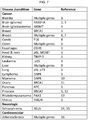
- the selected DNA sequence is a sequence of a gene listed in Figure 7 .
- the gene is selected from the group consisting of RASSF1A, MGMT, BRCA1, p16, CDH1, TIMP-3, p15, p73, DAPK, APC, and RELN.
- the cell is present in an individual diagnosed with a disease listed in Fig. 7 , and the selected DNA sequence is a gene associated with that disease as listed in Fig. 7 .
- fusion proteins comprising a DNA-binding domain (i.e., an engineered custom DNA-binding domain), and a catalytic domain (from a different protein) comprising a sequence that catalyzes hydroxylation of methylated cytosines in DNA, with an optional linker between the two domains.
- a DNA-binding domain i.e., an engineered custom DNA-binding domain
- a catalytic domain from a different protein
- expression of a TAL effector repeat array-Tetl (TAL-Tet1) fusion protein in human K562 cells results in demethylation of CpGs in close proximity to the target site bound by the TAL effector repeat array part of the protein.
- Exemplified is a hybrid protein consisting of an engineered transcription activator-like (TAL) effector repeat array fused to either the full length Tet1 protein (Tet1-FL), the catalytic domain of Tet1 (Tet1-CD), or a truncated version of the Tet1-FL protein in which the putative native DNA-binding domain has been removed (Tet1-NZ).
- TAL transcription activator-like
- DNA-binding proteins can be engineered to bind to essentially any DNA sequence and published work from various labs, as well as published and unpublished work from our lab, has demonstrated that these customizable domains can efficiently target a variety of fused domains to specific genomic locations ( Reyon et al., FLASH assembly of TALENs for high-throughput genome editing. Nat Biotechnol (2012).doi:10.1038/nbt.2170 ; Moscou and Bogdanove, Science 326, 1501-1501 (2009 ); Boch et al., Science 326, 1509-1512 (2009 ); Miller et al., Nat Biotechnol 29, 143-148 (2010 )).
- engineered TAL effector repeat arrays have been fused to the cleavage domain of the FokI endonuclease as well as activators and repressors and act to target these domains to a user-defined sequence within the context of the genome.
- the fusion proteins described herein can include any DNA Binding Domain (DBD) known in the art or engineered for a specific binding site.
- DBDs include engineered or native TAL effector repeat arrays, engineered or native zinc fingers, and native DBDs.
- TAL effectors of plant pathogenic bacteria in the genus Xanthomonas play important roles in disease, or trigger defense, by binding host DNA and activating effector-specific host genes. Specificity depends on an effector-variable number of imperfect, typically ⁇ 33-35 amino acid repeats. Polymorphisms are present primarily at repeat positions 12 and 13, which are referred to herein as the repeat variable-diresidue (RVD).
- RVDs of TAL effectors correspond to the nucleotides in their target sites in a direct, linear fashion, one RVD to one nucleotide, with some degeneracy and no apparent context dependence.
- the polymorphic region that grants nucleotide specificity may be expressed as a triresidue or triplet.
- Each DNA binding repeat can include a RVD that determines recognition of a base pair in the target DNA sequence, wherein each DNA binding repeat is responsible for recognizing one base pair in the target DNA sequence.
- the RVD can comprise one or more of: HA for recognizing C; ND for recognizing C; HI for recognizing C; HN for recognizing G; NA for recognizing G; SN for recognizing G or A; YG for recognizing T; and NK for recognizing G, and one or more of: HD for recognizing C; NG for recognizing T; NI for recognizing A; NN for recognizing G or A; NS for recognizing A or C or G or T; N ⁇ for recognizing C or T, wherein ⁇ represents a gap in the second position of the RVD; HG for recognizing T; H ⁇ for recognizing T, wherein ⁇ represents a gap in the second position of the RVD; and IG for recognizing T.
- TALE proteins may be useful in research and biotechnology as targeted chimeric nucleases that can facilitate homologous recombination in genome engineering (e.g., to add or enhance traits useful for biofuels or biorenewables in plants). These proteins also may be useful as, for example, transcription factors, and especially for therapeutic applications requiring a very high level of specificity such as therapeutics against pathogens (e.g., viruses) as non-limiting examples.
- pathogens e.g., viruses
- zinc finger proteins are DNA-binding proteins that contain one or more zinc fingers, independently folded zinc-containing mini-domains, the structure of which is well known in the art and defined in, for example, Miller et al., 1985, EMBO J., 4:1609 ; Berg, 1988, Proc. Natl. Acad. Sci. USA, 85:99 ; Lee et al., 1989, Science. 245:635 ; and Klug, 1993, Gene, 135:83 .
- Crystal structures of the zinc finger protein Zif268 and its variants bound to DNA show a semi-conserved pattern of interactions, in which typically three amino acids from the alpha-helix of the zinc finger contact three adjacent base pairs or a "subsite" in the DNA ( Pavletich et al., 1991, Science, 252:809 ; Elrod-Erickson et al., 1998, Structure, 6:451 ).
- the crystal structure of Zif268 suggested that zinc finger DNA-binding domains might function in a modular manner with a one-to-one interaction between a zinc finger and a three-base-pair "subsite" in the DNA sequence.
- multiple zinc fingers are typically linked together in a tandem array to achieve sequence-specific recognition of a contiguous DNA sequence ( Klug, 1993, Gene 135:83 ).
- Such recombinant zinc finger proteins can be fused to functional domains, such as transcriptional activators, transcriptional repressors, methylation domains, and nucleases to regulate gene expression, alter DNA methylation, and introduce targeted alterations into genomes of model organisms, plants, and human cells ( Carroll, 2008, Gene Ther., 15:1463-68 ; Cathomen, 2008, Mol. Ther., 16:1200-07 ; Wu et al., 2007, Cell. Mol. Life Sci., 64:2933-44 ).
- functional domains such as transcriptional activators, transcriptional repressors, methylation domains, and nucleases to regulate gene expression, alter DNA methylation, and introduce targeted alterations into genomes of model organisms, plants, and human cells ( Carroll, 2008, Gene Ther., 15:1463-68 ; Cathomen, 2008, Mol. Ther., 16:1200-07 ; Wu et al., 2007, Cell. Mol. Life Sci., 64:2933-44 ).
- module assembly advocates the simple joining together of pre-selected zinc finger modules into arrays ( Segal et al., 2003, Biochemistry, 42:2137-48 ; Beerli et al., 2002, Nat. Biotechnol., 20:135-141 ; Mandell et al., 2006, Nucleic Acids Res., 34:W516-523 ; Carroll et al., 2006, Nat. Protoc. 1:1329-41 ; Liu et al., 2002, J. Biol.
- a native DBD e.g., a portion of a wild-type, non-engineered DNA binding protein that binds to a specific target sequence
- the DBD from a transcription factor, nuclease, histone, telomerase, or other DNA binding protein can be used.
- DBDs include a structure that facilitates specific interaction with a target nucleic acid sequence; common DBD structures include helix-turn-helix; zinc finger; leucine zipper; winged helix; winged helix turn helix; helix-loop-helix; and hmg-box.
- the native DBD can be from any organism.
- DNA binding protein that contact DNA, and thus form part of the DBD, can be determined empirically or predicted computationally, e.g., as described in Tjong and Zhou, Nucl. Acids Res. 35:1465-1477 (2007 ).
- a database of DNA binding proteins can be used to identify DNA binding proteins and DBDs for use in the present compositions and methods; see, e.g., Harrison, Nature, 353, 715-719 (1991 ); Karmirantzou and Hamodrakas, Protein Eng.
- the catalytic domain is from a different protein.
- the fusion proteins include a catalytic domain comprising a sequence that catalyzes hydroxylation of methylated cytosines in DNA.
- exemplary proteins include the Ten-Eleven-Translocation (TET)1-3 family, enzymes that converts 5-methylcytosine (5-mC) to 5-hydroxymethylcytosine (5-hmC) in DNA. Sequences for human TET1-3 are known in the art and are shown in the following table: GenBank Accession Nos.
- Variant (1) represents the longer transcript and encodes the longer isoform (a).
- Variant (2) differs in the 5' UTR and in the 3' UTR and coding sequence compared to variant 1. The resulting isoform (b) is shorter and has a distinct C-terminus compared to isoform a.
- all or part of the full-length sequence of the catalytic domain can be included, e.g., a catalytic module comprising the cysteine-rich extension and the 20GFeDO domain encoded by 7 highly conserved exons, e.g., the Tet1 catalytic domain comprising amino acids 1580-2052, Tet2 comprising amino acids 1290-1905 and Tet3 comprising amino acids 966-1678. See, e.g., Fig. 1 of Iyer et al., Cell Cycle. 2009 Jun 1;8(11):1698-710 .
- the sequence includes amino acids 1418-2136 or the corresponding region in Tet2/3.
- catalytic modules can be from the proteins identified in Iyer et al., 2009.
- the DNA binding domain is fused to at least one catalytic domain.
- Fusing catalytic domains to DBD to form functional fusion proteins involves only routine molecular biology techniques that are commonly practiced by those of skill in the art, see for example, U.S. Pat. Nos. 6,511,808 , 6,013,453 , 6,007,988 , 6,503,717 and U.S. patent application 2002/0160940 ).
- Catalytic domains can be associated with the DBD domain at any suitable position, including the C- or N-terminus of the DBD.
- the fusion proteins include multiple catalytic domains, e.g., on one or both ends of the DBD, e.g., concatenated together with an optional intervening linker; thus there can be one or more catalytic domains on each end of the DBD.
- the catalytic domains e.g., Tet1 units
- the catalytic domains could be multimerized through specific constitutive or inducible protein-protein interaction domains (such as leucine zipper domains or ClonTech's iDimerize system, homodimerization and heterodimerization systems and ligands (e.g. AP20187, AP21967) which were previously provided by ARIAD under the brand name ARGENT.
- the B/B Homodimerizer induces dimerization of two proteins that each contain the DmrB homodimerization domain (see table below explaining domain nomenclature).
- the A/C Heterodimerizer induces dimerization of a protein possessing the DmrA domain and a second protein containing the DmrC domain.
- the D/D Solubilizer (alternative to AP21998) induces dissociation/disaggregation of proteins possessing DmrD domains.
- DmrD causes automatic self-association of proteins fused to it; see, e.g., Burnett et al., J. Leukoc. Biol. 75(4):612-623 (2004 ); Freeman et al., Cancer Res. 63(23):8256-8563 (2003 ); Castellano et al., Curr. Biol.
- multimerization could be achieved through the use of split-inteins, a class of autocatyltic intein peptides that allow for the seamless covalent splicing of two separate proteins in a predictable and efficient manner ( d'Avignon, et al., Biopolymers.
- the fusion proteins designed and produced using the methods described herein can be used to perform any function where it is desired to demethylate a specific DNA sequence.
- the fusion proteins can be useful for the treatment of disease; for example, the fusion proteins can be targeted to a hypermethylated region of a gene listed in Table 1 of Rodenhiser and Mann, CMAJ 174(3):341-348 (2006 ) as hypermethylated in a disease, which is reproduced as FIG. 7 hereto, or a reference set forth therein, or for otherwise altering the structure or function of a given gene in vivo.
- the fusion proteins of the present invention are also useful as research tools, for example, in performing either in vivo or in vitro functional genomics studies (see, for example, U.S. Pat. No. 6,503,717 and U.S. patent application 2002/0164575 ).
- the engineered proteins may be desirable to express the engineered proteins from a nucleic acid that encodes them.
- the nucleic acid encoding the fusion protein can be cloned into an intermediate vector for transformation into prokaryotic or eukaryotic cells for replication and/or expression.
- Intermediate vectors are typically prokaryote vectors, e.g., plasmids, or shuttle vectors, or insect vectors, for storage or manipulation of the nucleic acid encoding the fusion protein or for production of the fusion protein.
- the nucleic acid encoding the fusion protein can also be cloned into an expression vector, for administration to a plant cell, animal cell, preferably a mammalian cell or a human cell, fungal cell, bacterial cell, or protozoan cell.
- the fusion protein is typically subcloned into an expression vector that contains a promoter to direct transcription.
- Suitable bacterial and eukaryotic promoters are well known in the art and described, e.g., in Sambrook et al., Molecular Cloning, A Laboratory Manual (3d ed. 2001 ); Kriegler, Gene Transfer and Expression: A Laboratory Manual (1990 ); and Current Protocols in Molecular Biology (Ausubel et al., eds., 2010 ).
- Bacterial expression systems for expressing the engineered TALE repeat protein are available in, e.g., E. coli , Bacillus sp., and Salmonella ( Palva et al., 1983, Gene 22:229-235 ). Kits for such expression systems are commercially available.
- Eukaryotic expression systems for mammalian cells, yeast, and insect cells are well known in the art and are also commercially available.
- the promoter used to direct expression of the fusion protein nucleic acid depends on the particular application. For example, a strong constitutive promoter is typically used for expression and purification of fusion proteins. In contrast, when the fusion protein is to be administered in vivo for gene regulation, either a constitutive or an inducible promoter can be used, depending on the particular use of the fusion protein. In addition, a preferred promoter for administration of the fusion protein can be a weak promoter, such as HSV TK or a promoter having similar activity.
- the promoter can also include elements that are responsive to transactivation, e.g., hypoxia response elements, Gal4 response elements, lac repressor response element, and small molecule control systems such as tetracycline-regulated systems and the RU-486 system (see, e.g., Gossen & Bujard, 1992, Proc. Natl. Acad. Sci. USA, 89:5547 ; Oligino et al., 1998, Gene Ther., 5:491-496 ; Wang et al., 1997, Gene Ther., 4:432-441 ; Neering et al., 1996, Blood, 88:1147-55 ; and Rendahl et al., 1998, Nat. Biotechnol., 16:757-761 ).
- elements that are responsive to transactivation e.g., hypoxia response elements, Gal4 response elements, lac repressor response element, and small molecule control systems such as tetracycline-regulated systems and the
- the expression vector typically contains a transcription unit or expression cassette that contains all the additional elements required for the expression of the nucleic acid in host cells, either prokaryotic or eukaryotic.
- a typical expression cassette thus contains a promoter operably linked, e.g., to the nucleic acid sequence encoding the fusion protein, and any signals required, e.g., for efficient polyadenylation of the transcript, transcriptional termination, ribosome binding sites, or translation termination. Additional elements of the cassette may include, e.g., enhancers, and heterologous spliced intronic signals.
- the particular expression vector used to transport the genetic information into the cell is selected with regard to the intended use of the fusion protein, e.g., expression in plants, animals, bacteria, fungus, protozoa, etc.
- Standard bacterial expression vectors include plasmids such as pBR322 based plasmids, pSKF, pET23D, and commercially available tag-fusion expression systems such as GST and LacZ.
- a preferred tag-fusion protein is the maltose binding protein, "MBP."
- MBP maltose binding protein
- Such tag-fusion proteins can be used for purification of the engineered TALE repeat protein.
- Epitope tags can also be added to recombinant proteins to provide convenient methods of isolation, for monitoring expression, and for monitoring cellular and subcellular localization, e.g., c-myc or FLAG.
- Expression vectors containing regulatory elements from eukaryotic viruses are often used in eukaryotic expression vectors, e.g., SV40 vectors, papilloma virus vectors, and vectors derived from Epstein-Barr virus.
- eukaryotic vectors include pMSG, pAV009/A+, pMTO10/A+, pMAMneo-5, baculovirus pDSVE, and any other vector allowing expression of proteins under the direction of the SV40 early promoter, SV40 late promoter, metallothionein promoter, murine mammary tumor virus promoter, Rous sarcoma virus promoter, polyhedrin promoter, or other promoters shown effective for expression in eukaryotic cells.
- Some expression systems have markers for selection of stably transfected cell lines such as thymidine kinase, hygromycin B phosphotransferase, and dihydrofolate reductase.
- High yield expression systems are also suitable, such as using a baculovirus vector in insect cells, with the fusion protein encoding sequence under the direction of the polyhedrin promoter or other strong baculovirus promoters.
- the elements that are typically included in expression vectors also include a replicon that functions in E. coli , a gene encoding antibiotic resistance to permit selection of bacteria that harbor recombinant plasmids, and unique restriction sites in nonessential regions of the plasmid to allow insertion of recombinant sequences.
- Standard transfection methods are used to produce bacterial, mammalian, yeast or insect cell lines that express large quantities of protein, which are then purified using standard techniques (see, e.g., Colley et al., 1989, J. Biol. Chem., 264:17619-22 ; Guide to Protein Purification, in Methods in Enzymology, vol. 182 (Deutscher, ed., 1990 )). Transformation of eukaryotic and prokaryotic cells are performed according to standard techniques (see, e.g., Morrison, 1977, J. Bacteriol. 132:349-351 ; Clark-Curtiss & Curtiss, Methods in Enzymology 101:347-362 (Wu et al., eds, 1983 ).
- Any of the known procedures for introducing foreign nucleotide sequences into host cells may be used. These include the use of calcium phosphate transfection, polybrene, protoplast fusion, electroporation, nucleofection, liposomes, microinjection, naked DNA, plasmid vectors, viral vectors, both episomal and integrative, and any of the other well-known methods for introducing cloned genomic DNA, cDNA, synthetic DNA or other foreign genetic material into a host cell (see, e.g., Sambrook et al., supra). It is only necessary that the particular genetic engineering procedure used be capable of successfully introducing at least one gene into the host cell capable of expressing the protein of choice.
- the fusion protein includes a nuclear localization domain which provides for the protein to be translocated to the nucleus.
- nuclear localization sequences are known, and any suitable NLS can be used.
- many NLSs have a plurality of basic amino acids, referred to as a bipartite basic repeats (reviewed in Garcia-Bustos et al, 1991, Biochim. Biophys. Acta, 1071:83-101 ).
- An NLS containing bipartite basic repeats can be placed in any portion of chimeric protein and results in the chimeric protein being localized inside the nucleus.
- a nuclear localization domain is incorporated into the final fusion protein, as the ultimate functions of the fusion proteins described herein will typically require the proteins to be localized in the nucleus. However, it may not be necessary to add a separate nuclear localization domain in cases where the DBD domain itself, or another functional domain within the final chimeric protein, has intrinsic nuclear translocation function.
- the fusion proteins described herein can be used to regulate gene expression or alter gene sequence in gene therapy applications in the same. See for example U.S. Pat. No. 6,511,808 , U.S. Pat. No. 6,013,453 , U.S. Pat. No. 6,007,988 , U.S. Pat. No. 6,503,717 , U.S. patent application 2002/0164575 , and U.S. patent application 2002/0160940 .
- the methods can include administering one or more of the fusion proteins described herein targeted to one or more genes.
- a plurality of fusion proteins that all target positions on the same gene, e.g., positions within about 1000, 500, 300, 250, 100, 50, 40, 30, or 20 bp of the site to be demethylated, can be administered.
- one or a plurality of fusion proteins that are multimerized as described herein can be administered.
- Non-viral vector delivery systems include DNA plasmids, naked nucleic acid, and nucleic acid complexed with a delivery vehicle such as a liposome.
- Viral vector delivery systems include DNA and RNA viruses, which have either episomal or integrated genomes after delivery to the cell.
- Methods of non-viral delivery of nucleic acids encoding the fusion proteins include lipofection, microinjection, biolistics, virosomes, liposomes, immunoliposomes, polycation or lipid:nucleic acid conjugates, naked DNA or RNA, artificial virions, and agent-enhanced uptake of DNA or RNA.
- Lipofection is described in e.g., U.S. Pat. No. 5,049,386 , No. 4,946,787 ; and No.4,897,355 ) and lipofection reagents are sold commercially (e.g., Transfectam3 and Lipofectin3).
- Cationic and neutral lipids that are suitable for efficient receptor-recognition lipofection of polynucleotides include those of Feigner, WO 91/17424 , WO 91/16024 . Delivery can be to cells (ex vivo administration) or target tissues (in vivo administration).
- lipid:nucleic acid complexes including targeted liposomes such as immunolipid complexes
- the preparation of lipid:nucleic acid complexes, including targeted liposomes such as immunolipid complexes is well known to one of skill in the art (see, e.g., Crystal, 1995, Science, 270:404-410 ; Blaese et al., 1995, Cancer Gene Ther., 2:291-297 ; Behr et al., 1994, Bioconjugate Chem. 5:382-389 ; Remy et al., 1994, Bioconjugate Chem., 5:647-654 ; Gao et al., Gene Ther., 2:710-722 ; Ahmad et al., 1992, Cancer Res., 52:4817-20 ; U.S. Pat. Nos.
- RNA or DNA viral based systems for the delivery of nucleic acids encoding the fusion proteins takes advantage of highly evolved processes for targeting a virus to specific cells in the body and trafficking the viral payload to the nucleus.
- Viral vectors can be administered directly to patients (in vivo) or they can be used to treat cells in vitro and the modified cells are administered to patients (ex vivo).
- Conventional viral based systems for the delivery of fusion proteins could include retroviral, lentivirus, adenoviral, adeno-associated, Sendai, and herpes simplex virus vectors for gene transfer.
- Viral vectors are currently the most efficient and versatile method of gene transfer in target cells and tissues. Integration in the host genome is possible with the retrovirus, lentivirus, and adeno-associated virus gene transfer methods, often resulting in long term expression of the inserted transgene. Additionally, high transduction efficiencies have been observed in many different cell types and target tissues.
- Lentiviral vectors are retroviral vectors that are able to transduce or infect non-dividing cells and typically produce high viral titers. Selection of a retroviral gene transfer system would therefore depend on the target tissue. Retroviral vectors are comprised of cis-acting long terminal repeats with packaging capacity for up to 6-10 kb of foreign sequence. The minimum cis-acting LTRs are sufficient for replication and packaging of the vectors, which are then used to integrate the therapeutic gene into the target cell to provide permanent transgene expression.
- Widely used retroviral vectors include those based upon murine leukemia virus (MuLV), gibbon ape leukemia virus (GaLV), Simian Immuno deficiency virus (SIV), human immuno deficiency virus (HIV), and combinations thereof (see, e.g., Buchscher et al., 1992, J. Virol., 66:2731-39 ; Johann et al., 1992, J. Virol., 66:1635-40 ; Sommerfelt et al., 1990, Virololgy, 176:58-59 ; Wilson et al., 1989, J. Virol., 63:2374-78 ; Miller et al., 1991, J. Virol., 65:2220-24 ; WO 94/26877 ).
- MiLV murine leukemia virus
- GaLV gibbon ape leukemia virus
- SIV Simian Immuno deficiency virus
- HAV human immuno deficiency virus
- Adenoviral based systems can be used.
- Adenoviral based vectors are capable of very high transduction efficiency in many cell types and do not require cell division. With such vectors, high titer and levels of expression have been obtained. This vector can be produced in large quantities in a relatively simple system.
- Adeno-associated virus (“AAV”) vectors are also used to transduce cells with target nucleic acids, e.g., in the in vitro production of nucleic acids and peptides, and for in vivo and ex vivo gene therapy procedures (see, e.g., West et al., 1987, Virology 160:38-47 ; U.S. Pat. No.
- At least six viral vector approaches are currently available for gene transfer in clinical trials, with retroviral vectors by far the most frequently used system. All of these viral vectors utilize approaches that involve complementation of defective vectors by genes inserted into helper cell lines to generate the transducing agent.
- pLASN and MFG-S are examples are retroviral vectors that have been used in clinical trials ( Dunbar et al., 1995, Blood, 85:3048 ; Kohn et al.,1995, Nat. Med., 1:1017 ; Malech et al., 1997, Proc. Natl. Acad. Sci. USA, 94:12133-38 ).
- PA317/pLASN was the first therapeutic vector used in a gene therapy trial. ( Blaese et al., 1995, Science, 270:475-480 ).
- rAAV Recombinant adeno-associated virus vectors
- the vectors are derived from a plasmid that retains only the AAV 145 bp inverted terminal repeats flanking the transgene expression cassette. Efficient gene transfer and stable transgene delivery due to integration into the genomes of the transduced cell are key features for this vector system ( Wagner et al., 1998, Lancet, 351:1702-1703 ; Kearns et al., 1996, Gene Ther., 9:748-55 ).
- Ad vectors Replication-deficient recombinant adenoviral vectors (Ad) are predominantly used for colon cancer gene therapy, because they can be produced at high titer and they readily infect a number of different cell types. Most adenovirus vectors are engineered such that a transgene replaces the Ad E1a, E1b, and E3 genes; subsequently the replication defector vector is propagated in human 293 cells that supply deleted gene function in trans. Ad vectors can transduce multiple types of tissues in vivo, including nondividing, differentiated cells such as those found in the liver, kidney and muscle system tissues. Conventional Ad vectors have a large carrying capacity.
- Ad vector An example of the use of an Ad vector in a clinical trial involved polynucleotide therapy for antitumor immunization with intramuscular injection ( Sterman et al., 1998, Hum. Gene Ther. 7:1083-89 ). Additional examples of the use of adenovirus vectors for gene transfer in clinical trials include Rosenecker et al., 1996, Infection, 24:15-10 ; Sterman et al., 1998, Hum. Gene Ther., 9:7 1083-89 ; Welsh et al., 1995, Hum. Gene Ther., 2:205-218 ; Alvarez et al., 1997, Hum. Gene Ther. 5:597-613 ; Topf et al., 1998, Gene Ther., 5:507-513 ; Sterman et al., 1998, Hum. Gene Ther., 7:1083-89 .
- Packaging cells are used to form virus particles that are capable of infecting a host cell. Such cells include 293 cells, which package adenovirus, and ⁇ 2 cells or PA317 cells, which package retrovirus.
- Viral vectors used in gene therapy are usually generated by producer cell line that packages a nucleic acid vector into a viral particle. The vectors typically contain the minimal viral sequences required for packaging and subsequent integration into a host, other viral sequences being replaced by an expression cassette for the protein to be expressed. The missing viral functions are supplied in trans by the packaging cell line. For example, AAV vectors used in gene therapy typically only possess ITR sequences from the AAV genome which are required for packaging and integration into the host genome.
- Viral DNA is packaged in a cell line, which contains a helper plasmid encoding the other AAV genes, namely rep and cap, but lacking ITR sequences.
- the cell line is also infected with adenovirus as a helper.
- the helper virus promotes replication of the AAV vector and expression of AAV genes from the helper plasmid.
- the helper plasmid is not packaged in significant amounts due to a lack of ITR sequences. Contamination with adenovirus can be reduced by, e.g., heat treatment to which adenovirus is more sensitive than AAV.
- a viral vector is typically modified to have specificity for a given cell type by expressing a ligand as a fusion protein with a viral coat protein on the viruses outer surface.
- the ligand is chosen to have affinity for a receptor known to be present on the cell type of interest.
- Han et al. 1995, Proc. Natl. Acad. Sci. USA, 92:9747-51 , reported that Moloney murine leukemia virus can be modified to express human heregulin fused to gp70, and the recombinant virus infects certain human breast cancer cells expressing human epidermal growth factor receptor.
- filamentous phage can be engineered to display antibody fragments (e.g., Fab or Fv) having specific binding affinity for virtually any chosen cellular receptor.
- antibody fragments e.g., Fab or Fv
- nonviral vectors Such vectors can be engineered to contain specific uptake sequences thought to favor uptake by specific target cells.
- Gene therapy vectors can be delivered in vivo by administration to an individual patient, typically by systemic administration (e.g., intravenous, intraperitoneal, intramuscular, subdermal, or intracranial infusion) or topical application, as described below.
- vectors can be delivered to cells ex vivo, such as cells explanted from an individual patient (e.g., lymphocytes, bone marrow aspirates, tissue biopsy) or stem cells (e.g., universal donor hematopoietic stem cells, embryonic stem cells (ES), partially differentiated stem cells, non-pluripotent stem cells, pluripotent stem cells, induced pluripotent stem cells (iPS cells) (see e.g., Sipione et al., Diabetologia, 47:499-508, 2004 )), followed by reimplantation of the cells into a patient, usually after selection for cells which have incorporated the vector.
- stem cells e.g., universal donor hematopoietic stem cells, embryonic stem cells
- Ex vivo cell transfection for diagnostics, research, or for gene therapy is well known to those of skill in the art.
- cells are isolated from the subject organism, transfected with nucleic acid (gene or cDNA), encoding the fusion protein, and re-infused back into the subject organism (e.g., patient).
- nucleic acid gene or cDNA
- Various cell types suitable for ex vivo transfection are well known to those of skill in the art (see, e.g., Freshney et al., Culture of Animal Cells, A Manual of Basic Technique (5th ed. 2005 )) and the references cited therein for a discussion of how to isolate and culture cells from patients).
- stem cells e.g., universal donor hematopoietic stem cells, embryonic stem cells (ES), partially differentiated stem cells, non-pluripotent stem cells, pluripotent stem cells, induced pluripotent stem cells (iPS cells) (see e.g., Sipione et al., Diabetologia, 47:499-508, 2004 )
- ES embryonic stem cells
- iPS cells induced pluripotent stem cells
- the advantage to using stem cells is that they can be differentiated into other cell types in vitro, or can be introduced into a mammal (such as the donor of the cells) where they will engraft in the bone marrow.
- Stem cells can be isolated for transduction and differentiation using known methods.
- stem cells can be isolated from bone marrow cells by panning the bone marrow cells with antibodies which bind unwanted cells, such as CD4+ and CD8+ (T cells), CD45+ (panB cells), GR-1 (granulocytes), and 1ad (differentiated antigen presenting cells) (see Inaba et al., 1992, J. Exp. Med., 176:1693-1702 ).
- Vectors e.g., retroviruses, adenoviruses, liposomes, etc.
- nucleic acids encoding the fusion protein can be also administered directly to the organism for transduction of cells in vivo.
- naked DNA can be administered.
- Administration is by any of the routes normally used for introducing a molecule into ultimate contact with blood or tissue cells. Suitable methods of administering such nucleic acids are available and well known to those of skill in the art, and, although more than one route can be used to administer a particular composition, a particular route can often provide a more immediate and more effective reaction than another route.
- stable formulations of the fusion protein can also be administered.
- Pharmaceutically acceptable carriers are determined in part by the particular composition being administered, as well as by the particular method used to administer the composition. Accordingly, there is a wide variety of suitable formulations of pharmaceutical compositions available, as described below (see, e.g., Remington: The Science and Practice of Pharmacy, 21st ed., 2005 ).
- polypeptide compounds such as the fusion proteins of the present invention
- the polypeptide has the ability to traverse the plasma membrane of a cell, or the membrane of an intra-cellular compartment such as the nucleus.
- Cellular membranes are composed of lipid-protein bilayers that are freely permeable to small, nonionic lipophilic compounds and are inherently impermeable to polar compounds, macromolecules, and therapeutic or diagnostic agents.
- proteins and other compounds such as liposomes have been described, which have the ability to translocate polypeptides such as fusion protein across a cell membrane.
- membrane translocation polypeptides have amphiphilic or hydrophobic amino acid subsequences that have the ability to act as membrane-translocating carriers.
- homeodomain proteins have the ability to translocate across cell membranes.
- the shortest internalizable peptide of a homeodomain protein, Antennapedia was found to be the third helix of the protein, from amino acid position 43 to 58 (see, e.g., Prochiantz, 1996, Curr. Opin. Neurobiol., 6:629-634 ).
- peptide sequences that can be linked to a protein, for facilitating uptake of the protein into cells include, but are not limited to: peptide fragments of the tat protein of HIV ( Endoh et al., 2010, Methods Mol. Biol., 623:271-281 ; Schmidt et al., 2010, FEBS Lett., 584:1806-13 ; Futaki, 2006, Biopolymers, 84:241-249 ); a 20 residue peptide sequence which corresponds to amino acids 84-103 of the p16 protein (see Fahraeus et al., 1996, Curr.
- Toxin molecules also have the ability to transport polypeptides across cell membranes. Often, such molecules are composed of at least two parts (called "binary toxins"): a translocation or binding domain or polypeptide and a separate toxin domain or polypeptide. Typically, the translocation domain or polypeptide binds to a cellular receptor, and then the toxin is transported into the cell.
- Clostridium perfringens iota toxin diphtheria toxin (DT), Pseudomonas exotoxin A (PE), pertussis toxin (PT), Bacillus anthracis toxin, and pertussis adenylate cyclase (CYA)
- DT diphtheria toxin
- PE Pseudomonas exotoxin A
- PT pertussis toxin
- Bacillus anthracis toxin Bacillus anthracis toxin
- pertussis adenylate cyclase CYA
- Such subsequences can be used to translocate fusion proteins across a cell membrane.
- the fusion proteins can be conveniently fused to or derivatized with such sequences.
- the translocation sequence is provided as part of a fusion protein.
- a linker can be used to link the fusion protein and the translocation sequence. Any suitable linker can be used, e.g., a peptide linker.
- the fusion protein can also be introduced into an animal cell, preferably a mammalian cell, via liposomes and liposome derivatives such as immunoliposomes.
- liposome refers to vesicles comprised of one or more concentrically ordered lipid bilayers, which encapsulate an aqueous phase.
- the aqueous phase typically contains the compound to be delivered to the cell, i.e., the fusion protein.
- the liposome fuses with the plasma membrane, thereby releasing the compound into the cytosol.
- the liposome is phagocytosed or taken up by the cell in a transport vesicle. Once in the endosome or phagosome, the liposome either degrades or fuses with the membrane of the transport vesicle and releases its contents.
- the liposome In current methods of drug delivery via liposomes, the liposome ultimately becomes permeable and releases the encapsulated compound (e.g., the fusion protein or a nucleic acid encoding the same) at the target tissue or cell.
- the encapsulated compound e.g., the fusion protein or a nucleic acid encoding the same
- this can be accomplished, for example, in a passive manner wherein the liposome bilayer degrades over time through the action of various agents in the body.
- active compound release involves using an agent to induce a permeability change in the liposome vesicle.
- Liposome membranes can be constructed so that they become destabilized when the environment becomes acidic near the liposome membrane (see, e.g., Proc. Natl. Acad. Sci.
- DOPE Dioleoylphosphatidylethanolamine
- Such liposomes typically comprise the fusion protein and a lipid component, e.g., a neutral and/or cationic lipid, optionally including a receptor-recognition molecule such as an antibody that binds to a predetermined cell surface receptor or ligand (e.g., an antigen).
- a lipid component e.g., a neutral and/or cationic lipid, optionally including a receptor-recognition molecule such as an antibody that binds to a predetermined cell surface receptor or ligand (e.g., an antigen).
- Suitable methods include, for example, sonication, extrusion, high pressure/homogenization, micro fluidization, detergent dialysis, calcium-induced fusion of small liposome vesicles and ether-fusion methods, all of which are well known in the art.
- targeting moieties that are specific to a particular cell type, tissue, and the like.
- Targeting of liposomes using a variety of targeting moieties has been previously described (see, e.g., U.S. Pat. Nos. 4,957,773 and 4,603,044 ).
- targeting moieties include monoclonal antibodies specific to antigens associated with neoplasms, such as prostate cancer specific antigen and MAGE. Tumors can also be diagnosed by detecting gene products resulting from the activation or overexpression of oncogenes, such as ras or c-erbB2. In addition, many tumors express antigens normally expressed by fetal tissue, such as the alphafetoprotein (AFP) and carcinoembryonic antigen (CEA).
- AFP alphafetoprotein
- CEA carcinoembryonic antigen
- Sites of viral infection can be diagnosed using various viral antigens such as hepatitis B core and surface antigens (HBVc, HBVs) hepatitis C antigens, Epstein-Barr virus antigens, human immunodeficiency type-1 virus (HIV1) and papilloma virus antigens.
- Inflammation can be detected using molecules specifically recognized by surface molecules which are expressed at sites of inflammation such as integrins (e.g., VCAM-1), selectin receptors (e.g., ELAM-1) and the like.
- Standard methods for coupling targeting agents to liposomes can be used. These methods generally involve incorporation into liposomes lipid components, e.g., phosphatidylethanolamine, which can be activated for attachment of targeting agents, or derivatized lipophilic compounds, such as lipid derivatized bleomycin.
- Antibody targeted liposomes can be constructed using, for instance, liposomes which incorporate protein A (see Renneisen et al., 1990, J. Biol. Chem., 265:16337-42 and Leonetti et al., 1990, Proc. Natl. Acad. Sci. USA, 87:2448-51 ).
- the dose of the fusion protein to be administered to a patient can be calculated in a similar way as has been described for zinc finger proteins, see for example U.S. Pat. No. 6,511,808 , U.S. Pat. No. 6,492,117 , U.S. Pat. No. 6,453,242 , U.S. patent application 2002/0164575 , and U.S. patent application 2002/0160940 .
- the dose should be sufficient to effect a beneficial therapeutic response in the patient over time.
- particular dosage regimens can be useful for determining phenotypic changes in an experimental setting, e.g., in functional genomics studies, and in cell or animal models.
- the dose will be determined by the efficacy, specificity, and K D of the particular fusion protein employed, the nuclear volume of the target cell, and the condition of the patient, as well as the body weight or surface area of the patient to be treated.
- the size of the dose also will be determined by the existence, nature, and extent of any adverse side-effects that accompany the administration of a particular compound or vector in a particular patient.
- fusion proteins of the present invention can be determined as described for zinc finger proteins, see for example U.S. Pat. No. 6,511,808 , U.S. Pat. No. 6,492,117 , U.S. Pat. No. 6,453,242 , U.S. patent application 2002/0164575 , and U.S. patent application 2002/0160940 .
- Fusion proteins, and expression vectors encoding fusion proteins can be administered directly to the patient for modulation of methylation patterns, e.g., and gene expression, and for therapeutic or prophylactic applications, for example, for treatment of diseases listed in Fig.
- the methods can include identifying a subject who has a disease associated with hypermethylation (e.g., optionally including obtaining a sample and detecting methylation of DNA, e.g., of the associated gene listed in Fig. 7 , and selecting the subject if their DNA is hypermethylated), and administering a therapeutically effective amount of a fusion protein, or a nucleic acid encoding a fusion protein, as described herein, to the subject.
- cancer e.g., bladder, brain (e.g., glioma, or glioblastoma), breast, cervical, colon, colorectal, esophagus, head/neck, kidney, leukemia, liver, lung, lymphoma, myeloma, ovary, pancreas, prostate, rhabdomyosarcoma, and uterus cancer
- schizophrenia memory formation
- memory formation e.g., atherosclerosis.
- the methods can include identifying a subject who has a disease
- Administration of therapeutically effective amounts is by any of the routes normally used for introducing Fusion proteins into ultimate contact with the tissue to be treated.
- the fusion proteins are administered in any suitable manner, preferably with pharmaceutically acceptable carriers. Suitable methods of administering such modulators are available and well known to those of skill in the art, and, although more than one route can be used to administer a particular composition, a particular route can often provide a more immediate and more effective reaction than another route.
- Pharmaceutically acceptable carriers are determined in part by the particular composition being administered, as well as by the particular method used to administer the composition. Accordingly, there is a wide variety of suitable formulations of pharmaceutical compositions that are available (see, e.g., Remington: The Science and Practice of Pharmacy, 21st ed., 2005 ).
- the fusion proteins can be made into aerosol formulations (i.e., they can be "nebulized") to be administered via inhalation. Aerosol formulations can be placed into pressurized acceptable propellants, such as dichlorodifluoromethane, propane, nitrogen, and the like.
- Formulations suitable for parenteral administration include aqueous and non-aqueous, isotonic sterile injection solutions, which can contain antioxidants, buffers, bacteriostats, and solutes that render the formulation isotonic with the blood of the intended recipient, and aqueous and non-aqueous sterile suspensions that can include suspending agents, solubilizers, thickening agents, stabilizers, and preservatives.
- the disclosed compositions can be administered, for example, by intravenous infusion, orally, topically, intraperitoneally, intravesically or intrathecally.
- the formulations of compounds can be presented in unit-dose or multi-dose sealed containers, such as ampules and vials. Injection solutions and suspensions can be prepared from sterile powders, granules, and tablets of the kind previously described.
- Tet1-FL is the full length Tet1 protein
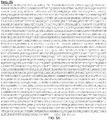
- Tet1-CD comprises only the catalytic domain of the protein, including the Cys-rich region and the double-stranded ⁇ -helix domain ( Figure 5 ).
- Tet1-NZ is an intermediate truncation variant that lacks a CXXC-type zinc-binding domain, which may be responsible for directing DNA-binding of the endogenous protein ( Zhang et al., Cell Res 20, 1390-1393 (2010 ); Xu et al., Mol.
- Tet1-NZ maintains more of the native protein than Tet1-CD alone.
- DNA fragments encoding full-length Tet1 (Tet1-FL; amino acids 1-2136) and Tet1 catalytic domain (Tet1-CD; amino acids 1418-2136) were synthesized in 8 pieces (Integrated DNA Technologies) and iteratively cloned together using standard restriction digest/ligation based cloning.
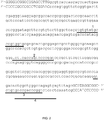
- Tet1-FL and Tet1-CD were then cloned into a plasmid vector that enables their expression as fusions to the carboxy-terminal end of four different engineered TAL repeat array protein domains designed to bind different 18 bp target sites within the second intron of the human Klf4 gene (see Figure 2 ).
- the linker sequences used to join the Tet1 protein or Tet1 protein fragments to the TAL effector repeat arrays were composed of one of the following linkers: Gly 3 Ser (SEQ ID NO:5), Gly 3 SerGly 4 SerArgSer (SEQ ID NO:6), Gly 3 Ser(Gly 4 Ser) 2 ArgSer (SEQ ID NO:7), Gly 3 Ser(Gly 4 Ser) 3 ArgSer (SEQ ID NO:8), Gly 3 Ser(Gly 4 Ser) 4 ArgSer (SEQ ID NO:9), or Gly 3 Ser(Gly 4 Ser) 5 ArgSer (SEQ ID NO:10).
- Tet1-NZ was constructed by removing the CXXC domain located at amino acids 584-624 of the full length protein. This was achieved by using tailed PCR of a small segment of Tet1-FL that placed a BamHI site immediately after the CXXC domain and included a PmlI site upstream of the CXXC domain that is unique in the Tet1-FL expression plasmid. This PCR product was then cloned into the Tet1-FL expression plasmid using a BamHI/PmlI double digest of both the PCR product and the Tet1-FL plasmid followed by ligation and transformation.
- the four genomic loci chosen to target for demethylation were selected based on several criteria. All four loci lie within intron 2 of the human KLF4 gene, which exhibits marks of open chromatin based on data from the ENCODE project (as accessed through the UCSC Genome Browser), suggesting its likely accessibility for binding by TAL effector DNA binding domains. This intron was also attractive because it harbors multiple CpG diresidues that are methylated in K562 cells but that are unmethylated in human embyronic stem cells, suggesting that methylation of these cytosines is not necessary for cell survival or viability.
- TAL effector repeat arrays were engineered using the previously described FLASH assembly method ( Reyon et al. FLASH assembly of TALENs for high-throughput genome editing. Nat Biotechnol (2012).doi:10.1038/nbt.2170 ). DNA fragments encoding assembled arrays were cloned into expression constructs containing amino acids 153 to 288 from the TALE13 protein and the +95 C-terminal domain, comprised of amino acids 715 to 809 from the C-terminal end of TALE13 ( Miller et al., Nat Biotechnol 29, 143-148 (2010 )).
- Human K562 cells were cultured in Iscove's Modified DMEM with 10% HI-FBS (Gibco), 1% Glutamax (Gibco) and 1% Pen/Strep (Gibco), and were transfected with plasmids encoding various TAL-Tetl-CD fusion proteins harboring the Gly 3 Ser linker by nucleofecting 1x10 6 dividing cells with 10 ⁇ g of DNA in 100 ⁇ l of Kit V solution (Lonza) using program T-016 on the Nucleofector 2b Device (Lonza). Nucleofected cells were incubated in 6-well plates at 37°C for 4 days following nucleofection. genomic DNA was harvested 4 days post-transfection.
- Bisulfite DNA sequencing of KLF4 intron 2 from these transfected cell populations was performed as follows. Genomic DNA was isolated from transfected cells using the Qiagen Blood Mini kit. 200-1000 ng of genomic DNA was bisulfite treated using either the EZ DNA Methylation Kit (Zymo), EZ DNA Methylation-Lightning Kit (Zymo), or Cells-to-CpG Bisulfite Conversion Kit (Applied Biosystems) following recommended protocols. PCR amplification of Bis-DNA was performed using Accuprime HiFi Taq DNA polymerase system (Invitrogen).
- PCR products were TA-cloned using the Original TA Cloning protocol (Invitrogen) or the pGEM-T Easy Vector System (Promega) and transformed into either Top 10 or XL1-Blue competent cells. Individual clones were miniprepped and sequenced and sequences were analyzed using the BISMA software available online at ( Rohde et al., BMC Bioinformatics 2010, 11:230 ), using default parameters.
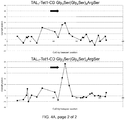
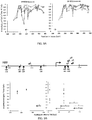
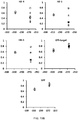
- FIG. 3 shows the rates of demethylation for CpGs near the four different TAL binding sites.
- TAL-Tet1-CD protein targeted to site1 showed the highest levels of demethylation with 32.5% and 45.4% demethylation of CpGs located 9 and 15bp downstream of the target binding site, respectively.
- TAL-Tet1-CD protein targeted to site 2 showed no demethylation of CpGs located 1 and 3bp downstream of the binding site but did show 36.5% and 28.2% demethylation at CpGs located 17 and 27bp downstream, respectively.
- TAL-Tet1 protein targeted to site 3 showed several greater than 25% demethylation at CpGs located 22, 36, 116 and 143bp downstream, and a TAL-Tet1-CD protein targeted to site 4 showed a 37% demethylation at a CpG located 13bp downstream but failed to show significant demethylation at any other CpGs.
Landscapes
- Health & Medical Sciences (AREA)
- Life Sciences & Earth Sciences (AREA)
- Chemical & Material Sciences (AREA)
- Engineering & Computer Science (AREA)
- Bioinformatics & Cheminformatics (AREA)
- Organic Chemistry (AREA)
- Medicinal Chemistry (AREA)
- General Health & Medical Sciences (AREA)
- Zoology (AREA)
- Genetics & Genomics (AREA)
- Wood Science & Technology (AREA)
- Biomedical Technology (AREA)
- Animal Behavior & Ethology (AREA)
- Nuclear Medicine, Radiotherapy & Molecular Imaging (AREA)
- Veterinary Medicine (AREA)
- Public Health (AREA)
- Pharmacology & Pharmacy (AREA)
- Chemical Kinetics & Catalysis (AREA)
- General Chemical & Material Sciences (AREA)
- Molecular Biology (AREA)
- Biotechnology (AREA)
- Biochemistry (AREA)
- Microbiology (AREA)
- General Engineering & Computer Science (AREA)
- Cardiology (AREA)
- Heart & Thoracic Surgery (AREA)
- Psychiatry (AREA)
- Neurology (AREA)
- Neurosurgery (AREA)
- Peptides Or Proteins (AREA)
- Micro-Organisms Or Cultivation Processes Thereof (AREA)
Claims (11)
- Fusionsprotein, Folgendes umfassend:eine DNA-bindende Domäne, die speziell an eine vorausgewählte Zielsequenz bindet, die sich innerhalb von 250 bp eines CpG-Diresiduums in einer Säugetierzelle befindet, wobei die DNA-bindende Domäne ein technisches transkriptionsaktivatorähnliches (transcription activator-like - TAL) Effektorwiederholungsarray ist oder umfasst, undeine katalytische Domäne, die eine Sequenz umfasst, die die Entmethylierung von Cytosin in der DNA katalysiert, wobei die Sequenz die Aminosäuren 1580-2052 von Tet1 (SEQ ID NO: 2) umfasst,wobei das Fusionsprotein an die Zielsequenz bindet und eine Methylierung des CpG-Diresiduums reduziert.
- Fusionsprotein nach Anspruch 1, ferner einen Linker zwischen der DNA-bindenden Domäne und der katalytischen Domäne umfassend.
- Fusionsprotein nach Anspruch 2, wobei der Linker aus der Gruppe ausgewählt ist, die aus Gly3Ser (SEQ ID NO: 5), Gly3SerGly4SerArgSer (SEQ ID NO: 6), Gly3Ser(Gly4Ser)2ArgSer (SEQ ID NO: 7), Gly3Ser(Gly4Ser)3ArgSer (SEQ ID NO: 8), Gly3Ser(Gly4Ser)4ArgSer (SEQ ID NO: 9) and Gly3Ser(Gly4Ser)5ArgSer (SEQ ID NO: 10) besteht.
- Fusionsprotein nach einem der Ansprüche 1 bis 3, mehrere katalytische Domänen umfassend.
- Ex-Vivo-Verfahren zum Reduzieren der Methylierung einer ausgewählten DNA-Sequenz in einer Säugetierzelle, wobei das Verfahren ein Inberührungbringen der Zelle mit dem Fusionsprotein nach einem der Ansprüche 1 bis 4 oder einer Nukleinsäure, die für das Fusionsprotein nach einem der Ansprüche 1 bis 4 codiert, umfasst.
- Fusionsprotein nach einem der Ansprüche 1 bis 4 oder Nukleinsäure, die für das Fusionsprotein nach einem der Ansprüche 1 bis 4 codiert, zur Verwendung in einem Verfahren zum Reduzieren der Methylierung eines CpG-Diresiduums in einer ausgewählten DNA-Sequenz in einer Säugetierzelle, um Krebs zu behandeln, wobei das Verfahren das Inberührungbringen der Zelle mit dem Fusionsprotein oder der Nukleinsäure, die für das Fusionsprotein codiert, umfasst.
- Verfahren nach Anspruch 5 oder Fusionsprotein oder Nukleinsäure, die für das Fusionsprotein codiert, zur Verwendung nach Anspruch 6, wobei die katalytische Domäne die Aminosäuren 1418-2136 von Tet1 umfasst.
- Verfahren nach Anspruch 5 oder Fusionsprotein oder Nukleinsäure, die für das Fusionsprotein codiert, zur Verwendung nach Anspruch 6, wobei die Zelle eine menschliche Zelle ist.
- Verfahren nach Anspruch 5, wobei die ausgewählte DNA-Sequenz aus einer Sequenz der Gene RASSFIA, MGMT, BRCA1, P16, CDH1, pf6, TIMP-3, p15, p73, DAPK, APC, BRCA2, PAX3, hMLHI und RELN ausgewählt ist.
- Fusionsprotein oder Nukleinsäure, die für das Fusionsprotein codiert, zur Verwendung nach Anspruch 6, wobei die ausgewählte DNA-Sequenz aus einer Sequenz der Gene RASSFIA, MGMT, BRCA1, P16, CDH1, pf6, TIMP-3, p15, p73, DAPK, APC, BRCA2, PAX3 und hMLHI ausgewählt ist.
- Fusionsprotein oder Nukleinsäure, die für das Fusionsprotein codiert, zur Verwendung nach Anspruch 6, wobei die Zelle in einem Individuum mit Folgendem vorhanden ist:(i) mit der Diagnose Hirnkrebs (Gliom), wobei die ausgewählte DNA-Sequenz RASSFIA ist;(ii) mit der Diagnose Hirnkrebs (Glioblastom), wobei die ausgewählte DNA-Sequenz MGMT ist;(iii) mit der Diagnose Brustkrebs, wobei die ausgewählte DNA-Sequenz BRCA1 ist;(iv) mit der Diagnose Gebärmutterhalskrebs, wobei die ausgewählte DNA-Sequenz p16 ist;(v) mit der Diagnose Speiseröhrenkrebs, wobei die ausgewählte DNA-Sequenz CDH1 ist;(vi) mit der Diagnose Kopf-Hals-Krebs, wobei die ausgewählten DNA-Sequenzen pf6 und MGMT sind;(vii) mit der Diagnose Nierenkrebs, wobei die ausgewählte DNA-Sequenz TIMP-3 ist;(viii) mit der Diagnose Lungenkrebs, wobei die ausgewählte DNA-Sequenz p16 und p73 ist;(ix) mit der Diagnose Eierstockkrebs, wobei die ausgewählte DNA-Sequenz BRCA1 ist;(x) mit der Diagnose Bauchspeicheldrüsenkrebs, wobei die ausgewählte DNA-Sequenz APC ist;(xi) mit der Diagnose Prostatakrebs, wobei die ausgewählte DNA-Sequenz BRCA2 ist;(xii) mit der Diagnose Gebärmutterkrebs, wobei die ausgewählte DNA-Sequenz hMLHI ist;(xiii) mit der Diagnose Leukämie, wobei die ausgewählte DNA-Sequenz p15 ist;(xiv) mit der Diagnose Lymphom, wobei die ausgewählte DNA-Sequenz DAPK ist;(xv) mit der Diagnose Myelom, wobei die ausgewählte DNA-Sequenz DAPK ist; oder(xvi) mit der Diagnose Rhabdomyosarkom, wobei die ausgewählte DNA-Sequenz PAX3 ist.
Priority Applications (4)
| Application Number | Priority Date | Filing Date | Title |
|---|---|---|---|
| DK20183740.8T DK3744835T5 (da) | 2012-05-29 | 2013-05-29 | Dna modificerende fusionsproteiner og metoder til anvendelse deraf |
| EP20184257.2A EP3747999B1 (de) | 2012-05-29 | 2013-05-29 | Dns-modifizierende fusionsproteine und verfahren zur verwendung davon |
| EP20183740.8A EP3744835B1 (de) | 2012-05-29 | 2013-05-29 | Dns-modifizierende fusionsproteine und verfahren zur verwendung davon |
| EP24153284.5A EP4368249A3 (de) | 2012-05-29 | 2013-05-29 | Dns-modifizierende fusionsproteine und verfahren zur verwendung davon |
Applications Claiming Priority (3)
| Application Number | Priority Date | Filing Date | Title |
|---|---|---|---|
| US201261652711P | 2012-05-29 | 2012-05-29 | |
| US13/838,520 US9890364B2 (en) | 2012-05-29 | 2013-03-15 | TAL-Tet1 fusion proteins and methods of use thereof |
| PCT/US2013/043075 WO2013181228A1 (en) | 2012-05-29 | 2013-05-29 | Dna modifying fusion proteins and methods of use thereof |
Related Child Applications (3)
| Application Number | Title | Priority Date | Filing Date |
|---|---|---|---|
| EP24153284.5A Division EP4368249A3 (de) | 2012-05-29 | 2013-05-29 | Dns-modifizierende fusionsproteine und verfahren zur verwendung davon |
| EP20183740.8A Division EP3744835B1 (de) | 2012-05-29 | 2013-05-29 | Dns-modifizierende fusionsproteine und verfahren zur verwendung davon |
| EP20184257.2A Division EP3747999B1 (de) | 2012-05-29 | 2013-05-29 | Dns-modifizierende fusionsproteine und verfahren zur verwendung davon |
Publications (3)
| Publication Number | Publication Date |
|---|---|
| EP2879693A1 EP2879693A1 (de) | 2015-06-10 |
| EP2879693A4 EP2879693A4 (de) | 2016-04-13 |
| EP2879693B1 true EP2879693B1 (de) | 2020-07-08 |
Family
ID=49670524
Family Applications (4)
| Application Number | Title | Priority Date | Filing Date |
|---|---|---|---|
| EP20184257.2A Active EP3747999B1 (de) | 2012-05-29 | 2013-05-29 | Dns-modifizierende fusionsproteine und verfahren zur verwendung davon |
| EP20183740.8A Active EP3744835B1 (de) | 2012-05-29 | 2013-05-29 | Dns-modifizierende fusionsproteine und verfahren zur verwendung davon |
| EP24153284.5A Pending EP4368249A3 (de) | 2012-05-29 | 2013-05-29 | Dns-modifizierende fusionsproteine und verfahren zur verwendung davon |
| EP13797024.0A Withdrawn - After Issue EP2879693B1 (de) | 2012-05-29 | 2013-05-29 | Dns-modifizierende fusionsproteine und verfahren zur verwendung davon |
Family Applications Before (3)
| Application Number | Title | Priority Date | Filing Date |
|---|---|---|---|
| EP20184257.2A Active EP3747999B1 (de) | 2012-05-29 | 2013-05-29 | Dns-modifizierende fusionsproteine und verfahren zur verwendung davon |
| EP20183740.8A Active EP3744835B1 (de) | 2012-05-29 | 2013-05-29 | Dns-modifizierende fusionsproteine und verfahren zur verwendung davon |
| EP24153284.5A Pending EP4368249A3 (de) | 2012-05-29 | 2013-05-29 | Dns-modifizierende fusionsproteine und verfahren zur verwendung davon |
Country Status (6)
| Country | Link |
|---|---|
| US (4) | US9890364B2 (de) |
| EP (4) | EP3747999B1 (de) |
| DK (1) | DK3744835T5 (de) |
| ES (1) | ES2979326T3 (de) |
| PT (1) | PT3744835T (de) |
| WO (1) | WO2013181228A1 (de) |
Families Citing this family (41)
| Publication number | Priority date | Publication date | Assignee | Title |
|---|---|---|---|---|
| JP6214530B2 (ja) | 2011-07-15 | 2017-10-18 | ザ ジェネラル ホスピタル コーポレイション | 転写活性化因子様エフェクターの組立て方法 |
| US10801017B2 (en) * | 2011-11-30 | 2020-10-13 | The Broad Institute, Inc. | Nucleotide-specific recognition sequences for designer TAL effectors |
| US8450107B1 (en) | 2011-11-30 | 2013-05-28 | The Broad Institute Inc. | Nucleotide-specific recognition sequences for designer TAL effectors |
| WO2013163628A2 (en) | 2012-04-27 | 2013-10-31 | Duke University | Genetic correction of mutated genes |
| US9890364B2 (en) | 2012-05-29 | 2018-02-13 | The General Hospital Corporation | TAL-Tet1 fusion proteins and methods of use thereof |
| EP3789405A1 (de) | 2012-10-12 | 2021-03-10 | The General Hospital Corporation | Transkriptionsaktivator-like-effektor-lysinspezifische demethylase-1 (lsd1)-fusionsproteine |
| EP2954042B1 (de) | 2013-02-07 | 2017-12-06 | The General Hospital Corporation | Tale-transkriptionsaktivatoren |
| US9828582B2 (en) * | 2013-03-19 | 2017-11-28 | Duke University | Compositions and methods for the induction and tuning of gene expression |
| WO2014197748A2 (en) | 2013-06-05 | 2014-12-11 | Duke University | Rna-guided gene editing and gene regulation |
| US11028388B2 (en) | 2014-03-05 | 2021-06-08 | Editas Medicine, Inc. | CRISPR/Cas-related methods and compositions for treating Usher syndrome and retinitis pigmentosa |
| US11339437B2 (en) | 2014-03-10 | 2022-05-24 | Editas Medicine, Inc. | Compositions and methods for treating CEP290-associated disease |
| ES2745769T3 (es) | 2014-03-10 | 2020-03-03 | Editas Medicine Inc | Procedimientos y composiciones relacionados con CRISPR/CAS para tratar la amaurosis congénita de Leber 10 (LCA10) |
| US11141493B2 (en) | 2014-03-10 | 2021-10-12 | Editas Medicine, Inc. | Compositions and methods for treating CEP290-associated disease |
| EP3122880B1 (de) | 2014-03-26 | 2021-05-05 | Editas Medicine, Inc. | Verfahren und zusammensetzungen in zusammenhang mit crispr/cas zur behandlung von sichelzellanämie |
| EP3540061A1 (de) | 2014-04-02 | 2019-09-18 | Editas Medicine, Inc. | Verfahren und zusammensetzungen in zusammenhang mit crispr/cas zur behandlung eines primären offenwinkelglaukoms |
| WO2015191911A2 (en) * | 2014-06-12 | 2015-12-17 | Clontech Laboratories, Inc. | Protein enriched microvesicles and methods of making and using the same |
| CA2973878A1 (en) | 2015-01-22 | 2016-07-28 | University Of Massachusetts | Cancer immunotherapy |
| WO2016130600A2 (en) | 2015-02-09 | 2016-08-18 | Duke University | Compositions and methods for epigenome editing |
| JP2018522249A (ja) | 2015-04-24 | 2018-08-09 | エディタス・メディシン、インコーポレイテッド | Cas9分子/ガイドrna分子複合体の評価 |
| EP4089175A1 (de) | 2015-10-13 | 2022-11-16 | Duke University | Genom-engineering mit typ-i-crispr-systemen in eukaryotischen zellen |
| WO2017066796A2 (en) * | 2015-10-16 | 2017-04-20 | The Children's Medical Center Corporation | Modulators of telomere disease |
| WO2017066712A2 (en) | 2015-10-16 | 2017-04-20 | The Children's Medical Center Corporation | Modulators of telomere disease |
| KR102787119B1 (ko) | 2015-11-30 | 2025-03-27 | 듀크 유니버시티 | 유전자 편집에 의한 인간 디스트로핀 유전자의 교정을 위한 치료용 표적 및 사용 방법 |
| US11512311B2 (en) | 2016-03-25 | 2022-11-29 | Editas Medicine, Inc. | Systems and methods for treating alpha 1-antitrypsin (A1AT) deficiency |
| US20190127713A1 (en) | 2016-04-13 | 2019-05-02 | Duke University | Crispr/cas9-based repressors for silencing gene targets in vivo and methods of use |
| WO2017189542A1 (en) * | 2016-04-26 | 2017-11-02 | University Of Georgia Research Foundation, Inc. | Plants having reduced methylation of cytosine nucleotides and methods of use |
| JP7490211B2 (ja) | 2016-07-19 | 2024-05-27 | デューク ユニバーシティ | Cpf1に基づくゲノム編集の治療適用 |
| BR112019001887A2 (pt) | 2016-08-02 | 2019-07-09 | Editas Medicine Inc | composições e métodos para o tratamento de doença associada a cep290 |
| AU2017306558B2 (en) | 2016-08-03 | 2024-09-19 | University Of South Florida | Reelin compositions for treatment of neurological disorders |
| WO2018053035A1 (en) * | 2016-09-13 | 2018-03-22 | The Jackson Laboratory | Targeted dna demethylation and methylation |
| KR20190067209A (ko) | 2016-10-14 | 2019-06-14 | 더 제너럴 하스피탈 코포레이션 | 후성적으로 조절되는 부위-특이적 뉴클레아제 |
| US11459568B2 (en) | 2016-10-31 | 2022-10-04 | University Of Massachusetts | Targeting microRNA-101-3p in cancer therapy |
| AU2018213044B2 (en) * | 2017-01-26 | 2024-08-01 | The Regents Of The University Of California | Targeted gene demethylation in plants |
| WO2018170184A1 (en) | 2017-03-14 | 2018-09-20 | Editas Medicine, Inc. | Systems and methods for the treatment of hemoglobinopathies |
| EP3622070A2 (de) | 2017-05-10 | 2020-03-18 | Editas Medicine, Inc. | Crispr/rna-geführte nukleasesysteme und -verfahren |
| EP3740580A4 (de) | 2018-01-19 | 2021-10-20 | Duke University | Genom-engineering mit crispr-cas-systemen bei eukaryonten |
| US11814623B2 (en) | 2018-01-30 | 2023-11-14 | University Of Massachusetts | Methods of treating a wound using epigenetic regulation |
| KR102907245B1 (ko) | 2018-03-14 | 2026-01-05 | 에디타스 메디신, 인코포레이티드 | 혈색소병증 치료를 위한 시스템 및 방법 |
| WO2020240511A1 (en) * | 2019-05-29 | 2020-12-03 | Hkg Epitherapeutics Limited | Epiaging: novel ecosystem for managing healthy aging |
| CN111700034B (zh) * | 2020-05-22 | 2021-12-14 | 中国人民解放军空军军医大学 | 一种基于中枢神经系统髓鞘功能改变的精神分裂症动物模型的构建方法和应用 |
| WO2024073043A1 (en) * | 2022-09-30 | 2024-04-04 | Illumina, Inc. | Methods of using cpg binding proteins in mapping modified cytosine nucleotides |
Family Cites Families (80)
| Publication number | Priority date | Publication date | Assignee | Title |
|---|---|---|---|---|
| US4217344A (en) | 1976-06-23 | 1980-08-12 | L'oreal | Compositions containing aqueous dispersions of lipid spheres |
| US4235871A (en) | 1978-02-24 | 1980-11-25 | Papahadjopoulos Demetrios P | Method of encapsulating biologically active materials in lipid vesicles |
| US4186183A (en) | 1978-03-29 | 1980-01-29 | The United States Of America As Represented By The Secretary Of The Army | Liposome carriers in chemotherapy of leishmaniasis |
| US4261975A (en) | 1979-09-19 | 1981-04-14 | Merck & Co., Inc. | Viral liposome particle |
| US4485054A (en) | 1982-10-04 | 1984-11-27 | Lipoderm Pharmaceuticals Limited | Method of encapsulating biologically active materials in multilamellar lipid vesicles (MLV) |
| US4603044A (en) | 1983-01-06 | 1986-07-29 | Technology Unlimited, Inc. | Hepatocyte Directed Vesicle delivery system |
| US4501728A (en) | 1983-01-06 | 1985-02-26 | Technology Unlimited, Inc. | Masking of liposomes from RES recognition |
| US4897355A (en) | 1985-01-07 | 1990-01-30 | Syntex (U.S.A.) Inc. | N[ω,(ω-1)-dialkyloxy]- and N-[ω,(ω-1)-dialkenyloxy]-alk-1-yl-N,N,N-tetrasubstituted ammonium lipids and uses therefor |
| US4946787A (en) | 1985-01-07 | 1990-08-07 | Syntex (U.S.A.) Inc. | N-(ω,(ω-1)-dialkyloxy)- and N-(ω,(ω-1)-dialkenyloxy)-alk-1-yl-N,N,N-tetrasubstituted ammonium lipids and uses therefor |
| US5049386A (en) | 1985-01-07 | 1991-09-17 | Syntex (U.S.A.) Inc. | N-ω,(ω-1)-dialkyloxy)- and N-(ω,(ω-1)-dialkenyloxy)Alk-1-YL-N,N,N-tetrasubstituted ammonium lipids and uses therefor |
| US4797368A (en) | 1985-03-15 | 1989-01-10 | The United States Of America As Represented By The Department Of Health And Human Services | Adeno-associated virus as eukaryotic expression vector |
| US4774085A (en) | 1985-07-09 | 1988-09-27 | 501 Board of Regents, Univ. of Texas | Pharmaceutical administration systems containing a mixture of immunomodulators |
| US4837028A (en) | 1986-12-24 | 1989-06-06 | Liposome Technology, Inc. | Liposomes with enhanced circulation time |
| US4957773A (en) | 1989-02-13 | 1990-09-18 | Syracuse University | Deposition of boron-containing films from decaborane |
| US5264618A (en) | 1990-04-19 | 1993-11-23 | Vical, Inc. | Cationic lipids for intracellular delivery of biologically active molecules |
| WO1991017424A1 (en) | 1990-05-03 | 1991-11-14 | Vical, Inc. | Intracellular delivery of biologically active substances by means of self-assembling lipid complexes |
| US6900306B2 (en) | 2001-08-01 | 2005-05-31 | Isis Pharmaceuticals, Inc. | Antisense modulation of CoREST expression |
| US5173414A (en) | 1990-10-30 | 1992-12-22 | Applied Immune Sciences, Inc. | Production of recombinant adeno-associated virus vectors |
| AU672969B2 (en) | 1992-03-10 | 1996-10-24 | United States of America, as represented by The Secretary, Department of Health & Human Services, The | Exchangeable template reaction |
| US5587308A (en) | 1992-06-02 | 1996-12-24 | The United States Of America As Represented By The Department Of Health & Human Services | Modified adeno-associated virus vector capable of expression from a novel promoter |
| WO1994026877A1 (en) | 1993-05-17 | 1994-11-24 | The Regents Of The University Of California | Ribozyme gene therapy for hiv infection and aids |
| DE4343591A1 (de) | 1993-12-21 | 1995-06-22 | Evotec Biosystems Gmbh | Verfahren zum evolutiven Design und Synthese funktionaler Polymere auf der Basis von Formenelementen und Formencodes |
| USRE39229E1 (en) | 1994-08-20 | 2006-08-08 | Gendaq Limited | Binding proteins for recognition of DNA |
| GB9618544D0 (en) | 1996-09-05 | 1996-10-16 | Brax Genomics Ltd | Characterising DNA |
| DE19812103A1 (de) | 1998-03-19 | 1999-09-23 | Bernauer Annette | Verfahren zur Synthese von Nucleinsäuremolekülen |
| US6453242B1 (en) | 1999-01-12 | 2002-09-17 | Sangamo Biosciences, Inc. | Selection of sites for targeting by zinc finger proteins and methods of designing zinc finger proteins to bind to preselected sites |
| US6534261B1 (en) | 1999-01-12 | 2003-03-18 | Sangamo Biosciences, Inc. | Regulation of endogenous gene expression in cells using zinc finger proteins |
| US6599692B1 (en) | 1999-09-14 | 2003-07-29 | Sangamo Bioscience, Inc. | Functional genomics using zinc finger proteins |
| DE19925862A1 (de) | 1999-06-07 | 2000-12-14 | Diavir Gmbh | Verfahren zur Synthese von DNA-Fragmenten |
| US8137906B2 (en) | 1999-06-07 | 2012-03-20 | Sloning Biotechnology Gmbh | Method for the synthesis of DNA fragments |
| US20020164575A1 (en) | 1999-09-14 | 2002-11-07 | Sangamo Biosciences, Inc., A Delaware Corporation | Gene identification |
| AU776576B2 (en) | 1999-12-06 | 2004-09-16 | Sangamo Biosciences, Inc. | Methods of using randomized libraries of zinc finger proteins for the identification of gene function |
| ATE355368T1 (de) | 2000-01-24 | 2006-03-15 | Gendaq Ltd | Nucleinsäure bindende polypeptide gekennzeichnet durch flexible linker verbundene nucleinsäuredomäne |
| AU2001257331A1 (en) | 2000-04-28 | 2001-11-12 | Sangamo Biosciences, Inc. | Methods for designing exogenous regulatory molecules |
| ATE353361T1 (de) | 2000-04-28 | 2007-02-15 | Sangamo Biosciences Inc | Gezielten modifikation der chromatinstruktur |
| AU2001255870B2 (en) | 2000-04-28 | 2006-07-13 | Sangamo Biosciences, Inc. | Databases of regulatory sequences; methods of making and using same |
| CA2407695C (en) | 2000-04-28 | 2015-03-31 | Sangamo Biosciences, Inc. | Methods for binding an exogenous molecule to cellular chromatin |
| US7029847B2 (en) | 2000-05-16 | 2006-04-18 | Massachusetts Institute Of Technology | Methods and compositions for interaction trap assays |
| US6492117B1 (en) | 2000-07-12 | 2002-12-10 | Gendaq Limited | Zinc finger polypeptides capable of binding DNA quadruplexes |
| WO2002008286A2 (en) * | 2000-07-21 | 2002-01-31 | Syngenta Participations Ag | Zinc finger domain recognition code and uses thereof |
| JP2002262870A (ja) | 2000-11-09 | 2002-09-17 | Nara Institute Of Science & Technology | 固相において二本鎖dna分子を順次連結する方法およびその装置 |
| AU2002225187A1 (en) | 2001-01-22 | 2002-07-30 | Sangamo Biosciences, Inc. | Zinc finger polypeptides and their use |
| GB0108491D0 (en) | 2001-04-04 | 2001-05-23 | Gendaq Ltd | Engineering zinc fingers |
| AU2003304086A1 (en) | 2002-10-23 | 2004-11-26 | Massachussetts Institute Of Technlogy | Context sensitive parallel optimization of zinc finger dna binding domains |
| WO2006071608A2 (en) | 2004-12-16 | 2006-07-06 | President And Fellows Of Harvard College | Histone demethylation mediated by the nuclear amine oxidase homolog lsd1 |
| WO2007053480A2 (en) | 2005-10-28 | 2007-05-10 | The University Of North Carolina At Chapel Hill | Protein demethylases comprising a jmjc domain |
| GB0607063D0 (en) | 2006-04-07 | 2006-05-17 | Cellcentric Ltd | Compositions and methods for epigenetic modification of nucleic acid sequences in vivo |
| EP2027262B1 (de) | 2006-05-25 | 2010-03-31 | Sangamo Biosciences Inc. | Variante foki-spaltungshälften-domänen |
| BRPI0817447A8 (pt) | 2007-09-28 | 2016-12-27 | Two Blades Found | Molécula isolada ou recombinante de ácido nuceico, cassete de expressão, vetor, planta transformada, célula hospedeira não-humana, métodos para aumentar a resistência de uma planta a pelo menos um patógeno de planta, para expressar um gene de interesse em uma planta ou célula de planta, para expressar genes em alto nível em uma planta ou célula de planta, e para causar morte celular em uma parte da planta de interesse, e, polipeptídeo isolado |
| JP2011523353A (ja) | 2008-04-28 | 2011-08-11 | プレジデント アンド フェロウズ オブ ハーバード カレッジ | 細胞透過のための過剰に荷電されたタンパク質 |
| JP5746016B2 (ja) | 2008-04-30 | 2015-07-08 | サンバイオ,インコーポレイティド | Dnaメチル化における改変を伴う神経再生細胞連邦政府の援助に関する申告適用なし |
| US9115386B2 (en) | 2008-09-26 | 2015-08-25 | Children's Medical Center Corporation | Selective oxidation of 5-methylcytosine by TET-family proteins |
| BRPI0921909A2 (pt) | 2008-11-10 | 2017-06-13 | Two Blades Found | métodos para fabricar um promotor indutível por patógeno, e um gene r, para intensificar a resistência de uma planta, e para identificar uma caixa upa, promotor indutível por patógeno, cassete de expressão, molécula de ácido nucléico, planta transformada, semente da planta transformada, célula hospedeira. |
| EP2206723A1 (de) | 2009-01-12 | 2010-07-14 | Bonas, Ulla | Modulare DNA-bindende Domänen |
| EP2424877A4 (de) | 2009-04-28 | 2013-01-02 | Harvard College | Suprageladene proteine zur zellpenetration |
| WO2011017293A2 (en) | 2009-08-03 | 2011-02-10 | The General Hospital Corporation | Engineering of zinc finger arrays by context-dependent assembly |
| JP5940977B2 (ja) | 2009-08-11 | 2016-06-29 | サンガモ バイオサイエンシーズ, インコーポレイテッド | 標的改変によるホモ接合生物 |
| US8586526B2 (en) | 2010-05-17 | 2013-11-19 | Sangamo Biosciences, Inc. | DNA-binding proteins and uses thereof |
| US8889394B2 (en) | 2009-09-07 | 2014-11-18 | Empire Technology Development Llc | Multiple domain proteins |
| WO2011072246A2 (en) | 2009-12-10 | 2011-06-16 | Regents Of The University Of Minnesota | Tal effector-mediated dna modification |
| ES2751916T3 (es) | 2010-02-08 | 2020-04-02 | Sangamo Therapeutics Inc | Semidominios de escisión genomanipulados |
| AU2012236099A1 (en) | 2011-03-31 | 2013-10-03 | Moderna Therapeutics, Inc. | Delivery and formulation of engineered nucleic acids |
| CA3111953C (en) | 2011-04-05 | 2023-10-24 | Cellectis | Method for the generation of compact tale-nucleases and uses thereof |
| JP6214530B2 (ja) | 2011-07-15 | 2017-10-18 | ザ ジェネラル ホスピタル コーポレイション | 転写活性化因子様エフェクターの組立て方法 |
| EP2737066B1 (de) | 2011-07-29 | 2017-11-08 | Cellectis | Verfahren mit hohem durchsatz zur montage und klonierung von polynukleotiden mit stark ähnlichen polynukleotidmodulen |
| DE19216461T1 (de) | 2011-10-03 | 2021-10-07 | Modernatx, Inc. | Modifizierte nukleoside, nukleotide und nukleinsäuren und verwendungen davon |
| US9890364B2 (en) | 2012-05-29 | 2018-02-13 | The General Hospital Corporation | TAL-Tet1 fusion proteins and methods of use thereof |
| AU2013293270B2 (en) | 2012-07-25 | 2018-08-16 | Massachusetts Institute Of Technology | Inducible DNA binding proteins and genome perturbation tools and applications thereof |
| EP3789405A1 (de) | 2012-10-12 | 2021-03-10 | The General Hospital Corporation | Transkriptionsaktivator-like-effektor-lysinspezifische demethylase-1 (lsd1)-fusionsproteine |
| EP2954042B1 (de) | 2013-02-07 | 2017-12-06 | The General Hospital Corporation | Tale-transkriptionsaktivatoren |
| CN112301024A (zh) | 2013-03-15 | 2021-02-02 | 通用医疗公司 | 使用RNA引导的FokI核酸酶(RFN)提高RNA引导的基因组编辑的特异性 |
| KR20230156800A (ko) | 2015-03-03 | 2023-11-14 | 더 제너럴 하스피탈 코포레이션 | 변경된 PAM 특이성을 갖는 조작된 CRISPR-Cas9 뉴클레아제 |
| US9512446B1 (en) | 2015-08-28 | 2016-12-06 | The General Hospital Corporation | Engineered CRISPR-Cas9 nucleases |
| US9926546B2 (en) | 2015-08-28 | 2018-03-27 | The General Hospital Corporation | Engineered CRISPR-Cas9 nucleases |
| CN109790527A (zh) | 2016-07-26 | 2019-05-21 | 通用医疗公司 | 普氏菌属和弗朗西斯氏菌属的CRISPR1(Cpf1)的变体 |
| US11591589B2 (en) | 2017-04-21 | 2023-02-28 | The General Hospital Corporation | Variants of Cpf1 (Cas12a) with altered PAM specificity |
| CA3073448A1 (en) | 2017-08-23 | 2019-02-28 | The General Hospital Corporation | Engineered crispr-cas9 nucleases with altered pam specificity |
| US20230036273A1 (en) | 2019-11-27 | 2023-02-02 | The General Hospital Corporation | System and method for activating gene expression |
| WO2021151085A2 (en) | 2020-01-24 | 2021-07-29 | The General Hospital Corporation | Crispr-cas enzymes with enhanced on-target activity |
| WO2021151073A2 (en) | 2020-01-24 | 2021-07-29 | The General Hospital Corporation | Unconstrained genome targeting with near-pamless engineered crispr-cas9 variants |
-
2013
- 2013-03-15 US US13/838,520 patent/US9890364B2/en not_active Expired - Fee Related
- 2013-05-29 EP EP20184257.2A patent/EP3747999B1/de active Active
- 2013-05-29 ES ES20183740T patent/ES2979326T3/es active Active
- 2013-05-29 PT PT201837408T patent/PT3744835T/pt unknown
- 2013-05-29 WO PCT/US2013/043075 patent/WO2013181228A1/en not_active Ceased
- 2013-05-29 EP EP20183740.8A patent/EP3744835B1/de active Active
- 2013-05-29 EP EP24153284.5A patent/EP4368249A3/de active Pending
- 2013-05-29 EP EP13797024.0A patent/EP2879693B1/de not_active Withdrawn - After Issue
- 2013-05-29 DK DK20183740.8T patent/DK3744835T5/da active
-
2018
- 2018-02-12 US US15/894,004 patent/US10894950B2/en active Active
-
2021
- 2021-01-14 US US17/149,458 patent/US12152254B2/en active Active
-
2024
- 2024-10-16 US US18/916,932 patent/US20250115884A1/en active Pending
Non-Patent Citations (2)
| Title |
|---|
| CARINA FRAUER ET AL: "Different Binding Properties and Function of CXXC Zinc Finger Domains in Dnmt1 and Tet1", PLOS ONE, vol. 6, no. 2, 2 February 2011 (2011-02-02), pages e16627, XP055389355, DOI: 10.1371/journal.pone.0016627 * |
| D. RODENHISER: "Epigenetics and human disease: translating basic biology into clinical applications", CMAJ. CANADIAN MEDICAL ASSOCIATION JOURNAL, vol. 174, no. 3, 31 January 2006 (2006-01-31), CA, pages 341 - 348, XP055389418, ISSN: 0820-3946, DOI: 10.1503/cmaj.050774 * |
Also Published As
| Publication number | Publication date |
|---|---|
| US20210155907A1 (en) | 2021-05-27 |
| EP4368249A2 (de) | 2024-05-15 |
| US9890364B2 (en) | 2018-02-13 |
| US20180187168A1 (en) | 2018-07-05 |
| US20250115884A1 (en) | 2025-04-10 |
| DK3744835T5 (da) | 2024-08-26 |
| US10894950B2 (en) | 2021-01-19 |
| EP3747999B1 (de) | 2021-09-15 |
| EP3744835A1 (de) | 2020-12-02 |
| PT3744835T (pt) | 2024-05-31 |
| DK3744835T3 (da) | 2024-05-06 |
| EP2879693A4 (de) | 2016-04-13 |
| US12152254B2 (en) | 2024-11-26 |
| EP3744835B1 (de) | 2024-01-31 |
| WO2013181228A1 (en) | 2013-12-05 |
| EP3747999A1 (de) | 2020-12-09 |
| EP2879693A1 (de) | 2015-06-10 |
| ES2979326T3 (es) | 2024-09-25 |
| US20130323220A1 (en) | 2013-12-05 |
| EP4368249A3 (de) | 2024-07-24 |
Similar Documents
| Publication | Publication Date | Title |
|---|---|---|
| US20250115884A1 (en) | TAL-Tet1 Fusion Proteins and Methods of Use Thereof | |
| US20240254455A1 (en) | Transcription activator-like effector (tale) - lysine-specific demethylase 1 (lsd1) fusion proteins | |
| AU2023208113B2 (en) | Variants of CRISPR from Prevotella and Francisella 1 (Cpf1) | |
| JP7379160B2 (ja) | CRISPR-Cpf1を使用する誘導性で調整可能な多重ヒト遺伝子制御 | |
| CA2554966C (en) | Methods and compostions for targeted cleavage and recombination | |
| CA2534296C (en) | Methods and compositions for targeted cleavage and recombination | |
| CA3040481A1 (en) | Epigenetically regulated site-specific nucleases | |
| US20120178647A1 (en) | Engineering of zinc finger arrays by context-dependent assembly | |
| US20140065667A1 (en) | Targeted deletion of cellular dna sequences | |
| HK40008733A (en) | Transcription activator-like effector (tale) - lysine-specific demethylase 1 (lsd1) fusion proteins | |
| JP2026504733A (ja) | Trac遺伝子を標的とするガイドrnaおよび使用方法 | |
| HK1094009B (en) | Methods and compostions for targeted cleavage and recombination |
Legal Events
| Date | Code | Title | Description |
|---|---|---|---|
| PUAI | Public reference made under article 153(3) epc to a published international application that has entered the european phase |
Free format text: ORIGINAL CODE: 0009012 |
|
| 17P | Request for examination filed |
Effective date: 20141219 |
|
| AK | Designated contracting states |
Kind code of ref document: A1 Designated state(s): AL AT BE BG CH CY CZ DE DK EE ES FI FR GB GR HR HU IE IS IT LI LT LU LV MC MK MT NL NO PL PT RO RS SE SI SK SM TR |
|
| AX | Request for extension of the european patent |
Extension state: BA ME |
|
| DAX | Request for extension of the european patent (deleted) | ||
| RIN1 | Information on inventor provided before grant (corrected) |
Inventor name: JOUNG, J. KEITH Inventor name: MAEDER, MORGAN Inventor name: ANGSTMAN, JAMES |
|
| RA4 | Supplementary search report drawn up and despatched (corrected) |
Effective date: 20160315 |
|
| RIC1 | Information provided on ipc code assigned before grant |
Ipc: A61K 38/17 20060101AFI20160309BHEP Ipc: A61P 25/18 20060101ALI20160309BHEP Ipc: C07K 14/435 20060101ALI20160309BHEP Ipc: C12N 15/62 20060101ALI20160309BHEP Ipc: C07K 19/00 20060101ALI20160309BHEP Ipc: A61P 35/00 20060101ALI20160309BHEP Ipc: A61K 48/00 20060101ALI20160309BHEP Ipc: A61P 9/00 20060101ALI20160309BHEP |
|
| STAA | Information on the status of an ep patent application or granted ep patent |
Free format text: STATUS: EXAMINATION IS IN PROGRESS |
|
| 17Q | First examination report despatched |
Effective date: 20170718 |
|
| GRAP | Despatch of communication of intention to grant a patent |
Free format text: ORIGINAL CODE: EPIDOSNIGR1 |
|
| STAA | Information on the status of an ep patent application or granted ep patent |
Free format text: STATUS: GRANT OF PATENT IS INTENDED |
|
| RIC1 | Information provided on ipc code assigned before grant |
Ipc: C07K 19/00 20060101ALI20190626BHEP Ipc: A61P 9/00 20060101ALI20190626BHEP Ipc: C12N 15/62 20060101ALI20190626BHEP Ipc: A61K 38/17 20060101AFI20190626BHEP Ipc: C07K 14/435 20060101ALI20190626BHEP Ipc: A61P 35/00 20060101ALI20190626BHEP Ipc: C12N 9/02 20060101ALI20190626BHEP Ipc: A61K 48/00 20060101ALI20190626BHEP Ipc: A61P 25/18 20060101ALI20190626BHEP |
|
| INTG | Intention to grant announced |
Effective date: 20190726 |
|
| GRAJ | Information related to disapproval of communication of intention to grant by the applicant or resumption of examination proceedings by the epo deleted |
Free format text: ORIGINAL CODE: EPIDOSDIGR1 |
|
| STAA | Information on the status of an ep patent application or granted ep patent |
Free format text: STATUS: EXAMINATION IS IN PROGRESS |
|
| GRAP | Despatch of communication of intention to grant a patent |
Free format text: ORIGINAL CODE: EPIDOSNIGR1 |
|
| STAA | Information on the status of an ep patent application or granted ep patent |
Free format text: STATUS: GRANT OF PATENT IS INTENDED |
|
| INTC | Intention to grant announced (deleted) | ||
| INTG | Intention to grant announced |
Effective date: 20191206 |
|
| GRAS | Grant fee paid |
Free format text: ORIGINAL CODE: EPIDOSNIGR3 |
|
| GRAJ | Information related to disapproval of communication of intention to grant by the applicant or resumption of examination proceedings by the epo deleted |
Free format text: ORIGINAL CODE: EPIDOSDIGR1 |
|
| GRAL | Information related to payment of fee for publishing/printing deleted |
Free format text: ORIGINAL CODE: EPIDOSDIGR3 |
|
| STAA | Information on the status of an ep patent application or granted ep patent |
Free format text: STATUS: EXAMINATION IS IN PROGRESS |
|
| GRAR | Information related to intention to grant a patent recorded |
Free format text: ORIGINAL CODE: EPIDOSNIGR71 |
|
| STAA | Information on the status of an ep patent application or granted ep patent |
Free format text: STATUS: GRANT OF PATENT IS INTENDED |
|
| INTC | Intention to grant announced (deleted) | ||
| INTG | Intention to grant announced |
Effective date: 20200420 |
|
| GRAA | (expected) grant |
Free format text: ORIGINAL CODE: 0009210 |
|
| STAA | Information on the status of an ep patent application or granted ep patent |
Free format text: STATUS: THE PATENT HAS BEEN GRANTED |
|
| AK | Designated contracting states |
Kind code of ref document: B1 Designated state(s): AL AT BE BG CH CY CZ DE DK EE ES FI FR GB GR HR HU IE IS IT LI LT LU LV MC MK MT NL NO PL PT RO RS SE SI SK SM TR |
|
| REG | Reference to a national code |
Ref country code: GB Ref legal event code: FG4D |
|
| PUAC | Information related to the publication of a b1 document modified or deleted |
Free format text: ORIGINAL CODE: 0009299EPPU |
|
| STAA | Information on the status of an ep patent application or granted ep patent |
Free format text: STATUS: GRANT OF PATENT IS INTENDED |
|
| REG | Reference to a national code |
Ref country code: CH Ref legal event code: EP Ref country code: AT Ref legal event code: REF Ref document number: 1287721 Country of ref document: AT Kind code of ref document: T Effective date: 20200715 |
|
| STAA | Information on the status of an ep patent application or granted ep patent |
Free format text: STATUS: THE APPLICATION HAS BEEN WITHDRAWN |
|
| REG | Reference to a national code |
Ref country code: DE Ref legal event code: R096 Ref document number: 602013070543 Country of ref document: DE |
|
| REG | Reference to a national code |
Ref country code: CH Ref legal event code: PK Free format text: DIE ERTEILUNG WURDE VOM EPA WIDERRUFEN. |
|
| REG | Reference to a national code |
Ref country code: IE Ref legal event code: FG4D |
|
| DB1 | Publication of patent cancelled |
Effective date: 20200710 |
|
| 18W | Application withdrawn |
Effective date: 20200707 |
|
| REG | Reference to a national code |
Ref country code: DE Ref legal event code: R107 |
|
| REG | Reference to a national code |
Ref country code: AT Ref legal event code: REZ Ref document number: 1287721 Country of ref document: AT Kind code of ref document: T Effective date: 20200708 |