EP2748613B1 - Oxmif as a diagnostic marker - Google Patents
Oxmif as a diagnostic marker Download PDFInfo
- Publication number
- EP2748613B1 EP2748613B1 EP12769097.2A EP12769097A EP2748613B1 EP 2748613 B1 EP2748613 B1 EP 2748613B1 EP 12769097 A EP12769097 A EP 12769097A EP 2748613 B1 EP2748613 B1 EP 2748613B1
- Authority
- EP
- European Patent Office
- Prior art keywords
- mif
- oxmif
- antibody
- seq
- amino acid
- Prior art date
- Legal status (The legal status is an assumption and is not a legal conclusion. Google has not performed a legal analysis and makes no representation as to the accuracy of the status listed.)
- Active
Links
Images







Classifications
-
- G—PHYSICS
- G01—MEASURING; TESTING
- G01N—INVESTIGATING OR ANALYSING MATERIALS BY DETERMINING THEIR CHEMICAL OR PHYSICAL PROPERTIES
- G01N33/00—Investigating or analysing materials by specific methods not covered by groups G01N1/00 - G01N31/00
- G01N33/48—Biological material, e.g. blood, urine; Haemocytometers
- G01N33/50—Chemical analysis of biological material, e.g. blood, urine; Testing involving biospecific ligand binding methods; Immunological testing
- G01N33/68—Chemical analysis of biological material, e.g. blood, urine; Testing involving biospecific ligand binding methods; Immunological testing involving proteins, peptides or amino acids
- G01N33/6863—Cytokines, i.e. immune system proteins modifying a biological response such as cell growth proliferation or differentiation, e.g. TNF, CNF, GM-CSF, lymphotoxin, MIF or their receptors
-
- C—CHEMISTRY; METALLURGY
- C07—ORGANIC CHEMISTRY
- C07K—PEPTIDES
- C07K16/00—Immunoglobulins [IG], e.g. monoclonal or polyclonal antibodies
- C07K16/18—Immunoglobulins [IG], e.g. monoclonal or polyclonal antibodies against material from animals or humans
- C07K16/24—Immunoglobulins [IG], e.g. monoclonal or polyclonal antibodies against material from animals or humans against cytokines, lymphokines or interferons
-
- G—PHYSICS
- G01—MEASURING; TESTING
- G01N—INVESTIGATING OR ANALYSING MATERIALS BY DETERMINING THEIR CHEMICAL OR PHYSICAL PROPERTIES
- G01N2800/00—Detection or diagnosis of diseases
- G01N2800/70—Mechanisms involved in disease identification
Definitions
- the present invention pertains to the recognition that a specific MIF form is useful as a diagnostic marker in MIF-related diseases, in particular for example for monitoring of disease progression, as a (secondary) marker of a (MIF related) disease condition, or as a tool assisting in treatment decisions, in particular in body fluids or on cells or cell surfaces.
- the present invention also pertains to the respective use of a diagnostic kit and a respective diagnostic assay.
- Macrophage migration inhibitory factor is a cytokine initially isolated based upon its ability to inhibit the in vitro random migration of peritoneal exudate cells from tuberculin hypersensitive guinea pigs (containing macrophages) ( Bloom et al. Science 1966, 153, 80-2 ; David et al. PNAS 1966, 56, 72-7 ).
- MIF Macrophage migration inhibitory factor
- the human MIF cDNA was cloned in 1989 ( Weiser et al., PNAS 1989, 86, 7522-6 ), and its genomic localization was mapped to chromosome 22.
- the product of the human MIF gene is a protein with 114 amino acids (after cleavage of the N-terminal methionine) and an apparent molecular mass of about 12.5 kDa.
- MIF has no significant sequence homology to any other protein.
- the protein crystallizes as a trimer of identical subunits. Each monomer contains two antiparallel alpha-helices that pack against a four-stranded beta-sheet. The monomer has additional two beta-strands that interact with the beta-sheets of adjacent subunits to form the interface between monomers.
- the three subunits are arranged to form a barrel containing a solvent-accessible channel that runs through the center of the protein along a molecular threefold axis ( Sun et al. PNAS 1996, 93, 51
- MIF secretion from macrophages was induced at very low concentrations of glucocorticoids ( Calandra et al. Nature 1995, 377, 68-71 ).
- MIF also counter-regulates the effects of glucocorticoids and stimulates the secretion of other cytokines such as tumor necrosis factor TNF- ⁇ and interleukin IL-1 ⁇ ( Baugh et al., Crit Care Med 2002, 30, S27-35 ).
- MIF was also shown e.g. to exhibit pro-angiogenic, pro-proliferative and anti-apoptotic properties, thereby promoting tumor cell growth ( Mitchell, R.A., Cellular Signalling, 2004. 16(1): p.
- MIF is a mediator of many pathologic conditions and thus associated with a variety of diseases including inter alia inflammatory bowel disease (IBD), rheumatoid arthritis (RA), acute respiratory distress syndrome (ARDS), asthma, glomerulonephritis, IgA nephropathy, myocardial infarction (MI), sepsis and cancer, though not limited thereto.
- IBD inflammatory bowel disease
- RA rheumatoid arthritis
- ARDS acute respiratory distress syndrome
- asthma glomerulonephritis
- IgA nephropathy IgA nephropathy
- MI myocardial infarction
- sepsis cancer, though not limited thereto.
- Anti-MIF antibodies have been suggested for therapeutic use. Calandra et al., (J. Inflamm. (1995); 47, 39-51 ) reportedly used anti-MIF antibodies to protect animals from experimentally induced gram-negative and gram-positive septic shock. Anti-MIF antibodies were suggested as a means of therapy to modulate cytokine production in septic shock and other inflammatory disease states.
- US 6,645,493 discloses monoclonal anti-MIF antibodies derived from hybridoma cells, which neutralize the biological activity of MIF. It could be shown in an animal model that these mouse-derived anti-MIF antibodies had a beneficial effect in the treatment of endotoxin induced shock.
- US 200310235584 discloses methods of preparing high affinity antibodies to MIF in animals in which the MIF gene has been homozygously knocked-out.
- Glycosylation-inhibiting factor is a protein described by Galat et al. (Eur. J. Biochem, 1994, 224, 417-21 ). MIF and GIF are now recognized to be identical.
- Watarai et al. PNAS 2000, 97, 13251-6 ) described polyclonal antibodies binding to different GIF epitopes to identify the biochemical nature of the posttranslational modification of GIF in Ts cells.
- Watarai et al, supra reported that GIF occurs in different conformational isoforms in vitro.
- One type of isomer occurs by chemical modification of a single cysteine residue. The chemical modification leads to conformational changes within the GIF protein.
- WO 2009/086920 discloses anti-oxMIF and anti-redMIF antibodies. It does not teach that oxMIF can be used as a diagnostic marker. Similarly, WO 01/64749 is directed to further antibodies but does not recognize that oxMIF can be used as a diagnostic marker.
- MIF is a molecule which is involved in a multitude of different interactions, it might therefore be a suitable marker for disease states in MIF-related diseases.
- diagnostic markers and methods for several of those diseases which are MIF-related exist it is usually advantageous to have more than one method or marker for the diagnosis of a given disease, and - even more importantly - to have a marker which is correlated with an actual disease state.
- MIF is a ubiquitous protein detectable in high amounts in the human body and therefore no clear connection between appearance of MIF and (MIF-related) diseases could be made in general.
- oxMIF i.e. oxidized MIF
- body fluid samples like e.g. blood, serum and urine, from healthy donors or in cellular samples from healthy donors.
- OxMIF is increased under disease conditions. This increase is more pronounced (more specific) than for total MIF (see also the examples).
- oxMIF is not present in body fluids in amounts which are detectable with the ELISA-techniques as shown in Example 3.4 under the heading "Material and Methods", if carried out with the antibody RAB0, described below.
- oxMIF is suitable as a marker for these diseases, whereby the terminology "marker in the diagnosis of a (MIF related) disease” in the context of the present invention shall mean in particular the possibility for an evaluation whether or not MIF is a factor involved in this (MIF related) disease.
- oxMIF as marker supplies information about the disease state, its progression and serves as a marker to determine effectiveness of a given treatment; in addition, oxMIF detection in a sample, e.g. a body fluid sample or a cell sample, can serve as an indicator for a preferred anti-MIF therapy. The detection of oxMIF thus serves to improve known diagnostic techniques in a given disease or disorder.
- oxMIF is thus a specific and suitable secondary marker. Its detection can thus serve as an adjunctive test in the management of patients afflicted with MIF related diseases.
- the disease in question is in a preferred embodiment a disease which is known or suspected to be MIF related (see the diseases mentioned in detail below) but can also be a disease which had so far not been suspected to be MIF related.
- the detection of oxMIF presence in a sample would indicate to the practitioner that the subject, from whom (or which) the sample has been taken, might benefit from a therapy directed against MIF.
- a therapy could be selected from anti-MIF molecules, e.g. anti-(ox)MIF antibodies or small molecules which are directed against (ox)MIF.
- Elevated MIF levels i.e. levels of MIF in general are detected after the onset of various diseases, inter alia after the onset of cancer.
- MIF circulates also in healthy subjects, which makes a clear differentiation difficult.
- oxMIF on the contrary, is not present in healthy subjects and therefore is a much stronger diagnostic marker for MIF-related diseases.
- oxMIF is increased in disease states and detectable in samples of patients, like e.g. blood, serum and urine.
- the invention presented here is based - inter alia - on the finding that the Baxter antibodies RAB9, RAB4 and RAB0 specifically bind to oxMIF (and are incapable of binding to redMIF).
- the present invention discloses the following embodiments: Use of an anti-oxMIF antibody, wherein oxMIF is MIF which is differentially binding to antibodies RAB4, characterized by a light chain sequence as deposited by way of plasmid deposition with deposit number DSM 25110 and a heavy chain sequence as deposited by way of plasmid deposition with deposit number DSM 25112, RAB9, characterized by a light chain sequence as deposited by way of plasmid deposition with deposit number DSM 25111 and a heavy chain sequence as deposited by way of plasmid deposition with deposit number DSM 25113, and/or RAB0, characterized by a light chain sequence as deposited by way of plasmid deposition with deposit number DSM 25114 and a heavy chain sequence as deposited by way of plasmid deposition with deposit number DSM 25115; which is selected from the following group:
- oxMIF is MIF which is differentially binding to antibodies RAB4, which is characterized by a light chain amino acid sequence of SEQ ID NO: 2 and a heavy chain amino acid sequence of SEQ ID NO: 6, RAB9, which is characterized by a light chain amino acid sequence of SEQ ID NO: 1 and a heavy chain amino acid sequence of SEQ ID NO: 5 and/or RAB0, which is characterized by a light chain amino acid sequence of SEQ ID NO: 3 and a heavy chain amino acid sequence of SEQ ID NO: 7, which is selected from the following group:
- oxMIF is MIF which is differentially binding to antibody RAB4, RAB9 and/or RAB0, as defined in claims 1 and 2 above, wherein said diagnosis of MIF- related diseases further involves the use of compounds differentially binding to said oxMIF wherein the compounds are the antibodies as defined in claims 1 and 2.
- differential binding is a binding to oxMIF which occurs with a K D value of less than 100 nM, preferably less than 50 nM, even more preferred less than 10 nM and a non-binding to redMIF which is characterized by a K D of more than 400 nM.
- MIF-related diseases are selected from the group comprising: inflammatory diseases and neoplastic diseases.
- MIF-related diseases are selected from the group, consisting of colon cancer, prostate cancer, bladder cancer, pancreas cancer, ovarian cancer, melanoma, lymphoma, hepatocellular carcinoma, asthma, ARDS, rheumatoid arthritis, sepsis, IgA nephropathy, glomerulonephritis, Lupus Nephritis (LN), hepatitis, pancreatitis (+/- acute lung injury), Crohn's disease, ulcerative colitis, gastric ulcer, Alzheimer's disease, multiple sclerosis, Guillain-Barre syndrome, cardiac dysfunction, angioplasty, atherosclerosis, myocarditis, type 1 diabetes, diabetic retinopathy, age-related macular degeneration (AMD), atopic dermatitis, psoriasis, endometriosis, neuropathic pain and/or uveitis.
- MIF-related diseases are selected from the group, consisting of colon cancer, prostate cancer,
- diagnosis is the diagnosis of the existence of a MIF-related disease, the diagnosis of progression of a MIF-related disease, the diagnosis of the state of a MIF-related disease, and/or the monitoring of effectiveness of a treatment.
- the diagnostic assay according to claim 9 or 10 wherein the assay is repeated once or several times during progression, remission and/or treatment of a MIF-related disease.
- diagnostic kit in the assay of any one or more of claims 9 to 11, wherein the diagnostic kit comprises the antibodies as defined in claim 1 or 2.
- kit additionally comprises buffers, controls polyclonal anti-MIF antibody, and/or conjugated detection antibody.
- inventive antibodies which are particularly suitable and advantageous, e.g. as diagnostic markers, are provided.
- the plasmids are characterized by their DSM number which is the official number as obtained upon deposit under the Budapest Treaty with the German Collection of Microorganisms and Cell Cultures (DSMZ), Mascheroder Weg 1b, Braunschweig, Germany. The plasmids were deposited in E. coli strains, respectively.
- the plasmid with the DSM 25110 number comprises the light chain sequence of the anti-MIF antibody RAB4.
- the plasmid with the DSM 25112 number comprises the heavy chain (IgG4) sequence of the anti-MIF antibody RAB4.
- the plasmid with the DSM 25111 number comprises the light chain sequence of the anti-MIF antibody RAB9.
- the plasmid with the DSM 25113 number comprises the heavy chain (IgG4) sequence of the anti-MIF antibody RAB9.
- the plasmid with the DSM 25114 number comprises the light chain sequence of the anti-MIF antibody RAB0.
- the plasmid with the DSM 25115 number comprises the heavy chain (IgG4) sequence of the anti-MIF antibody RAB0.
- the invention thus also encompasses a diagnostic assay comprising an anti-oxMIF antibody or antigen-binding fragment thereof whereby these antibodies or antigen-binding fragments thereof have a differential binding, i.e. bind to oxMIF but do not bind to redMIF for use in diagnostic methods.
- a diagnostic assay comprising an anti-oxMIF antibody or antigen-binding fragment thereof whereby these antibodies or antigen-binding fragments thereof have a differential binding, i.e. bind to oxMIF but do not bind to redMIF for use in diagnostic methods.
- oxMIF cannot be detected in samples from healthy donors as further defined in the claims.
- the above anti-oxMIF antibody or antigen-binding portion thereof can be used to detect human oxMIF in a biological sample from a human subject.
- a biological sample in the context of this application is preferably a body fluid sample of the subject on which/whom the diagnosis shall be performed.
- a body fluid sample is any sample of a body fluid as known to a person skilled in the art. Exemplary, but not limiting, such a sample can be blood, plasma, serum, saliva, urine, nasal fluid, ascites, ocular fluid, amniotic fluid, aqueous humour, vitreous humour, tear fluid, Cowper's fluid, semen, interstitial fluid, lymph, breast milk, mucus (incl. snot and phlegm), pleural fluid, pus, menses, vaginal lubrication, sebum, cerebrospinal fluid and synovial fluid.
- Further biological samples in the context of this application can be lavages (washing outs) of a (hollow) body organ (e.g. bronchoalveolar lavage, stomach lavage and bowel lavage).
- a biological sample in the context of this application in an alternative embodiment is a cell sample, most preferably a cell sample from the circulation or the diseased tissue, more preferably as a single cell suspension sample, of the subject on which the diagnosis shall be performed.
- the above diagnostic assay can be used to determine whether (ox)MIF is involved in a given disease.
- the present invention thus also pertains to a method for evaluating the progression of a disease; in the present context the term "state of a disease” is to be understood as synonymous with the term “severity of a disease” and refers to the seriousness, degree or state (i.e. stage) of a disease or condition.
- a disease may be characterised as mild, moderate or severe.
- the determination or assessment of the degree of severity or the degree, i.e. state of the disease is well known to a person skilled in the art.
- the actual method which will be carried out for this assessment of course depends on the disease or condition in question.
- the state of a disease may be determined by comparing the likelihood or length of survival of a subject having a disease with the likelihood or length of survival in other subjects having the same disease.
- the state of the disease may be determined by comparing the symptoms of a disease in a subject having a disease with the symptoms in other subjects having the same disease.
- the state of the disease and its progression is reflected by the change of symptoms within one and the same patient over a period of time.
- the present disclosure demonstrates a method of selecting a subject as being eligible for a treatment with an anti-(ox)MIF compound, wherein the subject has a (MIF-related) disease, or is at risk of developing a (MIF-related) disease, comprising detecting the existence and/or level and/or change of level of oxMIF in said subject.
- a subject having an elevated level of oxMIF can be selected for a prophylactic or therapeutic treatment with an anti (ox)MIF compound as defined above.
- prophylactic or therapeutic treatment refers to administration of a drug to a patient. If it is administered prior to clinical manifestation of the unwanted condition (e.g. disease or other unwanted state of the host, e.g. a human or an animal) then the treatment is prophylactic, i.e., it protects the host against developing the unwanted condition, whereas if administered after manifestation of the unwanted condition, the treatment is therapeutic (i.e., it is intended to diminish, ameliorate or maintain the existing unwanted condition or side effects thereof).
- the unwanted condition e.g. disease or other unwanted state of the host, e.g. a human or an animal
- an anti-(ox)MIF compound refers to any agent that attenuates, inhibits, opposes, counteracts, or decreases the biological activity of (ox)MIF.
- An anti(ox)MIF compound may be an agent that inhibits or neutralizes (ox)MIF activity, for example an antibody, particularly preferred, the antibodies as described herein, even more preferred the antibodies RAB9, RAB4 and/or RAB0.
- the diagnostic assay can be used to determine an oxMIF presence or level in e.g. body fluid samples or cellular samples of patients.
- the presence or absence of oxMIF is suitable to distinguish, if the disease if MIF relevant or to decide of oxMIF treatment is reasonable.
- OxMIF levels indicate disease progression or treatment efficacy.
- kits comprising an anti-oxMIF antibody or an antigen-binding portion thereof according to the invention.
- a kit may include in addition to the antibody, further diagnostic or therapeutic agents and uses thereof.
- a kit also can include instructions for use in a diagnostic or therapeutic method.
- MIF or “macrophage migration inhibitory factor” refers to the protein, which is known as a critical mediator in the immune and inflammatory response, and as a counterregulator of glucocorticoids.
- MIF includes mammalian MIF, specifically human MIF (Swiss-Prot primary accession number: P14174), wherein the monomeric form is encoded as a 115 amino acid protein but is produced as a 114 amino acid protein due to cleavage of the initial methionine.
- MIF also includes "GIF” (glycosylation-inhibiting factor) and other forms of MIF such as fusion proteins of MIF.
- the numbering of the amino acids of MIF starts with the N-terminal methionine (amino acid 1) and ends with the C-terminal alanine (amino acid 115).
- oxidized MIF or oxMIF is defined for the purposes of the invention as an isoform of MIF that occurs by treatment of MIF with mild oxidizing reagents, such as Cystine.
- recombinant oxMIF that has been treated this way comprises isoform(s) of MIF that share structural rearrangements with oxMIF that (e.g.) occurs in vivo after challenge of animals with bacteria.
- redMIF is defined for the purposes of this invention as reduced MIF and is MIF which does not bind to RAB0, RAB9 and/or RAB4.
- the anti-oxMIF antibodies described in this invention are able to discriminate between ox and red MIF, which are generated by mild oxidation or reduction, respectively, and are useful to specifically detect oxMIF. Discrimination between these conformers is assessed by ELISA (e.g. as described in example 3.4) or surface plasmon resonance.
- Binding kinetics of oxMIF and redMIF to antibody RAB9 and RAB0 are examined by surface plasmon resonance analysis using a Biacore 3000 System.
- Proclin300 consists of oxidative isothiazolones that stabilize the oxMIF structure by avoiding a conversion of oxMIF to redMIF).
- oxMIF is MIF which is differentially bound by antibody RAB9, RAB4 and/or RAB0 or an antigen-binding fragment thereof, meaning that these antibodies do bind to oxMIF while redMIF is not bound by either one of these antibodies.
- the anti-oxMIF antibodies e.g. the antibodies mentioned above or an antigen-binding portion thereof bind oxMIF with a K D of less than 100 nM, preferably a K D of less than 50 nM, even more preferred with a K D of less than 10 nM.
- the antibodies of this invention bind to oxMIF with a K D of less than 5 nM.
- Non-binding of an antibody e.g. RAB9, RAB4 or RAB0 (to oxMIF or redMIF) can be determined as generally known to a person skilled in the art, examples being any one of the following methods: Differential Binding ELISA with recombinant MIF, or surface plasmon resonance using recombinant MIF in its reduced or oxidized state, like the well known Biacore assay, described above.
- a preferred method for the determination of binding is surface plasmon resonance of an antibody to e.g. rec. (ox)MIF whereupon "binding” is meant to be represented by a K D of less than 100 nM preferably less than 50 nM, even more preferred less than 10 nM whereas the non-binding to redMIF is characterized by a K D of more than 400 nM.
- Binding and “specific binding” is used interchangeably here to denote the above.
- “Differential binding” in the context of this application means that a compound, in particular the antibodies as described herein, bind to oxMIF (e.g. with the K D values mentioned above) while they do not bind to redMIF (with non-binding again being defined as above).
- antibody refers to an intact antibody or an antigen-binding portion that competes with the intact antibody for (specific) binding. See generally, Fundamental Immunology, Ch. 7 (Paul, W., ed., 2nd ed. Raven Press, N.Y. (1989 )).
- the term antibody includes human antibodies, mammalian antibodies, isolated antibodies and genetically engineered forms such as chimeric, camelized or humanized antibodies, though not being limited thereto.
- antigen-binding portion of an antibody refers to one or more fragments of an antibody that retain the ability to specifically bind to an antigen (e.g. (ox)MIF).
- Antigen-binding portions may be produced by recombinant DNA techniques or by enzymatic or chemical cleavage of intact antibodies.
- Antigen-binding portions include e.g. - though not limited thereto - the following: Fab, Fab', F(ab')2, Fv, and complementarity determining region (CDR) fragments, single-chain antibodies (scFv), chimeric antibodies, antibodies and polypeptides that contain at least a portion of an antibody that is sufficient to confer specific antigen binding to the polypeptide, i.e.
- both the mature light and heavy chain variable domains comprise the regions FR1, CDR1, FR2, CDR2, FR3, CDR3 and FR4.
- the assignment of amino acids to each domain is in accordance with the definitions of Kabat, Sequences of Proteins of Immunological Interest (National Institutes of Health, Bethesda, Md. (1987 and 1991)), Chothia et al. J. Mol. Biol. 196:901-917 (1987 ), or Chothia et al., Nature 342:878-883 (1989 ).
- An antibody or antigen-binding portion thereof can be derivatized or linked to another functional molecule (e.g., another peptide or protein).
- an antibody or antigen- binding portion thereof can be functionally linked to one or more other molecular entities, such as another antibody (e.g., a bispecific antibody or a diabody), a detectable agent, a cytotoxic agent, a pharmaceutical agent, and/or a linking molecule.
- another antibody e.g., a bispecific antibody or a diabody
- detectable agent e.g., a detectable agent, cytotoxic agent, a pharmaceutical agent, and/or a linking molecule.
- KD refers here, in accordance with the general knowledge of a person skilled in the art to the equilibrium dissociation constant of a particular antibody with the respective antigen.
- This equilibrium dissociation constant measures the propensity of a larger object (here: complex ox or red MIF/antibody) to separate, i.e. dissociate into smaller components (here: ox or redMIF and antibody).
- human antibody refers to any antibody in which the variable and constant domains are human sequences.
- the term encompasses antibodies with sequences derived from human genes, but which have been changed, e.g. to decrease possible immunogenicity, increase affinity, eliminate cysteines that might cause undesirable folding, etc.
- the term encompasses such antibodies produced recombinantly in non-human cells, which might e.g. impart glycosylation not typical of human cells.
- humanized antibody refers to antibodies comprising human sequences and containing also non-human sequences.
- camelized antibody refers to antibodies wherein the antibody structure or sequences has been changed to more closely resemble antibodies from camels, also designated camelid antibodies. Methods for the design and production of camelized antibodies are part of the general knowledge of a person skilled in the art.
- chimeric antibody refers to an antibody that comprises regions from two or more different species.
- isolated antibody or “isolated antigen-binding portion thereof” refers to an antibody or an antigen-binding portion thereof that has been identified and selected from an antibody source such as a phage display library or a B-cell repertoire.
- the production of the anti-(ox)MIF antibodies includes any method for the generation of recombinant DNA by genetic engineering, e.g. via reverse transcription of RNA and/or amplification of DNA and cloning into expression vectors.
- the vector is a viral vector, wherein additional DNA segments may be ligated into the viral genome.
- the vector is capable of autonomous replication in a host cell into which it is introduced (e.g. bacterial vectors having a bacterial origin of replication and episomal mammalian vectors).
- the vector e.g. non-episomal mammalian vectors
- certain vectors are capable of directing the expression of genes to which they are operatively linked. Such vectors are referred to herein as "recombinant expression vectors" (or simply, "expression vectors").
- Anti-(ox)MIF antibodies can be produced inter alia by means of conventional expression vectors, such as bacterial vectors (e.g., pBR322 and its derivatives), or eukaryotic vectors. Those sequences that encode the antibody can be provided with regulatory sequences that regulate the replication, expression and/or secretion from the host cell. These regulatory sequences comprise, for instance, promoters (e.g., CMV or SV40) and signal sequences.
- the expression vectors can also comprise selection and amplification markers, such as the dihydrofolate reductase gene (DHFR), hygromycin-B-phosphotransferase, and thymidine-kinase.
- DHFR dihydrofolate reductase gene
- hygromycin-B-phosphotransferase thymidine-kinase.
- the components of the vectors used can either be commercially obtained or prepared by means of conventional methods.
- the vectors can be constructed for the expression in various cell cultures, e.g., in mammalian cells such as CHO, COS, HEK293, NSO, fibroblasts, insect cells, yeast or bacteria such as E.coli. In some instances, cells are used that allow for optimal glycosylation of the expressed protein.
- the anti-(ox)MIF antibody light chain gene(s) and the anti-(ox)MIF antibody heavy chain gene(s) can be inserted into separate vectors or the genes are inserted into the same expression vector.
- the antibody genes are inserted into the expression vector by standard methods, e.g., ligation of complementary restriction sites on the antibody gene fragment and vector, or blunt end ligation if no restriction sites are present.
- anti-(ox)MIF antibodies or antigen-binding fragments thereof may include any method known in the art for the introduction of recombinant DNA into eukaryotic cells by transfection, e.g. via electroporation or microinjection.
- the recombinant expression of anti-(ox)MIF antibody can be achieved by introducing an expression plasmid containing the anti-(ox)MIF antibody encoding DNA sequence under the control of one or more regulating sequences such as a strong promoter, into a suitable host cell line, by an appropriate transfection method resulting in cells having the introduced sequences stably integrated into the genome.
- the lipofection method is an example of a transfection method which may be used according to the present invention.
- anti-(ox)MIF antibodies may also include any method known in the art for the cultivation of said transformed cells, e.g. in a continuous or batchwise manner, and the expression of the anti-(ox)MIF antibody, e.g. constitutive or upon induction. It is referred in particular to WO 2009/086920 for further reference for the production of anti-(ox)MIF antibodies.
- the anti-(ox)MIF antibodies bind to oxMIF or an epitope thereof.
- Particularly preferred antibodies are antibodies RAB9, RAB4 and/or RAB0 as well as RAM9, RAM4 and/or RAM0.
- the anti-MIF antibody used in the invention is preferably an isolated monoclonal antibody.
- the anti-MIF antibody can be an IgG, an IgM, an IgE, an IgA, or an IgD molecule.
- the anti-MIF antibody is an IgG1, IgG2, IgG3 or IgG4 subclass.
- the antibody is either subclass IgG1 or IgG4.
- the antibody is subclass IgG4.
- the IgG4 antibody has a single mutation changing the serine (serine228, according to the Kabat numbering scheme) to proline.
- CPSC sub-sequence in the Fc region of IgG4 becomes CPPC, which is a sub-sequence in IgG1 ( Angal et al. Mol Immunol. 1993, 30, 105-108 ).
- anti-(ox)MIF antibodies may include any method known in the art for the purification of an antibody, e.g. via anion exchange chromatography or affinity chromatography.
- the anti-(ox)MIF antibody can be purified from cell culture supernatants by size exclusion chromatography.
- center region and C-terminal region of MIF refer to the region of human MIF comprising amino acids 35-68 and aa 86-115, respectively, preferably aa 50-68 and aa 86 to 102 of human MIF, respectively.
- Particularly preferred antibodies used in the present invention bind to either region aa 50-68 or region aa 86-102 of human MIF. This is also reflected by the binding of the preferred antibodies RAB0, RAB4 RAB2 and RAB9 as well as RAM4, RAM9 and RAM0 which bind as follows:
- epitopic determinants includes any protein determinant capable of specific binding to an immunoglobulin or an antibody fragment.
- Epitopic determinants usually consist of chemically active surface groupings of molecules such as exposed amino acids, amino sugars, or other carbohydrate side chains and usually have specific three-dimensional structural characteristics, as well as specific charge characteristics.
- vector refers to a nucleic acid molecule capable of transporting another nucleic acid to which it has been linked.
- the vector is a plasmid, i.e., a circular double stranded DNA loop into which additional DNA segments may be ligated.
- the term "host cell” refers to a cell line, which is capable to produce a recombinant protein after introducing an expression vector.
- the term "recombinant cell line” refers to a cell line into which a recombinant expression vector has been introduced. It should be understood that “recombinant cell line” means not only the particular subject cell line but also the progeny of such a cell line. Because certain modifications may occur in succeeding generations due to either mutation or environmental influences, such progeny may not, in fact, be identical to the parent cell, but are still included within the scope of the term “recombinant cell line” as used herein.
- the host cell type disclosed is e.g. a COS cell, a CHO cell or e.g. an HEK293 cell, or any other host cell known to a person skilled in the art, thus also for example including bacterial cells, like e.g. E.coli cells.
- the anti-MIF antibody is expressed in a DHFR-deficient CHO cell line, e.g., DXB11, and with the addition of G418 as a selection marker.
- a DHFR-deficient CHO cell line e.g., DXB11
- G418 as a selection marker.
- Anti-(ox)MIF antibodies can be recovered from the culture medium using standard protein purification methods.
- MIF-related disease in the present context refers generally to infectious diseases, inflammation, autoimmunity, cancer, cell differentiation and atherogenesis. MIF-related diseases are e.g., type I and II-diabetes, acute lung injury, asthma, allograft-rejection, graft-versus-host-disease, wound healing disturbances and inflammatory bowel disease.
- MIF-related cancers are lymphoma, sarcoma, prostatic cancer and colon cancer, bladder cancer, pancreas cancer, ovarian cancer, melanoma, hepatocellular carcinoma, ovarian cancer, breast cancer and pancreatic cancer.
- Atherosclerosis is a MIF-related disease.
- MIF-related diseases are sarcoidosis, scleroderma, psoriasis, (ulcerative) colitis, as well atopic dermatitis, as well as septic shock, delayed hypersensitivity, acute respiratory distress syndrome (ARDS), multiple sclerosis, pancreatitis and ischemic cardiac injury.
- Immune and inflammatory disorders which are MIF-related, are gram negative and gram positive sepsis, e.g. P. aeruginosa infections or sepsis, DTH, glomerulonephritis, arthritis, adjuvant arthritis, juvenile arthritis, (autoimmune) encephalomyelitis/encephalitis, (autoimmune) myocarditis, allergic encephalitis, gastritis, colitis; (immune)glomerulonephritis; pneumonia, toxic shock syndrome, viral infections, tuberculosis, hepatitis B, dengue fever, parasitic and helminthic MIF-related infections, in particular malaria, leishmaniasis, trypanosomiasis, toxoplasmosis, amoebiasis, schistosomiasis, cysticercosis, trichenellosis and filariasis; kidney diseases, like leukocyte-mediated renal injury, non-proliferative renal disease, proliferative renal disease, renal allograft rejection
- Neuropathic pain is a further MIF-related disease.
- Most preferred diseases to be diagnosed according to the present invention are: glomerulonephritis, sepsis, lymphoma, lupus nephritis, psoriasis, ulcerative colitits and ophthalmological conditions, as well as Burkitt's lymphoma, leukemia, prostrate adenocarcinoma, pancreatic adenocarcinoma, and ovarian carcinoma.
- One important aspect of the present invention is directed to detection of oxMIF in a sample of a subject; this detection will allow e.g. the skilled practitioner to determine whether or not MIF is a therapeutically important component of the disease or disorder which afflicts the subject in question. This determination will aid his decision whether or not an (additional) anti-(ox)MIF treatment could be beneficial for the subject in question.
- OxMIF is also useful as a marker to determine a health or disease condition of a given subject in general; elevated oxMIF level will allow the finding that the subject is afflicted with a MIF related disease; oxMIF can thus also be used as a (secondary) general marker for a health/disease condition of a subject, similar e.g. to the determination of C-reactive protein (CRP) which is currently and widely used as such a (secondary) marker.
- CRP C-reactive protein
- in vivo protective anti-oxMIF mAbs e.g. RAB9, RAB4 and RAB0
- cytokine oxMIF Macrophage Migration Inhibitory Factor
- redMIF cytokine oxMIF
- oxMIF redox dependent MIF isoform
- oxMIF can only be detected after onset of a disease. oxMIF was then (i.e. after onset of disease) shown to appear in the circulation or on the surface of cells. Stated differently: it was shown by the present inventors that oxMIF is clearly increased (i.e. detectable) in the circulation in samples of human or animal patients afflicted with a MIF related disease. It was also shown that oxMIF is strongly increased (and, thus, detectable) on the surface of cells afflicted with MIF related diseases. According to the present invention, detection of oxMIF in patients provides advantageous information regarding disease progression and therapeutic intervention.
- oxMIF can be used as a diagnostic marker and the herein described methods will enable the monitoring of oxMIF during MIF-related diseases, e.g. affliction of a subject, e.g. a human, with inflammatory conditions or disease states like cancer.
- oxMIF is MIF, which is differentially binding, as defined herein above, to antibody RAB9, RAB4 and/or RAB0.
- oxMIF is an isoform of MIF, which is encountered patient samples of MIF-related diseases, while it is not encountered, i.e. present as defined above, in normal healthy controls.
- oxMIF is most suitable as a marker in the diagnosis of MIF-related diseases.
- oxMIF in particular the amount thereof, is also correlated with the state of a disease and/or its progression;
- diagnosis in the context of this specification encompasses detection of a disease, evaluation of a disease state and monitoring of a disease progression, which also allows monitoring efficacy of a therapeutic treatment.
- the diagnosis of said MIF-related diseases which uses oxMIF as a marker, will encompass the further use of compounds binding to oxMIF for the detection of oxMIF.
- These compounds, which differentially bind oxMIF can be antibodies or small molecules, which differentially bind to oxMIF.
- the diagnostic assay which can be used in the present invention can be any diagnostic assay which is well-known to a person skilled in the art.
- the diagnostic assay can be carried out e.g. in an ELISA format, a sandwich (ELISA) format with use of FACS, immunofluorescence, immunohistochemistry , and all further suitable methods, all of which are well-known in the art.
- a THP1 suspension culture is centrifuged and cells are resuspended in fresh full medium to a cell density of 10 6 cells per ml. This culture is transferred into wells of a 96-well microplate (90 ⁇ l/well) and a potential anti-MIF antibody is added to give a final concentration of 75 ⁇ g/ml. Each antibody is tested in triplicate. After o/n incubation at 37°C dexamethasone is added to give a concentration of 2 nM and after one hour incubation at 37°C LPS is added (3 ng/ml final concentration). After further six hours incubation at 37°C the supernatant is harvested and the IL-6 concentrations are determined in a commercially available ELISA. The results of the triplicates are averaged and the percentage of IL-6 secretion is determined in comparison to the control antibodies. Antibodies that result in an IL-6 secretion of less than 75% are evaluated as positive.
- the experimental procedure is carried out as described for the screening assay with the exception that increasing amounts of antibody are used (typically from 1 - 125 nM).
- the resultant dose response curve is expressed as % inhibition in comparison to a negative control antibody. This curve is used for calculation of the maximum inhibitory effect of the antibody (%Inh max) and the antibody concentration that shows 50% of the maximum inhibitory effect (IC 50 ).
- Serum stimulates secretion of MIF in quiescent NIH/3T3 and MIF in turn stimulates cell proliferation.
- Antibodies inhibiting this endogenous MIF therefore, decrease the proliferation of quiescent NIH/3T3 cells.
- the reduction of proliferation is determined by the incorporation of 3 H-thymidine.
- Plates are washed with 150 ⁇ l PBS. Per well 75 ⁇ l of a 0.5M NaOH solution with 0.5% SDS are added, mixed and stored at room temperature. Samples are measured in a ⁇ -counter by mixing 5 ml of Ultima Gold (Packard) and 75 ⁇ l sample solution. Each determination is done in triplicate and the values are compared with the values of the control antibody by a t-test. Antibodies that significantly reduce proliferation (P ⁇ 0.05) are evaluated as positive.
- Each peptide is diluted in coupling buffer to give a peptide concentration of typically 1 ⁇ g/ml added to microplates (NUNC ImmobilizerTM Amino Plate F96 Clear) and incubated over night at 4°C (100 ⁇ l/well). As controls recombinant full length MIF and PBS are used. The plate is washed 3 times with 200 ⁇ l PBST and antibodies (2-4 ⁇ g/ml in PBS) are added (100 ⁇ l/well) and incubated for 2 hours at room temperature with gentle shaking. The plate is washed 3 times with 200 ⁇ l PBST and detection antibody (e.g.
- Fc specific anti-human IgG/HRP labeled Sigma is added (100 ⁇ l/well). After incubation for 1 hour at room temperature with gentle shaking, the plate is washed 3 times with 200 ⁇ l PBST. Each well is incubated with 100 ⁇ l TMB (3,3',5,5'-tetramethylbenzidine) solution (T-0440, Sigma) for 30 minutes in the dark. Staining reaction is stopped by adding 100 ⁇ l of 1.8 M H 2 SO 4 -solution per well. Samples are measured at 450 nm.
- CM5 carboxymethylated dextran
- Biacore carboxymethylated dextran matrix
- Fab fragments are injected at a concentration range of typically 6 - 100 nM diluted in HBS-EP. After each cycle the chip is regenerated with 50 mM NaOH + 1 M NaCl. Affinities are calculated according to the 1:1 Langmuir model.
- the present examples relate to the finding that several specific antibodies only bind to oxMIF, but do not bind to unmodified MIF in a reduced state. This was shown by the detection of oxidized MIF by ELISA after mild oxidation of recombinant MIF by chemicals using a mock preparation, reduced MIF and untreated MIF as controls; this experiment was carried out in vitro and clearly showed that oxMIF was bound by specific antibodies, while control MIFs were not.
- Anti-oxMIF antibodies RAB4, RAB9 and RAB0 were shown to be incapable of binding to MIF in its reduced state at physiologically relevant concentrations. In contrast, it was shown in vitro, that mild oxidation of MIF (e.g. with L-Cystine) can convert the MIF molecule into the antibody-binding isoform.
- Antibody-based screenings for oxMIF forms in vertebrate systems and cell lines e.g. immortalized cell lines, plasma from mice, urine from rats, and plasma and urine from human donors
- revealed, that the occurrence of such antibody-reactive MIF isoforms is linked to disease related processes (e.g. inflammation and neoplasia). This is why these antibodies can be used as tools for e.g. the diagnostic detection of native occurring disease-related oxMIF forms and for monitoring disease progression.
- MIF protein can be converted to oxMIF by redox-active iron and heme in hemolytic blood samples and that MIF can be converted to oxMIF in biosamples, when oxidizing agents are added.
- a special sample procedure for the analysis of MIF circulating in blood is required.
- citrated plasma is preferred; to avoid false positive signals the samples in a preferred embodiment have to be prepared by the following steps: Citrated plasma from fresh blood (stored at +4°C not longer than 12 h) has to be centrifuged at 40 g for 5 min. The supernatant has to be transferred into a new tube and centrifuged again at 2000 g for 3 min. The cell free supernatant has to be transferred again into a new tube and centrifuged at 16000 g for 3 min. After the three centrifuge steps, the cell free supernatant can be stored at -80°C or directly used for the analysis of (ox)MIF.
- cells and insoluble fragments preferably have also to be removed by the same three centrifugation steps prior storage by freezing or prior running the MIF ELISA.
- Sediments in urine samples also preferably have to be removed by a centrifugation step (16000 g for 5 min) prior to use in the MIF ELISAs.
- a centrifugation step (16000 g for 5 min) prior to use in the MIF ELISAs.
- cells and other common particles occurring in biological fluids e.g. tear fluid, saliva
- the present inventors could show that MIF which is denatured is recognized by antibodies which specifically bind to oxMIF. Therefore, it is of utmost importance that for analysis of oxMIF, the MIF protein has to be kept in its native conformation during sample preparation (e.g. during the isolation and preparation of body fluids); therefore denaturating conditions/steps such as for example boiling, immobilization (on membranes, plastic (plate) or chips) and chemical treatments (e.g. with reducing agents, oxidizing agents and organic solvents), have to be avoided in order to keep the MIF protein in its native conformation and to avoid false positive/negative results during the analysis.
- denaturating conditions/steps such as for example boiling, immobilization (on membranes, plastic (plate) or chips
- chemical treatments e.g. with reducing agents, oxidizing agents and organic solvents
- a flow cytometry assay For analysis of oxMIF on cellular surfaces, preferably a flow cytometry assay is used. It is particularly important that the samples do not undergo hemolysis during sample preparation. Therefore, all samples for the present flow cytometry analysis have been prepared without any step which would lead to a hemolysis of the cells within the sample.
- Example 1 Preparation of oxMIF specific antibodies (e.g. RABO- or RAB4-Antibody):
- the antibodies are produced in mammalian cells, preferentially in CHO cells, preferentially in CHO cells where the gene encoding for MIF (endogenous CHO-MIF) has been knocked out genetically.
- MIF endogenous CHO-MIF
- the contamination of the antibody with endogenous CHO-MIF can be abolished, which is desirable as sensitivity of the assays can be enhanced.
- oxMIF specific antibodies were produced in a batch fermentation process using a disposal bioreactor (wave system) up to 25 L volume.
- Stable CHO cell lines harboring the genes encoding for the heavy and light chain of the produced antibody, respectively, were seeded into an PowerCHO medium (Invitrogen Inc.) and incubated at 37°C and 5% CO 2 .
- a CHO knock out cell line was used which comprised plasmids as deposited under DSM 25114 and DSM 25115.
- the respective human antibodies were continuously expressed into the cell culture medium.
- the cells were separated by common centrifugation and filtration steps.
- the clarified cell culture supernatant (ccs) was concentrated by ultrafiltration and used for the purification of antibodies.
- the human antibodies were purified from the concentrated ccs by Protein A affinity chromatography (MabSelect Sure, GE Healthcare). After equilibration of the Protein A material with 5 column-volumes (cv) of 20 mM sodium phosphate running buffer, pH 7 the concentrated supernatant of the isotype control was completely applied to the affinity column. Impurities or undesirable proteins were washed out with the running buffer. The antibodies were eluted by a pH shift using 100 mM glycine, pH 3 and dialyzed against 250 mM glycine buffer, pH 5.
- the concentrated cell culture supernatant was applied to the Protein A column prior equilibrated with 5 cv of 20 mM Tris/HCl buffer including 150 mM sodium chloride buffer and 0.1% Tween 80 (registred trademark), pH 7. Impurities were washed out by two washing steps: 1.) addition of 1 M NaCl in the equilibration buffer and 2.) 100 mM sodium phosphate including 0.1% Tween 80, pH 5.
- the RAB0 antibodies were eluted by 100 mM glycine buffer, pH 3 including 0.1% Tween 80 and then dialyzed against 250 mM glycine buffer, pH 5.
- Recombinant huMIF was produced in E.coli cells including an expression system with the human MIF sequence.
- Fresh thaw cells were cultivated in Luria Bertani medium supplemented with Ampicillin (LB/Amp) over night at +37°C.
- the bacterial cell culture was diluted with an equal volume of fresh LB/Amp medium and the expression induced by addition of IPTG (final concentration: 1.0 mM) at 30°C for 4 hours.
- the bacterial pellet was harvested by centrifugation and stored at ⁇ -15°C.
- the frozen bacterial pellet was resuspended in 20 mM Tris/HCl buffer, pH 7.8 and cells were disrupted mechanically by glass beads. Cell debris was removed by centrifugation and filtration using a common 0.2 ⁇ m filter. The supernatant was directly applied to an anion exchange chromatography column (HiTrap 26/16 DEAE FF, GE Healthcare, Waukesha, USA) and MIF was purified by a passive binding mode. The flow through was rebuffered in 20 mM Bis/Tris pH 6.3 and further purified by a cation exchange chromatography (Source 30S, GE).
- a second boost was performed 2-3 weeks after the first boost, 25 ⁇ g of the rec. human MIF (suspended in 100 ⁇ l PBS) was mixed with 100 ⁇ l IFA (Incomplete Freunds Adjuvants) . Again, 200 ⁇ l (4 x 50 ⁇ l) of the mixture was applied s.c. to different body portions of each rabbit. The immunization procedure was terminated 2 weeks after the second boost. Typically, plasma from multiple rabbits was pooled and used for the isolation of the anti MIF antibodies.
- the isolation of rabbit anti huMIF antibodies from immunized plasma was typically done by two affinity chromatography steps. At first the plasma was purified by a Protein A affinity column (MabSelect Sure, GE Healthcare).To that avail, the rabbit plasma was diluted 1:3 with 20 mM Na 2 HPO 4 buffer, pH 7.0 and applied to the affinity column. After a washing step (5 column volumes with 20 mM Na 2 HPO 4 buffer, pH 7.0) the elution of total rabbit IgG was done with 100 mM glycine, pH 2.8. The eluate was pooled and neutralized to pH 7.0 using 1 M Tris/HCl.
- the total rabbit IgG was again diluted 1:3 with 20 mM Na 2 HPO 4 buffer, pH 7.0 and applied to the 5 ml NHS-affinity column (GE Healthcare) coupled with 25 mg rhuMIF as recommended by the supplier.
- the elution of the specific rabbit anti huMIF antibodies was effected with 100 mM glycine, pH 2.8.
- the eluate was pooled and neutralized to pH 7.0 using 1 M Tris/HCl.
- the hu-MIF affinity purified specific rabbit anti human MIF antibodies (in the following "anti-human MIF affinity purified polyclonal antibody”) were dialyzed against PBS and stored at -20°C.
- Example 3 Detection of oxMIF in samples obtained from patients or from animal disease models:
- Microtiter plates were coated with anti oxMIF antibodies RAB0 or RAB4.
- MIF was detected with an affinity purified polyclonal rabbit anti-mouse MIF antibody and a commercial HRP conjugated goat anti rabbit IgG
- the antibodies were obtained similarly as described in Example 2, but in contrast to the Example 2 the rabbit anti moMIF antibodies were produced by rabbit immunization with recombinant moMIF and purified by affinity chromatography against Protein A and MIF (same procedures as described in Example 2).
- Proclin300 consists of oxidative isothiazolones that induce/conserve the binding oxMIF structure. All plates were developed with TMB (Sigma-Aldrich) and OD was measured in an ELISA reader after stopping the reaction with 3M H 2 SO 4 .
- Figure 1A Figure 1B.
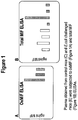
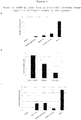
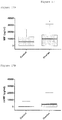
- Figure 1 shows one representative experiment in which oxMIF was detected only in septic mice with variations in oxMIF levels between mice ( Figure 1A ).
- total MIF level was elevated in the plasma of one mouse only and a significant portion of the total MIF in this mouse is oxMIF ( Figure 1A and 1B , mouse E6), thus confirming that oxMIF is a better diagnostic marker for acute septicaemia than total MIF.
- Total MIF is present in both healthy control mice and bacteriemic mice, but oxMIF levels correlate better to the stage of the disease than levels of total MIF.
- Example 3.2 oxMIF on the cellular surface of cells from E.coli-challenged mice
- Immune cells from peritonitic mice have been analyzed for oxMIF by flow cytometry.
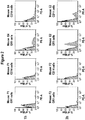
- FIG. 1 shows the presence of oxMIF on the surface of the blood cells from peritonitic mice.
- Blood was harvested by cardiac puncture after 1, 3 or 21h post-challenge, i.e. PBS for the control group and 2000 CFU E.coli for the peritonitic mice.
- the staining with RAB9 was performed on full blood and red cells were lysed before the analysis.
- Figure 2 shows the histograms for the control mice (F) and challenged mice (E) at the different time points over a control IgG antibody (black line).
- positive cells were not significantly detected with RAB9 for both, granulocytes-monocytes population and lymphocytes.
- oxMIF was not detected on the surface of lymphocytes but was present on the surface of both granulocytes (GR1 marker) and monocytes (CD14 marker), as soon as 1 h after challenge and up to 21 h.
- Example 3.3 Detection of oxMIF in sera of bacteriemic patients
- Plasma samples from citrated blood were obtained from bacteriemic patients treated in intensive care unit (ICU) and have been analyzed for their content in MIF and oxMIF
- the calibration of the ELISA was done with a recombinant human oxMIF which was freshly produced by an oxidation step of redMIF by adding of 0.2% ProClin300.
- the standards were diluted in 0.5% fish gelatin/PBS including 0.2% ProClin300 and 4% human control plasma. The range of the calibration curve is 10 ng/ml to 0.156 ng/ml.
- the tested human serum samples were diluted 1:25 in 0.5% fish gelatin /PBS, pH 7.2 for oxMIF ELISA, or in the presence of Proclin300 for the total MIF ELISA in order to transform every reduced MIF molecules present in the plasma in oxMIF.
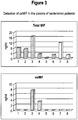
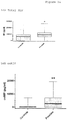
- Figure 3 shows the levels of total MIF and oxMIF detected in the plasma of the patients as well as in one healthy donor or from a pool of 50 plasma samples from healthy donors. Total MIF is present in every sample but oxMIF is detected only in 2 out of 6 bacteremic patients.
- OxMIF can be detected in the plasma of some of the bacteremic patients tested (2 out of 6), but not in the plasma of healthy donors. OxMIF can be used as a marker for septicaemia.
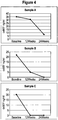
- Sera samples collected from psoriatic patients have been analyzed for their content in oxMIF.
- the sera were taken from patients with systemic anti-psoriatic therapy at different time points (start, 12 weeks and 24 weeks).
- Microtiter plates were coated with the monoclonal fully human anti-oxMIF antibody RAB0.
- the human serum samples were diluted 1:25 in 0.5% fish gelatin/PBS, pH 7.2.
- the calibration of the ELISA was done with a recombinant human oxMIF which was freshly produced by adding of 0.2% ProClin300.
- the standards were diluted in 0.5% fish gelatin/PBS including 0.2% ProClin300 and 4% human control plasma (i.e. a pool of serum samples from 50 healthy donors).
- the range of the calibration curve was 10 ng/ml to 0.156 ng/ml.
- oxMIF captured by the coating antibody was detected by an affinity purified polyclonal rabbit anti-human MIF antibody (rabbit anti-huMIF, does not distinguish between redMIF and oxMIF) and HRP labelled goat anti-rabbit antibodies.
- TMB was used as chromogenic substrate, chromogenic reaction was stopped with H 2 SO 4 and the ELISA plate was measured at 450 nm. All samples, standards and controls, were done in duplicate.
- oxMIF levels have been detected in serum samples of psoriatic patients. This means that oxMIF is very sensitive in chronic or acute inflammatory skin diseases like psoriasis and can also be used as a marker for the severity of the disease and to monitor disease development during systemic anti-psoriatic therapy.
- Example 3.5 oxMIF in the urine of rats after establishment of proliferative glomerulonephritis
- the urine samples were collected using metabolic cages before induction of the disease.
- Four and six days after induction of disease rats were treated with with a human control antibody, or different doses of the human anti-oxMIF antibody RAB9. The second urine sampling was done before sacrificing the animals on day 8 for histological evaluation.
- OxMIF levels measured in the urine were correlated with other disease parameters like proteinuria or histology data of the kidney (crescent formation and macrophage infiltration).
- Microtiter plates were coated with the monoclonal fully human anti-oxMIF antibody RAB0.
- the urine samples were diluted 1:10 in 2% BSA /TBST pH 7.2.
- recombinant moMIF protein was modified by adding 0.2% ProClin300 and the standards were diluted in 2% BSA/TBST including 0.2% ProClin300.
- Detection was achieved by an affinity purified polyclonal anti-mouse MIF antibody (rabbit anti-moMIF, as described in Example 3.1) and a HRP-conjugated goat anti-rabbit antibodies.
- TMB was used as chromogenic substrate, chromogenic reaction was stopped with H 2 SO 4 and the ELISA plate was measured at 450 nm. All samples, standards and controls, were done in duplicate.
- oxMIF The level of oxMIF in urine correlates with the disease state in an animal model for proliferative glomerulonephritis. After administration of anti-oxMIF antibody RAB0, oxMIF levels were significantly reduced. Therefore, we conclude that measurement of oxMIF is suitable as a diagnostic marker to monitor disease progression and treatment effectiveness of Nephritis.
- Example 3.6 oxMIF in urine and plasma of Lupus Nephritis Patients
- Urine and plasma samples were collected from Lupus Nephritis patients at different stages of disease. Each sample was stored frozen at -20°C and shipped on dry ice.
- Microtiter plates were coated with the monoclonal fully human anti-oxMIF antibody RAB0.
- the human urine samples were diluted 1:10 in 0.5% fish gelatine /PBS, pH 7.2.
- the calibration of the ELISA was done with a recombinant human oxMIF which was freshly produced by adding of 0.2% ProClin300.
- the standards were diluted in 0.5% fish gelatin/PBS including 0.2% ProClin300 and 10% human control urine (i.e. a pool of urine samples from >10 healthy donors).
- oxMIF captured by the coating antibody was detected by an affinity purified polyclonal rabbit anti-human MIF antibody (rabbit anti-huMIF, does not distinguish between redMIF and oxMIF) and HRP labelled goat anti-rabbit antibodies.
- TMB was used as chromogenic substrate, chromogenic reaction was stopped with H 2 SO 4 and the ELISA plate was measured at 450 nm. All samples, standards and controls, were done in duplicate.
- Microtiter plates were coated with the monoclonal fully human anti-oxMIF antibody RAB0.
- the human plasma samples were diluted 1:20 in 0.5% fish gelatin/PBS, pH 7.2.
- the calibration of the ELISA was done with a recombinant human oxMIF which was freshly produced by adding of 0.2% ProClin300.
- the standards were diluted in 0.5% fish gelatine/PBS including 0.2% ProClin300 and 5% human control plasma (i.e. a pool of plasma samples from 150 healthy donors) .
- the range of the calibration curve was 10 ng/ml to 0.156 ng/ml.
- oxMIF captured by the coating antibody was detected by an affinity purified polyclonal rabbit anti-human MIF antibody (rabbit anti-huMIF, does not distinguish between redMIF and oxMIF) and HRP labelled goat anti-rabbit antibodies.
- TMB was used as chromogenic substrate, chromogenic reaction was stopped with H 2 SO 4 and the ELISA plate was measured at 450 nm. All samples, standards and controls, were done in duplicate.
- the data depicted in Figure 6A show a clear correlation between the amount of oxMIF detected in the urine and the state (stage) of the disease.
- the mean level of oxMIF determined in the urine of healthy controls was not significantly above 0. However, the more severe the disease state, the higher the mean oxMIF concentration determined in the urine.
- OxMIF levels of an acute patient diagnosed with Lupus Nephritis was measured at first observation day, 9 days and 35 days post diagnosis. Constant reduction in oxMIF levels correlated with improved clinical symptoms ( Figure 6B ). OxMIF levels in plasma were also measured and the results were comparable to the urinary levels. However, correlation with partly remission, remission or smoldering disease were less pronounced most probably because oxMIF in the circulation reflects overall the activity of the underlying disease (SLE) and not only the situation in the kidney ( Figure 6C ).
- OxMIF oxMIF in urine of lupus nephritis patients is suitable to monitor for disease progression as well as treatment efficiency. OxMIF in the circulation also correlates with disease severity although the result probably reflects the overall situation of the patients regarding SLE and not only the situation in the kidney (LN).
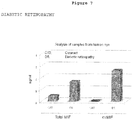
- Aqueous humor samples taken from patients with diabetic retinopathy (DR) and cataract as controls were assayed for the presence of MIF and oxMIF by ELISA.
- OxMIF can be used as a marker in diabetic retinopathy.
- Example 3.8 OxMIF in mouse plasma after establishment of a human prostate cancer
- Plasma samples were collected at the time of termination of a xenograft mouse prostate cancer model. oxMIF as well as total MIF levels were measured and correlated with tumor growth in isotype control and anti-MIF treated mice.
- Microtiter plates were coated with an affinity purified polyclonal rabbit anti-mouse MIF antibody (rabbit anti-moMIF, as described in Example 2).
- the tested plasma samples were diluted 1:25 in 0.5% fish gelatin/PBS, pH 7.2.
- the calibration of this ELISA was done by a recombinant full length mouse MIF protein.
- the standards were diluted in 0.5% fish gelatin/PBS including 4% control plasma. Detection of captured MIF was achieved by an affinity purified and biotinylated polyclonal rabbit anti-mouse MIF antibody (biot. rabbit anti-moMIF). All samples, standard and controls were done in duplicates
- Microtiter plates were coated with the monoclonal fully human anti-oxMIF antibody RAB0.
- the plasma samples were diluted 1:25 in 2% BSA /TBST pH 7.2.
- recombinant moMIF protein was modified by adding 0.2% ProClin300 and the standards were diluted in 2% BSA/TBST including 0.2% ProClin300 and 4% control plasma.
- Detection of captured oxMIF was achieved by an affinity purified polyclonal anti-mouse MIF antibody (rabbit anti-moMIF, as described in Example 3.1) and a HRP-conjugated goat anti-rabbit antibodies.
- TMB was used as chromogenic substrate, chromogenic reaction was stopped with H 2 SO 4 and the ELISA plate was measured at 450 nm. All samples, standards and controls, were done in duplicate.
- the median of total MIF in the isotype control treated group did not differ significantly from the anti-MIF antibody treated animals.
- oxMIF levels were clearly detectable in tumor bearing mice.
- oxMIF levels were significantly reduced after treatment with an anti-MIF antibody.
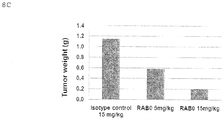
- the median oxMIF level in the control group was found to be 8.6 ng/mL and was reduced in the two treatment groups.
- the dose dependent reduction of oxMIF levels also correlated with the reduction in tumor growth, thus with the therapeutic effect achieved ( Figure 8C ).
- Example 3.9 oxMIF on the cellular surface of a prostate cancer cell line
- the human prostate cancer cell line PC-3 (prostate adenocarcinoma, ATCC® CRL-1435TM) has been tested by flow cytometry for the expression of oxMIF on its surface.
- Human blood from healthy donors was also analyzed to assess the presence of oxMIF on the surface of leukocytes in a "normal" situation.
- Heparinized blood was first incubated with anti-human Fc Receptors (anti-CD16, anti-CD32 and anti-CD64) to block unspecific binding of the antibody through their Fc domain to the cells.
- Cells were then incubated with a control IgG1 human monoclonal antibody, with RAB9 or with RAB0. Detection of cell surface bound antibodies was done with an R-PE-labelled rabbit anti-human IgG.
- cells were also labelled with a Pacific Blue-labelled anti-CD45 (pan-leukocyte marker) and an APC-labelled anti-CD19 (B cell marker). Acquisition is done after lysing the red blood cells. Using the size and complexicity parameters as well as the CD19 staining, we are able to distinguish between the granulocytes, monocytes, lymphocyte B cells (CD19+ cells) and lymphocyte T cells + Natural Killer cells (CD19neg cells). The acquisition of the data was carried out with a FACSTM CANTO II (Becton Dickinson) and data were analyzed with the FlowJo software (Treestar).
- FACSTM CANTO II Becton Dickinson
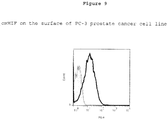
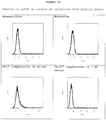
- oxMIF can be found on the surface of human prostate cancer cell line PC-3 ( Figure 9 ). Leukocytes from healthy donors (neg. control) do not show any oxMIF on their cell surface ( Figure 10 ).
- oxMIF can be used as a marker for detection of cancerous cells.
- Example 3.10 oxMIF on the cellular surface of pancreatic cancer cell line
- the human pancreatic cancer cell line BxPC-3 (Human primary pancreatic adenocarcinoma, Health Protection Agency (HPA) #93120816) has been tested by flow cytometry for the expression of oxMIF on its surface.
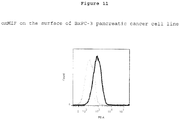
- oxMIF can be found on the surface of human pancreatic cancer cell line BxPC-3 ( Figure 11 ). Leukocytes from healthy donors (neg. control) do not show any oxMIF on their cell surfaces ( Figure 10 ).
- oxMIF can be used as a marker for detection of cancerous cells.
- Example 3.11 oxMIF on the cellular surface of ovarian cancer cell line
- the human ovarian cancer cell line A2780 (Human ovarian carcinoma, HPA # 93112519) has been tested by flow cytometry for the expression of oxMIF on its surface.
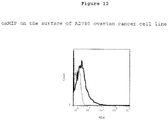
- oxMIF can be found on the surface of human ovarian cancer cell line A2780 ( Figure 12 ), but mainly with the monoclonal antibody RAB0. Leukocytes from healthy donors (neg. control) do not show any oxMIF on their cell surfaces ( Figure 10 ).
- oxMIF can be used as a marker for detection of cancerous cells.
- Example 3.12 oxMIF on the cellular surface of lymphoma cancer cell line
- Table 2 Different immortalized human lymphoma cell lines (Table 2) have been tested by flow cytometry for the expression of oxMIF on their surfaces.
- Table 2 Cell lines that have been positively tested for active MIF by flow cytometry Name Reference Origin CA46 ATCC® CRL-1648TM Burkitt's Lymphoma MC/CAR ATCC® CRL-8083TM B lymphocyte, plasmacytoma myeloma Raji ATCC® CCL-86TM Burkitt's Lymphoma U-937 ATCC® CRL-1593.2TM Histiocytic Lymphoma
- Cells have been stimulated (or not) with 25 ⁇ g/ml LPS and 50 ⁇ g/ml Dextran sulfate for 24 h up to 72 h.
- Cells were stained in Cell Staining 'Buffer (Biolegend) with 300 nM antibody RAB9 or RAB0 or RAB4 and "Control 1" (irrelevant isotype control antibody), as the negative control, and antibodies were detected with the R-PE anti-human IgG (Sigma).
- the acquisition of the data was carried out with a FACSTM CANTO II (Becton Dickinson) and data were analyzed with the FlowJo software (Treestar).
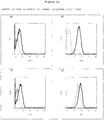
- oxMIF can be found on the surface of human lymphoma cell lines ( Figure 13 ), whereas leukocytes from healthy donors (neg. control) do not show any oxMIF on their cell surfaces ( Figure 10 ).
- oxMIF can be used as a marker for detection of cancerous cells.
- EDTA plasma samples from patients having different kinds of solid tumors were obtained from a commercial vendor.
- the total MIF and oxMIF concentrations were analyzed by sandwich ELISA.
- the calibration of the ELISA was done with recombinant human MIF which was incubated with 0.2% ProClin300 (Proclin300 induces the formation of oxMIF epitopes within MIF).
- the standards were diluted in 0.5% fish gelatin/PBS including 0.2% ProClin300 and 5% human control plasma.
- the range of the calibration curve was 10 ng/ml to 0.156 ng/ml.
- the tested human plasma samples were diluted 1:20 either in 0.5% fish gelatin /PBS, pH 7.2 for the oxMIF ELISA, or in 0.5% fish gelatin /PBS/0.2% Proclin300 for the total MIF ELISA.
- Figure 14A and 14B levels of total MIF and oxMIF of control samples and prostate cancer samples are shown.
- Elevated levels of total MIF and oxMIF can be detected in the plasma of patients with prostate and breast cancer.
- total MIF is also present in the plasma derived from healthy donors, whereas oxMIF cannot be detected in healthy controls. Therefore, oxMIF can be considered as a more specific biomarker to indicate a disease state than total MIF.
- Cerebrospinal fluid samples derived from patients with different forms of multiple sclerosis were obtained from a commercial vendor.
- the total MIF and oxMIF concentrations were measured by sandwich ELISA.
- the calibration of the ELISA was done with recombinant human MIF which was incubated with 0.2% ProClin300 (Proclin300 induces the formation of oxMIF epitopes within MIF).
- the standards were diluted in 20 mM Tris/TBST buffer pH 7.2 including 0.2% ProClin300.
- the range of the calibration curve is 10 ng/ml to 0.156 ng/ml.
- the tested human CSF samples were diluted 1:10 in 20 mM Tris/TBST, for the oxMIF ELISA, or in the presence of Proclin300 for the total MIF ELISA.
- Elevated levels of total MIF and oxMIF can be detected in the CSF of MS patients.
- total MIF is also present in the CSF derived from healthy donors, whereas oxMIF cannot be detected in healthy controls. Therefore, oxMIF can be considered as an excellent biomarker for multiple sclerosis and as a more specific biomarker than total MIF.
- Example 3.15 oxMIF in the plasma from ovarian cancer patients
- EDTA plasma samples were commercially obtained from patients having different kind of ovarian cancers (clear cell adenocarcinoma, papillary serous adenocarcinoma and serous adenocarcinoma). Their content in total MIF and oxMIF was analyzed by sandwich ELISA.
- the calibration of the ELISA was done with recombinant human MIF which was incubated with 0.2% ProClin300 (Proclin300 converts MIF to oxMIF).
- the standards were diluted in 0.5% fish gelatin/PBS including 0.2% ProClin300 and 5% human control plasma.
- the range of the calibration curve is 10 ng/ml to 0.156 ng/ml.
- the tested human plasma samples were diluted 1:20 in 0.5% fish gelatin/PBS, pH 7.2 for the oxMIF ELISA, or in the presence of Proclin300 for the total MIF ELISA.
- Figure 17A and 17B levels of total MIF and oxMIF of control samples and ovarian cancer samples are shown.
- Example 3.16 oxMIF in the plasma from patients with ulcerative colitis and Crohn's disease
- EDTA plasma samples were commercially obtained from patients having different ulcerative colitis (UC) or Crohn's Disease (CD). Their content in total MIF and oxMIF was analyzed by sandwich ELISA.
- the calibration of the ELISA was done with recombinant human MIF which was incubated with 0.2% ProClin300 (Proclin300 converts MIF to oxMIF).
- the standards were diluted in 0.5% fish gelatin/PBS including 0.2% ProClin300 and 5% human control plasma.
- the range of the calibration curve is 10 ng/ml to 0.156 ng/ml.
- the tested human plasma samples were diluted 1:20 in 0.5% fish gelatin /PBS, pH 7.2 for the oxMIF ELISA, or in the presence of Proclin300 for the total MIF ELISA.
- Figure 18A and 18B levels of total MIF and oxMIF of control samples and UC and CD samples are shown.
Landscapes
- Life Sciences & Earth Sciences (AREA)
- Health & Medical Sciences (AREA)
- Engineering & Computer Science (AREA)
- Immunology (AREA)
- Molecular Biology (AREA)
- Chemical & Material Sciences (AREA)
- Urology & Nephrology (AREA)
- Biomedical Technology (AREA)
- Cell Biology (AREA)
- Hematology (AREA)
- Medicinal Chemistry (AREA)
- Biochemistry (AREA)
- Biotechnology (AREA)
- Food Science & Technology (AREA)
- Proteomics, Peptides & Aminoacids (AREA)
- Physics & Mathematics (AREA)
- Analytical Chemistry (AREA)
- Microbiology (AREA)
- General Health & Medical Sciences (AREA)
- General Physics & Mathematics (AREA)
- Pathology (AREA)
- Peptides Or Proteins (AREA)
- Medicines Containing Antibodies Or Antigens For Use As Internal Diagnostic Agents (AREA)
- Measurement Of The Respiration, Hearing Ability, Form, And Blood Characteristics Of Living Organisms (AREA)
Applications Claiming Priority (4)
| Application Number | Priority Date | Filing Date | Title |
|---|---|---|---|
| US201161545042P | 2011-10-07 | 2011-10-07 | |
| US201261624943P | 2012-04-16 | 2012-04-16 | |
| US201261668841P | 2012-07-06 | 2012-07-06 | |
| PCT/EP2012/069598 WO2013050453A1 (en) | 2011-10-07 | 2012-10-04 | Oxmif as a diagnostic marker |
Publications (2)
| Publication Number | Publication Date |
|---|---|
| EP2748613A1 EP2748613A1 (en) | 2014-07-02 |
| EP2748613B1 true EP2748613B1 (en) | 2021-05-05 |
Family
ID=46980957
Family Applications (1)
| Application Number | Title | Priority Date | Filing Date |
|---|---|---|---|
| EP12769097.2A Active EP2748613B1 (en) | 2011-10-07 | 2012-10-04 | Oxmif as a diagnostic marker |
Country Status (8)
| Country | Link |
|---|---|
| US (1) | US9958456B2 (https=) |
| EP (1) | EP2748613B1 (https=) |
| JP (1) | JP2014530360A (https=) |
| AR (1) | AR088244A1 (https=) |
| AU (1) | AU2012320597C1 (https=) |
| HK (1) | HK1198591A1 (https=) |
| TW (1) | TW201321408A (https=) |
| WO (1) | WO2013050453A1 (https=) |
Families Citing this family (10)
| Publication number | Priority date | Publication date | Assignee | Title |
|---|---|---|---|---|
| US9958456B2 (en) | 2011-10-07 | 2018-05-01 | Baxalta Incorporated | OxMIF as a diagnostic marker |
| AU2013202693B2 (en) * | 2012-04-16 | 2015-01-22 | Baxalta GmbH | Combination Therapy of Anti-MIF Antibodies and Chemotherapeutics |
| KR20150029017A (ko) | 2012-07-10 | 2015-03-17 | 박스터 헬쓰케어 에스에이 | 항-mif 면역조직화학 |
| US9536304B2 (en) * | 2013-08-30 | 2017-01-03 | Dairy Quality Inc. | Determining pathogens based on an image of somatic cells in a fluid sample |
| EP3052943B1 (en) * | 2013-10-04 | 2019-11-20 | Cell Ideas Pty Ltd. | Biomarkers for cell therapy |
| CN106068456A (zh) * | 2014-01-03 | 2016-11-02 | 百深有限责任公司 | 抗‑mif免疫组织化学 |
| US10626166B2 (en) | 2014-08-22 | 2020-04-21 | Baxalta Incorporated | Detection of CHO-MIF contaminations |
| EP3802595A1 (en) * | 2018-06-07 | 2021-04-14 | OncoOne Research & Development GmbH | Anti-oxmif/anti-cd3 antibody for cancer treatment |
| EP4069735A1 (en) * | 2019-12-06 | 2022-10-12 | OncoOne Research & Development GmbH | Anti-oxmif/anti-cd3 bispecific antibody constructs |
| JP2024505963A (ja) * | 2021-02-03 | 2024-02-08 | オンコワン・リサーチ・アンド・ディベロップメント・ゲゼルシャフト・ミト・ベシュレンクテル・ハフツング | 抗oxMIF放射性免疫コンジュゲート |
Family Cites Families (50)
| Publication number | Priority date | Publication date | Assignee | Title |
|---|---|---|---|---|
| US4299814A (en) | 1979-05-25 | 1981-11-10 | Monsanto Company | Radioimmunoassay of MIF |
| JPH0672158B2 (ja) | 1984-05-24 | 1994-09-14 | チバ−ガイギ− アクチエンゲゼルシヤフト | 精製されたヒトマクロファージ遊走阻止因子 |
| US4946674A (en) | 1984-10-05 | 1990-08-07 | Bioferon Biochemische Substanzen Gmbh & Co. | Process for treatment of rheumatic diseases |
| US4708937A (en) | 1984-10-15 | 1987-11-24 | Brigham & Women's Hospital | Purified migration inhibitory factor also having colony stimulating factor activity |
| US4683202A (en) | 1985-03-28 | 1987-07-28 | Cetus Corporation | Process for amplifying nucleic acid sequences |
| US4946778A (en) | 1987-09-21 | 1990-08-07 | Genex Corporation | Single polypeptide chain binding molecules |
| ES2052602T3 (es) | 1986-10-03 | 1994-07-16 | Ciba Geigy Ag | Nuevos peptidos afines a las linfocinas. |
| US5530101A (en) | 1988-12-28 | 1996-06-25 | Protein Design Labs, Inc. | Humanized immunoglobulins |
| WO1990011301A1 (en) | 1989-03-17 | 1990-10-04 | Genetics Institute, Inc. | Human macrophage migration inhibitory factor |
| US5785054A (en) | 1989-06-06 | 1998-07-28 | Kelly; Patrick D. | Genital lubricant with zinc salt, labelled as anti-viral agent |
| GB8915414D0 (en) | 1989-07-05 | 1989-08-23 | Ciba Geigy | Novel cytokines |
| EP0457875A4 (en) | 1989-11-13 | 1993-03-03 | Xoma Corporation | Chimeric mouse-human a10 antibody with specificity to a human tumor cell antigen |
| US5227459A (en) | 1990-05-18 | 1993-07-13 | Yale University | Synthetic melanin |
| US5786168A (en) | 1990-06-04 | 1998-07-28 | Kirin Beer Kabushiki Kaisha | Method for recombinant production of antigen non-specific glycosylation inhibiting factor (GIF) |
| US5585479A (en) | 1992-07-24 | 1996-12-17 | The United States Of America As Represented By The Secretary Of The Navy | Antisense oligonucleotides directed against human ELAM-I RNA |
| US6645493B1 (en) | 1993-05-17 | 2003-11-11 | The Picower Institute For Medical Research | Composition containing anti-MIF antibody |
| US6774227B1 (en) | 1993-05-17 | 2004-08-10 | Cytokine Pharmasciences, Inc. | Therapeutic uses of factors which inhibit or neutralize MIF activity |
| JP4708510B2 (ja) | 1993-05-17 | 2011-06-22 | サイトカイン ファーマサイエンシズ,インコーポレーテッド | サイトカイン媒介毒性に関係する疾患の治療における遊走阻止因子の抑制 |
| US5559028A (en) | 1993-05-19 | 1996-09-24 | Antigen Express, Inc. | Methods of enhancing or antigen presentation to T cells inhibiting |
| EP0770086A4 (en) | 1994-05-16 | 1998-07-15 | Human Genome Sciences Inc | MACROPHAGE MIGRATION INHIBITING FACTOR-3 |
| US5747023A (en) | 1994-07-01 | 1998-05-05 | Genentech, Inc. | Cancer therapy using lymphotoxin |
| SI9400363A (en) | 1994-09-19 | 1996-08-31 | Mozetic Francky Bojana | Human macrophage migration inhibitory factor of nonlymphoid origin, expression of mif in e. coli and purification of recombinant protein |
| AU4365796A (en) | 1994-11-16 | 1996-06-06 | Government Of The United States Of America, As Represented By The Secretary Of The Department Of Health And Human Services, The | Methods for inhibiting cell proliferation by inhibiting the mitogenic activity of macrophage migration inhibitory factor |
| JPH0977799A (ja) | 1995-09-13 | 1997-03-25 | Sapporo Immuno Diagnostic Lab:Kk | ヒト−マクロファージ遊走阻止因子(ヒト−mif)に対するモノクローナル抗体および該抗体を産生するハイブリドーマ |
| WO1997025344A1 (en) | 1996-01-03 | 1997-07-17 | The Australian National University | Clip analogues and autoimmune disease |
| US6492428B1 (en) | 2000-07-26 | 2002-12-10 | The Picower Institute For Medical Research | Compounds having MIF antagonist activity |
| US6420188B1 (en) | 1996-02-16 | 2002-07-16 | The Picower Institute For Medical Research | Screening assay for the identification of inhibitors for macrophage migration inhibitory factor |
| US5726020A (en) | 1996-06-11 | 1998-03-10 | University Of Massachusetts | Inhibition of II synthesis |
| US6297253B1 (en) | 1996-10-15 | 2001-10-02 | The Picower Institute For Medical Research | Compounds and methods of use to treat infectious diseases |
| US6326465B1 (en) | 1997-02-24 | 2001-12-04 | The Johns Hopkins University | Immunomodulatory polypeptides derived from the invariant chain of MHC class II |
| JP3835827B2 (ja) | 1997-05-02 | 2006-10-18 | ザ ガバメント オブ ザ ユナイテッド ステイツ オブ アメリカ,アズ リプレゼンティッド バイ ザ セクレタリーオブ ザ デパートメント オブ ヘルス アンド ヒューマン サービシーズ | 悪性細胞に対する、oncタンパク質を含む、免疫毒素 |
| CA2205680A1 (en) | 1997-05-16 | 1998-11-16 | The University Of Western Ontario | Clip immunomodulatory peptide |
| US6011005A (en) | 1997-09-18 | 2000-01-04 | The Picower Institute For Medical Research | Prevention of pregnancy miscarriages |
| AU747767B2 (en) | 1997-11-05 | 2002-05-23 | University Of Southern California | Use of cytokines and mitogens to inhibit pathological immune responses |
| EP1156823B1 (en) | 1999-02-12 | 2008-10-29 | The Scripps Research Institute | Methods for treatment of tumors and metastases using a combination of anti-angiogenic and immuno therapies |
| CA2389229A1 (en) | 1999-10-29 | 2001-05-10 | The Picower Institute For Medical Research | Compounds having mif antagonist activity |
| US6268151B1 (en) | 2000-01-20 | 2001-07-31 | Isis Pharmaceuticals, Inc. | Antisense modulation of macrophage migration inhibitory factor expression |
| WO2001064749A2 (en) * | 2000-02-28 | 2001-09-07 | Idec Pharmaceuticals Corporation | Method for preparing anti-mif antibodies |
| DK1383919T3 (da) | 2001-03-29 | 2010-11-08 | Cytokine Pharmasciences Inc | Fremgangsmåder og sammensætninger til anvendelse af MHC klasse II-invariant kædepolypeptid som en receptor for makrofag migrationsinhiberede faktor |
| UY27304A1 (es) | 2001-05-24 | 2002-12-31 | Avanir Pharmaceuticals | Inhibidores del factor inhibidor de la migración de los macrófagos y métodos para su identificación |
| US7205107B2 (en) | 2001-12-21 | 2007-04-17 | Cytokine Pharmasciences, Inc. | Macrophage migration inhibitory factor (MIF) promoter polymorphism in inflammatory disease |
| US20050202010A1 (en) | 2003-08-29 | 2005-09-15 | Giroir Brett P. | Method of treatment and bioassay involving macrophage migration inhibitory factor (MIF) as cardiac-derived myocardial depressant factor |
| US8883160B2 (en) | 2004-02-13 | 2014-11-11 | Ibc Pharmaceuticals, Inc. | Dock-and-lock (DNL) complexes for therapeutic and diagnostic use |
| SG153825A1 (en) | 2005-12-16 | 2009-07-29 | Ibc Pharmaceuticals Inc | Multivalent immunoglobulin-based bioactive assemblies |
| CN100457895C (zh) | 2006-05-24 | 2009-02-04 | 中国科学院生物物理研究所 | 鼠抗人巨噬细胞迁移抑制因子单克隆抗体及其应用 |
| US20090220521A1 (en) * | 2008-01-04 | 2009-09-03 | Randolf Kerschbaumer | Anti MIF Antibodies |
| EP2079202A1 (en) * | 2008-01-08 | 2009-07-15 | NEC Corporation | Method for optimizing the triggering of the transmission of buffer status reporting (BSR) information |
| WO2011090492A1 (en) | 2010-01-19 | 2011-07-28 | Immunomedics, Inc. | Novel class of monospecific and bispecific humanized antibodies that target the insulin-like growth factor type i receptor (igf-1r) |
| US9958456B2 (en) | 2011-10-07 | 2018-05-01 | Baxalta Incorporated | OxMIF as a diagnostic marker |
| WO2013050457A1 (en) | 2011-10-07 | 2013-04-11 | Baxter Healthcare S.A. | Characterization of cho-mif gene and protein, and use thereof |
-
2012
- 2012-10-04 US US14/350,186 patent/US9958456B2/en active Active
- 2012-10-04 JP JP2014533883A patent/JP2014530360A/ja active Pending
- 2012-10-04 AU AU2012320597A patent/AU2012320597C1/en not_active Ceased
- 2012-10-04 HK HK14112074.8A patent/HK1198591A1/xx unknown
- 2012-10-04 WO PCT/EP2012/069598 patent/WO2013050453A1/en not_active Ceased
- 2012-10-04 EP EP12769097.2A patent/EP2748613B1/en active Active
- 2012-10-05 AR ARP120103713A patent/AR088244A1/es unknown
- 2012-10-05 TW TW101137028A patent/TW201321408A/zh unknown
Also Published As
| Publication number | Publication date |
|---|---|
| US20140248638A1 (en) | 2014-09-04 |
| JP2014530360A (ja) | 2014-11-17 |
| AR088244A1 (es) | 2014-05-21 |
| EP2748613A1 (en) | 2014-07-02 |
| TW201321408A (zh) | 2013-06-01 |
| US9958456B2 (en) | 2018-05-01 |
| AU2012320597C1 (en) | 2015-10-15 |
| WO2013050453A4 (en) | 2013-06-06 |
| AU2012320597A1 (en) | 2013-05-09 |
| HK1198591A1 (en) | 2015-04-30 |
| AU2012320597B2 (en) | 2015-05-21 |
| WO2013050453A1 (en) | 2013-04-11 |
Similar Documents
| Publication | Publication Date | Title |
|---|---|---|
| EP2748613B1 (en) | Oxmif as a diagnostic marker | |
| DK2231707T3 (en) | Anti-mif antibodies | |
| US10604586B2 (en) | Humanized monoclonal antibody and uses thereof | |
| TW201938584A (zh) | 抗pla2-gib抗體及其用途 | |
| EP3090262B1 (en) | Anti-mif immunohistochemistry | |
| EP2872897B1 (en) | Anti-mif immunohistochemistry | |
| CN120035450A (zh) | 造血干细胞移植物相关血栓性微血管病(hsct-tma)患者的诊断和预后生物标志物谱 | |
| US11174310B2 (en) | Disulfide-type HMGB1-specific antibody, method for measuring disulfide-type HMGB1 and kit for said measurement, and measurement method capable of quantitating all of HMGB1 molecules including reduced HMGB1, disulfide-type HMGB1 and thrombin-cleavable HMGB1 and kit for said measurement | |
| JP7140367B2 (ja) | ヒト由来サンプルにおける可溶型tlr7の分析 | |
| CN117106077B (zh) | 特异性结合金黄色葡萄球菌Hla毒素的全人源单克隆抗体 | |
| CN102639563A (zh) | 2型糖尿病的标记蛋白 | |
| US20250092124A1 (en) | Antibody molecule against growth and differentiation factor 15 and use thereof | |
| TW201605886A (zh) | 作爲治療標靶的mif | |
| KR20250122027A (ko) | 고양이 혈청 아밀로이드 a 단백질에 대한 단일클론항체, 이를 생산하는 융합 세포주 및 이의 용도 | |
| KR20250122026A (ko) | 고양이 혈청 아밀로이드 a 단백질에 대한 단일클론항체, 이를 생산하는 융합 세포주 및 이의 용도 | |
| JP2016502669A (ja) | 抗mif抗体細胞遊走アッセイ | |
| HK1181052A (en) | Anti mif antibodies | |
| HK1171767A (en) | Marker protein for type 2 diabetes |
Legal Events
| Date | Code | Title | Description |
|---|---|---|---|
| PUAI | Public reference made under article 153(3) epc to a published international application that has entered the european phase |
Free format text: ORIGINAL CODE: 0009012 |
|
| 17P | Request for examination filed |
Effective date: 20140328 |
|
| AK | Designated contracting states |
Kind code of ref document: A1 Designated state(s): AL AT BE BG CH CY CZ DE DK EE ES FI FR GB GR HR HU IE IS IT LI LT LU LV MC MK MT NL NO PL PT RO RS SE SI SK SM TR |
|
| AX | Request for extension of the european patent |
Extension state: BA ME |
|
| REG | Reference to a national code |
Ref country code: HK Ref legal event code: DE Ref document number: 1198591 Country of ref document: HK |
|
| RAP1 | Party data changed (applicant data changed or rights of an application transferred) |
Owner name: BAXALTA GMBH Owner name: BAXALTA INCORPORATED |
|
| STAA | Information on the status of an ep patent application or granted ep patent |
Free format text: STATUS: EXAMINATION IS IN PROGRESS |
|
| 17Q | First examination report despatched |
Effective date: 20170228 |
|
| RAP1 | Party data changed (applicant data changed or rights of an application transferred) |
Owner name: BAXALTA INCORPORATED Owner name: BAXALTA GMBH |
|
| RAP1 | Party data changed (applicant data changed or rights of an application transferred) |
Owner name: BAXALTA INCORPORATED Owner name: BAXALTA GMBH |
|
| GRAP | Despatch of communication of intention to grant a patent |
Free format text: ORIGINAL CODE: EPIDOSNIGR1 |
|
| STAA | Information on the status of an ep patent application or granted ep patent |
Free format text: STATUS: GRANT OF PATENT IS INTENDED |
|
| INTG | Intention to grant announced |
Effective date: 20200610 |
|
| GRAJ | Information related to disapproval of communication of intention to grant by the applicant or resumption of examination proceedings by the epo deleted |
Free format text: ORIGINAL CODE: EPIDOSDIGR1 |
|
| STAA | Information on the status of an ep patent application or granted ep patent |
Free format text: STATUS: EXAMINATION IS IN PROGRESS |
|
| GRAP | Despatch of communication of intention to grant a patent |
Free format text: ORIGINAL CODE: EPIDOSNIGR1 |
|
| STAA | Information on the status of an ep patent application or granted ep patent |
Free format text: STATUS: GRANT OF PATENT IS INTENDED |
|
| INTC | Intention to grant announced (deleted) | ||
| INTG | Intention to grant announced |
Effective date: 20201117 |
|
| GRAS | Grant fee paid |
Free format text: ORIGINAL CODE: EPIDOSNIGR3 |
|
| GRAA | (expected) grant |
Free format text: ORIGINAL CODE: 0009210 |
|
| STAA | Information on the status of an ep patent application or granted ep patent |
Free format text: STATUS: THE PATENT HAS BEEN GRANTED |
|
| AK | Designated contracting states |
Kind code of ref document: B1 Designated state(s): AL AT BE BG CH CY CZ DE DK EE ES FI FR GB GR HR HU IE IS IT LI LT LU LV MC MK MT NL NO PL PT RO RS SE SI SK SM TR |
|
| REG | Reference to a national code |
Ref country code: GB Ref legal event code: FG4D |
|
| REG | Reference to a national code |
Ref country code: CH Ref legal event code: EP |
|
| REG | Reference to a national code |
Ref country code: AT Ref legal event code: REF Ref document number: 1390451 Country of ref document: AT Kind code of ref document: T Effective date: 20210515 |
|
| REG | Reference to a national code |
Ref country code: HK Ref legal event code: WD Ref document number: 1198591 Country of ref document: HK |
|
| REG | Reference to a national code |
Ref country code: IE Ref legal event code: FG4D |
|
| REG | Reference to a national code |
Ref country code: DE Ref legal event code: R096 Ref document number: 602012075490 Country of ref document: DE |
|
| REG | Reference to a national code |
Ref country code: LT Ref legal event code: MG9D |
|
| REG | Reference to a national code |
Ref country code: AT Ref legal event code: MK05 Ref document number: 1390451 Country of ref document: AT Kind code of ref document: T Effective date: 20210505 |
|
| PG25 | Lapsed in a contracting state [announced via postgrant information from national office to epo] |
Ref country code: FI Free format text: LAPSE BECAUSE OF FAILURE TO SUBMIT A TRANSLATION OF THE DESCRIPTION OR TO PAY THE FEE WITHIN THE PRESCRIBED TIME-LIMIT Effective date: 20210505 Ref country code: LT Free format text: LAPSE BECAUSE OF FAILURE TO SUBMIT A TRANSLATION OF THE DESCRIPTION OR TO PAY THE FEE WITHIN THE PRESCRIBED TIME-LIMIT Effective date: 20210505 Ref country code: AT Free format text: LAPSE BECAUSE OF FAILURE TO SUBMIT A TRANSLATION OF THE DESCRIPTION OR TO PAY THE FEE WITHIN THE PRESCRIBED TIME-LIMIT Effective date: 20210505 Ref country code: BG Free format text: LAPSE BECAUSE OF FAILURE TO SUBMIT A TRANSLATION OF THE DESCRIPTION OR TO PAY THE FEE WITHIN THE PRESCRIBED TIME-LIMIT Effective date: 20210805 Ref country code: HR Free format text: LAPSE BECAUSE OF FAILURE TO SUBMIT A TRANSLATION OF THE DESCRIPTION OR TO PAY THE FEE WITHIN THE PRESCRIBED TIME-LIMIT Effective date: 20210505 |
|
| PG25 | Lapsed in a contracting state [announced via postgrant information from national office to epo] |
Ref country code: SE Free format text: LAPSE BECAUSE OF FAILURE TO SUBMIT A TRANSLATION OF THE DESCRIPTION OR TO PAY THE FEE WITHIN THE PRESCRIBED TIME-LIMIT Effective date: 20210505 Ref country code: RS Free format text: LAPSE BECAUSE OF FAILURE TO SUBMIT A TRANSLATION OF THE DESCRIPTION OR TO PAY THE FEE WITHIN THE PRESCRIBED TIME-LIMIT Effective date: 20210505 Ref country code: GR Free format text: LAPSE BECAUSE OF FAILURE TO SUBMIT A TRANSLATION OF THE DESCRIPTION OR TO PAY THE FEE WITHIN THE PRESCRIBED TIME-LIMIT Effective date: 20210806 Ref country code: IS Free format text: LAPSE BECAUSE OF FAILURE TO SUBMIT A TRANSLATION OF THE DESCRIPTION OR TO PAY THE FEE WITHIN THE PRESCRIBED TIME-LIMIT Effective date: 20210905 Ref country code: LV Free format text: LAPSE BECAUSE OF FAILURE TO SUBMIT A TRANSLATION OF THE DESCRIPTION OR TO PAY THE FEE WITHIN THE PRESCRIBED TIME-LIMIT Effective date: 20210505 Ref country code: ES Free format text: LAPSE BECAUSE OF FAILURE TO SUBMIT A TRANSLATION OF THE DESCRIPTION OR TO PAY THE FEE WITHIN THE PRESCRIBED TIME-LIMIT Effective date: 20210505 Ref country code: PT Free format text: LAPSE BECAUSE OF FAILURE TO SUBMIT A TRANSLATION OF THE DESCRIPTION OR TO PAY THE FEE WITHIN THE PRESCRIBED TIME-LIMIT Effective date: 20210906 Ref country code: PL Free format text: LAPSE BECAUSE OF FAILURE TO SUBMIT A TRANSLATION OF THE DESCRIPTION OR TO PAY THE FEE WITHIN THE PRESCRIBED TIME-LIMIT Effective date: 20210505 Ref country code: NO Free format text: LAPSE BECAUSE OF FAILURE TO SUBMIT A TRANSLATION OF THE DESCRIPTION OR TO PAY THE FEE WITHIN THE PRESCRIBED TIME-LIMIT Effective date: 20210805 |
|
| REG | Reference to a national code |
Ref country code: NL Ref legal event code: MP Effective date: 20210505 |
|
| PG25 | Lapsed in a contracting state [announced via postgrant information from national office to epo] |
Ref country code: NL Free format text: LAPSE BECAUSE OF FAILURE TO SUBMIT A TRANSLATION OF THE DESCRIPTION OR TO PAY THE FEE WITHIN THE PRESCRIBED TIME-LIMIT Effective date: 20210505 |
|
| PG25 | Lapsed in a contracting state [announced via postgrant information from national office to epo] |
Ref country code: RO Free format text: LAPSE BECAUSE OF FAILURE TO SUBMIT A TRANSLATION OF THE DESCRIPTION OR TO PAY THE FEE WITHIN THE PRESCRIBED TIME-LIMIT Effective date: 20210505 Ref country code: CZ Free format text: LAPSE BECAUSE OF FAILURE TO SUBMIT A TRANSLATION OF THE DESCRIPTION OR TO PAY THE FEE WITHIN THE PRESCRIBED TIME-LIMIT Effective date: 20210505 Ref country code: DK Free format text: LAPSE BECAUSE OF FAILURE TO SUBMIT A TRANSLATION OF THE DESCRIPTION OR TO PAY THE FEE WITHIN THE PRESCRIBED TIME-LIMIT Effective date: 20210505 Ref country code: EE Free format text: LAPSE BECAUSE OF FAILURE TO SUBMIT A TRANSLATION OF THE DESCRIPTION OR TO PAY THE FEE WITHIN THE PRESCRIBED TIME-LIMIT Effective date: 20210505 Ref country code: SM Free format text: LAPSE BECAUSE OF FAILURE TO SUBMIT A TRANSLATION OF THE DESCRIPTION OR TO PAY THE FEE WITHIN THE PRESCRIBED TIME-LIMIT Effective date: 20210505 Ref country code: SK Free format text: LAPSE BECAUSE OF FAILURE TO SUBMIT A TRANSLATION OF THE DESCRIPTION OR TO PAY THE FEE WITHIN THE PRESCRIBED TIME-LIMIT Effective date: 20210505 |
|
| REG | Reference to a national code |
Ref country code: DE Ref legal event code: R097 Ref document number: 602012075490 Country of ref document: DE |
|
| PLBE | No opposition filed within time limit |
Free format text: ORIGINAL CODE: 0009261 |
|
| STAA | Information on the status of an ep patent application or granted ep patent |
Free format text: STATUS: NO OPPOSITION FILED WITHIN TIME LIMIT |
|
| 26N | No opposition filed |
Effective date: 20220208 |
|
| REG | Reference to a national code |
Ref country code: DE Ref legal event code: R119 Ref document number: 602012075490 Country of ref document: DE |
|
| REG | Reference to a national code |
Ref country code: CH Ref legal event code: PL |
|
| PG25 | Lapsed in a contracting state [announced via postgrant information from national office to epo] |
Ref country code: IS Free format text: LAPSE BECAUSE OF FAILURE TO SUBMIT A TRANSLATION OF THE DESCRIPTION OR TO PAY THE FEE WITHIN THE PRESCRIBED TIME-LIMIT Effective date: 20210905 Ref country code: AL Free format text: LAPSE BECAUSE OF FAILURE TO SUBMIT A TRANSLATION OF THE DESCRIPTION OR TO PAY THE FEE WITHIN THE PRESCRIBED TIME-LIMIT Effective date: 20210505 |
|
| REG | Reference to a national code |
Ref country code: BE Ref legal event code: MM Effective date: 20211031 |
|
| GBPC | Gb: european patent ceased through non-payment of renewal fee |
Effective date: 20211004 |
|
| PG25 | Lapsed in a contracting state [announced via postgrant information from national office to epo] |
Ref country code: MC Free format text: LAPSE BECAUSE OF FAILURE TO SUBMIT A TRANSLATION OF THE DESCRIPTION OR TO PAY THE FEE WITHIN THE PRESCRIBED TIME-LIMIT Effective date: 20210505 |
|
| PG25 | Lapsed in a contracting state [announced via postgrant information from national office to epo] |
Ref country code: LU Free format text: LAPSE BECAUSE OF NON-PAYMENT OF DUE FEES Effective date: 20211004 Ref country code: IT Free format text: LAPSE BECAUSE OF FAILURE TO SUBMIT A TRANSLATION OF THE DESCRIPTION OR TO PAY THE FEE WITHIN THE PRESCRIBED TIME-LIMIT Effective date: 20210505 Ref country code: GB Free format text: LAPSE BECAUSE OF NON-PAYMENT OF DUE FEES Effective date: 20211004 Ref country code: DE Free format text: LAPSE BECAUSE OF NON-PAYMENT OF DUE FEES Effective date: 20220503 Ref country code: BE Free format text: LAPSE BECAUSE OF NON-PAYMENT OF DUE FEES Effective date: 20211031 |
|
| PG25 | Lapsed in a contracting state [announced via postgrant information from national office to epo] |
Ref country code: LI Free format text: LAPSE BECAUSE OF NON-PAYMENT OF DUE FEES Effective date: 20211031 Ref country code: CH Free format text: LAPSE BECAUSE OF NON-PAYMENT OF DUE FEES Effective date: 20211031 |
|
| PG25 | Lapsed in a contracting state [announced via postgrant information from national office to epo] |
Ref country code: FR Free format text: LAPSE BECAUSE OF NON-PAYMENT OF DUE FEES Effective date: 20211031 |
|
| PG25 | Lapsed in a contracting state [announced via postgrant information from national office to epo] |
Ref country code: IE Free format text: LAPSE BECAUSE OF NON-PAYMENT OF DUE FEES Effective date: 20211004 |
|
| PG25 | Lapsed in a contracting state [announced via postgrant information from national office to epo] |
Ref country code: HU Free format text: LAPSE BECAUSE OF FAILURE TO SUBMIT A TRANSLATION OF THE DESCRIPTION OR TO PAY THE FEE WITHIN THE PRESCRIBED TIME-LIMIT; INVALID AB INITIO Effective date: 20121004 Ref country code: CY Free format text: LAPSE BECAUSE OF FAILURE TO SUBMIT A TRANSLATION OF THE DESCRIPTION OR TO PAY THE FEE WITHIN THE PRESCRIBED TIME-LIMIT Effective date: 20210505 |
|
| PG25 | Lapsed in a contracting state [announced via postgrant information from national office to epo] |
Ref country code: MK Free format text: LAPSE BECAUSE OF FAILURE TO SUBMIT A TRANSLATION OF THE DESCRIPTION OR TO PAY THE FEE WITHIN THE PRESCRIBED TIME-LIMIT Effective date: 20210505 |
|
| PG25 | Lapsed in a contracting state [announced via postgrant information from national office to epo] |
Ref country code: TR Free format text: LAPSE BECAUSE OF FAILURE TO SUBMIT A TRANSLATION OF THE DESCRIPTION OR TO PAY THE FEE WITHIN THE PRESCRIBED TIME-LIMIT Effective date: 20210505 |
|
| PG25 | Lapsed in a contracting state [announced via postgrant information from national office to epo] |
Ref country code: MT Free format text: LAPSE BECAUSE OF FAILURE TO SUBMIT A TRANSLATION OF THE DESCRIPTION OR TO PAY THE FEE WITHIN THE PRESCRIBED TIME-LIMIT Effective date: 20210505 |