EP2741771B1 - Methods and compositions for the treatment of autoimmune and inflammatory diseases - Google Patents
Methods and compositions for the treatment of autoimmune and inflammatory diseases Download PDFInfo
- Publication number
- EP2741771B1 EP2741771B1 EP12821568.8A EP12821568A EP2741771B1 EP 2741771 B1 EP2741771 B1 EP 2741771B1 EP 12821568 A EP12821568 A EP 12821568A EP 2741771 B1 EP2741771 B1 EP 2741771B1
- Authority
- EP
- European Patent Office
- Prior art keywords
- antibody
- rhob
- amino acid
- acid sequence
- fragment
- Prior art date
- Legal status (The legal status is an assumption and is not a legal conclusion. Google has not performed a legal analysis and makes no representation as to the accuracy of the status listed.)
- Active
Links
Images





Classifications
-
- C—CHEMISTRY; METALLURGY
- C07—ORGANIC CHEMISTRY
- C07K—PEPTIDES
- C07K16/00—Immunoglobulins [IG], e.g. monoclonal or polyclonal antibodies
- C07K16/40—Immunoglobulins [IG], e.g. monoclonal or polyclonal antibodies against enzymes
-
- C—CHEMISTRY; METALLURGY
- C07—ORGANIC CHEMISTRY
- C07K—PEPTIDES
- C07K14/00—Peptides having more than 20 amino acids; Gastrins; Somatostatins; Melanotropins; Derivatives thereof
- C07K14/37—Peptides having more than 20 amino acids; Gastrins; Somatostatins; Melanotropins; Derivatives thereof from fungi
- C07K14/39—Peptides having more than 20 amino acids; Gastrins; Somatostatins; Melanotropins; Derivatives thereof from fungi from yeasts
- C07K14/40—Peptides having more than 20 amino acids; Gastrins; Somatostatins; Melanotropins; Derivatives thereof from fungi from yeasts from Candida
-
- A—HUMAN NECESSITIES
- A61—MEDICAL OR VETERINARY SCIENCE; HYGIENE
- A61K—PREPARATIONS FOR MEDICAL, DENTAL OR TOILETRY PURPOSES
- A61K39/00—Medicinal preparations containing antigens or antibodies
- A61K39/0005—Vertebrate antigens
- A61K39/0008—Antigens related to auto-immune diseases; Preparations to induce self-tolerance
-
- A—HUMAN NECESSITIES
- A61—MEDICAL OR VETERINARY SCIENCE; HYGIENE
- A61K—PREPARATIONS FOR MEDICAL, DENTAL OR TOILETRY PURPOSES
- A61K39/00—Medicinal preparations containing antigens or antibodies
- A61K39/395—Antibodies; Immunoglobulins; Immune serum, e.g. antilymphocytic serum
- A61K39/39533—Antibodies; Immunoglobulins; Immune serum, e.g. antilymphocytic serum against materials from animals
- A61K39/3955—Antibodies; Immunoglobulins; Immune serum, e.g. antilymphocytic serum against materials from animals against proteinaceous materials, e.g. enzymes, hormones, lymphokines
-
- A—HUMAN NECESSITIES
- A61—MEDICAL OR VETERINARY SCIENCE; HYGIENE
- A61K—PREPARATIONS FOR MEDICAL, DENTAL OR TOILETRY PURPOSES
- A61K45/00—Medicinal preparations containing active ingredients not provided for in groups A61K31/00 - A61K41/00
- A61K45/06—Mixtures of active ingredients without chemical characterisation, e.g. antiphlogistics and cardiaca
-
- A—HUMAN NECESSITIES
- A61—MEDICAL OR VETERINARY SCIENCE; HYGIENE
- A61P—SPECIFIC THERAPEUTIC ACTIVITY OF CHEMICAL COMPOUNDS OR MEDICINAL PREPARATIONS
- A61P21/00—Drugs for disorders of the muscular or neuromuscular system
- A61P21/04—Drugs for disorders of the muscular or neuromuscular system for myasthenia gravis
-
- A—HUMAN NECESSITIES
- A61—MEDICAL OR VETERINARY SCIENCE; HYGIENE
- A61P—SPECIFIC THERAPEUTIC ACTIVITY OF CHEMICAL COMPOUNDS OR MEDICINAL PREPARATIONS
- A61P29/00—Non-central analgesic, antipyretic or antiinflammatory agents, e.g. antirheumatic agents; Non-steroidal antiinflammatory drugs [NSAID]
-
- A—HUMAN NECESSITIES
- A61—MEDICAL OR VETERINARY SCIENCE; HYGIENE
- A61P—SPECIFIC THERAPEUTIC ACTIVITY OF CHEMICAL COMPOUNDS OR MEDICINAL PREPARATIONS
- A61P3/00—Drugs for disorders of the metabolism
- A61P3/08—Drugs for disorders of the metabolism for glucose homeostasis
- A61P3/10—Drugs for disorders of the metabolism for glucose homeostasis for hyperglycaemia, e.g. antidiabetics
-
- A—HUMAN NECESSITIES
- A61—MEDICAL OR VETERINARY SCIENCE; HYGIENE
- A61P—SPECIFIC THERAPEUTIC ACTIVITY OF CHEMICAL COMPOUNDS OR MEDICINAL PREPARATIONS
- A61P35/00—Antineoplastic agents
-
- A—HUMAN NECESSITIES
- A61—MEDICAL OR VETERINARY SCIENCE; HYGIENE
- A61P—SPECIFIC THERAPEUTIC ACTIVITY OF CHEMICAL COMPOUNDS OR MEDICINAL PREPARATIONS
- A61P37/00—Drugs for immunological or allergic disorders
- A61P37/02—Immunomodulators
-
- A—HUMAN NECESSITIES
- A61—MEDICAL OR VETERINARY SCIENCE; HYGIENE
- A61P—SPECIFIC THERAPEUTIC ACTIVITY OF CHEMICAL COMPOUNDS OR MEDICINAL PREPARATIONS
- A61P37/00—Drugs for immunological or allergic disorders
- A61P37/02—Immunomodulators
- A61P37/06—Immunosuppressants, e.g. drugs for graft rejection
-
- C—CHEMISTRY; METALLURGY
- C07—ORGANIC CHEMISTRY
- C07K—PEPTIDES
- C07K14/00—Peptides having more than 20 amino acids; Gastrins; Somatostatins; Melanotropins; Derivatives thereof
-
- C—CHEMISTRY; METALLURGY
- C07—ORGANIC CHEMISTRY
- C07K—PEPTIDES
- C07K16/00—Immunoglobulins [IG], e.g. monoclonal or polyclonal antibodies
- C07K16/18—Immunoglobulins [IG], e.g. monoclonal or polyclonal antibodies against material from animals or humans
-
- C—CHEMISTRY; METALLURGY
- C07—ORGANIC CHEMISTRY
- C07K—PEPTIDES
- C07K7/00—Peptides having 5 to 20 amino acids in a fully defined sequence; Derivatives thereof
- C07K7/04—Linear peptides containing only normal peptide links
- C07K7/06—Linear peptides containing only normal peptide links having 5 to 11 amino acids
-
- C—CHEMISTRY; METALLURGY
- C07—ORGANIC CHEMISTRY
- C07K—PEPTIDES
- C07K7/00—Peptides having 5 to 20 amino acids in a fully defined sequence; Derivatives thereof
- C07K7/04—Linear peptides containing only normal peptide links
- C07K7/08—Linear peptides containing only normal peptide links having 12 to 20 amino acids
-
- A—HUMAN NECESSITIES
- A61—MEDICAL OR VETERINARY SCIENCE; HYGIENE
- A61K—PREPARATIONS FOR MEDICAL, DENTAL OR TOILETRY PURPOSES
- A61K39/00—Medicinal preparations containing antigens or antibodies
- A61K2039/505—Medicinal preparations containing antigens or antibodies comprising antibodies
-
- A—HUMAN NECESSITIES
- A61—MEDICAL OR VETERINARY SCIENCE; HYGIENE
- A61K—PREPARATIONS FOR MEDICAL, DENTAL OR TOILETRY PURPOSES
- A61K39/00—Medicinal preparations containing antigens or antibodies
- A61K2039/57—Medicinal preparations containing antigens or antibodies characterised by the type of response, e.g. Th1, Th2
- A61K2039/575—Medicinal preparations containing antigens or antibodies characterised by the type of response, e.g. Th1, Th2 humoral response
-
- A—HUMAN NECESSITIES
- A61—MEDICAL OR VETERINARY SCIENCE; HYGIENE
- A61K—PREPARATIONS FOR MEDICAL, DENTAL OR TOILETRY PURPOSES
- A61K39/00—Medicinal preparations containing antigens or antibodies
- A61K2039/57—Medicinal preparations containing antigens or antibodies characterised by the type of response, e.g. Th1, Th2
- A61K2039/577—Medicinal preparations containing antigens or antibodies characterised by the type of response, e.g. Th1, Th2 tolerising response
Definitions
- autoimmune disease occurs when an organism fails to recognize its own constituent parts as "self,” thereby resulting in an immune response against its own cells and tissues. In other words, the body actually attacks its own cells. The immune system mistakes some part of the body as a pathogen and attacks it.
- Current treatments for autoimmune diseases typically include immunosuppression and/or symptomatic treatment with non-disease modifying anti-inflammatories in order to decreases the damage of the aberrant immune response.
- the invention is defined by the claims and any other aspects or embodiments set forth herein not falling within the scope of the claims are for information only.
- the invention is as defined in the accompanying claims and relates to an anti-RhoB antibody or fragment thereof for use in inhibiting an inflammatory or autoimmune disease in a subject; an isolated antibody or fragment thereof immunologically specific for RhoB; and a composition comprising at least one antibody or fragment thereof.
- a RhoB inhibitor is a structurally related or derived small molecule of the antibody, antibody fragment, peptide fragment or chemical or biologically mimetic of the antibodies' CDR regions and epitopes recognized by the CDRs.
- the RhoB inhibitor is a RhoB peptide.
- the methods of the disclosure comprise the administration of a composition comprising at least one RhoB peptide and/or antibody or antibody fragment immunologically specific for RhoB or a peptide fragment thereof and at least one pharmaceutically acceptable carrier.
- the methods further comprise the administration of at least one anti-inflammatory agent and/or immunosuppressant concurrently and/or sequentially with the at least one RhoB inhibitor (e.g., an antibody or antibody fragment immunologically specific for RhoB or a peptide fragment thereof).
- compositions for the inhibition, treatment, and/or prevention of inflammatory or autoimmune disease are also described.
- the compositions comprise at least one RhoB inhibitor and at least one pharmaceutically acceptable carrier.
- the RhoB inhibitor is antibody or antibody fragment immunologically specific for RhoB or a peptide fragment thereof.
- the RhoB inhibitor is a RhoB peptide.
- the composition further comprises at least one anti-inflammatory compound and/or at least one immunosuppressive agent.
- the composition comprises at least one anti-RhoB antibody or antibody fragment thereof as defined in the accompanying claims and at least one pharmaceutically acceptable carrier.
- anti-RhoB antibodies e.g., for the generation of antibodies
- RhoB peptide e.g., for the generation of antibodies
- structurally related or derived small molecules of the antibody e.g., antibody fragment, peptide fragment or chemical or biologically mimetic of the antibodies' CDR regions and epitopes recognized by the CDRs, and compositions comprising the same.
- methods for inhibiting, treating, and/or preventing a condition or disorder associated with increased levels of immunoglobulin in the blood serum e.g., hypergammaglobulinemia or monoclonal gammopathy of undetermined significance
- a condition or disorder associated with increased levels of immunoglobulin in the blood serum e.g., hypergammaglobulinemia or monoclonal gammopathy of undetermined significance
- a condition or disorder associated with increased levels of immunoglobulin in the blood serum e.g., hypergammaglobulinemia or monoclonal gammopathy of undetermined significance
- the administration of the anti-RhoB antibody may be similar to other antibody-based therapies which are tolerable despite their non-targeted aspect for disease treatment.
- examples include, but are not limited to, the antibody therapies anti-TNF (infliximab, adalimumab, etanercept), anti-CD20 (rituximab), and anti-BLyS (belimumab). These therapies generally blunt inflammation or eradicate B cells or B cell function. For patients that poorly tolerate these therapies, the anti-RhoB antibody provides another therapeutic option.
- RhoB antibodies will likely have low or no toxicity or side-effects.
- mice that are genetically deficient for RhoB are normal and lack evident immune deficiencies, including deficiencies in B cell responses to antigen stimulation or IgG memory formation. While RhoB deficient mice generate a normal IgG antibody response, they did exhibit a mildly reduced IgM secondary response.
- the anti-RhoB technology appears to retard abnormal B cell function in the production of autoimmune antibodies, but it does not disrupt normal B cell function after canonical antigenic challenge.
- RhoB is a stress response protein with a short half-life, so it is likely quickly depleted as well as functionally impaired by a specific antibody blockade.
- RhoB is an intracellular protein. Without being bound by theory, the anti-RhoB antibody may enter cells through the Fc receptor. As such, this would result in reduced toxicity or side-effects since only cells expressing the Fc receptor may be susceptible to anti-RhoB antibody therapy. Similarly, toxicity should also be lower than non-targeted immunomodulatory agents such as dexamethasone, prednisone, or thalidomide, which are used in clinic presently.
- non-targeted immunomodulatory agents such as dexamethasone, prednisone, or thalidomide
- RhoB activity and/or expression are other inhibitors of RhoB (e.g., RhoB activity and/or expression) which may be used in place or in coordination with the anti-RhoB antibodies.
- nucleic acid molecules which inhibit RhoB expression may be used such as siRNA and antisense molecules.
- Micro-RNA-21 has been shown to reduce RhoB expression ( Sabatel et al. PLoS One (2011) 6:e16979 ).
- RhoB peptide sequences identified herein or structurally related small molecules based on the peptide sequences or CDRs which interact with corresponding epitopes on RhoB may also serve as inhibitors of RhoB activity, particularly when coupled to appropriate delivery systems.
- RhoB Antibody-mediated disruption of RhoB retards, inhibits, and/or blunts inflammatory cellular responses that involve B cells.
- antibodies against RhoB can be used to alleviate diseases or disease symptoms that are the result of autoantibody production and/or secretion.
- specific RhoB targeted therapeutics e.g., delivered via an intracellular delivery systems for macromolecules (e.g., the variable region of an IgG molecule)
- macromolecules e.g., the variable region of an IgG molecule
- the anti-RhoB therapy will work in cell types that contribute to chronic inflammation, such as mesenchymal cells (endothelial cells, myofibroblasts, smooth muscle cells, monocyte/ macrophages) that are thought to contribute to the development of cardiovascular disease (CVD), cancer, diabetes or other major diseases that may be directly or indirectly supported by an inflammatory tissue environment.
- mesenchymal cells endothelial cells, myofibroblasts, smooth muscle cells, monocyte/ macrophages
- CVD cardiovascular disease
- cancer diabetes or other major diseases that may be directly or indirectly supported by an inflammatory tissue environment.
- anti-RhoB therapies may be used to limit atherosclerosis or be combined with statins or other anti-inflammatory therapeutics as new therapeutic options.
- anti-RhoB can also inhibit the inflammatory response of fibroblasts.
- anti-RhoB therapy can blunt fibrotic responses that contribute to tissue scarring, such as in skin, liver or heart.
- the instant invention provides compositions and methods for the inhibition, treatment, and/or prevention of autoimmune diseases and/or inflammatory diseases as defined in the accompanying claims.
- the autoimmune diseases or inflammatory diseases to be treated by the methods of the invention are those in which B-cells are implicated in the pathophysiology and/or the symptoms of disease.
- Such autoimmune diseases and inflammatory disease may also be referred to as B-cell mediated autoimmune diseases or inflammatory disease.
- B-cells have been implicated in playing a role in the pathophysiology of a variety of autoimmune or inflammatory diseases (see, e.g., Browning, J.L. (2006) Nat. Rev. Drug Discov., 5:564-576 ).
- autoimmune disease refers to the presence of an autoimmune response (an immune response directed against an auto- or self-antigen) in a subject.
- Autoimmune diseases include diseases caused by a breakdown of self-tolerance such that the adaptive immune system responds to self antigens and mediates cell and tissue damage.
- autoimmune diseases are characterized as being a result of, at least in part, a humoral immune response.
- autoimmune disease examples include, without limitation, acute disseminated encephalomyelitis (ADEM), acute necrotizing hemorrhagic leukoencephalitis, Addison's disease, agammaglobulinemia, allergic asthma, allergic rhinitis, alopecia areata, amyloidosis, ankylosing spondylitis, antibody-mediated transplantation rejection, anti-GBM/Anti-TBM nephritis, antiphospholipid syndrome (APS), autoimmune angioedema, autoimmune aplastic anemia, autoimmune dysautonomia, autoimmune hepatitis, autoimmune hyperlipidemia, autoimmune immunodeficiency, autoimmune inner ear disease (AIED), autoimmune myocarditis, autoimmune pancreatitis, autoimmune retinopathy, autoimmune thrombocytopenic purpura (ATP), autoimmune thyroid disease, autoimmune urticaria, axonal & neuronal neuropathies, Balo disease, Behcet's disease, bull
- the autoimmune disease is selected from the group consisting of rheumatoid arthritis, type 1 diabetes, systemic lupus erythematosus (lupus or SLE), myasthenia gravis, multiple sclerosis, scleroderma, Addison's Disease, bullous pemphigoid, pemphigus vulgaris, Guillain-Barre syndrome, Sjogren syndrome, dermatomyositis, thrombotic thrombocytopenic purpura, hypergammaglobulinemia, monoclonal gammopathy of undetermined significance (MGUS), Waldenstrom's macroglobulinemia (WM), chronic inflammatory demyelinating polyradiculoneuropathy (CIDP), Hashimoto's Encephalopathy (HE), Hashimoto's Thyroiditis, Graves' Disease, Wegener's Granulomatosis, and antibody-mediated transplantation rejection (e.g., for tissue transplants such as renal transplant).
- an "inflammatory disease” refers to a disease caused by or resulting from or resulting in inflammation.
- the term “inflammatory disease” may also refer to a dysregulated inflammatory reaction that causes an exaggerated response by macrophages, granulocytes, and/or T-lymphocytes leading to abnormal tissue damage and cell death.
- the inflammatory disease comprises an antibody-mediated inflammatory process.
- An "inflammatory disease” can be either an acute or chronic inflammatory condition and can result from infections or non-infectious causes.
- Inflammatory diseases include, without limitation, atherosclerosis, arteriosclerosis, autoimmune disorders, multiple sclerosis, systemic lupus erythematosus, polymyalgia rheumatica (PMR), gouty arthritis, degenerative arthritis, tendonitis, bursitis, psoriasis, cystic fibrosis, arthrosteitis, rheumatoid arthritis, inflammatory arthritis, Sjogren's Syndrome, giant cell arteritis, progressive systemic sclerosis (scleroderma), ankylosing spondylitis, polymyositis, dermatomyositis, pemphigus, pemphigoid, diabetes (e.g., Type I), myasthenia gravis, Hashimoto's thyroditis, Graves' disease, Goodpasture's disease, mixed connective tissue disease, sclerosing cholangitis, inflammatory bowel disease, Crohn's Disease, ulcerative co
- the inflammatory disease is selected from the group consisting of atherosclerosis, arteriosclerosis, autoimmune disorders, multiple sclerosis, systemic lupus erythematosus, rheumatoid arthritis, inflammatory arthritis, and myocarditis.
- compositions as defined in the accompanying claims and methods for the inhibition, treatment, and/or prevention of conditions or disorders associated with increased levels of a certain immunoglobulin in the blood serum such as hypergammaglobulinemia or monoclonal gammopathy of undetermined significance with the anti-RhoB antibody or fragment thereof as defined in the accompanying claims.
- a certain immunoglobulin in the blood serum such as hypergammaglobulinemia or monoclonal gammopathy of undetermined significance with the anti-RhoB antibody or fragment thereof as defined in the accompanying claims.
- Rho B inhibitors e.g., anti-RhoB antibody
- the cancer is a blood tumor such as multiple myeloma.
- the cancer is a solid tumor.
- the antibody secretion may contribute to supportive inflammatory processes.
- Preclinical studies show that RhoB supports tumor angiogenesis and lymphangiogenesis that are vital for malignant progression, which has been demonstrated to rely upon antibody deposition in the inflammatory tumor microenvironment.
- anti-RhoB may be used to limit progression of primary tumors after treatment to prevent relapses and prolong remission.
- Anti-RhoB therapy may also be administered to a subject to treat antibody-mediated paraneoplastic syndromes that are associated with certain types of cancer. Examples include, without limitation, stiff-man syndrome, opsoclonus-myoclonus (e.g., in breast cancer), peripheral encephalomyelitis, and retinopathy (e.g., in lung cancer).
- the methods of the instant invention also encompass the administration of at least one other agent for the treatment of autoimmune and/or inflammatory disease.
- at least one other agent for the treatment of autoimmune and/or inflammatory disease the administration of anti-RhoB antibodies blunts the production of autoimmune antibodies.
- this technology does not displace disease-specific approaches for the treatment of the autoimmune disease.
- the method comprises administering at least one immunosuppressant.
- immunosuppressant and “immunosuppressive agent”, as used herein, include compounds or compositions which suppress immune responses or the symptoms associated therewith.
- Immunosuppressant include, without limitation, purine analogs (e.g., azathioprine), methotrexate, cyclosporine (e.g., cyclosporin A), cyclophosphamide, leflunomide, mycophenolate (mycophenolate mofetil), steroids (e.g., glucocorticoid, corticosteroid), methylprednisone, prednisone, non-steroidal anti-inflammatory drug (NSAID), chloroquine, hydroxycloroquine, chlorambucil, CD20 antagonist (e.g., rituximab, ocrelizumab, veltuzumab or ofatumumab), abatacept, a TNF antagonist (e.g., infliximab, adalimumab, etanercept), macrolides (e.g., pimecrolimus, tacrolimus (FK506), and siroli
- the immunosuppressant is selected from the group consisting of methotrexate, hydroxycloroquine, CD20 antagonist (e.g., rituximab, ocrelizumab, veltuzumab or ofatumumab), abatacept, a TNF antagonist (e.g., infliximab, adalimumab, etanercept), sirolimus, and BLyS antagonists (e.g., anti-BLyS (e.g., belimumab)).
- the immunosuppressant is a CD20 antagonists, TNF antagonist, or BLyS antagonist.
- an "anti-inflammatory agent” refers to compounds for the treatment of an inflammatory disease or the symptoms associated therewith.
- Anti-inflammatory agents include, without limitation, non-steroidal anti-inflammatory drugs (NSAIDs; e.g., aspirin, ibuprofen, naproxen, methyl salicylate, diflunisal, indomethacin, sulindac, diclofenac, ketoprofen, ketorolac, carprofen, fenoprofen, mefenamic acid, piroxicam, meloxicam, methotrexate, celecoxib, valdecoxib, parecoxib, etoricoxib, and nimesulide), corticosteroids (e.g., prednisone, betamethasone, budesonide, cortisone, dexamethasone, hydrocortisone, methylpred
- corticosteroids e.g., prednisone, betamethasone,
- HDL high density lipoproteins
- HDL-cholesterol elevating compounds see, e.g., Birjmohun et al. (2007) Arterioscler. Thromb. Vasc. Biol., 27:1153-1158 ; Nieland et al. (2007) J. Lipid Res., 48:1832-1845 ; Bloedon et al. (2008) J. Lipid Res. , Samaha et al.
- anti-malarial agents e.g., hydroxychloroquine and chloroquine
- acetaminophen e.g., glucocorticoids, steroids, beta-agonists, anticholinergic agents, methyl xanthines
- gold injections e.g., sodium aurothiomalate
- sulphasalazine penicillamine
- anti-angiogenic agents dapsone
- psoralens anti-viral agents
- statins see, e.g., Paraskevas et al. (2007) Curr. Pharm. Des., 13:3622-36 ; Paraskevas, K.I. (2008) Clin. Rheumatol. 27:281-287
- antibiotics e.g., tetracyclines
- the anti-inflammatory is a statin or high density lipoproteins (HDL) and HDL-cholesterol elevating compound.
- HDL high density lipoproteins
- RhoB peptides are provided.
- the RhoB peptide comprises at least 10 consecutive amino acids of SEQ ID NO: 3.
- the RhoB peptide comprises the C-terminal half (98 amino acids) of RhoB.
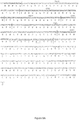
- the RhoB peptide is selected from the group consisting of VANKKDLRSDEHVRTELARMKQEPVRTDDGRAMAVRIQAYDYLECSAKTKEGVREVF ETATRAALQKRYGSQNGCINCCKVL (SEQ ID NO: 5), KDLRSDEHVRTELARMKQEPVRTDDGRAMAVRIQAYDYLECSAKTKEGVREVFETAT RAAL (SEQ ID NO: 6), SDEHVRTELARMKQEPVRTDDGRAMAVRIQAYDYLECSAKTKEGVREVFETATRAAL QKRYGSQNGCINCCKVL (SEQ ID NO: 7), DDGRAMAVRIQAY (SEQ ID NO: 2), RTDDGRAMAVRIQAYDYLE (SEQ ID NO: 1), and AVRIQAYDYLE (SEQ ID NO: 8) (see, e.g., Figure 5 ).
- RhoB peptides may be longer or shorter than the above identified sequences by 0, 1, 2, 3, 4, 5, 6, 7, 8, 9, 10, or more amino acids, particularly 1, 2, 3, 4, or 5 amino acids, at the N-terminus and/or C-terminus of the peptide.
- the peptides of the instant invention have at least 90%, 95%, 97%, 99%, or 100% homology or identity with SEQ ID NO: 3 (or SEQ ID NOs: 1, 2, 5-8).
- the peptides may be prepared in a variety of ways, according to known methods.
- the peptides may be made by chemical peptide synthesis (e.g., solid phase synthesis).
- the availability of nucleic acid molecules encoding the peptide also enables production of the protein using in vitro expression methods and cell-free expression systems known in the art.
- In vitro transcription and translation systems are commercially available, e.g., from Promega Biotech (Madison, WI) or Gibco-BRL (Gaithersburg, MD).
- the peptides may also be produced by expression in a suitable prokaryotic or eukaryotic system.
- a DNA molecule encoding for the peptide may be inserted into a plasmid vector adapted for expression in a bacterial cell, such as E. coli.
- a plasmid vector adapted for expression in a bacterial cell, such as E. coli.
- Such vectors comprise the regulatory elements necessary for expression of the DNA in the host cell positioned in such a manner as to permit expression of the DNA in the host cell.
- regulatory elements required for expression include promoter sequences, transcription initiation sequences and, optionally, enhancer sequences.
- the peptides produced by gene expression in a recombinant prokaryotic or eukaryotic system may be purified according to methods known in the art.
- the peptides prepared by the aforementioned methods, may be analyzed according to standard procedures.
- such protein may be subjected to amino acid sequence analysis, according to known methods.
- the peptides may be conjugated to a carrier protein (e.g., a macromolecular carrier).
- a carrier protein e.g., a macromolecular carrier
- the peptides may be used for in vivo immunization purposes. While animals may be immunized with free peptide, antipeptide antibody titer may be boosted by coupling the peptide to a carrier.
- carriers include, without limitation, KLH (keyhole limpet hemocyanin), GST (glutathione-S-transferase), BSA (bovine serum albumin), cBSA (cationized bovine serum albumin), OVA (ovalbumin), LPH (limulus polyphenus hemocyanin), and TT (tetanus toxoid).
- the instant invention also encompasses isolated antibodies or antibody fragments which are immunologically specific for RhoB (e.g., SEQ ID NO: 3) as defined in the accompanying claims.
- the instant invention also encompasses isolated antibodies or antibody fragments as defined in the accompanying claims which are immunologically specific for amino acid sequences as set forth above.
- the peptide has at least 90%, 95%, 97%, 99%, or 100% homology or identity with SEQ ID NOs: 1, 2, 5, 6, 7, or 8.
- the peptides may be longer or shorter than the above identified sequences by 0, 1, 2, 3, 4, 5, 6, 7, 8, 9, 10, or more amino acids, particularly 1, 2, 3, 4, or 5 amino acids, at the N-terminus and/or C-terminus of the peptide.
- the peptides have at least 90%, 95%, 97%, 99%, or 100% homology or identity with SEQ ID NO: 3.
- the antibody molecules of the invention may be prepared using a variety of methods known in the art. Polyclonal and monoclonal antibodies may be prepared as described in Current Protocols in Molecular Biology, Ausubel et al. eds . Antibodies may be prepared by chemical cross-linking, hybrid hybridoma techniques and by expression of recombinant antibody fragments expressed in host cells, such as bacteria or yeast cells.
- the antibody or antibody fragment is immunologically specific for SEQ ID NO: 1 or SEQ ID NO: 8.
- the antibody is a monoclonal antibody, a pair of antibodies, or a group of antibodies.
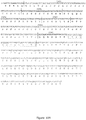
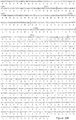
- the antibody is a monoclonal antibody comprising SEQ ID NOs: 10 and 12.
- the antibody is a monoclonal antibody comprising SEQ ID NOs: 14 and 16.
- the antibody may be a naturally occurring antibody or may be a synthetic or modified antibody (e.g., a recombinantly generated antibody; a chimeric antibody; a bispecific antibody; a humanized antibody; a camelid antibody; and the like).
- the antibody may comprise at least one purification tag.
- the framework antibody is an antibody fragment.
- Antibody fragments include, without limitation, immunoglobulin fragments including, without limitation: single domain (Dab; e.g., single variable light or heavy chain domain), Fab, Fab', F(ab') 2 , and F(v); and fusions (e.g., via a linker) of these immunoglobulin fragments including, without limitation: scFv, scFv 2 , scFv-Fc, minibody, diabody, triabody, and tetrabody.
- the antibody may also be a protein (e.g., a fusion protein) comprising at least one antibody or antibody fragment.
- the antibody comprises an Fc region.
- the antibody and antibody fragment of the instant invention comprises all six CDR domains of the anti-RhoB monoclonal antibodies 7F7 and 9G5 (see Figures 9 and 10 ) .
- the antibody or antibody fragment comprises both of the CDR3 domains.
- the domains of the antibody or antibody fragment have at least 90%, 95%, 97%, 99%, or 100% homology or identity with the domains present in the anti-RhoB monoclonal antibody 7F7 or 9G5.
- the domains may be longer or shorter than the domains depicted in Figures 9 and 10 by about 1, 2, 3, 4, or 5, amino acids, particularly 1 or 2 amino acids, at the N-terminus and/or C-terminus of the domain.
- the antibody may also be a synthetic protein which mimics an immunoglobulin.
- synthetic protein which mimics an immunoglobulin. Examples include, without limitation, Affibody® molecules (Affibody, Bromma, Sweden), darpins (designed ankyrin repeat proteins; Kawe et al. (2006) J. Biol. Chem., 281:40252-40263 ), and peptabodies ( Terskikh et al. (1997) PNAS 94:1663-1668 ).
- the antibodies of the instant invention may be further modified.
- the antibodies may be humanized.
- the hybrid antibodies (or a portion thereof) are inserted into the backbone of an antibody or antibody fragment construct.
- the variable light domain and/or variable heavy domain of the antibodies of the instant invention may be inserted into another antibody construct.
- Methods for recombinantly producing antibodies are well-known in the art. Indeed, commercial vectors for certain antibody and antibody fragment constructs are available.
- the antibodies of the instant invention may also be conjugated/linked to other components.
- the antibodies may be operably linked (e.g., covalently linked, optionally, through a linker) to at least one detectable agent, imaging agent, contrast agent, immunosuppressant, or anti-inflammatory agent.
- the antibodies of the instant invention may also comprise at least one purification tag (e.g., a His-tag).
- compositions comprising the RhoB inhibitors or antibodies are also disclosed herein.
- the composition comprises at least one antibody or antibody fragment as defined in the accompanying claims and at least one pharmaceutically acceptable carrier.
- the antibody molecules of the invention may be prepared using a variety of methods known in the art.
- Antibodies may be prepared by chemical cross-linking, hybrid hybridoma techniques and by expression of recombinant antibody or antibody fragments expressed in host cells, such as mammalian cells, bacteria or yeast cells.
- the antibody molecules are produced by expression of recombinant antibody or antibody fragments in host cells.
- the nucleic acid molecules encoding the antibody may be inserted into expression vectors and introduced into host cells.
- the resulting antibody molecules are then isolated and purified from the expression system.
- the antibodies optionally comprise a purification tag by which the antibody can be purified.
- the purity of the antibody molecules of the invention may be assessed using standard methods known to those of skill in the art, including, but not limited to, ELISA, immunohistochemistry, ion-exchange chromatography, affinity chromatography, immobilized metal affinity chromatography (IMAC), size exclusion chromatography, polyacrylamide gel electrophoresis (PAGE), western blotting, surface plasmon resonance and mass spectroscopy.
- RhoB hybridomas are - on average - slow growing and produce lower quantities of antibody compared to other hybridomas.
- Several approaches may be taken to circumvent this possible limitation.
- the nucleotide sequence of the anti-RhoB antibody may be cloned from the hybridomas and then anti-RhoB antibodies may be produced through molecular biological approaches.
- RhoB-independent secreting hybridomas may be developed or hybridoma culture conditions may be modified to maximize antibody production.
- the disclosure also encompasses methods for identifying small molecule or other molecular entities such as small nucleic acids, peptides, carbohydrates, and the like that are RhoB inhibitors.
- RhoB antibodies of the instant invention or fragments thereof (particularly the CDR regions) or corresponding epitopes may be used to design RhoB inhibitors with similar biologic activity.
- a “therapeutically effective amount” of a compound or a pharmaceutical composition refers to an amount effective to prevent, inhibit, treat, or lessen the symptoms of a particular disorder or disease.
- the treatment of an inflammatory disorder herein may refer to curing, relieving, and/or preventing the inflammatory disorder, the symptom of it, or the predisposition towards it.
- “Pharmaceutically acceptable” indicates approval by a regulatory agency of the Federal or a state government or listed in the U.S. Pharmacopeia or other generally recognized pharmacopeia for use in animals, and more particularly in humans.
- a “carrier” refers to, for example, a diluent, adjuvant, excipient, auxilliary agent or vehicle with which an active agent of the present invention is administered.
- Pharmaceutically acceptable carriers can be sterile liquids, such as water and oils, including those of petroleum, animal, vegetable or synthetic origin, such as peanut oil, soybean oil, mineral oil, sesame oil and the like. Water or aqueous saline solutions and aqueous dextrose and glycerol solutions are preferably employed as carriers, particularly for injectable solutions. Suitable pharmaceutical carriers are described, for example, in "Remington's Pharmaceutical Sciences” by E.W. Martin.
- antibody or “antibody molecule” is any immunoglobulin, including antibodies and fragments thereof, that binds to a specific antigen.
- antibody or antibody molecule contemplates intact immunoglobulin molecules, immunologically active portions of an immunoglobulin molecule, and fusions of immunologically active portions of an immunoglobulin molecule.
- immunologically specific refers to proteins/polypeptides, particularly antibodies, that bind to one or more epitopes of a protein or compound of interest, but which do not substantially recognize and bind other molecules in a sample containing a mixed population of antigenic biological molecules.
- the term "prevent” refers to the prophylactic treatment of a subject who is at risk of developing a condition resulting in a decrease in the probability that the subject will develop the condition.
- treat refers to any type of treatment that imparts a benefit to a patient afflicted with a disease, including improvement in the condition of the patient (e.g., in one or more symptoms), delay in the progression of the condition, etc.
- the terms "host,” “subject,” and “patient” refer to any animal, including humans.
- siRNA small, interfering RNA
- siRNA refers to a short (typically less than 30 nucleotides long, particularly 12-30 or 20-25 nucleotides in length) double stranded RNA molecule.
- the siRNA modulates the expression of a gene to which the siRNA is targeted.
- Methods of identifying and synthesizing siRNA molecules are known in the art (see, e.g., Ausubel et al. (2006) Current Protocols in Molecular Biology, John Wiley and Sons, Inc ).
- the term siRNA may include short hairpin RNA molecules (shRNA).
- shRNA molecules consist of short complementary sequences separated by a small loop sequence wherein one of the sequences is complimentary to the gene target.
- shRNA molecules are typically processed into an siRNA within the cell by endonucleases. Exemplary modifications to siRNA molecules are provided in U.S. Application Publication No. 20050032733 .
- Expression vectors for the expression of siRNA molecules preferably employ a strong promoter which may be constitutive or regulated. Such promoters are well known in the art and include, but are not limited to, RNA polymerase II promoters, the T7 RNA polymerase promoter, and the RNA polymerase III promoters U6 and H1 (see, e.g., Myslinski et al. (2001) Nucl. Acids Res., 29:2502 09 ).
- Antisense nucleic acid molecules or “antisense oligonucleotides” include nucleic acid molecules (e.g., single stranded molecules) which are targeted (complementary) to a chosen sequence (e.g., to translation initiation sites and/or splice sites) to inhibit the expression of a protein of interest. Such antisense molecules are typically between about 15 and about 50 nucleotides in length, more particularly between about 15 and about 30 nucleotides, and often span the translational start site of mRNA molecules. Antisense constructs may also be generated which contain the entire sequence of the target nucleic acid molecule in reverse orientation. Antisense oligonucleotides targeted to any known nucleotide sequence can be prepared by oligonucleotide synthesis according to standard methods.
- the present invention encompasses compositions comprising at least one anti-RhoB antibody (including fragments thereof) and at least one pharmaceutically acceptable carrier as defined in the accompanying claims.
- the composition may further comprise at least one other anti-inflammatory agent and/or at least one immunosuppressive agent.
- at least one other anti-inflammatory agent and/or at least one immunosuppressive agent may be contained within a separate composition(s) with at least one pharmaceutically acceptable carrier.
- the composition(s) comprising at least one anti-RhoB antibody and the composition(s) comprising at least one other anti-inflammatory agent and/or at least one immunosuppressive agent may be contained within a kit.
- composition(s) may be administered, in a therapeutically effective amount, to a patient in need thereof for the treatment of an inflammatory or autoimmune disease.
- the patient is monitored at least once for the inflammatory or autoimmune disease after administration of the compositions of the instant invention to monitor the treatment of the inflammatory or autoimmune disease (e.g., in the case of rheumatoid arthritis, joint (e.g., hand joint) pain and/or stiffness; presence of rheumatoid nodules; and/or presence of rheumatoid factor or rheumatoid factor antibodies in the blood).
- compositions of the present invention can be administered by any suitable route, for example, by injection (e.g., for local or systemic administration), intravenous, oral, pulmonary, nasal or other modes of administration.
- the pharmaceutically acceptable carrier of the composition is selected from the group of diluents, preservatives, solubilizers, emulsifiers, adjuvants and/or carriers.
- compositions can include diluents of various buffer content (e.g., Tris-HCl, acetate, phosphate), pH and ionic strength; and additives such as detergents and solubilizing agents (e.g., Tween 80, Polysorbate 80), anti-oxidants (e.g., ascorbic acid, sodium metabisulfite), preservatives (e.g., Thimersol, benzyl alcohol) and bulking substances (e.g., lactose, mannitol).
- the compositions can also be incorporated into particulate preparations of polymeric compounds such as polylactic acid, polyglycolic acid, etc., or into liposomes or nanoparticles.
- compositions may influence the physical state, stability, rate of in vivo release, and rate of in vivo clearance of components of a pharmaceutical composition of the present invention. See, e.g., Remington's Pharmaceutical Sciences, 18th Ed. (1990, Mack Publishing Co., Easton, PA 18042) pages 1435-1712 .
- the composition of the present invention can be prepared, for example, in liquid form, or can be in dried powder form (e.g., lyophilized).
- compositions of the present invention can be delivered in a controlled release system, such as using an intravenous infusion, an implantable osmotic pump, a transdermal patch, liposomes, or other modes of administration.
- a pump may be used (see Langer, supra; Sefton, CRC Crit. Ref. Biomed. Eng. (1987) 14:201 ; Buchwald et al., Surgery (1980) 88:507 ; Saudek et al., N. Engl. J. Med. (1989) 321:574 ).
- polymeric materials may be employed (see Medical Applications of Controlled Release, Langer and Wise (eds.), CRC Press: Boca Raton, Florida (1974 ); Controlled Drug Bioavailability, Drug Product Design and Performance, Smolen and Ball (eds.), Wiley: New York (1984 ); Ranger and Peppas, J. Macromol. Sci. Rev. Macromol. Chem. (1983) 23:61 ; see also Levy et al., Science (1985) 228:190 ; During et al., Ann. Neurol. (1989) 25:351 ; Howard et al., J. Neurosurg. (1989) 71:105 ).
- a controlled release system can be placed in proximity of the target tissues of the animal, thus requiring only a fraction of the systemic dose (see, e.g., Goodson, in Medical Applications of Controlled Release, supra, (1984) vol. 2, pp. 115-138 ).
- a controlled release device can be introduced into an animal in proximity to the site of inappropriate inflammation.
- Other controlled release systems are discussed in the review by Langer (Science (1990) 249:1527-1533 ).
- the methods of the instant invention may further comprise the administration of at least one other therapeutic method for the treatment of the autoimmune disease or inflammatory disease.
- the anti-RhoB antibody may be co-administered with radiation of the subject's lymph nodes or with plasmapheresis.
- compositions comprising at least one RhoB sequence peptide (including sequences thereof) and at least one pharmaceutically acceptable carrier.
- the composition may further comprise other agents (e.g., at least one other anti-inflammatory agent and/or at least one immunosuppressive agent) or be included in a kit with another composition, as described hereinabove for the anti-RhoB antibodies.
- the compositions may be delivered to a subject (e.g., therapeutic methods) as described hereinabove for the anti-RhoB antibodies.
- RhoB-knockout mice were immunized with RhoB-peptide-KLH or KLH (keyhole limpet hemocyanin). Specifically, at Day 0, RhoB-KO mice were injected with RhoB-peptide-KLH or KLH in complete Freund's adjuvant (CFA). At Day 14, a booster injection was given with RhoB-peptide-KLH or KLH in incomplete Freund's adjuvant (IFA). Lastly, a second booster injection was administered at Day 29 with RhoB-peptide-KLH or KLH in phosphate buffered saline (PBS). Bleeds were obtained at Day 10 and Day 24 and serum was harvested at Day 32.
- CFA complete Freund's adjuvant
- IFA incomplete Freund's adjuvant
- PBS phosphate buffered saline
- K/BxN TCR transgenic mice express a TCR reactive to a self-peptide derived from the glucose-6-phosphate isomerase (GPI), presented by the MHC class II molecule A g7 ( Korganow et al. (1999) Immunity, 10:451-461 ; Kouskoff et al. (1996) Cell, 87:811-822 ; Matsumoto et al. (1999) Science, 286:1732-1735 ).
- GPI glucose-6-phosphate isomerase
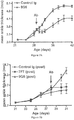
- K/BxN mice (5 mice per group) were treated with 1) saline, 2) anti-KLH serum, or 3) anti-RhoB-peptide serum. Specifically, serum (200 ⁇ l) was administered i.p. to 21 day old mice. Mean ankle thickness was measured over time as an indicator arthritis. As seen in Figure 1 , RhoB anti-serum inhibits arthritis.
- K/BxN mice produce arthritogenic Abs directed against GPI, which develop at high titers because of the preferential help that B cells expressing GPI-specific immunoglobulins receive from GPI-reactive T cells displaying the transgene-encoded TCR.
- K/BxN mice (5 mice per group) were treated with a total of 200 ⁇ l (100 ⁇ l of serum mixed with 100 ⁇ l saline) (i.p.) of 1) saline, 2) anti-KLH serum, or 3) anti-RhoB-peptide serum.
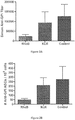
- the serum of K/BxN mice administered with RhoB anti-serum had reduced levels of serum anti-GPI Ig (as determined by enzyme-linked immunosorbent assay (ELISA)) compared to K/BxN mice administered with KLH anti-serum or carrier alone and reduced numbers of anti-GPI antibody secreting cells (as determined by enzyme-linked immunosorbent spot (ELISPOT)) compared to K/BxN mice administered with KLH anti-serum or carrier alone.
- ELISA enzyme-linked immunosorbent assay
- ELISPOT enzyme-linked immunosorbent spot
- RhoB anti-serum affected other cytokines in K/BxN mice.
- the administration of RhoB anti-serum to K/BxN mice did not significantly modulate the levels of IFN ⁇ , TNF ⁇ , IL-6, IL-10, MCP-1, MIP-1 ⁇ , MIP-1 ⁇ , or RANTES compared to K/BxN mice administered with KLH anti-serum or carrier alone.
- Splenocytes were isolated from the mice and B cells were fused with immortalized myeloma cells (Sp2/0) to generate hybridomas. 48 samples were tested. 7 yielded strong positives to Peptide 1 (RTDDGRAMAVRIQAYDYLE; SEQ ID NO: 1; amino acids 140-158 of human RhoB (GenBank Accession No. CAA29968)) and 5 yielded positives to Peptide 1 and Peptide 2 (DDGRAMAVRIQAY; SEQ ID NO: 2; amino acids 142-154 of human RhoB (GenBank Accession No. CAA29968)) .
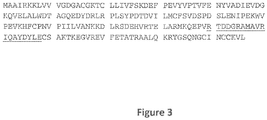
- Figure 3 provides the amino acid sequence of human RhoB.
- Peptide 1 is underlined. Mice vaccinated with a peptide antigen encompassing this sequence were divided into two sets of antibodies. These two sets are defined by slightly different but overlapping epitopes: binding of one set of antibodies may be affected by Y156 phosphorylation, but the other set of antibodies would not likely be (see above results distinguishing between Peptide 1 and Peptide 2, which lacks the tyrosine at 156). Both sets of antibodies specifically recognize full-length RhoB protein, but only one blocked antibody secretion by B cells in tissue culture or in animals.
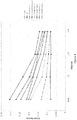
- Figure 4 provides the results of an ELISA experiment where an anti-RhoB hybridoma supernatant (Black) is demonstrated to suppress antibody secretion by LPS-treated mouse B cells: compare the baseline (unactivated; diamond), activated red line (square), and suppressed line (triangle).
- the X line is a non-specific control (IDO antibody) that does not suppress activation.
- the other lines represent supernatants obtained from anti-RhoB hybridoma subclones out of the original hybridoma, showing intermediate levels of suppression.
- Propidium iodide (PI) staining demonstrated that the B cells did proliferate in response to LPS.
- An analysis using an IL6 bead array showed that the anti-RhoB hybridomas were not secreting IL6.
- FIG. 6A shows that both anti-RhoB monoclonal antibodies 9G5 and 7F7 inhibited arthritis as indicated by rear ankle thickness.
- Figures 6B and 6C show that the anti-RhoB monoclonal antibodies also inhibit autoantibody production as anti-GPI autoantibody titers were measured by ELISA ( Fig. 6B ) and anti-GPI antibody secreting cells (ASCs) were measured by ELISpot assay ( Fig. 6C ).
- K/BxN mice were also treated with 500 ⁇ g of anti-RhoB monoclonal antibodies 9G5 or 7F7 or control Ig after the onset of arthritis (4 weeks of age). As seen in Figure 7 , anti-RhoB monoclonal antibodies 9G5 and 7F7 inhibited the progression of arthritis, as determined by rear ankle thickness.
- K/BxN mice were treated with 500 ⁇ g 7F7 or control Ig at 21 days of age.
- Cells from the joint draining lymph nodes were harvested at 6 weeks of age and cultured overnight in PMA (50 ng/ml) with ionomycin (500 ng/ml).
- Cytokines were measured in culture supernatants by cytometric bead array.
- the administration of the anti-RhoB monoclonal antibody 7F7 to K/BxN mice did not significantly modulate the levels of the inflammatory cytokines IFN ⁇ ,TNF ⁇ , IL-17, IL-10, MCP-1, MIP-1 ⁇ , MIP-1 ⁇ , and RANTES or B-cell related cytokines IL-4, IL-5, IL-6, IL-9, IL-10, and IL-13 compared to K/BxN mice administered with control Ig.
- RhoB KO KRN.g7 mice Arthritic RhoB knockout mice (KO) (RhoB KO KRN.g7) mice were generated by crossing onto the KRN.g7 background.
- KRN B6.g7 mice are C57BL/6 mice that express both the KRN TCR tg and the IAg7 MHC Class II molecule necessary for KRN T cell activation, but lack the rest of the NOD-associated genes ( Kouskoff et al. (1996) Cell 87:811-822 ).
- Figure 8A shows that RhoB KO mice had reduced arthritis compared to KRN.g7 mice, as determined by rear ankle thickness.
- Figure 8B shows that serum from RhoB KO KRN.g7 mice was also unable to induce arthritis when transferred to naive recipients.
- FIG. 8C shows that arthritis can be induced in RhoB ko mice when arthritogenic K/BxN serum is adoptively transferred.
- Serum from arthritic K/BxN mice was adoptively transferred into naive wt or RhoB KO C57BL/6 mice on day 0.
- the observed arthritis was more severe and of a longer duration with the RhoB KO mice.
- the observed increased severity in arthritis in RhoB KO mice may be due to the inability of the mice to clear autoantibody.
- anti-GPI autoantibody titers were moderately increased in RhoB KO KRN.g7 mice compared to KRN.g7 mice, but the number of anti-GPI antibody secreting cells (ASCs) were similar between the two mice.
- cytokines were affected in RhoB KO mice.
- Cells from the joint draining lymph nodes were harvested at 6 weeks of age and cultured overnight in PMA (50 ng/ml) with ionomycin (500 ng/ml). Cytokines were measured in culture supernatants by cytometric bead array.
- RhoB KO KRN.g7 mice did not have significantly modulated levels of the inflammatory cytokines IFN ⁇ ,TNF ⁇ , IL-17, IL-10, and MCP-1 (although RANTES, MIP-1 ⁇ , and MIP-1 ⁇ trended slightly lower in RhoB KO KRN.g7 mice) or B-cell related cytokines IL-4, IL-5, IL-6, IL-9, IL-10, and IL-13.
- the similarity in the mouse phenotypes of RhoB KO mice compared to mice administered an anti-RhoB antibody is further evidence that anti-RhoB antibodies exert their activity through their interaction with RhoB.
- RhoB KO C57BL/6 mice also possessed normal lymphoid populations. Specifically, the percentage of lymphoid populations in bone marrow, thymus, spleen, lymph nodes, and peritoneal cavity from wild-type and RhoB KO C57BL/6 mice were measured by flow cytometry. Serum Ig levels from wild-type and RhoB KO C57BL/6 mice were also measured by ELISA. Notably, no significant difference in lymphoid populations or serum Ig levels (IgM, IgG1, IgG2b, IgG2c, and IgG3) was observed between wild-type and RhoB KO C57BL/6 mice.
- RhoB-/-, RhoB+/-, or RhoB+/+ C57BL/6 mice were also immunized with 100 ⁇ g NP-KLH in alum on day 0. Serum samples were taken on days 0, 5, 14, and 21 and analyzed for anti-NP IgM or IgG by ELISA. The RhoB KO mice exhibited a normal response to immunization.
Landscapes
- Health & Medical Sciences (AREA)
- Chemical & Material Sciences (AREA)
- Life Sciences & Earth Sciences (AREA)
- Organic Chemistry (AREA)
- Medicinal Chemistry (AREA)
- General Health & Medical Sciences (AREA)
- Public Health (AREA)
- Veterinary Medicine (AREA)
- Animal Behavior & Ethology (AREA)
- Pharmacology & Pharmacy (AREA)
- Immunology (AREA)
- Genetics & Genomics (AREA)
- Biophysics (AREA)
- Proteomics, Peptides & Aminoacids (AREA)
- Biochemistry (AREA)
- Molecular Biology (AREA)
- Nuclear Medicine, Radiotherapy & Molecular Imaging (AREA)
- General Chemical & Material Sciences (AREA)
- Chemical Kinetics & Catalysis (AREA)
- Engineering & Computer Science (AREA)
- Bioinformatics & Cheminformatics (AREA)
- Epidemiology (AREA)
- Mycology (AREA)
- Microbiology (AREA)
- Endocrinology (AREA)
- Rheumatology (AREA)
- Diabetes (AREA)
- Gastroenterology & Hepatology (AREA)
- Pain & Pain Management (AREA)
- Neurology (AREA)
- Obesity (AREA)
- Hematology (AREA)
- Emergency Medicine (AREA)
- Orthopedic Medicine & Surgery (AREA)
- Physical Education & Sports Medicine (AREA)
- Transplantation (AREA)
- Medicines Containing Antibodies Or Antigens For Use As Internal Diagnostic Agents (AREA)
- Peptides Or Proteins (AREA)
- Medicines That Contain Protein Lipid Enzymes And Other Medicines (AREA)
- Enzymes And Modification Thereof (AREA)
Applications Claiming Priority (2)
| Application Number | Priority Date | Filing Date | Title |
|---|---|---|---|
| US201161522009P | 2011-08-10 | 2011-08-10 | |
| PCT/US2012/050146 WO2013023059A2 (en) | 2011-08-10 | 2012-08-09 | Methods and compositions for the treatment of autoimmune and inflammatory diseases |
Publications (3)
| Publication Number | Publication Date |
|---|---|
| EP2741771A2 EP2741771A2 (en) | 2014-06-18 |
| EP2741771A4 EP2741771A4 (en) | 2015-04-15 |
| EP2741771B1 true EP2741771B1 (en) | 2020-04-29 |
Family
ID=47669232
Family Applications (1)
| Application Number | Title | Priority Date | Filing Date |
|---|---|---|---|
| EP12821568.8A Active EP2741771B1 (en) | 2011-08-10 | 2012-08-09 | Methods and compositions for the treatment of autoimmune and inflammatory diseases |
Country Status (10)
| Country | Link |
|---|---|
| US (3) | US9879092B2 (https=) |
| EP (1) | EP2741771B1 (https=) |
| JP (1) | JP6253580B2 (https=) |
| KR (2) | KR102101478B1 (https=) |
| CN (1) | CN104114184B (https=) |
| AU (1) | AU2012294342B2 (https=) |
| CA (1) | CA2844668C (https=) |
| ES (1) | ES2813415T3 (https=) |
| RU (1) | RU2639540C2 (https=) |
| WO (1) | WO2013023059A2 (https=) |
Families Citing this family (11)
| Publication number | Priority date | Publication date | Assignee | Title |
|---|---|---|---|---|
| US20150231215A1 (en) | 2012-06-22 | 2015-08-20 | Randolph J. Noelle | VISTA Antagonist and Methods of Use |
| ES2813415T3 (es) | 2011-08-10 | 2021-03-23 | Lankenau Inst Medical Res | Métodos y composiciones para el tratamiento de enfermedades autoinmunes e inflamatorias |
| US9381244B2 (en) | 2012-09-07 | 2016-07-05 | King's College London | VISTA modulators for diagnosis and treatment of cancer |
| WO2015097536A2 (en) | 2013-12-24 | 2015-07-02 | Janssen Pharmaceutical Nv | Anti-vista antibodies and fragments |
| US11014987B2 (en) | 2013-12-24 | 2021-05-25 | Janssen Pharmaceutics Nv | Anti-vista antibodies and fragments, uses thereof, and methods of identifying same |
| AU2015243261B2 (en) * | 2014-04-10 | 2020-06-25 | Lankenau Institute For Medical Research | Methods and compositions for the treatment of ocular diseases and disorders |
| CA2990360C (en) | 2015-06-24 | 2024-02-13 | Janssen Pharmaceutica Nv | Anti-vista antibodies and fragments |
| WO2017137830A1 (en) | 2016-02-12 | 2017-08-17 | Janssen Pharmaceutica Nv | Anti-vista (b7h5) antibodies |
| KR20230119259A (ko) | 2016-04-15 | 2023-08-16 | 이뮤넥스트, 인크. | 항-인간 vista 항체 및 이의 용도 |
| WO2018213331A1 (en) * | 2017-05-16 | 2018-11-22 | Lankenau Institute For Medical Research | Compositions comprising ligands to rhob protein and the uses thereof |
| KR102276941B1 (ko) * | 2018-07-03 | 2021-07-14 | 서울대학교산학협력단 | 류마티스 관절염 치료용 펩티드 및 그의 용도 |
Family Cites Families (20)
| Publication number | Priority date | Publication date | Assignee | Title |
|---|---|---|---|---|
| CA2118508A1 (en) * | 1992-04-24 | 1993-11-11 | Elizabeth S. Ward | Recombinant production of immunoglobulin-like domains in prokaryotic cells |
| US6458783B1 (en) | 1997-09-29 | 2002-10-01 | Bristol-Myers Squibb Company | Non-imidazole benzodiazepine inhibitors of farnesyl protein transferase |
| AU735366B2 (en) | 1997-09-29 | 2001-07-05 | Bristol-Myers Squibb Company | Inhibitors of farnesyl protein transferase |
| US5962672A (en) * | 1998-09-18 | 1999-10-05 | Isis Pharmaceuticals Inc. | Antisense modulation of RhoB expression |
| US20050032733A1 (en) | 2001-05-18 | 2005-02-10 | Sirna Therapeutics, Inc. | RNA interference mediated inhibition of gene expression using chemically modified short interfering nucleic acid (SiNA) |
| US6979556B2 (en) | 2000-12-14 | 2005-12-27 | Genentech, Inc. | Separate-cistron contructs for secretion of aglycosylated antibodies from prokaryotes |
| US7795218B2 (en) | 2001-04-12 | 2010-09-14 | Bioaxone Therapeutique Inc. | ADP-ribosyl transferase fusion variant proteins |
| US20040142325A1 (en) | 2001-09-14 | 2004-07-22 | Liat Mintz | Methods and systems for annotating biomolecular sequences |
| JP4200100B2 (ja) | 2001-11-07 | 2008-12-24 | アジェンシス,インコーポレイテッド | 癌の処置および検出において有用な161p2f10bと称される、核酸および対応タンパク質 |
| WO2005017160A2 (en) | 2003-08-13 | 2005-02-24 | Children's Hospital Medical Center | Mobilization of hematopoietic cells |
| JP4967137B2 (ja) * | 2005-04-18 | 2012-07-04 | 国立大学法人浜松医科大学 | 癌治療用組成物 |
| US20070213354A1 (en) | 2006-03-08 | 2007-09-13 | Amplimed Corporation | Compositions and Methods for the Treatment of Multiple Sclerosis |
| RU2489166C2 (ru) * | 2006-04-09 | 2013-08-10 | Джинентех, Инк. | Применение антитела для лечения аутоиммунных заболеваний у пациента с неадекватным ответом на ингибитор tnf-альфа |
| JP5354634B2 (ja) * | 2007-01-25 | 2013-11-27 | 国立大学法人大阪大学 | ヒトabh8タンパク質、それをコードする遺伝子、およびこれらの治療的又は診断的用途 |
| EP2221063A1 (en) | 2009-02-20 | 2010-08-25 | Ganymed Pharmaceuticals AG | Methods and compositions for diagnosis and treatment of cancer |
| US8673314B2 (en) * | 2009-05-26 | 2014-03-18 | Mount Sinai School Of Medicine | Monoclonal antibodies against influenza virus generated by cyclical administration and uses thereof |
| SG195100A1 (en) | 2011-07-01 | 2013-12-30 | Bayer Ip Gmbh | Hydroxymethylaryl-substituted pyrrolotriazines as alk1 inhibitors |
| ES2813415T3 (es) | 2011-08-10 | 2021-03-23 | Lankenau Inst Medical Res | Métodos y composiciones para el tratamiento de enfermedades autoinmunes e inflamatorias |
| TW201406707A (zh) | 2012-05-04 | 2014-02-16 | Acucela Inc | 用以治療糖尿病性視網膜病變及其他眼部疾病之方法 |
| AU2015243261B2 (en) * | 2014-04-10 | 2020-06-25 | Lankenau Institute For Medical Research | Methods and compositions for the treatment of ocular diseases and disorders |
-
2012
- 2012-08-09 ES ES12821568T patent/ES2813415T3/es active Active
- 2012-08-09 KR KR1020147006215A patent/KR102101478B1/ko active Active
- 2012-08-09 WO PCT/US2012/050146 patent/WO2013023059A2/en not_active Ceased
- 2012-08-09 KR KR1020207010387A patent/KR102221068B1/ko active Active
- 2012-08-09 AU AU2012294342A patent/AU2012294342B2/en active Active
- 2012-08-09 US US14/237,706 patent/US9879092B2/en active Active
- 2012-08-09 RU RU2014106933A patent/RU2639540C2/ru not_active IP Right Cessation
- 2012-08-09 CA CA2844668A patent/CA2844668C/en active Active
- 2012-08-09 CN CN201280049868.XA patent/CN104114184B/zh not_active Expired - Fee Related
- 2012-08-09 EP EP12821568.8A patent/EP2741771B1/en active Active
- 2012-08-09 JP JP2014525142A patent/JP6253580B2/ja not_active Expired - Fee Related
-
2017
- 2017-12-14 US US15/841,416 patent/US20180094076A1/en not_active Abandoned
-
2020
- 2020-09-03 US US17/011,852 patent/US12545744B2/en active Active
Non-Patent Citations (2)
| Title |
|---|
| ANONYMOUS: "AbNum Results - Light chain Seq ID No 10", 20 March 2019 (2019-03-20), XP055572162, Retrieved from the Internet <URL:http://www.bioinf.org.uk/cgi-bin/abnum/abnum.pl> [retrieved on 20190320] * |
| ANONYMOUS: "AbNum Results- heavy chain Seq ID 12", 20 March 2019 (2019-03-20), XP055572152, Retrieved from the Internet <URL:http://www.bioinf.org.uk/cgi-bin/abnum/abnum.pl> [retrieved on 20190320] * |
Also Published As
| Publication number | Publication date |
|---|---|
| KR20200042013A (ko) | 2020-04-22 |
| RU2639540C2 (ru) | 2017-12-21 |
| KR102221068B1 (ko) | 2021-02-25 |
| EP2741771A4 (en) | 2015-04-15 |
| US20140227279A1 (en) | 2014-08-14 |
| CN104114184A (zh) | 2014-10-22 |
| US12545744B2 (en) | 2026-02-10 |
| JP2014529590A (ja) | 2014-11-13 |
| US20210040230A1 (en) | 2021-02-11 |
| AU2012294342B2 (en) | 2017-07-27 |
| US9879092B2 (en) | 2018-01-30 |
| US20180094076A1 (en) | 2018-04-05 |
| WO2013023059A2 (en) | 2013-02-14 |
| KR20140067027A (ko) | 2014-06-03 |
| CA2844668C (en) | 2021-03-09 |
| WO2013023059A3 (en) | 2013-04-04 |
| CA2844668A1 (en) | 2013-02-14 |
| RU2014106933A (ru) | 2015-09-20 |
| JP6253580B2 (ja) | 2017-12-27 |
| EP2741771A2 (en) | 2014-06-18 |
| ES2813415T3 (es) | 2021-03-23 |
| AU2012294342A1 (en) | 2014-03-06 |
| CN104114184B (zh) | 2017-04-19 |
| KR102101478B1 (ko) | 2020-04-16 |
Similar Documents
| Publication | Publication Date | Title |
|---|---|---|
| US12545744B2 (en) | Anti-RhoB antibodies for the treatment of autoimmune and inflammatory diseases | |
| US20230142697A1 (en) | Glycan-Interacting Compounds and Methods of Use | |
| CN116903727A (zh) | 具有和不具有t细胞抑制蛋白的april和baff抑制性免疫调节蛋白及其使用方法 | |
| US20220267429A1 (en) | Use of tgf-alpha polypeptide or anti-tgf-alpha antibodies for the treatment of diseases and disorders | |
| JP2023514224A (ja) | 自己免疫障害における抗bcma治療 | |
| US20230242674A1 (en) | Compositions comprising antibodies to human ido-2 | |
| CN119013309A (zh) | 靶向pd-l1和cd40的抗原结合蛋白及其制备和应用 | |
| AU2016298108B2 (en) | Methods and compositions for the treatment of immunomodulatory diseases and disorders | |
| TW202206099A (zh) | 藉由併用抗人類Fn14抗體及免疫檢查點抑制劑預防或治療癌症之醫藥組合物及方法 | |
| CA2992145C (en) | Methods and compositions for the treatment of immunomodulatory diseases and disorders | |
| CN118922450A (zh) | 一种靶向cd40的抗原结合蛋白及其制备和应用 | |
| HK40102688A (zh) | 具有新型活性的hhla2结合剂 | |
| Alnimri et al. | The Anti‐Interleukin 2 Receptor Antibodies |
Legal Events
| Date | Code | Title | Description |
|---|---|---|---|
| PUAI | Public reference made under article 153(3) epc to a published international application that has entered the european phase |
Free format text: ORIGINAL CODE: 0009012 |
|
| 17P | Request for examination filed |
Effective date: 20140306 |
|
| AK | Designated contracting states |
Kind code of ref document: A2 Designated state(s): AL AT BE BG CH CY CZ DE DK EE ES FI FR GB GR HR HU IE IS IT LI LT LU LV MC MK MT NL NO PL PT RO RS SE SI SK SM TR |
|
| AX | Request for extension of the european patent |
Extension state: BA ME |
|
| A4 | Supplementary search report drawn up and despatched |
Effective date: 20150312 |
|
| RIC1 | Information provided on ipc code assigned before grant |
Ipc: C12N 5/071 20100101ALI20150306BHEP Ipc: C07K 16/40 20060101AFI20150306BHEP Ipc: A61K 39/395 20060101ALI20150306BHEP Ipc: A61K 38/00 20060101ALI20150306BHEP |
|
| STAA | Information on the status of an ep patent application or granted ep patent |
Free format text: STATUS: EXAMINATION IS IN PROGRESS |
|
| 17Q | First examination report despatched |
Effective date: 20170705 |
|
| GRAP | Despatch of communication of intention to grant a patent |
Free format text: ORIGINAL CODE: EPIDOSNIGR1 |
|
| STAA | Information on the status of an ep patent application or granted ep patent |
Free format text: STATUS: GRANT OF PATENT IS INTENDED |
|
| INTG | Intention to grant announced |
Effective date: 20191119 |
|
| GRAS | Grant fee paid |
Free format text: ORIGINAL CODE: EPIDOSNIGR3 |
|
| GRAA | (expected) grant |
Free format text: ORIGINAL CODE: 0009210 |
|
| STAA | Information on the status of an ep patent application or granted ep patent |
Free format text: STATUS: THE PATENT HAS BEEN GRANTED |
|
| AK | Designated contracting states |
Kind code of ref document: B1 Designated state(s): AL AT BE BG CH CY CZ DE DK EE ES FI FR GB GR HR HU IE IS IT LI LT LU LV MC MK MT NL NO PL PT RO RS SE SI SK SM TR |
|
| AX | Request for extension of the european patent |
Extension state: BA ME |
|
| REG | Reference to a national code |
Ref country code: GB Ref legal event code: FG4D |
|
| REG | Reference to a national code |
Ref country code: CH Ref legal event code: EP |
|
| REG | Reference to a national code |
Ref country code: DE Ref legal event code: R096 Ref document number: 602012069732 Country of ref document: DE |
|
| REG | Reference to a national code |
Ref country code: AT Ref legal event code: REF Ref document number: 1263154 Country of ref document: AT Kind code of ref document: T Effective date: 20200515 |
|
| REG | Reference to a national code |
Ref country code: IE Ref legal event code: FG4D |
|
| REG | Reference to a national code |
Ref country code: NL Ref legal event code: MP Effective date: 20200429 |
|
| REG | Reference to a national code |
Ref country code: LT Ref legal event code: MG4D |
|
| PG25 | Lapsed in a contracting state [announced via postgrant information from national office to epo] |
Ref country code: FI Free format text: LAPSE BECAUSE OF FAILURE TO SUBMIT A TRANSLATION OF THE DESCRIPTION OR TO PAY THE FEE WITHIN THE PRESCRIBED TIME-LIMIT Effective date: 20200429 Ref country code: PT Free format text: LAPSE BECAUSE OF FAILURE TO SUBMIT A TRANSLATION OF THE DESCRIPTION OR TO PAY THE FEE WITHIN THE PRESCRIBED TIME-LIMIT Effective date: 20200831 Ref country code: NO Free format text: LAPSE BECAUSE OF FAILURE TO SUBMIT A TRANSLATION OF THE DESCRIPTION OR TO PAY THE FEE WITHIN THE PRESCRIBED TIME-LIMIT Effective date: 20200729 Ref country code: IS Free format text: LAPSE BECAUSE OF FAILURE TO SUBMIT A TRANSLATION OF THE DESCRIPTION OR TO PAY THE FEE WITHIN THE PRESCRIBED TIME-LIMIT Effective date: 20200829 Ref country code: LT Free format text: LAPSE BECAUSE OF FAILURE TO SUBMIT A TRANSLATION OF THE DESCRIPTION OR TO PAY THE FEE WITHIN THE PRESCRIBED TIME-LIMIT Effective date: 20200429 Ref country code: SE Free format text: LAPSE BECAUSE OF FAILURE TO SUBMIT A TRANSLATION OF THE DESCRIPTION OR TO PAY THE FEE WITHIN THE PRESCRIBED TIME-LIMIT Effective date: 20200429 Ref country code: GR Free format text: LAPSE BECAUSE OF FAILURE TO SUBMIT A TRANSLATION OF THE DESCRIPTION OR TO PAY THE FEE WITHIN THE PRESCRIBED TIME-LIMIT Effective date: 20200730 |
|
| REG | Reference to a national code |
Ref country code: AT Ref legal event code: MK05 Ref document number: 1263154 Country of ref document: AT Kind code of ref document: T Effective date: 20200429 |
|
| PG25 | Lapsed in a contracting state [announced via postgrant information from national office to epo] |
Ref country code: BG Free format text: LAPSE BECAUSE OF FAILURE TO SUBMIT A TRANSLATION OF THE DESCRIPTION OR TO PAY THE FEE WITHIN THE PRESCRIBED TIME-LIMIT Effective date: 20200729 Ref country code: HR Free format text: LAPSE BECAUSE OF FAILURE TO SUBMIT A TRANSLATION OF THE DESCRIPTION OR TO PAY THE FEE WITHIN THE PRESCRIBED TIME-LIMIT Effective date: 20200429 Ref country code: LV Free format text: LAPSE BECAUSE OF FAILURE TO SUBMIT A TRANSLATION OF THE DESCRIPTION OR TO PAY THE FEE WITHIN THE PRESCRIBED TIME-LIMIT Effective date: 20200429 Ref country code: RS Free format text: LAPSE BECAUSE OF FAILURE TO SUBMIT A TRANSLATION OF THE DESCRIPTION OR TO PAY THE FEE WITHIN THE PRESCRIBED TIME-LIMIT Effective date: 20200429 |
|
| PG25 | Lapsed in a contracting state [announced via postgrant information from national office to epo] |
Ref country code: AL Free format text: LAPSE BECAUSE OF FAILURE TO SUBMIT A TRANSLATION OF THE DESCRIPTION OR TO PAY THE FEE WITHIN THE PRESCRIBED TIME-LIMIT Effective date: 20200429 Ref country code: NL Free format text: LAPSE BECAUSE OF FAILURE TO SUBMIT A TRANSLATION OF THE DESCRIPTION OR TO PAY THE FEE WITHIN THE PRESCRIBED TIME-LIMIT Effective date: 20200429 |
|
| PG25 | Lapsed in a contracting state [announced via postgrant information from national office to epo] |
Ref country code: DK Free format text: LAPSE BECAUSE OF FAILURE TO SUBMIT A TRANSLATION OF THE DESCRIPTION OR TO PAY THE FEE WITHIN THE PRESCRIBED TIME-LIMIT Effective date: 20200429 Ref country code: RO Free format text: LAPSE BECAUSE OF FAILURE TO SUBMIT A TRANSLATION OF THE DESCRIPTION OR TO PAY THE FEE WITHIN THE PRESCRIBED TIME-LIMIT Effective date: 20200429 Ref country code: CZ Free format text: LAPSE BECAUSE OF FAILURE TO SUBMIT A TRANSLATION OF THE DESCRIPTION OR TO PAY THE FEE WITHIN THE PRESCRIBED TIME-LIMIT Effective date: 20200429 Ref country code: SM Free format text: LAPSE BECAUSE OF FAILURE TO SUBMIT A TRANSLATION OF THE DESCRIPTION OR TO PAY THE FEE WITHIN THE PRESCRIBED TIME-LIMIT Effective date: 20200429 Ref country code: EE Free format text: LAPSE BECAUSE OF FAILURE TO SUBMIT A TRANSLATION OF THE DESCRIPTION OR TO PAY THE FEE WITHIN THE PRESCRIBED TIME-LIMIT Effective date: 20200429 Ref country code: AT Free format text: LAPSE BECAUSE OF FAILURE TO SUBMIT A TRANSLATION OF THE DESCRIPTION OR TO PAY THE FEE WITHIN THE PRESCRIBED TIME-LIMIT Effective date: 20200429 |
|
| REG | Reference to a national code |
Ref country code: DE Ref legal event code: R097 Ref document number: 602012069732 Country of ref document: DE |
|
| PG25 | Lapsed in a contracting state [announced via postgrant information from national office to epo] |
Ref country code: SK Free format text: LAPSE BECAUSE OF FAILURE TO SUBMIT A TRANSLATION OF THE DESCRIPTION OR TO PAY THE FEE WITHIN THE PRESCRIBED TIME-LIMIT Effective date: 20200429 Ref country code: PL Free format text: LAPSE BECAUSE OF FAILURE TO SUBMIT A TRANSLATION OF THE DESCRIPTION OR TO PAY THE FEE WITHIN THE PRESCRIBED TIME-LIMIT Effective date: 20200429 |
|
| PLBE | No opposition filed within time limit |
Free format text: ORIGINAL CODE: 0009261 |
|
| STAA | Information on the status of an ep patent application or granted ep patent |
Free format text: STATUS: NO OPPOSITION FILED WITHIN TIME LIMIT |
|
| REG | Reference to a national code |
Ref country code: ES Ref legal event code: FG2A Ref document number: 2813415 Country of ref document: ES Kind code of ref document: T3 Effective date: 20210323 |
|
| PG25 | Lapsed in a contracting state [announced via postgrant information from national office to epo] |
Ref country code: MC Free format text: LAPSE BECAUSE OF FAILURE TO SUBMIT A TRANSLATION OF THE DESCRIPTION OR TO PAY THE FEE WITHIN THE PRESCRIBED TIME-LIMIT Effective date: 20200429 |
|
| REG | Reference to a national code |
Ref country code: CH Ref legal event code: PL |
|
| 26N | No opposition filed |
Effective date: 20210201 |
|
| PG25 | Lapsed in a contracting state [announced via postgrant information from national office to epo] |
Ref country code: LI Free format text: LAPSE BECAUSE OF NON-PAYMENT OF DUE FEES Effective date: 20200831 Ref country code: CH Free format text: LAPSE BECAUSE OF NON-PAYMENT OF DUE FEES Effective date: 20200831 Ref country code: LU Free format text: LAPSE BECAUSE OF NON-PAYMENT OF DUE FEES Effective date: 20200809 |
|
| REG | Reference to a national code |
Ref country code: BE Ref legal event code: MM Effective date: 20200831 |
|
| PG25 | Lapsed in a contracting state [announced via postgrant information from national office to epo] |
Ref country code: SI Free format text: LAPSE BECAUSE OF FAILURE TO SUBMIT A TRANSLATION OF THE DESCRIPTION OR TO PAY THE FEE WITHIN THE PRESCRIBED TIME-LIMIT Effective date: 20200429 |
|
| PG25 | Lapsed in a contracting state [announced via postgrant information from national office to epo] |
Ref country code: BE Free format text: LAPSE BECAUSE OF NON-PAYMENT OF DUE FEES Effective date: 20200831 Ref country code: IE Free format text: LAPSE BECAUSE OF NON-PAYMENT OF DUE FEES Effective date: 20200809 |
|
| PG25 | Lapsed in a contracting state [announced via postgrant information from national office to epo] |
Ref country code: TR Free format text: LAPSE BECAUSE OF FAILURE TO SUBMIT A TRANSLATION OF THE DESCRIPTION OR TO PAY THE FEE WITHIN THE PRESCRIBED TIME-LIMIT Effective date: 20200429 Ref country code: MT Free format text: LAPSE BECAUSE OF FAILURE TO SUBMIT A TRANSLATION OF THE DESCRIPTION OR TO PAY THE FEE WITHIN THE PRESCRIBED TIME-LIMIT Effective date: 20200429 Ref country code: CY Free format text: LAPSE BECAUSE OF FAILURE TO SUBMIT A TRANSLATION OF THE DESCRIPTION OR TO PAY THE FEE WITHIN THE PRESCRIBED TIME-LIMIT Effective date: 20200429 |
|
| PG25 | Lapsed in a contracting state [announced via postgrant information from national office to epo] |
Ref country code: MK Free format text: LAPSE BECAUSE OF FAILURE TO SUBMIT A TRANSLATION OF THE DESCRIPTION OR TO PAY THE FEE WITHIN THE PRESCRIBED TIME-LIMIT Effective date: 20200429 |
|
| PGFP | Annual fee paid to national office [announced via postgrant information from national office to epo] |
Ref country code: ES Payment date: 20240905 Year of fee payment: 13 |
|
| PGFP | Annual fee paid to national office [announced via postgrant information from national office to epo] |
Ref country code: GB Payment date: 20251229 Year of fee payment: 14 |
|
| PGFP | Annual fee paid to national office [announced via postgrant information from national office to epo] |
Ref country code: FR Payment date: 20251229 Year of fee payment: 14 |
|
| PGFP | Annual fee paid to national office [announced via postgrant information from national office to epo] |
Ref country code: DE Payment date: 20251229 Year of fee payment: 14 |
|
| PGFP | Annual fee paid to national office [announced via postgrant information from national office to epo] |
Ref country code: IT Payment date: 20251229 Year of fee payment: 14 |