EP2704014A1 - Server, serversteuerungsverfahren, programm und aufzeichnungsmedium - Google Patents
Server, serversteuerungsverfahren, programm und aufzeichnungsmedium Download PDFInfo
- Publication number
- EP2704014A1 EP2704014A1 EP12777354.7A EP12777354A EP2704014A1 EP 2704014 A1 EP2704014 A1 EP 2704014A1 EP 12777354 A EP12777354 A EP 12777354A EP 2704014 A1 EP2704014 A1 EP 2704014A1
- Authority
- EP
- European Patent Office
- Prior art keywords
- image
- specified
- information
- character string
- extracted
- Prior art date
- Legal status (The legal status is an assumption and is not a legal conclusion. Google has not performed a legal analysis and makes no representation as to the accuracy of the status listed.)
- Granted
Links
Images










Classifications
-
- G—PHYSICS
- G06—COMPUTING OR CALCULATING; COUNTING
- G06F—ELECTRIC DIGITAL DATA PROCESSING
- G06F3/00—Input arrangements for transferring data to be processed into a form capable of being handled by the computer; Output arrangements for transferring data from processing unit to output unit, e.g. interface arrangements
- G06F3/01—Input arrangements or combined input and output arrangements for interaction between user and computer
- G06F3/048—Interaction techniques based on graphical user interfaces [GUI]
- G06F3/0484—Interaction techniques based on graphical user interfaces [GUI] for the control of specific functions or operations, e.g. selecting or manipulating an object, an image or a displayed text element, setting a parameter value or selecting a range
- G06F3/04842—Selection of displayed objects or displayed text elements
-
- G—PHYSICS
- G06—COMPUTING OR CALCULATING; COUNTING
- G06F—ELECTRIC DIGITAL DATA PROCESSING
- G06F16/00—Information retrieval; Database structures therefor; File system structures therefor
- G06F16/90—Details of database functions independent of the retrieved data types
- G06F16/95—Retrieval from the web
- G06F16/957—Browsing optimisation, e.g. caching or content distillation
- G06F16/9577—Optimising the visualization of content, e.g. distillation of HTML documents
-
- G—PHYSICS
- G06—COMPUTING OR CALCULATING; COUNTING
- G06F—ELECTRIC DIGITAL DATA PROCESSING
- G06F40/00—Handling natural language data
- G06F40/40—Processing or translation of natural language
- G06F40/58—Use of machine translation, e.g. for multi-lingual retrieval, for server-side translation for client devices or for real-time translation
-
- G—PHYSICS
- G06—COMPUTING OR CALCULATING; COUNTING
- G06V—IMAGE OR VIDEO RECOGNITION OR UNDERSTANDING
- G06V30/00—Character recognition; Recognising digital ink; Document-oriented image-based pattern recognition
- G06V30/10—Character recognition
- G06V30/14—Image acquisition
- G06V30/142—Image acquisition using hand-held instruments; Constructional details of the instruments
-
- G—PHYSICS
- G06—COMPUTING OR CALCULATING; COUNTING
- G06F—ELECTRIC DIGITAL DATA PROCESSING
- G06F2218/00—Aspects of pattern recognition specially adapted for signal processing
- G06F2218/08—Feature extraction
-
- G—PHYSICS
- G06—COMPUTING OR CALCULATING; COUNTING
- G06V—IMAGE OR VIDEO RECOGNITION OR UNDERSTANDING
- G06V30/00—Character recognition; Recognising digital ink; Document-oriented image-based pattern recognition
- G06V30/10—Character recognition
Definitions
- the present invention relates to a server, a server control method, a program and a recording medium, and particularly, relates to the translation of character strings inside an image.
- Patent Literature 1 discloses a machine translation system that associates and stores images that include characters with character strings for translation, and when translating an image that includes characters, provides a translation result of the character string.
- Patent Literature 1 Japanese Patent No. 4658236
- the objective of the present invention is to solve a problem such as described above by providing a server, a server control method, a program and a recording medium that are suitable for translating characters of images in a WEB page in real-time.
- a server has a request receiver that receives a request in which image ID information and a parameter for image processing are specified, from a terminal; an image processor that acquires an image based on the ID information that was specified in the received request, and by using the parameter that was specified in the received request to apply the image processing on the acquired image, outputs extracted information that was extracted from inside the image; and a response transmitter that transmits a response in which the extracted information that was outputted by the image processor is specified, to the terminal; wherein after the extracted information has been extracted, the image processor associates and caches the extracted information with the image ID information and the parameter; and when the extracted information that is associated with the ID information and the parameter that were specified in the received request is cached, the image processor, instead of acquiring the image and applying the image processing, obtains the cached extracted information, and outputs the obtained extracted information.
- the parameter that is specified in the request includes a specified area;
- the image processing by the image processor includes extraction processing that, by performing character recognition on the specified area inside the image that is included in the parameter, outputs a recognized character string that was recognized from the specified area in the image; after the recognized character string has been extracted, the image processor associates and caches the recognized character string with the image ID information and the specified area; when a recognized character string that is associated with the ID information and the specified area included in the parameter that are specified in the received request is cached, the image processor, instead of the character recognition, obtains the cached recognized character string, and outputs that obtained recognized character string; and the extracted information includes the recognized character string.
- the image processor determines that the extracted information that is associated with the ID information and the specified area included in the parameter that were specified in the received request is cached.
- the image processor caches the recognized character string after correcting the specified area to a recognized area in the specified area where the recognized character string was recognized.
- the parameter that is specified in the request includes a language for recognition; and the character recognition by the image processor is performed using the language for recognition.
- the parameter that is specified in the request includes conversion information;
- the image processing by the image processor includes conversion processing that, by performing a conversion processing on the outputted recognized character string using the conversion information that is included in the parameter that was specified in the received request, outputs a converted character string that is converted from the recognized character string; and the extracted information includes the converted character string.
- the image processor when the converted character string is extracted, the image processor associates and caches the converted character string with the image ID information, the specified area, the language for recognition, the recognized character string, and the conversion information; and when the converted character string is cached for the ID information, the specified area, the language for recognition and the conversion information that were specified in the received request, the image processor, instead of the conversion processing, obtains the cached converted character string, and outputs the obtained converted character string.
- the conversion processing obtains the converted character string by translating the recognized character string to a translation target language that is specified in the conversion information.
- the server further has an inquiry receiver that receives an inquiry in which image ID information is specified, from the terminal; and an answer transmitter that,
- server according to the aspect above further has:
- the server according to the aspect above further has:
- a program according to a second aspect of the present invention is a program that is executed by a computer that has a display that displays an image identified by the ID information on a screen and that is capable of communicating with the server according to the aspect above, and causes the computer to function as:
- a control method for a server according to a third aspect of the present invention has:
- a program according to a fourth aspect of the present invention causes a computer to function as:
- a recording medium readable by a computer and records a program that causes the computer to function as:
- the program above can be distributed and sold by way of a computer communication network independent from the computer that executes the program.
- the recording medium above can be distributed and sold independent from the computer.
- a non-transitory recording medium is a tangible recording medium.
- a non-transitory recording medium is, for example, a compact disk, a flexible disk, a hard disk, a magneto-optical disk, a digital video disk, a magnetic tape, a semiconductor memory and the like.
- a transitory recording medium is the transmission medium (propagation signal) itself.
- a transitory recording medium for example, is an electric signal, an optical signal, an electromagnetic waves and the like.
- a temporary memory area is an area for temporarily storing data and programs, and is, for example, a volatile memory such as RAM (Random Access Memory).
- a server 100 of embodiments of the present invention is connected to a Internet 300.
- Plural terminals 211, 212 to 21n (hereafter, these will collectively be called "terminal 200") that are operated by users and a WEB server 400 are connected to the Internet 300.
- the WEB server 400 provides a specified WEB page to the terminal 200 according to a request from the terminal 200.
- the server 100 then performs translation of the WEB page according to a request from the terminal 200, and provides the translation result to the terminal 200.
- the server 100 and the WEB server 400 are connected by way of the Internet 300 as illustrated in FIG. 1 ; however, this is only an example.
- the server100 and the WEB server 400 can also be connected directly.
- the information processing device 500 has a CPU (Central Processing Unit) 501, a ROM (Read Only Memory) 502, a RAM 503, an NIC (Network Interface Card) 504, an image processor 505, an audio processor 506, a DVD-ROM (Digital Versatile Disc ROM) drive 507, an interface 508, an external memory 509, a controller 510, a monitor 511 and a speaker 512.
- CPU Central Processing Unit
- ROM Read Only Memory
- RAM 503 Random Access Memory
- NIC Network Interface Card
- an image processor 505 an audio processor 506, a DVD-ROM (Digital Versatile Disc ROM) drive 507, an interface 508, an external memory 509, a controller 510, a monitor 511 and a speaker 512.
- the CPU 501 controls the overall operation of the information processing device 500, and exchanges control signals and data with each of the connected component elements.
- the ROM 502 stores an IPL (Initial Program Loader) that is executed immediately after the power has been turned ON, and by executing this IPL, a specified program is read to the RAM 503, and the CPU 501 starts execution of that program.
- the ROM 502 also stores an operating system program and various data that are necessary for controlling the overall operation of the information processing device 500.
- the RAM 503 is for temporarily storing data and programs, and stores programs and data that are read from a DVD-ROM, as well as data that is necessary for communication.
- the NIC 504 is for connecting the information processing device 500 to a computer network such as the Internet 300, and has an interface (not illustrated in the figure) for acting as a go-between for devices such as a device according to the 10 BASE-T/100 BASE-T standard that is used when creating a LAN (Local Area Network), an analog modem, an ISDN (Integrated Services Digital Network) modem, an ADSL (Asymmetric Digital Subscriber Line) modem for connecting to the Internet using an telephone line, a cable modem for connecting to the Internet using a cable television line, and the like, and the CPU 501.
- LAN Local Area Network
- an analog modem such as an ISDN (Integrated Services Digital Network) modem, an ADSL (Asymmetric Digital Subscriber Line) modem for connecting to the Internet using an telephone line, a cable modem for connecting to the Internet using a cable television line, and the like
- ADSL Asymmetric Digital Subscriber Line
- the image processor 505 After processing data that is read from a DVD-ROM or the like by the CPU 501 or an image computation processor (not illustrated in the figure) of the image processor 505, the image processor 505 stores the result in a frame memory (not illustrated in the figure) of the image processor 505. The image information that is stored in the frame memory is converted to a video signal at specified synchronization timing, and outputted to the monitor 511. As a result, various pages become possible to be displayed.
- the audio processor 506 converts audio data that is read from a DVD-ROM or the like to an analog audio signal, and causes that audio signal to be outputted from the connected speaker 512. Moreover, under the control of the CPU 501, the audio processor 506 creates sounds that are supposed to be generated during processing by the information processing device 500, and causes corresponding audio to be outputted from the speaker 512.
- a program for achieving, for example, the server 100 of the embodiments, is recorded on a DVD-ROM that is mounted in the DVD-ROM drive 507.
- the DVD-ROM drive 507 Under control of the CPU 501, the DVD-ROM drive 507 performs processing to read the mounted DVD-ROM, reads the necessary program and data, and temporarily stores those in the RAM 503 or the like.
- the external memory 509, the controller 510, the monitor 511 and the speaker 512 are connected to the interface 508 so as to be removable.
- the external memory 509 stores data related to personal information of the user and the like so as to be rewritable.
- the controller 510 receives operation input that is performed such as when performing various settings for the information processing device 500. By inputting instructions by way of the controller 510, the user of the information processing device 500 is able to store the data in a suitable external memory 509.
- the monitor 511 provides the user of the information processing device 500 with data that is outputted from the image processor 505.
- the speaker 512 provides the user of the information processing device 500 with audio data that is outputted from the audio processor 506.
- the information processing device 500 is potentially constructed so as to be able to use a large-capacity external storage device such as a hard disk and the like in order to achieve the same functions as the ROM 502, the RAM 503, the external memory 509, a DVD-ROM that is mounted in the DVD-ROM drive 507 and the like.
- a large-capacity external storage device such as a hard disk and the like in order to achieve the same functions as the ROM 502, the RAM 503, the external memory 509, a DVD-ROM that is mounted in the DVD-ROM drive 507 and the like.
- the server 100 or the terminal 200 of the embodiments that are achieved by the information processing device 500 above will be explained with reference to FIG. 1 to FIG. 28 .
- the program that causes the information processing device 500 to function as the server 100 or terminal 200 of the embodiments is executed, and the server 100 or terminal 200 is achieved.
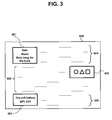
- FIG. 3 illustrates an example of a WEB page that is provided to the terminal 200 by the WEB server 400 in the embodiments below.
- the WEB page 600 includes images 601, 602 and 603 and texts 604, 605 and 606.
- the images 601 and 603 are images that include text, and the image 602 is an image that does not include text.
- the image URLs of the image 601, 602 and 603 are taken to be "http://xxx.601.jpg", "http://xxx.602.jpg” and "http://xxx.603.jpg".
- a server 100 of a first embodiment is able to omit the processing for acquiring the image and performing the character recognition.
- the server 100 of this embodiment has a request receiver 101, an image processor 102, and a response transmitter 103.
- the request receiver 101 receives a request, in which image ID information and a parameter for image processing are specified, from the terminal 200.
- the image ID information for example, is an image URL.
- image processing for example, is a character recognition processing for recognizing characters inside an image.
- a parameter for image processing for example, is a language for recognition that indicates which language the characters inside an image are in. Character recognition is performed for the characters inside the image presumed to be in the specified language for recognition.
- a user requests translation of the image 601 of the WEB page 600 from the server 100.
- a user places a cursor 701 (mouse over) over the image 601 that is displayed on the terminal 200, a pop up 801, requesting that the language for recognition be specified, is displayed as illustrated in FIG. 5A .
- a pop up 801 requesting that the language for recognition be specified, is displayed as illustrated in FIG. 5A .
- FIG. 5B when a user clicks on a button 802 with the cursor 701, a pull-down menu is displayed. The user then selects the language (language for recognition) of the character string inside the image 601 from the menu.
- language language for recognition
- the CPU 501 and the NIC 504 work together to function as the request receiver 101.
- the same is true for the following second through sixth embodiments.
- the image processor 102 acquires an image based on the ID information that is specified in the received request, and by applying image processing using the parameter that is specified in the received request, outputs an extracted information that was extracted from inside the image.
- the extracted information for example, is the character recognition result, which is a character string inside the obtained image (in the following, this will be called the "recognized character string").
- the image processor 102 first acquires the image 601 from the WEB server 400 based on that image URL.
- the image processor 102 performs character recognition presuming the language of the characters included in the acquired image 601 to be English.
- the image processor 102 outputs these character strings as recognized character strings that were extracted from inside the image 601.
- the image processor 102 associates and caches that extracted information with the image ID information and the parameter.
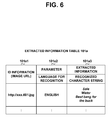
- an extracted information table 101 a such as illustrated in FIG. 6 is stored in the RAM 503.
- image ID information image URLs
- parameters languages for recognition
- extracted information decognized character strings
- the image processor 102 by using character recognition, obtains the recognized character string "Sale Water Best bang for the buck", and then associates and registers that recognized character string and the image URL of the image 601 "http://xxx.601 .jpg" with the language for recognition "English” in the extracted information table 101a.
- the CPU 501 and the image processor 505 work together to function as the image processor 102.
- the same is true in the second through sixth embodiments below as well.
- the response transmitter 103 transmits a response in which the extracted information that was outputted by the image processor 102 is specified to the terminal 200.
- the response transmitter 103 transmits a response in which the recognized character string "Sale Water Best bang for the buck" is specified to the terminal 200.
- that response for example, also includes a command to add a tag for overlaying and displaying an arbitrary shape to the image in the WEB page that is displayed on the terminal 200 for which character recognition is completed.
- a semi-transparent rectangle 901 is overlaid and displayed on the image 601 for which character recognition is complete.
- the CPU 501 and the NIC 504 work together to function as the response transmitter 103.
- the same is also true for the second through sixth embodiments below.
- the image processor 102 When the extracted information that is associated with the ID information and parameter that are specified in the received request is cached, the image processor 102, instead of acquiring an image and applying image processing, obtains the cached extracted information, and outputs that obtained extracted information.
- the request receiver 101 receives a request, in which the image URL of the image 601 and the language for recognition "English” are specified, and the image processor 102 references the extracted information table 101a in FIG. 6 .
- the recognized character string "Sale Water Best bang for the buck" that corresponds to the ID information of the image 601 and the language for recognition "English” is registered, so that the image processor 102 omits the process for obtaining the image 601 and performing character recognition, and outputs that recognized character string to the response transmitter 103.
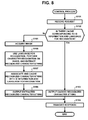
- the request receiver 101 receives the request, in which the image ID information (image URL) and the parameter (language for recognition) for image processing are specified, from the terminal 200 (step S 101). For example, when the user places the cursor 701 over the image 601 and specifies the language for recognition "English” by following the procedure illustrated in FIGS. 5A to 5C , the request receiver 101 receives the request in which the image URL "http://xxx.601 .jpg" and the language for recognition "English” are specified.
- the image processer 102 determines whether or not the extracted information (recognized character string) that is associated with the ID information and the language for recognition that are specified in the received request are cached (step S102).
- the image processor 102 When it is determined that the recognized character string is cached (step S102; YES), the image processor 102 outputs the recognized character string that is cached (step S 103). For example, when the extracted information table 101a illustrated in FIG. 6 is stored in the RAM 503, the image processor 102 outputs the recognized character string "Sale Water Best bang for the buck" that is associated with the image URL "http://xxx.601 .jpg” and the language for recognition "English” to the response transmitter 103.
- the image processor 102 acquires the image of the image URL that is specified in the received request (step S 105). For example, when information about the recognized character string that is associated with the image URL "http://xxx.601 .jpg" and the language for recognition "English" is not registered in the extracted information table 101a, the image processor 102 accesses the WEB server 400 and acquires the image 601 that corresponds to the image URL "http://xxx.601.jpg".
- the image processor 102 After acquiring the image, the image processor 102 then performs character recognition using the language for recognition that was specified in the request, and extracts a character string (recognized character string) from inside the image (step S106). For example, the image processor 102 performs character recognition of the image 601 presuming that the characters inside the image 601 are "English", and obtains the recognized character string "Sale Water Best bang for the buck".
- the image processor 102 associates and caches the recognized character string with the image ID information and the language for recognition (step S 107). For example, as illustrated in FIG. 6 , the image processor 102 associates the recognized character string "Sale Water Best bang for the buck" with the image URL "http://xxx.601 .jpg” and the language for recognition "English”, and registers these in the extracted information table 101a.
- the image processor 102 then outputs the extracted recognized character string (step S108). For example, the image processor 102 outputs the recognized character string "Sale Water Best bang for the buck" to the response transmitter 103 as the result of character recognition.
- the response transmitter 103 transmits the response, in which the recognized character string that was outputted in step S 103 or step S108 is specified, to the transmitter 200 (step S104). For example, the response transmitter 103 transmits a response, in which the recognized character string "Sale Water Best bang for the buck" is specified, to the terminal 200.
- a server 100 of a second embodiment is able to omit the process of acquiring an image and performing character recognition when the process of character recognition has already been performed for an area specified inside an image when translating character strings that are included in the image.
- the server 100 of this embodiment has a request receiver 101, an image processor 102 and a response transmitter 103 (see FIG. 4 ); however, the functions and information handled by each part are different from those of the first embodiment. This will be explained in detail below.
- the request receiver 101 receives a request, in which ID information for an image and a specified area inside that image are specified, from the terminal 200.
- the specified area for example, is an area inside the image of a WEB page that is specified by a user operating the terminal 200.
- the specified area is taken to be an area that is designated by a rectangular shape and specified by the coordinates of the upper left corner and lower right corner of the rectangle.
- the user uses the terminal 200 and selects an area 902 inside the image 601 by dragging a cursor 701.
- the coordinates of the upper left corner 911 of the image 601 (taken to be the "(vertical coordinate, horizontal coordinate)") are set as (0, 0), and the coordinates of the lower right corner 912 are set as (200, 300).
- the coordinates of the upper left corner of area 902 are taken to be (5, 100), and the coordinates of the lower right corner are (48, 200).
- the terminal 200 transmits a request, in which the image URL "http://xxx.601.jpg" of the image 601, and the specified area "(5, 100):(48, 200)" are specified, to the server 100.
- the request receiver 101 of the server 100 receives that request.
- the method for specifying the specified area is not limited to that described above.
- a rectangle 903 having a specified size with a cursor 701 in the center can be displayed when the cursor is placed inside the image, and the area of that rectangle 903 is potentially specified as the specified area.
- the specified area is not limited to a rectangle, and could also be a circle and the like.
- the image processor 102 acquires an image based on the ID information that is specified in the received request, and by performing character recognition of the specified area inside the acquired image, outputs a recognized character string that was recognized from that specified area in the image.
- the image processor 102 when a request, in which the image URL "http://xxx.601 .jpg" and the specified area "(5, 100):(48, 200)" are specified, is received, the image processor 102 first acquires the image 601 from the WEB server 400 based on the image URL. Next, the image processor 102 determines the language for recognition for performing character recognition. For example, when a domain code indicating a country is included in the URL of the WEB page 600, the image processor 102 determines from that domain code the language of the characters included in the image. For example, when ".UK" is included in the domain code, the image processor 102 determines "English” as the language for recognition.
- the image processor 102 associates the recognized character string with the image ID information and the specified area, and caches that recognized character string.
- the image processor 102 associates the recognized character string "Sale” with the image URL "http://xxx.601.jpg” of the image 601 and the language for recognition "English” and the specified area "(5, 100) : (48, 200)", and registers them in the extracted information table 101a.
- the image processor 102 After the recognized character string has been extracted, it is possible for the image processor 102 to correct the specified area to a recognized area inside the specified area where the recognized character string was recognized, and then cache that recognized character string.
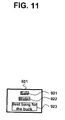
- the recognized area for example, is a rectangle that includes a recognized character string, and is an area that is identified by a rectangle for which lengths in the vertical direction and horizontal direction of the rectangle have been minimized.
- the recognized area for "Sale” (area 921 in FIG. 11 ) is "(8, 110) : (45, 170)”
- the recognized area for "Water” (area 922 in FIG. 11 ) is "(60, 120) : (90, 180)”
- the recognized area for "Best bang for the buck" area 923 in FIG. 11 ) is "(110, 25) : (190, 270)”.
- a request is received in which area 902 is specified as the specified area, and the specified area is specified as "(5, 100) : (48, 200)".
- the image processor 102 performs character recognition for that specified area, and after the character string "Sale” has been extracted, the image processor 102 obtains the recognized area in which that character string is included. Then, as illustrated in FIG. 12 , the image processor 102 associates the recognized character string "Sale” with the image URL "http://xxx.601.jpg", the language for recognition "English” and the specified area (recognized area) "(8, 110) : (45, 170)", and registers them in the extracted data table 101a.
- the area 904 that protrudes from the image 601 is specified as the specified area, and a request in which the specified area "(52, -20) : (98, 320) is specified is received.
- the image processor 102 associates the recognized character string "Water” with the image URL "http;//xxx.601.jpg” of the image 601, the language for recognition "English” and the specified area (recognized area) "(60, 120) : (90, 180)", and registers them in the extracted information table 101a.
- an area 905 the cuts through the character string inside the image 601 is specified as the specified area, and a request in which the specified area "(85, 15) : (210, 285)" is specified is received.
- the image processor 102 associates the recognized character string "Best bang for the buck” with the image URL "http;//xxx.601.jpg” of the image 601, the language for recognition "English” and the specified area (recognized area) "(110, 25) : (190, 270)", and registers them in the extracted information table 101a.
- the response transmitter 103 transmits a response, in which the recognized character string that was outputted from the image processor 102 is specified, to the terminal 200.
- the terminal 200 After receiving a response in which the recognized character string "Sale” is specified, the terminal 200, as illustrated in FIG. 13A , displays a semi-transparent rectangle 931 over the recognized area of the recognized character string "Sale” for which character recognition is finished. Similarly, as illustrated in FIG. 13B to FIG. 13D , semi-transparent rectangles 932, 933 are displayed over the recognized areas.
- the image processor 102 When the recognized character string, for which the ID information and the specified area included in the parameter that are specified in the received request are associated, is cached, the image processor 102 then obtains the cached recognized character string instead of obtaining an image and performing character recognition, and outputs that obtained recognized character string.
- the image processor 102 determines that extracted information that is associated with the ID information and specified area that is included in the parameter that are specified in the received request is cached.
- the request receiver 101 receives a request that specifies the image URL of the image 601 and the specified area "(5, 35): (52, 200)".
- the image processor 102 references the extracted information table 101a in FIG. 12 .
- the image processor 102 omits the process of acquiring the image and performing character recognition, and outputs the recognized character string "Sale" to the response transmitter 103.
- Determining whether or not the specified area that is specified in the request overlaps the specified area that is cached is can be appropriately set up.
- the specified areas (areas 906, 907) that are specified in the request include all of the cached specified areas (recognized areas, rectangles 931, 932), it is determined that the areas overlap.
- FIG. 13C when only part of the specified area (area 908) that is specified in the request overlaps the cached specified area (recognized area, rectangle 933), it is determined that the areas do not match.
- FIG. 13D when the cursor 701 is placed over the recognized area (rectangle 933), it is possible to determine that the areas overlap.
- the request receiver 101 receives the request from the terminal 200 in which the image ID information and the specified area are specified (step S201). For example, when the user specifies the area 902 in FIG. 9A , the request receiver 101 receives the request in which the image URL "http://xxx.601 .jpg, and the specified area "(5, 100) : (48, 200)" are specified.
- the image processor 102 determines whether or not extracted information (recognized character string), which is associated with the ID information (image URL) and the specified area that are specified in the received request, is cached (step S202).
- the image processor 102 When it is determined that the recognized character string is cached (step S202; YES), the image processor 102 outputs the cached recognized character string (step S203). For example, the image processor 102 references the extracted information table 101a that is illustrated in FIG. 12 , and determines that the image URL matches and that the specified area "(5, 100) : (48, 200)" that is specified in the request and the cached specified area (recognized area) "(8, 110) : (45, 170)" overlap. In this case, the image processor 102 outputs the recognized character string "Sale” that is associated with the image URL and the recognized area to the response transmitter 103.
- the image processor 102 acquires the image of the image URL that is specified in the received request (step S205). For example, when the image URL "http://xxx.601 .jpg" does not match, or when the specified area that is specified in the request and the cached specified area do not overlap, the image processor 102 accesses the WEB server 400 and acquires the image 601 that corresponds to the image URL "http://xxx.601.jpg".
- the image processor 102 determines the language for recognition, then performs character recognition using that language for recognition and extracts the recognized character string from inside the image (step S206). For example, presuming the characters in the specified area (area 902) of the image 601 to be English, the image processor 102 performs character recognition of the area 902 and obtains the recognized character string "Sale".
- the image processor 102 associates and caches the recognized character string with the image ID information, the language for recognition and the specified area (step S207). For example, as illustrated in FIG. 10 , the image processor 102 associates the recognized character string "Sale” with the image URL "http://xxx.601.jpg", the language for recognition "English” and the specified area "(5, 100) : (48, 200)", and registers them in the extracted information table 101a. It is also possible to correct the specified area to the recognized area "(8, 110) : (45, 170) "before registering, and to register the corrected recognized area as illustrated in FIG. 12 .
- the image processor 102 then outputs the extracted recognized character string (step S208). For example, the image processor 102 outputs the recognized character string "Sale” as the result of character recognition to the response transmitter 103.
- the response transmitter 103 transmits the response, in which the recognized character string that was outputted in step S203 or step S208 is specified, to the terminal 200 (step S204). For example, the response transmitter 103 transmits the response, in which the recognized character string "Sale" is specified, to the transmitter 200.
- a server 100 of a third embodiment makes it possible to omit the process of acquiring an image, performing character recognition and performing translation when translating a character string that is included inside an image, in the case where character recognition and translation have already been performed for a specified area inside the image.
- the server 100 of this embodiment includes a request receiver 101, an image processor 102, and a response transmitter 103 ( FIG. 4 ); however, the functions of each of the parts and the information handled differ from those of the second embodiment. This will be explained in detail below.
- the request receiver 101 receives a request, in which image ID information, a language for recognition, a specified area and conversion information are specified, from the terminal 200.
- the conversion information for example, is the language (hereafter, referred to as the translation target language) after translation of a character string that is included in an image.
- a recognized character string that has been extracted from inside an image is translated to the translation target language using the language for recognition.
- a user requests the server 100 to perform translation of the specified area (area 909 having the coordinates "(100, 20) : (200, 280)”) inside the image 601 on the WEB page 600.
- a user using the terminal 200, drags the cursor 701 and selects the area 909 inside the image 601, a pop-up 803, asking for the language for recognition and the translation target language, is displayed as illustrated in FIG. 15A .
- a pull-down menu is displayed. The user selects from the menu the language (language for recognition) of a character string inside the area 909.
- the user clicks on the button 805 for the translation target language and selects from the menu the language (translation target language) to which the character string inside the area 909 is to be translated.
- a request in which the image URL "http://xxx.601.jpg" of the image 601, the specified area "(100, 20) : (200, 280)", the language for recognition "English” and the translation target language “Japanese” have been specified, is transmitted to the server 100.
- the request receiver 101 of the server 100 receives that request.
- the image processor 102 acquires an image based on the ID information that was specified in the received request, and by performing character recognition of the specified area inside the acquired image, outputs a recognized character string that was recognized from the specified area inside the image.
- the image processor 102 then, by performing conversion of the outputted recognized character string using the conversion information (translation target language) that was specified in the received request, outputs a converted character string that was converted from the recognized character string.
- the image processor 102 acquires the image 601 that corresponds to the image URL "http://xxx.601.jpg" that was specified in the request from the WEB server 400.
- the image processor 102 extracts the recognized character string "Best bang for the buck” from the specified area "(100, 20) : (200, 280)” using the language for recognition "English”.
- the image processor 102 then converts that recognized character string to the translation target language "Japanese”, and outputs the converted character string " (Best bang for the buck) " to the response transmitter 103.
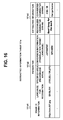
- the image processor 102 associates the converted character string with the image ID information, the specified area, the language for recognition, the recognized character string and the conversion information, and caches that converted character string.
- the specified area that is cached is the recognized area.
- the image processor 102 associates the converted character string with the image URL "http://xxx.601.jpg” of the image 601, the language for recognition "English”, the specified area "(110, 25) : (190, 270)", the translation target language “Japanese” and the recognized character string "Best bang for the buck”, and registers them in the extracted information table 101a.
- the information to be registered is not limited to this combination, and, for example, it is also possible to not register the translation target information and the converted character string.
- the image processor 102 When the converted character string has been cached for the ID information (image URL), the specified area, the language for recognition and the conversion information (translation target language) that are specified in the received request, the image processor 102 then obtains the cached converted character string instead of performing the conversion process, and outputs the obtained converted character string.
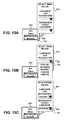
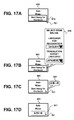
- the user specifies the area 910 (the coordinates are "(90, 0) : (200, 290)”) as illustrated in FIG. 17A , and in a pop-up 806, selects the language for recognition "English” and the translation target language "Japanese”.
- the request receiver 101 receives a request in which the image URL of the image 601, the specified area "(90, 0) : (200, 290)", the language for recognition "English” and the translation target language "Japanese” are specified.
- the image processor 102 references the extracted information table 101a in FIG.
- the image processor 102 omits the processes of acquiring the image, performing character recognition and performing conversion, and outputs the converted character string to the response transmitter 103.
- the image processor 102 can omit only the processes of acquiring the image and performing character recognition, and use the recognized character string that is registered in the extracted information table 101a to convert to the translation target language and obtain the converted character string.
- the request receiver 101 receives a request in which the image URL of the image 601, the specified area "(90, 0) : (200, 290)", the language for recognition "English” and the translation target language "German” are specified.
- a corresponding converted character string is not registered in the extracted information table 101a in FIG. 16 , so that the image processor 102 performs the conversion processing of translating the recognized character string "Best bang for the buck" to German, and outputs the converted character string.
- the response transmitter 103 transmits a response, in which the converted character string that was outputted from the image processor 102 is specified, to the terminal 200.
- a pop-up 807 in which the converted character string is listed, is displayed on the WEB page 600.
- FIG. 17D it is possible to display a rectangle 941, in which the converted character string is listed, over the recognized area.
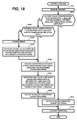
- the request receiver 101 receives the request from the terminal 200 in which the ID information (image URL) of the image, the specified area, the language for recognition, and the conversion information (translation target language) are specified (step S301).
- the user specifies the area 909 in FIG. 15A , and as illustrated in FIG. 15C , by specifying the language for recognition and the translation target language in the pop-up 803, the request receiver 101 receives a request in which the image URL "http://xxx.601.jpg", the specified area "(100, 20) : (200, 280)", the language for recognition "English” and the translation target language "Japanese” are specified.
- the image processor 102 determines whether or not a converted character string, in which the ID information, the specified area, the language for recognition and that translation target language are associated, is cached (step S302).
- the image processor 102 determines that the converted character string is cached (step S302; YES)
- the image processor 102 outputs the converted character string that is cached (step S303).
- the image processor 102 references the extracted information table 101a illustrated in FIG. 16 , and determines that the image URL, the language for recognition and the translation target language match, and determines that the specified area "(100, 20) : (200, 280)" that was specified in the request and the specified area "(110, 25) : (190, 270)" that is cached overlap.
- the image processor 102 outputs the converted character string that is associated with the image URL, the specified area, the language for recognition and the translation target language to the response transmitter 103.
- step S302 when it is determined that the converted character string is not cached, (step S302; NO), the image processor 102 determines whether or not a recognized character string that is associated with the image URL, the specified area and the language for recognitions is cached (step S305).
- the image processor 102 converts the cached recognized character string to the translation target language and obtains the converted character string (step S306). For example, when the translation target language "Japanese" and the converted character string are not registered in the extracted information table 101 a in FIG. 16 , the image processor 102 coverts the recognized character string "Best bang for the buck" to the translation target language in "Japanese” and obtains the converted character string
- the image processor 102 acquires the image of the image URL that is specified in the received request (step S309). Then, the image processor 102 performs character recognition for the specified area inside that image and extracts the recognized character string (step S310). For example, when the image URL "http://xxx.601.jpg" do not match, or when the specified area that is specified in the request and the specified area that is cached do not overlap, the image processor 102 accesses the WEB server 400 and acquires the image 601 that corresponds to the image URL "http://xxx.601.jpg”. The image processor 102 then performs character recognition for the specified area using the language for recognition "English” that is specified in the request, and extracts the recognized character string "Best bang for the buck".
- step S310 after the recognized character string has been extracted, the image processor 102 performs conversion on that recognized character string (step S306).
- the image processor 102 associates and caches the converted character string with the image ID information, the language for recognition, the translation target language, the specified area and the recognized character string (step S307).
- the image processor 102 then outputs the acquired converted character string to the response transmitter 103 (step S308).
- the image processor 102 associates the converted character string with the image URL "http://xxx.601 .jpg", the language for recognition "English”, the translation target language “Japanese”, the specified area (recognized area) "(110, 25) : (190, 270)” and the recognized character string "Best bang for the buck", and registers them in the extracted information table 101a.
- the image processor 102 then outputs the converted character string to the response transmitter 103.
- the image processor 102 transmits the response, in which the converted character string that was outputted in step S303 or step S308 is specified, to the terminal 200 (step S304).
- the response transmitter 103 transmits the response, in which the converted character string is specified, to the terminal 200.
- a server 100 of a fourth embodiment submits to a user whether or not processing for character recognition of an image is completed.
- the server 100 of this embodiment includes a request receiver 101, an image processor 102, a response transmitter 103, an inquiry receiver 104 and an answer transmitter 105.
- the request receiver 101, the image processor 102 and the response transmitter 103 of this embodiment have the same functions as in the first embodiment.
- the inquiry receiver 104 and answer transmitter 105 that have different functions will be explained.
- the inquiry receiver 104 receives an inquiry from the terminal 200 in which image ID information is specified.
- the terminal 200 transmits an inquiry, in which the image URL of the image 601 is specified, to the server 100.
- the inquiry receiver 104 of the server 100 receives that inquiry.
- the CPU 501 and the NIC 504 working together function as the inquiry receiver 104.
- the same is also true in the fifth and sixth embodiments described later.
- the answer transmitter 105 transmits an answer, in which a message is specified that prompts transmission of a request, in which the image ID information and the parameter of the image processing are specified, to the terminal 200, and when the extracted information that is associated with the ID information that is specified in the received inquiry is cached, the answer transmitter 105 transmits an answer, in which that extracted information is specified, to the terminal 200.
- the parameter of image processing is the language for recognition for character recognition
- the extracted information is a recognized character string.
- the extracted information table 101a such as illustrated in FIG. 6 is stored in the server 100.
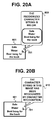
- the character string "Sale Water Best bang for the buck" that corresponds to the image URL "http://xxx.601 .jpg" of the image 601 that is specified in the request is registered in that extracted information table 101a. Therefore, the answer transmitter 105 transmits an answer, in which the recognized character string is specified, to the terminal 200. After the terminal 200 receives that answer, a pop-up 809 that includes the recognized character string is displayed on the WEB page that is displayed on the terminal 200 as illustrated in FIG. 20A .
- a message which indicates that the recognized character string was obtained, to be specified in the answer that is transmitted.
- a pop-up 810 that includes the message indicating that the recognized character string was obtained is displayed as illustrated in FIG. 20B .
- the answer transmitter 105 transmits an answer, in which a message is specified that prompts transmission of a request in which the image URL of the image 601 and the language for recognition are specified, to the terminal 200.
- a pop-up 801 that asks for input of the language for recognition is displayed on the WEB page that is showen on the terminal 200 as illustrated in FIG. 5A .
- the CPU 501 and the NIC 504 work together to function as the answer transmitter 105.
- the same is also true in the fifth and sixth embodiment that are described later.
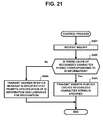
- the inquiry receiver 104 receives the inquiry from the terminal 200 in which image ID information is specified (step S401). For example, the inquiry receiver 104 receives an inquiry in which the image URL of the image 601 is specified.
- the answer transmitter 105 determines whether or not the recognized character string that is associated with the ID information that was specified in the inquiry is cached (step S402).
- the answer transmitter 105 transmits an answer, in which the cached recognized character string is specified, to the terminal 200 (step S403).
- the answer transmitter 105 transmits an answer, in which that character string is specified, to the terminal 200.
- the answer transmitter 105 transmits an answer, in which a message is specified prompting for specification of the language for recognition, to the terminal 200 (step S404).
- the answer transmitter 105 transmits an answer, in which a message is specified prompting transmission of a request in which the image URL of image 601 and the language for recognition are specified, to the terminal 200.
- the server 100 starts, for example, the control process illustrated in the flowchart in FIG. 8 .
- a server 100 of a fifth embodiment provides a user with whether or not processing for character recognition of an area inside an image has been completed.
- the server 100 of this embodiment includes a request receiver 101, an image processor 102, a response transmitter 103, an inquiry receiver 104 and an answer transmitter 105.
- the request receiver 101, the image processor 102 and the response transmitter 103 have the same functions as in the second embodiment.
- the inquiry receiver 104 and the answer transmitter 105 that have different functions will be explained.
- the inquiry receiver 104 receives an inquiry, in which image ID information and a position inside that image are specified, from the terminal 200.
- the terminal 200 transmits an inquiry, in which the image URL of the image 601 and the coordinates ("(75 : 175)") of the position of the cursor 701 are specified, to the server 100.
- the inquiry receiver 104 of the server 100 receives that inquiry.
- the answer transmitter 105 transmits an answer, in which the cached recognized character string is specified, to the terminal 200.
- the extracted information table 101 a illustrated in FIG. 12 is stored in the server 100.
- the coordinates "(75 : 175)" of the position that was specified in the request is included in the recognized area 922.
- the recognized character string "Water” which corresponds to the image URL "http://xxx.601 .jpg" of the image 601 that was specified in the request and the specified area (recognized area 922) that includes the coordinates of the position that was specified in the request, is registered in that extracted information table 101a. Therefore, the answer transmitter 105 transmits an answer, in which the recognized character string is specified, to the terminal 200.
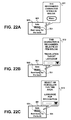
- a pop-up 811 that includes the recognized character string "Water” is displayed on the WEB page that is shown on the terminal 200 as illustrated in FIG. 22A .
- the answer transmitter 105 transmits an answer, in which a message is specified prompting transmission of a request in which the image URL of the image 601, the position inside the image and the language for recognition are specified for that specified area, to the terminal 200.
- a pop-up 813 requesting input of the language for recognition is displayed on the WEB page that is shown on the terminal 200 as illustrated in FIG. 22C .
- the inquiry receiver 104 receives an inquiry from the terminal 200 in which image ID information and a position inside that image are specified (step S501). For example, the inquiry receiver 104 receives an inquiry in which the image URL of the image 601 and the position "(75 : 175)" are specified.
- the answer transmitter 105 determines whether or not a recognized character string, which is associated with the ID information and the specified area that includes the position that were specified in the inquiry, is cached (step S502).
- the answer transmitter 105 transmits an answer, in which the cached recognized character string is specified, to the terminal 200 (step S503).
- the answer transmitter 105 transmits an answer, in which that recognized character string is specified, to the terminal 200.
- the answer transmitter 105 transmits an answer, in which a message is specified prompting specification of the language for recognition for the specified area of that image, to the terminal 200 (step S504).
- the answer transmitter 105 transmits an inquiry, in which a message is specified that prompts that a request in which the image URL of the image 601, the specified area and the language for recognition are specified be transmitted, to the terminal 200.
- a server 100 of a sixth embodiment provides a user with whether or not a conversion processing has been completed for an area inside an image.
- the server 100 of this embodiment includes a request receiver 101, and a image processor 102, a response transmitter 103, an inquiry receiver 104 and an answer transmitter 105.
- the request receiver 101, the image processor 102 and the response transmitter 103 have the same functions as in the third embodiment.
- the inquiry receiver 104 and the answer transmitter 105 that have different functions will be explained.
- the inquiry receiver 104 receives an inquiry from the terminal 200 in which image ID information, a position inside that image and conversion information are specified.
- the terminal 200 transmits an inquiry, in which the image URL of the image 601, the coordinates "(75 : 175)" of the cursor 701 position and the translation target language "Spanish" are specified, to the sever 100.
- the inquiry receiver 104 of the server 100 receives that inquiry.
- the answer transmitter 105 transmits an answer in which the cached converted character string is specified.
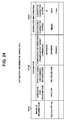
- an extracted information table 101 a as illustrated in FIG. 24 is stored in the server 100.
- the image URL "http://xxx.601 .jpg" of the image 601 that was specified in the request, the specified area (recognized area 922) that includes the coordinates of the position that was specified in the request, and the converted character string "Agua” that corresponds to the translation target language "Spanish” are registered in the extracted information table 101a. Therefore, the answer transmitter 105 transmits an answer, in which the converted character string is specified, to the terminal 200.
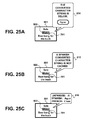
- a pop-up 814 that includes the converted character string "Agua” is displayed on the WEB page that is shown on the terminal 200 as illustrated in FIG. 25A .
- the answer transmitter 105 transmits a response, in which a message that indicates that the converted character string is not cached is specified, to the terminal 200.
- a pop-up 815 that includes the message indicating that the converted character string is not cached is displayed on the WEB page that is shown on the terminal such as illustrated in FIG. 25B .
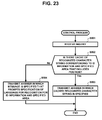
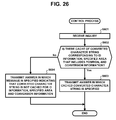
- the inquiry receiver 104 receives the inquiry, in which the image ID information, the position inside that image, and the conversion information are specified, from the terminal 200 (step S601). For example, the inquiry receiver 104 receives the inquiry in which the image URL of the image 601, the position "(75 : 175)", and the translation target information "Spanish" are specified.
- the answer transmitter 105 determines whether or not the converted character string, which is associated with the ID information, the specified area that includes the position and the translation target language that were specified in the inquiry, is cached (step S602).
- the answer transmitter 105 transmits the answer, in which the cached converted character string is specified, to the terminal 200 (step S603).
- the converted character string "Agua”, which corresponds to the image URL of the image 601 the specified area that includes the specified position "(75 : 175)” and the translation target language "Spanish" is registered in the extracted information table 101a that is stored in the server 100 ( FIG. 24 )
- the answer transmitter 105 transmits an answer, in which that converted character string is specified, to the terminal 200.
- the answer transmitter 105 transmits the answer, in which a message is specified indicating that the converted character string is not cached, to the terminal 200 (step S604).
- the answer transmitter 105 transmits the answer, in which the message is specified indicating that the converted character string is not cached, to the terminal 200.
- the inquiry receiver 104 may receive an inquiry in which the image URL and the position are specified, and for the answer transmitter 105 to transmit an answer in which the converted character string, which corresponds to that image URL and the specified area that includes the position, is specified.
- the answer transmitter 105 references the extracted information table 101a in FIG. 24 , and acquires the converted character strings " (Water)", “Agua”, “L'eau” that correspond to the image URL and the specified areas that includes the position. The answer transmitter 105 then transmits the answer, in which all of these converted character strings are specified, to the terminal 200. After the terminal 200 receives that answer, a pop-up 816 such as illustrated in FIG. 25C is displayed on the terminal 200.
- the answer transmitter 105 can select the converted character string that corresponds to the translation target language that has been specified with the highest frequency up to that point in a request, and transmit an answer in which that converted character string is specified. Moreover, it is also possible for the answer transmitter 105 to alternatively select at random from the converted character strings that are registered in the extracted information table 101a, and transmit an answer in which that converted character string is specified.
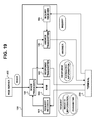
- a program of a seventh embodiment functions so that results of character recognition or conversion processing that was performed by a server are displayed on a terminal that is capable of communicating with the server.
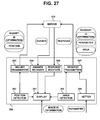
- the terminal 200 on which the program of this embodiment operates includes a display 201, a position detector 202, an inquiry transmitter 203, an answer receiver 204, an area detector 205, a setter 206, a request transmitter 207 and a response receiver 208.
- the display 201 displays on a screen an image that was identified according to ID information.
- the display 201 displays the image 601 that is specified by the image URL "http://xxx.601.jpg".
- the CPU 501 and the image processor 505 work together to function as the display 201.
- the position detector 202 detects a selection of a position inside the image that is displayed on the screen.
- the position detector 202 detects the coordinates of the position of that cursor 701.
- the CPU 501 and the image processor 505 work together to function as the position detector 202.
- the inquiry transmitter 203 After the selection of the position has been detected, the inquiry transmitter 203 transmits an inquiry, in which the ID information and the selected position are specified, to the server 100.
- the inquiry transmitter 203 transmits an inquiry, in which the image URL of the image 601 and the coordinates "(75 : 175)" of the position are specified, to the server 100.
- the CPU 501 and the NIC 504 work together to function as the inquiry transmitter 203.
- the response receiver 204 receives a response from the server 100.
- the display 201 then further displays the extracted information that is specified in the received response on the screen.
- the answer receiver 204 receives an answer in which the recognized character string "Water” is specified.
- the display 201 displays the pop-up 811 that includes that recognized character string.
- the CPU 501 and the NIC 504 work together to function as the answer receiver 204.
- the area detector 205 detects a selection of an area inside the image that is displayed on the screen.
- the area detector 205 detects the coordinates of the dragged area (area 902).
- the CPU 501 and the image processor 505 work together to function as the area detector 205.
- the setter 206 prompts setting of parameters for image processing.
- the setter 206 prompts setting of the language for recognition that is used in character recognition.
- the CPU 501 functions as the setter 206.
- the request transmitter 207 transmits a request, in which the ID information, the set parameter and the selected area are specified, to the server 100.
- the request transmitter 207 transmits a request, in which the image URL "http://xxx.601.jpg", the language for recognition "English” and the coordinates "(5, 100) : (48, 200)" of the selected area are specified, to the server 100.
- the CPU 501 and the NIC 504 work together to function as the request transmitter 207.
- the response receiver 208 receives a response from the server 100.
- the display 201 then further displays on the screen extracted information that is specified in the received response.
- the response receiver 208 receives a response in which the recognized character string "Sale" is specified.
- the display 201 as illustrated in FIG. 13A for example, further displays the semi-transparent rectangle 931 over the recognized character string "Sale”.
- the CPU 501 and the NIC 504 work together to function as the response receiver 208.
- the display 201 displays an image on the screen that was identified from ID information (step S701).
- the position detector 202 determines whether or not the selection of the position inside the image that is displayed on the screen has been detected (step S702).
- the display 201 displays the image 601 for which the image URL "http://xxx.601 .jpg" is specified, and when the cursor 701 is placed over that image 601, the position detector 202 detects the coordinates "(75 : 175)" of the cursor 701 ( FIG. 22A ).
- the inquiry transmitter 203 transmits an inquiry, in which ID information and the selected position are specified, to the server 100 (step S703).
- the answer receiver 204 receives an answer from the server 100 that corresponds to the inquiry (step S704).
- the display 201 further displays on the screen extracted information that is specified by the received answer (step S705).
- the inquiry transmitter 203 transmits an inquiry, in which the image URL of the image 601 and the coordinates "(75 : 175)" of the position are specified, to the server 100.
- the answer receiver 204 receives an answer in which the recognized character string "Water", which was obtained by character recognition for the area that includes the coordinates of the position, is specified.
- the display 201 displays the pop-up 811 in which the recognized character string is included.
- step S702 when the position detector 202 did not determine that the selection of the position was detected (step S702; NO), the area detector 205 determines whether or not the selection of the area inside the image that is displayed on the screen was detected (step S706).
- the area detector 205 detects the coordinates "(5, 100) : (48, 200)" of the area (area 902) where the cursor 701 was dragged.
- the setter 206 When the area detector 205 determines that the selection of the area was detected (step S706; YES), the setter 206 prompts setting the parameter for image processing (step S707).
- the request transmitter 207 transmits a request, in which the ID information, the set parameter and the selected area are specified, to the server 100 (step S708).
- the response receiver 208 receives a response from the server 100 that corresponds to the request (step S709).
- the display 201 further displays on the screen the extracted information that is specified in the received response (step S710).
- the setter 206 prompts setting of the language for recognition that will be used in character recognition, and after the language for recognition "English” has been set, the request transmitter 207 transmits a request, in which the image URL of the image 601, the language for recognition "English” and the coordinates "(5, 100) : (48, 200)" of the area are specified, to the server 100.
- the response receiver 208 then receives a response in which the recognized character string "Sale", which was obtained by character recognition for an area that overlaps with the area, is specified.
- the display 201 displays the semi-transparent rectangle 931 over the recognized character string "Sale”.
- step S706 when the area detector 205 did not determine that the selection of the area was detected (step S706; NO), or when processing of steps S705 and S710 is complete, processing returns to step S701.
- the program of this embodiment can be such that image ID information, extracted information and area information are associated and cached in the terminal 200.
- the display 201 displays the extracted information that corresponds to tha area information on the screen.
- the response that is received by the response receiver 208 can specify area information that indicates from which area of an image that extracted information was extracted.
- the program of this embodiment can cause the image ID information, the extracted information and the area information to be associated and cached in the terminal 200.
- the display 201 displays on the screen the extracted information that corresponds to that area information. Determining whether or not the areas overlap can be performed, for example, in the same way as in the second embodiment.
- the program of this embodiment uses various script languages that are executed by a browser.
Landscapes
- Engineering & Computer Science (AREA)
- Theoretical Computer Science (AREA)
- General Engineering & Computer Science (AREA)
- Physics & Mathematics (AREA)
- General Physics & Mathematics (AREA)
- Databases & Information Systems (AREA)
- Human Computer Interaction (AREA)
- Audiology, Speech & Language Pathology (AREA)
- Artificial Intelligence (AREA)
- Computational Linguistics (AREA)
- General Health & Medical Sciences (AREA)
- Computer Vision & Pattern Recognition (AREA)
- Multimedia (AREA)
- Health & Medical Sciences (AREA)
- Data Mining & Analysis (AREA)
- Information Transfer Between Computers (AREA)
- Character Discrimination (AREA)
Applications Claiming Priority (2)
| Application Number | Priority Date | Filing Date | Title |
|---|---|---|---|
| JP2011101534A JP5606385B2 (ja) | 2011-04-28 | 2011-04-28 | サーバ装置、サーバ装置の制御方法、及び、プログラム |
| PCT/JP2012/061186 WO2012147839A1 (ja) | 2011-04-28 | 2012-04-26 | サーバ装置、サーバ装置の制御方法、プログラム、及び、記録媒体 |
Publications (3)
| Publication Number | Publication Date |
|---|---|
| EP2704014A1 true EP2704014A1 (de) | 2014-03-05 |
| EP2704014A4 EP2704014A4 (de) | 2015-03-11 |
| EP2704014B1 EP2704014B1 (de) | 2019-03-27 |
Family
ID=47072354
Family Applications (1)
| Application Number | Title | Priority Date | Filing Date |
|---|---|---|---|
| EP12777354.7A Active EP2704014B1 (de) | 2011-04-28 | 2012-04-26 | Server, serversteuerungsverfahren, programm und aufzeichnungsmedium |
Country Status (7)
| Country | Link |
|---|---|
| US (1) | US9396392B2 (de) |
| EP (1) | EP2704014B1 (de) |
| JP (1) | JP5606385B2 (de) |
| CN (1) | CN103502962B (de) |
| ES (1) | ES2725556T3 (de) |
| TW (1) | TWI595368B (de) |
| WO (1) | WO2012147839A1 (de) |
Cited By (2)
| Publication number | Priority date | Publication date | Assignee | Title |
|---|---|---|---|---|
| CN107729897A (zh) * | 2017-11-03 | 2018-02-23 | 成都野望数码科技有限公司 | 一种文本操作方法、装置及终端 |
| WO2018168114A1 (en) * | 2017-03-16 | 2018-09-20 | Ricoh Company, Ltd. | Information processing system, information processing apparatus, information processing program and information processing method |
Families Citing this family (8)
| Publication number | Priority date | Publication date | Assignee | Title |
|---|---|---|---|---|
| JP5606385B2 (ja) * | 2011-04-28 | 2014-10-15 | 楽天株式会社 | サーバ装置、サーバ装置の制御方法、及び、プログラム |
| JP5339316B1 (ja) * | 2012-05-31 | 2013-11-13 | 楽天株式会社 | 識別情報管理システム、識別情報管理システムの制御方法、情報処理装置、及びプログラム |
| US9690783B2 (en) | 2013-03-29 | 2017-06-27 | Rakuten, Inc. | Image conversion and method for converting text in an image into a targeted language |
| WO2014155742A1 (ja) * | 2013-03-29 | 2014-10-02 | 楽天株式会社 | 情報処理システム、情報処理システムの制御方法、情報処理装置、情報処理装置の制御方法、情報記憶媒体、及びプログラム |
| US9189622B2 (en) * | 2013-04-30 | 2015-11-17 | Vmware, Inc. | Static redirection for objective C |
| KR102135358B1 (ko) * | 2013-11-05 | 2020-07-17 | 엘지전자 주식회사 | 이동 단말기 및 이의 제어방법 |
| JP6920996B2 (ja) * | 2015-10-08 | 2021-08-18 | 株式会社ナイトレイ | 外国人観光客の行動情報を生成するための装置、方法、及びプログラム |
| US20180033175A1 (en) * | 2016-07-28 | 2018-02-01 | Sharp Kabushiki Kaisha | Image display device and image display system |
Family Cites Families (22)
| Publication number | Priority date | Publication date | Assignee | Title |
|---|---|---|---|---|
| US5761655A (en) * | 1990-06-06 | 1998-06-02 | Alphatronix, Inc. | Image file storage and retrieval system |
| JPH10312381A (ja) * | 1997-05-12 | 1998-11-24 | Nippon Hoso Kyokai <Nhk> | 翻訳方法および装置 |
| JP4065473B2 (ja) * | 1999-05-14 | 2008-03-26 | キヤノン株式会社 | 画像処理装置及び方法及び記憶媒体及びシステム |
| JP2000330992A (ja) * | 1999-05-17 | 2000-11-30 | Nec Software Shikoku Ltd | 多国言語対応wwwサーバシステム及びその処理方法 |
| JP4073635B2 (ja) * | 2000-02-29 | 2008-04-09 | 富士通株式会社 | 中継装置、サーバ装置、端末装置、及びこれを利用した翻訳サーバシステム |
| US7216072B2 (en) * | 2000-02-29 | 2007-05-08 | Fujitsu Limited | Relay device, server device, terminal device, and translation server system utilizing these devices |
| JP2003122751A (ja) | 2001-10-12 | 2003-04-25 | Alps Electric Co Ltd | 翻訳装置 |
| US20030115552A1 (en) | 2001-11-27 | 2003-06-19 | Jorg Jahnke | Method and system for automatic creation of multilingual immutable image files |
| JP2003178067A (ja) * | 2001-12-10 | 2003-06-27 | Mitsubishi Electric Corp | 携帯端末型画像処理システム、携帯端末およびサーバ |
| JP3737779B2 (ja) * | 2002-05-29 | 2006-01-25 | 富士通株式会社 | 翻訳サーバ、翻訳方法及びプログラム |
| WO2004051949A1 (en) * | 2002-11-29 | 2004-06-17 | Eun Young Chung | System and method for providing integrated communication id |
| US7496230B2 (en) | 2003-06-05 | 2009-02-24 | International Business Machines Corporation | System and method for automatic natural language translation of embedded text regions in images during information transfer |
| JP2007079978A (ja) * | 2005-09-14 | 2007-03-29 | Fuji Xerox Co Ltd | 翻訳システムおよび翻訳方法 |
| TWI333365B (en) * | 2006-11-22 | 2010-11-11 | Ind Tech Res Inst | Rending and translating text-image method and system thereof |
| TW200825855A (en) | 2006-12-06 | 2008-06-16 | Ind Tech Res Inst | A method and system for converting text image into character code are provided for mobile communication device |
| US7698344B2 (en) | 2007-04-02 | 2010-04-13 | Microsoft Corporation | Search macro suggestions relevant to search queries |
| CN101833648B (zh) * | 2009-03-13 | 2012-05-02 | 汉王科技股份有限公司 | 文本图像的校正方法 |
| JP2010277168A (ja) * | 2009-05-26 | 2010-12-09 | Fuji Xerox Co Ltd | データ入力システム、データ入力受付装置及びプログラム |
| CN101881999B (zh) * | 2010-06-21 | 2012-11-21 | 安阳师范学院 | 甲骨文视频输入系统及实现方法 |
| JP4658236B1 (ja) | 2010-06-25 | 2011-03-23 | 楽天株式会社 | 機械翻訳システム及び機械翻訳方法 |
| US9250834B2 (en) * | 2010-12-01 | 2016-02-02 | Xerox Corporation | Method and apparatus for reading and replacing control and/or identification data in a print image to support document tracking, flow control, and security |
| JP5606385B2 (ja) * | 2011-04-28 | 2014-10-15 | 楽天株式会社 | サーバ装置、サーバ装置の制御方法、及び、プログラム |
-
2011
- 2011-04-28 JP JP2011101534A patent/JP5606385B2/ja active Active
-
2012
- 2012-04-26 CN CN201280020699.7A patent/CN103502962B/zh active Active
- 2012-04-26 US US14/114,047 patent/US9396392B2/en active Active
- 2012-04-26 WO PCT/JP2012/061186 patent/WO2012147839A1/ja not_active Ceased
- 2012-04-26 EP EP12777354.7A patent/EP2704014B1/de active Active
- 2012-04-26 ES ES12777354T patent/ES2725556T3/es active Active
- 2012-04-27 TW TW101115283A patent/TWI595368B/zh active
Cited By (4)
| Publication number | Priority date | Publication date | Assignee | Title |
|---|---|---|---|---|
| WO2018168114A1 (en) * | 2017-03-16 | 2018-09-20 | Ricoh Company, Ltd. | Information processing system, information processing apparatus, information processing program and information processing method |
| US11163835B2 (en) | 2017-03-16 | 2021-11-02 | Ricoh Company, Ltd. | Information processing system, information processing apparatus, information processing program and information processing method |
| CN107729897A (zh) * | 2017-11-03 | 2018-02-23 | 成都野望数码科技有限公司 | 一种文本操作方法、装置及终端 |
| CN107729897B (zh) * | 2017-11-03 | 2020-09-15 | 北京字节跳动网络技术有限公司 | 一种文本操作方法、装置及终端 |
Also Published As
| Publication number | Publication date |
|---|---|
| JP5606385B2 (ja) | 2014-10-15 |
| TW201250499A (en) | 2012-12-16 |
| EP2704014B1 (de) | 2019-03-27 |
| US20140056525A1 (en) | 2014-02-27 |
| CN103502962B (zh) | 2016-06-22 |
| US9396392B2 (en) | 2016-07-19 |
| TWI595368B (zh) | 2017-08-11 |
| WO2012147839A1 (ja) | 2012-11-01 |
| JP2012234287A (ja) | 2012-11-29 |
| EP2704014A4 (de) | 2015-03-11 |
| ES2725556T3 (es) | 2019-09-24 |
| CN103502962A (zh) | 2014-01-08 |
Similar Documents
| Publication | Publication Date | Title |
|---|---|---|
| EP2704014B1 (de) | Server, serversteuerungsverfahren, programm und aufzeichnungsmedium | |
| CN108289244B (zh) | 视频字幕处理方法、移动终端及计算机可读存储介质 | |
| CN108984548B (zh) | 页面内容缓存方法及装置 | |
| JP5192462B2 (ja) | リモートサポート方法、システム、プログラム | |
| US9560188B2 (en) | Electronic device and method for displaying phone call content | |
| EP2146291A1 (de) | Verfahren und System zur Bereitstellung der Schnittstelle einer Webseite | |
| JP6704278B2 (ja) | メニュー情報提供システム、メニュー情報提供制御プログラム及びその方法 | |
| US20160140112A1 (en) | Information processing system, information processing method, data, information processing device, display device, display method, program, and information storage medium | |
| JP2009211278A (ja) | 携帯端末を利用した検索システムおよびその検索方法 | |
| CN114913857B (zh) | 基于多语言会议系统的实时转写方法、系统、设备及介质 | |
| JP5173392B2 (ja) | コード生成プログラム、ゲーム機及び情報提供システム | |
| JP6621595B2 (ja) | 情報処理装置、情報処理方法及びプログラム | |
| CN105512123A (zh) | 用于创建网页特征图像和生成网页书签的方法和装置 | |
| JP2023506469A (ja) | 使用者端末、及びその制御方法 | |
| JP2010003032A (ja) | 翻訳支援方法、翻訳支援装置、および翻訳支援プログラム | |
| JP2011141615A (ja) | webページ閲覧システム及び中継サーバ | |
| JP6973466B2 (ja) | メニュー情報提供システム、メニュー情報提供制御プログラム及びその方法 | |
| JP2025168818A (ja) | 仮想現実提供システム、仮想現実提供方法及び仮想現実提供プログラム | |
| JP2015222865A (ja) | 携帯端末、関連データ提示方法、及びプログラム | |
| CN113722467B (zh) | 用户搜索意图的处理方法、系统、装置和存储介质 | |
| JP4852058B2 (ja) | 携帯電話用ファイル生成サーバ,その動作制御方法およびその制御プログラム | |
| JP2012029044A (ja) | データ変換装置、データ変換システム、データ変換方法及びプログラム | |
| JP2000187611A (ja) | ハイパーテキスト表示装置 | |
| JP2012108749A (ja) | 文書画像表示制御装置および携帯型端末装置ならびにそれらの動作制御方法およびその動作制御プログラム | |
| CN118413506A (zh) | 信息处理方法、装置及电子设备 |
Legal Events
| Date | Code | Title | Description |
|---|---|---|---|
| PUAI | Public reference made under article 153(3) epc to a published international application that has entered the european phase |
Free format text: ORIGINAL CODE: 0009012 |
|
| 17P | Request for examination filed |
Effective date: 20131128 |
|
| AK | Designated contracting states |
Kind code of ref document: A1 Designated state(s): AL AT BE BG CH CY CZ DE DK EE ES FI FR GB GR HR HU IE IS IT LI LT LU LV MC MK MT NL NO PL PT RO RS SE SI SK SM TR |
|
| DAX | Request for extension of the european patent (deleted) | ||
| A4 | Supplementary search report drawn up and despatched |
Effective date: 20150211 |
|
| RIC1 | Information provided on ipc code assigned before grant |
Ipc: G06F 17/30 20060101ALI20150205BHEP Ipc: G06K 9/00 20060101ALI20150205BHEP Ipc: G06F 13/00 20060101AFI20150205BHEP |
|
| RAP1 | Party data changed (applicant data changed or rights of an application transferred) |
Owner name: RAKUTEN, INC. |
|
| 17Q | First examination report despatched |
Effective date: 20151019 |
|
| STAA | Information on the status of an ep patent application or granted ep patent |
Free format text: STATUS: EXAMINATION IS IN PROGRESS |
|
| GRAP | Despatch of communication of intention to grant a patent |
Free format text: ORIGINAL CODE: EPIDOSNIGR1 |
|
| STAA | Information on the status of an ep patent application or granted ep patent |
Free format text: STATUS: GRANT OF PATENT IS INTENDED |
|
| INTG | Intention to grant announced |
Effective date: 20181105 |
|
| GRAS | Grant fee paid |
Free format text: ORIGINAL CODE: EPIDOSNIGR3 |
|
| GRAA | (expected) grant |
Free format text: ORIGINAL CODE: 0009210 |
|
| STAA | Information on the status of an ep patent application or granted ep patent |
Free format text: STATUS: THE PATENT HAS BEEN GRANTED |
|
| AK | Designated contracting states |
Kind code of ref document: B1 Designated state(s): AL AT BE BG CH CY CZ DE DK EE ES FI FR GB GR HR HU IE IS IT LI LT LU LV MC MK MT NL NO PL PT RO RS SE SI SK SM TR |
|
| REG | Reference to a national code |
Ref country code: GB Ref legal event code: FG4D |
|
| REG | Reference to a national code |
Ref country code: CH Ref legal event code: EP |
|
| REG | Reference to a national code |
Ref country code: AT Ref legal event code: REF Ref document number: 1113873 Country of ref document: AT Kind code of ref document: T Effective date: 20190415 |
|
| REG | Reference to a national code |
Ref country code: IE Ref legal event code: FG4D |
|
| REG | Reference to a national code |
Ref country code: DE Ref legal event code: R096 Ref document number: 602012058318 Country of ref document: DE |
|
| PG25 | Lapsed in a contracting state [announced via postgrant information from national office to epo] |
Ref country code: LT Free format text: LAPSE BECAUSE OF FAILURE TO SUBMIT A TRANSLATION OF THE DESCRIPTION OR TO PAY THE FEE WITHIN THE PRESCRIBED TIME-LIMIT Effective date: 20190327 Ref country code: NO Free format text: LAPSE BECAUSE OF FAILURE TO SUBMIT A TRANSLATION OF THE DESCRIPTION OR TO PAY THE FEE WITHIN THE PRESCRIBED TIME-LIMIT Effective date: 20190627 Ref country code: SE Free format text: LAPSE BECAUSE OF FAILURE TO SUBMIT A TRANSLATION OF THE DESCRIPTION OR TO PAY THE FEE WITHIN THE PRESCRIBED TIME-LIMIT Effective date: 20190327 Ref country code: FI Free format text: LAPSE BECAUSE OF FAILURE TO SUBMIT A TRANSLATION OF THE DESCRIPTION OR TO PAY THE FEE WITHIN THE PRESCRIBED TIME-LIMIT Effective date: 20190327 |
|
| REG | Reference to a national code |
Ref country code: NL Ref legal event code: MP Effective date: 20190327 |
|
| PG25 | Lapsed in a contracting state [announced via postgrant information from national office to epo] |
Ref country code: BG Free format text: LAPSE BECAUSE OF FAILURE TO SUBMIT A TRANSLATION OF THE DESCRIPTION OR TO PAY THE FEE WITHIN THE PRESCRIBED TIME-LIMIT Effective date: 20190627 Ref country code: GR Free format text: LAPSE BECAUSE OF FAILURE TO SUBMIT A TRANSLATION OF THE DESCRIPTION OR TO PAY THE FEE WITHIN THE PRESCRIBED TIME-LIMIT Effective date: 20190628 Ref country code: RS Free format text: LAPSE BECAUSE OF FAILURE TO SUBMIT A TRANSLATION OF THE DESCRIPTION OR TO PAY THE FEE WITHIN THE PRESCRIBED TIME-LIMIT Effective date: 20190327 Ref country code: LV Free format text: LAPSE BECAUSE OF FAILURE TO SUBMIT A TRANSLATION OF THE DESCRIPTION OR TO PAY THE FEE WITHIN THE PRESCRIBED TIME-LIMIT Effective date: 20190327 Ref country code: HR Free format text: LAPSE BECAUSE OF FAILURE TO SUBMIT A TRANSLATION OF THE DESCRIPTION OR TO PAY THE FEE WITHIN THE PRESCRIBED TIME-LIMIT Effective date: 20190327 Ref country code: NL Free format text: LAPSE BECAUSE OF FAILURE TO SUBMIT A TRANSLATION OF THE DESCRIPTION OR TO PAY THE FEE WITHIN THE PRESCRIBED TIME-LIMIT Effective date: 20190327 |
|
| REG | Reference to a national code |
Ref country code: ES Ref legal event code: FG2A Ref document number: 2725556 Country of ref document: ES Kind code of ref document: T3 Effective date: 20190924 |
|
| PG25 | Lapsed in a contracting state [announced via postgrant information from national office to epo] |
Ref country code: IT Free format text: LAPSE BECAUSE OF FAILURE TO SUBMIT A TRANSLATION OF THE DESCRIPTION OR TO PAY THE FEE WITHIN THE PRESCRIBED TIME-LIMIT Effective date: 20190327 Ref country code: RO Free format text: LAPSE BECAUSE OF FAILURE TO SUBMIT A TRANSLATION OF THE DESCRIPTION OR TO PAY THE FEE WITHIN THE PRESCRIBED TIME-LIMIT Effective date: 20190327 Ref country code: SK Free format text: LAPSE BECAUSE OF FAILURE TO SUBMIT A TRANSLATION OF THE DESCRIPTION OR TO PAY THE FEE WITHIN THE PRESCRIBED TIME-LIMIT Effective date: 20190327 Ref country code: CZ Free format text: LAPSE BECAUSE OF FAILURE TO SUBMIT A TRANSLATION OF THE DESCRIPTION OR TO PAY THE FEE WITHIN THE PRESCRIBED TIME-LIMIT Effective date: 20190327 Ref country code: PT Free format text: LAPSE BECAUSE OF FAILURE TO SUBMIT A TRANSLATION OF THE DESCRIPTION OR TO PAY THE FEE WITHIN THE PRESCRIBED TIME-LIMIT Effective date: 20190727 Ref country code: AL Free format text: LAPSE BECAUSE OF FAILURE TO SUBMIT A TRANSLATION OF THE DESCRIPTION OR TO PAY THE FEE WITHIN THE PRESCRIBED TIME-LIMIT Effective date: 20190327 Ref country code: EE Free format text: LAPSE BECAUSE OF FAILURE TO SUBMIT A TRANSLATION OF THE DESCRIPTION OR TO PAY THE FEE WITHIN THE PRESCRIBED TIME-LIMIT Effective date: 20190327 |
|
| PG25 | Lapsed in a contracting state [announced via postgrant information from national office to epo] |
Ref country code: SM Free format text: LAPSE BECAUSE OF FAILURE TO SUBMIT A TRANSLATION OF THE DESCRIPTION OR TO PAY THE FEE WITHIN THE PRESCRIBED TIME-LIMIT Effective date: 20190327 Ref country code: PL Free format text: LAPSE BECAUSE OF FAILURE TO SUBMIT A TRANSLATION OF THE DESCRIPTION OR TO PAY THE FEE WITHIN THE PRESCRIBED TIME-LIMIT Effective date: 20190327 |
|
| REG | Reference to a national code |
Ref country code: CH Ref legal event code: PL |
|
| REG | Reference to a national code |
Ref country code: BE Ref legal event code: MM Effective date: 20190430 |
|
| PG25 | Lapsed in a contracting state [announced via postgrant information from national office to epo] |
Ref country code: IS Free format text: LAPSE BECAUSE OF FAILURE TO SUBMIT A TRANSLATION OF THE DESCRIPTION OR TO PAY THE FEE WITHIN THE PRESCRIBED TIME-LIMIT Effective date: 20190727 Ref country code: LU Free format text: LAPSE BECAUSE OF NON-PAYMENT OF DUE FEES Effective date: 20190426 |
|
| REG | Reference to a national code |
Ref country code: DE Ref legal event code: R097 Ref document number: 602012058318 Country of ref document: DE |
|
| PG25 | Lapsed in a contracting state [announced via postgrant information from national office to epo] |
Ref country code: CH Free format text: LAPSE BECAUSE OF NON-PAYMENT OF DUE FEES Effective date: 20190430 Ref country code: MC Free format text: LAPSE BECAUSE OF FAILURE TO SUBMIT A TRANSLATION OF THE DESCRIPTION OR TO PAY THE FEE WITHIN THE PRESCRIBED TIME-LIMIT Effective date: 20190327 Ref country code: LI Free format text: LAPSE BECAUSE OF NON-PAYMENT OF DUE FEES Effective date: 20190430 Ref country code: DK Free format text: LAPSE BECAUSE OF FAILURE TO SUBMIT A TRANSLATION OF THE DESCRIPTION OR TO PAY THE FEE WITHIN THE PRESCRIBED TIME-LIMIT Effective date: 20190327 |
|
| PLBE | No opposition filed within time limit |
Free format text: ORIGINAL CODE: 0009261 |
|
| STAA | Information on the status of an ep patent application or granted ep patent |
Free format text: STATUS: NO OPPOSITION FILED WITHIN TIME LIMIT |
|
| PG25 | Lapsed in a contracting state [announced via postgrant information from national office to epo] |
Ref country code: SI Free format text: LAPSE BECAUSE OF FAILURE TO SUBMIT A TRANSLATION OF THE DESCRIPTION OR TO PAY THE FEE WITHIN THE PRESCRIBED TIME-LIMIT Effective date: 20190327 Ref country code: BE Free format text: LAPSE BECAUSE OF NON-PAYMENT OF DUE FEES Effective date: 20190430 |
|
| 26N | No opposition filed |
Effective date: 20200103 |
|
| PG25 | Lapsed in a contracting state [announced via postgrant information from national office to epo] |
Ref country code: TR Free format text: LAPSE BECAUSE OF FAILURE TO SUBMIT A TRANSLATION OF THE DESCRIPTION OR TO PAY THE FEE WITHIN THE PRESCRIBED TIME-LIMIT Effective date: 20190327 |
|
| PG25 | Lapsed in a contracting state [announced via postgrant information from national office to epo] |
Ref country code: IE Free format text: LAPSE BECAUSE OF NON-PAYMENT OF DUE FEES Effective date: 20190426 |
|
| REG | Reference to a national code |
Ref country code: AT Ref legal event code: UEP Ref document number: 1113873 Country of ref document: AT Kind code of ref document: T Effective date: 20190327 |
|
| PG25 | Lapsed in a contracting state [announced via postgrant information from national office to epo] |
Ref country code: CY Free format text: LAPSE BECAUSE OF FAILURE TO SUBMIT A TRANSLATION OF THE DESCRIPTION OR TO PAY THE FEE WITHIN THE PRESCRIBED TIME-LIMIT Effective date: 20190327 |
|
| PG25 | Lapsed in a contracting state [announced via postgrant information from national office to epo] |
Ref country code: MT Free format text: LAPSE BECAUSE OF FAILURE TO SUBMIT A TRANSLATION OF THE DESCRIPTION OR TO PAY THE FEE WITHIN THE PRESCRIBED TIME-LIMIT Effective date: 20190327 Ref country code: HU Free format text: LAPSE BECAUSE OF FAILURE TO SUBMIT A TRANSLATION OF THE DESCRIPTION OR TO PAY THE FEE WITHIN THE PRESCRIBED TIME-LIMIT; INVALID AB INITIO Effective date: 20120426 |
|
| REG | Reference to a national code |
Ref country code: DE Ref legal event code: R082 Ref document number: 602012058318 Country of ref document: DE Representative=s name: DENNEMEYER & ASSOCIATES RECHTSANWALTSGESELLSCH, DE Ref country code: DE Ref legal event code: R081 Ref document number: 602012058318 Country of ref document: DE Owner name: RAKUTEN GROUP, INC., JP Free format text: FORMER OWNER: RAKUTEN, INC, TOKYO, JP Ref country code: DE Ref legal event code: R082 Ref document number: 602012058318 Country of ref document: DE Representative=s name: DENNEMEYER & ASSOCIATES S.A., DE |
|
| REG | Reference to a national code |
Ref country code: ES Ref legal event code: PC2A Owner name: RAKUTEN GROUP, INC. Effective date: 20220121 |
|
| PG25 | Lapsed in a contracting state [announced via postgrant information from national office to epo] |
Ref country code: MK Free format text: LAPSE BECAUSE OF FAILURE TO SUBMIT A TRANSLATION OF THE DESCRIPTION OR TO PAY THE FEE WITHIN THE PRESCRIBED TIME-LIMIT Effective date: 20190327 |
|
| REG | Reference to a national code |
Ref country code: AT Ref legal event code: HC Ref document number: 1113873 Country of ref document: AT Kind code of ref document: T Owner name: RAKUTEN GROUP, INC., JP Effective date: 20220719 |
|
| REG | Reference to a national code |
Ref country code: DE Ref legal event code: R082 Ref document number: 602012058318 Country of ref document: DE Representative=s name: DENNEMEYER & ASSOCIATES RECHTSANWALTSGESELLSCH, DE |
|
| PGFP | Annual fee paid to national office [announced via postgrant information from national office to epo] |
Ref country code: FR Payment date: 20250319 Year of fee payment: 14 |
|
| PGFP | Annual fee paid to national office [announced via postgrant information from national office to epo] |
Ref country code: GB Payment date: 20250319 Year of fee payment: 14 |
|
| PGFP | Annual fee paid to national office [announced via postgrant information from national office to epo] |
Ref country code: DE Payment date: 20250319 Year of fee payment: 14 |
|
| PGFP | Annual fee paid to national office [announced via postgrant information from national office to epo] |
Ref country code: ES Payment date: 20250502 Year of fee payment: 14 |
|
| PGFP | Annual fee paid to national office [announced via postgrant information from national office to epo] |
Ref country code: AT Payment date: 20250321 Year of fee payment: 14 |