EP2662448B1 - Bone targeted alkaline phosphatase, kits and methods of use thereof - Google Patents
Bone targeted alkaline phosphatase, kits and methods of use thereof Download PDFInfo
- Publication number
- EP2662448B1 EP2662448B1 EP13002327.8A EP13002327A EP2662448B1 EP 2662448 B1 EP2662448 B1 EP 2662448B1 EP 13002327 A EP13002327 A EP 13002327A EP 2662448 B1 EP2662448 B1 EP 2662448B1
- Authority
- EP
- European Patent Office
- Prior art keywords
- amino acid
- xaa
- naturally occurring
- residue
- misc
- Prior art date
- Legal status (The legal status is an assumption and is not a legal conclusion. Google has not performed a legal analysis and makes no representation as to the accuracy of the status listed.)
- Active
Links
Images














Classifications
-
- C—CHEMISTRY; METALLURGY
- C12—BIOCHEMISTRY; BEER; SPIRITS; WINE; VINEGAR; MICROBIOLOGY; ENZYMOLOGY; MUTATION OR GENETIC ENGINEERING
- C12N—MICROORGANISMS OR ENZYMES; COMPOSITIONS THEREOF; PROPAGATING, PRESERVING, OR MAINTAINING MICROORGANISMS; MUTATION OR GENETIC ENGINEERING; CULTURE MEDIA
- C12N9/00—Enzymes; Proenzymes; Compositions thereof; Processes for preparing, activating, inhibiting, separating or purifying enzymes
- C12N9/14—Hydrolases (3)
- C12N9/16—Hydrolases (3) acting on ester bonds (3.1)
-
- A—HUMAN NECESSITIES
- A61—MEDICAL OR VETERINARY SCIENCE; HYGIENE
- A61P—SPECIFIC THERAPEUTIC ACTIVITY OF CHEMICAL COMPOUNDS OR MEDICINAL PREPARATIONS
- A61P1/00—Drugs for disorders of the alimentary tract or the digestive system
- A61P1/02—Stomatological preparations, e.g. drugs for caries, aphtae, periodontitis
-
- A—HUMAN NECESSITIES
- A61—MEDICAL OR VETERINARY SCIENCE; HYGIENE
- A61P—SPECIFIC THERAPEUTIC ACTIVITY OF CHEMICAL COMPOUNDS OR MEDICINAL PREPARATIONS
- A61P19/00—Drugs for skeletal disorders
-
- A—HUMAN NECESSITIES
- A61—MEDICAL OR VETERINARY SCIENCE; HYGIENE
- A61P—SPECIFIC THERAPEUTIC ACTIVITY OF CHEMICAL COMPOUNDS OR MEDICINAL PREPARATIONS
- A61P19/00—Drugs for skeletal disorders
- A61P19/08—Drugs for skeletal disorders for bone diseases, e.g. rachitism, Paget's disease
-
- C—CHEMISTRY; METALLURGY
- C12—BIOCHEMISTRY; BEER; SPIRITS; WINE; VINEGAR; MICROBIOLOGY; ENZYMOLOGY; MUTATION OR GENETIC ENGINEERING
- C12Y—ENZYMES
- C12Y301/00—Hydrolases acting on ester bonds (3.1)
- C12Y301/03—Phosphoric monoester hydrolases (3.1.3)
- C12Y301/03001—Alkaline phosphatase (3.1.3.1)
-
- A—HUMAN NECESSITIES
- A61—MEDICAL OR VETERINARY SCIENCE; HYGIENE
- A61K—PREPARATIONS FOR MEDICAL, DENTAL OR TOILETRY PURPOSES
- A61K38/00—Medicinal preparations containing peptides
-
- C—CHEMISTRY; METALLURGY
- C07—ORGANIC CHEMISTRY
- C07K—PEPTIDES
- C07K2319/00—Fusion polypeptide
- C07K2319/33—Fusion polypeptide fusions for targeting to specific cell types, e.g. tissue specific targeting, targeting of a bacterial subspecies
-
- C—CHEMISTRY; METALLURGY
- C12—BIOCHEMISTRY; BEER; SPIRITS; WINE; VINEGAR; MICROBIOLOGY; ENZYMOLOGY; MUTATION OR GENETIC ENGINEERING
- C12N—MICROORGANISMS OR ENZYMES; COMPOSITIONS THEREOF; PROPAGATING, PRESERVING, OR MAINTAINING MICROORGANISMS; MUTATION OR GENETIC ENGINEERING; CULTURE MEDIA
- C12N2799/00—Uses of viruses
- C12N2799/02—Uses of viruses as vector
- C12N2799/021—Uses of viruses as vector for the expression of a heterologous nucleic acid
- C12N2799/025—Uses of viruses as vector for the expression of a heterologous nucleic acid where the vector is derived from a parvovirus
Definitions
- the present invention relates to bone targeted alkaline phosphatase, kits and pharmaceutical compositions thereof.
- Hypophosphatasia is a rare, heritable form of rickets or osteomalacia (Whyte 2001) with an incidence as great as 1 per 2,500 births in Canadian Mennonites (Greenberg, 1993) and of 1 per 100,000 births in the general population for the more severe form of the disease. Milder forms are more prevalent.
- This "inborn error of metabolism' is caused by loss-of-function mutation(s) in the gene ( ALPL ) that encodes the tissue-nonspecific isozyme of alkaline phosphatase (TNALP; a.k.a liver/bone/kidney type ALP) (Weiss et al. 1988; Henthorn et al. 1992a; Henthorn et al.
- HPP features a remarkable range of severity ranging from (most severe to mildest) perinatal, infantile, childhood, adult, and odontohypophosphatasia forms, classified historically according to age at diagnosis (Whyte 2001). There may be almost complete absence of bone mineralization in utero with stillbirth, or spontaneous fractures and dental disease occurring first in adult life. Perinatal (lethal) Hypophosphatasia is expressed in utero and can cause stillbirth. Some neonates may survive several days but suffer increased respiratory compromise due to the hypoplastic and rachitic disease of the chest. In infantile HPP, diagnosed before 6 months-of-age, postnatal development seems normal until onset of poor feeding, inadequate weight gain, and appearance of rickets.
- Radiological features are characteristic and show impaired skeletal mineralization, sometimes with progressive skeletal demineralization leading to rib fractures and chest deformity.
- Childhood Hypophosphatasia has also highly variable clinical expression. Premature loss of deciduous teeth results from aplasia, hypoplasia or dysplasia of dental cementum that connects the tooth root with the periodontal ligament. Rickets causes short stature and the skeletal deformities may include bowed legs, enlargement of the wrists, knees and ankles as a result of flared metaphysis.
- Adult HPP usually presents during middle age, although frequently there is a history of rickets and/or early loss of teeth followed by good health during adolescence and young adult life.
- Recurrent metatarsal stress fractures are common and calcium pyrophosphate dihydrate deposition causes attacks of arthritis and pyrophosphate arthropathy. Odontohypophosphatasia is diagnosed when the only clinical abnormality is dental disease and radiological studies and even bone biopsies reveal no signs of rickets or osteomalacia.
- hypophosphatasia The severe clinical forms of Hypophosphatasia are usually inherited as autosomal recessive traits with parents of such patients showing subnormal levels of serum AP activity (Whyte 2001).
- hypophosphatasia i.e., adult and odontohypophosphatasia
- an autosomal dominant pattern of inheritance has also been documented (Whyte 2001).
- TNALP is an ectoenzyme present on the surface of the plasma membrane of osteoblasts and chondrocytes, including on the membranes of their shed matrix vesicles (MVs) (Ali et al. 1970; Bernard 1978) where the enzyme is particularly enriched (Morris et al. 1992). Deposition of hydroxyapatite during bone mineralization normally initiates within the lumen of these MVs (Anderson et al. 2005a).
- PPi When PPi is present at near physiological concentrations, in the range of 0.01-0.1 mM, PPi has the ability to stimulate mineralization in organ-cultured chick femurs (Anderson & Reynolds 1973) and also by isolated rat MVs (Anderson et al. 2005b), while at concentrations above 1 mM, PPi inhibits calcium phosphate mineral formation by coating hydroxyapatite crystals, thus preventing mineral crystal growth and proliferative self-nucleation. Thus, PPi has a dual physiological role; it can function as a promoter of mineralization at low concentrations but as an inhibitor of mineralization at higher concentrations.
- TNALP has been shown to hydrolyze the mineralization inhibitor PPi to facilitate mineral precipitation and growth (Rezende et al. 1998). Recent studies using the Akp2 -/- mice have indicated that the primary role of TNALP in vivo is to restrict the size of the extracellular PPi pool to allow proper skeletal mineralization (Hessle et al. 2002; Harmey et al. 2004).
- hypophosphatasia The severity of Hypophosphatasia is variable and modulated by the nature of the TNALP mutation. Missense mutations in the enzyme's active site vicinity, homodimer interface, crown domain, amino-terminal arm and calcium-binding site have all been found to affect the catalytic activity of TNALP (Zurutuza et al. 1999). Additionally, other missense, nonsense, frame-shift and splice site mutations have been shown to lead to aberrant mutant proteins or intracellular trafficking defects that lead to subnormal activity on the cell surface. The multitude of mutations and the fact that compound heterozygocity is a common occurrence in Hypophosphatasia also explains the variable expressivity and incomplete penetrance often observed in this disease (Whyte 2001).
- TNALP active site mutations have been shown to affect the ability of the enzyme to metabolize PPi or PLP differently (Di Mauro et al. 2002). Both PLP and PPi are confirmed natural substrates of TNALP and abnormalities in PLP metabolism explain the epileptic seizures observed in Akp2 -/- mice (Waymire et al. 1995; Narisawa et al. 2001), while abnormalities in PPi metabolism explain the skeletal phenotype in this mouse model of Hypophosphatasia (Hessle et al. 2002; Anderson et al. 2004; Harmey et al. 2004; Harmey et al. 2006; Anderson et al. 2005a).
- TNALP activity increased from 3 IU/L before treatment to a maximum level of 195 IU/L with a half-life time between 37 and 62 hours. Sequential radiographic studies however showed no improvement of bone mineralization (Weninger et al. 1989).
- the present invention provides an efficient enzyme replacement therapy for the treatment of HPP.
- the present invention marks the first time where near complete resolution of clinical radiographic and biochemical changes has been documented to occur with enzyme replacement alone.
- the present invention relates to a pharmaceutical composition
- a pharmaceutical composition comprising a polypeptide having the sequence set forth in SEQ ID NO: 4 and a pharmaceutically acceptable carrier comprising sodium chloride and/or sodium phosphate.
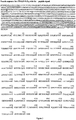
- the pharmaceutical composition of the present invention comprises a fusion protein including in order from the amino side to the carboxylic side a sALP, a spacer, and a bone targeting negatively charged peptide., having the sequence set forth in SEQ ID No: 4.
- ALP tissue non specific alkaline phosphatase further described below
- POP placental alkaline phosphatase
- GCALP germ cell alkaline phosphatase
- intestinal alkaline phosphatase e.g., [NP_001622]
- PALP phosphoethanolamine
- PPI inorganic pyrophosphate
- PRP pyridoxal 5'-phosphate
- the present invention relates to a bone targeted alkaline phosphatase comprising a polypeptide having the structure: sALP-Y-spacer-X-Wn,
- TNALP is a membrane-bound protein anchored through a glycolipid to its C-terminal (Swiss-Prot, P05186).
- This glycolipid anchor (GPI) is added post translationally after removal of a hydrophobic C-terminal end which serves both as a temporary membrane anchor and as a signal for the addition of the GPI.
- the soluble human TNALP used In all Examples below is comprised of a TNALP wherein the first amino acid of the hydrophobic C-terminal sequence, namely alanine, is replaced by a stop codon.
- the soluble TNALP (herein called sTNALP) so formed contains all amino acids of the native anchored form of TNALP necessary for the formation of the catalytic site ⁇ but lacks the GPI membrane anchor.
- Known TNALP include human TNALP [NP000469, AAI1091Q, AAH90861, AAH66116, AAH21289, AAI26166]; rhesus TNALP [XP-001109717];rat TNALP [NP_037191]; dog TNALP [AAF64516]; pig TNALP [AAN64273], mouse [NP_031457], bovine [NP_789828, NP_776412, AAI18209, AAC33858], and cat [NP_001036028].
- the bone targeted composition of the present invention encompasses sequences satisfying a consensus sequence derived from the ALP extracellular domain of human ALP isozymes and of known functional TNALPs (human, mouse, rat, bovine, cat and dog).
- extracellular domain is meant to refer to any functional extracellular portion of the native protein (i.e. without the peptide signal). It has been shown that recombinant sTNALP retaining original amino acids 1 to 501 (18 to 501 when secreted) (see Oda et al., J. Biochem 126: 694-699, 1999 ), amino acids 1 to 504 (18 to 504 when secreted) ( US Patent 6,905,689 to Bemd et al.
- Table 1 below provides a list of 194 mutations known to cause HPP.
- the ALP sequence does not include any of these mutations.
- the amino acid at position 17 is not a phenylalanine residue; the amino acid at position 28 (position 11 in the sequence without signal peptide) is not a cysteine residue; the amino acid at position 33 (position 16 in the sequence without signal peptide) is not a valine residue; the amino acid at position 37 (position 20 in the sequence without signal peptide) is not a proline residue; the amino acid at position 40 (position 23 in the sequence without signal peptide) is not a valine residue; the amino acid residue at position 51 (position 34 in the sequence without signal peptide) is not a serine or a valine residue; the amino acid residue at position 62 (position 45 in the sequence without signal peptide) is not a leucine, an isoleucine or a valine residue; the amino acid residue at position 63 (position 46 in the sequence without signal peptide
- one or more Xs are defined as being any of the amino acids found at that position in the sequences of the alignment or a residue that constitutes a conserved or semi-conserved substitution of any of these amino acids. In other specific embodiments, Xs are defined as being any of the amino acids found at that position in the sequences of the alignment.
- the amino acid residue at position 51 is an alanine or a valine residue
- the amino acid residue at position 177 is an alanine or a serine residue
- the amino add residue at position 212 is an isoleucine or a valine residue
- the amino acid residue at position 291 is a glutamic acid or an aspartic acid residue
- the amino acid residue at position 374 is a valine or an isoleucine residue.
- the sALP fragment in the bone targeted fusion protein of the present invention consists of any one of the fragments of a consensus sequence derived from an alignment of human ALP isozymes and TNALPs from various mammalian species corresponding to amino acid residues 18-498, 18-499, 18-500, 18-501, 18-502, 18-503, 18-504, or 18 to 505 of human TNALP.
- These consensus fragments are amino acid residues 23 to 508, 23 to 509, 23 to 510, 23 to 511, 23 to 512, 23 to 513, 23 to 514 and 23 to 515 of SEQ ID NO: 15, respectively.
- X is any amino acid except an amino acid corresponding to a pathological mutation at that position of human TNALP as reported in Table 1.
- these consensus fragments are amino acid residues 23 to 508, 23 to 509, 23 to 510, 23 to 511, 23 to 512, 23 to 513, 23 to 514 and 23 to 515 of SEQ ID NO: 18, respectively.
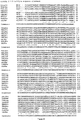
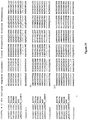
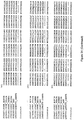
- X Is any amino acid found at that position in the ALP of either one of the species and human ALP isozymes of the alignment from which the consensus is derived but is not an amino acid corresponding to a pathological mutation at that position of human TNALP as reported in Table 1 (See Figure 30 ).
- the sALP fragment in the bone targeted fusion protein of the present invention consist of any of the fragments of a consensus sequence derived from an alignment of TNALPs from various mammalian species corresponding to amino acid residues 18-498, 18-499, 18-500, 18-501, 18-502, 18-503, 18-504, and 18 to 505 of human TNALP.
- These consensus fragments are amino acid residues 18-498, 18-499, 18-500, 18-501, 18-502, 18-503, 18-504, and 18 to 505 of SEQ ID NO: 16, respectively.
- X is any amino acid except an amino acid corresponding to a pathological mutation at that position of human TNALP as reported in Table 1.
- these consensus fragments are amino acid residues 18-498, 18-499, 18-500, 18-501, 18-502, 18-503, 18-504, and 18 to 505 of SEQ ID NO: 19, respectively.
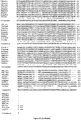
- X is any amino acid found at that position in the TNALP of either one of the species of the alignment from which the consensus is derived but is not an amino acid corresponding to a pathological mutation at that position of human TNALP as reported in Table 1 (See Figure 31 ).
- the Fc fragment used in the bone targeted sALP fusion protein presented in Examples below acts as a spacer which allows the protein to be more efficiently folded since expression of sTNALP-Fc-D10 was higher than that of sTNALP-D10 (see Example 2 below).
- the introduction of the Fc fragment alleviates the repulsive forces caused by the presence of the highly negatively charges D10 sequence added at the C-terminus of the tested sALP sequence.
- Useful spacers for the present invention include polypeptides comprising a Fc.
- the spacer alleviates the steric hindrance preventing two sALP domains from two sALP monomers from interacting with each other to constitute the minimal catalytically active entity.
- Useful Fc fragments for the present invention include FC fragments of IgG that comprise the hinge, and the CH2 and CH3 domains.
- IgG-1, IgG-2, IgG-3, IgG-3 and IgG-4 for instance can be used.
- the negatively charged peptide according to the present invention may be a poly-aspartate or poly-glutamate selected from the group consisting of D10 to D16 or E10 to E16.
- the bone targeted sALP fusion proteins of the present invention are associated so as to form dimers or tetramers.
- dimers are presumably constituted of two bone targeted sALP monomers covalently linked through the two disulfide bonds located in the hinge regions of the two Fc fragments.
- the steric hindrance imposed by the formation of the interchain disulfide bonds are presumably preventing the association of sALP domains to associate into the dimeric minimal catalytically active entity present in normal cells.
- the bone targeted sALP may further optionally comprise one or more additional amino acids between the poly-aspartate and the Fc fragment; and/or between the spacer comprising the Fc fragment and the sALP fragment. This is the case for instance when the cloning strategy used to produce the bone targeting conjugate introduces exogenous amino acids In these locations. However the exogenous amino acids should be selected so as not to provide an additional GPI anchoring signal.
- the likelihood of a designed sequence being cleaved by the transamidase of the host cell can be predicted as described by Ikezawa (Ikezawa 2002).
- the present invention also encompasses the fusion protein as post-translationally modified such as by glycolisation Including those expressly mentioned herein, acetylation, amidation, blockage, formylation, gamma-carboxyglutamic acid hydroxylation, methylation, phosphorylation, pyrrolidone carboxylic acid, and sulfatation.
- recombinant protein is used herein to refer to a protein encoded by a genetically manipulated nucleic acid inserted into a prokaryotic or eukaryotic host cell.
- the nucleic acid is generally placed within a vector, such as a plasmid or virus, as appropriate for the host cell.
- CHO Chinese Hamster Ovary
- Recombinant cleavable protein as used herein is meant to refer to a recombinant protein that may be cleaved by a host's enzyme so as to produce a secreted/soluble protein.
- a host's enzyme so as to produce a secreted/soluble protein.
- HEK293 cells PerC6, Baby hamster Kidney cells can also be used.
- condition suitable to effect expression of the polypeptide is meant to refer to any culture medium that will enable production of the fusion protein of the present invention. Without being so limited, it includes media prepared with a buffer, bicarbonate and/or HEPES, ions like chloride, phosphate, calcium, sodium, potassium, magnesium, iron, carbon sources like simple sugars, amino acids, potentially lipids, nucleotides, vitamins and growth factors like insulin; regular commercially available media like alpha-MEM, DMEM, Ham's-F12 and IMDM supplemented with 2-4 mM L-glutamine and 5% Fetal bovine serum; regular commercially available animal protein free media like HycloneTM SFM4CHO, Sigma CHO DHFR-, Cambrex POWERTM CHO CD supplemented with 2-4 mM L-glutamine. These media are desirably prepared without thymidine, hypoxanthine and L-glycine to maintain selective pressure allowing stable protein-product expression.
- host cells useful for expressing the fusion of the present invention include L cell, C127 cells, 3T3 cells, CHO cells, BHK cells, COS-7 cells or Chinese Hamster Ovary (CHO) cell.
- Particular CHO cells of interest for expressing the fusion protein of the present invention include CHO-DG44 and CHO/dhfr - also referred to as CHO duk - . This latter cell line is available through the American Type Culture Collection (ATCC number CRL-9096).
- bone tissue is used herein to refer to tissue synthesized by osteoblasts composed of an organic matrix containing mostly collagen and mineralized by the deposition of hydroxyapatite crystals.
- the fusion proteins comprised in the bone delivery conjugates of the present invention are useful for therapeutic treatment of bone defective conditions by providing an effective amount of the fusion protein to the bone.
- the fusion proteins are provided in the form of pharmaceutical compositions in any standard pharmaceutically acceptable carriers, and are administered by any standard procedure, for example by intravenous injection.
- the present invention relates to a bone targeted alkaline phosphatase comprising a polypeptide having the structure: sALP-Y-spacer-X-Wn,
- HPP phenotype is meant to refer to any one of rickets (defect in growth plate cartilage), osteomalacia, elevated blood and/or urine levels of inorganic pyrophosphate (PP i ), phosphoethanolamine (PEA), or pyridoxal 5'-phosphate (PLP), seizure, bone pains, calcium pyrophosphate dihydrate crystal deposition (CPPD) in joints leading to chondrocalcinosis and premature death.
- a HPP phenotype can be documented by growth retardation with a decrease of long bone length (such as femur, tibia, humerus, radius, ulna), a decrease of the mean density of total bone and a decrease of bone mineralization in bones such as femur, tibia, ribs and metatarsi, and phalange, a decrease in teeth mineralization, a premature loss of deciduous teeth (e.g., aplasia, hypoplasia or dysplasia of dental cementum).
- correction or prevention of bone mineralization defect may be observed by one or more of the following: an increase of long bone length, an increase of mineralization in bone and/or teeth, a correction of bowing of the legs, a reduction of bone pain and a reduction of CPPD crystal deposition in joints.
- correct in the expression
- prevent in the expression “prevent a hypophosphatasia phenotype” is meant to refer to any delay or slowing in the development of a HPP phenotype or any partial or complete avoidance of the development of a HPP phenotype.
- the term "subject” is meant to refer to any mammal including human, mice, rat, dog, cat, pig, cow, monkey, horse, etc. In a particular embodiment, it refers to a human.
- the term "subject in need thereof in a method of administering a compound of the present invention is meant to refer to a subject that would benefit from receiving a compound of the present invention.
- it refers to a subject that already has at least one HPP phenotype or to a subject likely to develop at least one HPP phenotype or at least one more HPP phenotype.
- it further refers to a subject that has aplasia, hypoplasia or dysplasia of dental cementum or a subject likely to develop aplasia, hypoplasia or dysplasia of dental cementum.
- a subject likely to develop at least one HPP phenotype is a subject having at least one loss-of-function mutation in the gene ( ALPL ).
- a subject likely to develop aplasia, hypoplasia or dysplasia of dental cementum is a subject having HPP or a periodontal disease due to a bacterial infection. Periodontal disease due to a bacterial infection may induce alteration of cementum which may lead to exfoliation of teeth.
- Bone targeted sALPs of the present invention can be administered by routes such as orally, nasally, intravenously, intramuscularly, subcutaneously, sublingually, intrathecally, or intradermally.
- the route of administration can depend on a variety of factors, such as the environment and therapeutic goals.
- subjects refer to animals such as humans in which prevention, or correction of bone mineralization defect characterizing HPP or other phenotypes associated with HPP or prevention or correction of defective cementum is desirable.
- the present invention relates to a bone targeted alkaline phosphatase comprising a polypeptide having the structure: sALP-Y-spacer-X-Wn,
- composition of the invention can be in the form of a liquid, solution, suspension, pill, capsule, tablet, gelcap, powder, gel, ointment, cream, nebulae, mist, atomized vapor, aerosol, or phytosome.
- tablets or capsules can be prepared by conventional means with pharmaceutically acceptable excipients such as binding agents, fillers, lubricants, disintegrants, or wetting agents.
- the tablets can be coated by methods known In the art.
- Liquid preparations for oral administration can take the form of, for example, solutions, syrups, or suspension, or they can be presented as a dry product for constitution with saline or other suitable liquid vehicle before use.
- Dietary supplements of the invention also can contain pharmaceutically acceptable additives such as suspending agents, emulsifying agents, non-aqueous vehicles, preservatives, buffer salts, flavoring, coloring, and sweetening agents as appropriate.
- Preparations for oral administration also can be suitably formulated to give controlled release of the active Ingredients.
- Enteric coatings can further be used on tablets of the present invention to resist prolonged contact with the strongly acidic gastric fluid, but dissolve in the mildly acidic or neutral intestinal environment.
- cellulose acetate phthalate, EudragitTM and hydroxypropyl methylcellulose phthalate (HPMCP) can be used in enteric coatings of pharmaceutical compositions of the present invention.
- Cellulose acetate phthalate concentrations generally used are 0.5-9.0% of the core weight.
- the addition of plasticizers improves the water resistance of this coating material, and formulations using such plasticizers are more effective than when cellulose acetate phthalate is used alone.
- Cellulose acetate phthalate is compatible with many plasticizers, including acetylated monoglyceride; butyl phthalybutyl glycolate; dibutyl tartrate; diethyl phthalate; dimethyl phthalate; ethyl phthalylethyl glycolate; glycerin; propylene glycol; triacetin; triacetin citrate; and tripropionin. It is also used in combination with other coating agents such as ethyl cellulose, in drug controlled-release preparations.
- plasticizers including acetylated monoglyceride; butyl phthalybutyl glycolate; dibutyl tartrate; diethyl phthalate; dimethyl phthalate; ethyl phthalylethyl glycolate; glycerin; propylene glycol; triacetin; triacetin citrate; and tripropionin. It is also used in combination with other coating agents such as ethyl cellulose, in drug
- any amount of a pharmaceutical composition can be administered to a subject.
- the dosages will depend on many factors including the mode of administration and the age of the subject.
- the amount of bone targeted ALP of the invention contained within a single dose will be an amount that effectively prevent, delay or correct bone mineralization defect in HPP without inducing significant toxicity.
- therapeutically effective amount is meant to refer to an amount effective to achieve the desired therapeutic effect while avoiding adverse side effects.
- bone targeted sALPs in accordance with the present invention can be administered to subjects in doses ranging from 0.001 to 500 mg/kg/day and, in a more specific embodiment, about 0.1 to about 100 mg/kg/day, and, in a more specific embodiment, about 0.2 to about 20 mg/kg/day.
- the allometric scaling method of Mahmood et al. can be used to extrapolate the dose from mice to human.
- the dosage will be adapted by the clinician in accordance with conventional factors such as the extent of the disease and different parameters from the patient.
- the therapeutically effective amount of the bone targeted sALP may also be measured directly.
- the effective amount may be given daily or weekly or fractions thereof.
- a pharmaceutical composition of the invention can be administered in an amount from about 0.001 mg up to about 500 mg per kg of body weight per day (e.g., 0.05, 0.01, 0.1, 0.2, 0.3, 0.5, 0.7, 0.8, 1 mg, 2 mg, 3 mg, 4mg, 5 mg, 10 mg, 15 mg, 20 mg, 30 mg, 50 mg, 100 mg, or 250 mg). Dosages may be provided in either a single or multiple dosage regimens.
- the effective amount is a dose that ranges from about 0.1 to about 100 mg/kg/day, from about 0.2 mg to about 20 mg of the bone targeted sALP per day, about 1 mg to about 10 mg of the bone targeted sALP per day, from about .07 mg to about 210 mg of the bone targeted.
- sALP per week 1.4 mg to about 140 mg of the bone targeted sALP per week, about 0.3 mg to about 300 mg of the bone targeted sALP every three days, about 0.4 mg to about 40 mg of the bone targeted sALP every other day, and about 2 mg to about 20 mg of the bone targeted sALP every other day.
- the optimal daily dose will be determined by methods known in the art and will be influenced by factors such as the age of the patient as indicated above and other clinically relevant factors.
- patients may be taking medications for other diseases or conditions. The other medications may be continued during the time that a bone targeted sALP is given to the patient, but it is particularly advisable in such cases to begin with low doses to determine if adverse side effects are experienced.
- Preparations containing a bone targeted sALP of the invention may be provided to patients in combination with pharmaceutical acceptable sterile aqueous or non-aqueous solvents, suspensions or emulsions.
- non-aqueous solvents are propylene glycol, polyethylene glycol, vegetable oil, fish oil, and Injectable organic esters.
- Aqueous carriers include water, water-alcohol solutions, emulsions or suspensions, including saline and buffered medical parenteral vehicles Including sodium chloride solution, Ringer's dextrose solution, dextrose plus sodium chloride solution, Ringer's solution containing lactose, or fixed oils.
- Intravenous vehicles may include fluid and nutrient replenishers, electrolyte replenishers, such as those based upon Ringer's dextrose, and the like.
- the present invention relates to a pharmaceutical composition
- a pharmaceutical composition comprising a polypeptide having the sequence set forth in SEQ ID NO: 4 and a pharmaceutically acceptable carrier comprising sodium chloride and/or sodium phosphate.
- the composition comprises 150 mM sodium chloride and 25 mM sodium phosphate, pH 7.4.
- the composition is hydrated from a lyophilized form.
- the pharmaceutical compositions of the present invention can be delivered in a controlled release system.
- polymeric materials including polylactic acid, polyorthoesters, crosslinked amphipathic block copolymers and hydrogels, polyhydroxy butyric acid and polydihydropyrans can be used (see also Smolen and Ball, Controlled Drug Bioavailability, Drug product design and performance, 1984, John Wiley & Sons ; Ranade and Hollinger, Drug Delivery Systems, pharmacology and toxicology series, 2003, 2nd edition, CRRC Press ), in another embodiment, a pump may be used ( Saudek et al., 1989, N. Engl. J. Med. 321: 574 ).
- the fusion proteins of the present invention could be in the form of a lyophilized powder using appropriate excipient solutions (e.g., sucrose) as diluents.
- the pharmaceutically acceptable carrier comprises sodium chloride and/or sodium phosphate.
- the proteins according to the present invention can be introduced into individuals in a number of ways. It is disclosed that osteoblasts can be isolated from the afflicted individual, transformed with a nucleotide construct according to the invention and reintroduced to the afflicted individual in a number of ways, including intravenous injection. Alternatively, the nucleotide construct can be administered directly to the afflicted individual, for example, by injection. The nucleotide construct can also be delivered through a vehicle such as a liposome, which can be designed to be targeted to a specific cell type, and engineered to be administered through different routes.
- a vehicle such as a liposome
- fusion proteins of the present invention could also be advantageously delivered through gene therapy.
- Useful gene therapy methods include those described in WO06060641A2 , US7179903 and WO0136620A2 to Genzyme using for instance an adenovirus vector for the therapeutic protein and targeting hepatocytes as protein producing cells.
- a “gene delivery vehicle” is defined as any molecule that can carry inserted polynucleotides into a host cell.
- Examples of gene delivery vehicles are liposomes, biocompatible polymers, including natural polymers and synthetic polymers; lipoproteins; polypeptides; polysaccharides; lipopolysaccharides; artificial viral envelopes; metal particles; and bacteria, or viruses, such as baculovirus, adenovirus and retrovirus, bacteriophage, cosmid, plasmid, fungal vectors and other recombination vehicles typically used in the art which have been described for expression in a variety of eukaryotic and prokaryotic hosts, and may be used for gene therapy as well as for simple protein expression.
- Gene delivery are terms referring to the introduction of an exogenous polynucleotide (sometimes referred to as a "transgene") Into a host cell, irrespective of the method used for the introduction.
- exogenous polynucleotide sometimes referred to as a "transgene”
- Such methods include a variety of well-known techniques such as vector-mediated gene transfer (e.g., viral infection/transfection, or various other protein-based or lipid-based gene delivery complexes) as well as techniques facilitating the delivery of "naked" polynucleotides (such as electroporation, "gene gun” delivery and various other techniques used for the introduction of polynucleotides).
- the introduced polynucleotide may be stably or transiently maintained in the host cell.
- Stable maintenance typically requires that the introduced polynucleotide either contains an origin of replication compatible with the host cell or integrates into a replicon of the host cell such as an extrachromosomal replicon (e.g., a plasmid) or a nuclear or mitochondrial chromosome.
- a replicon of the host cell such as an extrachromosomal replicon (e.g., a plasmid) or a nuclear or mitochondrial chromosome.
- a replicon of the host cell such as an extrachromosomal replicon (e.g., a plasmid) or a nuclear or mitochondrial chromosome.
- a number of vectors are known to be capable of mediating transfer of genes to mammalian cells, as is known In the art and described herein.
- a "viral vector” is defined as a recombinantly produced virus or viral; particle that comprises a polynucleotide to be delivered into a host cell, either in viva, ex viva or in vitro.
- viral vectors include retroviral vectors, adenovirus vectors, adeno-associated virus vectors such as those described in WO06002203A2 , alphavirus vectors and the like.
- Alphavirus vectors such as Semliki Forest virus-based vectors and Sindbis virus-based vectors, have also been developed for use in gene therapy and immunotherapy.
- a vector construct refers to the polynucleotide comprising the viral genome or part thereof, and a transgene.
- Ads adenoviruses
- Ads are a relatively well characterized, homogenous group of viruses, including over 50 serotypes. See, e.g., international PCT Application No. WO 95/27071 . Ads are easy to grow and do not require integration into the host cell genome. Recombinant Ad derived vectors, particularly those that reduce the potential for recombination and generation of wild-type virus, have also been constructed. See, international PCT Application Nos.
- Vectors that contain both a promoter and a cloning site into which a polynucleotide can be operatively linked are well known in the art. Such vectors are capable of transcribing RNA in vitro or in vivo, and are commercially available from sources such as Stratagene (La Jolla, CA) and Promega Biotech (Madison, WI). In order to optimize expression and/or in vitro transcription, it may be necessary to remove, add or alter 5' and/or 3' untranslated portions of the clones to eliminate extra, potential inappropriate alternative translation initiation codons or other sequences that may interfere with or reduce expression, either at the level of transcription or translation.
- the bone targeted sALP of the present invention or pharmaceutical composition of the invention may also be used in combination with at least one other active ingredient to correct a bone mineralization defect or another detrimental symptom of HPP. It may also be used in combination with at least one other active ingredient to correct cementum defect.
- high stringency conditions are meant to refer to conditions enabling sequences with a high homology to bind. Without being so limited, examples of such conditions are listed In the handbook " Molecular cloning, a laboratory manual, second edition of 1989 from Sambrook et al. : 6XSSC or 6XSSPE, Denhardt's reagent or not, 0.5% SDS and the temperature used for obtaining high stringency conditions is most often in around 68°C (see pages 9.47 to 9.55 of Sambrook) for nucleic acid of 300 to 1500 nucleotides.
- the optimal temperature to be used for a specific nucleic acid probe may be empirically calculated, and although there is room for alternatives in the buffer conditions selected, within these very well known condition ranges, the nucleic acid captured will not vary significantly. Indeed, Sambrook clearly indicates that the "choice depends to a large extent on personal preference" (see page 9.47).
- kits for correcting or preventing an HPP phenotype or a cementum defect comprising a protein or a pharmaceutical composition in accordance with the present invention.
- a kit for correcting or preventing an HPP phenotype or a cementum defect comprising a protein or a pharmaceutical composition in accordance with the present invention.
- it may comprise a bone targeted composition of the present invention and instructions to administer said composition to a subject to correct or prevent a HPP phenotype.
- kits may further comprise at least one other active agent able to prevent or correct a HPP phenotype.
- the kit may also further comprise at least one other active agent capable of preventing or correcting any other detrimental symptoms of HPP.
- a compartmentalized kit in accordance with the present invention includes any kit in which reagents are contained in separate containers.
- Such containers include small glass containers, plastic containers or strips of plastic or paper. Such containers allow the efficient transfer of reagents from one compartment to another compartment such that the samples and reagents are not cross-contaminated and the agents or solutions of each container can be added in a quantitative fashion from one compartment to another.
- the sALP comprises amino acid residues 23-508 of SEQ ID NO: 15. In another specific embodiment, the sALP consists of amino acid residues 23-512 of SEQ ID NO: 15. In another specific embodiment, the sALP comprises amino acid residues 23-508 of SEQ ID NO: 18. In another specific embodiment, the sALP consists of amino acid residues 23-512 of SEQ ID NO: 18. In another specific embodiment, the sALP comprises amino acid residues 18-498 of SEQ ID NO: 16. In another specific embodiment, the sALP consists of amino acid residues 18-502 of SEQ ID NO: 16. In another specific embodiment, the sALP comprises amino acid residues 18-498 of SEQ ID NO: 19.
- the sALP consists of amino acid residues 18-502 of SEQ ID NO: 19. In another specific embodiment, the sALP comprises amino acid residues 18-498 of SEQ ID NO: 19. In another specific embodiment, the sALP consists of amino acid residues 18-502 of SEQ ID NO: 19. In another specific embodiment, the sALP comprises amino acid residues 18-498 of SEQ ID NO: 8. In another specific embodiment, the sALP consists of amino acid residues 18-502 of SEQ ID NO: 8.
- the spacer comprises a fragment crystallizable region (Fc).
- the Fc comprises a CH2 domain, a CH3 domain and a hinge region.
- the Fc is a constant domain of an immunoglobulin selected from the group consisting of IgG-1, IgG-2, IgG-3, IgG-3 and IgG-4.
- the Fc is a constant domain of an Immunoglobulin IgG-1.
- the Fc is as set forth in SEQ ID NO: 3.
- Y is two amino acid residues. In another specific embodiment, Y is leucine-lysine. In another specific embodiment, X is 2 amino acid residues. In another specific embodiment, X is aspartate-isoleucine.
- polypeptide is as set forth in SEQ ID NO: 4.
- polypeptide has the sequence as set forth in SEQ ID NO: 4.
- the bone targeted alkaline phosphatase comprises the polypeptide in a form comprising a dimer. In another specific embodiment, the bone targeted alkaline phosphatase comprises the polypeptide in a form of a tetramer.
- the bone targeted alkaline phosphatase is in a pharmaceutically acceptable carrier.
- the pharmaceutically acceptable carrier is a saline.
- the bone targeted alkaline phosphatase is In a lyophilized form.
- the bone targeted alkaline phosphatase is in a daily dosage of about 0.2 to about 20 mg/kg.
- the bone targeted alkaline phosphatase is in a dosage of about 0.6 to about 60 mg/kg for administration every three days.
- the bone targeted alkaline phosphatase is in a weekly dosage of about 1.4 to about 140 mg/kg.
- the bone targeted alkaline phosphatase is in a weekly dosage of about 0.5 mg/kg.
- the present invention relates to a pharmaceutical composition
- a pharmaceutical composition comprising a polypeptide having the sequence set forth in SEQ ID NO: 4 and a pharmaceutically acceptable carrier comprising sodium chloride and/or sodium phosphate.
- the composition comprises 150 mM sodium chloride and 25 mM sodium phosphate, pH 7.4.
- the composition is hydrated from a lyophilized form.
- nucleic acid comprising a sequence that encodes the polypeptide of the present invention is disclosed.
- an isolated nucleic acid consisting of a sequence that encodes the polypeptide of the present invention. More specifically, an isolated nucleic acid comprising a sequence as set forth in SEQ ID NO: 17 is disclosed.
- a recombinant expression vector comprising the nucleic acid disclosed herein. More specifically, there is disclosed a recombinant adeno-associated virus vector comprising the nucleic acid disclosed herein. More specifically, there is disclosed an isolated recombinant host cell transformed or transfected with the vector disclosed herein.
- a method of producing the bone targeted alkaline phosphatase of the present invention comprising culturing the host cell of the present invention, under conditions suitable to effect expression of the bone targeted alkaline phosphatase and recovering the bone targeted alkaline phosphatase from the culture medium.
- the present invention relates to a method of producing the pharmaceutical composition of the present invention, said method comprising culturing a recombinant host cell transformed or transfected with a recombinant expression vector comprising a nucleic acid having a sequence that encodes the polypeptide of the pharmaceutical composition of the present invention in a culture medium under conditions suitable to effect expresssion of said polypeptide, recovering said polypeptide from the culture medium, and admixing said polypeptide with pharmaceutically acceptable carrier comprising sodium chloride and/or sodium phosphate.
- the host cell is a L cell, C127 cell, 3T3 cell, CHO cell, BHK cell, COS-7 cell or a Chinese Hamster Ovary (CHO) cell.
- the host cell is a Chinese Hamster Ovary (CHO) cell.
- the host cell is a CHO-DG44 cell.
- kits comprising the bone targeted alkaline phosphatase of the present invention, and instructions to administer the polypeptide to a subject to correct or prevent a hypophosphatasia (HPP) phenotype.
- HPP hypophosphatasia
- the present invention relates to a kit comprising a pharmaceutical composition of the present invention and instructions for use of said composition in a method of correcting or preventing an alkaline phosphatase deficiency in a subject in need thereof.
- kits comprising the bone targeted alkaline phosphatase of the present invention or a pharmaceutical composition of the invention, and instructions to administer the polypeptide to a subject to correct or prevent aplasia, hypoplasia or dysplasia of dental cementum.
- a bone targeted alkaline phosphatase of the present invention or a pharmaceutical composition of the invention for use in correcting or preventing at least one hypophosphatasia (HPP) phenoatype, comprising administering a therapeutically effective amount of the bone targeted alkaline phosphatase to a subject in need thereof, whereby the at least one HPP phenotype is corrected or prevented in the subject.
- HPP hypophosphatasia
- the subject has at least one HPP phenotype. In another specific embodiment, the subject is likely to develop at least one HPP phenotype. In another specific embodiment, the at least one HPP phenotype comprises HPP-related seizure. In another specific embodiment, the at least one HPP phenotype comprises premature loss of deciduous teeth. In another specific embodiment; the at least one HPP phenotype comprises incomplete bone mineralization. In another specific embodiment, incomplete bone mineralization is incomplete femoral bone mineralization. In another specific embodiment, incomplete bone mineralization is incomplete tibial bone mineralization. In another specific embodiment, incomplete bone mineralization is incomplete metatarsal bone mineralization, In another specific embodiment, incomplete bone mineralization is incomplete ribs bone mineralization.
- the at least one HPP phenotype comprises elevated blood and/or urine levels of inorganic pyrophosphate (PPI). In another specific embodiment, the at least one HPP phenotype comprises elevated blood and/or urine levels of phosphoethanolamine (PEA). In another specific embodiment, the at least one HPP phenotype comprises elevated blood and/or urine levels of pyridoxal 5'-phosphate (PLP). In another specific embodiment, the at least one HPP phenotype comprises inadequate weight gain. In another specific embodiment, the at least one HPP phenotype comprises rickets. In another specific embodiment, the at least one HPP phenotype comprises bone pain.
- the at least one HPP phenotype comprises calcium pyrophosphate dihydrate crystal deposition. In another specific embodiment, the at least one HPP phenotype comprises aplasia, hypoplasia or dysplasia of dental cementum. In another specific embodiment, the subject in need thereof has Infantile HPP. In another specific embodiment, the subject in need thereof has childhood HPP. In another specific embodiment, the subject in need thereof has perinatal HPP. In another specific embodiment, the subject In need thereof has adult HPP. In another specific embodiment, the subject in need thereof has odontohypophosphatasia HPP.
- a method of using the bone targeted alkaline phosphatase of the present invention for correcting or preventing aplasia, hypoplasia or dysplasia of dental cementum, comprising administering a therapeutically effective amount of the bone targeted alkaline phosphatase to a subject in need thereof, whereby aplasia, hypoplasia or dysplasia of dental cementum is corrected or prevented in the subject.
- the administering comprises transfecting a cell in the subject with a nucleic acid encoding the alkaline phosphatase.
- the transfecting the cell is performed in vitro such that the bone targeted alkaline phosphatase is expressed and secreted in an active form and administered to the subject with said cell.
- the administering comprises subcutaneous administration of the bone targeted alkaline phosphatase to the subject.
- the administering comprises intravenous administration of the bone targeted alkaline phosphatase to the subject.
- the bone targeted alkaline phosphatase of the present invention or the pharmaceutical composition of the present invention for use in correcting or preventing at least one HPP phenotype.
- the bone targeted alkaline phosphatase of the present invention or the pharmaceutical composition of the present invention for use in correcting or preventing aplasia, hypoplasia or dysplasia of dental cementum.
- the bone targeted alkaline phosphatase of the present invention for correcting or preventing aplasia, hypoplasia or dysplasia of dental cementum.
- Examples provided below present the first successful treatment of TNALP knockout (Akp2-/-) mice using subcutaneous injections of a recombinant form of ALP.
- Akp2 -/- mice recapitulate the severe, often lethal, infantile form of Hypophosphatasia.
- TNSALP-homozygous null murine model which mirrors many of the skeletal and biochemical abnormalities associated with infantile HPP was used.
- Mice were treated with a novel soluble recombinant form of human TNSALP engineered at its carboxy-terminus to contain both a spacer in the form of the crystalline fragment (Fc) region of human IgG-1 fused to a bone targeting sequence composed of ten sequential aspartic acid (D10) residues. It was shown that relative to native TNSALP purified from kidney, the modified recombinant form of the enzyme, binds hydroxyapatite much more avidly, while retaining its enzymatic activity.
- Treatment with the recombinant TNSALP of the present invention surprisingly normalized plasma PPi levels, and improved mineralization of the feet thoraces, hind limbs and dentition of homozygous null mice when compared to mice who received the vehicle alone.
- the treatment was also shown to prolong survival, with near radiographic normalization of the skeletal phenotype.
- the recombinant active form of the modified enzyme which contains a spacer is expressed at higher levels than its recombinant counterpart lacking such spacer.
- the enzyme functions as a tetramer.
- the hydrophobic C-terminal sequence that specifies GPI-anchor attachment in TNALP was eliminated to make it a soluble secreted enzyme (Di Mauro et al. 2002).
- the coding sequence of the TNALP ectodomain was also extended with the Fc region of the human IgG ( ⁇ 1 form (IgG1Swiss-Prot P01857). This allowed rapid purification of the recombinant enzyme on Protein A chromatography and surprisingly, its increased expression.
- a deca-aspartate (D10) sequence was attached to the C-terminal of the Fc region.
- TNALP-FcD10 This chimeric form of TNALP, designated sTNALP-FcD10, retains full enzymatic activity both when assayed at pH 9.8 using the artificial substrate p-nitrophenylphosphate and when assayed at pH 7.4 using inorganic pyrophosphate (PPi), as the physiological substrate.
- PPi inorganic pyrophosphate
- the method that was used to construct this fusion protein is as follows.
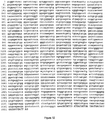
- the cDNA encoding the fusion protein (See Figure 32 ) was inserted in the pIRES vector (Clontech TM ) in the first multiple cloning site located upstream of the IRES using NheI and BamHI endonuclease restriction sites.
- the dihydrofolate reductase (DHFR) gene was inserted in the second multiple cloning site located downstream of the IRES using Smal and Xbal endonuclease restriction sites.
- the resulting vector was transfected into Chinese Hamster Ovary (CHO-DG44) cells lacking both DHFR gene alleles ( Urlaub et al. 1983, obtained from Dr Lawrence A.
- Levels of sALP-FcD10 in spent medium were quantified using a colorimetric assay for ALP activity where absorbance of released p-nitrophenol is proportional to the reaction products.
- the reaction occurred in 100 ⁇ l of ALP buffer (20 mM Bis Tris Propane (HCl) pH 9, 50 mM NaCl, 0.5 mM MgCl 2 , and 50 ⁇ M ZnCl 2 ) containing 10 ⁇ l of diluted spent medium and 1 mM pNPP. The latter compound was added last to initiate the reaction. Absorbance was recorded at 405 nm every 45 seconds over 20 minutes using a spectrophotometric plate reader.
- sTNALP-FcD10 catalytic activity was assessed by fitting the steepest slope for 8 sequential values.
- Standards were prepared with varying concentrations of sALP-FcD10. and ALP activity was determined as above.
- the standard curve was generated by plotting Log of the initial rate as a function of the Log of the standard concentrations.
- sTNALP-FcD10 concentration in the different samples was read from the standard curve using their respective ALP absorbance.
- Activity measures were transformed into concentrations of sALP-FcD10 by using a calibration curve obtained by plotting the activity of known concentrations of purified recombinant enzyme.
- Fractions containing most of the eluted material were dialyzed against 150 mM NaCl, 25 mM sodium PO 4 pH 7.4 buffer containing 0.1 mM MgCl 2 , 20 ⁇ M ZnCl 2 and filtered on a 0.22 ⁇ m (Millipore, Millex-GPTM) membrane under sterile conditions.
- the overall yield of the purification procedure was 50% with a purity above 95% as assessed by Sypro TM ruby stained SDS-PAGE.
- Purified sTNALP-FcD10 preparation was stored at 4°C and remained stable for several months.
- Fractions containing most of the eluted material were dialyzed against 150 mM NaCl, 25 mM sodium PO 4 pH 7.4 buffer containing 0.1 mM MgCl 2 , 20 ⁇ M ZnCl 2 and filtered on a 0.22 ⁇ m (Millipore, Millex-GPTM) membrane under sterile conditions.
- the overall yield of the purification procedure was 50% with a purity above 95% as assessed by SyproTM ruby stained SDS-PAGE.
- Purified sTNALP-FcD10 preparation was stored at 4°C and remained stable for several months.
- the number of copies of the sTNALP-FcD10 gene was increased by culturing transfected CHO-DG44194 cells in the presence of increasing concentration of methotrexate. Clones of cells resistant to 100 nM methotrexate were isolated and evaluated for their capacity to produce sTNALP-FcD10 at a high yield. The best producers were adapted to culture in suspension in Hydone mediaTM SFM4CHOTM (cat # SH30549) in absence of fetal bovine serum. Cultures that maintained a high production yield under those conditions were transferred to disposable WaveTM bioreactor bags. The medium (25 L total volume) was seeded at a density of 0.4 x 10 6 cells per ml.
- Plasmid vectors encoding either sTNALP-FcD10 or sTNALP-D10 were transfected in CHO-DG44 cells using LipofectamineTM and grown in selective media (i.e. devoid of nucleotides) designed to promote survival of cells expressing the DHFR gene as described in Example 1 above. Stable transfectants were isolated by plaque cloning and ranked according to their level of protein expression using the alkaline phosphatase enzymatic assay also described in Example 1 above.
- sTN1ALP-FcD10 was first purified on Protein-A SepharoseTM and was analyzed on SDS-PAGE under reducing and non-reducing conditions.
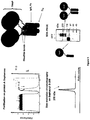
- the molecular mass of purified sTNALP-FcD10 under native conditions was next evaluated using size exclusion FPLC chromatography on a column of SephacrylTM S-300 (GE Health Care) equilibrated In 150 mM NaCl, 20 mM Tris pH 7.5 buffer.
- the column was previously calibrated with a standard protein kit (HMW calibration kit, GE Health care) (lower left panel, Figure 5 ).
- sTNALP-FcD10 monomers with an apparent molecular weight of 90,000 by SDS-PAGE under reducing conditions (DTT+, lower right panel in Figure 5 ) and as dimers with an apparent molecular weight of 200,000 in non reducing conditions (DTT-, lower right panel in Figure 5 ).
- Recombinant sTNALP-FcD10 appears to consist mainly of enzymatically functional homotetramers formed' by non covalent association of two sTNALP-FcD10 disulfide-linked dimers.
- sTNALP-FcD10 The tetrameric structure of sTNALP-FcD10 was further tested by limited papain digestion ( Figures 6-8 ). This protease is known to cleave IgG heavy chains close to the hinge region and on the N-terminal side of the disulfide bonds, thereby generating whole monomeric Fab fragments and dimeric disulfide-linked Fc dimers. Digestion of sTNALP-FcD10 should thus liberate enzymatically active sTNALP dimers from the intact Fc domains (see Figure 6 ).
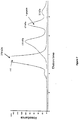
- sTNALP-FcD10 incubated for one h in the presence or absence of papain-agarose was next analyzed by SEC-HPLC on a TSK-Gel G3000WXL (Tosoh Bioscience) in non denaturing conditions.
- Figure 7 shows that the main product eluting with an apparent Mr of 370 kDa was no longer observed after a 1 h papain digestion. In those conditions papain digestion generates two main fragments of 135 kDa and 62 kDa respectively. A minor peak with Mr of 35 kDa was also observed.
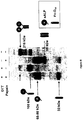
- this band is cleaved Into two major fragments: 1) The 32 kDa band, which binds the anti-Fc but not the anti-TNALP antibody and Is proposed to correspond to the FcD10 fragment; and 2) The broad and diffuse protein band (66 - 90 kDa) which can be stained with the anti-ALP antibody but not with anti-Fc antibody and is thus thought to correspond to TNALP ectodomain monomers.
- the heterogeneity of this material is presumably due to its glycosylation as it can be reduced by digestion with Peptide-N-Glycosidase F, which also decreases its apparent molecular mass to 52 kDa (results not shown).
- sTNALP-FcD10 incubated without papain was found to migrate in SDS-Page as a 216 kDa protein (DTT-, papain-, Figure 8 ).
- Western blotting also demonstrates that this protein contains epitopes for both the TNALP and Fc moieties (results not shown). This molecular species was previously proposed to consist of disulfide-bonded sTNALP-FcD10 dimers.
- papain cleavage under non-reducing conditions (DTT-, papain +) generates two main fragments.
- the 55 kDa fragment can be stained with the anti-Fc but not with the anti-TNALP antibody.
- This fragment is most probably identical to the 62 kDa species observed on SEC-HPLC in native conditions and is proposed to correspond to disulfide-bonded Fc dimers.
- the other major species comigrates with the major protein band (66-90 kDa) observed under reducing conditions. This is consistent with it being composed of TNALP ectodomain monomers. When analyzed by HPLC in non denaturing conditions these monomers are non-covalently associated in the enzymatically active TNALP dimers eluting from the SEC column as the 135 kDa species.
- Bovine kidney TNALP tissue non specific soluble alkaline phosphatase
- Bovine kidney TNALP was used Instead of human bone TNALP because it was commercially available.
- Hydroxyapatite ceramic beads Biorad were first solubilized in 1 M HCl and the mineral was precipitated by bringing back the solution to pH to 7.4 with 10 N NaOH.
- Binding to this reconstituted mineral was performed by incubating aliquots of the mineral suspension containing 750 ⁇ g of mineral with 5 ⁇ g of protein in 100 ⁇ l of 150 mM NaCl, 80 mM sodium phosphate pH 7.4, buffer. The samples were kept at 21 ⁇ 2°C for 30 minutes on a rotating wheel. Mineral was spun down by low speed centrifugation and total enzymatic activity recovered in both the mineral pellet and the supernatant was measured. Figure 9 clearly shows that sTNALP-FcD10 binds more efficiently to reconstituted hydroxyapatite mineral than bovine kidney TNALP.
- the Akp2 -/- mice were created by insertion of the Neo cassette into exon VI of the mouse TNALP gene (Akp2) via homologous recombination (Narisawa et al. 1997; Fedde et al. 1999). This mutation caused the functional inactivation of the Akp2 gene and no mRNA or TNALP protein is detectable in these knockout mice (Narisawa et al. 1997). Phenotypically, the Akp2 -/- mice mimic severe Infantile HPP. These mice have no obvious hypophosphatasia phenotype at birth, skeletal defects usually appearing at or around day 6, and worsen thereafter.
- Vitamin B6 is an important nutrient that serves as a cofactor for at least 110 enzymes, including those involved in the biosynthesis of the neurotransmitters ⁇ -aminobutyric acid (GABA), dopamine and serotonin.
- Vitamin B6 can be found in three free forms (or vitamers), i.e., pyridoxal (PL), pyridoxamine (PM), and pyridoxine (PN), all of which can be phosphorylated to the corresponding 5'-phosphated derivatives, PLP, PMP and PNP (Jansonius 1998).
- Pyridoxine supplementation suppresses the epileptic seizures of Akp2 -/- mice but extends their lifespan only a few days, till postnatal days 18-22 (Narisawa et al. 2001). Therefore, all animals in this study (breeders, nursing moms, pups and weanlings) were given free access to a modified laboratory rodent diet 5001 with increased levels (325 ppm) of pyridoxine.
- Presence of sTNALP-FcD10 in plasma samples was assessed upon completion of treatment using a colorimetric enzymatic assay. Enzymatic activity was determined using a chromogenic substrate where increase of absorbance is proportional to substrate conversion to products.
- the reaction was carried out in 100 ⁇ l of buffer 50 mM NaCl, 20 mM Bis Tris Propane (HCl pH 9 buffer containing 0.5 mM MgCl 2 and 50 ⁇ M ZnCl 2 to which was added 10 ⁇ l of diluted plasma sample.
- the ALP substrate p-nitrophenyl was added last at a final concentration of 1 mM to initiate the reaction.
- sTNALP-FcD10 enzymatic activity expressed as an initial rate of reaction was assessed by fitting the steepest slope over 8 adjacent reading values.
- Standards were prepared with varying concentrations of test article and the enzymatic activity was determined as described above in Example 1.
- the standard curve was generated by plotting Log of the initial speed rate as a function of the Log of the standard quantities.
- sTNALP-FcD10 concentration of the different plasma samples was read directly from the standard curve using their respective enzymatic activity.
- Circulating levels of PPi were measured in serum obtained from cardiac puncture using differential adsorption on activated charcoal of UDP-D-[6- 3 H]glucose (Amersham Pharmacia) from the reaction product of 6-phospho[6- 3 H]gluconate, as previously described (Johnson et al. 1999).
- Figure 10 summarizes its pharmacokinetics and tissue distribution after a single, bolus intravenous injection of 5 mg/kg into adult WT mice.
- the half-life was 34 h in blood with an accumulation of the [ 125I ]-labeled sTNALP-FcD10 in bone of up to 1 ⁇ g/g of bone (wet weight). This half-life is comparable to that observed previously In unsuccessful reported clinical trials. Levels of bone-targeted material seemed quite stable. as no significant decrease in radiolabeled sTNALP-FcD10 was observed during the experiment. No accumulation of sTNALP-FcD10 was observed in muscle, as the amount of radiolabeled enzyme in that tissue decreased in parallel with that of sTNALP-FcD10 enzymatic activity in blood.
- Table 2 Pharmacokinetic parameters of sTNALP-FcD10 in newborn WT mice. Parameter Newborn s.c. i.p. T1/2 (h) 31 19 Tmax (h) 6 6 Cmax (mg/L) 5 3 AUCinf (mg/Uh) 257 92
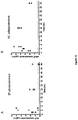
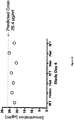
- PK data analyzed by WinNonlinTM software (Pharsight Corporation, Mountain View, CA), were used to predict circulating blood levels of sTNALP-FcD10 achieved after repeated daily s.c. injections. Circulating sTNALP-FcD10 reached steady state serum concentrations oscillating between Cmin and Cmax values of 26.4 and 36.6 ⁇ g/ml, respectively ( Figure 12 ). Steady state was achieved after 5 to 6 daily doses of 10 mg/kg.
- a 5 mg/kg sTNALP-FcD10 dose was administered i.v. in 129J adult WT mice.
- bone tissues represent 16.3% of total mass. It Is expected that this percentage is also found in mice.
- the body weight of mice used for this experiment was 18.4 g.
- the calculated quantity of sTNALP-FcD10 in bone tissues was of 3.33 ⁇ g.
- the body weight of mice used for this experiment was 17.8 g.
- the quantity ofsTNALP-FcD10 in mice bone tissues was thus about 3.66 ⁇ g.
- a 4.3 mg/kg sTNALP-FcD10 dose was administered subcutaneously in 129J newborn WT mice every day for 15 days for a total administered amount of 65 mg/kg.
- the body weight of mice used for this experiment was 9.83 g.
- mice bone tissues at that time was thus about 7.04 ⁇ g.
- the body weight of mice used for this experiment was 14.0 g.
- the quantity of sTNALP-FcD10 In mice bone tissues at that time was thus about 6.52 ⁇ g.
- Table 3 below summarizes results of Examples 7 and B.
- Table 3 Mean concentration of sTNALP-FcD10 and percentage of injected dose in bones
- Table 3 Mean concentration in bones ( ⁇ g/g wet tissue) % of injected dose in bones IV
- T 25h (1)
- T 96h (1)
- T 25 h (1)
- T 96 h (1)
- SC over 15 days 15 x 4.3 mg/kg (daily)
- T 24h
- T 168 h
- T 24h
- T 168 h (1) 4.40 2.86 1% 0.7% (1) Times indicated are from the last injection.
- Figure 14 shows that enzyme activities in serum at day 16 were barely above the detection level. Despite low serum values for sTNALP-FcD10, serum PPi levels were corrected ( Figure 15 ). Untreated Akp2 -/- mice had serum PPi concentrations of 1.90 ⁇ 0.64 ⁇ mol/ml, whereas treated Akp2 -/- mice had levels of 1.41 ⁇ 0.30 ⁇ mol/ml, comparable to those of WT mice (1.52 ⁇ 0.35 ⁇ mol/ml).
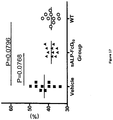
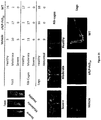
- Proximal tibial growth plates showed some widening of the hypertrophic zone in Akp2 -/- animals compared WT animals (compare vehicle with wild-type in Figure 16 ). The same observation made earlier in this strain of Akp2 -/- mice (Hessle et al. 2002) is consistent with rickets. A trend toward normalization of the physeal morphology was observed in animals treated with sTNALP-FcD10 for 15 days ( Figure 17 ) compared to vehicle (untreated).
- tibial length provided an additional measure of skeletal benefit for Akp2 -/- mice.
- No statistical difference was noted for tibia or femur length of the ERT compared to WT mice.
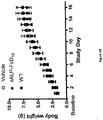
- a partial preservation (i.e. partial prevention of reduction in bone growth that becomes apparent around two weeks of age) of tibia and femur growth was observed by measures of length at necropsy ( Figure 19 ).
- Mandibles from 16-day-old mice were immersion-fixed overnight in sodium cacodylatebuffered aldehyde solution and cut into segments containing the first molar, the underlying incisor, and the surrounding alveolar bone.
- Samples were dehydrated through a graded ethanolseries and infiltrated with either acrylic (LR White) or epoxy (Epon 812) resin, followed by polymerization of the tissue-containing resin blocks at 55°C for 2 days.
- Thin sections (1 ⁇ m) were cut on an ultramicrotome using a diamond knife, and glass slide-mounted sections were stained for mineral using 1% silver nitrate (von Kossa staining, black) and counterstained with 1% toluidine blue.
- Frontal sections through the mandibles (at the same level of the most mesial root of the first molar) provided longitudinally sectioned molar and cross-sectioned incisor for comparative histological analyses.
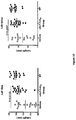
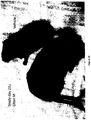
- Radiographs of the feet of 16 day-old Akp2 -/- mice showed secondary ossification defects that are a hallmark of the disease (see Figure 25 ). These defects were prevented In all treated mice by daily doses of sTNALP-FcD10 for 46 or 53 days ( Figure 25 ).
- Plasma ALP activity levels were measured in treated Akp2 -/- mice after 53 days.
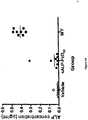
- Figure 26 shows that most of the values were between 1 and 4 * ⁇ g/ml of ALP activity. Three animals, however, had undetectable ALP levels.
- Newborn Akp2 -/- mice were injected with 4.3 mg/kg daily (Tx-1), 15.2 mg/kg every 3 days (Tx-3) or 15.2 mg/kg every 7 days (Tx-7) of sTNALP-FcD10. Treatment was pursued for 43 days and mice were sacrificed on day 44, namely 24 hours after the last injection. They were monitored to evaluate any improvement of their survival and skeletal mineralization.
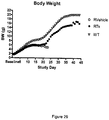
- Example 11 Efficacy studies as described in Example 11 were conducted in 15 day old mice which have started to manifest skeletal defects as observed on X-ray pictures of feet (see Example 11, Figure 25 ). sTNALP-FcD10 was administered until the end of the study. The animals were monitored to evaluate any improvement of their survival, body weight and skeletal mineralization.
- the radiographs of the feet were analyzed and distributed between normal and abnormal. Numbers and percentages (in parentheses) appear in Table 5. The radiographs were taken at necropsy.
- mice were initiated on the treatment at day 12 and injected s.c. with vehicle (RV), 8.2 mg/Kg daily to days 46/47 (RTx-1) or injected with 8.2.mg/Kg daily for 7 days followed by 24.6 mg/Kg every 3 day (RTx-3) or followed by 57.4 mg/Kg every 7 days (RTx-7).
- RV vehicle
- RTx-1 RTx-3 mice
- RTx-7 57.4 mg/Kg every 7 days
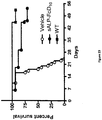
- the median survival was 19.5 days for the RV mice, 21.0 days for the RTx-7 mice, 30.5 days for the RTx-3 mice and 37.5 days for the RTx-1 mice. In all cases, survival was statistically increased when compared to that of the vehicle-treated group.
- ERT In Akp2 -/- mice with well-established hypophosphatasia. Dosing less frequently than daily also appears to statistically increase survival.
- the objective of the study was to determine the maximum tolerated dose (MTD) and toxicity of the test article, sTNALP-FcD10, following repeated administration to juvenile Sprague-Dawley rats by intravenous injection.
- MTD maximum tolerated dose
- sTNALP-FcD10 toxicity of the test article, sTNALP-FcD10, following repeated administration to juvenile Sprague-Dawley rats by intravenous injection.
- the sALP-FcD10 used is that specifically described in Figure 3 .
- sTNALP-FcD10 was administered to juvenile Sprague-Dawley rats (aged at initiation between 22 and 24 days) once weekly for four weeks by intravenous injection as described in Table 6 below: Table 6: Study design Group Numbers Treatment Dose Level (mg/kg/occasion) Dose Concentration (mg/mL) Number of Animals Male Female 1 Dose 1 10 2.0 3 3 2 Dose 2 30 6.0 3 3 3 Dose 3 90 18.0 3 3 4 Dose 4 180 36.0 3 3 3
- the animals were monitored for mortality, body weight, and clinical condition. Hematology, coagulation and clinical chemistry assessments were performed on all animals. Terminally, the rats were euthanized and subjected to necropsy. For each animal, samples of selected tissues were retained and were subjected to histological processing and microscopic examination.
- PKT platelet counts
- sTNALP-FcD10 The pharmacokinetic of sTNALP-FcD10 was well characterized following a single IV administration of 5, 15, 45, 90 and 180 mg/kg to monkeys.
- mean AUC ⁇ values ranged from 797 to 2950 mg ⁇ h/L and mean Cmax values ranged from 65 to 396 mg/L over the dose range studied.
- mean AUC ⁇ ranged from 9410 to 48400 mg ⁇ h/L and Cmax ranged from 1230 to 7720 mg/L over the dose range studied.
- Mean t1/2 values of sTNALP-FcD10 appeared to decrease with increasing dose levels of sTNALP-FcD10. Although systemic clearance of sTNALP-FcD10 was relatively consistent across dose levels, the 90 mg/kg dose group appeared to be a pharmacokinetic outlier with a substantially lower clearance when compared to the other dose levels (approximately five fold). No obvious gender related trends were noted.
- the objective of this study was to investigate the potential toxicity of sTNALP-FcD10 given once weekly by intravenous injection to the juvenile rat for a minimum of 4 consecutive weeks (total of 4 doses) followed by 28 days of recovery.
- the animals were dosed on study days 1, 8, 15 and 22 and the recovery period began on study day 29.
- the study design is detailed in Table 8 below.
- Table 8 Study design Main Study Recovery Study Groups Target Dose Level (mg/kg/dose) Actual Dose Level (mg/kg/dose) Target Concentration (mg/mL) Actual Concentration (mg/mL) Males Females Males Females Males Females Males Females 1-Vehicle Control 0 0 0 0 10 10 5 5 2- Low Dose 3 2.5 0.6 0.5 10 10 5 5 3- Mid Dose 30 26 6 5.1 10 10 5 5 4- High Dose 90 77 18 15.3 10 10 5 5
- sTNALP-FcD10-related clinical signs observed at 3, 30 and/or 90 mg/kg/dose groups are considered to be acute infusion reaction. These included partly closed eyes, decreased muscle tone, lying on the side, hunched posture, cold to touch, uncoordinated movements, decreased activity, abnormal gait and/or blue, red and/or firm swollen hindpaws and/or forepaws during cage-side observations at 5, 15, 30 and/or 60 minutes post dose. These observations were transient and did not occur on nondosing days or during the recovery period.
- Body weights were comparable to controls for sTNALP-FcD10-treated females.
- sTNALP-FcD10 administered at 90 mg/kg/dose was generally associated with slight decreases in absolute neutrophils, monocytes and/or eosinophils compared to the control group. Additionally, slight increases in lymphocytes, platelets and absolute reticulocytes were observed compared to the control group. At the end of the recovery period, these slight changes were still apparent in the animals treated with 90 mg/kg.
- sTNALP-FcD10 was generally associated with statistically significant dose-related increases in alkaline phosphatase in all treated groups compared to controls. Considering the nature of the test article (alkaline phosphatase), the absence of any changes in other liver enzymes and absence of histopathological correlates, these increases are likely attributed to circulating levels of sTNALP-FcD10. Slight statistically significant increases in phosphorus were observed in males treated with sTNALP-FcD10 at 90 mg/kg/dose during Week 4, associated with a non-significant increases in serum total calcium. At the end of the recovery, these changes, including those statistically significant, returned to control values.
- sTNALP-FcD10 Elevated serum alkaline phosphatase levels were likely attributed to circulating levels of sTNALP-FcD10.
- sTNALP-FcD10 had no meaningful or consistent effects on bone densitometry and bone geometry for females during treatment and recovery period.
- no biologically significant effects were noted on bone densitometry or bone geometry during the treatment period.
- slight decreases in bone densitometry bone mineral content and/or area assessed by DXA and pQCT
- bone geometry parameters with a corresponding lower mean body weight were noted for males relative to controls at the end of the recovery period. All findings resolved after a 28-day treatment-free period with the exception of the effects on body weight and bone size for high dose males which persisted.
- the control and test article dosing formulations were administered to juvenile Cynomolgus monkeys by slow intravenous bolus injection once weekly for 4 weeks followed by a 28-day recovery period, as indicated in the Table 9 below: Table 9: Study design Group Dose Level (mglkg) Dose Volume (mL/kg) Dose Conc. (mg/mL) Number of Animals Main Study Recovery Males Females Males Females 1 control * 0 4 0 3 3 2 2 2 2 2 Low Dose 5 4 1.25 3 3 2 2 3 Mid Dose 15 4 3.75 3 3 2 2 4 High Dose 45 4 11.25 3 3 2 2 * The Group 1 animals received the vehicle/control article, 25 mM sodium phosphate pH 7.4, 150 mM NaCl.
- Evaluations conducted during the study or at its conclusion included mortality, clinical condition, body weight, appetence, body measurements, radiographic assessments of bone development, ophthalmology, electrocardiography, toxicokinetics, immunogenicity, hematology, coagulation, clinical chemistry, urinalysis, biomarkers of bone turnover, organ weights, ex-vivo bone mineral density analyses, and gross and histopathology.
- the maximum recommended starting dose (MRSD) for human is calculated by establishing the No Observed Adverse Effect Level ( NOAEL, see Guidance for Industry and Reviewers. December 2002 ).
- NOAEL No Observed Adverse Effect Level
- concentrations of the formulation described above have been tested on mice, rat and monkeys including 1 mg/kg, 5 mg/kg, and 8.2 mg/kg daily subcutaneously; 3 mg/kg, 5 mg/kg, 10 mg/kg, 30 mg/kg, 45 mg/kg, 90 mg/kg and 180 mg/kg.
- This dose was scaled up to a human equivalent dose (HED) using published conversion tables which provide a conversion factor from rat to human of 6.
- HED human equivalent dose
- This value (5 mg/kg) was divided by a security factor of ten.
- the calculated MRSD is thus 0.5 mg/kg.
- a weekly dose of 30 mg or daily dose of 4.28 mg daily could thus be injected to start clinical trials.
Landscapes
- Health & Medical Sciences (AREA)
- Chemical & Material Sciences (AREA)
- Organic Chemistry (AREA)
- Life Sciences & Earth Sciences (AREA)
- Engineering & Computer Science (AREA)
- Bioinformatics & Cheminformatics (AREA)
- General Health & Medical Sciences (AREA)
- Genetics & Genomics (AREA)
- Wood Science & Technology (AREA)
- Zoology (AREA)
- Medicinal Chemistry (AREA)
- General Engineering & Computer Science (AREA)
- Biochemistry (AREA)
- Chemical Kinetics & Catalysis (AREA)
- Veterinary Medicine (AREA)
- Public Health (AREA)
- Animal Behavior & Ethology (AREA)
- Physical Education & Sports Medicine (AREA)
- Pharmacology & Pharmacy (AREA)
- General Chemical & Material Sciences (AREA)
- Nuclear Medicine, Radiotherapy & Molecular Imaging (AREA)
- Microbiology (AREA)
- Biotechnology (AREA)
- Biomedical Technology (AREA)
- Molecular Biology (AREA)
- Orthopedic Medicine & Surgery (AREA)
- Rheumatology (AREA)
- Medicines That Contain Protein Lipid Enzymes And Other Medicines (AREA)
- Peptides Or Proteins (AREA)
- Materials For Medical Uses (AREA)
- Enzymes And Modification Thereof (AREA)
- Micro-Organisms Or Cultivation Processes Thereof (AREA)
- Cereal-Derived Products (AREA)
- Adornments (AREA)
- Medicines Containing Material From Animals Or Micro-Organisms (AREA)
- Immobilizing And Processing Of Enzymes And Microorganisms (AREA)
- Measuring Or Testing Involving Enzymes Or Micro-Organisms (AREA)
Priority Applications (2)
| Application Number | Priority Date | Filing Date | Title |
|---|---|---|---|
| SI200831780A SI2662448T1 (sl) | 2007-05-11 | 2008-05-12 | Alkalna fosfataza, ki cilja kosti, kompleti in načini njihove uporabe |
| PL13002327T PL2662448T3 (pl) | 2007-05-11 | 2008-05-12 | Kierowana do kości fosfataza alkaliczna, zestawy i sposoby jej zastosowania |
Applications Claiming Priority (3)
| Application Number | Priority Date | Filing Date | Title |
|---|---|---|---|
| US91758907P | 2007-05-11 | 2007-05-11 | |
| EP08757088A EP2158319B1 (en) | 2007-05-11 | 2008-05-12 | Bone targeted alkaline phosphatase, kits and methods of use thereof |
| EP11004496.3A EP2368999B1 (en) | 2007-05-11 | 2008-05-12 | Bone targeted alkaline phosphatase, kits and methods of use thereof |
Related Parent Applications (5)
| Application Number | Title | Priority Date | Filing Date |
|---|---|---|---|
| EP11004496.3A Division EP2368999B1 (en) | 2007-05-11 | 2008-05-12 | Bone targeted alkaline phosphatase, kits and methods of use thereof |
| EP11004496.3A Division-Into EP2368999B1 (en) | 2007-05-11 | 2008-05-12 | Bone targeted alkaline phosphatase, kits and methods of use thereof |
| EP08757088.3 Division | 2008-05-12 | ||
| EP08757088A Division EP2158319B1 (en) | 2007-05-11 | 2008-05-12 | Bone targeted alkaline phosphatase, kits and methods of use thereof |
| EP11004496.3 Division | 2011-06-01 |
Publications (2)
| Publication Number | Publication Date |
|---|---|
| EP2662448A1 EP2662448A1 (en) | 2013-11-13 |
| EP2662448B1 true EP2662448B1 (en) | 2016-12-21 |
Family
ID=40001639
Family Applications (3)
| Application Number | Title | Priority Date | Filing Date |
|---|---|---|---|
| EP13002327.8A Active EP2662448B1 (en) | 2007-05-11 | 2008-05-12 | Bone targeted alkaline phosphatase, kits and methods of use thereof |
| EP08757088A Active EP2158319B1 (en) | 2007-05-11 | 2008-05-12 | Bone targeted alkaline phosphatase, kits and methods of use thereof |
| EP11004496.3A Active EP2368999B1 (en) | 2007-05-11 | 2008-05-12 | Bone targeted alkaline phosphatase, kits and methods of use thereof |
Family Applications After (2)
| Application Number | Title | Priority Date | Filing Date |
|---|---|---|---|
| EP08757088A Active EP2158319B1 (en) | 2007-05-11 | 2008-05-12 | Bone targeted alkaline phosphatase, kits and methods of use thereof |
| EP11004496.3A Active EP2368999B1 (en) | 2007-05-11 | 2008-05-12 | Bone targeted alkaline phosphatase, kits and methods of use thereof |
Country Status (25)
| Country | Link |
|---|---|
| US (1) | US20100297119A1 (enExample) |
| EP (3) | EP2662448B1 (enExample) |
| JP (1) | JP5732603B2 (enExample) |
| AT (1) | ATE536413T1 (enExample) |
| AU (1) | AU2008250945B2 (enExample) |
| BR (2) | BRPI0811198B8 (enExample) |
| CA (1) | CA2687001C (enExample) |
| CY (1) | CY2016005I2 (enExample) |
| DE (1) | DE202008018131U1 (enExample) |
| DK (3) | DK2662448T3 (enExample) |
| ES (3) | ES2471915T3 (enExample) |
| FR (1) | FR16C0007I2 (enExample) |
| HR (1) | HRP20140416T1 (enExample) |
| HU (2) | HUE031655T2 (enExample) |
| IL (1) | IL202057A0 (enExample) |
| LT (1) | LTC2368999I2 (enExample) |
| LU (1) | LU92976I2 (enExample) |
| ME (1) | ME01828B (enExample) |
| NL (1) | NL300798I2 (enExample) |
| NO (1) | NO2016002I1 (enExample) |
| PL (3) | PL2662448T3 (enExample) |
| PT (3) | PT2662448T (enExample) |
| RS (1) | RS53302B (enExample) |
| SI (2) | SI2662448T1 (enExample) |
| WO (1) | WO2008138131A1 (enExample) |
Cited By (6)
| Publication number | Priority date | Publication date | Assignee | Title |
|---|---|---|---|---|
| US10822597B2 (en) | 2014-01-24 | 2020-11-03 | Am-Pharma B.V. | Chimeric alkaline phosphatase-like proteins |
| US11338020B2 (en) | 2018-01-09 | 2022-05-24 | Synthetic Biologics, Inc. | Alkaline phosphatase agents for treatment of neurodevelopmental disorders |
| US11638699B2 (en) | 2018-03-20 | 2023-05-02 | Theriva Biologics, Inc. | Intestinal alkaline phosphatase formulations |
| US11654184B2 (en) | 2018-03-20 | 2023-05-23 | Theriva Biologics, Inc. | Alkaline phosphatase agents for treatment of radiation disorders |
| US12318434B2 (en) | 2019-05-06 | 2025-06-03 | Theriva Biologics, Inc. | Alkaline phosphate-based oncology treatments |
| US12691077B2 (en) | 2019-06-03 | 2026-07-28 | Theriva Biologics, Inc. | Alkaline phosphatase formulations and uses thereof |
Families Citing this family (45)
| Publication number | Priority date | Publication date | Assignee | Title |
|---|---|---|---|---|
| PL1759001T3 (pl) * | 2004-04-21 | 2011-09-30 | Alexion Pharma Inc | Koniugaty dostarczane do kości i sposób ich zastosowania do nakierowywania białek do kości |
| US20070081984A1 (en) | 2005-10-11 | 2007-04-12 | Shunji Tomatsu | Compositions and methods for treating hypophosphatasia |
| US8784833B2 (en) * | 2006-06-27 | 2014-07-22 | Saint Louis University | Prenatal enzyme replacement therapy for hypophosphatasia |
| SI2185589T1 (sl) | 2007-06-01 | 2016-04-29 | University Of Maryland Baltimore | Vezavna sredstva za Fc receptor konstantne regije imunoglobulina |
| EP2545080B1 (en) | 2010-03-12 | 2017-05-10 | Alexion Pharmaceuticals, Inc. | Npp1 fusion proteins |
| CN103153344A (zh) * | 2010-04-30 | 2013-06-12 | 阿莱克森国际制药有限公司 | 用于治疗基质矿化障碍的方法、组合物、和试剂盒 |
| WO2012016073A2 (en) | 2010-07-28 | 2012-02-02 | Gliknik Inc. | Fusion proteins of natural human protein fragments to create orderly multimerized immunoglobulin fc compositions |
| JP6055779B2 (ja) | 2010-12-27 | 2016-12-27 | アレクシオン ファーマシューティカルズ, インコーポレイテッド | ナトリウム利尿ペプチドを含む組成物およびその使用方法 |
| KR20140084201A (ko) * | 2011-10-19 | 2014-07-04 | 알렉시온 파마 홀딩 | 알칼리성 포스파타제 및/또는 나트륨이뇨 펩티드를 포함하는 조성물 및 그의 사용 방법 |
| US10052366B2 (en) | 2012-05-21 | 2018-08-21 | Alexion Pharmaceuticsl, Inc. | Compositions comprising alkaline phosphatase and/or natriuretic peptide and methods of use thereof |
| KR20150058236A (ko) | 2012-08-20 | 2015-05-28 | 글리크닉 인코포레이티드 | 항원 결합 및 다가 fc 감마 수용체 결합 활성을 가진 분자 |
| WO2016007873A1 (en) | 2014-07-11 | 2016-01-14 | The Regents Of The University Of Michigan | Compositions and methods for treating craniosynostosis |
| JP6787894B2 (ja) | 2014-12-05 | 2020-11-18 | アレクシオン ファーマシューティカルズ, インコーポレイテッド | 組換えアルカリホスファターゼを用いた発作の処置 |
| CA2973883A1 (en) | 2015-01-28 | 2016-08-04 | Alexion Pharmaceuticals, Inc. | Methods of treating a subject with an alkaline phosphatase deficiency |
| IL309260B2 (en) | 2015-07-24 | 2025-01-01 | Gliknik Inc | Fusion proteins of human protein fragments to create ordered multimeric immunoglobulin FC preparations with enhanced complement binding |
| JP6993961B2 (ja) * | 2015-08-17 | 2022-01-14 | アレクシオン ファーマシューティカルズ, インコーポレイテッド | アルカリホスファターゼの製造 |
| EP3355904A4 (en) * | 2015-09-28 | 2019-06-12 | Alexion Pharmaceuticals, Inc. | IDENTIFICATION OF EFFECTIVE DOSE SHEETS FOR TISSUE-SPECIFIC ALKALINE PHOSPHATASE ENZYMERSAT THERAPY OF HYPOPHOSPHATASIA |
| EP3368062A4 (en) * | 2015-10-30 | 2019-07-03 | Alexion Pharmaceuticals, Inc. | METHODS OF TREATING CRANIOSYNOSTOSIS IN A PATIENT |
| US11065306B2 (en) | 2016-03-08 | 2021-07-20 | Alexion Pharmaceuticals, Inc. | Methods for treating hypophosphatasia in children |
| US10898549B2 (en) | 2016-04-01 | 2021-01-26 | Alexion Pharmaceuticals, Inc. | Methods for treating hypophosphatasia in adolescents and adults |
| KR20180125979A (ko) | 2016-04-01 | 2018-11-26 | 알렉시온 파마슈티칼스, 인코포레이티드 | 알칼리성 포스파타아제로 근육 약화의 치료 |
| WO2017171871A1 (en) * | 2016-04-01 | 2017-10-05 | Alexion Pharmaceuticals, Inc. | Methods for treating hypophosphatasia in adolescents and adults |
| WO2017214130A1 (en) | 2016-06-06 | 2017-12-14 | Alexion Pharmaceuticals, Inc. | Metal impact on manufacturing of alkaline phosphatases |
| CA3026420A1 (en) | 2016-06-07 | 2017-12-14 | Gliknik Inc. | Cysteine-optimized stradomers |
| US20200306350A1 (en) | 2016-06-27 | 2020-10-01 | Alexion Pharmaceuticals, Inc. | Methods for treating hypophosphatasia in children and adolescents |
| JP7018933B2 (ja) | 2016-08-18 | 2022-02-14 | アレクシオン ファーマシューティカルズ, インコーポレイテッド | 気管気管支軟化症の治療方法 |
| IL266977B2 (en) * | 2016-11-30 | 2024-01-01 | Purdue Research Foundation | Fracture-targeted bone regeneration using thyroid hormone receptor stimulation |
| BR112019009495A2 (pt) | 2016-12-09 | 2019-08-06 | Gliknik Inc | métodos de tratamento de distúrbios inflamatórios com compostos de fc multivalentes |
| BR112019009484A2 (pt) | 2016-12-09 | 2019-07-30 | Gliknik Inc | otimização de fabricação de gl-2045, um stradomer multimerizador |
| EP3592372A4 (en) * | 2017-03-09 | 2021-01-13 | Alexion Pharmaceuticals, Inc. | GLYCOPROTEIN MANUFACTURING PROCESS |
| KR20190129058A (ko) * | 2017-03-31 | 2019-11-19 | 알렉시온 파마슈티칼스, 인코포레이티드 | 성인 및 청소년에서 저포스파타제증 (hpp)을 치료하는 방법 |
| US12134790B2 (en) | 2017-09-27 | 2024-11-05 | Inozyme Pharma, Inc. | Methods of improving cardiovascular function and treating cardiovascular disease using a recombinant ectonucleotide pyrophosphatase phosphodiesterase (NPP1) |
| JP7214962B2 (ja) * | 2018-01-17 | 2023-01-31 | 東ソー株式会社 | アルカリホスファターゼ高発現動物細胞 |
| WO2019190752A1 (en) | 2018-03-30 | 2019-10-03 | Alexion Pharmaceuticals, Inc. | Manufacturing of glycoproteins |
| CN110499284A (zh) * | 2018-05-17 | 2019-11-26 | 西安组织工程与再生医学研究所 | Wnt信号通路激活剂在制备治疗基因ALPL敲除小鼠牙硬组织矿化异常产品中的应用 |
| EP3796941A4 (en) | 2018-05-30 | 2022-12-28 | Purdue Research Foundation | Targeting anabolic drugs for accelerated fracture repair |
| WO2020033867A2 (en) | 2018-08-10 | 2020-02-13 | Alexion Pharmaceuticals, Inc. | Methods of treating neurofibromatosis type 1 and related conditions with alkaline phosphatase |
| CA3161266A1 (en) * | 2019-12-09 | 2021-06-17 | Alexion Pharmaceuticals, Inc. | Alkaline phosphatase polypeptides and methods of use thereof |
| WO2021138581A1 (en) | 2020-01-03 | 2021-07-08 | The United States Of America, As Represented By The Secretary, Department Of Health And Human Services | Tnap locally administered for promoting periodontal health |
| EP4162036A1 (en) | 2020-06-09 | 2023-04-12 | Inozyme Pharma, Inc. | Soluble enpp1 or enpp3 proteins and uses thereof |
| JP2023540098A (ja) * | 2020-09-03 | 2023-09-21 | チェン アーヴィン エス.ワイ. | 可溶性アルカリホスファターゼ構築物及び可溶性アルカリホスファターゼ構築物をコードするポリヌクレオチドを含む発現ベクター |
| US12611447B2 (en) | 2020-09-04 | 2026-04-28 | Alexion Pharmaceuticals, Inc. | Methods for treating bone mineralization disorders |
| KR102571967B1 (ko) * | 2021-01-21 | 2023-08-30 | 주식회사 마라나노텍코리아 | Alp 측정용 바이오 센서 |
| AU2022218782B2 (en) | 2021-02-12 | 2026-06-25 | Alexion Pharmaceuticals, Inc. | Alkaline phosphatase polypeptides and methods of use thereof |
| CA3263089A1 (en) * | 2022-08-31 | 2024-03-07 | University Of Utah Research Foundation | GJA1-20K COMPOSITIONS AND METHODS FOR MITIGATING ISCHEMIC-REPERFUSION INJURY |
Family Cites Families (12)
| Publication number | Priority date | Publication date | Assignee | Title |
|---|---|---|---|---|
| US7008A (en) * | 1850-01-08 | Improvement in alloys for points of lightning-rods | ||
| EP0705344B8 (en) | 1993-06-24 | 2006-05-10 | Advec Inc. | Adenovirus vectors for gene therapy |
| DE69435223D1 (de) | 1993-10-25 | 2009-09-03 | Canji Inc | Rekombinanter Adenoviren-Vektor und Verfahren zur Verwendung |
| US7252989B1 (en) | 1994-04-04 | 2007-08-07 | Board Of Regents, The University Of Texas System | Adenovirus supervector system |
| WO2001036620A2 (en) | 1999-11-16 | 2001-05-25 | Genzyme Corporation | Vectors and transgenies with regulatory elements for gene delivery to the liver |
| WO2002092134A1 (en) | 2001-05-14 | 2002-11-21 | Cell Genesys, Inc. | Lentiviral vectors encoding clotting factors for gene therapy |
| CA2433479A1 (en) | 2002-07-22 | 2004-01-22 | F. Hoffmann-La Roche Ag | Conjugate of a tissue non-specific alkaline phosphatase and dextran, process for its production and use thereof |
| PL1759001T3 (pl) | 2004-04-21 | 2011-09-30 | Alexion Pharma Inc | Koniugaty dostarczane do kości i sposób ich zastosowania do nakierowywania białek do kości |
| US20070081984A1 (en) * | 2005-10-11 | 2007-04-12 | Shunji Tomatsu | Compositions and methods for treating hypophosphatasia |
| BRPI0512496A (pt) | 2004-06-23 | 2008-03-04 | Genzyme Corp | processos e composições para o tratamento de doenças policìsticas |
| US20090142347A1 (en) * | 2004-09-29 | 2009-06-04 | The Burnham Institute For Medical Research | Tissue-Nonspecific Alkaline Phosphatase (TNAP): a Therapeutic Target for Arterial Calcification |
| BRPI0515819A (pt) | 2004-12-01 | 2008-08-05 | Genzyme Corp | métodos para o fornecimento direcionado de material genético ao fìgado |
-
2008
- 2008-05-12 DK DK13002327.8T patent/DK2662448T3/en active
- 2008-05-12 ME MEP-2014-48A patent/ME01828B/me unknown
- 2008-05-12 BR BRPI0811198A patent/BRPI0811198B8/pt active IP Right Grant
- 2008-05-12 PT PT130023278T patent/PT2662448T/pt unknown
- 2008-05-12 ES ES11004496.3T patent/ES2471915T3/es active Active
- 2008-05-12 US US12/599,679 patent/US20100297119A1/en not_active Abandoned
- 2008-05-12 EP EP13002327.8A patent/EP2662448B1/en active Active
- 2008-05-12 PT PT08757088T patent/PT2158319E/pt unknown
- 2008-05-12 EP EP08757088A patent/EP2158319B1/en active Active
- 2008-05-12 DK DK11004496.3T patent/DK2368999T3/da active
- 2008-05-12 AT AT08757088T patent/ATE536413T1/de active
- 2008-05-12 ES ES08757088T patent/ES2380546T3/es active Active
- 2008-05-12 RS RS20140237A patent/RS53302B/sr unknown
- 2008-05-12 PL PL13002327T patent/PL2662448T3/pl unknown
- 2008-05-12 SI SI200831780A patent/SI2662448T1/sl unknown
- 2008-05-12 DE DE202008018131U patent/DE202008018131U1/de not_active Expired - Lifetime
- 2008-05-12 PL PL11004496T patent/PL2368999T3/pl unknown
- 2008-05-12 EP EP11004496.3A patent/EP2368999B1/en active Active
- 2008-05-12 AU AU2008250945A patent/AU2008250945B2/en active Active
- 2008-05-12 PL PL08757088T patent/PL2158319T4/pl unknown
- 2008-05-12 ES ES13002327T patent/ES2619332T3/es active Active
- 2008-05-12 DK DK08757088.3T patent/DK2158319T3/da active
- 2008-05-12 JP JP2010507770A patent/JP5732603B2/ja active Active
- 2008-05-12 CA CA2687001A patent/CA2687001C/en active Active
- 2008-05-12 BR BR122019000505-2A patent/BR122019000505B1/pt active Search and Examination
- 2008-05-12 SI SI200831200T patent/SI2368999T1/sl unknown
- 2008-05-12 WO PCT/CA2008/000923 patent/WO2008138131A1/en not_active Ceased
- 2008-05-12 HU HUE13002327A patent/HUE031655T2/hu unknown
- 2008-05-12 PT PT110044963T patent/PT2368999E/pt unknown
-
2009
- 2009-11-11 IL IL202057A patent/IL202057A0/en unknown
-
2014
- 2014-05-08 HR HRP20140416AT patent/HRP20140416T1/hr unknown
-
2016
- 2016-01-15 HU HUS1600005C patent/HUS1600005I1/hu unknown
- 2016-01-28 LT LTPA2016004C patent/LTC2368999I2/lt unknown
- 2016-02-02 NO NO2016002C patent/NO2016002I1/no not_active IP Right Cessation
- 2016-02-10 LU LU92976C patent/LU92976I2/xx unknown
- 2016-02-19 FR FR16C0007C patent/FR16C0007I2/fr active Active
- 2016-02-23 CY CY2016005C patent/CY2016005I2/el unknown
- 2016-02-26 NL NL300798C patent/NL300798I2/nl unknown
Non-Patent Citations (1)
| Title |
|---|
| None * |
Cited By (10)
| Publication number | Priority date | Publication date | Assignee | Title |
|---|---|---|---|---|
| US10822597B2 (en) | 2014-01-24 | 2020-11-03 | Am-Pharma B.V. | Chimeric alkaline phosphatase-like proteins |
| US11746340B2 (en) | 2014-01-24 | 2023-09-05 | Am-Pharma B.V. | Chimeric alkaline phosphatase-like proteins |
| US12534713B2 (en) | 2014-01-24 | 2026-01-27 | Am-Pharma B.V. | Chimeric alkaline phosphatase-like proteins |
| US11338020B2 (en) | 2018-01-09 | 2022-05-24 | Synthetic Biologics, Inc. | Alkaline phosphatase agents for treatment of neurodevelopmental disorders |
| US11638699B2 (en) | 2018-03-20 | 2023-05-02 | Theriva Biologics, Inc. | Intestinal alkaline phosphatase formulations |
| US11654184B2 (en) | 2018-03-20 | 2023-05-23 | Theriva Biologics, Inc. | Alkaline phosphatase agents for treatment of radiation disorders |
| US12472147B2 (en) | 2018-03-20 | 2025-11-18 | Theriva Biologics, Inc. | Intestinal alkaline phosphatase formulations |
| US12648987B2 (en) | 2018-03-20 | 2026-06-09 | Theriva Biologics, Inc. | Alkaline phosphatase agents for treatment of radiation disorders |
| US12318434B2 (en) | 2019-05-06 | 2025-06-03 | Theriva Biologics, Inc. | Alkaline phosphate-based oncology treatments |
| US12691077B2 (en) | 2019-06-03 | 2026-07-28 | Theriva Biologics, Inc. | Alkaline phosphatase formulations and uses thereof |
Also Published As
Similar Documents
| Publication | Publication Date | Title |
|---|---|---|
| EP2368999B1 (en) | Bone targeted alkaline phosphatase, kits and methods of use thereof | |
| US9988620B2 (en) | Methods, compositions, and kits for the treatment of matrix mineralization disorders | |
| US11224638B2 (en) | Treating seizure with recombinant alkaline phosphatase | |
| Millán et al. | Enzyme replacement therapy for murine hypophosphatasia | |
| HUE033163T2 (en) | Production and applications of active, highly phosphorylated human N-acetylgalactosamine 6-sulfatase | |
| HK1191372B (en) | Bone targeted alkaline phosphatase, kits and methods of use thereof | |
| HK1162589B (en) | Bone targeted alkaline phosphatase, kits and methods of use thereof | |
| HK1141047B (en) | Bone targeted alkaline phosphatase, kits and methods of use thereof | |
| AU2013203875A1 (en) | Bone Targeted Alkaline Phosphatase, Kits and Methods of Use Thereof |
Legal Events
| Date | Code | Title | Description |
|---|---|---|---|
| PUAI | Public reference made under article 153(3) epc to a published international application that has entered the european phase |
Free format text: ORIGINAL CODE: 0009012 |
|
| AC | Divisional application: reference to earlier application |
Ref document number: 2368999 Country of ref document: EP Kind code of ref document: P Ref document number: 2158319 Country of ref document: EP Kind code of ref document: P |
|
| AK | Designated contracting states |
Kind code of ref document: A1 Designated state(s): AT BE BG CH CY CZ DE DK EE ES FI FR GB GR HR HU IE IS IT LI LT LU LV MC MT NL NO PL PT RO SE SI SK TR |
|
| AX | Request for extension of the european patent |
Extension state: AL BA MK RS |
|
| RAP1 | Party data changed (applicant data changed or rights of an application transferred) |
Owner name: ALEXION PHARMA HOLDING |
|
| 17P | Request for examination filed |
Effective date: 20140513 |
|
| RBV | Designated contracting states (corrected) |
Designated state(s): AT BE BG CH CY CZ DE DK EE ES FI FR GB GR HR HU IE IS IT LI LT LU LV MC MT NL NO PL PT RO SE SI SK TR |
|
| REG | Reference to a national code |
Ref country code: HK Ref legal event code: DE Ref document number: 1191372 Country of ref document: HK |
|
| 17Q | First examination report despatched |
Effective date: 20150929 |
|
| RAP1 | Party data changed (applicant data changed or rights of an application transferred) |
Owner name: ALEXION PHARMACEUTICALS, INC. |
|
| GRAP | Despatch of communication of intention to grant a patent |
Free format text: ORIGINAL CODE: EPIDOSNIGR1 |
|
| INTG | Intention to grant announced |
Effective date: 20160629 |
|
| RAP1 | Party data changed (applicant data changed or rights of an application transferred) |
Owner name: ALEXION PHARMACEUTICALS, INC. |
|
| GRAS | Grant fee paid |
Free format text: ORIGINAL CODE: EPIDOSNIGR3 |
|
| GRAA | (expected) grant |
Free format text: ORIGINAL CODE: 0009210 |
|
| AC | Divisional application: reference to earlier application |
Ref document number: 2158319 Country of ref document: EP Kind code of ref document: P Ref document number: 2368999 Country of ref document: EP Kind code of ref document: P |
|
| AK | Designated contracting states |
Kind code of ref document: B1 Designated state(s): AT BE BG CH CY CZ DE DK EE ES FI FR GB GR HR HU IE IS IT LI LT LU LV MC MT NL NO PL PT RO SE SI SK TR |
|
| AX | Request for extension of the european patent |
Extension state: AL BA MK RS |
|
| REG | Reference to a national code |
Ref country code: GB Ref legal event code: FG4D |
|
| REG | Reference to a national code |
Ref country code: CH Ref legal event code: EP |
|
| REG | Reference to a national code |
Ref country code: IE Ref legal event code: FG4D |
|
| REG | Reference to a national code |
Ref country code: AT Ref legal event code: REF Ref document number: 855561 Country of ref document: AT Kind code of ref document: T Effective date: 20170115 |
|
| REG | Reference to a national code |
Ref country code: DE Ref legal event code: R096 Ref document number: 602008048077 Country of ref document: DE |
|
| PG25 | Lapsed in a contracting state [announced via postgrant information from national office to epo] |
Ref country code: LV Free format text: LAPSE BECAUSE OF FAILURE TO SUBMIT A TRANSLATION OF THE DESCRIPTION OR TO PAY THE FEE WITHIN THE PRESCRIBED TIME-LIMIT Effective date: 20161221 |
|
| REG | Reference to a national code |
Ref country code: RO Ref legal event code: EPE |
|
| REG | Reference to a national code |
Ref country code: DK Ref legal event code: T3 Effective date: 20170315 |
|
| REG | Reference to a national code |
Ref country code: NL Ref legal event code: FP |
|
| REG | Reference to a national code |
Ref country code: SE Ref legal event code: TRGR |
|
| REG | Reference to a national code |
Ref country code: PT Ref legal event code: SC4A Ref document number: 2662448 Country of ref document: PT Date of ref document: 20170329 Kind code of ref document: T Free format text: AVAILABILITY OF NATIONAL TRANSLATION Effective date: 20170309 |
|
| REG | Reference to a national code |
Ref country code: LT Ref legal event code: MG4D |
|
| PG25 | Lapsed in a contracting state [announced via postgrant information from national office to epo] |
Ref country code: LT Free format text: LAPSE BECAUSE OF FAILURE TO SUBMIT A TRANSLATION OF THE DESCRIPTION OR TO PAY THE FEE WITHIN THE PRESCRIBED TIME-LIMIT Effective date: 20161221 |
|
| REG | Reference to a national code |
Ref country code: NO Ref legal event code: T2 Effective date: 20161221 |
|
| REG | Reference to a national code |
Ref country code: FR Ref legal event code: PLFP Year of fee payment: 10 |
|
| PG25 | Lapsed in a contracting state [announced via postgrant information from national office to epo] |
Ref country code: HR Free format text: LAPSE BECAUSE OF FAILURE TO SUBMIT A TRANSLATION OF THE DESCRIPTION OR TO PAY THE FEE WITHIN THE PRESCRIBED TIME-LIMIT Effective date: 20161221 |
|
| REG | Reference to a national code |
Ref country code: ES Ref legal event code: FG2A Ref document number: 2619332 Country of ref document: ES Kind code of ref document: T3 Effective date: 20170626 |
|
| REG | Reference to a national code |
Ref country code: HU Ref legal event code: AG4A Ref document number: E031655 Country of ref document: HU |
|
| PG25 | Lapsed in a contracting state [announced via postgrant information from national office to epo] |
Ref country code: IS Free format text: LAPSE BECAUSE OF FAILURE TO SUBMIT A TRANSLATION OF THE DESCRIPTION OR TO PAY THE FEE WITHIN THE PRESCRIBED TIME-LIMIT Effective date: 20170421 Ref country code: EE Free format text: LAPSE BECAUSE OF FAILURE TO SUBMIT A TRANSLATION OF THE DESCRIPTION OR TO PAY THE FEE WITHIN THE PRESCRIBED TIME-LIMIT Effective date: 20161221 |
|
| REG | Reference to a national code |
Ref country code: GR Ref legal event code: EP Ref document number: 20170400890 Country of ref document: GR Effective date: 20170804 |
|
| PG25 | Lapsed in a contracting state [announced via postgrant information from national office to epo] |
Ref country code: BG Free format text: LAPSE BECAUSE OF FAILURE TO SUBMIT A TRANSLATION OF THE DESCRIPTION OR TO PAY THE FEE WITHIN THE PRESCRIBED TIME-LIMIT Effective date: 20170321 Ref country code: LU Free format text: LAPSE BECAUSE OF NON-PAYMENT OF DUE FEES Effective date: 20170531 |
|
| REG | Reference to a national code |
Ref country code: SK Ref legal event code: T3 Ref document number: E 23750 Country of ref document: SK |
|
| REG | Reference to a national code |
Ref country code: DE Ref legal event code: R097 Ref document number: 602008048077 Country of ref document: DE |
|
| PLBE | No opposition filed within time limit |
Free format text: ORIGINAL CODE: 0009261 |
|
| STAA | Information on the status of an ep patent application or granted ep patent |
Free format text: STATUS: NO OPPOSITION FILED WITHIN TIME LIMIT |
|
| 26N | No opposition filed |
Effective date: 20170922 |
|
| REG | Reference to a national code |
Ref country code: HK Ref legal event code: GR Ref document number: 1191372 Country of ref document: HK |
|
| PG25 | Lapsed in a contracting state [announced via postgrant information from national office to epo] |
Ref country code: MC Free format text: LAPSE BECAUSE OF FAILURE TO SUBMIT A TRANSLATION OF THE DESCRIPTION OR TO PAY THE FEE WITHIN THE PRESCRIBED TIME-LIMIT Effective date: 20161221 |
|
| PG25 | Lapsed in a contracting state [announced via postgrant information from national office to epo] |
Ref country code: LU Free format text: LAPSE BECAUSE OF NON-PAYMENT OF DUE FEES Effective date: 20170512 |
|
| REG | Reference to a national code |
Ref country code: FR Ref legal event code: PLFP Year of fee payment: 11 |
|
| PG25 | Lapsed in a contracting state [announced via postgrant information from national office to epo] |
Ref country code: MT Free format text: LAPSE BECAUSE OF NON-PAYMENT OF DUE FEES Effective date: 20170512 |
|
| PG25 | Lapsed in a contracting state [announced via postgrant information from national office to epo] |
Ref country code: CY Free format text: LAPSE BECAUSE OF NON-PAYMENT OF DUE FEES Effective date: 20161221 |
|
| REG | Reference to a national code |
Ref country code: AT Ref legal event code: UEP Ref document number: 855561 Country of ref document: AT Kind code of ref document: T Effective date: 20161221 |
|
| P01 | Opt-out of the competence of the unified patent court (upc) registered |
Effective date: 20230413 |
|
| PGFP | Annual fee paid to national office [announced via postgrant information from national office to epo] |
Ref country code: NL Payment date: 20260421 Year of fee payment: 19 |
|
| REG | Reference to a national code |
Ref country code: CH Ref legal event code: U11 Free format text: ST27 STATUS EVENT CODE: U-0-0-U10-U11 (AS PROVIDED BY THE NATIONAL OFFICE) Effective date: 20260601 |
|
| PGFP | Annual fee paid to national office [announced via postgrant information from national office to epo] |
Ref country code: ES Payment date: 20260601 Year of fee payment: 19 |
|
| PGFP | Annual fee paid to national office [announced via postgrant information from national office to epo] |
Ref country code: GB Payment date: 20260402 Year of fee payment: 19 Ref country code: DK Payment date: 20260421 Year of fee payment: 19 Ref country code: PL Payment date: 20260424 Year of fee payment: 19 |
|
| PGFP | Annual fee paid to national office [announced via postgrant information from national office to epo] |
Ref country code: GR Payment date: 20260422 Year of fee payment: 19 Ref country code: IT Payment date: 20260421 Year of fee payment: 19 |
|
| PGFP | Annual fee paid to national office [announced via postgrant information from national office to epo] |
Ref country code: DE Payment date: 20260421 Year of fee payment: 19 |
|
| PGFP | Annual fee paid to national office [announced via postgrant information from national office to epo] |
Ref country code: NO Payment date: 20260423 Year of fee payment: 19 |
|
| PGFP | Annual fee paid to national office [announced via postgrant information from national office to epo] |
Ref country code: AT Payment date: 20260422 Year of fee payment: 19 Ref country code: SE Payment date: 20260421 Year of fee payment: 19 Ref country code: FI Payment date: 20260421 Year of fee payment: 19 |
|
| PGFP | Annual fee paid to national office [announced via postgrant information from national office to epo] |
Ref country code: RO Payment date: 20260511 Year of fee payment: 19 Ref country code: HU Payment date: 20260601 Year of fee payment: 19 Ref country code: IE Payment date: 20260422 Year of fee payment: 19 Ref country code: CH Payment date: 20260601 Year of fee payment: 19 Ref country code: BE Payment date: 20260421 Year of fee payment: 19 |
|
| PGFP | Annual fee paid to national office [announced via postgrant information from national office to epo] |
Ref country code: PT Payment date: 20260423 Year of fee payment: 19 |
|
| PGFP | Annual fee paid to national office [announced via postgrant information from national office to epo] |
Ref country code: CZ Payment date: 20260504 Year of fee payment: 19 Ref country code: TR Payment date: 20260426 Year of fee payment: 19 |
|
| PGFP | Annual fee paid to national office [announced via postgrant information from national office to epo] |
Ref country code: FR Payment date: 20260422 Year of fee payment: 19 |
|
| PGFP | Annual fee paid to national office [announced via postgrant information from national office to epo] |
Ref country code: SK Payment date: 20260424 Year of fee payment: 19 |
|
| PGFP | Annual fee paid to national office [announced via postgrant information from national office to epo] |
Ref country code: SI Payment date: 20260424 Year of fee payment: 19 |