EP2626417B1 - Methods for cell expansion and uses of cells and conditioned media produced thereby for therapy - Google Patents
Methods for cell expansion and uses of cells and conditioned media produced thereby for therapy Download PDFInfo
- Publication number
- EP2626417B1 EP2626417B1 EP13164303.3A EP13164303A EP2626417B1 EP 2626417 B1 EP2626417 B1 EP 2626417B1 EP 13164303 A EP13164303 A EP 13164303A EP 2626417 B1 EP2626417 B1 EP 2626417B1
- Authority
- EP
- European Patent Office
- Prior art keywords
- cells
- adherent
- placenta
- medium
- cell
- Prior art date
- Legal status (The legal status is an assumption and is not a legal conclusion. Google has not performed a legal analysis and makes no representation as to the accuracy of the status listed.)
- Active
Links
Images





Classifications
-
- A—HUMAN NECESSITIES
- A61—MEDICAL OR VETERINARY SCIENCE; HYGIENE
- A61K—PREPARATIONS FOR MEDICAL, DENTAL OR TOILETRY PURPOSES
- A61K35/00—Medicinal preparations containing materials or reaction products thereof with undetermined constitution
- A61K35/12—Materials from mammals; Compositions comprising non-specified tissues or cells; Compositions comprising non-embryonic stem cells; Genetically modified cells
- A61K35/28—Bone marrow; Haematopoietic stem cells; Mesenchymal stem cells of any origin, e.g. adipose-derived stem cells
-
- C—CHEMISTRY; METALLURGY
- C12—BIOCHEMISTRY; BEER; SPIRITS; WINE; VINEGAR; MICROBIOLOGY; ENZYMOLOGY; MUTATION OR GENETIC ENGINEERING
- C12N—MICROORGANISMS OR ENZYMES; COMPOSITIONS THEREOF; PROPAGATING, PRESERVING, OR MAINTAINING MICROORGANISMS; MUTATION OR GENETIC ENGINEERING; CULTURE MEDIA
- C12N5/00—Undifferentiated human, animal or plant cells, e.g. cell lines; Tissues; Cultivation or maintenance thereof; Culture media therefor
- C12N5/06—Animal cells or tissues; Human cells or tissues
- C12N5/0602—Vertebrate cells
- C12N5/0652—Cells of skeletal and connective tissues; Mesenchyme
- C12N5/0662—Stem cells
- C12N5/0668—Mesenchymal stem cells from other natural sources
-
- A—HUMAN NECESSITIES
- A61—MEDICAL OR VETERINARY SCIENCE; HYGIENE
- A61K—PREPARATIONS FOR MEDICAL, DENTAL OR TOILETRY PURPOSES
- A61K35/00—Medicinal preparations containing materials or reaction products thereof with undetermined constitution
- A61K35/12—Materials from mammals; Compositions comprising non-specified tissues or cells; Compositions comprising non-embryonic stem cells; Genetically modified cells
- A61K35/48—Reproductive organs
- A61K35/50—Placenta; Placental stem cells; Amniotic fluid; Amnion; Amniotic stem cells
-
- A—HUMAN NECESSITIES
- A61—MEDICAL OR VETERINARY SCIENCE; HYGIENE
- A61P—SPECIFIC THERAPEUTIC ACTIVITY OF CHEMICAL COMPOUNDS OR MEDICINAL PREPARATIONS
- A61P1/00—Drugs for disorders of the alimentary tract or the digestive system
-
- A—HUMAN NECESSITIES
- A61—MEDICAL OR VETERINARY SCIENCE; HYGIENE
- A61P—SPECIFIC THERAPEUTIC ACTIVITY OF CHEMICAL COMPOUNDS OR MEDICINAL PREPARATIONS
- A61P1/00—Drugs for disorders of the alimentary tract or the digestive system
- A61P1/04—Drugs for disorders of the alimentary tract or the digestive system for ulcers, gastritis or reflux esophagitis, e.g. antacids, inhibitors of acid secretion, mucosal protectants
-
- A—HUMAN NECESSITIES
- A61—MEDICAL OR VETERINARY SCIENCE; HYGIENE
- A61P—SPECIFIC THERAPEUTIC ACTIVITY OF CHEMICAL COMPOUNDS OR MEDICINAL PREPARATIONS
- A61P17/00—Drugs for dermatological disorders
- A61P17/02—Drugs for dermatological disorders for treating wounds, ulcers, burns, scars, keloids, or the like
-
- A—HUMAN NECESSITIES
- A61—MEDICAL OR VETERINARY SCIENCE; HYGIENE
- A61P—SPECIFIC THERAPEUTIC ACTIVITY OF CHEMICAL COMPOUNDS OR MEDICINAL PREPARATIONS
- A61P19/00—Drugs for skeletal disorders
- A61P19/02—Drugs for skeletal disorders for joint disorders, e.g. arthritis, arthrosis
-
- A—HUMAN NECESSITIES
- A61—MEDICAL OR VETERINARY SCIENCE; HYGIENE
- A61P—SPECIFIC THERAPEUTIC ACTIVITY OF CHEMICAL COMPOUNDS OR MEDICINAL PREPARATIONS
- A61P21/00—Drugs for disorders of the muscular or neuromuscular system
-
- A—HUMAN NECESSITIES
- A61—MEDICAL OR VETERINARY SCIENCE; HYGIENE
- A61P—SPECIFIC THERAPEUTIC ACTIVITY OF CHEMICAL COMPOUNDS OR MEDICINAL PREPARATIONS
- A61P21/00—Drugs for disorders of the muscular or neuromuscular system
- A61P21/04—Drugs for disorders of the muscular or neuromuscular system for myasthenia gravis
-
- A—HUMAN NECESSITIES
- A61—MEDICAL OR VETERINARY SCIENCE; HYGIENE
- A61P—SPECIFIC THERAPEUTIC ACTIVITY OF CHEMICAL COMPOUNDS OR MEDICINAL PREPARATIONS
- A61P25/00—Drugs for disorders of the nervous system
-
- A—HUMAN NECESSITIES
- A61—MEDICAL OR VETERINARY SCIENCE; HYGIENE
- A61P—SPECIFIC THERAPEUTIC ACTIVITY OF CHEMICAL COMPOUNDS OR MEDICINAL PREPARATIONS
- A61P25/00—Drugs for disorders of the nervous system
- A61P25/14—Drugs for disorders of the nervous system for treating abnormal movements, e.g. chorea, dyskinesia
- A61P25/16—Anti-Parkinson drugs
-
- A—HUMAN NECESSITIES
- A61—MEDICAL OR VETERINARY SCIENCE; HYGIENE
- A61P—SPECIFIC THERAPEUTIC ACTIVITY OF CHEMICAL COMPOUNDS OR MEDICINAL PREPARATIONS
- A61P25/00—Drugs for disorders of the nervous system
- A61P25/28—Drugs for disorders of the nervous system for treating neurodegenerative disorders of the central nervous system, e.g. nootropic agents, cognition enhancers, drugs for treating Alzheimer's disease or other forms of dementia
-
- A—HUMAN NECESSITIES
- A61—MEDICAL OR VETERINARY SCIENCE; HYGIENE
- A61P—SPECIFIC THERAPEUTIC ACTIVITY OF CHEMICAL COMPOUNDS OR MEDICINAL PREPARATIONS
- A61P29/00—Non-central analgesic, antipyretic or antiinflammatory agents, e.g. antirheumatic agents; Non-steroidal antiinflammatory drugs [NSAID]
-
- A—HUMAN NECESSITIES
- A61—MEDICAL OR VETERINARY SCIENCE; HYGIENE
- A61P—SPECIFIC THERAPEUTIC ACTIVITY OF CHEMICAL COMPOUNDS OR MEDICINAL PREPARATIONS
- A61P3/00—Drugs for disorders of the metabolism
- A61P3/08—Drugs for disorders of the metabolism for glucose homeostasis
- A61P3/10—Drugs for disorders of the metabolism for glucose homeostasis for hyperglycaemia, e.g. antidiabetics
-
- A—HUMAN NECESSITIES
- A61—MEDICAL OR VETERINARY SCIENCE; HYGIENE
- A61P—SPECIFIC THERAPEUTIC ACTIVITY OF CHEMICAL COMPOUNDS OR MEDICINAL PREPARATIONS
- A61P35/00—Antineoplastic agents
-
- A—HUMAN NECESSITIES
- A61—MEDICAL OR VETERINARY SCIENCE; HYGIENE
- A61P—SPECIFIC THERAPEUTIC ACTIVITY OF CHEMICAL COMPOUNDS OR MEDICINAL PREPARATIONS
- A61P37/00—Drugs for immunological or allergic disorders
- A61P37/02—Immunomodulators
-
- A—HUMAN NECESSITIES
- A61—MEDICAL OR VETERINARY SCIENCE; HYGIENE
- A61P—SPECIFIC THERAPEUTIC ACTIVITY OF CHEMICAL COMPOUNDS OR MEDICINAL PREPARATIONS
- A61P37/00—Drugs for immunological or allergic disorders
- A61P37/02—Immunomodulators
- A61P37/04—Immunostimulants
-
- A—HUMAN NECESSITIES
- A61—MEDICAL OR VETERINARY SCIENCE; HYGIENE
- A61P—SPECIFIC THERAPEUTIC ACTIVITY OF CHEMICAL COMPOUNDS OR MEDICINAL PREPARATIONS
- A61P37/00—Drugs for immunological or allergic disorders
- A61P37/02—Immunomodulators
- A61P37/06—Immunosuppressants, e.g. drugs for graft rejection
-
- A—HUMAN NECESSITIES
- A61—MEDICAL OR VETERINARY SCIENCE; HYGIENE
- A61P—SPECIFIC THERAPEUTIC ACTIVITY OF CHEMICAL COMPOUNDS OR MEDICINAL PREPARATIONS
- A61P43/00—Drugs for specific purposes, not provided for in groups A61P1/00-A61P41/00
-
- A—HUMAN NECESSITIES
- A61—MEDICAL OR VETERINARY SCIENCE; HYGIENE
- A61P—SPECIFIC THERAPEUTIC ACTIVITY OF CHEMICAL COMPOUNDS OR MEDICINAL PREPARATIONS
- A61P5/00—Drugs for disorders of the endocrine system
- A61P5/14—Drugs for disorders of the endocrine system of the thyroid hormones, e.g. T3, T4
-
- A—HUMAN NECESSITIES
- A61—MEDICAL OR VETERINARY SCIENCE; HYGIENE
- A61P—SPECIFIC THERAPEUTIC ACTIVITY OF CHEMICAL COMPOUNDS OR MEDICINAL PREPARATIONS
- A61P7/00—Drugs for disorders of the blood or the extracellular fluid
-
- A—HUMAN NECESSITIES
- A61—MEDICAL OR VETERINARY SCIENCE; HYGIENE
- A61P—SPECIFIC THERAPEUTIC ACTIVITY OF CHEMICAL COMPOUNDS OR MEDICINAL PREPARATIONS
- A61P7/00—Drugs for disorders of the blood or the extracellular fluid
- A61P7/06—Antianaemics
-
- A—HUMAN NECESSITIES
- A61—MEDICAL OR VETERINARY SCIENCE; HYGIENE
- A61P—SPECIFIC THERAPEUTIC ACTIVITY OF CHEMICAL COMPOUNDS OR MEDICINAL PREPARATIONS
- A61P9/00—Drugs for disorders of the cardiovascular system
-
- A—HUMAN NECESSITIES
- A61—MEDICAL OR VETERINARY SCIENCE; HYGIENE
- A61P—SPECIFIC THERAPEUTIC ACTIVITY OF CHEMICAL COMPOUNDS OR MEDICINAL PREPARATIONS
- A61P9/00—Drugs for disorders of the cardiovascular system
- A61P9/10—Drugs for disorders of the cardiovascular system for treating ischaemic or atherosclerotic diseases, e.g. antianginal drugs, coronary vasodilators, drugs for myocardial infarction, retinopathy, cerebrovascula insufficiency, renal arteriosclerosis
-
- C—CHEMISTRY; METALLURGY
- C12—BIOCHEMISTRY; BEER; SPIRITS; WINE; VINEGAR; MICROBIOLOGY; ENZYMOLOGY; MUTATION OR GENETIC ENGINEERING
- C12N—MICROORGANISMS OR ENZYMES; COMPOSITIONS THEREOF; PROPAGATING, PRESERVING, OR MAINTAINING MICROORGANISMS; MUTATION OR GENETIC ENGINEERING; CULTURE MEDIA
- C12N5/00—Undifferentiated human, animal or plant cells, e.g. cell lines; Tissues; Cultivation or maintenance thereof; Culture media therefor
- C12N5/06—Animal cells or tissues; Human cells or tissues
- C12N5/0602—Vertebrate cells
- C12N5/0603—Embryonic cells ; Embryoid bodies
- C12N5/0605—Cells from extra-embryonic tissues, e.g. placenta, amnion, yolk sac, Wharton's jelly
-
- C—CHEMISTRY; METALLURGY
- C12—BIOCHEMISTRY; BEER; SPIRITS; WINE; VINEGAR; MICROBIOLOGY; ENZYMOLOGY; MUTATION OR GENETIC ENGINEERING
- C12N—MICROORGANISMS OR ENZYMES; COMPOSITIONS THEREOF; PROPAGATING, PRESERVING, OR MAINTAINING MICROORGANISMS; MUTATION OR GENETIC ENGINEERING; CULTURE MEDIA
- C12N5/00—Undifferentiated human, animal or plant cells, e.g. cell lines; Tissues; Cultivation or maintenance thereof; Culture media therefor
- C12N5/06—Animal cells or tissues; Human cells or tissues
- C12N5/0602—Vertebrate cells
- C12N5/0652—Cells of skeletal and connective tissues; Mesenchyme
- C12N5/0653—Adipocytes; Adipose tissue
-
- C—CHEMISTRY; METALLURGY
- C12—BIOCHEMISTRY; BEER; SPIRITS; WINE; VINEGAR; MICROBIOLOGY; ENZYMOLOGY; MUTATION OR GENETIC ENGINEERING
- C12N—MICROORGANISMS OR ENZYMES; COMPOSITIONS THEREOF; PROPAGATING, PRESERVING, OR MAINTAINING MICROORGANISMS; MUTATION OR GENETIC ENGINEERING; CULTURE MEDIA
- C12N5/00—Undifferentiated human, animal or plant cells, e.g. cell lines; Tissues; Cultivation or maintenance thereof; Culture media therefor
- C12N5/06—Animal cells or tissues; Human cells or tissues
- C12N5/0602—Vertebrate cells
- C12N5/0652—Cells of skeletal and connective tissues; Mesenchyme
- C12N5/0662—Stem cells
- C12N5/0663—Bone marrow mesenchymal stem cells (BM-MSC)
-
- C—CHEMISTRY; METALLURGY
- C12—BIOCHEMISTRY; BEER; SPIRITS; WINE; VINEGAR; MICROBIOLOGY; ENZYMOLOGY; MUTATION OR GENETIC ENGINEERING
- C12N—MICROORGANISMS OR ENZYMES; COMPOSITIONS THEREOF; PROPAGATING, PRESERVING, OR MAINTAINING MICROORGANISMS; MUTATION OR GENETIC ENGINEERING; CULTURE MEDIA
- C12N5/00—Undifferentiated human, animal or plant cells, e.g. cell lines; Tissues; Cultivation or maintenance thereof; Culture media therefor
- C12N5/06—Animal cells or tissues; Human cells or tissues
- C12N5/0602—Vertebrate cells
- C12N5/0652—Cells of skeletal and connective tissues; Mesenchyme
- C12N5/0662—Stem cells
- C12N5/0667—Adipose-derived stem cells [ADSC]; Adipose stromal stem cells
-
- C—CHEMISTRY; METALLURGY
- C12—BIOCHEMISTRY; BEER; SPIRITS; WINE; VINEGAR; MICROBIOLOGY; ENZYMOLOGY; MUTATION OR GENETIC ENGINEERING
- C12N—MICROORGANISMS OR ENZYMES; COMPOSITIONS THEREOF; PROPAGATING, PRESERVING, OR MAINTAINING MICROORGANISMS; MUTATION OR GENETIC ENGINEERING; CULTURE MEDIA
- C12N5/00—Undifferentiated human, animal or plant cells, e.g. cell lines; Tissues; Cultivation or maintenance thereof; Culture media therefor
- C12N5/06—Animal cells or tissues; Human cells or tissues
- C12N5/0602—Vertebrate cells
- C12N5/0652—Cells of skeletal and connective tissues; Mesenchyme
- C12N5/0669—Bone marrow stromal cells; Whole bone marrow
-
- A—HUMAN NECESSITIES
- A61—MEDICAL OR VETERINARY SCIENCE; HYGIENE
- A61K—PREPARATIONS FOR MEDICAL, DENTAL OR TOILETRY PURPOSES
- A61K35/00—Medicinal preparations containing materials or reaction products thereof with undetermined constitution
- A61K35/12—Materials from mammals; Compositions comprising non-specified tissues or cells; Compositions comprising non-embryonic stem cells; Genetically modified cells
- A61K2035/122—Materials from mammals; Compositions comprising non-specified tissues or cells; Compositions comprising non-embryonic stem cells; Genetically modified cells for inducing tolerance or supression of immune responses
-
- A—HUMAN NECESSITIES
- A61—MEDICAL OR VETERINARY SCIENCE; HYGIENE
- A61K—PREPARATIONS FOR MEDICAL, DENTAL OR TOILETRY PURPOSES
- A61K35/00—Medicinal preparations containing materials or reaction products thereof with undetermined constitution
- A61K35/12—Materials from mammals; Compositions comprising non-specified tissues or cells; Compositions comprising non-embryonic stem cells; Genetically modified cells
- A61K2035/124—Materials from mammals; Compositions comprising non-specified tissues or cells; Compositions comprising non-embryonic stem cells; Genetically modified cells the cells being hematopoietic, bone marrow derived or blood cells
-
- A—HUMAN NECESSITIES
- A61—MEDICAL OR VETERINARY SCIENCE; HYGIENE
- A61K—PREPARATIONS FOR MEDICAL, DENTAL OR TOILETRY PURPOSES
- A61K35/00—Medicinal preparations containing materials or reaction products thereof with undetermined constitution
- A61K35/12—Materials from mammals; Compositions comprising non-specified tissues or cells; Compositions comprising non-embryonic stem cells; Genetically modified cells
-
- C—CHEMISTRY; METALLURGY
- C12—BIOCHEMISTRY; BEER; SPIRITS; WINE; VINEGAR; MICROBIOLOGY; ENZYMOLOGY; MUTATION OR GENETIC ENGINEERING
- C12N—MICROORGANISMS OR ENZYMES; COMPOSITIONS THEREOF; PROPAGATING, PRESERVING, OR MAINTAINING MICROORGANISMS; MUTATION OR GENETIC ENGINEERING; CULTURE MEDIA
- C12N2513/00—3D culture
-
- C—CHEMISTRY; METALLURGY
- C12—BIOCHEMISTRY; BEER; SPIRITS; WINE; VINEGAR; MICROBIOLOGY; ENZYMOLOGY; MUTATION OR GENETIC ENGINEERING
- C12N—MICROORGANISMS OR ENZYMES; COMPOSITIONS THEREOF; PROPAGATING, PRESERVING, OR MAINTAINING MICROORGANISMS; MUTATION OR GENETIC ENGINEERING; CULTURE MEDIA
- C12N2531/00—Microcarriers
-
- C—CHEMISTRY; METALLURGY
- C12—BIOCHEMISTRY; BEER; SPIRITS; WINE; VINEGAR; MICROBIOLOGY; ENZYMOLOGY; MUTATION OR GENETIC ENGINEERING
- C12N—MICROORGANISMS OR ENZYMES; COMPOSITIONS THEREOF; PROPAGATING, PRESERVING, OR MAINTAINING MICROORGANISMS; MUTATION OR GENETIC ENGINEERING; CULTURE MEDIA
- C12N2533/00—Supports or coatings for cell culture, characterised by material
- C12N2533/30—Synthetic polymers
Definitions
- the present invention relates to methods of cell expansion, populations of cells produced thereby and uses of same. Specifically the present invention relates to methods of expanding adherent cells from placenta or adipose tissues (along all the PCT) and therapeutic uses of same, such as for hematopoietic stem cell transplantation.
- adult stem cell therapy is continuously developing for treating and curing various conditions such as hematopoietic disorders, heart disease, Parkinson's disease, Alzheimer's disease, stroke, burns, muscular dystrophy, autoimmune disorders, diabetes and arthritis.
- HSCs Hematopoietic stem cells
- stem cells are intimately associated in vivo with discrete niches in the marrow, which provide molecular signals that collectively mediate their differentiation and self-renewal, via cell-cell contacts or short-range interactions. These niches are part of the "hematopoietic inductive microenvironment” (HIM), composed of marrow cells, i.e. macrophages, fibroblasts, adipocytes and endothelial cells.
- the Marrow cells maintain the functional integrity of the HIM by providing extra cellular matrix (ECM) proteins and basement membrane components that facilitate cell-cell contact. They also provide various soluble or resident cytokines needed for controlled hematopoietic cell differentiation and proliferation.
- ECM extra cellular matrix
- the interactions between the HSC and the stroma are required to preserve the viability of the HSCs and prevent their differentiation.
- the transplanted HSCs must home into the bone marrow (BM) microenvironment and lodge in the appropriate niches before they proliferate and differentiate.
- BM bone marrow
- the transplanted HSCs leave the bloodstream and transmigrate by following a gradient of chemokines across the endothelial cell barrier of the BM to reach the dedicated niches.
- the donor HSCs must then home into the hematopoietic niches where they encounter a more favorable microenvironment for HSC division, and where, a continuum, physical and chemical contacts can be established between the HSCs and the mesenchymal cells, the ECM and the secreted growth factors. All these processes involve a complex array of molecules, such as cytokines, chemokines, hormones, steroids, extra cellular matrix proteins, growth factors, cell-to-cell interaction proteins, adhesion proteins, and matrix proteins.
- the total number of cells engrafted in the BM dedicated niches underlies the success of HSCs transplant.
- donor HSCs that are transplanted into the blood circulation should home into the recipient's marrow where they generate functional hematopoiesis foci. The number of these foci is concluded as the product of total HSCs transfused multiplied by their engraftment efficiency.
- HSC transplanted intravenously are cleared from the circulation and visualized in the BM within minutes after their transfusion.
- three to five hours after HSCs transplantation no donor cells are detected in the peripheral blood of the recipients [ Askenasy et al 2002 Transplanted hematopoietic cells seed in clusters in recipient bone marrow in vivo. Stem Cells. 20:301-10 ].
- the vast majority of the transplanted cells are destroyed shortly after being transfused.
- MSCs Mesenchymal Stromal Cells
- reticular endothelial cells fibroblasts, adipocytes, and osteogenic precursor cells, depend upon influences from various bioactive factors.
- the MSCs contribution to hematopoietic engraftment lies in the production of HSC supporting cytokines that help mediating and balancing the homing, self-renewal and commitment potentials of the transplanted HSCs, in rebuilding the damaged hematopoietic microenvironment needed for the homing and proliferation of the HSCs and in the inhibition of the donor derived T cells, which may cause Graft vs. Host Disease (GvHD), [ Charbord P., and Moore, K., Ann. N.Y. Acad. Sci. 1044: 159-167 (2005 ); US patent nos. 6,010,696 ; 6555374 ].
- GvHD Graft vs. Host Disease
- MSCs multi-senor cells
- the most obvious source of MSCs is the bone marrow, but the significant discomfort involved in obtaining bone marrow aspirates and the risk of biopsy serve as drawbacks to these methods.
- the widely held belief that the human embryo and fetus constitute independent life makes the human embryo a problematic source of stem cells, adding a religious and ethical aspect to the already existing logistic difficulties.
- Such alternative sources are for example adipose tissue, hair follicles, testicles, human olfactory mucosa, embryonic yolk sac, placenta, adolescent skin, and blood (e.g., umbilical cord blood and even menstrual blood).
- blood e.g., umbilical cord blood and even menstrual blood.
- harvesting of stem cells from the alternative sources in adequate amounts for therapeutic and research purposes is still limited and generally laborious, involving, e.g., harvesting cells or tissues from a donor subject or patient, culturing and/or propagation of cells in vitro, dissection, etc.
- Placenta is considered to be one of the most accessible sources of stem cells that does not involve any discomfort or ethical restraints.
- Placenta derived MSCs were found to have similar properties as BM derived MSC. They are plastic-adherent, express CD105, CD73 and CD90 membrane markers, and lack the expression of CD45, CD34, CD14, CD19 and HLA-DR surface molecules.
- BM derived MSCs placenta derived (PD)-MSCs treated with interferon- y very minimally upregulated HLA-DR.
- PD-MSCs cells exhibit immunosuppressive properties that are enhanced in the presence of interferon- ⁇ .
- Placenta-derived Multipotent Cells exhibit immunosuppressive properties that are enhanced in the presence of interferon-gamma. Stem Cells. 2006 Nov;24(11):2466-77 .
- PD-MSCs exhibit unique ESC surface markers of SSEA-4, TRA-1-61, and TRA-1-80, that suggest that these may be very primitive cells.
- PD-MSCs Fetal origin
- BM derived MSC are positive for the intracellular human leukocyte antigen-G (HLA). ?
- Placenta-derived multipotent cells exhibit immunosuppressive properties that are enhanced in the presence of interferon-gamma. Stem Cells. 2006 Nov;24(11):2466-77 .)
- the placenta derived adherent cells can differentiate to osteoblasts, adipocytes and chondroblasts.
- placenta derived MSCs were found to suppress umbilical cord blood (UCB) lymphocyte proliferation suggesting that combined transplantation of HSC and placenta derived (PD)-MSCs can reduce the potential graft-versus-host disease (GvHD) in recipients [ Li CD, et al., Cell Res.
- Three dimensional (3D) culturing of cells was found in several studies to be more effective in yield [ Ma T, et al., Biotechnology Progress. Biotechnol Prog 15:715-24 (1999 ); Yubing Xie, Tissue Engineering 7(5): 585-598 (2001 )].
- the Use of 3D culturing procedures which mimic the natural environment of the MSCs is based on seeding these cells in a perfusion bioreactor containing Polyactive foams [ Wendt, D.
- a method of cell expansion comprising culturing adherent cells from placenta or adipose tissue under three-dimensional culturing conditions, which support cell expansion.
- a method of producing a conditioned medium comprising: culturing adherent cells from a placenta or adipose tissue in three dimensional culturing conditions which allow cell expansion; and collecting a conditioned medium of the expanded adherent cells, thereby producing the conditioned medium.
- an isolated population of cells comprising adherent cells of placenta or adipose tissue, wherein the adherent cells secrete a higher level of at least one factor selected from the group consisting of SCF, IL-6, and Flt-3 than that secreted by adherent cells of placenta or adipose tissue grown in a 2D culture.
- an isolated population of cells comprising adherent cells of placenta or adipose tissue, wherein the adherent cells express a higher level of at least one protein selected from
- H2A histone family H2AF
- Aldehyde dehydrogenase X ALDH X
- EEEF2 eukaryotic translation elongation factor 2
- RCN2 EF-hand calcium binding domain
- CNN1 calponin 1 basic smooth muscle
- an isolated population of cells comprising adherent cells of placenta or adipose tissue, wherein the adherent cells express a lower level of expression of at least one protein selected from the group consisting of heterogeneous nuclear ribonucleoprotein H1 (Hnrph1), CD44 antigen isoform 2 precursor, 3 phosphoadenosine 5 phosphosulfate synthase 2 isoform a (Papss2) and ribosomal protein L7a (rpL7a) than that expressed by adherent cells of placenta or adipose tissue grown in a 2D culture.
- Hnrph1 heterogeneous nuclear ribonucleoprotein H1
- CD44 antigen isoform 2 precursor CD44 antigen isoform 2 precursor
- 3 phosphoadenosine 5 phosphosulfate synthase 2 isoform a Papss2
- rpL7a ribosomal protein L7a
- an isolated population of cells comprising adherent cells of placenta or adipose tissue, wherein the adherent cells are characterized by a higher immunosuppressive activity than that of adherent cells of placenta or adipose tissue grown in a 2D culture.
- the immunosuppressive activity comprises reduction in T cell proliferation.
- composition comprising, as an active ingredient, the population of cells generated according to the method as above.
- composition comprising, as an active ingredient, the conditioned medium produced according to the method as above.
- composition comprising, as an active ingredient, the isolated population of cells according to above.
- a method of treating a condition which may benefit from stromal cell transplantation in a subject in need thereof comprising administering to the subject a therapeutically effective amount of adherent cells of a tissue selected from the group consisting of placenta and adipose tissue obtained from a three dimensional culture, thereby treating the condition which may benefit from stem cell transplantation in the subject.
- a method of treating a condition which may benefit from stromal cell transplantation in a subject in need thereof comprising administering to the subject a therapeutically effective amount of a conditioned medium of adherent cells derived from a tissue selected from the group consisting of placenta and adipose tissue, thereby treating the condition which may benefit from stem cell transplantation in the subject.
- a method of reducing an immune response in a subject in need thereof comprising administering to the subject a therapeutically effective amount of the isolated population of cells of claims 3, 4, 5, 6 or 7, so as to reduce the immune response in the subject.
- the subject is treated with cell therapy.
- the method further comprises administering stem cells.
- the stem cells comprise hematopoietic stem cells.
- the cells are administered concomitantly with the conditioned medium or adherent cells.
- the cells are administered following administration of the conditioned medium or adherent cells.
- the adherent cells are obtained from a three dimensional culture.
- adherent cells are obtained from a two dimensional culture.
- the condition that may be treated with the (conditioned medium of) adherent stromal cells is selected from the group consisting of autoimmune disorders, arthritis, Multiple Sclerosis, graft vs. host disease (GvHD), autoimmune encephalomyelitis (EAE), systemic lupus erythematosus (SLE), rheumatoid arthritis, systemic sclerosis, Sjorgen's syndrome, Myasthenia Gravis (MG), Guillain-Barré Syndrome (GBS), Hashimoto's Thyroiditis (HT), Graves's Disease, Insulin dependent Diabetes Melitus (IDDM) and Inflammatory Bowel Disease With the adherent stromal cells, also loss of blood and anemia can be treated.
- GvHD graft vs. host disease
- EAE autoimmune encephalomyelitis
- SLE systemic lupus erythematosus
- rheumatoid arthritis systemic sclerosis
- Sjorgen's syndrome My
- the three dimensional culture comprises a 3D bioreactor.
- the bioreactor is selected from the group consisting of a plug flow bioreactor, a continuous stirred tank bioreactor and a stationary-bed bioreactor.
- the culturing of the cells is effected under a continuous flow of a culture medium.
- the three dimensional culture comprises an adherent material selected from the group consisting of a polyester, a polyalkylene, a polyfluorochloroethylene, a polyvinyl chloride, a polystyrene, a polysulfone, a cellulose acetate, a glass fiber, a ceramic particle, a matrigel, an extracellular matrix component, a collagen, a poly L lactic acid and an inert metal fiber.
- adherent material selected from the group consisting of a polyester, a polyalkylene, a polyfluorochloroethylene, a polyvinyl chloride, a polystyrene, a polysulfone, a cellulose acetate, a glass fiber, a ceramic particle, a matrigel, an extracellular matrix component, a collagen, a poly L lactic acid and an inert metal fiber.
- the culturing is effected for at least 3 days.
- the culturing is effected for at least 3 days.
- the culturing is effected until the adherent cells reach at least 60 % confluence.
- condition may benefit from the facilitation of hematopoietic stem cell engraftment.
- the adherent cells comprise a positive marker expression array selected from the group consisting of CD73, CD90, CD29 and CD105.
- the adherent cells comprise a negative marker expression array selected from the group consisting of CD45, CD80, HLA-DR, CD11b, CD14, CD19, CD34 and CD79.
- adherent cells secrete a higher level of at least one factor selected from the group consisting of SCF, Flt-3 and IL-6 higher than that secreted by adherent cells from placenta or adipose tissue grown in a 2D culture.
- the adherent cells express a higher level of at least one protein selected from the group consisting of H2A histone family (H2AF), Aldehyde dehydrogenase X (ALDH X), eukaryotic translation elongation factor 2 (EEEF2), reticulocalbin 3, EF-hand calcium binding domain (RCN2) and calponin 1 basic smooth muscle (CNN1) than that secreted by adherent cells from placenta or adipose tissue grown in a 2D culture.
- H2A histone family H2AF
- ALDH X Aldehyde dehydrogenase X
- EEEF2 eukaryotic translation elongation factor 2
- RCN2 reticulocalbin 3
- the adherent cells express a lower level of expression of at least one protein selected from the group consisting of heterogeneous nuclear ribonucleoprotein H1 (Hnrph1), CD44 antigen isoform 2 precursor, 3 phosphoadenosine 5 phosphosulfate synthase 2 isoform a (Papss2) and ribosomal protein L7a (rpL7a) than that secreted by adherent cells from placenta or adipose tissue grown in a 2D culture.
- Hnrph1 heterogeneous nuclear ribonucleoprotein H1
- CD44 antigen isoform 2 precursor CD44 antigen isoform 2 precursor
- 3 phosphoadenosine 5 phosphosulfate synthase 2 isoform a Papss2
- rpL7a ribosomal protein L7a
- adherent cells or medium are characterized by a higher immunosuppressive activity than that of adherent cells of placenta or adipose tissue grown in a 2D culture.
- the immunosuppressive activity comprises reduction in T cell proliferation.
- the cells comprise cells having a stromal stem cell phenotype.
- the stromal stem cell phenotype comprises T cell suppression activity.
- thstromal stem cell phenotype comprises hematopoietic stem cell support activity.
- the use of the population of cells described above is for manufacture of a medicament identified for transplantation.
- the present invention successfully addresses the shortcomings of the presently known configurations by providing novel methods of cell expansion and uses of cells and conditioned medium produced thereby for therapy.
- the present invention is of novel methods of cell expansion and uses of cells and conditioned medium produced thereby, for stem cell related therapy, stem cell engraftment and HSC support.
- MSCs are used for support of HSC transplantation and engraftment and also for curing a growing number of conditions e.g., heart diseases, BM deficiencies, neuronal related diseases, and conditions which require organ or tissue transplantation.
- bone marrow-derived stem cells include adipose tissues and placenta. However, currently there are no methods for efficient expansion of stem cells from such tissues.
- adherent cells from placenta or adipose tissue can be efficiently propagated in 3D culturing conditions.
- the present inventors uncovered that such cells comprise functional properties which are similar to those of MSCs and therefore these cells and the conditioned medium produced there from, can be used for therapeutic purposes such as transplantation, tissue regeneration and in vivo HSC support.
- adipose and placenta derived adherent cells propagated on 2D or 3D settings were able to support HSC engraftment (see Example 2), substantiating the use of the cells of the present invention, as stromal stem cells, in the clinic.
- the method comprising culturing adherent cells from placenta or adipose tissue under three-dimensional (3D) culturing conditions which support cell expansion.
- expanding and expansion refer to substantially differentiationless maintenance of the cells and ultimately cell growth, i.e., increase of a cell population (e.g., at least 2 fold) without differentiation accompanying such increase.
- maintaining and “maintenance” refer to substantially differentiationless cell renewal, i.e., substantially stationary cell population without differentiation accompanying such stationarity.
- adherent cells refers to a homogeneous or heterogeneous population of cells which are anchorage dependent, i.e., require attachment to a surface in order to grow in vitro.
- adipose tissue refers to a connective tissue which comprises fat cells (adipocytes).
- placenta tissue refers to any portion of the mammalian female organ which lines the uterine wall and during pregnancy envelopes the fetus, to which it is attached by the umbilical cord. Following birth, the placenta is expelled (and is referred to as a post partum placenta).
- three dimensional culturing conditions refers to disposing the cells to conditions which are compatible with cell growth while allowing the cells to grow in more than one layer. It is well appreciated that the in situ environment of a cell in a living organism (or a tissue) as a three dimensional architecture. Cells are surrounded by other cells. They are held in a complex network of extra cellular matrix nanoscale fibers that allows the establishment of various local microenvironments. Their extra cellular ligands mediate not only the attachment to the basal membrane but also access to a variety of vascular and lymphatic vessels. Oxygen, hormones and nutrients are ferried to cells and waste products are carried away.
- the three dimensional culturing conditions of the present invention are designed to mimic such as environment as is further exemplified below.
- adherent cells of this aspect of the present invention are retrieved from an adipose or placental tissue.
- Placental cells may be obtained from a full-term or pre-term placenta. Placenta are preferably collected once it has been ex blooded. The placenta is preferably perfused for a period of time sufficient to remove residual cells.
- the term "perfuse” or “perfusion” used herein refers to the act of pouring or passaging a fluid over or through an organ or tissue.
- the placental tissue may be from any mammal; most preferably the plancental tissue is human.
- a convenient source of plancental tissue is from a post partum placenta (e.g., 1-6 hours), however, the source of plancental tissue or cells or the method of isolation of placental tissue is not critical to the invention.
- Placenta derived adherent cells may be obtained from both fetal (i.e., amnion or inner parts of the placenta, see Example 1) and maternal (i.e., decidua basalis, and decidua parietalis) parts of the placenta.
- Tissue specimens are washed in a physiological buffer [e.g., phosphate-buffered saline (PBS) or Hank's buffer).
- PBS phosphate-buffered saline
- Single-cell suspensions are made by treating the tissue with a digestive enzyme (see below) or/and mincing and flushing the tissue parts through a nylon filter or by gentle pipetting (Falcon, Becton, Dickinson, San Jose, CA) with washing medium.
- Adipose tissue derived adherent cells may be isolated by a variety of methods known to those skilled in the art. For example, such methods are described in U.S. Pat. No. 6,153,432 .
- the adipose tissue may be derived from omental/visceral, mammary, gonadal, or other adipose tissue sites.
- a preferred source of adipose tissue is omental adipose. In humans, the adipose is typically isolated by liposuction.
- Isolated adherent cells from adipose tissue may be derived by treating the tissue with a digestive enzyme such as collagenase, trypsin and/or dispase; and/or effective concentrations of hyaluronidase or DNAse; and ethylenediaminetetra-acetic acid (EDTA); at temperatures between 25 - 50 °C, for periods of between 10 minutes to 3 hours.
- the cells may then be passed through a nylon or cheesecloth mesh filter of between 20 microns to 800 microns.
- the cells are then subjected to differential centrifugation directly in media or over a Ficoll or Percoll or other particulate gradient. Cells are centrifuged at speeds of between 100 to 3000 x g for periods of between 1 minutes to 1 hour at temperatures of between 4- 50 °C (see U.S. Pat. No. 7,078,230 ).
- adherent cells from other cell sources which are characterized by stromal stem cell phenotype (as will be further described herein below).
- Tissue sources from which adherent cells can be retrieved include, but are not limited to, cord blood, hair follicles [e.g. as described in Us Pat. App. 20060172304 ], testicles [e.g., as described in Guan K., et al., Nature. 2006 Apr 27;440(7088):1199-203 ], human olfactory mucosa [e.g., as described in Marshall, CT., et al., Histol Histopathol.
- Adherent cells from these tissue sources can be isolated by culturing the cells on an adherent surface, thus isolating adherent cells from other cells in the initial population.
- cell retrieval is preferably effected under sterile conditions. Once isolated cells are obtained, they are allowed to adhere to an adherent material (e.g., configured as a surface) to thereby isolate adherent cells. This may be effected prior to (see Example 1) or concomitant with culturing in 3D culturing conditions.
- adherent material e.g., configured as a surface
- an adherent material refers to a synthetic, naturaly occurring or a combination of same of a non-cytotoxic (i.e., biologically compatible) material having a chemical structure (e.g., charged surface exposed groups) which may retain the cells on a surface.
- a non-cytotoxic (i.e., biologically compatible) material having a chemical structure (e.g., charged surface exposed groups) which may retain the cells on a surface.
- stromal stem cells may be effected using methods which are well known in the art (such as by FACS using stromal stem cell marker expression, as further described herein below).
- Non-limiting examples of base media useful in culturing according to the present invention include Minimum Essential Medium Eagle, ADC-1, LPM (Bovine Serum Albumin-free), F10(HAM), F12 (HAM), DCCM1, DCCM2, RPMI 1640, BGJ Medium (with and without Fitton-Jackson Modification), Basal Medium Eagle (BME-with the addition of Earle's salt base), Dulbecco's Modified Eagle Medium (DMEM-without serum), Yamane, IMEM-20, Glasgow Modification Eagle Medium (GMEM), Leibovitz L-15 Medium, McCoy's 5A Medium, Medium M199 (M199E-with Earle's sale base), Medium M199 (M199H-with Hank's salt base), Minimum Essential Medium Eagle (MEM-E-with Earle's salt base), Minimum Essential Medium Eagle (MEM-H-with Hank's salt base) and Minimum Essential Medium Eagle (MEM-NAA with non essential amino acids), among numerous others, including medium 199, CMRL 1415
- adherent cells Once adherent cells are at hand they may be passaged to three dimensional settings (see Example 1 of the Examples section which follows). It will be appreciated though, that the cells may be transferred to a 3D-configured matrix immediately after isolation (as mentioned hereinabove).
- the pores have an effective diameter of 10 ⁇ m to 100 ⁇ m.
- Such sheets can be prepared from fibers of various thicknesses, the preferred fiber thickness or fiber diameter range being from about 0.5 ⁇ m to 20 ⁇ m, still more preferred fibers are in the range of 10 ⁇ m to 15 ⁇ m in diameter.
- non-autologous cells are likely to induce an immune reaction when administered to the body
- approaches have been developed to reduce the likelihood of rejection of non-autologous cells. These include either suppressing the recipient immune system or encapsulating the non-autologous cells in immunoisolating, semipermeable membranes before transplantation.
- microcapsules are prepared by complexing modified collagen with a ter-polymer shell of 2-hydroxyethyl methylacrylate (HEMA), methacrylic acid (MAA) and methyl methacrylate (MMA), resulting in a capsule thickness of 2-5 ⁇ m.
- HEMA 2-hydroxyethyl methylacrylate
- MAA methacrylic acid
- MMA methyl methacrylate
- Such microcapsules can be further encapsulated with additional 2-5 ⁇ m ter-polymer shells in order to impart a negatively charged smooth surface and to minimize plasma protein absorption ( Chia, S.M. et al. Multi-layered microcapsules for cell encapsulation Biomaterials. 2002 23: 849-56 ).
- the active ingredients of the pharmaceutical composition may be formulated in aqueous solutions, preferably in physiologically compatible buffers such as Hank's solution, Ringer's solution, or physiological salt buffer.
- physiologically compatible buffers such as Hank's solution, Ringer's solution, or physiological salt buffer.
- penetrants appropriate to the barrier to be permeated are used in the formulation. Such penetrants are generally known in the art.
- the therapeutically effective amount or dose can be estimated initially from in vitro and cell culture assays.
- a dose is formulated in an animal model to achieve a desired concentration or titer. Such information can be used to more accurately determine useful doses in humans.
- the data obtained from these in vitro and cell culture assays and animal studies can be used in formulating a range of dosage for use in human.
- the dosage may vary depending upon the dosage form employed and the route of administration utilized.
- the exact formulation, route of administration and dosage can be chosen by the individual physician in view of the patient's condition, (see e.g., Fingl, et al., 1975, in "The Pharmacological Basis of Therapeutics", Ch. 1 p.1 ).
- Parkinson's patient can be monitored symptomatically for improved motor functions indicating positive response to treatment.
- compositions of the present invention may, if desired, be presented in a pack or dispenser device, such as an FDA approved kit, which may contain one or more unit dosage forms containing the active ingredient.
- the pack may, for example, comprise metal or plastic foil, such as a blister pack.
- the pack or dispenser device may be accompanied by instructions for administration.
- the pack or dispenser may also be accommodated by a notice associated with the container in a form prescribed by a governmental agency regulating the manufacture, use or sale of pharmaceuticals, which notice is reflective of approval by the agency of the form of the compositions or human or veterinary administration.
- Such notice for example, may be of labeling approved by the U.S. Food and Drug Administration for prescription drugs or of an approved product insert.
- ASC adherent stromal cells
- marrow mononuclear cells ( ⁇ 1.077 gm/cm3) were collected, washed 3 times in HBSS and resuspended in growth media [DMEM (Biological Industries, Beit Ha'emek, Israel) supplemented with 10 % FCS (GIBCO BRL), 10 -4 M mercaptoethanol (Merck, White House Station, NJ), Pen-Strep-Nystatin mixture (100 U/ml:100 ug/ml:1.25 un/ml; Beit Ha'Emek), 2 mM L-glutamine (Beit Ha'Emek)].
- DMEM Biological Industries, Beit Ha'emek, Israel
- FCS % FCS
- 10 -4 M mercaptoethanol Merck, White House Station, NJ
- Pen-Strep-Nystatin mixture 100 U/ml:100 ug/ml:1.25 un/ml; Beit Ha'Emek
- 2 mM L-glutamine Beit Ha
- Placenta derived stromal cells Inner parts of a full-term delivery placenta (Bnei Zion medical center, Haifa, Israel) were cut under sterile conditions, washed 3 times with Hank's Buffer and incubated for 3 h at 37°C with 0.1 % Collagenase (1mg / ml tissue; Sigma- Aldrich, St. Lewis, MO).
- Adipose derived stromal cells - Stromal cells were obtained from human adipose tissue of liposuction procedures (Rambam Haifa, Israel). Adipose tissue was washed extensively with equal volumes of PBS and digested at 37 °C for 30 min with collagenase (20 mg/ml).
- Washed cells were then seeded in a sterile tissue culture medium flask at 3-10 X 10 7 cells/flask. At the next day cells were washed with PBS to remove residual RBC and dead cells. The cells were kept at 37 °C in a tissue culture incubator under humidified condition with 5 % CO 2 . The medium was changed every 3 to 4 days. At 60-80 % confluence, the cells were detached from the growth flask using 0.25 % trypsin-EDTA and seeded into new flasks. Following 2-40 passages, when cells reached 60-80 % confluece, cells were collected for analysis or for culturing in bioreactors.
- bioreactor Prior to inoculation, bioreactor was filled with PBS-Ca-Mg (Biological Industries, Beit Ha'emek, Israel), autoclaved (120 °C, 30 min) and washed with Dulbecco's growth medium containing 10 % heat-inactivated fetal calf serum and a Pen-Strep-Nystatin mixture (100 U/ml:100 ug/ml:1.25 un/ml). Flow was kept at a rate of 0.1-5 ml/min. Seeding process involved cease of circulation for 2- 48 hrs, thereby allowing the cells to settle on the carriers.
- PBS-Ca-Mg Biological Industries, Beit Ha'emek, Israel
- 3D-ASC cells were then detached from the carriers with Trypsin-EDTA; (Biological Industries, Beit Ha'emek, Israel; 3-15 minutes with gentle agitation, 1-5 times), and were thereafter resuspended in DMEM and cryopreserved.
- Trypsin-EDTA (Biological Industries, Beit Ha'emek, Israel; 3-15 minutes with gentle agitation, 1-5 times)
- ASCs were produced from the placenta as described above. Briefly, the 2D cultures were produced by culturing 0.3-0.75 X 10 6 cells in 175 cm 2 flasks for 4 days under humidified 5 % CO 2 atmosphere at 37 °C, until reaching 60 - 80 % confluence. The 3D cultures were produced by seeding 2-10 X 10 6 cells/gram in a bioreactor containing 2000 carriers, and culturing for 18 days. Following harvesting, cells were washed (X 3) to remove all the serum, pelleted and frozen.
- Proteins were isolated from pellets [using Tri Reagent kit (Sigma, Saint Louis, USA) and digested with trypsin and labeled with iTRAQ reagent (Applied Biosciences, Foster City, CA)], according to the manufacturers protocol. Breifly, iTRAQ reagents are non-polymeric; isobaric tagging reagents. Peptides within each sample are labeled with one of four isobaric, isotope-coded tags via their N-terminal and/or lysine side chains. The four labeled samples are mixed and peptides are analyzed with mass spectrometery.
- each tag Upon peptide fragmentation, each tag releases a distinct mass reporter ion; the ratio of the four reporters therefore gives relative abundances of the given peptide in a sample. (information at: http://docs.appliedbiosystems.com/pebiodocs/00113379.pdf).
- Proteomics analysis of 2D culture versus 3D culture of placenta derived ASCs was performed in the Smoler proteomic center (department of Biology, Technion, Haifa, Israel) using LC-MS/MS on QTOF-Premier (Waters, San Francisco, CA), with identification and analysis done by Pep-Miner software [ Beer, I., et al., Proteomics, 4, 950-60 (2004 )] against the human part of the nr database.
- the proteins analyzed were: heterogeneous nuclear ribonucleoprotein H1 (Hnrph1 GeneBank Accession No. NP_005511), H2A histone family (H2AF, GeneBank Accession No.
- NP_034566.1 eukaryotic translation elongation factor 2
- EEEF2 GeneBank Accession No. NP_031933.1
- RCN2 GeneBank Accession No. NP_065701
- CD44 antigen isoform 2 precursor GeneBank Accession No. NP_001001389, calponin 1 basic smooth muscle (CNN1, GeneBank Accession No. NP_001290), 3 phosphoadenosine 5 phosphosulfate synthase 2 isoform a (Papss2, GeneBank Accession No. NP_004661), ribosomal protein L7a (rpL7a, GeneBank Accession No.
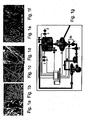
- Cells grown in the PluriX Bioreactor system were significantly expanded- Different production lots of placenta derived 3D-ASC cells were grown in the PluriX bioreactor systems.
- the seeding density was 13,300 cells/carrier (to a total of 2 X 10 6 cells).
- Fourteen days following seeding cell density multiplied by 15 fold, reaching approximately 200,000 cells/carrier ( Figure 2 ), or 30 X 10 6 in a bioreactor of 150 carriers.
- cells were seeded into the bioreactor at density of 1.5 X 10 4 cells/ml and 30 days following seeding the carriers contained an over 50-fold higher cell number, i.e. approx. 0.5 X 10 6 cells/carrier, or 0.5 X 10 7 cells/ml.
- 3D-ASCs show unique membrane marker characteristics -
- FACs analysis was effected.
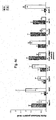
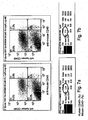
- FIG 3a FACS analysis of cell markers depict that 3D-ASCs display a different marker expression pattern than adherent cells grown in 2D conditions.
- 2D cultured cells expressed significantly higher levels of positive membrane markers CD90, CD105, CD73 and CD29 membrane markers as compared to 3D cultured cells.
- CD105 showed a 56 % expression in 3D cultured cells vs. 87 % in 2D cultured cells.
- ASCs of both 2D and 3D placenta cultures did not express any hematopoietic membrane markers ( Figure 3b ).
- 3D-ASCs show a unique protein profile in mass spectrometry analysis -
- the protein profile of these cells was analyzed by mass spectrometry.
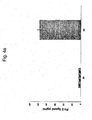
- Figure 4d shows that 2D and 3D cultured ASCs show a remarkably different protein expression profile.
- Table 1 3D cultured cells show a much higher expression level of H2AF and ALDH X (more than 9 and 12 fold higher, respectively) and a higher level of the proteins EEEF2, RCN2 and CNN1 (ca. 3, 2.5 and 2 fold, respectively).
- 3D cultured cells show ca. half the expression levels of the proteins Hnrph1 and CD44 antigen isoform 2 precursor and ca.
- 3D-ASCs have the capacity to differentiate into osteoblasts -
- cells were cultured in an osteoblast differentiating medium for a period of 3 weeks. Thereafter, calcium precipitation was effected. Differentiated cells were shown to produce calcium (depicted in red in Figures 5a-b ) whereas control cells maintained a fibroblast like phenotype and demonstrated no mineralization ( Figures 5c-d ). These results show that placenta derived 3D-ASC have the capacity to differentiate in vitro to osteoblasts cells.
- 3D-ASC support of HSC engraftment was evaluated by the level of human hematopoietic cells (hCD45+) detected in sub lethally irradiated or chemotherapy pretreated immune deficient NOD-SCID mice.
- CD34+ Cells Umbilical cord blood samples were taken under sterile conditions during delivery (Bnei Zion Medical Center, Haifa, Israel) and mononuclear cells were fractionated using Lymphoprep (Axis-Shield PoC As, Oslo, Norway) density gradient centrifugation and were cryopreserved. Thawed mononuclear cells were washed and incubated with anti-CD34 antibodies and isolated using midi MACS (Miltenyl Biotech, Bergish Gladbach, Germany). Cells from more than one sample were pooled for achieving the desired amount (50,000-100,000 cells).
- NOD-SCID mice Seven week old male and female NOD-SCID mice (NOD-CB17-Prkdcscid/J; Harlan/ Weizmann Inst., Rehovot Israel) were maintained in sterile open system cages, given sterile diets and autoclaved acidic water.
- mice were sub lethally irradiated (350 cGy), and thereafter (48 hr post irradiation) transplanted with 50,000-100,000 hCD34 + cells, with or without additional ASCs (0.5 X 10 6 - 1 X 10 6 ) derived from placenta or adipose tissue (3-7 mice in each group), by intravenous injection to a lateral tail vein.
- ASCs 0.5 X 10 6 - 1 X 10 6
- BM was collected by flushing both femurs and tibias with FACS buffer (50 ml PBS, 5 ml FBS, 0.5 ml sodium azid 5 %).
- mice BM Human cells in the mice BM were detected by flow cytometry, and the percentage of the human and murine CD45 hematopoietic cell marker expressing cells in the treated NOD-SCID mice was effected by incubating cells with anti-human CD45-FITC (IQ Products, Groningen, The Netherlands). The lowest threshold for unequivocal human engraftment was designated at 0.5 %.
- mice treated with chemotherapy - 6.5 week old male NOD-SCID mice (NOD.CB17/JhkiHsd-scid; Harlan, Rehovot Israel), maintained as described hereinabove for irradiated mice, were injected intraperitoneally with Busulfan (25 mg/kg- for 2 consecutive days). Two days following the second Busulfan injection, mice were injected with CD34+ cells alone, or together with 0.5 X 10 6 ASCs, produced from the placenta. 3.5 weeks following transplantation, mice were sacrificed, and the presence of human hematopoietic cells was determined as described hereinabove for irradiated mice.
- Busulfan 25 mg/kg- for 2 consecutive days.
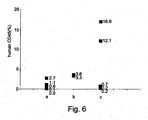
- 3D-ASC improved ertgraftment of HSC in irradiated mice - Human CD34+ hematopoietic cells and 3D-ASC derived from placenta or adipose were co-transplanted in irradiated NOD-SCID mice. Engraftment efficiency was evaluated 4 weeks following co-transplantation, and compared to mice transplanted with HSC alone. As is shown in Table 2 and Figure 6 , co-transplantation of 3D-ASC and UCB CD34+ cells resulted in considerably higher engraftment rates and higher levels of human cells in the BM of recipient mice compared to mice treated with UCB CD34+ cells alone.
- Table 2 Transplanted cells Average h-CD45 STDEV CD34 3.8 7.9 CD34+ 3D-ASC from placenta 5.1 12.2 CD34+ 3D-ASC from adipose 8.7 9.6
- 3D-ASC improved engraftmen t of HSC in mice treated with chemotherapy- Human CD34+ hematopoietic cells were co-transplanted with 500,000- 2D-ASC or 3D-ASC derived from placenta, into NOD-SCID mice pretreated with chemotherapy. Engraftment efficiency was evaluated 3.5 weeks following co-transplantation, and compared to mice transplanted with HSC alone. As is shown in Table 3, co-transplantation of ASC and UCB CD34+ cells resulted in higher engraftment levels in the BM of the recipient mice compared to UCB CD34+ cells alone.
- Table 3 Transplanted cells Average h-CD45 STDEV CD34 0.9 1.1 CD34 + conventional 2D cultures from placenta 3.5 0.2 CD34 + 3D-ASC from placenta 6.0 7.9
- ASCs may serve as supportive cells to improve hematopoietic recovery following HSCs transplantation (autologous or allogenic).
- the ability of the 3D-ASCs to enhance hematopoietic stem and/or progenitor cell engraftment following HSCs transplantation may result from the 3D-ASC ability to secrete HSC supporting cytokines that may improve the homing, self-renewal and proliferation ability of the transplanted cells, or from the ability of those cells to rebuild the damaged hematopoietic microenvironment needed for the homing and proliferation of the transplantable HSCs
- Adherent stromal cells and particularly 3D-ASCs, were found to suppress the immune reaction of human cord blood mononuclear cells in an MLR assay
- MLR Mixed lymphocyte reaction
- CB mononuclear cells (2 X 10 5 ) were used as responsive cells and were stimulated by being co-cultured with equal amounts (10 5 ) of irradiated (3000Rad) human peripheral blood derived Monocytes (PBMC), or with 2D or 3D cultured adherent cells, produced from the placenta, or a combination of adherent cells and PBMCs. Each assay was replicated three times. Cells were co-cultured for 4 days in RPMI 1640 medium (containing 20 % FBS under humidified 5 % CO 2 atmosphere at 37 °C), in a 96-well plate. Plates were pulsed with 1 ⁇ C 3 H-thymidine during the last 18 hr of culturing. Cells were then harvested over fiberglass filter and thymidine uptake was quantified with a scintillation counter.
- PBMC peripheral blood derived Monocytes
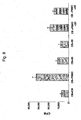
- Figure 8 shows the immune response of CB cells as represented by the elevated proliferation of these cells when stimulated with PBMCs, which, without being bound by theory, is probably associated with T cell proliferation in response to HLA incompatibility.
- PBMCs peripheral blood mononuclear cells
- FIG. 8 shows the immune response of CB cells as represented by the elevated proliferation of these cells when stimulated with PBMCs, which, without being bound by theory, is probably associated with T cell proliferation in response to HLA incompatibility.
- PBMCs adherent cells of the present invention.
- the CB immune response to PBMCs was substantially reduced when co-incubated with these adherent cells.
- ASCs were found to have the potential ability to reduce T cell proliferation of donor cells, typical of GvHD.
- both cultures, 2D and 3D reduced the immune response of the lymphocytes, and in line with the other advantages of 3D-ASCs described hereinabove, the 3D ASCs were more immunosuppressive.
Landscapes
- Health & Medical Sciences (AREA)
- Life Sciences & Earth Sciences (AREA)
- Engineering & Computer Science (AREA)
- Chemical & Material Sciences (AREA)
- Bioinformatics & Cheminformatics (AREA)
- Organic Chemistry (AREA)
- Biomedical Technology (AREA)
- General Health & Medical Sciences (AREA)
- Zoology (AREA)
- Biotechnology (AREA)
- Developmental Biology & Embryology (AREA)
- Pharmacology & Pharmacy (AREA)
- Veterinary Medicine (AREA)
- Animal Behavior & Ethology (AREA)
- Medicinal Chemistry (AREA)
- Public Health (AREA)
- Genetics & Genomics (AREA)
- Wood Science & Technology (AREA)
- Nuclear Medicine, Radiotherapy & Molecular Imaging (AREA)
- Chemical Kinetics & Catalysis (AREA)
- General Chemical & Material Sciences (AREA)
- Cell Biology (AREA)
- Immunology (AREA)
- Microbiology (AREA)
- General Engineering & Computer Science (AREA)
- Biochemistry (AREA)
- Rheumatology (AREA)
- Hematology (AREA)
- Neurology (AREA)
- Diabetes (AREA)
- Reproductive Health (AREA)
- Neurosurgery (AREA)
- Gynecology & Obstetrics (AREA)
- Pregnancy & Childbirth (AREA)
- Physical Education & Sports Medicine (AREA)
- Orthopedic Medicine & Surgery (AREA)
- Epidemiology (AREA)
- Virology (AREA)
- Heart & Thoracic Surgery (AREA)
- Cardiology (AREA)
Applications Claiming Priority (4)
| Application Number | Priority Date | Filing Date | Title |
|---|---|---|---|
| US78476906P | 2006-03-23 | 2006-03-23 | |
| US84708806P | 2006-09-26 | 2006-09-26 | |
| EP07713395A EP2010647A4 (en) | 2006-03-23 | 2007-03-22 | METHOD FOR THE ZELLEX PANSION AND USE OF PRODUCED CELLS AND CONDITIONED MEDIA FOR THERAPY THEREOF |
| EP20110170055 EP2366775B1 (en) | 2006-03-23 | 2007-03-22 | Methods for cell expansion and uses of cells and conditioned media produced thereby for therapy |
Related Parent Applications (5)
| Application Number | Title | Priority Date | Filing Date |
|---|---|---|---|
| EP20110170055 Division-Into EP2366775B1 (en) | 2006-03-23 | 2007-03-22 | Methods for cell expansion and uses of cells and conditioned media produced thereby for therapy |
| EP20110170055 Division EP2366775B1 (en) | 2006-03-23 | 2007-03-22 | Methods for cell expansion and uses of cells and conditioned media produced thereby for therapy |
| EP07713395.7 Division | 2007-03-22 | ||
| EP07713395A Division EP2010647A4 (en) | 2006-03-23 | 2007-03-22 | METHOD FOR THE ZELLEX PANSION AND USE OF PRODUCED CELLS AND CONDITIONED MEDIA FOR THERAPY THEREOF |
| EP11170055.5 Division | 2011-06-15 |
Publications (2)
| Publication Number | Publication Date |
|---|---|
| EP2626417A1 EP2626417A1 (en) | 2013-08-14 |
| EP2626417B1 true EP2626417B1 (en) | 2015-09-02 |
Family
ID=38522837
Family Applications (5)
| Application Number | Title | Priority Date | Filing Date |
|---|---|---|---|
| EP13164303.3A Active EP2626417B1 (en) | 2006-03-23 | 2007-03-22 | Methods for cell expansion and uses of cells and conditioned media produced thereby for therapy |
| EP12189046.1A Active EP2548951B1 (en) | 2006-03-23 | 2007-03-22 | Methods for cell expansion and uses of cells and conditioned media produced thereby for therapy |
| EP16157193.0A Revoked EP3091071B1 (en) | 2006-03-23 | 2007-03-22 | Methods for cell expansion and uses of cells and conditioned media produced thereby for therapy |
| EP20110170055 Active EP2366775B1 (en) | 2006-03-23 | 2007-03-22 | Methods for cell expansion and uses of cells and conditioned media produced thereby for therapy |
| EP07713395A Withdrawn EP2010647A4 (en) | 2006-03-23 | 2007-03-22 | METHOD FOR THE ZELLEX PANSION AND USE OF PRODUCED CELLS AND CONDITIONED MEDIA FOR THERAPY THEREOF |
Family Applications After (4)
| Application Number | Title | Priority Date | Filing Date |
|---|---|---|---|
| EP12189046.1A Active EP2548951B1 (en) | 2006-03-23 | 2007-03-22 | Methods for cell expansion and uses of cells and conditioned media produced thereby for therapy |
| EP16157193.0A Revoked EP3091071B1 (en) | 2006-03-23 | 2007-03-22 | Methods for cell expansion and uses of cells and conditioned media produced thereby for therapy |
| EP20110170055 Active EP2366775B1 (en) | 2006-03-23 | 2007-03-22 | Methods for cell expansion and uses of cells and conditioned media produced thereby for therapy |
| EP07713395A Withdrawn EP2010647A4 (en) | 2006-03-23 | 2007-03-22 | METHOD FOR THE ZELLEX PANSION AND USE OF PRODUCED CELLS AND CONDITIONED MEDIA FOR THERAPY THEREOF |
Country Status (21)
Families Citing this family (79)
| Publication number | Priority date | Publication date | Assignee | Title |
|---|---|---|---|---|
| US9592258B2 (en) | 2003-06-27 | 2017-03-14 | DePuy Synthes Products, Inc. | Treatment of neurological injury by administration of human umbilical cord tissue-derived cells |
| US8790637B2 (en) | 2003-06-27 | 2014-07-29 | DePuy Synthes Products, LLC | Repair and regeneration of ocular tissue using postpartum-derived cells |
| US9572840B2 (en) | 2003-06-27 | 2017-02-21 | DePuy Synthes Products, Inc. | Regeneration and repair of neural tissue using postpartum-derived cells |
| ES2569780T3 (es) | 2003-06-27 | 2016-05-12 | DePuy Synthes Products, Inc. | Células posparto derivadas de tejido placentario y métodos de preparación y uso de las mismas |
| US9175261B2 (en) | 2005-12-16 | 2015-11-03 | DePuy Synthes Products, Inc. | Human umbilical cord tissue cells for inhibiting adverse immune response in histocompatibility-mismatched transplantation |
| US9125906B2 (en) | 2005-12-28 | 2015-09-08 | DePuy Synthes Products, Inc. | Treatment of peripheral vascular disease using umbilical cord tissue-derived cells |
| KR101490449B1 (ko) * | 2006-03-23 | 2015-02-05 | 플루리스템 리미티드 | 세포 증식 방법 및 세포의 용도 및 치료를 위해 그 세포에 의해 제조되는 조절된 배지 |
| ES2524443T3 (es) * | 2006-11-13 | 2014-12-09 | DePuy Synthes Products, LLC | Expansión in vitro de células postparto usando microportadores |
| CN103356710A (zh) * | 2007-02-12 | 2013-10-23 | 人类起源公司 | 利用胎盘干细胞治疗炎性疾病 |
| JP5162784B2 (ja) * | 2007-07-11 | 2013-03-13 | 日東電工株式会社 | 細胞培養基材及びその製造方法並びに細胞培養方法 |
| ES2392729T5 (es) | 2007-09-19 | 2015-08-28 | Pluristem Ltd. | Células adherentes de tejidos adiposos o de placenta y uso de las mismas en terapia |
| AU2013267050B2 (en) * | 2007-09-19 | 2016-01-07 | Pluristem Ltd. | Adherent cells from adipose or placenta tissues and use thereof in therapy |
| EP2303293A1 (en) * | 2008-05-27 | 2011-04-06 | Pluristem Ltd. | Methods of treating inflammatory colon diseases |
| NZ591292A (en) | 2008-08-20 | 2012-10-26 | Anthrogenesis Corp | Improved cell composition and methods of making the same |
| US9096827B2 (en) * | 2008-09-02 | 2015-08-04 | Pluristem Ltd. | Adherent cells from placenta tissue and use thereof in therapy |
| EP2331957B1 (en) * | 2008-09-02 | 2016-11-02 | Pluristem Ltd. | Methods of selection of cells for transplantation |
| CA2735790C (en) | 2008-09-02 | 2017-02-28 | Pluristem Ltd. | Adherent cells from placenta tissue and use thereof in therapy |
| US10557116B2 (en) | 2008-12-19 | 2020-02-11 | DePuy Synthes Products, Inc. | Treatment of lung and pulmonary diseases and disorders |
| US10179900B2 (en) | 2008-12-19 | 2019-01-15 | DePuy Synthes Products, Inc. | Conditioned media and methods of making a conditioned media |
| PL2411504T3 (pl) | 2009-03-26 | 2017-10-31 | Depuy Synthes Products Inc | Komórki ludzkiej tkanki pępowinowej jako terapia choroby Alzheimera |
| US9175262B2 (en) | 2009-11-30 | 2015-11-03 | Pluristerm Ltd. | Adherent cells from placenta and use of same in disease treatment |
| US10130736B1 (en) | 2010-05-14 | 2018-11-20 | Musculoskeletal Transplant Foundation | Tissue-derived tissuegenic implants, and methods of fabricating and using same |
| US9352003B1 (en) | 2010-05-14 | 2016-05-31 | Musculoskeletal Transplant Foundation | Tissue-derived tissuegenic implants, and methods of fabricating and using same |
| US8883210B1 (en) | 2010-05-14 | 2014-11-11 | Musculoskeletal Transplant Foundation | Tissue-derived tissuegenic implants, and methods of fabricating and using same |
| WO2011147967A1 (en) | 2010-05-27 | 2011-12-01 | Georg Duda | Skeletal muscle regeneration using mesenchymal stem cells |
| CA2809272A1 (en) * | 2010-08-31 | 2012-03-08 | Cook General Biotechnology Llc | Systemic, allogenic stem cell therapies for treatment of diseases in animals |
| US9725689B2 (en) | 2010-10-08 | 2017-08-08 | Terumo Bct, Inc. | Configurable methods and systems of growing and harvesting cells in a hollow fiber bioreactor system |
| US8518879B2 (en) | 2011-03-04 | 2013-08-27 | Ahmed H. Al-Qahtani | Skin cream |
| KR101903339B1 (ko) * | 2011-03-22 | 2018-10-01 | 플루리스템 리미티드 | 방사선 또는 화학적 손상을 치료하는 방법 |
| KR101910685B1 (ko) | 2011-04-15 | 2018-10-22 | 플루리스템 리미티드 | 세포 수집 방법 및 시스템 |
| US20130142762A1 (en) | 2011-11-07 | 2013-06-06 | Hina W. Chaudhry | Methods of cardiac repair |
| ITTO20111183A1 (it) * | 2011-12-21 | 2013-06-22 | Univ Degli Studi Torino | Mezzo condizionato ottenuto da cellule staminali mesenchimali placentari e suo uso nel trattamento terapeutico della preeclampsia |
| AU2013311289B2 (en) | 2012-09-04 | 2017-11-16 | Pluristem Ltd. | Methods for prevention and treatment of preeclampsia |
| US9512393B2 (en) | 2012-09-06 | 2016-12-06 | Pluristem Ltd. | Devices and methods for culture of cells |
| US10351910B2 (en) | 2013-02-20 | 2019-07-16 | Pluristem Ltd | Gene and protein expression properties of adherent stromal cells cultured in 3D |
| WO2014141111A1 (en) | 2013-03-14 | 2014-09-18 | Pluristem Ltd. | Methods for prevention and treatment of graft-versus-host disease |
| RU2525143C1 (ru) * | 2013-03-22 | 2014-08-10 | Федеральное государственное бюджетное учреждение науки Государственный научный центр Российской Федерации-Институт медико-биологических проблем Российской академии наук | СПОСОБ ЭКСПАНСИИ МОНОНУКЛЕАРНЫХ КЛЕТОК ПУПОВИННОЙ КРОВИ (пкМНК) ex vivo В ПРИСУТСТВИИ МУЛЬТИПОТЕНТНЫХ СТРОМАЛЬНЫХ МЕЗЕНХИМАЛЬНЫХ КЛЕТОК (ММСК) |
| RU2539750C2 (ru) * | 2013-04-09 | 2015-01-27 | Федеральное государственное бюджетное образовательное учреждение высшего профессионального образования "Московский государственный университет имени М.В. Ломоносова" (МГУ) | Способ оценки иммуносупрессивных свойств мезенхимальных стромальных клеток человека |
| WO2015004609A2 (en) | 2013-07-09 | 2015-01-15 | Pluristem Ltd. | Adherent cells from placenta and use thereof in treatment of injured tendons |
| WO2015017500A1 (en) | 2013-07-30 | 2015-02-05 | Musculoskeletal Transplant Foundation | Acellular soft tissue-derived matrices and methods for preparing same |
| WO2015025059A1 (en) * | 2013-08-23 | 2015-02-26 | Fundacion Pública Andaluza Progreso Y Salud | Cd105-negative multipotent mesenchymal stromal cells |
| EP3068867B1 (en) | 2013-11-16 | 2018-04-18 | Terumo BCT, Inc. | Expanding cells in a bioreactor |
| WO2015132729A1 (en) | 2014-03-04 | 2015-09-11 | Pluristem Ltd. | Systems and methods for growing and harvesting cells |
| US11008547B2 (en) | 2014-03-25 | 2021-05-18 | Terumo Bct, Inc. | Passive replacement of media |
| EP3198006B1 (en) | 2014-09-26 | 2021-03-24 | Terumo BCT, Inc. | Scheduled feed |
| RU2644650C2 (ru) | 2014-12-01 | 2018-02-13 | Общество с ограниченной ответственностью "Т-Хелпер Клеточные Технологии" | Материал стволовых клеток и способ его получения |
| WO2016098061A1 (en) | 2014-12-18 | 2016-06-23 | Pluristem Ltd. | Methods and compositions for treating and preventing muscle wasting disorders |
| CN107864627A (zh) | 2015-03-23 | 2018-03-30 | 普拉里斯坦有限公司 | 包含粘附基质细胞的方法和组合物 |
| CA2986702C (en) | 2015-05-21 | 2023-04-04 | David Wang | Modified demineralized cortical bone fibers |
| WO2017004592A1 (en) | 2015-07-02 | 2017-01-05 | Terumo Bct, Inc. | Cell growth with mechanical stimuli |
| US10912864B2 (en) | 2015-07-24 | 2021-02-09 | Musculoskeletal Transplant Foundation | Acellular soft tissue-derived matrices and methods for preparing same |
| US11052175B2 (en) | 2015-08-19 | 2021-07-06 | Musculoskeletal Transplant Foundation | Cartilage-derived implants and methods of making and using same |
| RU2628092C1 (ru) * | 2016-02-10 | 2017-08-14 | Федеральное государственное бюджетное учреждение науки Государственный научный центр Российской Федерации - Институт медико-биологических проблем Российской академии наук (ГНЦ РФ - ИМБП РАН) | Способ получения МСК-ассоциированных недифференцированных гемопоэтических клеток-предшественников с фенотипов CD34+/CD133+ |
| EP3414320A1 (en) * | 2016-02-12 | 2018-12-19 | Cell Care Therapeutics | Adipose tissue derived mesenchymal stromal cell conditioned media and methods of making and using the same |
| CA3012741A1 (en) | 2016-02-18 | 2017-08-24 | Pluristem Ltd. | Methods and compositions for treating cancer and neoplasms |
| AU2017241626B2 (en) | 2016-03-28 | 2022-03-31 | Gallant Pet, Inc. | Viable cell compositions, and methods related to same |
| WO2017205667A1 (en) | 2016-05-25 | 2017-11-30 | Terumo Bct, Inc. | Cell expansion |
| RU2708329C2 (ru) | 2016-05-31 | 2019-12-05 | Общество с ограниченной ответственностью "Т-Хелпер Клеточные Технологии" | Материал стволовых клеток, композиции и способы применения |
| US10851347B2 (en) | 2016-06-06 | 2020-12-01 | Pluristem Ltd. | Altered adherent stromal cells and methods of producing and using same |
| US11104874B2 (en) | 2016-06-07 | 2021-08-31 | Terumo Bct, Inc. | Coating a bioreactor |
| US11685883B2 (en) | 2016-06-07 | 2023-06-27 | Terumo Bct, Inc. | Methods and systems for coating a cell growth surface |
| WO2018150381A1 (en) * | 2017-02-20 | 2018-08-23 | Pluristem Ltd. | Methods and compositions for tumor assessment |
| WO2018183998A1 (en) | 2017-03-31 | 2018-10-04 | Cellum Biomedical, Inc. | Biocompatible conditioned cell medium compositions and uses thereof |
| JP7393945B2 (ja) | 2017-03-31 | 2023-12-07 | テルモ ビーシーティー、インコーポレーテッド | 細胞増殖 |
| US12234441B2 (en) | 2017-03-31 | 2025-02-25 | Terumo Bct, Inc. | Cell expansion |
| US11624046B2 (en) | 2017-03-31 | 2023-04-11 | Terumo Bct, Inc. | Cell expansion |
| WO2018198012A1 (en) | 2017-04-24 | 2018-11-01 | Pluristem Ltd. | Methods and compositions for treating neurological disorders |
| KR20190141234A (ko) * | 2017-04-25 | 2019-12-23 | 훗카이도 코리츠 다이가쿠 호진 삿포르 이카 다이가쿠 | 간엽계 줄기세포의 제조 방법, 간엽계 줄기세포의 치료 효과 마커, 치료 효과 판정 방법, 및 간엽계 줄기세포를 포함하는 세포 제제 |
| IL260253A (en) | 2017-07-03 | 2019-01-31 | Pluristem Ltd | Methods and compounds for removing adherent cells |
| US20210047621A1 (en) | 2018-03-12 | 2021-02-18 | Universidade Do Porto | Compositions for use in the treatment of musculoskeletal conditions and methods for producing the same leveraging the synergistic activity of two different types of mesenchymal stromal/stem cells |
| EP3786280A4 (en) | 2018-04-25 | 2022-02-16 | Sapporo Medical University | CELL SHEET FOR VITAL TRANSPLANTATION AND METHODS OF PRODUCTION THEREOF |
| WO2021226373A2 (en) | 2020-05-08 | 2021-11-11 | Gallant Pet, Inc. | Uterine-derived regenerative cell compositions and uses thereof |
| WO2022164788A2 (en) * | 2021-01-26 | 2022-08-04 | The Trustees Of Indiana University | Pharmaceutical compositions and their methods of use |
| CN112813002B (zh) * | 2021-02-07 | 2022-11-08 | 天津科技大学 | 一株耐热短乳杆菌及其后生素制剂的应用 |
| EP4314244B1 (en) | 2021-03-23 | 2025-07-23 | Terumo BCT, Inc. | Cell capture and expansion |
| US12152699B2 (en) | 2022-02-28 | 2024-11-26 | Terumo Bct, Inc. | Multiple-tube pinch valve assembly |
| USD1099116S1 (en) | 2022-09-01 | 2025-10-21 | Terumo Bct, Inc. | Display screen or portion thereof with a graphical user interface for displaying cell culture process steps and measurements of an associated bioreactor device |
| CN115820395A (zh) * | 2022-12-23 | 2023-03-21 | 中国科学院广州生物医药与健康研究院 | 一种适用于细胞自动化纯化的非接触式获取挑针 |
| WO2026132323A1 (en) | 2024-12-19 | 2026-06-25 | Takeda Pharmaceutical Company Limited | Manufacturing methods for cell therapies |
Family Cites Families (65)
| Publication number | Priority date | Publication date | Assignee | Title |
|---|---|---|---|---|
| NL154600B (nl) | 1971-02-10 | 1977-09-15 | Organon Nv | Werkwijze voor het aantonen en bepalen van specifiek bindende eiwitten en hun corresponderende bindbare stoffen. |
| NL154598B (nl) | 1970-11-10 | 1977-09-15 | Organon Nv | Werkwijze voor het aantonen en bepalen van laagmoleculire verbindingen en van eiwitten die deze verbindingen specifiek kunnen binden, alsmede testverpakking. |
| NL154599B (nl) | 1970-12-28 | 1977-09-15 | Organon Nv | Werkwijze voor het aantonen en bepalen van specifiek bindende eiwitten en hun corresponderende bindbare stoffen, alsmede testverpakking. |
| US3901654A (en) | 1971-06-21 | 1975-08-26 | Biological Developments | Receptor assays of biologically active compounds employing biologically specific receptors |
| US3853987A (en) | 1971-09-01 | 1974-12-10 | W Dreyer | Immunological reagent and radioimmuno assay |
| US3867517A (en) | 1971-12-21 | 1975-02-18 | Abbott Lab | Direct radioimmunoassay for antigens and their antibodies |
| NL171930C (nl) | 1972-05-11 | 1983-06-01 | Akzo Nv | Werkwijze voor het aantonen en bepalen van haptenen, alsmede testverpakkingen. |
| US3850578A (en) | 1973-03-12 | 1974-11-26 | H Mcconnell | Process for assaying for biologically active molecules |
| US3935074A (en) | 1973-12-17 | 1976-01-27 | Syva Company | Antibody steric hindrance immunoassay with two antibodies |
| US3996345A (en) | 1974-08-12 | 1976-12-07 | Syva Company | Fluorescence quenching with immunological pairs in immunoassays |
| US4034074A (en) | 1974-09-19 | 1977-07-05 | The Board Of Trustees Of Leland Stanford Junior University | Universal reagent 2-site immunoradiometric assay using labelled anti (IgG) |
| US3984533A (en) | 1975-11-13 | 1976-10-05 | General Electric Company | Electrophoretic method of detecting antigen-antibody reaction |
| US4098876A (en) | 1976-10-26 | 1978-07-04 | Corning Glass Works | Reverse sandwich immunoassay |
| US4879219A (en) | 1980-09-19 | 1989-11-07 | General Hospital Corporation | Immunoassay utilizing monoclonal high affinity IgM antibodies |
| US5011771A (en) | 1984-04-12 | 1991-04-30 | The General Hospital Corporation | Multiepitopic immunometric assay |
| US4666828A (en) | 1984-08-15 | 1987-05-19 | The General Hospital Corporation | Test for Huntington's disease |
| US4683202A (en) | 1985-03-28 | 1987-07-28 | Cetus Corporation | Process for amplifying nucleic acid sequences |
| US4801531A (en) | 1985-04-17 | 1989-01-31 | Biotechnology Research Partners, Ltd. | Apo AI/CIII genomic polymorphisms predictive of atherosclerosis |
| US5266476A (en) | 1985-06-18 | 1993-11-30 | Yeda Research & Development Co., Ltd. | Fibrous matrix for in vitro cell cultivation |
| US5032508A (en) * | 1988-09-08 | 1991-07-16 | Marrow-Tech, Inc. | Three-dimensional cell and tissue culture system |
| US5863531A (en) * | 1986-04-18 | 1999-01-26 | Advanced Tissue Sciences, Inc. | In vitro preparation of tubular tissue structures by stromal cell culture on a three-dimensional framework |
| US5902741A (en) * | 1986-04-18 | 1999-05-11 | Advanced Tissue Sciences, Inc. | Three-dimensional cartilage cultures |
| US5272057A (en) | 1988-10-14 | 1993-12-21 | Georgetown University | Method of detecting a predisposition to cancer by the use of restriction fragment length polymorphism of the gene for human poly (ADP-ribose) polymerase |
| US5192659A (en) | 1989-08-25 | 1993-03-09 | Genetype Ag | Intron sequence analysis method for detection of adjacent and remote locus alleles as haplotypes |
| US6326198B1 (en) | 1990-06-14 | 2001-12-04 | Regents Of The University Of Michigan | Methods and compositions for the ex vivo replication of stem cells, for the optimization of hematopoietic progenitor cell cultures, and for increasing the metabolism, GM-CSF secretion and/or IL-6 secretion of human stromal cells |
| US6010696A (en) | 1990-11-16 | 2000-01-04 | Osiris Therapeutics, Inc. | Enhancing hematopoietic progenitor cell engraftment using mesenchymal stem cells |
| US5486359A (en) | 1990-11-16 | 1996-01-23 | Osiris Therapeutics, Inc. | Human mesenchymal stem cells |
| US5168085A (en) | 1991-05-20 | 1992-12-01 | Corning Incorporated | Multi-stage twc system |
| US5281521A (en) | 1992-07-20 | 1994-01-25 | The Trustees Of The University Of Pennsylvania | Modified avidin-biotin technique |
| US5629186A (en) | 1994-04-28 | 1997-05-13 | Lockheed Martin Corporation | Porous matrix and method of its production |
| US5736396A (en) | 1995-01-24 | 1998-04-07 | Case Western Reserve University | Lineage-directed induction of human mesenchymal stem cell differentiation |
| US5925567A (en) | 1995-05-19 | 1999-07-20 | T. Breeders, Inc. | Selective expansion of target cell populations |
| US6132463A (en) | 1995-05-19 | 2000-10-17 | Etex Corporation | Cell seeding of ceramic compositions |
| CA2237890C (en) | 1995-11-16 | 2011-03-29 | Case Western Reserve University | In vitro chondrogenic induction of human mesenchymal stem cells |
| US6087129A (en) * | 1996-01-19 | 2000-07-11 | Betagene, Inc. | Recombinant expression of proteins from secretory cell lines |
| US6335195B1 (en) | 1997-01-28 | 2002-01-01 | Maret Corporation | Method for promoting hematopoietic and mesenchymal cell proliferation and differentiation |
| US6291240B1 (en) * | 1998-01-29 | 2001-09-18 | Advanced Tissue Sciences, Inc. | Cells or tissues with increased protein factors and methods of making and using same |
| EP1064353B1 (en) | 1998-03-18 | 2002-11-06 | Massachusetts Institute Of Technology | Vascularized perfused microtissue/micro-organ arrays |
| US6030836A (en) | 1998-06-08 | 2000-02-29 | Osiris Therapeutics, Inc. | Vitro maintenance of hematopoietic stem cells |
| US6153432A (en) | 1999-01-29 | 2000-11-28 | Zen-Bio, Inc | Methods for the differentiation of human preadipocytes into adipocytes |
| MXPA01007820A (es) * | 1999-02-04 | 2003-06-19 | Technion Res & Dev Foundation | Metodo y aparato para mantenimiento y expansion de celulas de tallo hemopoyeticas y/o celulas progenitoras. |
| RU2306335C2 (ru) * | 1999-03-10 | 2007-09-20 | Юниверсити Оф Питтсбург Оф Дзе Коммонвелт Систем Оф Хайер Эдьюкейшн | Стволовые клетки и решетки, полученные из жировой ткани |
| US6372494B1 (en) * | 1999-05-14 | 2002-04-16 | Advanced Tissue Sciences, Inc. | Methods of making conditioned cell culture medium compositions |
| WO2000073421A2 (en) | 1999-06-02 | 2000-12-07 | Lifebank Services, L.L.C. | Methods of isolation, cryopreservation, and therapeutic use of human amniotic epithelial cells |
| US6555374B1 (en) | 1999-08-19 | 2003-04-29 | Artecel Sciences, Inc. | Multiple mesodermal lineage differentiation potentials for adipose tissue-derived stromal cells and uses thereof |
| EP1261694B1 (en) | 2000-02-26 | 2008-01-16 | Artecel, Inc. | Pleuripotent stem cells generated from adipose tissue-derived stromal cells and uses thereof |
| ATE360063T1 (de) * | 2000-10-12 | 2007-05-15 | Agency Science Tech & Res | Nicht störendes, dreidimensionales system für die kultivierung und ernte verankerungsabhängiger zellen |
| MXPA03005014A (es) * | 2000-12-06 | 2004-09-10 | Robert J Hariri | Metodo para recolectar celulas madres de la placenta. |
| US7311905B2 (en) * | 2002-02-13 | 2007-12-25 | Anthrogenesis Corporation | Embryonic-like stem cells derived from post-partum mammalian placenta, and uses and methods of treatment using said cells |
| AU2002251935B2 (en) * | 2001-02-14 | 2007-11-29 | Celularity Inc. | Post-partum mammalian placenta, its use and placental stem cells therefrom |
| EP2338983B1 (en) * | 2001-02-14 | 2015-10-07 | Anthrogenesis Corporation | Renovation and repopulation of decellularized tissues and cadaveric organs by stem cells |
| CN1596303A (zh) * | 2001-11-09 | 2005-03-16 | 阿特塞尔科学公司 | 利用基质细胞支持胚胎干细胞和成体干细胞的方法和组合物 |
| JP2003180334A (ja) * | 2001-12-17 | 2003-07-02 | Japan Science & Technology Corp | 三次元高密度細胞培養用モジュール |
| US7504099B2 (en) | 2001-12-27 | 2009-03-17 | Yissum Research Development Company Of The Hebrew University Of Jerusalem | Methods of inducing or enhancing connective tissue repair |
| US7498171B2 (en) * | 2002-04-12 | 2009-03-03 | Anthrogenesis Corporation | Modulation of stem and progenitor cell differentiation, assays, and uses thereof |
| CA2483010A1 (en) * | 2002-04-19 | 2003-10-30 | University Of Pittsburgh Of The Commonwealth System Of Higher Education | Placental derived stem cells and uses thereof |
| WO2004076642A2 (en) | 2003-02-27 | 2004-09-10 | The Rockefeller University | Method for modulating epithelial stem cell lineage |
| ES2569780T3 (es) * | 2003-06-27 | 2016-05-12 | DePuy Synthes Products, Inc. | Células posparto derivadas de tejido placentario y métodos de preparación y uso de las mismas |
| US6924458B2 (en) | 2003-07-17 | 2005-08-02 | Great Computer Corp. | Auxiliary focusing tool for laser marker |
| WO2005113751A1 (en) * | 2004-05-14 | 2005-12-01 | Becton, Dickinson And Company | Cell culture environments for the serum-free expansion of mesenchymal stem cells |
| DE102004043256B4 (de) * | 2004-09-07 | 2013-09-19 | Rheinische Friedrich-Wilhelms-Universität Bonn | Skalierbarer Prozess zur Kultivierung undifferenzierter Stammzellen in Suspension |
| DK1864132T3 (da) | 2005-03-31 | 2012-07-16 | Stemnion Inc | Fra amnion stammende cellesammensætninger, fremgangsmåder til fremstilling deraf og anvendelser deraf |
| WO2007091255A2 (en) * | 2006-02-06 | 2007-08-16 | Pluristem Ltd. | Method and apparatus for maintenance and expansion of hematopoietic stem cells from mononuclear cells |
| KR101490449B1 (ko) * | 2006-03-23 | 2015-02-05 | 플루리스템 리미티드 | 세포 증식 방법 및 세포의 용도 및 치료를 위해 그 세포에 의해 제조되는 조절된 배지 |
| KR101903339B1 (ko) * | 2011-03-22 | 2018-10-01 | 플루리스템 리미티드 | 방사선 또는 화학적 손상을 치료하는 방법 |
-
2007
- 2007-03-22 KR KR1020087025460A patent/KR101490449B1/ko active Active
- 2007-03-22 KR KR1020147029038A patent/KR101557256B1/ko active Active
- 2007-03-22 HU HUE12189046A patent/HUE028796T2/en unknown
- 2007-03-22 PT PT111700555T patent/PT2366775E/pt unknown
- 2007-03-22 ES ES12189046T patent/ES2572214T3/es active Active
- 2007-03-22 DK DK11170055.5T patent/DK2366775T3/en active
- 2007-03-22 EP EP13164303.3A patent/EP2626417B1/en active Active
- 2007-03-22 JP JP2009502327A patent/JP5733894B2/ja active Active
- 2007-03-22 ES ES13164303.3T patent/ES2549528T3/es active Active
- 2007-03-22 PT PT131643033T patent/PT2626417E/pt unknown
- 2007-03-22 EP EP12189046.1A patent/EP2548951B1/en active Active
- 2007-03-22 CA CA2646384A patent/CA2646384C/en active Active
- 2007-03-22 PL PL12189046T patent/PL2548951T3/pl unknown
- 2007-03-22 RU RU2008141894/10A patent/RU2433177C2/ru active
- 2007-03-22 EP EP16157193.0A patent/EP3091071B1/en not_active Revoked
- 2007-03-22 US US12/225,478 patent/US20110129447A1/en not_active Abandoned
- 2007-03-22 SG SG201102089-8A patent/SG170761A1/en unknown
- 2007-03-22 EP EP20110170055 patent/EP2366775B1/en active Active
- 2007-03-22 PT PT121890461T patent/PT2548951E/pt unknown
- 2007-03-22 ES ES11170055.5T patent/ES2537641T3/es active Active
- 2007-03-22 WO PCT/IL2007/000380 patent/WO2007108003A2/en not_active Ceased
- 2007-03-22 SI SI200731782A patent/SI2548951T1/sl unknown
- 2007-03-22 PL PL11170055T patent/PL2366775T3/pl unknown
- 2007-03-22 BR BRPI0709349-7A patent/BRPI0709349A2/pt not_active Application Discontinuation
- 2007-03-22 EP EP07713395A patent/EP2010647A4/en not_active Withdrawn
- 2007-03-22 AU AU2007228341A patent/AU2007228341B2/en active Active
- 2007-03-22 CN CN201510738761.1A patent/CN105296415A/zh active Pending
- 2007-03-22 MX MX2008012085A patent/MX2008012085A/es active IP Right Grant
- 2007-03-22 DK DK13164303.3T patent/DK2626417T3/en active
-
2011
- 2011-06-16 JP JP2011133774A patent/JP5766041B2/ja active Active
-
2013
- 2013-12-20 JP JP2013263148A patent/JP5941454B2/ja active Active
-
2014
- 2014-12-11 IL IL236213A patent/IL236213A/en active IP Right Grant
-
2015
- 2015-10-01 US US14/873,092 patent/US20160022738A1/en not_active Abandoned
-
2016
- 2016-05-12 HK HK16105449.8A patent/HK1217513A1/zh unknown
- 2016-05-19 HR HRP20160538TT patent/HRP20160538T1/hr unknown
Non-Patent Citations (4)
| Title |
|---|
| M L PATCHEN ET AL: "Administration of interleukin-6 stimulates multilineage hematopoiesis and accelerates recovery from radiation-induced hematopoietic depression", BLOOD, 1 February 1991 (1991-02-01), UNITED STATES, pages 472, XP055121251, Retrieved from the Internet <URL:http://www.ncbi.nlm.nih.gov/pubmed/1991164> * |
| NASEF AISHA ET AL: "Leukemia inhibitory factor: Role in human mesenchymal stem cells mediated immunosuppression.", CELLULAR IMMUNOLOGY 2008 MAY-JUN, vol. 253, no. 1-2, May 2008 (2008-05-01), pages 16 - 22, ISSN: 1090-2163 * |
| NISHIMOTO N ET AL: "Treatment of rheumatoid arthritis with humanized anti-interleukin-6 receptor antibody: a multicenter, double-blind, placebo-controlled trial", ARTHRITIS & RHEUMATISM, WILEY, US, vol. 50, no. 6, 1 June 2004 (2004-06-01), pages 1761 - 1769, XP002398186, ISSN: 0004-3591, DOI: 10.1002/ART.20303 * |
| XUETAO CAO ET AL: "ACCELERATED RECOVERY OF IRRADIATION-INDUCED BONE MARROW DEPRESSION BY FIBROBLAST-MEDIATED INTERLEUKIN 6 GENE THERAPY IN COMBINATION WITH BONE MARROW TRANSPLANTATION IN MICE", TRANSPLANTATION, vol. 65, no. 3, 15 February 1998 (1998-02-15), pages 325 - 331, XP055121265, ISSN: 0041-1337 * |
Also Published As
Similar Documents
| Publication | Publication Date | Title |
|---|---|---|
| EP2548951B1 (en) | Methods for cell expansion and uses of cells and conditioned media produced thereby for therapy | |
| US20110171182A1 (en) | Methods for cell expansion and uses of cells and conditioned media produced thereby for therapy | |
| US20110293583A1 (en) | Methods for cell expansion and uses of cells and conditioned media produced thereby for therapy | |
| EP3260533A1 (en) | Methods for treating radiation or chemical injury | |
| CN101558151B (zh) | 细胞扩增方法和藉此产生的细胞和条件培养基用于治疗的用途 | |
| HK1187950B (en) | Methods for cell expansion and uses of cells and conditioned media produced thereby for therapy | |
| HK1177759B (en) | Methods for cell expansion and uses of cells and conditioned media produced thereby for therapy | |
| HK1160174B (en) | Methods for cell expansion and uses of cells and conditioned media produced thereby for therapy | |
| HK1136846B (en) | Methods for cell expansion and uses of cells and conditioned media produced thereby for therapy |
Legal Events
| Date | Code | Title | Description |
|---|---|---|---|
| PUAI | Public reference made under article 153(3) epc to a published international application that has entered the european phase |
Free format text: ORIGINAL CODE: 0009012 |
|
| AC | Divisional application: reference to earlier application |
Ref document number: 2366775 Country of ref document: EP Kind code of ref document: P Ref document number: 2010647 Country of ref document: EP Kind code of ref document: P |
|
| AK | Designated contracting states |
Kind code of ref document: A1 Designated state(s): AT BE BG CH CY CZ DE DK EE ES FI FR GB GR HU IE IS IT LI LT LU LV MC MT NL PL PT RO SE SI SK TR |
|
| AX | Request for extension of the european patent |
Extension state: AL BA HR MK RS |
|
| 17P | Request for examination filed |
Effective date: 20140214 |
|
| RAX | Requested extension states of the european patent have changed |
Extension state: HR Payment date: 20140214 Extension state: BA Payment date: 20140214 Extension state: RS Payment date: 20140214 Extension state: AL Payment date: 20140214 Extension state: MK Payment date: 20140214 |
|
| RBV | Designated contracting states (corrected) |
Designated state(s): AT BE BG CH CY CZ DE DK EE ES FI FR GB GR HU IE IS IT LI LT LU LV MC MT NL PL PT RO SE SI SK TR |
|
| REG | Reference to a national code |
Ref country code: HK Ref legal event code: DE Ref document number: 1187950 Country of ref document: HK |
|
| 17Q | First examination report despatched |
Effective date: 20140611 |
|
| GRAP | Despatch of communication of intention to grant a patent |
Free format text: ORIGINAL CODE: EPIDOSNIGR1 |
|
| GRAS | Grant fee paid |
Free format text: ORIGINAL CODE: EPIDOSNIGR3 |
|
| GRAA | (expected) grant |
Free format text: ORIGINAL CODE: 0009210 |
|
| INTG | Intention to grant announced |
Effective date: 20150707 |
|
| AC | Divisional application: reference to earlier application |
Ref document number: 2010647 Country of ref document: EP Kind code of ref document: P Ref document number: 2366775 Country of ref document: EP Kind code of ref document: P |
|
| AK | Designated contracting states |
Kind code of ref document: B1 Designated state(s): AT BE BG CH CY CZ DE DK EE ES FI FR GB GR HU IE IS IT LI LT LU LV MC MT NL PL PT RO SE SI SK TR |
|
| AX | Request for extension of the european patent |
Extension state: AL BA HR MK RS |
|
| REG | Reference to a national code |
Ref country code: GB Ref legal event code: FG4D |
|
| REG | Reference to a national code |
Ref country code: AT Ref legal event code: REF Ref document number: 746638 Country of ref document: AT Kind code of ref document: T Effective date: 20150915 Ref country code: CH Ref legal event code: EP |
|
| REG | Reference to a national code |
Ref country code: IE Ref legal event code: FG4D |
|
| REG | Reference to a national code |
Ref country code: DE Ref legal event code: R096 Ref document number: 602007042973 Country of ref document: DE |
|
| REG | Reference to a national code |
Ref country code: ES Ref legal event code: FG2A Ref document number: 2549528 Country of ref document: ES Kind code of ref document: T3 Effective date: 20151029 |
|
| REG | Reference to a national code |
Ref country code: DK Ref legal event code: T3 Effective date: 20151027 |
|
| REG | Reference to a national code |
Ref country code: SE Ref legal event code: TRGR |
|
| REG | Reference to a national code |
Ref country code: PT Ref legal event code: SC4A Free format text: AVAILABILITY OF NATIONAL TRANSLATION Effective date: 20151021 |
|
| REG | Reference to a national code |
Ref country code: NL Ref legal event code: FP |
|
| REG | Reference to a national code |
Ref country code: AT Ref legal event code: MK05 Ref document number: 746638 Country of ref document: AT Kind code of ref document: T Effective date: 20150902 |
|
| PG25 | Lapsed in a contracting state [announced via postgrant information from national office to epo] |
Ref country code: LV Free format text: LAPSE BECAUSE OF FAILURE TO SUBMIT A TRANSLATION OF THE DESCRIPTION OR TO PAY THE FEE WITHIN THE PRESCRIBED TIME-LIMIT Effective date: 20150902 Ref country code: LT Free format text: LAPSE BECAUSE OF FAILURE TO SUBMIT A TRANSLATION OF THE DESCRIPTION OR TO PAY THE FEE WITHIN THE PRESCRIBED TIME-LIMIT Effective date: 20150902 Ref country code: FI Free format text: LAPSE BECAUSE OF FAILURE TO SUBMIT A TRANSLATION OF THE DESCRIPTION OR TO PAY THE FEE WITHIN THE PRESCRIBED TIME-LIMIT Effective date: 20150902 Ref country code: GR Free format text: LAPSE BECAUSE OF FAILURE TO SUBMIT A TRANSLATION OF THE DESCRIPTION OR TO PAY THE FEE WITHIN THE PRESCRIBED TIME-LIMIT Effective date: 20151203 |
|
| REG | Reference to a national code |
Ref country code: LT Ref legal event code: MG4D |
|
| PG25 | Lapsed in a contracting state [announced via postgrant information from national office to epo] |
Ref country code: PL Free format text: LAPSE BECAUSE OF FAILURE TO SUBMIT A TRANSLATION OF THE DESCRIPTION OR TO PAY THE FEE WITHIN THE PRESCRIBED TIME-LIMIT Effective date: 20150902 Ref country code: AT Free format text: LAPSE BECAUSE OF FAILURE TO SUBMIT A TRANSLATION OF THE DESCRIPTION OR TO PAY THE FEE WITHIN THE PRESCRIBED TIME-LIMIT Effective date: 20150902 |
|
| REG | Reference to a national code |
Ref country code: SK Ref legal event code: T3 Ref document number: E 19618 Country of ref document: SK |
|
| REG | Reference to a national code |
Ref country code: FR Ref legal event code: PLFP Year of fee payment: 10 |
|
| PG25 | Lapsed in a contracting state [announced via postgrant information from national office to epo] |
Ref country code: IS Free format text: LAPSE BECAUSE OF FAILURE TO SUBMIT A TRANSLATION OF THE DESCRIPTION OR TO PAY THE FEE WITHIN THE PRESCRIBED TIME-LIMIT Effective date: 20160102 Ref country code: CZ Free format text: LAPSE BECAUSE OF FAILURE TO SUBMIT A TRANSLATION OF THE DESCRIPTION OR TO PAY THE FEE WITHIN THE PRESCRIBED TIME-LIMIT Effective date: 20150902 Ref country code: EE Free format text: LAPSE BECAUSE OF FAILURE TO SUBMIT A TRANSLATION OF THE DESCRIPTION OR TO PAY THE FEE WITHIN THE PRESCRIBED TIME-LIMIT Effective date: 20150902 |
|
| REG | Reference to a national code |
Ref country code: HK Ref legal event code: GR Ref document number: 1187950 Country of ref document: HK |
|
| PG25 | Lapsed in a contracting state [announced via postgrant information from national office to epo] |
Ref country code: RO Free format text: LAPSE BECAUSE OF FAILURE TO SUBMIT A TRANSLATION OF THE DESCRIPTION OR TO PAY THE FEE WITHIN THE PRESCRIBED TIME-LIMIT Effective date: 20150902 |
|
| REG | Reference to a national code |
Ref country code: DE Ref legal event code: R097 Ref document number: 602007042973 Country of ref document: DE |
|
| PLBE | No opposition filed within time limit |
Free format text: ORIGINAL CODE: 0009261 |
|
| STAA | Information on the status of an ep patent application or granted ep patent |
Free format text: STATUS: NO OPPOSITION FILED WITHIN TIME LIMIT |
|
| 26N | No opposition filed |
Effective date: 20160603 |
|
| PG25 | Lapsed in a contracting state [announced via postgrant information from national office to epo] |
Ref country code: SI Free format text: LAPSE BECAUSE OF FAILURE TO SUBMIT A TRANSLATION OF THE DESCRIPTION OR TO PAY THE FEE WITHIN THE PRESCRIBED TIME-LIMIT Effective date: 20150902 |
|
| PG25 | Lapsed in a contracting state [announced via postgrant information from national office to epo] |
Ref country code: LU Free format text: LAPSE BECAUSE OF FAILURE TO SUBMIT A TRANSLATION OF THE DESCRIPTION OR TO PAY THE FEE WITHIN THE PRESCRIBED TIME-LIMIT Effective date: 20160322 Ref country code: MC Free format text: LAPSE BECAUSE OF FAILURE TO SUBMIT A TRANSLATION OF THE DESCRIPTION OR TO PAY THE FEE WITHIN THE PRESCRIBED TIME-LIMIT Effective date: 20150902 |
|
| REG | Reference to a national code |
Ref country code: IE Ref legal event code: MM4A |
|
| PG25 | Lapsed in a contracting state [announced via postgrant information from national office to epo] |
Ref country code: IE Free format text: LAPSE BECAUSE OF NON-PAYMENT OF DUE FEES Effective date: 20160322 |
|
| REG | Reference to a national code |
Ref country code: FR Ref legal event code: PLFP Year of fee payment: 11 |
|
| PG25 | Lapsed in a contracting state [announced via postgrant information from national office to epo] |
Ref country code: MT Free format text: LAPSE BECAUSE OF FAILURE TO SUBMIT A TRANSLATION OF THE DESCRIPTION OR TO PAY THE FEE WITHIN THE PRESCRIBED TIME-LIMIT Effective date: 20150902 |
|
| REG | Reference to a national code |
Ref country code: FR Ref legal event code: PLFP Year of fee payment: 12 |
|
| PG25 | Lapsed in a contracting state [announced via postgrant information from national office to epo] |
Ref country code: HU Free format text: LAPSE BECAUSE OF FAILURE TO SUBMIT A TRANSLATION OF THE DESCRIPTION OR TO PAY THE FEE WITHIN THE PRESCRIBED TIME-LIMIT; INVALID AB INITIO Effective date: 20070322 Ref country code: CY Free format text: LAPSE BECAUSE OF FAILURE TO SUBMIT A TRANSLATION OF THE DESCRIPTION OR TO PAY THE FEE WITHIN THE PRESCRIBED TIME-LIMIT Effective date: 20150902 |
|
| PG25 | Lapsed in a contracting state [announced via postgrant information from national office to epo] |
Ref country code: TR Free format text: LAPSE BECAUSE OF FAILURE TO SUBMIT A TRANSLATION OF THE DESCRIPTION OR TO PAY THE FEE WITHIN THE PRESCRIBED TIME-LIMIT Effective date: 20150902 Ref country code: MT Free format text: LAPSE BECAUSE OF FAILURE TO SUBMIT A TRANSLATION OF THE DESCRIPTION OR TO PAY THE FEE WITHIN THE PRESCRIBED TIME-LIMIT Effective date: 20160331 |
|
| PG25 | Lapsed in a contracting state [announced via postgrant information from national office to epo] |
Ref country code: BG Free format text: LAPSE BECAUSE OF FAILURE TO SUBMIT A TRANSLATION OF THE DESCRIPTION OR TO PAY THE FEE WITHIN THE PRESCRIBED TIME-LIMIT Effective date: 20150902 |
|
| REG | Reference to a national code |
Ref country code: DE Ref legal event code: R081 Ref document number: 602007042973 Country of ref document: DE Owner name: PLURI BIOTECH LTD, IL Free format text: FORMER OWNER: PLURISTEM LTD., HAIFA, IL |
|
| P01 | Opt-out of the competence of the unified patent court (upc) registered |
Effective date: 20230513 |
|
| REG | Reference to a national code |
Ref country code: NL Ref legal event code: HC Owner name: PLURI BIOTECH LTD; IL Free format text: DETAILS ASSIGNMENT: CHANGE OF OWNER(S), CHANGE OF OWNER(S) NAME; FORMER OWNER NAME: PLURISTEM LTD. Effective date: 20240607 |
|
| GBPC | Gb: european patent ceased through non-payment of renewal fee |
Effective date: 20240322 |
|
| REG | Reference to a national code |
Ref country code: GB Ref legal event code: S28 Free format text: APPLICATION FILED |
|
| PG25 | Lapsed in a contracting state [announced via postgrant information from national office to epo] |
Ref country code: GB Free format text: LAPSE BECAUSE OF NON-PAYMENT OF DUE FEES Effective date: 20240322 |
|
| PG25 | Lapsed in a contracting state [announced via postgrant information from national office to epo] |
Ref country code: FR Free format text: LAPSE BECAUSE OF NON-PAYMENT OF DUE FEES Effective date: 20240331 |
|
| PG25 | Lapsed in a contracting state [announced via postgrant information from national office to epo] |
Ref country code: GB Free format text: LAPSE BECAUSE OF NON-PAYMENT OF DUE FEES Effective date: 20240322 Ref country code: FR Free format text: LAPSE BECAUSE OF NON-PAYMENT OF DUE FEES Effective date: 20240331 |
|
| REG | Reference to a national code |
Ref country code: BE Ref legal event code: HC Owner name: PLURI BIOTECH LTD; IL Free format text: DETAILS ASSIGNMENT: CHANGE OF OWNER(S), CHANGE OF OWNER(S) NAME; FORMER OWNER NAME: PLURISTEM LTD. Effective date: 20240603 |
|
| REG | Reference to a national code |
Ref country code: GB Ref legal event code: S28 Free format text: RESTORATION ALLOWED Effective date: 20250509 |
|
| PG25 | Lapsed in a contracting state [announced via postgrant information from national office to epo] |
Ref country code: FR Free format text: LAPSE BECAUSE OF NON-PAYMENT OF DUE FEES Effective date: 20240331 |
|
| PGRI | Patent reinstated in contracting state [announced from national office to epo] |
Ref country code: FR Effective date: 20250403 |
|
| REG | Reference to a national code |
Ref country code: CH Ref legal event code: U11 Free format text: ST27 STATUS EVENT CODE: U-0-0-U10-U11 (AS PROVIDED BY THE NATIONAL OFFICE) Effective date: 20260401 |
|
| PGFP | Annual fee paid to national office [announced via postgrant information from national office to epo] |
Ref country code: SE Payment date: 20260320 Year of fee payment: 20 |
|
| PGFP | Annual fee paid to national office [announced via postgrant information from national office to epo] |
Ref country code: GB Payment date: 20260317 Year of fee payment: 20 |
|
| PGFP | Annual fee paid to national office [announced via postgrant information from national office to epo] |
Ref country code: DK Payment date: 20260325 Year of fee payment: 20 Ref country code: DE Payment date: 20260318 Year of fee payment: 20 |
|
| PGFP | Annual fee paid to national office [announced via postgrant information from national office to epo] |
Ref country code: BE Payment date: 20260317 Year of fee payment: 20 Ref country code: IT Payment date: 20260319 Year of fee payment: 20 |
|
| PGFP | Annual fee paid to national office [announced via postgrant information from national office to epo] |
Ref country code: NL Payment date: 20260317 Year of fee payment: 20 |
|
| PGFP | Annual fee paid to national office [announced via postgrant information from national office to epo] |
Ref country code: FR Payment date: 20260317 Year of fee payment: 20 |
|
| PGFP | Annual fee paid to national office [announced via postgrant information from national office to epo] |
Ref country code: PT Payment date: 20260305 Year of fee payment: 20 |
|
| PGFP | Annual fee paid to national office [announced via postgrant information from national office to epo] |
Ref country code: SK Payment date: 20260223 Year of fee payment: 20 |
|
| PGFP | Annual fee paid to national office [announced via postgrant information from national office to epo] |
Ref country code: ES Payment date: 20260408 Year of fee payment: 20 |
|
| PGFP | Annual fee paid to national office [announced via postgrant information from national office to epo] |
Ref country code: CH Payment date: 20260401 Year of fee payment: 20 |