EP2593095B1 - (+)-morphinans as antagonists of toll-like receptor 9 and therapeutic uses thereof - Google Patents
(+)-morphinans as antagonists of toll-like receptor 9 and therapeutic uses thereof Download PDFInfo
- Publication number
- EP2593095B1 EP2593095B1 EP10805351.3A EP10805351A EP2593095B1 EP 2593095 B1 EP2593095 B1 EP 2593095B1 EP 10805351 A EP10805351 A EP 10805351A EP 2593095 B1 EP2593095 B1 EP 2593095B1
- Authority
- EP
- European Patent Office
- Prior art keywords
- pain
- compound
- pharmaceutically acceptable
- cmpd
- morphinans
- Prior art date
- Legal status (The legal status is an assumption and is not a legal conclusion. Google has not performed a legal analysis and makes no representation as to the accuracy of the status listed.)
- Active
Links
- 0 CCC12c3c4ccc(OC)c3O[C@]1C(*)=CCC2[C@](*)C4 Chemical compound CCC12c3c4ccc(OC)c3O[C@]1C(*)=CCC2[C@](*)C4 0.000 description 2
- HWCHQAGGKHHHKR-LTROHCBLSA-N CC[C@@]1(C(CC2)C(Cc3ccc4O)NCC5CC5)c3c4OC1[C@@H]2NC Chemical compound CC[C@@]1(C(CC2)C(Cc3ccc4O)NCC5CC5)c3c4OC1[C@@H]2NC HWCHQAGGKHHHKR-LTROHCBLSA-N 0.000 description 1
Images








Classifications
-
- C—CHEMISTRY; METALLURGY
- C07—ORGANIC CHEMISTRY
- C07D—HETEROCYCLIC COMPOUNDS
- C07D217/00—Heterocyclic compounds containing isoquinoline or hydrogenated isoquinoline ring systems
- C07D217/12—Heterocyclic compounds containing isoquinoline or hydrogenated isoquinoline ring systems with radicals, substituted by hetero atoms, attached to carbon atoms of the nitrogen-containing ring
- C07D217/18—Aralkyl radicals
- C07D217/20—Aralkyl radicals with oxygen atoms directly attached to the aromatic ring of said aralkyl radical, e.g. papaverine
-
- A—HUMAN NECESSITIES
- A61—MEDICAL OR VETERINARY SCIENCE; HYGIENE
- A61K—PREPARATIONS FOR MEDICAL, DENTAL OR TOILETRY PURPOSES
- A61K31/00—Medicinal preparations containing organic active ingredients
- A61K31/16—Amides, e.g. hydroxamic acids
- A61K31/165—Amides, e.g. hydroxamic acids having aromatic rings, e.g. colchicine, atenolol, progabide
- A61K31/167—Amides, e.g. hydroxamic acids having aromatic rings, e.g. colchicine, atenolol, progabide having the nitrogen of a carboxamide group directly attached to the aromatic ring, e.g. lidocaine, paracetamol
-
- A—HUMAN NECESSITIES
- A61—MEDICAL OR VETERINARY SCIENCE; HYGIENE
- A61K—PREPARATIONS FOR MEDICAL, DENTAL OR TOILETRY PURPOSES
- A61K31/00—Medicinal preparations containing organic active ingredients
- A61K31/33—Heterocyclic compounds
- A61K31/395—Heterocyclic compounds having nitrogen as a ring hetero atom, e.g. guanethidine or rifamycins
- A61K31/435—Heterocyclic compounds having nitrogen as a ring hetero atom, e.g. guanethidine or rifamycins having six-membered rings with one nitrogen as the only ring hetero atom
- A61K31/47—Quinolines; Isoquinolines
- A61K31/472—Non-condensed isoquinolines, e.g. papaverine
-
- A—HUMAN NECESSITIES
- A61—MEDICAL OR VETERINARY SCIENCE; HYGIENE
- A61K—PREPARATIONS FOR MEDICAL, DENTAL OR TOILETRY PURPOSES
- A61K31/00—Medicinal preparations containing organic active ingredients
- A61K31/33—Heterocyclic compounds
- A61K31/395—Heterocyclic compounds having nitrogen as a ring hetero atom, e.g. guanethidine or rifamycins
- A61K31/435—Heterocyclic compounds having nitrogen as a ring hetero atom, e.g. guanethidine or rifamycins having six-membered rings with one nitrogen as the only ring hetero atom
- A61K31/47—Quinolines; Isoquinolines
- A61K31/485—Morphinan derivatives, e.g. morphine, codeine
-
- A—HUMAN NECESSITIES
- A61—MEDICAL OR VETERINARY SCIENCE; HYGIENE
- A61P—SPECIFIC THERAPEUTIC ACTIVITY OF CHEMICAL COMPOUNDS OR MEDICINAL PREPARATIONS
- A61P25/00—Drugs for disorders of the nervous system
-
- A—HUMAN NECESSITIES
- A61—MEDICAL OR VETERINARY SCIENCE; HYGIENE
- A61P—SPECIFIC THERAPEUTIC ACTIVITY OF CHEMICAL COMPOUNDS OR MEDICINAL PREPARATIONS
- A61P25/00—Drugs for disorders of the nervous system
- A61P25/04—Centrally acting analgesics, e.g. opioids
-
- A—HUMAN NECESSITIES
- A61—MEDICAL OR VETERINARY SCIENCE; HYGIENE
- A61P—SPECIFIC THERAPEUTIC ACTIVITY OF CHEMICAL COMPOUNDS OR MEDICINAL PREPARATIONS
- A61P29/00—Non-central analgesic, antipyretic or antiinflammatory agents, e.g. antirheumatic agents; Non-steroidal antiinflammatory drugs [NSAID]
-
- A—HUMAN NECESSITIES
- A61—MEDICAL OR VETERINARY SCIENCE; HYGIENE
- A61P—SPECIFIC THERAPEUTIC ACTIVITY OF CHEMICAL COMPOUNDS OR MEDICINAL PREPARATIONS
- A61P43/00—Drugs for specific purposes, not provided for in groups A61P1/00-A61P41/00
-
- C—CHEMISTRY; METALLURGY
- C07—ORGANIC CHEMISTRY
- C07D—HETEROCYCLIC COMPOUNDS
- C07D221/00—Heterocyclic compounds containing six-membered rings having one nitrogen atom as the only ring hetero atom, not provided for by groups C07D211/00 - C07D219/00
- C07D221/02—Heterocyclic compounds containing six-membered rings having one nitrogen atom as the only ring hetero atom, not provided for by groups C07D211/00 - C07D219/00 condensed with carbocyclic rings or ring systems
- C07D221/22—Bridged ring systems
- C07D221/28—Morphinans
-
- C—CHEMISTRY; METALLURGY
- C07—ORGANIC CHEMISTRY
- C07D—HETEROCYCLIC COMPOUNDS
- C07D489/00—Heterocyclic compounds containing 4aH-8, 9 c- Iminoethano-phenanthro [4, 5-b, c, d] furan ring systems, e.g. derivatives of [4, 5-epoxy]-morphinan of the formula:
-
- C—CHEMISTRY; METALLURGY
- C07—ORGANIC CHEMISTRY
- C07D—HETEROCYCLIC COMPOUNDS
- C07D489/00—Heterocyclic compounds containing 4aH-8, 9 c- Iminoethano-phenanthro [4, 5-b, c, d] furan ring systems, e.g. derivatives of [4, 5-epoxy]-morphinan of the formula:
- C07D489/02—Heterocyclic compounds containing 4aH-8, 9 c- Iminoethano-phenanthro [4, 5-b, c, d] furan ring systems, e.g. derivatives of [4, 5-epoxy]-morphinan of the formula: with oxygen atoms attached in positions 3 and 6, e.g. morphine, morphinone
-
- C—CHEMISTRY; METALLURGY
- C07—ORGANIC CHEMISTRY
- C07D—HETEROCYCLIC COMPOUNDS
- C07D489/00—Heterocyclic compounds containing 4aH-8, 9 c- Iminoethano-phenanthro [4, 5-b, c, d] furan ring systems, e.g. derivatives of [4, 5-epoxy]-morphinan of the formula:
- C07D489/06—Heterocyclic compounds containing 4aH-8, 9 c- Iminoethano-phenanthro [4, 5-b, c, d] furan ring systems, e.g. derivatives of [4, 5-epoxy]-morphinan of the formula: with a hetero atom directly attached in position 14
- C07D489/08—Oxygen atom
-
- C—CHEMISTRY; METALLURGY
- C07—ORGANIC CHEMISTRY
- C07D—HETEROCYCLIC COMPOUNDS
- C07D489/00—Heterocyclic compounds containing 4aH-8, 9 c- Iminoethano-phenanthro [4, 5-b, c, d] furan ring systems, e.g. derivatives of [4, 5-epoxy]-morphinan of the formula:
- C07D489/09—Heterocyclic compounds containing 4aH-8, 9 c- Iminoethano-phenanthro [4, 5-b, c, d] furan ring systems, e.g. derivatives of [4, 5-epoxy]-morphinan of the formula: containing 4aH-8, 9 c-Iminoethano- phenanthro [4, 5-b, c, d] furan ring systems condensed with carbocyclic rings or ring systems
- C07D489/10—Heterocyclic compounds containing 4aH-8, 9 c- Iminoethano-phenanthro [4, 5-b, c, d] furan ring systems, e.g. derivatives of [4, 5-epoxy]-morphinan of the formula: containing 4aH-8, 9 c-Iminoethano- phenanthro [4, 5-b, c, d] furan ring systems condensed with carbocyclic rings or ring systems with a bridge between positions 6 and 14
Definitions
- the present invention generally relates to compounds for use in treating pain, inflammation, and acetaminophen toxicity.
- the invention relates to (+)-morphinan compounds comprising Toll-like receptor 9 (TLR9) antagonist activity for use in treating these conditions.
- TLR9 Toll-like receptor 9
- TLRs Toll-like receptors
- PAMPs pathogen-associated molecular patterns
- TLRs Activation of TLRs in the central nervous system is known to initiate protective pro-inflammatory signaling cascades as part of the first line of defense against invading pathogens. Additionally, it has been reported that chronic administration of morphine or other opioid-receptor agonists activates glial cells, causing the release of pro-inflammatory factors that counter the pain-relieving effects of the opioid. Activated glial cells have also been shown to play a role in driving chronic pain states such as neuropathic pain. Given these newly identified roles for glial cells in pain, there is a need for the development of clinically useful agents that target glial cell activation as a means of pain control.
- WO-2009/059048 relates to 4,5-epoxymorphinans and derivatives and their potential use as TLR antagonists.
- US-5,919,826 relates to the treatment of a mammal exhibiting pain other than pain associated with a cough condition.
- Fialip et al have reported a study of the antinociceptive effect of tetrahydropapaveroline derivatives in Life Sciences, 1996, vol. 59, no. 11, pages 133-139 ).
- Zhao et al have reported a study of the antinociceptive and free radical scavenging activities of alkaloids isolated from Lindra angustifolia Chen ( Journal of Ethnopharmacology, 2006, vol. 106, no. 3, pages 408-413 ).
- Hutchinson et al have reported a study of the non-stereoselective reversal of neuropathic pain by naloxone and naltrexone in European Journal of Neuroscience, 2008, vol. 28, no. 1, pages 20-29 .
- Watkins et al have reported a study of opioid-induced glial activation in Trends in Pharmacological Sciences, 2009, vol. 30, no. 11, pages 581-591 .
- Watkins et al have reported a study of improving clinical pain control and clinical utility of opioids in Brain, Behaviour and Immunity, 2007, vol. 21, no. 2, pages 131-146 .
- WO-2010/144641 relates to processes for the stereoselective synthesis of 6-alpha-amino- N -substituted morphinans.
- WO-2010/096791 relates to (+)-morphinanium compounds comprising substituted 6-hydroxy or 6-amino groups.
- the present invention relates generally to (+)-morphinan compounds that inhibit the activation of Toll-like receptor 9 (TLR9), and consequently block glial cell activation, for use in treating pain, inflammation, and acetaminophen toxicity, as defined in the claims.
- TLR9 Toll-like receptor 9
- One aspect of the invention encompasses compound II-25 or a pharmaceutically acceptable salt thereof for use in the treatment of a pain condition in a subject in need thereof:
- Another aspect of the invention provides compound II-93 or a pharmaceutically acceptable salt thereof for use in the treatment of a pain condition in a subject in need thereof:
- Still another aspect of the invention provides compound II-98 or a pharmaceutically acceptable salt thereof for use in the treatment of inflammation in a subject in need thereof:
- a further aspect of the present invention encompasses compound II-78 or a pharmaceutically acceptable salt thereof for use in the treatment of acetaminophen toxicity in a subject in need thereof:
- (+)-morphinans block the activation of TLR9 and, consequently, the activation of glial cells.
- (+)-morphinans comprising TLR9 antagonist activity may be used to treat pain, as well as other conditions associated with pain and inflammation.
- the inhibition of TLR9 activation may be used as a screening tool to identify (+)-morphinans that may be therapeutically effective in treating conditions such as traumatic pain, neuropathic pain, inflammatory disorders, acetaminophen toxicity, autoimmune disorders, neurodegenerative disorders, and cancer.
- the present disclosure provides (+)-morphinans comprising TLR9 antagonist activity, methods for inhibiting the activation of TLR9, screening methods for identifying therapeutically effective (+)- morphinans, and methods of using the (+)-morphinans comprising TLR9 antagonist activity to treat conditions such as traumatic pain, neuropathic pain, inflammatory disorders, acetaminophen toxicity, autoimmune disorders, neurodegenerative disorders, and cancer.
- any of the compounds detailed above may be provided as a pharmaceutically acceptable salt.
- pharmaceutically acceptable salt refers to a salt commonly used to form an alkali metal salt or addition salt of a free acid or a free base. The nature of the salt may vary, provided that it is pharmaceutically acceptable.
- Suitable pharmaceutically acceptable acid addition salts of compounds of the present invention may be prepared from an inorganic acid or from an organic acid. Examples of such inorganic acids are hydrochloric, hydrobromic, hydroiodic, nitric, carbonic, sulfuric and phosphoric acid.
- organic acids may be selected from aliphatic, cycloaliphatic, aromatic, araliphatic, heterocyclic, carboxylic and sulfonic classes of organic acids, examples of which are formic, acetic, propionic, succinic, glycolic, gluconic, lactic, malic, tartaric, citric, ascorbic, glucuronic, maleic, fumaric, pyruvic, aspartic, glutamic, benzoic, anthranilic, mesylic, 4-hydroxybenzoic, phenylacetic, mandelic, embonic (pamoic), methanesulfonic, ethanesulfonic, benzenesulfonic, pantothenic, 2-hydroxyethanesu!fonic, toluenesulfonic, sulfanilic, cyclohexylaminosulfonic, stearic, algenic, hydroxybutyric, salicylic, galactaric and galacturonic
- Suitable pharmaceuticaily-acceptabie base addition salts of compounds of the present invention include metallic salts made from aluminum, calcium, lithium, magnesium, potassium, sodium and zinc or organic salts made from N, N'-dibenzylethylenediamine, chloroprocaine, choline, diethanoiamine, ethylenediamine, meglumine (i.e., N- methylglucamine), and procaine. All of these salts may be prepared by conventional means from the corresponding compound by reacting, for example, the appropriate acid or base with the any of the compounds of the invention.
- each of the compounds detailed has a (+) orientation with respect to the rotation of polarized light. More specifically, each chiral carbon has an R or an S configuration. As will be appreciated by a skilled artisan, the R or S configuration for a given carbon may change depending on the particular structure of the compound and the compound's substitution pattern.
- (+)-Morphinans Comprising TLR9 Antagonist Activity Either Alone or in Combination with Another Therapeutic Agent
- Another aspect of the present invention encompasses the compounds defined in (I) above for use in methods for treating a condition in a subject in need thereof.
- the method comprises administering to the subject at least one (+)-morphinan comprising TLR9 antagonist activity either alone or in combination with at least one additional therapeutic agent.
- disorders or disease states may be treated with the compounds of the invention. Suitable disorders and diseases that may be treated include pain conditions, inflammatory disorders, acetaminophen toxicity, autoimmune disorders, neurodegenerative disorders, and cancer.
- the subject to be treated may be any subject diagnosed as having one of the indicated conditions. Moreover, the subject to be treated may be in need of treatment for the one of the conditions. That is, the subject has been diagnosed with the condition or is at risk for developing the condition, and consequently, is in need of treatment for the condition.
- the subject may be diagnosed with the condition using diagnostic or clinical tests that are well known. Furthermore, those of skill in the art appreciate that different diagnostic or clinical tests are used to diagnosis the different conditions or disorders.
- the diagnostic tools include, physical examination, patient history, screening tests, laboratory tests, molecular tests, genomic tests, imaging tools, physical tests, mental tests, and the like.
- the subject will be a human. Without departing from the scope of the invention, however, other mammalian subjects may be used. Suitable mammalian subjects include; companion animals, such as cats and dogs; livestock animals, such as cows, pigs, horses, sheep, and goats; zoo animals; and research animals, such as non-human primates and rodents.
- the (+)-morphinan having TLR9 antagonist activity or a pharmaceutically acceptable salt thereof may be used alone or in combination with at least one additional therapeutic agent for the treatment of a pain condition in a subject.
- the subject to be treated has been diagnosed as having a pain condition.
- the term "pain" refers to the unpleasant sensory and emotional experience associated with actual or perceived tissue damage by a noxious stimulus.
- the pain may be acute or chronic pain.
- the pain may be traumatic or inflammatory pain, which results from injury to non-neural tissue.
- Non-limiting examples of traumatic or inflammatory pain include arachnoiditis, arthritis, back pain, burn pain, central pain syndrome, cancer pain, headaches (including migraines, cluster, and tension headaches); head and facial pain, muscle pain (including fibromyalgia), myofascial pain syndromes; reflex sympathetic dystrophy syndrome, repetitive stress injuries, sciatica, shingles and other skin disorders, sports injuries, spinal stenosis, surgical pain, temporomandibular disorders, trauma, and/or vascular disease or injury.
- the pain may be neuropathic pain, which results from injury to or inflammation of the central or peripheral nervous system.
- Neuropathic pain may occur in any part of the body and is frequently described as a hot, burning sensation, which can be devastating to the affected individual.
- Neuropathic pain may be acute or chronic; it may result from diseases that affect nerves (such as diabetes), from trauma, surgical procedures, arthritis, AIDS, burn injuries, cerebral or lumbar spine disease, fibromyalgia, post-eschemic pain, tumors, viral neuralgias, or, because chemotherapy drugs can affect nerves, it may be a consequence of cancer treatment.
- diabetic neuropathy which results from nerve damage secondary to vascular problems that occur with diabetes
- reflex sympathetic dystrophy syndrome which may follow injury
- phantom limb and post- amputation pain which may result from the surgical removal of a limb
- post-herpetic neuralgia which may occur after an outbreak of shingles
- complex regional pain syndrome or central pain syndrome which may result from trauma to the brain or spinal cord.
- Characteristic symptoms of neuropathic pain include hyperesthesia (i.e., enhanced sensitivity to a natural stimulus); allodynia (i.e., widespread tenderness or hypersensitivity to tactile stimuli); hyperalgesia (i.e., abnormal sensitivity to pain); spontaneous burning pain; and/or phantom pain (i.e., perception of pain that is nonexistent).
- Hyperesthesia involves an unusual increased or altered sensitivity to sensory stimuli, including for example, acoustic, cerebral, gustatory, muscular, olfactory, oneiric, optic, or tactile. As an example, a painful sensation from a normally painless touch stimulus.
- Allodynia involves an intensified, unpleasant, and painful perception of stimuli triggered by heat or by contact, which is based on a lowering of the pain threshold for these stimuli, including, for example, a non-noxious stimulus to normal skin.
- Hyperalgesia involves the excessive perception of a variety of stimuli, again based on a lowering of the pain threshold and thus an abnormally increased pain sense, including for example, auditory or muscular stimuli.
- Phantom pain involves a perception of pain in a limb that is non-existent, such as perceived pain in a limb that has been amputated, i.e. phantom limb syndrome.
- the (+)-morphinan having TLR9 antagonist activity or a pharmaceutically acceptable salt thereof may be used alone or in combination with at least one additional therapeutic agent for the treatment of inflammation in a subject.
- the inflammatory disorder may be arthritis including, but not limited to, 'rheumatoid arthritis, spondyloarthropathies, gouty arthritis, osteoarthritis, systemic lupus erythematosus, or juvenile arthritis.
- the inflammation may be associated with asthma, allergic rhinitis, sinus diseases, bronchitis, tuberculosis, acute pancreatitis, sepsis, infectious diseases, menstrual cramps, premature labor, tendinitis, bursitis, skin-related conditions such as psoriasis, eczema, atopic dermatitis, urticaria, dermatitis, contact dermatitis, and burns, or from post-operative inflammation including from ophthalmic surgery such as cataract surgery and refractive surgery.
- the inflammatory disorder may be a gastrointestinal condition such as inflammatory bowel disease, Crohn's disease, gastritis, irritable bowel syndrome, chronic cholecystitis, or ulcerative colitis.
- the inflammation may be associated with diseases such as vascular diseases, migraine headaches, periarteritis nodosa, thyroiditis, aplastic anemia, Hodgkin's disease, sclerodoma, rheumatic fever, type I diabetes, neuromuscular junction disease including myasthenia gravis, white matter disease including multiple sclerosis, sarcoidosis, nephrotic syndrome, Behcet's syndrome, polymyositis, gingivitis, nephritis, hypersensitivity, swelling occurring after injury, myocardial ischemia, allergic rhinitis, respiratory distress syndrome, systemic inflammatory response syndrome (SIRS), cancer-associated inflammation, reduction of tumor-associated angiogenesis, endotoxin shock syndrome, at
- the inflammatory disorder may be associated with an ophthalmic disease, such as retinitis, retinopathies, uveitis, ocular photophobia, or of acute injury to the eye tissue.
- the inflammation may be a pulmonary inflammation, such as that associated with viral infections or cystic fibrosis, chronic obstructive pulmonary disease, or acute respiratory distress syndrome.
- the inflammatory disorder may also be associated with tissue rejection, graft v. host diseases, delayed-type hypersensitivity, as well as immune-mediated and inflammatory elements of CNS diseases such as Alzheimer's, Parkinson's, multiple sclerosis, and the like.
- the (+)-morphinan having TLR9 antagonist activity or a pharmaceutically acceptable salt thereof may also be alone or in combination with at least one other therapeutic agent to treat acetaminophen toxicity (also known as paracetamol toxicity).
- acetaminophen toxicity also known as paracetamol toxicity.
- High levels of acetaminophen may lead to damage of the liver (i.e., acetaminophen-induced hepatotoxicity) or the kidney (i.e., acetaminophen-induced nephrotoxicity).
- Acetaminophen toxicity may result from an acute overdose of acetaminophen or a chronic overdose acetaminophen.
- the amount of ingested acetaminophen at which toxicity occurs may be reduced upon chronic ethanol use, malnourishment, or diminished nutritional status, fasting, or viral illness with dehydration, or use of certain pharmaceutical agents that interact with the enzyme systems that metabolize acetaminophen.
- Acetaminophen-induced hepatotoxicity may be manifested by cellular oxidative damage, mitochondrial dysfunction, and a subsequent inflammatory response.
- Cellular damage may be monitored by elevated levels of serum alanine transaminase (ALT) or serum aspartate transaminase (AST), and the inflammatory response may be monitored by increased levels of pro-interleukin(IL)-1 beta transcript levels.
- ALT serum alanine transaminase
- AST serum aspartate transaminase
- IL-1 beta transcript levels pro-interleukin-1 beta transcript levels.
- Acetaminophen-induced hepatotoxicity also may lead to hepatocellular injury, death, and centrilobular (zone III) liver necrosis. Similar enzymatic reactions occur in the kidney, and may contribute to some degree of extra-hepatic organ dysfunction.
- the use of the invention comprises administering to the subject at least one (+)-morphinan compound having TLR9 antagonist activity or a pharmaceutically acceptable salt thereof, as defined in the claims.
- the use in treatment comprises administering to the subject a combination formulation comprising at least one (+)- morphinan TLR9 antagonist, as defined by the claims, and at least one other therapeutic agent. It is envisioned that when the combination formulation comprises more than one additional therapeutic agent, the different agents may be drawn from one of the classes listed below, or the different agents may be drawn from different classes listed below.
- the combination formulation may comprise a (+)-morphinan or a pharmaceutically acceptable salt thereof and a compound comprising Formula (IV) or a pharmaceutically acceptable salt thereof: wherein:
- R 21 is chosen from hydrogen, alkyl, and substituted alkyl; R 22 is chosen from dialkylaminoalkyl and substituted dialkylaminoalkyl; and Z is oxygen.
- R 21 is chosen from hydrogen and methyl; and R 22 is chosen from dimethylamino-ethyl-methylpropyl and dimethylamino cyclohexanol.
- R 21 is hydrogen, R 22 is dimethylamino- ethyl-methylpropyl, and Z is oxygen (i.e., the compound is tapentadol).
- R 21 is methyl, R 22 is dimethylamino cyclohexanol, and Z is oxygen (i.e., the compound is tramadol).
- the compound comprising Formula (IV) may be provided as a pharmaceutically acceptable salt.
- the pharmaceutically acceptable salt may be an acid addition salt or a base addition salt.
- Acids commonly employed to form acid addition salts include inorganic acids, such as for example, hydrochloric acid, hydrobromic acid, hydroiodic acid, sulfuric acid, phosphoric acid, and the like, and organic acids such as p-toluenesulfonic, methanesulfonic acid, oxalic acid, p-bromophenylsulfonic acid, carbonic acid, succinic acid, citric acid, benzoic acid, acetic acid, and the like.
- salts examples include the sulfate, pyrosulfate, bisulfate, sulfite, bisulfite, phosphate, monohydrogenphosphate, dihydrogenphosphate, metaphosphate, pyrophosphate, chloride, bromide, iodide, acetate, propionate, decanoate, caprylate, acrylate, formate, isobutylate, caproate, heptanoate, propiolate, oxalate, malonate, succinate, suberate, sebacate, fumarate, maleate, butyne-1 ,4-dioate, hexyne-1 ,6-dioate, benzoate, chlorobenzoate, methylbenzoate, dinitrobenzoate, hydroxybenzoate, methoxybenzoate, phthalate, sulfonate, xylenesulfonate, phenylacetate, phenyipropionate, phen
- Base addition salts include those derived from inorganic bases, such as for example, ammonium or alkali or alkaline earth metal hydroxides, carbonates, bicarbonates, and the like.
- bases include sodium hydroxide, potassium hydroxide, ammonium hydroxide, potassium carbonate, sodium carbonate, sodium bicarbonate, potassium bicarbonate, calcium hydroxide, and calcium carbonate.
- the compound comprising Formula (IV) may be a (+) enantiomer, a (-) enantiomer, or a combination thereof.
- each chiral carbon may have an R or an S configuration.
- the combination formulation to be used may comprise a (+)-morphinan or a pharmaceutically acceptable salt thereof, as defined by the claims, and an analgesic agent.
- the analgesic may be an (-)-opioid analgesic.
- the analgesic may be a non-opioid analgesic.
- Non- limiting examples of suitable opioid analgesics include buprenorphine, butorphanof, codeine, dihydrocodeine, dihydromorphine, etorphine, fentanyl, hydrocodone, hydromorphone, levophanol, meperidine, methadone, morphine, nalbuphine, norcodeine, normorphine, oxycodone, oxymorphone, pentazocine, and propoxyphene.
- the concentration or dose of the opioid analgesic in the combination formulation may be sub-analgesic.
- non-opioid analgesics examples include acetylsalicylic acid, acetaminophen (paracetamol), ibuprofen, ketoprofen, indomethacin, diflunisol, naproxen, ketorolac, dichlophenac, tolmetin, sulindac, phenacetin, piroxicam, and mefamanic acid.
- the analgesic may comprise a combination of an opiate analgesic and a non-opioid analgesic.
- acetaminophen may be combined with codeine, hydrocodone, oxycodone, propoxyphene, or another opioid analgesic.
- the combination may comprise a (+)-morphinan as outlined above and acetaminophen.
- concentration of acetaminophen in such a combination may be lower than in currently available acetaminophen combination formulations.
- the combination formulation may comprise a (+)-morphinan or a pharmaceutically acceptable salt thereof and an anti-inflammatory agent.
- the anti-inflammatory agent may be a glucocorticoid steroid such as the naturally occurring hydrocortisone (cortisol), or synthetic glucocorticoids such as prednisone, prednisolone, methylprednisolone, dexamethasone, betamethasone, triamcinolone, beclometasone, fludrocortisones, deoxycorticosterone, alclometasone, fluocinonide, aldosterone, and derivatives thereof.
- the anti-inflammatory agent may be a non-steroidal anti-inflammatory agent (NSAID).
- Non-limiting examples of suitable NSAIDs include acetylsalicylic acid (aspirin), celecoxib, choline magnesium salicylate, Cox-2 inhibitors, diclofenac, diflunisal, etodolac, fenoprofen, flufenisal, flurbiprofen, ibuprofen, indomethacin, ketoprofen, ketorolac, meclofenamate, mefenamate, nabumetone, naproxen, oxaprozin, phenylbutazone, piroxicam, salsalate, sulindac, tolmetin, valdecoxib, and zomepirac.
- acetylsalicylic acid aspirin
- celecoxib celecoxib
- choline magnesium salicylate Cox-2 inhibitors
- diclofenac diflunisal
- etodolac fenoprofen
- the combination formulation may comprise a (+)-morphinan or a pharmaceutically acceptable salt thereof, and an antibiotic agent.
- suitable antibiotic agents include aminoglycosides such as, e.g., amikacin, gentamicin, kanamycin, neomycin, netilmicin, streptomycin, and tobramycin; a carbecephem such as loracarbef; carbapenems such as, e.g., certapenem, imipenem, and meropenem; cephalosporins such as, e.g., cefadroxil cefazolin, cephalexin, cefaclor, cefamandole, cephalexin, cefoxitin, cefprozil, cefuroxime, cefixime, cefdinir, cefditoren, cefoperazone, cefotaxime, cefpodoxime, ceftazidime, ceftibuten, ce
- sulfonamides such as, e.g., mafenide, sulfacetamide, sulfamethizo
- penicillins such as, e.g., amoxicillin, ampicitlin, carbenicillin, cioxacillin, dicloxacillin, nafcillin, oxacillin, penicillin G, penicillin V, piperacillin, and ticarcillin
- polypeptides such as, e.g., bacitracin, colistin, and polymyxin B
- quinolones such as, e.g., ciprofloxacin, enoxacin, gatifloxacin, levofloxacin, lomefloxacin, moxifioxacin, norfloxacin, ofloxacin, and trovafloxacin
- sulfonamides such as, e.g., mafenide, sulfacetamide
- demeclocycline doxycycline, minocycline, and oxytetracycline
- an antimicrobial agent such as, e.g., ketoconazole, amoxicillin, cephalexin, miconazole, econazole, acyclovir, and nelfinavir.
- the combination formulation may comprise a (+)-morphinan or a pharmaceutically acceptable salt thereof and an agent used to treat acetaminophen toxicity.
- Suitable agents include acetylcysteine (also called N-acetylcysteine), glutathione, and activated charcoal.
- the combination formulation may comprise a (+)-morphinan or a pharmaceutically acceptable salt thereof and an autoimmune therapeutic agent.
- suitable autoimmune therapeutic agents include immunosuppressants such as azathioprine, chlorambucil, cyclophosphamide, cyclosporine, mycophenolate, or methotrexate; corticosteroids such as prednisone; the psoriasis treatment agent alefacept; TNF blockers such as etanercept, infliximab, or adalimumab; white blood cell blockers such as abatacept or ritaximab; the leprosy drug clofazimine; and chemotherapeutic agents such as vorinostat.
- immunosuppressants such as azathioprine, chlorambucil, cyclophosphamide, cyclosporine, mycophenolate, or methotrexate
- corticosteroids such as prednisone
- the combination formulation may comprise a (+)-morphinan or a pharmaceutically acceptable salt thereof and a neurodegenerative disorder therapeutic agent.
- the neurodegenerative disorder therapeutic agent is tailored to the specific neurodegenerative disorder to be treated.
- Suitable therapeutic agents for the treatment of Parkinson disease include, levadopa (i.e., L-DOPA); a decarboxylase inhibitor such as carbidopa; a direct acting dopamine agonist such bromocriptine, perogolide, ropinirole or pramipexole; a dopamine uptake inhibitor such as amantadine; an anticholinergic such as trihexyphenidyl or benztropine mesylate; a monoamine oxidase B inhibitor such as L-deprenyl; a catechol-O-methyltranferase inhibitor such as tolcapone; spheramine; and combinations thereof.
- levadopa i.e., L-DOPA
- Non-limiting examples of suitable therapeutic agents for the treatment of Alzheimer's disease include cholinesterase inhibitors such as donepezil, rivastigmine, galantamine, and the like; NMDA receptor antagonists such as memantine; and Alzheimer's specific agents such as tramiprosate, tarenflubil, phenserine, and the like.
- Targeted therapeutic agents used to treat Huntington's disease include tetrabenazine, xenazine, and so forth.
- Non- limiting examples of therapeutic agents targeted to treat amyotrophic lateral sclerosis (ALS) include riluzole, mecasermin rinfabate, and the like.
- the combination formulation may comprise a (+)-morphinan or a pharmaceutically acceptable salt thereof and a chemotherapeutic agent.
- the chemotherapeutic agent may be a cytotoxic agent that affects rapidly dividing cells in general, or it may be a targeted therapeutic agent that affects the deregulated proteins of cancer cells.
- the chemotherapeutic agent may be an alkylating agent, an antimetabolite, an anti-tumor antibiotic, an anti-cytoskeletal agent, a topoisomerase inhibitor, an anti-hormonal agent, a targeted therapeutic agent, or a combination thereof.
- alkylating agents include altretamine, benzodopa, busulfan, carbopiatin, carboquone, carmustine, chlorambucil, chlornaphazine, cholophosphamide, chlorozotocin, cisplatin, cyclosphosphamide, dacarbazine (DTIC), estramustine, fotemustine, ifosfamide, improsulfan, lomustine, mechlorethamine, mechlorethamine oxide hydrochloride, melphalan, meturedopa, nimustine, novembichin, phenesterine, piposuffan, prednimustine, ranimustine; temozolomide, thiotepa, triethylenemelamine, trietylenephosphoramide, triethylenethiophosphaoramide, trimethylolomelamine, trofosfamide, uracil mustard and uredopa.
- DTIC dacarb
- Suitable antimetabolites include, but are not limited to aminopterin, ancitabine, azacitidine, 6- azauridine, capecitabine, carmofur, cytarabine or cytosine arabinoside (Ara-C), dideoxyuridine, denopterin, doxifluridine, enocitabine, floxuridine, fludarabine, 5-fluorouracil (5-FU), gemcetabine, leucovorin (folinic acid), 6-mercaptopurine, methotrexate, pemetrexed, pteropterin, thiamiprine, trimetrexate, and thioguanine.
- Non-limiting examples of suitable anti-tumor antibiotics include aclacinomysin, actinomycin, adriamycin, authramycin, azaserine, bleomycins, cactinomycin, calicheamicin, carabicin, caminomycin, carzinophiiin, chromomycins, dactinomycin, daunorubicin, detorubicin, 6-diazo-5-oxo-L-norieucine, doxorubicin, epirubicin, esorubicin, idarubicin, marcellomycin, mitomycins, mycophenolic acid, nogalamycin, olivomycins, peplomycin, potfiromycin, puromycin, quelamycin, rodorubicin, streptonigrin, streptozocin, tubercidin, ubenimex, zinostatin, and zorubicin.
- Non-limiting examples of suitable anti-cytoskeletal agents include colchicines, docetaxel, macromycin, paclitaxel (taxol), vinblastine, vincristine, vindesine, and vinorelbine.
- Suitable topoisomerase inhibitors include, but are not limited to, amsacrine, etoposide (VP-16), irinotecan, RFS 2000, teniposide, and topotecan.
- Non-limiting examples of suitable anti-hormonal agents such as aminoglutethimide, aromatase inhibiting 4(5)-imidazoles, bicalutamide, finasteride, flutamide, goserelin, 4-hydroxytamoxifen, keoxifene, leuprolide, LY117018, mitotane, nilutamide, onapristone, raloxifene, tamoxifen, toremifene, and triiostane.
- suitable anti-hormonal agents such as aminoglutethimide, aromatase inhibiting 4(5)-imidazoles, bicalutamide, finasteride, flutamide, goserelin, 4-hydroxytamoxifen, keoxifene, leuprolide, LY117018, mitotane, nilutamide, onapristone, raloxifene, tamoxifen, toremifene, and triiostane
- Non-limiting examples of targeted therapeutic agents include a monoclonal antibody such as alemtuzumab, bevacizumab, capecitabine, cetuximab, gemtuzumab, heregulin, rituximab, trastuzumab; a tyrosine kinase inhibitor such as imatinib mesylate; and a growth inhibitory polypeptide such as erythropoietin, interleukins (e.g., IL-1 , IL-2, IL-3, IL-6), leukemia inhibitory factor, interferons, thrombopoietin, TNF- ⁇ , CD30 ligand, 4-1 BB ligand, and Apo-1 ligand.
- a monoclonal antibody such as alemtuzumab, bevacizumab, capecitabine, cetuximab, gemtuzumab, heregulin, rituximab, trastuzumab
- formulations detailed above in section (II)(b) may be administered by a number of different means that will deliver a therapeutically effective dose.
- the formulations may be administered orally, parenterally, by inhalation spray, rectally, intradermally, intrathecally, transdermally, or topically in dosage unit formulations containing conventional nontoxic pharmaceutically acceptable carriers, adjuvants, and vehicles as desired.
- Topical administration may also involve the use of transdermal administration such as transdermal patches or iontophoresis devices.
- Formulation of therapeutic agents is discussed in, for example, Gennaro, A. R., Remington's Pharmaceutical Sciences, Mack Publishing Co., Easton, Pa. (18th ed, 1995 ), and Liberman, H. A. and Lachman, L, Eds., Pharmaceutical Dosage Forms, Marcel Dekker Inc, New York, N .Y. (1980 ).
- Preparations for oral administration generally contain inert pharmaceutically acceptable excipients in addition to the active pharmaceutical ingredient.
- Oral preparations may be enclosed in gelatin capsules or compressed into tablets.
- Common excipients used in such preparations include pharmaceutically compatible fillers/diluents such as microcrystalline cellulose, hydroxypropyl methylcellulose, starch, lactose, sucrose, glucose, mannitol, sorbitol, dibasic calcium phosphate, or calcium carbonate; binding agents such as alginic acid, carboxymethylcellulose, microcrystalline cellulose, gelatin, gum tragacanth, or polyvinylpyrrolidone; disintegrating agents such as alginic acid, cellulose, starch, or polyvinylpyrrolidone; lubricants such as calcium stearate, magnesium stearate, talc, silica, or sodium stearyl fumarate; glidants such as colloidal silicon dioxide; sweetening agents such as sucrose or saccharin; flavoring
- Oral preparations may also be administered as aqueous suspensions, elixirs, or syrups.
- the active ingredient may be combined with various sweetening or flavoring agents, coloring agents, and, if so desired, emulsifying and/or suspending agents, as well as diluents such as water, ethanol, glycerin, and combinations thereof.
- the preparation may be an aqueous or an oil-based solution.
- Aqueous solutions may include a sterile diluent such as water, saline solution, a pharmaceutically acceptable polyol such as glycerol, propylene glycol, or other synthetic solvents; an antibacterial and/or antifungal agent such as benzyl alcohol, methyl paraben, chlorobutanol, phenol, thimerosal, and the like; an antioxidant such as ascorbic acid or sodium bisulfite; a chelating agent such as etheylenediaminetetraacetic acid; a buffer such as acetate, citrate, or phosphate; and/or an agent for the adjustment of tonicity such as sodium chloride, dextrose, or a polyalcohol such as mannitol or sorbitol.
- the pH of the aqueous solution may be adjusted with acids or
- transmucosal administration For topical (e.g., transdermal or transmucosal) administration, penetrants appropriate to the barrier to be permeated are generally included in the preparation.
- Transmucosal administration may be accomplished through the use of nasal sprays, aerosol sprays, tablets, or suppositories, and transdermal administration may be via ointments, salves, gels, patches, or creams as generally known in the art.
- the amount of agent that is administered to the subject can and will vary depending upon the type of agent, the subject, the condition being treated, and the particular mode of administration. Those skilled in the art will appreciate that dosages may also be determined with guidance from Goodman & Goldman's The Pharmacological Basis of Therapeutics, Tenth Edition (2001), Appendix II, pp. 475-493 , and the Physicians' Desk Reference.
- the condition to be treated may be a pain condition.
- the pain condition may be acute pain, traumatic pain, chronic pain, neuropathic pain, or combinations thereof.
- the subject to be treated is diagnosed as having a pain condition and is need of treatment for the pain condition.
- the method comprises administering to the subject in need thereof a formulation comprising at least one (+)-morphinan as detailed above in section (II)(b)(i).
- the method comprises administering to the subject in need thereof a formulation comprising a (+)-morphinan and a compound comprising Formula (IV).
- acyl denotes the moiety formed by removal of the hydroxy group from the group COOH of an organic carboxylic acid, e.g., RC(O)-, wherein R is R 1 , R 1 O-, R 1 R 2 N-, or R 1 S-, R 1 is hydrocarbyl, heterosubstituted hydrocarbyl, or heterocyclo, and R 2 is hydrogen, hydrocarbyl, or substituted hydrocarbyl.
- acyloxy denotes an acyl group as described above bonded through an oxygen linkage (O), e.g., RC(O)O- wherein R is as defined in connection with the term "acyl.”
- O oxygen linkage
- alkyl as used herein describes groups which are preferably lower alkyl containing from one to eight carbon atoms in the principal chain and up to 20 carbon atoms. They may be straight or branched chain or cyclic and include methyl, ethyl, propyl, isopropyl, butyl, hexyl and the like.
- a "C 2 -C 6 alkyl” refers to an alkyl group containing from two to six carbon atoms in the principal chain.
- alkenyl as used herein describes groups which are preferably lower alkenyl containing from two to eight carbon atoms in the principal chain and up to 20 carbon atoms. They may be straight or branched chain or cyclic and include ethenyl, propenyl, isopropenyl, butenyl, isobutenyl, hexenyl, and the like. A methylene group is not an alkenyl group.
- alkoxy refers to an alkyl group singular bonded to oxygen, i.e., R-O.
- Alkyloxy groups include methoxy, ethoxy, propoxy, butoxy, and so forth.
- C 2 -C 6 alkyoxy describes alkoxy groups having from two to six carbons in the principal chain (i.e., ethoxy, propoxy, butoxy, and the like).
- alkynyl as used herein describes groups which are preferably lower alkynyl containing from two to eight carbon atoms in the principal chain and up to 20 carbon atoms. They may be straight or branched chain and include ethynyl, propynyl, butynyl, isobutynyl, hexynyl, and the like.
- aromatic as used herein alone or as part of another group denotes optionally substituted homo- or heterocyclic conjugated planar ring or ring system comprising delocalized electrons. These aromatic groups are preferably monocyclic (e.g., furan or benzene), bicyclic, or tricyclic groups containing from 5 to 14 atoms in the ring portion.
- aromatic encompasses "aryl” groups defined below.
- aryl or “Ar” as used herein alone or as part of another group denote optionally substituted homocyclic aromatic groups, preferably monocyclic or bicyclic groups containing from 6 to 10 carbons in the ring portion, such as phenyl, biphenyl, naphthyl, substituted phenyl, substituted biphenyl, or substituted naphthyl.
- Carbocyclo or “carbocyclic” as used herein alone or as part of another group denote optionally substituted, aromatic or non-aromatic, homocyclic ring or ring system in which all of the atoms in the ring are carbon, with preferably 5 or 6 carbon atoms in each ring.
- substituents include one or more of the following groups: hydrocarbyl, substituted hydrocarbyl, alkyl, alkoxy, acyl, acyloxy, alkenyl, alkenoxy, aryl, aryloxy, amino, amide, acetai, carbamyl, carbocyclo, cyano, ester, ether, halogen, heterocyclo, hydroxy, keto, ketal, phospho, nitro, and thio.
- halogen or halo as used herein alone or as part of another group refer to chlorine, bromine, fluorine, and iodine.
- heteroatom refers to atoms other than carbon and hydrogen.
- heteroaromatic as used herein alone or as part of another group denotes optionally substituted aromatic groups having at least one heteroatom in at least one ring, and preferably 5 or 6 atoms in each ring.
- the heteroaromatic group preferably has 1 or 2 oxygen atoms and/or 1 to 4 nitrogen atoms in the ring, and is bonded to the remainder of the molecule through a carbon.
- Exemplary groups include furyl, benzofuryl, oxazolyl, isoxazolyl, oxadiazolyl,benzoxazolyl, benzoxadiazolyl, pyrrolyl, pyrazolyl, imidazolyl, triazolyl, tetrazolyl, pyridyl, pyrimidyl, pyrazinyl, pyridazinyl, indolyl, isoindolyl, indolizinyl, benzimidazolyl, indazolyl, benzotriazolyl, tetrazolopyridazinyl, carbazolyl, purinyl, quinolinyl, isoquinolinyl, imidazopyridyl, and the like.
- substituents include one or more of the following groups: hydrocarbyl, substituted hydrocarbyl, alkyl, alkoxy, acyl, acyloxy, alkenyl, alkenoxy, aryl, aryloxy, amino, amide, acetal, carbamyl, carbocyclo, cyano, ester, ether, halogen, heterocyclo, hydroxy, keto, ketal, phospho, nitro, and thio.
- heterocyclo or “heterocyclic” as used herein alone or as part of another group denote optionally substituted, fully saturated or unsaturated, monocyclic or bicyclic, aromatic or non-aromatic groups having at least one heteroatom in at least one ring, and preferably 5 or 6 atoms in each ring.
- the heterocyclo group preferably has 1 or 2 oxygen atoms and/or 1 to 4 nitrogen atoms in the ring, and is bonded to the remainder of the molecule through a carbon or heteroatom.
- Exemplary heterocyclo groups include heteroaromatics as described above.
- substituents include one or more of the following groups: hydrocarbyl, substituted hydrocarbyl, alkyl, alkoxy, acyl, acyloxy, alkenyl, alkenoxy, aryl, aryloxy, amino, amide, acetal, carbamyl, carbocyclo, cyano, ester, ether, halogen, heterocyclo, hydroxy, keto, ketal, phospho, nitro, and thio.
- hydrocarbon and “hydrocarbyl” as used herein describe organic compounds or radicals consisting exclusively of the elements carbon and hydrogen. These moieties include alkyl, alkenyl, alkynyl, and aryl moieties. These moieties also include alkyl, alkenyl, alkynyl, and aryl moieties substituted with other aliphatic or cyclic hydrocarbon groups, such as alkaryl, alkenaryl and alkynaryl. Unless otherwise indicated, these moieties preferably comprise 1 to 20 carbon atoms.
- protecting group denotes a group capable of protecting an oxygen atom (and hence, forming a protected hydroxy), wherein the protecting group may be removed, subsequent to the reaction for which protection is employed, without disturbing the remainder of the molecule.
- Exemplary protecting groups include ethers (e.g., allyl, triphenylmethyl (trityl or Tr), p- methoxybenzyl (PMB), p-methoxyphenyl (PMP)), acetals (e.g., methoxymethyl (MOM), 3-methoxyethoxymethyl (MEM), tetrahydropyranyl (THP), ethoxy ethyl (EE), methylthiomethyl (MTM), 2-methoxy-2-propyl (MOP), 2-trimethylsilylethoxymethyl (SEM)), esters (e.g., benzoate (Bz), allyl carbonate, 2,2,2-trichloroethyl carbonate (Troc), 2-tnmethylsilylethyl carbonate), silyl ethers (e.g., trimethylsilyl (TMS), triethylsilyl (TES), triisopropylsilyl (TIPS), triphenylsityl (TP
- substituted hydrocarbyl moieties described herein are hydrocarbyl moieties which are substituted with at least one atom other than carbon, including moieties in which a carbon chain atom is substituted with a heteroatom such as nitrogen, oxygen, silicon, phosphorous, boron, or a halogen atom, and moieties in which the carbon chain comprises additional substituents.
- substituents include alkyl, alkoxy, acyl, acyloxy, alkenyl, alkenoxy, aryl, aryloxy, amino, amide, acetal, carbamyl, carbocyclo, cyano, ester, ether, halogen, heterocyclo, hydroxy, keto, ketal, phospho, nitro, and thio.
- treating refers to inhibiting or alleviating the symptoms of the disease or disorder; reversing, inhibiting, or slowing the progression of the disease or disorder; and/or preventing or delaying the onset of the disease or disorder.
- treatment refers to the act of treating as “treating” is defined immediately above.
- TLR Stimulation of TLRs 2, 3, 4, 5, 7, 8, and 9 was determined by assessing activation of the transcription factor NF- ⁇ B in HEK293 cells that were engineered to express the corresponding receptors.
- Assessment of TLR stimulation was based on the use of an NF- ⁇ B -inducible secreted alkaline phosphatase (SEAP) reporter system in which the SEAP reporter was under the control of a promoter inducible by NF- ⁇ B.
- SEAP NF- ⁇ B -inducible secreted alkaline phosphatase
- the appropriate TLR-expressing cells were plated in Growth Medium in a 96-well plate (25,000-50,000 cells/well). The cells were stimulated with the appropriate positive control ligand or no ligand was added (negative control).
- the positive control ligands were: HKLM was used to stimulate TLR2; poly(I:C) was used to stimulate TLR3; LPS was used to stimulate TLR4; Flagellin was used to stimulate TLR5; CL097 was used to stimulate TLR7; CL075 was used to stimulate TLR8; CpG oligodeoxynucleotide (ODN) 2006 was used to stimulate TLR9.
- the cells were pretreated with an antagonist for 30 minutes prior to addition of the positive control ligand. For this, 20 ⁇ L of the stock test compound solution (100 ⁇ M in H 2 O) was added to give a total volume of 200 ⁇ L.
- the antagonists tested were (+)-naloxone, (+)- naltrexone, sinomenine, and dihydrosinomenine; the final concentration of each was 10 ⁇ M.
- the secreted alkaline phosphatase reporter is under the control of a promoter inducible by the transcription factor NF- ⁇ B.
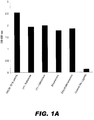
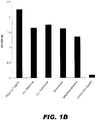
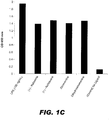
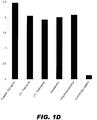
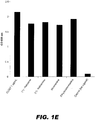
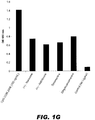
- a library of more than 100 (+)- morphinan compounds was screened for TLR9 antagonist activity by assessing NF-KB activation in the HEK293 cells expressing TLR9. This reporter gene allows the monitoring of signaling through the TLR, based on the activation of NF- ⁇ B.
- This screening experiment identified those (+)-morphinan compounds comprising the greatest TLR9 antagonist activity. Even at a concentration as low as 100 nM, some compounds inhibited TLR9 in excess of 90%.
- the following example was designed to evaluate the effectiveness of several specific (+)-morphinans to reverse allodynia, as assessed by von Frey testing, in rats subjected to chronic constriction injury (CCI).
- CCI chronic constriction injury
- Allodynia was induced in a group of (male, Sprague-Dawley) rats in accordance with one of the most widely used animal models for neuropathic pain, which closely mimics the pain endured by patients.
- CCI chronic constriction injury
- Bennett model four closely spaced ligatures tied loosely around the sciatic nerve of a rat cause demyelination of the nerve, resulting in spontaneous pain, such as prolonged paw elevation and licking of the ligated paw.
- Induced pain in the nerve-injured limb can be measured using Von Frey filaments, applied to the plantar surface of the paw to test for responses to non-noxious tactile stimulation. The onset of this heightened mechanical allodynia is quite rapid and it persists for 2-3 months.
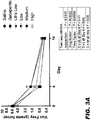
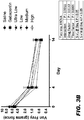
- Treatment groups Condition Dose #/group Control - saline 0 46 Gabapentin 100 mg/kg 24 (+)-naloxone - ultra low 0,071 mg/kg 16 (+)-naloxone -low 0.71 mg/kg 8 (+)-naloxone - medium 7.1 mg/kg 8 (+)-naloxone - high 71 mg/kg 8 Cmpd II-25 - ultra low 0.073 mg/kg 8 Cmpd II-25 - low 0.73 mg/kg 8 Cmpd II-25 - medium 7.3 mg/kg 9 Cmpd II-25 - high 73 mg/kg 10 Cmpd II-93 - ultra low 0.079 mg/kg 8 Cmpd II-93 - low 0.79 mg/kg 8 Cmpd II-93 - medium 7,9 mg/kg 8 Cmpd II-93 - high 79 mg/kg 8 Cmpd II-62 - ultra low 0.1 mg/kg 8 Cmpd II-62 - low 1.0 mg/kg 8 Cmpd II-62 -
- FIG. 3 presents a representative plot of the development of allodynia in which the von Frey scores are plotted at day 0 (prior to surgery) and days 4 and 14 post-surgery in various treatment groups. None of the rats treated with (+)-naloxone displayed any reversal of allodynia at any dose (data not shown), It appears, therefore, that (+)-naloxone is not effective at reversing allodynia 3 hours post dose using the current protocol.
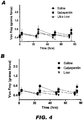
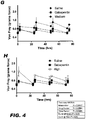
- FIG. 4 presents time courses of the allodynia responses (i.e., pre-dose and post-dose) in the ipsilateral (A-D) and contralateral paws (E-H) for each of the four days of dosing with the different doses of Compound II-25.
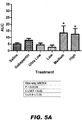
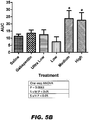
- the effect was most prominent on Day 1 of dosing in rats treated with the high dose (3 hrs P ⁇ 0.05) and Day 3 of dosing in rats treated with the medium dose (51 hrs P ⁇ 0.05).
- the under the curve analysis is presented in FIG. 5 .
- Compound II-93 significantly reversed allodynia in the ipsilateral paw after the high dose only (P ⁇ 0.01). The effect was most prominent on Days 2 and 3 of dosing (27 hrs P ⁇ 0.01 ; 51 hrs P ⁇ 0.01) (see FIG. 6A-D ).
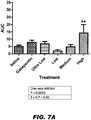
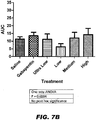
- the under the curve analysis is plotted in FIG. 7 , in which the significant reversal of allodynia in the ipsilateral paw (see FIG. 7A ) was detected after treatment with the high dose (i.e., 79 mg/kg) of Compound II-93. Throughout the testing, many of the rats were observed to be sleepy or sedated, and some rats had some swelling of the ipsilateral paw.
- Compound II-62 did not significantly reverse allodynia at any dose (data not shown).
- the area under the curve analysis demonstrated that there was no overall effect of any dose of compound II-62 compared to saline, but time course analysis revealed that there was a slight reversal of allodynia on the ipsilateral paw on Day 4 of dosing, however. After unblinding, it was revealed that one rat treated with the low dose, one treated with the medium dose, and two rats treated with the high dose of compound II-62 appeared sleepier than the other rats on at least one post dosing occasion. It was also observed that injection of the high dose of compound II-62 appeared to irritate the rats when it was injected. Some of the rats administered this dose showed swelling around the site of injection the next day.
- Compound III-2 had no effect on allodynia at any dose (data not shown). There were no significant effects of this compound compare to saline in any of the statistical tests conducted. Two rats, later revealed to have been treated with the low dose of compound III-2 had increased levels of sleepiness during one of the post dosing testing sessions.
- Acetaminophen-induced liver damage is the most common cause of death due to acute liver failure.
- Treatment with a (+)-morphinan may reduce or prevent acute liver injury induced by acetaminophen (APAP).
- APAP acetaminophen
- APAP-induced liver toxicity was induced in male C57BL/6 mice aged between 8-10 weeks by a single intraperitoneal (ip) injection of APAP in PBS at a dose of 500 mg/Kg ( Imaeda et al. (2009) J. Clin. Invest. 119(2):305-314 ).
- the ability of (+)-morphinans to reduce liver toxicity was tested in the following groups:
- (+)-morphinan (or PBS) was either administered as a single subcutaneous (sc) or ip injection concurrent with the APAP injection or one hour prior to the APAP injection.
- Table 6 presents the (+)-morphinans tested. TABLE 6. Test compounds and doses.
- Test Agent Dose Timing (+)-naloxone 60 mg/kg, ip (PBS) Concurrent Cmpd II-78 30 mg/kg, sc (PBS) One hr prior Cmpd 11-24 60 mg/kg, sc (PBS) One hr prior Cmpd II-93 60 mg/kg, sc (PBS) One hr prior Cmpd III-2 30 mg/kg, sc (50% EtOH/NS) One hr prior
- mice were sacrificed 12 hours post-APAP treatment. Liver samples were stained with H&E and analyzed for signs of necrosis and hemorrhage. Histology scores were assigned using the standard rating scale. The levels of serum alanine transaminase (ALT) were also measured in each animal using a standard assay.
- ALT serum alanine transaminase
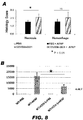
- (+)-Naloxone administered at the same time as the toxic dose of APAP provided essentially no protection. As shown in FIG. 8 , (+)-naloxone reduced the ALT levels, but did not improve the histology scores for necrosis and hemorrhage.
- Compound II-78 provided protection from APAP-induced toxicity.
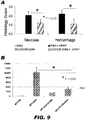
- Compound II-78 protected the liver from necrosis and hemorrhage (P ⁇ 0.05) - the histology scores were reduced to about half of those treated only with APAP (see FIG. 9A ).
- ALT levels were reduced significantly (P ⁇ 0.05) by pretreatment with compound II-78 (see FIG. 9B ).
- (+)-morphinans was tested using the EAE (Experimental Autoimmune Encephalomyelitis) Lewis rat model.
- EAE Extra Autoimmune Encephalomyelitis
- six groups of 10 rats/group of female Lewis rats (7 weeks old; - 200 g) were used in the study.
- the groups included a vehicle (20% 2-hydroxypropyl, ⁇ - cyclodextrin, HBC), a positive control (prednisolone), and four test (+)-morphinans.
- the groups are presented below:
- Each rat was injected with 0.05 ml of an emulsion of Mycobacterium tuberculosis H37 and guinea pig spinal cord into each main foot pad of the rear paws using conscious restraint.
- the compounds (or vehicle) were administered twice daily (bid).
- the first dose was give prior to EAE induction. Dosing continued for 20 days.
- Body weight, paw thickness and clinical signs of EAE were measured for each rat 2 times per week starting the 2nd week of treatment and continued until the end of study.
- Clinical scoring was conducted according to the table below. Rats in which scores were not clear cut were give half scores, such as 3.5. Statistics were conducted on the clinical scores for the period in which onset of disease was observed until recovery. A Repeated Measures One Way ANOVA followed by a Newman-Keuls posthoc test if significant was conducted (Graphpad Prism 5, La Jolla, CA). Data presented as Mean ⁇ SEM.
- EAE Score Symptoms 0 Normal 1 Limp tail 2 Incomplete paralysis of one or both hind limbs (weakness, limping, shaking) 3 Complete paralysis of one hind limb or both hind limbs can move but do not help in movement of the body 4 Complete paralysis of both hind limbs (back half or rat is dragged around the cage) 5 Complete paralysis of hind limbs and weakness of one or both forelimbs or moribund, or death
- EAE clinical scores for each group of rats are presented in FIG. 10 .
- Prednisolone (positive control) and Cmpd II-98 (5 mg/kg bid subcutaneous) significantly reduced EAE clinical scores compared to vehicle control (p ⁇ 0.05).
- Cmpd II-98 was dosed at 20 mg/kg bid, however, acute toxicity was observed.
- Cmpd II-98 was delivered at 5 mg/kg bid subcutaneous.
- Cmpd II-98 had anti-inflammatory effects in the EAE Lewis rat model.
Landscapes
- Chemical & Material Sciences (AREA)
- Organic Chemistry (AREA)
- Health & Medical Sciences (AREA)
- Veterinary Medicine (AREA)
- Public Health (AREA)
- General Health & Medical Sciences (AREA)
- Animal Behavior & Ethology (AREA)
- Life Sciences & Earth Sciences (AREA)
- Medicinal Chemistry (AREA)
- Pharmacology & Pharmacy (AREA)
- Epidemiology (AREA)
- Pain & Pain Management (AREA)
- Chemical Kinetics & Catalysis (AREA)
- General Chemical & Material Sciences (AREA)
- Nuclear Medicine, Radiotherapy & Molecular Imaging (AREA)
- Bioinformatics & Cheminformatics (AREA)
- Engineering & Computer Science (AREA)
- Emergency Medicine (AREA)
- Biomedical Technology (AREA)
- Neurology (AREA)
- Neurosurgery (AREA)
- Rheumatology (AREA)
- Pharmaceuticals Containing Other Organic And Inorganic Compounds (AREA)
- Other In-Based Heterocyclic Compounds (AREA)
- Plural Heterocyclic Compounds (AREA)
Priority Applications (1)
| Application Number | Priority Date | Filing Date | Title |
|---|---|---|---|
| PL10805351T PL2593095T3 (pl) | 2010-07-16 | 2010-12-22 | (+)-morfinany jako antagoniści receptora toll-podobnego 9 i ich terapeutyczne zastosowania |
Applications Claiming Priority (3)
| Application Number | Priority Date | Filing Date | Title |
|---|---|---|---|
| US12/837,545 US20110015219A1 (en) | 2009-07-16 | 2010-07-16 | (+)-Morphinans as Antagonists of Toll-Like Receptor 9 and Therapeutic Uses Thereof |
| PCT/US2010/061699 WO2012008984A1 (en) | 2010-07-16 | 2010-12-22 | (+)-morphinans as antagonists of toll-like receptor 9 and therapeutic uses thereof |
| US12/975,407 US9562014B2 (en) | 2009-07-16 | 2010-12-22 | (+)-morphinans as antagonists of toll-like receptor 9 and therapeutic uses thereof |
Publications (2)
| Publication Number | Publication Date |
|---|---|
| EP2593095A1 EP2593095A1 (en) | 2013-05-22 |
| EP2593095B1 true EP2593095B1 (en) | 2019-03-27 |
Family
ID=43754707
Family Applications (1)
| Application Number | Title | Priority Date | Filing Date |
|---|---|---|---|
| EP10805351.3A Active EP2593095B1 (en) | 2010-07-16 | 2010-12-22 | (+)-morphinans as antagonists of toll-like receptor 9 and therapeutic uses thereof |
Country Status (8)
| Country | Link |
|---|---|
| US (3) | US9562014B2 (pl) |
| EP (1) | EP2593095B1 (pl) |
| JP (1) | JP5911484B2 (pl) |
| AU (1) | AU2010357625B2 (pl) |
| CA (1) | CA2768199C (pl) |
| ES (1) | ES2728701T3 (pl) |
| PL (1) | PL2593095T3 (pl) |
| WO (1) | WO2012008984A1 (pl) |
Families Citing this family (19)
| Publication number | Priority date | Publication date | Assignee | Title |
|---|---|---|---|---|
| ES2674018T3 (es) * | 2009-07-16 | 2018-06-26 | Mallinckrodt Llc | (+) - Morfinanos como antagonistas del receptor de tipo toll 9 y usos terapéuticos de los mismos |
| US10363251B2 (en) | 2009-07-16 | 2019-07-30 | Mallinckrodt Llc | (+)-morphinans as antagonists of toll-like receptor 9 and therapeutic uses thereof |
| US8829020B2 (en) | 2009-07-16 | 2014-09-09 | Mallinckrodt Llc | Compounds and compositions for use in phototherapy and in treatment of ocular neovascular disease and cancers |
| CA2768199C (en) | 2010-07-16 | 2018-08-28 | Mallinckrodt Llc | (+)-morphinans as antagonists of toll-like receptor 9 and therapeutic uses thereof |
| SG11201401856VA (en) | 2011-10-26 | 2014-05-29 | Kempharm Inc | Benzoic acid, benzoic acid derivatives and heteroaryl carboxylic acid conjugates of hydromorphone, prodrugs, methods of making and use thereof |
| CN102579444A (zh) * | 2012-01-21 | 2012-07-18 | 张有成 | 青藤碱在制备抑制肿瘤侵袭转移的药物中的应用 |
| GB201308440D0 (en) * | 2013-05-10 | 2013-06-19 | Dalgleish Angus | Therapeutic |
| US9969746B2 (en) | 2013-12-05 | 2018-05-15 | The University Of Bath | Opioid compounds and their uses |
| MA40937A (fr) | 2014-12-02 | 2017-10-11 | Kempharm Inc | Acide benzoïque, dérivés d'acide benzoïque et conjugués d'acide hétéroarylcarboxylique d'oxymorphone, promédicaments, leurs procédés de fabrication et d'utilisation |
| WO2016152965A1 (ja) * | 2015-03-24 | 2016-09-29 | 東レ株式会社 | 低アルブミン血症の改善剤 |
| US9757372B2 (en) * | 2015-03-25 | 2017-09-12 | Taiwanj Pharmaceuticals Co., Ltd. | Toll-like receptor 4 antagonists and use in autoimmune liver diseases |
| EP3377095B1 (en) * | 2015-11-18 | 2020-01-01 | INSERM - Institut National de la Santé et de la Recherche Médicale | Methods and pharmaceutical compositions for treating rhabdomyolysis |
| KR20190098253A (ko) * | 2017-01-05 | 2019-08-21 | 타이완제이 파마슈티컬스 컴퍼니 리미티드 | 모르피난 유도체, 및 자가면역, 염증 또는 감염 관련 질환을 치료하기 위한 이를 포함하는 조성물 |
| EP3655401B1 (en) * | 2017-07-18 | 2023-09-06 | Merck Patent GmbH | Tlr7/8 antagonists and uses thereof |
| MX2020008706A (es) * | 2018-02-23 | 2020-09-25 | Rhodes Tech | Nuevos compuestos de opioides y sus usos. |
| CN109288840A (zh) * | 2018-11-23 | 2019-02-01 | 中国科学院长春应用化学研究所 | 二元纳曲酮衍生物的应用 |
| WO2021195209A1 (en) * | 2020-03-24 | 2021-09-30 | University Of Padova | Morphinan isomers and their structural modifications as nmdar antagonists and neuroplastogens |
| CN115260098B (zh) * | 2022-06-09 | 2024-06-04 | 澳门科技大学 | Abcb5抑制剂在制备多耐药性类风湿性关节炎治疗药物中的应用 |
| WO2024204554A1 (ja) * | 2023-03-29 | 2024-10-03 | 日本ケミファ株式会社 | スピロ環状モルヒナン誘導体 |
Citations (1)
| Publication number | Priority date | Publication date | Assignee | Title |
|---|---|---|---|---|
| US20100081819A1 (en) * | 2008-09-30 | 2010-04-01 | Mallinckrodt Inc. | Processes for the synthesis of tertiary amines |
Family Cites Families (34)
| Publication number | Priority date | Publication date | Assignee | Title |
|---|---|---|---|---|
| JPS55133360A (en) * | 1979-04-03 | 1980-10-17 | Tatsuya Shono | Preparation of cyclic amine |
| US4521601A (en) * | 1981-05-20 | 1985-06-04 | The United States Of America As Represented By The Department Of Health & Human Services | Practical total synthesis unnatural enantiomers of opium-derived morphinans |
| HU197750B (en) * | 1984-07-17 | 1989-05-29 | Alkaloida Vegyeszeti Gyar | Process for n-demethylation of morphine alkaloids |
| US5668285A (en) * | 1986-10-31 | 1997-09-16 | The United States Of America As Represented By The Department Of Health And Human Services | Total synthesis of northebaine, normophine, noroxymorphone enantiomers and derivatives via N-Nor intermediates |
| PT95069B (pt) | 1989-08-24 | 1997-10-31 | Searle & Co | Processo para a preparacao de (+)-isomeros de derivados de endoetano/endoetanoepoximofinano, uteis como agentes anti-tussicos |
| JPH04273880A (ja) * | 1991-02-28 | 1992-09-30 | Ono Pharmaceut Co Ltd | ジヒドロモルヒネ誘導体 |
| ES2121988T3 (es) * | 1992-01-23 | 1998-12-16 | Toray Industries | Derivado de morfinano y uso medicinal. |
| DE69424853T2 (de) * | 1993-07-23 | 2000-10-05 | Toray Industries, Inc. | Morphinan-derivate und ihre medizinische verwendung |
| US5919826A (en) | 1996-10-24 | 1999-07-06 | Algos Pharmaceutical Corporation | Method of alleviating pain |
| AU2002227135B2 (en) | 2000-10-31 | 2008-01-03 | Rensselaer Polytechnic Institute | 8- substituted-2, 6-methano-3-benzazocines and 3-substituted morphinanes as opioid receptor binding agents |
| WO2002080918A1 (en) * | 2001-04-02 | 2002-10-17 | Toray Industries, Inc. | Remedial or prophylactic agent for frequent urination or urinary incontinence |
| US20040033253A1 (en) | 2002-02-19 | 2004-02-19 | Ihor Shevchuk | Acyl opioid antagonists |
| GB2392670A (en) | 2002-09-03 | 2004-03-10 | Stylacats Ltd | (+)-Morphine production |
| US7238791B1 (en) | 2005-12-16 | 2007-07-03 | Roche Diagnostics Operations, Inc. | 6-monoacetylmorphine derivatives useful in immunoassay |
| US20090191185A1 (en) | 2006-04-26 | 2009-07-30 | The Uab Research Foundation | Reducing Cancer Cell Invasion Using an Inhibitor of Toll Like Receptor Signaling |
| CN101066948B (zh) | 2007-05-30 | 2012-01-04 | 广东工业大学 | 青藤碱催化氢化还原制备氢化青藤碱的方法 |
| WO2009012005A1 (en) | 2007-07-17 | 2009-01-22 | Mallinckrodt Inc. | Preparation of n-alkylated opiates by reductive amination |
| JP2010536787A (ja) | 2007-08-15 | 2010-12-02 | イデラ ファーマシューティカルズ インコーポレイテッド | Toll様受容体モジュレータ |
| WO2009051824A2 (en) * | 2007-10-18 | 2009-04-23 | Aiko Biotechnology | Combination analgesic employing opioid and neutral antagonist |
| WO2009059048A2 (en) | 2007-10-30 | 2009-05-07 | The Regents Of The University Of Colorado | (+)-opioids and methods of use |
| WO2009078987A1 (en) * | 2007-12-17 | 2009-06-25 | Mallinckrodt Inc. | Process and compounds for the production of (+) opiates |
| CN101896489A (zh) * | 2007-12-17 | 2010-11-24 | 马林克罗特公司 | 制备丁丙诺啡和丁丙诺啡的衍生物的方法 |
| CN101265266B (zh) | 2008-04-23 | 2011-12-14 | 南京大学 | 青藤碱衍生物及其制备方法和应用 |
| MX2010013663A (es) * | 2008-06-17 | 2011-01-14 | Mallinckrodt Inc | Proceso para la preparacion de compuestos 6-beta-hidroxi morfinanos. |
| CA2730111C (en) | 2008-07-10 | 2017-02-28 | Human Biomolecular Research Institute | Synthesis of metabolically stable agents for alcohol and drug abuse |
| EP2328899B1 (en) * | 2008-09-16 | 2018-01-24 | Mallinckrodt LLC | Processes for the synthesis of five and six membered heterocyclic rings |
| PE20190391A1 (es) * | 2008-10-30 | 2019-03-13 | Gruenenthal Chemie | Formas de dosificacion del tapentadol novedosas y potentes |
| KR20100090155A (ko) * | 2009-02-05 | 2010-08-13 | 엘지전자 주식회사 | 이동 단말기 및 그의 프레즌스 정보 처리방법 |
| WO2010096790A1 (en) | 2009-02-23 | 2010-08-26 | Mallinckrodt Inc. | (+)-morphinananium n-oxides and processes for their production |
| JP2012518652A (ja) * | 2009-02-23 | 2012-08-16 | マリンクロッド インコーポレイテッド | (+)−6−ヒドロキシ−モルフィナンまたは(+)−6−アミノ−モルフィナン誘導体 |
| US8946419B2 (en) | 2009-02-23 | 2015-02-03 | Mallinckrodt Llc | (+)-6-hydroxy-morphinan or (+)-6-amino-morphinan derivatives |
| JP5697215B2 (ja) | 2009-06-11 | 2015-04-08 | マリンクロッド エルエルシー | 触媒的水素移動による6−α−アミノN−置換モルフィナンの合成 |
| ES2674018T3 (es) * | 2009-07-16 | 2018-06-26 | Mallinckrodt Llc | (+) - Morfinanos como antagonistas del receptor de tipo toll 9 y usos terapéuticos de los mismos |
| CA2768199C (en) | 2010-07-16 | 2018-08-28 | Mallinckrodt Llc | (+)-morphinans as antagonists of toll-like receptor 9 and therapeutic uses thereof |
-
2010
- 2010-12-22 CA CA2768199A patent/CA2768199C/en active Active
- 2010-12-22 US US12/975,407 patent/US9562014B2/en active Active
- 2010-12-22 ES ES10805351T patent/ES2728701T3/es active Active
- 2010-12-22 PL PL10805351T patent/PL2593095T3/pl unknown
- 2010-12-22 AU AU2010357625A patent/AU2010357625B2/en active Active
- 2010-12-22 WO PCT/US2010/061699 patent/WO2012008984A1/en not_active Ceased
- 2010-12-22 JP JP2013519642A patent/JP5911484B2/ja not_active Expired - Fee Related
- 2010-12-22 EP EP10805351.3A patent/EP2593095B1/en active Active
-
2016
- 2016-09-02 US US15/255,979 patent/US10604488B2/en active Active
-
2020
- 2020-02-03 US US16/779,796 patent/US11142502B2/en active Active
Patent Citations (1)
| Publication number | Priority date | Publication date | Assignee | Title |
|---|---|---|---|---|
| US20100081819A1 (en) * | 2008-09-30 | 2010-04-01 | Mallinckrodt Inc. | Processes for the synthesis of tertiary amines |
Also Published As
| Publication number | Publication date |
|---|---|
| US20200172488A1 (en) | 2020-06-04 |
| JP2013534208A (ja) | 2013-09-02 |
| AU2010357625B2 (en) | 2015-04-23 |
| ES2728701T3 (es) | 2019-10-28 |
| AU2010357625A1 (en) | 2012-03-01 |
| PL2593095T3 (pl) | 2019-12-31 |
| US11142502B2 (en) | 2021-10-12 |
| US10604488B2 (en) | 2020-03-31 |
| US20110136845A1 (en) | 2011-06-09 |
| CA2768199A1 (en) | 2012-01-19 |
| US9562014B2 (en) | 2017-02-07 |
| EP2593095A1 (en) | 2013-05-22 |
| WO2012008984A1 (en) | 2012-01-19 |
| CA2768199C (en) | 2018-08-28 |
| US20170029432A1 (en) | 2017-02-02 |
| JP5911484B2 (ja) | 2016-04-27 |
Similar Documents
| Publication | Publication Date | Title |
|---|---|---|
| EP2593095B1 (en) | (+)-morphinans as antagonists of toll-like receptor 9 and therapeutic uses thereof | |
| EP2453895B1 (en) | (+) - morphinans as antagonists of toll-like receptor 9 and therapeutic uses thereof | |
| JP7223742B2 (ja) | 有機化合物 | |
| EP1327444B1 (en) | Antipruritic agent | |
| US5256669A (en) | Methods and compositions for treating acute or chronic pain and drug addiction | |
| US20240285576A1 (en) | R-mdma for treatment of pain | |
| US10363251B2 (en) | (+)-morphinans as antagonists of toll-like receptor 9 and therapeutic uses thereof | |
| US9597316B2 (en) | Indole compounds for use in treating inflammation and cancer | |
| US9801836B2 (en) | Using palmitoylethanolamide in combination with opioids | |
| KR102235772B1 (ko) | 오피오이드 수용체 길항제 컨쥬게이트 및 그의 용도 | |
| CN100376578C (zh) | 扇形狗牙花吲哚类生物碱及其在制备戒毒药物中的用途 | |
| WO2014037381A1 (en) | Method for treating pruritus | |
| CN114601819A (zh) | 一种水合氯醛在抑制阿片类药物复吸中的应用 | |
| JPWO2001014382A1 (ja) | モルヒナン4級アンモニウム塩誘導体を有効成分とする鎮痛薬 |
Legal Events
| Date | Code | Title | Description |
|---|---|---|---|
| PUAI | Public reference made under article 153(3) epc to a published international application that has entered the european phase |
Free format text: ORIGINAL CODE: 0009012 |
|
| 17P | Request for examination filed |
Effective date: 20121217 |
|
| AK | Designated contracting states |
Kind code of ref document: A1 Designated state(s): AL AT BE BG CH CY CZ DE DK EE ES FI FR GB GR HR HU IE IS IT LI LT LU LV MC MK MT NL NO PL PT RO RS SE SI SK SM TR |
|
| DAX | Request for extension of the european patent (deleted) | ||
| 17Q | First examination report despatched |
Effective date: 20140926 |
|
| STAA | Information on the status of an ep patent application or granted ep patent |
Free format text: STATUS: EXAMINATION IS IN PROGRESS |
|
| GRAP | Despatch of communication of intention to grant a patent |
Free format text: ORIGINAL CODE: EPIDOSNIGR1 |
|
| STAA | Information on the status of an ep patent application or granted ep patent |
Free format text: STATUS: GRANT OF PATENT IS INTENDED |
|
| INTG | Intention to grant announced |
Effective date: 20181008 |
|
| GRAS | Grant fee paid |
Free format text: ORIGINAL CODE: EPIDOSNIGR3 |
|
| GRAA | (expected) grant |
Free format text: ORIGINAL CODE: 0009210 |
|
| STAA | Information on the status of an ep patent application or granted ep patent |
Free format text: STATUS: THE PATENT HAS BEEN GRANTED |
|
| AK | Designated contracting states |
Kind code of ref document: B1 Designated state(s): AL AT BE BG CH CY CZ DE DK EE ES FI FR GB GR HR HU IE IS IT LI LT LU LV MC MK MT NL NO PL PT RO RS SE SI SK SM TR |
|
| REG | Reference to a national code |
Ref country code: GB Ref legal event code: FG4D |
|
| REG | Reference to a national code |
Ref country code: CH Ref legal event code: EP |
|
| REG | Reference to a national code |
Ref country code: AT Ref legal event code: REF Ref document number: 1112190 Country of ref document: AT Kind code of ref document: T Effective date: 20190415 |
|
| REG | Reference to a national code |
Ref country code: IE Ref legal event code: FG4D |
|
| REG | Reference to a national code |
Ref country code: DE Ref legal event code: R096 Ref document number: 602010057873 Country of ref document: DE |
|
| PG25 | Lapsed in a contracting state [announced via postgrant information from national office to epo] |
Ref country code: LT Free format text: LAPSE BECAUSE OF FAILURE TO SUBMIT A TRANSLATION OF THE DESCRIPTION OR TO PAY THE FEE WITHIN THE PRESCRIBED TIME-LIMIT Effective date: 20190327 Ref country code: SE Free format text: LAPSE BECAUSE OF FAILURE TO SUBMIT A TRANSLATION OF THE DESCRIPTION OR TO PAY THE FEE WITHIN THE PRESCRIBED TIME-LIMIT Effective date: 20190327 Ref country code: FI Free format text: LAPSE BECAUSE OF FAILURE TO SUBMIT A TRANSLATION OF THE DESCRIPTION OR TO PAY THE FEE WITHIN THE PRESCRIBED TIME-LIMIT Effective date: 20190327 Ref country code: NO Free format text: LAPSE BECAUSE OF FAILURE TO SUBMIT A TRANSLATION OF THE DESCRIPTION OR TO PAY THE FEE WITHIN THE PRESCRIBED TIME-LIMIT Effective date: 20190627 |
|
| REG | Reference to a national code |
Ref country code: NL Ref legal event code: MP Effective date: 20190327 |
|
| PG25 | Lapsed in a contracting state [announced via postgrant information from national office to epo] |
Ref country code: LV Free format text: LAPSE BECAUSE OF FAILURE TO SUBMIT A TRANSLATION OF THE DESCRIPTION OR TO PAY THE FEE WITHIN THE PRESCRIBED TIME-LIMIT Effective date: 20190327 Ref country code: GR Free format text: LAPSE BECAUSE OF FAILURE TO SUBMIT A TRANSLATION OF THE DESCRIPTION OR TO PAY THE FEE WITHIN THE PRESCRIBED TIME-LIMIT Effective date: 20190628 Ref country code: HR Free format text: LAPSE BECAUSE OF FAILURE TO SUBMIT A TRANSLATION OF THE DESCRIPTION OR TO PAY THE FEE WITHIN THE PRESCRIBED TIME-LIMIT Effective date: 20190327 Ref country code: RS Free format text: LAPSE BECAUSE OF FAILURE TO SUBMIT A TRANSLATION OF THE DESCRIPTION OR TO PAY THE FEE WITHIN THE PRESCRIBED TIME-LIMIT Effective date: 20190327 Ref country code: NL Free format text: LAPSE BECAUSE OF FAILURE TO SUBMIT A TRANSLATION OF THE DESCRIPTION OR TO PAY THE FEE WITHIN THE PRESCRIBED TIME-LIMIT Effective date: 20190327 Ref country code: BG Free format text: LAPSE BECAUSE OF FAILURE TO SUBMIT A TRANSLATION OF THE DESCRIPTION OR TO PAY THE FEE WITHIN THE PRESCRIBED TIME-LIMIT Effective date: 20190627 |
|
| REG | Reference to a national code |
Ref country code: AT Ref legal event code: MK05 Ref document number: 1112190 Country of ref document: AT Kind code of ref document: T Effective date: 20190327 |
|
| REG | Reference to a national code |
Ref country code: ES Ref legal event code: FG2A Ref document number: 2728701 Country of ref document: ES Kind code of ref document: T3 Effective date: 20191028 |
|
| PG25 | Lapsed in a contracting state [announced via postgrant information from national office to epo] |
Ref country code: AL Free format text: LAPSE BECAUSE OF FAILURE TO SUBMIT A TRANSLATION OF THE DESCRIPTION OR TO PAY THE FEE WITHIN THE PRESCRIBED TIME-LIMIT Effective date: 20190327 Ref country code: PT Free format text: LAPSE BECAUSE OF FAILURE TO SUBMIT A TRANSLATION OF THE DESCRIPTION OR TO PAY THE FEE WITHIN THE PRESCRIBED TIME-LIMIT Effective date: 20190727 Ref country code: RO Free format text: LAPSE BECAUSE OF FAILURE TO SUBMIT A TRANSLATION OF THE DESCRIPTION OR TO PAY THE FEE WITHIN THE PRESCRIBED TIME-LIMIT Effective date: 20190327 Ref country code: CZ Free format text: LAPSE BECAUSE OF FAILURE TO SUBMIT A TRANSLATION OF THE DESCRIPTION OR TO PAY THE FEE WITHIN THE PRESCRIBED TIME-LIMIT Effective date: 20190327 Ref country code: EE Free format text: LAPSE BECAUSE OF FAILURE TO SUBMIT A TRANSLATION OF THE DESCRIPTION OR TO PAY THE FEE WITHIN THE PRESCRIBED TIME-LIMIT Effective date: 20190327 Ref country code: SK Free format text: LAPSE BECAUSE OF FAILURE TO SUBMIT A TRANSLATION OF THE DESCRIPTION OR TO PAY THE FEE WITHIN THE PRESCRIBED TIME-LIMIT Effective date: 20190327 |
|
| PG25 | Lapsed in a contracting state [announced via postgrant information from national office to epo] |
Ref country code: SM Free format text: LAPSE BECAUSE OF FAILURE TO SUBMIT A TRANSLATION OF THE DESCRIPTION OR TO PAY THE FEE WITHIN THE PRESCRIBED TIME-LIMIT Effective date: 20190327 |
|
| PG25 | Lapsed in a contracting state [announced via postgrant information from national office to epo] |
Ref country code: IS Free format text: LAPSE BECAUSE OF FAILURE TO SUBMIT A TRANSLATION OF THE DESCRIPTION OR TO PAY THE FEE WITHIN THE PRESCRIBED TIME-LIMIT Effective date: 20190727 Ref country code: AT Free format text: LAPSE BECAUSE OF FAILURE TO SUBMIT A TRANSLATION OF THE DESCRIPTION OR TO PAY THE FEE WITHIN THE PRESCRIBED TIME-LIMIT Effective date: 20190327 |
|
| REG | Reference to a national code |
Ref country code: DE Ref legal event code: R097 Ref document number: 602010057873 Country of ref document: DE |
|
| PG25 | Lapsed in a contracting state [announced via postgrant information from national office to epo] |
Ref country code: DK Free format text: LAPSE BECAUSE OF FAILURE TO SUBMIT A TRANSLATION OF THE DESCRIPTION OR TO PAY THE FEE WITHIN THE PRESCRIBED TIME-LIMIT Effective date: 20190327 |
|
| PLBE | No opposition filed within time limit |
Free format text: ORIGINAL CODE: 0009261 |
|
| STAA | Information on the status of an ep patent application or granted ep patent |
Free format text: STATUS: NO OPPOSITION FILED WITHIN TIME LIMIT |
|
| PG25 | Lapsed in a contracting state [announced via postgrant information from national office to epo] |
Ref country code: SI Free format text: LAPSE BECAUSE OF FAILURE TO SUBMIT A TRANSLATION OF THE DESCRIPTION OR TO PAY THE FEE WITHIN THE PRESCRIBED TIME-LIMIT Effective date: 20190327 |
|
| 26N | No opposition filed |
Effective date: 20200103 |
|
| REG | Reference to a national code |
Ref country code: CH Ref legal event code: PL |
|
| REG | Reference to a national code |
Ref country code: BE Ref legal event code: MM Effective date: 20191231 |
|
| PG25 | Lapsed in a contracting state [announced via postgrant information from national office to epo] |
Ref country code: MC Free format text: LAPSE BECAUSE OF FAILURE TO SUBMIT A TRANSLATION OF THE DESCRIPTION OR TO PAY THE FEE WITHIN THE PRESCRIBED TIME-LIMIT Effective date: 20190327 |
|
| PG25 | Lapsed in a contracting state [announced via postgrant information from national office to epo] |
Ref country code: IE Free format text: LAPSE BECAUSE OF NON-PAYMENT OF DUE FEES Effective date: 20191222 Ref country code: LU Free format text: LAPSE BECAUSE OF NON-PAYMENT OF DUE FEES Effective date: 20191222 |
|
| PG25 | Lapsed in a contracting state [announced via postgrant information from national office to epo] |
Ref country code: BE Free format text: LAPSE BECAUSE OF NON-PAYMENT OF DUE FEES Effective date: 20191231 Ref country code: CH Free format text: LAPSE BECAUSE OF NON-PAYMENT OF DUE FEES Effective date: 20191231 Ref country code: LI Free format text: LAPSE BECAUSE OF NON-PAYMENT OF DUE FEES Effective date: 20191231 |
|
| PG25 | Lapsed in a contracting state [announced via postgrant information from national office to epo] |
Ref country code: CY Free format text: LAPSE BECAUSE OF FAILURE TO SUBMIT A TRANSLATION OF THE DESCRIPTION OR TO PAY THE FEE WITHIN THE PRESCRIBED TIME-LIMIT Effective date: 20190327 |
|
| PG25 | Lapsed in a contracting state [announced via postgrant information from national office to epo] |
Ref country code: MT Free format text: LAPSE BECAUSE OF FAILURE TO SUBMIT A TRANSLATION OF THE DESCRIPTION OR TO PAY THE FEE WITHIN THE PRESCRIBED TIME-LIMIT Effective date: 20190327 Ref country code: HU Free format text: LAPSE BECAUSE OF FAILURE TO SUBMIT A TRANSLATION OF THE DESCRIPTION OR TO PAY THE FEE WITHIN THE PRESCRIBED TIME-LIMIT; INVALID AB INITIO Effective date: 20101222 |
|
| PG25 | Lapsed in a contracting state [announced via postgrant information from national office to epo] |
Ref country code: MK Free format text: LAPSE BECAUSE OF FAILURE TO SUBMIT A TRANSLATION OF THE DESCRIPTION OR TO PAY THE FEE WITHIN THE PRESCRIBED TIME-LIMIT Effective date: 20190327 |
|
| P01 | Opt-out of the competence of the unified patent court (upc) registered |
Effective date: 20230601 |
|
| PGFP | Annual fee paid to national office [announced via postgrant information from national office to epo] |
Ref country code: PL Payment date: 20241203 Year of fee payment: 15 |
|
| PGFP | Annual fee paid to national office [announced via postgrant information from national office to epo] |
Ref country code: DE Payment date: 20241227 Year of fee payment: 15 |
|
| PGFP | Annual fee paid to national office [announced via postgrant information from national office to epo] |
Ref country code: ES Payment date: 20250102 Year of fee payment: 15 |
|
| PGFP | Annual fee paid to national office [announced via postgrant information from national office to epo] |
Ref country code: TR Payment date: 20241210 Year of fee payment: 15 |
|
| PGFP | Annual fee paid to national office [announced via postgrant information from national office to epo] |
Ref country code: GB Payment date: 20251229 Year of fee payment: 16 |
|
| PGFP | Annual fee paid to national office [announced via postgrant information from national office to epo] |
Ref country code: IT Payment date: 20251219 Year of fee payment: 16 |
|
| PGFP | Annual fee paid to national office [announced via postgrant information from national office to epo] |
Ref country code: FR Payment date: 20251226 Year of fee payment: 16 |