EP2564194B1 - Metabolic biomarkers of autism - Google Patents
Metabolic biomarkers of autism Download PDFInfo
- Publication number
- EP2564194B1 EP2564194B1 EP11721395.9A EP11721395A EP2564194B1 EP 2564194 B1 EP2564194 B1 EP 2564194B1 EP 11721395 A EP11721395 A EP 11721395A EP 2564194 B1 EP2564194 B1 EP 2564194B1
- Authority
- EP
- European Patent Office
- Prior art keywords
- metabolites
- autistic
- autism
- samples
- brain
- Prior art date
- Legal status (The legal status is an assumption and is not a legal conclusion. Google has not performed a legal analysis and makes no representation as to the accuracy of the status listed.)
- Active
Links
- 208000020706 Autistic disease Diseases 0.000 title claims description 65
- 206010003805 Autism Diseases 0.000 title claims description 63
- 230000002503 metabolic effect Effects 0.000 title claims description 15
- 239000000090 biomarker Substances 0.000 title description 27
- 239000002207 metabolite Substances 0.000 claims description 131
- 238000000034 method Methods 0.000 claims description 60
- 230000001413 cellular effect Effects 0.000 claims description 42
- OPVPGKGADVGKTG-BQBZGAKWSA-N Ac-Asp-Glu Chemical compound CC(=O)N[C@@H](CC(O)=O)C(=O)N[C@H](C(O)=O)CCC(O)=O OPVPGKGADVGKTG-BQBZGAKWSA-N 0.000 claims description 20
- ILRYLPWNYFXEMH-UHFFFAOYSA-N D-cystathionine Natural products OC(=O)C(N)CCSCC(N)C(O)=O ILRYLPWNYFXEMH-UHFFFAOYSA-N 0.000 claims description 20
- ILRYLPWNYFXEMH-WHFBIAKZSA-N L-cystathionine Chemical compound [O-]C(=O)[C@@H]([NH3+])CCSC[C@H]([NH3+])C([O-])=O ILRYLPWNYFXEMH-WHFBIAKZSA-N 0.000 claims description 20
- 108010076560 isospaglumic acid Proteins 0.000 claims description 20
- AKVBCGQVQXPRLD-UHFFFAOYSA-N 2-aminooctanoic acid Chemical compound CCCCCCC(N)C(O)=O AKVBCGQVQXPRLD-UHFFFAOYSA-N 0.000 claims description 17
- 210000005013 brain tissue Anatomy 0.000 claims description 15
- 210000001175 cerebrospinal fluid Anatomy 0.000 claims description 15
- RYYVLZVUVIJVGH-UHFFFAOYSA-N caffeine Chemical compound CN1C(=O)N(C)C(=O)C2=C1N=CN2C RYYVLZVUVIJVGH-UHFFFAOYSA-N 0.000 claims description 14
- NAQGHJTUZRHGAC-ZZZDFHIKSA-N SAICAR Chemical compound NC1=C(C(=O)N[C@@H](CC(O)=O)C(O)=O)N=CN1[C@H]1[C@H](O)[C@H](O)[C@@H](COP(O)(O)=O)O1 NAQGHJTUZRHGAC-ZZZDFHIKSA-N 0.000 claims description 13
- 238000004949 mass spectrometry Methods 0.000 claims description 13
- 210000002381 plasma Anatomy 0.000 claims description 12
- 210000004369 blood Anatomy 0.000 claims description 9
- 239000008280 blood Substances 0.000 claims description 9
- 238000000926 separation method Methods 0.000 claims description 9
- 229940117976 5-hydroxylysine Drugs 0.000 claims description 8
- YSMODUONRAFBET-UHFFFAOYSA-N delta-DL-hydroxylysine Natural products NCC(O)CCC(N)C(O)=O YSMODUONRAFBET-UHFFFAOYSA-N 0.000 claims description 8
- 239000001177 diphosphate Substances 0.000 claims description 8
- XPPKVPWEQAFLFU-UHFFFAOYSA-J diphosphate(4-) Chemical compound [O-]P([O-])(=O)OP([O-])([O-])=O XPPKVPWEQAFLFU-UHFFFAOYSA-J 0.000 claims description 8
- 235000011180 diphosphates Nutrition 0.000 claims description 8
- YSMODUONRAFBET-UHNVWZDZSA-N erythro-5-hydroxy-L-lysine Chemical compound NC[C@H](O)CC[C@H](N)C(O)=O YSMODUONRAFBET-UHNVWZDZSA-N 0.000 claims description 8
- 238000004811 liquid chromatography Methods 0.000 claims description 8
- MKNNYTWMAUAKMA-FHHHURIISA-N (2s,4s,5r,6r)-5-acetamido-2-[(2s,3r,4s,5s,6r)-2-[(2r,3s,4r,5r)-5-amino-1,2,4-trihydroxy-6-oxohexan-3-yl]oxy-3,5-dihydroxy-6-(hydroxymethyl)oxan-4-yl]oxy-4-hydroxy-6-[(1r,2r)-1,2,3-trihydroxypropyl]oxane-2-carboxylic acid Chemical compound O1[C@@H]([C@H](O)[C@H](O)CO)[C@H](NC(=O)C)[C@@H](O)C[C@@]1(C(O)=O)O[C@@H]1[C@@H](O)[C@H](O[C@H]([C@H](O)CO)[C@H](O)[C@@H](N)C=O)O[C@H](CO)[C@@H]1O MKNNYTWMAUAKMA-FHHHURIISA-N 0.000 claims description 7
- YFMPSMITLLBENU-UHFFFAOYSA-N 3,4-dihydroxybenzylamine Chemical compound NCC1=CC=C(O)C(O)=C1 YFMPSMITLLBENU-UHFFFAOYSA-N 0.000 claims description 7
- LPHGQDQBBGAPDZ-UHFFFAOYSA-N Isocaffeine Natural products CN1C(=O)N(C)C(=O)C2=C1N(C)C=N2 LPHGQDQBBGAPDZ-UHFFFAOYSA-N 0.000 claims description 7
- CMUNUTVVOOHQPW-LURJTMIESA-N L-proline betaine Chemical compound C[N+]1(C)CCC[C@H]1C([O-])=O CMUNUTVVOOHQPW-LURJTMIESA-N 0.000 claims description 7
- UKISAGFGRDHYFO-UHFFFAOYSA-N N-vinylacetylglycine Chemical compound OC(=O)CNC(=O)CC=C UKISAGFGRDHYFO-UHFFFAOYSA-N 0.000 claims description 7
- 210000004381 amniotic fluid Anatomy 0.000 claims description 7
- 229960001948 caffeine Drugs 0.000 claims description 7
- VJEONQKOZGKCAK-UHFFFAOYSA-N caffeine Natural products CN1C(=O)N(C)C(=O)C2=C1C=CN2C VJEONQKOZGKCAK-UHFFFAOYSA-N 0.000 claims description 7
- KILNVBDSWZSGLL-KXQOOQHDSA-N 1,2-dihexadecanoyl-sn-glycero-3-phosphocholine Chemical compound CCCCCCCCCCCCCCCC(=O)OC[C@H](COP([O-])(=O)OCC[N+](C)(C)C)OC(=O)CCCCCCCCCCCCCCC KILNVBDSWZSGLL-KXQOOQHDSA-N 0.000 claims description 6
- 238000000132 electrospray ionisation Methods 0.000 claims description 3
- 210000004556 brain Anatomy 0.000 description 79
- 239000000126 substance Substances 0.000 description 43
- 230000014759 maintenance of location Effects 0.000 description 36
- 238000002705 metabolomic analysis Methods 0.000 description 33
- 230000001431 metabolomic effect Effects 0.000 description 27
- 150000002500 ions Chemical class 0.000 description 25
- WEVYAHXRMPXWCK-UHFFFAOYSA-N Acetonitrile Chemical compound CC#N WEVYAHXRMPXWCK-UHFFFAOYSA-N 0.000 description 21
- 150000001875 compounds Chemical class 0.000 description 20
- 238000004587 chromatography analysis Methods 0.000 description 18
- BDAGIHXWWSANSR-UHFFFAOYSA-N methanoic acid Natural products OC=O BDAGIHXWWSANSR-UHFFFAOYSA-N 0.000 description 18
- 238000004458 analytical method Methods 0.000 description 17
- 238000002013 hydrophilic interaction chromatography Methods 0.000 description 17
- 238000013467 fragmentation Methods 0.000 description 16
- 238000006062 fragmentation reaction Methods 0.000 description 16
- 210000001519 tissue Anatomy 0.000 description 15
- 238000004885 tandem mass spectrometry Methods 0.000 description 14
- 208000037265 diseases, disorders, signs and symptoms Diseases 0.000 description 13
- 239000000284 extract Substances 0.000 description 12
- WHUUTDBJXJRKMK-VKHMYHEASA-N L-glutamic acid Chemical compound OC(=O)[C@@H](N)CCC(O)=O WHUUTDBJXJRKMK-VKHMYHEASA-N 0.000 description 10
- 238000001425 electrospray ionisation time-of-flight mass spectrometry Methods 0.000 description 10
- 238000004895 liquid chromatography mass spectrometry Methods 0.000 description 10
- 150000003384 small molecules Chemical class 0.000 description 10
- OSWFIVFLDKOXQC-UHFFFAOYSA-N 4-(3-methoxyphenyl)aniline Chemical compound COC1=CC=CC(C=2C=CC(N)=CC=2)=C1 OSWFIVFLDKOXQC-UHFFFAOYSA-N 0.000 description 9
- 238000002474 experimental method Methods 0.000 description 9
- 235000019253 formic acid Nutrition 0.000 description 9
- BTCSSZJGUNDROE-UHFFFAOYSA-N gamma-aminobutyric acid Chemical compound NCCCC(O)=O BTCSSZJGUNDROE-UHFFFAOYSA-N 0.000 description 9
- 229930195712 glutamate Natural products 0.000 description 9
- 230000037353 metabolic pathway Effects 0.000 description 9
- 108090000623 proteins and genes Proteins 0.000 description 9
- 239000000523 sample Substances 0.000 description 9
- 238000001228 spectrum Methods 0.000 description 9
- 230000004075 alteration Effects 0.000 description 8
- 238000000540 analysis of variance Methods 0.000 description 8
- 208000029560 autism spectrum disease Diseases 0.000 description 8
- 210000004027 cell Anatomy 0.000 description 8
- 201000010099 disease Diseases 0.000 description 8
- 229960003692 gamma aminobutyric acid Drugs 0.000 description 8
- 230000037361 pathway Effects 0.000 description 8
- 239000000091 biomarker candidate Substances 0.000 description 7
- 238000004422 calculation algorithm Methods 0.000 description 7
- 238000001514 detection method Methods 0.000 description 7
- 238000003745 diagnosis Methods 0.000 description 7
- OKKJLVBELUTLKV-UHFFFAOYSA-N Methanol Chemical compound OC OKKJLVBELUTLKV-UHFFFAOYSA-N 0.000 description 6
- 230000008238 biochemical pathway Effects 0.000 description 6
- 210000001638 cerebellum Anatomy 0.000 description 6
- 230000000052 comparative effect Effects 0.000 description 6
- 230000004060 metabolic process Effects 0.000 description 6
- 238000007619 statistical method Methods 0.000 description 6
- XUJNEKJLAYXESH-REOHCLBHSA-N L-Cysteine Chemical compound SC[C@H](N)C(O)=O XUJNEKJLAYXESH-REOHCLBHSA-N 0.000 description 5
- FFEARJCKVFRZRR-BYPYZUCNSA-N L-methionine Chemical compound CSCC[C@H](N)C(O)=O FFEARJCKVFRZRR-BYPYZUCNSA-N 0.000 description 5
- 238000013459 approach Methods 0.000 description 5
- 230000008859 change Effects 0.000 description 5
- 238000012790 confirmation Methods 0.000 description 5
- XUJNEKJLAYXESH-UHFFFAOYSA-N cysteine Natural products SCC(N)C(O)=O XUJNEKJLAYXESH-UHFFFAOYSA-N 0.000 description 5
- 235000018417 cysteine Nutrition 0.000 description 5
- 208000035475 disorder Diseases 0.000 description 5
- 238000002043 liquid chromatography-electrospray ionisation time-of-flight mass spectrometry Methods 0.000 description 5
- 229930182817 methionine Natural products 0.000 description 5
- 238000012360 testing method Methods 0.000 description 5
- XLYOFNOQVPJJNP-UHFFFAOYSA-N water Substances O XLYOFNOQVPJJNP-UHFFFAOYSA-N 0.000 description 5
- -1 (e.g. Substances 0.000 description 4
- 238000005481 NMR spectroscopy Methods 0.000 description 4
- 238000001574 biopsy Methods 0.000 description 4
- 238000007405 data analysis Methods 0.000 description 4
- 239000000104 diagnostic biomarker Substances 0.000 description 4
- 238000001437 electrospray ionisation time-of-flight quadrupole detection Methods 0.000 description 4
- 239000000543 intermediate Substances 0.000 description 4
- 238000005259 measurement Methods 0.000 description 4
- 230000008506 pathogenesis Effects 0.000 description 4
- 239000000047 product Substances 0.000 description 4
- QZAYGJVTTNCVMB-UHFFFAOYSA-N serotonin Chemical compound C1=C(O)C=C2C(CCN)=CNC2=C1 QZAYGJVTTNCVMB-UHFFFAOYSA-N 0.000 description 4
- 210000002700 urine Anatomy 0.000 description 4
- 241000282412 Homo Species 0.000 description 3
- QIVBCDIJIAJPQS-VIFPVBQESA-N L-tryptophane Chemical compound C1=CC=C2C(C[C@H](N)C(O)=O)=CNC2=C1 QIVBCDIJIAJPQS-VIFPVBQESA-N 0.000 description 3
- QIVBCDIJIAJPQS-UHFFFAOYSA-N Tryptophan Natural products C1=CC=C2C(CC(N)C(O)=O)=CNC2=C1 QIVBCDIJIAJPQS-UHFFFAOYSA-N 0.000 description 3
- 235000001014 amino acid Nutrition 0.000 description 3
- 150000001413 amino acids Chemical class 0.000 description 3
- 238000003556 assay Methods 0.000 description 3
- 235000014113 dietary fatty acids Nutrition 0.000 description 3
- 238000000605 extraction Methods 0.000 description 3
- 229930195729 fatty acid Natural products 0.000 description 3
- 239000000194 fatty acid Substances 0.000 description 3
- 150000004665 fatty acids Chemical class 0.000 description 3
- 239000012634 fragment Substances 0.000 description 3
- 230000002068 genetic effect Effects 0.000 description 3
- 238000002347 injection Methods 0.000 description 3
- 239000007924 injection Substances 0.000 description 3
- 238000013507 mapping Methods 0.000 description 3
- 239000000203 mixture Substances 0.000 description 3
- 150000007524 organic acids Chemical class 0.000 description 3
- 235000005985 organic acids Nutrition 0.000 description 3
- 239000013610 patient sample Substances 0.000 description 3
- 235000018102 proteins Nutrition 0.000 description 3
- 102000004169 proteins and genes Human genes 0.000 description 3
- 235000000346 sugar Nutrition 0.000 description 3
- 150000008163 sugars Chemical class 0.000 description 3
- 239000006228 supernatant Substances 0.000 description 3
- AHLPHDHHMVZTML-BYPYZUCNSA-N L-Ornithine Chemical compound NCCC[C@H](N)C(O)=O AHLPHDHHMVZTML-BYPYZUCNSA-N 0.000 description 2
- 208000012902 Nervous system disease Diseases 0.000 description 2
- 102000043322 Reelin Human genes 0.000 description 2
- 108700038365 Reelin Proteins 0.000 description 2
- VYPSYNLAJGMNEJ-UHFFFAOYSA-N Silicium dioxide Chemical compound O=[Si]=O VYPSYNLAJGMNEJ-UHFFFAOYSA-N 0.000 description 2
- 239000002253 acid Substances 0.000 description 2
- VREFGVBLTWBCJP-UHFFFAOYSA-N alprazolam Chemical compound C12=CC(Cl)=CC=C2N2C(C)=NN=C2CN=C1C1=CC=CC=C1 VREFGVBLTWBCJP-UHFFFAOYSA-N 0.000 description 2
- 230000003542 behavioural effect Effects 0.000 description 2
- 239000012472 biological sample Substances 0.000 description 2
- 239000003153 chemical reaction reagent Substances 0.000 description 2
- 238000013461 design Methods 0.000 description 2
- 238000011161 development Methods 0.000 description 2
- 230000018109 developmental process Effects 0.000 description 2
- 229940079593 drug Drugs 0.000 description 2
- 239000003814 drug Substances 0.000 description 2
- 239000011536 extraction buffer Substances 0.000 description 2
- 230000006870 function Effects 0.000 description 2
- 238000004128 high performance liquid chromatography Methods 0.000 description 2
- 239000005556 hormone Substances 0.000 description 2
- 229940088597 hormone Drugs 0.000 description 2
- 238000000126 in silico method Methods 0.000 description 2
- 238000001727 in vivo Methods 0.000 description 2
- 239000002198 insoluble material Substances 0.000 description 2
- 230000003834 intracellular effect Effects 0.000 description 2
- YGPSJZOEDVAXAB-UHFFFAOYSA-N kynurenine Chemical compound OC(=O)C(N)CC(=O)C1=CC=CC=C1N YGPSJZOEDVAXAB-UHFFFAOYSA-N 0.000 description 2
- 150000002632 lipids Chemical class 0.000 description 2
- 238000001972 liquid chromatography-electrospray ionisation mass spectrometry Methods 0.000 description 2
- 238000011068 loading method Methods 0.000 description 2
- 230000006680 metabolic alteration Effects 0.000 description 2
- 230000001722 neurochemical effect Effects 0.000 description 2
- 230000007472 neurodevelopment Effects 0.000 description 2
- 230000007935 neutral effect Effects 0.000 description 2
- 210000000056 organ Anatomy 0.000 description 2
- 239000008188 pellet Substances 0.000 description 2
- 238000012545 processing Methods 0.000 description 2
- 238000011160 research Methods 0.000 description 2
- 230000028327 secretion Effects 0.000 description 2
- 229940076279 serotonin Drugs 0.000 description 2
- 230000003595 spectral effect Effects 0.000 description 2
- OGNSCSPNOLGXSM-UHFFFAOYSA-N (+/-)-DABA Natural products NCCC(N)C(O)=O OGNSCSPNOLGXSM-UHFFFAOYSA-N 0.000 description 1
- DZQLQEYLEYWJIB-UHFFFAOYSA-N 4-aminobutanal Chemical compound NCCCC=O DZQLQEYLEYWJIB-UHFFFAOYSA-N 0.000 description 1
- TUHVEAJXIMEOSA-UHFFFAOYSA-N 4-guanidinobutanoic acid Chemical compound NC(=[NH2+])NCCCC([O-])=O TUHVEAJXIMEOSA-UHFFFAOYSA-N 0.000 description 1
- 208000032170 Congenital Abnormalities Diseases 0.000 description 1
- 206010010356 Congenital anomaly Diseases 0.000 description 1
- 208000012239 Developmental disease Diseases 0.000 description 1
- 108010016626 Dipeptides Proteins 0.000 description 1
- 238000001134 F-test Methods 0.000 description 1
- 238000000729 Fisher's exact test Methods 0.000 description 1
- 102000005915 GABA Receptors Human genes 0.000 description 1
- 108010005551 GABA Receptors Proteins 0.000 description 1
- 101000621344 Homo sapiens Protein Wnt-2 Proteins 0.000 description 1
- 101000772888 Homo sapiens Ubiquitin-protein ligase E3A Proteins 0.000 description 1
- 229930195714 L-glutamate Natural products 0.000 description 1
- ZDXPYRJPNDTMRX-VKHMYHEASA-N L-glutamine Chemical compound OC(=O)[C@@H](N)CCC(N)=O ZDXPYRJPNDTMRX-VKHMYHEASA-N 0.000 description 1
- 229930182816 L-glutamine Natural products 0.000 description 1
- FFFHZYDWPBMWHY-VKHMYHEASA-N L-homocysteine Chemical compound OC(=O)[C@@H](N)CCS FFFHZYDWPBMWHY-VKHMYHEASA-N 0.000 description 1
- 241000124008 Mammalia Species 0.000 description 1
- 206010057175 Mass conditions Diseases 0.000 description 1
- 208000029726 Neurodevelopmental disease Diseases 0.000 description 1
- 102000003797 Neuropeptides Human genes 0.000 description 1
- 108090000189 Neuropeptides Proteins 0.000 description 1
- AHLPHDHHMVZTML-UHFFFAOYSA-N Orn-delta-NH2 Natural products NCCCC(N)C(O)=O AHLPHDHHMVZTML-UHFFFAOYSA-N 0.000 description 1
- 102100022805 Protein Wnt-2 Human genes 0.000 description 1
- 108010026552 Proteome Proteins 0.000 description 1
- 108010012996 Serotonin Plasma Membrane Transport Proteins Proteins 0.000 description 1
- 102100028874 Sodium-dependent serotonin transporter Human genes 0.000 description 1
- 101710114597 Sodium-dependent serotonin transporter Proteins 0.000 description 1
- 229930006000 Sucrose Natural products 0.000 description 1
- CZMRCDWAGMRECN-UGDNZRGBSA-N Sucrose Chemical compound O[C@H]1[C@H](O)[C@@H](CO)O[C@@]1(CO)O[C@@H]1[C@H](O)[C@@H](O)[C@H](O)[C@@H](CO)O1 CZMRCDWAGMRECN-UGDNZRGBSA-N 0.000 description 1
- 108010083111 Ubiquitin-Protein Ligases Proteins 0.000 description 1
- 102000006275 Ubiquitin-Protein Ligases Human genes 0.000 description 1
- 102100030434 Ubiquitin-protein ligase E3A Human genes 0.000 description 1
- 101150019524 WNT2 gene Proteins 0.000 description 1
- 238000001790 Welch's t-test Methods 0.000 description 1
- 102000052556 Wnt-2 Human genes 0.000 description 1
- 108700020986 Wnt-2 Proteins 0.000 description 1
- 101100485099 Xenopus laevis wnt2b-b gene Proteins 0.000 description 1
- 230000002159 abnormal effect Effects 0.000 description 1
- 230000005856 abnormality Effects 0.000 description 1
- 150000007513 acids Chemical class 0.000 description 1
- 150000001412 amines Chemical class 0.000 description 1
- 239000012491 analyte Substances 0.000 description 1
- 239000013060 biological fluid Substances 0.000 description 1
- 239000012620 biological material Substances 0.000 description 1
- 230000015572 biosynthetic process Effects 0.000 description 1
- 230000007698 birth defect Effects 0.000 description 1
- 230000008499 blood brain barrier function Effects 0.000 description 1
- 210000001218 blood-brain barrier Anatomy 0.000 description 1
- 210000001124 body fluid Anatomy 0.000 description 1
- 239000010839 body fluid Substances 0.000 description 1
- 239000000872 buffer Substances 0.000 description 1
- 239000006227 byproduct Substances 0.000 description 1
- 230000015556 catabolic process Effects 0.000 description 1
- 230000036755 cellular response Effects 0.000 description 1
- 230000002490 cerebral effect Effects 0.000 description 1
- 206010008129 cerebral palsy Diseases 0.000 description 1
- 150000001793 charged compounds Chemical class 0.000 description 1
- 239000007795 chemical reaction product Substances 0.000 description 1
- 235000012000 cholesterol Nutrition 0.000 description 1
- 150000001841 cholesterols Chemical class 0.000 description 1
- 238000007621 cluster analysis Methods 0.000 description 1
- 239000000356 contaminant Substances 0.000 description 1
- 238000007796 conventional method Methods 0.000 description 1
- 238000012937 correction Methods 0.000 description 1
- 230000003247 decreasing effect Effects 0.000 description 1
- 238000002405 diagnostic procedure Methods 0.000 description 1
- 235000005911 diet Nutrition 0.000 description 1
- 230000037213 diet Effects 0.000 description 1
- 238000007865 diluting Methods 0.000 description 1
- 238000009826 distribution Methods 0.000 description 1
- 230000009977 dual effect Effects 0.000 description 1
- 238000013399 early diagnosis Methods 0.000 description 1
- 230000000694 effects Effects 0.000 description 1
- 238000005516 engineering process Methods 0.000 description 1
- 230000007613 environmental effect Effects 0.000 description 1
- 150000002148 esters Chemical class 0.000 description 1
- 230000001747 exhibiting effect Effects 0.000 description 1
- 238000010195 expression analysis Methods 0.000 description 1
- 238000011049 filling Methods 0.000 description 1
- 238000001914 filtration Methods 0.000 description 1
- 239000012520 frozen sample Substances 0.000 description 1
- 230000014509 gene expression Effects 0.000 description 1
- 239000011521 glass Substances 0.000 description 1
- 235000011187 glycerol Nutrition 0.000 description 1
- 150000002314 glycerols Chemical class 0.000 description 1
- 229930182470 glycoside Natural products 0.000 description 1
- 150000002338 glycosides Chemical class 0.000 description 1
- 230000036541 health Effects 0.000 description 1
- 230000001771 impaired effect Effects 0.000 description 1
- 238000007901 in situ hybridization Methods 0.000 description 1
- 238000010874 in vitro model Methods 0.000 description 1
- 238000011534 incubation Methods 0.000 description 1
- 208000014674 injury Diseases 0.000 description 1
- 230000003993 interaction Effects 0.000 description 1
- 230000000155 isotopic effect Effects 0.000 description 1
- 230000008140 language development Effects 0.000 description 1
- 238000009593 lumbar puncture Methods 0.000 description 1
- 238000004519 manufacturing process Methods 0.000 description 1
- 239000003550 marker Substances 0.000 description 1
- 239000011159 matrix material Substances 0.000 description 1
- 230000007246 mechanism Effects 0.000 description 1
- 230000003340 mental effect Effects 0.000 description 1
- 230000004066 metabolic change Effects 0.000 description 1
- 230000003818 metabolic dysfunction Effects 0.000 description 1
- 238000007884 metabolite profiling Methods 0.000 description 1
- 230000011987 methylation Effects 0.000 description 1
- 238000007069 methylation reaction Methods 0.000 description 1
- 238000012986 modification Methods 0.000 description 1
- 230000004048 modification Effects 0.000 description 1
- 230000035772 mutation Effects 0.000 description 1
- 239000000101 novel biomarker Substances 0.000 description 1
- 235000016709 nutrition Nutrition 0.000 description 1
- 230000035764 nutrition Effects 0.000 description 1
- 229960003104 ornithine Drugs 0.000 description 1
- 230000036542 oxidative stress Effects 0.000 description 1
- 150000002923 oximes Chemical class 0.000 description 1
- 230000001575 pathological effect Effects 0.000 description 1
- 230000002974 pharmacogenomic effect Effects 0.000 description 1
- 238000001050 pharmacotherapy Methods 0.000 description 1
- WTJKGGKOPKCXLL-RRHRGVEJSA-N phosphatidylcholine Chemical compound CCCCCCCCCCCCCCCC(=O)OC[C@H](COP([O-])(=O)OCC[N+](C)(C)C)OC(=O)CCCCCCCC=CCCCCCCCC WTJKGGKOPKCXLL-RRHRGVEJSA-N 0.000 description 1
- 238000002360 preparation method Methods 0.000 description 1
- 238000000513 principal component analysis Methods 0.000 description 1
- 230000008569 process Effects 0.000 description 1
- 108090000765 processed proteins & peptides Proteins 0.000 description 1
- 102000004196 processed proteins & peptides Human genes 0.000 description 1
- 238000004393 prognosis Methods 0.000 description 1
- 208000020016 psychiatric disease Diseases 0.000 description 1
- 238000003753 real-time PCR Methods 0.000 description 1
- 239000012088 reference solution Substances 0.000 description 1
- 230000003252 repetitive effect Effects 0.000 description 1
- 238000003757 reverse transcription PCR Methods 0.000 description 1
- 230000035945 sensitivity Effects 0.000 description 1
- 230000003997 social interaction Effects 0.000 description 1
- 241000894007 species Species 0.000 description 1
- 238000004611 spectroscopical analysis Methods 0.000 description 1
- 238000012421 spiking Methods 0.000 description 1
- 210000000130 stem cell Anatomy 0.000 description 1
- 150000003431 steroids Chemical class 0.000 description 1
- UIUJIQZEACWQSV-UHFFFAOYSA-N succinic semialdehyde Chemical compound OC(=O)CCC=O UIUJIQZEACWQSV-UHFFFAOYSA-N 0.000 description 1
- 239000005720 sucrose Substances 0.000 description 1
- 208000024891 symptom Diseases 0.000 description 1
- 208000011580 syndromic disease Diseases 0.000 description 1
- 230000002195 synergetic effect Effects 0.000 description 1
- 230000009897 systematic effect Effects 0.000 description 1
- 230000009885 systemic effect Effects 0.000 description 1
- 238000001269 time-of-flight mass spectrometry Methods 0.000 description 1
- 230000008791 toxic response Effects 0.000 description 1
- 238000013518 transcription Methods 0.000 description 1
- 230000035897 transcription Effects 0.000 description 1
- 238000012546 transfer Methods 0.000 description 1
- 230000008733 trauma Effects 0.000 description 1
- 230000002485 urinary effect Effects 0.000 description 1
- 239000011782 vitamin Substances 0.000 description 1
- 235000013343 vitamin Nutrition 0.000 description 1
- 229940088594 vitamin Drugs 0.000 description 1
- 229930003231 vitamin Natural products 0.000 description 1
- 238000005303 weighing Methods 0.000 description 1
Images




Classifications
-
- G—PHYSICS
- G01—MEASURING; TESTING
- G01N—INVESTIGATING OR ANALYSING MATERIALS BY DETERMINING THEIR CHEMICAL OR PHYSICAL PROPERTIES
- G01N33/00—Investigating or analysing materials by specific methods not covered by groups G01N1/00 - G01N31/00
- G01N33/48—Biological material, e.g. blood, urine; Haemocytometers
- G01N33/50—Chemical analysis of biological material, e.g. blood, urine; Testing involving biospecific ligand binding methods; Immunological testing
- G01N33/68—Chemical analysis of biological material, e.g. blood, urine; Testing involving biospecific ligand binding methods; Immunological testing involving proteins, peptides or amino acids
- G01N33/6893—Chemical analysis of biological material, e.g. blood, urine; Testing involving biospecific ligand binding methods; Immunological testing involving proteins, peptides or amino acids related to diseases not provided for elsewhere
- G01N33/6896—Neurological disorders, e.g. Alzheimer's disease
-
- G—PHYSICS
- G01—MEASURING; TESTING
- G01N—INVESTIGATING OR ANALYSING MATERIALS BY DETERMINING THEIR CHEMICAL OR PHYSICAL PROPERTIES
- G01N33/00—Investigating or analysing materials by specific methods not covered by groups G01N1/00 - G01N31/00
- G01N33/48—Biological material, e.g. blood, urine; Haemocytometers
- G01N33/50—Chemical analysis of biological material, e.g. blood, urine; Testing involving biospecific ligand binding methods; Immunological testing
- G01N33/92—Chemical analysis of biological material, e.g. blood, urine; Testing involving biospecific ligand binding methods; Immunological testing involving lipids, e.g. cholesterol, lipoproteins, or their receptors
-
- G—PHYSICS
- G01—MEASURING; TESTING
- G01N—INVESTIGATING OR ANALYSING MATERIALS BY DETERMINING THEIR CHEMICAL OR PHYSICAL PROPERTIES
- G01N33/00—Investigating or analysing materials by specific methods not covered by groups G01N1/00 - G01N31/00
- G01N33/48—Biological material, e.g. blood, urine; Haemocytometers
- G01N33/50—Chemical analysis of biological material, e.g. blood, urine; Testing involving biospecific ligand binding methods; Immunological testing
- G01N33/94—Chemical analysis of biological material, e.g. blood, urine; Testing involving biospecific ligand binding methods; Immunological testing involving narcotics or drugs or pharmaceuticals, neurotransmitters or associated receptors
-
- G—PHYSICS
- G01—MEASURING; TESTING
- G01N—INVESTIGATING OR ANALYSING MATERIALS BY DETERMINING THEIR CHEMICAL OR PHYSICAL PROPERTIES
- G01N33/00—Investigating or analysing materials by specific methods not covered by groups G01N1/00 - G01N31/00
- G01N33/48—Biological material, e.g. blood, urine; Haemocytometers
- G01N33/50—Chemical analysis of biological material, e.g. blood, urine; Testing involving biospecific ligand binding methods; Immunological testing
- G01N33/94—Chemical analysis of biological material, e.g. blood, urine; Testing involving biospecific ligand binding methods; Immunological testing involving narcotics or drugs or pharmaceuticals, neurotransmitters or associated receptors
- G01N33/9406—Neurotransmitters
- G01N33/9426—GABA, i.e. gamma-amino-butyrate
-
- G—PHYSICS
- G01—MEASURING; TESTING
- G01N—INVESTIGATING OR ANALYSING MATERIALS BY DETERMINING THEIR CHEMICAL OR PHYSICAL PROPERTIES
- G01N2800/00—Detection or diagnosis of diseases
- G01N2800/28—Neurological disorders
Definitions
- This invention relates to autism and diagnosing autism and autism spectrum disorders. Specifically, the invention provides methods and biomarkers for identifying individuals, particularly children, having autism and autism spectrum disorders. More particularly, the invention provides methods for identifying metabolites secreted by brain tissues and into biofluids of individuals with autism, wherein such metabolites have a molecular weight from about 10 Daltons to about 1500 Daltons. The invention provides multiple collections or spectra that comprise one or a plurality of such metabolites that are present in autistic individuals that are diagnostically and significantly different from levels found in non-autistic individuals. Collections of one or more differentially secreted metabolites provided herein comprise metabolic signatures diagnostic for autism. Additionally, specific biomarkers for autism are identified herein.
- Autism is a neurological disorder characterized by alterations in social interaction, language development, repetitive movements and patterns of behavior. Its prevalence has increased from 1 in 2,325 births prior to the 1980's to an alarming 1 in 101 births today ( Blaylock et al., 2009, Curr. Med. Chem. 16:157-170 ). Autism is a very complex neurological disorder that does not follow strictly genetic or deterministic etiology ( Lander et al, 1994, Science, 265:2037-48 ; Baron-Cohen et al, 2005, Science, 310:819-23 ; Santangelo et al, 2005, Am. J. Pharmacogenomic. 5:71-92 ).
- defining a role for metabolism in the pathogenesis of autism is important to developing an understanding of the disorder and providing an accurate diagnosis and patient management of the disease, because strictly genetic causes account for only approximately 10% of autism cases.
- Multiple candidate susceptibility genes have been identified, such as the serotonin transporter gene (5HTT), the GABA receptor ⁇ subunit (GABRB3), ubiquitin ligase 3 (UBE3A), wingless type MMTV integration site family member 2 (WNT2), and reelin (RELN) ( Folstein et al., 2001, Nat. Rev. Genet. 2:943-955 ; Buxbaum et al., 2004, Mol.
- Jaeken et al., 1984, The Lancet, 2(8411):1058-1061 refers to an infantile autistic syndrome characterised by the presence of succinylpurines in body fluids.
- Yap et al., 2010, Journal of Proteome Research, 9:2996-3004 refers to that urinary metabolic phenotyping differentiates children with autism from their unaffected siblings and age-matched controls.
- WO 2006/090185 refers to a method of prognosis of mental diseases, e . g ., Autism and Cerebral Palsy.
- WO 2006/121952 refers to diagnostic biomarkers for neurodevelopment disorders.
- Quinones et al., 2009, Neurobiology of Disease, 35(2):165-176 refers to metabolomics tools for identifying biomarkers for neuropsychiatric diseases.
- a method for identifying a human patient having a metabolic signature characteristic for autism comprising the steps of:
- metabolites e . g ., small molecules from about 10 Daltons to about 1500 Daltons
- Such spectra provide "biochemical fingerprints" comprising combinations of metabolites whose changes, together, can serve as specific indicators of autism.
- certain metabolites including those involved in glutamate, cysteine, methionine and ⁇ -amino butyric acid (GABA) metabolism can have a synergistic role on the cerebellar pathogenesis of autism.
- GABA ⁇ -amino butyric acid
- non-annotated or unreported metabolites were found to be present in autistic brains in a statistically-significant manner and also provide useful candidate biomarkers for autism and autism spectrum disorders. Metabolites identified herein provide sensitive and unique biochemical signatures of autism that are useful as diagnostic biomarkers for the disorder.
- This disclosure herein of these metabolic signatures of autism and autistic spectrum disorders is the first to apply metabolomics on postmortem autistic brains and to provide a fingerprint of metabolites and their changes, between autistic and non-autistic individuals.
- the studies provided herein identified metabolites that were significantly altered in the brains of autistic subjects as compared to non-autistic controls.
- subsets of metabolites that were commonly altered in autistic tissues were identified.
- differentially-secreted metabolites having a molecular weight from between about 10 Daltons to about 1500 Daltons were identified by liquid chromatography electrospray ionization time-of-flight mass spectroscopy (LC-ESI-TOF-MS) and/or hydrophilic interaction chromatography (HILIC), although the skilled worker will recognize that these methods are non-limiting and that other methods for detecting metabolites in biofluids from autistic patients can be utilized in the practice of the methods of this invention. However, the skilled worker will also recognize that this modality of mass spectrometry as applied to metabolomic analysis of fresh frozen brain tissue was highly sensitive ( e .
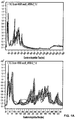
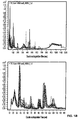
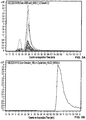
- Figures 1 (A) and (B) are total ion chromatograms of all postmortem brain samples.
- Figure 1 (A) represents HILIC chromatography and
- Figures 1 (B) represents C18 chromatography.
- Autistic samples are designated by gray lines and non-autistic controls are designated by black lines.
- Autism remains a poorly-understood disease, particularly with regard to its etiology and the significance of any detectable alteration in brain chemistry to its etiology.
- a large number of changes in brain chemistry have been detected in autistic brains (all post-mortem), but without any consistent understanding of whether such changes are fundamentally related to development or progression of the disease or produced as a consequence thereof.
- the metabolomic signatures provided herein reflect consistent differences in the autistic brains studied and identify particular metabolic pathways consistently associated with the disease.
- the metabolome defined as the total dynamic set of cellular metabolites present in cells or their surrounding matrix, is a product of health or disease/insult states. Metabolomics is particularly sensitive to environmental effects in comparison to other "omic" areas of study, such as genomics and proteomics.
- Cellular metabolites include but are not limited to sugars, organic acids, amino acids and fatty acids, particularly those species secreted, excreted or otherwise released from cells ( e . g ., as the result, inter alia , of chemical or physical trauma), that participate in functional mechanisms of cellular response to pathological or chemical insult.
- Such cellular metabolites can serve as biomarkers of disease or toxic response and can be detected in biological fluids ( Soga et al., 2006, J Biol Chem 281 : 16768-78 ; Zhao et al., 2006, birth Defects Res A Clin Mol Teratol 76:230-6 ).
- metabolomics is the platform that is closest to the phenotype in comparison to other "omics,” as it measures the end products of metabolism ( Dettmer et al., 2007, Mass Spectrom. Rev. 26:51-78 ).
- a metabolomic signature (i . e ., a population of cellular metabolites) differentially produced by autistic patient biofluids provides a reliable diagnostic marker for detecting autism.
- Certain aspects of the invention provide assays of cellular metabolites using physical separation methods, including but not limited to liquid chromatography electrospray ionization time-of-flight mass spectrometry (ESI-TOF), for example.
- EI-TOF liquid chromatography electrospray ionization time-of-flight mass spectrometry
- Metabolites can be identified using their exact molecular mass, as well as mass spectrometry fragmentation patterns of the metabolites.
- the sensitivity of applying such methods to detecting cellular metabolites produced by autistic patients provides improved identification of autistic disorders compared with less robust methods in the art, which have focused on psychological, developmental and behavioral assessments rather than metabolic biochemistry.
- Using a metabolomics diagnostic approach is a more reliable indicator of autistic phenotype versus gene specific diagnostics given the fact that not all changes in gene transcription correlate with a phenotype.
- a metabolomic signature unique to autism comprising one or more cellular metabolites, and in a particular instance, one or more cellular metabolites of the serotonin, cysteine, tryptophan, methionine, glutamate or GABA metabolic pathways, is provided herein.
- the metabolites comprising a metabolomic signature set forth herein comprise one or more of N-acetylaspartylglutamic acid, L-cystathionine, 2-aminooctanoic acid, 5-hydroxylysine, vinylacetylglycine, proline betaine, caffeine, 3-carboxy-1-hydroxypropylthiamine diphosphate, 3'-sialyllactosamine, 3,4-dihydroxybenzylamine, dipalmitoyl-phosphatidylcholine, SAICAR ((S)-2-[5-Amino-1-(5-phospho-D-ribosyl)imidazole-4-carboxamido]succinate), glutamate, or GABA intermediates, ( e .
- metabolites involved in the anabolism or catabolism of GABA such as L-glutamine, L-glutamate, alpha-ketogluratate, succinic acid semialdehyde, 4-aminobutyraldehyde, 4-guanidinobutanoate, or L-ornithine
- metabolite refers to any molecule or mass feature in the range of about 10 Daltons to about 1500 Daltons secreted by a cell and present in a tissue sample or biofluid.
- a cellular metabolite can include but is not limited to the following types of molecules: acids, bases, lipids, sugars, glycosides, amines, organic acids, lipids, amino acids, oximes, esters, dipeptides, tripeptides, fatty acids, cholesterols, oxysterols, glycerols, steroids, and/or hormones.
- the cellular metabolites can include but are not limited to N-acetylaspartylglutamic acid, L-cystathionine, 2-aminooctanoic acid, 5-hydroxylysine, vinylacetylglycine, proline betaine, caffeine, 3-carboxy-1-hydroxypropylthiamine diphosphate, 3'-sialyllactosamine, 3,4-dihydroxybenzylamine, dipalmitoyl-phosphatidylcholine, SAICAR ((S)-2-[5-Amino-1-(5-phospho-D-ribosyl)imidazole-4-carboxamido]succinate), glutamate, or GABA intermediates.
- SAICAR ((S)-2-[5-Amino-1-(5-phospho-D-ribosyl)imidazole-4-carboxamido]succinate
- glutamate or GABA intermediates.
- the method of the invention comprises assaying a biosample comprising cerebrospinal fluid, brain tissue, amniotic fluid, blood, or plasma from the patient for the level of a plurality of the cellular metabolites N-acetylaspartylglutamic acid, L-cystathionine, 2-aminooctanoic acid, 5-hydroxylysine, vinylacetylglycine, proline betaine, caffeine, 3-carboxy-1-hydroxypropylthiamine diphosphate, 3'-sialyllactosamine, 3,4-dihydroxybenzylamine, dipalmitoyl-phosphatidylcholine, and SAICAR ((S)-2-[5-Amino-1-(5-phospho-D-ribosyl) imidazole-4-carboxamido]succinate).
- phrases "identifying one or a plurality of cellular metabolites ... differentially produced” and “differentially produces” as used herein include but are not limited to comparisons of cells or tissues from autistic humans with cells or tissues from non-autistic humans. Detection or measurement of variations in metabolite populations or mass features between autistic and non-autistic control samples are included in this definition. In a preferred embodiment, alterations in production of various metabolites are measured by determining a profile of changes in metabolite molecules in autistic versus control samples.
- tissue or biofluid e . g ., lateral cerebellum, and post vermis brain, cerebrospinal fluid, blood, or plasma
- biofluid e . g ., lateral cerebellum, and post vermis brain, cerebrospinal fluid, blood, or plasma
- physical separation methods permit detection of cellular metabolites including but not limited to sugars, organic acids, amino acids, fatty acids, hormones, vitamins, and peptides, as well as ionic fragments thereof and other cellular metabolites (preferably having a molecular weight less than 3000 Daltons, more particularly between 10 and 1500 Daltons, and even more particularly between 100 and 1000 Daltons).
- the physical separation method is liquid chromatography/electrospray ionization time of flight mass spectrometry (LC/ESI-TOF-MS) and/or hydrophilic interaction chromatography (HILIC), however it will be understood that cellular metabolites as set forth herein can be detected using alternative spectrometry methods or other methods known in the art for analyzing these types of cellular compounds in this size range.
- LC/ESI-TOF-MS liquid chromatography/electrospray ionization time of flight mass spectrometry
- HILIC hydrophilic interaction chromatography
- Data for statistical analysis can be extracted from chromatograms (i . e ., spectra of mass signals) using statistical analysis packages such as Agilent Mass Hunter software (Product No. G3297AA, Agilent Technologies, Inc. Santa Clara, CA); it will be understood that alternative statistical analysis methods can be used instead.
- Masses are advantageously binned together if they are within 10 ppm and eluted within a 2 minutes retention time window.
- a binned mass can be considered to be the same molecule across different LC/ESI-TOF-MS analyses (referred to herein as an "exact mass”) if the detected masses are within ⁇ 10ppm. Binning of the data is required for statistical analysis and comparison of masses across experiments.
- Mass Hunter If multiple peaks with the same mass at the same retention time within a single sample were detected, for example, by Mass Hunter, they can be averaged to assist data analysis. Masses lacking a natural isotopic distribution or with a signal-to-noise ratio of less than 3 are removed from the data prior to analysis. The results from these assays provided relative values that were assessed according to annotated values within 20 ppm and provided a putative identity for the molecular weight detected according to chemical databases. Thus, a mass shift within 20 ppm was considered consistent with determining the identity of a specific annotated cellular metabolite known in the art due to differences in ionization source and instrumentation, ( e . g ., between different experiments or using different instruments).
- a mass can be considered to be the same across separate LC/ESI-TOF-MS injections using an algorithm that first sorts the data by mass and retention time. After sorting, a compound can be considered unique if it had a retention time difference of less than or equal to three minutes and a mass difference less than or equal to a weighted formula (0.00002 x mass). If a series of measurements from different separations fit this definition said measurements are considered to arise from separation of the same compound. If either the mass or the retention time is found to vary by more than the limits listed above, the mass is considered to be a different compound and given its own unique designation.
- Significance tests such as ANOVAs on the log base 2 can be used to transform abundance values of unique compounds present in autistic versus not-autistic samples at each time point.
- Missing data are omitted from the test, changing the degrees of freedom (rather than assuming the missing data were absent). This assumption was made because the extensive filtering performed by the Mass Hunter software can miss or filter certain peaks because they are below a certain abundance threshold and not zero. The ANOVA F-test was considered significant if its p-value was less than 0.05. Fold changes were calculated using the least squared means for a given time and treatment.
- Metabolic signature and biomarker profile refer to one or a plurality of metabolites identified by the inventive methods. Metabolic signatures and biomarker profiles according to the invention can provide a molecular "fingerprint” of autism spectral disorders and identify one or preferably a population of cellular metabolites significantly altered in individuals with autism spectral disorders. In preferred instances, metabolic signatures or biomarker profiles can be used to diagnose autism in an individual.
- biomarker refers to cellular metabolites that exhibit significant alterations between diseased and controls.
- biomarkers are identified as set forth above, by methods including LC/ESI-TOF-MS. Metabolomic biomarkers were identified by their unique molecular mass and consistency, thus the actual identity of the underlying compound that corresponds to the biomarker is not required for the practice of this invention.
- certain biomarkers can be identified by, for example , gene expression analysis, including real-time PCR, RT-PCR, Northern analysis, and in situ hybridization, but these will not generally fall within the definition of the term "cellular metabolites" as set forth herein.
- biomarkers discovered in vivo are expected to be useful for analyzing samples such as biofluids including for example, cerebrospinal fluid, blood, plasma, amniotic fluid and urine, i . e ., complex mixtures of extracellular biomolecules.
- This inventive methods are advantageous over invasive procedures such as tissue biopsies because metabolites in biofluids can be detected non-invasively (in contrast to intracellular compounds).
- processing cellular supernatant for mass spectrometry is more robust and less laborious than cellular extracts.
- samples or “biosamples” or “patient samples” include but are not limited to cerebrospinal fluid, brain tissue, amniotic fluid, blood, or plasma.
- the method of the invention comprises assaying a biosample comprising cerebrospinal fluid, brain tissue, amniotic fluid, blood, or plasma.
- biofluids are complex mixtures of systemic byproducts influenced by both endogenous and exogenous factors (genetics, diet, the environment).
- specific analytical chemistry protocols can be used for assessing biofluids for defined exact mass and retention times of specific candidate biomarkers.
- Metabolites from fresh frozen postmortem brain were initially separated by liquid chromatography (LC) and then ionized and detected by electrospray ionization time of flight mass spectrometry (ESI-TOF-MS).
- LC liquid chromatography
- ESI-TOF-MS electrospray ionization time of flight mass spectrometry
- metabolomics analysis of postmortem brain samples revealed a plurality of biochemical differences between autistic and non-autistic brains.
- the identification of cellular metabolites differentially secreted by autistic brain provide biomarkers for diagnosing autism, as set forth with particularity herein.
- the disclosure provides the following metabolites, taken alone, as a population, or in any informative combination, as biomarkers of autism: N-acetylaspartylglutamic acid, L-cystathionine, 2-aminooctanoic acid, 5-hydroxy lysine, vinylacetylglycine, proline betaine, caffeine, 3-carboxy-1-hydroxypropylthiamine diphosphate, 3'-sialyllactosamine, 3,4-dihydroxybenzylamine, dipalmitoy phosphatidylcholine, SAICAR ((S)-2-[5-Amino-1-(5-phospho-D-ribosyl)imidazole-4-carboxamido]succinate), glutamate, or GABA intermediates.
- N-acetylaspartylglutamic acid L-cystathionine
- 2-aminooctanoic acid 5-hydroxy lysine
- vinylacetylglycine vinylacety
- Postmortem brain tissue from autistic patients and age-matched controls was obtained from the Autism Tissue Program (ATP). Altogether, 6 autistic and 9 non-autistic postmortem brain samples from the University of Maryland Brain and Tissue Bank for Developmental Disorders were studied ( See Table 1). Metabolomics was performed with fresh frozen sections of the lateral cerebellum and post vermis from the above-mentioned samples. The cerebellum was selected because it is a region where abnormal neuroanatomical findings most consistent in autistic patients are localized ( Kemper et al., 1998, J. Neuropathol. Exp. Neurol. 57:645-652 ). Differences in age, PMI (postmortem interval) and degree of clinical manifestation were acknowledged to be a source of variability in the abundance and nature of metabolites measured by metabolomics.
- ATP Autism Tissue Program
- frozen brain specimens Prior to metabolomics, frozen brain specimens were mounted on the pre-cooled stage of a Leica SM200R microtome using 30% sucrose and sectioned to create uniform samples weighing ⁇ 50 mg. Metabolites were extracted in 80% methanol/20% 0.5% formic acid on a volume per wet tissue weight ratio by homogenizing the sample in a conical glass homogenizer. The samples were then stored at -20° C for 30 minutes to precipitate proteins and insoluble material. Thereafter, the cold incubation samples were centrifuged at 16,000 x g for 25 minutes at 4° C to pellet cell debris, proteins, and other insoluble material. Supernatent was then transferred to a new tube, and re-extracted with 300 ⁇ l of extraction buffer.
- LC-ESI-TOF-MS Liquid chromatography electrospray-ionization time-of-flight mass spectrometry
- Agilent QTOF LC/MS system consisting of a G6520AA QTOF high resolution mass spectrometer capable of exact mass MS and MS/MS ion fragmentation.
- the polar metabolite fraction of each sample was analyzed using two different chromatographic methods for maximal separation and small molecule resolution: a) 3 x 100mm Phenomenex 3 ⁇ m Luna hydrophilic interaction chromatography (HILIC) and b) 2.1 x 50mm Zorbax 1.8 ⁇ m C18-SB columns (C18).
- Ultra high pressure liquid chromatography (UPLC) analysis was performed with the Zorbax C18 column using a 15 minute gradient from 5% acetonitrile/95% water/0.1% formic acid to 100% acetonitrile/0.1% formic acid at a flow rate of 400 ⁇ l/min.
- the HILIC HPLC method was performed using a 16 minute gradient from 95% acetonitrile/5% water/0.1% formic acid to 60% acetonitrile/40% water/0.1% formic acid with a 500 ⁇ l/min flow rate.
- Electrospray ionization was employed using a dual ESI source, with an Agilent isocratic pump continuously delivering an internal mass reference solution into the source at approx. 0.01 ml/min.
- the mass range of the instrument was set at 75-1500 Da and data were acquired in 2 GHz mode to maximize dynamic range.
- Data acquisition was performed with Agilent MassHunter version B.02.00 using high-resolution exact mass conditions.
- TIC total ion chromatogram
- centwave algorithm Tautenhahn et al., 2008, BMC Bioinf. 9:504 .
- the input variables for the centwave algorithm were based on QTOF settings and the chromatography method. Following peak picking deviations in retention times were corrected using loess regression.
- Mass feature bins or groups were generated using the density based grouping algorithm using parameters optimized for LC-MS gradients. After data had been grouped into mass features, missing features were integrated based on retention time and mass range of a feature using the iterative peak filling method in XCMS.
- Binning of mass features detected in individual LC-MS was used to identify features that were present at the same retention time across injections.
- a binning algorithm based on both exact mass and retention time was used to consider a mass feature to be the same across different LC/ESI-MS-QTOF experiments.
- Binning criteria were based on both a sliding mass difference scale that allowed for larger mass differences at lower molecular weights and a constant retention time window based on the reproducibility of the chromatography.
- Bayesian principal component analysis was performed because this method can tolerate missing data ( Oba et al., 2003, Bioinformatics, 19:2088-2096 ) when determining whether global changes in metabolism existed between control and autistic brain tissue. This analysis was performed by exploring different combinations of metadata in the loading and scores plots using the pcaMethods library in R ( Stacklies et al., 2007. Pca Methods: A collection of PCA methods. R package version 1.12.0. Available from CRAN.R-project.org /).
- Table 1 Autism Tissue Program (ATP) approved postmortem samples subject to LC-ESI-TOF-MS metabolomics for identifying metabolites and pathways that are statistically significantly altered in autistic brain.
- UMB# represents archival sample number.
- UMB # Frozen Vermis Lateral Hem Diagnosis Sex Age Yrs Days Age PMI (Hours) 1182 + + Autism F 9 354 9.97 24 1185 + + Control M 4 258 4.71 17 1349 + + Autism M 5 220 5.60 39 1407 + - Control F 9 46 9.13 20 1500 + + Control M 6 320 6.88 18 1541 + + Control F 20 228 20.62 19 1638 + + Autism F 20 277 20.76 50 1674 + + Control M 8 339 8.93 36 1706 + + Control F 8 214 8.59 20 1708 + + Control F 8 50 8.14 20 1860 - + Control M 8 2 8.01 5 4231 + + Autism M 8 300 8.82 12 4671 + + Autism F 4 165 4.45 13 4721 + +
- the neutral exact mass of each compound was queried against the public searchable databases METLIN (metlin.scripps.edu), The Human Metabolome Database (www.hmdb.ca), and the Kyoto Encyclopedia of Genes and Genomes (www.genome.jp/kegg/), or the Biological Magnetic Resonance Bank (www.bmrb.wisc.edu/metabolomics/) for candidate identities. Measured mass features are considered to match a metabolite present in the databases if their exact masses were within 20 parts per million of the annotated database molecule (0.00002 x mass). The chemical identity of the biomarker candidates was confirmed using one or more of the following three criteria: (1) molecular exact mass, (2) MS/MS fragmentation pattern and (3) chromatographic retention time.
- each candidate biomarker i.e., mass feature
- LC-ESI-TOF MS/MS i.e., tandem mass spectrometry
- Analytical grade chemical standards for L-cystathionine, 2-aminooctanoic acid and N-acetylaspartylglutamic acid were purchased from Sigma Chemical Co., St. Louis, MO for comparative mass spectrometry. Chemical references were evaluated using identical chromatographic methods used in the metabolomic analysis of the original samples. Additionally, seven of the original samples (4 autistic and 3 control) were re-analyzed for comparison with the chemical standards, to ensure retention time and ion fragmentation match. Chemical references were dissolved in appropriate buffers and 100 ⁇ M standards were prepared by diluting into 95% 0.1% formic acid/ 5% acetonitrile.
- Collision Energy (m/z of precursor-100)/100 ⁇ 3V + 10V.
- a putative annotation was considered correct if the retention time and fragmentation pattern in the original sample matched the chemical references. If the putative metabolite was insufficiently abundant in the sample extract to be fragmented, the retention time alone was used to confirm annotation.
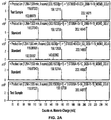
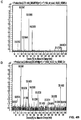
- the third confirmation criterion was established by co-injecting (i . e ., spiking) endogenous metabolites with a known reference compound to determine whether the chromatographic retention time and ionization fragmentation patterns ( Figure 2 ) of the chemical standard matched the retention time of the biomarker candidate. Tandem mass spectrometry, or MS-MS, was used to confirm the identity of an endogenous metabolite in these experiments. After data analysis was completed, a subset of statistically significant metabolites was selected for confirmation against known chemical standards.
- C18 chromatography followed by positive mode ESI-QTOF ionization measured 938 mass features with at least a 25% fold change, generating 47 statistically significant metabolites (p ⁇ 0.05).
- Table 2 shows a subset of the measured significant metabolites that have at least a 25% change in abundance between autistic and control postmortem brain samples with a corresponding extracted ion chromatogram (EIC) displaying a marked difference between autistic and control brain samples.
- EIC extracted ion chromatogram
- NAAG N-Acetylaspartylglutamic Acid
- the metabolomics analyses described herein identified alterations in multiple non-annotated metabolites (i . e ., not annotated in public databases). Abundance of these metabolites was significantly increased or decreased in autistic brain samples as compared to controls (p ⁇ 0.05).
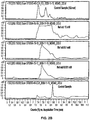
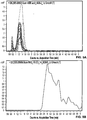
- the extracted ion chromatograms of two such unspecified small molecule metabolites are shown in Figure 7(A) and 7(B) (exact masses 366.1426 and 422.2482, respectively). Both of these non-annotated endogenous metabolites were significantly increased in autistic brain regions.
- Feature A (exact mass 366.1426) had a 42% increase in abundance between autistic and control brain samples.
- the inventive methods are not limited to the examination of brain tissue. Analyzing patient samples such as biofluids, including for example, cerebrospinal fluid, blood, plasma, amniotic fluid and urine, i . e ., complex mixtures of extracellular biomolecules will also enable the identification and assessment of differentially secreted metabolites. This method is advantageous over invasive procedures such as tissue biopsies because small molecules present in biofluids can be detected non-invasively (in contrast to intracellular compounds). In addition, processing cellular supernatant for mass spectrometry is more robust and less laborious than cellular extracts. Cellular extracts from, for example, tissue biopsies or lysed cells, are encompassed in the methods of the disclosure.
- cerebrospinal fluid secretion of brain metabolites into surrounding cerebrospinal fluid.
- the collection and assessment of cerebrospinal fluid by the described methods i.e., metabolomics analysis
- metabolomics analysis will permit the analysis and identification of differentially expressed metabolites.
- specific analytical chemistry protocols can be used for assessing cerebrospinal fluid and other biofluids for defined exact mass and retention times of specific candidate biomarkers.
- a biofluid is obtained, such as cerebrospinal fluid, using conventional techniques (e . g ., lumbar puncture) and the biofluid processed as set forth herein to remove proteins and other biological materials having a molecular weight greater than about 3000 Daltons.
- Separation methods for example LC-TOF mass spectrometry, are applied to the processes biofluid and metabolites detected therein. Detection of one or a plurality of differentially produced metabolites characteristic for autism is used to identify a subject having or at risk for autism, and to indicate that further behavioral and other diagnostic methods are indicated.
- the results of the metabolomic methods set forth herein measured simultaneous changes in multiple biochemical pathways and networks, providing a quantitative de facto biochemical signature of specific autistic brain regions. Comparative metabolomics between postmortem brains of autistic patients and non-autistic controls revealed robust biomarkers as well as biochemical changes that provide means for the early diagnosis of autism.
- the differentially secreted metabolites provided herein comprise several candidate diagnostic biomarkers for autism.
Landscapes
- Health & Medical Sciences (AREA)
- Life Sciences & Earth Sciences (AREA)
- Engineering & Computer Science (AREA)
- Molecular Biology (AREA)
- Biomedical Technology (AREA)
- Hematology (AREA)
- Chemical & Material Sciences (AREA)
- Urology & Nephrology (AREA)
- Immunology (AREA)
- Food Science & Technology (AREA)
- General Physics & Mathematics (AREA)
- Microbiology (AREA)
- Biotechnology (AREA)
- Pathology (AREA)
- Cell Biology (AREA)
- Medicinal Chemistry (AREA)
- Physics & Mathematics (AREA)
- Analytical Chemistry (AREA)
- Biochemistry (AREA)
- General Health & Medical Sciences (AREA)
- Bioinformatics & Cheminformatics (AREA)
- Pharmacology & Pharmacy (AREA)
- Biophysics (AREA)
- Endocrinology (AREA)
- Neurology (AREA)
- Neurosurgery (AREA)
- Proteomics, Peptides & Aminoacids (AREA)
- Other Investigation Or Analysis Of Materials By Electrical Means (AREA)
- Investigating Or Analysing Biological Materials (AREA)
- Measuring Or Testing Involving Enzymes Or Micro-Organisms (AREA)
- Peptides Or Proteins (AREA)
Applications Claiming Priority (2)
| Application Number | Priority Date | Filing Date | Title |
|---|---|---|---|
| US32951510P | 2010-04-29 | 2010-04-29 | |
| PCT/US2011/034654 WO2011139914A1 (en) | 2010-04-29 | 2011-04-29 | Metabolic biomarkers of autism |
Publications (2)
| Publication Number | Publication Date |
|---|---|
| EP2564194A1 EP2564194A1 (en) | 2013-03-06 |
| EP2564194B1 true EP2564194B1 (en) | 2019-07-10 |
Family
ID=44533446
Family Applications (1)
| Application Number | Title | Priority Date | Filing Date |
|---|---|---|---|
| EP11721395.9A Active EP2564194B1 (en) | 2010-04-29 | 2011-04-29 | Metabolic biomarkers of autism |
Country Status (6)
| Country | Link |
|---|---|
| US (2) | US9547013B2 (enExample) |
| EP (1) | EP2564194B1 (enExample) |
| JP (2) | JP6021187B2 (enExample) |
| AU (2) | AU2011248464B2 (enExample) |
| CA (1) | CA2797787C (enExample) |
| WO (1) | WO2011139914A1 (enExample) |
Families Citing this family (27)
| Publication number | Priority date | Publication date | Assignee | Title |
|---|---|---|---|---|
| KR101322695B1 (ko) * | 2010-08-25 | 2013-10-25 | 주식회사 엘지화학 | 케이블형 이차전지 |
| WO2012048152A2 (en) | 2010-10-07 | 2012-04-12 | Mazmanian Sarkis K | Probiotic therapies for autism |
| CN114949001A (zh) * | 2012-08-29 | 2022-08-30 | 加州理工学院 | 孤独症谱系障碍的诊断和治疗 |
| MX2016000293A (es) | 2013-07-09 | 2016-06-21 | Stemina Biomarker Discovery Inc | Biomarcadores del trastrono del espectro autista. |
| WO2015027116A1 (en) * | 2013-08-21 | 2015-02-26 | The Regents Of The University Of California | Diagnostic and predictive metabolite patterns for disorders affecting the brain and nervous system |
| CN106537145B (zh) * | 2014-04-08 | 2020-08-25 | 麦特博隆股份有限公司 | 用于疾病诊断和健康评估的个体受试者的小分子生物化学特征分析 |
| US9176113B1 (en) * | 2014-04-11 | 2015-11-03 | Synapdx Corporation | Methods and systems for determining autism spectrum disorder risk |
| US20150294081A1 (en) | 2014-04-11 | 2015-10-15 | Synapdx Corporation | Methods and systems for determining autism spectrum disorder risk |
| US10124025B2 (en) | 2014-10-30 | 2018-11-13 | California Institute Of Technology | Compositions and methods comprising bacteria for improving behavior in neurodevelopmental disorders |
| KR20170086492A (ko) | 2014-10-30 | 2017-07-26 | 캘리포니아 인스티튜트 오브 테크놀로지 | 신경발달 장애에서의 행동을 개선시키기 위한 박테리아를 포함하는 조성물 및 방법 |
| US11282688B2 (en) | 2015-03-06 | 2022-03-22 | Micromass Uk Limited | Spectrometric analysis of microbes |
| EP3570315B1 (en) | 2015-03-06 | 2024-01-31 | Micromass UK Limited | Rapid evaporative ionisation mass spectrometry ("reims") and desorption electrospray ionisation mass spectrometry ("desi-ms") analysis of biopsy samples |
| US11289320B2 (en) | 2015-03-06 | 2022-03-29 | Micromass Uk Limited | Tissue analysis by mass spectrometry or ion mobility spectrometry |
| WO2016142674A1 (en) | 2015-03-06 | 2016-09-15 | Micromass Uk Limited | Cell population analysis |
| CA2981085A1 (en) * | 2015-03-06 | 2016-09-15 | Micromass Uk Limited | Spectrometric analysis |
| JP6421742B2 (ja) | 2015-11-27 | 2018-11-14 | 株式会社デンソー | 車両制御装置 |
| WO2017178833A1 (en) | 2016-04-14 | 2017-10-19 | Micromass Uk Limited | Spectrometric analysis of plants |
| US11707493B2 (en) | 2016-05-23 | 2023-07-25 | California Institute Of Technology | Regulate gut microbiota to treat neurodegenerative disorders |
| CN107064340A (zh) * | 2017-03-13 | 2017-08-18 | 瀚盟测试科技(天津)有限公司 | 一种检测茶叶中gaba含量的方法 |
| WO2018213204A1 (en) | 2017-05-15 | 2018-11-22 | Axial Biotherapeutics, Inc. | Inhibitors of microbially induced amyloid |
| GB201802116D0 (en) | 2018-02-09 | 2018-03-28 | Univ Warwick | Methods for diagnosing an autistic spectrum disorder |
| CN109030665A (zh) * | 2018-10-08 | 2018-12-18 | 黑龙江大学 | 亲水性液相色谱串联质谱法测定红甜菜中甜菜碱含量的检测方法 |
| US12474327B2 (en) | 2018-11-06 | 2025-11-18 | Stalicla Sa | Metabolic profiling for the diagnosis of a subset of idiopathic autism spectrum disorder patients, ADS Phenotype 1 |
| EP4012414A1 (en) | 2020-12-11 | 2022-06-15 | Stalicla S.A. | Diagnosis of autism spectrum disorder phenotype 1 |
| CN113960200B (zh) * | 2021-10-19 | 2023-06-20 | 首都医科大学附属北京儿童医院 | 代谢标志物在诊断儿童adhd合并抽动障碍中的应用 |
| CN114705775B (zh) * | 2022-03-31 | 2023-09-12 | 广东省结核病控制中心 | 一种肺结核评价的血清代谢标志物及其应用 |
| CN115326953A (zh) * | 2022-08-02 | 2022-11-11 | 云谱康(大连)生物科技有限公司 | 一种代谢物组合及应用和检测试剂盒与使用 |
Family Cites Families (10)
| Publication number | Priority date | Publication date | Assignee | Title |
|---|---|---|---|---|
| US5686311A (en) * | 1995-06-23 | 1997-11-11 | The Children's Mercy Hospital | Diagnosis of autism and treatment therefor |
| CA2273683A1 (en) * | 1998-06-15 | 1999-12-15 | Ortho-Clinical Diagnostics, Inc. | Diagnostic markers for human disorders |
| JP2006526140A (ja) | 2002-12-24 | 2006-11-16 | バイオサイト インコーポレイテッド | 鑑別診断のためのマーカーおよびその使用方法 |
| GB0504096D0 (en) | 2005-02-28 | 2005-04-06 | Tipogen As | Method |
| WO2006121952A2 (en) | 2005-05-05 | 2006-11-16 | The Regents Of The University Of California | Diagnostic biomarkers for neurodevelopmental disorders |
| JP5421767B2 (ja) * | 2006-04-10 | 2014-02-19 | ウィスコンシン・アルムニ・リサーチ・ファウンデーション | ヒト胚性幹細胞を使用して薬学的化合物および他の化学物質の毒性を評価するための試薬および方法 |
| US8670941B2 (en) * | 2006-08-18 | 2014-03-11 | Huntington Medical Research Institutes | Methods of determining levels of free amino acids and dipeptides and diagnosing Alzheimer's disease |
| AU2008280806B2 (en) * | 2007-07-26 | 2014-12-11 | Phenomenome Discoveries Inc. | Methods for the diagnosis, risk assessment, and monitoring of autism spectrum disorders |
| JP5680964B2 (ja) * | 2007-10-04 | 2015-03-04 | ザ ホスピタル フォー シック チルドレン | 自閉症スペクトラム障害のためのバイオマーカー |
| EP2279417B1 (en) * | 2008-05-28 | 2016-07-20 | Georgia Tech Research Corporation | Metabolic biomarkers for ovarian cancer and methods of use thereof |
-
2011
- 2011-04-29 WO PCT/US2011/034654 patent/WO2011139914A1/en not_active Ceased
- 2011-04-29 CA CA2797787A patent/CA2797787C/en active Active
- 2011-04-29 US US13/098,249 patent/US9547013B2/en active Active
- 2011-04-29 EP EP11721395.9A patent/EP2564194B1/en active Active
- 2011-04-29 JP JP2013508294A patent/JP6021187B2/ja not_active Expired - Fee Related
- 2011-04-29 AU AU2011248464A patent/AU2011248464B2/en active Active
-
2015
- 2015-09-28 JP JP2015189529A patent/JP2015231392A/ja active Pending
-
2016
- 2016-07-15 AU AU2016204969A patent/AU2016204969B2/en active Active
- 2016-12-07 US US15/371,692 patent/US10330688B2/en active Active
Non-Patent Citations (1)
| Title |
|---|
| MANFRED GROSS ET AL: "Capillary electrophoresis for screening of adenylosuccinate lyase deficiency", PROTEOMICS, vol. 16, no. 1, 1 January 1995 (1995-01-01), DE, pages 1927 - 1929, XP055364299, ISSN: 0173-0835, DOI: 10.1002/elps.11501601318 * |
Also Published As
| Publication number | Publication date |
|---|---|
| AU2011248464B2 (en) | 2016-08-11 |
| JP2013525801A (ja) | 2013-06-20 |
| AU2016204969B2 (en) | 2018-05-17 |
| CA2797787A1 (en) | 2011-11-10 |
| US20120190055A1 (en) | 2012-07-26 |
| JP2015231392A (ja) | 2015-12-24 |
| EP2564194A1 (en) | 2013-03-06 |
| CA2797787C (en) | 2019-07-09 |
| US9547013B2 (en) | 2017-01-17 |
| JP6021187B2 (ja) | 2016-11-09 |
| US10330688B2 (en) | 2019-06-25 |
| AU2011248464A1 (en) | 2012-11-22 |
| AU2016204969A1 (en) | 2016-08-04 |
| US20170192019A1 (en) | 2017-07-06 |
| WO2011139914A1 (en) | 2011-11-10 |
Similar Documents
| Publication | Publication Date | Title |
|---|---|---|
| US10330688B2 (en) | Metabolic biomarkers of autism | |
| US11268966B2 (en) | Biomarkers of autism spectrum disorder | |
| Roede et al. | Serum metabolomics of slow vs. rapid motor progression Parkinson’s disease: a pilot study | |
| US8304246B2 (en) | Methods for the diagnosis of dementia and other neurological disorders | |
| US20050101023A1 (en) | Methods for diagnosing urinary tract and prostatic disorders | |
| EP3028049B1 (en) | Diagnostic tools for alzheimer's disease | |
| German et al. | Serum biomarkers for Alzheimer's disease: proteomic discovery | |
| WO2010005387A1 (en) | New method and biomarkers for the diagnosis of multiple sclerosis | |
| Liang et al. | Metabolomics of alcoholic liver disease: a clinical discovery study | |
| Gonzalez et al. | Identification of novel candidate protein biomarkers for the post-polio syndrome—implications for diagnosis, neurodegeneration and neuroinflammation | |
| Lin et al. | The identification of a potential plasma metabolite marker for Alzheimer’s disease by LC-MS untargeted metabolomics | |
| CN116678974A (zh) | 一种阿尔茨海默症血浆代谢标志物的筛选方法、血浆代谢标志物及应用 | |
| CN111693624A (zh) | 一种与儿童多发性抽动症诊断相关的血浆代谢标志物及其应用 | |
| CN112305121B (zh) | 代谢标志物在动脉粥样硬化性脑梗死中的应用 | |
| Berezhnoy et al. | Application of IVDr NMR spectroscopy to stratify Parkinson’s disease with absolute quantitation of blood serum metabolites and lipoproteins | |
| WO2023185709A1 (zh) | 结直肠进展期肿瘤诊断标志物组合及其应用 | |
| CN109946411A (zh) | 用于胸椎黄韧带骨化诊断的生物标记物及其筛选方法 | |
| EP3060305A1 (en) | Biomarkers for memory loss | |
| CN104297442A (zh) | 内源性小分子物质在快速检测早期心脏毒性方面的应用 | |
| CN115754260A (zh) | 一种阿尔兹海默症粪便代谢标志物及其筛选方法和应用 | |
| CN113552228A (zh) | 一组用于诊断儿童毛细支气管炎的联合标志物及其应用和检测试剂盒 | |
| WO2015183917A2 (en) | Metabolic biomarkers for memory loss | |
| CN112305123B (zh) | 小分子物质在动脉粥样硬化性脑梗死中的应用 | |
| WO2025040574A1 (en) | Methods for predicting cognitive decline in a subject | |
| CN120084902A (zh) | 预测痛风患者对秋水仙碱预防反应的生物标志物及应用 |
Legal Events
| Date | Code | Title | Description |
|---|---|---|---|
| PUAI | Public reference made under article 153(3) epc to a published international application that has entered the european phase |
Free format text: ORIGINAL CODE: 0009012 |
|
| 17P | Request for examination filed |
Effective date: 20121113 |
|
| AK | Designated contracting states |
Kind code of ref document: A1 Designated state(s): AL AT BE BG CH CY CZ DE DK EE ES FI FR GB GR HR HU IE IS IT LI LT LU LV MC MK MT NL NO PL PT RO RS SE SI SK SM TR |
|
| DAX | Request for extension of the european patent (deleted) | ||
| 17Q | First examination report despatched |
Effective date: 20140912 |
|
| STAA | Information on the status of an ep patent application or granted ep patent |
Free format text: STATUS: EXAMINATION IS IN PROGRESS |
|
| GRAP | Despatch of communication of intention to grant a patent |
Free format text: ORIGINAL CODE: EPIDOSNIGR1 |
|
| STAA | Information on the status of an ep patent application or granted ep patent |
Free format text: STATUS: GRANT OF PATENT IS INTENDED |
|
| INTG | Intention to grant announced |
Effective date: 20180814 |
|
| GRAJ | Information related to disapproval of communication of intention to grant by the applicant or resumption of examination proceedings by the epo deleted |
Free format text: ORIGINAL CODE: EPIDOSDIGR1 |
|
| STAA | Information on the status of an ep patent application or granted ep patent |
Free format text: STATUS: EXAMINATION IS IN PROGRESS |
|
| INTC | Intention to grant announced (deleted) | ||
| GRAP | Despatch of communication of intention to grant a patent |
Free format text: ORIGINAL CODE: EPIDOSNIGR1 |
|
| STAA | Information on the status of an ep patent application or granted ep patent |
Free format text: STATUS: GRANT OF PATENT IS INTENDED |
|
| INTG | Intention to grant announced |
Effective date: 20190130 |
|
| GRAS | Grant fee paid |
Free format text: ORIGINAL CODE: EPIDOSNIGR3 |
|
| GRAA | (expected) grant |
Free format text: ORIGINAL CODE: 0009210 |
|
| STAA | Information on the status of an ep patent application or granted ep patent |
Free format text: STATUS: THE PATENT HAS BEEN GRANTED |
|
| AK | Designated contracting states |
Kind code of ref document: B1 Designated state(s): AL AT BE BG CH CY CZ DE DK EE ES FI FR GB GR HR HU IE IS IT LI LT LU LV MC MK MT NL NO PL PT RO RS SE SI SK SM TR |
|
| REG | Reference to a national code |
Ref country code: GB Ref legal event code: FG4D |
|
| REG | Reference to a national code |
Ref country code: CH Ref legal event code: EP Ref country code: AT Ref legal event code: REF Ref document number: 1154116 Country of ref document: AT Kind code of ref document: T Effective date: 20190715 |
|
| REG | Reference to a national code |
Ref country code: DE Ref legal event code: R096 Ref document number: 602011060334 Country of ref document: DE |
|
| REG | Reference to a national code |
Ref country code: IE Ref legal event code: FG4D |
|
| REG | Reference to a national code |
Ref country code: NL Ref legal event code: MP Effective date: 20190710 |
|
| REG | Reference to a national code |
Ref country code: LT Ref legal event code: MG4D |
|
| REG | Reference to a national code |
Ref country code: AT Ref legal event code: MK05 Ref document number: 1154116 Country of ref document: AT Kind code of ref document: T Effective date: 20190710 |
|
| PG25 | Lapsed in a contracting state [announced via postgrant information from national office to epo] |
Ref country code: BG Free format text: LAPSE BECAUSE OF FAILURE TO SUBMIT A TRANSLATION OF THE DESCRIPTION OR TO PAY THE FEE WITHIN THE PRESCRIBED TIME-LIMIT Effective date: 20191010 Ref country code: NL Free format text: LAPSE BECAUSE OF FAILURE TO SUBMIT A TRANSLATION OF THE DESCRIPTION OR TO PAY THE FEE WITHIN THE PRESCRIBED TIME-LIMIT Effective date: 20190710 Ref country code: HR Free format text: LAPSE BECAUSE OF FAILURE TO SUBMIT A TRANSLATION OF THE DESCRIPTION OR TO PAY THE FEE WITHIN THE PRESCRIBED TIME-LIMIT Effective date: 20190710 Ref country code: PT Free format text: LAPSE BECAUSE OF FAILURE TO SUBMIT A TRANSLATION OF THE DESCRIPTION OR TO PAY THE FEE WITHIN THE PRESCRIBED TIME-LIMIT Effective date: 20191111 Ref country code: LT Free format text: LAPSE BECAUSE OF FAILURE TO SUBMIT A TRANSLATION OF THE DESCRIPTION OR TO PAY THE FEE WITHIN THE PRESCRIBED TIME-LIMIT Effective date: 20190710 Ref country code: AT Free format text: LAPSE BECAUSE OF FAILURE TO SUBMIT A TRANSLATION OF THE DESCRIPTION OR TO PAY THE FEE WITHIN THE PRESCRIBED TIME-LIMIT Effective date: 20190710 Ref country code: FI Free format text: LAPSE BECAUSE OF FAILURE TO SUBMIT A TRANSLATION OF THE DESCRIPTION OR TO PAY THE FEE WITHIN THE PRESCRIBED TIME-LIMIT Effective date: 20190710 Ref country code: NO Free format text: LAPSE BECAUSE OF FAILURE TO SUBMIT A TRANSLATION OF THE DESCRIPTION OR TO PAY THE FEE WITHIN THE PRESCRIBED TIME-LIMIT Effective date: 20191010 Ref country code: SE Free format text: LAPSE BECAUSE OF FAILURE TO SUBMIT A TRANSLATION OF THE DESCRIPTION OR TO PAY THE FEE WITHIN THE PRESCRIBED TIME-LIMIT Effective date: 20190710 |
|
| PG25 | Lapsed in a contracting state [announced via postgrant information from national office to epo] |
Ref country code: IS Free format text: LAPSE BECAUSE OF FAILURE TO SUBMIT A TRANSLATION OF THE DESCRIPTION OR TO PAY THE FEE WITHIN THE PRESCRIBED TIME-LIMIT Effective date: 20191110 Ref country code: GR Free format text: LAPSE BECAUSE OF FAILURE TO SUBMIT A TRANSLATION OF THE DESCRIPTION OR TO PAY THE FEE WITHIN THE PRESCRIBED TIME-LIMIT Effective date: 20191011 Ref country code: RS Free format text: LAPSE BECAUSE OF FAILURE TO SUBMIT A TRANSLATION OF THE DESCRIPTION OR TO PAY THE FEE WITHIN THE PRESCRIBED TIME-LIMIT Effective date: 20190710 Ref country code: ES Free format text: LAPSE BECAUSE OF FAILURE TO SUBMIT A TRANSLATION OF THE DESCRIPTION OR TO PAY THE FEE WITHIN THE PRESCRIBED TIME-LIMIT Effective date: 20190710 Ref country code: AL Free format text: LAPSE BECAUSE OF FAILURE TO SUBMIT A TRANSLATION OF THE DESCRIPTION OR TO PAY THE FEE WITHIN THE PRESCRIBED TIME-LIMIT Effective date: 20190710 Ref country code: LV Free format text: LAPSE BECAUSE OF FAILURE TO SUBMIT A TRANSLATION OF THE DESCRIPTION OR TO PAY THE FEE WITHIN THE PRESCRIBED TIME-LIMIT Effective date: 20190710 |
|
| PG25 | Lapsed in a contracting state [announced via postgrant information from national office to epo] |
Ref country code: TR Free format text: LAPSE BECAUSE OF FAILURE TO SUBMIT A TRANSLATION OF THE DESCRIPTION OR TO PAY THE FEE WITHIN THE PRESCRIBED TIME-LIMIT Effective date: 20190710 |
|
| PG25 | Lapsed in a contracting state [announced via postgrant information from national office to epo] |
Ref country code: RO Free format text: LAPSE BECAUSE OF FAILURE TO SUBMIT A TRANSLATION OF THE DESCRIPTION OR TO PAY THE FEE WITHIN THE PRESCRIBED TIME-LIMIT Effective date: 20190710 Ref country code: EE Free format text: LAPSE BECAUSE OF FAILURE TO SUBMIT A TRANSLATION OF THE DESCRIPTION OR TO PAY THE FEE WITHIN THE PRESCRIBED TIME-LIMIT Effective date: 20190710 Ref country code: DK Free format text: LAPSE BECAUSE OF FAILURE TO SUBMIT A TRANSLATION OF THE DESCRIPTION OR TO PAY THE FEE WITHIN THE PRESCRIBED TIME-LIMIT Effective date: 20190710 Ref country code: IT Free format text: LAPSE BECAUSE OF FAILURE TO SUBMIT A TRANSLATION OF THE DESCRIPTION OR TO PAY THE FEE WITHIN THE PRESCRIBED TIME-LIMIT Effective date: 20190710 Ref country code: PL Free format text: LAPSE BECAUSE OF FAILURE TO SUBMIT A TRANSLATION OF THE DESCRIPTION OR TO PAY THE FEE WITHIN THE PRESCRIBED TIME-LIMIT Effective date: 20190710 |
|
| PG25 | Lapsed in a contracting state [announced via postgrant information from national office to epo] |
Ref country code: CZ Free format text: LAPSE BECAUSE OF FAILURE TO SUBMIT A TRANSLATION OF THE DESCRIPTION OR TO PAY THE FEE WITHIN THE PRESCRIBED TIME-LIMIT Effective date: 20190710 Ref country code: SK Free format text: LAPSE BECAUSE OF FAILURE TO SUBMIT A TRANSLATION OF THE DESCRIPTION OR TO PAY THE FEE WITHIN THE PRESCRIBED TIME-LIMIT Effective date: 20190710 Ref country code: IS Free format text: LAPSE BECAUSE OF FAILURE TO SUBMIT A TRANSLATION OF THE DESCRIPTION OR TO PAY THE FEE WITHIN THE PRESCRIBED TIME-LIMIT Effective date: 20200224 Ref country code: SM Free format text: LAPSE BECAUSE OF FAILURE TO SUBMIT A TRANSLATION OF THE DESCRIPTION OR TO PAY THE FEE WITHIN THE PRESCRIBED TIME-LIMIT Effective date: 20190710 |
|
| REG | Reference to a national code |
Ref country code: DE Ref legal event code: R097 Ref document number: 602011060334 Country of ref document: DE |
|
| PLBE | No opposition filed within time limit |
Free format text: ORIGINAL CODE: 0009261 |
|
| STAA | Information on the status of an ep patent application or granted ep patent |
Free format text: STATUS: NO OPPOSITION FILED WITHIN TIME LIMIT |
|
| PG2D | Information on lapse in contracting state deleted |
Ref country code: IS |
|
| 26N | No opposition filed |
Effective date: 20200603 |
|
| PG25 | Lapsed in a contracting state [announced via postgrant information from national office to epo] |
Ref country code: SI Free format text: LAPSE BECAUSE OF FAILURE TO SUBMIT A TRANSLATION OF THE DESCRIPTION OR TO PAY THE FEE WITHIN THE PRESCRIBED TIME-LIMIT Effective date: 20190710 |
|
| REG | Reference to a national code |
Ref country code: DE Ref legal event code: R119 Ref document number: 602011060334 Country of ref document: DE |
|
| PG25 | Lapsed in a contracting state [announced via postgrant information from national office to epo] |
Ref country code: MC Free format text: LAPSE BECAUSE OF FAILURE TO SUBMIT A TRANSLATION OF THE DESCRIPTION OR TO PAY THE FEE WITHIN THE PRESCRIBED TIME-LIMIT Effective date: 20190710 |
|
| REG | Reference to a national code |
Ref country code: CH Ref legal event code: PL |
|
| PG25 | Lapsed in a contracting state [announced via postgrant information from national office to epo] |
Ref country code: LU Free format text: LAPSE BECAUSE OF NON-PAYMENT OF DUE FEES Effective date: 20200429 Ref country code: CH Free format text: LAPSE BECAUSE OF NON-PAYMENT OF DUE FEES Effective date: 20200430 Ref country code: FR Free format text: LAPSE BECAUSE OF NON-PAYMENT OF DUE FEES Effective date: 20200430 Ref country code: DE Free format text: LAPSE BECAUSE OF NON-PAYMENT OF DUE FEES Effective date: 20201103 Ref country code: LI Free format text: LAPSE BECAUSE OF NON-PAYMENT OF DUE FEES Effective date: 20200430 |
|
| REG | Reference to a national code |
Ref country code: BE Ref legal event code: MM Effective date: 20200430 |
|
| PG25 | Lapsed in a contracting state [announced via postgrant information from national office to epo] |
Ref country code: BE Free format text: LAPSE BECAUSE OF NON-PAYMENT OF DUE FEES Effective date: 20200430 |
|
| GBPC | Gb: european patent ceased through non-payment of renewal fee |
Effective date: 20200429 |
|
| PG25 | Lapsed in a contracting state [announced via postgrant information from national office to epo] |
Ref country code: GB Free format text: LAPSE BECAUSE OF NON-PAYMENT OF DUE FEES Effective date: 20200429 Ref country code: IE Free format text: LAPSE BECAUSE OF NON-PAYMENT OF DUE FEES Effective date: 20200429 |
|
| PG25 | Lapsed in a contracting state [announced via postgrant information from national office to epo] |
Ref country code: MT Free format text: LAPSE BECAUSE OF FAILURE TO SUBMIT A TRANSLATION OF THE DESCRIPTION OR TO PAY THE FEE WITHIN THE PRESCRIBED TIME-LIMIT Effective date: 20190710 Ref country code: CY Free format text: LAPSE BECAUSE OF FAILURE TO SUBMIT A TRANSLATION OF THE DESCRIPTION OR TO PAY THE FEE WITHIN THE PRESCRIBED TIME-LIMIT Effective date: 20190710 |
|
| PG25 | Lapsed in a contracting state [announced via postgrant information from national office to epo] |
Ref country code: MK Free format text: LAPSE BECAUSE OF FAILURE TO SUBMIT A TRANSLATION OF THE DESCRIPTION OR TO PAY THE FEE WITHIN THE PRESCRIBED TIME-LIMIT Effective date: 20190710 |