EP2552930B1 - Crystalline (s)-isopropyl 2-(((s)-(((2r,3r,4r,5r)-5-(2,4-dioxo-3,4-dihydropyrimidin-1-(2h)-yl)-4-fluoro-3-hydroxy-4-methyltetrahydrofuran-2-yl)methoxy)(phenoxy)phosphoryl)amino)propanoate - Google Patents
Crystalline (s)-isopropyl 2-(((s)-(((2r,3r,4r,5r)-5-(2,4-dioxo-3,4-dihydropyrimidin-1-(2h)-yl)-4-fluoro-3-hydroxy-4-methyltetrahydrofuran-2-yl)methoxy)(phenoxy)phosphoryl)amino)propanoate Download PDFInfo
- Publication number
- EP2552930B1 EP2552930B1 EP11714465.9A EP11714465A EP2552930B1 EP 2552930 B1 EP2552930 B1 EP 2552930B1 EP 11714465 A EP11714465 A EP 11714465A EP 2552930 B1 EP2552930 B1 EP 2552930B1
- Authority
- EP
- European Patent Office
- Prior art keywords
- phenoxy
- mixture
- isopropyl
- crystalline
- fluoro
- Prior art date
- Legal status (The legal status is an assumption and is not a legal conclusion. Google has not performed a legal analysis and makes no representation as to the accuracy of the status listed.)
- Active
Links
- 0 CC1C(C)(*C*C2C3)C2C3[C@](C)C1 Chemical compound CC1C(C)(*C*C2C3)C2C3[C@](C)C1 0.000 description 5
- ARKKGZQTGXJVKW-VPCXQMTMSA-N C[C@@]1([C@H](N(C=CC(N2)=O)C2=O)O[C@H](CO)[C@H]1O)F Chemical compound C[C@@]1([C@H](N(C=CC(N2)=O)C2=O)O[C@H](CO)[C@H]1O)F ARKKGZQTGXJVKW-VPCXQMTMSA-N 0.000 description 1
Images










Classifications
-
- C—CHEMISTRY; METALLURGY
- C07—ORGANIC CHEMISTRY
- C07H—SUGARS; DERIVATIVES THEREOF; NUCLEOSIDES; NUCLEOTIDES; NUCLEIC ACIDS
- C07H19/00—Compounds containing a hetero ring sharing one ring hetero atom with a saccharide radical; Nucleosides; Mononucleotides; Anhydro-derivatives thereof
- C07H19/02—Compounds containing a hetero ring sharing one ring hetero atom with a saccharide radical; Nucleosides; Mononucleotides; Anhydro-derivatives thereof sharing nitrogen
- C07H19/04—Heterocyclic radicals containing only nitrogen atoms as ring hetero atom
- C07H19/16—Purine radicals
- C07H19/20—Purine radicals with the saccharide radical esterified by phosphoric or polyphosphoric acids
-
- A—HUMAN NECESSITIES
- A61—MEDICAL OR VETERINARY SCIENCE; HYGIENE
- A61K—PREPARATIONS FOR MEDICAL, DENTAL OR TOILETRY PURPOSES
- A61K31/00—Medicinal preparations containing organic active ingredients
- A61K31/70—Carbohydrates; Sugars; Derivatives thereof
- A61K31/7042—Compounds having saccharide radicals and heterocyclic rings
- A61K31/7052—Compounds having saccharide radicals and heterocyclic rings having nitrogen as a ring hetero atom, e.g. nucleosides, nucleotides
- A61K31/706—Compounds having saccharide radicals and heterocyclic rings having nitrogen as a ring hetero atom, e.g. nucleosides, nucleotides containing six-membered rings with nitrogen as a ring hetero atom
- A61K31/7064—Compounds having saccharide radicals and heterocyclic rings having nitrogen as a ring hetero atom, e.g. nucleosides, nucleotides containing six-membered rings with nitrogen as a ring hetero atom containing condensed or non-condensed pyrimidines
- A61K31/7068—Compounds having saccharide radicals and heterocyclic rings having nitrogen as a ring hetero atom, e.g. nucleosides, nucleotides containing six-membered rings with nitrogen as a ring hetero atom containing condensed or non-condensed pyrimidines having oxo groups directly attached to the pyrimidine ring, e.g. cytidine, cytidylic acid
- A61K31/7072—Compounds having saccharide radicals and heterocyclic rings having nitrogen as a ring hetero atom, e.g. nucleosides, nucleotides containing six-membered rings with nitrogen as a ring hetero atom containing condensed or non-condensed pyrimidines having oxo groups directly attached to the pyrimidine ring, e.g. cytidine, cytidylic acid having two oxo groups directly attached to the pyrimidine ring, e.g. uridine, uridylic acid, thymidine, zidovudine
-
- A—HUMAN NECESSITIES
- A61—MEDICAL OR VETERINARY SCIENCE; HYGIENE
- A61K—PREPARATIONS FOR MEDICAL, DENTAL OR TOILETRY PURPOSES
- A61K31/00—Medicinal preparations containing organic active ingredients
- A61K31/70—Carbohydrates; Sugars; Derivatives thereof
- A61K31/7042—Compounds having saccharide radicals and heterocyclic rings
- A61K31/7052—Compounds having saccharide radicals and heterocyclic rings having nitrogen as a ring hetero atom, e.g. nucleosides, nucleotides
- A61K31/706—Compounds having saccharide radicals and heterocyclic rings having nitrogen as a ring hetero atom, e.g. nucleosides, nucleotides containing six-membered rings with nitrogen as a ring hetero atom
- A61K31/7064—Compounds having saccharide radicals and heterocyclic rings having nitrogen as a ring hetero atom, e.g. nucleosides, nucleotides containing six-membered rings with nitrogen as a ring hetero atom containing condensed or non-condensed pyrimidines
- A61K31/7076—Compounds having saccharide radicals and heterocyclic rings having nitrogen as a ring hetero atom, e.g. nucleosides, nucleotides containing six-membered rings with nitrogen as a ring hetero atom containing condensed or non-condensed pyrimidines containing purines, e.g. adenosine, adenylic acid
-
- A—HUMAN NECESSITIES
- A61—MEDICAL OR VETERINARY SCIENCE; HYGIENE
- A61P—SPECIFIC THERAPEUTIC ACTIVITY OF CHEMICAL COMPOUNDS OR MEDICINAL PREPARATIONS
- A61P1/00—Drugs for disorders of the alimentary tract or the digestive system
- A61P1/16—Drugs for disorders of the alimentary tract or the digestive system for liver or gallbladder disorders, e.g. hepatoprotective agents, cholagogues, litholytics
-
- A—HUMAN NECESSITIES
- A61—MEDICAL OR VETERINARY SCIENCE; HYGIENE
- A61P—SPECIFIC THERAPEUTIC ACTIVITY OF CHEMICAL COMPOUNDS OR MEDICINAL PREPARATIONS
- A61P31/00—Antiinfectives, i.e. antibiotics, antiseptics, chemotherapeutics
- A61P31/12—Antivirals
-
- A—HUMAN NECESSITIES
- A61—MEDICAL OR VETERINARY SCIENCE; HYGIENE
- A61P—SPECIFIC THERAPEUTIC ACTIVITY OF CHEMICAL COMPOUNDS OR MEDICINAL PREPARATIONS
- A61P31/00—Antiinfectives, i.e. antibiotics, antiseptics, chemotherapeutics
- A61P31/12—Antivirals
- A61P31/14—Antivirals for RNA viruses
-
- A—HUMAN NECESSITIES
- A61—MEDICAL OR VETERINARY SCIENCE; HYGIENE
- A61P—SPECIFIC THERAPEUTIC ACTIVITY OF CHEMICAL COMPOUNDS OR MEDICINAL PREPARATIONS
- A61P35/00—Antineoplastic agents
-
- C—CHEMISTRY; METALLURGY
- C07—ORGANIC CHEMISTRY
- C07F—ACYCLIC, CARBOCYCLIC OR HETEROCYCLIC COMPOUNDS CONTAINING ELEMENTS OTHER THAN CARBON, HYDROGEN, HALOGEN, OXYGEN, NITROGEN, SULFUR, SELENIUM OR TELLURIUM
- C07F7/00—Compounds containing elements of Groups 4 or 14 of the Periodic Table
- C07F7/02—Silicon compounds
- C07F7/08—Compounds having one or more C—Si linkages
- C07F7/18—Compounds having one or more C—Si linkages as well as one or more C—O—Si linkages
- C07F7/1804—Compounds having Si-O-C linkages
-
- C—CHEMISTRY; METALLURGY
- C07—ORGANIC CHEMISTRY
- C07F—ACYCLIC, CARBOCYCLIC OR HETEROCYCLIC COMPOUNDS CONTAINING ELEMENTS OTHER THAN CARBON, HYDROGEN, HALOGEN, OXYGEN, NITROGEN, SULFUR, SELENIUM OR TELLURIUM
- C07F9/00—Compounds containing elements of Groups 5 or 15 of the Periodic Table
- C07F9/02—Phosphorus compounds
- C07F9/06—Phosphorus compounds without P—C bonds
- C07F9/22—Amides of acids of phosphorus
- C07F9/24—Esteramides
- C07F9/2404—Esteramides the ester moiety containing a substituent or a structure which is considered as characteristic
- C07F9/242—Esteramides the ester moiety containing a substituent or a structure which is considered as characteristic of hydroxyaryl compounds
-
- C—CHEMISTRY; METALLURGY
- C07—ORGANIC CHEMISTRY
- C07F—ACYCLIC, CARBOCYCLIC OR HETEROCYCLIC COMPOUNDS CONTAINING ELEMENTS OTHER THAN CARBON, HYDROGEN, HALOGEN, OXYGEN, NITROGEN, SULFUR, SELENIUM OR TELLURIUM
- C07F9/00—Compounds containing elements of Groups 5 or 15 of the Periodic Table
- C07F9/02—Phosphorus compounds
- C07F9/06—Phosphorus compounds without P—C bonds
- C07F9/22—Amides of acids of phosphorus
- C07F9/24—Esteramides
- C07F9/2454—Esteramides the amide moiety containing a substituent or a structure which is considered as characteristic
- C07F9/2458—Esteramides the amide moiety containing a substituent or a structure which is considered as characteristic of aliphatic amines
-
- C—CHEMISTRY; METALLURGY
- C07—ORGANIC CHEMISTRY
- C07F—ACYCLIC, CARBOCYCLIC OR HETEROCYCLIC COMPOUNDS CONTAINING ELEMENTS OTHER THAN CARBON, HYDROGEN, HALOGEN, OXYGEN, NITROGEN, SULFUR, SELENIUM OR TELLURIUM
- C07F9/00—Compounds containing elements of Groups 5 or 15 of the Periodic Table
- C07F9/02—Phosphorus compounds
- C07F9/547—Heterocyclic compounds, e.g. containing phosphorus as a ring hetero atom
- C07F9/655—Heterocyclic compounds, e.g. containing phosphorus as a ring hetero atom having oxygen atoms, with or without sulfur, selenium, or tellurium atoms, as the only ring hetero atoms
- C07F9/65515—Heterocyclic compounds, e.g. containing phosphorus as a ring hetero atom having oxygen atoms, with or without sulfur, selenium, or tellurium atoms, as the only ring hetero atoms the oxygen atom being part of a five-membered ring
- C07F9/65517—Heterocyclic compounds, e.g. containing phosphorus as a ring hetero atom having oxygen atoms, with or without sulfur, selenium, or tellurium atoms, as the only ring hetero atoms the oxygen atom being part of a five-membered ring condensed with carbocyclic rings or carbocyclic ring systems
-
- C—CHEMISTRY; METALLURGY
- C07—ORGANIC CHEMISTRY
- C07F—ACYCLIC, CARBOCYCLIC OR HETEROCYCLIC COMPOUNDS CONTAINING ELEMENTS OTHER THAN CARBON, HYDROGEN, HALOGEN, OXYGEN, NITROGEN, SULFUR, SELENIUM OR TELLURIUM
- C07F9/00—Compounds containing elements of Groups 5 or 15 of the Periodic Table
- C07F9/02—Phosphorus compounds
- C07F9/547—Heterocyclic compounds, e.g. containing phosphorus as a ring hetero atom
- C07F9/6558—Heterocyclic compounds, e.g. containing phosphorus as a ring hetero atom containing at least two different or differently substituted hetero rings neither condensed among themselves nor condensed with a common carbocyclic ring or ring system
- C07F9/65586—Heterocyclic compounds, e.g. containing phosphorus as a ring hetero atom containing at least two different or differently substituted hetero rings neither condensed among themselves nor condensed with a common carbocyclic ring or ring system at least one of the hetero rings does not contain nitrogen as ring hetero atom
-
- C—CHEMISTRY; METALLURGY
- C07—ORGANIC CHEMISTRY
- C07F—ACYCLIC, CARBOCYCLIC OR HETEROCYCLIC COMPOUNDS CONTAINING ELEMENTS OTHER THAN CARBON, HYDROGEN, HALOGEN, OXYGEN, NITROGEN, SULFUR, SELENIUM OR TELLURIUM
- C07F9/00—Compounds containing elements of Groups 5 or 15 of the Periodic Table
- C07F9/02—Phosphorus compounds
- C07F9/547—Heterocyclic compounds, e.g. containing phosphorus as a ring hetero atom
- C07F9/6561—Heterocyclic compounds, e.g. containing phosphorus as a ring hetero atom containing systems of two or more relevant hetero rings condensed among themselves or condensed with a common carbocyclic ring or ring system, with or without other non-condensed hetero rings
- C07F9/65616—Heterocyclic compounds, e.g. containing phosphorus as a ring hetero atom containing systems of two or more relevant hetero rings condensed among themselves or condensed with a common carbocyclic ring or ring system, with or without other non-condensed hetero rings containing the ring system having three or more than three double bonds between ring members or between ring members and non-ring members, e.g. purine or analogs
-
- C—CHEMISTRY; METALLURGY
- C07—ORGANIC CHEMISTRY
- C07H—SUGARS; DERIVATIVES THEREOF; NUCLEOSIDES; NUCLEOTIDES; NUCLEIC ACIDS
- C07H19/00—Compounds containing a hetero ring sharing one ring hetero atom with a saccharide radical; Nucleosides; Mononucleotides; Anhydro-derivatives thereof
-
- C—CHEMISTRY; METALLURGY
- C07—ORGANIC CHEMISTRY
- C07H—SUGARS; DERIVATIVES THEREOF; NUCLEOSIDES; NUCLEOTIDES; NUCLEIC ACIDS
- C07H19/00—Compounds containing a hetero ring sharing one ring hetero atom with a saccharide radical; Nucleosides; Mononucleotides; Anhydro-derivatives thereof
- C07H19/02—Compounds containing a hetero ring sharing one ring hetero atom with a saccharide radical; Nucleosides; Mononucleotides; Anhydro-derivatives thereof sharing nitrogen
- C07H19/04—Heterocyclic radicals containing only nitrogen atoms as ring hetero atom
-
- C—CHEMISTRY; METALLURGY
- C07—ORGANIC CHEMISTRY
- C07H—SUGARS; DERIVATIVES THEREOF; NUCLEOSIDES; NUCLEOTIDES; NUCLEIC ACIDS
- C07H19/00—Compounds containing a hetero ring sharing one ring hetero atom with a saccharide radical; Nucleosides; Mononucleotides; Anhydro-derivatives thereof
- C07H19/02—Compounds containing a hetero ring sharing one ring hetero atom with a saccharide radical; Nucleosides; Mononucleotides; Anhydro-derivatives thereof sharing nitrogen
- C07H19/04—Heterocyclic radicals containing only nitrogen atoms as ring hetero atom
- C07H19/044—Pyrrole radicals
-
- C—CHEMISTRY; METALLURGY
- C07—ORGANIC CHEMISTRY
- C07H—SUGARS; DERIVATIVES THEREOF; NUCLEOSIDES; NUCLEOTIDES; NUCLEIC ACIDS
- C07H19/00—Compounds containing a hetero ring sharing one ring hetero atom with a saccharide radical; Nucleosides; Mononucleotides; Anhydro-derivatives thereof
- C07H19/02—Compounds containing a hetero ring sharing one ring hetero atom with a saccharide radical; Nucleosides; Mononucleotides; Anhydro-derivatives thereof sharing nitrogen
- C07H19/04—Heterocyclic radicals containing only nitrogen atoms as ring hetero atom
- C07H19/052—Imidazole radicals
-
- C—CHEMISTRY; METALLURGY
- C07—ORGANIC CHEMISTRY
- C07H—SUGARS; DERIVATIVES THEREOF; NUCLEOSIDES; NUCLEOTIDES; NUCLEIC ACIDS
- C07H19/00—Compounds containing a hetero ring sharing one ring hetero atom with a saccharide radical; Nucleosides; Mononucleotides; Anhydro-derivatives thereof
- C07H19/02—Compounds containing a hetero ring sharing one ring hetero atom with a saccharide radical; Nucleosides; Mononucleotides; Anhydro-derivatives thereof sharing nitrogen
- C07H19/04—Heterocyclic radicals containing only nitrogen atoms as ring hetero atom
- C07H19/06—Pyrimidine radicals
-
- C—CHEMISTRY; METALLURGY
- C07—ORGANIC CHEMISTRY
- C07H—SUGARS; DERIVATIVES THEREOF; NUCLEOSIDES; NUCLEOTIDES; NUCLEIC ACIDS
- C07H19/00—Compounds containing a hetero ring sharing one ring hetero atom with a saccharide radical; Nucleosides; Mononucleotides; Anhydro-derivatives thereof
- C07H19/02—Compounds containing a hetero ring sharing one ring hetero atom with a saccharide radical; Nucleosides; Mononucleotides; Anhydro-derivatives thereof sharing nitrogen
- C07H19/04—Heterocyclic radicals containing only nitrogen atoms as ring hetero atom
- C07H19/06—Pyrimidine radicals
- C07H19/10—Pyrimidine radicals with the saccharide radical esterified by phosphoric or polyphosphoric acids
-
- C—CHEMISTRY; METALLURGY
- C07—ORGANIC CHEMISTRY
- C07H—SUGARS; DERIVATIVES THEREOF; NUCLEOSIDES; NUCLEOTIDES; NUCLEIC ACIDS
- C07H19/00—Compounds containing a hetero ring sharing one ring hetero atom with a saccharide radical; Nucleosides; Mononucleotides; Anhydro-derivatives thereof
- C07H19/02—Compounds containing a hetero ring sharing one ring hetero atom with a saccharide radical; Nucleosides; Mononucleotides; Anhydro-derivatives thereof sharing nitrogen
- C07H19/04—Heterocyclic radicals containing only nitrogen atoms as ring hetero atom
- C07H19/16—Purine radicals
- C07H19/20—Purine radicals with the saccharide radical esterified by phosphoric or polyphosphoric acids
- C07H19/207—Purine radicals with the saccharide radical esterified by phosphoric or polyphosphoric acids the phosphoric or polyphosphoric acids being esterified by a further hydroxylic compound, e.g. flavine adenine dinucleotide or nicotinamide-adenine dinucleotide
-
- C—CHEMISTRY; METALLURGY
- C07—ORGANIC CHEMISTRY
- C07H—SUGARS; DERIVATIVES THEREOF; NUCLEOSIDES; NUCLEOTIDES; NUCLEIC ACIDS
- C07H19/00—Compounds containing a hetero ring sharing one ring hetero atom with a saccharide radical; Nucleosides; Mononucleotides; Anhydro-derivatives thereof
- C07H19/02—Compounds containing a hetero ring sharing one ring hetero atom with a saccharide radical; Nucleosides; Mononucleotides; Anhydro-derivatives thereof sharing nitrogen
- C07H19/24—Heterocyclic radicals containing oxygen or sulfur as ring hetero atom
Definitions
- nucleoside phosphoramidates and their use as agents for treating viral diseases. These compounds are inhibitors of RNA-dependent RNA viral replication and are useful as inhibitors of HCV NS5B polymerase, as inhibitors of HCV replication and for treatment of hepatitis C infection in mammals.
- Hepatitis C virus (HCV) infection is a major health problem that leads to chronic liver disease, such as cirrhosis and hepatocellular carcinoma, in a substantial number of infected individuals, estimated to be 2-15% of the world's population.
- chronic liver disease such as cirrhosis and hepatocellular carcinoma
- According to the World Health Organization there are more than 200 million infected individuals worldwide, with at least 3 to 4 million people being infected each year. Once infected, about 20% of people clear the virus, but the rest can harbor HCV the rest of their lives.
- Ten to twenty percent of chronically infected individuals eventually develop liver-destroying cirrhosis or cancer.
- the viral disease is transmitted parenterally by contaminated blood and blood products, contaminated needles, or sexually and vertically from infected mothers or carrier mothers to their offspring.
- Current treatments for HCV infection which are restricted to immunotherapy with recombinant interferon- ⁇ alone or in combination with the nucleoside analog ribavirin, are of limited clinical benefit.
- the HCV virion is an enveloped positive-strand RNA virus with a single oligoribonucleotide genomic sequence of about 9600 bases which encodes a polyprotein of about 3,010 amino acids.
- the protein products of the HCV gene consist of the structural proteins C, E1, and E2, and the non-structural proteins NS2, NS3, NS4A and NS4B, and NS5A and NS5B.
- the nonstructural (NS) proteins are believed to provide the catalytic machinery for viral replication.
- the NS3 protease releases NS5B, the RNA-dependent RNA polymerase from the polyprotein chain.
- HCV NS5B polymerase is required for the synthesis of a double-stranded RNA from a single-stranded viral RNA that serves as a template in the replication cycle of HCV. Therefore, NS5B polymerase is considered to be an essential component in the HCV replication complex ( K. Ishi, et al, Heptology, 1999,29: 1227-1235 ; V. Lohmann, et al., Virology, 1998,249: 108-118 ). Inhibition of HCV NS5B polymerase prevents formation of the double-stranded HCV RNA and therefore constitutes an attractive approach to the development of HCV-specific antiviral therapies.
- HCV belongs to a much larger family of viruses that share many common features.
- the Flaviviridae family of viruses comprises at least three distinct genera: pestiviruses, which cause disease in cattle and pigs; flavivruses, which are the primary cause of diseases such as dengue fever and yellow fever; and hepaciviruses, whose sole member is HCV.
- the flavivirus genus includes more than 68 members separated into groups on the basis of serological relatedness ( Calisher et al., J. Gen. Virol, 1993,70,37-43 ). Clinical symptoms vary and include fever, encephalitis and hemorrhagic fever ( Fields Virology, Editors: Fields, B. N., Knipe, D. M., and Howley, P.
- Flaviviruses of global concern that are associated with human disease include the Dengue Hemorrhagic Fever viruses (DHF), yellow fever virus, shock syndrome and Japanese encephalitis virus ( Halstead, S. B., Rev. Infect. Dis., 1984,6, 251-264 ; Halstead, S. B., Science, 239:476-481, 1988 ; Monath, T. P., New Eng. J. Med, 1988, 319, 64 1-643 ).
- DHF Dengue Hemorrhagic Fever viruses
- yellow fever virus yellow fever virus
- shock syndrome and Japanese encephalitis virus
- the pestivirus genus includes bovine viral diarrhea virus (BVDV), classical swine fever virus (CSFV, also called hog cholera virus) and border disease virus (BDV) of sheep ( Moennig, V. et al. Adv. Vir. Res. 1992, 41, 53-98 ).
- BVDV bovine viral diarrhea virus
- CSFV classical swine fever virus
- BDV border disease virus
- Pestivirus infections of domesticated livestock (cattle, pigs and sheep) cause significant economic losses worldwide.
- BVDV causes mucosal disease in cattle and is of significant economic importance to the livestock industry ( Meyers, G. and Thiel, H.J., Advances in Virus Research, 1996, 47, 53-118 ; Moennig V., et al, Adv. Vir. Res. 1992, 41, 53-98 ).
- Human pestiviruses have not been as extensively characterized as the animal pestiviruses. However, serological surveys indicate considerable pestivirus exposure in humans.
- Pestiviruses and hepaciviruses are closely related virus groups within the Flaviviridae family.
- Other closely related viruses in this family include the GB virus A, GB virus A-like agents, GB virus-B and GB virus-C (also called hepatitis G virus, HGV).
- the hepacivirus group (hepatitis C virus; HCV) consists of a number of closely related but genotypically distinguishable viruses that infect humans. There are at least 6 HCV genotypes and more than 50 subtypes.
- bovine viral diarrhea virus Due to the similarities between pestiviruses and hepaciviruses, combined with the poor ability of hepaciviruses to grow efficiently in cell culture, bovine viral diarrhea virus (BVDV) is often used as a surrogate to study the HCV virus.
- BVDV bovine viral diarrhea virus
- RNA viruses possess a single large open reading frame (ORF) encoding all the viral proteins necessary for virus replication. These proteins are expressed as a polyprotein that is co- and post-translationally processed by both cellular and virus-encoded proteinases to yield the mature viral proteins.
- the viral proteins responsible for the replication of the viral genome RNA are located within approximately the carboxy-terminal. Two-thirds of the ORF are termed nonstructural (NS) proteins.
- NS nonstructural
- the mature nonstructural (NS) proteins in sequential order from the amino-terminus of the nonstructural protein coding region to the carboxy-terminus of the ORF, consist of p7, NS2, NS3, NS4A, NS4B, NS5A, and NS5B.
- the NS proteins of pestiviruses and hepaciviruses share sequence domains that are characteristic of specific protein functions.
- the NS3 proteins of viruses in both groups possess amino acid sequence motifs characteristic of serine proteinases and of helicases ( Gorbalenya et al., Nature, 1988, 333, 22 ; Bazan and Fletterick Virology, 1989, 171, 637-639 ; Gorbalenya et al., Nucleic Acid Res.,1989, 17, 3889-3897 ).
- the NS5B proteins of pestiviruses and hepaciviruses have the motifs characteristic of RNA-directed RNA polymerases ( Koonin, E.V. and Dolja, V.V., Crir. Rev. Biochem. Molec. Biol. 1993, 28, 375-430 ).
- NS3 serine proteinase is responsible for all proteolytic processing of polyprotein precursors downstream of its position in the ORF ( Wiskerchen and Collett, Virology, 1991, 184, 341-350 ; Bartenschlager et al., J. Virol. 1993, 67, 3835-3844 ; Eckart et al. Biochem. Biophys. Res. Comm. 1993,192, 399-406 ; Grakoui et al., J. Virol. 1993, 67, 2832-2843 ; Grakoui et al., Proc.
- NS4A protein acts as a cofactor with the NS3 serine protease ( Bartenschlager et al., J. Virol. 1994, 68, 5045-5055 ; Failla et al., J. Virol. 1994, 68, 3753-3760 ; Xu et al., J. Virol., 1997, 71:53 12-5322 ).
- the NS3 protein of both viruses also functions as a helicase ( Kim et al., Biochem. Biophys. Res. Comm., 1995, 215, 160-166 ; Jin and Peterson, Arch. Biochem. Biophys., 1995, 323, 47-53 ; Warrener and Collett, J. Virol. 1995, 69,1720-1726 ).
- the NS5B proteins of pestiviruses and hepaciviruses have the predicted RNA-directed RNA polymerases activity ( Behrens et al., EMBO, 1996, 15, 12-22 ; Lechmann et al., J. Virol., 1997, 71, 8416-8428 ; Yuan et al., Biochem. Biophys. Res. Comm. 1997,232,231-235 ; Hagedorn, PCT WO 97/12033 ; Zhong et al, J. Virol., 1998, 72, 9365-9369 ).
- RNA-dependent RNA polymerase is absolutely essential for replication of the single-stranded, positive sense, RNA genome and this enzyme has elicited significant interest among medicinal chemists.
- Inhibitors of HCV NS5B as potential therapies for HCV infection have been reviewed: Tan, S.-L., et al., Nature Rev. Drug Discov., 2002, 1, 867-881 ; Walker, M.P. et al., Exp. Opin. Investigational Drugs, 2003, 12, 1269-1280 ; Ni, Z-J., et al., Current Opinion in Drug Discovery and Development, 2004, 7, 446-459 ; Beaulieu, P.
- Nucleoside inhibitors of NS5B polymerase can act either as a non-natural substrate that results in chain termination or as a competitive inhibitor which competes with nucleotide binding to the polymerase.
- the nucleoside analog must be taken up by the cell and converted in vivo to a triphosphate to compete for the polymerase nucleotide binding site. This conversion to the triphosphate is commonly mediated by cellular kinases which imparts additional structural requirements on a potential nucleoside polymerase inhibitor. Unfortunately, this limits the direct evaluation of nucleosides as inhibitors of HCV replication to cell-based assays capable of in situ phosphorylation.
- nucleoside phosphoramidate prodrugs have been shown to be precursors of the active nucleoside triphosphate and to inhibit viral replication when administered to viral infected whole cells ( McGuigan, C., et al., J. Med.
- nucleosides are also limiting the utility of nucleosides as viable therapeutic agents. These poor properties can limit the intestinal absorption of an agent and limit uptake into the target tissue or cell.
- prodrugs of nucleosides have been employed. It has been demonstrated that preparation of nucleoside phosphoramidates improves the systemic absorption of a nucleoside and furthermore, the phosphoramidate moiety of these "pronucleotides" is masked with neutral lipophilic groups to obtain a suitable partition coefficient to optimize uptake and transport into the cell dramatically enhancing the intracellular concentration of the nucleoside monophosphate analog relative to administering the parent nucleoside alone.
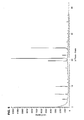
- the present invention provides crystalline (S)-isopropyl 2-(((S)-(((2R,3R,4R,5R)-5-(2,4-dioxo-3,4-dihydropyrimidin-1(2H)-yl)-4-fluoro-3-hydroxy-4-methyltetrahydrofuran-2-yl)methoxy)(phenoxy)phosphoryl)amino)propanoate represented by the formula S P -4: having XRPD 2 ⁇ -reflections (°) at about: 6.1, 8.2, 10.4, 12.7, 17.2, 17.7, 18.0, 18.8, 19.4, 19.8, 20.1, 20.8, 21.8, and 23.3.
- the crystalline (S)-isopropyl 2-(((S)-(((2R,3R,4R,5R)-5-(2,4-dioxo-3,4-dihydropyrimidin-1(2H)-yl)-4-fluoro-3-hydroxy-4-methyltetrahydrofuran-2-yl)methoxy)(phenoxy)phosphoryl)amino)propanoate has XRPD 2 ⁇ -reflections (°) at about: 6.08, 8.2, 10.38, 10.85, 12.17, 12.7, 13.73, 14.1, 15.91, 16.83, 17.17, 17.66, 17.95, 18.79, 19.1, 19.41, 19.8, 20.11, 20.82, 21.81, 22.03, 23.03, 23.26, 23.64, 23.89, and 24.73 with intensities (%) of 66.7, 62.1, 29.8, 10.4, 12.0, 66.4, 14.9, 13.8, 3.1, 8.7, 19.7, 56.2, 37.
- the present invention provides a pharmaceutical composition
- a pharmaceutical composition comprising the crystalline (S)-isopropyl 2-(((S)-(((2R,3R,4R,5R)-5-(2,4-dioxo-3,4-dihydropyrimidin-1(2H)-yl)-4-fluoro-3-hydroxy-4-methyltetrahydrofuran-2-yl)methoxy)(phenoxy)phosphoryl)amino)propanoate of the first aspect and a pharmaceutically acceptable medium.
- the pharmaceutical composition comprises another antiviral agent.
- the another antiviral agent is an HCV NS3 protease inhibitor.
- the another antiviral agent is an HCV NS5A inhibitor.
- the present invention provides the crystalline (S)-isopropyl 2-(((S)-(((2R,3R,4R,5R)-5-(2,4-dioxo-3,4-dihydropyrimidin-1(2H)-yl)-4-fluoro-3-hydroxy-4-methyltetrahydrofuran-2-yl)methoxy)(phenoxy)phosphoryl)amino)propanoate of the first aspect for use as a medicament.
- the present invention provides the crystalline (S)-isopropyl 2-(((S)-(((2R,3R,4R,5R)-5-(2,4-dioxo-3,4-dihydropyrimidin-1(2H)-yl)-4-fluoro-3-hydroxy-4-methyltetrahydrofuran-2-yl)methoxy)(phenoxy)phosphoryl)amino)propanoate of the first aspect for use in the treatment of a hepatitis C virus infection, optionally in combination with another antiviral agent.
- the another antiviral agent is an HCV NS3 protease inhibitor.
- the another antiviral agent is an HCV NS5A inhibitor.
- the present invention provides a medicament comprising the crystalline (S)-isopropyl 2-(((S)-(((2R,3R,4R,5R)-5-(2,4-dioxo-3,4-dihydropyrimidin-1(2H)-yl)-4-fluoro-3-hydroxy-4-methyltetrahydrofuran-2-yl)methoxy)(phenoxy)phosphoryl)amino)propanoate of the first aspect.
- the medicament comprises another antiviral agent.
- the another antiviral agent is an HCV NS3 protease inhibitor.
- the another antiviral agent is an HCV NS5A inhibitor.
- the present invention provides the use of the crystalline (S)-isopropyl 2-(((S)-(((2R,3R,4R,5R)-5-(2,4-dioxo-3,4-dihydropyrimidin-1(2H)-yl)-4-fluoro-3-hydroxy-4-methyltetrahydrofuran-2-yl)methoxy)(phenoxy)phosphoryl)amino)propanoate of the first aspect in the manufacture of a medicament for the treatment of a hepatitis C virus infection.
- the present invention provides the use of a crystalline (S)-isopropyl 2-(((S)-(((2R,3R,4R,5R)-5-(2,4-dioxo-3,4-dihydropyrimidin-1(2H)-yl)-4-fluoro-3-hydroxy-4-methyltetrahydrofuran-2-yl)methoxy)(phenoxy)phosphoryl)amino)propanoate of the first aspect and another antiviral agent in the manufacture of a medicament for the treatment of a hepatitis C virus infection.
- the another antiviral agent is an HCV NS3 protease inhibitor.
- the another antiviral agent is an HCV NS5A inhibitor.
- a or “an” entity refers to one or more of that entity; for example, a compound refers to one or more compounds or at least one compound.
- a compound refers to one or more compounds or at least one compound.
- the terms “a” (or “an”), “one or more”, and “at least one” can be used interchangeably herein.
- P* means that the phosphorus atom is chiral and that it has a corresponding Cahn-Ingold-Prelog designation of "R” or "S” which have their accepted plain meanings.
- purified refers to the purity of a given compound.
- a compound is “purified” when the given compound is a major component of the composition, i.e., at least 50% w/w pure.
- purified embraces at least 50% w/w purity, at least 60% w/w purity, at least 70% purity, at least 80% purity, at least 85% purity, at least 90% purity, at least 92% purity, at least 94% purity, at least 96% purity, at least 97% purity, at least 98% purity, at least 99% purity, at least 99.5% purity, and at least 99.9% purity, wherein "substantially pure” embraces at least 97% purity, at least 98% purity, at least 99% purity, at least 99.5% purity, and at least 99.9% purity, wherein "substantially pure” embraces at least 97% purity, at least 98% purity, at least 99% purity, at least 99.5% purity, and at least 99.9% purity
- metabolite refers to a compound produced in vivo after administration to a subject in need thereof.
- a specified XRPD pattern means that the peak positions shown in the XRPD pattern are substantially the same, within visual inspection or resort to selected peak listings ( ⁇ 0.2 °2 ⁇ ).
- the intensities can vary depending on the sample.
- substantially anhydrous means that a substance contains at most 10% by weight of water, preferably at most 1% by weight of water, more preferably at most 0.5% by weight of water, and most preferably at most 0.1% by weight of water.
- a solvent or anti-solvent (as used in reactions, crystallization, etc. or lattice and/or adsorbed solvents) includes at least one of a C 1 to C 8 alcohol, a C 2 to C 8 ether, a C 3 to C 7 ketone, a C 3 to C 7 ester, a C 1 to C 2 chlorocarbon, a C 2 to C 7 nitrile, a miscellaneous solvent, a C 5 to C 12 saturated hydrocarbon, and a C 6 to C 12 aromatic hydrocarbon.
- the C 1 to C 8 alcohol refers to a straight/branched and/or cyclic/acyclic alcohol having such number of carbons.
- the C 1 to C 8 alcohol includes, but is not limited to, methanol, ethanol, n-propanol, isopropanol, isobutanol, hexanol, and cyclohexanol.
- the C 2 to C 8 ether refers to a straight/branched and/or cyclic/acyclic ether having such number of carbons.
- the C 2 to C 8 ether includes, but is not limited to, dimethyl ether, diethyl ether, di-isopropyl ether, di-n-butyl ether, methyl-t-butyl ether (MTBE), tetrahydrofuran, and dioxane
- the C 3 to C 7 ketone refers to a straight/branched and/or cyclic/acyclic ketone having such number of carbons.
- the C 3 to C 7 ketone includes, but is not limited to, acetone, methyl ethyl ketone, propanone, butanone, methyl isobutyl ketone, methyl butyl ketone, and cyclohexanone.
- the C 3 to C 7 ester refers to a straight/branched and/or cyclic/acyclic ester having such number of carbons.
- the C 3 to C 7 ester includes, but is not limited to, ethyl acetate, propyl acetate, n-butyl acetate, etc.
- the C 1 to C 2 chlorocarbon refers to a chlorocarbon having such number of carbons.
- the C 1 to C 2 chlorocarbon includes, but is not limited to, chloroform, methylene chloride (DCM), carbon tetrachloride, 1,2-dichloroethane, and tetrachloroethane.
- a C 2 to C 7 nitrile refers to a nitrile have such number of carbons.
- the C 2 to C 7 nitrile includes, but is not limited to, acetonitrile, propionitrile, etc.
- a miscellaneous solvent refers to a solvent commonly employed in organic chemistry, which includes, but is not limited to, diethylene glycol, diglyme (diethylene glycol dimethyl ether), 1,2-dimethoxy-ethane, dimethylformamide, dimethylsulfoxide, ethylene glycol, glycerin, hexamethylphsphoramide, hexamethylphosphorous triame, N-methyl-2-pyrrolidinone, nitromethane, pyridine, triethyl amine, and acetic acid.
- diethylene glycol diglyme (diethylene glycol dimethyl ether), 1,2-dimethoxy-ethane, dimethylformamide, dimethylsulfoxide, ethylene glycol, glycerin, hexamethylphsphoramide, hexamethylphosphorous triame, N-methyl-2-pyrrolidinone, nitromethane, pyridine, triethyl amine, and acetic acid.
- C 5 to C 12 saturated hydrocarbon refers to a straight/branched and/or cyclic/acyclic hydrocarbon.
- the C 5 to C 12 saturated hydrocarbon includes, but is not limited to, n-pentane, petroleum ether (ligroine), n-hexane, n-heptane, cyclohexane, and cycloheptane.
- C 6 to C 12 aromatic refers to substituted and unsubstituted hydrocarbons having a phenyl group as their backbone.
- Preferred hydrocarbons include benzene, xylene, toluene, chlorobenzene, o-xylene, m-xylene, p-xylene, xylenes, with toluene being more preferred.
- halo or halogen as used herein, includes chloro, bromo, iodo and fluoro.
- blocking group refers to a chemical group which exhibits the following characteristics.
- the “group” is derived from a "protecting compound.” Groups that are selective for primary hydroxyls over secondary hydroxyls that can be put on under conditions consistent with the stability of the phosphoramidate (pH 2-8) and impart on the resulting product substantially different physical properties allowing for an easier separation of the 3'-phosphoramidate-5'-new group product from the unreacted desired compound. The group must react selectively in good yield to give a protected substrate that is stable to the projected reactions (see Protective Groups in Organic Synthesis, 3nd ed. T. W. Greene and P. G. M. Wuts, John Wiley & Sons, New York, N.Y., 1999 ).
- groups include, but are not limited to: benzoyl, acetyl, phenyl-substituted benzoyl, tetrahydropyranyl, trityl, DMT (4,4'-dimethoxytrityl), MMT (4-monomethoxytrityl), trimethoxytrityl, pixyl (9-phenylxanthen-9-yl) group, thiopixyl (9-phenylthioxanthen-9-yl) or 9-(p-methoxyphenyl)xanthine-9-yl (MOX), etc.; C(O)-alkyl, C(O)Ph, C(O)aryl, CH 2 O-alkyl, CH 2 O-aryl SO 2 -alkyl, SO 2 -aryl, tert -butyldimethylsilyl, tert- butyldiphenylsilyl.
- Acetals such as MOM or THP and the like are considered possible groups. Fluorinated compounds are also contemplated in so far that they can be attached to the compound and can be selectively removed by passing through a fluorous solid phase extraction media (FluoroFlash ® ).
- a specific example includes a fluorinated trityl analog, trityl analog 1-[4-(1 H ,1 H ,2 H ,2 H -perfluorodecyl)phenyl)-1,1-diphenylmethanol.
- fluorinated analogs of trityl, BOC, FMOC, CBz, etc. are also contemplated.
- Sulfonyl chlorides like p-toluenesulfonyl chloride can react selectively on the 5' position.
- Esters could be formed selectively such as acetates and benzoates.
- Dicarboxylic anhydrides such as succinic anhydride and its derivatives can be used to generate an ester linkage with a free carboxylic acid, such examples include, but are not limited to oxalyl, malonyl, succinyl, glutaryl, adipyl, pimelyl, superyl, azelayl, sebacyl, phthalyl, isophthalyl, terephthalyl, etc.
- the free carboxylic acid increases the polarity dramatically and can also be used as a handle to extract the reaction product into mildy basic aqueous phases such as sodium bicarbonate solutions.
- the phosphoramidate group is relatively stable in acidic media, so groups requiring acidic reaction conditions, such as, tetrahydropyranyl, could also be used.
- protecting group which is derived from a “protecting compound,” has its plain and ordinary meaning, i.e., at least one protecting or blocking group is bound to at least one functional group (e.g., -OH, -NH 2 , etc.) that allows chemical modification of at least one other functional group.
- at least one protecting or blocking group is bound to at least one functional group (e.g., -OH, -NH 2 , etc.) that allows chemical modification of at least one other functional group.
- protecting groups include, but are not limited to, benzoyl, acetyl, phenyl-substituted benzoyl, tetrahydropyranyl, trityl, DMT (4,4'-dimethoxytrityl), MMT (4-monomethoxytrityl), trimethoxytrityl, pixyl (9-phenylxanthen-9-yl) group, thiopixyl (9-phenylthioxanthen-9-yl) or 9-(p-methoxyphenyl)xanthine-9-yl (MOX), etc.; C(O)-alkyl, C(O)Ph, C(O)aryl, C(O)O(lower alkyl), C(O)O(lower alkylene)aryl (e.g.,-C(O)OCH 2 Ph), C(O)Oaryl, CH 2 O-alkyl, CH 2 O-aryl, SO 2
- protecting compound refers to a compound that contains a “protecting group” and that is capable of reacting with a compound that contains functional groups that are capable of being protected.
- leaving group has the same meaning to the skilled artisan ( Advanced Organic Chemistry: reactions, mechanisms and structure-Fourth Edition by Jerry March, John Wiley and Sons Ed.; 1992 pages 351-357 ) and represents a group which is part of and attached to a substrate molecule; in a reaction where the substrate molecule undergoes a displacement reaction (with for example a nucleophile), the leaving group is then displaced.
- leaving groups include, but are not limited to: halogen (F, Cl, Br, and I), preferably Cl, Br, or I; tosylate, mesylate, triflate, acetate, camphorsulfonate, aryloxide, and aryloxide substituted with at least one electron withdrawing group (e.g., p-nitrophenoxide, 2-chlorophenoxide, 4-chlorophenoxide, 2,4-dinitrophenoxide, pentafluorophenoxide, etc.), etc.
- electron withdrawing group is accorded its plain meaning here.
- electron withdrawing groups include, but are not limited to, a halogen, -NO2, -C(O)(lower alkyl), -C(O)(aryl), -C(O)O(lower alkyl),-C(O)O(aryl), etc.
- basic reagent means a compound that is capable of deprotonating a hydroxyl group.
- Examples of basic reagents include, but are not limited to, a (lower alk)oxide ((lower alkyl)OM) in combination with an alcoholic solvent, where (lower alk)oxides include, but are not limited to, MeO - , EtO - , n PrO - , i PrO - , t BuO - , i AmO- (iso-amyloxide), etc., and where M is an alkali metal cation, such as Li + , Na + , K + , etc.
- Alcoholic solvents include (lower alkyl)OH, such as, for example, MeOH, EtOH, n PrOH, i PrOH, t BuOH, i AmOH, etc.
- Non-alkoxy bases can also be used such as sodium hydride, sodium hexamethyldisilazane, lithium hexamethyldisilazane, lithium diisopropylamide, calcium hydride, sodium carbonate, potassium carbonate, cesium carbonate, DBU, DBN, Grignard reagents, such as (lower alkyl)Mg(halogen), which include but are not limited to MeMgCl, MeMgBr, t BuMgCl, t BuMgBr, etc.
- base embraces the term "basic reagent” and is meant to be a compound that is capable of deprotonating a proton containing compound, i.e., a Bronsted base.
- a base include, but are not limited to pyridine, collidine, 2,6-(loweralkyl)-pyridine, dimethyl-aniline, imidazole, N-methyl-imidazole, pyrazole, N-methyl-pyrazole, triethylamine, di-isopropylethylamine, etc.
- non-nucleophilic base means a compound that is capable of acting as a Br ⁇ nsted base, but has low nucleophilicity.
- non-nucleophilic bases include, but are not limited to, potassium carbonate, cesium carbonate, di-isopropylamine, di-isopropylethylamine, triethylamine, quinuclidine, naphthalene-1,8-diamine, 2,2,6,6-tetramethylpiperidine, 1,8-diazabicycloundec-7-ene, 4-dimethylamino-pyridine, pyridine, a 2,6-di-C1-6-alkyl-pyridine, a 2,4,6-tri-C1-6-alkyl-pyridine, 1,5-diazabicyclo[4.3.0]non-5-ene, and 1,4-diazabicyclo[2.2.2]octane.
- electron withdrawing group is accorded its plain meaning.
- electron withdrawing groups include, but are not limited to, a halogen (F, Cl, Br, or I), -NO 2 , -C(O)(lower alkyl), -C(O)(aryl), -C(O)O(lower alkyl),-C(O)O(aryl), etc.
- co-crystallates include co-crystallates of 4, R P - 4 , or S P - 4 in combination with salts, which embraces pharmaceutically acceptable salts.
- salts refers to a compound comprising a cation and an anion, which can produced by the protonation of a proton-accepting moiety and/or deprotonation of a proton-donating moiety. It should be noted that protonation of the proton-accepting moiety results in the formation of a cationic species in which the charge is balanced by the presence of a physiological anion, whereas deprotonation of the proton-donating moiety results in the formation of an anionic species in which the charge is balanced by the presence of a physiological cation.
- pharmaceutically acceptable salt means a salt that is pharmaceutically acceptable.
- pharmaceutically acceptable salts include, but are not limited to: (1) acid addition salts, formed with inorganic acids such as hydrochloric acid, hydrobromic acid, sulfuric acid, nitric acid, phosphoric acid, and the like; or formed with organic acids such as glycolic acid, pyruvic acid, lactic acid, malonic acid, malic acid, maleic acid, fumaric acid, tartaric acid, citric acid, 3-(4-hydroxybenzoyl)benzoic acid, cinnamic acid, mandelic acid, methanesulfonic acid, ethanesulfonic acid, 1,2-ethane-disulfonic acid, 2-hydroxyethanesulfonic acid, benzenesulfonic acid, 4-chlorobenzenesulfonic acid, 2-naphthalenesulfonic acid, 4-toluenesulfonic acid, camphorsulfonic acid, lauryl
- alkyl refers to an unbranched or branched chain, saturated, monovalent hydrocarbon residue containing 1 to 30 carbon atoms.
- C 1-M alkyl refers to an alkyl comprising 1 to M carbon atoms, where M is an integer having the following values: 2, 3, 4, 5, 6, 7, 8, 9, 10, 11, 12, 13, 14, 15, 16, 17, 18, 19, 20, 21, 22, 23, 24, 25, 26, 27, 28, 29, or 30.
- C 1-4 alkyl refers to an alkyl containing 1 to 4 carbon atoms.
- lower alkyl denotes a straight or branched chain hydrocarbon residue comprising 1 to 6 carbon atoms.
- C 1-20 alkyl refers to an alkyl comprising 1 to 20 carbon atoms.
- C 1-10 alkyl refers to an alkyl comprising 1 to 10 carbons.
- alkyl groups include, but are not limited to, lower alkyl groups include methyl, ethyl, propyl, i-propyl, n -butyl, i -butyl, t -butyl or pentyl, isopentyl, neopentyl, hexyl, heptyl, and octyl.
- the term (ar)alkyl or (heteroaryl)alkyl indicate the alkyl group is optionally substituted by an aryl or a heteroaryl group respectively.
- alkenyl refers to an unsubstituted hydrocarbon chain radical having from 2 to 10 carbon atoms having one or two olefinic double bonds, preferably one olefinic double bond.
- C 2-N alkenyl refers to an alkenyl comprising 2 to N carbon atoms, where N is an integer having the following values: 3, 4, 5, 6, 7, 8, 9, or 10.
- C 2-10 alkenyl refers to an alkenyl comprising 2 to 10 carbon atoms.
- C 2-4 alkenyl refers to an alkenyl comprising 2 to 4 carbon atoms. Examples include, but are not limited to, vinyl, 1-propenyl, 2-propenyl (allyl) or 2-butenyl (crotyl).
- aryl refers to substituted or unsubstituted phenyl (Ph), biphenyl, or naphthyl, preferably the term aryl refers to substituted or unsubstituted phenyl.
- the aryl group can be substituted with one or more moieties selected from among hydroxyl, F, Cl, Br, I, amino, alkylamino, arylamino, alkoxy, aryloxy, nitro, cyano, sulfonic acid, sulfate, phosphonic acid, phosphate, and phosphonate, either unprotected, or protected as necessary, as known to those skilled in the art, for example, as taught in T.W. Greene and P.G. M. Wuts, "Protective Groups in Organic Synthesis," 3rd ed., John Wiley & Sons, 1999 .
- aryloxide refers to substituted or unsubstituted phenoxide (PhO-), p-phenyl-phenoxide (p-Ph-PhO-), or naphthoxide, preferably the term aryloxide refers to substituted or unsubstituted phenoxide.
- the aryloxide group can be substituted with one or more moieties selected from among hydroxyl, F, Cl, Br, I, -C(O)(lower alkyl), -C(O)O(lower alkyl), amino, alkylamino, arylamino, alkoxy, aryloxy, nitro, cyano, sulfonic acid, sulfate, phosphonic acid, phosphate, and phosphonate, either unprotected, or protected as necessary, as known to those skilled in the art, for example, as taught in T.W. Greene and P.G. M. Wuts, "Protective Groups in Organic Synthesis," 3rd ed., John Wiley & Sons, 1999 .
- preparation or “dosage form” is intended to include both solid and liquid formulations of the active compound and one skilled in the art will appreciate that an active ingredient can exist in different preparations depending on the desired dose and pharmacokinetic parameters.
- excipient refers to a compound that is used to prepare a pharmaceutical composition, and is generally safe, non-toxic and neither biologically nor otherwise undesirable, and includes excipients that are acceptable for veterinary use as well as human pharmaceutical use.
- crystalline refers to a situation where a solid sample of either S P - 4 or R P - 4 has crystalline characteristics when determined by X-ray powder diffraction or a single crystal X-ray technique.
- crystal-like refers to a situation where a solid sample of either S P - 4 or R P - 4 has crystalline characteristics when determined by one means, e.g., visually or by optical or polarizing microscopy, but does not have crystalline characteristics when determined by another means, e.g., x-ray powder diffraction.
- Methods of visually determining the crystallinity of a solid sample by visual or by optical or by polarizing microscopy are disclosed in USP ⁇ 695> and ⁇ 776>, both of which are incorporated by reference.
- a solid sample of either S P - 4 or R P - 4 that is "crystal-like" may be crystalline under certain conditions but may become non-crystalline when subjected to other conditions.
- amorphous refers to a situation where a solid sample of either S P - 4 or R P - 4 is neither crystalline nor crystal-like.
- a compound represented by formula 4 wherein P* represents a chiral phosphorus atom. Due to the chiral phosphorus atom, the compound represented by formula 4 comprises two diastereomers designated as R P - 4 and S P - 4 .
- the compound represented by formula 4 can also be part of a solvate, a hydrate, or a mixed solvate/hydrate.
- the solvate is designated as 4 ⁇ n S
- the hydrate is designated as 4 ⁇ mH 2 O, where S is a lattice solvent, n varies by an integer or non-integer amount from about 0 to about 3 and m varies by an integer or non-integer amount from about 0 to about 5.
- the compound represented by formula 4 might not exist as a solvate or hydrate, but have a certain advantageous amount of adsorbed solvent (S) or water.
- the amount of S or water can vary from about 0 wt. % to about 10 wt.% based on the weight of the compound represented by formula 4 .
- the compound represented by formula 4 and its solvates and hydrates thereof is crystalline, crystal-like, or amorphous.
- the compound represented by formula R P - 4 can also be part of a solvate, a hydrate, or a mixed solvate/hydrate.
- the solvate is designated as R P - 4 ⁇ n S
- the hydrate is designated as S P - 4 ⁇ mH 2 O, where S is a lattice solvent
- n varies by an integer or non-integer amount from about 0 to about 3
- m varies by an integer or non-integer amount from about 0 to about 5.
- the compound represented by formula R P - 4 might not exist as a solvate, hydrate, or mixed solvate/hydrate, but have a certain advantageous amount of adsorbed solvent ( S ), water, or both S and water.
- the amount of S or water can vary from about 0 wt. % to about 10 wt.% based on the weight of the compound represented by formula R P - 4 .
- the compound represented by formula R P - 4 and its solvates and hydrates thereof is crystalline, crystal-like, or amorphous.
- crystalline R P - 4 having XRPD 2 ⁇ -reflections (°) at about: 6.6, 7.1, 9.0, 11.6, 17.9, 20.7, 24.1, 24.4, and 26.2.
- a crystalline R P - 4 having XRPD 2 ⁇ -reflections (°) at about: 6.6, 7.1, 9.0, 11.0, 11.6, 12.0, 16.0, 17.9, 19.6, 20.7, 21.0, 21.7, 21.9, 22.2, 23.1, 24.1, 24.4, 26.1, 27.3, 27.7, and 28.2.
- crystalline R P - 4 having an XRPD diffraction pattern substantially as that shown in Fig. 2 .
- R P - 4 having the following FT-IR peaks (cm -1 ): 1742, 1713, 1679, 1460, 1377, 1259, 1157, and 1079.
- R P - 4 having an FT-IR spectrum substantially as that shown in Fig. 15 .
- the compound represented by formula S P - 4 can also be part of a solvate, a hydrate, or a mixed solvate/hydrate.
- the solvate is designated as S P - 4 ⁇ n S
- the hydrate is designated as S P - 4 ⁇ mH 2 O, where S is a lattice solvent, n varies in an integer or non-integer amount from about 0 to about 3 and m varies in an integer or non-integer amount from about 0 to about 5.
- the compound represented by formula S P - 4 might not exist as a solvate or hydrate, but have a certain advantageous amount of adsorbed solvent (S) or water. In which case, the amount of S or water can vary from about 0 wt. % to about 10 wt.% based on the weight of the compound represented by formula S P - 4 .
- the compound represented by formula S P - 4 and its solvates and hydrates thereof is crystalline, crystal-like, or amorphous.
- crystalline S P - 4 Also disclosed herein is crystalline S P - 4 .
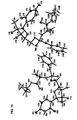
- a monoclinic crystalline S P - 4 preferably having the following unit cell parameters a ⁇ 12.88 ⁇ , b ⁇ 6.17 ⁇ , c ⁇ 17.73 ⁇ , and ⁇ ⁇ 92.05°.
- a monoclinic crystalline S P - 4 preferably having the following unit cell parameters a ⁇ 20.09 ⁇ , b ⁇ 6.10 ⁇ , c ⁇ 23.01 ⁇ , and ⁇ ⁇ 112.29°.
- a monoclinic crystalline S P - 4 preferably having the following unit cell parameters a ⁇ 12.83 ⁇ , b ⁇ 6.15 ⁇ , c ⁇ 17.63 ⁇ , and ⁇ ⁇ 91.75°.
- a monoclinic crystalline S P - 4 preferably having the following unit cell parameters a ⁇ 12.93 ⁇ , b ⁇ 6.18 ⁇ , c ⁇ 18.01 ⁇ , and ⁇ ⁇ 96.40°.
- crystalline S P - 4 having XRPD 20-reflections (°) at about: 5.2, 7.5, 9.6, 16.7, 18.3, 22.2.
- crystalline S P - 4 having XRPD 2 ⁇ -reflections (°) at about: 5.0, 7.3, 9.4, and 18.1.
- crystalline S P - 4 having XRPD 2 ⁇ -reflections (°) at about: 4.9, 6.9, 9.8, 19.8, 20.6, 24.7, and 26.1.
- crystalline S P - 4 having XRPD 20-reflections (°) at about: 6.9, 9.8, 19.7, 20.6, and 24.6.
- crystalline S P - 4 having XRPD 20-reflections (°) at about: 5.0, 6.8, 19.9, 20.6, 20.9, and 24.9.
- crystalline S P - 4 having XRPD 20-reflections (°) at about: 5.2, 6.6, 7.1, 15.7, 19.1, and 25.0.
- crystalline S P - 4 having XRPD 2 ⁇ -reflections (°) at about: 6.1, 8.2, 10.4, 12.7, 17.2, 17.7, 18.0, 18.8, 19.4, 19.8, 20.1, 20.8, 21.8, and 23.3.
- crystalline S P - 4 having an XRPD diffraction pattern substantially as that shown in any one of Fig. 3 , Fig. 4 , Fig. 5 , Fig. 6 , Fig. 7 , Fig. 8 , and Fig 21 .
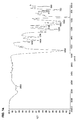
- S P - 4 having the following FT-IR peaks (cm -1 ) at about: 1743, 1713, 1688, 1454, 1378, 1208, and 1082.
- S P - 4 having an FT-IR spectrum substantially as that shown in Fig. 7 .
- the present invention provides crystalline (S)-isopropyl 2-(((S)-(((2R,3R,4R,5R)-5-(2,4-dioxo-3,4-dihydropyrimidin-1(2H)-yl)-4-fluoro-3-hydroxy-4-methyltetrahydrofuran-2-yl)methoxy)(phenoxy)phosphoryl)amino)propanoate represented by the formula Sp- 4 : having XRPD 20-reflections (°) at about: 6.1, 8.2, 10.4, 12.7, 17.2, 17.7, 18.0, 18.8, 19.4, 19.8, 20.1, 20.8, 21.8, and 23.3.
- the crystalline (S)-isopropyl 2-(((S)-(((2R,3R,4R,5R)-5-(2,4-dioxo-3,4-dihydropyrimidin-1(2H)-yl)-4-fluoro-3-hydroxy-4-methyltetrahydrofuran-2-yl)methoxy)(phenoxy)phosphoryl)amino)propanoate has XRPD 2 ⁇ -reflections (°) at about: 6.08, 8.2, 10.38, 10.85, 12.17, 12.7, 13.73, 14.1, 15.91, 16.83, 17.17, 17.66, 17.95, 18.79, 19.1, 19.41, 19.8, 20.11, 20.82, 21.81, 22.03, 23.03, 23.26, 23.64, 23.89, and 24.73 with intensities (%) of 66.7, 62.1, 29.8, 10.4, 12.0, 66.4, 14.9, 13.8, 3.1, 8.7, 19.7, 56.2, 37.
- crystalline S P - 4 of the present invention The crystalline (S)-isopropyl 2-(((S)-(((2R,3R,4R,5R)-5-(2,4-dioxo-3,4-dihydropyrimidin-1(2H)-yl)-4-fluoro-3-hydroxy-4-methyltetrahydrofuran-2-yl)methoxy)(phenoxy)phosphoryl)amino)propanoate of the first aspect of the present invention is hereinafter referred to as "crystalline S P - 4 of the present invention".
- the present invention provides a pharmaceutical composition comprising the crystalline S P - 4 of the present invention and a pharmaceutically acceptable medium.
- the pharmaceutical composition comprises another antiviral agent.
- the another antiviral agent is an HCV NS3 protease inhibitor.
- the another antiviral agent is an HCV NS5A inhibitor.
- the present invention provides the crystalline S P - 4 of the present invention for use as a medicament.
- the present invention provides the crystalline S P - 4 of the present invention for use in the treatment of a hepatitis C virus infection optionally in combination with another antiviral agent.
- the another antiviral agent is an HCV NS3 protease inhibitor.
- the another antiviral agent is an HCV NS5A inhibitor.
- the present invention provides a medicament comprising crystalline S P - 4 of the present invention.
- the medicament comprises another antiviral agent.
- the another antiviral agent is an HCV NS3 protease inhibitor.
- the another antiviral agent is an HCV NS5A inhibitor.
- the present invention provides the use of crystalline S P - 4 of the present invention in the manufacture of a medicament for the treatment of a hepatitis C virus infection.
- the present invention provides the use of crystalline S P - 4 of the present invention and another antiviral agent in the manufacture of a medicament for the treatment of a hepatitis C virus infection.
- the another antiviral agent is an HCV NS3 protease inhibitor.
- the another antiviral agent is an HCV NS5A inhibitor.
- Possible viral agents include, but are not limited to: hepatitis C virus, hepatitis B virus, Hepatitis A virus, West Nile virus, yellow fever virus, dengue virus, rhinovirus, polio virus, bovine viral diarrhea virus, Japanese encephalitis virus, or those viruses belonging to the groups of Pestiviruses, hepaciviruses, or flavaviruses.
- the pharmaceutically acceptable medium may be selected from among an excipient, carrier, diluent, and equivalent medium.
- the crystalline S P - 4 of the present invention may be formulated in a wide variety of oral administration dosage forms and carriers.
- Oral administration can be in the form of tablets, coated tablets, hard and soft gelatin capsules, solutions, emulsions, syrups, or suspensions.
- the crystalline S P - 4 of the present invention is efficacious when administered by suppository administration, among other routes of administration.
- the most convenient manner of administration is generally oral using a convenient daily dosing regimen which can be adjusted according to the severity of the disease and the patient's response to the antiviral medication.
- the crystalline S P - 4 of the present invention together with one or more conventional excipients, carriers, or diluents, may be placed into the form of pharmaceutical compositions and unit dosages.
- the pharmaceutical compositions and unit dosage forms may be comprised of conventional ingredients in conventional proportions, with or without additional active compounds and the unit dosage forms may contain any suitable effective amount of the active ingredient commensurate with the intended daily dosage range to be employed.
- the pharmaceutical compositions may be employed as solids, such as tablets or filled capsules, semisolids, powders, sustained release formulations, or liquids such as suspensions, emulsions, or filled capsules for oral use; or in the form of suppositories for rectal or vaginal administration.
- a typical preparation will contain from about 5% to about 95% active compound or compounds (w/w).
- the crystalline S P - 4 of the present invention can be administered alone but will generally be administered in admixture with one or more suitable pharmaceutical excipients, diluents or carriers selected with regard to the intended route of administration and standard pharmaceutical practice.
- Solid form preparations include, for example, powders, tablets, pills, capsules, suppositories, and dispersible granules.
- a solid carrier may be one or more substances which may also act as diluents, flavoring agents, solubilizers, lubricants, suspending agents, binders, preservatives, tablet disintegrating agents, or an encapsulating material.
- the carrier In powders, the carrier generally is a finely divided solid which is a mixture with the finely divided active component.
- the active component In tablets, the active component generally is mixed with the carrier having the necessary binding capacity in suitable proportions and compacted in the shape and size desired.
- Suitable carriers include but are not limited to magnesium carbonate, magnesium stearate, talc, sugar, lactose, pectin, dextrin, starch, gelatin, tragacanth, methylcellulose, sodium carboxymethylcellulose, a low melting wax, cocoa butter, and the like.
- Solid form preparations may contain, in addition to the active component, colorants, flavors, stabilizers, buffers, artificial and natural sweeteners, dispersants, thickeners, solubilizing agents, and the like.
- solid formulations are exemplified in EP 0524579 ; US 2002/0142050 ; US 2004/0224917 ; US 2005/0048116 ; US 2005/0058710 ; US 2006/0034937 ; US 2006/0057196 ; US 2006/0188570 ; US 2007/0026073 ; US 2007/0059360 ; US 2007/0077295 ; US 2007/0099902 ; US 2008/0014228 ; US 6,267,985 ; US 6,294,192 ; US 6,383,471 ; US 6,395,300 ; US 6,569,463 ; US 6,635,278 ; US 6,645,528 ; US 6,923,988 ; US 6,932,983 ; US 7,060,294 ; and US 7,462,608 .
- Liquid formulations also are suitable for oral administration include liquid formulation including emulsions, syrups, elixirs and aqueous suspensions. These include solid form preparations which are intended to be converted to liquid form preparations shortly before use. Examples of liquid formulation are exemplified in U.S. Patent Nos. 3,994,974 ; 5,695,784 ; and 6,977,257 .
- Emulsions may be prepared in solutions, for example, in aqueous propylene glycol solutions or may contain emulsifying agents such as lecithin, sorbitan monooleate, or acacia.
- Aqueous suspensions can be prepared by dispersing the finely divided active component in water with viscous material, such as natural or synthetic gums, resins, methylcellulose, sodium carboxymethylcellulose, and other well known suspending agents.
- the crystalline S P - 4 of the present invention may be formulated for administration as suppositories.
- a low melting wax such as a mixture of fatty acid glycerides or cocoa butter is first melted and the active component is dispersed homogeneously, for example, by stirring. The molten homogeneous mixture is then poured into convenient sized molds, allowed to cool, and to solidify.
- the crystalline S P - 4 of the present invention may be formulated for vaginal administration. Pessaries, tampons, creams, gels, pastes, foams or sprays containing in addition to the active ingredient such carriers as are known in the art to be appropriate. Certain of these formulations may also be used in conjunction with a condom with or without a spermicidal agent.
- Suitable formulations along with pharmaceutical carriers, diluents and excipients are described in Remington: The Science and Practice of Pharmacy 1995, edited by E. W. Martin, Mack Publishing Company, 19th edition, Easton, Pennsylvania A skilled formulation scientist may modify the formulations within the teachings of the specification to provide numerous formulations for a particular route of administration without rendering compositions containing the compounds contemplated herein unstable or compromising their therapeutic activity.
- the crystalline S P - 4 of the present invention may be formulated in conjunction with liposomes or micelles.
- liposomes it is contemplated that the purified compounds can be formulated in a manner as disclosed in U.S. Patent Nos.
- the purified compounds can be formulated in a manner as disclosed in U.S. Patent Nos. 5,145,684 and 5,091,188 .
- the term “medicament” means a substance used in a method of treatment and/or prophylaxis of a subject in need thereof, wherein the substance includes, but is not limited to, a composition, a formulation, a dosage form, and the like, comprising the crystalline S P - 4 of the present invention.
- terapéuticaally effective amount means an amount required to reduce symptoms of the disease in an individual.
- the dose will be adjusted to the individual requirements in each particular case. That dosage can vary within wide limits depending upon numerous factors such as the severity of the disease to be treated, the age and general health condition of the patient, other medicaments with which the patient is being treated, the route and form of administration and the preferences and experience of the medical practitioner involved.
- a daily dosage of between about 0.001 and about 10 g including all values in between, such as 0.001, 0.0025, 0.005, 0.0075, 0.01, 0.025, 0.050, 0.075, 0.1, 0.125, 0.150, 0.175, 0.2, 0.25, 0.5, 0.75, 1, 1.5, 2, 2.5, 3, 3.5, 4, 4.5, 5, 5.5, 6, 6.5, 7, 7.5, 8, 8.5, 9, and 9.5, per day should be appropriate in monotherapy and/or in combination therapy.
- a particular daily dosage is between about 0.01 and about 1 g per day, including all incremental values of 0.01 g (i.e., 10 mg) in between, a preferred daily dosage about 0.01 and about 0.8 g per day, more preferably about 0.01 and about 0.6 g per day, and most preferably about 0.01 and about 0.25 g per day, each of which including all incremental values of 0.01 g in between.
- treatment is initiated with a large initial "loading dose" to rapidly reduce or eliminate the virus following by a decreasing the dose to a level sufficient to prevent resurgence of the infection.
- One of ordinary skill in treating diseases described herein will be able, without undue experimentation and in reliance on knowledge, experience and the disclosures of this application, to ascertain a therapeutically effective amount of the compound disclosed herein for a given disease and patient.
- Therapeutic efficacy can be ascertained from tests of liver function including, but not limited to protein levels such as serum proteins (e.g., albumin, clotting factors, alkaline phosphatase, aminotransferases (e.g., alanine transaminase, aspartate transaminase), 5'-nucleosidase, ⁇ -glutaminyltranspeptidase, etc.), synthesis of bilirubin, synthesis of cholesterol, and synthesis of bile acids; a liver metabolic function, including, but not limited to, carbohydrate metabolism, amino acid and ammonia metabolism. Alternatively the therapeutic effectiveness may be monitored by measuring HCV-RNA. The results of these tests will allow the dose to be optimized.
- serum proteins e.g., albumin, clotting factors, alkaline phosphatase, aminotransferases (e.g., alanine transaminase, aspartate transaminase), 5'-nucleos
- the crystalline S P - 4 of the present invention may be administered with a therapeutically effective amount of another antiviral agent; wherein the administration is concurrent or alternative. It is understood that the time between alternative administration can range between 1-24 hours, which includes any sub-range in between including, 2, 3, 4, 5, 6, 7, 8, 9, 10, 11, 12, 13, 14, 15, 16, 17, 18, 19, 20, 21, 22, and 23 hours.
- HCV NS3 protease inhibitors see EP 1881001 , US 2003187018 , US 2005267018 , WO 2003006490 , WO 200364456 , WO 2004094452 , WO 2005028502 , WO 2005037214 , WO 2005095403 , WO 2007014920 , WO 2007014921 , WO 2007014922 , WO 2007014925 , WO 2007014926 , WO 2007015824 , WO 2008010921 , and WO 2008010921 ); HCV NS5B Inhibitors (see US 2004229840 , US 2005154056 , US 2005-98125 , US 20060194749 , US 20060241064 , US 20060293306 , US 2006040890 , US 2006040927 , US 2006166964 , US 2007275947 , US 6784166 , US
- crystalline S P - 4 of the present invention When the crystalline S P - 4 of the present invention is administered in combination with another antiviral agent the activity may be increased over the parent compound.
- administration When the treatment is combination therapy, such administration may be concurrent or sequential with respect to that of the nucleoside derivatives.
- Concurrent administration as used herein thus includes administration of the agents at the same time or at different times. Administration of two or more agents at the same time can be achieved by a single formulation containing two or more active ingredients or by substantially simultaneous administration of two or more dosage forms with a single active agent.
- references herein to treatment extend to prophylaxis as well as to the treatment of existing conditions.
- treatment also includes treatment or prophylaxis of a disease or a condition associated with or mediated by HCV infection, or the clinical symptoms thereof.
- a process for preparing any one of compounds 4, R P - 4 , or S P - 4 which comprises: a) reacting an isopropyl-alanate, A, a di-LG-phenylphosphate, B, 2'-deoxy-2'-fluoro-2'-C-methyluridine, 3, and a base to obtain a first mixture comprising at least one of S P - 4 and R P - 4 wherein X is a conjugate base of an acid, n is 0 or 1, and LG is a leaving group; b) reacting the first mixture with a protecting compound to obtain a second mixture comprising at least one of protected S P - 4 and protected R P - 4 ; and c) optionally subjecting the second mixture to crystallization, chromatography, or extraction in order to obtain 4 , S P - 4 , or R P - 4 .
- the isopropyl alanate may be present as its hydrochloric acid salt, which is preferably, substantially anhydrous.
- the base may be N-methylimidazole.
- the mole ratio of A -to- B -to- 3 may be about 1.6-to-1.3-to-1.
- the protecting compound may be t-butyl-dimethyl-silyl-chloride.
- Also disclosed herein is a process for preparing S P - 4 or R P - 4 , which comprises: a) reacting an isopropyl-alanate, A , a di-LG-phenylphosphate, B , 2'-deoxy-2'-fluoro-2'-C-methyluridine, 3, and a base to obtain a first mixture comprising at least one of S P - 4 and R P - 4 wherein X is a conjugate base of an acid, n is 0 or 1, and LG is a leaving group; and b) optionally subjecting the second mixture to crystallization, chromatography, or extraction in order to obtain purified S P - 4 or R P - 4 .
- the above process may additionally include further purifying the second mixture or the purified R P - 4 by dissolving or suspending the second mixture or the purified R P - 4 mixture in a solvent; optionally followed by seeding with crystalline R P - 4 ; and adding sufficient anti-solvent to obtain crystalline R P - 4 .
- the above process may additionally include further purifying the second mixture or the purified S P - 4 by d) dissolving or suspending the second mixture or the purified S P - 4 in a solvent followed by seeding with crystalline S P - 4 at about room temperature; collecting a first solid the majority of which comprises S P - 4 ; dissolving the first solid in a solvent at its reflux temperature; and cooling or adding an anti-solvent to obtain a second solid.
- the above process may additionally include further purifying S P - 4 by d) dissolving or suspending the second mixture or the purified S P - 4 mixture in a first solvent followed by adding an anti-solvent so as to obtain a first composition in which the residual solvent/anti-solvent is removed by decanting to obtain a residue; treating the residue with a solution containing the first solvent and anti-solvent to yield a second composition whereby upon reducing the pressure affords a first solid; dissolving or suspending the first solid using a second solvent so as to obtain a third composition; adding seed crystals of S P - 4 to the third composition; collecting a second solid; dissolving or suspending the second solid in a third solvent, optionally heated to the reflux temperature of the third solvent to obtain a fourth composition, and , if necessary, cooling the fourth composition to obtain a third solid comprising S P - 4 which is collected by filtration.
- S P - 4 may be further purified by the second mixture or the purified S P - 4 by d) adding silica gel to the second mixture or the purified S P - 4 followed by solvent evaporation to afford a dry slurry; stirring the dry slurry in a first solvent/anti-solvent combination to obtain a first wet slurry; decanting the first solvent/anti-solvent combination from the first wet slurry to obtain a second wet slurry and a first composition; adding to the second wet slurry a second solvent/anti-solvent combination followed by stirring; decanting the second solvent/anti-solvent combination from the second wet slurry to obtain a third wet slurry and a second composition; optionally repeating steps g)-h) on the third wet slurry or additional wet slurries; evaporating the solvent from the second composition, and optionally any additional composition obtained from optional step i) to obtain a first solid; dissolving or suspending
- the compounds can be separated by traditional extraction, traditional crystallization or traditional chromatographic techniques.
- Traditional chromatographic techniques include, but are not limited to, chromatography on silica gel (using, e.g., 3-5% methanol in DCM or 4-6% isopropanol in DCM) to produce enhanced levels of one isomer (50-100%) and then crystallize it.
- chromatography on silica gel using, e.g., 3-5% methanol in DCM or 4-6% isopropanol in DCM
- reversed phase chromatography using, e.g., 1-30% acetonitrile-aqueous mobile phase.
- the compounds can be isolated by supercritical fluid chromatography SFC with carbon dioxide as the main solvent and alcohols such as methanol as a modifier, preferably using the appropriate chiral media, such as, Daicel Chiralpack IA.
- SMB chromatography may be employed using the appropriate chiral media, such as, Daicel ChiralPack IA, using a mixture of solvents such as hexanes/isopropanol or single solvents such as ethyl acetate.
- Also disclosed herein is a process for preparing S P - 4 , which comprises: a) reacting an isopropyl-alanyl-phosphoramidate with a 3'-O-protected or unprotected 3, and a basic reagent to obtain a composition comprising protected or unprotected S P - 4 wherein the isopropyl-alanyl-phosphoramidate is comprised of a mixture of diastereomers represented bv the following structures: wherein the ratio of C:C' is about 1:1.
- the basic reagent may be t-butylmagnesium chloride and the ratio of C:C' may be greater than or equal to about 1:1.
- the basic reagent may be t-butylmagnesium chloride and the ratio of C:C' may be greater than about 1:1.
- the basic reagent may be t-butylmagnesium chloride and the ratio C:C' may be at least about 1.5:1, about 2.3:1, about 4:1, about 5.7:1, about 9:1, about 19:1, about 32.3:1, about 49:1, or about 99:1.
- the LG' is selected from among, 2,4-dinitrophenoxide, 4-nitrophenoxide, 2-nitrophenoxide, 2-chloro-4-nitrophenoxide, 2,4-dichlorophenoxide, and pentafluorophenoxide, the basic reagent is t-butylmagnesium chloride, and the ratio of C:C' may be at least about 1.5:1, about 2.3:1, about 4:1, about 5.7:1, about 9:1, about 19:1, about 32.3:1, about 49:1, or about 99:1.
- the above process may comprise a) reacting an isopropyl-alanyl-phosphoramidate (C) with a 3'-O-protected or unprotected 3, and a basic reagent to obtain a composition comprising protected or unprotected S P -4 wherein Z is a protecting group or hydrogen; LG' is a leaving group; and b) optionally subjecting the obtained protected or unprotected S P - 4 to chromatography, extraction, or crystallization in order to obtain purified protected or unprotected S P -4.
- C isopropyl-alanyl-phosphoramidate
- LG' may be tosylate, camphorsulfonate, or an aryloxide substituted with at least one electron withdrawing group; more preferably, LG' may be selected from among 2,4-dinitrophenoxide, 4-nitrophenoxide, 2-nitrophenoxide, 2-chloro-4-nitrophenoxide, 2,4-dichlorophenoxide, or pentafluorophenoxide.
- the reaction may be conducted in a polar aprotic solvent, such as, tetrahydrofuran or another etheral solvent either one being alone or in combination with each other or with a C 2 to C 7 nitrile, such as acetonitrile.
- a polar aprotic solvent such as, tetrahydrofuran or another etheral solvent either one being alone or in combination with each other or with a C 2 to C 7 nitrile, such as acetonitrile.
- the process may further comprise 1) reacting (LG')P(O)(LG) 2 , wherein LG, independent of LG', is a leaving group, with (i) isopropyl-alanate and a first base to obtain (LG')P(O)(LG)(NHAla- i Pr) followed by reacting (LG')P(O)(LG)(NHAla- i Pr) with phenol and a second base to obtain a mixture comprising C and C', (ii) phenol and a first base to obtain (LG')P(O)(LG)(OPh) followed by reacting (LG')P(O)(LG)(OPh) with isopropyl-alanate and a second base to obtain a mixture comprising C and C', or (iii) combining isopropyl-alanate, phenol, and at least one base to obtain a mixture comprising C and C'; or 2) reacting (PhO)P(O)(LG) 2 , wherein
- R P - 4 Also disclosed herein is a process for preparing R P - 4 , which comprises: a) reacting an isopropyl-alanyl-phosphoramidate with a 3'-O-protected or unprotected 3, and a basic reagent to obtain a composition comprising protected or unprotected R P - 4 wherein the isopropyl-alanyl-phosphoramidate is comprised of a mixture of diastereomers represented by the following structures: wherein the ratio of C':C is about 1:1.
- the basic reagent may be t-butylmagnesium chloride and the ratio of C':C may be greater than or equal to about 1:1.
- the basic reagent may be t-butylmagnesium chloride and the ratio of C':C may be greater than about 1:1.
- the basic reagent may be t-butylmagnesium chloride and the ratio of C:C' may be at least about 1.5:1, about 2.3:1, about 4:1, about 5.7:1, about 9:1, about 19:1, about 32.3:1, about 49:1, or about 99:1.
- the LG' may be p-nitrophenoxide
- the basic reagent may be t-butylmagnesium chloride
- the ratio of C':C may be at least about 1.5:1, about 2.3:1, about 4:1, about 5.7:1, about 9:1, about 19:1, about 32.3:1, about 49:1, or about 99:1.
- the above process may comprise: a) reacting an isopropyl-alanyl-phosphoramidate (C') with a 3'-O-protected or unprotected 3, and a basic reagent to obtain a composition comprising protected or unprotected R P - 4 wherein Z is a protecting group or hydrogen; LG' is a leaving group; and b) optionally subjecting the obtained protected or unprotected R P - 4 to chromatography, extraction, or crystallization in order to obtain purified protected or unprotected R P -4.
- LG' may be tosylate, camphorsulfonate, or an aryloxide substituted with at least one electron withdrawing group; more preferably, LG' may be selected from among p-nitrophenoxide, 2,4-dinitrophenoxide, and pentafluorophenoxide.
- R P - 4 is protected, i.e., Z is not hydrogen, the process is further directed to deprotecting protected R P - 4 .
- the reaction may be conducted in a polar aprotic solvent, such as, tetrahydrofuran or another etheral solvent either one being alone or in combination with each other or with a C 2 to C 7 nitrile, such as acetonitrile.
- the above process may further comprise 1) reacting (LG')P(O)(LG) 2 , wherein LG, independent of LG', is a leaving group, with (i) isopropyl-alanate and a first base to obtain (LG')P(O)(LG)(NHAla- i Pr) followed by reacting (LG')P(O)(LG)(NHAla- i Pr) with phenol and a second base to obtain a mixture comprising C and C', (ii) phenol and a first base to obtain (LG')P(O)(LG)(OPh) followed by reacting (LG')P(O)(LG)(OPh) with isopropyl-alanate and a second base to obtain a mixture comprising C and C', or (iii) combining isopropyl-alanate, phenol, and at least one base to obtain a mixture comprising C and C'; or 2) reacting (PhO)P(O)(LG) 2 , where
- Also disclosed herein is a compound 3 wherein Z is a protecting group or hydrogen; which is useful for the preparation of R P - 4 or S P - 4 .
- the compound 3 may be selected from among a compound having the following structure
- Also disclosed herein is a compound, its salt, hydrate, solvate, or combination thereof, represented by the following structures where LG' is a leaving group, which is useful for the preparation of R P -4 or S P -4.
- LG' may be tosylate, camphorsulfonate, an aryloxide, or an aryloxide substituted with at least one electron withdrawing group.
- LG' may be selected from among 2,4-dinitrophenoxide, 4-nitrophenoxide, 2-nitrophenoxide, 2-chloro-4-nitrophenoxide, 2,4-dichlorophenoxide, or pentafluorophenoxide.
- LG' may be pentafluorophenoxide or 4-nitro-phenoxide.
- Compound C wherein LG' is 2,4-dinitrophenoxide, 4-nitrophenoxide, 2-nitrophenoxide, 2-chloro-4-nitrophenoxide, 2,4-dichlorophenoxide, or pentafluorophenoxide; compound C, wherein LG' is 4-nitrophenoxide or pentafluorophenoxide; compound C, wherein LG' is 4-nitrophenoxide; crystalline compound C, wherein LG' is 4-nitrophenoxide; compound C, wherein LG' is pentafluorophenoxide; crystalline compound C, wherein LG' is pentafluorophenoxide.
- Also disclosed herein is a process for preparing a compound represented by the structural formula crystallizing the compound from a composition, comprising
- the mole amount of the compound and the mole amount of its P-based diastereomer may be the same or different.
- the mole amount of the compound may be greater than the mole amount of its corresponding P-based diastereomer or vice versa.
- the second leaving group precursor may be 2,4-dinitrophenol, 4-nitrophenol, 2-nitrophenol, 2-chloro-4-nitrophenol, 2,4-dichlorophenol, or pentafluorophenol.
- LG' may be pentafluorophenoxide.
- the second leaving group precursor may be pentafluorophenol.
- the amount of pentafluorophenol may range from about 0.01 mole equivalents to about 10 mole equivalents relative to the mole amount of the compound and its P-based diastereomer and all mole equivalents in between.
- the amount of pentafluorophenol may range from about 0.1 mole equivalents to about 1 mole equivalents relative to the mole amount of the compound and its P-based diastereomer and all mole equivalents in between.
- the crystallizing may occur at a temperature that ranges from about -10°C to about +40°C and all temperature values in between.
- the crystallizing may occur at about room temperature.
- the non-nucleophilic base may be selected from among potassium carbonate, cesium carbonate, di-isopropylamine, di-isopropylethylamine, triethylamine, quinuclidine, naphthalene-1,8-diamine, 2,2,6,6-tetramethylpiperidine, 1,8-diazabicycloundec-7-ene, 4-dimethylamino-pyridine, pyridine, a 2,6-di-C 1-6 -alkyl-pyridine, a 2,4,6-tri-C 1-6 -alkyl-pyridine, and mixtures thereof.
- the non-nucleophilic base is triethylamine or 1,8-diazabicycloundec-7-ene.
- the non-nucleophilic base may be triethylamine.
- the non-nucleophilic base may be present in an amount that ranges from about 0.01 equivalents mol to about 10 mol equivalents, and all mole equivalents in between, relative to the total mole amount of the compound and its P-based diastereomer.
- the non-nucleophilic base may be present in an amount that ranges from about 0.1 mol equivalents to about 1 mol equivalents, and all mole equivalents in between, relative to the total mole amount of the compound and its P-based diastereomer.
- the solubility of the compound may be less than the solubility of its corresponding P-based diastereomer in the liquid composition or vice versa.
- the liquid composition may comprise at least one of a solvent and an anti-solvent.
- the liquid composition may comprise at least one of a C 1 to C 8 alcohol, a C 2 to C 8 ether, a C 3 to C 7 ketone, a C 3 to C 7 ester, a C 1 to C 2 chlorocarbon, a C 2 to C 7 nitrile, a C 5 to C 12 saturated hydrocarbon, and a C 6 to C 12 aromatic hydrocarbon.
- the liquid composition may comprise at least one of a C 2 to C 8 ether, a C 3 to C 7 ester, a C 5 to C 12 saturated hydrocarbon, and a C 6 to C 12 aromatic hydrocarbon.
- the liquid composition may comprise at least one of a C 2 to C 8 ether, a C 3 to C 7 ester, and a C 5 to C 12 saturated hydrocarbon.
- the liquid composition may comprise at least one of ethyl acetate, t-butyl-methylether, and hexane.
- the liquid composition may comprise ethyl acetate and hexane.
- the liquid composition may comprise t-butyl-methylether and hexane.
- the amount of liquid composition may range from about 1 mL to about 10 mL for every gram of the first composition and all mL/g values in between.
- Crystalline compound may be added to the composition.
- the process may comprise adding about 0.1 to about 1 wt. %, and all wt. % values in between, of crystalline compound to the first composition.
- the process may further comprise
- the mole amount of the (S)-isopropyl 2-(((S)-(perfluorophenoxy)(phenoxy)phosphoryl)amino)propanoate and the mole amount of the (S)-isopropyl 2-(((R)-(perfluorophenoxy)(phenoxy)phosphoryl)amino)propanoate may be the same or different.
- the mole amount of the (S)-isopropyl 2-(((S)-(perfluorophenoxy)(phenoxy)phosphoryl)amino)propanoate may be greater than the mole amount of the (S)-isopropyl 2-(((R)-(perfluorophenoxy)(phenoxy)phosphoryl)amino)propanoate.
- the amount of pentafluorophenol may range from about 0.01 mole equivalents to about 10 mole equivalents (and all mole equivalent values in between) relative to the mole amount of (S)-isopropyl 2-(((S)-(perfluorophenoxy)(phenoxy)phosphoryl)amino)propanoate and (S)-isopropyl 2-(((R)-(perfluorophenoxy)(phenoxy)phosphoryl)amino)propanoate.
- the amount of pentafluorophenol may range from about 0.1 mole equivalents to about 1 mole equivalents (and all mole equivalent values in between) relative to the mole amount of (S)-isopropyl 2-(((S)-(perfluorophenoxy)(phenoxy)phosphoryl)amino)propanoate and (S)-isopropyl 2-(((R)-(perfluorophenoxy)(phenoxy)phosphoryl)amino)propanoate.
- the crystallizing may occur at a temperature that ranges from about -10°C to about +40°C and all temperature values in between.
- the crystallizing may occur at about room temperature.
- the non-nucleophilic base may be selected from among potassium carbonate, cesium carbonate, di-isopropylamine, di-isopropylethylamine, triethylamine, quinuclidine, naphthalene-1,8-diamine, 2,2,6,6-tetramethylpiperidine, 1,8-diazabicycloundec-7-ene, 4-dimethylamino-pyridine, pyridine, a 2,6-di-C 1-6 -alkyl-pyridine, a 2,4,6-tri-C 1-6 -alkyl-pyridine, and mixtures thereof.
- the non-nucleophilic base may be triethylamine or 1,8-diazabicycloundec-7-ene.
- the non-nucleophilic base may be triethylamine.
- the non-nucleophilic base may be present in an amount that ranges from about 0.1 to about 1 mol equivalents (and all mole equivalent values in between) relative to the total mole amount of (S)-isopropyl 2-(((S)-(perfluorophenoxy)(phenoxy)phosphoryl)amino)propanoate and (S)-isopropyl 2-(((R)-(perfluorophenoxy)(phenoxy)phosphoryl)amino)propanoate.
- the solubility of (S)-isopropyl 2-(((S)-(perfluorophenoxy)(phenoxy)phosphoryl)amino)propanoate may be than the solubility of (S)-isopropyl 2-(((R)-(perfluorophenoxy)(phenoxy)phosphoryl)amino)propanoate in the liquid composition.
- the liquid composition may comprise at least one of a solvent and an anti-solvent.
- the liquid composition may comprise at least one of a C 1 to C 8 alcohol, a C 2 to C 8 ether, a C 3 to C 7 ketone, a C 3 to C 7 ester, a C 1 to C 2 chlorocarbon, a C 2 to C 7 nitrile, a C 5 to C 12 saturated hydrocarbon, and a C 6 to C 12 aromatic hydrocarbon.
- the liquid composition may comprise at least one of a C 2 to C 8 ether, a C 3 to C 7 ester, a C 5 to C 12 saturated hydrocarbon, and a C 6 to C 12 aromatic hydrocarbon.
- the liquid composition may comprise at least one of a C 2 to C 8 ether, a C 3 to C 7 ester, and a C 5 to C 12 saturated hydrocarbon.
- the liquid composition may comprise at least one of ethyl acetate, t-butyl-methylether, and hexane.
- the liquid composition may comprise ethyl acetate and hexane.
- the liquid composition may comprise t-butyl-methylether and hexane.
- the amount of liquid composition may range from about 1 to about 10 mL for every gram (and all mL/g values in between) of the first composition.
- the above process may comprise adding crystalline (S)-isopropyl 2-(((S)-(perfluorophenoxy)(phenoxy)phosphoryl)amino)propanoate to the second composition, e.g. adding about 0.1 to about 1 wt. % (and all wt.% values in between) of crystalline (S)-isopropyl 2-(((S)-(perfluorophenoxy)(phenoxy)phosphoryl)amino)propanoate based on the total weight of (S)-isopropyl 2-(((S)-(perfluorophenoxy)(phenoxy)phosphoryl)amino)propanoate in the first composition.
- crystalline (S)-isopropyl 2-(((S)-(perfluorophenoxy)(phenoxy)phosphoryl)amino)propanoate obtained by the process of the fifteenth embodiment.
- Also disclosed herein is a process for preparing (S)-isopropyl 2-(((S)-(((2R,3R,4R,5R)-5-(2,4-dioxo-3,4-dihydropyrimidin-1(2H)-yl)-4-fluoro-3-hydroxy-4-methyltetrahydrofuran-2-yl)methoxy)(phenoxy)phosphoryl)amino)propanoate, which comprises:
- the contacting may occur in a medium having a temperature that ranges from about 0°C to about 40°C and all temperature values in between.
- the contacting may occur in a medium having a temperature that ranges from about 0°C to about 30°C and all temperature values in between.
- the mole ratio of t-butylmagnesium halide to 1-((2R,3R,4R,5R)-3-fluoro-4-hydroxy-5-(hydroxymethyl)-3-methyltetrahydrofuran-2-yl)pyrimidine-2,4(1H,3H)-dione may range from about 2 to about 2.2.
- the mole ratio of t-butylmagnesium halide to 1-((2R,3R,4R,5R)-3-fluoro-4-hydroxy-5-(hydroxymethyl)-3-methyltetrahydrofuran-2-yl)pyrimidine-2,4(1H,3H)-dione may be about 2.1.
- the t-butylmagnesium halide may be t-butylmagnesium chloride.
- Also disclosed herein is a process for preparing substantially pure (S)-isopropyl 2-(((S)-(((2R,3R,4R,5R)-5-(2,4-dioxo-3,4-dihydropyrimidin-1(2H)-yl)-4-fluoro-3-hydroxy-4-methyltetrahydrofuran-2-yl)methoxy)(phenoxy)phosphoryl)amino)propanoate, which comprises:
- isotopically-labeled analog of R P -4 or S P - 4 refers to an analog of R P - 4 or Sp-4 that is a "deuterated analog", a " 13 C-labeled analog,” or a "deuterated/ 13 -C-labeled analog.”
- deuterated analog means a compound described herein, whereby a 1 H-isotope, i.e., hydrogen (H), is substituted by a 2 H-isotope, i.e., deuterium (D).
- Deuterium substitution can be partial or complete. Partial deuterium substitution means that at least one hydrogen is substituted by at least one deuterium.
- methyl groups depicted above are shown as being completely deuterated, one will recognize that partial-deuterated variations are also possible, such as, -CDH 2 and -CD 2 H. Isotopic labels on the furanose and base are also contemplated.
- 13 C-labeled analog and “deuterated/ 13 -C-labeled analog” refers to a compound described herein, whereby carbon atom is enriched with a 13 C-isotope meaning that the extent of enrichment exceeds the usual natural abundance of about 1.1%.
- 3',5'-O-dibenozyl-2'-deoxy-2'-fluoro-2'-C-methyl-N 4 -benzoylcytidine (1) is obtained by a method disclosed in WO 2006/031725 and WO 2008/045419 .
- the benzoyl esters can be hydrolyzed by a number of methods as well, e.g., alkoxides in alcoholic solvent, such as sodium methoxide in methanol, potassium carbonate in methanol, or ethanol analogs, alkylamines such as methylamine in methanol, butylamine etc. Methanolic ammonia was chosen for the larger scale work.
- the uridine product (3) can be purified by crystallization to afford a 70% yield from the tribenzoylated cytidine (1).
- reaction conditions which use lesser amounts of reagents and a method to selectively remove the impurity 3'-O-phosphoramidate diastereomers (5) with an easier chromatographic separation thereby affording the desired 5'-O-phosphoramidate diastereomers in much higher purity (4).
- the 3'-monosubstituted product converts to the bis product at a faster rate than the 5'-monosubstituted product, so it is possible to reduce the 3'-diastereomer contamination level by pushing the reaction more to the bis-substituted products.
- the reaction can be optimized to produce more of the desired 5'-diastereomer without having to sacrifice as much of the 5'-diastereomer being converted to the bis-substituted (6). It was also observed that the amino acid hydrochloride is very hygroscopic.
- Another alternative approach was to use the direct synthesis and then use chemistry to help differentiate the 3'-diastereomer impurities 5 from the desired 5'-diastereomers 4 to help the separation.
- a group was desired that would selectively react with the free primary hydroxyl of the 3'-O-phosphoramidate impurity 5 over the free secondary hydroxyl of the desired 5'-O-phosphoramidate 4.
- the blocking group significantly change the polarity of the resulting 5'-O-blocked 3'-O-phoshoramidate product from the desired 5'-O-phosphoramidate 4. There would be no extra step needed to remove the blocking group as the desired 5'-diastereomers 4 would not be changed.
- the chemically altered 3'-diastereomers would then allow easier chromatographic separation or separation by special scavenging supports or by extractions.
- the blocking group tert-butyldimethylsilyl met these criteria and was the first one to be demonstrated and subsequently used on a multi-kilogram scale.
- the tBDMS group reacts with high selectively at the primary hydroxyl position over the 3' secondary hydroxyl position.
- the phosphoramidate reaction uses N-methylimidazole (NMI) as a base.
- NMI N-methylimidazole
- the silylation is less selective.
- the amount of NMI should be reduced. This can be accomplished easily after the phosphoramidate reaction by washing the reaction solution with 1 N hydrochloric acid.
- the NMI and the remaining starting nucleoside are removed, leaving a crude mixture of mono and bis substituted products and reagent by-products. This is then dissolved in pyridine and treated with tert-butyldimethylsilyl chloride. The 3'-monosubstituted product 5 is converted in a few hours or less to the 5'-O-tBDMS-3'-O-phosphoramidate 7. The reaction progress can be monitored by HPLC. The polarity of this silylated product 7 is less than the bis-phosphoramidate 6 and is readily removed by chromatography.
- the reaction conditions and the scavenging of the 3'-impurity are general methods and could be applied to most nucleoside phosphoramidates with a free 3' hydroxyl.
- the phosphoramidate moiety could be any combination of amino acid ester and aromatic alcohol.
- the nucleoside moiety could be any nucleoside in which a 5' phosphoramidate would lead to a 5'-monophosphate and could be further metabolized to the 5'-triphosphate form.
- the following scheme is the main reaction scheme illustrated for making isopropyl L-alanate phenyl phosphoramidate of 2'-deoxy-2'-fluoro-2'-C-methyluridine with the major product as the desired 5'-O-phosphoramidate (4, two diastereomers) and the minor product as the 3'-O-phosphoramidate (5, two diastereomers) and the 3',5' -bis-O-phosphoramidate (6, four diastereomers).
- the reagents are added in the stoichiometric ratios as described in the method of preparation section.
- the reaction is allowed to proceed until about 5% of the starting material remains as judged by UV visualization on thin layer chromatography (TLC).
- the desired product is subjected to chromatography on silica gel and is eluted with a gradient of methanol in dichloromethane (1-4%).
- the desired 5'-monophosphoramidate 4 elutes last.
- This dibenzoyluridine intermediate was used directly in the next step by adding it all to freshly prepared methanolic ammonia (5.4 L, ca 25%) at 0°C. This temperature was maintained for 3 h and then allowed to warm to 15°C for 24 h. TLC indicated a complete reaction (Rf 0.4 in 10% methanol in DCM). The reaction mixture was filtered through a Celite bed and concentrated under reduced pressure to give the crude product (216 g). The crude product was stirred with ethyl acetate (325 mL) for 3 h at ambient temperature. The resulting solid was collected by filtration and washed with ethyl acetate (216 mL).
- the crude oil was diluted with the same volume of dichloromethane and loaded onto a 2.5 Kg silica gel cartridge in a radial compression module at 100 psi of air pressure.
- a gradient pump at 60 psi and a flow rate of 400 mL/min, the cartridge was washed with methylene chloride (4L) followed by a gradient 1-4% methanol in methylene chloride (48 L).
- Most of the major impurities (di-(isopropylalanyl)phenyl phosphate, 3',5'-bis phosphoramidate (6) , 3'-phosphoramidate-5'-TBDMS adduct ( 7 )) eluted with ⁇ 3% gradient.
- the desired product eluted between 3 and 4% methanol.
- the product containing fractions were sorted into two lots.
- upper impurities such as the 3',5'-bis phosphoramidate and the di-alanylphenyl phosphate
- the impure lot was recolumned in a similar manner to give 3.8 g of 97% pure upper isomer (fraction set aside) and 36 g of pure product in a 4:1 ratio.
- the two main lots were dissolved in DCM, combined, evaporated under reduced pressure and dried (50°C, 0.2 mmHg, 24 h) to get 74 g (45.7%) of pure product 4 with a diastereomeric ratio of 48: 51, as a white foam, mp about 75-85°C.
- amorphous solid of the diastereomeric mixture 74 g of the white foam was stirred in with t-butyl methyl ether (750 mL) resulting in a partial solution and a gummy solid residue. While stirring, heptanes (750 mL) was added slowly and the suspension was mechanically stirred for 1 hour until most of the gum was converted to a white solid. The solid was scraped up with a spatula and the resulting slurry was filtered.
- Compound 4 due to the chirality at phosphorus is comprised of two diastereomers, which are designated as S P -4 and R P -4.
- the stereochemical assignment was made based on single crystal X-ray analysis of S P -4. Both R P -4 and S P -4 gave crystalline product.
- Example 3 Crystallization of the R P -4 isomer.
- the chromatographed fraction of containing the first eluting, less polar R P -4 isomer (3.8 g, 97% pure) was dissolved in isopropanol (36 g) and diluted with heptanes until cloudy (72 g). The solution was seeded and stirred at ambient temperature for 5 h. The resulting solid was collected by vacuum filtration, washed with heptanes (2x20 mL) and dried (50°C, 0.2 mm, 24 h) to 2.3 g of very small white needles mp 136.2-137.8°C. HPLC purity of the resultant material was found to be 99.02%.
- R P - 4 1 H-NMR (CDCl 3 ) ⁇ 9.10 (br s, 1H, NH), 7.36 (m, 2H, o-aromatic), 7.26-7.16 (m, 4 H, C6-H, m,p -aromatic), 6.16 (br d, 1H, C1'-H), 5.58 (d, 1H, C5-H), 5.01 (sept, 1H, C H -(CH 3 ) 2 ), 4.52-4.47 (m, 2H, C-5'-H 2 ), 4.10 (d, 1H, C3'-H), 4.02-3.76 (m, 4H, ala-NH, C3'-OH, C4'-H, ala-C H -CH 3 ), 1.37-1.20 (m, 12H, all CH 3 ).
- Method I Direct precipitation from crude 4: To a stirred solution of L-alanine isopropyl ester hydrochloride (10.5g, 61.5mmol, azeotropically dried, two times, with 50 mL of toluene each time) in dichloromethane (100 mL) was added phenydichlorophosphate (7.5 mL, 50 mmol) at room temperature. The mixture was cooled to -10°C and then was added a solution of NMI (30.5 mL, 384.3mmol) in 30 mL of dichloromethane over a period of 30 min. After completion of the addition, the mixture was stirred between -10 and -15°C for 1h.
- the above foam was dissolved in 33 mL of DCM and then was added 65 mL of IPE (isopropyl ether) to give a saturated solution.
- the solution was filtered though a small pad of Celite and the filtrate was stirred with S P -4 seeds for 72h at ambient temperature (about 22°C -note that cooling the suspension to 0°C led to oiling out the crude product).
- the white solid was filtered, washed with IPE (20mL) and dried to give 4.58g ( ⁇ 85:15 mixture of S P -4: R P -4 respectively as determined by 31 P NMR) of a white powder.
- the above solid was suspended in 23 mL of DCM and then refluxed for 3h. The mixture was cooled to room temperature and stirred for 15h.
- Method 2 Oiling out from crude 4: To a stirred solution of L-alanine isopropyl ester hydrochloride (20.6g, 123mmol, azeotropically dried, two times, with 75 mL of toluene each time) in dichloromethane (200 mL) was added phenydichlorophosphate (14.9 mL, 100mmol) at room temperature. The mixture was cooled to -10°C and then was added a solution of NMI (61.3 mL, 769mmol) in 60 mL of dichloromethane over a period of 30 min. After completion of the addition, the mixture was stirred between -10°C and -15°C for 1h.
- L-alanine isopropyl ester hydrochloride 20.6g, 123mmol, azeotropically dried, two times, with 75 mL of toluene each time
- dichloromethane 200 mL
- phenydichlorophosphate (14.9
- the above foam was dissolved in 46 mL of DCM and then was added 95 mL of IPE to give a saturated solution. The solution was filtered though a small pad of Celite and the filtrate was stirred with S P -4 seeds for 72h at ambient temperature. The white solid was filtered, washed with IPE (30mL) and dried to give 7.33g ( ⁇ 85:15 mixture of S P - 4 : R P -4 respectively as determined by 31 P NMR) of white powder. The above solid was suspended in 36 mL of DCM and then refluxed for 3h. The mixture was cooled to room temperature and stirred for 15h. The white solid was filtered, washed with 7.5 mL of cold DCM and dried under high vacuum at 45°C to give >99% pure S P - 4 , (4.78g, 11.6 % from the uridine nucleoside).
- Method 3 Silica gel loading of crude 4: 5.0 g of crude 4 was produced as in the same manner as the mixture of diastereomers just before the column chromatography step starting with approximately 2.5 g of 2'-deoxy-2'-fluoro-2'-C-methyluridine (3). The crude was dissolved in 10 mL of DCM and 10 g of silica gel was added to the solution. The solvent was evaporated to give dry slurry. The slurry was stirred with 40 mL of 50% EtOAc/hexanes for 15 min and then filtered. The silica gel was washed with additional 10 mL of 50% EtOAc/hexanes.
- Method 4 40.0 g of 1:1 mixture of 4 was dissolved in 90 mL of dichloromethane. Diisopropylether (70 mL) was added to the above solution to give a saturated solution. (The quantity of diisopropyl ether may vary based on the purity of the product.) The solution was seeded with pure S P - 4 (> 99%) and the mixture was gently stirred with a stir bar at room temperature for 20h (formation of solid was observed after 2h). The solid was filtered, washed with 40 mL of the mixture of diisopropylether/dichloromethane (1:1) and dried to give white solid (16.6 g, 89.35 % pure S P - 4 by NMR).
- This solid was suspended in 83 mL dichloromethane and refluxed for 3h. The suspension was cooled to room temperature and stirred over night. The solid was filtered and washed with 10mL of cold DCM. The solid was dried under vacuum to give S P - 4 (13.1 g, 99.48 % pure by HPLC). 11g of this solid was redissolved in 330 mL of DCM under hot conditions. The solution was cooled to room temperature and left at this temperature over night. The crystalline product was filtered and dried to give 10.5 g of S P - 4 (99.74 % by HPLC).
- Compounds S P - 4 and R P - 4 may alternatively be prepared, in accordance with the ninth or tenth embodiment, by reacting nucleoside (protected or unprotected) 3 with an isopropyl-alanyl-phosphoramidate (mixture of C and C', C or C' ), as shown in the following equation.
- L-alanine isopropyl ester hydrochloride (330 g, 1.97 mol) was pre-dried by co-evaporation with toluene (2 x 400 mL) under reduced pressure and then dried in a vacuum oven (50°C, 0.2 mmHg, 17 h).
- a stirred solution of 4-nitrophenyl phosphorodichloridate (500.0 g, 1.953 mol) in anhydrous dichloromethane (3.0 L) was added a solution of phenol (183.8 g, 1.953 mol) and triethylamine (300 mL, 2.15 mol) in dichloromethane (900 mL) at -60°C internal temperature over a period of 3 hours.
- the mixture was stirred at this temperature for additional 30 min and then allowed to warm up to -5°C over 2.5 hours.
- the pre-dried amino acid ester was added at -5 ⁇ 0°C under an atmosphere of nitrogen over 10 mins.
- the residue of aminoester salt in the addition flask was transferred to the reaction mixture via rinsing with dichloromethane (2 x 100 mL).
- the mixture was stirred at 0°C for 40 mins and a second portion of triethylamine (571 mL, 4.10 mol) was added over a period of 40 mins at 0°C.
- the dry residue was mixed with diisopropyl ether (IPE, 1.1 L) and stirred at 5 °C in an ice-water bath. Small amount of crystal seeds of the desired S P -isomer of the product was added to the solution and the mixture was stirred at 5°C for over 22 h to form a medium thick slurry. This was allowed to stand in a freezer (-10°C) for 44 h.
- the precipitated product was collected via filtration and rinsed with pre-cooled mixed solvents of IPE and hexanes (1:1,3 x 190 mL). The solid was dried under vacuum (0.5 mm Hg) at ambient temperature until a constant weight was obtained to give 227.23 g (yield: 28.5%) as a white powder solid.
- the ratio of two diastereomers S P : R P was 9.65/1 based on 31 P NMR (162 MHz, DMSO-d 6 , ⁇ -0.31 ( S P ), -0.47).
- the product was recrystallized by dissolving in IPE (840 mL) while heating in a 60°C bath. The above solution was stirred at room temperature for 1 h and then a small amount of crystal Sp isomer seeds was added. White powder solid was formed within 2 hours and the flask was stored in a freezer (-10°C) for 16 hours.
- a white and fine crystalline solid obtained was filtered, washed with pre-cooled IPE (3x 50 mL) and dried under vacuum (ambient, 0.5 mm Hg) to a constant weight to give white fluffy solid (177.7 g, 22% overall yield or 44% overall yield based on theoretical yield of the S P isomer) with diastereomeric ratio of 48/1 based on P-NMR. Mp 62-66°C.
- Example 8-2 Preparation of ( S )- Isopropyl 2 -(( 2R , 3R , 4R , 5R )- 5 -( 2 , 4 - dioxo - 3 , 4-dihydropyrimidin-1(2H)-yl)-4-fluoro-3-hydroxy-4-methyltetrahydrofuran-2 yl)methoxy)(phenoxy)-phosphorylamino)propanoate (4).
- Example 9-1 Preparation of racemic 2 -[( 2 - chloro - phenoxy )- phenoxy-phosphorylamino] propionic acid isopropyl ester ( ⁇ ).
- Example 9-2 Preparation of (S)-isopropyl 2-((2R,3R,4R,5R)-5-(2,4-dioxo-3,4-dihydropyrimidin - 1 ( 2H )- yl )- 4 - fluoro - 3 - hydroxy - 4 - methyltetrahydrofuran - 2 yl)methoxy)(phenoxy)-phosphorylamino)propanoate.
- Example 10-1 Preparation of racemic 2-[(2,3,4,5,6-pentafluoro-phenoxy)-phenoxy-phosphorylamino] propionic acid isopropyl ester ( ⁇ ).
- Example 10-2 Preparation of diastereomeric mixture (S)-2-[(2,3,4,5,6-pentafluoro-phenoxy)-phenoxy-phosphorylamino] propionic acid isopropyl ester and isolation of single diastereomer (S)-2-[(S)-(2,3,4,5,6-pentafluoro-phenoxy)-phenoxy-phosphorylamino] propionic acid isopropyl ester via crystallization-induced dynamic resolution with multiple crops.
- the white cloudy mixture was stirred at -55°C for half hour and then the temperature was raised to -5°C slowly over 1.5 h.
- a pre-cooled (room temperature) mixture of pentafluorophenol (52.42 g, 284 mmol) and triethylamine (32.11 g, 317 mmol) in 180 mL of dichloromethane was added to the mixture via an addition funnel over 1 h at 0°C and the resulting mixture was stirred at 0°C for 4 hours.
- the white precipitate (TEA•HCl) was filtered out and rinsed with dichloromethane (3x 50 mL).
- Example 10-3 Preparation of diastereomeric mixture (S)-2-[(2,3,4,5,6-pentafluoro - phenoxy )- phenoxy - phosphorylamino ] propionic acid isopropyl ester and isolation of single diastereomer (S)-2-[(S)-(2,3,4,5,6-pentafluoro-phenoxy)-phenoxy-phosphorylamino] propionic acid isopropyl ester via crystallization-induced dynamic resolution in a single crop.
- the mixture was filtered through a Buchner funnel and the collected solid triethylamine hydrochloride was rinsed with DCM (3 x 40 mL).
- the filtrate was checked by 31 P-NMR (ratio ca 1.14:1 favored the S P -diastereomer - downfield peak) and was divided into two parts of equal weight. One of them was concentrated under reduced pressure.
- the white solid residue (31 g) was triturated in a mixture of EtOAc and hexanes (150 mL, 20:80, v/v) at RT for 17 h allowing time for dynamic resolution of the less soluble S P isomer.
- the white slurry was filtered and solid was rinsed with 20% EtOAc in hexanes (2x 25 mL).
- the solid (22.58 g) was checked by 1 H-NMR and 31 P-NMR and it contained product as one isomer contaminated with triethylamine hydrochloride salt.
- the solid was dissolved and partitioned in 310 mL of EtOAc and 100 mL of water. After separation of the organic layer, the aqueous layer was back-extracted with EtOAc (50 mL). The combined organic layer was washed with water (3x 80 mL), brine (50 mL) and dried over MgSO 4 .
- the solution was concentrated under reduced pressure and then dried under high vacuum at RT to a constant weight to furnish 17.36 g of product as a white solid from the one half of the reaction..
- the yield is 64%.
- the mother liquor from above was concentrated to a gummy residue (7.89 g) that contained the reagents with a ratio of 1:1.2 (desired/undesired) based on 31 P-NMR.
- reaction suspension was filtered through a Nutsche filter to remove most of the suspended triethylamine hydrochloride salt.
- the salt cake was washed with excess amount of DCM (9 L) and this wash was added to the main filtrate.
- the filtrate was concentrated under reduced pressure at 35°C to give a solid residue.
- the solid residue was co-evaporated with hexane (4 L) to further reduce levels of residual DCM.
- To this residual solid was added 20% MTBE/Hexane 6 L and the suspension was stirred for about 17 hr at ambient temperature and monitored by HPLC.
- the pH of the solution remained basic due to residual TEA. During this time, a dynamic resolution took place in which the precipitated solid was the desired S P - 4 isomer and the supernatant remained in equilibrium between S P - 4 and R P - 4 .
- the suspension was passed through a Nutsche filter and the desired product solid, still contaminated with TEA hydrochloride, was washed with 5% MTBE/Hexane (1 L).
- the solid was dissolved in ethyl acetate (35 L) and the solution was washed with water (3 x 35 L) and brine (10 L) and then the solution was dried over solid sodium sulfate, filtered concentrated under reduced pressure keeping the reactor temp below 44°C.
- the solid residue was co-evaporated with hexane (4 L).
- the reactor was brought to ambient temperature and 5% MTBE/Hexane (5 L) was added. The thick suspension was stirred for 15 min and then the solid was collected by filtration.
- Example 10-5 Preparation of (S)-isopropyl 2-((2R,3R,4R,5R)-5-(2,4-dioxo-3,4-dihydropyrimidin-1(2H)-yl)-4-fluoro-3-hydroxy-4-methyltetrahydrofuran-2 yl)methoxy)(phenoxy)-phosphorylamino)propanoate.
- the first aqueous layer was extracted with additional ethyl acetate (100 mL), washed with water (2 x 20 mL) and then the aqueous layer obtained from the sodium carbonate washings was extracted with the same ethyl acetate extract.
- the organic layer was washed with water (2 x 20 mL) and combined with the main lot.
- the combined organic layers were dried over anhydrous sodium sulfate, filtered and concentrated to give a foamy solid (19.32 g).
- the residue was dissolved in 60 mL of dichloromethane (a white solid was precipitated out and a cake was formed in about five minutes) and then was added 25 mL of IPE. The suspension was stirred at room temperature for 2 h.
- the white solid was filtered, washed with 1:1 mixture of cold (0°C) IPE/dichloromethane (20 mL) and dried to give 11.77 g (58% yield) of the product as an amorphous white solid.
- the above solid was re-dissolved in dichloromethane (350 mL), filtered and evaporated under atmospheric pressure (45°C bath temperature) to a volume of ⁇ 120 mL. The solution was allowed to stand at room temperature (21°C) for 20 h.
- Example 10-7 Preparation of ( S )- Isopropyl 2-((S)-(((2R,3R,4R,5R)-5-(2,4-dioxo - 3 , 4 - dihydropyrimidin - 1 ( 2H )- yl )- 4 - fluoro - 3 - hydroxy - 4-methyltetrahydrofuran - 2 - yl)methoxy )( phenoxy ) phosphorylamino ) propanoate ( S P -4) using ( S )- 2 -[( S )-( 2 , 3 , 4 , 5 , 6 - pentafluoro - phenoxy )- phenoxy-phosphorylamino] propionic acid isopropyl ester, modified reaction conditions and workup and purification by crystallization only.
- the organic layer was washed with 1N HCl (2 x 10mL), water (10 mL), 5% aqueous Na 2 CO 3 (4 x 10mL), water (2 x 10mL) and brine (10 mL). All the aqueous layers were re-extracted with toluene (20 mL), washed with 5% aqueous Na 2 CO 3 (2 x 5 mL), water (10 mL) and brine (5 mL). The combined organic layer was dried over anhydrous sodium sulfate, filtered and evaporated to an approximate volume of 20 mL. Dichloromethane (20 mL) was added to the solution and the mixture was stirred at room temperature for 18 h.
- Example 13 Preparation of S P - 4 using NaHMDS: To a stirred solution of 1-((2R,3R,4R,5R)-3-Fluoro-4-hydroxy-5-hydroxymethyl-3-methyl-tetrahydro-furan-2-yl) -1H-pyrimidine-2,4-dione (71 mg, 0.27 mmol) in dry THF (2.0 mL) was added a 2.0 M solution of sodium bis(trimethylsilyl)amide (NaHMDS) in THF (270 ⁇ L, 0.54 mmol) at -78°C over a period of 2 min.
- NaHMDS sodium bis(trimethylsilyl)amide
- S P - 4 or R P - 4 may also be achieved by reacting 3'-protected 3 with the appropriate reagent C or C' or a mixture containing C and C', as illustrated in the following examples.
- Example 15-4 Stereoselective synthesis of (S)-2- ⁇ [(1R,4R,5R)-5-(2,4-Dioxo-3,4-dihydro-2H-pyrimidin-1-yl)-4-(R)-fluoro-3-(4-oxopentanoyl)-4-methyl-tetrahydro-furan-2-ylmethoxy]-phenoxy-phosphorylamino ⁇ -propionic acid (S)-isopropyl ester (11):
- a solution of sodium sulfite was prepared by adding Na 2 S 2 O 3 (1.51 g) and Na 2 S 2 O 5 (0.57 g) in water (25 mL). To a solution of the levulinate ( 11 , 250 mg, 0.40 mmol) in anhydrous THF (2.5 mL) was added 1.0 ml of the sodium sulfite solution. This was allowed to stir at room temperature for 4 h. The reaction mixture was poured in to water (15 mL) and extracted with ethyl acetate (3x25 mL) dried and evaporated to give quantitatively a white solid product with about 97% P chiral purity which matched the physical and spectral properties of S P -4 produced directly from the unprotected nucleoside.
- Example 16 Alternative procedure for preparing S P -4 from 3a.
- the organic layer was dried over anhydrous sodium sulfate and concentrated to give brown color residue (410 mg).
- the crude product was dissolved in tetrahydrofuran (1.0 mL) and then was added an aqueous solution of the mixture of sodium sulfite (37 mg, 0.295 mmol) and sodium metabisulfite (224 mg, 1.18 mmol) in 1mL of water.
- the mixture was heated at 45°C for 20 h at which stage only about 10% conversion was observed by TLC, hence the additional sodium sulfite (74 mg) and sodium metabisulfite (448 mg) was added and the heating was continued for additional 52 h. At this time, about 40% conversion observed by TLC.
- Example 17-1 Preparation of of 1-[(2R,3R,4R,5R)-4-(tert-butyldimethylsilanyloxy)-3-fluoro-5-hydroxymethyl-3-methyl-tetrahydrofuran - 2 - yl] - 1H - pyrimidine - 2,4 - dione, 12.
- Example 17-2 Preparation of Sp-4 using 1 - [(2R , 3R , 4R , 5R)-4 -( tert-butyldimethylsilanyloxy)-3-fluoro-5-hydroxymethyl-3-methyl-tetrahydrofuran-2-yl]-1H-pyrimidine-2,4-dione (3c).
- the above compound, 14 was redissolved in tetrahydrofuran (3 mL) and then was added 80% aqueous formic acid. The mixture was heated at 55°C for 20h. The reaction mixture was cooled to 0°C, and then quenched with saturated aqueous sodium bicarbonate (pH 7.0). The reaction mixture was then partitioned between ethyl acetate and water. The combined organic layer was dried over sodium sulfate and concentrated to give 560mg of the residue. The residue was chromatographed using 0-5% methanol/dichloromethane gradient to give unreacted starting material ( 14 , 242mg) and S P - 4 (80mg, 15% yield) as a white solid.
- Example 19-1 Preparation of 1-((6aR,8R,9R,9aS)-9-hydroxy-2,2,4,4-tetraisopropyltetrahydro-6H-furo[3,2-f][1,3,5,2,4]trioxadisilocin-8-yl)pyrimidine-2,4(1H,3H)-dione, 16
- Uridine 15 , 100.0 g, 409.5 mmol was co-evaporated to dryness with anhydrous pyridine (600 mL) and re-suspended in anhydrous pyridine (700 mL). To this stirred fine suspension was added 1,3-dichloro-1,1,3,3-tetraisopropyldisiloxane (135.7 g, 482.5 mmol) over 60 min at ambient temperature. After stirring the fine suspension for 17 h at ambient temperature, the reaction was quenched by adding methanol (20 mL) and then concentrated under reduced pressure. The residue was partitioned between ethyl acetate (1.5 L) and water (2 L).
- the organic layer was further washed with 5% hydrochloric acid (2 x 1 L), brine (500 mL), dried over solid sodium sulfate (50 g), filtered and concentrated under reduced pressure to the crude product, ca 250 g.
- the residue was subjected to a filtration column using silica gel (1.75 kg) and a gradient of ethyl acetate in hexanes 20-65%.
- the pure product fractions as judged by a homogenous TLC (Rf 0.55 in 1:1 hexanes-ethyl acetate) were combined and concentrated under reduced pressure and dried (40°C, 0.2 mm Hg, 24 h) to afford 145.5 g (76%) of 16 as a white foam solid.
- Example 19-2 Preparation of 1-((6aR,8R,9aR)-2,2,4,4-tetraisopropyl-9-oxotetrahydro - 6H - furo [ 3 , 2 - f ] [1,3,5,2,4]trioxadisilocin-8-yl)pyrimidine-2 , 4(1H,3H )- dione, 17
- the crude oil residue (contained trace of DCM) was stored overnight in the freezer. After overnight, some crystal solid was observed in the oil.
- the oil was dissolved in 500 ml hexanes at ambient temperature. The solution was stored in the freezer for 24 hours and more solid was formed. Solid was collected via filtration and rinsed with cold 10% DCM in hexanes (1 L) to remove most of the orange color.
- the solid ( 17 ) was dried under vacuum for 2 h and then air dried for 24 h. The solid weighed 21 g after dried at 50 °C under vacuum. The filtrate was concentrated and the residue was purified via column chromatography (10-70% ethyl acetate in hexanes) to afford an additional 37 g (combined yield of 97%) of 17 as a light orange solid.
- Example 19-4 Preparation of ((2R,3R,4S,5R)-3-acetoxy-5-(2,4-dioxo-3,4-dihydropyrimidin - 1(2H) - yl) - 4 - hydroxy - 4 - 13 C-perdeuteriomethyltetrahydrofuran-2-yl)methyl acetate, 19
- R P - 4 , 4 , and S P - 4 were analyzed by X-Ray Powder Diffraction (XRPD), Nuclear Magnetic Resonance (NMR) spectrometry, Fourier Transform Infrared (FT-1R) spectroscopy, Differential Scanning Calorimetry (DSC), Thermal Gravimetric Analysis (TGA), Gravimetric Vapor Sorption (GVS), Thermodynamic Aqueous Solubility, and High Performance Liquid Chromatography (HPLC).
- XRPD X-Ray Powder Diffraction
- NMR Nuclear Magnetic Resonance
- F-1R Fourier Transform Infrared
- DSC Differential Scanning Calorimetry
- TGA Thermal Gravimetric Analysis
- GVS Gravimetric Vapor Sorption
- HPLC High Performance Liquid Chromatography
- X-Ray Powder Diffraction patterns were collected on a Siemens D5000 diffractometer using Cu K ⁇ radiation (40kV, 40mA), ⁇ - ⁇ goniometer, divergence of V20 and receiving slits, a graphite secondary monochromator and a scintillation counter.
- the instrument is performance checked using a certified Corundum standard (NIST 1976).
- the software used for data collection was Diffrac Plus XRPD Commander v2.3.1 and the data were analyzed and presented using Diffrac Plus EVA v 11.0.0.2 or v 13.0.0.2.
- Samples run under ambient conditions were prepared as flat plate specimens using powder as received. Approximately 35 mg of the sample was gently packed into a cavity cut into polished, zero-background (510) silicon wafer. The sample was rotated in its own plane during analysis. The details of the data collection are: angular range: 2 to 42°2 ⁇ ; step size: 0.05°2 ⁇ ; and collection time: 4 s.step -1 .
- X-Ray Powder Diffraction patterns were collected on a Bruker AXS C2 GADDS diffractometer using Cu K ⁇ radiation (40 kV, 40 mA), automated XYZ stage, laser video microscope for auto-sample positioning and a HiStar 2-dimensional area detector.
- X-ray optics consists of a single Göbel multilayer mirror coupled with a pinhole collimator of 0.3 mm.
- the beam divergence i.e. the effective size of the X-ray beam on the sample, was approximately 4 mm.
- a ⁇ - ⁇ continuous scan mode was employed with a sample - detector distance of 20 cm which gives an effective 2 ⁇ range of 3.2°-29.7°.
- the sample would be exposed to the X-ray beam for 120 seconds.
- the software used for data collection was GADDS for WNT 4.1.16 and the data were analyzed and presented using Diffrac Plus EVA v 9.0.0.2 or v 13.0.0.2.
- Samples run under ambient conditions were prepared as flat plate specimens using powder as received without grinding. Approximately 1-2 mg of the sample was lightly pressed on a glass slide to obtain a flat surface.
- a sample of S P -4 was ground with a pestle and mortar, and then successively passed through 500 and 250 ⁇ m sieves to yield the sample as a fine powder. This sample was reanalyzed by high resolution XRPD, confirming no form change had occurred.
- Crystalline S P - 4 exhibits polymorphism.
- an aspect is directed to crystalline S P - 4 and its individual polymorphic forms.
- S P - 4 can exist in at least five polymorphic forms, designated as Forms 1-5.
- amorphous S P - 4 can also be prepared.
- a typical crystallization provides for dissolving about 100 mg of S P -4 in an appropriate volume of crystallization solvent (acetonitrile (5 vol), chloroform (5 vol), n-butyl acetate (7 vol), dichloromethane (50 vol), anisole (7 vol), and 1:1 MTBE/heptane (50 vol)) and then allowing for evaporation of the solution at 5 °C.
- crystallization solvent acetonitrile (5 vol), chloroform (5 vol), n-butyl acetate (7 vol), dichloromethane (50 vol), anisole (7 vol), and 1:1 MTBE/heptane (50 vol)
- Forms 1, 2 and 3 are a non-solvated form, 1:1 DCM solvate and 1:1 chloroform solvate, respectively, as was confirmed by singe crystal X-ray and XRPD analysis.
- Forms 4 and 5 were obtained from crystallization of S P -4 from solutions of acetonitrile and anisole, respectively. Sufficient data could not be collected to determine whether Forms 4 and 5 are unsolvated, hydrated or solvated since single crystals of sufficient quality were not obtained.
- Forms 4 and 5 transform to Form 1 on filtration.
- Form 1 can be converted to Form 6 in at least two ways.
- Form 1 is stable for at least 2 years in a sealed container.
- Form 1 can be suspended in water 5-50 mg/mL at ambient temperature and over a few hours be transformed into Form 6.
- the water transformation process efficiency can be improved by heating the water to a point to dissolve more Form 1 and to increase the fluidity of the immiscible portion of S P -4 from a stiff gum to a suspended oil at about or above.
- Form 6 can begin to crystallize out at 50°C. Further cooling the suspension to 0-10°C leads to a higher recovery of solid. Crystallization from water also removes more polar trace impurities, leading to improved overall purity.
- Redissolving Form 6 into as organic solvent such as dichloromethane or acetonitrile followed by crystallization provides Form 1, even when seeding with crystalline Form 6.
- Form 6 has an observed melting point of about 124.5-126°C.
- a peak listing of S P - 4 Form 1 is presented in Table 2.
- Example 22-1 Single Crystal X-Ray Crystallography of S p -4 (Form 1)
- Figure 10 shows an X-ray crystal structure for S p - 4 Form 1. There, the figure shows a view of molecules of Form 1 from the crystal structure showing the numbering scheme employed. Anisotropic atomic displacement ellipsoids for the non-hydrogen atoms are shown at the 50% probability level. Hydrogen atoms are displayed with an arbitrarily small radius.
- Example 22-2 Single Crystal X-Ray Crystallography of S p -4 (Form 2)
- Figure 11 shows an X-ray crystal structure for S P - 4 Form 2. There, this figure shows a view of molecules of Form 2 from the crystal structure showing the numbering scheme employed. The heteroatoms were resolved isotropically due to very weak data. Hydrogen atoms are not displayed.
- Figure 12 depicts an X-ray Crystal Structure (ORTEP - anisotropic) S P -4 (Form 2).
- Rotation images were processed using CrystalClear ( CrystalClear: Rigaku Corporation, 1999 ), producing a listing of unaveraged F 2 and ⁇ (F 2 ) values which were then passed to the CrystalStructure ( CrystalStructure: Crystal Structure Analysis Package, Rigaku Corp. Rigalcu/MSC (2002 )) program package for further processing and structure solution on a Dell Pentium III computer.
- the intensity data were corrected for Lorentz and polarization effects and for absorption using REQAB (minimum and maximum transmission 0.824, 1.000).
- the maximum ⁇ / ⁇ in the final cycle of least squares was 0.000 and the two most prominent peaks in the final difference Fourier were +0.312 and -0.389 e/ ⁇ 3 .
- the Flack absolute structure parameter refined to -0.06(6) thus corroborating the stereochemistry of the title compound.
- Table 1 lists cell information, data collection parameters, and refinement data. Final positional and equivalent isotropic thermal parameters are given in Table 2. Anisotropic thermal parameters are in Table 3. (" ORTEP-II: A Fortran Thermal Ellipsoid Plot Program for Crystal Structure Illustrations". C.K. Johnson (1976) ORNL-5138 .) representation of the molecule with 30% probability thermal ellipsoids displayed. Table 9. Summary of Structure Determination of Compound S p -4 ⁇ CH 2 Cl 2 .
- Example 22-4 Single Crystal X-Ray Crystallography of S P -4 (Form 3)
- Figure 13 shows an X-ray crystal structure for S P - 4 Form 3. There, this figure shows a view of molecules of Form 3 from the crystal structure showing the numbering scheme employed. Anisotropic atomic displacement ellipsoids for the non-hydrogen atoms are shown at the 50% probability level. Hydrogen atoms are displayed with an arbitrarily small radius.
- Example 23 Stability at elevated temperatures and relative humidity
- R p - 4 A sample of R p - 4 was stored in a humidity chamber at 40°C and 75% relative humidity for one week, and the sample was reanalyzed by XRPD.
- the powder pattern obtained for R P - 4 showed no substantial change during the course of the experiment, meaning that no change in solid form was observed. This should be contrasted to a sample of 4 , which deliquesced within about 16 hours upon storage at 40°C and 75 % relative humidity. Indeed, an illustration of the deliquescent nature of 4 is illustrated by the following.
- a sample of 4 was passed through a 250 ⁇ m sieve then samples were stored at 40°C / 75 % RH and 25°C / 53 % relative humidity and visual observations were taken at regular intervals. The results are given in Table 4. Table 11.
- DSC data were collected on a TA Instruments Q2000 equipped with a 50 position auto-sampler.
- the calibration for thermal capacity was carried out using sapphire and the calibration for energy and temperature was carried out using certified indium.
- Modulated temperature DSC was carried out on typically 0.8-1.2 mg of each sample, in a pin-holed aluminum pan, using an underlying heating rate of 2°C.min -1 and temperature modulation parameters of ⁇ 0.2 °C.min -1 and 40 seconds. A purge of dry nitrogen at 50 ml.min -1 was maintained over the sample.
- the instrument control software was Advantage for Q Series v2.8.0.392 and Thermal Advantage v4.8.3 and the data were analyzed using Universal Analysis v4.3A.
- DSC data were collected on a Mettler DSC 823e equipped with a 34 position auto-sampler.
- the instrument was calibrated for energy and temperature using certified indium. Typically 0.8-1.2 mg of each sample, in a pin-holed aluminum pan, was heated at 10°C.min -1 from 25°C to 250°C. A nitrogen purge at 50 ml.min -1 was maintained over the sample.
- the instrument control and data analysis software was STARe v9.20.
- DSC data for S P - 4 were collected using a DSC instrument (TA Q2000), using a heating rate of 10 °C/ min under a continuous flow of dry nitrogen gas (100 ml/min). Approximately 2.2 mg of sample was accurately weighed and heated in a non-hermetically sealed, 'Tzero' pan with a loose-fitting lid. The instrument was calibrated (enthalpy and temperature) with an indium standard and (heat capacity) with a sapphire standard. Uncertainties are estimated to be ⁇ 0.1 °C for temperatures and ⁇ 5 % for measured enthalpies. TA Universal Analysis software was employed to measure onset temperatures.
- TGA data were collected on a Mettler TGA/SDTA 851e equipped with a 34 position auto-sampler.
- the instrument was temperature calibrated using certified indium. Typically 8-12 mg of each sample was loaded onto a pre-weighed aluminum crucible and was heated at 10°C.min -1 from ambient temperature to 350°C. A nitrogen purge at 50 ml.min -1 was maintained over the sample.
- the instrument control and data analysis software was STARe v9.20.
- DSC analysis of 4 showed a single broad endotherm with an onset of 58.7°C ( ⁇ H 14 J.g -1 ) confirmed to be due to molecular relaxation during the glass transition by further modulated DSC analysis ( Fig. 17 ).
- TGA analysis of 4 showed no weight loss before decomposition above 240°C, confirming the material to be non-solvated.
- modulated DSC analysis was undertaken in an attempt to calculate the glass transition temperature, which was found to be 57°C.
- Sorption isotherms were obtained using a SMS DVS Intrinsic moisture sorption analyzer, controlled by SMS Analysis Suite software.
- the sample temperature was maintained at 25 °C by the instrument controls.
- the humidity was controlled by mixing streams of dry and wet nitrogen, with a total flow rate of 200 ml.min -1 .
- the relative humidity was measured by a calibrated Rotronic probe (dynamic range of 1.0-100 %RH), located near the sample.
- the weight change, (mass relaxation) of the sample as a function of %RH was constantly monitored by the microbalance (accuracy ⁇ 0.005 mg).
- sample typically 5-20 mg was placed in a tared mesh stainless steel basket under ambient conditions. The sample was loaded and unloaded at 40 %RH and 25°C (typical room conditions). A moisture sorption isotherm was performed as outlined below (2 scans giving 1 complete cycle). The standard isotherm was performed at 25°C at 10 %RH intervals over a 0.5-90 %RH range. Table 13.
- the sample was recovered after completion of the isotherm and re-analyzed by XRPD.
- a sample of S P - 4 was ground with a pestle and mortar, and then successively passed through 500 and 250 ⁇ m sieves to yield the sample as a fine powder that was then analyzed using a modified single cycle method.
- the sample was taken from 40 % RH (approximately ambient) to 60 % RH, instead of 90 % for the standard method, and then cycled to 0 % and back to 40 % RH.
- This analysis showed S P - 4 to be non-hygroscopic up to 60 % RH, with reversible uptake of ⁇ 0.2 % by weight of water from 0 to 60 % RH.
- Aqueous solubility was determined by suspending a sufficient amount of compound in water to give a maximum final concentration of ⁇ 10 mg.ml -1 of the parent free-form of the compound. The suspension was equilibrated at 25 °C for 24 hours then the pH was measured. The suspension was then filtered through a glass fiber C filter into a 96 well plate. The filtrate was then diluted by a factor of 101. Quantitation was by HPLC with reference to a standard solution of approximately 0.1 mg.ml -1 in DMSO. Different volumes of the standard, diluted and undiluted sample solutions were injected. The solubility was calculated using the peak areas determined by integration of the peak found at the same retention time as the principal peak in the standard injection. Table 14.
- HPLC Conditions can be used to determine the chemical purity of the compounds disclosed herein.
- LC Waters Alliance 2695 Separations Module, Waters 2996 PDA detector and Waters Empower 2 Software (Version 6.00)
- Column Phenomenex Luna C18(2); 4.6 x 50mm; 3 ⁇ m Flow rate: 1.2 mL/min
- Injection Volume 10 ⁇ L
- Mobile phase Solvent A: 95% Water with 5% Methanol and 10mM Ammonium Acetate; pH ⁇ 5.3
- Solvent B MeOH with 10mM Ammonium Acetate Gradient: hold at 0%B 3 min 0-47%B 3-4 min hold at 47 %B 4-10 min 47%-74%B 10-11min hold at 74%B 11-13.5min return to 0%B 13.5-13.6 min hold at 0%B 13.6-15.5 min
- Preliminary indexing was performed from a series of thirty-six 0.5° rotation frames with exposures of 30 seconds. A total of 3608 frames were collected with a crystal to detector distance of 70.00 mm, rotation widths of 0.5° and exposures of 20 seconds: scan type 2 ⁇ ⁇ ⁇ ⁇ frames ⁇ -35.50 279.40 27.32 48.96 725 ⁇ 24.50 22.31 35.56 69.08 692 ⁇ -13.00 321.68 247.79 69.08 95 ⁇ 34.50 204.08 28.21 -92.80 293 ⁇ -30.50 310.60 214.10 54.21 361 ⁇ 32.00 304.67 24.47 50.72 722 ⁇ -35.50 122.14 316.59 -78.84 720
- Rotation frames were integrated using SAINT (Bruker (2009) SAINT. Bruker AXS Inc., Madison, Wisconsin, USA.) producing a listing of unaveraged F 2 and ⁇ (F 2 ) values which were then passed to the SHELXTL (Bruker (2009) SHELXTL. Bruker AXS Inc., Madison, Wisconsin, USA.) program package for further processing and structure solution on a Dell Pentium 4 computer.
- the intensity data were corrected for Lorentz and polarization effects and for absorption using SADABS (Sheldrick, G.M. (2007) SADABS. University of Gottingen, Germany.) (minimum and maximum transmission 0.6093, 0.7452).
- Figs 20A and 20B are ORTEP (30% probability thermal ellipsoids) of molecules 1 and 2 of the asymmetric unit. Table 17. Summary of Structure Determination of Compound 8 ( S p -isomer) Empirical formula C 18 H 21 N 2 PO 7 Formula weight 408.34 .
- Example 32 X-Ray Crystallography of (S)-isopropyl 2-(((S)-(perfluorophenoxy)(phenoxy)phosphoryl)amino)propanoate
- Rotation frames were integrated using SAINT (Bruker (2009) SAINT. Bruker AXS Inc., Madison, Wisconsin, USA.), producing a listing of unaveraged F 2 and ⁇ (F 2 ) values which were then passed to the SHELXTL (Bruker (2009) SHELXTL. Bruker AXS Inc., Madison, Wisconsin, USA.) program package for further processing and structure solution on a Dell Pentium 4 computer.
- the intensity data were corrected for Lorentz and polarization effects and for absorption using SADABS (Sheldrick, G.M. (2007) SADABS. University of Gottingen, Germany.) (minimum and maximum transmission 0.6887, 0.7452).
- Replicon containing cells were seeded at either 3,000 cells/well (50 ⁇ L) in 96-well white/opaque plates, or 1,500 cells/well (25 ⁇ L) in 384-well white/opaque plates. 50 ⁇ L of 2X compound were added in the 96 well plate or 25 ⁇ L of 2X compound were added in the 384 well plate. The plates were incubated at 37°C in a humidified 5% CO 2 atmosphere for 4 days. After incubation, Bright-Glo reagent (50 ⁇ L for 96-well plate, or 25 ⁇ L for 384-well plate) was added to measure the firefly luciferase reporter for HCV replication. Percent inhibition was calculated against the no drug control. Compound HCV Replicon Activity ( ⁇ M) 4 0.58 R P - 4 2.87 S P - 4 0.13
- R P - 4 and S P - 4 have been demonstrated to have broad genotype coverage. For example, both have been shown to be active against hepatitis C virus, genotypes 1-4.
Landscapes
- Chemical & Material Sciences (AREA)
- Organic Chemistry (AREA)
- Health & Medical Sciences (AREA)
- Life Sciences & Earth Sciences (AREA)
- General Health & Medical Sciences (AREA)
- Molecular Biology (AREA)
- Biochemistry (AREA)
- Engineering & Computer Science (AREA)
- Genetics & Genomics (AREA)
- Biotechnology (AREA)
- Public Health (AREA)
- Animal Behavior & Ethology (AREA)
- Medicinal Chemistry (AREA)
- Veterinary Medicine (AREA)
- Pharmacology & Pharmacy (AREA)
- Nuclear Medicine, Radiotherapy & Molecular Imaging (AREA)
- General Chemical & Material Sciences (AREA)
- Chemical Kinetics & Catalysis (AREA)
- Virology (AREA)
- Epidemiology (AREA)
- Oncology (AREA)
- Communicable Diseases (AREA)
- Bioinformatics & Cheminformatics (AREA)
- Gastroenterology & Hepatology (AREA)
- Pharmaceuticals Containing Other Organic And Inorganic Compounds (AREA)
- Saccharide Compounds (AREA)
- Organic Low-Molecular-Weight Compounds And Preparation Thereof (AREA)
- Preparation Of Compounds By Using Micro-Organisms (AREA)
- Low-Molecular Organic Synthesis Reactions Using Catalysts (AREA)
- Medicines That Contain Protein Lipid Enzymes And Other Medicines (AREA)
Description
- Disclosed herein are nucleoside phosphoramidates and their use as agents for treating viral diseases. These compounds are inhibitors of RNA-dependent RNA viral replication and are useful as inhibitors of HCV NS5B polymerase, as inhibitors of HCV replication and for treatment of hepatitis C infection in mammals.
- Hepatitis C virus (HCV) infection is a major health problem that leads to chronic liver disease, such as cirrhosis and hepatocellular carcinoma, in a substantial number of infected individuals, estimated to be 2-15% of the world's population. There are an estimated 4.5 million infected people in the United States alone, according to the U.S. Center for Disease Control. According to the World Health Organization, there are more than 200 million infected individuals worldwide, with at least 3 to 4 million people being infected each year. Once infected, about 20% of people clear the virus, but the rest can harbor HCV the rest of their lives. Ten to twenty percent of chronically infected individuals eventually develop liver-destroying cirrhosis or cancer. The viral disease is transmitted parenterally by contaminated blood and blood products, contaminated needles, or sexually and vertically from infected mothers or carrier mothers to their offspring. Current treatments for HCV infection, which are restricted to immunotherapy with recombinant interferon-α alone or in combination with the nucleoside analog ribavirin, are of limited clinical benefit. Moreover, there is no established vaccine for HCV. Consequently, there is an urgent need for improved therapeutic agents that effectively combat chronic HCV infection.
- The HCV virion is an enveloped positive-strand RNA virus with a single oligoribonucleotide genomic sequence of about 9600 bases which encodes a polyprotein of about 3,010 amino acids. The protein products of the HCV gene consist of the structural proteins C, E1, and E2, and the non-structural proteins NS2, NS3, NS4A and NS4B, and NS5A and NS5B. The nonstructural (NS) proteins are believed to provide the catalytic machinery for viral replication. The NS3 protease releases NS5B, the RNA-dependent RNA polymerase from the polyprotein chain. HCV NS5B polymerase is required for the synthesis of a double-stranded RNA from a single-stranded viral RNA that serves as a template in the replication cycle of HCV. Therefore, NS5B polymerase is considered to be an essential component in the HCV replication complex (K. Ishi, et al, Heptology, 1999,29: 1227-1235; V. Lohmann, et al., Virology, 1998,249: 108-118). Inhibition of HCV NS5B polymerase prevents formation of the double-stranded HCV RNA and therefore constitutes an attractive approach to the development of HCV-specific antiviral therapies.
- HCV belongs to a much larger family of viruses that share many common features.
- The Flaviviridae family of viruses comprises at least three distinct genera: pestiviruses, which cause disease in cattle and pigs; flavivruses, which are the primary cause of diseases such as dengue fever and yellow fever; and hepaciviruses, whose sole member is HCV. The flavivirus genus includes more than 68 members separated into groups on the basis of serological relatedness (Calisher et al., J. Gen. Virol, 1993,70,37-43). Clinical symptoms vary and include fever, encephalitis and hemorrhagic fever (Fields Virology, Editors: Fields, B. N., Knipe, D. M., and Howley, P. M., Lippincott-Raven Publishers, Philadelphia, PA, 1996, Chapter 31, 931-959). Flaviviruses of global concern that are associated with human disease include the Dengue Hemorrhagic Fever viruses (DHF), yellow fever virus, shock syndrome and Japanese encephalitis virus (Halstead, S. B., Rev. Infect. Dis., 1984,6, 251-264; Halstead, S. B., Science, 239:476-481, 1988; Monath, T. P., New Eng. J. Med, 1988, 319, 64 1-643).
- The pestivirus genus includes bovine viral diarrhea virus (BVDV), classical swine fever virus (CSFV, also called hog cholera virus) and border disease virus (BDV) of sheep (Moennig, V. et al. Adv. Vir. Res. 1992, 41, 53-98). Pestivirus infections of domesticated livestock (cattle, pigs and sheep) cause significant economic losses worldwide. BVDV causes mucosal disease in cattle and is of significant economic importance to the livestock industry (Meyers, G. and Thiel, H.J., Advances in Virus Research, 1996, 47, 53-118; Moennig V., et al, Adv. Vir. Res. 1992, 41, 53-98). Human pestiviruses have not been as extensively characterized as the animal pestiviruses. However, serological surveys indicate considerable pestivirus exposure in humans.
- Pestiviruses and hepaciviruses are closely related virus groups within the Flaviviridae family. Other closely related viruses in this family include the GB virus A, GB virus A-like agents, GB virus-B and GB virus-C (also called hepatitis G virus, HGV). The hepacivirus group (hepatitis C virus; HCV) consists of a number of closely related but genotypically distinguishable viruses that infect humans. There are at least 6 HCV genotypes and more than 50 subtypes. Due to the similarities between pestiviruses and hepaciviruses, combined with the poor ability of hepaciviruses to grow efficiently in cell culture, bovine viral diarrhea virus (BVDV) is often used as a surrogate to study the HCV virus.
- The genetic organization of pestiviruses and hepaciviruses is very similar. These positive stranded RNA viruses possess a single large open reading frame (ORF) encoding all the viral proteins necessary for virus replication. These proteins are expressed as a polyprotein that is co- and post-translationally processed by both cellular and virus-encoded proteinases to yield the mature viral proteins. The viral proteins responsible for the replication of the viral genome RNA are located within approximately the carboxy-terminal. Two-thirds of the ORF are termed nonstructural (NS) proteins. The genetic organization and polyprotein processing of the nonstructural protein portion of the ORF for pestiviruses and hepaciviruses is very similar. For both the pestiviruses and hepaciviruses, the mature nonstructural (NS) proteins, in sequential order from the amino-terminus of the nonstructural protein coding region to the carboxy-terminus of the ORF, consist of p7, NS2, NS3, NS4A, NS4B, NS5A, and NS5B.
- The NS proteins of pestiviruses and hepaciviruses share sequence domains that are characteristic of specific protein functions. For example, the NS3 proteins of viruses in both groups possess amino acid sequence motifs characteristic of serine proteinases and of helicases (Gorbalenya et al., Nature, 1988, 333, 22; Bazan and Fletterick Virology, 1989, 171, 637-639; Gorbalenya et al., Nucleic Acid Res.,1989, 17, 3889-3897). Similarly, the NS5B proteins of pestiviruses and hepaciviruses have the motifs characteristic of RNA-directed RNA polymerases (Koonin, E.V. and Dolja, V.V., Crir. Rev. Biochem. Molec. Biol. 1993, 28, 375-430).
- The actual roles and functions of the NS proteins of pestiviruses and hepaciviruses in the lifecycle of the viruses are directly analogous. In both cases, the NS3 serine proteinase is responsible for all proteolytic processing of polyprotein precursors downstream of its position in the ORF (Wiskerchen and Collett, Virology, 1991, 184, 341-350; Bartenschlager et al., J. Virol. 1993, 67, 3835-3844; Eckart et al. Biochem. Biophys. Res. Comm. 1993,192, 399-406; Grakoui et al., J. Virol. 1993, 67, 2832-2843; Grakoui et al., Proc. Natl. Acad Sci. USA 1993, 90, 10583-10587; Hijikata et al., J. Virol. 1993, 67, 4665-4675; Tome et al., J. Virol., 1993, 67, 4017-4026). The NS4A protein, in both cases, acts as a cofactor with the NS3 serine protease (Bartenschlager et al., J. Virol. 1994, 68, 5045-5055; Failla et al., J. Virol. 1994, 68, 3753-3760; Xu et al., J. Virol., 1997, 71:53 12-5322). The NS3 protein of both viruses also functions as a helicase (Kim et al., Biochem. Biophys. Res. Comm., 1995, 215, 160-166; Jin and Peterson, Arch. Biochem. Biophys., 1995, 323, 47-53; Warrener and Collett, J. Virol. 1995, 69,1720-1726). Finally, the NS5B proteins of pestiviruses and hepaciviruses have the predicted RNA-directed RNA polymerases activity (Behrens et al., EMBO, 1996, 15, 12-22; Lechmann et al., J. Virol., 1997, 71, 8416-8428; Yuan et al., Biochem. Biophys. Res. Comm. 1997,232,231-235;
Hagedorn, PCT WO 97/12033 - Currently, there are limited treatment options for individuals infected with hepatitis C virus. The current approved therapeutic option is the use of immunotherapy with recombinant interferon-α alone or in combination with the nucleoside analog ribavirin. This therapy is limited in its clinical effectiveness and only 50% of treated patients respond to therapy. Therefore, there is significant need for more effective and novel therapies to address the unmet medical need posed by HCV infection.
- A number of potential molecular targets for drug development of direct acting antivirals as anti -HCV therapeutics have now been identified including, but not limited to, the NS2-NS3 autoprotease, the N3 protease, the N3 helicase and the NS5B polymerase. The RNA-dependent RNA polymerase is absolutely essential for replication of the single-stranded, positive sense, RNA genome and this enzyme has elicited significant interest among medicinal chemists.
- Inhibitors of HCV NS5B as potential therapies for HCV infection have been reviewed: Tan, S.-L., et al., Nature Rev. Drug Discov., 2002, 1, 867-881; Walker, M.P. et al., Exp. Opin. Investigational Drugs, 2003, 12, 1269-1280; Ni, Z-J., et al., Current Opinion in Drug Discovery and Development, 2004, 7, 446-459; Beaulieu, P. L., et al., Current Opinion in Investigational Drugs, 2004, 5, 838-850; Wu, J., et al., Current Drug Targets-Infectious Disorders, 2003, 3, 207-219; Griffith, R.C., et al, Annual Reports in Medicinal Chemistry, 2004, 39, 223-237; Carrol, S., et al., Infectious Disorders-Drug Targets, 2006, 6, 17-29. The potential for the emergence of resistant HCV strains and the need to identify agents with broad genotype coverage supports the need for continuing efforts to identify novel and more effective nucleosides as HCV NS5B inhibitors.
- Nucleoside inhibitors of NS5B polymerase can act either as a non-natural substrate that results in chain termination or as a competitive inhibitor which competes with nucleotide binding to the polymerase. To function as a chain terminator the nucleoside analog must be taken up by the cell and converted in vivo to a triphosphate to compete for the polymerase nucleotide binding site. This conversion to the triphosphate is commonly mediated by cellular kinases which imparts additional structural requirements on a potential nucleoside polymerase inhibitor. Unfortunately, this limits the direct evaluation of nucleosides as inhibitors of HCV replication to cell-based assays capable of in situ phosphorylation.
- In some cases, the biological activity of a nucleoside is hampered by its poor substrate characteristics for one or more of the kinases needed to convert it to the active triphosphate form. Formation of the monophosphate by a nucleoside kinase is generally viewed as the rate limiting step of the three phosphorylation events. To circumvent the need for the initial phosphorylation step in the metabolism of a nucleoside to the active triphosphate analog, the preparation of stable phosphate prodrugs has been reported. Nucleoside phosphoramidate prodrugs have been shown to be precursors of the active nucleoside triphosphate and to inhibit viral replication when administered to viral infected whole cells (McGuigan, C., et al., J. Med. Chem., 1996, 39, 1748-1753; Valette, G., et al., J. Med. Chem., 1996, 39, 1981-1990; Balzarini, J., et al., Proc. National Acad Sci USA, 1996, 93, 7295-7299; Siddiqui, A. Q., et al., J. Med. Chem., 1999,42,4122-4128; Eisenberg, E. J., et al., Nucleosides, Nucleotides and Nucleic Acids, 2001, 20, 1091-1098; Lee, W.A., et al., Antimicrobial Agents and Chemotherapy, 2005, 49, 1898);
WO 2010/135569 ;US 2006/0241064 ; andWO 2007/095269 . - Also limiting the utility of nucleosides as viable therapeutic agents is their sometimes poor physicochemical and pharmacokinetic properties. These poor properties can limit the intestinal absorption of an agent and limit uptake into the target tissue or cell. To improve on their properties prodrugs of nucleosides have been employed. It has been demonstrated that preparation of nucleoside phosphoramidates improves the systemic absorption of a nucleoside and furthermore, the phosphoramidate moiety of these "pronucleotides" is masked with neutral lipophilic groups to obtain a suitable partition coefficient to optimize uptake and transport into the cell dramatically enhancing the intracellular concentration of the nucleoside monophosphate analog relative to administering the parent nucleoside alone. Enzyme-mediated hydrolysis of the phosphate ester moiety produces a nucleoside monophosphate wherein the rate limiting initial phosphorylation is unnecessary. To this end,
U.S. Patent Application 12/053,015 , which corresponds toWO 2008/121634 andUS 2010/0016251 , discloses a number of phosphoramidate nucleoside prodrugs, many of which show activity in an HCV assay. Several compounds disclosed inUS 2010/0016251 were tested as a potential clinical candidate for approval by the FDA. - According to a first aspect, the present invention provides crystalline (S)-isopropyl 2-(((S)-(((2R,3R,4R,5R)-5-(2,4-dioxo-3,4-dihydropyrimidin-1(2H)-yl)-4-fluoro-3-hydroxy-4-methyltetrahydrofuran-2-yl)methoxy)(phenoxy)phosphoryl)amino)propanoate represented by the formula S P-4:

- According to an embodiment, the crystalline (S)-isopropyl 2-(((S)-(((2R,3R,4R,5R)-5-(2,4-dioxo-3,4-dihydropyrimidin-1(2H)-yl)-4-fluoro-3-hydroxy-4-methyltetrahydrofuran-2-yl)methoxy)(phenoxy)phosphoryl)amino)propanoate has XRPD 2θ-reflections (°) at about: 6.08, 8.2, 10.38, 10.85, 12.17, 12.7, 13.73, 14.1, 15.91, 16.83, 17.17, 17.66, 17.95, 18.79, 19.1, 19.41, 19.8, 20.11, 20.82, 21.81, 22.03, 23.03, 23.26, 23.64, 23.89, and 24.73
with intensities (%) of 66.7, 62.1, 29.8, 10.4, 12.0, 66.4, 14.9, 13.8, 3.1, 8.7, 19.7, 56.2, 37.7, 59.0, 14.3, 37.2, 46.0, 68.8, 100.0, 36.8, 7.4, 14.2, 21.6, 6.3, 7.0, and 3.3, respectively. - According to another aspect, the present invention provides a pharmaceutical composition comprising the crystalline (S)-isopropyl 2-(((S)-(((2R,3R,4R,5R)-5-(2,4-dioxo-3,4-dihydropyrimidin-1(2H)-yl)-4-fluoro-3-hydroxy-4-methyltetrahydrofuran-2-yl)methoxy)(phenoxy)phosphoryl)amino)propanoate of the first aspect and a pharmaceutically acceptable medium. According to an embodiment, the pharmaceutical composition comprises another antiviral agent. According to an embodiment, the another antiviral agent is an HCV NS3 protease inhibitor. According to an embodiment, the another antiviral agent is an HCV NS5A inhibitor.
- According to another aspect, the present invention provides the crystalline (S)-isopropyl 2-(((S)-(((2R,3R,4R,5R)-5-(2,4-dioxo-3,4-dihydropyrimidin-1(2H)-yl)-4-fluoro-3-hydroxy-4-methyltetrahydrofuran-2-yl)methoxy)(phenoxy)phosphoryl)amino)propanoate of the first aspect for use as a medicament.
- According to another aspect, the present invention provides the crystalline (S)-isopropyl 2-(((S)-(((2R,3R,4R,5R)-5-(2,4-dioxo-3,4-dihydropyrimidin-1(2H)-yl)-4-fluoro-3-hydroxy-4-methyltetrahydrofuran-2-yl)methoxy)(phenoxy)phosphoryl)amino)propanoate of the first aspect for use in the treatment of a hepatitis C virus infection, optionally in combination with another antiviral agent. According to an embodiment, the another antiviral agent is an HCV NS3 protease inhibitor. According to an embodiment, the another antiviral agent is an HCV NS5A inhibitor.
- According to another aspect, the present invention provides a medicament comprising the crystalline (S)-isopropyl 2-(((S)-(((2R,3R,4R,5R)-5-(2,4-dioxo-3,4-dihydropyrimidin-1(2H)-yl)-4-fluoro-3-hydroxy-4-methyltetrahydrofuran-2-yl)methoxy)(phenoxy)phosphoryl)amino)propanoate of the first aspect. According to an embodiment, the medicament comprises another antiviral agent. According to an embodiment, the another antiviral agent is an HCV NS3 protease inhibitor. According to an embodiment, the another antiviral agent is an HCV NS5A inhibitor.
- According to another aspect, the present invention provides the use of the crystalline (S)-isopropyl 2-(((S)-(((2R,3R,4R,5R)-5-(2,4-dioxo-3,4-dihydropyrimidin-1(2H)-yl)-4-fluoro-3-hydroxy-4-methyltetrahydrofuran-2-yl)methoxy)(phenoxy)phosphoryl)amino)propanoate of the first aspect in the manufacture of a medicament for the treatment of a hepatitis C virus infection.
- According to another aspect, the present invention provides the use of a crystalline (S)-isopropyl 2-(((S)-(((2R,3R,4R,5R)-5-(2,4-dioxo-3,4-dihydropyrimidin-1(2H)-yl)-4-fluoro-3-hydroxy-4-methyltetrahydrofuran-2-yl)methoxy)(phenoxy)phosphoryl)amino)propanoate of the first aspect and another antiviral agent in the manufacture of a medicament for the treatment of a hepatitis C virus infection. According to an embodiment, the another antiviral agent is an HCV NS3 protease inhibitor. According to an embodiment, the another antiviral agent is an HCV NS5A inhibitor.
-
-
Figure 1 . High resolution XRD diffractogram of 4. -
Figure 2 . High resolution XRD diffractogram of R P-4. -
Figure 3 . High resolution XRD diffractogram of S P-4 (Form 1). -
Figure 4 . High resolution XRD diffractogram of S P-4 (Form 1). -
Figure 5 . High resolution XRD diffractogram of S P-4·CH2Cl2 (Form 2). -
Figure 6 . High resolution XRD diffractogram of S P-4·CHCl3 (Form 3). -
Figure 7 . High resolution XRD diffractogram of S P-4 (Form 4). -
Figure 8 . High resolution XRD diffractogram of S P-4 (Form 5). -
Figure 9 . High resolution XRD diffractogram of SP -4 (amorphous). -
Figure 10 . X-Ray Crystal Structure for S P-4 (Form 1) -
Figure 11 . X-Ray Crystal (Isotropic) Structure for S P-4·CH2Cl2 (Form 2) -
Figure 12 . X-Ray Crystal (Anisotropic) Structure for S P-4·CH2Cl2 (Form 2) -
Figure 13 . X-Ray Crystal Structure for S P-4·CHCl3 (Form 3) -
Figure 14 . FT-IR spectrum of 4. -
Figure 15 . FT-IR spectrum of R P-4. -
Figure 16 . FT-IR spectrum of S P-4 -
Figure 17 . TGA and DSC analysis of 4. -
Figure 18 . TGA and DSC analysis of R P-4. -
Figure 19 . TGA and DSC analysis of S P-4. -
Figure 20A . X-Ray Crystal Structure for 8 (S P-isomer) (molecule no. 1 of the asymmetric unit). -
Figure 20B . X-Ray Crystal Structure for 8 (S P-isomer) (molecule no. 2 of the asymmetric unit). -
Figure 21 ._ High resolution XRD diffractogram of S P-4 (Form 6). -
Figure 22A . X-Ray Crystal Structure for (S)-isopropyl 2-(((S)-(perfluorophenoxy)(phenoxy)phosphoryl)amino)propanoate (molecule no. 1 of the asymmetric unit). -
Figure 22B . X-Ray Crystal Structure for (S)-isopropyl 2-(((S)-(perfluorophenoxy)(phenoxy)phosphoryl)amino)propanoate (molecule no. 2 of the asymmetric unit). - The phrase "a" or "an" entity as used herein refers to one or more of that entity; for example, a compound refers to one or more compounds or at least one compound. As such, the terms "a" (or "an"), "one or more", and "at least one" can be used interchangeably herein.
- The terms "optional" or "optionally" as used herein means that a subsequently described event or circumstance may but need not occur, and that the description includes instances where the event or circumstance occurs and instances in which it does not. For example, "optional bond" means that the bond may or may not be present, and that the description includes single, double, or triple bonds.
- The term "P*" means that the phosphorus atom is chiral and that it has a corresponding Cahn-Ingold-Prelog designation of "R" or "S" which have their accepted plain meanings.
- The term "purified," as described herein, refers to the purity of a given compound. For example, a compound is "purified" when the given compound is a major component of the composition, i.e., at least 50% w/w pure. Thus, "purified" embraces at least 50% w/w purity, at least 60% w/w purity, at least 70% purity, at least 80% purity, at least 85% purity, at least 90% purity, at least 92% purity, at least 94% purity, at least 96% purity, at least 97% purity, at least 98% purity, at least 99% purity, at least 99.5% purity, and at least 99.9% purity, wherein "substantially pure" embraces at least 97% purity, at least 98% purity, at least 99% purity, at least 99.5% purity, and at least 99.9% purity
- The term "metabolite," as described herein, refers to a compound produced in vivo after administration to a subject in need thereof.
- The term "about" (also represented by ~) means that the recited numerical value is part of a range that varies within standard experimental error.
- The expression "substantially as shown in..." a specified XRPD pattern means that the peak positions shown in the XRPD pattern are substantially the same, within visual inspection or resort to selected peak listings (± 0.2 °2θ). One of ordinary skill understands that the intensities can vary depending on the sample.
- The term "substantially anhydrous" means that a substance contains at most 10% by weight of water, preferably at most 1% by weight of water, more preferably at most 0.5% by weight of water, and most preferably at most 0.1% by weight of water.
- A solvent or anti-solvent (as used in reactions, crystallization, etc. or lattice and/or adsorbed solvents) includes at least one of a C1 to C8 alcohol, a C2 to C8 ether, a C3 to C7 ketone, a C3 to C7 ester, a C1 to C2 chlorocarbon, a C2 to C7 nitrile, a miscellaneous solvent, a C5 to C12 saturated hydrocarbon, and a C6 to C12 aromatic hydrocarbon.
- The C1 to C8 alcohol refers to a straight/branched and/or cyclic/acyclic alcohol having such number of carbons. The C1 to C8 alcohol includes, but is not limited to, methanol, ethanol, n-propanol, isopropanol, isobutanol, hexanol, and cyclohexanol.
- The C2 to C8 ether refers to a straight/branched and/or cyclic/acyclic ether having such number of carbons. The C2 to C8 ether includes, but is not limited to, dimethyl ether, diethyl ether, di-isopropyl ether, di-n-butyl ether, methyl-t-butyl ether (MTBE), tetrahydrofuran, and dioxane
- The C3 to C7 ketone refers to a straight/branched and/or cyclic/acyclic ketone having such number of carbons. The C3 to C7 ketone includes, but is not limited to, acetone, methyl ethyl ketone, propanone, butanone, methyl isobutyl ketone, methyl butyl ketone, and cyclohexanone.
- The C3 to C7 ester refers to a straight/branched and/or cyclic/acyclic ester having such number of carbons. The C3 to C7 ester includes, but is not limited to, ethyl acetate, propyl acetate, n-butyl acetate, etc.
- The C1 to C2 chlorocarbon refers to a chlorocarbon having such number of carbons. The C1 to C2 chlorocarbon includes, but is not limited to, chloroform, methylene chloride (DCM), carbon tetrachloride, 1,2-dichloroethane, and tetrachloroethane.
- A C2 to C7 nitrile refers to a nitrile have such number of carbons. The C2 to C7 nitrile includes, but is not limited to, acetonitrile, propionitrile, etc.
- A miscellaneous solvent refers to a solvent commonly employed in organic chemistry, which includes, but is not limited to, diethylene glycol, diglyme (diethylene glycol dimethyl ether), 1,2-dimethoxy-ethane, dimethylformamide, dimethylsulfoxide, ethylene glycol, glycerin, hexamethylphsphoramide, hexamethylphosphorous triame, N-methyl-2-pyrrolidinone, nitromethane, pyridine, triethyl amine, and acetic acid.
- The term C5 to C12 saturated hydrocarbon refers to a straight/branched and/or cyclic/acyclic hydrocarbon. The C5 to C12 saturated hydrocarbon includes, but is not limited to, n-pentane, petroleum ether (ligroine), n-hexane, n-heptane, cyclohexane, and cycloheptane.
- The term C6 to C12 aromatic refers to substituted and unsubstituted hydrocarbons having a phenyl group as their backbone. Preferred hydrocarbons include benzene, xylene, toluene, chlorobenzene, o-xylene, m-xylene, p-xylene, xylenes, with toluene being more preferred.
- The term "halo" or "halogen" as used herein, includes chloro, bromo, iodo and fluoro.
- The term "blocking group" refers to a chemical group which exhibits the following characteristics. The "group" is derived from a "protecting compound." Groups that are selective for primary hydroxyls over secondary hydroxyls that can be put on under conditions consistent with the stability of the phosphoramidate (pH 2-8) and impart on the resulting product substantially different physical properties allowing for an easier separation of the 3'-phosphoramidate-5'-new group product from the unreacted desired compound. The group must react selectively in good yield to give a protected substrate that is stable to the projected reactions (see Protective Groups in Organic Synthesis, 3nd ed. T. W. Greene and P. G. M. Wuts, John Wiley & Sons, New York, N.Y., 1999). Examples of groups include, but are not limited to: benzoyl, acetyl, phenyl-substituted benzoyl, tetrahydropyranyl, trityl, DMT (4,4'-dimethoxytrityl), MMT (4-monomethoxytrityl), trimethoxytrityl, pixyl (9-phenylxanthen-9-yl) group, thiopixyl (9-phenylthioxanthen-9-yl) or 9-(p-methoxyphenyl)xanthine-9-yl (MOX), etc.; C(O)-alkyl, C(O)Ph, C(O)aryl, CH2O-alkyl, CH2O-aryl SO2-alkyl, SO2-aryl, tert-butyldimethylsilyl, tert-butyldiphenylsilyl. Acetals, such as MOM or THP and the like are considered possible groups. Fluorinated compounds are also contemplated in so far that they can be attached to the compound and can be selectively removed by passing through a fluorous solid phase extraction media (FluoroFlash®). A specific example includes a fluorinated trityl analog, trityl analog 1-[4-(1H,1H,2H,2H-perfluorodecyl)phenyl)-1,1-diphenylmethanol. Other fluorinated analogs of trityl, BOC, FMOC, CBz, etc. are also contemplated. Sulfonyl chlorides like p-toluenesulfonyl chloride can react selectively on the 5' position. Esters could be formed selectively such as acetates and benzoates. Dicarboxylic anhydrides such as succinic anhydride and its derivatives can be used to generate an ester linkage with a free carboxylic acid, such examples include, but are not limited to oxalyl, malonyl, succinyl, glutaryl, adipyl, pimelyl, superyl, azelayl, sebacyl, phthalyl, isophthalyl, terephthalyl, etc. The free carboxylic acid increases the polarity dramatically and can also be used as a handle to extract the reaction product into mildy basic aqueous phases such as sodium bicarbonate solutions. The phosphoramidate group is relatively stable in acidic media, so groups requiring acidic reaction conditions, such as, tetrahydropyranyl, could also be used.
- The term "protecting group" which is derived from a "protecting compound," has its plain and ordinary meaning, i.e., at least one protecting or blocking group is bound to at least one functional group (e.g., -OH, -NH2, etc.) that allows chemical modification of at least one other functional group. Examples of protecting groups, .include, but are not limited to, benzoyl, acetyl, phenyl-substituted benzoyl, tetrahydropyranyl, trityl, DMT (4,4'-dimethoxytrityl), MMT (4-monomethoxytrityl), trimethoxytrityl, pixyl (9-phenylxanthen-9-yl) group, thiopixyl (9-phenylthioxanthen-9-yl) or 9-(p-methoxyphenyl)xanthine-9-yl (MOX), etc.; C(O)-alkyl, C(O)Ph, C(O)aryl, C(O)O(lower alkyl), C(O)O(lower alkylene)aryl (e.g.,-C(O)OCH2Ph), C(O)Oaryl, CH2O-alkyl, CH2O-aryl, SO2-alkyl, SO2-aryl, a protecting group comprising at least one silicon atom, such as, tert-butyldimethylsilyl, tert-butyldiphenylsilyl, Si(lower alkyl)2OSi(lowe alkyl)2OH (such as, -Si( i Pr)2OSi( i Pr)2OH.
- The term "protecting compound," as used herein and unless otherwise defined, refers to a compound that contains a "protecting group" and that is capable of reacting with a compound that contains functional groups that are capable of being protected.
- The term "leaving group", as used herein, has the same meaning to the skilled artisan (Advanced Organic Chemistry: reactions, mechanisms and structure-Fourth Edition by Jerry March, John Wiley and Sons Ed.; 1992 pages 351-357) and represents a group which is part of and attached to a substrate molecule; in a reaction where the substrate molecule undergoes a displacement reaction (with for example a nucleophile), the leaving group is then displaced. Examples of leaving groups include, but are not limited to: halogen (F, Cl, Br, and I), preferably Cl, Br, or I; tosylate, mesylate, triflate, acetate, camphorsulfonate, aryloxide, and aryloxide substituted with at least one electron withdrawing group (e.g., p-nitrophenoxide, 2-chlorophenoxide, 4-chlorophenoxide, 2,4-dinitrophenoxide, pentafluorophenoxide, etc.), etc. The term "electron withdrawing group" is accorded its plain meaning here. Examples of electron withdrawing groups include, but are not limited to, a halogen, -NO2, -C(O)(lower alkyl), -C(O)(aryl), -C(O)O(lower alkyl),-C(O)O(aryl), etc.
- The term "basic reagent", as used herein, means a compound that is capable of deprotonating a hydroxyl group. Examples of basic reagents include, but are not limited to, a (lower alk)oxide ((lower alkyl)OM) in combination with an alcoholic solvent, where (lower alk)oxides include, but are not limited to, MeO-, EtO-, n PrO-, i PrO-, t BuO-, i AmO- (iso-amyloxide), etc., and where M is an alkali metal cation, such as Li+, Na+, K+, etc. Alcoholic solvents include (lower alkyl)OH,, such as, for example, MeOH, EtOH, n PrOH, i PrOH, t BuOH, i AmOH, etc. Non-alkoxy bases can also be used such as sodium hydride, sodium hexamethyldisilazane, lithium hexamethyldisilazane, lithium diisopropylamide, calcium hydride, sodium carbonate, potassium carbonate, cesium carbonate, DBU, DBN, Grignard reagents, such as (lower alkyl)Mg(halogen), which include but are not limited to MeMgCl, MeMgBr, t BuMgCl, t BuMgBr, etc.
- The term "base" embraces the term "basic reagent" and is meant to be a compound that is capable of deprotonating a proton containing compound, i.e., a Bronsted base. In addition to the examples recited above, further examples of a base include, but are not limited to pyridine, collidine, 2,6-(loweralkyl)-pyridine, dimethyl-aniline, imidazole, N-methyl-imidazole, pyrazole, N-methyl-pyrazole, triethylamine, di-isopropylethylamine, etc.
- The term "non-nucleophilic base" means a compound that is capable of acting as a Brønsted base, but has low nucleophilicity. Examples of non-nucleophilic bases include, but are not limited to, potassium carbonate, cesium carbonate, di-isopropylamine, di-isopropylethylamine, triethylamine, quinuclidine, naphthalene-1,8-diamine, 2,2,6,6-tetramethylpiperidine, 1,8-diazabicycloundec-7-ene, 4-dimethylamino-pyridine, pyridine, a 2,6-di-C1-6-alkyl-pyridine, a 2,4,6-tri-C1-6-alkyl-pyridine, 1,5-diazabicyclo[4.3.0]non-5-ene, and 1,4-diazabicyclo[2.2.2]octane.
- The term "electron withdrawing group" is accorded its plain meaning. Examples of electron withdrawing groups include, but are not limited to, a halogen (F, Cl, Br, or I), -NO2, -C(O)(lower alkyl), -C(O)(aryl), -C(O)O(lower alkyl),-C(O)O(aryl), etc.
- The term "co-crystallates" include co-crystallates of 4, R P-4, or S P-4 in combination with salts, which embraces pharmaceutically acceptable salts.
- The term "salts," as described herein, refers to a compound comprising a cation and an anion, which can produced by the protonation of a proton-accepting moiety and/or deprotonation of a proton-donating moiety. It should be noted that protonation of the proton-accepting moiety results in the formation of a cationic species in which the charge is balanced by the presence of a physiological anion, whereas deprotonation of the proton-donating moiety results in the formation of an anionic species in which the charge is balanced by the presence of a physiological cation.
- The phrase "pharmaceutically acceptable salt" means a salt that is pharmaceutically acceptable. Examples of pharmaceutically acceptable salts include, but are not limited to: (1) acid addition salts, formed with inorganic acids such as hydrochloric acid, hydrobromic acid, sulfuric acid, nitric acid, phosphoric acid, and the like; or formed with organic acids such as glycolic acid, pyruvic acid, lactic acid, malonic acid, malic acid, maleic acid, fumaric acid, tartaric acid, citric acid, 3-(4-hydroxybenzoyl)benzoic acid, cinnamic acid, mandelic acid, methanesulfonic acid, ethanesulfonic acid, 1,2-ethane-disulfonic acid, 2-hydroxyethanesulfonic acid, benzenesulfonic acid, 4-chlorobenzenesulfonic acid, 2-naphthalenesulfonic acid, 4-toluenesulfonic acid, camphorsulfonic acid, lauryl sulfuric acid, gluconic acid, glutamic acid, salicylic acid, muconic acid, and the like or (2) basic addition salts formed with the conjugate bases of any of the inorganic acids listed above, wherein the conjugate bases comprise a cationic component selected from among Na+, K+, Mg2+, Ca2+, NHgR"' 4-g +, in which R"' is a C1-3 alkyl and g is a number selected from among 0, 1, 2, 3, or 4. It should be understood that all references to pharmaceutically acceptable salts include solvent addition forms (solvates) or crystal forms (polymorphs) as defined herein, of the same acid addition salt.
- The term "alkyl" refers to an unbranched or branched chain, saturated, monovalent hydrocarbon residue containing 1 to 30 carbon atoms. The term "C1-M alkyl" refers to an alkyl comprising 1 to M carbon atoms, where M is an integer having the following values: 2, 3, 4, 5, 6, 7, 8, 9, 10, 11, 12, 13, 14, 15, 16, 17, 18, 19, 20, 21, 22, 23, 24, 25, 26, 27, 28, 29, or 30. The term "C1-4 alkyl" refers to an alkyl containing 1 to 4 carbon atoms. The term "lower alkyl" denotes a straight or branched chain hydrocarbon residue comprising 1 to 6 carbon atoms. "C1-20 alkyl" as used herein refers to an alkyl comprising 1 to 20 carbon atoms. "C1-10 alkyl" as used herein refers to an alkyl comprising 1 to 10 carbons. Examples of alkyl groups include, but are not limited to, lower alkyl groups include methyl, ethyl, propyl, i-propyl, n-butyl, i-butyl, t-butyl or pentyl, isopentyl, neopentyl, hexyl, heptyl, and octyl. The term (ar)alkyl or (heteroaryl)alkyl indicate the alkyl group is optionally substituted by an aryl or a heteroaryl group respectively.
- The term "alkenyl" refers to an unsubstituted hydrocarbon chain radical having from 2 to 10 carbon atoms having one or two olefinic double bonds, preferably one olefinic double bond. The term "C2-N alkenyl" refers to an alkenyl comprising 2 to N carbon atoms, where N is an integer having the following values: 3, 4, 5, 6, 7, 8, 9, or 10. The term "C2-10 alkenyl" refers to an alkenyl comprising 2 to 10 carbon atoms. The term "C2-4 alkenyl" refers to an alkenyl comprising 2 to 4 carbon atoms. Examples include, but are not limited to, vinyl, 1-propenyl, 2-propenyl (allyl) or 2-butenyl (crotyl).
- The term "aryl," as used herein, and unless otherwise specified, refers to substituted or unsubstituted phenyl (Ph), biphenyl, or naphthyl, preferably the term aryl refers to substituted or unsubstituted phenyl. The aryl group can be substituted with one or more moieties selected from among hydroxyl, F, Cl, Br, I, amino, alkylamino, arylamino, alkoxy, aryloxy, nitro, cyano, sulfonic acid, sulfate, phosphonic acid, phosphate, and phosphonate, either unprotected, or protected as necessary, as known to those skilled in the art, for example, as taught in T.W. Greene and P.G. M. Wuts, "Protective Groups in Organic Synthesis," 3rd ed., John Wiley & Sons, 1999.
- The term "aryloxide," as used herein, and unless otherwise specified, refers to substituted or unsubstituted phenoxide (PhO-), p-phenyl-phenoxide (p-Ph-PhO-), or naphthoxide, preferably the term aryloxide refers to substituted or unsubstituted phenoxide. The aryloxide group can be substituted with one or more moieties selected from among hydroxyl, F, Cl, Br, I, -C(O)(lower alkyl), -C(O)O(lower alkyl), amino, alkylamino, arylamino, alkoxy, aryloxy, nitro, cyano, sulfonic acid, sulfate, phosphonic acid, phosphate, and phosphonate, either unprotected, or protected as necessary, as known to those skilled in the art, for example, as taught in T.W. Greene and P.G. M. Wuts, "Protective Groups in Organic Synthesis," 3rd ed., John Wiley & Sons, 1999.
- The term "preparation" or "dosage form" is intended to include both solid and liquid formulations of the active compound and one skilled in the art will appreciate that an active ingredient can exist in different preparations depending on the desired dose and pharmacokinetic parameters.
- The term "excipient" as used herein refers to a compound that is used to prepare a pharmaceutical composition, and is generally safe, non-toxic and neither biologically nor otherwise undesirable, and includes excipients that are acceptable for veterinary use as well as human pharmaceutical use.
- The term "crystalline" refers to a situation where a solid sample of either S P-4 or R P-4 has crystalline characteristics when determined by X-ray powder diffraction or a single crystal X-ray technique.
- The term "crystal-like" refers to a situation where a solid sample of either S P-4 or R P-4 has crystalline characteristics when determined by one means, e.g., visually or by optical or polarizing microscopy, but does not have crystalline characteristics when determined by another means, e.g., x-ray powder diffraction. Methods of visually determining the crystallinity of a solid sample by visual or by optical or by polarizing microscopy are disclosed in USP <695> and <776>, both of which are incorporated by reference. A solid sample of either S P-4 or R P-4 that is "crystal-like" may be crystalline under certain conditions but may become non-crystalline when subjected to other conditions.
- The term "amorphous" refers to a situation where a solid sample of either S P-4 or R P-4 is neither crystalline nor crystal-like.
- Disclosed herein is a compound represented by formula 4:

formula 4 comprises two diastereomers designated as R P-4 and S P-4. The compound represented byformula 4 can also be part of a solvate, a hydrate, or a mixed solvate/hydrate. The solvate is designated as 4·nS, while the hydrate is designated as 4·mH2O, where S is a lattice solvent, n varies by an integer or non-integer amount from about 0 to about 3 and m varies by an integer or non-integer amount from about 0 to about 5. Finally, the compound represented byformula 4 might not exist as a solvate or hydrate, but have a certain advantageous amount of adsorbed solvent (S) or water. In which case, the amount of S or water can vary from about 0 wt. % to about 10 wt.% based on the weight of the compound represented byformula 4. The compound represented byformula 4 and its solvates and hydrates thereof is crystalline, crystal-like, or amorphous. - Also disclosed herein is a compound represented by formula R P-4:

- The compound represented by formula R P-4 can also be part of a solvate, a hydrate, or a mixed solvate/hydrate. The solvate is designated as R P-4·nS, while the hydrate is designated as S P-4·mH2O, where S is a lattice solvent, n varies by an integer or non-integer amount from about 0 to about 3 and m varies by an integer or non-integer amount from about 0 to about 5. Finally, the compound represented by formula R P-4 might not exist as a solvate, hydrate, or mixed solvate/hydrate, but have a certain advantageous amount of adsorbed solvent (S), water, or both S and water. In which case, the amount of S or water can vary from about 0 wt. % to about 10 wt.% based on the weight of the compound represented by formula R P-4. The compound represented by formula R P-4 and its solvates and hydrates thereof is crystalline, crystal-like, or amorphous.
- Also disclosed herein is crystalline R P-4.
- Also disclosed herein is crystalline R P-4 having XRPD 2θ-reflections (°) at about: 6.6, 7.1, 9.0, 11.6, 17.9, 20.7, 24.1, 24.4, and 26.2.
- Also disclosed herein is a crystalline R P-4 having XRPD 2θ-reflections (°) at about: 6.6, 7.1, 9.0, 11.0, 11.6, 12.0, 16.0, 17.9, 19.6, 20.7, 21.0, 21.7, 21.9, 22.2, 23.1, 24.1, 24.4, 26.1, 27.3, 27.7, and 28.2.
- Also disclosed herein is crystalline R P-4 having an XRPD diffraction pattern substantially as that shown in
Fig. 2 . - Also disclosed herein is R P-4 having the following FT-IR peaks (cm-1): 1742, 1713, 1679, 1460, 1377, 1259, 1157, and 1079.
- Also disclosed herein is R P-4 having an FT-IR spectrum substantially as that shown in
Fig. 15 . - Also disclosed herein is substantially pure R P-4.
- Also disclosed herein is substantially pure crystalline R P-4.
- Also disclosed herein is substantially pure amorphous R P-4.
- Also disclosed herein is a compound represented by formula S P-4:

- The compound represented by formula S P-4 can also be part of a solvate, a hydrate, or a mixed solvate/hydrate. The solvate is designated as S P-4·nS, while the hydrate is designated as S P-4·mH2O, where S is a lattice solvent, n varies in an integer or non-integer amount from about 0 to about 3 and m varies in an integer or non-integer amount from about 0 to about 5. Finally, the compound represented by formula S P-4 might not exist as a solvate or hydrate, but have a certain advantageous amount of adsorbed solvent (S) or water. In which case, the amount of S or water can vary from about 0 wt. % to about 10 wt.% based on the weight of the compound represented by formula S P-4. The compound represented by formula S P-4 and its solvates and hydrates thereof is crystalline, crystal-like, or amorphous.
- Also disclosed herein is crystalline S P-4.
- Also disclosed herein is a monoclinic crystalline S P-4, preferably having the following unit cell parameters a ~ 12.88 Å, b ~ 6.17 Å, c ~ 17.73 Å, and β ~ 92.05°.
- Also disclosed herein is a monoclinic crystalline S P-4, preferably having the following unit cell parameters a ~ 20.09 Å, b ~ 6.10 Å, c ~ 23.01 Å, and β ~ 112.29°.
- Also disclosed herein is a monoclinic crystalline S P-4, preferably having the following unit cell parameters a ~ 12.83 Å, b ~ 6.15 Å, c ~ 17.63 Å, and β ~ 91.75°.
- Also disclosed herein is a monoclinic crystalline S P-4, preferably having the following unit cell parameters a ~ 12.93 Å, b ~ 6.18 Å, c ~ 18.01 Å, and β ~ 96.40°.
- Also disclosed herein is a crystalline S P-4 having XRPD 20-reflections (°) at about: 5.2, 7.5, 9.6, 16.7, 18.3, 22.2.
- Also disclosed herein is a crystalline S P-4 having XRPD 2θ-reflections (°) at about: 5.0, 7.3, 9.4, and 18.1.
- Also disclosed herein is a crystalline S P-4 having XRPD 2θ-reflections (°) at about: 4.9, 6.9, 9.8, 19.8, 20.6, 24.7, and 26.1.
- Also disclosed herein is a crystalline S P-4 having XRPD 20-reflections (°) at about: 6.9, 9.8, 19.7, 20.6, and 24.6.
- Also disclosed herein is a crystalline S P-4 having XRPD 20-reflections (°) at about: 5.0, 6.8, 19.9, 20.6, 20.9, and 24.9.
- Also disclosed herein is a crystalline S P-4 having XRPD 20-reflections (°) at about: 5.2, 6.6, 7.1, 15.7, 19.1, and 25.0.
- Also disclosed herein is crystalline S P-4 having XRPD 2θ-reflections (°) at about: 6.1, 8.2, 10.4, 12.7, 17.2, 17.7, 18.0, 18.8, 19.4, 19.8, 20.1, 20.8, 21.8, and 23.3.
- Also disclosed herein is crystalline S P-4 having an XRPD diffraction pattern substantially as that shown in any one of
Fig. 3 ,Fig. 4 ,Fig. 5 ,Fig. 6 ,Fig. 7 ,Fig. 8 , andFig 21 . - Also disclosed herein is S P-4 having the following FT-IR peaks (cm-1) at about: 1743, 1713, 1688, 1454, 1378, 1208, and 1082.
- Also disclosed herein is S P-4 having an FT-IR spectrum substantially as that shown in
Fig. 7 . - Also disclosed herein is substantially pure S P-4.
- Also disclosed herein is substantially pure crystalline S P-4.
- Also disclosed herein is substantially pure amorphous S P-4.
- According to a first aspect, the present invention provides crystalline (S)-isopropyl 2-(((S)-(((2R,3R,4R,5R)-5-(2,4-dioxo-3,4-dihydropyrimidin-1(2H)-yl)-4-fluoro-3-hydroxy-4-methyltetrahydrofuran-2-yl)methoxy)(phenoxy)phosphoryl)amino)propanoate represented by the formula Sp-4:

- According to an embodiment, the crystalline (S)-isopropyl 2-(((S)-(((2R,3R,4R,5R)-5-(2,4-dioxo-3,4-dihydropyrimidin-1(2H)-yl)-4-fluoro-3-hydroxy-4-methyltetrahydrofuran-2-yl)methoxy)(phenoxy)phosphoryl)amino)propanoate has XRPD 2θ-reflections (°) at about: 6.08, 8.2, 10.38, 10.85, 12.17, 12.7, 13.73, 14.1, 15.91, 16.83, 17.17, 17.66, 17.95, 18.79, 19.1, 19.41, 19.8, 20.11, 20.82, 21.81, 22.03, 23.03, 23.26, 23.64, 23.89, and 24.73
with intensities (%) of 66.7, 62.1, 29.8, 10.4, 12.0, 66.4, 14.9, 13.8, 3.1, 8.7, 19.7, 56.2, 37.7, 59.0, 14.3, 37.2, 46.0, 68.8, 100.0, 36.8, 7.4, 14.2, 21.6, 6.3, 7.0, and 3.3, respectively. - The crystalline (S)-isopropyl 2-(((S)-(((2R,3R,4R,5R)-5-(2,4-dioxo-3,4-dihydropyrimidin-1(2H)-yl)-4-fluoro-3-hydroxy-4-methyltetrahydrofuran-2-yl)methoxy)(phenoxy)phosphoryl)amino)propanoate of the first aspect of the present invention is hereinafter referred to as "crystalline SP-4 of the present invention".
- According to another aspect, the present invention provides a pharmaceutical composition comprising the crystalline SP-4 of the present invention and a pharmaceutically acceptable medium. According to an embodiment, the pharmaceutical composition comprises another antiviral agent. According to an embodiment, the another antiviral agent is an HCV NS3 protease inhibitor. According to an embodiment, the another antiviral agent is an HCV NS5A inhibitor.
- According to another aspect, the present invention provides the crystalline SP-4 of the present invention for use as a medicament.
- According to another aspect, the present invention provides the crystalline SP-4 of the present invention for use in the treatment of a hepatitis C virus infection optionally in combination with another antiviral agent. According to an embodiment, the another antiviral agent is an HCV NS3 protease inhibitor. According to an embodiment, the another antiviral agent is an HCV NS5A inhibitor..
- According to another aspect, the present invention provides a medicament comprising crystalline SP-4 of the present invention. According to an embodiment, the medicament comprises another antiviral agent. According to an embodiment, the another antiviral agent is an HCV NS3 protease inhibitor. According to an embodiment, the another antiviral agent is an HCV NS5A inhibitor.
- According to another aspect, the present invention provides the use of crystalline SP-4 of the present invention in the manufacture of a medicament for the treatment of a hepatitis C virus infection.
- According to another aspect, the present invention provides the use of crystalline SP-4 of the present invention and another antiviral agent in the manufacture of a medicament for the treatment of a hepatitis C virus infection. According to an embodiment, the another antiviral agent is an HCV NS3 protease inhibitor. According to an embodiment, the another antiviral agent is an HCV NS5A inhibitor.
- Possible viral agents include, but are not limited to: hepatitis C virus, hepatitis B virus, Hepatitis A virus, West Nile virus, yellow fever virus, dengue virus, rhinovirus, polio virus, bovine viral diarrhea virus, Japanese encephalitis virus, or those viruses belonging to the groups of Pestiviruses, hepaciviruses, or flavaviruses.
- The pharmaceutically acceptable medium may be selected from among an excipient, carrier, diluent, and equivalent medium.
- The crystalline SP-4 of the present invention may be formulated in a wide variety of oral administration dosage forms and carriers. Oral administration can be in the form of tablets, coated tablets, hard and soft gelatin capsules, solutions, emulsions, syrups, or suspensions. The crystalline SP-4 of the present invention is efficacious when administered by suppository administration, among other routes of administration. The most convenient manner of administration is generally oral using a convenient daily dosing regimen which can be adjusted according to the severity of the disease and the patient's response to the antiviral medication. The crystalline SP-4 of the present invention together with one or more conventional excipients, carriers, or diluents, may be placed into the form of pharmaceutical compositions and unit dosages. The pharmaceutical compositions and unit dosage forms may be comprised of conventional ingredients in conventional proportions, with or without additional active compounds and the unit dosage forms may contain any suitable effective amount of the active ingredient commensurate with the intended daily dosage range to be employed. The pharmaceutical compositions may be employed as solids, such as tablets or filled capsules, semisolids, powders, sustained release formulations, or liquids such as suspensions, emulsions, or filled capsules for oral use; or in the form of suppositories for rectal or vaginal administration. A typical preparation will contain from about 5% to about 95% active compound or compounds (w/w).
- The crystalline SP-4 of the present invention can be administered alone but will generally be administered in admixture with one or more suitable pharmaceutical excipients, diluents or carriers selected with regard to the intended route of administration and standard pharmaceutical practice.
- Solid form preparations include, for example, powders, tablets, pills, capsules, suppositories, and dispersible granules. A solid carrier may be one or more substances which may also act as diluents, flavoring agents, solubilizers, lubricants, suspending agents, binders, preservatives, tablet disintegrating agents, or an encapsulating material. In powders, the carrier generally is a finely divided solid which is a mixture with the finely divided active component. In tablets, the active component generally is mixed with the carrier having the necessary binding capacity in suitable proportions and compacted in the shape and size desired. Suitable carriers include but are not limited to magnesium carbonate, magnesium stearate, talc, sugar, lactose, pectin, dextrin, starch, gelatin, tragacanth, methylcellulose, sodium carboxymethylcellulose, a low melting wax, cocoa butter, and the like. Solid form preparations may contain, in addition to the active component, colorants, flavors, stabilizers, buffers, artificial and natural sweeteners, dispersants, thickeners, solubilizing agents, and the like. Examples of solid formulations are exemplified in
EP 0524579 ;US 2002/0142050 ;US 2004/0224917 ;US 2005/0048116 ;US 2005/0058710 ;US 2006/0034937 ;US 2006/0057196 ;US 2006/0188570 ;US 2007/0026073 ;US 2007/0059360 ;US 2007/0077295 ;US 2007/0099902 ;US 2008/0014228 ;US 6,267,985 ;US 6,294,192 ;US 6,383,471 ;US 6,395,300 ;US 6,569,463 ;US 6,635,278 ;US 6,645,528 ;US 6,923,988 ;US 6,932,983 ;US 7,060,294 ; andUS 7,462,608 . - Liquid formulations also are suitable for oral administration include liquid formulation including emulsions, syrups, elixirs and aqueous suspensions. These include solid form preparations which are intended to be converted to liquid form preparations shortly before use. Examples of liquid formulation are exemplified in
U.S. Patent Nos. 3,994,974 ;5,695,784 ; and6,977,257 . Emulsions may be prepared in solutions, for example, in aqueous propylene glycol solutions or may contain emulsifying agents such as lecithin, sorbitan monooleate, or acacia. Aqueous suspensions can be prepared by dispersing the finely divided active component in water with viscous material, such as natural or synthetic gums, resins, methylcellulose, sodium carboxymethylcellulose, and other well known suspending agents. - The crystalline SP-4 of the present invention may be formulated for administration as suppositories. A low melting wax, such as a mixture of fatty acid glycerides or cocoa butter is first melted and the active component is dispersed homogeneously, for example, by stirring. The molten homogeneous mixture is then poured into convenient sized molds, allowed to cool, and to solidify.
- The crystalline SP-4 of the present invention may be formulated for vaginal administration. Pessaries, tampons, creams, gels, pastes, foams or sprays containing in addition to the active ingredient such carriers as are known in the art to be appropriate. Certain of these formulations may also be used in conjunction with a condom with or without a spermicidal agent.
- Suitable formulations along with pharmaceutical carriers, diluents and excipients are described in Remington: The Science and Practice of Pharmacy 1995, edited by E. W. Martin, Mack Publishing Company, 19th edition, Easton, Pennsylvania A skilled formulation scientist may modify the formulations within the teachings of the specification to provide numerous formulations for a particular route of administration without rendering compositions containing the compounds contemplated herein unstable or compromising their therapeutic activity.
- Additionally, the crystalline SP-4 of the present invention may be formulated in conjunction with liposomes or micelles. As to liposomes, it is contemplated that the purified compounds can be formulated in a manner as disclosed in
U.S. Patent Nos. 4,797,285 ;5,013,556 ;5,077,056 ;5,077,057 ;5,154,930 ;5,192,549 ;5,213,804 ;5,225,212 ;5,277,914 ;5,316,771 ;5,376,380 ;5,549,910 ;5,567,434 ;5,736,155 ;5,827,533 ;5,882,679 ;5,891,468 ;6,060,080 ;6,132,763 ;6,143,321 ;6,180,134 ;6,200,598 ;6,214,375 ;6,224,903 ;6,296,870 ;6,653,455 ;6,680,068 ;6,726,925 ;7,060,689 ; and7,070,801 . - As to micelles, it is contemplated that the purified compounds can be formulated in a manner as disclosed in
U.S. Patent Nos. 5,145,684 and5,091,188 . - The term "medicament" means a substance used in a method of treatment and/or prophylaxis of a subject in need thereof, wherein the substance includes, but is not limited to, a composition, a formulation, a dosage form, and the like, comprising the crystalline SP-4 of the present invention.
- The term "therapeutically effective amount" as used herein means an amount required to reduce symptoms of the disease in an individual. The dose will be adjusted to the individual requirements in each particular case. That dosage can vary within wide limits depending upon numerous factors such as the severity of the disease to be treated, the age and general health condition of the patient, other medicaments with which the patient is being treated, the route and form of administration and the preferences and experience of the medical practitioner involved. For oral administration, a daily dosage of between about 0.001 and about 10 g, including all values in between, such as 0.001, 0.0025, 0.005, 0.0075, 0.01, 0.025, 0.050, 0.075, 0.1, 0.125, 0.150, 0.175, 0.2, 0.25, 0.5, 0.75, 1, 1.5, 2, 2.5, 3, 3.5, 4, 4.5, 5, 5.5, 6, 6.5, 7, 7.5, 8, 8.5, 9, and 9.5, per day should be appropriate in monotherapy and/or in combination therapy. A particular daily dosage is between about 0.01 and about 1 g per day, including all incremental values of 0.01 g (i.e., 10 mg) in between, a preferred daily dosage about 0.01 and about 0.8 g per day, more preferably about 0.01 and about 0.6 g per day, and most preferably about 0.01 and about 0.25 g per day, each of which including all incremental values of 0.01 g in between. Generally, treatment is initiated with a large initial "loading dose" to rapidly reduce or eliminate the virus following by a decreasing the dose to a level sufficient to prevent resurgence of the infection. One of ordinary skill in treating diseases described herein will be able, without undue experimentation and in reliance on knowledge, experience and the disclosures of this application, to ascertain a therapeutically effective amount of the compound disclosed herein for a given disease and patient.
- Therapeutic efficacy can be ascertained from tests of liver function including, but not limited to protein levels such as serum proteins (e.g., albumin, clotting factors, alkaline phosphatase, aminotransferases (e.g., alanine transaminase, aspartate transaminase), 5'-nucleosidase, γ-glutaminyltranspeptidase, etc.), synthesis of bilirubin, synthesis of cholesterol, and synthesis of bile acids; a liver metabolic function, including, but not limited to, carbohydrate metabolism, amino acid and ammonia metabolism. Alternatively the therapeutic effectiveness may be monitored by measuring HCV-RNA. The results of these tests will allow the dose to be optimized.
- The crystalline SP-4 of the present invention may be administered with a therapeutically effective amount of another antiviral agent; wherein the administration is concurrent or alternative. It is understood that the time between alternative administration can range between 1-24 hours, which includes any sub-range in between including, 2, 3, 4, 5, 6, 7, 8, 9, 10, 11, 12, 13, 14, 15, 16, 17, 18, 19, 20, 21, 22, and 23 hours.
- Examples of "another antiviral agent" include, but are not limited to: HCV NS3 protease inhibitors (see
EP 1881001 ,US 2003187018 ,US 2005267018 ,WO 2003006490 ,WO 200364456 WO 2004094452 ,WO 2005028502 ,WO 2005037214 ,WO 2005095403 ,WO 2007014920 ,WO 2007014921 ,WO 2007014922 ,WO 2007014925 ,WO 2007014926 ,WO 2007015824 ,WO 2008010921 , andWO 2008010921 ); HCV NS5B Inhibitors (seeUS 2004229840 ,US 2005154056 ,US 2005-98125 ,US 20060194749 ,US 20060241064 ,US 20060293306 ,US 2006040890 ,US 2006040927 ,US 2006166964 ,US 2007275947 ,US 6784166 ,US20072759300 ,WO 2002057287 ,WO 2002057425 ,WO 2003010141 ,WO 2003037895 ,WO 2003105770 ,WO 2004000858 ,WO 2004002940 ,WO 2004002944 ,WO 2004002977 ,WO 2004003138 ,WO 2004041201 ,WO 2004065367 ,WO 2004096210 ,WO 2005021568 ,WO 2005103045 ,WO 2005123087 ,WO 2006012078 ,WO 2006020082 ,WO 2006065335 ,WO 2006065590 ,WO 2006093801 ,WO 200702602 WO 2007039142 ,WO 2007039145 ,WO 2007076034 ,WO 2007088148 ,WO 2007092000 , andWO2007095269 ); HCV NS4 Inhibitors (seeWO 2005067900 andWO 2007070556 ); HCV NS5a Inhibitors (seeUS 2006276511 ,WO 2006035061 ,WO 2006100310 ,WO 2006120251 , andWO 2006120252 ); Toll-like receptor agonists (seeWO 2007093901 ); and other inhibitors (seeWO 2000006529 ,WO 2003101993 ,WO 2004009020 ,WO 2004014313 ,WO 2004014852 , andWO 2004035571 ); and compounds disclosed inU.S. Patent Application No. 12/053,015, filed March 21, 2008 (US 2010/0016251 ) , interferon-α, interferon-β, pegylated interferon-α, ribavirin, levovirin, viramidine, another nucleoside HCV polymerase inhibitor, a HCV non-nucleoside polymerase inhibitor, a HCV protease inhibitor, a HCV helicase inhibitor or a HCV fusion inhibitor. - When the crystalline SP-4 of the present invention is administered in combination with another antiviral agent the activity may be increased over the parent compound. When the treatment is combination therapy, such administration may be concurrent or sequential with respect to that of the nucleoside derivatives. "Concurrent administration" as used herein thus includes administration of the agents at the same time or at different times. Administration of two or more agents at the same time can be achieved by a single formulation containing two or more active ingredients or by substantially simultaneous administration of two or more dosage forms with a single active agent.
- It will be understood that references herein to treatment extend to prophylaxis as well as to the treatment of existing conditions. Furthermore, the term "treatment" of a HCV infection, as used herein, also includes treatment or prophylaxis of a disease or a condition associated with or mediated by HCV infection, or the clinical symptoms thereof.
- Disclosed herein is a process for preparing any one of
compounds 4, R P-4, or S P-4, which comprises: a) reacting an isopropyl-alanate, A, a di-LG-phenylphosphate, B, 2'-deoxy-2'-fluoro-2'-C-methyluridine, 3, and a base to obtain a first mixture comprising at least one of S P-4 and R P-4
- The isopropyl alanate may be present as its hydrochloric acid salt, which is preferably, substantially anhydrous.
- The base may be N-methylimidazole.
- The mole ratio of A-to-B-to-3 may be about 1.6-to-1.3-to-1.
- The protecting compound : may be t-butyl-dimethyl-silyl-chloride.
- Also disclosed herein is a process for preparing S P-4 or R P-4, which comprises: a) reacting an isopropyl-alanate, A, a di-LG-phenylphosphate, B, 2'-deoxy-2'-fluoro-2'-C-methyluridine, 3, and a base to obtain a first mixture comprising at least one of S P-4 and R P-4

- The above process may additionally include further purifying the second mixture or the purified R P-4 by dissolving or suspending the second mixture or the purified R P-4 mixture in a solvent; optionally followed by seeding with crystalline R P-4; and adding sufficient anti-solvent to obtain crystalline R P-4.
- The above process may additionally include further purifying the second mixture or the purified S P-4 by d) dissolving or suspending the second mixture or the purified S P-4 in a solvent followed by seeding with crystalline S P-4 at about room temperature; collecting a first solid the majority of which comprises S P-4; dissolving the first solid in a solvent at its reflux temperature; and cooling or adding an anti-solvent to obtain a second solid.
- The above process may additionally include further purifying S P-4 by d) dissolving or suspending the second mixture or the purified S P-4 mixture in a first solvent followed by adding an anti-solvent so as to obtain a first composition in which the residual solvent/anti-solvent is removed by decanting to obtain a residue; treating the residue with a solution containing the first solvent and anti-solvent to yield a second composition whereby upon reducing the pressure affords a first solid; dissolving or suspending the first solid using a second solvent so as to obtain a third composition; adding seed crystals of S P-4 to the third composition; collecting a second solid; dissolving or suspending the second solid in a third solvent, optionally heated to the reflux temperature of the third solvent to obtain a fourth composition, and , if necessary, cooling the fourth composition to obtain a third solid comprising S P-4 which is collected by filtration.
- In the above process, S P-4 may be further purified by the second mixture or the purified S P-4 by d) adding silica gel to the second mixture or the purified S P-4 followed by solvent evaporation to afford a dry slurry; stirring the dry slurry in a first solvent/anti-solvent combination to obtain a first wet slurry; decanting the first solvent/anti-solvent combination from the first wet slurry to obtain a second wet slurry and a first composition; adding to the second wet slurry a second solvent/anti-solvent combination followed by stirring; decanting the second solvent/anti-solvent combination from the second wet slurry to obtain a third wet slurry and a second composition; optionally repeating steps g)-h) on the third wet slurry or additional wet slurries; evaporating the solvent from the second composition, and optionally any additional composition obtained from optional step i) to obtain a first solid; dissolving or suspending the first solid in a solution containing a third solvent and optionally a fourth solvent to obtain a third composition; optionally adding seed crystals of S P-4 to the third composition; obtaining from the third composition a second solid comprising S P-4; and optionally recrystallizing the second solid using a third solvent to obtain a third solid comprising S P-4.
- One of ordinary skill will appreciate that the compounds can be separated by traditional extraction, traditional crystallization or traditional chromatographic techniques. Traditional chromatographic techniques include, but are not limited to, chromatography on silica gel (using, e.g., 3-5% methanol in DCM or 4-6% isopropanol in DCM) to produce enhanced levels of one isomer (50-100%) and then crystallize it. Alternatively, one could use reversed phase chromatography (using, e.g., 1-30% acetonitrile-aqueous mobile phase). Furthermore the compounds can be isolated by supercritical fluid chromatography SFC with carbon dioxide as the main solvent and alcohols such as methanol as a modifier, preferably using the appropriate chiral media, such as, Daicel Chiralpack IA. Alternatively, SMB chromatography may be employed using the appropriate chiral media, such as, Daicel ChiralPack IA, using a mixture of solvents such as hexanes/isopropanol or single solvents such as ethyl acetate.
- Also disclosed herein is a process for preparing S P-4, which comprises: a) reacting an isopropyl-alanyl-phosphoramidate with a 3'-O-protected or unprotected 3, and a basic reagent to obtain a composition comprising protected or unprotected S P-4


- The basic reagent may be t-butylmagnesium chloride and the ratio of C:C' may be greater than or equal to about 1:1.
- The basic reagent may be t-butylmagnesium chloride and the ratio of C:C' may be greater than about 1:1.
- The basic reagent may be t-butylmagnesium chloride and the ratio C:C' may be at least about 1.5:1, about 2.3:1, about 4:1, about 5.7:1, about 9:1, about 19:1, about 32.3:1, about 49:1, or about 99:1.
- The LG' is selected from among, 2,4-dinitrophenoxide, 4-nitrophenoxide, 2-nitrophenoxide, 2-chloro-4-nitrophenoxide, 2,4-dichlorophenoxide, and pentafluorophenoxide, the basic reagent is t-butylmagnesium chloride, and the ratio of C:C' may be at least about 1.5:1, about 2.3:1, about 4:1, about 5.7:1, about 9:1, about 19:1, about 32.3:1, about 49:1, or about 99:1.
- The above process may comprise a) reacting an isopropyl-alanyl-phosphoramidate (C) with a 3'-O-protected or unprotected 3, and a basic reagent to obtain a composition comprising protected or unprotected S P-4

- When S P-4 is protected, i.e., Z is not hydrogen, the process is further directed to deprotecting protected S P-4.
- The reaction may be conducted in a polar aprotic solvent, such as, tetrahydrofuran or another etheral solvent either one being alone or in combination with each other or with a C2 to C7 nitrile, such as acetonitrile.
- The process may further comprise 1) reacting (LG')P(O)(LG)2, wherein LG, independent of LG', is a leaving group, with (i) isopropyl-alanate and a first base to obtain (LG')P(O)(LG)(NHAla- i Pr) followed by reacting (LG')P(O)(LG)(NHAla- i Pr) with phenol and a second base to obtain a mixture comprising C and C', (ii) phenol and a first base to obtain (LG')P(O)(LG)(OPh) followed by reacting (LG')P(O)(LG)(OPh) with isopropyl-alanate and a second base to obtain a mixture comprising C and C', or (iii) combining isopropyl-alanate, phenol, and at least one base to obtain a mixture comprising C and C'; or 2) reacting (PhO)P(O)(LG)2, wherein LG is a leaving group, with (i) isopropyl-alanate and a first base to obtain (PhO)P(O)(LG)(NHAla- i Pr) followed by reacting (PhO)P(O)(LG)(NHAla- i Pr) with a leaving group precursor (LG'H) and a second base to obtain a mixture comprising C and C',

- Also disclosed herein is a process for preparing R P-4, which comprises: a) reacting an isopropyl-alanyl-phosphoramidate with a 3'-O-protected or unprotected 3, and a basic reagent to obtain a composition comprising protected or unprotected R P-4


- The basic reagent may be t-butylmagnesium chloride and the ratio of C':C may be greater than or equal to about 1:1.
- The basic reagent may be t-butylmagnesium chloride and the ratio of C':C may be greater than about 1:1.
- The basic reagent may be t-butylmagnesium chloride and the ratio of C:C' may be at least about 1.5:1, about 2.3:1, about 4:1, about 5.7:1, about 9:1, about 19:1, about 32.3:1, about 49:1, or about 99:1.
- The LG' may be p-nitrophenoxide, the basic reagent may be t-butylmagnesium chloride, and the ratio of C':C may be at least about 1.5:1, about 2.3:1, about 4:1, about 5.7:1, about 9:1, about 19:1, about 32.3:1, about 49:1, or about 99:1.
- The above process may comprise: a) reacting an isopropyl-alanyl-phosphoramidate (C') with a 3'-O-protected or unprotected 3, and a basic reagent to obtain a composition comprising protected or unprotected R P-4

- The above process may further comprise 1) reacting (LG')P(O)(LG)2, wherein LG, independent of LG', is a leaving group, with (i) isopropyl-alanate and a first base to obtain (LG')P(O)(LG)(NHAla- i Pr) followed by reacting (LG')P(O)(LG)(NHAla- i Pr) with phenol and a second base to obtain a mixture comprising C and C', (ii) phenol and a first base to obtain (LG')P(O)(LG)(OPh) followed by reacting (LG')P(O)(LG)(OPh) with isopropyl-alanate and a second base to obtain a mixture comprising C and C', or (iii) combining isopropyl-alanate, phenol, and at least one base to obtain a mixture comprising C and C'; or 2) reacting (PhO)P(O)(LG)2, wherein LG', independent of LG, is a leaving group, with (i) isopropyl-alanate and a first base to obtain (PhO)P(O)(LG)(NHAla- i Pr) followed by reacting (PhO)P(O)(LG)(NHAla- i Pr) with a leaving group precursor and a second base to obtain a mixture comprising C and C',

- Also disclosed herein is a compound 3

- The compound 3 may be selected from among a compound having the following structure

- 3a: Z = -C(O)CH2CH2C(O)CH3
- 3b: Z = -C(O)OCH2Ph
- 3c: Z = -Si(Me)2 t Bu
- 3d: Z = -Si( i Pr)2OSi( i Pr)2OH
- Also disclosed herein is a compound, its salt, hydrate, solvate, or combination thereof, represented by the following structures

- LG' may be tosylate, camphorsulfonate, an aryloxide, or an aryloxide substituted with at least one electron withdrawing group.
- LG' may be selected from among 2,4-dinitrophenoxide, 4-nitrophenoxide, 2-nitrophenoxide, 2-chloro-4-nitrophenoxide, 2,4-dichlorophenoxide, or pentafluorophenoxide.
- LG' may be pentafluorophenoxide or 4-nitro-phenoxide.
- The following compounds are disclosed: Compound C, wherein LG' is 2,4-dinitrophenoxide, 4-nitrophenoxide, 2-nitrophenoxide, 2-chloro-4-nitrophenoxide, 2,4-dichlorophenoxide, or pentafluorophenoxide; compound C, wherein LG' is 4-nitrophenoxide or pentafluorophenoxide; compound C, wherein LG' is 4-nitrophenoxide; crystalline compound C, wherein LG' is 4-nitrophenoxide; compound C, wherein LG' is pentafluorophenoxide; crystalline compound C, wherein LG' is pentafluorophenoxide.
- Also disclosed herein is a process for preparing a compound represented by the structural formula

- a) a first composition;
- b) a second leaving group precursor;
- c) a non-nucleophilic base; and
- d) a liquid composition;
- The mole amount of the compound and the mole amount of its P-based diastereomer may be the same or different.
- The mole amount of the compound may be greater than the mole amount of its corresponding P-based diastereomer or vice versa.
- The second leaving group precursor may be 2,4-dinitrophenol, 4-nitrophenol, 2-nitrophenol, 2-chloro-4-nitrophenol, 2,4-dichlorophenol, or pentafluorophenol.
- LG' may be pentafluorophenoxide. The second leaving group precursor may be pentafluorophenol. The amount of pentafluorophenol may range from about 0.01 mole equivalents to about 10 mole equivalents relative to the mole amount of the compound and its P-based diastereomer and all mole equivalents in between. The amount of pentafluorophenol may range from about 0.1 mole equivalents to about 1 mole equivalents relative to the mole amount of the compound and its P-based diastereomer and all mole equivalents in between.
- The crystallizing may occur at a temperature that ranges from about -10°C to about +40°C and all temperature values in between. The crystallizing may occur at about room temperature.
- The non-nucleophilic base may be selected from among potassium carbonate, cesium carbonate, di-isopropylamine, di-isopropylethylamine, triethylamine, quinuclidine, naphthalene-1,8-diamine, 2,2,6,6-tetramethylpiperidine, 1,8-diazabicycloundec-7-ene, 4-dimethylamino-pyridine, pyridine, a 2,6-di-C1-6-alkyl-pyridine, a 2,4,6-tri-C1-6-alkyl-pyridine, and mixtures thereof. In a first sub-aspect, the non-nucleophilic base is triethylamine or 1,8-diazabicycloundec-7-ene. The non-nucleophilic base may be triethylamine.
- The non-nucleophilic base may be present in an amount that ranges from about 0.01 equivalents mol to about 10 mol equivalents, and all mole equivalents in between, relative to the total mole amount of the compound and its P-based diastereomer. The non-nucleophilic base may be present in an amount that ranges from about 0.1 mol equivalents to about 1 mol equivalents, and all mole equivalents in between, relative to the total mole amount of the compound and its P-based diastereomer.
- The solubility of the compound may be less than the solubility of its corresponding P-based diastereomer in the liquid composition or vice versa.
- The liquid composition may comprise at least one of a solvent and an anti-solvent. The liquid composition may comprise at least one of a C1 to C8 alcohol, a C2 to C8 ether, a C3 to C7 ketone, a C3 to C7 ester, a C1 to C2 chlorocarbon, a C2 to C7 nitrile, a C5 to C12 saturated hydrocarbon, and a C6 to C12 aromatic hydrocarbon. The liquid composition may comprise at least one of a C2 to C8 ether, a C3 to C7 ester, a C5 to C12 saturated hydrocarbon, and a C6 to C12 aromatic hydrocarbon. The liquid composition may comprise at least one of a C2 to C8 ether, a C3 to C7 ester, and a C5 to C12 saturated hydrocarbon. The liquid composition may comprise at least one of ethyl acetate, t-butyl-methylether, and hexane. The liquid composition may comprise ethyl acetate and hexane. The liquid composition may comprise t-butyl-methylether and hexane.
- The amount of liquid composition may range from about 1 mL to about 10 mL for every gram of the first composition and all mL/g values in between.
- Crystalline compound may be added to the composition. The process may comprise adding about 0.1 to about 1 wt. %, and all wt. % values in between, of crystalline compound to the first composition.
- The process may further comprise
- a) reacting PhOP(O)(LG)2 and i Pr-Ala-NH2•HCl in the presence of a first base to obtain (PhO)P(O)(LG)(NHAla- i Pr);
- b) reacting (PhO)P(O)(LG)(NHAla- i Pr) with a first leaving group precursor (LG'H) in the presence of a second base to obtain the composition comprising the compound and its P-based diastereomer;
- crystallizing (S)-isopropyl 2-(((S)-(perfluorophenoxy)(phenoxy)phosphoryl)amino)propanoate from a second composition comprising
- a) a first composition;
- b) pentafluorophenol;
- c) a non-nucleophilic base; and
- d) a liquid composition;
- The mole amount of the (S)-isopropyl 2-(((S)-(perfluorophenoxy)(phenoxy)phosphoryl)amino)propanoate and the mole amount of the (S)-isopropyl 2-(((R)-(perfluorophenoxy)(phenoxy)phosphoryl)amino)propanoate may be the same or different.
- The mole amount of the (S)-isopropyl 2-(((S)-(perfluorophenoxy)(phenoxy)phosphoryl)amino)propanoate may be greater than the mole amount of the (S)-isopropyl 2-(((R)-(perfluorophenoxy)(phenoxy)phosphoryl)amino)propanoate.
- The amount of pentafluorophenol may range from about 0.01 mole equivalents to about 10 mole equivalents (and all mole equivalent values in between) relative to the mole amount of (S)-isopropyl 2-(((S)-(perfluorophenoxy)(phenoxy)phosphoryl)amino)propanoate and (S)-isopropyl 2-(((R)-(perfluorophenoxy)(phenoxy)phosphoryl)amino)propanoate.
- The amount of pentafluorophenol may range from about 0.1 mole equivalents to about 1 mole equivalents (and all mole equivalent values in between) relative to the mole amount of (S)-isopropyl 2-(((S)-(perfluorophenoxy)(phenoxy)phosphoryl)amino)propanoate and (S)-isopropyl 2-(((R)-(perfluorophenoxy)(phenoxy)phosphoryl)amino)propanoate.
- The crystallizing may occur at a temperature that ranges from about -10°C to about +40°C and all temperature values in between. The crystallizing may occur at about room temperature.
- The non-nucleophilic base may be selected from among potassium carbonate, cesium carbonate, di-isopropylamine, di-isopropylethylamine, triethylamine, quinuclidine, naphthalene-1,8-diamine, 2,2,6,6-tetramethylpiperidine, 1,8-diazabicycloundec-7-ene, 4-dimethylamino-pyridine, pyridine, a 2,6-di-C1-6-alkyl-pyridine, a 2,4,6-tri-C1-6-alkyl-pyridine, and mixtures thereof. The non-nucleophilic base may be triethylamine or 1,8-diazabicycloundec-7-ene. The non-nucleophilic base may be triethylamine.
- The non-nucleophilic base may be present in an amount that ranges from about 0.1 to about 1 mol equivalents (and all mole equivalent values in between) relative to the total mole amount of (S)-isopropyl 2-(((S)-(perfluorophenoxy)(phenoxy)phosphoryl)amino)propanoate and (S)-isopropyl 2-(((R)-(perfluorophenoxy)(phenoxy)phosphoryl)amino)propanoate.
- The solubility of (S)-isopropyl 2-(((S)-(perfluorophenoxy)(phenoxy)phosphoryl)amino)propanoate may be than the solubility of (S)-isopropyl 2-(((R)-(perfluorophenoxy)(phenoxy)phosphoryl)amino)propanoate in the liquid composition.
- The liquid composition may comprise at least one of a solvent and an anti-solvent. The liquid composition may comprise at least one of a C1 to C8 alcohol, a C2 to C8 ether, a C3 to C7 ketone, a C3 to C7 ester, a C1 to C2 chlorocarbon, a C2 to C7 nitrile, a C5 to C12 saturated hydrocarbon, and a C6 to C12 aromatic hydrocarbon.
- The liquid composition may comprise at least one of a C2 to C8 ether, a C3 to C7 ester, a C5 to C12 saturated hydrocarbon, and a C6 to C12 aromatic hydrocarbon. The liquid composition may comprise at least one of a C2 to C8 ether, a C3 to C7 ester, and a C5 to C12 saturated hydrocarbon. The liquid composition may comprise at least one of ethyl acetate, t-butyl-methylether, and hexane. The liquid composition may comprise ethyl acetate and hexane. The liquid composition may comprise t-butyl-methylether and hexane.
- The amount of liquid composition may range from about 1 to about 10 mL for every gram (and all mL/g values in between) of the first composition.
- The above process may comprise adding crystalline (S)-isopropyl 2-(((S)-(perfluorophenoxy)(phenoxy)phosphoryl)amino)propanoate to the second composition, e.g. adding about 0.1 to about 1 wt. % (and all wt.% values in between) of crystalline (S)-isopropyl 2-(((S)-(perfluorophenoxy)(phenoxy)phosphoryl)amino)propanoate based on the total weight of (S)-isopropyl 2-(((S)-(perfluorophenoxy)(phenoxy)phosphoryl)amino)propanoate in the first composition.
- Also disclosed herein is crystalline (S)-isopropyl 2-(((S)-(perfluorophenoxy)(phenoxy)phosphoryl)amino)propanoate obtained by the process of the fifteenth embodiment.
- Also disclosed herein is a process for preparing (S)-isopropyl 2-(((S)-(((2R,3R,4R,5R)-5-(2,4-dioxo-3,4-dihydropyrimidin-1(2H)-yl)-4-fluoro-3-hydroxy-4-methyltetrahydrofuran-2-yl)methoxy)(phenoxy)phosphoryl)amino)propanoate, which comprises:
- crystallizing (S)-isopropyl 2-(((S)-(perfluorophenoxy)(phenoxy)phosphoryl)amino)propanoate from a second composition comprising
- a) a first composition;
- b) pentafluorophenol;
- c) a non-nucleophilic base; and
- d) a liquid composition;
- The above process for preparing (S)-isopropyl 2-(((S)-(((2R,3R,4R,5R)-5-(2,4-dioxo-3,4-dihydropyrimidin-1(2H)-yl)-4-fluoro-3-hydroxy-4-methyltetrahydrofuran-2-yl)methoxy)(phenoxy)phosphoryl)amino)propanoate, may comprise:
- contacting (S)-isopropyl 2-(((S)-(perfluorophenoxy)(phenoxy)phosphoryl)amino)propanoate with a product obtained by reacting a t-butylmagnesium halide with 1-((2R,3R,4R,5R)-3-fluoro-4-hydroxy-5-(hydroxymethyl)-3-methyltetrahydrofuran-2-yl)pyrimidine-2,4(1H,3H)-dione with a t-butylmagnesium halide.
- The contacting may occur in a medium having a temperature that ranges from about 0°C to about 40°C and all temperature values in between.
- The contacting may occur in a medium having a temperature that ranges from about 0°C to about 30°C and all temperature values in between.
- The mole ratio of t-butylmagnesium halide to 1-((2R,3R,4R,5R)-3-fluoro-4-hydroxy-5-(hydroxymethyl)-3-methyltetrahydrofuran-2-yl)pyrimidine-2,4(1H,3H)-dione may range from about 2 to about 2.2. The mole ratio of t-butylmagnesium halide to 1-((2R,3R,4R,5R)-3-fluoro-4-hydroxy-5-(hydroxymethyl)-3-methyltetrahydrofuran-2-yl)pyrimidine-2,4(1H,3H)-dione may be about 2.1.
- The t-butylmagnesium halide may be t-butylmagnesium chloride.
- Also disclosed herein is a process for preparing substantially pure (S)-isopropyl 2-(((S)-(((2R,3R,4R,5R)-5-(2,4-dioxo-3,4-dihydropyrimidin-1(2H)-yl)-4-fluoro-3-hydroxy-4-methyltetrahydrofuran-2-yl)methoxy)(phenoxy)phosphoryl)amino)propanoate, which comprises:
- obtaining (S)-isopropyl 2-(((S)-(((2R,3R,4R,5R)-5-(2,4-dioxo-3,4-dihydropyrimidin-1(2H)-yl)-4-fluoro-3-hydroxy-4-methyltetrahydrofuran-2-yl)methoxy)(phenoxy)phosphoryl)amino)propanoate according to any of the relevant embodiments disclosed herein, and
- crystallizing the so-formed (S)-isopropyl 2-(((S)-(((2R,3R,4R,5R)-5-(2,4-dioxo-3,4-dihydropyrimidin-1(2H)-yl)-4-fluoro-3-hydroxy-4-methyltetrahydrofuran-2-yl)methoxy)(phenoxy)phosphoryl)amino)propanoate.
- Also disclosed herein is an isotopically-labeled analog of R P-4 or S P-4. The term "isotopically-labeled" analog refers to an analog of R P-4 or Sp-4 that is a "deuterated analog", a "13C-labeled analog," or a "deuterated/13-C-labeled analog." The term "deuterated analog" means a compound described herein, whereby a 1H-isotope, i.e., hydrogen (H), is substituted by a 2H-isotope, i.e., deuterium (D). Deuterium substitution can be partial or complete. Partial deuterium substitution means that at least one hydrogen is substituted by at least one deuterium. For instance, for R P-4 or S P-4, one of ordinary skill can contemplate at least the following partial deuterated analogs (where "dn " represents n-number of deuterium atoms, such as, for an isopropyl group n = 1-7, while for a phenyl group, n = 1-5), as well as those depicted below.


- Although the methyl groups depicted above are shown as being completely deuterated, one will recognize that partial-deuterated variations are also possible, such as, -CDH2 and -CD2H. Isotopic labels on the furanose and base are also contemplated. Likewise, the terms "13C-labeled analog" and "deuterated/13-C-labeled analog" refers to a compound described herein, whereby carbon atom is enriched with a 13C-isotope meaning that the extent of enrichment exceeds the usual natural abundance of about 1.1%.
- Not to be limited by way of example, the following examples serve to facilitate a better understanding of the disclosure.
- In order to prepare the uridine nucleoside, one could take advantage of an advanced tribenzoylated cytidine intermediate in the synthesis of certain 3',5'-diacylated analogs of 3 (see below) already produced efficiently on a pilot plant scale (see
WO 2006/031725 orUS 2006/0122146 .). - The following method was found to be scalable and cost-efficient.

- 3',5'-O-dibenozyl-2'-deoxy-2'-fluoro-2'-C-methyl-N4-benzoylcytidine (1) is obtained by a method disclosed in
WO 2006/031725 andWO 2008/045419 . - 1 is treated with 70% aqueous acetic acid to form 3',5'-O-dibenozyl-2'-deoxy-2'-fluoro-2'-C-methyluridine (2). The benzoyl esters can be hydrolyzed by a number of methods as well, e.g., alkoxides in alcoholic solvent, such as sodium methoxide in methanol, potassium carbonate in methanol, or ethanol analogs, alkylamines such as methylamine in methanol, butylamine etc. Methanolic ammonia was chosen for the larger scale work. The uridine product (3) can be purified by crystallization to afford a 70% yield from the tribenzoylated cytidine (1).
- Numerous literature procedures detail different routes and conditions to make phosphoramidates using several fold equivalents of reagents. See, for example, McGuigan et al. J. Med. Chem. 2005, 48, 3504-3515 and McGuigan et al. J. Med. Chem. 2006, 49, 7215. For process scale work, there is only one presently known example, which is disclosed in Lehsten et al., Org. Process Res. Dev. 2002, 6, 819-822 ("Lehsten"). In this reference, the authors introduce the concept of a "one-pot procedure" in which an amino acid hydrochloride salt and phenyl dichlorophosphate are reacted together with N-methylimidazole in dichloromethane. Later the nucleoside is added to form the desired 5'-O-phosphoramidate product, which in the present case would yield a compound represented by
formula 4. Unfortunately, the Lehsten procedure suffered from drawbacks. For example, the Lehsten procedure utilized a far larger excess of reagents than was necessary which added to the cost and difficulty of chromatographic purification. Furthermore, Lehsten suggested that one could control the reaction selectivity on the 5'-hydroxyl over the 3'-hydroxyl compared to a literature reference through using lower temperatures and slow addition of the nucleoside.
- Using the Lehsten procedure for the compounds disclosed herein provided for about 1-5% of mono-substituted 3'-O-phosphoramidate diastereomers (5) and about 10-30% of the bis-substituted product (6). As the polarity of the 3'-diastereomers was very similar to the desired 5'-diastereomers (4), chromatographic separation was very challenging. Scaling up the process was nearly impossible without discarding a substantial portion of the less polar 5'-diastereomers (4) or accepting a higher level of contamination of the 3'-diastereomers (5). In an initial 50 g scale-up, the resultant product contained a 3'-diastereomer (5) contamination of about 3%, which co-eluted with the less polar of the 5'-diastereromer (4).
- Disclosed herein are reaction conditions which use lesser amounts of reagents and a method to selectively remove the impurity 3'-O-phosphoramidate diastereomers (5) with an easier chromatographic separation thereby affording the desired 5'-O-phosphoramidate diastereomers in much higher purity (4).
- For the reagent stoichiometry, a study was made in which the stoichiometry of the reagents was systematically changed and the results were monitored by phosphorus NMR of the crude reaction as Lehsten had reported. In the more successful runs, the isolated yield and purity of the desired product were compared. It was observed that the primary 5'-hydroxyl reacts at a faster rate than the secondary 3'-hydroxyl. This creates a competing situation between the reaction progress of consuming all the starting nucleoside and converting 5'- and 3'-monosubstituted products (4 and 5) to the 5',3'-bis substituted products (6). The 3'-monosubstituted product converts to the bis product at a faster rate than the 5'-monosubstituted product, so it is possible to reduce the 3'-diastereomer contamination level by pushing the reaction more to the bis-substituted products. However, with an effective way to remove the 3'-diastereomers, the reaction can be optimized to produce more of the desired 5'-diastereomer without having to sacrifice as much of the 5'-diastereomer being converted to the bis-substituted (6). It was also observed that the amino acid hydrochloride is very hygroscopic. As any water present would consume an equivalent amount of the phenyl dichlorophosphate reagent, care must be taken to keep the amino acid substantially anhydrous or it should be made substantially anhydrous prior to use. In short, Lehsten had reported that the optimum ratio of amino acid to phenyl dichlorophosphate to nucleoside was 3.5:2.5:1 respectively. It was found that the optimum ratio of amino acid to phenyl dichlorophosphate to nucleoside of about 1.6 to about 1.3 to about 1 is optimal under conditions in which the 3'-diastereomer can be efficiently removed and when the amino acid hydrochloride is substantially anhydrous. By using a smaller amount of the reagents, a cost savings is realized coupled with a simplification of the chromatographic separation of the desired product from reagent by-products and from the reduced level of bis diastereomers.
- In one alternative procedure, a 3'-hydroxy-blocked derivative of 3 was prepared using a t-butyldimethylsilyl blocking group in two steps. This was then converted to its 5'-phosphoramidate derivative. The desire being that the silyl group could then be removed and there would be no 3' isomers (5) or 3',5'-bis phosphoramidates (6). A similar approach was demonstrated by Borch and Fries (
U.S. Patent 5,233,031 ) in a low overall yield on an alkyl phosphoramidate. - Another alternative approach was to use the direct synthesis and then use chemistry to help differentiate the 3'-diastereomer impurities 5 from the desired 5'-
diastereomers 4 to help the separation. A group was desired that would selectively react with the free primary hydroxyl of the 3'-O-phosphoramidate impurity 5 over the free secondary hydroxyl of the desired 5'-O-phosphoramidate 4. It was also desired that the blocking group significantly change the polarity of the resulting 5'-O-blocked 3'-O-phoshoramidate product from the desired 5'-O-phosphoramidate 4. There would be no extra step needed to remove the blocking group as the desired 5'-diastereomers 4 would not be changed. The chemically altered 3'-diastereomers would then allow easier chromatographic separation or separation by special scavenging supports or by extractions. - Specifically, the blocking group tert-butyldimethylsilyl (tBDMS) met these criteria and was the first one to be demonstrated and subsequently used on a multi-kilogram scale. Under certain conditions such as in pyridine as solvent and base, the tBDMS group reacts with high selectively at the primary hydroxyl position over the 3' secondary hydroxyl position. The phosphoramidate reaction uses N-methylimidazole (NMI) as a base. In the presence of NMI, the silylation is less selective. Preferably, the amount of NMI should be reduced. This can be accomplished easily after the phosphoramidate reaction by washing the reaction solution with 1 N hydrochloric acid. The NMI and the remaining starting nucleoside are removed, leaving a crude mixture of mono and bis substituted products and reagent by-products. This is then dissolved in pyridine and treated with tert-butyldimethylsilyl chloride. The 3'-monosubstituted product 5 is converted in a few hours or less to the 5'-O-tBDMS-3'-O-phosphoramidate 7. The reaction progress can be monitored by HPLC. The polarity of this silylated product 7 is less than the bis-
phosphoramidate 6 and is readily removed by chromatography. Using this method, it was possible to reduce the level of 3'-monophosphoramidate 5 to less than 0.1% of the 5'-product 4 compared to 1-3% without the silyl treatment. Similarly, treatment with dimethoxytriphenylmethyl chloride (DMT-Cl) under the same conditions worked just as well. It was also easier to identify the DMT reaction product by TLC as DMT containing molecules stain bright orange on heating or exposure to acid. One can also envision many other blocking groups, as noted above. - Both the reaction conditions and the scavenging of the 3'-impurity are general methods and could be applied to most nucleoside phosphoramidates with a free 3' hydroxyl. The phosphoramidate moiety could be any combination of amino acid ester and aromatic alcohol. The nucleoside moiety could be any nucleoside in which a 5' phosphoramidate would lead to a 5'-monophosphate and could be further metabolized to the 5'-triphosphate form.
- The following scheme is the main reaction scheme illustrated for making isopropyl L-alanate phenyl phosphoramidate of 2'-deoxy-2'-fluoro-2'-C-methyluridine with the major product as the desired 5'-O-phosphoramidate (4, two diastereomers) and the minor product as the 3'-O-phosphoramidate (5, two diastereomers) and the 3',5' -bis-O-phosphoramidate (6, four diastereomers). The reagents are added in the stoichiometric ratios as described in the method of preparation section. The reaction is allowed to proceed until about 5% of the starting material remains as judged by UV visualization on thin layer chromatography (TLC). Also UPLC/MS showed approximately 10% of the 3',5' bis-
phosphoramidate 6 had formed compared to the desired 5'-product. After quenching and an acidic aqueous workup, the crude residue from the organic layer was prepared for the silylation. Under the described reaction conditions, the silyl group preferentially reacted with the free 5'-hydroxyl of the 3'-O-phosphoramidate to form 7. The reaction was continued until the 3'-O-phosphoramidate was no longer detectable by UPLC/MS.

- After working up the silylation reaction, the desired product is subjected to chromatography on silica gel and is eluted with a gradient of methanol in dichloromethane (1-4%). The desired 5'-
monophosphoramidate 4 elutes last. - In a 10 L flask, was added 3', 5'-O-dibenozyl-2'-deoxy-2'-fluoro-2'-C-methyl-N4-benzoylcytidine (500 g, 0.874 mol) and 70% aqueous acetic acid (7.5 L). The solution was heated to reflux (110°C) for 20 h. TLC indicated a complete reaction (Rf 0.6 in 5% methanol in dichloromethane (DCM)). The mixture was cooled to ambient temperature and diluted with water (2 L). After stirring for 2 h, the resulting precipitate was collected by filtration and the solid was rinsed with water (5 L) and dried in the atmosphere at ambient temperature for 12 h to afford 360 g (88%). This dibenzoyluridine intermediate was used directly in the next step by adding it all to freshly prepared methanolic ammonia (5.4 L, ca 25%) at 0°C. This temperature was maintained for 3 h and then allowed to warm to 15°C for 24 h. TLC indicated a complete reaction (Rf 0.4 in 10% methanol in DCM). The reaction mixture was filtered through a Celite bed and concentrated under reduced pressure to give the crude product (216 g). The crude product was stirred with ethyl acetate (325 mL) for 3 h at ambient temperature. The resulting solid was collected by filtration and washed with ethyl acetate (216 mL). The solid was dried under vacuum at ambient temperature for 4h to afford 160 g (78%) of the desired product in 98.7% HPLC purity. 1H-NMR (DMSO-d6 ) δ 11.44 (br s, 1H, NH), 7.95 (d, 1H, C-6H), 5.97 (d, 1H, C-1'H), 5.64 (d, 1H, C-5H), 3.84-3.77 (m, 3H, C-5'-Ha, C-3'H. C-4'H), 3.63-3.60 (m, 1H, C5'-Hb), 1.23 (d, 3H, C-2'-CH3). ES-MS M-1 259.
- Synonym: 5'-O-(Isopropyl-L-alanate, phenyl phosphoramidyl)-2'-deoxy-2'-fluoro-2'-C-methyl-uridine diastereomeric mixture.
- A 5 L 3-necked flask was fitted with a mechanical stirrer, brine ice bath, internal thermometer, and a nitrogen atmosphere. The flask was charged with L-alanine isopropyl ester hydrochloride (82.0 g, 0.490 moles) and anhydrous dichloromethane (0.80 L). While this was stirring, phenyl dichlorophosphate (85.0 g, 0.40 moles) was added in one lot and stirred. While maintaining the internal temperature between -5 to 5°C, a solution of N-methylimidazole (NMI, 250 g, 3.07 moles) in dichloromethane (250 mL) was added over a period of a half hour. The solution was allowed to stir for 1 h in this temperature range. 2'-Deoxy-2'-fluoro-2'-C-methyl-uridine (3, 80.0 g, 0.307 moles) was added at 0°C in one portion and then the reaction flask was allowed to warm up slowly in the brine bath. At 1 h, the internal temperature was up to -2°C. TLC (5% Methanol in DCM) at 1 h showed that more than 50% of nucleoside was consumed. The bath was removed and the reaction flask reached ambient temperature over 1 h more. TLC after 3 h and at 5 h total showed 95% of the starting nucleoside was consumed. The reaction mixture was quenched by adding methanol (100 mL) and stirring the reaction for 5 minutes.
- The reaction mixture was washed with 1N HCl (2
X 500 mL) followed by saturated sodium bicarbonate solution (2X 500 mL). The separated organic layer was dried over anhydrous sodium sulfate (50 g) and filtered. The solution was evaporated under reduced pressure and then under high vacuum to dryness to give the crude product as a viscous oil (170 g). NMRs of the crude product (31P and 1H) were taken. The 31P-NMR indicated about 1% of the total phosphorus integration was due to the presence of the 3' isomer 5. - To the crude product was added anhydrous pyridine (1700 mL). The solvent was evaporated under reduced pressure and then under high vacuum in order to reduce the water content of the crude mixture through co-evaporation. The resulting oil was re-dissolved in anhydrous pyridine (500 ml) and then was added excess t-butyldimethylsilyl chloride (9.0 g, 60mM). The reaction was stirred at ambient temperature. Reaction progress was monitored by UPLC/MS. After 3 hours, the 3' impurity 5 could no longer be detected and the reaction was quenched by the addition of methanol (50 mL).
- The reaction was evaporated under reduced pressure to an oil. The residue was dissolved in ethyl acetate (1.5 L) and washed with 1N HCl (
2X 500 mL), followed by saturated sodium bicarbonate solution (2X 500 mL). The organic layer was dried over anhydrous sodium sulfate (50 g), filtered and evaporated under reduced pressure to give the crude product as a pale yellow oil. - The crude oil was diluted with the same volume of dichloromethane and loaded onto a 2.5 Kg silica gel cartridge in a radial compression module at 100 psi of air pressure. Using a gradient pump at 60 psi and a flow rate of 400 mL/min, the cartridge was washed with methylene chloride (4L) followed by a gradient 1-4% methanol in methylene chloride (48 L). Most of the major impurities (di-(isopropylalanyl)phenyl phosphate, 3',5'-bis phosphoramidate (6), 3'-phosphoramidate-5'-TBDMS adduct (7)) eluted with ∼3% gradient. The desired product eluted between 3 and 4% methanol. The product containing fractions were sorted into two lots. The first contained small amounts of upper impurities and the latter was pure product. The first set of fractions contained small amounts of less polar impurities (upper impurities) such as the 3',5'-bis phosphoramidate and the di-alanylphenyl phosphate and a mostly the Rp diastereomer and required a second column purification. (The relative terminology, upper vs. lower refers to the elution on normal-phase silica-gel chromatography, where the "upper isomer" means the first eluting isomer.) The second set of fractions did not have a significant amount of impurities -just the remaining R P and mostly the S P diasterereomers. It was later recombined with the twice-columned fractions. The solvent was evaporated under reduced pressure and the resulting white foam was further dried (0.20 mmHg) for 1 h to give 42 g of the impure lot (4:1 upper vs lower isomer based of 31P-NMR) and 38 g of the pure lot (1:3 upper vs lower isomer). The impure lot was recolumned in a similar manner to give 3.8 g of 97% pure upper isomer (fraction set aside) and 36 g of pure product in a 4:1 ratio. The two main lots were dissolved in DCM, combined, evaporated under reduced pressure and dried (50°C, 0.2 mmHg, 24 h) to get 74 g (45.7%) of
pure product 4 with a diastereomeric ratio of 48: 51, as a white foam, mp about 75-85°C. - In order to produce an amorphous solid of the diastereomeric mixture, 74 g of the white foam was stirred in with t-butyl methyl ether (750 mL) resulting in a partial solution and a gummy solid residue. While stirring, heptanes (750 mL) was added slowly and the suspension was mechanically stirred for 1 hour until most of the gum was converted to a white solid. The solid was scraped up with a spatula and the resulting slurry was filtered. The solid was washed with heptanes (4 X 50 mL) and dried under vacuum (50°C, 0.2 mmHg, 24 h) to give a white, amorphous powder (64 g) with a broad melting range of ca 70-80°C. 1H and 31P NMR conformed to structure and HPLC showed a purity of 99.8% with a diastereomeric ratio of 46:54 (also confirmed by 31P NMR).
- Alternative method to make solid mixture of 4. After chromatography, the residue was co-evaporated with dichloromethane twice (5 mL/g) and dried for 24 h at 35-40°C at 35-45 mTorr. The foam residue was sieved through a 250 micron screen and further dried under the same conditions until the residual dichloromethane fell below 400 ppm as measured by headspace GC. The resulting fine off-white to white amorphous powder has a glass transition temperature range of 53.7 to 63.5°C.
- Characterization of the mixture of isomers (4): 1H-NMR (CDCl3) δ 10.05 (br s, 1H, NH, S P), 10.00 (br s, 1H, NH, R P), 7.49 (d, 1H, C6-H, S P), 7.36 (m, 5H, C6-H, R P, aromatic), 7.23-7.14 (m, 6H, R P/S P, aromatic), 6.18 (br d, 2H, C1'-H, R P/S P), 5.63 (d, 1H, C5-H, S P), 5.58 (d, 1H, C5-H, R P), 5.01 (m, 2H, CH-(CH3)2, R P/S P), 4.46-4.33 (m, 8H, C-5'-H2, ala-NH, C3'-OH, R P/S P), 4.12 (m, 2 H, ala-CH-CH3, R P/S P), 4.01-3.85 (m, 4H, C3'-H, C4'-H, R P/S P), 1.39-1.22 (m, 12H, all CH3, R P/S P).
- 31P-NMR (CDCl3) δ 3.60 (R P), 3.20 Sp relative to triphenylphosphate at-17.80 ppm. ES-MS M+1 530.2. Elemental Analysis: Calculated % (including 0.29% water as found by Karl Fisher analysis) C, 49.75; H, 5.54; N, 7.90, F, 3.58, P, 5.84. Found %: C, 49.50; H, 5.44; N, 7.85; F, 3.62; P, 6.05.
-
Compound 4 due to the chirality at phosphorus is comprised of two diastereomers, which are designated as S P-4 and R P-4. The stereochemical assignment was made based on single crystal X-ray analysis of S P-4. Both R P-4 and S P-4 gave crystalline product. - The procedures for crystallization are outlined below.

- Example 3. Crystallization of the R P-4 isomer. The chromatographed fraction of containing the first eluting, less polar R P-4 isomer (3.8 g, 97% pure) was dissolved in isopropanol (36 g) and diluted with heptanes until cloudy (72 g). The solution was seeded and stirred at ambient temperature for 5 h. The resulting solid was collected by vacuum filtration, washed with heptanes (2x20 mL) and dried (50°C, 0.2 mm, 24 h) to 2.3 g of very small white needles mp 136.2-137.8°C. HPLC purity of the resultant material was found to be 99.02%.
- R P-4: 1H-NMR (CDCl3) δ 9.10 (br s, 1H, NH), 7.36 (m, 2H, o-aromatic), 7.26-7.16 (m, 4 H, C6-H, m,p-aromatic), 6.16 (br d, 1H, C1'-H), 5.58 (d, 1H, C5-H), 5.01 (sept, 1H, CH-(CH3)2), 4.52-4.47 (m, 2H, C-5'-H2), 4.10 (d, 1H, C3'-H), 4.02-3.76 (m, 4H, ala-NH, C3'-OH, C4'-H, ala-CH-CH3), 1.37-1.20 (m, 12H, all CH3).
- Method I: Direct precipitation from crude 4: To a stirred solution of L-alanine isopropyl ester hydrochloride (10.5g, 61.5mmol, azeotropically dried, two times, with 50 mL of toluene each time) in dichloromethane (100 mL) was added phenydichlorophosphate (7.5 mL, 50 mmol) at room temperature. The mixture was cooled to -10°C and then was added a solution of NMI (30.5 mL, 384.3mmol) in 30 mL of dichloromethane over a period of 30 min. After completion of the addition, the mixture was stirred between -10 and -15°C for 1h. To the above mixture was added 2'-deoxy-2'-fluoro-2'-C-methyluridine (3) (10g, 38.4mmol) in one lot and the mixture was stirred below -10°C for 3h and then slowly allowed to warm to 20°C (6h). The mixture was stirred at this temperature over night (15h) and then quenched with 10 mL of methanol. The solvent was evaporated and the residue was re-dissolved in EtOAc (200 mL). The EtOAc layer was washed with water (100mL), 1N HCl (3x75 mL), 2 % aqueous NaHCO3 solution (50 mL) and brine (50mL). The organic layer was dried over Na2SO4, filtered and concentrated. The residue was dried under high vacuum for 2h to give white foam (22 g).
- The above foam was dissolved in 33 mL of DCM and then was added 65 mL of IPE (isopropyl ether) to give a saturated solution. The solution was filtered though a small pad of Celite and the filtrate was stirred with S P-4 seeds for 72h at ambient temperature (about 22°C -note that cooling the suspension to 0°C led to oiling out the crude product). The white solid was filtered, washed with IPE (20mL) and dried to give 4.58g (∼85:15 mixture of S P-4:R P-4 respectively as determined by 31P NMR) of a white powder. The above solid was suspended in 23 mL of DCM and then refluxed for 3h. The mixture was cooled to room temperature and stirred for 15h. The white solid was filtered, washed with 4.5 mL of cold DCM and dried under high vacuum at 45°C to give pure S P-4, mp 93.9-104.7°C, HPLC purity 99.74% (3.11g, 15.2 % from the uridine nucleoside).
- S P-4 1H-NMR (CDCl3) δ 8.63 (br s, 1H, NH), 7.47 (d, 1H, C6-H), 7.30 (m, 2H, o-aromatic), 7.26-7.18 (m, 3H, m,p-aromatic), 6.18 (br d, 1H, C1'-H), 5.70 (d, 1H, C5-H), 5.02 (sept, CH-(CH3)2), 4.53 (m, 2H, C-5'-H2), 4.11 (d, 1H, C3'-H), 3.97 (m, 3H, C3'-OH, C4'-H, ala-CH-CH3), 3.77 (br s, 1H, ala-NH), 1.39 (d, 3H,C2'-CH3), 1.37 (d, 3H, ala-CH3), 1.24 (d, 6H, CH-(CH 3)2).
- Method 2: Oiling out from crude 4: To a stirred solution of L-alanine isopropyl ester hydrochloride (20.6g, 123mmol, azeotropically dried, two times, with 75 mL of toluene each time) in dichloromethane (200 mL) was added phenydichlorophosphate (14.9 mL, 100mmol) at room temperature. The mixture was cooled to -10°C and then was added a solution of NMI (61.3 mL, 769mmol) in 60 mL of dichloromethane over a period of 30 min. After completion of the addition, the mixture was stirred between -10°C and -15°C for 1h. To the above mixture was added 2'-deoxy-2'-fluoro-2'-C-methyluridine (3) (20g, 76.9mmol) in one lot and the mixture was stirred below-10°C for 3h and then slowly allowed to warm to 20°C (6h). The mixture was stirred at this temperature over night (15h) and then quenched with 10 mL of methanol. The solvent was evaporated and the residue was re-dissolved in EtOAc (400 mL). The EtOAc layer was washed with water (200mL), 1N HCl (3x100 mL), 2 % aqueous NaHCO3 solution (100 mL) and brine (50mL). The organic layer was dried over Na2SO4, filtered and concentrated. The residue was dried under high vacuum for 2h to give white foam (43 g). The above foam was dissolved in 86 mL of EtOAc in a two neck round bottom flask equipped with a mechanical stirrer. While stirring, 100 mL of heptane was added slowly and the suspension was stirred for 1h. The top layer was decanted and the residue was again stirred with 50 mL of 2:3 EtOAc/heptane solutions for 10 min and then decanted. The residue was dried under high vacuum to give white foam (31 g).
- The above foam was dissolved in 46 mL of DCM and then was added 95 mL of IPE to give a saturated solution. The solution was filtered though a small pad of Celite and the filtrate was stirred with S P-4 seeds for 72h at ambient temperature. The white solid was filtered, washed with IPE (30mL) and dried to give 7.33g (∼85:15 mixture of S P-4 : R P-4 respectively as determined by 31P NMR) of white powder. The above solid was suspended in 36 mL of DCM and then refluxed for 3h. The mixture was cooled to room temperature and stirred for 15h. The white solid was filtered, washed with 7.5 mL of cold DCM and dried under high vacuum at 45°C to give >99% pure S P-4, (4.78g, 11.6 % from the uridine nucleoside).
- Method 3: Silica gel loading of crude 4: 5.0 g of
crude 4 was produced as in the same manner as the mixture of diastereomers just before the column chromatography step starting with approximately 2.5 g of 2'-deoxy-2'-fluoro-2'-C-methyluridine (3). The crude was dissolved in 10 mL of DCM and 10 g of silica gel was added to the solution. The solvent was evaporated to give dry slurry. The slurry was stirred with 40 mL of 50% EtOAc/hexanes for 15 min and then filtered. The silica gel was washed with additional 10 mL of 50% EtOAc/hexanes. The silica gel was then washed with 15% MeOH/DCM (100 mL) and collected separately. The solvent was evaporated and dried under high vacuum to give 4.0 g of residue (foam). The residue was dissolved in DCM (6mL) and then was added ∼9mL of IPE to make a saturated solution. The mixture was then gently stirred overnight with S P-4 seeds at ambient temperature. The white solid was filtered and washed with IPE (5 mL) to give 1.28 g of product. 31P NMR revealed that the above product contains 77:23 mixture of S P-4 : R P-4 respectively. This was recrystallized from 20 mL of DCM to obtain 0.75 g of >99% pure S P-4 (about 12% from the uridine nucleoside). This preparation of S P-4 does not require the silylation step as done for the mixture, so the entire reaction procedure is shown above. Aspects of single crystalline and polymorphic forms of S P-4 are presented below. - Method 4: 40.0 g of 1:1 mixture of 4 was dissolved in 90 mL of dichloromethane. Diisopropylether (70 mL) was added to the above solution to give a saturated solution. (The quantity of diisopropyl ether may vary based on the purity of the product.) The solution was seeded with pure S P-4 (> 99%) and the mixture was gently stirred with a stir bar at room temperature for 20h (formation of solid was observed after 2h). The solid was filtered, washed with 40 mL of the mixture of diisopropylether/dichloromethane (1:1) and dried to give white solid (16.6 g, 89.35 % pure S P-4 by NMR). This solid was suspended in 83 mL dichloromethane and refluxed for 3h. The suspension was cooled to room temperature and stirred over night. The solid was filtered and washed with 10mL of cold DCM. The solid was dried under vacuum to give S P-4 (13.1 g, 99.48 % pure by HPLC). 11g of this solid was redissolved in 330 mL of DCM under hot conditions. The solution was cooled to room temperature and left at this temperature over night. The crystalline product was filtered and dried to give 10.5 g of S P-4 (99.74 % by HPLC).
- Compounds S P-4 and R P-4 may alternatively be prepared, in accordance with the ninth or tenth embodiment, by reacting nucleoside (protected or unprotected) 3 with an isopropyl-alanyl-phosphoramidate (mixture of C and C', C or C'), as shown in the following equation.

- P.D. Howes et al. Nucleosides, Nucleotides & Nucleic Acids 2003, Vol. 22, Nos. 5-8, pp. 687-689 ("Howes") discloses 2'- and 5'-phosphoramidates obtained by a reaction with t-butylmagnesium chloride. There, Howes discloses that when a 3'-deoxy-cytidine nucleoside is reacted with (S)-2-[chloro-phenoxy-phosphorylamino] propionic acid methyl ester in the presence of 1.2 equivalents of t-butylmagnesium chloride, selective phosphorylation on the 2'-position occurred, but that with an additional equivalent of t-butylmagnesium chloride selective phosphorylation on the 5'-position occurred. This disclosure should be contrasted to that which is disclosed in Howes'
Scheme 1. -

- To a stirred solution of 4-nitrophenyl phoshorodichloridate 12.8g, 50 mmol) in dichloromethane (100 mL) was added a solution of phenol and triethylamine (7.7 mL, 55 mmol) in dichloromethane (100 mL) at -78°C over a period of 20min. The mixture was stirred at this temperature for 30min and then transferred to another round bottom flask containing L-alanine isopropyl ester hydrochloride (8.38g, 50mmol) in dichloromethane (100 mL) at 0°C. To the mixture was added second portion of triethylamine (14.6 mL, 105 mmol) over a period of 15min. The mixture was stirred at 0°C for 1h and then the solvent was evaporated. The residue was triturated with ethyl acetate (150 mL) and the white solid was filtered off. The filtrate was concentrated under reduced pressure to give pale yellow oil. The crude compound was chromatographed using 0-20% ethyl acetate/hexanes gradient to give product (17g, 83 %yield) as a mixture of diastereomers in about 1:1 ratio. 31P NMR (162 MHz, DMSO-d6): δ -0.31, -0.47; 1H NMR (400 MHz, DMSO-d6): δ 8.31-8.27 (m, 2H), 7.51-7.37(m, 4H), 7.27-7.19(m, 3H), 6.70-6.63(m, 1H), 4.85-4.78(m, 1H), 3.97-3.86(m, 1H), 1.21-1.19(m, 3H), 1.11-1.09 (m, 6H); MS (ESI) m/z 407 (M-1)+. 31P NMR (162 MHz, CDCl3 ): δ -2.05, -2.10; 1H NMR (400 MHz, CDCl3 ): δ 8.22 (d, J = 9.2Hz, 2H), 7.41-7.33(m, 4H), 7.26-7.18(m, 3H), 5.05-4.96(m, 1H), 4.14-4.05(m, 1H), 3.93-3.88(m, 1H), 1.38(d, J=6.8Hz, 3H), 1.22 (dd, J = 6.2 & 3.0Hz, 6H); MS (ESI) m/z 407 (M-1)+.
-

- To a stirred solution of 1-((2R,3R,4R,5R)-3-Fluoro-4-hydroxy-5-hydroxymethyl-3-methyl-tetrahydro-furan-2-yl)-1H-pyrimidine-2,4-dione (130mg, 0.5mmol) in dry THF (1.5mL) was added a 1.0M solution of tert-butylmagnesium chloride (1.05mL, 1.05mmol, 2.1 equiv)) at room temperature over a period of 5min. After 30min, a solution of (S)-2-[(4-nitro-phenoxy)-phenoxy-phosphorylamino] propionic acid isopropyl ester (1:1 mixture of isomers, 408mg, 1mmol) in THF (1.5mL) was added drop-wise over a period of 5min. The mixture was allowed to stir at room temperature for 48h and then quenched with saturated aqueous NH4Cl (20mL). The mixture was partitioned between ethyl acetate (50mL) and water (20mL). The combined organic extract was dried over anhydrous sodium sulfate, filtered and concentrated under reduced pressure to give a pale yellow residue. Column chromatography of the residue using 0-2% MeOH/dichloromethane gradient gave a white foamy solid (125mg, 47% yield, mixture of S P-4/R P-4 in about 3.05:1.0 ratio).
-

- L-alanine isopropyl ester hydrochloride (330 g, 1.97 mol) was pre-dried by co-evaporation with toluene (2 x 400 mL) under reduced pressure and then dried in a vacuum oven (50°C, 0.2 mmHg, 17 h). To a stirred solution of 4-nitrophenyl phosphorodichloridate (500.0 g, 1.953 mol) in anhydrous dichloromethane (3.0 L) was added a solution of phenol (183.8 g, 1.953 mol) and triethylamine (300 mL, 2.15 mol) in dichloromethane (900 mL) at -60°C internal temperature over a period of 3 hours. The mixture was stirred at this temperature for additional 30 min and then allowed to warm up to -5°C over 2.5 hours. The pre-dried amino acid ester was added at -5∼0°C under an atmosphere of nitrogen over 10 mins. The residue of aminoester salt in the addition flask was transferred to the reaction mixture via rinsing with dichloromethane (2 x 100 mL). The mixture was stirred at 0°C for 40 mins and a second portion of triethylamine (571 mL, 4.10 mol) was added over a period of 40 mins at 0°C. The mixture was stirred at 0∼10°C for 3 h and then the white solid (triethylamine hydrochloride) was filtered off and rinsed with dichloromethane (3 x 300 mL). The filtrate was concentrated under reduced pressure and the residue was triturated with methyl t-butyl ether (MTBE, 4 L). The additional solid salt thus formed was filtered off and rinsed with MTBE (3 x 150 mL). The filtrate was concentrated under reduced pressure to give clear light brown color oil. The residue was co-evaporated with hexanes (2 x 140 mL) to remove any residual MTBE and further dried under vacuum at 40°C for 2 hours. The dry residue was mixed with diisopropyl ether (IPE, 1.1 L) and stirred at 5 °C in an ice-water bath. Small amount of crystal seeds of the desired S P-isomer of the product was added to the solution and the mixture was stirred at 5°C for over 22 h to form a medium thick slurry. This was allowed to stand in a freezer (-10°C) for 44 h. The precipitated product was collected via filtration and rinsed with pre-cooled mixed solvents of IPE and hexanes (1:1,3 x 190 mL). The solid was dried under vacuum (0.5 mm Hg) at ambient temperature until a constant weight was obtained to give 227.23 g (yield: 28.5%) as a white powder solid. The ratio of two diastereomers S P:R P was 9.65/1 based on 31P NMR (162 MHz, DMSO-d6, δ -0.31 (S P), -0.47). The product was recrystallized by dissolving in IPE (840 mL) while heating in a 60°C bath. The above solution was stirred at room temperature for 1 h and then a small amount of crystal Sp isomer seeds was added. White powder solid was formed within 2 hours and the flask was stored in a freezer (-10°C) for 16 hours. A white and fine crystalline solid obtained was filtered, washed with pre-cooled IPE (3x 50 mL) and dried under vacuum (ambient, 0.5 mm Hg) to a constant weight to give white fluffy solid (177.7 g, 22% overall yield or 44% overall yield based on theoretical yield of the S P isomer) with diastereomeric ratio of 48/1 based on P-NMR. Mp 62-66°C.
- 31P NMR (162 MHz, DMSO-d6): δ -0.31; 1H NMR (400 MHz, DMSO-d6): δ 8.30-8.27 (m, 2H), 7.49(d, J=8.8Hz, 2H), 7.41-7.37(m, 2H), 7.23-7.19 (m, 3H), 6.66 (dd, J=13.6, 10.0Hz, 1H), 4.86-4.78 (m, 1H), 3.97-3.86 (m, 1H), 1.19 (d, J=7.2Hz, 3H), 1.10(d, J=6.4Hz, 6H);
- 31P NMR (162 MHz, CDCl3): δ -2.05; (162 MHz, DMSO-d6): δ -0.31; 1H NMR (400 MHz, CDCl3): δ 8.22 (d, J=9.2Hz, 2H), 7.41-7.33(m, 4H), 7.26-7.18(m, 3H), 5.05-4.96(m, 1H), 4.14-4.05(m, 1H), 3.93-3.88(m, 1H), 1.38(d, J=6.8Hz, 3H), 1.22 (dd, J=6.2 & 3.0Hz, 6H); 1H NMR (400 MHz, DMSO-d6): δ 8.30-8.27 (m, 2H), 7.49(d, J=8.8Hz, 2H), 7.41-7.37(m, 2H), 7.23-7.19 (m, 3H), 6.66 (dd, J=13.6, 10.0Hz, 1H), 4.86-4.78 (m, 1H), 3.97-3.86 (m, 1H), 1.19 (d, J=7.2Hz, 3H), 1.10(d, J=6.4Hz, 6H)
- MS (ESI) m/z 407 (M-1)+.
- The stereochemistry of 8 (S P-isomer) has been confirmed by single crystal X-ray crystallography, see details provided below.
- A sample of the mixture of diastereomers (4.8 g) enriched with the R P-isomer was subjected to SFC using a ChiralPak AD-H (2x15 cm) column and eluted with 35% isopropanol in carbon dioxide at 100 bar. An injection loading of 4 mL of sample at a concentration of 17 mg/mL of methanol was used. The R P-isomer [(S)-2-[(R)-(4-nitro-phenoxy)-phenoxy-phosphorylamino] propionic acid isopropyl ester] eluted first. The appropriate fractions of the multiple runs were combined and concentrated under reduced pressure to give 2.9 g of the R P-isomer [(S)-2-[(R)-(4-nitro-phenoxy)-phenoxy-phosphorylamino] propionic acid isopropyl ester] as a light yellow viscous oil and 1.9 g of the S P-isomer [(S)-2-[(S)-(4-nitro-phenoxy)-phenoxy-phosphorylamino] propionic acid isopropyl ester] as a white solid. Analytical data of R P-isomer is similar to the product isolated by the above crystallization method.
- Analytical Data for (S)-2-[(R)-(4-nitro-phenoxy)-phenoxy-phosphorylamino] propionic acid isopropyl ester (8, R P-isomer): 31P NMR (162 MHz, DMSO-d6): δ - 0.47; 1H NMR (400 MHz, DMSO-d6): δ 8.30-8.27 (m, 2H), 7.46-7.38 (m, 4H), 7.27-7.20 (m, 3H), 6.68 (dd, J=13.8, 10.2Hz, 1H), 4.86-4.77 (m, 1H), 3.97-3.86 (m, 1H), 1.20 (d, J=7.2Hz, 3H), 1.10(dd, J=6.2,2.2Hz, 6H); MS (ESI) m/z 407 (M-1)+.
-

- To a stirred solution of 4-chloro-phenyl phoshorodichloridate (2.45g, 10.0 mmol) in dichloromethane (20 mL) was added a solution of phenol (0.94 g, 10 mmol) and triethylamine (1.56 mL, 11 mmol) in dichloromethane (20mL) at -78°C over a period of 20 min. The mixture was stirred at this temperature for 30min and then transferred to another round bottom flask containing L-alanine isopropyl ester hydrochloride (1.67 g, 10 mmol) in dichloromethane (50 mL) at 0°C. To the mixture was added second lot of triethylamine (2.92 mL, 21 mmol) over a period of 15min. The mixture was stirred at 0°C for 1h and then the solvent was evaporated. The residue was triturated with ethyl acetate (30mL) and the white solid was filtered off. The filtrate was concentrated under reduced pressure to give pale yellow oil. The crude compound was chromatographed using 10-20% ethyl acetate/hexanes gradient to give product (2.0 g, 50% yield) as a mixture of diastereomers in about 1:1 ratio. 31P NMR (162 MHz, CDCl3): δ -1.58, -1.62; 1H NMR (400 MHz, CDCl3): δ 7.06-7.51 (m, 8H), 7.15-7.28 (m, 2H), 7.29-7.47(m, 2H), 4.0-4.10(m, 1H), 3.82-3.88 (m, 3H), 1.35-1.36 (dd, 6H); 1.19-1.22 (m, 3H). MS (ESI) m/z 398 (M-1)+. The resultant product is purified by extraction, crystallization, or chromatography, as noted above.
- To a stirred solution of 1-((2R,3R,4R,5R)-3-Fluoro-4-hydroxy-5-hydroxymethyl-3-methyl-tetrahydro-furan-2-yl)-1H-pyrimidine-2,4-dione (3, 2.6 g, 10 mmol) in dry THF (50 mL) was added a 1.7 M solution of tert-butylmagnesium chloride (12.4 mL, 21 mmol, 2.1 equiv)) at room temperature over a period of 15 min. After 30 min, a solution of racemic (2-[(4-chloro-phenoxy)-phenoxy-phosphorylamino] propionic acid isopropyl ester (4.08g, 10mmol) in THF (15mL) was added drop wise over a period of 10min. The mixture was allowed to stir at room temperature for 72. TLC co-spot with authentic product showed around 5% of the desired product had formed compared to the starting nucleoside.
-

- To a stirred solution of 2-chloro-phenyl phoshorodichloridate (9.8 g, 40 mmol) in dichloromethane (80 mL) was added a solution of phenol (3.76 g, 40 mmol) and triethylamine (6.16 mL, 44 mmol) in dichloromethane (80 mL) at -78°C over a period of 20 min. The mixture was stirred at this temperature for 30 min and then transferred to another round bottom flask containing L-alanine isopropyl ester hydrochloride (6.7 g, 40 mmol) in dichloromethane (150 mL) at 0°C. To the mixture was added second portion of triethylamine (11.6 mL, 84 mmol) over a period of 15 min. The mixture was stirred at 0°C for 1h and then the solvent was evaporated. The residue was triturated with ethyl acetate (100mL) and the white solid was filtered off. The filtrate was concentrated under reduced pressure to give pale yellow oil. The crude compound was chromatographed using 10-20% ethyl acetate/hexanes gradient to give product (11.3g, 72 % yield) as a mixture of diastereomers in about 1:1 ratio. 31P NMR (162 MHz, CDCl3): δ -1.58, -1.61; 1H NMR (400 MHz,CDCl3): δ 7.06-7.51 (m, 8H), 5.02-5.94 (m, 1H), 4.10-4.16(m, 1H), 3.31-3.94(m, 1H), 1.18-1.35(m, 3H), 1.38-1.40 (dd, 6H); MS (ESI) m/z 398 (M-1)+. The resultant product is purified by extraction, crystallization, or chromatography, as noted above.
- To a stirred solution of 1-((2R,3R,4R,5R)-3-Fluoro-4-hydroxy-5-hydroxymethyl-3-methyl-tetrahydro-furan-2-yl)-1H-pyrimidine-2,4-dione (3, 2.6 g, 10 mmol) in dry THF (50 mL) was added a 1.7 M solution of tert-butylmagnesium chloride (12.4 mL, 21 mmol, 2.1 equiv)) at room temperature over a period of 15 min. After 30 min, a solution of (2-[(2-chloro-phenoxy)-phenoxy-phosphorylamino] propionic acid isopropyl ester (racemic 4.08 g, 10 mmol) in THF (15mL) was added drop wise over a period of 10min. The mixture was allowed to stir at room temperature for 72h. TLC co-spot with authentic product showed around 5-10% of the desired product had formed compared to the starting nucleoside.
-

- To a stirred solution of pentafluorophenyl phoshorodichloridate (6.0 g, 20 mmol) in dichloromethane (40 mL) was added a solution of phenol and triethylamine (3.08 mL, 22 mmol) in dichloromethane (40 mL) at -78°C over a period of 20 min. The mixture was stirred at this temperature for 30 min and then transferred to another round bottom flask containing L-alanine isopropyl ester hydrochloride (3.35 g, 20 mmol) in dichloromethane (100 mL) at 0 °C. To the mixture was added second lot of triethylamine (5.84 mL, 42 mmol) over a period of 15 min. The mixture was stirred at 0°C for 1h and then the solvent was evaporated. The residue was triturated with ethyl acetate (60mL) and the white solid was filtered off. The filtrate was concentrated under reduced pressure to give pale yellow oil as a mixture of diastereomers in about 1:1 ratio. 31P NMR (162 MHz, CDCl3 ): δ -0.49,-0.58. The resultant product is purified by extraction, crystallization, or chromatography, as noted above.
-

- To a 2 L of three-necked round bottom flask fitted with a mechanic stirrer and low temperature thermometer were added 60 g (284 mmol) of phenyl dichlorophosphate and 300 mL of anhydrous dichloromethane. The solution was cooled to 0°C under nitrogen atmosphere and iso-propyl alanate hydrochloride salt (oven dried in vacuo, 47.7 g, 284 mmol) was added quickly as a solid. The mixture was stirred and cooled to -55°C in a dry ice-acetone bath. A solution of 60.32 g of triethylamine (596 mmol) in 300 mL of dichloromethane was added through an addition funnel over 70 minutes. The white cloudy mixture was stirred at -55°C for half hour and then the temperature was raised to -5°C slowly over 1.5 h. A pre-cooled (room temperature) mixture of pentafluorophenol (52.42 g, 284 mmol) and triethylamine (32.11 g, 317 mmol) in 180 mL of dichloromethane was added to the mixture via an addition funnel over 1 h at 0°C and the resulting mixture was stirred at 0°C for 4 hours. The white precipitate (TEA•HCl) was filtered out and rinsed with dichloromethane (3x 50 mL). The filtrate was concentrated under reduced pressure and white solid residue was triturated in 880 mL of t-butyl methyl ether (TBME) at room temperature for one hour. White suspension was filtered and solid was rinsed with TBME (3x 150 mL). Solid was distributed in a mixture of ethyl acetate (600 mL) and water (150 mL). Organic layer was separated and washed with water (3 x 100 mL). Organic layer was dried over MgSO4 and concentrated to afford 29.92 g (66 mmol) of product (S P-isomer, as confirmed by X-ray crystallography, infra) as a white feather solid.
- The filtrate from above TBME trituration was concentrated under reduced pressure to a white solid residue and the solid was triturated in 450 mL of mixed ethyl acetate and hexanes (20:80, v/v) at room temperature for 75 minutes. Solid (solid 1) was collected by filtration and rinsed with 20% ethyl acetate in hexanes (75 mL,
2x 30 mL). The mother liquor was concentrated to furnish an off-white solid that was triturated in 20% ethyl acetate in hexanes (185 mL) at room temperature for 17 hours. A white solid (solid 2) was collected by filtration and rinsed with 20% ethyl acetate in hexanes (2 x 10 mL). Solid 1 and solid 2 were combined and dissolved in 1.2 L of ethyl acetate. The solution was washed with water (3x 150 mL), brine (50 mL) and dried over MgSO4. The solution was concentrated under reduced pressure to afford 72.8 g (161 mmol) of pure product. Total amount of product was 102.72 g (226 mmol, 80%). 1H NMR (CDCl3, 400 MHz) δ: 7.38-7.33 (m, 2 H), 7.27-7.24 (m, 2 H), 7.23-7.19 (m, 1H), 5.04 (hept, 1 H), 4.18-4.09 (m, 1 H), 4.01-3.96 (m, 1H), 1.45 (d, 3 H), 1.25 (dd, 6 H). 31P NMR (CDCl3, 162 MHz) δ: -0.50. - To a 1 L of dry three-necked flask fitted with a low-temperature thermometer and a mechanical stirrer was loaded phenyl phosphorodichloridate (25 g, 118.5 mmol). Anhydrous dichloromethane (125 mL) was added and the solution was cooled to 0°C. The alanine ester salt (oven dried) (19.86 g, 1 eq) was added quickly under N2 while agitated. The solution was cooled to ca -50°C (internal temperature (in an acetone/dry ice bath under N2). A solution of triethylamine (25.2 g, 2.1 eq) in DCM (125 mL) was added dropwise via an addition funnel over 0.5 h at -50°C and the resulting white slurry was stirred at about -50°C for 0.5 h. The mixture was allowed to warm up to 0°C over 1.5 h and then a pre-mixed cooled solution of pentafluorophenol (21.82 g, 1 eq) and TEA (13.2 g, 1.1 eq) (caution: heat released while mixing pentafluorophenol and TEA) in 75 mL of DCM was added over 0.5 h at 0°C via an addition funnel. The mixture was stirred at 0°C for additional 4 h.
- The mixture was filtered through a Buchner funnel and the collected solid triethylamine hydrochloride was rinsed with DCM (3 x 40 mL). The filtrate was checked by 31P-NMR (ratio ca 1.14:1 favored the S P-diastereomer - downfield peak) and was divided into two parts of equal weight. One of them was concentrated under reduced pressure. The white solid residue (31 g) was triturated in a mixture of EtOAc and hexanes (150 mL, 20:80, v/v) at RT for 17 h allowing time for dynamic resolution of the less soluble S P isomer. The white slurry was filtered and solid was rinsed with 20% EtOAc in hexanes (2x 25 mL). The solid (22.58 g) was checked by 1H-NMR and 31P-NMR and it contained product as one isomer contaminated with triethylamine hydrochloride salt. The solid was dissolved and partitioned in 310 mL of EtOAc and 100 mL of water. After separation of the organic layer, the aqueous layer was back-extracted with EtOAc (50 mL). The combined organic layer was washed with water (
3x 80 mL), brine (50 mL) and dried over MgSO4. The solution was concentrated under reduced pressure and then dried under high vacuum at RT to a constant weight to furnish 17.36 g of product as a white solid from the one half of the reaction.. The yield is 64%. The mother liquor from above was concentrated to a gummy residue (7.89 g) that contained the reagents with a ratio of 1:1.2 (desired/undesired) based on 31P-NMR. - DCM (11.5 L) was charged into the clean and dry glass reactor. Phenyldichlorophosphate (2.3 kg, 10.9 mol) was charged to the reactor under nitrogen. The solution was then cooled to 0°C. L-Alanine isopropylester hydrochloride (1.83 kg , 10.9 mol) was then added in one portion and continued stirring for 30 min. The reaction mass was cooled to -50°C internal temperature by using a dry ice/acetone bath. A mixture of TEA (2.1 eq, 3.17 L) in DCM (11.5 L) was added to the above reaction solution slowly over a period of 8 h to keep the internal temperature between -40 to -50°C. After completion of addition, the reaction was maintained at the same temperature range for about 1h. The mixture was allowed to warm to 0°C over about 4h.
- In the meantime, in another reactor, DCM (6.9 L) was charged, and then pentaflurophenol (2.0 Kg, 10.9 mol) was added under nitrogen. The solution was cooled to 0°C, then TEA (1.1 eq, 1.65 L) was added to the pentafluorophenol solution (exothermic) over a period of about 2 h. The resulting solution in turn was slowly added to the first solution containing the phenyl dichlorophosphate and amino acid ester while keeping the temperature between 0 to 5°C over a period of about 7 h. After the completion of the addition, stirring was continued at that temperature range for about 4 h. The reaction progress was monitored by HPLC. When less than 5% of pentafluorophenol remained, the reaction was stopped. Note that chiral HPLC indicated an even mixture of diastereomers of the product at this point.
- The reaction suspension was filtered through a Nutsche filter to remove most of the suspended triethylamine hydrochloride salt. The salt cake was washed with excess amount of DCM (9 L) and this wash was added to the main filtrate. The filtrate was concentrated under reduced pressure at 35°C to give a solid residue. The solid residue was co-evaporated with hexane (4 L) to further reduce levels of residual DCM. To this residual solid was added 20% MTBE/Hexane 6 L and the suspension was stirred for about 17 hr at ambient temperature and monitored by HPLC. The pH of the solution remained basic due to residual TEA. During this time, a dynamic resolution took place in which the precipitated solid was the desired S P-4 isomer and the supernatant remained in equilibrium between S P-4 and R P-4.
- The suspension was passed through a Nutsche filter and the desired product solid, still contaminated with TEA hydrochloride, was washed with 5% MTBE/Hexane (1 L). The solid was dissolved in ethyl acetate (35 L) and the solution was washed with water (3 x 35 L) and brine (10 L) and then the solution was dried over solid sodium sulfate, filtered concentrated under reduced pressure keeping the reactor temp below 44°C. The solid residue was co-evaporated with hexane (4 L). The reactor was brought to ambient temperature and 5% MTBE/Hexane (5 L) was added. The thick suspension was stirred for 15 min and then the solid was collected by filtration. The collected solid was washed with of hexane (2.5 L)and dried under high vacuum at ambient temperature to a constant weight to give the final product (S P-4) as a white solid, 2.6 kg (53%); 99.5% pure by HPLC, 0.4% of other R P-4.
- To a stirred solution of 1-((2R,3R,4R,5R)-3-Fluoro-4-hydroxy-5-hydroxymethyl-3-methyl-tetrahydro-furan-2-yl)-1H-pyrimidine-2,4-dione (3, 2.6g, 10mmol) in dry THF (50mL) was added a 1.7M solution of tert-butylmagnesium chloride (12.4mL, 21mmol, 2.1 equiv)) at room temperature over a period of 15min. After 30min, a solution of crude racemic (2-[(2,3,4,5,6-pentafluoro phenoxy)-phenoxy-phosphorylamino] propionic acid isopropyl ester (4.08g, 10mmol) in THF (15mL) was added drop wise over a period of 10min. The mixture was allowed to stir at room temperature for 72h. TLC co-spot with authentic product showed around 40-50% of the desired product had formed compared to the starting nucleoside.
-

- To a stirred solution of 3 (10g, 38.46mmol, dried under vacuum at 50°C for 20h) in dry THF (165mL) was added a 1.7M solution of tert-butylmagnesium chloride in THF (47.5 mL, 80.77 mmol) over a period of 20min while keeping the flask in a cold water bath (5°C) under a nitrogen atmosphere. After completion of the addition, the cold bath was removed and the white suspension was stirred at room temperature (20°C) for 30 min. A solution of (S)-2-[(S)-(2,3,4,5,6-pentafluorophenoxy)-phenoxyphosphorylamino] propionic acid isopropyl ester (20.9 g, 46.11 mmol) in anhydrous THF (165 mL) was then added to the reaction mixture over a period of 30 min. The mixture was stirred at room temperature (20°C) for 3.5 h. Stirring was continued for additional 1.5 h, at which stage TLC indicated >95% conversion and no significant difference in 3',5'-bis-phosphoramidate impurity intensity from 2h. The reaction mixture was quenched with saturated aq. NH4Cl (10 mL) and then the solvent was evaporated at 25°C. The residue was partitioned between ethyl acetate (400 mL) and saturated ammonium chloride (60 mL)/water (20 mL) mixture. The organic layer was separated, washed with saturated ammonium chloride (80 mL) and water (3 x 60 mL). The aqueous layer up to this point was kept separately. The organic layer was washed with 5% aq. sodium carbonate (3 x 50 mL) and water (2 x 60 mL). The first aqueous layer was extracted with additional ethyl acetate (100 mL), washed with water (2 x 20 mL) and then the aqueous layer obtained from the sodium carbonate washings was extracted with the same ethyl acetate extract. The organic layer was washed with water (2 x 20 mL) and combined with the main lot. The combined organic layers were dried over anhydrous sodium sulfate, filtered and concentrated to give a foamy solid (19.32 g). The residue was dissolved in 60 mL of dichloromethane (a white solid was precipitated out and a cake was formed in about five minutes) and then was added 25 mL of IPE. The suspension was stirred at room temperature for 2 h. The white solid was filtered, washed with 1:1 mixture of cold (0°C) IPE/dichloromethane (20 mL) and dried to give 11.77 g (58% yield) of the product as an amorphous white solid. The above solid was re-dissolved in dichloromethane (350 mL), filtered and evaporated under atmospheric pressure (45°C bath temperature) to a volume of ∼120 mL. The solution was allowed to stand at room temperature (21°C) for 20 h. The white crystalline solid (dichloromethane solvate) was collected by filtration, washed with cold (0°C) dichloromethane (10 mL) and dried under high vacuum for 4 h at ambient temperature to give pure non-solvated product (10.62 g, 52% yield) as white needles. HPLC purity 99.8%. Spectral properties match those values reported herein.
-

- To a stirred suspension of 1-((2R,3R,4R,5R)-3-fluoro-4-hydroxy-5-(hydroxymethyl)-3-methyltetrahydrofuran-2-yl)pyrimidine-2,4(1H,3H)-dione (3,5.0 g, 19.1 mmol, dried under vacuum at 50°C for 20 h) in dry THF (75 mL) was added a 1.7 M solution of tert-butylmagnesium chloride in THF (23.7 mL, 40.35 mmol) using an addition funnel over a period of 30 min at -5°C. The white suspension was stirred at this temperature for 30 min and then warmed to ambient temperature (20°C) at which temperature it was stirred for additional 30 min. The reaction mixture was cooled to 5°C and then was added a solution of (S)-2-[(S)-(2,3,4,5,6-pentafluorophenoxy)-phenoxyphosphorylamino] propionic acid isopropyl ester (10.45 g, 23.06 mmol) in THF (50 mL) over a period of 30 min. The mixture was stirred at 5°C for 18 h, cooled to -5°C and then quenched with 2N HCl (25 mL). Toluene (100 mL) was added to the mixture and warmed to room temperature. After 20 min the layers were separated. The organic layer was washed with 1N HCl (2 x 10mL), water (10 mL), 5% aqueous Na2CO3 (4 x 10mL), water (2 x 10mL) and brine (10 mL). All the aqueous layers were re-extracted with toluene (20 mL), washed with 5% aqueous Na2CO3 (2 x 5 mL), water (10 mL) and brine (5 mL). The combined organic layer was dried over anhydrous sodium sulfate, filtered and evaporated to an approximate volume of 20 mL. Dichloromethane (20 mL) was added to the solution and the mixture was stirred at room temperature for 18 h. The solid was filtered, washed with 1:1 MTBE/DCM mixture (2 x 10mL) and dried under high vacuum to give white solid (7.7 g). HPLC of the solid at this indicated 98.21% S P-4, 0.18% of un-reacted 3 and 0.67% of 3',5'-bis-phosphoramidate impurity. The above solid of S P-4 was re-dissolved in dichloromethane (77 mL, heated in a pressure vessel at 55°C) and allowed to stand at room temperature for 20 h. The crystalline solid was filtered washed with cold dichloromethane (5 mL, 0°C) and dried under high vacuum to give pure product as a white solid (6.9 g, 68% yield, 99.79% pure by HPLC).
- The preparation and purification of C or C' provides for direct access to either S P-4 or R P-4, as illustrated in the following examples.

- Example 11. Preparation of S P-4 (32 mg-scale): To a stirred solution of 1-((2R,3R,4R,5R)-3-Fluoro-4-hydroxy-5-hydroxymethyl-3-methyl-tetrahydro-furan-2-yl) -1H-pyrimidine-2,4-dione 3 (32 mg, 0.12 mmol) in dry THF (1mL) was added a 1M solution of tButylmagnesium chloride (0.26 mL, 0.26 mmol, 2.1 equiv)) at room temperature over a period of 3 min. After 30 min, a solution of (S)-2-[(S)-(4-nitro-phenoxy)-phenoxy-phosphorylamino] propionic acid isopropyl ester (8, S P-isomer) in THF (0.5mL) was added drop wise over a period of 3min. The mixture was allowed to stir at room temperature for 42h and then quenched with saturated aqueous NH4Cl (10mL). The mixture was partitioned between ethyl acetate and water. The combined organic extract was dried over anhydrous sodium sulfate and concentrated. The residue was chromatographed using 0-4% methanol/dichloromethane gradient to give S P-4 as foamy solid (29mg, 44.5%yield). 1H and 31P NMR agree to that which is disclosed herein.
- Example 12. Preparation of S P-4 (2.6 g-scale, without chromatography): To a stirred solution of 1-((2R,3R,4R,5R)-3-Fluoro-4-hydroxy-5-hydroxymethyl-3-methyl-tetrahydro-furan-2-yl)-1H-pyrimidine-2,4-dione (2.6 g, 10 mmol) in dry THF (50 mL) was added a 1.7 M solution of tert-butylmagnesium chloride (12.4 mL, 21 mmol, 2.1 equiv)) at room temperature over a period of 15 min. After 30 min, a solution of (S)-2-[(S)-(4-nitro-phenoxy)-phenoxy-phosphorylamino] propionic acid isopropyl ester (8, S P-isomer, 4.08g, 10mmol) in THF (15 mL) was added drop wise over a period of 10min. The mixture was allowed to stir at room temperature for 6 0h and then quenched with saturated aqueous NH4Cl (20mL). The mixture was partitioned between ethyl acetate (150 mL) and sequentially, 10% aqueous Na2CO3 (3 x 20 mL) and water (20 mL). The combined organic extract was dried over anhydrous sodium sulfate, filtered and concentrated under reduced pressure to give a pale yellow residue (3.8 g). The residue was dissolved in dichloromethane (7.6 mL) and then stirred for 20h at room temperature. The white solid was filtered, washed with 1:1 IPE/dichloromethane (5 mL) and dried under vacuum to give pure product as white solid (1.85 g, 35%yield).
- Example 13. Preparation of S P-4 using NaHMDS: To a stirred solution of 1-((2R,3R,4R,5R)-3-Fluoro-4-hydroxy-5-hydroxymethyl-3-methyl-tetrahydro-furan-2-yl) -1H-pyrimidine-2,4-dione (71 mg, 0.27 mmol) in dry THF (2.0 mL) was added a 2.0 M solution of sodium bis(trimethylsilyl)amide (NaHMDS) in THF (270 µL, 0.54 mmol) at -78°C over a period of 2 min. After 30 min, a solution of (S)-2-[(S)-(4-Nitro-phenoxy)-phenoxy-phosphorylamino]-propionic acid isopropyl ester (8, S P-isomer, 111 mg, 0.27 mmol) in THF (1 mL) was added to the mixture. The reaction mixture was allowed stir at this temperature for 2h and then warmed to -20°C at which temperature it was stirred for additional 20h. TLC indicated ∼30% of unreacted nucleoside starting material. Hence, additional 0.5 equivalents of the reagent (55 mg, 0.14 mmol) in THF (0.5 mL) was added to the reaction mixture and stirred for another 6 h. The reaction mixture was quenched with saturated aqueous ammonium chloride solution and then partitioned between ethyl acetate and water. The combined organic extract was dried over anhydrous sodium sulfate and concentrated to give a light brown residue. Column chromatography of the crude product using 0-5% methanol/dichloromethane gradient gave S P-4 (22 mg, 15% yield), 3'-phoshoramidate (5, S P-isomer, 11.5 mg, 16% yield) and bis phosphoramidate (6, S P, S P-isomer, 12.6mg).
- Example 14. Preparation of Rp-4 (260 mg-scale): To a stirred solution of 1-((2R,3R,4R,5R)-3-Fluoro-4-hydroxy-5-hydroxymethyl-3-methyl-tetrahydro-furan-2-yl)-1H-pyrimidine-2,4-dione (260 mg, 1 mmol) in dry THF (6 mL) was added a 1.7 M solution of tert-butylmagnesium chloride (1.23 mL, 2.1 mmol, 2.1 equiv)) at room temperature over a period of 5 min. After 30 min, a solution of (S)-2-[(R)-(4-nitro-phenoxy)-phenoxy-phosphorylamino] propionic acid isopropyl ester (8, R P-isomer) in THF (3 mL) was added drop wise over a period of 3 min. The mixture was allowed to stir at room temperature for 96 h and then quenched with saturated aqueous NH4Cl (10 mL). The mixture was partitioned between ethyl acetate (50 mL) and water (2 x 20 mL). The combined organic extract was dried over anhydrous sodium sulfate, filtered and concentrated under reduced pressure to give a pale yellow residue (490 mg). The residue was chromatographed using 0-5% methanol/dichloromethane gradient to give product as a white solid (160 mg, 30% yield).
- The preparation of S P-4 or R P-4 may also be achieved by reacting 3'-protected 3 with the appropriate reagent C or C' or a mixture containing C and C', as illustrated in the following examples.
-


- To a stirred solution of 2'-deoxy-2'-fluoro-2'-C-methyluridine (3, 81.1 g, 312 mmol) in dry pyridine (750 mL) was added drop-wise a solution of TBDMSCl (103.19 g, 685.6 mmol) in dry pyridine (500 mL) over a period of 45 min at ambient temperature. The reaction was allowed to stir at ambient temperature for 24 h. Methanol (85 mL) was added to the reaction mixture and it was allowed to stir for 10 min and then the solvents were distilled off under reduced pressure. Hot water (45°C) (1 L) was added to the reaction mass and the mixture extracted with ethyl acetate (2 x 500 mL), washed with water (1 x 500 mL). The organic layer was dried over anhydrous sodium sulfate. Ethyl acetate was distilled off and the residue obtained was co-evaporated with toluene (2 x 500 mL) to give
crude 9 as a white foam. Yield = 116.9 g (quantitative). 1H NMR (CDCl3, 300 MHz): δ 0.1 (s,6H), 0.91 (s, 9H), 1.22 (d, 3H, J = 21 Hz), 2.50 (s, 2H), 3.75-4.05 (m,4H), 5.54 (d, 1H, J = 9 Hz), 5.73 (s, 1H), 6.0 (d, 1H, J = 18 Hz), 7.81 (d, 1H, J = 9 Hz), 8.57 (br, s, 1H), 11.1 (s, 1H). - To a stirred solution of nucleoside 9 (116.9 g, 312.1 mmol) in DCM (1 L) was added DMAP (30.5 g, 249.7 mmol) and this was allowed to stir at RT for 20 min. A soln. of levulinic anhydride (133.6 g, 642.3 mmol) in DCM (200 mL) was added to the mixture and allowed to stir for 24 h. TLC of the mixture indicated completion of reaction. Cold water (500 mL) was added and the mixture stirred for 20 min. Layers were separated and the organic layer was washed with sat. sodium bicarbonate solution (2 x 250 mL), dried over anhydrous sodium sulfate and then the solvent was distilled under reduced pressure to give yellow oil. Crude yield: 197.6 g (135 %). The material was used as is for the next step. 1H NMR (CDCl3, 300 MHz) δ 0.11 (s, 6H), 0.94 (s, 9H), 1.34 (d, 3H, J = 21 Hz), 2.22 (s, 3H), 2.6-2.89 (m, 4H), 3.72 (m, 1H), 4.01 (d, 1H, J = 12 Hz), 4.23 (d, 1 H, J = 9 Hz), 5.33 (dd, 1H, J = 15 Hz), 5.73 (d, 1H, J = 6 Hz), 6.26 (d, 1H, J = 15 Hz), 8.12 (d, 1H, J = 12 Hz), 8.72 (br, s, 1H).
- Crude 10 (197.6 g, ∼312.1 mmol) was dissolved in DCM (1 L) to which was added TEA.3HF (50.3 g, 312.1 mmol) and allowed to stir overnight at ambient temperature. TLC of the mixture indicated about 50 % completion of reaction. Another equivalent of TEA.3HF (50.3 g, 312.1 mmol) was added and the reaction mixture was allowed to stir for 6 h. TLC at this point indicated about 10 % of unreacted starting material. Another 0.25 eq of TEA.3HF (12.5 g, 78.0 mmol) was added and the reaction mixture was allowed to stir overnight. Reaction mixture was concentrated to dryness to give yellow oil. Crude from all the batches was purified by column chromatography on silica gel (0-2% MeOH in DCM) to give 124.1 g of 3'-levulinate as a white foam solid (90% purified yield over three steps from2'-deoxy-2'-fluoro-2'-C-methyluridine). 1H NMR: (CDCl3, 400 MHz) δ 1.55 (d, 3H, CH3, J = 20 Hz), 2.36 (s, 3H, CH3), 2.8-3.03 (m, 5H, CH2CH3), 3.91-3.96 (dd, 1H, CH"), 4.2-4.25 (m, 1H, CH'), 4.34 (dd, 1H, CH, J = 8 Hz), 5.25 (dd, 1H, J =16 Hz), 5.93 (d, 1H, J = 8 Hz), 8.20 (d, 1H, J = 8 Hz), 9.18 (s, 1H).
- Example 15-4. Stereoselective synthesis of (S)-2-{[(1R,4R,5R)-5-(2,4-Dioxo-3,4-dihydro-2H-pyrimidin-1-yl)-4-(R)-fluoro-3-(4-oxopentanoyl)-4-methyl-tetrahydro-furan-2-ylmethoxy]-phenoxy-phosphorylamino}-propionic acid (S)-isopropyl ester (11):
- To a solution of the nucleoside (3a, 1.00 mmol, 358 mg) in 5 ml anhydrous THF that was cooled to 0°C was added tBuMgCl (1.7 M in THF, 2 eq) and allowed it to warm to ambient temperature and stirred for half hour. To this mixture was added the reagent (ca. 97% chiral purity) (S)-2-[(S)-(4-nitro-phenoxy)-phenoxy-phosphorylamino] propionic acid isopropyl ester (8, S P-isomer) (408 mg, 1.00 mmol, 1.00 eq.) in one lot and allowed it to stir at rt. After 16 h, there was ∼30% starting material left. The reaction mixture was quenched with saturated NH4Cl solution 10 ml, and the aqueous phase was extracted with ethyl acetate (3 x25 ml). The combined organic layer was washed with brine and dried over anhydrous sodium sulfate and evaporated to dryness to give a pale yellow foam (500 mg). This was purified by silica gel chromatography using 2-5% methanol in methylene chloride to give the product as a white foam (275 mg) of about 97% P chiral purity and unreacted starting material (162 mg). Based on consumed starting material, the yield was 76%. 31P NMR (CDCl3, 162 MHz): 3.7 ppm; 1H NMR (CDCl3, 400 MHz): δ 1.22 (dd, 6H, J = 6.4 Hz), 1.37 (s, 3H), 1.58 (s, 3H), 2.18 (s, 3H), 2.63-2.9 (m, 4H), 4.0 (d, 1H, J = 8 Hz), 4.2-4.33 (m, 1H), 4.57 (d, 1H, J = 8Hz), 4.96-5.00 (sept, 1H), 5.2 (dd, 1H, J = 9 Hz), 5.42 (d, 1H, J = 8Hz), 6.19 (d, 1H, J = 18Hz), 7.15-7.35 (m, 5H), 7.5 (d, 1H, J = 5.6 Hz), 8.2 (br, s, 1H).
- A solution of sodium sulfite was prepared by adding Na2S2O3 (1.51 g) and Na2S2O5 (0.57 g) in water (25 mL). To a solution of the levulinate (11, 250 mg, 0.40 mmol) in anhydrous THF (2.5 mL) was added 1.0 ml of the sodium sulfite solution. This was allowed to stir at room temperature for 4 h. The reaction mixture was poured in to water (15 mL) and extracted with ethyl acetate (3x25 mL) dried and evaporated to give quantitatively a white solid product with about 97% P chiral purity which matched the physical and spectral properties of S P-4 produced directly from the unprotected nucleoside.
- To a stirred solution of 4-oxo-pentanoic acid (2R,3R,4R,5R)-5-(2,4-dioxo-3,4-dihydro-2H-pyrimidin-1-yl)-4-fluoro-2-hydroxymethyl-4-methyl-tetrahydro-furan-3-yl ester (3a, 210 mg, 0.59 mmol) in dry THF (1.5 mL) was added a 1.7 M solution of tert-butylmagnesium chloride (1.07 mL, 1.82 mmol) at room temperature over a period of 2 min. Initially, a white precipitate was observed and after 10 min the reaction mixture turned to dark yellow solution. After 30min, a solution of (S)-2-[(S)-(4-nitrophenoxy)-phenoxy-phosphorylamino]-propionic acid isopropyl ester (8 (S P-isomer), 382mg, 0.94mmol) in THF (1.5mL) was added drop wise over a period of 3min. The mixture was heated at 40°C for 5h at which time TLC and 1H NMR indicated less than 2% of unreacted starting material. The reaction was quenched with saturated aqueous ammonium chloride and then partitioned between ethyl acetate and water. The combined organic layer was washed with 10% aqueous Na2CO3 solution (3 x 10 mL), followed by water. The organic layer was dried over anhydrous sodium sulfate and concentrated to give brown color residue (410 mg). The crude product was dissolved in tetrahydrofuran (1.0 mL) and then was added an aqueous solution of the mixture of sodium sulfite (37 mg, 0.295 mmol) and sodium metabisulfite (224 mg, 1.18 mmol) in 1mL of water. The mixture was heated at 45°C for 20 h at which stage only about 10% conversion was observed by TLC, hence the additional sodium sulfite (74 mg) and sodium metabisulfite (448 mg) was added and the heating was continued for additional 52 h. At this time, about 40% conversion observed by TLC. The reaction mixture was partitioned between water and ethyl acetate. The combined organic layer was dried over anhydrous sodium sulfate and concentrated to give a brown residue (210 mg). Column chromatography of the residue using 0-5% MeOH/DCM gradient gave unreacted starting material (89mg) and S P-4 (57mg, 18% yield, 24% based on recovered starting material).
-

- To a solution of 3 (10.0g, 38.43 mmol) in pyridine (50 mL) were added dichloromethane (50 mL). The solution was cooled to 0°C. To the solution was added 4,4'-dimethoxytrityl chloride (14.32 g, 42.27 mmol) and the solution was stirred at 0°C for 5 h. Methanol (5 mL) was added to quench the reaction. The solution was concentrated to dryness under reduced pressure and the residue was partitioned between ethyl acetate (500 mL) and water (50 mL). The organic solution was washed with brine (50 mL) and dried (sodium sulfate, 4 g). The solvent was removed under reduced pressure and the residue was dissolved in dichloromethane (100 mL). To the solution were added imidazole (7.83 g, 115 mmol) and t-butyldimethylsilyl chloride (8.68 g, 57.6 mmol). The solution was stirred at ambient temperature for 16 h. Methanol was added to quench the reaction (5 mL) and the solvent was removed under reduced pressure and the residue was partitioned between ethyl acetate (500 mL) and water (50 mL). The organic solution was dried (sodium sulfate, 4 g) and evaporated under reduced pressure. The residue was purifed by column chromatography (10-40% EtOAc in Hexane) to give 5'-O-DMT-3'-O-tBDMS intermediate product. This is turn was treated with 1% trifluoroacetic acid in dichloromethane (200 mL). The solution was stirred at ambient temperature for 1h. Water (20 mL) was added and the solution was stirred at ambient for another 1h. Methanol (5 mL) was slowly added and the solution was stirred at ambient for another 1h. Ammonium hydroxide was added to adjust the solution pH to 7. The organic solution was separated, dried (sodium sulfate, 4 g) and evaporated to dryness under reduced pressure. The residue was purified by silica gel column chromatography (1-5% methanol in dichloromethane) to give 12 as a white solid 7.5g in 50% yield over the three steps. 1H NMR (DMSO-d6) δ (ppm) 11.48 (br s, 1H, NH), 7.94 (d, 1H, H-6), 6.00 (d, 1H, H-1'), 5.69 (d, 1H, H-5), 4.06 (dd, 1H, 3'-H), 3.85 (m, 2H, H-5'a, H-4'), 3.58 (br d, 1H, H-5'b), 1.27 (d, 3 H, 2-CH 3), 0.89 (s, 9H, C(CH 3)3), 0.12 (s, 6H, Si(CH 3)2).
- To a stirred solution of 1-[(2R,3R,4R,5R)-4-(tert-butyldimethylsilanyloxy)-3-fluoro-5-hydroxymethyl-3-methyl-tetrahydro-furan-2-yl]-1H-pyrimidine-2,4-dione (12, 374 mg, 1 mmol) in dry THF (3 mL) was added a 1.7 M solution of tert-butylmagnesium chloride (1.8 mL, 3.1 mmol)) at room temperature over a period of 2 min. Initially, a white precipitate was observed and after 10min the reaction mixture turned to clear dark yellow solution. After 30 min, a solution of (S)-2-[(S)-(4-nitrophenoxy)-phenoxy-phosphorylamino]-propionic acid isopropyl ester (8, S P-isomer, 653 mg, 1.6 mmol) in THF (2.5 mL) was added drop wise over a period of 3 min. The mixture was heated at 40°C for 20 h at which time TLC and 1H NMR indicated less than 5% of unreacted starting material. The reaction mixture was quenched with saturated aqueous ammonium chloride and then partitioned between ethyl acetate and water. The organic layer was washed with 10% aqueous Na2CO3 solution (3 x 10 mL), followed by water (20 mL). The organic layer was dried over anhydrous sodium sulfate and concentrated to give brown residue containing 3c (850 mg). The crude product was dissolved in tetrahydrofuran (2 mL) and was added 0.8 mL of 80% aqueous formic acid at room temperature. The reaction mixture was heated at 50°C for 96h. About 70% conversion was observed by TLC. The reaction mixture was poured into cold saturated aqueous sodium bicarbonate and then partitioned between ethyl acetate and water. The combined organic layer was dried over anhydrous sodium sulfate and concentrated to give brown residue (220 mg). Column chromatography of the residue using 0-5% MeOH/DCM gradient gave unreacted starting material (21 mg) and S P-4 (77 mg, 35% yield, 39% yield based on recovered starting material).
-

- To a stirred solution of 3 in pyridine (20 mL) at 0°C was added TIPDS-Cl drop-wise over a period of 15 min. The mixture was slowly allowed to warm to room temperature at which temperature it was stirred for 16 h. The pyridine was evaporated and the residue was co-evaporated with toluene (50 mL). The residue was then triturated with hexanes and the white precipitate was filtered off using a pad of Celite. The filtrate was concentrated under reduced pressure to give a foamy solid (12.97 g). The crude product (13) was redissolved in tetrahydrofuran (75mL) and was added an aqueous solution of TFA (75mL, 1:1 TFA/water) at 0°C over a period of 20 min. The mixture was stirred at this temperature for 6 h. TLC indicated ∼5% of starting material. The reaction mixture was quenched with saturated aqueous NaHCO3 until
pH 8 and then extracted with ethyl acetate. The combined organic extract was washed with water, dried and concentrated to give white crystalline solid. Further trituration of the solid with hexanes (30 mL) gave white solid which was filtered and dried under high vacuum to give 3d (10.1 g, 84 % yield over 2 steps). 1H NMR (400 MHz, CDCl3): δ 8.83 (bs, 1H), 7.94 (bd, J=6.0Hz, 1H), 6.10(bd, J=18.4Hz, 1H), 5.71 (d, J=8.2Hz, 1H), 4.43 (bs, 1H), 4.36 (dd, J=22.6, 9.0Hz, 1H), 4.27 (bs, 1H), 4.10(d, J=13.2Hz, 1H), 4.03 (d, J=9.2Hz, 1H), 3.92 (d, J=13.2Hz, 1H), 1.39 (d, J=22.0Hz, 3H), 1.11-0.92 (m, 28H). - To a stirred solution of 3d (520 mg, 1 mmol) in dry THF (5 mL) was added a 1.7M solution of tert-butylmagnesium chloride (1.8 mL, 3.1 mmol, 3.1 equiv)) at room temperature over a period of 15 min. After 30 min, a solution of (S)-2-[(S)-(4-nitro-phenoxy)-phenoxyphosphorylamino] propionic acid isopropyl ester (8, S P-isomer, 653 mg, 1.6 mmol) in THF (1 mL) was added drop wise over a period of 3 min. The mixture was allowed to stir at room temperature for 60 h. 1H and 31P NMR of the crude sample indicated mixture of diastereomers in about 1:0.76. The reaction mixture was quenched with saturated aqueous NH4Cl (20 mL). The mixture was partitioned between ethyl acetate (150 mL) and sequentially, 10% aqueous Na2CO3 (3 x 20mL) and water (20 mL). The combined organic extract was dried over anhydrous sodium sulfate, filtered and concentrated under reduced pressure to give a pale yellow residue (14, 878 mg).
- The above compound, 14, was redissolved in tetrahydrofuran (3 mL) and then was added 80% aqueous formic acid. The mixture was heated at 55°C for 20h. The reaction mixture was cooled to 0°C, and then quenched with saturated aqueous sodium bicarbonate (pH 7.0). The reaction mixture was then partitioned between ethyl acetate and water. The combined organic layer was dried over sodium sulfate and concentrated to give 560mg of the residue. The residue was chromatographed using 0-5% methanol/dichloromethane gradient to give unreacted starting material (14, 242mg) and S P-4 (80mg, 15% yield) as a white solid.
-

- Uridine (15, 100.0 g, 409.5 mmol) was co-evaporated to dryness with anhydrous pyridine (600 mL) and re-suspended in anhydrous pyridine (700 mL). To this stirred fine suspension was added 1,3-dichloro-1,1,3,3-tetraisopropyldisiloxane (135.7 g, 482.5 mmol) over 60 min at ambient temperature. After stirring the fine suspension for 17 h at ambient temperature, the reaction was quenched by adding methanol (20 mL) and then concentrated under reduced pressure. The residue was partitioned between ethyl acetate (1.5 L) and water (2 L). The organic layer was further washed with 5% hydrochloric acid (2 x 1 L), brine (500 mL), dried over solid sodium sulfate (50 g), filtered and concentrated under reduced pressure to the crude product, ca 250 g. The residue was subjected to a filtration column using silica gel (1.75 kg) and a gradient of ethyl acetate in hexanes 20-65%. The pure product fractions as judged by a homogenous TLC (Rf 0.55 in 1:1 hexanes-ethyl acetate) were combined and concentrated under reduced pressure and dried (40°C, 0.2 mm Hg, 24 h) to afford 145.5 g (76%) of 16 as a white foam solid. An additional fraction (35 g) of slightly impure 16 was also collected. 1H NMR (DMSO-d6 ) δ (ppm) 11.35 (s, 1H, NH), 7.66 (d, 1H, J = 7.6 Hz, H-6), 5.57 (d, 1H, J= 4.8 Hz, 2'-OH), 5.50-5.49 (m, 2H, 1'-H and H-5), 4.14-4.18 (m, 3H, 2', 3', 4'-H), 3.97-3.87 (m, 2H, 5'-Ha and Hb), 1.02-0.95 (m, 28H, CH(CH 3)2).
- To a dry three-necked round flask were added anhydrous DCM (600 mL) and DMSO (30.82 g, 394.5 mmol). The solution was cooled to -78°C in a dry ice/acetone bath under an atmosphere of nitrogen. Trifluoroacetic anhydride (neat, 77.7 g, 369.8 mmol) was added via a syringe over 40 mins and afforded a cloudy mixture. To the mixture a solution of uridine derivative 16 in DCM (600 mL) was added dropwise over 75 mins at -78°C via an addition funnel. The heterogeneous mixture was stirred for 2 h at -78∼-65°C and then anhydrous triethylamine (92 mL) was added via a syringe quickly to form a clear light yellow solution. After I h at low temperature, the reaction was complete as shown by TLC (30% EtOAc in hexanes). The cooling bath was removed and the reaction mixture was warmed up slowly to ambient temperature over 1 h. The reaction was quenched by addition of sat. NH4Cl (180 mL). Water (200 mL) was added and organic layer was separated. The aqueous layer was extracted again with DCM (300 mL). The combined organic layer was washed with water (
3x 400 mL), brine (150 mL), and dried over Na2SO4. Removal of solvent afforded a sticky brown residue. - The crude oil residue (contained trace of DCM) was stored overnight in the freezer. After overnight, some crystal solid was observed in the oil. The oil was dissolved in 500 ml hexanes at ambient temperature. The solution was stored in the freezer for 24 hours and more solid was formed. Solid was collected via filtration and rinsed with cold 10% DCM in hexanes (1 L) to remove most of the orange color. The solid (17) was dried under vacuum for 2 h and then air dried for 24 h. The solid weighed 21 g after dried at 50 °C under vacuum. The filtrate was concentrated and the residue was purified via column chromatography (10-70% ethyl acetate in hexanes) to afford an additional 37 g (combined yield of 97%) of 17 as a light orange solid.
- Magnesium (3.53 g, 147 mmol), washed with 5% aqueous hydrochloric acid and dried (50°C, 0.2mm Hg, 24 h), was put into a two neck round bottomed flask equipped with a magnetic stirrer and a condensor. The flask was filled with argon gas and then anhydrous ether (80 mL) was added. To the magnesium in ether was added slowly perdeuterio-13C methyl iodide (15.06 g, 110.3 mmol), which generated an exothermic reaction. After the reaction mixture was cooled down, the supernatant was transferred to a solution of dried compound 17 (50°C, 0.2mm Hg, 15 h) (10.0 g, 20.63 mmol) in anhydrous THF (1 L) at -50°C over 20 min. The temperature was allowed to rise to -40°C and the mixture was stirred at between -40 to -25°C for 4h. Upon completion of reaction, the mixture was diluted with EtOAc (1L) at -50 °C and then brine (300 mL) was added slowly. The organic layer was separated and then washed with sat'd ammonium chloride solution (300 mL x 2) and dried with sodium sulfate. After filtration and concentration under reduced pressure, the residue was dissolved in MeOH (250 mL). Ammonium fluoride (12 g) and TBAF (400 mg) were added. The resulting mixture was stirred at 90°C for 7h and then concentrated with silica gel (20 g) under reduced pressure. After thorough vacuum drying, the obtained residue was purified by flash silica gel column chromatography (MeOH:CH2Cl2 = 1:20 to 1:10) give compound 18 (5 g, 46%) as a white solid. 1H NMR (DMSO-d 6) δ (ppm) 11.26 (s, 1H, NH), 7.65 (d, 1H, J = 8.4 Hz, H-6), 5.77 (d, 1H, J = 2.4 Hz, H-1'), 5.57 (d, 1H, J = 8.0 Hz, H-5), 5.46 (d, 1H, J= 5.2 Hz, HO-3'), 5.24 (d, 1H, J= 2.4 Hz, HO-2'), 5.14 (t, 1H, J= 5.6 Hz, HO-5'), 3.74-3.56 (m, 4H, H-3', 4', 5', 5").
- To a solution of compound 18 (5.00 g, 19.1 mmol) in anhydrous pyridine (100 mL) was added acetic anhydride (3 mL) at ambient temperature. The resulting mixture was stirred at amibient temperature for 15h, diluted with EtOAc (250 mL), washed with water (50 mL x 3), and dried with sodium sulfate. After filtration and concentration, the residue was purified by flash column chromatography (
MeOH 0 to 5% in CH2Cl2) to give compound 19 (4.0 g, 68%) as a gray solid. - To a solution of compound 19 (2.33 g, 6.73 mmol) in anhydrous CH2Cl2 (60 mL) was added DAST (1.33 mL, 10.1 mmol) at -78°C slowly. The resulting mixture was stirred for 30 min after exposed to ambient temperature. An additional two 2.33 g scale reactions and one 1.00 g scale reaction were conducted exactly the same way. All four reaction mixtures were combined, diluted with CH2Cl2 (300 mL), and washed with ice-water (100 mL x 2) and then cold aqueous NaHCO3 solution (100 mL x 2). After drying, filtration, and concentration, the residue was purified by flash silica gel column chromatography (
EtOAc 0% to 50% in hexanes, compound came out at around 48%) to give compound 20 (2.0 g, 24% from total 7.99 g of compound 19) as a white solid. 1H NMR (CDCl3) δ (ppm) 8.27 (s, 1H, NH), 7.55 (d, 1H, J= 8.4 Hz, H-6), 6.17 (d, 1H, J = 18.8 Hz, H-1'), 5.78 (dd, 1H, J= 1.2, 8.4 Hz, H-5), 5.12 (dd, 1H, J = 9.6,21.6 Hz, H-3'), 4.40-4.31 (m, 3H, H-4', 5', 5"), 2.19 (s, 3H, CH3), 2.15 (s, 3H, CH3). - To a solution of compound 20 (2 g, 5.74 mmol) in methanol (20 mL) was added n-butylamine (6 mL). The resulting mixture was stirred at rt for 15h and concentrated with silica gel in vacuo. The obtained residue was purified by flash silica gel column chromatography (
MeOH 0 to 10% in CH2Cl2) to give compound 21 (1.3 g, 85%) as a white solid. 1H NMR (CD3OD) δ (ppm) 8.08 (d, 1H, J= 8.0 Hz, H-6), 6.13 (d, 1H, J= 18.4 Hz, H-1'), 5.70 (d, 1H, J= 8.0 Hz, H-5), 3.99 (d, 1H, J= 13.6 Hz, H-5'), 3.97-3.91 (m, 2H, H-3', 4'), 3.80 (dd, 1H, J = 2.0, 12.8 Hz, H-5"), ESMS (M+1) estimated 265, observed 265.
- To a solution of the unprotected nucleoside 21 (207 mg, 0.783 mmol) and N-methylimidazole (0.4 ml, 5 mmol) in THF (4 mL) was added the pre-made phosphorochloridate in THF (1.0 M, 2.35 ml, 2.35 mmol) at 0°C dropwise. The reaction was slowly warmed to ambient temperature over 1 h and then water (1 mL) and EtOAc (5 mL) were added. The organic solution was washed with sat. aq. mono basic sodium citrate (2 x 2 ml), sat. aq. NaHCO3 (1 x 2 ml), dried (MgSO4) and concentrated under reduced pressure. The crude was purified by silica column chromatography using 0 to 5% i PrOH in CH2Cl2 as eluents to give the phosphoramidate, 22 (216 mg, 52%, 1:1 mixture of P-diastereomers) as a white solid: 1H NMR (400 MHz, DMSO-d 6) δ 11.54 (s, 1H), 7.56 (d, J = 6.8 Hz, 1H), 7.40-7.35 (m, 2H), 7.23-7.18 (m, 3 H), 6.14-5.96 (m, 2H), 5.89 (dd, J = 5.6, 25.6 Hz, 1H), 5.55 (t, J = 8.4 Hz, 1H), 4.85 (dq, J= 1.6, 6.0 Hz, 1H), 4.44-4.32 (m, 1H), 4.25 (m, 1H), 4.06-3.98 (m, 1H), 3.86-3.70 (m, 2H), 1.30-1.08 (m, 9H); 31P NMR (162 MHz, DMSO-d 6) δ 4.90, 4.77; LRMS (ESI) [M + H]+ calculated for C21 13CH27D3FN3O9P 534.5, found 534.4.
- Phosphoramidate 22 (147 mg, 0.276 mmol) was suspended in triethylamine (2 mL) and water (0.5 mL), and heated at 60°C for 30h. Then the volatile components were evaporated under reduced pressure. The crude was purified by silica column chromatography by eluting with 50-70% i PrOH in CH2Cl2 and then, 0 to 20% NH4OH in i PrOH to give 23 as a white solid (95 mg, 83%): 1H NMR (400 MHz, DMSO-d 6) δ 8.00 (d, J = 8.4 Hz, 1H), 5.98 (d, J = 19.2 Hz, 1H), 5.52 (d, J= 8.4 Hz, 1H), 4.02-3.81 (m, 4H), 1.10 (d, J= 6.8 Hz, 3H); 31P NMR (162 MHz, DMSO-d 6) δ 8.12; LRMS (ESI) [M + H]+ calculated for C12 13CH17D3FN3O9P 416.3, found 416.4.
- Samples of R P-4, 4, and S P-4 were analyzed by X-Ray Powder Diffraction (XRPD), Nuclear Magnetic Resonance (NMR) spectrometry, Fourier Transform Infrared (FT-1R) spectroscopy, Differential Scanning Calorimetry (DSC), Thermal Gravimetric Analysis (TGA), Gravimetric Vapor Sorption (GVS), Thermodynamic Aqueous Solubility, and High Performance Liquid Chromatography (HPLC).
- Samples of R P-4, 4, and S P-4 were analyzed by X-Ray Powder Diffraction (XRPD) under the following regimen.
- X-Ray Powder Diffraction patterns were collected on a Siemens D5000 diffractometer using Cu Kα radiation (40kV, 40mA), θ-θ goniometer, divergence of V20 and receiving slits, a graphite secondary monochromator and a scintillation counter. The instrument is performance checked using a certified Corundum standard (NIST 1976). The software used for data collection was Diffrac Plus XRPD Commander v2.3.1 and the data were analyzed and presented using Diffrac Plus EVA v 11.0.0.2 or v 13.0.0.2.
- Samples run under ambient conditions were prepared as flat plate specimens using powder as received. Approximately 35 mg of the sample was gently packed into a cavity cut into polished, zero-background (510) silicon wafer. The sample was rotated in its own plane during analysis. The details of the data collection are: angular range: 2 to 42°2θ; step size: 0.05°2θ; and collection time: 4 s.step-1.
- X-Ray Powder Diffraction patterns were collected on a Bruker AXS C2 GADDS diffractometer using Cu Kα radiation (40 kV, 40 mA), automated XYZ stage, laser video microscope for auto-sample positioning and a HiStar 2-dimensional area detector. X-ray optics consists of a single Göbel multilayer mirror coupled with a pinhole collimator of 0.3 mm.
- The beam divergence, i.e. the effective size of the X-ray beam on the sample, was approximately 4 mm. A θ-θ continuous scan mode was employed with a sample - detector distance of 20 cm which gives an effective 2θ range of 3.2°-29.7°. Typically the sample would be exposed to the X-ray beam for 120 seconds. The software used for data collection was GADDS for WNT 4.1.16 and the data were analyzed and presented using Diffrac Plus EVA v 9.0.0.2 or v 13.0.0.2.
- Samples run under ambient conditions were prepared as flat plate specimens using powder as received without grinding. Approximately 1-2 mg of the sample was lightly pressed on a glass slide to obtain a flat surface.
- 4 was found by XRPD to be amorphous (see
Fig. 1 ). High resolution XRPD analysis of R P-4 prepared according to Example 3 confirmed a crystalline solid exhibiting a different powder pattern to that of S P-4 (prepared according to Example 4, Method 4), which was also confirmed to be a crystalline solid. The XRPD results table for R P-4 and S P-4 are shown in Table 1 with all peaks exhibiting an intensity of ≤5% (R P-4) and ≤3% (S P-4) excluded.Table 1. XRPD Data for R P -4 and S P -4. XRPD data for R P-4 XRPD data for S P-4(Form 1) Angle 2-Theta ° Intensity % Angle 2-Theta ° Intensity % 6.616 51.1 4.900 6.8 7.106 40.5 5.190 19.8 8.980 30.0 7.501 100.0 11.020 21.7 8.355 4.1 11.559 77.1 8.965 7.7 11.950 12.8 9.619 21.2 13.023 5.2 10.145 3.6 14.099 6.2 14.393 4.9 15.121 5.7 16.300 7.0 15.624 5.4 16.688 10.6 16.003 17.8 17.408 5.5 17.882 100.0 17.820 8.2 18.567 8.8 18.262 31.5 19.564 22.7 18.600 6.3 20.280 5.6 18.900 7.3 20.728 42.5 19.150 6.1 21.047 19.9 19.696 4.8 21.671 22.0 20.398 4.4 21.943 23.3 20.710 6.9 22.214 18.9 21.950 6.1 23.074 28.5 22.175 12.2 24.145 30.3 22.511 5.6 24.355 39.1 22.924 3.1 25.366 7.6 23.360 6.5 26.146 36.2 23.538 7.1 27.000 9.0 23.910 7.4 27.313 15.6 24.873 3.7 27.677 22.7 25.123 4.9 28.219 12.8 25.649 4.2 28.661 6.2 26.748 5.2 29.450 6.8 27.339 3.7 29.735 9.4 27.646 3.5 31.372 8.2 28.066 3.1 31.967 10.9 29.050 3.0 32.295 6.4 29.541 3.6 33.001 11.4 30.178 3.8 33.774 11.8 31.648 3.1 34.385 6.6 32.721 3.5 34.734 6.5 33.154 3.0 35.600 7.3 33.923 3.5 35.965 13.1 34.341 3.1 36.409 14.7 35.465 3.5 36.880 7.0 36.923 3.1 37.509 5.9 37.760 3.4 37.870 6.0 38.404 3.3 38.313 5.8 40.416 3.1 38.943 8.4 40.093 6.6 40.511 7.8 41.429 6.5 - A sample of S P-4 was ground with a pestle and mortar, and then successively passed through 500 and 250 µm sieves to yield the sample as a fine powder. This sample was reanalyzed by high resolution XRPD, confirming no form change had occurred.
- Crystalline S P-4 exhibits polymorphism. Thus, an aspect is directed to crystalline S P-4 and its individual polymorphic forms. S P-4 can exist in at least five polymorphic forms, designated as Forms 1-5. Furthermore, amorphous S P-4 can also be prepared. A typical crystallization provides for dissolving about 100 mg of S P-4 in an appropriate volume of crystallization solvent (acetonitrile (5 vol), chloroform (5 vol), n-butyl acetate (7 vol), dichloromethane (50 vol), anisole (7 vol), and 1:1 MTBE/heptane (50 vol)) and then allowing for evaporation of the solution at 5 °C. Various crystalline forms were obtained, but each form, upon filtration and/or drying, afforded
Form 1. -
Forms Forms 4 and 5 were obtained from crystallization of S P-4 from solutions of acetonitrile and anisole, respectively. Sufficient data could not be collected to determine whetherForms 4 and 5 are unsolvated, hydrated or solvated since single crystals of sufficient quality were not obtained.Forms 4 and 5 transform to Form 1 on filtration. Two additional crystalline forms are obtained upon crystallization of S P-4 from n-butyl acetate ("BuAc) and a solution containing methyl-'butyl ether (MTBE) and heptane; upon filtration both of these crystalline forms convert to Form 1.Forms 2 and 3 also transform to Form 1 on isolation.Form 1 is a non-solvated form that exhibits a broad melting endotherm with an onset temperature of 94.3°C and ΔHfus of 24.0 kJ mol-1. An additional XRPD pattern of S P-4Form 1 is depicted inFigure 4 . -
Form 1 can be converted toForm 6 in at least two ways. - First, by allowing fine crystals of
Form 1 to be exposed to atmospheric humidity for several days, a monohydrate ofForm 1 is produced with an appearance of a solidified gum. After grinding the monohydrate solid to a fine powder, the XRPD pattern remains consistent withForm 1. Upon standing in an open vessel for 6-10 weeks, the ground material slowly changes to Form 6 as an anhydrous solid.Form 1 is stable for at least 2 years in a sealed container. - Alternatively,
Form 1 can be suspended in water 5-50 mg/mL at ambient temperature and over a few hours be transformed intoForm 6. The water transformation process efficiency can be improved by heating the water to a point to dissolvemore Form 1 and to increase the fluidity of the immiscible portion of S P-4 from a stiff gum to a suspended oil at about or above. Over time,Form 6 can begin to crystallize out at 50°C. Further cooling the suspension to 0-10°C leads to a higher recovery of solid. Crystallization from water also removes more polar trace impurities, leading to improved overall purity. -
Redissolving Form 6 into as organic solvent such as dichloromethane or acetonitrile followed by crystallization providesForm 1, even when seeding withcrystalline Form 6. - To a dry 100 mL one-neck round bottom flask equipped with an rubber septum and magnetic stir bar was charged 1.04 grams of S P-4,
Form 1. HPLC purity 99.7%. Charged 40 mL of DI water. Began stirring suspension vigorously while heating to 50°C. Once the temperature reached 50°C, the mostly homogenous solution was held for 60 mins, during which time solids began to precipitate from solution, forming a thin slurry. The slurry was cooled to 20°C over 90 mins and held for 16 hours at 20°C, followed by cooling further to 0-5°C over 30 mins and held at 0-5°C for 2.5 hours. The slurry was filtered on a medium-porosity glass fritted funnel and washed with 10 mL of ice-chilled water. The wet cake was suction dried for 2 hours before drying in a vacuum oven overnight for 23 hours at 50°C. Isolated 0.88 g (84.6% recovery) of S P-4,Form 6. -
Form 6 has an observed melting point of about 124.5-126°C. - A peak listing of S P-4
Form 1 is presented in Table 2.Angle Intensity % 2-Theta ° % 5.0 74.8 7.3 100.0 7.8 2.2 8.2 6.8 8.8 9.3 9.4 23.5 10.0 8.4 11.4 4.2 13.3 3.0 14.2 6.1 14.9 3.5 16.1 7.9 16.6 13.2 17.3 15.4 17.7 10.1 18.1 42.6 18.4 7.6 18.7 11.4 18.9 5.7 19.3 5.0 19.6 2.9 20.2 8.5 20.5 11.5 20.8 3.6 21.8 7.2 22.0 14.5 22.4 9.6 23.2 5.3 23.4 5.8 23.5 4.6 23.8 7.4 24.0 3.1 24.7 2.5 25.0 13.0 25.5 3.1 26.6 4.5 27.2 3.2 27.5 2.2 28.1 2.9 30.0 3.2 - An XRPD pattern of S P-4
Form 2 is depicted inFigure 5 . - A peak listing of S P-4
Form 2 is presented in Table 3.Angle Intensity % 2-Theta° % 4.9 44.1 5.1 19.1 6.9 62.1 8.7 6.8 9.8 28.6 10.1 10.4 13.7 7.0 16.7 3.1 19.5 8.9 19.8 45.5 20.1 18.6 20.4 3.6 20.6 25.6 20.9 15.9 21.1 10.9 22.1 3.4 24.6 38.7 24.7 100.0 25.1 61.2 26.1 53.3 39.0 6.3 - An XRPD pattern of S P -4 Form 3 is depicted in
Figure 6 . - A peak listing of S P -4 Form 3 is presented in Table 4.
Angle Intensity % 2-Theta ° % 5.0 10.0 6.9 23.3 9.8 22.6 19.7 34.8 20.6 100.0 21.8 10.5 24.6 65.3 34.7 4.1 - An XRPD pattern of S P-4
Form 4 is depicted inFigure 7 . - A peak listing of S P-4
Form 4 is presented in Table 5.Angle Intensity % 2-Theta ° % 5.0 29.8 6.8 100.0 8.2 4.8 8.7 5.2 9.9 3.8 13.7 1.7 14.9 4.8 19.9 22.5 20.4 2.1 20.6 20.0 20.9 20.0 24.7 3.4 24.9 29.9 25.1 1.5 36.8 3.1 - An XRPD pattern of S P-4 Form 5 is depicted in
Figure 8 . - A peak listing of S P-4 Form 5 is presented in Table 6.
Angle Intensity % 2-Theta ° % 5.2 52.9 6.6 100.0 7.1 25.9 9.7 12.1 10.4 16.4 13.4 11.4 15.7 25.8 19.1 31.1 19.9 12.9 20.0 9.0 21.3 3.5 25.0 22.3 25.6 2.3 26.3 5.9 26.9 2.0 31.7 2.1 - An XRPD pattern of S P-4
Form 6 is depicted inFigure 21 . - A peak listing of S P-4
Form 6 is presented in following table.Angle 2-Theta ° d-spacing Å Intensity % 6.08 14.51 66.7 8.2 10.77 62.1 10.38 8.52 29.8 10.85 8.14 10.4 12.17 7.26 12.0 12.7 6.96 66.4 13.73 6.44 14.9 14.1 6.27 13.8 15.91 5.57 3.1 16.83 5.26 8.7 17.17 5.16 19.7 17.66 5.01 56.2 17.95 4.93 37.7 18.79 4.72 59.0 19.1 4.64 14.3 19.41 4.57 37.2 19.8 4.48 46.0 20.11 4.41 68.8 20.82 4.26 100.0 21.81 4.07 36.8 22.03 4.03 7.4 23.03 3.86 14.2 23.26 3.82 21.6 23.64 3.76 6.3 23.89 3.72 7.0 24.73 3.6 3.3 - An XRPD pattern for amorphous S P-4 is depicted in
Figure 9 . -
Figure 10 shows an X-ray crystal structure for S p-4Form 1. There, the figure shows a view of molecules ofForm 1 from the crystal structure showing the numbering scheme employed. Anisotropic atomic displacement ellipsoids for the non-hydrogen atoms are shown at the 50% probability level. Hydrogen atoms are displayed with an arbitrarily small radius. - The structure solution was obtained by direct methods, full-matrix least-squares refinement on F 2 with weighting w -1 = σ2(Fo 2) + (0.0592P)2 + (0.6950P), where P = (Fo 2 +2Fc 2 )/3, anisotropic displacement parameters, empirical absorption correction using spherical harmonics, implemented in SCALE3 ABSPACK scaling algorithm. Final wR 2 = {∑[w(Fo 2 -Fc 2 )2]/∑[w(F o 2 )2]1/2} = 0.0871 for all data, conventional R 1 = 0.0329 on F values of 7090 reflections with Fo > 4σ(Fo ), S = 1.016 for all data and 870 parameters. Final Δ/σ(max) 0.001, Δ/σ(mean), 0.000. Final difference map between+0.534 and -0.36 e Å-3.
Table 7. Single Crystal Parameters of Form 1Molecular formula C22H29F1N3O9P1 Molecular weight 529.45 Crystal system Monoclinic Space group P2l a 20.0898(5)Å, α 90°, b 6.10290(10)Å, β 112.290(3)°, c 23.0138(6)Å, γ 90° V 2610.79(10)Å3 Z 4 Dc 1.347g.cm-1 µ 1.475mm-1 Source, λ Cu Kα, 1.54178Å F(000) 1112 T 100(1)K Crystal Colorless plate, 0.12 x 0.09 x 0.03mm Data truncated to 0.80 Å θ max 74.48° Completeness 99.4% Reflections 14854 Unique reflections 7513 Rint 0.0217 -
Figure 11 shows an X-ray crystal structure for S P-4Form 2. There, this figure shows a view of molecules ofForm 2 from the crystal structure showing the numbering scheme employed. The heteroatoms were resolved isotropically due to very weak data. Hydrogen atoms are not displayed. - The structure solution was obtained by direct methods, full-matrix least-squares refinement on F 2 with weighting w -1 = σ 2(Fo 2) + (0.0975P)2 + (10.6969P), where P = (Fo 2+2Fc 2)/3, anisotropic displacement parameters, empirical absorption correction using spherical harmonics, implemented in SCALE3 ABSPACK scaling algorithm. Final wR 2 = {∑[w(Fo 2-Fc 2)2]/∑[w(Fo 2)2]1/2}=0,1883 for all data, conventional R 1 = 0.0741 on F values of 2525 reflections with Fo > 4σ(Fo ), S = 1.05 for all data and 158 parameters. Final Δ/σ(max) 0.000, Δ/σ(mean), 0.000. Final difference map between +1.388 and -0.967 e Å-3.
Table 8. Single Crystal Parameters of Form 2Molecular formula C23H31Cl2FN3O9P Molecular weight 614.38 Crystal system Monoclinic Space group P2l a 12.8315(3)Å, α 90°, b 6.14530(10)Å, β 91.752(2)°, c 17.6250(4)Å, γ 90° V 1389.14(5)Å3 Z 2 Dc 1.469g.cm-1 µ 3.196mm-1 Source, λ Cu-K, 1.54178Å F(000) 640 T 293(2)K Data truncated to 0.80 Å θmax 62.23° Completeness 91.1% Reflections 3528 Unique reflections 2562 Rint 0.0227 -
Figure 12 depicts an X-ray Crystal Structure (ORTEP - anisotropic) S P-4 (Form 2). A crystal structure of the methylene chloride solvate of S P-4 (Form 2), C23H31N3PO9FCl2, yields a monoclinic space group P2l (systematic absences 0k0: k=odd) with a=12.8822(14) Å, b=6.1690(7) Å, c=17.733(2) Å, β=92.045(3)°, V=1408.4(3)Å3, Z=2 and dcalc=1.449 g/cm3. X-ray intensity data were collected on a Rigaku Mercury CCD area detector employing graphite-monochromated Mo-Kα radiation (λ=0.71073 Å) at a temperature of 143K. Preliminary indexing was performed from a series of twelve 0.5° rotation images with exposures of 30 seconds. A total of 648 rotation images were collected with a crystal to detector distance of 35 mm, a 2θswing angle of -12°, rotation widths of 0.5° and exposures of 30 seconds: scan no. 1 was a φ-scan from 315° to 525° at ω)= 10° and χ = 20°; scan no. 2 was an ω-scan from -20° to 5° at χ = -90° and φ = 315°; scan no. 3 was an ω-scan from -20° to 4° at χ = -90° and φ = 135°; scan no. 4 was an ω-scan from -20° to 5° at χ= -90° and φ = 225°; scan no. 5 was an ω-scan from -20° to 20° at χ = -90° and φ = 45°. Rotation images were processed using CrystalClear ( CrystalClear: Rigaku Corporation, 1999), producing a listing of unaveraged F2 and σ(F2) values which were then passed to the CrystalStructure ( CrystalStructure: Crystal Structure Analysis Package, Rigaku Corp. Rigalcu/MSC (2002)) program package for further processing and structure solution on a Dell Pentium III computer. A total of 7707 reflections were measured over the ranges 5.48 ≤ 2θ ≤ 50.04°, -14 ≤ h ≤ 15, -7 ≤ k ≤ 6, -19 ≤ 1 ≤ 21 yielding 4253 unique reflections (Rint = 0.0180). The intensity data were corrected for Lorentz and polarization effects and for absorption using REQAB (minimum and maximum transmission 0.824, 1.000). - The structure was solved by direct methods (SIR97, SIR97: Altomare, A., M. Burla, M. Camalli, G. Cascarano, C. Giacovazzo, A. Guagliardi, A. Moliterni, G. Polidori & R. Spagna (1999). J. Appl. Cryst., 32, 115-119). Refinement was by full-matrix least squares based on F2 using SHELXL-97 (SHELXL-97: Sheldrick, G.M. (2008) Acta Cryst., A64, 112-122). All reflections were used during refinement. The weighting scheme used was


- Table 1 lists cell information, data collection parameters, and refinement data. Final positional and equivalent isotropic thermal parameters are given in Table 2. Anisotropic thermal parameters are in Table 3. ("ORTEP-II: A Fortran Thermal Ellipsoid Plot Program for Crystal Structure Illustrations". C.K. Johnson (1976) ORNL-5138.) representation of the molecule with 30% probability thermal ellipsoids displayed.
Table 9. Summary of Structure Determination of Compound Sp-4·CH2Cl2. Formula: C23H31N3PO9FCl2 Formula weight: 614.38 Crystal class: monoclinic Space group: P21, (#4) Z 2 Cell constants: a 12.8822(14)Å b 6.1690(7) Å c 17.733(2) Å β 92.045(3)° V 1408.4(3) Å3 µ 3.48 cm-1 crystal size, mm 0.42 x 0.12 x 0.10 Dcalc 1.449 g/cm3 F(000) 640 Radiation: Mo-Kα(λ=0.71073Å) 2θ range 5.48 - 50.04° hkl collected: -14 ≤ h ≤ 15; -7 ≤ k ≤ 6; -19 ≤ 1 ≤ 21 No. reflections measured: 7707 No. unique reflections: 4253 (Rint=0.0180) No. observed reflections 4046 (F>4σ) No. reflections used in refinement 4253 No. parameters 358 R indices (F>4σ) R1=0.0328 wR2=0.0817 R indices (all data R1=0.0348 wR2=0.0838 GOF: 1.056 Final Difference Peaks, e/Å3 +0.312, -0.389 -
Figure 13 shows an X-ray crystal structure for S P-4 Form 3. There, this figure shows a view of molecules of Form 3 from the crystal structure showing the numbering scheme employed. Anisotropic atomic displacement ellipsoids for the non-hydrogen atoms are shown at the 50% probability level. Hydrogen atoms are displayed with an arbitrarily small radius. - The structure solution was obtained by direct methods, full-matrix least-squares refinement on F 2 with weighting w -1 = σ2 (Fo 2) + (0.0512P)2 + (0.6810P), where P = (Fo 2+2Fc 2)/3, anisotropic displacement parameters, empirical absorption correction using spherical harmonics, implemented in SCALE3 ABSPACK scaling algorithm. Final wR 2 = {∑[w(Fo 2 -Fc 2)2]/∑[w(Fo 2 )2]1/2} = 0.0796 for all data, conventional R 1 = 0.0294 on F values of 2486 reflections with Fo > 4σ(Fo ), S = 1.068 for all data and 377 parameters. Final Δ/σ(max) 0.001, Δ/σ(mean), 0.000. Final difference map between +0.211 and -0.334 e Å-3.
Table 10. Single Crystal Parameters of Form 3 Molecular formula C23H30Cl3F1N3O9P1 Molecular weight 648.82 Crystal system Monoclinic Space group P21 a 12.9257(4)Å, α 90°, b 6.18080(10)Å, β 96.399(2)°, c 18.0134(4)Å, γ 90° V 1430.15(6)Å3 Z 2 Dc 1.507g.cm-1 µ 3.977mm-1 Source, λ Cu Kα, 1.54178Å F(000) 672 T 100(1)K Crystal Colorless needle, 0.22 x 0.03 x 0.02mm Data truncated to 0.80 Å θmax 74.41° Completeness 69.1% Reflections 3062 Unique reflections 2607 Rint 0.0198 - A sample of R p-4 was stored in a humidity chamber at 40°C and 75% relative humidity for one week, and the sample was reanalyzed by XRPD. The powder pattern obtained for R P-4 showed no substantial change during the course of the experiment, meaning that no change in solid form was observed. This should be contrasted to a sample of 4, which deliquesced within about 16 hours upon storage at 40°C and 75 % relative humidity. Indeed, an illustration of the deliquescent nature of 4 is illustrated by the following. A sample of 4 was passed through a 250 µm sieve then samples were stored at 40°C / 75 % RH and 25°C / 53 % relative humidity and visual observations were taken at regular intervals. The results are given in Table 4.
Table 11. Stability of 4 to elevated relative humidity. Conditions t = 1.5 h t = 4.5 h t = 6.5 h t = 8.5 h t = 73 h 40°C/ 75%RH Deliquescence - - - - 25°C/ 53%RH No deliquescence Sticky solid Partial deliquescence Almost complete deliquescence Deliquescence - Upon storage at 40 °C and 75 % relative humidity a sample of S P-4 deliquesced inside 16 hours. For instance, a sample of S P-4 was ground with a pestle and mortar, and then successively passed through 500 and 250 µm sieves to yield the sample as a fine powder. Samples of this material were stored at 40°C and 75% relative humidity and 25°C and 53 % RH and visual observations were taken at regular intervals. The results are given in Table 5.
Table 12. Stability of S P-4 to elevated relative humidity. Conditions t = 1.5 h t = 4.5 h t = 104 h 40 °C/ 75 % RH No deliquescence Deliquescence - 25 °C/ 53 % RH No deliquescence No deliquescence No deliquescence - XRPD analysis of the sample after storage at 25°C and 53% RH for 104 hours showed no significant changes in the diffractograms produced indicating that no form change had occurred.
- Data were collected on a Perkin-Elmer Spectrum One fitted with a universal Attenuated Total Reflectance (ATR) sampling accessory. The data were collected and analyzed using Spectrum v5.0.1 software.
- The IR spectrum obtained for 4, R P-4, and S P-4 are shown in
Figs. 5-7 , respectively. Selected peaks, in wavenumbers (cm-1) are recited below: - 4: ∼1680, ∼1454, ∼1376, ∼1205, ∼1092, ∼1023 (
Fig. 14 ); - R P-4: ∼1742, ∼1713, ∼1679, ∼1460, ∼1377, ∼1259, ∼1157, ∼1079 (
Fig. 15 );
and - S P-4 (Form 1): ∼1743, ∼1713, ∼1688, ∼1454, ∼1378, ∼1208, ∼1082 (
Fig. 16 ). - DSC data were collected on a TA Instruments Q2000 equipped with a 50 position auto-sampler. The calibration for thermal capacity was carried out using sapphire and the calibration for energy and temperature was carried out using certified indium.
- Modulated temperature DSC was carried out on typically 0.8-1.2 mg of each sample, in a pin-holed aluminum pan, using an underlying heating rate of 2°C.min-1 and temperature modulation parameters of ± 0.2 °C.min-1 and 40 seconds. A purge of dry nitrogen at 50 ml.min-1 was maintained over the sample.
- The instrument control software was Advantage for Q Series v2.8.0.392 and Thermal Advantage v4.8.3 and the data were analyzed using Universal Analysis v4.3A.
- DSC data were collected on a Mettler DSC 823e equipped with a 34 position auto-sampler. The instrument was calibrated for energy and temperature using certified indium. Typically 0.8-1.2 mg of each sample, in a pin-holed aluminum pan, was heated at 10°C.min-1 from 25°C to 250°C. A nitrogen purge at 50 ml.min-1 was maintained over the sample. The instrument control and data analysis software was STARe v9.20.
- DSC data for S P-4 (Form 6) were collected using a DSC instrument (TA Q2000), using a heating rate of 10 °C/ min under a continuous flow of dry nitrogen gas (100 ml/min). Approximately 2.2 mg of sample was accurately weighed and heated in a non-hermetically sealed, 'Tzero' pan with a loose-fitting lid. The instrument was calibrated (enthalpy and temperature) with an indium standard and (heat capacity) with a sapphire standard. Uncertainties are estimated to be ±0.1 °C for temperatures and ±5 % for measured enthalpies. TA Universal Analysis software was employed to measure onset temperatures.
- TGA data were collected on a Mettler TGA/SDTA 851e equipped with a 34 position auto-sampler. The instrument was temperature calibrated using certified indium. Typically 8-12 mg of each sample was loaded onto a pre-weighed aluminum crucible and was heated at 10°C.min-1 from ambient temperature to 350°C. A nitrogen purge at 50 ml.min-1 was maintained over the sample. The instrument control and data analysis software was STARe v9.20.
- DSC analysis of 4 showed a single broad endotherm with an onset of 58.7°C (ΔH 14 J.g-1) confirmed to be due to molecular relaxation during the glass transition by further modulated DSC analysis (
Fig. 17 ). TGA analysis of 4 showed no weight loss before decomposition above 240°C, confirming the material to be non-solvated. As the XRPD analysis of 4 confirmed the material to be amorphous, modulated DSC analysis was undertaken in an attempt to calculate the glass transition temperature, which was found to be 57°C. - DSC analysis showed a single sharp endotherm with an onset of 136.2 °C (
ΔH 76 J.g-1) confirmed to be a melt by hot stage microscopy. SeeFig. 18 . TGA analysis of R P-4 showed no weight loss before decomposition above 240 °C, confirming the material to be non-solvated. - DSC analysis of S P-4 showed a single broad endotherm with an onset of 93.9°C (ΔH 43 J.g-1) confirmed to a melt by hot stage microscopy. See
Fig. 19 . TGA analysis of S P-4 showed no weight loss before decomposition above 240°C, confirming the material to be non-solvated. - DSC analysis of S P-4 (Form 6) showed a broad endotherm with an onset of 120.7°C (ΔH 79 J.g-1).
- Sorption isotherms were obtained using a SMS DVS Intrinsic moisture sorption analyzer, controlled by SMS Analysis Suite software. The sample temperature was maintained at 25 °C by the instrument controls. The humidity was controlled by mixing streams of dry and wet nitrogen, with a total flow rate of 200 ml.min-1. The relative humidity was measured by a calibrated Rotronic probe (dynamic range of 1.0-100 %RH), located near the sample. The weight change, (mass relaxation) of the sample as a function of %RH was constantly monitored by the microbalance (accuracy ±0.005 mg).
- Typically 5-20 mg of sample was placed in a tared mesh stainless steel basket under ambient conditions. The sample was loaded and unloaded at 40 %RH and 25°C (typical room conditions). A moisture sorption isotherm was performed as outlined below (2 scans giving 1 complete cycle). The standard isotherm was performed at 25°C at 10 %RH intervals over a 0.5-90 %RH range.
Table 13. Method Parameters for SMS DVS Intrinsic Experiments Parameters Values Adsorption - Scan 140 - 90 Desorption / Adsorption - Scan 290 - 0, 0 - 40 Intervals (%RH) 10 Number of Scans 2 Flow rate (ml.min-1) 200 Temperature (°C) 25 Stability (°C.mn-1) 0.2 Sorption Time (hours) 6 hour time out - The sample was recovered after completion of the isotherm and re-analyzed by XRPD.
- GVS analysis showed R P-4 to be non-hygroscopic exhibiting reversible uptake of approximately 0.2 wt % of water from 0 to 90 % relative humidity. Reanalysis of the sample by XRPD after the GVS experiment showed no change in form.
- A sample of S P-4 was ground with a pestle and mortar, and then successively passed through 500 and 250 µm sieves to yield the sample as a fine powder that was then analyzed using a modified single cycle method. The sample was taken from 40 % RH (approximately ambient) to 60 % RH, instead of 90 % for the standard method, and then cycled to 0 % and back to 40 % RH. This analysis showed S P-4 to be non-hygroscopic up to 60 % RH, with reversible uptake of ∼0.2 % by weight of water from 0 to 60 % RH.
- Aqueous solubility was determined by suspending a sufficient amount of compound in water to give a maximum final concentration of ≥10 mg.ml-1 of the parent free-form of the compound. The suspension was equilibrated at 25 °C for 24 hours then the pH was measured. The suspension was then filtered through a glass fiber C filter into a 96 well plate. The filtrate was then diluted by a factor of 101. Quantitation was by HPLC with reference to a standard solution of approximately 0.1 mg.ml-1 in DMSO. Different volumes of the standard, diluted and undiluted sample solutions were injected. The solubility was calculated using the peak areas determined by integration of the peak found at the same retention time as the principal peak in the standard injection.
Table 14. HPLC Method Parameters for Solubility Measurements Type of method: Reverse phase with gradient elution Column: Phenomenex Luna, C18 (2) 5µm 50 x 4.6 mm Column Temperature (°C): 25 Standard Injections (µl): 1, 2, 3, 5, 7, 10 Test Injections (µl): 1, 2, 3, 10, 20, 50 Detection: 260,80 Wavelength, Bandwidth (nm) : Flow Rate (ml.min-1): 2 Phase A: 0.1 % TFA in water Phase B: 0.085% TFA in acetonitrile Timetable: Time (min) % Phase A % Phase B 0.0 95 5 1.0 80 20 2.3 5 95 3.3 5 95 3.5 95 5 4.4 95 5 - Analysis was performed under the above-noted conditions on an Agilent HP1100 series system equipped with a diode array detector and using ChemStation software vB.02.01-SR1.
Table 15. Aqueous solubility result for R P-4, 4, and S P-4. Sample ID pH of Unfiltered mixture Solubility / mg.ml-1 Comments R P-4 7.12 1.58 Suspension 4 7.03 6.11 Residual solid S P-4 6.88 5.65 Residual solid - Various HPLC conditions can be used to determine the chemical purity of the compounds disclosed herein. One such example is disclosed above in relation to the thermodynamic aqueous solubility studies. Another example is disclosed below.
HPLC Conditions: LC: Waters Alliance 2695 Separations Module, Waters 2996 PDA detector and Waters Empower 2 Software (Version 6.00) Column: Phenomenex Luna C18(2); 4.6 x 50mm; 3µm Flow rate: 1.2 mL/min Injection Volume: 10µL Mobile phase: Solvent A: 95% Water with 5% Methanol and 10mM Ammonium Acetate; pH~5.3 Solvent B: MeOH with 10mM Ammonium Acetate Gradient: hold at 0%B 3 min 0-47%B 3-4 min hold at 47 %B 4-10 min 47%-74%B 10-11min hold at 74%B 11-13.5min return to 0%B 13.5-13.6 min hold at 0%B 13.6-15.5 min - Under these conditions, the purity of 4, R P-4, and S P-4 was determined to be ∼99.6, ∼99%, and ∼99.5%, respectively. It is noted that higher purities can be realized by optimizing the methods disclosed above.
- Inspection of the XRPD diffractograms shows that the two crystalline single diastereoisomers gave clearly different XRPD patterns. Additionally, there was a clear difference in the melting point of the two crystalline diastereoisomers, with R P-4 4 having a considerably higher onset than S P-4 (136°C vs. 94°C).
- The following SFC separation (conditions listed below) yielded adequate separation of a mixture of the diastereomers, R P-4 and S P-4.
Preparative Method: Analytical Method: Chiralpak AS-H (2 x 25 cm) SN# 07-8656 Chiralpak AS-H (25 x 0.46cm) 20% methanol/CO2 (100 bar) 20% methanol/CO2 (100 bar) 50 ml/min, 220 nm. 3 ml/min, 220 nm. Conc.: 260mg/30ml methanol, inj vol.: 1.5ml - The following SFC separation (conditions listed below) yielded adequate separation of a mixture of the diastereomers, R P-4 and S P-4.
Preparative Method: Analytical Method: Chiralpak IA(2 x 15 cm) 802091 Chiralpak IA(15 x 0.46 cm) 30% isopropanol(0.1% DEA)/CO2, 100 bar 40% methanol(DEA)/CO2, 100 bar 60 mL/min, 220 nm. 3 mL/min, 220 nm. inj vol.: 2 mL, 20 mg/mL methanol Table 16. Summary of results from the batch characterization of R P-4, 4, and S P -4. Analysis R P-4 4 S P-4 Proton NMR Single diastereoisomer 1:1 Mixture of diastereoisomers Single diastereoisomer XRPD Crystalline - different from S P-4 Amorphous Crystalline - different from R P-4 DSC Endotherm; melt-136°C Endotherm; 59°C Endotherm; melt - 94°C TGA No wt loss, decomposition >240°C No wt loss, decomposition >240°C No wt loss, decomposition >240°C IR See above See above See above Aq Solubility (mg.m)-1) 1.58 6.11 5.65 HPLC Purity 96.9 % 99.6% 99.5 % 40°C / 75 % RH No form change Deliquescence inside 1.5 h Deliquescence inside 4.5 h 25°C / 53 % RH - Deliquescence No form change GVS Non-hygroscopic up to 90 % RH - Non-hygroscopic up to 60 % RH - Compound 8 (S P-isomer), C18H21N2PO7, crystallizes in the monoclinic space group P2l (systematic absences 0k0: k=odd) with a=5.3312(4)Å, b=15.3388(8)Å, c=23.7807(13)Å, β=92.891(3)°, V=1942.2(2)Å3, Z=4, and dcalc=1.397 g/cm3. X-ray intensity data were collected on a Bruker APEXII CCD area detector employing graphite-monochromated Mo-Kα radiation (λ=0.71073 Å) at a temperature of 100(1)K.
Figures 20A and20B show molecules numbered 1 and 2, respectively, of the asymmetric unit. - Preliminary indexing was performed from a series of thirty-six 0.5° rotation frames with exposures of 30 seconds. A total of 3608 frames were collected with a crystal to detector distance of 70.00 mm, rotation widths of 0.5° and exposures of 20 seconds:
scan type 2θ ω ϕ χ frames ϕ -35.50 279.40 27.32 48.96 725 ϕ 24.50 22.31 35.56 69.08 692 ω -13.00 321.68 247.79 69.08 95 ϕ 34.50 204.08 28.21 -92.80 293 ϕ -30.50 310.60 214.10 54.21 361 ϕ 32.00 304.67 24.47 50.72 722 ϕ -35.50 122.14 316.59 -78.84 720 - Rotation frames were integrated using SAINT (Bruker (2009) SAINT. Bruker AXS Inc., Madison, Wisconsin, USA.) producing a listing of unaveraged F2 and σ(F2) values which were then passed to the SHELXTL (Bruker (2009) SHELXTL. Bruker AXS Inc., Madison, Wisconsin, USA.) program package for further processing and structure solution on a
Dell Pentium 4 computer. A total of 6909 reflections were measured over the ranges 1.58 ≤ θ ≤ 25.09°, -6 ≤ h ≤ 6, -18 ≤ k ≤ 18, -28 ≤ 1 ≤ 28 yielding 6909 unique reflections (Rint = 0.0581). The intensity data were corrected for Lorentz and polarization effects and for absorption using SADABS (Sheldrick, G.M. (2007) SADABS. University of Gottingen, Germany.) (minimum and maximum transmission 0.6093, 0.7452). - The structure was solved by direct methods (SHELXS-97 (Sheldrick, G.M. (2008) Acta Cryst. A64,112-122.)). Refinement was by full-matrix least squares based on F2 using SHELXL-97 (Sheldrick, G.M. (2008) Acta Cryst. A64, 112-122.). All reflections were used during refinement. The weighting scheme used was w=1/[σ2(Fo 2)+ (0.0000P)2 + 14.0738P] where P = (Fo 2 + 2Fc 2)/3. Non-hydrogen atoms were refined anisotropically and hydrogen atoms were refined using a riding model. Refinement converged to R1 = 0.0847 and wR2 = 0.1899 for 6173 observed reflections for which F > 4σ(F) and R1=0.0963 and wR2=0.1963 and GOF =1.119 for all 6909 unique, non-zero reflections and 512 variables (R1 = ∑||Fo| - |Fc|| / ∑ |Fo|; wR2 = [∑w(Fo 2 - Fc 2)2/∑w(Fo 2)2]½; GOF = [∑w(Fo 2 - F c 2)2/(n - p)]½; where n = the number of reflections and p = the number of parameters refined). The maximum Δ/σ in the final cycle of least squares was 0.000 and the two most prominent peaks in the final difference Fourier were +0.402 and -0.559 e/Å3.
Figs 20A and20B are ORTEP (30% probability thermal ellipsoids) ofmolecules Table 17. Summary of Structure Determination of Compound 8 (S p-isomer) Empirical formula C18H21N2PO7 Formula weight 408.34 . Temperature 100(1) K Wavelength 0.71073 Å Crystal system monoclinic Space group P21 Cell constants: a 5.3312(4) Å b 15.3388(8) Å c 23.7807(13) Å β 92.891(3)° Volume 1942.2(2) Å3 Z 4 Density (calculated) 1.397 Mg/m3 Absorption coefficient 0.185 mm-1 F(000) 856 Crystal size 0.40 x 0.10 x 0.08 mm3 Theta range for data collection 1.58 to 25.09° Index ranges -6 ≤ h ≤ 6, -18 ≤ k ≤ 18, -28 ≤ 1 ≤ 28 Reflections collected 6909 Independent reflections 6909 [R(int) = 0.0581] Completeness to theta =25.09° 99.6% Absorption correction Semi-empirical from equivalents Max. and min. transmission 0.7452 and 0.6093 Refinement method Full-matrix least-squares on F2 Data / restraints / parameters 6909 / 1 / 512 Goodness-of-fit on F2 1.119 Final R indices [I>2sigma(I)] R1 = 0.0847, wR2 = 0.1899 R indices (all data) R1 = 0.0963, wR2 = 0.1963 Absolute structure parameter 0.1(2) Largest diff. peak and hole 0.402 and -0.559 e.Å-3 - (S)-isopropyl 2-(((S)-(perfluorophenoxy)(phenoxy)phosphoryl)-amino)propanoate, C18H17NPO5F5, crystallizes in the triclinic space group P1 with a = 5.2641(6) Å, b = 12.0548(13) Å, c = 16.4307(15) Å, α = 74.960(4)°, β = 83.959(4)°, γ = 80.275(4)°, V = 990.40(18) Å3, Z = 2, and dcalc=1.520 g/cm3. X-ray intensity data were collected on a Bruker APEXII CCD area detector employing graphite-monochromated Mo-Kα radiation (λ = 0.71073 Å) at a temperature of 143(1)K. Preliminary indexing was performed from a series of thirty-six 0.5° rotation frames with exposures of 20 seconds. A total of 3593 frames were collected with a crystal to detector distance of 37.600 mm, rotation widths of 0.5° and exposures of 20 seconds:
scan type 2θ ω ϕ χ frames ϕ -15.50 258.48 -351.72 19.46 739 ϕ -20.50 -17.45 -37.67 -73.06 725 ω -10.50 -53.05 -87.93 99.72 80 ϕ 19.50 -32.21 -88.94 36.30 219 ω -10.50 -14.33 80.80 -60.33 122 ω 17.00 -38.90 -41.64 83.36 116 ω 17.00 -37.89 -175.56 82.07 114 ϕ 19.50 59.55 -11.29 -26.26 739 ϕ -10.50 318.39 -335.56 52.47 739 - Rotation frames were integrated using SAINT (Bruker (2009) SAINT. Bruker AXS Inc., Madison, Wisconsin, USA.), producing a listing of unaveraged F2 and σ(F2) values which were then passed to the SHELXTL (Bruker (2009) SHELXTL. Bruker AXS Inc., Madison, Wisconsin, USA.) program package for further processing and structure solution on a
Dell Pentium 4 computer. A total of 17880 reflections were measured over the ranges 1.77 ≤ θ ≥ 25.12°, -6 ≤ h ≤ 6, -14 ≤ k ≤ 14, -19 ≤ 1 ≤ 19 yielding 6897 unique reflections (Rint = 0.0212). The intensity data were corrected for Lorentz and polarization effects and for absorption using SADABS (Sheldrick, G.M. (2007) SADABS. University of Gottingen, Germany.) (minimum and maximum transmission 0.6887, 0.7452). - The structure was solved by direct methods (SHELXS-97(Sheldrick, G.M. (2008) Acta Cryst. A64,112-122.)). Refinement was by full-matrix least squares based on F2 using SHELXL-97 (Sheldrick, G.M. (2008) Acta Cryst. A64,112-122.). All reflections were used during refinement. The weighting scheme used was w=1/[σ2(Fo 2 )+ (0.0344P)2 + 0.1102P] where P = (Fo 2 + 2Fc 2)/3. Non-hydrogen atoms were refined anisotropically and hydrogen atoms were refined using a riding model. Refinement converged to R1=0.0259 and wR2=0.0609 for 6527 observed reflections for which F > 4σ(F) and R1 = 0.0284 and wR2 = 0.0621 and GOF = 1.040 for all 6897 unique, non-zero reflections and 548 variables. (R1 = ∑||Fo| - |Fc|| / ∑|Fo|; wR2 = [∑w(Fo 2- Fc 2)2/∑w(Fo2)2]½; GOF = [∑w(Fo 2 - Fc 2)2/(n - p)]½; where n = the number of reflections and p = the number of parameters refined.) The maximum Δ/σ in the final cycle of least squares was 0.001 and the two most prominent peaks in the final difference Fourier were +0.254 and -0.236 e/Å3.
Figs. 22A and22B are ORTEP (30% probability thermal ellipsoids) ofmolecules Table 18. Summary of Structure Determination of (S)-isopropyl 2-(((S)-(perfluorophenoxy)(phenoxy)phosphoryl)amino)propanoate Empirical formula C18H17NPO5F5 Formula weight 453.30 Temperature 143(1) K Wavelength 0.71073 Å Crystal system triclinic Space group P1 Cell constants: a 5.2641(6) Å b 12.0548(13) Å c 16.4307(15) Å α 74.960(4)° β 83.959(4)° γ 80.275(4)° Volume 990.40(18) Å3 Z 2 Density (calculated) 1.520 Mg/m3 Absorption coefficient 0.216 mm-1 F(000) 464 Crystal size 0.45 x 0.05 x 0.04 mm3 Theta range for data collection 1.77 to 25.12° Index ranges -6 ≤ h ≤6, -14 ≤ k ≤14, -19 ≤ 1 ≤ 19 Reflections collected 17880 Independent reflections 6897 [R(int) = 0.0212] Completeness to theta = 25.12° 99.5 % Absorption correction Semi-empirical from equivalents Max. and min. transmission 0.7452 and 0.6887 Refinement method Full-matrix least-squares on F2 Data / restraints / parameters 6897/3/548 Goodness-of fit on F2 1.040 Final R indices [I>2sigma(I)] R1 - 0.0259, wR2 = 0.0609 R indices (all data) R1 = 0.0284, wR2 = 0.0621 Absolute structure parameter -0.01(5) Largest diff. peak and hole 0.254 and -0.236 e.Å-3 - Replicon containing cells were seeded at either 3,000 cells/well (50 µL) in 96-well white/opaque plates, or 1,500 cells/well (25 µL) in 384-well white/opaque plates. 50 µL of 2X compound were added in the 96 well plate or 25 µL of 2X compound were added in the 384 well plate. The plates were incubated at 37°C in a humidified 5% CO2 atmosphere for 4 days. After incubation, Bright-Glo reagent (50 µL for 96-well plate, or 25 µL for 384-well plate) was added to measure the firefly luciferase reporter for HCV replication. Percent inhibition was calculated against the no drug control.
Compound HCV Replicon Activity (µM) 4 0.58 R P-4 2.87 S P-4 0.13 - R P-4 and S P-4 have been demonstrated to have broad genotype coverage. For example, both have been shown to be active against hepatitis C virus, genotypes 1-4.
wherein the first base and the second base are the same or different. Also disclosed herein is a process for preparing crystalline (S)-isopropyl 2-(((S)-(perfluorophenoxy)(phenoxy)phosphoryl)amino)propanoate having the following structure,

Claims (19)
- Crystalline (S)-isopropyl 2-(((S)-(((2R,3R,4R,5R)-5-(2,4-dioxo-3,4-dihydropyrimidin-1(2H)-yl)-4-fluoro-3-hydroxy-4-methyltetrahydrofuran-2-yl)methoxy)(phenoxy)phosphoryl)amino)propanoate represented by the formula SP-4:

- Crystalline (S)-isopropyl 2-(((S)-(((2R,3R,4R,5R)-5-(2,4-dioxo-3,4-dihydropyrimidin-1(2H)-yl)-4-fluoro-3-hydroxy-4-methyltetrahydrofuran-2-yl)methoxy)(phenoxy)phosphoryl)amino)propanoate of claim 1 having XRPD 2θ-reflections (°) at about: 6.08, 8.2, 10.38, 10.85, 12.17, 12.7, 13.73, 14.1, 15.91, 16.83, 17.17, 17.66, 17.95, 18.79, 19.1, 19.41, 19.8, 20.11, 20.82, 21.81, 22.03, 23.03, 23.26, 23.64, 23.89, and 24.73
with intensities (%) of 66.7, 62.1, 29.8, 10.4, 12.0, 66.4, 14.9, 13.8, 3.1, 8.7, 19.7, 56.2, 37.7, 59.0, 14.3, 37.2, 46.0, 68.8, 100.0, 36.8, 7.4, 14.2, 21.6, 6.3, 7.0, and 3.3, respectively. - A pharmaceutical composition comprising crystalline (S)-isopropyl 2-(((S)-(((2R,3R,4R,5R)-5-(2,4-dioxo-3,4-dihydropyrimidin-1(2H)-yl)-4-fluoro-3-hydroxy-4-methyltetrahydrofuran-2-yl)methoxy)(phenoxy)phosphoryl)amino)propanoate of claim 1 or 2 and a pharmaceutically acceptable medium.
- A pharmaceutical composition according to claim 3, further comprising another antiviral agent.
- A pharmaceutical composition according to claim 4, wherein the another antiviral agent is an HCV NS3 protease inhibitor.
- A pharmaceutical composition according to claim 4, wherein the another antiviral agent is an HCV NS5A inhibitor.
- Crystalline (S)-isopropyl 2-(((S)-(((2R,3R,4R,5R)-5-(2,4-dioxo-3,4-dihydropyrimidin-1(2H)-yl)-4-fluoro-3-hydroxy-4-methyltetrahydrofuran-2-yl)methoxy)(phenoxy)phosphoryl)amino)propanoate of claim 1 or 2 for use as a medicament.
- Crystalline (S)-isopropyl 2-(((S)-(((2R,3R,4R,5R)-5-(2,4-dioxo-3,4-dihydropyrimidin-1(2H)-yl)-4-fluoro-3-hydroxy-4-methyltetrahydrofuran-2-yl)methoxy)(phenoxy)phosphoryl)amino)propanoate of claim 1 or 2 for use in the treatment of a hepatitis C virus infection.
- Crystalline (S)-isopropyl 2-(((S)-(((2R,3R,4R,5R)-5-(2,4-dioxo-3,4-dihydropyrimidin-1(2H)-yl)-4-fluoro-3-hydroxy-4-methyltetrahydrofuran-2-yl)methoxy)(phenoxy)phosphoryl)amino)propanoate for use according to claim 8, for use in combination with another antiviral agent.
- Crystalline (S)-isopropyl 2-(((S)-(((2R,3R,4R,5R)-5-(2,4-dioxo-3,4-dihydropyrimidin-1(2H)-yl)-4-fluoro-3-hydroxy-4-methyltetrahydrofuran-2-yl)methoxy)(phenoxy)phosphoryl)amino)propanoate for use according to claim 9, wherein the another antiviral agent is an HCV NS3 protease inhibitor.
- Crystalline (S)-isopropyl 2-(((S)-(((2R,3R,4R,5R)-5-(2,4-dioxo-3,4-dihydropyrimidin-1(2H)-yl)-4-fluoro-3-hydroxy-4-methyltetrahydrofuran-2-yl)methoxy)(phenoxy)phosphoryl)amino)propanoate for use according to claim 9, wherein the another antiviral agent is an HCV NS5A inhibitor.
- A medicament comprising crystalline (S)-isopropyl 2-(((S)-(((2R,3R,4R,5R)-5-(2,4-dioxo-3,4-dihydropyrimidin-1(2H)-yl)-4-fluoro-3-hydroxy-4-methyltetrahydrofuran-2-yl)methoxy)(phenoxy)phosphoryl)amino)propanoate of claim 1 or 2.
- A medicament according to claim 12, further comprising another antiviral agent.
- A medicament according to claim 13, wherein the another antiviral agent is an HCV NS3 protease inhibitor.
- A medicament according to claim 13, wherein the another antiviral agent is an HCV NS5A inhibitor.
- Use of a crystalline (S)-isopropyl 2-(((S)-(((2R,3R,4R,5R)-5-(2,4-dioxo-3,4-dihydropyrimidin-1(2H)-yl)-4-fluoro-3-hydroxy-4-methyltetrahydrofuran-2-yl)methoxy)(phenoxy)phosphoryl)amino)propanoate of claim 1 or 2 in the manufacture of a medicament for the treatment of a hepatitis C virus infection.
- Use of a crystalline (S)-isopropyl 2-(((S)-(((2R,3R,4R,5R)-5-(2,4-dioxo-3,4-dihydropyrimidin-1(2H)-yl)-4-fluoro-3-hydroxy-4-methyltetrahydrofuran-2-yl)methoxy)(phenoxy)phosphoryl)amino)propanoate of claim 1 or 2 and another antiviral agent in the manufacture of a medicament for the treatment of a hepatitis C virus infection.
- Use according to claim 17, wherein the another antiviral agent is an HCV NS3 protease inhibitor.
- Use according to claim 17, wherein the another antiviral agent is an HCV NS5A inhibitor.
Priority Applications (11)
| Application Number | Priority Date | Filing Date | Title |
|---|---|---|---|
| EP17172585.6A EP3290428B1 (en) | 2010-03-31 | 2011-03-31 | Tablet comprising crystalline (s)-isopropyl 2-(((s)-(((2r,3r,4r,5r)-5-(2,4-dioxo-3,4-dihydropyrimidin-1 (2h)-yl)-4-fluoro-3-hydroxy-4-methyltetrahydrofuran-2-yl)methoxy)(phenoxy)phosphoryl)amino)propanoate |
| PL11714465T PL2552930T3 (en) | 2010-03-31 | 2011-03-31 | Crystalline (s)-isopropyl 2-(((s)-(((2r,3r,4r,5r)-5-(2,4-dioxo-3,4-dihydropyrimidin-1-(2h)-yl)-4-fluoro-3-hydroxy-4-methyltetrahydrofuran-2-yl)methoxy)(phenoxy)phosphoryl)amino)propanoate |
| PL13159791T PL2609923T4 (en) | 2010-03-31 | 2011-03-31 | Process for the crystallisation of (s)-isopropyl 2-(((s)-(perfluorophenoxy)(phenoxy)phosphoryl)amino)propanoate |
| PL17172585T PL3290428T3 (en) | 2010-03-31 | 2011-03-31 | Tablet comprising crystalline (s)-isopropyl 2-(((s)-(((2r,3r,4r,5r)-5-(2,4-dioxo-3,4-dihydropyrimidin-1 (2h)-yl)-4-fluoro-3-hydroxy-4-methyltetrahydrofuran-2-yl)methoxy)(phenoxy)phosphoryl)amino)propanoate |
| MEP-2015-199A ME02294B (en) | 2010-03-31 | 2011-03-31 | Crystalline (s)-isopropyl 2-(((s)-(((2r,3r,4r,5r)-5-(2,4-dioxo-3,4-dihydropyrimidin- 1-(2h)-yl)-4-fluoro-3-hydroxy-4-methyltetrahydrofuran-2-yl)methoxy) (phenoxy)phosphoryl)amino)propanoate |
| EP13159791.6A EP2609923B1 (en) | 2010-03-31 | 2011-03-31 | Process for the crystallisation of (s)-isopropyl 2-(((s)-(perfluorophenoxy)(phenoxy)phosphoryl)amino)propanoate |
| DK13159791.6T DK2609923T3 (en) | 2010-03-31 | 2011-03-31 | PROCEDURE FOR CRYSTALLIZING (S) -ISOPROPYL 2- (((S) (PERFLUORPHENOXY) (PHENOXY) PHOSPHORYL) AMINO) PROPANOATE |
| HRP20151075TT HRP20151075T1 (en) | 2010-03-31 | 2011-03-31 | Crystalline (s)-isopropyl 2-(((s)-(((2r,3r,4r,5r)-5-(2,4-dioxo-3,4-dihydropyrimidin-1-(2h)-yl)-4-fluoro-3-hydroxy-4-methyltetrahydrofuran-2-yl)methoxy)(phenoxy)phosphoryl)amino)propanoate |
| SI201130617T SI2552930T1 (en) | 2010-03-31 | 2011-03-31 | Crystalline (s)-isopropyl 2-(((s)-(((2r,3r,4r,5r)-5-(2,4-dioxo-3,4-dihydropyrimidin-1-(2h)-yl)-4-fluoro-3-hydroxy-4-methyltetrahydrofuran-2-yl)methoxy)(phenoxy)phosphoryl)amino)propanoate |
| CY20151101059T CY1116976T1 (en) | 2010-03-31 | 2015-11-24 | CRYSTALL 2 - (((S) - (((2R, 3R, 4R, 5R) -5- (2,4-DIOXO-3,4-DIPPYPYRIMIDIN-1- (2H) -YL) -4-fluoro-3) -HYDROXY-4-METHYLTETRAHODROFURAN-2-YL) METHOXY) (FANOXY) PHOSPHORYL) AMINO) PROPANIC (S) -ISOPROPYL |
| CY20171100899T CY1119273T1 (en) | 2010-03-31 | 2017-08-24 | Propane (S) -isopropyl |
Applications Claiming Priority (4)
| Application Number | Priority Date | Filing Date | Title |
|---|---|---|---|
| US31954810P | 2010-03-31 | 2010-03-31 | |
| US31951310P | 2010-03-31 | 2010-03-31 | |
| US12/783,680 US8642756B2 (en) | 2009-05-20 | 2010-05-20 | Nucleoside phosphoramidates |
| PCT/US2011/030725 WO2011123645A2 (en) | 2010-03-31 | 2011-03-31 | Nucleoside phosphoramidates |
Related Child Applications (3)
| Application Number | Title | Priority Date | Filing Date |
|---|---|---|---|
| EP17172585.6A Division EP3290428B1 (en) | 2010-03-31 | 2011-03-31 | Tablet comprising crystalline (s)-isopropyl 2-(((s)-(((2r,3r,4r,5r)-5-(2,4-dioxo-3,4-dihydropyrimidin-1 (2h)-yl)-4-fluoro-3-hydroxy-4-methyltetrahydrofuran-2-yl)methoxy)(phenoxy)phosphoryl)amino)propanoate |
| EP13159791.6A Division EP2609923B1 (en) | 2010-03-31 | 2011-03-31 | Process for the crystallisation of (s)-isopropyl 2-(((s)-(perfluorophenoxy)(phenoxy)phosphoryl)amino)propanoate |
| EP13159791.6A Division-Into EP2609923B1 (en) | 2010-03-31 | 2011-03-31 | Process for the crystallisation of (s)-isopropyl 2-(((s)-(perfluorophenoxy)(phenoxy)phosphoryl)amino)propanoate |
Publications (2)
| Publication Number | Publication Date |
|---|---|
| EP2552930A2 EP2552930A2 (en) | 2013-02-06 |
| EP2552930B1 true EP2552930B1 (en) | 2015-08-26 |
Family
ID=44354065
Family Applications (3)
| Application Number | Title | Priority Date | Filing Date |
|---|---|---|---|
| EP11714465.9A Active EP2552930B1 (en) | 2010-03-31 | 2011-03-31 | Crystalline (s)-isopropyl 2-(((s)-(((2r,3r,4r,5r)-5-(2,4-dioxo-3,4-dihydropyrimidin-1-(2h)-yl)-4-fluoro-3-hydroxy-4-methyltetrahydrofuran-2-yl)methoxy)(phenoxy)phosphoryl)amino)propanoate |
| EP11714466.7A Active EP2552931B1 (en) | 2010-03-31 | 2011-03-31 | Stereoselective synthesis of phosphorus containing actives |
| EP14163247.1A Active EP2752422B1 (en) | 2010-03-31 | 2011-03-31 | Stereoselective synthesis of phosphorus containing actives |
Family Applications After (2)
| Application Number | Title | Priority Date | Filing Date |
|---|---|---|---|
| EP11714466.7A Active EP2552931B1 (en) | 2010-03-31 | 2011-03-31 | Stereoselective synthesis of phosphorus containing actives |
| EP14163247.1A Active EP2752422B1 (en) | 2010-03-31 | 2011-03-31 | Stereoselective synthesis of phosphorus containing actives |
Country Status (36)
| Country | Link |
|---|---|
| US (1) | US8859756B2 (en) |
| EP (3) | EP2552930B1 (en) |
| JP (3) | JP2013527145A (en) |
| KR (2) | KR101759369B1 (en) |
| CN (3) | CN104017020B (en) |
| AP (2) | AP2012006535A0 (en) |
| AR (2) | AR080819A1 (en) |
| AU (2) | AU2011235112B2 (en) |
| BR (2) | BR112012024884A2 (en) |
| CA (1) | CA2794671C (en) |
| CL (2) | CL2011000716A1 (en) |
| CO (2) | CO6630167A2 (en) |
| CR (2) | CR20120532A (en) |
| CY (1) | CY1119273T1 (en) |
| DK (2) | DK2552930T3 (en) |
| EA (2) | EA026341B9 (en) |
| EC (1) | ECSP12012282A (en) |
| ES (5) | ES2638350T3 (en) |
| HR (2) | HRP20151075T1 (en) |
| HU (2) | HUE034239T2 (en) |
| IL (2) | IL222099A (en) |
| LT (1) | LT2609923T (en) |
| MX (3) | MX2012011171A (en) |
| NZ (1) | NZ603232A (en) |
| PE (2) | PE20130151A1 (en) |
| PL (1) | PL2552930T3 (en) |
| PT (4) | PT2752422T (en) |
| RS (1) | RS54368B1 (en) |
| SG (3) | SG184323A1 (en) |
| SI (1) | SI3290428T1 (en) |
| SM (2) | SMT201700412T1 (en) |
| TW (2) | TW201139457A (en) |
| UA (1) | UA122959C2 (en) |
| UY (1) | UY33311A (en) |
| WO (2) | WO2011123668A2 (en) |
| ZA (3) | ZA201207799B (en) |
Families Citing this family (165)
| Publication number | Priority date | Publication date | Assignee | Title |
|---|---|---|---|---|
| PY0111577A (en) | 2000-05-23 | 2017-01-02 | Idenix Cayman Ltd | METHODS AND COMPOSITIONS FOR THE TREATMENT OF HEPATITIS C VIRUS |
| RU2005118421A (en) | 2002-11-15 | 2006-01-20 | Айденикс (Кайман) Лимитед (Ky) | 2'-BRANCHED NUCLEOSIDES AND MUTATION FLAVIVIRIDAE |
| BRPI0419345B8 (en) | 2003-05-30 | 2021-05-25 | Gilead Pharmasset Llc | use of (2'r)-2'-deoxy-2'-fluor-2'-c-methyl nucleoside and a pharmaceutical composition comprising it |
| US7964580B2 (en) | 2007-03-30 | 2011-06-21 | Pharmasset, Inc. | Nucleoside phosphoramidate prodrugs |
| US8173621B2 (en) | 2008-06-11 | 2012-05-08 | Gilead Pharmasset Llc | Nucleoside cyclicphosphates |
| CL2009002206A1 (en) | 2008-12-23 | 2011-08-26 | Gilead Pharmasset Llc | Compounds derived from pyrrolo - (2-3-d] -pyrimidin-7 (6h) -tetrahydrofuran-2-yl phosphonamidate, pharmaceutical composition; and its use in the treatment of viral diseases. |
| TW201026715A (en) | 2008-12-23 | 2010-07-16 | Pharmasset Inc | Nucleoside phosphoramidates |
| JP6104504B2 (en) | 2008-12-23 | 2017-03-29 | ギリアド ファーマセット エルエルシー | Nucleoside analogues |
| US8618076B2 (en) | 2009-05-20 | 2013-12-31 | Gilead Pharmasset Llc | Nucleoside phosphoramidates |
| TWI583692B (en) | 2009-05-20 | 2017-05-21 | 基利法瑪席特有限責任公司 | Nucleoside phosphoramidates |
| WO2011035250A1 (en) | 2009-09-21 | 2011-03-24 | Gilead Sciences, Inc. | Processes and intermediates for the preparation of 1'-substituted carba-nucleoside analogs |
| CL2011000716A1 (en) | 2010-03-31 | 2012-04-20 | Gilead Pharmasset Llc | Crystalline forms 1 6 of (s) -isopropyl-2 - (((s) - (((2r.3r.4r.5r) -5- (2,4-dioxo-3,4-dihydropyrimidin-1 (2h) -yl) -4-fluoro-3-hydroxy-4-methyl tetrahydrofuran-2-yl) methoxy) (phenoxy) phosphoryl) amino) propanoate; pharmaceutical composition and combination; and its use to treat a hepatitis c virus infection. |
| EA025311B1 (en) | 2010-07-19 | 2016-12-30 | Гайлид Сайэнсиз, Инк. | Methods for the preparation of diasteromerically pure phosphoramidate prodrugs |
| ES2524356T3 (en) | 2010-07-22 | 2014-12-05 | Gilead Sciences, Inc. | Methods and compounds to treat infections caused by Paramyxoviridae virus |
| WO2012075140A1 (en) | 2010-11-30 | 2012-06-07 | Pharmasset, Inc. | Compounds |
| AU2011349844B2 (en) | 2010-12-20 | 2017-06-01 | Gilead Sciences, Inc. | Combinations for treating HCV |
| CN103842369A (en) * | 2011-03-31 | 2014-06-04 | 埃迪尼克斯医药公司 | Compounds and pharmaceutical compositions for the treatment of viral infections |
| AR088441A1 (en) | 2011-09-12 | 2014-06-11 | Idenix Pharmaceuticals Inc | SUBSTITUTED CARBONYLOXYMETHYLPHOSPHORAMIDATE COMPOUNDS AND PHARMACEUTICAL COMPOSITIONS FOR THE TREATMENT OF VIRAL INFECTIONS |
| SI2709613T2 (en) | 2011-09-16 | 2020-12-31 | Gilead Pharmasset LLC c/o Gilead Sciences, Inc. | Methods for treating hcv |
| TW201331221A (en) | 2011-10-14 | 2013-08-01 | Idenix Pharmaceuticals Inc | Substituted 3',5'-cyclic phosphates of purine nucleotide compounds and pharmaceutical compositions for the treatment of viral infections |
| CN104023726A (en) | 2011-10-21 | 2014-09-03 | 艾伯维公司 | Combination therapy with one or more DAAs used to treat HCV (eg, with ABT-072 or ABT-333) |
| US8492386B2 (en) | 2011-10-21 | 2013-07-23 | Abbvie Inc. | Methods for treating HCV |
| CA2811203C (en) | 2011-10-21 | 2015-05-05 | Abbvie Inc. | Methods for treating hcv |
| US8466159B2 (en) | 2011-10-21 | 2013-06-18 | Abbvie Inc. | Methods for treating HCV |
| BR112014012739A8 (en) * | 2011-11-29 | 2017-06-20 | Gilead Pharmasset Llc | compositions and methods for the treatment of hepatitis c virus |
| US8889159B2 (en) | 2011-11-29 | 2014-11-18 | Gilead Pharmasset Llc | Compositions and methods for treating hepatitis C virus |
| AP3913A (en) | 2012-05-22 | 2016-11-26 | Idenix Pharamaceuticals Inc | D-amino acid compounds for liver disease |
| EP2852604B1 (en) | 2012-05-22 | 2017-04-12 | Idenix Pharmaceuticals LLC | 3',5'-cyclic phosphoramidate prodrugs for hcv infection |
| US9296778B2 (en) | 2012-05-22 | 2016-03-29 | Idenix Pharmaceuticals, Inc. | 3′,5′-cyclic phosphate prodrugs for HCV infection |
| HUE029038T2 (en) | 2012-05-25 | 2017-01-30 | Janssen Sciences Ireland Uc | Uracyl spirooxetane nucleosides |
| EP2870169A1 (en) * | 2012-07-03 | 2015-05-13 | Bristol-Myers Squibb Company | Process for preparing diastereomerically enriched phosphoramidate derivatives of nucleoside compounds for treatment of viral infections |
| WO2014052638A1 (en) | 2012-09-27 | 2014-04-03 | Idenix Pharmaceuticals, Inc. | Esters and malonates of sate prodrugs |
| SG11201502750UA (en) | 2012-10-08 | 2015-06-29 | Idenix Pharmaceuticals Inc | 2'-chloro nucleoside analogs for hcv infection |
| EP2909222B1 (en) | 2012-10-22 | 2021-05-26 | Idenix Pharmaceuticals LLC | 2',4'-bridged nucleosides for hcv infection |
| EP2935304A1 (en) | 2012-12-19 | 2015-10-28 | IDENIX Pharmaceuticals, Inc. | 4'-fluoro nucleosides for the treatment of hcv |
| NZ729172A (en) | 2013-01-31 | 2018-06-29 | Gilead Pharmasset Llc | Combination formulation of two antiviral compounds |
| US9309275B2 (en) | 2013-03-04 | 2016-04-12 | Idenix Pharmaceuticals Llc | 3′-deoxy nucleosides for the treatment of HCV |
| WO2014137930A1 (en) | 2013-03-04 | 2014-09-12 | Idenix Pharmaceuticals, Inc. | Thiophosphate nucleosides for the treatment of hcv |
| EP2970357B1 (en) | 2013-03-13 | 2025-01-01 | Idenix Pharmaceuticals LLC | Amino acid phosphoramidate pronucleotides of 2'-cyano, azido and amino nucleosides for the treatment of hcv |
| EP2981542B1 (en) | 2013-04-01 | 2021-09-15 | Idenix Pharmaceuticals LLC | 2',4'-fluoro nucleosides for the treatment of hcv |
| BR112015025766A2 (en) | 2013-04-12 | 2017-10-17 | Achillion Pharmaceuticals Inc | highly active nucleoside derivative for the treatment of hcv |
| US10005779B2 (en) | 2013-06-05 | 2018-06-26 | Idenix Pharmaceuticals Llc | 1′,4′-thio nucleosides for the treatment of HCV |
| WO2015017713A1 (en) | 2013-08-01 | 2015-02-05 | Idenix Pharmaceuticals, Inc. | D-amino acid phosphoramidate pronucleotides of halogeno pyrimidine compounds for liver disease |
| JP2016529293A (en) | 2013-08-27 | 2016-09-23 | ギリアド ファーマセット エルエルシー | Combination preparation of two antiviral compounds |
| CN104650171A (en) * | 2013-11-25 | 2015-05-27 | 天津市汉康医药生物技术有限公司 | Sofosbuvir sesquihydrate compound |
| TW201609785A (en) * | 2013-12-23 | 2016-03-16 | 吉李德製藥公司 | Solid forms of an antiviral compound |
| WO2015126995A1 (en) | 2014-02-20 | 2015-08-27 | Ratiopharm Gmbh | Solid state forms of sofosbuvir |
| CN103804446A (en) * | 2014-02-27 | 2014-05-21 | 苏州东南药业股份有限公司 | Preparation method of 3,5-dibenzoyl-2-deoxy-2-fluoro-2-methyl-D-ribo-gamma-lactone |
| CA2943574A1 (en) | 2014-04-03 | 2015-10-08 | Sandoz Ag | Solid composition comprising amorphous sofosbuvir |
| CZ307789B6 (en) * | 2014-04-15 | 2019-05-09 | Zentiva, K.S. | Method of producing biologically active phosphoramidate medicaments |
| WO2015161137A1 (en) | 2014-04-16 | 2015-10-22 | Idenix Pharmaceuticals, Inc. | 3'-substituted methyl or alkynyl nucleosides for the treatment of hcv |
| US10214553B2 (en) | 2014-06-13 | 2019-02-26 | Teva Pharmaceuticals International Gmbh | Solid state forms of sofosbuvir |
| CN105273022A (en) * | 2014-06-16 | 2016-01-27 | 深圳翰宇药业股份有限公司 | Sofosbuvir intermediate and method for preparing Sofosbuvir from Sofosbuvir intermediate |
| CN105267232A (en) * | 2014-06-30 | 2016-01-27 | 康普药业股份有限公司 | Pharmaceutical preparation for treating hepatitis C and preparing method thereof |
| CZ2014502A3 (en) | 2014-07-17 | 2016-01-27 | Zentiva, K.S. | Sofosbuvir novel form and process for preparing thereof |
| CN104151352B (en) * | 2014-07-23 | 2017-05-10 | 上海彩迩文生化科技有限公司 | Preparation method of sofosbuvir intermediate |
| WO2016016447A1 (en) * | 2014-07-31 | 2016-02-04 | Sandoz Ag | Synthesis of phosphoramidates |
| TW201609709A (en) * | 2014-08-01 | 2016-03-16 | Hc製藥公司 | Sofosbuvir in crystalline form and process for its preparation |
| CN104130302B (en) * | 2014-08-08 | 2017-02-15 | 乳源东阳光药业有限公司 | Crystal form of nucleotide medicines and preparation method of crystal form |
| WO2016023906A1 (en) * | 2014-08-13 | 2016-02-18 | Sandoz Ag | A crystalline form of sofosbuvir |
| WO2016023905A1 (en) * | 2014-08-13 | 2016-02-18 | Sandoz Ag | New and efficient process for the preparation of crystalline form 6 of sofosbuvir |
| CN104230985B (en) * | 2014-09-01 | 2017-01-18 | 北京天弘天达医药科技有限公司 | Preparation method of (s)-2-[(s)-(4-nitro-phenoxy)-phenoxy-phosphoryl amino] isopropyl propionate |
| HRP20220651T1 (en) | 2014-09-15 | 2022-08-19 | The Regents Of The University Of California | Nucleotide analogs |
| WO2016042576A1 (en) | 2014-09-16 | 2016-03-24 | Cadila Healthcare Limited | Co-crystal of sofosbuvir and amino acid and process for preparation thereof |
| CN104974205A (en) * | 2014-09-19 | 2015-10-14 | 苏州晶云药物科技有限公司 | Crystal form A of sofosbuvir and preparation method thereof |
| CN105461773B (en) * | 2014-09-30 | 2020-12-01 | 江苏豪森药业集团有限公司 | The preparation method of sofosbuvir and its intermediate |
| CN105461774B (en) * | 2014-09-30 | 2020-11-24 | 江苏豪森药业集团有限公司 | The preparation method of sofosbuvir |
| US10251903B2 (en) * | 2014-10-20 | 2019-04-09 | Merck Sharp & Dohme Corp. | Process for making nucleoside phosphoramidate compounds |
| TWI740546B (en) | 2014-10-29 | 2021-09-21 | 美商基利科學股份有限公司 | Methods for the preparation of ribosides |
| CN106188195B (en) * | 2014-11-07 | 2019-03-08 | 南京旗昌医药科技有限公司 | The crystal form H4 and preparation method thereof of rope fluorine cloth Wei |
| CN104478976A (en) * | 2014-11-12 | 2015-04-01 | 苏州明锐医药科技有限公司 | Preparation method for sofosbuvir |
| CN105732751A (en) * | 2014-12-09 | 2016-07-06 | 北京万生药业有限责任公司 | Novel sofosbuvir crystal |
| AU2015363042B2 (en) | 2014-12-15 | 2021-02-25 | Emory University | Phosphoramidates for the treatment of Hepatitis B virus |
| WO2016098123A2 (en) * | 2014-12-16 | 2016-06-23 | Laurus Labs Private Ltd | A recycling process for preparing (s)-2-[(substituted-phenoxy)-phenoxy- phosphorylamino] propionic acid isopropyl ester diastereomers |
| WO2016097173A1 (en) * | 2014-12-17 | 2016-06-23 | Sandoz Ag | A process for preparing a crystalline form of sofosbuvir |
| CN105801645B (en) * | 2014-12-29 | 2019-01-04 | 浙江海正药业股份有限公司 | The method for preparing Suo Feibuwei crystal form 6 |
| CN104558079B (en) * | 2015-01-30 | 2017-06-16 | 南京正大天晴制药有限公司 | A kind of high-purity rope fluorine cloth Wei compound and the preparation method about material |
| WO2016128453A1 (en) | 2015-02-13 | 2016-08-18 | Sandoz Ag | Pharmaceutical compositions comprising ledipasvir and sofosbuvir |
| CN105985394B (en) * | 2015-02-26 | 2020-09-22 | 石药集团中奇制药技术(石家庄)有限公司 | Novel Sofosbuvir crystal form and preparation method thereof |
| GEP20217282B (en) | 2015-03-06 | 2021-08-10 | Atea Pharmaceuticals Inc | β-D-2'-DEOXY-2'α-FLUORO-2'-β-C-SUBSTITUTED-2-MODIFIED-N6-SUBSTITUTED PURINE NUCLEOTIDES FOR HCV TREATMENT |
| CN104829673B (en) * | 2015-03-12 | 2017-10-27 | 南京旗昌医药科技有限公司 | A kind of preparation method of rope fluorine cloth Wei crystal formation 6 |
| WO2016151542A1 (en) | 2015-03-26 | 2016-09-29 | Quimica Sintetica, S.A. | Nucleoside phosphoramidates useful for the treatment of viral infections and preparation thereof |
| CN106146588A (en) * | 2015-03-26 | 2016-11-23 | 常州制药厂有限公司 | A kind of preparation method of Suo Feibuwei |
| WO2016156512A1 (en) | 2015-04-01 | 2016-10-06 | Sandoz Ag | A process for preparing a crystalline form of sofosbuvir |
| WO2016181313A1 (en) | 2015-05-11 | 2016-11-17 | Lupin Limited | A process for the preparation of sofosbuvir intermediates & its polymorph |
| CN104829668B (en) * | 2015-05-19 | 2017-05-31 | 江苏福瑞生物医药有限公司 | A kind of method that nucleoside phosphoramidate class mother liquid medicine is reclaimed |
| CA2986812A1 (en) | 2015-05-26 | 2016-12-01 | Sandoz Ag | Selective process for synthesis of nucleoside phosphoramidates |
| WO2016196735A2 (en) | 2015-06-03 | 2016-12-08 | Teva Pharmaceuticals International Gmbh | Improved processes for the preparation of sofosbuvir and intermediates thereof |
| US10160779B2 (en) | 2015-06-22 | 2018-12-25 | Sandoz Ag | Synthesis of phosphoramidates |
| CZ2015443A3 (en) | 2015-06-26 | 2017-01-04 | Zentiva, K.S. | Sofosbuvir pharmaceutical formulation |
| CN106397515B (en) * | 2015-07-28 | 2021-05-11 | 广东东阳光药业有限公司 | A kind of improved sofosbuvir preparation method |
| WO2017029408A1 (en) | 2015-08-20 | 2017-02-23 | Ratiopharm Gmbh | Solid state forms of sofosbuvir |
| MX2018002707A (en) * | 2015-09-02 | 2018-08-01 | Abbvie Inc | Anti-viral tetrahydrofurane derivatives. |
| HRP20220355T1 (en) | 2015-09-16 | 2022-05-13 | Gilead Sciences, Inc. | Methods for treating coronaviridae infections |
| CN106543252A (en) * | 2015-09-16 | 2017-03-29 | 博瑞生物医药(苏州)股份有限公司 | The Preparation Method And Their Intermediate of nucleoside phosphoramidate class prodrug |
| CN105218607A (en) * | 2015-09-16 | 2016-01-06 | 重庆康施恩化工有限公司 | Anti-hepatitis C virus medicine rope fluorine cloth Wei Intermediate Preparation method |
| CN106478753A (en) | 2015-09-16 | 2017-03-08 | 博瑞生物医药(苏州)股份有限公司 | A kind of preparation method of NUC 1031 individual isomer and purposes |
| CN106543220A (en) | 2015-09-16 | 2017-03-29 | 博瑞生物医药(苏州)股份有限公司 | Phosphoramidate compounds and preparation method thereof and crystal |
| US20180271890A1 (en) | 2015-10-07 | 2018-09-27 | Sandoz Ag | Solid Pharmaceutical Composition Comprising Amorphous Sofosbuvir |
| CN106674320B (en) * | 2015-11-06 | 2020-04-21 | 博瑞生物医药(苏州)股份有限公司 | HCV (hepatitis C virus) treatment medicine |
| CN106674318B (en) * | 2015-11-06 | 2020-04-21 | 博瑞生物医药(苏州)股份有限公司 | NS5B polymerase inhibitor |
| CN106674319B (en) * | 2015-11-06 | 2020-04-21 | 博瑞生物医药(苏州)股份有限公司 | Compound for treating hepatitis C |
| SMT202100665T1 (en) * | 2015-12-11 | 2022-03-21 | NuCana plc | Diastereoselective synthesis of phosphate derivatives and of the gemcitabine prodrug nuc-1031 |
| US10738071B2 (en) * | 2016-03-17 | 2020-08-11 | Mylan Laboratories Limited | Polymorphic forms of sofosbuvir |
| JP7129703B2 (en) | 2016-04-28 | 2022-09-02 | エモリー ユニバーシティー | Alkyne-Containing Nucleotide and Nucleoside Therapeutic Compositions and Uses Associated Therewith |
| CN107337702B (en) * | 2016-04-29 | 2021-11-05 | 江苏豪森药业集团有限公司 | Crystalline HCV inhibitor and preparation method and application thereof |
| CZ2016257A3 (en) | 2016-05-05 | 2017-11-15 | Zentiva, K.S. | The amorphous form of sofosbuvir, the method of its preparation and its stabilization |
| MX2018014377A (en) | 2016-05-27 | 2019-03-14 | Gilead Sciences Inc | Methods for treating hepatitis b virus infections using ns5a, ns5b or ns3 inhibitors. |
| JOP20170127A1 (en) | 2016-06-02 | 2017-12-02 | Gilead Pharmasset Llc | A combined formula consisting of three antiviral compounds |
| CN106083963A (en) * | 2016-06-08 | 2016-11-09 | 上海现代制药海门有限公司 | A kind of preparation method of Suo Feibuwei crystal formation 6 |
| CN107522763B (en) * | 2016-06-22 | 2020-10-02 | 博瑞生物医药(苏州)股份有限公司 | Preparation method of (2'R) -2' -deoxy-2 '-fluoro-2' -methyluridine |
| WO2017223421A1 (en) | 2016-06-24 | 2017-12-28 | Emory University | Phosphoramidates for the treatment of hepatitis b virus |
| US10239910B2 (en) * | 2016-07-20 | 2019-03-26 | Optimus Drugs (P) Limited | Process for the preparation of sofosbuvir |
| US20190169221A1 (en) * | 2016-08-12 | 2019-06-06 | Janssen Biopharma, Inc. | Substituted nucleosides, nucleotides and analogs thereof |
| BR112019002729A2 (en) | 2016-08-12 | 2019-05-14 | Sandoz Ag | solid pharmaceutical composition and process for preparing a solid pharmaceutical composition |
| US20190185507A1 (en) | 2016-08-19 | 2019-06-20 | Sandoz Ag | Sofosbuvir Derivatives for the Treatment of Hepatitis C |
| MA45999A (en) | 2016-08-22 | 2019-06-26 | Arbutus Biopharma Corp | ANTI-PD-1 ANTIBODIES, OR THEIR FRAGMENTS, FOR THE TREATMENT OF HEPATITIS B |
| PT3512863T (en) | 2016-09-07 | 2022-03-09 | Atea Pharmaceuticals Inc | 2'-substituted-n6-substituted purine nucleotides for rna virus treatment |
| CN106432328B (en) * | 2016-09-14 | 2019-03-22 | 江苏福瑞生物医药有限公司 | A kind of preparation method of Suo Feibuwei intermediate |
| CN116751200A (en) | 2016-11-07 | 2023-09-15 | 爱彼特生物制药公司 | Tricyclic compounds containing substituted pyridones and methods of using the same |
| US20190276481A1 (en) * | 2016-11-18 | 2019-09-12 | Neurovive Pharmaceutical Ab | Liver Prodrugs of Mitochondrial Proton Ionophores |
| CN108084237A (en) * | 2016-11-23 | 2018-05-29 | 广东东阳光药业有限公司 | Sofosbuvir monohydrate and preparation method thereof |
| CN106674321A (en) * | 2016-12-19 | 2017-05-17 | 上海博志研新药物技术有限公司 | Preparation method of sofosbuvir crystal form 6 |
| CN106699740A (en) * | 2016-12-26 | 2017-05-24 | 上海博志研新药物技术有限公司 | A kind of ledipasvir and sofosbuvir compound tablet and its preparation method and application |
| CN110248951B (en) | 2017-02-01 | 2022-10-28 | 阿堤亚制药公司 | Nucleotide hemisulfate salt for treating hepatitis C virus |
| CN116036112A (en) | 2017-03-14 | 2023-05-02 | 吉利德科学公司 | Methods of Treating Feline Coronavirus Infection |
| US11098010B2 (en) | 2017-03-21 | 2021-08-24 | Arbutus Biopharma Corporation | Substituted dihydroindene-4-carboxamides and analogs thereof, and methods using same |
| WO2018204198A1 (en) | 2017-05-01 | 2018-11-08 | Gilead Sciences, Inc. | Crystalline forms of (s) 2 ethylbutyl 2 (((s) (((2r,3s,4r,5r) 5 (4 aminopyrrolo[2,1-f] [1,2,4]triazin-7-yl)-5-cyano-3,4-dihydroxytetrahydrofuran-2 yl)methoxy)(phenoxy) phosphoryl)amino)propanoate |
| GB201709471D0 (en) | 2017-06-14 | 2017-07-26 | Nucana Biomed Ltd | Diastereoselective synthesis of hosphate derivatives |
| CN107200757B (en) * | 2017-06-29 | 2020-06-02 | 上海泓博智源医药股份有限公司 | Bridged fluorinated ester and preparation method and application thereof |
| EP4512475A3 (en) | 2017-07-11 | 2025-05-14 | Gilead Sciences, Inc. | Compositions comprising an rna polymerase inhibitor and cyclodextrin for treating viral infections |
| CN107253971A (en) * | 2017-07-18 | 2017-10-17 | 江苏正济药业股份有限公司 | A kind of Suo Feibuwei preparation method |
| CN107449842A (en) * | 2017-07-25 | 2017-12-08 | 江苏工程职业技术学院 | A kind of method of normal phase high performance liquid chromatography measure rope fluorine cloth Wei bulk drug enantiomter content |
| CN107402267A (en) * | 2017-07-25 | 2017-11-28 | 江苏工程职业技术学院 | A kind of method of normal phase high performance liquid chromatography measure rope fluorine cloth Wei bulk drug diastereoisomer and impurity content |
| WO2019025600A1 (en) | 2017-08-03 | 2019-02-07 | Sandoz Ag | Sofosbuvir hydrate |
| WO2019030387A1 (en) | 2017-08-11 | 2019-02-14 | Sandoz Ag | Solid composition comprising amorphous sofosbuvir and amorphous daclatasvir |
| WO2019200005A1 (en) | 2018-04-10 | 2019-10-17 | Atea Pharmaceuticals, Inc. | Treatment of hcv infected patients with cirrhosis |
| CN108840908A (en) * | 2018-07-10 | 2018-11-20 | 刘凤娟 | A kind of novel crystal forms of telavi and preparation method thereof |
| TWI826492B (en) | 2018-07-27 | 2023-12-21 | 加拿大商愛彼特生物製藥公司 | Substituted tetrahydrocyclopenta[c]pyrroles, substituted dihydropyrrolizines, analogues thereof, and methods using same |
| CN109369757B (en) * | 2018-11-12 | 2020-12-29 | 浙江外国语学院 | Method for preparing Sofosbuvir crystal form 6 |
| CN111233956B (en) * | 2018-11-29 | 2023-04-28 | 北京凯因科技股份有限公司 | Crystal form of sofosbuvir and preparation method thereof |
| TW202415643A (en) | 2018-12-12 | 2024-04-16 | 加拿大商愛彼特生物製藥公司 | Substituted arylmethylureas and heteroarylmethylureas, analogues thereof, and methods using same |
| GB2580963C (en) | 2019-02-01 | 2025-09-03 | Hemispherian As | Cancer therapies |
| KR20220052918A (en) | 2019-07-10 | 2022-04-28 | 싸이브렉사 2, 인크. | Peptide conjugates of cytotoxins as therapeutic agents |
| PH12022550037A1 (en) | 2019-07-10 | 2023-04-12 | Cybrexa 3 Inc | Peptide conjugates of microtubule-targeting agents as therapeutics |
| CN111072742B (en) * | 2019-12-23 | 2022-12-02 | 南京正大天晴制药有限公司 | A new crystal form and composition thereof for treating hepatitis C |
| CN111040010A (en) * | 2019-12-23 | 2020-04-21 | 上海红蓝医药科技有限公司 | Synthetic method of sofosbuvir intermediate |
| CN110981910B (en) * | 2019-12-23 | 2023-03-24 | 南京正大天晴制药有限公司 | Novel crystal form without hygroscopicity and low variability for treating hepatitis C |
| RU2745293C1 (en) * | 2019-12-26 | 2021-03-23 | Общество С Ограниченной Ответственностью "Технология Лекарств" | Method for obtaining crystalline form 8 sophosbuvir (versions) |
| AU2021214911A1 (en) | 2020-01-27 | 2022-07-21 | Gilead Sciences, Inc. | Methods for treating SARS CoV-2 infections |
| TWI791193B (en) | 2020-02-18 | 2023-02-01 | 美商基利科學股份有限公司 | Antiviral compounds |
| TWI874791B (en) | 2020-02-18 | 2025-03-01 | 美商基利科學股份有限公司 | Antiviral compounds |
| CN111303226B (en) * | 2020-02-25 | 2021-11-23 | 石家庄四药有限公司 | Method for preparing Sofosbuvir crystal form VI by utilizing Sofosbuvir crystal form I |
| US10874687B1 (en) | 2020-02-27 | 2020-12-29 | Atea Pharmaceuticals, Inc. | Highly active compounds against COVID-19 |
| CN118994170A (en) | 2020-03-12 | 2024-11-22 | 吉利德科学公司 | Process for preparing 1' -cyanonucleosides |
| EP4132651B1 (en) | 2020-04-06 | 2026-03-18 | Gilead Sciences, Inc. | Inhalation formulations of 1'-cyano substituted carbanucleoside analogs |
| WO2021203409A1 (en) * | 2020-04-10 | 2021-10-14 | 南京正大天晴制药有限公司 | Novel non-hygroscopic low-variability crystalline form for treatment of hepatitis c |
| ES3041698T3 (en) | 2020-05-29 | 2025-11-13 | Gilead Sciences Inc | Remdesivir for the treatment of viral infections |
| CA3187821A1 (en) | 2020-06-24 | 2021-12-30 | Gilead Sciences, Inc. | 1'-cyano nucleoside analogs and uses thereof |
| WO2022047065A2 (en) | 2020-08-27 | 2022-03-03 | Gilead Sciences, Inc. | Compounds and methods for treatment of viral infections |
| BR112023026356A2 (en) | 2021-06-17 | 2024-03-05 | Atea Pharmaceuticals Inc | METHOD FOR TREATING HEPATITIS C VIRUS OR A CONDITION RESULTING FROM A HEPATITIS C INFECTION, COMBINATION, USE OF THE COMBINATION, PHARMACEUTICAL COMPOSITION, AND, KIT FOR TREATMENT OF HEPATITIS C VIRUS |
| TW202525810A (en) | 2022-03-02 | 2025-07-01 | 美商基利科學股份有限公司 | Compounds and methods for treatment of viral infections |
| US12060148B2 (en) | 2022-08-16 | 2024-08-13 | Honeywell International Inc. | Ground resonance detection and warning system and method |
| US12357577B1 (en) | 2024-02-02 | 2025-07-15 | Gilead Sciences, Inc. | Pharmaceutical formulations and uses thereof |
| WO2025147598A1 (en) * | 2024-01-05 | 2025-07-10 | Antiva Biosciences, Inc. | Device system and use for hpv infection and cervical intraepithelial neoplasia |
Family Cites Families (442)
| Publication number | Priority date | Publication date | Assignee | Title |
|---|---|---|---|---|
| US2512572A (en) | 1950-06-20 | Substituted pteridines and method | ||
| US2563707A (en) | 1947-12-12 | 1951-08-07 | American Cyanamid Co | Process for preparing pteridines |
| GB768821A (en) | 1954-05-17 | 1957-02-20 | Gruenenthal Chemie | Novel products of the amino-piperidine-2, 6-dione series |
| US2759300A (en) | 1954-08-11 | 1956-08-21 | Pest Control Ltd | Method and means for introducing a predetermined amount of a poisonous material beneath the surface of the soil |
| US3053865A (en) | 1958-03-19 | 1962-09-11 | Merck & Co Inc | Novel 16-alkyl and 16-alkylene steroids and processes |
| US3116282A (en) | 1960-04-27 | 1963-12-31 | Upjohn Co | Pyrimidine nucleosides and process |
| US3097137A (en) | 1960-05-19 | 1963-07-09 | Canadian Patents Dev | Vincaleukoblastine |
| US3104246A (en) | 1961-08-18 | 1963-09-17 | Roussel Uclaf | Process of preparation of beta-methasone |
| FR1533151A (en) | 1962-05-18 | 1968-07-19 | Rhone Poulenc Sa | New antibiotic and its preparation |
| NL6613143A (en) | 1965-09-21 | 1967-03-22 | ||
| YU33730B (en) | 1967-04-18 | 1978-02-28 | Farmaceutici Italia | Process for preparing a novel antibiotic substance and salts thereof |
| US3480613A (en) | 1967-07-03 | 1969-11-25 | Merck & Co Inc | 2-c or 3-c-alkylribofuranosyl - 1-substituted compounds and the nucleosides thereof |
| JPS5246150Y2 (en) | 1971-03-23 | 1977-10-20 | ||
| US3798209A (en) | 1971-06-01 | 1974-03-19 | Icn Pharmaceuticals | 1,2,4-triazole nucleosides |
| USRE29835E (en) | 1971-06-01 | 1978-11-14 | Icn Pharmaceuticals | 1,2,4-Triazole nucleosides |
| US3994974A (en) | 1972-02-05 | 1976-11-30 | Yamanouchi Pharmaceutical Co., Ltd. | α-Aminomethylbenzyl alcohol derivatives |
| US3852267A (en) | 1972-08-04 | 1974-12-03 | Icn Pharmaceuticals | Phosphoramidates of 3{40 ,5{40 -cyclic purine nucleotides |
| ZA737247B (en) | 1972-09-29 | 1975-04-30 | Ayerst Mckenna & Harrison | Rapamycin and process of preparation |
| JPS535678B2 (en) | 1973-05-30 | 1978-03-01 | ||
| US3991045A (en) | 1973-05-30 | 1976-11-09 | Asahi Kasei Kogyo Kabushiki Kaisha | N4 -acylarabinonucleosides |
| US3888843A (en) | 1973-06-12 | 1975-06-10 | Toyo Jozo Kk | 4-carbamoyl-1-' -d-ribofuranosylimidazolium-5-olate |
| SU508076A1 (en) | 1973-07-05 | 1976-10-05 | Институт По Изысканию Новых Антибиотиков Амн Ссср | Method for preparing carminomycin 1 |
| GB1457632A (en) | 1974-03-22 | 1976-12-08 | Farmaceutici Italia | Adriamycins |
| US3923785A (en) | 1974-04-22 | 1975-12-02 | Parke Davis & Co | (R)-3-(2-deoxy-{62 -D-erythro-pentofuranosyl)-3,6,7,8-tetrahydroimidazo{8 4,5-d{9 {8 1,3{9 diazepin-8-ol |
| GB1467383A (en) | 1974-06-12 | 1977-03-16 | Farmaceutici Italia | Daunomycin analogues |
| GB1523865A (en) | 1974-09-02 | 1978-09-06 | Wellcome Found | Purine compunds and salts thereof |
| US4199574A (en) | 1974-09-02 | 1980-04-22 | Burroughs Wellcome Co. | Methods and compositions for treating viral infections and guanine acyclic nucleosides |
| GB1509875A (en) | 1976-06-14 | 1978-05-04 | Farmaceutici Italia | Optically active anthracyclinones and anthracycline glycosides |
| SE445996B (en) | 1977-08-15 | 1986-08-04 | American Cyanamid Co | NEW ATRAKINO DERIVATIVES |
| US4197249A (en) | 1977-08-15 | 1980-04-08 | American Cyanamid Company | 1,4-Bis(substituted-amino)-5,8-dihydroxyanthraquinones and leuco bases thereof |
| US4203898A (en) | 1977-08-29 | 1980-05-20 | Eli Lilly And Company | Amide derivatives of VLB, leurosidine, leurocristine and related dimeric alkaloids |
| US4210745A (en) | 1978-01-04 | 1980-07-01 | The United States Of America As Represented By The Department Of Health, Education And Welfare | Procedure for the preparation of 9-β-D-arabinofuranosyl-2-fluoroadenine |
| US4303785A (en) | 1978-08-05 | 1981-12-01 | Zaidan Hojin Biseibutsu Kagaku Kenkyu Kai | Antitumor anthracycline antibiotics |
| US4307100A (en) | 1978-08-24 | 1981-12-22 | Agence Nationale De Valorisation De La Recherche (Anvar) | Nor bis-indole compounds usable as medicaments |
| DK160616C (en) | 1979-02-03 | 1991-09-02 | Zaidan Hojin Biseibutsu | PROCEDURE FOR PREPARING ANTHRACYCLINE DERIVATIVES OR ACID ADDITIONAL SALTS THEREOF |
| US4418068A (en) | 1981-04-03 | 1983-11-29 | Eli Lilly And Company | Antiestrogenic and antiandrugenic benzothiophenes |
| EP0062503A1 (en) | 1981-04-03 | 1982-10-13 | Eli Lilly And Company | Benzothiophene compounds and process for preparing them |
| US4355032B2 (en) | 1981-05-21 | 1990-10-30 | 9-(1,3-dihydroxy-2-propoxymethyl)guanine as antiviral agent | |
| JPS58219196A (en) | 1982-06-15 | 1983-12-20 | Nippon Kayaku Co Ltd | Production of 4'-demethyl-epipodophyllotoxin-beta-d- ethylideneglucoside |
| JPS5976099A (en) | 1982-10-22 | 1984-04-28 | Sumitomo Chem Co Ltd | Aminonaphthacene derivative and its preparation |
| IT1155446B (en) | 1982-12-23 | 1987-01-28 | Erba Farmitalia | PROCEDURE FOR THE PURIFICATION OF ANTHRACYCLINONIC GLUCOSIDES BY SELECTIVE ADSOBMENT ON RESINS |
| US4526988A (en) | 1983-03-10 | 1985-07-02 | Eli Lilly And Company | Difluoro antivirals and intermediate therefor |
| JPS6019790A (en) | 1983-07-14 | 1985-01-31 | Yakult Honsha Co Ltd | Novel camptothecin derivative |
| EP0141927B1 (en) | 1983-08-18 | 1991-10-30 | Beecham Group Plc | Antiviral guanine derivatives |
| JPS6051189A (en) | 1983-08-30 | 1985-03-22 | Sankyo Co Ltd | Thiazolidine derivative and its preparation |
| US4894366A (en) | 1984-12-03 | 1990-01-16 | Fujisawa Pharmaceutical Company, Ltd. | Tricyclo compounds, a process for their production and a pharmaceutical composition containing the same |
| CA1269659A (en) | 1984-08-06 | 1990-05-29 | Brigham Young University | Method for the production of 2'-deoxyadenosine compounds |
| US4760137A (en) | 1984-08-06 | 1988-07-26 | Brigham Young University | Method for the production of 2'-deoxyadenosine compounds |
| US5736155A (en) | 1984-08-08 | 1998-04-07 | The Liposome Company, Inc. | Encapsulation of antineoplastic agents in liposomes |
| US5077056A (en) | 1984-08-08 | 1991-12-31 | The Liposome Company, Inc. | Encapsulation of antineoplastic agents in liposomes |
| NL8403224A (en) | 1984-10-24 | 1986-05-16 | Oce Andeno Bv | DIOXAPHOSPHORINANS, THEIR PREPARATION AND THE USE FOR SPLITTING OF OPTICALLY ACTIVE COMPOUNDS. |
| DK173350B1 (en) | 1985-02-26 | 2000-08-07 | Sankyo Co | Thiazolidine derivatives, their preparation and pharmaceutical composition containing them |
| US5223263A (en) | 1988-07-07 | 1993-06-29 | Vical, Inc. | Liponucleotide-containing liposomes |
| US4724232A (en) | 1985-03-16 | 1988-02-09 | Burroughs Wellcome Co. | Treatment of human viral infections |
| CS263951B1 (en) | 1985-04-25 | 1989-05-12 | Antonin Holy | 9-(phosponylmethoxyalkyl)adenines and method of their preparation |
| NZ216172A (en) | 1985-05-15 | 1989-08-29 | Wellcome Found | Nucleosides and pharmaceutical compositions |
| US5246937A (en) | 1985-09-18 | 1993-09-21 | Beecham Group P.L.C. | Purine derivatives |
| US4751221A (en) | 1985-10-18 | 1988-06-14 | Sloan-Kettering Institute For Cancer Research | 2-fluoro-arabinofuranosyl purine nucleosides |
| US4797285A (en) | 1985-12-06 | 1989-01-10 | Yissum Research And Development Company Of The Hebrew University Of Jerusalem | Lipsome/anthraquinone drug composition and method |
| NZ219974A (en) | 1986-04-22 | 1989-08-29 | Goedecke Ag | N-(2'-aminophenyl)-benzamide derivatives, process for their preparation and their use in the control of neoplastic diseases |
| FR2601675B1 (en) | 1986-07-17 | 1988-09-23 | Rhone Poulenc Sante | TAXOL DERIVATIVES, THEIR PREPARATION AND THE PHARMACEUTICAL COMPOSITIONS CONTAINING THEM |
| US4753935A (en) | 1987-01-30 | 1988-06-28 | Syntex (U.S.A.) Inc. | Morpholinoethylesters of mycophenolic acid and pharmaceutical compositions |
| US5154930A (en) | 1987-03-05 | 1992-10-13 | The Liposome Company, Inc. | Pharmacological agent-lipid solution preparation |
| US4923986A (en) | 1987-03-09 | 1990-05-08 | Kyowa Hakko Kogyo Co., Ltd. | Derivatives of physiologically active substance K-252 |
| GB8719367D0 (en) | 1987-08-15 | 1987-09-23 | Wellcome Found | Therapeutic compounds |
| WO1989002733A1 (en) | 1987-09-22 | 1989-04-06 | The Regents Of The University Of California | Liposomal nucleoside analogues for treating aids |
| US5004758A (en) | 1987-12-01 | 1991-04-02 | Smithkline Beecham Corporation | Water soluble camptothecin analogs useful for inhibiting the growth of animal tumor cells |
| US4880784A (en) | 1987-12-21 | 1989-11-14 | Brigham Young University | Antiviral methods utilizing ribofuranosylthiazolo[4,5-d]pyrimdine derivatives |
| US5041426A (en) | 1987-12-21 | 1991-08-20 | Brigham Young University | Immune system enhancing 3-β-d-ribofuranosylthiazolo[4,5-d]pyridimine nucleosides and nucleotides |
| US5130421A (en) | 1988-03-24 | 1992-07-14 | Bristol-Myers Company | Production of 2',3'-dideoxy-2',3'-didehydronucleosides |
| GB8815265D0 (en) | 1988-06-27 | 1988-08-03 | Wellcome Found | Therapeutic nucleosides |
| IL91664A (en) | 1988-09-28 | 1993-05-13 | Yissum Res Dev Co | Ammonium transmembrane gradient system for efficient loading of liposomes with amphipathic drugs and their controlled release |
| US6132763A (en) | 1988-10-20 | 2000-10-17 | Polymasc Pharmaceuticals Plc | Liposomes |
| US5705363A (en) | 1989-03-02 | 1998-01-06 | The Women's Research Institute | Recombinant production of human interferon τ polypeptides and nucleic acids |
| US5549910A (en) | 1989-03-31 | 1996-08-27 | The Regents Of The University Of California | Preparation of liposome and lipid complex compositions |
| US5277914A (en) | 1989-03-31 | 1994-01-11 | The Regents Of The University Of California | Preparation of liposome and lipid complex compositions |
| US5077057A (en) | 1989-04-05 | 1991-12-31 | The Regents Of The University Of California | Preparation of liposome and lipid complex compositions |
| US5411947A (en) | 1989-06-28 | 1995-05-02 | Vestar, Inc. | Method of converting a drug to an orally available form by covalently bonding a lipid to the drug |
| US5194654A (en) | 1989-11-22 | 1993-03-16 | Vical, Inc. | Lipid derivatives of phosphonoacids for liposomal incorporation and method of use |
| US5013556A (en) | 1989-10-20 | 1991-05-07 | Liposome Technology, Inc. | Liposomes with enhanced circulation time |
| US5225212A (en) | 1989-10-20 | 1993-07-06 | Liposome Technology, Inc. | Microreservoir liposome composition and method |
| US5463092A (en) | 1989-11-22 | 1995-10-31 | Vestar, Inc. | Lipid derivatives of phosphonacids for liposomal incorporation and method of use |
| GB8927913D0 (en) | 1989-12-11 | 1990-02-14 | Hoffmann La Roche | Amino acid derivatives |
| US5026687A (en) | 1990-01-03 | 1991-06-25 | The United States Of America As Represented By The Department Of Health And Human Services | Treatment of human retroviral infections with 2',3'-dideoxyinosine alone and in combination with other antiviral compounds |
| US5041246A (en) | 1990-03-26 | 1991-08-20 | The Babcock & Wilcox Company | Two stage variable annulus spray attemperator method and apparatus |
| ES2152922T3 (en) | 1990-04-06 | 2001-02-16 | Genelabs Tech Inc | HEPATITIS VIRUS VIRUS EPITHOPES. |
| US5091188A (en) | 1990-04-26 | 1992-02-25 | Haynes Duncan H | Phospholipid-coated microcrystals: injectable formulations of water-insoluble drugs |
| GB9009861D0 (en) | 1990-05-02 | 1990-06-27 | Glaxo Group Ltd | Chemical compounds |
| WO1991016920A1 (en) | 1990-05-07 | 1991-11-14 | Vical, Inc. | Lipid prodrugs of salicylate and nonsteroidal anti-inflammatory drugs |
| ES2102367T3 (en) | 1990-05-18 | 1997-08-01 | Hoechst Ag | AMIDAS OF ISOXAZOL-4-CARBOXILIC ACIDS AND AMIDAS OF HIDROXIALQUILIDEN-CIANOACETIC ACIDS, MEDICINES CONTAINING THESE COMPOUNDS AND THEIR USE. |
| WO1991018914A1 (en) | 1990-05-29 | 1991-12-12 | Vical, Inc. | Synthesis of glycerol di- and triphosphate derivatives |
| AU651835B2 (en) | 1990-06-13 | 1994-08-04 | Arnold Glazier | Phosphorous prodrugs |
| US6060080A (en) | 1990-07-16 | 2000-05-09 | Daiichi Pharmaceutical Co., Ltd. | Liposomal products |
| JP2599492B2 (en) | 1990-08-21 | 1997-04-09 | 第一製薬株式会社 | Manufacturing method of liposome preparation |
| US5372808A (en) | 1990-10-17 | 1994-12-13 | Amgen Inc. | Methods and compositions for the treatment of diseases with consensus interferon while reducing side effect |
| US5206244A (en) | 1990-10-18 | 1993-04-27 | E. R. Squibb & Sons, Inc. | Hydroxymethyl (methylenecyclopentyl) purines and pyrimidines |
| US5149794A (en) | 1990-11-01 | 1992-09-22 | State Of Oregon | Covalent lipid-drug conjugates for drug targeting |
| US5256641A (en) | 1990-11-01 | 1993-10-26 | State Of Oregon | Covalent polar lipid-peptide conjugates for immunological targeting |
| US5543390A (en) | 1990-11-01 | 1996-08-06 | State Of Oregon, Acting By And Through The Oregon State Board Of Higher Education, Acting For And On Behalf Of The Oregon Health Sciences University | Covalent microparticle-drug conjugates for biological targeting |
| US5543389A (en) | 1990-11-01 | 1996-08-06 | State Of Oregon, Acting By And Through The Oregon State Board Of Higher Education On Behalf Of The Oregon Health Sciences University, A Non Profit Organization | Covalent polar lipid-peptide conjugates for use in salves |
| US5925643A (en) | 1990-12-05 | 1999-07-20 | Emory University | Enantiomerically pure β-D-dioxolane-nucleosides |
| US5179104A (en) | 1990-12-05 | 1993-01-12 | University Of Georgia Research Foundation, Inc. | Process for the preparation of enantiomerically pure β-D-(-)-dioxolane-nucleosides |
| JP3008226B2 (en) | 1991-01-16 | 2000-02-14 | 第一製薬株式会社 | Hexacyclic compounds |
| US5145684A (en) | 1991-01-25 | 1992-09-08 | Sterling Drug Inc. | Surface modified drug nanoparticles |
| IL100965A (en) | 1991-02-22 | 1999-12-31 | Univ Emory | 2-Hydroxymethyl-5-(5-fluorocytosin-l-yl)-1,3-oxathiolane its resolution and pharmaceutical compositions containing it |
| NZ241868A (en) | 1991-03-08 | 1995-05-26 | Univ Vermont | 6,9-bis(substituted-amino)benzo[g]isoquinoline-5,10-diones, preparation and pharmaceutical compositions thereof |
| US5595732A (en) | 1991-03-25 | 1997-01-21 | Hoffmann-La Roche Inc. | Polyethylene-protein conjugates |
| US5157027A (en) | 1991-05-13 | 1992-10-20 | E. R. Squibb & Sons, Inc. | Bisphosphonate squalene synthetase inhibitors and method |
| AU668873B2 (en) | 1991-07-12 | 1996-05-23 | Chimerix, Inc. | Antiviral liponucleosides: treatment of hepatitis B |
| NZ243567A (en) | 1991-07-22 | 1995-04-27 | Bristol Myers Squibb Co | Pharmaceutical oral formulation of a dideoxy purine nucleoside comprising the nucleoside together with a water-insoluble antacid buffering composition |
| US5554728A (en) | 1991-07-23 | 1996-09-10 | Nexstar Pharmaceuticals, Inc. | Lipid conjugates of therapeutic peptides and protease inhibitors |
| GB9116601D0 (en) | 1991-08-01 | 1991-09-18 | Iaf Biochem Int | 1,3-oxathiolane nucleoside analogues |
| TW224053B (en) | 1991-09-13 | 1994-05-21 | Paul B Chretien | |
| US5233031A (en) | 1991-09-23 | 1993-08-03 | University Of Rochester | Phosphoramidate analogs of 2'-deoxyuridine |
| US5369108A (en) | 1991-10-04 | 1994-11-29 | Sloan-Kettering Institute For Cancer Research | Potent inducers of terminal differentiation and methods of use thereof |
| US5700811A (en) | 1991-10-04 | 1997-12-23 | Sloan-Kettering Institute For Cancer Research | Potent inducers of terminal differentiation and method of use thereof |
| DE4200821A1 (en) | 1992-01-15 | 1993-07-22 | Bayer Ag | TASTE-MASKED PHARMACEUTICAL AGENTS |
| US5676942A (en) | 1992-02-10 | 1997-10-14 | Interferon Sciences, Inc. | Composition containing human alpha interferon species proteins and method for use thereof |
| US5405598A (en) | 1992-02-24 | 1995-04-11 | Schinazi; Raymond F. | Sensitizing agents for use in boron neutron capture therapy |
| JP3102945B2 (en) | 1992-02-27 | 2000-10-23 | 財団法人野田産業科学研究所 | Hepatitis treatment |
| US5610054A (en) | 1992-05-14 | 1997-03-11 | Ribozyme Pharmaceuticals, Inc. | Enzymatic RNA molecule targeted against Hepatitis C virus |
| US5426183A (en) | 1992-06-22 | 1995-06-20 | Eli Lilly And Company | Catalytic stereoselective glycosylation process for preparing 2'-deoxy-2',2'-difluoronucleosides and 2'-deoxy-2'-fluoronucleosides |
| MX9303713A (en) | 1992-06-22 | 1994-05-31 | Lilly Co Eli | STEREOSELECTIVE PROCESS TO PREPARE A DERIVATOR IBOFURANOSILO ENRICHED WITH ALPHA ANOMEROUS. |
| US5256798A (en) | 1992-06-22 | 1993-10-26 | Eli Lilly And Company | Process for preparing alpha-anomer enriched 2-deoxy-2,2-difluoro-D-ribofuranosyl sulfonates |
| US5719147A (en) | 1992-06-29 | 1998-02-17 | Merck & Co., Inc. | Morpholine and thiomorpholine tachykinin receptor antagonists |
| US5301508A (en) | 1992-08-14 | 1994-04-12 | Rubbermaid Incorporated | Thermoelectric portable container |
| TW356472B (en) | 1992-09-01 | 1999-04-21 | Lilly Co Eli | A process for anomerizing nucleosides |
| GB9221220D0 (en) | 1992-10-09 | 1992-11-25 | Sandoz Ag | Organic componds |
| US5484926A (en) | 1993-10-07 | 1996-01-16 | Agouron Pharmaceuticals, Inc. | HIV protease inhibitors |
| GB9226729D0 (en) | 1992-12-22 | 1993-02-17 | Wellcome Found | Therapeutic combination |
| CN1078478C (en) | 1993-02-24 | 2002-01-30 | 王瑞駪 | Compositions and methods of application of reactive antiviral polymers |
| US6180134B1 (en) | 1993-03-23 | 2001-01-30 | Sequus Pharmaceuticals, Inc. | Enhanced ciruclation effector composition and method |
| AU701574B2 (en) | 1993-05-12 | 1999-02-04 | Karl Y. Hostetler | Acyclovir derivatives for topical use |
| CA2167537A1 (en) | 1993-07-19 | 1995-02-02 | Tsuneo Ozeki | Hepatitis c virus proliferation inhibitor |
| FR2707988B1 (en) | 1993-07-21 | 1995-10-13 | Pf Medicament | New antimitotic derivatives of binary alkaloids of catharantus rosesus, process for their preparation and pharmaceutical compositions comprising them. |
| US6156501A (en) | 1993-10-26 | 2000-12-05 | Affymetrix, Inc. | Arrays of modified nucleic acid probes and methods of use |
| US7375198B2 (en) | 1993-10-26 | 2008-05-20 | Affymetrix, Inc. | Modified nucleic acid probes |
| DE69430251T2 (en) | 1993-11-10 | 2002-11-07 | Enzon, Inc. | IMPROVED INTERFERON POLYMER CONJUGATES |
| US5951974A (en) | 1993-11-10 | 1999-09-14 | Enzon, Inc. | Interferon polymer conjugates |
| GB9324864D0 (en) | 1993-12-03 | 1994-01-19 | Minnesota Mining & Mfg | Joint implants |
| IL111960A (en) | 1993-12-17 | 1999-12-22 | Merck & Co Inc | Morpholines and thiomorpholines their preparation and pharmaceutical compositions containing them |
| WO1995024185A1 (en) | 1994-03-11 | 1995-09-14 | Isis Pharmaceuticals, Inc. | Novel pyrimidine nucleosides |
| DE4415539C2 (en) | 1994-05-03 | 1996-08-01 | Osama Dr Dr Med Omer | Plants with virustatic and antiviral effects |
| IL129871A (en) | 1994-05-06 | 2003-11-23 | Pharmacia & Upjohn Inc | Process for preparing 4-phenyl-substituted octanoyl-oxazolidin-2-one intermediates that are useful for preparing pyran-2-ones useful for treating retroviral infections |
| CA2192950A1 (en) | 1994-06-22 | 1995-12-28 | Danny P.C. Mcgee | Novel method of preparation of known and novel 2'-modified nucleosides by intramolecular nucleophilic displacement |
| DE4432623A1 (en) | 1994-09-14 | 1996-03-21 | Huels Chemische Werke Ag | Process for bleaching aqueous surfactant solutions |
| US5738846A (en) | 1994-11-10 | 1998-04-14 | Enzon, Inc. | Interferon polymer conjugates and process for preparing the same |
| US6391859B1 (en) | 1995-01-27 | 2002-05-21 | Emory University | [5-Carboxamido or 5-fluoro]-[2′,3′-unsaturated or 3′-modified]-pyrimidine nucleosides |
| US5703058A (en) | 1995-01-27 | 1997-12-30 | Emory University | Compositions containing 5-fluoro-2',3'-didehydro-2',3'-dideoxycytidine or a mono-, di-, or triphosphate thereof and a second antiviral agent |
| GB9505025D0 (en) | 1995-03-13 | 1995-05-03 | Medical Res Council | Chemical compounds |
| GB9618952D0 (en) | 1996-09-11 | 1996-10-23 | Sandoz Ltd | Process |
| US6504029B1 (en) | 1995-04-10 | 2003-01-07 | Daiichi Pharmaceutical Co., Ltd. | Condensed-hexacyclic compounds and a process therefor |
| DE19514523A1 (en) | 1995-04-12 | 1996-10-17 | Schering Ag | New cytosine and cytidine derivatives |
| CA2233309A1 (en) | 1995-09-27 | 1997-04-03 | Emory University | Recombinant hepatitis c virus rna replicase |
| US5908621A (en) | 1995-11-02 | 1999-06-01 | Schering Corporation | Polyethylene glycol modified interferon therapy |
| US5767097A (en) | 1996-01-23 | 1998-06-16 | Icn Pharmaceuticals, Inc. | Specific modulation of Th1/Th2 cytokine expression by ribavirin in activated T-lymphocytes |
| GB9602028D0 (en) | 1996-02-01 | 1996-04-03 | Amersham Int Plc | Nucleoside analogues |
| US5980884A (en) | 1996-02-05 | 1999-11-09 | Amgen, Inc. | Methods for retreatment of patients afflicted with Hepatitis C using consensus interferon |
| EP0914421A2 (en) | 1996-02-29 | 1999-05-12 | Immusol, Inc. | Hepatitis c virus ribozymes |
| US5830905A (en) | 1996-03-29 | 1998-11-03 | Viropharma Incorporated | Compounds, compositions and methods for treatment of hepatitis C |
| US5633388A (en) | 1996-03-29 | 1997-05-27 | Viropharma Incorporated | Compounds, compositions and methods for treatment of hepatitis C |
| US5990276A (en) | 1996-05-10 | 1999-11-23 | Schering Corporation | Synthetic inhibitors of hepatitis C virus NS3 protease |
| US5849733A (en) | 1996-05-10 | 1998-12-15 | Bristol-Myers Squibb Co. | 2-thio or 2-oxo flavopiridol analogs |
| GB9609932D0 (en) | 1996-05-13 | 1996-07-17 | Hoffmann La Roche | Use of IL-12 and IFN alpha for the treatment of infectious diseases |
| US5891874A (en) | 1996-06-05 | 1999-04-06 | Eli Lilly And Company | Anti-viral compound |
| US5837257A (en) | 1996-07-09 | 1998-11-17 | Sage R&D | Use of plant extracts for treatment of HIV, HCV and HBV infections |
| US6214375B1 (en) | 1996-07-16 | 2001-04-10 | Generex Pharmaceuticals, Inc. | Phospholipid formulations |
| US5635517B1 (en) | 1996-07-24 | 1999-06-29 | Celgene Corp | Method of reducing TNFalpha levels with amino substituted 2-(2,6-dioxopiperidin-3-YL)-1-oxo-and 1,3-dioxoisoindolines |
| WO1998009964A1 (en) | 1996-09-03 | 1998-03-12 | Bristol-Myers Squibb Company | IMPROVED PROCESS FOR PREPARING THE ANTIVIRAL AGENT [1S-(1α, 3α, 4β)]-2-AMINO-1,9-DIHYDRO-9-[4-HYDROXY-3-(HYDROXYMETHYL)-2-METHYLENECYCLOPENTYL]-6H-PURIN-6-ONE |
| US5908934A (en) | 1996-09-26 | 1999-06-01 | Bristol-Myers Squibb Company | Process for the preparation of chiral ketone intermediates useful for the preparation of flavopiridol and analogs |
| US5922757A (en) | 1996-09-30 | 1999-07-13 | The Regents Of The University Of California | Treatment and prevention of hepatic disorders |
| US6174905B1 (en) | 1996-09-30 | 2001-01-16 | Mitsui Chemicals, Inc. | Cell differentiation inducer |
| TW520297B (en) | 1996-10-11 | 2003-02-11 | Sequus Pharm Inc | Fusogenic liposome composition and method |
| US6224903B1 (en) | 1996-10-11 | 2001-05-01 | Sequus Pharmaceuticals, Inc. | Polymer-lipid conjugate for fusion of target membranes |
| DE69729887T2 (en) | 1996-10-16 | 2005-07-28 | ICN Pharmaceuticals, Inc., Costa Mesa | Purine L nucleosides, analogs and their use |
| US6509320B1 (en) | 1996-10-16 | 2003-01-21 | Icn Pharmaceuticals, Inc. | Purine L-nucleosides, analogs and uses thereof |
| AU738170B2 (en) | 1996-10-16 | 2001-09-13 | Icn Pharmaceuticals, Inc. | Monocyclic L-nucleosides, analogs and uses thereof |
| US6455690B1 (en) | 1996-10-16 | 2002-09-24 | Robert Tam | L-8-oxo-7-propyl-7,8-dihydro-(9H)-guanosine |
| CZ298749B6 (en) | 1996-10-18 | 2008-01-16 | Vertex Pharmaceuticals Incorporated | Inhibitors of serine proteases and pharmaceutical compositions in which the inhibitors are comprised |
| GB9623908D0 (en) | 1996-11-18 | 1997-01-08 | Hoffmann La Roche | Amino acid derivatives |
| IL119833A (en) | 1996-12-15 | 2001-01-11 | Lavie David | Hypericum perforatum extracts for the preparation of pharmaceutical compositions for the treatment of hepatitis |
| US5827533A (en) | 1997-02-06 | 1998-10-27 | Duke University | Liposomes containing active agents aggregated with lipid surfactants |
| US20020127371A1 (en) | 2001-03-06 | 2002-09-12 | Weder Donald E. | Decorative elements provided with a circular or crimped configuration at point of sale or point of use |
| US6004933A (en) | 1997-04-25 | 1999-12-21 | Cortech Inc. | Cysteine protease inhibitors |
| CN1107068C (en) | 1997-05-29 | 2003-04-30 | 诺瓦提斯公司 | 2-amino-7-(1-substituted-2-hydroxyethyl)-3,5-dihydro-pyrrolo (3,2-D] pyrimidine-4-ones |
| UA61962C2 (en) | 1997-06-30 | 2003-12-15 | Мерц Фарма Гмбх Унд Ко. Кгаа | 1-amino-alkylcyclohexane nmda receptors antagonists |
| EP1012180B1 (en) | 1997-08-11 | 2004-12-01 | Boehringer Ingelheim (Canada) Ltd. | Hepatitis c inhibitor peptide analogues |
| ATE206618T1 (en) | 1997-09-21 | 2001-10-15 | Schering Corp | COMBINATION THERAPY FOR REMOVAL OF DETECTED HCV RNA IN PATIENTS WITH CHRONIC HEPATITIS C INFECTION |
| US6703374B1 (en) | 1997-10-30 | 2004-03-09 | The United States Of America As Represented By The Department Of Health And Human Services | Nucleosides for imaging and treatment applications |
| US5981709A (en) | 1997-12-19 | 1999-11-09 | Enzon, Inc. | α-interferon-polymer-conjugates having enhanced biological activity and methods of preparing the same |
| AU753155B2 (en) | 1998-01-23 | 2002-10-10 | Kiadis Pharma Intellectual Property B.V. | Enzyme catalyzed therapeutic agents |
| EP1058686B1 (en) | 1998-02-25 | 2006-11-02 | Emory University | 2'-fluoronucleosides |
| US6787305B1 (en) | 1998-03-13 | 2004-09-07 | Invitrogen Corporation | Compositions and methods for enhanced synthesis of nucleic acid molecules |
| AU3363499A (en) | 1998-03-27 | 1999-10-18 | George W. Griesgraber | Nucleosides with antiviral and anticancer activity |
| GB9806815D0 (en) | 1998-03-30 | 1998-05-27 | Hoffmann La Roche | Amino acid derivatives |
| TWI277424B (en) | 1998-05-15 | 2007-04-01 | Schering Corp | Combination therapy for eradicating detectable NCV-RNA in antiviral treatment naive patients having chronic hepatitis C infection |
| US20010014352A1 (en) | 1998-05-27 | 2001-08-16 | Udit Batra | Compressed tablet formulation |
| CN1170543C (en) | 1998-06-08 | 2004-10-13 | 弗·哈夫曼-拉罗切有限公司 | Use of PEG-IFN-α and ribavirin in the treatment of chronic hepatitis C |
| US6200598B1 (en) | 1998-06-18 | 2001-03-13 | Duke University | Temperature-sensitive liposomal formulation |
| US6726925B1 (en) | 1998-06-18 | 2004-04-27 | Duke University | Temperature-sensitive liposomal formulation |
| US6320078B1 (en) | 1998-07-24 | 2001-11-20 | Mitsui Chemicals, Inc. | Method of producing benzamide derivatives |
| ATE298317T1 (en) | 1998-07-27 | 2005-07-15 | Angeletti P Ist Richerche Bio | DIKETO ACID DERIVATIVES AS INHIBITORS OF POLYMERASES |
| US6323180B1 (en) | 1998-08-10 | 2001-11-27 | Boehringer Ingelheim (Canada) Ltd | Hepatitis C inhibitor tri-peptides |
| CN100387237C (en) | 1998-08-10 | 2008-05-14 | 艾丹尼克斯(开曼)有限公司 | beta-L-2' -deoxy-nucleosides for the treatment of hepatitis B |
| DE69922681T2 (en) | 1998-10-16 | 2005-05-25 | Mercian Corp. | CRYSTALLIZATION OF DOXORUBICIN HYDROCHLORIDE |
| FR2784892B1 (en) | 1998-10-23 | 2001-04-06 | Smith & Nephew Kinetec Sa | FOLDABLE PASSIVE MOBILIZATION BRACKET FOR LOWER MEMBER |
| GB9826555D0 (en) | 1998-12-03 | 1999-01-27 | Univ Nottingham | Microemulsion compositions |
| US6635278B1 (en) | 1998-12-15 | 2003-10-21 | Gilead Sciences, Inc. | Pharmaceutical formulations |
| AR021876A1 (en) | 1998-12-18 | 2002-08-07 | Schering Corp | COMBINATION THERAPY FOR HCV INDUCTION OF RIBAVIRINA - INTERFERON ALFA PEGILADO |
| US6294192B1 (en) | 1999-02-26 | 2001-09-25 | Lipocine, Inc. | Triglyceride-free compositions and methods for improved delivery of hydrophobic therapeutic agents |
| US6267985B1 (en) | 1999-06-30 | 2001-07-31 | Lipocine Inc. | Clear oil-containing pharmaceutical compositions |
| US6248363B1 (en) | 1999-11-23 | 2001-06-19 | Lipocine, Inc. | Solid carriers for improved delivery of active ingredients in pharmaceutical compositions |
| US6383471B1 (en) | 1999-04-06 | 2002-05-07 | Lipocine, Inc. | Compositions and methods for improved delivery of ionizable hydrophobic therapeutic agents |
| US6395300B1 (en) | 1999-05-27 | 2002-05-28 | Acusphere, Inc. | Porous drug matrices and methods of manufacture thereof |
| US7919119B2 (en) | 1999-05-27 | 2011-04-05 | Acusphere, Inc. | Porous drug matrices and methods of manufacture thereof |
| AU5905400A (en) | 1999-07-14 | 2001-02-05 | Board Of Regents, The University Of Texas System | Methods and compositions for delivery and retention of active agents to lymph nodes |
| PL354144A1 (en) | 1999-07-30 | 2003-12-29 | Abbott Gmbh & Co.Kgabbott Gmbh & Co.Kg | 2-pyrazolin-5-ones |
| AU1262001A (en) | 1999-11-04 | 2001-05-14 | Biochem Pharma Inc. | Method for the treatment or prevention of flaviviridae viral infection using nucleoside analogues |
| AU784374C (en) | 1999-11-12 | 2007-06-28 | Pharmasset Inc | Synthesis of 2'-deoxy-L-nucleosides |
| US20060034937A1 (en) | 1999-11-23 | 2006-02-16 | Mahesh Patel | Solid carriers for improved delivery of active ingredients in pharmaceutical compositions |
| US6495677B1 (en) | 2000-02-15 | 2002-12-17 | Kanda S. Ramasamy | Nucleoside compounds |
| CN1427722A (en) | 2000-02-18 | 2003-07-02 | 希拉生物化学股份有限公司 | Method for treatment or prevention of flavivirus infections using nucleoside analogues |
| EP1964569A3 (en) | 2000-04-13 | 2009-07-22 | Pharmasset, Inc. | 3'-or 2'-hydroxymethyl substituted nucleoside derivatives for treatment of viral infections |
| AU2001255495A1 (en) | 2000-04-20 | 2001-11-07 | Schering Corporation | Ribavirin-interferon alfa combination therapy for eradicating detectable hcv-rnain patients having chronic hepatitis c infection |
| PY0111577A (en) | 2000-05-23 | 2017-01-02 | Idenix Cayman Ltd | METHODS AND COMPOSITIONS FOR THE TREATMENT OF HEPATITIS C VIRUS |
| US6787526B1 (en) | 2000-05-26 | 2004-09-07 | Idenix Pharmaceuticals, Inc. | Methods of treating hepatitis delta virus infection with β-L-2′-deoxy-nucleosides |
| AP2006003708A0 (en) | 2000-05-26 | 2006-08-31 | Idenix Cayman Ltd | Methods and compositions for treating flavivirusesand pestiviruses |
| US6596700B2 (en) | 2000-05-26 | 2003-07-22 | Idenix Pharmaceuticals Inc. | Methods of treating hepatitis delta virus infection with β-L-2'-deoxy-nucleosides |
| FR2810322B1 (en) | 2000-06-14 | 2006-11-10 | Pasteur Institut | COMBINATORY PRODUCTION OF NUCLEOTIDE AND NUCLEOTIDE ANALOGUES (XiTP) |
| MY141594A (en) | 2000-06-15 | 2010-05-14 | Novirio Pharmaceuticals Ltd | 3'-PRODRUGS OF 2'-DEOXY-ß-L-NUCLEOSIDES |
| US6815542B2 (en) | 2000-06-16 | 2004-11-09 | Ribapharm, Inc. | Nucleoside compounds and uses thereof |
| US6680068B2 (en) | 2000-07-06 | 2004-01-20 | The General Hospital Corporation | Drug delivery formulations and targeting |
| UA72612C2 (en) | 2000-07-06 | 2005-03-15 | Pyrido[2.3-d]pyrimidine and pyrimido[4.5-d]pyrimidine nucleoside analogues, prodrugs and method for inhibiting growth of neoplastic cells | |
| AR029851A1 (en) | 2000-07-21 | 2003-07-16 | Dendreon Corp | NEW PEPTIDES AS INHIBITORS OF NS3-SERINA PROTEASA DEL VIRUS DE HEPATITIS C |
| CA2418199A1 (en) | 2000-07-21 | 2002-01-31 | Corvas International, Inc. | Peptides as ns3-serine protease inhibitors of hepatitis c virus |
| WO2002008187A1 (en) | 2000-07-21 | 2002-01-31 | Schering Corporation | Novel peptides as ns3-serine protease inhibitors of hepatitis c virus |
| CN1291994C (en) | 2000-07-21 | 2006-12-27 | 吉里德科学公司 | Nucleotide phosphonate analog prodrug and its screening and preparation method |
| AR034127A1 (en) | 2000-07-21 | 2004-02-04 | Schering Corp | IMIDAZOLIDINONES AS INHIBITORS OF NS3-SERINA PROTEASA OF THE HEPATITIS C VIRUS, PHARMACEUTICAL COMPOSITION, A METHOD FOR THEIR PREPARATION, AND THE USE OF THE SAME FOR THE MANUFACTURE OF A MEDICINAL PRODUCT |
| US6897201B2 (en) | 2000-08-21 | 2005-05-24 | Inspire Pharmaceuticals, Inc. | Compositions and methods for the treatment of glaucoma or ocular hypertension |
| US7018985B1 (en) | 2000-08-21 | 2006-03-28 | Inspire Pharmaceuticals, Inc. | Composition and method for inhibiting platelet aggregation |
| AR039558A1 (en) | 2000-08-21 | 2005-02-23 | Inspire Pharmaceuticals Inc | COMPOSITIONS AND METHOD FOR THE TREATMENT OF GLAUCOMA OR OCULAR HYPERTENSION |
| US20030008841A1 (en) | 2000-08-30 | 2003-01-09 | Rene Devos | Anti-HCV nucleoside derivatives |
| AU2002213343A1 (en) | 2000-10-18 | 2002-04-29 | Schering Corporation | Ribavirin-pegylated interferon alfa HCV combination therapy |
| JP2004533406A (en) | 2000-10-18 | 2004-11-04 | フアーマセツト・リミテツド | Modified nucleosides for treating viral infections and abnormal cell proliferation |
| US6555677B2 (en) | 2000-10-31 | 2003-04-29 | Merck & Co., Inc. | Phase transfer catalyzed glycosidation of an indolocarbazole |
| CA2429359A1 (en) | 2000-11-20 | 2002-08-08 | Bristol-Myers Squibb Company | Hepatitis c tripeptide inhibitors |
| DE20019797U1 (en) | 2000-11-21 | 2001-04-05 | MALA Verschlußsysteme GmbH, 36448 Schweina | Sealing cap |
| HUP0303436A2 (en) | 2000-12-12 | 2004-01-28 | Schering Corp. | Diaryl peptides as ns3-serine protease inhibitors of hepatitis c virus, pharmaceutical compositions containing them and their use |
| WO2002048157A2 (en) | 2000-12-13 | 2002-06-20 | Bristol-Myers Squibb Pharma Company | Imidazolidinones and their related derivatives as hepatitis c virus ns3 protease inhibitors |
| AU2002230763A1 (en) | 2000-12-13 | 2008-01-03 | Bristol-Myers Squibb Pharma Company | Inhibitors of hepatitis c virus ns3 protease |
| US6750396B2 (en) | 2000-12-15 | 2004-06-15 | Di/Dt, Inc. | I-channel surface-mount connector |
| AU2002232660A1 (en) | 2000-12-15 | 2002-06-24 | Pharmasset Ltd. | Antiviral agents for treatment of flaviviridae infections |
| SI1355916T1 (en) | 2001-01-22 | 2007-04-30 | Merck & Co Inc | Nucleoside derivatives as inhibitors of rna-dependent rna viral polymerase |
| US7105499B2 (en) | 2001-01-22 | 2006-09-12 | Merck & Co., Inc. | Nucleoside derivatives as inhibitors of RNA-dependent RNA viral polymerase |
| MY129350A (en) | 2001-04-25 | 2007-03-30 | Bristol Myers Squibb Co | Aripiprazole oral solution |
| GB0112617D0 (en) | 2001-05-23 | 2001-07-18 | Hoffmann La Roche | Antiviral nucleoside derivatives |
| GB0114286D0 (en) | 2001-06-12 | 2001-08-01 | Hoffmann La Roche | Nucleoside Derivatives |
| EP1404694A1 (en) | 2001-06-21 | 2004-04-07 | Glaxo Group Limited | Nucleoside compounds in hcv |
| CA2449504A1 (en) | 2001-07-11 | 2003-01-23 | Vertex Pharmaceuticals Incorporated | Bridged bicyclic serine protease inhibitors |
| EP2335700A1 (en) | 2001-07-25 | 2011-06-22 | Boehringer Ingelheim (Canada) Ltd. | Hepatitis C virus polymerase inhibitors with a heterobicylic structure |
| ES2306783T3 (en) | 2001-08-02 | 2008-11-16 | Ilex Oncology, Inc. | PROCEDURE TO PREPARE PURINIC NUCLEOSIDS. |
| US6962991B2 (en) | 2001-09-12 | 2005-11-08 | Epoch Biosciences, Inc. | Process for the synthesis of pyrazolopyrimidines |
| WO2003022861A1 (en) | 2001-09-13 | 2003-03-20 | Bristol-Myers Squibb Company | Process for the preparation of rebeccamycin and analogs thereof |
| WO2003024461A1 (en) | 2001-09-20 | 2003-03-27 | Schering Corporation | Hcv combination therapy |
| AU2002330154A1 (en) | 2001-09-28 | 2003-04-07 | Centre National De La Recherche Scientifique | Methods and compositions for treating hepatitis c virus using 4'-modified nucleosides |
| JP2005515172A (en) | 2001-11-02 | 2005-05-26 | グラクソ グループ リミテッド | 4- (6-membered) -heteroarylacylpyrrolidine derivatives as HCV inhibitors |
| AU2002359518A1 (en) | 2001-11-27 | 2003-06-10 | Bristol-Myers Squibb Company | Efavirenz tablet formulation having unique biopharmaceutical characteristics |
| GB0129945D0 (en) | 2001-12-13 | 2002-02-06 | Mrc Technology Ltd | Chemical compounds |
| EP1569652A4 (en) | 2001-12-14 | 2008-07-02 | Pharmasset Inc | N sp 4 /sp-acylcytosine nucleosides for treatment of viral iinfections |
| AU2002353165A1 (en) | 2001-12-17 | 2003-06-30 | Ribapharm Inc. | Deazapurine nucleoside libraries and compounds |
| AU2002364216A1 (en) | 2001-12-21 | 2003-07-15 | Micrologix Biotech Inc. | Anti-viral 7-deaza l-nucleosides |
| WO2003062256A1 (en) | 2002-01-17 | 2003-07-31 | Ribapharm Inc. | 2'-beta-modified-6-substituted adenosine analogs and their use as antiviral agents |
| US7070801B2 (en) | 2002-01-30 | 2006-07-04 | National Institute Of Advanced Industrial Science And Technology | Sugar-modified liposome and products comprising the liposome |
| US6642204B2 (en) | 2002-02-01 | 2003-11-04 | Boehringer Ingelheim International Gmbh | Hepatitis C inhibitor tri-peptides |
| CA2370396A1 (en) | 2002-02-01 | 2003-08-01 | Boehringer Ingelheim (Canada) Ltd. | Hepatitis c inhibitor tri-peptides |
| JP2006505241A (en) | 2002-02-08 | 2006-02-16 | ノバルティス アクチエンゲゼルシャフト | Method for screening compound having HDAC inhibitory activity |
| WO2003068244A1 (en) | 2002-02-13 | 2003-08-21 | Merck & Co., Inc. | Methods of inhibiting orthopoxvirus replication with nucleoside compounds |
| US7285658B2 (en) | 2002-02-28 | 2007-10-23 | Biota, Inc. | Nucleotide mimics and their prodrugs |
| WO2003073989A2 (en) | 2002-02-28 | 2003-09-12 | Biota, Inc. | Nucleoside 5'-monophosphate mimics and their prodrugs |
| AU2003231765B9 (en) | 2002-04-26 | 2010-01-28 | Gilead Sciences, Inc. | Cellular accumulation of phosphonate analogs of HIV protease inhibitor compounds and the compounds as such |
| AU2003241621A1 (en) | 2002-05-24 | 2003-12-12 | Isis Pharmaceuticals, Inc. | Oligonucleotides having modified nucleoside units |
| EP1511751B1 (en) | 2002-06-04 | 2008-03-19 | Neogenesis Pharmaceuticals, Inc. | Pyrazolo[1,5-a]pyrimidine compounds as antiviral agents |
| US7906491B2 (en) | 2002-06-07 | 2011-03-15 | Univisitair Medisch Centrum Utrecht | Compounds for modulating the activity of exchange proteins directly activated by cAMP (Epacs) |
| AU2003248708A1 (en) | 2002-06-17 | 2003-12-31 | Isis Pharmaceuticals, Inc. | Oligomeric compounds that include carbocyclic nucleosides and their use in gene modulation |
| CA2488842A1 (en) | 2002-06-17 | 2003-12-24 | Merck & Co., Inc. | Carbocyclic nucleoside analogs as rna-antivirals |
| JP2005530843A (en) | 2002-06-21 | 2005-10-13 | メルク エンド カムパニー インコーポレーテッド | Nucleoside derivatives as RNA-dependent RNA viral polymerase inhibitors |
| AU2003269892A1 (en) | 2002-06-27 | 2004-01-19 | Isis Pharmaceuticals, Inc. | Nucleoside derivatives as inhibitors of rna-dependent rna viral polymerase |
| CN1678326A (en) | 2002-06-28 | 2005-10-05 | 埃迪尼克斯(开曼)有限公司 | 2'-C-methyl-3'-O-L-valine ester ribofuranocytidine for the treatment of flavivirus infection |
| US7608600B2 (en) | 2002-06-28 | 2009-10-27 | Idenix Pharmaceuticals, Inc. | Modified 2′ and 3′-nucleoside prodrugs for treating Flaviviridae infections |
| EP1525209B1 (en) | 2002-06-28 | 2017-11-15 | Idenix Pharmaceuticals LLC | 1'-, 2'- and 3' -modified nucleoside derivatives for treating flaviviridae infections |
| PT1523489E (en) | 2002-06-28 | 2014-06-24 | Centre Nat Rech Scient | MODIFIED 2 'AND 3' NUCLEOUS PROPERTIES FOR THE TREATMENT OF FLAVIRIDAE INFECTIONS |
| BR0305259A (en) | 2002-07-01 | 2004-10-05 | Upjohn Co | Hcv ns5b polymerase inhibitors |
| BR0305426A (en) | 2002-07-01 | 2004-08-24 | Upjohn Co | Hsv ns5b polymerase inhibitor compounds as well as pharmaceutical composition comprising the same |
| US6973905B2 (en) | 2002-07-01 | 2005-12-13 | Cinetic Automation Corporation | Valve lash adjustment apparatus and method |
| AU2003269902A1 (en) | 2002-07-16 | 2004-02-02 | Isis Pharmaceuticals, Inc. | Nucleoside derivatives as inhibitors of rna-dependent rna viral polymerase |
| AU2003261237A1 (en) | 2002-07-24 | 2004-02-09 | Ptc Therapeutics, Inc. | Use of nucleoside compounds for nonsense suppression and the treatment of genetic diseases |
| US7323449B2 (en) | 2002-07-24 | 2008-01-29 | Merck & Co., Inc. | Thionucleoside derivatives as inhibitors of RNA-dependent RNA viral polymerase |
| EP1527082A2 (en) | 2002-07-25 | 2005-05-04 | Micrologix Biotech, Inc. | Anti-viral 7-deaza d-nucleosides and uses thereof |
| WO2004014852A2 (en) | 2002-08-12 | 2004-02-19 | Bristol-Myers Squibb Company | Iminothiazolidinones as inhibitors of hcv replication |
| AU2003278816A1 (en) | 2002-09-13 | 2004-04-30 | Idenix (Cayman) Limited | ss-L-2'-DEOXYNUCLEOSIDES FOR THE TREATMENT OF RESISTANT HBV STRAINS AND COMBINATION THERAPIES |
| JP2006505571A (en) | 2002-10-15 | 2006-02-16 | リゲル ファーマシューテイカルズ、インコーポレイテッド | Substituted indoles and their use as HCV inhibitors |
| US20040229840A1 (en) | 2002-10-29 | 2004-11-18 | Balkrishen Bhat | Nucleoside derivatives as inhibitors of RNA-dependent RNA viral polymerase |
| UA79834C2 (en) | 2002-11-01 | 2007-07-25 | Viropharma Inc | Benzofuran compounds, compositions and methods for treatment and prophylaxis of hepatitis c viral infections and associated diseases |
| RU2005118421A (en) | 2002-11-15 | 2006-01-20 | Айденикс (Кайман) Лимитед (Ky) | 2'-BRANCHED NUCLEOSIDES AND MUTATION FLAVIVIRIDAE |
| TWI332507B (en) | 2002-11-19 | 2010-11-01 | Hoffmann La Roche | Antiviral nucleoside derivatives |
| PL377287A1 (en) | 2002-12-12 | 2006-01-23 | Idenix (Cayman) Limited | Process for the production of 2'-branched nucleosides |
| RU2005123395A (en) | 2002-12-23 | 2006-01-27 | Айденикс (Кайман) Лимитед (Ky) | METHOD FOR PRODUCING 3-NUCLEOSIDE PROCEDURES |
| EA015145B1 (en) | 2003-01-14 | 2011-06-30 | Джилид Сайэнс, Инк. | Pharmaceutical compositions and oral pharmaceutical dosage form (variants), exhibiting activity relative to a hiv infection, a patient pack and a tablet |
| US7223785B2 (en) | 2003-01-22 | 2007-05-29 | Boehringer Ingelheim International Gmbh | Viral polymerase inhibitors |
| NZ523970A (en) | 2003-02-04 | 2005-02-25 | Ind Res Ltd | Process for preparing inhibitors of nucleoside phoshorylases and nucleosidases |
| AU2003225705A1 (en) | 2003-03-07 | 2004-09-30 | Ribapharm Inc. | Cytidine analogs and methods of use |
| WO2004084453A2 (en) | 2003-03-20 | 2004-09-30 | Microbiologica Quimica E Farmaceutica Ltd. | METHODS OF MANUFACTURE OF 2'-DEOXY-β-L-NUCLEOSIDES |
| US20040202993A1 (en) | 2003-04-10 | 2004-10-14 | Poo Ramon E. | Apparatus and method for organ preservation and transportation |
| EP1629000B1 (en) | 2003-04-16 | 2009-02-18 | Bristol-Myers Squibb Company | Macrocyclic isoquinoline peptide inhibitors of hepatitis c virus |
| US7470724B2 (en) | 2003-04-25 | 2008-12-30 | Gilead Sciences, Inc. | Phosphonate compounds having immuno-modulatory activity |
| US20050261237A1 (en) | 2003-04-25 | 2005-11-24 | Boojamra Constantine G | Nucleoside phosphonate analogs |
| US7452901B2 (en) | 2003-04-25 | 2008-11-18 | Gilead Sciences, Inc. | Anti-cancer phosphonate analogs |
| JP2006524710A (en) | 2003-04-25 | 2006-11-02 | ギリアード サイエンシーズ, インコーポレイテッド | Kinase inhibitor phosphonate conjugates |
| WO2005002626A2 (en) | 2003-04-25 | 2005-01-13 | Gilead Sciences, Inc. | Therapeutic phosphonate compounds |
| PL1628685T3 (en) | 2003-04-25 | 2011-05-31 | Gilead Sciences Inc | Antiviral phosphonate analogs |
| AU2004233989A1 (en) | 2003-04-25 | 2004-11-11 | Gilead Sciences, Inc. | Anti-cancer phosphonate analogs |
| US7407965B2 (en) | 2003-04-25 | 2008-08-05 | Gilead Sciences, Inc. | Phosphonate analogs for treating metabolic diseases |
| WO2004096210A1 (en) | 2003-05-01 | 2004-11-11 | Glaxo Group Limited | Acylated indoline and tetrahydroquinoline derivatives as hcv inhibitors |
| US20040259934A1 (en) | 2003-05-01 | 2004-12-23 | Olsen David B. | Inhibiting Coronaviridae viral replication and treating Coronaviridae viral infection with nucleoside compounds |
| US20040229839A1 (en) | 2003-05-14 | 2004-11-18 | Biocryst Pharmaceuticals, Inc. | Substituted nucleosides, preparation thereof and use as inhibitors of RNA viral polymerases |
| EP1656093A2 (en) | 2003-05-14 | 2006-05-17 | Idenix (Cayman) Limited | Nucleosides for treatment of infection by corona viruses, toga viruses and picorna viruses |
| WO2004106356A1 (en) | 2003-05-27 | 2004-12-09 | Syddansk Universitet | Functionalized nucleotide derivatives |
| BRPI0419345B8 (en) | 2003-05-30 | 2021-05-25 | Gilead Pharmasset Llc | use of (2'r)-2'-deoxy-2'-fluor-2'-c-methyl nucleoside and a pharmaceutical composition comprising it |
| EP1644479A4 (en) | 2003-06-16 | 2008-04-23 | Mark W Grinstaff | MACROMOLECULES AND FUNCTIONAL SYNTHETIC MOLECULES FOR GENES ADMINISTRATION |
| KR20060026426A (en) | 2003-06-19 | 2006-03-23 | 에프. 호프만-라 로슈 아게 | Process for preparing 4'-azido nucleoside derivative |
| DE10331239A1 (en) | 2003-07-10 | 2005-02-03 | Robert Bosch Gmbh | Monitoring electronics for an electric motor and method for monitoring an electric motor |
| GB0317009D0 (en) | 2003-07-21 | 2003-08-27 | Univ Cardiff | Chemical compounds |
| DK1658302T3 (en) | 2003-07-25 | 2010-11-22 | Idenix Pharmaceuticals Inc | Purine nucleoside analogues for the treatment of diseases caused by Flavirividae, including hepatitis C |
| KR20060123707A (en) | 2003-08-27 | 2006-12-04 | 바이오타, 인코포레이티드 | New Tricyclic Nucleosides or Nucleotides as Therapeutic Agents |
| CA2538791A1 (en) | 2003-09-18 | 2005-03-31 | Vertex Pharmaceuticals Incorporated | Inhibitors of serine proteases, particularly hcv ns3-ns4a protease |
| US20050148534A1 (en) | 2003-09-22 | 2005-07-07 | Castellino Angelo J. | Small molecule compositions and methods for increasing drug efficiency using compositions thereof |
| TW201245229A (en) | 2003-10-14 | 2012-11-16 | Hoffmann La Roche | Macrocyclic carboxylic acids and acylsulfonamides as inhibitors of HCV replication |
| US7491794B2 (en) | 2003-10-14 | 2009-02-17 | Intermune, Inc. | Macrocyclic compounds as inhibitors of viral replication |
| US7026339B2 (en) | 2003-11-07 | 2006-04-11 | Fan Yang | Inhibitors of HCV NS5B polymerase |
| TW200528459A (en) | 2004-01-06 | 2005-09-01 | Achillion Pharmaceuticals Inc | Azabenzofuran substituted thioureas; inhibitors of viral replication |
| JP2007519734A (en) | 2004-01-28 | 2007-07-19 | メルク エンド カムパニー インコーポレーテッド | Aminocyclopentylpyridopyrazinone chemokine receptor activity modulator |
| CN100384237C (en) | 2004-02-28 | 2008-04-23 | 鸿富锦精密工业(深圳)有限公司 | Volume adjustment device and method |
| WO2005087788A2 (en) | 2004-03-04 | 2005-09-22 | The Regents Of The University Of California | Methods for preparation of nucleoside phosphonate esters |
| AU2005228894B9 (en) | 2004-03-30 | 2011-10-13 | Intermune, Inc. | Macrocyclic compounds as inhibitors of viral replication |
| GB0408995D0 (en) | 2004-04-22 | 2004-05-26 | Glaxo Group Ltd | Compounds |
| US7534767B2 (en) | 2004-06-15 | 2009-05-19 | Merck & Co., Inc. | C-purine nucleoside analogs as inhibitors of RNA-dependent RNA viral polymerase |
| WO2006000922A2 (en) | 2004-06-23 | 2006-01-05 | Idenix (Cayman) Limited | 5-aza-7-deazapurine derivatives for treating infections with flaviviridae |
| CA2571079A1 (en) * | 2004-06-24 | 2006-02-02 | Merck & Co., Inc. | Nucleoside aryl phosphoramidates for the treatment of rna-dependent rna viral infection |
| US7217523B2 (en) | 2004-07-02 | 2007-05-15 | Regents Of The University Of Minnesota | Nucleoside phosphoramidates and nucleoside phosphoramidases |
| CN101023094B (en) | 2004-07-21 | 2011-05-18 | 法莫赛特股份有限公司 | Preparation of alkyl-substituted 2-deoxy-2-fluoro-d-ribofuranosyl pyrimidines and purines and their derivatives |
| PT1773856E (en) | 2004-07-21 | 2012-05-14 | Gilead Pharmasset Llc | Preparation of alkyl-substituted 2-deoxy-2-fluoro-d-ribofuranosyl pyrimidines and purines and their derivatives |
| EP1778251B1 (en) | 2004-07-27 | 2011-04-13 | Gilead Sciences, Inc. | Nucleoside phosphonate conjugates as anti hiv agents |
| US7153848B2 (en) | 2004-08-09 | 2006-12-26 | Bristol-Myers Squibb Company | Inhibitors of HCV replication |
| US7348425B2 (en) | 2004-08-09 | 2008-03-25 | Bristol-Myers Squibb Company | Inhibitors of HCV replication |
| RU2007110531A (en) | 2004-08-23 | 2008-09-27 | Ф.Хоффманн-Ля Рош Аг (Ch) | HETEROCYCLIC ANTIVIRAL COMPOUNDS |
| DE602005015466D1 (en) | 2004-08-23 | 2009-08-27 | Hoffmann La Roche | ANTIVIRAL 4'-AZIDONUCLEOSIDE |
| WO2006029081A2 (en) | 2004-09-02 | 2006-03-16 | Neopharm, Inc. | Nucleoside-lipid conjugates, their method of preparation and uses thereof |
| MX2007003085A (en) | 2004-09-14 | 2007-08-02 | Pharmasset Inc | Preparation of 2' ifluoro-2'- alkyl- substituted or other optionally substituted ribofuranosyl pyrimidines and purines and their derivatives. |
| JP2008514639A (en) | 2004-09-24 | 2008-05-08 | イデニクス(ケイマン)リミテツド | Methods and compositions for treating flavivirus, pestivirus and hepacivirus infections |
| AP2007003923A0 (en) | 2004-09-30 | 2007-02-28 | Tibotec Pharm Ltd | Hcv inhibiting bi-cyclic pyrimidines |
| AU2005317081A1 (en) | 2004-10-21 | 2006-06-22 | Merck & Co., Inc. | Fluorinated pyrrolo[2,3-d]pyrimidine nucleosides for the treatment of RNA-dependent RNA viral infection |
| US8133870B2 (en) * | 2004-10-29 | 2012-03-13 | Biocryst Pharmaceuticals, Inc. | Therapeutic furopyrimidines and thienopyrimidines |
| CA2589935A1 (en) | 2004-12-09 | 2006-06-15 | Regents Of The University Of Minnesota | Nucleosides with antiviral and anticancer activity |
| WO2006065590A2 (en) | 2004-12-16 | 2006-06-22 | Xtl Biopharmaceuticals Inc. | Pyridine and pyrimidine antiviral compositions |
| EP1828217A2 (en) | 2004-12-16 | 2007-09-05 | Febit Biotech GmbH | Polymerase-independent analysis of the sequence of polynucleotides |
| WO2006093801A1 (en) | 2005-02-25 | 2006-09-08 | Abbott Laboratories | Thiadiazine derivatives useful as anti-infective agents |
| BRPI0607770A2 (en) | 2005-02-28 | 2009-06-13 | Genelabs Tech Inc | tricyclic nucleoside compounds for treatment of viral infections |
| GB0505781D0 (en) | 2005-03-21 | 2005-04-27 | Univ Cardiff | Chemical compounds |
| EP1869037B1 (en) | 2005-03-25 | 2011-07-27 | Tibotec Pharmaceuticals | Heterobicylic inhibitors of hvc |
| TW200720285A (en) | 2005-04-25 | 2007-06-01 | Genelabs Tech Inc | Nucleoside compounds for treating viral infections |
| WO2006121820A1 (en) * | 2005-05-05 | 2006-11-16 | Valeant Research & Development | Phosphoramidate prodrugs for treatment of viral infection |
| AR054122A1 (en) | 2005-05-12 | 2007-06-06 | Tibotec Pharm Ltd | PIRIDO [2,3-D] USEFUL PYRIMIDES AS HCV INHIBITORS, AND METHODS FOR THE PREPARATION OF THE SAME |
| AR056347A1 (en) | 2005-05-12 | 2007-10-03 | Tibotec Pharm Ltd | USE OF PTERIDINE COMPOUNDS TO MANUFACTURE PHARMACEUTICAL MEDICINES AND COMPOSITIONS |
| WO2007027248A2 (en) | 2005-05-16 | 2007-03-08 | Valeant Research & Development | 3', 5' - cyclic nucleoside analogues for treatment of hcv |
| US8143288B2 (en) | 2005-06-06 | 2012-03-27 | Bristol-Myers Squibb Company | Inhibitors of HCV replication |
| TWI471145B (en) | 2005-06-13 | 2015-02-01 | Bristol Myers Squibb & Gilead Sciences Llc | Unitary pharmaceutical dosage form |
| TWI375560B (en) | 2005-06-13 | 2012-11-01 | Gilead Sciences Inc | Composition comprising dry granulated emtricitabine and tenofovir df and method for making the same |
| EP1893625A4 (en) | 2005-06-22 | 2012-12-26 | Biocryst Pharm Inc | Methods for the preparation of 9-deazapurine derivatives |
| US20060293752A1 (en) | 2005-06-27 | 2006-12-28 | Missoum Moumene | Intervertebral disc prosthesis and associated methods |
| JP5249028B2 (en) | 2005-07-25 | 2013-07-31 | インターミューン・インコーポレーテッド | Novel macrocyclic inhibitor of hepatitis C virus replication |
| CN101272848B (en) | 2005-07-28 | 2013-03-13 | Isp投资有限公司 | Process for improving properties of spray-dried powder and granular materials, and products produced therefrom |
| ES2373685T3 (en) | 2005-07-29 | 2012-02-07 | Tibotec Pharmaceuticals | MACROCYCLIC INHIBITORS OF HEPATITIS VIRUS C. |
| DK1919904T3 (en) | 2005-07-29 | 2014-04-07 | Janssen R & D Ireland | MACROCYCLIC INHIBITORS OF HEPATITIS-C VIRUS |
| PE20070211A1 (en) | 2005-07-29 | 2007-05-12 | Medivir Ab | MACROCYCLIC COMPOUNDS AS INHIBITORS OF HEPATITIS C VIRUS |
| WO2007013047A2 (en) | 2005-07-29 | 2007-02-01 | Ranbaxy Laboratories Limited | Water-dispersible anti-retroviral pharmaceutical compositions |
| PL1919898T3 (en) | 2005-07-29 | 2011-06-30 | Tibotec Pharm Ltd | Macrocyclic inhibitors of hepatitis c virus |
| US20100120855A1 (en) | 2005-07-29 | 2010-05-13 | Tibotec Pharmaceuticals Ltd. | Macrocylic inhibitors of hepatitis c virus |
| JP2009504704A (en) * | 2005-08-15 | 2009-02-05 | エフ.ホフマン−ラ ロシュ アーゲー | Antiviral 4'-substituted pronucleotide phosphoramidate |
| GB0519478D0 (en) | 2005-09-23 | 2005-11-02 | Glaxo Group Ltd | Compounds |
| GB0519488D0 (en) | 2005-09-23 | 2005-11-02 | Glaxo Group Ltd | Compounds |
| NZ567272A (en) | 2005-09-26 | 2012-02-24 | Pharmasset Inc | Modified 4'-nucleosides as antiviral agents |
| AU2006324098C1 (en) | 2005-12-09 | 2011-12-08 | F. Hoffmann-La Roche Ag | Antiviral nucleosides |
| JP2009519342A (en) | 2005-12-12 | 2009-05-14 | ジェネラブズ テクノロジーズ インコーポレーティッド | N- (6-membered aromatic ring) -amide antiviral compound |
| NZ544187A (en) | 2005-12-15 | 2008-07-31 | Ind Res Ltd | Deazapurine analogs of 1'-aza-l-nucleosides |
| US7910595B2 (en) | 2005-12-21 | 2011-03-22 | Abbott Laboratories | Anti-viral compounds |
| GB0602046D0 (en) | 2006-02-01 | 2006-03-15 | Smithkline Beecham Corp | Compounds |
| WO2007092000A1 (en) | 2006-02-06 | 2007-08-16 | Bristol-Myers Squibb Company | Inhibitors of hcv replication |
| US7879815B2 (en) | 2006-02-14 | 2011-02-01 | Merck Sharp & Dohme Corp. | Nucleoside aryl phosphoramidates for the treatment of RNA-dependent RNA viral infection |
| CN101384609A (en) * | 2006-02-14 | 2009-03-11 | 默克公司 | Phosphoramidate (nucleoside) (aryl) esters for the treatment of RNA-dependent RNA viral infections |
| JP2009528989A (en) | 2006-02-17 | 2009-08-13 | ファイザー・リミテッド | 3-Deazapurine derivatives as TLR7 modulators |
| US8895531B2 (en) | 2006-03-23 | 2014-11-25 | Rfs Pharma Llc | 2′-fluoronucleoside phosphonates as antiviral agents |
| ES2343914T3 (en) | 2006-05-25 | 2010-08-12 | Bristol-Myers Squibb Company | INDOLOBENZAZEPIN HCV NS5B INHIBITORS CONDENSED WITH CYCLOPROPYL. |
| SI2049506T2 (en) | 2006-07-07 | 2024-07-31 | Gilead Sciences, Inc. | Modulators of pharmacokinetic properties of therapeutics |
| WO2008008120A1 (en) | 2006-07-14 | 2008-01-17 | Fmc Corporation | Solid form |
| EP1881001A1 (en) | 2006-07-20 | 2008-01-23 | Tibotec Pharmaceuticals Ltd. | HCV NS-3 serine protease inhibitors |
| TW200815384A (en) | 2006-08-25 | 2008-04-01 | Viropharma Inc | Combination therapy method for treating hepatitis C virus infection and pharmaceutical compositions for use therein |
| PL2084174T3 (en) | 2006-10-10 | 2013-12-31 | Gilead Pharmasset Llc | Preparation of nucleosides ribofuranosyl pyrimidines |
| PL216525B1 (en) | 2006-10-17 | 2014-04-30 | Ct Badań Molekularnych I Makromolekularnych Polskiej Akademii Nauk | 5'-0-[(N-acyl) amidophosphate] - and 5'-0- [(N-acyl) amidothiophosphate]- and 5'-0- [N-acyl) amidodithiophosphate] and 5'-0- [N-acyl) amidoselenophosphate] - nucleosides and method for their manufacture |
| GB0623493D0 (en) | 2006-11-24 | 2007-01-03 | Univ Cardiff | Chemical compounds |
| US8148349B2 (en) | 2006-12-20 | 2012-04-03 | Istituto Di Ricerche Di Biologia Molecolare P. Angeletti S.P.A. | Nucleoside cyclic phosphoramidates for the treatment of RNA-dependent RNA viral infection |
| US7951789B2 (en) | 2006-12-28 | 2011-05-31 | Idenix Pharmaceuticals, Inc. | Compounds and pharmaceutical compositions for the treatment of viral infections |
| US8071568B2 (en) | 2007-01-05 | 2011-12-06 | Merck Sharp & Dohme Corp. | Nucleoside aryl phosphoramidates for the treatment of RNA-dependent RNA viral infection |
| CN101765369A (en) | 2007-03-19 | 2010-06-30 | 俄勒冈州由俄勒冈州立大学代表州高等教育委员会行使 | Mannich base N-oxide drugs |
| US7964580B2 (en) | 2007-03-30 | 2011-06-21 | Pharmasset, Inc. | Nucleoside phosphoramidate prodrugs |
| GB0709791D0 (en) | 2007-05-22 | 2007-06-27 | Angeletti P Ist Richerche Bio | Antiviral agents |
| CN100532388C (en) | 2007-07-16 | 2009-08-26 | 郑州大学 | 2 '-fluoro-4' -substituted-nucleoside analogue, preparation method and application thereof |
| CN101108870A (en) | 2007-08-03 | 2008-01-23 | 冷一欣 | Process for preparation of nucleoside phosphoric acid ester compound and application thereof |
| CA2698094A1 (en) | 2007-08-31 | 2009-03-05 | The United States Of America, As Represented By The Secretary, Departmen T Of Health And Human Services | Compounds for inhibiting wip1, prodrugs and compositions thereof, and related methods |
| JO2778B1 (en) | 2007-10-16 | 2014-03-15 | ايساي انك | Certain vehicles, installations and methods |
| US20090318380A1 (en) | 2007-11-20 | 2009-12-24 | Pharmasset, Inc. | 2',4'-substituted nucleosides as antiviral agents |
| US20090176732A1 (en) | 2007-12-21 | 2009-07-09 | Alios Biopharma Inc. | Protected nucleotide analogs |
| US8227431B2 (en) | 2008-03-17 | 2012-07-24 | Hetero Drugs Limited | Nucleoside derivatives |
| WO2009142822A2 (en) | 2008-03-26 | 2009-11-26 | Alnylam Pharmaceuticals, Inc. | 2-f modified rna interference agents |
| WO2009129120A2 (en) | 2008-04-15 | 2009-10-22 | Rfs Pharma, Llc | Nucleoside derivatives for treatment of caliciviridae infections, including norovirus infections |
| HRP20130048T1 (en) * | 2008-04-23 | 2013-02-28 | Gilead Sciences, Inc. | CARBA-NUCLEOSIDE ANALYSIS FOR ANTI-VIRUS THERAPY |
| US7964560B2 (en) | 2008-05-29 | 2011-06-21 | Bristol-Myers Squibb Company | Hepatitis C virus inhibitors |
| US8173621B2 (en) | 2008-06-11 | 2012-05-08 | Gilead Pharmasset Llc | Nucleoside cyclicphosphates |
| TWI480272B (en) | 2008-10-09 | 2015-04-11 | Anadys Pharmaceuticals Inc | Method for inhibiting hepatitis C virus by a combination of 5,6-dihydro-1H-pyridin-2-one and one or more other antiviral compounds |
| JP6104504B2 (en) | 2008-12-23 | 2017-03-29 | ギリアド ファーマセット エルエルシー | Nucleoside analogues |
| TW201026715A (en) | 2008-12-23 | 2010-07-16 | Pharmasset Inc | Nucleoside phosphoramidates |
| CL2009002206A1 (en) | 2008-12-23 | 2011-08-26 | Gilead Pharmasset Llc | Compounds derived from pyrrolo - (2-3-d] -pyrimidin-7 (6h) -tetrahydrofuran-2-yl phosphonamidate, pharmaceutical composition; and its use in the treatment of viral diseases. |
| WO2010080878A1 (en) | 2009-01-07 | 2010-07-15 | Scynexis, Inc. | Combination of a cyclosporine derivative and nucleosides for treating hcv |
| CN102348712A (en) | 2009-01-09 | 2012-02-08 | 卡迪夫大学学院顾问有限公司 | Phosphoramidate derivatives of guanosine nucleoside compounds for treatment of viral infections |
| US8618076B2 (en) | 2009-05-20 | 2013-12-31 | Gilead Pharmasset Llc | Nucleoside phosphoramidates |
| WO2010133569A1 (en) | 2009-05-20 | 2010-11-25 | Glaxo Group Limited | Azabicyclo[4.1.0]heptane derivatives |
| TWI583692B (en) | 2009-05-20 | 2017-05-21 | 基利法瑪席特有限責任公司 | Nucleoside phosphoramidates |
| US8719767B2 (en) | 2011-03-31 | 2014-05-06 | Commvault Systems, Inc. | Utilizing snapshots to provide builds to developer computing devices |
| US7973013B2 (en) | 2009-09-21 | 2011-07-05 | Gilead Sciences, Inc. | 2'-fluoro substituted carba-nucleoside analogs for antiviral treatment |
| AU2010295373B2 (en) | 2009-09-21 | 2016-09-29 | Gilead Sciences, Inc. | 2' -fluoro substituted carba-nucleoside analogs for antiviral treatment |
| CL2011000716A1 (en) * | 2010-03-31 | 2012-04-20 | Gilead Pharmasset Llc | Crystalline forms 1 6 of (s) -isopropyl-2 - (((s) - (((2r.3r.4r.5r) -5- (2,4-dioxo-3,4-dihydropyrimidin-1 (2h) -yl) -4-fluoro-3-hydroxy-4-methyl tetrahydrofuran-2-yl) methoxy) (phenoxy) phosphoryl) amino) propanoate; pharmaceutical composition and combination; and its use to treat a hepatitis c virus infection. |
| PL3290428T3 (en) | 2010-03-31 | 2022-02-07 | Gilead Pharmasset Llc | Tablet comprising crystalline (s)-isopropyl 2-(((s)-(((2r,3r,4r,5r)-5-(2,4-dioxo-3,4-dihydropyrimidin-1 (2h)-yl)-4-fluoro-3-hydroxy-4-methyltetrahydrofuran-2-yl)methoxy)(phenoxy)phosphoryl)amino)propanoate |
| US20120107278A1 (en) | 2010-10-29 | 2012-05-03 | Pharmasset, Inc. | Abbreviated hcv therapy for hcv infected patients with il28b c/c genotype |
-
2011
- 2011-03-31 CL CL2011000716A patent/CL2011000716A1/en unknown
- 2011-03-31 SM SM20170412T patent/SMT201700412T1/en unknown
- 2011-03-31 CN CN201410247228.0A patent/CN104017020B/en active Active
- 2011-03-31 UY UY0001033311A patent/UY33311A/en not_active Application Discontinuation
- 2011-03-31 HR HRP20151075TT patent/HRP20151075T1/en unknown
- 2011-03-31 NZ NZ603232A patent/NZ603232A/en unknown
- 2011-03-31 MX MX2012011171A patent/MX2012011171A/en not_active Application Discontinuation
- 2011-03-31 PT PT141632471T patent/PT2752422T/en unknown
- 2011-03-31 DK DK11714465.9T patent/DK2552930T3/en active
- 2011-03-31 SI SI201132024T patent/SI3290428T1/en unknown
- 2011-03-31 CN CN2011800171813A patent/CN102858790A/en active Pending
- 2011-03-31 KR KR1020127028582A patent/KR101759369B1/en active Active
- 2011-03-31 LT LTEP13159791.6T patent/LT2609923T/en unknown
- 2011-03-31 EP EP11714465.9A patent/EP2552930B1/en active Active
- 2011-03-31 PE PE2012001822A patent/PE20130151A1/en not_active Application Discontinuation
- 2011-03-31 JP JP2013502855A patent/JP2013527145A/en not_active Withdrawn
- 2011-03-31 KR KR1020127028451A patent/KR101715981B1/en active Active
- 2011-03-31 SG SG2012072054A patent/SG184323A1/en unknown
- 2011-03-31 AP AP2012006535A patent/AP2012006535A0/en unknown
- 2011-03-31 CA CA2794671A patent/CA2794671C/en active Active
- 2011-03-31 JP JP2013502843A patent/JP6058528B2/en active Active
- 2011-03-31 PT PT131597916T patent/PT2609923T/en unknown
- 2011-03-31 CL CL2011000718A patent/CL2011000718A1/en unknown
- 2011-03-31 AR ARP110101095A patent/AR080819A1/en unknown
- 2011-03-31 US US13/076,842 patent/US8859756B2/en active Active
- 2011-03-31 WO PCT/US2011/030762 patent/WO2011123668A2/en not_active Ceased
- 2011-03-31 RS RS20150788A patent/RS54368B1/en unknown
- 2011-03-31 MX MX2012011324A patent/MX2012011324A/en active IP Right Grant
- 2011-03-31 ES ES13159791.6T patent/ES2638350T3/en active Active
- 2011-03-31 BR BR112012024884A patent/BR112012024884A2/en not_active Application Discontinuation
- 2011-03-31 UA UAA201311603A patent/UA122959C2/en unknown
- 2011-03-31 BR BR112012024923A patent/BR112012024923A2/en not_active Application Discontinuation
- 2011-03-31 PL PL11714465T patent/PL2552930T3/en unknown
- 2011-03-31 WO PCT/US2011/030725 patent/WO2011123645A2/en not_active Ceased
- 2011-03-31 AU AU2011235112A patent/AU2011235112B2/en active Active
- 2011-03-31 SG SG10201702025SA patent/SG10201702025SA/en unknown
- 2011-03-31 HU HUE13159791A patent/HUE034239T2/en unknown
- 2011-03-31 ES ES14163247.1T patent/ES2644990T3/en active Active
- 2011-03-31 ES ES17172585T patent/ES2900773T3/en active Active
- 2011-03-31 EA EA201290993A patent/EA026341B9/en active Protection Beyond IP Right Term
- 2011-03-31 EP EP11714466.7A patent/EP2552931B1/en active Active
- 2011-03-31 SG SG2012072062A patent/SG184324A1/en unknown
- 2011-03-31 EP EP14163247.1A patent/EP2752422B1/en active Active
- 2011-03-31 PE PE2012001750A patent/PE20130183A1/en active IP Right Grant
- 2011-03-31 MX MX2014005752A patent/MX350725B/en unknown
- 2011-03-31 AU AU2011235044A patent/AU2011235044A1/en not_active Abandoned
- 2011-03-31 ES ES11714465.9T patent/ES2551944T3/en active Active
- 2011-03-31 HU HUE11714465A patent/HUE026235T2/en unknown
- 2011-03-31 TW TW100111245A patent/TW201139457A/en unknown
- 2011-03-31 DK DK13159791.6T patent/DK2609923T3/en active
- 2011-03-31 PT PT117144659T patent/PT2552930E/en unknown
- 2011-03-31 EA EA201290988A patent/EA201290988A1/en unknown
- 2011-03-31 PT PT171725856T patent/PT3290428T/en unknown
- 2011-03-31 AR ARP110101096A patent/AR080870A1/en not_active Application Discontinuation
- 2011-03-31 TW TW100111246A patent/TWI498117B/en active
- 2011-03-31 CN CN2011800230667A patent/CN102906102A/en active Pending
- 2011-03-31 AP AP2012006543A patent/AP3515A/en active
- 2011-03-31 ES ES11714466.7T patent/ES2516466T3/en active Active
-
2012
- 2012-09-24 IL IL222099A patent/IL222099A/en active IP Right Grant
- 2012-09-27 IL IL222174A patent/IL222174A/en active IP Right Grant
- 2012-10-17 ZA ZA2012/07799A patent/ZA201207799B/en unknown
- 2012-10-17 ZA ZA2012/07800A patent/ZA201207800B/en unknown
- 2012-10-18 CR CR20120532A patent/CR20120532A/en unknown
- 2012-10-18 CR CR20120534A patent/CR20120534A/en unknown
- 2012-10-30 CO CO12195602A patent/CO6630167A2/en not_active Application Discontinuation
- 2012-10-30 CO CO12195599A patent/CO6630166A2/en not_active Application Discontinuation
- 2012-10-31 EC ECSP12012282 patent/ECSP12012282A/en unknown
-
2014
- 2014-01-13 ZA ZA2014/00249A patent/ZA201400249B/en unknown
-
2015
- 2015-06-18 JP JP2015122763A patent/JP6106716B2/en active Active
- 2015-11-19 SM SM201500285T patent/SMT201500285B/en unknown
-
2017
- 2017-08-18 HR HRP20171267TT patent/HRP20171267T1/en unknown
- 2017-08-24 CY CY20171100899T patent/CY1119273T1/en unknown
Also Published As
Similar Documents
| Publication | Publication Date | Title |
|---|---|---|
| US20250057867A1 (en) | Nucleoside phosphoramidates | |
| EP2609923B1 (en) | Process for the crystallisation of (s)-isopropyl 2-(((s)-(perfluorophenoxy)(phenoxy)phosphoryl)amino)propanoate | |
| EP2432792B1 (en) | And process for the preparation of n-[(2'r)-2'-deoxy-2'-fluoro-2'-methyl-p-phenyl-5'-uridylyl]-l-alanine 1-methylethyl ester | |
| AU2011235112B2 (en) | Nucleoside phosphoramidates | |
| AU2011235112A1 (en) | Nucleoside phosphoramidates | |
| CA2849694C (en) | Nucleoside phosphoramidates | |
| AU2016200676B2 (en) | N-[(2'R)-2 '-deoxy-2'-fluoro-2'-methyl-p-phenyl-5'-uridylyl] -L-alanine 1-methylethyl ester and process for its production | |
| HK1251578B (en) | Tablet comprising crystalline (s)-isopropyl 2-(((s)-(((2r,3r,4r,5r)-5-(2,4-dioxo-3,4-dihydropyrimidin-1 (2h)-yl)-4-fluoro-3-hydroxy-4-methyltetrahydrofuran-2-yl)methoxy)(phenoxy)phosphoryl)amino)propanoate | |
| HK1254977B (en) | Crystalline form of sofosbuvir | |
| HK1178171B (en) | Crystalline (s)-isopropyl 2-(((s)-(((2r,3r,4r,5r)-5-(2,4-dioxo-3,4-dihydropyrimidin-1-(2h)-yl)-4-fluoro-3-hydroxy-4-methyltetrahydrofuran-2-yl)methoxy)(phenoxy)phosphoryl)amino)propanoate | |
| HK1182938B (en) | Process for the crystallisation of (s)-isopropyl 2-(((s)-(perfluorophenoxy)(phenoxy)phosphoryl)amino)propanoate | |
| HK1182938A (en) | Process for the crystallisation of (s)-isopropyl 2-(((s)-(perfluorophenoxy)(phenoxy)phosphoryl)amino)propanoate | |
| HK1213572B (en) | Process for the production of sofosbvir | |
| HK1182114A (en) | N-[(2'r)-2'-deoxy-2'-fluoro-2'-methyl-p-phenyl-5'-uridylyl]-l-alanine 1-methylethyl ester and process for its production | |
| AU2014274548A1 (en) | N- [ (2 ' R) -2 ' -deoxy-2 ' -fluoro-2 ' -methyl-p-phenyl-5 ' -uridylyl] -L-alanine 1-methylethyl ester and process for its production |
Legal Events
| Date | Code | Title | Description |
|---|---|---|---|
| PUAI | Public reference made under article 153(3) epc to a published international application that has entered the european phase |
Free format text: ORIGINAL CODE: 0009012 |
|
| 17P | Request for examination filed |
Effective date: 20121027 |
|
| AK | Designated contracting states |
Kind code of ref document: A2 Designated state(s): AL AT BE BG CH CY CZ DE DK EE ES FI FR GB GR HR HU IE IS IT LI LT LU LV MC MK MT NL NO PL PT RO RS SE SI SK SM TR |
|
| AX | Request for extension of the european patent |
Extension state: BA ME |
|
| REG | Reference to a national code |
Ref country code: HK Ref legal event code: DE Ref document number: 1178171 Country of ref document: HK |
|
| 17Q | First examination report despatched |
Effective date: 20130813 |
|
| GRAP | Despatch of communication of intention to grant a patent |
Free format text: ORIGINAL CODE: EPIDOSNIGR1 |
|
| RIC1 | Information provided on ipc code assigned before grant |
Ipc: C07H 19/06 20060101ALI20140911BHEP Ipc: C07H 19/044 20060101ALI20140911BHEP Ipc: C07H 19/052 20060101ALI20140911BHEP Ipc: C07F 9/655 20060101ALI20140911BHEP Ipc: A61K 31/7072 20060101ALI20140911BHEP Ipc: C07H 19/24 20060101ALI20140911BHEP Ipc: C07F 7/18 20060101AFI20140911BHEP Ipc: C07F 9/6561 20060101ALI20140911BHEP Ipc: A61K 31/7056 20060101ALI20140911BHEP Ipc: C07F 9/26 20060101ALI20140911BHEP Ipc: C07F 9/24 20060101ALI20140911BHEP Ipc: A61P 31/14 20060101ALI20140911BHEP Ipc: C07F 9/6558 20060101ALI20140911BHEP Ipc: A61K 31/664 20060101ALI20140911BHEP Ipc: C07H 19/10 20060101ALI20140911BHEP Ipc: C07H 19/207 20060101ALI20140911BHEP Ipc: C07H 19/04 20060101ALI20140911BHEP |
|
| INTG | Intention to grant announced |
Effective date: 20141013 |
|
| TPAC | Observations filed by third parties |
Free format text: ORIGINAL CODE: EPIDOSNTIPA |
|
| REG | Reference to a national code |
Ref country code: DE Ref legal event code: R079 Ref document number: 602011019136 Country of ref document: DE Free format text: PREVIOUS MAIN CLASS: C07H0019060000 Ipc: C07H0019100000 |
|
| GRAJ | Information related to disapproval of communication of intention to grant by the applicant or resumption of examination proceedings by the epo deleted |
Free format text: ORIGINAL CODE: EPIDOSDIGR1 |
|
| GRAP | Despatch of communication of intention to grant a patent |
Free format text: ORIGINAL CODE: EPIDOSNIGR1 |
|
| GRAJ | Information related to disapproval of communication of intention to grant by the applicant or resumption of examination proceedings by the epo deleted |
Free format text: ORIGINAL CODE: EPIDOSDIGR1 |
|
| GRAP | Despatch of communication of intention to grant a patent |
Free format text: ORIGINAL CODE: EPIDOSNIGR1 |
|
| RIC1 | Information provided on ipc code assigned before grant |
Ipc: A61P 31/14 20060101ALI20150313BHEP Ipc: A61K 31/7072 20060101ALI20150313BHEP Ipc: C07H 19/10 20060101AFI20150313BHEP |
|
| INTG | Intention to grant announced |
Effective date: 20150410 |
|
| GRAS | Grant fee paid |
Free format text: ORIGINAL CODE: EPIDOSNIGR3 |
|
| GRAA | (expected) grant |
Free format text: ORIGINAL CODE: 0009210 |
|
| AK | Designated contracting states |
Kind code of ref document: B1 Designated state(s): AL AT BE BG CH CY CZ DE DK EE ES FI FR GB GR HR HU IE IS IT LI LT LU LV MC MK MT NL NO PL PT RO RS SE SI SK SM TR |
|
| AX | Request for extension of the european patent |
Extension state: BA ME |
|
| REG | Reference to a national code |
Ref country code: GB Ref legal event code: FG4D |
|
| REG | Reference to a national code |
Ref country code: CH Ref legal event code: EP |
|
| REG | Reference to a national code |
Ref country code: AT Ref legal event code: REF Ref document number: 745148 Country of ref document: AT Kind code of ref document: T Effective date: 20150915 |
|
| REG | Reference to a national code |
Ref country code: IE Ref legal event code: FG4D |
|
| REG | Reference to a national code |
Ref country code: DE Ref legal event code: R096 Ref document number: 602011019136 Country of ref document: DE |
|
| REG | Reference to a national code |
Ref country code: HR Ref legal event code: TUEP Ref document number: P20151075 Country of ref document: HR |
|
| REG | Reference to a national code |
Ref country code: CH Ref legal event code: NV Representative=s name: MARKS AND CLERK (LUXEMBOURG) LLP, CH |
|
| REG | Reference to a national code |
Ref country code: RO Ref legal event code: EPE |
|
| REG | Reference to a national code |
Ref country code: PT Ref legal event code: SC4A Free format text: AVAILABILITY OF NATIONAL TRANSLATION Effective date: 20151028 |
|
| REG | Reference to a national code |
Ref country code: ES Ref legal event code: FG2A Ref document number: 2551944 Country of ref document: ES Kind code of ref document: T3 Effective date: 20151124 |
|
| REG | Reference to a national code |
Ref country code: HR Ref legal event code: T1PR Ref document number: P20151075 Country of ref document: HR |
|
| REG | Reference to a national code |
Ref country code: DK Ref legal event code: T3 Effective date: 20151202 |
|
| REG | Reference to a national code |
Ref country code: SE Ref legal event code: TRGR |
|
| REG | Reference to a national code |
Ref country code: EE Ref legal event code: FG4A Ref document number: E011296 Country of ref document: EE Effective date: 20151126 |
|
| REG | Reference to a national code |
Ref country code: NO Ref legal event code: T2 Effective date: 20150826 |
|
| REG | Reference to a national code |
Ref country code: NL Ref legal event code: FP |
|
| REG | Reference to a national code |
Ref country code: FR Ref legal event code: PLFP Year of fee payment: 6 |
|
| REG | Reference to a national code |
Ref country code: SK Ref legal event code: T3 Ref document number: E 19707 Country of ref document: SK Ref country code: HK Ref legal event code: GR Ref document number: 1178171 Country of ref document: HK |
|
| REG | Reference to a national code |
Ref country code: DE Ref legal event code: R097 Ref document number: 602011019136 Country of ref document: DE |
|
| REG | Reference to a national code |
Ref country code: GR Ref legal event code: EP Ref document number: 20150402493 Country of ref document: GR Effective date: 20160201 |
|
| REG | Reference to a national code |
Ref country code: HU Ref legal event code: AG4A Ref document number: E026235 Country of ref document: HU |
|
| PLBE | No opposition filed within time limit |
Free format text: ORIGINAL CODE: 0009261 |
|
| STAA | Information on the status of an ep patent application or granted ep patent |
Free format text: STATUS: NO OPPOSITION FILED WITHIN TIME LIMIT |
|
| 26N | No opposition filed |
Effective date: 20160530 |
|
| REG | Reference to a national code |
Ref country code: FR Ref legal event code: PLFP Year of fee payment: 7 |
|
| REG | Reference to a national code |
Ref country code: AT Ref legal event code: UEP Ref document number: 745148 Country of ref document: AT Kind code of ref document: T Effective date: 20150826 |
|
| REG | Reference to a national code |
Ref country code: FR Ref legal event code: PLFP Year of fee payment: 8 |
|
| REG | Reference to a national code |
Ref country code: HR Ref legal event code: ODRP Ref document number: P20151075 Country of ref document: HR Payment date: 20190314 Year of fee payment: 9 |
|
| REG | Reference to a national code |
Ref country code: HR Ref legal event code: ODRP Ref document number: P20151075 Country of ref document: HR Payment date: 20200311 Year of fee payment: 10 |
|
| REG | Reference to a national code |
Ref country code: HR Ref legal event code: ODRP Ref document number: P20151075 Country of ref document: HR Payment date: 20210326 Year of fee payment: 11 |
|
| REG | Reference to a national code |
Ref country code: HR Ref legal event code: ODRP Ref document number: P20151075 Country of ref document: HR Payment date: 20220330 Year of fee payment: 12 |
|
| REG | Reference to a national code |
Ref country code: HR Ref legal event code: ODRP Ref document number: P20151075 Country of ref document: HR Payment date: 20230207 Year of fee payment: 13 |
|
| REG | Reference to a national code |
Ref country code: HR Ref legal event code: ODRP Ref document number: P20151075 Country of ref document: HR Payment date: 20240131 Year of fee payment: 14 |
|
| REG | Reference to a national code |
Ref country code: HR Ref legal event code: ODRP Ref document number: P20151075 Country of ref document: HR Payment date: 20250124 Year of fee payment: 15 |
|
| PGFP | Annual fee paid to national office [announced via postgrant information from national office to epo] |
Ref country code: AL Payment date: 20250312 Year of fee payment: 15 |
|
| PGFP | Annual fee paid to national office [announced via postgrant information from national office to epo] |
Ref country code: ES Payment date: 20250414 Year of fee payment: 15 |
|
| PGFP | Annual fee paid to national office [announced via postgrant information from national office to epo] |
Ref country code: CH Payment date: 20250401 Year of fee payment: 15 |
|
| PGFP | Annual fee paid to national office [announced via postgrant information from national office to epo] |
Ref country code: FI Payment date: 20251230 Year of fee payment: 16 |
|
| PGFP | Annual fee paid to national office [announced via postgrant information from national office to epo] |
Ref country code: NL Payment date: 20260213 Year of fee payment: 16 |
|
| REG | Reference to a national code |
Ref country code: CH Ref legal event code: U11 Free format text: ST27 STATUS EVENT CODE: U-0-0-U10-U11 (AS PROVIDED BY THE NATIONAL OFFICE) Effective date: 20260401 |
|
| PGFP | Annual fee paid to national office [announced via postgrant information from national office to epo] |
Ref country code: SM Payment date: 20260330 Year of fee payment: 16 |
|
| PGFP | Annual fee paid to national office [announced via postgrant information from national office to epo] |
Ref country code: SE Payment date: 20260211 Year of fee payment: 16 |
|
| PGFP | Annual fee paid to national office [announced via postgrant information from national office to epo] |
Ref country code: GB Payment date: 20260209 Year of fee payment: 16 Ref country code: LT Payment date: 20260226 Year of fee payment: 16 |
|
| PGFP | Annual fee paid to national office [announced via postgrant information from national office to epo] |
Ref country code: MC Payment date: 20260226 Year of fee payment: 16 |
|
| REG | Reference to a national code |
Ref country code: HR Ref legal event code: ODRP Ref document number: P20151075 Country of ref document: HR Payment date: 20260121 Year of fee payment: 16 |
|
| PGFP | Annual fee paid to national office [announced via postgrant information from national office to epo] |
Ref country code: NO Payment date: 20260310 Year of fee payment: 16 Ref country code: DE Payment date: 20260102 Year of fee payment: 16 Ref country code: DK Payment date: 20260313 Year of fee payment: 16 Ref country code: IE Payment date: 20260211 Year of fee payment: 16 |
|
| PGFP | Annual fee paid to national office [announced via postgrant information from national office to epo] |
Ref country code: HR Payment date: 20260121 Year of fee payment: 16 Ref country code: AT Payment date: 20260225 Year of fee payment: 16 |
|
| PGFP | Annual fee paid to national office [announced via postgrant information from national office to epo] |
Ref country code: LU Payment date: 20260316 Year of fee payment: 16 Ref country code: RO Payment date: 20260213 Year of fee payment: 16 Ref country code: BE Payment date: 20260216 Year of fee payment: 16 Ref country code: IT Payment date: 20260220 Year of fee payment: 16 |
|
| PGFP | Annual fee paid to national office [announced via postgrant information from national office to epo] |
Ref country code: HU Payment date: 20260303 Year of fee payment: 16 |
|
| PGFP | Annual fee paid to national office [announced via postgrant information from national office to epo] |
Ref country code: RS Payment date: 20260303 Year of fee payment: 16 |
|
| PGFP | Annual fee paid to national office [announced via postgrant information from national office to epo] |
Ref country code: IS Payment date: 20260312 Year of fee payment: 16 Ref country code: FR Payment date: 20260209 Year of fee payment: 16 |
|
| PGFP | Annual fee paid to national office [announced via postgrant information from national office to epo] |
Ref country code: TR Payment date: 20260327 Year of fee payment: 16 |
|
| PGFP | Annual fee paid to national office [announced via postgrant information from national office to epo] |
Ref country code: PT Payment date: 20260323 Year of fee payment: 16 Ref country code: CZ Payment date: 20260323 Year of fee payment: 16 |
|
| PGFP | Annual fee paid to national office [announced via postgrant information from national office to epo] |
Ref country code: GR Payment date: 20260211 Year of fee payment: 16 Ref country code: CY Payment date: 20260211 Year of fee payment: 16 Ref country code: PL Payment date: 20260113 Year of fee payment: 16 Ref country code: MT Payment date: 20260325 Year of fee payment: 16 |
|
| PGFP | Annual fee paid to national office [announced via postgrant information from national office to epo] |
Ref country code: EE Payment date: 20260227 Year of fee payment: 16 Ref country code: LV Payment date: 20260120 Year of fee payment: 16 Ref country code: SK Payment date: 20260212 Year of fee payment: 16 |
|
| PGFP | Annual fee paid to national office [announced via postgrant information from national office to epo] |
Ref country code: SI Payment date: 20260126 Year of fee payment: 16 |
|
| PGFP | Annual fee paid to national office [announced via postgrant information from national office to epo] |
Ref country code: BG Payment date: 20260122 Year of fee payment: 16 |
|
| PGFP | Annual fee paid to national office [announced via postgrant information from national office to epo] |
Ref country code: MK Payment date: 20260202 Year of fee payment: 16 |