EP2439273B1 - Human monoclonal antibodies to programmed death 1(PD-1) and methods for treating cancer using anti-PD-1 antibodies alone or in combination with other immunotherapeutics - Google Patents
Human monoclonal antibodies to programmed death 1(PD-1) and methods for treating cancer using anti-PD-1 antibodies alone or in combination with other immunotherapeutics Download PDFInfo
- Publication number
- EP2439273B1 EP2439273B1 EP11178191.0A EP11178191A EP2439273B1 EP 2439273 B1 EP2439273 B1 EP 2439273B1 EP 11178191 A EP11178191 A EP 11178191A EP 2439273 B1 EP2439273 B1 EP 2439273B1
- Authority
- EP
- European Patent Office
- Prior art keywords
- antibody
- antigen
- cancer
- human
- ctla
- Prior art date
- Legal status (The legal status is an assumption and is not a legal conclusion. Google has not performed a legal analysis and makes no representation as to the accuracy of the status listed.)
- Revoked
Links
Images



















Classifications
-
- A—HUMAN NECESSITIES
- A61—MEDICAL OR VETERINARY SCIENCE; HYGIENE
- A61K—PREPARATIONS FOR MEDICAL, DENTAL OR TOILETRY PURPOSES
- A61K39/00—Medicinal preparations containing antigens or antibodies
-
- A—HUMAN NECESSITIES
- A61—MEDICAL OR VETERINARY SCIENCE; HYGIENE
- A61K—PREPARATIONS FOR MEDICAL, DENTAL OR TOILETRY PURPOSES
- A61K39/00—Medicinal preparations containing antigens or antibodies
- A61K39/395—Antibodies; Immunoglobulins; Immune serum, e.g. antilymphocytic serum
- A61K39/39533—Antibodies; Immunoglobulins; Immune serum, e.g. antilymphocytic serum against materials from animals
-
- A—HUMAN NECESSITIES
- A61—MEDICAL OR VETERINARY SCIENCE; HYGIENE
- A61K—PREPARATIONS FOR MEDICAL, DENTAL OR TOILETRY PURPOSES
- A61K39/00—Medicinal preparations containing antigens or antibodies
- A61K39/395—Antibodies; Immunoglobulins; Immune serum, e.g. antilymphocytic serum
- A61K39/39533—Antibodies; Immunoglobulins; Immune serum, e.g. antilymphocytic serum against materials from animals
- A61K39/3955—Antibodies; Immunoglobulins; Immune serum, e.g. antilymphocytic serum against materials from animals against proteinaceous materials, e.g. enzymes, hormones, lymphokines
-
- A—HUMAN NECESSITIES
- A61—MEDICAL OR VETERINARY SCIENCE; HYGIENE
- A61K—PREPARATIONS FOR MEDICAL, DENTAL OR TOILETRY PURPOSES
- A61K39/00—Medicinal preparations containing antigens or antibodies
- A61K39/395—Antibodies; Immunoglobulins; Immune serum, e.g. antilymphocytic serum
- A61K39/39533—Antibodies; Immunoglobulins; Immune serum, e.g. antilymphocytic serum against materials from animals
- A61K39/39558—Antibodies; Immunoglobulins; Immune serum, e.g. antilymphocytic serum against materials from animals against tumor tissues, cells, antigens
-
- A—HUMAN NECESSITIES
- A61—MEDICAL OR VETERINARY SCIENCE; HYGIENE
- A61K—PREPARATIONS FOR MEDICAL, DENTAL OR TOILETRY PURPOSES
- A61K47/00—Medicinal preparations characterised by the non-active ingredients used, e.g. carriers or inert additives; Targeting or modifying agents chemically bound to the active ingredient
- A61K47/50—Medicinal preparations characterised by the non-active ingredients used, e.g. carriers or inert additives; Targeting or modifying agents chemically bound to the active ingredient the non-active ingredient being chemically bound to the active ingredient, e.g. polymer-drug conjugates
- A61K47/51—Medicinal preparations characterised by the non-active ingredients used, e.g. carriers or inert additives; Targeting or modifying agents chemically bound to the active ingredient the non-active ingredient being chemically bound to the active ingredient, e.g. polymer-drug conjugates the non-active ingredient being a modifying agent
- A61K47/68—Medicinal preparations characterised by the non-active ingredients used, e.g. carriers or inert additives; Targeting or modifying agents chemically bound to the active ingredient the non-active ingredient being chemically bound to the active ingredient, e.g. polymer-drug conjugates the non-active ingredient being a modifying agent the modifying agent being an antibody, an immunoglobulin or a fragment thereof, e.g. an Fc-fragment
- A61K47/6835—Medicinal preparations characterised by the non-active ingredients used, e.g. carriers or inert additives; Targeting or modifying agents chemically bound to the active ingredient the non-active ingredient being chemically bound to the active ingredient, e.g. polymer-drug conjugates the non-active ingredient being a modifying agent the modifying agent being an antibody, an immunoglobulin or a fragment thereof, e.g. an Fc-fragment the modifying agent being an antibody or an immunoglobulin bearing at least one antigen-binding site
- A61K47/6849—Medicinal preparations characterised by the non-active ingredients used, e.g. carriers or inert additives; Targeting or modifying agents chemically bound to the active ingredient the non-active ingredient being chemically bound to the active ingredient, e.g. polymer-drug conjugates the non-active ingredient being a modifying agent the modifying agent being an antibody, an immunoglobulin or a fragment thereof, e.g. an Fc-fragment the modifying agent being an antibody or an immunoglobulin bearing at least one antigen-binding site the antibody targeting a receptor, a cell surface antigen or a cell surface determinant
-
- A—HUMAN NECESSITIES
- A61—MEDICAL OR VETERINARY SCIENCE; HYGIENE
- A61K—PREPARATIONS FOR MEDICAL, DENTAL OR TOILETRY PURPOSES
- A61K51/00—Preparations containing radioactive substances for use in therapy or testing in vivo
- A61K51/02—Preparations containing radioactive substances for use in therapy or testing in vivo characterised by the carrier, i.e. characterised by the agent or material covalently linked or complexing the radioactive nucleus
- A61K51/04—Organic compounds
- A61K51/08—Peptides, e.g. proteins, carriers being peptides, polyamino acids, proteins
- A61K51/10—Antibodies or immunoglobulins; Fragments thereof, the carrier being an antibody, an immunoglobulin or a fragment thereof, e.g. a camelised human single domain antibody or the Fc fragment of an antibody
-
- A—HUMAN NECESSITIES
- A61—MEDICAL OR VETERINARY SCIENCE; HYGIENE
- A61P—SPECIFIC THERAPEUTIC ACTIVITY OF CHEMICAL COMPOUNDS OR MEDICINAL PREPARATIONS
- A61P35/00—Antineoplastic agents
-
- A—HUMAN NECESSITIES
- A61—MEDICAL OR VETERINARY SCIENCE; HYGIENE
- A61P—SPECIFIC THERAPEUTIC ACTIVITY OF CHEMICAL COMPOUNDS OR MEDICINAL PREPARATIONS
- A61P7/00—Drugs for disorders of the blood or the extracellular fluid
- A61P7/06—Antianaemics
-
- C—CHEMISTRY; METALLURGY
- C07—ORGANIC CHEMISTRY
- C07K—PEPTIDES
- C07K16/00—Immunoglobulins [IG], e.g. monoclonal or polyclonal antibodies
- C07K16/18—Immunoglobulins [IG], e.g. monoclonal or polyclonal antibodies against material from animals or humans
-
- C—CHEMISTRY; METALLURGY
- C07—ORGANIC CHEMISTRY
- C07K—PEPTIDES
- C07K16/00—Immunoglobulins [IG], e.g. monoclonal or polyclonal antibodies
- C07K16/18—Immunoglobulins [IG], e.g. monoclonal or polyclonal antibodies against material from animals or humans
- C07K16/28—Immunoglobulins [IG], e.g. monoclonal or polyclonal antibodies against material from animals or humans against receptors, cell surface antigens or cell surface determinants
-
- C—CHEMISTRY; METALLURGY
- C07—ORGANIC CHEMISTRY
- C07K—PEPTIDES
- C07K16/00—Immunoglobulins [IG], e.g. monoclonal or polyclonal antibodies
- C07K16/18—Immunoglobulins [IG], e.g. monoclonal or polyclonal antibodies against material from animals or humans
- C07K16/28—Immunoglobulins [IG], e.g. monoclonal or polyclonal antibodies against material from animals or humans against receptors, cell surface antigens or cell surface determinants
- C07K16/2803—Immunoglobulins [IG], e.g. monoclonal or polyclonal antibodies against material from animals or humans against receptors, cell surface antigens or cell surface determinants against the immunoglobulin superfamily
-
- C—CHEMISTRY; METALLURGY
- C07—ORGANIC CHEMISTRY
- C07K—PEPTIDES
- C07K16/00—Immunoglobulins [IG], e.g. monoclonal or polyclonal antibodies
- C07K16/18—Immunoglobulins [IG], e.g. monoclonal or polyclonal antibodies against material from animals or humans
- C07K16/28—Immunoglobulins [IG], e.g. monoclonal or polyclonal antibodies against material from animals or humans against receptors, cell surface antigens or cell surface determinants
- C07K16/2803—Immunoglobulins [IG], e.g. monoclonal or polyclonal antibodies against material from animals or humans against receptors, cell surface antigens or cell surface determinants against the immunoglobulin superfamily
- C07K16/2818—Immunoglobulins [IG], e.g. monoclonal or polyclonal antibodies against material from animals or humans against receptors, cell surface antigens or cell surface determinants against the immunoglobulin superfamily against CD28 or CD152
-
- C—CHEMISTRY; METALLURGY
- C07—ORGANIC CHEMISTRY
- C07K—PEPTIDES
- C07K16/00—Immunoglobulins [IG], e.g. monoclonal or polyclonal antibodies
- C07K16/46—Hybrid immunoglobulins
- C07K16/468—Immunoglobulins having two or more different antigen binding sites, e.g. multifunctional antibodies
-
- A—HUMAN NECESSITIES
- A61—MEDICAL OR VETERINARY SCIENCE; HYGIENE
- A61K—PREPARATIONS FOR MEDICAL, DENTAL OR TOILETRY PURPOSES
- A61K39/00—Medicinal preparations containing antigens or antibodies
- A61K2039/505—Medicinal preparations containing antigens or antibodies comprising antibodies
-
- A—HUMAN NECESSITIES
- A61—MEDICAL OR VETERINARY SCIENCE; HYGIENE
- A61K—PREPARATIONS FOR MEDICAL, DENTAL OR TOILETRY PURPOSES
- A61K39/00—Medicinal preparations containing antigens or antibodies
- A61K2039/505—Medicinal preparations containing antigens or antibodies comprising antibodies
- A61K2039/507—Comprising a combination of two or more separate antibodies
-
- C—CHEMISTRY; METALLURGY
- C07—ORGANIC CHEMISTRY
- C07K—PEPTIDES
- C07K2317/00—Immunoglobulins specific features
- C07K2317/20—Immunoglobulins specific features characterized by taxonomic origin
- C07K2317/21—Immunoglobulins specific features characterized by taxonomic origin from primates, e.g. man
-
- C—CHEMISTRY; METALLURGY
- C07—ORGANIC CHEMISTRY
- C07K—PEPTIDES
- C07K2317/00—Immunoglobulins specific features
- C07K2317/20—Immunoglobulins specific features characterized by taxonomic origin
- C07K2317/24—Immunoglobulins specific features characterized by taxonomic origin containing regions, domains or residues from different species, e.g. chimeric, humanized or veneered
-
- C—CHEMISTRY; METALLURGY
- C07—ORGANIC CHEMISTRY
- C07K—PEPTIDES
- C07K2317/00—Immunoglobulins specific features
- C07K2317/30—Immunoglobulins specific features characterized by aspects of specificity or valency
- C07K2317/33—Crossreactivity, e.g. for species or epitope, or lack of said crossreactivity
-
- C—CHEMISTRY; METALLURGY
- C07—ORGANIC CHEMISTRY
- C07K—PEPTIDES
- C07K2317/00—Immunoglobulins specific features
- C07K2317/50—Immunoglobulins specific features characterized by immunoglobulin fragments
- C07K2317/52—Constant or Fc region; Isotype
-
- C—CHEMISTRY; METALLURGY
- C07—ORGANIC CHEMISTRY
- C07K—PEPTIDES
- C07K2317/00—Immunoglobulins specific features
- C07K2317/50—Immunoglobulins specific features characterized by immunoglobulin fragments
- C07K2317/56—Immunoglobulins specific features characterized by immunoglobulin fragments variable (Fv) region, i.e. VH and/or VL
-
- C—CHEMISTRY; METALLURGY
- C07—ORGANIC CHEMISTRY
- C07K—PEPTIDES
- C07K2317/00—Immunoglobulins specific features
- C07K2317/50—Immunoglobulins specific features characterized by immunoglobulin fragments
- C07K2317/56—Immunoglobulins specific features characterized by immunoglobulin fragments variable (Fv) region, i.e. VH and/or VL
- C07K2317/565—Complementarity determining region [CDR]
-
- C—CHEMISTRY; METALLURGY
- C07—ORGANIC CHEMISTRY
- C07K—PEPTIDES
- C07K2317/00—Immunoglobulins specific features
- C07K2317/70—Immunoglobulins specific features characterized by effect upon binding to a cell or to an antigen
- C07K2317/73—Inducing cell death, e.g. apoptosis, necrosis or inhibition of cell proliferation
-
- C—CHEMISTRY; METALLURGY
- C07—ORGANIC CHEMISTRY
- C07K—PEPTIDES
- C07K2317/00—Immunoglobulins specific features
- C07K2317/70—Immunoglobulins specific features characterized by effect upon binding to a cell or to an antigen
- C07K2317/73—Inducing cell death, e.g. apoptosis, necrosis or inhibition of cell proliferation
- C07K2317/732—Antibody-dependent cellular cytotoxicity [ADCC]
-
- C—CHEMISTRY; METALLURGY
- C07—ORGANIC CHEMISTRY
- C07K—PEPTIDES
- C07K2317/00—Immunoglobulins specific features
- C07K2317/70—Immunoglobulins specific features characterized by effect upon binding to a cell or to an antigen
- C07K2317/74—Inducing cell proliferation
-
- C—CHEMISTRY; METALLURGY
- C07—ORGANIC CHEMISTRY
- C07K—PEPTIDES
- C07K2317/00—Immunoglobulins specific features
- C07K2317/70—Immunoglobulins specific features characterized by effect upon binding to a cell or to an antigen
- C07K2317/75—Agonist effect on antigen
-
- C—CHEMISTRY; METALLURGY
- C07—ORGANIC CHEMISTRY
- C07K—PEPTIDES
- C07K2317/00—Immunoglobulins specific features
- C07K2317/70—Immunoglobulins specific features characterized by effect upon binding to a cell or to an antigen
- C07K2317/76—Antagonist effect on antigen, e.g. neutralization or inhibition of binding
-
- C—CHEMISTRY; METALLURGY
- C07—ORGANIC CHEMISTRY
- C07K—PEPTIDES
- C07K2317/00—Immunoglobulins specific features
- C07K2317/90—Immunoglobulins specific features characterized by (pharmaco)kinetic aspects or by stability of the immunoglobulin
- C07K2317/92—Affinity (KD), association rate (Ka), dissociation rate (Kd) or EC50 value
-
- C—CHEMISTRY; METALLURGY
- C07—ORGANIC CHEMISTRY
- C07K—PEPTIDES
- C07K2317/00—Immunoglobulins specific features
- C07K2317/90—Immunoglobulins specific features characterized by (pharmaco)kinetic aspects or by stability of the immunoglobulin
- C07K2317/94—Stability, e.g. half-life, pH, temperature or enzyme-resistance
-
- Y—GENERAL TAGGING OF NEW TECHNOLOGICAL DEVELOPMENTS; GENERAL TAGGING OF CROSS-SECTIONAL TECHNOLOGIES SPANNING OVER SEVERAL SECTIONS OF THE IPC; TECHNICAL SUBJECTS COVERED BY FORMER USPC CROSS-REFERENCE ART COLLECTIONS [XRACs] AND DIGESTS
- Y02—TECHNOLOGIES OR APPLICATIONS FOR MITIGATION OR ADAPTATION AGAINST CLIMATE CHANGE
- Y02A—TECHNOLOGIES FOR ADAPTATION TO CLIMATE CHANGE
- Y02A50/00—TECHNOLOGIES FOR ADAPTATION TO CLIMATE CHANGE in human health protection, e.g. against extreme weather
- Y02A50/30—Against vector-borne diseases, e.g. mosquito-borne, fly-borne, tick-borne or waterborne diseases whose impact is exacerbated by climate change
Definitions
- the present invention relates generally to immunotherapy in the treatment of human disease and reduction of adverse events related thereto. More specifically, the present invention relates to the use of combination immunotherapy, in particular the combination of anti-CTLA-4 and anti-PD-1 antibodies, to treat cancer and/or to decrease the incidence or magnitude of adverse events related to treatment with such antibodies individually.
- the protein Programmed Death 1 is an inhibitory member of the CD28 family of receptors, that also includes CD28, CTLA-4, ICOS and BTLA. PD-1 is expressed on activated B cells, T cells, and myeloid cells ( Agata et al., supra, Okazaki et al. (2002) Curr. Opin. Immunol 14: 391779-82 ; Bennett et al. (2003) J Immunol 170:711-8 ). The initial members of the family, CD28 and ICOS, were discovered by functional effects on augmenting T cell proliferation following the addition of monoclonal antibodies ( Hutloff et al. (1999) Nature 397:263-266 : Hansen et al.
- PD-1 was discovered through screening for differential expression in apototic cells ( Ishida et al. (1992) EMBO J 11:3887-95 ).
- the other members of the family, CTLA-4, and BTLA were discovered through screening for differential expression in cytotoxic T lymphocytes and TH1 cells, respectively.
- CD28, ICOS and CTLA-4 all have an unpaired cysteine residue allowing for homodimerization.
- PD-1 is suggested to exist as a monomer, lacking the unpaired cysteine residue characteristic in other CD28 family members.
- the PD-1 gene is a 55 kDa type I transmembrane protein that is part of the Ig gene superfamily ( Agata et al. (1996) Int Immunol 8:765-72 ).
- PD-1 contains a membrane proximal immunoreceptor tyrosine inhibitory motif (ITIM) and a membrane distal tyrosine-based switch motif (ITSM) ( Thomas, M.L. (1995) J Exp Med 181:1953-6 : Vivier, E and Daeron, M (1997) Immunol Today 18:286-91 ).
- ITIM immunoreceptor tyrosine inhibitory motif
- ITSM membrane distal tyrosine-based switch motif
- PD-L1 and PD-L2 Two ligands for PD-1 have been identified, PD-L1 and PD-L2, that have been shown to downregulate T cell activation upon binding to PD-1 ( Freeman et al. (2000) J Exp Med 192:1027-34 ; Latchman et al. (2001) Nat Immunol 2:261-8 ; Carter et al. (2002) Eur J Immunol 32:634-43 ). Both PD-L1 and PD-L2 are B7 homologs that bind to PD-1, but do not bind to other CD28 family members.
- One ligand for PD-1, PD-L1 is abundant in a variety of human cancers ( Dong et al. (2002) Nat. Med 8:787-9 ).
- PD-1 is an inhibitory member of the CD28 family expressed on activated B cells, T cells, and myeloid cells (Agata et al., supra, Okazaki et al. (2002) Curr Opin Immunol 14: 391779-82 ; Bennett et al. (2003) J Immunol 170:711-8 ).
- PD-1 deficient animals develop various autoimmune phenotypes, including autoimmune cardiomyopathy and a lupus-like syndrome with arthritis and nephritis ( Nishimura et al. (1999) Immunity 11:141-51 ; Nishimura et al. (2001) Science 291:319-22 ).
- PD-1 has been found to play a role in autoimmune encephalomyelitis, systemic lupus erythematosus, graft-versus-host disease (GVHD), type I diabetes, and rheumatoid arthritis ( Salama et al. (2003) J Exp Med 198:71-78 : Prokunina and Alarcon-Riquelme (2004) Hum Mol Genet 13:R143 ; Nielsen et al. (2004) Lupus 13:510 ).
- the ITSM of PD-1 was shown to be essential to block BCR-mediated Ca 2+ -flux and tyrosine phosphorylation of downstream effector molecules ( Okazaki et al. (2001) PNAS 98:13866-71 ).
- agents that recognize PD-1 and methods of using such agents, are desired.
- the present disclosure provides isolated monoclonal antibodies, in particular human monoclonal antibodies, that bind to PD-1 and that exhibit numerous desirable properties. These properties include, for example, high affinity binding to human PD-1, but lacking substantial cross-reactivity with either human CD28, CTLA-4 or ICOS. Still further, antibodies of the disclosure have been shown to modulate immune responses. Accordingly, another aspect of the disclosure pertains to methods of modulating immune responses using anti-PD-1 antibodies. In particular, the disclosure provides a method of inhibiting growth of tumor cells in vivo using anti-PD-1 antibodies.
- a monoclonal antibody, or an antigen-binding portion thereof which binds specifically to human Programmed Death 1 (PD-1) protein and comprises a heavy chain variable region comprising amino acids having the sequence set forth in SEQ ID NO: 4 and a light chain variable region comprising amino acids having the sequence set forth in SEQ ID NO: 11; for use in a method of treating a cancer in a subject in combination with a monoclonal antibody, or an antigen-binding portion thereof, which binds specifically to human CTLA-4.
- PD-1 Programmed Death 1
- the disclosure pertains to an isolated monoclonal antibody, or an antigen-binding portion thereof, wherein the antibody exhibits at least one of the following properties:
- the antibody is a human antibody, although in alternative disclosure the antibody can be, for example, a murine antibody, a chimeric antibody or humanized antibody.
- the antibody binds to human PD-1 with a K D of 5 x 10 -8 M or less, binds to human PD-1 with a K D of 1 x 10 -8 M or less, binds to human PD-1 with a K D of 5 x 10 -9 M or less, or binds to human PD-1 with a K D of between 1 x10 -8 M and 1 x 10 -10 M.
- the antibodies for use in the invention can be, for example, full-length antibodies, for example of an IgG1 or IgG4 isotype.
- the antibodies can be antibody fragments, such as Fab or Fab'2 fragments, or single chain antibodies.
- the disclosure also provides an immunoconjugate comprising an antibody of the disclosure, or antigen-binding portion thereof, linked to a therapeutic agent, such as a cytotoxin or a radioactive isotope.
- a therapeutic agent such as a cytotoxin or a radioactive isotope.
- the disclosure also provides a bispecific molecule comprising an antibody, or antigen-binding portion thereof, of the disclosure, linked to a second functional moiety having a different binding specificity than said antibody, or antigen-binding portion thereof.
- compositions comprising an antibody, or antigen-binding portion thereof, or immunoconjugate or bispecific molecule of the disclosure, and a pharmaceutically acceptable carrier, are also provided.
- the present disclosure relates to isolated monoclonal antibodies, particularly human monoclonal antibodies, that bind specifically to PD-1.
- the antibodies of the disclosure exhibit one or more desirable functional properties, such as high affinity binding to PD-1, lack of cross-reactivity to other CD28 family members, the ability to stimulate T cell proliferation, IFN- ⁇ and/or IL-2 secretion in mixed lymphocyte reactions, the ability to inhibit binding of one or more PD-1 ligands (e.g., PD-L1 and/or PD-L2), the ability to cross-react with cynomolgus monkey PD-1, the ability to stimulate antigen-specific memory responses, the ability to stimulate antibody responses and/or the ability to inhibit growth of tumor cells in vivo.
- PD-1 ligands e.g., PD-L1 and/or PD-L2
- the ability to cross-react with cynomolgus monkey PD-1 the ability to stimulate antigen-specific memory responses
- the antibodies of the disclosure are derived from particular heavy and light chain germline sequences and/or comprise particular structural features such as CDR regions comprising particular amino acid sequences.
- the invention relates to the combined use of monoclonal antibodies that bind specifically to PD-1 and monoclonal antibodies that bind specifically to CTLA-4.
- anti-PD-1 antibodies are capable of inhibiting tumor cell growth in vivo.
- the disclosure also relates to methods of using the antibodies to modify an immune response, as well as to treat diseases such as cancer or infectious disease, or to stimulate a protective autoimmune response or to stimulate antigen-specific immune responses (e.g., by coadministration of anti-PD-1 with an antigen of interest).
- cytotoxic T lymphocyte-associated antigen-4 "CTLA-4,” “CTLA4,” “CTLA-4 antigen” and “CD152” (see, e.g., Murata, Am. J. Pathol. (1999) 155:453-460 ) are used interchangeably, and include variants, isoforms, species homologs of human CTLA-4, and analogs having at least one common epitope with CTLA-4 ( see, e.g., Balzano (1992) Int. J. Cancer Suppl. 7:28-32 ).
- the complete CTLA-4 nucleic acid sequence can be found under GenBank Accession No. L15006.
- immune response refers to the action of, for example, lymphocytes, antigen presenting cells, phagocytic cells, granulocytes, and soluble macromolecules produced by the above cells or the liver (including antibodies, cytokines, and complement) that results in selective damage to, destruction of, or elimination from the human body of invading pathogens, cells or tissues infected with pathogens, cancerous cells, or, in cases of autoimmunity or pathological inflammation, normal human cells or tissues.
- a “signal transduction pathway” refers to the biochemical relationship between a variety of signal transduction molecules that play a role in the transmission of a signal from one portion of a cell to another portion of a cell.
- the phrase "cell surface receptor” includes, for example, molecules and complexes of molecules capable of receiving a signal and the transmission of such a signal across the plasma membrane of a cell.
- An example of a “cell surface receptor” of the present invention is the PD-1 receptor.
- antibody as referred to herein includes whole antibodies and any antigen-binding fragment (i.e., "antigen-binding portion") or single chains thereof.
- An “antibody” refers to a glycoprotein comprising at least two heavy (H) chains and two light (L) chains inter-connected by disulfide bonds, or an antigen-binding portion thereof.
- Each heavy chain is comprised of a heavy chain variable region (abbreviated herein as V H ) and a heavy chain constant region.
- the heavy chain constant region is comprised of three domains, C H1 , C H2 and C H3 .
- Each light chain is comprised of a light chain variable region (abbreviated herein as V L ) and a light chain constant region.
- the light chain constant region is comprised of one domain, C L .
- the V H and V L regions can be further subdivided into regions of hypervariability, termed complementarity determining regions (CDR), interspersed with regions that are more conserved, termed framework regions (FR).
- CDR complementarity determining regions
- FR framework regions
- Each V H and V L is composed of three CDRs and four FRs, arranged from amino-terminus to carboxy-terminus in the following order: FR1, CDR1, FR2, CDR2, FR3, CDR3, FR4.
- the variable regions of the heavy and light chains contain a binding domain that interacts with an antigen.
- the constant regions of the antibodies may mediate the binding of the immunoglobulin to host tissues or factors, including various cells of the immune system (e.g., effector cells) and the first component (C1q) of the classical complement system.
- antibody portion refers to one or more fragments of an antibody that retain the ability to specifically bind to an antigen (e.g. , PD-1). It has been shown that the antigen-binding function of an antibody can be performed by fragments of a full-length antibody.
- binding fragments encompassed within the term "antigen-binding portion" of an antibody include (i) a Fab fragment, a monovalent fragment consisting of the V L , V H , C L and C H1 domains; (ii) a F(ab') 2 fragment, a bivalent fragment comprising two Fab fragments linked by a disulfide bridge at the hinge region; (iii) a Fd fragment consisting of the V H and C H1 domains; (iv) a Fv fragment consisting of the V L and V H domains of a single arm of an antibody, (v) a dAb fragment ( Ward et al., (1989) Nature 341:544-546 ), which consists of a V H domain; and (vi) an isolated complementarity determining region (CDR).
- a Fab fragment a monovalent fragment consisting of the V L , V H , C L and C H1 domains
- F(ab') 2 fragment a bivalent fragment comprising two
- the two domains of the Fv fragment, V L and V H are coded for by separate genes, they can be joined, using recombinant methods, by a synthetic linker that enables them to be made as a single protein chain in which the V L and V H regions pair to form monovalent molecules (known as single chain Fv (scFv); see e.g., Bird et al. (1988) Science 242:423-426 ; and Huston et. al. (1988) Proc. Natl. Acad Sci. USA 85:5879-5883 ).
- single chain Fv single chain Fv
- Such single chain antibodies are also intended to be encompassed within the term "antigen-binding portion" of an antibody.
- an "isolated antibody”, as used herein, is intended to refer to an antibody that is substantially free of other antibodies having different antigenic specificities (e.g. , an isolated antibody that specifically binds PD-1 is substantially free of antibodies that specifically bind antigens other than PD-1).
- An isolated antibody that specifically binds PD-1 may, however, have cross-reactivity to other antigens, such as PD-1 molecules from other species.
- an isolated antibody may be substantially free of other cellular material and/or chemicals.
- monoclonal antibody or “monoclonal antibody composition” as used herein refer to a preparation of antibody molecules of single molecular composition.
- a monoclonal antibody composition displays a single binding specificity and affinity for a particular epitope.
- human antibody is intended to include antibodies having variable regions in which both the framework and CDR regions are derived from human germline immunoglobulin sequences. Furthermore, if the antibody contains a constant region, the constant region also is derived from human germline immunoglobulin sequences.
- the human antibodies of the invention may include amino acid residues not encoded by human germline immunoglobulin sequences ( e.g., mutations introduced by random or site-specific mutagenesis in vitro or by somatic mutation in vivo ).
- the term "human antibody”, as used herein is not intended to include antibodies in which CDR sequences derived from the germline of another mammalian species, such as a mouse, have been grafted onto human framework sequences.
- human monoclonal antibody refers to antibodies displaying a single binding specificity which have variable regions in which both the framework and CDR regions are derived from human germline immunoglobulin sequences.
- the human monoclonal antibodies are produced by a hybridoma which includes a B cell obtained from a transgenic nonhuman animal, e.g., a transgenic mouse, having a genome comprising a human heavy chain transgene and a light chain transgene fused to an immortalized cell.
- recombinant human antibody includes all human antibodies that are prepared, expressed, created or isolated by recombinant means, such as (a) antibodies isolated from an animal (e.g., a mouse) that is transgenic or transchromosomal for human immunoglobulin genes or a hybridoma prepared therefrom (described further below), (b) antibodies isolated from a host cell transformed to express the human antibody, e.g., from a transfectoma, (c) antibodies isolated from a recombinant, combinatorial human antibody library, and (d) antibodies prepared, expressed, created or isolated by any other means that involve splicing of human immunoglobulin gene sequences to other DNA sequences.
- Such recombinant human antibodies have variable regions in which the framework and CDR regions are derived from human germline immunoglobulin sequences.
- such recombinant human antibodies can be subjected to in vitro mutagenesis (or, when an animal transgenic for human Ig sequences is used, in vivo somatic mutagenesis) and thus the amino acid sequences of the V H and V L regions of the recombinant antibodies are sequences that, while derived from and related to human germline V H and V L sequences, may not naturally exist within the human antibody germline repertoire in vivo.
- isotype refers to the antibody class (e.g ., IgM or IgG1) that is encoded by the heavy chain constant region genes.
- an antibody recognizing an antigen and "an antibody specific for an antigen” are used interchangeably herein with the term “an antibody which binds specifically to an antigen.”
- human antibody derivatives refers to any modified form of the human antibody, e.g ., a conjugate of the antibody and another agent or antibody.
- humanized antibody is intended to refer to antibodies in which CDR sequences derived from the germline of another mammalian species, such as a mouse, have been grafted onto human framework sequences. Additional framework region modifications may be made within the human framework sequences.
- chimeric antibody is intended to refer to antibodies in which the variable region sequences are derived from one species and the constant region sequences are derived from another species, such as an antibody in which the variable region sequences are derived from a mouse antibody and the constant region sequences are derived from a human antibody.
- an antibody that "specifically binds to human PD-1" is intended to refer to an antibody that binds to human PD-1 with a K D of 1 x 10 -7 M or less, more preferably 5 x 10 -8 , M or less, more preferably 1 x 10 -8 M or less, more preferably 5 x 10 -9 M or less.
- K assoc or "K a ", as used herein, is intended to refer to the association rate of a particular antibody-antigen interaction
- K dis or "K d ,” as used herein, is intended to refer to the dissociation rate of a particular antibody-antigen interaction
- K D is intended to refer to the dissociation constant, which is obtained from the ratio of K d to K a ( i.e,. K d /K a ) and is expressed as a molar concentration (M).
- K D values for antibodies can be determined using methods well established in the art. A preferred method for determining the K D of an antibody is by using surface plasmon resonance, preferably using a biosensor system such as a Biacore® system.
- high affinity for an IgG antibody refers to an antibody having a K D of 10 -8 M or less, more preferably 10 -9 M or less and even more preferably 10 -10 M or less for a target antigen.
- high affinity binding can vary for other antibody isotypes.
- “high affinity” binding for an IgM isotype refers to an antibody having a K D of 10 -7 M or less, more preferably 10 -8 M or less, even more preferably 10 -9 M or less.
- treatment refers to administering an active agent with the purpose to cure, heal, alleviate, relieve, alter, remedy, ameliorate, improve, or affect a condition (e.g ., a disease), the symptoms of the condition, or to prevent or delay the onset of the symptoms, complications, biochemical indicia of a disease, or otherwise arrest or inhibit further development of the disease, condition, or disorder in a statistically significant manner.
- a condition e.g ., a disease
- an "adverse event” as used herein is any unfavorable and generally unintended, even undesirable, sign (including an abnormal laboratory finding), symptom, or disease associated with the use of a medical treatment.
- an adverse event may be associated with activation of the immune system or expansion of immune system cells (e.g., T cells) in response to a treatment.
- a medical treatment may have one or more associated AEs and each AE may have the same or different level of severity.
- Reference to methods capable of "altering adverse events” means a treatment regime that decreases the incidence and/or severity of one or more AEs associated with the use of a different treatment regime.
- hyperproliferative disease refers to conditions wherein cell growth is increased over normal levels.
- hyperproliferative diseases or disorders include malignant diseases (e.g ., esophageal cancer, colon cancer, biliary cancer) and non-malignant diseases (e.g. , atherosclerosis, benign hyperplasia, benign prostatic hypertrophy).
- subtherapeutic dose means a dose of a therapeutic compound (e.g., an antibody) that is lower than the usual or typical dose of the therapeutic compound when administered alone for the treatment of a hyperproliferative disease (e.g ., cancer).
- a subtherapeutic dose of CTLA-4 antibody is a single dose of the antibody at less than about 3 mg/kg, i.e., the known dose of anti-CTLA-4 antibody.
- “about” or “comprising essentially of” mean within an acceptable error range for the particular value as determined by one of ordinary skill in the art, which will depend in part on how the value is measured or determined, i.e., the limitations of the measurement system. For example, “about” or “comprising essentially of” can mean within 1 or more than 1 standard deviation per the practice in the art. Alternatively, “about” or “comprising essentially of” can mean a range of up to 20%. Furthermore, particularly with respect to biological systems or processes, the terms can mean up to an order of magnitude or up to 5-fold of a value. When particular values are provided in the application and claims, unless otherwise stated, the meaning of "about” or “comprising essentially of3 should be assumed to be within an acceptable error range for that particular value.
- any concentration range, percentage range, ratio range or integer range is to be understood to include the value of any integer within the recited range and, when appropriate, fractions thereof (such as one tenth and one hundredth of an integer), unless otherwise indicated.
- the term “subject” includes any human or nonhuman animal.
- nonhuman animal includes all vertebrates, e.g., mammals and non-mammals, such as nonhuman primates, sheep, dogs, cats, horses, cows chickens, amphibians, reptiles, etc. Except when noted, the terms “patient” or “subject” are used interchangeably.
- the antibodies described herein are characterized by particular functional features or properties of the antibodies.
- the antibodies bind specifically to PD-1 (e.g., bind to human PD-1 and may cross-react with PD-1 from other species, such as cynomolgus monkey).
- an antibody described herein binds to PD-1 with high affinity, for example with a K D of 1 x 10 -7 M or less.
- the anti-PD-1 antibodies of the disclosure preferably exhibit one or more of the following characteristics:
- the antibody binds to human PD-1 with a K D of 5 x 10 -8 M or less, binds to human PD-1 with a K D of 1 x 10 -8 M or less, binds to human PD-1 with a K D of 5 x 10 -9 M or less, or binds to human PD-1 with a K D of between 1 x 10 -8 M and 1 x 10 -10 M or less.
- An antibody of the disclosure may exhibit any combination of the above-listed features, such as two, three, four, five or more of the above-listed features.
- Standard assays to evaluate the binding ability of the antibodies toward PD-1 are known in the art, including for example, ELISAs, Western blots and RIAs.
- the binding kinetics (e.g. , binding affinity) of the antibodies also can be assessed by standard assays known in the art, such as by Biacore analysis. Suitable assays for evaluating any of the above-described characteristics are described in detail in the Examples.
- a preferred antibody for use in the present invention is antibody 5C4.
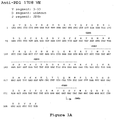
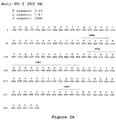
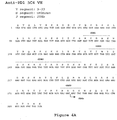
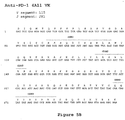
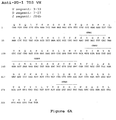
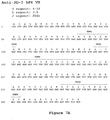
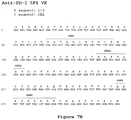
- the V H amino acid sequences of 17D8, 2D3, 4H1, 5C4, 4A11, 7D3 and 5F4 are shown in SEQ ID NOs: 1, 2, 3, 4, 5, 6 and 7, respectively.
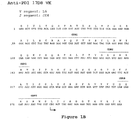
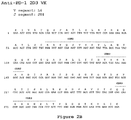
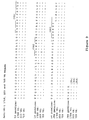
- the V L amino acid sequences of 17D8, 2D3, 4H1, 5C4, 4A11, 7D3 and 5F4 are shown in SEQ ID NOs: 8, 9, 10, 11, 12, 13 and 14, respectively.
- the disclosure provides antibodies that comprise the heavy chain and light chain CDR1s, CDR2s and CDR3s of 17D8, 2D3, 4H1, 5C4, 4A11, 7D3 and 5F4, or combinations thereof.
- the amino acid sequences of the V H CDR1s of 17D8, 2D3, 4H1, 5C4, 4A11, 7D3 and 5F4 are shown in SEQ ID NOs: 15, 16, 17, 18, 19, 20 and 21, respectively.
- the amino acid sequences of the V H CDR2s of 17D8, 2D3, 4H1, 5C4, 4A11, 7D3 and 5F4 are shown in SEQ ID NOs: 22, 23, 24, 25, 26, 27 and 28, respectively.
- the amino acid sequences of the V H CDR3s of 17D8, 2D3, 4H1, 5C4, 4A11, 7D3 and 5F4 are shown in SEQ ID NOs: 29, 30, 31, 32, 33, 34 and 35, respectively.
- the amino acid sequences of the V K CDR1s of 17D8, 2D3, 4HI, 5C4, 4A11, 7D3 and 5F4 are shown in SEO ID NOs: 36, 37, 38, 39, 40, 41 and 42, respectively.
- the amino acid sequences of the V K CDR2s of 17D8, 2D3, 4H1, 5C4, 4A11, 7D3 and 5F4 are shown in SEQ ID NOs: 43, 44, 45, 46, 47, 48 and 49, respectively.
- the amino acid sequences of the V K CDR3s of 17D8, 2D3, 4H1, 5C4, 4A11, 7D3 and 5F4 are shown in SEQ ID NOs: 50, 51, 52, 53, 54, 55 and 56, respectively.
- the CDR regions are delineated using the Kabat system ( Kabat, E. A, et al. (1991) Sequences of Proteins of Immunological Interest, Fifth Edition, U.S. Department of Health and Human Services, NIH Publication No. 91-3242 ).
- Table 1 below shows a number of amino acid changes in the framework regions of the anti-PD-1 antibodies 17D8, 2D3, 4H1, 5C4, 4A11, 7D3 and 5F4 that differ from the heavy chain parent germline sequence.
- the somatic mutations can be "backmutated" to the germline sequence by, for example, site-directed mutagenesis or PCR-mediated mutagenesis.
- Amino acid changes may occur in the framework regions of anti-PD-1 antibodies that differ from the light chain parent germline sequence.
- amino acid residue #47 (within FR2) of V K is an isoleucine whereas this residue in the corresponding V K L6 germline sequence is a leucine.
- the somatic mutations can be "backmutated" to the germline sequence by, for example, site-directed mutagenesis or PCR-mediated mutagenesis (e.g. , residue #47 (residue #13 of FR2) of the V K of 17D8 can be "backmutated” from isoleucine to leucine).
- amino acid residue #20 (within FR1) of V K is a serine whereas this residue in the corresponding V K L15 germline sequence is a threonine.
- residue #20 of the V K of 4A11 can be "backmutated” from serine to threonine.
- Such "backmutated” antibodies are also intended to be encompassed by the invention.
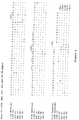
- V H regions for 17D8, 2D3, 4H1, 5C4 and 7D3, against the parent germline V H 3-33 sequence is shown in Figure 8 .
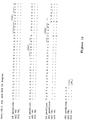
- the alignment of V H regions for 4A11 and 5F4 against the parent germline V H 4-39 sequence is shown in Figure 11 .
- Table 1 Modifications to antibodies 17D8, 2D3, 4H1, 5C4, 4A11, 7D3 and 5F4 from the heavy chain germline configuration.
- Anti-PD-1 Ab Amino acid position Amino acid of antibody Original amino acid of germline configuration 17D8 10 D G 16 G R 27 V F 28 A T 78 M T 93 M V 2D3 10 D G 27 L F 30 T S 85 N S 98 T R 4H1 3 Y Q 84 T N 88 V A 98 S R 5C4 21 D S 23 K A 27 I F 80 F Y 98 T R 4A11 29 L I 79 Q H 98 V A 7D3 23 T A 24 T A 27 I F 70 L I 74 D N 97 V A 98 T R 5F4 23 S T 29 L I 51 A G 77 R K
- Another type of framework modification involves mutating one or more residues within the framework region, or even within one or more CDR regions, to remove T cell epitopes to thereby reduce the potential immunogenicity of the antibody. This approach is also referred to as "deimmunization" and is described in further detail in U.S. Patent Publication No. 20030153043 by Carr et al.
- antibodies of the disclosure may be engineered to include modifications within the Fc region, typically to alter one of more functional properties of the antibody, such as serum half-life, complement fixation, Fc receptor binding, and/or antigen-dependent cellular cytotoxicity.
- modifications within the Fc region typically to alter one of more functional properties of the antibody, such as serum half-life, complement fixation, Fc receptor binding, and/or antigen-dependent cellular cytotoxicity.
- an antibody of the disclosure may be chemically modified (e.g., one or more chemical moieties can be attached to the antibody) or be modified to alter its glycosylation, again to alter one or more functional properties of the antibody.
- the numbering of residues in the Fc region is that of the EU index of Kabat.
- the hinge region of CH1 is modified such that the number of cysteine residues in the hinge region is altered, e.g., increased or decreased.
- This approach is described further in U.S. Patent No. 5,677,425 by Bodmer et al.
- the number of cysteine residues in the hinge region of CH1 is altered to, for example, facilitate assembly of the light and heavy chains or to increase or decrease the stability of the antibody.
- the Fc hinge region of an antibody is mutated to decrease the biological half life of the antibody. More specifically, one or more amino acid mutations are introduced into the CH2-CH3 domain interface region of the Fc-hinge fragment such that the antibody has impaired Staphylococcyl protein A (SpA) binding relative to native Fc-hinge domain SpA binding.
- SpA Staphylococcyl protein A
- the antibody is modified to increase its biological half life.
- Various approaches are possible. For example, one or more of the following mutations can be introduced: T252L, T254S, T256F, as described in U.S. Patent No. 6,277,375 to Ward .
- the antibody can be altered within the CH1 or CL region to contain a salvage receptor binding epitope taken from two loops of a CH2 domain of an Fc region of an IgG, as described in U.S. Patent Nos. 5,869,046 and 6,121,022 by Presta et al.
- the Fc region is altered by replacing at least one amino acid residue with a different amino acid residue to alter the effector function(s) of the antibody.
- one or more amino acids selected from amino acid residues 234, 235, 236, 237, 297, 318, 320 and 322 can be replaced with a different amino acid residue such that the antibody has an altered affinity for an effector ligand but retains the antigen-binding ability of the parent antibody.
- the effector ligand to which affinity is altered can be, for example, an Fc receptor or the Cl component of complement. This approach is described in further detail in U.S. Patent Nos. 5,624,821 and 5,648,260, both by Winter et al.
- one or more amino acids selected from amino acid residues 329, 331 and 322 can be replaced with a different amino acid residue such that the antibody has altered C1q binding and/or reduced or abolished complement dependent cytotoxicity (CDC).
- CDC complement dependent cytotoxicity
- the Fc region is modified to increase the ability of the antibody to mediate antibody dependent cellular cytotoxicity (ADCC) and/or to increase the affinity of the antibody for an Fc ⁇ receptor by modifying one or more amino acids at the following positions: 238, 239, 248, 249, 252, 254, 255, 256, 258, 265, 267, 268, 269, 270, 272, 276, 278, 280, 283, 285, 286, 289, 290, 292, 293, 294, 295, 296, 298, 301, 303, 305, 307, 309, 312, 315, 320, 322, 324, 326, 327, 329, 330, 331, 333, 334, 335, 337, 338, 340, 360, 373, 376, 378, 382, 388, 389, 398, 414, 416, 419, 430, 434, 435, 437, 438 or 439.
- ADCC antibody dependent cellular cytotoxicity
- the glycosylation of an antibody is modified.
- an aglycoslated antibody can be made (i.e., the antibody lacks glycosylation).
- Glycosylation can be altered to, for example, increase the affinity of the antibody for antigen.
- carbohydrate modifications can be accomplished by, for example, altering one or more sites of glycosylation within the antibody sequence.
- one or more amino acid substitutions can be made that result in elimination of one or more variable region framework glycosylation sites to thereby eliminate glycosylation at that site.
- Such aglycosylation may increase the affinity of the antibody for antigen.
- an antibody can be made that has an altered type of glycosylation, such as a hypofucosylated antibody having reduced amounts of fucosyl residues or an antibody having increased bisecting GlcNac structures.
- altered glycosylation patterns have been demonstrated to increase the ADCC ability of antibodies.
- carbohydrate modifications can be accomplished by, for example, expressing the antibody in a host cell with altered glycosylation machinery. Cells with altered glycosylation machinery have been described in the art and can be used as host cells in which to express recombinant antibodies of the invention to thereby produce an antibody with altered glycosylation.
- the cell lines Ms704, Ms705, and Ms709 lack the fucosyltransferase gene, FUT8 (alpha (1,6) fucosyltransferase), such that antibodies expressed in theMs704, Ms705, and Ms709 cell lines lack fucose on their carbohydrates.
- the Ms704, Ms705, and Ms709 FUT8 -/- cell lines were created by the targeted disruption of the FUT8 gene in CHO/DG44 cells using two replacement vectors (see U.S. Patent Publication No. 20040110704 by Yamane et al. and Yamane-Ohnuki et al. (2004) Biotechnol Bioeng 87:614-22 ).
- EP 1,176,195 by Hanai et al. describes a cell line with a functionally disrupted FUT8 gene, which encodes a fucosyl transferase, such that antibodies expressed in such a cell line exhibit hypofucosylation by reducing or eliminating the alpha 1,6 bond-related enzyme.
- Hanai et al. also describe cell lines which have a low enzyme activity for adding fucose to the N-acetylglucosamine that binds to the Fc region of the antibody or does not have the enzyme activity, for example the rat myeloma cell line YB2/0 (ATCC CRL 1662).
- PCT Publication WO 03/035835 by Presta describes a variant CHO cell line, Lec13 cells, with reduced ability to attach fucose to Asn(297)-linked carbohydrates, also resulting in hypofucosylation of antibodies expressed in that host cell (see also Shields, R.L. et al. (2002) J Biol. Chem. 277:26733-26740 ).
- PCT Publication WO 99/54342 by Umana et al. describes cell lines engineered to express glycoprotein-modifying glycosyl transferases (e.g.
- the fucose residues of the antibody may be cleaved off using a fucosidase enzyme.
- the fucosidase alpha-L-fucosidase removes fucosyl residues from antibodies ( Tarentino, A.L. et al. (1975) Biochem. 14:5516-23 ).
- an antibody can be pegylated to, for example, increase the biological (e.g ., serum) half life of the antibody.
- the antibody, or fragment thereof typically is reacted with polyethylene glycol (PEG), such as a reactive ester or aldehyde derivative of PEG, under conditions in which one or more PEG groups become attached to the antibody or antibody fragment.
- PEG polyethylene glycol
- the pegylation is carried out via an acylation reaction or an alkylation reaction with a reactive PEG molecule (or an analogous reactive watersoluble polymer).
- polyethylene glycol is intended to encompass any of the forms of PEG that have been used to derivatize other proteins, such as mono (C1-C10) alkoxy- or aryloxy-polyethylene glycol or polyethylene glycol-maleimide.
- the antibody to be pegylated is an aglycosylated antibody. Methods for pegylating proteins are known in the art and can be applied to the antibodies of the invention. See for example, EP 0 154 316 by Nishimura et al. and EP 0 401 3 84 by Ishikawa et al.
- nucleic acid molecules that encode the antibodies of the disclosure.
- the nucleic acids may be present in whole cells, in a cell lysate, or in a partially purified or substantially pure form.
- a nucleic acid is "isolated” or “rendered substantially pure” when purified away from other cellular components or other contaminants, e.g., other cellular nucleic acids or proteins, by standard techniques, including alkaline/SDS treatment, CsCl banding, column chromatography, agarose gel electrophoresis and others well known in the art. See, F. Ausubel, et al. (1987) Current Protocols in Molecular Biology, Greene Publishing and Wiley Interscience, New York .
- a nucleic acid of the disclosure can be, for example, DNA or RNA and may or may not contain intronic sequences.
- the nucleic acid is a cDNA molecule.
- Nucleic acids of the disclosure can be obtained using standard molecular biology techniques.
- hybridomas e.g ., hybridomas prepared from transgenic mice carrying human immunoglobulin genes as described further below
- cDNAs encoding the light and heavy chains of the antibody made by the hybridoma can be obtained by standard PCR amplification or cDNA cloning techniques.
- nucleic acid encoding the antibody can be recovered from the library.
- Preferred nucleic acids molecules of the disclosure are those encoding the VH and VL sequences of the 17D8, 2D3, 4H1, 5C4, 4A11, 7D3 or 5F4 monoclonal antibodies.
- DNA sequences encoding the VH sequences of 17D8, 2D3, 4H1, 5C4, 4A11, 7D3 and 5F4 are shown in SEQ ID NOs: 57, 58, 59, 60, 61, 62 and 63, respectively.
- DNA sequences encoding the VL sequences of 17D8, 2D3, 4H1, 5C4, 4A11, 7D3 and 5F4 are shown in SEQ ID NOs: 64, 65, 66, 67, 68, 69 and 70, respectively.
- VH and VL segments are obtained, these DNA fragments can be further manipulated by standard recombinant DNA techniques, for example to convert the variable region genes to full-length antibody chain genes, to Fab fragment genes or to a scFv gene.
- a VL- or VH-encoding DMA fragment is operatively linked to another DNA fragment encoding another protein, such as an antibody constant region or a flexible linker.
- the term "operatively linked”, as used in this context, is intended to mean that the two DNA fragments are joined such that the amino acid sequences encoded by the two DNA fragments remain in-frame.
- the isolated DNA encoding the VH region can be converted to a full-length heavy chain gene by operatively linking the VH-encoding DNA to another DNA molecule encoding heavy chain constant regions (CHI, CH2 and CH3).
- CHI, CH2 and CH3 DNA molecule encoding heavy chain constant regions
- the sequences of human heavy chain constant region genes are known in the art (see e.g., Kabat, E. A., et al. (1991) Sequences of Proteins of Immunological Interest, Fifth Edition, U.S. Department of Health and Human Services, NIH Publication No. 91-3242 ) and DNA fragments encompassing these regions can be obtained by standard PCR amplification.
- the heavy chain constant region can be an IgG1, IgG2, IgG3, IgG4, IgA, IgE, IgM or IgD constant region, but most preferably is an IgG1 or IgG4 constant region.
- the VH-encoding DNA can be operatively linked to another DNA molecule encoding only the heavy chain CH1 constant region.
- the isolated DNA encoding the VL region can be converted to a full-length light chain gene (as well as a Fab light chain gene) by operatively linking the VL-encoding DNA to another DNA molecule encoding the light chain constant region, CL.
- the sequences of human light chain constant region genes are known in the art (see e.g., Kabat, E. A, et al. (1991) Sequences of Proteins of Immunological Interest, Fifth Edition, U.S. Department of Health and Human Services, NIH Publication No. 91-3242 ) and DNA fragments encompassing these regions can be obtained by standard PCR amplification.
- the light chain constant region can be a kappa or lambda constant region, but most preferably is a kappa constant region.
- the VH- and VL-encoding DNA fragments are operatively linked to another fragment encoding a flexible linker, e.g., encoding the amino acid sequence (Gly 4 -Ser) 3 , such that the VH and VL sequences can be expressed as a contiguous single-chain protein, with the VL and VH regions joined by the flexible linker (see e.g. Bird et al. (1988) Science 242:423-426 ; Huston etal (1988)Proc. Natl. Acad. Set USA 85:5879-5883 ; McCafferty et al., (1990) Nature 348:552-554 ).
- a flexible linker e.g., encoding the amino acid sequence (Gly 4 -Ser) 3
- Monoclonal antibodies (mAbs) of the present disclosure can be produced by a variety of techniques, including conventional monoclonal antibody methodology e.g., the standard somatic cell hybridization technique of Kohler and Milstein (1975) Nature 256: 495 . Although somatic cell hybridization procedures are preferred, in principle, other techniques for producing monoclonal antibody can be employed e.g., viral or oncogenic transformation of B lymphocytes.
- the preferred animal system for preparing hybridomas is the murine system.
- Hybridoma production in the mouse is a very well-established procedure. Immunization protocols and techniques for isolation of immunized splenocytes for fusion are known in the art. Fusion partners (e.g. , murine myeloma cells) and fusion procedures are also known.
- Chimeric or humanized antibodies of the present disclosure can be prepared based on the sequence of a murine monoclonal antibody prepared as described above.
- DNA encoding the heavy and light chain immunoglobulins can be obtained from the murine hybridoma of interest and engineered to contain non-murine ( e.g. , human) immunoglobulin sequences using standard molecular biology techniques.
- the murine variable regions can be linked to human constant regions using methods known in the art ( see e.g., U.S. Patent No. 4,816,567 to Cabilly et al .).
- the murine CDR regions can be inserted into a human framework using methods known in the art (see e.g., U.S. Patent No. 5,225,539 to Winter , and U.S. Patent Nos. 5,530,101 ; 5,585,089 ; 5,693,762 and 6,180,370 to Queen et al .).
- the antibodies of the disclosure are human monoclonal antibodies.
- Such human monoclonal antibodies directed against PD-1 can be generated using transgenic or transchromosomic mice carrying parts of the human immune system rather than the mouse system.
- transgenic and transchromosomic mice include mice referred to herein as HuMAb mice and KM miceTM, respectively, and are collectively referred to herein as "human Ig mice.”
- the HuMAb mouse® (Medarex, Inc.) contains human immunoglobulin gene miniloci that encode unrearranged human heavy ( ⁇ and ⁇ ) and ⁇ light chain immunoglobulin sequences, together with targeted mutations that inactivate the endogenous ⁇ and ⁇ chain loci (see e.g., Lonberg, et al. (1994) Nature 368(6474): 856-859 ). Accordingly, the mice exhibit reduced expression of mouse IgM or ⁇ , and in response to immunization, the introduced human heavy and light chain transgenes undergo class switching and somatic mutation to generate high affinity human IgG ⁇ monoclonal (Lonberg, N. et al. (1994), supra, reviewed in Lonberg, N.
- human antibodies can be raised using a mouse that carries human immunoglobulin sequences on transgenes and transchomosomes, such as a mouse that carries a human heavy chain transgene and a human light chain transchromosome.
- KM miceTM Such mice, referred to herein as "KM miceTM", are described in detail in PCT Publication WO 02/43478 to Ishida et al.
- transgenic animal systems expressing human immunoglobulin genes are available in the art and can be used to raise anti-PD-1 antibodies.
- an alternative transgenic system referred to as the Xenomouse (Abgenix, Inc.) can be used; such mice are described in, for example, U.S. Patent Nos. 5,939,598 ; 6,075,181 ; 6,114,598 ; 6,150,584 and 6,162,963 to Kucherlapati et al.
- mice carrying both a human heavy chain transchromosome and a human light chain transchromosome referred to as "TC mice” can be used; such mice are described in Tomizuka et al. (2000) Proc. Natl. Acad. Sci. USA 97:722-727 .
- cows carrying human heavy and light chain transchromosomes have been described in the art ( Kuroiwa et al. (2002) Nature Biotechnology 20:889-894 ) and can be used to raise anti-PD-1 antibodies of the disclosure.
- Human monoclonal antibodies of the disclosure can also be prepared using phage display methods for screening libraries of human immunoglobulin genes.
- phage display methods for isolating human antibodies are established in the art. See for example: U.S. Patent Nos. 5,223,409 ; 5,403,484 ; and 5,571,698 to Ladner et at, U.S. Patent Nos. 5,427,908 and 5,580,717 to Dower et al. ; U.S. Patent Nos. 5,969,108 and 6,172,197 to McCafferty et al. ; and U.S. Patent Nos. 5,885,793 ; 6,521,404 ; 6,544,731 ; 6,555,313 ; 6,582,915 and 6,593,081 to Griffiths et al.
- Human monoclonal antibodies of the disclosure can also be prepared using SCID mice into which human immune cells have been reconstituted such that a human antibody response can be generated upon immunization.
- SCID mice into which human immune cells have been reconstituted such that a human antibody response can be generated upon immunization.
- Such mice are described in, for example, U.S. Patent Nos. 5,476,996 and 5,698,767 to Wilson et al.
- mice When human Ig mice are used to raise human antibodies of the disclosure, such mice can be immunized with a purified or enriched preparation of PD-1 antigen and/or recombinant PD-1, or an PD-1 fusion protein, as described by Lonberg, N. et al. (1994) Nature 368(6474): 856-859 ; Fishwild, D. et al. (1996) Nature Biotechnology 14: 845-851 ; and PCT Publication WO 98/24884 and WO 01/14424 .
- the mice will be 6-16 weeks of age upon the first infusion.
- a purified or recombinant preparation (5-50 ⁇ g) of PD-1 antigen can be used to immunize the human Ig mice intraperitoneally.
- Example 1 Detailed procedures to generate fully human monoclonal antibodies to PD-1 are described in Example 1 below. Cumulative experience with various antigens has shown that the transgenic mice respond when initially immunized intraperitoneally (IP) with antigen in complete Freund's adjuvant, followed by every other week IP immunizations (up to a total of 6) with antigen in incomplete Freund's adjuvant. However, adjuvants other than Freund's are also found to be effective. In addition, whole cells in the absence of adjuvant are found to be highly immunogenic. The immune response can be monitored over the course of the immunization protocol with plasma samples being obtained by retroorbital bleeds.
- mice with sufficient titers of anti-PD-1 human immunoglobulin can be used for fusions.
- Mice can be boosted intravenously with antigen 3 days before sacrifice and removal of the spleen. It is expected that 2-3 fusions for each immunization may need to be performed. Between 6 and 24 mice are typically immunized for each antigen.
- HCo7 and HCo12 strains are used.
- both HCo7 and HCo12 transgene can be bred together into a single mouse having two different human heavy chain transgenes (HCo7/HCo12).
- the KM mouseTM strain can be used, as described in Example 1.
- splenocytes and/or lymph node cells from immunized mice can be isolated and fused to an appropriate immortalized cell line, such as a mouse myeloma cell line.
- an appropriate immortalized cell line such as a mouse myeloma cell line.
- the resulting hybridomas can be screened for the production of antigen-specific antibodies.
- single cell suspensions of splenic lymphocytes from immunized mice can be fused to one-sixth the number of P3X63-Ag8.653 nonsecreting mouse myeloma cells (ATCC, CRL 1580) with 50% PEG.
- the single cell suspensions of splenic lymphocytes from immunized mice can be fused using an electric field based electrofusion method, using a Cyto Pulse large chamber cell fusion electroporator (Cyto Pulse Sciences, Inc., Glen Burnie, MD).
- Cells are plated at approximately 2 x 10 5 in flat bottom microtiter plate, followed by a two week incubation in selective medium containing 20% fetal Clone Serum, 18% "653" conditioned media, 5% origen (IGEN), 4 mM L-glutamine, 1 mM sodium pyruvate, 5mM HEPES, 0.055 mM 2-mercaptoethanol, 50 units/ml penicillin, 50 mg/ml streptomycin, 50 mg/ml gentamycin and IX HAT (Sigma; the HAT is added 24 hours after the fusion). After approximately two weeks, cells can be cultured in medium in which the HAT is replaced with HT.
- selective medium containing 20% fetal Clone Serum, 18% "653" conditioned media, 5% origen (IGEN), 4 mM L-glutamine, 1 mM sodium pyruvate, 5mM HEPES, 0.055 mM 2-mercaptoethanol, 50 units/ml penicillin,
- selected hybridomas can be grown in two-liter spinner-flasks for monoclonal antibody purification.
- Supernatants can be filtered and concentrated before affinity chromatography with protein A-sepharose (Pharmacia, Piscataway, N.J.).
- Eluted IgG can be checked by gel electrophoresis and high performance liquid chromatography to ensure purity.
- the buffer solution can be exchanged into PBS, and the concentration can be determined by OD 280 using 1:43 extinction coefficient.
- the monoclonal antibodies can be aliquoted and stored at -80°C.
- Antibodies of the disclosure also can be produced in a host cell transfectoma using, for example, a combination of recombinant DNA techniques and gene transfection methods as is well known in the art (e.g., Morrison, S. (1985) Science 229:1202 ).
- DNAs encoding partial or full-length light and heavy chains can be obtained by standard molecular biology techniques (e.g. , PCR amplification or cDNA cloning using a hybridoma that expresses the antibody of interest) and the DNAs can be inserted into expression vectors such that the genes are operatively linked to transcriptional and translational control sequences.
- the term "operatively linked" is intended to mean that an antibody gene is ligated into a vector such that transcriptional and translational control sequences within the vector serve their intended function of regulating the transcription and translation of the antibody gene.
- the expression vector and expression control sequences are chosen to be compatible with the expression host cell used.
- the antibody light chain gene and the antibody heavy chain gene can be inserted into separate vector or, more typically, both genes are inserted into the same expression vector.
- the antibody genes are inserted into the expression vector by standard methods (e.g ., ligation of complementary restriction sites on the antibody gene fragment and vector, or blunt end ligation if no restriction sites are present).
- the light and heavy chain variable regions of the antibodies described herein can be used to create full-length antibody genes of any antibody isotype by inserting them into expression vectors already encoding heavy chain constant and light chain constant regions of the desired isotype such that the V H segment is operatively linked to the C H segment(s) within the vector and the V K segment is operatively linked to the C L segment within the vector.
- the recombinant expression vector can encode a signal peptide that facilitates secretion of the antibody chain from a host cell.
- the antibody chain gene can be cloned into the vector such that the signal peptide is linked in-frame to the amino terminus of the antibody chain gene.
- the signal peptide can be an immunoglobulin signal peptide or a heterologous signal peptide ( i.e., a signal peptide from a non-immunoglobulin protein).
- the recombinant expression vectors carry regulatory sequences that control the expression of the antibody chain genes in a host cell.
- the term "regulatory sequence” is intended to include promoters, enhancers and other expression control elements (e.g ., polyadenylation signals) that control the transcription or translation of the antibody chain genes.
- Such regulatory sequences are described, for example, in Goeddel (Gene Expression Technology. Methods in Enzymology 185, Academic Press, San Diego, CA (1990 )). It will be appreciated by those skilled in the art that the design of the expression vector, including the selection of regulatory sequences, may depend on such factors as the choice of the host cell to be transformed, the level of expression of protein desired, etc.
- Preferred regulatory sequences for mammalian host cell expression include viral elements that direct high levels of protein expression in mammalian cells, such as promoters and/or enhancers derived from cytomegalovirus (CMV), Simian Virus 40 (SV40), adenovirus, ( e.g. , the adenovirus major late promoter (AdMLP) and polyoma.
- CMV cytomegalovirus
- SV40 Simian Virus 40
- AdMLP adenovirus major late promoter
- nonviral regulatory sequences may be used, such as the ubiquitin promoter or ⁇ -globin promoter.
- regulatory elements composed of sequences from different sources such as the SR ⁇ promoter system, which contains sequences from the SV40 early promoter and the long terminal repeat of human T cell leukemia virus type 1 ( Takebe, Y. et al. (1988) Mol. Cell. Biol. 8:466-472 ).
- the recombinant expression vectors of the disclosure may carry additional sequences, such as sequences that regulate replication of the vector in host cells (e.g., origins of replication) and selectable marker genes.
- the selectable marker gene facilitates selection of host cells into which the vector has been introduced (see, e.g., U.S. Pat. Nos. 4,399,216 , 4,634,665 and 5,179,017, all by Axel et al .).
- the selectable marker gene confers resistance to drugs, such as G418, hygromycin or methotrexate, on a host cell into which the vector has been introduced.
- Preferred selectable marker genes include the dihydrofolate reductase (DHFR) gene (for use in dhfr- host cells with methotrexate selection/amplification) and the neo gene (for G418 selection).
- DHFR dihydrofolate reductase
- the expression vector(s) encoding the heavy and light chains is transfected into a host cell by standard techniques.
- the various forms of the term "transfection" are intended to encompass a wide variety of techniques commonly used for the introduction of exogenous DNA into a prokaryotic or eukaryotic host cell, e.g., electroporation, calcium-phosphate precipitation, DEAE-dextran transfection and the like.
- Preferred mammalian host cells for expressing the recombinant antibodies of the disclosure include Chinese Hamster Ovary (CHO cells) (including dhfr- CHO cells, described in Urlaub and Chasin, (1980) Proc. Natl Acad. Sci. USA 77:4216-4220 , used with a DHFR selectable marker, e.g., as described in R. J. Kaufman and P. A. Sharp (1982) Mol. Biol. 759:601-621 ), NSO myeloma cells, COS cells and SP2 cells.
- Chinese Hamster Ovary CHO cells
- dhfr- CHO cells described in Urlaub and Chasin, (1980) Proc. Natl Acad. Sci. USA 77:4216-4220 , used with a DHFR selectable marker, e.g., as described in R. J. Kaufman and P. A. Sharp (1982) Mol. Biol. 759:601-621
- another preferred expression system is the GS gene expression system disclosed in WO 87/04462 , WO 89/01036 and EP 338,841 .
- the antibodies are produced by culturing the host cells for a period of time sufficient to allow for expression of the antibody in the host cells or, more preferably, secretion of the antibody into the culture medium in which the host cells are grown.
- Antibodies can be recovered from the culture medium using standard protein purification methods.
- Antibodies of the disclosure can be tested for binding to PD-1 by, for example, standard ELISA. Briefly, microtiter plates are coated with purified PD-1 at 0.25 ⁇ g/ml in PBS, and then blocked with 5% bovine serum albumin in PBS. Dilutions of antibody (e.g ., dilutions of plasma from PD-1-immunized mice) are added to each well and incubated for 1-2 hours at 37°C. The plates are washed with PBS/Tween and then incubated with secondary reagent (e.g.
- mice which develop the highest titers will be used for fusions.
- An ELISA assay as described above can also be used to screen for hybridomas that show positive reactivity with PD-1 immunogen.
- Hybridomas that bind with high avidity to PD-1 are subcloned and further characterized.
- One clone from each hybridoma, which retains the reactivity of the parent cells (by ELISA) can be chosen for making a 5-10 vial cell bank stored at -140°C, and for antibody purification.
- selected hybridomas can be grown in two-liter spinner-flasks for monoclonal antibody purification.
- Supernatants can be filtered and concentrated before affinity chromatography with protein A-sepharose (Pharmacia, Piscataway, NJ).
- Eluted IgG can be checked by gel electrophoresis and high performance liquid chromatography to ensure purity.
- the buffer solution can be exchanged into PBS, and the concentration can be determined by OD 280 using 1.43 extinction coefficient.
- the monoclonal antibodies can be aliquoted and stored at -80°C.
- each antibody can be biotinylated using commercially available reagents (Pierce, Rockford, DL). Competition studies using unlabeled monoclonal antibodies and biotinylated monoclonal antibodies can be performed using PD-1 coated-ELISA plates as described above. Biotinylated mAb binding can be detected with a strep-avidin-alkaline phosphatase probe.
- isotype ELISAs can be performed using reagents specific for antibodies of a particular isotype. For example, to determine the isotype of a human monoclonal antibody, wells of microtiter plates can be coated with 1 ⁇ g/ml of anti-human immunoglobulin overnight at 4 °C. After blocking with 1% BSA, the plates are reacted with 1 ⁇ g /ml or less of test monoclonal antibodies or purified isotype controls, at ambient temperature for one to two hours. The wells can then be reacted with either human IgG1 or human IgM-specific alkaline phosphatase-conjugated probes. Plates are developed and analyzed as described above.
- Anti-PD-1 human IgGs can be further tested for reactivity with PD-1 antigen by Western blotting. Briefly, PD-1 can be prepared and subjected to sodium dodecyl sulfate polyacrylamide gel electrophoresis. After electrophoresis, the separated antigens are transferred to nitrocellulose membranes, blocked with 10% fetal calf serum, and probed with the monoclonal antibodies to be tested. Human IgG binding can be detected using anti-human IgG alkaline phosphatase and developed with BCIP/NBT substrate tablets (Sigma Chem. Co., St. Louis, Mo.).
- compositions e.g., a pharmaceutical composition, containing one or a combination of monoclonal antibodies, or antigen-binding portion(s) thereof, formulated together with a pharmaceutically acceptable carrier.
- Such compositions may include one or a combination of (e.g., two or more different) antibodies, or immunoconjugates or bispecific molecules.
- a pharmaceutical composition can comprise a combination of antibodies (or immunoconjugates or bispecifics) that bind to different epitopes on the target antigen or that have complementary activities.
- compositions of the disclosure also can be administered in combination therapy, i.e., combined with other agents.
- the combination therapy can include an anti-PD-1 antibody combined with at least one other antiinflammatory or immunosuppressant agent.
- therapeutic agents that can be used in combination therapy are described in greater detail below in the section on uses of the antibodies of the disclosure.
- pharmaceutically acceptable carrier includes any and all solvents, dispersion media, coatings, antibacterial and antifungal agents, isotonic and absorption delaying agents, and the like that are physiologically compatible.
- the carrier is suitable for intravenous, intramuscular, subcutaneous, parenteral, spinal or epidermal administration (e.g., by injection or infusion).
- the active compound i.e., antibody, immunoconjuage, or bispecific molecule, may be coated in a material to protect the compound from the action of acids and other natural conditions that may inactivate the compound.
- the pharmaceutical compounds of the disclosure may include one or more pharmaceutically acceptable salts.
- a "pharmaceutically acceptable salt” refers to a salt that retains the desired biological activity of the parent compound and does not impart any undesired toxicological effects (see e.g., Berge, S.M., et al. (1977) J. Pharm. Sci. 66:1-19 ). Examples of such salts include acid addition salts and base addition salts.
- Acid addition salts include those derived from nontoxic inorganic acids, such as hydrochloric, nitric, phosphoric, sulfuric, hydrobromic, hydroiodic, phosphorous and the like, as well as from nontoxic organic acids such as aliphatic mono- and dicarboxylic acids, phenyl-substituted alkanoic acids, hydroxy alkanoic acids, aromatic acids, aliphatic and aromatic sulfonic acids and the like.
- nontoxic inorganic acids such as hydrochloric, nitric, phosphoric, sulfuric, hydrobromic, hydroiodic, phosphorous and the like
- nontoxic organic acids such as aliphatic mono- and dicarboxylic acids, phenyl-substituted alkanoic acids, hydroxy alkanoic acids, aromatic acids, aliphatic and aromatic sulfonic acids and the like.
- Base addition salts include those derived from alkaline earth metals, such as sodium, potassium, magnesium, calcium and the like, as well as from nontoxic organic amines, such as N, N'-dibenzylethylenediamine, N-methylglucamine, chloroprocaine, choline, diethanolamine, ethylenediamine, procaine and the like.
- a pharmaceutical composition of the disclosure also may include a pharmaceutically acceptable anti-oxidant.
- pharmaceutically acceptable antioxidants include: (1) water soluble antioxidants, such as ascorbic acid, cysteine hydrochloride, sodium bisulfate, sodium metabisulfite, sodium sulfite and the like; (2) oil-soluble antioxidants, such as ascorbyl palmitate, butylated hydroxyanisole (BHA), butylated hydroxytoluene (BHT), lecithin, propyl gallate, alpha-tocopherol, and the like; and (3) metal chelating agents, such as citric acid, ethylenediamine tetraacetic acid (EDTA), sorbitol, tartaric acid, phosphoric acid, and the like.
- water soluble antioxidants such as ascorbic acid, cysteine hydrochloride, sodium bisulfate, sodium metabisulfite, sodium sulfite and the like
- oil-soluble antioxidants such as ascorbyl palmitate, butylated
- aqueous and nonaqueous carriers examples include water, ethanol, polyols (such as glycerol, propylene glycol, polyethylene glycol, and the like), and suitable mixtures thereof, vegetable oils, such as olive oil, and injectable organic esters, such as ethyl oleate.
- polyols such as glycerol, propylene glycol, polyethylene glycol, and the like
- vegetable oils such as olive oil
- injectable organic esters such as ethyl oleate.
- Proper fluidity can be maintained, for example, by the use of coating materials, such as lecithin, by the maintenance of the required particle size in the case of dispersions, and by the use of surfactants.
- compositions may also contain adjuvants such as preservatives, wetting agents, emulsifying agents and dispersing agents. Prevention of presence of microorganisms may be ensured both by sterilization procedures, supra, and by the inclusion of various antibacterial and antifungal agents, for example, paraben, chlorobutanol, phenol sorbic acid, and the like. It may also be desirable to include isotonic agents, such as sugars, sodium chloride, and the like into the compositions. In addition, prolonged absorption of the injectable pharmaceutical form may be brought about by the inclusion of agents which delay absorption such as aluminum monostearate and gelatin.
- Pharmaceutically acceptable carriers include sterile aqueous solutions or dispersions and sterile powders for the extemporaneous preparation of sterile injectable solutions or dispersion.
- sterile aqueous solutions or dispersions and sterile powders for the extemporaneous preparation of sterile injectable solutions or dispersion.
- the use of such media and agents for pharmaceutically active substances is known in the art. Except insofar as any conventional media or agent is incompatible with the active compound, use thereof in the pharmaceutical compositions of the invention is contemplated. Supplementary active compounds can also be incorporated into the compositions.
- compositions typically must be sterile and stable under the conditions of manufacture and storage.
- the composition can be formulated as a solution, microemulsion, liposome, or other ordered structure suitable to high drug concentration.
- the carrier can be a solvent or dispersion medium containing, for example, water, ethanol, polyol (for example, glycerol, propylene glycol, and liquid polyethylene glycol, and the like), and suitable mixtures thereof.
- the proper fluidity can be maintained, for example, by the use of a coating such as lecithin, by the maintenance of the required particle size in the case of dispersion and by the use of surfactants.
- isotonic agents for example, sugars, polyalcohols such as mannitol, sorbitol, or sodium chloride in the composition.
- Prolonged absorption of the injectable compositions can be brought about by including in the composition an agent that delays absorption, for example, monostearate salts and gelatin.
- Sterile injectable solutions can be prepared by incorporating the active compound in the required amount in an appropriate solvent with one or a combination of ingredients enumerated above, as required, followed by sterilization microfiltration.
- dispersions are prepared by incorporating the active compound into a sterile vehicle that contains a basic dispersion medium and the required other ingredients from those enumerated above.
- the preferred methods of preparation are vacuum drying and freeze-drying (lyophilization) that yield a powder of the active ingredient plus any additional desired ingredient from a previously sterile-filtered solution thereof.
- the amount of active ingredient which can be combined with a carrier material to produce a single dosage form will vary depending upon the subject being treated, and the particular mode of administration.
- the amount of active ingredient which can be combined with a carrier material to produce a single dosage form will generally be that amount of the composition which produces a therapeutic effect. Generally, out of one hundred per cent, this amount will range from about 0.01 per cent to about ninety-nine percent of active ingredient, preferably from about 0.1 per cent to about 70 per cent, most preferably from about 1 per cent to about 30 per cent of active ingredient in combination with a pharmaceutically acceptable carrier.
- Dosage regimens are adjusted to provide the optimum desired response (e.g., a therapeutic response). For example, a single bolus may be administered, several divided doses may be administered over time or the dose may be proportionally reduced or increased as indicated by the exigencies of the therapeutic situation. It is especially advantageous to formulate parenteral compositions in dosage unit form for ease of administration and uniformity of dosage.
- Dosage unit form as used herein refers to physically discrete units suited as unitary dosages for the subjects to be treated; each unit contains a predetermined quantity of active compound calculated to produce the desired therapeutic effect in association with the required pharmaceutical carrier.
- the specification for the dosage unit forms of the invention are dictated by and directly dependent on (a) the unique characteristics of the active compound and the particular therapeutic effect to be achieved, and (b) the limitations inherent in the art of compounding such an active compound for the treatment of sensitivity in individuals.
- the dosage ranges from about 0.0001 to 100 mg/kg, and more usually 0.01 to 5 mg/kg, of the host body weight.
- dosages can be 0.3 mg/kg body weight, 1 mg/kg body weight, 3 mg/kg body weight, 5 mg/kg body weight or 10 mg/kg body weight or within the range of 1-10 mg/kg.
- An exemplary treatment regime entails administration once per week, once every two weeks, once every three weeks, once every four weeks, once a month, once every 3 months or once every three to 6 months.
- Preferred dosage regimens for an anti-PD-1 antibody of the invention include 1 mg/kg body weight or 3 mg/kg body weight via intravenous administration, with the antibody being given using one of the following dosing schedules: (i) every four weeks for six dosages, then every three months; (ii) every three weeks; (iii) 3 mg/kg body weight once followed by 1 mg/kg body weight every three weeks.
- two or more monoclonal antibodies with different binding specificities are administered simultaneously, in which case the dosage of each antibody administered falls within the ranges indicated.
- Antibody is usually administered on multiple occasions. Intervals between single dosages can be, for example, weekly, monthly, every three months or yearly. Intervals can also be irregular as indicated by measuring blood levels of antibody to the target antigen in the patient.
- dosage is adjusted to achieve a plasma antibody concentration of about 1-1000 ⁇ g /ml and in some methods about 25-300 ⁇ g/ml.
- antibody can be administered as a sustained release formulation, in which case less frequent administration is required. Dosage and frequency vary depending on the half-life of the antibody in the patient. In general, human antibodies show the longest half life, followed by humanized antibodies, chimeric antibodies, and nonhuman antibodies. The dosage and frequency of administration can vary depending on whether the treatment is prophylactic or therapeutic. In prophylactic applications, a relatively low dosage is administered at relatively infrequent intervals over a long period of time. Some patients continue to receive treatment for the rest of their lives. In therapeutic applications, a relatively high dosage at relatively short intervals is sometimes required until progression of the disease is reduced or terminated, and preferably until the patient shows partial or complete amelioration of symptoms of disease. Thereafter, the patient can be administered a prophylactic regime.
- Actual dosage levels of the active ingredients in the pharmaceutical compositions of the present invention may be varied so as to obtain an amount of the active ingredient which is effective to achieve the desired therapeutic response for a particular patient, composition, and mode of administration, without-being toxic to the patient.
- the selected dosage level will depend upon a variety of pharmacokinetic factors including the activity of the particular compositions of the present invention employed, or the ester, salt or amide thereof, the route of administration, the time of administration, the rate of excretion of the particular compound being employed, the duration of the treatment, other drugs, compounds and/or materials used in combination with the particular compositions employed, the age, sex, weight, condition, general health and prior medical history of the patient being treated, and like factors well known in the medical arts.
- a “therapeutically effective dosage” of an anti-PD-1 antibody of the disclosure preferably results in a decrease in severity of disease symptoms, an increase in frequency and duration of disease symptom-free periods, or a prevention of impairment or disability due to the disease affliction.
- a "therapeutically effective dosage” preferably inhibits cell growth or tumor growth by at least about 20%, more preferably by at least about 40%, even more preferably by at least about 60%, and still more preferably by at least about 80% relative to untreated subjects.
- the ability of a compound to inhibit tumor growth can be evaluated in an animal model system predictive of efficacy in human tumors.
- this property of a composition can be evaluated by examining the ability of the compound to inhibit, such inhibition in vitro by assays known to the skilled practitioner.
- a therapeutically effective amount of a therapeutic compound can decrease tumor size, or otherwise ameliorate symptoms in a subject.
- One of ordinary skill in the art would be able to determine such amounts based on such factors as the subject's size, the severity of the subject's symptoms, and the particular composition or route of administration selected.
- the instant disclosure provides a pharmaceutical kit of parts comprising an anti-PD-1 antibody and an anti-CTLA-4 antibody, as described herein.
- the kit may also further comprise instructions for use in the treatment of a hyperproliferative disease (such as cancer as described herein).
- the anti-PD-1 and anti-CTLA-4 antibodies may be co-packaged in unit dosage form.
- two or more monoclonal antibodies with different binding specificities are administered simultaneously, in which case the dosage of each antibody administered falls within the ranges indicated.
- Antibody can be administered as a single dose or more commonly can be administered on multiple occasions. Intervals between single dosages can be, for example, weekly, monthly, every three months or yearly. Intervals can also be irregular as indicated by measuring blood levels of antibody to the target antigen in the patient. In some methods, dosage is adjusted to achieve a plasma antibody concentration of about 1-1000 ⁇ g/ml and in some methods about 25-300 ⁇ g/ml.
- a composition of the present invention can be administered via one or more routes of administration using one or more of a variety of methods known in the art.
- routes and/or mode of administration will vary depending upon the desired results.
- Preferred routes of administration for antibodies of the invention include intravenous, intramuscular, intradermal, intraperitoneal, subcutaneous, spinal or other parenteral routes of administration, for example by injection or infusion.
- parenteral administration means modes of administration other than enteral and topical administration, usually by injection, and includes, without limitation, intravenous, intramuscular, intraarterial, intrathecal, intracapsular, intraorbital, intracardiac, intradermal, intraperitoneal, transtracheal, subcutaneous, subcuticular, intraarticular, subcapsular, subarachnoid, intraspinal, epidural and intrasternal injection and infusion.
- an antibody of the invention can be administered via a non-parenteral route, such as a topical, epidermal or mucosal route of administration, for example, intranasally, orally, vaginally, rectally, sublingually or topically.
- a non-parenteral route such as a topical, epidermal or mucosal route of administration, for example, intranasally, orally, vaginally, rectally, sublingually or topically.
- the active compounds can be prepared with carriers that will protect the compound against rapid release, such as a controlled release formulation, including implants, transdermal patches, and microencapsulated delivery systems.
- a controlled release formulation including implants, transdermal patches, and microencapsulated delivery systems.
- Biodegradable, biocompatible polymers can be used, such as ethylene vinyl acetate, polyanhydrides, polyglycolic acid, collagen, polyorthoesters, and polylactic acid. Many methods for the preparation of such formulations are patented or generally known to those skilled in the art. See, e.g., Sustained and Controlled Release Drug Delivery Systems, J.R. Robinson, ed., Marcel Dekker, Inc., New York, 1978 .
- compositions can be administered with medical devices known in the art.
- a therapeutic composition of the invention can be administered with a needleless hypodermic injection device, such as the devices disclosed in U.S. Patent Nos. 5,399,163 ; 5,383,851 ; 5,312,335 ; 5,064,413 ; 4,941,880 ; 4,790,824 ; or 4,596,556 .
- a needleless hypodermic injection device such as the devices disclosed in U.S. Patent Nos. 5,399,163 ; 5,383,851 ; 5,312,335 ; 5,064,413 ; 4,941,880 ; 4,790,824 ; or 4,596,556 .
- Examples of well-known implants and modules useful in the present invention include: U.S. Patent No. 4,487,603 , which discloses an implantable micro-infusion pump for dispensing medication at a controlled rate; U.S. Patent No.
- the human monoclonal antibodies of the invention can be formulated to ensure proper distribution in vivo.
- the blood-brain barrier excludes many highly hydrophilic compounds.
- the therapeutic compounds of the invention cross the BBB (if desired)
- they can be formulated, for example, in liposomes.
- liposomes For methods of manufacturing liposomes, see, e.g., U.S. Patents 4,522,811 ; 5,374,548 ; and 5,399,331 .
- the liposomes may comprise one or more moieties which are selectively transported into specific cells or organs, thus enhance targeted drug delivery ( see, e.g., V.V. Ranade (1989) J. Clin. Pharmacol. 29:685 ).
- Exemplary targeting moieties include folate or biotin (see, e.g., U.S. Patent 5,416,016 to Low et al .); mannosides ( Umezawa et al., (1988) Biochem Biophys. Res. Commun. 153:1038 ); antibodies ( P.G. Bloeman et al. (1995) FEBS Lett. 357:140 ; M. Owais et al. (1995) Antimicrob. Agents Chemother. 39:180 ); surfactant protein A receptor ( Briscoe et al. (1995) Am. J. Physiol. 1233: 134 ); p120 ( Schreier et al., (1994) J. Biol. Chem.
- the antibodies and antibody compositions for use in the present invention have numerous in vitro and in vivo utilities involving, for example, enhancement of immune response by blockade of PD-1.
- the antibodies used in the present invention are human antibodies.
- these molecules can be administered to cells in culture, in vitro or ex vivo, or to human subjects, e.g., in vivo, to enhance immunity in a variety of situations.
- a method of modifying an immune response in a subject comprising administering to the subject the antibody, or antigen-binding portion thereof, of the disclosure such that the immune response in the subject is modified.
- the response is enhanced, stimulated or up-regulated.
- the term "subject" is intended to include human and non-human animals.
- Non-human animals includes all vertebrates, e.g., mammals and non-mammals, such as non-human primates, sheep, dogs, cats, cows, horses, chickens, amphibians, and reptiles, although mammals are preferred, such as non-human primates, sheep, dogs, cats, cows and horses.
- Preferred subjects include human patients in need of enhancement of an immune response.
- the methods are particularly suitable for treating human patients having a disorder that can be treated by augmenting the T-cell mediated immune response.
- the methods are particularly suitable for treatment of cancer cells in vivo.
- the anti-PD-1 antibodies can be administered together with an antigen of interest. When antibodies to PD-1 are administered together with another agent, the two can be administered in either order or simultaneously.
- Blockade of PD-1 by antibodies can enhance the immune response to cancerous cells in the patient.
- the ligand for PD-1, PD-L1 is not expressed in normal human cells, but is abundant in a variety of human cancers ( Dong et al. (2002) Nat Med 8:787-9 ).
- the interaction between PD-1 and PD-L1 results in a decrease in tumor infiltrating lymphocytes, a decrease in T-cell receptor mediated proliferation, and immune evasion by the cancerous cells ( Dong et al. (2003) J Mol Med 81:281-7 ; Blank et al. (2005) Cancer Immunol. Immunother. 54:307-314 ; Konishi et al. (2004) Clin. Cancer Res. 10:5094-100 ).
- Immune suppression can be reversed by inhibiting the local interaction of PD-1 to PD-L1 and the effect is additive when the interaction of PD-1 to PD-L2 is blocked as well ( Iwai et al. (2002) PNAS 99:12293-7 ; Brown et al. (2003) J. Immunol. 170:1257-66 ). While previous studies have shown that T-cell proliferation can be restored by inhibiting the interaction of PD-1 to PD-L1, there have been no reports of a direct effect on cancer tumor growth in vivo by blocking the PD-1/PD-L1 interaction.
- the present invention relates to treatment of a subject in vivo using an anti-PD-1 antibody such that growth of cancerous tumors is inhibited.
- the anti-PD-1 antibody is used in conjunction with anti-CTLA-4 antibodies, as described below.
- Preferred cancers whose growth may be inhibited using the antibodies of the invention include cancers typically responsive to immunotherapy.
- preferred cancers for treatment include melanoma (e.g., metastatic malignant melanoma), renal cancer (e.g. clear cell carcinoma), prostate cancer (e.g. hormone refractory prostate adenocarcinoma), breast cancer, colon cancer and lung cancer (e.g. non-small cell lung cancer).
- the invention includes refractory or recurrent malignancies whose growth may be inhibited using the antibodies of the invention.
- cancers examples include bone cancer, pancreatic cancer, skin cancer, cancer of the head or neck, cutaneous or intraocular malignant melanoma, uterine cancer, ovarian cancer, rectal cancer, cancer of the anal region, stomach cancer, testicular cancer, uterine cancer, carcinoma of the fallopian tubes, carcinoma of the endometrium, carcinoma of the cervix, carcinoma of the vagina, carcinoma of the vulva, Hodgkin's Disease, non-Hodgkin's lymphoma, cancer of the esophagus, cancer of the small intestine, cancer of the endocrine system, cancer of the thyroid gland, cancer of the parathyroid gland, cancer of the adrenal gland, sarcoma of soft tissue, cancer of the urethra, cancer of the penis, chronic or acute leukemias including acute myeloid leukemia, chronic myeloid leukemia, acute lymphoblastic leukemia, chronic lymphocytic leukemia, solid tumors
- antibodies to PD-1 can be combined with an immunogenic agent, such as cancerous cells, purified tumor antigens (including recombinant proteins, peptides, and carbohydrate molecules), cells, and cells transfected with genes encoding immune stimulating cytokines ( He et al (2004) J. Immunol. 173:4919-28 ).
- an immunogenic agent such as cancerous cells, purified tumor antigens (including recombinant proteins, peptides, and carbohydrate molecules), cells, and cells transfected with genes encoding immune stimulating cytokines ( He et al (2004) J. Immunol. 173:4919-28 ).
- tumor vaccines include peptides of melanoma antigens, such as peptides of gp100, MAGE antigens, Trp-2, MART1 and/or tyrosinase, or tumor cells transfected to express the cytokine GM-CSF (discussed further below).
- tumors have been shown to be immunogenic such as melanomas. It is anticipated that by raising the threshold of T cell activation by PD-1 blockade, we may expect to activate tumor responses in the host.
- PD-1 blockade is likely to be most effective when combined with a vaccination protocol.
- Many experimental strategies for vaccination against tumors have been devised (see Rosenberg, S., 2000, Development of Cancer Vaccines, ASCO Educational Book Spring: 60-62 ; Logothetis, C., 2000, ASCO Educational Book Spring: 300-302 ; Khayat, D. 2000, ASCO Educational Book Spring: 414-428 ; Foon, K. 2000, ASCO Educational Book Spring: 730-738 ; see also Restifo, N. and Sznol, M., Cancer Vaccines, Ch. 61, pp. 3023-3043 in DeVita, V. et al. (eds.), 1997, Cancer: Principles and Practice of Oncology.
- a vaccine is prepared using autologous or allogeneic tumor cells. These cellular vaccines have been shown to be most effective when the tumor cells are transduced to express GM-CSF. GM-CSF has been shown to be a potent activator of antigen presentation for tumor vaccination ( Dranoff et al. (1993) Proc. Natl. Acad. Sci U.S.A. 90: 3539-43 ).
- tumor specific antigens are differentiation antigens expressed in the tumors and in the cell from which the tumor arose, for example melanocyte antigens gp100, MAGE antigens, and Trp-2. More importantly, many of these antigens can be shown to be the targets of tumor specific T cells found in the host.
- PD-1 blockade may be used in conjunction with a collection of recombinant proteins and/or peptides expressed in a tumor in order to generate an immune response to these proteins.
- the tumor antigen may also include the protein telomerase, which is required for the synthesis of telomeres of chromosomes and which is expressed in more than 85% of human cancers and in only a limited number of somatic tissues ( Kim, N et al. (1994) Science 266: 2011-2013 ). (These somatic tissues may be protected from immune attack by various means).
- Tumor antigen may also be "neo-antigens" expressed in cancer cells because of somatic mutations that alter protein sequence or create fusion proteins between two unrelated sequences (ie. bcr-abl in the Philadelphia chromosome), or idiotype from B cell tumors.
- tumor vaccines may include the proteins from viruses implicated in human cancers such a Human Papilloma Viruses (HPV), Hepatitis Viruses (HBV and HCV) and Kaposi's Herpes Sarcoma Virus (KHSV).
- HPV Human Papilloma Viruses
- HBV Hepatitis Viruses
- KHSV Kaposi's Herpes Sarcoma Virus
- Another form of tumor specific antigen which may be used in conjunction with PD-1 blockade is purified heat shock proteins (HSP) isolated from the tumor tissue itself These heat shock proteins contain fragments of proteins from the tumor cells and these HSPs are highly efficient at delivery to antigen presenting cells for eliciting tumor immunity ( Suot, R & Srivastava, P (1995) Science 269:1585-1588 ; Tamura, Y. et al. (1997) Science 278:117-120 ).
- HSP heat shock proteins
- DC Dendritic cells
- DC's can be produced ex vivo and loaded with various protein and peptide antigens as well as tumor cell extracts ( Nestle, F. et al. (1998) Nature Medicine 4: 328-332 ). DCs may also be transduced by genetic means to express these tumor antigens as well. DCs have also been fused directly to tumor cells for the purposes of immunization ( Kugler, A. et al. (2000) Nature Medicine 6:332-336 ). As a method of vaccination, DC immunization may be effectively combined with PD-1 blockade to activate more potent anti-tumor responses.
- PD-1 blockade may also be combined with standard cancer treatments. PD-1 blockade may be effectively combined with chemotherapeutic regimes. In these instances, it may be possible to reduce the dose of chemotherapeutic reagent administered ( Mokyr, M. et al. (1998) Cancer Research 58: 5301-5304 ).
- An example of such a combination is an anti-PD-1 antibody in combination with decarbazine for the treatment of melanoma.
- Another example of such a combination is an anti-PD-1 antibody in combination with interleukin-2 (IL-2) for the treatment of melanoma.
- IL-2 interleukin-2
- PD-1 blockade The scientific rationale behind the combined use of PD-1 blockade and chemotherapy is that cell death, that is a consequence of the cytotoxic action of most chemotherapeutic compounds, should result in increased levels of tumor antigen in the antigen presentation pathway.
- Other combination therapies that may result in synergy with PD-1 blockade through cell death are radiation, surgery, and hormone deprivation. Each of these protocols creates a source of tumor antigen in the host.
- Angiogenesis inhibitors may also be combined with PD-1 blockade. Inhibition of angiogenesis leads to tumor cell death which may feed tumor antigen into host antigen presentation pathways.
- PD-1 blocking antibodies can also be used in combination with bispecific antibodies that target Fc alpha or Fc gamma receptor-expressing effectors cells to tumor cells (see, e.g., U.S. Pat. Nos. 5,922,845 and 5,837,243 ).
- Bispecific antibodies can be used to target two separate antigens.
- anti-Fc receptor/anti tumor antigen e.g., Her-2/neu
- bispecific antibodies have been used to target macrophages to sites of tumor. This targeting may more effectively activate tumor specific responses.
- the T cell arm of these responses would by augmented by the use of PD-1 blockade.
- antigen may be delivered directly to DCs by the use of bispecific antibodies which bind to tumor antigen and a dendritic cell specific cell surface marker.
- Tumors evade host immune surveillance by a large variety of mechanisms. Many of these mechanisms may be overcome by the inactivation of proteins which are expressed by the tumors and which are immunosuppressive. These include among others TGF-beta ( Kehrl, J. et al. (1986) J. Exp. Med. 163: 1037-1050 ), IL-10 ( Howard, M. & O'Garra, A. (1992) Immunology Today 13: 198-200 ), and Fas ligand ( Hahne, M. et al. (1996) Science 274: 1363-1365 ). Antibodies to each of these entities may be used in combination with anti-PD-1 to counteract the effects of the immunosuppressive agent and favor tumor immune responses by the host.
- Anti-CD40 antibodies are able to substitute effectively for T cell helper activity ( Ridge, J. et al. (1998) Nature 393: 474-478 ) and can be used in conjuction with PD-1 antibodies ( Ito, N. et al. (2000) Immunobiology 201 (5) 527-40 ).
- Activating antibodies to T cell costimulatory molecules such as CTLA-4 (e.g., US Patent No. 5,811,097 ), OX-40 ( Weinberg, A. et al.
- Bone marrow transplantation is currently being used to treat a variety of tumors of hematopoietic origin. While graft versus host disease is a consequence of this treatment, therapeutic benefit may be obtained from graft vs. tumor responses.
- PD-1 blockade can be used to increase the effectiveness of the donor engrafted tumor specific T cells.
- the present invention is based, in part, on the following experimental data.
- Mouse tumor models (MC38 colon cancer and SA1/N fibrosarcoma) were used to examine the in vivo effect of treating a tumor by combining immunostimulatory therapeutic antibodies - anti-CTLA-4 and anti-PD-1.
- the immunotherapeutic combination was provided either simultaneous with the implant of tumor cells (Examples 14 and 17) or after the tumor cells were implanted for a time sufficient to become an established tumor (Examples 15, 16 and 18).
- anti-CTLA-4 antibody treatment alone and anti-PD-1 antibody chimeric antibody in which a rat anti-mouse PD-1 was modified with a mouse immunoglobulin Fc region, see Example 1
- treatment alone had a modest effect on reducing tumor growth in the MC38 tumor model (see, e.g., Figures 21 , 24 and 27 ).
- the anti-CTLA-4 antibody alone was quite effective in the SA1/N tumor model (see Figure 30D ), which required a lower anti-CTLA-4 antibody dose for the combination studies in this model.
- the combination treatment of anti-CTLA-4 antibody and anti-PD-1 antibody showed an unexpected, significantly greater effect on reducing tumor growth as compared to treatment with either antibody alone (see, e.g., Figures 21D , 24D , 30F and 33H-J ).
- the results of Examples 14, 16 and 18 show that the combination treatment of anti-CTLA-4 antibody and anti-PD-1 antibody had a significant (synergistic) effect on tumor growth even at sub-optimal therapeutic doses as compared to treatment with either antibody alone (i.e., the combination therapy was surprisingly more effective at subtherapeutic doses than either monotherapy).
- the anti-PD-1 antibody is administered at a subtherapeutic dose
- the anti-CTLA-4 antibody is administered at a subtherapeutic dose
- both are administered at a subtherapeutic dose.
- a method for altering an adverse event associated with treatment of a hyperproliferative disease with an immunostimulatory agent comprising administering an anti-PD-1 antibody and a subtherapeutic dose of anti-CTLA-4 antibody to a subject.
- the subject is human.
- the anti-CTLA-4 antibody is human sequence monoclonal antibody 10D1.
- the anti-PD-1 antibody is human sequence monoclonal antibody, 5C4 or a fragment thereof.
- the anti-CTLA-4 antibody and anti-PD-1 monoclonal antibodies can be produced by a variety of techniques, including conventional monoclonal antibody methodology, e.g., the standard somatic cell hybridization technique of Kohler and Milstein (1975) Nature 256:495 . Any technique for producing monoclonal antibody can be employed, e.g., viral or oncogenic transformation of B lymphocytes.
- One animal system for preparing hybridomas is the murine system. Hybridoma production in the mouse is a very well-established procedure. Immunization protocols and techniques for isolation of immunized splenocytes for fusion are known in the art.
- Fusion partners e.g ., murine myeloma cells
- fusion procedures are also known (see, e.g., Harlow and Lane (1988) Antibodies, A Laboratory Manual, Cold Spring Harbor Laboratory Press, Cold Spring Harbor New York ).
- Anti-CTLA-4 antibodies of the instant invention can bind to an epitope on human CTLA-4 so as to inhibit CTLA-4 from interacting with a human B7 counterreceptor. Because interaction of human CTLA-4 with human B7 transduces a signal leading to inactivation of T-cells bearing the human CTLA-4 receptor, antagonism of the interaction effectively induces, augments or prolongs the activation of T cells bearing the human CTLA-4 receptor, thereby prolonging or augmenting an immune response.
- Anti-CTLA-4 antibodies are described in U.S. Patent Nos. 5,811,097 ; 5,855,887 ; 6,051,227 ; in PCT Application Publication Nos. WO 01/14424 and WO 00/37504 ; and in U.S.
- Patent Publication No. 2002/0039581 Each of these references is specifically incorporated herein by reference for purposes of description of anti-CTLA-4 antibodies.
- An exemplary clinical anti-CTLA-4 antibody is human monoclonal antibody 10D1 as disclosed in WO 01/14424 and U.S. Patent Application No. 09/644,668 .
- Antibody 10D1 has been administered in single and multiple doses, alone or in combination with a vaccine, chemotherapy, or interleukin-2 to more than 500 patients diagnosed with metastatic melanoma, prostate cancer, lymphoma, renal cell cancer, breast cancer, ovarian cancer, and HIV.
- anti-CTLA-4 antibodies encompassed by the methods of the present invention include, for example, those disclosed in: WO 98/42752 ; WO 00/37504 ; U.S. Patent No. 6,207,156 ; Hurwitz et al. (1998) Proc. Natl. Acad Sci. USA 95(17):10067-10071 ; Camacho et al. (2004) J. Clin. Oncology 22(145 ): Abstract No. 2505 (antibody CP-675206); and Mokyr et al. (1998) Cancer Res. 58:5301-5304 .
- the methods of the instant invention comprise use of an anti-CTLA-4 antibody that is a human sequence antibody, preferably a monoclonal antibody and in another embodiment is monoclonal antibody 10D1.
- the anti-CTLA-4 antibody binds to human CTLA-4 with a K D of 5 x 10 -8 M or less, binds to human CTLA-4 with a K D of 1 x 10 -8 M or less, binds to human CTLA-4 with a K D of 5 x 10 -9 M or less, or binds to human CTLA-4 with a K D of between 1 x 10 -8 M and 1 x 10 -10 M or less.
- the combination of antibodies is useful for enhancement of an immune response against a hyperproliferative disease by blockade of PD-1 and CTLA-4.
- the antibodies of the present invention are human antibodies.
- these molecules can be administered to cells in culture, in vitro or ex vivo, or to human subjects, e.g., in vivo, to enhance immunity in a variety of situations.
- a method of modifying an immune response in a subject comprising administering to the subject an antibody combination, or a combination of antigen-binding portions thereof of the invention such that the immune response in the subject is modified.
- the response is enhanced, stimulated or up-regulated.
- we describe a method of altering adverse events associated with treatment of a hyperproliferative disease with an immunostimulatory therapeutic agent comprising administering an anti-PD-1 antibody and a subtherapeutic dose of anti-CTLA-4 antibody to a subject.
- Blockade of PD-1 and CTLA-4 by antibodies can enhance the immune response to cancerous cells in the patient.
- Cancers whose growth may be inhibited using the antibodies of the instant disclosure include cancers typically responsive to immunotherapy.
- Representative examples of cancers for treatment with the combination therapy of the instant disclosure include melanoma (e.g., metastatic malignant melanoma), renal cancer, prostate cancer, breast cancer, colon cancer and lung cancer.
- cancers examples include bone cancer, pancreatic cancer, skin cancer, cancer of the head or neck, cutaneous or intraocular malignant melanoma, uterine cancer, ovarian cancer, rectal cancer, cancer of the anal region, stomach cancer, testicular cancer, uterine cancer, carcinoma of the fallopian tubes, carcinoma of the endometrium, carcinoma of the cervix, carcinoma of the vagina, carcinoma of the vulva, Hodgkin's Disease, non-Hodgkin's lymphoma, cancer of the esophagus, cancer of the small intestine, cancer of the endocrine system, cancer of the thyroid gland, cancer of the parathyroid gland, cancer of the adrenal gland, sarcoma of soft tissue, cancer of the urethra, cancer of the penis, chronic or acute leukemias including acute myeloid leukemia, chronic myeloid leukemia, acute lymphoblastic leukemia, chronic lymphocytic leukemia,
- the combination of therapeutic antibodies discussed herein may be administered concurrently as a single composition in a pharmaceutically acceptable carrier, or concurrently as separate compositions with each antibody in a pharmaceutically acceptable carrier.
- the combination of therapeutic antibodies can be administered sequentially.
- an anti-CTLA-4 antibody and an anti-PD-1 antibody can be administered sequentially, such as anti-CTLA-4 being administered first and anti-PD-1 second, or anti-PD-1 being administered first and anti-CTLA-4 second.
- the order of the sequential administration can be reversed or kept in the same order at each time point of administration, sequential administrations may be combined with concurrent administrations, or any combination thereof.
- the first administration of a combination anti-CTLA-4 antibody and anti-PD-1 antibody may be concurrent
- the second administration may be sequential with anti-CTLA-4 first and anti-PD-1 second
- the third administration may be sequential with anti-PD-1 first and anti-CTLA-4 second
- Another representative dosing scheme may involve a first administration that is sequential with anti-PD-1 first and anti-CTLA-4 second, and subsequent administrations may be concurrent.
- the combination of anti-PD-1 and anti-CTLA-4 antibodies can be further combined with an immunogenic agent, such as cancerous cells, purified tumor antigens (including recombinant proteins, peptides, and carbohydrate molecules), cells, and cells transfected with genes encoding immune stimulating cytokines ( He et al. (2004) J. Immunol. 173:4919-28 ).
- an immunogenic agent such as cancerous cells, purified tumor antigens (including recombinant proteins, peptides, and carbohydrate molecules), cells, and cells transfected with genes encoding immune stimulating cytokines ( He et al. (2004) J. Immunol. 173:4919-28 ).
- tumor vaccines include peptides of melanoma antigens, such as peptides of gp100, MAGE antigens, Trp-2, MART1 and/or tyrosinase, or tumor cells transfected to express the cytokine GM-CSF (discus
- a combined PD-1 and CTLA-4 blockade can be further combined with a vaccination protocol.
- Many experimental strategies for vaccination against tumors have been devised ( see Rosenberg, S. (2000) Development of Cancer Vaccines, ASCO Educational Book Spring: 60-62 ; Logothetis, C., 2000, ASCO Educational Book Spring: 300-302; Khayat, D. (2000) ASCO Educational Book Spring: 414-428; Foon, K. (2000) ASCO Educational Book Spring: 730-738; see also Restifo and Sznol, Cancer Vaccines, Ch. 61, pp. 3023-3043 in DeVita et al. (eds.), 1997, Cancer: Principles and Practice of Oncology. Fifth Editi on).
- a vaccine is prepared using autologous or allogeneic tumor cells. These cellular vaccines have been shown to be most effective when the tumor cells are transduced to express GM-CSF. GM-CSF has been shown to be a potent activator of antigen presentation for tumor vaccination ( Dranoff et al. (1993) Proc. Natl. Acad. Sci U.S.A. 90: 3539-43 ).
- tumor specific antigens are differentiation antigens expressed in the tumors and in the cell from which the tumor arose, for example melanocyte antigens gp100, MAGE antigens, and Trp-2. More importantly, many of these antigens can be shown to be the targets of tumor specific T cells found in the host.
- a combined PD-1 and CTLA-4 blockade using the antibody compositions described herein may be used in conjunction with a collection of recombinant proteins and/or peptides expressed in a tumor in order to generate an immune response to these proteins.
- the tumor antigen may also include the protein telomerase, which is required for the synthesis of telomeres of chromosomes and which is expressed in more than 85% of human cancers and in only a limited number of somatic tissues ( Kim et al. (1994) Science 266: 2011-2013 ). (These somatic tissues may be protected from immune attack by various means).
- Tumor antigen may also be "neo-antigens" expressed in cancer cells because of somatic mutations that alter protein sequence or create fusion proteins between two unrelated sequences ( i.e ., bcr-abl in the Philadelphia chromosome), or idiotype from B cell tumors.
- tumor vaccines may include the proteins from viruses implicated in human cancers such a Human Papilloma Viruses (HPV), Hepatitis Viruses (HBV and HCV) and Kaposi's Herpes Sarcoma Virus (KHSV).
- HPV Human Papilloma Viruses
- HBV Hepatitis Viruses
- KHSV Kaposi's Herpes Sarcoma Virus
- Another form of tumor specific antigen which may be used in conjunction with PD-1 blockade is purified heat shock proteins (HSP) isolated from the tumor tissue itself. These heat shock proteins contain fragments of proteins from the tumor cells and these HSPs are highly efficient at delivery to antigen presenting cells for eliciting tumor immunity ( Suot & Srivastava (1995) Science 269:1585-1588 ; Tamura et al. (1997) Science 278:117-120 ).
- DC Dendritic cells
- DC's can be produced ex vivo and loaded with various protein and peptide antigens as well as tumor cell extracts ( Nestle et al. (1998) Nature Medicine 4: 328-332 ). DCs may also be transduced by genetic means to express these tumor antigens as well. DCs have also been fused directly to tumor cells for the purposes of immunization ( Kugler et al. (2000) Nature Medicine 6:332-336 ). As a method of vaccination, DC immunization may be effectively further combined with a combined PD-1 and CTLA-4 blockade to activate more potent anti-tumor responses.
- a combined PD-1 and CTLA-4 blockade may also be further combined with standard cancer treatments.
- a combined PD-1 and CTLA-4 blockade may be effectively combined with chemotherapeutic regimes.
- it may be possible to reduce the dose of other chemotherapeutic reagent administered with the combination of the instant disclosure Mokyr et al. (1998) Cancer Research 58: 5301-5304 ).
- An example of such a combination is a combination of anti-PD-1 and anti-CTLA-4 antibodies further in combination with decarbazine for the treatment of melanoma.
- Another example is a combination of anti-PD-1 and anti-CTLA-4 antibodies further in combination with interleukin-2 (IL-2) for the treatment of melanoma.
- IL-2 interleukin-2
- the scientific rationale behind the combined use of PD-1 and CTLA-4 blockade with chemotherapy is that cell death, which is a consequence of the cytotoxic action of most chemotherapeutic compounds, should result in increased levels of tumor antigen in the antigen presentation pathway.
- Other combination therapies that may result in synergy with a combined PD-1 and CTLA-4 blockade through cell death include radiation, surgery, or hormone deprivation. Each of these protocols creates a source of tumor antigen in the host.
- Angiogenesis inhibitors may also be combined with a combined PD-1 and CTLA-4 blockade. Inhibition of angiogenesis leads to tumor cell death, which may also be a source of tumor antigen to be fed into host antigen presentation pathways.
- a combination of PD-1 and CTLA-4 blocking antibodies can also be used in combination with bispecific antibodies that target Fc ⁇ or Fc ⁇ receptor-expressing effector cells to tumor cells (see, e.g., U.S. Pat. Nos. 5,922,845 and 5,837,243 ).
- Bispecific antibodies can be used to target two separate antigens.
- anti-Fc receptor/anti tumor antigen e.g. , Her-2/neu
- bispecific antibodies have been used to target macrophages to sites of tumor. This targeting may more effectively activate tumor specific responses.
- the T cell arm of these responses would by augmented by the use of a combined PD-1 and CTLA-4 blockade.
- antigen may be delivered directly to DCs by the use of bispecific antibodies which bind to tumor antigen and a dendritic cell specific cell surface marker.
- a combination of anti-PD-1 and anti-CTLA-4 antibodies can be used in conjunction with anti-neoplastic antibodies, such as Rituxan® (rituximab), Herceptin® (trastuzumab), Bexxar® (tositumomab), Zevalin® (ibritumomab), Campath® (alemtuzumab), Lymphocide® (eprtuzumab), Avastin® (bevacizumab), and Tarceva® (erlotinib), and the like.
- anti-neoplastic antibodies such as Rituxan® (rituximab), Herceptin® (trastuzumab), Bexxar® (tositumomab), Zevalin® (ibritumomab), Campath® (alemtuzumab), Lymphocide® (eprtuzumab), Avastin® (bevacizumab), and Tarceva® (erlotini
- a treatment of a hyperproliferative disease may include an anti-cancer antibody in combination with anti-PD-1 and anti-CTLA-4 antibodies, concurrently or sequentially or any combination thereof, which may potentiate an anti-tumor immune responses by the host.
- Tumors evade host immune surveillance by a large variety of mechanisms. Many of these mechanisms may be overcome by the inactivation of proteins, which are expressed by the tumors and which are immunosuppressive. These include, among others, TGF- ⁇ ( Kehrl, J. et al. (1986) J. Exp. Med. 163: 1037-1050 ), IL-10 ( Howard, M. & O'Garra, A. (1992) Immunology Today 13: 198-200 ), and Fas ligand ( Hahne, M. et al. (1996) Science 274: 1363-1365 ). In another example, antibodies to each of these entities may be further combined with an anti-PD-1 and anti-CTLA-4 combination to counteract the effects of immunosuppressive agents and favor anti-tumor immune responses by the host.
- Anti-CD40 antibodies are able to substitute effectively for T cell helper activity ( Ridge, J. et al. (1998) Nature 393: 474-478 ) and can be used in conjunction with an anti-PD-1 and anti-CTLA-4 combination ( Ito, N. et al. (2000) Immunobiology 201 (5) 527-40 ).
- Activating antibodies to T cell costimulatory molecules such as OX-40 ( Weinberg, A. et al. (2000) Immunol 164: 2160-2169 ), 4-1BB ( Melero, I. et al. (1997) Nature Medicine 3: 682-685 (1997 ), and ICOS ( Hutloff, A. et al. (1999) Nature 397: 262-266 ) may also provide for increased levels of T cell activation.
- Bone marrow transplantation is currently being used to treat a variety of tumors of hematopoietic origin. While graft versus host disease is a consequence of this treatment, therapeutic benefit may be obtained from graft vs. tumor responses.
- a combined PD-1 and CTLA-4 blockade can be used to increase the effectiveness of the donor engrafted tumor specific T cells.
- organs can exhibit immune-related adverse events following immunostimulatory therapeutic antibody therapy, such as the GI tract (diarrhea and colitis) and the skin (rash and pruritis) after treatment with anti-CTLA-4 antibody.
- immunostimulatory therapeutic antibody therapy such as the GI tract (diarrhea and colitis) and the skin (rash and pruritis) after treatment with anti-CTLA-4 antibody.
- non-colonic gastrointestinal immune-related adverse events have also been observed in the esophagus (esophagitis), duodenum (duodenitis), and ileum (ileitis) after anti-CTLA-4 antibody treatment.
- the methods of the present disclosure provide for a method of reducing the incidence of immunostimulatory therapeutic antibody-induced colitis or diarrhea by administering a non-absorbable steroid to the patient. Because any patient who will receive an immunostimulatory therapeutic antibody is at risk for developing colitis or diarrhea induced by such an antibody, this entire patient population is suitable for therapy according to the methods of the present invention.
- steroids have been administered to treat inflammatory bowel disease (IBD) and prevent exacerbations of IBD, they have not been used to prevent (decrease the incidence of) IBD in patients who have not been diagnosed with IBD.
- IBD inflammatory bowel disease
- a combination PD-1 and CTLA-4 blockade i.e. , immunostimulatory therapeutic antibodies anti-PD-1 and anti-CTLA-4) can be further combined with the use of any non-absorbable steroid.
- a "non-absorbable steroid” is a glucocorticoid that exhibits extensive first pass metabolism such that, following metabolism in the liver, the bioavailability of the steroid is low, i.e., less than about 20%.
- the non-absorbable steroid is budesonide.
- Budesonide is a locally-acting glucocorticosteroid, which is extensively metabolized, primarily by the liver, following oral administration.
- ENTOCORT EC® (Astra-Zeneca) is a pH- and time-dependent oral formulation of budesonide developed to optimize drug delivery to the ileum and throughout the colon.
- ENTOCORT EC® is approved in the U.S. for the treatment of mild to moderate. Crohn's disease involving the ileum and/or ascending colon.
- the usual oral dosage of ENTOCORT EC® for the treatment of Crohn's disease is 6 to 9 mg/day.
- ENTOCORT EC® is released in the intestines before being absorbed and retained in the gut mucosa.
- ENTOCORT EC® is extensively metabolized by the cytochrome P450 system in the liver to metabolites with negligible glucocorticoid activity. Therefore, the bioavailability is low (about 10%).
- the low bioavailability of budesonide results in an improved therapeutic ratio compared to other glucocorticoids with less extensive first-pass metabolism.
- Budesonide results in fewer adverse effects, including less hypothalamic-pituitary suppression, than systemically-acting corticosteroids.
- chronic administration ofENTOCORT EC® can result in systemic glucocorticoid effects such as hypercorticism and adrenal suppression. See PDR 58th ed. 2004; 608-610 .
- a combination PD-1 and CTLA-4 blockade i.e., immunostimulatory therapeutic antibodies anti-PD-1 and anti-CTLA-4 in conjunction with a non-absorbable steroid can be further combined with a salicylate.
- Salicylates include 5-ASA agents such as, for example: sulfasalazine (AZULFIDINE®, Pharmacia & UpJohn); olsalazine (DIPENTUM®, Pharmacia & UpJohn); balsalazide (COLAZAL®, Salix Pharmaceuticals, Inc.); and mesalamine (ASACOL®, Procter & Gamble Pharmaceuticals; PENTASA®, Shire US; CANASA®, Axcan Scandipharm, Inc.; ROWASA®, Solvay).
- 5-ASA agents such as, for example: sulfasalazine (AZULFIDINE®, Pharmacia & UpJohn); olsalazine (DIPENTUM®, Pharmacia & UpJohn); balsalazide (COLAZAL®, Salix Pharmaceuticals, Inc.); and mesalamine (ASACOL®, Procter & Gamble Pharmaceuticals; PENTASA®, Shire US; CANASA®, Axcan Scandipharm
- a salicylate administered in combination with anti-PD-1 and anti-CTLA-4 antibodies and a non-absorbable steroid can includes any overlapping or sequential administration of the salicylate and the non-absorbable steroid for the purpose of decreasing the incidence of colitis induced by the immunostimulatory antibodies.
- methods for reducing the incidence of colitis induced by the immunostimulatory antibodies encompass administering a salicylate and a non-absorbable concurrently or sequentially (e.g., a salicylate is administered 6 hours after a non-absorbable steroid), or any combination thereof.
- a salicylate and a non-absorbable steroid can be administered by the same route (e.g., both are administered orally) or by different routes (e.g., a salicylate is administered orally and a non-absorbable steroid is administered rectally), which may differ from the route(s) used to administer the anti-PD-1 and anti-CTLA-4 antibodies.
- Immunization protocols utilized as antigen both (i) a recombinant fusion protein comprising the extracellular portion of PD-1 and (ii) membrane bound full-length PD-1. Both antigens were generated by recombinant transfection methods in a CHO cell line.
- Fully human monoclonal antibodies to PD-1 were prepared using the HCo7 strain of HuMab transgenic mice and the KM strain of transgenic transchromosomic mice, each of which express human antibody genes.
- the endogenous mouse kappa light chain gene has been homozygously disrupted as described in Chen et al. (1993) EMBO J. 12:811-820 and the endogenous mouse heavy chain gene has been homozygously disrupted as described in Example 1 of PCT Publication WO 01/09187 .
- Each of these mouse strains carries a human kappa light chain transgene, KCo5, as described in Fishwild et al. (1996) Nature Biotechnology 14:845-851 .
- the HCo7 strain carries the HCo7 human heavy chain transgene as described in U.S. Patent Nos. 5,545,806 ; 5,625,825 ; and 5,545,807 .
- the KM strain contains the SC20 transchromosome as described in PCT Publication WO 02/43478 .
- HuMab mice and KM miceTM were immunized with purified recombinant PD-1 fusion protein and PD-1-transfected CHO cells as antigen.
- General immunization schemes for HuMab mice are described in Lonberg, N. et al (1994) Nature 368(6474): 856-859 ; Fishwild, D. et al. (1996) Nature Biotechnology 14: 845-851 and PCT Publication WO 98/24884 .
- the mice were 6-16 weeks of age upon the first infusion of antigen.
- a purified recombinant preparation (5-50 ⁇ g) of PD-1 fusion protein antigen and 5 -10x10 6 cells were used to immunize the HuMab mice and KM miceTM intraperitonealy, subcutaneously (Sc) or via footpad injection.
- mice were immunized twice with antigen in complete Freund's adjuvant or Ribi adjuvant IP, followed by 3-21 days IP (up to a total of 11 immunizations) with the antigen in incomplete Freund's or Ribi adjuvant.
- the immune response was monitored by retroorbital bleeds.
- the plasma was screened by ELISA (as described below), and mice with sufficient titers of anti-PD-1 human immunogolobulin were used for fusions.
- Mice were boosted intravenously with antigen 3 days before sacrifice and removal of the spleen. Typically, 10-35 fusions for each antigen were performed. Several dozen mice were immunized for each antigen.
- miceTM producing antibodies that bound PD-1
- sera from immunized mice were tested by ELISA as described by Fishwild, D. et al. (1996). Briefly, microtiter plates were coated with purified recombinant PD-1 fusion protein from transfected CHO cells at 1-2 ⁇ g/ml in PBS, 100 ⁇ l/wells incubated 4 °C overnight then blocked with 200 ⁇ l/well of 5% fetal bovine serum in PBS/Tween (0.05%). Dilutions of sera from PD-1-immunized mice were added to each well and incubated for 1-2 hours at ambient temperature.
- the plates were washed with PBS/Tween and then incubated with a goat-anti-human IgG polyclonal antibody conjugated with horseradish peroxidase (HRP) for 1 hour at room temperature. After washing, the plates were developed with ABTS substrate (Sigma, A-1888, 0.22 mg/ml) and analyzed by spectrophotometer at OD 415-495. Mice that developed the highest titers of anti-PD-1 antibodies were used for fusions. Fusions were performed as described below and hybridoma supernatants were tested for anti-PD-1 activity by ELISA.
- HRP horseradish peroxidase
- mice The mouse splenocytes, isolated from the HuMab or KM mice, were fused to a mouse myeloma cell line either using PEG based upon standard protocols or electric field based electrofusion using a Cyto Pulse large chamber cell fusion electroporator (Cyto Pulse Sciences, Inc., Glen Burnie, MD). The resulting hybridomas were then screened for the production of antigen-specific antibodies. Single cell suspensions of splenocytes from immunized mice were fused to one-fourth the number of SP2/0 nonsecreting mouse myeloma cells (ATCC, CRL 1581) with 50% PEG (Sigma).
- Cells were plated at approximately 1x10 5 /well in flat bottom microtiter plate, followed by about two week incubation in selective medium containing 10% fetal bovine serum, 10% P388D1 (ATCC, CRL TIB-63) conditioned medium, 3-5% origen (IGEN) in DMEM (Mediatech, CRL 10013, with high glucose, L-glutamine and sodium pyruvate) plus 5 mM HEPES, 0.055 mM 2-mercaptoethanol, 50 mg/ml gentamycin and 1x HAT (Sigma, CRL P-7185). After 1-2 weeks, cells were cultured in medium in which the HAT was replaced with HT.
- selective medium containing 10% fetal bovine serum, 10% P388D1 (ATCC, CRL TIB-63) conditioned medium, 3-5% origen (IGEN) in DMEM (Mediatech, CRL 10013, with high glucose, L-glutamine and sodium pyruvate) plus 5 mM HEPES, 0.05
- Hybridoma clones 17D8, 2D3, 4H1, 5C4, 4A11, 7D3 and 5F4 were selected for further analysis.
- the cDNA sequences encoding the heavy and light chain variable regions of the 17D8, 2D3, 4H1, 5C4, 4A11, 7D3 and 5F4 monoclonal antibodies were obtained from the 17D8, 2D3, 4H1, 5C4, 4A11, 7D3 and 5F4 hybridomas, respectively, using standard PCR techniques and were sequenced using standard DNA sequencing techniques.
- nucleotide and amino acid sequences of the heavy chain variable region of 17D8 are shown in Figure 1A and in SEQ ID NO: 57 and 1, respectively.
- nucleotide and amino acid sequences of the light chain variable region of 17D8 are shown in Figure 1B and in SEQ ID NO: 64 and 8, respectively.
- nucleotide and amino acid sequences of the heavy chain variable region of 2D3 are shown in Figure 2A and in SEQ ID NO: 58 and 2, respectively.
- nucleotide and amino acid sequences of the light chain variable region of 2D3 are shown in Figure 2B and in SEQ ID NO: 65 and 9, respectively.
- nucleotide and amino acid sequences of the heavy chain variable region of 4H1 are shown in Figure 3A and in SEQ ID NO: 59 and 3, respectively.
- nucleotide and amino acid sequences of the light chain variable region of 4H1 are shown in Figure 3B and in SEQ ID NO: 66 and 10, respectively.
- nucleotide and amino acid sequences of the heavy chain variable region of 5C4 are shown in Figure 4A and in SEQ ID NO: 60 and 4, respectively.
- nucleotide and amino acid sequences of the light chain variable region of 5C4 are shown in Figure 4B and in SEQ ID NO: 67 and 11, respectively.
- nucleotide and amino acid sequences of the heavy chain variable region of 4A11 are shown in Figure 5A and in SEQ ID NO: 61 and 5, respectively.
- nucleotide and amino acid sequences of the light chain variable region of 4A11 are shown in Figure 5B and in SEQ ID NO: 68 and 12, respectively.
- nucleotide and amino acid sequences of the heavy chain variable region of 7D3 are shown in Figure 7A and in SEQ ID NO: 62 and 6, respectively.
- nucleotide and amino acid sequences of the light chain variable region of 7D3 are shown in Figure 7B and in SEQ ID NO: 69 and 13, respectively.
- nucleotide and amino acid sequences of the heavy chain variable region of 5F4 are shown in Figure 7A and in SEQ ID NO: 63 and 7, respectively.
- nucleotide and amino acid sequences of the light chain variable region of 5F4 are shown in Figure 7B and in SEQ ID NO: 70 and 14, respectively.
- binding affinity and binding kinetics of anti-PD-1 antibodies were examined by Biacore analysis. Binding specificity, and cross-competition were examined by flow cytometry.
- Anti-PD-1 antibodies were characterized for affinities and binding kinetics by Biacore analysis (Biacore AB, Uppsala, Sweden). Purified recombinant human PD-1 fusion protein was covalently linked to a CM5 chip (carboxy methyl dextran coated chip) via primary amines, using standard amine coupling chemistry and kit provided by Biacore. Binding was measured by flowing the antibodies in HBS EP buffer (provided by Biacore AB) at a concentration of 267 nM at a flow rate of 50 ⁇ l/min. The antigen-antibody association kinetics was followed for 3 minutes and the dissociation kinetics was followed for 7 minutes.
- Biacore AB Biacore AB
- association and dissociation curves were fit to a 1:1 Langmuir binding model using BIAevaluation software (Biacore AB). To minimize the effects of avidity in the estimation of the binding constants, only the initial segment of data corresponding to association and dissociation phases were used for fitting. The K D , k on and k off values that were determined are shown in Table 2. Table 2. Biacore binding data for PD-1 human monoclonal antibodies.
- CHO cell lines that express recombinant human PD-1 at the cell surface were developed and used to determine the specificity of PD-1 human monoclonal antibodies by flow cytometry.
- CHO cells were transfected with expression plasmids containing full length cDNA encoding transmembrane forms of PD-1. Binding of the 5C4 and 4H1 anti-PD-1 human monoclonal antibodies was assessed by incubating the transfected cells with the anti-PD-1 human monoclonal antibodies at a concentration of 20 ⁇ g/ml. The cells were washed and binding was detected with a FITC-labeled anti-human IgG Ab.
- Anti-PD-1 antibodies were tested for binding to cells expressing PD-1 on their cell surface by flow cytometry.
- Activated human T-cells, monkey peripheral blood mononuclear cells (PBMC), and CHO cells transfected with PD-1 were each tested for antibody binding.
- Human T cells and cynomolgous PBMC were activated by anti-CD3 antibody to induce PD-1 expression on T cells prior to binding with a human anti-PD-1 monoclonal antibody.
- Binding of the 5C4 and 4H1 anti-PD-1 human monoclonal antibodies was assessed by incubating the transfected cells with either IgG1 or IgG4 forms of the anti-PD-1 human monoclonal antibodies at different concentrations. The cells were washed and binding was detected with a FITC-labeled anti-human IgG Ab.
- a mixed lymphocyte reaction was employed to demonstrate the effect of blocking the PD-1 pathway to lymphocyte effector cells.
- T cells in the assay were tested for proliferation, IFN-gamma secretion and IL-2 secretion in the presence or absence of an anti-PD-1 HuMAb antibody.
- Human T-cells were purified from PBMC using a human CD4+ T cell enrichment column (R&D systems). Each culture contained 10 5 purified T-cells and 10 4 allogeneic dendritic cells in a total volume of 200 ⁇ l. Anti-PD-1 monoclonal antibody 5C4, 4H1, 17D8, 2D3 or a Fab fragment portion of 5C4 was added to each culture at different antibody concentrations. Either no antibody or an isotype control antibody was used as a negative control. The cells were cultured for 5 days at 37°C. After day 5, 100 ⁇ l of medium was taken from each culture for cytokine measurement.
- the levels of IFN-gamma and other cytokines were measured using OptEIA ELISA kits (BD Biosciences). The cells were labeled with 3 H-thymidine, cultured for another 18 hours, and analyzed for cell proliferation. The results are shown in Figures 16A (T cell proliferation), 16B (IFN- ⁇ secretion) and 16C (IL-2 secretion).
- the anti-PD-1 human monoclonal antibodies promoted T-cell proliferation, IFN-gamma secretion and IL-2 secretion in a concentration dependent manner.
- the 5C4-Fab fragment also promoted T-cell proliferation, IFN-gamma secretion and IL-2 secretion in a concentration dependent manner. In contrast, cultures containing the isotype control antibody did not show an increase in T cell proliferation, IFN-gamma or IL-2 secretion.
- Example 6 Blocking of ligand binding to PD-1 by human anti-PD-1 antibodies
- Anti-PD-1 HuMAbs were tested for the ability to block binding of the ligands PD-L1 and PD-L2 to PD-1 expressed on transfected CHO cells by using a flow cytometry assay.
- PD-1 expressing CHO cells were suspended in FACS buffer (PBS with 4% fetal calf serum).
- FACS buffer PBS with 4% fetal calf serum.
- Various concentrations of the anti-PD-1 HuMAbs 5C4 and 4H1 were added to the cell suspension and incubated at 4°C for 30 minutes. Unbound antibody was washed off and either FITC-labeled PD-L1 fusion protein or FITC-labeled PD-L2 fusion protein was added into the tubes and incubated at 4°C for 30 minutes.
- Flow cytometric analyses were performed using a FACScan flowcytometer (Becton Dickinson, San Jose, CA). The results are depicted in Figures 17A (blocking of PD-L1) and 17B (blocking of PD-L2).
- the anti-PD-1 monoclonal antibodies 5C4 and 4H1 blocked binding of PD-L1 and PD-L2 to CHO cells transfected with human PD-1, as measured by the mean fluorescent intensity (MFI) of staining.
- MFI mean fluorescent intensity
- the anti-PD-1 HuMAbs were mixed with fresh human whole blood in order to determine whether the anti-PD-1 HuMAbs alone stimulated the release of certain cytokines from human blood cells.
- the cells were spun down and the plasma was collected for measurement of the cytokines IFN-gamma, TNF-alpha, IL-2, IL-4, IL-6, IL-10 and IL-12 using a cytokine cytometric bead array assay (BD Biosciences).
- concentration of each cytokine (pg/ml) is shown in Tables 3a, with a 6 hour incubation, and 3b, with a 24 hour incubation, below.
- the results show that treatment with the human anti-PD-1 antibodies 5C4 and 4H1 alone did not stimulate human blood cells to release any of the cytokines IFN-gamma, TNF-alpha, IL-2, EL-4, IL-6, IL-10 and IL-12.
- Table 3a The results show that treatment with the human anti-PD-1 antibodies 5C4 and 4H1 alone did not stimulate human blood cells to release any of the cytokines IFN-gamma, TNF-alpha, IL-2, EL-4,
- the effect of anti-PD-1 antibodies on the induction of apoptosis of T-cells was measured using an annexin V staining test.
- T cells were cultured in a mixed lymphocyte reaction, as described above in Example 5.
- the anti-PD-1 antibody 5C4 was added to the tube at a concentration of 25 ⁇ g/ml.
- a nonspecific antibody was used as a control.
- Annexin V and propidium iodide were added according to standard protocol (BD Biosciences). The mixture was incubated for 15 minutes in the dark at room temperature and then analyzed using a FACScan flowcytometer (Becton Dickinson, San Jose, CA). The results are shown in Figure 18 .
- the anti-PD-1 antibody 5C4 did not have an effect on T-cell apoptosis.
- peripheral blood mononuclear cells from a donor positive for CMV were isolated and exposed to a CMV lysate in the presence or absence of anti-PD-1 antibodies to examine the effect of the antibodies on cytokine secretion simulated by antigen.
- 2x10 5 human PMBCs from a CMV positive donor were cultured in a total volume of 200 ⁇ l and added into each well along with a lysate of CMV-infected cells.
- the anti-PD-1 HuMAb 5C4 was added to each well in various concentrations for 4 days. After day 4,100 ⁇ l of medium was taken from each culture for cytokine measurement. The level of IFN-gamma was measured using OptEIA ELISA kits (BD Biosciences).
- the cells were labeled with 3 H-thymidine, cultured for another 18 hours, and analyzed for cell proliferation.
- the cell proliferation was analyzed using the Cell Titer-Glo reagent (Promega). The results are shown in Figure 19 .
- the anti-PD-1 HuMab 5C4 increased IFN gamma secretion in a concentration dependent manner. These results shows that anti-PD-1 HuMAbs can stimulate IFN-gamma release in a memory T cell response from PBMC cells previously stimulated against an antigen.
- mice were immunized and rechallenged with a TI -antigen (DNP-Ficoll) and also treated with a rat anti-mouse-PD-1 antibody, or a control antibody to examine the effect of the anti-PD-1 antibody on antibody titers.
- DNP-Ficoll TI -antigen
- a rat anti-mouse-PD-1 antibody or a control antibody to examine the effect of the anti-PD-1 antibody on antibody titers.
- mice Female C57BL6 mice were divided into two groups, with 6 mice/group. One group was treated with a control rat IgG and the other with a rat anti-mouse PD-1 antibody. The mice were immunized with 5 ⁇ g of DNP-Ficoll (a T1-antigen) in 50 ⁇ l CFA by i.p. at day 0. Either the control rat IgG antibody or the rat-mPD-1 antibody (200 ⁇ g/mouse) was given by i.p. at days -1, 0 and 2. Four weeks later, mice were rechallenged with 5 ⁇ g of DNP-Ficoll in 50 ⁇ l IFA by i.p. at day 0.
- DNP-Ficoll a T1-antigen
- Rat anti-mPD-1 antibody or control antibody (200 ⁇ g/mouse) was given by i.p. at days 0 and 1. Antibody titers were measured by standard ELISA assay at day 7 following the boost. The results are shown in Table 4 below. In the mice treated with the anti-mPD-1 antibody, both IgM and IgG3 isotypes showed the greatest increase in titer following challenge with the T1-antigen, as compared to mice treated with a control antibody. These results demonstrate that anti-PD-1 treatment can increase antibody titers in response to T1-antigen. Table 4.
- Example 11 Treatment of in vivo tumor model using anti-PD-1 antibodies
- mice implanted with a cancerous tumor were treated in vivo with anti-PD-1 antibodies to examine the in vivo effect of the antibodies on tumor growth.
- anti-PD-1 antibodies As a positive control, an anti-CTLA-4 antibody was used, since such antibodies have been shown to inhibit tumor growth in vivo.
- the anti-PD-1 antibody used was a chimeric rat anti-mouse-PD-1 antibody generated using well known laboratory techniques.
- rats were immunized with mouse cells transfected to express a recombinant mouse PD-1 fusion protein (R&D Systems Catalog No. 1021-PD) and monoclonal antibodies were screened for binding to mouse PD-1 antigen by ELISA assay.
- the rat anti-PD-1 antibody V regions were then recombinantly linked to a murine IgG1 constant region using standard molecular biology techniques and rescreened for binding to mouse PD-1 by ELISA and FACS.
- the chimeric rat anti-mouse-PD-1 antibody used herein is referred to as 4H2.
- mice between 6-8 weeks of age were randomized by weight into 6 groups.
- the mice were implanted subcutaneously in the right flank with 2 x 10 6 SA1/N fibrosarcoma cells dissolved in 200 ⁇ l of DMEM media on day 0.
- the mice were treated with PBS vehicle, or antibodies at 10 mg/kg.
- the animals were dosed by intraperitoneal injection with approximately 200 ⁇ l of PBS containing antibody or vehicle on days 1, 4, 8 and 11.
- mice contained 10 animals and the groups consisted of: (i) a vehicle group, (ii) control mouse IgG, (iii) control hamster IgG, (iv) hamster anti-mouse CTLA-4 antibody and (v) the chimeric anti-PD-1 antibody 4H2.
- the mice were monitored twice weekly for tumor growth for approximately 6 weeks. Using an electronic caliper, the tumors were measured three dimensionally (height x width X length) and tumor volume was calculated. Mice were euthanized when the tumors reached tumor end point (1500 mm 3 ) or show greater than 15% weight loss. The results are shown in Figure 20 .
- the anti-PD-1 antibody extended the mean time to reaching the tumor end point volume (1500 mm 3 ) from ⁇ 25 days in the control groups to ⁇ 40 days.
- treatment with an anti-PD-1 antibody has a direct in vivo inhibitory effect on tumor growth.
- Rat monoclonal antibody against mouse PD-1 antibodies were generated from rats immunized with mPD-1-hFc fusion protein using standard hybridoma production methods (see Kohler and Milstein (1975) Nature 256:495 ; and Harlow and Lane (1988) Antibodies, A Laboratory Manual, Cold Spring Harbor Laboratory Press, Cold Spring Harbor New York ). Eight hybridomas were subcloned, and antibodies were isolated and screened for their ability to block mouse PD-L2 (mPD-L2) binding to mPD-1.
- mPD-L2 mouse PD-L2
- anti-mPD-1 antibodies capable of blocking mPD-L2 binding to mPD-1 were identified (see, e.g., activity of 4H2, Figure 41 ) and the binding affinity of several of these antibodies to mPD-1-Fc fusion protein was determined by ELISA ( Figure 42 ).
- Antibody 4H2.B3 was further characterized, which is referred to interchangeably herein as "4H2.”
- CHO cells expressing mouse PD-1 were constructed and incubated with 4H2 anti-mPD-1 antibody at a concentration ranging from 200 ⁇ g/ml to 0.012 ⁇ g/ml to determine the binding affinity of 4H2 to PD-1.
- Binding of anti-mPD-1 antibody to the PD-1 expressing CHO cells was detected by incubating with donkey-anti-rat IgG, FITC conjugated and measured by FACS.
- the anti-mPD-1 antibody had an EC 50 (50% effective concentration) of about 0.38 ⁇ g ( Figure 43 ) and a K D of 4.7 x 10 -9 M.
- the same assay was performed except that the cells were also incubated with 0.16 ⁇ g mPD-L1-hFc fusion protein, then binding of PD-L1 to the PD-1 expressing CHO cells was detected by incubating with goat-anti-human IgG (Fc specific), FITC conjugated and measuring binding signal by FACS (MFI, mean fluorescence intensity).
- the anti-mPD-1 antibody had an EC 50 of about 0.72 ⁇ g ( Figure 44 ).
- the 4H2 rat anti-mPD-1 needed to be modified so the mouse immune system would not neutralize the immunotherapeutic antibody (i.e., so the antibody would have better pharmacokinetics) and to avoid antibody-dependent cellular cytotoxicity (ADCC) by reducing Fc receptor interactions (i.e., so blockade by anti-PD-1 could be evaluated with being compromised by ADCC effects).
- the original rat anti-mPD-1 antibody, 4H2 was determined to be a rat IgG2a isotype. Hence, the Fc-portion of the 4H2 antibody was replaced with an Fc-portion from a mouse IgG1 isotype.
- the binding affinity of the rat-mouse chimeric 4H2 to mPD-1 was found to be comparable to the rat 4H2.B3 anti-mPD-1 antibody ( Figure 45 ).
- inhibition of PD-L1 binding to PD-1 was comparable for both antibodies ( Figure 46 ).
- the rat-mouse chimeric 4H2 anti-mPD-1 antibody was used to examine the therapeutic efficacy of anti-PD-1 in combination with anti-CTLA-4.
- Example 13 In Vivo Efficacy of Combination Therapy (anti-CTLA-4 and anti-PD-1 Antibodies) on Tumor Establishment and Growth
- MC38 colorectal cancer cells (PD-L1 - ) (available from Dr. N. Restifo, National Cancer Institute, Bethesda, MD; or Jeffrey Schlom, National Institutes of Health, Bethesda, MD) were implanted in C57BL/6 mice (2 x 10 6 cells/mouse).
- PD-L1 - MC38 colorectal cancer cells
- IP intraperitoneally
- mice each of four groups of 10 mice each was injected intraperitoneally (IP) with one of the following: (1) mouse IgG (control), (2) anti-CTLA-4 monoclonal antibody 9D9 (mouse anti-mouse CTLA-4, obtained from J.
- anti-PD-1 monoclonal antibody 4H2 chimeric antibody in which a rat anti-mouse PD-1 was modified with a mouse Fc region, as described in Example 6
- anti-CTLA-4 antibody 9D9 and anti-PD-1 antibody 4H2 Antibody injections were then further administered on days 3, 6 and 10.
- the single antibody treatments were dosed at 10 mg/kg, and the combination of anti-CTLA-4 antibody and anti-PD-1 antibody was dosed at 5 mg/kg of each antibody ( i.e., 10 mg/kg of total antibody).
- the tumors were measured three dimensionally (height x width x length) and tumor volume was calculated.
- mice were euthanized when the tumors reached a designated tumor end-point. The results are shown in Table 5 and Figure 21 . Table 5. Percentage of Tumor-Free Mice Following Anti-PD-1 and/or Anti-CTLA-4 Treatment Treatment Total mice studied Tumor-free mice (%) mIgG1 10 0 anti-CTLA-4 10 1 (10) anti-PD-1 10 3 (30) anti-CTLA-4 + anti-PD-1 10 6 (60)
- mice in the IgG group reached the tumor end-point by about day 30 and two mice (86066 and 87260) in the IgG group had ulcerated tumors ( Figure 21A ).
- the anti-CTLA-4 antibody alone group seven mice reached the tumor end-point by about day 60, one mouse had an ulcerated tumor (84952), one mouse had a tumor with a volume of less than 1500 mm 3 (85246), and one mouse was tumor-free (86057) ( Figure 21B ).
- the anti-PD-1 antibody alone group six mice reached the tumor end-point by about day 60, one mouse had an ulcerated tumor (86055), and three mice were tumor-free (84955, 85239 and 86750) ( Figure 21C ).
- mice reached the tumor end-point by about Day 40, and six mice were tumor-free (84596, 85240, 86056, 86071, 86082 and 86761) ( Figure 21D ).
- Figure 22 shows that the mean tumor volume measured at day 21 was about 2955 mm 3 for the IgG control group; about 655 mm 3 for the CTLA-4 antibody alone group, about 510 mm 3 for the PD-1 antibody alone group, and about 280 mm 3 for the anti-CTLA-4 antibody and anti-PD-1 antibody combination group.
- Figure 23 shows that the median tumor volume measured at day 21 was about 2715 mm 3 for the IgG group; about 62.5 mm 3 for the CTLA-4 antibody alone group; about 525 mm 3 for the PD-1 antibody alone group; and about 10 mm 3 for the CTLA-4 antibody and PD-1 antibody combination group (and down to 0 mm 3 by day 32).
- Example 14 In Vivo Efficacy of Combination Therapy (anti-CTLA-4 and anti-PD-1 Antibodies) on Established Tumor Growth
- MC38 colorectal cancer cells (PD-L1 - ) were implanted in C57BL/6 mice (2 x 10 6 cells/mouse) for a time sufficient (about 6 to 7 days) to permit the formation of tumors. On day 6 post-implantation (day -1), tumor measurements were taken and mice were randomized based on mean tumor volume (about 250 mm 3 ) into 11 groups for subsequent antibody therapy.
- mice were injected IP with (1) mouse IgG (control), (2) anti-CTLA-4 monoclonal antibody 9D9, (3) anti-PD-1 monoclonal antibody 4H2, or (4) anti-CTLA-4 monoclonal antibody 9D9 and anti-PD-1 antibody monoclonal antibody 4H2, at a concentration of 10 mg/kg per mouse.
- Antibody injections were also administered on days 3, 6 and 10.
- the monoclonal antibody compositions used had low levels of endotoxin and did not significantly aggregate. Using an electronic caliper, the tumors were measured three dimensionally (height x width x length) and tumor volume was calculated.
- Tumor measurements were taken on day 0 (tumors at the beginning of treatment had a volume of about 125 mm 3 ), and on days 3, 6, 10, 13, 17 and 20 post-antibody injection. Mice were euthanized when the tumors reached a designated tumor end-point (a particular tumor volume such as 1500 mm 3 and/or when the mice showed greater than about 15% weight loss).
- mice in the IgG group reached the tumor end-point by about day 17 ( Figure 24A ).
- the anti-CTLA-4 antibody alone group seven of eleven mice reached the tumor end-point by about day 12 ( Figure 24B ).
- the anti-PD-1 antibody alone group four mice reached the tumor end-point by about day 13 and two mice were tumor-free ( Figure 24C ).
- the anti-CTLA-4 antibody and anti-PD-1 antibody combination group one mouse reached the tumor end-point by about day 17, one mouse reached the tumor end-point by about day 45 and nine mice were tumor-free on day 45 ( Figure 24D ).
- Figure 25 shows that the mean tumor volume measured at day 10 was about 1485 mm 3 for the IgG control group; about 1010 mm 3 for the CTLA-4 antibody alone group; about 695 mm 3 for the PD-1 antibody alone group; and about 80 mm 3 for the anti-CTLA-4 antibody and anti-PD-1 antibody combination group.
- Figure 26 shows that the median tumor volume measured at day 10 was about 1365 mm 3 for the IgG group; about 1060 mm 3 for the anti-CTLA-4 antibody alone group; about 480 mm 3 for the anti-PD-1 antibody alone group; and about 15 mm 3 for the anti-CTLA-4 antibody and anti-PD-1 antibody combination group (which was down to 0 mm 3 by day 17).
- Example 15 Dose Titration of Combination Therapy (anti-CTLA-4 and anti-PD-1 Antibodies) on Established Tumor Growth
- mice MC38 colorectal cancer cells (PD-L1 - ) were implanted in C57BL/6 mice (2 x 10 6 cells/mouse) for a time sufficient (about 6 to 7 days) to permit the formation of tumors as described in Example 3.
- Groups of 10 mice were injected IP at days 0, 3, 6 and 10 as follows: Group (A) mouse IgG (control, 20 mg/kg), Group (B) anti-PD-1 monoclonal antibody 4H2 (10 mg/kg) and mouse IgG (10 mg/kg), Group (C) anti-CTLA-4 monoclonal antibody 9D9 (10 mg/kg) and mouse IgG (10 mg/kg), Group (D) anti-CTLA-4 monoclonal antibody 9D9 (10 mg/kg) and anti-PD-1 antibody monoclonal antibody 4H2 (10 mg/kg), Group (E) anti-CTLA-4 monoclonal antibody 9D9 (3 mg/kg) and anti-PD-1 antibody monoclonal antibody 4H2 (3 mg/kg), or Group (F) anti-CT
- tumors were measured three dimensionally (height x width x length) and tumor volume was calculated. Tumor measurements were taken at the beginning of treatment (i.e ., on day 0 tumors had an average volume of about 90 mm 3 ), and on days 3, 6, 10, 13, 17 and 20 post-antibody treatment. Mice were euthanized when the tumors reached a designated tumor end-point (a particular tumor volume such as 1500 mm 3 and/or when the mice showed greater than about 15% weight loss).
- a designated tumor end-point a particular tumor volume such as 1500 mm 3 and/or when the mice showed greater than about 15% weight loss.
- Figure 27A shows that all 10 control mice had reached a tumor end-point.
- Figure 27B shows that the group treated with 10 mg/kg anti-PD-1 antibody (Group B) had 6 mice that reached the tumor end-point and 4 mice with tumors having a volume of about 750 mm 3 or less.
- Figure 27C shows that the group treated with 10 mg/kg anti-CTLA-4 antibody (Group C) had 3 mice that reached the tumor end-point and 7 mice with tumors having a volume of about 1000 mm 3 or less.
- Figure 27D shows that the group treated with a combination of 10 mg/kg anti-PD-1 antibody with 10 mg/kg anti-CTLA-4 antibody (Group D) had 2 mice with tumors having a volume of about 1000 mm 3 or less, and 8 mice that were tumor free.
- Figure 27E shows that the group treated with a combination of 3 mg/kg anti-PD-1 antibody with 3 mg/kg anti-CTLA-4 antibody (Group E) had one mouse that had reached the tumor end-point, 7 mice with tumors having a volume of about 500 mm 3 or less, and 2 mice that were tumor free.
- Figure 27F shows that the group treated with a combination of 1 mg/kg anti-PD-1 antibody with 1 mg/kg anti-CTLA-4 antibody (Group F) had 4 mice that had reached the tumor end-point, 5 mice with tumors having a volume of about 1100 mm 3 or less, and one mouse that was tumor free.
- Figures 27G and 27H show the tumor volumes in mice treated sequentially with anti-PD-1 antibody first and anti-CTLA-4 antibody second, and vice versa.
- the mice of Figure 27G first received 10 mg/kg anti-CTLA-4 on each of days 0 and 3, and then received 10 mg/kg anti-PD-1 antibody on each of days 6 and 10.
- the mice of Figure 27H first received 10 mg/kg anti-PD-1 antibody on each of days 0 and 3, and then received 10 mg/kg anti-CTLA-4 antibody on each of days 6 and 10.
- group G at day 27 8 mice reached the tumor end-point, one mouse had a very small tumor (which, after a significant delay, eventually grew out) and one mouse was tumor free.
- Figure 28 shows that the mean tumor volume measured at day 10 was about 1250 mm 3 for the IgG control group; about 470 mm 3 for the PD-1 antibody with the IgG control; about 290 mm 3 for the CTLA-4 antibody with the IgG control (measured at day 6); about 40 mm 3 for the anti-CTLA-4 antibody (10 mg/kg) and anti-PD-1 antibody (10 mg/kg) combination group; about 165 mm 3 for the anti-CTLA-4 antibody (3 mg/kg) and anti-PD-1 antibody (3 mg/kg) combination group; and about 400 mm 3 for the anti-CTLA-4 antibody (1 mg/kg) and anti-PD-1 antibody (1 mg/kg) combination group.
- Figure 29 shows that the median tumor volume measured at day 13 was about 1680 mm 3 for the IgG control group; about 400 mm 3 for the PD-1 antibody with the IgG control; about 660 mm 3 for the CTLA-4 antibody with the IgG control; 0 mm 3 for the anti-CTLA-4 antibody (10 mg/kg) and anti-PD-1 antibody (10 mg/kg) combination group; about 90 mm 3 for the anti-CTLA-4 antibody (3 mg/kg) and anti-PD-1 antibody (3 mg/kg) combination group; and about 650 mm 3 for the anti-CTLA-4 antibody (1 mg/kg) and anti-PD-1 antibody (1 mg/kg) combination group.
- mice per group that were tumor free at day 27 of the study was 8/10 (10 mg/kg), 2/10 (3 mg/kg) and 1/10 (1 mg/kg) (data not shown).
- Example 16 In Vivo Efficacy of Combination Therapy (anti-CTLA-4 and anti-PD-1 Antibodies) on Fibrosarcoma Establishment and Growth
- SA1/N fibrosarcoma cells (PD-L1 - ) ( Leach et al. (1996) Science 271:1734-1736 ) were implanted subcutaneously in A/J mice (2 x 10 6 cells/mouse) on day 0.
- mice were injected IP as follows: Group (A) PBS alone (referred to as the "vehicle”); Group (B) mouse IgG (control, 10 mg/kg per mouse), Group (C) anti-PD-1 monoclonal antibody 4H2 (10 mg/kg per mouse), Group (D) anti-CTLA-4 monoclonal antibody 9D9 (10 mg/kg or 0.2 mg/kg per mouse), and Group (E) anti-PD-1 monoclonal antibody 4H2 (10 mg/kg per mouse) in combination with anti-CTLA-4 monoclonal antibody 9D9 (0.2 mg/kg per mouse).
- the study lasted 41 days and tumor measurements were taken on various days throughout the course of the study ( see Figure 29 ).
- Tumor volume was calculated by measuring tumors in three dimensions (height x width x length) using an electronic caliper. Mice were euthanized when the tumors reached a designated tumor end-point-a volume of 1500 mm 3 and/or an ulcerated tumor.
- Figures 30A and 30B show that 19 out of the 20 control (9/10 in Group A and 10/10 in Group B) mice had either reached a tumor end-point or had developed ulcerated tumors.
- Figure 30C shows that the group treated with 10 mg/kg anti-PD-1 antibody (Group C) had 6 mice that reached a tumor end-point (2 with a volume greater than 1500 mm 3 and 4 with an ulcerated tumor) and 4 mice that were tumor free.
- Figure 30D shows that the group treated with 10 mg/kg anti-CTLA-4 antibody (Group D) had 5 mice that reached a tumor end-point (2 with a volume greater than 1500 mm 3 and 3 with an ulcerated tumor), one mouse with a small tumor (volume of about 70 mm 3 ) and 4 mice that were tumor free.
- Figure 30E shows that the group treated with 0.2 mg/kg anti-CTLA-4 antibody (Group E) had 10 mice that reached a tumor end-point (6 with a volume greater than 1500 mm 3 and 4 with an ulcerated tumor).
- Figure 30F shows that the group treated with a combination of 10 mg/kg anti-PD-1 antibody with 0.2 mg/kg anti-CTLA-4 antibody (Group F) had 2 mice that reached a tumor end-point (one with a volume greater than 1500 mm 3 and one with an ulcerated tumor) and 8 mice that were tumor free.
- Figures 31 and 32 show the mean and median tumor volume, respectively, that developed in treated and untreated mice over the course of this study.
- Table 6. Tumor Growth Inhibition and Tumor Free Mice Following Anti-PD-1 and/or Anti-CTLA-4 Treatment Group ⁇ Median Tumor Volume - mm 3 (Day 15) TGI* (%) (Day 15) Median Tumor Volume - mm 3 (Day 19) TGI (%) (Day 19) No.
- TGI tumor growth inhibition; the median could be calculated only when fewer than 50% of the mice reached the tumor end point.
- combination therapy comprising anti-PD-1 and anti-CTLA-4 antibodies is substantially more effective than treatment with either antibody alone. Indeed, the combination is still more effective than single antibody treatments even when the combination therapy contains a subtherapeutic dose of anti-CTLA-4 antibody.
- the presence or absence of PD-L1 on the tumor may have no effect on the efficacy of treatment with this antibody combination, although the presence of PD-L1 may influence the effect of the antibody monotherapies in that expression of PD-L1 on the tumor may also lead to inhibition of anti-tumor T cell responses ( see Figure 40 ).
- Example 17 In Vivo Efficacy and Dose Titration of Combination Therapy (anti-CTLA-4 and anti-PD-1 Antibodies) on PD-L1 - Fibrosarcoma Growth
- SA1/N fibrosarcoma cells (PD-L1 - ) were implanted subcutaneously in A/J mice (2 x 10 6 cells/mouse) on day 0 for a time sufficient (about 7 days) to permit the establishment of a tumor.
- mice having an average tumor volume of 110 mm 3 were injected IP as follows: Group (A) PBS alone (referred to as the "vehicle"); Group (B) mouse IgG (control, 10 mg/kg per mouse); Group (C) anti-CTLA-4 monoclonal antibody 9D9 (0.25 mg/kg); Group (D) anti-CTLA-4 monoclonal antibody 9D9 (0.5 mg/kg per mouse); Group (E) anti-CTLA-4 monoclonal antibody 9D9 (5 mg/kg); Group (F) anti-PD-1 monoclonal antibody 4H2 (3 mg/kg per mouse); Group (G) anti-PD-1 monoclonal antibody 4H2 (10 mg/kg per mouse); Group (H) anti-PD-1 monoclonal antibody 4H2 (10 mg/kg per mouse) in combination with anti-CTLA-4 monoclonal antibody 9D9 (0.25 mg/kg per mouse); Group (I) anti-PD-1 monoclonal antibody 4H2 (10 mg/
- mice On days 10, 13, 16 and 19 post-implantation, two groups of 6 mice having an average tumor volume of 255 mm 3 were injected IP as follows: Group (K) mouse IgG (control, 10 mg/kg per mouse); and Group (L) anti-PD-1 monoclonal antibody 4H2 (10 mg/kg per mouse) in combination with anti-CTLA-4 monoclonal antibody 9D9 (1 mg/kg per mouse).
- the study lasted 51 days and tumor measurements were taken on various days throughout the course of the study ( see Figures 33-38 ). Tumor volume was calculated by measuring tumors in three dimensions (height x width x length) using an electronic caliper. Mice were euthanized when the tumors reached a designated tumor end-point-a volume of 1500 mm 3 and/or an ulcerated tumor.
- Figure 33 shows the response to immunostimulatory antibody treatment in mice with tumors having an initial volume of about 110 mm 3 ( i.e ., at the time of the first antibody treatment.
- Figures 33A and 33B show that all 16 control mice (Groups A and B) reached a tumor end-point (15 with a tumor volume greater than 1500 mm 3 and 1 with an ulcerated tumor).
- Figures 33C-33E show that tumor bearing mice respond to treatment with anti-CTLA-4 antibody in a dose-dependent manner (e.g ., Group C receiving 0.25 mg/kg had 7/8 mice reach the tumor end-point and one mouse with a tumor volume less than 200 mm 3 , whereas Group E receiving 5 mg/kg had 6/8 mice reach the tumor end-point and two mice were tumor free).
- Figures 33F and 33G show that mice responded about the same regardless of the anti-PD-1 antibody dose (Group F received 3 mg/kg and Group G received 10 mg/kg). In contrast, the mice receiving a combination treatment of 10 or 3 mg/kg anti-PD-1 antibody with 0.25 or 0.5 mg/kg anti-CTLA-4 antibody (Groups H, I and J) showed a significant reduction in tumor growth.
- Figure 33J shows that the group treated with a combination of 3 mg/kg anti-PD-1 antibody with 0.5 mg/kg anti-CTLA-4 antibody (Group J) had 2 mice that had ulcerated tumors, 2 mice with a tumor volume less than 500 mm 3 , and 4 mice that were tumor free.
- Figure 36 shows the response to immunostimulatory antibody treatment in mice with larger tumors, those having an initial volume of about 250 mm 3 ( i.e ., at the time of the first antibody treatment).
- Figure 36A shows that all 6 control mice (Group K) reached a tumor end-point (4 with a tumor volume greater than 1500 mm 3 and 2 with an ulcerated tumor).
- Figure 36B shows that the group treated with a combination of 10 mg/kg anti-PD-1 antibody with 1 mg/kg anti-CTLA-4 antibody (Group L) had one mouse with an ulcerated tumor, 4 mice with a tumor volume greater than 1500 mm 3 , and one mouse that was tumor free.
- the mean and median tumor volumes are shown in Figures 37 and 38 .
- mice treated with these antibodies are summarized in Table 7 and Figure 39 .
- Table 7 Tumor Growth Inhibition Following Anti-PD-1 and/or Anti-CTLA-4 Treatment Group Mean Tumor Volume - mm 3 (Day 23) TGI* (Mean) Median Tumor Volume - mm 3 (Day 23) TGI (Median) Tumor Free Mice (Day 51) No.
- the combination therapy comprising anti-PD-1 and anti-CTLA-4 antibodies is substantially more effective than treatment with either antibody alone.
- the dose of each antibody can be reduced without affecting the synergistic efficacy of this combination of immunostimulatory therapeutic antibodies.
- the combination therapy still seems to be effective even when the tumor mass is more mature ( i.e., larger).
- Example 18 Tumor Immunity in Mice Following anti-PD-1 Antibody Treatment and Re-Challenge with PD-L1 - Fibrosarcoma Cells
- mice that survived tumor-free from a challenge with tumor cells and treatment with anti-PD-1 antibody i.e ., treatment similar to the efficacy studies described in Examples 5 and 6) were then re-challenged with tumor cells to investigate immunity to tumor formation after such a treatment.
- SA1/N fibrosarcoma cells PD-L1 -
- mice were implanted subcutaneously in A/J mice (1 x 10 6 cells/mouse) on day 0.
- mice On days 1, 4, 7, 10, 14, 17 and 20 post-implantation, groups of mice were injected IP with either mouse IgG (control, 10 mg/kg per mouse) or with one of various doses of anti-PD-1 monoclonal antibody 4H2 (30, 10, 3, 1 and 0.3 mg/kg per mouse). Tumor formation and volume was monitored with a precision electronic caliper twice a week until the study was complete. A group of 8 mice were tumor-free after the anti-PD1 antibody treatment (4 that were treated with 30 mg/kg, 2 with 3 mg/kg, one with 1 mg/kg, and one with 0.3 mg/kg).
- mice The eight treated, tumor-free A/J mice were re-challenged by subcutaneously implanting 1 x 10 6 SA1/N fibrosarcoma cells/mouse.
- As a control nine na ⁇ ve mice were subcutaneously implanted with 1 x 10 6 SA1/N fibrosarcoma cells/mouse. Tumor formation and volume was monitored with a precision electronic caliper twice a week until day 62 post-implantation. All nine naive (control) mice reached the tumor end-point by day 22 post-implantation of the fibrosarcoma cells. In contrast, the eight tumor-free mice re-challenged with fibrosarcoma cells did not develop tumors up to 62 days post-implantation.
- Figure 47 shows the mean tumor volume for the naive and re-challenged mice.
- Example 19 Tumor Immunity in Mice Following Single Antibody Therapy (anti-PD-1) or Combination Antibody Therapy (anti-CTLA-4 and anti-PD-1 Re-Challenged with PD-L1 - Colorectal Cancer Cells
- mice that survived tumor-free from a challenge with tumor cells and treatment with either anti-PD-1 antibody alone or anti-PD-1 antibody combined with anti-CTLA-4 antibody i.e ., treatment similar to the efficacy studies described in Examples 2-4
- mice that survived tumor-free from a challenge with tumor cells and treatment with either anti-PD-1 antibody alone or anti-PD-1 antibody combined with anti-CTLA-4 antibody i.e ., treatment similar to the efficacy studies described in Examples 2-4
- MC38 colorectal cancer cells (PD-L1 - ) were implanted in C57BL/6 mice (2 x 10 6 cells/mouse) on day 0.
- mice On days 0, 3, 6 and 10 post-implantation, groups of mice were injected IP with one of the following treatments: (1) mouse IgG (control, 10 mg/kg per mouse), anti-PD-1 monoclonal antibody 4H2, or (3) anti-PD-1 monoclonal antibody 4H2 in combination with anti-CTLA-4 monoclonal antibody 9D9. Tumor growth was monitored with a precision electronic caliper as described in Example 15. A group of 11 mice were tumor-free after the anti-PDl antibody treatment (2 total) or the combination anti-PD-1/anti-CTLA-4 antibody treatment (9 total).
- the 11 treated, tumor-free C57BL/6 mice were re-challenged by implantation of 2 x 10 7 MC38 colorectal cancer cells/mouse (i.e., a dose of cells 10 x greater than the initial challenge).
- 2 x 10 7 MC38 colorectal cancer cells/mouse i.e., a dose of cells 10 x greater than the initial challenge.
- seven naive mice were implanted with 2 x 10 7 MC38 colorectal cancer cells/mouse. Tumor formation and volume was monitored with a precision electronic caliper for the duration of the re-challenge experiment (at least 20 days).
- Figure 48 shows that all seven naive (control) mice developed a tumor and reached the tumor end-point by day 18 post-implantation of the colorectal cancer cells.
- Example 20 In Vivo Efficacy of Combination Therapy (anti-CTLA-4 and anti-PD-1 Antibodies) on Established Tumor Growth
- CT26 colorectal cancer cells were implanted in BALB/Cmice (2 x 10 6 cells/mouse) for a time sufficient (about 10 days) to permit the formation of tumors. On day 10 post-implantation, tumor measurements were taken and mice were randomized based on mean tumor volume (about 250 mm 3 ) into 5 groups for subsequent antibody therapy.
- mice were injected IP with (1) mouse IgG (control), (2) anti-CTLA-4 monoclonal antibody 9D9, (3) anti-PD-1 monoclonal antibody 4H2, or (4) anti-CTLA-4 monoclonal antibody 9D9 and anti-PD-1 antibody monoclonal antibody 4H2, at a concentration of 10 mg/kg per mouse.
- Antibody injections were also administered on days 3, 6 and 10.
- the monoclonal antibody compositions used had low levels of endotoxin and did not significantly aggregate.
- the tumors were measured three dimensionally (height x width x length) and tumor volume was calculated.
- Tumor measurements were taken on day 0 (tumors at the beginning of treatment had a volume of about 125 mm 3 ), and on days 3, 6, 10, 13, 17 and 20 post-antibody injection. Mice were euthanized when the tumors reached a designated tumor end-point (a particular tumor volume such as 1500 mm 3 and/or when the mice showed greater than about 15% weight loss). The results are shown in Figure 50 . This study indicates that, in a murine tumor model, treatment with the combination of CTLA-4 antibody and PD-1 antibody has a significantly greater effect on tumor growth than either antibody alone, even when a tumor is already well established.
- T regulatory cells are lymphocytes that suppress the immune response.
- T regulatory cells were tested for its inhibitory function on proliferation and IFN-gamma secretion of CD4+CD25- T cells in the presence or absence of an anti-PD-1 human monoclonal antibody.
- T regulatory cells were purified from PBMC using a CD4+CD25+ regulatory T cell isolation kit (Miltenyi Biotec). T regulatory cells were added into a mixed lymphocyte reaction (see above) containing purified CD4+CD25- T cells and allogeneic dendritic cells in a 2:1 ratio of CD4+CD25- to T regulatory cells.
- Anti-PD-1 monoclonal antibody 5C4 was added at a concentration of 10 ⁇ g/ml. Either no antibody or an isotype control antibody was used as a negative control. Culture supernatants were harvested on Day 5 for cytokine measurement using a Beadlyte cytokine detection system (Upstate).
- the cells were labeled with 3 H-thymidine, cultured for another 18 hours, and analyzed for cell proliferation.
- the results are shown in Figures 51A (T cell proliferation) and 51B (IFN-gamma secretion).
- the addition of anti-PD-1 human monoclonal antibody 5C4 partially released inhibition imposed by Treg cells on proliferation and IFN-gamma secretion of CD4+CD25- T cells, indicating that anti-PD-1 antibodies have an effect on T regulatory cells.
- an antibody-dependent cellular cytotoxicity (ADCC) assay was performed to evaluate whether anti-PD-1 antibody could induce ADCC to target cells.
- the Delfia Cell Cytotoxicity Kit from Perkin Elmer was used for the assay. Briefly, purified human CD4 T cells (Dynal CD4 T cell purification kit) were activated by plate-bound anti-CD3 antibody (BD) to induce PD-1 expression. Target activated CD4 T cells were then labeled with BATDA reagent.
- complement dependant cytotoxicity (CDC) of anti-PD-1 antibody was examined.
- Two versions of 5C4 one with Fc region of human IgG1 (5C4-IgG1) and the other with Fc region of human IgG4 (5C4-IgG4), were tested in the assay.
- purified human CD4 T cells (Dynal CD4 T cell purification kit) were activated by plate-bound anti-CD3 antibody (BD) to induce PD-1 expression.
- BD plate-bound anti-CD3 antibody
- Serial dilutions of anti-PD-1 antibody (5C4) and control antibodies from 50 ⁇ g/mL to 640 pg/mL were tested for CDC in the presence of human complement (Quidel-A113). Alamar blue (Biosource International) was used to measure cytotoxicity.
- Example 25 Assessment of PD-1 expression on human T cells
- PBMCs from different donors were examined for PD-1 expression on various cell subsets by FACS.
- Biotinylated anti-PD-1 antibody which has displayed a much higher sensitivity than commercially available anti-PD-1 antibody on detection of PD-1 molecules on cell surface, was used in the assay. Bound antibody was detected using an PE-conjugated streptavidin.
- Flow cytometric analyses were performed using a FACScan flow cytometry (Becton Dickinson) and Flowjo software (Tree Star). PD-1 expression was detected on some peripheral human T cells, but not on B cells or monocytes. Further examination of T cell subsets indicates that PD-1 is expressed on CD4 and CD8 memory and effector T cells, but absent on naive CD4 or CD8 T cells.
Landscapes
- Health & Medical Sciences (AREA)
- Chemical & Material Sciences (AREA)
- Life Sciences & Earth Sciences (AREA)
- Immunology (AREA)
- Medicinal Chemistry (AREA)
- General Health & Medical Sciences (AREA)
- Organic Chemistry (AREA)
- Proteomics, Peptides & Aminoacids (AREA)
- Animal Behavior & Ethology (AREA)
- Pharmacology & Pharmacy (AREA)
- Public Health (AREA)
- Veterinary Medicine (AREA)
- Epidemiology (AREA)
- Biochemistry (AREA)
- Biophysics (AREA)
- Genetics & Genomics (AREA)
- Molecular Biology (AREA)
- Engineering & Computer Science (AREA)
- Mycology (AREA)
- Microbiology (AREA)
- Bioinformatics & Cheminformatics (AREA)
- General Chemical & Material Sciences (AREA)
- Nuclear Medicine, Radiotherapy & Molecular Imaging (AREA)
- Chemical Kinetics & Catalysis (AREA)
- Biomedical Technology (AREA)
- Oncology (AREA)
- Physics & Mathematics (AREA)
- Optics & Photonics (AREA)
- Cell Biology (AREA)
- Hematology (AREA)
- Diabetes (AREA)
- Endocrinology (AREA)
- Peptides Or Proteins (AREA)
- Medicines Containing Antibodies Or Antigens For Use As Internal Diagnostic Agents (AREA)
- Medicines That Contain Protein Lipid Enzymes And Other Medicines (AREA)
- Preparation Of Compounds By Using Micro-Organisms (AREA)
- Medicines Containing Material From Animals Or Micro-Organisms (AREA)
- Micro-Organisms Or Cultivation Processes Thereof (AREA)
Description
- The present invention relates generally to immunotherapy in the treatment of human disease and reduction of adverse events related thereto. More specifically, the present invention relates to the use of combination immunotherapy, in particular the combination of anti-CTLA-4 and anti-PD-1 antibodies, to treat cancer and/or to decrease the incidence or magnitude of adverse events related to treatment with such antibodies individually.
- The protein Programmed Death 1 (PD-1) is an inhibitory member of the CD28 family of receptors, that also includes CD28, CTLA-4, ICOS and BTLA. PD-1 is expressed on activated B cells, T cells, and myeloid cells (Agata et al., supra, Okazaki et al. (2002) Curr. Opin. Immunol 14: 391779-82; Bennett et al. (2003) J Immunol 170:711-8). The initial members of the family, CD28 and ICOS, were discovered by functional effects on augmenting T cell proliferation following the addition of monoclonal antibodies (Hutloff et al. (1999) Nature 397:263-266: Hansen et al. (1980) Immunogenics 10:247-260). PD-1 was discovered through screening for differential expression in apototic cells (Ishida et al. (1992) EMBO J 11:3887-95). The other members of the family, CTLA-4, and BTLA were discovered through screening for differential expression in cytotoxic T lymphocytes and TH1 cells, respectively. CD28, ICOS and CTLA-4 all have an unpaired cysteine residue allowing for homodimerization. In contrast, PD-1 is suggested to exist as a monomer, lacking the unpaired cysteine residue characteristic in other CD28 family members.
- The PD-1 gene is a 55 kDa type I transmembrane protein that is part of the Ig gene superfamily (Agata et al. (1996) Int Immunol 8:765-72). PD-1 contains a membrane proximal immunoreceptor tyrosine inhibitory motif (ITIM) and a membrane distal tyrosine-based switch motif (ITSM) (Thomas, M.L. (1995) J Exp Med 181:1953-6: Vivier, E and Daeron, M (1997) Immunol Today 18:286-91). Although structurally similar to CTLA-4, PD-1 lacks the MYPPPY motif that is critical for B7-1 and B7-2 binding. Two ligands for PD-1 have been identified, PD-L1 and PD-L2, that have been shown to downregulate T cell activation upon binding to PD-1 (Freeman et al. (2000) J Exp Med 192:1027-34; Latchman et al. (2001) Nat Immunol 2:261-8; Carter et al. (2002) Eur J Immunol 32:634-43). Both PD-L1 and PD-L2 are B7 homologs that bind to PD-1, but do not bind to other CD28 family members. One ligand for PD-1, PD-L1 is abundant in a variety of human cancers (Dong et al. (2002) Nat. Med 8:787-9). The interaction between PD-1 and PD-L1 results in a decrease in tumor infiltrating lymphocytes, a decrease in T-cell receptor mediated proliferation, and immune evasion by the cancerous cells (Dong et al. (2003) J Mol. Med. 81:281-7; Blank et al. (2005) Cancer Immunol. Immunother. 54:307-314: Konishi et al. (2004) Clin. Cancer Res. 10:5094-100). Immune suppression can be reversed by inhibiting the local interaction of PD-1 with PD-L1, and the effect is additive when the interaction of PD-1 with PD-L2 is blocked as well (Iwai et al. (2002) Proc. Nat'l, Acad. Sci USA 99:12293-7; Brown et al. (2003) J. Immunol. 170:1257-66).
- PD-1 is an inhibitory member of the CD28 family expressed on activated B cells, T cells, and myeloid cells (Agata et al., supra, Okazaki et al. (2002) Curr Opin Immunol 14: 391779-82; Bennett et al. (2003) J Immunol 170:711-8). PD-1 deficient animals develop various autoimmune phenotypes, including autoimmune cardiomyopathy and a lupus-like syndrome with arthritis and nephritis (Nishimura et al. (1999) Immunity 11:141-51; Nishimura et al. (2001) Science 291:319-22). Additionally, PD-1 has been found to play a role in autoimmune encephalomyelitis, systemic lupus erythematosus, graft-versus-host disease (GVHD), type I diabetes, and rheumatoid arthritis (Salama et al. (2003) J Exp Med 198:71-78 : Prokunina and Alarcon-Riquelme (2004) Hum Mol Genet 13:R143; Nielsen et al. (2004) Lupus 13:510). In a murine B cell tumor line, the ITSM of PD-1 was shown to be essential to block BCR-mediated Ca2+-flux and tyrosine phosphorylation of downstream effector molecules (Okazaki et al. (2001) PNAS 98:13866-71).
- Accordingly, agents that recognize PD-1, and methods of using such agents, are desired.
- The present disclosure provides isolated monoclonal antibodies, in particular human monoclonal antibodies, that bind to PD-1 and that exhibit numerous desirable properties. These properties include, for example, high affinity binding to human PD-1, but lacking substantial cross-reactivity with either human CD28, CTLA-4 or ICOS. Still further, antibodies of the disclosure have been shown to modulate immune responses. Accordingly, another aspect of the disclosure pertains to methods of modulating immune responses using anti-PD-1 antibodies. In particular, the disclosure provides a method of inhibiting growth of tumor cells in vivo using anti-PD-1 antibodies.
- In accordance with the present invention, there is provided a monoclonal antibody, or an antigen-binding portion thereof, which binds specifically to human Programmed Death 1 (PD-1) protein and comprises a heavy chain variable region comprising amino acids having the sequence set forth in SEQ ID NO: 4 and a light chain variable region comprising amino acids having the sequence set forth in SEQ ID NO: 11; for use in a method of treating a cancer in a subject in combination with a monoclonal antibody, or an antigen-binding portion thereof, which binds specifically to human CTLA-4.
- In one aspect, the disclosure pertains to an isolated monoclonal antibody, or an antigen-binding portion thereof, wherein the antibody exhibits at least one of the following properties:
- (a) binds to human PD-1 with a KD of 1 x 10⁻⁷ M or less;
- (b) does not substantially bind to human CD28, CTLA-4 or ICOS;
- (c) increases T-cell proliferation in an Mixed Lymphocyte Reaction (MLR) assay;
- (d) increases interferon-gamma production in an MLR assay;
- (e) increases IL-2 secretion in an MLR assay;
- (f) binds to human PD-1 and cynomolgus monkey PD-1;
- (g) inhibits the binding of PD-L1 and/or PD-L2 to PD-1;
- (h) stimulates antigen-specific memory responses;
- (i) stimulates antibody responses;
- (j) inhibits tumor cell growth in vivo.
- Preferably the antibody is a human antibody, although in alternative disclosure the antibody can be, for example, a murine antibody, a chimeric antibody or humanized antibody.
- In more preferred examples, the antibody binds to human PD-1 with a KD of 5 x 10⁻⁸ M or less, binds to human PD-1 with a KD of 1 x 10⁻⁸ M or less, binds to human PD-1 with a KD of 5 x 10⁻⁹ M or less, or binds to human PD-1 with a KD of between 1 x10⁻⁸ M and 1 x 10⁻¹⁰M.
- The antibodies for use in the invention can be, for example, full-length antibodies, for example of an IgG1 or IgG4 isotype. Alternatively, the antibodies can be antibody fragments, such as Fab or Fab'2 fragments, or single chain antibodies.
- The disclosure also provides an immunoconjugate comprising an antibody of the disclosure, or antigen-binding portion thereof, linked to a therapeutic agent, such as a cytotoxin or a radioactive isotope. The disclosure also provides a bispecific molecule comprising an antibody, or antigen-binding portion thereof, of the disclosure, linked to a second functional moiety having a different binding specificity than said antibody, or antigen-binding portion thereof.
- Compositions comprising an antibody, or antigen-binding portion thereof, or immunoconjugate or bispecific molecule of the disclosure, and a pharmaceutically acceptable carrier, are also provided.
-
-
Figure 1A shows the nucleotide sequence (SEQ ID NO: 57) and amino acid sequence (SEQ ID NO: 1) of the heavy chain variable region of the 17D8 human monoclonal antibody. The CDR1 (SEQ ID NO: 15), CDR2 (SEQ ID NO: 22) and CDR3 (SEQ ID NO: 29) regions are delineated and the V, D and J germline derivations are indicated. - Figure IB shows the nucleotide sequence (SEQ ID NO: 64) and amino acid sequence (SEQ ID NO: 8) of the light chain variable region of the 17D8 human monoclonal antibody. The CDR1 (SEQ ID NO: 36), CDR2 (SEQ ID NO: 43) and CDR3 (SEQ ID NO: 50) regions are delineated and the V and J germline derivations are indicated.
-
Figure 2A shows the nucleotide sequence (SEQ ID NO: 58) and amino acid sequence (SEQ ID NO: 2) of the heavy chain variable region of the 2D3 human monoclonal antibody. The CDR1 (SEQ ID NO: 16), CDR2 (SEQ ID NO: 23) and CDR3 (SEQ ID NO: 30) regions are delineated and the V and J germline derivations are indicated. -
Figure 2B shows the nucleotide sequence (SEQ ID NO: 65) and amino acid sequence (SEQ ID NO: 9) of the light chain variable region of the 2D3 human monoclonal antibody. The CDR1 (SEQ ED NO: 37), CDR2 (SEQ ID NO: 44) and CDR3 (SEQ ID NO: 51) regions are delineated and the V and J germline derivations are indicated. -
Figure 3A shows the nucleotide sequence (SEQ ID NO: 59) and amino acid sequence (SEQ ID NO: 3) of the heavy chain variable region of the 4H1 human monoclonal antibody. The CDR1 (SEQ ID NO: 17), CDR2 (SEQ ID NO: 24) and CDR3 (SEQ ID NO: 31) regions are delineated and the V and J germline derivations are indicated. -
Figure 3B shows the nucleotide sequence (SEQ ID NO: 66) and amino acid sequence (SEQ ID NO: 10) of the light chain variable region of the 4H1 human monoclonal antibody. The CDR1 (SEQ ID NO: 38), CDR2 (SEQ ID NO: 45) and CDR3 (SEQ ED NO: 52) regions are delineated and the V and J germline derivations are indicated. -
Figure 4A shows the nucleotide sequence (SEQ ID NO: 60) and amino acid sequence (SEQ ID NO: 4) of the heavy chain variable region of the 5C4 human monoclonal antibody. The CDR1 (SEQ ID NO: 18), CDR2 (SEQ ID NO: 25) and CDR3 (SEQ ID NO: 32) regions are delineated and the V and J germline derivations are indicated. -
Figure 4B shows the nucleotide sequence (SEQ ID NO: 67) and amino acid sequence (SEQ ID NO: 11) of the light chain variable region of the 5C4 human monoclonal antibody. The CDR1 (SEQ ID NO: 39), CDR2 (SEQ ID NO: 46) and CDR3 (SEQ ID NO: 53) regions are delineated and the V and J germline derivations are indicated. -
Figure 5A shows the nucleotide sequence (SEQ ID NO: 61) and amino acid sequence (SEQ ID NO: 5) of the heavy chain variable region of the 4A11 human monoclonal antibody. The CDR1 (SEQ ID NO: 19), CDR2 (SEQ ID NO: 26) and CDR3 (SEQ ID NO: 33) regions are delineated and the V and J germline derivations are indicated. -
Figure 5B shows the nucleotide sequence (SEQ ID NO: 68) and amino acid sequence (SEQ ID NO: 12) of the light chain variable region of the 4A11 human monoclonal antibody. The CDR1 (SEQ ID NO: 40), CDR2 (SEQ ID NO: 47) and CDR3 (SEQ ID NO: 54) regions are delineated and the V and J germline derivations are indicated. -
Figure 6A shows the nucleotide sequence (SEQ ID NO: 62) and amino acid sequence (SEQ ID NO: 6) of the heavy chain variable region of the 7D3 human monoclonal antibody. The CDR1 (SEQ ID NO: 20), CDR2 (SEQ ID NO: 27) and CDR3 (SEQ ID NO: 34) regions are delineated and the V and J germline derivations are indicated. -
Figure 6B shows the nucleotide sequence (SEQ ID NO: 69) and amino acid sequence (SEQ ID NO: 13) of the light chain variable region of the 7D3 human monoclonal antibody. The CDR1 (SEQ ID NO: 41), CDR2 (SEQ ID NO: 48) and CDR3 (SEQ ID NO: 55) regions are delineated and the V and J germline derivations are indicated. -
Figure 7A shows the nucleotide sequence (SEQ ID NO: 63) and amino acid sequence (SEQ ID NO: 7) of the heavy chain variable region of the 5F4 human monoclonal antibody. The CDR1 (SEQ ID NO: 21), CDR2 (SEQ ID NO: 28) and CDR3 (SEQ ID NO: 35) regions are delineated and the V and J germline derivations are indicated. -
Figure 7B shows the nucleotide sequence (SEQ ID NO: 70) and amino acid sequence (SEQ ID NO: 14) of the light chain variable region of the 5F4 human monoclonal antibody. The CDR1 (SEQ ID NO: 42), CDR2 (SEQ ID NO: 49) and CDR3 (SEQ ID NO: 56) regions are delineated and the V and J germline derivations are indicated. -
Figure 8 shows the alignment of the amino acid sequence of the heavy chain variable region of 17D8, 2D3, 4H1, 5C4 and 7D3 with the human germline VH 3-33 amino acid sequence (SEQ ID NO: 71). -
Figure 9 shows the alignment of the amino acid sequence of the light chain variable region of 17D8, 2D3 and 7D3 with the human germline Vk L6 amino acid sequence (SEQ ID NO: 73). -
Figure 10 shows the alignment of the amino acid sequence of the light chain variable region of 4H1 and 5C4 with the human germline Vk L6 amino acid sequence (SEQ ID NO: 73). -
Figure 11 shows the alignment of the amino acid sequence of the heavy chain variable region of 4A11 and 5F4 with the human germline VH 4-39 amino acid sequence (SEQ ID NO: 72). -
Figure 12 shows the alignment of the amino acid sequence of the light chain variable region of 4A11 and 5F4 with the human germline Vk L15 amino acid sequence (SEQ ID NO: 74). -
Figures 13A-13B show the results of flow cytometry experiments demonstrating that the human monoclonal antibodies 5C4 and 4H1, directed against human PD-1, binds the cell surface of CHO cells transfected with full-length human PD-1.Figure 13A shows to the flow cytometry plot for 5C4.Figure 13B shows the flow cytometry plot for 4H1. Thin line represents the binding to CHO cells and solid line represents the binding to CHO bPD-1 cells. -
Figure 14 shows a graph demonstrating that the human monoclonal antibodies 17D8, 2D3, 4H1, 5C4, and 4A11, directed against human PD-1, bind specifically to PD-1, and not to other memb ers of the CD28 family. -
Figures 15A-15C show the results of flow cytometry experiments demonstrating that the human monoclonal antibodies 4H1 and 5C4, directed against human PD-1, binds to PD-1 on the cell surface.Figure 15A shows binding to activated human T-cells.Figure 15B shows the binding to cynomolgous monkey T-cells.Figure 15C shows the binding to CHO transfected cells expressing PD-1. -
Figures 16A-16C show the results of experiments demonstrating that human monoclonal antibodies against human PD-1 promote T-cell proliferation, IFN-gamma secretion and IL-2 secretion in a mixed lymphocyte reaction assay.Figure 16A is a bar graph showing concentration dependent T-cell proliferation;Figure 16B is a bar graph showing concentration dependent IFN-gamma secretion;Figure 16C is a bar graph showing concentration dependent IL-2 secretion. -
Figures 17A-17B show the results of flow cytometry experiments demonstrating that human monoclonal antibodies against human PD-1 block the binding of PD-L1 and PD-L2 to CHO transfected cells expressing PD-1.Figure 17A is a graph showing inhibition of binding of PD-L1;Figure 17B is a graph showing inhibition of binding of PD-L2. -
Figure 18 shows the results of flow cytometry experiments demonstrating that human monoclonal antibodies against human PD-1 do not promote T-cell apoptosis. -
Figure 19 shows the results of experiments demonstrating that anti-PD-1 HuMabs have a concentration dependent effect on IFN gamma secretion by PBMCs from CMV-positive donors when PBMCs were stimulated with a CMV lysate and anti-PD-1. -
Figure 20 shows the results of tumor growth experiments in a mouse model system demonstrating that treatment in vivo of mouse tumors with anti-PD-1 antibodies inhibits the growth of tumors. -
Figures 21A to 21D show the tumor volume over time in individual mice that were implanted with MC38 colon tumor cells (PD-L1-) and on the same day treated with one of the following therapies: (A) mouse IgG (control), (B) anti-CTLA-4 antibody, (C) anti-PD-1 antibody, and (D) anti-CTLA-4 antibody and anti-PD-1 antibody. The mice received subsequent antibody treatments ondays -
Figure 22 shows the mean tumor volume of the mice shown inFigure 21 . -
Figure 23 shows the median tumor volume of the mice shown inFigure 21 . -
Figures 24A to 24D show the tumor volume over time in individual mice that were implanted with MC38 colon tumor cells (PD-L1-) and one week later treated with one of the following therapies: (A) mouse IgG (control), (B) anti-CTLA-4 antibody, (C) anti-PD-1 antibody, and (D) anti-CTLA-4 antibody and anti-PD-1 antibody. The tumor volume on the first day of treatment was about 315 mm3. The mice received subsequent antibody treatments ondays -
Figure 25 shows the mean tumor volume of the mice shown inFigure 24 . -
Figure 26 shows the median tumor volume of the mice shown inFigure 24 . -
Figure 27 shows the mean tumor volume over time in individual mice that were implanted with MC38 colon tumor cells (PD-L1-) (day -7) and then treated ondays -
Figure 28 shows the mean tumor volume of the mice shown inFigure 27 . -
Figure 29 shows the median tumor volume of the mice shown inFigure 27 . -
Figures 30A to 30F show the tumor volume over time in individual mice that were implanted with SA1/N fibrosarcoma cells (PD-L1-) and one day later treated with one of the following therapies: (A) PBS (vehicle control), (B) mouse IgG (antibody control, 10 mg/kg), (C) anti-PD-1 antibody (10 mg/kg), (D) anti-CTLA-4 antibody (10 mg/kg), (E) anti-CTLA-4 antibody (0.2 mg/kg), and (F) anti-PD-1 antibody (10 mg/kg) and anti-CTLA-4 antibody (0.2 mg/kg). The mice received subsequent antibody treatments ondays -
Figure 31 shows the mean tumor volume of the mice shown inFigure 29 . -
Figure 32 shows the median tumor volume of the mice shown inFigure 29 . -
Figures 33A to 33J show the tumor volume over time in individual mice that were implanted with SA1/N fibrosarcoma cells (PD-L1-) and then treated ondays -
Figure 34 shows the mean tumor volume of the mice shown inFigure 33 . -
Figure 35 shows the median tumor volume of the mice shown inFigure 33 . -
Figures 36A and 36B show the tumor volume over time in individual mice that were implanted with SA1/N fibrosarcoma cells (PD-L1-) and then treated ondays -
Figure 37 shows the mean tumor volume of the mice shown inFigure 36 . -
Figure 38 shows the median tumor volume of the mice shown inFigure 36 . -
Figure 39 shows the mean and median percent tumor inhibition calculated from the tumor volumes shown inFigures 33 and36 . -
Figures 40A to 40D show the tumor volume in BALB/c mice that were implanted subcutaneously with RENCA renal adenocarcinoma cells (PD-L1+) (Murphy and Hrushesky (1973) J. Nat'l. Cancer Res. 50:1013-1025) (day -12) and then treated intraperitoneally ondays -
Figure 41 shows binding of mouse PD-L2-Fc fusion protein to mouse PD-1 (mPD-1) is blocked by anti-mPD-1 antibody 4H2 in a dose dependent manner. The binding is detected by measuring fluorescence of FITC-labeled donkey-anti-rat IgG by ELISA. The greater the MFI (mean fluorescence intensity) the greater the binding. -
Figure 42 shows binding curves of anti-mPD-1 antibodies to immobilized mPD-1-Fc fusion protein by ELISA. -
Figure 43 shows the binding curve of rat anti-mPD-1 antibody 4H2.B3 to mPD-1-expressing CHO cells. Binding was detected with donkey-anti-rat IgG, FITC conjugated and measured by FACS (MFI). -
Figure 44 shows the binding curve of mPD-L1-hFc fusion protein to mPD-1-expressing CHO cells in the presence of increasing concentrations of anti-mPD-1 antibody 4H2.B3. Binding was detected with goat-anti-human IgG, FITC conjugated and measured by FACS (MFI). -
Figure 45 shows the binding curves of rat anti-mPD-1 antibody 4H2.B3 to mPD-1-expressing CHO cells as compared to chimeric rat:mouse anti-mPD-1 antibody 4H2. -
Figure 46 shows the binding curves of mPD-L1-hFc fusion protein to mPD-1-expressing CHO cells in the presence of increasing concentrations of either rat anti-mPD-1 antibody 4H2.B3 or chimeric rat:mouse anti-mPD-1 antibody 4H2. -
Figure 47 shows the mean tumor volume of tumor-free mice previously treated with anti-PD1 antibody and re-challenged with SA1/N fibrosarcoma cells (PD-L1-). Also shown is the mean tumor volume of naive mice (control, not previously challenged or treated) implanted with SA1/N fibrosarcoma cells. -
Figure 48 shows the tumor volume over time in individual mice, which survived tumor-free following implantation of MC38 colon tumor cells (PD-L1-) and treatment with anti-PD1 antibody or a combination of anti-PD1 antibody with anti-CTLA-4 antibody), re-challenged with 10x more MC38 colon tumor cells than the initial treatment. Also shown is the mean tumor volume of naive mice (control, not previously challenged or treated) implanted withMC3 8 colon tumor cells. -
Figure 49 shows the mean tumor volume of the mice shown inFigure 48 . -
Figure 50 shows the mean tumor volume over time in individual mice that were implanted with CT26 colon tumor cells. -
Figures 51A-B shows the results of experiments demonstrating that human monoclonal antibodies against human PD-1 promote T-cell proliferation and IFN-gamma secretion in cultures containing T regulatory cells.Figure 50A is a bar graph showing concentration dependent T-cell proliferation using HuMAb 5C4;Figure 50B is a bar graph showing concentration dependent IFN-gamma secretion using HuMAb 5C4. -
Figures 52A-B shows the results of experiments demonstrating that human monoclonal antibodies against human PD-1 promote T-cell proliferation and IFN-gamma secretion in cultures containing activated T cells.Figure 51A is a bar graph showing concentration dependent T-cell proliferation using HuMAb 5C4;Figure 51B is a bar graph showing concentration dependent IFN-gamma secretion using HuMAb 5C4. -
Figure 53 shows the results of an antibody dependent cellular cytotoxicity (ADCC) assay demonstrating that human monoclonal anti-PD-1 antibodies kill human activated T cells in an ADCC concentration-dependent manner in relation to the Fc region of the anti-PD-1 antibody. -
Figure 54 shows the results of a complement dependent cytotoxicity (CDC) assay demonstrating that human monoclonal anti-PD-1 antibodies do not kill human activated T cells in a CDC concentration-dependent manner. - In one aspect, the present disclosure relates to isolated monoclonal antibodies, particularly human monoclonal antibodies, that bind specifically to PD-1. In certain aspects, the antibodies of the disclosure exhibit one or more desirable functional properties, such as high affinity binding to PD-1, lack of cross-reactivity to other CD28 family members, the ability to stimulate T cell proliferation, IFN-γ and/or IL-2 secretion in mixed lymphocyte reactions, the ability to inhibit binding of one or more PD-1 ligands (e.g., PD-L1 and/or PD-L2), the ability to cross-react with cynomolgus monkey PD-1, the ability to stimulate antigen-specific memory responses, the ability to stimulate antibody responses and/or the ability to inhibit growth of tumor cells in vivo. Additionally or alternatively, the antibodies of the disclosure are derived from particular heavy and light chain germline sequences and/or comprise particular structural features such as CDR regions comprising particular amino acid sequences. The invention relates to the combined use of monoclonal antibodies that bind specifically to PD-1 and monoclonal antibodies that bind specifically to CTLA-4.
- We describe methods of inhibiting growth of tumor cells in a subject using anti-PD-1 antibodies. As demonstrated herein, anti-PD-1 antibodies are capable of inhibiting tumor cell growth in vivo. The disclosure also relates to methods of using the antibodies to modify an immune response, as well as to treat diseases such as cancer or infectious disease, or to stimulate a protective autoimmune response or to stimulate antigen-specific immune responses (e.g., by coadministration of anti-PD-1 with an antigen of interest).
- In order that the present invention may be more readily understood, certain terms are first defined. Additional definitions are set forth throughout the detailed description.
- The terms "Programmed
Death 1," "ProgrammedCell Death 1," "Protein PD-1," "PD-1," "PD1," "PDCD1," "hPD-1" and "hPD-F" are used interchangeably, and include variants, isoforms, species homologs of human PD-1, and analogs having at least one common epitope with PD-1. The complete PD-1 sequence can be found under GenBank Accession No. U64863. - The terms "cytotoxic T lymphocyte-associated antigen-4," "CTLA-4," "CTLA4," "CTLA-4 antigen" and "CD152" (see, e.g., Murata, Am. J. Pathol. (1999) 155:453-460) are used interchangeably, and include variants, isoforms, species homologs of human CTLA-4, and analogs having at least one common epitope with CTLA-4 (see, e.g., Balzano (1992) Int. J. Cancer Suppl. 7:28-32). The complete CTLA-4 nucleic acid sequence can be found under GenBank Accession No. L15006.
- The term "immune response" refers to the action of, for example, lymphocytes, antigen presenting cells, phagocytic cells, granulocytes, and soluble macromolecules produced by the above cells or the liver (including antibodies, cytokines, and complement) that results in selective damage to, destruction of, or elimination from the human body of invading pathogens, cells or tissues infected with pathogens, cancerous cells, or, in cases of autoimmunity or pathological inflammation, normal human cells or tissues.
- A "signal transduction pathway" refers to the biochemical relationship between a variety of signal transduction molecules that play a role in the transmission of a signal from one portion of a cell to another portion of a cell. As used herein, the phrase "cell surface receptor" includes, for example, molecules and complexes of molecules capable of receiving a signal and the transmission of such a signal across the plasma membrane of a cell. An example of a "cell surface receptor" of the present invention is the PD-1 receptor.
- The term "antibody" as referred to herein includes whole antibodies and any antigen-binding fragment (i.e., "antigen-binding portion") or single chains thereof. An "antibody" refers to a glycoprotein comprising at least two heavy (H) chains and two light (L) chains inter-connected by disulfide bonds, or an antigen-binding portion thereof. Each heavy chain is comprised of a heavy chain variable region (abbreviated herein as VH) and a heavy chain constant region. The heavy chain constant region is comprised of three domains, CH1, CH2 and CH3. Each light chain is comprised of a light chain variable region (abbreviated herein as VL) and a light chain constant region. The light chain constant region is comprised of one domain, CL. The VH and VL regions can be further subdivided into regions of hypervariability, termed complementarity determining regions (CDR), interspersed with regions that are more conserved, termed framework regions (FR). Each VH and VL is composed of three CDRs and four FRs, arranged from amino-terminus to carboxy-terminus in the following order: FR1, CDR1, FR2, CDR2, FR3, CDR3, FR4. The variable regions of the heavy and light chains contain a binding domain that interacts with an antigen. The constant regions of the antibodies may mediate the binding of the immunoglobulin to host tissues or factors, including various cells of the immune system (e.g., effector cells) and the first component (C1q) of the classical complement system.
- The term "antigen-binding portion" of an antibody (or simply "antibody portion"), as used herein, refers to one or more fragments of an antibody that retain the ability to specifically bind to an antigen (e.g., PD-1). It has been shown that the antigen-binding function of an antibody can be performed by fragments of a full-length antibody. Examples of binding fragments encompassed within the term "antigen-binding portion" of an antibody include (i) a Fab fragment, a monovalent fragment consisting of the VL, VH, CL and CH1 domains; (ii) a F(ab')2 fragment, a bivalent fragment comprising two Fab fragments linked by a disulfide bridge at the hinge region; (iii) a Fd fragment consisting of the VH and CH1 domains; (iv) a Fv fragment consisting of the VL and VH domains of a single arm of an antibody, (v) a dAb fragment (Ward et al., (1989) Nature 341:544-546), which consists of a VH domain; and (vi) an isolated complementarity determining region (CDR). Furthermore, although the two domains of the Fv fragment, VL and VH, are coded for by separate genes, they can be joined, using recombinant methods, by a synthetic linker that enables them to be made as a single protein chain in which the VL and VH regions pair to form monovalent molecules (known as single chain Fv (scFv); see e.g., Bird et al. (1988) Science 242:423-426; and Huston et. al. (1988) Proc. Natl. Acad Sci. USA 85:5879-5883). Such single chain antibodies are also intended to be encompassed within the term "antigen-binding portion" of an antibody. These antibody fragments are obtained using conventional techniques known to those with skill in the art, and the fragments are screened for utility in the same manner as are intact antibodies.
- An "isolated antibody", as used herein, is intended to refer to an antibody that is substantially free of other antibodies having different antigenic specificities (e.g., an isolated antibody that specifically binds PD-1 is substantially free of antibodies that specifically bind antigens other than PD-1). An isolated antibody that specifically binds PD-1 may, however, have cross-reactivity to other antigens, such as PD-1 molecules from other species. Moreover, an isolated antibody may be substantially free of other cellular material and/or chemicals.
- The terms "monoclonal antibody" or "monoclonal antibody composition" as used herein refer to a preparation of antibody molecules of single molecular composition. A monoclonal antibody composition displays a single binding specificity and affinity for a particular epitope.
- The term "human antibody", as used herein, is intended to include antibodies having variable regions in which both the framework and CDR regions are derived from human germline immunoglobulin sequences. Furthermore, if the antibody contains a constant region, the constant region also is derived from human germline immunoglobulin sequences. The human antibodies of the invention may include amino acid residues not encoded by human germline immunoglobulin sequences (e.g., mutations introduced by random or site-specific mutagenesis in vitro or by somatic mutation in vivo). However, the term "human antibody", as used herein, is not intended to include antibodies in which CDR sequences derived from the germline of another mammalian species, such as a mouse, have been grafted onto human framework sequences.
- The term "human monoclonal antibody" refers to antibodies displaying a single binding specificity which have variable regions in which both the framework and CDR regions are derived from human germline immunoglobulin sequences. In one embodiment, the human monoclonal antibodies are produced by a hybridoma which includes a B cell obtained from a transgenic nonhuman animal, e.g., a transgenic mouse, having a genome comprising a human heavy chain transgene and a light chain transgene fused to an immortalized cell.
- The term "recombinant human antibody", as used herein, includes all human antibodies that are prepared, expressed, created or isolated by recombinant means, such as (a) antibodies isolated from an animal (e.g., a mouse) that is transgenic or transchromosomal for human immunoglobulin genes or a hybridoma prepared therefrom (described further below), (b) antibodies isolated from a host cell transformed to express the human antibody, e.g., from a transfectoma, (c) antibodies isolated from a recombinant, combinatorial human antibody library, and (d) antibodies prepared, expressed, created or isolated by any other means that involve splicing of human immunoglobulin gene sequences to other DNA sequences. Such recombinant human antibodies have variable regions in which the framework and CDR regions are derived from human germline immunoglobulin sequences. In certain embodiments, however, such recombinant human antibodies can be subjected to in vitro mutagenesis (or, when an animal transgenic for human Ig sequences is used, in vivo somatic mutagenesis) and thus the amino acid sequences of the VH and VL regions of the recombinant antibodies are sequences that, while derived from and related to human germline VH and VL sequences, may not naturally exist within the human antibody germline repertoire in vivo.
- As used herein, "isotype" refers to the antibody class (e.g., IgM or IgG1) that is encoded by the heavy chain constant region genes.
- The phrases "an antibody recognizing an antigen" and "an antibody specific for an antigen" are used interchangeably herein with the term "an antibody which binds specifically to an antigen."
- The term "human antibody derivatives" refers to any modified form of the human antibody, e.g., a conjugate of the antibody and another agent or antibody.
- The term "humanized antibody" is intended to refer to antibodies in which CDR sequences derived from the germline of another mammalian species, such as a mouse, have been grafted onto human framework sequences. Additional framework region modifications may be made within the human framework sequences.
- The term "chimeric antibody" is intended to refer to antibodies in which the variable region sequences are derived from one species and the constant region sequences are derived from another species, such as an antibody in which the variable region sequences are derived from a mouse antibody and the constant region sequences are derived from a human antibody.
- As used herein, an antibody that "specifically binds to human PD-1" is intended to refer to an antibody that binds to human PD-1 with a KD of 1 x 10⁻⁷ M or less, more preferably 5 x 10⁻⁸, M or less, more preferably 1 x 10⁻⁸ M or less, more preferably 5 x 10⁻⁹ M or less.
- The term "Kassoc" or "Ka", as used herein, is intended to refer to the association rate of a particular antibody-antigen interaction, whereas the term "Kdis" or "Kd," as used herein, is intended to refer to the dissociation rate of a particular antibody-antigen interaction. The term "KD", as used herein, is intended to refer to the dissociation constant, which is obtained from the ratio of Kd to Ka (i.e,. Kd/Ka) and is expressed as a molar concentration (M). KD values for antibodies can be determined using methods well established in the art. A preferred method for determining the KD of an antibody is by using surface plasmon resonance, preferably using a biosensor system such as a Biacore® system.
- As used herein, the term "high affinity" for an IgG antibody refers to an antibody having a KD of 10-8 M or less, more preferably 10-9 M or less and even more preferably 10-10 M or less for a target antigen. However, "high affinity" binding can vary for other antibody isotypes. For example, "high affinity" binding for an IgM isotype refers to an antibody having a KD of 10-7 M or less, more preferably 10-8 M or less, even more preferably 10-9 M or less.
- The term "treatment" or "therapy" refers to administering an active agent with the purpose to cure, heal, alleviate, relieve, alter, remedy, ameliorate, improve, or affect a condition (e.g., a disease), the symptoms of the condition, or to prevent or delay the onset of the symptoms, complications, biochemical indicia of a disease, or otherwise arrest or inhibit further development of the disease, condition, or disorder in a statistically significant manner.
- An "adverse event" (AE) as used herein is any unfavorable and generally unintended, even undesirable, sign (including an abnormal laboratory finding), symptom, or disease associated with the use of a medical treatment. For example, an adverse event may be associated with activation of the immune system or expansion of immune system cells (e.g., T cells) in response to a treatment. A medical treatment may have one or more associated AEs and each AE may have the same or different level of severity. Reference to methods capable of "altering adverse events" means a treatment regime that decreases the incidence and/or severity of one or more AEs associated with the use of a different treatment regime.
- As used herein, "hyperproliferative disease" refers to conditions wherein cell growth is increased over normal levels. For example, hyperproliferative diseases or disorders include malignant diseases (e.g., esophageal cancer, colon cancer, biliary cancer) and non-malignant diseases (e.g., atherosclerosis, benign hyperplasia, benign prostatic hypertrophy).
- As used herein, "subtherapeutic dose" means a dose of a therapeutic compound (e.g., an antibody) that is lower than the usual or typical dose of the therapeutic compound when administered alone for the treatment of a hyperproliferative disease (e.g., cancer). For example, a subtherapeutic dose of CTLA-4 antibody is a single dose of the antibody at less than about 3 mg/kg, i.e., the known dose of anti-CTLA-4 antibody.
- The use of the alternative (e.g., "or") should be understood to mean either one, both, or any combination thereof of the alternatives. As used herein, the indefinite articles "a" or "an" should be understood to refer to "one or more" of any recited or enumerated component.
- As used herein, "about" or "comprising essentially of" mean within an acceptable error range for the particular value as determined by one of ordinary skill in the art, which will depend in part on how the value is measured or determined, i.e., the limitations of the measurement system. For example, "about" or "comprising essentially of" can mean within 1 or more than 1 standard deviation per the practice in the art. Alternatively, "about" or "comprising essentially of" can mean a range of up to 20%. Furthermore, particularly with respect to biological systems or processes, the terms can mean up to an order of magnitude or up to 5-fold of a value. When particular values are provided in the application and claims, unless otherwise stated, the meaning of "about" or "comprising essentially of3 should be assumed to be within an acceptable error range for that particular value.
- As described herein, any concentration range, percentage range, ratio range or integer range is to be understood to include the value of any integer within the recited range and, when appropriate, fractions thereof (such as one tenth and one hundredth of an integer), unless otherwise indicated.
- As used herein, the term "subject" includes any human or nonhuman animal. The term "nonhuman animal" includes all vertebrates, e.g., mammals and non-mammals, such as nonhuman primates, sheep, dogs, cats, horses, cows chickens, amphibians, reptiles, etc. Except when noted, the terms "patient" or "subject" are used interchangeably.
- Various aspects of the invention are described in further detail in the following subsections.
- The antibodies described herein are characterized by particular functional features or properties of the antibodies. For example, the antibodies bind specifically to PD-1 (e.g., bind to human PD-1 and may cross-react with PD-1 from other species, such as cynomolgus monkey). Preferably, an antibody described herein binds to PD-1 with high affinity, for example with a KD of 1 x 10⁻⁷ M or less. The anti-PD-1 antibodies of the disclosure preferably exhibit one or more of the following characteristics:
- (a) binds to human PD-1 with a KD of 1 x 10⁻⁷ M or less;
- (b) does not substantially bind to human CD28, CTLA-4 or ICOS;
- (c) increases T-cell proliferation in an Mixed Lymphocyte Reaction (MLR) assay;
- (d) increases interferon-gamma production in an MLR assay;
- (e) increases IL-2 secretion in an MLR assay;
- (f) binds to human PD-1 and cynomolgus monkey PD-1;
- (g) inhibits the binding of PD-L1 and/or PD-L2 to PD-1;
- (h) stimulates antigen-specific memory responses;
- (i) stimulates antibody responses;
- (j) inhibits tumor cell growth in vivo.
- Preferably, the antibody binds to human PD-1 with a KD of 5 x 10⁻⁸ M or less, binds to human PD-1 with a KD of 1 x 10⁻⁸ M or less, binds to human PD-1 with a KD of 5 x 10⁻⁹ M or less, or binds to human PD-1 with a KD of between 1 x 10⁻⁸M and 1 x 10⁻¹⁰ M or less.
- An antibody of the disclosure may exhibit any combination of the above-listed features, such as two, three, four, five or more of the above-listed features.
- Standard assays to evaluate the binding ability of the antibodies toward PD-1 are known in the art, including for example, ELISAs, Western blots and RIAs. The binding kinetics (e.g., binding affinity) of the antibodies also can be assessed by standard assays known in the art, such as by Biacore analysis. Suitable assays for evaluating any of the above-described characteristics are described in detail in the Examples.
- A preferred antibody for use in the present invention is antibody 5C4. We also describe human monoclonal antibodies 17D8, 2D3, 4H1, 4A11, 7D3 and 5F4 isolated and structurally characterized as described in Examples 1 and 2. The VH amino acid sequences of 17D8, 2D3, 4H1, 5C4, 4A11, 7D3 and 5F4 are shown in SEQ ID NOs: 1, 2, 3, 4, 5, 6 and 7, respectively. The VL amino acid sequences of 17D8, 2D3, 4H1, 5C4, 4A11, 7D3 and 5F4 are shown in SEQ ID NOs: 8, 9, 10, 11, 12, 13 and 14, respectively.
- The disclosure provides antibodies that comprise the heavy chain and light chain CDR1s, CDR2s and CDR3s of 17D8, 2D3, 4H1, 5C4, 4A11, 7D3 and 5F4, or combinations thereof. The amino acid sequences of the VH CDR1s of 17D8, 2D3, 4H1, 5C4, 4A11, 7D3 and 5F4 are shown in SEQ ID NOs: 15, 16, 17, 18, 19, 20 and 21, respectively. The amino acid sequences of the VH CDR2s of 17D8, 2D3, 4H1, 5C4, 4A11, 7D3 and 5F4 are shown in SEQ ID NOs: 22, 23, 24, 25, 26, 27 and 28, respectively. The amino acid sequences of the VH CDR3s of 17D8, 2D3, 4H1, 5C4, 4A11, 7D3 and 5F4 are shown in SEQ ID NOs: 29, 30, 31, 32, 33, 34 and 35, respectively. The amino acid sequences of the VK CDR1s of 17D8, 2D3, 4HI, 5C4, 4A11, 7D3 and 5F4 are shown in SEO ID NOs: 36, 37, 38, 39, 40, 41 and 42, respectively. The amino acid sequences of the VK CDR2s of 17D8, 2D3, 4H1, 5C4, 4A11, 7D3 and 5F4 are shown in SEQ ID NOs: 43, 44, 45, 46, 47, 48 and 49, respectively. The amino acid sequences of the VK CDR3s of 17D8, 2D3, 4H1, 5C4, 4A11, 7D3 and 5F4 are shown in SEQ ID NOs: 50, 51, 52, 53, 54, 55 and 56, respectively. The CDR regions are delineated using the Kabat system (Kabat, E. A, et al. (1991) Sequences of Proteins of Immunological Interest, Fifth Edition, U.S. Department of Health and Human Services, NIH Publication No. 91-3242).
- Table 1 below shows a number of amino acid changes in the framework regions of the anti-PD-1 antibodies 17D8, 2D3, 4H1, 5C4, 4A11, 7D3 and 5F4 that differ from
the heavy chain parent germline sequence. To return one or more of the amino acid residues in the framework region sequences to their germline configuration, the somatic mutations can be "backmutated" to the germline sequence by, for example, site-directed mutagenesis or PCR-mediated mutagenesis. - Amino acid changes may occur in the framework regions of anti-PD-1 antibodies that differ from the light chain parent germline sequence. For example, for 17D8, amino acid residue #47 (within FR2) of VK is an isoleucine whereas this residue in the corresponding VK L6 germline sequence is a leucine. To return the framework region sequences to their germline configuration, the somatic mutations can be "backmutated" to the germline sequence by, for example, site-directed mutagenesis or PCR-mediated mutagenesis (e.g., residue #47 (
residue # 13 of FR2) of the VK of 17D8 can be "backmutated" from isoleucine to leucine). - As another example, for 4A11, amino acid residue #20 (within FR1) of VK is a serine whereas this residue in the corresponding VK L15 germline sequence is a threonine. To return the framework region sequences to their germline configuration, for example,
residue # 20 of the VK of 4A11 can be "backmutated" from serine to threonine. Such "backmutated" antibodies are also intended to be encompassed by the invention. - The alignment of VH regions for 17D8, 2D3, 4H1, 5C4 and 7D3, against the parent germline VH 3-33 sequence is shown in
Figure 8 . The alignment of VH regions for 4A11 and 5F4 against the parent germline VH 4-39 sequence is shown inFigure 11 .Table 1. Modifications to antibodies 17D8, 2D3, 4H1, 5C4, 4A11, 7D3 and 5F4 from the heavy chain germline configuration. Anti-PD-1 Ab Amino acid position Amino acid of antibody Original amino acid of germline configuration 17D8 10 D G 16 G R 27 V F 28 A T 78 M T 93 M V 2D3 10 D G 27 L F 30 T S 85 N S 98 T R 4H1 3 Y Q 84 T N 88 V A 98 S R 5C4 21 D S 23 K A 27 I F 80 F Y 98 T R 4A11 29 L I 79 Q H 98 V A 7D3 23 T A 24 T A 27 I F 70 L I 74 D N 97 V A 98 T R 5F4 23 S T 29 L I 51 A G 77 R K - Another type of framework modification involves mutating one or more residues within the framework region, or even within one or more CDR regions, to remove T cell epitopes to thereby reduce the potential immunogenicity of the antibody. This approach is also referred to as "deimmunization" and is described in further detail in
U.S. Patent Publication No. 20030153043 by Carr et al. - In addition or alternative to modifications made within the framework or CDR regions, antibodies of the disclosure may be engineered to include modifications within the Fc region, typically to alter one of more functional properties of the antibody, such as serum half-life,
complement fixation, Fc receptor binding, and/or antigen-dependent cellular cytotoxicity. Furthermore, an antibody of the disclosure may be chemically modified (e.g., one or more chemical moieties can be attached to the antibody) or be modified to alter its glycosylation, again to alter one or more functional properties of the antibody. Each of these embodiments is described in further detail below. The numbering of residues in the Fc region is that of the EU index of Kabat. - In one example, the hinge region of CH1 is modified such that the number of cysteine residues in the hinge region is altered, e.g., increased or decreased. This approach is described further in
U.S. Patent No. 5,677,425 by Bodmer et al. The number of cysteine residues in the hinge region of CH1 is altered to, for example, facilitate assembly of the light and heavy chains or to increase or decrease the stability of the antibody. - In another example, the Fc hinge region of an antibody is mutated to decrease the biological half life of the antibody. More specifically, one or more amino acid mutations are introduced into the CH2-CH3 domain interface region of the Fc-hinge fragment such that the antibody has impaired Staphylococcyl protein A (SpA) binding relative to native Fc-hinge domain SpA binding. This approach is described in further detail in
U.S. Patent No. 6,165,745 by Ward et al. - In another example, the antibody is modified to increase its biological half life. Various approaches are possible. For example, one or more of the following mutations can be introduced: T252L, T254S, T256F, as described in
U.S. Patent No. 6,277,375 to Ward . Alternatively, to increase the biological half life, the antibody can be altered within the CH1 or CL region to contain a salvage receptor binding epitope taken from two loops of a CH2 domain of an Fc region of an IgG, as described inU.S. Patent Nos. 5,869,046 and6,121,022 by Presta et al. - In yet other example, the Fc region is altered by replacing at least one amino acid residue with a different amino acid residue to alter the effector function(s) of the antibody. For example, one or more amino acids selected from amino acid residues 234, 235, 236, 237, 297, 318, 320 and 322 can be replaced with a different amino acid residue such that the antibody has an altered affinity for an effector ligand but retains the antigen-binding ability of the parent antibody. The effector ligand to which affinity is altered can be, for example, an Fc receptor or the Cl component of complement. This approach is described in further detail in
U.S. Patent Nos. 5,624,821 and5,648,260, both by Winter et al. - In another example, one or more amino acids selected from amino acid residues 329, 331 and 322 can be replaced with a different amino acid residue such that the antibody has altered C1q binding and/or reduced or abolished complement dependent cytotoxicity (CDC). This approach is described in further detail in
U.S. Patent Nos. 6,194,551 by Idusogie et al. In another example, one or more amino acid residues within amino acid positions 231 and 239 are altered to thereby alter the ability of the antibody to fix complement. This approach is described further inPCT Publication WO 94/29351 by Bodmer et al. - In yet another example, the Fc region is modified to increase the ability of the antibody to mediate antibody dependent cellular cytotoxicity (ADCC) and/or to increase the affinity of the antibody for an Fcγ receptor by modifying one or more amino acids at the following positions: 238, 239, 248, 249, 252, 254, 255, 256, 258, 265, 267, 268, 269, 270, 272, 276, 278, 280, 283, 285, 286, 289, 290, 292, 293, 294, 295, 296, 298, 301, 303, 305, 307, 309, 312, 315, 320, 322, 324, 326, 327, 329, 330, 331, 333, 334, 335, 337, 338, 340, 360, 373, 376, 378, 382, 388, 389, 398, 414, 416, 419, 430, 434, 435, 437, 438 or 439. This approach is described further in
PCT Publication WO 00/42072 by Presta - In still another example, the glycosylation of an antibody is modified. For example, an aglycoslated antibody can be made (i.e., the antibody lacks glycosylation). Glycosylation can be altered to, for example, increase the affinity of the antibody for antigen. Such carbohydrate modifications can be accomplished by, for example, altering one or more sites of glycosylation within the antibody sequence. For example, one or more amino acid substitutions can be made that result in elimination of one or more variable region framework glycosylation sites to thereby eliminate glycosylation at that site. Such aglycosylation may increase the affinity of the antibody for antigen. Such an approach is described in further detail in
U.S. Patent Nos. 5,714,350 and6,350,861 by Co et al. - Additionally or alternatively, an antibody can be made that has an altered type of glycosylation, such as a hypofucosylated antibody having reduced amounts of fucosyl residues or an antibody having increased bisecting GlcNac structures. Such altered glycosylation patterns have been demonstrated to increase the ADCC ability of antibodies. Such carbohydrate modifications can be accomplished by, for example, expressing the antibody in a host cell with altered glycosylation machinery. Cells with altered glycosylation machinery have been described in the art and can be used as host cells in which to express recombinant antibodies of the invention to thereby produce an antibody with altered glycosylation. For example, the cell lines Ms704, Ms705, and Ms709 lack the fucosyltransferase gene, FUT8 (alpha (1,6) fucosyltransferase), such that antibodies expressed in theMs704, Ms705, and Ms709 cell lines lack fucose on their carbohydrates. The Ms704, Ms705, and Ms709 FUT8-/- cell lines were created by the targeted disruption of the FUT8 gene in CHO/DG44 cells using two replacement vectors (see
U.S. Patent Publication No. 20040110704 by Yamane et al. and Yamane-Ohnuki et al. (2004) Biotechnol Bioeng 87:614-22). As another example,EP 1,176,195 by Hanai et al. describes a cell line with a functionally disrupted FUT8 gene, which encodes a fucosyl transferase, such that antibodies expressed in such a cell line exhibit hypofucosylation by reducing or eliminating thealpha PCT Publication WO 03/035835 by Presta PCT Publication WO 99/54342 by Umana et al. - Another modification of the antibodies herein that is contemplated is pegylation. An antibody can be pegylated to, for example, increase the biological (e.g., serum) half life of the antibody. To pegylate an antibody, the antibody, or fragment thereof, typically is reacted with polyethylene glycol (PEG), such as a reactive ester or aldehyde derivative of PEG, under conditions in which one or more PEG groups become attached to the antibody or antibody fragment. Preferably, the pegylation is carried out via an acylation reaction or an alkylation reaction with a reactive PEG molecule (or an analogous reactive watersoluble polymer). As used herein, the term "polyethylene glycol" is intended to encompass any of the forms of PEG that have been used to derivatize other proteins, such as mono (C1-C10) alkoxy- or aryloxy-polyethylene glycol or polyethylene glycol-maleimide. In certain embodiments, the antibody to be pegylated is an aglycosylated antibody. Methods for pegylating proteins are known in the art and can be applied to the antibodies of the invention. See for example,
EP 0 154 316 by Nishimura et al.EP 0 401 3 84 by Ishikawa et al. - We also describe nucleic acid molecules that encode the antibodies of the disclosure. The nucleic acids may be present in whole cells, in a cell lysate, or in a partially purified or substantially pure form. A nucleic acid is "isolated" or "rendered substantially pure" when purified away from other cellular components or other contaminants, e.g., other cellular nucleic acids or proteins, by standard techniques, including alkaline/SDS treatment, CsCl banding, column chromatography, agarose gel electrophoresis and others well known in the art. See, F. Ausubel, et al. (1987) Current Protocols in Molecular Biology, Greene Publishing and Wiley Interscience, New York. A nucleic acid of the disclosure can be, for example, DNA or RNA and may or may not contain intronic sequences. In a preferred example, the nucleic acid is a cDNA molecule.
- Nucleic acids of the disclosure can be obtained using standard molecular biology techniques. For antibodies expressed by hybridomas (e.g., hybridomas prepared from transgenic mice carrying human immunoglobulin genes as described further below), cDNAs encoding the light and heavy chains of the antibody made by the hybridoma can be obtained by standard PCR amplification or cDNA cloning techniques. For antibodies obtained from an immunoglobulin gene library (e.g, using phage display techniques), nucleic acid encoding the antibody can be recovered from the library.
- Preferred nucleic acids molecules of the disclosure are those encoding the VH and VL sequences of the 17D8, 2D3, 4H1, 5C4, 4A11, 7D3 or 5F4 monoclonal antibodies. DNA sequences encoding the VH sequences of 17D8, 2D3, 4H1, 5C4, 4A11, 7D3 and 5F4 are shown in SEQ ID NOs: 57, 58, 59, 60, 61, 62 and 63, respectively. DNA sequences encoding the VL sequences of 17D8, 2D3, 4H1, 5C4, 4A11, 7D3 and 5F4 are shown in SEQ ID NOs: 64, 65, 66, 67, 68, 69 and 70, respectively.
- Once DNA fragments encoding VH and VL segments are obtained, these DNA fragments can be further manipulated by standard recombinant DNA techniques, for example to convert the variable region genes to full-length antibody chain genes, to Fab fragment genes
or to a scFv gene. In these manipulations, a VL- or VH-encoding DMA fragment is operatively linked to another DNA fragment encoding another protein, such as an antibody constant region or a flexible linker. The term "operatively linked", as used in this context, is intended to mean that the two DNA fragments are joined such that the amino acid sequences encoded by the two DNA fragments remain in-frame. - The isolated DNA encoding the VH region can be converted to a full-length heavy chain gene by operatively linking the VH-encoding DNA to another DNA molecule encoding heavy chain constant regions (CHI, CH2 and CH3). The sequences of human heavy chain constant region genes are known in the art (see e.g., Kabat, E. A., et al. (1991) Sequences of Proteins of Immunological Interest, Fifth Edition, U.S. Department of Health and Human Services, NIH Publication No. 91-3242) and DNA fragments encompassing these regions can be obtained by standard PCR amplification. The heavy chain constant region can be an IgG1, IgG2, IgG3, IgG4, IgA, IgE, IgM or IgD constant region, but most preferably is an IgG1 or IgG4 constant region. For a Fab fragment heavy chain gene, the VH-encoding DNA can be operatively linked to another DNA molecule encoding only the heavy chain CH1 constant region.
- The isolated DNA encoding the VL region can be converted to a full-length light chain gene (as well as a Fab light chain gene) by operatively linking the VL-encoding DNA to another DNA molecule encoding the light chain constant region, CL. The sequences of human light chain constant region genes are known in the art (see e.g., Kabat, E. A, et al. (1991) Sequences of Proteins of Immunological Interest, Fifth Edition, U.S. Department of Health and Human Services, NIH Publication No. 91-3242) and DNA fragments encompassing these regions can be obtained by standard PCR amplification. The light chain constant region can be a kappa or lambda constant region, but most preferably is a kappa constant region.
- To create a scFv gene, the VH- and VL-encoding DNA fragments are operatively linked to another fragment encoding a flexible linker, e.g., encoding the amino acid sequence (Gly4-Ser)3, such that the VH and VL sequences can be expressed as a contiguous single-chain protein, with the VL and VH regions joined by the flexible linker (see e.g. Bird et al. (1988) Science 242:423-426; Huston etal (1988)Proc. Natl. Acad. Set USA 85:5879-5883; McCafferty et al., (1990) Nature 348:552-554).
- Monoclonal antibodies (mAbs) of the present disclosure can be produced by a variety of techniques, including conventional monoclonal antibody methodology e.g., the standard somatic cell hybridization technique of Kohler and Milstein (1975) Nature 256: 495. Although somatic cell hybridization procedures are preferred, in principle, other techniques for producing monoclonal antibody can be employed e.g., viral or oncogenic transformation of B lymphocytes.
- The preferred animal system for preparing hybridomas is the murine system. Hybridoma production in the mouse is a very well-established procedure. Immunization protocols and techniques for isolation of immunized splenocytes for fusion are known in the art. Fusion partners (e.g., murine myeloma cells) and fusion procedures are also known.
- Chimeric or humanized antibodies of the present disclosure can be prepared based on the sequence of a murine monoclonal antibody prepared as described above. DNA encoding the heavy and light chain immunoglobulins can be obtained from the murine hybridoma of interest and engineered to contain non-murine (e.g., human) immunoglobulin sequences using standard molecular biology techniques. For example, to create a chimeric antibody, the murine variable regions can be linked to human constant regions using methods known in the art (see e.g.,
U.S. Patent No. 4,816,567 to Cabilly et al .). To create a humanized antibody, the murine CDR regions can be inserted into a human framework using methods known in the art (see e.g.,U.S. Patent No. 5,225,539 to Winter , andU.S. Patent Nos. 5,530,101 ;5,585,089 ;5,693,762 and6,180,370 to Queen et al .). - In a preferred example, the antibodies of the disclosure are human monoclonal antibodies. Such human monoclonal antibodies directed against PD-1 can be generated using transgenic or transchromosomic mice carrying parts of the human immune system rather than the mouse system. These transgenic and transchromosomic mice include mice referred to herein as HuMAb mice and KM mice™, respectively, and are collectively referred to herein as "human Ig mice."
- The HuMAb mouse® (Medarex, Inc.) contains human immunoglobulin gene miniloci that encode unrearranged human heavy (µ and γ) and κ light chain immunoglobulin sequences, together with targeted mutations that inactivate the endogenous µ and κ chain loci (see e.g., Lonberg, et al. (1994) Nature 368(6474): 856-859). Accordingly, the mice exhibit reduced expression of mouse IgM or κ, and in response to immunization, the introduced human heavy and light chain transgenes undergo class switching and somatic mutation to generate high affinity human IgGκ monoclonal (Lonberg, N. et al. (1994), supra, reviewed in Lonberg, N. (1994) Handbook of Experimental Pharmacology 113:49-101 : Lonberg, N. and Huszar, D. (1995) Intern. Rev. Immunol. 13: 65-93, and Harding, F. and Lonberg, N. (1995) Ann. MY. Acad Sci. 764:536-546). The preparation and use of HuMab mice, and the genomic modifications carried by such mice, is further described in Taylor, L. et al. (1992) Nucleic Acids Research 20:6287-6295: Chen, I. et al. (1993) International Immunology 5: 647-656; Tuaillon et al. (1993) Proc. Natl. Acad. Sci. USA 90:3720-3724; Choi et al. (1993) Nature Genetics 4:111-123; Chen, J. et al. (1993) EMBO J. 12: 821-830; Tuaillon et al. (1994) Immunol. 152:2912-2920: Taylor, L. et al. (1994) International Immunology 6: 579-591; and Fishwild, D. et al. (1996) Nature Biotechnology 14: 845-851. See further,
U.S. Patent Nos. 5,545,806 ;5,569,825 ;5,625,126 ;5,633,425 ;5,789,650 ;5,877,397 ;5,661,016 ;5,814,318 ;5,874,299 ; and5,770,429; all to Lonberg and Kay ;U.S. Patent No. 5,545,807 to Surani et al. ;
PCT Publication Nos. WO 92/03918 WO 93/12227 WO 94/25585 WO 97/13852 WO 98/24884 WO 99/45962, all to Lonberg and Kay PCT Publication No. WO 01/14424 to Korman et al. - In another example, human antibodies can be raised using a mouse that carries human immunoglobulin sequences on transgenes and transchomosomes, such as a mouse that carries a human heavy chain transgene and a human light chain transchromosome. Such mice, referred to herein as "KM mice™", are described in detail in
PCT Publication WO 02/43478 to Ishida et al. - Still further, alternative transgenic animal systems expressing human immunoglobulin genes are available in the art and can be used to raise anti-PD-1 antibodies. For example, an alternative transgenic system referred to as the Xenomouse (Abgenix, Inc.) can be used; such mice are described in, for example,
U.S. Patent Nos. 5,939,598 ;6,075,181 ;6,114,598 ;6,150,584 and6,162,963 to Kucherlapati et al. - Moreover, alternative transchromosomic animal systems expressing human immunoglobulin genes are available in the art and can be used to raise anti-PD-1 antibodies of the disclosure. For example, mice carrying both a human heavy chain transchromosome and a human light chain transchromosome, referred to as "TC mice" can be used; such mice are described in Tomizuka et al. (2000) Proc. Natl. Acad. Sci. USA 97:722-727. Furthermore, cows carrying human heavy and light chain transchromosomes have been described in the art (Kuroiwa et al. (2002) Nature Biotechnology 20:889-894) and can be used to raise anti-PD-1 antibodies of the disclosure.
- Human monoclonal antibodies of the disclosure can also be prepared using phage display methods for screening libraries of human immunoglobulin genes. Such phage display methods for isolating human antibodies are established in the art. See for example:
U.S. Patent Nos. 5,223,409 ;5,403,484 ; and5,571,698 to Ladner et at,U.S. Patent Nos. 5,427,908 and5,580,717 to Dower et al. ;U.S. Patent Nos. 5,969,108 and6,172,197 to McCafferty et al. ; andU.S. Patent Nos. 5,885,793 ;6,521,404 ;6,544,731 ;6,555,313 ;6,582,915 and6,593,081 to Griffiths et al. - Human monoclonal antibodies of the disclosure can also be prepared using SCID mice into which human immune cells have been reconstituted such that a human antibody response can be generated upon immunization. Such mice are described in, for example,
U.S. Patent Nos. 5,476,996 and5,698,767 to Wilson et al. - When human Ig mice are used to raise human antibodies of the disclosure, such mice can be immunized with a purified or enriched preparation of PD-1 antigen and/or recombinant PD-1, or an PD-1 fusion protein, as described by Lonberg, N. et al. (1994) Nature 368(6474): 856-859; Fishwild, D. et al. (1996) Nature Biotechnology 14: 845-851; and
PCT Publication WO 98/24884 WO 01/14424
first infusion. For example, a purified or recombinant preparation (5-50 µg) of PD-1 antigen can be used to immunize the human Ig mice intraperitoneally. - Detailed procedures to generate fully human monoclonal antibodies to PD-1 are described in Example 1 below. Cumulative experience with various antigens has shown that the transgenic mice respond when initially immunized intraperitoneally (IP) with antigen in complete Freund's adjuvant, followed by every other week IP immunizations (up to a total of 6) with antigen in incomplete Freund's adjuvant. However, adjuvants other than Freund's are also found to be effective. In addition, whole cells in the absence of adjuvant are found to be highly immunogenic. The immune response can be monitored over the course of the immunization protocol with plasma samples being obtained by retroorbital bleeds. The plasma can be screened by ELISA (as described below), and mice with sufficient titers of anti-PD-1 human immunoglobulin can be used for fusions. Mice can be boosted intravenously with
antigen 3 days before sacrifice and removal of the spleen. It is expected that 2-3 fusions for each immunization may need to be performed. Between 6 and 24 mice are typically immunized for each antigen. Usually both HCo7 and HCo12 strains are used. In addition, both HCo7 and HCo12 transgene can be bred together into a single mouse having two different human heavy chain transgenes (HCo7/HCo12). Alternatively or additionally, the KM mouse™ strain can be used, as described in Example 1. - To generate hybridomas producing human monoclonal antibodies,
splenocytes and/or lymph node cells from immunized mice can be isolated and fused to an appropriate immortalized cell line, such as a mouse myeloma cell line. The resulting hybridomas can be screened for the production of antigen-specific antibodies. For example, single cell suspensions of splenic lymphocytes from immunized mice can be fused to one-sixth the number of P3X63-Ag8.653 nonsecreting mouse myeloma cells (ATCC, CRL 1580) with 50% PEG. Alternatively, the single cell suspensions of splenic lymphocytes from immunized mice can be fused using an electric field based electrofusion method, using a Cyto Pulse large chamber cell fusion electroporator (Cyto Pulse Sciences, Inc., Glen Burnie, MD). Cells are plated at approximately 2 x 10⁵ in flat bottom microtiter plate, followed by a two week incubation in selective medium containing 20% fetal Clone Serum, 18% "653" conditioned media, 5% origen (IGEN), 4 mM L-glutamine, 1 mM sodium pyruvate, 5mM HEPES, 0.055 mM 2-mercaptoethanol, 50 units/ml penicillin, 50 mg/ml streptomycin, 50 mg/ml gentamycin and IX HAT (Sigma; the HAT is added 24 hours after the fusion). After approximately two weeks, cells can be cultured in medium in which the HAT is replaced with HT. Individual wells can then be screened by ELISA for human monoclonal IgM and IgG antibodies. Once extensive hybridoma growth occurs, medium can be observed usually after 10-14 days. The antibody secreting hybridomas can be replated, screened again, and if still positive for human IgG, the monoclonal antibodies can be subcloned at least twice by limiting
dilution. The stable subclones can then be cultured in vitro to generate small amounts of antibody in tissue culture medium for characterization. - To purify human monoclonal antibodies, selected hybridomas can be grown in two-liter spinner-flasks for monoclonal antibody purification. Supernatants can be filtered and concentrated before affinity chromatography with protein A-sepharose (Pharmacia, Piscataway, N.J.). Eluted IgG can be checked by gel electrophoresis and high performance liquid chromatography to ensure purity. The buffer solution can be exchanged into PBS, and the concentration can be determined by OD280 using 1:43 extinction coefficient. The monoclonal antibodies can be aliquoted and stored at -80°C.
- Antibodies of the disclosure also can be produced in a host cell transfectoma using, for example, a combination of recombinant DNA techniques and gene transfection methods as is well known in the art (e.g., Morrison, S. (1985) Science 229:1202). For example, to express the antibodies, or antibody fragments thereof, DNAs encoding partial or full-length light and heavy chains, can be obtained by standard molecular biology techniques (e.g., PCR amplification or cDNA cloning using a hybridoma that expresses the antibody of interest) and the DNAs can be inserted into expression vectors such that the genes are operatively linked to transcriptional and translational control sequences. In this context, the term "operatively linked" is intended to mean that an antibody gene is ligated into a vector such that transcriptional and translational control sequences within the vector serve their intended function of regulating the transcription and translation of the antibody gene. The expression vector and expression control sequences are chosen to be compatible with the expression host cell used. The antibody light chain gene and the antibody heavy chain gene can be inserted into separate vector or, more typically, both genes are inserted into the same expression vector. The antibody genes are inserted into the expression vector by standard methods (e.g., ligation of complementary restriction sites on the antibody gene fragment and vector, or blunt end ligation if no restriction sites are present). The light and heavy chain variable regions of the antibodies described herein can be used to create full-length antibody genes of any antibody isotype by inserting them into expression vectors already encoding heavy chain constant and light chain constant regions of the desired isotype such that the VH
segment is operatively linked to the CH segment(s) within the vector and the VK segment is operatively linked to the CL segment within the vector. Additionally or alternatively, the recombinant expression vector can encode a signal peptide that facilitates secretion of the antibody chain from a host cell. The antibody chain gene can be cloned into the vector such that the signal peptide is linked in-frame to the amino terminus of the antibody chain gene. The signal peptide can be an immunoglobulin signal peptide or a heterologous signal peptide (i.e., a signal peptide from a non-immunoglobulin protein). - In addition to the antibody chain genes, the recombinant expression vectors carry regulatory sequences that control the expression of the antibody chain genes in a host cell. The term "regulatory sequence" is intended to include promoters, enhancers and other expression control elements (e.g., polyadenylation signals) that control the transcription or translation of the antibody chain genes. Such regulatory sequences are described, for example, in Goeddel (Gene Expression Technology. Methods in Enzymology 185, Academic Press, San Diego, CA (1990)). It will be appreciated by those skilled in the art that the design of the expression vector, including the selection of regulatory sequences, may depend on such factors as the choice of the host cell to be transformed, the level of expression of protein desired, etc. Preferred regulatory sequences for mammalian host cell expression include viral elements that direct high levels of protein expression in mammalian cells, such as promoters and/or enhancers derived from cytomegalovirus (CMV), Simian Virus 40 (SV40), adenovirus, (e.g., the adenovirus major late promoter (AdMLP) and polyoma. Alternatively, nonviral regulatory sequences may be used, such as the ubiquitin promoter or β-globin promoter. Still further, regulatory elements composed of sequences from different sources, such as the SRα promoter system, which contains sequences from the SV40 early promoter and the long terminal repeat of human T cell leukemia virus type 1 (Takebe, Y. et al. (1988) Mol. Cell. Biol. 8:466-472).
- In addition to the antibody chain genes and regulatory sequences, the recombinant expression vectors of the disclosure may carry additional sequences, such as sequences that regulate replication of the vector in host cells (e.g., origins of replication) and selectable marker genes. The selectable marker gene facilitates selection of host cells into which the vector has been introduced (see, e.g.,
U.S. Pat. Nos. 4,399,216 ,4,634,665 and5,179,017, all by Axel et al .). For example, typically the selectable marker gene confers resistance to drugs, such as G418, hygromycin or methotrexate, on a host cell into which the vector has been introduced. Preferred selectable marker genes include the dihydrofolate reductase (DHFR) gene (for use in dhfr- host cells with methotrexate selection/amplification) and the neo gene (for G418 selection). - For expression of the light and heavy chains, the expression vector(s) encoding the heavy and light chains is transfected into a host cell by standard techniques. The various forms of the term "transfection" are intended to encompass a wide variety of techniques commonly used for the introduction of exogenous DNA into a prokaryotic or eukaryotic host cell, e.g., electroporation, calcium-phosphate precipitation, DEAE-dextran transfection and the like. Although it is theoretically possible to express the antibodies of the disclosure in either prokaryotic or eukaryotic host cells, expression of antibodies in eukaryotic cells, and most preferably mammalian host cells, is the most preferred because such eukaryotic cells, and in particular mammalian cells, are more likely than prokaryotic cells to assemble and secrete a properly folded and immunologically active antibody. Prokaryotic expression of antibody genes has been reported to be ineffective for production of high yields of active antibody (Boss, M. A. and Wood, C. R. (1985) Immunology Today 6:12-13).
- Preferred mammalian host cells for expressing the recombinant antibodies of the disclosure include Chinese Hamster Ovary (CHO cells) (including dhfr- CHO cells, described in Urlaub and Chasin, (1980) Proc. Natl Acad. Sci. USA 77:4216-4220, used with a DHFR selectable marker, e.g., as described in R. J. Kaufman and P. A. Sharp (1982) Mol. Biol. 759:601-621), NSO myeloma cells, COS cells and SP2 cells. In particular, for use with NSO myeloma cells, another preferred expression system is the GS gene expression system disclosed in
WO 87/04462 WO 89/01036 EP 338,841 - Antibodies of the disclosure can be tested for binding to PD-1 by, for example, standard ELISA. Briefly, microtiter plates are coated with purified PD-1 at 0.25 µg/ml in PBS, and then blocked with 5% bovine serum albumin in PBS. Dilutions of antibody (e.g., dilutions of plasma from PD-1-immunized mice) are added to each well and incubated for 1-2 hours at 37°C. The plates are washed with PBS/Tween and then incubated with secondary reagent (e.g., for human antibodies, a goat-anti-human IgG Fc-specific polyclonal reagent) conjugated to alkaline phosphatase for 1 hour at 37°C. After washing, the plates are developed with pNPP substrate (1 mg/ml), and analyzed at OD of 405-650. Preferably, mice which develop the highest titers will be used for fusions.
- An ELISA assay as described above can also be used to screen for hybridomas that show positive reactivity with PD-1 immunogen. Hybridomas that bind with high avidity to PD-1 are subcloned and further characterized. One clone from each hybridoma, which retains the reactivity of the parent cells (by ELISA), can be chosen for making a 5-10 vial cell bank stored at -140°C, and for antibody purification.
- To purify anti-PD-1 antibodies, selected hybridomas can be grown in two-liter spinner-flasks for monoclonal antibody purification. Supernatants can be filtered and concentrated before affinity chromatography with protein A-sepharose (Pharmacia, Piscataway, NJ). Eluted IgG can be checked by gel electrophoresis and high performance liquid chromatography to ensure purity. The buffer solution can be exchanged into PBS, and the concentration can be determined by OD280 using 1.43 extinction coefficient. The monoclonal antibodies can be aliquoted and stored at -80°C.
- To determine if the selected anti-PD-1 monoclonal antibodies bind to unique epitopes, each antibody can be biotinylated using commercially available reagents (Pierce, Rockford, DL). Competition studies using unlabeled monoclonal antibodies and biotinylated monoclonal antibodies can be performed using PD-1 coated-ELISA plates as described above. Biotinylated mAb binding can be detected with a strep-avidin-alkaline phosphatase probe.
- To determine the isotype of purified antibodies, isotype ELISAs can be performed using reagents specific for antibodies of a particular isotype. For example, to determine the isotype of a human monoclonal antibody, wells of microtiter plates can be coated with 1 µg/ml of anti-human immunoglobulin overnight at 4 °C. After blocking with 1% BSA, the plates are reacted with 1 µg /ml or less of test monoclonal antibodies or purified isotype controls, at ambient temperature for one to two hours. The wells can then be reacted with either human IgG1 or human IgM-specific alkaline phosphatase-conjugated probes. Plates are developed and analyzed as described above.
Anti-PD-1 human IgGs can be further tested for reactivity with PD-1 antigen by Western blotting. Briefly, PD-1 can be prepared and subjected to sodium dodecyl sulfate polyacrylamide gel electrophoresis. After electrophoresis, the separated antigens are transferred to nitrocellulose membranes, blocked with 10% fetal calf serum, and probed with the monoclonal antibodies to be tested. Human IgG binding can be detected using anti-human IgG alkaline phosphatase and developed with BCIP/NBT substrate tablets (Sigma Chem. Co., St. Louis, Mo.). - We describe a composition, e.g., a pharmaceutical composition, containing one or a combination of monoclonal antibodies, or antigen-binding portion(s) thereof, formulated together with a pharmaceutically acceptable carrier. Such compositions may include one or a combination of (e.g., two or more different) antibodies, or immunoconjugates or bispecific molecules. For example, a pharmaceutical composition can comprise a combination of antibodies (or immunoconjugates or bispecifics) that bind to different epitopes on the target antigen or that have complementary activities.
- Pharmaceutical compositions of the disclosure also can be administered in combination therapy, i.e., combined with other agents. For example, the combination therapy can include an anti-PD-1 antibody combined with at least one other antiinflammatory or immunosuppressant agent. Examples of therapeutic agents that can be used in combination therapy are described in greater detail below in the section on uses of the antibodies of the disclosure.
- As used herein, "pharmaceutically acceptable carrier" includes any and all solvents, dispersion media, coatings, antibacterial and antifungal agents, isotonic and absorption delaying agents, and the like that are physiologically compatible. Preferably, the carrier is suitable for intravenous, intramuscular, subcutaneous, parenteral, spinal or epidermal administration (e.g., by injection or infusion). Depending on the route of administration, the active compound, i.e., antibody, immunoconjuage, or bispecific molecule, may be coated in a material to protect the compound from the action of acids and other natural conditions that may inactivate the compound.
- The pharmaceutical compounds of the disclosure may include one or more pharmaceutically acceptable salts. A "pharmaceutically acceptable salt" refers to a salt that retains the desired biological activity of the parent compound and does not impart any undesired toxicological effects (see e.g., Berge, S.M., et al. (1977) J. Pharm. Sci. 66:1-19). Examples of such salts include acid addition salts and base addition salts. Acid addition salts include those derived from nontoxic inorganic acids, such as hydrochloric, nitric, phosphoric, sulfuric, hydrobromic, hydroiodic, phosphorous and the like, as well as from nontoxic organic acids such as aliphatic mono- and dicarboxylic acids, phenyl-substituted alkanoic acids, hydroxy alkanoic acids, aromatic acids, aliphatic and aromatic sulfonic acids and the like. Base addition salts include those derived from alkaline earth metals, such as sodium, potassium, magnesium, calcium and the like, as well as from nontoxic organic amines, such as N, N'-dibenzylethylenediamine, N-methylglucamine, chloroprocaine, choline, diethanolamine, ethylenediamine, procaine and the like.
- A pharmaceutical composition of the disclosure also may include a pharmaceutically acceptable anti-oxidant. Examples of pharmaceutically acceptable antioxidants include: (1) water soluble antioxidants, such as ascorbic acid, cysteine hydrochloride, sodium bisulfate, sodium metabisulfite, sodium sulfite and the like; (2) oil-soluble antioxidants, such as ascorbyl palmitate, butylated hydroxyanisole (BHA), butylated hydroxytoluene (BHT), lecithin, propyl gallate, alpha-tocopherol, and the like; and (3) metal chelating agents, such as citric acid, ethylenediamine tetraacetic acid (EDTA), sorbitol, tartaric acid, phosphoric acid, and the like.
- Examples of suitable aqueous and nonaqueous carriers that may be employed in the pharmaceutical compositions of the invention include water, ethanol, polyols (such as glycerol, propylene glycol, polyethylene glycol, and the like), and suitable mixtures thereof, vegetable oils, such as olive oil, and injectable organic esters, such as ethyl oleate. Proper fluidity can be maintained, for example, by the use of coating materials, such as lecithin, by the maintenance of the required particle size in the case of dispersions, and by the use of surfactants.
- These compositions may also contain adjuvants such as preservatives, wetting agents, emulsifying agents and dispersing agents. Prevention of presence of microorganisms may be ensured both by sterilization procedures, supra, and by the inclusion of various antibacterial and antifungal agents, for example, paraben, chlorobutanol, phenol sorbic acid, and the like. It may also be desirable to include isotonic agents, such as sugars, sodium chloride, and the like into the compositions. In addition, prolonged absorption of the injectable pharmaceutical form may be brought about by the inclusion of agents which delay absorption such as aluminum monostearate and gelatin.
- Pharmaceutically acceptable carriers include sterile aqueous solutions or dispersions and sterile powders for the extemporaneous preparation of sterile injectable solutions or dispersion. The use of such media and agents for pharmaceutically active substances is known in the art. Except insofar as any conventional media or agent is incompatible with the active compound, use thereof in the pharmaceutical compositions of the invention is contemplated. Supplementary active compounds can also be incorporated into the compositions.
- Therapeutic compositions typically must be sterile and stable under the conditions of manufacture and storage. The composition can be formulated as a solution, microemulsion, liposome, or other ordered structure suitable to high drug concentration. The carrier can be a solvent or dispersion medium containing, for example, water, ethanol, polyol (for example, glycerol, propylene glycol, and liquid polyethylene glycol, and the like), and suitable mixtures thereof. The proper fluidity can be maintained, for example, by the use of a coating such as lecithin, by the maintenance of the required particle size in the case of dispersion and by the use of surfactants. In many cases, it will be preferable to include isotonic agents, for example, sugars, polyalcohols such as mannitol, sorbitol, or sodium chloride in the composition. Prolonged absorption of the injectable compositions can be brought about by including in the composition an agent that delays absorption, for example, monostearate salts and gelatin.
- Sterile injectable solutions can be prepared by incorporating the active compound in the required amount in an appropriate solvent with one or a combination of ingredients enumerated above, as required, followed by sterilization microfiltration. Generally, dispersions are prepared by incorporating the active compound into a sterile vehicle that contains a basic dispersion medium and the required other ingredients from those enumerated above. In the case of sterile powders for the preparation of sterile injectable solutions, the preferred methods of preparation are vacuum drying and freeze-drying (lyophilization) that yield a powder of the active ingredient plus any additional desired ingredient from a previously sterile-filtered solution thereof.
- The amount of active ingredient which can be combined with a carrier material to produce a single dosage form will vary depending upon the subject being treated, and the particular mode of administration. The amount of active ingredient which can be combined with a carrier material to produce a single dosage form will generally be that amount of the composition which produces a therapeutic effect. Generally, out of one hundred per cent, this amount will range from about 0.01 per cent to about ninety-nine percent of active ingredient, preferably from about 0.1 per cent to about 70 per cent, most preferably from about 1 per cent to about 30 per cent of active ingredient in combination with a pharmaceutically acceptable carrier.
- Dosage regimens are adjusted to provide the optimum desired response (e.g., a therapeutic response). For example, a single bolus may be administered, several divided doses may be administered over time or the dose may be proportionally reduced or increased as indicated by the exigencies of the therapeutic situation. It is especially advantageous to formulate parenteral compositions in dosage unit form for ease of administration and uniformity of dosage. Dosage unit form as used herein refers to physically discrete units suited as unitary dosages for the subjects to be treated; each unit contains a predetermined quantity of active compound calculated to produce the desired therapeutic effect in association with the required pharmaceutical carrier. The specification for the dosage unit forms of the invention are dictated by and directly dependent on (a) the unique characteristics of the active compound and the particular therapeutic effect to be achieved, and (b) the limitations inherent in the art of compounding such an active compound for the treatment of sensitivity in individuals.
- For administration of the antibody, the dosage ranges from about 0.0001 to 100 mg/kg, and more usually 0.01 to 5 mg/kg, of the host body weight. For example dosages can be 0.3 mg/kg body weight, 1 mg/kg body weight, 3 mg/kg body weight, 5 mg/kg body weight or 10 mg/kg body weight or within the range of 1-10 mg/kg. An exemplary treatment regime entails administration once per week, once every two weeks, once every three weeks, once every four weeks, once a month, once every 3 months or once every three to 6 months. Preferred dosage regimens for an anti-PD-1 antibody of the invention include 1 mg/kg body weight or 3 mg/kg body weight via intravenous administration, with the antibody being given using one of the following dosing schedules: (i) every four weeks for six dosages, then every three months; (ii) every three weeks; (iii) 3 mg/kg body weight once followed by 1 mg/kg body weight every three weeks.
- In some methods, two or more monoclonal antibodies with different binding specificities are administered simultaneously, in which case the dosage of each antibody administered falls within the ranges indicated. Antibody is usually administered on multiple occasions. Intervals between single dosages can be, for example, weekly, monthly, every three months or yearly. Intervals can also be irregular as indicated by measuring blood levels of antibody to the target antigen in the patient. In some methods, dosage is adjusted to achieve a plasma antibody concentration of about 1-1000 µg /ml and in some methods about 25-300 µg/ml.
- Alternatively, antibody can be administered as a sustained release formulation, in which case less frequent administration is required. Dosage and frequency vary depending on the half-life of the antibody in the patient. In general, human antibodies show the longest half life, followed by humanized antibodies, chimeric antibodies, and nonhuman antibodies. The dosage and frequency of administration can vary depending on whether the treatment is prophylactic or therapeutic. In prophylactic applications, a relatively low dosage is administered at relatively infrequent intervals over a long period of time. Some patients continue to receive treatment for the rest of their lives. In therapeutic applications, a relatively high dosage at relatively short intervals is sometimes required until progression of the disease is reduced or terminated, and preferably until the patient shows partial or complete amelioration of symptoms of disease. Thereafter, the patient can be administered a prophylactic regime.
- Actual dosage levels of the active ingredients in the pharmaceutical compositions of the present invention may be varied so as to obtain an amount of the active ingredient which is effective to achieve the desired therapeutic response for a particular patient, composition, and mode of administration, without-being toxic to the patient. The selected dosage level will depend upon a variety of pharmacokinetic factors including the activity of the particular compositions of the present invention employed, or the ester, salt or amide thereof, the route of administration, the time of administration, the rate of excretion of the particular compound being employed, the duration of the treatment, other drugs, compounds and/or materials used in combination with the particular compositions employed, the age, sex, weight, condition, general health and prior medical history of the patient being treated, and like factors well known in the medical arts.
- A "therapeutically effective dosage" of an anti-PD-1 antibody of the disclosure preferably results in a decrease in severity of disease symptoms, an increase in frequency and duration of disease symptom-free periods, or a prevention of impairment or disability due to the disease affliction. For example, for the treatment of tumors, a "therapeutically effective dosage" preferably inhibits cell growth or tumor growth by at least about 20%, more preferably by at least about 40%, even more preferably by at least about 60%, and still more preferably by at least about 80% relative to untreated subjects. The ability of a compound to inhibit tumor growth can be evaluated in an animal model system predictive of efficacy in human tumors. Alternatively, this property of a composition can be evaluated by examining the ability of the compound to inhibit, such inhibition in vitro by assays known to the skilled practitioner. A therapeutically effective amount of a therapeutic compound can decrease tumor size, or otherwise ameliorate symptoms in a subject. One of ordinary skill in the art would be able to determine such amounts based on such factors as the subject's size, the severity of the subject's symptoms, and the particular composition or route of administration selected.
- In another aspect, the instant disclosure provides a pharmaceutical kit of parts comprising an anti-PD-1 antibody and an anti-CTLA-4 antibody, as described herein. The kit may also further comprise instructions for use in the treatment of a hyperproliferative disease (such as cancer as described herein). In another embodiment, the anti-PD-1 and anti-CTLA-4 antibodies may be co-packaged in unit dosage form.
- In certain embodiments, two or more monoclonal antibodies with different binding specificities (e.g., anti-PD-1 and anti-CTLA-4) are administered simultaneously, in which case the dosage of each antibody administered falls within the ranges indicated. Antibody can be administered as a single dose or more commonly can be administered on multiple occasions. Intervals between single dosages can be, for example, weekly, monthly, every three months or yearly. Intervals can also be irregular as indicated by measuring blood levels of antibody to the target antigen in the patient. In some methods, dosage is adjusted to achieve a plasma antibody concentration of about 1-1000 µg/ml and in some methods about 25-300 µg/ml.
- A composition of the present invention can be administered via one or more routes of administration using one or more of a variety of methods known in the art. As will be appreciated by the skilled artisan, the route and/or mode of administration will vary depending upon the desired results. Preferred routes of administration for antibodies of the invention include intravenous, intramuscular, intradermal, intraperitoneal, subcutaneous, spinal or other parenteral routes of administration, for example by injection or infusion. The phrase "parenteral administration" as used herein means modes of administration other than enteral and topical administration, usually by injection, and includes, without limitation, intravenous, intramuscular, intraarterial, intrathecal, intracapsular, intraorbital, intracardiac, intradermal, intraperitoneal, transtracheal, subcutaneous, subcuticular, intraarticular, subcapsular, subarachnoid, intraspinal, epidural and intrasternal injection and infusion.
- Alternatively, an antibody of the invention can be administered via a non-parenteral route, such as a topical, epidermal or mucosal route of administration, for example, intranasally, orally, vaginally, rectally, sublingually or topically.
- The active compounds can be prepared with carriers that will protect the compound against rapid release, such as a controlled release formulation, including implants, transdermal patches, and microencapsulated delivery systems. Biodegradable, biocompatible polymers can be used, such as ethylene vinyl acetate, polyanhydrides, polyglycolic acid, collagen, polyorthoesters, and polylactic acid. Many methods for the preparation of such formulations are patented or generally known to those skilled in the art. See, e.g., Sustained and Controlled Release Drug Delivery Systems, J.R. Robinson, ed., Marcel Dekker, Inc., New York, 1978.
- Therapeutic compositions can be administered with medical devices known in the art. For example, in a preferred embodiment, a therapeutic composition of the invention can be administered with a needleless hypodermic injection device, such as the devices disclosed in
U.S. Patent Nos. 5,399,163 ;5,383,851 ;5,312,335 ;5,064,413 ;4,941,880 ;4,790,824 ; or4,596,556 . Examples of well-known implants and modules useful in the present invention include:U.S. Patent No. 4,487,603 , which discloses an implantable micro-infusion pump for dispensing medication at a controlled rate;U.S. Patent No. 4,486,194 , which discloses a therapeutic device for administering medicants through the skin;U.S. Patent No. 4,447,233 , which discloses a medication infusion pump for delivering medication at a precise infusion rate;U.S. Patent No. 4,447,224 , which discloses a variable flow implantable infusion apparatus for continuous drug delivery;U.S. Patent No. 4,439,196 , which discloses an osmotic drug delivery system having multi-chamber compartments; andU.S. Patent No. 4,475,196 , which discloses an osmotic drug delivery system. These patents are incorporated herein by reference. Many other such implants, delivery systems, and modules are known to those skilled in the art. - In certain embodiments, the human monoclonal antibodies of the invention can be formulated to ensure proper distribution in vivo. For example, the blood-brain barrier (BBB) excludes many highly hydrophilic compounds. To ensure that the therapeutic compounds of the invention cross the BBB (if desired), they can be formulated, for example, in liposomes. For methods of manufacturing liposomes, see, e.g.,
U.S. Patents 4,522,811 ;5,374,548 ; and5,399,331 . The liposomes may comprise one or more moieties which are selectively transported into specific cells or organs, thus enhance targeted drug delivery (see, e.g., V.V. Ranade (1989) J. Clin. Pharmacol. 29:685). Exemplary targeting moieties include folate or biotin (see, e.g.,U.S. Patent 5,416,016 to Low et al .); mannosides (Umezawa et al., (1988) Biochem Biophys. Res. Commun. 153:1038); antibodies (P.G. Bloeman et al. (1995) FEBS Lett. 357:140; M. Owais et al. (1995) Antimicrob. Agents Chemother. 39:180); surfactant protein A receptor (Briscoe et al. (1995) Am. J. Physiol. 1233: 134); p120 (Schreier et al., (1994) J. Biol. Chem. 269:9090); see also K. Keinanen; M.L. Laukkanen (1994) FEBS Lett. 346:123; J.J. Killion; I.J. Fidler (1994) Immunomethods 4:273. - The antibodies and antibody compositions for use in the present invention have numerous in vitro and in vivo utilities involving, for example, enhancement of immune response by blockade of PD-1. In a preferred embodiment, the antibodies used in the present invention are human antibodies. For example, these molecules can be administered to cells in culture, in vitro or ex vivo, or to human subjects, e.g., in vivo, to enhance immunity in a variety of situations. Accordingly, we describe a method of modifying an immune response in a subject comprising administering to the subject the antibody, or antigen-binding portion thereof, of the disclosure such that the immune response in the subject is modified. Preferably, the response is enhanced, stimulated or up-regulated.
- As used herein, the term "subject" is intended to include human and non-human animals. Non-human animals includes all vertebrates, e.g., mammals and non-mammals, such as non-human primates, sheep, dogs, cats, cows, horses, chickens, amphibians, and reptiles, although mammals are preferred, such as non-human primates, sheep, dogs, cats, cows and horses. Preferred subjects include human patients in need of enhancement of an immune response. The methods are particularly suitable for treating human patients having a disorder that can be treated by augmenting the T-cell mediated immune response. In a particular embodiment, the methods are particularly suitable for treatment of cancer cells in vivo. To achieve antigen-specific enhancement of immunity, the anti-PD-1 antibodies can be administered together with an antigen of interest. When antibodies to PD-1 are administered together with another agent, the two can be administered in either order or simultaneously.
- Blockade of PD-1 by antibodies can enhance the immune response to cancerous cells in the patient. The ligand for PD-1, PD-L1, is not expressed in normal human cells, but is abundant in a variety of human cancers (Dong et al. (2002) Nat Med 8:787-9). The interaction between PD-1 and PD-L1 results in a decrease in tumor infiltrating lymphocytes, a decrease in T-cell receptor mediated proliferation, and immune evasion by the cancerous cells (Dong et al. (2003) J Mol Med 81:281-7; Blank et al. (2005) Cancer Immunol. Immunother. 54:307-314; Konishi et al. (2004) Clin. Cancer Res. 10:5094-100). Immune suppression can be reversed by inhibiting the local interaction of PD-1 to PD-L1 and the effect is additive when the interaction of PD-1 to PD-L2 is blocked as well (Iwai et al. (2002) PNAS 99:12293-7; Brown et al. (2003) J. Immunol. 170:1257-66). While previous studies have shown that T-cell proliferation can be restored by inhibiting the interaction of PD-1 to PD-L1, there have been no reports of a direct effect on cancer tumor growth in vivo by blocking the PD-1/PD-L1 interaction. In one aspect, the present invention relates to treatment of a subject in vivo using an anti-PD-1 antibody such that growth of cancerous tumors is inhibited. The anti-PD-1 antibody is used in conjunction with anti-CTLA-4 antibodies, as described below.
- Preferred cancers whose growth may be inhibited using the antibodies of the invention include cancers typically responsive to immunotherapy. Non-limiting examples of preferred cancers for treatment include melanoma (e.g., metastatic malignant melanoma), renal cancer (e.g. clear cell carcinoma), prostate cancer (e.g. hormone refractory prostate adenocarcinoma), breast cancer, colon cancer and lung cancer (e.g. non-small cell lung cancer). Additionally, the invention includes refractory or recurrent malignancies whose growth may be inhibited using the antibodies of the invention.
- Examples of other cancers that may be treated according to the invention include bone cancer, pancreatic cancer, skin cancer, cancer of the head or neck, cutaneous or intraocular malignant melanoma, uterine cancer, ovarian cancer, rectal cancer, cancer of the anal region, stomach cancer, testicular cancer, uterine cancer, carcinoma of the fallopian tubes, carcinoma of the endometrium, carcinoma of the cervix, carcinoma of the vagina, carcinoma of the vulva, Hodgkin's Disease, non-Hodgkin's lymphoma, cancer of the esophagus, cancer of the small intestine, cancer of the endocrine system, cancer of the thyroid gland, cancer of the parathyroid gland, cancer of the adrenal gland, sarcoma of soft tissue, cancer of the urethra, cancer of the penis, chronic or acute leukemias including acute myeloid leukemia, chronic myeloid leukemia, acute lymphoblastic leukemia, chronic lymphocytic leukemia, solid tumors of childhood, lymphocytic lymphoma, cancer of the bladder, cancer of the kidney or ureter, carcinoma of the renal pelvis, neoplasm of the central nervous system (CNS), primary CNS lymphoma, tumor angiogenesis, spinal axis tumor, brain stem glioma, pituitary adenoma, Kaposi's sarcoma, epidermoid cancer, squamous cell cancer, T-cell lymphoma, environmentally induced cancers including those induced by asbestos, and combinations of said cancers. The present combination is also useful for treatment of metastatic cancers, especially metastatic cancers that express PD-L1 (Iwai et al. (2005) Int. Immunol. 17:133-144).
- Optionally, antibodies to PD-1 can be combined with an immunogenic agent, such as cancerous cells, purified tumor antigens (including recombinant proteins, peptides, and carbohydrate molecules), cells, and cells transfected with genes encoding immune stimulating cytokines (He et al (2004) J. Immunol. 173:4919-28). Non-limiting examples of tumor vaccines that can be used include peptides of melanoma antigens, such as peptides of gp100, MAGE antigens, Trp-2, MART1 and/or tyrosinase, or tumor cells transfected to express the cytokine GM-CSF (discussed further below).
- In humans, some tumors have been shown to be immunogenic such as melanomas. It is anticipated that by raising the threshold of T cell activation by PD-1 blockade, we may expect to activate tumor responses in the host.
- PD-1 blockade is likely to be most effective when combined with a vaccination protocol. Many experimental strategies for vaccination against tumors have been devised (see Rosenberg, S., 2000, Development of Cancer Vaccines, ASCO Educational Book Spring: 60-62; Logothetis, C., 2000, ASCO Educational Book Spring: 300-302; Khayat, D. 2000, ASCO Educational Book Spring: 414-428; Foon, K. 2000, ASCO Educational Book Spring: 730-738; see also Restifo, N. and Sznol, M., Cancer Vaccines, Ch. 61, pp. 3023-3043 in DeVita, V. et al. (eds.), 1997, Cancer: Principles and Practice of Oncology. Fifth Edition). In one of these strategies, a vaccine is prepared using autologous or allogeneic tumor cells. These cellular vaccines have been shown to be most effective when the tumor cells are transduced to express GM-CSF. GM-CSF has been shown to be a potent activator of antigen presentation for tumor vaccination (Dranoff et al. (1993) Proc. Natl. Acad. Sci U.S.A. 90: 3539-43).
- The study of gene expression and large scale gene expression patterns in various tumors has led to the definition of so called tumor specific antigens (Rosenberg, SA (1999) Immunity 10: 281-7). In many cases, these tumor specific antigens are differentiation antigens expressed in the tumors and in the cell from which the tumor arose, for example melanocyte antigens gp100, MAGE antigens, and Trp-2. More importantly, many of these antigens can be shown to be the targets of tumor specific T cells found in the host. PD-1 blockade may be used in conjunction with a collection of recombinant proteins and/or peptides expressed in a tumor in order to generate an immune response to these proteins. These proteins are normally viewed by the immune system as self antigens and are therefore tolerant to them. The tumor antigen may also include the protein telomerase, which is required for the synthesis of telomeres of chromosomes and which is expressed in more than 85% of human cancers and in only a limited number of somatic tissues (Kim, N et al. (1994) Science 266: 2011-2013). (These somatic tissues may be protected from immune attack by various means). Tumor antigen may also be "neo-antigens" expressed in cancer cells because of somatic mutations that alter protein sequence or create fusion proteins between two unrelated sequences (ie. bcr-abl in the Philadelphia chromosome), or idiotype from B cell tumors.
- Other tumor vaccines may include the proteins from viruses implicated in human cancers such a Human Papilloma Viruses (HPV), Hepatitis Viruses (HBV and HCV) and Kaposi's Herpes Sarcoma Virus (KHSV). Another form of tumor specific antigen which may be used in conjunction with PD-1 blockade is purified heat shock proteins (HSP) isolated from the tumor tissue itself These heat shock proteins contain fragments of proteins from the tumor cells and these HSPs are highly efficient at delivery to antigen presenting cells for eliciting tumor immunity (Suot, R & Srivastava, P (1995) Science 269:1585-1588; Tamura, Y. et al. (1997) Science 278:117-120).
- Dendritic cells (DC) are potent antigen presenting cells that can be used to prime antigen-specific responses. DC's can be produced ex vivo and loaded with various protein and peptide antigens as well as tumor cell extracts (Nestle, F. et al. (1998) Nature Medicine 4: 328-332). DCs may also be transduced by genetic means to express these tumor antigens as well. DCs have also been fused directly to tumor cells for the purposes of immunization (Kugler, A. et al. (2000) Nature Medicine 6:332-336). As a method of vaccination, DC immunization may be effectively combined with PD-1 blockade to activate more potent anti-tumor responses.
- PD-1 blockade may also be combined with standard cancer treatments. PD-1 blockade may be effectively combined with chemotherapeutic regimes. In these instances, it may be possible to reduce the dose of chemotherapeutic reagent administered (Mokyr, M. et al. (1998) Cancer Research 58: 5301-5304). An example of such a combination is an anti-PD-1 antibody in combination with decarbazine for the treatment of melanoma. Another example of such a combination is an anti-PD-1 antibody in combination with interleukin-2 (IL-2) for the treatment of melanoma. The scientific rationale behind the combined use of PD-1 blockade and chemotherapy is that cell death, that is a consequence of the cytotoxic action of most chemotherapeutic compounds, should result in increased levels of tumor antigen in the antigen presentation pathway. Other combination therapies that may result in synergy with PD-1 blockade through cell death are radiation, surgery, and hormone deprivation. Each of these protocols creates a source of tumor antigen in the host. Angiogenesis inhibitors may also be combined with PD-1 blockade. Inhibition of angiogenesis leads to tumor cell death which may feed tumor antigen into host antigen presentation pathways.
- PD-1 blocking antibodies can also be used in combination with bispecific antibodies that target Fc alpha or Fc gamma receptor-expressing effectors cells to tumor cells (see, e.g.,
U.S. Pat. Nos. 5,922,845 and5,837,243 ). Bispecific antibodies can be used to target two separate antigens. For example anti-Fc receptor/anti tumor antigen (e.g., Her-2/neu) bispecific antibodies have been used to target macrophages to sites of tumor. This targeting may more effectively activate tumor specific responses. The T cell arm of these responses would by augmented by the use of PD-1 blockade. Alternatively, antigen may be delivered directly to DCs by the use of bispecific antibodies which bind to tumor antigen and a dendritic cell specific cell surface marker. - Tumors evade host immune surveillance by a large variety of mechanisms. Many of these mechanisms may be overcome by the inactivation of proteins which are expressed by the tumors and which are immunosuppressive. These include among others TGF-beta (Kehrl, J. et al. (1986) J. Exp. Med. 163: 1037-1050), IL-10 (Howard, M. & O'Garra, A. (1992) Immunology Today 13: 198-200), and Fas ligand (Hahne, M. et al. (1996) Science 274: 1363-1365). Antibodies to each of these entities may be used in combination with anti-PD-1 to counteract the effects of the immunosuppressive agent and favor tumor immune responses by the host.
- Other antibodies which may be used to activate host immune responsiveness can be used in combination with anti-PD-1. These include molecules on the surface of dendritic cells which activate DC function and antigen presentation. Anti-CD40 antibodies are able to substitute effectively for T cell helper activity (Ridge, J. et al. (1998) Nature 393: 474-478) and can be used in conjuction with PD-1 antibodies (Ito, N. et al. (2000) Immunobiology 201 (5) 527-40). Activating antibodies to T cell costimulatory molecules such as CTLA-4 (e.g.,
US Patent No. 5,811,097 ), OX-40 (Weinberg, A. et al. (2000) Immunol 164: 2160-2169), 4-1BB (Melero, I. et al. (1997) Nature Medicine 3: 682-685 (1997), and ICOS (Hutloff, A. et al. (1999) Nature 397: 262-266) may also provide for increased levels of T cell activation. - Bone marrow transplantation is currently being used to treat a variety of tumors of hematopoietic origin. While graft versus host disease is a consequence of this treatment, therapeutic benefit may be obtained from graft vs. tumor responses. PD-1 blockade can be used to increase the effectiveness of the donor engrafted tumor specific T cells.
- There are also several experimental treatment protocols that involve ex vivo activation and expansion of antigen specific T cells and adoptive transfer of these cells into recipients in order to antigen-specific T cells against tumor (Greenberg, R. & Riddell, S. (1999) Science 285: 546-51). These methods may also be used to activate T cell responses to infectious agents such as CMV. Ex vivo activation in the presence of anti-PD-1 antibodies may be expected to increase the frequency and activity of the adoptively transferred T cells.
- The present invention is based, in part, on the following experimental data. Mouse tumor models (MC38 colon cancer and SA1/N fibrosarcoma) were used to examine the in vivo effect of treating a tumor by combining immunostimulatory therapeutic antibodies - anti-CTLA-4 and anti-PD-1. The immunotherapeutic combination was provided either simultaneous with the implant of tumor cells (Examples 14 and 17) or after the tumor cells were implanted for a time sufficient to become an established tumor (Examples 15, 16 and 18). Regardless of the timing of antibody treatment, it was found that anti-CTLA-4 antibody treatment alone and anti-PD-1 antibody (chimeric antibody in which a rat anti-mouse PD-1 was modified with a mouse immunoglobulin Fc region, see Example 1) treatment alone had a modest effect on reducing tumor growth in the MC38 tumor model (see, e.g.,
Figures 21 ,24 and27 ). The anti-CTLA-4 antibody alone was quite effective in the SA1/N tumor model (seeFigure 30D ), which required a lower anti-CTLA-4 antibody dose for the combination studies in this model. Nonetheless, the combination treatment of anti-CTLA-4 antibody and anti-PD-1 antibody showed an unexpected, significantly greater effect on reducing tumor growth as compared to treatment with either antibody alone (see, e.g.,Figures 21D ,24D ,30F and33H-J ). In addition, the results of Examples 14, 16 and 18 show that the combination treatment of anti-CTLA-4 antibody and anti-PD-1 antibody had a significant (synergistic) effect on tumor growth even at sub-optimal therapeutic doses as compared to treatment with either antibody alone (i.e., the combination therapy was surprisingly more effective at subtherapeutic doses than either monotherapy). Without wishing to be bound by theory, it is possible that by raising the threshold of T cell activation by PD-1 and CTLA-4 blockade, anti-tumor responses may be activated in a host. - We describe a PD-1 antibody and a CTLA-4 antibody for use in the treatment of cancer in a subject. In further aspects, the anti-PD-1 antibody is administered at a subtherapeutic dose, the anti-CTLA-4 antibody is administered at a subtherapeutic dose, or both are administered at a subtherapeutic dose. We also describe a method for altering an adverse event associated with treatment of a hyperproliferative disease with an immunostimulatory agent, comprising administering an anti-PD-1 antibody and a subtherapeutic dose of anti-CTLA-4 antibody to a subject. In certain embodiments, the subject is human. In certain embodiments, the anti-CTLA-4 antibody is human sequence monoclonal antibody 10D1. The anti-PD-1 antibody is human sequence monoclonal antibody, 5C4 or a fragment thereof.
- The anti-CTLA-4 antibody and anti-PD-1 monoclonal antibodies (mAbs) can be produced by a variety of techniques, including conventional monoclonal antibody methodology, e.g., the standard somatic cell hybridization technique of Kohler and Milstein (1975) Nature 256:495. Any technique for producing monoclonal antibody can be employed, e.g., viral or oncogenic transformation of B lymphocytes. One animal system for preparing hybridomas is the murine system. Hybridoma production in the mouse is a very well-established procedure. Immunization
protocols and techniques for isolation of immunized splenocytes for fusion are known in the art. Fusion partners (e.g., murine myeloma cells) and fusion procedures are also known (see, e.g., Harlow and Lane (1988) Antibodies, A Laboratory Manual, Cold Spring Harbor Laboratory Press, Cold Spring Harbor New York). - Anti-CTLA-4 antibodies of the instant invention can bind to an epitope on human CTLA-4 so as to inhibit CTLA-4 from interacting with a human B7 counterreceptor. Because interaction of human CTLA-4 with human B7 transduces a signal leading to inactivation of T-cells bearing the human CTLA-4 receptor, antagonism of the interaction effectively induces, augments or prolongs the activation of T cells bearing the human CTLA-4 receptor, thereby prolonging or augmenting an immune response. Anti-CTLA-4 antibodies are described in
U.S. Patent Nos. 5,811,097 ;5,855,887 ;6,051,227 ; inPCT Application Publication Nos. WO 01/14424 WO 00/37504 U.S. Patent Publication No. 2002/0039581 WO 01/14424 U.S. Patent Application No. 09/644,668 . Antibody 10D1 has been administered in single and multiple doses, alone or in combination with a vaccine, chemotherapy, or interleukin-2 to more than 500 patients diagnosed with metastatic melanoma, prostate cancer, lymphoma, renal cell cancer, breast cancer, ovarian cancer, and HIV. Other anti-CTLA-4 antibodies encompassed by the methods of the present invention include, for example, those disclosed in:WO 98/42752 WO 00/37504 U.S. Patent No. 6,207,156 ; Hurwitz et al. (1998) Proc. Natl. Acad Sci. USA 95(17):10067-10071; Camacho et al. (2004) J. Clin. Oncology 22(145): Abstract No. 2505 (antibody CP-675206); and Mokyr et al. (1998) Cancer Res. 58:5301-5304. In certain embodiments, the methods of the instant invention comprise use of an anti-CTLA-4 antibody that is a human sequence antibody, preferably a monoclonal antibody and in another embodiment is monoclonal antibody 10D1. - In certain embodiments, the anti-CTLA-4 antibody binds to human CTLA-4 with a KD of 5 x 10⁻⁸ M or less, binds to human CTLA-4 with a KD of 1 x 10⁻⁸ M or less, binds to human CTLA-4 with a KD of 5 x 10⁻⁹ M or less, or binds to human CTLA-4 with a KD of between 1 x 10⁻⁸ M and 1 x 10⁻¹⁰ M or less.
- The combination of antibodies is useful for enhancement of an immune response against a hyperproliferative disease by blockade of PD-1 and CTLA-4. In a preferred embodiment, the antibodies of the present invention are human antibodies. For example, these molecules can be administered to cells in culture, in vitro or ex vivo, or to human subjects, e.g., in vivo, to enhance immunity in a variety of situations. Accordingly,
we describe a method of modifying an immune response in a subject comprising administering to the subject an antibody combination, or a combination of antigen-binding portions thereof of the invention such that the immune response in the subject is modified. Preferably, the response is enhanced, stimulated or up-regulated. In another
aspect, we describe a method of altering adverse events associated with treatment of a hyperproliferative disease with an immunostimulatory therapeutic agent, comprising administering an anti-PD-1 antibody and a subtherapeutic dose of anti-CTLA-4 antibody to a subject. - Blockade of PD-1 and CTLA-4 by antibodies can enhance the immune response to cancerous cells in the patient. Cancers whose growth may be inhibited using the antibodies of the instant disclosure include cancers typically responsive to immunotherapy. Representative examples of cancers for treatment with the combination therapy of the instant disclosure include melanoma (e.g., metastatic malignant melanoma), renal cancer, prostate cancer, breast cancer, colon cancer and lung cancer. Examples of other cancers that may be treated using the methods of the instant disclosure include bone cancer, pancreatic cancer, skin cancer, cancer of the head or neck, cutaneous or intraocular malignant melanoma, uterine cancer, ovarian cancer, rectal cancer, cancer of the anal region, stomach cancer, testicular cancer, uterine cancer, carcinoma of the fallopian tubes, carcinoma of the endometrium, carcinoma of the cervix, carcinoma of the vagina, carcinoma of the vulva, Hodgkin's Disease, non-Hodgkin's lymphoma, cancer of the esophagus, cancer of the small intestine, cancer of the endocrine system, cancer of the thyroid gland, cancer of the parathyroid gland, cancer of the adrenal gland, sarcoma of soft tissue, cancer of the urethra, cancer of the penis, chronic or acute leukemias including acute myeloid leukemia, chronic myeloid leukemia, acute lymphoblastic leukemia, chronic lymphocytic leukemia, solid tumors of childhood, lymphocytic lymphoma, cancer of the bladder, cancer of the kidney or ureter, carcinoma of the renal pelvis, neoplasm of the central nervous system (CNS), primary CNS lymphoma, tumor angiogenesis, spinal axis tumor, brain stem glioma, pituitary adenoma, Kaposi's sarcoma, epidermoid cancer, squamous cell cancer, T-cell lymphoma, environmentally induced cancers including those induced by asbestos, and combinations of said cancers. The present invention is also useful for treatment of metastatic cancers.
- In certain embodiments, the combination of therapeutic antibodies discussed herein may be administered concurrently as a single composition in a pharmaceutically acceptable carrier, or concurrently as separate compositions with each antibody in a pharmaceutically acceptable carrier. In another embodiment, the combination of therapeutic antibodies can be administered sequentially. For example, an anti-CTLA-4 antibody and an anti-PD-1 antibody can be administered sequentially, such as anti-CTLA-4 being administered first and anti-PD-1 second, or anti-PD-1 being administered first and anti-CTLA-4 second. Furthermore, if more than one dose of the combination therapy is administered sequentially, the order of the sequential administration can be reversed or kept in the same order at each time point of administration, sequential administrations may be combined with concurrent administrations, or any combination thereof. For example, the first administration of a combination anti-CTLA-4 antibody and anti-PD-1 antibody may be concurrent, the second administration may be sequential with anti-CTLA-4 first and anti-PD-1 second, and the third administration may be sequential with anti-PD-1 first and anti-CTLA-4 second, etc. Another representative dosing scheme may involve a first administration that is sequential with anti-PD-1 first and anti-CTLA-4 second, and subsequent administrations may be concurrent.
- Optionally, the combination of anti-PD-1 and anti-CTLA-4 antibodies can be further combined with an immunogenic agent, such as cancerous cells, purified tumor antigens (including recombinant proteins, peptides, and carbohydrate molecules), cells, and cells transfected with genes encoding immune stimulating cytokines (He et al. (2004) J. Immunol. 173:4919-28 ). Non-limiting examples of tumor vaccines that can be used include peptides of melanoma antigens, such as peptides of gp100, MAGE antigens, Trp-2, MART1 and/or tyrosinase, or tumor cells transfected to express the cytokine GM-CSF (discussed further below).
- A combined PD-1 and CTLA-4 blockade can be further combined with a vaccination protocol. Many experimental strategies for vaccination against tumors have been devised (see Rosenberg, S. (2000) Development of Cancer Vaccines, ASCO Educational Book Spring: 60-62; Logothetis, C., 2000, ASCO Educational Book Spring: 300-302; Khayat, D. (2000) ASCO Educational Book Spring: 414-428; Foon, K. (2000) ASCO Educational Book Spring: 730-738; see also Restifo and Sznol, Cancer Vaccines, Ch. 61, pp. 3023-3043 in DeVita et al. (eds.), 1997, Cancer: Principles and Practice of Oncology. Fifth Edition). In one of these strategies, a vaccine is prepared using autologous or allogeneic tumor cells. These cellular vaccines have been shown to be most effective when the tumor cells are transduced to express GM-CSF. GM-CSF has been shown to be a potent activator of antigen presentation for tumor vaccination (Dranoff et al. (1993) Proc. Natl. Acad. Sci U.S.A. 90: 3539-43).
- The study of gene expression and large scale gene expression patterns in various tumors has led to the definition of so called tumor specific antigens (Rosenberg (1999) Immunity 10:281-7). In many cases, these tumor specific antigens are differentiation antigens expressed in the tumors and in the cell from which the tumor arose, for example melanocyte antigens gp100, MAGE antigens, and Trp-2. More importantly, many of these antigens can be shown to be the targets of tumor specific T cells found in the host. In certain embodiments, a combined PD-1 and CTLA-4 blockade using the antibody compositions described herein may be used in conjunction with a collection of recombinant proteins and/or peptides expressed in a tumor in order to generate an immune response to these proteins. These proteins are normally viewed by the immune system as self-antigens and are, therefore, tolerant to them. The tumor antigen may also include the protein telomerase, which is required for the synthesis of telomeres of chromosomes and which is expressed in more than 85% of human cancers and in only a limited number of somatic tissues (Kim et al. (1994) Science 266: 2011-2013). (These somatic tissues may be protected from immune attack by various means). Tumor antigen may also be "neo-antigens" expressed in cancer cells because of somatic mutations that alter protein sequence or create fusion proteins between two unrelated sequences (i.e., bcr-abl in the Philadelphia chromosome), or idiotype from B cell tumors.
- Other tumor vaccines may include the proteins from viruses implicated in human cancers such a Human Papilloma Viruses (HPV), Hepatitis Viruses (HBV and HCV) and Kaposi's Herpes Sarcoma Virus (KHSV). Another form of tumor specific antigen which may be used in conjunction with PD-1 blockade is purified heat shock proteins (HSP) isolated from the tumor tissue itself. These heat shock proteins contain fragments of proteins from the tumor cells and these HSPs are highly efficient at delivery to antigen presenting cells for eliciting tumor immunity (Suot & Srivastava (1995) Science 269:1585-1588; Tamura et al. (1997) Science 278:117-120).
- Dendritic cells (DC) are potent antigen presenting cells that can be used to prime antigen-specific responses. DC's can be produced ex vivo and loaded with various protein and peptide antigens as well as tumor cell extracts (Nestle et al. (1998) Nature Medicine 4: 328-332). DCs may also be transduced by genetic means to express these tumor antigens as well. DCs have also been fused directly to tumor cells for the purposes of immunization (Kugler et al. (2000) Nature Medicine 6:332-336). As a method of vaccination, DC immunization may be effectively further combined with a combined PD-1 and CTLA-4 blockade to activate more potent anti-tumor responses.
- A combined PD-1 and CTLA-4 blockade may also be further combined with standard cancer treatments. For example, a combined PD-1 and CTLA-4 blockade may be effectively combined with chemotherapeutic regimes. In these instances, as is observed with the combination of anti-PD-1 and anti-CTLA-4 antibodies, it may be possible to reduce the dose of other chemotherapeutic reagent administered with the combination of the instant disclosure (Mokyr et al. (1998) Cancer Research 58: 5301-5304). An example of such a combination is a combination of anti-PD-1 and anti-CTLA-4 antibodies further in combination with decarbazine for the treatment of melanoma. Another example is a combination of anti-PD-1 and anti-CTLA-4 antibodies further in combination with interleukin-2 (IL-2) for the treatment of melanoma. The scientific rationale behind the combined use of PD-1 and CTLA-4 blockade with chemotherapy is that cell death, which is a consequence of the cytotoxic action of most chemotherapeutic compounds, should result in increased levels of tumor antigen in the antigen presentation pathway. Other combination therapies that may result in synergy with a combined PD-1 and CTLA-4 blockade through cell death include radiation, surgery, or hormone deprivation. Each of these protocols creates a source of tumor antigen in the host. Angiogenesis inhibitors may also be combined with a combined PD-1 and CTLA-4 blockade. Inhibition of angiogenesis leads to tumor cell death, which may also be a source of tumor antigen to be fed into host antigen presentation pathways.
- A combination of PD-1 and CTLA-4 blocking antibodies can also be used in combination with bispecific antibodies that target Fcα or Fcγ receptor-expressing effector cells to tumor cells (see, e.g.,
U.S. Pat. Nos. 5,922,845 and5,837,243 ). Bispecific antibodies can be used to target two separate antigens. For example anti-Fc receptor/anti tumor antigen (e.g., Her-2/neu) bispecific antibodies have been used to target macrophages to sites of tumor. This targeting may more effectively activate tumor specific responses. The T cell arm of these responses would by augmented by the use of a combined PD-1 and CTLA-4 blockade. Alternatively, antigen may be delivered directly to DCs by the use of bispecific antibodies which bind to tumor antigen and a dendritic cell specific cell surface marker. - In another example, a combination of anti-PD-1 and anti-CTLA-4 antibodies can be used in conjunction with anti-neoplastic antibodies, such as Rituxan® (rituximab), Herceptin® (trastuzumab), Bexxar® (tositumomab), Zevalin® (ibritumomab), Campath® (alemtuzumab), Lymphocide® (eprtuzumab), Avastin® (bevacizumab), and Tarceva® (erlotinib), and the like. By way of example and not wishing to be bound by theory, treatment with an anti-cancer antibody or an anti-cancer antibody conjugated to a toxin can lead to cancer cell death (e.g., tumor cells) which would potentiate an immune response mediated by CTLA-4 or PD-1. In an exemplary embodiment, a treatment of a hyperproliferative disease (e.g., a cancer tumor) may include an anti-cancer antibody in combination with anti-PD-1 and anti-CTLA-4 antibodies, concurrently or sequentially or any combination thereof, which may potentiate an anti-tumor immune responses by the host.
- Tumors evade host immune surveillance by a large variety of mechanisms. Many of these mechanisms may be overcome by the inactivation of proteins, which are expressed by the tumors and which are immunosuppressive. These include, among others, TGF-β (Kehrl, J. et al. (1986) J. Exp. Med. 163: 1037-1050), IL-10 (Howard, M. & O'Garra, A. (1992) Immunology Today 13: 198-200), and Fas ligand (Hahne, M. et al. (1996) Science 274: 1363-1365). In another example, antibodies to each of these entities may be further combined with an anti-PD-1 and anti-CTLA-4 combination to counteract the effects of immunosuppressive agents and favor anti-tumor immune responses by the host.
- Other antibodies that may be used to activate host immune responsiveness can be further used in combination with an anti-PD-1 and anti-CTLA-4 combination. These include molecules on the surface of dendritic cells that activate DC function and antigen presentation. Anti-CD40 antibodies are able to substitute effectively for T cell helper activity (Ridge, J. et al. (1998) Nature 393: 474-478) and can be used in conjunction with an anti-PD-1 and anti-CTLA-4 combination (Ito, N. et al. (2000) Immunobiology 201 (5) 527-40). Activating antibodies to T cell costimulatory molecules, such as OX-40 (Weinberg, A. et al. (2000) Immunol 164: 2160-2169), 4-1BB (Melero, I. et al. (1997) Nature Medicine 3: 682-685 (1997), and ICOS (Hutloff, A. et al. (1999) Nature 397: 262-266) may also provide for increased levels of T cell activation.
- Bone marrow transplantation is currently being used to treat a variety of tumors of hematopoietic origin. While graft versus host disease is a consequence of this treatment, therapeutic benefit may be obtained from graft vs. tumor responses. A combined PD-1 and CTLA-4 blockade can be used to increase the effectiveness of the donor engrafted tumor specific T cells.
- There are also several experimental treatment protocols that involve ex vivo activation and expansion of antigen specific T cells and adoptive transfer of these cells into recipients in order to antigen-specific T cells against tumor (Greenberg, R. & Riddell, S. (1999) Science 285: 546-51). These methods may also be used to activate T cell responses to infectious agents such as CMV. Ex vivo activation in the presence of anti-PD-1 and anti-CTLA-4 antibodies may be expected to increase the frequency and activity of the adoptively transferred T cells.
- As set forth herein, organs can exhibit immune-related adverse events following immunostimulatory therapeutic antibody therapy, such as the GI tract (diarrhea and colitis) and the skin (rash and pruritis) after treatment with anti-CTLA-4 antibody. For example, non-colonic gastrointestinal immune-related adverse events have also been observed in the esophagus (esophagitis), duodenum (duodenitis), and ileum (ileitis) after anti-CTLA-4 antibody treatment.
- We also describe a method for altering an adverse event associated with treatment of a hyperproliferative disease with an immunostimulatory agent, comprising administering a anti-PD-1 antibody and a subtherapeutic dose of anti-CTLA-4 antibody to a subject. For example, the methods of the present disclosure provide for a method of reducing the incidence of immunostimulatory therapeutic antibody-induced colitis or diarrhea by administering a non-absorbable steroid to the patient. Because any patient who will receive an immunostimulatory therapeutic antibody is at risk for developing colitis or diarrhea induced by such an antibody, this entire patient population is suitable for therapy according to the methods of the present invention. Although steroids have been administered to treat inflammatory bowel disease (IBD) and prevent exacerbations of IBD, they have not been used to prevent (decrease the incidence of) IBD in patients who have not been diagnosed with IBD. The significant side effects associated with steroids, even non-absorbable steroids, have discouraged prophylactic use.
- In further examples, a combination PD-1 and CTLA-4 blockade (i.e., immunostimulatory therapeutic antibodies anti-PD-1 and anti-CTLA-4) can be further combined with the use of any non-absorbable steroid. As used herein, a "non-absorbable steroid" is a glucocorticoid that exhibits extensive first pass metabolism such that, following metabolism in the liver, the bioavailability of the steroid is low, i.e., less than about 20%. In one embodiment of the invention, the non-absorbable steroid is budesonide. Budesonide is a locally-acting glucocorticosteroid, which is extensively metabolized, primarily by the liver, following oral administration. ENTOCORT EC® (Astra-Zeneca) is a pH- and time-dependent oral formulation of budesonide developed to optimize drug delivery to the ileum and throughout the colon. ENTOCORT EC® is approved in the U.S. for the treatment of mild to moderate. Crohn's disease involving the ileum and/or ascending colon. The usual oral dosage of ENTOCORT EC® for the treatment of Crohn's disease is 6 to 9 mg/day. ENTOCORT EC® is released in the intestines before being absorbed and retained in the gut mucosa. Once it passes through the gut mucosa target tissue, ENTOCORT EC® is extensively metabolized by the cytochrome P450 system in the liver to metabolites with negligible glucocorticoid activity. Therefore, the bioavailability is low (about 10%). The low bioavailability of budesonide results in an improved therapeutic ratio compared to other glucocorticoids with less extensive first-pass metabolism. Budesonide results in fewer adverse effects, including less hypothalamic-pituitary suppression, than systemically-acting corticosteroids. However, chronic administration ofENTOCORT EC® can result in systemic glucocorticoid effects such as hypercorticism and adrenal suppression. See PDR 58th ed. 2004; 608-610.
- In still further embodiments, a combination PD-1 and CTLA-4 blockade (i.e., immunostimulatory therapeutic antibodies anti-PD-1 and anti-CTLA-4) in conjunction with a non-absorbable steroid can be further combined with a salicylate. Salicylates include 5-ASA agents such as, for example: sulfasalazine (AZULFIDINE®, Pharmacia & UpJohn); olsalazine (DIPENTUM®, Pharmacia & UpJohn); balsalazide (COLAZAL®, Salix Pharmaceuticals, Inc.); and mesalamine (ASACOL®, Procter & Gamble Pharmaceuticals; PENTASA®, Shire US; CANASA®, Axcan Scandipharm, Inc.; ROWASA®, Solvay).
- In accordance with the present invention, a salicylate administered in combination with anti-PD-1 and anti-CTLA-4 antibodies and a non-absorbable steroid can includes any overlapping or sequential administration of the salicylate and the non-absorbable steroid for the purpose of decreasing the incidence of colitis induced by the immunostimulatory antibodies. Thus, for example, methods for reducing the incidence of colitis induced by the immunostimulatory antibodies
encompass administering a salicylate and a non-absorbable concurrently or sequentially (e.g., a salicylate is administered 6 hours after a non-absorbable steroid), or any combination thereof. Further, a salicylate and a non-absorbable steroid can be
administered by the same route (e.g., both are administered orally) or by different routes (e.g., a salicylate is administered orally and a non-absorbable steroid is administered rectally), which may differ from the route(s) used to administer the anti-PD-1 and anti-CTLA-4 antibodies. - Immunization protocols utilized as antigen both (i) a recombinant fusion protein comprising the extracellular portion of PD-1 and (ii) membrane bound full-length PD-1. Both antigens were generated by recombinant transfection methods in a CHO cell line.
- Fully human monoclonal antibodies to PD-1 were prepared using the HCo7 strain of HuMab transgenic mice and the KM strain of transgenic transchromosomic mice, each of which express human antibody genes. In each of these mouse strains, the endogenous mouse kappa light chain gene has been homozygously disrupted as described in Chen et al. (1993) EMBO J. 12:811-820 and the endogenous mouse heavy chain gene has been homozygously disrupted as described in Example 1 of
PCT Publication WO 01/09187 U.S. Patent Nos. 5,545,806 ;5,625,825 ; and5,545,807 . The KM strain contains the SC20 transchromosome as described inPCT Publication WO 02/43478 - To generate fully human monoclonal antibodies to PD-1, HuMab mice and KM mice™ were immunized with purified recombinant PD-1 fusion protein and PD-1-transfected CHO cells as antigen. General immunization schemes for HuMab mice are described in Lonberg, N. et al (1994) Nature 368(6474): 856-859; Fishwild, D. et al. (1996) Nature Biotechnology 14: 845-851 and
PCT Publication WO 98/24884 - Transgenic mice were immunized twice with antigen in complete Freund's adjuvant or Ribi adjuvant IP, followed by 3-21 days IP (up to a total of 11 immunizations) with the antigen in incomplete Freund's or Ribi adjuvant. The immune response was monitored by retroorbital bleeds. The plasma was screened by ELISA (as described below), and mice with sufficient titers of anti-PD-1 human immunogolobulin were used for fusions. Mice were boosted intravenously with
antigen 3 days before sacrifice and removal of the spleen. Typically, 10-35 fusions for each antigen were performed. Several dozen mice were immunized for each antigen. - To select HuMab or KM mice™ producing antibodies that bound PD-1, sera from immunized mice were tested by ELISA as described by Fishwild, D. et al. (1996). Briefly, microtiter plates were coated with purified recombinant PD-1 fusion protein from transfected CHO cells at 1-2 µg/ml in PBS, 100 µl/wells incubated 4 °C overnight then blocked with 200 µl/well of 5% fetal bovine serum in PBS/Tween (0.05%). Dilutions of sera from PD-1-immunized mice were added to each well and incubated for 1-2 hours at ambient temperature. The plates were washed with PBS/Tween and then incubated with a goat-anti-human IgG polyclonal antibody conjugated with horseradish peroxidase (HRP) for 1 hour at room temperature. After washing, the plates were developed with ABTS substrate (Sigma, A-1888, 0.22 mg/ml) and analyzed by spectrophotometer at OD 415-495. Mice that developed the highest titers of anti-PD-1 antibodies were used for fusions. Fusions were performed as described below and hybridoma supernatants were tested for anti-PD-1 activity by ELISA.
- The mouse splenocytes, isolated from the HuMab or KM mice, were fused to a mouse myeloma cell line either using PEG based upon standard protocols or electric field based electrofusion using a Cyto Pulse large chamber cell fusion electroporator (Cyto Pulse Sciences, Inc., Glen Burnie, MD). The resulting hybridomas were then screened for the production of antigen-specific antibodies. Single cell suspensions of splenocytes from immunized mice were fused to one-fourth the number of SP2/0 nonsecreting mouse myeloma cells (ATCC, CRL 1581) with 50% PEG (Sigma). Cells were plated at approximately 1x10⁵/well in flat bottom microtiter plate, followed by about two week incubation in selective medium containing 10% fetal bovine serum, 10% P388D1 (ATCC, CRL TIB-63) conditioned medium, 3-5% origen (IGEN) in DMEM (Mediatech, CRL 10013, with high glucose, L-glutamine and sodium pyruvate) plus 5 mM HEPES, 0.055 mM 2-mercaptoethanol, 50 mg/ml gentamycin and 1x HAT (Sigma, CRL P-7185). After 1-2 weeks, cells were cultured in medium in which the HAT was replaced with HT. Individual wells were then screened by ELISA (described above) for human anti-PD-1 monoclonal IgG antibodies. Once extensive hybridoma growth occurred, medium was monitored usually after 10-14 days. The antibody-secreting hybridomas were replated, screened again and, if still positive for human IgG, anti-PD-1 monoclonal antibodies were subcloned at least twice by limiting dilution. The stable subclones were then cultured in vitro to generate small amounts of antibody in tissue culture medium for further characterization.
- Hybridoma clones 17D8, 2D3, 4H1, 5C4, 4A11, 7D3 and 5F4 were selected for further analysis.
- The cDNA sequences encoding the heavy and light chain variable regions of the 17D8, 2D3, 4H1, 5C4, 4A11, 7D3 and 5F4 monoclonal antibodies were obtained from the 17D8, 2D3, 4H1, 5C4, 4A11, 7D3 and 5F4 hybridomas, respectively, using standard PCR techniques and were sequenced using standard DNA sequencing techniques.
- The nucleotide and amino acid sequences of the heavy chain variable region of 17D8 are shown in
Figure 1A and in SEQ ID NO: 57 and 1, respectively. - The nucleotide and amino acid sequences of the light chain variable region of 17D8 are shown in
Figure 1B and in SEQ ID NO: 64 and 8, respectively. - Comparison of the 17D8 heavy chain immunoglobulin sequence to the known human germline immunoglobulin heavy chain sequences demonstrated that the 17D8 heavy chain utilizes a VH segment from human germline VH 3-33, an undetermined D segment, and a JH segment from human germline JH 4b. The alignment of the 17D8 VH sequence to the germline VH 3-33 sequence is shown in
Figure 8 . Further analysis of the 17D8 VH sequence using the Kabat system of CDR region determination led to the delineation of the heavy chain CDR1, CDR2 and CD3 regions as shown inFigures 1A and8 , and in SEQ ID NOs: 15, 22 and 29, respectively. - Comparison of the 17D8 light chain immunoglobulin sequence to the known human germline immunoglobulin light chain sequences demonstrated that the 17D8 light chain utilizes a VL segment from human germline VK L6 and a JK segment from
human germline JK 4. The alignment of the 17D8 VL sequence to the germline VK L6 sequence is shown inFigure 9 . Further analysis of the 17D8 VL sequence using the Kabat system of CDR region determination led to the delineation of the light chain CDR1, CDR2 and CD3 regions as shown inFigures 1B and9 , and in SEQ ID NOs: 36, 43 and 50, respectively. - The nucleotide and amino acid sequences of the heavy chain variable region of 2D3 are shown in
Figure 2A and in SEQ ID NO: 58 and 2, respectively. - The nucleotide and amino acid sequences of the light chain variable region of 2D3 are shown in
Figure 2B and in SEQ ID NO: 65 and 9, respectively. - Comparison of the 2D3 heavy chain immunoglobulin sequence to the known human germline immunoglobulin heavy chain sequences demonstrated that the 2D3 heavy chain utilizes a VH segment from human germline VH 3-33, a D segment from human germline 7-27, and a JH segment from human germline JH 4b. The alignment of the 2D3 VH sequence to the germline VH 3-33 sequence is shown in
Figure 8 . Further analysis of the 2D3 VH sequence using the Kabat system of CDR region determination led to the delineation of the heavy chain CDR1, CDR2 and CD3 regions as shown inFigures 2A and8 , and in SEQ ID NOs: 16, 23 and 30, respectively. - Comparison of the 2D3 light chain immunoglobulin sequence to the known human germline immunoglobulin light chain sequences demonstrated that the 2D3 light chain utilizes a VL segment from human germline VK L6 and a JK segment from
human germline JK 4. The alignment of the 2D3 VL sequence to the germline VK L6 sequence is shown inFigure 9 . Further analysis of the 2D3 VL sequence using the Kabat system of CDR region determination led to the delineation of the light chain CDR1, CDR2 and CD3 regions as shown inFigures 2B and9 , and in SEQ ID NOs: 37, 44 and 51, respectively. - The nucleotide and amino acid sequences of the heavy chain variable region of 4H1 are shown in
Figure 3A and in SEQ ID NO: 59 and 3, respectively. - The nucleotide and amino acid sequences of the light chain variable region of 4H1 are shown in
Figure 3B and in SEQ ID NO: 66 and 10, respectively. - Comparison of the 4H1 heavy chain immunoglobulin sequence to the known human germline immunoglobulin heavy chain sequences demonstrated that the 4H1 heavy chain utilizes a VH segment from human germline VH 3-33, an undetermined D segment, and a JH segment from human germline JH 4b. The alignment of the 4H1 VH sequence to the germline VH 3-33 sequence is shown in
Figure 8 . Further analysis of the 4H1 VH sequence using the Kabat system of CDR region determination led to the delineation of the heavy chain CDR1, CDR2 and CD3 regions as shown inFigures 3A and8 , and in SEQ ID NOs: 17, 24 and 31, respectively. - Comparison of the 4H1 light chain immunoglobulin sequence to the known human germline immunoglobulin light chain sequences demonstrated that the 4H1 light chain utilizes a VL segment from human germline VK L6 and a JK segment from
human germline JK 1. The alignment of the 4H1 VL sequence to the germline VK L6 sequence is shown inFigure 10 . Further analysis of the 4H1 VL sequence using the Kabat system of CDR region determination led to the delineation of the light chain CDR1, CDR2 and CD3 regions as shown inFigures 3B and10 , and in SEQ ID NOs: 38, 45 and 52, respectively. - The nucleotide and amino acid sequences of the heavy chain variable region of 5C4 are shown in
Figure 4A and in SEQ ID NO: 60 and 4, respectively. - The nucleotide and amino acid sequences of the light chain variable region of 5C4 are shown in
Figure 4B and in SEQ ID NO: 67 and 11, respectively. - Comparison of the 5C4 heavy chain immunoglobulin sequence to the known human germline immunoglobulin heavy chain sequences demonstrated that the 5C4 heavy chain utilizes a VH segment from human germline VH 3-33, an undetermined D segment, and a JH segment from human germline JH 4b. The alignment of the 5C4 VH sequence to the germline VH 3-33 sequence is shown in
Figure 8 . Further analysis of the 5C4 VH sequence using the Kabat system of CDR region determination led to the delineation of the heavy chain CDR1, CDR2 and CD3 regions as shown inFigures 4A and8 , and in SEQ ID NOs: 18, 25 and 32, respectively. - Comparison of the 5C4 light chain immunoglobulin sequence to the known human germline immunoglobulin light chain sequences demonstrated that the 5C4 light chain utilizes a VL segment from human germline VK L6 and a JK segment from
human germline JK 1. The alignment of the 5C4 VL sequence to the germline VK L6 sequence is shown inFigure 10 . Further analysis of the 5C4 VL sequence using the Kabat system of CDR region determination led to the delineation of the light chain CDR1, CDR2 and CD3 regions as shown inFigures 4B and10 , and in SEQ ID NOs: 39, 46 and 53, respectively. - The nucleotide and amino acid sequences of the heavy chain variable region of 4A11 are shown in
Figure 5A and in SEQ ID NO: 61 and 5, respectively. - The nucleotide and amino acid sequences of the light chain variable region of 4A11 are shown in
Figure 5B and in SEQ ID NO: 68 and 12, respectively. - Comparison of the 4A11 heavy chain immunoglobulin sequence to the known human germline immunoglobulin heavy chain sequences demonstrated that the 4A11 heavy chain utilizes a VH segment from human germline VH 4-39, a D segment from human germline 3-9, and a JH segment from human germline JH 4b. The alignment of the 4A11 VH sequence to the germline VH 4-39 sequence is shown in
Figure 11 . Further analysis of the 4A11 VH sequence using the Kabat system of CDR region determination led to the delineation of the heavy chain CDR1, CDR2 and CD3 regions as shown inFigures 5A and11 , and in SEQ ID NOs: 19, 26 and 33, respectively. - Comparison of the 4A11 light chain immunoglobulin sequence to the known human germline immunoglobulin light chain sequences demonstrated that the 4A11 light chain utilizes a VL segment from human germline VK L15 and a JK segment from
human germline JK 1. The alignment of the 4A11 VL sequence to the germline VK L6 sequence is shown inFigure 12 . Further analysis of the 4A11 VL sequence using the Kabat system of CDR region determination led to the delineation of the light chain CDR1, CDR2 and CD3 regions as shown inFigures 5B and12 , and in SEQ ID NOs: 40, 47 and 54, respectively. - The nucleotide and amino acid sequences of the heavy chain variable region of 7D3 are shown in
Figure 7A and in SEQ ID NO: 62 and 6, respectively. - The nucleotide and amino acid sequences of the light chain variable region of 7D3 are shown in
Figure 7B and in SEQ ID NO: 69 and 13, respectively. - Comparison of the 7D3 heavy chain immunoglobulin sequence to the known human germline immunoglobulin heavy chain sequences demonstrated that the 7D3 heavy chain utilizes a VH segment from human germline VH 3-33, a human germline 7-27 D segment, and a JH segment from human germline JH 4b. The alignment of the 7D3 VH sequence to the germline VH 3-33 sequence is shown in
Figure 8 . Further analysis of the 7D3 VH sequence using the Kabat system of CDR region determination led to the delineation of the heavy chain CDR1, CDR2 and CD3 regions as shown inFigures 6A and8 , and in SEQ ID NOs: 20, 27 and 34, respectively. - Comparison of the 7D3 light chain immunoglobulin sequence to the known human germline immunoglobulin light chain sequences demonstrated that the 7D3 light chain utilizes a VL segment from human germline VK L6 and a JK segment from
human germline JK 4. The alignment of the 7D3 VL sequence to the germline VK L6 sequence is shown inFigure 9 . Further analysis of the 7D3 VL sequence using the Kabat system of CDR region determination led to the delineation of the light chain CDR1, CDR2 and CD3 regions as shown inFigures 6B and9 , and in SEQ ID NOs: 41, 48 and 55, respectively. - The nucleotide and amino acid sequences of the heavy chain variable region of 5F4 are shown in
Figure 7A and in SEQ ID NO: 63 and 7, respectively. - The nucleotide and amino acid sequences of the light chain variable region of 5F4 are shown in
Figure 7B and in SEQ ID NO: 70 and 14, respectively. - Comparison of the 5F4 heavy chain immunoglobulin sequence to the known human germline immunoglobulin heavy chain sequences demonstrated that the 5F4 heavy chain utilizes a VH segment from human germline VH 4-39, a D segment from human germline 3-9, and a JH segment from human germline JH 4b. The alignment of the 5F4 VH sequence to the germline VH 4-39 sequence is shown in
Figure 11 . Further analysis of the 5F4 VH sequence using the Kabat system of CDR region determination led to the delineation of the heavy chain CDR1, CDR2 and CD3 regions as shown inFigures 7A and11 , and in SEQ ID NOs: 21, 28 and 35, respectively. - Comparison of the 5F4 light chain immunoglobulin sequence to the known human germline immunoglobulin light chain sequences demonstrated that the 5F4 light chain utilizes a VL segment from human germline VK L15 and a JK segment from
human germline JK 1. The alignment of the 5F4 VL sequence to the germline VK L6 sequence is shown inFigure 12 . Further analysis of the 5F4 VL sequence using the Kabat system of CDR region determination led to the delineation of the light chain CDR1, CDR2 and CD3 regions as shown inFigures 7B and12 , and in SEQ ID NOs: 42, 49 and 56, respectively. - In this example, binding affinity and binding kinetics of anti-PD-1 antibodies were examined by Biacore analysis. Binding specificity, and cross-competition were examined by flow cytometry.
- Anti-PD-1 antibodies were characterized for affinities and binding kinetics by Biacore analysis (Biacore AB, Uppsala, Sweden). Purified recombinant human PD-1 fusion protein was covalently linked to a CM5 chip (carboxy methyl dextran coated chip) via primary amines, using standard amine coupling chemistry and kit provided by Biacore. Binding was measured by flowing the antibodies in HBS EP buffer (provided by Biacore AB) at a concentration of 267 nM at a flow rate of 50 µl/min. The antigen-antibody association kinetics was followed for 3 minutes and the dissociation kinetics was followed for 7 minutes. The association and dissociation curves were fit to a 1:1 Langmuir binding model using BIAevaluation software (Biacore AB). To minimize the effects of avidity in the estimation of the binding constants, only the initial segment of data corresponding to association and dissociation phases were used for fitting. The KD, kon and koff values that were determined are shown in Table 2.
Table 2. Biacore binding data for PD-1 human monoclonal antibodies. Sample # Sample ID Affinity KD x 10-9 (M) On rate kon x 105 (1/Ms) Off rate koff x 10-4 l/ s 1 17D8 0.16 2.56 0.45 2 2D3 1.20 3.77 4.52 3 4H1 5.46 3.15 1.72 4 5C4 0.73 4.32 3.15 5 4A11 0.13 0.76 0.099 6 7D3 2.49 18.2 4.54 7 5F4 2.91 8.74 2.54 - Chinese hamster ovary (CHO) cell lines that express recombinant human PD-1 at the cell surface were developed and used to determine the specificity of PD-1 human monoclonal antibodies by flow cytometry. CHO cells were transfected with expression plasmids containing full length cDNA encoding transmembrane forms of PD-1. Binding of the 5C4 and 4H1 anti-PD-1 human monoclonal antibodies was assessed by incubating the transfected cells with the anti-PD-1 human monoclonal antibodies at a concentration of 20 µg/ml. The cells were washed and binding was detected with a FITC-labeled anti-human IgG Ab. Flow cytometric analyses were performed using a FACScan flow cytometry (Becton Dickinson, San Jose, CA). The results are depicted in
Figures 13A (5C4) and 13B (4H1). The anti-PD-1 human monoclonal antibodies bound to the CHO cells transfected with PD-1 but not to CHO cells that were not transfected with human PD-1. These data demonstrate the specificity of anti-PD-1 human monoclonal antibodies for PD-1. - A comparison of the binding of anti-PD-1 antibodies to CD28 family members was performed by standard ELISA using four different CD28 family members to examine the specificity of binding for PD-1.
- Fusion proteins of CD28 family members, ICOS, CTLA-4 and CD28 (R&D Biosystems) were tested for binding against the anti-PD-1 human monoclonal antibodies 17D8, 2D3, 4H1, 5C4, and 4A11. Standard ELISA procedures were performed. The anti-PD-1 human monoclonal antibodies were added at a concentration of 20 µg/ml. Goat-anti-human IgG (kappa chain-specific) polyclonal antibody conjugated with horseradish peroxidase (HRP) was used as secondary antibody. The results are shown in
Figure 14 . Each of the anti-PD-1 human monoclonal antibodies 17D8, 2D3, 4H1, 5C4, 4A11, 7D3 and 5F4 bound with high specificity to PD-1, but not to the other CD28 family members. - Anti-PD-1 antibodies were tested for binding to cells expressing PD-1 on their cell surface by flow cytometry.
- Activated human T-cells, monkey peripheral blood mononuclear cells (PBMC), and CHO cells transfected with PD-1 were each tested for antibody binding. Human T cells and cynomolgous PBMC were activated by anti-CD3 antibody to induce PD-1 expression on T cells prior to binding with a human anti-PD-1 monoclonal antibody. Binding of the 5C4 and 4H1 anti-PD-1 human monoclonal antibodies was assessed by incubating the transfected cells with either IgG1 or IgG4 forms of the anti-PD-1 human monoclonal antibodies at different concentrations. The cells were washed and binding was detected with a FITC-labeled anti-human IgG Ab. Flow cytometric analyses were performed using a FACScan flow cytometry (Becton Dickinson, San Jose, CA). The results are shown in
Figures 15A (activated human T cells), 15B (cynomolgous monkey PBMC) and 15C (PD-1-transfected CHO cells). The anti-PD-1 monoclonal antibodies 5C4 and 4H1 bound to activated human T cells, activated monkey PBMCs, and CHO cells transfected with human PD-1, as measured by the mean fluorescent intensity (MFI) of staining. These data demonstrate that the anti-PD-1 HuMAbs bind to both human and cynomolgous monkey cell surface PD-1. - A mixed lymphocyte reaction was employed to demonstrate the effect of blocking the PD-1 pathway to lymphocyte effector cells. T cells in the assay were tested for proliferation, IFN-gamma secretion and IL-2 secretion in the presence or absence of an anti-PD-1 HuMAb antibody.
- Human T-cells were purified from PBMC using a human CD4+ T cell enrichment column (R&D systems). Each culture contained 105 purified T-cells and 104 allogeneic dendritic cells in a total volume of 200 µl. Anti-PD-1 monoclonal antibody 5C4, 4H1, 17D8, 2D3 or a Fab fragment portion of 5C4 was added to each culture at different antibody concentrations. Either no antibody or an isotype control antibody was used as a negative control. The cells were cultured for 5 days at 37°C. After
day Figures 16A (T cell proliferation), 16B (IFN-γ secretion) and 16C (IL-2 secretion). The anti-PD-1 human monoclonal antibodies promoted T-cell proliferation, IFN-gamma secretion and IL-2 secretion in a concentration dependent manner. The 5C4-Fab fragment also promoted T-cell proliferation, IFN-gamma secretion and IL-2 secretion in a concentration dependent manner. In contrast, cultures containing the isotype control antibody did not show an increase in T cell proliferation, IFN-gamma or IL-2 secretion. - Anti-PD-1 HuMAbs were tested for the ability to block binding of the ligands PD-L1 and PD-L2 to PD-1 expressed on transfected CHO cells by using a flow cytometry assay.
- PD-1 expressing CHO cells were suspended in FACS buffer (PBS with 4% fetal calf serum). Various concentrations of the anti-PD-1 HuMAbs 5C4 and 4H1 were added to the cell suspension and incubated at 4°C for 30 minutes. Unbound antibody was washed off and either FITC-labeled PD-L1 fusion protein or FITC-labeled PD-L2 fusion protein was added into the tubes and incubated at 4°C for 30 minutes. Flow cytometric analyses were performed using a FACScan flowcytometer (Becton Dickinson, San Jose, CA). The results are depicted in
Figures 17A (blocking of PD-L1) and 17B (blocking of PD-L2). The anti-PD-1 monoclonal antibodies 5C4 and 4H1 blocked binding of PD-L1 and PD-L2 to CHO cells transfected with human PD-1, as measured by the mean fluorescent intensity (MFI) of staining. These data demonstrate that the anti-PD-1 HuMAbs block binding of ligand (both PD-L1 and PD-L2) to cell surface PD-1. - The anti-PD-1 HuMAbs were mixed with fresh human whole blood in order to determine whether the anti-PD-1 HuMAbs alone stimulated the release of certain cytokines from human blood cells.
- 500 µl of heparinized-fresh human whole blood, was added into each well. Either 10 µg or 100 µg of an anti-PD-1 HuMAb (4H1 or 5C4,the latter either as an IgG1 or IgG4 isotype) was added to each well. Some wells were incubated with anti-CD3 antibody as a positive control, or a human IgG1 or human IgG4 antibody as isotype-matched negative controls. The cells were incubated at 37 °C for either 6 or 24 hours. The cells were spun down and the plasma was collected for measurement of the cytokines IFN-gamma, TNF-alpha, IL-2, IL-4, IL-6, IL-10 and IL-12 using a cytokine cytometric bead array assay (BD Biosciences). The concentration of each cytokine (pg/ml) is shown in Tables 3a, with a 6 hour incubation, and 3b, with a 24 hour incubation, below. The results show that treatment with the human anti-PD-1 antibodies 5C4 and 4H1 alone did not stimulate human blood cells to release any of the cytokines IFN-gamma, TNF-alpha, IL-2, EL-4, IL-6, IL-10 and IL-12.
Table 3a. Cytokine production following 6 hour incubation Ab IFN-gamma (pg/ml) TNF-alpha (pg/ml) IL-10 (pg/ml) IL-6 (pg/ml) IL-4 (pg/ml) IL-2 (pg/ml) No Ab 12.3 2 3 5 3.6 1.9 10 mg/ ml anti-CD3 5000 530 82.6 510.4 37.2 467.9 100 mg/ ml anti-CD3 5000 571 91.3 530 43.9 551.5 10 mg/ ml hIgG1 7 1.8 2.8 4.4 2.6 1.5 100 mg/ ml hIgG1 0 2.2 2.7 6 2.6 1.4 10 mg/ml hIgG4 5.4 1.4 2.5 4.5 2.1 1.3 100 mg/ml hIgG4 6.4 2.3 3 32.6 2.9 1.4 10 mg/ml 4H1 6.2 1.8 2.4 4.1 2.8 1.6 100 mg/ml 4H1 11.8 2 2.6 3.5 2.6 1.7 10 mg/ml 5C4 IgG1 4.2 1.6 2.3 3.9 2.5 1.3 100 mg/ ml 5C4 IgG1 0 1.4 2.2 3.6 2.1 1.2 10 mg/ml 5C4 IgG4 8.3 2.5 1.9 4.8 1.6 1.5 100 mg/ml 5C4 IgG4 3.6 1.7 2.4 3.9 2.3 1.5 Table 3b. Cytokine production following 24 hour incubation Ab IFN-gamma (pg/ml) TNF-alpha (pg/ml) IL-10 (pg/ml) IL-6 (pg/ml) IL-4 (pg/ml) IL-2 (pg/ml) No Ab 11.2 2 6.1 5.9 2.6 1.7 10 mg/ml anti-CD3 5000 565.9 432 5000 64.5 1265.3 100 mg/ ml anti-CD3 5000 535 461 5000 73.8 1334.9 10 mg/ ml hIgG1 0 0 0 0 0 0 100 mg/ml hIgG1 11.5 1.7 7.9 60.8 2.9 1.5 10 mg/ml hIgG4 24.6 3.1 8.3 63.4 3.1 2.3 100 mg/ml hIgG4 11.2 1.8 8 27.7 3.1 2.4 10 mg/ml 4H1 27.3 2.9 8 13.9 5.3 2.6 100 mg/ml 4H1 17.5 2.5 4.4 7 4 2.1 10 mg/ml 5C4 IgG1 9.1 2 7.6 68.5 3.5 1.8 100 mg/ml 5C4 IgG1 12.9 1.9 6.1 25.3 2.9 1.7 10 mg/ ml 5C4 IgG4 14 1.9 4.4 3.3 2.6 1.9 100 mg/ ml 5C4 IgG4 0 0 0 0 0 0 - The effect of anti-PD-1 antibodies on the induction of apoptosis of T-cells was measured using an annexin V staining test.
- T cells were cultured in a mixed lymphocyte reaction, as described above in Example 5. The anti-PD-1 antibody 5C4 was added to the tube at a concentration of 25 µg/ml. A nonspecific antibody was used as a control. Annexin V and propidium iodide were added according to standard protocol (BD Biosciences). The mixture was incubated for 15 minutes in the dark at room temperature and then analyzed using a FACScan flowcytometer (Becton Dickinson, San Jose, CA). The results are shown in
Figure 18 . The anti-PD-1 antibody 5C4 did not have an effect on T-cell apoptosis. - In this example, peripheral blood mononuclear cells (PBMC) from a donor positive for CMV were isolated and exposed to a CMV lysate in the presence or absence of anti-PD-1 antibodies to examine the effect of the antibodies on cytokine secretion simulated by antigen.
- 2x10⁵ human PMBCs from a CMV positive donor were cultured in a total volume of 200 µl and added into each well along with a lysate of CMV-infected cells. The anti-PD-1 HuMAb 5C4 was added to each well in various concentrations for 4 days. After day 4,100 µl of medium was taken from each culture for cytokine measurement. The level of IFN-gamma was measured using OptEIA ELISA kits (BD Biosciences). The cells were labeled with 3H-thymidine, cultured for another 18 hours, and analyzed for cell proliferation. The cell proliferation was analyzed using the Cell Titer-Glo reagent (Promega). The results are shown in
Figure 19 . The anti-PD-1 HuMab 5C4 increased IFN gamma secretion in a concentration dependent manner. These results shows that anti-PD-1 HuMAbs can stimulate IFN-gamma release in a memory T cell response from PBMC cells previously stimulated against an antigen. - Mice were immunized and rechallenged with a TI -antigen (DNP-Ficoll) and also treated with a rat anti-mouse-PD-1 antibody, or a control antibody to examine the effect of the anti-PD-1 antibody on antibody titers.
- Female C57BL6 mice were divided into two groups, with 6 mice/group. One group was treated with a control rat IgG and the other with a rat anti-mouse PD-1 antibody. The mice were immunized with 5µg of DNP-Ficoll (a T1-antigen) in 50µl CFA by i.p. at
day 0. Either the control rat IgG antibody or the rat-mPD-1 antibody (200µg/mouse) was given by i.p. at days -1, 0 and 2. Four weeks later, mice were rechallenged with 5µg of DNP-Ficoll in 50µl IFA by i.p. atday 0. Rat anti-mPD-1 antibody or control antibody (200µg/mouse) was given by i.p. atdays day 7 following the boost. The results are shown in Table 4 below. In the mice treated with the anti-mPD-1 antibody, both IgM and IgG3 isotypes showed the greatest increase in titer following challenge with the T1-antigen, as compared to mice treated with a control antibody. These results demonstrate that anti-PD-1 treatment can increase antibody titers in response to T1-antigen.Table 4. Murine secondary response following treatment with anti-PD-1 antibody Antibody Isotype Control group Rat anti-mouse PD-1 antibody P value IgM 606 1200 0.026 IgG 9 15.55 0.18 IgG1 1.2 1.1 0.83 IgG2b 5.05 9.26 0.18 IgG3 21.9 81.2 0.03 * Results shown are average concentration of antibody isotype (µg/ml) - Mice implanted with a cancerous tumor were treated in vivo with anti-PD-1 antibodies to examine the in vivo effect of the antibodies on tumor growth. As a positive control, an anti-CTLA-4 antibody was used, since such antibodies have been shown to inhibit tumor growth in vivo.
- In this experiment, the anti-PD-1 antibody used was a chimeric rat anti-mouse-PD-1 antibody generated using well known laboratory techniques. To generate the rat anti-mouse PD-1 antibody, rats were immunized with mouse cells transfected to express a recombinant mouse PD-1 fusion protein (R&D Systems Catalog No. 1021-PD) and monoclonal antibodies were screened for binding to mouse PD-1 antigen by ELISA assay. The rat anti-PD-1 antibody V regions were then recombinantly linked to a murine IgG1 constant region using standard molecular biology techniques and rescreened for binding to mouse PD-1 by ELISA and FACS. The chimeric rat anti-mouse-PD-1 antibody used herein is referred to as 4H2.
- For the tumor studies, female AJ mice between 6-8 weeks of age (Harlan Laboratories) were randomized by weight into 6 groups. The mice were implanted subcutaneously in the right flank with 2 x 10⁶ SA1/N fibrosarcoma cells dissolved in 200 µl of DMEM media on
day 0. The mice were treated with PBS vehicle, or antibodies at 10 mg/kg. The animals were dosed by intraperitoneal injection with approximately 200 µl of PBS containing antibody or vehicle ondays
The mice were monitored twice weekly for tumor growth for approximately 6 weeks. Using an electronic caliper, the tumors were measured three dimensionally (height x width X length) and tumor volume was calculated. Mice were euthanized when the tumors reached tumor end point (1500 mm3) or show greater than 15% weight loss. The results are shown inFigure 20 . The anti-PD-1 antibody extended the mean time to reaching the tumor end point volume (1500 mm3) from ∼25 days in the control groups to ∼40 days. Thus, treatment with an anti-PD-1 antibody has a direct in vivo inhibitory effect on tumor growth. - Rat monoclonal antibody against mouse PD-1 antibodies (rat anti-mPD-1) were generated from rats immunized with mPD-1-hFc fusion protein using standard hybridoma production methods (see Kohler and Milstein (1975) Nature 256:495; and Harlow and Lane (1988) Antibodies, A Laboratory Manual, Cold Spring Harbor Laboratory Press, Cold Spring Harbor New York). Eight hybridomas were subcloned, and antibodies were isolated and screened for their ability to block mouse PD-L2 (mPD-L2) binding to mPD-1. Several anti-mPD-1 antibodies capable of blocking mPD-L2 binding to mPD-1 were identified (see, e.g., activity of 4H2,
Figure 41 ) and the binding affinity of several of these antibodies to mPD-1-Fc fusion protein was determined by ELISA (Figure 42 ). - Antibody 4H2.B3 was further characterized, which is referred to interchangeably herein as "4H2." CHO cells expressing mouse PD-1 were constructed and incubated with 4H2 anti-mPD-1 antibody at a concentration ranging from 200 µg/ml to 0.012 µg/ml to determine the binding affinity of 4H2 to PD-1. Binding of anti-mPD-1 antibody to the PD-1 expressing CHO cells was detected by incubating with donkey-anti-rat IgG, FITC conjugated and measured by FACS. The anti-mPD-1 antibody had an EC50 (50% effective concentration) of about 0.38 µg (
Figure 43 ) and a KD of 4.7 x 10⁻⁹ M. To examine the inhibition of PD-L1 binding to PD-1, the same assay was performed except that the cells were also incubated with 0.16 µg mPD-L1-hFc fusion protein, then binding of PD-L1 to the PD-1 expressing CHO cells was detected by incubating with goat-anti-human IgG (Fc specific), FITC conjugated and measuring binding signal by FACS (MFI, mean fluorescence intensity). The anti-mPD-1 antibody had an EC50 of about 0.72 µg (Figure 44 ). - For use in the mouse tumor models, the 4H2 rat anti-mPD-1 needed to be modified so the mouse immune system would not neutralize the immunotherapeutic antibody (i.e., so the antibody would have better pharmacokinetics) and to avoid antibody-dependent cellular cytotoxicity (ADCC) by reducing Fc receptor interactions (i.e., so blockade by anti-PD-1 could be evaluated with being compromised by ADCC effects). The original rat anti-mPD-1 antibody, 4H2, was determined to be a rat IgG2a isotype. Hence, the Fc-portion of the 4H2 antibody was replaced with an Fc-portion from a mouse IgG1 isotype. Using the assay described above,the binding affinity of the rat-mouse chimeric 4H2 to mPD-1 was found to be comparable to the rat 4H2.B3 anti-mPD-1 antibody (
Figure 45 ). Similarly, inhibition of PD-L1 binding to PD-1 was comparable for both antibodies (Figure 46 ). Thus, the rat-mouse chimeric 4H2 anti-mPD-1 antibody was used to examine the therapeutic efficacy of anti-PD-1 in combination with anti-CTLA-4. - MC38 colorectal cancer cells (PD-L1-) (available from Dr. N. Restifo, National Cancer Institute, Bethesda, MD; or Jeffrey Schlom, National Institutes of Health, Bethesda, MD) were implanted in C57BL/6 mice (2 x 10⁶ cells/mouse). On day 0 (i.e., the day the MC38 cells were implanted in the mice), each of four groups of 10 mice each was injected intraperitoneally (IP) with one of the following: (1) mouse IgG (control), (2) anti-CTLA-4 monoclonal antibody 9D9 (mouse anti-mouse CTLA-4, obtained from J. Allison, Memorial Sloan-Kettering Cancer Center, New York, NY), (3) anti-PD-1 monoclonal antibody 4H2 (chimeric antibody in which a rat anti-mouse PD-1 was modified with a mouse Fc region, as described in Example 6), or (4) anti-CTLA-4 antibody 9D9 and anti-PD-1 antibody 4H2. Antibody injections were then further administered on
days Figure 21 .Table 5. Percentage of Tumor-Free Mice Following Anti-PD-1 and/or Anti-CTLA-4 Treatment Treatment Total mice studied Tumor-free mice (%) mIgG1 10 0 anti-CTLA-4 10 1 (10) anti-PD-1 10 3 (30) anti-CTLA-4 + anti-PD-1 10 6 (60) - Eight mice in the IgG group reached the tumor end-point by about
day 30 and two mice (86066 and 87260) in the IgG group had ulcerated tumors (Figure 21A ). In the anti-CTLA-4 antibody alone group, seven mice reached the tumor end-point by aboutday 60, one mouse had an ulcerated tumor (84952), one mouse had a tumor with a volume of less than 1500 mm3 (85246), and one mouse was tumor-free (86057) (Figure 21B ). In the anti-PD-1 antibody alone group, six mice reached the tumor end-point by aboutday 60, one mouse had an ulcerated tumor (86055), and three mice were tumor-free (84955, 85239 and 86750) (Figure 21C ). In the anti-CTLA-4 antibody and anti-PD-1 antibody combination group, four mice reached the tumor end-point by aboutDay 40, and six mice were tumor-free (84596, 85240, 86056, 86071, 86082 and 86761) (Figure 21D ). -
Figure 22 shows that the mean tumor volume measured atday 21 was about 2955 mm3 for the IgG control group; about 655 mm3 for the CTLA-4 antibody alone group, about 510 mm3 for the PD-1 antibody alone group, and about 280 mm3 for the anti-CTLA-4 antibody and anti-PD-1 antibody combination group.Figure 23 shows that the median tumor volume measured atday 21 was about 2715 mm3 for the IgG group; about 62.5 mm3 for the CTLA-4 antibody alone group; about 525 mm3 for the PD-1 antibody alone group; and about 10 mm3 for the CTLA-4 antibody and PD-1 antibody combination group (and down to 0 mm3 by day 32). - This study indicates that, in a murine tumor model, CTLA-4 antibody treatment alone and PD-1 antibody treatment alone have a modest effect on tumor growth, and that the combination treatment of CTLA-4 antibody and PD-1 antibody has a significantly greater effect on tumor growth. It is interesting to note that the combination treatment with CTLA-4 antibody and PD-1 antibody had a more significant effect on tumor growth at a dose of 5 mg/kg of each antibody as compared to the effect of either antibody alone when each is administered at a higher dose of 10 mg/kg.
- MC38 colorectal cancer cells (PD-L1-) were implanted in C57BL/6 mice (2 x 10⁶ cells/mouse) for a time sufficient (about 6 to 7 days) to permit the formation of tumors. On
day 6 post-implantation (day -1), tumor measurements were taken and mice were randomized based on mean tumor volume (about 250 mm3) into 11 groups for subsequent antibody therapy. At day 0 (i.e., one week after the MC38 cells were implanted), mice were injected IP with (1) mouse IgG (control), (2) anti-CTLA-4 monoclonal antibody 9D9, (3) anti-PD-1 monoclonal antibody 4H2, or (4) anti-CTLA-4 monoclonal antibody 9D9 and anti-PD-1 antibody monoclonal antibody 4H2, at a concentration of 10 mg/kg per mouse. Antibody injections were also administered ondays days - All eleven mice in the IgG group reached the tumor end-point by about day 17 (
Figure 24A ). In the anti-CTLA-4 antibody alone group, seven of eleven mice reached the tumor end-point by about day 12 (Figure 24B ). In the anti-PD-1 antibody alone group, four mice reached the tumor end-point by aboutday 13 and two mice were tumor-free (Figure 24C ). In the anti-CTLA-4 antibody and anti-PD-1 antibody combination group, one mouse reached the tumor end-point by aboutday 17, one mouse reached the tumor end-point by aboutday 45 and nine mice were tumor-free on day 45 (Figure 24D ). -
Figure 25 shows that the mean tumor volume measured atday 10 was about 1485 mm3 for the IgG control group; about 1010 mm3 for the CTLA-4 antibody alone group; about 695 mm3 for the PD-1 antibody alone group; and about 80 mm3 for the anti-CTLA-4 antibody and anti-PD-1 antibody combination group.Figure 26 shows that the median tumor volume measured atday 10 was about 1365 mm3 for the IgG group; about 1060 mm3 for the anti-CTLA-4 antibody alone group; about 480 mm3 for the anti-PD-1 antibody alone group; and about 15 mm3 for the anti-CTLA-4 antibody and anti-PD-1 antibody combination group (which was down to 0 mm3 by day 17). - This study indicates that, in a murine tumor model, treatment with the combination of CTLA-4 antibody and PD-1 antibody has a significantly greater effect on tumor growth than either antibody alone, even when a tumor is already well established.
- MC38 colorectal cancer cells (PD-L1-) were implanted in C57BL/6 mice (2 x 10⁶ cells/mouse) for a time sufficient (about 6 to 7 days) to permit the formation of tumors as described in Example 3. Groups of 10 mice were injected IP at
days day 0 tumors had an average volume of about 90 mm3), and ondays -
Figure 27A shows that all 10 control mice had reached a tumor end-point.Figure 27B shows that the group treated with 10 mg/kg anti-PD-1 antibody (Group B) had 6 mice that reached the tumor end-point and 4 mice with tumors having a volume of about 750 mm3 or less.Figure 27C shows that the group treated with 10 mg/kg anti-CTLA-4 antibody (Group C) had 3 mice that reached the tumor end-point and 7 mice with tumors having a volume of about 1000 mm3 or less.Figure 27D shows that the group treated with a combination of 10 mg/kg anti-PD-1 antibody with 10 mg/kg anti-CTLA-4 antibody (Group D) had 2 mice with tumors having a volume of about 1000 mm3 or less, and 8 mice that were tumor free.Figure 27E shows that the group treated with a combination of 3 mg/kg anti-PD-1 antibody with 3 mg/kg anti-CTLA-4 antibody (Group E) had one mouse that had reached the tumor end-point, 7 mice with tumors having a volume of about 500 mm3 or less, and 2 mice that were tumor free.Figure 27F shows that the group treated with a combination of 1 mg/kg anti-PD-1 antibody with 1 mg/kg anti-CTLA-4 antibody (Group F) had 4 mice that had reached the tumor end-point, 5 mice with tumors having a volume of about 1100 mm3 or less, and one mouse that was tumor free. -
Figures 27G and 27H show the tumor volumes in mice treated sequentially with anti-PD-1 antibody first and anti-CTLA-4 antibody second, and vice versa. The mice ofFigure 27G first received 10 mg/kg anti-CTLA-4 on each ofdays days Figure 27H first received 10 mg/kg anti-PD-1 antibody on each ofdays days day day -
Figure 28 shows that the mean tumor volume measured atday 10 was about 1250 mm3 for the IgG control group; about 470 mm3 for the PD-1 antibody with the IgG control; about 290 mm3 for the CTLA-4 antibody with the IgG control (measured at day 6); about 40 mm3 for the anti-CTLA-4 antibody (10 mg/kg) and anti-PD-1 antibody (10 mg/kg) combination group; about 165 mm3 for the anti-CTLA-4 antibody (3 mg/kg) and anti-PD-1 antibody (3 mg/kg) combination group; and about 400 mm3 for the anti-CTLA-4 antibody (1 mg/kg) and anti-PD-1 antibody (1 mg/kg) combination group.Figure 29 shows that the median tumor volume measured atday 13 was about 1680 mm3 for the IgG control group; about 400 mm3 for the PD-1 antibody with the IgG control; about 660 mm3 for the CTLA-4 antibody with the IgG control; 0 mm3 for the anti-CTLA-4 antibody (10 mg/kg) and anti-PD-1 antibody (10 mg/kg) combination group; about 90 mm3 for the anti-CTLA-4 antibody (3 mg/kg) and anti-PD-1 antibody (3 mg/kg) combination group; and about 650 mm3 for the anti-CTLA-4 antibody (1 mg/kg) and anti-PD-1 antibody (1 mg/kg) combination group. For the combination treatment of the anti-PD-1 antibody with the anti-CTLA-4 antibody, the number of mice per group that were tumor free atday 27 of the study was 8/10 (10 mg/kg), 2/10 (3 mg/kg) and 1/10 (1 mg/kg) (data not shown). - This study indicates that, in a murine tumor model, treatment with the combination of CTLA-4 antibody and PD-1 antibody functions in a dose dependent manner and has a significantly greater effect on tumor growth than both antibodies alone, even at a lower dose and even when a tumor is already well established. Moreover, the antibodies may be administered sequentially (anti-CTLA-4 antibody first and anti-PD-1 antibody second, or vice versa) and the combination is still superior to the antibody monotherapies.
- SA1/N fibrosarcoma cells (PD-L1-) (Leach et al. (1996) Science 271:1734-1736) were implanted subcutaneously in A/J mice (2 x 10⁶ cells/mouse) on
day 0. Ondays Figure 29 ). Tumor volume was calculated by measuring tumors in three dimensions (height x width x length) using an electronic caliper. Mice were euthanized when the tumors reached a designated tumor end-point-a volume of 1500 mm3 and/or an ulcerated tumor. -
Figures 30A and 30B show that 19 out of the 20 control (9/10 in Group A and 10/10 in Group B) mice had either reached a tumor end-point or had developed ulcerated tumors.Figure 30C shows that the group treated with 10 mg/kg anti-PD-1 antibody (Group C) had 6 mice that reached a tumor end-point (2 with a volume greater than 1500 mm3 and 4 with an ulcerated tumor) and 4 mice that were tumor free.Figure 30D shows that the group treated with 10 mg/kg anti-CTLA-4 antibody (Group D) had 5 mice that reached a tumor end-point (2 with a volume greater than 1500 mm3 and 3 with an ulcerated tumor), one mouse with a small tumor (volume of about 70 mm3) and 4 mice that were tumor free.Figure 30E shows that the group treated with 0.2 mg/kg anti-CTLA-4 antibody (Group E) had 10 mice that reached a tumor end-point (6 with a volume greater than 1500 mm3 and 4 with an ulcerated tumor).Figure 30F shows that the group treated with a combination of 10 mg/kg anti-PD-1 antibody with 0.2 mg/kg anti-CTLA-4 antibody (Group F) had 2 mice that reached a tumor end-point (one with a volume greater than 1500 mm3 and one with an ulcerated tumor) and 8 mice that were tumor free. -
Figures 31 and 32 show the mean and median tumor volume, respectively, that developed in treated and untreated mice over the course of this study. The tumor growth inhibition in mice treated with these antibodies, as compared to mice treated with the control antibody mouse IgG, is summarized in Table 6.Table 6. Tumor Growth Inhibition and Tumor Free Mice Following Anti-PD-1 and/or Anti-CTLA-4 Treatment Group† Median Tumor Volume - mm3 (Day 15) TGI* (%) (Day 15) Median Tumor Volume - mm3 (Day 19) TGI (%) (Day 19) No. of Tumor Free Mice (Day 41) A 985 - 1140 - 0/10 B 635 - 1060 - 0/10 C 465 27 310 71 4/10 D 235 63 90 91 4/10 E 600 6 805 24 0/10 F 330 48 90 92 8/10 * TGI = tumor growth inhibition; the median could be calculated only when fewer than 50% of the mice reached the tumor end point.
† Groups are as defined inFigure 30 . A = vehicle (PBS); B = mouse IgG; C = anti-PD-1, 10 mg/kg; D = anti-CTLA-4, 10 mg/kg; E = anti-CTLA-4, 0.2 mg/kg; and F = anti-PD-1, 10 mg/kg with anti-CTLA-4, 0.2 mg/kg. - These data further indicate that the combination therapy comprising anti-PD-1 and anti-CTLA-4 antibodies is substantially more effective than treatment with either antibody alone. Indeed, the combination is still more effective than single antibody treatments even when the combination therapy contains a subtherapeutic dose of anti-CTLA-4 antibody. These data also indicate that surprisingly the presence or absence of PD-L1 on the tumor may have no effect on the efficacy of treatment with this antibody combination, although the presence of PD-L1 may influence the effect of the antibody monotherapies in that expression of PD-L1 on the tumor may also lead to inhibition of anti-tumor T cell responses (see
Figure 40 ). - SA1/N fibrosarcoma cells (PD-L1-) were implanted subcutaneously in A/J mice (2 x 10⁶ cells/mouse) on
day 0 for a time sufficient (about 7 days) to permit the establishment of a tumor. On days 7, 10, 13 and 16 post-implantation, ten groups of 8 mice having an average tumor volume of 110 mm3 were injected IP as follows: Group (A) PBS alone (referred to as the "vehicle"); Group (B) mouse IgG (control, 10 mg/kg per mouse); Group (C) anti-CTLA-4 monoclonal antibody 9D9 (0.25 mg/kg); Group (D) anti-CTLA-4 monoclonal antibody 9D9 (0.5 mg/kg per mouse); Group (E) anti-CTLA-4 monoclonal antibody 9D9 (5 mg/kg); Group (F) anti-PD-1 monoclonal antibody 4H2 (3 mg/kg per mouse); Group (G) anti-PD-1 monoclonal antibody 4H2 (10 mg/kg per mouse); Group (H) anti-PD-1 monoclonal antibody 4H2 (10 mg/kg per mouse) in combination with anti-CTLA-4 monoclonal antibody 9D9 (0.25 mg/kg per mouse); Group (I) anti-PD-1 monoclonal antibody 4H2 (10 mg/kg per mouse) in combination with anti-CTLA-4 monoclonal antibody 9D9 (0.5 mg/kg per mouse); and Group (J) anti-PD-1 monoclonal antibody 4H2 (3 mg/kg per mouse) in combination with anti-CTLA-4 monoclonal antibody 9D9 (0.5 mg/kg per mouse). - On
days Figures 33-38 ). Tumor volume was calculated by measuring tumors in three dimensions (height x width x length) using an electronic caliper. Mice were euthanized when the tumors reached a designated tumor end-point-a volume of 1500 mm3 and/or an ulcerated tumor. -
Figure 33 shows the response to immunostimulatory antibody treatment in mice with tumors having an initial volume of about 110 mm3 (i.e., at the time of the first antibody treatment.Figures 33A and 33B show that all 16 control mice (Groups A and B) reached a tumor end-point (15 with a tumor volume greater than 1500 mm3 and 1 with an ulcerated tumor).Figures 33C-33E show that tumor bearing mice respond to treatment with anti-CTLA-4 antibody in a dose-dependent manner (e.g., Group C receiving 0.25 mg/kg had 7/8 mice reach the tumor end-point and one mouse with a tumor volume less than 200 mm3, whereas Group E receiving 5 mg/kg had 6/8 mice reach the tumor end-point and two mice were tumor free).Figures 33F and33G show that mice responded about the same regardless of the anti-PD-1 antibody dose (Group F received 3 mg/kg and Group G received 10 mg/kg). In contrast, the mice receiving a combination treatment of 10 or 3 mg/kg anti-PD-1 antibody with 0.25 or 0.5 mg/kg anti-CTLA-4 antibody (Groups H, I and J) showed a significant reduction in tumor growth. For example,Figure 33J shows that the group treated with a combination of 3 mg/kg anti-PD-1 antibody with 0.5 mg/kg anti-CTLA-4 antibody (Group J) had 2 mice that had ulcerated tumors, 2 mice with a tumor volume less than 500 mm3, and 4 mice that were tumor free. The unexpected synergistic effect of an anti-PD-1 antibody combined with an anti-CTLA-4 antibody, along with the surprising effectiveness of subtherapeutic levels of anti-CTLA-4 antibody in the combination, are shown inFigures 34 (mean tumor volume) and 35 (median tumor volume). -
Figure 36 shows the response to immunostimulatory antibody treatment in mice with larger tumors, those having an initial volume of about 250 mm3 (i.e., at the time of the first antibody treatment).Figure 36A shows that all 6 control mice (Group K) reached a tumor end-point (4 with a tumor volume greater than 1500 mm3 and 2 with an ulcerated tumor).Figure 36B shows that the group treated with a combination of 10 mg/kg anti-PD-1 antibody with 1 mg/kg anti-CTLA-4 antibody (Group L) had one mouse with an ulcerated tumor, 4 mice with a tumor volume greater than 1500 mm3, and one mouse that was tumor free. The mean and median tumor volumes are shown inFigures 37 and 38 . - The tumor growth inhibition in mice treated with these antibodies, as compared to mice treated with the control antibody mouse IgG, is summarized in Table 7 and
Figure 39 .Table 7. Tumor Growth Inhibition Following Anti-PD-1 and/or Anti-CTLA-4 Treatment Group Mean Tumor Volume - mm3 (Day 23) TGI* (Mean) Median Tumor Volume - mm3 (Day 23) TGI (Median) Tumor Free Mice (Day 51) No. Mice at Tumor End Point A 700 - 1,380 - - - B 1,710 - 1,360 - - - C 1,050 39% 925 32 - - D 770 55% 505 63 - - E 155 91% 100 93 2/8 6/8 F 1,050 39% 675 50 - 7/8 G 1,070 37% 1,145 16 - 6/8 H 85 95% 25 98 4/8 3/8 I 75 96% 60 95 4/8 1/8 J 80 95% 5 99 4/8 0/8 K 1,900 - 2,125 - - - L 1,115 41 1,090 49 1/6 - * TGI = tumor growth inhibition; the median could only be calculated when fewer than 50% of the mice reached the tumor end point.
† Groups are as defined inFigures 33 and36 . For smaller initial tumor: A = vehicle (PBS); B = mouse IgG, 10 mg/kg; C = anti-CTLA-4, 0.25 mg/kg; D = anti-CTLA-4, 0.5 mg/kg; E = anti-CTLA-4, 5 mg/kg; F = anti-PD-1, 3 mg/kg; G = anti-PD-1, 10 mg/kg; H = anti-PD-1, 10 mg/kg with anti-CTLA-4, 0.25 mg/kg; I = anti-PD-1, 10 mg/kg with anti-CTLA-4, 0.5 mg/kg; and J = anti-PD-1, 3 mg/kg with anti-CTLA-4, 0.5 mg/kg. For larger initial tumor: K = mouse IgG, 10 mg/kg; and L = anti-PD-1, 10 mg/kg with anti-CTLA-4, 0.25 mg/kg. - Together these data indicate that the combination therapy comprising anti-PD-1 and anti-CTLA-4 antibodies is substantially more effective than treatment with either antibody alone. In addition, surprisingly the dose of each antibody can be reduced without affecting the synergistic efficacy of this combination of immunostimulatory therapeutic antibodies. The combination therapy still seems to be effective even when the tumor mass is more mature (i.e., larger).
- Mice that survived tumor-free from a challenge with tumor cells and treatment with anti-PD-1 antibody (i.e., treatment similar to the efficacy studies described in Examples 5 and 6) were then re-challenged with tumor cells to investigate immunity to tumor formation after such a treatment. Briefly, in the initial challenge, SA1/N fibrosarcoma cells (PD-L1-) were implanted subcutaneously in A/J mice (1 x 10⁶ cells/mouse) on
day 0. Ondays - The eight treated, tumor-free A/J mice were re-challenged by subcutaneously implanting 1 x 10⁶ SA1/N fibrosarcoma cells/mouse. As a control, nine naïve mice were subcutaneously implanted with 1 x 10⁶ SA1/N fibrosarcoma cells/mouse. Tumor formation and volume was monitored with a precision electronic caliper twice a week until
day 62 post-implantation. All nine naive (control) mice reached the tumor end-point byday 22 post-implantation of the fibrosarcoma cells. In contrast, the eight tumor-free mice re-challenged with fibrosarcoma cells did not develop tumors up to 62 days post-implantation.Figure 47 shows the mean tumor volume for the naive and re-challenged mice. These results demonstrate that treatment with an immunostimulatory antibody, such as anti-PD-1, provides the treated subject with immunity to further tumor formation, even in the presence of cells capable of forming a tumor. - Mice that survived tumor-free from a challenge with tumor cells and treatment with either anti-PD-1 antibody alone or anti-PD-1 antibody combined with anti-CTLA-4 antibody (i.e., treatment similar to the efficacy studies described in Examples 2-4) were then re-challenged with tumor cells to investigate immunity to tumor formation after such treatments. Briefly, in the initial challenge, MC38 colorectal cancer cells (PD-L1-) were implanted in C57BL/6 mice (2 x 10⁶ cells/mouse) on
day 0. Ondays - The 11 treated, tumor-free C57BL/6 mice were re-challenged by implantation of 2 x 10⁷ MC38 colorectal cancer cells/mouse (i.e., a dose of cells 10 x greater than the initial challenge). As a control, seven naive mice were implanted with 2 x 10⁷ MC38 colorectal cancer cells/mouse. Tumor formation and volume was monitored with a precision electronic caliper for the duration of the re-challenge experiment (at least 20 days).
Figure 48 shows that all seven naive (control) mice developed a tumor and reached the tumor end-point byday 18 post-implantation of the colorectal cancer cells. In contrast, all 11 tumor-free mice re-challenged with colorectal cancer cells did not develop tumors up to 18 days post-implantation.Figure 49 shows the mean tumor volume for the naive and re-challenged mice. These data indicate that, similar to the antibody monotherapy, the combination antibody therapy resulting in PD-1 and CTLA-4 blockade produces a persistent immunity to tumor relapse. - CT26 colorectal cancer cells were implanted in BALB/Cmice (2 x 10⁶ cells/mouse) for a time sufficient (about 10 days) to permit the formation of tumors. On
day 10 post-implantation, tumor measurements were taken and mice were randomized based on mean tumor volume (about 250 mm3) into 5 groups for subsequent antibody therapy. At day 0 (i.e., 10 days after the CT26 cells were implanted), mice were injected IP with (1) mouse IgG (control), (2) anti-CTLA-4 monoclonal antibody 9D9, (3) anti-PD-1 monoclonal antibody 4H2, or (4) anti-CTLA-4 monoclonal antibody 9D9 and anti-PD-1 antibody monoclonal antibody 4H2, at a concentration of 10 mg/kg per mouse. Antibody injections were also administered ondays days Figure 50 . This study indicates that, in a murine tumor model, treatment with the combination of CTLA-4 antibody and PD-1 antibody has a significantly greater effect on tumor growth than either antibody alone, even when a tumor is already well established. - T regulatory cells are lymphocytes that suppress the immune response. In this example, T regulatory cells were tested for its inhibitory function on proliferation and IFN-gamma secretion of CD4+CD25- T cells in the presence or absence of an anti-PD-1 human monoclonal antibody.
- T regulatory cells were purified from PBMC using a CD4+CD25+ regulatory T cell isolation kit (Miltenyi Biotec). T regulatory cells were added into a mixed lymphocyte reaction (see above) containing purified CD4+CD25- T cells and allogeneic dendritic cells in a 2:1 ratio of CD4+CD25- to T regulatory cells. Anti-PD-1 monoclonal antibody 5C4 was added at a concentration of 10 µg/ml. Either no antibody or an isotype control antibody was used as a negative control. Culture supernatants were harvested on
Day 5 for cytokine measurement using a Beadlyte cytokine detection system (Upstate). The cells were labeled with 3H-thymidine, cultured for another 18 hours, and analyzed for cell proliferation. The results are shown inFigures 51A (T cell proliferation) and 51B (IFN-gamma secretion). The addition of anti-PD-1 human monoclonal antibody 5C4 partially released inhibition imposed by Treg cells on proliferation and IFN-gamma secretion of CD4+CD25- T cells, indicating that anti-PD-1 antibodies have an effect on T regulatory cells. - In this example, effect of blockade of PD-1 pathway by anti-PD-1 antibody 5C4 on T cell activation was examined. Purified human CD4+ T cells (Dynal CD4 T cell purification kit) were activated with 1µg/ml soluble anti-CD3 antibody (BD) in the presence of autologous monocytes or monocyte-derived dendritic cells (DCs). Monocytes were purified using Miltenyi CD14 monocyte purification kit, and DCs was generated in vitro after culture of monocytes with GM-CSF and IL-4 (PeproTech) for 7 days. After three days of activation in the presence or absence of titrated anti-PD-1 antibody or irrelevant isotype control mAb, culture supernatants were harvested for ELISA analysis of IFNγ secretion while tritiated thymidine was added during the final 18 hours of the assay in order to measure T cell proliferation. The results shown in
Figures 52A and 52B demonstrate that PD-1 blockade by anti-PD-1 antibody resulted in enhanced T cell proliferation and IFN-γ secretion. Synergic effect by anti-PD-1 antibody and anti-CTLA-4 antibody on T cell activation (specifically on IFN-γ secretion) in the presence of monocytes was also observed. - In this example, an antibody-dependent cellular cytotoxicity (ADCC) assay was performed to evaluate whether anti-PD-1 antibody could induce ADCC to target cells. Two versions of 5C4, one with an Fc region of human IgG1 (5C4-IgG1) and the other with an Fc region of human IgG4 (5C4-IgG4), were tested in the assay. The Delfia Cell Cytotoxicity Kit from Perkin Elmer was used for the assay. Briefly, purified human CD4 T cells (Dynal CD4 T cell purification kit) were activated by plate-bound anti-CD3 antibody (BD) to induce PD-1 expression. Target activated CD4 T cells were then labeled with BATDA reagent. Labeled CD4 T cells were added to a V-bottom 96-well plate, followed by the addition of human PBMC (an effector to target (E/T) cell ratio of 50:1) and designed antibody. After incubation for 1 hour at 37°C, the plate was spun down. Supernatant was transferred into a flat bottom 96-well plate and the plate was read using a RubyStar plate reader. Results showed that 5C4-IgG4 did not mediate ADCC on activated CD4 T cells, while 5C4-IgG1 did mediate ADCC on activated CD4 T cells (
Figure 53 ), indicating that ADCC activity is related to its Fc region of the anti-PD-1 antibody. - In this example, complement dependant cytotoxicity (CDC) of anti-PD-1 antibody was examined. Two versions of 5C4, one with Fc region of human IgG1 (5C4-IgG1) and the other with Fc region of human IgG4 (5C4-IgG4), were tested in the assay. Briefly, purified human CD4 T cells (Dynal CD4 T cell purification kit) were activated by plate-bound anti-CD3 antibody (BD) to induce PD-1 expression. Serial dilutions of anti-PD-1 antibody (5C4) and control antibodies from 50 µg/mL to 640 pg/mL were tested for CDC in the presence of human complement (Quidel-A113). Alamar blue (Biosource International) was used to measure cytotoxicity. The plate was read on a fluorescent plate reader (EX530 EM590). Viable cell counts are proportional to fluorescence units. Results showed that neither 5C4-IgG1 or 5C4-IgG4 mediated CDC on activated CD4 T cells, while the positive control antibody (anti-HLA-ABC antibody) did (
Figure 54 ). - In this example, human PBMCs from different donors were examined for PD-1 expression on various cell subsets by FACS. Biotinylated anti-PD-1 antibody, which has displayed a much higher sensitivity than commercially available anti-PD-1 antibody on detection of PD-1 molecules on cell surface, was used in the assay. Bound antibody was detected using an PE-conjugated streptavidin. Flow cytometric analyses were performed using a FACScan flow cytometry (Becton Dickinson) and Flowjo software (Tree Star). PD-1 expression was detected on some peripheral human T cells, but not on B cells or monocytes. Further examination of T cell subsets indicates that PD-1 is expressed on CD4 and CD8 memory and effector T cells, but absent on naive CD4 or CD8 T cells.
-
- <110> Medarex, Inc.
- <110> Ono Pharmaceutical Co., LTD.
- <120> HUMAN MONOCLONAL ANTIBODIES T0 PROGRAMMED DEATH 1 (PD-1) AND METHODS FOR TREATING
CANCER USING ANTI-PD-1 ANTIBODIES ALONE OR IN COMBINATION WITH OTHER IMMUNOTHERAPEUTICS - <130> GEOP-50
- <150>
US 60/679, 466
<151> 2005-05-09 - <150>
US 60/738,434
<151> 2005-11-21 - <150>
US 60/748,919
<151> 2005-12-08 - <160> 74
- <170> Patentln version 3.1
- <210> 1
<211> 113
<212> PRT
<213> Homo sapiens - <400> 1

- <210> 2
<211> 113
<212> PRT
<213> Homo sapiens - <400> 2


- <210> 3
<211> 113
<212> PRT
<213> Homo sapiens - <400> 3

- <210> 4
<211> 113
<212> PRT
<213> Homo sapiens - <400> 4

- <210> 5
<211> 121
<212> PRT
<213> Homo sapiens - <400> 5

- <210> 6
<211> 113
<212> PRT
<213> Homo sapiens - <400> 6

- <210> 7
<211> 121
<212> PRT
<213> Homo sapiens - <400> 7


- <210> 8
<211> 107
<212> PRT
<213> Homo sapiens - <400> 8

- <210> 9
<211> 107
<212> PRT
<213> Homo sapiens - <400> 9

- <210> 10
<211> 107
<212> PRT
<213> Homo sapiens - <400> 10

- <210> 11
<211> 107
<212> PRT
<213> Homo sapiens - <400> 11

- <210> 12
<211> 107
<212> PRT
<213> Homo sapiens - <400> 12


- <210> 13
<211> 107
<212> PRT
<213> Homo sapiens - <400> 13

- <210> 14
<211> 107
<212> PRT
<213> Homo sapiens - <400> 14

- <210> 15
<211> 5
<212> PRT
<213> Homo sapiens - <400> 15

- <210> 16
<211> 5
<212> PRT
<213> Homo sapiens - <400> 16

- <210> 17
<211> 5
<212> PRT
<213> Homo sapiens - <400> 17

- <210> 18
<211> 5
<212> PRT
<213> Homo sapiens - <400> 18

- <210> 19
<211> 7
<212> PRT
<213> Homo sapiens - <400> 19

- <210> 20
<211> 5
<212> PRT
<213> Homo sapiens - <400> 20

- <210> 21
<211> 7
<212> PRT
<213> Homo sapiens - <400> 21

- <210> 22
<211> 17
<212> PRT
<213> Homo sapiens - <400> 22

- <210> 23
<211> 17
<212> PRT
<213> Homo sapiens - <400> 23

- <210> 24
<211> 17
<212> PRT
<213> Homo sapiens - <400> 24

- <210> 25
<211> 17
<212> PRT
<213> Homo sapiens - <400> 25

- <210> 26
<211> 16
<212> PRT
<213> Homo sapiens - <400> 26

- <210> 27
<211> 17
<212> PRT
<213> Homo sapiens - <400> 27

- <210> 28
<211> 16
<212> PRT
<213> Homo sapiens - <400> 28

- <210> 29
<211> 4
<212> PRT
<213> Homo sapiens - <400> 29

- <210> 30
<211> 4
<212> PRT
<213> Homo sapiens - <400> 30

- <210> 31
<211> 4
<212> PRT
<213> Homo sapiens - <400> 31


- <210> 32
<211> 4
<212> PRT
<213> Homo sapiens - <400> 32

- <210> 33
<211> 11
<212> PRT
<213> Homo sapiens - <400> 33

- <210> 34
<211> 4
<212> PRT
<213> Homo sapiens - <400> 34

- <210> 35
<211> 11
<212> PRT
<213> Homo sapiens - <400> 35

- <210> 36
<211> 11
<212> PRT
<213> Homo sapiens - <400> 36

- <210> 37
<211> 11
<212> PRT
<213> Homo sapiens - <400> 37

- <210> 38
<211> 11
<212> PRT
<213> Homo sapiens - <400> 38

- <210> 39
<211> 11
<212> PRT
<213> Homo sapiens - <400> 39

- <210> 40
<211> 11
<212> PRT
<213> Homo sapiens - <400> 40

- <210> 41
<211> 11
<212> PRT
<213> Homo sapiens - <400> 41

- <210> 42
<211> 11
<212> PRT
<213> Homo sapiens - <400> 42

- <210> 43
<211> 7
<212> PRT
<213> Homo sapiens - <400> 43

- <210> 44
<211> 7
<212> PRT
<213> Homo sapiens - <400> 44

- <210> 45
<211> 7
<212> PRT
<213> Homo sapiens - <400> 45

- <210> 46
<211> 7
<212> PRT
<213> Homo sapiens - <400> 46

- <210> 47
<211> 7
<212> PRT
<213> Homo sapiens - <400> 47

- <210> 48
<211> 7
<212> PRT
<213> Homo sapiens - <400> 48

- <210> 49
<211> 7
<212> PRT
<213> Homo sapiens - <400> 49

- <210> 50
<211> 9
<212> PRT
<213> Homo sapiens - <400> 50

- <210> 51
<211> 9
<212> PRT
<213> Homo sapiens - <400> 51

- <210> 52
<211> 9
<212> PRT
<213> Homo sapiens - <400> 52

- <210> 53
<211> 9
<212> PRT
<213> Homo sapiens - <400> 53

- <210> 54
<211> 9
<212> PRT
<213> Homo sapiens - <400> 54

- <210> 55
<211> 9
<212> PRT
<213> Homo sapiens - <400> 55

- <210> 56
<211> 9
<212> PRT
<213> Homo sapiens - <400> 56

- <210> 57
<211> 339
<212> DNA
<213> Homo sapiens - <220>
<221> CDS
<222> (1).. (339) - <400> 57


- <210> 58
<211> 339
<212> DNA
<213> Homo sapiens - <220>
<221> CDS
<222> (1).. (339) - <400> 58

- <210> 59
<211> 339
<212> DNA
<213> Homo sapiens - <220>
<221> CDS
<222> (1).. (339) - <400> 59

- <210> 60
<211> 339
<212> DNA
<213> Homo sapiens - <220>
<221> CDS
<222> (1).. (339) - <400> 60


- <210> 61
<211> 363
<212> DNA
<213> Homo sapiens - <220>
<221> CDS
<222> (1).. (363) - <400> 61


- <210> 62
<211> 339
<212> DNA
<213> Homo sapiens - <220>
<221> CDS
<222> (1).. (339) - <400> 62

- <210> 63
<211> 363
<212> DNA
<213> Homo sapiens - <220>
<221> CDS
<222> (1).. (363) - <400> 63

- <210> 64
<211> 321
<212> DNA
<213> Homo sapiens - <220>
<221> CDS
<222> (1).. (321) - <400> 64


- <210> 65
<211> 321
<212> DNA
<213> Homo sapiens - <220>
<221> CDS
<222> (1).. (321) - <400> 65

- <210> 66
<211> 324
<212> DNA
<213> Homo sapiens - <220>
<221> CDS
<222> (1).. (321) - <400> 66

- <210> 67
<211> 321
<212> DNA
<213> Homo sapiens - <220>
<221> CDS
<222> (1).. (321) - <400> 67


- <210> 68
<211> 321
<212> DNA
<213> Homo sapiens - <220>
<221> CDS
<222> (1).. (321) - <400> 68

- <210> 69
<211> 321
<212> DNA
<213> Homo sapiens - <220>
<221> CDS
<222> (1).. (321) - <400> 69

- <210> 70
<211> 321
<212> DNA
<213> Homo sapiens - <220>
<221> CDS
<222> (1).. (321) - <400> 70


- <210> 71
<211> 98
<212> PRT
<213> Homo sapiens - <400> 71

- <210> 72
<211> 95
<212> PRT
<213> Homo sapiens - <400> 72


- <210> 73
<211> 99
<212> PRT
<213> Homo sapiens - <400> 73

- <210> 74
<211> 95
<212> PRT
<213> Homo sapiens - <400> 74

Claims (16)
- A monoclonal antibody, or an antigen-binding portion thereof, which binds specifically to human Programmed Death 1 (PD-1) protein and comprises a heavy chain variable region comprising amino acids having the sequence set forth in SEQ ID NO: 4 and a light chain variable region comprising amino acids having the sequence set forth in SEQ ID NO: 11; for use in a method of treating a cancer in a subject in combination with a monoclonal antibody, or an antigen-binding portion thereof, which binds specifically to human CTLA-4.
- The anti-PD-1 monoclonal antibody or antigen-binding portion thereof for use according to claim 1, wherein the anti-PD-1 antibody or antigen-binding portion thereof is a human antibody or an antigen-binding portion thereof.
- The anti-PD-1 monoclonal antibody or antigen-binding portion thereof for use according to any one of the preceding claims, which is of an IgG1 or an IgG4 isotype.
- The anti-PD-1 monoclonal antibody or antigen-binding portion thereof for use according to claim 1 or 2, wherein the antigen-binding portion is selected from a Fab fragment, a F(ab')2 fragment, Fv fragment, or a scFv fragment.
- The anti-PD-1 monoclonal antibody or antigen-binding portion thereof for use according to any one of the preceding claims, wherein the cancer is selected from melanoma, renal cancer, prostate cancer, breast cancer, colon cancer and lung cancer.
- The anti-PD-1 monoclonal antibody or antigen-binding portion thereof for use according to any one of claims 1 to 5, wherein the cancer is selected from bone cancer, pancreatic cancer, skin cancer, cancer of the head or neck, cutaneous or intraocular malignant melanoma, uterine cancer, ovarian cancer, rectal cancer, cancer of the anal region, stomach cancer, testicular cancer, carcinoma of the fallopian tubes, carcinoma of the endometrium, carcinoma of the cervix, carcinoma of the vagina, carcinoma of the vulva, Hodgkin's Disease, non-Hodgkin's lymphoma, cancer of the esophagus, cancer of the small intestine, cancer of the endocrine system, cancer of the thyroid gland, cancer of the parathyroid gland, cancer of the adrenal gland, sarcoma of soft tissue, cancer of the urethra, cancer of the penis, chronic or acute leukemias including acute myeloid leukaemia, chronic myeloid leukaemia, acute lymphoblastic leukaemia, chronic lymphocytic leukaemia, solid tumors of childhood, lymphocytic lymphoma, cancer of the bladder, cancer of the kidney or ureter, carcinoma of the renal pelvis, neoplasm of the central nervous system (CNS), primary CNS lymphoma, tumor angiogenesis, spinal axis tumor, brain stem glioma, pituitary adenoma, Kaposi's sarcoma, epidermoid cancer, squamous cell cancer, T-cell lymphoma, environmentally induced cancers including those induced by asbestos, and combinations of said cancers.
- The anti-PD-1 monoclonal antibody or antigen-binding portion thereof for use according to any one of the preceding claims, wherein the anti-PD-1 antibody or antigen-binding portion thereof and/or the anti-CTLA-4 antibody or antigen-binding portion thereof is administered at a subtherapeutic dose.
- The anti-PD-1 monoclonal antibody or antigen-binding portion thereof for use according to any one of the preceding claims, wherein the anti-PD-1 antibody or antigen-binding portion thereof and the anti-CTLA-4 antibody or antigen-binding portion thereof are administered sequentially.
- The anti-PD-1 monoclonal antibody or antigen-binding portion thereof for use according to claim 8, wherein:(a) the anti-PD-1 antibody or antigen-binding portion thereof is administered before the anti-CTLA-4 antibody or antigen-binding portion thereof; or(b) the anti-CTLA-4 antibody or antigen-binding portion thereof is administered before the anti-PD-1 antibody or antigen-binding portion thereof.
- The anti-PD-1 monoclonal antibody or antigen-binding portion thereof for use according to any one of claims 1 to 7, wherein the anti-PD-1 antibody or antigen-binding portion thereof and the anti-CTLA-4 antibody or antigen-binding portion thereof are administered concurrently as separate compositions with each antibody in a pharmaceutically acceptable carrier.
- The anti-PD-1 monoclonal antibody or antigen-binding portion thereof for use according to any one of claims 1 to 7, wherein the anti-PD-1 antibody or antigen-binding portion thereof and the anti-CTLA-4 antibody or antigen-binding portion thereof are administered concurrently as a single composition in a pharmaceutically acceptable carrier.
- The anti-PD-1 monoclonal antibody or antigen-binding portion thereof for use according to any one of the preceding claims, wherein the subject is a human.
- The anti-PD-1 monoclonal antibody or antigen-binding portion thereof for use according to any one of the preceding claims, wherein the anti-CTLA-4 antibody or antigen-binding portion thereof is a human antibody or an antigen-binding portion thereof.
- The anti-PD-1 monoclonal antibody or antigen-binding portion thereof for use according to claim 13, wherein the anti-CTLA-4 antibody or antigen-binding portion thereof is anti-CTLA-4 human monoclonal antibody 10D1.
- A monoclonal antibody, or an antigen-binding portion thereof, which binds specifically to human CTLA-4 for use in a method of treating a cancer in a subject in combination with an anti-human PD-1 monoclonal antibody or antigen-binding portion thereof as defined in any one of claims 1 to 4.
- The anti-PD-1 monoclonal antibody for use according to claim 1, which is an IgG4 isotype.
Priority Applications (3)
| Application Number | Priority Date | Filing Date | Title |
|---|---|---|---|
| PL11178191T PL2439273T3 (en) | 2005-05-09 | 2006-05-02 | Human monoclonal antibodies to programmed death 1(PD-1) and methods for treating cancer using anti-PD-1 antibodies alone or in combination with other immunotherapeutics |
| EP19151041.1A EP3530736A3 (en) | 2005-05-09 | 2006-05-02 | Human monoclonal antibodies to programmed death 1 (pd-1) and methods for treating cancer using anti-pd-1 antibodies alone or in combination with other immunotherapeutics |
| SI200632322T SI2439273T1 (en) | 2005-05-09 | 2006-05-02 | Human monoclonal antibodies to programmed death 1(PD-1) and methods for treating cancer using anti-PD-1 antibodies alone or in combination with other immunotherapeutics |
Applications Claiming Priority (6)
| Application Number | Priority Date | Filing Date | Title |
|---|---|---|---|
| US67946605P | 2005-05-09 | 2005-05-09 | |
| US73843405P | 2005-11-21 | 2005-11-21 | |
| US74891905P | 2005-12-08 | 2005-12-08 | |
| EP09013687.0A EP2161336B2 (en) | 2005-05-09 | 2006-05-02 | Human monoclonal antibodies to programmed death 1(PD-1) and methods for treating cancer using anti-PD-1 antibodies alone or in combination with other immunotherapeutics |
| EP06746353A EP1896582A4 (en) | 2005-05-09 | 2006-05-02 | HUMAN MONOCLONAL ANTIBODIES FOR PROGRAMMED DEATH 1 (MP-1) AND METHODS FOR TREATING CANCER USING ANTI-MP-1 ANTIBODIES ALONE OR ASSOCIATED WITH OTHER IMMUNOTHERAPIES |
| PCT/JP2006/309606 WO2006121168A1 (en) | 2005-05-09 | 2006-05-02 | Human monoclonal antibodies to programmed death 1(pd-1) and methods for treating cancer using anti-pd-1 antibodies alone or in combination with other immunotherapeutics |
Related Parent Applications (5)
| Application Number | Title | Priority Date | Filing Date |
|---|---|---|---|
| EP06746353A Division EP1896582A4 (en) | 2005-05-09 | 2006-05-02 | HUMAN MONOCLONAL ANTIBODIES FOR PROGRAMMED DEATH 1 (MP-1) AND METHODS FOR TREATING CANCER USING ANTI-MP-1 ANTIBODIES ALONE OR ASSOCIATED WITH OTHER IMMUNOTHERAPIES |
| EP06746353.9 Division | 2006-05-02 | ||
| EP09013687.0A Division-Into EP2161336B2 (en) | 2005-05-09 | 2006-05-02 | Human monoclonal antibodies to programmed death 1(PD-1) and methods for treating cancer using anti-PD-1 antibodies alone or in combination with other immunotherapeutics |
| EP09013687.0A Division EP2161336B2 (en) | 2005-05-09 | 2006-05-02 | Human monoclonal antibodies to programmed death 1(PD-1) and methods for treating cancer using anti-PD-1 antibodies alone or in combination with other immunotherapeutics |
| EP09013687.0 Division | 2009-10-30 |
Related Child Applications (2)
| Application Number | Title | Priority Date | Filing Date |
|---|---|---|---|
| EP19151041.1A Division EP3530736A3 (en) | 2005-05-09 | 2006-05-02 | Human monoclonal antibodies to programmed death 1 (pd-1) and methods for treating cancer using anti-pd-1 antibodies alone or in combination with other immunotherapeutics |
| EP19151041.1A Division-Into EP3530736A3 (en) | 2005-05-09 | 2006-05-02 | Human monoclonal antibodies to programmed death 1 (pd-1) and methods for treating cancer using anti-pd-1 antibodies alone or in combination with other immunotherapeutics |
Publications (3)
| Publication Number | Publication Date |
|---|---|
| EP2439273A2 EP2439273A2 (en) | 2012-04-11 |
| EP2439273A3 EP2439273A3 (en) | 2012-10-03 |
| EP2439273B1 true EP2439273B1 (en) | 2019-02-27 |
Family
ID=37396674
Family Applications (6)
| Application Number | Title | Priority Date | Filing Date |
|---|---|---|---|
| EP06746353A Withdrawn EP1896582A4 (en) | 2005-05-09 | 2006-05-02 | HUMAN MONOCLONAL ANTIBODIES FOR PROGRAMMED DEATH 1 (MP-1) AND METHODS FOR TREATING CANCER USING ANTI-MP-1 ANTIBODIES ALONE OR ASSOCIATED WITH OTHER IMMUNOTHERAPIES |
| EP11178191.0A Revoked EP2439273B1 (en) | 2005-05-09 | 2006-05-02 | Human monoclonal antibodies to programmed death 1(PD-1) and methods for treating cancer using anti-PD-1 antibodies alone or in combination with other immunotherapeutics |
| EP09013687.0A Active EP2161336B2 (en) | 2005-05-09 | 2006-05-02 | Human monoclonal antibodies to programmed death 1(PD-1) and methods for treating cancer using anti-PD-1 antibodies alone or in combination with other immunotherapeutics |
| EP11178188.6A Withdrawn EP2439272A3 (en) | 2005-05-09 | 2006-05-02 | Human monoclonal antibodies to programmed death 1(PD-1) and methods for treating cancer using anti-PD-1 antibodies alone or in combination with other immunotherapeutics |
| EP19151041.1A Pending EP3530736A3 (en) | 2005-05-09 | 2006-05-02 | Human monoclonal antibodies to programmed death 1 (pd-1) and methods for treating cancer using anti-pd-1 antibodies alone or in combination with other immunotherapeutics |
| EP11178187A Withdrawn EP2418278A3 (en) | 2005-05-09 | 2006-05-02 | Human monoclonal antibodies to programmed death 1(PD-1) and methods for treating cancer using anti-PD-1 antibodies alone or in combination with other immunotherapeutics |
Family Applications Before (1)
| Application Number | Title | Priority Date | Filing Date |
|---|---|---|---|
| EP06746353A Withdrawn EP1896582A4 (en) | 2005-05-09 | 2006-05-02 | HUMAN MONOCLONAL ANTIBODIES FOR PROGRAMMED DEATH 1 (MP-1) AND METHODS FOR TREATING CANCER USING ANTI-MP-1 ANTIBODIES ALONE OR ASSOCIATED WITH OTHER IMMUNOTHERAPIES |
Family Applications After (4)
| Application Number | Title | Priority Date | Filing Date |
|---|---|---|---|
| EP09013687.0A Active EP2161336B2 (en) | 2005-05-09 | 2006-05-02 | Human monoclonal antibodies to programmed death 1(PD-1) and methods for treating cancer using anti-PD-1 antibodies alone or in combination with other immunotherapeutics |
| EP11178188.6A Withdrawn EP2439272A3 (en) | 2005-05-09 | 2006-05-02 | Human monoclonal antibodies to programmed death 1(PD-1) and methods for treating cancer using anti-PD-1 antibodies alone or in combination with other immunotherapeutics |
| EP19151041.1A Pending EP3530736A3 (en) | 2005-05-09 | 2006-05-02 | Human monoclonal antibodies to programmed death 1 (pd-1) and methods for treating cancer using anti-pd-1 antibodies alone or in combination with other immunotherapeutics |
| EP11178187A Withdrawn EP2418278A3 (en) | 2005-05-09 | 2006-05-02 | Human monoclonal antibodies to programmed death 1(PD-1) and methods for treating cancer using anti-PD-1 antibodies alone or in combination with other immunotherapeutics |
Country Status (28)
| Country | Link |
|---|---|
| US (10) | US8008449B2 (en) |
| EP (6) | EP1896582A4 (en) |
| JP (9) | JP4361545B2 (en) |
| KR (3) | KR101498834B1 (en) |
| CN (5) | CN101213297B (en) |
| AU (1) | AU2006244885B2 (en) |
| BE (1) | BE2015C074I2 (en) |
| BR (1) | BRPI0610235B8 (en) |
| CA (3) | CA2970873C (en) |
| CY (2) | CY2015057I1 (en) |
| DK (2) | DK2161336T5 (en) |
| ES (2) | ES2720160T3 (en) |
| FI (1) | FI2161336T9 (en) |
| FR (1) | FR15C0087I2 (en) |
| HU (2) | HUE044719T2 (en) |
| IL (2) | IL187108A (en) |
| LT (2) | LT2439273T (en) |
| LU (1) | LU92904I2 (en) |
| MX (1) | MX2007013978A (en) |
| NL (1) | NL300782I2 (en) |
| NO (6) | NO341219B1 (en) |
| NZ (1) | NZ563193A (en) |
| PL (2) | PL2161336T5 (en) |
| PT (2) | PT2439273T (en) |
| RU (4) | RU2494107C2 (en) |
| SI (2) | SI2439273T1 (en) |
| TW (1) | TWI379898B (en) |
| WO (1) | WO2006121168A1 (en) |
Families Citing this family (2256)
| Publication number | Priority date | Publication date | Assignee | Title |
|---|---|---|---|---|
| US7605238B2 (en) | 1999-08-24 | 2009-10-20 | Medarex, Inc. | Human CTLA-4 antibodies and their uses |
| US7030219B2 (en) | 2000-04-28 | 2006-04-18 | Johns Hopkins University | B7-DC, Dendritic cell co-stimulatory molecules |
| BR0309254A (en) * | 2002-04-12 | 2005-03-01 | Medarex Inc | Use of an anti-ctla-4 antibody |
| ES2350687T3 (en) | 2002-07-03 | 2011-01-26 | Ono Pharmaceutical Co., Ltd. | IMMUNOPOTENTIAL COMPOSITIONS. |
| US20040121370A1 (en) | 2002-09-11 | 2004-06-24 | Genentech, Inc. | Novel composition and methods for the treatment of immune related diseases |
| DE10347710B4 (en) | 2003-10-14 | 2006-03-30 | Johannes-Gutenberg-Universität Mainz | Recombinant vaccines and their use |
| RU2494107C2 (en) * | 2005-05-09 | 2013-09-27 | Оно Фармасьютикал Ко., Лтд. | Human monoclonal antibodies specific for programmed cell death 1 (pd1) protein and methods of treating cancer with using anti-pd1 antibodies either individually, or in combination with other immunotherapeutic agents |
| PL1879573T3 (en) | 2005-05-10 | 2013-05-31 | Incyte Holdings Corp | Modulators of indoleamine 2,3-dioxygenase and methods of using the same |
| CN101355965A (en) | 2005-06-08 | 2009-01-28 | 达纳-法伯癌症研究院 | Methods and compositions for treating persistent infections and cancer by inhibiting the programmed cell death 1 (PD-1) pathway |
| CN104356236B (en) | 2005-07-01 | 2020-07-03 | E.R.施贵宝&圣斯有限责任公司 | Human monoclonal antibody against programmed death ligand 1 (PD-L1) |
| DE102005046490A1 (en) | 2005-09-28 | 2007-03-29 | Johannes-Gutenberg-Universität Mainz | New nucleic acid molecule comprising promoter, a transcriptable nucleic acid sequence, a first and second nucleic acid sequence for producing modified RNA with transcriptional stability and translational efficiency |
| US7700567B2 (en) | 2005-09-29 | 2010-04-20 | Supergen, Inc. | Oligonucleotide analogues incorporating 5-aza-cytosine therein |
| EP1954311A4 (en) | 2005-12-07 | 2009-12-23 | Medarex Inc | Ctla-4 antibody dosage escalation regimens |
| EP1997887B1 (en) | 2006-03-03 | 2013-09-04 | Ono Pharmaceutical Co., Ltd. | Multimer of extracellular domain of cell surface functional molecule |
| US20090304711A1 (en) * | 2006-09-20 | 2009-12-10 | Drew Pardoll | Combinatorial Therapy of Cancer and Infectious Diseases with Anti-B7-H1 Antibodies |
| AU2013200388B2 (en) * | 2006-12-27 | 2014-10-23 | Dana-Farber Cancer Institute, Inc. | Compositions and methods for the treatment of infections and tumors |
| CN103536915A (en) * | 2006-12-27 | 2014-01-29 | 埃默里大学 | Compositions and methods for the treatment of infections and tumors |
| WO2008100562A2 (en) * | 2007-02-14 | 2008-08-21 | Medical College Of Georgia Research Institute, Inc. | Indoleamine 2,3-dioxygenase, pd-1/pd-l pathways, and ctla4 pathways in the activation of regulatory t cells |
| CN101835802B (en) | 2007-06-01 | 2014-04-09 | 马里兰大学巴尔的摩分校 | Immunoglobulin constant region Fc receptor binding agents |
| AU2014201367B2 (en) * | 2007-06-18 | 2016-01-28 | Merck Sharp & Dohme B.V. | Antibodies to human programmed death receptor pd-1 |
| HRP20131167T1 (en) | 2007-06-18 | 2014-01-03 | Merck Sharp & Dohme B.V. | Antibodies to human programmed death receptor pd-1 |
| US20090028857A1 (en) | 2007-07-23 | 2009-01-29 | Cell Genesys, Inc. | Pd-1 antibodies in combination with a cytokine-secreting cell and methods of use thereof |
| US9243052B2 (en) | 2007-08-17 | 2016-01-26 | Daniel Olive | Method for treating and diagnosing hematologic malignancies |
| CA2742926A1 (en) | 2007-11-28 | 2009-06-04 | Universite De Montreal | Pd-1 modulation and uses thereof |
| DK3153526T3 (en) | 2008-01-31 | 2020-12-14 | Inst Nat Sante Rech Med | ANTIBODIES TO HUMAN CD39 AND ITS USE TO INHIBIT THE ACTIVITY OF T-REGULATORY CELLS |
| WO2009114335A2 (en) | 2008-03-12 | 2009-09-17 | Merck & Co., Inc. | Pd-1 binding proteins |
| EP3208612B1 (en) | 2008-04-09 | 2019-09-18 | Genentech, Inc. | Compositions and methods for the treatment of immune related diseases |
| US20110129499A1 (en) | 2008-05-19 | 2011-06-02 | Paulo Maciag | Dual delivery system for heterologous antigens |
| US9650639B2 (en) | 2008-05-19 | 2017-05-16 | Advaxis, Inc. | Dual delivery system for heterologous antigens |
| US9017660B2 (en) | 2009-11-11 | 2015-04-28 | Advaxis, Inc. | Compositions and methods for prevention of escape mutation in the treatment of Her2/neu over-expressing tumors |
| US8460886B2 (en) * | 2008-07-04 | 2013-06-11 | Ono Pharmaceutical Co., Ltd. | Use of an efficacy marker for optimizing therapeutic efficacy of an anti-human PD-1 antibody on cancers |
| PL2315756T3 (en) * | 2008-07-08 | 2015-02-27 | Incyte Holdings Corp | 1,2,5-oxadiazoles as inhibitors of indoleamine 2,3-dioxygenase |
| WO2010014784A2 (en) | 2008-08-01 | 2010-02-04 | Bristol-Myers Squibb Company | Combination of anti-ctla4 antibody with diverse therapeutic regimens for the synergistic treatment of proliferative diseases |
| AR072999A1 (en) | 2008-08-11 | 2010-10-06 | Medarex Inc | HUMAN ANTIBODIES THAT JOIN GEN 3 OF LYMPHOCYTARY ACTIVATION (LAG-3) AND THE USES OF THESE |
| CN102203132A (en) * | 2008-08-25 | 2011-09-28 | 安普利穆尼股份有限公司 | Compositions and methods of use of PD-1 antagonists |
| WO2010098788A2 (en) * | 2008-08-25 | 2010-09-02 | Amplimmune, Inc. | Pd-i antagonists and methods for treating infectious disease |
| JP5794917B2 (en) | 2008-09-12 | 2015-10-14 | アイシス・イノベーション・リミテッドIsis Innovationlimited | PD-1-specific antibodies and uses thereof |
| US8927697B2 (en) | 2008-09-12 | 2015-01-06 | Isis Innovation Limited | PD-1 specific antibodies and uses thereof |
| KR101814408B1 (en) * | 2008-09-26 | 2018-01-04 | 다나-파버 캔서 인스티튜트 인크. | Human anti-pd-1, pd-l1, and pd-l2 antibodies and uses therefor |
| AU2009314111A1 (en) * | 2008-11-12 | 2010-05-20 | Merck Sharp & Dohme Corp. | BetaGI-IgG intron for enhanced anti-IGF1 R expression |
| US11542328B2 (en) * | 2008-11-14 | 2023-01-03 | The Brigham And Women's Hospital, Inc. | Therapeutic and diagnostic methods relating to cancer stem cells |
| EP3978928A1 (en) * | 2008-11-14 | 2022-04-06 | The Brigham and Women's Hospital, Inc. | Therapeutic and diagnostic methods relating to cancer stem cells |
| CA2744449C (en) | 2008-11-28 | 2019-01-29 | Emory University | Methods for the treatment of infections and tumors |
| AU2009333580B2 (en) | 2008-12-09 | 2016-07-07 | Genentech, Inc. | Anti-PD-L1 antibodies and their use to enhance T-cell function |
| WO2010089411A2 (en) * | 2009-02-09 | 2010-08-12 | Universite De La Mediterranee | Pd-1 antibodies and pd-l1 antibodies and uses thereof |
| ES2593027T3 (en) | 2009-03-30 | 2016-12-05 | Eisai R&D Management Co., Ltd. | Liposomal composition |
| JP5836940B2 (en) | 2009-06-26 | 2015-12-24 | ソリシメド・バイオファーマ・インコーポレーテッド | Soricidin derived peptides and methods for detection and drug delivery of TRPV-6 cancer |
| US8394922B2 (en) | 2009-08-03 | 2013-03-12 | Medarex, Inc. | Antiproliferative compounds, conjugates thereof, methods therefor, and uses thereof |
| DK2468281T3 (en) | 2009-08-19 | 2016-03-21 | Eisai R&D Man Co Ltd | Quinolinderivatholdig pharmaceutical composition |
| EP3375791A1 (en) | 2009-09-30 | 2018-09-19 | Memorial Sloan Kettering Cancer Center | Combination immunotherapy for the treatment of cancer |
| ES2700450T3 (en) | 2009-10-16 | 2019-02-15 | Oncomed Pharm Inc | Therapeutic combination and use of DLL4 antagonist antibodies and antihypertensive agents |
| US10016617B2 (en) | 2009-11-11 | 2018-07-10 | The Trustees Of The University Of Pennsylvania | Combination immuno therapy and radiotherapy for the treatment of Her-2-positive cancers |
| CN102892786B (en) | 2010-03-11 | 2016-03-16 | Ucb医药有限公司 | Pd-1 antibody |
| TW201134488A (en) * | 2010-03-11 | 2011-10-16 | Ucb Pharma Sa | PD-1 antibodies |
| US10787701B2 (en) | 2010-04-05 | 2020-09-29 | Prognosys Biosciences, Inc. | Spatially encoded biological assays |
| US20110288545A1 (en) * | 2010-04-22 | 2011-11-24 | Old Dominion University Research Foundation | Method and Device for Ablation of Cancer and Resistance to New Cancer Growth |
| BR112012029066A2 (en) | 2010-05-14 | 2020-09-01 | The General Hospital Corporation | compositions and processes for the identification of tumor-specific neoantigens. |
| EP2571577A1 (en) * | 2010-05-17 | 2013-03-27 | Bristol-Myers Squibb Company | Improved immunotherapeutic dosing regimens and combinations thereof |
| US10010439B2 (en) | 2010-06-13 | 2018-07-03 | Synerz Medical, Inc. | Intragastric device for treating obesity |
| US9526648B2 (en) | 2010-06-13 | 2016-12-27 | Synerz Medical, Inc. | Intragastric device for treating obesity |
| US8628554B2 (en) | 2010-06-13 | 2014-01-14 | Virender K. Sharma | Intragastric device for treating obesity |
| US10420665B2 (en) | 2010-06-13 | 2019-09-24 | W. L. Gore & Associates, Inc. | Intragastric device for treating obesity |
| JP2013532153A (en) | 2010-06-18 | 2013-08-15 | ザ ブリガム アンド ウィメンズ ホスピタル インコーポレイテッド | Bispecific antibodies against TIM-3 and PD-1 for immunotherapy against chronic immune disease |
| WO2012016073A2 (en) | 2010-07-28 | 2012-02-02 | Gliknik Inc. | Fusion proteins of natural human protein fragments to create orderly multimerized immunoglobulin fc compositions |
| WO2012019168A2 (en) | 2010-08-06 | 2012-02-09 | Moderna Therapeutics, Inc. | Engineered nucleic acids and methods of use thereof |
| US9226958B2 (en) | 2010-10-01 | 2016-01-05 | University Of Georgia Research Foundation, Inc. | Use of Listeria vaccine vectors to reverse vaccine unresponsiveness in parasitically infected individuals |
| RU2013120302A (en) | 2010-10-01 | 2014-11-20 | Модерна Терапьютикс, Инк. | DESIGNED NUCLEIC ACIDS AND WAYS OF THEIR APPLICATION |
| US20140031250A1 (en) | 2010-10-07 | 2014-01-30 | David Tsai Ting | Biomarkers of Cancer |
| US9428567B2 (en) | 2010-12-22 | 2016-08-30 | The Board Of Trustees Of The Leland Stanford Junior University | Antagonists of interleukin-2 receptor |
| AU2012229218B2 (en) | 2011-03-11 | 2017-03-02 | Advaxis, Inc. | Listeria-based adjuvants |
| ES2676205T3 (en) * | 2011-03-31 | 2018-07-17 | Merck Sharp & Dohme Corp. | Stable antibody formulations for the human PD-1 receptor of programmed death and related treatments |
| EP2691101A2 (en) | 2011-03-31 | 2014-02-05 | Moderna Therapeutics, Inc. | Delivery and formulation of engineered nucleic acids |
| KR101970025B1 (en) | 2011-04-20 | 2019-04-17 | 메디뮨 엘엘씨 | Antibodies and other molecules that bind b7-h1 and pd-1 |
| HRP20211595T1 (en) | 2011-05-24 | 2022-01-21 | BioNTech SE | Individualized vaccines for cancer |
| US8852599B2 (en) | 2011-05-26 | 2014-10-07 | Bristol-Myers Squibb Company | Immunoconjugates, compositions for making them, and methods of making and use |
| JP6038128B2 (en) | 2011-06-03 | 2016-12-07 | エーザイ・アール・アンド・ディー・マネジメント株式会社 | A biomarker for predicting and evaluating the reactivity of thyroid and renal cancer subjects to lenvatinib compounds |
| WO2012177624A2 (en) * | 2011-06-21 | 2012-12-27 | The Johns Hopkins University | Focused radiation for augmenting immune-based therapies against neoplasms |
| EP2734205B1 (en) | 2011-07-21 | 2018-03-21 | Tolero Pharmaceuticals, Inc. | Heterocyclic protein kinase inhibitors |
| JP6238459B2 (en) | 2011-08-01 | 2017-11-29 | ジェネンテック, インコーポレイテッド | Method for treating cancer using PD-1 axis binding antagonist and MEK inhibitor |
| EP2742953B1 (en) * | 2011-08-11 | 2021-09-22 | ONO Pharmaceutical Co., Ltd. | Therapeutic agent for autoimmune diseases comprising pd-1 agonist |
| EP2750768B1 (en) | 2011-08-30 | 2018-10-03 | Astex Pharmaceuticals, Inc. | Decitabine derivative formulations |
| US9464124B2 (en) | 2011-09-12 | 2016-10-11 | Moderna Therapeutics, Inc. | Engineered nucleic acids and methods of use thereof |
| LT3485903T (en) | 2011-09-23 | 2023-02-27 | Mereo Biopharma 5, Inc. | Vegf/dll4 binding agents and uses thereof |
| RU2648950C2 (en) | 2011-10-03 | 2018-04-02 | Модерна Терапьютикс, Инк. | Modified nucleosides, nucleotides and nucleic acids and their application |
| GB201117313D0 (en) | 2011-10-07 | 2011-11-16 | Gt Biolog Ltd | Bacterium for use in medicine |
| US11951157B2 (en) | 2011-10-11 | 2024-04-09 | Universitat Zurich | Methods of treating malignant tumour with IL-12 and anti-PD-1 antibody |
| CA3101783C (en) * | 2011-10-11 | 2023-01-31 | Universitat Zurich Prorektorat Mnw | Combination medicament comprising il-12 and an agent for blockade of t-cell inhibitory molecules for tumour therapy |
| WO2013059740A1 (en) | 2011-10-21 | 2013-04-25 | Foundation Medicine, Inc. | Novel alk and ntrk1 fusion molecules and uses thereof |
| DK2786996T3 (en) | 2011-11-29 | 2016-12-19 | Ono Pharmaceutical Co | Hydrochloride PURINONDERIVAT |
| CN104114572A (en) | 2011-12-16 | 2014-10-22 | 现代治疗公司 | Modified nucleosides, nucleotides and nucleic acid compositions |
| AU2012363033B2 (en) | 2011-12-28 | 2016-06-02 | Galectin Therapeutics, Inc. | Composition of novel carbohydrate drug for treatment of human diseases |
| US20140370012A1 (en) * | 2012-01-27 | 2014-12-18 | Gliknik Inc. | Fusion proteins comprising igg2 hinge domains |
| CA2863658C (en) * | 2012-02-03 | 2023-03-14 | Emory University | Immunostimulatory compositions, particles, and uses related thereto |
| KR101660146B1 (en) | 2012-02-13 | 2016-09-26 | 브리스톨-마이어스 스큅 컴퍼니 | Enediyne compounds, conjugates thereof, and uses and methods therefor |
| CA2860600C (en) | 2012-02-15 | 2022-07-26 | F. Hoffmann-La Roche Ag | Fc-receptor based affinity chromatography |
| CN104411327A (en) | 2012-03-12 | 2015-03-11 | 阿德瓦希斯公司 | Suppressor cell function inhibition following listeria vaccine treatment |
| WO2013143555A1 (en) | 2012-03-26 | 2013-10-03 | Biontech Ag | Rna formulation for immunotherapy |
| AU2013243948A1 (en) | 2012-04-02 | 2014-10-30 | Moderna Therapeutics, Inc. | Modified polynucleotides for the production of proteins associated with human disease |
| US9254311B2 (en) | 2012-04-02 | 2016-02-09 | Moderna Therapeutics, Inc. | Modified polynucleotides for the production of proteins |
| US9572897B2 (en) | 2012-04-02 | 2017-02-21 | Modernatx, Inc. | Modified polynucleotides for the production of cytoplasmic and cytoskeletal proteins |
| US9283287B2 (en) | 2012-04-02 | 2016-03-15 | Moderna Therapeutics, Inc. | Modified polynucleotides for the production of nuclear proteins |
| US9603800B2 (en) | 2012-04-12 | 2017-03-28 | Yale University | Methods of treating inflammatory and autoimmune diseases and disorders using nanolipogels |
| WO2013169693A1 (en) | 2012-05-09 | 2013-11-14 | Bristol-Myers Squibb Company | Methods of treating cancer using an il-21 polypeptide and an anti-pd-1 antibody |
| CN113967253A (en) | 2012-05-15 | 2022-01-25 | 百时美施贵宝公司 | Immunotherapy by disrupting PD-1/PD-L1 signaling |
| WO2013181452A1 (en) | 2012-05-31 | 2013-12-05 | Genentech, Inc. | Methods of treating cancer using pd-l1 axis binding antagonists and vegf antagonists |
| ES2704744T3 (en) | 2012-06-13 | 2019-03-19 | Incyte Holdings Corp | Substituted tricyclic compounds as FGFR inhibitors |
| AR091649A1 (en) | 2012-07-02 | 2015-02-18 | Bristol Myers Squibb Co | OPTIMIZATION OF ANTIBODIES THAT FIX THE LYMPHOCYTE ACTIVATION GEN 3 (LAG-3) AND ITS USES |
| WO2014009535A2 (en) * | 2012-07-12 | 2014-01-16 | INSERM (Institut National de la Santé et de la Recherche Médicale) | Methods for predicting the survival time and treatment responsiveness of a patient suffering from a solid cancer with a signature of at least 7 genes |
| CN112587671A (en) | 2012-07-18 | 2021-04-02 | 博笛生物科技有限公司 | Targeted immunotherapy for cancer |
| JP6403166B2 (en) * | 2012-08-03 | 2018-10-10 | ダナ−ファーバー キャンサー インスティテュート, インコーポレイテッド | Single antigen anti-PD-L1 and PD-L2 double-binding antibodies and methods of use thereof |
| US20150231241A1 (en) * | 2012-08-14 | 2015-08-20 | Ibc Pharmaceuticals, Inc. | Combination therapy for inducing immune response to disease |
| AU2013302696B9 (en) * | 2012-08-14 | 2018-08-09 | Ibc Pharmaceuticals, Inc. | T-cell redirecting bispecific antibodies for treatment of disease |
| US9682143B2 (en) | 2012-08-14 | 2017-06-20 | Ibc Pharmaceuticals, Inc. | Combination therapy for inducing immune response to disease |
| US10131712B2 (en) * | 2012-08-14 | 2018-11-20 | Ibc Pharmaceuticals, Inc. | Combination therapy with T-cell redirecting bispecific antibodies and checkpoint inhibitors |
| JP2015527366A (en) | 2012-08-20 | 2015-09-17 | グリックニック インコーポレイテッド | Molecules having antigen binding and multivalent FC gamma receptor binding activity |
| JP6457940B2 (en) | 2012-08-30 | 2019-01-23 | アムジエン・インコーポレーテツド | Method for treating melanoma using herpes simplex virus and immune checkpoint inhibitors |
| DK2900061T3 (en) | 2012-09-17 | 2020-03-02 | Galectin Therapeutics Inc | PROCEDURE FOR ENHANCING SPECIFIC IMMUNTERPRISES IN CANCER TREATMENT |
| CN105163754B (en) * | 2012-09-20 | 2018-01-05 | 王荣福 | Prostate specific tumour antigen and application thereof |
| PL2904011T3 (en) | 2012-10-02 | 2018-01-31 | Bristol Myers Squibb Co | Combination of anti-kir antibodies and anti-pd-1 antibodies to treat cancer |
| CN104853776B (en) * | 2012-10-12 | 2021-04-09 | 布里格姆及妇女医院股份有限公司 | Enhanced immune response |
| WO2014060483A1 (en) | 2012-10-17 | 2014-04-24 | Spatial Transcriptomics Ab | Methods and product for optimising localised or spatial detection of gene expression in a tissue sample |
| US10047164B2 (en) * | 2012-10-19 | 2018-08-14 | Opsona Therapeutics Limited | Methods and compositions for the treatment of pancreatic cancer |
| KR102321372B1 (en) | 2012-10-22 | 2021-11-11 | 원니스 바이오테크 컴퍼니 리미티드 | Antibodies to interleukin-6 and uses thereof |
| CA2890346A1 (en) | 2012-11-05 | 2014-05-08 | Foundation Medicine, Inc. | Novel fusion molecules and uses thereof |
| WO2014081507A1 (en) | 2012-11-26 | 2014-05-30 | Moderna Therapeutics, Inc. | Terminally modified rna |
| WO2014082729A1 (en) | 2012-11-28 | 2014-06-05 | Biontech Ag | Individualized vaccines for cancer |
| CN104968364A (en) | 2012-12-03 | 2015-10-07 | 百时美施贵宝公司 | Enhanced anticancer activity of immunomodulatory Fc fusion proteins |
| UA117466C2 (en) | 2012-12-13 | 2018-08-10 | Мерк Шарп Енд Доме Корп. | STABLE COMPOSITION IN THE VIEW OF AN ANTIBODY ANTIBODY TO IL-23p19 |
| EP2945652B1 (en) | 2013-01-18 | 2021-07-07 | Foundation Medicine, Inc. | Methods of treating cholangiocarcinoma |
| CN103965363B (en) * | 2013-02-06 | 2021-01-15 | 上海白泽生物科技有限公司 | Fusion protein efficiently combined with PD-1 and VEGF, coding sequence and application thereof |
| US20150377891A1 (en) | 2013-02-07 | 2015-12-31 | (Institute National De La Santé Et De La Rechere Médicale) | Methods for Predicting the Survival Time of Patients Suffering from Diffuse Large B-Cell Lymphomas |
| RS56169B1 (en) | 2013-02-14 | 2017-11-30 | Bristol Myers Squibb Co | TUBULISIN UNITS, PREPARATION AND APPLICATION METHODS |
| TW201446794A (en) | 2013-02-20 | 2014-12-16 | Novartis Ag | Effective targeting of primary human leukemia using engineered T cells with anti-CD123 chimeric antigen receptor |
| DK2958943T3 (en) | 2013-02-20 | 2019-12-09 | Univ Pennsylvania | Treatment of cancer using humanized anti-EGFRvIII chimeric antigen receptor |
| RU2718988C2 (en) | 2013-02-22 | 2020-04-15 | Куревак Аг | Combination of anti-cancer rna vaccine and pd-1 pathway inhibitor and its application |
| EP2958588B1 (en) | 2013-02-22 | 2017-08-23 | CureVac AG | Combination of vaccination and inhibition of the pd-1 pathway |
| PT2961831T (en) * | 2013-02-26 | 2020-10-12 | Memorial Sloan Kettering Cancer Center | Compositions and methods for immunotherapy |
| SI2961388T1 (en) | 2013-03-01 | 2019-10-30 | Astex Pharmaceuticals Inc | Drug combinations |
| CN105209456B (en) | 2013-03-06 | 2018-05-08 | 阿斯利康(瑞典)有限公司 | The quinazoline inhibitor of the activated mutated forms of EGF-R ELISA |
| ES2812208T3 (en) | 2013-03-14 | 2021-03-16 | Bristol Myers Squibb Co | Combination of a DR5 agonist and an anti-PD-1 antagonist and methods of use |
| US8980864B2 (en) | 2013-03-15 | 2015-03-17 | Moderna Therapeutics, Inc. | Compositions and methods of altering cholesterol levels |
| US9308236B2 (en) | 2013-03-15 | 2016-04-12 | Bristol-Myers Squibb Company | Macrocyclic inhibitors of the PD-1/PD-L1 and CD80(B7-1)/PD-L1 protein/protein interactions |
| KR102389677B1 (en) | 2013-03-15 | 2022-04-21 | 제넨테크, 인크. | Biomarkers and methods of treating pd-1 and pd-l1 related conditions |
| UY35468A (en) | 2013-03-16 | 2014-10-31 | Novartis Ag | CANCER TREATMENT USING AN ANTI-CD19 CHEMERIC ANTIGEN RECEIVER |
| EP2981821B2 (en) | 2013-04-02 | 2021-11-03 | Merck Sharp & Dohme Corp. | Immunohistochemical assay for detecting expression of programmed death ligand 1 (pd-l1) in tumor tissue |
| EP2981281B1 (en) * | 2013-04-03 | 2020-07-15 | IBC Pharmaceuticals, Inc. | Combination therapy for inducing immune response to disease |
| KR20160004299A (en) | 2013-04-09 | 2016-01-12 | 릭스트 바이오테크놀로지, 인코포레이티드 | Formulations of oxabicycloheptanes and oxabicycloheptenes |
| EP2983790A2 (en) | 2013-04-09 | 2016-02-17 | Boston Biomedical, Inc. | Methods for treating cancer |
| GB201306536D0 (en) | 2013-04-10 | 2013-05-22 | Gt Biolog Ltd | Polypeptide and immune modulation |
| EA035095B1 (en) | 2013-04-19 | 2020-04-27 | Инсайт Холдингс Корпорейшн | Bicyclic heterocycles as fgfr inhibitors |
| JP6742903B2 (en) * | 2013-05-02 | 2020-08-19 | アナプティスバイオ インコーポレイティッド | Antibodies to programmed death-1 (PD-1) |
| WO2014180490A1 (en) | 2013-05-10 | 2014-11-13 | Biontech Ag | Predicting immunogenicity of t cell epitopes |
| CN103242448B (en) * | 2013-05-27 | 2015-01-14 | 郑州大学 | Full-humanized anti-PD-1 monoclonal antibody and preparation method and application thereof |
| WO2014194293A1 (en) | 2013-05-30 | 2014-12-04 | Amplimmune, Inc. | Improved methods for the selection of patients for pd-1 or b7-h4 targeted therapies, and combination therapies thereof |
| US9676853B2 (en) * | 2013-05-31 | 2017-06-13 | Sorrento Therapeutics, Inc. | Antigen binding proteins that bind PD-1 |
| JP6720075B2 (en) * | 2013-05-31 | 2020-07-08 | メルク・シャープ・アンド・ドーム・コーポレーションMerck Sharp & Dohme Corp. | Combination therapy for cancer |
| WO2014209804A1 (en) * | 2013-06-24 | 2014-12-31 | Biomed Valley Discoveries, Inc. | Bispecific antibodies |
| CN104250302B (en) * | 2013-06-26 | 2017-11-14 | 上海君实生物医药科技股份有限公司 | The anti-antibody of PD 1 and its application |
| CA2916681A1 (en) * | 2013-07-16 | 2015-01-22 | Genentech, Inc. | Methods of treating cancer using pd-1 axis binding antagonists and tigit inhibitors |
| CA2917858A1 (en) | 2013-08-02 | 2015-02-05 | Aduro Biotech Holdings, Europe B.V. | Combining cd27 agonists and immune checkpoint inhibition for immune stimulation |
| KR102457731B1 (en) | 2013-08-08 | 2022-10-21 | 싸이튠 파마 | Combined pharmaceutical composition |
| BR112016002614B8 (en) | 2013-08-08 | 2023-11-07 | Hopitaux Paris Assist Publique | Immunocytokine and pharmaceutical composition |
| KR20160068738A (en) | 2013-08-14 | 2016-06-15 | 윌리엄 마쉬 라이스 유니버시티 | Derivatives of uncialamycin, methods of synthesis and their use as antitumor agents |
| AR097306A1 (en) | 2013-08-20 | 2016-03-02 | Merck Sharp & Dohme | MODULATION OF TUMOR IMMUNITY |
| CA2920113A1 (en) | 2013-08-20 | 2015-02-26 | Merck Sharp & Dohme Corp. | Treating cancer with a combination of a pd-1 antagonist and dinaciclib |
| HRP20181052T1 (en) | 2013-09-06 | 2018-09-07 | Aurigene Discovery Technologies Limited | 1,2,4-OXADIAZOL DERIVATIVES AS IMMUNOMODULATORS |
| EP3041468B1 (en) | 2013-09-06 | 2018-06-13 | Aurigene Discovery Technologies Limited | Cyclic peptidomimetic compounds as immunomodulators |
| SI3041828T1 (en) | 2013-09-06 | 2018-10-30 | Aurigene Discovery Technologies Limited | 1,3,4-oxadiazole and 1,3,4-thiadiazole derivatives as immunomodulators |
| US10077305B2 (en) | 2013-09-10 | 2018-09-18 | Medimmune Limited | Antibodies against PD-1 and uses thereof |
| EA034666B1 (en) * | 2013-09-13 | 2020-03-04 | Бейджин Свитзерланд Гмбх | Anti-pd1 antibody and use thereof for treating cancer or viral infection, and antibody fragment |
| SG11201601763SA (en) | 2013-09-20 | 2016-04-28 | Bristol Myers Squibb Co | Combination of anti-lag-3 antibodies and anti-pd-1 antibodies to treat tumors |
| CN105722860A (en) | 2013-09-24 | 2016-06-29 | 梅迪塞纳医疗股份有限公司 | Interleukin-2 fusion proteins and uses thereof |
| US10570204B2 (en) | 2013-09-26 | 2020-02-25 | The Medical College Of Wisconsin, Inc. | Methods for treating hematologic cancers |
| US10023626B2 (en) | 2013-09-30 | 2018-07-17 | Modernatx, Inc. | Polynucleotides encoding immune modulating polypeptides |
| JP2016538829A (en) | 2013-10-03 | 2016-12-15 | モデルナ セラピューティクス インコーポレイテッドModerna Therapeutics,Inc. | Polynucleotide encoding low density lipoprotein receptor |
| CN104558177B (en) * | 2013-10-25 | 2020-02-18 | 苏州思坦维生物技术股份有限公司 | Monoclonal antibody for antagonizing and inhibiting programmed death receptor PD-1and ligand combination thereof, and coding sequence and application thereof |
| CN104560884A (en) * | 2013-10-25 | 2015-04-29 | 苏州思坦维生物技术有限责任公司 | Monoclonal antibodies for antagonizing and inhibiting combination of programmed death-1 (PD-1) and ligands of PD-1, hybridoma cell line secreting monoclonal antibodies and application of monoclonal antibodies |
| KR102460800B1 (en) | 2013-11-01 | 2022-10-31 | 예일 유니버시티 | Modular particles for immunotherapy |
| WO2015066413A1 (en) | 2013-11-01 | 2015-05-07 | Novartis Ag | Oxazolidinone hydroxamic acid compounds for the treatment of bacterial infections |
| KR20160093012A (en) * | 2013-11-05 | 2016-08-05 | 코그네이트 바이오서비시즈, 인코포레이티드 | Combinations of checkpoint inhibitors and therapeutics to treat cancer |
| CN113995843A (en) | 2013-11-07 | 2022-02-01 | 豪夫迈·罗氏有限公司 | Combination therapy of anti-CD 20 antibodies with BTK inhibitors |
| EP3068425B1 (en) * | 2013-11-11 | 2021-01-27 | Armo Biosciences, Inc. | Methods of using interleukin-10 for treating diseases and disorders |
| CN105899232A (en) | 2013-11-13 | 2016-08-24 | 诺华股份有限公司 | mTOR Inhibitors for Enhanced Immune Response |
| CA2931322A1 (en) | 2013-11-22 | 2015-05-28 | Dnatrix, Inc. | Adenovirus expressing immune cell stimulatory receptor agonist(s) |
| ES2808684T3 (en) * | 2013-11-25 | 2021-03-01 | Famewave Ltd | Compositions including anti-ceacam1 and anti-pd antibodies for cancer therapy |
| WO2015077717A1 (en) | 2013-11-25 | 2015-05-28 | The Broad Institute Inc. | Compositions and methods for diagnosing, evaluating and treating cancer by means of the dna methylation status |
| WO2015085147A1 (en) | 2013-12-05 | 2015-06-11 | The Broad Institute Inc. | Polymorphic gene typing and somatic change detection using sequencing data |
| JP6723153B2 (en) | 2013-12-05 | 2020-07-15 | アールエフイーエムビー ホールディングス リミテッド ライアビリティ カンパニー | System for removing unwanted soft tissue in vivo |
| EP3079772B1 (en) | 2013-12-10 | 2020-02-05 | Merck Sharp & Dohme Corp. | Immunohistochemical proximity assay for pd-1 positive cells and pd-ligand positive cells in tumor tissue |
| MY184154A (en) * | 2013-12-12 | 2021-03-23 | Shanghai hengrui pharmaceutical co ltd | Pd-1 antibody, antigen-binding fragment thereof, and medical application thereof |
| AU2014364606A1 (en) | 2013-12-17 | 2016-07-07 | Genentech, Inc. | Combination therapy comprising OX40 binding agonists and PD-1 axis binding antagonists |
| MX2016007885A (en) | 2013-12-17 | 2017-01-11 | Genentech Inc | Methods of treating cancer using pd-1 axis binding antagonists and an anti-cd20 antibody. |
| US9067998B1 (en) * | 2014-07-15 | 2015-06-30 | Kymab Limited | Targeting PD-1 variants for treatment of cancer |
| WO2015094992A1 (en) | 2013-12-17 | 2015-06-25 | Merck Sharp & Dohme Corp. | Ifn-gamma gene signature biomarkers of tumor response to pd-1 antagonists |
| WO2015095404A2 (en) | 2013-12-17 | 2015-06-25 | Genentech, Inc. | Methods of treating cancers using pd-1 axis binding antagonists and taxanes |
| ES2918501T3 (en) | 2013-12-19 | 2022-07-18 | Novartis Ag | Human mesothelin chimeric antigen receptors and uses thereof |
| EP3082853A2 (en) | 2013-12-20 | 2016-10-26 | The Broad Institute, Inc. | Combination therapy with neoantigen vaccine |
| JP6701079B2 (en) * | 2013-12-20 | 2020-05-27 | インターベット インターナショナル ベー. フェー. | Canine mouse antibody against human PD-1 |
| KR20220062143A (en) * | 2014-01-06 | 2022-05-13 | 더 트러스티스 오브 더 유니버시티 오브 펜실바니아 | Pd1 and pdl1 antibodies and vaccine combinations and use of same for immunotherapy |
| CN105899539B (en) | 2014-01-10 | 2021-11-09 | 博笛生物科技有限公司 | Compounds and compositions for immunotherapy |
| JO3517B1 (en) | 2014-01-17 | 2020-07-05 | Novartis Ag | N-azaspirocycloalkane substituted n-heteroaryl compounds and compositions for inhibiting the activity of shp2 |
| WO2015112534A2 (en) * | 2014-01-21 | 2015-07-30 | Medimmune, Llc | Compositions and methods for modulating and redirecting immune responses |
| TWI681969B (en) * | 2014-01-23 | 2020-01-11 | 美商再生元醫藥公司 | Human antibodies to pd-1 |
| TWI680138B (en) * | 2014-01-23 | 2019-12-21 | 美商再生元醫藥公司 | Human antibodies to pd-l1 |
| SG10201900002QA (en) | 2014-01-24 | 2019-02-27 | Dana Farber Cancer Institue Inc | Antibody molecules to pd-1 and uses thereof |
| EP3099717B1 (en) | 2014-01-31 | 2019-03-27 | Novartis AG | Antibody molecules to tim-3 and uses thereof |
| US20170037125A1 (en) | 2014-02-04 | 2017-02-09 | Incyte Corporation | Combination of a pd-1 antagonist and an ido1 inhibitor for treating cancer |
| EP3686219A1 (en) | 2014-02-04 | 2020-07-29 | Pfizer Inc | Combination of a pd-1 antagonist and a 4-1bb agonist for treating cancer |
| EA201691376A1 (en) | 2014-02-04 | 2017-01-30 | Пфайзер Инк. | COMBINATION OF ANTAGONIST PD-1 AND VEGFR INHIBITOR FOR CANCER TREATMENT |
| MX385194B (en) * | 2014-02-21 | 2025-03-14 | Nektar Therapeutics India Pvt Ltd | IL-2RBETA-SELECTIVE AGONISTS IN COMBINATION WITH AN ANTI-CTLA-4 ANTI-PD-1 ANTIBODY. |
| US20170165364A1 (en) * | 2014-02-21 | 2017-06-15 | Idac Theranostics, Inc. | Therapeutic agent for solid cancer |
| US9603927B2 (en) | 2014-02-28 | 2017-03-28 | Janssen Biotech, Inc. | Combination therapies with anti-CD38 antibodies |
| US9732154B2 (en) | 2014-02-28 | 2017-08-15 | Janssen Biotech, Inc. | Anti-CD38 antibodies for treatment of acute lymphoblastic leukemia |
| GB201403775D0 (en) | 2014-03-04 | 2014-04-16 | Kymab Ltd | Antibodies, uses & methods |
| EP3114144A1 (en) * | 2014-03-05 | 2017-01-11 | Bristol-Myers Squibb Company | Treatment of renal cancer using a combination of an anti-pd-1 antibody and another anti-cancer agent |
| AU2015228372B2 (en) | 2014-03-12 | 2018-05-31 | Yeda Research And Development Co. Ltd | Reducing systemic regulatory T cell levels or activity for treatment of disease and injury of the CNS |
| US9394365B1 (en) | 2014-03-12 | 2016-07-19 | Yeda Research And Development Co., Ltd | Reducing systemic regulatory T cell levels or activity for treatment of alzheimer's disease |
| US10519237B2 (en) | 2014-03-12 | 2019-12-31 | Yeda Research And Development Co. Ltd | Reducing systemic regulatory T cell levels or activity for treatment of disease and injury of the CNS |
| US10618963B2 (en) | 2014-03-12 | 2020-04-14 | Yeda Research And Development Co. Ltd | Reducing systemic regulatory T cell levels or activity for treatment of disease and injury of the CNS |
| WO2015135558A1 (en) | 2014-03-12 | 2015-09-17 | Curevac Gmbh | Combination of vaccination and ox40 agonists |
| US20150259420A1 (en) | 2014-03-14 | 2015-09-17 | Novartis Ag | Antibody molecules to lag-3 and uses thereof |
| EP3593812A3 (en) | 2014-03-15 | 2020-05-27 | Novartis AG | Treatment of cancer using chimeric antigen receptor |
| AP2016009374A0 (en) | 2014-03-24 | 2016-08-31 | Novartis Ag | Monobactam organic compounds for the treatment of bacterial infections |
| WO2015153639A1 (en) * | 2014-03-31 | 2015-10-08 | The Johns Hopkins University | Use of bacteria, bacterial products, and other immunoregulatory entities in combination with anti-ctla-4 and/or anti-pd-1 antibodies to treat solid tumor malignancies |
| RU2016142476A (en) | 2014-03-31 | 2018-05-07 | Дженентек, Инк. | COMBINED THERAPY, INCLUDING ANTI-ANGIOGENESIS AGENTS AND AGONISTS BINDING OX40 |
| EP3126394B1 (en) | 2014-03-31 | 2019-10-30 | F.Hoffmann-La Roche Ag | Anti-ox40 antibodies and methods of use |
| CN104974253A (en) * | 2014-04-01 | 2015-10-14 | 上海中信国健药业股份有限公司 | Anti-CTLA-4/PD-1 bispecific antibody as well as preparation method and application thereof |
| US9987258B2 (en) | 2014-04-06 | 2018-06-05 | H. Lee Moffitt Cancer Center And Research Institute, Inc. | Histone deacetylase as a modulator of PDL1 expression and activity |
| AU2015244039B2 (en) | 2014-04-07 | 2021-10-21 | Novartis Ag | Treatment of cancer using anti-CD19 chimeric antigen receptor |
| WO2015157636A1 (en) | 2014-04-10 | 2015-10-15 | H. Lee Moffitt Cancer Center And Research Institute, Inc. | Enhanced expansion of tumor-infiltrating lymphocytes for adoptive cell therapy |
| WO2015164815A1 (en) | 2014-04-24 | 2015-10-29 | The Board Of Trustees Of The Leland Stanford Junior University | Superagonists, partial agonists and antagonists of interleukin-2 |
| CN105031630A (en) * | 2014-04-28 | 2015-11-11 | 四川大学 | Tumor cell vaccine simultaneously secreting PD-1 neutralizing antibody and GM-CSF factor and preparation method thereof |
| RS61273B1 (en) | 2014-04-30 | 2021-01-29 | Fujifilm Corp | Liposome composition and production method therefor |
| JP2017515841A (en) * | 2014-05-13 | 2017-06-15 | バヴァリアン・ノルディック・アクティーゼルスカブ | Combination therapy for cancer treatment using poxvirus expressing tumor antigen and monoclonal antibody against TIM-3 |
| EP3142690B1 (en) * | 2014-05-13 | 2022-02-23 | Bavarian Nordic A/S | Combination therapy for treating cancer with a recombinant poxvirus expressing a tumor antigen and an immune checkpoint molecule antagonist or agonist |
| JP2017515859A (en) * | 2014-05-15 | 2017-06-15 | ブリストル−マイヤーズ スクイブ カンパニーBristol−Myers Squibb Company | Treatment of lung cancer using a combination of anti-PD-1 antibodies and other anticancer agents |
| KR102535283B1 (en) | 2014-05-23 | 2023-05-22 | 에자이 알앤드디 매니지먼트 가부시키가이샤 | Combination therapies for the treatment of cancer |
| SG10201912986PA (en) | 2014-05-28 | 2020-02-27 | Agenus Inc | Anti-gitr antibodies and methods of use thereof |
| JP2017516779A (en) | 2014-05-28 | 2017-06-22 | アイデニクス・ファーマシューティカルズ・エルエルシー | Nucleoside derivatives for cancer treatment |
| PT3151921T (en) | 2014-06-06 | 2019-11-21 | Bristol Myers Squibb Co | ANTIBODIES AGAINST GLUCOCORTICOID-INDUCED TUMOR NECROSIS FACTOR RECEIVER AND USES OF THE SAME |
| ES2783424T3 (en) * | 2014-06-19 | 2020-09-17 | Regeneron Pharma | Non-human animals that have a humanized programmed cell death gene 1 |
| US10301624B2 (en) | 2014-06-25 | 2019-05-28 | The General Hospital Corporation | Targeting human satellite II (HSATII) |
| TWI693232B (en) * | 2014-06-26 | 2020-05-11 | 美商宏觀基因股份有限公司 | Covalently bonded diabodies having immunoreactivity with pd-1 and lag-3, and methods of use thereof |
| TWI726608B (en) | 2014-07-03 | 2021-05-01 | 英屬開曼群島商百濟神州有限公司 | Anti-pd-l1 antibodies and their use as therapeutics and diagnostics |
| EP3978524A1 (en) * | 2014-07-03 | 2022-04-06 | Yale University | Dickkopf2 (dkk2) inhibition suppresses tumor formation |
| EP3166976B2 (en) | 2014-07-09 | 2026-04-08 | Birdie Biopharmaceuticals Inc. | Anti-pd-l1 combinations for treating tumors |
| JP6893594B2 (en) * | 2014-07-10 | 2021-06-23 | ハイバーセル,インク. | Β-Glucan in combination with antineoplastic agents that affect the tumor microenvironment |
| ES2916923T3 (en) | 2014-07-11 | 2022-07-06 | Ventana Med Syst Inc | Anti-PD-L1 antibodies and diagnostic uses thereof |
| US10869926B2 (en) | 2014-07-15 | 2020-12-22 | The Johns Hopkins University | Suppression of myeloid derived suppressor cells and immune checkpoint blockade |
| SG11201700074YA (en) | 2014-07-15 | 2017-02-27 | Genentech Inc | Compositions for treating cancer using pd-1 axis binding antagonists and mek inhibitors |
| DK3169341T3 (en) | 2014-07-16 | 2019-08-05 | Transgene Sa | ONCOLYTIC VIRUS FOR EXPRESSION OF IMMUN CHECKPOINT MODULATORS |
| AU2015289081B2 (en) | 2014-07-16 | 2020-02-06 | Transgene Sa | Combination of oncolytic virus with immune checkpoint modulators |
| CA2955612C (en) | 2014-07-18 | 2022-05-17 | Advaxis, Inc. | Combination of a pd-1 antagonist and a listeria-based vaccine for treating prostate cancer |
| SG10201913765YA (en) | 2014-07-21 | 2020-03-30 | Novartis Ag | Treatment of cancer using a cd33 chimeric antigen receptor |
| US11542488B2 (en) | 2014-07-21 | 2023-01-03 | Novartis Ag | Sortase synthesized chimeric antigen receptors |
| WO2016014530A1 (en) | 2014-07-21 | 2016-01-28 | Novartis Ag | Combinations of low, immune enhancing. doses of mtor inhibitors and cars |
| KR102524920B1 (en) * | 2014-07-22 | 2023-04-25 | 아폴로믹스 인코포레이티드 | Anti-pd-1 antibodies |
| CN105330740B (en) * | 2014-07-30 | 2018-08-17 | 珠海市丽珠单抗生物技术有限公司 | Anti- PD-1 antibody and its application |
| ES2781175T3 (en) | 2014-07-31 | 2020-08-31 | Novartis Ag | Optimized subset of T cells containing a chimeric antigen receptor |
| CN105296433B (en) * | 2014-08-01 | 2018-02-09 | 中山康方生物医药有限公司 | A kind of CTLA4 antibody, its medical composition and its use |
| WO2016020856A2 (en) * | 2014-08-05 | 2016-02-11 | MabQuest SA | Immunological reagents |
| US9982052B2 (en) | 2014-08-05 | 2018-05-29 | MabQuest, SA | Immunological reagents |
| US10435470B2 (en) | 2014-08-05 | 2019-10-08 | Cb Therapeutics, Inc. | Anti-PD-L1 antibodies |
| WO2016020836A1 (en) | 2014-08-06 | 2016-02-11 | Novartis Ag | Quinolone derivatives as antibacterials |
| US20170239351A1 (en) | 2014-08-11 | 2017-08-24 | Acerta Pharma B.V. | Therapeutic Combinations of a BTK Inhibitor, a PI3K Inhibitor, a JAK-2 Inhibitor, a PD-1 Inhibitor, and/or a PD-L1 Inhibitor |
| US20170224777A1 (en) | 2014-08-12 | 2017-08-10 | Massachusetts Institute Of Technology | Synergistic tumor treatment with il-2, a therapeutic antibody, and a cancer vaccine |
| JP6800141B2 (en) | 2014-08-12 | 2020-12-16 | マサチューセッツ インスティテュート オブ テクノロジー | Synergistic tumor treatment with IL-2 and integrin-binding FC fusion protein |
| EP3180087B1 (en) | 2014-08-12 | 2019-03-13 | Alligator Bioscience AB | Combination therapies with anti cd40 antibodies |
| CA2958200A1 (en) | 2014-08-14 | 2016-02-18 | Novartis Ag | Treatment of cancer using a gfr alpha-4 chimeric antigen receptor |
| RU2020127099A (en) | 2014-08-19 | 2020-09-02 | Нэшнл Юниверсити Корпорейшн Окаяма Юниверсити | METHOD FOR IMPROVING THE FUNCTION OF IMMUNE CELLS AND ASSESSING THE MULTI-FUNCTIONALITY OF IMMUNE CELLS |
| ES2791248T3 (en) | 2014-08-19 | 2020-11-03 | Novartis Ag | Anti-CD123 chimeric antigen receptor (CAR) for use in cancer treatment |
| CA2955676A1 (en) | 2014-08-25 | 2016-03-03 | Pfizer Inc. | Combination of a pd-1 antagonist and an alk inhibitor for treating cancer |
| PT3524595T (en) | 2014-08-28 | 2022-09-19 | Eisai R&D Man Co Ltd | HIGHLY PURE QUINOLINE DERIVATIVE AND METHOD FOR PRODUCTION THEREOF |
| HRP20190881T1 (en) | 2014-08-28 | 2019-07-12 | Halozyme, Inc. | COMBINATION THERAPY WITH HYALURONAN-DEGRADING ENZYME AND IMMUNOLOGICAL CONTROL POINT INHIBITOR |
| WO2016030455A1 (en) * | 2014-08-28 | 2016-03-03 | Medimmune Limited | Anti-b7-h1 and anti-ctla-4 antibodies for treating non-small lung cancer |
| CN112587672A (en) | 2014-09-01 | 2021-04-02 | 博笛生物科技有限公司 | anti-PD-L1 conjugates for the treatment of tumors |
| CN107073079A (en) * | 2014-09-08 | 2017-08-18 | 达纳-法伯癌症研究所公司 | Including the method for the treating cancer for giving PPAR gamma agonists |
| US9535074B2 (en) | 2014-09-08 | 2017-01-03 | Merck Sharp & Dohme Corp. | Immunoassay for soluble PD-L1 |
| ES2771926T3 (en) | 2014-09-13 | 2020-07-07 | Novartis Ag | Combination therapies |
| SMT202000562T1 (en) * | 2014-09-16 | 2020-11-10 | Innate Pharma | Neutralization of inhibitory pathways in lymphocytes |
| KR20250067191A (en) | 2014-09-17 | 2025-05-14 | 노파르티스 아게 | Targeting cytotoxic cells with chimeric receptors for adoptive immunotherapy |
| PT3262071T (en) | 2014-09-23 | 2020-06-16 | H Hoffnabb La Roche Ag | Method of using anti-cd79b immunoconjugates |
| WO2016045732A1 (en) | 2014-09-25 | 2016-03-31 | Biontech Rna Pharmaceuticals Gmbh | Stable formulations of lipids and liposomes |
| US10550194B2 (en) | 2014-09-30 | 2020-02-04 | Intervet Inc. | PD-L1 antibodies binding canine PD-L1 |
| AU2015327868A1 (en) | 2014-10-03 | 2017-04-20 | Novartis Ag | Combination therapies |
| MA41044A (en) | 2014-10-08 | 2017-08-15 | Novartis Ag | COMPOSITIONS AND METHODS OF USE FOR INCREASED IMMUNE RESPONSE AND CANCER TREATMENT |
| KR20170068504A (en) | 2014-10-08 | 2017-06-19 | 노파르티스 아게 | Biomarkers predictive of therapeutic responsiveness to chimeric antigen receptor therapy and uses thereof |
| JP6991857B2 (en) | 2014-10-10 | 2022-01-13 | イデラ ファーマシューティカルズ インコーポレイテッド | Treatment of cancer with TLR9 agonists with checkpoint inhibitors |
| IL250579B2 (en) | 2014-10-10 | 2023-05-01 | Innate Pharma | Cd73 blockade |
| US9732119B2 (en) | 2014-10-10 | 2017-08-15 | Bristol-Myers Squibb Company | Immunomodulators |
| ES2753391T3 (en) | 2014-10-14 | 2020-04-08 | Halozyme Inc | Adenosine deaminase 2 (ADA2) compositions, variants thereof and methods of use thereof |
| TWI716362B (en) | 2014-10-14 | 2021-01-21 | 瑞士商諾華公司 | Antibody molecules to pd-l1 and uses thereof |
| WO2016059602A2 (en) * | 2014-10-16 | 2016-04-21 | Glaxo Group Limited | Methods of treating cancer and related compositions |
| EA201790845A1 (en) | 2014-10-16 | 2017-08-31 | Эпизайм, Инк. | CANCER TREATMENT METHOD |
| EP3943101A1 (en) | 2014-10-21 | 2022-01-26 | SciClone Pharmaceuticals International Ltd. | Treatment of cancer with immune stimulator alpha thymosin peptide |
| GB201419084D0 (en) * | 2014-10-27 | 2014-12-10 | Agency Science Tech & Res | Anti-PD-1 antibodies |
| PT3212670T (en) | 2014-10-29 | 2021-02-15 | Bristol Myers Squibb Co | Combination therapy for cancer |
| WO2016070051A2 (en) * | 2014-10-31 | 2016-05-06 | Oncomed Pharmaceuticals, Inc. | Combination therapy for treatment of disease |
| EP3215850B1 (en) | 2014-11-03 | 2019-07-03 | F. Hoffmann-La Roche AG | Assays for detecting t cell immune subsets and methods of use thereof |
| MX2017005751A (en) | 2014-11-03 | 2018-04-10 | Genentech Inc | Method and biomarkers for predicting efficacy and evaluation of an ox40 agonist treatment. |
| EP3215182B1 (en) | 2014-11-05 | 2023-01-04 | The Regents of The University of California | Combination immunotherapy |
| RS59340B1 (en) | 2014-11-06 | 2019-10-31 | Hoffmann La Roche | Fc-region variants with modified fcrn-binding and methods of use |
| ES2875338T3 (en) * | 2014-11-06 | 2021-11-10 | Hibercell Inc | Beta-glucan methods and compositions that affect the tumor microenvironment |
| US10077287B2 (en) | 2014-11-10 | 2018-09-18 | Bristol-Myers Squibb Company | Tubulysin analogs and methods of making and use |
| EP3218409A2 (en) * | 2014-11-11 | 2017-09-20 | Sutro Biopharma, Inc. | Anti-pd-1 antibodies, compositions comprising anti-pd-1 antibodies and methods of using anti-pd-1 antibodies |
| EP4098278A1 (en) | 2014-11-13 | 2022-12-07 | The Johns Hopkins University | Checkpoint blockade and microsatellite instability |
| WO2016075670A1 (en) | 2014-11-14 | 2016-05-19 | Novartis Ag | Antibody drug conjugates |
| US9856292B2 (en) | 2014-11-14 | 2018-01-02 | Bristol-Myers Squibb Company | Immunomodulators |
| MX2017006320A (en) | 2014-11-17 | 2017-08-10 | Genentech Inc | Combination therapy comprising ox40 binding agonists and pd-1 axis binding antagonists. |
| DK3221355T3 (en) * | 2014-11-20 | 2020-12-07 | Hoffmann La Roche | Combination therapy with T cell activating bispecific antigen binding molecules CD3 and folate receptor 1 (FolR1) as well as PD-1 axis binding antagonists |
| DK3220927T3 (en) | 2014-11-20 | 2022-02-14 | Promega Corp | Systems and methods for assessing modulators of immune checkpoints |
| JP6668345B2 (en) | 2014-11-21 | 2020-03-18 | ブリストル−マイヤーズ スクイブ カンパニーBristol−Myers Squibb Company | Antibodies containing modified heavy chain constant regions |
| MY189836A (en) | 2014-11-21 | 2022-03-11 | Bristol Myers Squibb Co | Antibodies against cd73 and uses thereof |
| ES2981335T3 (en) | 2014-11-25 | 2024-10-08 | Bristol Myers Squibb Co | Novel PD-L1 binding polypeptides for imaging |
| MX385081B (en) | 2014-11-25 | 2025-03-14 | Bristol Myers Squibb Co | METHODS AND COMPOSITIONS FOR 18F RADIO-LABELING OF BIOLOGICAL PRODUCTS. |
| US9763922B2 (en) | 2014-11-27 | 2017-09-19 | Genentech, Inc. | Therapeutic compounds and uses thereof |
| US20180334490A1 (en) | 2014-12-03 | 2018-11-22 | Qilong H. Wu | Methods for b cell preconditioning in car therapy |
| AU2015358615B2 (en) | 2014-12-04 | 2021-08-05 | Janssen Biotech, Inc. | Anti-CD38 antibodies for treatment of acute myeloid leukemia |
| CN107249632A (en) | 2014-12-04 | 2017-10-13 | 百时美施贵宝公司 | Combination of anti-CS1 and anti-PD‑1 antibodies for the treatment of cancer (myeloma) |
| WO2016089830A1 (en) | 2014-12-05 | 2016-06-09 | Merck Sharp & Dohme Corp. | Novel tricyclic compounds as inhibitors of mutant idh enzymes |
| US20160158360A1 (en) | 2014-12-05 | 2016-06-09 | Genentech, Inc. | Methods and compositions for treating cancer using pd-1 axis antagonists and hpk1 antagonists |
| EP3226690B1 (en) | 2014-12-05 | 2020-05-20 | Merck Sharp & Dohme Corp. | Novel tricyclic compounds as inhibitors of mutant idh enzymes |
| US10442819B2 (en) | 2014-12-05 | 2019-10-15 | Merck Sharp & Dohme Corp. | Tricyclic compounds as inhibitors of mutant IDH enzymes |
| US20170058043A1 (en) | 2014-12-06 | 2017-03-02 | H. Lee Moffitt Cancer Center And Research Institute, Inc. | Bispecific antibody for cancer immunotherapy |
| CA2968352A1 (en) | 2014-12-08 | 2016-06-16 | Dana-Farber Cancer Institute, Inc. | Methods for upregulating immune responses using combinations of anti-rgmb and anti-pd-1 agents |
| EP3230498B1 (en) | 2014-12-09 | 2023-01-18 | Merck Sharp & Dohme LLC | System and methods for deriving gene signature biomarkers of response to pd-1 antagonists |
| TWI595006B (en) | 2014-12-09 | 2017-08-11 | 禮納特神經系統科學公司 | Anti-PD-1 antibodies and methods of using same |
| HRP20192009T1 (en) | 2014-12-16 | 2020-02-07 | Novartis Ag | ISOXAZOLE HYDROXAMIC ACID COMPOUNDS AS LPXC INHIBITORS |
| US9861680B2 (en) | 2014-12-18 | 2018-01-09 | Bristol-Myers Squibb Company | Immunomodulators |
| ES2948037T3 (en) | 2014-12-18 | 2023-08-30 | Amgen Inc | Frozen Stable Herpes Simplex Virus Formulation |
| WO2016100882A1 (en) | 2014-12-19 | 2016-06-23 | Novartis Ag | Combination therapies |
| US10975442B2 (en) | 2014-12-19 | 2021-04-13 | Massachusetts Institute Of Technology | Molecular biomarkers for cancer immunotherapy |
| US10993997B2 (en) | 2014-12-19 | 2021-05-04 | The Broad Institute, Inc. | Methods for profiling the t cell repertoire |
| US9944678B2 (en) | 2014-12-19 | 2018-04-17 | Bristol-Myers Squibb Company | Immunomodulators |
| EP3916017A1 (en) * | 2014-12-22 | 2021-12-01 | PD-1 Acquisition Group, LLC | Anti-pd-1 antibodies |
| US11639385B2 (en) | 2014-12-22 | 2023-05-02 | Pd-1 Acquisition Group, Llc | Anti-PD-1 antibodies |
| WO2016106160A1 (en) * | 2014-12-22 | 2016-06-30 | Enumeral Biomedical Holdings, Inc. | Methods for screening therapeutic compounds |
| SG11201704814SA (en) | 2014-12-23 | 2017-07-28 | 4D Pharma Res Ltd | Pirin polypeptide and immune modulation |
| CN107207594B (en) | 2014-12-23 | 2019-05-07 | 百时美施贵宝公司 | Antibodies against TIGIT |
| CN104479020B (en) * | 2014-12-26 | 2019-08-02 | 上海复宏汉霖生物技术股份有限公司 | A kind of anti-PD-1 human antibody |
| GB201500319D0 (en) | 2015-01-09 | 2015-02-25 | Agency Science Tech & Res | Anti-PD-L1 antibodies |
| JP6676058B2 (en) | 2015-01-14 | 2020-04-08 | ブリストル−マイヤーズ スクイブ カンパニーBristol−Myers Squibb Company | Heteroarylene-bridged benzodiazepine dimers, conjugates thereof, and methods of making and using |
| EP3247408A4 (en) * | 2015-01-20 | 2018-08-22 | Immunexcite, Inc. | Compositions and methods for cancer immunotherapy |
| MA41414A (en) | 2015-01-28 | 2017-12-05 | Centre Nat Rech Scient | ICOS AGONIST BINDING PROTEINS |
| KR102128856B1 (en) | 2015-01-30 | 2020-07-02 | 알에프이엠비 홀딩스, 엘엘씨 | system for ablating undesirable soft tissue in a living subject using radio frequency electrical membrane breakdown |
| HK1247861A1 (en) | 2015-01-30 | 2018-10-05 | President And Fellows Of Harvard College | Peritumoral and intratumoral materials for cancer therapy |
| US11161907B2 (en) | 2015-02-02 | 2021-11-02 | Novartis Ag | Car-expressing cells against multiple tumor antigens and uses thereof |
| US20160222060A1 (en) | 2015-02-04 | 2016-08-04 | Bristol-Myers Squibb Company | Immunomodulators |
| US10983128B2 (en) | 2015-02-05 | 2021-04-20 | Bristol-Myers Squibb Company | CXCL11 and SMICA as predictive biomarkers for efficacy of anti-CTLA4 immunotherapy |
| EA201791768A1 (en) * | 2015-02-06 | 2018-07-31 | КАДМОН КОРПОРЕЙШН, ЭлЭлСи | IMMUNODULATING AGENTS |
| WO2016128912A1 (en) | 2015-02-12 | 2016-08-18 | Acerta Pharma B.V. | Therapeutic combinations of a btk inhibitor, a pi3k inhibitor, a jak-2 inhibitor, a pd-1 inhibitor, and/or a pd-l1 inhibitor |
| WO2016128060A1 (en) | 2015-02-12 | 2016-08-18 | Biontech Ag | Predicting t cell epitopes useful for vaccination |
| AU2016219204B2 (en) * | 2015-02-12 | 2021-01-21 | Beyondspring Pharmaceuticals, Inc. | Use of Plinabulin in combination with immune checkpoint inhibitors |
| ES3011733T3 (en) | 2015-02-13 | 2025-04-08 | Transgene | Immunotherapeutic vaccine and antibody combination therapy |
| MA41551A (en) | 2015-02-20 | 2017-12-26 | Incyte Corp | BICYCLIC HETEROCYCLES USED AS FGFR4 INHIBITORS |
| MX373169B (en) | 2015-02-20 | 2020-04-24 | Incyte Holdings Corp | Bicyclic heterocycles as fgfr inhibitors |
| AU2016224583B2 (en) | 2015-02-25 | 2021-06-03 | Eisai R&D Management Co., Ltd. | Method for suppressing bitterness of quinoline derivative |
| NZ733854A (en) | 2015-02-26 | 2022-07-01 | Merck Patent Gmbh | Pd-1 / pd-l1 inhibitors for the treatment of cancer |
| AR103726A1 (en) * | 2015-02-27 | 2017-05-31 | Merck Sharp & Dohme | HUMAN ANTI-PD-1 MONOCLONAL ANTIBODY CRYSTALS |
| CA2978311A1 (en) | 2015-03-04 | 2016-09-09 | Merck Sharp & Dohme Corp. | Combination of a pd-1 antagonist and eribulin for treating cancer |
| KR102662228B1 (en) | 2015-03-04 | 2024-05-02 | 머크 샤프 앤드 돔 코포레이션 | Combination of PD-1 antagonists and VEGFR/FGFR/RET tyrosine kinase inhibitors to treat cancer |
| HK1249051A1 (en) | 2015-03-06 | 2018-10-26 | BeyondSpring Pharmaceuticals Inc. | Method of treating a brain tumor |
| MX383691B (en) | 2015-03-06 | 2025-03-14 | Beyondspring Pharmaceuticals Inc | TREATMENT METHOD FOR CANCER ASSOCIATED WITH A RAS MUTATION. |
| HK1248603A1 (en) | 2015-03-10 | 2018-10-19 | Aduro Biotech, Inc. | Compositions and methods for activating "stimulator of interferon gene" -dependent signalling |
| NZ734650A (en) | 2015-03-10 | 2023-07-28 | Aurigene Oncology Ltd | 1,2,4-oxadiazole and thiadiazole compounds as immunomodulators |
| EP3067062A1 (en) | 2015-03-13 | 2016-09-14 | Ipsen Pharma S.A.S. | Combination of tasquinimod or a pharmaceutically acceptable salt thereof and a pd1 and/or pdl1 inhibitor, for use as a medicament |
| CN108112254B (en) | 2015-03-13 | 2022-01-28 | 西托姆克斯治疗公司 | anti-PDL 1 antibodies, activatable anti-PDL 1 antibodies, and methods of use thereof |
| US9809625B2 (en) | 2015-03-18 | 2017-11-07 | Bristol-Myers Squibb Company | Immunomodulators |
| PT3274370T (en) | 2015-03-23 | 2020-01-30 | Bayer Pharma AG | ANTI-CEACAM6 ANTIBODIES AND USES OF THE SAME |
| DK3286311T3 (en) | 2015-03-26 | 2021-05-17 | Oncosec Medical Inc | PROCEDURE FOR TREATING MALIGNITIES |
| US11933786B2 (en) | 2015-03-30 | 2024-03-19 | Stcube, Inc. | Antibodies specific to glycosylated PD-L1 and methods of use thereof |
| WO2016160792A1 (en) | 2015-03-30 | 2016-10-06 | Stcube & Co., Inc. | Antibodies specific to glycosylated pd-l1 and methods of use thereof |
| MA41866A (en) * | 2015-03-31 | 2018-02-06 | Massachusetts Gen Hospital | SELF-ASSEMBLING MOLECULES FOR TARGETED DRUG DELIVERY |
| EA201792184A1 (en) | 2015-04-01 | 2018-04-30 | Анаптисбайо, Инк. | ANTIBODIES DIRECTED AGAINST T-CELL IMMUNOGLOBULIN AND MUTIN PROTEIN 3 (TIM-3) |
| US10478494B2 (en) | 2015-04-03 | 2019-11-19 | Astex Therapeutics Ltd | FGFR/PD-1 combination therapy for the treatment of cancer |
| EP3770171A1 (en) | 2015-04-03 | 2021-01-27 | XOMA Technology Ltd. | Treatment of cancer using inhibitors of tgf-beta and pd-1 |
| WO2016161441A1 (en) | 2015-04-03 | 2016-10-06 | H. Lee Moffitt Cancer Center And Research Institute, Inc. | Combination immunotherapy for small cell lung cancer |
| AU2016244570B2 (en) | 2015-04-07 | 2020-08-27 | Nec Corporation | Medicine |
| US20180140602A1 (en) | 2015-04-07 | 2018-05-24 | Novartis Ag | Combination of chimeric antigen receptor therapy and amino pyrimidine derivatives |
| AU2016246695A1 (en) | 2015-04-07 | 2017-10-26 | Genentech, Inc. | Antigen binding complex having agonistic activity and methods of use |
| MX2017012939A (en) | 2015-04-08 | 2018-05-22 | Novartis Ag | CD20 THERAPIES, CD22 THERAPIES AND COMBINATION THERAPIES WITH A CELL THAT EXPRESSES AN ANTIGEN (CAR) CHEMICAL RECEIVER OF CD19. |
| BR112017020952A2 (en) | 2015-04-13 | 2018-07-10 | Five Prime Therapeutics Inc | cancer treatment method, composition and use of composition |
| SG11201708516YA (en) | 2015-04-17 | 2017-11-29 | David Maxwell Barrett | Methods for improving the efficacy and expansion of chimeric antigen receptor-expressing cells |
| WO2016168133A1 (en) | 2015-04-17 | 2016-10-20 | Merck Sharp & Dohme Corp. | Blood-based biomarkers of tumor sensitivity to pd-1 antagonists |
| TN2017000440A1 (en) | 2015-04-17 | 2019-04-12 | Bristol Myers Squibb Co | Compositions comprising a combination of an anti-pd-1 antibody and another antibody |
| EP3286211A1 (en) | 2015-04-23 | 2018-02-28 | Novartis AG | Treatment of cancer using chimeric antigen receptor and protein kinase a blocker |
| EP3288982A1 (en) | 2015-04-28 | 2018-03-07 | Bristol-Myers Squibb Company | Treatment of pd-l1-negative melanoma using an anti-pd-1 antibody and an anti-ctla-4 antibody |
| US20160362489A1 (en) | 2015-04-28 | 2016-12-15 | Bristol-Myers Squibb Company | Treatment of PD-L1-Positive Melanoma Using an Anti-PD-1 Antibody |
| US10585100B2 (en) | 2015-04-30 | 2020-03-10 | Kyoto University | Method of predicting effect of treatment by PD-1/PD-L1 blockade using abnormality of PD-L1 (CD274) as index |
| CN107667173A (en) | 2015-05-06 | 2018-02-06 | 斯尼普技术有限公司 | Altering microbial populations and improving microbiota |
| RS61152B2 (en) | 2015-05-12 | 2024-06-28 | Hoffmann La Roche | Therapeutic and diagnostic methods for cancer |
| CN104987421A (en) * | 2015-05-13 | 2015-10-21 | 北京比洋生物技术有限公司 | Anti-CTLA-4 and PD-1 dual variable domain immunoglobulin |
| ES2739749T3 (en) | 2015-05-18 | 2020-02-03 | Tolero Pharmaceuticals Inc | Alvocidib prodrugs that have increased bioavailability |
| MX389805B (en) | 2015-05-20 | 2025-03-11 | Janssen Biotech Inc | ANTI-CD38 ANTIBODIES FOR THE TREATMENT OF LIGHT CHAIN AMYLOIDOSIS AND OTHER CD38-POSITIVE HEMATOLOGICAL MALIGNANCIES. |
| TW202523682A (en) | 2015-05-20 | 2025-06-16 | 美商博德研究所有限公司 | Shared gata3-related tumor-specific neoantigens |
| EA201792573A1 (en) | 2015-05-21 | 2018-04-30 | Харпун Терапьютикс, Инк. | TRISPECIFIC RELATED PROTEINS AND METHODS OF THEIR APPLICATION |
| WO2016191397A1 (en) * | 2015-05-22 | 2016-12-01 | Td2 Inc. | Benzamide and active compound compositions and methods of use |
| CN104931690A (en) * | 2015-05-22 | 2015-09-23 | 华中科技大学同济医学院附属协和医院 | PD-1 antibody detection kit and application thereof |
| HK1252245A1 (en) | 2015-05-27 | 2019-05-24 | Idenix Pharmaceuticals Llc | Nucleotides for the treatment of cancer |
| US20160347836A1 (en) * | 2015-05-28 | 2016-12-01 | Bristol-Myers Squibb Company | Treatment of hodgkin's lymphoma using an anti-pd-1 antibody |
| WO2016191751A1 (en) | 2015-05-28 | 2016-12-01 | Bristol-Myers Squibb Company | Treatment of pd-l1 positive lung cancer using an anti-pd-1 antibody |
| US10751412B2 (en) | 2015-05-29 | 2020-08-25 | Merck Sharp & Dohme Corp. | Combination of a PD-1 antagonist and CPG-C type oligonucleotide for treating cancer |
| MA44594B1 (en) | 2015-05-29 | 2020-09-30 | Memorial Sloan Kettering Cancer Center | Anti-ctla-4 Antibodies and Methods of Use thereof |
| TN2019000101A1 (en) | 2015-05-29 | 2020-07-15 | Bristol Myers Squibb Co | Antibodies against ox40 and uses thereof. |
| JP7144935B2 (en) | 2015-05-29 | 2022-09-30 | ジェネンテック, インコーポレイテッド | Therapeutic and diagnostic methods for cancer |
| US11078278B2 (en) | 2015-05-29 | 2021-08-03 | Bristol-Myers Squibb Company | Treatment of renal cell carcinoma |
| EP3302467A4 (en) * | 2015-05-31 | 2019-01-02 | Curegenix Corporation | Combination compositions for immunotherapy |
| BR112017025813A2 (en) | 2015-06-01 | 2018-08-14 | Univ Chicago | method, kit or composition, beneficial commensal microbe, method for treating or preventing cancer, and bacterial formulation |
| MX2017015618A (en) | 2015-06-03 | 2018-08-15 | Boston Biomedical Inc | Compositions comprising a cancer stemness inhibitor and an immunotherapeutic agent for use in treating cancer. |
| CN106714836A (en) | 2015-06-05 | 2017-05-24 | H·李·莫菲特癌症中心研究有限公司 | Gm-csf/cd40l vaccine and checkpoint inhibitor combination therapy |
| KR20180011839A (en) | 2015-06-08 | 2018-02-02 | 제넨테크, 인크. | Treatment of Cancer Using Anti-OX40 Antibody |
| TWI773646B (en) | 2015-06-08 | 2022-08-11 | 美商宏觀基因股份有限公司 | Lag-3-binding molecules and methods of use thereof |
| CN105061597B (en) * | 2015-06-09 | 2016-04-27 | 北京东方百泰生物科技有限公司 | The monoclonal antibody of a kind of anti-PD-1 and preparation method thereof |
| TWI870335B (en) | 2015-06-12 | 2025-01-21 | 美商宏觀基因股份有限公司 | Variant chimeric 4d5 antibodies and uses thereof in combination with anti-pd-1 antibodies for the treatment of cancer |
| US11685785B2 (en) | 2015-06-12 | 2023-06-27 | Ascendo Biotechnology, Inc. | Methods and antibodies for modulation of immunoresponse |
| EP3307778A1 (en) | 2015-06-12 | 2018-04-18 | Bristol-Myers Squibb Company | Treatment of cancer by combined blockade of the pd-1 and cxcr4 signaling pathways |
| HRP20191949T1 (en) | 2015-06-15 | 2020-01-24 | 4D Pharma Research Limited | Blautia stercosis and wexlerae for use in treating inflammatory and autoimmune diseases |
| MA41010B1 (en) | 2015-06-15 | 2020-01-31 | 4D Pharma Res Ltd | Compositions comprising bacterial strains |
| WO2016203221A1 (en) | 2015-06-15 | 2016-12-22 | 4D Pharma Research Limited | Compositions comprising bacterial strains |
| ME03511B (en) | 2015-06-15 | 2020-04-20 | 4D Pharma Res Ltd | COMPOSITIONS WITH BACTERIAL STRAINS |
| PH12017501857B1 (en) | 2015-06-16 | 2024-01-17 | Merck Patent Gmbh | Pd-l1 antagonist combination treatments |
| BR112017027227B1 (en) | 2015-06-16 | 2023-12-12 | Eisai R&D Management Co., Ltd | ANTI-CANCER AGENT |
| JP6896650B2 (en) | 2015-06-17 | 2021-06-30 | ジェネンテック, インコーポレイテッド | Treatment of Locally Advanced or Metastatic Breast Cancer Using PD-1 Axle Antagonists and Taxanes |
| EP3310813A1 (en) | 2015-06-17 | 2018-04-25 | Novartis AG | Antibody drug conjugates |
| HK1254803A1 (en) * | 2015-06-23 | 2019-07-26 | Memorial Sloan Kettering Cancer Center | Novel pd-1 immune modulating agents |
| HRP20240338T1 (en) | 2015-06-24 | 2024-05-24 | Janssen Biotech, Inc. | Immune modulation and treatment of solid tumors with antibodies that specifically bind cd38 |
| AU2016285920A1 (en) | 2015-06-29 | 2018-02-01 | Bristol-Myers Squibb Company | Antibodies to CD40 with enhanced agonist activity |
| EP3313528B1 (en) | 2015-06-29 | 2021-08-04 | Bristol-Myers Squibb Company | Immunotherapeutic dosing regimens comprising pomalidomide and an anti-cs1 antibody for treating cancer |
| JP2018519331A (en) | 2015-06-30 | 2018-07-19 | ザ トラスティーズ オブ ザ ユニバーシティ オブ ペンシルバニア | Topical and injectable compositions comprising resiquimod for the treatment of skin conditions, primary and metastatic neoplasms, and methods of use thereof |
| AU2016287585B2 (en) | 2015-07-02 | 2020-12-17 | Otsuka Pharmaceutical Co., Ltd. | Lyophilized pharmaceutical compositions |
| EP3316888A1 (en) | 2015-07-02 | 2018-05-09 | Celgene Corporation | Combination therapy for treatment of hematological cancers and solid tumors |
| GB201511790D0 (en) | 2015-07-06 | 2015-08-19 | Iomet Pharma Ltd | Pharmaceutical compound |
| CN114591433A (en) * | 2015-07-13 | 2022-06-07 | 西托姆克斯治疗公司 | Anti-PD-1 antibody, activatable anti-PD-1 antibody and method of use |
| US10155748B2 (en) | 2015-07-13 | 2018-12-18 | Beyondspring Pharmaceuticals, Inc. | Plinabulin compositions |
| JP2018522887A (en) | 2015-07-14 | 2018-08-16 | ブリストル−マイヤーズ スクイブ カンパニーBristol−Myers Squibb Company | Cancer treatment using immune checkpoint inhibitors |
| IL274572B2 (en) | 2015-07-16 | 2024-01-01 | Biolinerx Ltd | Preparations and methods for the treatment of cancer |
| CN116059219A (en) | 2015-07-16 | 2023-05-05 | 比奥克斯塞尔医疗股份有限公司 | Novel method for treating cancer using immunomodulation |
| AU2016297014B2 (en) | 2015-07-21 | 2021-06-17 | Novartis Ag | Methods for improving the efficacy and expansion of immune cells |
| PT3325509T (en) * | 2015-07-22 | 2021-03-12 | Inatherys | ANTI-TFR ANTIBODIES AND THEIR USE IN THE TREATMENT OF PROLIFERATIVE AND INFLAMMATORY DISORDERS |
| LT3325011T (en) | 2015-07-24 | 2021-01-25 | Gliknik Inc. | PROTEIN FUSIONED FROM HUMAN PROTEIN FRAGMENTS TO DEVELOP REGULARLY MULTIMERIZED IMMUNOGLOBULIN FC COMPOSITIONS WITH INCREASED COMPLEMENT BINDING |
| CN106699888B (en) * | 2015-07-28 | 2020-11-06 | 上海昀怡健康科技发展有限公司 | PD-1 antibody and preparation method and application thereof |
| DK3317301T3 (en) | 2015-07-29 | 2021-06-28 | Immutep Sas | COMBINATION THERAPIES INCLUDING ANTIBODY MOLECULES AGAINST LAYER-3 |
| AU2016300208B2 (en) | 2015-07-29 | 2019-08-08 | Novartis Ag | Combined use of anti PD-1 and anti M-CSF antibodies in the treatment of cancer |
| US20180222982A1 (en) | 2015-07-29 | 2018-08-09 | Novartis Ag | Combination therapies comprising antibody molecules to pd-1 |
| JP2018523652A (en) | 2015-07-29 | 2018-08-23 | ノバルティス アーゲー | Combination of PD-1 antagonist and EGFR inhibitor |
| EP3878465A1 (en) | 2015-07-29 | 2021-09-15 | Novartis AG | Combination therapies comprising antibody molecules to tim-3 |
| WO2017019846A1 (en) | 2015-07-30 | 2017-02-02 | Macrogenics, Inc. | Pd-1-binding molecules and methods use thereof |
| KR20180036996A (en) | 2015-08-04 | 2018-04-10 | 글락소스미스클라인 인털렉츄얼 프로퍼티 디벨로프먼트 리미티드 | Combination therapy and its uses and methods |
| EP3331917A1 (en) | 2015-08-04 | 2018-06-13 | GlaxoSmithKline Intellectual Property Development Limited | Combination treatments and uses and methods thereof |
| WO2017021911A1 (en) | 2015-08-04 | 2017-02-09 | Glaxosmithkline Intellectual Property Development Limited | Combination treatments and uses and methods thereof |
| WO2017025498A1 (en) | 2015-08-07 | 2017-02-16 | Pieris Pharmaceuticals Gmbh | Novel fusion polypeptide specific for lag-3 and pd-1 |
| EP3331919A1 (en) | 2015-08-07 | 2018-06-13 | GlaxoSmithKline Intellectual Property Development Limited | Combination therapy comprising anti ctla-4 antibodies |
| WO2017024465A1 (en) * | 2015-08-10 | 2017-02-16 | Innovent Biologics (Suzhou) Co., Ltd. | Pd-1 antibodies |
| KR102055396B1 (en) * | 2015-08-11 | 2019-12-12 | 우시 바이올로직스 (케이만) 인코포레이티드 | Novel Anti-PD-1 Antibodies |
| WO2017024515A1 (en) * | 2015-08-11 | 2017-02-16 | Wuxi Biologics (Cayman) Inc. | Novel anti-pd-1 antibodies |
| US11453697B1 (en) | 2015-08-13 | 2022-09-27 | Merck Sharp & Dohme Llc | Cyclic di-nucleotide compounds as sting agonists |
| CR20180101A (en) | 2015-08-13 | 2018-04-12 | Merck Sharp & Dohme | DI-NUCLEOTIC CYCLIC COMPOUNDS AS STING AGONISTS |
| JP6553726B2 (en) | 2015-08-20 | 2019-07-31 | エーザイ・アール・アンド・ディー・マネジメント株式会社 | Tumor therapeutic agent |
| WO2017032867A1 (en) | 2015-08-27 | 2017-03-02 | INSERM (Institut National de la Santé et de la Recherche Médicale) | Methods for predicting the survival time of patients suffering from a lung cancer |
| CN114605548A (en) * | 2015-09-01 | 2022-06-10 | 艾吉纳斯公司 | anti-PD-1 antibodies and methods of use thereof |
| JP6905163B2 (en) | 2015-09-03 | 2021-07-21 | ザ トラスティーズ オブ ザ ユニバーシティ オブ ペンシルバニア | Biomarkers that predict cytokine release syndrome |
| WO2017040990A1 (en) | 2015-09-03 | 2017-03-09 | Aileron Therapeutics, Inc. | Peptidomimetic macrocycles and uses thereof |
| MX394957B (en) | 2015-09-03 | 2025-03-24 | Ono Pharmaceutical Co | AGENT FOR ENHANCING IMMUNITY TO CANCER BY USING Allergin-1 ANTAGONIST |
| EP4585268A3 (en) | 2015-09-14 | 2025-10-15 | Twelve Therapeutics, Inc. | Solid forms of isoquinolinone derivatives, process of making, compositions comprising, and methods of using the same |
| ES2980794T3 (en) | 2015-09-15 | 2024-10-03 | Acerta Pharma Bv | Therapeutic combinations of a CD19 inhibitor and a BTK inhibitor |
| US11124569B2 (en) * | 2015-09-18 | 2021-09-21 | Dana-Farber Cancer Institute, Inc. | Methods of reducing liver PD-1-expressing CD8+ T cells using PD-1 Fc fusion proteins that bind Fc receptors |
| EP3353204B1 (en) | 2015-09-23 | 2023-10-18 | Mereo BioPharma 5, Inc. | Bi-specific anti-vegf/dll4 antibody for use in treating platinum-resistant ovarian cancer |
| CA2994858C (en) | 2015-09-25 | 2024-01-23 | Genentech, Inc. | Anti-tigit antibodies and methods of use |
| US10954300B2 (en) * | 2015-09-28 | 2021-03-23 | The Trustees Of Columbia University In The City Of New York | Use of pentoxifylline with immune checkpoint-blockade therapies for the treatment of melanoma |
| CA2999079A1 (en) * | 2015-09-28 | 2017-04-06 | Jiangsu Hengrui Medicine Co., Ltd. | Stable anti-pd-1 antibody pharmaceutical preparation and application thereof in medicine |
| WO2017055320A1 (en) | 2015-09-29 | 2017-04-06 | INSERM (Institut National de la Santé et de la Recherche Médicale) | Methods for quantifying the population of cytotoxic lymphocytes in a tissue sample |
| WO2017055327A1 (en) | 2015-09-29 | 2017-04-06 | INSERM (Institut National de la Santé et de la Recherche Médicale) | Methods for quantifying the population of endothelial cells in a tissue sample |
| WO2017055326A1 (en) | 2015-09-29 | 2017-04-06 | INSERM (Institut National de la Santé et de la Recherche Médicale) | Methods for quantifying the population of myeloid dendritic cells in a tissue sample |
| WO2017055324A1 (en) | 2015-09-29 | 2017-04-06 | INSERM (Institut National de la Santé et de la Recherche Médicale) | Methods for quantifying the population of cells of monocytic origin in a tissue sample |
| WO2017055322A1 (en) | 2015-09-29 | 2017-04-06 | INSERM (Institut National de la Santé et de la Recherche Médicale) | Methods for quantifying the population of neutrophils in a tissue sample |
| WO2017055325A1 (en) | 2015-09-29 | 2017-04-06 | INSERM (Institut National de la Santé et de la Recherche Médicale) | Methods for quantifying the population of nk cells in a tissue sample |
| EA201890790A1 (en) * | 2015-09-29 | 2018-10-31 | Селджин Корпорейшн | CONNECTING PD-1 PROTEINS AND METHODS OF THEIR APPLICATION |
| WO2017055484A1 (en) | 2015-09-29 | 2017-04-06 | INSERM (Institut National de la Santé et de la Recherche Médicale) | Methods for determining the metabolic status of lymphomas |
| WO2017055321A1 (en) | 2015-09-29 | 2017-04-06 | INSERM (Institut National de la Santé et de la Recherche Médicale) | Methods for quantifying the population of fibroblasts in a tissue sample |
| US10981991B2 (en) | 2015-09-29 | 2021-04-20 | Shanghai Zhangjiang Biotechnology Co., Ltd. | PD-1 antibodies and uses thereof |
| WO2017055319A1 (en) | 2015-09-29 | 2017-04-06 | INSERM (Institut National de la Santé et de la Recherche Médicale) | Methods for quantifying the population of b cells in a tissue sample |
| CR20180177A (en) | 2015-09-30 | 2018-06-22 | Janssen Biotech Inc | Agonistic antibodies specifically binding human cd40 and methods of use |
| CA3000386A1 (en) | 2015-09-30 | 2017-04-06 | Merck Patent Gmbh | Combination of a pd-1 axis binding antagonist and an alk inhibitor for treating alk-negative cancer |
| AR106188A1 (en) | 2015-10-01 | 2017-12-20 | Hoffmann La Roche | ANTI-CD19 HUMANIZED HUMAN ANTIBODIES AND METHODS OF USE |
| EP3355875B1 (en) | 2015-10-01 | 2021-09-29 | Gilead Sciences, Inc. | Combination of a btk inhibitor and a checkpoint inhibitor for treating cancers |
| PL3368572T3 (en) | 2015-10-02 | 2022-09-12 | Symphogen A/S | Anti-pd-1 antibodies and compositions |
| CR20180151A (en) * | 2015-10-02 | 2018-05-25 | Hoffmann La Roche | ANTI-PD1 ANTIBODIES AND METHODS OF USE |
| NZ739090A (en) | 2015-10-02 | 2025-06-27 | Hoffmann La Roche | Bispecific antibodies specific for pd1 and tim3 |
| US12030942B2 (en) | 2015-10-02 | 2024-07-09 | Les Laboratoires Servier | Anti-PD-1 antibodies and compositions |
| WO2017059902A1 (en) | 2015-10-07 | 2017-04-13 | Biontech Rna Pharmaceuticals Gmbh | 3' utr sequences for stabilization of rna |
| CN108136010A (en) | 2015-10-08 | 2018-06-08 | 宏观基因有限公司 | For the conjoint therapy for the treatment of cancer |
| WO2017062708A1 (en) * | 2015-10-09 | 2017-04-13 | Virginia Commonwealth University | T cell delivery of mda-7/il-24 to improve therapeutic eradication of cancer and generate protective antitumor immunity |
| WO2017060397A1 (en) | 2015-10-09 | 2017-04-13 | INSERM (Institut National de la Santé et de la Recherche Médicale) | Methods for predicting the survival time of subjects suffering from melanoma metastases |
| US11130817B2 (en) | 2015-10-12 | 2021-09-28 | Innate Pharma | CD73 blocking agents |
| WO2017066414A1 (en) * | 2015-10-14 | 2017-04-20 | Endocyte, Inc. | Drug delivery conjugates for use in combination therapy |
| US11207393B2 (en) | 2015-10-16 | 2021-12-28 | President And Fellows Of Harvard College | Regulatory T cell PD-1 modulation for regulating T cell effector immune responses |
| JP6954648B2 (en) | 2015-10-19 | 2021-10-27 | シージー オンコロジー, インコーポレイテッド | Treatment of solid tumors or lymphoid tumors with combination therapy |
| US10149887B2 (en) * | 2015-10-23 | 2018-12-11 | Canbas Co., Ltd. | Peptides and peptidomimetics in combination with t cell activating and/or checkpoint inhibiting agents for cancer treatment |
| CN105238762A (en) * | 2015-10-26 | 2016-01-13 | 无锡傲锐东源生物科技有限公司 | Anti-PD-1 protein monoclonal antibody hybridomas cell, anti- PD-1 monoclonal antibody generated by same and application |
| TN2018000112A1 (en) | 2015-10-29 | 2019-10-04 | Novartis Ag | Antibody conjugates comprising toll-like receptor agonist |
| CN106632674B (en) * | 2015-10-30 | 2018-11-16 | 泽达生物医药有限公司 | A kind of anti-PD-1 monoclonal antibody, its medical composition and its use |
| EP3370733B1 (en) | 2015-11-02 | 2021-07-14 | Board of Regents, The University of Texas System | Methods of cd40 activation and immune checkpoint blockade |
| AU2016350701B2 (en) | 2015-11-02 | 2021-08-19 | Five Prime Therapeutics, Inc. | CD80 extracellular domain polypeptides and their use in cancer treatment |
| DK3827845T3 (en) | 2015-11-03 | 2022-05-23 | Janssen Biotech Inc | SUBCUTANEOUS FORMULATIONS OF ANTI-CD38 ANTIBODIES AND USES THEREOF |
| EP3370768B9 (en) | 2015-11-03 | 2022-03-16 | Janssen Biotech, Inc. | Antibodies specifically binding pd-1 and their uses |
| WO2017079622A1 (en) * | 2015-11-04 | 2017-05-11 | Emory University | Immune cells with dnmt3a gene modifications and methods related thereto |
| JP7148399B2 (en) * | 2015-11-04 | 2022-10-05 | タイペイ・ベテランズ・ジェネラル・ホスピタル | Combination therapy for malignant disease |
| US11702477B2 (en) | 2015-11-06 | 2023-07-18 | Orionis Biosciences BV | Bi-functional chimeric proteins and uses thereof |
| US20190038713A1 (en) | 2015-11-07 | 2019-02-07 | Multivir Inc. | Compositions comprising tumor suppressor gene therapy and immune checkpoint blockade for the treatment of cancer |
| RS63546B1 (en) * | 2015-11-12 | 2022-09-30 | Hookipa Biotech Gmbh | ARENAVIRUS PARTICLES AS VACCINE AGAINST CANCER |
| HRP20250902T1 (en) | 2015-11-18 | 2025-09-26 | Bristol-Myers Squibb Company | TREATMENT OF LUNG CANCER USING A COMBINATION OF ANTI‑PD‑1 ANTIBODIES AND ANTI‑CTLA‑4 ANTIBODIES |
| CN106699889A (en) | 2015-11-18 | 2017-05-24 | 礼进生物医药科技(上海)有限公司 | PD-1 resisting antibody and treatment application thereof |
| BR112018010172A2 (en) | 2015-11-19 | 2018-11-21 | Bristol Myers Squibb Co | antibodies to glucocorticoid-induced tumor necrosis factor receptor (gitr) and their uses |
| CN121154828A (en) | 2015-11-19 | 2025-12-19 | 豪夫迈·罗氏有限公司 | Methods of treating cancer using B-RAF inhibitors and immune checkpoint inhibitors |
| HK1254843B (en) | 2015-11-20 | 2020-04-17 | 希杰生物科技株式会社 | Compositions comprising bacterial strains |
| US20170145103A1 (en) | 2015-11-23 | 2017-05-25 | Five Prime Therapeutics, Inc. | Predicting response to cancer treatment with fgfr2 inhibitors |
| EP4015537A1 (en) | 2015-12-01 | 2022-06-22 | GlaxoSmithKline Intellectual Property Development Limited | Combination treatments and uses and methods thereof |
| IL299072A (en) | 2015-12-02 | 2023-02-01 | Memorial Sloan Kettering Cancer Center | Antibodies and methods of use thereof |
| KR102809728B1 (en) | 2015-12-02 | 2025-05-21 | 주식회사 에스티큐브 | Antibodies specific for glycosylated PD-1 and methods of using the same |
| TWI704154B (en) | 2015-12-03 | 2020-09-11 | 英商葛蘭素史克智慧財產發展有限公司 | Novel compounds |
| WO2017098421A1 (en) | 2015-12-08 | 2017-06-15 | Glaxosmithkline Intellectual Property Development Limited | Benzothiadiazine compounds |
| US10590169B2 (en) * | 2015-12-09 | 2020-03-17 | Virogin Biotech Canada Ltd | Compositions and methods for inhibiting CD279 interactions |
| EP3178848A1 (en) | 2015-12-09 | 2017-06-14 | F. Hoffmann-La Roche AG | Type ii anti-cd20 antibody for reducing formation of anti-drug antibodies |
| EP4026848A1 (en) | 2015-12-09 | 2022-07-13 | F. Hoffmann-La Roche AG | Type ii anti-cd20 antibody for reducing the cytokine release syndrome |
| US10954301B2 (en) | 2015-12-14 | 2021-03-23 | Macrogenics, Inc. | Bispecific molecules having immunoreactivity with PD-1 and CTLA-4, and methods of use thereof |
| US10538497B2 (en) | 2015-12-15 | 2020-01-21 | Merck Sharp & Dohme Corp. | Compounds as indoleamine 2,3-dioxygenase inhibitors |
| FI3389699T3 (en) * | 2015-12-15 | 2024-05-28 | Oncoc4 Inc | CHIMERIC AND HUMANIZED HUMAN MONOCLONAL CTLA4 ANTIBODIES AND USES THEREOF |
| WO2017106656A1 (en) | 2015-12-17 | 2017-06-22 | Novartis Ag | Antibody molecules to pd-1 and uses thereof |
| ES2916874T3 (en) | 2015-12-17 | 2022-07-06 | Incyte Corp | N-phenyl-pyridine-2-carboxamide derivatives and their use as modulators of the PD-1/PD-L1 protein/protein interaction |
| US10392442B2 (en) | 2015-12-17 | 2019-08-27 | Bristol-Myers Squibb Company | Use of anti-PD-1 antibody in combination with anti-CD27 antibody in cancer treatment |
| GB201522309D0 (en) | 2015-12-17 | 2016-02-03 | Photocure Asa | Use |
| US11091556B2 (en) | 2015-12-18 | 2021-08-17 | Intervet Inc. | Caninized human antibodies to human IL-4R alpha |
| EP3389711A1 (en) | 2015-12-18 | 2018-10-24 | Novartis AG | Antibodies targeting cd32b and methods of use thereof |
| WO2017102920A1 (en) | 2015-12-18 | 2017-06-22 | Intervet International B.V. | Caninized human antibodies to human and canine il-4r alpha |
| WO2017106630A1 (en) | 2015-12-18 | 2017-06-22 | The General Hospital Corporation | Polyacetal polymers, conjugates, particles and uses thereof |
| AU2016377371A1 (en) | 2015-12-21 | 2018-08-09 | Bristol-Myers Squibb Company | Variant antibodies for site-specific conjugation |
| EP3393504B1 (en) | 2015-12-22 | 2025-09-24 | Novartis AG | Mesothelin chimeric antigen receptor (car) and antibody against pd-l1 inhibitor for combined use in anticancer therapy |
| JP7126941B2 (en) * | 2015-12-22 | 2022-08-29 | リジェネロン・ファーマシューティカルズ・インコーポレイテッド | Combination of anti-PD-1 antibody and bispecific anti-CD20/anti-CD3 antibody for treating cancer |
| AU2016379372A1 (en) | 2015-12-22 | 2018-08-02 | Incyte Corporation | Heterocyclic compounds as immunomodulators |
| JP2019502753A (en) * | 2015-12-23 | 2019-01-31 | ムーンショット ファーマ エルエルシー | Induction of immune response by suppression of nonsense mutation-dependent mRNA degradation mechanism |
| CN105669864B (en) * | 2015-12-23 | 2018-10-16 | 杭州尚健生物技术有限公司 | Anti-human 1 antibody of programmed death receptor and its preparation method and application |
| RS63135B1 (en) | 2015-12-23 | 2022-05-31 | Modernatx Inc | Methods of using ox40 ligand encoding polynucleotides |
| WO2017118634A1 (en) | 2016-01-04 | 2017-07-13 | INSERM (Institut National de la Santé et de la Recherche Médicale) | Use of pd-1 and tim-3 as a measure for cd8+ cells in predicting and treating renal cell carcinoma |
| CN115350279A (en) | 2016-01-07 | 2022-11-18 | 博笛生物科技有限公司 | anti-HER 2 combinations for the treatment of tumors |
| CN115252792A (en) | 2016-01-07 | 2022-11-01 | 博笛生物科技有限公司 | anti-EGFR combinations for the treatment of tumors |
| CN106943596A (en) | 2016-01-07 | 2017-07-14 | 博笛生物科技(北京)有限公司 | Anti-CD20 Combinations for Treating Tumors |
| CN108430473B (en) | 2016-01-08 | 2021-08-31 | 细胞基因公司 | Antiproliferative compounds and pharmaceutical compositions and uses thereof |
| EP3399981B1 (en) | 2016-01-08 | 2023-08-02 | Celgene Corporation | Solid forms of 2-(4-chlorophenyl)-n-((2-2,6-dioxopiperidin-3-yl)-1-oxoisoindolin-5-yl) methyl)-2,2-difluoroacetamide, and their pharmaceutical compositions and uses |
| WO2017120437A1 (en) | 2016-01-08 | 2017-07-13 | Celgene Corporation | Formulations of 2-(4-chlorophenyl)-n-((2-(2,6-dioxopiperidin-3-yl)-1-oxoisoindolin-5-yl)methyl)-2,2-difluoroacetamide |
| JP6949030B2 (en) | 2016-01-08 | 2021-10-13 | エフ・ホフマン−ラ・ロシュ・アクチェンゲゼルシャフト | Treatment of CEA-Positive Cancer Using PD-1 Axial Binding Antagonists and Anti-CEA / Anti-CD3 Bispecific Antibodies |
| CN116003593A (en) | 2016-01-11 | 2023-04-25 | 苏黎世大学 | Immunostimulatory humanized monoclonal antibody against human interleukin-2 and its fusion protein |
| HUE052893T2 (en) | 2016-01-13 | 2021-05-28 | Acerta Pharma Bv | Therapeutic combinations of an antifolate and a btk inhibitor |
| US10759859B2 (en) | 2016-01-14 | 2020-09-01 | Bps Bioscience, Inc. | Anti-PD-1 antibodies and uses thereof |
| EP3402517B1 (en) | 2016-01-15 | 2025-08-20 | RFEMB Holdings, LLC | Immunologic treatment of cancer by using a tumor ablation technic together with a combination of a ctla-4 inhibitor, a pd-1 inhibitor and gm-csf |
| CA3012055A1 (en) | 2016-01-21 | 2017-07-27 | Innate Pharma | Neutralization of inhibitory pathways in lymphocytes |
| TWI736575B (en) | 2016-01-22 | 2021-08-21 | 美商默沙東藥廠 | Anti-coagulation factor xi antibodies |
| US11214617B2 (en) | 2016-01-22 | 2022-01-04 | MabQuest SA | Immunological reagents |
| WO2017125815A2 (en) | 2016-01-22 | 2017-07-27 | MabQuest SA | Immunological reagents |
| WO2017132508A1 (en) * | 2016-01-27 | 2017-08-03 | Bristol-Myers Squibb Company | Treatment of lung cancer using a combination of an anti-pd-1 antibody and another anti-cancer agent |
| JP6902040B2 (en) | 2016-01-28 | 2021-07-14 | アンスティチュ ナショナル ドゥ ラ サンテ エ ドゥ ラ ルシェルシュ メディカル | How to Increase the Efficacy of Immune Checkpoint Inhibitors |
| WO2017129763A1 (en) | 2016-01-28 | 2017-08-03 | INSERM (Institut National de la Santé et de la Recherche Médicale) | Methods and pharmaceutical compositions for the treatment of signet ring cell gastric cancer |
| WO2017129790A1 (en) | 2016-01-28 | 2017-08-03 | INSERM (Institut National de la Santé et de la Recherche Médicale) | Methods and pharmaceutical composition for the treatment of cancer |
| US11001631B2 (en) | 2016-02-05 | 2021-05-11 | Orionis Biosciences BV | Clec9A binding agents |
| WO2017139231A1 (en) | 2016-02-08 | 2017-08-17 | Beyondspring Pharmaceuticals, Inc. | Compositions containing tucaresol or its analogs |
| JP2019511911A (en) | 2016-02-17 | 2019-05-09 | ノバルティス アーゲー | TGF beta 2 antibody |
| US20200270265A1 (en) | 2016-02-19 | 2020-08-27 | Novartis Ag | Tetracyclic pyridone compounds as antivirals |
| EP3416690A4 (en) | 2016-02-19 | 2020-02-19 | City of Hope | BISPECIFIC APTAMER |
| US20230183346A1 (en) | 2016-02-26 | 2023-06-15 | Inserm (Institut National De La Sante Et De La Recherche Medicale) | Antibodies having specificity for btla and uses thereof |
| JP6821693B2 (en) | 2016-02-29 | 2021-01-27 | ジェネンテック, インコーポレイテッド | Treatment and diagnosis for cancer |
| CA3015913A1 (en) | 2016-02-29 | 2017-09-08 | Foundation Medicine, Inc. | Methods of treating cancer |
| GB201612191D0 (en) | 2016-07-13 | 2016-08-24 | 4D Pharma Plc | Compositions comprising bacterial strains |
| SG10201913557TA (en) | 2016-03-04 | 2020-02-27 | 4D Pharma Plc | Compositions comprising bacterial blautia strains for treating visceral hypersensitivity |
| AU2017225733A1 (en) | 2016-03-04 | 2018-09-27 | Novartis Ag | Cells expressing multiple chimeric antigen receptor (CAR) molecules and uses therefore |
| KR20230038311A (en) | 2016-03-04 | 2023-03-17 | 브리스톨-마이어스 스큅 컴퍼니 | Combination therapy with anti-cd73 antibodies |
| US10143746B2 (en) | 2016-03-04 | 2018-12-04 | Bristol-Myers Squibb Company | Immunomodulators |
| SG10201601719RA (en) | 2016-03-04 | 2017-10-30 | Agency Science Tech & Res | Anti-LAG-3 Antibodies |
| WO2017155981A1 (en) | 2016-03-07 | 2017-09-14 | Massachusetts Institute Of Technology | Protein-chaperoned t-cell vaccines |
| WO2017153433A1 (en) | 2016-03-08 | 2017-09-14 | Innate Pharma | Siglec neutralizing antibodies |
| PL3426271T3 (en) | 2016-03-10 | 2025-11-24 | Cg Oncology, Inc. | METHODS OF TREATMENT OF SOLID TUMORS WITH COMBINATION THERAPY |
| WO2017153952A1 (en) | 2016-03-10 | 2017-09-14 | Glaxosmithkline Intellectual Property Development Limited | 5-sulfamoyl-2-hydroxybenzamide derivatives |
| AU2017230010A1 (en) * | 2016-03-11 | 2018-11-01 | University Of Louisville Research Foundation, Inc. | Methods and compositions for treating tumors |
| WO2017160599A1 (en) | 2016-03-14 | 2017-09-21 | The United States Of America, As Represented By The Secretary, Department Of Health And Human Services | Use of cd300b antagonists to treat sepsis and septic shock |
| CN109310885B (en) | 2016-03-15 | 2022-05-31 | 梅尔莎纳医疗公司 | NaPi2b targeting antibody-drug conjugates and methods of use thereof |
| CN116196412A (en) | 2016-03-15 | 2023-06-02 | 中外制药株式会社 | Methods of treating cancer using PD-1 axis binding antagonists and anti-GPC 3 antibodies |
| JP2019512271A (en) | 2016-03-21 | 2019-05-16 | デイナ ファーバー キャンサー インスティチュート,インコーポレイテッド | T cell exhaustion state specific gene expression regulator and use thereof |
| MA44483A (en) | 2016-03-24 | 2019-01-30 | Millennium Pharm Inc | METHODS FOR TREATING GASTROINTESTINAL ADVERSE EVENTS OF IMMUNE ORIGIN IN ONCOLOGICAL IMMUNE TREATMENTS |
| CN109069638B (en) * | 2016-03-24 | 2022-03-29 | 璟尚生物制药公司 | Trispecific inhibitors for cancer therapy |
| US9988416B2 (en) | 2016-03-24 | 2018-06-05 | Novartis Ag | Alkynyl nucleoside analogs as inhibitors of human rhinovirus |
| WO2017165742A1 (en) | 2016-03-24 | 2017-09-28 | Millennium Pharmaceuticals, Inc. | Methods of treating gastrointestinal immune-related adverse events in anti-ctla4 anti-pd-1 combination treatments |
| KR20180130541A (en) | 2016-03-29 | 2018-12-07 | 주식회사 에스티큐브앤컴퍼니 | Methods for selecting antibodies that specifically bind to glycosylated immune checkpoint proteins |
| WO2017172981A2 (en) | 2016-03-29 | 2017-10-05 | University Of Southern California | Chimeric antigen receptors targeting cancer |
| KR102418372B1 (en) | 2016-03-29 | 2022-07-08 | 주식회사 에스티큐브 | Dual function antibodies specific to glycosylated pd-l1 and methods of use thereof |
| WO2017167921A1 (en) | 2016-03-30 | 2017-10-05 | Centre Léon-Bérard | Lymphocytes expressing cd73 in cancerous patient dictates therapy |
| US11046782B2 (en) | 2016-03-30 | 2021-06-29 | Musc Foundation For Research Development | Methods for treatment and diagnosis of cancer by targeting glycoprotein A repetitions predominant (GARP) and for providing effective immunotherapy alone or in combination |
| KR102209363B1 (en) | 2016-03-31 | 2021-01-29 | 장슈 야홍 메디텍 코퍼레이션 리미티드 | Combinational uses of nitroxoline and its analogues with chemotherapeis and immunotherapies in the treatment of cancers |
| CN107286242B (en) * | 2016-04-01 | 2019-03-22 | 中山康方生物医药有限公司 | Anti-PD-1 monoclonal antibody |
| EP3225253A1 (en) | 2016-04-01 | 2017-10-04 | Deutsches Krebsforschungszentrum Stiftung des Öffentlichen Rechts | Cancer therapy with an oncolytic virus combined with a checkpoint inhibitor |
| US10358463B2 (en) | 2016-04-05 | 2019-07-23 | Bristol-Myers Squibb Company | Immunomodulators |
| WO2017176925A1 (en) | 2016-04-05 | 2017-10-12 | Bristol-Myers Squibb Company | Cytokine profiling analysis for predicting prognosis of a patient in need of an anti-cancer treatment |
| HRP20220936T1 (en) | 2016-04-07 | 2022-10-28 | Glaxosmithkline Intellectual Property Development Limited | Heterocyclic amides useful as protein modulators |
| JP2019510802A (en) | 2016-04-07 | 2019-04-18 | グラクソスミスクライン、インテレクチュアル、プロパティー、ディベロップメント、リミテッドGlaxosmithkline Intellectual Property Development Limited | Heterocyclic amides useful as protein modulators |
| AU2017248354A1 (en) | 2016-04-08 | 2018-10-04 | Gilead Sciences, Inc. | Compositions and methods for treating cancer, inflammatory diseases and autoimmune diseases |
| JP7038353B2 (en) | 2016-04-13 | 2022-03-18 | ヴィヴィア バイオテック,エス.エル | Exvivo BITE-activated T cells |
| KR102466763B1 (en) | 2016-04-13 | 2022-11-11 | 오리맵스 리미티드 | Anti-PSMA Antibodies and Uses Thereof |
| CN109154613A (en) | 2016-04-15 | 2019-01-04 | 豪夫迈·罗氏有限公司 | For monitoring and the method for the treatment of cancer |
| AU2017248766A1 (en) | 2016-04-15 | 2018-11-01 | Genentech, Inc. | Methods for monitoring and treating cancer |
| US12297266B2 (en) | 2016-04-18 | 2025-05-13 | Celldex Therapeutics, Inc. | Agonistic antibodies that bind human CD40 and uses thereof |
| US10779980B2 (en) | 2016-04-27 | 2020-09-22 | Synerz Medical, Inc. | Intragastric device for treating obesity |
| US12029724B2 (en) | 2016-04-28 | 2024-07-09 | Eisai R&D Management Co., Ltd. | Method for inhibiting tumor growth |
| EP4014967A1 (en) | 2016-04-29 | 2022-06-22 | Icahn School of Medicine at Mount Sinai | Targeting the innate immunesystem to induce long-term tolerance and to resolve macrophage accumulation in atherosclerosis |
| DK3449017T3 (en) | 2016-04-29 | 2022-03-14 | Univ Texas | TARGETED MEASUREMENT OF TRANSCRIPTIONAL ACTIVITY REGARDING HORMONE RECEPTORS |
| WO2017192874A1 (en) | 2016-05-04 | 2017-11-09 | The United States Of America, As Represented By The Secretary, Department Of Health And Human Services | Albumin-binding immunomodulatory compositions and methods of use thereof |
| CA3023157A1 (en) | 2016-05-05 | 2017-11-09 | Glaxosmithkline Intellectual Property (No.2) Limited | Enhancer of zeste homolog 2 inhibitors |
| EA201892522A1 (en) * | 2016-05-05 | 2019-05-31 | Дзе Трастиз Оф Дзе Юниверсити Оф Пенсильвания | DNA MONOCLONAL ANTIBODIES TARGED TO MOLECULES OF CONTROL POINTS |
| AR108377A1 (en) * | 2016-05-06 | 2018-08-15 | Medimmune Llc | BISPECIFIC UNION PROTEINS AND ITS USES |
| KR20190005924A (en) | 2016-05-10 | 2019-01-16 | 브리스톨-마이어스 스큅 컴퍼니 | Antibody-drug conjugates of tuburicin analogs with improved stability |
| SG10201603721TA (en) | 2016-05-10 | 2017-12-28 | Agency Science Tech & Res | Anti-CTLA-4 Antibodies |
| TWI794171B (en) | 2016-05-11 | 2023-03-01 | 美商滬亞生物國際有限公司 | Combination therapies of hdac inhibitors and pd-l1 inhibitors |
| TWI808055B (en) * | 2016-05-11 | 2023-07-11 | 美商滬亞生物國際有限公司 | Combination therapies of hdac inhibitors and pd-1 inhibitors |
| CN109563141A (en) | 2016-05-13 | 2019-04-02 | 奥里尼斯生物科学公司 | To the therapeutic targeting of cellular structures |
| TWI755395B (en) | 2016-05-13 | 2022-02-21 | 美商再生元醫藥公司 | Combination of anti-pd-1 antibodies and radiation to treat cancer |
| EP3243832A1 (en) | 2016-05-13 | 2017-11-15 | F. Hoffmann-La Roche AG | Antigen binding molecules comprising a tnf family ligand trimer and pd1 binding moiety |
| WO2017194783A1 (en) | 2016-05-13 | 2017-11-16 | Orionis Biosciences Nv | Targeted mutant interferon-beta and uses thereof |
| EP3458474B1 (en) | 2016-05-18 | 2022-07-06 | ModernaTX, Inc. | Combinations of mrnas encoding immune modulating polypeptides and uses thereof |
| WO2017201352A1 (en) | 2016-05-18 | 2017-11-23 | Modernatx, Inc. | Mrna combination therapy for the treatment of cancer |
| KR102469450B1 (en) | 2016-05-18 | 2022-11-22 | 모더나티엑스, 인크. | Polynucleotides Encoding Interleukin-12 (IL12) and Uses Thereof |
| EP3458485B1 (en) | 2016-05-19 | 2021-12-29 | The General Hospital Corporation | Tethered interleukin-2 to its receptor il-2rbeta, a platform to enhance natural killer and regulatory t cell activity |
| MA45025A (en) | 2016-05-20 | 2019-03-27 | Lilly Co Eli | COMBINATION TREATMENT USING NOTCH AND PD-1 OR PD-L1 INHIBITORS |
| WO2017201502A1 (en) | 2016-05-20 | 2017-11-23 | Biohaven Pharmaceutical Holding Company Ltd. | Use of glutamate modulating agents with immunotherapies to treat cancer |
| CN105968200B (en) | 2016-05-20 | 2019-03-15 | 瑞阳(苏州)生物科技有限公司 | Anti-human PD-L1 humanized monoclonal antibody and its application |
| JP7101621B2 (en) | 2016-05-20 | 2022-07-15 | ハープーン セラピューティクス,インク. | Single domain serum albumin binding protein |
| US11623958B2 (en) | 2016-05-20 | 2023-04-11 | Harpoon Therapeutics, Inc. | Single chain variable fragment CD3 binding proteins |
| MA45122A (en) | 2016-05-24 | 2019-04-10 | Constellation Pharmaceuticals Inc | CBP / EP300 HETEROCYCLIC INHIBITORS AND THEIR USE IN CANCER TREATMENT |
| CN106008714B (en) | 2016-05-24 | 2019-03-15 | 瑞阳(苏州)生物科技有限公司 | Anti-human PD-1 Humanized monoclonal antibodies and its application |
| EP3464286B1 (en) | 2016-05-24 | 2021-08-18 | Genentech, Inc. | Pyrazolopyridine derivatives for the treatment of cancer |
| EP3463452A1 (en) | 2016-05-24 | 2019-04-10 | Institut National de la Sante et de la Recherche Medicale (INSERM) | Methods and pharmaceutical compositions for the treatment of non small cell lung cancer (nsclc) that coexists with chronic obstructive pulmonary disease (copd) |
| CN109689089A (en) | 2016-05-25 | 2019-04-26 | 国家医疗保健研究所 | methods and compositions for treating cancer |
| TWI781934B (en) | 2016-05-27 | 2022-11-01 | 美商艾吉納斯公司 | Anti-tim-3 antibodies and methods of use thereof |
| US10994033B2 (en) | 2016-06-01 | 2021-05-04 | Bristol-Myers Squibb Company | Imaging methods using 18F-radiolabeled biologics |
| US11344639B2 (en) | 2016-06-01 | 2022-05-31 | Bristol-Myers Squibb Company | PET imaging with PD-L1 binding polypeptides |
| US11299543B2 (en) | 2016-06-02 | 2022-04-12 | Bristol-Myers Squibb Company | Use of an anti-PD-1 antibody in combination with an anti-CD30 antibody in cancer treatment |
| WO2017207814A1 (en) | 2016-06-02 | 2017-12-07 | Ultimovacs As | A vaccine in combination with an immune checkpoint inhibitor for use in treating cancer |
| LT3463457T (en) | 2016-06-02 | 2023-09-11 | Bristol-Myers Squibb Company | Pd-1 blockade with nivolumab in refractory hodgkin's lymphoma |
| WO2017210631A1 (en) | 2016-06-03 | 2017-12-07 | Bristol-Myers Squibb Company | Anti-pd-1 antibody for use in a method of treatment of recurrent small cell lung cancer |
| WO2017210637A1 (en) | 2016-06-03 | 2017-12-07 | Bristol-Myers Squibb Company | Use of anti-pd-1 antibody in the treatment of patients with colorectal cancer |
| WO2017210624A1 (en) | 2016-06-03 | 2017-12-07 | Bristol-Myers Squibb Company | Anti-pd-1 antibody for use in a method of treating a tumor |
| GB201609811D0 (en) | 2016-06-05 | 2016-07-20 | Snipr Technologies Ltd | Methods, cells, systems, arrays, RNA and kits |
| RU2760348C2 (en) | 2016-06-06 | 2021-11-24 | Бейондспринг Фармасьютикалс, Инк. | Method for reducing neutropenia |
| WO2017214321A1 (en) | 2016-06-07 | 2017-12-14 | Gliknik Inc. | Cysteine-optimized stradomers |
| WO2017214182A1 (en) * | 2016-06-07 | 2017-12-14 | The United States Of America. As Represented By The Secretary, Department Of Health & Human Services | Fully human antibody targeting pdi for cancer immunotherapy |
| KR20190015492A (en) | 2016-06-08 | 2019-02-13 | 글락소스미스클라인 인털렉츄얼 프로퍼티 디벨로프먼트 리미티드 | Chemical compound |
| US20190298705A1 (en) | 2016-06-08 | 2019-10-03 | Glaxosmithkline Intellectual Property Development Limited | Chemical Compounds |
| CN109414500B (en) * | 2016-06-13 | 2022-02-25 | 奥美药业有限公司 | PD-L1-specific monoclonal antibodies for therapy and diagnosis |
| SG11201810656WA (en) | 2016-06-14 | 2018-12-28 | Novartis Ag | Crystalline form of (r)-4-(5-(cyclopropylethynyl)isoxazol-3-yl)-n-hydroxy-2-methyl-2-(methylsulfonyl)butanamide as an antibacterial agent |
| IL263272B2 (en) | 2016-06-14 | 2025-07-01 | Merck Sharp & Dohme | Anti-coagulation factor xi antibodies |
| BR112018076247A2 (en) * | 2016-06-16 | 2019-03-26 | The Board Of Trustees Of The Leland Stanford Junior University | chimeric and humanized monoclonal antibodies to cd81 |
| WO2017216685A1 (en) | 2016-06-16 | 2017-12-21 | Novartis Ag | Pentacyclic pyridone compounds as antivirals |
| WO2017216686A1 (en) | 2016-06-16 | 2017-12-21 | Novartis Ag | 8,9-fused 2-oxo-6,7-dihydropyrido-isoquinoline compounds as antivirals |
| BR112018076534A2 (en) | 2016-06-20 | 2019-04-02 | Incyte Corporation | heterocyclic compounds as immunomodulators |
| KR102379464B1 (en) | 2016-06-20 | 2022-03-29 | 키맵 리미티드 | anti-PD-L1 antibody |
| RU2754507C2 (en) | 2016-06-24 | 2021-09-02 | Инфинити Фармасьютикалз, Инк. | Combination therapy |
| JP2019527678A (en) | 2016-06-28 | 2019-10-03 | ユーエムセー・ユトレヒト・ホールディング・ベー・フェー | Treatment of IgE-mediated diseases with antibodies that specifically bind to CD38 |
| US10864203B2 (en) | 2016-07-05 | 2020-12-15 | Beigene, Ltd. | Combination of a PD-1 antagonist and a RAF inhibitor for treating cancer |
| WO2018009466A1 (en) | 2016-07-05 | 2018-01-11 | Aduro Biotech, Inc. | Locked nucleic acid cyclic dinucleotide compounds and uses thereof |
| WO2018009507A1 (en) | 2016-07-06 | 2018-01-11 | Bristol-Myers Squibb Company | Combination of tim-4 antagonist and methods of use |
| CN109843921B (en) | 2016-07-07 | 2023-05-26 | 艾欧凡斯生物治疗公司 | Programmed death 1 ligand 1 (PD-L1) binding protein and application method thereof |
| WO2018011166A2 (en) | 2016-07-12 | 2018-01-18 | INSERM (Institut National de la Santé et de la Recherche Médicale) | Methods for quantifying the population of myeloid dendritic cells in a tissue sample |
| TWI802545B (en) | 2016-07-13 | 2023-05-21 | 英商4D製藥有限公司 | Compositions comprising bacterial strains |
| RU2656181C1 (en) * | 2016-07-13 | 2018-05-31 | Закрытое Акционерное Общество "Биокад" | Anti-pd-1 antibodies, method for their production, and method of application |
| US20190233534A1 (en) | 2016-07-14 | 2019-08-01 | Fred Hutchinson Cancer Research Center | Multiple bi-specific binding domain constructs with different epitope binding to treat cancer |
| MY200602A (en) | 2016-07-14 | 2024-01-04 | Bristol Myers Squibb Co | Antibodies against tim3 and uses thereof |
| GB2567093A (en) | 2016-07-15 | 2019-04-03 | Viracta Therapeutics Inc | Histone deacetylase inhibitors for use in immunotherapy |
| EP3487883B1 (en) | 2016-07-20 | 2023-01-04 | Stcube, Inc. | Methods of cancer treatment and therapy using a combination of antibodies that bind glycosylated pd-l1 |
| JP2019521166A (en) | 2016-07-20 | 2019-07-25 | グラクソスミスクライン、インテレクチュアル、プロパティー、ディベロップメント、リミテッドGlaxosmithkline Intellectual Property Development Limited | Isoquinoline derivatives as PERK inhibitors |
| EP3487878A4 (en) | 2016-07-20 | 2020-03-25 | University of Utah Research Foundation | CAR-T CD229 LYMPHOCYTES AND METHODS OF USE |
| NL2017267B1 (en) | 2016-07-29 | 2018-02-01 | Aduro Biotech Holdings Europe B V | Anti-pd-1 antibodies |
| US20190269666A1 (en) | 2016-07-29 | 2019-09-05 | Eli Lilly And Company | Combination therapy with merestinib and anti-pd-l1 or anti-pd-1 inhibitors for use in the treatment of cancer |
| US20210369746A1 (en) | 2016-08-01 | 2021-12-02 | Molecular Templates, Inc. | Administration of hypoxia activated prodrugs in combination with immune modulatory agents for treating cancer |
| KR20190044070A (en) | 2016-08-03 | 2019-04-29 | 넥스트큐어 인코포레이티드 | Composition and method for modulating LAIR signal transduction |
| WO2018025221A1 (en) | 2016-08-04 | 2018-02-08 | Glaxosmithkline Intellectual Property Development Limited | Anti-icos and anti-pd-1 antibody combination therapy |
| WO2018026248A1 (en) * | 2016-08-05 | 2018-02-08 | 주식회사 와이바이오로직스 | Novel antibody against programmed cell death protein (pd-1), and use thereof |
| BR112019002258A2 (en) | 2016-08-05 | 2019-05-14 | Y-Biologics Inc. | pd-1 binding antibody or antigen binding fragment of the antibody, method for producing the same and composition for preventing or treating cancer |
| US11046776B2 (en) | 2016-08-05 | 2021-06-29 | Genentech, Inc. | Multivalent and multiepitopic antibodies having agonistic activity and methods of use |
| WO2018029124A1 (en) | 2016-08-08 | 2018-02-15 | F. Hoffmann-La Roche Ag | Therapeutic and diagnostic methods for cancer |
| KR20260030924A (en) * | 2016-08-09 | 2026-03-06 | 키맵 리미티드 | Anti-icos antibodies |
| WO2018027524A1 (en) | 2016-08-09 | 2018-02-15 | Innovent Biologics (Suzhou) Co., Ltd. | Pd-1 antibody formulation |
| WO2018029336A1 (en) | 2016-08-12 | 2018-02-15 | INSERM (Institut National de la Santé et de la Recherche Médicale) | Methods for determining whether a subject was administered with an activator of the ppar beta/delta pathway. |
| AU2017311585A1 (en) | 2016-08-12 | 2019-02-28 | Genentech, Inc. | Combination therapy with a MEK inhibitor, a PD-1 axis inhibitor, and a VEGF inhibitor |
| JP6960635B2 (en) * | 2016-08-15 | 2021-11-05 | 国立大学法人北海道大学 | Anti-PD-1 antibody |
| CN109641911B (en) | 2016-08-19 | 2023-02-21 | 百时美施贵宝公司 | seco-cyclopyrroloindole compounds and antibody-drug conjugates thereof and methods of making and using them |
| PT3500299T (en) | 2016-08-19 | 2024-02-21 | Beigene Switzerland Gmbh | Use of a combination comprising a btk inhibitor for treating cancers |
| EP3500294A4 (en) | 2016-08-22 | 2020-07-29 | Arbutus Biopharma Corporation | ANTI-PD-1 ANTIBODIES OR FRAGMENTS THEREOF FOR TREATING HEPATITIS B |
| CN106977602B (en) | 2016-08-23 | 2018-09-25 | 中山康方生物医药有限公司 | A kind of anti-PD1 monoclonal antibodies, its medical composition and its use |
| WO2018035710A1 (en) | 2016-08-23 | 2018-03-01 | Akeso Biopharma, Inc. | Anti-ctla4 antibodies |
| EP4342978A3 (en) | 2016-09-01 | 2024-07-03 | Chimera Bioengineering Inc. | Gold optimized car t-cells |
| WO2018049014A1 (en) | 2016-09-07 | 2018-03-15 | Trustees Of Tufts College | Dash inhibitors, and uses related thereto |
| TW201811788A (en) | 2016-09-09 | 2018-04-01 | 瑞士商諾華公司 | Polycyclic pyridone compounds as antivirals |
| WO2018048975A1 (en) | 2016-09-09 | 2018-03-15 | Bristol-Myers Squibb Company | Use of an anti-pd-1 antibody in combination with an anti-mesothelin antibody in cancer treatment |
| CN110191720A (en) | 2016-09-09 | 2019-08-30 | Tg治疗有限公司 | For treating the combination of the anti-CD 20 antibodies, 3 kinases-δ inhibitor of PI and anti-PD-1 or anti-PD-L1 antibody of hematologic cancer |
| WO2018046738A1 (en) | 2016-09-12 | 2018-03-15 | INSERM (Institut National de la Santé et de la Recherche Médicale) | Methods for predicting the survival time of patients suffering from cancer |
| WO2018046736A1 (en) | 2016-09-12 | 2018-03-15 | INSERM (Institut National de la Santé et de la Recherche Médicale) | Methods for predicting the survival time of patients suffering from cancer |
| US11730765B2 (en) | 2016-09-13 | 2023-08-22 | North Carolina State University | Platelet compositions and methods for the delivery of therapeutic agents |
| KR102561356B1 (en) * | 2016-09-14 | 2023-08-03 | 애브비 바이오테라퓨틱스 인크. | Anti-PD-1 Antibodies and Uses Thereof |
| WO2018052818A1 (en) | 2016-09-16 | 2018-03-22 | Henlix, Inc. | Anti-pd-1 antibodies |
| US11090391B2 (en) | 2016-09-16 | 2021-08-17 | The Johns Hopkins University | Protein nanocages with enhanced mucus penetration for targeted tissue and intracellular delivery |
| US11524988B2 (en) | 2016-09-19 | 2022-12-13 | H. Lee Moffitt Cancer Center And Research Institute, Inc. | Artificial antigen presenting cells for genetic engineering of immune cells |
| BR112019004733A2 (en) | 2016-09-19 | 2019-05-28 | Celgene Corp | Methods of treating immune disorders using pd-1 binding proteins |
| EP3515943A4 (en) | 2016-09-19 | 2020-05-06 | Celgene Corporation | Methods of treating vitiligo using pd-1 binding proteins |
| EP4360714A3 (en) | 2016-09-21 | 2024-07-24 | Nextcure, Inc. | Antibodies for siglec-15 and methods of use thereof |
| CA3037518A1 (en) | 2016-09-21 | 2018-03-29 | The United States Of America, As Represented By The Secretary, Department Of Health And Human Services | Chimeric antigen receptor (car) that targets chemokine receptor ccr4 and its use |
| EP4450616A3 (en) | 2016-09-21 | 2025-01-01 | Cstone Pharmaceuticals | The novel monoclonal antibodies to programmed death 1 (pd-1) |
| AU2017330346C1 (en) | 2016-09-21 | 2025-03-06 | Nextcure, Inc. | Antibodies for Siglec-15 and methods of use thereof |
| CN107840887B (en) * | 2016-09-21 | 2022-03-25 | 基石药业(苏州)有限公司 | A new PD-1 monoclonal antibody |
| EP3515453A1 (en) | 2016-09-22 | 2019-07-31 | INSERM (Institut National de la Santé et de la Recherche Médicale) | Methods and pharmaceutical compositions for reprograming immune environment in a subject in need thereof |
| CN109906232B (en) | 2016-09-23 | 2023-11-07 | 马伦戈治疗公司 | Multispecific antibody molecules containing lambda light chains and kappa light chains |
| EP3516396B1 (en) | 2016-09-26 | 2024-11-13 | F. Hoffmann-La Roche AG | Predicting response to pd-1 axis inhibitors |
| MX2019003569A (en) | 2016-09-27 | 2020-07-22 | Oncologie Inc | Methods for treating cancer with bavituximab based on levels of î²2-glycoprotein 1, and assays therefor. |
| JP7542946B2 (en) | 2016-09-27 | 2024-09-02 | ボード オブ リージェンツ, ザ ユニヴァーシティー オブ テキサス システム | Methods for enhancing immune checkpoint blockade therapy by modulating the microbiome |
| JOP20190061A1 (en) | 2016-09-28 | 2019-03-26 | Novartis Ag | Beta-lactamase inhibitors |
| AU2017335839A1 (en) | 2016-09-29 | 2019-04-18 | Genentech, Inc. | Combination therapy with a MEK inhibitor, a PD-1 axis inhibitor, and a taxane |
| US10414747B2 (en) | 2016-10-04 | 2019-09-17 | Merck Sharp & Dohme Corp. | Benzo[b]thiophene compounds as sting agonists |
| KR20190062515A (en) | 2016-10-06 | 2019-06-05 | 화이자 인코포레이티드 | Usage of Abelipab for the Treatment of Cancer |
| AU2017339517B2 (en) | 2016-10-06 | 2024-03-14 | Foundation Medicine, Inc. | Therapeutic and diagnostic methods for cancer |
| EP3523331A1 (en) | 2016-10-07 | 2019-08-14 | Novartis AG | Chimeric antigen receptors for the treatment of cancer |
| US12098202B2 (en) | 2016-10-10 | 2024-09-24 | The National Institute for Biotechnology in the Negev Ltd. | Non-cytotoxic modified cells and use thereof |
| TWI764943B (en) * | 2016-10-10 | 2022-05-21 | 大陸商蘇州盛迪亞生物醫藥有限公司 | Combination use of anti-pd-1 antibody and vegfr inhibitor in the preparation of a medicament for the treatment of cancer |
| AU2017342189B2 (en) | 2016-10-11 | 2023-09-21 | Nec Corporation | Medicine |
| SG10201912663YA (en) | 2016-10-11 | 2020-03-30 | Agenus Inc | Anti-lag-3 antibodies and methods of use thereof |
| CN110072540B (en) | 2016-10-12 | 2023-06-02 | 得克萨斯州大学系统董事会 | Methods and compositions for TUSC2 immunotherapy |
| WO2018071576A1 (en) | 2016-10-14 | 2018-04-19 | The United States Of America, As Represented By The Secretary, Department Of Health And Human Services | Treatment of tumors by inhibition of cd300f |
| BR112019007145A2 (en) | 2016-10-14 | 2019-07-02 | Eisai R&D Man Co Ltd | combination of a pd-1 antagonist and eribulin for the treatment of urothelial cancer |
| WO2018073753A1 (en) | 2016-10-18 | 2018-04-26 | Novartis Ag | Fused tetracyclic pyridone compounds as antivirals |
| WO2018075447A1 (en) | 2016-10-19 | 2018-04-26 | The Trustees Of Columbia University In The City Of New York | Combination of braf inhibitor, talimogene laherparepvec, and immune checkpoint inhibitor for use in the treatment cancer (melanoma) |
| US10398783B2 (en) | 2016-10-20 | 2019-09-03 | Bristol-Myers Squibb Company | Antiproliferative compounds and conjugates made therefrom |
| CA3040802A1 (en) | 2016-10-24 | 2018-05-03 | Orionis Biosciences Nv | Targeted mutant interferon-gamma and uses thereof |
| MX2019004707A (en) | 2016-10-26 | 2019-08-12 | Iovance Biotherapeutics Inc | RE-STIMULATION OF CRYOCONSERVED INFILTRATING TUMOR LYMPHOCYTES. |
| EP4491237A3 (en) | 2016-10-28 | 2025-03-26 | Bristol-Myers Squibb Company | Methods of treating urothelial carcinoma using an anti-pd-1 antibody |
| EP3532091A2 (en) | 2016-10-29 | 2019-09-04 | H. Hoffnabb-La Roche Ag | Anti-mic antibidies and methods of use |
| CN117088979A (en) * | 2016-10-30 | 2023-11-21 | 上海复宏汉霖生物技术股份有限公司 | Anti-PD-L1 antibodies and variants |
| TWI788307B (en) | 2016-10-31 | 2023-01-01 | 美商艾歐凡斯生物治療公司 | Engineered artificial antigen presenting cells for tumor infiltrating lymphocyte expansion |
| SG11201903867YA (en) | 2016-11-01 | 2019-05-30 | Anaptysbio Inc | Antibodies directed against t cell immunoglobulin and mucin protein 3 (tim-3) |
| CA3041684C (en) | 2016-11-01 | 2023-09-26 | Anaptysbio, Inc. | Antibodies directed against programmed death- 1 (pd-1) |
| WO2018083087A2 (en) | 2016-11-02 | 2018-05-11 | Glaxosmithkline Intellectual Property (No.2) Limited | Binding proteins |
| EP4295918A3 (en) | 2016-11-02 | 2024-03-20 | Bristol-Myers Squibb Company | Bispecific antibody against bcma and cd3 and an immunological drug for combined use in treating multiple myeloma |
| HUE057559T2 (en) | 2016-11-02 | 2022-06-28 | Jounce Therapeutics Inc | Antibodies against PD-1 and their applications |
| MX2019004775A (en) * | 2016-11-03 | 2019-08-05 | Squibb Bristol Myers Co | Activatable anti-ctla-4 antibodies and uses thereof. |
| EP3534947A1 (en) | 2016-11-03 | 2019-09-11 | Kymab Limited | Antibodies, combinations comprising antibodies, biomarkers, uses & methods |
| US10342785B2 (en) | 2016-11-04 | 2019-07-09 | Askat Inc. | Use of EP4 receptor antagonists for the treatment of NASH-associated liver cancer |
| KR102526034B1 (en) | 2016-11-07 | 2023-04-25 | 브리스톨-마이어스 스큅 컴퍼니 | immunomodulator |
| CA3042249A1 (en) | 2016-11-08 | 2018-05-17 | Qilu Puget Sound Biotherapeutics Corporation | Anti-pd1 and anti-ctla4 antibodies |
| US11471515B2 (en) | 2016-11-09 | 2022-10-18 | The Brigham And Women's Hospital, Inc. | Restoration of tumor suppression using MRNA-based delivery system |
| EP3538112B1 (en) | 2016-11-09 | 2026-02-25 | Musc Foundation for Research Development | Cd38-nad+ regulated metabolic axis in anti-tumor immunotherapy |
| WO2018087391A1 (en) | 2016-11-14 | 2018-05-17 | INSERM (Institut National de la Santé et de la Recherche Médicale) | Methods and pharmaceutical compositions for modulating stem cells proliferation or differentiation |
| WO2018093821A1 (en) | 2016-11-15 | 2018-05-24 | Genentech, Inc. | Dosing for treatment with anti-cd20/anti-cd3 bispecific antibodies |
| MA46852A (en) | 2016-11-17 | 2019-09-25 | Univ Texas | COMPOUNDS WITH ANTITUMOR ACTIVITY AGAINST CANCER CELLS CARRIER OF EGFR OR HER2 MUTATIONS EXON 20 |
| US11401507B2 (en) | 2016-11-17 | 2022-08-02 | Iovance Biotherapeutics, Inc. | Remnant tumor infiltrating lymphocytes and methods of preparing and using the same |
| TWI780083B (en) * | 2016-11-18 | 2022-10-11 | 丹麥商賽門弗鎮公司 | Anti-pd-1 antibodies and compositions |
| WO2018094275A1 (en) | 2016-11-18 | 2018-05-24 | Tolero Pharmaceuticals, Inc. | Alvocidib prodrugs and their use as protein kinase inhibitors |
| WO2018094282A1 (en) * | 2016-11-18 | 2018-05-24 | The Regents Of The University Of California | Engineered antibodies and uses thereof |
| EP3541825B1 (en) | 2016-11-21 | 2026-04-01 | Idenix Pharmaceuticals LLC | Cyclic phosphate substituted nucleoside derivatives for the treatment of liver diseases |
| WO2018098352A2 (en) | 2016-11-22 | 2018-05-31 | Jun Oishi | Targeting kras induced immune checkpoint expression |
| US11135307B2 (en) | 2016-11-23 | 2021-10-05 | Mersana Therapeutics, Inc. | Peptide-containing linkers for antibody-drug conjugates |
| WO2018097308A1 (en) | 2016-11-28 | 2018-05-31 | 中外製薬株式会社 | Ligand-binding molecule having adjustable ligand binding activity |
| JP7106563B2 (en) | 2016-11-29 | 2022-07-26 | スミトモ ファーマ オンコロジー, インコーポレイテッド | Naphthofuran derivatives, their preparation and methods of use |
| WO2018101448A1 (en) | 2016-11-30 | 2018-06-07 | Kyowa Hakko Kirin Co., Ltd. | Method of treating cancer using anti-ccr4 antibody and anti-pd-1 antibody |
| CN110662552A (en) | 2016-11-30 | 2020-01-07 | 昂科梅德制药有限公司 | Cancer Treatment Methods Containing TIGIT Binders |
| JP2020500878A (en) | 2016-12-01 | 2020-01-16 | グラクソスミスクライン、インテレクチュアル、プロパティー、ディベロップメント、リミテッドGlaxosmithkline Intellectual Property Development Limited | Combination therapy |
| EP3548515B1 (en) | 2016-12-01 | 2026-01-21 | Regeneron Pharmaceuticals, Inc. | Radiolabeled anti-pd-l1 antibodies for immuno-pet imaging |
| WO2018100535A1 (en) | 2016-12-01 | 2018-06-07 | Glaxosmithkline Intellectual Property Development Limited | Combination therapy |
| AU2017368332A1 (en) | 2016-12-03 | 2019-06-13 | Juno Therapeutics, Inc. | Methods for modulation of CAR-T cells |
| WO2018106738A1 (en) | 2016-12-05 | 2018-06-14 | Massachusetts Institute Of Technology | Brush-arm star polymers, conjugates and particles, and uses thereof |
| WO2018106862A1 (en) | 2016-12-07 | 2018-06-14 | Agenus Inc. | Anti-ctla-4 antibodies and methods of use thereof |
| JP7106538B2 (en) * | 2016-12-07 | 2022-07-26 | アジェナス インコーポレイテッド | Antibodies and methods of their use |
| EP4324477A3 (en) | 2016-12-08 | 2024-05-22 | Lixte Biotechnology, Inc. | Oxabicycloheptanes for modulation of immune response |
| CN110177802A (en) | 2016-12-09 | 2019-08-27 | 格利克尼克股份有限公司 | Manufacturing Optimization of Multimerized Stradomer GL-2045 |
| CA3043251A1 (en) | 2016-12-09 | 2018-06-14 | Gliknik Inc. | Methods of treating inflammatory disorders with multivalent fc compounds |
| AU2017375946A1 (en) | 2016-12-12 | 2019-06-20 | Genentech, Inc. | Methods of treating cancer using anti-PD-l1 antibodies and antiandrogens |
| BR112019011794A2 (en) | 2016-12-12 | 2019-10-29 | Daiichi Sankyo Co Ltd | pharmaceutical composition, and therapeutic method. |
| WO2018111902A1 (en) | 2016-12-12 | 2018-06-21 | Multivir Inc. | Methods and compositions comprising viral gene therapy and an immune checkpoint inhibitor for treatment and prevention of cancer and infectious diseases |
| WO2018112266A1 (en) | 2016-12-14 | 2018-06-21 | The Board Of Trustees Of The Leland Stanford Junior University | Il-13 superkine: immune cell targeting constructs and methods of use thereof |
| WO2018112364A1 (en) | 2016-12-16 | 2018-06-21 | Evelo Biosciences, Inc. | Combination therapies for treating melanoma |
| WO2018112360A1 (en) | 2016-12-16 | 2018-06-21 | Evelo Biosciences, Inc. | Combination therapies for treating cancer |
| SI3558369T1 (en) * | 2016-12-21 | 2025-06-30 | Cephalon Llc | Antibodies that specifically bind to human il-15 and uses thereof |
| AU2017382870B2 (en) | 2016-12-22 | 2022-03-24 | Incyte Corporation | Benzooxazole derivatives as immunomodulators |
| WO2018119183A2 (en) | 2016-12-22 | 2018-06-28 | Amgen Inc. | Kras g12c inhibitors and methods of using the same |
| CN106519034B (en) * | 2016-12-22 | 2020-09-18 | 鲁南制药集团股份有限公司 | anti-PD-1 antibodies and uses thereof |
| WO2018119286A1 (en) | 2016-12-22 | 2018-06-28 | Incyte Corporation | Bicyclic heteroaromatic compounds as immunomodulators |
| RU2768404C2 (en) | 2016-12-23 | 2022-03-24 | Ремд Биотерапьютикс, Инк. | Immunotherapy using antibodies binding protein 1 of programmed cell death (pd-1) |
| JP2020501589A (en) | 2016-12-23 | 2020-01-23 | ウイルツ・バイオロジクス・リミテッド | Cancer treatment |
| US11167018B2 (en) | 2016-12-23 | 2021-11-09 | Keio University | Compositions and methods for the induction of CD8+ T-cells |
| WO2018122249A1 (en) | 2016-12-28 | 2018-07-05 | INSERM (Institut National de la Santé et de la Recherche Médicale) | Methods for predicting the survival time of patients suffering from a microsatellite stable colorectal cancer |
| WO2018122245A1 (en) | 2016-12-28 | 2018-07-05 | INSERM (Institut National de la Santé et de la Recherche Médicale) | Methods of predicting the survival time of patients suffering from cms3 colorectal cancer |
| WO2018127570A1 (en) | 2017-01-05 | 2018-07-12 | Netris Pharma | Combined treatment with netrin-1 interfering drug and immune checkpoint inhibitors drugs |
| CA3049165A1 (en) | 2017-01-06 | 2018-07-12 | Iovance Biotherapeutics, Inc. | Expansion of tumor infiltrating lymphocytes with potassium channel agonists and therapeutic uses thereof |
| JP2020503363A (en) | 2017-01-06 | 2020-01-30 | ビヨンドスプリング ファーマシューティカルズ,インコーポレイテッド | Tubulin binding compounds and their therapeutic use |
| PT3565844T (en) | 2017-01-09 | 2023-05-02 | Tesaro Inc | Methods of treating cancer with anti-pd-1 antibodies |
| WO2018129533A1 (en) | 2017-01-09 | 2018-07-12 | Shuttle Pharmaceuticals, Llc | Selective histone deacetylase inhibitors for the treatment of human disease |
| MX2019008208A (en) | 2017-01-09 | 2019-12-11 | Tesaro Inc | METHODS TO TREAT CANCER WITH ANTI-TIM-3 ANTIBODIES. |
| EP3565560B1 (en) | 2017-01-09 | 2024-05-29 | OnkosXcel Therapeutics, LLC | Predictive and diagnostic methods for prostate cancer |
| US11584733B2 (en) | 2017-01-09 | 2023-02-21 | Shuttle Pharmaceuticals, Inc. | Selective histone deacetylase inhibitors for the treatment of human disease |
| US12473343B2 (en) | 2017-01-10 | 2025-11-18 | The General Hospital Corporation | Targeted t cells with cytotoxicity toward immunosuppressive cells |
| CN110198954A (en) | 2017-01-13 | 2019-09-03 | 艾吉纳斯公司 | T cell receptor and its application method in conjunction with NY-ESO-1 |
| WO2018134279A1 (en) | 2017-01-18 | 2018-07-26 | Pieris Pharmaceuticals Gmbh | Novel fusion polypeptides specific for lag-3 and pd-1 |
| US20200237874A1 (en) | 2017-01-20 | 2020-07-30 | Novartis Ag | Combination therapy for the treatment of cancer |
| WO2018140391A1 (en) | 2017-01-24 | 2018-08-02 | The Broad Institute, Inc. | Compositions and methods for detecting a mutant variant of a polynucleotide |
| CN108341871A (en) * | 2017-01-24 | 2018-07-31 | 三生国健药业(上海)股份有限公司 | Anti- PD-1 monoclonal antibodies and its preparation method and application |
| EP3573989A4 (en) | 2017-01-25 | 2020-11-18 | Beigene, Ltd. | CRYSTALLINE FORMS OF (S) -7- (1- (BUT-2-YNOYL) -PIPERIDINE-4-YL) -2- (4-PHENOXYPHENYL) -4,5,6,7-TETRAHYDROPYRAZOLO [1,5-A ] PYRIMIDINE-3-CARBOXAMIDE, MANUFACTURING AND USES THEREOF |
| US10434095B2 (en) | 2017-01-27 | 2019-10-08 | Celgene Corporation | 3-(1-oxo-4-((4-((3-oxomorpholino)methyl)benzyl)oxy)isoindolin-2-yl)piperidine-2,6-dione and isotopologues thereof |
| BR112019015974A2 (en) | 2017-02-01 | 2020-03-31 | Beyondspring Pharmaceuticals, Inc. | METHOD TO REDUCE NEUTROPENY |
| JOP20190187A1 (en) | 2017-02-03 | 2019-08-01 | Novartis Ag | Anti-ccr7 antibody drug conjugates |
| EP3577133A1 (en) | 2017-02-06 | 2019-12-11 | Orionis Biosciences NV | Targeted chimeric proteins and uses thereof |
| CN110573172A (en) | 2017-02-06 | 2019-12-13 | 奥里尼斯生物科学有限公司 | Targeted engineered interferon and uses thereof |
| US20200023071A1 (en) | 2017-02-06 | 2020-01-23 | Innate Pharma | Immunomodulatory antibody drug conjugates binding to a human mica polypeptide |
| WO2018146128A1 (en) | 2017-02-07 | 2018-08-16 | INSERM (Institut National de la Santé et de la Recherche Médicale) | Detection of kit polymorphism for predicting the response to checkpoint blockade cancer immunotherapy |
| WO2018146148A1 (en) | 2017-02-07 | 2018-08-16 | INSERM (Institut National de la Santé et de la Recherche Médicale) | A method for predicting the response to checkpoint blockade cancer immunotherapy |
| JP6581320B2 (en) | 2017-02-08 | 2019-09-25 | エーザイ・アール・アンド・ディー・マネジメント株式会社 | Pharmaceutical composition for tumor treatment |
| DK3579874T3 (en) | 2017-02-10 | 2021-10-11 | Novartis Ag | 1- (4-AMINO-5-BROMO-6- (1H-PYRAZOL-1-YL) PYRIMIDIN-2-YL) -1H-PYRAZOL-4-OL AND ITS USE FOR CANCER TREATMENT |
| US20190375847A1 (en) | 2017-02-15 | 2019-12-12 | Glaxosmithkline Intellectual Property Development Limited | Combination treatment for cancer |
| WO2018151820A1 (en) | 2017-02-16 | 2018-08-23 | Elstar Therapeutics, Inc. | Multifunctional molecules comprising a trimeric ligand and uses thereof |
| KR20240011262A (en) | 2017-02-21 | 2024-01-25 | 리제너론 파아마슈티컬스, 인크. | Anti-pd-1 antibodies for treatment of lung cancer |
| WO2018156735A1 (en) | 2017-02-22 | 2018-08-30 | H. Lee Moffitt Cancer Center And Research Institute, Inc. | Bispecific antibody for cancer immunotherapy |
| EP3585403A4 (en) | 2017-02-22 | 2020-12-09 | H. Lee Moffitt Cancer Center And Research Institute, Inc. | TIM3 BINDING CHIMERA ANTIGEN RECEPTORS |
| WO2018156973A1 (en) | 2017-02-24 | 2018-08-30 | Board Of Regents, The University Of Texas System | Assay for detection of early stage pancreatic cancer |
| US11684672B2 (en) | 2017-02-24 | 2023-06-27 | Bayer Pharma Aktiengesellschaft | Combinations of copanlisib with anti-PD-1 antibody |
| IL268836B2 (en) | 2017-02-24 | 2024-04-01 | Macrogenics Inc | Bispecific molecules that bind CD137 and cancer antigens and their uses |
| US11815435B2 (en) | 2017-02-24 | 2023-11-14 | Hibercell, Inc. | Beta glucan immunopharmacodynamics |
| EP3585782A1 (en) | 2017-02-27 | 2020-01-01 | GlaxoSmithKline Intellectual Property Development Limited | Heterocyclic amides as kinase inhibitors |
| AU2018223349A1 (en) | 2017-02-27 | 2019-08-29 | Bristol-Myers Squibb | Dosing schedule for a combination of ceritinib and an anti-PD-1 antibody molecule |
| EP3366703B1 (en) | 2017-02-28 | 2019-04-03 | Ralf Kleef | Immune checkpoint therapy with hyperthermia |
| TW202428301A (en) | 2017-02-28 | 2024-07-16 | 法商賽諾菲公司 | Therapeutic rna |
| TW201834697A (en) | 2017-02-28 | 2018-10-01 | 美商梅爾莎納醫療公司 | Combination therapies of her2-targeted antibody-drug conjugates |
| CN110366565A (en) | 2017-02-28 | 2019-10-22 | 百时美施贵宝公司 | Use of anti-CTLA-4 antibodies with enhanced ADCC to enhance immune responses to vaccines |
| CN110546277B (en) | 2017-03-01 | 2024-06-11 | 豪夫迈·罗氏有限公司 | For diagnosis and treatment of cancer |
| EP3589652B1 (en) * | 2017-03-04 | 2024-12-25 | Xiangtan Tenghua Bioscience | Recombinant antibodies to programmed death 1 (pd-1) and uses therefor |
| WO2018163051A1 (en) | 2017-03-06 | 2018-09-13 | Novartis Ag | Methods of treatment of cancer with reduced ubb expression |
| WO2018167780A1 (en) | 2017-03-12 | 2018-09-20 | Yeda Research And Development Co. Ltd. | Methods of prognosing and treating cancer |
| WO2018167778A1 (en) | 2017-03-12 | 2018-09-20 | Yeda Research And Development Co. Ltd. | Methods of diagnosing and prognosing cancer |
| JP2020510050A (en) | 2017-03-15 | 2020-04-02 | アムジエン・インコーポレーテツド | Use of an oncolytic virus alone or in combination with a checkpoint inhibitor to treat cancer |
| BR112019018915A2 (en) | 2017-03-15 | 2020-04-14 | Pandion Therapeutics Inc | targeted immunotolerance |
| IL269000B2 (en) | 2017-03-15 | 2024-06-01 | Cue Biopharma Inc | Methods for modulating an immune response |
| CN110382544B (en) | 2017-03-16 | 2023-12-22 | 先天制药公司 | Compositions and methods for treating cancer |
| US20210186982A1 (en) | 2017-03-24 | 2021-06-24 | Universite Nice Sophia Antipolis | Methods and compositions for treating melanoma |
| CN108623686A (en) | 2017-03-25 | 2018-10-09 | 信达生物制药(苏州)有限公司 | Anti- OX40 antibody and application thereof |
| CN110636855B (en) | 2017-03-28 | 2024-08-09 | 俄亥俄州创新基金会 | Human PD1 peptide vaccine and its use |
| US11254913B1 (en) | 2017-03-29 | 2022-02-22 | Iovance Biotherapeutics, Inc. | Processes for production of tumor infiltrating lymphocytes and uses of same in immunotherapy |
| EA201991912A1 (en) * | 2017-03-29 | 2020-03-10 | Селджин Корпорейшн | COMPOSITIONS CONTAINING PD-1-BINDING PROTEINS AND METHODS FOR PRODUCING THEREOF |
| JOP20190224A1 (en) | 2017-03-29 | 2019-09-26 | Iovance Biotherapeutics Inc | Operations for the production of tumor-infiltrating lymphocytes and their use in immunotherapy |
| CA3057687A1 (en) | 2017-03-31 | 2018-10-04 | Five Prime Therapeutics, Inc. | Combination therapy for cancer using anti-gitr antibodies |
| FI3603620T3 (en) | 2017-03-31 | 2025-12-02 | Fujifilm Corp | Liposome composition and pharmaceutical composition |
| KR102775647B1 (en) | 2017-03-31 | 2025-03-06 | 브리스톨-마이어스 스큅 컴퍼니 | How to treat tumors |
| AU2018241944A1 (en) | 2017-03-31 | 2019-08-15 | Boehringer Ingelheim International Gmbh | Anticancer combination therapy |
| WO2018185618A1 (en) | 2017-04-03 | 2018-10-11 | Novartis Ag | Anti-cdh6 antibody drug conjugates and anti-gitr antibody combinations and methods of treatment |
| US12303561B2 (en) | 2017-04-03 | 2025-05-20 | Biontech Us Inc. | Protein antigens and uses thereof |
| JP2020515637A (en) | 2017-04-03 | 2020-05-28 | オンコロジー、インコーポレイテッド | Method for treating cancer using PS targeting antibody with immunotumor agent |
| RU2761377C2 (en) | 2017-04-03 | 2021-12-07 | Ф. Хоффманн-Ля Рош Аг | Immunoconjugates of antibody to pd-1 with il-2 or il-15 mutant |
| EP4368200A3 (en) | 2017-04-05 | 2024-07-17 | Boehringer Ingelheim International GmbH | Anticancer combination therapy |
| TWI690538B (en) | 2017-04-05 | 2020-04-11 | 瑞士商赫孚孟拉羅股份公司 | Bispecific antibodies specifically binding to pd1 and lag3 |
| EA201992350A1 (en) * | 2017-04-05 | 2020-03-23 | Симфоген А/С | COMBINED MEDICINES AIMED AT PD-1, TIM-3 AND LAG-3 |
| US11603407B2 (en) | 2017-04-06 | 2023-03-14 | Regeneron Pharmaceuticals, Inc. | Stable antibody formulation |
| TWI788340B (en) | 2017-04-07 | 2023-01-01 | 美商必治妥美雅史谷比公司 | Anti-icos agonist antibodies and uses thereof |
| JP7297672B2 (en) | 2017-04-13 | 2023-06-26 | アジェナス インコーポレイテッド | ANTI-CD137 ANTIBODY AND METHODS OF USE THEREOF |
| KR20190136076A (en) | 2017-04-13 | 2019-12-09 | 에프. 호프만-라 로슈 아게 | Interleukin-2 immunoconjugates, CD40 agonists and optional PD-1 axis binding antagonists for use in cancer treatment methods |
| KR20200005540A (en) | 2017-04-14 | 2020-01-15 | 제넨테크, 인크. | How to diagnose and treat cancer |
| AU2018255300B2 (en) | 2017-04-18 | 2021-10-28 | Tempest Therapeutics, Inc. | Bicyclic compounds and their use in the treatment of cancer |
| US12460208B2 (en) | 2017-04-18 | 2025-11-04 | Parr Biotechnology Co., Ltd. | Immunomodulatory polynucleotides and uses thereof |
| CN108728444A (en) | 2017-04-18 | 2018-11-02 | 长春华普生物技术股份有限公司 | Immunoregulation polynucleotide and its application |
| US12134654B2 (en) | 2017-04-19 | 2024-11-05 | Marengo Therapeutics, Inc. | Multispecific molecules and uses thereof |
| BR102018007822A2 (en) | 2017-04-20 | 2018-11-06 | Gilead Sciences, Inc. | compound, methods for inhibiting pd-1, pd-11 and / or interaction of pd-1 / pd-11 and for cancer treatment, pharmaceutical composition, and kit for treating or preventing cancer or a disease or condition |
| CN106939049B (en) | 2017-04-20 | 2019-10-01 | 苏州思坦维生物技术股份有限公司 | The monoclonal antibody and the preparation method and application thereof of antagonism inhibition people PD-1 antigen and its ligand binding |
| KR20240132482A (en) | 2017-04-21 | 2024-09-03 | 신라젠(주) | Oncolytic vaccinia virus and checkpoint inhibitor combination therapy |
| EP3615070A1 (en) | 2017-04-26 | 2020-03-04 | Bristol-Myers Squibb Company | Methods of antibody production that minimize disulfide bond reduction |
| AR111419A1 (en) | 2017-04-27 | 2019-07-10 | Novartis Ag | INDAZOL PIRIDONA FUSIONED COMPOUNDS AS ANTIVIRALS |
| CN118515666A (en) | 2017-04-27 | 2024-08-20 | 博笛生物科技有限公司 | 2-Amino-quinoline derivatives |
| UY37695A (en) | 2017-04-28 | 2018-11-30 | Novartis Ag | BIS 2’-5’-RR- (3’F-A) (3’F-A) CYCLE DINUCLEOTIDE COMPOUND AND USES OF THE SAME |
| EP3615068A1 (en) | 2017-04-28 | 2020-03-04 | Novartis AG | Bcma-targeting agent, and combination therapy with a gamma secretase inhibitor |
| US12310999B2 (en) | 2017-04-28 | 2025-05-27 | Merck Sharp & Dohme Corp. | Biomarkers for cancer therapeutics |
| CA3059769A1 (en) | 2017-04-28 | 2018-11-01 | Elstar Therapeutics, Inc. | Multispecific molecules comprising a non-immunoglobulin heterodimerization domain and uses thereof |
| AR111651A1 (en) | 2017-04-28 | 2019-08-07 | Novartis Ag | CONJUGATES OF ANTIBODIES THAT INCLUDE TOLL TYPE RECEIVER AGONISTS AND COMBINATION THERAPIES |
| WO2018201014A1 (en) | 2017-04-28 | 2018-11-01 | Five Prime Therapeutics, Inc. | Methods of treatment with cd80 extracellular domain polypeptides |
| WO2018201056A1 (en) | 2017-04-28 | 2018-11-01 | Novartis Ag | Cells expressing a bcma-targeting chimeric antigen receptor, and combination therapy with a gamma secretase inhibitor |
| CA3060935A1 (en) | 2017-05-01 | 2018-11-08 | The Children's Medical Center Coporation | Methods and compositions relating to anti-pd1 antibody reagents |
| RS64576B1 (en) | 2017-05-01 | 2023-10-31 | Agenus Inc | Anti-tigit antibodies and methods of use thereof |
| AU2018263868A1 (en) | 2017-05-02 | 2019-12-12 | Merck Sharp & Dohme Llc | Formulations of anti-LAG3 antibodies and co-formulations of anti-LAG3 antibodies and anti-PD-1 antibodies |
| SG11201910134SA (en) * | 2017-05-02 | 2019-11-28 | Merck Sharp & Dohme | Stable formulations of anti-ctla4 antibodies alone and in combination with programmed death receptor 1 (pd-1) antibodies and methods of use thereof |
| JOP20190260A1 (en) | 2017-05-02 | 2019-10-31 | Merck Sharp & Dohme | Stable formulations of programmed death receptor 1 (pd-1) antibodies and methods of use thereof |
| AR111658A1 (en) | 2017-05-05 | 2019-08-07 | Novartis Ag | 2-TRICYCLINAL CHINOLINONES AS ANTIBACTERIAL AGENTS |
| WO2018209270A1 (en) | 2017-05-11 | 2018-11-15 | Northwestern University | Adoptive cell therapy using spherical nucleic acids (snas) |
| US11466047B2 (en) | 2017-05-12 | 2022-10-11 | Merck Sharp & Dohme Llc | Cyclic di-nucleotide compounds as sting agonists |
| AU2018265856B2 (en) | 2017-05-12 | 2023-04-27 | Harpoon Therapeutics, Inc. | Mesothelin binding proteins |
| EP3624800A4 (en) | 2017-05-16 | 2021-02-17 | Eisai R&D Management Co., Ltd. | Treatment of hepatocellular carcinoma |
| CN110869392A (en) | 2017-05-16 | 2020-03-06 | 百时美施贵宝公司 | Treatment of cancer with anti-GITR agonistic antibodies |
| CA3062656A1 (en) | 2017-05-17 | 2018-11-22 | Boston Biomedical, Inc. | Methods for treating cancer |
| JP7285220B2 (en) | 2017-05-18 | 2023-06-01 | モデルナティエックス インコーポレイテッド | Lipid nanoparticles comprising linked interleukin-12 (IL12) polypeptide-encoding polynucleotides |
| CN116478289A (en) * | 2017-05-19 | 2023-07-25 | 上海药明生物技术有限公司 | Novel CTLA-4 monoclonal antibody |
| US11643463B2 (en) | 2017-05-19 | 2023-05-09 | Wuxi Biologics (Shanghai) Co., Ltd. | Monoclonal antibodies to cytotoxic T-lymphocyte-associated protein 4 (CTLA-4) |
| AR111760A1 (en) | 2017-05-19 | 2019-08-14 | Novartis Ag | COMPOUNDS AND COMPOSITIONS FOR THE TREATMENT OF SOLID TUMORS THROUGH INTRATUMORAL ADMINISTRATION |
| EA201992781A1 (en) | 2017-05-22 | 2020-04-01 | Эмджен Инк. | G12C KRAS INHIBITORS AND WAYS OF THEIR APPLICATION |
| ES2877726T3 (en) | 2017-05-22 | 2021-11-17 | 4D Pharma Res Ltd | Compositions comprising bacterial strains |
| CN108948206B (en) * | 2017-05-23 | 2022-08-23 | 赵磊 | anti-EGFR/PD-1 double-targeting antibody, preparation method and application thereof |
| JP2020521452A (en) | 2017-05-24 | 2020-07-27 | パンディオン・セラピューティクス・インコーポレイテッド | Targeted tolerance |
| EP3630942B1 (en) | 2017-05-24 | 2022-11-30 | 4D Pharma Research Limited | Compositions comprising bacterial strain |
| WO2018215937A1 (en) | 2017-05-24 | 2018-11-29 | Novartis Ag | Interleukin-7 antibody cytokine engrafted proteins and methods of use in the treatment of cancer |
| EP3630162A1 (en) | 2017-05-24 | 2020-04-08 | Novartis AG | Antibody-cytokine engrafted proteins and methods of use |
| BR112019024556A2 (en) | 2017-05-24 | 2020-06-23 | Novartis Ag | GRAFT PROTEINS WITH ANTIBODY CYTOKIN AND METHODS FOR USE IN CANCER TREATMENT |
| IL270596B2 (en) | 2017-05-25 | 2026-01-01 | Bristol Myers Squibb Co | Antibodies comprising modified heavy constant region for use in treating cancer |
| AR111960A1 (en) | 2017-05-26 | 2019-09-04 | Incyte Corp | CRYSTALLINE FORMS OF A FGFR INHIBITOR AND PROCESSES FOR ITS PREPARATION |
| KR20200031571A (en) | 2017-05-29 | 2020-03-24 | 가마맵스 파마 | Inhibitors of cancer-related immunosuppression |
| SMT202300418T1 (en) | 2017-05-30 | 2024-01-10 | Bristol Myers Squibb Co | Treatment of lag-3 positive tumors |
| US20210340250A1 (en) | 2017-05-30 | 2021-11-04 | Bristol-Myers Squibb Company | Compositions comprising a combination of an anti-lag-3 antibody, a pd-1 pathway inhibitor, and an immunotherapeutic agent |
| EP3630179A2 (en) | 2017-05-30 | 2020-04-08 | Bristol-Myers Squibb Company | Compositions comprising an anti-lag-3 antibody or an anti-lag-3 antibody and an anti-pd-1 or anti-pd-l1 antibody |
| AU2018277241B2 (en) | 2017-05-31 | 2021-03-04 | Novartis Ag | Crystalline forms of 5-bromo-2,6-di(1H-pyrazol-1- yl)pyrimidin-4-amine and new salts |
| US12215151B2 (en) | 2017-05-31 | 2025-02-04 | Stcube & Co., Inc. | Methods of treating cancer using antibodies and molecules that immunospecifically bind to BTN1A1 |
| JP2020522254A (en) | 2017-05-31 | 2020-07-30 | エルスター セラピューティクス, インコーポレイテッド | Multispecific molecules that bind myeloproliferative leukemia (MPL) proteins and uses thereof |
| KR20200041834A (en) | 2017-06-01 | 2020-04-22 | 젠코어 인코포레이티드 | Bispecific antibodies that bind CD123 and CD3 |
| US11566073B2 (en) | 2017-06-01 | 2023-01-31 | Bristol-Myers Squibb Company | Methods of treating a tumor using an anti-PD-1 antibody |
| JP2020522486A (en) | 2017-06-01 | 2020-07-30 | サイトメックス セラピューティクス インコーポレイテッド | Activatable anti-PDL1 antibody and method of using the same |
| WO2018223004A1 (en) | 2017-06-01 | 2018-12-06 | Xencor, Inc. | Bispecific antibodies that bind cd20 and cd3 |
| MX2019014199A (en) | 2017-06-02 | 2020-01-23 | Boehringer Ingelheim Int | Anti-cancer combination therapy. |
| AU2018275894B2 (en) | 2017-06-02 | 2025-04-24 | Juno Therapeutics, Inc. | Articles of manufacture and methods for treatment using adoptive cell therapy |
| WO2018222989A1 (en) | 2017-06-02 | 2018-12-06 | The Penn State Research Foundation | Ceramide nanoliposomes, compositions and methods of using for immunotherapy |
| EP3635097A1 (en) | 2017-06-05 | 2020-04-15 | Iovance Biotherapeutics, Inc. | Methods of using tumor infiltrating lymphocytes in double-refractory melanoma |
| CN110997724A (en) | 2017-06-06 | 2020-04-10 | 斯特库伯株式会社 | Methods of treating cancer using antibodies and molecules that bind BTN1A1 or BTN1A1-ligands |
| WO2018225093A1 (en) | 2017-06-07 | 2018-12-13 | Glaxosmithkline Intellectual Property Development Limited | Chemical compounds as atf4 pathway inhibitors |
| WO2018224166A1 (en) | 2017-06-09 | 2018-12-13 | Biontech Rna Pharmaceuticals Gmbh | Methods for predicting the usefulness of disease specific amino acid modifications for immunotherapy |
| EP3634483A1 (en) | 2017-06-09 | 2020-04-15 | GlaxoSmithKline Intellectual Property Development Limited | Combination therapy |
| KR20200015717A (en) | 2017-06-09 | 2020-02-12 | 프로비던스 헬스 앤드 서비시즈 - 오레곤 | Utilization of CD39 and CD103 for Identification of Human Tumor Reactive T Cells for Cancer Treatment |
| PL3600363T3 (en) | 2017-06-14 | 2021-06-14 | 4D Pharma Research Limited | Compositions comprising bacterial strains |
| ES2841902T3 (en) | 2017-06-14 | 2021-07-12 | 4D Pharma Res Ltd | Compositions comprising bacterial strains |
| TWI812624B (en) | 2017-06-14 | 2023-08-21 | 南韓商希杰生物科技股份有限公司 | Compositions comprising bacterial strains |
| WO2018229715A1 (en) | 2017-06-16 | 2018-12-20 | Novartis Ag | Compositions comprising anti-cd32b antibodies and methods of use thereof |
| AU2018287317B2 (en) | 2017-06-19 | 2024-06-20 | Medicenna Therapeutics Inc. | Uses and methods for IL-2 superagonists, agonists, and fusions thereof |
| WO2018234367A1 (en) | 2017-06-20 | 2018-12-27 | Institut Curie | Inhibitor of suv39h1 histone methyltransferase for use in cancer combination therapy |
| EP3641772B1 (en) | 2017-06-22 | 2023-08-02 | Celgene Corporation | Treatment of hepatocellular carcinoma characterized by hepatitis b virus infection |
| EP3641752A4 (en) | 2017-06-22 | 2021-03-17 | Moonshot Pharma LLC | CANCER TREATMENT METHODS USING COMPOSITIONS INCLUDING AMLEXANOX AND IMMUNOMODULATORS |
| CN118307674A (en) | 2017-06-22 | 2024-07-09 | 诺华股份有限公司 | Antibody molecules targeting CD73 and uses thereof |
| WO2018237173A1 (en) | 2017-06-22 | 2018-12-27 | Novartis Ag | ANTIBODY MOLECULES DIRECTED AGAINST CD73 AND CORRESPONDING USES |
| IL312120B2 (en) | 2017-06-23 | 2025-06-01 | Birdie Biopharmaceuticals Inc | Medical preparation |
| CN110997698B (en) | 2017-06-23 | 2023-12-26 | 百时美施贵宝公司 | Immunomodulators that act as PD-1 antagonists |
| WO2019005635A2 (en) * | 2017-06-25 | 2019-01-03 | Systimmune, Inc. | Anti-pd-1 antibodies and methods of making and using thereof |
| EP3645738A4 (en) * | 2017-06-25 | 2021-08-18 | Systimmune, Inc. | ANTI-PD-L1 ANTIBODIES AND METHODS FOR PREPARATION AND USE |
| TW202515616A (en) | 2017-06-26 | 2025-04-16 | 英屬開曼群島商百濟神州有限公司 | Use of anti-pd-1 antibody or antigen-binding fragment thereof in preparation of medicine for treatment of hepatocellular carcinoma (hcc) |
| JP7012384B2 (en) | 2017-06-27 | 2022-02-14 | ニューラクル サイエンス カンパニー リミテッド | Uses of anti-FAM19A5 antibody for cancer treatment |
| AU2018292618A1 (en) | 2017-06-27 | 2019-12-19 | Novartis Ag | Dosage regimens for anti-TIM-3 antibodies and uses thereof |
| EP3644721A1 (en) | 2017-06-29 | 2020-05-06 | Juno Therapeutics, Inc. | Mouse model for assessing toxicities associated with immunotherapies |
| EP4201399A3 (en) | 2017-06-30 | 2023-08-09 | Celgene Corporation | Compositions and methods of use of 2-(4-chlorophenyl)-n-((2-(2,6-dioxopiperidin-3-yl)-1-oxoisoindolin-5-yl) methyl) -2,2-difluoroacetamide |
| TWI828626B (en) * | 2017-06-30 | 2024-01-11 | 日商小野藥品工業股份有限公司 | Therapy in combination with preparation containing hemolytic streptococcus bacterial cell |
| EP3649108A1 (en) | 2017-07-03 | 2020-05-13 | GlaxoSmithKline Intellectual Property Development Limited | 2-(4-chlorophenoxy)-n-((1 -(2-(4-chlorophenoxy)ethynazetidin-3-yl)methyl)acetamide derivatives and related compounds as atf4 inhibitors for treating cancer and other diseases |
| BR112020000122A2 (en) | 2017-07-03 | 2020-07-07 | Glaxosmithkline Intellectual Property Development Limited | derivatives of n- (3- (2- (4-chlorophenoxy) acetamido) bicyclo [1.1.1] pentan-1-yl) -2-cyclobutane-1-carboxamide and related compounds as inhibitors of atf4 for treatment against cancer and other diseases |
| EP3649155A1 (en) | 2017-07-06 | 2020-05-13 | Merus N.V. | Bispecific anti pd1-anti tim3 antibodies |
| EA202090003A1 (en) | 2017-07-06 | 2020-06-18 | Мерус Н.В. | BINDING MOLECULES MODULATING THE BIOLOGICAL ACTIVITY THAT A CELL MANIFESTATES |
| EA202090005A1 (en) * | 2017-07-06 | 2020-06-18 | Мерус Н.В. | ANTIBODIES MODULATING THE BIOLOGICAL ACTIVITY MANIFESTED BY A CELL |
| GB201710973D0 (en) | 2017-07-07 | 2017-08-23 | Avacta Life Sciences Ltd | Scaffold proteins |
| JP7141725B2 (en) | 2017-07-07 | 2022-09-26 | エイチ リー モフィット キャンサー センター アンド リサーチ インスティテュート インコーポレイテッド | Chimeric antigen receptors with mutated CD28 co-stimulatory domains |
| TWI791552B (en) | 2017-07-10 | 2023-02-11 | 美商西建公司 | Antiproliferative compounds and methods of use thereof |
| AU2018298676A1 (en) | 2017-07-10 | 2019-12-19 | Innate Pharma | Siglec-9-neutralizing antibodies |
| WO2019016174A1 (en) | 2017-07-18 | 2019-01-24 | Institut Gustave Roussy | Method for assessing the response to pd-1/pdl-1 targeting drugs |
| CN111163798A (en) | 2017-07-20 | 2020-05-15 | 诺华股份有限公司 | Dosing regimens for anti-LAG-3 antibodies and uses thereof |
| KR102922386B1 (en) | 2017-07-21 | 2026-02-04 | 제넨테크, 인크. | Therapeutic and diagnostic methods for cancer |
| AU2018308088B2 (en) | 2017-07-25 | 2025-05-29 | Truebinding, Inc. | Treating cancer by blocking the interaction of TIM-3 and its ligand |
| US11926664B2 (en) | 2017-07-25 | 2024-03-12 | INSERM (Institut National de la Santé et de la Recherche Médicale) | Methods and pharmaceutical compositions for modulating monocytopoiesis |
| WO2019021208A1 (en) | 2017-07-27 | 2019-01-31 | Glaxosmithkline Intellectual Property Development Limited | Indazole derivatives useful as perk inhibitors |
| US11899017B2 (en) | 2017-07-28 | 2024-02-13 | Bristol-Myers Squibb Company | Predictive peripheral blood biomarker for checkpoint inhibitors |
| DK3661954T3 (en) | 2017-08-03 | 2022-04-19 | Amgen Inc | INTERLEUKIN-21 MUTEINS AND METHODS OF TREATMENT |
| KR20200035438A (en) | 2017-08-03 | 2020-04-03 | 오쓰까 세이야꾸 가부시키가이샤 | Drug compound and purification method thereof |
| SG11202000198QA (en) | 2017-08-04 | 2020-02-27 | Genmab As | Binding agents binding to pd-l1 and cd137 and use thereof |
| US11312772B2 (en) | 2017-08-04 | 2022-04-26 | Merck Sharp & Dohme Corp. | Combinations of PD-1 antagonists and benzo [b] thiophene STING agonists for cancer treatment |
| US11285131B2 (en) | 2017-08-04 | 2022-03-29 | Merck Sharp & Dohme Corp. | Benzo[b]thiophene STING agonists for cancer treatment |
| US10457681B2 (en) | 2017-08-16 | 2019-10-29 | Bristol_Myers Squibb Company | Toll-like receptor 7 (TLR7) agonists having a tricyclic moiety, conjugates thereof, and methods and uses therefor |
| US10494370B2 (en) | 2017-08-16 | 2019-12-03 | Bristol-Myers Squibb Company | Toll-like receptor 7 (TLR7) agonists having a pyridine or pyrazine moiety, conjugates thereof, and methods and uses therefor |
| US10472361B2 (en) | 2017-08-16 | 2019-11-12 | Bristol-Myers Squibb Company | Toll-like receptor 7 (TLR7) agonists having a benzotriazole moiety, conjugates thereof, and methods and uses therefor |
| US10508115B2 (en) | 2017-08-16 | 2019-12-17 | Bristol-Myers Squibb Company | Toll-like receptor 7 (TLR7) agonists having heteroatom-linked aromatic moieties, conjugates thereof, and methods and uses therefor |
| US10487084B2 (en) | 2017-08-16 | 2019-11-26 | Bristol-Myers Squibb Company | Toll-like receptor 7 (TLR7) agonists having a heterobiaryl moiety, conjugates thereof, and methods and uses therefor |
| RU2020111019A (en) | 2017-08-18 | 2021-09-20 | Трагара Фармасьютикалз, Инк. | POLYMORPHIC FORM TG02 |
| CN111511762B (en) | 2017-08-21 | 2025-05-06 | 天演药业公司 | Anti-CD 137 molecules and uses thereof |
| CN107383174B (en) * | 2017-08-21 | 2019-01-18 | 生工生物工程(上海)股份有限公司 | A kind of tumor suppression peptide and application thereof that can be specifically bound with PD-1 |
| EP3676616A1 (en) | 2017-08-28 | 2020-07-08 | Bristol-Myers Squibb Company | Tim-3 antagonists for the treatment and diagnosis of cancers |
| KR20200052327A (en) | 2017-09-04 | 2020-05-14 | 아게누스 인코포레이티드 | T cell receptor binding to mixed lineage leukemia (MLL) -specific phosphopeptides and methods of use thereof |
| UY37866A (en) | 2017-09-07 | 2019-03-29 | Glaxosmithkline Ip Dev Ltd | NEW SUBSTITUTED BENZOIMIDAZOL COMPOUNDS THAT REDUCE MYC PROTEIN (C-MYC) IN THE CELLS AND INHIBIT THE HISTONE ACETYLTRANSPHERASE OF P300 / CBP. |
| CN118909118A (en) | 2017-09-07 | 2024-11-08 | 奥古斯塔大学研究所公司 | Programming cell death protein 1 antibodies |
| MA50077A (en) | 2017-09-08 | 2020-07-15 | Amgen Inc | KRAS G12C INHIBITORS AND THEIR PROCEDURES FOR USE |
| WO2019055579A1 (en) | 2017-09-12 | 2019-03-21 | Tolero Pharmaceuticals, Inc. | Treatment regimen for cancers that are insensitive to bcl-2 inhibitors using the mcl-1 inhibitor alvocidib |
| WO2019053617A1 (en) | 2017-09-12 | 2019-03-21 | Glaxosmithkline Intellectual Property Development Limited | Chemical compounds |
| SG11202001606XA (en) | 2017-09-13 | 2020-03-30 | Five Prime Therapeutics Inc | Combination anti-csf1r and anti-pd-1 antibody combination therapy for pancreatic cancer |
| WO2019057744A1 (en) | 2017-09-19 | 2019-03-28 | Institut Curie | Agonist of aryl hydrocarbon receptor for use in cancer combination therapy |
| WO2019059411A1 (en) | 2017-09-20 | 2019-03-28 | Chugai Seiyaku Kabushiki Kaisha | Dosage regimen for combination therapy using pd-1 axis binding antagonists and gpc3 targeting agent |
| US20200239559A1 (en) | 2017-09-29 | 2020-07-30 | Boehringer Ingelheim International Gmbh | Anti igf, anti pd-1, anti-cancer combination therapy |
| WO2019061324A1 (en) | 2017-09-29 | 2019-04-04 | Curis Inc. | Crystal forms of immunomodulators |
| US11351163B2 (en) | 2017-09-29 | 2022-06-07 | Bristol-Myers Squibb Company | Compositions and methods of treating cancer |
| US11492375B2 (en) | 2017-10-03 | 2022-11-08 | Bristol-Myers Squibb Company | Cyclic peptide immunomodulators |
| US20210238172A1 (en) | 2017-10-05 | 2021-08-05 | Glaxosmithkline Intellectual Property Development Limited | Heterocyclic amides useful as protein modulators and methods of using the same |
| CA3077337A1 (en) | 2017-10-05 | 2019-04-11 | Glaxosmithkline Intellectual Property Development Limited | Modulators of stimulator of interferon genes (sting) |
| WO2019068907A1 (en) | 2017-10-06 | 2019-04-11 | Innate Pharma | Restoration of t cell activity via the cd39/cd73 axis |
| WO2019072566A1 (en) | 2017-10-10 | 2019-04-18 | Biotest Ag | Combination of anti-il10 and anti-pd1 antibodies in cancer treatment |
| IL273896B2 (en) | 2017-10-11 | 2025-08-01 | Aurigene Oncology Ltd | Crystalline forms of 1,2,4-oxadiazole-3-methyl-1,2-dione |
| CN119930795A (en) | 2017-10-12 | 2025-05-06 | 得克萨斯大学体系董事会 | T cell receptors for immunotherapy |
| IL315737A (en) | 2017-10-13 | 2024-11-01 | Harpoon Therapeutics Inc | B cell maturation antigen binding proteins |
| HRP20241268T1 (en) | 2017-10-13 | 2024-12-06 | Harpoon Therapeutics, Inc. | TRISPECIFIC PROTEINS AND APPLICATION PROCEDURES |
| US20200239577A1 (en) | 2017-10-15 | 2020-07-30 | Bristol-Myers Squibb Company | Methods of treating tumor |
| US20210189336A1 (en) | 2017-10-18 | 2021-06-24 | Vivia Biotech, S.L. | Bite-activated car-t cells |
| US11685782B2 (en) | 2017-10-23 | 2023-06-27 | Children's Medical Center Corporation | Methods of treating cancer using LSD1 inhibitors in combination with immunotherapy |
| EP3700933A1 (en) | 2017-10-25 | 2020-09-02 | Novartis AG | Antibodies targeting cd32b and methods of use thereof |
| WO2019089753A2 (en) | 2017-10-31 | 2019-05-09 | Compass Therapeutics Llc | Cd137 antibodies and pd-1 antagonists and uses thereof |
| JP2021502961A (en) | 2017-10-31 | 2021-02-04 | ヤンセン バイオテツク,インコーポレーテツド | How to treat high-risk multiple myeloma |
| CN111542544A (en) | 2017-11-01 | 2020-08-14 | 百时美施贵宝公司 | Immunostimulatory antibodies for the treatment of cancer |
| WO2019089858A2 (en) | 2017-11-01 | 2019-05-09 | Juno Therapeutics, Inc. | Methods of assessing or monitoring a response to a cell therapy |
| EP3703692B1 (en) | 2017-11-01 | 2025-07-23 | Merck Sharp & Dohme LLC | Novel substituted tetrahydroquinolin compounds as indoleamine 2,3-dioxygenase (ido) inhibitors |
| JP7159007B2 (en) | 2017-11-01 | 2022-10-24 | 小野薬品工業株式会社 | Medicine for the treatment of brain tumors |
| AU2018358067A1 (en) | 2017-11-01 | 2020-05-07 | Juno Therapeutics, Inc. | Antibodies and chimeric antigen receptors specific for B-cell maturation antigen |
| JP7447006B2 (en) | 2017-11-01 | 2024-03-11 | ジュノー セラピューティクス インコーポレイテッド | Chimeric antigen receptor specific for B cell maturation antigen (BCMA) |
| AU2018360386B2 (en) | 2017-11-03 | 2023-11-09 | Aurigene Oncology Limited | Dual inhibitors of TIM-3 and PD-1 pathways |
| EP3706778A1 (en) | 2017-11-06 | 2020-09-16 | Bristol-Myers Squibb Company | Methods of treating a tumor |
| ES2984919T3 (en) | 2017-11-06 | 2024-10-31 | Hoffmann La Roche | Diagnostic and therapeutic procedures for cancer |
| CN111386128A (en) | 2017-11-06 | 2020-07-07 | 奥瑞基尼探索技术有限公司 | Combination therapy for immunomodulation |
| KR20200085780A (en) | 2017-11-07 | 2020-07-15 | 더 보드 오브 리젠츠 오브 더 유니버시티 오브 텍사스 시스템 | LILRB4 targeting with CAR-T or CAR-NK cells in the treatment of cancer |
| CA3081539A1 (en) * | 2017-11-08 | 2019-05-16 | Yafei Shanghai Biolog Medicine Science & Technology Co., Ltd. | Conjugates of biomolecule and use thereof |
| CA3079844A1 (en) | 2017-11-10 | 2019-05-16 | Armo Biosciences, Inc. | Compositions and methods of use of interleukin-10 in combination with immune checkpoint pathway inhibitors |
| CN109467603B (en) * | 2017-11-14 | 2020-02-21 | 拜西欧斯(北京)生物技术有限公司 | Anti-PD-1 antibody and its preparation method and application |
| KR20200088386A (en) | 2017-11-14 | 2020-07-22 | 화이자 인코포레이티드 | EZH2 inhibitor combination therapy |
| EP3709986B1 (en) | 2017-11-14 | 2023-11-01 | Merck Sharp & Dohme LLC | Novel substituted biaryl compounds as indoleamine 2,3-dioxygenase (ido) inhibitors |
| CN111344287B (en) | 2017-11-14 | 2023-12-19 | 默沙东有限责任公司 | Novel substituted biaryl compounds as indoleamine 2,3-dioxygenase (IDO) inhibitors |
| TW201922291A (en) | 2017-11-16 | 2019-06-16 | 瑞士商諾華公司 | Combination therapies |
| EP3710455A1 (en) | 2017-11-17 | 2020-09-23 | Novartis AG | Novel dihydroisoxazole compounds and their use for the treatment of hepatitis b |
| JP7194481B2 (en) | 2017-11-17 | 2022-12-22 | メルク・シャープ・アンド・ドーム・エルエルシー | Antibodies specific for immunoglobulin-like transcript 3 (ILT3) and uses thereof |
| EP4501408A3 (en) | 2017-11-17 | 2025-04-09 | Iovance Biotherapeutics, Inc. | Til expansion from fine needle aspirates and small biopsies |
| KR20250008153A (en) | 2017-11-24 | 2025-01-14 | 인쎄름 (엥스띠뛰 나씨오날 드 라 쌍떼 에 드 라 흐쉐르슈 메디깔) | Methods and compositions for treating cancers |
| EP3717021A1 (en) | 2017-11-27 | 2020-10-07 | Mersana Therapeutics, Inc. | Pyrrolobenzodiazepine antibody conjugates |
| CN111630062A (en) | 2017-11-28 | 2020-09-04 | 中外制药株式会社 | Ligand-binding molecules with tunable ligand-binding activity |
| CN111836828B (en) | 2017-11-28 | 2024-12-20 | 中外制药株式会社 | Polypeptides comprising an antigen binding domain and a transport portion |
| CN111801334B (en) * | 2017-11-29 | 2023-06-09 | 百济神州瑞士有限责任公司 | Treatment of Indolent or Aggressive B-Cell Lymphoma Using Combinations Containing BTK Inhibitors |
| BR112020010579A2 (en) | 2017-11-30 | 2020-11-10 | Novartis Ag | bcma targeting chimeric antigen receptor and uses thereof |
| WO2019104716A1 (en) * | 2017-12-01 | 2019-06-06 | Adagene Inc. | Methods for using cd137 ligand as biomarker for treatment with anti-cd137 antibody |
| US10946068B2 (en) | 2017-12-06 | 2021-03-16 | Pandion Operations, Inc. | IL-2 muteins and uses thereof |
| US10174091B1 (en) | 2017-12-06 | 2019-01-08 | Pandion Therapeutics, Inc. | IL-2 muteins |
| JP7348899B2 (en) | 2017-12-08 | 2023-09-21 | マレンゴ・セラピューティクス,インコーポレーテッド | Multispecific molecules and their uses |
| US11946094B2 (en) | 2017-12-10 | 2024-04-02 | Augusta University Research Institute, Inc. | Combination therapies and methods of use thereof |
| CA3084821A1 (en) | 2017-12-15 | 2019-06-20 | Board Of Regents, The University Of Texas System | Methods and compositions for treating cancer using exosomes-associated gene editing |
| WO2019118937A1 (en) | 2017-12-15 | 2019-06-20 | Juno Therapeutics, Inc. | Anti-cct5 binding molecules and methods of use thereof |
| US11793867B2 (en) | 2017-12-18 | 2023-10-24 | Biontech Us Inc. | Neoantigens and uses thereof |
| JP7774283B2 (en) | 2017-12-19 | 2025-11-21 | ザ ロックフェラー ユニバーシティー | Human IgG Fc region variants with improved effector functions |
| JP2021507906A (en) | 2017-12-20 | 2021-02-25 | ノバルティス アーゲー | Fusion tricyclic pyrazolo-dihydropyrazinyl-pyridone compound as an antiviral agent |
| EP3727401A4 (en) | 2017-12-20 | 2022-04-06 | Merck Sharp & Dohme Corp. | CYCLIC DINUCLEOTIDE COMPOUNDS USED AS STING AGONISTS |
| EP3727463A1 (en) | 2017-12-21 | 2020-10-28 | Mersana Therapeutics, Inc. | Pyrrolobenzodiazepine antibody conjugates |
| CN115925943A (en) * | 2017-12-27 | 2023-04-07 | 信达生物制药(苏州)有限公司 | Anti-PD-L1 antibodies and uses thereof |
| CN109970856B (en) | 2017-12-27 | 2022-08-23 | 信达生物制药(苏州)有限公司 | anti-LAG-3 antibodies and uses thereof |
| WO2019129137A1 (en) | 2017-12-27 | 2019-07-04 | 信达生物制药(苏州)有限公司 | Anti-lag-3 antibody and uses thereof |
| CN111788227B (en) | 2017-12-27 | 2025-02-25 | 百时美施贵宝公司 | Anti-CD40 antibodies and uses thereof |
| MX2020006808A (en) | 2017-12-28 | 2020-12-11 | Massachusetts Gen Hospital | Targeting the cbm signalosome complex induces regulatory t cells to inflame the tumor microenvironment. |
| US11865081B2 (en) | 2017-12-29 | 2024-01-09 | Virogin Biotech Canada Ltd. | Oncolytic viral delivery of therapeutic polypeptides |
| EP3735590A1 (en) | 2018-01-04 | 2020-11-11 | INSERM (Institut National de la Santé et de la Recherche Médicale) | Methods and compositions for treating melanoma resistant |
| US11324774B2 (en) | 2018-01-05 | 2022-05-10 | Augusta University Research Institute, Inc. | Compositions of oral alkaline salts and metabolic acid inducers and uses thereof |
| WO2019136459A1 (en) | 2018-01-08 | 2019-07-11 | Iovance Biotherapeutics, Inc. | Processes for generating til products enriched for tumor antigen-specific t-cells |
| US11713446B2 (en) | 2018-01-08 | 2023-08-01 | Iovance Biotherapeutics, Inc. | Processes for generating TIL products enriched for tumor antigen-specific T-cells |
| TW201930591A (en) | 2018-01-08 | 2019-08-01 | 瑞士商諾華公司 | Immune-enhancing RNAs for combination with chimeric antigen receptor therapy |
| SG11202006541UA (en) | 2018-01-08 | 2020-08-28 | Iovance Biotherapeutics Inc | Processes for generating til products enriched for tumor antigen-specific t-cells |
| MX2020007281A (en) | 2018-01-08 | 2021-01-29 | H Lee Moffitt Cancer Ct & Res | COMPOSITIONS AND METHODS TARGETING CANCERS EXPRESSING CD99. |
| EP3737692A4 (en) | 2018-01-09 | 2021-09-29 | Elstar Therapeutics, Inc. | CALRETICULIN-BINDING CONSTRUCTS AND GENERALLY MODIFIED T-CELLS FOR THE TREATMENT OF DISEASES |
| WO2019139888A1 (en) | 2018-01-09 | 2019-07-18 | H. Lee Moffitt Cancer Center And Research Institute Inc. | Compositions and methods for targeting clec12a-expressing cancers |
| US11407723B2 (en) | 2018-01-09 | 2022-08-09 | Shuttle Pharmaceuticals, Inc. | Selective histone deacetylase inhibitors for the treatment of human disease |
| KR20250078626A (en) | 2018-01-12 | 2025-06-02 | 브리스톨-마이어스 스큅 컴퍼니 | Antibodies against tim3 and uses thereof |
| WO2019140150A1 (en) | 2018-01-12 | 2019-07-18 | Bristol-Myers Squibb Company | Combination therapy with anti-il-8 antibodies and anti-pd-1 antibodies for treating cancer |
| TW201930344A (en) * | 2018-01-12 | 2019-08-01 | 美商安進公司 | Anti-PD-1 antibodies and methods of treatment |
| US20210363242A1 (en) | 2018-01-16 | 2021-11-25 | Bristol-Myers Squibb Company | Methods of treating cancer with antibodies against tim3 |
| CA3096287A1 (en) | 2018-01-22 | 2019-07-25 | Pascal Biosciences Inc. | Cannabinoids and derivatives for promoting immunogenicity of tumor and infected cells |
| JP2021511344A (en) | 2018-01-22 | 2021-05-06 | ブリストル−マイヤーズ スクイブ カンパニーBristol−Myers Squibb Company | Compositions and Methods for Treating Cancer |
| US12398209B2 (en) | 2018-01-22 | 2025-08-26 | Janssen Biotech, Inc. | Methods of treating cancers with antagonistic anti-PD-1 antibodies |
| CN112566934B (en) | 2018-01-23 | 2024-09-17 | 奈斯科尔公司 | B7-H4 antibodies and methods of use thereof |
| KR20200112881A (en) | 2018-01-24 | 2020-10-05 | 비욘드스프링 파마수티컬스, 인코포레이티드. | Composition and method for reducing thrombocytopenia through administration of plinabulin |
| US20200354424A1 (en) | 2018-01-26 | 2020-11-12 | Orionis Biosciences, Inc. | Xcr1 binding agents and uses thereof |
| UA128348C2 (en) | 2018-01-26 | 2024-06-19 | Екселіксіс, Інк. | COMPOUNDS FOR THE TREATMENT OF KINASE-DEPENDENT DISORDERS |
| MA51679A (en) | 2018-01-26 | 2020-12-02 | Exelixis Inc | COMPOUNDS INTENDED FOR THE TREATMENT OF KINASE-DEPENDENT DISORDERS |
| UA128476C2 (en) | 2018-01-26 | 2024-07-24 | Екселіксіс, Інк. | COMPOUNDS FOR THE TREATMENT OF KINASE-DEPENDENT DISORDERS |
| US20200354457A1 (en) | 2018-01-31 | 2020-11-12 | Hoffmann-La Roche Inc. | Bispecific antibodies comprising an antigen-binding site binding to lag3 |
| CN108314734B (en) * | 2018-01-31 | 2021-11-05 | 中国药科大学 | Anti-PD-1 monoclonal antibody and its application |
| EP3746116A1 (en) | 2018-01-31 | 2020-12-09 | Novartis AG | Combination therapy using a chimeric antigen receptor |
| JP7383620B2 (en) | 2018-01-31 | 2023-11-20 | セルジーン コーポレイション | Combination therapy using adoptive cell therapy and checkpoint inhibitors |
| WO2019148445A1 (en) | 2018-02-02 | 2019-08-08 | Adagene Inc. | Precision/context-dependent activatable antibodies, and methods of making and using the same |
| JP2021513361A (en) | 2018-02-05 | 2021-05-27 | オリオニス バイオサイエンシーズ,インコーポレイテッド | Fibroblast binding substances and their use |
| US20200352906A1 (en) | 2018-02-05 | 2020-11-12 | Shenzhen Ionova Life Science Co., Ltd. | Heterobicyclic Carboxylic Acids for Treating Cancer or Inflammatory Diseases |
| JP2021512956A (en) | 2018-02-06 | 2021-05-20 | ザ ジェネラル ホスピタル コーポレイション | Repeat RNA as a biomarker for tumor immune response |
| US20200405806A1 (en) | 2018-02-08 | 2020-12-31 | Bristol-Myers Squibb Company | Combination of a tetanus toxoid, anti-ox40 antibody and/or anti-pd-1 antibody to treat tumors |
| TWI849895B (en) * | 2018-02-09 | 2024-07-21 | 日商小野藥品工業股份有限公司 | Bispecific antibody |
| WO2019156234A1 (en) | 2018-02-09 | 2019-08-15 | Keio University | Compositions and methods for the induction of cd8+ t-cells |
| NL2020422B1 (en) | 2018-02-12 | 2019-08-19 | Stichting Het Nederlands Kanker Inst Antoni Van Leeuwenhoek Ziekenhuis | Methods for Predicting Treatment Outcome and/or for Selecting a Subject Suitable for Immune Checkpoint Therapy. |
| WO2019160956A1 (en) | 2018-02-13 | 2019-08-22 | Novartis Ag | Chimeric antigen receptor therapy in combination with il-15r and il15 |
| TWI707849B (en) | 2018-02-13 | 2020-10-21 | 美商基利科學股份有限公司 | Pd-1/pd-l1 inhibitors |
| EP3752193A4 (en) * | 2018-02-13 | 2022-02-23 | Merck Sharp & Dohme Corp. | METHODS OF TREATING CANCER WITH ANTI PD-1 ANTIBODIES AND ANTI CTLA4 ANTIBODIES |
| MA52789A (en) | 2018-02-13 | 2021-04-14 | Merck Sharp & Dohme | CANCER TREATMENT METHODS WITH ANTI-PD-1 ANTIBODIES |
| EP3752530A1 (en) | 2018-02-14 | 2020-12-23 | ABBA Therapeutics AG | Anti-human pd-l2 antibodies |
| US20210080467A1 (en) | 2018-02-21 | 2021-03-18 | INSERM (Institut National de la Santé et de la Recherche Médicale) | Use of sk1 as biomarker for predicting response to immunecheckpoint inhibitors |
| US12090142B2 (en) | 2018-02-22 | 2024-09-17 | Board Of Regents, The University Of Texas System | Combination therapy for the treatment of cancer |
| BR122023024273A2 (en) | 2018-02-27 | 2024-02-20 | Incyte Corporation | IMIDAZOPIRIMIDINE AND TRIAZOLOPYRIMIDIINE COMPOUNDS, THEIR USES, METHOD FOR INHIBITING AN ADENOSINE RECEPTOR ACTIVITY AND PHARMACEUTICAL COMPOSITION THEREOF |
| CN111801331A (en) | 2018-02-28 | 2020-10-20 | 诺华股份有限公司 | Indole-2-carbonyl compounds and their use for the treatment of hepatitis b |
| US20210002373A1 (en) | 2018-03-01 | 2021-01-07 | Nextcure, Inc. | KLRG1 Binding Compositions and Methods of Use Thereof |
| AR114127A1 (en) | 2018-03-02 | 2020-07-22 | Lilly Co Eli | AGONIST ANTIBODIES AGAINST PD-1 AND USES OF THEM |
| CA3090620A1 (en) | 2018-03-06 | 2019-09-12 | Institut Curie | Inhibitor of setdb1 histone methyltransferase for use in cancer combination therapy |
| IL277095B2 (en) | 2018-03-07 | 2025-10-01 | Pfizer | Anti-pd-1 antibody compositions |
| GB201803745D0 (en) | 2018-03-08 | 2018-04-25 | Ultrahuman Eight Ltd | PD1 binding agents |
| GB201803746D0 (en) | 2018-03-08 | 2018-04-25 | Ultrahuman Eight Ltd | PD1 binding agents |
| JP2021517589A (en) | 2018-03-12 | 2021-07-26 | アンセルム(アンスティチュート・ナシオナル・ドゥ・ラ・サンテ・エ・ドゥ・ラ・ルシェルシュ・メディカル) | Use of calorie restriction mimics to enhance chemoimmunotherapy for the treatment of cancer |
| CN111867598A (en) * | 2018-03-13 | 2020-10-30 | 国立大学法人大阪大学 | tumor immune activator |
| CN108434452A (en) * | 2018-03-13 | 2018-08-24 | 安徽瀚海博兴生物技术有限公司 | It is a kind of that PD-1 antibody and JMJD6 are combined to the application for being used to prepare anticancer drug |
| EP3765006A4 (en) | 2018-03-13 | 2022-02-23 | Merck Sharp & Dohme Corp. | ARGINASE INHIBITORS AND METHODS OF USE |
| US12152073B2 (en) | 2018-03-14 | 2024-11-26 | Marengo Therapeutics, Inc. | Multifunctional molecules that bind to calreticulin and uses thereof |
| CN110272490B (en) * | 2018-03-14 | 2021-05-14 | 上海开拓者生物医药有限公司 | Targeted CTLA-4 antibody, preparation method and application thereof |
| WO2019178364A2 (en) | 2018-03-14 | 2019-09-19 | Elstar Therapeutics, Inc. | Multifunctional molecules and uses thereof |
| MX394121B (en) | 2018-03-14 | 2025-03-24 | Surface Oncology Inc | ANTIBODIES THAT BIND TO CD39 AND THEIR USES |
| WO2019183093A1 (en) * | 2018-03-19 | 2019-09-26 | Abeome Corporation | High affinity neutralizing monoclonal antibodies to programmed death ligand 1 (pd-l1) and uses thereof |
| EP3768698B1 (en) | 2018-03-19 | 2025-02-12 | MultiVir Inc. | Methods and compositions comprising tumor suppressor gene therapy and cd122/cd132 agonists for the treatment of cancer |
| CN116333126A (en) * | 2018-03-20 | 2023-06-27 | 上海药明生物技术有限公司 | Novel Anti-PD-1 Antibody |
| TWI841554B (en) | 2018-03-21 | 2024-05-11 | 丹麥商珍美寶股份有限公司 | Methods of treating cancer with a combination of a platinum-based agent and an anti-tissue factor antibody-drug conjugate |
| BR112020019083A2 (en) | 2018-03-21 | 2020-12-29 | Five Prime Therapeutics, Inc. | ANTIBODIES, NUCLEIC ACID, COMPOSITIONS, CELL AND METHODS FOR PREPARING AN ANTIBODY, FOR TREATING CANCER, FOR TREATING AN INFECTIOUS DISEASE, FOR TREATING INFLAMMATION, FOR THE IDENTIFICATION OF AN ANTIBODY, TO IMPROVE THE ANTICORUS OF ANTICORUS AND ANTICORUS OF AN ANTIBODY, TO SELECT AN ANTIBODY, TO IMPROVE ANTIBODY EFFICIENCY, TO ISOLATE ANTIBODIES, TO DETECT VIEW IN A SAMPLE AND TO TREAT CANCER |
| CN120463807A (en) | 2018-03-22 | 2025-08-12 | 表面肿瘤学有限责任公司 | Anti-IL-27 antibodies and their uses |
| PE20210665A1 (en) | 2018-03-23 | 2021-03-31 | Bristol Myers Squibb Co | ANTIBODIES AGAINST MICA AND / OR MICB AND ITS USES |
| AU2019246043B2 (en) | 2018-03-25 | 2024-07-04 | Snipr Biome Aps. | Treating and preventing microbial infections |
| US10760075B2 (en) | 2018-04-30 | 2020-09-01 | Snipr Biome Aps | Treating and preventing microbial infections |
| SG11202009498RA (en) | 2018-03-27 | 2020-10-29 | Univ Texas | Compounds with anti-tumor activity against cancer cells bearing her2 exon 19 mutations |
| MA52667B1 (en) | 2018-03-29 | 2024-07-31 | Iovance Biotherapeutics, Inc. | METHODS FOR PRODUCING TUMOR-INFILTRATING LYMPHOCYTES AND THEIR USES IN IMMUNOTHERAPY |
| WO2019185029A1 (en) * | 2018-03-29 | 2019-10-03 | I-Mab | Anti-pd-l1 antibodies and uses thereof |
| WO2019185792A1 (en) | 2018-03-29 | 2019-10-03 | Philogen S.P.A | Cancer treatment using immunoconjugates and immune check-point inhibitors |
| EP3774911A1 (en) | 2018-03-30 | 2021-02-17 | Bristol-Myers Squibb Company | Methods of treating tumor |
| CR20200520A (en) | 2018-03-30 | 2021-03-09 | Incyte Corp | Heterocyclic compounds as immunomodulators |
| CN108588030B (en) * | 2018-03-30 | 2020-07-14 | 四川迈克生物新材料技术有限公司 | Anti-human IgM monoclonal antibody, hybridoma cell strain and application thereof |
| US11702430B2 (en) | 2018-04-03 | 2023-07-18 | Merck Sharp & Dohme Llc | Aza-benzothiophene compounds as STING agonists |
| US10793557B2 (en) | 2018-04-03 | 2020-10-06 | Merck Sharp & Dohme Corp. | Sting agonist compounds |
| JP7680208B2 (en) | 2018-04-04 | 2025-05-20 | ブリストル-マイヤーズ スクイブ カンパニー | Anti-CD27 Antibodies and Uses Thereof |
| WO2019193541A1 (en) | 2018-04-06 | 2019-10-10 | Glaxosmithkline Intellectual Property Development Limited | Bicyclic aromatic ring derivatives of formula (i) as atf4 inhibitors |
| CA3096222A1 (en) | 2018-04-06 | 2019-10-10 | Atyr Pharma, Inc. | Compositions and methods comprising anti-nrp2 antibodies |
| WO2019193540A1 (en) | 2018-04-06 | 2019-10-10 | Glaxosmithkline Intellectual Property Development Limited | Heteroaryl derivatives of formula (i) as atf4 inhibitors |
| US20210147570A1 (en) | 2018-04-12 | 2021-05-20 | Bristol-Myers Squibb Company | Anticancer combination therapy with cd73 antagonist antibody and pd-1/pd-l1 axis antagonist antibody |
| US20210147547A1 (en) | 2018-04-13 | 2021-05-20 | Novartis Ag | Dosage Regimens For Anti-Pd-L1 Antibodies And Uses Thereof |
| JP2021520850A (en) * | 2018-04-15 | 2021-08-26 | サルブリス (チョンドゥ) バイオテック カンパニー リミテッド | PD-1 binding antibody and its use |
| CN117568287A (en) * | 2018-04-15 | 2024-02-20 | 深圳市亦诺微医药科技有限公司 | Antibodies that bind PD-1 and their uses |
| CN111989095A (en) | 2018-04-16 | 2020-11-24 | 上海岸阔医药科技有限公司 | Methods of preventing or treating side effects of tumor therapy |
| IL277963B2 (en) | 2018-04-17 | 2024-09-01 | Tempest Therapeutics Inc | Bicyclic carboxamides and methods of using them |
| CA3097625A1 (en) | 2018-04-18 | 2019-10-24 | Xencor, Inc. | Il-15/il-15ra heterodimeric fc fusion proteins and uses thereof |
| SG11202010163QA (en) | 2018-04-18 | 2020-11-27 | Xencor Inc | Pd-1 targeted heterodimeric fusion proteins containing il-15/il-15ra fc-fusion proteins and pd-1 antigen binding domains and uses thereof |
| WO2019204743A1 (en) | 2018-04-19 | 2019-10-24 | Checkmate Pharmaceuticals, Inc. | Synthetic rig-i-like receptor agonists |
| KR102591947B1 (en) | 2018-04-19 | 2023-10-25 | 길리애드 사이언시즈, 인코포레이티드 | PD-1/PD-L1 inhibitors |
| EP3781687A4 (en) | 2018-04-20 | 2022-02-09 | Merck Sharp & Dohme Corp. | NEW SUBSTITUTE RIG-I AGONISTS: COMPOSITIONS AND ASSOCIATED METHODS |
| WO2019209811A1 (en) | 2018-04-24 | 2019-10-31 | Bristol-Myers Squibb Company | Macrocyclic toll-like receptor 7 (tlr7) agonists |
| MA52363A (en) | 2018-04-26 | 2021-03-03 | Agenus Inc | THERMAL SHOCK PROTEIN (HSP) PEPTIDIC COMPOSITIONS AND THEIR METHODS OF USE |
| WO2019207030A1 (en) | 2018-04-26 | 2019-10-31 | INSERM (Institut National de la Santé et de la Recherche Médicale) | Methods for predicting a response with an immune checkpoint inhibitor in a patient suffering from a lung cancer |
| EP3784351A1 (en) | 2018-04-27 | 2021-03-03 | Novartis AG | Car t cell therapies with enhanced efficacy |
| JP6630026B1 (en) * | 2018-04-27 | 2020-01-15 | 隆代 大田 | Biomarkers to assess the efficacy of cancer treatment with immune checkpoint inhibitors |
| US20210130779A1 (en) | 2018-04-27 | 2021-05-06 | Iovance Biotherapeutics, Inc. | Closed process for expansion and gene editing of tumor infiltrating lymphocytes and uses of same in immunotherapy |
| US12048745B2 (en) | 2018-05-01 | 2024-07-30 | Augusta University Research Institute, Inc. | Methods for detecting and reversing immune therapy resistance |
| US20210396739A1 (en) | 2018-05-01 | 2021-12-23 | Novartis Ag | Biomarkers for evaluating car-t cells to predict clinical outcome |
| MX2020011588A (en) | 2018-05-03 | 2020-12-07 | Shanghai Epimab Biotherapeutics Co Ltd | HIGH AFFINITY ANTIBODIES TO PD-1 AND LAG-3 AND BISECIFIC BINDING PROTEINS PREPARED FROM THEM. |
| AU2019264232A1 (en) | 2018-05-04 | 2020-11-12 | Tollys | TLR3 ligands that activate both epithelial and myeloid cells |
| CR20200590A (en) | 2018-05-04 | 2021-04-26 | Incyte Corp | Solid forms of an fgfr inhibitor and processes for preparing the same |
| ES2995514T3 (en) | 2018-05-04 | 2025-02-10 | Amgen Inc | Kras g12c inhibitors and methods of using the same |
| CN112512576A (en) | 2018-05-04 | 2021-03-16 | 默克专利有限公司 | Combined inhibition of PD-1/PD-L1, TGF beta and DNA-PK for the treatment of cancer |
| WO2019213516A1 (en) | 2018-05-04 | 2019-11-07 | Amgen Inc. | Kras g12c inhibitors and methods of using the same |
| MA52493A (en) | 2018-05-04 | 2021-03-10 | Incyte Corp | FGFR INHIBITOR SALTS |
| WO2019217455A1 (en) | 2018-05-07 | 2019-11-14 | Genmab A/S | Methods of treating cancer with a combination of an anti-pd-1 antibody and an anti-tissue factor antibody-drug conjugate |
| WO2019217457A1 (en) * | 2018-05-07 | 2019-11-14 | Genmab A/S | Methods of treating cancer with a combination of an anti-pd-1 antibody and an anti-tissue factor antibody-drug conjugate |
| WO2019217753A1 (en) | 2018-05-10 | 2019-11-14 | Iovance Biotherapeutics, Inc. | Processes for production of tumor infiltrating lymphocytes and uses of same in immunotherapy |
| EP3790886B1 (en) | 2018-05-10 | 2024-06-26 | Amgen Inc. | Kras g12c inhibitors for the treatment of cancer |
| WO2019217821A1 (en) | 2018-05-11 | 2019-11-14 | Incyte Corporation | Tetrahydro-imidazo[4,5-c]pyridine derivatives as pd-l1 immunomodulators |
| EP3793565B1 (en) | 2018-05-14 | 2022-01-05 | Gilead Sciences, Inc. | Mcl-1 inhibitors |
| EP3793607A1 (en) | 2018-05-15 | 2021-03-24 | MedImmune Limited | Treatment of cancer |
| CN118638832A (en) | 2018-05-15 | 2024-09-13 | 杜克大学 | Systems and methods for genetic manipulation of Akkermansia |
| GB201807924D0 (en) | 2018-05-16 | 2018-06-27 | Ctxt Pty Ltd | Compounds |
| CN112236455B (en) * | 2018-05-17 | 2023-05-16 | 南京维立志博生物科技有限公司 | Antibodies binding to PD-1 and uses thereof |
| WO2019222677A1 (en) | 2018-05-18 | 2019-11-21 | Incyte Corporation | Fused pyrimidine derivatives as a2a / a2b inhibitors |
| EP3569618A1 (en) | 2018-05-19 | 2019-11-20 | Boehringer Ingelheim International GmbH | Antagonizing cd73 antibody |
| EA202092830A1 (en) | 2018-05-23 | 2021-04-08 | Селджин Корпорейшн | ANTIPROLIFERATIVE COMPOUNDS AND SPECIFIC ANTIBODIES TO BCMA AND CD3 FOR COMBINED USE |
| BR112020023756A2 (en) | 2018-05-23 | 2021-02-09 | Celgene Corporation | treatment of multiple myeloma and use of biomarkers for 4- (4- (4 - (((2- (2,6-dioxopiperidin-3-yl) -1-oxoisoindolin-4-yl) oxy) methyl) benzyl) piperazin- 1-yl) -3-fluorobenzonitrile |
| CN112188902A (en) | 2018-05-29 | 2021-01-05 | 百时美施贵宝公司 | Modified self-immolative moieties for prodrugs and conjugates and methods of use and manufacture |
| AR126019A1 (en) | 2018-05-30 | 2023-09-06 | Novartis Ag | ANTIBODIES AGAINST ENTPD2, COMBINATION THERAPIES AND METHODS OF USE OF ANTIBODIES AND COMBINATION THERAPIES |
| US20210214459A1 (en) | 2018-05-31 | 2021-07-15 | Novartis Ag | Antibody molecules to cd73 and uses thereof |
| US11932681B2 (en) | 2018-05-31 | 2024-03-19 | Novartis Ag | Hepatitis B antibodies |
| EP3810109B1 (en) | 2018-05-31 | 2024-08-07 | Peloton Therapeutics, Inc. | Compounds and compositions for inhibiting cd73 |
| EP3810116B1 (en) | 2018-05-31 | 2023-11-15 | Merck Sharp & Dohme LLC | Novel substituted [1.1.1] bicyclo compounds as indoleamine 2,3-dioxygenase inhibitors |
| EP3801617A1 (en) | 2018-06-01 | 2021-04-14 | Novartis Ag | Dosing of a bispecific antibody that bind cd123 and cd3 |
| MX2020012940A (en) | 2018-06-01 | 2021-03-25 | Eisai R&D Man Co Ltd | Methods of using splicing modulators. |
| KR20210056288A (en) | 2018-06-01 | 2021-05-18 | 타유 후아시아 바이오테크 메디컬 그룹 컴퍼니 리미티드 | Compositions for treating diseases or conditions and uses thereof |
| WO2019227490A1 (en) | 2018-06-01 | 2019-12-05 | Tayu Huaxia Biotech Medical Group Co., Ltd. | Compositions and methods for imaging |
| WO2019232523A1 (en) | 2018-06-01 | 2019-12-05 | The Board Of Trustees Of The Leland Stanford Junior University | Il-13/il-4 superkines: immune cell targeting constructs and methods of use thereof |
| ES2938987T3 (en) | 2018-06-01 | 2023-04-18 | Amgen Inc | KRAS G12c inhibitors and methods of use thereof |
| UY38251A (en) | 2018-06-01 | 2019-12-31 | Novartis Ag | BINDING MOLECULES AGAINST BCMA AND USES OF THEM |
| EP3802599B1 (en) | 2018-06-03 | 2023-12-20 | LamKap Bio beta AG | Bispecific antibodies against ceacam5 and cd47 |
| US20190375749A1 (en) | 2018-06-11 | 2019-12-12 | Amgen Inc. | Kras g12c inhibitors and methods of using the same |
| US20210230289A1 (en) | 2018-06-12 | 2021-07-29 | The Regents Of The University Of California | Single-chain bispecific chimeric antigen receptors for the treatment of cancer |
| ES3060664T3 (en) | 2018-06-12 | 2026-03-27 | Amgen Inc | Kras g12c inhibitors encompassing a piperazine ring and use thereof in the treatment of cancer |
| CA3100724A1 (en) | 2018-06-13 | 2019-12-19 | Novartis Ag | B-cell maturation antigen protein (bcma) chimeric antigen receptors and uses thereof |
| US20210238312A1 (en) | 2018-06-13 | 2021-08-05 | The Children's Medical Center Corporation | Methods and compositions relating to high-throughput models for antibody discovery and/or optimization |
| CN112638375A (en) | 2018-06-15 | 2021-04-09 | 旗舰创业创新五公司 | Increasing immune activity through modulation of post-cellular signaling factors |
| MX2020012107A (en) | 2018-06-18 | 2021-01-29 | Innate Pharma | Compositions and methods for treating cancer. |
| BR112020025764A2 (en) | 2018-06-19 | 2021-05-11 | Biontech Us Inc. | neoantigens and their uses |
| CN112533629A (en) | 2018-06-19 | 2021-03-19 | 阿尔莫生物科技股份有限公司 | Compositions and methods for combined use of IL-10 agents with chimeric antigen receptor cell therapy |
| PL3811931T3 (en) | 2018-06-20 | 2024-11-18 | Fujifilm Corporation | Combination medication containing liposome composition encapsulating drug and immune checkpoint inhibitor |
| ES2984147T3 (en) | 2018-06-20 | 2024-10-29 | Fujifilm Corp | Combination drug comprising a liposomal composition of encapsulated gemcitabine and immune checkpoint blockade |
| CN120714024A (en) | 2018-06-20 | 2025-09-30 | 因赛特公司 | Anti-PD-1 antibodies and their uses |
| EP3810615B1 (en) | 2018-06-20 | 2026-01-28 | Merck Sharp & Dohme LLC | Arginase inhibitors and methods of use |
| TW202504917A (en) | 2018-06-21 | 2025-02-01 | 美商再生元醫藥公司 | Methods for treating cancer with bispecific anti-cd3xmuc16 antibodies and anti-pd-1 antibodies |
| CN112585166A (en) | 2018-06-23 | 2021-03-30 | 豪夫迈·罗氏有限公司 | Methods of treating lung cancer with PD-1 axis binding antagonists, platinating agents, and topoisomerase II inhibitors |
| WO2020005068A2 (en) | 2018-06-29 | 2020-01-02 | Stichting Het Nederlands Kanker Instituut-Antoni van Leeuwenhoek Ziekenhuis | Gene signatures and method for predicting response to pd-1 antagonists and ctla-4 antagonists, and combination thereof |
| EP3818083A2 (en) | 2018-07-03 | 2021-05-12 | Elstar Therapeutics, Inc. | Anti-tcr antibody molecules and uses thereof |
| GEP20237548B (en) | 2018-07-05 | 2023-10-10 | Incyte Corp | Fused pyrazine derivatives as a2a /a2b inhibitors |
| WO2020014285A2 (en) * | 2018-07-09 | 2020-01-16 | Intrexon Corporation | Fusion constructs and methods of using thereof |
| WO2020012339A1 (en) | 2018-07-09 | 2020-01-16 | Glaxosmithkline Intellectual Property Development Limited | Chemical compounds |
| TW202428604A (en) | 2018-07-09 | 2024-07-16 | 美商戊瑞治療有限公司 | Antibodies binding to ilt4 |
| DK3820573T3 (en) | 2018-07-10 | 2023-10-23 | Novartis Ag | 3-(5-HYDROXY-1-OXOISOINDOLIN-2-YL)PIPERIDINE-2,6-DIONE DERIVATIVES AND THEIR USE IN THE TREATMENT OF IKAROS FAMILY ZINC FINGER 2 (IKZF2)-DEPENDENT DISEASES |
| AR116109A1 (en) | 2018-07-10 | 2021-03-31 | Novartis Ag | DERIVATIVES OF 3- (5-AMINO-1-OXOISOINDOLIN-2-IL) PIPERIDINE-2,6-DIONA AND USES OF THE SAME |
| BR112021000303A2 (en) | 2018-07-11 | 2021-04-13 | Five Prime Therapeutics, Inc. | ANTIBODIES THAT BIND THE SIGHT IN ACID PH |
| CN112703198B (en) | 2018-07-11 | 2025-05-30 | 布里格姆妇女医院 | Methods and compositions for delivering agents across the blood-brain barrier |
| WO2020014543A2 (en) | 2018-07-11 | 2020-01-16 | Actym Therapeutics, Inc. | Engineered immunostimulatory bacterial strains and uses thereof |
| GB201811410D0 (en) | 2018-07-12 | 2018-08-29 | F Star Beta Ltd | OX40 Binding molecules |
| BR112021000282A2 (en) | 2018-07-12 | 2021-04-06 | F-Star Beta Limited | ANTIBODY MOLECULES THAT CONNECT TO CD137 AND OX40 |
| EP3820572B1 (en) | 2018-07-13 | 2023-08-16 | Gilead Sciences, Inc. | Pd-1/pd-l1 inhibitors |
| WO2020014583A1 (en) | 2018-07-13 | 2020-01-16 | Bristol-Myers Squibb Company | Ox-40 agonist, pd-1 pathway inhibitor and ctla-4 inhibitor combination for use in a mehtod of treating a cancer or a solid tumor |
| BR112021000673A2 (en) | 2018-07-18 | 2021-04-20 | Genentech, Inc. | methods for treating an individual with lung cancer, kits, anti-pd-l1 antibody and compositions |
| CN113861295B (en) * | 2018-07-20 | 2024-05-24 | 厦门大学 | Anti-PD-1 antibodies and their uses |
| WO2020023361A1 (en) | 2018-07-23 | 2020-01-30 | H. Lee Moffitt Cancer Center And Research Institute Inc. | Enhancing anti-tumor response in melanoma cells with defective sting signaling |
| US20210301020A1 (en) | 2018-07-24 | 2021-09-30 | Amgen Inc. | Combination of lilrb1/2 pathway inhibitors and pd-1 pathway inhibitors |
| US12459980B2 (en) | 2018-07-25 | 2025-11-04 | AskGene Pharma, Inc. | IL-21 prodrugs and methods of use thereof |
| MX2021000726A (en) | 2018-07-26 | 2021-03-25 | Bristol Myers Squibb Co | Lag-3 combination therapy for the treatment of cancer. |
| WO2020021061A1 (en) | 2018-07-26 | 2020-01-30 | Pieris Pharmaceuticals Gmbh | Humanized anti-pd-1 antibodies and uses thereof |
| CA3106563A1 (en) | 2018-07-26 | 2020-01-30 | Atyr Pharma, Inc. | Compositions and methods for treating nrp2-associated diseases |
| US11554120B2 (en) | 2018-08-03 | 2023-01-17 | Bristol-Myers Squibb Company | 1H-pyrazolo[4,3-d]pyrimidine compounds as toll-like receptor 7 (TLR7) agonists and methods and uses therefor |
| WO2020030634A1 (en) | 2018-08-06 | 2020-02-13 | INSERM (Institut National de la Santé et de la Recherche Médicale) | Methods and compositions for treating cancers |
| WO2020030571A1 (en) | 2018-08-06 | 2020-02-13 | Glaxosmithkline Intellectual Property Development Limited | Combinations of a pd-1 antibody and a tlr4 modulator and uses thereof |
| WO2020031107A1 (en) | 2018-08-08 | 2020-02-13 | Glaxosmithkline Intellectual Property Development Limited | Chemical compounds |
| EP3833762A4 (en) | 2018-08-09 | 2022-09-28 | Verseau Therapeutics, Inc. | OLIGONUCLEOTIDE COMPOSITIONS FOR TARGETING CCR2 AND CSF1R AND THEIR USES |
| CN113307872B (en) * | 2018-08-11 | 2022-12-06 | 广东天科雅生物医药科技有限公司 | Engineered nucleic acid, T cell, application and production method thereof |
| KR102666754B1 (en) * | 2018-08-21 | 2024-05-17 | 에이비엘바이오 주식회사 | Anti-PD-L1/anti-LAG3 bispecific antibody and uses thereof |
| CN112955221A (en) | 2018-08-27 | 2021-06-11 | 皮里斯制药有限公司 | Combination therapy comprising a CD137/HER2 bispecific agent and a PD-1 axis inhibitor and uses thereof |
| EP3844304B1 (en) * | 2018-08-28 | 2024-10-02 | 10X Genomics, Inc. | Methods for generating spatially barcoded arrays |
| WO2020044206A1 (en) | 2018-08-29 | 2020-03-05 | Glaxosmithkline Intellectual Property Development Limited | Heterocyclic amides as kinase inhibitors for use in the treatment cancer |
| WO2020047345A1 (en) | 2018-08-31 | 2020-03-05 | Yale University | Compositions and methods of using cell-penetrating antibodies in combination with immune checkpoint modulators |
| WO2020044252A1 (en) | 2018-08-31 | 2020-03-05 | Novartis Ag | Dosage regimes for anti-m-csf antibodies and uses thereof |
| TW202031273A (en) | 2018-08-31 | 2020-09-01 | 美商艾歐凡斯生物治療公司 | Treatment of nsclc patients refractory for anti-pd-1 antibody |
| WO2020051099A1 (en) | 2018-09-03 | 2020-03-12 | Genentech, Inc. | Carboxamide and sulfonamide derivatives useful as tead modulators |
| WO2020048942A1 (en) | 2018-09-04 | 2020-03-12 | INSERM (Institut National de la Santé et de la Recherche Médicale) | Methods and pharmaceutical compositions for enhancing cytotoxic t lymphocyte-dependent immune responses |
| US11359024B2 (en) | 2018-09-07 | 2022-06-14 | Pfizer Inc. | Anti-AVB8 antibodies and compositions and uses thereof |
| WO2020049534A1 (en) | 2018-09-07 | 2020-03-12 | Novartis Ag | Sting agonist and combination therapy thereof for the treatment of cancer |
| WO2020053742A2 (en) | 2018-09-10 | 2020-03-19 | Novartis Ag | Anti-hla-hbv peptide antibodies |
| SG11202102343QA (en) | 2018-09-11 | 2021-04-29 | Curis Inc | Combination therapy with a phosphoinositide 3-kinase inhibitor with a zinc binding moiety |
| AU2019339777B2 (en) | 2018-09-12 | 2022-09-01 | Novartis Ag | Antiviral pyridopyrazinedione compounds |
| AU2019337547A1 (en) | 2018-09-13 | 2021-03-18 | Merck Sharp & Dohme Llc | Combination of PD-1 antagonist and LAG3 antagonist for treating non-microsatellite instablity-high/proficient mismatch repair colorectal cancer |
| EP3853251A1 (en) | 2018-09-19 | 2021-07-28 | INSERM (Institut National de la Santé et de la Recherche Médicale) | Methods and pharmaceutical composition for the treatment of cancers resistant to immune checkpoint therapy |
| AU2019345151B2 (en) | 2018-09-19 | 2025-04-17 | Alpine Immune Sciences, Inc. | Methods and uses of variant CD80 fusion proteins and related constructs |
| JP2022501332A (en) | 2018-09-19 | 2022-01-06 | ジェネンテック, インコーポレイテッド | How to treat and diagnose bladder cancer |
| CA3112599A1 (en) | 2018-09-20 | 2020-03-26 | Iovance Biotherapeutics, Inc. | Expansion of tils from cryopreserved tumor samples |
| KR102739487B1 (en) | 2018-09-21 | 2024-12-10 | 제넨테크, 인크. | Diagnostic methods for triple-negative breast cancer |
| WO2020061482A1 (en) | 2018-09-21 | 2020-03-26 | Harpoon Therapeutics, Inc. | Egfr binding proteins and methods of use |
| SG11202103022WA (en) | 2018-09-25 | 2021-04-29 | Harpoon Therapeutics Inc | Dll3 binding proteins and methods of use |
| JP7465272B2 (en) | 2018-09-27 | 2024-04-10 | マレンゴ・セラピューティクス,インコーポレーテッド | CSF1R/CCR2 multispecific antibodies |
| WO2020069409A1 (en) | 2018-09-28 | 2020-04-02 | Novartis Ag | Cd19 chimeric antigen receptor (car) and cd22 car combination therapies |
| EP3856763A1 (en) | 2018-09-28 | 2021-08-04 | Massachusetts Institute of Technology | Collagen-localized immunomodulatory molecules and methods thereof |
| EP3856779A1 (en) | 2018-09-28 | 2021-08-04 | Novartis AG | Cd22 chimeric antigen receptor (car) therapies |
| JP2022502385A (en) | 2018-09-29 | 2022-01-11 | ノバルティス アーゲー | Method for producing a compound for inhibiting the activity of SHP2 |
| WO2020071349A1 (en) | 2018-10-01 | 2020-04-09 | 富士フイルム株式会社 | Combination medicine comprising drug-encapsulating liposome composition and platinum preparation |
| US20220040183A1 (en) | 2018-10-01 | 2022-02-10 | INSERM (Institut National de la Santé et de la Recherche Médicale) | Use of inhibitors of stress granule formation for targeting the regulation of immune responses |
| EP3861016A2 (en) | 2018-10-03 | 2021-08-11 | Xencor, Inc. | Il-12 heterodimeric fc-fusion proteins |
| WO2020076799A1 (en) | 2018-10-09 | 2020-04-16 | Bristol-Myers Squibb Company | Anti-mertk antibodies for treating cancer |
| US11066404B2 (en) | 2018-10-11 | 2021-07-20 | Incyte Corporation | Dihydropyrido[2,3-d]pyrimidinone compounds as CDK2 inhibitors |
| TWI855000B (en) | 2018-10-11 | 2024-09-11 | 日商小野藥品工業股份有限公司 | Sting agonist compound |
| AU2019359475A1 (en) | 2018-10-12 | 2021-05-20 | Xencor, Inc. | PD-1 targeted IL-15/IL-15Ralpha Fc fusion proteins and uses in combination therapies thereof |
| KR102262012B1 (en) | 2018-10-15 | 2021-06-09 | 연세대학교 산학협력단 | Antibody having enhanced productivity and the method for preparing the same |
| US20210348238A1 (en) | 2018-10-16 | 2021-11-11 | Novartis Ag | Tumor mutation burden alone or in combination with immune markers as biomarkers for predicting response to targeted therapy |
| WO2020079692A1 (en) | 2018-10-17 | 2020-04-23 | Biolinerx Ltd. | Treatment of metastatic pancreatic adenocarcinoma |
| US12152019B2 (en) | 2018-10-17 | 2024-11-26 | Merck Sharp & Dohme Llc | Arylalkyl pyrazole compounds as indoleamine 2,3-dioxygenase inhibitors |
| MX2021004348A (en) | 2018-10-18 | 2021-05-28 | Genentech Inc | DIAGNOSTIC AND THERAPEUTIC PROCEDURES FOR SARCOMATOID KIDNEY CANCER. |
| US20210340240A1 (en) | 2018-10-18 | 2021-11-04 | INSERM (Institut National de la Santé et de la Recherche Médicale | Combination of a big-h3 antagonist and an immune checkpoint inhibitor for the treatment of solid tumor |
| KR102885113B1 (en) | 2018-10-18 | 2025-11-13 | 머크 샤프 앤드 돔 엘엘씨 | Preparations of anti-RSV antibodies and methods of use thereof |
| JP2022512750A (en) | 2018-10-19 | 2022-02-07 | ブリストル-マイヤーズ スクイブ カンパニー | Combination therapy for melanoma |
| JP2022513374A (en) | 2018-10-22 | 2022-02-07 | グラクソスミスクライン、インテレクチュアル、プロパティー、ディベロップメント、リミテッド | dosage |
| JP2022505647A (en) | 2018-10-23 | 2022-01-14 | ブリストル-マイヤーズ スクイブ カンパニー | How to treat a tumor |
| US11236085B2 (en) | 2018-10-24 | 2022-02-01 | Gilead Sciences, Inc. | PD-1/PD-L1 inhibitors |
| US11564995B2 (en) | 2018-10-29 | 2023-01-31 | Wisconsin Alumni Research Foundation | Peptide-nanoparticle conjugates |
| US20210393799A1 (en) | 2018-10-29 | 2021-12-23 | Wisconsin Alumni Research Foundation | Dendritic polymers complexed with immune checkpoint inhibitors for enhanced cancer immunotherapy |
| AU2019369340A1 (en) | 2018-10-29 | 2021-05-20 | Mersana Therapeutics, Inc. | Cysteine engineered antibody-drug conjugates with peptide-containing linkers |
| TWI844571B (en) | 2018-10-30 | 2024-06-11 | 丹麥商珍美寶股份有限公司 | Methods of treating cancer with a combination of an anti-vegf antibody and an anti-tissue factor antibody-drug conjugate |
| CN120842406A (en) | 2018-10-31 | 2025-10-28 | 默沙东有限责任公司 | Anti-human PD-1 antibody crystals and methods of use thereof |
| EP3873532A1 (en) | 2018-10-31 | 2021-09-08 | Novartis AG | Dc-sign antibody drug conjugates |
| US12264189B2 (en) | 2018-10-31 | 2025-04-01 | Mayo Foundation For Medical Education And Research | Methods and materials for treating cancer |
| WO2020092736A1 (en) | 2018-10-31 | 2020-05-07 | Mayo Foundation For Medical Education And Research | Methods and materials for treating cancer |
| MA54079A (en) | 2018-11-01 | 2021-09-08 | Juno Therapeutics Inc | GPRC5D SPECIFIC CHIMERIC ANTIGEN RECEPTORS (G PROTEIN COUPLED RECEPTOR CLASS C GROUP 5 D ELEMENT) |
| WO2020092183A1 (en) | 2018-11-01 | 2020-05-07 | Merck Sharp & Dohme Corp. | Novel substituted pyrazole compounds as indoleamine 2,3-dioxygenase inhibitors |
| KR20210113169A (en) | 2018-11-01 | 2021-09-15 | 주노 쎄러퓨티크스 인코퍼레이티드 | Treatment method using chimeric antigen receptor specific for Β cell maturation antigen |
| TW202039830A (en) | 2018-11-05 | 2020-11-01 | 美商艾歐凡斯生物治療公司 | Processes for production of tumor infiltrating lymphocytes and uses of the same in immunotherapy |
| TW202039831A (en) | 2018-11-05 | 2020-11-01 | 美商艾歐凡斯生物治療公司 | Treatment of nsclc patients refractory for anti-pd-1 antibody |
| US20230039976A1 (en) | 2018-11-05 | 2023-02-09 | Iovance Biotherapeutics, Inc. | Selection of improved tumor reactive t-cells |
| EP3877366B1 (en) | 2018-11-06 | 2026-01-28 | Merck Sharp & Dohme LLC | Novel substituted tricyclic compounds as indoleamine 2,3-dioxygenase inhibitors |
| CN113316458B (en) | 2018-11-07 | 2024-08-02 | 默沙东有限责任公司 | Co-formulations of anti-LAG 3 antibodies and anti-PD-1 antibodies |
| WO2020097409A2 (en) | 2018-11-08 | 2020-05-14 | Modernatx, Inc. | Use of mrna encoding ox40l to treat cancer in human patients |
| US12410225B2 (en) | 2018-11-08 | 2025-09-09 | Orionis Biosciences, Inc | Modulation of dendritic cell lineages |
| WO2020097495A1 (en) | 2018-11-09 | 2020-05-14 | Pierian Biosciences, LLC | Methods and compositions for determining the composition of a tumor microenvironment |
| BR112021007448A2 (en) | 2018-11-14 | 2021-10-26 | Bayer Aktiengesellschaft | PHARMACEUTICAL COMBINATION OF ANTI-CEACAM6 AND ANTI-PD-1 OR ANTI-PD-L1 ANTIBODIES FOR THE TREATMENT OF CANCER |
| TW202028222A (en) | 2018-11-14 | 2020-08-01 | 美商Ionis製藥公司 | Modulators of foxp3 expression |
| HUE067601T2 (en) | 2018-11-14 | 2024-10-28 | Regeneron Pharma | Intralesional administration of pd-1 inhibitors for treating skin cancer |
| EP3880231A1 (en) | 2018-11-16 | 2021-09-22 | NeoImmuneTech, Inc. | Method of treating a tumor with a combination of il-7 protein and an immune checkpoint inhibitor |
| JP7516029B2 (en) | 2018-11-16 | 2024-07-16 | アムジエン・インコーポレーテツド | Improved synthesis of key intermediates for KRAS G12C inhibitor compounds |
| US11274150B2 (en) | 2018-11-16 | 2022-03-15 | Bristol-Myers Squibb Company | Anti-human natural killer cell inhibitory receptor group 2A protein (NKG2A) antibodies |
| KR20210104713A (en) | 2018-11-16 | 2021-08-25 | 주노 쎄러퓨티크스 인코퍼레이티드 | Engineered T-cell dosing methods for treatment of B-cell malignancies |
| EP3880202A2 (en) | 2018-11-16 | 2021-09-22 | ArQule, Inc. | Pharmaceutical combination for treatment of cancer |
| EP3883955A1 (en) | 2018-11-19 | 2021-09-29 | Board of Regents, The University of Texas System | A modular, polycistronic vector for car and tcr transduction |
| JP7377679B2 (en) | 2018-11-19 | 2023-11-10 | アムジエン・インコーポレーテツド | Combination therapy comprising a KRASG12C inhibitor and one or more additional pharmaceutically active agents for the treatment of cancer |
| US11053226B2 (en) | 2018-11-19 | 2021-07-06 | Amgen Inc. | KRAS G12C inhibitors and methods of using the same |
| KR20210093964A (en) | 2018-11-20 | 2021-07-28 | 머크 샤프 앤드 돔 코포레이션 | Substituted amino triazolopyrimidine and amino triazolopyrazine adenosine receptor antagonists, pharmaceutical compositions and uses thereof |
| WO2020104479A1 (en) | 2018-11-20 | 2020-05-28 | INSERM (Institut National de la Santé et de la Recherche Médicale) | Methods and compositions for treating cancers and resistant cancers with anti transferrin receptor 1 antibodies |
| US11279698B2 (en) | 2018-11-20 | 2022-03-22 | Cornell University | Macrocyclic complexes of alpha-emitting radionuclides and their use in targeted radiotherapy of cancer |
| WO2020106560A1 (en) | 2018-11-20 | 2020-05-28 | Merck Sharp & Dohme Corp. | Substituted amino triazolopyrimidine and amino triazolopyrazine adenosine receptor antagonists, pharmaceutical compositions and their use |
| US20230183379A1 (en) | 2018-11-20 | 2023-06-15 | INSERM (Institut National de la Santé et de la Recherche Médicale) | Bispecific antibody targeting transferrin receptor 1 and soluble antigen |
| WO2020106983A1 (en) | 2018-11-21 | 2020-05-28 | Board Of Regents, The University Of Texas System | Methods and compositions for treating cancer |
| CN113453678A (en) | 2018-11-26 | 2021-09-28 | 德彪药业国际股份公司 | Combination therapy for HIV infection |
| JP7491220B2 (en) | 2018-11-27 | 2024-05-28 | 小野薬品工業株式会社 | Cancer treatment in combination with immune checkpoint inhibitors and FOLFIRINOX therapy |
| WO2020113029A2 (en) | 2018-11-28 | 2020-06-04 | Board Of Regents, The University Of Texas System | Multiplex genome editing of immune cells to enhance functionality and resistance to suppressive environment |
| EP3886845B1 (en) | 2018-11-28 | 2024-09-04 | Merck Sharp & Dohme LLC | Novel substituted piperazine amide compounds as indoleamine 2, 3-dioxygenase (ido) inhibitors |
| EP3887397A1 (en) | 2018-11-28 | 2021-10-06 | Bristol-Myers Squibb Company | Antibodies comprising modified heavy constant regions |
| US20220018828A1 (en) | 2018-11-28 | 2022-01-20 | Inserm (Institut National De La Santé Et La Recherche Médicale | Methods and kit for assaying lytic potential of immune effector cells |
| MX2021006393A (en) | 2018-11-29 | 2021-10-13 | Univ Texas | METHODS FOR EX VIVO EXPANSION OF NATURAL KILLER CELLS AND THEIR USE. |
| ES2943474T3 (en) | 2018-11-30 | 2023-06-13 | Bristol Myers Squibb Co | Antibody comprising a carboxy-terminal extension of a glutamine-containing light chain, conjugates thereof, and methods and uses |
| EP3887548A1 (en) | 2018-11-30 | 2021-10-06 | GBG Forschungs GmbH | Method for predicting the response to cancer immunotherapy in cancer patients |
| AR117206A1 (en) | 2018-11-30 | 2021-07-21 | Glaxosmithkline Ip Dev Ltd | OCTAHYDROPIRROLO [2,1-B] [1,3] THIAZEPIN-7-CARBOXAMIDE DERIVATIVES USEFUL IN HIV THERAPY AND FOR THE TREATMENT OF CANCER |
| PL3886875T3 (en) | 2018-11-30 | 2024-09-09 | Juno Therapeutics, Inc. | Methods for treatment using adoptive cell therapy |
| TW202039496A (en) | 2018-11-30 | 2020-11-01 | 美商默沙東藥廠 | 9-substituted amino triazolo quinazoline derivatives as adenosine receptor antagonists, pharmaceutical compositions and their use |
| IL283522B2 (en) | 2018-12-03 | 2025-03-01 | Agensys Inc | Pharmaceutical compositions comprising anti-191p4d12 antibody drug conjugates and methods of use thereof |
| US11034710B2 (en) | 2018-12-04 | 2021-06-15 | Sumitomo Dainippon Pharma Oncology, Inc. | CDK9 inhibitors and polymorphs thereof for use as agents for treatment of cancer |
| WO2020117952A2 (en) | 2018-12-05 | 2020-06-11 | Genentech, Inc. | Diagnostic methods and compositions for cancer immunotherapy |
| WO2020115261A1 (en) | 2018-12-07 | 2020-06-11 | INSERM (Institut National de la Santé et de la Recherche Médicale) | Methods and compositions for treating melanoma |
| US20220018835A1 (en) | 2018-12-07 | 2022-01-20 | INSERM (Institut National de la Santé et de la Recherche Médicale | Use of cd26 and cd39 as new phenotypic markers for assessing maturation of foxp3+ t cells and uses thereof for diagnostic purposes |
| SG11202104331YA (en) | 2018-12-11 | 2021-05-28 | Theravance Biopharma R&D Ip Llc | Naphthyridine and quinoline derivatives useful as alk5 inhibitors |
| KR20210102334A (en) | 2018-12-12 | 2021-08-19 | 브리스톨-마이어스 스큅 컴퍼니 | Antibodies modified for transglutaminase conjugation, conjugates thereof, and methods and uses |
| WO2020120592A1 (en) | 2018-12-12 | 2020-06-18 | INSERM (Institut National de la Santé et de la Recherche Médicale) | Methods and compositions for predicting and treating melanoma |
| BR112021011393A2 (en) | 2018-12-13 | 2021-08-31 | Surface Oncology, Inc. | ANTI-IL-27 ANTIBODIES AND USES THEREOF |
| EP3897624A1 (en) | 2018-12-17 | 2021-10-27 | Institut National de la Santé et de la Recherche Médicale (INSERM) | Use of sulconazole as a furin inhibitor |
| GB201820547D0 (en) | 2018-12-17 | 2019-01-30 | Oxford Univ Innovation | Modified antibodies |
| WO2020131885A1 (en) * | 2018-12-17 | 2020-06-25 | Eamonn Hobbs | In situ therapeutic cancer vaccine creation system and method |
| US12240867B2 (en) | 2018-12-18 | 2025-03-04 | Merck Sharp & Dohme Llc | Arginase inhibitors and methods of use |
| JP7521163B2 (en) | 2018-12-19 | 2024-07-24 | ドイチェス クレープスフォルシュングスツェントルム シュティフトゥング デス エッフェントリッヒェン レヒツ | Pharmaceutical combination of anti-CEACAM6 and TIM3 antibodies |
| WO2020127411A1 (en) | 2018-12-19 | 2020-06-25 | INSERM (Institut National de la Santé et de la Recherche Médicale) | Methods and compositions for treating cancers by immuno-modulation using antibodies against cathespin-d |
| WO2020132651A1 (en) | 2018-12-20 | 2020-06-25 | Amgen Inc. | Kif18a inhibitors |
| KR20210106437A (en) | 2018-12-20 | 2021-08-30 | 노파르티스 아게 | Dosage regimens and pharmaceutical combinations comprising 3-(1-oxoisoindolin-2-yl)piperidine-2,6-dione derivatives |
| TWI844602B (en) | 2018-12-20 | 2024-06-11 | 美商安進公司 | Kif18a inhibitors |
| JP7676308B2 (en) | 2018-12-20 | 2025-05-14 | アムジエン・インコーポレーテツド | Heteroaryl amides useful as KIF18A inhibitors - Patents.com |
| EP3898616B1 (en) | 2018-12-20 | 2024-10-02 | Amgen Inc. | Heteroaryl amides useful as kif18a inhibitors |
| CN113438961A (en) | 2018-12-20 | 2021-09-24 | Xencor股份有限公司 | Targeting heterodimeric Fc fusion proteins containing IL-15/IL-15R α and NKG2D antigen binding domains |
| NL2024544B1 (en) | 2018-12-21 | 2021-03-15 | Aim Immunotech Inc | Compositions And Methods For Cancer Therapy |
| CN113614109A (en) | 2018-12-21 | 2021-11-05 | Ose免疫疗法公司 | Bifunctional anti-PD-1/IL-7 molecules |
| WO2020127885A1 (en) | 2018-12-21 | 2020-06-25 | INSERM (Institut National de la Santé et de la Recherche Médicale) | Compositions for treating cancers and resistant cancers |
| AU2019409805A1 (en) | 2018-12-21 | 2021-07-22 | Ose Immunotherapeutics | Bifunctional anti-PD-1/SIRPA molecule |
| CN111349162A (en) * | 2018-12-21 | 2020-06-30 | 神州细胞工程有限公司 | Humanized anti-PD-1 antibodies and uses thereof |
| WO2020127965A1 (en) | 2018-12-21 | 2020-06-25 | Onxeo | New conjugated nucleic acid molecules and their uses |
| JP7607564B2 (en) | 2018-12-21 | 2024-12-27 | ノバルティス アーゲー | Antibodies to PMEL17 and conjugates thereof |
| EP3902829A2 (en) | 2018-12-26 | 2021-11-03 | Innate Pharma | Leucocyte immunoglobulin-like receptor 2 neutralizing antibodies |
| BR112021012536A2 (en) | 2018-12-26 | 2021-09-14 | City Of Hope | MASKED ANTI-CTLA4 BINDING PROTEINS |
| SG11202106765XA (en) * | 2018-12-27 | 2021-07-29 | Gigagen Inc | Anti-pd-1 binding proteins and methods of use thereof |
| CA3124690A1 (en) | 2018-12-27 | 2020-07-02 | Amgen Inc. | Lyophilized virus formulations |
| EP3906415B1 (en) | 2019-01-03 | 2026-04-15 | INSERM (Institut National de la Santé et de la Recherche Médicale) | Methods and pharmaceutical compositions for enhancing cd8+ t cell-dependent immune responses in subjects suffering from cancer |
| RS67646B1 (en) | 2019-01-09 | 2026-02-27 | Celgene Corp | Solid forms comprising (s)-4-(4-(4-(((2-(2,6-dioxopiperidin-3-yl)-1-oxoisoindolin-4-yl)oxy)methyl) benzyl)piperazin-1-yl)-3-fluorobenzonitrile and salts thereof, and compositions comprising and methods of using the same |
| AU2020206692B2 (en) | 2019-01-09 | 2025-03-27 | Celgene Corporation | Pharmaceutical compositions comprising (S)-4-(4-(4-(((2-(2,6-dioxopiperidin-3-yl)-1-oxoisoindolin-4-yl)oxy)methyl) benzyl)piperazin-1-yl)-3-fluorobenzonitrile and methods of using the same |
| WO2020146440A1 (en) | 2019-01-09 | 2020-07-16 | Celgene Corporation | Antiproliferative compounds and second active agents for use in treating multiple myeloma |
| CN111423510B (en) | 2019-01-10 | 2024-02-06 | 迈威(上海)生物科技股份有限公司 | Recombinant anti-human PD-1 antibody and application thereof |
| TW202515617A (en) | 2019-01-14 | 2025-04-16 | 美商建南德克公司 | Rna molecules for use in cancer therapies |
| EP3911670B1 (en) | 2019-01-15 | 2024-12-25 | INSERM (Institut National de la Santé et de la Recherche Médicale) | Mutated interleukin-34 (il-34) polypeptides and uses thereof in therapy |
| JP7636330B2 (en) | 2019-01-17 | 2025-02-26 | ジョージア テック リサーチ コーポレイション | Drug delivery system containing oxidized cholesterol - Patents.com |
| SG11202107317WA (en) | 2019-01-18 | 2021-08-30 | Dracen Pharmaceuticals Inc | Combinaton therapy with a don prodrug and an immune checkpoint inhibitor |
| EP3914355A1 (en) | 2019-01-21 | 2021-12-01 | Sanofi | Therapeutic rna and anti-pd1 antibodies for advanced stage solid tumor cancers |
| WO2020154032A1 (en) | 2019-01-23 | 2020-07-30 | Massachusetts Institute Of Technology | Combination immunotherapy dosing regimen for immune checkpoint blockade |
| WO2020151572A1 (en) | 2019-01-23 | 2020-07-30 | Tayu Huaxia Biotech Medical Group Co., Ltd. | Anti-pd-l1 diabodies and the use thereof |
| TWI894135B (en) | 2019-01-25 | 2025-08-21 | 德商百靈佳殷格翰國際股份有限公司 | Recombinant rhabdovirus encoding for ccl21 |
| CA3123303A1 (en) | 2019-01-29 | 2020-08-06 | Juno Therapeutics, Inc. | Antibodies and chimeric antigen receptors specific for receptor tyrosine kinase like orphan receptor 1 (ror1) |
| TWI829857B (en) | 2019-01-29 | 2024-01-21 | 美商英塞特公司 | Pyrazolopyridines and triazolopyridines as a2a / a2b inhibitors |
| AU2020214796A1 (en) | 2019-01-30 | 2021-07-29 | Truebinding, Inc. | Anti-Gal3 antibodies and uses thereof |
| WO2020157131A1 (en) | 2019-01-30 | 2020-08-06 | INSERM (Institut National de la Santé et de la Recherche Médicale) | Methods and compositions for identifying whether a subject suffering from a cancer will achieve a response with an immune-checkpoint inhibitor |
| MX2021009189A (en) | 2019-02-01 | 2021-11-12 | Glaxosmithkline Ip Dev Ltd | Belantamab mafodotin in combination with pembrolizumab for treating cancer. |
| JP7604379B2 (en) * | 2019-02-03 | 2024-12-23 | ジエンス ヘンルイ メデイシンカンパニー リミテッド | Anti-PD-1 antibodies, antigen-binding fragments thereof, and medical uses thereof |
| US20220117911A1 (en) | 2019-02-04 | 2022-04-21 | INSERM (Institut National de la Santé et de la Recherche Médicale) | Methods and compositions for modulating blood-brain barrier |
| EP3921443A1 (en) | 2019-02-08 | 2021-12-15 | F. Hoffmann-La Roche AG | Diagnostic and therapeutic methods for cancer |
| NZ778055A (en) | 2019-02-12 | 2025-11-28 | Sumitomo Pharma America Inc | Formulations comprising heterocyclic protein kinase inhibitors |
| MX2021009562A (en) | 2019-02-12 | 2021-09-08 | Novartis Ag | PHARMACEUTICAL COMBINATION COMPRISING TNO155 AND A PD-1 INHIBITOR. |
| WO2020165370A1 (en) | 2019-02-13 | 2020-08-20 | INSERM (Institut National de la Santé et de la Recherche Médicale) | Methods and compositions for selecting a cancer treatment in a subject suffering from cancer |
| WO2020165374A1 (en) | 2019-02-14 | 2020-08-20 | Ose Immunotherapeutics | Bifunctional molecule comprising il-15ra |
| WO2020168244A1 (en) | 2019-02-15 | 2020-08-20 | Incelldx, Inc. | Assaying bladder-associated samples, identifying and treating bladder-associated neoplasia, and kits for use therein |
| EP3924055B1 (en) | 2019-02-15 | 2024-04-03 | Novartis AG | Substituted 3-(1-oxoisoindolin-2-yl)piperidine-2,6-dione derivatives and uses thereof |
| US20200316064A1 (en) | 2019-02-15 | 2020-10-08 | Incyte Corporation | Cyclin-dependent kinase 2 biomarkers and uses thereof |
| WO2020168197A1 (en) | 2019-02-15 | 2020-08-20 | Incyte Corporation | Pyrrolo[2,3-d]pyrimidinone compounds as cdk2 inhibitors |
| CN113490528B (en) | 2019-02-15 | 2024-12-03 | 诺华股份有限公司 | 3-(1-oxo-5-(piperidin-4-yl)isoindolin-2-yl)piperidine-2,6-dione derivatives and uses thereof |
| WO2020169472A2 (en) | 2019-02-18 | 2020-08-27 | INSERM (Institut National de la Santé et de la Recherche Médicale) | Methods of inducing phenotypic changes in macrophages |
| US20220135944A1 (en) | 2019-02-19 | 2022-05-05 | Myst Therapeutics, Llc | Methods for producing autologous t cells useful to treat cancers and compositions thereof |
| JP7710373B2 (en) | 2019-02-21 | 2025-07-18 | マレンゴ・セラピューティクス,インコーポレーテッド | Multifunctional molecules that bind to T-cell-associated cancer cells and uses thereof |
| AU2020224681A1 (en) | 2019-02-21 | 2021-09-16 | Marengo Therapeutics, Inc. | Antibody molecules that bind to NKp30 and uses thereof |
| TW202540426A (en) | 2019-02-27 | 2025-10-16 | 美商Ionis製藥公司 | Modulators of malat1 expression |
| MA55084A (en) | 2019-02-28 | 2022-01-05 | Regeneron Pharma | ADMINISTRATION OF PD-1 INHIBITORS FOR THE TREATMENT OF SKIN CANCER |
| CN113727758A (en) | 2019-03-01 | 2021-11-30 | 锐新医药公司 | Bicyclic heterocyclic compounds and use thereof |
| WO2020180768A1 (en) | 2019-03-01 | 2020-09-10 | Revolution Medicines, Inc. | Bicyclic heteroaryl compounds and uses thereof |
| AU2020232264B2 (en) | 2019-03-05 | 2026-02-19 | Amgen Inc. | Use of oncolytic viruses for the treatment of cancer |
| WO2020180959A1 (en) | 2019-03-05 | 2020-09-10 | Incyte Corporation | Pyrazolyl pyrimidinylamine compounds as cdk2 inhibitors |
| MA55204A (en) | 2019-03-06 | 2022-01-12 | Regeneron Pharma | IL-4/IL-13 PATHWAY INHIBITORS FOR IMPROVED EFFECTIVENESS IN THE TREATMENT OF CANCER |
| WO2020185532A1 (en) | 2019-03-08 | 2020-09-17 | Incyte Corporation | Methods of treating cancer with an fgfr inhibitor |
| EP3937979A4 (en) | 2019-03-13 | 2023-03-08 | Merck Sharp & Dohme LLC | CANCER MULTI-THERAPIES INCLUDING CTLA-4 AND PD-1 BLOCKING AGENTS |
| TW202100556A (en) | 2019-03-14 | 2021-01-01 | 美商建南德克公司 | Treatment with her2 t cell-dependent bispecific antibodies |
| WO2020183011A1 (en) | 2019-03-14 | 2020-09-17 | Institut Curie | Htr1d inhibitors and uses thereof in the treatment of cancer |
| WO2020191084A1 (en) | 2019-03-18 | 2020-09-24 | The Regents Of The University Of California | Augmentation of t-cell activation by oscillatory forces and engineered antigen-presenting cells |
| CN120131907A (en) | 2019-03-19 | 2025-06-13 | 瓦尔希伯伦私人肿瘤研究基金会 | Combination therapy using Omomyc and antibodies binding to PD-1 or CTLA-4 for the treatment of cancer |
| US11793802B2 (en) | 2019-03-20 | 2023-10-24 | Sumitomo Pharma Oncology, Inc. | Treatment of acute myeloid leukemia (AML) with venetoclax failure |
| CA3133460A1 (en) | 2019-03-22 | 2020-10-01 | Sumitomo Dainippon Pharma Oncology, Inc. | Compositions comprising pkm2 modulators and methods of treatment using the same |
| CN114269763A (en) | 2019-03-26 | 2022-04-01 | 美国密歇根州立大学试剂中心 | Small molecule degradant for STAT3 |
| KR20210146348A (en) | 2019-03-28 | 2021-12-03 | 브리스톨-마이어스 스큅 컴퍼니 | how to treat a tumor |
| CN113891748A (en) | 2019-03-28 | 2022-01-04 | 百时美施贵宝公司 | Method for treating tumors |
| CA3133648A1 (en) | 2019-03-28 | 2020-10-01 | Orionis Biosciences, Inc. | Fibroblast activation protein binding agents and use thereof |
| CA3134144A1 (en) | 2019-03-29 | 2020-10-08 | Myst Therapeutics, Llc | Ex vivo methods for producing a t cell therapeutic and related compositions and methods |
| CN113631910A (en) | 2019-03-29 | 2021-11-09 | 豪夫迈·罗氏有限公司 | Modulators of cell surface protein interactions and related methods and compositions |
| TW202102543A (en) | 2019-03-29 | 2021-01-16 | 美商安進公司 | Use of oncolytic viruses in the neoadjuvant therapy of cancer |
| WO2020205560A1 (en) | 2019-03-29 | 2020-10-08 | Incyte Corporation | Sulfonylamide compounds as cdk2 inhibitors |
| AU2020252119B2 (en) | 2019-03-29 | 2025-09-04 | Centre National De La Recherche Scientifique - Cnrs | Interleukin-2 variants with modified biological activity |
| WO2020205467A1 (en) | 2019-03-29 | 2020-10-08 | The Regents Of The University Of Michigan | Stat3 protein degraders |
| JP2022527972A (en) | 2019-04-02 | 2022-06-07 | アンスティチュ ナショナル ドゥ ラ サンテ エ ドゥ ラ ルシェルシュ メディカル | How to predict and prevent cancer in patients with premalignant lesions |
| EP3947640A4 (en) | 2019-04-02 | 2022-12-14 | The Brigham & Women's Hospital, Inc. | METHODS OF IDENTIFYING THE PROGRESSION OF A PRIMARY MELANOMA |
| CA3131535A1 (en) | 2019-04-03 | 2020-10-08 | Targimmune Therapeutics Ag | Immunotherapy for the treatment of cancer |
| US12281109B2 (en) | 2019-04-04 | 2025-04-22 | Merck Sharp & Dohme Llc | Inhibitors of histone deacetylase-3 useful for the treatment of cancer, inflammation, neurodegeneration diseases and diabetes |
| US20220160692A1 (en) | 2019-04-09 | 2022-05-26 | INSERM (Institut National de la Santé et de la Recherche Médicale) | Use of sk2 inhibitors in combination with immune checkpoint blockade therapy for the treatment of cancer |
| AU2020271352A1 (en) | 2019-04-11 | 2021-10-07 | Bayer Aktiengesellschaft | Combinations of anti-ILDR2 antibodies and PD-1 antagonists |
| CN110095612B (en) * | 2019-04-12 | 2022-05-10 | 河北仁博科技有限公司 | A method for rapid screening of monoclonal antibodies based on SPR |
| SG11202109441UA (en) | 2019-04-12 | 2021-09-29 | Vascular Biogenics Ltd | Methods of anti-tumor therapy |
| US20220220480A1 (en) | 2019-04-17 | 2022-07-14 | INSERM (Institut National de la Santé et de la Recherche Médicale) | Methods and compositions for treatment of nlrp3 inflammasome mediated il-1beta dependent disorders |
| EP3955923A1 (en) | 2019-04-18 | 2022-02-23 | The Regents Of The University Of Michigan | Combination with checkpoint inhibitors to treat cancer |
| US12404331B2 (en) | 2019-04-19 | 2025-09-02 | Tcrcure Biopharma Corp. | Anti-PD-1 antibodies and uses thereof |
| EP3725370A1 (en) | 2019-04-19 | 2020-10-21 | ImmunoBrain Checkpoint, Inc. | Modified anti-pd-l1 antibodies and methods and uses for treating a neurodegenerative disease |
| BR112021020867A2 (en) | 2019-04-19 | 2022-01-04 | Genentech Inc | Antibodies, nucleic acid, vector, host cell, method of producing an antibody, immunoconjugate, pharmaceutical formulation, uses of the antibody, method of treating an individual with cancer, and method of reducing clearance |
| SG11202111106WA (en) | 2019-04-23 | 2021-11-29 | Innate Pharma | Cd73 blocking antibodies |
| CN110402892A (en) * | 2019-04-30 | 2019-11-05 | 梁廷波 | Selectivity knocks out the method for building up of the spontaneous cancer of pancreas mouse model of 1 molecule of pancreatic epithelial cells programmed death ligand |
| WO2020223233A1 (en) | 2019-04-30 | 2020-11-05 | Genentech, Inc. | Prognostic and therapeutic methods for colorectal cancer |
| WO2020221796A1 (en) | 2019-04-30 | 2020-11-05 | INSERM (Institut National de la Santé et de la Recherche Médicale) | Methods and compositions for treating melanoma |
| WO2020223639A1 (en) | 2019-05-01 | 2020-11-05 | Sensei Biotherapeutics, Inc. | Combination therapies for cancer |
| WO2020223558A1 (en) | 2019-05-01 | 2020-11-05 | Incyte Corporation | Tricyclic amine compounds as cdk2 inhibitors |
| US11440914B2 (en) | 2019-05-01 | 2022-09-13 | Incyte Corporation | Tricyclic amine compounds as CDK2 inhibitors |
| WO2020227159A2 (en) | 2019-05-03 | 2020-11-12 | Flagship Pioneering Innovations V, Inc. | Methods of modulating immune activity |
| US20220211847A1 (en) | 2019-05-06 | 2022-07-07 | Medimmune Limited | Combination of monalizumab, durvalumab, chemotherapy and bevacizumab or cetuximab for the treatment of colorectal cancer |
| IL287801A (en) | 2019-05-07 | 2022-07-01 | Immunicom Inc | Augmentation of responses to checkpoint inhibitors using in vitro apheresis |
| US12492380B2 (en) | 2019-05-09 | 2025-12-09 | FUJIFILM Cellular Dynamics, Inc. | Methods for the production of hepatocytes |
| SG11202111262XA (en) | 2019-05-13 | 2021-11-29 | Regeneron Pharma | Combination of pd-1 inhibitors and lag-3 inhibitors for enhanced efficacy in treating cancer |
| EP3738593A1 (en) | 2019-05-14 | 2020-11-18 | Amgen, Inc | Dosing of kras inhibitor for treatment of cancers |
| JP2022533194A (en) | 2019-05-16 | 2022-07-21 | スティングセラ インコーポレイテッド | Benzo [B] [1,8] Diazanaphthalene Acetic Acid Derivatives and Usage |
| US20220227761A1 (en) | 2019-05-16 | 2022-07-21 | Stingthera, Inc. | Oxoacridinyl acetic acid derivatives and methods of use |
| JP2022532766A (en) | 2019-05-17 | 2022-07-19 | キャンサー プリベンション ファーマシューティカルズ,インコーポレイテッド | Methods for treating familial adenomatous polyposis |
| IL266728B (en) | 2019-05-19 | 2020-11-30 | Yeda Res & Dev | Identification of recurrent mutated neopeptides |
| WO2020236875A1 (en) | 2019-05-20 | 2020-11-26 | Pandion Therapeutics, Inc. | Madcam targeted immunotolerance |
| NZ782284A (en) | 2019-05-21 | 2024-11-29 | Amgen Inc | Solid state forms |
| AU2020281535A1 (en) | 2019-05-24 | 2022-01-27 | Merck Patent Gmbh | Combination therapies using CDK inhibitors |
| US20220244263A1 (en) | 2019-05-28 | 2022-08-04 | The Regents Of The University Of California | Methods for treating small cell neuroendocrine and related cancers |
| EP3977132A1 (en) | 2019-05-30 | 2022-04-06 | Bristol-Myers Squibb Company | Cell localization signature and combination therapy |
| JP2022534967A (en) | 2019-05-30 | 2022-08-04 | ブリストル-マイヤーズ スクイブ カンパニー | Multiple tumor gene signatures and their uses |
| KR20220016155A (en) | 2019-05-30 | 2022-02-08 | 브리스톨-마이어스 스큅 컴퍼니 | Methods of Identifying Suitable Subjects for Immuno-Oncology (I-O) Therapy |
| BR112021024438A2 (en) | 2019-06-03 | 2022-02-15 | Univ Chicago | Methods and compositions for treating cancer with collagen-binding drug carriers |
| BR112021024402A2 (en) | 2019-06-03 | 2022-02-15 | Univ Chicago | Methods and compositions for treating cancer with cancer-targeting adjuvants |
| US11246906B2 (en) | 2019-06-11 | 2022-02-15 | Alkermes Pharma Ireland Limited | Compositions and methods for subcutaneous administration of cancer immunotherapy |
| US20220304984A1 (en) | 2019-06-12 | 2022-09-29 | Vanderbilt University | Amino acid transport inhibitors and the uses thereof |
| AU2020291936A1 (en) | 2019-06-12 | 2022-02-03 | Vanderbilt University | Dibenzylamines as amino acid transport inhibitors |
| KR20220020879A (en) | 2019-06-12 | 2022-02-21 | 에스크진 파마, 아이엔씨. | New IL-15 prodrugs and how to use them |
| EP3983004A1 (en) | 2019-06-14 | 2022-04-20 | TILT Biotherapeutics Oy | Oncolytic adenovirus and checkpoint inhibitor combination therapy |
| JP2022536850A (en) | 2019-06-18 | 2022-08-19 | ヤンセン・サイエンシズ・アイルランド・アンリミテッド・カンパニー | Combination of hepatitis B virus (HBV) vaccine and anti-PD-1 or anti-PD-L1 antibody |
| MA56533A (en) | 2019-06-18 | 2022-04-27 | Janssen Sciences Ireland Unlimited Co | COMBINATION OF HEPATITIS B VIRUS (HBV) VACCINES AND ANTI-PD-1 ANTIBODIES |
| JP2022538974A (en) | 2019-06-26 | 2022-09-07 | マサチューセッツ インスチテュート オブ テクノロジー | Immunomodulatory fusion protein-metal hydroxide complexes and methods thereof |
| KR20220026585A (en) | 2019-06-26 | 2022-03-04 | 글락소스미스클라인 인털렉츄얼 프로퍼티 디벨로프먼트 리미티드 | IL1RAP binding protein |
| WO2020260547A1 (en) | 2019-06-27 | 2020-12-30 | Rigontec Gmbh | Design method for optimized rig-i ligands |
| CN115443329A (en) | 2019-06-27 | 2022-12-06 | 乔治华盛顿大学国会特许非营利公司 | HDAC6-activated macrophages, compositions and uses thereof |
| JP2022539248A (en) | 2019-07-02 | 2022-09-07 | フレッド ハッチンソン キャンサー リサーチ センター | Recombinant AD35 vectors and related gene therapy improvements |
| JP2022539208A (en) | 2019-07-03 | 2022-09-07 | スミトモ ファーマ オンコロジー, インコーポレイテッド | Tyrosine kinase non-receptor 1 (TNK1) inhibitors and uses thereof |
| WO2021006199A1 (en) | 2019-07-05 | 2021-01-14 | 小野薬品工業株式会社 | Treatment of hematologic cancer with pd-1/cd3 dual specificity protein |
| US12516121B2 (en) | 2019-07-09 | 2026-01-06 | Zydus Lifesciences Limited | Antibodies to human programmed death receptor PD-1 |
| WO2021007269A1 (en) | 2019-07-09 | 2021-01-14 | Incyte Corporation | Bicyclic heterocycles as fgfr inhibitors |
| CR20220049A (en) * | 2019-07-10 | 2022-03-02 | Chugai Pharmaceutical Co Ltd | CLAUDIN-6 BINDING MOLECULES AND USES THEREOF |
| CA3138560A1 (en) | 2019-07-16 | 2021-01-21 | Shaomeng Wang | Imidazopyrimidines as eed inhibitors and the use thereof |
| GB201910305D0 (en) | 2019-07-18 | 2019-09-04 | Ctxt Pty Ltd | Compounds |
| GB201910304D0 (en) | 2019-07-18 | 2019-09-04 | Ctxt Pty Ltd | Compounds |
| US12036204B2 (en) | 2019-07-26 | 2024-07-16 | Eisai R&D Management Co., Ltd. | Pharmaceutical composition for treating tumor |
| US11083705B2 (en) | 2019-07-26 | 2021-08-10 | Eisai R&D Management Co., Ltd. | Pharmaceutical composition for treating tumor |
| EP4004548B1 (en) | 2019-07-29 | 2026-01-14 | Yeda Research and Development Co. Ltd | Methods of treating and diagnosing lung cancer |
| AU2020324185A1 (en) * | 2019-08-02 | 2022-03-03 | CTTQ-Akeso (ShangHai) Biomed. Tech. Co., Ltd. | Anti-PD-1 antibody and medical use thereof |
| AU2020326627B2 (en) | 2019-08-02 | 2026-01-29 | Amgen Inc. | KIF18A inhibitors |
| WO2021026099A1 (en) | 2019-08-02 | 2021-02-11 | Amgen Inc. | Kif18a inhibitors |
| EP4007756B1 (en) | 2019-08-02 | 2025-12-24 | Amgen Inc. | Kif18a inhibitors |
| CA3149482A1 (en) | 2019-08-02 | 2021-02-11 | Mersana Therapeutics, Inc. | Bis-[n-((5-carbamoyl)-1h-benzo[d]imidazol-2-yl)-pyrazol-5-carboxamide] derivatives and related compounds as sting (stimulator of interferon genes) agonists for the treatment of cancer |
| WO2021023698A1 (en) | 2019-08-02 | 2021-02-11 | Lanthiopep B.V | Angiotensin type 2 (at2) receptor agonists for use in the treatment of cancer |
| US12540129B2 (en) | 2019-08-02 | 2026-02-03 | Amgen Inc. | KIF18A inhibitors |
| PH12022550244A1 (en) | 2019-08-05 | 2022-12-12 | Nat Cancer Ct | Biomarkers for determining the efficacy of immune checkpoint inhibitors |
| WO2021024020A1 (en) | 2019-08-06 | 2021-02-11 | Astellas Pharma Inc. | Combination therapy involving antibodies against claudin 18.2 and immune checkpoint inhibitors for treatment of cancer |
| EP4011918A4 (en) | 2019-08-08 | 2023-08-23 | ONO Pharmaceutical Co., Ltd. | Dual-specific protein |
| KR20220061977A (en) | 2019-08-12 | 2022-05-13 | 퓨리노미아 바이오테크, 아이엔씨. | Methods and compositions for promoting and enhancing T cell mediated immune response through ADCC targeting of CD39 expressing cells |
| TW202115024A (en) | 2019-08-14 | 2021-04-16 | 美商英塞特公司 | Imidazolyl pyrimidinylamine compounds as cdk2 inhibitors |
| GB201912107D0 (en) | 2019-08-22 | 2019-10-09 | Amazentis Sa | Combination |
| CA3151824A1 (en) | 2019-08-27 | 2021-03-04 | The Regents Of The University Of Michigan | Cereblon e3 ligase inhibitors |
| WO2021042066A1 (en) | 2019-08-30 | 2021-03-04 | Foundation Medicine, Inc. | Kmt2a-maml2 fusion molecules and uses thereof |
| TW202122420A (en) | 2019-08-30 | 2021-06-16 | 美商艾吉納斯公司 | Anti-cd96 antibodies and methods of use thereof |
| WO2021043961A1 (en) | 2019-09-06 | 2021-03-11 | Glaxosmithkline Intellectual Property Development Limited | Dosing regimen for the treatment of cancer with an anti icos agonistic antibody and chemotherapy |
| WO2021048292A1 (en) | 2019-09-11 | 2021-03-18 | INSERM (Institut National de la Santé et de la Recherche Médicale) | Methods and compositions for treating melanoma |
| US12121565B2 (en) | 2019-09-13 | 2024-10-22 | Duke University | Methods of treatment of specific cancers with NLRP3 inhibitors and anti-PD1/PD-L1 antibodies |
| WO2021055306A1 (en) | 2019-09-16 | 2021-03-25 | Bristol-Myers Squibb Company | Dual capture method for analysis of antibody-drug conjugates |
| US20220372160A1 (en) | 2019-09-16 | 2022-11-24 | Surface Oncology, Inc. | Anti-CD39 Antibody Compositions and Methods |
| KR20220100860A (en) | 2019-09-17 | 2022-07-18 | 비알 - 알&디 인베스트먼츠, 에스.에이. | Substituted, saturated and unsaturated N-heterocyclic carboxamides and related compounds for use in the treatment of diseases |
| JP2022548747A (en) | 2019-09-17 | 2022-11-21 | バイアル-アールアンドディー インベストメンツ ソシエダッド アノニマ | Substituted N-heterocyclic carboxamides as acid ceramidase inhibitors and their use as pharmaceuticals |
| KR20220100858A (en) | 2019-09-17 | 2022-07-18 | 비알 - 알&디 인베스트먼츠, 에스.에이. | Substituted imidazole carboxamides and their use in the treatment of diseases |
| CN114786776B (en) | 2019-09-18 | 2026-03-24 | 拉姆卡普生物阿尔法股份公司 | Bispecific antibodies against CEACAM5 and CD3 |
| TW202124446A (en) | 2019-09-18 | 2021-07-01 | 瑞士商諾華公司 | Combination therapies with entpd2 antibodies |
| US20220348651A1 (en) | 2019-09-18 | 2022-11-03 | Novartis Ag | Entpd2 antibodies, combination therapies, and methods of using the antibodies and combination therapies |
| MX2022003192A (en) | 2019-09-18 | 2022-04-11 | Novartis Ag | NKG2D FUSION PROTEINS AND THEIR USES. |
| US20220380368A1 (en) | 2019-09-19 | 2022-12-01 | The Regents Of The University Of Michigan | Spirocyclic androgen receptor protein degraders |
| CN110467675B (en) * | 2019-09-19 | 2020-08-14 | 合源生物科技(天津)有限公司 | A kind of CTLA-4 monoclonal antibody 6F1 and its use in anti-tumor |
| EP4031575A1 (en) | 2019-09-19 | 2022-07-27 | Bristol-Myers Squibb Company | Antibodies binding to vista at acidic ph |
| CA3153777A1 (en) | 2019-09-22 | 2021-03-25 | Bristol-Myers Squibb Company | Quantitative spatial profiling for lag-3 antagonist therapy |
| CN114761012B (en) | 2019-09-24 | 2025-03-21 | 米拉蒂治疗股份有限公司 | Combination therapy |
| MX2022003719A (en) | 2019-09-25 | 2022-04-26 | Surface Oncology Inc | ANTI-IL-27 ANTIBODIES AND THEIR USES. |
| KR20220069964A (en) | 2019-09-25 | 2022-05-27 | 씨젠 인크. | Anti-CD30 ADC, Anti-PD-1 and Chemotherapeutic Agent Combination for Treatment of Hematopoietic Cancer |
| US20220339249A1 (en) | 2019-09-25 | 2022-10-27 | Bristol-Myers Squibb Company | Composite biomarker for cancer therapy |
| AU2020353055B2 (en) | 2019-09-26 | 2024-03-07 | Gilead Sciences, Inc. | Antiviral pyrazolopyridinone compounds |
| JP7280387B2 (en) | 2019-09-27 | 2023-05-23 | グラクソスミスクライン、インテレクチュアル、プロパティー、ディベロップメント、リミテッド | antigen binding protein |
| US20220356221A1 (en) | 2019-09-28 | 2022-11-10 | AskGene Pharma, Inc. | Cytokine prodrugs and dual-prodrugs |
| WO2021067217A1 (en) | 2019-09-30 | 2021-04-08 | Incyte Corporation | Pyrido[3,2-d]pyrimidine compounds as immunomodulators |
| CA3151322A1 (en) | 2019-10-01 | 2021-04-08 | Silverback Therapeutics, Inc. | Combination therapy with immune stimulatory conjugates |
| EP3800201A1 (en) | 2019-10-01 | 2021-04-07 | INSERM (Institut National de la Santé et de la Recherche Médicale) | Cd28h stimulation enhances nk cell killing activities |
| WO2021067374A1 (en) | 2019-10-01 | 2021-04-08 | Incyte Corporation | Bicyclic heterocycles as fgfr inhibitors |
| WO2021064180A1 (en) | 2019-10-03 | 2021-04-08 | INSERM (Institut National de la Santé et de la Recherche Médicale) | Methods and compositions for modulating macrophages polarization |
| CN115916233A (en) | 2019-10-03 | 2023-04-04 | Xencor股份有限公司 | Targeting IL-12 heterodimeric Fc fusion protein |
| WO2021064184A1 (en) | 2019-10-04 | 2021-04-08 | INSERM (Institut National de la Santé et de la Recherche Médicale) | Methods and pharmaceutical composition for the treatment of ovarian cancer, breast cancer or pancreatic cancer |
| TW202128757A (en) | 2019-10-11 | 2021-08-01 | 美商建南德克公司 | Pd-1 targeted il-15/il-15ralpha fc fusion proteins with improved properties |
| AU2020364007A1 (en) | 2019-10-11 | 2022-04-28 | Incyte Corporation | Bicyclic amines as CDK2 inhibitors |
| GB201914747D0 (en) | 2019-10-11 | 2019-11-27 | Ultrahuman Eight Ltd | PD1 and vegfr2 dual-binding agents |
| US12380963B2 (en) | 2019-10-14 | 2025-08-05 | The Medical College Of Wisconsin, Inc. | Gene expression signature of hyperprogressive disease (HPD) in patients after anti-PD-1 immunotherapy |
| TWI891666B (en) | 2019-10-14 | 2025-08-01 | 美商英塞特公司 | Bicyclic heterocycles as fgfr inhibitors |
| WO2021076655A1 (en) | 2019-10-15 | 2021-04-22 | Amgen Inc. | Combination therapy of kras inhibitor and shp2 inhibitor for treatment of cancers |
| WO2021074683A1 (en) | 2019-10-16 | 2021-04-22 | Avacta Life Sciences Limited | Bispecific anti-pd-l1 and anti-fcrn polypeptides |
| WO2021076728A1 (en) | 2019-10-16 | 2021-04-22 | Incyte Corporation | Bicyclic heterocycles as fgfr inhibitors |
| US20240301497A1 (en) | 2019-10-17 | 2024-09-12 | INSERM (Institut National de la Santé et de la Recherche Médicale) | Methods for diagnosing nasal intestinal type adenocarcinomas |
| TW202128191A (en) | 2019-10-21 | 2021-08-01 | 瑞士商諾華公司 | Tim-3 inhibitors and uses thereof |
| CN114786679A (en) | 2019-10-21 | 2022-07-22 | 诺华股份有限公司 | Combination therapy with Vernetork and TIM-3 inhibitors |
| WO2021078910A1 (en) | 2019-10-22 | 2021-04-29 | Institut Curie | Immunotherapy targeting tumor neoantigenic peptides |
| EP4048795A1 (en) | 2019-10-23 | 2022-08-31 | Checkmate Pharmaceuticals, Inc. | Synthetic rig-i-like receptor agonists |
| US11459389B2 (en) | 2019-10-24 | 2022-10-04 | Massachusetts Institute Of Technology | Monoclonal antibodies that bind human CD161 |
| EP4684786A3 (en) | 2019-10-24 | 2026-04-08 | Amgen Inc. | Pyridopyrimidine derivatives useful as kras g12c and kras g12d inhibitors in the treatment of cancer |
| JP2022553389A (en) | 2019-10-25 | 2022-12-22 | アイオバンス バイオセラピューティクス,インコーポレイテッド | Gene editing of tumor-infiltrating lymphocytes and its use in immunotherapy |
| EP4049675A4 (en) | 2019-10-25 | 2023-11-22 | Daiichi Sankyo Company, Limited | Combination of anti-garp antibody and immunoregulator |
| NL2024108B1 (en) | 2019-10-26 | 2021-07-19 | Vitroscan B V | Methods and apparatus for measuring immune-cell mediated anti-tumoroid responses |
| CN112724127B (en) | 2019-10-28 | 2023-02-17 | 中国科学院上海药物研究所 | Five-membered heteroepoxy carboxylic acid compound and its medical application |
| EP4051286A1 (en) | 2019-10-29 | 2022-09-07 | Institut National de la Santé et de la Recherche Médicale (INSERM) | Methods and compositions for treating uveal melanoma |
| MX2022005056A (en) | 2019-10-29 | 2022-05-18 | Eisai R&D Man Co Ltd | COMBINATION OF A PD-1 ANTAGONIST, A VEGFR/FGFR/RET TYROSINE KINASE INHIBITOR AND A CBP/BETA-CATENIN INHIBITOR FOR THE TREATMENT OF CANCER. |
| WO2021087105A1 (en) | 2019-10-30 | 2021-05-06 | Duke University | Immunotherapy with combination therapy comprising an immunotoxin |
| US20220380765A1 (en) | 2019-11-02 | 2022-12-01 | Board Of Regents, The University Of Texas System | Targeting nonsense-mediated decay to activate p53 pathway for the treatment of cancer |
| WO2021091956A1 (en) | 2019-11-04 | 2021-05-14 | Revolution Medicines, Inc. | Ras inhibitors |
| CN120699039A (en) | 2019-11-04 | 2025-09-26 | 锐新医药公司 | RAS inhibitors |
| MX2022005359A (en) | 2019-11-04 | 2022-06-02 | Revolution Medicines Inc | RAS INHIBITORS. |
| WO2021091964A1 (en) | 2019-11-04 | 2021-05-14 | Duke University | Treatment for primary and metastatic cancer |
| EP4054591A1 (en) | 2019-11-04 | 2022-09-14 | Astrazeneca AB | Combination therapy for treating cancer |
| KR20220092578A (en) | 2019-11-05 | 2022-07-01 | 브리스톨-마이어스 스큅 컴퍼니 | M-protein assay and uses thereof |
| JP2022554346A (en) | 2019-11-05 | 2022-12-28 | セルジーン コーポレーション | Combination with 2-(4-chlorophenyl)-N-((2-(2,6-dioxopiperidin-3-yl)-1-oxoisoindolin-5-yl)methyl)-2,2-difluoroacetamide therapy |
| AU2020378330A1 (en) | 2019-11-06 | 2022-05-12 | F. Hoffmann-La Roche Ag | Diagnostic and therapeutic methods for treatment of hematologic cancers |
| WO2021092220A1 (en) | 2019-11-06 | 2021-05-14 | Bristol-Myers Squibb Company | Methods of identifying a subject with a tumor suitable for a checkpoint inhibitor therapy |
| WO2021092221A1 (en) | 2019-11-06 | 2021-05-14 | Bristol-Myers Squibb Company | Methods of identifying a subject with a tumor suitable for a checkpoint inhibitor therapy |
| CA3151629A1 (en) | 2019-11-07 | 2021-05-14 | Laura E. BENJAMIN | Classification of tumor microenvironments |
| BR112022008191A2 (en) | 2019-11-08 | 2022-07-12 | Bristol Myers Squibb Co | LAG-3 ANTAGONIST THERAPY FOR MELANOMA |
| TW202128688A (en) | 2019-11-08 | 2021-08-01 | 美商銳新醫藥公司 | Bicyclic heteroaryl compounds and uses thereof |
| BR112022009031A2 (en) | 2019-11-11 | 2022-10-11 | Incyte Corp | SALTS AND CRYSTALLINE FORMS OF A PD-1/PD-L1 INHIBITOR |
| EP4058593A4 (en) | 2019-11-12 | 2023-11-15 | Foundation Medicine, Inc. | METHOD FOR DETECTING A FUSION GENE CODING A NEOANTIGEN |
| CN114728905B (en) | 2019-11-13 | 2025-08-01 | 基因泰克公司 | Therapeutic compounds and methods of use |
| WO2021097207A1 (en) | 2019-11-14 | 2021-05-20 | Amgen Inc. | Improved synthesis of kras g12c inhibitor compound |
| WO2021097256A1 (en) | 2019-11-14 | 2021-05-20 | Cohbar, Inc. | Cxcr4 antagonist peptides |
| JP2023501528A (en) | 2019-11-14 | 2023-01-18 | アムジエン・インコーポレーテツド | Improved Synthesis of KRAS G12C Inhibitor Compounds |
| US20230002500A1 (en) * | 2019-11-21 | 2023-01-05 | Beigene, Ltd. | Methods of cancer treatment using anti-ox40 antibodies in combination with anti-tigit antibodies |
| WO2021102343A1 (en) | 2019-11-22 | 2021-05-27 | Sumitomo Dainippon Pharma Oncology, Inc. | Solid dose pharmaceutical composition |
| CN114728941A (en) | 2019-11-22 | 2022-07-08 | 施万生物制药研发Ip有限责任公司 | Substituted 1,5-naphthyridines or quinolines as ALK5 inhibitors |
| EP3824954A1 (en) | 2019-11-22 | 2021-05-26 | Centre National de la Recherche Scientifique | Device, apparatus and method for minibeam radiation therapy |
| CN113179631B (en) * | 2019-11-25 | 2024-08-30 | 中国科学院理化技术研究所杭州研究院 | Covalent protein drugs developed through proximity-enabled response therapeutics |
| IL292924A (en) | 2019-11-26 | 2022-07-01 | Novartis Ag | Cd19 and cd22 chimeric antigen receptors and uses thereof |
| US20210154281A1 (en) | 2019-11-26 | 2021-05-27 | Massachusetts Institute Of Technology | Cell-based cancer vaccines and cancer therapies |
| CA3162703A1 (en) | 2019-11-27 | 2021-06-03 | Myst Therapeutics, Llc | Method of producing tumor-reactive t cell composition using modulatory agents |
| JPWO2021106978A1 (en) | 2019-11-27 | 2021-06-03 | ||
| EP4065231A1 (en) | 2019-11-27 | 2022-10-05 | Revolution Medicines, Inc. | Covalent ras inhibitors and uses thereof |
| CN110927389B (en) * | 2019-11-29 | 2021-07-16 | 中国科学院苏州生物医学工程技术研究所 | A cancer biomarker, use |
| EP3831849A1 (en) | 2019-12-02 | 2021-06-09 | LamKap Bio beta AG | Bispecific antibodies against ceacam5 and cd47 |
| AU2020397956A1 (en) | 2019-12-04 | 2022-07-07 | Orna Therapeutics, Inc. | Circular RNA compositions and methods |
| BR112022010664A2 (en) | 2019-12-04 | 2022-08-16 | Incyte Corp | DERIVATIVES OF A FGFR INHIBITOR |
| EP4069696A1 (en) | 2019-12-04 | 2022-10-12 | Incyte Corporation | Tricyclic heterocycles as fgfr inhibitors |
| WO2021113644A1 (en) | 2019-12-05 | 2021-06-10 | Multivir Inc. | Combinations comprising a cd8+ t cell enhancer, an immune checkpoint inhibitor and radiotherapy for targeted and abscopal effects for the treatment of cancer |
| WO2021113679A1 (en) | 2019-12-06 | 2021-06-10 | Mersana Therapeutics, Inc. | Dimeric compounds as sting agonists |
| US11897950B2 (en) | 2019-12-06 | 2024-02-13 | Augusta University Research Institute, Inc. | Osteopontin monoclonal antibodies |
| BR112022011268A2 (en) | 2019-12-09 | 2022-09-06 | Seagen Inc | COMBINATION THERAPY WITH LIV1-ADC AND PD1 ANTAGONIST |
| US12516291B2 (en) | 2019-12-11 | 2026-01-06 | Iovance Biotherapeutics, Inc. | Processes for the production of tumor infiltrating lymphocytes (TILs) and methods of using the same |
| GB201918230D0 (en) | 2019-12-11 | 2020-01-22 | Prec Therapeutics Ltd | Antibodies and their uses |
| JP2023505907A (en) | 2019-12-16 | 2023-02-13 | バイエル・アクチエンゲゼルシヤフト | Combinations of AHR inhibitors and PD1 inhibitor antibodies and their use in the treatment of cancer |
| WO2021126816A1 (en) | 2019-12-16 | 2021-06-24 | Amgen Inc. | Dosing regimen of a kras g12c inhibitor |
| AU2020406083A1 (en) | 2019-12-17 | 2022-06-16 | Boehringer Ingelheim International Gmbh | Bifunctional molecules comprising an IL-7 variant |
| JP2023509359A (en) | 2019-12-17 | 2023-03-08 | フラグシップ パイオニアリング イノベーションズ ブイ,インコーポレーテッド | Combination anticancer therapy with inducers of iron-dependent cell degradation |
| WO2021126725A1 (en) | 2019-12-17 | 2021-06-24 | Merck Sharp & Dohme Corp. | Novel substituted 1,3,8-triazaspiro[4,5]decane-2,4-dione compounds as indoleamine 2,3-dioxygenase (ido) and/or tryptophan 2,3-dioxygenase (tdo) inhibitors |
| CN114981265B (en) | 2019-12-18 | 2025-01-03 | Ctxt私人有限公司 | Compound |
| EP4076508A1 (en) | 2019-12-19 | 2022-10-26 | INSERM (Institut National de la Santé et de la Recherche Médicale) | Methods and vaccine compositions to treat cancers |
| BR112022009631A2 (en) | 2019-12-19 | 2022-08-09 | Bristol Myers Squibb Co | COMBINATIONS OF DGK INHIBITORS AND CHECKPOINT ANTAGONISTS |
| US20230044381A1 (en) * | 2019-12-20 | 2023-02-09 | Guangdong Feipeng Pharmaceutical Co., Ltd | Anti-human programmed death-1 monoclonal antibody |
| MX2022007759A (en) | 2019-12-20 | 2022-07-19 | Novartis Ag | Combination of anti tim-3 antibody mbg453 and anti tgf-beta antibody nis793, with or without decitabine or the anti pd-1 antibody spartalizumab, for treating myelofibrosis and myelodysplastic syndrome. |
| CN113024670A (en) * | 2019-12-25 | 2021-06-25 | 百奥泰生物制药股份有限公司 | CTLA-4 antibody and preparation method thereof |
| CN113045655A (en) | 2019-12-27 | 2021-06-29 | 高诚生物医药(香港)有限公司 | anti-OX 40 antibodies and uses thereof |
| CN116234829A (en) | 2020-01-03 | 2023-06-06 | 马伦戈治疗公司 | Anti-TCR antibody molecules and uses thereof |
| MX2022008208A (en) | 2020-01-03 | 2022-10-21 | Incyte Corp | COMBINATION THERAPY COMPRISING A2A/A2B INHIBITORS AND PROGRAMMED DEATH PROTEIN 1/PROGRAMMED DEATH LIGAND 1 (PD-1/PDL1). |
| WO2021138407A2 (en) | 2020-01-03 | 2021-07-08 | Marengo Therapeutics, Inc. | Multifunctional molecules that bind to cd33 and uses thereof |
| WO2021141977A1 (en) | 2020-01-07 | 2021-07-15 | Board Of Regents, The University Of Texas System | Improved human methyl thioadenosine/adenosine depleting enzyme variants for cancer therapy |
| EP4087583B1 (en) | 2020-01-07 | 2026-04-22 | Merck Sharp & Dohme LLC | Arginase inhibitors and methods of use |
| CN114929279A (en) | 2020-01-07 | 2022-08-19 | 锐新医药公司 | Methods of administering SHP2 inhibitors and treating cancer |
| WO2021142237A1 (en) | 2020-01-10 | 2021-07-15 | Clovis Oncology, Inc. | Methods for administering lucitanib and combinations thereof |
| AU2021206256A1 (en) | 2020-01-10 | 2022-07-28 | The Brigham And Women's Hospital, Inc. | Methods and compositions for delivery of immunotherapy agents across the blood-brain barrier to treat brain cancer |
| WO2021142471A1 (en) | 2020-01-11 | 2021-07-15 | AskGene Pharma, Inc. | Novel masked cytokines and methods of use thereof |
| EP4090674A4 (en) | 2020-01-14 | 2024-01-24 | Synthekine, Inc. | METHODS AND COMPOSITIONS OF BIASED IL2 MUTEINS |
| WO2021146424A1 (en) | 2020-01-15 | 2021-07-22 | Incyte Corporation | Bicyclic heterocycles as fgfr inhibitors |
| EP4090770A1 (en) | 2020-01-17 | 2022-11-23 | INSERM (Institut National de la Santé et de la Recherche Médicale) | Methods and compositions for treating melanoma |
| JP2023510393A (en) | 2020-01-17 | 2023-03-13 | ノバルティス アーゲー | A combination comprising a TIM-3 inhibitor and a hypomethylating agent for use in treating myelodysplastic syndrome or chronic myelomonocytic leukemia |
| EP4097234A1 (en) | 2020-01-28 | 2022-12-07 | Université de Strasbourg | Antisense oligonucleotide targeting linc00518 for treating melanoma |
| EP4096718A1 (en) | 2020-01-28 | 2022-12-07 | GlaxoSmithKline Intellectual Property Development Limited | Combination treatments and uses and methods thereof |
| KR20220132598A (en) | 2020-01-28 | 2022-09-30 | 제넨테크, 인크. | IL15/IL15R alpha heterodimer Fc-fusion protein for cancer treatment |
| BR112022015011A2 (en) | 2020-01-29 | 2022-09-20 | Corcept Therapeutics Inc | METHOD TO TREAT A SUBJECT SUFFERING FROM ADRENOCORTICAL CARCINOMA TUMOR AND HAVING EXCESS OF CORTISOL, AND, PHARMACEUTICAL COMPOSITION TO TREAT ADRENOCORTICAL CARCINOMA |
| US20230112470A1 (en) | 2020-01-29 | 2023-04-13 | Board Of Regents, The University Of Texas System | Use of egfr/her2 tyrosine kinase inhibitors and/or her2/her3 antibodies for the treatment of cancers with nrg1 fusions |
| KR20220133238A (en) | 2020-01-29 | 2022-10-04 | 더 보드 오브 리젠츠 오브 더 유니버시티 오브 텍사스 시스템 | Use of posiotinib for the treatment of cancers with NRG1 fusions |
| WO2021152400A1 (en) | 2020-01-30 | 2021-08-05 | Gnubiotics Sciences Sa | Compositions comprising pig stomach mucins and uses thereof |
| WO2021152548A1 (en) | 2020-01-30 | 2021-08-05 | Benitah Salvador Aznar | Combination therapy for treatment of cancer and cancer metastasis |
| MX2022009391A (en) | 2020-01-31 | 2022-09-26 | Genentech Inc | Methods of inducing neoepitope-specific t cells with a pd-1 axis binding antagonist and an rna vaccine. |
| US20230072528A1 (en) | 2020-02-05 | 2023-03-09 | INSERM (Institut National de la Santé et de la Recherche Médicale) | Methods for discontinuing a treatment with a tyrosine kinase inhibitor (tki) |
| KR20220139915A (en) | 2020-02-06 | 2022-10-17 | 브리스톨-마이어스 스큅 컴퍼니 | IL-10 and its uses |
| US20230114372A1 (en) * | 2020-02-07 | 2023-04-13 | Avantor Performance Materials, Llc | Polypeptide affinity ligands and methods of using |
| CN113244385A (en) * | 2020-02-07 | 2021-08-13 | 上海君实生物医药科技股份有限公司 | Use of anti-PD-1 antibodies in the treatment of malignant tumors |
| WO2021167908A1 (en) | 2020-02-17 | 2021-08-26 | Board Of Regents, The University Of Texas System | Methods for expansion of tumor infiltrating lymphocytes and use thereof |
| US11981715B2 (en) | 2020-02-21 | 2024-05-14 | Pandion Operations, Inc. | Tissue targeted immunotolerance with a CD39 effector |
| IL295896A (en) | 2020-02-26 | 2022-10-01 | Biograph 55 Inc | C19 c38 bispecific antibodies |
| JP7817937B2 (en) | 2020-02-27 | 2026-02-19 | ターンストーン バイオロジクス コーポレイション | Methods for ex vivo enrichment and expansion of tumor-reactive T cells and related compositions thereof |
| IL295921A (en) | 2020-02-27 | 2022-10-01 | H Lee Moffitt Cancer Ct & Res | Tumor-infiltrating lymphocytes with enhanced tumor reactivity |
| EP4110341A2 (en) | 2020-02-28 | 2023-01-04 | Novartis AG | A triple pharmaceutical combination comprising dabrafenib, an erk inhibitor and a raf inhibitor |
| US20230113705A1 (en) | 2020-02-28 | 2023-04-13 | INSERM (Institut National de la Santé et de la Recherche Médicale) | Methods for diagnosing, prognosing and managing treatment of breast cancer |
| TW202146452A (en) | 2020-02-28 | 2021-12-16 | 瑞士商諾華公司 | Dosing of a bispecific antibody that binds cd123 and cd3 |
| IL296103A (en) | 2020-03-05 | 2022-11-01 | Neotx Therapeutics Ltd | Methods and preparations for treating cancer with immune cells |
| US20230114276A1 (en) | 2020-03-06 | 2023-04-13 | Stichting Het Nederlands Kanker Instituut-Antoni van Leeuwenhoek Ziekenhuis | Modulating anti-tumor immunity |
| WO2021177980A1 (en) | 2020-03-06 | 2021-09-10 | Genentech, Inc. | Combination therapy for cancer comprising pd-1 axis binding antagonist and il6 antagonist |
| EP4114401A1 (en) | 2020-03-06 | 2023-01-11 | Incyte Corporation | Combination therapy comprising axl/mer and pd-1/pd-l1 inhibitors |
| EP4114398A1 (en) | 2020-03-06 | 2023-01-11 | Celgene Quanticel Research, Inc. | Combination of an lsd-1 inhibitor and nivolumab for use in treating sclc or sqnsclc |
| US20230235073A1 (en) | 2020-03-06 | 2023-07-27 | Ona Therapeutics, S.L. | Anti-cd36 antibodies and their use to treat cancer |
| EP3878446A1 (en) | 2020-03-09 | 2021-09-15 | Universite De Geneve | Hsd11b1 inhibitors for use in immunotherapy and uses thereof |
| WO2021183428A1 (en) | 2020-03-09 | 2021-09-16 | Bristol-Myers Squibb Company | Antibodies to cd40 with enhanced agonist activity |
| US20230093147A1 (en) | 2020-03-09 | 2023-03-23 | President And Fellows Of Harvard College | Methods and compositions relating to improved combination therapies |
| US12404332B2 (en) * | 2020-03-13 | 2025-09-02 | Research Development Foundation | Methods for diagnosing and treating cancers |
| CA3172423A1 (en) | 2020-03-20 | 2021-03-22 | Alex WESSELHOEFT | Circular rna compositions and methods |
| US20230119066A1 (en) | 2020-03-23 | 2023-04-20 | Bristol-Myers Squibb Company | Anti-ccr8 antibodies for treating cancer |
| US12522623B2 (en) | 2020-03-26 | 2026-01-13 | Regents Of The University Of Michigan | Small molecule STAT protein degraders |
| WO2021195415A1 (en) * | 2020-03-26 | 2021-09-30 | Cureimmune Therapeutics Inc. | Anti-pd-1 antibodies and methods of use |
| US12091681B2 (en) | 2020-03-27 | 2024-09-17 | Mendus B.V. | Ex vivo use of modified cells of leukemic origin for enhancing the efficacy of adoptive cell therapy |
| TW202204339A (en) | 2020-03-31 | 2022-02-01 | 美商施萬生物製藥研發 Ip有限責任公司 | Substituted pyrimidines and methods of use |
| WO2021202984A1 (en) | 2020-04-02 | 2021-10-07 | Mersana Therapeutics, Inc. | Antibody drug conjugates comprising sting agonists |
| EP4127724A1 (en) | 2020-04-03 | 2023-02-08 | Genentech, Inc. | Therapeutic and diagnostic methods for cancer |
| EP4133107A1 (en) | 2020-04-06 | 2023-02-15 | Yeda Research and Development Co. Ltd | Methods of diagnosing cancer and predicting responsiveness to therapy |
| KR20230009386A (en) | 2020-04-10 | 2023-01-17 | 주노 쎄러퓨티크스 인코퍼레이티드 | Methods and uses for cell therapy engineered with chimeric antigen receptors targeting B-cell maturation antigens |
| EP4134134A4 (en) | 2020-04-10 | 2023-12-27 | ONO Pharmaceutical Co., Ltd. | STING AGONIST COMPOUND |
| WO2021206158A1 (en) | 2020-04-10 | 2021-10-14 | 小野薬品工業株式会社 | Method of cancer therapy |
| AU2021257570A1 (en) | 2020-04-14 | 2022-11-03 | Glaxosmithkline Intellectual Property Development Limited | Combination treatment for cancer |
| AU2021256652A1 (en) | 2020-04-14 | 2022-11-03 | Glaxosmithkline Intellectual Property Development Limited | Combination treatment for cancer involving anti-ICOS and anti-PD1 antibodies, optionally further involving anti-tim3 antibodies |
| CA3179692A1 (en) | 2020-04-16 | 2021-10-21 | Incyte Corporation | Fused tricyclic kras inhibitors |
| WO2021216572A1 (en) | 2020-04-20 | 2021-10-28 | Massachusetts Institute Of Technology | Lipid compositions for delivery of sting agonist compounds and uses thereof |
| EP4139341A1 (en) | 2020-04-21 | 2023-03-01 | Regeneron Pharmaceuticals, Inc. | Il-2 variants with reduced binding to il-2 receptor alpha and uses thereof |
| JP2023523193A (en) | 2020-04-21 | 2023-06-02 | ノバルティス アーゲー | Dosing Regimens for Treating Diseases Modulated by CSF-1R |
| AR121891A1 (en) | 2020-04-22 | 2022-07-20 | Merck Sharp & Dohme | HUMAN INTERLEUKIN 2 CONJUGATES SKEWED TO THE bgᶜ INTERLEUKIN 2 RECEPTOR DIMER AND CONJUGATES WITH A NON-PEPTIDE WATER-SOLUBLE POLYMER |
| US12159700B2 (en) | 2020-04-22 | 2024-12-03 | Iovance Biotherapeutics, Inc. | Systems and methods for coordinating manufacturing of cells for patient-specific immunotherapy |
| TW202206100A (en) | 2020-04-27 | 2022-02-16 | 美商西健公司 | Treatment for cancer |
| EP4143345A1 (en) | 2020-04-28 | 2023-03-08 | Genentech, Inc. | Methods and compositions for non-small cell lung cancer immunotherapy |
| US20230181756A1 (en) | 2020-04-30 | 2023-06-15 | Novartis Ag | Ccr7 antibody drug conjugates for treating cancer |
| KR20230006568A (en) * | 2020-05-04 | 2023-01-10 | 비욘드스프링 파마수티컬스, 인코포레이티드. | Triple combination therapy to enhance cancer cell death in cancers with low immunogenicity |
| WO2021224186A1 (en) | 2020-05-04 | 2021-11-11 | Institut Curie | New pyridine derivatives as radiosensitizers |
| TW202208616A (en) | 2020-05-04 | 2022-03-01 | 美商艾歐凡斯生物治療公司 | Selection of improved tumor reactive t-cells |
| BR112022022335A2 (en) | 2020-05-05 | 2023-01-10 | Teon Therapeutics Inc | TYPE 2 CANNABINOID RECEPTOR MODULATORS AND USES THEREOF |
| JP2023524257A (en) | 2020-05-05 | 2023-06-09 | エフ・ホフマン-ラ・ロシュ・アクチェンゲゼルシャフト | Prediction of response to PD-1 axis inhibitors |
| AU2021266706A1 (en) | 2020-05-05 | 2022-12-15 | Regeneron Pharmaceuticals, Inc. | Car comprising CD28 zeta and CD3 zeta |
| CN115836054B (en) | 2020-05-06 | 2024-12-10 | 默沙东有限责任公司 | IL4I1 inhibitors and methods of use |
| CA3176497A1 (en) | 2020-05-07 | 2021-11-11 | Fatima MECHTA-GRIGORIOU | Antxr1 as a biomarker of immunosuppressive fibroblast populations and its use for predicting response to immunotherapy |
| US11739102B2 (en) | 2020-05-13 | 2023-08-29 | Incyte Corporation | Fused pyrimidine compounds as KRAS inhibitors |
| JP7776145B2 (en) | 2020-05-13 | 2025-11-26 | マサチューセッツ インスティテュート オブ テクノロジー | Compositions of polymeric microdevices and their use in cancer immunotherapy |
| WO2021231732A1 (en) | 2020-05-15 | 2021-11-18 | Bristol-Myers Squibb Company | Antibodies to garp |
| KR20230012559A (en) | 2020-05-19 | 2023-01-26 | 베링거 인겔하임 인터내셔날 게엠베하 | Binding Molecules for Cancer Treatment |
| CA3182333A1 (en) | 2020-05-20 | 2021-11-25 | Institut Curie | Single domain antibodies and their use in cancer therapies |
| AU2021275239A1 (en) | 2020-05-21 | 2022-12-15 | Board Of Regents, The University Of Texas System | T cell receptors with VGLL1 specificity and uses thereof |
| WO2021242776A2 (en) | 2020-05-26 | 2021-12-02 | Truebinding, Inc. | Methods of treating inflammatory diseases by blocking galectin-3 |
| MX2022014734A (en) | 2020-05-26 | 2023-03-15 | Regeneron Pharma | Methods of treating cervical cancer by administering the pd-1 inhibitor antibody cemiplimab. |
| WO2021239838A2 (en) | 2020-05-26 | 2021-12-02 | INSERM (Institut National de la Santé et de la Recherche Médicale) | Severe acute respiratory syndrome coronavirus 2 (sars-cov-2) polypeptides and uses thereof for vaccine purposes |
| BR112022023989A2 (en) | 2020-05-26 | 2023-02-07 | Boehringer Ingelheim Int | ANTI-PD-1 ANTIBODIES |
| EP4157319A1 (en) | 2020-05-28 | 2023-04-05 | Modernatx, Inc. | Use of mrnas encoding ox40l, il-23 and il-36gamma for treating cancer |
| EP4157923A2 (en) | 2020-05-29 | 2023-04-05 | President And Fellows Of Harvard College | Living cells engineered with polyphenol-functionalized biologically active nanocomplexes |
| WO2021247836A1 (en) | 2020-06-03 | 2021-12-09 | Board Of Regents, The University Of Texas System | Methods for targeting shp-2 to overcome resistance |
| BR112022023753A2 (en) | 2020-06-03 | 2022-12-20 | Boehringer Ingelheim Int | RECOMBINANT RHABDOVIRUS THAT CODES FOR AN EXTRACELLULAR DOMAIN FC FUSION PROTEIN CD80 |
| US11767353B2 (en) | 2020-06-05 | 2023-09-26 | Theraly Fibrosis, Inc. | Trail compositions with reduced immunogenicity |
| CN116323607A (en) | 2020-06-10 | 2023-06-23 | 施万生物制药研发Ip有限责任公司 | Naphthyridine derivatives useful as ALK5 inhibitors |
| CA3185455A1 (en) | 2020-06-11 | 2021-12-16 | Novartis Ag | Zbtb32 inhibitors and uses thereof |
| WO2021252977A1 (en) | 2020-06-12 | 2021-12-16 | Genentech, Inc. | Methods and compositions for cancer immunotherapy |
| MX2022015877A (en) | 2020-06-16 | 2023-01-24 | Genentech Inc | Methods and compositions for treating triple-negative breast cancer. |
| IL299131A (en) | 2020-06-18 | 2023-02-01 | Revolution Medicines Inc | Methods for delaying, preventing, and treating acquired resistance to ras inhibitors |
| AR122644A1 (en) | 2020-06-19 | 2022-09-28 | Onxeo | NEW CONJUGATED NUCLEIC ACID MOLECULES AND THEIR USES |
| BR112022025856A2 (en) | 2020-06-19 | 2023-01-10 | Hoffmann La Roche | ANTIBODY THAT BINDS CD3 AND CD19, POLYNUCLEOTIDE ISOLATED, HOST CELL, METHOD OF PRODUCING AN ANTIBODY THAT BINDS CD3 AND CD19, PHARMACEUTICAL COMPOSITION, USE OF THE ANTIBODY, METHOD FOR TREATING A DISEASE IN A SUBJECT AND INVENTION |
| CN115916199A (en) | 2020-06-23 | 2023-04-04 | 诺华股份有限公司 | Dosage regimens comprising 3-(1-oxoisoindolin-2-yl)piperidine-2,6-dione derivatives |
| WO2021260443A1 (en) | 2020-06-24 | 2021-12-30 | Bayer Aktiengesellschaft | Combinations of 2,3-dihydroimidazo[1,2-c]quinazolines |
| WO2021262969A1 (en) | 2020-06-24 | 2021-12-30 | The General Hospital Corporation | Materials and methods of treating cancer |
| US20230293530A1 (en) | 2020-06-24 | 2023-09-21 | Yeda Research And Development Co. Ltd. | Agents for sensitizing solid tumors to treatment |
| CN115916191A (en) | 2020-06-25 | 2023-04-04 | 新基公司 | Methods of treating cancer with combination therapies |
| WO2021263166A1 (en) * | 2020-06-26 | 2021-12-30 | Sorrento Therapeutics, Inc. | Anti-pd1 antibodies and uses thereof |
| MX2022016548A (en) | 2020-06-26 | 2023-03-14 | Amgen Inc | Il-10 muteins and fusion proteins thereof. |
| JP2023532339A (en) | 2020-06-29 | 2023-07-27 | フラグシップ パイオニアリング イノベーションズ ブイ,インコーポレーテッド | Viruses engineered to promote sanotransmission and their use in treating cancer |
| CN115997123A (en) | 2020-06-30 | 2023-04-21 | 国家医疗保健研究所 | Method for predicting risk of recurrence and/or death in patients with solid cancer following preoperative adjuvant therapy |
| JP7741831B2 (en) | 2020-06-30 | 2025-09-18 | アンスティチュ ナショナル ドゥ ラ サンテ エ ドゥ ラ ルシェルシュ メディカル | Method for predicting the risk of recurrence and/or death in patients with solid tumors after neoadjuvant therapy and curative surgery - Patent Application 20070122997 |
| CN116133679A (en) | 2020-06-30 | 2023-05-16 | 门德斯有限公司 | Use of leukemia-derived cells in ovarian cancer vaccines |
| MX2023000197A (en) | 2020-07-07 | 2023-02-22 | BioNTech SE | THERAPEUTIC RNA FOR HPV POSITIVE CANCER. |
| US12472176B2 (en) | 2020-07-07 | 2025-11-18 | Celgene Corporation | Pharmaceutical compositions comprising (S)-4-(4-(4-(((2-(2,6-dioxopiperidin-3-yl)-1-oxoisoindolin-4-yl)oxy)methyl)benzyl)piperazin-1-yl)-3-fluorobenzonitrile and methods of using the same |
| US20230233690A1 (en) | 2020-07-10 | 2023-07-27 | The Regents Of The University Of Michigan | Androgen receptor protein degraders |
| WO2022009157A1 (en) | 2020-07-10 | 2022-01-13 | Novartis Ag | Lhc165 and spartalizumab combinations for treating solid tumors |
| US20230257365A1 (en) | 2020-07-10 | 2023-08-17 | The Regents Of The University Of Michigan | Small molecule androgen receptor protein degraders |
| US20240294641A1 (en) * | 2020-07-13 | 2024-09-05 | The Children's Medical Center Corporation | Novel anti-pd1 antibodies for inhibiting t-cell activity |
| TW202216778A (en) | 2020-07-15 | 2022-05-01 | 美商安進公司 | Tigit and cd112r blockade |
| US11787775B2 (en) | 2020-07-24 | 2023-10-17 | Genentech, Inc. | Therapeutic compounds and methods of use |
| WO2022026306A1 (en) * | 2020-07-27 | 2022-02-03 | Macrogenics, Inc. | Methods for the use of a pd-1 x ctla-4 bispecific molecule |
| WO2022023379A1 (en) | 2020-07-28 | 2022-02-03 | INSERM (Institut National de la Santé et de la Recherche Médicale) | Methods and compositions for preventing and treating a cancer |
| EP4188440A2 (en) * | 2020-07-30 | 2023-06-07 | Tiziana Life Sciences PLC | Cd-3 antibodies for the treatment of coronavirus |
| TW202221031A (en) | 2020-07-30 | 2022-06-01 | 英商阿法克塔生命科學有限公司 | Serum half-life extended pd-l1 inhibitory polypeptides |
| US20230271940A1 (en) | 2020-08-03 | 2023-08-31 | Novartis Ag | Heteroaryl substituted 3-(1-oxoisoindolin-2-yl)piperidine-2,6-dione derivatives and uses thereof |
| BR112023001723A2 (en) | 2020-08-05 | 2023-05-02 | Synthekine Inc | GP130 BINDING MOLECULES AND METHODS OF USE |
| KR20230061394A (en) | 2020-08-05 | 2023-05-08 | 신테카인, 인크. | IL10Ra Binding Molecules and Methods of Use |
| US20230272094A1 (en) | 2020-08-05 | 2023-08-31 | Synthekine, Inc. | Il2rb/il2rg synthetic cytokines |
| JP7743500B2 (en) | 2020-08-05 | 2025-09-24 | シンセカイン インコーポレイテッド | IL10 receptor binding molecules and methods of use |
| JP7819178B2 (en) | 2020-08-05 | 2026-02-24 | シンセカイン インコーポレイテッド | IL10Rb binding molecules and methods of use |
| EP4196612A1 (en) | 2020-08-12 | 2023-06-21 | Genentech, Inc. | Diagnostic and therapeutic methods for cancer |
| KR20230050389A (en) | 2020-08-13 | 2023-04-14 | 브리스톨-마이어스 스큅 컴퍼니 | Methods for Redirecting IL-2 to Target Cells of Interest |
| EP4199947A4 (en) | 2020-08-18 | 2024-10-16 | Onchilles Pharma, Inc. | MODIFIED PORCINE PANCREATIC ELASTASE PROTEINS |
| CN111944052B (en) * | 2020-08-26 | 2022-02-11 | 中国药科大学 | anti-TNF-alpha/PD-1 bispecific antibody and application thereof |
| JP2023540217A (en) | 2020-08-26 | 2023-09-22 | リジェネロン・ファーマシューティカルズ・インコーポレイテッド | Method of treating cancer by administering a PD-1 inhibitor |
| KR20230074487A (en) | 2020-08-26 | 2023-05-30 | 마렝고 테라퓨틱스, 인크. | How to detect TRBC1 or TRBC2 |
| US11999752B2 (en) | 2020-08-28 | 2024-06-04 | Incyte Corporation | Vinyl imidazole compounds as inhibitors of KRAS |
| BR112023003427A2 (en) | 2020-08-28 | 2023-03-21 | Bristol Myers Squibb Co | LAG-3 ANTAGONIST THERAPY FOR HEPATOCELLULAR CARCINOMA |
| CN111808196B (en) * | 2020-08-31 | 2020-12-29 | 北京百奥赛图基因生物技术有限公司 | Anti-PD-1 antibody and its use |
| KR102942647B1 (en) * | 2020-08-31 | 2026-03-20 | 바이오션, 인코포레이티드 | Antibody binding to PD-1 and its uses |
| AU2021334361A1 (en) | 2020-08-31 | 2023-05-11 | Bristol-Myers Squibb Company | Cell localization signature and immunotherapy |
| KR20230087451A (en) | 2020-09-02 | 2023-06-16 | 주식회사 파멥신 | Combination therapy of a PD-1 antagonist and an antagonist to VEGFR-2 for treating cancer patients |
| JP2023542490A (en) | 2020-09-03 | 2023-10-10 | リジェネロン・ファーマシューティカルズ・インコーポレイテッド | Method of treating cancer pain by administering a PD-1 inhibitor |
| MX2023002248A (en) | 2020-09-03 | 2023-05-16 | Revolution Medicines Inc | Use of sos1 inhibitors to treat malignancies with shp2 mutations. |
| JP2023542297A (en) | 2020-09-14 | 2023-10-06 | ベーリンガー インゲルハイム インターナショナル ゲゼルシャフト ミット ベシュレンクテル ハフツング | Heterogeneous prime-boost vaccine |
| MX2023003060A (en) | 2020-09-15 | 2023-04-05 | Revolution Medicines Inc | Indole derivatives as ras inhibitors in the treatment of cancer. |
| US20230374160A1 (en) | 2020-10-02 | 2023-11-23 | Regeneron Pharmaceuticals, Inc. | Combination of antibodies for treating cancer with reduced cytokine release syndrome |
| WO2022072783A1 (en) | 2020-10-02 | 2022-04-07 | Incyte Corporation | Bicyclic dione compounds as inhibitors of kras |
| JP7846686B2 (en) | 2020-10-02 | 2026-04-15 | ドラセン ファーマシューティカルズ インコーポレイテッド | Lyophilized composition containing (S)-isopropyl 2-((S)-2-acetamido-3-(1H-indole-3-yl)propanamide)-6-diazo-5-oxohexanoate for subcutaneous administration and its use |
| US20230374064A1 (en) | 2020-10-05 | 2023-11-23 | Bristol-Myers Squibb Company | Methods for concentrating proteins |
| WO2022076606A1 (en) | 2020-10-06 | 2022-04-14 | Iovance Biotherapeutics, Inc. | Treatment of nsclc patients with tumor infiltrating lymphocyte therapies |
| US20230372397A1 (en) | 2020-10-06 | 2023-11-23 | Iovance Biotherapeutics, Inc. | Treatment of nsclc patients with tumor infiltrating lymphocyte therapies |
| WO2022076596A1 (en) | 2020-10-06 | 2022-04-14 | Codiak Biosciences, Inc. | Extracellular vesicle-aso constructs targeting stat6 |
| JP2023544201A (en) | 2020-10-08 | 2023-10-20 | ターグイミューン セラピューティクス アクチエンゲゼルシャフト | Immunotherapy to treat cancer |
| US12555649B2 (en) | 2020-10-09 | 2026-02-17 | Worldwide Innovative Network | Prediction method and gene signatures for the treatment of cancer |
| CN121668303A (en) * | 2020-10-11 | 2026-03-17 | 百奥泰生物制药股份有限公司 | Application of anti-PD-1 antibody in combined medication |
| JP2023548746A (en) | 2020-10-13 | 2023-11-21 | クリヤ セラピューティクス インコーポレイテッド | Viral vector constructs for delivering nucleic acids encoding cytokines and their use for treating cancer |
| WO2022079270A1 (en) | 2020-10-16 | 2022-04-21 | Université D'aix-Marseille | Anti-gpc4 single domain antibodies |
| US20230303604A1 (en) | 2020-10-20 | 2023-09-28 | Institut Curie | Metallic trans-(n-heterocyclic carbene)-amine-platinum complexes and uses thereof for treating cancer |
| AR123855A1 (en) | 2020-10-20 | 2023-01-18 | Genentech Inc | PEG-CONJUGATED ANTI-MERTK ANTIBODIES AND METHODS OF USE |
| IL300024A (en) | 2020-10-20 | 2023-03-01 | Hoffmann La Roche | Combination therapy of pd-1 axis binding antagonists and lrrk2 inhitibors |
| WO2022084531A1 (en) | 2020-10-23 | 2022-04-28 | INSERM (Institut National de la Santé et de la Recherche Médicale) | Methods and compositions for treating glioma |
| WO2022087402A1 (en) | 2020-10-23 | 2022-04-28 | Bristol-Myers Squibb Company | Lag-3 antagonist therapy for lung cancer |
| IL302346A (en) | 2020-10-28 | 2023-06-01 | Ikena Oncology Inc | Combination of an AHR inhibitor with a PDX inhibitor or doxorubicin |
| WO2022093981A1 (en) | 2020-10-28 | 2022-05-05 | Genentech, Inc. | Combination therapy comprising ptpn22 inhibitors and pd-l1 binding antagonists |
| US20230330081A1 (en) | 2020-10-28 | 2023-10-19 | Eisai R&D Management Co., Ltd. | Pharmaceutical composition for treating tumors |
| AU2021374594B2 (en) | 2020-11-04 | 2026-03-05 | Genentech, Inc. | Dosing for treatment with anti-cd20/anti-cd3 bispecific antibodies and anti-cd79b antibody drug conjugates |
| CA3196539A1 (en) | 2020-11-04 | 2022-05-12 | Chi-Chung Li | Dosing for treatment with anti-cd20/anti-cd3 bispecific antibodies |
| CA3195572A1 (en) | 2020-11-04 | 2022-05-12 | Heidelberg Pharma Research Gmbh | Composition comprising a combination of immune checkpoint inhibitor and antibody-amatoxin conjugate for use in cancer therapy |
| KR20230100732A (en) | 2020-11-04 | 2023-07-05 | 제넨테크, 인크. | Subcutaneous Administration of Anti-CD20/Anti-CD3 Bispecific Antibodies |
| JP2023548556A (en) | 2020-11-05 | 2023-11-17 | ボード オブ リージェンツ,ザ ユニバーシティ オブ テキサス システム | Engineered T cell receptors targeting EGFR antigen and methods of use |
| US11866434B2 (en) | 2020-11-06 | 2024-01-09 | Incyte Corporation | Process for making a PD-1/PD-L1 inhibitor and salts and crystalline forms thereof |
| WO2022099075A1 (en) | 2020-11-06 | 2022-05-12 | Incyte Corporation | Crystalline form of a pd-1/pd-l1 inhibitor |
| US11780836B2 (en) | 2020-11-06 | 2023-10-10 | Incyte Corporation | Process of preparing a PD-1/PD-L1 inhibitor |
| US20240025993A1 (en) | 2020-11-06 | 2024-01-25 | Novartis Ag | Cd19 binding molecules and uses thereof |
| IL302402A (en) | 2020-11-08 | 2023-06-01 | Seagen Inc | Combination therapy |
| CA3200878A1 (en) | 2020-11-12 | 2022-05-19 | Inserm (Institut National De La Sante Et De La Recherche Medicale) | Antibodies conjugated or fused to the receptor-binding domain of the sars-cov-2 spike protein and uses thereof for vaccine purposes |
| CA3201499A1 (en) | 2020-11-13 | 2022-05-19 | Catamaran Bio, Inc. | Genetically modified natural killer cells and methods of use thereof |
| US20230390303A1 (en) | 2020-11-13 | 2023-12-07 | Ono Pharmaceutical Co., Ltd. | Cancer treatment by combination of ep4 antagonist and immune checkpoint inhibitor |
| WO2022101463A1 (en) | 2020-11-16 | 2022-05-19 | INSERM (Institut National de la Santé et de la Recherche Médicale) | Use of the last c-terminal residues m31/41 of zikv m ectodomain for triggering apoptotic cell death |
| WO2022101481A1 (en) | 2020-11-16 | 2022-05-19 | INSERM (Institut National de la Santé et de la Recherche Médicale) | Methods and compositions for predicting and treating uveal melanoma |
| US20230416838A1 (en) | 2020-11-16 | 2023-12-28 | INSERM (Institut National de la Santé et de la Recherche Médicale) | Methods and compositions for predicting and treating uveal melanoma |
| WO2022108931A2 (en) | 2020-11-17 | 2022-05-27 | Seagen Inc. | Methods of treating cancer with a combination of tucatinib and an anti-pd-1/anti-pd-l1 antibody |
| WO2022106505A1 (en) | 2020-11-18 | 2022-05-27 | Institut Curie | Dimers of biguanidines and their therapeutic uses |
| WO2022112198A1 (en) | 2020-11-24 | 2022-06-02 | Worldwide Innovative Network | Method to select the optimal immune checkpoint therapies |
| WO2022115611A1 (en) | 2020-11-25 | 2022-06-02 | Catamaran Bio, Inc. | Cellular therapeutics engineered with signal modulators and methods of use thereof |
| TWI877433B (en) | 2020-11-30 | 2025-03-21 | 大陸商杭州阿諾生物醫藥科技有限公司 | Combination therapy for the treatment of pik3ca mutant cancer |
| KR20230117162A9 (en) | 2020-12-02 | 2024-03-21 | 제넨테크, 인크. | Methods and compositions for neoadjuvant and adjuvant urothelial carcinoma therapy |
| WO2022120179A1 (en) | 2020-12-03 | 2022-06-09 | Bristol-Myers Squibb Company | Multi-tumor gene signatures and uses thereof |
| PH12023500013A1 (en) | 2020-12-04 | 2024-03-11 | Tidal Therapeutics Inc | Ionizable cationic lipids and lipi nanoparticles, and methods of synthesis and use thereof |
| EP4259149A1 (en) | 2020-12-08 | 2023-10-18 | Infinity Pharmaceuticals, Inc. | Eganelisib for use in the treatment of pd-l1 negative cancer |
| TW202237119A (en) | 2020-12-10 | 2022-10-01 | 美商住友製藥腫瘤公司 | Alk-5 inhibitors and uses thereof |
| WO2022130206A1 (en) | 2020-12-16 | 2022-06-23 | Pfizer Inc. | TGFβr1 INHIBITOR COMBINATION THERAPIES |
| KR20230129441A (en) | 2020-12-17 | 2023-09-08 | 오제 이뮈노테라프틱스 | Bifunctional anti-PD1/IL-7 molecule |
| ES2967381T3 (en) | 2020-12-18 | 2024-04-30 | Lamkap Bio Beta Ag | Bispecific antibodies against CEACAM5 and CD47 |
| WO2022135667A1 (en) | 2020-12-21 | 2022-06-30 | BioNTech SE | Therapeutic rna for treating cancer |
| TW202245808A (en) | 2020-12-21 | 2022-12-01 | 德商拜恩迪克公司 | Therapeutic rna for treating cancer |
| WO2022135666A1 (en) | 2020-12-21 | 2022-06-30 | BioNTech SE | Treatment schedule for cytokine proteins |
| US20240051956A1 (en) | 2020-12-22 | 2024-02-15 | Qilu Regor Therapeutics Inc. | Sos1 inhibitors and uses thereof |
| SMT202500208T1 (en) | 2020-12-28 | 2025-07-22 | Bristol Myers Squibb Co | Antibody compositions and methods of use thereof |
| JP2024501029A (en) | 2020-12-28 | 2024-01-10 | ブリストル-マイヤーズ スクイブ カンパニー | Subcutaneous administration of PD1/PD-L1 antibodies |
| MX2023007850A (en) | 2020-12-29 | 2023-09-11 | Incyte Corp | Combination therapy comprising a2a/a2b inhibitors, pd-1/pd-l1 inhibitors, and anti-cd73 antibodies. |
| TW202242085A (en) | 2020-12-31 | 2022-11-01 | 美商艾歐凡斯生物治療公司 | Devices and processes for automated production of tumor infiltrating lymphocytes |
| WO2022148781A1 (en) | 2021-01-05 | 2022-07-14 | Institut Curie | Combination of mcoln activators and immune checkpoint inhibitors |
| WO2022148732A1 (en) | 2021-01-06 | 2022-07-14 | F. Hoffmann-La Roche Ag | Combination therapy employing a pd1-lag3 bispecific antibody and a cd20 t cell bispecific antibody |
| JP2024503379A (en) | 2021-01-08 | 2024-01-25 | ブリストル-マイヤーズ スクイブ カンパニー | Combination therapy using anti-fucosyl GM1 antibodies |
| WO2022150788A2 (en) | 2021-01-11 | 2022-07-14 | Synthekine, Inc. | Compositions and methods related to receptor pairing |
| JP2024505428A (en) | 2021-01-14 | 2024-02-06 | アンスティテュ キュリー | HER2 single domain antibody variants and their CARs |
| EP4277707A1 (en) | 2021-01-14 | 2023-11-22 | Askgene Pharma, Inc. | Interferon prodrugs and methods of making and using the same |
| JP2024503480A (en) | 2021-01-19 | 2024-01-25 | ウィリアム マーシュ ライス ユニバーシティ | Bone-specific delivery method for polypeptides |
| AU2022211682A1 (en) | 2021-01-22 | 2023-08-03 | Mendus B.V. | Methods of tumor vaccination |
| AU2022212123A1 (en) | 2021-01-29 | 2023-09-07 | Board Of Regents, The University Of Texas System | Methods of treating cancer with kinase inhibitors |
| WO2022162569A1 (en) | 2021-01-29 | 2022-08-04 | Novartis Ag | Dosage regimes for anti-cd73 and anti-entpd2 antibodies and uses thereof |
| US20240423972A1 (en) | 2021-02-01 | 2024-12-26 | Yale University | Chemotherapeutic bioadhesive particles with immunostimulatory molecules for cancer treatment |
| US20240101673A1 (en) | 2021-02-03 | 2024-03-28 | Mozart Therapeutics, Inc. | Binding agents and methods of using the same |
| WO2022171121A1 (en) | 2021-02-10 | 2022-08-18 | 同润生物医药(上海)有限公司 | Method and combination for treating tumors |
| EP4291243A1 (en) | 2021-02-12 | 2023-12-20 | Synthorx, Inc. | Lung cancer combination therapy with il-2 conjugates and an anti-pd-1 antibody or antigen-binding fragment thereof |
| EP4294531A4 (en) * | 2021-02-18 | 2025-07-16 | Qilu Puget Sound Biotherapeutics Corp | Combinations of anti-PD1 and anti-CTLA4 antibodies |
| MX2023009715A (en) | 2021-02-19 | 2024-01-08 | Shaperon Inc | Bispecific single domain antibody to pd-l1 and cd47 and use thereof. |
| JP7773238B2 (en) | 2021-02-19 | 2025-11-19 | シャペロン インク. | Single domain antibody against PD-L1 and its uses |
| CN116917273A (en) | 2021-03-02 | 2023-10-20 | 葛兰素史克知识产权发展有限公司 | Substituted pyridines as DNMT1 inhibitors |
| WO2022187423A1 (en) | 2021-03-03 | 2022-09-09 | The Regents Of The University Of Michigan | Cereblon ligands |
| WO2022187419A1 (en) | 2021-03-03 | 2022-09-09 | The Regents Of The University Of Michigan | Small molecule degraders of androgen receptor |
| WO2022187741A2 (en) | 2021-03-05 | 2022-09-09 | Iovance Biotherapeutics, Inc. | Tumor storage and cell culture compositions |
| WO2022184937A1 (en) | 2021-03-05 | 2022-09-09 | Leadartis, S.L. | Trimeric polypeptides and uses thereof in the treatment of cancer |
| KR20230157388A (en) | 2021-03-12 | 2023-11-16 | 멘두스 비.브이. | Methods of vaccination and uses of CD47 blockade |
| WO2022189618A1 (en) | 2021-03-12 | 2022-09-15 | Institut Curie | Nitrogen-containing heterocycles as radiosensitizers |
| WO2022194908A1 (en) | 2021-03-17 | 2022-09-22 | INSERM (Institut National de la Santé et de la Recherche Médicale) | Methods and compositions for treating melanoma |
| CN117321418A (en) | 2021-03-18 | 2023-12-29 | 诺华股份有限公司 | Cancer biomarkers and how to use them |
| CN118459539B (en) | 2021-03-19 | 2026-01-06 | 生物治疗探索股份有限公司 | Compounds for modulating trained immunity and their methods of use |
| CN117241832A (en) | 2021-03-19 | 2023-12-15 | 海德堡医药研究有限责任公司 | B lymphocyte-specific amanitaxin antibody conjugates |
| EP4313123A1 (en) | 2021-03-23 | 2024-02-07 | Regeneron Pharmaceuticals, Inc. | Methods of treating cancer in immunosuppressed or immunocompromised patients by administering a pd-1 inhibitor |
| US20240344138A1 (en) | 2021-03-25 | 2024-10-17 | Feng Biosciences, Inc | Targeted therapies in cancer |
| TW202304506A (en) | 2021-03-25 | 2023-02-01 | 日商安斯泰來製藥公司 | Combination therapy involving antibodies against claudin 18.2 for treatment of cancer |
| AU2022246174A1 (en) | 2021-03-25 | 2023-09-14 | Iovance Biotherapeutics, Inc. | Methods and compositions for t-cell coculture potency assays and use with cell therapy products |
| US20240181052A1 (en) | 2021-03-29 | 2024-06-06 | Juno Therapeutics, Inc. | Methods for dosing and treatment with a combination of a checkpoint inhibitor therapy and a car t cell therapy |
| JP2024511831A (en) | 2021-03-31 | 2024-03-15 | グラクソスミスクライン、インテレクチュアル、プロパティー、ディベロップメント、リミテッド | Antigen binding proteins and combinations thereof |
| US11993654B2 (en) * | 2021-03-31 | 2024-05-28 | Merus N.V. | PD-1 binding domains |
| JP2024512669A (en) | 2021-03-31 | 2024-03-19 | フラグシップ パイオニアリング イノベーションズ ブイ,インコーポレーテッド | Tanotransmission polypeptides and their use in the treatment of cancer |
| JP2024514530A (en) | 2021-04-02 | 2024-04-02 | ザ リージェンツ オブ ザ ユニバーシティ オブ カリフォルニア | Antibodies against truncated CDCP1 and uses thereof |
| TW202304979A (en) | 2021-04-07 | 2023-02-01 | 瑞士商諾華公司 | USES OF ANTI-TGFβ ANTIBODIES AND OTHER THERAPEUTIC AGENTS FOR THE TREATMENT OF PROLIFERATIVE DISEASES |
| TW202305009A (en) | 2021-04-08 | 2023-02-01 | 美商默沙東有限責任公司 | Methods for treating cancer with subcutaneous administration of anti-pd1 antibodies |
| CA3214757A1 (en) | 2021-04-08 | 2022-10-13 | Andreas Loew | Multifuntional molecules binding to tcr and uses thereof |
| AU2022253474A1 (en) | 2021-04-08 | 2023-11-16 | Board Of Regents, The University Of Texas System | Compounds and methods for theranostic targeting of parp activity |
| US12016860B2 (en) | 2021-04-08 | 2024-06-25 | Nurix Therapeutics, Inc. | Combination therapies with Cbl-b inhibitor compounds |
| EP4320156A1 (en) | 2021-04-09 | 2024-02-14 | Ose Immunotherapeutics | Scaffold for bifunctioanl molecules comprising pd-1 or cd28 and sirp binding domains |
| CA3214853A1 (en) | 2021-04-09 | 2022-10-13 | Celidex Therapeutics, Inc. | Antibodies against ilt4, bispecific anti-ilt4/pd-l1 antibody and uses thereof |
| KR20230167097A (en) | 2021-04-09 | 2023-12-07 | 제넨테크, 인크. | Combination therapy with RAF inhibitors and PD-1 axis inhibitors |
| MX2023011796A (en) | 2021-04-09 | 2024-01-08 | Seagen Inc | Methods of treating cancer with anti-tigit antibodies. |
| CA3215047A1 (en) | 2021-04-09 | 2022-10-13 | Lan Huang | Therapeutic compositions and methods for treating tumors |
| AU2022253351A1 (en) | 2021-04-09 | 2023-10-12 | Boehringer Ingelheim International Gmbh | New scaffold for bifunctional molecules with improved properties |
| TW202304459A (en) | 2021-04-12 | 2023-02-01 | 美商英塞特公司 | Combination therapy comprising an fgfr inhibitor and a nectin-4 targeting agent |
| EP4323356A1 (en) | 2021-04-13 | 2024-02-21 | Nuvalent, Inc. | Amino-substituted heterocycles for treating cancers with egfr mutations |
| WO2022219080A1 (en) | 2021-04-14 | 2022-10-20 | INSERM (Institut National de la Santé et de la Recherche Médicale) | New method to improve nk cells cytotoxicity |
| CA3235132A1 (en) | 2021-04-16 | 2022-10-20 | Novartis Ag | Antibody drug conjugates and methods for making thereof |
| AU2022262600A1 (en) | 2021-04-20 | 2023-10-05 | Seagen Inc. | Modulation of antibody-dependent cellular cytotoxicity |
| US20240158861A1 (en) | 2021-04-23 | 2024-05-16 | INSERM (Institut National de la Santé et de la Recherche Médicale) | Methods and compositions for treating cell senescence accumulation related disease |
| BR112023022439A2 (en) | 2021-04-26 | 2023-12-26 | Celanese Eva Performance Polymers Llc | IMPLANTABLE DEVICE FOR SUSTAINED RELEASE OF A MACROMOLECULAR DRUG COMPOUND |
| CA3216276A1 (en) | 2021-04-29 | 2022-11-03 | Yardena Samuels | T cell receptors directed against ras-derived recurrent neoantigens and methods of identifying same |
| EP4330436A1 (en) | 2021-04-30 | 2024-03-06 | Genentech, Inc. | Therapeutic and diagnostic methods and compositions for cancer |
| CA3213632A1 (en) | 2021-04-30 | 2022-11-03 | F. Hoffmann-La Roche Ag | Dosing for combination treatment with anti-cd20/anti-cd3 bispecific antibody and anti-cd79b antibody drug conjugate |
| WO2022227015A1 (en) | 2021-04-30 | 2022-11-03 | Merck Sharp & Dohme Corp. | Il4i1 inhibitors and methods of use |
| WO2022235866A1 (en) | 2021-05-05 | 2022-11-10 | Revolution Medicines, Inc. | Covalent ras inhibitors and uses thereof |
| CA3217393A1 (en) | 2021-05-05 | 2022-11-10 | Elena S. Koltun | Ras inhibitors |
| AU2022268962A1 (en) | 2021-05-05 | 2023-12-14 | Revolution Medicines, Inc. | Ras inhibitors for the treatment of cancer |
| US12577299B2 (en) | 2021-05-07 | 2026-03-17 | Surface Oncology, LLC | Anti-IL-27 antibodies and uses thereof |
| WO2022238386A1 (en) | 2021-05-10 | 2022-11-17 | Institut Curie | Methods for the treatment of cancer, inflammatory diseases and autoimmune diseases |
| WO2022245754A1 (en) | 2021-05-17 | 2022-11-24 | Iovance Biotherapeutics, Inc. | Pd-1 gene-edited tumor infiltrating lymphocytes and uses of same in immunotherapy |
| AR125874A1 (en) | 2021-05-18 | 2023-08-23 | Novartis Ag | COMBINATION THERAPIES |
| US20250282871A1 (en) | 2021-05-21 | 2025-09-11 | Tianjin Lipogen Technology Co., Ltd | Pharmaceutical combination and use thereof |
| CN113030475B (en) * | 2021-05-25 | 2021-08-10 | 泛肽生物科技(浙江)有限公司 | T cell PD-1 detection method based on cell mitochondrial quality evaluation |
| WO2022251359A1 (en) | 2021-05-26 | 2022-12-01 | Theravance Biopharma R&D Ip, Llc | Bicyclic inhibitors of alk5 and methods of use |
| WO2022247972A2 (en) | 2021-05-26 | 2022-12-01 | Centro De Inmunologia Molecular | Use of therapeutic compositions for the treatment of patients with tumours of epithelial origin |
| EP4349362A4 (en) | 2021-05-28 | 2025-05-14 | Nippon Kayaku Kabushiki Kaisha | Combined use of ubenimex and immune checkpoint inhibitors |
| TW202307210A (en) | 2021-06-01 | 2023-02-16 | 瑞士商諾華公司 | Cd19 and cd22 chimeric antigen receptors and uses thereof |
| EP4346904A1 (en) | 2021-06-03 | 2024-04-10 | Synthorx, Inc. | Head and neck cancer combination therapy comprising an il-2 conjugate and cetuximab |
| GB202107994D0 (en) | 2021-06-04 | 2021-07-21 | Kymab Ltd | Treatment of cancer |
| CA3218590A1 (en) | 2021-06-07 | 2022-12-15 | Providence Health & Services - Oregon | Cxcr5, pd-1, and icos expressing tumor reactive cd4 t cells and their use |
| EP4352059A1 (en) | 2021-06-09 | 2024-04-17 | Incyte Corporation | Tricyclic heterocycles as fgfr inhibitors |
| WO2022261159A1 (en) | 2021-06-09 | 2022-12-15 | Incyte Corporation | Tricyclic heterocycles as fgfr inhibitors |
| US20240254226A1 (en) | 2021-06-10 | 2024-08-01 | Ono Pharmaceutical Co., Ltd. | Cancer treatment method by combined use of cd47 inhibitory substance, immune checkpoint inhibitory substance, and standard therapy |
| TW202317623A (en) | 2021-06-14 | 2023-05-01 | 美商再生元醫藥公司 | Il2-based therapeutics and methods of use thereof |
| US20240287199A1 (en) | 2021-06-18 | 2024-08-29 | Alligator Bioscience Ab | Novel combination therapies and uses thereof |
| US11981671B2 (en) | 2021-06-21 | 2024-05-14 | Incyte Corporation | Bicyclic pyrazolyl amines as CDK2 inhibitors |
| US20240316104A1 (en) | 2021-06-29 | 2024-09-26 | Flagship Pioneering Innovations V, Inc. | Immune cells engineered to promote thanotransmission and uses thereof |
| EP4363449A2 (en) | 2021-07-02 | 2024-05-08 | Genentech, Inc. | Methods and compositions for treating cancer |
| EP4367269A1 (en) | 2021-07-05 | 2024-05-15 | Inserm (Institut National De La Sante Et De La Recherche Medicale) | Gene signatures for predicting survival time in patients suffering from renal cell carcinoma |
| MX2024000357A (en) | 2021-07-07 | 2024-02-12 | Incyte Corp | Tricyclic compounds as inhibitors of kras. |
| JP2024525758A (en) | 2021-07-13 | 2024-07-12 | ビオンテック・ソシエタス・エウロパエア | Multispecific binding agents to CD40 and CD137 in combination therapy for cancer - Patents.com |
| CA3226163A1 (en) | 2021-07-14 | 2023-01-19 | Synthekine, Inc. | Methods and compositions for use in cell therapy of neoplastic disease |
| US12600717B2 (en) | 2021-07-14 | 2026-04-14 | Incyte Corporation | Tricyclic compounds as inhibitors of KRAS |
| MX2024000406A (en) | 2021-07-19 | 2024-04-18 | Regeneron Pharma | Combination of checkpoint inhibitors and an oncolytic virus for treating cancer. |
| CN118871463A (en) | 2021-07-28 | 2024-10-29 | 基因泰克公司 | Methods and compositions for treating cancer |
| AU2022317820A1 (en) | 2021-07-28 | 2023-12-14 | F. Hoffmann-La Roche Ag | Methods and compositions for treating cancer |
| AU2022320051A1 (en) | 2021-07-30 | 2024-01-25 | ONA Therapeutics S.L. | Anti-cd36 antibodies and their use to treat cancer |
| EP4377348A1 (en) | 2021-07-30 | 2024-06-05 | Seagen Inc. | Treatment for cancer |
| EP4380980A1 (en) | 2021-08-03 | 2024-06-12 | F. Hoffmann-La Roche AG | Bispecific antibodies and methods of use |
| US20250114452A1 (en) | 2021-08-04 | 2025-04-10 | The Regents Of The University Of Colorado, A Body Corporate | Lat activating chimeric antigen receptor t cells and methods of use thereof |
| WO2023015198A1 (en) | 2021-08-04 | 2023-02-09 | Genentech, Inc. | Il15/il15r alpha heterodimeric fc-fusion proteins for the expansion of nk cells in the treatment of solid tumours |
| US20250135232A1 (en) | 2021-08-05 | 2025-05-01 | Institut Curie | Scanning dynamic device for minibeams production |
| MX2024002281A (en) | 2021-08-23 | 2024-05-20 | Immunitas Therapeutics Inc | Anti-cd161 antibodies and uses thereof. |
| US12441742B2 (en) | 2021-08-31 | 2025-10-14 | Incyte Corporation | Naphthyridine compounds as inhibitors of KRAS |
| WO2023034530A1 (en) | 2021-09-02 | 2023-03-09 | Teon Therapeutics, Inc. | Methods of improving growth and function of immune cells |
| US20240368280A1 (en) | 2021-09-02 | 2024-11-07 | Deutsches Krebsforschungszentrum Stiftung des öffentlichen Rechts | Anti-cecam6 antibodies with reduced side-effects |
| CA3231180A1 (en) | 2021-09-08 | 2023-03-16 | Redona Therapeutics, Inc. | Papd5 and/or papd7 inhibiting 4-oxo-1,4-dihydroquinoline-3-carboxylic acid derivatives |
| WO2023039583A1 (en) * | 2021-09-10 | 2023-03-16 | Trustees Of Tufts College | Anti-pd-1 immunoglobulin polypeptides and uses thereof |
| CA3231087A1 (en) | 2021-09-13 | 2023-03-16 | Plantibodies | Genetically modified organism for recombinant protein production |
| WO2023041744A1 (en) | 2021-09-17 | 2023-03-23 | Institut Curie | Bet inhibitors for treating pab1 deficient cancer |
| WO2023049697A1 (en) | 2021-09-21 | 2023-03-30 | Incyte Corporation | Hetero-tricyclic compounds as inhibitors of kras |
| JP2024536133A (en) | 2021-09-29 | 2024-10-04 | ボード オブ リージェンツ,ザ ユニバーシティ オブ テキサス システム | Anti-HSP70 Antibodies and Therapeutic Uses Thereof |
| TW202321308A (en) | 2021-09-30 | 2023-06-01 | 美商建南德克公司 | Methods for treatment of hematologic cancers using anti-tigit antibodies, anti-cd38 antibodies, and pd-1 axis binding antagonists |
| WO2023051926A1 (en) | 2021-09-30 | 2023-04-06 | BioNTech SE | Treatment involving non-immunogenic rna for antigen vaccination and pd-1 axis binding antagonists |
| CA3234375A1 (en) | 2021-10-01 | 2023-04-06 | Incyte Corporation | Pyrazoloquinoline kras inhibitors |
| WO2023057882A1 (en) | 2021-10-05 | 2023-04-13 | Pfizer Inc. | Combinations of azalactam compounds with a pd-1 axis binding antagonist for the treatment of cancer |
| CN118369419A (en) | 2021-10-05 | 2024-07-19 | 赛托维亚治疗有限责任公司 | Natural killer cells and methods of use thereof |
| US20250002600A1 (en) | 2021-10-06 | 2025-01-02 | Genmab A/S | Multispecific binding agents against pd-l1 and cd137 in combination therapy |
| AR127308A1 (en) | 2021-10-08 | 2024-01-10 | Revolution Medicines Inc | RAS INHIBITORS |
| TW202333802A (en) | 2021-10-11 | 2023-09-01 | 德商拜恩迪克公司 | Therapeutic rna for lung cancer |
| WO2023064857A1 (en) | 2021-10-14 | 2023-04-20 | Incyte Corporation | Quinoline compounds as inhibitors of kras |
| JP2024539139A (en) | 2021-10-20 | 2024-10-28 | シンセカイン インコーポレイテッド | Heterodimeric FC cytokines and uses thereof |
| KR20240099161A (en) | 2021-10-20 | 2024-06-28 | 다케다 야쿠힌 고교 가부시키가이샤 | Compositions targeting BCMA and methods of using the same |
| US20240409934A1 (en) | 2021-10-25 | 2024-12-12 | Board Of Regents, The University Of Texas System | Foxo1-targeted therapy for the treatment of cancer |
| WO2023077034A1 (en) | 2021-10-28 | 2023-05-04 | Lyell Immunopharma, Inc. | Methods for culturing immune cells |
| KR20240099362A (en) | 2021-10-29 | 2024-06-28 | 브리스톨-마이어스 스큅 컴퍼니 | LAG-3 antagonist therapy for hematologic malignancies |
| US20240426823A1 (en) | 2021-11-03 | 2024-12-26 | Institut National de la Santé et de la Recherche Médicale | Methods and compositions for treating triple negative breast cancer (tnbc) |
| WO2023081730A1 (en) | 2021-11-03 | 2023-05-11 | Teon Therapeutics, Inc. | 4-hydroxy-2-oxo-1,2-dihydro-1,8-naphthyridine-3-carboxamide derivatives as cannabinoid cb2 receptor modulators for the treatment of cancer |
| WO2023079428A1 (en) | 2021-11-03 | 2023-05-11 | Pfizer Inc. | Combination therapies using tlr7/8 agonist |
| WO2023080900A1 (en) | 2021-11-05 | 2023-05-11 | Genentech, Inc. | Methods and compositions for classifying and treating kidney cancer |
| EP4429769A1 (en) | 2021-11-09 | 2024-09-18 | Sensei Biotherapeutics, Inc. | Anti-vista antibodies and uses thereof |
| WO2023083439A1 (en) | 2021-11-09 | 2023-05-19 | BioNTech SE | Tlr7 agonist and combinations for cancer treatment |
| IL312249A (en) | 2021-11-12 | 2024-06-01 | Advanced Accelerator Applications | Combined treatment for lung cancer |
| WO2023083379A1 (en) | 2021-11-15 | 2023-05-19 | 中国科学院生物物理研究所 | Fusion protein construct taking interleukin 15 as active ingredient and use thereof |
| KR20240103030A (en) | 2021-11-17 | 2024-07-03 | 인스티튜트 내셔날 드 라 싼테 에 드 라 리셰르셰 메디칼르 | Universal Sarbecovirus Vaccine |
| WO2023089032A1 (en) | 2021-11-19 | 2023-05-25 | Institut Curie | Methods for the treatment of hrd cancer and brca-associated cancer |
| WO2023091746A1 (en) | 2021-11-22 | 2023-05-25 | Incyte Corporation | Combination therapy comprising an fgfr inhibitor and a kras inhibitor |
| WO2023097211A1 (en) | 2021-11-24 | 2023-06-01 | The University Of Southern California | Methods for enhancing immune checkpoint inhibitor therapy |
| TW202340212A (en) | 2021-11-24 | 2023-10-16 | 美商建南德克公司 | Therapeutic compounds and methods of use |
| EP4436957A1 (en) | 2021-11-24 | 2024-10-02 | Genentech, Inc. | Therapeutic indazole compounds and methods of use in the treatment of cancer |
| TW202329937A (en) | 2021-12-03 | 2023-08-01 | 美商英塞特公司 | Bicyclic amine cdk12 inhibitors |
| WO2023099763A1 (en) | 2021-12-03 | 2023-06-08 | Institut Curie | Sirt6 inhibitors for use in treating resistant hrd cancer |
| WO2023104910A1 (en) | 2021-12-08 | 2023-06-15 | Tessa Therapeutics Ltd. | Treatment of lymphoma |
| US11976073B2 (en) | 2021-12-10 | 2024-05-07 | Incyte Corporation | Bicyclic amines as CDK2 inhibitors |
| WO2023107705A1 (en) | 2021-12-10 | 2023-06-15 | Incyte Corporation | Bicyclic amines as cdk12 inhibitors |
| JP2025500922A (en) | 2021-12-16 | 2025-01-15 | ヴァレリオ・セラピューティクス | Novel conjugated nucleic acid molecules and uses thereof |
| TW202340214A (en) | 2021-12-17 | 2023-10-16 | 美商健臻公司 | Pyrazolopyrazine compounds as shp2 inhibitors |
| US20250302950A1 (en) | 2021-12-20 | 2025-10-02 | Synthorx, Inc. | Head and neck cancer combination therapy comprising an il-2 conjugate and pembrolizumab |
| WO2023118165A1 (en) | 2021-12-21 | 2023-06-29 | INSERM (Institut National de la Santé et de la Recherche Médicale) | Methods and compositions for treating melanoma |
| CA3244187A1 (en) | 2021-12-22 | 2023-06-29 | Incyte Corporation | Salts and solid forms of an fgfr inhibitor and processes of preparing thereof |
| WO2023129438A1 (en) | 2021-12-28 | 2023-07-06 | Wisconsin Alumni Research Foundation | Hydrogel compositions for use for depletion of tumor associated macrophages |
| KR20240130705A (en) | 2021-12-30 | 2024-08-29 | 네오이뮨텍, 인코퍼레이티드 | Method for treating tumors with a combination of IL-7 protein and VEGF antagonist |
| KR20240130137A (en) | 2022-01-07 | 2024-08-28 | 리제너론 파아마슈티컬스, 인크. | Method for treating recurrent ovarian cancer with a bispecific anti-MUC16 x anti-CD3 antibody alone or in combination with an anti-PD-1 antibody |
| CA3249004A1 (en) | 2022-01-26 | 2023-08-03 | Bristol-Myers Squibb Company | Combination therapy for hepatocellular carcinoma |
| JP2025504020A (en) | 2022-01-28 | 2025-02-06 | ジョージアミューン・インコーポレイテッド | Antibodies against programmed cell death protein 1, which are PD-1 agonists |
| WO2023142996A1 (en) | 2022-01-28 | 2023-08-03 | 上海岸阔医药科技有限公司 | Method for preventing or treating disease or disorder associated with antineoplastic agent |
| EP4227307A1 (en) | 2022-02-11 | 2023-08-16 | Genzyme Corporation | Pyrazolopyrazine compounds as shp2 inhibitors |
| WO2023154799A1 (en) | 2022-02-14 | 2023-08-17 | The United States Of America, As Represented By The Secretary, Department Of Health And Human Services | Combination immunotherapy for treating cancer |
| EP4479388A1 (en) | 2022-02-14 | 2024-12-25 | Gilead Sciences, Inc. | Antiviral naphthyridinone compounds |
| US12074641B2 (en) | 2022-02-15 | 2024-08-27 | Bank Of America Corporation | System and method for secured data transmission using LiFi and holochain network |
| US12052261B2 (en) | 2022-02-15 | 2024-07-30 | Bank Of America Corporation | System and method for authenticating the receiving end of data transmission via LiFi and holochain network |
| US20250152643A1 (en) | 2022-02-17 | 2025-05-15 | Regeneron Pharmaceuticals, Inc. | Combinations of checkpoint inhibitors and oncolytic virus for treating cancer |
| WO2023155905A1 (en) | 2022-02-21 | 2023-08-24 | 上海岸阔医药科技有限公司 | Compound and use thereof |
| US20230277669A1 (en) | 2022-02-24 | 2023-09-07 | Amazentis Sa | Uses of urolithins |
| WO2023164638A1 (en) | 2022-02-25 | 2023-08-31 | Bristol-Myers Squibb Company | Combination therapy for colorectal carcinoma |
| WO2023168404A1 (en) | 2022-03-04 | 2023-09-07 | Bristol-Myers Squibb Company | Methods of treating a tumor |
| WO2023172858A1 (en) | 2022-03-07 | 2023-09-14 | Amgen Inc. | A process for preparing 4-methyl-2-propan-2-yl-pyridine-3-carbonitrile |
| IL314840A (en) | 2022-03-07 | 2024-10-01 | Mabxience Res S L | Stable formulations for antibodies |
| EP4490151A1 (en) | 2022-03-07 | 2025-01-15 | Incyte Corporation | Solid forms, salts, and processes of preparation of a cdk2 inhibitor |
| CN119156403A (en) | 2022-03-08 | 2024-12-17 | 阿伦蒂斯治疗股份公司 | Use of anti-claudin-1 antibodies to increase T cell availability |
| CN119136806A (en) | 2022-03-08 | 2024-12-13 | 锐新医药公司 | Methods for treating immune-refractory lung cancer |
| US20250188182A1 (en) | 2022-03-10 | 2025-06-12 | Genexine, Inc. | Triple combination drug dosing therapy for head and neck cancer treatment |
| KR20240161968A (en) | 2022-03-16 | 2024-11-13 | 다이이찌 산쿄 가부시키가이샤 | Combination of multi-specific molecules and immune checkpoint inhibitors |
| KR20240159849A (en) | 2022-03-17 | 2024-11-06 | 리제너론 파아마슈티컬스, 인크. | Method for treating relapsed epithelioid sarcoma with a bispecific anti-MUC16 x anti-CD3 antibody alone or in combination with an anti-PD-1 antibody |
| EP4493575A1 (en) | 2022-03-18 | 2025-01-22 | Bristol-Myers Squibb Company | Methods of isolating polypeptides |
| JP2025510795A (en) | 2022-03-24 | 2025-04-15 | アンスティテュ・クリー | Immunotherapy targeting neo-antigenic peptides derived from tumor metastatic factors in glioblastoma |
| CN115028726B (en) * | 2022-03-31 | 2024-01-09 | 浙江特瑞思药业股份有限公司 | anti-PD-1 nano antibody and application thereof |
| WO2023187024A1 (en) | 2022-03-31 | 2023-10-05 | Institut Curie | Modified rela protein for inducing interferon expression and engineered immune cells with improved interferon expression |
| WO2023192478A1 (en) | 2022-04-01 | 2023-10-05 | Bristol-Myers Squibb Company | Combination therapy with anti-il-8 antibodies and anti-pd-1 antibodies for treating cancer |
| IL315770A (en) | 2022-04-01 | 2024-11-01 | Genentech Inc | Dosing for treatment with anti-fcrh5/anti-cd3 bispecific antibodies |
| EP4504220A1 (en) | 2022-04-06 | 2025-02-12 | Iovance Biotherapeutics, Inc. | Treatment of nsclc patients with tumor infiltrating lymphocyte therapies |
| WO2023194608A1 (en) | 2022-04-07 | 2023-10-12 | Institut Curie | Myeloid cells modified by chimeric antigen receptor and uses thereof for anti-cancer therapy |
| EP4504244A1 (en) | 2022-04-07 | 2025-02-12 | Institut Curie | Myeloid cells modified by chimeric antigen receptor with cd40 and uses thereof for anti-cancer therapy |
| WO2023196988A1 (en) | 2022-04-07 | 2023-10-12 | Modernatx, Inc. | Methods of use of mrnas encoding il-12 |
| US20260042840A1 (en) | 2022-04-07 | 2026-02-12 | Bristol-Myers Squibb Company | Methods of treating tumor |
| US20230326022A1 (en) | 2022-04-08 | 2023-10-12 | Bristol-Myers Squibb Company | Machine Learning Identification, Classification, and Quantification of Tertiary Lymphoid Structures |
| CA3247048A1 (en) | 2022-04-13 | 2023-10-19 | Genentech, Inc. | Pharmaceutical compositions of mosunetuzumab and methods of use |
| TWI882313B (en) | 2022-04-13 | 2025-05-01 | 美商建南德克公司 | Pharmaceutical compositions of therapeutic proteins and methods of use |
| CA3248034A1 (en) | 2022-04-15 | 2023-10-19 | Iovance Biotherapeutics, Inc. | Til expansion processes using specific cytokine combinations and/or akti treatment |
| EP4514382A1 (en) | 2022-04-28 | 2025-03-05 | Musc Foundation for Research Development | Chimeric antigen receptor modified regulatory t cells for treating cancer |
| WO2023213763A1 (en) | 2022-05-02 | 2023-11-09 | Transgene | Poxvirus encoding a binding agent comprising an anti- pd-l1 sdab |
| WO2023213764A1 (en) | 2022-05-02 | 2023-11-09 | Transgene | Fusion polypeptide comprising an anti-pd-l1 sdab and a member of the tnfsf |
| WO2023214325A1 (en) | 2022-05-05 | 2023-11-09 | Novartis Ag | Pyrazolopyrimidine derivatives and uses thereof as tet2 inhibitors |
| CN119317641A (en) | 2022-05-11 | 2025-01-14 | 基因泰克公司 | Administration for treatment with anti-FCRH5/anti-CD3 bispecific antibodies |
| TW202413412A (en) | 2022-05-12 | 2024-04-01 | 丹麥商珍美寶股份有限公司 | Binding agents capable of binding to cd27 in combination therapy |
| KR20250010677A (en) | 2022-05-16 | 2025-01-21 | 리제너론 파아마슈티컬스, 인크. | Method for treating metastatic castration-resistant prostate cancer with a bispecific anti-PSMA x anti-CD3 antibody alone or in combination with an anti-PD-1 antibody |
| KR20230163305A (en) | 2022-05-19 | 2023-11-30 | (주)샤페론 | Bispecific humanized single domain antibodies against PD-L1 and CD47 and use thereof |
| CN119255825A (en) | 2022-05-24 | 2025-01-03 | 第一三共株式会社 | Dosing regimens for anti-CDH6 antibody-drug conjugates |
| WO2023230554A1 (en) | 2022-05-25 | 2023-11-30 | Pfizer Inc. | Combination of a braf inhibitor, an egfr inhibitor, and a pd-1 antagonist for the treatment of braf v600e-mutant, msi-h/dmmr colorectal cancer |
| EP4532010A1 (en) | 2022-05-27 | 2025-04-09 | Takeda Pharmaceutical Company Limited | Dosing of cd38-binding fusion protein |
| AR129423A1 (en) | 2022-05-27 | 2024-08-21 | Viiv Healthcare Co | USEFUL COMPOUNDS IN HIV THERAPY |
| EP4531916A1 (en) | 2022-06-02 | 2025-04-09 | Bristol-Myers Squibb Company | Antibody compositions and methods of use thereof |
| EP4537107A2 (en) | 2022-06-07 | 2025-04-16 | Genentech, Inc. | Method for determining the efficacy of a lung cancer treatment comprising an anti-pd-l1 antagonist and an anti-tigit antagonist antibody |
| WO2023240156A1 (en) | 2022-06-08 | 2023-12-14 | Tidal Therapeutics, Inc. | Ionizable cationic lipids and lipid nanoparticles, and methods of synthesis and use thereof |
| PE20250927A1 (en) | 2022-06-08 | 2025-04-02 | Incyte Corp | Tricyclic triazolo compounds as DGK inhibitors |
| WO2023240263A1 (en) | 2022-06-10 | 2023-12-14 | Revolution Medicines, Inc. | Macrocyclic ras inhibitors |
| US20250230256A1 (en) | 2022-06-16 | 2025-07-17 | Lamkap Bio Beta Ltd | Combination therapy of bispecific antibodies against ceacam5 and cd47 and bispecific antibodies against ceacam5 and cd3 |
| CA3259108A1 (en) | 2022-06-16 | 2023-12-21 | Cephalon Llc | Anti-pd-1 antibody-attenuated il-2 immunoconjugates and uses thereof |
| EP4543923A1 (en) | 2022-06-22 | 2025-04-30 | Juno Therapeutics, Inc. | Treatment methods for second line therapy of cd19-targeted car t cells |
| AR129675A1 (en) | 2022-06-22 | 2024-09-18 | Incyte Corp | CDK12 INHIBITORS OF BICYCLIC AMINES |
| GB202209518D0 (en) | 2022-06-29 | 2022-08-10 | Snipr Biome Aps | Treating & preventing E coli infections |
| WO2024003360A1 (en) | 2022-07-01 | 2024-01-04 | Institut Curie | Biomarkers and uses thereof for the treatment of neuroblastoma |
| KR20250034101A (en) | 2022-07-01 | 2025-03-10 | 트랜스진 | Fusion protein comprising members of surfactant-protein-D and TNFSF |
| US20260008990A1 (en) | 2022-07-06 | 2026-01-08 | Iovance Biotherapeutics, Inc. | Devices and processes for automated production of tumor infiltrating lymphocytes |
| WO2024015731A1 (en) | 2022-07-11 | 2024-01-18 | Incyte Corporation | Fused tricyclic compounds as inhibitors of kras g12v mutants |
| JP2025523057A (en) | 2022-07-12 | 2025-07-17 | ホットスポット セラピューティクス インコーポレイテッド | CBL-B INHIBITORS AND ANTI-PD1/ANTI-PD-L1 FOR USE IN CANCER TREATMENT - Patent application |
| EP4554943A1 (en) | 2022-07-14 | 2025-05-21 | Teon Therapeutics, Inc. | Adenosine receptor antagonists and uses thereof |
| JP2025524728A (en) | 2022-07-15 | 2025-07-30 | フィアン セラピューティクス エルティーディー | antibody-drug conjugates |
| US12600723B2 (en) | 2022-07-18 | 2026-04-14 | Incyte Corporation | Tetracyclic compounds as DGK inhibitors |
| US12600722B2 (en) | 2022-07-18 | 2026-04-14 | Incyte Corporation | Tetracyclic compounds as DGK inhibitors |
| CA3261510A1 (en) | 2022-07-19 | 2024-01-25 | F. Hoffmann-La Roche Ag | Dosing for treatment with anti-fcrh5/anti-cd3 bispecific antibodies |
| EP4310197A1 (en) | 2022-07-21 | 2024-01-24 | Fundación para la Investigación Biomédica del Hospital Universitario Puerta de Hierro Majadahonda | Method for identifying lung cancer patients for a combination treatment of immuno- and chemotherapy |
| KR20250044313A (en) | 2022-07-27 | 2025-03-31 | 아스트라제네카 아베 | Combination of a PD-1/PD-L1 inhibitor and a recombinant virus expressing interleukin-12 |
| WO2024023750A1 (en) | 2022-07-28 | 2024-02-01 | Astrazeneca Uk Limited | Combination of antibody-drug conjugate and bispecific checkpoint inhibitor |
| WO2024028794A1 (en) | 2022-08-02 | 2024-02-08 | Temple Therapeutics BV | Methods for treating endometrial and ovarian hyperproliferative disorders |
| IL318426A (en) | 2022-08-02 | 2025-03-01 | Regeneron Pharma | Methods of treating metastatic castration-resistant prostate cancer with bispecific anti-psma x anti-cd28 antibodies in combination with anti-pd-1 antibodies |
| WO2024028386A1 (en) | 2022-08-02 | 2024-02-08 | Ose Immunotherapeutics | Multifunctional molecule directed against cd28 |
| CA3263560A1 (en) | 2022-08-05 | 2024-02-08 | Juno Therapeutics, Inc. | Chimeric antigen receptors specific for gprc5d and bcma |
| WO2024033400A1 (en) | 2022-08-10 | 2024-02-15 | Institut National de la Santé et de la Recherche Médicale | Sk2 inhibitor for the treatment of pancreatic cancer |
| WO2024033399A1 (en) | 2022-08-10 | 2024-02-15 | Institut National de la Santé et de la Recherche Médicale | Sigmar1 ligand for the treatment of pancreatic cancer |
| WO2024040175A1 (en) | 2022-08-18 | 2024-02-22 | Pulmatrix Operating Company, Inc. | Methods for treating cancer using inhaled angiogenesis inhibitor |
| US20260053903A1 (en) | 2022-08-19 | 2026-02-26 | Massachusetts Institute Of Technology | Compositions and methods for targeting dendritic cell lectins |
| WO2024043227A1 (en) | 2022-08-23 | 2024-02-29 | 小野薬品工業株式会社 | Bispecific antibody |
| CN119630431A (en) | 2022-08-26 | 2025-03-14 | 卫材R&D管理有限公司 | Antibody Drug Conjugates |
| JP2025531738A (en) | 2022-09-01 | 2025-09-25 | ジェネンテック, インコーポレイテッド | Bladder cancer treatment and diagnosis methods |
| EP4583860A1 (en) | 2022-09-06 | 2025-07-16 | Institut National de la Santé et de la Recherche Médicale | Inhibitors of the ceramide metabolic pathway for overcoming immunotherapy resistance in cancer |
| EP4587040A1 (en) | 2022-09-14 | 2025-07-23 | Institut National de la Santé et de la Recherche Médicale | Methods and pharmaceutical compositions for the treatment of dilated cardiomyopathy |
| WO2024068617A1 (en) | 2022-09-26 | 2024-04-04 | Institut Curie | Myeloid cells expressing il-2 and uses thereof for quick anticancer therapy |
| WO2024069009A1 (en) | 2022-09-30 | 2024-04-04 | Alentis Therapeutics Ag | Treatment of drug-resistant hepatocellular carcinoma |
| KR20250099774A (en) | 2022-10-03 | 2025-07-02 | 리제너론 파아마슈티컬스, 인크. | Method for treating cancer using a bispecific EGFR X CD28 antibody alone or in combination with an anti-PD-1 antibody |
| WO2024077191A1 (en) | 2022-10-05 | 2024-04-11 | Flagship Pioneering Innovations V, Inc. | Nucleic acid molecules encoding trif and additionalpolypeptides and their use in treating cancer |
| WO2024077166A1 (en) | 2022-10-05 | 2024-04-11 | Genentech, Inc. | Methods and compositions for classifying and treating lung cancer |
| WO2024077095A1 (en) | 2022-10-05 | 2024-04-11 | Genentech, Inc. | Methods and compositions for classifying and treating bladder cancer |
| WO2024081736A2 (en) | 2022-10-11 | 2024-04-18 | Yale University | Compositions and methods of using cell-penetrating antibodies |
| AU2023358792A1 (en) | 2022-10-14 | 2025-04-17 | Black Diamond Therapeutics, Inc. | Methods of treating cancers using isoquinoline or 6-aza-quinoline derivatives |
| EP4606384A1 (en) | 2022-10-19 | 2025-08-27 | Astellas Pharma, Inc. | Use of anti-cldn4-anti-cd137 bispecific antibody combined with pd-1 signal inhibitor for cancer treatment |
| EP4604939A1 (en) | 2022-10-20 | 2025-08-27 | INSERM (Institut National de la Santé et de la Recherche Médicale) | Combination therapy for the treatment of cancer |
| EP4605422A2 (en) | 2022-10-20 | 2025-08-27 | Repertoire Immune Medicines, Inc. | Cd8 t cell targeted il2 |
| WO2024086739A1 (en) | 2022-10-20 | 2024-04-25 | Synthekine, Inc. | Methods and compositions of il12 muteins and il2 muteins |
| WO2024084034A1 (en) | 2022-10-21 | 2024-04-25 | Institut National de la Santé et de la Recherche Médicale | Methods and pharmaceutical compositions for the treatment of osteoarthritis |
| AU2023369055A1 (en) | 2022-10-24 | 2025-05-15 | Cancer Research Technology Limited | Tumour sensitisation to checkpoint inhibitors with redox status modifier |
| WO2024089417A1 (en) | 2022-10-24 | 2024-05-02 | Memorial Sloan-Kettering Cancer Center | Tumour stratification for responsiveness to an immune checkpoint inhibitor |
| WO2024091991A1 (en) | 2022-10-25 | 2024-05-02 | Genentech, Inc. | Therapeutic and diagnostic methods for multiple myeloma |
| US20240165257A1 (en) | 2022-11-01 | 2024-05-23 | Heidelberg Pharma Research Gmbh | Anti-gucy2c antibody and uses thereof |
| WO2024097328A1 (en) * | 2022-11-03 | 2024-05-10 | Incyte Corporation | Combination therapies comprising an anti-gitr antibody for treating cancers |
| WO2024102722A1 (en) | 2022-11-07 | 2024-05-16 | Neoimmunetech, Inc. | Methods of treating a tumor with an unmethylated mgmt promoter |
| EP4619435A1 (en) | 2022-11-16 | 2025-09-24 | Boehringer Ingelheim International GmbH | Predictive efficacy biomarkers for anti-sirpa antibodies |
| WO2024107477A1 (en) * | 2022-11-18 | 2024-05-23 | Massachusetts Institute Of Technology | Compositions and methods for antibody mediated delivery of antigen to b cell follicles |
| AR131099A1 (en) | 2022-11-18 | 2025-02-19 | Incyte Corp | HETEROARYL FLUOROALKENES AS DGK INHIBITORS |
| EP4623072A2 (en) | 2022-11-21 | 2025-10-01 | Iovance Biotherapeutics, Inc. | Two-dimensional processes for the expansion of tumor infiltrating lymphocytes and therapies therefrom |
| CN120569191A (en) | 2022-11-23 | 2025-08-29 | 乔治亚大学研究基金公司 | Compositions for increasing immune response and methods of use thereof |
| IL320971A (en) | 2022-11-24 | 2025-07-01 | Beigene Switzerland Gmbh | Anti-cea antibody drug conjugates and methods of use |
| WO2024118836A1 (en) | 2022-11-30 | 2024-06-06 | Iovance Biotherapeutics, Inc. | Processes for production of tumor infiltrating lymphocytes with shortened rep step |
| JP2025541738A (en) | 2022-12-01 | 2025-12-23 | ビオンテック・ソシエタス・エウロパエア | Multispecific antibodies against CD40 and CD137 in combination with anti-PD1AB and chemotherapy |
| EP4626552A1 (en) | 2022-12-01 | 2025-10-08 | MedImmune Limited | Combination therapy for treatment of cancer comprising anti-pd-l1 and anti-cd73 antibodies |
| AU2023402712A1 (en) | 2022-12-01 | 2025-05-08 | Innate Pharma | Compositions and methods for neoadjuvant treatment in cancer comprising anti-cd39 antibodies |
| WO2024119193A2 (en) | 2022-12-02 | 2024-06-06 | AskGene Pharma, Inc. | Mutant il-2 polypeptides and il-2 prodrugs |
| CN120712102A (en) | 2022-12-13 | 2025-09-26 | 朱诺治疗学股份有限公司 | Chimeric antigen receptors specific for BAFF-R and CD19 and methods and uses thereof |
| KR20250120305A (en) | 2022-12-14 | 2025-08-08 | 아스텔라스 파마 유럽 비.브이. | Combination therapy involving a dual-specificity binding agent that binds to CLDN18.2 and CD3 and an immune checkpoint inhibitor |
| WO2024129555A1 (en) * | 2022-12-15 | 2024-06-20 | Merck Sharp & Dohme Llc | Lyospheres containing programmed death receptor 1 (pd-1) antibodies and methods of use thereof |
| JP2026501282A (en) | 2022-12-20 | 2026-01-14 | ジェネンテック, インコーポレイテッド | Methods of treating pancreatic cancer with pd-1 axis binding antagonists and rna vaccines |
| CN120731228A (en) | 2022-12-21 | 2025-09-30 | 百时美施贵宝公司 | Combination therapy for lung cancer |
| TW202430560A (en) | 2023-01-06 | 2024-08-01 | 美商拉森醫療公司 | Anti-il-18bp antibodies |
| IL321948A (en) | 2023-01-06 | 2025-09-01 | Lassen Therapeutics Inc | Anti-il-18bp antibodies |
| WO2024151687A1 (en) | 2023-01-09 | 2024-07-18 | Flagship Pioneering Innovations V, Inc. | Genetic switches and their use in treating cancer |
| WO2024150177A1 (en) | 2023-01-11 | 2024-07-18 | Advesya | Treatment methods for solid tumors |
| AR131101A1 (en) | 2023-01-12 | 2025-02-19 | Incyte Corp | HETEROARYLFLUOROALKENES AS DGK INHIBITORS |
| WO2024150017A1 (en) | 2023-01-13 | 2024-07-18 | Akrivia Biomedics Limited | Method of profiling diseases |
| WO2024151885A1 (en) | 2023-01-13 | 2024-07-18 | Iovance Biotherapeutics, Inc. | Use of til as maintenance therapy for nsclc patients who achieved pr/cr after prior therapy |
| KR20250135302A (en) | 2023-01-19 | 2025-09-12 | 비원 메디슨즈 아이 게엠베하 | Anti-CMET antibodies and methods of use |
| CR20250279A (en) | 2023-01-20 | 2025-08-25 | Boehringer Ingelheim Int | IL-12 FC FUSION PROTEINS |
| WO2024160721A1 (en) | 2023-01-30 | 2024-08-08 | Kymab Limited | Antibodies |
| JP2026505276A (en) | 2023-01-31 | 2026-02-13 | ユニバーシティ オブ ロチェスター | Immune checkpoint blockade therapy for treating Staphylococcus aureus infection |
| AR132063A1 (en) | 2023-03-06 | 2025-05-21 | Beigene Switzerland Gmbh | Multispecific antibodies anti-CLDN6 and anti-CD3 and methods of use |
| AR132062A1 (en) | 2023-03-06 | 2025-05-21 | Beigene Switzerland Gmbh | MULTISPECIFIC ANTI-CD3 ANTIBODIES AND METHODS OF USE |
| TW202436354A (en) | 2023-03-06 | 2024-09-16 | 瑞士商百濟神州瑞士有限責任公司 | Anti-cldn6 antibodies and methods of use |
| CN116218786B (en) * | 2023-03-09 | 2024-01-23 | 山东大学齐鲁医院 | A multi-gene-edited universal macrophage and its application in the preparation of anti-tumor drugs |
| CN120936385A (en) | 2023-03-13 | 2025-11-11 | 海德堡医药研究有限责任公司 | Subcutaneously administered antibody-drug conjugates for use in cancer treatment |
| WO2024192033A1 (en) | 2023-03-13 | 2024-09-19 | Regeneron Pharmaceuticals, Inc. | Combination of pd-1 inhibitors and lag-3 inhibitors for enhanced efficacy in treating melanoma |
| JP2026510460A (en) | 2023-03-13 | 2026-04-06 | エイチ.リー モフィット キャンサー センター アンド リサーチ インスティテュート インコーポレイテッド | Composition of selected tumor-infiltrating lymphocytes and related methods for their production and use. |
| JP2026510584A (en) | 2023-03-13 | 2026-04-08 | エフ・ホフマン-ラ・ロシュ・アクチェンゲゼルシャフト | Combination therapy using PD1-LAG3 bispecific antibody and HLA-GT T cell bispecific antibody |
| WO2024196952A1 (en) | 2023-03-20 | 2024-09-26 | Bristol-Myers Squibb Company | Tumor subtype assessment for cancer therapy |
| WO2024194673A1 (en) | 2023-03-21 | 2024-09-26 | Institut Curie | Methods for the treatment of dedifferentiated liposarcoma |
| WO2024194402A1 (en) | 2023-03-21 | 2024-09-26 | Institut Curie | Farnesyl transferase inhibitor for use in methods for the treatment of hrd cancer |
| WO2024194401A1 (en) | 2023-03-21 | 2024-09-26 | Institut Curie | Vps4b inhibitor for use in methods for the treatment of hrd cancer |
| JP2026510999A (en) | 2023-03-21 | 2026-04-10 | バイオグラフ 55,インク. | CD19/CD38 multispecific antibody |
| WO2024206155A1 (en) | 2023-03-24 | 2024-10-03 | Cornell University | Utilizing t cells derived from tumor draining lymph nodes for chimeric antigen receptor (car) t cell therapy for the treatment of cancer |
| WO2024200571A1 (en) | 2023-03-28 | 2024-10-03 | Institut National de la Santé et de la Recherche Médicale | Method for discriminating mono-immunotherapy from combined immunotherapy in cancers |
| TW202502311A (en) | 2023-03-29 | 2025-01-16 | 美商默沙東有限責任公司 | Il4i1 inhibitors and methods of use |
| TW202444760A (en) | 2023-03-29 | 2024-11-16 | 日商第一三共股份有限公司 | Anti-cd25 antibody and drug conjugate thereof |
| CN121358499A (en) | 2023-03-30 | 2026-01-16 | Ose免疫疗法 | Lipid-based nanoparticles targeting activated immune cells to express immune cell-enhancing molecules and their applications |
| EP4687905A1 (en) | 2023-03-30 | 2026-02-11 | Revolution Medicines, Inc. | Compositions for inducing ras gtp hydrolysis and uses thereof |
| AU2024254671A1 (en) | 2023-03-30 | 2025-10-02 | Ose Immunotherapeutics | Method of synthesis of targeted lipid nanoparticle and uses thereof |
| WO2024211551A1 (en) | 2023-04-06 | 2024-10-10 | Glaxosmithkline Intellectual Property (No.4) Limited | Methods for treating and monitoring cancer |
| CN121620391A (en) | 2023-04-06 | 2026-03-06 | 金麦安博股份有限公司 | Multispecific binding agents targeting PD-L1 and CD137 for cancer treatment |
| CN121263418A (en) | 2023-04-07 | 2026-01-02 | 锐新医药公司 | Macrocyclic RAS inhibitors |
| KR20260005904A (en) | 2023-04-07 | 2026-01-12 | 레볼루션 메디슨즈, 인크. | macrocyclic RAS inhibitors |
| WO2024216028A1 (en) | 2023-04-12 | 2024-10-17 | Agenus Inc. | Methods of treating cancer using an anti-ctla4 antibody and an enpp1 inhibitor |
| EP4695290A1 (en) | 2023-04-13 | 2026-02-18 | Institut Curie | Methods for the treatment of t-cell acute lymphoblastic leukemia |
| WO2024213533A1 (en) | 2023-04-13 | 2024-10-17 | Alligator Bioscience Ab | Combination therapies |
| WO2024213767A1 (en) | 2023-04-14 | 2024-10-17 | Institut National de la Santé et de la Recherche Médicale | Engraftment of mesenchymal stromal cells engineered to stimulate immune infiltration in tumors |
| AU2024252105A1 (en) | 2023-04-14 | 2025-10-16 | Revolution Medicines, Inc. | Crystalline forms of ras inhibitors, compositions containing the same, and methods of use thereof |
| KR20250172857A (en) | 2023-04-14 | 2025-12-09 | 레볼루션 메디슨즈, 인크. | Crystalline form of RAS inhibitor |
| WO2024220532A1 (en) | 2023-04-18 | 2024-10-24 | Incyte Corporation | Pyrrolidine kras inhibitors |
| EP4701650A2 (en) | 2023-04-26 | 2026-03-04 | Isabella Pharma B.V. | Methods of treating cancer by administering immunogenic compositions and a pd-1 inhibitor |
| WO2024228167A1 (en) | 2023-05-03 | 2024-11-07 | Iox Therapeutics Inc. | Inkt cell modulator liposomal compositions and methods of use |
| AU2024265078A1 (en) | 2023-05-04 | 2025-12-11 | Revolution Medicines, Inc. | Combination therapy for a ras related disease or disorder |
| WO2024229461A2 (en) | 2023-05-04 | 2024-11-07 | Novasenta, Inc. | Anti-cd161 antibodies and methods of use thereof |
| WO2024233341A1 (en) | 2023-05-05 | 2024-11-14 | Genentech, Inc. | Dosing for treatment with anti-fcrh5/anti-cd3 bispecific antibodies |
| WO2024231384A1 (en) | 2023-05-10 | 2024-11-14 | Institut National de la Santé et de la Recherche Médicale | Compositions for treating senescence related disease |
| IL324490A (en) | 2023-05-10 | 2026-01-01 | Genentech Inc | Methods and compositions for treating cancer |
| CN121285385A (en) | 2023-05-12 | 2026-01-06 | 金麦安博股份有限公司 | Antibodies capable of binding to OX40, variants thereof and uses thereof |
| WO2024245951A1 (en) | 2023-05-26 | 2024-12-05 | Institut National de la Santé et de la Recherche Médicale | Combination of slc8a1 inhibitor and mitochondria-targeted antioxidant for treating melanoma |
| EP4470542A1 (en) | 2023-05-31 | 2024-12-04 | Fundación Miguel Servet | Oleuropein in the management of cancer |
| WO2024254245A1 (en) | 2023-06-09 | 2024-12-12 | Incyte Corporation | Bicyclic amines as cdk2 inhibitors |
| WO2024256635A1 (en) | 2023-06-15 | 2024-12-19 | Institut National de la Santé et de la Recherche Médicale | Dpm1 inhibitor for treating cancer |
| WO2024261302A1 (en) | 2023-06-22 | 2024-12-26 | Institut National de la Santé et de la Recherche Médicale | Nlrp3 inhibitors, pak1/2 inhibitors and/or caspase 1 inhibitors for use in the treatment of rac2 monogenic disorders |
| WO2024263904A1 (en) | 2023-06-23 | 2024-12-26 | Genentech, Inc. | Methods for treatment of liver cancer |
| WO2024263195A1 (en) | 2023-06-23 | 2024-12-26 | Genentech, Inc. | Methods for treatment of liver cancer |
| WO2024261239A1 (en) | 2023-06-23 | 2024-12-26 | Imcheck Therapeutics | Bispecific antibodies targeting btn3a and the pd-1/pd-l1 inhibitory axis |
| WO2025003193A1 (en) | 2023-06-26 | 2025-01-02 | Institut National de la Santé et de la Recherche Médicale | Sertraline and indatraline for disrupting intracellular cholesterol trafficking and subsequently inducing lysosomal damage and anti-tumor immunity |
| WO2025006811A1 (en) | 2023-06-27 | 2025-01-02 | Lyell Immunopharma, Inc. | Methods for culturing immune cells |
| WO2025002263A1 (en) | 2023-06-30 | 2025-01-02 | 默沙东有限责任公司 | Treatment combination, and use thereof and treatment method |
| AU2024311205A1 (en) | 2023-06-30 | 2026-01-22 | Merck Sharp & Dohme Llc | Treatment method and use of pharmaceutical combination containing conjugate |
| WO2025012620A1 (en) | 2023-07-07 | 2025-01-16 | Mestag Therapeutics Ltd | Binding constructs |
| WO2025012417A1 (en) | 2023-07-13 | 2025-01-16 | Institut National de la Santé et de la Recherche Médicale | Anti-neurotensin long fragment and anti-neuromedin n long fragment antibodies and uses thereof |
| WO2025024257A1 (en) | 2023-07-21 | 2025-01-30 | Genentech, Inc. | Diagnostic and therapeutic methods for cancer |
| IL304887A (en) | 2023-07-31 | 2025-02-01 | Yeda Res & Dev | T cell receptor directed against a ras neoantigen |
| CN121620536A (en) | 2023-08-02 | 2026-03-06 | 瑞泽恩制药公司 | Methods of treating clear cell renal cell carcinoma with bispecific anti-PSMAx anti-CD 28 antibodies |
| WO2025030041A1 (en) | 2023-08-02 | 2025-02-06 | Regeneron Pharmaceuticals, Inc. | Methods of treating metastatic castration-resistant prostate cancer with bispecific anti-psma x anti-cd28 antibodies |
| IL326136A (en) | 2023-08-07 | 2026-03-01 | Revolution Medicines Inc | Rmc-6291 for use in the treatment of ras protein-related disease or disorder |
| WO2025034883A1 (en) | 2023-08-08 | 2025-02-13 | Quanta Therapeutics, Inc. | Combination therapies with kras modulators |
| AU2024326076A1 (en) | 2023-08-15 | 2026-02-12 | Gilead Sciences, Inc. | Treatment of non-small cell lung cancer using sacituzumab govitecan and an anti-pd-1 antibody or antigen binding fragment thereof |
| CN121712571A (en) | 2023-08-15 | 2026-03-20 | 百时美施贵宝公司 | Ceramic hydroxyapatite chromatographic flow-through method |
| WO2025042742A1 (en) | 2023-08-18 | 2025-02-27 | Bristol-Myers Squibb Company | Compositions comprising antibodies that bind bcma and cd3 and methods of treatment |
| WO2025043151A2 (en) | 2023-08-24 | 2025-02-27 | Incyte Corporation | Bicyclic dgk inhibitors |
| WO2025049277A1 (en) | 2023-08-25 | 2025-03-06 | Genentech, Inc. | Methods and compositions for treating non-small cell lung cancer comprising an anti-tigit antagonist antibody and a pd-1 axis binding antagonist |
| AU2024330458A1 (en) | 2023-09-01 | 2026-02-12 | Amgen Inc. | Molecules for treatment of cancer |
| WO2025050009A2 (en) | 2023-09-01 | 2025-03-06 | Children's Hospital Medical Center | Identification of targets for immunotherapy in melanoma using splicing-derived neoantigens |
| WO2025051895A1 (en) | 2023-09-06 | 2025-03-13 | Novimmune Sa | Combination therapy with a cea x cd28 bispecific antibody and blocking anti-pd-1 antibodies for enhanced in vivo anti-tumor activity |
| WO2025056180A1 (en) | 2023-09-15 | 2025-03-20 | BioNTech SE | Methods of treatment using agents binding to epcam and cd137 in combination with pd-1 axis binding antagonists |
| WO2025068393A1 (en) | 2023-09-27 | 2025-04-03 | Institut Curie | Methods for the treatment of fibrotic related diseases |
| WO2025068461A1 (en) | 2023-09-29 | 2025-04-03 | Negio Therapeutics | Guanfacine derivatives and their use in treating cancer |
| WO2025068452A1 (en) | 2023-09-29 | 2025-04-03 | Negio Therapeutics | Guanfacine derivatives and their use in treating cancer |
| WO2025073765A1 (en) | 2023-10-03 | 2025-04-10 | Institut National de la Santé et de la Recherche Médicale | Methods of prognosis and treatment of patients suffering from melanoma |
| US20250114468A1 (en) | 2023-10-09 | 2025-04-10 | Regeneron Pharmaceuticals, Inc. | Methods of treating cancer with a combination of a pd1 inhibitor and a targeted immunocytokine |
| AU2024357850A1 (en) | 2023-10-09 | 2026-04-23 | Incyte Corporation | Combination therapy using a kras g12d inhibitor and pd-1 inhibitor or pd-l1 inhibitor |
| WO2025080865A1 (en) | 2023-10-11 | 2025-04-17 | Turnstone Biologics Corp. | Combination of tumor infiltrating lymphocytes (til) and low dose radiation |
| TW202515903A (en) | 2023-10-12 | 2025-04-16 | 瑞士商百濟神州瑞士有限責任公司 | Anti-pd-1-based treatment before and after surgery |
| US20250154171A1 (en) | 2023-10-12 | 2025-05-15 | Revolution Medicines, Inc. | Ras inhibitors |
| WO2025078632A1 (en) | 2023-10-12 | 2025-04-17 | Institut National de la Santé et de la Recherche Médicale | Methods of prognosis and treatment of patients suffering from cancer |
| AU2024357587A1 (en) | 2023-10-13 | 2026-04-02 | Gilead Sciences, Inc. | Combination therapies for treating cancers |
| WO2025085404A1 (en) | 2023-10-16 | 2025-04-24 | Genentech, Inc. | Diagnostic and therapeutic methods for treating lung cancer |
| WO2025085781A1 (en) | 2023-10-19 | 2025-04-24 | Genentech, Inc. | Combinations of il15/il15r alpha heterodimeric fc-fusion proteins and her2xcd3 bispecific antibodies for the treatment of her2-positive cancers |
| WO2025096638A2 (en) | 2023-10-30 | 2025-05-08 | Turnstone Biologics Corp. | Genetically modified tumor infilitrating lymphocytes and methods of producing and using the same |
| US20250163079A1 (en) | 2023-11-01 | 2025-05-22 | Incyte Corporation | Kras inhibitors |
| WO2025093824A1 (en) | 2023-11-02 | 2025-05-08 | Tilt Biotherapeutics Oy | Oncolytic adenovirus, immune checkpoint inhibitor and chemoterapeutic agent combination therapy of cancer |
| WO2025096843A1 (en) | 2023-11-03 | 2025-05-08 | Amgen Inc. | Bispecific molecules |
| WO2025101484A1 (en) | 2023-11-06 | 2025-05-15 | Iovance Biotherapeutics, Inc. | Treatment of endometrial cancers with tumor infiltrating lymphocyte therapies |
| WO2025106736A2 (en) | 2023-11-15 | 2025-05-22 | Regeneron Pharmaceuticals, Inc. | Combination of pd-1 inhibitors and lag-3 inhibitors for enhanced efficacy in treating lung cancer |
| WO2025106905A1 (en) | 2023-11-17 | 2025-05-22 | Quanta Therapeutics, Inc. | Combination therapies with a kras modulator and an immunomodulator inhibitor |
| WO2025109597A1 (en) | 2023-11-22 | 2025-05-30 | Yeda Research And Development Co. Ltd. | T cell receptors directed against androgen receptor mutation |
| CN117756915B (en) * | 2023-11-24 | 2025-05-30 | 河南省肿瘤医院 | A group of PD-1 molecules that block the binding of anti-PD-1 antibodies to cell surface PD-1 molecules and their mutants and uses |
| TW202539732A (en) | 2023-11-29 | 2025-10-16 | 美商再生元醫藥公司 | Methods of treating recurrent ovarian cancer and endometrial cancer with bispecific anti-muc16 x anti-cd28 antibodies in combination with anti-pd-1 antibodies or bispecific anti-muc16 x anti-cd3 antibodies |
| TW202540189A (en) | 2023-11-30 | 2025-10-16 | 德商生物新技術公司 | Antibodies capable of binding to ox40 in combination therapy |
| TW202523667A (en) | 2023-12-05 | 2025-06-16 | 美商英塞特公司 | Tricyclic triazolo compounds as dgk inhibitors |
| US20250186450A1 (en) | 2023-12-06 | 2025-06-12 | Incyte Corporation | COMBINATION THERAPY COMPRISING DGK INHIBITORS and PD-1/PD-L1 INHIBITORS |
| WO2025120866A1 (en) | 2023-12-08 | 2025-06-12 | Astellas Pharma Inc. | Combination therapy involving bispecific binding agents binding to cldn18.2 and cd3 and agents stabilizing or increasing expression of cldn18.2 |
| WO2025120867A1 (en) | 2023-12-08 | 2025-06-12 | Astellas Pharma Inc. | Combination therapy involving bispecific binding agents binding to cldn18.2 and cd3 and anti-vegfr2 antibodies |
| WO2026033885A1 (en) | 2024-08-08 | 2026-02-12 | Astellas Pharma Inc. | Combination therapy involving bispecific binding agents binding to cldn18.2 and cd3 and agents stabilizing or increasing expression of cldn18.2 |
| AR134560A1 (en) | 2023-12-08 | 2026-01-28 | Astellas Pharma Inc | COMBINATION THERAPY INVOLVING BISPECIFIC BINDING AGENTS THAT BIND TO CLDN18.2 AND CD3 AND AGENTS THAT STABILIZE OR INCREASE CLDN18.2 EXPRESSION |
| TW202542187A (en) | 2023-12-12 | 2025-11-01 | 美商再生元醫藥公司 | Methods of treating endometrial cancer with bispecific anti-muc16 x anti-cd3 antibodies alone or in combination with anti-pd-1 antibodies |
| US20250195536A1 (en) | 2023-12-13 | 2025-06-19 | Incyte Corporation | Bicyclooctane kras inhibitors |
| WO2025132479A1 (en) | 2023-12-18 | 2025-06-26 | Institut National de la Santé et de la Recherche Médicale | Flt3 inhibitor for modulating macrophages polarization |
| WO2025132695A1 (en) | 2023-12-19 | 2025-06-26 | Boehringer Ingelheim International Gmbh | Recombinant rhabdovirus encoding for a gasdermin |
| US20250195677A1 (en) | 2023-12-19 | 2025-06-19 | Cephalon Llc | Uses for attenuated il-2 immunoconjugates |
| WO2025132831A1 (en) | 2023-12-19 | 2025-06-26 | Universite D'aix-Marseille | N-heteroaryl derivatives and uses thereof for treating cancer |
| WO2025133115A1 (en) | 2023-12-21 | 2025-06-26 | Ose Immunotherapeutics | Lipid-based nanoparticles comprising il-35 |
| EP4574165A1 (en) | 2023-12-21 | 2025-06-25 | Egle Therapeutics | Immunocytokine for cancer treatment |
| WO2025133175A1 (en) | 2023-12-21 | 2025-06-26 | Egle Therapeutics | Immunocytokine for cancer treatment |
| WO2025132770A1 (en) | 2023-12-22 | 2025-06-26 | Institut National de la Santé et de la Recherche Médicale | Affitins for the treatment of cancer |
| TW202542151A (en) | 2023-12-22 | 2025-11-01 | 美商銳格醫藥有限公司 | Sos1 inhibitors and uses thereof |
| WO2025145207A1 (en) | 2023-12-29 | 2025-07-03 | Bristol-Myers Squibb Company | Combination therapy of kras inhibitor and treg-depleting agent |
| WO2025146131A1 (en) | 2024-01-05 | 2025-07-10 | Beigene, Ltd. | ANTI-FGFR2b ANTIBODIES, CONJUGATES AND METHODS OF USE |
| WO2025151487A2 (en) | 2024-01-08 | 2025-07-17 | Regents Of The University Of Michigan | Small-molecule inhibitors of adar1 |
| WO2025149667A1 (en) | 2024-01-12 | 2025-07-17 | Pheon Therapeutics Ltd | Antibody drug conjugates and uses thereof |
| TW202539700A (en) | 2024-01-16 | 2025-10-16 | 美商建南德克公司 | Methods of treating urothelial carcinoma with a pd-1 axis binding antagonist and an rna vaccine |
| WO2025153834A1 (en) | 2024-01-19 | 2025-07-24 | Institut National de la Santé et de la Recherche Médicale | Methods of predicting the risk of recurrence and/or death of patients suffering from a hepatocellular carcinoma (hcc) |
| WO2025158077A1 (en) | 2024-01-26 | 2025-07-31 | Institut Curie | Lipid degraders to trigger ferroptosis in cancer |
| TW202545567A (en) | 2024-01-30 | 2025-12-01 | 美商思進公司 | Anti-pd-l1 antibodies and antibody-drug conjugates and their use in the treatment of cancer |
| TW202543581A (en) | 2024-02-12 | 2025-11-16 | 美商艾伊拉醫療公司 | Delivery compositions |
| WO2025174933A1 (en) | 2024-02-14 | 2025-08-21 | Genentech, Inc. | Methods for treatment of pancreatic cancer with anti-pd-l1 ab, anti-tigit ab, gemcitabine and nab-placlitaxel |
| TW202600608A (en) | 2024-02-27 | 2026-01-01 | 美商必治妥美雅史谷比公司 | Anti-ceacam5 antibodies and uses thereof |
| EP4658320A1 (en) | 2024-02-27 | 2025-12-10 | Bristol-Myers Squibb Company | Anti-ceacam5 antibody drug conjugates |
| WO2025188693A1 (en) | 2024-03-05 | 2025-09-12 | Bristol-Myers Squibb Company | Bicyclic tlr7 agonists and uses thereof |
| WO2025188694A1 (en) | 2024-03-05 | 2025-09-12 | Bristol-Myers Squibb Company | Tricyclic tlr7 agonists and uses thereof |
| WO2025191529A1 (en) | 2024-03-14 | 2025-09-18 | Biohaven Therapeutics Ltd. | Next generation riluzole prodrugs |
| WO2025207705A1 (en) | 2024-03-26 | 2025-10-02 | Amgen Inc. | Cancer treatments using mta-cooperative prmt5 inhibitors |
| WO2025202213A1 (en) | 2024-03-26 | 2025-10-02 | Institut National de la Santé et de la Recherche Médicale | Lipid nanoparticle loaded with antitumoral agent and functionnalized to target immosuppressive cells |
| WO2025202450A1 (en) | 2024-03-28 | 2025-10-02 | Institut Curie | Myeloid cells modified by cytokine chimeric receptor and uses thereof |
| EP4624494A1 (en) | 2024-03-29 | 2025-10-01 | Institut Curie | Her2 single domain antibody and uses thereof |
| WO2025210123A1 (en) | 2024-04-03 | 2025-10-09 | Institut National de la Santé et de la Recherche Médicale | Methods and pharmaceutical composition for treating cancers |
| WO2025210175A1 (en) | 2024-04-04 | 2025-10-09 | Centre National De La Recherche Scientifique | Mutant csf-1r extracellular domain fusion molecules and therapeutic uses thereof |
| WO2025210252A1 (en) | 2024-04-05 | 2025-10-09 | Institut Curie | Modulators of fam118b protein for use in therapy |
| WO2025213154A1 (en) | 2024-04-05 | 2025-10-09 | Amgen Inc. | Gastrointestinal cancer treatments using mta-cooperative prmt5 inhibitors |
| WO2025216894A1 (en) | 2024-04-09 | 2025-10-16 | Sensei Biotherapeutics, Inc. | Bispecific anti-vista and anti-cd28 binding proteins and uses thereof |
| WO2025219330A1 (en) | 2024-04-15 | 2025-10-23 | Institut National de la Santé et de la Recherche Médicale | Detection of ppix for use in methods for melanoma ferroptosis sensitivity and targeted therapy resistance prediction |
| WO2025219595A1 (en) | 2024-04-19 | 2025-10-23 | Biper Therapeutics | Method for combination treatments using alkynylbenzenesulphonamides for cancer therapy |
| WO2025223372A1 (en) | 2024-04-22 | 2025-10-30 | Fujian Haixi Pharmaceuticals Co., Ltd. | Combination comprising a pd-1 inhibitor and a pyridine compound for use in treating solid tumors |
| WO2025228998A1 (en) | 2024-04-30 | 2025-11-06 | Institut National de la Santé et de la Recherche Médicale | Use of hdac4 inhibitors for the treatment of melanoma |
| WO2025232879A1 (en) | 2024-05-10 | 2025-11-13 | Cytocares (Shanghai) Inc. | Anti-lilrb2 monospecific and bispecific antibody constructs and uses thereof |
| WO2025240670A2 (en) | 2024-05-15 | 2025-11-20 | Abalytics Oncology, Inc. | Anti-pd-1 antibodies and related binding molecules and methods and uses thereof |
| WO2025240847A1 (en) | 2024-05-17 | 2025-11-20 | Revolution Medicines, Inc. | Ras inhibitors |
| WO2025242835A1 (en) | 2024-05-22 | 2025-11-27 | Ose Immunotherapeutics | Molecules comprising masking linkers and uses thereof for the treatment of cancer |
| WO2025242836A1 (en) | 2024-05-22 | 2025-11-27 | Ose Immunotherapeutics | Molecules comprising masking linkers and uses thereof for the treatment of auto-immune or inflammatory diseases and disorders |
| WO2025245489A1 (en) | 2024-05-24 | 2025-11-27 | Bristol-Myers Squibb Company | Treatment of tumors in subjects having fgl-1 positive samples |
| WO2025247829A1 (en) | 2024-05-27 | 2025-12-04 | Institut National de la Santé et de la Recherche Médicale | Methods and pharmaceutical composition for treating prostate cancer |
| NL2037811B1 (en) | 2024-05-29 | 2025-12-12 | Univ Oslo | Treatment for Cancer |
| WO2025248505A1 (en) | 2024-05-31 | 2025-12-04 | Wayne State University | Methods for treating endometrial and ovarian hyperproliferative disorders |
| WO2025252855A1 (en) | 2024-06-05 | 2025-12-11 | Institut National de la Santé et de la Recherche Médicale | IL-15 MUTEINS WITH PH-DEPENDENT BINDING FOR IL-15Rbeta |
| WO2025252857A1 (en) | 2024-06-05 | 2025-12-11 | Institut National de la Santé et de la Recherche Médicale | Il-15 muteins with ph-dependent binding for il-15ralpha |
| US20250375445A1 (en) | 2024-06-07 | 2025-12-11 | Revolution Medicines, Inc. | Methods of treating a ras protein-related disease or disorder |
| WO2025257220A1 (en) | 2024-06-10 | 2025-12-18 | Merck Patent Gmbh | Muc-1 conditional cd40 agonists |
| WO2025257588A1 (en) | 2024-06-10 | 2025-12-18 | Affimed Gmbh | Cd16a/tumor antigen polyspecific binder for use in the treatment of immune checkpoint inhibitor resistance |
| GB202408360D0 (en) | 2024-06-11 | 2024-07-24 | Cancer Research Tech Ltd | Tumour sensitisation |
| WO2025259515A2 (en) | 2024-06-11 | 2025-12-18 | Amgen Inc. | Combination treatment |
| WO2025262641A1 (en) | 2024-06-19 | 2025-12-26 | Pheon Therapeutics Ltd | Antibody drug conjugates that bind cdcp1 and uses thereof |
| WO2025262250A1 (en) | 2024-06-20 | 2025-12-26 | Negio Therapeutics | Guanfacine derivatives and their uses |
| WO2025265060A1 (en) | 2024-06-21 | 2025-12-26 | Revolution Medicines, Inc. | Therapeutic compositions and methods for managing treatment-related effects |
| WO2026006604A1 (en) | 2024-06-26 | 2026-01-02 | Lyell Immunopharma, Inc. | Feeder cell replacement |
| WO2026003224A2 (en) | 2024-06-26 | 2026-01-02 | Iomx Therapeutics Ag | Bispecific antigen binding proteins (abp) targeting immune checkpoint molecules and both leukocyte immunoglobulin-like receptor subfamily b1 (lilrb1) and lilrb2; combinations and uses thereof |
| WO2026006747A1 (en) | 2024-06-28 | 2026-01-02 | Revolution Medicines, Inc. | Ras inhibitors |
| WO2026012976A1 (en) | 2024-07-08 | 2026-01-15 | Institut National de la Santé et de la Recherche Médicale | Use of inhibitor of gasdermind for treatment of rac2 monogenic disorders |
| WO2026015612A1 (en) | 2024-07-10 | 2026-01-15 | Regeneron Pharmaceuticals, Inc. | Methods of treating smarcb1-deficient cancers |
| WO2026015801A1 (en) | 2024-07-12 | 2026-01-15 | Revolution Medicines, Inc. | Methods of treating a ras related disease or disorder |
| WO2026015790A1 (en) | 2024-07-12 | 2026-01-15 | Revolution Medicines, Inc. | Methods of treating a ras related disease or disorder |
| WO2026015825A1 (en) | 2024-07-12 | 2026-01-15 | Revolution Medicines, Inc. | Use of ras inhibitor for treating pancreatic cancer |
| WO2026015796A1 (en) | 2024-07-12 | 2026-01-15 | Revolution Medicines, Inc. | Methods of treating a ras related disease or disorder |
| WO2026017820A1 (en) | 2024-07-18 | 2026-01-22 | Egle Therapeutics | Fusion protein for cancer treatment |
| EP4681780A1 (en) | 2024-07-18 | 2026-01-21 | Egle Therapeutics | Immunocytokine for cancer treatment |
| WO2026035860A1 (en) | 2024-08-07 | 2026-02-12 | Teon Therapeutics, Inc. | Formulations of adenosine receptor antagonist |
| WO2026035866A1 (en) | 2024-08-07 | 2026-02-12 | Iovance Biotherapeutics, Inc. | Treatment of cancer patients with tumor infiltrating lymphocyte therapies in combination with a lag-3 inhibitor and a pd-1 inhibitor |
| WO2026037839A2 (en) | 2024-08-12 | 2026-02-19 | ONA Therapeutics S.L. | Anti-fgfr4 molecules and uses thereof |
| WO2026050446A1 (en) | 2024-08-29 | 2026-03-05 | Revolution Medicines, Inc. | Ras inhibitors |
| WO2026050572A2 (en) | 2024-08-29 | 2026-03-05 | Marengo Therapeutics, Inc. | Multifunctional molecules binding to tcr and uses thereof |
| WO2026055167A1 (en) | 2024-09-05 | 2026-03-12 | Surface Oncology, LLC | Anti-il-27 antibodies and use of biomarkers in uses thereof |
| EP4707296A1 (en) | 2024-09-05 | 2026-03-11 | Egle Therapeutics | Interleukin-2 variants with modified biological activity |
| EP4707295A1 (en) | 2024-09-05 | 2026-03-11 | Egle Therapeutics | Interleukin-2 variants with modified biological activity |
| WO2026055168A1 (en) | 2024-09-06 | 2026-03-12 | Surface Oncology, LLC | Anti-il-27 antibodies and uses and doses thereof |
| WO2026052851A2 (en) | 2024-09-09 | 2026-03-12 | Institut National de la Santé et de la Recherche Médicale | Inhibitor of ciliogenesis for use in a method of preventing therapeutic resistance in cancer |
| WO2026059920A1 (en) | 2024-09-10 | 2026-03-19 | Regeneron Pharmaceuticals, Inc. | Methods of treating multiple myeloma with bcma inhibitors in combination with pd1/pd-l1 inhibitors |
| WO2026060143A1 (en) | 2024-09-11 | 2026-03-19 | Incyte Corporation | Kras inhibitors |
| WO2026057739A1 (en) | 2024-09-12 | 2026-03-19 | BioNTech SE | Combination therapy comprising anti-ctla4 antibodies and anti-pd-1 antibodies for platinum-resistant ovarian cancer treatment |
| WO2026060384A1 (en) | 2024-09-16 | 2026-03-19 | Quanta Therapeutics, Inc. | Combination therapies with kras modulators |
| WO2026072557A2 (en) | 2024-09-24 | 2026-04-02 | Genzyme Corporation | Ionizable cationic lipids and lipid nanoparticles, and methods of synthesis and use thereof |
| WO2026068705A1 (en) | 2024-09-26 | 2026-04-02 | Ose Immunotherapeutics | Lipid-based nanoparticles comprising non-glycosylated fc domains and uses thereof |
| WO2026072904A2 (en) | 2024-09-26 | 2026-04-02 | Revolution Medicines, Inc. | Compositions and methods for treating lung cancer |
| WO2026076207A1 (en) | 2024-10-04 | 2026-04-09 | Incyte Corporation | Tricyclic heteroaryl compounds as inhibitors of tyk2 and/or jak1 |
| WO2026078443A1 (en) | 2024-10-11 | 2026-04-16 | Pheon Therapeutics Ltd. | Antibody drug conjugates that bind cdcp1 and uses thereof |
Citations (3)
| Publication number | Priority date | Publication date | Assignee | Title |
|---|---|---|---|---|
| WO2001014424A2 (en) | 1999-08-24 | 2001-03-01 | Medarex, Inc. | Human ctla-4 antibodies and their uses |
| WO2004056875A1 (en) | 2002-12-23 | 2004-07-08 | Wyeth | Antibodies against pd-1 and uses therefor |
| EP1537878A1 (en) | 2002-07-03 | 2005-06-08 | Ono Pharmaceutical Co., Ltd. | Immunopotentiating compositions |
Family Cites Families (155)
| Publication number | Priority date | Publication date | Assignee | Title |
|---|---|---|---|---|
| US4634665A (en) | 1980-02-25 | 1987-01-06 | The Trustees Of Columbia University In The City Of New York | Processes for inserting DNA into eucaryotic cells and for producing proteinaceous materials |
| US4399216A (en) | 1980-02-25 | 1983-08-16 | The Trustees Of Columbia University | Processes for inserting DNA into eucaryotic cells and for producing proteinaceous materials |
| US5179017A (en) | 1980-02-25 | 1993-01-12 | The Trustees Of Columbia University In The City Of New York | Processes for inserting DNA into eucaryotic cells and for producing proteinaceous materials |
| US4475196A (en) | 1981-03-06 | 1984-10-02 | Zor Clair G | Instrument for locating faults in aircraft passenger reading light and attendant call control system |
| US4447233A (en) | 1981-04-10 | 1984-05-08 | Parker-Hannifin Corporation | Medication infusion pump |
| US4439196A (en) | 1982-03-18 | 1984-03-27 | Merck & Co., Inc. | Osmotic drug delivery system |
| US4522811A (en) | 1982-07-08 | 1985-06-11 | Syntex (U.S.A.) Inc. | Serial injection of muramyldipeptides and liposomes enhances the anti-infective activity of muramyldipeptides |
| US4447224A (en) | 1982-09-20 | 1984-05-08 | Infusaid Corporation | Variable flow implantable infusion apparatus |
| US4487603A (en) | 1982-11-26 | 1984-12-11 | Cordis Corporation | Implantable microinfusion pump system |
| US4816567A (en) | 1983-04-08 | 1989-03-28 | Genentech, Inc. | Recombinant immunoglobin preparations |
| US4486194A (en) | 1983-06-08 | 1984-12-04 | James Ferrara | Therapeutic device for administering medicaments through the skin |
| EP0154316B1 (en) | 1984-03-06 | 1989-09-13 | Takeda Chemical Industries, Ltd. | Chemically modified lymphokine and production thereof |
| US4596556A (en) | 1985-03-25 | 1986-06-24 | Bioject, Inc. | Hypodermic injection apparatus |
| US5374548A (en) | 1986-05-02 | 1994-12-20 | Genentech, Inc. | Methods and compositions for the attachment of proteins to liposomes using a glycophospholipid anchor |
| MX9203291A (en) | 1985-06-26 | 1992-08-01 | Liposome Co Inc | LIPOSOMAS COUPLING METHOD. |
| GB8601597D0 (en) | 1986-01-23 | 1986-02-26 | Wilson R H | Nucleotide sequences |
| US5225539A (en) | 1986-03-27 | 1993-07-06 | Medical Research Council | Recombinant altered antibodies and methods of making altered antibodies |
| US4954617A (en) | 1986-07-07 | 1990-09-04 | Trustees Of Dartmouth College | Monoclonal antibodies to FC receptors for immunoglobulin G on human mononuclear phagocytes |
| US4881175A (en) | 1986-09-02 | 1989-11-14 | Genex Corporation | Computer based system and method for determining and displaying possible chemical structures for converting double- or multiple-chain polypeptides to single-chain polypeptides |
| US4946778A (en) | 1987-09-21 | 1990-08-07 | Genex Corporation | Single polypeptide chain binding molecules |
| US5260203A (en) | 1986-09-02 | 1993-11-09 | Enzon, Inc. | Single polypeptide chain binding molecules |
| WO1988007089A1 (en) | 1987-03-18 | 1988-09-22 | Medical Research Council | Altered antibodies |
| US5013653A (en) | 1987-03-20 | 1991-05-07 | Creative Biomolecules, Inc. | Product and process for introduction of a hinge region into a fusion protein to facilitate cleavage |
| ATE243754T1 (en) | 1987-05-21 | 2003-07-15 | Micromet Ag | MULTIFUNCTIONAL PROTEINS WITH PREDEFINED TARGET |
| US5091513A (en) | 1987-05-21 | 1992-02-25 | Creative Biomolecules, Inc. | Biosynthetic antibody binding sites |
| US5258498A (en) | 1987-05-21 | 1993-11-02 | Creative Biomolecules, Inc. | Polypeptide linkers for production of biosynthetic proteins |
| US5132405A (en) | 1987-05-21 | 1992-07-21 | Creative Biomolecules, Inc. | Biosynthetic antibody binding sites |
| US4941880A (en) | 1987-06-19 | 1990-07-17 | Bioject, Inc. | Pre-filled ampule and non-invasive hypodermic injection device assembly |
| US4790824A (en) | 1987-06-19 | 1988-12-13 | Bioject, Inc. | Non-invasive hypodermic injection device |
| GB8717430D0 (en) | 1987-07-23 | 1987-08-26 | Celltech Ltd | Recombinant dna product |
| US5677425A (en) | 1987-09-04 | 1997-10-14 | Celltech Therapeutics Limited | Recombinant antibody |
| GB8809129D0 (en) | 1988-04-18 | 1988-05-18 | Celltech Ltd | Recombinant dna methods vectors and host cells |
| US5476996A (en) | 1988-06-14 | 1995-12-19 | Lidak Pharmaceuticals | Human immune system in non-human animal |
| US5223409A (en) | 1988-09-02 | 1993-06-29 | Protein Engineering Corp. | Directed evolution of novel binding proteins |
| GB8823869D0 (en) | 1988-10-12 | 1988-11-16 | Medical Res Council | Production of antibodies |
| EP0401384B1 (en) | 1988-12-22 | 1996-03-13 | Kirin-Amgen, Inc. | Chemically modified granulocyte colony stimulating factor |
| US5530101A (en) | 1988-12-28 | 1996-06-25 | Protein Design Labs, Inc. | Humanized immunoglobulins |
| US5108921A (en) | 1989-04-03 | 1992-04-28 | Purdue Research Foundation | Method for enhanced transmembrane transport of exogenous molecules |
| US5064413A (en) | 1989-11-09 | 1991-11-12 | Bioject, Inc. | Needleless hypodermic injection device |
| US5312335A (en) | 1989-11-09 | 1994-05-17 | Bioject Inc. | Needleless hypodermic injection device |
| US5859205A (en) * | 1989-12-21 | 1999-01-12 | Celltech Limited | Humanised antibodies |
| US6673986B1 (en) | 1990-01-12 | 2004-01-06 | Abgenix, Inc. | Generation of xenogeneic antibodies |
| EP1690934A3 (en) | 1990-01-12 | 2008-07-30 | Abgenix, Inc. | Generation of xenogeneic antibodies |
| US6150584A (en) | 1990-01-12 | 2000-11-21 | Abgenix, Inc. | Human antibodies derived from immunized xenomice |
| US6075181A (en) | 1990-01-12 | 2000-06-13 | Abgenix, Inc. | Human antibodies derived from immunized xenomice |
| US5427908A (en) | 1990-05-01 | 1995-06-27 | Affymax Technologies N.V. | Recombinant library screening methods |
| GB9015198D0 (en) | 1990-07-10 | 1990-08-29 | Brien Caroline J O | Binding substance |
| US6172197B1 (en) | 1991-07-10 | 2001-01-09 | Medical Research Council | Methods for producing members of specific binding pairs |
| US5633425A (en) | 1990-08-29 | 1997-05-27 | Genpharm International, Inc. | Transgenic non-human animals capable of producing heterologous antibodies |
| ATE300615T1 (en) | 1990-08-29 | 2005-08-15 | Genpharm Int | TRANSGENIC MICE CAPABLE OF PRODUCING HETEROLOGOUS ANTIBODIES |
| US5625126A (en) | 1990-08-29 | 1997-04-29 | Genpharm International, Inc. | Transgenic non-human animals for producing heterologous antibodies |
| US5814318A (en) | 1990-08-29 | 1998-09-29 | Genpharm International Inc. | Transgenic non-human animals for producing heterologous antibodies |
| US5770429A (en) | 1990-08-29 | 1998-06-23 | Genpharm International, Inc. | Transgenic non-human animals capable of producing heterologous antibodies |
| US5789650A (en) | 1990-08-29 | 1998-08-04 | Genpharm International, Inc. | Transgenic non-human animals for producing heterologous antibodies |
| US5545806A (en) | 1990-08-29 | 1996-08-13 | Genpharm International, Inc. | Ransgenic non-human animals for producing heterologous antibodies |
| US5661016A (en) | 1990-08-29 | 1997-08-26 | Genpharm International Inc. | Transgenic non-human animals capable of producing heterologous antibodies of various isotypes |
| US5877397A (en) | 1990-08-29 | 1999-03-02 | Genpharm International Inc. | Transgenic non-human animals capable of producing heterologous antibodies of various isotypes |
| US6255458B1 (en) | 1990-08-29 | 2001-07-03 | Genpharm International | High affinity human antibodies and human antibodies against digoxin |
| US6300129B1 (en) | 1990-08-29 | 2001-10-09 | Genpharm International | Transgenic non-human animals for producing heterologous antibodies |
| US5874299A (en) | 1990-08-29 | 1999-02-23 | Genpharm International, Inc. | Transgenic non-human animals capable of producing heterologous antibodies |
| ES2341666T3 (en) | 1991-12-02 | 2010-06-24 | Medimmune Limited | PRODUCTION OF AUTHORTIC BODIES OF REPERTORIES OF ANTIQUE RPOS SEGMENTS EXPRESSED ON THE FAGOS SURFACE. |
| CA2124967C (en) | 1991-12-17 | 2008-04-08 | Nils Lonberg | Transgenic non-human animals capable of producing heterologous antibodies |
| US5714350A (en) | 1992-03-09 | 1998-02-03 | Protein Design Labs, Inc. | Increasing antibody affinity by altering glycosylation in the immunoglobulin variable region |
| WO1993022332A2 (en) | 1992-04-24 | 1993-11-11 | Board Of Regents, The University Of Texas System | Recombinant production of immunoglobulin-like domains in prokaryotic cells |
| US5260074A (en) | 1992-06-22 | 1993-11-09 | Digestive Care Inc. | Compositions of digestive enzymes and salts of bile acids and process for preparation thereof |
| US5383851A (en) | 1992-07-24 | 1995-01-24 | Bioject Inc. | Needleless hypodermic injection device |
| GB9223377D0 (en) | 1992-11-04 | 1992-12-23 | Medarex Inc | Humanized antibodies to fc receptors for immunoglobulin on human mononuclear phagocytes |
| CA2161351C (en) | 1993-04-26 | 2010-12-21 | Nils Lonberg | Transgenic non-human animals capable of producing heterologous antibodies |
| AU691811B2 (en) | 1993-06-16 | 1998-05-28 | Celltech Therapeutics Limited | Antibodies |
| US5625825A (en) | 1993-10-21 | 1997-04-29 | Lsi Logic Corporation | Random number generating apparatus for an interface unit of a carrier sense with multiple access and collision detect (CSMA/CD) ethernet data network |
| IL108501A (en) | 1994-01-31 | 1998-10-30 | Mor Research Applic Ltd | Antibodies and pharmaceutical compositions containing them |
| CA2143491C (en) * | 1994-03-01 | 2011-02-22 | Yasumasa Ishida | A novel peptide related to human programmed cell death and dna encoding it |
| US5869046A (en) | 1995-04-14 | 1999-02-09 | Genentech, Inc. | Altered polypeptides with increased half-life |
| US6121022A (en) | 1995-04-14 | 2000-09-19 | Genentech, Inc. | Altered polypeptides with increased half-life |
| US6410690B1 (en) | 1995-06-07 | 2002-06-25 | Medarex, Inc. | Therapeutic compounds comprised of anti-Fc receptor antibodies |
| US5855887A (en) | 1995-07-25 | 1999-01-05 | The Regents Of The University Of California | Blockade of lymphocyte down-regulation associated with CTLA-4 signaling |
| US5811097A (en) * | 1995-07-25 | 1998-09-22 | The Regents Of The University Of California | Blockade of T lymphocyte down-regulation associated with CTLA-4 signaling |
| US6051227A (en) | 1995-07-25 | 2000-04-18 | The Regents Of The University Of California, Office Of Technology Transfer | Blockade of T lymphocyte down-regulation associated with CTLA-4 signaling |
| US6632976B1 (en) * | 1995-08-29 | 2003-10-14 | Kirin Beer Kabushiki Kaisha | Chimeric mice that are produced by microcell mediated chromosome transfer and that retain a human antibody gene |
| WO1997007671A1 (en) | 1995-08-29 | 1997-03-06 | Kirin Beer Kabushiki Kaisha | Chimeric animal and method for constructing the same |
| US5922845A (en) | 1996-07-11 | 1999-07-13 | Medarex, Inc. | Therapeutic multispecific compounds comprised of anti-Fcα receptor antibodies |
| ID21676A (en) * | 1996-11-08 | 1999-07-08 | Idec Pharma Corp | IDENTIFICATION OF SPECIFIC BOND INTERACTIONS INTERACTIONS BETWEEN ANTIBODIES AND ANTIGENTS OF DETERMINATION B7.1 AND B7.2 SPECIFIC HUMAN |
| US6277375B1 (en) | 1997-03-03 | 2001-08-21 | Board Of Regents, The University Of Texas System | Immunoglobulin-like domains with increased half-lives |
| JP2001523958A (en) | 1997-03-21 | 2001-11-27 | ブライハム アンド ウィミンズ ホスピタル,インコーポレイテッド | CTLA-4 binding peptides for immunotherapy |
| JPH10291996A (en) | 1997-04-22 | 1998-11-04 | Mitsubishi Chem Corp | Preparation method of rhodium complex solution |
| WO1998052976A1 (en) | 1997-05-21 | 1998-11-26 | Biovation Limited | Method for the production of non-immunogenic proteins |
| WO2004087163A2 (en) * | 1998-12-02 | 2004-10-14 | Masato Kusunoki | Pharmacokinetics modifying chemotherapy |
| US6194551B1 (en) | 1998-04-02 | 2001-02-27 | Genentech, Inc. | Polypeptide variants |
| ES2434961T5 (en) | 1998-04-20 | 2018-01-18 | Roche Glycart Ag | Antibody glycosylation engineering to improve antibody-dependent cell cytotoxicity |
| CA2352783C (en) | 1998-12-03 | 2012-04-10 | The Regents Of The University Of California | Stimulation of t cells against self antigens using ctla-4 blocking agents |
| DK1141028T3 (en) | 1998-12-23 | 2010-05-25 | Pfizer | Human monoclonal antibodies to CTLA-4 |
| US7041474B2 (en) * | 1998-12-30 | 2006-05-09 | Millennium Pharmaceuticals, Inc. | Nucleic acid encoding human tango 509 |
| HU230769B1 (en) | 1999-01-15 | 2018-03-28 | Genentech Inc. | Polypeptide variants with altred effector function |
| EP1176195B1 (en) | 1999-04-09 | 2013-05-22 | Kyowa Hakko Kirin Co., Ltd. | Method for controlling the activity of immunologically functional molecule |
| US6316462B1 (en) * | 1999-04-09 | 2001-11-13 | Schering Corporation | Methods of inducing cancer cell death and tumor regression |
| FR2794025A1 (en) | 1999-05-25 | 2000-12-01 | Transgene Sa | COMPOSITION FOR IMPLEMENTING ANTI-TUMOR OR ANTIVIRAL TREATMENT IN A MAMMAL |
| DE69934259T2 (en) | 1999-07-23 | 2007-05-31 | Glaxo Group Ltd., Greenford | Combination of an anti-Ep-CAM antibody with a chemotherapeutic agent |
| DE60037896D1 (en) | 1999-07-29 | 2008-03-13 | Medarex Inc | HUMAN ANTIBODIES AGAINST HER2 / NEU |
| EP1210428B1 (en) * | 1999-08-23 | 2015-03-18 | Dana-Farber Cancer Institute, Inc. | Pd-1, a receptor for b7-4, and uses therefor |
| EP1210424B1 (en) * | 1999-08-23 | 2007-02-07 | Dana-Farber Cancer Institute, Inc. | Novel b7-4 molecules and uses therefor |
| AU784634B2 (en) | 1999-11-30 | 2006-05-18 | Mayo Foundation For Medical Education And Research | B7-H1, a novel immunoregulatory molecule |
| US6803192B1 (en) * | 1999-11-30 | 2004-10-12 | Mayo Foundation For Medical Education And Research | B7-H1, a novel immunoregulatory molecule |
| EP1261376A1 (en) | 2000-01-27 | 2002-12-04 | Genetics Institute, LLC | Antibodies against ctla4(cd152), conjugates comprising same, and uses thereof |
| EP1265635A1 (en) | 2000-03-22 | 2002-12-18 | Glaxo Group Limited | Pharmaceutical comprising an agent that blocks the cell cycle and an antibody |
| US7030219B2 (en) | 2000-04-28 | 2006-04-18 | Johns Hopkins University | B7-DC, Dendritic cell co-stimulatory molecules |
| JP2004501631A (en) | 2000-06-28 | 2004-01-22 | ジェネティックス・インスチチュート・リミテッド・ライアビリティ・カンパニー | PD-L2 molecule: novel PD-1 ligand and use thereof |
| WO2002009719A1 (en) * | 2000-07-31 | 2002-02-07 | The Nisshin Oillio, Ltd. | Antitumor agents |
| US7132109B1 (en) | 2000-10-20 | 2006-11-07 | University Of Connecticut Health Center | Using heat shock proteins to increase immune response |
| WO2002032378A2 (en) | 2000-10-20 | 2002-04-25 | Tsuneya Ohno | Fusion cells and cytokine compositions for treatment of disease |
| CN1487996B (en) | 2000-11-30 | 2010-06-16 | 米德列斯公司 | Transgenic transchromosomal rodents for production of human antibodies |
| JP2002194491A (en) | 2000-12-27 | 2002-07-10 | Daido Steel Co Ltd | Spring steel |
| AR036993A1 (en) * | 2001-04-02 | 2004-10-20 | Wyeth Corp | USE OF AGENTS THAT MODULATE THE INTERACTION BETWEEN PD-1 AND ITS LINKS IN THE SUBMODULATION OF IMMUNOLOGICAL ANSWERS |
| EP2388590A1 (en) * | 2001-04-02 | 2011-11-23 | Dana Farber Cancer Institute | PD-1, a receptor for B7-4, and uses thereof |
| AU2002258941A1 (en) | 2001-04-20 | 2002-11-05 | Mayo Foundation For Medical Education And Research | Methods of enhancing cell responsiveness |
| US6727072B2 (en) | 2001-05-01 | 2004-04-27 | Dako Corporation | EGF-r detection kit |
| EP1421203A4 (en) | 2001-05-17 | 2005-06-01 | Diversa Corp | Novel antigen binding molecules for therapeutic, diagnostic, prophylactic, enzymatic, industrial, and agricultural applications, and methods for generating and screening thereof |
| IL149701A0 (en) * | 2001-05-23 | 2002-11-10 | Pfizer Prod Inc | Use of anti-ctla-4 antibodies |
| US6592849B2 (en) | 2001-06-21 | 2003-07-15 | Colgate Palmolive Company | Chewing gum to control malodorous breath |
| JP2003029846A (en) | 2001-07-11 | 2003-01-31 | Sanyo Electric Co Ltd | Flow rate adjusting unit and beverage supplying device equipped with flow rate adjusting unit |
| WO2003006636A1 (en) | 2001-07-12 | 2003-01-23 | Genethor Gmbh | Reduction of the stimulatory capacity of antigen-presenting cells |
| WO2003011911A1 (en) | 2001-07-31 | 2003-02-13 | Ono Pharmaceutical Co., Ltd. | Substance specific to pd-1 |
| IL145926A0 (en) * | 2001-10-15 | 2002-07-25 | Mor Research Applic Ltd | Peptide epitopes of mimotopes useful in immunomodulation |
| HUP0600342A3 (en) | 2001-10-25 | 2011-03-28 | Genentech Inc | Glycoprotein compositions |
| WO2003042402A2 (en) * | 2001-11-13 | 2003-05-22 | Dana-Farber Cancer Institute, Inc. | Agents that modulate immune cell activation and methods of use thereof |
| BR0307216A (en) * | 2002-01-28 | 2005-12-20 | Medarex Inc | Human monoclonal antibodies to prostate specific membrane antigen (psma) |
| AU2003217912A1 (en) | 2002-03-01 | 2003-09-16 | Xencor | Antibody optimization |
| EA200401325A1 (en) | 2002-04-09 | 2005-04-28 | Киова Хакко Когио Ко., Лтд. | CELLS WITH MODIFIED GENOM |
| IL149820A0 (en) * | 2002-05-23 | 2002-11-10 | Curetech Ltd | Humanized immunomodulatory monoclonal antibodies for the treatment of neoplastic disease or immunodeficiency |
| US7304149B2 (en) * | 2002-06-20 | 2007-12-04 | Washington University In St. Louis | BTLA nucleic acids |
| TWI323265B (en) | 2002-08-06 | 2010-04-11 | Glaxo Group Ltd | Antibodies |
| US7563869B2 (en) * | 2003-01-23 | 2009-07-21 | Ono Pharmaceutical Co., Ltd. | Substance specific to human PD-1 |
| US7465446B2 (en) * | 2003-05-30 | 2008-12-16 | Medarex, Inc. | Surrogate therapeutic endpoint for anti-CTLA4-based immunotherapy of disease |
| WO2005021013A1 (en) * | 2003-09-01 | 2005-03-10 | Earthus, Inc. | β-HYDROXY SHORT TO MEDIUM CHAIN FATTY ACID POLYMER |
| EP1673630A4 (en) * | 2003-10-16 | 2009-04-29 | Inst Virology | MN / AC IX AND PROGNOSIS OF CANCER |
| WO2006021955A2 (en) | 2004-08-23 | 2006-03-02 | Mor Research Applications Ltd. | Use of bat monoclonal antibody for immunotherapy |
| ES2671893T3 (en) | 2004-10-06 | 2018-06-11 | Mayo Foundation For Medical Education And Research | B7-H1 and PD-1 in the treatment of renal cell carcinoma |
| US7423128B2 (en) | 2004-11-03 | 2008-09-09 | Amgen Fremont Inc. | Anti-properdin antibodies, and methods for making and using same |
| JP4005080B2 (en) * | 2004-11-25 | 2007-11-07 | オリンパス株式会社 | Endoscope device |
| RU2494107C2 (en) * | 2005-05-09 | 2013-09-27 | Оно Фармасьютикал Ко., Лтд. | Human monoclonal antibodies specific for programmed cell death 1 (pd1) protein and methods of treating cancer with using anti-pd1 antibodies either individually, or in combination with other immunotherapeutic agents |
| WO2006124269A2 (en) * | 2005-05-16 | 2006-11-23 | Amgen Fremont Inc. | Human monoclonal antibodies that bind to very late antigen-1 for the treatment of inflammation and other disorders |
| CN104356236B (en) | 2005-07-01 | 2020-07-03 | E.R.施贵宝&圣斯有限责任公司 | Human monoclonal antibody against programmed death ligand 1 (PD-L1) |
| CN102203132A (en) * | 2008-08-25 | 2011-09-28 | 安普利穆尼股份有限公司 | Compositions and methods of use of PD-1 antagonists |
| CN113967253A (en) | 2012-05-15 | 2022-01-25 | 百时美施贵宝公司 | Immunotherapy by disrupting PD-1/PD-L1 signaling |
| AR091649A1 (en) * | 2012-07-02 | 2015-02-18 | Bristol Myers Squibb Co | OPTIMIZATION OF ANTIBODIES THAT FIX THE LYMPHOCYTE ACTIVATION GEN 3 (LAG-3) AND ITS USES |
| RU2020127099A (en) * | 2014-08-19 | 2020-09-02 | Нэшнл Юниверсити Корпорейшн Окаяма Юниверсити | METHOD FOR IMPROVING THE FUNCTION OF IMMUNE CELLS AND ASSESSING THE MULTI-FUNCTIONALITY OF IMMUNE CELLS |
| MX394957B (en) * | 2015-09-03 | 2025-03-24 | Ono Pharmaceutical Co | AGENT FOR ENHANCING IMMUNITY TO CANCER BY USING Allergin-1 ANTAGONIST |
| EP3355875B1 (en) * | 2015-10-01 | 2021-09-29 | Gilead Sciences, Inc. | Combination of a btk inhibitor and a checkpoint inhibitor for treating cancers |
| JP7159007B2 (en) * | 2017-11-01 | 2022-10-24 | 小野薬品工業株式会社 | Medicine for the treatment of brain tumors |
| US20210363242A1 (en) * | 2018-01-16 | 2021-11-25 | Bristol-Myers Squibb Company | Methods of treating cancer with antibodies against tim3 |
| WO2019188354A1 (en) * | 2018-03-27 | 2019-10-03 | 国立大学法人京都大学 | Method for assisting determination of efficacy of immune checkpoint inhibitor, reagent kit, device, and computer program |
| JP7680208B2 (en) * | 2018-04-04 | 2025-05-20 | ブリストル-マイヤーズ スクイブ カンパニー | Anti-CD27 Antibodies and Uses Thereof |
| TW202015732A (en) * | 2018-05-31 | 2020-05-01 | 日商小野藥品工業股份有限公司 | Biomarkers for the determination of the effectiveness of immune checkpoint blocking drugs |
| US11274150B2 (en) * | 2018-11-16 | 2022-03-15 | Bristol-Myers Squibb Company | Anti-human natural killer cell inhibitory receptor group 2A protein (NKG2A) antibodies |
| JP7491220B2 (en) * | 2018-11-27 | 2024-05-28 | 小野薬品工業株式会社 | Cancer treatment in combination with immune checkpoint inhibitors and FOLFIRINOX therapy |
| US12036204B2 (en) * | 2019-07-26 | 2024-07-16 | Eisai R&D Management Co., Ltd. | Pharmaceutical composition for treating tumor |
-
2006
- 2006-05-02 RU RU2010135087/10A patent/RU2494107C2/en active
- 2006-05-02 CA CA2970873A patent/CA2970873C/en active Active
- 2006-05-02 CN CN2006800238600A patent/CN101213297B/en active Active
- 2006-05-02 RU RU2007145419A patent/RU2406760C3/en active
- 2006-05-02 CA CA2607147A patent/CA2607147C/en active Active
- 2006-05-02 EP EP06746353A patent/EP1896582A4/en not_active Withdrawn
- 2006-05-02 CN CN202311341026.8A patent/CN117534755A/en active Pending
- 2006-05-02 EP EP11178191.0A patent/EP2439273B1/en not_active Revoked
- 2006-05-02 MX MX2007013978A patent/MX2007013978A/en active IP Right Grant
- 2006-05-02 EP EP09013687.0A patent/EP2161336B2/en active Active
- 2006-05-02 KR KR1020137004055A patent/KR101498834B1/en active Active
- 2006-05-02 PT PT11178191T patent/PT2439273T/en unknown
- 2006-05-02 CN CN201811213609.1A patent/CN109485727A/en active Pending
- 2006-05-02 PT PT90136870T patent/PT2161336E/en unknown
- 2006-05-02 EP EP11178188.6A patent/EP2439272A3/en not_active Withdrawn
- 2006-05-02 JP JP2006128058A patent/JP4361545B2/en active Active
- 2006-05-02 WO PCT/JP2006/309606 patent/WO2006121168A1/en not_active Ceased
- 2006-05-02 FI FIEP09013687.0T patent/FI2161336T9/en unknown
- 2006-05-02 DK DK09013687.0T patent/DK2161336T5/en active
- 2006-05-02 CN CN201510568080.5A patent/CN105315373B/en active Active
- 2006-05-02 EP EP19151041.1A patent/EP3530736A3/en active Pending
- 2006-05-02 PL PL09013687T patent/PL2161336T5/en unknown
- 2006-05-02 PL PL11178191T patent/PL2439273T3/en unknown
- 2006-05-02 KR KR1020077028376A patent/KR101318469B1/en active Active
- 2006-05-02 SI SI200632322T patent/SI2439273T1/en unknown
- 2006-05-02 EP EP11178187A patent/EP2418278A3/en not_active Withdrawn
- 2006-05-02 SI SI200631652T patent/SI2161336T1/en unknown
- 2006-05-02 ES ES11178191T patent/ES2720160T3/en active Active
- 2006-05-02 ES ES09013687.0T patent/ES2427646T5/en active Active
- 2006-05-02 DK DK11178191.0T patent/DK2439273T3/en active
- 2006-05-02 HU HUE11178191 patent/HUE044719T2/en unknown
- 2006-05-02 KR KR1020137020114A patent/KR101339628B1/en active Active
- 2006-05-02 LT LTEP11178191.0T patent/LT2439273T/en unknown
- 2006-05-02 CN CN201210554886.5A patent/CN103059138B/en active Active
- 2006-05-02 US US11/913,217 patent/US8008449B2/en active Active
- 2006-05-02 NZ NZ563193A patent/NZ563193A/en unknown
- 2006-05-02 AU AU2006244885A patent/AU2006244885B2/en active Active
- 2006-05-02 BR BRPI0610235A patent/BRPI0610235B8/en active IP Right Grant
- 2006-05-02 CA CA3151350A patent/CA3151350A1/en active Pending
- 2006-05-08 TW TW095116202A patent/TWI379898B/en active
-
2007
- 2007-11-01 IL IL187108A patent/IL187108A/en active Protection Beyond IP Right Term
- 2007-11-07 NO NO20075697A patent/NO341219B1/en active Protection Beyond IP Right Term
-
2009
- 2009-03-31 JP JP2009086400A patent/JP5028700B2/en active Active
-
2010
- 2010-10-12 IL IL208642A patent/IL208642A/en active Protection Beyond IP Right Term
-
2011
- 2011-08-15 US US13/210,137 patent/US8779105B2/en active Active
-
2012
- 2012-05-08 JP JP2012106662A patent/JP5872377B2/en active Active
-
2013
- 2013-07-18 RU RU2013133714A patent/RU2599417C3/en active
-
2014
- 2014-01-23 JP JP2014010140A patent/JP2014077015A/en active Pending
- 2014-03-27 US US14/227,733 patent/US9358289B2/en active Active
- 2014-04-03 US US14/244,405 patent/US9387247B2/en active Active
- 2014-04-09 US US14/248,462 patent/US9492539B2/en active Active
- 2014-05-06 US US14/270,750 patent/US9492540B2/en active Active
- 2014-11-18 US US14/547,026 patent/US9084776B2/en active Active
-
2015
- 2015-10-30 JP JP2015213586A patent/JP6185971B2/en active Active
- 2015-12-10 NL NL300782C patent/NL300782I2/nl unknown
- 2015-12-10 LU LU92904C patent/LU92904I2/en unknown
- 2015-12-14 BE BE2015C074C patent/BE2015C074I2/fr unknown
- 2015-12-15 HU HUS1500067C patent/HUS1500067I1/en unknown
- 2015-12-15 FR FR15C0087C patent/FR15C0087I2/en active Active
- 2015-12-16 LT LTPA2015052C patent/LTC2161336I2/en unknown
- 2015-12-18 CY CY2015057C patent/CY2015057I1/en unknown
-
2016
- 2016-08-18 RU RU2016133899A patent/RU2732924C2/en active
- 2016-10-07 US US15/288,545 patent/US10441655B2/en active Active
- 2016-11-11 JP JP2016220640A patent/JP2017052784A/en active Pending
-
2017
- 2017-01-30 NO NO20170138A patent/NO344818B1/en unknown
-
2018
- 2018-02-14 NO NO2018008C patent/NO2018008I1/en unknown
-
2019
- 2019-02-05 JP JP2019018345A patent/JP6975733B2/en active Active
- 2019-05-24 CY CY20191100551T patent/CY1121648T1/en unknown
- 2019-10-11 US US16/600,272 patent/US20200138945A1/en not_active Abandoned
-
2020
- 2020-04-17 NO NO20200470A patent/NO20200470A1/en unknown
-
2021
- 2021-09-14 JP JP2021149019A patent/JP7443302B2/en active Active
-
2023
- 2023-02-09 US US18/167,012 patent/US20230272079A1/en active Pending
- 2023-08-23 NO NO2023031C patent/NO2023031I1/en unknown
- 2023-11-01 NO NO20231166A patent/NO20231166A1/en unknown
- 2023-12-05 JP JP2023205124A patent/JP2024023539A/en active Pending
Patent Citations (3)
| Publication number | Priority date | Publication date | Assignee | Title |
|---|---|---|---|---|
| WO2001014424A2 (en) | 1999-08-24 | 2001-03-01 | Medarex, Inc. | Human ctla-4 antibodies and their uses |
| EP1537878A1 (en) | 2002-07-03 | 2005-06-08 | Ono Pharmaceutical Co., Ltd. | Immunopotentiating compositions |
| WO2004056875A1 (en) | 2002-12-23 | 2004-07-08 | Wyeth | Antibodies against pd-1 and uses therefor |
Non-Patent Citations (30)
| Title |
|---|
| ABBAS ET AL.: "Dendritic cells giveth and taketh away", NATURE IMMUNOLOGY, vol. 6, no. 3, March 2005 (2005-03-01), pages 227 - 228, XP055661613 |
| ADAMS ET AL.: "Monoclonal antibody therapy of cancer", NATURE BIOTECH, vol. 23, 2005, pages 1147 - 1157, XP002456710, DOI: 10.1038/nbt1137 |
| ANSARI ET AL.: "The Programmed Death-1 (PD-1) Pathway Regulates Autoimmune Diabetes in Nonobese Diabetic (NOD) Mice", J. EXP. MED., vol. 198, 2003, pages 63 - 69, XP055188563 |
| BENNETT ET AL.: "Program death-1 engagement upon TCR activation has distinct effects on costimulation and cytokine-driven proliferation: attenuation of ICOS, IL-4, and IL-21, but not CD28, IL-7, and IL-15 responses", J IMMUNOL, vol. 170, 2003, pages 711 - 718, XP055048008 |
| BLANK ET AL.: "Interaction of PD-L1 on tumor cells with PD-1 on tumor-specific T cells as a mechanism of immune evasion: implications for tumor immunotherapy", CANCER IMMUNOL IMMUNOTHER, vol. 54, 2005, pages 307 - 314, XP019333106 |
| BLAZAR ET AL.: "Blockade of Programmed Death-1 Engagement Accelerates Graft-Versus-Host Disease Lethality by an IFN-γ-Dependent Mechanism", J IMMUNOL, vol. 171, 2003, pages 1272 - 1277, XP055661609 |
| BROWN ET AL.: "Blockade of Programmed Death-1 Ligands on Dendritic Cells Enhances T Cell Activation and Cytokine Production", J IMMUNOL, vol. 170, 2003, pages 1257 - 66, XP002973918 |
| CARRENO ET AL.: "The B7 Family of Ligands and Its Receptors: New Pathways for Costimulation and Inhibition of Immune Responses", ANNU. REV. IMMUNOL., vol. 20, 2002, pages 29 - 53, XP009004805 |
| CARTER ET AL.: "Cytotoxic T-Lymphocyte Antigen-4 and Programmed Death-1 Function as Negative Regulators of Lymphocyte Activation", IMMUNOLOGIC RESEARCH, vol. 28, no. 1, 2003, pages 49 - 59, XP009057800, DOI: 10.1385/IR:28:1:49 |
| CHEMNITZ ET AL.: "CTLA-4 and PD-1 Receptors Inhibit T- Cell Activation by Distinct Mechanisms", BLOOD, vol. 104, no. 11, 2004, pages 2657, XP055661603 |
| CHEN: "Co-inhibitory molecules of the B7-CD28 family in the control of T-cell immunity", NAT REV IMMUNOLOGY, vol. 4, 2004, pages 336 - 347, XP055141186 |
| DONG ET AL.: "B7-H1 pathway and its role in the evasion of tumor immunity", JOURNAL OF MOLECULAR MEDICINE, vol. 81, no. 5, 2003, pages 281 - 287, XP002520498 |
| EGEN ET AL.: "CTLA-4 new insights into its biological function and use in tumor immunotherapy", NATURE IMMUNOLOGY, vol. 3, no. 7, July 2002 (2002-07-01), pages 611 - 618, XP055661586 |
| EVANS ET AL.: "Boosting T Cell Costimulation in Cancer: The Possibilities Seem Endless", INTERNATIONAL REVIEWS OF IMMUNOLOGY, vol. 22, no. 2, 2003, pages 173 - 194, XP055661598 |
| FREEMAN ET AL.: "Protect the killer: CTLs need defenses against the tumor", NATURE MEDICINE, vol. 8, no. 8, August 2002 (2002-08-01), pages 787 - 789, XP055661595 |
| HARVARD BUSINESS SCHOOL EXCERPT, 2001 |
| ITO ET AL.: "Analysis of the Role of Negative T Cell Costimulatory Pathways in CD4 and CD8 T Cell-Mediated Alloimmune Responses In Vivo", J IMMUNOL, vol. 174, 2005, pages 6648 - 6656, XP055661611 |
| LATCHMAN ET AL.: "PD-L2 is a second ligand for PD-1 and inhibits T cell activation", NATURE IMMUNOLOGY, vol. 2, no. 3, March 2001 (2001-03-01), pages 261 - 268, XP001064842 |
| LEACH ET AL.: "Enhancement of Antitumor Immunity by CTLA-4 Blockade", SCIENCE, vol. 271, 1996, pages 1734 - 1736, XP000986211 |
| LITTLE ET AL.: "Of mice and men: hybridoma and recombinant antibodies", IMMUNOLOGY TODAY, vol. 21, no. 8, 2000, pages 364 - 370, XP004215163 |
| LONBERG ET AL.: "Antigen-specific human antibodies from mice comprising four distinct genetic modifications", NATURE, vol. 368, 1994, pages 856 - 859, XP002626115 |
| PARRY ET AL.: "CTLA-4 and PD-1 Receptors Inhibit T- Cell Activation by Distinct Mechanisms", MOLECULAR AND CELLULAR BIOLOGY, vol. 25, no. 21, October 2005 (2005-10-01), pages 9543 - 9553, XP003026807, DOI: 10.1128/MCB.25.21.9543-9553.2005 |
| PHAN ET AL.: "Cancer regression and autoimmunity induced by cytotoxic T lymphocyte- associated antigen 4 blockade in patients with metastatic melanoma", PNAS, vol. 100, no. 14, 8 July 2003 (2003-07-08), pages 8372 - 8377, XP002555771, DOI: 10.1073/pnas.1533209100 |
| PROBST ET AL.: "Resting dendritic cells induce peripheral CD 8+ T cell tolerance through PD-1 and CTLA-4", NATURE IMMUNOLOGY, vol. 6, no. 3, March 2005 (2005-03-01), pages 280 - 286, XP055661612 |
| SANDNER ET AL.: "Functions of the regulatory T cell costimulatory pathways CTLA-4 and PD-1 in alloreactive CD 4+ T cell responses in vivo", AMERICAN TRANSPLANT CONGRESS 2003 ABSTRACTS, pages 152, XP055661617 |
| SCHULTES ET AL.: "Using antibodies in tumour immunotherapy", EXPERT OPINION ON BIOLOGICAL THEORY, vol. 4, no. 8, 2004, pages 1265 - 1284, XP008078858, DOI: 10.1517/14712598.4.8.1265 |
| SHARPE ET AL.: "The B7- CD 28 Superfamily", NATURE REVIEWS IMMUNOLOGY, vol. 2, no. 2, 2002, pages 116 - 126, XP008018232, DOI: 10.1038/nri727 |
| VAUGHAN ET AL.: "Huinan Antibodies with Sub-nanon1olar Affinities Isolated fron1 a Large Non-in1n1unized Phage Display Library", NATURE BIOTECHNOLOGY, vol. 14, 1996, pages 309 - 314, XP055661624 |
| WAYBACK MACHINE EXCERPT RELATING TO MEDAREX HUMAB-MOUSE, 4 April 2005 (2005-04-04) |
| YANG X ET AL.: "Eradication of Established Tumors by a Fully Human Monoclonal Antibody to the Epidermal Growth Factor Receptor without Concomitant Chemotherapy", CANCER RESEARCH, vol. 59, 1999, pages 1236 - 1243, XP008154927 |
Also Published As
Similar Documents
| Publication | Publication Date | Title |
|---|---|---|
| EP2439273B1 (en) | Human monoclonal antibodies to programmed death 1(PD-1) and methods for treating cancer using anti-PD-1 antibodies alone or in combination with other immunotherapeutics | |
| AU2011203119B2 (en) | Human monoclonal antibodies to programmed death 1(PD-1) and methods for treating cancer using anti-PD-1 antibodies alone or in combination with other immunotherapeutics | |
| HK1140793B (en) | Human monoclonal antibodies to programmed death 1(pd-1) and methods for treating cancer using anti-pd-1 antibodies alone or in combination with other immunotherapeutics |
Legal Events
| Date | Code | Title | Description |
|---|---|---|---|
| 17P | Request for examination filed |
Effective date: 20110819 |
|
| AC | Divisional application: reference to earlier application |
Ref document number: 1896582 Country of ref document: EP Kind code of ref document: P Ref document number: 2161336 Country of ref document: EP Kind code of ref document: P |
|
| AK | Designated contracting states |
Kind code of ref document: A2 Designated state(s): AT BE BG CH CY CZ DE DK EE ES FI FR GB GR HU IE IS IT LI LT LU LV MC NL PL PT RO SE SI SK TR |
|
| PUAI | Public reference made under article 153(3) epc to a published international application that has entered the european phase |
Free format text: ORIGINAL CODE: 0009012 |
|
| RIC1 | Information provided on ipc code assigned before grant |
Ipc: C07K 16/28 20060101ALI20120510BHEP Ipc: C12N 5/00 20060101ALI20120510BHEP Ipc: C12P 21/08 20060101ALI20120510BHEP Ipc: C12N 15/09 20060101AFI20120510BHEP Ipc: C12Q 1/02 20060101ALI20120510BHEP |
|
| PUAL | Search report despatched |
Free format text: ORIGINAL CODE: 0009013 |
|
| AK | Designated contracting states |
Kind code of ref document: A3 Designated state(s): AT BE BG CH CY CZ DE DK EE ES FI FR GB GR HU IE IS IT LI LT LU LV MC NL PL PT RO SE SI SK TR |
|
| RIC1 | Information provided on ipc code assigned before grant |
Ipc: C12Q 1/02 20060101ALI20120830BHEP Ipc: C07K 16/28 20060101ALI20120830BHEP Ipc: C12N 15/09 20060101AFI20120830BHEP Ipc: C12P 21/08 20060101ALI20120830BHEP Ipc: C12N 5/00 20060101ALI20120830BHEP |
|
| RAP1 | Party data changed (applicant data changed or rights of an application transferred) |
Owner name: ONO PHARMACEUTICAL CO., LTD. Owner name: MEDAREX, INC. |
|
| RIN1 | Information on inventor provided before grant (corrected) |
Inventor name: KORMAN, ALAN J. Inventor name: CARDARELLI, JOSEPHINE M. Inventor name: HUANG, HAICHUN Inventor name: SRINIVASAN, MOHAN Inventor name: WANG, CHANGYU Inventor name: SELBY, MARK J. Inventor name: CHEN, BING |
|
| 17Q | First examination report despatched |
Effective date: 20130527 |
|
| RAP1 | Party data changed (applicant data changed or rights of an application transferred) |
Owner name: ONO PHARMACEUTICAL CO., LTD. Owner name: MEDAREX, L.L.C. |
|
| TPAC | Observations filed by third parties |
Free format text: ORIGINAL CODE: EPIDOSNTIPA |
|
| RAP1 | Party data changed (applicant data changed or rights of an application transferred) |
Owner name: E. R. SQUIBB & SONS, L.L.C. Owner name: ONO PHARMACEUTICAL CO., LTD. |
|
| STAA | Information on the status of an ep patent application or granted ep patent |
Free format text: STATUS: EXAMINATION IS IN PROGRESS |
|
| GRAP | Despatch of communication of intention to grant a patent |
Free format text: ORIGINAL CODE: EPIDOSNIGR1 |
|
| STAA | Information on the status of an ep patent application or granted ep patent |
Free format text: STATUS: GRANT OF PATENT IS INTENDED |
|
| RIN1 | Information on inventor provided before grant (corrected) |
Inventor name: KORMAN, ALAN, J. Inventor name: SELBY, MARK, J. Inventor name: WANG, CHANGYU Inventor name: SRINIVASAN, MOHAN Inventor name: CHEN, BING Inventor name: HUANG, HAICHUN Inventor name: CARDARELLI, JOSEPHINE, M. |
|
| INTG | Intention to grant announced |
Effective date: 20180403 |
|
| GRAJ | Information related to disapproval of communication of intention to grant by the applicant or resumption of examination proceedings by the epo deleted |
Free format text: ORIGINAL CODE: EPIDOSDIGR1 |
|
| STAA | Information on the status of an ep patent application or granted ep patent |
Free format text: STATUS: EXAMINATION IS IN PROGRESS |
|
| INTC | Intention to grant announced (deleted) | ||
| GRAP | Despatch of communication of intention to grant a patent |
Free format text: ORIGINAL CODE: EPIDOSNIGR1 |
|
| STAA | Information on the status of an ep patent application or granted ep patent |
Free format text: STATUS: GRANT OF PATENT IS INTENDED |
|
| INTG | Intention to grant announced |
Effective date: 20180905 |
|
| GRAS | Grant fee paid |
Free format text: ORIGINAL CODE: EPIDOSNIGR3 |
|
| GRAA | (expected) grant |
Free format text: ORIGINAL CODE: 0009210 |
|
| STAA | Information on the status of an ep patent application or granted ep patent |
Free format text: STATUS: THE PATENT HAS BEEN GRANTED |
|
| AC | Divisional application: reference to earlier application |
Ref document number: 2161336 Country of ref document: EP Kind code of ref document: P Ref document number: 1896582 Country of ref document: EP Kind code of ref document: P |
|
| AK | Designated contracting states |
Kind code of ref document: B1 Designated state(s): AT BE BG CH CY CZ DE DK EE ES FI FR GB GR HU IE IS IT LI LT LU LV MC NL PL PT RO SE SI SK TR |
|
| REG | Reference to a national code |
Ref country code: GB Ref legal event code: FG4D |
|
| REG | Reference to a national code |
Ref country code: CH Ref legal event code: EP |
|
| REG | Reference to a national code |
Ref country code: AT Ref legal event code: REF Ref document number: 1101372 Country of ref document: AT Kind code of ref document: T Effective date: 20190315 Ref country code: CH Ref legal event code: NV Representative=s name: SERVOPATENT GMBH, CH |
|
| REG | Reference to a national code |
Ref country code: IE Ref legal event code: FG4D |
|
| REG | Reference to a national code |
Ref country code: DE Ref legal event code: R096 Ref document number: 602006057528 Country of ref document: DE |
|
| REG | Reference to a national code |
Ref country code: RO Ref legal event code: EPE |
|
| REG | Reference to a national code |
Ref country code: PT Ref legal event code: SC4A Ref document number: 2439273 Country of ref document: PT Date of ref document: 20190513 Kind code of ref document: T Free format text: AVAILABILITY OF NATIONAL TRANSLATION Effective date: 20190411 |
|
| REG | Reference to a national code |
Ref country code: DK Ref legal event code: T3 Effective date: 20190528 |
|
| REG | Reference to a national code |
Ref country code: EE Ref legal event code: FG4A Ref document number: E017309 Country of ref document: EE Effective date: 20190425 |
|
| REG | Reference to a national code |
Ref country code: SE Ref legal event code: TRGR |
|
| REG | Reference to a national code |
Ref country code: NL Ref legal event code: FP |
|
| PGFP | Annual fee paid to national office [announced via postgrant information from national office to epo] |
Ref country code: NL Payment date: 20190412 Year of fee payment: 14 Ref country code: LU Payment date: 20190510 Year of fee payment: 14 |
|
| REG | Reference to a national code |
Ref country code: ES Ref legal event code: FG2A Ref document number: 2720160 Country of ref document: ES Kind code of ref document: T3 Effective date: 20190718 |
|
| PGFP | Annual fee paid to national office [announced via postgrant information from national office to epo] |
Ref country code: DE Payment date: 20190416 Year of fee payment: 14 Ref country code: LT Payment date: 20190425 Year of fee payment: 14 Ref country code: DK Payment date: 20190510 Year of fee payment: 14 Ref country code: ES Payment date: 20190603 Year of fee payment: 14 Ref country code: IT Payment date: 20190614 Year of fee payment: 14 Ref country code: FI Payment date: 20190509 Year of fee payment: 14 Ref country code: IE Payment date: 20190509 Year of fee payment: 14 Ref country code: MC Payment date: 20190426 Year of fee payment: 14 |
|
| REG | Reference to a national code |
Ref country code: SK Ref legal event code: T3 Ref document number: E 31002 Country of ref document: SK |
|
| PGFP | Annual fee paid to national office [announced via postgrant information from national office to epo] |
Ref country code: SE Payment date: 20190513 Year of fee payment: 14 Ref country code: BE Payment date: 20190417 Year of fee payment: 14 Ref country code: EE Payment date: 20190429 Year of fee payment: 14 Ref country code: FR Payment date: 20190410 Year of fee payment: 14 Ref country code: LV Payment date: 20190503 Year of fee payment: 14 |
|
| REG | Reference to a national code |
Ref country code: GR Ref legal event code: EP Ref document number: 20190401460 Country of ref document: GR Effective date: 20190906 |
|
| PGFP | Annual fee paid to national office [announced via postgrant information from national office to epo] |
Ref country code: AT Payment date: 20190425 Year of fee payment: 14 |
|
| REG | Reference to a national code |
Ref country code: DE Ref legal event code: R026 Ref document number: 602006057528 Country of ref document: DE |
|
| REG | Reference to a national code |
Ref country code: HU Ref legal event code: AG4A Ref document number: E044719 Country of ref document: HU |
|
| PLBI | Opposition filed |
Free format text: ORIGINAL CODE: 0009260 |
|
| PLAX | Notice of opposition and request to file observation + time limit sent |
Free format text: ORIGINAL CODE: EPIDOSNOBS2 |
|
| REG | Reference to a national code |
Ref country code: FI Ref legal event code: MDE Opponent name: DF-MP DA RRIES FRANK-MOLNIA & POHLMAN PATENTANWA LTE RECHTSANWA LTE PARG MBB |
|
| 26 | Opposition filed |
Opponent name: DF-MP DOERRIES FRANK-MOLNIA & POHLMAN PATENTANWAEL Effective date: 20191127 |
|
| PLBB | Reply of patent proprietor to notice(s) of opposition received |
Free format text: ORIGINAL CODE: EPIDOSNOBS3 |
|
| RDAF | Communication despatched that patent is revoked |
Free format text: ORIGINAL CODE: EPIDOSNREV1 |
|
| REG | Reference to a national code |
Ref country code: DE Ref legal event code: R103 Ref document number: 602006057528 Country of ref document: DE Ref country code: DE Ref legal event code: R064 Ref document number: 602006057528 Country of ref document: DE |
|
| REG | Reference to a national code |
Ref country code: CH Ref legal event code: PCAR Free format text: NEW ADDRESS: WANNERSTRASSE 9/1, 8045 ZUERICH (CH) |
|
| RDAG | Patent revoked |
Free format text: ORIGINAL CODE: 0009271 |
|
| STAA | Information on the status of an ep patent application or granted ep patent |
Free format text: STATUS: PATENT REVOKED |
|
| PGFP | Annual fee paid to national office [announced via postgrant information from national office to epo] |
Ref country code: RO Payment date: 20200415 Year of fee payment: 15 Ref country code: PT Payment date: 20200429 Year of fee payment: 15 |
|
| REG | Reference to a national code |
Ref country code: CH Ref legal event code: PL |
|
| REG | Reference to a national code |
Ref country code: EE Ref legal event code: HC1A Ref document number: E017309 Country of ref document: EE |
|
| REG | Reference to a national code |
Ref country code: FI Ref legal event code: MGE |
|
| 27W | Patent revoked |
Effective date: 20200419 |
|
| GBPR | Gb: patent revoked under art. 102 of the ep convention designating the uk as contracting state |
Effective date: 20200419 |
|
| PGFP | Annual fee paid to national office [announced via postgrant information from national office to epo] |
Ref country code: PL Payment date: 20200407 Year of fee payment: 15 Ref country code: IS Payment date: 20200407 Year of fee payment: 15 Ref country code: SI Payment date: 20200413 Year of fee payment: 15 Ref country code: HU Payment date: 20200418 Year of fee payment: 15 Ref country code: SK Payment date: 20200414 Year of fee payment: 15 Ref country code: BG Payment date: 20200410 Year of fee payment: 15 |
|
| REG | Reference to a national code |
Ref country code: GR Ref legal event code: NF Ref document number: 20190401460 Country of ref document: GR Effective date: 20200916 |
|
| REG | Reference to a national code |
Ref country code: SK Ref legal event code: MC4A Ref document number: E 31002 Country of ref document: SK Effective date: 20200419 |
|
| REG | Reference to a national code |
Ref country code: EE Ref legal event code: MF4A Ref document number: E017309 Country of ref document: EE Effective date: 20200825 |
|
| PGFP | Annual fee paid to national office [announced via postgrant information from national office to epo] |
Ref country code: CY Payment date: 20200414 Year of fee payment: 15 |
|
| REG | Reference to a national code |
Ref country code: AT Ref legal event code: MA03 Ref document number: 1101372 Country of ref document: AT Kind code of ref document: T Effective date: 20200419 |
|
| REG | Reference to a national code |
Ref country code: SE Ref legal event code: ECNC |
|
| REG | Reference to a national code |
Ref country code: SI Ref legal event code: KO00 Effective date: 20220131 |
|
| REG | Reference to a national code |
Ref country code: AT Ref legal event code: UEP Ref document number: 1101372 Country of ref document: AT Kind code of ref document: T Effective date: 20190227 |