EP2383341A1 - Compositions and methods for siRNA inhibition of angiogenesis - Google Patents
Compositions and methods for siRNA inhibition of angiogenesis Download PDFInfo
- Publication number
- EP2383341A1 EP2383341A1 EP11171243A EP11171243A EP2383341A1 EP 2383341 A1 EP2383341 A1 EP 2383341A1 EP 11171243 A EP11171243 A EP 11171243A EP 11171243 A EP11171243 A EP 11171243A EP 2383341 A1 EP2383341 A1 EP 2383341A1
- Authority
- EP
- European Patent Office
- Prior art keywords
- sirna
- vegf
- effective amount
- weeks
- seq
- Prior art date
- Legal status (The legal status is an assumption and is not a legal conclusion. Google has not performed a legal analysis and makes no representation as to the accuracy of the status listed.)
- Ceased
Links
- 108020004459 Small interfering RNA Proteins 0.000 title claims abstract description 434
- 238000000034 method Methods 0.000 title abstract description 111
- 239000000203 mixture Substances 0.000 title description 9
- 230000014399 negative regulation of angiogenesis Effects 0.000 title description 5
- 108010019530 Vascular Endothelial Growth Factors Proteins 0.000 claims abstract description 283
- 230000008685 targeting Effects 0.000 claims abstract description 106
- 239000005557 antagonist Substances 0.000 claims abstract description 92
- 102000005789 Vascular Endothelial Growth Factors Human genes 0.000 claims abstract 11
- 108091032973 (ribonucleotides)n+m Proteins 0.000 claims description 96
- 239000003184 complementary RNA Substances 0.000 claims description 63
- 108020005544 Antisense RNA Proteins 0.000 claims description 59
- 108020004999 messenger RNA Proteins 0.000 claims description 52
- 125000003729 nucleotide group Chemical group 0.000 claims description 31
- 229960003876 ranibizumab Drugs 0.000 claims description 31
- 239000002773 nucleotide Substances 0.000 claims description 30
- 101000808011 Homo sapiens Vascular endothelial growth factor A Proteins 0.000 claims description 29
- 102000058223 human VEGFA Human genes 0.000 claims description 28
- 229960000397 bevacizumab Drugs 0.000 claims description 22
- 230000000692 anti-sense effect Effects 0.000 claims description 19
- 230000015556 catabolic process Effects 0.000 claims description 18
- 238000006731 degradation reaction Methods 0.000 claims description 17
- 238000004519 manufacturing process Methods 0.000 claims description 7
- 101710163270 Nuclease Proteins 0.000 claims description 6
- 239000003814 drug Substances 0.000 claims description 4
- 230000000250 revascularization Effects 0.000 claims 3
- 208000005590 Choroidal Neovascularization Diseases 0.000 abstract description 48
- 206010060823 Choroidal neovascularisation Diseases 0.000 abstract description 47
- 230000003902 lesion Effects 0.000 abstract description 37
- 230000004304 visual acuity Effects 0.000 abstract description 34
- 208000002780 macular degeneration Diseases 0.000 abstract description 33
- 206010012688 Diabetic retinal oedema Diseases 0.000 abstract description 32
- 206010064930 age-related macular degeneration Diseases 0.000 abstract description 32
- 201000011190 diabetic macular edema Diseases 0.000 abstract description 32
- 230000007423 decrease Effects 0.000 abstract description 14
- 238000002560 therapeutic procedure Methods 0.000 abstract description 14
- 102000009524 Vascular Endothelial Growth Factor A Human genes 0.000 description 269
- 230000008859 change Effects 0.000 description 37
- 238000002347 injection Methods 0.000 description 29
- 239000007924 injection Substances 0.000 description 29
- 239000002502 liposome Substances 0.000 description 29
- 210000004027 cell Anatomy 0.000 description 26
- 206010012689 Diabetic retinopathy Diseases 0.000 description 25
- 229940090044 injection Drugs 0.000 description 23
- 230000002401 inhibitory effect Effects 0.000 description 22
- 108090000623 proteins and genes Proteins 0.000 description 22
- 239000008194 pharmaceutical composition Substances 0.000 description 21
- 210000001519 tissue Anatomy 0.000 description 21
- 238000011282 treatment Methods 0.000 description 20
- 206010029113 Neovascularisation Diseases 0.000 description 19
- 238000004458 analytical method Methods 0.000 description 15
- 239000013612 plasmid Substances 0.000 description 15
- 230000033115 angiogenesis Effects 0.000 description 14
- 230000009368 gene silencing by RNA Effects 0.000 description 14
- 208000037265 diseases, disorders, signs and symptoms Diseases 0.000 description 13
- 239000013603 viral vector Substances 0.000 description 13
- WLCZTRVUXYALDD-IBGZPJMESA-N 7-[[(2s)-2,6-bis(2-methoxyethoxycarbonylamino)hexanoyl]amino]heptoxy-methylphosphinic acid Chemical compound COCCOC(=O)NCCCC[C@H](NC(=O)OCCOC)C(=O)NCCCCCCCOP(C)(O)=O WLCZTRVUXYALDD-IBGZPJMESA-N 0.000 description 11
- 239000003153 chemical reaction reagent Substances 0.000 description 11
- 201000010099 disease Diseases 0.000 description 11
- 230000000694 effects Effects 0.000 description 11
- 150000007523 nucleic acids Chemical group 0.000 description 11
- 229960002833 aflibercept Drugs 0.000 description 10
- 108010081667 aflibercept Proteins 0.000 description 10
- 230000000295 complement effect Effects 0.000 description 10
- 230000014509 gene expression Effects 0.000 description 10
- 229960003407 pegaptanib Drugs 0.000 description 10
- 230000003442 weekly effect Effects 0.000 description 10
- 108091023037 Aptamer Proteins 0.000 description 9
- 108091030071 RNAI Proteins 0.000 description 9
- 230000003247 decreasing effect Effects 0.000 description 9
- 230000000977 initiatory effect Effects 0.000 description 9
- 229920001223 polyethylene glycol Polymers 0.000 description 9
- 201000007914 proliferative diabetic retinopathy Diseases 0.000 description 9
- -1 ribonucleoside phosphoramidites Chemical class 0.000 description 9
- 230000006641 stabilisation Effects 0.000 description 9
- 238000011105 stabilization Methods 0.000 description 9
- 239000002202 Polyethylene glycol Substances 0.000 description 8
- 108010053099 Vascular Endothelial Growth Factor Receptor-2 Proteins 0.000 description 8
- 230000014207 opsonization Effects 0.000 description 8
- 239000008177 pharmaceutical agent Substances 0.000 description 8
- 239000013598 vector Substances 0.000 description 8
- 206010028980 Neoplasm Diseases 0.000 description 7
- FAPWRFPIFSIZLT-UHFFFAOYSA-M Sodium chloride Chemical compound [Na+].[Cl-] FAPWRFPIFSIZLT-UHFFFAOYSA-M 0.000 description 7
- 238000001727 in vivo Methods 0.000 description 7
- 238000001802 infusion Methods 0.000 description 7
- 230000001404 mediated effect Effects 0.000 description 7
- 239000012528 membrane Substances 0.000 description 7
- 210000004379 membrane Anatomy 0.000 description 7
- 239000000047 product Substances 0.000 description 7
- 230000002207 retinal effect Effects 0.000 description 7
- 230000000087 stabilizing effect Effects 0.000 description 7
- 238000001890 transfection Methods 0.000 description 7
- LYCAIKOWRPUZTN-UHFFFAOYSA-N Ethylene glycol Chemical compound OCCO LYCAIKOWRPUZTN-UHFFFAOYSA-N 0.000 description 6
- 206010021143 Hypoxia Diseases 0.000 description 6
- IQFYYKKMVGJFEH-XLPZGREQSA-N Thymidine Chemical compound O=C1NC(=O)C(C)=CN1[C@@H]1O[C@H](CO)[C@@H](O)C1 IQFYYKKMVGJFEH-XLPZGREQSA-N 0.000 description 6
- 210000004204 blood vessel Anatomy 0.000 description 6
- 229920000642 polymer Polymers 0.000 description 6
- 229920001451 polypropylene glycol Polymers 0.000 description 6
- 102000004169 proteins and genes Human genes 0.000 description 6
- 230000004044 response Effects 0.000 description 6
- 230000000699 topical effect Effects 0.000 description 6
- 102000040650 (ribonucleotides)n+m Human genes 0.000 description 5
- 238000012228 RNA interference-mediated gene silencing Methods 0.000 description 5
- 108091081021 Sense strand Proteins 0.000 description 5
- 239000008280 blood Substances 0.000 description 5
- 210000004369 blood Anatomy 0.000 description 5
- 239000002299 complementary DNA Substances 0.000 description 5
- 230000001965 increasing effect Effects 0.000 description 5
- 239000000463 material Substances 0.000 description 5
- 239000011780 sodium chloride Substances 0.000 description 5
- 241000701161 unidentified adenovirus Species 0.000 description 5
- 239000013607 AAV vector Substances 0.000 description 4
- 101100381481 Caenorhabditis elegans baz-2 gene Proteins 0.000 description 4
- UXVMQQNJUSDDNG-UHFFFAOYSA-L Calcium chloride Chemical compound [Cl-].[Cl-].[Ca+2] UXVMQQNJUSDDNG-UHFFFAOYSA-L 0.000 description 4
- 108020004394 Complementary RNA Proteins 0.000 description 4
- 241000701022 Cytomegalovirus Species 0.000 description 4
- 241000282412 Homo Species 0.000 description 4
- 241001465754 Metazoa Species 0.000 description 4
- 108091028043 Nucleic acid sequence Proteins 0.000 description 4
- 101100372762 Rattus norvegicus Flt1 gene Proteins 0.000 description 4
- 102000016549 Vascular Endothelial Growth Factor Receptor-2 Human genes 0.000 description 4
- 238000007792 addition Methods 0.000 description 4
- 230000002491 angiogenic effect Effects 0.000 description 4
- 238000002583 angiography Methods 0.000 description 4
- 239000003855 balanced salt solution Substances 0.000 description 4
- 239000001110 calcium chloride Substances 0.000 description 4
- 229910001628 calcium chloride Inorganic materials 0.000 description 4
- 239000003795 chemical substances by application Substances 0.000 description 4
- 108010048367 enhanced green fluorescent protein Proteins 0.000 description 4
- 238000011156 evaluation Methods 0.000 description 4
- 230000007954 hypoxia Effects 0.000 description 4
- 239000007943 implant Substances 0.000 description 4
- 230000006872 improvement Effects 0.000 description 4
- 150000002632 lipids Chemical class 0.000 description 4
- 238000009115 maintenance therapy Methods 0.000 description 4
- 239000002609 medium Substances 0.000 description 4
- 239000000546 pharmaceutical excipient Substances 0.000 description 4
- 239000000902 placebo Substances 0.000 description 4
- 229940068196 placebo Drugs 0.000 description 4
- 229920001282 polysaccharide Polymers 0.000 description 4
- 239000005017 polysaccharide Substances 0.000 description 4
- 150000004804 polysaccharides Chemical class 0.000 description 4
- 230000002062 proliferating effect Effects 0.000 description 4
- 150000003212 purines Chemical class 0.000 description 4
- 108020003175 receptors Proteins 0.000 description 4
- 102000005962 receptors Human genes 0.000 description 4
- 230000009467 reduction Effects 0.000 description 4
- 238000006722 reduction reaction Methods 0.000 description 4
- 238000011160 research Methods 0.000 description 4
- 238000003757 reverse transcription PCR Methods 0.000 description 4
- 239000000243 solution Substances 0.000 description 4
- 238000013518 transcription Methods 0.000 description 4
- 230000035897 transcription Effects 0.000 description 4
- 230000006711 vascular endothelial growth factor production Effects 0.000 description 4
- XLYOFNOQVPJJNP-UHFFFAOYSA-N water Substances O XLYOFNOQVPJJNP-UHFFFAOYSA-N 0.000 description 4
- KIUKXJAPPMFGSW-DNGZLQJQSA-N (2S,3S,4S,5R,6R)-6-[(2S,3R,4R,5S,6R)-3-Acetamido-2-[(2S,3S,4R,5R,6R)-6-[(2R,3R,4R,5S,6R)-3-acetamido-2,5-dihydroxy-6-(hydroxymethyl)oxan-4-yl]oxy-2-carboxy-4,5-dihydroxyoxan-3-yl]oxy-5-hydroxy-6-(hydroxymethyl)oxan-4-yl]oxy-3,4,5-trihydroxyoxane-2-carboxylic acid Chemical compound CC(=O)N[C@H]1[C@H](O)O[C@H](CO)[C@@H](O)[C@@H]1O[C@H]1[C@H](O)[C@@H](O)[C@H](O[C@H]2[C@@H]([C@@H](O[C@H]3[C@@H]([C@@H](O)[C@H](O)[C@H](O3)C(O)=O)O)[C@H](O)[C@@H](CO)O2)NC(C)=O)[C@@H](C(O)=O)O1 KIUKXJAPPMFGSW-DNGZLQJQSA-N 0.000 description 3
- 201000004569 Blindness Diseases 0.000 description 3
- 108091026890 Coding region Proteins 0.000 description 3
- 108020004414 DNA Proteins 0.000 description 3
- IAZDPXIOMUYVGZ-UHFFFAOYSA-N Dimethylsulphoxide Chemical compound CS(C)=O IAZDPXIOMUYVGZ-UHFFFAOYSA-N 0.000 description 3
- 238000002965 ELISA Methods 0.000 description 3
- 108091060211 Expressed sequence tag Proteins 0.000 description 3
- IAJILQKETJEXLJ-UHFFFAOYSA-N Galacturonsaeure Natural products O=CC(O)C(O)C(O)C(O)C(O)=O IAJILQKETJEXLJ-UHFFFAOYSA-N 0.000 description 3
- 239000012981 Hank's balanced salt solution Substances 0.000 description 3
- 206010025421 Macule Diseases 0.000 description 3
- UBQYURCVBFRUQT-UHFFFAOYSA-N N-benzoyl-Ferrioxamine B Chemical compound CC(=O)N(O)CCCCCNC(=O)CCC(=O)N(O)CCCCCNC(=O)CCC(=O)N(O)CCCCCN UBQYURCVBFRUQT-UHFFFAOYSA-N 0.000 description 3
- 229920003171 Poly (ethylene oxide) Polymers 0.000 description 3
- KDCGOANMDULRCW-UHFFFAOYSA-N Purine Natural products N1=CNC2=NC=NC2=C1 KDCGOANMDULRCW-UHFFFAOYSA-N 0.000 description 3
- HEMHJVSKTPXQMS-UHFFFAOYSA-M Sodium hydroxide Chemical compound [OH-].[Na+] HEMHJVSKTPXQMS-UHFFFAOYSA-M 0.000 description 3
- DRTQHJPVMGBUCF-XVFCMESISA-N Uridine Chemical compound O[C@@H]1[C@H](O)[C@@H](CO)O[C@H]1N1C(=O)NC(=O)C=C1 DRTQHJPVMGBUCF-XVFCMESISA-N 0.000 description 3
- 108091008605 VEGF receptors Proteins 0.000 description 3
- 108010073929 Vascular Endothelial Growth Factor A Proteins 0.000 description 3
- 102000009484 Vascular Endothelial Growth Factor Receptors Human genes 0.000 description 3
- 230000009471 action Effects 0.000 description 3
- 239000000427 antigen Substances 0.000 description 3
- 108091007433 antigens Proteins 0.000 description 3
- 102000036639 antigens Human genes 0.000 description 3
- 230000008901 benefit Effects 0.000 description 3
- 210000003161 choroid Anatomy 0.000 description 3
- 230000006378 damage Effects 0.000 description 3
- 238000013461 design Methods 0.000 description 3
- 238000011161 development Methods 0.000 description 3
- 230000018109 developmental process Effects 0.000 description 3
- 206010012601 diabetes mellitus Diseases 0.000 description 3
- 231100000673 dose–response relationship Toxicity 0.000 description 3
- 210000002889 endothelial cell Anatomy 0.000 description 3
- 229920002674 hyaluronan Polymers 0.000 description 3
- 229960003160 hyaluronic acid Drugs 0.000 description 3
- WGCNASOHLSPBMP-UHFFFAOYSA-N hydroxyacetaldehyde Natural products OCC=O WGCNASOHLSPBMP-UHFFFAOYSA-N 0.000 description 3
- 238000000338 in vitro Methods 0.000 description 3
- 230000006698 induction Effects 0.000 description 3
- 230000001939 inductive effect Effects 0.000 description 3
- 230000005764 inhibitory process Effects 0.000 description 3
- 230000003993 interaction Effects 0.000 description 3
- 239000003446 ligand Substances 0.000 description 3
- 239000002245 particle Substances 0.000 description 3
- 230000001717 pathogenic effect Effects 0.000 description 3
- 230000035515 penetration Effects 0.000 description 3
- 150000003230 pyrimidines Chemical class 0.000 description 3
- 230000002829 reductive effect Effects 0.000 description 3
- 210000001525 retina Anatomy 0.000 description 3
- 238000006467 substitution reaction Methods 0.000 description 3
- 238000012360 testing method Methods 0.000 description 3
- 230000001225 therapeutic effect Effects 0.000 description 3
- 230000007306 turnover Effects 0.000 description 3
- 230000004393 visual impairment Effects 0.000 description 3
- IQFYYKKMVGJFEH-BIIVOSGPSA-N 2'-deoxythymidine Natural products O=C1NC(=O)C(C)=CN1[C@@H]1O[C@@H](CO)[C@@H](O)C1 IQFYYKKMVGJFEH-BIIVOSGPSA-N 0.000 description 2
- OYPRJOBELJOOCE-UHFFFAOYSA-N Calcium Chemical class [Ca] OYPRJOBELJOOCE-UHFFFAOYSA-N 0.000 description 2
- 229920002307 Dextran Polymers 0.000 description 2
- 239000006144 Dulbecco’s modified Eagle's medium Substances 0.000 description 2
- KCXVZYZYPLLWCC-UHFFFAOYSA-N EDTA Chemical compound OC(=O)CN(CC(O)=O)CCN(CC(O)=O)CC(O)=O KCXVZYZYPLLWCC-UHFFFAOYSA-N 0.000 description 2
- 102000004190 Enzymes Human genes 0.000 description 2
- 108090000790 Enzymes Proteins 0.000 description 2
- 229920002148 Gellan gum Polymers 0.000 description 2
- DHMQDGOQFOQNFH-UHFFFAOYSA-N Glycine Chemical compound NCC(O)=O DHMQDGOQFOQNFH-UHFFFAOYSA-N 0.000 description 2
- VEXZGXHMUGYJMC-UHFFFAOYSA-N Hydrochloric acid Chemical compound Cl VEXZGXHMUGYJMC-UHFFFAOYSA-N 0.000 description 2
- 102100034349 Integrase Human genes 0.000 description 2
- 108091026898 Leader sequence (mRNA) Proteins 0.000 description 2
- 241000713666 Lentivirus Species 0.000 description 2
- 241000282567 Macaca fascicularis Species 0.000 description 2
- TWRXJAOTZQYOKJ-UHFFFAOYSA-L Magnesium chloride Chemical compound [Mg+2].[Cl-].[Cl-] TWRXJAOTZQYOKJ-UHFFFAOYSA-L 0.000 description 2
- 229920002230 Pectic acid Polymers 0.000 description 2
- 108010039918 Polylysine Proteins 0.000 description 2
- WCUXLLCKKVVCTQ-UHFFFAOYSA-M Potassium chloride Chemical compound [Cl-].[K+] WCUXLLCKKVVCTQ-UHFFFAOYSA-M 0.000 description 2
- 201000004681 Psoriasis Diseases 0.000 description 2
- 208000037111 Retinal Hemorrhage Diseases 0.000 description 2
- 108091028664 Ribonucleotide Proteins 0.000 description 2
- 229920002125 Sokalan® Polymers 0.000 description 2
- 108091081024 Start codon Proteins 0.000 description 2
- WYURNTSHIVDZCO-UHFFFAOYSA-N Tetrahydrofuran Chemical compound C1CCOC1 WYURNTSHIVDZCO-UHFFFAOYSA-N 0.000 description 2
- 241000906446 Theraps Species 0.000 description 2
- 229920002807 Thiomer Polymers 0.000 description 2
- 108091036066 Three prime untranslated region Proteins 0.000 description 2
- 208000035896 Twin-reversed arterial perfusion sequence Diseases 0.000 description 2
- 206010067584 Type 1 diabetes mellitus Diseases 0.000 description 2
- 241000711975 Vesicular stomatitis virus Species 0.000 description 2
- 208000000208 Wet Macular Degeneration Diseases 0.000 description 2
- HMNZFMSWFCAGGW-XPWSMXQVSA-N [3-[hydroxy(2-hydroxyethoxy)phosphoryl]oxy-2-[(e)-octadec-9-enoyl]oxypropyl] (e)-octadec-9-enoate Chemical compound CCCCCCCC\C=C\CCCCCCCC(=O)OCC(COP(O)(=O)OCCO)OC(=O)CCCCCCC\C=C\CCCCCCCC HMNZFMSWFCAGGW-XPWSMXQVSA-N 0.000 description 2
- 230000001594 aberrant effect Effects 0.000 description 2
- 239000002253 acid Substances 0.000 description 2
- OIRDTQYFTABQOQ-KQYNXXCUSA-N adenosine Chemical compound C1=NC=2C(N)=NC=NC=2N1[C@@H]1O[C@H](CO)[C@@H](O)[C@H]1O OIRDTQYFTABQOQ-KQYNXXCUSA-N 0.000 description 2
- 230000004075 alteration Effects 0.000 description 2
- 238000010171 animal model Methods 0.000 description 2
- 238000011122 anti-angiogenic therapy Methods 0.000 description 2
- IQFYYKKMVGJFEH-UHFFFAOYSA-N beta-L-thymidine Natural products O=C1NC(=O)C(C)=CN1C1OC(CO)C(O)C1 IQFYYKKMVGJFEH-UHFFFAOYSA-N 0.000 description 2
- 230000004071 biological effect Effects 0.000 description 2
- 229920001400 block copolymer Polymers 0.000 description 2
- 239000000872 buffer Substances 0.000 description 2
- 239000000969 carrier Substances 0.000 description 2
- 239000001913 cellulose Substances 0.000 description 2
- 229920002678 cellulose Polymers 0.000 description 2
- 235000010980 cellulose Nutrition 0.000 description 2
- HVYWMOMLDIMFJA-DPAQBDIFSA-N cholesterol Chemical compound C1C=C2C[C@@H](O)CC[C@]2(C)[C@@H]2[C@@H]1[C@@H]1CC[C@H]([C@H](C)CCCC(C)C)[C@@]1(C)CC2 HVYWMOMLDIMFJA-DPAQBDIFSA-N 0.000 description 2
- 229960000958 deferoxamine Drugs 0.000 description 2
- 230000008021 deposition Effects 0.000 description 2
- 229960001484 edetic acid Drugs 0.000 description 2
- 238000005516 engineering process Methods 0.000 description 2
- 239000003623 enhancer Substances 0.000 description 2
- 238000002474 experimental method Methods 0.000 description 2
- 230000004438 eyesight Effects 0.000 description 2
- 239000012091 fetal bovine serum Substances 0.000 description 2
- 238000013534 fluorescein angiography Methods 0.000 description 2
- 239000000499 gel Substances 0.000 description 2
- 230000030279 gene silencing Effects 0.000 description 2
- 229920001477 hydrophilic polymer Polymers 0.000 description 2
- 125000002887 hydroxy group Chemical group [H]O* 0.000 description 2
- 208000027866 inflammatory disease Diseases 0.000 description 2
- 238000001361 intraarterial administration Methods 0.000 description 2
- 230000003834 intracellular effect Effects 0.000 description 2
- 238000001990 intravenous administration Methods 0.000 description 2
- 210000003734 kidney Anatomy 0.000 description 2
- 238000013532 laser treatment Methods 0.000 description 2
- 239000007788 liquid Substances 0.000 description 2
- 229920001427 mPEG Polymers 0.000 description 2
- HQKMJHAJHXVSDF-UHFFFAOYSA-L magnesium stearate Chemical compound [Mg+2].CCCCCCCCCCCCCCCCCC([O-])=O.CCCCCCCCCCCCCCCCCC([O-])=O HQKMJHAJHXVSDF-UHFFFAOYSA-L 0.000 description 2
- 238000012423 maintenance Methods 0.000 description 2
- 210000000865 mononuclear phagocyte system Anatomy 0.000 description 2
- 239000013642 negative control Substances 0.000 description 2
- 238000013536 ocular coherence tomography Methods 0.000 description 2
- 229920001542 oligosaccharide Chemical class 0.000 description 2
- 150000002482 oligosaccharides Chemical class 0.000 description 2
- 210000001328 optic nerve Anatomy 0.000 description 2
- 238000007911 parenteral administration Methods 0.000 description 2
- 229940124531 pharmaceutical excipient Drugs 0.000 description 2
- 238000002428 photodynamic therapy Methods 0.000 description 2
- 239000010318 polygalacturonic acid Substances 0.000 description 2
- 229920000656 polylysine Polymers 0.000 description 2
- 239000002213 purine nucleotide Substances 0.000 description 2
- 206010039073 rheumatoid arthritis Diseases 0.000 description 2
- 239000002336 ribonucleotide Substances 0.000 description 2
- 125000002652 ribonucleotide group Chemical group 0.000 description 2
- 238000009118 salvage therapy Methods 0.000 description 2
- 238000012216 screening Methods 0.000 description 2
- 239000007787 solid Substances 0.000 description 2
- 238000010561 standard procedure Methods 0.000 description 2
- 230000001629 suppression Effects 0.000 description 2
- 210000004881 tumor cell Anatomy 0.000 description 2
- 230000008728 vascular permeability Effects 0.000 description 2
- AOFUBOWZWQFQJU-SNOJBQEQSA-N (2r,3s,4s,5r)-2,5-bis(hydroxymethyl)oxolane-2,3,4-triol;(2s,3r,4s,5s,6r)-6-(hydroxymethyl)oxane-2,3,4,5-tetrol Chemical compound OC[C@H]1O[C@](O)(CO)[C@@H](O)[C@@H]1O.OC[C@H]1O[C@H](O)[C@H](O)[C@@H](O)[C@@H]1O AOFUBOWZWQFQJU-SNOJBQEQSA-N 0.000 description 1
- FFJCNSLCJOQHKM-CLFAGFIQSA-N (z)-1-[(z)-octadec-9-enoxy]octadec-9-ene Chemical compound CCCCCCCC\C=C/CCCCCCCCOCCCCCCCC\C=C/CCCCCCCC FFJCNSLCJOQHKM-CLFAGFIQSA-N 0.000 description 1
- CMCBDXRRFKYBDG-UHFFFAOYSA-N 1-dodecoxydodecane Chemical compound CCCCCCCCCCCCOCCCCCCCCCCCC CMCBDXRRFKYBDG-UHFFFAOYSA-N 0.000 description 1
- HBXWUCXDUUJDRB-UHFFFAOYSA-N 1-octadecoxyoctadecane Chemical compound CCCCCCCCCCCCCCCCCCOCCCCCCCCCCCCCCCCCC HBXWUCXDUUJDRB-UHFFFAOYSA-N 0.000 description 1
- IIZPXYDJLKNOIY-JXPKJXOSSA-N 1-palmitoyl-2-arachidonoyl-sn-glycero-3-phosphocholine Chemical compound CCCCCCCCCCCCCCCC(=O)OC[C@H](COP([O-])(=O)OCC[N+](C)(C)C)OC(=O)CCC\C=C/C\C=C/C\C=C/C\C=C/CCCCC IIZPXYDJLKNOIY-JXPKJXOSSA-N 0.000 description 1
- QKNYBSVHEMOAJP-UHFFFAOYSA-N 2-amino-2-(hydroxymethyl)propane-1,3-diol;hydron;chloride Chemical compound Cl.OCC(N)(CO)CO QKNYBSVHEMOAJP-UHFFFAOYSA-N 0.000 description 1
- FWMNVWWHGCHHJJ-SKKKGAJSSA-N 4-amino-1-[(2r)-6-amino-2-[[(2r)-2-[[(2r)-2-[[(2r)-2-amino-3-phenylpropanoyl]amino]-3-phenylpropanoyl]amino]-4-methylpentanoyl]amino]hexanoyl]piperidine-4-carboxylic acid Chemical compound C([C@H](C(=O)N[C@H](CC(C)C)C(=O)N[C@H](CCCCN)C(=O)N1CCC(N)(CC1)C(O)=O)NC(=O)[C@H](N)CC=1C=CC=CC=1)C1=CC=CC=C1 FWMNVWWHGCHHJJ-SKKKGAJSSA-N 0.000 description 1
- CERZMXAJYMMUDR-QBTAGHCHSA-N 5-amino-3,5-dideoxy-D-glycero-D-galacto-non-2-ulopyranosonic acid Chemical compound N[C@@H]1[C@@H](O)CC(O)(C(O)=O)O[C@H]1[C@H](O)[C@H](O)CO CERZMXAJYMMUDR-QBTAGHCHSA-N 0.000 description 1
- GUBGYTABKSRVRQ-XLOQQCSPSA-N Alpha-Lactose Chemical compound O[C@@H]1[C@@H](O)[C@@H](O)[C@@H](CO)O[C@H]1O[C@@H]1[C@@H](CO)O[C@H](O)[C@H](O)[C@H]1O GUBGYTABKSRVRQ-XLOQQCSPSA-N 0.000 description 1
- 206010003694 Atrophy Diseases 0.000 description 1
- 239000004135 Bone phosphate Substances 0.000 description 1
- 108091003079 Bovine Serum Albumin Proteins 0.000 description 1
- 239000002126 C01EB10 - Adenosine Substances 0.000 description 1
- 241000282693 Cercopithecidae Species 0.000 description 1
- VEXZGXHMUGYJMC-UHFFFAOYSA-M Chloride anion Chemical compound [Cl-] VEXZGXHMUGYJMC-UHFFFAOYSA-M 0.000 description 1
- 229920000858 Cyclodextrin Polymers 0.000 description 1
- FBPFZTCFMRRESA-KVTDHHQDSA-N D-Mannitol Chemical compound OC[C@@H](O)[C@@H](O)[C@H](O)[C@H](O)CO FBPFZTCFMRRESA-KVTDHHQDSA-N 0.000 description 1
- AEMOLEFTQBMNLQ-YMDCURPLSA-N D-galactopyranuronic acid Chemical compound OC1O[C@H](C(O)=O)[C@H](O)[C@H](O)[C@H]1O AEMOLEFTQBMNLQ-YMDCURPLSA-N 0.000 description 1
- AEMOLEFTQBMNLQ-AQKNRBDQSA-N D-glucopyranuronic acid Chemical compound OC1O[C@H](C(O)=O)[C@@H](O)[C@H](O)[C@H]1O AEMOLEFTQBMNLQ-AQKNRBDQSA-N 0.000 description 1
- AEMOLEFTQBMNLQ-VANFPWTGSA-N D-mannopyranuronic acid Chemical compound OC1O[C@H](C(O)=O)[C@@H](O)[C@H](O)[C@@H]1O AEMOLEFTQBMNLQ-VANFPWTGSA-N 0.000 description 1
- 241000702421 Dependoparvovirus Species 0.000 description 1
- QRLVDLBMBULFAL-UHFFFAOYSA-N Digitonin Natural products CC1CCC2(OC1)OC3C(O)C4C5CCC6CC(OC7OC(CO)C(OC8OC(CO)C(O)C(OC9OCC(O)C(O)C9OC%10OC(CO)C(O)C(OC%11OC(CO)C(O)C(O)C%11O)C%10O)C8O)C(O)C7O)C(O)CC6(C)C5CCC4(C)C3C2C QRLVDLBMBULFAL-UHFFFAOYSA-N 0.000 description 1
- 241000255581 Drosophila <fruit fly, genus> Species 0.000 description 1
- 201000011001 Ebola Hemorrhagic Fever Diseases 0.000 description 1
- 101710091045 Envelope protein Proteins 0.000 description 1
- WQZGKKKJIJFFOK-GASJEMHNSA-N Glucose Natural products OC[C@H]1OC(O)[C@H](O)[C@@H](O)[C@@H]1O WQZGKKKJIJFFOK-GASJEMHNSA-N 0.000 description 1
- JZNWSCPGTDBMEW-UHFFFAOYSA-N Glycerophosphorylethanolamin Natural products NCCOP(O)(=O)OCC(O)CO JZNWSCPGTDBMEW-UHFFFAOYSA-N 0.000 description 1
- 239000004471 Glycine Substances 0.000 description 1
- NYHBQMYGNKIUIF-UUOKFMHZSA-N Guanosine Chemical class C1=NC=2C(=O)NC(N)=NC=2N1[C@@H]1O[C@H](CO)[C@@H](O)[C@H]1O NYHBQMYGNKIUIF-UUOKFMHZSA-N 0.000 description 1
- 239000004705 High-molecular-weight polyethylene Substances 0.000 description 1
- 229920002153 Hydroxypropyl cellulose Polymers 0.000 description 1
- GUBGYTABKSRVRQ-QKKXKWKRSA-N Lactose Natural products OC[C@H]1O[C@@H](O[C@H]2[C@H](O)[C@@H](O)C(O)O[C@@H]2CO)[C@H](O)[C@@H](O)[C@H]1O GUBGYTABKSRVRQ-QKKXKWKRSA-N 0.000 description 1
- 208000001344 Macular Edema Diseases 0.000 description 1
- 206010025415 Macular oedema Diseases 0.000 description 1
- 229930195725 Mannitol Natural products 0.000 description 1
- 108010052285 Membrane Proteins Proteins 0.000 description 1
- 102000018697 Membrane Proteins Human genes 0.000 description 1
- 241000714177 Murine leukemia virus Species 0.000 description 1
- QPCDCPDFJACHGM-UHFFFAOYSA-N N,N-bis{2-[bis(carboxymethyl)amino]ethyl}glycine Chemical compound OC(=O)CN(CC(O)=O)CCN(CC(=O)O)CCN(CC(O)=O)CC(O)=O QPCDCPDFJACHGM-UHFFFAOYSA-N 0.000 description 1
- 238000011887 Necropsy Methods 0.000 description 1
- 238000000636 Northern blotting Methods 0.000 description 1
- REYJJPSVUYRZGE-UHFFFAOYSA-N Octadecylamine Chemical compound CCCCCCCCCCCCCCCCCCN REYJJPSVUYRZGE-UHFFFAOYSA-N 0.000 description 1
- 239000004264 Petrolatum Substances 0.000 description 1
- RVGRUAULSDPKGF-UHFFFAOYSA-N Poloxamer Chemical compound C1CO1.CC1CO1 RVGRUAULSDPKGF-UHFFFAOYSA-N 0.000 description 1
- 229920002873 Polyethylenimine Polymers 0.000 description 1
- 239000004372 Polyvinyl alcohol Substances 0.000 description 1
- 108010029485 Protein Isoforms Proteins 0.000 description 1
- 102000001708 Protein Isoforms Human genes 0.000 description 1
- 101710188315 Protein X Proteins 0.000 description 1
- 108090000412 Protein-Tyrosine Kinases Proteins 0.000 description 1
- 102000004022 Protein-Tyrosine Kinases Human genes 0.000 description 1
- CZPWVGJYEJSRLH-UHFFFAOYSA-N Pyrimidine Chemical compound C1=CN=CN=C1 CZPWVGJYEJSRLH-UHFFFAOYSA-N 0.000 description 1
- 102000000574 RNA-Induced Silencing Complex Human genes 0.000 description 1
- 108010016790 RNA-Induced Silencing Complex Proteins 0.000 description 1
- 108010092799 RNA-directed DNA polymerase Proteins 0.000 description 1
- 206010037742 Rabies Diseases 0.000 description 1
- 206010038848 Retinal detachment Diseases 0.000 description 1
- WINXNKPZLFISPD-UHFFFAOYSA-M Saccharin sodium Chemical compound [Na+].C1=CC=C2C(=O)[N-]S(=O)(=O)C2=C1 WINXNKPZLFISPD-UHFFFAOYSA-M 0.000 description 1
- VMHLLURERBWHNL-UHFFFAOYSA-M Sodium acetate Chemical compound [Na+].CC([O-])=O VMHLLURERBWHNL-UHFFFAOYSA-M 0.000 description 1
- 229920002472 Starch Polymers 0.000 description 1
- 229930182558 Sterol Natural products 0.000 description 1
- 229930006000 Sucrose Natural products 0.000 description 1
- CZMRCDWAGMRECN-UGDNZRGBSA-N Sucrose Chemical compound O[C@H]1[C@H](O)[C@@H](CO)O[C@@]1(CO)O[C@@H]1[C@H](O)[C@@H](O)[C@H](O)[C@@H](CO)O1 CZMRCDWAGMRECN-UGDNZRGBSA-N 0.000 description 1
- 102100039037 Vascular endothelial growth factor A Human genes 0.000 description 1
- 241000700605 Viruses Species 0.000 description 1
- MMXKIWIWQPKTIK-KPRKPIBOSA-N [(2r,3s,5r)-3-hydroxy-5-(5-methyl-2,4-dioxopyrimidin-1-yl)oxolan-2-yl]methyl [(2r,3s,5r)-5-(5-methyl-2,4-dioxopyrimidin-1-yl)-2-(phosphonooxymethyl)oxolan-3-yl] hydrogen phosphate Chemical compound O=C1NC(=O)C(C)=CN1[C@@H]1O[C@H](COP(O)(=O)O[C@@H]2[C@H](O[C@H](C2)N2C(NC(=O)C(C)=C2)=O)COP(O)(O)=O)[C@@H](O)C1 MMXKIWIWQPKTIK-KPRKPIBOSA-N 0.000 description 1
- 238000009825 accumulation Methods 0.000 description 1
- 230000001154 acute effect Effects 0.000 description 1
- 239000000654 additive Substances 0.000 description 1
- 229960005305 adenosine Drugs 0.000 description 1
- 230000002411 adverse Effects 0.000 description 1
- 239000000443 aerosol Substances 0.000 description 1
- 238000000246 agarose gel electrophoresis Methods 0.000 description 1
- 230000032683 aging Effects 0.000 description 1
- 235000010443 alginic acid Nutrition 0.000 description 1
- 239000000783 alginic acid Substances 0.000 description 1
- 229920000615 alginic acid Polymers 0.000 description 1
- 229960001126 alginic acid Drugs 0.000 description 1
- 150000004781 alginic acids Chemical class 0.000 description 1
- 150000001408 amides Chemical group 0.000 description 1
- 150000001413 amino acids Chemical class 0.000 description 1
- 125000003277 amino group Chemical group 0.000 description 1
- 210000003484 anatomy Anatomy 0.000 description 1
- 239000004037 angiogenesis inhibitor Substances 0.000 description 1
- 230000003466 anti-cipated effect Effects 0.000 description 1
- 239000002543 antimycotic Substances 0.000 description 1
- 239000003963 antioxidant agent Substances 0.000 description 1
- 235000006708 antioxidants Nutrition 0.000 description 1
- 230000037444 atrophy Effects 0.000 description 1
- 229960000686 benzalkonium chloride Drugs 0.000 description 1
- CADWTSSKOVRVJC-UHFFFAOYSA-N benzyl(dimethyl)azanium;chloride Chemical compound [Cl-].C[NH+](C)CC1=CC=CC=C1 CADWTSSKOVRVJC-UHFFFAOYSA-N 0.000 description 1
- WQZGKKKJIJFFOK-VFUOTHLCSA-N beta-D-glucose Chemical compound OC[C@H]1O[C@@H](O)[C@H](O)[C@@H](O)[C@@H]1O WQZGKKKJIJFFOK-VFUOTHLCSA-N 0.000 description 1
- DRTQHJPVMGBUCF-PSQAKQOGSA-N beta-L-uridine Natural products O[C@H]1[C@@H](O)[C@H](CO)O[C@@H]1N1C(=O)NC(=O)C=C1 DRTQHJPVMGBUCF-PSQAKQOGSA-N 0.000 description 1
- 230000033228 biological regulation Effects 0.000 description 1
- 230000015572 biosynthetic process Effects 0.000 description 1
- 230000037396 body weight Effects 0.000 description 1
- 229960005069 calcium Drugs 0.000 description 1
- 239000011575 calcium Substances 0.000 description 1
- 229910052791 calcium Inorganic materials 0.000 description 1
- 239000011692 calcium ascorbate Substances 0.000 description 1
- 235000010376 calcium ascorbate Nutrition 0.000 description 1
- 229940047036 calcium ascorbate Drugs 0.000 description 1
- 229960002713 calcium chloride Drugs 0.000 description 1
- 235000011148 calcium chloride Nutrition 0.000 description 1
- 239000004227 calcium gluconate Substances 0.000 description 1
- 235000013927 calcium gluconate Nutrition 0.000 description 1
- 229960004494 calcium gluconate Drugs 0.000 description 1
- MKJXYGKVIBWPFZ-UHFFFAOYSA-L calcium lactate Chemical compound [Ca+2].CC(O)C([O-])=O.CC(O)C([O-])=O MKJXYGKVIBWPFZ-UHFFFAOYSA-L 0.000 description 1
- 239000001527 calcium lactate Substances 0.000 description 1
- 229960002401 calcium lactate Drugs 0.000 description 1
- 235000011086 calcium lactate Nutrition 0.000 description 1
- 239000001506 calcium phosphate Substances 0.000 description 1
- 229910000389 calcium phosphate Inorganic materials 0.000 description 1
- 235000011010 calcium phosphates Nutrition 0.000 description 1
- BLORRZQTHNGFTI-ZZMNMWMASA-L calcium-L-ascorbate Chemical compound [Ca+2].OC[C@H](O)[C@H]1OC(=O)C(O)=C1[O-].OC[C@H](O)[C@H]1OC(=O)C(O)=C1[O-] BLORRZQTHNGFTI-ZZMNMWMASA-L 0.000 description 1
- NEEHYRZPVYRGPP-UHFFFAOYSA-L calcium;2,3,4,5,6-pentahydroxyhexanoate Chemical compound [Ca+2].OCC(O)C(O)C(O)C(O)C([O-])=O.OCC(O)C(O)C(O)C(O)C([O-])=O NEEHYRZPVYRGPP-UHFFFAOYSA-L 0.000 description 1
- BHRQIJRLOVHRKH-UHFFFAOYSA-L calcium;2-[bis[2-[bis(carboxylatomethyl)amino]ethyl]amino]acetate;hydron Chemical compound [Ca+2].OC(=O)CN(CC(O)=O)CCN(CC([O-])=O)CCN(CC(O)=O)CC([O-])=O BHRQIJRLOVHRKH-UHFFFAOYSA-L 0.000 description 1
- 201000011510 cancer Diseases 0.000 description 1
- 150000004653 carbonic acids Chemical class 0.000 description 1
- 125000003178 carboxy group Chemical group [H]OC(*)=O 0.000 description 1
- 150000001735 carboxylic acids Chemical class 0.000 description 1
- 235000010418 carrageenan Nutrition 0.000 description 1
- 239000000679 carrageenan Substances 0.000 description 1
- 229920001525 carrageenan Polymers 0.000 description 1
- 229940113118 carrageenan Drugs 0.000 description 1
- 239000004359 castor oil Substances 0.000 description 1
- 235000019438 castor oil Nutrition 0.000 description 1
- 230000003197 catalytic effect Effects 0.000 description 1
- 238000004113 cell culture Methods 0.000 description 1
- 238000006243 chemical reaction Methods 0.000 description 1
- 235000012000 cholesterol Nutrition 0.000 description 1
- 230000001684 chronic effect Effects 0.000 description 1
- 208000020832 chronic kidney disease Diseases 0.000 description 1
- 208000022831 chronic renal failure syndrome Diseases 0.000 description 1
- 238000003776 cleavage reaction Methods 0.000 description 1
- 230000007012 clinical effect Effects 0.000 description 1
- 239000000356 contaminant Substances 0.000 description 1
- 239000013256 coordination polymer Substances 0.000 description 1
- 229920001577 copolymer Polymers 0.000 description 1
- 210000004748 cultured cell Anatomy 0.000 description 1
- 229940097362 cyclodextrins Drugs 0.000 description 1
- 230000007547 defect Effects 0.000 description 1
- 230000007850 degeneration Effects 0.000 description 1
- 238000012217 deletion Methods 0.000 description 1
- 230000037430 deletion Effects 0.000 description 1
- 239000005547 deoxyribonucleotide Substances 0.000 description 1
- 125000002637 deoxyribonucleotide group Chemical group 0.000 description 1
- 230000029087 digestion Effects 0.000 description 1
- UVYVLBIGDKGWPX-KUAJCENISA-N digitonin Chemical compound O([C@@H]1[C@@H]([C@]2(CC[C@@H]3[C@@]4(C)C[C@@H](O)[C@H](O[C@H]5[C@@H]([C@@H](O)[C@@H](O[C@H]6[C@@H]([C@@H](O[C@H]7[C@@H]([C@@H](O)[C@H](O)CO7)O)[C@H](O)[C@@H](CO)O6)O[C@H]6[C@@H]([C@@H](O[C@H]7[C@@H]([C@@H](O)[C@H](O)[C@@H](CO)O7)O)[C@@H](O)[C@@H](CO)O6)O)[C@@H](CO)O5)O)C[C@@H]4CC[C@H]3[C@@H]2[C@@H]1O)C)[C@@H]1C)[C@]11CC[C@@H](C)CO1 UVYVLBIGDKGWPX-KUAJCENISA-N 0.000 description 1
- UVYVLBIGDKGWPX-UHFFFAOYSA-N digitonine Natural products CC1C(C2(CCC3C4(C)CC(O)C(OC5C(C(O)C(OC6C(C(OC7C(C(O)C(O)CO7)O)C(O)C(CO)O6)OC6C(C(OC7C(C(O)C(O)C(CO)O7)O)C(O)C(CO)O6)O)C(CO)O5)O)CC4CCC3C2C2O)C)C2OC11CCC(C)CO1 UVYVLBIGDKGWPX-UHFFFAOYSA-N 0.000 description 1
- 210000003717 douglas' pouch Anatomy 0.000 description 1
- 229940079593 drug Drugs 0.000 description 1
- 238000004520 electroporation Methods 0.000 description 1
- 238000002571 electroretinography Methods 0.000 description 1
- 210000003560 epithelium corneal Anatomy 0.000 description 1
- 239000013604 expression vector Substances 0.000 description 1
- 210000000744 eyelid Anatomy 0.000 description 1
- 239000012530 fluid Substances 0.000 description 1
- 238000009472 formulation Methods 0.000 description 1
- 239000012634 fragment Substances 0.000 description 1
- 125000000524 functional group Chemical group 0.000 description 1
- QPJBWNIQKHGLAU-IQZHVAEDSA-N ganglioside GM1 Chemical compound O[C@@H]1[C@@H](O)[C@H](OC[C@H](NC(=O)CCCCCCCCCCCCCCCCC)[C@H](O)\C=C\CCCCCCCCCCCCC)O[C@H](CO)[C@H]1O[C@H]1[C@H](O)[C@@H](O[C@]2(O[C@H]([C@H](NC(C)=O)[C@@H](O)C2)[C@H](O)[C@H](O)CO)C(O)=O)[C@@H](O[C@H]2[C@@H]([C@@H](O[C@H]3[C@@H]([C@@H](O)[C@@H](O)[C@@H](CO)O3)O)[C@@H](O)[C@@H](CO)O2)NC(C)=O)[C@@H](CO)O1 QPJBWNIQKHGLAU-IQZHVAEDSA-N 0.000 description 1
- 150000002270 gangliosides Chemical class 0.000 description 1
- 239000000216 gellan gum Substances 0.000 description 1
- 235000010492 gellan gum Nutrition 0.000 description 1
- 239000008103 glucose Substances 0.000 description 1
- 235000001727 glucose Nutrition 0.000 description 1
- 229940097043 glucuronic acid Drugs 0.000 description 1
- ZEMPKEQAKRGZGQ-XOQCFJPHSA-N glycerol triricinoleate Natural products CCCCCC[C@@H](O)CC=CCCCCCCCC(=O)OC[C@@H](COC(=O)CCCCCCCC=CC[C@@H](O)CCCCCC)OC(=O)CCCCCCCC=CC[C@H](O)CCCCCC ZEMPKEQAKRGZGQ-XOQCFJPHSA-N 0.000 description 1
- 239000001963 growth medium Substances 0.000 description 1
- 150000004687 hexahydrates Chemical class 0.000 description 1
- 230000003118 histopathologic effect Effects 0.000 description 1
- 239000000416 hydrocolloid Substances 0.000 description 1
- 239000001863 hydroxypropyl cellulose Substances 0.000 description 1
- 235000010977 hydroxypropyl cellulose Nutrition 0.000 description 1
- 230000001146 hypoxic effect Effects 0.000 description 1
- 238000007901 in situ hybridization Methods 0.000 description 1
- 238000011534 incubation Methods 0.000 description 1
- 230000002687 intercalation Effects 0.000 description 1
- 238000009830 intercalation Methods 0.000 description 1
- 230000002601 intratumoral effect Effects 0.000 description 1
- 239000008101 lactose Substances 0.000 description 1
- 239000010410 layer Substances 0.000 description 1
- 239000000787 lecithin Substances 0.000 description 1
- 235000010445 lecithin Nutrition 0.000 description 1
- 229940067606 lecithin Drugs 0.000 description 1
- 230000000670 limiting effect Effects 0.000 description 1
- 210000004185 liver Anatomy 0.000 description 1
- 229940076783 lucentis Drugs 0.000 description 1
- 210000002540 macrophage Anatomy 0.000 description 1
- 229940092110 macugen Drugs 0.000 description 1
- 201000010230 macular retinal edema Diseases 0.000 description 1
- ZLNQQNXFFQJAID-UHFFFAOYSA-L magnesium carbonate Chemical compound [Mg+2].[O-]C([O-])=O ZLNQQNXFFQJAID-UHFFFAOYSA-L 0.000 description 1
- 239000001095 magnesium carbonate Substances 0.000 description 1
- 229910000021 magnesium carbonate Inorganic materials 0.000 description 1
- 229910001629 magnesium chloride Inorganic materials 0.000 description 1
- 235000019359 magnesium stearate Nutrition 0.000 description 1
- 230000014759 maintenance of location Effects 0.000 description 1
- 210000004962 mammalian cell Anatomy 0.000 description 1
- 239000000594 mannitol Substances 0.000 description 1
- 235000010355 mannitol Nutrition 0.000 description 1
- 239000003550 marker Substances 0.000 description 1
- 230000007246 mechanism Effects 0.000 description 1
- 230000010534 mechanism of action Effects 0.000 description 1
- 125000000956 methoxy group Chemical group [H]C([H])([H])O* 0.000 description 1
- 238000002156 mixing Methods 0.000 description 1
- 238000012986 modification Methods 0.000 description 1
- 230000004048 modification Effects 0.000 description 1
- 208000001491 myopia Diseases 0.000 description 1
- CERZMXAJYMMUDR-UHFFFAOYSA-N neuraminic acid Natural products NC1C(O)CC(O)(C(O)=O)OC1C(O)C(O)CO CERZMXAJYMMUDR-UHFFFAOYSA-N 0.000 description 1
- 230000007935 neutral effect Effects 0.000 description 1
- 231100000252 nontoxic Toxicity 0.000 description 1
- 230000003000 nontoxic effect Effects 0.000 description 1
- 108020004707 nucleic acids Proteins 0.000 description 1
- 102000039446 nucleic acids Human genes 0.000 description 1
- QIQXTHQIDYTFRH-UHFFFAOYSA-N octadecanoic acid Chemical compound CCCCCCCCCCCCCCCCCC(O)=O QIQXTHQIDYTFRH-UHFFFAOYSA-N 0.000 description 1
- 239000002674 ointment Substances 0.000 description 1
- 238000002577 ophthalmoscopy Methods 0.000 description 1
- 230000003204 osmotic effect Effects 0.000 description 1
- 239000003002 pH adjusting agent Substances 0.000 description 1
- 230000036961 partial effect Effects 0.000 description 1
- 230000037361 pathway Effects 0.000 description 1
- LCLHHZYHLXDRQG-ZNKJPWOQSA-N pectic acid Chemical compound O[C@@H]1[C@@H](O)[C@@H](O)O[C@H](C(O)=O)[C@@H]1OC1[C@H](O)[C@@H](O)[C@@H](OC2[C@@H]([C@@H](O)[C@@H](O)[C@H](O2)C(O)=O)O)[C@@H](C(O)=O)O1 LCLHHZYHLXDRQG-ZNKJPWOQSA-N 0.000 description 1
- 239000008188 pellet Substances 0.000 description 1
- 230000000737 periodic effect Effects 0.000 description 1
- 229940066842 petrolatum Drugs 0.000 description 1
- 235000019271 petrolatum Nutrition 0.000 description 1
- NMHMNPHRMNGLLB-UHFFFAOYSA-N phloretic acid Chemical compound OC(=O)CCC1=CC=C(O)C=C1 NMHMNPHRMNGLLB-UHFFFAOYSA-N 0.000 description 1
- 150000008104 phosphatidylethanolamines Chemical group 0.000 description 1
- 150000003904 phospholipids Chemical class 0.000 description 1
- 239000013600 plasmid vector Substances 0.000 description 1
- 229920001992 poloxamer 407 Polymers 0.000 description 1
- 229940044476 poloxamer 407 Drugs 0.000 description 1
- 229920000191 poly(N-vinyl pyrrolidone) Polymers 0.000 description 1
- 229920000962 poly(amidoamine) Polymers 0.000 description 1
- 229920002401 polyacrylamide Polymers 0.000 description 1
- 239000004584 polyacrylic acid Substances 0.000 description 1
- 108091033319 polynucleotide Proteins 0.000 description 1
- 102000040430 polynucleotide Human genes 0.000 description 1
- 239000002157 polynucleotide Substances 0.000 description 1
- 229920002451 polyvinyl alcohol Polymers 0.000 description 1
- 235000019422 polyvinyl alcohol Nutrition 0.000 description 1
- 230000001124 posttranscriptional effect Effects 0.000 description 1
- 239000001103 potassium chloride Substances 0.000 description 1
- 235000011164 potassium chloride Nutrition 0.000 description 1
- 230000002265 prevention Effects 0.000 description 1
- 230000008569 process Effects 0.000 description 1
- 239000003380 propellant Substances 0.000 description 1
- 230000001681 protective effect Effects 0.000 description 1
- 125000000561 purinyl group Chemical group N1=C(N=C2N=CNC2=C1)* 0.000 description 1
- 239000002719 pyrimidine nucleotide Substances 0.000 description 1
- 238000011002 quantification Methods 0.000 description 1
- 238000006268 reductive amination reaction Methods 0.000 description 1
- 210000001210 retinal vessel Anatomy 0.000 description 1
- 230000002441 reversible effect Effects 0.000 description 1
- 239000002342 ribonucleoside Substances 0.000 description 1
- 150000003839 salts Chemical class 0.000 description 1
- 229930182490 saponin Natural products 0.000 description 1
- 150000007949 saponins Chemical class 0.000 description 1
- 235000017709 saponins Nutrition 0.000 description 1
- 231100000241 scar Toxicity 0.000 description 1
- 230000007017 scission Effects 0.000 description 1
- 239000012679 serum free medium Substances 0.000 description 1
- 239000004055 small Interfering RNA Substances 0.000 description 1
- 239000011734 sodium Substances 0.000 description 1
- 239000001632 sodium acetate Substances 0.000 description 1
- 235000017281 sodium acetate Nutrition 0.000 description 1
- 239000001509 sodium citrate Substances 0.000 description 1
- NLJMYIDDQXHKNR-UHFFFAOYSA-K sodium citrate Chemical compound O.O.[Na+].[Na+].[Na+].[O-]C(=O)CC(O)(CC([O-])=O)C([O-])=O NLJMYIDDQXHKNR-UHFFFAOYSA-K 0.000 description 1
- 159000000000 sodium salts Chemical class 0.000 description 1
- JAJWGJBVLPIOOH-IZYKLYLVSA-M sodium taurocholate Chemical compound [Na+].C([C@H]1C[C@H]2O)[C@H](O)CC[C@]1(C)[C@@H]1[C@@H]2[C@@H]2CC[C@H]([C@@H](CCC(=O)NCCS([O-])(=O)=O)C)[C@@]2(C)[C@@H](O)C1 JAJWGJBVLPIOOH-IZYKLYLVSA-M 0.000 description 1
- 239000008247 solid mixture Substances 0.000 description 1
- 239000011877 solvent mixture Substances 0.000 description 1
- 210000000952 spleen Anatomy 0.000 description 1
- 239000003381 stabilizer Substances 0.000 description 1
- 239000008107 starch Substances 0.000 description 1
- 235000019698 starch Nutrition 0.000 description 1
- 150000003431 steroids Chemical class 0.000 description 1
- 150000003432 sterols Chemical class 0.000 description 1
- 235000003702 sterols Nutrition 0.000 description 1
- 238000013517 stratification Methods 0.000 description 1
- 238000007920 subcutaneous administration Methods 0.000 description 1
- 238000010254 subcutaneous injection Methods 0.000 description 1
- 239000007929 subcutaneous injection Substances 0.000 description 1
- 239000000126 substance Substances 0.000 description 1
- 239000005720 sucrose Substances 0.000 description 1
- 150000005846 sugar alcohols Polymers 0.000 description 1
- QAOWNCQODCNURD-UHFFFAOYSA-L sulfate group Chemical group S(=O)(=O)([O-])[O-] QAOWNCQODCNURD-UHFFFAOYSA-L 0.000 description 1
- 239000006228 supernatant Substances 0.000 description 1
- 239000000829 suppository Substances 0.000 description 1
- 239000002344 surface layer Substances 0.000 description 1
- 230000002459 sustained effect Effects 0.000 description 1
- 230000008961 swelling Effects 0.000 description 1
- 208000024891 symptom Diseases 0.000 description 1
- 238000003786 synthesis reaction Methods 0.000 description 1
- 229920001059 synthetic polymer Polymers 0.000 description 1
- 230000009885 systemic effect Effects 0.000 description 1
- 239000000454 talc Substances 0.000 description 1
- 235000012222 talc Nutrition 0.000 description 1
- 229910052623 talc Inorganic materials 0.000 description 1
- YLQBMQCUIZJEEH-UHFFFAOYSA-N tetrahydrofuran Natural products C=1C=COC=1 YLQBMQCUIZJEEH-UHFFFAOYSA-N 0.000 description 1
- 229940124597 therapeutic agent Drugs 0.000 description 1
- 239000003104 tissue culture media Substances 0.000 description 1
- 238000011200 topical administration Methods 0.000 description 1
- 230000001988 toxicity Effects 0.000 description 1
- 231100000419 toxicity Toxicity 0.000 description 1
- 239000012096 transfection reagent Substances 0.000 description 1
- 108091005703 transmembrane proteins Proteins 0.000 description 1
- 102000035160 transmembrane proteins Human genes 0.000 description 1
- 229940063839 triamcinolone injection Drugs 0.000 description 1
- QORWJWZARLRLPR-UHFFFAOYSA-H tricalcium bis(phosphate) Chemical compound [Ca+2].[Ca+2].[Ca+2].[O-]P([O-])([O-])=O.[O-]P([O-])([O-])=O QORWJWZARLRLPR-UHFFFAOYSA-H 0.000 description 1
- 150000004684 trihydrates Chemical class 0.000 description 1
- 229940073585 tromethamine hydrochloride Drugs 0.000 description 1
- 230000010415 tropism Effects 0.000 description 1
- 208000001072 type 2 diabetes mellitus Diseases 0.000 description 1
- 241001529453 unidentified herpesvirus Species 0.000 description 1
- 241001430294 unidentified retrovirus Species 0.000 description 1
- 230000003827 upregulation Effects 0.000 description 1
- DRTQHJPVMGBUCF-UHFFFAOYSA-N uracil arabinoside Natural products OC1C(O)C(CO)OC1N1C(=O)NC(=O)C=C1 DRTQHJPVMGBUCF-UHFFFAOYSA-N 0.000 description 1
- 229940045145 uridine Drugs 0.000 description 1
- 210000003556 vascular endothelial cell Anatomy 0.000 description 1
- 210000005166 vasculature Anatomy 0.000 description 1
- 239000003981 vehicle Substances 0.000 description 1
- 229920003169 water-soluble polymer Polymers 0.000 description 1
- UHVMMEOXYDMDKI-JKYCWFKZSA-L zinc;1-(5-cyanopyridin-2-yl)-3-[(1s,2s)-2-(6-fluoro-2-hydroxy-3-propanoylphenyl)cyclopropyl]urea;diacetate Chemical compound [Zn+2].CC([O-])=O.CC([O-])=O.CCC(=O)C1=CC=C(F)C([C@H]2[C@H](C2)NC(=O)NC=2N=CC(=CC=2)C#N)=C1O UHVMMEOXYDMDKI-JKYCWFKZSA-L 0.000 description 1
Images



Classifications
-
- C—CHEMISTRY; METALLURGY
- C12—BIOCHEMISTRY; BEER; SPIRITS; WINE; VINEGAR; MICROBIOLOGY; ENZYMOLOGY; MUTATION OR GENETIC ENGINEERING
- C12N—MICROORGANISMS OR ENZYMES; COMPOSITIONS THEREOF; PROPAGATING, PRESERVING, OR MAINTAINING MICROORGANISMS; MUTATION OR GENETIC ENGINEERING; CULTURE MEDIA
- C12N15/00—Mutation or genetic engineering; DNA or RNA concerning genetic engineering, vectors, e.g. plasmids, or their isolation, preparation or purification; Use of hosts therefor
- C12N15/09—Recombinant DNA-technology
- C12N15/11—DNA or RNA fragments; Modified forms thereof; Non-coding nucleic acids having a biological activity
- C12N15/113—Non-coding nucleic acids modulating the expression of genes, e.g. antisense oligonucleotides; Antisense DNA or RNA; Triplex- forming oligonucleotides; Catalytic nucleic acids, e.g. ribozymes; Nucleic acids used in co-suppression or gene silencing
- C12N15/1137—Non-coding nucleic acids modulating the expression of genes, e.g. antisense oligonucleotides; Antisense DNA or RNA; Triplex- forming oligonucleotides; Catalytic nucleic acids, e.g. ribozymes; Nucleic acids used in co-suppression or gene silencing against enzymes
-
- A—HUMAN NECESSITIES
- A61—MEDICAL OR VETERINARY SCIENCE; HYGIENE
- A61P—SPECIFIC THERAPEUTIC ACTIVITY OF CHEMICAL COMPOUNDS OR MEDICINAL PREPARATIONS
- A61P27/00—Drugs for disorders of the senses
-
- A—HUMAN NECESSITIES
- A61—MEDICAL OR VETERINARY SCIENCE; HYGIENE
- A61P—SPECIFIC THERAPEUTIC ACTIVITY OF CHEMICAL COMPOUNDS OR MEDICINAL PREPARATIONS
- A61P27/00—Drugs for disorders of the senses
- A61P27/02—Ophthalmic agents
-
- A—HUMAN NECESSITIES
- A61—MEDICAL OR VETERINARY SCIENCE; HYGIENE
- A61P—SPECIFIC THERAPEUTIC ACTIVITY OF CHEMICAL COMPOUNDS OR MEDICINAL PREPARATIONS
- A61P9/00—Drugs for disorders of the cardiovascular system
-
- C—CHEMISTRY; METALLURGY
- C12—BIOCHEMISTRY; BEER; SPIRITS; WINE; VINEGAR; MICROBIOLOGY; ENZYMOLOGY; MUTATION OR GENETIC ENGINEERING
- C12N—MICROORGANISMS OR ENZYMES; COMPOSITIONS THEREOF; PROPAGATING, PRESERVING, OR MAINTAINING MICROORGANISMS; MUTATION OR GENETIC ENGINEERING; CULTURE MEDIA
- C12N15/00—Mutation or genetic engineering; DNA or RNA concerning genetic engineering, vectors, e.g. plasmids, or their isolation, preparation or purification; Use of hosts therefor
- C12N15/09—Recombinant DNA-technology
- C12N15/11—DNA or RNA fragments; Modified forms thereof; Non-coding nucleic acids having a biological activity
- C12N15/111—General methods applicable to biologically active non-coding nucleic acids
-
- C—CHEMISTRY; METALLURGY
- C12—BIOCHEMISTRY; BEER; SPIRITS; WINE; VINEGAR; MICROBIOLOGY; ENZYMOLOGY; MUTATION OR GENETIC ENGINEERING
- C12N—MICROORGANISMS OR ENZYMES; COMPOSITIONS THEREOF; PROPAGATING, PRESERVING, OR MAINTAINING MICROORGANISMS; MUTATION OR GENETIC ENGINEERING; CULTURE MEDIA
- C12N15/00—Mutation or genetic engineering; DNA or RNA concerning genetic engineering, vectors, e.g. plasmids, or their isolation, preparation or purification; Use of hosts therefor
- C12N15/09—Recombinant DNA-technology
- C12N15/11—DNA or RNA fragments; Modified forms thereof; Non-coding nucleic acids having a biological activity
- C12N15/113—Non-coding nucleic acids modulating the expression of genes, e.g. antisense oligonucleotides; Antisense DNA or RNA; Triplex- forming oligonucleotides; Catalytic nucleic acids, e.g. ribozymes; Nucleic acids used in co-suppression or gene silencing
- C12N15/1136—Non-coding nucleic acids modulating the expression of genes, e.g. antisense oligonucleotides; Antisense DNA or RNA; Triplex- forming oligonucleotides; Catalytic nucleic acids, e.g. ribozymes; Nucleic acids used in co-suppression or gene silencing against growth factors, growth regulators, cytokines, lymphokines or hormones
-
- C—CHEMISTRY; METALLURGY
- C12—BIOCHEMISTRY; BEER; SPIRITS; WINE; VINEGAR; MICROBIOLOGY; ENZYMOLOGY; MUTATION OR GENETIC ENGINEERING
- C12N—MICROORGANISMS OR ENZYMES; COMPOSITIONS THEREOF; PROPAGATING, PRESERVING, OR MAINTAINING MICROORGANISMS; MUTATION OR GENETIC ENGINEERING; CULTURE MEDIA
- C12N2310/00—Structure or type of the nucleic acid
- C12N2310/10—Type of nucleic acid
- C12N2310/11—Antisense
- C12N2310/111—Antisense spanning the whole gene, or a large part of it
-
- C—CHEMISTRY; METALLURGY
- C12—BIOCHEMISTRY; BEER; SPIRITS; WINE; VINEGAR; MICROBIOLOGY; ENZYMOLOGY; MUTATION OR GENETIC ENGINEERING
- C12N—MICROORGANISMS OR ENZYMES; COMPOSITIONS THEREOF; PROPAGATING, PRESERVING, OR MAINTAINING MICROORGANISMS; MUTATION OR GENETIC ENGINEERING; CULTURE MEDIA
- C12N2310/00—Structure or type of the nucleic acid
- C12N2310/10—Type of nucleic acid
- C12N2310/14—Type of nucleic acid interfering nucleic acids [NA]
-
- C—CHEMISTRY; METALLURGY
- C12—BIOCHEMISTRY; BEER; SPIRITS; WINE; VINEGAR; MICROBIOLOGY; ENZYMOLOGY; MUTATION OR GENETIC ENGINEERING
- C12N—MICROORGANISMS OR ENZYMES; COMPOSITIONS THEREOF; PROPAGATING, PRESERVING, OR MAINTAINING MICROORGANISMS; MUTATION OR GENETIC ENGINEERING; CULTURE MEDIA
- C12N2320/00—Applications; Uses
- C12N2320/30—Special therapeutic applications
- C12N2320/31—Combination therapy
Definitions
- Embodiments of the present invention provide methods of stabilizing visual acuity comprising administering to a subject an effective amount of an siRNA targeting VEGF.
- the siRNA comprises a sense RNA strand of SEQ ID NO: 77 and an antisense RNA strand of SEQ ID NO: 78.
- siRNA comprises a sense RNA strand of SEQ ID NO: 77 and an antisense RNA strand of SEQ ID NO: 78.
- inventions of the present invention provide methods of treating diabetic macular edema comprising administering to a subject an effective amount of an siRNA targeting VEGF.
- the siRNA comprises a sense RNA strand of SEQ ID NO: 77 and an antisense RNA strand of SEQ ID NO: 78.
- Additional embodiments of the present invention provide methods of decreasing foveal thickness comprising administering to a subject an effective amount of an siRNA targeting VEGF.
- the siRNA comprises a sense RNA strand of SEQ ID NO: 77 and an antisense RNA strand of SEQ ID NO: 78.
- siRNA comprises a sense RNA strand of SEQ ID NO: 77 and an antisense RNA strand of SEQ ID NO: 78.
- Additional embodiments of the present invention provide methods of treating diabetic macular edema comprising administering an siRNA targeting VEGF and a VEGF antagonist.
- the siRNA comprises a sense RNA strand of SEQ ID NO: 77 and an antisense RNA strand of SEQ ID NO: 78.
- the siRNA comprises a sense RNA strand of SEQ ID NO: 77 and an antisense RNA strand of SEQ ID NO: 78.
- Additional embodiments of the present invention provide methods of treating proliferative diabetic retinopathy comprising administering an siRNA targeting VEGF.
- the siRNA comprises a sense RNA strand of SEQ ID NO: 77 and an antisense RNA strand of SEQ ID NO: 78.
- compositions comprising an siRNA comprising a sense RNA strand of SEQ ID NO: 77 and an antisense RNA strand of SEQ ID NO: 78 are provided.
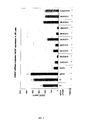
- Fig. 1 is a graph of hVEGF protein levels in 293 cells transfected with human VEGF siRNAs, non-specific siRNA (EGFP siRNA) or mock transfections without siRNA.
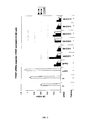
- Fig. 2 is a graph of the dose response studies with Cand5, HVEGF#1, hVEGF#2, hVEGF#3, hVEGF#4, hVEGF#6 and hVEGF#7.
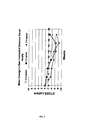
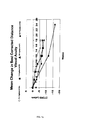
- Fig. 3 is a graph of the mean change in best corrected distance visual acuity in human subjects as measured by the early treatment diabetic retinopathy study ("ETDRS”) methodology in each of the three study groups receiving different doses of Cand5.
- EDRS early treatment diabetic retinopathy study
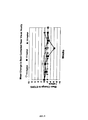
- Fig. 4 is a pair of histograms showing the percentage of human subjects in each of the study groups that exhibited stabilization of distance visual acuity as determined by the loss of fewer than 15 letters in the ETDRS test at 12 weeks compared to baseline, or at 15 weeks as compared to 3 weeks.
- Fig. 5 is a graph of the mean change in best corrected near visual acuity in human subjects as measured by the ETDRS methodology in each of the three study groups receiving different doses of Cand5.
- Fig. 6 is a pair of histograms showing the percentage of human subjects in each of the study groups that exhibited stabilization of near visual acuity as determined by the loss of fewer than 15 letters in the ETDRS test at 12 weeks compared to baseline, or at 15 weeks as compared to 3 weeks.
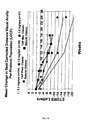
- Figs. 7A and 7B are a pair of graphs of the mean change in best corrected distance visual acuity in each of the three Cand5 study groups compared to the control placebo group of the related TAP study.
- Fig. 7B applies Last Observed Carried Forward (“LOCF”) analysis to the data sets.
- LOCF Last Observed Carried Forward
- Figs. 8A and 8B are a pair of graphs of the change from baseline in mean size of the Choroidal Neovascularization (CNV) lesions in each of the three Cand5 study groups, Fig. 8B applies LOCF analysis to the data sets.
- CNV Choroidal Neovascularization
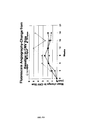
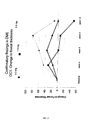
- Fig. 9 is a graph of the change in foveal thickness as measured by ocular coherence tomography ("OCT") in three groups of human subjects with DME treated with different doses of Cand5.
- OCT ocular coherence tomography
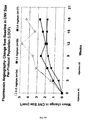
- Fig. 10 is a graph of the change in visual acuity as measured by ETDRS in three groups of human subjects with DME treated with different doses of Cand5.
- the term "about” means plus or minus 10% of the numerical value of the number with which it is being used. therefore, about 50% means in the range of 45%-55%.
- a "subject” includes a human being or non-human animal.
- the subject is a human being.
- an "effective amount" of the siRNA is an amount sufficient to cause RNAi-mediated degradation of the target mRNA, or an amount sufficient to inhibit the progression of angiogenesis in a subject.
- isolated means altered or removed from the natural state through human intervention.
- an siRNA naturally present in a living animal is not “isolated,” but a synthetic siRNA, or an siRNA partially or completely separated from the coexisting materials of its natural state is “isolated.”
- An isolated siRNA can exist in substantially purified form, or can exist in a non-native environment such as, for example, a cell into which the siRNA has been delivered.
- target mRNA means human VEGF mRNA.
- nucleic acid sequences herein are given in the 5' to 3' direction. Also, all deoxyribonucleotides in a nucleic acid sequence are represented by capital letters (e.g. , deoxythymidine is "T"), and ribonucleotides in a nucleic acid sequence are represented by lower case letters (e.g. , uridine is "u").
- Angiogenesis defined as the growth of new capillary blood vessels or “neovascularization,” plays a fundamental role in growth and development. In mature humans, the ability to initiate angiogenesis is present in all tissues, but is held under strict control.
- a key regulator of angiogenesis is vascular endothelial growth factor ("VEGF”), also called vascular permeability factor (“VPF”).
- VEGF exists in at least four different alternative splice forms in humans (VEGF 121 , VEGF 165 , VEGF 189 and VEGF 206 ), all of which exert similar biological activities.
- Flt-1 and Flk-1/KDR receptors also called VEGF receptor 1 and VEGF receptor 2
- Flt-1 and Flk-1/KDR are transmembrane protein tyrosine kinases, and binding of VEGF initiates a cell signal cascade resulting ultimately in the neovascularization of the surrounding tissue.
- Aberrant angiogenesis, or the pathogenic growth of new blood vessels, is implicated in a number of conditions. Among these conditions are diabetic retinopathy, diabetic macular edema ("DME”), psoriasis, exudative or "wet” age-related macular degeneration (“ARMD”), rheumatoid arthritis and other inflammatory diseases, and most cancers.
- DME diabetic macular edema
- ARMD exudative or "wet” age-related macular degeneration
- rheumatoid arthritis and most cancers.
- the diseases associated with these conditions exhibit abnormally high levels of VEGF, and generally show a high degree of vascularization or vascular permeability.
- ARMD in particular is a clinically important angiogenic disease. This condition is characterized by choroidal neovascularization in one or both eyes in aging individuals, and is the major cause of blindness in industrialized countries.
- Diabetic macular edema also called diabetic retinopathy
- DME Diabetic macular edema
- It is caused by leakiness of retinal blood vessels and the growth of new blood vessels on the retina, optic nerve and the iris.
- the leaky blood vessels result in swelling of the retina and visual loss.
- the new blood vessels that grow on the optic nerve and retina can also bleed, resulting in severe visual loss.
- new blood vessels in the iris clog the drain of the eye and can result in extremely high pressure in the eye with accompanying intense pain and the potential loss of the eye.
- DME can affect almost anyone with diabetes. In general, the longer someone has diabetes, the greater the risk of developing DME. Eventually, almost everyone with juvenile-onset diabetes will develop some symptoms of DME. Those who acquire diabetes later in life are also at risk of DME, although they are somewhat less likely to develop advanced DME.
- VEGF antagonists A number of therapeutic strategies exist for inhibiting aberrant angiogenesis, which attempt to reduce the production or effect of VEGF, otherwise referred to herein as "VEGF antagonists".
- VEGF antagonists anti-VEGF or anti-VEGF receptor antibodies, anti-VEGF aptamers, and soluble VEGF traps, which compete with endothelial cell receptors for VEGF binding have been developed.
- Classical VEGF "antisense" therapies directed against VEGF gene expression have also been proposed.
- the anti-angiogenic agents used in these therapies can produce only a stoichiometric reduction in VEGF or VEGF receptor, and the agents are typically overwhelmed by the abnormally high production of VEGF by the diseased tissue. The results achieved with available anti-angiogenic therapies have therefore been unsatisfactory.
- RNA interference is a method of post-transcriptional gene regulation that is conserved throughout many eukaryotic organisms. RNAi is induced by short (i.e. , ⁇ 30 nucleotide) double stranded RNA (“dsRNA”) molecules which are present in the cell. These short dsRNA molecules, called “short interfering RNA” or “siRNA,” cause the destruction of messenger RNAs ("mRNAs”) which share sequence homology with the siRNA to within one nucleotide resolution. It is believed that the siRNA and the targeted mRNA bind to an "RNA-induced silencing complex" or "RISC”, which cleaves the targeted mRNA.
- RISC messenger RNAs
- siRNA is apparently recycled much like a multiple-turnover enzyme, with 1 siRNA molecule capable of inducing cleavage of approximately 1000 mRNA molecules. siRNA-mediated RNAi degradation of an mRNA is therefore more effective than currently available technologies for inhibiting expression of a target gene.
- siRNA comprising short double-stranded RNA from about 17 nucleotides to about 29 nucleotides in length, preferably from about 19 to about 25 nucleotides in length, that are targeted to the target mRNA.
- the siRNA comprise a sense RNA strand and a complementary antisense RNA strand annealed together by standard Watson-Crick base-pairing interactions (hereinafter "base-paired").
- base-paired As is described in more detail below, the sense strand comprises a nucleic acid sequence which is identical to a target sequence contained within the target mRNA.
- the sense and antisense strands of the siRNA can comprise two complementary, single-stranded RNA molecules or can comprise a single molecule in which two complementary portions are base-paired and are covalently linked, for example, by a single-stranded "hairpin" loop.
- hairpin loop of the latter type of siRNA molecule is cleaved intracellularly by the "Dicer” protein (or its equivalent) to form an siRNA of two individual base-paired RNA molecules.
- VEGF 121 SEQ ID NO: 2
- VEGF 165 SEQ ID NO: 3
- VEGF 189 SEQ ID NO: 4
- VEGF 206 SEQ ID NO: 5
- the mRNA transcribed from the human VEGF, Flt-1 (SEQ ID NO: 6) or Flk-1/KDR (SEQ ID NO: 7) genes can be analyzed for further alternative splice forms using techniques well-known in the art. Such techniques include reverse transcription-polymerase chain reaction (RT-PCR), northern blotting and in-situ hybridization. Techniques for analyzing mRNA sequences are described, for example, in Busting SA (2000), J. Mol. Endocrinol. 25: 169-193 , the entire disclosure of which is herein incorporated by reference. Representative techniques for identifying alternatively spliced mRNAs are also described below.
- databases that contain nucleotide sequences related to a given disease gene can be used to identify alternatively spliced mRNA.
- databases include GenBank, Embase, and the Cancer Genome Anatomy Project (CGAP) database.
- the CGAP database for example, contains expressed sequence tags (ESTs) from various types of human cancers.
- ESTs expressed sequence tags
- An mRNA or gene sequence from the VEGF gene can be used to query such a database to determine whether ESTs representing alternatively spliced mRNAs have been found for this gene.
- RNAse protection can also be used to identify alternatively spliced VEGF mRNA.
- RNAse protection involves transcription of a gene sequence into synthetic RNA, which is hybridized to RNA derived from other cells; for example, cells from tissue at or near the site of neovascularization. The hybridized RNA is then incubated with enzymes that recognize RNA:RNA hybrid mismatches. Smaller than expected fragments indicate the presence of alternatively spliced mRNAs.
- the putative alternatively spliced mRNAs can be cloned and sequenced by methods well known to those skilled in the art.
- RT-PCR can also be used to identify alternatively spliced VEGF mRNA.
- RNA from the diseased tissue is converted into cDNA by the enzyme reverse transcriptase, using methods well-known to those of ordinary skill in the art.
- the entire coding sequence of the cDNA is then amplified via PCR using a forward primer located in the 3' untranslated region, and a reverse primer located in the 5' untranslated region.
- the amplified products can be analyzed for alternative splice forms, for example by comparing the size of the amplified products with the size of the expected product from normally spliced mRNA, e.g. , by agarose gel electrophoresis. Any change in the size of the amplified product can indicate alternative splicing.
- mutant VEGF gene or mRNA include human VEGF gene or mRNA which differ in sequence from the VEGF sequences set forth herein. Thus, allelic forms of these genes, and the mRNA produced from them, are considered “mutants” for purposes of this invention.
- human VEGF mRNA may contain target sequences in common with their respective alternative splice forms, cognates or mutants.
- a single siRNA comprising such a common targeting sequence can therefore induce RNAi-mediated degradation of different RNA types which contain the common targeting sequence.
- the siRNA can comprise partially purified RNA, substantially pure RNA, synthetic RNA, or recombinantly produced RNA, as well as altered RNA that differs from naturally-occurring RNA by the addition, deletion, substitution and/or alteration of one or more nucleotides.
- Such alterations can include addition of non-nucleotide material, such as to the end(s) of the siRNA or to one or more internal nucleotides of the siRNA, including modifications that make the siRNA resistant to nuclease digestion.
- One or both strands of the siRNA can also comprise a 3' overhang.
- a "3' overhang” refers to at least one unpaired nucleotide extending from the 3'-end of a duplexed RNA strand.
- the siRNA comprises at least one 3' overhang of from 1 to about 6 nucleotides (which includes ribonucleotides or deoxynucleotides) in length, preferably from 1 to about 5 nucleotides in length, more preferably from 1 to about 4 nucleotides in length, and particularly preferably from about 2 to about 4 nucleotides in length.
- each strand of the siRNA can comprise 3' overhangs of dithymidylic acid ("TT") or diuridylic acid ("uu").
- TT dithymidylic acid
- uu diuridylic acid
- the 3' overhangs can be also stabilized against degradation.
- the overhangs are stabilized by including purine nucleotides, such as adenosine or guanosine nucleotides.
- substitution of pyrimidine nucleotides by modified analogues e.g. , substitution of uridine nucleotides in the 3' overhangs with 2'-deoxythymidine, is tolerated and does not affect the efficiency of RNAi degradation.
- the absence of a 2' hydroxyl in the 2'-deoxythymidine significantly enhances the nuclease resistance of the 3'overhang in tissue culture medium.
- the siRNA comprises the sequence AA(N19)TT or NA(N21), where N is any nucleotide. These siRNA comprise approximately 30-70% G/C content, and preferably comprise approximately 50% G/C content.
- the sequence of the sense siRNA strand corresponds to (N19)TT or N21 (i.e., positions 3 to 23), respectively. In the latter case, the 3' end of the sense siRNA is converted to TT.
- the rationale for this sequence conversion is to generate a symmetric duplex with respect to the sequence composition of the sense and antisense strand 3' overhangs.
- the antisense RNA strand is then synthesized as the complement to positions 1 to 21 of the sense strand.
- the 3'-most nucleotide residue of the antisense strand can be chosen deliberately.
- the penultimate nucleotide of the antisense strand (complementary to position 2 of the 23-nt sense strand in either embodiment) is generally complementary to the targeted sequence.
- the siRNA comprises the sequence NAR(N17)YNN, where R is a purine (e.g. , A or G) and Y is a pyrimidine ( e.g. , C or U/T).
- R is a purine
- Y is a pyrimidine
- the respective 21-nt sense and antisense RNA strands of this embodiment therefore generally begin with a purine nucleotide.
- Such siRNA can be expressed from pol III expression vectors without a change in targeting site, as expression of RNAs from pol III promoters is only believed to be efficient when the first transcribed nucleotide is a purine.
- the siRNA comprises a sequence having no more than five (5) consecutive purines or pyrimidines. In a further embodiment, the siRNA comprises a sequence having no more than five (5) consecutive nucleotides having the same nucleobase (i.e., A, C, G, or U/T).
- the siRNA can be targeted to any stretch of approximately 19-25 contiguous nucleotides in any of the target mRNA sequences (the "target sequence”).
- target sequence any of the target mRNA sequences.
- Techniques for selecting target sequences for siRNA are given, for example, in Tuschl T et al., "The siRNA User Guide, " the entire disclosure of which is herein incorporated by reference.
- the sense strand of the present siRNA comprises a nucleotide sequence identical to any contiguous stretch of about 19 to about 25 nucleotides in the target mRNA.
- a target sequence on the target mRNA can be selected from a given cDNA sequence corresponding to the target mRNA, preferably beginning 50 to 100 nt downstream ( i.e. , in the 3' direction) from the start codon.
- the target sequence can, however, be located in the 5' or 3' untranslated regions, or in the region nearby the start codon (see, e.g. , the target sequences of SEQ ID NOS: 73 and 74 in Table 1 below, which are within 100 nt of the 5'-end of the VEGF 121 cDNA.
- the target mRNA sequence comprises no more than five (5) consecutive purines or pyrimidines.
- a suitable target sequence in the VEGF 121 cDNA sequence is:
- siRNA targeting this sequence and which has 3' uu overhangs on each strand (overhangs shown in bold), is:
- siRNA targeting this same sequence but having 3' TT overhangs on each strand (overhangs shown in bold) is:
- VEGF 121 target sequences from which siRNA can be derived are given in Table 1. It is understood that all VEGF 121 target sequences listed in Table 1 are within that portion of the VEGF 121 alternative splice form which is common to all human VEGF alternative splice forms. Thus, the VEGF 121 target sequences in Table 1 can also target VEGF 165 , VEGF 189 and VEGF 206 mRNA. Target sequences which target a specific VEGF isoform can also be readily identified. For example, a target sequence which targets VEGF 165 mRNA but not VEGF 121 mRNA is AACGTACTTGCAGATGTGACA (SEQ ID NO: 13).
- target sequence SEQ ID NO: cognate VEGF mRNA sequence 1 GATAGAGCAAGACAAGAAA 26 Splice variant VEGF 121 sequence 2 GACAAGAAAATCCCTGTGG 27 Splice variant VEGF 165 sequence 3 GAAAATCCCTGTGGGCCTT 28 Splice variant VEGF 189 sequence 4 AATCCCTGTGGGCCTTGCT 29 Splice variant VEGF 206 sequence 5 TCCCTGTGGGCCTTGCTCA 30 TCATCACGAAGTGGTGAAG 8 GCATTTGTTTGTACAAGAT 31 ucaucacgaaguggugaag uu 9 GATCCGCAGACGTGTAAAT 32 uu aguagugcuucaccacuuc 10 ATGTTCCTGCAAAAACACA 33 ucaucacgaaguggugaag TT 11 TGTTCCTGCAAAAACACAG 34 TT aguagugcuucaccacuuc 12 AAACACAGACTCGCGTT
- siRNA targeting VEGF is administered in an effective amount such that the subjects' visual acuity does not substantially decrease over time.
- siRNA comprising a sense RNA strand of SEQ ID NO: 77 and an antisense RNA strand of SEQ ID NO: 78 is administered in an effective amount such that the subjects' visual acuity does not substantially decrease over time.
- visual acuity is stabilized by administering to the subject an siRNA targeting VEGF and administering a pharmaceutical agent that is different from the siRNA, preferably a VEGF antagonist.
- VEGF antagonists comprising a number of distinct pharmaceutical classes have been developed.
- the VEGF antagonist comprises a monoclonal antibody that targets the VEGF protein, such as bevacizumab or ranibizumab.
- the VEGF antagonist is a VEGF-TRAP, such as aflibercept.
- the VEGF antagonist is an aptamer, such as pegaptanib.
- the siRNA administered with the VEGF antagonist comprises a sense RNA strand of SEQ ID NO: 77 and an antisense RNA strand of SEQ ID NO: 78.
- the effective amount of the siRNA targeting VEGF to stabilize visual acuity is from about 0.1 mg to about 20 mg of siRNA. In a further embodiment, the effective amount is from about 0.2 mg to about 10 mg of siRNA targeting VEGF. In an additional embodiment, preferably the effective amount of the siRNA is from about 0.5 to about 5 mg of siRNA targeting VEGF. Further preferred embodiments provide effective amounts of about 1 mg to about 3 mg, including about 1.5 mg, 2.5 mg or about 3 mg of siRNA targeting VEGF. In a preferred embodiment, the siRNA targeting VEGF administered to a subject comprises a sense RNA strand of SEQ ID NO: 77 and an antisense RNA strand of SEQ ID NO: 78.
- An embodiment of the invention comprises a method of stabilizing the visual acuity of a subject comprising administering an effective amount of an siRNA targeting VEGF wherein the effective amount of siRNA is administered weekly.
- Another embodiment of the invention comprises a method of stabilizing the visual acuity of a subject comprising administering an effective amount of an siRNA targeting VEGF wherein the effective amount of siRNA is administered every two weeks.
- a further embodiment of the invention comprises a method of stabilizing the visual acuity of a subject by administering an effective amount of an siRNA targeting VEGF wherein the effective amount of siRNA is administered every four weeks.
- Additional preferred embodiments of the invention comprise methods of stabilizing the visual acuity of a subject by administering an effective amount of an siRNA targeting VEGF wherein the effective amount of siRNA is administered every eight weeks, twelve weeks, sixteen weeks or twenty weeks.
- Another embodiment of the present invention provides a method of inhibiting choroidal neovascularization in a subject comprising the administration of an effective amount of an siRNA targeting VEGF.
- the siRNA comprises a sense RNA strand of SEQ ID NO: 77 and an antisense RNA strand of SEQ ID NO: 78 is administered to a subject in an effective amount such that the subjects' choroidal neovascularization is inhibited.
- choroidal neovascularization is inhibited by administering to a subject an siRNA targeting VEGF and administering a pharmaceutical agent that is different from the siRNA, preferably a VEGF antagonist.
- VEGF antagonists comprising a number of distinct pharmaceutical classes have been developed.
- the VEGF antagonist comprises a monoclonal antibody that targets the VEGF protein, such as bevacizumab or ranibizumab.
- the VEGF antagonist is a VEGF-TRAP, such as aflibercept.
- the VEGF antagonist is an aptamer, such as pegaptanib.
- the siRNA administered with the VEGF antagonist comprises a sense RNA strand of SEQ ID NO: 77 and an antisense RNA strand of SEQ ID NO: 78.
- the effective amount of the siRNA targeting VEGF to inhibit choroidal neovascularization is from about 0.1 mg to about 20 mg of siRNA. In a further embodiment, the effective amount is from about 0.2 mg to about 10 mg of siRNA targeting VEGF. In an additional embodiment, preferably the effective amount of the siRNA is from about 0.5 to about 5 mg of siRNA targeting VEGF. Further preferred embodiments provide effective amounts of about 1 mg to about 3 mg, including about 1.5 mg, 2.5 mg or about 3 mg of siRNA targeting VEGF. In a preferred embodiment, the siRNA targeting VEGF administered to a subject comprises a sense RNA strand of SEQ ID NO: 77 and an antisense RNA strand of SEQ ID NO: 78.
- An embodiment of the invention comprises a method of inhibiting choroidal neovascularization of a subject by administering an effective amount of an siRNA targeting VEGF, wherein the effective amount of siRNA is administered weekly.
- Another embodiment of the invention comprises a method of inhibiting choroidal neovascularization of a subject by administering an effective amount of an siRNA targeting VEGF, wherein the effective amount of siRNA is administered every two weeks.
- a further embodiment of the invention comprises a method of inhibiting choroidal neovascularization of a subject by administering an effective amount of an siRNA targeting VEGF wherein the effective amount of siRNA is administered every four weeks.
- Additional preferred embodiments of the invention comprise methods of inhibiting choroidal neovascularization of a subject by administering an effective amount of an siRNA targeting VEGF wherein the effective amount of siRNA is administered every eight weeks, twelve weeks, sixteen weeks or twenty weeks.
- One embodiment of the present invention provides a method of treating diabetic macular edema comprising the administration of an effective amount of an siRNA targeting VEGF.
- siRNA comprising a sense RNA strand of SEQ ID NO: 77 and an antisense RNA strand of SEQ ID NO: 78 is administered to a subject in an effective amount to treat the subjects' diabetic macular edema.
- diabetic macular edema may be treated by administering to the subject an siRNA targeting VEGF and administering a pharmaceutical agent that is different from the siRNA, preferably a VEGF antagonist.
- VEGF antagonists comprising a number of distinct pharmaceutical classes have been developed.
- the VEGF antagonist comprises a monoclonal antibody that targets the VEGF protein, such as bevacizumab or ranibizumab.
- the VEGF antagonist is a VEGF trap, such as aflibercept.
- the VEGF antagonist is an aptamer, such as pegaptanib.
- the siRNA administered with the VEGF antagonist comprises a sense RNA strand of SEQ ID NO: 77 and an antisense RNA strand of SEQ ID NO: 78.
- the effective amount of the siRNA targeting VEGF to treat diabetic macular edema is from about 0.1 mg to about 20 mg of siRNA. In a further embodiment, the effective amount is from about 0.2 mg to about 10 mg of siRNA targeting VEGF. In an additional embodiment, preferably the effective amount of the siRNA is from about 0.5 to about 5 mg of siRNA targeting VEGF. Further preferred embodiments provide effective amounts of about 1 mg to about 3 mg, including about 1.5 mg, 2.5 mg or about 3 mg of siRNA targeting VEGF. In a preferred embodiment, the siRNA targeting VEGF administered to a subject comprises a sense RNA strand of SEQ ID NO: 77 and an antisense RNA strand of SEQ ID NO: 78.
- An embodiment of the invention comprises a method of treating diabetic macular edema in a subject by administering an effective amount of an siRNA targeting VEGF wherein the effective amount of siRNA is administered weekly.
- Another embodiment of the invention comprises a method of treating diabetic macular edema in a subject by administering an effective amount of an siRNA targeting VEGF wherein the effective amount of siRNA is administered every two weeks.
- a further embodiment of the invention comprises a method of treating diabetic macular edema of a subject by administering an effective amount of an siRNA targeting VEGF wherein the effective amount of siRNA is administered every four weeks.
- Additional preferred embodiments of the invention comprise methods of treating diabetic macular edema of a subject by administering an effective amount of an siRNA targeting VEGF wherein the effective amount of siRNA is administered every eight weeks, twelve weeks, sixteen weeks or twenty weeks.
- One embodiment of the present invention provides a method of treating diabetic retinopathy comprising the administration of an effective amount of an siRNA targeting VEGF.
- siRNA comprising a sense RNA strand of SEQ ID NO: 77 and an antisense RNA strand of SEQ ID NO: 78 is administered to a subject in an effective amount to treat the subjects' diabetic retinopathy.
- diabetic retinopathy may be treated by administering to the subject an siRNA targeting VEGF and administering a pharmaceutical agent that is different from the siRNA, preferably a VEGF antagonist.
- VEGF antagonists comprising a number of distinct pharmaceutical classes have been developed.
- the VEGF antagonist comprises a monoclonal antibody that targets the VEGF protein, such as bevacizumab or ranibizumab.
- the VEGF antagonist is a VEGF trap, such as aflibercept.
- the VEGF antagonist is an aptamer, such as pegaptanib.
- the siRNA administered with the VEGF antagonist comprises a sense RNA strand of SEQ ID NO: 77 and an antisense RNA strand of SEQ ID NO: 78.
- the effective amount of the siRNA targeting VEGF to treat diabetic retinopathy is from about 0.1 mg to about 20 mg of siRNA. In a further embodiment, the effective amount is from about 0.2 mg to about 10 mg of siRNA targeting VEGF. In an additional embodiment, preferably the effective amount of the siRNA is from about 0.5 to about 5 mg of siRNA targeting VEGF. Further preferred embodiments provide effective amounts of about 1 mg to about 3 mg, including about 1.5 mg, 2.5 mg or about 3 mg of siRNA targeting VEGF. In a preferred embodiment, the siRNA targeting VEGF administered to a subject comprises a sense RNA strand of SEQ ID NO: 77 and an antisense RNA strand of SEQ ID NO: 78.
- An embodiment of the invention comprises a method of treating diabetic retinopathy in a subject by administering an effective amount of an siRNA targeting VEGF wherein the effective amount of siRNA is administered weekly.
- Another embodiment of the invention comprises a method of treating diabetic retinopathy in a subject by administering an effective amount of an siRNA targeting VEGF wherein the effective amount of siRNA is administered every two weeks.
- a further embodiment of the invention comprises a method of treating diabetic retinopathy of a subject by administering an effective amount of an siRNA targeting VEGF wherein the effective amount of siRNA is administered every four weeks.
- Additional preferred embodiments of the invention comprise methods of treating diabetic retinopathy of a subject by administering an effective amount of an siRNA targeting VEGF wherein the effective amount of siRNA is administered every eight weeks, twelve weeks, sixteen weeks or twenty weeks.
- One embodiment of the present invention provides a method of treating proliferative diabetic retinopathy comprising the administration of an effective amount of an siRNA targeting VEGF.
- siRNA comprising a sense RNA strand of SEQ ID NO: 77 and an antisense RNA strand of SEQ ID NO: 78 is administered to a subject in an effective amount to treat the subjects' proliferative diabetic retinopathy.
- proliferative diabetic retinopathy may be treated by administering to the subject an siRNA targeting VEGF and administering a pharmaceutical agent that is different from the siRNA, preferably a VEGF antagonist.
- VEGF antagonists comprising a number of distinct pharmaceutical classes have been developed.
- the VEGF antagonist comprises a monoclonal antibody that targets the VEGF protein, such as bevacizumab or ranibizumab.
- the VEGF antagonist is a VEGF trap, such as aflibercept.
- the VEGF antagonist is an aptamer, such as pegaptanib.
- the siRNA administered with the VEGF antagonist comprises a sense RNA strand of SEQ ID NO: 77 and an antisense RNA strand of SEQ ID NO: 78.
- the effective amount of the siRNA targeting VEGF to treat proliferative diabetic retinopathy is from about 0.1 mg to about 20 mg of siRNA. In a further embodiment, the effective amount is from about 0.2 mg to about 10 mg of siRNA targeting VEGF. In an additional embodiment, preferably the effective amount of the siRNA is from about 0.5 to about 5 mg of siRNA targeting VEGF. Further preferred embodiments provide effective amounts of about 1 mg to about 3 mg, including about 1.5 mg, 2.5 mg or about 3 mg of siRNA targeting VEGF. In a preferred embodiment, the siRNA targeting VEGF administered to a subject comprises a sense RNA strand of SEQ ID NO: 77 and an antisense RNA strand of SEQ ID NO: 78.
- An embodiment of the invention comprises a method of treating proliferative diabetic retinopathy in a subject by administering an effective amount of an siRNA targeting VEGF wherein the effective amount of siRNA is administered weekly.
- Another embodiment of the invention comprises a method of treating proliferative diabetic retinopathy in a subject by administering an effective amount of an siRNA targeting VEGF wherein the effective amount of siRNA is administered every two weeks.
- a further embodiment of the invention comprises a method of treating proliferative diabetic retinopathy of a subject by administering an effective amount of an siRNA targeting VEGF wherein the effective amount of siRNA is administered every four weeks.
- Additional preferred embodiments of the invention comprise methods of treating proliferative diabetic retinopathy of a subject by administering an effective amount of an siRNA targeting VEGF wherein the effective amount of siRNA is administered every eight weeks, twelve weeks, sixteen weeks or twenty weeks.
- siRNA targeting VEGF is administered to a subject in an effective amount such that the subjects' foveal thickness decreases over time.
- siRNA comprising a sense RNA strand of SEQ ID NO: 77 and an antisense RNA strand of SEQ ID NO: 78 is administered to a subject in an effective amount such that the subjects' foveal thickness decreases.
- the foveal thickness of a subject diagnosed with diabetic macular edema is decreased by administering to the subject an siRNA targeting VEGF and administering a pharmaceutical agent that is different from the siRNA, preferably a VEGF antagonist.
- VEGF antagonists comprising a number of distinct pharmaceutical classes have been developed.
- the VEGF antagonist comprises a monoclonal antibody that targets the VEGF protein, such as bevacizumab or ranibizumab.
- the VEGF antagonist is a VEGF trap, such as aflibercept.
- the VEGF antagonist is an aptamer, such as pegaptanib.
- the siRNA administered with the VEGF antagonist comprises a sense RNA strand of SEQ ID NO: 77 and an antisense RNA strand of SEQ ID NO: 78.
- the effective amount of the siRNA targeting VEGF to decrease foveal thickness is from about 0.1 mg to about 20 mg of siRNA. In a further embodiment, the effective amount is from about 0.2 mg to about 10 mg of siRNA targeting VEGF. In an additional embodiment, preferably the effective amount of the siRNA is from about 0.5 to about 5 mg of siRNA targeting VEGF. Further preferred embodiments provide effective amounts of about 1 mg to about 3 mg, including about 1.5 mg, 2.5 mg or about 3 mg of siRNA targeting VEGF. In a preferred embodiment, the siRNA targeting VEGF administered to a subject comprises a sense RNA strand of SEQ ID NO: 77 and an antisense RNA strand of SEQ ID NO: 78.
- An embodiment of the invention comprises a method of decreasing the foveal thickness of a subject by administering an effective amount of an siRNA targeting VEGF wherein the effective amount of siRNA is administered weekly.
- Another embodiment of the invention comprises a method of decreasing the foveal thickness of a subject by administering an effective amount of an siRNA targeting VEGF wherein the effective amount of siRNA is administered every two weeks.
- a further embodiment of the invention comprises a method of decreasing the foveal thickness of a subject by administering an effective amount of an siRNA targeting VEGF wherein the effective amount of siRNA is administered every four weeks.
- Additional preferred embodiments of the invention comprise methods of decreasing the foveal thickness of a subject by administering an effective amount of an siRNA targeting VEGF wherein the effective amount of siRNA is administered every eight weeks, twelve weeks, sixteen weeks or twenty weeks.
- One embodiment of the present invention provides a method of treating age-related macular degeneration in a subject comprising the administration of an effective amount of an siRNA targeting VEGF.
- siRNA targeting VEGF is administered to a subject in an effective amount to treat the subjects' age-related macular degeneration.
- siRNA comprising a sense RNA strand of SEQ ID NO: 77 and an antisense RNA strand of SEQ ID NO: 78 is administered to a subject in an effective amount to treat the subjects' age-related macular degeneration.
- age-related macular degeneration is treated by administering to the subject an siRNA targeting VEGF and administering a pharmaceutical agent that is different from the siRNA, preferably a VEGF antagonist.
- VEGF antagonists comprising a number of distinct pharmaceutical classes have been developed.
- the VEGF antagonist comprises a monoclonal antibody that targets the VEGF protein, such as bevacizumab or ranibizumab.
- the VEGF antagonist is a VEGF trap, such as aflibercept.
- the VEGF antagonist is an aptamer, such as pegaptanib.
- the siRNA administered with the VEGF antagonist comprises a sense RNA strand of SEQ ID NO: 77 and an antisense RNA strand of SEQ ID NO: 78.
- the effective amount of the siRNA targeting VEGF to treat age-related macular degeneration is from about 0.1 mg to about 20 mg of siRNA. In a further embodiment, the effective amount is from about 0.2 mg to about 10 mg of siRNA targeting VEGF. In an additional embodiment, preferably the effective amount of the siRNA is from about 0.5 to about 5 mg of siRNA targeting VEGF. Further preferred embodiments provide effective amounts of about 1 mg to about 3 mg, including about 1.5 mg, 2.5 mg or about 3 mg of siRNA targeting VEGF. In a preferred embodiment, the siRNA targeting VEGF administered to a subject comprises a sense RNA strand of SEQ ID NO: 77 and an antisense RNA strand of SEQ ID NO: 78.
- An embodiment of the invention comprises a method of treating age-related macular degeneration in a subject by administering an effective amount of an siRNA targeting VEGF wherein the effective amount of siRNA is administered weekly.
- Another embodiment of the invention comprises a method of treating age-related macular degeneration in a subject by administering an effective amount of an siRNA targeting VEGF wherein the effective amount of siRNA is administered every two weeks.
- a further embodiment of the invention comprises a method of treating age-related macular degeneration of a subject by administering an effective amount of an siRNA targeting VEGF wherein the effective amount of siRNA is administered every four weeks.
- Additional preferred embodiments of the invention comprise methods of treating age-related macular degeneration of a subject by administering an effective amount of an siRNA targeting VEGF wherein the effective amount of siRNA is administered every eight weeks, twelve weeks, sixteen weeks or twenty weeks.
- inventions of the present invention provide methods of treating age-related macular degeneration and diabetic macular edema comprising administering to a subject an effective amount of a VEGF antagonist and an effective amount of an siRNA comprising a sense RNA strand and an antisense RNA strand, wherein the sense and the antisense RNA strands form an RNA duplex, and wherein the sense RNA strand comprises a nucleotide sequence identical to a target sequence of about 19 to about 25 contiguous nucleotides in human VEGF mRNA.
- the VEGF antagonist may be administered prior to, after or simultaneously with the siRNA.
- the sense RNA strand comprises SEQ ID NO: 77 and the antisense strand comprises SEQ ID NO: 78.
- the siRNA may be administered by intraocular administration, such as intravitreal, intraretinal, subretinal, subtenon, peri- and retro-orbital, trans-corneal and trans-scleral administration.
- the effective amount of said siRNA may be from about 0.1 mg to about 20 mg of siRNA.
- the effective amount is from about 0.2 mg to about 10 mg of siRNA targeting VEGF.
- the effective amount of the siRNA is from about 0.5 to about 5 mg of siRNA targeting VEGF.
- VEGF siRNA targeting VEGF may be administered weekly, every two weeks, every four weeks, every eight weeks, every twelve weeks, every sixteen weeks, or every twenty weeks.
- the VEGF siRNA is administered every four weeks.
- the VEGF antagonist is a monoclonal antibody targeting human VEGF, such as, for example, bevacizumab or ranibizumab.
- the VEGF antagonist is a VEGF trap, such as aflibercept.
- the VEGF antagonist is a VEGF aptamer, such as pegaptanib.
- such a method comprises administering a VEGF siRNA, preferably the sense RNA strand comprises SEQ ID NO: 77 and the antisense strand comprises SEQ ID NO: 78, and ranibizumab.
- the siRNA may be administered every four weeks (i.e. monthly) and said ranibizumab may be administered every four weeks (monthly).
- the ranibizumab may be administered two weeks prior to administration of said siRNA on an alternating basis.
- one embodiment may comprise administering an effective amount of ranibizumab on day 0, then administering an effective amount of VEGF siRNA week 2, then administering an effective amount of ranibizumab week four, then administering an effective amount of VEGF siRNA week six, then administering an effective amount of ranibizumab week eight.
- Such an administration may comprise an initiation therapy to treat the age-related macular degeneration.
- the initiation therapy may be followed by a maintenance therapy, wherein starting at week 12 the siRNA is administered, for example, every eight weeks or every twelve weeks.
- such a method comprises administering a VEGF siRNA, preferably the sense RNA strand comprises SEQ ID NO: 77 and the antisense strand comprises SEQ ID NO: 78, and bevacizumab.
- the siRNA may be administered every four weeks (i.e. monthly) and said bevacizumab may be administered every four weeks (monthly).
- the bevacizumab may be administered two weeks prior to administration of said siRNA on an alternating basis.
- one embodiment may comprise administering an effective amount of bevacizumab on day 0, then administering an effective amount of VEGF siRNA week 2, then administering an effective amount of bevacizumab week four, then administering an effective amount of VEGF siRNA week six, then administering an effective amount of bevacizumab week eight.
- Such an administration may comprise an initiation therapy to treat the age-related macular degeneration.
- the initiation therapy may be followed by a maintenance therapy, wherein starting at week 12 the siRNA is administered, for example, every eight weeks or every twelve weeks.
- such a method comprises administering a VEGF siRNA, preferably the sense RNA strand comprises SEQ ID NO: 77 and the antisense strand, comprises SEQ ID NO: 78, and a VEGF antagonist, such as, for example, ranibizumab, bevacizumab, aflibercept or pegaptanib.
- the siRNA may be administered every four weeks (i.e. monthly) and said VEGF antagonist may be administered every four weeks (monthly).
- the VEGF antagonist may be administered two weeks prior to administration of said siRNA on an alternating basis.
- one embodiment may comprise administering an effective amount of VEGF antagonist on day 0, then administering an effective amount of VEGF siRNA week 2, then administering an effective amount of VEGF antagonist week four, then administering an effective amount of VEGF siRNA week six, then administering an effective amount of VEGF antagonist week eight.
- Such an administration may comprise an initiation therapy to treat the age-related macula degeneration.
- the initiation therapy may be followed by a maintenance therapy, wherein starting at week 12 the siRNA is administered, for example, every eight weeks or every twelve weeks.
- Embodiments of the present invention also include pharmaceutical compositions comprising an siRNA comprising a sense RNA strand of SEQ ID NO: 77 and an antisense RNA strand of SEQ ID NO: 78, wherein the siRNA, is in a balanced salt solution.
- Another embodiment of the invention is a pharmaceutical composition comprising an siRNA comprising a sense RNA strand of SEQ ID NO: 77 and an antisense RNA strand of SEQ ID NO: 78 and a balanced salt solution such that the pharmaceutical composition is suitable for ocular administration.
- An additional embodiment of the invention is a pharmaceutical composition
- a pharmaceutical composition comprising an siRNA comprising a sense RNA strand of SEQ ID NO: 77 and an antisense RNA strand of SEQ ID NO: 78 and a balanced salt solution wherein the pharmaceutical composition has a pH of about 6.08 to about 8.0.
- Further embodiments include pharmaceutical compositions comprising an siRNA comprising a sense RNA strand of SEQ ID NO: 77 and an antisense RNA strand of SEQ ID NO: 78 wherein the siRNA is at a concentration of 0.2 mg/100 ⁇ L to about 3.0 mg/100 ⁇ L.
- compositions comprising an siRNA comprising a sense RNA strand of SEQ ID NO: 77 and an antisense RNA strand of SEQ ID NO: 78 wherein the siRNA is at a concentration of 1.5 mg/100 ⁇ L, 2.5 mg/100 ⁇ L or 3.0 mg/100 ⁇ L.
- Further embodiments include pharmaceutical compositions comprising an siRNA comprising a sense RNA strand of SEQ ID NO: 77 and an antisense RNA strand of SEQ ID NO: 78 wherein the siRNA is at a concentration of 0.2 mg/50 ⁇ L to about 3.0 mg/50 ⁇ L.
- compositions comprising an siRNA comprising a sense RNA strand of SEQ ID NO: 77 and an antisense RNA strand of SEQ ID NO: 78 wherein the siRNA is at a concentration of 1.5 mg/50 ⁇ L, 2.5 mg/50 ⁇ L or 3.0 mg/50 ⁇ L.
- Another embodiment is a pharmaceutical composition suitable for ocular administration comprising an siRNA comprising a sense RNA strand of SEQ ID NO: 77 and an antisense RNA strand of SEQ ID NO: 78, sodium acetate (trihydrate), sodium chloride, sodium citrate(tribasic dehydrate) potassium chloride, calidum chloride (dehydrate), magnesium chloride (hexahydrate), hydrochloric acid, sodium hydroxide and water.
- siRNA comprising a sense RNA strand of SEQ ID NO: 77 and an antisense RNA strand of SEQ ID NO: 78, sodium acetate (trihydrate), sodium chloride, sodium citrate(tribasic dehydrate) potassium chloride, calidum chloride (dehydrate), magnesium chloride (hexahydrate), hydrochloric acid, sodium hydroxide and water.
- the siRNA can be obtained using a number of techniques known to those of skill in the art.
- the siRNA can be chemically synthesized or recombinantly produced using methods known in the art, such as the Drosophila in vitro system described in U.S. published application 2002/0086356 of Tuschl et al. , the entire disclosure of which is herein incorporated by reference.
- the siRNA are chemically synthesized using appropriately protected ribonucleoside phosphoramidites and a conventional DNA/RNA synthesizer.
- the siRNA can be synthesized as two separate, complementary RNA molecules, or as a single RNA molecule with two complementary regions.
- Commercial suppliers of synthetic RNA molecules or synthesis reagents include Proligo (Hamburg, Germany), Dharmacon Research (Lafayette, CO, USA), Pierce Chemical (part of Perbio Science, Rockford, IL, USA), Glen Research (Sterling, VA, USA), ChemGenes (Ashland, MA, USA) and Cruachem (Glasgow, UK).
- siRNA can also be synthesized as multiple complementary RNA molecules, as described in more detail in co-pending U.S. Provisional Application No. 60/824,953 , entitled “siRNA and Methods of Manufacture” filed September 8, 2006, herein incorporated by reference in its entirety.
- siRNA can also be expressed from recombinant circular or linear DNA plasmids using any suitable promoter.
- suitable promoters for expressing siRNA from a plasmid include, for example, the U6 or H1 RNA pol III promoter sequences and the cytomegalovirus promoter. Selection of other suitable promoters is within the skill in the art.
- the recombinant plasmids of the invention can also comprise inducible or regulatable promoters for expression of the siRNA in a particular tissue or in a particular intracellular environment.
- siRNA expressed from recombinant plasmids can either be isolated from cultured cell expression systems by standard techniques, or can be expressed intracellularly at or near the area of neovascularization in vivo.
- the use of recombinant plasmids to deliver siRNA to cells in vivo is discussed in more detail below.
- siRNA can be expressed from a recombinant plasmid either as two separate, complementary RNA molecules, or as a single RNA molecule with two complementary regions.
- plasmids suitable for expressing siRNA are within the skill in the art. See, for example Tuschl, T. (2002), Nat. Biotechnol, 20: 446-448 ; Brummelkamp TR et al. (2002), Science 296: 550-553 ; Miyagishi M et al. (2002), Nat. Biotechnol. 20: 497-500 ; Paddison PJ et al. (2002), Genes Dev. 16: 948-958 ; Lee NS et al. (2002), Nat. Biotechnol. 20: 500-505 ; and Paul CP et al. (2002), Nat. Biotechnol. 20: 505-508 , the entire disclosures of which are herein incorporated by reference.
- a plasmid comprising nucleic acid sequences for expressing an siRNA is described in Example 7 below.
- That plasmid called pAAVsiRNA, comprises a sense RNA strand coding sequence in operable connection with a polyT termination sequence under the control of a human U6 RNA promoter, and an antisense RNA strand coding sequence in operable connection with a polyT termination sequence under the control of a human U6 RNA promoter.
- the plasmid pAAVsiRNA is ultimately intended for use in producing a recombinant adeno-associated viral vector comprising the same nucleic acid sequences for expressing an siRNA.
- in operable connection with a polyT termination sequence means that the nucleic acid sequences encoding the sense or antisense strands are immediately adjacent to the polyT termination signal in the 5' direction. During transcription of the sense or antisense sequences from the plasmid, the polyT termination signals act to terminate transcription.
- promoter under the control of a promoter means that the nucleic acid sequences encoding the sense or antisense strands are located 3' of the promoter, so that the promoter can initiate transcription of the sense or antisense coding sequences.
- the siRNA can also be expressed from recombinant viral vectors intracellularly at or near the area of neovascularization in vivo.
- the recombinant viral vectors of the invention comprise sequences encoding the siRNA and any suitable promoter for expressing the siRNA sequences. Suitable promoters include, for example, the U6 or H1 RNA pol III promoter sequences and the cytomegalovirus promoter. Selection of other suitable promoters is within the skill in the art.
- the recombinant viral vectors of the invention can also comprise inducible or regulatable promoters for expression of the siRNA in a particular tissue or in a particular intracellular environment. The use of recombinant viral vectors to deliver siRNA to cells in vivo is discussed in more detail below.
- siRNA can be expressed from a recombinant viral vector either as two separate, complementary RNA molecules, or as a single RNA molecule with two complementary regions.
- Any viral vector capable of accepting the coding sequences for the siRNA molecule(s) to be expressed can be used, for example vectors derived from adenovirus (AV); adeno-associated virus (AAV); retroviruses (e.g , lentiviruses (LV), Rhabdoviruses, murine leukemia virus); herpes virus, and the like.
- the tropism of the viral vectors can also be modified by pseudotyping the vectors with envelope proteins or other surface antigens from other viruses.
- an AAV vector of the invention can be pseudotyped with surface proteins from vesicular stomatitis virus (VSV), rabies, Ebola, Mokola, and the like.
- Preferred viral vectors are those derived from AV and AAV.
- the siRNA is expressed as two separate, complementary single-stranded RNA molecules from a recombinant AAV vector comprising, for example, either the U6 or H1 RNA promoters, or the cytomegalovirus (CMV) promoter.
- CMV cytomegalovirus
- a suitable AV vector for expressing the siRNA, a method for constructing the recombinant AV vector, and a method for delivering the vector into target cells, have been described.
- Suitable AAV vectors for expressing the siRNA, methods for constructing the recombinant AAV vector, and methods for delivering the vectors into target cells are described in Samulski R et al. (1987), J Virol. 61: 3096-3101 ; Fisher KJ et al. (1996), J. Virol., 70: 520-532 ; Samulski R et al. (1989), J. Virol. 63: 3822-3826 ; U.S. Pat. No. 5,252,479 ; U.S. Pat. No. 5,139,941 ; International Patent Application No. WO 94/13788 ; and International Patent Application No. WO 93/24641 , the entire disclosures of which are herein incorporated by reference.
- the siRNA is capable of targeting and causing the RNAi-mediated degradation of VEGF, more preferably human VEGF. Degradation of the target mRNA by the present siRNA reduces the production of a functional gene product from the VEGF.
- another embodiment of the present invention provides a method of inhibiting expression of VEGF in a subject, comprising administering an effective amount of an siRNA to the subject, such that the target mRNA is degraded.
- another embodiment of the present invention provides a method of inhibiting angiogenesis in a subject by the RNAi-mediated degradation of the target mRNA by the present siRNA.
- RNAi-mediated degradation of the target mRNA can be detected by measuring levels of the target mRNA or protein in the cells of a subject, using standard techniques for isolating and quantifying mRNA or protein as described above.
- Inhibition of angiogenesis can be evaluated by directly measuring the progress of pathogenic or nonpathogenic angiogenesis in a subject; for example, by observing the size of a neovascularized area before and after treatment with the siRNA. An inhibition of angiogenesis is indicated if the size of the neovascularized area stays the same or is reduced.
- Techniques for observing and measuring the size of neovascularized areas in a subject are within the skill in the art; for example, areas of choroid neovascularization can be observed by ophthalmoscopy.
- Inhibition of angiogenesis can also be inferred through observing a change or reversal in a pathogenic condition associated with the angiogenesis. For example, in ARMD, a slowing, halting or reversal of vision loss indicates an inhibition of angiogenesis in the choroid.
- siRNA can degrade the target mRNA (and thus inhibit angiogenesis) in substoichiometric amounts. Without wishing to be bound by any theory, it is believed that the siRNA causes degradation of the target mRNA in a catalytic manner. Thus, compared to standard anti-angiogenic therapies, significantly less siRNA needs to be delivered at or near the site of neovascularization to have a therapeutic effect.
- an effective amount of siRNA is from about 0.1 mg to about 20 mg. In other embodiments, an effective amount of siRNA is from about 0.2 mg to about 20 mg. In preferred embodiments, an effective amount of siRNA is from about 0.5 mg to about 5 mg, more preferably about 1 mg to about 3 mg, including about 1.5 mg, about 2.5 mgs and about 3.0 mg.
- angiogenic diseases include diabetic retinopathy, age-related macular degeneration (ARMD), psoriasis, rheumatoid arthritis and other inflammatory diseases. These diseases are characterized by the destruction of normal tissue by newly formed blood vessels in the area of neovascularization. For example, in ARMD, the choroid is invaded and destroyed by capillaries. The angiogenesis-driven destruction of the choroid in ARMD eventually leads to partial or full blindness.
- age-related macular degeneration psoriasis
- rheumatoid arthritis other inflammatory diseases.
- an siRNA is used to inhibit choroidal neovascularization in age-related macular degeneration.
- the siRNAs can be administered to a subject in combination with a pharmaceutical agent which is different from the present siRNA.
- the siRNA can be administered to a subject in combination with another therapeutic method designed to treat the angiogenic disease.
- the siRNA can be administered in combination with therapeutic methods currently employed for treating age-related macular degeneration.
- the present siRNA can be administered to the subject either as naked siRNA, in conjunction with a delivery reagent, or as a recombinant plasmid or viral vector which expresses the siRNA.
- Suitable delivery reagents for administration in conjunction with the present siRNA include the Mirus Transit TKO lipophilic reagent; lipofectin; lipofectamine; cellfectin; or polycations (e.g., polylysine), or liposomes.
- a preferred delivery reagent is a liposomes.
- Liposomes can aid in the delivery of the siRNA to a particular tissue, such as retinal or tumor tissue, and can also increase the blood half-life of the siRNA.
- Liposomes suitable for use in the invention are formed from standard vesicle-forming lipids, which generally include neutral or negatively charged phospholipids and a sterol, such as cholesterol. The selection of lipids is generally guided by consideration of factors such as the desired liposome size and half-life of the liposomes in the blood stream. A variety of methods are known for preparing liposomes, for example as described in Szoka et al. (1980), Ann. Rev. Biaphys. Bioeng. 9: 467 ; and U.S. Pat. Nos. 4,235,871 , 4,501,728 , 4,837,028 , and 5,019,369 , the entire disclosures of which are herein incorporated by reference.
- the liposomes encapsulating the present siRNA comprises a ligand molecule that can target the liposome to a particular cell or tissue at or near the site of angiogenesis.
- Ligands which bind to receptors prevalent in tumor or vascular endothelial cells such as monoclonal antibodies that bind to tumor antigens or endothelial cell surface antigens, are preferred.
- the liposomes encapsulating the present siRNA are modified so as to avoid clearance by the mononuclear macrophage and reticuloendothelial systems, for example by having opsonization-inhibition moieties bound to the surface of the structure.
- a liposome of the invention can comprise both opsonization-inhibition moieties and a ligand.
- Opsonization-inhibiting moieties for use in preparing the liposomes of the invention are typically large hydrophilic polymers that are bound to the liposome membrane.
- an opsonization inhibiting moiety is "bound" to a liposome membrane when it is chemically or physically attached to the membrane, e.g. , by the intercalation of a lipid-soluble anchor into the membrane itself, or by binding directly to active groups of membrane lipids.
- These opsonization-inhibiting hydrophilic polymers form a protective surface layer which significantly decreases the uptake of the liposomes by the macrophage-monocyte system ("MMS") and reticuloendothelial system ("RES"); e.g ., as described in U.S.
- Liposomes modified with opsonization-inhibition moieties thus remain in the circulation much longer than unmodified liposomes. For this reason, such liposomes are sometimes called "stealth" liposomes.
- Stealth liposomes are known to accumulate in tissues fed by porous or "leaky" microvasculature. Thus, target tissue characterized by such microvasculature defects, for example solid tumors, will efficiently accumulate these liposomes. In addition, the reduced uptake by the RES lowers the toxicity of stealth liposomes by preventing significant accumulation in the liver and spleen. Thus, liposomes of the invention that are modified with opsonization-inhibition moieties can deliver the present siRNA to tumor cells.
- Opsonization inhibiting moieties suitable for modifying liposomes are preferably water-soluble polymers with a number-average molecular weight from about 500 to about 40,000 daltons, and more preferably from about 2,000 to about 20,000 daltons.
- Such polymers include polyethylene glycol (PEG) or polypropylene glycol (PPG) derivatives; e.g ., methoxy PEG or PPG, and PEG or PPG stearate; synthetic polymers such as polyacrylamide or poly N-vinyl pyrrolidone; linear, branched, or dendrimeric polyarnidoamines; polyacrylic acids; polyalcohols, e.g., polyvinylalcohol and polyxylitol to which carboxylic or amino groups are chemically linked, as well as gangliosides, such as ganglioside GM 1 .
- PEG polyethylene glycol
- PPG polypropylene glycol
- synthetic polymers such as polyacrylamide or poly N
- Copolymers of PEG, methoxy PEG, or methoxy PPG, or derivatives thereof, are also suitable.
- the opsonization inhibiting polymer can be a block copolymer of PEG and either a polyamino acid, polysaccharide, polyamidoamine, polyethyleneamine, or polynucleotide.
- the opsonization inhibiting polymers can also be natural polysaccharides containing amino acids or carboxylic acids, e.g., galacturonic acid, glucuronic acid, mannuronic acid, hyaluronic acid, pectic acid, neuraminic acid, alginic acid, carrageenan; aminated polysaccharides or oligosaccharides (linear or branched); or carboxylated polysaccharides or oligosaccharides, e.g., reacted with derivatives of carbonic acids with resultant linking of carboxylic groups.
- natural polysaccharides containing amino acids or carboxylic acids e.g., galacturonic acid, glucuronic acid, mannuronic acid, hyaluronic acid, pectic acid, neuraminic acid, alginic acid, carrageenan
- aminated polysaccharides or oligosaccharides linear or branched
- the opsonization-inhibiting moiety is a PEG, PPG, or derivatives thereof.
- Liposomes modified with PEG or PEG-derivatives are sometimes called "PEGylated liposomes.”
- the opsonization inhibiting moiety can be bound to the liposome membrane by any one of numerous well-known techniques.
- an N-hydroxysuccinimide ester of PEG can be bound to a phosphatidyl-ethanolamine lipid-soluble anchor, and then bound to a membrane.
- a dextran polymer can be derivatized with a stearylamine lipid-soluble anchor via reductive amination using Na(CN)BH 3 and a solvent mixture such as tetrahydrofuran and water in a 30:12 ratio at 60 °C.
- Recombinant plasmids which express siRNA are discussed above. Such recombinant plasmids can also be administered directly or in conjunction with a suitable delivery reagent, including the Mirus Transit LT1 lipophilic reagent; lipofectin; lipofectamine; cellfectin; polycations ( e.g ., polylysine) or liposomes.
- a suitable delivery reagent including the Mirus Transit LT1 lipophilic reagent; lipofectin; lipofectamine; cellfectin; polycations (e.g ., polylysine) or liposomes.
- Recombinant viral vectors which express siRNA are also discussed above, and methods for delivering such vectors to an area of neovascularization in a patient are within the skill in the art.
- the siRNA can be administered to the subject by any means suitable for delivering the siRNA to the cells of the tissue at or near the area of neovascularization.
- the siRNA can be administered by gene gun, electroporation, or by other suitable parenteral or enteral administration routes.
- Suitable enteral administration routes include oral, rectal, or intranasal delivery.
- Suitable parenteral administration routes include intravascular administration (e.g. intravenous bolus injection, intravenous infusion, intra-arterial bolus injection, intra-arterial infusion and catheter instillation into the vasculature); peri- and intra-tissue administration (e.g ., peri-tumoral and intra-tumoral injection, intra-retinal injection, subretinal injection or intravitreal injection); subcutaneous injection or deposition including subcutaneous infusion (such as by osmotic pumps); direct (e.g.
- a catheter or other placement device e.g ., a corneal pellet or a suppository, eye-dropper, or an implant comprising a porous, non-porous, or gelatinous material
- Suitable placement devices include the ocular implants described in U.S. Pat. Nos. 5,902,598 and 6,375,972 , and the biodegradable ocular implants described in U.S. Pat. No 6,331,313 , the entire disclosures of which are herein incorporated by reference. Such ocular implants are available from Control Delivery Systems, Inc. (Watertown, MA) and Oculex Pharmaceuticals, lnc. (Sunnyvale, CA).
- injections or infusions of the siRNA are given at or near the site of neovascularization. More preferably, the siRNA is administered topically to the eye, e.g. in liquid or gel form to the lower eye lid or conjunctival cul-de-sac, as is within the skill in the art (see, e.g ., Acheampong AA et al, 2002, Drug Metabol. and Disposition 30: 421-429 , the entire disclosure of which is herein incorporated by reference).
- the siRNA is administered topically to the eye in amounts of from about 5 microliters to about 75 microliters, for example from about 7 microliters to about 50 microliters, preferably from about 10 microliters to about 30 microliters. It is understood that topical instillation in the eye of siRNA in volumes greater than 75 microliters can result in loss of siRNA from the eye through spillage and drainage.
- a particularly preferred parenteral administration route is intraocular administration. It is understood that intraocular administration of the present siRNA can be accomplished by injection or direct (e.g., topical) administration to the eye, as long as the administration route allows the siRNA to enter the eye.
- suitable intraocular routes of administration include intravitreal, intraretinal, subretinal, subtenon, peri- and retro-orbital, trans-corneal and trans-scleral administration.
- intraocular administration routes are within the skill in the art; see, e.g ., and Acheampong AA et al, 2002, supra ; and Bennett et al. (1996), Hum. Gene Ther.
- the siRNA is administered by intravitreal injection.
- the siRNA can be administered in a single dose or in multiple doses. Where the administration of the siRNA is by infusion, the infusion can be a single sustained dose or can be delivered by multiple infusions. Injection of the agent directly into the tissue is at or near the site of neovascularization preferred. Multiple injections of the agent into the tissue at or near the site of neovascularization are particularly preferred.
- the siRNA can be administered to the subject once, such as by a single injection or deposition at or near the neovascularization site.
- the siRNA can be administered to a subject multiple times daily or weekly.
- the siRNA can be administered to a subject once weekly for a period of from about three to about twenty-eight weeks, more preferably from about seven to about ten weeks.
- the siRNA is injected at or near the site of neovascularization once every four weeks, eight weeks, or twelve weeks
- the siRNA is injected at or near the site of neovascularization (e.g ., intravitreally) once every four weeks during an initiation period, preferably about eight weeks, followed by a maintenance period wherein said siRNA is injected once every eight to twelve weeks.
- the dose of siRNA is preceded by administration of a VEGF antagonist, preferably two weeks prior to administration of the siRNA, and for a period of eight weeks (i.e.- the initiation period). It is understood that periodic administrations of the siRNA for an indefinite length of time may be necessary for subjects suffering from a chronic neovascularization disease, such as wet ARMD or diabetic retinopathy.
- a dosage regimen comprises multiple administrations
- the effective amount of siRNA administered to the subject can comprise the total amount of siRNA administered over the entire dosage regimen.
- the siRNA are preferably formulated as pharmaceutical compositions prior to administering to a subject, according to techniques known in the art.
- Pharmaceutical compositions of the present invention are characterized as being at least sterile and pyrogen-free.
- pharmaceutical formulations include formulations for human and veterinary use. Methods for preparing pharmaceutical compositions of the invention are within the skill in the art, for example as described in Remington's Pharmaceutical Science, 17th ed., Mack Publishing Company, Easton, Pa. (1985 ), the entire disclosure of which is herein incorporated by reference.
- the pharmaceutical formulations comprise an siRNA (e.g., 0.1 to 90% by weight), or a physiologically acceptable salt thereof, mixed with a physiologically acceptable carrier medium.
- a physiologically acceptable carrier media are water, buffered water, saline solutions (e.g ., normal saline or balanced saline solutions such as Hank's or Earle's balanced salt solutions), 0.4% saline, 0.3% glycine, hyaluronic acid and the like.
- compositions can also comprise conventional pharmaceutical excipients and/or additives.
- Suitable pharmaceutical excipients include stabilizers, antioxidants, osmolality adjusting agents, buffers, and pH adjusting agents.
- Suitable additives include physiologically biocompatible buffers (e.g ., tromethamine hydrochloride), additions of chelants (such as, for example, DTPA or DTPA-bisamide) or calcium chelate complexes (as for example calcium DTPA, CaNaDTPA-bisamide), or, optionally, additions of calcium or sodium salts (for example, calcium chloride, calcium ascorbate, calcium gluconate or calcium lactate).
- Pharmaceutical compositions of the invention can be packaged for use in liquid form, or can be lyophilized.
- compositions of the invention for topical intraocular delivery can comprise saline solutions as described above, corneal penetration enhancers, insoluble particles, petrolatum or other gel-based ointments, polymers which undergo a viscosity increase upon instillation in the eye, or mucoadhesive polymers.
- the intraocular delivery reagent increases corneal penetration, or prolongs preocular retention of the siRNA through viscosity effects or by establishing physicochemical interactions with the mucin layer covering the corneal epithelium.
- Suitable insoluble particles for topical intraocular delivery include the calcium phosphate particles described in U.S. Pat. No. 6,355,271 of Bell et al. , the entire disclosure of which is herein incorporated by reference.
- Suitable polymers which undergo a viscosity increase upon instillation in the eye include polyethylenepolyoxypropylene block copolymers such as poloxamer 407 ( e.g ., at a concentration of 25%), cellulose acetophthalate ( e.g ., at a concentration of 30%), or a low-acetyl gellan gum such as Gelrite® (available from CP Kelco, Wilmington, DE).
- Suitable mucoadhesive polymers include hydrocolloids with multiple hydrophilic functional groups such as carboxyl, hydroxyl, amide and/or sulfate groups; for example, hydroxypropylcellulose, polyacrylic acid, high-molecular weight polyethylene glycols ( e.g ., >200,000 number average molecular weight), dextrans, hyaluronic acid, polygalacturonic acid, and xylocan.
- hydrophilic functional groups such as carboxyl, hydroxyl, amide and/or sulfate groups
- Suitable corneal penetration enhancers include cyclodextrins, benzalkonium chloride, polyoxyethylene glycol lauryl ether (e.g ., Brij® 35), polyoxyethylene glycol stearyl ether ( e.g ., Brij® 78), polyoxyethylene glycol oleyl ether ( e.g ., Brij® 98), ethylene diamine tetraacetic acid (EDTA), digitonin, sodium taurocholate, saponins and polyoxyethylated castor oil such as Cremaphor EL.
- polyoxyethylene glycol lauryl ether e.g ., Brij® 35
- polyoxyethylene glycol stearyl ether e.g ., Brij® 78
- polyoxyethylene glycol oleyl ether e.g ., Brij® 98
- EDTA ethylene diamine tetraacetic acid
- digitonin sodium taurocholate
- saponins and poly
- conventional nontoxic solid carriers can be used; for example, pharmaceutical grades of mannitol, lactose, starch, magnesium stearate, sodium saccharin, talcum, cellulose, glucose, sucrose, magnesium carbonate, and the like.
- a solid pharmaceutical composition for oral administration can comprise any of the carriers and excipients listed above and 10-95%, preferably 25%-75%, of one or more siRNA.
- a pharmaceutical composition for aerosol (inhalational) administration can comprise 0.01-20% by weight, preferably 1%-10% by weight, of one or more siRNA encapsulated in a liposome as described above, and propellant.
- a carrier can also be included as desired; e.g., lecithin for intranasal delivery.
- Example 1 In Vivo RNA Interference of VEGF in Monkevs with Anti-VEGF siRNA
- siRNA duplex had the following sense and antisense strands. sense:
- siRNA sense and antisense strands formed a 19 nt double-stranded siRNA with TT 3' overhangs (shown in bold) on each strand.
- This siRNA was termed "Candidate 5" or "can5.”
- Other siRNA which target human VEGF mRNA were designed and tested as described for Cand5.
- the objectives of this study were to determine the safety and efficacy of Cand5 when administered by single intravitreal injection to male cynomolgus monkeys following induction of CNV.
- Cand5 was administered in the vehicle control article to naive male cynomolgus monkeys in the following dose levels: 0 mg/eye (control), 0.07 mg/eye, 0.18 mg/eye, 0.35 mg/eye and, and 0.70 mg/eye.
- CNV was induced by laser treatment to the maculae of both eyes of each animal, and the doses of Cand5 were given shortly following laser treatment.
- the animals were evaluated for changes in clinical signs, body weight and ocular condition (extensive ophthalmic examinations, electroretinography and tonometry). Fluorescein angiography was performed and blood samples were collected. At the end of the study (Day 44), all animals were euthanized and a complete gross necropsy was performed. Selected tissues were collected and preserved for histopathologic evaluation.
- Human embryonic kidney 293 cells obtained from ATCC, Manassas, VA were cultured in Dulbecco's Modified Eagle Medium (DMEM; obtained from Cellgro, Herndon, VA) with 10% fetal bovine serum (FBS; from JRH Biosciences, Lenexa, KS) and an antibiotic-antimycotic reagent, used for the prevention of cell culture growth contaminants (from Gibco, Carlsbad, CA).
- DMEM Dulbecco's Modified Eagle Medium
- FBS fetal bovine serum
- an antibiotic-antimycotic reagent used for the prevention of cell culture growth contaminants (from Gibco, Carlsbad, CA).
- siRNAs were synthesized by Integrated DNA Technologies (Coralville, IA). The siRNA target sequences are shown in Table 2. An additional siRNA was used in this study that targets the gene of enhanced green fluorescent protein (EGFP) as a negative control. Table 2.
- siRNAs Name GC Content Nucleotide Start Site Target Sequence 5'-3' of siRNA HVEGF#1 58% 92 aaggaggagggeagaateatc (SEQ ID NO: 81) hVEGF#2 42% 124 aagttcatggatgtctatcag (SEQ ID NO: 47) hVEGF#3 58% 162 aatcgagaccctggtggacat (SEQ ID NO: 48) hVEGF#4 42% 301 aacatcaccatgcagattatg (SEQ ID NO: 50) hVEGF#5 58% 338 aaggccagcacataggagaga (SEQ ID NO: 52) hVEGF#6 4
- siRNA Transfection and Hypoxia Induction In Vitro Human 293 cells were cultured in 24 well plates at 37°C with 5% CO 2 overnight. The next day, transfections were performed when cells were about 50%-70% confluent. Cells were transfected with siRNAs directed against human VEGF. siRNAs were mixed in a CaPi reagent and added to 20 ⁇ l of 250 mM CaCl 2 solution. The siRNA/CaCl 2 mixture was added drop-wise to 20 ⁇ l of 2X Hanks Balanced Salt Solution (HBS), while mixing by vortex. The siRNA/CaCl 2 /HBS complex was added directly to the medium in each well (300 ⁇ L/well).
- HBS Hanks Balanced Salt Solution
- DMSO-containing serum-free medium 300 ⁇ L/well at room temperature for 1-2 minutes. This medium was then removed, and the cells were fed again with growth medium (500 ⁇ L/well).
- siRNAs were used at a concentration of 25nM.
- siRNAs were used at concentrations of 1 nM, 5nM and 25nM.
- Hypoxia was induced with desferrioxamine at a final concentration of 130 uM 4 hours after transfection was performed.
- Desferrioxamine mimics a hypoxic state, as it is proposed to disrupt normal oxygen-sensing pathways in mammalian cells by inhibiting heme-Fe2+ interactions.
- VEGF Protein Quantification Approximately 48 hours post transfection, the supernatant was removed from all wells and a human VEGF ELISA (R & D systems, Minneapolis, MN) was performed on the 293 cells as described in the Quantikine human VEGF ELISA protocol. VEGF-specific Antibody was added to each well causing color development in proportion to the amount of VEGF bound to the plate. ELISA results were read on an AD340 plate reader at 450 nm (Beckman Coulter).
- Human VEGF siRNAs Suppresses Hypoxia-Induced Up-regulation of Human VEGF Protein in 293 Cells. Human VEGF was upregulated by the desferrioxamine-mediated induction of hypoxia. Readings of OD 450nm reflected the human VEGF protein levels in cell samples. The hypoxia-induced increase of hVEGF protein levels were significantly reduced in cells transfected with all of the human VEGF siRNAs ( Figure 1 ). No effect on VEGF levels were observed with transfections with nonspecific siRNA (EGFP siRNA) or mock transfections without siRNA. Dose response studies were performed on Cand5, hVEGF#1, hVEGF#2, hVEGF#3, hVEGF#4, hVEGF#6 and hVEGF#7 ( Figure 2 ).
- Study Design A total of 110 study subjects participated fully at 28 clinical sites (of the 129 initially enrolled). Thirty-four (34) subjects were randomized to treatment with Cand5 at 0.2 mg, while 39 subjects were assigned to treatment with Cand5 at 1.5 mg and 37 subjects received treatment with Cand5 3.0 mg.
- Subjects were screened for subfoveal choroidal neovascularization (CNV) associated with ARMD using screening procedures which included manifest refraction, best corrected visual acuity, slit lamp examination, indirect ophthalmoscopic examination, fluorescein angiography, fundus photography, and ocular coherence tomography ("OCT"). Subjects were eligible for the study if all of the following criteria were met:
- the Last Observed Carried Forward was to be used as an imputation method for subjects with missing values.
- the last observed efficacy values prior to the rescue therapy were to be used as the LOCF value.
- the analyses on the available observed data without imputation was performed. Unless otherwise specified, analyses is on the available observed data.
- Cand5 induces the degradation of VEGF mRNA and thus prevents the production of new VEGF protein, but is not a VEGF antagonist and therefore may have no action on previously produced VEGF protein.
- the efficacy of Cand5 in inhibiting VEGF production may not be immediately manifest as a result of previously expressed VEGF present in the retinal tissue.
- BCDVA Best Corrected Distance Visual Acuity
- Table 4 Summary of BCDVA increase from baseline-Subjects gaining 15, 10, 5 or any letters.
- BCDVA Improvement 0.2 mg 1.5 mg 3.0 mg Fisher's Exact Total n (%) n (%) n (%) P-Value. n- (%).
- Week 9 N 32 39 36 107 ⁇ 15 letters 1 (3.1%) 0 (0.0%) 1 (2.8%) 0.5324 2 (1.9%) ⁇ 10 letters 3 (9.4%) 2 (5.1%) 1 (2.8%) 0.5095 6 (5.6%) ⁇ 5 letters 7 (21.9%) 5 (12,8%) 5 (13.9%) 0.6011 17 (15.9%) Week 12 N 30 37 33 100 ⁇ 0 letter 14 (43.8%) 16 (41.0%).
- Table 5 The same analysis of gain in letters of BCDVA from 3 weeks to the same follow-up visits is shown in Table 5 .
- Table 5 Summary of BCDVA increase from week three-Subjects gaining 15, 10, 5 or any letters.
- Stabilization of best corrected acuity defined as no loss of 15 letters and considered the primary analysis in clinical trials of therapeutic agents for CNV, is shown in Tables 6 and 7 , and Fig. 4 .
- Table 6 Summary of BCDVA decrease from baseline - Subjects not losing 15, 10, 5 or any letters.
- BCNVA near visual acuity
- Gain in letters of best corrected near acuity over time is summarized in Table 8 . Improvement in best corrected distance acuity of 15 or more letters, i.e., 3 or more lines, was observed in approximately 5% of the study population, and remained relatively stable from week 9 through week 18. In the analysis of increase in BCDVA from baseline, a statistically significant difference between treatment groups was observed, with a greater number of subjects in the 3.0mg Cand5 group gaining letters of near acuity than in the two lower dose groups ( Table 8 ; p ⁇ 0.05). Table 8: Summary of BCNVA increase from baseline Subjects gaining 15,10,5 or any letters.
- Stabilization of best corrected near acuity i.e., the proportion of subjects not losing 15 letters, and loss of letters of BCNVA are summarized in Table 9 and Fig. 6 .
- Table 9 Summary of BCNVA decrease from baseline Subjects not losing 15, 10, 5 or any letters.
- CNV Size Change from baseline in mean size of Choroidal Neovascularization (CNV) is shown in Fig. 8A and 8B (LOCF).
- VEGF has been shown to be both necessary and sufficient for the growth of CNV in animal models ( Adamis AP et al. (1996) Arch Ophthalmol 114:66-71 ), and therefore is expected to be the most VEGF responsive component of the lesion. It is noteworthy to point out that there is evidence of a dose effect trend, that while not statistically significant is apparent at all visits in the growth of CNV from baseline.
- Total Lesion Size Change from baseline in total lesion size is shown in Table 10. While the more pertinent parameters are represented by change in CNV size and change in the proportion of the lesion represented by CNV, information on total lesion size has utility as background for the analysis of change in CNV as the percent of the overall lesion dimensions. It is also noteworthy that the change in total lesion size was smaller in the highest dosage group than in the 0.2 mg group and the 1.5 mg group, especially at later time points, although these differences were not statistically significant. Table 10: Fluoroscein Angiography - total lesion size.
- CNV Percent of Total Lesion Size The change in the proportion of the total lesion represented by CNV is shown in Table 11 . As shown, there was an overall decrease in the CNV percent of total lesion size in all three treatment groups, with increasing magnitude of this change from week 3 through week 18.
- Table 11 Fluoroscein Angiography change from baseline-choroidal neovascularization % of lesion.
- Cand5 may act by silencing VEGF expression, but is not a VEGF antagonist and has no action on previously produced VEGF protein.
- the increased circulating levels of VEGF in various tissues of the eye continue to promote neovascularization and vascular permeability in the absence of new VEGF production until the protein is turned over by receptor binding and/or natural catabolic processes.
- the efficacy of Cand5 in inhibiting VEGF production may not be immediately manifest until this "turnover" of protein occurs. As this extracellular VEGF protein population turns over, new VEGF production would be inhibited by Cand5.
- the analysis of change from 3 weeks to 12, 15 and 18 weeks for each key outcome may represent a more pharmacologically relevant time window for observing Cand5 efficacy.
- This analysis assumes turnover and degradation of extracellular VEGF present in the retinal tissues in approximately 3 weeks, although this has not been definitively established.
- CNV size changed only minimally in this 18 week period, suggesting stabilization of the lesion.
- VEGF has been shown to be both necessary and sufficient for the growth of CNV in animal models [3], and therefore CNV is expected to be the most VEGF responsive component of the lesion.
- an acute, initial therapy consisting of the administration of Lucentis on a monthly basis for the first 3 months or longer and administration of Cand5 as a maintenance therapy, which does not appear to impact the pre-existing VEGF.
- the baseline age was 62.7 years, 56% female and 44% male, 70% Caucasian and 30% non-Caucasian. In the fellow eye, 76.7% had DME and 23.3% did not have DME.
- the mean visual acuity was 57.3 letters (20/63).
- Using the international clinical diabetic retinopathy disease severity scale 6 were mild non-proliferative, 18 were moderate non-proliferative, 8 were severe non-proliferative and 16 were proliferative.
- the primary efficacy endpoint was change in OCT thickness at 12 weeks and the secondary efficacy endpoint was change in visual acuity at 12 weeks.
- the primary endpoint (OCT) was measured as a change in retinal thickness compared to mean thickness in the central subfield.
- the mean change from baseline at 12 weeks, after 3 doses was -8.9 um (range -547um to 310 um), which is further depicted in Figure 9 .
- the secondary endpoint was analyzed as the mean change in corrected acuity in letters.
- the mean change from baseline at 12 weeks, after 3 doses was 0.1 letters (range -39 letters to 21 letters), which is further depicted in Figure 10 .
- the present invention provides a method of stabilizing visual acuity in a subject comprising administering to the subject an effective amount of an siRNA comprising a sense RNA strand of SEQ ID NO: 77 and an antisense RNA strand of SEQ ID NO: 78.
- the sense and antisense RNA strands can be stabilized against nuclease degradation.
- the siRNA can be administered by an intraocular administration route, optionally the intraocular administration route is selected from intravitreal, intraretinal, subretinal, subtenon, peri- and retro-orbital, trans-corneal and trans-scleral administration.
- the above method of the invention can further comprise administering a VEGF antagonist.
- the VEGF antagonist is a monoclonal antibody targeting human VEGF selected from bevacizumab and ranibizumab, preferably the VEGF antagonist is ranibizumab.
- the effective amount can be from about 0.5 mg to about 5 mg.
- the effective amount can be about 2.5 mg.
- the effective amount of said VEGF siRNA can be administered every four weeks.
- the effective amount of said VEGF siRNA can be administered every eight weeks.
- the effective amount of said VEGF siRNA can be administered every twelve weeks.
- the present invention further provides a method of inhibiting choroidal neovascularization in a subject comprising administering to the subject an effective amount of an siRNA comprising a sense RNA strand of SEQ ID NO: 77 and an antisense RNA strand of SEQ ID NO: 78.
- the present invention further provides a method of treating diabetic macular edema in a subject comprising administering to the subject an effective amount of an siRNA comprising a sense RNA strand of SEQ ID NO: 77 and an antisense RNA strand of SEQ ID NO: 78.
- the sense and antisense RNA strands can be stabilized against nuclease degradation.
- the siRNA can be administered by an intraocular administration route, optionally the intraocular administration route is selected from intravitreal, intraretinal, subretinal, subtenon, peri- and retro-orbital, trans-corneal and trans-scleral administration.
- the above method of the invention can further comprise administering a VEGF antagonist.
- the VEGF antagonist is a monoclonal antibody targeting human VEGF selected from bevacizumab and ranibizumab, preferably the VEGF antagonist is ranibizumab.
- the effective amount can be from about 0.5 mg to about 5 mg.
- the effective amount can be about 2.5 mg.
- the effective amount of said VEGF siRNA can be administered every four weeks.
- the effective amount of said VEGF siRNA can be administered every eight weeks.
- the effective amount of said VEGF siRNA can be administered every twelve weeks.
- the present invention further provides a method of decreasing foveal thickness in a subject comprising administering to the subject an effective amount of an siRNA comprising a sense RNA strand of SEQ ID NO: 77 and an antisense RNA strand of SEQ ID NO: 78.
- the sense and antisense RNA strands can be stabilized against nuclease degradation.
- the siRNA can be administered by an intraocular administration route, optionally the intraocular administration route is selected from intravitreal, intraretinal, subretinal, subtenon, peri- and retro-orbital, trans-corneal and trans-scleral administration.
- the above method of the invention can further comprise administering a VEGF antagonist.
- the VEGF antagonist is a monoclonal antibody targeting human VEGF selected from bevacizumab and ranibizumab, preferably the VEGF antagonist is ranibizumab.
- the effective amount can be from about 0.5 mg to about 5 mg.
- the effective amount can be about 2.5 mg.
- the effective amount of said VEGF siRNA can be administered every four weeks.
- the effective amount of said VEGF siRNA can be administered every eight weeks.
- the effective amount of said VEGF siRNA can be administered every twelve weeks.
- the present invention additionally provides a method of treating age-related macular degeneration comprising administering to a subject an effective amount of a VEGF antagonist and an effective amount of an siRNA comprising a sense RNA strand and an antisense RNA strand, wherein the sense and the antisense RNA strands form an RNA duplex, and wherein the sense RNA strand comprises a nucleotide sequence identical to a target sequence of about 19 to about 25 contiguous nucleotides in human VEGF mRNA.
- the sense RNA strand can comprise SEQ ID NO: 77 and the antisense strand can comprise SEQ ID NO: 78.
- the siRNA can be administered by an intraocular administration route, optionally the intraocular administration route is selected from intravitreal, intraretinal, subretinal, subtenon, peri- and retro-orbital, trans-corneal and trans-scleral administration.
- the effective amount of said siRNA can be from about 0.5 mg to about 5 mg.
- the effective amount of said siRNA can be about 2.5 mg.
- the VEGF antagonist can be administered prior to administration of the siRNA.
- the VEGF antagonist can be administered after administration of the siRNA.
- the VEGF antagonist can be administered simultaneously with administration of the siRNA.
- the effective amount of said VEGF siRNA can be administered every four weeks.
- the effective amount of said VEGF siRNA can be administered every eight weeks.
- the effective amount of said VEGF siRNA can be administered every twelve weeks.
- the VEGF antagonist can be ranibizumab.
- the ranibizumab can be administered two weeks prior to administration of said siRNA, and in this embodiment said siRNA can be administered every four weeks and said ranibizumab is administered every four weeks on an alternating basis.
- the ranibizumab can be administered over an eight week period, and optionally said siRNA can be administered on a maintenance basis after the eight week period.
- the VEGF antagonist can be bevacizumab.
- the VEGF antagonist can be aflibercept.
- the VEGF antagonist can be pegaptanib.
- the present invention additionally provides a method of treating diabetic macular edema comprising administering to a subject an effective amount of a VEGF antagonist and an effective amount of an siRNA comprising a sense RNA strand and an antisense RNA strand, wherein the sense and the antisense RNA strands form an RNA duplex, and wherein the sense RNA strand comprises a nucleotide sequence identical to a target sequence of about 19 to about 25 contiguous nucleotides in human VEGF mRNA.
- the siRNA can be administered by an intraocular administration route, optionally the intraocular administration route is selected from intravitreal, intraretinal, subretinal, subtenon, peri- and retro-orbital, trans-corneal and trans-scleral administration.
- the effective amount of said siRNA can be from about 0.1 mg to about 5 mg.
- the effective amount of said siRNA can be about 2.5 mg.
- the VEGF antagonist can be a monoclonal antibody targeting human VEGF selected from bevacizumab and ranibizumab, preferably the VEGF antagonist is ranibizumab. In the above method of the invention the VEGF antagonist can be administered prior to administration of the siRNA.
- the VEGF antagonist can be administered after administration of the siRNA.
- the VEGF antagonist can be administered simultaneously with administration of the siRNA.
- the effective amount of said VEGF siRNA is administered every four weeks.
- the effective amount of said VEGF siRNA can be administered every eight weeks.
- the effective amount of said VEGF siRNA can be administered every twelve weeks.
Landscapes
- Health & Medical Sciences (AREA)
- Life Sciences & Earth Sciences (AREA)
- Engineering & Computer Science (AREA)
- Genetics & Genomics (AREA)
- Biomedical Technology (AREA)
- Chemical & Material Sciences (AREA)
- Organic Chemistry (AREA)
- Bioinformatics & Cheminformatics (AREA)
- General Engineering & Computer Science (AREA)
- Wood Science & Technology (AREA)
- Molecular Biology (AREA)
- Biotechnology (AREA)
- Zoology (AREA)
- General Health & Medical Sciences (AREA)
- Microbiology (AREA)
- Plant Pathology (AREA)
- Biophysics (AREA)
- Physics & Mathematics (AREA)
- Biochemistry (AREA)
- Medicinal Chemistry (AREA)
- Chemical Kinetics & Catalysis (AREA)
- Public Health (AREA)
- Animal Behavior & Ethology (AREA)
- Pharmacology & Pharmacy (AREA)
- Nuclear Medicine, Radiotherapy & Molecular Imaging (AREA)
- General Chemical & Material Sciences (AREA)
- Veterinary Medicine (AREA)
- Virology (AREA)
- Endocrinology (AREA)
- Heart & Thoracic Surgery (AREA)
- Cardiology (AREA)
- Ophthalmology & Optometry (AREA)
- Medicines That Contain Protein Lipid Enzymes And Other Medicines (AREA)
- Pharmaceuticals Containing Other Organic And Inorganic Compounds (AREA)
- Medicines Containing Antibodies Or Antigens For Use As Internal Diagnostic Agents (AREA)
Applications Claiming Priority (4)
| Application Number | Priority Date | Filing Date | Title |
|---|---|---|---|
| US80450006P | 2006-06-12 | 2006-06-12 | |
| US82497206P | 2006-09-08 | 2006-09-08 | |
| US86444006P | 2006-11-06 | 2006-11-06 | |
| EP07812121A EP2029746B1 (en) | 2006-06-12 | 2007-06-12 | Compositions and methods for sirna inhibition of angiogenesis |
Related Parent Applications (1)
| Application Number | Title | Priority Date | Filing Date |
|---|---|---|---|
| EP07812121.7 Division | 2007-06-12 |
Publications (1)
| Publication Number | Publication Date |
|---|---|
| EP2383341A1 true EP2383341A1 (en) | 2011-11-02 |
Family
ID=38832794
Family Applications (2)
| Application Number | Title | Priority Date | Filing Date |
|---|---|---|---|
| EP11171243A Ceased EP2383341A1 (en) | 2006-06-12 | 2007-06-12 | Compositions and methods for siRNA inhibition of angiogenesis |
| EP07812121A Active EP2029746B1 (en) | 2006-06-12 | 2007-06-12 | Compositions and methods for sirna inhibition of angiogenesis |
Family Applications After (1)
| Application Number | Title | Priority Date | Filing Date |
|---|---|---|---|
| EP07812121A Active EP2029746B1 (en) | 2006-06-12 | 2007-06-12 | Compositions and methods for sirna inhibition of angiogenesis |
Country Status (9)
| Country | Link |
|---|---|
| US (1) | US20080152654A1 (enExample) |
| EP (2) | EP2383341A1 (enExample) |
| JP (1) | JP2009540011A (enExample) |
| CY (1) | CY1113291T1 (enExample) |
| DK (1) | DK2029746T3 (enExample) |
| ES (1) | ES2390499T3 (enExample) |
| IL (1) | IL195803A0 (enExample) |
| PT (1) | PT2029746E (enExample) |
| WO (1) | WO2007146953A2 (enExample) |
Families Citing this family (34)
| Publication number | Priority date | Publication date | Assignee | Title |
|---|---|---|---|---|
| CA2482904A1 (en) | 2002-04-18 | 2003-10-23 | Lynkeus Biotech Gmbh | Means and methods for the specific modulation of target genes in the cns and the eye and methods for their identification |
| US7148342B2 (en) | 2002-07-24 | 2006-12-12 | The Trustees Of The University Of Pennyslvania | Compositions and methods for sirna inhibition of angiogenesis |
| PL1660057T3 (pl) | 2003-08-27 | 2012-10-31 | Ophthotech Corp | Terapia łączona do leczenia zaburzeń związanych z neowaskularyzacją gałki ocznej |
| WO2008045576A2 (en) * | 2006-10-12 | 2008-04-17 | Yijia Liu | Compositions and methods of rnai therapeutics for treatment of cancer and other neovascularization diseases |
| EP2257250A2 (en) * | 2008-01-29 | 2010-12-08 | Gilbert H. Kliman | Drug delivery devices, kits and methods therefor |
| CN108165548B (zh) | 2008-09-22 | 2022-10-14 | 菲奥医药公司 | 减小大小的自递送RNAi化合物 |
| MX2011005851A (es) * | 2008-12-04 | 2011-07-29 | Opko Opthalmics Llc | Composiciones y metodos para la inhibicion selectiva de isoformas vegf proangiogenicas. |
| US9745574B2 (en) | 2009-02-04 | 2017-08-29 | Rxi Pharmaceuticals Corporation | RNA duplexes with single stranded phosphorothioate nucleotide regions for additional functionality |
| EP3165606A1 (en) * | 2009-05-01 | 2017-05-10 | Ophthotech Corporation | Methods for treating or preventing ophthalmological diseases |
| US8227444B2 (en) * | 2009-12-04 | 2012-07-24 | Opko Ophthalmics, Llc | Compositions and methods for inhibition of VEGF |
| CN103200945B (zh) | 2010-03-24 | 2016-07-06 | 雷克西制药公司 | 眼部症候中的rna干扰 |
| US9080171B2 (en) | 2010-03-24 | 2015-07-14 | RXi Parmaceuticals Corporation | Reduced size self-delivering RNAi compounds |
| AU2012262921A1 (en) * | 2011-05-27 | 2013-11-21 | Novartis Ag | Method of treating vision disorders |
| WO2013003697A1 (en) | 2011-06-30 | 2013-01-03 | Trustees Of Boston University | Method for controlling tumor growth, angiogenesis and metastasis using immunoglobulin containing and proline rich receptor-1 (igpr-1) |
| CA2865132A1 (en) * | 2012-02-22 | 2013-08-29 | Trustees Of Tufts College | Compositions and methods for ocular delivery of a therapeutic agent |
| TWI775096B (zh) | 2012-05-15 | 2022-08-21 | 澳大利亞商艾佛蘭屈澳洲私營有限公司 | 使用腺相關病毒(aav)sflt-1治療老年性黃斑部退化(amd) |
| MX2016000364A (es) | 2013-07-12 | 2016-05-09 | Ophthotech Corp | Metodos para tratar o prevenir afecciones oftalmologicas. |
| KR102288849B1 (ko) | 2014-03-17 | 2021-08-12 | 애드베룸 바이오테크놀로지스, 인코포레이티드 | 원추세포에서 증강된 유전자 발현을 위한 조성물 및 방법 |
| CA2947270A1 (en) | 2014-04-28 | 2015-11-05 | Rxi Pharmaceuticals Corporation | Methods for treating cancer using nucleic acids targeting mdm2 or mycn |
| US9840553B2 (en) | 2014-06-28 | 2017-12-12 | Kodiak Sciences Inc. | Dual PDGF/VEGF antagonists |
| KR20170137730A (ko) | 2015-03-02 | 2017-12-13 | 애드베룸 바이오테크놀로지스, 인코포레이티드 | 망막 추상체에 폴리뉴클레오타이드의 유리체 내 전달을 위한 조성물 및 방법 |
| WO2017069958A2 (en) | 2015-10-09 | 2017-04-27 | The Brigham And Women's Hospital, Inc. | Modulation of novel immune checkpoint targets |
| EP3368689B1 (en) | 2015-10-28 | 2020-06-17 | The Broad Institute, Inc. | Composition for modulating immune responses by use of immune cell gene signature |
| WO2017075451A1 (en) | 2015-10-28 | 2017-05-04 | The Broad Institute Inc. | Compositions and methods for evaluating and modulating immune responses by detecting and targeting pou2af1 |
| WO2017075465A1 (en) | 2015-10-28 | 2017-05-04 | The Broad Institute Inc. | Compositions and methods for evaluating and modulating immune responses by detecting and targeting gata3 |
| GB2545763A (en) | 2015-12-23 | 2017-06-28 | Adverum Biotechnologies Inc | Mutant viral capsid libraries and related systems and methods |
| WO2017117464A1 (en) | 2015-12-30 | 2017-07-06 | Kodiak Sciences Inc. | Antibodies and conjugates thereof |
| WO2018049025A2 (en) | 2016-09-07 | 2018-03-15 | The Broad Institute Inc. | Compositions and methods for evaluating and modulating immune responses |
| US12447213B2 (en) | 2016-10-07 | 2025-10-21 | The Broad Institute, Inc. | Modulation of novel immune checkpoint targets |
| GB201700257D0 (en) * | 2017-01-06 | 2017-02-22 | Atlantic Pharmaceuticals (Holdings) Ltd | New formulation |
| BR112020017872A2 (pt) | 2018-03-02 | 2020-12-22 | Kodiak Sciences Inc. | Anticorpos de il-6 e construtos de fusão e conjugados dos mesmos |
| CN112111488A (zh) * | 2019-06-21 | 2020-12-22 | 苏州吉玛基因股份有限公司 | siRNA修饰物及其在抑制血管新生中的应用 |
| WO2021072265A1 (en) | 2019-10-10 | 2021-04-15 | Kodiak Sciences Inc. | Methods of treating an eye disorder |
| CN115969988B (zh) * | 2022-09-01 | 2025-09-19 | 成都景润泽基因科技有限公司 | 一种治疗新生血管性视网膜疾病的dna四面体药物复合物及其制备方法和用途 |
Citations (16)
| Publication number | Priority date | Publication date | Assignee | Title |
|---|---|---|---|---|
| US4235871A (en) | 1978-02-24 | 1980-11-25 | Papahadjopoulos Demetrios P | Method of encapsulating biologically active materials in lipid vesicles |
| US4501728A (en) | 1983-01-06 | 1985-02-26 | Technology Unlimited, Inc. | Masking of liposomes from RES recognition |
| US4837028A (en) | 1986-12-24 | 1989-06-06 | Liposome Technology, Inc. | Liposomes with enhanced circulation time |
| US4920016A (en) | 1986-12-24 | 1990-04-24 | Linear Technology, Inc. | Liposomes with enhanced circulation time |
| US5019369A (en) | 1984-10-22 | 1991-05-28 | Vestar, Inc. | Method of targeting tumors in humans |
| US5139941A (en) | 1985-10-31 | 1992-08-18 | University Of Florida Research Foundation, Inc. | AAV transduction vectors |
| US5252479A (en) | 1991-11-08 | 1993-10-12 | Research Corporation Technologies, Inc. | Safe vector for gene therapy |
| WO1993024641A2 (en) | 1992-06-02 | 1993-12-09 | The United States Of America, As Represented By The Secretary, Department Of Health & Human Services | Adeno-associated virus with inverted terminal repeat sequences as promoter |
| WO1994013788A1 (en) | 1992-12-04 | 1994-06-23 | University Of Pittsburgh | Recombinant viral vector system |
| US5902598A (en) | 1997-08-28 | 1999-05-11 | Control Delivery Systems, Inc. | Sustained release drug delivery devices |
| US6331313B1 (en) | 1999-10-22 | 2001-12-18 | Oculex Pharmaceticals, Inc. | Controlled-release biocompatible ocular drug delivery implant devices and methods |
| US6355271B1 (en) | 1999-02-03 | 2002-03-12 | Biosante Pharmaceuticals, Inc. | Therapeutic calcium phosphate particles and methods of manufacture and use |
| US6375972B1 (en) | 2000-04-26 | 2002-04-23 | Control Delivery Systems, Inc. | Sustained release drug delivery devices, methods of use, and methods of manufacturing thereof |
| US20020086356A1 (en) | 2000-03-30 | 2002-07-04 | Whitehead Institute For Biomedical Research | RNA sequence-specific mediators of RNA interference |
| WO2004009769A2 (en) * | 2002-07-24 | 2004-01-29 | The Trustees Of The University Of Pennsylvania | COMPOSITIONS AND METHODS FOR siRNA INHIBITION OF ANGIOGENESIS |
| WO2005028649A1 (en) * | 2002-02-20 | 2005-03-31 | Sirna Therapeutics, Inc. | RNA INTERFERENCE MEDIATED INHIBITION OF VASCULAR ENDOTHELIAL GROWTH FACTOR AND VASCULAR ENDOTHELIAL GROWTH FACTOR RECEPTOR GENE EXPRESSION USING SHORT INTERFERING NUCLEIC ACID (siNA) |
Family Cites Families (55)
| Publication number | Priority date | Publication date | Assignee | Title |
|---|---|---|---|---|
| US4394448A (en) * | 1978-02-24 | 1983-07-19 | Szoka Jr Francis C | Method of inserting DNA into living cells |
| US4670388A (en) * | 1982-12-30 | 1987-06-02 | Carnegie Institution Of Washington | Method of incorporating DNA into genome of drosophila |
| US5545412A (en) * | 1985-01-07 | 1996-08-13 | Syntex (U.S.A.) Inc. | N-[1, (1-1)-dialkyloxy]-and N-[1, (1-1)-dialkenyloxy]-alk-1-yl-n,n,n-tetrasubstituted ammonium lipids and uses therefor |
| US5683986A (en) * | 1987-08-12 | 1997-11-04 | Hemispherx Biopharma Inc. | Elaboration of host defense mediators into biological fluids by systemic dsRNA treatment |
| US5712257A (en) * | 1987-08-12 | 1998-01-27 | Hem Research, Inc. | Topically active compositions of mismatched dsRNAs |
| US5703055A (en) * | 1989-03-21 | 1997-12-30 | Wisconsin Alumni Research Foundation | Generation of antibodies through lipid mediated DNA delivery |
| US5498521A (en) * | 1990-01-24 | 1996-03-12 | President And Fellows Of Harvard College | Diagnosis of hereditary retinal degenerative diseases |
| US5843738A (en) * | 1990-08-14 | 1998-12-01 | Isis Pharmaceuticals, Inc. | Oligonucleotide modulation of cell adhesion |
| US5322933A (en) * | 1992-05-07 | 1994-06-21 | The United States Of America As Represented By The Secretary Of The Department Of Health And Human Services | Crystal structure of TGF-β-2 |
| US6177401B1 (en) * | 1992-11-13 | 2001-01-23 | Max-Planck-Gesellschaft Zur Forderung Der Wissenschaften | Use of organic compounds for the inhibition of Flk-1 mediated vasculogenesis and angiogenesis |
| US5731294A (en) * | 1993-07-27 | 1998-03-24 | Hybridon, Inc. | Inhibition of neovasularization using VEGF-specific oligonucleotides |
| US5639872A (en) * | 1993-07-27 | 1997-06-17 | Hybridon, Inc. | Human VEGF-specific oligonucleotides |
| US5624803A (en) * | 1993-10-14 | 1997-04-29 | The Regents Of The University Of California | In vivo oligonucleotide generator, and methods of testing the binding affinity of triplex forming oligonucleotides derived therefrom |
| US6037329A (en) * | 1994-03-15 | 2000-03-14 | Selective Genetics, Inc. | Compositions containing nucleic acids and ligands for therapeutic treatment |
| US5728068A (en) * | 1994-06-14 | 1998-03-17 | Cordis Corporation | Multi-purpose balloon catheter |
| US5505700A (en) * | 1994-06-14 | 1996-04-09 | Cordis Corporation | Electro-osmotic infusion catheter |
| EP0769552A4 (en) * | 1994-06-27 | 1997-06-18 | Toagosei Co Ltd | ANTISENSE NUCLEIC ACID COMPOUND |
| US5882914A (en) * | 1995-06-06 | 1999-03-16 | The Johns Hopkins University School Of Medicine | Nucleic acids encoding the hypoxia inducible factor-1 |
| US20030216335A1 (en) * | 2001-11-30 | 2003-11-20 | Jennifer Lockridge | Method and reagent for the modulation of female reproductive diseases and conditions |
| US5843016A (en) * | 1996-03-18 | 1998-12-01 | Physion S.R.L. | Electromotive drug administration for treatment of acute urinary outflow obstruction |
| US7033598B2 (en) * | 1996-11-19 | 2006-04-25 | Intrabrain International N.V. | Methods and apparatus for enhanced and controlled delivery of a biologically active agent into the central nervous system of a mammal |
| US6165709A (en) * | 1997-02-28 | 2000-12-26 | Fred Hutchinson Cancer Research Center | Methods for drug target screening |
| JP3726857B2 (ja) * | 1997-05-02 | 2005-12-14 | ソニー株式会社 | 受信装置および受信方法 |
| US6506559B1 (en) * | 1997-12-23 | 2003-01-14 | Carnegie Institute Of Washington | Genetic inhibition by double-stranded RNA |
| EP0979869A1 (en) * | 1998-08-07 | 2000-02-16 | Hoechst Marion Roussel Deutschland GmbH | Short oligonucleotides for the inhibition of VEGF expression |
| US6219557B1 (en) * | 1998-12-11 | 2001-04-17 | Ericsson Inc. | System and method for providing location services in parallel to existing services in general packet radio services architecture |
| US6121000A (en) * | 1999-02-11 | 2000-09-19 | Genesense Technologies, Inc. | Antitumor antisense sequences directed against R1 and R2 components of ribonucleotide reductase |
| AU2001245793A1 (en) * | 2000-03-16 | 2001-09-24 | Cold Spring Harbor Laboratory | Methods and compositions for rna interference |
| US6372250B1 (en) * | 2000-04-25 | 2002-04-16 | The Regents Of The University Of California | Non-invasive gene targeting to the brain |
| AU2001271614B2 (en) * | 2000-07-03 | 2007-05-31 | Catalent Pharma Solutions, Llc | Host cells containing multiple integrating vectors |
| US6443145B1 (en) * | 2000-08-25 | 2002-09-03 | Learning Legacy | Solar seeker |
| US20020132788A1 (en) * | 2000-11-06 | 2002-09-19 | David Lewis | Inhibition of gene expression by delivery of small interfering RNA to post-embryonic animal cells in vivo |
| US20020173478A1 (en) * | 2000-11-14 | 2002-11-21 | The Trustees Of The University Of Pennsylvania | Post-transcriptional gene silencing by RNAi in mammalian cells |
| RU2322500C2 (ru) * | 2000-12-01 | 2008-04-20 | Макс-Планк-Гезелльшафт Цур Фердерунг Дер Виссеншафтен Е.Ф. | Малые молекулы рнк, опосредующие интерференцию рнк |
| US20020165158A1 (en) * | 2001-03-27 | 2002-11-07 | King George L. | Methods of modulating angiogenesis |
| JP2002305193A (ja) * | 2001-04-05 | 2002-10-18 | Sony Corp | 半導体装置とその製造方法 |
| US20050187174A1 (en) * | 2001-05-18 | 2005-08-25 | Sirna Therapeutics, Inc. | RNA interference mediated inhibition of intercellular adhesion molecule (ICAM) gene expression using short interfering nucleic acid (siNA) |
| US20050048529A1 (en) * | 2002-02-20 | 2005-03-03 | Sirna Therapeutics, Inc. | RNA interference mediated inhibition of intercellular adhesion molecule (ICAM) gene expression using short interfering nucleic acid (siNA) |
| US7517864B2 (en) * | 2001-05-18 | 2009-04-14 | Sirna Therapeutics, Inc. | RNA interference mediated inhibition of vascular endothelial growth factor and vascular endothelial growth factor receptor gene expression using short interfering nucleic acid (siNA) |
| US20050159380A1 (en) * | 2001-05-18 | 2005-07-21 | Sirna Therapeutics, Inc. | RNA interference mediated inhibition of angiopoietin gene expression using short interfering nucleic acid (siNA) |
| CA2454183C (en) * | 2001-07-23 | 2016-09-06 | The Board Of Trustees Of The Leland Stanford Junior University | Methods and compositions for rnai mediated inhibition of gene expression in mammals |
| WO2003040399A2 (en) * | 2001-11-02 | 2003-05-15 | Intradigm Corporation | Therapeutic methods for nucleic acid delivery vehicles |
| WO2003046173A1 (en) * | 2001-11-28 | 2003-06-05 | Center For Advanced Science And Technology Incubation, Ltd. | siRNA EXPRESSION SYSTEM AND PROCESS FOR PRODUCING FUNCTIONAL GENE-KNOCKDOWN CELLS AND THE LIKE USING THE SAME |
| ES2649817T3 (es) * | 2002-04-05 | 2018-01-15 | Roche Innovation Center Copenhagen A/S | Compuestos oligom¿¿ricos para la modulaci¿®n de la expresi¿®n de HIF-1¿Á |
| CA2482904A1 (en) * | 2002-04-18 | 2003-10-23 | Lynkeus Biotech Gmbh | Means and methods for the specific modulation of target genes in the cns and the eye and methods for their identification |
| US20040115640A1 (en) * | 2002-12-11 | 2004-06-17 | Isis Pharmaceuticals Inc. | Modulation of angiopoietin-2 expression |
| KR20120038546A (ko) * | 2002-11-01 | 2012-04-23 | 더 트러스티스 오브 더 유니버시티 오브 펜실바니아 | HIF-1 알파의 siRNA 억제를 위한 조성물 및 방법 |
| DK2284266T3 (da) * | 2002-11-14 | 2014-01-13 | Thermo Fisher Scient Biosciences Inc | sIRNA-MOLEKYLE MOD TP53 |
| MXPA05007651A (es) * | 2003-01-16 | 2005-10-26 | Univ Pennsylvania | Composiciones y metodos para la inhibicion por arnsi de la molecula de adhesion intercelular-1. |
| WO2004094606A2 (en) * | 2003-04-18 | 2004-11-04 | The Trustees Of The University Of Pennsylvania | COMPOSITIONS AND METHODS FOR siRNA INHIBITION OF ANGIOPOIETIN 1 AND 2 AND THEIR RECEPTOR TIE2 |
| US20050019927A1 (en) * | 2003-07-13 | 2005-01-27 | Markus Hildinger | DECREASING GENE EXPRESSION IN A MAMMALIAN SUBJECT IN VIVO VIA AAV-MEDIATED RNAi EXPRESSION CASSETTE TRANSFER |
| AU2005222902B2 (en) * | 2004-03-12 | 2010-06-10 | Alnylam Pharmaceuticals, Inc. | iRNA agents targeting VEGF |
| US20060182783A1 (en) * | 2004-04-30 | 2006-08-17 | Allergan, Inc. | Sustained release intraocular drug delivery systems |
| AU2006337093B2 (en) * | 2005-12-22 | 2013-03-14 | Opko Pharmaceuticals, Llc. | Compositions and methods for regulating complement system |
| WO2007085266A1 (en) * | 2006-01-30 | 2007-08-02 | Dako Denmark A/S | High-speed quantification of antigen specific t-cells in whole blood by flow cytometry |
-
2007
- 2007-06-12 JP JP2009515610A patent/JP2009540011A/ja active Pending
- 2007-06-12 PT PT07812121T patent/PT2029746E/pt unknown
- 2007-06-12 ES ES07812121T patent/ES2390499T3/es active Active
- 2007-06-12 EP EP11171243A patent/EP2383341A1/en not_active Ceased
- 2007-06-12 US US11/761,940 patent/US20080152654A1/en not_active Abandoned
- 2007-06-12 EP EP07812121A patent/EP2029746B1/en active Active
- 2007-06-12 DK DK07812121.7T patent/DK2029746T3/da active
- 2007-06-12 WO PCT/US2007/071029 patent/WO2007146953A2/en not_active Ceased
-
2008
- 2008-12-08 IL IL195803A patent/IL195803A0/en unknown
-
2012
- 2012-10-02 CY CY20121100913T patent/CY1113291T1/el unknown
Patent Citations (16)
| Publication number | Priority date | Publication date | Assignee | Title |
|---|---|---|---|---|
| US4235871A (en) | 1978-02-24 | 1980-11-25 | Papahadjopoulos Demetrios P | Method of encapsulating biologically active materials in lipid vesicles |
| US4501728A (en) | 1983-01-06 | 1985-02-26 | Technology Unlimited, Inc. | Masking of liposomes from RES recognition |
| US5019369A (en) | 1984-10-22 | 1991-05-28 | Vestar, Inc. | Method of targeting tumors in humans |
| US5139941A (en) | 1985-10-31 | 1992-08-18 | University Of Florida Research Foundation, Inc. | AAV transduction vectors |
| US4837028A (en) | 1986-12-24 | 1989-06-06 | Liposome Technology, Inc. | Liposomes with enhanced circulation time |
| US4920016A (en) | 1986-12-24 | 1990-04-24 | Linear Technology, Inc. | Liposomes with enhanced circulation time |
| US5252479A (en) | 1991-11-08 | 1993-10-12 | Research Corporation Technologies, Inc. | Safe vector for gene therapy |
| WO1993024641A2 (en) | 1992-06-02 | 1993-12-09 | The United States Of America, As Represented By The Secretary, Department Of Health & Human Services | Adeno-associated virus with inverted terminal repeat sequences as promoter |
| WO1994013788A1 (en) | 1992-12-04 | 1994-06-23 | University Of Pittsburgh | Recombinant viral vector system |
| US5902598A (en) | 1997-08-28 | 1999-05-11 | Control Delivery Systems, Inc. | Sustained release drug delivery devices |
| US6355271B1 (en) | 1999-02-03 | 2002-03-12 | Biosante Pharmaceuticals, Inc. | Therapeutic calcium phosphate particles and methods of manufacture and use |
| US6331313B1 (en) | 1999-10-22 | 2001-12-18 | Oculex Pharmaceticals, Inc. | Controlled-release biocompatible ocular drug delivery implant devices and methods |
| US20020086356A1 (en) | 2000-03-30 | 2002-07-04 | Whitehead Institute For Biomedical Research | RNA sequence-specific mediators of RNA interference |
| US6375972B1 (en) | 2000-04-26 | 2002-04-23 | Control Delivery Systems, Inc. | Sustained release drug delivery devices, methods of use, and methods of manufacturing thereof |
| WO2005028649A1 (en) * | 2002-02-20 | 2005-03-31 | Sirna Therapeutics, Inc. | RNA INTERFERENCE MEDIATED INHIBITION OF VASCULAR ENDOTHELIAL GROWTH FACTOR AND VASCULAR ENDOTHELIAL GROWTH FACTOR RECEPTOR GENE EXPRESSION USING SHORT INTERFERING NUCLEIC ACID (siNA) |
| WO2004009769A2 (en) * | 2002-07-24 | 2004-01-29 | The Trustees Of The University Of Pennsylvania | COMPOSITIONS AND METHODS FOR siRNA INHIBITION OF ANGIOGENESIS |
Non-Patent Citations (27)
| Title |
|---|
| "Remington's Pharmaceutical Science", 1985, MACK PUBLISHING COMPANY |
| ACHEAMPONG AA ET AL., DRUG METABOL. AND DISPOSITION, vol. 30, 2002, pages 421 - 429 |
| ADAMIS AP ET AL., ARCH OPHTHALMOL, vol. 114, 1996, pages 66 - 71 |
| ALTSCHUL ET AL., J. MOL. BIOI, vol. 215, 1990, pages 403 - 410 |
| ALTSCHUL ET AL., NUCLEIC ACIDS RES., vol. 25, 1997, pages 3389 - 3402 |
| AMBATI J ET AL., PROGRESS IN RETINAL AND EYE RES., vol. 21, 2002, pages 145 - 151 |
| ANDERSON WF, NATURE, vol. 392, 1998, pages 25 - 30 |
| BENNETT ET AL., GENE THER., vol. 7, 1996, pages 1763 - 1769 |
| BLINDER KJ ET AL.: "TAP and VIP report No. 1", AMER J OPHTH, vol. 136, 2003, pages 407 - 18 |
| BRESSLER NM, ARCH OPHTHALMOL., vol. 120, 2002, pages 1443 - 54 |
| BRUMMELKAMP TR ET AL., SCIENCE, vol. 296, 2002, pages 550 - 553 |
| BUSTING SA, MOL. ENDOCRINOL., vol. 25, 2000, pages 169 - 193 |
| DOMBURG R, GENE THERAP., vol. 2, 1995, pages 301 - 310 |
| EGLITIS MA, BIOTECHNIQUES, vol. 6, 1988, pages 608 - 614 |
| FISHER KJ, J. VIROL., vol. 70, 1996, pages 520 - 532 |
| LEE NS, NAT. BIOTECHNOL., vol. 20, 2002, pages 500 - 505 |
| MILLER AD, HUM GENE THERAP., vol. 1, 1990, pages 5 - 14 |
| MIYAGISHI M ET AL., NAT. BIOTECHNOL., vol. 20, 2002, pages 497 - 500 |
| PADDISON PJ ET AL., GENES DEV., vol. 16, 2002, pages 948 - 958 |
| PAUL CP ET AL., NAT. BIOTECHNOL., vol. 20, 2002, pages 505 - 508 |
| ROSENFELD ET AL: "Maximum Tolerated Dose of a Humanized Anti-Vascular Endothelial Growth Factor Antibody Fragment for Treating Neovascular Age-Related Macular Degeneration", OPHTHALMOLOGY, J. B. LIPPINCOTT CO., PHILADELPHIA, PA, US, vol. 112, no. 6, 31 May 2005 (2005-05-31), pages 1048 - 1053.E4, XP005825969, ISSN: 0161-6420, DOI: 10.1016/J.OPHTHA.2005.01.043 * |
| SAMULSKI R ET AL., J. VIROL., vol. 61, 1987, pages 3096 - 3101 |
| SAMULSKI R ET AL., J. VIROL., vol. 63, 1989, pages 3822 - 3826 |
| SPAIDE RICHARD F ET AL: "Intravitreal bevacizumab treatment of choroidal neovascularization secondaryto age-related macular degeneration", RETINA, LIPPINCOTT WILLIAMS AND WILKINS, PHILADELPHIA, PA, US, vol. 26, no. 4, 1 April 2006 (2006-04-01), pages 383 - 390, XP009086410, ISSN: 0275-004X, DOI: 10.1097/00006982-200604000-00001 * |
| SZOKA ET AL., ANN. REV. BIOPHYS. BIOENG., vol. 9, 1980, pages 467 |
| TOLENTINO M J ET AL: "INTRAVITREAL INJECTION OF VASCULAR ENDOTHELIAL GROWTH FACTOR SMALL INTERFERING RNA INHIBITS GROWTH AND LEAKAGE IN A NONHUMAN PRIMATE, LASER-INDUCED MODEL OF CHOROIDAL NEOVASCULARIZATION", RETINA, LIPPINCOTT WILLIAMS AND WILKINS, PHILADELPHIA, PA, US, no. 1, 1 February 2004 (2004-02-01), pages 132 - 138, XP009063917, ISSN: 0275-004X, DOI: 10.1097/00006982-200402000-00018 * |
| TUSCHL, T., NAT. BIOTECHNOL, vol. 20, 2002, pages 446 - 448 |
Also Published As
| Publication number | Publication date |
|---|---|
| WO2007146953A3 (en) | 2008-03-06 |
| CY1113291T1 (el) | 2016-04-13 |
| ES2390499T3 (es) | 2012-11-13 |
| EP2029746B1 (en) | 2012-07-04 |
| IL195803A0 (en) | 2011-08-01 |
| WO2007146953A2 (en) | 2007-12-21 |
| EP2029746A2 (en) | 2009-03-04 |
| JP2009540011A (ja) | 2009-11-19 |
| DK2029746T3 (da) | 2012-10-08 |
| WO2007146953A8 (en) | 2009-11-19 |
| US20080152654A1 (en) | 2008-06-26 |
| PT2029746E (pt) | 2012-10-15 |
Similar Documents
| Publication | Publication Date | Title |
|---|---|---|
| EP2029746B1 (en) | Compositions and methods for sirna inhibition of angiogenesis | |
| US7674895B2 (en) | Compositions and methods for siRNA inhibition of angiogenesis | |
| US7645744B2 (en) | Compositions and methods for siRNA inhibition of HIF-1 alpha | |
| US8470792B2 (en) | Compositions and methods for selective inhibition of VEGF | |
| US8227444B2 (en) | Compositions and methods for inhibition of VEGF | |
| HK1160168A (en) | Compositions and methods for sirna inhibition of angiogenesis |
Legal Events
| Date | Code | Title | Description |
|---|---|---|---|
| AC | Divisional application: reference to earlier application |
Ref document number: 2029746 Country of ref document: EP Kind code of ref document: P |
|
| AK | Designated contracting states |
Kind code of ref document: A1 Designated state(s): AT BE BG CH CY CZ DE DK EE ES FI FR GB GR HU IE IS IT LI LT LU LV MC MT NL PL PT RO SE SI SK TR |
|
| AX | Request for extension of the european patent |
Extension state: AL BA HR MK RS |
|
| PUAI | Public reference made under article 153(3) epc to a published international application that has entered the european phase |
Free format text: ORIGINAL CODE: 0009012 |
|
| 17P | Request for examination filed |
Effective date: 20120502 |
|
| 17Q | First examination report despatched |
Effective date: 20121105 |
|
| RAP1 | Party data changed (applicant data changed or rights of an application transferred) |
Owner name: OPKO PHARMACEUTICALS, LLC |
|
| STAA | Information on the status of an ep patent application or granted ep patent |
Free format text: STATUS: THE APPLICATION HAS BEEN REFUSED |
|
| 18R | Application refused |
Effective date: 20130705 |
|
| R18R | Application refused (corrected) |
Effective date: 20130727 |