EP2354221A2 - Typ-2-Circovirus vom Schwein und Verwendung davon - Google Patents
Typ-2-Circovirus vom Schwein und Verwendung davon Download PDFInfo
- Publication number
- EP2354221A2 EP2354221A2 EP10163605A EP10163605A EP2354221A2 EP 2354221 A2 EP2354221 A2 EP 2354221A2 EP 10163605 A EP10163605 A EP 10163605A EP 10163605 A EP10163605 A EP 10163605A EP 2354221 A2 EP2354221 A2 EP 2354221A2
- Authority
- EP
- European Patent Office
- Prior art keywords
- pcv2
- inoculation
- group
- composition
- circovirus
- Prior art date
- Legal status (The legal status is an assumption and is not a legal conclusion. Google has not performed a legal analysis and makes no representation as to the accuracy of the status listed.)
- Withdrawn
Links
- 241001673669 Porcine circovirus 2 Species 0.000 title claims abstract description 257
- 239000000203 mixture Substances 0.000 claims description 101
- 241000700605 Viruses Species 0.000 claims description 48
- 239000002773 nucleotide Substances 0.000 claims description 45
- 125000003729 nucleotide group Chemical group 0.000 claims description 45
- 241001465754 Metazoa Species 0.000 claims description 37
- 230000002238 attenuated effect Effects 0.000 claims description 35
- WSFSSNUMVMOOMR-UHFFFAOYSA-N Formaldehyde Chemical compound O=C WSFSSNUMVMOOMR-UHFFFAOYSA-N 0.000 claims description 30
- 238000000034 method Methods 0.000 claims description 26
- 241001533384 Circovirus Species 0.000 claims description 24
- 238000006243 chemical reaction Methods 0.000 claims description 15
- 208000005753 Circoviridae Infections Diseases 0.000 claims description 8
- 241000700199 Cavia porcellus Species 0.000 claims description 4
- 239000000546 pharmaceutical excipient Substances 0.000 claims description 4
- 230000010076 replication Effects 0.000 abstract description 7
- 238000011081 inoculation Methods 0.000 description 180
- 241000282887 Suidae Species 0.000 description 95
- 210000004027 cell Anatomy 0.000 description 73
- 238000002965 ELISA Methods 0.000 description 50
- 230000002163 immunogen Effects 0.000 description 40
- 229960005486 vaccine Drugs 0.000 description 40
- 206010012735 Diarrhoea Diseases 0.000 description 38
- 208000024891 symptom Diseases 0.000 description 35
- 108091003079 Bovine Serum Albumin Proteins 0.000 description 22
- 239000012091 fetal bovine serum Substances 0.000 description 22
- 108020004414 DNA Proteins 0.000 description 19
- 239000006144 Dulbecco’s modified Eagle's medium Substances 0.000 description 17
- 241001135989 Porcine reproductive and respiratory syndrome virus Species 0.000 description 17
- 238000010828 elution Methods 0.000 description 16
- 206010011224 Cough Diseases 0.000 description 14
- 241000282898 Sus scrofa Species 0.000 description 14
- 208000015181 infectious disease Diseases 0.000 description 14
- 239000006228 supernatant Substances 0.000 description 14
- 241000202347 Porcine circovirus Species 0.000 description 13
- 230000002062 proliferating effect Effects 0.000 description 13
- 239000000523 sample Substances 0.000 description 13
- 239000000243 solution Substances 0.000 description 13
- 206010023126 Jaundice Diseases 0.000 description 12
- 101710159752 Poly(3-hydroxyalkanoate) polymerase subunit PhaE Proteins 0.000 description 12
- 101710130262 Probable Vpr-like protein Proteins 0.000 description 12
- 230000005847 immunogenicity Effects 0.000 description 12
- 238000003753 real-time PCR Methods 0.000 description 12
- UCSJYZPVAKXKNQ-HZYVHMACSA-N streptomycin Chemical compound CN[C@H]1[C@H](O)[C@@H](O)[C@H](CO)O[C@H]1O[C@@H]1[C@](C=O)(O)[C@H](C)O[C@H]1O[C@@H]1[C@@H](NC(N)=N)[C@H](O)[C@@H](NC(N)=N)[C@H](O)[C@H]1O UCSJYZPVAKXKNQ-HZYVHMACSA-N 0.000 description 12
- 210000004369 blood Anatomy 0.000 description 11
- 239000008280 blood Substances 0.000 description 11
- 230000002159 abnormal effect Effects 0.000 description 10
- 239000000427 antigen Substances 0.000 description 10
- 102000036639 antigens Human genes 0.000 description 10
- 108091007433 antigens Proteins 0.000 description 10
- 230000004899 motility Effects 0.000 description 10
- 208000010201 Exanthema Diseases 0.000 description 9
- 201000005884 exanthem Diseases 0.000 description 9
- 239000002609 medium Substances 0.000 description 9
- 210000003928 nasal cavity Anatomy 0.000 description 9
- 206010037844 rash Diseases 0.000 description 9
- 230000029058 respiratory gaseous exchange Effects 0.000 description 9
- 231100000046 skin rash Toxicity 0.000 description 9
- 125000003275 alpha amino acid group Chemical group 0.000 description 8
- 230000036760 body temperature Effects 0.000 description 8
- 210000002966 serum Anatomy 0.000 description 8
- 238000009472 formulation Methods 0.000 description 7
- 230000008807 pathological lesion Effects 0.000 description 7
- 239000002356 single layer Substances 0.000 description 7
- 229930182555 Penicillin Natural products 0.000 description 6
- JGSARLDLIJGVTE-MBNYWOFBSA-N Penicillin G Chemical compound N([C@H]1[C@H]2SC([C@@H](N2C1=O)C(O)=O)(C)C)C(=O)CC1=CC=CC=C1 JGSARLDLIJGVTE-MBNYWOFBSA-N 0.000 description 6
- 201000010099 disease Diseases 0.000 description 6
- 208000037265 diseases, disorders, signs and symptoms Diseases 0.000 description 6
- 238000002474 experimental method Methods 0.000 description 6
- 208000021760 high fever Diseases 0.000 description 6
- 230000036039 immunity Effects 0.000 description 6
- 229930027917 kanamycin Natural products 0.000 description 6
- 229960000318 kanamycin Drugs 0.000 description 6
- SBUJHOSQTJFQJX-NOAMYHISSA-N kanamycin Chemical compound O[C@@H]1[C@@H](O)[C@H](O)[C@@H](CN)O[C@@H]1O[C@H]1[C@H](O)[C@@H](O[C@@H]2[C@@H]([C@@H](N)[C@H](O)[C@@H](CO)O2)O)[C@H](N)C[C@@H]1N SBUJHOSQTJFQJX-NOAMYHISSA-N 0.000 description 6
- 229930182823 kanamycin A Natural products 0.000 description 6
- 229940049954 penicillin Drugs 0.000 description 6
- 239000008055 phosphate buffer solution Substances 0.000 description 6
- 208000028489 postweaning multisystemic wasting syndrome Diseases 0.000 description 6
- 229960005322 streptomycin Drugs 0.000 description 6
- 239000013598 vector Substances 0.000 description 6
- 230000003612 virological effect Effects 0.000 description 6
- XLYOFNOQVPJJNP-UHFFFAOYSA-N water Substances O XLYOFNOQVPJJNP-UHFFFAOYSA-N 0.000 description 6
- 230000004584 weight gain Effects 0.000 description 6
- 235000019786 weight gain Nutrition 0.000 description 6
- 241000700198 Cavia Species 0.000 description 5
- 206010037660 Pyrexia Diseases 0.000 description 5
- 102000004142 Trypsin Human genes 0.000 description 5
- 108090000631 Trypsin Proteins 0.000 description 5
- 238000002835 absorbance Methods 0.000 description 5
- 239000006285 cell suspension Substances 0.000 description 5
- 230000007123 defense Effects 0.000 description 5
- 230000000694 effects Effects 0.000 description 5
- 239000002245 particle Substances 0.000 description 5
- 239000012588 trypsin Substances 0.000 description 5
- 108090000565 Capsid Proteins Proteins 0.000 description 4
- 101710167800 Capsid assembly scaffolding protein Proteins 0.000 description 4
- 102100023321 Ceruloplasmin Human genes 0.000 description 4
- 208000000059 Dyspnea Diseases 0.000 description 4
- 206010013975 Dyspnoeas Diseases 0.000 description 4
- 101710189078 Helicase Proteins 0.000 description 4
- 101710113540 ORF2 protein Proteins 0.000 description 4
- 241000928435 Porcine circovirus 1 Species 0.000 description 4
- 101710090523 Putative movement protein Proteins 0.000 description 4
- 101710118046 RNA-directed RNA polymerase Proteins 0.000 description 4
- 101710172711 Structural protein Proteins 0.000 description 4
- 239000002313 adhesive film Substances 0.000 description 4
- 239000002671 adjuvant Substances 0.000 description 4
- 239000000872 buffer Substances 0.000 description 4
- 230000000295 complement effect Effects 0.000 description 4
- 230000000994 depressogenic effect Effects 0.000 description 4
- 238000007865 diluting Methods 0.000 description 4
- 239000000539 dimer Substances 0.000 description 4
- 238000007918 intramuscular administration Methods 0.000 description 4
- 108010026228 mRNA guanylyltransferase Proteins 0.000 description 4
- 230000003472 neutralizing effect Effects 0.000 description 4
- 239000013641 positive control Substances 0.000 description 4
- 239000000047 product Substances 0.000 description 4
- 230000002441 reversible effect Effects 0.000 description 4
- 238000010257 thawing Methods 0.000 description 4
- 210000001519 tissue Anatomy 0.000 description 4
- 206010003694 Atrophy Diseases 0.000 description 3
- 201000004624 Dermatitis Diseases 0.000 description 3
- 102000004190 Enzymes Human genes 0.000 description 3
- 108090000790 Enzymes Proteins 0.000 description 3
- 241000699666 Mus <mouse, genus> Species 0.000 description 3
- 241000699670 Mus sp. Species 0.000 description 3
- 241000607142 Salmonella Species 0.000 description 3
- 210000004102 animal cell Anatomy 0.000 description 3
- 230000037444 atrophy Effects 0.000 description 3
- 230000000903 blocking effect Effects 0.000 description 3
- 230000002860 competitive effect Effects 0.000 description 3
- 230000000120 cytopathologic effect Effects 0.000 description 3
- 230000034994 death Effects 0.000 description 3
- 230000003203 everyday effect Effects 0.000 description 3
- 239000012634 fragment Substances 0.000 description 3
- 239000001963 growth medium Substances 0.000 description 3
- 238000000338 in vitro Methods 0.000 description 3
- 230000002458 infectious effect Effects 0.000 description 3
- 239000013642 negative control Substances 0.000 description 3
- 230000008569 process Effects 0.000 description 3
- 210000000664 rectum Anatomy 0.000 description 3
- 208000011580 syndromic disease Diseases 0.000 description 3
- 230000009897 systematic effect Effects 0.000 description 3
- MSWZFWKMSRAUBD-IVMDWMLBSA-N 2-amino-2-deoxy-D-glucopyranose Chemical compound N[C@H]1C(O)O[C@H](CO)[C@@H](O)[C@@H]1O MSWZFWKMSRAUBD-IVMDWMLBSA-N 0.000 description 2
- FWMNVWWHGCHHJJ-SKKKGAJSSA-N 4-amino-1-[(2r)-6-amino-2-[[(2r)-2-[[(2r)-2-[[(2r)-2-amino-3-phenylpropanoyl]amino]-3-phenylpropanoyl]amino]-4-methylpentanoyl]amino]hexanoyl]piperidine-4-carboxylic acid Chemical compound C([C@H](C(=O)N[C@H](CC(C)C)C(=O)N[C@H](CCCCN)C(=O)N1CCC(N)(CC1)C(O)=O)NC(=O)[C@H](N)CC=1C=CC=CC=1)C1=CC=CC=C1 FWMNVWWHGCHHJJ-SKKKGAJSSA-N 0.000 description 2
- 208000027559 Appetite disease Diseases 0.000 description 2
- 101100027969 Caenorhabditis elegans old-1 gene Proteins 0.000 description 2
- 206010010356 Congenital anomaly Diseases 0.000 description 2
- 208000019454 Feeding and Eating disease Diseases 0.000 description 2
- 208000032843 Hemorrhage Diseases 0.000 description 2
- CDBYLPFSWZWCQE-UHFFFAOYSA-L Sodium Carbonate Chemical compound [Na+].[Na+].[O-]C([O-])=O CDBYLPFSWZWCQE-UHFFFAOYSA-L 0.000 description 2
- UIIMBOGNXHQVGW-UHFFFAOYSA-M Sodium bicarbonate Chemical compound [Na+].OC([O-])=O UIIMBOGNXHQVGW-UHFFFAOYSA-M 0.000 description 2
- FAPWRFPIFSIZLT-UHFFFAOYSA-M Sodium chloride Chemical compound [Na+].[Cl-] FAPWRFPIFSIZLT-UHFFFAOYSA-M 0.000 description 2
- 206010044565 Tremor Diseases 0.000 description 2
- 206010047700 Vomiting Diseases 0.000 description 2
- 230000003466 anti-cipated effect Effects 0.000 description 2
- 239000002585 base Substances 0.000 description 2
- 230000008901 benefit Effects 0.000 description 2
- MSWZFWKMSRAUBD-UHFFFAOYSA-N beta-D-galactosamine Natural products NC1C(O)OC(CO)C(O)C1O MSWZFWKMSRAUBD-UHFFFAOYSA-N 0.000 description 2
- 208000034158 bleeding Diseases 0.000 description 2
- 230000000740 bleeding effect Effects 0.000 description 2
- 210000003169 central nervous system Anatomy 0.000 description 2
- 230000000052 comparative effect Effects 0.000 description 2
- 239000003085 diluting agent Substances 0.000 description 2
- 239000013024 dilution buffer Substances 0.000 description 2
- 230000001747 exhibiting effect Effects 0.000 description 2
- 206010016256 fatigue Diseases 0.000 description 2
- 238000004108 freeze drying Methods 0.000 description 2
- 229960002442 glucosamine Drugs 0.000 description 2
- 230000035931 haemagglutination Effects 0.000 description 2
- 238000003364 immunohistochemistry Methods 0.000 description 2
- 238000001727 in vivo Methods 0.000 description 2
- 230000001939 inductive effect Effects 0.000 description 2
- 239000003112 inhibitor Substances 0.000 description 2
- 238000002347 injection Methods 0.000 description 2
- 239000007924 injection Substances 0.000 description 2
- 238000001990 intravenous administration Methods 0.000 description 2
- 210000003292 kidney cell Anatomy 0.000 description 2
- 239000007788 liquid Substances 0.000 description 2
- 210000001165 lymph node Anatomy 0.000 description 2
- 230000020477 pH reduction Effects 0.000 description 2
- 244000052769 pathogen Species 0.000 description 2
- 230000001717 pathogenic effect Effects 0.000 description 2
- 238000002360 preparation method Methods 0.000 description 2
- 239000003969 proliferation enhancer Substances 0.000 description 2
- 208000018299 prostration Diseases 0.000 description 2
- 230000002829 reductive effect Effects 0.000 description 2
- 108091008146 restriction endonucleases Proteins 0.000 description 2
- 241000894007 species Species 0.000 description 2
- 239000003381 stabilizer Substances 0.000 description 2
- 238000003756 stirring Methods 0.000 description 2
- 239000012089 stop solution Substances 0.000 description 2
- 238000007920 subcutaneous administration Methods 0.000 description 2
- 239000000758 substrate Substances 0.000 description 2
- 208000008203 tachypnea Diseases 0.000 description 2
- 206010043089 tachypnoea Diseases 0.000 description 2
- 238000011200 topical administration Methods 0.000 description 2
- 230000000699 topical effect Effects 0.000 description 2
- 238000002255 vaccination Methods 0.000 description 2
- 230000029812 viral genome replication Effects 0.000 description 2
- 230000008673 vomiting Effects 0.000 description 2
- 238000005406 washing Methods 0.000 description 2
- 230000004580 weight loss Effects 0.000 description 2
- VZSRBBMJRBPUNF-UHFFFAOYSA-N 2-(2,3-dihydro-1H-inden-2-ylamino)-N-[3-oxo-3-(2,4,6,7-tetrahydrotriazolo[4,5-c]pyridin-5-yl)propyl]pyrimidine-5-carboxamide Chemical compound C1C(CC2=CC=CC=C12)NC1=NC=C(C=N1)C(=O)NCCC(N1CC2=C(CC1)NN=N2)=O VZSRBBMJRBPUNF-UHFFFAOYSA-N 0.000 description 1
- 206010000234 Abortion spontaneous Diseases 0.000 description 1
- 108010088751 Albumins Proteins 0.000 description 1
- 102000009027 Albumins Human genes 0.000 description 1
- NOWKCMXCCJGMRR-UHFFFAOYSA-N Aziridine Chemical compound C1CN1 NOWKCMXCCJGMRR-UHFFFAOYSA-N 0.000 description 1
- BVKZGUZCCUSVTD-UHFFFAOYSA-L Carbonate Chemical compound [O-]C([O-])=O BVKZGUZCCUSVTD-UHFFFAOYSA-L 0.000 description 1
- 241001533399 Circoviridae Species 0.000 description 1
- 108020004638 Circular DNA Proteins 0.000 description 1
- 229920000742 Cotton Polymers 0.000 description 1
- FBPFZTCFMRRESA-FSIIMWSLSA-N D-Glucitol Natural products OC[C@H](O)[C@H](O)[C@@H](O)[C@H](O)CO FBPFZTCFMRRESA-FSIIMWSLSA-N 0.000 description 1
- FBPFZTCFMRRESA-KVTDHHQDSA-N D-Mannitol Chemical compound OC[C@@H](O)[C@@H](O)[C@H](O)[C@H](O)CO FBPFZTCFMRRESA-KVTDHHQDSA-N 0.000 description 1
- FBPFZTCFMRRESA-JGWLITMVSA-N D-glucitol Chemical compound OC[C@H](O)[C@@H](O)[C@H](O)[C@H](O)CO FBPFZTCFMRRESA-JGWLITMVSA-N 0.000 description 1
- 102000012410 DNA Ligases Human genes 0.000 description 1
- 108010061982 DNA Ligases Proteins 0.000 description 1
- 230000006820 DNA synthesis Effects 0.000 description 1
- 102000016928 DNA-directed DNA polymerase Human genes 0.000 description 1
- 108010014303 DNA-directed DNA polymerase Proteins 0.000 description 1
- 229920002307 Dextran Polymers 0.000 description 1
- 108010042407 Endonucleases Proteins 0.000 description 1
- 102000004533 Endonucleases Human genes 0.000 description 1
- 208000004232 Enteritis Diseases 0.000 description 1
- 241000588724 Escherichia coli Species 0.000 description 1
- 208000001951 Fetal Death Diseases 0.000 description 1
- 235000002918 Fraxinus excelsior Nutrition 0.000 description 1
- 241000287828 Gallus gallus Species 0.000 description 1
- WQZGKKKJIJFFOK-GASJEMHNSA-N Glucose Natural products OC[C@H]1OC(O)[C@H](O)[C@@H](O)[C@@H]1O WQZGKKKJIJFFOK-GASJEMHNSA-N 0.000 description 1
- 206010020751 Hypersensitivity Diseases 0.000 description 1
- 239000007836 KH2PO4 Substances 0.000 description 1
- 229930195725 Mannitol Natural products 0.000 description 1
- 108091028043 Nucleic acid sequence Proteins 0.000 description 1
- 108700026244 Open Reading Frames Proteins 0.000 description 1
- 229930040373 Paraformaldehyde Natural products 0.000 description 1
- 108010021757 Polynucleotide 5'-Hydroxyl-Kinase Proteins 0.000 description 1
- 102000008422 Polynucleotide 5'-hydroxyl-kinase Human genes 0.000 description 1
- 229920001213 Polysorbate 20 Polymers 0.000 description 1
- 241000702619 Porcine parvovirus Species 0.000 description 1
- 206010061926 Purulence Diseases 0.000 description 1
- 101710094523 Replication enhancer Proteins 0.000 description 1
- 229920002472 Starch Polymers 0.000 description 1
- 208000007107 Stomach Ulcer Diseases 0.000 description 1
- CZMRCDWAGMRECN-UGDNZRGBSA-N Sucrose Chemical compound O[C@H]1[C@H](O)[C@@H](CO)O[C@@]1(CO)O[C@@H]1[C@H](O)[C@@H](O)[C@H](O)[C@@H](CO)O1 CZMRCDWAGMRECN-UGDNZRGBSA-N 0.000 description 1
- 229930006000 Sucrose Natural products 0.000 description 1
- QAOWNCQODCNURD-UHFFFAOYSA-N Sulfuric acid Chemical compound OS(O)(=O)=O QAOWNCQODCNURD-UHFFFAOYSA-N 0.000 description 1
- 206010047115 Vasculitis Diseases 0.000 description 1
- 230000004913 activation Effects 0.000 description 1
- 230000001154 acute effect Effects 0.000 description 1
- -1 albumin or casein Chemical compound 0.000 description 1
- 229910000318 alkali metal phosphate Inorganic materials 0.000 description 1
- WNROFYMDJYEPJX-UHFFFAOYSA-K aluminium hydroxide Chemical compound [OH-].[OH-].[OH-].[Al+3] WNROFYMDJYEPJX-UHFFFAOYSA-K 0.000 description 1
- 229910021502 aluminium hydroxide Inorganic materials 0.000 description 1
- 239000003242 anti bacterial agent Substances 0.000 description 1
- 229940088710 antibiotic agent Drugs 0.000 description 1
- 239000002956 ash Substances 0.000 description 1
- 238000003556 assay Methods 0.000 description 1
- 229940031567 attenuated vaccine Drugs 0.000 description 1
- WQZGKKKJIJFFOK-VFUOTHLCSA-N beta-D-glucose Chemical compound OC[C@H]1O[C@@H](O)[C@H](O)[C@@H](O)[C@@H]1O WQZGKKKJIJFFOK-VFUOTHLCSA-N 0.000 description 1
- VEZXCJBBBCKRPI-UHFFFAOYSA-N beta-propiolactone Chemical compound O=C1CCO1 VEZXCJBBBCKRPI-UHFFFAOYSA-N 0.000 description 1
- 210000000601 blood cell Anatomy 0.000 description 1
- 230000037396 body weight Effects 0.000 description 1
- 238000009395 breeding Methods 0.000 description 1
- 230000001488 breeding effect Effects 0.000 description 1
- 239000007853 buffer solution Substances 0.000 description 1
- 239000013590 bulk material Substances 0.000 description 1
- 239000002775 capsule Substances 0.000 description 1
- 150000001720 carbohydrates Chemical class 0.000 description 1
- 235000014633 carbohydrates Nutrition 0.000 description 1
- 239000005018 casein Substances 0.000 description 1
- BECPQYXYKAMYBN-UHFFFAOYSA-N casein, tech. Chemical compound NCCCCC(C(O)=O)N=C(O)C(CC(O)=O)N=C(O)C(CCC(O)=N)N=C(O)C(CC(C)C)N=C(O)C(CCC(O)=O)N=C(O)C(CC(O)=O)N=C(O)C(CCC(O)=O)N=C(O)C(C(C)O)N=C(O)C(CCC(O)=N)N=C(O)C(CCC(O)=N)N=C(O)C(CCC(O)=N)N=C(O)C(CCC(O)=O)N=C(O)C(CCC(O)=O)N=C(O)C(COP(O)(O)=O)N=C(O)C(CCC(O)=N)N=C(O)C(N)CC1=CC=CC=C1 BECPQYXYKAMYBN-UHFFFAOYSA-N 0.000 description 1
- 235000021240 caseins Nutrition 0.000 description 1
- 238000004113 cell culture Methods 0.000 description 1
- 230000001413 cellular effect Effects 0.000 description 1
- 238000005119 centrifugation Methods 0.000 description 1
- 230000008859 change Effects 0.000 description 1
- 239000003153 chemical reaction reagent Substances 0.000 description 1
- 239000003795 chemical substances by application Substances 0.000 description 1
- 235000013330 chicken meat Nutrition 0.000 description 1
- 239000011248 coating agent Substances 0.000 description 1
- 238000000576 coating method Methods 0.000 description 1
- 150000001875 compounds Chemical class 0.000 description 1
- 230000001186 cumulative effect Effects 0.000 description 1
- 230000003247 decreasing effect Effects 0.000 description 1
- 230000001419 dependent effect Effects 0.000 description 1
- UQLDLKMNUJERMK-UHFFFAOYSA-L di(octadecanoyloxy)lead Chemical compound [Pb+2].CCCCCCCCCCCCCCCCCC([O-])=O.CCCCCCCCCCCCCCCCCC([O-])=O UQLDLKMNUJERMK-UHFFFAOYSA-L 0.000 description 1
- 238000000502 dialysis Methods 0.000 description 1
- 239000012470 diluted sample Substances 0.000 description 1
- BNIILDVGGAEEIG-UHFFFAOYSA-L disodium hydrogen phosphate Chemical compound [Na+].[Na+].OP([O-])([O-])=O BNIILDVGGAEEIG-UHFFFAOYSA-L 0.000 description 1
- 229910000397 disodium phosphate Inorganic materials 0.000 description 1
- 239000012153 distilled water Substances 0.000 description 1
- 239000003814 drug Substances 0.000 description 1
- 201000005917 gastric ulcer Diseases 0.000 description 1
- 239000008103 glucose Substances 0.000 description 1
- 239000008187 granular material Substances 0.000 description 1
- 238000003306 harvesting Methods 0.000 description 1
- 230000036541 health Effects 0.000 description 1
- 238000010166 immunofluorescence Methods 0.000 description 1
- 238000011532 immunohistochemical staining Methods 0.000 description 1
- 229940031551 inactivated vaccine Drugs 0.000 description 1
- 238000001802 infusion Methods 0.000 description 1
- 238000002955 isolation Methods 0.000 description 1
- FZWBNHMXJMCXLU-BLAUPYHCSA-N isomaltotriose Chemical compound O[C@@H]1[C@@H](O)[C@H](O)[C@@H](CO)O[C@@H]1OC[C@@H]1[C@@H](O)[C@H](O)[C@@H](O)[C@@H](OC[C@@H](O)[C@@H](O)[C@H](O)[C@@H](O)C=O)O1 FZWBNHMXJMCXLU-BLAUPYHCSA-N 0.000 description 1
- 210000001985 kidney epithelial cell Anatomy 0.000 description 1
- 230000003902 lesion Effects 0.000 description 1
- 210000004072 lung Anatomy 0.000 description 1
- 239000000594 mannitol Substances 0.000 description 1
- 235000010355 mannitol Nutrition 0.000 description 1
- 238000004519 manufacturing process Methods 0.000 description 1
- 239000012528 membrane Substances 0.000 description 1
- 208000015994 miscarriage Diseases 0.000 description 1
- 201000002266 mite infestation Diseases 0.000 description 1
- 229910000402 monopotassium phosphate Inorganic materials 0.000 description 1
- 210000003097 mucus Anatomy 0.000 description 1
- 210000003205 muscle Anatomy 0.000 description 1
- 230000017074 necrotic cell death Effects 0.000 description 1
- 201000008383 nephritis Diseases 0.000 description 1
- 210000001331 nose Anatomy 0.000 description 1
- 230000003287 optical effect Effects 0.000 description 1
- 229920002866 paraformaldehyde Polymers 0.000 description 1
- 230000007918 pathogenicity Effects 0.000 description 1
- 239000013612 plasmid Substances 0.000 description 1
- 239000013600 plasmid vector Substances 0.000 description 1
- 229920002627 poly(phosphazenes) Polymers 0.000 description 1
- 229920000642 polymer Polymers 0.000 description 1
- 239000000256 polyoxyethylene sorbitan monolaurate Substances 0.000 description 1
- 235000010486 polyoxyethylene sorbitan monolaurate Nutrition 0.000 description 1
- GNSKLFRGEWLPPA-UHFFFAOYSA-M potassium dihydrogen phosphate Chemical compound [K+].OP(O)([O-])=O GNSKLFRGEWLPPA-UHFFFAOYSA-M 0.000 description 1
- 239000000843 powder Substances 0.000 description 1
- 230000002265 prevention Effects 0.000 description 1
- 230000035755 proliferation Effects 0.000 description 1
- 229960000380 propiolactone Drugs 0.000 description 1
- 235000018102 proteins Nutrition 0.000 description 1
- 102000004169 proteins and genes Human genes 0.000 description 1
- 108090000623 proteins and genes Proteins 0.000 description 1
- 239000001397 quillaja saponaria molina bark Substances 0.000 description 1
- 208000017443 reproductive system disease Diseases 0.000 description 1
- 230000000241 respiratory effect Effects 0.000 description 1
- 208000023504 respiratory system disease Diseases 0.000 description 1
- 229930182490 saponin Natural products 0.000 description 1
- 150000007949 saponins Chemical class 0.000 description 1
- 230000035945 sensitivity Effects 0.000 description 1
- 230000000405 serological effect Effects 0.000 description 1
- 229910000030 sodium bicarbonate Inorganic materials 0.000 description 1
- 229910000029 sodium carbonate Inorganic materials 0.000 description 1
- 239000011780 sodium chloride Substances 0.000 description 1
- 239000000600 sorbitol Substances 0.000 description 1
- 235000010356 sorbitol Nutrition 0.000 description 1
- 208000000995 spontaneous abortion Diseases 0.000 description 1
- 239000008107 starch Substances 0.000 description 1
- 235000019698 starch Nutrition 0.000 description 1
- 208000002254 stillbirth Diseases 0.000 description 1
- 231100000537 stillbirth Toxicity 0.000 description 1
- 239000000126 substance Substances 0.000 description 1
- 239000005720 sucrose Substances 0.000 description 1
- 235000019722 synbiotics Nutrition 0.000 description 1
- 229920001059 synthetic polymer Polymers 0.000 description 1
- 239000006188 syrup Substances 0.000 description 1
- 235000020357 syrup Nutrition 0.000 description 1
- 239000003826 tablet Substances 0.000 description 1
- 230000002381 testicular Effects 0.000 description 1
- 238000009281 ultraviolet germicidal irradiation Methods 0.000 description 1
- 239000011534 wash buffer Substances 0.000 description 1
Images


Classifications
-
- C—CHEMISTRY; METALLURGY
- C12—BIOCHEMISTRY; BEER; SPIRITS; WINE; VINEGAR; MICROBIOLOGY; ENZYMOLOGY; MUTATION OR GENETIC ENGINEERING
- C12N—MICROORGANISMS OR ENZYMES; COMPOSITIONS THEREOF; PROPAGATING, PRESERVING, OR MAINTAINING MICROORGANISMS; MUTATION OR GENETIC ENGINEERING; CULTURE MEDIA
- C12N7/00—Viruses; Bacteriophages; Compositions thereof; Preparation or purification thereof
-
- A—HUMAN NECESSITIES
- A61—MEDICAL OR VETERINARY SCIENCE; HYGIENE
- A61K—PREPARATIONS FOR MEDICAL, DENTAL OR TOILETRY PURPOSES
- A61K39/00—Medicinal preparations containing antigens or antibodies
- A61K39/12—Viral antigens
-
- A—HUMAN NECESSITIES
- A61—MEDICAL OR VETERINARY SCIENCE; HYGIENE
- A61P—SPECIFIC THERAPEUTIC ACTIVITY OF CHEMICAL COMPOUNDS OR MEDICINAL PREPARATIONS
- A61P31/00—Antiinfectives, i.e. antibiotics, antiseptics, chemotherapeutics
- A61P31/12—Antivirals
-
- A—HUMAN NECESSITIES
- A61—MEDICAL OR VETERINARY SCIENCE; HYGIENE
- A61P—SPECIFIC THERAPEUTIC ACTIVITY OF CHEMICAL COMPOUNDS OR MEDICINAL PREPARATIONS
- A61P31/00—Antiinfectives, i.e. antibiotics, antiseptics, chemotherapeutics
- A61P31/12—Antivirals
- A61P31/20—Antivirals for DNA viruses
-
- A—HUMAN NECESSITIES
- A61—MEDICAL OR VETERINARY SCIENCE; HYGIENE
- A61P—SPECIFIC THERAPEUTIC ACTIVITY OF CHEMICAL COMPOUNDS OR MEDICINAL PREPARATIONS
- A61P39/00—General protective or antinoxious agents
-
- A—HUMAN NECESSITIES
- A61—MEDICAL OR VETERINARY SCIENCE; HYGIENE
- A61K—PREPARATIONS FOR MEDICAL, DENTAL OR TOILETRY PURPOSES
- A61K39/00—Medicinal preparations containing antigens or antibodies
- A61K2039/51—Medicinal preparations containing antigens or antibodies comprising whole cells, viruses or DNA/RNA
- A61K2039/525—Virus
-
- A—HUMAN NECESSITIES
- A61—MEDICAL OR VETERINARY SCIENCE; HYGIENE
- A61K—PREPARATIONS FOR MEDICAL, DENTAL OR TOILETRY PURPOSES
- A61K39/00—Medicinal preparations containing antigens or antibodies
- A61K2039/51—Medicinal preparations containing antigens or antibodies comprising whole cells, viruses or DNA/RNA
- A61K2039/525—Virus
- A61K2039/5252—Virus inactivated (killed)
-
- A—HUMAN NECESSITIES
- A61—MEDICAL OR VETERINARY SCIENCE; HYGIENE
- A61K—PREPARATIONS FOR MEDICAL, DENTAL OR TOILETRY PURPOSES
- A61K39/00—Medicinal preparations containing antigens or antibodies
- A61K2039/51—Medicinal preparations containing antigens or antibodies comprising whole cells, viruses or DNA/RNA
- A61K2039/525—Virus
- A61K2039/5254—Virus avirulent or attenuated
-
- A—HUMAN NECESSITIES
- A61—MEDICAL OR VETERINARY SCIENCE; HYGIENE
- A61K—PREPARATIONS FOR MEDICAL, DENTAL OR TOILETRY PURPOSES
- A61K39/00—Medicinal preparations containing antigens or antibodies
- A61K2039/55—Medicinal preparations containing antigens or antibodies characterised by the host/recipient, e.g. newborn with maternal antibodies
- A61K2039/552—Veterinary vaccine
-
- A—HUMAN NECESSITIES
- A61—MEDICAL OR VETERINARY SCIENCE; HYGIENE
- A61K—PREPARATIONS FOR MEDICAL, DENTAL OR TOILETRY PURPOSES
- A61K39/00—Medicinal preparations containing antigens or antibodies
- A61K2039/555—Medicinal preparations containing antigens or antibodies characterised by a specific combination antigen/adjuvant
- A61K2039/55511—Organic adjuvants
- A61K2039/55566—Emulsions, e.g. Freund's adjuvant, MF59
-
- C—CHEMISTRY; METALLURGY
- C12—BIOCHEMISTRY; BEER; SPIRITS; WINE; VINEGAR; MICROBIOLOGY; ENZYMOLOGY; MUTATION OR GENETIC ENGINEERING
- C12N—MICROORGANISMS OR ENZYMES; COMPOSITIONS THEREOF; PROPAGATING, PRESERVING, OR MAINTAINING MICROORGANISMS; MUTATION OR GENETIC ENGINEERING; CULTURE MEDIA
- C12N2750/00—MICROORGANISMS OR ENZYMES; COMPOSITIONS THEREOF; PROPAGATING, PRESERVING, OR MAINTAINING MICROORGANISMS; MUTATION OR GENETIC ENGINEERING; CULTURE MEDIA ssDNA viruses
- C12N2750/00011—Details
- C12N2750/10011—Circoviridae
- C12N2750/10034—Use of virus or viral component as vaccine, e.g. live-attenuated or inactivated virus, VLP, viral protein
-
- C—CHEMISTRY; METALLURGY
- C12—BIOCHEMISTRY; BEER; SPIRITS; WINE; VINEGAR; MICROBIOLOGY; ENZYMOLOGY; MUTATION OR GENETIC ENGINEERING
- C12N—MICROORGANISMS OR ENZYMES; COMPOSITIONS THEREOF; PROPAGATING, PRESERVING, OR MAINTAINING MICROORGANISMS; MUTATION OR GENETIC ENGINEERING; CULTURE MEDIA
- C12N2750/00—MICROORGANISMS OR ENZYMES; COMPOSITIONS THEREOF; PROPAGATING, PRESERVING, OR MAINTAINING MICROORGANISMS; MUTATION OR GENETIC ENGINEERING; CULTURE MEDIA ssDNA viruses
- C12N2750/00011—Details
- C12N2750/10011—Circoviridae
- C12N2750/10061—Methods of inactivation or attenuation
Definitions
- the present invention relates to a porcine circovirus type 2 and use thereof.
- PCV2 Porcine circovirus type 2
- PCV2 and porcine circovirus type 1 have a degree of sequence identity of about 80%. While PCV1 is non-pathogenic, PCV2-infected pigs have symptoms such as postweaning multisystemic wasting syndrome (PMWS), porcine respiratory disease complex (PRDC), PCV2-caused enteritis, PCV2-caused reproductive diseases, porcine dermatitis nephritis syndrome (PDNS), atrophy, respiratory symptoms, diarrhea, jaundice, and gastric ulcer.
- PMWS postweaning multisystemic wasting syndrome
- PRDC porcine respiratory disease complex
- PCV2-caused enteritis PCV2-caused reproductive diseases
- porcine dermatitis nephritis syndrome PDNS
- the PCV2 is a member of the family of Circoviridae.
- the PCV2 genome does not encode for a viral DNA-polymerase, making it dependent on cellular enzymes to complete its infectious cycle.
- PCV2 When PCV2 is inoculated in pigs, a high variation in virus replication is observed. It has been observed that PCV2 is able to replicate better in a host when simultaneously inoculated with other viruses such as porcine reproductive and respiratory syndrome virus (PRRSV) or porcine parvovirus ( Allan et al (2000) Arch Virol. 145, 2421-2429 , Allan et al (2000) J Vet Med B. 47, 81-94 ).
- PRRSV porcine reproductive and respiratory syndrome virus
- porcine parvovirus Allan et al (2000) Arch Virol. 145, 2421-2429 , Allan et al (2000) J Vet Med B. 47, 81-94 .
- the titer of PCV2 present in a cell culture infected by PCV2 is generally in the range of 3.4 to 4.5 log 10 TCID 50 /ml.
- U.S. Patent No. 7,566,562 discloses a method for in vitro cultivation of a porcine circovirus, the method including: inoculating cells of a continuous animal cell line in a culture medium with porcine circovirus; cultivating the continuous animal cell line in the medium in the presence of one or more inhibitors of endosomal-lysosomal system acidification; and isolating the porcine circovirus from the medium and/or the infected continuous animal cell line.
- the present invention provides a porcine circovirus type 2 (PCV2) having high replication ability in a host cell.
- PCV2 porcine circovirus type 2
- the present invention also provides a method of attenuating a PCV2 having high replication ability in a host cell.
- the present invention also provides an immunogenic composition including an attenuated PCV2 having high replication ability in a host cell.
- the present invention also provides a method of preventing or treating PCV2 infection-associated diseases in animals by using the immunogenic composition.
- compositions for treating or preventing circovirus infection in animals comprising at least on attenuated virus selected from the group consisting of attenuated circovirus PCV2 GC0504 and PCV2 GC0505.
- a method of producing attenuated circovirus comprising reacting at least one virus selected from the group consisting of circovirus PCV2 GC0504 and PCV2 GC0505 with formalin to prepare attenuated circovirus.
- a method of treating or preventing circovirus infection in animals comprising administering the composition according to any one of claims 1 in an effective amount into the animals.
- Circovirus PCV2 GC0504 comprising a genome having a nucleotide sequence of SEQ ID NO: 1.
- Circovirus PCV2 GC0505 comprising a genome having a nucleotide sequence of SEQ ID NO: 4.
- compositions for treating or preventing circovirus infection in animals including at least one attenuated virus selected from the group consisting of attenuated circoviruses PCV2 GC0504 and PCV2 GC0505.
- PCV2 GC0504 may include a genome having a nucleotide sequence of SEQ ID NO: 1.
- the genome may have an open reading frame 1 (ORF1) nucleotide sequence consisting of 51 st to 992 nd nucleotides of the nucleotide sequence of SEQ ID NO: 1 and an ORF2 nucleotide sequence complementary to 1037 th to 1735 th nucleotides of the nucleotide sequence of SEQ ID NO: 1.
- the ORF1 nucleotide sequence is a positive strand and may encode a replicase protein.
- the ORF2 nucleotide sequence is a negative strand and may encode a capsid protein.
- the ORF1 protein and ORF2 protein may respectively have amino acid sequences of SEQ ID NOS: 2 and 3.
- PCV2 GC0504 viral particles may be easily obtained since PCV2 GC0504 has high proliferative activity in host cells. Thus, PCV2 GC0504 may be efficiently used to prepare attenuated circovirus vaccines.
- PCV2 GC0504 may be prepared by cultivating PK ⁇ 15 cells in 10% fetal bovine serum (FBS) supplemented a Dulbecco's modified Eagle medium (DMEM) (900 ml DMEM, 100 ml of fetal bovine serum (FBS), 100 ⁇ g /ml of streptomycin, 200 IU/ml of penicillin, and 100 ⁇ g /ml of kanamycin) to form a single layer, removing the medium therefrom, isolating the PK-15 cells therefrom by treatment with trypsin, adding 10 4.6 TCID 50 /0.1ml of PCV2 to a PK-15 cell suspension for inoculation, static-cultivating the cells at 37 °C for 3 to 4 days,
- an average content of PCV2 GC0504 is equal to or greater than 10 5.6 TCID 50 /ml, for example, in the range of 10 5.6 to 10 6.0 TCID 50 /ml.
- PCV2 GC0504 has high proliferative activity.
- the high proliferative activity of PCV2 GC0504 may also be obtained in the absence of proliferation enhancer, such as glucosamine.
- PCV2 GC0505 may include a genome having a nucleotide sequence of SEQ ID NO: 4.
- the genome may have an ORF1 nucleotide sequence consisting of 51 st to 992 nd nucleotides of the nucleotide sequence of SEQ ID NO: 4 and an ORF2 nucleotide sequence complementary to 1036 th to 1734 th nucleotides of the nucleotide sequence of SEQ ID NO: 4.
- the ORF1 nucleotide sequence is a positive strand and may encode a replicase protein.
- the ORF2 nucleotide sequence is a negative strand and may encode a capsid protein.
- the ORF1 protein and ORF2 protein may respectively have amino acid sequences of SEQ ID NOS: 5 and 6.
- PCV2 GC0505 viral particles may be easily obtained since PCV2 GC0505 has high proliferative activity in host cells.
- PCV2 GC0505 may be efficiently used to prepare attenuated circovirus vaccines.
- PCV2 GC0505 may be prepared by cultivating PK-15 cells in 10% fetal bovine serum (FBS) supplemented-Dulbecco's modified Eagle medium (DMEM) (900 ml of DMEM, 100 ml of 10% fetal bovine serum (FBS), 100 ⁇ g /ml of streptomycin, 200 IU/ml of penicillin, and 100 ⁇ g /ml of kanamycin) to form a single layer, removing the medium therefrom, isolating the PK-15 cells therefrom by treatment with trypsin, adding 10 4.6 TCID 50 /0.1ml of PCV2 to a cell suspension for inoculation, static-cultivating the cells at 37° C for 3 to 4 days, completely destroying the
- an average content of PCV2 GC0505 is equal to or greater than 10 5.6 TCID 50 /ml, for example, in the range of 10 5.6 to 10 6.0 TCID 50 /ml.
- PCV2 GC0505 has high proliferative activity.
- the high proliferative activity of PCV2 GC0505 may be obtained in the absence of proliferation enhancer, such as glucosamine.
- At least one circovirus selected from the group consisting of PCV2 GC0504 and PCV2 GC0505 may be prepared from their genomic sequences by using any known method in the art.
- the circovirus may be produced by inserting their genomic sequence into a host cell or host animal of PCV2 and isolating infectious PCV2 from the host cell or host animal.
- the host cell may be a PK-15 cell.
- the host animal may be a pig.
- the circovirus may be produced by obtaining genomic DNA of PCV2 GC0504 or PCV2 GC0505 having a nucleotide sequence of SEQ ID NO: 1 or 2, introducing the DNA into a recombinant vector, inserting the recombinant vector into a host cell or host animal of PCV2, and isolating infectious PCV2 from the host cell or host animal.
- the genomic DNA of PCV2 GC0504 or PCV2 GC050505 having a nucleotide sequence of SEQ ID NO: 1 or 2 may be obtained by DNA synthesis. The whole genomic DNA or fragments of the genomic DNA may be synthesized. When fragments of the genomic DNA are synthesized, the fragments are ligated to prepare the genomic DNA.
- the ligation may be performed by enzymes such as a DNA ligation enzyme and a DNA kinase.
- the genomic DNA of PCV2 GC0504 or PCV2 GC0505 with a length of about 1.8 kb may be easily synthesized by those of ordinary skill in the art.
- the synthesized genomic DNA or a vector including the genomic DNA may be inserted into the host cell or the host animal.
- the virus may be produced using methods disclosed in U.S. Patent Application Publication No. 2004/0253270A1 (e.g., Paragraph Nos. 0084 to 0086, Examples 2 to 5, and FIG. 1 ) and disclosed by Fenaux, M, et. al., (J. Vir. Jan.
- PCV2 GC0504 or PCV2 GC0505 the whole genome of PCV2 GC0504 or PCV2 GC0505 may be amplified by PCR using the synthesized genomic DNA as a template and a pair of forward and reverse primers having a unique restriction enzyme site, e.g., SacII site.
- the PCR products are ligated to a vector, for example, TAge plasmid vector (Clontech, Palo Alto, Clif) to transform E. Coli DH5a competent cell.
- the vector is isolated from the transformed cell to identify the existence of the whole genome and cut using the restriction enzyme, e.g., SacII, and the cut PCV2 genomic DNA is ligated using a DNA ligase to prepare a tandem dimer. Then, the tandem dimer is cloned in a pBluescript SK(+) vector (pSK) (Stratagene Inc., La Jolla, Calif.) to prepare a recombinant plasmid including a tandem dimer of PCV2 genome (PCV2 molecular DNA clone). Then, the PCV2 molecular DNA clone may be in vitro transfected into PK-15 cells.
- pSK(+) vector pBluescript SK(+) vector
- the transfected PK-15 cells are cultivated and destroyed to isolate the virus to obtain the PCV2.
- the PCV2 may be inoculated, for example, intranasally inoculated, into a host animal, for example, a pig, in vivo and isolated from the host animal.
- the attenuated circoviruses PCV2 GC0504 and PCV2 GC0505 may not infect the host cell and do not cause pathological lesions to have immunogenicity.
- PCV2 GC0504 and PCV2 GC0505 may infect the host cell but do not cause pathological lesions to have immunogenicity.
- the pathological lesions may be any symptom occurring in cells, tissues, and individuals caused by the host infection by circovirus known in the art.
- the pathological lesions may include at least one selected from the group consisting of congenital tremor, postweaning multisystemic wasting syndrome (PMWS), wasting, dyspnea, tachypnea, jaundice, diarrhea, cough, central nervous system instability, weight loss, acute vasculitis ( Langohr, 2010, Vet pathol. vol 47, p140-147 ), breeding disease (miscarriage, stillbirth, fetal mummification, etc., Hansen, 2010, Vet Microbiol. , Epub ahead of print), and porcine dermatitis nepropathy syndrome (PDNS).
- PMWS postweaning multisystemic wasting syndrome
- the attenuation may be conducted using any method known in the art.
- the attenuation may be conducted by repeated passages of the circoviruses in cells such as PK-15 cells or by the activation of circovirus-associated endonuclease.
- the attenuation may be conducted by chemical methods, for examples, by exposing the virus to formaldehyde (formalin), paraformaldehyde, ⁇ -propiolactone, ethyleneimine, or derivatives thereof or by UV-irradiation.
- formaldehyde formalin
- paraformaldehyde ⁇ -propiolactone
- ethyleneimine or derivatives thereof
- UV-irradiation for example, at least one virus selected from the group consisting of PCV2 GC0504 and PCV2 GC0505 is subjected to reaction with formaldehyde to be attenuated.
- the amount of formaldehyde may be in the range of 0.2 to 0.5 wt% based on the total
- the composition may be used to treat or prevent pathological lesions caused by PCV2 infection in animals.
- the pathological lesions may include at least one selected from the group consisting of congenital tremor, postweaning multisystemic wasting syndrome (PMWS), wasting, dyspnea, tachypnea, jaundice, diarrhea, cough, central nervous system instability, weight loss, and porcine dermatitis nepropathy syndrome (PDNS).
- PMWS postweaning multisystemic wasting syndrome
- PDNS porcine dermatitis nepropathy syndrome
- the amount of PCV2 GC0504 and PCV2 GC0505 contained in the composition may vary according to the type of animal, severity of disease, age of the animal, and formulation of the composition.
- the amount of PCV2 GC0504 and PCV2 GC0505 may be equal to or greater than 10 4.5 TCID 50 , for example, in the range of 10 4.5 TCID 50 to 10 6.5 TCID 50 at a single dose.
- the circovirus to be prevented or treated infections may be selected from the group consisting of PCV2a and PCV2b.
- the circovirus may include PCV2a and PCV2b.
- PCV2 is classified into two genotypes, PCV2a and PCV2b, but the PCV2a and PCV2b are not classified into substrains.
- the composition including the attenuated PCV2 GC0504 and PCV2 GC0505 may defend viruses belonging to PCV2a and PCV2b, i.e., all PCV2.
- the composition may further include a veterinarily acceptable carrier.
- the carrier may be any carrier commonly used in the art to maintain immunogenicity of the composition.
- the carrier may include at least one selected from the group consisting of a diluent, an excipient, an adjuvant, and a freeze-drying stabilizer.
- the diluent may include at least one selected from the group consisting of water such as sterilized water and a buffer solution.
- the adjuvant may be any adjuvant commonly used in the art to improve immunogenicity of PCV2 GC0504 and PCV2 GC0505.
- the adjuvant may include at least one selected from the group consisting of aluminium hydroxide, saponin, polyphosphazene, and montanide gelTM.
- the freeze-drying stabilizer may be carbohydrates such as sorbitol, mannitol, starch, sucrose, dextran, or glucose, proteins such as albumin or casein, derivatives of these compounds, or buffers such as alkali metal phosphates.
- the amount of the carrier may vary according to the type of the carrier as well known by those of ordinary skill in the art.
- the composition may include 5 to 15% of the carrier based on the total weight of the composition.
- the composition may include 10 4.5 TCID 50 or greater, e.g., 10 4.5 TCID 50 to 10 7.5 TCID 50 , 10 4.5 TCID 50 to 10 6.5 TCID 50 , or 10 6.0 TCID 50 to 10 7.0 TCID 50 , of PCV2 GC0504 and PCV2 GC0505, respectively per 1 unit dosage of the composition, and 5% to 10% of montanide gelTM based on the total weight of the composition.
- the montanide gelTM (SEPPIC, Paris, France) consists of a synthetic polymer and a hydrophilic gel.
- the composition may be an immunogenic composition in any formulation known in the art.
- the composition may be an oral or parenteral formulation.
- the formulation of the composition may be a freeze-dried formulation, granule, powder, liquid, tablet, capsule, dried syrup, or injection.
- the freeze-dried formulation may be dissolved in a sterilized liquid carrier, e.g., sterilized water, before use.
- the composition may be administered using any method commonly used in the art to administer an immunogenic composition.
- the composition may be administered into individuals via a route such as an intravenous, intramuscular, oral, transdermal, mucosal, intranasal, intratracheal, or subcutaneous route.
- the administration may be a systematic administration or a topical administration.
- the animal may be selected from the group consisting of pig, mouse, and guinea pig.
- One or more embodiments of the present invention provide a method of producing an attenuated circovirus, the method including reacting at least one virus selected from the group consisting of PCV2 GC0504 and PCV2 GC0505 with formalin to obtain attenuated circovirus.
- the reaction may be conducted by adding the virus into a reaction solution including formalin and maintaining the reaction solution.
- the amount of formalin may be in the range of 0.2 to 0.5 wt% based on the total weight of the reaction solution.
- the reaction may be conducted at room temperature.
- the reaction may be conducted for 10 to 24 hours.
- the reaction may be conducted while stirring at 100 rpm.
- One or more embodiments of the present invention provide a method of treating or preventing circovirus infection in animals, the method including administering the composition having an effective amount into the animals.
- the composition may be administered using any method commonly used in the art to administer an immunogenic composition.
- the composition may be orally or parenterally administered.
- the composition may be administered into individuals via a route such as an intravenous, intramuscular, oral, transdermal, mucosal, intranasal, intratracheal, rectal, or subcutaneous route.
- the administration may be a systematic administration or a topical administration.
- the administration may be conducted by injection or infusion.
- the composition may be administered once or more, e.g., twice or more.
- the composition may be administered twice.
- the composition may be administered once and administered again after two weeks from the first administration.
- the animal may be selected from the group consisting of pig, mouse, and guinea pig.
- the "effective amount” refers to an amount effective for preventing or treating PCV2 infection in animals.
- the treatment of prevention includes removing and reducing lesions caused by PCV2 infection in addition to preventing PCV2 infection in animals.
- the effective amount may vary according to the type of animal, severity of disease, age of the animal, and formulation of the composition.
- the effective amount of PCV2 GC0504 and PCV2 GC0505 may include 10 4.5 TCIDso or greater, for example, 10 4.5 TCID 50 to 10 7.5 TCID 50 , 10 4.5 TCID 50 to 10 6.5 TCID 50 , or 10 6.0 TCID 50 to 10 7.0 TCID 50 , of PCV2 GC0504 and PCV2 GC0505, respectively at a single dose.
- the composition is defined above.
- the animal may be any animal in which pathological lesions are caused by PCV2 infection.
- the animal may be selected from the group consisting of pig, mouse, and guinea pig.
- One or more embodiments of the present invention provide circovirus PCV2 GC0504 including a genome having a nucleotide sequence of SEQ ID NO: 1.
- the genome may have an ORF1 nucleotide sequence consisting of 51 st to 992 nd nucleotides of the nucleotide sequence of SEQ ID NO: 1 and an ORF2 nucleotide sequence complementary to 1037 th to 1735 th nucleotides of the nucleotide sequence of SEQ ID NO: 1.
- the ORF1 nucleotide sequence is a positive strand and may encode a replicase protein.
- the ORF2 nucleotide sequence is a negative strand and may encode a capsid protein.
- the ORF1 protein and ORF2 protein may respectively have amino acid sequences of SEQ ID NOS: 2 and 3.
- PCV2 GC0504 may include any viral particles expressed by the genomic sequence of SEQ ID NO: 1.
- the circovirus PCV2 GC0504 may include at least one amino acid sequence selected from the group consisting of ORF1 and ORF2 having amino acid sequences of SEQ ID NOS: 2 and 3.
- the circovirus PCV2 GC0504 is a PCV2-2a virus.
- PCV2 GC0504 may be efficiently used to prepare attenuated circovirus vaccine.
- PCV2 GC0504 may be prepared by cultivating PK-15 cells in 10% fetal bovine serum (FBS) supplemented-Dulbecco's modified Eagle medium (DMEM) (900 ml of DMEM,100 ml of 10% fetal bovine serum (FBS), 100 ⁇ g /ml of streptomycin, 200 IU/ml of penicillin, and 100 ⁇ g /ml of kanamycin) to form a single layer, removing the medium therefrom, isolating the PK-15 cells therefrom by treatment with trypsin, adding 10 4.6 TCID 50 /0.1ml of PCV2 to a cell suspension for inoculation, static-cultivating the cells at 37 for 3 to 4 days, completely destroying the cells by freeze-thawing three times, and centrifuging the cells at 2,500 rpm
- FBS fetal bovine serum
- an average amount of PCV2 GC0504 is equal to or greater than 10 5.6 TCID 50 /ml, for example, in the range of 10 5.6 to 10 6.0 TCID 50 /ml.
- PCV2 GC0504 has high proliferative activity.
- PCV2 GC0504 is a virus belonging to PCV2-2a.
- the attenuated circovirus PCV2 GC0504 may have immunogenicity against various species of PCV2a strains.
- One or more embodiments of the present invention provide circovirus PCV2 GC0505 including a genome having a nucleotide sequence of SEQ ID NO: 2.
- PCV2 GC0505 may include a genome having a nucleotide sequence of SEQ ID NO: 4.
- the genome may have an ORF1 nucleotide sequence consisting of 51 st to 992 nd nucleotides of the nucleotide sequence of SEQ ID NO: 4 and an ORF2 nucleotide sequence complementary to 1036 th to 1734 th nucleotides of the nucleotide sequence of SEQ ID NO: 4.
- the ORF1 nucleotide sequence is a positive strand and may encode a replicase protein.
- the ORF2 nucleotide sequence is a negative strand and may encode a capsid protein.
- the ORF1 protein and ORF2 protein may respectively have amino acid sequences of SEQ ID NOS: 5 and 6.
- PCV2 GC0505 may include any viral particles expressed by the genomic sequence of SEQ ID NO: 4.
- PCV2 GC0505 may include at least one amino acid sequence selected from the group consisting of ORF1 and ORF2 having amino acid sequences of SEQ ID NOS: 5 and 6.
- PCV2 GC0505 is a virus belonging to PCV2-2b.
- PCV2 GC0505 may be efficiently used to prepare attenuated circovirus vaccine.
- PCV2 GC0505 may be prepared by cultivating PK-15 cells in 10% fetal bovine serum (FBS) supplemented- Dulbecco's modified Eagle medium (DMEM) (900 ml of DMEM, 100 ml of 8% fetal bovine serum (FBS), 100 ⁇ g /ml of streptomycin, 200 IU/ml of penicillin, and 100 ⁇ g /ml of kanamycin) to form a single layer, removing the medium therefrom, isolating the PK-15 cells therefrom by treatment with trypsin, adding 10 4.6 TCID 50 /0.1ml of PCV2 to a cell suspension for inoculation, static-cultivating the cells at 37 for 3 to 4 days, completely destroying by freeze-thawing three times, and centrifuging the cells at 2,500 rpm for
- FBS fetal bovine serum
- an average amount of PCV2 GC0505 is equal to or greater than 10 5.6 TCID 50 /ml, for example, in the range of 10 5.6 to 10 6.0 TCID 50 /ml.
- PCV2 GC0505 has high proliferative activity.
- the attenuated circovirus PCV2 GC0505 may have immunogenicity against various species of PCV2b strains.
- Each of PCV2 GC0504 and PCV2 GC0505 may be replicated in vitro or in vivo in a porcine cell line.
- the cell line may be an immortalized cell line.
- the cell line may be selected from the group consisting of a porcine kidney epithelial cell lines PK-15 and SK, monomyeloid cell line 3D4/31, and testicular cell line ST.
- nucleotide sequences described herein are attached hereto as a sequence list, the disclosure of which is incorporated herein in its entirety by reference.
- PCV was isolated from specimen of pigs requested between 2005 to 2007 using PCR and indirect immunofluorescence assay (IFA).
- IFA indirect immunofluorescence assay
- PK-15 cells were cultivated in 10% fetal bovine serum (FBS) supplemented-Dulbecco's modified Eagle medium (DMEM) (900 ml of DMEM, 100 ml of 10% fetal bovine serum (FBS), 100 ⁇ g /ml of streptomycin, 200 IU/ml of penicillin, and 100 ⁇ g /ml of kanamycin) at 37 to form a single layer. Then, the medium was removed from the PK-15 cells having the single layer, and the PK-15 cells were isolated therefrom by treatment with trypsin.
- FBS fetal bovine serum
- DMEM modified Eagle medium
- PCV2 GC0504 is a PCV2-2a virus and has a genomic sequence of SEQ ID NO: 1.
- PCV2 GC0505 is a PCV2-2b virus and has a genomic sequence of SEQ ID NO: 2.
- PCV2 GC0504 and PCV2 GC0505 are replicated such that an average amount thereof is in the range of 10 5.6 to 10 7.0 TCID 50 /ml in a culture medium. It was identified that PCV2 GC0504 and PCV2 GC0505 have more than10 times higher proliferative activity than conventional PCV2.
- at least one virus selected from the group consisting of PCV2 GC0504 and PCV2 GC0505 may efficiently provide viruses required for preparing attenuated or inactivated vaccine.
- the obtained PCV2 (bulk virus) was used to attenuate the following viruses.
- the PCR was real time-PCR.
- a SYBR green manufactured by Takara was used as a reagent.
- a sample obtained by diluting 10 6.0 TCID 50 /ml of PCV2 GC0505 by ten times was used as a template and primers specific to ORF2 of PCV2 (5'-TAG GTT AGG GCT GTG GCC TT-3' forward primer, SEQ ID NO: 7 and 5'-CCG CAC CTT CGG ATA TAC TG-3' reverse primer, SEQ ID NO: 8) were used.
- the sample was maintained at 94 for 10 seconds, at 94 for 5 seconds, and at 60 for 40 seconds, and this process was repeated 40 times.
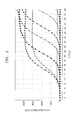
- FIG. 1 is a graph illustrating results of real time-polymerase chain reaction (PCR) of PCV2 having various concentrations.
- y is Ct value
- x is IFA titer (log 10 )
- the unit is TCID 50 /0.1 ml.
- the correlation coefficient (R 2 ) is 0.9988, indicating about 99.9% reliability. Since the real time-PCR showed high sensitivity capable of detecting the virus concentration of 10 TCID 50 /1 ml and was quickly performed, it was efficiently used to measure the virus.
- PCV2-specific antibody was measured using sandwich indirect enzyme-linked immunosorbent assay (ELISA).
- the PCV2-specific antibody was diluted in a coating buffer including 2.93 g of NaHCO 3 , 1.59 g of Na 2 CO 3 , 1000 ml of water, and 0.5 M carbonate buffer (pH 9.6) to a concentration of 5 to 10 ⁇ g/well, and 100 ⁇ l of the diluted solution was added to each well of an ELISA plate and adsorbed thereto at 37 for 2 hours.
- the ELISA plate to which the antibody was adsorbed was washed three times with PBS-T.
- 200 ⁇ l of a blocking buffer (BSA 1-2 g, PBS 100 ml: 1-2% BSA) was added to each well and the plate was maintained at 37 for 2 hours. The plate was washed three times.
- the PCV2 antigen was diluted 10 times to 20 times with PBS, and the diluted solution was added to each well and the plate was maintained at 37 for 1 hour.
- the plate was washed three times.
- a diluted sample (serum) obtained by diluting the sample (serum) with a dilution buffer including 8.0 g of NaCl, 0.2 g of anhydrous KH 2 PO 4 , 1.19 g of anhydrous Na 2 HPO 4 , 0.2 g of KCl, and 1000 ml of water (pH 7.2-7.4) to a ratio of 1:50 was added to each well of the plate in which the antigen was sensitized, and the plate was maintained at 37 for 1 hour.
- the plate was washed five times with a washing buffer (Tween 20 0.5 ml, PBS 1,000 ml: 0.05% PBST), and 100 ⁇ l of anti-GP IgG HRP conjugate diluted with the dilution buffer was added thereto. The mixture was maintained at 37 for 1 hour. The plate was washed five times, and 100 ⁇ l of OPD substrate was added to each well of the plate. The plate was maintained at room temperature for 10 minutes, and 50 ⁇ l of a stop solution (2.5M H 2 SO 4 ) was added thereto, and then absorbance was measured at 492 nm.
- a washing buffer Teween 20 0.5 ml, PBS 1,000 ml: 0.05% PBST
- 100 ⁇ l of anti-GP IgG HRP conjugate diluted with the dilution buffer was added thereto.
- the mixture was maintained at 37 for 1 hour.
- the plate was washed five times, and 100 ⁇ l of OPD substrate was added to each well
- the isolated PCV2 GC0504 and PCV2 GC0505 were inoculated into PK-15 cells having a single layer, and the cells were cultivated at 37 for 72 hours to harvest a virus-infected solution.
- the solution was centrifuged at 2,500 rpm for 15 minutes, and the supernatant or freeze-dried supernatant was preserved at a temperature equal to or less than -80.
- bulk virus having a concentration of 10 6.0 TCID 50 /ml or greater was used for the attenuation.
- Formalin was added in a concentration of 0.3% to the bulk virus in 10% FBS supplemented- DMEM (900 ml of a DMEM, 100 ml of 10% FBS, 100 ⁇ g /ml of streptomycin, 200 IU/ml of penicillin, and 100 ⁇ g /ml of kanamycin), and the medium was maintained at room temperature for 24 hours to attenuate PCV2 GC0504 and PCV2 GC0505.
- the attenuated PCV2 GC0504 and PCV2 GC0505 were used as a bulk material to prepare an immunogenic composition.
- the concentration of each of PCV2 GC0504 and PCV2 GC0505 prepared in Operation (2.1) was respectively set to 10 6.0 TCID 50 /ml, and PCV2 GC0504 and PCV2 GC0505 are mixed at a ratio of 45: 45.
- Motanide gelTM was added thereto to a concentration of 10% (w/w) and the mixture was stirred at room temperature at 100 rpm for more than 1 hour.
- the pH of the prepared immunogenic composition was maintained in the range of 6.0-8.0, and the concentration of formalin was maintained to be equal to or less than 0.3 wt%.
- the immunogenic composition prepared herein will be used in the following processes unless otherwise stated.
- the immunogenic composition is also referred to as a "vaccine".
- the attenuated sample was centrifuged and an appropriate amount of the sample was added to a dialysis membrane.
- the sample was dialyzed overnight in a phosphate buffer solution (PBS) in an amount 100 times or greater than the sample at 4 to remove the attenuating agent.
- PBS phosphate buffer solution
- PK-15 cells Primary porcine kidney cells or PK-15 cells were proliferated in a flask (25 cm 2 ) for tissue cultivation.
- the primary cells were cells cultured for 4 to 7 days, and it was identified that the PK-15 cells were not infected with PCV1 before experiments.
- the medium was removed from the proliferated cells, and 1 M l of the sample was inoculated into the tissue-cultivated cells and sensitized at 37 for 1 hour. Then, a new culture medium for maintaining the cells was added thereto, and the cells were further cultivated for 7 days to identify cytopathic effect (CPE).
- CPE cytopathic effect
- mice having weights in the range of 15 to 20 g and 4 guinea pigs having weights in the range of 300 to 400 g were used.
- 2 healthy young pigs between 3 to 5 weeks of age which were not inoculated with PCV2-associated vaccine and not exposed to PCV2 were used.
- 0.5 ml (10 6.0 TCID 50 /ml) of the composition was intraperitoneally inoculated into the 8 mice, 2 M l (10 6.0 TCID 50 /ml) of the composition was intramuscularly or subcutaneously inoculated into the 4 guinea pigs, and 2 Ml of the composition was intraperitoneally inoculated into the two young pigs, and the animals were observed for 7 days whether they were alive.
- the immunogenic composition was administered into animals, and antibody titer of serums were measured.
- the antibody titer was measured using sandwich indirect ELISA or IFA.
- 10 guinea pigs having weights in the range of 300 to 350 g were prepared. 8 of them were used as an inoculation group, and 2 of them were used as a control group. 0.5 ml (10 6.0 TCID 50 /ml) of the composition was subcutaneously inoculated into the inoculation group. After 3 weeks, blood samples of the 10 guinea pigs were taken, and antibody titers thereof were measured using IFA or sandwich indirect ELISA.
- the antibody titer measured using sandwich indirect ELISA was calculated by dividing an average absorbance (O.D.) of the inoculation group T by an average absorbance (O.D.) of the control group C.
- the T/C was 2.0 or higher, the T/C for an average antibody titer of the inoculation group obtained by IFA was 128 times or greater, and the control group was negative, it was determined that the immunogenic composition was appropriate.
- the antibody titers measured using ELISA are shown in Table 1 below. Table 1 No. Group Absorbance Absorbance (T/C) 1 Inoculation 0.88 2.9 Control 0.30 2 Inoculation 0.82 3.4 Control 0.24 3 Inoculation 0.87 3.0 Control 0.29 4 Inoculation 0.88 2.9 Control 0.30
- the immunogenic composition has immunogenicity suitable for the inoculation group (experimental group) compared to the control group.
- a minimum amount of the immunogenic composition required for inducing immunity in animals is determined, and effectiveness such as immunity-inducing ability and weight gain rate when the immunogenic composition is inoculated into animals is identified.
- the same immunogenic composition was used except that PCV2 titers of 10 3.5 , 10 4.5 , 10 5.5 , and 10 6.5 TCID 50 /ml were used to measure the amount of antigen required for minimum immunity (4 times repeated).
- the immunogenic composition was used to measure the effectiveness.
- PCV2 vaccines having antigen contents of 10 3.5 , 10 4.5 , 10 5.5 , and 10 6.5 TCID 50 /ml were inoculated twice into fifteen 3-week old young pigs which are negative against porcine circoviruses at 2-week intervals, and three young pigs were used as a control group. Blood samples of the young pigs were taken before the inoculation and after two weeks from the second inoculation to measure antibody titers of PCV2.
- the effectiveness of the immunogenic composition was tested using young pigs.
- the immunogenic composition was inoculated twice into four 3-week old young pigs which were negative against porcine circovirus at 2-week intervals, and two young pigs were used as a control group. Blood samples of the young pigs were taken after 2 weeks, 4 weeks, 2 months, 3 months, and 4 months after the second inoculation, and PCV antibody titer was measured using ELISA and serum neutralizing (SN) antibody titer using IFA were measured as described above ( Fort, et al., 2007:Vet Microbiol 125, p244-255 ).
- the antibody titer obtained using ELISA indicates all antibodies induced by the antigen, and the SN antibody titer indicates a serum neutralizing antibody titer that is an antibody level capable of neutralizing pathogens such as virus among the antibodies existing in the serum.
- weight gain rate of the young pigs was measured. Weights of the young pigs were measured before the first inoculation, before the second inoculation, after two weeks from the second inoculation, and after six weeks from the second inoculation to identify the weight gain rate.
- Table 3 shows antibody titers of young pigs into which the immunogenic composition was inoculated.
- Table 3 Antibody titers of young pigs against PCV2 after the inoculation of the immunogenic composition.
- Tables 4 and 5 show weights of young pigs inoculated with the immunogenic composition.
- Tables 4 and 5 show weights of the inoculation group and control group before the first inoculation, before the second inoculation, after two weeks from the second inoculation, and after 6 weeks from the second inoculation.
- Table 4 shows weights of the inoculation group (kg).
- Table 5 Individual No. 3-week old 5-week old 7-week old 13-week old 1 5.5 8.5 14.5 37.5 2 4.8 8.8 14.3 37.3 3 5.1 8.2 14.7 38.2 4 4.7 7.9 14.8 39.1 5 5.2 8.3 15.2 34.2 6 5.1 8.9 14.1 38.1 7 4.3 7.6 14.6 37.4 8 5.3 7.3 14.8 38.2 9 5.1 7.8 14.6 39.1 10 4.9 7.4 15.2 35.9 Average 5.00 8.07 14.68 37.50
- Table 5 shows weights of the control group (kg).
- the immunogenic composition including attenuated porcine circovirus
- antibody titers were measured after the immunogenic composition was inoculated into animals.
- an increase in the antibody titer was greater than that in the control group.
- the immunogenic composition having various concentrations was inoculated into the young pigs, antibody titers significantly increased at a concentration equal to or greater than 10 4.5 TCID 50 /ml.
- the concentration of the attenuated virus contained in the immunogenic composition needs to be at least 10 4.5 TCID 50 /ml.
- the inoculated young pigs showed far greater antibody titers than those of the control group.
- the weight gain rate test the young pigs of the inoculation group showed greater weight gain rates than those the control group.
- the immunogenic composition was inoculated into young pigs, and PCV2 was inoculated into the pigs to identify whether defense capability of the pigs was improved by the immunogenic composition.
- the immunogenic composition was prepared according to Operation (2.2) above. Fourteen 3-week old young pigs were used for the challenge-inoculation. PCV2 strain isolated from a veterinary medicine (Green Cross Corp.) was used as a virus strain for challenge-inoculation of the young pig. PCV2 was cultivated in PK-15 cells at 37 for 48 hours and centrifuged at 500 rpm for 10 minutes. The supernatant was diluted to a concentration of 10 5.0 TCID 50 /ml.
- the experimental group and the control group were respectively classified into two sub-groups, and challenge-inoculation was conducted with the prepared virus strain. Then, clinical symptoms were observed for 14 days.
- PCV2 was eluted from the challenge-inoculated young pigs.
- the elution of the virus was identified by swabbing nasal cavity and rectum with sterilized cotton sticks at the day of challenge-inoculation and after 3 days, 7 days, 10 days, 14 days, 17 days, 20 days, 25 days, and 31 days from the challenge-inoculation and measuring the virus content.
- the PCV2 content was measured using real time-PCR (SYBR Premix Ex Taq 2X, TAKARATM). DNA extracted from 100 ⁇ l of PBS-derived samples obtained from the nasal cavity and rectum was used as a template and real time-PCR was conducted using PCR primers described below and under the following conditions.
- An IFA titer was obtained using the Ct value obtained using the real time-PCR based on the relationship between the Ct value and the IFA, i.e., using Formula 1.
- the real-time PCR was conducted by using primers specific to ORF2 of PCV2 (5'-TAG GTT AGG GCT GTG GCC TT-3' forward primer, SEQ ID NO: 7, and 5'-CCG CAC CTT CGG ATA TAC TG-3' reverse primer, SEQ ID NO: 8) at 95 for 10 seconds, at 95 for 5 seconds, and at 60 for 40 seconds, and this process was repeated 30 time, and then the resultant was maintained at 95 for 1 minutes, at 55 for 30 seconds, and at 95 for 30 seconds.
- the amplified product was anticipated to be 263 bp.
- the mixture for the real time-PCR had a total volume of 25 ⁇ l and included 9.5 ⁇ l of distilled water, 12.5 ⁇ l of SYBR Premix Ex Taq 2X, 0.5 ⁇ l of the forward primer (10 pmol), 0.5 ⁇ l of the reverse primer (10 pmol), and 2 ⁇ l of the template (DNA).
- Table 6 shows clinical symptoms of the first experimental group into which PCV2 was challenge-inoculated after the challenge-inoculation.
- Table 6 No. of individual having clinical symptoms DPI 1 2 3 4 5 6 7 8 9 10 11 12 13 14 Fever Normal 3 4 4 4 4 4 4 4 4 4 4 4 4 4 4 4 4 4 Depressed 1 0 0 0 0 0 0 0 0 0 0 0 0 0 High fever Normal 0 4 0 4 0 4 0 4 0 4 0 4 0 4 0 4 0 4 0 4 0 4 0 4 0 4 0 4 0 4 0 4 0 4 0 4 0 4 0 4 0 4 0 4 Breathing Increase 0 0 0 0 0 0 0 0 0 0 0 0 0 0 0 0 0 0 0 0 0 Cough Normal 4 4 4 4 4 4 4 4 4 4 4 4 4 4 4 4 4 4 4 4 4 4 4 4 4 4 4 Intermitten
- Table 7 shows clinical symptoms of the first control group into which PCV2 was challenge-inoculated (non-vaccinated group) after the challenge-inoculation.
- Table 7 No- of individual having clinical symptoms DPI 1 2 3 4 5 6 7 8 9 10 11 12 13 14 Fever Normal 1 1 1 1 2 2 2 2 2 2 2 2 2 2 2 2 2 2 Depressed 1 1 1 1 1 0 0 0 0 0 0 0 0 0 High fever 0 0 0 0 0 0 0 0 0 0 0 0 0 0 0 0 0 0 0 0 0 0 0 0 0 0 0 0 0 0 0 0 0 0 0 0 0 0 0 0 0 0 0 0 0 0 0 0 0 0 0 0 0 0 0 0 0 0 0 0 0 0 0 0 0 0 0 0 0 0
- Table 8 shows clinical symptoms of the second experimental group into which PCV2 and PRRSV were Challenge-inoculated (vaccinated group) after the challenge-inoculation.
- Table 9 No. of individual having clinical symptoms DPI 1 2 3 4 5 6 7 8 9 10 11 12 13 14 Fever Normal 1 1 1 1 2 2 2 2 2 2 1 1 1 Depressed 1 0 1 1 0 0 0 0 0 0 0 0 0 0 High fever 0 0 0 0 0 0 0 0 0 0 0 0 0 0 0 0 0 0 0 0 0 0 0 0 0 0 0 0 0 0 0 0 0 0 0 0 0 0 0 0 0 0 0 0 0 0 0 0 0 0 0 0 0 0 0 0 0 0 0 0 0 0 0 0 0 0 0 0 0 0 0
- Table 9 shows clinical symptoms of the second control group into which PCV2 and PRRSV were challenge-inoculated (non-vaccinated group) after the challenge-inoculation.
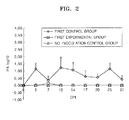
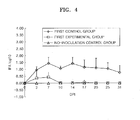
- PCV2 was detected since the 3 rd day of inoculation. While the maximum amount of the eluted PCV2 was 10 1.17 TCID 50 /0.1 Ml per day in the first control group, the maximum amount of the eluted PCV2 was 10 1.73 TCID 50 /0.1 Ml in the second control group. In the no-inoculation control group, PCV2 elution was not identified ( FIGS. 2 and 3 ).
- FIG. 2 is a graph illustrating PCV2 elution via nasal cavity after PCV2 challenge-inoculation into young pigs.
- DPI indicates date after post infection
- IFA log 10 of the y axis indicates IFA titer obtained using Ct values measured using real time-PCR.
- FIG. 3 is a graph illustrating PCV2 elution via nasal cavity after challenge-inoculation of PCV2 and porcine reproductive and respiratory syndrome virus (PRRSV) into young pigs.
- PRRSV porcine reproductive and respiratory syndrome virus
- FIG. 4 is a graph illustrating PCV2 elution via excrement after PCV2 challenge-inoculation into young pigs.
- the x and y axes are defined with reference to FIG. 2 .
- FIG. 5 is a graph illustrating PCV2 elution via excrement after challenge-inoculation of PCV2 and PRRSV into young pigs.
- the x and y axes are defined with reference to FIG. 2 .
- Vaccine including the attenuated porcine circovirus prepared according to an embodiment of the present invention was administered to pigs raised in outdoor farms to identify safety and effectiveness of the vaccine.
- the vaccine was prepared as described above, and three outdoor farms were used for the trials. A first farm raised about 500 sows pigs, a second farm raised about 200 sows, and a third farm raised about 200 sows. The geographical locations of the three farms were different. Table 10 shows the number of pigs used for the trials. Table 10 Group Farm Name Young Pigs Inoculation Control First group Eden 20/30a 20/20 2 nd group Irae 20/20 20/20 3 rd group Garam 20/20 20/20 Total 120 / 130 a: Number of pigs, blood of which is collected/number of pigs presented.
- 1 Ml of the vaccine was intramuscularly inoculated into each of 3 to 4-week old pigs (inoculation group). After about 2 weeks, the second inoculation of the vaccine was conducted in the same manner. Blood samples of the young pigs were collected before the vaccination (3-week old), after two weeks from the second inoculation (7-week old), after five weeks from the second inoculation (10-week old), after eight weeks from the second inoculation (13-week old), and after 11 weeks from the second inoculation (16-week old), and serum was isolated from their blood.
- Clinical symptoms of the young pigs were observed as follows. First, topical and systematic symptoms were observed right after the inoculation of the vaccine.
- PCV2 antibody titers were measured at the ages of 3 weeks, 7 weeks, 10 weeks, 13 weeks, and 16 weeks. As the antibody titer of the all pigs, blood of which was collected, PCV2 competitive ELISA antibody titer (Synbiotics) was measured. The PCV2 competitive ELISA antibody titer will be described below.
- PCV2 Ab Mono Blocking (PCV2 competitive ELISA):
- controls and samples were prepared. A vial was shaken before use, 100 ⁇ l of a negative control were added to A1 and A2 wells and 100 ⁇ l of a positive control were added to B1 and B2 wells. Then, the samples were diluted using a sample-diluting solution to a ratio of 1 : 100, and 100 ⁇ l of the samples was added to each well. Each sample was placed in one well, or placed in two wells and an average was obtained. The wells were covered with an adhesive film. The plate was cultivated at 37 ⁇ 3 for 1 hour ⁇ 5 minutes. The adhesive film was removed, and then the plate was washed four times with a washing solution diluted to a ratio of 1:10.
- a conjugate was diluted to a ratio of 1:100 using a conjugate-diluting solution. 100 ⁇ l of the diluted conjugate was added to each well and the well was covered with a new adhesive film. The plate was cultivated at 37 ⁇ 3 for 1 hour ⁇ 5 minutes. The adhesive film was removed, and then the plate was washed four times with a washing solution diluted to a ratio of 1:10. Then, 100 ⁇ l of a substrate solution was added to each well, and the plate was slightly shaken. The plate was cultivated at room temperature for 30 minutes ⁇ 5 minutes while blocking light. Then, 50 ⁇ l of a stop solution was added to each well, and the plate was slightly shaken. Optical density (OD) was measured at a wavelength of 450 nm.
- Serum neutralizing antibody titer (SNc) was calculated according to Formula 2 below.
- SNc OD value for the sample - OD value for the positive control OD value for the negative control - OD value for the positive control
- the sample was judged to be positive. If the result is > 0.50, the sample was judged to be negative.
- the body temperatures of the vaccine-inoculated group and the control group were measured every day before the inoculation and for 7 days after the inoculation. As a result, all individual pigs of the inoculation group and the control group had normal body temperatures for 7 days.
- Weights of the inoculation group and the control group were measured at the ages of 3 weeks (before the vaccine inoculation), 10 weeks, 13 weeks, and 16 weeks. Before the vaccine inoculation, the weight of the inoculation group was slightly less than that of the control group. However, at the age of 10 weeks, the weights of the inoculation group and the control group were similar to each other, and at the ages of 13 weeks and 16 weeks, the average weight of the inoculation group was slightly greater than that of the control group.
- Blood samples of the pigs of the inoculation group and the control group were collected before the vaccine inoculation (3-week old), and at the ages of 7 weeks, 10 weeks, 13 weeks, and 16 weeks, and antibody titer of PCV2 was measured using ELISA and SN antibody titer was measured using IFA.
- an antibody positive rate significantly increased after two weeks from the second inoculation (7-week old) and the increased antibody positive rate was maintained until the age of 16 weeks.
- the antibody positive rate increased or decreased during the trials and maintained to be lower than that of the inoculation group.
- the SN antibody titer of the control group was greater than that of the inoculation group before the inoculation (3-week old).
- the dead pig was negative to Salmonella.
- Clinical symptoms of the inoculation group and the control group were observed by the age of 16 weeks. While most of the pigs of the inoculation group showed normal conditions, some of the pigs of the control group showed PCV2 infection-associated symptoms such as depression, Watery diarrhea, rough hair, and atrophy. Table 14 shows clinical symptoms of the inoculation group, and Table 15 shows clinical symptoms of the control group. Table 14 No.
- the body temperatures of the vaccine-inoculated group and the control group were measured every day before the inoculation and for 7 days after the inoculation. All individual pigs of the inoculation group and the control group showed normal body temperatures for 7 days.
- Weights of the inoculation group and the control group were measured at the ages of 3 weeks (before the vaccine inoculation), 10 weeks, 13 weeks, and 16 weeks. Until the age of 10 weeks, the weights of the inoculation group and the control group were similar to each other, and at the ages of 13 weeks and 16 weeks, the average weight of the inoculation group was slightly greater than that of the control group.
- Blood samples of the pigs of the inoculation group and the control group were collected before the vaccine inoculation (3-week old), and at the ages of 10 weeks, 13 weeks, and 16 weeks, and antibody titer of PCV2 was measured using ELISA and SN antibody titer was measured using IFA.
- an antibody titer was significantly increased after two weeks from the second inoculation (7-week old) and the increased antibody titer maintained until the age of 16 weeks.
- the antibody positive rate and the antibody titer gradually increased to be similar to those of the inoculation group at the age of 13 weeks.
- the SN antibody titers of the inoculation group and the control group were seronegative ( ⁇ 1: 10).
- Body temperatures of the vaccine-inoculated group and the control group were measured every day before the inoculation and for 7 days after the inoculation. All individual pigs of the inoculation group and the control group had normal body temperatures for 7 days.
- Weights of the inoculation group and the control group were measured at the ages of 3 weeks (before the vaccine inoculation), 10 weeks, 13 weeks, and 16 weeks. After the age of 10 weeks, an average weight of the pigs in the inoculation group was greater than that of the control group.
- Blood samples of the pigs of the inoculation group and the control group were collected before the vaccine inoculation (3-week old), and at the ages of 10 weeks, 13 weeks, and 16 weeks, and antibody titer of PCV2 was measured using ELISA and SN antibody titer was measured using IFA.
- an antibody positive rate and an antibody titer was significantly increased after two weeks from the second inoculation (7-week old) and the increased antibody positive rate and antibody titer maintained until the age of 16 weeks.
- the control group the antibody positive rate gradually increased.
- a negative individual was identified at the age of 16 weeks.
- the SN antibody titers of the inoculation group and the control group were seronegative ( ⁇ 1: 10).
- Clinical symptoms of the inoculation group and the control group were observed by the age of 16 weeks. While most of the pigs of the inoculation group and the control group showed normal conditions, some pigs of the control group showed cough and watery diarrhea, but recovered after treatment with antibiotics. Table 24 shows clinical symptoms of the inoculation group, and Table 25 shows clinical symptoms of the control group. Table 24 No.
- the outdoor clinical trials were conducted to determine the safety and immunogenicity of the vaccine including the attenuated porcine circovirus according to an embodiment of the present invention for outdoor farms.
- a sero-conversion rate of the antibody against the circovirus was equal to or greater than 90% after the second inoculation compared to the antibody titer before the inoculation, thereby exhibiting excellent immunogenicity.
- Natural cumulative death rate was about zero until the age of 16 weeks from the vaccine inoculation in the inoculation group and the control group.
- the weight gain rate of the vaccinated group was greater than that of the control group, thereby exhibiting a big difference of average weights between the pigs having the same age. According to the results described above, safety and defense capability of the vaccine in outdoor farms were sufficiently proved.
- Ingelvac CircoFlexTM 309-129, 30991-kr2 (Boehringer Ingelhein GmbH, Korea) was used for the comparison.
- Ingelvac CircoFlexTM includes purified circovirus antigen (PCVTM) and an excipient of Impran FLEXTM that is an aqueous polymer.
- Ingelvac CircoFlexTM does not have serological changes, weaning number, weights of 7-week old pigs, number of marketing pigs, and death rate after the vaccine inoculation were recorded and effects were compared.
- Table 27 Group Weaning number (weaning rate 1 ) Shipping number (shipping rate 2 ) Average weight of pigs at the age of 7 weeks A 734(97.8) 645 (86.0) 15.9 ⁇ 0.9 B 95 (96.9) 74 (75.5) 15.0 ⁇ 1.1 C 47(95.9) 25(51.0) 14.3 ⁇ 1.7 1.
- Weaning rate weaning number/number of animals x 100 2.
- Shipping rate shipping number/number of animals x 100
- the vaccine according to the present invention showed greater average weights of 7-week old pigs and shipping rates than Ingelvac CircoFlexTM.
- PCV2 GC0504 and PCV2 GC0505 according to according to an embodiment of the present invention has high replication ability in host cells.
- the immunogenic composition according to an embodiment of the present invention has immunogenicity against at least one selected from the group consisting of various PCV2a and PCV2b.
- Attenuated circovirus may be produced.
- infection by at least one selected from the group consisting of PCV2a and PCV2b may be efficiently prevented or treated.
Landscapes
- Health & Medical Sciences (AREA)
- Life Sciences & Earth Sciences (AREA)
- Chemical & Material Sciences (AREA)
- General Health & Medical Sciences (AREA)
- Medicinal Chemistry (AREA)
- Virology (AREA)
- Organic Chemistry (AREA)
- Pharmacology & Pharmacy (AREA)
- Engineering & Computer Science (AREA)
- Animal Behavior & Ethology (AREA)
- Public Health (AREA)
- Veterinary Medicine (AREA)
- Wood Science & Technology (AREA)
- Zoology (AREA)
- Microbiology (AREA)
- Genetics & Genomics (AREA)
- Bioinformatics & Cheminformatics (AREA)
- Immunology (AREA)
- General Chemical & Material Sciences (AREA)
- Biotechnology (AREA)
- Nuclear Medicine, Radiotherapy & Molecular Imaging (AREA)
- Chemical Kinetics & Catalysis (AREA)
- Biochemistry (AREA)
- Oncology (AREA)
- Communicable Diseases (AREA)
- General Engineering & Computer Science (AREA)
- Biomedical Technology (AREA)
- Mycology (AREA)
- Epidemiology (AREA)
- Molecular Biology (AREA)
- Toxicology (AREA)
- Micro-Organisms Or Cultivation Processes Thereof (AREA)
- Medicines Containing Antibodies Or Antigens For Use As Internal Diagnostic Agents (AREA)
Applications Claiming Priority (1)
| Application Number | Priority Date | Filing Date | Title |
|---|---|---|---|
| KR1020100010656A KR20110090711A (ko) | 2010-02-04 | 2010-02-04 | 신규한 돼지 써코바이러스 타입 2 및 그의 용도 |
Publications (2)
| Publication Number | Publication Date |
|---|---|
| EP2354221A2 true EP2354221A2 (de) | 2011-08-10 |
| EP2354221A3 EP2354221A3 (de) | 2011-11-23 |
Family
ID=44072550
Family Applications (1)
| Application Number | Title | Priority Date | Filing Date |
|---|---|---|---|
| EP10163605A Withdrawn EP2354221A3 (de) | 2010-02-04 | 2010-05-21 | Typ-2-Circovirus vom Schwein und Verwendung davon |
Country Status (5)
| Country | Link |
|---|---|
| US (1) | US20110189227A1 (de) |
| EP (1) | EP2354221A3 (de) |
| JP (1) | JP2011162534A (de) |
| KR (1) | KR20110090711A (de) |
| CN (1) | CN102145165A (de) |
Cited By (1)
| Publication number | Priority date | Publication date | Assignee | Title |
|---|---|---|---|---|
| WO2013030608A1 (en) * | 2011-08-30 | 2013-03-07 | Szent István Egyetem | Nanoparticle-based veterinary vaccine |
Families Citing this family (8)
| Publication number | Priority date | Publication date | Assignee | Title |
|---|---|---|---|---|
| CN102732486B (zh) * | 2012-05-08 | 2013-08-21 | 山东省农业科学院畜牧兽医研究所 | 一株猪圆环病毒2型毒株及其应用 |
| CN103436498A (zh) * | 2013-06-14 | 2013-12-11 | 河南农业大学 | 一种猪圆环病毒ⅱ型毒株 |
| CN103364560A (zh) * | 2013-07-23 | 2013-10-23 | 武汉中博生物股份有限公司 | 一种测定杆状病毒滴度的方法 |
| WO2016183423A1 (en) | 2015-05-14 | 2016-11-17 | Merial Inc. | Method for porcine circovirus production and pcv2 vaccines |
| CN104984335A (zh) * | 2015-07-14 | 2015-10-21 | 浙江诺倍威生物技术有限公司 | 猪圆环病毒双亚型orf2共表达载体构建及疫苗制备 |
| US10875877B2 (en) | 2015-12-18 | 2020-12-29 | Dow Silicones Corporation | Method for making an organoaminosilane; a method for making a silylamine from the organoaminosilane |
| CN109125719B (zh) * | 2017-06-19 | 2022-06-14 | 普莱柯生物工程股份有限公司 | 一种含猪圆环病毒3型、猪圆环病毒2型抗原的免疫原性组合物及其应用 |
| CN107937354A (zh) * | 2017-11-10 | 2018-04-20 | 南京天邦生物科技有限公司 | 2型猪圆环病毒及其应用 |
Citations (2)
| Publication number | Priority date | Publication date | Assignee | Title |
|---|---|---|---|---|
| US20040253270A1 (en) | 2001-12-12 | 2004-12-16 | Virginia Tech Intellectual Properties, Inc. | Chimeric infectious DNA clones, chimeric porcine circoviruses and uses thereof |
| US7566562B2 (en) | 2005-02-03 | 2009-07-28 | Universiteit Gent | Culturing circular ssDNA viruses for the production of vaccines |
Family Cites Families (8)
| Publication number | Priority date | Publication date | Assignee | Title |
|---|---|---|---|---|
| US6391314B1 (en) * | 1997-10-03 | 2002-05-21 | Merial | Porcine circoviruses vaccines diagnostic reagents |
| US6517843B1 (en) * | 1999-08-31 | 2003-02-11 | Merial | Reduction of porcine circovirus-2 viral load with inactivated PCV-2 |
| FR2772047B1 (fr) * | 1997-12-05 | 2004-04-09 | Ct Nat D Etudes Veterinaires E | Sequence genomique et polypeptides de circovirus associe a la maladie de l'amaigrissement du porcelet (map), applications au diagnostic et a la prevention et/ou au traitement de l'infection |
| US7833707B2 (en) * | 2004-12-30 | 2010-11-16 | Boehringer Ingelheim Vetmedica, Inc. | Methods of overexpression and recovery of porcine circovirus type 2 ORF2 |
| US7300785B2 (en) * | 2005-02-03 | 2007-11-27 | Universiteit Ghent | Culturing circular ssDNA viruses for the production of vaccines |
| TW200643171A (en) * | 2005-06-07 | 2006-12-16 | Temasek Life Sciences Lab Ltd | Porcine circovirus type 2 vaccines |
| CN101240264A (zh) * | 2008-03-21 | 2008-08-13 | 南京农业大学 | 猪圆环病毒2型灭活疫苗 |
| CN101549155B (zh) * | 2009-05-27 | 2012-05-09 | 福州大北农生物技术有限公司 | 猪圆环病毒ⅱ型灭活疫苗及其制备方法 |
-
2010
- 2010-02-04 KR KR1020100010656A patent/KR20110090711A/ko not_active Ceased
- 2010-05-21 US US12/784,910 patent/US20110189227A1/en not_active Abandoned
- 2010-05-21 EP EP10163605A patent/EP2354221A3/de not_active Withdrawn
- 2010-05-24 JP JP2010118205A patent/JP2011162534A/ja not_active Withdrawn
- 2010-06-07 CN CN2010101984921A patent/CN102145165A/zh active Pending
Patent Citations (2)
| Publication number | Priority date | Publication date | Assignee | Title |
|---|---|---|---|---|
| US20040253270A1 (en) | 2001-12-12 | 2004-12-16 | Virginia Tech Intellectual Properties, Inc. | Chimeric infectious DNA clones, chimeric porcine circoviruses and uses thereof |
| US7566562B2 (en) | 2005-02-03 | 2009-07-28 | Universiteit Gent | Culturing circular ssDNA viruses for the production of vaccines |
Non-Patent Citations (6)
| Title |
|---|
| ALLAN ET AL., ARCH VIROL., vol. 145, 2000, pages 2421 - 2429 |
| ALLAN ET AL., J VET MED B., vol. 47, 2000, pages 81 - 94 |
| FENAUX, M, J. VIR., January 2002 (2002-01-01), pages 541 - 551 |
| FORT ET AL., VET MICROBIOL, vol. 125, 2007, pages 244 - 255 |
| HANSEN, VET MICROBIOL., 2010 |
| LANGOHR, VET PATHOL., vol. 47, 2010, pages 140 - 147 |
Cited By (1)
| Publication number | Priority date | Publication date | Assignee | Title |
|---|---|---|---|---|
| WO2013030608A1 (en) * | 2011-08-30 | 2013-03-07 | Szent István Egyetem | Nanoparticle-based veterinary vaccine |
Also Published As
| Publication number | Publication date |
|---|---|
| EP2354221A3 (de) | 2011-11-23 |
| CN102145165A (zh) | 2011-08-10 |
| KR20110090711A (ko) | 2011-08-10 |
| JP2011162534A (ja) | 2011-08-25 |
| US20110189227A1 (en) | 2011-08-04 |
Similar Documents
| Publication | Publication Date | Title |
|---|---|---|
| EP2354221A2 (de) | Typ-2-Circovirus vom Schwein und Verwendung davon | |
| RU2615443C2 (ru) | Комбинированная вакцина pcv/mycoplasma hyopneumoniae | |
| DK2833909T3 (en) | PCV / MYCOPLASMA HYOPNEUMONIAE / PRRS COMBINATION VACCINE | |
| ES2905302T3 (es) | Vacuna de Mycoplasma hyopneumoniae | |
| EP3639852A1 (de) | Abgeschwächter lebender chimärer porcines-circovirus-impfstoff | |
| TWI788309B (zh) | 抗豬小病毒及豬生殖與呼吸道症候群病毒之疫苗及其製造方法 | |
| JP6907227B2 (ja) | Pcv2ウイルス及びマイコプラズマ・ハイオニューモニエ感染症に対する混合ワクチン | |
| JP2013223511A (ja) | マイコプラズマ・ボビスワクチン | |
| JP2013223511A6 (ja) | マイコプラズマ・ボビス ワクチン | |
| JPH05260962A (ja) | ニワトリ貧血因子ワクチン | |
| US10188725B2 (en) | Hybrid core feline vaccines | |
| KR102615970B1 (ko) | 소에서 설사병을 유발하는 바이러스에 대한 고도면역혈청, 이를 포함하는 조성물, 이의 제조 방법, 및 이를 이용한 소 바이러스성 설사병의 예방 및 치료 방법 | |
| KR102656435B1 (ko) | 신규한 가금 아데노바이러스 및 이를 유효성분으로 포함하는 가금 아데노바이러스 다가백신 | |
| EP4335455A2 (de) | Impfstoffe mit schweinepathogenen zur assoziierten nicht gemischten verwendung | |
| US20050169939A1 (en) | Chicken anemia virus vaccine from cell line | |
| KR101549744B1 (ko) | 돼지 써코바이러스 2형 및 돼지 마이코플라즈마성 폐렴 예방을 위한 혼합백신 조성물 | |
| US12161713B2 (en) | Prime-boost vaccination regimen | |
| KR20130010347A (ko) | 북미형 돼지 생식기 호흡기 증후군 바이러스 예방 백신 조성물 및 이를 포함하는 혼합백신 조성물 | |
| RU2127603C1 (ru) | Инактивированная вакцина против инфекционной бурсальной болезни птиц | |
| US11013796B2 (en) | Porcine parainfluenza virus type 1 isolates and immunogenic compositions therefrom | |
| RU2780233C2 (ru) | Способ профилактического лечения свиней | |
| WO2023230479A1 (en) | Combined vaccine containing infectious bronchitis virus attenuated massachusetts and recombinant lasota virus expressing arkansas spike | |
| Abousenna | Studies on inactivated vaccine of Foot and Mouth Disease virus | |
| RU2209635C2 (ru) | Способ изготовления вирусвакцины против болезни марека | |
| KR20150137215A (ko) | 신규한 돼지 생식기 호흡기 증후군 바이러스, prrs 예방 또는 치료용 면역원성 조성물, 및 그를 이용하여 prrs를 예방 또는 치료하는 방법 |
Legal Events
| Date | Code | Title | Description |
|---|---|---|---|
| PUAI | Public reference made under article 153(3) epc to a published international application that has entered the european phase |
Free format text: ORIGINAL CODE: 0009012 |
|
| AK | Designated contracting states |
Kind code of ref document: A2 Designated state(s): AL AT BE BG CH CY CZ DE DK EE ES FI FR GB GR HR HU IE IS IT LI LT LU LV MC MK MT NL NO PL PT RO SE SI SK SM TR |
|
| AX | Request for extension of the european patent |
Extension state: BA ME RS |
|
| PUAL | Search report despatched |
Free format text: ORIGINAL CODE: 0009013 |
|
| AK | Designated contracting states |
Kind code of ref document: A3 Designated state(s): AL AT BE BG CH CY CZ DE DK EE ES FI FR GB GR HR HU IE IS IT LI LT LU LV MC MK MT NL NO PL PT RO SE SI SK SM TR |
|
| AX | Request for extension of the european patent |
Extension state: BA ME RS |
|
| RIC1 | Information provided on ipc code assigned before grant |
Ipc: A61K 39/12 20060101ALI20111017BHEP Ipc: C12N 7/04 20060101ALI20111017BHEP Ipc: C12N 7/00 20060101AFI20111017BHEP |
|
| STAA | Information on the status of an ep patent application or granted ep patent |
Free format text: STATUS: THE APPLICATION IS DEEMED TO BE WITHDRAWN |
|
| 18D | Application deemed to be withdrawn |
Effective date: 20120524 |