EP2350274B1 - Cell transplantation - Google Patents
Cell transplantation Download PDFInfo
- Publication number
- EP2350274B1 EP2350274B1 EP09822316.7A EP09822316A EP2350274B1 EP 2350274 B1 EP2350274 B1 EP 2350274B1 EP 09822316 A EP09822316 A EP 09822316A EP 2350274 B1 EP2350274 B1 EP 2350274B1
- Authority
- EP
- European Patent Office
- Prior art keywords
- polymer
- cells
- fat
- certain embodiments
- adipocytes
- Prior art date
- Legal status (The legal status is an assumption and is not a legal conclusion. Google has not performed a legal analysis and makes no representation as to the accuracy of the status listed.)
- Active
Links
Images




Classifications
-
- A—HUMAN NECESSITIES
- A61—MEDICAL OR VETERINARY SCIENCE; HYGIENE
- A61K—PREPARATIONS FOR MEDICAL, DENTAL OR TOILETRY PURPOSES
- A61K35/00—Medicinal preparations containing materials or reaction products thereof with undetermined constitution
- A61K35/12—Materials from mammals; Compositions comprising non-specified tissues or cells; Compositions comprising non-embryonic stem cells; Genetically modified cells
- A61K35/35—Fat tissue; Adipocytes; Stromal cells; Connective tissues
-
- A—HUMAN NECESSITIES
- A61—MEDICAL OR VETERINARY SCIENCE; HYGIENE
- A61L—METHODS OR APPARATUS FOR STERILISING MATERIALS OR OBJECTS IN GENERAL; DISINFECTION, STERILISATION OR DEODORISATION OF AIR; CHEMICAL ASPECTS OF BANDAGES, DRESSINGS, ABSORBENT PADS OR SURGICAL ARTICLES; MATERIALS FOR BANDAGES, DRESSINGS, ABSORBENT PADS OR SURGICAL ARTICLES
- A61L2/00—Disinfection or sterilisation of materials or objects, in general; Accessories therefor
- A61L2/16—Disinfection or sterilisation of materials or objects, in general; Accessories therefor using chemical substances
- A61L2/18—Liquid substances
-
- A—HUMAN NECESSITIES
- A61—MEDICAL OR VETERINARY SCIENCE; HYGIENE
- A61L—METHODS OR APPARATUS FOR STERILISING MATERIALS OR OBJECTS IN GENERAL; DISINFECTION, STERILISATION OR DEODORISATION OF AIR; CHEMICAL ASPECTS OF BANDAGES, DRESSINGS, ABSORBENT PADS OR SURGICAL ARTICLES; MATERIALS FOR BANDAGES, DRESSINGS, ABSORBENT PADS OR SURGICAL ARTICLES
- A61L27/00—Materials for grafts or prostheses or for coating grafts or prostheses
- A61L27/14—Macromolecular materials
- A61L27/18—Macromolecular materials obtained otherwise than by reactions only involving carbon-to-carbon unsaturated bonds
-
- A—HUMAN NECESSITIES
- A61—MEDICAL OR VETERINARY SCIENCE; HYGIENE
- A61L—METHODS OR APPARATUS FOR STERILISING MATERIALS OR OBJECTS IN GENERAL; DISINFECTION, STERILISATION OR DEODORISATION OF AIR; CHEMICAL ASPECTS OF BANDAGES, DRESSINGS, ABSORBENT PADS OR SURGICAL ARTICLES; MATERIALS FOR BANDAGES, DRESSINGS, ABSORBENT PADS OR SURGICAL ARTICLES
- A61L27/00—Materials for grafts or prostheses or for coating grafts or prostheses
- A61L27/36—Materials for grafts or prostheses or for coating grafts or prostheses containing ingredients of undetermined constitution or reaction products thereof, e.g. transplant tissue, natural bone, extracellular matrix
- A61L27/38—Materials for grafts or prostheses or for coating grafts or prostheses containing ingredients of undetermined constitution or reaction products thereof, e.g. transplant tissue, natural bone, extracellular matrix containing added animal cells
- A61L27/3804—Materials for grafts or prostheses or for coating grafts or prostheses containing ingredients of undetermined constitution or reaction products thereof, e.g. transplant tissue, natural bone, extracellular matrix containing added animal cells characterised by specific cells or progenitors thereof, e.g. fibroblasts, connective tissue cells, kidney cells
-
- A—HUMAN NECESSITIES
- A61—MEDICAL OR VETERINARY SCIENCE; HYGIENE
- A61P—SPECIFIC THERAPEUTIC ACTIVITY OF CHEMICAL COMPOUNDS OR MEDICINAL PREPARATIONS
- A61P17/00—Drugs for dermatological disorders
-
- A—HUMAN NECESSITIES
- A61—MEDICAL OR VETERINARY SCIENCE; HYGIENE
- A61P—SPECIFIC THERAPEUTIC ACTIVITY OF CHEMICAL COMPOUNDS OR MEDICINAL PREPARATIONS
- A61P41/00—Drugs used in surgical methods, e.g. surgery adjuvants for preventing adhesion or for vitreum substitution
-
- A—HUMAN NECESSITIES
- A61—MEDICAL OR VETERINARY SCIENCE; HYGIENE
- A61P—SPECIFIC THERAPEUTIC ACTIVITY OF CHEMICAL COMPOUNDS OR MEDICINAL PREPARATIONS
- A61P43/00—Drugs for specific purposes, not provided for in groups A61P1/00-A61P41/00
-
- C—CHEMISTRY; METALLURGY
- C08—ORGANIC MACROMOLECULAR COMPOUNDS; THEIR PREPARATION OR CHEMICAL WORKING-UP; COMPOSITIONS BASED THEREON
- C08L—COMPOSITIONS OF MACROMOLECULAR COMPOUNDS
- C08L71/00—Compositions of polyethers obtained by reactions forming an ether link in the main chain; Compositions of derivatives of such polymers
- C08L71/02—Polyalkylene oxides
-
- G—PHYSICS
- G01—MEASURING; TESTING
- G01N—INVESTIGATING OR ANALYSING MATERIALS BY DETERMINING THEIR CHEMICAL OR PHYSICAL PROPERTIES
- G01N33/00—Investigating or analysing materials by specific methods not covered by groups G01N1/00 - G01N31/00
- G01N33/48—Biological material, e.g. blood, urine; Haemocytometers
- G01N33/50—Chemical analysis of biological material, e.g. blood, urine; Testing involving biospecific ligand binding methods; Immunological testing
- G01N33/5005—Chemical analysis of biological material, e.g. blood, urine; Testing involving biospecific ligand binding methods; Immunological testing involving human or animal cells
- G01N33/5008—Chemical analysis of biological material, e.g. blood, urine; Testing involving biospecific ligand binding methods; Immunological testing involving human or animal cells for testing or evaluating the effect of chemical or biological compounds, e.g. drugs, cosmetics
- G01N33/5014—Chemical analysis of biological material, e.g. blood, urine; Testing involving biospecific ligand binding methods; Immunological testing involving human or animal cells for testing or evaluating the effect of chemical or biological compounds, e.g. drugs, cosmetics for testing toxicity
-
- G—PHYSICS
- G01—MEASURING; TESTING
- G01N—INVESTIGATING OR ANALYSING MATERIALS BY DETERMINING THEIR CHEMICAL OR PHYSICAL PROPERTIES
- G01N33/00—Investigating or analysing materials by specific methods not covered by groups G01N1/00 - G01N31/00
- G01N33/48—Biological material, e.g. blood, urine; Haemocytometers
- G01N33/50—Chemical analysis of biological material, e.g. blood, urine; Testing involving biospecific ligand binding methods; Immunological testing
- G01N33/5005—Chemical analysis of biological material, e.g. blood, urine; Testing involving biospecific ligand binding methods; Immunological testing involving human or animal cells
- G01N33/5008—Chemical analysis of biological material, e.g. blood, urine; Testing involving biospecific ligand binding methods; Immunological testing involving human or animal cells for testing or evaluating the effect of chemical or biological compounds, e.g. drugs, cosmetics
- G01N33/5082—Supracellular entities, e.g. tissue, organisms
- G01N33/5088—Supracellular entities, e.g. tissue, organisms of vertebrates
Definitions
- WO 96/18424 relates to compositions for use in transplanting fat-derived cells for reconstruction or augmentation of breast tissue.
- the composition comprises dissociated cells embedded within a polymeric matrix.
- the matrix can be a triblock copolymer, wherein the central block is made of polypropylene glycol and the two end blocks are made of polyethylene glycol.
- the cells can be adipocytes.
- adipose tissue or cells derived from adipose tissue e.g ., adipocytes, stem cells
- the ability to transfer a large volume of autologous adipose tissue for soft tissue reconstruction would provide a novel reconstructive option for potentially millions of patients, without the associated donor site morbidities. Additionally, it would provide a powerful tool for patients who have poor donor site options, and patients with the inability to tolerate the extended operating times required in flap reconstructions.
- the present invention provides a composition of adipocytes and a triblock copolymer, wherein the copolymer is poloxamer P188 and wherein the copolymer is at a concentration of about 1-20 mg per mL adipocytes.
- the present invention also provides a method of increasing the viability of adipocytes comprising contacting adipocytes with an amount of triblock copolymer effective to increase the viability of the adipocytes, wherein the copolymer is poloxamer P188.
- the present invention stems from the need for predictable, successful transplantation of adipose tissue and adipocytes.
- the invention at least partly stems from the discovery that damaged cells in fat grafts become apoptotic and eventually are resorbed by the recipient's body. Preventing damage to the cells of such grafts, in particular the cell membranes, allows for more successful and predictable fat transplantation.
- the cell membrane is protected from damage during procurement of the graft, handling of the graft ( e.g ., washing, storage), and/or finally the transplantation procedure.
- Various membrane stabilization agents have been studied to identify agents that decrease cell death in fat grafts over time.
- Triblock copolymers with a hydrophobic portion flanked by two hydrophlic portions have been found to stabilize cell membranes and decrease cell death in fat grafts over time.
- Such polymers mixed with adipose tissue or adipocytes to be transplanted lead to predictable and permanent fat transplantation.
- Other polymers, such as diblock copolymers, tetrablock copolymers, and polyethylene glycols, were tested and found to not protect cells from damage or to lyse the cells. Therfore, the present invention provides compositions and methods using the triblock copolymer P188 in fat transplantation for soft tissue reconstruction or augmentation.
- Cell membranes include phospholipids that have hydrophobic and hydrophilic domains. These phospholipids form a continuous lipid bilayer that surrounds the cell. The integrity of this bilayer is important in preventing damage to the cell.
- the present invention provides compositions comprising adipocytes and a triblock copolymer, wherein the copolymer is P188 and wherein the copolymer is at a concentration of 1-20 mg per mL adipocytes, that seal and/or stabilize the cell membrane and prevent the cells from being damaged.
- polymers, such as P188 interact with the phospholipid bilayer of a cell and plug holes in the traumatized cell membrane. Additionally, such polymers have been shown to decrease the membrane viscosity. Decreased cellular viscosity allows the traumatized cells to become more soluble, which reduces the tension on the injured membranes.
- the invention provides a composition of adipocytes and a triblock copolymer, wherein the copolymer is poloxamer P188 and wherein the copolymer is at a concentration of 1-20 mg per mL adipocytes,that aid in sealing and/or stabilizing the membranes of adipocytes.
- the polymer utilized in the present invention is biocompatible and/or biodegradable. The polymer should not result in the lysis of cells.
- poloxymer P188 is used to seal and/or stabilize the membranes of cells of a fat graft.
- Poloxymer P188 has been found to be particularly effective in repairing damaged membranes of adipocytes and improving the viability and likelihood of survival of damaged adipocytes.
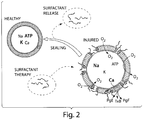
- a proposed mechanism for repair of cell membranes with P188 is illustrated in Figure 2 .
- a damaged cell membrane has exposed to its surroundings a portion of the central lipid layer (i.e ., the hydrophobic portion of the membrane).
- the central hydrophobic portion of P188 interacts with this hydrophobic layer of the membrane, and the flanking hydrophilic ends of P188 locate themselves along the outer hydrophilic surface of the cell membrane.
- This sealing/repair process is analogous to a conventional automotive tire plug repair, in which the center of a flexible rubber plug is pushed into a small hole in a tire to seal it with the end of the plug being located along the outer tread. More than one P188 molecule may be needed to seal a hole in a damaged membrane.
- poloxymer P188 prevents damage to cells of a fat graft. Poloxamers are sold by BASF under the trade name PLURONIC®.
- poloxamer 188 (P188) is PLURONIC® F68. Since the lengths of the blocks making up the polymer can be customized, many different poloxamers with different properties exist.
- copolymers are commonly named with a letter for the poloxamer's state at room temperature ("P” for powder, “L” for liquid, “F” for flake) followed by three digits. The first two digits x100 give the approximate molecular weight of the hydrophobic polyoxypropylene core, and the last digit x10 gives the percentage of polyoxyethylene content. Poloxamer 188 is a poloxymer with a polyoxypropylene molecular mass of 1800 g/mol and an 80% polyoxyethylene content, and poloxamer 188 has an average molecular weight of 7680-9510 g/mol.
- P188 is F68.
- Other poloxymers that may be useful in the present disclosure include poloxamers P108 (PLURONIC® F38), P184 (PLURONIC® L64), P401, P402, P407 (PLURONIC® F127), and P408 (PLURONIC® F108).
- Other poloxamers with a lower molecular weight and approximately equal or lower PEG content may be useful in the present disclosure.
- the polymer is typically added to the cells as soon as the cells are removed from the donor to prevent and/or repair membrane damage as soon as poosible.
- the polymer is added to the cells of the transplant graft at a concentration ranging from approximately 1 mg to approximately 20 mg of polymer per ml of cells. In certain embodiments, a millimolar concentration of the polymer is used in the polymer/cell composition for transplantation. Typically the lowest concentration of polymer that yields the desired membrane stabilization is used. As would be appreciated by one of skill in the art, the concentration of polymer in the composition will depend on the polymer being used to stabilize the cells being transplanted.
- the cells or tissue to be transplanted are mixed with the polymer at the appropriate concentration.
- the cells or tissue are then for transplantation into the recipient (e.g., a human) at the desired transplant site (e.g., face, lips, breast).
- the tissue is adipose tissue.
- the cells are derived from fat tissue.
- the cells are part of a fat graft ( i.e., adipose tissue) that contains different types of cells including, but not limited to, adipocytes, stromal cells, epithelial cells, endothelial cells, fibroblasts, and blood cells.
- the composition of the invention comprises adipocytes.
- the cells may be mixed with the polymer at the time of harvesting.
- the site where the adipose tissue is to be removed is injected with a composition including the polymer before the tissue is removed from the donor.
- polymer is added to the cells after they have been removed from the donor.
- Polymer may also be added to the cells at the time of processing or storage, or the cells may be mixed with polymer just prior to transplantation.
- the cells or tissue may be washed or otherwise processed with a composition that includes the polymer. In certain embodiments, the polymer is washed from the graft prior to implantation.
- the cell/polymer composition may also include other agents.
- the compostion may include agents that further protect or stabilize the cells to be transplanted, or the agent may protect the polymer.
- the composition includes vitamins, minerals, antioxidants, osmotic protectants, viscosity enhancers, coenzymes, membrane stabilization agents, lipids, carbohydrates, hormones, growth factors, anti-inflammatory agents, polynucleotides, proteins, peptides, alcohols, organic acids, small organic molecules, etc.
- a particularly useful combination in fat transplantation is P188 and lipoic acid (shown below in its reduced and oxidized forms).
- the reduced form of lipoic acid is used.
- the oxidized form of lipoic acid is used.
- a mixture of the two forms is used.
- the present invention provides compositions of adipocytes and the copolymer P188, wherein the copolymer is at a concentration of 1-20 mg per mL adipocytes, suitable for use in fat transplantation.
- inventive cell/polymer compositions may include other agents that minimize membrane disruption and/or free radical formation (e.g ., antioxidants, vitamins, lipids, proteins, peptides, hormones, growth factors, carbohydrates, pharmaceutical agents) as discussed herein.
- kits useful in transplanting fat using the inventive compositions and methods may include all or a subset of all the components necessary for transplanting fat or fat-derived cells into a subject.
- the kits may include, for example, polymer (e.g ., P188), buffered solution(s) for washing cells, device for washing cells, cells, syringe, needle, cups, containers, alcohol swabs, anesthetics, antibiotics, antioxidants, vitamins, lipids, carbohydrates, hormones, growth factors, etc.
- a container or syringe used in harvesting the cells may have in it the polymer (e.g ., P188) so that the harvested cells are immediately contacted with the membrane stabilization agent.
- the cells are acquired from the patient to receive the cells (i.e ., an autologous graft).
- the components of the kit are sterilely packaged for convenient use by the surgeon or other health care professional.
- the kit may also include instructions for using the polymer (e.g ., P188) and other agents in the harvesting/transplantation procedure.
- the kit may provide the necessary components for a single use.
- the kit may also include packaging and information as required by a governmental regulatory agency that regulates pharmaceuticals and/or medical devices.
- Adipose tissue refers to tissue that is composed of adipocytes. Adipose tissue is typically loose connective tissue composed of adipocytes. The main role in the body is to store energy in the form of fat; however, adipose tissue also insulates and protects the body as well as acting as an endocrine organ. Adipose tissue can be white adipose tissue or brown adipose tissue. The term “adipose tissue” is used interchangeably with "fat tissue.”
- Anti-inflammatory agent refers to any substance that inhibits one or more signs or symptoms of inflammation.
- Biocompatible refers to a material that is substantially nontoxic to a recipient's cells in the quantities and at the location used, and also does not elicit or cause a significant deleterious or untoward effect on the recipient's body at the location used, e.g., an unacceptable immunological or inflammatory reaction, unacceptable scar tissue formation, etc.
- Biodegradable means that a material is capable of being broken down physically and/or chemically within cells or within the body of a subject, e.g., by hydrolysis under physiological conditions and/or by natural biological processes such as the action of enzymes present within cells or within the body, and/or by processes such as dissolution, dispersion, etc., to form smaller chemical species which can typically be metabolized and, optionally, used by the body, and/or excreted or otherwise disposed of.
- a polymer or hydrogel whose molecular weight decreases over time in vivo due to a reduction in the number of monomers is considered biodegradable.
- polynucleotide refers to a polymer of nucleotides.
- polynucleotide refers to a polymer of nucleotides.
- polynucleotide refers to a polymer of nucleotides.
- nucleic acid refers to a polymer of nucleotides.
- oligonucleotide refers to a polymer of nucleotides.
- a polynucleotide comprises at least two nucleotides.
- DNAs and RNAs are polynucleotides.
- the polymer may include natural nucleosides (i.e ., adenosine, thymidine, guanosine, cytidine, uridine, deoxyadenosine, deoxythymidine, deoxyguanosine, and deoxycytidine), nucleoside analogs (e.g ., 2-aminoadenosine, 2-thiothymidine, inosine, pyrrolo-pyrimidine, 3-methyl adenosine, C5-propynylcytidine, C5-propynyluridine, C5-bromouridine, C5-fluorouridine, C5-iodouridine, C5-methylcytidine, 7-deazaadenosine, 7-deazaguanosine, 8-oxoadenosine, 8-oxoguanosine, O(6)-methylguanine, and 2-thiocytidine), chemically modified bases, biologically modified
- Nucleic acids also include nucleic acid-based therapeutic agents, for example, nucleic acid ligands, siRNA, short hairpin RNA, antisense oligonucleotides, ribozymes, aptamers, and SPIEGELMERSTM, oligonucleotide ligands described in Wlotzka et al., Proc. Natl. Acad. Sci. USA, 2002, 99(13):8898 .
- a “polypeptide”, “peptide”, or “protein” comprises a string of at least three amino acids linked together by peptide bonds.
- the terms “polypeptide”, “peptide”, and “protein”, may be used interchangeably.
- Peptide may refer to an individual peptide or a collection of peptides.
- Inventive peptides preferably contain only natural amino acids, although non natural amino acids (i.e ., compounds that do not occur in nature but that can be incorporated into a polypeptide chain) and/or amino acid analogs as are known in the art may alternatively be employed.
- one or more of the amino acids in a peptide may be modified, for example, by the addition of a chemical entity such as a carbohydrate group, a phosphate group, a farnesyl group, an isofarnesyl group, a fatty acid group, a linker for conjugation, functionalization, or other modification, etc.
- the modifications of the peptide lead to a more stable peptide ( e.g ., greater half-life in vivo ). These modifications may include cyclization of the peptide, the incorporation of D-amino acids, or other modifications. None of the modifications should substantially interfere with the desired biological activity of the peptide.
- polysaccharide and “carbohydrate” may be used interchangeably.
- Most carbohydrates are aldehydes or ketones with many hydroxyl groups, usually one on each carbon atom of the molecule.
- Carbohydrates generally have the molecular formula C n H 2n O n .
- a carbohydrate may be a monosaccharide, a disaccharide, trisaccharide, oligosaccharide, or polysaccharide.
- the most basic carbohydrate is a monosaccharide, such as glucose, sucrose, galactose, mannose, ribose, arabinose, xylose, and fructose.
- Disaccharides are two joined monosaccharides.
- Exemplary disaccharides include sucrose, maltose, cellobiose, and lactose.
- an oligosaccharide includes between three and six monosaccharide units (e.g ., raffinose, stachyose), and polysaccharides include six or more monosaccharide units.
- Exemplary polysaccharides include starch, glycogen, and cellulose.
- Carbohydrates may contain modified saccharide units such as 2'-deoxyribose wherein a hydroxyl group is removed, 2'-fluororibose wherein a hydroxyl group is replace with a fluorine, or N-acetylglucosamine, a nitrogen-containing form of glucose.
- Carbohydrates may exist in many different forms, for example, conformers, cyclic forms, acyclic forms, stereoisomers, tautomers, anomers, and isomers.
- Small molecule refers to organic compounds, whether naturally occurring or artificially created (e.g ., via chemical synthesis) that have relatively low molecular weight and that are not proteins, polypeptides, or nucleic acids. Small molecules are typically not polymers with repeating units. In certain embodiments, a small molecule has a molecular weight of less than about 1500 g/mol. In certain embodiments, the molecular weight of the polymer is less than about 1000 g/mol. Also, small molecules typically have multiple carbon-carbon bonds and may have multiple stereocenters and functional groups.
- Subject refers to an individual to whom an agent is to be delivered, e.g ., for experimental, diagnostic, and/or therapeutic purposes.
- Preferred subjects are mammals, particularly domesticated mammals (e.g ., dogs, cats, etc .), primates, or humans.
- the subject is a human.
- the subject is an experimental animal such as a mouse or rat.
- a subject under the care of a physician or other health care provider may be referred to as a "patient.”
- “Pharmaceutical agent,” also referred to as a “drug,” is used herein to refer to an agent that is administered to a subject to treat a disease, disorder, or other clinically recognized condition that is harmful to the subject, or for prophylactic purposes, and has a clinically significant effect on the body to treat or prevent the disease, disorder, or condition.
- Therapeutic agents include, without limitation, agents listed in the United States Pharmacopeia (USP), Goodman and Gilman's The Pharmacological Basis of Therapeutics, 10th Ed., McGraw Hill, 2001 ; Katzung, B.
- the present invention stems from the recognition that the transplantation of adipose tissue or adipocytes in cosmetic and reconstructive surgery may be improved by the addition of a polymer that stabilizes the membranes of the cells in the graft.
- the polymer is thought to interact with the cell membranes and seal or prevent defects in the membrane, thereby preventing or minimizing injury to the cell ( e.g ., ion leakage).
- Preventing injury to the cells reduces the extent of apoptosis and cell death in the graft and aids in improving the success and consistency of fat transplants in soft tissue restoration, reconstruction, or augmentation.
- the present invention provides compositions and methods for improving fat transplantation in a subject ( e.g ., human).
- the present invention is based on the discovery of certain polymers that stabilize the cell membranes of cells in fat transplants or cells derived from adipose tissue (e.g ., stem cells, stromal cells, fibroblasts, endothelial cells, epithelial cells).
- the polymer is mixed with the cells at a sufficient concentration to stabilize and protect the membranes of the cells from damage and/or to seal already damaged membranes.
- Such polymers may be used in conjunction with other methods of improving the success of fat transplantation including, for example, improving the vascular supply of the graft or adding other agents that help to prevent injury to the cells to be transplanted (e.g ., lipoic acid).
- the present invention provides a composition of adipocytes and a triblock copolymer, wherein the copolymer is poloxamer P188 and wherein the copolymer is at a concentration of 1-20 mg per mL adipocytes.
- the polymer includes a polyether portion. In certain embodiments, the polymer includes a polyalkylether portion. In certain embodiments, the polymer includes polyethylene glycol tails. In certain embodiments, the polymer includes a polypropylene glycol central portion. In certain embodiments, the polymer includes polybutylene glycol as the central portion. In certain embodiments, the polymer includes polypentylene glycol as the central portion. In certain embodiments, the polymer includes polyhexylene glycol as the central portion. In certain embodiments, the polymer is a triblock copolymer of one of the polymers described herein.
- the polymer is a triblock copolymer of a polyalkyl ether (e.g ., polyethylene glycol, polypropylene glycol) and another polymer.
- the polymer is a triblock copolymer of a polyalkyl ether and another polyalkyl ether.
- the polymer is a triblock copolymer of polyethylene glycol and another polyalkyl ether.
- the polymer is a triblock copolymer of polypropylene glycol and another polyalkyl ether.
- the polymer is a triblock copolymer with at least one unit of polyalkyl ether.
- the polymer is a triblock copolymer of two different polyalkyl ether. In certain embodiments, the polymer is a triblock copolymer including a polyethylene glycol unit. In certain embodiments, the polymer is a triblock copolymer including a polypropylene glycol unit. In certain embodiments, the polymer is a triblock copolymer of a more hydrophobic unit flanked by two more hydrophilic units. In certain embodiments, the hydrophilic units are the same type of polymer. In certain embodiments, the polymer includes a polypropylene glycol unit flanked by two more hydrophilic units. In certain embodiments, the polymer includes two polyethylene glycol units flanking a more hydrophobic unit.
- the polymer is a triblock copolymer with a polypropylene glycol unit flanked by two polyethylene glycol units.
- the polymer is of the formula: wherein n is an integer between 2 and 200, inclusive; and m is an integer between 2 and 200, inclusive. In certain embodiments, n is an integer between 10 and 100, inclusive. In certain embodiments, m is an integer between 5 and 50 inclusive. In certain embodiments, n is approximately 2 times m. In certain embodiments, n is approximately 70, and m is approximately 35. In certain embodiments, n is approximately 50, and m is approximately 30.
- the polymer of the present invention is poloxamer P188, which is marketed by BASF under the trade name PLURONIC® F68.
- PLURONIC® F108 PLURONIC® F127, PLURONIC® F38, PLURONIC® F68, PLURONIC® F77, PLURONIC® F87, PLURONIC® F88, PLURONIC® F98, PLURONIC® L10, PLURONIC® L101, PLURONIC® L121, PLURONIC® L31, PLURONIC® L35, PLURONIC® L43, PLURONIC® L44, PLURONIC® L61, PLURONIC® L62, PLURONIC® L64, PLURONIC® L81, PLURONIC® L92, PLURONIC® N3, PLURONIC® P103, PLURONIC® P104, PLURONIC® P105, PLURONIC® P
- triblock copolymers have the ability to insert themselves into traumatized adipocyte membranes, allowing for stabilization of the membrane (see Figure 2 ). Furthermore, such polymers are known to decrease the membrane viscosity with their highly hydrated polyethylene glycol tails. By decreasing cellular viscosity they allow the traumatized cells to become more soluble, thus decreasing the tension on the injure membrane.
- P188 a commercially available triblock copolymer, has been shown to be particularly effective for repairing damaged membranes and improving the viability and likelihood of survival of damaged adipocytes.
- P188 The effectiveness of P188 in the rescue of injured adipocytes in the peritransplant period (the time from harvesting to stable engraftment) is demonstrated in the Examples below which look at the histology, weight of the fat graft over time, apoptosis events, cell viability, and raw DNA content. P188 is shown to be more effective than any of the other polymers tested even smaller and larger triblock copolymers with the same order of blocks do not perform as well. Diblock and tetrablock copolymers even appear to be toxic to grafts.
- P188 has been shown to be poorly soluble in adipose tissue, and it is not absorbed well onto intact, uninjured membranes. P188 allows adipocytes that have suffered mechanical sheer injury from the harvesting process to maintain their normal membrane mechanics. Once these cells are able to repair their membranes by increasing the amount of phospholipids in the bilayer, P188 is mechanically extruded [ Agarwal, J., A. Walsh, and R.C. Lee, Multimodal strategies for resuscitating injured cells. Ann N Y Acad Sci, 2005. 1066:295-309 ]. The extrusion of P188 is caused by the increase in transmembrane surface pressure.
- the molecular weight of the polymer of the present disclosure may range from approximately 500 g/mol up to approximately 50,000 g/mol. In certain embodiments, the molecular weight of the polymer ranges from approximately 1,000 g/mol to approximately 30,000 g/mol. In certain embodiments, the molecular weight of the polymer ranges from approximately 2,000 g/mol to approximately 15,000 g/mol. In certain embodiments, the molecular weight of the polymer ranges from approximately 2,000 g/mol to approximately 12,000 g/mol. In certain embodiments, the molecular weight of the polymer ranges from approximately 1,000 g/mol to approximately 5,000 g/mol.
- the molecular weight of the polymer ranges from approximately 5,000 g/mol to approximately 10,000 g/mol. In certain embodiments, the molecular weight of the polymer ranges from approximately 7,500 g/mol to approximately 10,000 g/mol. In certain embodiments, the molecular weight of the polymer ranges from approximately 10,000 g/mol to approximately 15,000 g/mol. In certain embodiments, the molecular weight of the polymer ranges from approximately 15,000 g/mol to approximately 20,000 g/mol. In certain embodiments, the molecular weight of the polymer is approximately 20,000 g/mol to approximately 25,000 g/mol.
- the average molecular weight of the polymer is approximately 5,000 g/mol, approximately 5,500 g/mol, approximately 6,000 g/mol, 6,500 g/mol, 7,000 g/mol, approximately 7,500 g/mol, approximately 8,000 g/mol, approximately 8,500 g/mol, approximately 9,000 g/mol, approximately 9,500 g/mol, or approximately 10,000 g/mol.
- Embodiments of the invention use poloxamer P188.
- the average molecular weight of P188 is approximately 8,400 g/mol.
- the average molecular weight of other commercially available poloxamers are known in the art.
- the composition of polymer used in the present invention is typically pharmaceutical grade material for use in humans and/or other animals.
- the polymer is approved for use in humans and for veterinary use.
- the polymer is approved by United States Food and Drug Administration.
- the polymer is pharmaceutical grade material.
- the polymer meets the standards of the United States Pharmacopoeia (USP), the European Pharmacopoeia (EP), the British Pharmacopoeia, and/or the International Pharmacopoeia.
- the polymer is at least 90% pure.
- the polymer is at least 95% pure.
- the polymer is at least 98% pure.
- the polymer is at least 99% pure.
- the polymer is at least 99.5% pure. In certain embodiments, the polymer is at least 99.9% pure. In certain embodiments, the polymer is at least 99.99% pure. In certain embodiments, the polymer is free of toxic or non-biocompatible materials.
- the polymer useful in the present invention typically degrades in vivo into nontoxic degradation products or is safely excreted by the body.
- the polymer is preferably biocompatible and does not result in any substantial unwanted side effects.
- the polymer's half-life in vivo can range from approximately 1 day to approximately 1 month. In certain embodiments, the half-life of the polymer in vivo ranges from approximately 1 day to approximately 1 week. In certain embodiments, the half-life of the polymer in vivo ranges from approximately 1 week to approximately 2 weeks. In certain embodiments, the half-life of the polymer in vivo ranges from approximately 3 weeks to approximately 4 weeks.
- Polymers may be tested for use in fat transplantation by mixing a test polymer with fat cells to be transplanted and transplanting the resulting composition in a mouse or other rodent to determine over time the success of the fat implant (as described in the Examples below).
- Fat implants may be evaluated by various biochemical and pathological measurements, for example, weight of the implant, volume of the implant, histology, assessing markers of apoptosis and/or cell death, measuring number of live cells, assessing mitochondrial ATP levels, assessing DNA levels, or real-time PCR to determine levels of leptin, PPARy2, or other markers.
- the testing is performed in nude mice.
- Polymers may also be screened in vitro by mixing cells with a test polymer and assaying the cells for markers of apoptosis or cell death, assaying the cells for toxicity, etc.
- the results using a test polymer are compared to the results from a control.
- the control polymer is P188.
- the control polymer is dextran.
- the control fat transplant is treated with normal saline.
- the polymer may be combined with other biologically active agents and/or pharmaceutically acceptable excipients to form a composition useful for adding to cells to be transplanted.
- biologically active agents may also work to prevent cell death in a fat graft.
- Excipients may be used to aid in mixing the polymer with the cells to be transplanted or handling and storage of the resulting polymer/cell composition.
- Biologically active agents that may be added along with a polymer to the cells to be transplanted include, but are not limited to, antioxidants, vitamins, membrane stabilizers, minerals, osmotic protectants, coenzymes, viscosity enhancers, hormones, and growth factors. Numerous mechanisms have been implicated in the cause of cell death in transplanted cells, for example, membrane disruption and free radical formation. Antioxidants may be used in fat transplantation to reduce free radical formation. Antioxidants scavenge free radicals and prevent damage caused by reactive oxygen species.
- a polymer/cell composition further comprises an antioxidant. The polymer and antioxidant are thought to improve protection of the cells and thereby improve fat grafting results.
- the antioxidants may be enzymatic or nonenzymatic antioxidants.
- Enzymatic antioxidants include, for example, superoxide dismutase, glutathione peroxidase, and catalase.
- Exemplary non-enzymatic antioxidants include alpha-tocopherol (vitamin E), vitamin A, glutathione, carotenoids ( e.g ., lycopene, lutein, polyphenols, ⁇ -carotene), flavonoids, flavones, flavonols, glutathione, N-acetyl cysteine, cysteine, lipoic acid, ubiquinal (coenzyme Q), ubiquinone (coenzyme Q10), melatonin, lycopene, butylated hydroxyanisole, butylated hydroxytoluene (BHT), benzoates, methyl paraben, propyl paraben, proanthocyanidins, mannitol, and ethylenedi
- a polymer/cell composition further comprises a vitamin.
- the vitamin may be an antioxidant.
- the vitamin is alpha-tocopherol (vitamin E).
- the vitamin is coenzyme Q10.
- the vitamin is beta-carotene.
- Other vitamins that may be added to the inventive polymer/cell composition include vitamin A, vitamin B 1 (thiamine), vitamin B 2 (riboflavin), vitamin B 3 (niacin), vitamin B 4 (adenine), vitamin B 5 (pantothenic acid), vitamin B 6 (pyridoxine), vitamin B 7 (biotin), vitamin B 9 (folic acid), vitamin B 12 (cyanocobalamin), vitamin D (ergocalciferol), and vitamin K.
- a polymer/cell composition further comprises a hormone or growth factor.
- the hormone or growth factor is insulin, glitazones, cholesterol, VEGF, FGF, EGF, PDGF, etc.
- the polymer/cell composition further comprises an organic acid (e.g ., lipoic acid).
- the polymer/cell composition further comprises a thiol-containing or disulfide-containing molecule ( e.g ., lipoic acid, glutathione).
- the polymer/cell composition further comprises a small organic molecule (e.g ., anthocyanins, capsaicins).
- fat cells are combined with P188 and glutathione for transplantation into a subject. In certain embodiments, fat cells are combined with P188 and lipoic acid for transplantation into a subject. In certain embodiments, fat cells are combined with P188 and vitamin E for transplantation into a subject.
- the formulations of the polymers described herein may be prepared by any method known or hereafter developed in the art of pharmaceuticals. In general, such preparatory methods include the step of bringing the polymer into association with one or more excipients and/or one or more other biologically active agents.
- the relative amounts of the polymer, the pharmaceutically acceptable excipient(s), and/or any additional agents in a composition of the invention will vary, depending upon the identity of the polymer, size of the polymer, implantation site, and/or subject.
- the composition to be mixed with cells to be transplanted may comprise between 1% and 99% (w/w) of the polymer.
- Formulations of the polymer may comprise a pharmaceutically acceptable excipient, which, as used herein, includes any and all solvents, dispersion media, diluents, or other liquid vehicles, dispersion or suspension aids, surface active agents, isotonic agents, thickening or emulsifying agents, preservatives, solid binders, lubricants and the like, as suited to the particular formulation desired.
- a pharmaceutically acceptable excipient includes any and all solvents, dispersion media, diluents, or other liquid vehicles, dispersion or suspension aids, surface active agents, isotonic agents, thickening or emulsifying agents, preservatives, solid binders, lubricants and the like, as suited to the particular formulation desired.
- Remington's The Science and Practice of Pharmacy, 21st Edition, A. R. Gennaro, discloses various excipients used in formulating pharmaceutical compositions and known techniques for the preparation thereof.
- the pharmaceutically acceptable excipient is at least 95%, 96%, 97%, 98%, 99%, or 100% pure. In some embodiments, the excipient is approved for use in humans and for veterinary use. In some embodiments, the excipient is approved by United States Food and Drug Administration. In some embodiments, the excipient is pharmaceutical grade. In some embodiments, the excipient meets the standards of the United States Pharmacopoeia (USP), the European Pharmacopoeia (EP), the British Pharmacopoeia, and/or the International Pharmacopoeia.
- USP United States Pharmacopoeia
- EP European Pharmacopoeia
- British Pharmacopoeia the British Pharmacopoeia
- International Pharmacopoeia International Pharmacopoeia
- compositions used in the manufacture of the polymer compositions include, but are not limited to, inert diluents, dispersing agents, surface active agents and/or emulsifiers, disintegrating agents, preservatives, buffering agents, lubricating agents, and/or oils. Such excipients may optionally be included in the inventive formulations. Excipients such as coloring agents can be present in the composition, according to the judgment of the formulator.
- Exemplary diluents include, but are not limited to, calcium carbonate, sodium carbonate, calcium phosphate, dicalcium phosphate, calcium sulfate, calcium hydrogen phosphate, sodium phosphate lactose, sucrose, cellulose, microcrystalline cellulose, kaolin, mannitol, sorbitol, inositol, sodium chloride, dry starch, cornstarch, powdered sugar, etc., and combinations thereof
- Exemplary dispersing agents include, but are not limited to, potato starch, corn starch, tapioca starch, sodium starch glycolate, clays, alginic acid, guar gum, citrus pulp, agar, bentonite, cellulose and wood products, natural sponge, cation-exchange resins, calcium carbonate, silicates, sodium carbonate, cross-linked poly(vinyl-pyrrolidone) (crospovidone), sodium carboxymethyl starch (sodium starch glycolate), carboxymethyl cellulose, cross-linked sodium carboxymethyl cellulose (croscarmellose), methylcellulose, pregelatinized starch (starch 1500), microcrystalline starch, water insoluble starch, calcium carboxymethyl cellulose, magnesium aluminum silicate (Veegum), sodium lauryl sulfate, quaternary ammonium compounds, etc., and combinations thereof.
- Exemplary preservatives may include antioxidants, chelating agents, antimicrobial preservatives, antifungal preservatives, alcohol preservatives, acidic preservatives, and other preservatives.
- Exemplary antioxidants include, but are not limited to, alpha tocopherol, ascorbic acid, ascorbyl palmitate, butylated hydroxyanisole, butylated hydroxytoluene, monothioglycerol, potassium metabisulfite, propionic acid, propyl gallate, sodium ascorbate, sodium bisulfite, sodium metabisulfite, and sodium sulfite.
- Exemplary chelating agents include ethylenediaminetetraacetic acid (EDTA), citric acid monohydrate, disodium edetate, dipotassium edetate, edetic acid, fumaric acid, malic acid, phosphoric acid, sodium edetate, tartaric acid, and trisodium edetate.
- EDTA ethylenediaminetetraacetic acid
- citric acid monohydrate disodium edetate
- dipotassium edetate dipotassium edetate
- edetic acid fumaric acid, malic acid
- phosphoric acid sodium edetate
- tartaric acid tartaric acid
- trisodium edetate trisodium edetate.
- antimicrobial preservatives include, but are not limited to, benzalkonium chloride, benzethonium chloride, benzyl alcohol, bronopol, cetrimide, cetylpyridinium chloride, chlorhexidine, chlorobutanol, chlorocresol, chloroxylenol, cresol, ethyl alcohol, glycerin, hexetidine, imidurea, phenol, phenoxyethanol, phenylethyl alcohol, phenylmercuric nitrate, propylene glycol, and thimerosal.
- Exemplary antifungal preservatives include, but are not limited to, butyl paraben, methyl paraben, ethyl paraben, propyl paraben, benzoic acid, hydroxybenzoic acid, potassium benzoate, potassium sorbate, sodium benzoate, sodium propionate, and sorbic acid.
- Exemplary alcohol preservatives include, but are not limited to, ethanol, polyethylene glycol, phenol, phenolic compounds, bisphenol, chlorobutanol, hydroxybenzoate, and phenylethyl alcohol.
- Exemplary acidic preservatives include, but are not limited to, vitamin A, vitamin C, vitamin E, beta-carotene, citric acid, acetic acid, dehydroacetic acid, ascorbic acid, sorbic acid, and phytic acid.
- preservatives include, but are not limited to, tocopherol, tocopherol acetate, deteroxime mesylate, cetrimide, butylated hydroxyanisol (BHA), butylated hydroxytoluened (BHT), ethylenediamine, sodium lauryl sulfate (SLS), sodium lauryl ether sulfate (SLES), sodium bisulfite, sodium metabisulfite, potassium sulfite, potassium metabisulfite, Glydant Plus®, Phenonip®, methylparaben, Germall 115, Germaben II, NeoloneTM, KathonTM, and Euxyl®.
- the preservative is an antioxidant.
- the preservative is a chelating agent.
- Exemplary buffering agents include, but are not limited to, citrate buffer solutions, acetate buffer solutions, phosphate buffer solutions, ammonium chloride, calcium carbonate, calcium chloride, calcium citrate, calcium glubionate, calcium gluceptate, calcium gluconate, D-gluconic acid, calcium glycerophosphate, calcium lactate, propanoic acid, calcium levulinate, pentanoic acid, dibasic calcium phosphate, phosphoric acid, tribasic calcium phosphate, calcium hydroxide phosphate, potassium acetate, potassium chloride, potassium gluconate, potassium mixtures, dibasic potassium phosphate, monobasic potassium phosphate, potassium phosphate mixtures, sodium acetate, sodium bicarbonate, sodium chloride, sodium citrate, sodium lactate, dibasic sodium phosphate, monobasic sodium phosphate, sodium phosphate mixtures, tromethamine, magnesium hydroxide, aluminum hydroxide, alginic acid, pyrogen-free water, isotonic
- the inventive polymer besides being combined with the cells to be transplanted may be combined with one or more biologically active agents.
- the polymer is combined with an antioxidant.
- the polymer is combined with a vitamin.
- the polymer is combined with a lipid.
- the polymer is combined with a membrane stabilizer.
- the polymer is combined with a pharmaceutical agent.
- the polymer is combined with an anti-inflammatory agent.
- the polymer is combined with an antibiotic.
- the polymer is combined with a protein or peptide.
- the polymer is combined with a hormone.
- the polymer is combined with a growth factor.
- the polymer is combined with a carbohydrate. In certain embodiments, the polymer is combined with a liquid excipient for administering the polymer/cell composition. In certain embodiments, the excipient is an aqueous solution. In certain embodiments, the excipient is a buffered aqueous solution. In certain embodiments, the excipient is phosphate-buffered saline solution. In certain embodiments, the excipient is isotonic with extracellular fluid.
- the invention provides methods of associating the polymer or polymer composition with cells to be transplanted before transplantation.
- the inventive system is particularly useful in improving the success of fat transplantation or improving the success of the transplantation of adipose tissue or cells derived from adipose tissue.
- Cells to be transplanted are mixed with a polymer at a sufficient concentration for the membranes of the cells to be stabilized and prevent damage of the cells during the transplantation.
- the polymer is thought to fix or prevent damage to the cell membranes by associating with the membrane.
- the cells or a composition of cells are mixed with the polymer or a composition comprising the polymer before transplantation into a subject.
- the polymer may be mixed with the cells at the time of procurement of the cells, during the storage or handling of the cells, or just prior to implantation of the cells into a subject.
- the polymer may be mixed with the tissue or cells to be transplanted any time during the procurement, handling or processing of the graft.
- the site where the cells or tissue are to be taken is injected with a composition of the polymer before the cells or tissue are harvested from the donor site.
- the polymer may be include the the tumescent injection solution (i.e ., fluid that is injected into the donor site prior to liposuction) during the harvesting of the fat.
- the cells or tissue to be transplanted are contacted with the polymer as soon as they are harvested to protect them from damage.
- fat tissue is harvested from a donor ( e.g ., by liposuction or by a needle aspirate), it may be immediately contacted with the polymer.
- the polymer is included in the lipoaspirate collection container.
- the cells to be transplanted are harvested from the same person receiving them ( i.e ., an autologous donation).
- the cells are harvested from the stomach, thigh, or buttocks of the donor.
- the adipose tissue is harvested into a syringe or other container that already includes the polymer or a composition of the polymer.
- the adipose tissue is harvested and immediately added to a composition of the polymer, or a composition of polymer is added to the fat tissue.
- the resulting polymer/cell composition may be further processed before implantation into a subject.
- the cells may be washed, purified, extracted, or otherwise treated before implantation into a subject.
- the cells or tissue are kept in contact with an excess of the polymer throughout the processing of the cells for transplantation.
- excess polymer or polymer solution is removed from the tissue or cells to be transplanted, for example, by centrifugation.
- the polymer is washed from the graft prior to implantation.
- the cells suitable for transplantion are contacted with the polymer immediately before transplantation.
- the cells may be mixed with the polymer in the operating room or clinic just prior to implantation into a subject.
- the sterile polymer or composition thereof is mixed with the cells to be transplanted.
- the cells are typically mixed with the polymer at a concentration ranging from approximately 1-20 mg of polymer per mL of cells.
- concentration of polymer needed to sufficiently stabilize the membranes of the cells to be transplanted may vary depending on the polymer used, the subject, the site of implantation, etc.
- the concentration ranges from approximately 1-10 mg of polymer per mL of cells.
- the concentration ranges from approximately 1-5 mg of polymer per mL of cells.
- the concentration ranges from approximately 5-10 mg of polymer per mL of cells.
- the concentration ranges from approximately 10-15 mg of polymer per mL of cells.
- the concentration ranges from approximately 15-20 mg of polymer per mL of cells. In certain embodiments, the concentration is approximately 5, 6, 7, 8, 9, 10, 11, 12, 13, 14, or 15 mg of polymer per mL of cells. In certain embodiments, when poloxymer P188 is used, the concentration is approximately 10 mg of polymer per mL of cells.
- the cell/polymer composition is suitable for administeration to or implantation into a subject.
- the cells are transplanted into the recipient within 0.5-6 hours of harvesting.
- the subject is a human.
- the subject is a mammal.
- the subject is a test animal such as a mouse, rat, rabbit, or dog.
- the cell/polymer composition is typically administered to a patient in need of a fat transplant.
- the subject may be undergoing reconstructive or cosmetic surgery.
- the fat transplantation is used in removing wrinkles.
- fat transplantation is used in soft tissue replacement or augmentation.
- fat transplantation is used in augmentation of the lips, cheeks, breasts, face, buttocks, calves, pectorals, and penis.
- autologous fat cells are transplanted back into the donor at a different site from which the cells were taken.
- the cells or tissue may be implanted or administered using any method or technique ( e.g ., injection, surgical implantation).
- the inventive system may be useful in stabilizing and preventing damage to stem cells or other cells derived from adipose tissue.
- the disclosure also provides packages or kits, comprising one or more polymers or polymer components as described herein in a container.
- the container may include a polymer or composition of a polymer ready for use in fat transplantation.
- the package can also include a notice associated with the container, typically in a form prescribed by a government agency regulating the manufacture, use, or sale of medical devices and/or pharmaceuticals, whereby the notice is reflective of approval by the agency of the compositions, for human or veterinary administration in tissue transplantation.
- Instructions for the use of the polymer may also be included. Such instructions may include information relating to administration of the polymer or a polymer/cell composition to a patient.
- the instructions may include information regarding the contacting of the polymer with cells or tissue and administration of the cell/polymer composition to a patient.
- the package may also include one or more containers containing biologically active agent(s) to be included in the polymer/cell composition prior to administration.
- the package may include a device or receptacle for preparation of the polymer/cell composition.
- the device may be, e.g., a measuring or mixing device.
- the package may also optionally include a device for administering a polymer/cell composition of the invention.
- exemplary devices include specialized syringes, needles, and catheters that are compatible with a variety of laryngoscope designs.
- the components of the kit may be provided in a single larger container, e.g ., a plastic or styrofoam box, in relatively close confinement.
- the kit is conveniently packaged for use by a health care professional.
- the components of the kit are sterilely packaged for use in a sterile environment such as an operating room or physician's office.
- Example 1 Enhanced Fat Protection and Survival in Fat Transplantation via Treatment with Poloxamer P188
- Fat was obtained for liposuction aspirate and transplanted into nude mice within an hour of harvest from the operating room. A volume of 0.6 mL of fat was placed subcutaneously in the right dorsum of each mouse. The study included three groups: (1) fat treated with P188 at a concentration of 10 mg/mL; (2) fat treated with dextran at a concentration of 10 mg/mL; and (3) fat treated with normal saline. After a period of 6 weeks, mice were euthanized, and fat implants were harvested. Fat implants were evaluated prior to implantation, and after using weight, volume, live/dead assay, mitochondrial ATP levels, and real time PCR for leptin and PPARy2 levels.
- Transplanted fat developed into a well circumscribed, demarcated nodule in each animal after a six week period.
- the saline controls exhibited up to 30% resorption based on weight and volume.
- Dextran-treated fat grafts exhibited a similar resorption rate.
- Fat grafts treated with P188 demonstrated a 67% decrease in resorption. See Figure 5 . This is a statistically significant reduction (p ⁇ 0.001). Differences were also seen at the molecular level and histologically with notable increases in proportion of fat cells and decreased vacuolar areas or fibrosis formation.
- lipo-aspirated fat is two-fold: 1) minimal donor site morbidity providing a safe and readily accessible source for autologous cells, and 2) these procedures can be preformed relatively easily without the concern for ischemic complications, and early graft failures associated with vascularized free flaps.
- free fat grafts have been plagued with unpredictable high levels of re-absorption and resultant irregularities. Free fat graft failures and volume reduction appear to be related to mechanical stresses from harvesting, early ischemic changes, and nutrient deprivation. These stressors lead to apoptosis. Subsequent, graft re-absorption results from removal of dead cellular debris following re-vascularization.
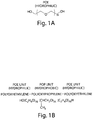
- P188 is a tri-block polymer with a central polyoxypropylene hydrophobic region (POP unit, see Figure 1A ) spanning two longer polyoxyetheylene hydrophilic tails (POE units, see Figure 1B ).
- POP unit central polyoxypropylene hydrophobic region
- POE units polyoxyetheylene hydrophilic tails
- P188 has the ability to insert into traumatized adipocyte membranes, allowing for stabilization of the membrane (see Figure 2 ). Additionally, P188 is known to decrease the membrane viscosity with its highly hydrated POE tails. By decreasing cellular viscosity they allow the traumatized cells to become more soluble, thus decreasing the tension on the injured membrane.
- FIG. 2 A likely configuration for this repair mechanism is illustrated in Figure 2 .
- a damaged cell membrane may expose a portion of the central lipid layer to the surroundings.
- the central hydrophobic portion of a nearby P188 chain may interact with this hydrophobic lipid layer, and the P188 chain may "fold" such that the hydrophilic ends of the chain are located along the outer hydrophilic surface of the cell membrane.
- This sealing/repair process is analogous to a conventional automotive tire plug repair, where the center of a flexible rubber plug is pushed into a small hole in a tire to seal it, with the ends of the plug being located along the outer tread.
- a plurality of P188 chains may collect to help seal damaged membranes having different sizes of damaged regions.
- Apoptosis Identification Immunochemistry apoptosis specific fluorescent labels FLIVOTM and MT MitoTM were used to identify apoptosis in adipocytes. Fat grafts were explanted, treated with Blendzyme (Roche Applied Science Liberase Blendzyme 3) at 38 °C for 20 minutes, and passed through a 100 micron cell strainer (to remove extra-cellular stromal elements left behind after digestion). These cells were then incubated for one hour at 38 °C, and washed once following labeling.
- Blendzyme Roche Applied Science Liberase Blendzyme 3
- Extracted DNA samples were then incubated with reagents A (PicoGreen® fluorophore), B (Tris buffer), and for standards with component C (Lambda dsDNA standards, 100 ⁇ g/ml concentration), according to kit protocol. These samples were then read on a plate reader, using a black 96 well plate.
- Lipoaspirate was taken directly from the operating room. It was separated into 30 cc aliquots, and washed once with an equal volume of normal saline to remove blood and cellular debris. Afterwards, the tubes were centrifuged at 200G and the middle layer was separated and treated with various agents. These agents were treated in 30 cc washes, with 30 cc of fat for 30 minutes at 37 °C. This incubation was chosen to minimize ischemic time while allowing for sufficient mixing with treatment agents. Following incubation and washing, the fat was again centrifuged at 200G. The middle fat layer was again separated and placed in 1.0 cc, 1.0 g aliquots for injection into the flanks of nude mice.
- mice were implanted with 1.0 cc/1.0 g (+/- 0.01gm) fat grafts in a single lobule. These mice were injected with a 14 gauge angio-catheter to simulate a clinically relevant 1 cc injection. Two lobules were implanted into bilateral flanks of each nude mouse used in the study. The 14 gauge angio-catheter was chosen to minimize fat graft trauma during injection. Many clinicians use 16 and 14 gauge catheters currently for fat grafting, thus this size catheter was used to approximate clinical practice.
- lobules were explanted daily and measured for weight and apoptotic activity. After early curves were generated, lobules were explanted on days 3, 6, and 9, for the primary measurement of apoptosis levels. Additionally these samples were weighed, sent for histology, and measured for DNA content. Endpoints in the first ten days were compared to endpoints at six weeks to determine whether graft performance can be accurately predicted by early apoptosis and cell death.
- Pluronics Pluronics were tested across a range of sizes, different PEG compositions (hydrophilicity), and block configurations. These represent the most widely commercially available poloxamers for non-industrial usage. They were all tested a dose of 50 ⁇ M in 25 cc of normal saline. Agents examined were P188 ( ⁇ 8,000 KDa/80% PEG content), F38 (4,700 KDa/80% PEG content), F108 (14,600 KDa/80% PEG content), F127 (12,600 KDa/70% PEG content), L64 (2,900KDa/40% PEG content), T1107 (70% PEG, larger tetra-block poloxamers), and P31R1 (3250 KDa, reversed block order). Also, the di-block (PEG-block-poly-caprolactone-block) was tested.
- Nonionic. Polysorbate 80 (Tween 80) a polymer with a long hydrophobic tail (oleic acid) and a hydrophilic head (polyethoxylated sorbitan) was tested at the same molar concentration as P188 (50 ⁇ M in 25 cc of normal saline). Cholesterol was also tested at the same molarity.
- Hexadecyltrimethylammonium bromide (HCTA, cationic) and cetyltrimethylammonium chloride (CTA, anionic) non-Pluronic charged surfactants were tested at 50 ⁇ M in 25 cc of normal saline. These molecules range in the ⁇ 360 KDa size and have a short hydrophobic chain with a charged ammonium salt head.
- Zwitterionic Phosphatidylcholine (PC, 790 kDa) a zwitterionic surfactant present in some normal cell membranes was tested. Zwitterionic surfactants can have charged or uncharged properties depending on pH.
- PEG Poylethylene glycols
- PEG 8000 was tested at 10 mg/ml since it has the same molecular weight as P188. Additionally PEG 600 and PEG 3350 were tested separately and in combination at 1.3% and 1.5% respectively as was published in literature regarding chondrocyte membrane protection in cyropreservation applications. The number following the PEG represents its molecular weight. PEGs are a component of poloxamers and are entirely hydrophilic.
- Vitamin C was tested at concentrations from 10%-1%
- lipoic acid was tested at 500 mM at 100 mg/kg of fat (dose used in rat ischemia-reperfusion models), resveratrol (at 50 ⁇ M in 25 cc of normal saline), fructans (organic molecules shown to protect plant membranes undergoing wide temperature variations).
- fructans organic molecules shown to protect plant membranes undergoing wide temperature variations.
- CsA cyclosporine
- Electron Microscopy Adipocyctes from fresh lipoaspirate were fixed and studied under transmission electron microscopy. These samples were examined for the presence of membrane injury as the result of liposuction harvest. Under electron microscopy we noted pores in the membranes of intact adipocyctes immediately following harvesting. These pore were noted to range from 30-600nm (see Figure 3 ). Also, these pores were noted to be in close proximity to the adipocyte mitochondria.
- Apoptosis Quantification Initially, lobules were explanted daily and measured for levels of apoptosis using Mito-PT. After daily testing, it was noted that peak levels of apoptosis occurred between days 5-7, and then trended back down. These values fell approximately in a bell shaped curve. Once this curve was determined, subsequent samples were tested on days 0, 3, 6, and 9, for a sampling of early apoptosis (see Figure 7 ).
- P188 was also compared to several other treatment agents for their impact on apoptosis levels (see Figure 8 ).
- anionic and cationic polymers represented by HCTA and CTA it demonstrated significantly lower levels of apoptosis (Day 6 HCTA 41,037 RFUs, CTA 35,338 RFUs, and P188 32,158 RFUs).
- HCTA and CTA demonstrated higher levels of apoptosis than normal saline controls at earlier time points (Day 3: NS 25,987 RFUs versus HCTA 31,076 RFUs, CTA 35,338 RFUs).
- P188 was compared to a reversed triblock copolymer P31R1.
- This polymer is approximately the same size as P188; however, it is composed of hydrophobic tails and a hydrophilic core (the opposite of P188).
- P31R1 was also found to increase apoptotic events on days 3, 6, and 9 (Day 3 34,000 RFUs, Day 6 44,000 RFUs, and 47,000 RFUs vs. NS: 8000 RFUs, 57,000 RFUs, and 11,000 RFUs and P188: 8,000 RFUs,16,000 RFUs, and 10,000 RFUs, respectively).
- phosphatidylcholine (a non-ionic surfactant phospholipid and component of many cell membranes) was evaluated for its effect on apoptosis.
- Phosphatidylcholine also demonstrated elevated levels of apoptosis compared to P188.
- Phosphatidylcholine did not demonstrate increases in apoptosis compared to normal saline (PC Day 3: 52,000 RFUs, Day 6: 2 9,000 RFUs, see Figure 8 , upper right).
- cyclosporine (CsA) an immunosuppressant, was also tested for apoptotic activity. CsA also failed to decrease apoptosis levels in fat grafts.
- CsA demonstrated consistently higher levels of apoptosis when compared to normal saline-treated controls on days 1-9.
- P31R1 and CsA appear to be toxic to fat grafts, and PC may show some reductions in apoptosis when compared to normal saline but not when compared to P188.
- P188 was also compared to polyethylene glycol 8000 (PEG 8000) and the tetrablock copolymer T1107.
- an older apoptosis assay method was used (MitoPt vs. Apo-one).
- the older MitoPT assay method delivers RFU values approximately ten-fold lower than Apo-One.
- P188 again demonstrated reductions in apoptosis when compared to P188 (see Figure 8 , bottom left).
- P188 was compared to combinations of polymers of similar size and configuration, these also failed to further improve apoptosis levels.
- the combination of P188, F127, and L64 demonstrated higher levels of apoptosis when compared to P188 alone and saline-treated controls.
- P188 was studied with lipoic acid and with vitamin C for their effects on apoptosis.
- P188 combined with vitamin C demonstrated increased apoptosis; however, vitamin C alone also produced high levels of apoptosis (see Figure 8 , bottom left).
- the combination of P188 and vitamin C demonstrated reduced apoptosis when compared to vitamin C alone.
- the combination of P188 and lipoic acid demonstrated decreased apoptosis when compared to saline treated-controls (these experiments also used the lower brightness Mito-PT label, see Figure 9 ).
- P188 when compared to normal saline demonstrated a statistically significant improvement in weight at six weeks. At six weeks with 65 lobules per group analyzed, P188-treated graft demonstrated an average weight of 0.70 g compared to normal saline-treated grafts 0.64 g with standard deviations of 0.08 g and 0.12 g, respectively (see Figure 11 ). Further when reabsorption percentages were compared to the dehydrated graft weights at the end of the early sample period P188 demonstrated a 50% reduction in reabsorption when compared to controls (see Figure 12 ).
- PEG 600-treated samples weighed at six weeks on average 0.64 +/- 0.11 g (normal saline was 0.64 +/-0.12 g), PEG 3350 weighed 0.58 +/- 0.21 g, PEG 8000 0.53 +/- 0.06 g, and the mixture of PEG 600 + 3350 weighed 0.58 +/- 0.22 g.
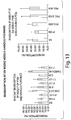
- the reabsorption percentages are shown on Figure 13 .
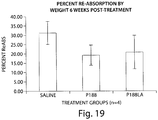
- Lipoic acid The average ten day weights in this study were normal saline 0.76g +/- 0.09 g; P188 0.76g +/- 0.09 g; and lipoic acid 0.72g +/- 0.09g (1.0g +/- 0.10 g initial implant). Treatment groups were then reexamined at 6 weeks; here significant differences were noted in the weights. The average weights per group at six weeks were normal saline 0.58 +/- 0.07 g; P188 0.71 +/- 0.06 g; lipoic acid 0.65 +/- 0.09 g; and P188+LA 0.61 +/-0.16g.
- the remaining polymers were as follows: F127, 4301 +/-2785 RFUs; F108, 3529 +/- 373 RFUs; F38, 3188 +/- 346 RFUs; L64, 6137 +/- 1933 RFUs; T1107, 5063 +/- 1496 RFUs; Tween 80, 4346 +/- 1231 RFUs.
- a diblock copolymer polyethylene glycol methyl ether block poly-caprolactone
- P31R1 reverse triblock Pluronic
- P188 was further compared with various sized polyethylene glycols (PEG), which have been shown to protect chondrocytes in other studies, for cell viability in our model. At six weeks, P188 again demonstrated superior cell viability (see Figure 15 ). PEGs demonstrated the following cell viability signals: PEG 600, 2892 +/- 1110 RFUs; PEG 3350, 1109 +/- 301 RFUs; PEG 600+3350, 1291 +/- 289 RFUs (see Figure 15 ).
- PEG polyethylene glycols
- PEGs When PEGs were examined for DNA content, PEG 8000 demonstrated 0.280 +/-0.024 ⁇ g DNA. PEG 600, PEG 3350, and PEG 600 + 3350 were also examined.
- Explanted fat lobules were fixed and stained with H&E for scoring of adipose architecture.
- a statistically significant improvement in normal fat content was noted in P188-treated samples compared to saline-treated controls.
- P188 when scored for normal fat, inflammatory infiltrate, and fibrosis scored: 58% normal fat, 30% infiltrate, and 13% fibrosis on average (10 lobules, 2 slides per lobule).
- Normal saline controls scored: 41% normal fat, 38% infiltrate, and 21% fibrosis on average (10 lobules, 2 slides per lobule).
- P 0.04 when a students t-test was performed.
- L64 and F127 scored the best: L64, 65% normal fat, 31% infiltrate, and 4% fibrosis; F127, 52% normal fat, 38% infiltrate, and 10% fibrosis. These differences did not reach statistical significance when compared to P188.
- the remaining poloxamers scored as follows: F38, 45% normal fat, 44% infiltrate, 11% fibrosis; F108, 50% normal fat, 42% infiltrate, 7% fibrosis; T1107, 15% normal fat, 41% infiltrate, 43% fibrosis; Tween 80, 17% normal fat, 67% infiltrate, 16% fibrosis (see Figure 18 , right).
- P188 a triblock copolymer with a central polyoxypropylene hydrophobic region (POP unit, see Figure 1 ) spanning two longer polyoxyetheylene hydrophilic tails (POE units).
- POP unit polyoxypropylene hydrophobic region
- POE units polyoxyetheylene hydrophilic tails
- Triblock copolymers have the ability to insert themselves into traumatized adipocyte membranes, allowing for the stabilization of the membrane. Additionally, triblock copolymers are known to decrease the membrane viscosity with their hydrated POE tails. By decreasing cellular viscosity, they allow the traumatized cells to become more soluble thus, decreasing the tension on the injured membrane.
- P188 is poorly soluble in adipose and is not absorbed well onto intact, uninjured membranes. P188 allows adipocytes that have suffered mechanical sheer injury from the harvesting process to maintain their normal membrane mechanics. Once these cells are able to repair their membranes, by increasing the amount of phospholipids in the bilayer, P188 is mechanically extruded [ Agarwal, J., A. Walsh, and R.C. Lee, Multimodal strategies for resuscitating injured cells. Ann N Y Acad Sci, 2005. 1066:295-309 ]. The extrusion of P188 is caused by the increase in trans-membrane surface pressure.
- adipocytes This ability to prevent ion loss and prevent injured cells from progressing to apoptosis allows adipocytes to retain their ability to act as a soft tissue filler. Without stabilization of the cellular membrane, these cells leak ions and ultimately die [ Hannig et al., Surfactant sealing of membranes permeabilized by ionizing radiation. Radiat Res, 2000. 154(2):171-7 ; Serbest et al., Mechanisms of cell death and neuroprotection by poloxamer 188 after mechanical trauma. FASEB J, 2006. 20(2):308-10 ; Mina et al., Poloxamer 188 copolymer membrane sealant rescues toxicity of amyloid oligomers in vitro. J Mol Biol, 2009.
- P188-treated fat grafts appear like normal non-transplanted fat when compared to other fat graft groups. This is best evidenced by histology at six weeks where P188-treated adipose tissue appears the most like native fat (in addition to demonstrating high cell viability by Cell-Titer Blue and thiazolyl blue tetrazolium bromide (MTT)). Saline-treated adipose tissue appears injured as evidenced by large amounts of fibrosis. PEGs (a component of P188 and shown effective by others to protect certain cell types) and tetrablock copolymers (similar to P188 with an extra hydrophilic tail) lead to an inflammatory infiltrate with high to moderate levels of fibrosis.
- P188 demonstrates a statistically significant decrease in apoptotic events in the first ten days, a significant increase in cell viability at six weeks, a significant increase in DNA content at six weeks, and statistically significant increases in normal fat by histology at six weeks.
- L64 and F127 demonstrated some improvement in DNA content when compared to saline controls (approached but not significant at current n-value) but remained inferior to P188 treated samples (see Figure 16 ). These agents when examined histologically, scored for the presence of normal fat, fibrosis, and infiltrate, approached P188 performance. However, since the demonstrated lower cell viability and lower DNA content these grafts remained inferior to P188. These grafts have an overall lower adipocyte cell count although they are relatively healthy by histology and have similar weights to P188.
- L64 is smaller (2900 kDa) and more hydrophobic; F127 is larger ( ⁇ 13,000 kDa) and more hydrophilic. P188 is in the middle of these two agents with a ⁇ 8000 kDa weight and 80% PEG content. Thus it has longer hydrophilic tails than F127 and a slightly shorter hydrophobic region. L64 is a lighter molecule with shorter PEG chains. The hydrophobic region is critical to membrane sealant activity at the exposed hydrophobic region in the membrane pore. However, it is likely that once the molecule is positioned in the exposed pore that the hydrophilic chains provide additional protection. These chains aid in reducing membrane tension by increasing surface solubility (see Figure 2 ).
- PEG 3350 and PEG 8000 demonstrated higher reabsorption than saline treated controls (see Figure 13 ) and decreased cell viability (see Figure 15 ). Additionally by histology this sample demonstrated heavy infiltrates and disrupted adipose architecture. PEG 600 was the least toxic. It demonstrated similar reabsorption by weight to saline controls and similar cell viability (see Figures 13 and 15 ). Consequently PEG 600 is likely too small to have toxic effects at the doses described in chondrocyte protection. The larger PEG 3350 and PEG 8000 lack a hydrophobic region like the triblock copolymers and likely solubilize the cell membrane resulting in cell lysis.
- diblock copolymers When other co-polymers were analyzed, diblock copolymers, reversed triblock copolymers (e.g., P31R1), and tetrablock copolymers (e.g ., T1107), these also demonstrated cellular toxicity (diblock, and reversed triblock) or no effect (tetrablock).
- the reversed triblock copolymer P31R1 (3,300 kDa) has a central hydrophilic block and two flanking hydrophobic tails. When compared to P188 and normal saline it induces apoptosis throughout most of the peri-transplant period (see Figure 8 , top right). Additionally, it demonstrated lower live signal (1454 RFUs vs.
- the tetrablock copolymer T1107 has four PEG chains attached to four POE chains in a radial fashion (like spokes on a wheel). This polymer performed no better than saline controls by weight, DNA content, and cell viability. However, when T1107 is scored by histology, there is minimal normal fat. Thus the relatively normal appearing viability and DNA content reflect nothing more than inflammatory cells replacing normal fat within the graft.
- the zwitterionic phosphatidylcholine has been used clinically a fat lysis agent in liposuction. In our ten-day analysis, at the same concentration as P188, it appears to have some protective effect, but not to the same magnitude as P188 (see Figure 8 , top right).
- Fructans are plant-derived oligosaccharides that have been shown to protect plant cell membranes from large temperature variations. In our studies however these agents induced large amounts of adipocyte injury (by histology) and high levels of reabsorption by weight. Vitamin C (ascorbic acid) also demonstrated cellular toxicity across a spectrum of doses. Interestingly, in the ten-day model P188 appears to provide some protection to vitamin C treated cells (see figure 6 bottom right). Reductions in apoptosis between vitamin C treated samples and vitamin C plus P188 are noted on day 6.
- lipoic acid was also tested as an additive to P188.
- lipoic acid When lipoic acid is added, there appears to be a synergistic effect on reduction in apoptosis (see Figure 7 ). The combination resulted in less apoptotic events on day 6 than P188 alone.
- Lipoic acid is a potent anti-oxidant, and has mitochondrial protective effects under oxidative stress (ischemia-reperfusion injury). As noted by our electron microscopy the adipocyte mitochondria lay in close proximity to adipocyte membrane pores (see Figure 3 ). Thus as the membrane is stabilized by P188, lipoic acid provides additional protection to the injured mitochondria.
- the mixture also resulted in significantly improved reabsorption by weight and improved DNA content at six weeks.
- P188's size is an important factor; F38 (smaller) and F108 (larger) do not work as well. Increased hydrophobicity helps smaller poloxamers (L64) and in larger slightly less hydrophic poloxamers (F127); however, P188 still remains superior. Also structure and order are critical, reversed triblock copolymer P31R1 and diblock copolymer PEG-polycaprolactone) are also toxic to grafts. Additionally, the tetrablock copolymer T1107 appears to result in toxicity and heavy inflammatory infiltrates.
- Tween 80 When polymers are all hydrophilic and large (PEG 3350, PEG 8000) they are toxic to fat grafts. Small PEGs (PEG 600) are no better than saline. Non-block non-ionic surfactants (Tween 80) also are toxic to fat. High hydrophilicity seen in PEGs likely causes lysis of the membrane by a detergent effect. Tween 80 has a long hydrophobic tail and a smaller hydrophilic head. This molecule also probably acts as a classic detergent and lyses the cell membrane.
- miscellaneous additives were all either toxic or had no effect, except for lipoic acid.
- Fructans, resveratrol, cholesterol, and vitamin C were all found to be toxic in this study.
- P188 appears to provide some protection to injury induced by vitamin C.
- lipoic acid appears to provide a potential synergistic effect when used in combination with P188. Thus it would appear that additional mitochondrial protection when may be useful in P188-treated fat grafts.
- the invention encompasses all variations, combinations, and permutations in which one or more limitations, elements, clauses, descriptive terms, etc., from one or more of the claims or from relevant portions of the description is introduced into another claim.
- any claim that is dependent on another claim can be modified to include one or more limitations found in any other claim that is dependent on the same base claim.
- the claims recite a composition, it is to be understood that methods of using the composition for any of the purposes disclosed herein are included, and methods of making the composition according to any of the methods of making disclosed herein or other methods known in the art are included, unless otherwise indicated or unless it would be evident to one of ordinary skill in the art that a contradiction or inconsistency would arise.
- compositions of the invention can be used for soft tissue repair or augmentation. It is also to be understood that any of the compositions made according to the methods for preparing compositions disclosed herein can be used for soft tissue repair or augmentation. In addition, the invention encompasses compositions made according to any of the methods for preparing compositions disclosed herein.
Landscapes
- Health & Medical Sciences (AREA)
- Life Sciences & Earth Sciences (AREA)
- Engineering & Computer Science (AREA)
- Chemical & Material Sciences (AREA)
- Biomedical Technology (AREA)
- Medicinal Chemistry (AREA)
- General Health & Medical Sciences (AREA)
- Immunology (AREA)
- Cell Biology (AREA)
- Animal Behavior & Ethology (AREA)
- Public Health (AREA)
- Veterinary Medicine (AREA)
- Chemical Kinetics & Catalysis (AREA)
- Urology & Nephrology (AREA)
- Epidemiology (AREA)
- Molecular Biology (AREA)
- Hematology (AREA)
- Bioinformatics & Cheminformatics (AREA)
- Biotechnology (AREA)
- Toxicology (AREA)
- Pharmacology & Pharmacy (AREA)
- Dermatology (AREA)
- General Chemical & Material Sciences (AREA)
- Organic Chemistry (AREA)
- Zoology (AREA)
- Oral & Maxillofacial Surgery (AREA)
- Biochemistry (AREA)
- Tropical Medicine & Parasitology (AREA)
- Pathology (AREA)
- General Physics & Mathematics (AREA)
- Microbiology (AREA)
- Transplantation (AREA)
- Food Science & Technology (AREA)
- Physics & Mathematics (AREA)
- Analytical Chemistry (AREA)
- Nuclear Medicine, Radiotherapy & Molecular Imaging (AREA)
- Virology (AREA)
- Developmental Biology & Embryology (AREA)
- Botany (AREA)
- Polymers & Plastics (AREA)
Applications Claiming Priority (2)
| Application Number | Priority Date | Filing Date | Title |
|---|---|---|---|
| US10702308P | 2008-10-21 | 2008-10-21 | |
| PCT/US2009/005727 WO2010047793A2 (en) | 2008-10-21 | 2009-10-21 | Cell transplantation |
Publications (3)
| Publication Number | Publication Date |
|---|---|
| EP2350274A2 EP2350274A2 (en) | 2011-08-03 |
| EP2350274A4 EP2350274A4 (en) | 2014-01-08 |
| EP2350274B1 true EP2350274B1 (en) | 2019-01-23 |
Family
ID=42117712
Family Applications (1)
| Application Number | Title | Priority Date | Filing Date |
|---|---|---|---|
| EP09822316.7A Active EP2350274B1 (en) | 2008-10-21 | 2009-10-21 | Cell transplantation |
Country Status (8)
| Country | Link |
|---|---|
| US (2) | US8512695B2 (enExample) |
| EP (1) | EP2350274B1 (enExample) |
| JP (3) | JP5795961B2 (enExample) |
| CN (1) | CN102245765B (enExample) |
| AU (1) | AU2009308152B2 (enExample) |
| CA (1) | CA2744100C (enExample) |
| IL (1) | IL212471A (enExample) |
| WO (1) | WO2010047793A2 (enExample) |
Families Citing this family (30)
| Publication number | Priority date | Publication date | Assignee | Title |
|---|---|---|---|---|
| CA2744100C (en) | 2008-10-21 | 2020-06-30 | The General Hospital Corporation | Cell transplantation |
| US8883210B1 (en) | 2010-05-14 | 2014-11-11 | Musculoskeletal Transplant Foundation | Tissue-derived tissuegenic implants, and methods of fabricating and using same |
| US10130736B1 (en) | 2010-05-14 | 2018-11-20 | Musculoskeletal Transplant Foundation | Tissue-derived tissuegenic implants, and methods of fabricating and using same |
| US9352003B1 (en) | 2010-05-14 | 2016-05-31 | Musculoskeletal Transplant Foundation | Tissue-derived tissuegenic implants, and methods of fabricating and using same |
| CN108504539B (zh) * | 2010-08-06 | 2021-11-02 | 通用医院公司以麻省总医院名义经营 | 用于细胞处理相关应用的系统和设备 |
| US11090338B2 (en) | 2012-07-13 | 2021-08-17 | Lifecell Corporation | Methods for improved treatment of adipose tissue |
| US10549112B2 (en) | 2012-07-20 | 2020-02-04 | The General Hospital Corporation | Apparatus for tissue irradiation and methods and kits utilizing the same |
| WO2014015274A1 (en) | 2012-07-20 | 2014-01-23 | The General Hospital Corporation | Methods for tissue passivation |
| US12558316B2 (en) | 2013-03-13 | 2026-02-24 | University Of Miami | Methods and compositions for the treatment of epidermolysis bullosa |
| WO2014159662A1 (en) | 2013-03-13 | 2014-10-02 | University Of Miami | Method for isolation and purification of microvesicles from cell culture supernatants and biological fluids |
| CA3278502A1 (en) | 2013-07-18 | 2025-10-31 | The General Hospital Corporation | Vessel treatment systems, methods, and kits |
| US20150037436A1 (en) | 2013-07-30 | 2015-02-05 | Musculoskeletal Transplant Foundation | Acellular soft tissue-derived matrices and methods for preparing same |
| CA2929970C (en) | 2013-12-20 | 2020-05-12 | F. Hoffmann-La Roche Ag | Method of immobilizing a cell on a support using compounds comprising a polyethylene glycol moiety |
| JP6629736B2 (ja) | 2013-12-20 | 2020-01-15 | エフ.ホフマン−ラ ロシュ アーゲーF. Hoffmann−La Roche Aktiengesellschaft | 1以上の疎水性ドメインおよびpeg部分を含む親水性ドメインを含む、細胞を結合するのに有用な化合物 |
| CN105917226B (zh) * | 2013-12-20 | 2018-06-01 | 豪夫迈·罗氏有限公司 | 包含两个或多个疏水结构域和一个含有peg部分的亲水结构域的化合物用于稳定细胞的用途 |
| JP6747748B2 (ja) | 2014-07-07 | 2020-08-26 | ライフラフト バイオサイエンシーズ,インコーポレイテッド | 長期循環物質のないポロクサマー組成物、その産生方法およびその使用 |
| WO2016154206A1 (en) * | 2015-03-26 | 2016-09-29 | Smith & Nephew, Inc. | Biopreservation medium and uses for biopreservation of biological materials |
| CA2986702C (en) | 2015-05-21 | 2023-04-04 | David Wang | Modified demineralized cortical bone fibers |
| US10912864B2 (en) | 2015-07-24 | 2021-02-09 | Musculoskeletal Transplant Foundation | Acellular soft tissue-derived matrices and methods for preparing same |
| US11052175B2 (en) | 2015-08-19 | 2021-07-06 | Musculoskeletal Transplant Foundation | Cartilage-derived implants and methods of making and using same |
| JP7067744B2 (ja) * | 2016-06-30 | 2022-05-16 | 株式会社ヘリオス | 移植用媒体 |
| CN109257779B (zh) | 2017-07-14 | 2024-09-17 | 华为技术有限公司 | 网络切换方法及装置 |
| US20230190676A1 (en) * | 2020-07-09 | 2023-06-22 | Musc Foundation For Research Development | Methods of protecting cells from insults |
| US11229779B1 (en) * | 2020-08-12 | 2022-01-25 | Enrico Guarino | Method for skin ligament injection to obtain a lifting effect |
| AU2021327376A1 (en) | 2020-08-21 | 2023-04-20 | University Of Miami | Compositions and methods of treatment using microvesicles from bone marrow-derived mesenchymal stem cells |
| US11679198B2 (en) | 2021-04-28 | 2023-06-20 | Chopra Gryskiewicz, LLC | System and related methods for fat harvesting |
| GB2609940A (en) * | 2021-08-18 | 2023-02-22 | Life Science Group Ltd | Cell transport and storage composition and method |
| EP4511045A1 (en) | 2022-04-19 | 2025-02-26 | University of Miami | Compositions comprising microvesicles for use in the prevention and treatment of graft versus host disease |
| CN114908044A (zh) * | 2022-05-13 | 2022-08-16 | 北京大学第三医院(北京大学第三临床医学院) | 一种富含外泌体的微颗粒脂肪片段提纯方法及其乳化器 |
| WO2025265118A1 (en) * | 2024-06-21 | 2025-12-26 | Trustees Of Tufts College | Use of emulsifiers and amphiphilic agents to increase yields during cell isolations |
Citations (1)
| Publication number | Priority date | Publication date | Assignee | Title |
|---|---|---|---|---|
| US5605687A (en) * | 1992-05-15 | 1997-02-25 | Arch Development Corporation | Methods and compositions of a polymer (poloxamer) for repair of electrical injury |
Family Cites Families (95)
| Publication number | Priority date | Publication date | Assignee | Title |
|---|---|---|---|---|
| US5212071A (en) * | 1988-04-01 | 1993-05-18 | The Johns Hopkins University | Nucleic acids encoding a human C3b/C4b receptor (CR1) |
| US5981481A (en) * | 1974-12-06 | 1999-11-09 | The Johns Hopkins University | Human C3b/C4b receptor (CR1) |
| IL89790A (en) | 1988-04-01 | 2002-05-23 | Johns Hopking University | Nucleic acid sequences that encode and cells that produce cr1 protein and methods of production and purification |
| US5256642A (en) * | 1988-04-01 | 1993-10-26 | The Johns Hopkins University | Compositions of soluble complement receptor 1 (CR1) and a thrombolytic agent, and the methods of use thereof |
| PT95826B (pt) * | 1989-11-09 | 1997-11-28 | Asta Medica Ag | Processo para a preparacao de composicoes farmaceuticas contendo como ingrediente activo acido r-alfa-liponico ou acido s-alfa-liponico |
| US5052999A (en) * | 1990-01-29 | 1991-10-01 | Klein Jeffrey A | Liposuction method and apparatus |
| ES2140408T3 (es) * | 1991-03-19 | 2000-03-01 | Cytrx Corp | Copolimeros de polioxipropileno/polioxietileno con actividad biologica mejorada. |
| US5470568A (en) * | 1992-02-13 | 1995-11-28 | Arch Development Corporation | Methods and compositions of a polymer (poloxamer) for cell repair |
| US5569670A (en) * | 1992-06-05 | 1996-10-29 | Asta Medica Aktiengesellschaft | Combination medications containing alpha-lipoic acid and related |
| DE4229914A1 (de) * | 1992-09-08 | 1994-03-10 | Basf Ag | Verbessertes Verfahren zur Herstellung von R/S-Ï-Liponsäure oder R/S-â-Liponsäure |
| DE4494713T1 (de) * | 1993-07-01 | 1995-10-05 | Nippon Kokan Kk | Arylsulfonamidderivate und diese Derivate enthaltende Arzneimittel |
| DE4343593C2 (de) * | 1993-12-21 | 1998-05-20 | Asta Medica Ag | Verwendung von R-(+)-alpha-Liponsäure, R-(-)-Dihydroliponsäure oder der Metabolite sowie deren Salze, Ester, Amide zur Behandlung kompensierter und dekompensierter Insulinresistenz |
| DE4427079C2 (de) * | 1994-07-30 | 2002-12-19 | Viatris Gmbh | Verfahren zur Racemisierung von Enantiomeren der alpha-Liponsäure |
| US5716404A (en) * | 1994-12-16 | 1998-02-10 | Massachusetts Institute Of Technology | Breast tissue engineering |
| US5681561A (en) * | 1995-06-07 | 1997-10-28 | Life Medical Sciences, Inc. | Compositions and methods for improving autologous fat grafting |
| US6752999B2 (en) * | 1995-09-20 | 2004-06-22 | Nicholas V. Perricone | Method of skin care and/or treatment using lipoic acid |
| US5709868A (en) * | 1995-09-20 | 1998-01-20 | Perricone; Nicholas V. | Lipoic acid in topical compositions |
| US6328712B1 (en) * | 1996-02-28 | 2001-12-11 | Smisson-Cartledge Biomedical Corporation | Rapid infusion system |
| US5879876A (en) | 1997-03-24 | 1999-03-09 | Lifenet | Continuous-multi-step dilution process and apparatus, for the removal of cryoprotectants from cryopreserved tissues |
| US7220557B2 (en) * | 1997-04-24 | 2007-05-22 | Human Genome Sciences, Inc. | METH1 polynucleotides |
| US5965618A (en) * | 1997-11-17 | 1999-10-12 | Perricone; Nicholas V. | Treatment of scar tissue using lipoic acid |
| US6365623B1 (en) * | 1997-11-17 | 2002-04-02 | Nicholas V. Perricone | Treatment of acne using lipoic acid |
| US6090842A (en) * | 1998-03-10 | 2000-07-18 | The Regents Of The University Of California | Lipoic acid analogs |
| JP2002516325A (ja) | 1998-05-26 | 2002-06-04 | スミスクライン・ビーチャム・コーポレイション | 新規な置換イミダゾール化合物 |
| US6858617B2 (en) * | 1998-05-26 | 2005-02-22 | Smithkline Beecham Corporation | Substituted imidazole compounds |
| DE69920497T2 (de) * | 1998-10-26 | 2006-02-09 | The Research Foundation Of State University Of New York | Liponsaürederivate und deren verwendung bei der behandlung von krankheiten |
| CA2362533A1 (en) | 1999-02-22 | 2000-08-31 | Variagenics, Inc. | Gene sequence variations with utility in determining the treatment of disease |
| US6204288B1 (en) * | 1999-03-08 | 2001-03-20 | The University Of Mississippi | 1,2-dithiolane derivatives |
| AR042572A1 (es) * | 1999-04-02 | 2005-06-29 | Sod Conseils Rech Applic | Derivados de acido lipoico, procedimiento para su preparacion, medicamentos y composiciones farmaceuticas que los contienen y utilizacion de dichos derivados para la preparacion de los referidos medicamentos |
| US6103255A (en) * | 1999-04-16 | 2000-08-15 | Rutgers, The State University | Porous polymer scaffolds for tissue engineering |
| NZ516237A (en) * | 1999-05-25 | 2004-03-26 | Human Genome Sciences Inc | Meth1 and meth2 polynucleotides and polypeptides |
| US6316247B1 (en) | 1999-06-15 | 2001-11-13 | University Of Pittsburgh | System and method for refining liposuctioned adipose tissue |
| CA2387685A1 (en) | 1999-10-27 | 2001-05-03 | Human Genome Sciences, Inc. | Stanniocalcin proteins and nucleic acids and methods based thereon |
| US6673033B1 (en) | 1999-11-24 | 2004-01-06 | Medrad, Inc. | Injectors, injector systems and injector control |
| WO2001093824A1 (en) * | 2000-06-06 | 2001-12-13 | Basf Aktiengesellschaft | Use of an (r)-enantiomer of lipoic acid in cosmetics and dermatologicals |
| EP1311657A2 (en) * | 2000-08-21 | 2003-05-21 | Rice University | Tissue engineering scaffolds promoting matrix protein production |
| US6277842B1 (en) * | 2000-10-17 | 2001-08-21 | James Alexander Carthron | Dietary supplemental method for fat and weight reduction |
| US7227007B2 (en) * | 2000-12-28 | 2007-06-05 | Asahi Kasei Pharma Corporation | NF-κB activating gene |
| IL157393A0 (en) * | 2001-03-07 | 2004-02-19 | Bristol Myers Squibb Co | Polynucleotides encoding a human g-protein coupled receptor |
| IL157624A0 (en) * | 2001-03-22 | 2004-03-28 | Bristol Myers Squibb Co | Polynucleotide encoding apex4 polypeptides and diagnostic and therapeutic compositions containing apex4 polypeptides |
| AU2002258637A1 (en) * | 2001-03-27 | 2002-10-08 | Board Of Regents The University Of Texas System | Biodegradable, electrically conductiong polymer for tissue engineering applications |
| AU2002252705A1 (en) * | 2001-04-19 | 2002-11-05 | Bristol-Myers Squibb Company | Polynucleotides and polypeptides associated with the nf-kb pathway |
| US20040086896A1 (en) | 2001-04-19 | 2004-05-06 | Julie Carman | Polynucleotides and polypeptides associated with the NF-kB pathway |
| EP1389121B1 (en) | 2001-04-24 | 2012-02-22 | Purdue Research Foundation | Method and compositions for treating mammalian nerve tissue injuries |
| US20030103913A1 (en) * | 2001-05-07 | 2003-06-05 | Nathoo Salim A. | Metal activated tooth whitening compositions |
| US7504481B2 (en) | 2001-08-02 | 2009-03-17 | Bristol-Meyers Squibb Company | TRP channel family member, LTRPC3 polypeptides |
| US20030162189A1 (en) * | 2001-08-02 | 2003-08-28 | Ning Lee | Polynucleotide encoding a novel TRP channel family member, LTRPC3, and splice variants thereof |
| US20040116350A1 (en) * | 2001-09-17 | 2004-06-17 | Paul Wentworth Jr | Methods and compositions relating to hydrogen peroxide and superoxide production by antibodies |
| US7452532B2 (en) | 2001-09-30 | 2008-11-18 | Scicotec Gmbh | Transluminal application of adult stem cells for body organ tissue repair |
| US7514075B2 (en) * | 2001-12-07 | 2009-04-07 | Cytori Therapeutics, Inc. | Systems and methods for separating and concentrating adipose derived stem cells from tissue |
| KR100930139B1 (ko) * | 2001-12-07 | 2009-12-07 | 사이토리 테라퓨틱스, 인크. | 처리된 리포애스퍼레이트 세포로 환자를 치료하기 위한시스템 및 방법 |
| AU2003226131A1 (en) * | 2002-03-28 | 2003-10-13 | Bristol-Myers Squibb Company | Novel human cell surface protein with immunoglobulin folds, bgs-19 |
| AU2003222109A1 (en) * | 2002-03-29 | 2003-10-13 | Bristol-Myers Squibb Company | Polynucleotides encoding novel two splice variants of a human cell surface protein with immunologobulin folds, bgs5g and bgs5i |
| US20040087543A1 (en) * | 2002-04-25 | 2004-05-06 | Zachary Shriver | Methods and products for mucosal delivery |
| US20040018976A1 (en) * | 2002-05-14 | 2004-01-29 | Feder John N. | Polynucleotide encoding novel human G-protein coupled receptors, and splice variants thereof |
| HUE025872T2 (en) * | 2002-06-18 | 2016-05-30 | Eisai R&D Man Co Ltd | Primary, cultured adipocytes for gene therapy |
| US20040204576A1 (en) * | 2002-07-02 | 2004-10-14 | Donald Jackson | Polynucleotides encoding a novel human phosphatase, BMY_HPP13 |
| US7550155B2 (en) * | 2002-07-29 | 2009-06-23 | Transform Pharmaceuticals Inc. | Aqueous pharmaceutical compositions of 2,6-diisopropylphenol (propofol) and their uses |
| US20040101959A1 (en) * | 2002-11-21 | 2004-05-27 | Olga Marko | Treatment of tissue with undifferentiated mesenchymal cells |
| AU2003295824A1 (en) | 2002-11-22 | 2004-06-18 | Incyte Corporation | Cell adhesion and extracellular matrix proteins |
| KR100473568B1 (ko) | 2003-01-25 | 2005-03-10 | 이희영 | 밀폐형 지방이식 시스템 |
| US20060184101A1 (en) * | 2003-04-21 | 2006-08-17 | Ravi Srinivasan | Microjet devices and methods for drug delivery |
| WO2005012480A2 (en) | 2003-06-25 | 2005-02-10 | Macropore Biosurgery Inc. | Systems and methods for separating and concentrating regenerative cells from tissue |
| US20040265345A1 (en) * | 2003-06-30 | 2004-12-30 | Perricone Nicholas V. | Treatment of skin damage using acetyl carnitine and lipoic acid |
| FR2856891B1 (fr) * | 2003-07-04 | 2007-09-07 | Stem Alpha | Milieu de conservation d'organes, de tissus biologiques ou de cellules vivantes |
| US7700086B2 (en) * | 2003-11-06 | 2010-04-20 | Pluromed, Inc. | Internal clamp for surgical procedures |
| US20050118632A1 (en) * | 2003-11-06 | 2005-06-02 | Jian Chen | Polynucleotides and polypeptides encoding a novel metalloprotease, Protease-40b |
| US20050208095A1 (en) * | 2003-11-20 | 2005-09-22 | Angiotech International Ag | Polymer compositions and methods for their use |
| US7087369B2 (en) * | 2003-12-17 | 2006-08-08 | The Regents Of The University Of California | Cornea preservation medium |
| WO2005071060A2 (en) * | 2004-01-08 | 2005-08-04 | North Carolina State University | Methods and devices for microencapsulation of cells |
| US7588732B2 (en) * | 2004-03-30 | 2009-09-15 | Genesis Biosystems, Inc. | Autologus tissue harvesting and irrigation device |
| WO2005099758A2 (en) * | 2004-04-17 | 2005-10-27 | The Board Of Trustees The Leland Standford Junior University | Injectable bioartificial tissue matrix |
| GB0414825D0 (en) * | 2004-07-02 | 2004-08-04 | Biostatus Ltd | Gel formulations and uses thereof |
| AU2005289520A1 (en) | 2004-09-27 | 2006-04-06 | Vical Incorporated | Formulations and methods for treatment of inflammatory diseases |
| EP1809272A4 (en) * | 2004-10-18 | 2008-01-02 | Maroon Biotech Corp | METHOD AND COMPOSITIONS FOR TREATING DAMAGES THROUGH FREE RADICALS |
| US20060127384A1 (en) * | 2004-12-09 | 2006-06-15 | Sergio Capaccioli | Coenzyme Q10 as antiapoptotic agent |
| ES2419205T3 (es) * | 2005-04-06 | 2013-08-19 | Nestec S.A. | Composición para mejorar la regulación de la glicemia y la acción de la insulina, por vía nutritiva |
| WO2007005668A2 (en) | 2005-06-30 | 2007-01-11 | Amgen Inc. | Bis-aryl kinase inhibitors and their use in the treatment of inflammation, angiogenesis and cancer |
| WO2007009285A1 (en) | 2005-07-21 | 2007-01-25 | Eth Zurich | Cryo-conservation medium for in-vitro cultured cells |
| US9265792B2 (en) * | 2005-11-16 | 2016-02-23 | Patricia A. Riley | Integument cell regeneration formulation |
| US9074176B2 (en) * | 2006-01-13 | 2015-07-07 | Two Cells Co., Ltd. | Culture medium additive for use in serum-free culturing of animal cell, kit and use thereof |
| KR100764640B1 (ko) | 2006-03-08 | 2007-10-10 | 세원셀론텍(주) | 지방조직 수복용 키트 |
| KR100683280B1 (ko) | 2006-07-11 | 2007-02-16 | 메디칸(주) | 지방 흡입 및 이식용 주사기 |
| US7960098B2 (en) | 2007-07-12 | 2011-06-14 | Warsaw Orthoperic, Inc. | Methods and compositions for the preservation of cells and tissues |
| US7892724B2 (en) | 2007-07-12 | 2011-02-22 | Warsaw Orthopedic, Inc | Method for enhancing the viability of mammalian cells, tissues and organs using a solution comprising two low molecular weight PEGs |
| WO2009055610A1 (en) | 2007-10-26 | 2009-04-30 | Cytori Therapeutics, Inc. | Syringe system for controlled delivery or removal of material |
| EP2252686B1 (en) | 2008-02-11 | 2017-10-11 | The Johns Hopkins University | Compositions and methods for implantation of adipose tissue and adipose tissue products |
| JP2010063441A (ja) * | 2008-09-12 | 2010-03-25 | Olympus Corp | 脂肪除去方法と生体組織処理方法 |
| CA2744100C (en) | 2008-10-21 | 2020-06-30 | The General Hospital Corporation | Cell transplantation |
| DE102009022346B4 (de) | 2009-05-15 | 2011-05-19 | Fraunhofer-Gesellschaft zur Förderung der angewandten Forschung e.V. | Automatisches Abtrennen von Fettgewebe |
| US8790519B2 (en) | 2009-06-16 | 2014-07-29 | Biomet Biologics, Llc | Liquid separation from adipose tissue |
| CN102625831A (zh) * | 2009-07-20 | 2012-08-01 | 通用医院公司以麻省总医院名义经营 | 提高低温保存细胞生活力的方法和组合物 |
| WO2011059733A2 (en) | 2009-10-29 | 2011-05-19 | The General Hospital Corporation D/B/A Massachusetts General Hospital | Use of lipoic acid in cell transplantation |
| KR20130120377A (ko) | 2010-05-21 | 2013-11-04 | 싸운드 써지컬 테크놀로지스 엘엘씨 | 지방조직을 수집하기 위한 초음파 장치 |
| CN108504539B (zh) | 2010-08-06 | 2021-11-02 | 通用医院公司以麻省总医院名义经营 | 用于细胞处理相关应用的系统和设备 |
-
2009
- 2009-10-21 CA CA2744100A patent/CA2744100C/en active Active
- 2009-10-21 EP EP09822316.7A patent/EP2350274B1/en active Active
- 2009-10-21 JP JP2011533174A patent/JP5795961B2/ja active Active
- 2009-10-21 WO PCT/US2009/005727 patent/WO2010047793A2/en not_active Ceased
- 2009-10-21 AU AU2009308152A patent/AU2009308152B2/en active Active
- 2009-10-21 CN CN200980150617.9A patent/CN102245765B/zh active Active
- 2009-10-21 US US12/603,075 patent/US8512695B2/en active Active
-
2011
- 2011-04-26 IL IL212471A patent/IL212471A/en active IP Right Grant
-
2013
- 2013-08-20 US US13/970,978 patent/US9730963B2/en active Active
-
2014
- 2014-05-28 JP JP2014110680A patent/JP5933629B2/ja active Active
-
2016
- 2016-05-02 JP JP2016092725A patent/JP2016185962A/ja active Pending
Patent Citations (1)
| Publication number | Priority date | Publication date | Assignee | Title |
|---|---|---|---|---|
| US5605687A (en) * | 1992-05-15 | 1997-02-25 | Arch Development Corporation | Methods and compositions of a polymer (poloxamer) for repair of electrical injury |
Also Published As
| Publication number | Publication date |
|---|---|
| EP2350274A2 (en) | 2011-08-03 |
| US8512695B2 (en) | 2013-08-20 |
| EP2350274A4 (en) | 2014-01-08 |
| WO2010047793A3 (en) | 2010-08-05 |
| CN102245765A (zh) | 2011-11-16 |
| JP2016185962A (ja) | 2016-10-27 |
| AU2009308152B2 (en) | 2015-05-21 |
| US20100104542A1 (en) | 2010-04-29 |
| US9730963B2 (en) | 2017-08-15 |
| AU2009308152A1 (en) | 2010-04-29 |
| JP5795961B2 (ja) | 2015-10-14 |
| IL212471A0 (en) | 2011-06-30 |
| CN102245765B (zh) | 2015-01-07 |
| IL212471A (en) | 2015-05-31 |
| JP2014208654A (ja) | 2014-11-06 |
| JP2012506430A (ja) | 2012-03-15 |
| BRPI0919919A2 (pt) | 2017-05-30 |
| US20130336936A1 (en) | 2013-12-19 |
| JP5933629B2 (ja) | 2016-06-15 |
| CA2744100A1 (en) | 2010-04-29 |
| WO2010047793A2 (en) | 2010-04-29 |
| CA2744100C (en) | 2020-06-30 |
Similar Documents
| Publication | Publication Date | Title |
|---|---|---|
| EP2350274B1 (en) | Cell transplantation | |
| AU2010274993B2 (en) | Methods and compositions for improving the viability of cryopreserved cells | |
| US8703198B2 (en) | Water-based personal moisturizers and lubricants, in particular vaginal lubricants, and uses thereof | |
| Carney et al. | Demonstration of increased proteoglycan turnover in cartilage explants from dogs with experimental osteoarthritis | |
| Beecher et al. | Antioxidants block cyclic loading induced chondrocyte death | |
| EP2448568B1 (en) | Improved formulation for nonsurgical exogenous crosslink therapy | |
| ZENG et al. | Effects of methyl‐beta‐cyclodextrin on cryosurvival of boar spermatozoa | |
| AU2014284440B2 (en) | Soft tissue implant | |
| Garvican et al. | Exposure of a tendon extracellular matrix to synovial fluid triggers endogenous and engrafted cell death: a mechanism for failed healing of intrathecal tendon injuries | |
| US8198248B2 (en) | Formulations for nonsurgical exogenous crosslink therapy | |
| Medina III et al. | Polymer therapy: a novel treatment to improve fat graft viability | |
| Wang et al. | Exosomes from porcine serum as endogenous additive maintain function of boar sperm during liquid preservation at 17° C in vitro | |
| Yao et al. | Multi-crosslinked hydrogels composed of hyaluronic acid, silk fibroin and chitosan nanoparticles with capacity of bioactive molecule delivery and degradation tolerance for cartilage tissue engineering | |
| WO2011059733A2 (en) | Use of lipoic acid in cell transplantation | |
| Fu et al. | An injectable and photocurable methacrylate-silk fibroin/prussian blue nanozyme hydrogel with antioxidant and pyroptosis suppression properties for cartilage regeneration | |
| BRPI0919919B1 (pt) | Composições compreendendo adipócitos e um copolímero tribloco não iônico para uso em transplante de adipócitos, na prevenção da reabsorção de um enxerto de gordura, para selar as membranas celulares de adipócitos, e para aumentar a viabilidade de adipócitos | |
| Gupta et al. | Influence of histamine and H~ 1-receptor antagonists on ejaculated human spermatozoa: Role of intrasperm Ca^ 2^+ | |
| KR102083503B1 (ko) | 낭성 질환을 예방 또는 치료하기 위한 약학적 조성물, 키트, 및 이를 이용한 방법 | |
| US10421943B2 (en) | Phospholipid compositions and use thereof to enhance spermatozoa motility, viability and resistance to oxydative damage | |
| Phung | Bioreactor-based Strategy for Differentiation of Adipose-derived Stem Cells Towards Nucleus Pulposus Cells | |
| Phillips | The role of Poloxamer 188 in the prevention of necrotic cell death following a severe blunt impact | |
| Ghosh et al. | Preclinical studies on the pharmacology of hyaluronan in relation to its application as an intra-articular therapy for the treatment of osteoarthritis | |
| Golenberg | Investigations on the effects of cyclic loading and therapeutic treatments following traumatic injury to articular cartilage |
Legal Events
| Date | Code | Title | Description |
|---|---|---|---|
| PUAI | Public reference made under article 153(3) epc to a published international application that has entered the european phase |
Free format text: ORIGINAL CODE: 0009012 |
|
| 17P | Request for examination filed |
Effective date: 20110519 |
|
| AK | Designated contracting states |
Kind code of ref document: A2 Designated state(s): AT BE BG CH CY CZ DE DK EE ES FI FR GB GR HR HU IE IS IT LI LT LU LV MC MK MT NL NO PL PT RO SE SI SK SM TR |
|
| DAX | Request for extension of the european patent (deleted) | ||
| A4 | Supplementary search report drawn up and despatched |
Effective date: 20131205 |
|
| RIC1 | Information provided on ipc code assigned before grant |
Ipc: A61L 27/38 20060101ALI20131129BHEP Ipc: A61K 35/12 20060101ALI20131129BHEP Ipc: G01N 33/50 20060101ALI20131129BHEP Ipc: A61L 27/18 20060101ALI20131129BHEP Ipc: C12N 5/077 20100101ALI20131129BHEP Ipc: C12N 11/08 20060101AFI20131129BHEP Ipc: A61L 31/16 20060101ALI20131129BHEP |
|
| STAA | Information on the status of an ep patent application or granted ep patent |
Free format text: STATUS: EXAMINATION IS IN PROGRESS |
|
| 17Q | First examination report despatched |
Effective date: 20161108 |
|
| GRAP | Despatch of communication of intention to grant a patent |
Free format text: ORIGINAL CODE: EPIDOSNIGR1 |
|
| STAA | Information on the status of an ep patent application or granted ep patent |
Free format text: STATUS: GRANT OF PATENT IS INTENDED |
|
| INTG | Intention to grant announced |
Effective date: 20180809 |
|
| GRAS | Grant fee paid |
Free format text: ORIGINAL CODE: EPIDOSNIGR3 |
|
| GRAA | (expected) grant |
Free format text: ORIGINAL CODE: 0009210 |
|
| STAA | Information on the status of an ep patent application or granted ep patent |
Free format text: STATUS: THE PATENT HAS BEEN GRANTED |
|
| AK | Designated contracting states |
Kind code of ref document: B1 Designated state(s): AT BE BG CH CY CZ DE DK EE ES FI FR GB GR HR HU IE IS IT LI LT LU LV MC MK MT NL NO PL PT RO SE SI SK SM TR |
|
| REG | Reference to a national code |
Ref country code: GB Ref legal event code: FG4D |
|
| REG | Reference to a national code |
Ref country code: CH Ref legal event code: EP |
|
| REG | Reference to a national code |
Ref country code: AT Ref legal event code: REF Ref document number: 1091483 Country of ref document: AT Kind code of ref document: T Effective date: 20190215 |
|
| REG | Reference to a national code |
Ref country code: IE Ref legal event code: FG4D |
|
| REG | Reference to a national code |
Ref country code: DE Ref legal event code: R096 Ref document number: 602009056848 Country of ref document: DE |
|
| REG | Reference to a national code |
Ref country code: NL Ref legal event code: MP Effective date: 20190123 |
|
| PG25 | Lapsed in a contracting state [announced via postgrant information from national office to epo] |
Ref country code: NL Free format text: LAPSE BECAUSE OF FAILURE TO SUBMIT A TRANSLATION OF THE DESCRIPTION OR TO PAY THE FEE WITHIN THE PRESCRIBED TIME-LIMIT Effective date: 20190123 |
|
| PG25 | Lapsed in a contracting state [announced via postgrant information from national office to epo] |
Ref country code: LT Free format text: LAPSE BECAUSE OF FAILURE TO SUBMIT A TRANSLATION OF THE DESCRIPTION OR TO PAY THE FEE WITHIN THE PRESCRIBED TIME-LIMIT Effective date: 20190123 Ref country code: PL Free format text: LAPSE BECAUSE OF FAILURE TO SUBMIT A TRANSLATION OF THE DESCRIPTION OR TO PAY THE FEE WITHIN THE PRESCRIBED TIME-LIMIT Effective date: 20190123 Ref country code: FI Free format text: LAPSE BECAUSE OF FAILURE TO SUBMIT A TRANSLATION OF THE DESCRIPTION OR TO PAY THE FEE WITHIN THE PRESCRIBED TIME-LIMIT Effective date: 20190123 Ref country code: ES Free format text: LAPSE BECAUSE OF FAILURE TO SUBMIT A TRANSLATION OF THE DESCRIPTION OR TO PAY THE FEE WITHIN THE PRESCRIBED TIME-LIMIT Effective date: 20190123 Ref country code: SE Free format text: LAPSE BECAUSE OF FAILURE TO SUBMIT A TRANSLATION OF THE DESCRIPTION OR TO PAY THE FEE WITHIN THE PRESCRIBED TIME-LIMIT Effective date: 20190123 Ref country code: NO Free format text: LAPSE BECAUSE OF FAILURE TO SUBMIT A TRANSLATION OF THE DESCRIPTION OR TO PAY THE FEE WITHIN THE PRESCRIBED TIME-LIMIT Effective date: 20190423 Ref country code: PT Free format text: LAPSE BECAUSE OF FAILURE TO SUBMIT A TRANSLATION OF THE DESCRIPTION OR TO PAY THE FEE WITHIN THE PRESCRIBED TIME-LIMIT Effective date: 20190523 |
|
| REG | Reference to a national code |
Ref country code: AT Ref legal event code: MK05 Ref document number: 1091483 Country of ref document: AT Kind code of ref document: T Effective date: 20190123 |
|
| PG25 | Lapsed in a contracting state [announced via postgrant information from national office to epo] |
Ref country code: IS Free format text: LAPSE BECAUSE OF FAILURE TO SUBMIT A TRANSLATION OF THE DESCRIPTION OR TO PAY THE FEE WITHIN THE PRESCRIBED TIME-LIMIT Effective date: 20190523 Ref country code: HR Free format text: LAPSE BECAUSE OF FAILURE TO SUBMIT A TRANSLATION OF THE DESCRIPTION OR TO PAY THE FEE WITHIN THE PRESCRIBED TIME-LIMIT Effective date: 20190123 Ref country code: LV Free format text: LAPSE BECAUSE OF FAILURE TO SUBMIT A TRANSLATION OF THE DESCRIPTION OR TO PAY THE FEE WITHIN THE PRESCRIBED TIME-LIMIT Effective date: 20190123 Ref country code: GR Free format text: LAPSE BECAUSE OF FAILURE TO SUBMIT A TRANSLATION OF THE DESCRIPTION OR TO PAY THE FEE WITHIN THE PRESCRIBED TIME-LIMIT Effective date: 20190424 Ref country code: BG Free format text: LAPSE BECAUSE OF FAILURE TO SUBMIT A TRANSLATION OF THE DESCRIPTION OR TO PAY THE FEE WITHIN THE PRESCRIBED TIME-LIMIT Effective date: 20190423 |
|
| REG | Reference to a national code |
Ref country code: DE Ref legal event code: R097 Ref document number: 602009056848 Country of ref document: DE |
|
| PG25 | Lapsed in a contracting state [announced via postgrant information from national office to epo] |
Ref country code: CZ Free format text: LAPSE BECAUSE OF FAILURE TO SUBMIT A TRANSLATION OF THE DESCRIPTION OR TO PAY THE FEE WITHIN THE PRESCRIBED TIME-LIMIT Effective date: 20190123 Ref country code: RO Free format text: LAPSE BECAUSE OF FAILURE TO SUBMIT A TRANSLATION OF THE DESCRIPTION OR TO PAY THE FEE WITHIN THE PRESCRIBED TIME-LIMIT Effective date: 20190123 Ref country code: SK Free format text: LAPSE BECAUSE OF FAILURE TO SUBMIT A TRANSLATION OF THE DESCRIPTION OR TO PAY THE FEE WITHIN THE PRESCRIBED TIME-LIMIT Effective date: 20190123 Ref country code: EE Free format text: LAPSE BECAUSE OF FAILURE TO SUBMIT A TRANSLATION OF THE DESCRIPTION OR TO PAY THE FEE WITHIN THE PRESCRIBED TIME-LIMIT Effective date: 20190123 Ref country code: IT Free format text: LAPSE BECAUSE OF FAILURE TO SUBMIT A TRANSLATION OF THE DESCRIPTION OR TO PAY THE FEE WITHIN THE PRESCRIBED TIME-LIMIT Effective date: 20190123 Ref country code: DK Free format text: LAPSE BECAUSE OF FAILURE TO SUBMIT A TRANSLATION OF THE DESCRIPTION OR TO PAY THE FEE WITHIN THE PRESCRIBED TIME-LIMIT Effective date: 20190123 |
|
| PG25 | Lapsed in a contracting state [announced via postgrant information from national office to epo] |
Ref country code: SM Free format text: LAPSE BECAUSE OF FAILURE TO SUBMIT A TRANSLATION OF THE DESCRIPTION OR TO PAY THE FEE WITHIN THE PRESCRIBED TIME-LIMIT Effective date: 20190123 |
|
| PLBE | No opposition filed within time limit |
Free format text: ORIGINAL CODE: 0009261 |
|
| STAA | Information on the status of an ep patent application or granted ep patent |
Free format text: STATUS: NO OPPOSITION FILED WITHIN TIME LIMIT |
|
| PG25 | Lapsed in a contracting state [announced via postgrant information from national office to epo] |
Ref country code: AT Free format text: LAPSE BECAUSE OF FAILURE TO SUBMIT A TRANSLATION OF THE DESCRIPTION OR TO PAY THE FEE WITHIN THE PRESCRIBED TIME-LIMIT Effective date: 20190123 |
|
| 26N | No opposition filed |
Effective date: 20191024 |
|
| PG25 | Lapsed in a contracting state [announced via postgrant information from national office to epo] |
Ref country code: SI Free format text: LAPSE BECAUSE OF FAILURE TO SUBMIT A TRANSLATION OF THE DESCRIPTION OR TO PAY THE FEE WITHIN THE PRESCRIBED TIME-LIMIT Effective date: 20190123 |
|
| PG25 | Lapsed in a contracting state [announced via postgrant information from national office to epo] |
Ref country code: TR Free format text: LAPSE BECAUSE OF FAILURE TO SUBMIT A TRANSLATION OF THE DESCRIPTION OR TO PAY THE FEE WITHIN THE PRESCRIBED TIME-LIMIT Effective date: 20190123 |
|
| PG25 | Lapsed in a contracting state [announced via postgrant information from national office to epo] |
Ref country code: MC Free format text: LAPSE BECAUSE OF FAILURE TO SUBMIT A TRANSLATION OF THE DESCRIPTION OR TO PAY THE FEE WITHIN THE PRESCRIBED TIME-LIMIT Effective date: 20190123 |
|
| REG | Reference to a national code |
Ref country code: CH Ref legal event code: PL |
|
| PG25 | Lapsed in a contracting state [announced via postgrant information from national office to epo] |
Ref country code: LU Free format text: LAPSE BECAUSE OF NON-PAYMENT OF DUE FEES Effective date: 20191021 Ref country code: CH Free format text: LAPSE BECAUSE OF NON-PAYMENT OF DUE FEES Effective date: 20191031 Ref country code: LI Free format text: LAPSE BECAUSE OF NON-PAYMENT OF DUE FEES Effective date: 20191031 |
|
| REG | Reference to a national code |
Ref country code: BE Ref legal event code: MM Effective date: 20191031 |
|
| PG25 | Lapsed in a contracting state [announced via postgrant information from national office to epo] |
Ref country code: BE Free format text: LAPSE BECAUSE OF NON-PAYMENT OF DUE FEES Effective date: 20191031 |
|
| PG25 | Lapsed in a contracting state [announced via postgrant information from national office to epo] |
Ref country code: IE Free format text: LAPSE BECAUSE OF NON-PAYMENT OF DUE FEES Effective date: 20191021 |
|
| PG25 | Lapsed in a contracting state [announced via postgrant information from national office to epo] |
Ref country code: CY Free format text: LAPSE BECAUSE OF FAILURE TO SUBMIT A TRANSLATION OF THE DESCRIPTION OR TO PAY THE FEE WITHIN THE PRESCRIBED TIME-LIMIT Effective date: 20190123 |
|
| PG25 | Lapsed in a contracting state [announced via postgrant information from national office to epo] |
Ref country code: MT Free format text: LAPSE BECAUSE OF FAILURE TO SUBMIT A TRANSLATION OF THE DESCRIPTION OR TO PAY THE FEE WITHIN THE PRESCRIBED TIME-LIMIT Effective date: 20190123 Ref country code: HU Free format text: LAPSE BECAUSE OF FAILURE TO SUBMIT A TRANSLATION OF THE DESCRIPTION OR TO PAY THE FEE WITHIN THE PRESCRIBED TIME-LIMIT; INVALID AB INITIO Effective date: 20091021 |
|
| PG25 | Lapsed in a contracting state [announced via postgrant information from national office to epo] |
Ref country code: MK Free format text: LAPSE BECAUSE OF FAILURE TO SUBMIT A TRANSLATION OF THE DESCRIPTION OR TO PAY THE FEE WITHIN THE PRESCRIBED TIME-LIMIT Effective date: 20190123 |
|
| P01 | Opt-out of the competence of the unified patent court (upc) registered |
Effective date: 20230507 |
|
| PGFP | Annual fee paid to national office [announced via postgrant information from national office to epo] |
Ref country code: DE Payment date: 20251029 Year of fee payment: 17 |
|
| PGFP | Annual fee paid to national office [announced via postgrant information from national office to epo] |
Ref country code: GB Payment date: 20251027 Year of fee payment: 17 |
|
| PGFP | Annual fee paid to national office [announced via postgrant information from national office to epo] |
Ref country code: FR Payment date: 20251027 Year of fee payment: 17 |