EP2348318A1 - Diagnostic method for endometrial receptivity - Google Patents
Diagnostic method for endometrial receptivity Download PDFInfo
- Publication number
- EP2348318A1 EP2348318A1 EP10382011A EP10382011A EP2348318A1 EP 2348318 A1 EP2348318 A1 EP 2348318A1 EP 10382011 A EP10382011 A EP 10382011A EP 10382011 A EP10382011 A EP 10382011A EP 2348318 A1 EP2348318 A1 EP 2348318A1
- Authority
- EP
- European Patent Office
- Prior art keywords
- pgf2α
- pge2
- level
- embryo
- female
- Prior art date
- Legal status (The legal status is an assumption and is not a legal conclusion. Google has not performed a legal analysis and makes no representation as to the accuracy of the status listed.)
- Withdrawn
Links
- 230000002357 endometrial effect Effects 0.000 title claims abstract description 73
- 238000002405 diagnostic procedure Methods 0.000 title abstract description 5
- PXGPLTODNUVGFL-BRIYLRKRSA-N (E,Z)-(1R,2R,3R,5S)-7-(3,5-Dihydroxy-2-((3S)-(3-hydroxy-1-octenyl))cyclopentyl)-5-heptenoic acid Chemical compound CCCCC[C@H](O)C=C[C@H]1[C@H](O)C[C@H](O)[C@@H]1CC=CCCCC(O)=O PXGPLTODNUVGFL-BRIYLRKRSA-N 0.000 claims abstract description 97
- XEYBRNLFEZDVAW-ARSRFYASSA-N dinoprostone Chemical compound CCCCC[C@H](O)\C=C\[C@H]1[C@H](O)CC(=O)[C@@H]1C\C=C/CCCC(O)=O XEYBRNLFEZDVAW-ARSRFYASSA-N 0.000 claims abstract description 91
- XEYBRNLFEZDVAW-UHFFFAOYSA-N prostaglandin E2 Natural products CCCCCC(O)C=CC1C(O)CC(=O)C1CC=CCCCC(O)=O XEYBRNLFEZDVAW-UHFFFAOYSA-N 0.000 claims abstract description 82
- 229960002986 dinoprostone Drugs 0.000 claims abstract description 81
- 238000000034 method Methods 0.000 claims abstract description 75
- 150000002632 lipids Chemical class 0.000 claims abstract description 72
- 150000003180 prostaglandins Chemical class 0.000 claims abstract description 30
- 230000035558 fertility Effects 0.000 claims abstract description 15
- 229940094443 oxytocics prostaglandins Drugs 0.000 claims abstract description 15
- 210000001161 mammalian embryo Anatomy 0.000 claims description 52
- 238000002513 implantation Methods 0.000 claims description 50
- 239000012530 fluid Substances 0.000 claims description 40
- 210000004696 endometrium Anatomy 0.000 claims description 38
- 150000001875 compounds Chemical class 0.000 claims description 36
- 239000000523 sample Substances 0.000 claims description 35
- 239000000203 mixture Substances 0.000 claims description 14
- 230000001965 increasing effect Effects 0.000 claims description 12
- 239000013074 reference sample Substances 0.000 claims description 12
- 239000003433 contraceptive agent Substances 0.000 claims description 10
- 229940124558 contraceptive agent Drugs 0.000 claims description 10
- 230000002708 enhancing effect Effects 0.000 claims description 10
- PXGPLTODNUVGFL-UHFFFAOYSA-N prostaglandin F2alpha Natural products CCCCCC(O)C=CC1C(O)CC(O)C1CC=CCCCC(O)=O PXGPLTODNUVGFL-UHFFFAOYSA-N 0.000 claims description 10
- 239000003550 marker Substances 0.000 claims description 9
- 230000008569 process Effects 0.000 claims description 9
- 238000004519 manufacturing process Methods 0.000 claims description 7
- 239000003153 chemical reaction reagent Substances 0.000 claims description 6
- 230000004720 fertilization Effects 0.000 claims description 6
- 238000000338 in vitro Methods 0.000 claims description 5
- 238000012360 testing method Methods 0.000 claims description 5
- 239000000090 biomarker Substances 0.000 abstract description 14
- 230000027758 ovulation cycle Effects 0.000 description 27
- 210000004027 cell Anatomy 0.000 description 14
- 238000004949 mass spectrometry Methods 0.000 description 14
- OKKJLVBELUTLKV-UHFFFAOYSA-N Methanol Chemical compound OC OKKJLVBELUTLKV-UHFFFAOYSA-N 0.000 description 12
- 238000004811 liquid chromatography Methods 0.000 description 12
- 238000012546 transfer Methods 0.000 description 12
- 238000004458 analytical method Methods 0.000 description 11
- 238000003744 In vitro fertilisation Methods 0.000 description 10
- 230000028327 secretion Effects 0.000 description 9
- DZUXGQBLFALXCR-UHFFFAOYSA-N (+)-(9alpha,11alpha,13E,15S)-9,11,15-trihydroxyprost-13-en-1-oic acid Natural products CCCCCC(O)C=CC1C(O)CC(O)C1CCCCCCC(O)=O DZUXGQBLFALXCR-UHFFFAOYSA-N 0.000 description 7
- OTGQIQQTPXJQRG-UHFFFAOYSA-N N-(octadecanoyl)ethanolamine Chemical compound CCCCCCCCCCCCCCCCCC(=O)NCCO OTGQIQQTPXJQRG-UHFFFAOYSA-N 0.000 description 7
- LGEQQWMQCRIYKG-DOFZRALJSA-N anandamide Chemical compound CCCCC\C=C/C\C=C/C\C=C/C\C=C/CCCC(=O)NCCO LGEQQWMQCRIYKG-DOFZRALJSA-N 0.000 description 7
- 239000012472 biological sample Substances 0.000 description 7
- 238000004128 high performance liquid chromatography Methods 0.000 description 7
- KQXDGUVSAAQARU-HZJYTTRNSA-N linoleoyl ethanolamide Chemical compound CCCCC\C=C/C\C=C/CCCCCCCC(=O)NCCO KQXDGUVSAAQARU-HZJYTTRNSA-N 0.000 description 7
- BOWVQLFMWHZBEF-KTKRTIGZSA-N oleoyl ethanolamide Chemical compound CCCCCCCC\C=C/CCCCCCCC(=O)NCCO BOWVQLFMWHZBEF-KTKRTIGZSA-N 0.000 description 7
- HXYVTAGFYLMHSO-UHFFFAOYSA-N palmitoyl ethanolamide Chemical compound CCCCCCCCCCCCCCCC(=O)NCCO HXYVTAGFYLMHSO-UHFFFAOYSA-N 0.000 description 7
- DZUXGQBLFALXCR-CDIPTNKSSA-N prostaglandin F1alpha Chemical compound CCCCC[C@H](O)\C=C\[C@H]1[C@H](O)C[C@H](O)[C@@H]1CCCCCCC(O)=O DZUXGQBLFALXCR-CDIPTNKSSA-N 0.000 description 7
- RCRCTBLIHCHWDZ-UHFFFAOYSA-N 2-Arachidonoyl Glycerol Chemical compound CCCCCC=CCC=CCC=CCC=CCCCC(=O)OC(CO)CO RCRCTBLIHCHWDZ-UHFFFAOYSA-N 0.000 description 6
- 230000035935 pregnancy Effects 0.000 description 6
- 238000001574 biopsy Methods 0.000 description 5
- 210000003756 cervix mucus Anatomy 0.000 description 5
- 238000005516 engineering process Methods 0.000 description 5
- 238000002474 experimental method Methods 0.000 description 5
- 238000001294 liquid chromatography-tandem mass spectrometry Methods 0.000 description 5
- 239000002207 metabolite Substances 0.000 description 5
- 238000004885 tandem mass spectrometry Methods 0.000 description 5
- XLYOFNOQVPJJNP-UHFFFAOYSA-N water Substances O XLYOFNOQVPJJNP-UHFFFAOYSA-N 0.000 description 5
- 241000282412 Homo Species 0.000 description 4
- RJKFOVLPORLFTN-LEKSSAKUSA-N Progesterone Chemical compound C1CC2=CC(=O)CC[C@]2(C)[C@@H]2[C@@H]1[C@@H]1CC[C@H](C(=O)C)[C@@]1(C)CC2 RJKFOVLPORLFTN-LEKSSAKUSA-N 0.000 description 4
- HVYWMOMLDIMFJA-DPAQBDIFSA-N cholesterol Chemical compound C1C=C2C[C@@H](O)CC[C@]2(C)[C@@H]2[C@@H]1[C@@H]1CC[C@H]([C@H](C)CCCC(C)C)[C@@]1(C)CC2 HVYWMOMLDIMFJA-DPAQBDIFSA-N 0.000 description 4
- 230000032692 embryo implantation Effects 0.000 description 4
- 239000012071 phase Substances 0.000 description 4
- 238000004445 quantitative analysis Methods 0.000 description 4
- 230000003248 secreting effect Effects 0.000 description 4
- 210000001519 tissue Anatomy 0.000 description 4
- QTBSBXVTEAMEQO-UHFFFAOYSA-N Acetic acid Chemical compound CC(O)=O QTBSBXVTEAMEQO-UHFFFAOYSA-N 0.000 description 3
- WEVYAHXRMPXWCK-UHFFFAOYSA-N Acetonitrile Chemical compound CC#N WEVYAHXRMPXWCK-UHFFFAOYSA-N 0.000 description 3
- 102000004127 Cytokines Human genes 0.000 description 3
- 108090000695 Cytokines Proteins 0.000 description 3
- 241000124008 Mammalia Species 0.000 description 3
- 238000013459 approach Methods 0.000 description 3
- 238000003556 assay Methods 0.000 description 3
- 230000001413 cellular effect Effects 0.000 description 3
- 230000002596 correlated effect Effects 0.000 description 3
- 239000003814 drug Substances 0.000 description 3
- 235000013601 eggs Nutrition 0.000 description 3
- 238000000132 electrospray ionisation Methods 0.000 description 3
- 238000002705 metabolomic analysis Methods 0.000 description 3
- 230000001431 metabolomic effect Effects 0.000 description 3
- 238000002414 normal-phase solid-phase extraction Methods 0.000 description 3
- 238000000926 separation method Methods 0.000 description 3
- 150000003384 small molecules Chemical class 0.000 description 3
- -1 sterol esters Chemical class 0.000 description 3
- RCRCTBLIHCHWDZ-DOFZRALJSA-N 2-arachidonoylglycerol Chemical compound CCCCC\C=C/C\C=C/C\C=C/C\C=C/CCCC(=O)OC(CO)CO RCRCTBLIHCHWDZ-DOFZRALJSA-N 0.000 description 2
- 229930182558 Sterol Natural products 0.000 description 2
- 239000004015 abortifacient agent Substances 0.000 description 2
- 231100000641 abortifacient agent Toxicity 0.000 description 2
- 230000004913 activation Effects 0.000 description 2
- 238000010171 animal model Methods 0.000 description 2
- YZXBAPSDXZZRGB-DOFZRALJSA-N arachidonic acid Chemical class CCCCC\C=C/C\C=C/C\C=C/C\C=C/CCCC(O)=O YZXBAPSDXZZRGB-DOFZRALJSA-N 0.000 description 2
- 210000003679 cervix uteri Anatomy 0.000 description 2
- 235000012000 cholesterol Nutrition 0.000 description 2
- 238000009833 condensation Methods 0.000 description 2
- 230000005494 condensation Effects 0.000 description 2
- 238000011109 contamination Methods 0.000 description 2
- 238000011161 development Methods 0.000 description 2
- 230000000694 effects Effects 0.000 description 2
- 230000007613 environmental effect Effects 0.000 description 2
- 238000013467 fragmentation Methods 0.000 description 2
- 238000006062 fragmentation reaction Methods 0.000 description 2
- 210000004051 gastric juice Anatomy 0.000 description 2
- 230000002068 genetic effect Effects 0.000 description 2
- 239000001963 growth medium Substances 0.000 description 2
- 238000005040 ion trap Methods 0.000 description 2
- 238000002955 isolation Methods 0.000 description 2
- 238000004895 liquid chromatography mass spectrometry Methods 0.000 description 2
- 238000000622 liquid--liquid extraction Methods 0.000 description 2
- BDAGIHXWWSANSR-UHFFFAOYSA-N methanoic acid Natural products OC=O BDAGIHXWWSANSR-UHFFFAOYSA-N 0.000 description 2
- 238000012544 monitoring process Methods 0.000 description 2
- 239000000186 progesterone Substances 0.000 description 2
- 229960003387 progesterone Drugs 0.000 description 2
- 150000003169 prostaglandin F2α derivatives Chemical class 0.000 description 2
- 102000004169 proteins and genes Human genes 0.000 description 2
- 108090000623 proteins and genes Proteins 0.000 description 2
- 238000011160 research Methods 0.000 description 2
- 239000000243 solution Substances 0.000 description 2
- 238000000638 solvent extraction Methods 0.000 description 2
- 150000003431 steroids Chemical class 0.000 description 2
- 235000003702 sterols Nutrition 0.000 description 2
- 210000004291 uterus Anatomy 0.000 description 2
- SFLSHLFXELFNJZ-QMMMGPOBSA-N (-)-norepinephrine Chemical compound NC[C@H](O)C1=CC=C(O)C(O)=C1 SFLSHLFXELFNJZ-QMMMGPOBSA-N 0.000 description 1
- OSWFIVFLDKOXQC-UHFFFAOYSA-N 4-(3-methoxyphenyl)aniline Chemical compound COC1=CC=CC(C=2C=CC(N)=CC=2)=C1 OSWFIVFLDKOXQC-UHFFFAOYSA-N 0.000 description 1
- PXGPLTODNUVGFL-NAPLMKITSA-N 8-epi-prostaglandin F2alpha Chemical compound CCCCC[C@H](O)\C=C\[C@H]1[C@H](O)C[C@H](O)[C@H]1C\C=C/CCCC(O)=O PXGPLTODNUVGFL-NAPLMKITSA-N 0.000 description 1
- USFZMSVCRYTOJT-UHFFFAOYSA-N Ammonium acetate Chemical compound N.CC(O)=O USFZMSVCRYTOJT-UHFFFAOYSA-N 0.000 description 1
- 239000005695 Ammonium acetate Substances 0.000 description 1
- 208000019901 Anxiety disease Diseases 0.000 description 1
- 241000283690 Bos taurus Species 0.000 description 1
- 241000282472 Canis lupus familiaris Species 0.000 description 1
- 241000283707 Capra Species 0.000 description 1
- 238000009007 Diagnostic Kit Methods 0.000 description 1
- 241000283086 Equidae Species 0.000 description 1
- WQZGKKKJIJFFOK-GASJEMHNSA-N Glucose Natural products OC[C@H]1OC(O)[C@H](O)[C@@H](O)[C@@H]1O WQZGKKKJIJFFOK-GASJEMHNSA-N 0.000 description 1
- 102000003815 Interleukin-11 Human genes 0.000 description 1
- 108090000177 Interleukin-11 Proteins 0.000 description 1
- RRHGJUQNOFWUDK-UHFFFAOYSA-N Isoprene Chemical group CC(=C)C=C RRHGJUQNOFWUDK-UHFFFAOYSA-N 0.000 description 1
- 102000004058 Leukemia inhibitory factor Human genes 0.000 description 1
- 108090000581 Leukemia inhibitory factor Proteins 0.000 description 1
- 102000004895 Lipoproteins Human genes 0.000 description 1
- 108090001030 Lipoproteins Proteins 0.000 description 1
- 238000005481 NMR spectroscopy Methods 0.000 description 1
- 241001494479 Pecora Species 0.000 description 1
- VYPSYNLAJGMNEJ-UHFFFAOYSA-N Silicium dioxide Chemical compound O=[Si]=O VYPSYNLAJGMNEJ-UHFFFAOYSA-N 0.000 description 1
- 241000282887 Suidae Species 0.000 description 1
- 208000036029 Uterine contractions during pregnancy Diseases 0.000 description 1
- 235000011054 acetic acid Nutrition 0.000 description 1
- 230000009471 action Effects 0.000 description 1
- 239000008186 active pharmaceutical agent Substances 0.000 description 1
- 235000019257 ammonium acetate Nutrition 0.000 description 1
- 229940043376 ammonium acetate Drugs 0.000 description 1
- 238000000540 analysis of variance Methods 0.000 description 1
- 239000012491 analyte Substances 0.000 description 1
- 230000036506 anxiety Effects 0.000 description 1
- 230000008901 benefit Effects 0.000 description 1
- 239000003613 bile acid Substances 0.000 description 1
- 230000000975 bioactive effect Effects 0.000 description 1
- 230000031018 biological processes and functions Effects 0.000 description 1
- 210000002459 blastocyst Anatomy 0.000 description 1
- 210000000988 bone and bone Anatomy 0.000 description 1
- 210000004556 brain Anatomy 0.000 description 1
- 230000003375 cannabimimetic effect Effects 0.000 description 1
- 230000036996 cardiovascular health Effects 0.000 description 1
- 210000000170 cell membrane Anatomy 0.000 description 1
- 238000012512 characterization method Methods 0.000 description 1
- 238000006243 chemical reaction Methods 0.000 description 1
- 239000007795 chemical reaction product Substances 0.000 description 1
- 238000004891 communication Methods 0.000 description 1
- 230000001143 conditioned effect Effects 0.000 description 1
- 238000007796 conventional method Methods 0.000 description 1
- 230000001419 dependent effect Effects 0.000 description 1
- 238000001212 derivatisation Methods 0.000 description 1
- 238000013461 design Methods 0.000 description 1
- 238000001514 detection method Methods 0.000 description 1
- 206010012601 diabetes mellitus Diseases 0.000 description 1
- 238000003745 diagnosis Methods 0.000 description 1
- 235000014113 dietary fatty acids Nutrition 0.000 description 1
- 229960001342 dinoprost Drugs 0.000 description 1
- 150000002066 eicosanoids Chemical class 0.000 description 1
- 238000010828 elution Methods 0.000 description 1
- 210000002257 embryonic structure Anatomy 0.000 description 1
- 210000005168 endometrial cell Anatomy 0.000 description 1
- 238000004146 energy storage Methods 0.000 description 1
- 210000002919 epithelial cell Anatomy 0.000 description 1
- 229940011871 estrogen Drugs 0.000 description 1
- 239000000262 estrogen Substances 0.000 description 1
- 238000011156 evaluation Methods 0.000 description 1
- 239000000284 extract Substances 0.000 description 1
- 229930195729 fatty acid Natural products 0.000 description 1
- 239000000194 fatty acid Substances 0.000 description 1
- 150000004665 fatty acids Chemical class 0.000 description 1
- 235000019253 formic acid Nutrition 0.000 description 1
- 238000004817 gas chromatography Methods 0.000 description 1
- 238000012252 genetic analysis Methods 0.000 description 1
- 239000008103 glucose Substances 0.000 description 1
- 239000003102 growth factor Substances 0.000 description 1
- 238000012615 high-resolution technique Methods 0.000 description 1
- 230000003054 hormonal effect Effects 0.000 description 1
- 229940088597 hormone Drugs 0.000 description 1
- 239000005556 hormone Substances 0.000 description 1
- 210000005260 human cell Anatomy 0.000 description 1
- 230000002209 hydrophobic effect Effects 0.000 description 1
- 239000007943 implant Substances 0.000 description 1
- 230000006872 improvement Effects 0.000 description 1
- 238000011534 incubation Methods 0.000 description 1
- 230000006698 induction Effects 0.000 description 1
- 208000000509 infertility Diseases 0.000 description 1
- 230000036512 infertility Effects 0.000 description 1
- 231100000535 infertility Toxicity 0.000 description 1
- 208000021267 infertility disease Diseases 0.000 description 1
- 238000002347 injection Methods 0.000 description 1
- 239000007924 injection Substances 0.000 description 1
- 238000003780 insertion Methods 0.000 description 1
- 230000037431 insertion Effects 0.000 description 1
- 102000006495 integrins Human genes 0.000 description 1
- 108010044426 integrins Proteins 0.000 description 1
- 229940074383 interleukin-11 Drugs 0.000 description 1
- 238000011835 investigation Methods 0.000 description 1
- 238000012417 linear regression Methods 0.000 description 1
- 239000007788 liquid Substances 0.000 description 1
- 238000002504 lithotomy Methods 0.000 description 1
- 238000011068 loading method Methods 0.000 description 1
- 230000001592 luteinising effect Effects 0.000 description 1
- 229920002521 macromolecule Polymers 0.000 description 1
- 239000000463 material Substances 0.000 description 1
- 238000005259 measurement Methods 0.000 description 1
- 230000002175 menstrual effect Effects 0.000 description 1
- 230000003821 menstrual periods Effects 0.000 description 1
- 230000000877 morphologic effect Effects 0.000 description 1
- 238000010172 mouse model Methods 0.000 description 1
- 210000005036 nerve Anatomy 0.000 description 1
- 229960002748 norepinephrine Drugs 0.000 description 1
- SFLSHLFXELFNJZ-UHFFFAOYSA-N norepinephrine Natural products NCC(O)C1=CC=C(O)C(O)=C1 SFLSHLFXELFNJZ-UHFFFAOYSA-N 0.000 description 1
- 150000007523 nucleic acids Chemical class 0.000 description 1
- 102000039446 nucleic acids Human genes 0.000 description 1
- 108020004707 nucleic acids Proteins 0.000 description 1
- 210000000963 osteoblast Anatomy 0.000 description 1
- 210000002997 osteoclast Anatomy 0.000 description 1
- 230000002611 ovarian Effects 0.000 description 1
- 230000036542 oxidative stress Effects 0.000 description 1
- 230000037361 pathway Effects 0.000 description 1
- 150000003904 phospholipids Chemical class 0.000 description 1
- 238000001121 post-column derivatisation Methods 0.000 description 1
- 238000002360 preparation method Methods 0.000 description 1
- 230000035752 proliferative phase Effects 0.000 description 1
- PXGPLTODNUVGFL-YNNPMVKQSA-N prostaglandin F2alpha Chemical compound CCCCC[C@H](O)\C=C\[C@H]1[C@H](O)C[C@H](O)[C@@H]1C\C=C/CCCC(O)=O PXGPLTODNUVGFL-YNNPMVKQSA-N 0.000 description 1
- 238000003498 protein array Methods 0.000 description 1
- 238000000575 proteomic method Methods 0.000 description 1
- 230000007363 regulatory process Effects 0.000 description 1
- 230000002040 relaxant effect Effects 0.000 description 1
- 230000004044 response Effects 0.000 description 1
- 238000012552 review Methods 0.000 description 1
- 238000012764 semi-quantitative analysis Methods 0.000 description 1
- 210000002966 serum Anatomy 0.000 description 1
- 230000011664 signaling Effects 0.000 description 1
- 210000002460 smooth muscle Anatomy 0.000 description 1
- 241000894007 species Species 0.000 description 1
- 238000004611 spectroscopical analysis Methods 0.000 description 1
- 150000003408 sphingolipids Chemical class 0.000 description 1
- 238000010561 standard procedure Methods 0.000 description 1
- 238000004659 sterilization and disinfection Methods 0.000 description 1
- 239000003270 steroid hormone Substances 0.000 description 1
- 150000003432 sterols Chemical class 0.000 description 1
- 239000000126 substance Substances 0.000 description 1
- 239000010414 supernatant solution Substances 0.000 description 1
- 230000002889 sympathetic effect Effects 0.000 description 1
- 230000001360 synchronised effect Effects 0.000 description 1
- 230000009897 systematic effect Effects 0.000 description 1
- 238000012353 t test Methods 0.000 description 1
- 238000004809 thin layer chromatography Methods 0.000 description 1
- 150000007970 thio esters Chemical class 0.000 description 1
- 238000011282 treatment Methods 0.000 description 1
- 150000003626 triacylglycerols Chemical class 0.000 description 1
- 238000002604 ultrasonography Methods 0.000 description 1
- 229940124549 vasodilator Drugs 0.000 description 1
- 239000003071 vasodilator agent Substances 0.000 description 1
Images

Classifications
-
- G—PHYSICS
- G01—MEASURING; TESTING
- G01N—INVESTIGATING OR ANALYSING MATERIALS BY DETERMINING THEIR CHEMICAL OR PHYSICAL PROPERTIES
- G01N33/00—Investigating or analysing materials by specific methods not covered by groups G01N1/00 - G01N31/00
- G01N33/48—Biological material, e.g. blood, urine; Haemocytometers
- G01N33/50—Chemical analysis of biological material, e.g. blood, urine; Testing involving biospecific ligand binding methods; Immunological testing
- G01N33/92—Chemical analysis of biological material, e.g. blood, urine; Testing involving biospecific ligand binding methods; Immunological testing involving lipids, e.g. cholesterol, lipoproteins, or their receptors
-
- A—HUMAN NECESSITIES
- A61—MEDICAL OR VETERINARY SCIENCE; HYGIENE
- A61B—DIAGNOSIS; SURGERY; IDENTIFICATION
- A61B17/00—Surgical instruments, devices or methods
- A61B17/42—Gynaecological or obstetrical instruments or methods
- A61B17/425—Gynaecological or obstetrical instruments or methods for reproduction or fertilisation
- A61B17/435—Gynaecological or obstetrical instruments or methods for reproduction or fertilisation for embryo or ova transplantation
-
- G—PHYSICS
- G01—MEASURING; TESTING
- G01N—INVESTIGATING OR ANALYSING MATERIALS BY DETERMINING THEIR CHEMICAL OR PHYSICAL PROPERTIES
- G01N33/00—Investigating or analysing materials by specific methods not covered by groups G01N1/00 - G01N31/00
- G01N33/48—Biological material, e.g. blood, urine; Haemocytometers
- G01N33/50—Chemical analysis of biological material, e.g. blood, urine; Testing involving biospecific ligand binding methods; Immunological testing
- G01N33/5005—Chemical analysis of biological material, e.g. blood, urine; Testing involving biospecific ligand binding methods; Immunological testing involving human or animal cells
- G01N33/5008—Chemical analysis of biological material, e.g. blood, urine; Testing involving biospecific ligand binding methods; Immunological testing involving human or animal cells for testing or evaluating the effect of chemical or biological compounds, e.g. drugs, cosmetics
- G01N33/502—Chemical analysis of biological material, e.g. blood, urine; Testing involving biospecific ligand binding methods; Immunological testing involving human or animal cells for testing or evaluating the effect of chemical or biological compounds, e.g. drugs, cosmetics for testing non-proliferative effects
- G01N33/5023—Chemical analysis of biological material, e.g. blood, urine; Testing involving biospecific ligand binding methods; Immunological testing involving human or animal cells for testing or evaluating the effect of chemical or biological compounds, e.g. drugs, cosmetics for testing non-proliferative effects on expression patterns
-
- G—PHYSICS
- G01—MEASURING; TESTING
- G01N—INVESTIGATING OR ANALYSING MATERIALS BY DETERMINING THEIR CHEMICAL OR PHYSICAL PROPERTIES
- G01N33/00—Investigating or analysing materials by specific methods not covered by groups G01N1/00 - G01N31/00
- G01N33/48—Biological material, e.g. blood, urine; Haemocytometers
- G01N33/50—Chemical analysis of biological material, e.g. blood, urine; Testing involving biospecific ligand binding methods; Immunological testing
- G01N33/88—Chemical analysis of biological material, e.g. blood, urine; Testing involving biospecific ligand binding methods; Immunological testing involving prostaglandins or their receptors
-
- G—PHYSICS
- G01—MEASURING; TESTING
- G01N—INVESTIGATING OR ANALYSING MATERIALS BY DETERMINING THEIR CHEMICAL OR PHYSICAL PROPERTIES
- G01N2500/00—Screening for compounds of potential therapeutic value
- G01N2500/10—Screening for compounds of potential therapeutic value involving cells
-
- G—PHYSICS
- G01—MEASURING; TESTING
- G01N—INVESTIGATING OR ANALYSING MATERIALS BY DETERMINING THEIR CHEMICAL OR PHYSICAL PROPERTIES
- G01N2800/00—Detection or diagnosis of diseases
- G01N2800/36—Gynecology or obstetrics
- G01N2800/367—Infertility, e.g. sperm disorder, ovulatory dysfunction
-
- Y—GENERAL TAGGING OF NEW TECHNOLOGICAL DEVELOPMENTS; GENERAL TAGGING OF CROSS-SECTIONAL TECHNOLOGIES SPANNING OVER SEVERAL SECTIONS OF THE IPC; TECHNICAL SUBJECTS COVERED BY FORMER USPC CROSS-REFERENCE ART COLLECTIONS [XRACs] AND DIGESTS
- Y10—TECHNICAL SUBJECTS COVERED BY FORMER USPC
- Y10T—TECHNICAL SUBJECTS COVERED BY FORMER US CLASSIFICATION
- Y10T436/00—Chemistry: analytical and immunological testing
- Y10T436/10—Composition for standardization, calibration, simulation, stabilization, preparation or preservation; processes of use in preparation for chemical testing
- Y10T436/104165—Lipid, cholesterol, or triglyceride standard or control
Definitions
- the invention relates to a non-invasive diagnostic method of endometrial receptivity.
- the method is especially applicable for determining status fertility of a mammalian female, preferably, a human female.
- the method includes collecting and comparing lipid biomarker patterns to reference lipidomic markers.
- This invention further relates to a kit for performing said diagnostic method.
- IVF generally is a multistep process that involves recovering mature eggs from the female patient or donor; incubation of eggs in artificial culture media; collection of sperm from the patient or donor and subsequent preparation; fertilization of the egg by the sperm; monitoring and selection of good-quality embryos; and transfer of these to the uterine cavity.
- the embryo must implant onto the receptive endometrium so that pregnancy can progress. It is well established that this particular step is responsible for a significant percentage of the failures, and, therefore, it is clinically relevant to look at possible causes and solutions of the problem.
- Implantation of the transferred embryo involves a synchronized crosstalk between a receptive endometrium and a functional blastocyst [ Wang, H., and Dey, SK. 2006. Roadmap to embryo implantation: clues from mouse models. Nature Review Genetics. 7:185-199 ].
- This phenomenon can only take place during the window of implantation, a self-limited period of endometrial receptivity spanning between days 19 and 23 of the menstrual cycle (women). In normal menstrual cycles this is achieved through the local effects of ovarian estrogens and progesterone, which induce a series of cellular and molecular events in the endometrium leading to appropriate endometrial receptivity.
- Metabolomics is a discipline dedicated to the systematic study of small molecules (i.e., metabolites) in cells, tissues, and biofluids. Metabolites are the end products of cellular regulatory processes, and their levels can be regarded as the amplified response of biological systems to genetic or environmental changes. Clinicians have relied for decades on a small part of the information contained in the metabolome, for example measuring glucose to monitor diabetes and measuring cholesterol for cardiovascular health. New sophisticated metabolomic analytical platforms and informatic tools have already been developed that afford extended and sensitive measurement of the metabolome.
- Lipids are known to play an important role as structural components (e.g., cell membranes), energy storage components, and as signalling molecules. Lipids are broadly defined as hydrophobic or amphipathic small molecules that may originate entirely or in part by carbanion based condensation of thioesters, and/or by carbocation based condensation of isoprene units. " Lipidomics " can be considered as a sub-field of metabolomics which aims to elucidate the biological processes in the context of lipids by measuring and characterizing the extended lipid profiles at the molecular level (lipidomic profiles). Traditional clinical lipid measures quantify total amounts of triglycerides, cholesterol, or lipoproteins. However, serum lipid profile is more complex at the molecular level.
- the invention relates to the use of a prostaglandin selected from the group consisting of prostaglandin E2 (PGE2), prostaglandin F2 alpha (PGF2 ⁇ ), and combinations thereof, as a marker of endometrial receptivity for implanting an embryo.
- a prostaglandin selected from the group consisting of prostaglandin E2 (PGE2), prostaglandin F2 alpha (PGF2 ⁇ ), and combinations thereof, as a marker of endometrial receptivity for implanting an embryo.
- the invention relates to a method for selecting the implantation window of an embryo in a human female based on the determination of the levels of said prostaglandins PGE2 and/or PGF2 in a sample of endometrial fluid from said human female.
- the invention relates to method for assessing the fertility status of a human female.
- the invention relates to a method for assessing if a human female subjected to an in vitro fertilization (IFV) process is under conditions suitable for receiving and implanting an embryo based on the determination of the level(s) of PGE2 and/or PGF2 ⁇ in a sample of endometrial fluid from said human female, and correlating said level(s) of said prostaglandin(s) PGE2 and/or PGF2 ⁇ with the conditions for receiving and implanting an embryo.
- IMV in vitro fertilization
- the invention relates to a kit comprising a reference lipid for prostaglandin E2 (PGE2) and/or for prostaglandin F2 alpha (PGF2 ⁇ ), and necessary reagents.
- PGE2 prostaglandin E2
- PPF2 ⁇ prostaglandin F2 alpha
- the invention relates to a method for identifying a compound capable of enhancing endometrium receptivity.
- the invention relates to a method for identifying a contraceptive agent.
- the invention relates to a lipid composition, wherein said lipid composition is obtained from an endometrium fluid sample from a mammalian female during the implantation window of an embryo in said mammalian female.
- said lipid composition for determining endometrial receptivity for implanting an embryo constitutes a further aspect of this invention.
- the invention relates to a method for selecting the implantation window of an embryo in a mammalian female comprising the steps:
- An objective of the present invention is to provide a biomarker of endometrial receptivity for implanting an embryo.
- the biomarker can be used for selecting the implantation window of an embryo in a mammalian female, preferably, in a human female ( woman).
- said biomarker can also be used for assessing the fertility status of a mammalian female as well as for assessing if a mammalian female subjected to in vitro fertilization (IFV) is under conditions suitable for receiving and implanting an embryo.
- IVF in vitro fertilization
- said mammalian female is a human female ( woman).
- biomarker can be used to identify a compound capable of enhancing endometrium receptivity, or alternatively, to identify a contraceptive agent.
- lipid compounds can be used as biomarkers for endometrial receptivity for implanting an embryo.
- the inventors have analyzed the levels of some lipids in endometrial fluid samples between days 19 to 21 of the menstrual cycle of a human female ( woman), coincident with the implantation window.
- it is now possible to identify the implantation window in a mammalian female by determining the lipid profile in endometrial fluid samples along the menstrual cycle. The method is based on comparison of the established lipid profile from a mammalian female to a reference lipidomic markers.
- said mammalian female is a human female ( woman).
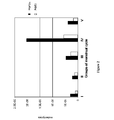
- the inventors have observed that the concentration of two specific lipids, namely prostaglandin E2 (PGE2) and prostaglandin F2 alpha (PGF2 ⁇ ), is significantly increased in endometrial fluid samples between days 19 to 21 of the menstrual cycle of a human female ( woman), coincident with the implantation window.
- PGE2 prostaglandin E2
- PGF2 ⁇ prostaglandin F2 alpha
- the invention relates to the use of a prostaglandin selected from the group consisting of prostaglandin E2 (PGE2), prostaglandin F2 alpha (PGF2 ⁇ ), and combinations thereof, as a marker of endometrial receptivity for implanting an embryo.
- PGE2 and/or PGF2 ⁇ can be used as a marker of endometrial receptivity for implanting an embryo in a mammalian female, preferably, in a human female.
- PGE2 7-[3-hydroxy-2-(3-hydroxyoct-1-enyl)-5-oxo-cyclopentyl]hept-5-enoic acid, is a naturally occurring prostaglandin, also known in medicine as "dinoprostone”; it has important effects in labour (softens cervix and causes uterine contraction) and also stimulates osteoblast to release factors which stimulate bone resoption by osteoclasts).
- dinoprostone can be used as an abortifacient since it is a direct vasodilator, relaxing smooth muscles, and it inhibits the release of noradrenaline from sympathetic nerve terminals.
- PGF2 ⁇ , (Z)-7-[(1R,2R,3R,5S)-3,5-dihydroxy-2-[(E,3S)-3-hydroxyoct-1-enyl) cyclopentyl]hept-5-enoic acid is also a naturally occurring prostaglandin, also known in medicine as "dinoprost"; it is used in medicine to induce labour and as an abortifacient.
- the invention in another aspect, relates to a method for selecting the implantation window of an embryo in a human female, hereinafter referred to as the "method of the invention", which comprises determining the level of PGE2, the level of PGF2 ⁇ or the level of both PGE2 and PGF2 ⁇ in a sample of endometrial fluid from said human female, wherein said implantation window is selected when the level of at least one of said prostaglandins PGE2 or PGF2 ⁇ in said sample is increased in relation to a reference sample.
- the expression " method for selecting” relates to a method for determining the probability of a human female of being in a period receptive for embryo implantation.
- the skilled person in the art will observe that said prediction cannot be correct for the 100% of the patients under study.
- said expression requires that the prediction method provides correct results for a statistically significant portion of patients, what can be determined by using standard statistical techniques such as the confidence intervals determination, p value determination, t test of Student, or the Mann-Whitney test, as explained by Dowdy and Wearden, Statistics for Research, John Wiley & Sons, New York 1983 .
- Suitable confidence intervals are, at least, 50%, at least 60%, at least 70%, at least 80%, preferably, at least 90%, or most preferable, at least 95%.
- p values are 0.2, 0.1, or, most preferably 0.05.
- the term "implantation window" encompasses the window of time during which the uterine endometrium is receptive to the conceptus; in humans, this occurs in the secretory stage of the menstrual cycle. Implantation is defined as days 6-8 post the day of the luteinising hormone (LH) surge.
- the implantation window can be estimated on the basis of a regular menstrual pattern as approximately 7 days before the expected first day of the menstrual period, i.e., it corresponds, therefore, to days 19-21 of an ideal menstrual cycle of 28 days in humans. Similar cycles have been disclosed in other mammals, so that the method of the invention could be adapted to any mammalian female.
- the levels of PGE2 and/or PGF2 ⁇ are determined in a sample of endometrial fluid from the human female under study.
- the biological sample can be taken from said human female by conventional means.
- a sample of endometrial fluid can be obtained as mentioned in Example 1, i.e., by gently introducing transcervically an empty flexible catheter into the uterine cavity and gradually applying a suction with a syringe. Since one major challenge lies on the collection of samples of adequate purity, to prevent contamination by cervical mucus during catheter removal, the outer sheath of the embryo transfer catheter is advanced to an appropriate depth from the external cervical os, following the application of suction; then, cervical mucus is aspirated prior to the endometrial secretion aspiration. A satisfactory number of samples combined with good sample-collection practice will be sufficient to avoid false results.
- the determination of the endometrium receptivity for embryo implantation is particularly important in a lot of techniques such as IVF, embryo transfer, etc., as well as for determining the optimum period for conception in couples who are trying to conceive in a natural way.
- the term "level” is intended broadly and can mean a quantitative amount (e.g., weight or moles), a semi-quantitative amount, a relative amount (e.g., weight % or mole % within class or a ratio), a concentration, and the like.
- the levels of PGE2 and PGF2 ⁇ are expressed in moles/gram of tissue [in that case, although samples were liquid, due to the small volume thereof, the samples were weighed and the concentrations of said compounds was expressed by reference to said weight - values were duly normalized].
- the determination of the level of PGE2 and/or PGF2 ⁇ in the biological sample can be determined by using any suitable method in view of the lipids to be detected and, optionally, quantified, for example, thin layer chromatography, gas chromatography, liquid chromatography (LC), mass spectrometry (MS) and NMR spectrometry, and any combination thereof (e.g., LC/MS or the like).
- said lipids (PGE2 and PGF2 ⁇ ) were identified by liquid chromatography (LC) combined with tandem mass-spectrometry (MS) [LC/MS/MS].
- Tandem mass-spectrometers include triple quadrupole, ion trap, and quadrupole/time-of-flight instruments, among others.
- Bastani et al. who developed an analytical method based on LC with negative electrospray ionization (ESI) coupled to tandem mass spectrometric detection (LC/MS/MS) for the determination of PGF2 ⁇ derivatives concentrations in different biological samples [ Bastani, N.E., et al. Determination of 8-epi PGF2 ⁇ concentrations as a biomarker of oxidative stress using triple-stage liquid chromatography/tandem mass spectrometry. Rapid Communications in Mass Spectrometry, Volume 23 Issue 18, pages 2885 - 2890 (published Online: 10 Aug 2009 )].
- Another suitable method of detecting, and optionally quantifying, lipids in a biological sample employs stable isotope tracers to label the lipids.
- PGE2 and PGF2 ⁇ levels are measured using liquid chromatography (LC) combined with tandem mass-spectrometry (MS) [LC/MS/MS].
- the levels of PGE2 and/or PGF2 ⁇ can be based on quantitative and/or semi-quantitative analysis. For example, semi-quantitative methods can be used to determine a level of a particular lipid (PGE2 or PGF2 ⁇ ) metabolite(s) above a threshold value or to determine ratios of different lipid metabolites, without assigning an absolute or relative numerical value. Quantitative methods can be used to determine a relative or absolute amount of a particular lipid metabolite(s) in the biological sample.
- a threshold or cutoff value can be determined by any means known in the art, and is optionally a predetermined value.
- the threshold value is predetermined in the sense that it is fixed, for example, based on previous experience with the assay and/or a population of human females.
- the term "predetermined" value can also indicate that the method of arriving at the threshold is predetermined or fixed even if the particular value varies among assays or may even be determined for every assay run.
- the level of a prostaglandin such as PGE2 or PGF2 ⁇ in the endometrial fluid sample from the human female under study is " increased in relation to " the level of said prostaglandins in a reference sample according to the instant invention, when the level of said prostaglandins in the endometrial fluid sample under study is at least, 1,1 -fold, 1,5-fold, 5-fold, 10-fold, 20-fold, 30-fold, 40-fold, 50-fold, 60-fold, 70-fold, 80-fold, 90-fold, 100-fold or even more with respect to the reference sample.
- the determination of the levels of PGE2 and/or PGF2 ⁇ needs to be correlated to the level of said prostaglandins in a reference sample.
- the term " reference sample " relates to an endometrium fluid sample obtained from a human female during the non-fertile period of said mammal. Due to the eventual variability which may exist among different human females as to the production of said prostaglandins during the non-fertile period, the reference sample can be typically obtained by combining the same amounts of samples of a population of human females. Generally, typical reference samples will be obtained from clinically well-documented human females.
- normal concentrations i.e., reference concentrations
- PGE2 and/or PGF2 ⁇ normal concentrations
- PGE2 and/or PGF2 ⁇ normal concentrations
- some considerations should be born in mind, e.g., age, etc.
- the same amounts of a group of at least 2, at least 10, at least 100, preferably, more than 1,000 human females, preferably sorted bearing in mind the above mentioned considerations (e.g., age, etc.) can be taken as the reference group.
- the reference sample is obtained from the endometrium fluid from a human female, or from a population of human females, during the non-fertile period of said human female(s).
- the reference sample can be obtained at any day during the non-fertile period of said human female(s)
- said reference sample is obtained before the 15 th day of the menstrual cycle, typically between days 5-11 of the menstrual cycle.
- the predetermined value can be calculated by using the endometrial fluid samples of the menstrual cycle stage as defined above.
- the method of the invention can be performed daily, or each 2, 3, 4, 5, 6, 7, 8, 9, 10, 12, 13, 14, 15, 16, 17, 18, 19, 20, 21, 22, 23, 24, 25, 26, 27 or 28 days, so that the expression profile of said prostaglandins PGE2 and/or PGF2 ⁇ can be determined along the full menstrual cycle.
- endometrium fluid samples can be obtained during the proliferative phase (days 1-14 of the menstrual cycle or before the LH peak), in the early secretory phase (days 15-19 of the menstrual cycle or days 1-5 after the LH peak), in the intermediate secretory phase (days 20-24 of the menstrual cycle or days 6-10 after the LH peak) and in the late secretory phase (days 25-28 of the menstrual cycle or days 11-14 after the LH peak).
- the optimal implantation window will correspond to the period of time in which the levels of PGE2 and/or PGF2 ⁇ are the highest during the full menstrual cycle.
- the reference sample is obtained from the same human female under study during her non-fertile days in order to quantify the level(s) of said prostaglandins (PGE2 and/or PGF2 ⁇ ); said information can be used as a reference value.
- the reference sample is obtained from a generalised human females population during their non-fertile days and the level(s) of said prostaglandins (PGE2 and/or PGF2 ⁇ ) are quantified and combined to establish the reference value.
- PGE2 and/or PGF2 ⁇ prostaglandins
- bioactive lipids in endometrial secretions are analysed to determine their relative levels and establish a correlation with implantation and pregnancy outcome.
- the invention relates to a method for assessing the fertility status of a human female wherein said method comprises:
- This method is aimed at assessing levels of said prostaglandin(s) PGE2 and/or PGF2 ⁇ during the implantation window in the endometrium of said human female.
- the PGE2 and/or PGF2 ⁇ levels are correlated with endometrial receptivity and likelihood of conception.
- the invention relates to a method for assessing if a human female subjected to an in vitro fertilization (IFV) process is under conditions suitable for receiving and implanting an embryo, wherein said method comprises:
- This method is also aimed at assessing levels of said prostaglandin(s) PGE2 and/or PGF2 ⁇ during the implantation window in the endometrium of said human female.
- the PGE2 and/or PGF2 ⁇ levels are correlated with the conditions of the receiving human females for receiving and implanting an embryo and likelihood of conception.
- the sample of endometrial fluid from said human female can be obtained at any time before implanting the embryo, e.g., from some minutes (e.g., 15 minutes) to some hours (e.g., 4-6 hours), or even some days (e.g., 1, 7, 14, or even more) before the embryo transfer.
- this method is planned to be performed on the endometrial fluid obtained in a non-disruptive fashion 5-6 hours prior to embryo transfer.
- the ability to identify specific lipid mediators in endometrial secretions that act as markers of endometrial receptivity is of great importance to the IVF process.
- a stressful step for the human female (patient) is avoided.
- correct endometrial dating is inaccurately obtained, despite the development of non-invasive techniques such as ultrasound ecography or magnetic resonance, which only provide with morphological information of the uterus that has proven not reliable.
- the present invention provides a method for determining the biochemical characteristics of the uterus and an appropriate receptive endometrium a few hours prior to embryo transfer, thus increasing the chances for successful embryo implantation.
- the implantation rates could be improved by at least 5%, typically, at least 10%.
- kits comprising reference lipids for PGE2 and/or PGF2 ⁇ (e.g., PGE2 and/or PGF2 ⁇ lipids of known purity and concentration) and necessary reagents.
- the necessary reagents will be selected in function of the technique selected for determining the level(s) of PGE2 and/or PGF2 ⁇ - the skilled person in the art knows the reagents which are necessary to perform a specific technique for determining the level of said lipids.
- Said kit can be used for selecting the implantation window of an embryo in a human female, or for assessing the fertility status of a human female, or for assessing if a human female subjected to an IFV process is under conditions suitable for receiving and implanting an embryo.
- said kit can be used for an accurate analytical assessment of samples that are predictive of a receptive endometrium hours before the embryo transfer procedure.
- the invention provides a number of non-invasive diagnostic methods, and kits for performing said methods, based on the identification of the lipid profile in the endometrial fluid during the implantation window.
- said lipid profile comprises PGE2 and/or PGF2 ⁇ .
- the methods provided by the instant invention are expected to increase current implantation rates by, at least 5%, preferably, at least 10%.
- An improvement of implantation rates is of benefit to both the medical community and patients by providing with a better medical assistance with increased chances of successful outcomes.
- the methods and kits provided by the instant invention will provide the medical community with a powerful tool in the diagnosis of endometrial receptivity prior to embryo transfer in IVF treatments. Said methods will eliminate the necessity for invasive approaches, and will improve current implantation rates by offering real-time biochemical read-outs of endometrial receptivity only a few hours before the embryo transfer procedure. Patients consequently avoid upsetting biopsy-collection processes.
- the invention further provides a method for identifying a compound capable of enhancing endometrium receptivity as well as a method for identifying a contraceptive agent.
- the invention further provides a method for identifying a compound capable of enhancing endometrium receptivity, which comprises:
- the invention further provides a method for identifying a contraceptive agent, which comprises:
- the candidate compound to be tested in said method for identifying a compound capable of enhancing endometrium receptivity or for identifying a contraceptive agent can be practically any chemical compound, including both low molecular weight compounds and macromolecules such as proteins, nucleic acids, lipids and the like.
- the expression "contacting”, as used herein, includes any possible way of introducing the candidate compound into said PGE2 and/or PGF2 ⁇ producing cells.
- said PGE2 and/or PGF2 ⁇ producing cell can be an epithelial cell of the endometrium [epithelial endometrium cell], preferably, a human epithelial endometrium cell; in another particular embodiment, said PGE2 and/or PGF2 ⁇ producing cell is cell line from endometrium, preferably, a human cell line from endometrium, said cell having the ability of producing PGE2 and/or PGF2 ⁇ .
- the level of said PGE2 and/or PGF2 ⁇ can be determined in the culture medium by any of the techniques previously mentioned.
- said PGE2 and/or PGF2 ⁇ producing cells are present in an animal model; then, the level of said PGE2 and/or PGF2 ⁇ can be determined in a sample from the endometrium fluid from said animal model by any of the techniques previously mentioned.
- An increase in the production of said PGE2 and/or PGF2 ⁇ may be indicative that the candidate compound is suitable for potentially enhancing or increasing the endometrium receptivity for implanting an embryo.
- a decrease in the production of said PGE2 and/or PGF2 ⁇ may be indicative that the candidate compound can be used as a contraceptive agent since said compound reduces the endometrium receptivity for implanting an embryo.
- the invention relates to a lipid composition, wherein said lipid composition has been obtained from an endometrium fluid sample from a mammalian female during the implantation window of an embryo in said mammalian female.
- Said lipid composition can be used for determining endometrial receptivity for implanting an embryo.
- mammalian relates to any mammal, which includes but is not limited to humans, non-human primates, cattle, goats, sheeps, horses, pigs, dogs, etc., subjects.
- the mammalian is a human being, and, thus, the mammalian female is a woman.
- said lipid composition is obtained from an endometrium fluid sample from a human female during the implantation window of an embryo in said human female.
- said lipid composition comprises a lipid selected from the following lipids N-arachidonoyl ethanolamine (AEA), N-palmitoyl ethanolamine (PEA), N-oleoyl ethanolamine (OEA), 2-arachidonoyl glycerol 2-AG), N-stearoyl ethanolamine (SEA), N-linoleoyl ethanolamine (LEA), prostaglandin E2 (PGE2), prostaglandin F2 alpha (PGF2 ⁇ ), prostaglandin F1 alpha (PGF1 ⁇ ) and combinations thereof.
- AEA N-arachidonoyl ethanolamine
- PEA N-palmitoyl ethanolamine
- OEA N-oleoyl ethanolamine
- 2-arachidonoyl glycerol 2-AG 2-arachidonoyl glycerol 2-AG
- N-stearoyl ethanolamine SEA
- N-linoleoyl ethanolamine LAA
- said lipid composition comprises a prostaglandin selected from the group consisting of PGE2, PGF2 ⁇ , and combinations thereof because the levels of said specific lipid(s) is/are significant increased in endometrial fluid samples between days 19 to 21 of the menstrual cycle of a human female ( woman), coincident with the implantation window.
- a prostaglandin selected from the group consisting of PGE2, PGF2 ⁇ , and combinations thereof because the levels of said specific lipid(s) is/are significant increased in endometrial fluid samples between days 19 to 21 of the menstrual cycle of a human female ( woman), coincident with the implantation window.
- the invention relates to a method for selecting the implantation window of an embryo in a mammalian female comprising the steps:
- the sample of endometrial fluid from the mammalian female under study can be obtained by conventional methods as discussed above.
- Obtaining a lipidomic profile from said sample of endometrium fluid from the mammalian female under study can be performed with various chemical and high resolution analytical techniques.
- Suitable analytical techniques include but are not limited to mass spectrometry (MS) and nuclear resonance spectroscopy (NRS). Any high resolution technique capable of re-solving individual lipids or lipid classes and provides structural information of the same can be used to collect the lipid profile from said biological sample.
- MS mass spectrometry
- NRS nuclear resonance spectroscopy
- Any high resolution technique capable of re-solving individual lipids or lipid classes and provides structural information of the same can be used to collect the lipid profile from said biological sample.
- Collecting the lipidomic profile with mass spectrometry (MS) is one embodiment of the current invention.
- the MS instrument can be coupled to a high performance separation method such as HPLC.
- the analytical technique used for collecting the lipidomic profile should be able to quantify or measure either the exact amount or at least a relative amount of the individual lipids or lipid classes.
- the amount of the individual lipids or lipid classes in the collected lipidomic profile is used when comparing the collected lipid profile to the reference lipidomic biomarkers.
- the levels of the lipids are determined by LC/MS/MS, as discussed below.
- the reference lipidomic biomarkers can be established from the same mammalian female under study or it can be from a generalised population. If the same mammalian females are used to create the reference lipidomic marker, then a sample could be collected from said mammalian female during the non-fertile days thereof. The reference lipidomic marker is then created from that first lipid profile of that mammalian female. This lipidomic marker is used as a base-line or starting point. A series of lipidomic profiles can be collected along the menstrual cycle. These lipidomic profiles are then compared with the reference lipidomic marker previously created.
- the reference lipidomic markers can also be created from a generalized population of mammalian females. If a generalized population is used then several lipid profiles from said are combined and the lipidomic marker is created from this combination.
- the reference lipidomic markers are one or more lipid(s) selected from the following lipids N-arachidonoyl ethanolamine (AEA), N-palmitoyl ethanolamine (PEA), N-oleoyl ethanolamine (OEA), 2-arachidonoyl glycerol (2-AG), N-stearoyl ethanolamine (SEA), N-linoleoyl ethanolamine (LEA), prostaglandin E2 (PGE2), prostaglandin F2 alpha (PGF2 ⁇ ), prostaglandin F1 alpha (PGF1 ⁇ ) and combinations thereof.
- AEA N-arachidonoyl ethanolamine
- PEA N-palmitoyl ethanolamine
- OEA N-oleoyl ethanolamine
- SEA N-stearoyl ethanolamine
- LAA N-linoleoyl ethanolamine
- PGE2 prostaglandin E
- said lipid profile comprises a prostaglandin selected from the group consisting of PGE2, PGF2 ⁇ , and combinations thereof because the levels of said specific lipid(s) is/are significant increased in endometrial fluid samples between days 19 to 21 of the menstrual cycle of a human female ( woman), coincident with the implantation window.
- Another aspect of the invention is a kit comprising reference lipids to form the lipidomic reference biomarkers and necessary reagents.
- Said kit can be used for selecting the implantation window of an embryo in a mammalian female, or for assessing the fertility status of a mammalian female, or for assessing if a mammalian female subjected to IFV is under conditions suitable for receiving and implanting an embryo.
- said kit can be used for an accurate analytical assessment of samples that are predictive of a receptive endometrium hours before the embryo transfer procedure.
- the concentration of PGE2 and PGF2 ⁇ is significantly increased during the window of implantation
- HPLC-grade methanol and acetonitrile used for mass spectrometric studies were purchased from VWR international (Plainview, NY).
- HPLC grade water, mass spectrometry/HPLC grade acetic acid, formic acid, and ammonium acetate were purchased from Sigma-Aldrich (St. Louis, MO).
- Endometrial secretion aspiration procedure With the patient lying in lithotomy position, the cervix was cleansed after insertion of the speculum. An empty flexible catheter (Wallace, Smith Medical International) was gently introduced 6 cm transcervically into the uterine cavity and suction was gradually applied with a 10 ml syringe. To prevent contamination by cervical mucus during catheter removal, the outer sheath of the embryo transfer catheter was advanced to a depth of 4 cm from the external cervical os, following the application of suction. Cervical mucus was aspirated prior to endometrial secretion aspiration for within patient comparison, in order to verify whether the aspirates represented cervical mucus rather than endometrial secretions.
- Tandem mass-spectrometers include triple quadrupole, ion trap, and quadrupole/time-of-flight instruments, among others. These instruments typically use quadrupole technology to isolate a compound based upon its molecular weight prior to collision activation (fragmentation) and mass analysis of the fragmented components. This means that the mixture must be purified only to the point that the sample applied to the mass spectrometer is free of other compounds with the same mass. This can often be accomplished with a liquid-liquid extraction from the tissue followed by solid phase extraction methods. Quadrupole technology provides approximately 1 amu resolution; improved isolation within the mass spectrometer is accomplished using TOF/TOF instruments, which permit much finer resolution.
- Mass spectrometric quantitation The quantitation of analytes was achieved using Analyst software (Applied Biosystems-MDS Sciex; Framingham MA), which quantifies the amount of analyte in the sample based upon a power fit of a linear regression of known concentrations of synthetic standards. Statistical differences were determined using ANOVA with post-hoc Fisher's LSD using a 95% confidence interval for the mean (SPSS software, Chicago, IL).
Landscapes
- Health & Medical Sciences (AREA)
- Life Sciences & Earth Sciences (AREA)
- Engineering & Computer Science (AREA)
- Molecular Biology (AREA)
- Biomedical Technology (AREA)
- Immunology (AREA)
- Urology & Nephrology (AREA)
- Hematology (AREA)
- Chemical & Material Sciences (AREA)
- General Health & Medical Sciences (AREA)
- General Physics & Mathematics (AREA)
- Cell Biology (AREA)
- Food Science & Technology (AREA)
- Medicinal Chemistry (AREA)
- Physics & Mathematics (AREA)
- Analytical Chemistry (AREA)
- Biochemistry (AREA)
- Microbiology (AREA)
- Biotechnology (AREA)
- Pathology (AREA)
- Surgery (AREA)
- Endocrinology (AREA)
- Biophysics (AREA)
- Bioinformatics & Cheminformatics (AREA)
- Toxicology (AREA)
- Tropical Medicine & Parasitology (AREA)
- Transplantation (AREA)
- Nuclear Medicine, Radiotherapy & Molecular Imaging (AREA)
- Reproductive Health (AREA)
- Heart & Thoracic Surgery (AREA)
- Medical Informatics (AREA)
- Animal Behavior & Ethology (AREA)
- Public Health (AREA)
- Veterinary Medicine (AREA)
- Pregnancy & Childbirth (AREA)
- Gynecology & Obstetrics (AREA)
- Investigating Or Analysing Biological Materials (AREA)
- Other Investigation Or Analysis Of Materials By Electrical Means (AREA)
Priority Applications (12)
| Application Number | Priority Date | Filing Date | Title |
|---|---|---|---|
| EP10382011A EP2348318A1 (en) | 2010-01-21 | 2010-01-21 | Diagnostic method for endometrial receptivity |
| PL11700679T PL2526425T3 (pl) | 2010-01-21 | 2011-01-21 | Sposób diagnostyczny dla receptywności endometrialnej |
| CN201180010375.0A CN102792166B (zh) | 2010-01-21 | 2011-01-21 | 子宫内膜接受性的诊断方法 |
| JP2012549374A JP5732664B2 (ja) | 2010-01-21 | 2011-01-21 | 子宮内膜受容性の診断方法 |
| HK13105497.2A HK1177636B (en) | 2010-01-21 | 2011-01-21 | Diagnostic method for endometrial receptivity |
| PCT/EP2011/050867 WO2011089240A1 (en) | 2010-01-21 | 2011-01-21 | Diagnostic method for endometrial receptivity |
| BR112012018289-7A BR112012018289A2 (pt) | 2010-01-21 | 2011-01-21 | método para detectar receptividade endometrial em implante de embrião em um mamífero fêmea, método para identificar um composto capaz de intensificar a receptividade do endométrio, e método para identificar um agente contraceptivo |
| CA2787582A CA2787582A1 (en) | 2010-01-21 | 2011-01-21 | Diagnostic method for endometrial receptivity |
| DK11700679.1T DK2526425T3 (da) | 2010-01-21 | 2011-01-21 | Fremgangsmåde til diagnosticering af endometriel receptivitet |
| EP11700679.1A EP2526425B1 (en) | 2010-01-21 | 2011-01-21 | Diagnostic method for endometrial receptivity |
| US13/574,291 US20130144114A1 (en) | 2010-01-21 | 2011-01-21 | Diagnostic method for endometrial receptivity |
| ES11700679.1T ES2485847T3 (es) | 2010-01-21 | 2011-01-21 | Método de diagnóstico para la receptividad endometrial |
Applications Claiming Priority (1)
| Application Number | Priority Date | Filing Date | Title |
|---|---|---|---|
| EP10382011A EP2348318A1 (en) | 2010-01-21 | 2010-01-21 | Diagnostic method for endometrial receptivity |
Publications (1)
| Publication Number | Publication Date |
|---|---|
| EP2348318A1 true EP2348318A1 (en) | 2011-07-27 |
Family
ID=42200845
Family Applications (2)
| Application Number | Title | Priority Date | Filing Date |
|---|---|---|---|
| EP10382011A Withdrawn EP2348318A1 (en) | 2010-01-21 | 2010-01-21 | Diagnostic method for endometrial receptivity |
| EP11700679.1A Not-in-force EP2526425B1 (en) | 2010-01-21 | 2011-01-21 | Diagnostic method for endometrial receptivity |
Family Applications After (1)
| Application Number | Title | Priority Date | Filing Date |
|---|---|---|---|
| EP11700679.1A Not-in-force EP2526425B1 (en) | 2010-01-21 | 2011-01-21 | Diagnostic method for endometrial receptivity |
Country Status (10)
| Country | Link |
|---|---|
| US (1) | US20130144114A1 (enExample) |
| EP (2) | EP2348318A1 (enExample) |
| JP (1) | JP5732664B2 (enExample) |
| CN (1) | CN102792166B (enExample) |
| BR (1) | BR112012018289A2 (enExample) |
| CA (1) | CA2787582A1 (enExample) |
| DK (1) | DK2526425T3 (enExample) |
| ES (1) | ES2485847T3 (enExample) |
| PL (1) | PL2526425T3 (enExample) |
| WO (1) | WO2011089240A1 (enExample) |
Cited By (11)
| Publication number | Priority date | Publication date | Assignee | Title |
|---|---|---|---|---|
| US8323177B2 (en) | 2009-08-22 | 2012-12-04 | The Board Of Trustees Of The Leland Stanford Junior University | Imaging and evaluating embryos, oocytes, and stem cells |
| WO2013135836A1 (en) * | 2012-03-14 | 2013-09-19 | Centre Hospitalier Universitaire Pontchaillou | Itih5 as a diagnostic marker of uterine development and functional defects |
| EP2687851A1 (en) | 2012-07-20 | 2014-01-22 | Matricelab Innove | Method for increasing implantation success in assisted fertilization |
| RU2562559C1 (ru) * | 2014-05-27 | 2015-09-10 | Федеральное государственное бюджетное учреждение "Научно-исследовательский институт акушерства и гинекологии им. Д.О. Отта" Северо-Западного отделения Российской академии медицинских наук | Способ прогнозирования рецептивности эндометрия в циклах экстракорпорального оплодотворения |
| US9482659B2 (en) | 2010-09-27 | 2016-11-01 | Progyny, Inc. | Apparatus, method, and system for the automated imaging and evaluation of embryos, oocytes and stem cells |
| US9879307B2 (en) | 2011-02-23 | 2018-01-30 | The Board Of Trustees Of The Leland Stanford Junior University | Methods of detecting aneuploidy in human embryos |
| RU2651762C1 (ru) * | 2017-06-14 | 2018-04-23 | Федеральное государственное бюджетное учреждение "Уральский научно-исследовательский институт охраны материнства и младенчества" Министерства здравоохранения Российской Федерации (ФГБУ "НИИ ОММ" Минздрава России) | Способ оценки рецептивности эндометрия в период "имплантационного окна" |
| WO2018096375A3 (en) * | 2016-11-22 | 2018-10-04 | Quantbio Kft | Determination of the receptive status of the endometrium |
| US10241108B2 (en) | 2013-02-01 | 2019-03-26 | Ares Trading S.A. | Abnormal syngamy phenotypes observed with time lapse imaging for early identification of embryos with lower development potential |
| EP3569718A1 (en) * | 2018-05-16 | 2019-11-20 | Integrated Genetic Lab Services SLU | Kit and method for determining the receptivity status of an endometrium |
| EP3779455A1 (en) * | 2019-08-14 | 2021-02-17 | Asociación Centro de Investigación Cooperativa en Biociencias - CIC bioGUNE | Lipid signatures for determining the outcome of embryo implantation during in vitro fertilization |
Families Citing this family (10)
| Publication number | Priority date | Publication date | Assignee | Title |
|---|---|---|---|---|
| WO2010010201A1 (es) | 2008-07-22 | 2010-01-28 | Equipo Ivi Investigacion Sl | Perfil de expresion genetica como marcador de la receptividad endometrial |
| US9107696B2 (en) * | 2008-08-06 | 2015-08-18 | Emory University | Method of embryo transfer that eliminates transferred air while hormonally inducing implantation and apparatus |
| BR112016029558A2 (pt) | 2014-06-17 | 2017-08-22 | Igenomix S L | terapia de células-tronco em patologias endometriais |
| CN105486799B (zh) * | 2016-01-25 | 2017-12-01 | 中国药科大学 | 用于诊断急性冠脉综合征的代谢标志物 |
| CN105445408B (zh) * | 2016-01-25 | 2018-06-12 | 齐炼文 | 诊断区分冠状动脉粥样硬化和稳定型心绞痛的代谢标志物 |
| EP3914915A1 (en) * | 2019-01-25 | 2021-12-01 | Fertility Lab Sciences, LLC | Uterine endometrial fluid for prediction of success in fertility treatment |
| WO2020160612A1 (en) * | 2019-02-05 | 2020-08-13 | The University Of Sydney | Uterine receptivity |
| CN111505311A (zh) * | 2020-04-30 | 2020-08-07 | 深圳市锦欣医疗科技创新中心有限公司 | 一组胚胎反复种植失败的生物标志物、其筛选方法及应用 |
| CN111505312A (zh) * | 2020-04-30 | 2020-08-07 | 深圳市锦欣医疗科技创新中心有限公司 | 一组子宫内膜受容性的生物标志物、其筛选方法及应用 |
| US20220186312A1 (en) * | 2020-12-11 | 2022-06-16 | Guzip Biomarkers Corporation | Predictive method for assessing the success of embryo implantation |
Citations (1)
| Publication number | Priority date | Publication date | Assignee | Title |
|---|---|---|---|---|
| WO2003062832A1 (en) | 2002-01-21 | 2003-07-31 | Isis Innovation Limited | Fertility screening method and kit |
Family Cites Families (7)
| Publication number | Priority date | Publication date | Assignee | Title |
|---|---|---|---|---|
| JPH05501541A (ja) * | 1989-05-05 | 1993-03-25 | ノーザン シドニー エリア ヘルス サーヴィス | 繁殖力増強 |
| EP1511863A4 (en) * | 2002-05-14 | 2006-12-27 | Univ Leland Stanford Junior | ENDOMETRIAL GENES FOR THE DETECTION OF ENDOMETRIAL DISORDERS |
| ATE338763T1 (de) * | 2002-08-02 | 2006-09-15 | Schering Ag | Progesteronrezeptormodulatoren mit erhöhter antigonadotroper aktivität für die weibliche fertilitätskontrolle und hormonersatztherapie |
| DE10236405A1 (de) * | 2002-08-02 | 2004-02-19 | Schering Ag | Progesteronrezeptormodulatoren mit erhöhter antigonadotroper Aktivität für die weibliche Fertilitätskontrolle und Hormonersatztherapie |
| JP2007504807A (ja) * | 2003-09-08 | 2007-03-08 | ボード オブ リージェンツ オブ ザ ユニバーシティー オブ テキサス システム | 培養培地にプロスタグランジン又はプロスタグランジン類似物を補足することによってインビトロ胚発生を高めるための方法及び組成 |
| JP2008501035A (ja) * | 2004-05-28 | 2008-01-17 | アプライド リサーチ システムズ エーアールエス ホールディング ナームロゼ フェンノートシャップ | 妊孕性関連障害の治療におけるil−17の使用 |
| JP2007278750A (ja) * | 2006-04-04 | 2007-10-25 | Ono Pharmaceut Co Ltd | プロスタグランジン類及びその類縁体の定量方法 |
-
2010
- 2010-01-21 EP EP10382011A patent/EP2348318A1/en not_active Withdrawn
-
2011
- 2011-01-21 WO PCT/EP2011/050867 patent/WO2011089240A1/en not_active Ceased
- 2011-01-21 US US13/574,291 patent/US20130144114A1/en not_active Abandoned
- 2011-01-21 ES ES11700679.1T patent/ES2485847T3/es active Active
- 2011-01-21 BR BR112012018289-7A patent/BR112012018289A2/pt not_active IP Right Cessation
- 2011-01-21 CN CN201180010375.0A patent/CN102792166B/zh not_active Expired - Fee Related
- 2011-01-21 PL PL11700679T patent/PL2526425T3/pl unknown
- 2011-01-21 CA CA2787582A patent/CA2787582A1/en not_active Abandoned
- 2011-01-21 JP JP2012549374A patent/JP5732664B2/ja not_active Expired - Fee Related
- 2011-01-21 DK DK11700679.1T patent/DK2526425T3/da active
- 2011-01-21 EP EP11700679.1A patent/EP2526425B1/en not_active Not-in-force
Patent Citations (1)
| Publication number | Priority date | Publication date | Assignee | Title |
|---|---|---|---|---|
| WO2003062832A1 (en) | 2002-01-21 | 2003-07-31 | Isis Innovation Limited | Fertility screening method and kit |
Non-Patent Citations (27)
| Title |
|---|
| ACHACHE HANNA ET AL: "Endometrial receptivity markers, the journey to successful embryo implantation.", HUMAN REPRODUCTION UPDATE 2006 NOV-DEC LNKD- PUBMED:16982667, vol. 12, no. 6, November 2006 (2006-11-01), pages 731 - 746, XP002587289, ISSN: 1355-4786 * |
| ACHACHE, H ET AL., HUMAN REPRODUCTION UPDATE, vol. 12, 2006, pages 731 - 46 |
| BASTANI, N.E. ET AL.: "Determination of 8-epi PGF2<I concentrations as a biomarker of oxidative stress using triple-stage liquid chromatography/tandem mass spectrometry", RAPID COMMUNICATIONS IN MASS SPECTROMETRY, vol. 23, no. 18, 10 August 2009 (2009-08-10), pages 2885 - 2890 |
| BOOMSMA, CM.; KAVELAARS, A.; EIJKEMANS, MJC. ET AL.: "Cytokine profiling in endometrial secretions: a non invasive window on endometrial receptivity", REPROD BIOMED ONLINE, vol. 18, 2009, pages 85 - 94 |
| BRUMSTED J R ET AL: "Prostaglandin F2.alpha. synthesis and metabolism by luteal phase endometrium in vitro", FERTILITY AND STERILITY, ELSEVIER SCIENCE INC, NEW YORK, NY, USA, vol. 52, no. 5, 1 November 1989 (1989-11-01), pages 769 - 773, XP008123359, ISSN: 0015-0282 * |
| DOWDY; WEARDEN: "Statistics for Research", 1983, JOHN WILEY & SONS |
| DOWNIE J ET AL: "Levels of prostaglandins in human endometrium during the normal menstrual cycle.", THE JOURNAL OF PHYSIOLOGY JAN 1974 LNKD- PUBMED:16992446, vol. 236, no. 2, January 1974 (1974-01-01), pages 465 - 472, XP002601067, ISSN: 0022-3751 * |
| GAAST, MH.; BEIER-HELLWIG, K.; FAUSER, BC. ET AL.: "Endometrial secretion aspiration prior to embryo transfer does not reduce implantation rates", REPROD BIOMED ONLINE., vol. 7, 2003, pages 105 - 109 |
| GIUDICE, L.C., HUM REPROD, vol. 14, no. 2, 1999, pages 3 - 16 |
| HOOZEMANS DIEDERIK A ET AL: "Human embryo implantation: current knowledge and clinical implications in assisted reproductive technology", REPRODUCTIVE BIOMEDICINE ONLINE, REPRODUCTIVE HEALTHCARE LTD, GB, vol. 9, no. 6, 1 January 2004 (2004-01-01), pages 692 - 715, XP008123049, ISSN: 1472-6483, [retrieved on 20041015] * |
| ISHIHARA O ET AL: "Metabolism of arachidonic acid and synthesis of prostanoids in human endometrium and decidua", PROSTAGLANDINS, LEUKOTRIENES AND MEDICINE, CHURCHILL LIVINGSTONE, EDINBURGH, NEW YORK, GB LNKD- DOI:10.1016/0262-1746(86)90212-X, vol. 24, no. 1, 1 September 1986 (1986-09-01), pages 93 - 102, XP023093790, ISSN: 0262-1746, [retrieved on 19860901] * |
| JENSEN D V ET AL: "Prostaglandins in the menstrual cycle of women. A review", DANISH MEDICAL BULLETIN, DK, vol. 34, no. 3, 1 June 1987 (1987-06-01), pages 178 - 182, XP008122982, ISSN: 0907-8916 * |
| KELLY R W ET AL: "The relationship between menstrual blood loss and prostaglandin production in the human: Evidence for increased availability of arachidonic acid in women suffering from menorrhagia", PROSTAGLANDINS, LEUKOTRIENES AND MEDICINE, CHURCHILL LIVINGSTONE, EDINBURGH, NEW YORK, GB LNKD- DOI:10.1016/0262-1746(84)90087-8, vol. 16, no. 1, 1 October 1984 (1984-10-01), pages 69 - 78, XP023093543, ISSN: 0262-1746, [retrieved on 19841001] * |
| LESSEY, BA.: "Two pathways of progesterone action in the human endometrium: implications for implantation and contraception", STEROIDS, vol. 68, 2003, pages 809 - 815 |
| LIM H ET AL: "Prostaglandin E2 receptor subtype EP2 gene expression in the mouse uterus coincides with differentiation of the luminal epithelium for implantation.", ENDOCRINOLOGY NOV 1997 LNKD- PUBMED:9348184, vol. 138, no. 11, November 1997 (1997-11-01), pages 4599 - 4606, XP002587288, ISSN: 0013-7227 * |
| MAATHUIS J B ET AL: "Concentrations of prostaglandins F2alpha and E2 in the endometrium throughout the human menstrual cycle, after the administration of clomiphene or an oestrogen-progestogen pill and in early pregnancy", JOURNAL OF ENDOCRINOLOGY, SOCIETY FOR ENDOCRINOLOGY, GB, vol. 77, no. 3, 1 January 1978 (1978-01-01), pages 361 - 371, XP008123041, ISSN: 0022-0795 * |
| NIKAS, G.; AGHAJANOVA.: "Endometrial pinopodes: some more understanding on human implantation?", REPROD BIOMED ONLINE 4 SUPPL., vol. 3, 2002, pages 18 - 23 |
| NOYES, RW.; HERTIG, AJ.; ROCK, J.: "Dating the endometrial biopsy", FERTIL STERIL., vol. 1, 1950, pages 3 - 25 |
| REES M C ET AL: "Endometrial and myometrial prostaglandin release during the menstrual cycle in relation to menstrual blood loss", JOURNAL OF CLINICAL ENDOCRINOLOGY AND METABOLISM, THE ENDOCRINE SOCIETY, US LNKD- DOI:10.1210/JCEM-58-5-813, vol. 58, no. 5, 1 May 1984 (1984-05-01), pages 813 - 818, XP008123042, ISSN: 0021-972X * |
| ROBB L; DIMITRIADIS E; LI R; SALAMONSEN LA.: "Leukemia inhibitory factor and interleukin-11: cytokines with key roles in implantation", J REPROD IMMUNOL., vol. 57, 2002, pages 129 - 141 |
| SEPPAANEN-LAAKSO, T; OREGI6, M.: "How to study lipidomes", JMOLEC ENDOCR., vol. 42, 2009, pages 185 - 190 |
| SINGH E J ET AL: "LEVELS OF PROSTAGLANDIN F-2-ALPHA AND PROSTAGLANDIN E-2 IN HUMAN ENDOMETRIUM DURING THE MENSTRUAL CYCLE", AMERICAN JOURNAL OF OBSTETRICS & GYNECOLOGY, MOSBY, ST LOUIS, MO, US, vol. 121, no. 7, 1 April 1975 (1975-04-01), pages 1003 - 1007, XP008123040, ISSN: 0002-9378 * |
| STROWITZKI, T.; GERMEYER, A.; POPOVICI, R. ET AL.: "The human endometrium as a fertility-determining factor", HUMAN REPRODUCTION UPDATE., vol. 12, 2006, pages 617 - 630 |
| SURRENTI C. ET AL.: "High Performance Liquid Chromatographic Method for Prostaglandin E2 Determination in Human Gastric Juice Without Derivatization", JOURNAL OF LIQUID CHROMATOGRAPHY & RELATED TECHNOLOGIES, vol. 7, no. 12, October 1984 (1984-10-01), pages 2409 - 2419 |
| THOMAS, K ET AL., FERTIL. STERIL., vol. 80, 2003, pages 502 - 507 |
| VOYKSNER, R.D.; BUSH, E.D.: "Determination of prostaglandins, and other metabolites of arachidonic acid by thermospray HPLC/MS using post column derivatization", BIOMEDICAL AND ENVIRONMENTAL MASS SPECTROMETRY, vol. 14, no. 5, 13 April 2005 (2005-04-13), pages 213 - 220 |
| WANG, H.; DEY, SK.: "Roadmap to embryo implantation: clues from mouse models", NATURE REVIEW GENETICS., vol. 7, 2006, pages 185 - 199 |
Cited By (20)
| Publication number | Priority date | Publication date | Assignee | Title |
|---|---|---|---|---|
| US8951184B2 (en) | 2009-08-22 | 2015-02-10 | The Board Of Trustees Of The Leland Stanford Junior University | Imaging and evaluating embryos, oocytes, and stem cells |
| US8337387B2 (en) | 2009-08-22 | 2012-12-25 | The Board Of Trustees Of The Leland Stanford Junior University | Imaging and evaluating embryos, oocytes, and stem cells |
| US8323177B2 (en) | 2009-08-22 | 2012-12-04 | The Board Of Trustees Of The Leland Stanford Junior University | Imaging and evaluating embryos, oocytes, and stem cells |
| US9228931B2 (en) | 2009-08-22 | 2016-01-05 | The Board Of Trustees Of The Leland Stanford Junior University | Imaging and evaluating embryos, oocytes, and stem cells |
| US8989475B2 (en) | 2009-08-22 | 2015-03-24 | The Board Of Trustees Of The Leland Stanford Junior University | Imaging and evaluating embryos, oocytes, and stem cells |
| US8721521B2 (en) | 2009-08-22 | 2014-05-13 | The Board Of Trustees Of The Leland Stanford Junior University | Imaging and evaluating embryos, oocytes, and stem cells |
| US9482659B2 (en) | 2010-09-27 | 2016-11-01 | Progyny, Inc. | Apparatus, method, and system for the automated imaging and evaluation of embryos, oocytes and stem cells |
| US9879307B2 (en) | 2011-02-23 | 2018-01-30 | The Board Of Trustees Of The Leland Stanford Junior University | Methods of detecting aneuploidy in human embryos |
| WO2013135836A1 (en) * | 2012-03-14 | 2013-09-19 | Centre Hospitalier Universitaire Pontchaillou | Itih5 as a diagnostic marker of uterine development and functional defects |
| EP2687851A1 (en) | 2012-07-20 | 2014-01-22 | Matricelab Innove | Method for increasing implantation success in assisted fertilization |
| US10450561B2 (en) | 2012-07-20 | 2019-10-22 | Matricelab Innove | Method for increasing implantation success in assisted fertilization |
| WO2014013079A1 (en) | 2012-07-20 | 2014-01-23 | Matricelab Innove | Method for increasing implantation success in assisted fertilization |
| US10241108B2 (en) | 2013-02-01 | 2019-03-26 | Ares Trading S.A. | Abnormal syngamy phenotypes observed with time lapse imaging for early identification of embryos with lower development potential |
| RU2562559C1 (ru) * | 2014-05-27 | 2015-09-10 | Федеральное государственное бюджетное учреждение "Научно-исследовательский институт акушерства и гинекологии им. Д.О. Отта" Северо-Западного отделения Российской академии медицинских наук | Способ прогнозирования рецептивности эндометрия в циклах экстракорпорального оплодотворения |
| WO2018096375A3 (en) * | 2016-11-22 | 2018-10-04 | Quantbio Kft | Determination of the receptive status of the endometrium |
| RU2651762C1 (ru) * | 2017-06-14 | 2018-04-23 | Федеральное государственное бюджетное учреждение "Уральский научно-исследовательский институт охраны материнства и младенчества" Министерства здравоохранения Российской Федерации (ФГБУ "НИИ ОММ" Минздрава России) | Способ оценки рецептивности эндометрия в период "имплантационного окна" |
| EP3569718A1 (en) * | 2018-05-16 | 2019-11-20 | Integrated Genetic Lab Services SLU | Kit and method for determining the receptivity status of an endometrium |
| WO2019219811A1 (en) * | 2018-05-16 | 2019-11-21 | Integrated Genetic Lab Services Slu | Kit and method for determining the receptivity status of an endometrium |
| EP3779455A1 (en) * | 2019-08-14 | 2021-02-17 | Asociación Centro de Investigación Cooperativa en Biociencias - CIC bioGUNE | Lipid signatures for determining the outcome of embryo implantation during in vitro fertilization |
| WO2021028562A1 (en) * | 2019-08-14 | 2021-02-18 | Asociación Centro De Investigación Cooperativa En Biociencias-Cic Biogune | Lipid signatures for determining the outcome of embryo implantation during in vitro fertilization |
Also Published As
| Publication number | Publication date |
|---|---|
| WO2011089240A1 (en) | 2011-07-28 |
| CN102792166B (zh) | 2015-10-21 |
| CN102792166A (zh) | 2012-11-21 |
| US20130144114A1 (en) | 2013-06-06 |
| DK2526425T3 (da) | 2014-08-04 |
| JP5732664B2 (ja) | 2015-06-10 |
| JP2013518244A (ja) | 2013-05-20 |
| CA2787582A1 (en) | 2011-07-28 |
| EP2526425B1 (en) | 2014-04-30 |
| ES2485847T3 (es) | 2014-08-14 |
| BR112012018289A2 (pt) | 2021-04-20 |
| HK1177636A1 (zh) | 2013-08-23 |
| PL2526425T3 (pl) | 2014-11-28 |
| EP2526425A1 (en) | 2012-11-28 |
Similar Documents
| Publication | Publication Date | Title |
|---|---|---|
| EP2526425B1 (en) | Diagnostic method for endometrial receptivity | |
| Edgell et al. | Assessing receptivity in the endometrium: the need for a rapid, non-invasive test | |
| Lam et al. | Ultra performance liquid chromatography tandem mass spectrometry method for the measurement of anandamide in human plasma | |
| Koh et al. | Proteome profiling of exosomes derived from plasma of heifers with divergent genetic merit for fertility | |
| Lazzarin et al. | Fluctuations of fatty acid amide hydrolase and anandamide levels during the human ovulatory cycle | |
| CN112730692B (zh) | 用于预测胎膜早破的生物标记物和方法 | |
| Marczylo et al. | Anandamide levels in human female reproductive tissues: solid-phase extraction and measurement by ultraperformance liquid chromatography tandem mass spectrometry | |
| US20110107820A1 (en) | Use of a steroid profile in ovarian follicular fluid for diagnosis, prognosis and determining strategies for treatment | |
| Finkenwirth et al. | PGFM (13, 14-dihydro-15-keto-PGF2α) in pregnant and pseudo-pregnant Iberian lynx: A new noninvasive pregnancy marker for felid species | |
| Auray-Blais et al. | Metabolomics and preterm birth: What biomarkers in cervicovaginal secretions are predictive of high-risk pregnant women? | |
| KR20120066597A (ko) | 타액을 이용한 생리활성 진단 방법 | |
| KR20230015938A (ko) | 패혈증 증상 예측 | |
| Peiris et al. | Prostaglandin and prostamide concentrations in amniotic fluid of women with spontaneous labor at term with and without clinical chorioamnionitis | |
| US20220065866A1 (en) | Uterine endometrial fluid for prediction of success in fertility treatment | |
| US20140093900A1 (en) | Steroid profile in ovarian follicular fluid for diagnosis, prognosis and determining strategies for treatment | |
| US20220308075A1 (en) | Lipid profiling methods for predicting positive pregnancy outcome | |
| EP4130746A1 (en) | Method for differentiating destructive thyroiditis from other pathological conditions | |
| Albayrak et al. | A simple HPLC method for the determination of plasma progesterone levels in the third trimester of human pregnancy | |
| Wang et al. | Hepcidin levels in hyperprolactinemic women monitored by nanopore thin film based assay: correlation with pregnancy-associated hormone prolactin | |
| WO2013170369A1 (en) | Early predictive markers of pre-eclampsia | |
| JP2002519640A (ja) | 未受精卵の存在を示すためのアッセイ | |
| Lee et al. | Correlation of serum anti-Mullerian hormone to follicular follicle stimulating hormone and implantation potential of the ensuing embryos | |
| HK1177636B (en) | Diagnostic method for endometrial receptivity | |
| Pařízek et al. | The Endocannabinoid System-The Prediction of Spontaneous Preterm Birth in High-Risk Women: Protocol of a Study | |
| KR102913085B1 (ko) | 숙신산을 포함하는 수술 후 섬망 진단용 바이오마커 조성물 |
Legal Events
| Date | Code | Title | Description |
|---|---|---|---|
| PUAI | Public reference made under article 153(3) epc to a published international application that has entered the european phase |
Free format text: ORIGINAL CODE: 0009012 |
|
| AK | Designated contracting states |
Kind code of ref document: A1 Designated state(s): AT BE BG CH CY CZ DE DK EE ES FI FR GB GR HR HU IE IS IT LI LT LU LV MC MK MT NL NO PL PT RO SE SI SK SM TR |
|
| AX | Request for extension of the european patent |
Extension state: AL BA RS |
|
| STAA | Information on the status of an ep patent application or granted ep patent |
Free format text: STATUS: THE APPLICATION IS DEEMED TO BE WITHDRAWN |
|
| 18D | Application deemed to be withdrawn |
Effective date: 20120128 |