EP2322934B1 - A Kit for diagnosing the Alzheimer's disease - Google Patents
A Kit for diagnosing the Alzheimer's disease Download PDFInfo
- Publication number
- EP2322934B1 EP2322934B1 EP10011289.5A EP10011289A EP2322934B1 EP 2322934 B1 EP2322934 B1 EP 2322934B1 EP 10011289 A EP10011289 A EP 10011289A EP 2322934 B1 EP2322934 B1 EP 2322934B1
- Authority
- EP
- European Patent Office
- Prior art keywords
- disease
- cells
- alzheimer
- phosphorylated
- protein
- Prior art date
- Legal status (The legal status is an assumption and is not a legal conclusion. Google has not performed a legal analysis and makes no representation as to the accuracy of the status listed.)
- Active
Links
Images


Classifications
-
- G—PHYSICS
- G01—MEASURING; TESTING
- G01N—INVESTIGATING OR ANALYSING MATERIALS BY DETERMINING THEIR CHEMICAL OR PHYSICAL PROPERTIES
- G01N33/00—Investigating or analysing materials by specific methods not covered by groups G01N1/00 - G01N31/00
- G01N33/48—Biological material, e.g. blood, urine; Haemocytometers
- G01N33/50—Chemical analysis of biological material, e.g. blood, urine; Testing involving biospecific ligand binding methods; Immunological testing
- G01N33/68—Chemical analysis of biological material, e.g. blood, urine; Testing involving biospecific ligand binding methods; Immunological testing involving proteins, peptides or amino acids
- G01N33/6893—Chemical analysis of biological material, e.g. blood, urine; Testing involving biospecific ligand binding methods; Immunological testing involving proteins, peptides or amino acids related to diseases not provided for elsewhere
- G01N33/6896—Neurological disorders, e.g. Alzheimer's disease
-
- A—HUMAN NECESSITIES
- A61—MEDICAL OR VETERINARY SCIENCE; HYGIENE
- A61P—SPECIFIC THERAPEUTIC ACTIVITY OF CHEMICAL COMPOUNDS OR MEDICINAL PREPARATIONS
- A61P25/00—Drugs for disorders of the nervous system
- A61P25/28—Drugs for disorders of the nervous system for treating neurodegenerative disorders of the central nervous system, e.g. nootropic agents, cognition enhancers, drugs for treating Alzheimer's disease or other forms of dementia
-
- G—PHYSICS
- G01—MEASURING; TESTING
- G01N—INVESTIGATING OR ANALYSING MATERIALS BY DETERMINING THEIR CHEMICAL OR PHYSICAL PROPERTIES
- G01N33/00—Investigating or analysing materials by specific methods not covered by groups G01N1/00 - G01N31/00
- G01N33/48—Biological material, e.g. blood, urine; Haemocytometers
- G01N33/50—Chemical analysis of biological material, e.g. blood, urine; Testing involving biospecific ligand binding methods; Immunological testing
- G01N33/5005—Chemical analysis of biological material, e.g. blood, urine; Testing involving biospecific ligand binding methods; Immunological testing involving human or animal cells
- G01N33/5008—Chemical analysis of biological material, e.g. blood, urine; Testing involving biospecific ligand binding methods; Immunological testing involving human or animal cells for testing or evaluating the effect of chemical or biological compounds, e.g. drugs, cosmetics
-
- G—PHYSICS
- G01—MEASURING; TESTING
- G01N—INVESTIGATING OR ANALYSING MATERIALS BY DETERMINING THEIR CHEMICAL OR PHYSICAL PROPERTIES
- G01N33/00—Investigating or analysing materials by specific methods not covered by groups G01N1/00 - G01N31/00
- G01N33/48—Biological material, e.g. blood, urine; Haemocytometers
- G01N33/50—Chemical analysis of biological material, e.g. blood, urine; Testing involving biospecific ligand binding methods; Immunological testing
- G01N33/5005—Chemical analysis of biological material, e.g. blood, urine; Testing involving biospecific ligand binding methods; Immunological testing involving human or animal cells
- G01N33/5008—Chemical analysis of biological material, e.g. blood, urine; Testing involving biospecific ligand binding methods; Immunological testing involving human or animal cells for testing or evaluating the effect of chemical or biological compounds, e.g. drugs, cosmetics
- G01N33/502—Chemical analysis of biological material, e.g. blood, urine; Testing involving biospecific ligand binding methods; Immunological testing involving human or animal cells for testing or evaluating the effect of chemical or biological compounds, e.g. drugs, cosmetics for testing non-proliferative effects
-
- G—PHYSICS
- G01—MEASURING; TESTING
- G01N—INVESTIGATING OR ANALYSING MATERIALS BY DETERMINING THEIR CHEMICAL OR PHYSICAL PROPERTIES
- G01N33/00—Investigating or analysing materials by specific methods not covered by groups G01N1/00 - G01N31/00
- G01N33/48—Biological material, e.g. blood, urine; Haemocytometers
- G01N33/50—Chemical analysis of biological material, e.g. blood, urine; Testing involving biospecific ligand binding methods; Immunological testing
- G01N33/5005—Chemical analysis of biological material, e.g. blood, urine; Testing involving biospecific ligand binding methods; Immunological testing involving human or animal cells
- G01N33/5091—Chemical analysis of biological material, e.g. blood, urine; Testing involving biospecific ligand binding methods; Immunological testing involving human or animal cells for testing the pathological state of an organism
-
- G—PHYSICS
- G01—MEASURING; TESTING
- G01N—INVESTIGATING OR ANALYSING MATERIALS BY DETERMINING THEIR CHEMICAL OR PHYSICAL PROPERTIES
- G01N2333/00—Assays involving biological materials from specific organisms or of a specific nature
- G01N2333/435—Assays involving biological materials from specific organisms or of a specific nature from animals; from humans
- G01N2333/46—Assays involving biological materials from specific organisms or of a specific nature from animals; from humans from vertebrates
- G01N2333/47—Assays involving proteins of known structure or function as defined in the subgroups
- G01N2333/4701—Details
- G01N2333/4709—Amyloid plaque core protein
-
- G—PHYSICS
- G01—MEASURING; TESTING
- G01N—INVESTIGATING OR ANALYSING MATERIALS BY DETERMINING THEIR CHEMICAL OR PHYSICAL PROPERTIES
- G01N2333/00—Assays involving biological materials from specific organisms or of a specific nature
- G01N2333/90—Enzymes; Proenzymes
- G01N2333/91—Transferases (2.)
- G01N2333/912—Transferases (2.) transferring phosphorus containing groups, e.g. kinases (2.7)
-
- G—PHYSICS
- G01—MEASURING; TESTING
- G01N—INVESTIGATING OR ANALYSING MATERIALS BY DETERMINING THEIR CHEMICAL OR PHYSICAL PROPERTIES
- G01N2800/00—Detection or diagnosis of diseases
- G01N2800/28—Neurological disorders
- G01N2800/2814—Dementia; Cognitive disorders
- G01N2800/2821—Alzheimer
Definitions
- the present invention relates to methods of diagnosing the presence or absence of Alzheimer's Disease in a subject by using a kit.
- the invention also relates to the use of said kit involving detecting alterations in the ratio of specific phosphorylated MAP kinase proteins in cells after stimulation with a protein kinase C activator.
- the Alzheimer's Disease-Specific Molecular Biomarkers (ADSMB) disclosed herein are useful for the diagnosis of Alzheimer's Disease.
- AD Alzheimer's Disease
- bradykinin As a potent inflammation mediator, bradykinin (BK) is produced by brain and peripheral cells under patho-physiological conditions such as trauma, stroke, _pain ischemia, and asthma (Regoli et al., 1993; Bockmann & Paegelow, 2000; Ellis et al., 1989; Kamiya et al., 1993).
- BK2bR B2 bradykinin receptor
- PLC phospholipase C
- IP3 inositol 1,4,5-trisphospate
- BK also triggers production of other proinflammatory cytokines through activation of mitogen-activated protein (MAP) kinases (Hayashi et al., 2000; Schwaninger et al., 1999; Phagoo et al., 2001).
- MAP mitogen-activated protein
- Enhanced elevation of intracellular Ca 2+ levels has been found in AD brains as well as in AD peripheral cells in response to stimulation of bradykinin and inactivation of K + channels (Etcheberrigaray et al., 1993, 1998; Hirashima et al., 1996; Gibson et al., 1996(a)).
- PLC protein kinase C
- the BK-activated PLC/phospholipids-Ca 2+ /PKC cascade interacts with the Ras/Raf signaling pathway, which activates extracellular signal-regulated kinases 1/2 (Erk 1 and Erk2, which are referred to together as "Erk1/2"), a subtype of the MAP kinase family (Berridge, 1984; BAssa et al., 1999; Hayashi et al., 2000; Blaukat et al., 2000, Zhao et al.
- Erk1/2 receives signals from multiple signal transduction pathways and leads to cellular proliferation and differentiation by regulation of gene expression through a number of transcriptional factors, including AP-1, NF- ⁇ B, and cyclic AMP-responsive element binding protein (CREB).
- AP-1 AP-1
- NF- ⁇ B NF- ⁇ B
- CREB cyclic AMP-responsive element binding protein
- Erk2 phosphorylates tau at multiple serine/threonine sites including Ser-262 and Ser-356 (Reynolds et al., 1993; Lu et al., 1993).
- Mitogen-activated protein kinases (such as Erk1 and Erk2) regulate phosphorylation of the microtubule associated protein tau and processing of the amyloid protein. both events critical to the pathophysiology of Azheimer's disease. Enhanced and prolonged Erk1/2 phosphorylation in response to bradykinin has been detected in fibroblasts of both familial and sporadic Alzheimer's Disease, but not age-matched controls ( Zhao et al. Neurobiology of Disease 11, 166-183, 2002 ). Sustained Erk1/2 phosphorylation induced by bradykinin has previously been found in Alzheimer's Disease fibroblasts and is the subject of WO 02/067764 .
- WO 03/102016 A2 is directed to amyloid peptide inactivating enzymes to treat Alzheimer's Disease.
- the document discloses the use of insulysin to hydrolyze alpha beta peptides which represents an alternative therapeutic approach to the treatment of Alzheimer's Disease.
- WO 02/067764 A2 discloses a method of diagnosing Alzheimer's disease in a patient comprises determining whether the phosphorylation level of an indicator protein in cells of the patient after stimulus with an activator compound is abnormally elevated as compared to a basal phosphorylation level, the indicator protein being e.g. Erk1/2 and the activator compound being e.g. bradykinin.
- AD Alzheimer's disease
- the present inventors have identified, for the first time, unique Alzheimer's Disease-specific molecular biomarkers useful for the diagnosis of the presence or absence of Alzheimer's Disease in a highly sensitive and highly specific manner compared to previously known diagnostic tests.
- the unique Alzheimer's Disease-specific molecular biomarkers disclosed herein serve as the basis for diagnostic methods having a high degree of sensitivity and specificity for the diagnosis of the presence or absence of Alzheimer's Disease.
- the present invention is directed to the use of a kit for diagnosing the presence or absence of Alzheimer's Disease in a subject, the kit comprising:
- the cells that are used in the diagnostic assays are peripheral cells.
- the cells may be skin cells, skin fibroblast cells, blood cells or buccal mucosa cells.
- the cells are not isolated from cerebral spinal fluid.
- the cells do not comprise cerebral spinal fluid.
- the cells are not obtained by a spinal tap or lumbar puncture.
- a protein kinase C activator is contacted with cells in media comprising serum. In other preferred embodiments of the invention, a protein kinase C activator is contacted with said cells in serum-free media.
- phosphorylated MAP kinase proteins are detected by immunoassay.
- the immunoassay may be a radioimmunoassay, a Western blot assay, an immunofluoresence assay, an enzyme immunoassay, an immunoprecipitation assay, a chemiluminescence assay, an immunohistochemical assay, an immunoelectrophoresis assay, a dot blot assay, or a slot blot assay.
- protein arrays or peptide arrays or protein micro arrays may be employed in the diagnostic methods.
- the difference in the ratios calculated in step (iv) of claim 1 is diagnostic of Alzheimer's Disease in the subject if the difference is a positive value.
- said difference is diagnostic of the absence of Alzheimer's Disease in the subject if the difference is a negative value or zero.
- kits for diagnosing Alzheimer's Disease in a subject may contain one or more protein kinase C activators selected from the group consisting of bradykinin, bryostatin, bombesin, cholecystokinin, thrombin, prostaglandin F2 ⁇ and vasopressin.
- the kits may contain any combination of the foregoing.
- kits for diagnosing Alzheimer's Disease in a subject contain antibodies specific for phosphorylated Erk1 and phosphorylated Erk2.
- the kit may contain anti-phospho-Erk1 antibody.
- the kit may contain an anti-phospho-Erk2 antibody.
- the kits may contain any combination of the foregoing.
- kits for diagnosing Alzheimer's Disease may further comprise an amyloid beta peptide.
- the amyloid beta peptide may be A ⁇ (1-42).
- the present invention relates, in certain aspects, to the use of a kit capable of diagnosing the presence or absence of Alzheimer's Disease in human cells taken from subjects that have been identified for testing and diagnosis.
- the diagnosis is based upon the discovery of unique Alzheimer's Disease-specific molecular biomarkers.
- the invention is directed to methods for determining or confirming the presence or absence of Alzheimer's Disease in a subject or in samples taken from a subject.
- the inventors have found a unique molecular biomarker for Alzheimer's Disease using peripheral (non-CNS) tissue that is useful in diagnostic assays that are highly sensitive and highly specific for the diagnosis of Alzheimer's Disease.
- a great advantage of the instant invention is that the tissue used in the assays and methods disclosed herein may be obtained from subjects using minimally invasive procedures, i.e., without the use of a spinal tap.
- one aspect of the invention is directed to an assay or test for the early detection of Alzheimer's Disease in a subject in which an internally controlled ratio of Erk1 phosphorylation to Erk2 phosphorylation, which is induced by a protein kinase C activator (such as bradykinin), is measured with specific antibodies using a baseline normalization response to growth media in human cells, such as skin fibroblasts, or other peripheral cells such as blood cells.
- a protein kinase C activator such as bradykinin
- the cells that are taken from the individual or patient can be any viable cells.
- they are skin fibroblasts, but any other peripheral tissue cell (i.e. tissue cells outside of the central nervous system) may be used in the tests of this invention if such cells are more convenient to obtain or process.
- Other suitable cells include, but are not limited to, blood cells such as erythrocytes and lymphocytes, buccal mucosal cells, nerve cells such as olfactory neurons, cerebrospinal fluid, urine and any other peripheral cell type.
- the cells used for purposes of comparison do not necessarily have to be from healthy donors.
- the cells may be fresh or may be cultured (see, U.S. Patent No. 6,107,050 ,).
- a punch skin biopsy can be used to obtain skin fibroblasts from a subject. These fibroblasts are analyzed directly using the techniques described herein or introduced into cell culture conditions. The resulting cultured fibroblasts are then analyzed as described in the examples and throughout the specification. Other steps may be required to prepare other types of cells which might be used for analysis such as buccal mucosal cells, nerve cells such as olfactory cells, blood cells such as erythrocytes and lymphocytes, etc. For example, blood cells can be easily obtained by drawing blood from peripheral veins. Cells can then be separated by standard procedures (e.g. using a cell sorter, centrifugation, etc.) and later analyzed.
- the present invention relates, in certain aspects, to methods for the diagnosis and treatment of Alzheimer's Disease in a subject.
- the diagnostic methods of the invention are based on measuring the ratio of two specific and distinct phosphorylated MAP kinase proteins in cells taken from a subject which have been stimulated with an agent that is a protein kinase C activator.
- the invention is also directed, in certain embodiments, to the use of kits containing reagents useful for the detection or diagnosis of Alzheimer's Disease.
- sensitivity in the context of medical screening and diagnosis, means the proportion of affected individuals who give a positive test result for the disease that the test is intended to reveal, i.e., true positive results divided by total true positive and false negative results, usually expressed as a percentage.
- the term "specificity" in the context of medical screening and diagnosis means the proportion of individuals with negative test results for the disease that the test is intended to reveal, i.e., true negative results as a proportion of the total of true negative and false-positive results, usually expressed as a percentage.
- highly sensitive means a diagnostic method that is greater than or equal to about 50% sensitive, or about 55% sensitive, or about 60% sensitive, or about 65% sensitive, or about 70% sensitive, or about 75% sensitive, or about 80% sensitive, or about 85% sensitive, or about 90% sensitive, or about 95% sensitive, or about 96% sensitive, or about 97% sensitive, or about 98% sensitive, or about 99% sensitive or about 100% sensitive.
- the term "highly specific” means a diagnostic method that is greater than or equal to about 50% specific, or about 55% specific, or about 60% specific, or about 65% specific, or about 70% specific, or about 75% specific, or about 80% specific, or about 85% specific, or about 90% specific, or about 95% specific, or about 96% specific, or about 97% specific, or about 98% specific, or about 99% specific or about 100% specific.
- sequence variants are proteins that are related to each other both structurally and functionally.
- sequence variants are proteins that share structural similarity at the level of amino acid sequence and share functional attributes at the level of enzymatic activity.
- sequence variants are MAP kinase proteins that catalyze the phosphorylation of other proteins.
- the "absence of Alzheimer's Disease” means that a subject or cells taken from a subject do not exhibit a measurable or detectable Alzheimer's Disease phenotype.
- an "Alzheimer's Disease phenotype" in a subject or a cell sample includes but is not limited to an Alzheimer's Disease-specific molecular biomarker having a positive value greater than zero.
- Amyloid Beta Peptide is any fragment of the Amyloid Beta Peptide or a full-length Amyloid Beta Peptide.
- the present invention is directed, in certain embodiments, to methods of diagnosing the presence or absence of Alzheimer's Disease.
- the diagnostic assays disclosed herein may be carried out in vitro or in vivo .
- the protein kinase C activator is bradykinin.
- the ratio of specific phosphorylated MAP kinase proteins is the ratio of phosphorylated Erk1 to phosphorylated Erk2, which is calculated by dividing the relative or normalized amount of phosphorylated Erk1 by the relative or normalized amount of phosphorylated Erk2.
- the diagnostic methods which are disclosed herein are based upon the discovery by the inventors of a unique molecular biomarker for Alzheimer's Disease.
- the numerical value of the Alzheimer's Disease-specific molecular biomarker will depend on certain variables, such as, for example, the cells used in the assay, the protein kinase C activator used in the assay and the specific MAP kinase proteins that are targeted for measurement of phosphorylation ratios.
- the Alzheimer's Disease-specific molecular biomarker may be measured by determining the ratio of phosphorylated Erk1 to phosphorylated Erk2 in cells that have been stimulated by a protein kinase C activator and subtracting from this the ratio of phosphorylated Erk1 to phosphorylated Erk2 in cells that have been stimulated with a control solution (vehicle) that lacks the protein kinase C activator.
- a control solution that lacks the protein kinase C activator.
- the difference is greater than zero, i.e. a positive value, this is diagnostic of Alzheimer's Disease.
- the difference is less than or equal to zero, this is indicative of the absence of Alzheimer's Disease.
- the Alzheimer's Disease-specific molecular biomarkers of the present invention are measured by determining the ratio of two phosphorylated MAP kinase proteins after stimulation of cells with a protein kinase C activator.
- the molecular biomarker may be measured by determining the ratio of a first phosphorylated MAP kinase protein to a phosphorylated second MAP kinase protein in cells that have been stimulated by a protein kinase C activator and subtracting from this the ratio of phosphorylated first MAP kinase protein to phosphorylated second MAP kinase protein in cells that have been stimulated with a control solution (vehicle) that lacks the protein kinase C activator.
- the difference is greater than zero, i.e. a positive value, this is diagnostic of Alzheimer's Disease. In further preferred embodiments, if the difference is less than or equal to zero, this is indicative of the absence of Alzheimer's Disease.
- the Alzheimer's Disease-specific molecular biomarker is a positive numerical value in cell samples taken from patients diagnosed with Alzheimer's Disease (AD cells).
- AD cells Alzheimer's Disease
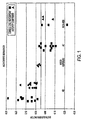
- the positive numerical values for the Alzheimer's Disease-specific molecular biomarker in AD cells may range from about zero to about 0.5.
- the Alzheimer's Disease-specific molecular biomarker is a negative numerical value when measured in cells taken from subjects diagnosed with non-Alzheimer's Disease dementia (non-ADD cells), such as, for example, Parkinson's disease or Huntington's disease or Clinical Schizophrenia.
- non-ADD cells non-Alzheimer's Disease dementia
- the negative numerical values may range from about zero to about -0.2 or about -0.3.
- the Alzheimer's Disease-specific molecular biomarker may be a negative numerical value, zero or very low positive numerical value in cell samples from age-matched control cells (AC cells) taken from patients who do not have Alzheimer's Disease.
- AC cells age-matched control cells
- the Alzheimer's Disease-specific molecular biomarker in AC cells may range from less than about 0.05 to about -0.2.
- Protein kinase C activators that are specifically contemplated for use in the diagnostic methods, and the use of kits of the instant invention include: Bradykinin; ⁇ -APP modulator; Bryostatin 1; Bryostatin 2; DHI; 1,2-Dioctanoyl-sn-glycerol; FTT; Gnidimacrin, Stellera chamaejasme L.; (-)-Indolactam V; Lipoxin A 4 ; Lyngbyatoxin A, Micromonospora sp.; Oleic acid; 1-Oleoyl-2-acetyl-sn-glycerol; 4 ⁇ -Phorbol; Phorbol-12,13-dibutyrate; Phorbol-12,13-didecanoate; 4 ⁇ -Phorbol-12,13- didecanoate; Phorbol-12-myristate-13-acetate; L- ⁇ -Phosphatidylinositol-3,4
- Bryologues are described, for example, in Wender et al. Organic letters (United States) May 12, 2005 ,7 (10) p1995-8 ; Wender et al. Organic letters (United States) Mar 17 2005, 7 (6) p1177-80 ; Wender et al. Journal of Medicinal Chemistry (United States) Dec 16 2004, 47 (26) p6638-44 .
- a protein kinase C activator may be used alone or in combination with any other protein kinase C activator in the diagnostic methods, and use of kits disclosed herein.
- Bradykinin is a potent vasoactive nonapeptide that is generated in the course of various inflammatory conditions. Bradykinin binds to and activates specific cell membrane bradykinin receptor(s), thereby triggering a cascade of intracellular events leading to the phosphorylation of proteins known as "mitogen activated protein kinase” (MAPK).
- MAPK mitogen activated protein kinase
- Phosphorylation of protein the addition of a phosphate group to a Ser, Thr, or Tyr residue, is mediated by a large number of enzymes known collectively as protein kinases. Phosphorylation normally modifies the function of, and usually activates, a protein.
- phosphorylation be a transient process, which is reversed by phosphatase enzymes that dephosphorylate the substrate. Any aberration in phosphorylation or dephosphorylation may disrupt biochemical pathways and cellular functions. Such disruptions may be the basis for certain brain diseases.
- the methods of diagnosing Alzheimer's Disease herein disclosed depend on measuring the Alzheimer's Disease-specific molecular biomarkers as used in the present invention.
- the level of phosphorylated protein present in cells is detected by Western blotting.
- Protein levels of phosphorylated Erk1 or phosphorylated Erk2 can be measured in fibroblasts using anti-Erk1, anti-Erk2, anti-phospho-Erk1 and anti-phospho-Erk2 antibodies (Cell Signaling Technology).
- Levels of a different protein may also be measured in the same sample as a reference protein for normalization. Examples of possible reference proteins include, but are not limited to, annexin-II or actin.
- ELISA is performed according to the following procedures: 1) Add fibroblast cell lysates after treatment in duplicates or triplicates to a 96-well microplate that is previously coated with an anti-Erk antibody. 2) Incubate samples in microplate wells at room temperature for about 2 hours. 3) Aspirate samples and wash wells with a phosphate buffered saline (PBS)-based washing buffer. 4) Add working dilution of an anti-phospho-Erk1/2, or an anti-regular Erk1/2 antibody to each well, and incubate at room temperature for about 1 hour. 5) Aspirate and wash well with washing buffer.
- PBS phosphate buffered saline
- NR A P /A R .
- NR the normalized ratio
- a P absorbance values for phospho-Erk1/2
- a R absorbance for the total (regular) Erk1/2.
- phosphorylation of Erk1/2 is assayed on Western blots using an anti-phospho-Erk1/2 antibody.
- Levels of the immunoreactive signals for phosphorylated Erk1/2 are quantified via densitometric scan.
- the mean density of the phospho-Erk1/2 signals are normalized with the mean density of total Erk1/2 signals that are detected from the same cell lysate samples with an anti-regular Erk1/2 antibody on a separate Western blot.
- Immunoassays used in the present invention for the detection of proteins may be immunofluorescent assays, radioimmunoassays, Western blot assays, enzyme immunoassay, immuno-precipitation, chemiluminescent assay, immunohistochemical assay, dot or slot blot assay.
- immunofluorescent assays may be immunofluorescent assays, radioimmunoassays, Western blot assays, enzyme immunoassay, immuno-precipitation, chemiluminescent assay, immunohistochemical assay, dot or slot blot assay.
- Detection may be by colorimetric or radioactive methods or any other conventional methods known to those having skill in the art. Standard techniques known in the art for ELISA are described in Methods in Immunodiagnosis, 2nd Edition, Rose and Bigazzi, eds., John Wiley and Sons, New York 1980 and Campbell et al., Methods of Immunology, W.A. Benjamin, Inc., 1964 . Such assays may be direct, indirect, competitive, or noncompetitive immunoassays as described in the art (In " Principles and Practice of Immunoassay” (1991) Christopher P. Price and David J. Neoman (eds), Stockton Pres, NY, NY ; Oellirich, M. 1984. J. Clin. Chem. Clin. Biochem. 22: 895-904 Ausubel, et al. (eds) 1987 in Current Protocols in Molecular Biology, John Wiley and Sons, New York, New York .
- the cells taken from the patient being diagnosed may be any cell.
- examples of cells that may be used include, but are not limited to, skin cells, skin fibroblasts, buccal mucosal cells, blood cells, such as erythrocytes, lymphocytes and lymphoblastoid cells, and nerve cells and any other cell expressing the Erk1/2 protein.
- Necropsy samples and pathology samples may also be used. Tissues comprising these cells may also be used, including brain tissue or brain cells.
- the cells may be fresh, cultured or frozen. Protein samples isolated from the cells or tissues may be used immediately in the diagnostic assay or use or frozen for later use. In a preferred embodiment fibroblast cells are used. Fibroblast cells may be obtained by a skin punch biopsy.
- Proteins may be isolated from the cells by conventional methods known to one of skill in the art.
- cells isolated from a patient are washed and pelleted in phosphate buffered saline (PBS).
- the supernatant is discarded, and "homogenization buffer” is added to the pellet followed by sonication of the pellet.
- the protein extract may be used fresh or stored at -80°C for later analysis.
- the antibodies used in the disclosed immunoassays may be monoclonal or polyclonal in origin.
- the phosphorylated and non-phosphorylated Erk1/2 protein or portions thereof used to generate the antibodies may be from natural or recombinant sources or generated by chemical synthesis.
- Natural Erk1/2 proteins can be isolated from biological samples by conventional methods.
- Examples of biological samples that may be used to isolate the Erk1/2 protein include, but are not limited to, skin cells, such as, fibroblasts, fibroblast cell lines, such as Alzheimer's Disease fibroblast cell lines and control fibroblast cell lines which are commercially available through Coriell Cell Repositories, (Camden, N.J.) and listed in the National Institute of Aging 1991 Catalog of Cell Lines, National Institute of General Medical Sciences 1992/1993 Catalog of Cell Lines [(NIH Publication 92-2011 (1992)].
- skin cells such as, fibroblasts, fibroblast cell lines, such as Alzheimer's Disease fibroblast cell lines and control fibroblast cell lines which are commercially available through Coriell Cell Repositories, (Camden, N.J.) and listed in the National Institute of Aging 1991 Catalog of Cell Lines, National Institute of General Medical Sciences 1992/1993 Catalog of Cell Lines [(NIH Publication 92-2011 (1992)].
- kits which may be utilized in performing any of the diagnostic tests described above.
- the kits comprise antibodies which recognize regular Erk1/2 (unphosphorylated Erk1 or unphosphorylated Erk2) or phosphorylated Erk1/2 (phosphorylated Erk1 or phosphorylated Erk2).
- the kits also contain any one or more of the protein kinase C activators disclosed herein (such as, for example, bradykinin or bryostatin).
- Antibodies may be polyclonal or monoclonal.
- the kits may contain instruments, buffers and storage containers necessary to perform one or more biopsies, such as punch skin biopsies.
- kits may also contain instructions relating to the determination of the ratios used to identify the Alzheimer's Disease-specific molecular biomarkers used in the instant invention as well as the use of the antibodies or other constituents in the diagnostic tests.
- the instructions may also describe the procedures for performing a biopsy, such as a punch skin biopsy.
- the kits may also contain other reagents for carrying out the diagnostic tests such as antibodies for the detection of reference proteins used for normalization. Examples of antibodies that recognize possible reference proteins include, but are not limited to, antibodies that recognize annexin-II or actin.
- the kits may also include buffers, secondary antibodies, control cells.
- amyloid beta peptide is an about 4-kDa internal fragment of 39-43 amino acids of the larger transmembrane glycoprotein termed Amyloid Precursor Protein (APP).
- APP Amyloid Precursor Protein
- Multiple isoforms of APP exist, for example APP 695 , APP 751 , and APP 770 .
- Examples of specific isotypes of APP which are currently known to exist in humans are the 695 amino acid polypeptide described by Kang et. al. (1987) Nature 325:733-736 which is designated as the "normal” APP; the 751 amino acid polypeptide described by Ponte et al. (1988) Nature 331:525-527 (1988 ) and Tanzi et al. (1988) Nature 331:528-530 ; and the 770-amino acid polypeptide described by Kitaguchi et. al. (1988) Nature 331:530-532 .
- A proteolytic processing of APP by different secretase enzymes in vivo or in situ
- beta is found in both a "short form", 40 amino acids in length, and a " long form” , ranging from 42-43 amino acids in length.
- Part of the hydrophobic domain of APP is found at the carboxy end of A. beta, and may account for the ability of A. beta to aggregate, particularly in the case of the long form.
- A. beta. peptide can be found in, or purified from, the body fluids of humans and other mammals, e.g. cerebrospinal fluid, including both normal individuals and individuals suffering from amyloidogenic disorders.
- Amyloid beta peptide include peptides resulting from secretase cleavage of APP and synthetic peptides having the same or essentially the same sequence as the cleavage products.
- A. beta. peptides of the invention can be derived from a variety of sources, for example, tissues, cell lines, or body fluids ( e.g . sera or cerebrospinal fluid). For example, an A.
- beta beta can be derived from APP-expressing cells such as Chinese hamster ovary (CHO) cells as described, for example, in Walsh et al., (2002), Nature, 416, pp 535-539 .
- An A. beta. preparation can be derived from tissue sources using methods previously described (see, e.g., Johnson-Wood et al., (1997), Proc. Natl. Acad. Sci. USA 94:1550 ).
- A. beta. peptides can be synthesized using methods which are well known to those in the art. See, for example, Fields et al., Synthetic Peptides: A User's Guide, ed. Grant, W.H.
- peptides can be synthesized using the automated Merrifield techniques of solid phase synthesis with the a-amino group protected by either t-Boc or F-moc chemistry using side chain protected amino acids on, for example, an Applied Biosystems Peptide Synthesizer Model 430A or 431. Longer peptide antigens can be synthesized using well known recombinant DNA techniques.
- a polynucleotide encoding the peptide or fusion peptide can be synthesized or molecularly cloned and inserted in a suitable expression vector for the transfection and heterologous expression by a suitable host cell.
- A. beta. peptide also refers to related A. beta sequences that results from mutations in the A. beta. region of the normal gene.
- the A. beta - induced abnormality of the Erk 1/2 index may be used as a confirmatory test for either the presence or absence of Alzheimer's disease. Namely, a negative Amyloid Beta-Index response indicates the presence of disease, while a positive response indicates the absence of disease. That is, if an Alzheimer's Disease phenotype is induced in cells upon incubation or contact with an Amyloid Beta Peptide, this is indicative of the absence of the disease in the test cells or subject being tested. In contrast, if no or little change in an Alzheimer's Disease-specific molecular biomarker is induced in cells upon incubation or contact with an Amyloid Beta Peptide, this is indicative of the presence of Alzheimer's Disease in the test cells or subject being tested.
- amyloid beta (1-42) i.e. A ⁇ (1-42)
- any other amyloid beta fragments such as (1-39), (1-40), (1-41), (1-43), (25-35), (16-22), (16-35), (10-35), (8-25), (28-38), (15-39), (15-40), (15-41), (15-42), (15-43) or any other amyloid beta fragment may also be used in any of the methods or use of kits described herein.
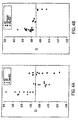
- Bradykinin (10 nM, 10 min at 37°C) was found to cause greater phosphorylation of Erk1/2 in Alzheimer's (AD) fibroblasts vs. non-AD dementia and non-demented control fibroblasts. While this increased Erk1/2 phosphorylation for AD fibroblasts could be observed here with additional Coriell Cell lines, the inherent variability found in these measurements indicated a need for improved quantitation, reliability, and reproducibility.
- Alzheimer's Disease-Specific Molecular Biomarker ADSMB Varies with Disease Duration
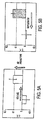
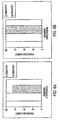
- a ⁇ (1-42) levels are most likely to be critically involved in early AD, and because the observed ADSMB was shown by the data to have early AD diagnostic power, we examined here the possibility that elevated A ⁇ (1-42) might induce abnormalities of MAP kinase D.F. Fibroblast cell lines from normal control patients, therefore, were exposed for 24 hours to 1.0 ⁇ M A ⁇ (1-42). As illustrated in Figure 5A , preincubation with A ⁇ (1-42) did, as predicted, convert the normal (negative) ADSMB phenotype into the abnormal positively valued ADSMB phenotype that had been observed for all of the AD phenotypes. These results suggest that this ADSMB phenotype in AD patients actually arose from elevated levels of A ⁇ (1-42).
- MAP Kinase phosphorylation is regulated by PKC activation that, in tum showed vulnerability to elevated levels of A ⁇ .
- the potent PKC activator, the macrolactone, Bryostatin was found to enhance PKC activation in human fibroblasts as well as to reduce A ⁇ (1-42) levels in the brains of transgenic mice with human AD genes. Based on these findings, therefore, we tested the effects of Bryostatin (0.1 nM) on A ⁇ (1-42)-treated human fibroblasts. As illustrated ( Figure 5B and Table 1), Bryostatin entirely reversed the change of MAP Kinase phosphorylation induced in normal fibroblasts by A ⁇ (1-42).
- Bryostatin changed the abnormal, positively valued of A ⁇ -treated fibroblasts into the normal, negatively valued ADSMB previously observed for non-AD fibroblasts.
- This "therapeutic" efficacy of Bryostatin is consistent with the greatly increased survival of AD-transgenic mice that were exposed to chronic Bryostatin treatment.
- Table 1 Alzheimer's Disease-Specific Molecular Biomarker (ADSMB) was measured for AC (control cell lines) (control), amyloid beta (A ⁇ ) induced cells and, amyloid beta (A ⁇ ) induced cells plus bryostatin treatment (A ⁇ +BY).
- AD The high sensitivity and specificity of the ADSMB measure of MAP Kinase phosphorylation to diagnose AD suggest an important potential as a laboratory test for AD to aid in the clinical assessment of dementia.
- autopsy confirmation of clinically-diagnosed dementia is usually available only for patients with long-standing disease.
- clinical diagnosis for AD of brief duration has been found to show high inaccuracy when it is compared to clinical diagnosis later in the disease progression and then subjected to autopsy validation.
- a peripheral biomarker here a MAP kinase phosphorylation ratio for human fibroblasts, has real utility in arriving at therapeutic strategies for dementia.
- PKC activates: (1) ⁇ -secretase increase of s-APP and, thus, indirectly, reduction of ⁇ -amyloid; (2) ⁇ -amyloid activates glycogen synthase Kinase-3 ⁇ (GSK-3 ⁇ ) that increases MAP kinase Phosphorylation; (3) PKC inhibits GSK-3 ⁇ ; (4) PKC itself phosphorylates GSK-3 ⁇ ; and (5) PKC activates cytokines inflammatory signals that may respond to BK and other AD-initiated events; (6) Toxic cholesterol metabolites (e.g. 17-OH cholesterol) inhibit PKC ⁇ that, on balance reduces A ⁇ , and reduces phosphorylated tau.
- Toxic cholesterol metabolites e.g. 17-OH cholesterol
- a ⁇ (1-42) solution Initially 1 mg of A ⁇ (1-42) was dissolved in hexa-fluoroisopropanol (Sigma, St. Louis, MO) at a concentration of 3 mM and separated into aliquots in sterile microcentrifuge tubes. Hexa-fluoroisopropanol was removed under vacuum and lyophilized. The A ⁇ (1-42) films were stored at -20°C under dry conditions until use. 5 mM A ⁇ (1-42) stock solution was prepared from the stored A ⁇ (1-42) in DMSO just before the experiment.
- hexa-fluoroisopropanol Sigma, St. Louis, MO
- DMEM medium supplied with 10% serum and penicillin/streptomycin
- a ⁇ (1-42) from a DSMO stock solution.
- DMEM medium containing 1.0 ⁇ M A ⁇ (1-42) was added to non-AD control (AC) cells at 90-100% confluence stage in 25 mL cultured flask and kept at cell culture incubator (at 37°C with 5% CO 2 ) for 24 hrs. Cells were 'starved' in serum free medium (DMEM) for 16 hours.
- 10nM bradykinin (in DMSO) solution was prepared in DMEM medium with 10% serum.
- Flasks were removed from the dry ice/ethanol mixture and then 100 ⁇ L of lysis buffer (10 mM Tris, pH 7.4, 150 mM NaCl, 1 mM EDTA, 1 mM EGTA, 0.5% NP-40, 1% Triton X-100, 1% protease inhibitor cocktail, 1% ser/thr/tyrosine phosphatase inhibitor cocktails) was added into each flask. Flasks were kept on an end-to end shaker in a cold room (4°C) for 30 min and cells were collected from each flask with a cell scraper.
- lysis buffer 10 mM Tris, pH 7.4, 150 mM NaCl, 1 mM EDTA, 1 mM EGTA, 0.5% NP-40, 1% Triton X-100, 1% protease inhibitor cocktail, 1% ser/thr/tyrosine phosphatase inhibitor cocktails
- 0.1 nM bryostatin solution was prepared in regular DMEM medium (supplemented with 10% serum and penicillin/streptomycin) from DMSO stock solution. After A ⁇ treatment, cells were washed four times with regular culture medium (supplemented with 10% serum and penicillin/streptomycin). 0.1 nM bryostatin was added to cells and culture flasks were kept in the cell culture incubator (at 37°C with 5% CO 2 ) for 20 min. After five times washing with serum free medium the flasks were kept in an incubator (at 37°C with 5% CO 2 ) in serum free condition for 16 hrs. The Bradykinin induced MAPK assay was done as discussed above.
- ADSMB p ⁇ Erk 1 / p ⁇ Erk 2 BK + ⁇ p ⁇ Erk 1 / p ⁇ Erk 2 BK ⁇
- ADSMB Alzheimer ′ s Disease ⁇ Specific Molecular Biomaker
- EXAMPLE 3 In Vitro Assay of Skin Fibroblasts to Determine Ratio of Phosphorylated Erk1 to Phosphorylated Erk2
- AD Alzheimer's Disease
- non-ADD non AD dementia
- AC age- matched control cells
- Flasks were kept in dry ice/ethanol mixture for 15 min. Flasks were removed from dry ice/ethanol mixture and then 80 ⁇ L of lysis buffer (10 mM Tris, pH 7.4, 150 mM NaCl, 1 mM EDTA, 1 mM EGTA, 0.5% NP-40, 1% Triton X-100, 1% protease inhibitor cocktail, 1% ser/thr/tyrosine phosphatase inhibitor cocktails) was added into each flask.
- lysis buffer 10 mM Tris, pH 7.4, 150 mM NaCl, 1 mM EDTA, 1 mM EGTA, 0.5% NP-40, 1% Triton X-100, 1% protease inhibitor cocktail, 1% ser/thr/tyrosine phosphatase inhibitor cocktails
- Flasks were kept on an end-to-end shaker in a cold room (4 °C) for 30 min and cells were collected from each flask with a cell scraper. Cells were sonicated and then centrifuged at 14000 rpm for 15 min, and the supernatant was used for Western blotting after total protein assay.
- Total Erk1, Erk2 and the phosphorylated forms of Erk1 and Erk2 were determined using specific antibodies: anti-regular Erk1/2 and anti-phospho Erk1/2.
- Banked skin fibroblasts from patients with AD and age-matched controls are purchased from the Coriell Institute for Medical Research. Autopsy confirmed skin fibroblasts are obtained separately. Patients may be clinically affected with severe dementia, progressive memory loss, and other impaired cognitive functions. Brains from these patients show abnormal EEG and different degrees of cerebral atrophy by CAT or CT scan. Cells from normal individuals with close age matches are used as controls.
- Fresh-taken skin fibroblasts The collection and culture of fibroblasts from freshly obtained skin tissue is performed as follows: Punch-biopsy skin tissues from non-FAD (nFAD) patients and age-matched controls are obtained by qualified personnel. All patients (or representatives) sign informed consent forms.
- fibroblasts from Huntington's disease are from Huntington's disease (HD) patients, with dementia accompanying typical Huntington's disease symptoms. Fibroblasts from normal age-and gender-matched individuals are used as controls.
- DMEM is purchased from Gibco BRL. Fetal bovine serum is purchased from Bio Fluids. Bradykinin, diphenylboric acid 2-aminoethyl ester (2ABP), protease, and phosphatase inhibitor cocktails are purchased from Sigma; bisindolylmaleimide-1 and LY294002 are purchased from Alexis; PD98059 is purchased from Cell Signaling Technology. Anti-phospho-Erk1/2 antibodies are purchased from Cell Signaling Technology. Anti-regular Erk1/2 is purchased from Upstate Biotechnology. SDS mini gels (4-20%) are purchased from Invertrogene-Novex. Nitrocellulose membranes are purchased form Schleicher & Schuell (Keene, NH). All the SDS electrophoresis reagents are purchased from Bio-Rad. The SuperSignal chemilumines-cence substrate kit is purchased from Pierce.
- Bradykinin (M.Wt. 1060.2) was purchased from Calbiochem (San Diego, CA). Anti phospho-p44/p42 MAPK from rabbit was obtained from Cell Signaling Technology (Danvers, MA). Anti-regular Erk1/2 was purchased from Upstate Biotechnology, (Charlottesville, VA), Anti-rabbit secondary antibody was purchased from Jackson Lab (Bar Harbor, ME). Beta amyloid (1-42) (M.Wt. 4514.1) was procured from American Peptide (Sunnyvale, CA). Bryostatin was purchased from Biomol (Plymouth Meeting, PA).
- FBS fetal bovine serum
- Samples are placed in 1 xPBS and transported in transfer medium to the laboratory for propagation. After the transfer medium is removed, the skin tissues are rinsed with PBS and finely chopped into 1-mm-sized explants. The explants are transferred one by one onto the growth surface of vented T25 flasks with 3 ml of biopsy medium containing 45% FBS and 100 U/ml penicillin and 100 U/ml streptomycin (Pen/Strep). The tissues are cultured at 37 C for 24 h before addition of 2 ml of biopsy medium containing 10% FBS. The medium is replaced after 48 h with 5 ml of regular culture medium containing 10% FBS and 100 U/ml Pen/Strep. The cells are then passaged and maintained according to a regular procedure given above.
- AD Alzheimer's Disease
- non AD dementia e.g. Huntington and Parkinson disease and Clinical Schizophrenia and age- matched control, AC
- AC Coriell Institute of Medical Research
- DMEM serum free medium
- 10nM bradykinin (in DMSO) solution was prepared in DMEM medium with 10% serum.
- Flasks were removed from dry ice/ethanol mixture and then 100 ⁇ L of lysis buffer (10mM Tris, pH 7.4, 150mM NaCl, 1mM EDTA, 1mM EGTA, 0.5% NP-40, 1% Triton X-100, 1% protease inhibitor cocktail, 1% ser/thr/tyrosine phosphatase inhibitor cocktails) was added into each flask. Flasks were kept on an end to end shaker in a cold room (4°C) for 30 min and cells were collected from each flask with a cell scraper. Cells were sonicated and then centrifuged at 14000 rpm for 15 min, and the supernatant was used for Western blotting after total protein assay.
- lysis buffer 10mM Tris, pH 7.4, 150mM NaCl, 1mM EDTA, 1mM EGTA, 0.5% NP-40, 1% Triton X-100, 1% protease inhibitor cocktail, 1% ser/thr/
- EXAMPLE 8 Treatment of Fibroblast Cells with Different Protein Kinase C Activators
- Bradykinin or different specific protein kinase C activators are used to treat fibroblasts.
- Banked AC and AD skin fibroblasts are cultured to 80-100% confluence before they are "starved” in serum-free DMEM overnight.
- Cells are treated with 10 nM protein kinase C activator at 37 C for different lengths of time to establish a time course for the protein kinase C activator-induced effects.
- the time point at which reactions are terminated immediately after application of protein kinase C activator is defined as "0 min" post-protein kinase C activator treatment.
- a control flask of cells for each cell line at each treatment time point is added with the identical volume of PBS.
- the reaction is terminated by removing the culture medium, rapidly rinsing the cells with precooled PBS, pH 7.4, and transferring the flask onto dry ice/ethanol.
- a concentration of 0.1 nM protein kinase C activator may be used for cells obtained and cultured from fresh biopsy tissues.
- the treatment time is about 10 min at 37 C.
- Protocol 1 Cell lysates are treated with an equal volume of 2X SDS-sample buffer and boiled for 10 min. Proteins from each sample are resolved on a 4-20% mini-gradient gel and transferred onto a nitrocellulose membrane. Phosphorylated Erk1/2 is detected with an anti-phospho-Erk1/2 antibody using the SuperSignal ECL detection kit.
- the membrane After being washed with 10 mM PBS, pH 7.4, containing 0.01% Tween 20 (three times for 10 min), the membrane is blotted with an anti-regular Erk1/2 antibody, from which the total amount of Erk1/2 loaded on the SDS gel is measured.
- Protocol 2 Equal volumes of 2xSDS sample buffer were added to each cell lysate, and boiled for 10 minutes in boiling water bath. Electrophoresis was conducted on an 8-16% mini-gradient gel and transferred onto a nitrocellulose membrane. Total Erk1, Erk2 and the phosphorylated forms of Erk1 and Erk2 (p-Erk1, p-Erk2) were determined using specific antibodies.
- Fibroblast cells are grown on the surface of 2.5-cm-diameter glass coverslips coated with 0.02 mg polylysine.
- bradykinin or another protein kinase C activator as described above, cells are rapidly rinsed with cold PBS, pH 7.4, and fixed with 4% formaldehyde in PBS, pH 7.4, at room temperature for 15 min.
- PBS, pH 7.4, three times, each lasting 5 min cells are penetrated with 0.1% Triton x-100 in PBS, pH 7.4, at room temperature for 30 min.
- cells are incubated with anti-phospho-Erk1/2 antibody (1:200) at 4°C overnight.
- a monoclonal anti-BK B2 antibody, or anti protein kinase C activator antibody is applied to the normal fibroblasts, followed by incubation with Cy5-conjugated anti-mouse IgG.
- the resulting immunoreactive signals are imaged with a fluorescence microscope.
Landscapes
- Health & Medical Sciences (AREA)
- Life Sciences & Earth Sciences (AREA)
- Engineering & Computer Science (AREA)
- Biomedical Technology (AREA)
- Immunology (AREA)
- Chemical & Material Sciences (AREA)
- Hematology (AREA)
- Urology & Nephrology (AREA)
- Molecular Biology (AREA)
- General Health & Medical Sciences (AREA)
- Medicinal Chemistry (AREA)
- Pathology (AREA)
- Microbiology (AREA)
- Biotechnology (AREA)
- Cell Biology (AREA)
- Food Science & Technology (AREA)
- Physics & Mathematics (AREA)
- Analytical Chemistry (AREA)
- Biochemistry (AREA)
- General Physics & Mathematics (AREA)
- Tropical Medicine & Parasitology (AREA)
- Bioinformatics & Cheminformatics (AREA)
- Neurosurgery (AREA)
- Neurology (AREA)
- Toxicology (AREA)
- Proteomics, Peptides & Aminoacids (AREA)
- Physiology (AREA)
- Organic Chemistry (AREA)
- Public Health (AREA)
- General Chemical & Material Sciences (AREA)
- Nuclear Medicine, Radiotherapy & Molecular Imaging (AREA)
- Psychiatry (AREA)
- Pharmacology & Pharmacy (AREA)
- Animal Behavior & Ethology (AREA)
- Chemical Kinetics & Catalysis (AREA)
- Veterinary Medicine (AREA)
- Hospice & Palliative Care (AREA)
- Investigating Or Analysing Biological Materials (AREA)
- Measuring Or Testing Involving Enzymes Or Micro-Organisms (AREA)
- Medicines That Contain Protein Lipid Enzymes And Other Medicines (AREA)
Applications Claiming Priority (5)
| Application Number | Priority Date | Filing Date | Title |
|---|---|---|---|
| US11/246,524 US7595167B2 (en) | 2005-10-11 | 2005-10-11 | Alzheimer's disease-specific alterations of the Erk1/Erk2 phosphorylation ratio |
| PCT/US2005/036014 WO2007043998A1 (en) | 2005-10-11 | 2005-10-11 | Alzheimer’s disease-specific alterations of the erk1/erk2 phosphorylation ratio |
| PCT/US2006/022156 WO2007044094A1 (en) | 2005-10-11 | 2006-06-07 | Alzheimer's disease-specific alterations of the erk1/erk2 phosphorylation ratio as alzheimer's disease-specific molecular biomarkers (adsmb) |
| EP08020258A EP2031398B1 (en) | 2005-10-11 | 2006-09-25 | Alzheimer's disease-specific alterations of the ERK1/ERK2 phosphorylation ratio as Alzheimer's disease-specific molecular biomarkers (ADSMB) |
| EP06825096A EP1934618B1 (en) | 2005-10-11 | 2006-09-25 | Alzheimer's disease-specific alterations of the erk1/erk2 phosphorylation ratio-alzheimer's disease-specific molecular biomarkers (adsmb) |
Related Parent Applications (4)
| Application Number | Title | Priority Date | Filing Date |
|---|---|---|---|
| EP06825096.8 Division | 2006-09-25 | ||
| EP08020258A Division EP2031398B1 (en) | 2005-10-11 | 2006-09-25 | Alzheimer's disease-specific alterations of the ERK1/ERK2 phosphorylation ratio as Alzheimer's disease-specific molecular biomarkers (ADSMB) |
| EP06825096A Division EP1934618B1 (en) | 2005-10-11 | 2006-09-25 | Alzheimer's disease-specific alterations of the erk1/erk2 phosphorylation ratio-alzheimer's disease-specific molecular biomarkers (adsmb) |
| EP08020258.3 Division | 2008-11-20 |
Publications (2)
| Publication Number | Publication Date |
|---|---|
| EP2322934A1 EP2322934A1 (en) | 2011-05-18 |
| EP2322934B1 true EP2322934B1 (en) | 2016-08-31 |
Family
ID=37067652
Family Applications (5)
| Application Number | Title | Priority Date | Filing Date |
|---|---|---|---|
| EP10011289.5A Active EP2322934B1 (en) | 2005-10-11 | 2006-09-25 | A Kit for diagnosing the Alzheimer's disease |
| EP10011288.7A Active EP2339349B1 (en) | 2005-10-11 | 2006-09-25 | Methods for identifying Alzheimer's therapeutics |
| EP10011290A Withdrawn EP2322936A1 (en) | 2005-10-11 | 2006-09-25 | Methods for identifying a lead compound for treatment of Alzheimer's disease |
| EP10012836.2A Active EP2317321B1 (en) | 2005-10-11 | 2006-09-25 | Methods for monitoring Alzheimer's progression by measuring a biomarker |
| EP08020258A Active EP2031398B1 (en) | 2005-10-11 | 2006-09-25 | Alzheimer's disease-specific alterations of the ERK1/ERK2 phosphorylation ratio as Alzheimer's disease-specific molecular biomarkers (ADSMB) |
Family Applications After (4)
| Application Number | Title | Priority Date | Filing Date |
|---|---|---|---|
| EP10011288.7A Active EP2339349B1 (en) | 2005-10-11 | 2006-09-25 | Methods for identifying Alzheimer's therapeutics |
| EP10011290A Withdrawn EP2322936A1 (en) | 2005-10-11 | 2006-09-25 | Methods for identifying a lead compound for treatment of Alzheimer's disease |
| EP10012836.2A Active EP2317321B1 (en) | 2005-10-11 | 2006-09-25 | Methods for monitoring Alzheimer's progression by measuring a biomarker |
| EP08020258A Active EP2031398B1 (en) | 2005-10-11 | 2006-09-25 | Alzheimer's disease-specific alterations of the ERK1/ERK2 phosphorylation ratio as Alzheimer's disease-specific molecular biomarkers (ADSMB) |
Country Status (10)
| Country | Link |
|---|---|
| US (1) | US20180024146A1 (enExample) |
| EP (5) | EP2322934B1 (enExample) |
| JP (1) | JP4908514B2 (enExample) |
| KR (2) | KR20140002073A (enExample) |
| AT (1) | ATE431558T1 (enExample) |
| CA (1) | CA2625300C (enExample) |
| DE (1) | DE602006006855D1 (enExample) |
| ES (5) | ES2412268T3 (enExample) |
| TW (2) | TW201413246A (enExample) |
| WO (1) | WO2007044094A1 (enExample) |
Families Citing this family (19)
| Publication number | Priority date | Publication date | Assignee | Title |
|---|---|---|---|---|
| ES2305234T3 (es) | 2001-02-27 | 2008-11-01 | Blanchette Rockefeller Neurosciences Institute | Diagnostico de la enfermedad de alzheimer basado en la fosforilacion de una proteina quinosa activada por mitogeno. |
| US6825229B2 (en) | 2002-03-07 | 2004-11-30 | Blanchette Rockefeller Neurosciences Institute | Methods for Alzheimer's Disease treatment and cognitive enhancement |
| US20050065205A1 (en) | 2002-03-07 | 2005-03-24 | Daniel Alkon | Methods for Alzheimer's disease treatment and cognitive enhance |
| TW201206425A (en) | 2004-05-18 | 2012-02-16 | Brni Neurosciences Inst | Treatment of depressive disorders |
| US20090029873A1 (en) | 2005-10-11 | 2009-01-29 | Blanchette Rockefeller Neurosciences Institute | Alzheimer's Disease-Specific Alterations of the Erk1/Erk2 Phosphorylation Ratio-Alzheimer's Disease-Specific Molecular Biomarkers (Adsmb) |
| US7595167B2 (en) | 2005-10-11 | 2009-09-29 | Blanchette Rockefeller Neurosciences Institute | Alzheimer's disease-specific alterations of the Erk1/Erk2 phosphorylation ratio |
| JP2009544753A (ja) * | 2006-07-28 | 2009-12-17 | ブランシェット・ロックフェラー・ニューロサイエンスィズ・インスティテュート | 細胞成長、シナプスリモデリング及び長期記憶の固定を刺激する方法 |
| WO2008100449A2 (en) | 2007-02-09 | 2008-08-21 | Blanchette Rockefeller Neurosciences Institute | Therapeutic effects of bryostatins, bryologs, and other related substances on head trauma-induced memory impairment and brain injury |
| WO2010014588A1 (en) | 2008-07-28 | 2010-02-04 | Blanchette Rockefeller Neurosciences Institute | Stimulus-elicited genomic profile markers of alzheimer's disease |
| CA2941035A1 (en) | 2008-07-28 | 2010-02-04 | Blanchette Rockefeller Neurosciences Institute | Pkc-activating compounds for the treatment of neurodegenerative diseases |
| AU2009285766A1 (en) * | 2008-08-27 | 2010-03-04 | H. Lundbeck A/S | System and methods for measuring biomarker profiles |
| US20110212474A1 (en) * | 2009-10-02 | 2011-09-01 | Blanchette Rockefeller Neurosciences Institute | Abnormal alterations of pkc isozymes processing in alzheimer's disease peripheral cells |
| JP6058395B2 (ja) * | 2009-10-02 | 2017-01-11 | ブランシェット・ロックフェラー・ニューロサイエンスィズ・インスティテュート | アルツハイマー病の診断のための繊維芽細胞成長パターン |
| EP2707693B1 (en) * | 2011-05-12 | 2016-10-12 | Florin V. Chirila | Peripheral diagnostic methods for screening alzheimer's disease using beta amyloid and intercellular communication |
| JP6563193B2 (ja) | 2011-11-13 | 2019-08-21 | ブランシェット・ロックフェラー・ニューロサイエンスィズ・インスティテュート | Dcplaのエステル、およびそれを用いた処置の方法 |
| KR101351978B1 (ko) * | 2012-10-30 | 2014-01-16 | 주식회사 코씨드바이오팜 | 참치 안구 파쇄물을 유효성분으로 포함하는 관절염 예방 또는 치료용 약제학적 조성물 및 식품 조성물 |
| JP6679489B2 (ja) * | 2014-01-03 | 2020-04-15 | ブランシェット・ロックフェラー・ニューロサイエンスィズ・インスティテュート | アルツハイマー病についての有効な末梢診断法に対する凝集率の収束 |
| KR102357045B1 (ko) | 2017-03-31 | 2022-01-28 | 뉴로디아그노스틱스 엘엘씨 | 알츠하이머 질환에 대한 림프구-기반 형태계측 시험 |
| EP3972975A4 (en) * | 2019-05-23 | 2023-11-15 | Indiana University Research and Technology Corporation | METHODS FOR OBJECTIVE MEMORY ASSESSMENT, EARLY DETECTION OF RISK FOR ALZHEIMER'S DISEASE, MATCHING INDIVIDUALS TO TREATMENTS, MONITORING RESPONSE TO TREATMENT, AND NEW METHODS OF USING DRUGS |
Family Cites Families (9)
| Publication number | Priority date | Publication date | Assignee | Title |
|---|---|---|---|---|
| JP4374316B2 (ja) * | 1993-01-25 | 2009-12-02 | 武田薬品工業株式会社 | β−アミロイドまたはその誘導体に対する抗体およびその用途 |
| US6107050A (en) | 1993-05-03 | 2000-08-22 | The United States Of America As Represented By The Department Of Health And Human Services | Diagnostic test for alzheimers disease |
| US20030108956A1 (en) * | 1993-05-03 | 2003-06-12 | Alkon Daniel L. | Cell tests for Alzheimer's disease |
| US7427392B1 (en) * | 1994-11-14 | 2008-09-23 | Elan Pharmaceuticals, Inc. | Methods for aiding in the diagnosis of alzheimer's disease by measuring amyloid-β peptide (x-≧41) and tau |
| US20030165481A1 (en) * | 2000-02-24 | 2003-09-04 | Hersh Louis B. | Amyloid peptide inactivating enzyme to treat Alzheimer's disease |
| ES2305234T3 (es) | 2001-02-27 | 2008-11-01 | Blanchette Rockefeller Neurosciences Institute | Diagnostico de la enfermedad de alzheimer basado en la fosforilacion de una proteina quinosa activada por mitogeno. |
| US6825229B2 (en) * | 2002-03-07 | 2004-11-30 | Blanchette Rockefeller Neurosciences Institute | Methods for Alzheimer's Disease treatment and cognitive enhancement |
| KR100574017B1 (ko) | 2003-08-11 | 2006-04-26 | 삼성전자주식회사 | 잉크젯 프린터의 잉크 카트리지 |
| US7199386B2 (en) | 2004-07-29 | 2007-04-03 | General Electric Company | System and method for detecting defects in a light-management film |
-
2006
- 2006-06-07 WO PCT/US2006/022156 patent/WO2007044094A1/en not_active Ceased
- 2006-09-25 ES ES08020258T patent/ES2412268T3/es active Active
- 2006-09-25 AT AT06825096T patent/ATE431558T1/de not_active IP Right Cessation
- 2006-09-25 EP EP10011289.5A patent/EP2322934B1/en active Active
- 2006-09-25 CA CA2625300A patent/CA2625300C/en active Active
- 2006-09-25 EP EP10011288.7A patent/EP2339349B1/en active Active
- 2006-09-25 EP EP10011290A patent/EP2322936A1/en not_active Withdrawn
- 2006-09-25 JP JP2008535546A patent/JP4908514B2/ja not_active Expired - Fee Related
- 2006-09-25 EP EP10012836.2A patent/EP2317321B1/en active Active
- 2006-09-25 KR KR1020137031223A patent/KR20140002073A/ko not_active Withdrawn
- 2006-09-25 ES ES10011288.7T patent/ES2588376T3/es active Active
- 2006-09-25 ES ES06825096T patent/ES2323813T3/es active Active
- 2006-09-25 ES ES10011289.5T patent/ES2596881T3/es active Active
- 2006-09-25 DE DE602006006855T patent/DE602006006855D1/de active Active
- 2006-09-25 EP EP08020258A patent/EP2031398B1/en active Active
- 2006-09-25 ES ES10012836.2T patent/ES2477284T3/es active Active
- 2006-10-11 TW TW102146766A patent/TW201413246A/zh unknown
- 2006-10-11 TW TW095137389A patent/TWI448688B/zh not_active IP Right Cessation
-
2008
- 2008-05-08 KR KR1020087011105A patent/KR101375552B1/ko not_active Expired - Fee Related
-
2017
- 2017-09-29 US US15/719,714 patent/US20180024146A1/en not_active Abandoned
Also Published As
| Publication number | Publication date |
|---|---|
| ES2477284T3 (es) | 2014-07-16 |
| EP2339349B1 (en) | 2016-08-17 |
| EP2322936A1 (en) | 2011-05-18 |
| ES2588376T3 (es) | 2016-11-02 |
| US20180024146A1 (en) | 2018-01-25 |
| DE602006006855D1 (de) | 2009-06-25 |
| TW200801515A (en) | 2008-01-01 |
| TWI448688B (zh) | 2014-08-11 |
| EP2339349A1 (en) | 2011-06-29 |
| KR101375552B1 (ko) | 2014-03-24 |
| CA2625300C (en) | 2018-01-02 |
| KR20140002073A (ko) | 2014-01-07 |
| KR20080066785A (ko) | 2008-07-16 |
| WO2007044094A1 (en) | 2007-04-19 |
| EP2031398A1 (en) | 2009-03-04 |
| ES2596881T3 (es) | 2017-01-12 |
| ATE431558T1 (de) | 2009-05-15 |
| JP4908514B2 (ja) | 2012-04-04 |
| TW201413246A (zh) | 2014-04-01 |
| ES2323813T3 (es) | 2009-07-24 |
| ES2412268T3 (es) | 2013-07-10 |
| EP2031398B1 (en) | 2013-02-13 |
| EP2317321B1 (en) | 2014-04-02 |
| EP2322934A1 (en) | 2011-05-18 |
| EP2317321A1 (en) | 2011-05-04 |
| CA2625300A1 (en) | 2007-04-26 |
| JP2009511905A (ja) | 2009-03-19 |
Similar Documents
| Publication | Publication Date | Title |
|---|---|---|
| US9797913B2 (en) | Alzheimer's disease-specific alterations of the ERK1/ERK2 phosphorylation ratio-alzheimer's disease-specific molecular biomarkers (ADSMB) | |
| US20180024146A1 (en) | Alzheimer's disease-specific alterations of the erk1/erk2 phosphorylation ratio-alzheimer's disease-specific molecular biomarkers (adsmb) | |
| US7595167B2 (en) | Alzheimer's disease-specific alterations of the Erk1/Erk2 phosphorylation ratio | |
| EP1934618B1 (en) | Alzheimer's disease-specific alterations of the erk1/erk2 phosphorylation ratio-alzheimer's disease-specific molecular biomarkers (adsmb) | |
| US20090029355A1 (en) | Abnormalities of Phosphatase 2A (PP2A) for Diagnosis and Treatment of Alzheimer's Disease | |
| US9518995B2 (en) | FKBP52-Tau interaction as a novel therapeutical target for treating the neurological disorders involving Tau dysfunction | |
| EP1233979A1 (en) | Method of diagnosing neurodegenerative disease | |
| WO2007043998A1 (en) | Alzheimer’s disease-specific alterations of the erk1/erk2 phosphorylation ratio | |
| WO2009126232A1 (en) | Alzheimer's disease-specific alterations of the erk1/erk2 phosphorylation ratio-alzheimer's disease-specific molecular biomarkers (adsmb) | |
| US20080221042A1 (en) | Alzheimer's disease-specific alterations of the ERK1/ERK2 Phosphorylation ratio-Alzheimer's disease-specific molecular biomarkers (ADSMB) | |
| KR20070084247A (ko) | 알츠하이머 질환의 진단 및 치료를 위한 포스파타제 2a(pp2a)의 비정상 |
Legal Events
| Date | Code | Title | Description |
|---|---|---|---|
| PUAI | Public reference made under article 153(3) epc to a published international application that has entered the european phase |
Free format text: ORIGINAL CODE: 0009012 |
|
| AC | Divisional application: reference to earlier application |
Ref document number: 1934618 Country of ref document: EP Kind code of ref document: P Ref document number: 2031398 Country of ref document: EP Kind code of ref document: P |
|
| AK | Designated contracting states |
Kind code of ref document: A1 Designated state(s): AT BE BG CH CY CZ DE DK EE ES FI FR GB GR HU IE IS IT LI LT LU LV MC NL PL PT RO SE SI SK TR |
|
| 17P | Request for examination filed |
Effective date: 20111118 |
|
| 17Q | First examination report despatched |
Effective date: 20120214 |
|
| RAP1 | Party data changed (applicant data changed or rights of an application transferred) |
Owner name: BLANCHETTE ROCKEFELLER NEUROSCIENCES INSTITUTE |
|
| GRAP | Despatch of communication of intention to grant a patent |
Free format text: ORIGINAL CODE: EPIDOSNIGR1 |
|
| INTG | Intention to grant announced |
Effective date: 20160322 |
|
| GRAS | Grant fee paid |
Free format text: ORIGINAL CODE: EPIDOSNIGR3 |
|
| GRAA | (expected) grant |
Free format text: ORIGINAL CODE: 0009210 |
|
| AC | Divisional application: reference to earlier application |
Ref document number: 1934618 Country of ref document: EP Kind code of ref document: P Ref document number: 2031398 Country of ref document: EP Kind code of ref document: P |
|
| AK | Designated contracting states |
Kind code of ref document: B1 Designated state(s): AT BE BG CH CY CZ DE DK EE ES FI FR GB GR HU IE IS IT LI LT LU LV MC NL PL PT RO SE SI SK TR |
|
| REG | Reference to a national code |
Ref country code: CH Ref legal event code: EP Ref country code: GB Ref legal event code: FG4D |
|
| REG | Reference to a national code |
Ref country code: IE Ref legal event code: FG4D |
|
| REG | Reference to a national code |
Ref country code: FR Ref legal event code: PLFP Year of fee payment: 11 |
|
| REG | Reference to a national code |
Ref country code: DE Ref legal event code: R096 Ref document number: 602006050161 Country of ref document: DE |
|
| REG | Reference to a national code |
Ref country code: AT Ref legal event code: REF Ref document number: 825433 Country of ref document: AT Kind code of ref document: T Effective date: 20161015 |
|
| REG | Reference to a national code |
Ref country code: NL Ref legal event code: FP |
|
| REG | Reference to a national code |
Ref country code: SE Ref legal event code: TRGR |
|
| REG | Reference to a national code |
Ref country code: LT Ref legal event code: MG4D |
|
| REG | Reference to a national code |
Ref country code: ES Ref legal event code: FG2A Ref document number: 2596881 Country of ref document: ES Kind code of ref document: T3 Effective date: 20170112 |
|
| REG | Reference to a national code |
Ref country code: AT Ref legal event code: MK05 Ref document number: 825433 Country of ref document: AT Kind code of ref document: T Effective date: 20160831 |
|
| PG25 | Lapsed in a contracting state [announced via postgrant information from national office to epo] |
Ref country code: FI Free format text: LAPSE BECAUSE OF FAILURE TO SUBMIT A TRANSLATION OF THE DESCRIPTION OR TO PAY THE FEE WITHIN THE PRESCRIBED TIME-LIMIT Effective date: 20160831 Ref country code: LT Free format text: LAPSE BECAUSE OF FAILURE TO SUBMIT A TRANSLATION OF THE DESCRIPTION OR TO PAY THE FEE WITHIN THE PRESCRIBED TIME-LIMIT Effective date: 20160831 |
|
| PG25 | Lapsed in a contracting state [announced via postgrant information from national office to epo] |
Ref country code: AT Free format text: LAPSE BECAUSE OF FAILURE TO SUBMIT A TRANSLATION OF THE DESCRIPTION OR TO PAY THE FEE WITHIN THE PRESCRIBED TIME-LIMIT Effective date: 20160831 Ref country code: GR Free format text: LAPSE BECAUSE OF FAILURE TO SUBMIT A TRANSLATION OF THE DESCRIPTION OR TO PAY THE FEE WITHIN THE PRESCRIBED TIME-LIMIT Effective date: 20161201 Ref country code: LV Free format text: LAPSE BECAUSE OF FAILURE TO SUBMIT A TRANSLATION OF THE DESCRIPTION OR TO PAY THE FEE WITHIN THE PRESCRIBED TIME-LIMIT Effective date: 20160831 Ref country code: BE Free format text: LAPSE BECAUSE OF NON-PAYMENT OF DUE FEES Effective date: 20160930 |
|
| PG25 | Lapsed in a contracting state [announced via postgrant information from national office to epo] |
Ref country code: EE Free format text: LAPSE BECAUSE OF FAILURE TO SUBMIT A TRANSLATION OF THE DESCRIPTION OR TO PAY THE FEE WITHIN THE PRESCRIBED TIME-LIMIT Effective date: 20160831 Ref country code: RO Free format text: LAPSE BECAUSE OF FAILURE TO SUBMIT A TRANSLATION OF THE DESCRIPTION OR TO PAY THE FEE WITHIN THE PRESCRIBED TIME-LIMIT Effective date: 20160831 |
|
| REG | Reference to a national code |
Ref country code: CH Ref legal event code: PL |
|
| PG25 | Lapsed in a contracting state [announced via postgrant information from national office to epo] |
Ref country code: BE Free format text: LAPSE BECAUSE OF FAILURE TO SUBMIT A TRANSLATION OF THE DESCRIPTION OR TO PAY THE FEE WITHIN THE PRESCRIBED TIME-LIMIT Effective date: 20160831 Ref country code: BG Free format text: LAPSE BECAUSE OF FAILURE TO SUBMIT A TRANSLATION OF THE DESCRIPTION OR TO PAY THE FEE WITHIN THE PRESCRIBED TIME-LIMIT Effective date: 20161130 Ref country code: CZ Free format text: LAPSE BECAUSE OF FAILURE TO SUBMIT A TRANSLATION OF THE DESCRIPTION OR TO PAY THE FEE WITHIN THE PRESCRIBED TIME-LIMIT Effective date: 20160831 Ref country code: DK Free format text: LAPSE BECAUSE OF FAILURE TO SUBMIT A TRANSLATION OF THE DESCRIPTION OR TO PAY THE FEE WITHIN THE PRESCRIBED TIME-LIMIT Effective date: 20160831 Ref country code: PL Free format text: LAPSE BECAUSE OF FAILURE TO SUBMIT A TRANSLATION OF THE DESCRIPTION OR TO PAY THE FEE WITHIN THE PRESCRIBED TIME-LIMIT Effective date: 20160831 Ref country code: PT Free format text: LAPSE BECAUSE OF FAILURE TO SUBMIT A TRANSLATION OF THE DESCRIPTION OR TO PAY THE FEE WITHIN THE PRESCRIBED TIME-LIMIT Effective date: 20170102 Ref country code: SK Free format text: LAPSE BECAUSE OF FAILURE TO SUBMIT A TRANSLATION OF THE DESCRIPTION OR TO PAY THE FEE WITHIN THE PRESCRIBED TIME-LIMIT Effective date: 20160831 |
|
| REG | Reference to a national code |
Ref country code: DE Ref legal event code: R097 Ref document number: 602006050161 Country of ref document: DE |
|
| REG | Reference to a national code |
Ref country code: IE Ref legal event code: MM4A |
|
| PLBE | No opposition filed within time limit |
Free format text: ORIGINAL CODE: 0009261 |
|
| STAA | Information on the status of an ep patent application or granted ep patent |
Free format text: STATUS: NO OPPOSITION FILED WITHIN TIME LIMIT |
|
| PG25 | Lapsed in a contracting state [announced via postgrant information from national office to epo] |
Ref country code: CH Free format text: LAPSE BECAUSE OF NON-PAYMENT OF DUE FEES Effective date: 20160930 Ref country code: IE Free format text: LAPSE BECAUSE OF NON-PAYMENT OF DUE FEES Effective date: 20160925 Ref country code: LI Free format text: LAPSE BECAUSE OF NON-PAYMENT OF DUE FEES Effective date: 20160930 |
|
| 26N | No opposition filed |
Effective date: 20170601 |
|
| PG25 | Lapsed in a contracting state [announced via postgrant information from national office to epo] |
Ref country code: LU Free format text: LAPSE BECAUSE OF NON-PAYMENT OF DUE FEES Effective date: 20160925 Ref country code: SI Free format text: LAPSE BECAUSE OF FAILURE TO SUBMIT A TRANSLATION OF THE DESCRIPTION OR TO PAY THE FEE WITHIN THE PRESCRIBED TIME-LIMIT Effective date: 20160831 |
|
| REG | Reference to a national code |
Ref country code: FR Ref legal event code: PLFP Year of fee payment: 12 |
|
| PG25 | Lapsed in a contracting state [announced via postgrant information from national office to epo] |
Ref country code: HU Free format text: LAPSE BECAUSE OF FAILURE TO SUBMIT A TRANSLATION OF THE DESCRIPTION OR TO PAY THE FEE WITHIN THE PRESCRIBED TIME-LIMIT; INVALID AB INITIO Effective date: 20060925 Ref country code: CY Free format text: LAPSE BECAUSE OF FAILURE TO SUBMIT A TRANSLATION OF THE DESCRIPTION OR TO PAY THE FEE WITHIN THE PRESCRIBED TIME-LIMIT Effective date: 20160831 |
|
| PG25 | Lapsed in a contracting state [announced via postgrant information from national office to epo] |
Ref country code: MC Free format text: LAPSE BECAUSE OF FAILURE TO SUBMIT A TRANSLATION OF THE DESCRIPTION OR TO PAY THE FEE WITHIN THE PRESCRIBED TIME-LIMIT Effective date: 20160831 Ref country code: TR Free format text: LAPSE BECAUSE OF FAILURE TO SUBMIT A TRANSLATION OF THE DESCRIPTION OR TO PAY THE FEE WITHIN THE PRESCRIBED TIME-LIMIT Effective date: 20160831 Ref country code: IS Free format text: LAPSE BECAUSE OF FAILURE TO SUBMIT A TRANSLATION OF THE DESCRIPTION OR TO PAY THE FEE WITHIN THE PRESCRIBED TIME-LIMIT Effective date: 20160831 |
|
| REG | Reference to a national code |
Ref country code: FR Ref legal event code: PLFP Year of fee payment: 13 |
|
| REG | Reference to a national code |
Ref country code: DE Ref legal event code: R082 Ref document number: 602006050161 Country of ref document: DE Representative=s name: KADOR & PARTNER PARTG MBB PATENTANWAELTE, DE Ref country code: DE Ref legal event code: R081 Ref document number: 602006050161 Country of ref document: DE Owner name: THE WEST VIRGINIA UNIVERSITY BOARD OF GOVERNOR, US Free format text: FORMER OWNER: BLANCHETTE ROCKEFELLER NEUROSCIENCES INSTITUTE, MORGANTOWN, W.VA., US |
|
| REG | Reference to a national code |
Ref country code: GB Ref legal event code: 732E Free format text: REGISTERED BETWEEN 20190725 AND 20190731 |
|
| PGFP | Annual fee paid to national office [announced via postgrant information from national office to epo] |
Ref country code: ES Payment date: 20241001 Year of fee payment: 19 |
|
| PGFP | Annual fee paid to national office [announced via postgrant information from national office to epo] |
Ref country code: DE Payment date: 20250929 Year of fee payment: 20 |
|
| PGFP | Annual fee paid to national office [announced via postgrant information from national office to epo] |
Ref country code: IT Payment date: 20250919 Year of fee payment: 20 Ref country code: NL Payment date: 20250926 Year of fee payment: 20 |
|
| PGFP | Annual fee paid to national office [announced via postgrant information from national office to epo] |
Ref country code: GB Payment date: 20250929 Year of fee payment: 20 |
|
| PGFP | Annual fee paid to national office [announced via postgrant information from national office to epo] |
Ref country code: FR Payment date: 20250925 Year of fee payment: 20 |
|
| PGFP | Annual fee paid to national office [announced via postgrant information from national office to epo] |
Ref country code: SE Payment date: 20250927 Year of fee payment: 20 |