EP2320150B1 - Klimaanlage und Betriebsverfahren dafür - Google Patents
Klimaanlage und Betriebsverfahren dafür Download PDFInfo
- Publication number
- EP2320150B1 EP2320150B1 EP10175074.3A EP10175074A EP2320150B1 EP 2320150 B1 EP2320150 B1 EP 2320150B1 EP 10175074 A EP10175074 A EP 10175074A EP 2320150 B1 EP2320150 B1 EP 2320150B1
- Authority
- EP
- European Patent Office
- Prior art keywords
- temperature
- cooling
- heating
- time period
- comfort
- Prior art date
- Legal status (The legal status is an assumption and is not a legal conclusion. Google has not performed a legal analysis and makes no representation as to the accuracy of the status listed.)
- Not-in-force
Links
- 238000000034 method Methods 0.000 title claims description 41
- 238000001816 cooling Methods 0.000 claims description 117
- 238000010438 heat treatment Methods 0.000 claims description 49
- 238000007664 blowing Methods 0.000 claims description 23
- 230000003247 decreasing effect Effects 0.000 claims description 10
- 238000004378 air conditioning Methods 0.000 description 63
- 241000282414 Homo sapiens Species 0.000 description 21
- 230000008859 change Effects 0.000 description 7
- 239000003507 refrigerant Substances 0.000 description 6
- 230000000694 effects Effects 0.000 description 5
- 230000008569 process Effects 0.000 description 5
- 239000007788 liquid Substances 0.000 description 3
- 230000006978 adaptation Effects 0.000 description 2
- 238000010586 diagram Methods 0.000 description 2
- 230000036541 health Effects 0.000 description 2
- 230000004044 response Effects 0.000 description 2
- 230000003750 conditioning effect Effects 0.000 description 1
- 230000000593 degrading effect Effects 0.000 description 1
- 230000001419 dependent effect Effects 0.000 description 1
- 230000003467 diminishing effect Effects 0.000 description 1
- 238000005265 energy consumption Methods 0.000 description 1
- 230000007613 environmental effect Effects 0.000 description 1
- 230000006872 improvement Effects 0.000 description 1
- 230000000977 initiatory effect Effects 0.000 description 1
- 230000002093 peripheral effect Effects 0.000 description 1
- 239000002699 waste material Substances 0.000 description 1
Images





Classifications
-
- F—MECHANICAL ENGINEERING; LIGHTING; HEATING; WEAPONS; BLASTING
- F24—HEATING; RANGES; VENTILATING
- F24F—AIR-CONDITIONING; AIR-HUMIDIFICATION; VENTILATION; USE OF AIR CURRENTS FOR SCREENING
- F24F11/00—Control or safety arrangements
- F24F11/30—Control or safety arrangements for purposes related to the operation of the system, e.g. for safety or monitoring
-
- F—MECHANICAL ENGINEERING; LIGHTING; HEATING; WEAPONS; BLASTING
- F24—HEATING; RANGES; VENTILATING
- F24F—AIR-CONDITIONING; AIR-HUMIDIFICATION; VENTILATION; USE OF AIR CURRENTS FOR SCREENING
- F24F11/00—Control or safety arrangements
- F24F11/62—Control or safety arrangements characterised by the type of control or by internal processing, e.g. using fuzzy logic, adaptive control or estimation of values
-
- F—MECHANICAL ENGINEERING; LIGHTING; HEATING; WEAPONS; BLASTING
- F24—HEATING; RANGES; VENTILATING
- F24F—AIR-CONDITIONING; AIR-HUMIDIFICATION; VENTILATION; USE OF AIR CURRENTS FOR SCREENING
- F24F11/00—Control or safety arrangements
- F24F11/70—Control systems characterised by their outputs; Constructional details thereof
- F24F11/72—Control systems characterised by their outputs; Constructional details thereof for controlling the supply of treated air, e.g. its pressure
- F24F11/79—Control systems characterised by their outputs; Constructional details thereof for controlling the supply of treated air, e.g. its pressure for controlling the direction of the supplied air
-
- G—PHYSICS
- G05—CONTROLLING; REGULATING
- G05D—SYSTEMS FOR CONTROLLING OR REGULATING NON-ELECTRIC VARIABLES
- G05D23/00—Control of temperature
- G05D23/19—Control of temperature characterised by the use of electric means
- G05D23/1902—Control of temperature characterised by the use of electric means characterised by the use of a variable reference value
- G05D23/1904—Control of temperature characterised by the use of electric means characterised by the use of a variable reference value variable in time
-
- F—MECHANICAL ENGINEERING; LIGHTING; HEATING; WEAPONS; BLASTING
- F24—HEATING; RANGES; VENTILATING
- F24F—AIR-CONDITIONING; AIR-HUMIDIFICATION; VENTILATION; USE OF AIR CURRENTS FOR SCREENING
- F24F11/00—Control or safety arrangements
- F24F11/62—Control or safety arrangements characterised by the type of control or by internal processing, e.g. using fuzzy logic, adaptive control or estimation of values
- F24F11/63—Electronic processing
-
- F—MECHANICAL ENGINEERING; LIGHTING; HEATING; WEAPONS; BLASTING
- F24—HEATING; RANGES; VENTILATING
- F24F—AIR-CONDITIONING; AIR-HUMIDIFICATION; VENTILATION; USE OF AIR CURRENTS FOR SCREENING
- F24F11/00—Control or safety arrangements
- F24F11/62—Control or safety arrangements characterised by the type of control or by internal processing, e.g. using fuzzy logic, adaptive control or estimation of values
- F24F11/63—Electronic processing
- F24F11/64—Electronic processing using pre-stored data
-
- F—MECHANICAL ENGINEERING; LIGHTING; HEATING; WEAPONS; BLASTING
- F24—HEATING; RANGES; VENTILATING
- F24F—AIR-CONDITIONING; AIR-HUMIDIFICATION; VENTILATION; USE OF AIR CURRENTS FOR SCREENING
- F24F2110/00—Control inputs relating to air properties
- F24F2110/10—Temperature
-
- F—MECHANICAL ENGINEERING; LIGHTING; HEATING; WEAPONS; BLASTING
- F24—HEATING; RANGES; VENTILATING
- F24F—AIR-CONDITIONING; AIR-HUMIDIFICATION; VENTILATION; USE OF AIR CURRENTS FOR SCREENING
- F24F2120/00—Control inputs relating to users or occupants
- F24F2120/10—Occupancy
- F24F2120/12—Position of occupants
-
- F—MECHANICAL ENGINEERING; LIGHTING; HEATING; WEAPONS; BLASTING
- F24—HEATING; RANGES; VENTILATING
- F24F—AIR-CONDITIONING; AIR-HUMIDIFICATION; VENTILATION; USE OF AIR CURRENTS FOR SCREENING
- F24F2120/00—Control inputs relating to users or occupants
- F24F2120/10—Occupancy
- F24F2120/14—Activity of occupants
Definitions
- This relates to an air conditioner and a controlling method thereof.
- US 5,678,758 A relates to a temperature control device of a heating apparatus comprising: an input unit for receiving input of a set temperature, a heating/cooling unit for raising/dropping temperature of a medium, from which a person receives heat, a set temperature reaching unit for controlling the heating/cooling unit so that the temperature of the medium is raised to the set temperature and maintained afterwards, a time judgement unit for judging whether a given time has passed after the temperature of the medium is raised to the set temperature, and an imperceptible temperature change unit for controlling the heating/cooling unit, if the time judgement unit judges that the given time has passed so that the temperature of the medium drops/raises by an amount within a given range by which human beings cannot perceive changes in temperature at a temperature change rate by which human beings cannot perceive changes in temperature.
- air conditioners cool or heat a designated space, such as, for example, a room in a residence or office.
- Such an air conditioner may incorporate a refrigerating cycle including a compressor, an outdoor heat-exchanger, an expansion valve and an indoor heat-exchanger.
- Gaseous refrigerant compressed in the compressor is drawn into the outdoor heat-exchanger, phase-changed into a liquid refrigerant so as to emit heat to the outside, expanded via the expansion valve, and drawn into the indoor heat-exchanger.
- the liquid refrigerant is evaporated, the refrigerant absorbs peripheral heat.
- the gaseous refrigerant is changed into liquid, it exhausts heat.
- the heat exchanged air may be supplied to a room to adjust a temperature thereof.
- a desired room temperature When operating an air conditioner, a desired room temperature may be set. Upon initiating the air conditioning process (for example, a cooling process), the room temperature may be high such that a cooling load may be relatively large. Because of that, an operational temperature may be set relatively low by the user to implement quick cooling. However, in an intermediate or final phase of the air conditioning, this lower temperature may cause the user to feel cold or unpleasant, and the user may change (increase) the operational temperature or turn off the air conditioner.
- the air conditioning process for example, a cooling process
- the room temperature may be high such that a cooling load may be relatively large. Because of that, an operational temperature may be set relatively low by the user to implement quick cooling. However, in an intermediate or final phase of the air conditioning, this lower temperature may cause the user to feel cold or unpleasant, and the user may change (increase) the operational temperature or turn off the air conditioner.
- a controlling method of an air conditioner as embodied and broadly described herein may allow operation temperature and/or air flow to be adjusted based on human thermal adaptability.
- the flow of cooling/heating air and temperature(s) in particular area(s) of the room may be adapted and improved based on elements affecting thermal adaptability within the room.
- a temperature and/or air flow may be changed continuously from an initial air conditioning step to a final air conditioning step to prevent over cooling/heating.
- intensive air conditioning or “intensive air conditioning step” (including cooling/heating) used hereinafter may refer to an N th operation mode that implements quick cooling or heating at a preset initial operation temperature based on a human air conditioning load, to improve adaptability.
- adaptive air conditioning or “adaptable conditioning step” (including cooling/heating) may refer to implementation of cooling or heating by changing an N th operation temperature and/or air flow at a point of at which a user starts to feel unpleasant or air conditioning load starts to decrease as cooling or heating is implemented at a preset operation temperature.
- a controlling method of an air conditioner as embodied and broadly described herein may include determining an initial operation temperature (T1) based on a user's input or a preset program (S10), performing an initial air conditioning process to cool or heat a room at the determined initial operation temperature (T1) for a preset initial operation time period ( ⁇ t1) (S20), and performing an adaptable air conditioning process (S30) including increasing or decreasing the room temperature at a plurality of preset operation time periods.
- the air conditioner may perform a first cooling operation at the first operation temperature (T1) for a preset first operation time period ( ⁇ t1).
- the air conditioner may then implement an adaptable cooling operation, as shown in FIG. 3A , or an adaptable heating operation, as shown in FIG. 3B , at a second operation temperature (T2) that is higher or lower, respectively, than the first operation temperature (T1) for a second operation time period ( ⁇ t2) after the first operation time period ( ⁇ t1) has elapsed.
- the operation temperature of the air conditioner (or the room temperature) reaches a comfort temperature (S40).
- the operation temperature of the air conditioner (or the room temperature) may be maintained at the comfort temperature.
- the comfort temperature may be determined based on, for example, a user input pattern or a preset program. For example, in the summer, when using the air conditioner for cooling, a user who has been outdoors may enter the room and may set the air conditioner to the initial operation temperature. Initially, the initial operation temperature may feel pleasant to the user in the room. However, over time, as the user's body cools, the initial operation temperature may seem excessively cool, causing the user to then adjust the initial operation temperature down, to a more comfortable level, or the comfort temperature. In certain embodiments, the air conditioning system may collect this type of usage data over time, and may thus be able to correlate a given initial operation temperature with a corresponding comfort temperature over a given period of time.
- the air conditioning system may then automatically adjust the initial operation temperature to the comfort temperature after the given period of time based on this usage data.
- these usage patterns may be preset, stored in the air conditioning system, and automatically implemented by the air conditioning system as appropriate.
- the comfort temperature In a cooling mode, the comfort temperature may be considered a maximum cooling temperature Tmax.
- the comfort temperature In a heating mode, the comfort temperature may be considered a minimum heating temperature Tmin.
- the comfort temperature in the cooling operation may be, for example, a maximum cooling temperature (Tmax) of approximately 27 ⁇ 29 °C.
- the comfort temperature in the heating operation may be a minimum heating temperature of approximately 18 - 20 °C. Other temperature ranges may also be appropriate.
- the initial operation temperature may be increased/decreased at a preset temperature interval during the adaptable air conditioning step (S30).
- the preset temperature interval may be approximately 0.5 ⁇ 2 °C, preferably, 1 °C.
- the cooling target temperature of the adaptable air conditioning step (S30) may be 23 °C. If the temperature is changed at an interval of 0.5 °C or less, a user is unlikely to notice any appreciable thermal effect based on this temperature change. However, if the temperature were to be changed more drastically, at, for example, an interval of more than 2 °C, the user's skin temperature would also be increased or decreased drastically, thus degrading the user's comfort level.
- the air conditioner in the initial air conditioning step (S20) the air conditioner operates at the first operation temperature (T1) for the first operation time period ( ⁇ t1). After the first operation time period( ⁇ t1) elapses, the air conditioner operates at the second operation temperature (T2), which is slightly higher than the first operation temperature (T1), for the second operation time period ( ⁇ t2).
- This adaptable air conditioning step (S30) may include a plurality of specific adaptable steps. The plurality of the specific adaptable steps may be continuously implemented to incrementally increase the operation temperature, until the operation temperature (or the room temperature) reaches the comfort temperature (Tmax).
- the initial air conditioning step (S20) may be implemented at the initial operation temperature (T1) for the first operation time period ( ⁇ t1), and a first adaptable air conditioning step may then be implemented to increase the operation temperature to the second operation temperature (T2), which is greater than the initial operation temperature (T1) by a preset temperature interval, for the second operation time period ( ⁇ t2).
- the second operation time period ( ⁇ t2) (e.g. 30 minutes) may be longer than the first operation time period ( ⁇ t1) (e.g. 20 minutes).
- a low temperature e.g. T1
- an initially desired comfort level in the room may be achieved in a relatively short time interval ( ⁇ t1).
- the user may begin to feel cold and the low temperature may generate an unpleasant feeling.
- a slightly higher temperature e.g. T2
- the user may remain comfortable longer and may not experience an unpleasant feeling until after the longer time period ( ⁇ t2) has elapsed. This may be continued over a number of operation time periods until the comfort temperature is reached. That is, a subsequent adaptable air conditioning step may implement cooling at a slightly higher operation temperature than a previous adaptable air conditioning step for a longer operation time period.
- the initial operation time period ( ⁇ t1) of the initial air conditioning step may be in proportion to the initial operation temperature (T1). That is, as the initial operation temperature (T1) is lower, quick cooling may be possible, and thus the initial operation time period ( ⁇ t1) may be shorter. In this example, subsequent temperatures may get incrementally higher as the corresponding time periods get incrementally longer.
- a similar relationship may be applied in determining an operation time period corresponding to a particular temperature in a given mode of operation.
- an intensive cooling time (the initial operation time period ⁇ t1) may be determined to be in a range between 25 minutes and 35 minutes. If the initial operation temperature (T1) is determined to be in a range between 23 °C and 25 °C, an intensive cooling time (the initial operation time period ⁇ t1) may be determined to be in a range between 30 minutes and 40 minutes.
- a first heating step (the initial air conditioning step S20) is implemented at the first operation temperature (T1) for the first operation time period ( ⁇ t1).
- a second heating step (first adaptable air conditioning step S30) is implemented at a second operation temperature (T2), which is lower than the first operation temperature (T1), for the second operation time period ( ⁇ t2).
- the second operation time period ( ⁇ t2) may be longer than the first operation time period ( ⁇ t1), and the initial operation time of the initial air conditioning step may be in inverse proportion to the initial operation temperature.
- the initial air conditioning step (S20) is implemented at the initial operation temperature (T1) for the initial operation time period ⁇ t1 and the adaptable air conditioning step (S30) is implemented at the second operation temperature (T2), which is lower than the initial operation temperature (T1) by a preset temperature interval, for the second operation time period ( ⁇ t2).
- the second operation time period ⁇ t2 (e.g. 30 minutes) may be longer than the first operation time period ⁇ t1 (e.g. 20 minutes).
- a relatively high temperature e.g. T1
- a comfort level in the room may be improved in a relatively short time period ( ⁇ t1).
- the air conditioning is implemented at a slightly lower temperature (e.g. T2), some discomfort may be generated after a relatively longer time period ( ⁇ t2).
- a next adaptable heating step may implement heating at a lower operation temperature than the operation temperature of the former adaptable heating step, and for a longer operation time period than the former operation time period.
- the difference between the first operation temperature (T1) and the second operation temperature (T2) may be substantially the same as or different from the difference between the second operation temperature (T2) and a third operation temperature implemented in a third operation time period ( ⁇ t3).
- a duration of the first operation time period ( ⁇ t1) may be in inverse proportion to the first operation temperature (T1). That is, as the initial operation temperature (T1) of the air conditioner may be set higher because of a low outdoor temperature, quick heating may be implemented and sufficient heating may be provided to the room within the shorter first operation time period ( ⁇ t1).
- initial air conditioning step (S20) is an initial heating step implemented at the initial operation temperature (T1) for the initial operation time period ( ⁇ t1)
- the adaptable air conditioning step (S30) may be implemented as a second heating step at the second operation temperature (T2), which is lower than the first operation temperature (T1) by the preset temperature interval, for the second operation time period ( ⁇ t2), which is longer than the initial operation time period ( ⁇ t1).
- This adaptable air conditioning step (S30) may be implemented continuously until the operation temperature of the air conditioner or the room temperature reaches the heating minimum temperature (Tmin), or comfort temperature.
- FIG. 4 is a flow chart of a controlling method of an air conditioner according to another embodiment as broadly described herein.
- the air conditioner may direct intensive cooling toward a predetermined direction.
- This controlling method may be applicable to both cooling and heating operations. Simply for ease of discussion, this method will be described in reference to cooling.
- the controlling method of the air conditioner may include a detecting step (S100) in which a position of concentrated source of heat, or a heating absorbing/generating body, such as, for example, the human body, may be detected, a desired temperature determining step (S101) in which a desired temperature, which may be based on a user's input or preset program, is determined when the air conditioner is put into operation, and a first operation temperature (T1) determining step (S102) in which a first operation temperature (T1) is determined.
- the first operation temperature (T1) may be a cooling target temperature that is higher than the desired temperature.
- the detecting step (S100) may be implemented by using a PIR (Passive Infrared Ray) sensor or other type of sensor as appropriate.
- a PIR Passive Infrared Ray
- Such a sensor may be fixed and have a range which encompasses a designated area, or may scan a designated area, to detect areas of concentrated heat. Additionally, such a sensor may sense motion, in addition to, or instead of, heat.
- the term 'direct blowing mode' may hereinafter refer to an operational mode in which air is directed/blown toward the position at which an area of concentrated heat, such as, for example, a human body, is detected.
- the term 'indirect blowing mode' may hereinafter refer to an operational mode in which air is directed into the entire space to be cooled or heated.
- the first operation temperature (T1) may be a cooling target temperature that is higher than a desired temperature inputted by the user.
- the difference between the first operation temperature (T1) and the desired temperature may be, for example, approximately 0.5 ⁇ 2 °C.
- a range of desired temperatures may be specified over a plurality of periods.
- the desired temperature may be determined to be 22.5 °C or lower over the course of a plurality of periods.
- the first operation temperature (T1), or cooling target temperature may be determined to be approximately 24 °C to prevent unnecessary over-cooling and energy waste.
- a first cooling step (S103) is implemented at the first operation temperature (T1) for a preset first operation time period ( ⁇ t1) to cool the room.
- the air conditioner may include a timer having a preset operation time stored therein corresponding to the operation temperature, and the intensive cooling operation may be implemented at the first operation temperature (T1) for the first operation time period ( ⁇ t1) stored in the timer.
- T1 first operation temperature
- ⁇ t1 first operation time period
- S104 it is determined whether the first operation time period has elapsed (S104).
- S105 an adaptable cooling operation (S105) may be implemented at a second operation temperature (T2), which is higher than the first operation temperature (T1), for a second operation time period ( ⁇ t2).
- the operation temperature (T) may be continuously increased during the adaptable cooling operation until the operation temperature (T) of the air conditioner reaches the comfort temperature (Tmax).
- a desired temperature is determined (S101) based on a user's input or a preset program, a first operation temperature, or initial operation temperature (T1), which is higher than the desired temperature, is set (S102), a first cooling step (S103), in which the room is cooled at the first operation temperature (T1) for a first operation time period ( ⁇ t1), is performed, and a second to an N th cooling steps are sequentially implemented after the first cooling step.
- N may be, for example, greater than or equal to 3, such that at least 3 cooling steps are sequentially performed.
- the K th operation temperature may be increased by a preset temperature interval ( ⁇ Tc) (S108), and a K+1 cooling step may be implemented at a K+1 th operation temperature. If the comfort temperature has not been reached, the K+1 th operation temperature may be sequentially increased to a K+2 operation temperature, K+3 operation temperature until the comfort temperature is reached similar to the system discussed above.
- ⁇ Tc preset temperature interval
- the operation time period of the K+1 (current) cooling step may be longer than the operation time period of the K (previous) cooling step.
- the comfort temperature in the cooling operation may be about 28 °C ⁇ 30 °C and the difference between the K+1 th operation temperature and the K th operation temperature may be about 0.5 °C to 2 °C.
- the difference between the K+1 th operation time period and the K th operation time period may be about 5 to 30 minutes.
- the second operation temperature (T2) when the second operation temperature (T2) is determined to be in a range between about 20 °C to 22 °C, the second operation time period ( ⁇ t2), in which intensive cooling is implemented, may be determined to be in a range between about 25 to 35 minutes.
- the second operation time period ( ⁇ t2) when the second operation temperature (T2) is determined in a range of about 23 °C and 25 °C, the second operation time period ( ⁇ t2), in which the adaptable cooling is implemented, may be determined to be in a range between about 30 and 40 minutes.
- the first operation time period of the intensive cooling step may be in proportion to the second operation temperature (T2). That is, as the second operation temperature (T2) of the air conditioner is lower because of a relatively high outdoor temperature, the first operation time period may be shorter.
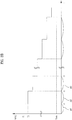
- FIGS. 5A and 5B are graphs of the temperature and the time period of the controlling method shown in FIG. 4 , in which different examples of the first operation temperature are shown.
- the first operation temperature (initial operation temperature) of the first cooling step is T1
- the first operation temperature (initial operation temperature) of the first cooling step is T1', T1 being less than T1'.
- initial air conditioning is implemented at the first operation temperature (T1) for the first operation time period ⁇ t1.
- the first adaptable air conditioning is implemented at an operation temperature T2 that is greater than T1 by a preset temperature interval ( ⁇ T1) for a second operation time period ( ⁇ t2).
- the second operation time period ⁇ t2 e.g. 30 minutes
- the first operation time period ⁇ t1 e.g. 20 minutes.
- the initial air conditioning step is implemented at a first operation temperature (T1'), which is higher than (T1), for a first operation time period ( ⁇ t1'), which is longer than ( ⁇ t1).
- the adaptable air conditioning step is implemented at a preset operation temperature (T2') that is greater than (T1') by a preset temperature interval ( ⁇ T1') for a second operation time period ( ⁇ t2').
- the second operation time period ( ⁇ t2') may be longer than the first operation time period ( ⁇ t1').
- ( ⁇ T1) which is the preset temperature interval, is substantially the same as ( ⁇ T1')
- ( ⁇ t1') may be preset to be longer than ( ⁇ t1). Since the outdoor temperature in the summer is relatively low, the first operation temperature of the air conditioner may be set higher, and then the first operation time period may be proportionally longer.
- a comfort level in the room may be improved within the relatively short first operation time ( ⁇ t1) and after that, occupants may begin to feel excessively cold.
- the air conditioning is implemented at a somewhat higher first operation temperature (e.g. T1'), occupants may begin to feel excessively cold after the somewhat longer time period ( ⁇ t1').
- the initial operation time period of the initial air conditioning step may be in proportion to the initial operation temperature. That is, as the initial operation temperature is lower, quick cooling may be possible and the initial operation time may be shorter.
- the operation time period ( ⁇ t1) in which the first cooling step is implemented at the first operation temperature (T1) shown in FIG. 5A may be longer than the operation time period ( ⁇ t1') in which the first cooling step is implemented at the first operation temperature (T1') shown in FIG. 5B , as (T1) ⁇ (T1'). That is, ( ⁇ t1')> ( ⁇ t1).
- Data including the operation time periods and the operation temperatures of the first to N th cooling steps may be stored in a controller of the air conditioner.
- the first operation temperature initial operation temperature
- a adaptable cooling mode is selected based on the user's input or setting
- the room may be cooled or heated based on the operation temperature and the operation time period stored in the controller. That is, the initial operation temperatures of the initial air conditioning step and the operation temperature and operation time period of the adaptable air conditioning step may be determined user preferences, on the assumption of the above relationships including the proportional relationship between the first operation temperature and first operation time period, in the cooling operation, or the inverse-proportional relationship in the heating operation and the relationship between the K th operation time period and the K+1 th operation time period.
- the air conditioner may include a timer and a temperature sensor so that the operation time may be counted according to a sensed operation temperature for each air conditioning step.
- the air conditioner may be operated based on the data, the initial operation temperature and whether it is in the adaptable air conditioning mode, which may be stored in a memory of the controller provided in the air conditioner.
- the first to N th cooling steps composing the controlling method of the air conditioner according to this embodiment may be implemented in a direct blowing mode that directs air toward the position of detected area of concentrated heat, and an indirect blowing mode that directs air throughout an entire space of the room.
- the first cooling step may be started in the direct blowing mode, to reflect the user cooling load and the user's intention of achieving a quick cooling effect in the room.
- the direct blowing mode may be continued for a time of, for example, about 10 minutes to 30 minutes, and the indirect blowing mode may be continued for a time of, for example, about 1 minute to 10 minutes.
- the direct blowing mode may be longer than the indirect blowing mode because the indirect blowing mode has diminishing utility of power consumption, as it cools or heats the entire room, irrespective of the location of the detected area of concentrated heat.
- Each of the cooling steps is implemented until the N th air conditioning step is implemented at (TN), as the comfort temperature in the cooling operation (Tmax), which is higher than (TN-1) for ( ⁇ t1) in FIG. 5A is achieved.
- the N' th air conditioning step is implemented at (TN') as the comfort temperature in the cooling operation (Tmax), which is higher than (TN'-1) for ( ⁇ t1') in FIG. 5A is achieved.
- the indirect blowing mode may be implemented by changing a flow direction of the air conditioner.
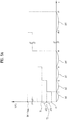
- FIG. 6 is a graph of a relationship between flow direction and time in the controlling method of the air conditioner according to the embodiment shown in FIG. 4 .
- the intensive cooling step as initial air conditioning step or the adaptable cooling step as adaptable air conditioning and the direct blowing mode may start at an identical point together (in case of 'A').
- the direct blowing mode and the indirect blowing mode irrelevant to the intensive cooling step or the adaptable air conditioning step may be repeated (in case of 'B').
- the first cooling step as the intensive cooling step may be started in the direct blowing mode.
- the direct blowing mode may be continued for approximately 10 minutes to 30 minutes.
- the indirect blowing mode may be continued for approximately 1 minute to 10 minutes.
- the continuing time of the direct blowing mode may be approximately 20 minutes and that of the indirect blowing mode may be approximately 5 minutes.
- the operation time which may be used to determine the temperature change for the adaptable cooling mode, and the operation time which may be used to determine flow direction for direct and indirect blowing, may be counted by two independent timers which may be provided as part of a controller of the air conditioner.
- initial air conditioning step and the direct blowing mode may be controilabie independently.
- Initial air conditioning and direct blowing may start at the same point, or they may be implemented together in a predetermined period with different start points.
- the difference between the room temperature and the outdoor temperature may be calculated. If the calculated difference is at a preset critical temperature, the N th operation temperature, which is the operation temperature in the N air conditioning step, may be maintained.
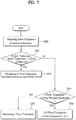
- FIG. 7 is a flow chart of a controlling method of an air conditioner according to another embodiment in which a difference between the indoor temperature and the outdoor temperature is taken into consideration.
- the user may feel comfortable when a difference between the indoor temperature and the outdoor temperature is maintained below a preset level.
- an indoor temperature and an outdoor temperature are measured (S200).
- the calculated difference is compared with a preset critical temperature difference (S201). If the calculated difference is at or below the preset critical temperature difference, the cooling operation may be maintained at the N th operation temperature, without increasing the operation temperature any more.
- the critical temperature difference may be in a range between approximately 3 °C to 7 °C, and in particular, approximately 5 °C.
- the difference between the indoor temperature and the outdoor temperature is larger than the preset critical temperature difference, it is determined whether the N th operation temperature is at or below the comfort temperature (in the cooling operation) (S203) as mentioned above. If the N th operation temperature has reached the comfort temperature in the cooling operation, cooling may be continuously implemented at the N th operation temperature (S205). If the N th operation temperature is lower than the comfort temperature in the cooling operation, the N th operation temperature is increased by the preset temperature interval ( ⁇ T1) to the N+1 operation temperature (S204) and the adaptable cooling step may be continuously implemented.
- ⁇ T1 preset temperature interval
- air conditioner and a controlling method as embodied and broadly described herein, when the user enters an indoor office or home after outdoor activities, operation temperatures and/or air currents (airflow direction) may be changed from an initial air conditioning step to a final air conditioning step. As a result, more comfortable environmental conditions may be achieved based on human thermal conditions and human thermal adaptable change. In addition, a comfort cooling operation may be provided and over-cooling may be suppressed so that the user's health may be maintained.
- a proper cooling temperature or proper heating temperature may be maintained or changed continuously from the initial air conditioning step to the final air conditioning step, in response to the human adaptable parameters, and thus, energy may be saved.
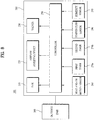
- the air conditioner 100 may also include an outdoor unit 300 and an indoor unit 200. The outdoor unit and the indoor unit may be formed integrally or independently.
- the controller 250 may include a detector 260 that detects a position of an area of concentrated heat, such as, for example, a human body, in the room.
- the controller 250 receives the time information of the second timer 270b and controls the flow direction adjusting device 220 to blow the air toward the position of the detected body for a preset direct cooling time period.
- the controller 250 may control the flow direction adjusting device 220 to blow the air throughout the entire space of the room for a preset indirect cooling time period.
- the air conditioner 100 may also include a temperature sensor 280, a humidity sensor 290 and a variety of valves 230 that adjust/control an amount of refrigerant.
- an auxiliary temperature sensor may also be provided in the outdoor unit 300.
- An air conditioner which can implement cooling or heating in consideration of a user cooling load and changes of human thermal adaptable, and a controlling method thereof.
- air conditioner and a controlling method thereof when the user enters an indoor office or home after outdoor activities only to use the air conditioner, operation temperatures and/or air currents may be changed from an initial air conditioning step to a last air conditioning step. As a result, a continuous pleasant feeling may be given to the user in consideration of human thermal improvement and human thermal adaptable change.
- a comfort cooling operation may be provided and an over-cooling which may be a cause of air-conditioning it is may be suppressed and the user's health may be maintained accordingly.
- a proper cooling temperature or proper heating temperature may be maintained or changed continuously from the initial air conditioning step to the last air conditioning step, in response to the human adaptability. As a result, energy may be saved.
- any reference in this specification to "one embodiment,” “an embodiment,” “example embodiment,” etc. means that a particular feature, structure, or characteristic described in connection with the embodiment is included in at least one embodiment of the invention.
- the appearances of such phrases in various places in the specification are not necessarily all referring to the same embodiment.
Landscapes
- Engineering & Computer Science (AREA)
- Chemical & Material Sciences (AREA)
- Combustion & Propulsion (AREA)
- Mechanical Engineering (AREA)
- General Engineering & Computer Science (AREA)
- Physics & Mathematics (AREA)
- Signal Processing (AREA)
- Fuzzy Systems (AREA)
- Mathematical Physics (AREA)
- General Physics & Mathematics (AREA)
- Automation & Control Theory (AREA)
- Air Conditioning Control Device (AREA)
Claims (10)
- Verfahren zur Steuerung einer Klimaanlage, das die folgenden Schritte aufweist:Empfangen einer von außen eingegebenen Temperatur,Ermitteln einer mit einem Bereich konzentrierter Wärme verbundenen Position,Bestimmen einer Anfangs-Betriebstemperatur auf Basis der empfangenen von außen eingegebenen Temperatur oder einer vorbestimmten Programmtemperatur,Kühlen oder Heizen eines vorgesehenen Raums bei der bestimmten Anfangs-Betriebstemperatur während eines Anfangs-Betriebszeitraums und,nach Ablauf des Anfangs-Betriebszeitraums, Kühlen oder Heizen des vorgesehenen Raums auf eine Wohlfühltemperatur, wobei die von außen eingegebene Temperatur sowohl bei einem Kühlbetrieb als auch bei einem Heizbetrieb der Klimaanlage eine Temperatur zwischen der Anfangs-Betriebstemperatur und der Wohlfühltemperatur ist,wobei der Schritt des Kühlens oder Heizens eines vorgesehenen Raums bei der bestimmten Anfangs-Betriebstemperatur das Ausführen einer Direkteinblasung aufweist, um Kühl- oder Heizluft zur ermittelten Position des Bereichs konzentrierter Wärme zu blasen.
- Verfahren nach Anspruch 1, wobei der Anfangs-Betriebszeitraum im Kühlbetrieb proportional zur Anfangs-Betriebstemperatur ist.
- Verfahren nach Anspruch 1, wobei der Anfangs-Betriebszeitraum im Heizbetrieb umgekehrt proportional zur Anfangs-Betriebstemperatur ist.
- Verfahren nach Anspruch 1, wobei das Kühlen oder Heizen des vorgesehenen Raums im Kühlbetrieb das Kühlen des vorgesehenen Raums auf eine Wohlfühltemperatur zwischen ungefähr 27° C und 29° C aufweist.
- Verfahren nach Anspruch 1, wobei das Kühlen oder Heizen des vorgesehenen Raums im Heizbetrieb das Heizen des vorgesehenen Raums auf eine Wohlfühltemperatur zwischen ungefähr 18° C und 20° C aufweist.
- Verfahren nach Anspruch 1, wobei das Kühlen oder Heizen des vorgesehenen Raums auf eine Wohlfühltemperatur das schrittweise Erhöhen oder Absenken einer Raumtemperatur auf die Wohlfühltemperatur aufweist.
- Verfahren nach Anspruch 6, wobei das schrittweise Erhöhen oder Absenken einer Raumtemperatur auf die Wohlfühltemperatur das schrittweise Erhöhen oder Absenken der Raumtemperatur um ein Intervall von 1° C aufweist.
- Verfahren nach Anspruch 6, wobei das schrittweise Erhöhen oder Absenken einer Raumtemperatur auf die Wohlfühltemperatur folgende Schritte aufweist:Erhöhen oder Absenken einer aktuellen Temperatur um ein vorbestimmtes Temperaturintervall und entsprechendes Neusetzen der aktuellen Temperatur,Kühlen oder Heizen des vorgesehenen Raums bei der neugesetzten aktuellen Temperatur für ein vorbestimmtes Zeitintervall undwiederholtes Erhöhen oder Absenken und Kühlen oder Heizen, bis die Raumtemperatur die Wohlfühltemperatur erreicht.
- Verfahren nach Anspruch 8, wobei das Kühlen oder Heizen des vorgesehenen Raums bei der neugesetzten aktuellen Temperatur für ein vorbestimmtes Zeitintervall jedes Mal, wenn die aktuelle Temperatur erhöht oder abgesenkt wird, ein Verlängern des vorbestimmten Zeitintervalls aufweist, so dass ein aktuelles Zeitintervall größer ist als ein vorhergehendes Zeitintervall.
- Verfahren nach Anspruch 1, wobei die Wohlfühltemperatur auf vorher erhobenen und gespeicherten Nutzungsdaten basiert.
Applications Claiming Priority (1)
| Application Number | Priority Date | Filing Date | Title |
|---|---|---|---|
| KR1020090083693A KR101678432B1 (ko) | 2009-09-04 | 2009-09-04 | 공기조화장치 및 그 제어방법 |
Publications (2)
| Publication Number | Publication Date |
|---|---|
| EP2320150A1 EP2320150A1 (de) | 2011-05-11 |
| EP2320150B1 true EP2320150B1 (de) | 2018-11-28 |
Family
ID=43063282
Family Applications (1)
| Application Number | Title | Priority Date | Filing Date |
|---|---|---|---|
| EP10175074.3A Not-in-force EP2320150B1 (de) | 2009-09-04 | 2010-09-02 | Klimaanlage und Betriebsverfahren dafür |
Country Status (3)
| Country | Link |
|---|---|
| US (1) | US8770492B2 (de) |
| EP (1) | EP2320150B1 (de) |
| KR (1) | KR101678432B1 (de) |
Families Citing this family (30)
| Publication number | Priority date | Publication date | Assignee | Title |
|---|---|---|---|---|
| JP5492522B2 (ja) * | 2009-10-21 | 2014-05-14 | アズビル株式会社 | 空調制御装置および方法 |
| JP2013148232A (ja) * | 2012-01-17 | 2013-08-01 | Daikin Industries Ltd | 空調制御システム |
| US9494953B2 (en) * | 2012-03-30 | 2016-11-15 | Emerson Climate Technologies Retail Solutions, Inc. | Control system and method for multi-stage heating and cooling system with minimum on time and off time |
| JP5933112B2 (ja) * | 2013-03-29 | 2016-06-08 | 三菱電機株式会社 | 空調制御装置、空調制御システム、および空調制御方法 |
| KR102282593B1 (ko) * | 2014-01-20 | 2021-07-29 | 삼성전자 주식회사 | 에어컨의 제어 방법 및 장치 그리고 에어컨 |
| KR102152275B1 (ko) * | 2014-01-20 | 2020-10-26 | 삼성전자주식회사 | 에어컨의 제어 방법 및 장치 그리고 에어컨 |
| CN105048447B (zh) * | 2014-04-24 | 2017-09-22 | 松下知识产权经营株式会社 | 统合需求控制方法和统合需求控制装置 |
| CN104896668B (zh) * | 2015-05-29 | 2017-12-12 | 广东美的暖通设备有限公司 | 一种室内空调器智能调节系统及其调节方法 |
| CN105485852B (zh) * | 2015-12-30 | 2018-05-08 | 美的集团武汉制冷设备有限公司 | 基于体表温度的空调控制方法及装置 |
| CN105627508B (zh) * | 2015-12-30 | 2018-08-14 | 美的集团武汉制冷设备有限公司 | 基于体表温度的空调控制方法及装置 |
| KR102475642B1 (ko) | 2016-01-14 | 2022-12-09 | 삼성전자 주식회사 | 전자 장치 및 이의 냉난방 제어 방법 |
| CN106556116A (zh) * | 2016-11-30 | 2017-04-05 | 广东美的制冷设备有限公司 | 空调器的运行控制方法、控制装置和空调器 |
| US11867417B2 (en) * | 2017-02-09 | 2024-01-09 | James Eric Taylor | On-site controller for an HVAC system |
| KR102026020B1 (ko) * | 2018-04-10 | 2019-11-26 | 엘지전자 주식회사 | 인공지능을 이용한 파라미터 학습에 기반한 공기조화기, 클라우드 서버, 공기조화기의 구동 및 제어 방법 |
| CN111256312A (zh) * | 2018-11-30 | 2020-06-09 | 广东美的制冷设备有限公司 | 空调器的控制方法、装置、空调器及服务器 |
| CN111256309A (zh) * | 2018-11-30 | 2020-06-09 | 广东美的制冷设备有限公司 | 空调器及其控制方法、控制终端、服务器以及存储介质 |
| CN111256310A (zh) * | 2018-11-30 | 2020-06-09 | 广东美的制冷设备有限公司 | 空调器的控制方法、服务器、装置、空调器及介质 |
| CN111256308A (zh) * | 2018-11-30 | 2020-06-09 | 广东美的制冷设备有限公司 | 空调器及其控制方法、设备以及存储介质 |
| CN111256326B (zh) * | 2018-11-30 | 2021-10-26 | 广东美的制冷设备有限公司 | 控制终端、服务器、空调器及其控制方法和存储介质 |
| CN111256344B (zh) * | 2018-11-30 | 2021-09-14 | 广东美的制冷设备有限公司 | 空调器控制方法、装置、空调器以及存储介质 |
| CN111256300A (zh) * | 2018-11-30 | 2020-06-09 | 广东美的制冷设备有限公司 | 空调器及其控制方法、装置、计算机可读存储介质 |
| CN110274364A (zh) * | 2019-06-28 | 2019-09-24 | 宁波奥克斯电气股份有限公司 | 一种空调智能送风的控制方法、系统及空调 |
| KR102655375B1 (ko) * | 2019-09-19 | 2024-04-04 | 엘지전자 주식회사 | 냉방 또는 난방 관리가 가능한 전자기기 및 이의 제어 방법 |
| CN112682930B (zh) * | 2020-12-21 | 2021-12-14 | 珠海格力电器股份有限公司 | 空调器的控制方法、装置、空调器、存储介质及处理器 |
| KR102634138B1 (ko) * | 2021-01-22 | 2024-02-05 | 엘지전자 주식회사 | 공기 조화기의 운전을 제어하는 장치 및 방법 |
| KR102430616B1 (ko) | 2021-12-07 | 2022-08-09 | 케빈랩 주식회사 | 공조 제어 방법 |
| US11698204B1 (en) | 2022-06-05 | 2023-07-11 | Houshang Esmaili | Automation and optimization of fuel feed to heating elements of heating, ventilation, and air conditioning (HVAC) systems |
| KR102607306B1 (ko) * | 2022-10-14 | 2023-11-29 | 주식회사 씨드앤 | 대상 구역에 설치된 냉난방기들의 조합 희망 온도를 설정하는 장치 및 방법과, 이를 이용하여 대상 구역의 기저 관계 정보를 산출하는 방법 |
| CN116126058B (zh) * | 2022-11-30 | 2026-03-13 | 珠海格力电器股份有限公司 | 一种温度调节方法、温度调节系统及电暖器 |
| WO2025164969A1 (ko) * | 2024-01-30 | 2025-08-07 | 엘지전자 주식회사 | 공기조화기 및 그 동작방법 |
Family Cites Families (9)
| Publication number | Priority date | Publication date | Assignee | Title |
|---|---|---|---|---|
| KR950009504B1 (ko) * | 1992-07-24 | 1995-08-23 | 주식회사금성사 | 에어콘의 풍향/풍량 제어장치와 제어방법 |
| JPH06129687A (ja) * | 1992-10-20 | 1994-05-13 | Fujitsu General Ltd | 空気調和機の制御方法 |
| JP3154934B2 (ja) * | 1994-12-01 | 2001-04-09 | 松下電器産業株式会社 | 冷暖房機器の温度制御装置 |
| JPH09170798A (ja) * | 1995-12-20 | 1997-06-30 | Fujitsu General Ltd | 空気調和機の制御方法 |
| KR100504850B1 (ko) * | 2001-07-27 | 2005-07-29 | 엘지전자 주식회사 | 공기조화기의 운전제어방법 |
| WO2006082939A1 (en) * | 2005-02-02 | 2006-08-10 | Matsushita Electric Works, Ltd. | Environmental control system |
| KR101156712B1 (ko) * | 2006-01-18 | 2012-06-15 | 삼성전자주식회사 | 공기 조화기의 수면 모드 제어 장치 및 방법 |
| KR100837354B1 (ko) * | 2006-11-28 | 2008-06-12 | 엘지전자 주식회사 | 공기조화기 및 이의 기류제어방법 |
| KR101397101B1 (ko) * | 2007-07-23 | 2014-05-21 | 삼성전자주식회사 | 공기 조화기 및 그 제어방법 |
-
2009
- 2009-09-04 KR KR1020090083693A patent/KR101678432B1/ko not_active Expired - Fee Related
-
2010
- 2010-09-02 EP EP10175074.3A patent/EP2320150B1/de not_active Not-in-force
- 2010-09-02 US US12/874,329 patent/US8770492B2/en not_active Expired - Fee Related
Non-Patent Citations (1)
| Title |
|---|
| None * |
Also Published As
| Publication number | Publication date |
|---|---|
| US20110056673A1 (en) | 2011-03-10 |
| EP2320150A1 (de) | 2011-05-11 |
| KR20110025569A (ko) | 2011-03-10 |
| KR101678432B1 (ko) | 2016-11-22 |
| US8770492B2 (en) | 2014-07-08 |
Similar Documents
| Publication | Publication Date | Title |
|---|---|---|
| EP2320150B1 (de) | Klimaanlage und Betriebsverfahren dafür | |
| JP6939841B2 (ja) | 空調システム | |
| KR101502096B1 (ko) | 공기 조화기의 제어 방법 | |
| JP2010019506A (ja) | 空調制御システムおよびこれに利用する給気切替コントローラ、空調制御方法 | |
| EP3760939B1 (de) | Klimaanlage | |
| KR20170065835A (ko) | 공기 조화기 및 그 제어방법 | |
| WO2019075272A1 (en) | AUTOMATICALLY SWITCHED THERMOSTAT SYSTEM BASED ON RELATED TEMPERATURE AND METHOD FOR DETERMINING AND AUTOMATICALLY CONTROLLING THE APPARENT TEMPERATURE OF A CONDITIONED SPACE | |
| JP2013190164A (ja) | 空調装置 | |
| JP6578672B2 (ja) | 室内環境制御システム | |
| JP2022118964A (ja) | 空気調和機 | |
| KR101558572B1 (ko) | 공기조화기 제어방법 | |
| KR101817902B1 (ko) | 공기 조화기 및 그 제어방법 | |
| JP2000018671A (ja) | ヒートポンプ式暖房装置 | |
| KR20010045980A (ko) | 공조기기의 냉난방모드 자동제어방법 | |
| JP2010190480A (ja) | 空調制御システムおよびこれに利用する給気切替コントローラ、空調制御方法 | |
| JP2633456B2 (ja) | 空気調和機 | |
| JP2004353973A (ja) | 変動パターンに基づく空調制御装置および方法 | |
| JP2017180941A (ja) | 空気調和機 | |
| JP2672772B2 (ja) | 空気調和機 | |
| JP3136648B2 (ja) | 空調システムの制御方法および制御装置 | |
| JP2013064544A (ja) | 空気調和機 | |
| KR100628711B1 (ko) | 공조기기 및 그 제어방법 | |
| KR100316758B1 (ko) | 에어컨의 쾌적지수 운전방법 | |
| JPH10185247A (ja) | 輻射式空気調和装置 | |
| KR0140567B1 (ko) | 냉/난방 겸용 에어컨의 실내/외 팬 제어방법 |
Legal Events
| Date | Code | Title | Description |
|---|---|---|---|
| PUAI | Public reference made under article 153(3) epc to a published international application that has entered the european phase |
Free format text: ORIGINAL CODE: 0009012 |
|
| 17P | Request for examination filed |
Effective date: 20100929 |
|
| AK | Designated contracting states |
Kind code of ref document: A1 Designated state(s): AL AT BE BG CH CY CZ DE DK EE ES FI FR GB GR HR HU IE IS IT LI LT LU LV MC MK MT NL NO PL PT RO SE SI SK SM TR |
|
| AX | Request for extension of the european patent |
Extension state: BA ME RS |
|
| GRAP | Despatch of communication of intention to grant a patent |
Free format text: ORIGINAL CODE: EPIDOSNIGR1 |
|
| STAA | Information on the status of an ep patent application or granted ep patent |
Free format text: STATUS: GRANT OF PATENT IS INTENDED |
|
| INTG | Intention to grant announced |
Effective date: 20180629 |
|
| GRAS | Grant fee paid |
Free format text: ORIGINAL CODE: EPIDOSNIGR3 |
|
| GRAA | (expected) grant |
Free format text: ORIGINAL CODE: 0009210 |
|
| STAA | Information on the status of an ep patent application or granted ep patent |
Free format text: STATUS: THE PATENT HAS BEEN GRANTED |
|
| AK | Designated contracting states |
Kind code of ref document: B1 Designated state(s): AL AT BE BG CH CY CZ DE DK EE ES FI FR GB GR HR HU IE IS IT LI LT LU LV MC MK MT NL NO PL PT RO SE SI SK SM TR |
|
| REG | Reference to a national code |
Ref country code: GB Ref legal event code: FG4D |
|
| REG | Reference to a national code |
Ref country code: CH Ref legal event code: EP |
|
| REG | Reference to a national code |
Ref country code: AT Ref legal event code: REF Ref document number: 1070685 Country of ref document: AT Kind code of ref document: T Effective date: 20181215 |
|
| REG | Reference to a national code |
Ref country code: DE Ref legal event code: R096 Ref document number: 602010055405 Country of ref document: DE |
|
| REG | Reference to a national code |
Ref country code: IE Ref legal event code: FG4D |
|
| REG | Reference to a national code |
Ref country code: NL Ref legal event code: MP Effective date: 20181128 |
|
| REG | Reference to a national code |
Ref country code: LT Ref legal event code: MG4D |
|
| REG | Reference to a national code |
Ref country code: AT Ref legal event code: MK05 Ref document number: 1070685 Country of ref document: AT Kind code of ref document: T Effective date: 20181128 |
|
| PG25 | Lapsed in a contracting state [announced via postgrant information from national office to epo] |
Ref country code: ES Free format text: LAPSE BECAUSE OF FAILURE TO SUBMIT A TRANSLATION OF THE DESCRIPTION OR TO PAY THE FEE WITHIN THE PRESCRIBED TIME-LIMIT Effective date: 20181128 Ref country code: LV Free format text: LAPSE BECAUSE OF FAILURE TO SUBMIT A TRANSLATION OF THE DESCRIPTION OR TO PAY THE FEE WITHIN THE PRESCRIBED TIME-LIMIT Effective date: 20181128 Ref country code: HR Free format text: LAPSE BECAUSE OF FAILURE TO SUBMIT A TRANSLATION OF THE DESCRIPTION OR TO PAY THE FEE WITHIN THE PRESCRIBED TIME-LIMIT Effective date: 20181128 Ref country code: NO Free format text: LAPSE BECAUSE OF FAILURE TO SUBMIT A TRANSLATION OF THE DESCRIPTION OR TO PAY THE FEE WITHIN THE PRESCRIBED TIME-LIMIT Effective date: 20190228 Ref country code: BG Free format text: LAPSE BECAUSE OF FAILURE TO SUBMIT A TRANSLATION OF THE DESCRIPTION OR TO PAY THE FEE WITHIN THE PRESCRIBED TIME-LIMIT Effective date: 20190228 Ref country code: LT Free format text: LAPSE BECAUSE OF FAILURE TO SUBMIT A TRANSLATION OF THE DESCRIPTION OR TO PAY THE FEE WITHIN THE PRESCRIBED TIME-LIMIT Effective date: 20181128 Ref country code: FI Free format text: LAPSE BECAUSE OF FAILURE TO SUBMIT A TRANSLATION OF THE DESCRIPTION OR TO PAY THE FEE WITHIN THE PRESCRIBED TIME-LIMIT Effective date: 20181128 Ref country code: IS Free format text: LAPSE BECAUSE OF FAILURE TO SUBMIT A TRANSLATION OF THE DESCRIPTION OR TO PAY THE FEE WITHIN THE PRESCRIBED TIME-LIMIT Effective date: 20190328 Ref country code: AT Free format text: LAPSE BECAUSE OF FAILURE TO SUBMIT A TRANSLATION OF THE DESCRIPTION OR TO PAY THE FEE WITHIN THE PRESCRIBED TIME-LIMIT Effective date: 20181128 |
|
| PG25 | Lapsed in a contracting state [announced via postgrant information from national office to epo] |
Ref country code: SE Free format text: LAPSE BECAUSE OF FAILURE TO SUBMIT A TRANSLATION OF THE DESCRIPTION OR TO PAY THE FEE WITHIN THE PRESCRIBED TIME-LIMIT Effective date: 20181128 Ref country code: AL Free format text: LAPSE BECAUSE OF FAILURE TO SUBMIT A TRANSLATION OF THE DESCRIPTION OR TO PAY THE FEE WITHIN THE PRESCRIBED TIME-LIMIT Effective date: 20181128 Ref country code: PT Free format text: LAPSE BECAUSE OF FAILURE TO SUBMIT A TRANSLATION OF THE DESCRIPTION OR TO PAY THE FEE WITHIN THE PRESCRIBED TIME-LIMIT Effective date: 20190328 Ref country code: GR Free format text: LAPSE BECAUSE OF FAILURE TO SUBMIT A TRANSLATION OF THE DESCRIPTION OR TO PAY THE FEE WITHIN THE PRESCRIBED TIME-LIMIT Effective date: 20190301 |
|
| PG25 | Lapsed in a contracting state [announced via postgrant information from national office to epo] |
Ref country code: NL Free format text: LAPSE BECAUSE OF FAILURE TO SUBMIT A TRANSLATION OF THE DESCRIPTION OR TO PAY THE FEE WITHIN THE PRESCRIBED TIME-LIMIT Effective date: 20181128 |
|
| PG25 | Lapsed in a contracting state [announced via postgrant information from national office to epo] |
Ref country code: CZ Free format text: LAPSE BECAUSE OF FAILURE TO SUBMIT A TRANSLATION OF THE DESCRIPTION OR TO PAY THE FEE WITHIN THE PRESCRIBED TIME-LIMIT Effective date: 20181128 Ref country code: IT Free format text: LAPSE BECAUSE OF FAILURE TO SUBMIT A TRANSLATION OF THE DESCRIPTION OR TO PAY THE FEE WITHIN THE PRESCRIBED TIME-LIMIT Effective date: 20181128 Ref country code: DK Free format text: LAPSE BECAUSE OF FAILURE TO SUBMIT A TRANSLATION OF THE DESCRIPTION OR TO PAY THE FEE WITHIN THE PRESCRIBED TIME-LIMIT Effective date: 20181128 Ref country code: PL Free format text: LAPSE BECAUSE OF FAILURE TO SUBMIT A TRANSLATION OF THE DESCRIPTION OR TO PAY THE FEE WITHIN THE PRESCRIBED TIME-LIMIT Effective date: 20181128 |
|
| REG | Reference to a national code |
Ref country code: DE Ref legal event code: R097 Ref document number: 602010055405 Country of ref document: DE |
|
| PG25 | Lapsed in a contracting state [announced via postgrant information from national office to epo] |
Ref country code: SK Free format text: LAPSE BECAUSE OF FAILURE TO SUBMIT A TRANSLATION OF THE DESCRIPTION OR TO PAY THE FEE WITHIN THE PRESCRIBED TIME-LIMIT Effective date: 20181128 Ref country code: RO Free format text: LAPSE BECAUSE OF FAILURE TO SUBMIT A TRANSLATION OF THE DESCRIPTION OR TO PAY THE FEE WITHIN THE PRESCRIBED TIME-LIMIT Effective date: 20181128 Ref country code: SM Free format text: LAPSE BECAUSE OF FAILURE TO SUBMIT A TRANSLATION OF THE DESCRIPTION OR TO PAY THE FEE WITHIN THE PRESCRIBED TIME-LIMIT Effective date: 20181128 Ref country code: EE Free format text: LAPSE BECAUSE OF FAILURE TO SUBMIT A TRANSLATION OF THE DESCRIPTION OR TO PAY THE FEE WITHIN THE PRESCRIBED TIME-LIMIT Effective date: 20181128 |
|
| PLBE | No opposition filed within time limit |
Free format text: ORIGINAL CODE: 0009261 |
|
| STAA | Information on the status of an ep patent application or granted ep patent |
Free format text: STATUS: NO OPPOSITION FILED WITHIN TIME LIMIT |
|
| PG25 | Lapsed in a contracting state [announced via postgrant information from national office to epo] |
Ref country code: SI Free format text: LAPSE BECAUSE OF FAILURE TO SUBMIT A TRANSLATION OF THE DESCRIPTION OR TO PAY THE FEE WITHIN THE PRESCRIBED TIME-LIMIT Effective date: 20181128 |
|
| 26N | No opposition filed |
Effective date: 20190829 |
|
| PG25 | Lapsed in a contracting state [announced via postgrant information from national office to epo] |
Ref country code: TR Free format text: LAPSE BECAUSE OF FAILURE TO SUBMIT A TRANSLATION OF THE DESCRIPTION OR TO PAY THE FEE WITHIN THE PRESCRIBED TIME-LIMIT Effective date: 20181128 |
|
| PG25 | Lapsed in a contracting state [announced via postgrant information from national office to epo] |
Ref country code: MC Free format text: LAPSE BECAUSE OF FAILURE TO SUBMIT A TRANSLATION OF THE DESCRIPTION OR TO PAY THE FEE WITHIN THE PRESCRIBED TIME-LIMIT Effective date: 20181128 |
|
| REG | Reference to a national code |
Ref country code: CH Ref legal event code: PL |
|
| PG25 | Lapsed in a contracting state [announced via postgrant information from national office to epo] |
Ref country code: LI Free format text: LAPSE BECAUSE OF NON-PAYMENT OF DUE FEES Effective date: 20190930 Ref country code: CH Free format text: LAPSE BECAUSE OF NON-PAYMENT OF DUE FEES Effective date: 20190930 Ref country code: LU Free format text: LAPSE BECAUSE OF NON-PAYMENT OF DUE FEES Effective date: 20190902 Ref country code: IE Free format text: LAPSE BECAUSE OF NON-PAYMENT OF DUE FEES Effective date: 20190902 |
|
| REG | Reference to a national code |
Ref country code: BE Ref legal event code: MM Effective date: 20190930 |
|
| PG25 | Lapsed in a contracting state [announced via postgrant information from national office to epo] |
Ref country code: BE Free format text: LAPSE BECAUSE OF NON-PAYMENT OF DUE FEES Effective date: 20190930 |
|
| GBPC | Gb: european patent ceased through non-payment of renewal fee |
Effective date: 20190902 |
|
| PG25 | Lapsed in a contracting state [announced via postgrant information from national office to epo] |
Ref country code: FR Free format text: LAPSE BECAUSE OF NON-PAYMENT OF DUE FEES Effective date: 20190930 Ref country code: GB Free format text: LAPSE BECAUSE OF NON-PAYMENT OF DUE FEES Effective date: 20190902 |
|
| PGFP | Annual fee paid to national office [announced via postgrant information from national office to epo] |
Ref country code: DE Payment date: 20200806 Year of fee payment: 11 |
|
| PG25 | Lapsed in a contracting state [announced via postgrant information from national office to epo] |
Ref country code: CY Free format text: LAPSE BECAUSE OF FAILURE TO SUBMIT A TRANSLATION OF THE DESCRIPTION OR TO PAY THE FEE WITHIN THE PRESCRIBED TIME-LIMIT Effective date: 20181128 |
|
| PG25 | Lapsed in a contracting state [announced via postgrant information from national office to epo] |
Ref country code: HU Free format text: LAPSE BECAUSE OF FAILURE TO SUBMIT A TRANSLATION OF THE DESCRIPTION OR TO PAY THE FEE WITHIN THE PRESCRIBED TIME-LIMIT; INVALID AB INITIO Effective date: 20100902 Ref country code: MT Free format text: LAPSE BECAUSE OF FAILURE TO SUBMIT A TRANSLATION OF THE DESCRIPTION OR TO PAY THE FEE WITHIN THE PRESCRIBED TIME-LIMIT Effective date: 20181128 |
|
| REG | Reference to a national code |
Ref country code: DE Ref legal event code: R119 Ref document number: 602010055405 Country of ref document: DE |
|
| PG25 | Lapsed in a contracting state [announced via postgrant information from national office to epo] |
Ref country code: MK Free format text: LAPSE BECAUSE OF FAILURE TO SUBMIT A TRANSLATION OF THE DESCRIPTION OR TO PAY THE FEE WITHIN THE PRESCRIBED TIME-LIMIT Effective date: 20181128 |
|
| PG25 | Lapsed in a contracting state [announced via postgrant information from national office to epo] |
Ref country code: DE Free format text: LAPSE BECAUSE OF NON-PAYMENT OF DUE FEES Effective date: 20220401 |