EP2303264B1 - Methods of treating alpha adrenergic mediated conditions using imidazoline derivatives - Google Patents
Methods of treating alpha adrenergic mediated conditions using imidazoline derivatives Download PDFInfo
- Publication number
- EP2303264B1 EP2303264B1 EP09763343.2A EP09763343A EP2303264B1 EP 2303264 B1 EP2303264 B1 EP 2303264B1 EP 09763343 A EP09763343 A EP 09763343A EP 2303264 B1 EP2303264 B1 EP 2303264B1
- Authority
- EP
- European Patent Office
- Prior art keywords
- amine
- dihydro
- imidazol
- pain
- compound
- Prior art date
- Legal status (The legal status is an assumption and is not a legal conclusion. Google has not performed a legal analysis and makes no representation as to the accuracy of the status listed.)
- Active
Links
- RRUAZGCMEWATRC-UHFFFAOYSA-N Clc1c(CNC2=NCCN2)cccc1 Chemical compound Clc1c(CNC2=NCCN2)cccc1 RRUAZGCMEWATRC-UHFFFAOYSA-N 0.000 description 2
- 0 *c1c(*)c(CNC2=NCCN2)ccc1 Chemical compound *c1c(*)c(CNC2=NCCN2)ccc1 0.000 description 1
- JIDZRCXAOPXSOA-UHFFFAOYSA-N Clc1cccc(CNC2=NCCN2)c1Cl Chemical compound Clc1cccc(CNC2=NCCN2)c1Cl JIDZRCXAOPXSOA-UHFFFAOYSA-N 0.000 description 1
- JZHBZAULPDFTLR-UHFFFAOYSA-N FC(Oc1c(CNC2=NCCN2)cccc1)(F)F Chemical compound FC(Oc1c(CNC2=NCCN2)cccc1)(F)F JZHBZAULPDFTLR-UHFFFAOYSA-N 0.000 description 1
- WJGSPMIICRYAKR-UHFFFAOYSA-N Fc1c(CNC2=NCCN2)cccc1Cl Chemical compound Fc1c(CNC2=NCCN2)cccc1Cl WJGSPMIICRYAKR-UHFFFAOYSA-N 0.000 description 1
Images

Classifications
-
- A—HUMAN NECESSITIES
- A61—MEDICAL OR VETERINARY SCIENCE; HYGIENE
- A61K—PREPARATIONS FOR MEDICAL, DENTAL OR TOILETRY PURPOSES
- A61K31/00—Medicinal preparations containing organic active ingredients
- A61K31/33—Heterocyclic compounds
- A61K31/395—Heterocyclic compounds having nitrogen as a ring hetero atom, e.g. guanethidine or rifamycins
- A61K31/41—Heterocyclic compounds having nitrogen as a ring hetero atom, e.g. guanethidine or rifamycins having five-membered rings with two or more ring hetero atoms, at least one of which being nitrogen, e.g. tetrazole
- A61K31/4164—1,3-Diazoles
- A61K31/4168—1,3-Diazoles having a nitrogen attached in position 2, e.g. clonidine
-
- A—HUMAN NECESSITIES
- A61—MEDICAL OR VETERINARY SCIENCE; HYGIENE
- A61P—SPECIFIC THERAPEUTIC ACTIVITY OF CHEMICAL COMPOUNDS OR MEDICINAL PREPARATIONS
- A61P1/00—Drugs for disorders of the alimentary tract or the digestive system
- A61P1/04—Drugs for disorders of the alimentary tract or the digestive system for ulcers, gastritis or reflux esophagitis, e.g. antacids, inhibitors of acid secretion, mucosal protectants
-
- A—HUMAN NECESSITIES
- A61—MEDICAL OR VETERINARY SCIENCE; HYGIENE
- A61P—SPECIFIC THERAPEUTIC ACTIVITY OF CHEMICAL COMPOUNDS OR MEDICINAL PREPARATIONS
- A61P1/00—Drugs for disorders of the alimentary tract or the digestive system
- A61P1/12—Antidiarrhoeals
-
- A—HUMAN NECESSITIES
- A61—MEDICAL OR VETERINARY SCIENCE; HYGIENE
- A61P—SPECIFIC THERAPEUTIC ACTIVITY OF CHEMICAL COMPOUNDS OR MEDICINAL PREPARATIONS
- A61P11/00—Drugs for disorders of the respiratory system
- A61P11/06—Antiasthmatics
-
- A—HUMAN NECESSITIES
- A61—MEDICAL OR VETERINARY SCIENCE; HYGIENE
- A61P—SPECIFIC THERAPEUTIC ACTIVITY OF CHEMICAL COMPOUNDS OR MEDICINAL PREPARATIONS
- A61P21/00—Drugs for disorders of the muscular or neuromuscular system
-
- A—HUMAN NECESSITIES
- A61—MEDICAL OR VETERINARY SCIENCE; HYGIENE
- A61P—SPECIFIC THERAPEUTIC ACTIVITY OF CHEMICAL COMPOUNDS OR MEDICINAL PREPARATIONS
- A61P25/00—Drugs for disorders of the nervous system
-
- A—HUMAN NECESSITIES
- A61—MEDICAL OR VETERINARY SCIENCE; HYGIENE
- A61P—SPECIFIC THERAPEUTIC ACTIVITY OF CHEMICAL COMPOUNDS OR MEDICINAL PREPARATIONS
- A61P25/00—Drugs for disorders of the nervous system
- A61P25/04—Centrally acting analgesics, e.g. opioids
-
- A—HUMAN NECESSITIES
- A61—MEDICAL OR VETERINARY SCIENCE; HYGIENE
- A61P—SPECIFIC THERAPEUTIC ACTIVITY OF CHEMICAL COMPOUNDS OR MEDICINAL PREPARATIONS
- A61P25/00—Drugs for disorders of the nervous system
- A61P25/06—Antimigraine agents
-
- A—HUMAN NECESSITIES
- A61—MEDICAL OR VETERINARY SCIENCE; HYGIENE
- A61P—SPECIFIC THERAPEUTIC ACTIVITY OF CHEMICAL COMPOUNDS OR MEDICINAL PREPARATIONS
- A61P25/00—Drugs for disorders of the nervous system
- A61P25/14—Drugs for disorders of the nervous system for treating abnormal movements, e.g. chorea, dyskinesia
- A61P25/16—Anti-Parkinson drugs
-
- A—HUMAN NECESSITIES
- A61—MEDICAL OR VETERINARY SCIENCE; HYGIENE
- A61P—SPECIFIC THERAPEUTIC ACTIVITY OF CHEMICAL COMPOUNDS OR MEDICINAL PREPARATIONS
- A61P25/00—Drugs for disorders of the nervous system
- A61P25/22—Anxiolytics
-
- A—HUMAN NECESSITIES
- A61—MEDICAL OR VETERINARY SCIENCE; HYGIENE
- A61P—SPECIFIC THERAPEUTIC ACTIVITY OF CHEMICAL COMPOUNDS OR MEDICINAL PREPARATIONS
- A61P25/00—Drugs for disorders of the nervous system
- A61P25/24—Antidepressants
-
- A—HUMAN NECESSITIES
- A61—MEDICAL OR VETERINARY SCIENCE; HYGIENE
- A61P—SPECIFIC THERAPEUTIC ACTIVITY OF CHEMICAL COMPOUNDS OR MEDICINAL PREPARATIONS
- A61P25/00—Drugs for disorders of the nervous system
- A61P25/28—Drugs for disorders of the nervous system for treating neurodegenerative disorders of the central nervous system, e.g. nootropic agents, cognition enhancers, drugs for treating Alzheimer's disease or other forms of dementia
-
- A—HUMAN NECESSITIES
- A61—MEDICAL OR VETERINARY SCIENCE; HYGIENE
- A61P—SPECIFIC THERAPEUTIC ACTIVITY OF CHEMICAL COMPOUNDS OR MEDICINAL PREPARATIONS
- A61P25/00—Drugs for disorders of the nervous system
- A61P25/30—Drugs for disorders of the nervous system for treating abuse or dependence
-
- A—HUMAN NECESSITIES
- A61—MEDICAL OR VETERINARY SCIENCE; HYGIENE
- A61P—SPECIFIC THERAPEUTIC ACTIVITY OF CHEMICAL COMPOUNDS OR MEDICINAL PREPARATIONS
- A61P27/00—Drugs for disorders of the senses
- A61P27/02—Ophthalmic agents
-
- A—HUMAN NECESSITIES
- A61—MEDICAL OR VETERINARY SCIENCE; HYGIENE
- A61P—SPECIFIC THERAPEUTIC ACTIVITY OF CHEMICAL COMPOUNDS OR MEDICINAL PREPARATIONS
- A61P29/00—Non-central analgesic, antipyretic or antiinflammatory agents, e.g. antirheumatic agents; Non-steroidal antiinflammatory drugs [NSAID]
-
- A—HUMAN NECESSITIES
- A61—MEDICAL OR VETERINARY SCIENCE; HYGIENE
- A61P—SPECIFIC THERAPEUTIC ACTIVITY OF CHEMICAL COMPOUNDS OR MEDICINAL PREPARATIONS
- A61P3/00—Drugs for disorders of the metabolism
- A61P3/04—Anorexiants; Antiobesity agents
-
- A—HUMAN NECESSITIES
- A61—MEDICAL OR VETERINARY SCIENCE; HYGIENE
- A61P—SPECIFIC THERAPEUTIC ACTIVITY OF CHEMICAL COMPOUNDS OR MEDICINAL PREPARATIONS
- A61P3/00—Drugs for disorders of the metabolism
- A61P3/08—Drugs for disorders of the metabolism for glucose homeostasis
- A61P3/10—Drugs for disorders of the metabolism for glucose homeostasis for hyperglycaemia, e.g. antidiabetics
-
- A—HUMAN NECESSITIES
- A61—MEDICAL OR VETERINARY SCIENCE; HYGIENE
- A61P—SPECIFIC THERAPEUTIC ACTIVITY OF CHEMICAL COMPOUNDS OR MEDICINAL PREPARATIONS
- A61P37/00—Drugs for immunological or allergic disorders
-
- A—HUMAN NECESSITIES
- A61—MEDICAL OR VETERINARY SCIENCE; HYGIENE
- A61P—SPECIFIC THERAPEUTIC ACTIVITY OF CHEMICAL COMPOUNDS OR MEDICINAL PREPARATIONS
- A61P43/00—Drugs for specific purposes, not provided for in groups A61P1/00-A61P41/00
-
- A—HUMAN NECESSITIES
- A61—MEDICAL OR VETERINARY SCIENCE; HYGIENE
- A61P—SPECIFIC THERAPEUTIC ACTIVITY OF CHEMICAL COMPOUNDS OR MEDICINAL PREPARATIONS
- A61P7/00—Drugs for disorders of the blood or the extracellular fluid
- A61P7/10—Antioedematous agents; Diuretics
-
- A—HUMAN NECESSITIES
- A61—MEDICAL OR VETERINARY SCIENCE; HYGIENE
- A61P—SPECIFIC THERAPEUTIC ACTIVITY OF CHEMICAL COMPOUNDS OR MEDICINAL PREPARATIONS
- A61P9/00—Drugs for disorders of the cardiovascular system
-
- A—HUMAN NECESSITIES
- A61—MEDICAL OR VETERINARY SCIENCE; HYGIENE
- A61P—SPECIFIC THERAPEUTIC ACTIVITY OF CHEMICAL COMPOUNDS OR MEDICINAL PREPARATIONS
- A61P9/00—Drugs for disorders of the cardiovascular system
- A61P9/10—Drugs for disorders of the cardiovascular system for treating ischaemic or atherosclerotic diseases, e.g. antianginal drugs, coronary vasodilators, drugs for myocardial infarction, retinopathy, cerebrovascula insufficiency, renal arteriosclerosis
-
- A—HUMAN NECESSITIES
- A61—MEDICAL OR VETERINARY SCIENCE; HYGIENE
- A61P—SPECIFIC THERAPEUTIC ACTIVITY OF CHEMICAL COMPOUNDS OR MEDICINAL PREPARATIONS
- A61P9/00—Drugs for disorders of the cardiovascular system
- A61P9/12—Antihypertensives
Definitions
- the present invention relates to compounds for use in a method of treating pain.
- Clinical pain encompasses nociceptive and neuropathic pain. Each type of pain is characterized by hypersensitivity at the site of damage and in adjacent normal tissue. While nociceptive pain usually is limited in duration and responds well to available opioid therapy, neuropathic pain can persist long after the initiating event has healed, as is evident, for example, in the "ghost pain” that often follows amputation.
- Chronic pain syndromes such as chronic neuropathic pain are triggered by any of a variety of insults, including surgery, compression injury or trauma, infectious agent, toxic drug, inflammatory disorder, or a metabolic disease such as diabetes or ischemia.
- chronic pain such as chronic neuropathic pain generally is resistant to available drug therapy.
- current therapies have serious side-effects such as cognitive changes, sedation, nausea and, in the case of narcotic drugs, addiction.
- Many patients suffering from neuropathic and other chronic pain are elderly or have medical conditions that limit their tolerance to the side-effects associated with available analgesic therapy.
- the inadequacy of current therapy in relieving neuropathic pain without producing intolerable side-effects often is manifest in the depression and suicidal tendency of chronic pain sufferers.
- ⁇ 2 adrenergic agonists which are devoid of respiratory depressant effects and addictive potential are being developed.
- Such drugs are useful analgesic agents when administered spinally.
- the present invention satisfies this need and provides related advantages as well.
- available treatments for chronic neuropathic pain such as tricyclic antidepressants, anti-seizure drugs and local anesthetic injections, only alleviate symptoms temporarily and to varying degrees.
- No available treatment reverses the sensitized pain state or cures pain such as neuropathic pain.
- Effective drugs that can be administered, for example, once or several times a month and that maintain analgesic activity for several weeks or months, are presently not available.
- the present invention satisfies this need and also provides related advantages.
- Described herein is a compound represented by the following formula (Formula 1) or a pharmaceutically acceptable salt or tautomer thereof for use in a method of treating pain in a mammal: wherein R 1 and R 2 are each independently selected from hydrogen, C 1-4 alkyl, C 1-4 alkoxy, OH, halogen, NR' 2 , CN, CO 2 R', C(O)NR'R", alcohol, C 1-4 halogenated alkyl, C 1-4 halogenated alkoxy, and substituted or unsubstituted aryl or heteroaryl; R' is selected from hydrogen, C 1-4 alkyl, C 1-4 halogenated alkyl, substituted or unsubstituted aryl or heteroaryl; and R" is selected from hydrogen, C 1-4 alkyl, and substituted or unsubstituted aryl or heteroaryl.
- the pain may be acute pain or chronic pain.
- the pain is selected from the group consisting of visceral pain, corneal pain, headache pain, migraine, cancer pain, back pain, irritable bowel syndrome pain, muscle pain, and pain associated with diabetic neuropathy.
- R 1 and R 2 are each independently a halogen or C 1-4 halogenated alkyl.
- the compound is N-(2-chloro-3-fluorobenzyl)-4,5-dihydro-1H-imidazol-2-amine.
- the compound is N-(2-difluoromethoxy)-benzyl)-4,5-dihydro-1H-imidazol-2-amine.
- the compound is N-(2,3-dimethyl-benzyl)-4,5-dihydro-1H-imidazol-2-amine.
- the compound is N-(2-trifluoromethyl-benzyl)-4,5-dihydro-1H-imidazol-2-amine.
- the compound is N-(2-trifluoromethoxy-benzyl)-4,5-dihydro-1H-imidazol-2-amine. In another embodiment, the compound is N-(2-fluorobenzyl)-4,5-dihydro-1H-imidazol-2-amine. In another embodiment, the compound is N-(2-fluoro-3-trifluoromethyl-benzyl)-4,5-dihydro-1H-imidazol-2-amine. In another embodiment, the compound is N-(2,3-dimethoxy-benzyl)-4,5-dihydro-1H-imidazol-2-amine.
- the compound is N-(3-bromo-2-methoxy-benzyl)-4,5-dihydro-1H-imidazol-2-amine. In another embodiment, the compound is N-(2-chlorobenzyl)-4,5-dihydro-1H-imidazol-2-amine. In another embodiment, the compound is N-(2-methyl-benzyl)-4,5-dihydro-1H-imidazol-2-amine. In another embodiment, the compound is N-(3-chloro-2-fluoro-benzyl)-4,5-dihydro-1H-imidazol-2-amine.
- the compound is N-(2,3-dichlorobenzyl)-4,5-dihydro-1H-imidazol-2-amine. In another embodiment, the compound is N-(2,3-dimethylbenzyl)-4,5-dihydro-1H-imidazol-2-amine. In another embodiment, the compound is N-(2-fluorobenzyl)-4,5-dihydro-1H-imidazol-2-amine.
- the compound is selected from the group consisting of N-(2-chloro-3-fluoro-benzyl)-4,5-dihydro-1H-imidazol-2-amine, N-(2-difluoromethoxy)-benzyl)-4,5-dihydro-1H-imidazol-2-amine, N-(2,3-dimethyl-benzyl)-4,5-dihydro-1H-imidazol-2-amine, N-(2-trifluoromethyl-benzyl)-4,5-dihydro-1H-imidazol-2-amine, N-(2-trifluoromethoxy-benzyl)-4,5-dihydro-1H-imidazol-2-amine, N-(2-fluoro-benzyl)-4,5-dihydro-1H-imidazol-2-amine, N-(2-fluoro-3-trifluoromethyl-benzyl)-4,5-dihydro-1H-imidazol-2-amine, N-(2,3-d
- Halogen is used to refer to a substituent found in column VIIA of the periodic table of elements, including fluorine, chlorine, bromine, and iodine.
- Tautomer refers to the migration of protons between adjacent single and double bonds. The tautomerization process is reversible. Compounds described herein can undergo the following tautomerization:
- R 1 and R 2 can each independently be a C 1-4 alkyl, which includes C 3-4 cycloalkyls and C 3-4 branched alkyls.
- R 1 and R 2 can each also independently be a substituted or unsubstituted aryl or heteroaryl which can include aromatic, heteroaromatic, or multi-heteroaromatic groups.
- the substituted or unsubstituted aryl or heteroaryl can be selected from phenyl, pyridinyl, thienyl, furyl, naphthyl, quinolinyl, indanyl and benzofuryl.
- Exemplary substituted or unsubstituted aryls or heteroaryls include, but are not limited to, benzenes, pyridines, thiophenes, furans, naphthalenes, quinolines, indans and benzofurans.
- the aryl groups may be substituted with any common organic functional group. Such aryl groups may be bonded to Formula 1 at any available position on the aryl group.
- An exemplary aryl group is a benzene (Formula 2): wherein at least one of R 4-9 must be Formula 1 and wherein the remaining R 4-9 may be each independently substituted with a common organic functional group including, but not limited to, hydrogen, a C 1-10 alkyl, C 1-10 alkenyl, C 1-10 alkynl, aryl, halogen, hydroxyl, alkoxy, amino, cyano, nitro, thiol, or carboxy group substituted with a C 1-10 alkyl, C 1-10 alkenyl, C 1-10 alkynl, aryl, halogen, hydroxyl, alkoxy, amino, cyano, nitro, or thiol group.
- a common organic functional group including, but not limited to, hydrogen, a C 1-10 alkyl, C 1-10 alkenyl, C 1-10 alkynl, aryl, halogen, hydroxyl, alkoxy, amino, cyano, nitro, or thiol
- Another aryl group may be a pyridine as in Formula 3: wherein at least one of R 4-8 must be Formula 1 and wherein the remaining R 4-8 may be each independently substituted with a common organic functional group including, but not limited to, hydrogen, a C 1-10 alkyl, C 1-10 alkenyl, C 1-10 alkynl, aryl, halogen, hydroxyl, alkoxy, amino, cyano, nitro, thiol, or carboxy group substituted with a C 1-10 alkyl, C 1-10 alkenyl, C 1-10 alkynl, aryl, halogen, hydroxyl, alkoxy, amino, cyano, nitro, or thiol group.
- a common organic functional group including, but not limited to, hydrogen, a C 1-10 alkyl, C 1-10 alkenyl, C 1-10 alkynl, aryl, halogen, hydroxyl, alkoxy, amino, cyano, nitro, or thiol group.
- Another aryl group may be a thiophene as in Formula 4: wherein at least one of R 4-7 must be Formula 1 and wherein the remaining R 4-7 may be each independently substituted with a common organic functional group including, but not limited to, hydrogen, a C 1-10 alkyl, C 1-10 alkenyl, C 1-10 alkynl, aryl, halogen, hydroxyl, alkoxy, amino, cyano, nitro, thiol, or carboxy group substituted with a C 1-10 alkyl, C 1-10 alkenyl, C 1-10 alkynl, aryl, halogen, hydroxyl, alkoxy, amino, cyano, nitro, or thiol group.
- a common organic functional group including, but not limited to, hydrogen, a C 1-10 alkyl, C 1-10 alkenyl, C 1-10 alkynl, aryl, halogen, hydroxyl, alkoxy, amino, cyano, nitro, or thiol group
- Another aryl group may be a furan as in Formula 5: wherein at least one of R 4-7 must be Formula 1 and wherein the remaining R 4-7 may be each independently substituted with a common organic functional group including, but not limited to, hydrogen, a C 1-10 alkyl, C 1-10 alkenyl, C 1-10 alkynl, aryl, halogen, hydroxyl, alkoxy, amino, cyano, nitro, thiol, or carboxy group substituted with a C 1-10 alkyl, C 1-10 alkenyl, C 1-10 alkynl, aryl, halogen, hydroxyl, alkoxy, amino, cyano, nitro, or thiol group.
- a common organic functional group including, but not limited to, hydrogen, a C 1-10 alkyl, C 1-10 alkenyl, C 1-10 alkynl, aryl, halogen, hydroxyl, alkoxy, amino, cyano, nitro, or thiol group.
- Another aryl group may be a naphthalene as in Formula 6: wherein at least one of R 4-11 must be Formula 1 and wherein the remaining R 4-11 may be each independently substituted with a common organic functional group including, but not limited to, hydrogen, a C 1-10 alkyl, C 1-10 alkenyl, C 1-10 alkynl, aryl, halogen, hydroxyl, alkoxy, amino, cyano, nitro, thiol, or carboxy group substituted with a C 1-10 alkyl, C 1-10 alkenyl, C 1-10 alkynl, aryl, halogen, hydroxyl, alkoxy, amino, cyano, nitro, or thiol group.
- a common organic functional group including, but not limited to, hydrogen, a C 1-10 alkyl, C 1-10 alkenyl, C 1-10 alkynl, aryl, halogen, hydroxyl, alkoxy, amino, cyano, nitro, or thiol
- Another aryl group may be a quinoline as in Formula 7: wherein at least one of R 4-10 must be Formula 1 and wherein the remaining R 4-10 may be each independently substituted with a common organic functional group including, but not limited to, hydrogen, a C 1-10 alkyl, C 1-10 alkenyl, C 1-10 alkynl, aryl, halogen, hydroxyl, alkoxy, amino, cyano, nitro, thiol, or carboxy group substituted with a C 1-10 alkyl, C 1-10 alkenyl, C 1-10 alkynl, aryl, halogen, hydroxyl, alkoxy, amino, cyano, nitro, or thiol group.
- a common organic functional group including, but not limited to, hydrogen, a C 1-10 alkyl, C 1-10 alkenyl, C 1-10 alkynl, aryl, halogen, hydroxyl, alkoxy, amino, cyano, nitro, or thiol group.
- Another aryl group may be an indan as in Formula 8: wherein at least one of R 4-13 must be Formula 1 and wherein the remaining R 4-13 may be each independently substituted with a common organic functional group including, but not limited to, hydrogen, a C 1-10 alkyl, C 1-10 alkenyl, C 1-10 alkynl, aryl, halogen, hydroxyl, alkoxy, amino, cyano, nitro, thiol, or carboxy group substituted with a C 1-10 alkyl, C 1-10 alkenyl, C 1-10 alkynl, aryl, halogen, hydroxyl, alkoxy, amino, cyano, nitro, or thiol group.
- a common organic functional group including, but not limited to, hydrogen, a C 1-10 alkyl, C 1-10 alkenyl, C 1-10 alkynl, aryl, halogen, hydroxyl, alkoxy, amino, cyano, nitro, or thiol group.
- Another aryl group may be a benzofuran as in Formula 9: wherein at least one of R 4-9 must be Formula 1 and wherein the remaining R 4-9 may be each independently substituted with a common organic functional group including, but not limited to, hydrogen, a C 1-10 alkyl, C 1-10 alkenyl, C 1-10 alkynl, aryl, halogen, hydroxyl, alkoxy, amino, cyano, nitro, thiol, or carboxy group substituted with a C 1-10 alkyl, C 1-10 alkenyl, C 1-10 alkynl, aryl, halogen, hydroxyl, alkoxy, amino, cyano, nitro, or thiol group.
- a common organic functional group including, but not limited to, hydrogen, a C 1-10 alkyl, C 1-10 alkenyl, C 1-10 alkynl, aryl, halogen, hydroxyl, alkoxy, amino, cyano, nitro, or thiol group.
- ⁇ 2 adrenergic receptors have been characterized by molecular and pharmaceutical methods; the methods including ⁇ 1A , ⁇ 1B , ⁇ 1D , ⁇ 2A , ⁇ 2B and ⁇ 2C subtypes. Activation of these ⁇ -receptors can evoke physiological responses.
- Adrenergic modulators described herein activate one or both of the ⁇ 2B and/or ⁇ 2C receptors and have useful therapeutic actions.
- the compounds described herein activate or modulate ⁇ 2B and ⁇ 2C receptors. Additionally, these compounds act as a highly effective analgesic, particularly in chronic pain models, with minimal undesirable side effects, such as sedation and cardiovascular depression, commonly seen with agonists of ⁇ 2B and ⁇ 2C receptors.
- Such compounds may be administered at pharmaceutically effective dosages.
- dosages are normally the minimum dose necessary to achieve the desired therapeutic effect; in the treatment of chronic pain, this amount would be roughly that necessary to reduce the discomfort caused by the pain to tolerable levels.
- doses will be in the range 1-1000 mg/day; more preferably in the range 10 to 500 mg/day.
- the actual amount of the compound to be administered in any given case will be determined by a physician taking into account the relevant circumstances, such as the severity of the pain, the age and weight of the patient, the patient's general physical condition, the cause of the pain, and the route of administration.
- the compounds are useful in the treatment of pain in a mammal, particularly a human being.
- the patient will be given the compound orally in any acceptable form, such as a tablet, liquid, capsule, powder and the like.
- other routes may be desirable or necessary, particularly if the patient suffers from nausea.
- Such other routes may include, without limitation, transdermal, parenteral, subcutaneous, intranasal, intrathecal, intramuscular, intravenous, and intrarectal modes of delivery.
- the formulations may be designed to delay release of the active compound over a given period of time, or to carefully control the amount of drug released at a given time during the course of therapy.
- the compounds may be contained in a therapeutic composition together with a pharmaceutically acceptable excipient.
- a pharmaceutically acceptable excipient may be a carrier or a diluent; this is usually mixed with the active compound, or permitted to dilute or enclose the active compound.
- the carrier may be solid, semi-solid, or liquid material that acts as an excipient or vehicle for the active compound.
- the formulations may also include wetting agents, emulsifying agents, preserving agents, sweetening agents, and/or flavoring agents. If used as in an ophthalmic or infusion format, the formulation will usually contain one or more salts to influence the osmotic pressure of the formulation.
- compositions rely on administration of one or more pharmaceutical compositions to a subject.
- subject means any animal capable of experiencing pain, for example, a human or other mammal such as a primate, horse, cow, dog or cat.
- the compounds described herein are suitable for use in treating both acute and chronic pain, and, as non-limiting examples, pain which is neuropathic, visceral or inflammatory in origin.
- the compounds of the invention are for use in treating neuropathic pain; visceral pain; post-operative pain; pain resulting from cancer or cancer treatment; and inflammatory pain.
- acute and chronic pain can be treated by the compounds described herein, and the term “pain” encompasses both acute and chronic pain.
- acute pain means immediate, generally high threshold, pain brought about by injury such as a cut, crush, burn, or by chemical stimulation such as that experienced upon exposure to capsaicin, the active ingredient in chili peppers.
- chronic pain means pain other than acute pain and includes, without limitation, neuropathic pain, visceral pain, inflammatory pain, headache pain, muscle pain and referred pain. It is understood that chronic pain is of relatively long duration, for example, several years and can be continuous or intermittent.
- reference to a compound should be construed broadly to include compounds, pharmaceutically acceptable salts, prodrugs, tautomers, alternate solid forms, non-covalent complexes, and combinations thereof, of a chemical entity of a depicted structure or chemical name.
- a pharmaceutically acceptable salt is any salt of the parent compound that is suitable for administration to an animal or human.
- a pharmaceutically acceptable salt also refers to any salt which may form in vivo as a result of administration of an acid, another salt, or a prodrug which is converted into an acid or salt.
- a salt comprises one or more ionic forms of the compound, such as a conjugate acid or base, associated with one or more corresponding counter-ions. Salts can form from or incorporate one or more deprotonated acidic groups (e.g. carboxylic acid/carboxylate), one or more protonated basic groups (e.g. amine/ammonium), or both (e.g. zwitterions).
- a prodrug is a compound which is converted to a therapeutically active compound after administration. For example, conversion may occur by hydrolysis of an ester group or some other biologically labile group.
- Prodrug preparation is well known in the art. For example, " Prodrugs and Drug Delivery Systems,” which is a chapter in Richard B. Silverman, Organic Chemistry of Drug Design and Drug Action, 2d Ed., Elsevier Academic Press: Amsterdam, 2004, pp. 496-557 , provides further detail on the subject.
- Tautomers are isomers that are in rapid equilibrium with one another.
- tautomers may be related by transfer of a proton, hydrogen atom, or hydride ion.
- various tautomers of the above compounds may be possible.
- tautomers are possible between the 4,5-dihydrooxazole and the adjacent nitrogen as shown below.
- Tautomers are possible when the compound includes, for example but not limited to, enol, keto, lactamin, amide, imidic acid, amine, and imine groups. Tautomers will generally reach an equilibrium state wherein the double bond is resonantly shared between the two bond lengths.
- Alternate solid forms are different solid forms than those that may result from practicing the procedures described herein.
- alternate solid forms may be polymorphs, different kinds of amorphous solid forms, glasses, and the like.
- Non-covalent complexes are complexes that may form between the compound and one or more additional chemical species that do not involve a covalent bonding interaction between the compound and the additional chemical species. They may or may not have a specific ratio between the compound and the additional chemical species. Examples might include solvates, hydrates, charge transfer complexes, and the like.
- the aqueous layer was extracted three times with 200 mL of chloroform/isopropanol (3:1).
- the pooled organic layer was dried over magnesium sulfate.
- the mixture was filtered, and the solvents were removed under vacuum to give (2-cholor-3-fluorophenyl)methanamine 2.
- the weight of the product was 0.92 g.
- LiBH 4 lithium borohydride
- Et 2 O ether
- 2.4 g of lithium borohydride was added to a solution of 5.3 g of 3-bromo-2-methoxy-benzoic acid methyl ester 5 in 200 mL of ether (Et 2 O) at 0°C. After stirring for 5 minutes, 5 mL of methanol was added. The reaction mixture was warmed to room temperature and kept there for 2.5 hours. Thereafter, 2.4 g more of lithium borohydride was added. The reaction mixture was quenched with aluminum chloride. After standard aqueous work up, and silica gel column purification (hexane/ethyl acetate 2:1), 4.0 g of 3-bromo-2-methoxy-phenyl-methanol 6 was obtained.
- RSAT Receptor Selection and Amplification Technology
- N-(2,3-dichlorobenzyl)-4,5-dihydro-1H-imidazol-2-amine were administered orally to Chung model rats.
- a model in accordance with Kim and Chung 1992, Pain 150, pp 355-363 ( Chung model), for chronic pain (in particular peripheral neuropathy) involves the surgical ligation of the L5 (and optionally the L6) spinal nerves on one side in experimental animals. Rats recovering from the surgery gain weight and display a level of general activity similar to that of normal rats. However, these rats develop abnormalities of the foot, wherein the hindpaw is moderately everted and the toes are held together.
- the hindpaw on the side affected by the surgery appears to become sensitive to pain from low-threshold mechanical stimuli, such as that producing a faint sensation of touch in a human, within about 1 week following surgery.
- This sensitivity to normally non-painful touch is called "tactile allodynia" and lasts for at least two months.
- the response includes lifting the affected hindpaw to escape from the stimulus, licking the paw and holding it in the air for many seconds. None of these responses is normally seen in the control group.
- Rats are anesthetized before surgery.
- the surgical site is shaved and prepared either with betadine or Novacaine.
- Incision is made from the thoracic vertebra XIII down toward the sacrum.
- Muscle tissue is separated from the spinal vertebra (left side) at the L4 - S2 levels.
- the L6 vertebra is located and the transverse process is carefully removed with a small rongeur to expose the L4 - L6 spinal nerves.
- the L5 and L6 spinal nerves are isolated and tightly ligated with 6-0 silk thread. The same procedure is done on the right side as a control, except no ligation of the spinal nerves is performed.
- the wounds are sutured.
- a small amount of antibiotic ointment is applied to the incised area, and the rat is transferred to the recovery plastic cage under a regulated heat-temperature lamp.
- typically six rats per test group are administered the test drugs by intraperitoneal (i.p.) injection or oral gavage.
- the compounds are formulated in d H 2 O and given in a volume of 1 ml/kg body weight using an 18-gauge, 3 inch gavage needle that is slowly inserted through the esophagus into the stomach.
- Tactile allodynia is measured prior to and 30 minutes after drug administration using von Frey hairs that are a series of fine hairs with incremental differences in stiffness. Rats are placed in a plastic cage with a wire mesh bottom and allowed to acclimate for approximately 30 minutes. The von Frey hairs are applied perpendicularly through the mesh to the mid-plantar region of the rats' hindpaw with sufficient force to cause slight buckling and held for 6-8 seconds. The applied force has been calculated to range from 0.41 to 15.1 grams. If the paw is sharply withdrawn, it is considered a positive response. A normal animal will not respond to stimuli in this range, but a surgically ligated paw will be withdrawn in response to a 1-2 gram hair.
- the 50% paw withdrawal threshold is determined using the method of Dixon, W.J., Ann. Rev. Pharmacol. Toxicol. 20:441-462 (1980 ) hereby incorporated by reference.
- the post-drug threshold is compared to the pre-drug threshold and the percent reversal of tactile sensitivity is calculated based on a normal threshold of 15.1 grams.
- Table 2 below shows the peak allodynia reversal at 30 ⁇ g/kg, 100 ⁇ g/kg or 300 ⁇ g/kg doses.
- Table 2 Dose Peak Allodynia Reversal (Oral, 30 min.) 300 ⁇ g/kg 84% +/- 7.5% 100 ⁇ g/kg 68% +/- 12.7% 30 ⁇ g/kg 28% +/- 9.5%
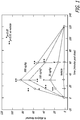
- Fig. 1 shows a peak percent allodynia reversal at 30 minutes followed by a steady decrease to baseline at about 120 minutes.
- IP N-(2,3-dichlorobenzyl)-4,5-dihydro-1H-imidazol-2-amine intraperitoneally
Landscapes
- Health & Medical Sciences (AREA)
- Medicinal Chemistry (AREA)
- Pharmacology & Pharmacy (AREA)
- Public Health (AREA)
- Engineering & Computer Science (AREA)
- Chemical & Material Sciences (AREA)
- General Health & Medical Sciences (AREA)
- Bioinformatics & Cheminformatics (AREA)
- Animal Behavior & Ethology (AREA)
- Life Sciences & Earth Sciences (AREA)
- Veterinary Medicine (AREA)
- Organic Chemistry (AREA)
- General Chemical & Material Sciences (AREA)
- Nuclear Medicine, Radiotherapy & Molecular Imaging (AREA)
- Chemical Kinetics & Catalysis (AREA)
- Neurology (AREA)
- Biomedical Technology (AREA)
- Neurosurgery (AREA)
- Diabetes (AREA)
- Pain & Pain Management (AREA)
- Psychiatry (AREA)
- Cardiology (AREA)
- Heart & Thoracic Surgery (AREA)
- Hematology (AREA)
- Epidemiology (AREA)
- Pulmonology (AREA)
- Obesity (AREA)
- Endocrinology (AREA)
- Psychology (AREA)
- Ophthalmology & Optometry (AREA)
- Rheumatology (AREA)
- Immunology (AREA)
- Emergency Medicine (AREA)
- Hospice & Palliative Care (AREA)
- Addiction (AREA)
- Child & Adolescent Psychology (AREA)
- Vascular Medicine (AREA)
- Orthopedic Medicine & Surgery (AREA)
- Physical Education & Sports Medicine (AREA)
- Urology & Nephrology (AREA)
Priority Applications (6)
| Application Number | Priority Date | Filing Date | Title |
|---|---|---|---|
| DK15165926.5T DK2932968T3 (en) | 2008-06-09 | 2009-06-05 | CONNECTION TO TREATMENT OF ALFA-ADRENERG MEDIED CONDITIONS |
| SI200931858T SI2303264T1 (en) | 2008-06-09 | 2009-06-05 | Methods for treating alpha-adrenergic mediated states using imidazoline derivatives |
| PL15165926T PL2932968T3 (pl) | 2008-06-09 | 2009-06-05 | Związek do leczenia stanów pośredniczonych alfa-adrenergicznie |
| PL09763343T PL2303264T3 (pl) | 2008-06-09 | 2009-06-05 | Sposoby leczenia stanów pośredniczonych alfa-adrenergicznie z użyciem pochodnych imidazoliny |
| EP15165926.5A EP2932968B1 (en) | 2008-06-09 | 2009-06-05 | Compound for treating alpha adrenergic mediated conditions |
| EP11174152A EP2377534A1 (en) | 2008-06-09 | 2009-06-05 | Methods of treating alpha adrenergic mediated conditions |
Applications Claiming Priority (2)
| Application Number | Priority Date | Filing Date | Title |
|---|---|---|---|
| US5983708P | 2008-06-09 | 2008-06-09 | |
| PCT/US2009/046432 WO2009152052A1 (en) | 2008-06-09 | 2009-06-05 | Methods of treating alpha adrenergic mediated conditions |
Related Child Applications (3)
| Application Number | Title | Priority Date | Filing Date |
|---|---|---|---|
| EP15165926.5A Division EP2932968B1 (en) | 2008-06-09 | 2009-06-05 | Compound for treating alpha adrenergic mediated conditions |
| EP15165926.5A Division-Into EP2932968B1 (en) | 2008-06-09 | 2009-06-05 | Compound for treating alpha adrenergic mediated conditions |
| EP11174152A Division-Into EP2377534A1 (en) | 2008-06-09 | 2009-06-05 | Methods of treating alpha adrenergic mediated conditions |
Publications (2)
| Publication Number | Publication Date |
|---|---|
| EP2303264A1 EP2303264A1 (en) | 2011-04-06 |
| EP2303264B1 true EP2303264B1 (en) | 2018-04-04 |
Family
ID=40823137
Family Applications (3)
| Application Number | Title | Priority Date | Filing Date |
|---|---|---|---|
| EP09763343.2A Active EP2303264B1 (en) | 2008-06-09 | 2009-06-05 | Methods of treating alpha adrenergic mediated conditions using imidazoline derivatives |
| EP15165926.5A Active EP2932968B1 (en) | 2008-06-09 | 2009-06-05 | Compound for treating alpha adrenergic mediated conditions |
| EP11174152A Withdrawn EP2377534A1 (en) | 2008-06-09 | 2009-06-05 | Methods of treating alpha adrenergic mediated conditions |
Family Applications After (2)
| Application Number | Title | Priority Date | Filing Date |
|---|---|---|---|
| EP15165926.5A Active EP2932968B1 (en) | 2008-06-09 | 2009-06-05 | Compound for treating alpha adrenergic mediated conditions |
| EP11174152A Withdrawn EP2377534A1 (en) | 2008-06-09 | 2009-06-05 | Methods of treating alpha adrenergic mediated conditions |
Country Status (14)
| Country | Link |
|---|---|
| US (2) | US8071636B2 (https=) |
| EP (3) | EP2303264B1 (https=) |
| JP (1) | JP5571072B2 (https=) |
| CN (1) | CN102099032B (https=) |
| AU (1) | AU2009257692A1 (https=) |
| CA (3) | CA2959793A1 (https=) |
| DK (2) | DK2932968T3 (https=) |
| ES (2) | ES2672777T3 (https=) |
| HU (1) | HUE039357T2 (https=) |
| PL (2) | PL2303264T3 (https=) |
| PT (2) | PT2303264T (https=) |
| SI (1) | SI2303264T1 (https=) |
| TR (1) | TR201802766T4 (https=) |
| WO (1) | WO2009152052A1 (https=) |
Families Citing this family (5)
| Publication number | Priority date | Publication date | Assignee | Title |
|---|---|---|---|---|
| US20120083508A1 (en) * | 2006-12-22 | 2012-04-05 | Allergan, Inc. | Alpha-2b receptor agonist and anticonvulsant compositions for treating chronic pain |
| US7902247B2 (en) * | 2008-01-09 | 2011-03-08 | Allergan, Inc. | Substituted-aryl-2-phenylethyl-1H-imidazole compounds as subtype selective modulators of alpha 2B and/or alpha 2C adrenergic receptors |
| PL2605771T3 (pl) * | 2010-08-16 | 2018-10-31 | Allergan, Inc. | Sposób aktywacji limfocytów t regulacyjnych za pomocą agonistów receptorów alfa-2b-adrenergicznych |
| JP6756435B2 (ja) * | 2014-03-31 | 2020-09-16 | ザ スクリプス リサーチ インスティテュート | Trail誘導のためのファーマコフォア |
| EP3700536A4 (en) | 2017-10-27 | 2021-11-17 | Shanghai Yao Yuan Biotechnology Co., Ltd. | COMPOSITIONS AND PROCEDURES FOR MODULATING IMMUNE REACTION BY ACTIVATING ALPHA-PROTEIN KINASE 1 |
Family Cites Families (11)
| Publication number | Priority date | Publication date | Assignee | Title |
|---|---|---|---|---|
| NL6708160A (https=) * | 1966-06-30 | 1968-01-02 | ||
| DE2259160A1 (de) * | 1972-12-02 | 1974-06-06 | Boehringer Sohn Ingelheim | Neue substituierte 2-phenylaminoimidazoline, deren saeureadditionssalze und verfahren zur herstellung derselben sowie ihre verwendung als arzneimittel |
| US4256755A (en) | 1980-04-28 | 1981-03-17 | E. I. Du Pont De Nemours & Company | Method of using N-substituted dihydro-2-oxazolamines as analgesics |
| FR2806082B1 (fr) * | 2000-03-07 | 2002-05-17 | Adir | Nouveaux composes bicycliques antagonistes des recepteurs de la vitronectine, leur procede de preparation et les compositions pharmaceutiques qui les contiennent |
| WO2002089794A1 (en) * | 2001-05-07 | 2002-11-14 | Universite Catholique De Louvain | Method for treating neuropathic pain and pharmaceutical preparation therefor |
| EP1333028A1 (en) * | 2002-01-31 | 2003-08-06 | Boehringer Ingelheim Pharma GmbH & Co.KG | 2'-Halo-3',5'-dialkoxyphen-1'-yl-imino-2-imidazolidine derivatives and the use thereof for the treatment of urinary incontinence |
| US7345065B2 (en) | 2002-05-21 | 2008-03-18 | Allergan, Inc. | Methods and compositions for alleviating pain |
| CN101287366A (zh) | 2005-05-19 | 2008-10-15 | 拜尔农作物科学股份公司 | 杀虫的取代的苄基氨基杂环及杂芳基衍生物 |
| WO2008123821A1 (en) * | 2007-03-01 | 2008-10-16 | Albireo Ab | 4, 5-dihydro-lh-imidazol-2-amine derivatives for use in the treatment of respiratory, cardiovascular, neurological or gastrointestinal disorders |
| CN101687812A (zh) * | 2007-07-02 | 2010-03-31 | 弗·哈夫曼-拉罗切有限公司 | 对痕量胺相关受体(taar)具有良好亲和性的2-咪唑啉化合物 |
| WO2009052075A2 (en) * | 2007-10-18 | 2009-04-23 | Allergan, Inc. | Method of treating motor disorders with alpha-2b adrenergic receptor agonists |
-
2009
- 2009-06-05 ES ES09763343.2T patent/ES2672777T3/es active Active
- 2009-06-05 WO PCT/US2009/046432 patent/WO2009152052A1/en not_active Ceased
- 2009-06-05 CN CN200980126849.0A patent/CN102099032B/zh not_active Expired - Fee Related
- 2009-06-05 AU AU2009257692A patent/AU2009257692A1/en not_active Abandoned
- 2009-06-05 SI SI200931858T patent/SI2303264T1/en unknown
- 2009-06-05 PL PL09763343T patent/PL2303264T3/pl unknown
- 2009-06-05 CA CA2959793A patent/CA2959793A1/en not_active Abandoned
- 2009-06-05 US US12/479,129 patent/US8071636B2/en active Active
- 2009-06-05 PL PL15165926T patent/PL2932968T3/pl unknown
- 2009-06-05 JP JP2011513592A patent/JP5571072B2/ja not_active Expired - Fee Related
- 2009-06-05 ES ES15165926.5T patent/ES2665293T3/es active Active
- 2009-06-05 TR TR2018/02766T patent/TR201802766T4/tr unknown
- 2009-06-05 EP EP09763343.2A patent/EP2303264B1/en active Active
- 2009-06-05 EP EP15165926.5A patent/EP2932968B1/en active Active
- 2009-06-05 DK DK15165926.5T patent/DK2932968T3/en active
- 2009-06-05 EP EP11174152A patent/EP2377534A1/en not_active Withdrawn
- 2009-06-05 HU HUE09763343A patent/HUE039357T2/hu unknown
- 2009-06-05 PT PT97633432T patent/PT2303264T/pt unknown
- 2009-06-05 PT PT151659265T patent/PT2932968T/pt unknown
- 2009-06-05 CA CA2744929A patent/CA2744929C/en active Active
- 2009-06-05 CA CA3133261A patent/CA3133261A1/en not_active Abandoned
- 2009-06-05 DK DK09763343.2T patent/DK2303264T3/en active
-
2011
- 2011-10-17 US US13/274,471 patent/US20120035235A1/en not_active Abandoned
Also Published As
| Publication number | Publication date |
|---|---|
| PT2932968T (pt) | 2018-03-13 |
| EP2932968B1 (en) | 2018-01-17 |
| AU2009257692A1 (en) | 2009-12-17 |
| DK2303264T3 (en) | 2018-05-22 |
| EP2303264A1 (en) | 2011-04-06 |
| US8071636B2 (en) | 2011-12-06 |
| JP5571072B2 (ja) | 2014-08-13 |
| WO2009152052A8 (en) | 2010-11-11 |
| WO2009152052A1 (en) | 2009-12-17 |
| CA2744929C (en) | 2017-07-25 |
| JP2011522893A (ja) | 2011-08-04 |
| TR201802766T4 (tr) | 2018-03-21 |
| PL2303264T3 (pl) | 2018-08-31 |
| ES2665293T3 (es) | 2018-04-25 |
| EP2932968A1 (en) | 2015-10-21 |
| ES2672777T3 (es) | 2018-06-18 |
| HK1214132A1 (en) | 2016-07-22 |
| PL2932968T3 (pl) | 2018-06-29 |
| US20090306161A1 (en) | 2009-12-10 |
| CA2959793A1 (en) | 2009-12-17 |
| CA3133261A1 (en) | 2009-12-17 |
| CN102099032B (zh) | 2014-07-09 |
| CN102099032A (zh) | 2011-06-15 |
| EP2377534A1 (en) | 2011-10-19 |
| SI2303264T1 (en) | 2018-08-31 |
| DK2932968T3 (en) | 2018-03-12 |
| PT2303264T (pt) | 2018-05-14 |
| HUE039357T2 (hu) | 2018-12-28 |
| CA2744929A1 (en) | 2009-12-17 |
| US20120035235A1 (en) | 2012-02-09 |
Similar Documents
| Publication | Publication Date | Title |
|---|---|---|
| JP4698591B2 (ja) | 非鎮静a−2アゴニスト1−(2,3−ジメチル−フェニル)−エチル−1、3−ジヒドロ−イミダゾール−2−チオン | |
| US20230062049A1 (en) | Methods of treating alpha adrenergic mediated conditions | |
| JP6045495B2 (ja) | 眼圧を低下させるための[3−(1−(1h−イミダゾール−4−イル)エチル)−2−メチルフェニル]メタノールのエステル・プロドラッグ | |
| EP2303264B1 (en) | Methods of treating alpha adrenergic mediated conditions using imidazoline derivatives | |
| US8063231B2 (en) | Methods of treating alpha adrenergic mediated conditions | |
| KR101891846B1 (ko) | (3-(1-(1h-이미다졸-4-일)에틸)-2-메틸페닐)메탄올을 포함하는 약제학적 조성물 | |
| HK1155400B (en) | Methods of treating alpha adrenergic mediated conditions using imidazoline derivatives | |
| HK1155400A (en) | Methods of treating alpha adrenergic mediated conditions using imidazoline derivatives | |
| HK1162960A (en) | Methods of treating alpha adrenergic mediated conditions | |
| HK1214132B (en) | Compound for treating alpha adrenergic mediated conditions |
Legal Events
| Date | Code | Title | Description |
|---|---|---|---|
| PUAI | Public reference made under article 153(3) epc to a published international application that has entered the european phase |
Free format text: ORIGINAL CODE: 0009012 |
|
| 17P | Request for examination filed |
Effective date: 20101223 |
|
| AK | Designated contracting states |
Kind code of ref document: A1 Designated state(s): AT BE BG CH CY CZ DE DK EE ES FI FR GB GR HR HU IE IS IT LI LT LU LV MC MK MT NL NO PL PT RO SE SI SK TR |
|
| AX | Request for extension of the european patent |
Extension state: AL BA RS |
|
| DAC | Divisional application: reference to earlier application (deleted) | ||
| DAX | Request for extension of the european patent (deleted) | ||
| 17Q | First examination report despatched |
Effective date: 20110908 |
|
| RIN1 | Information on inventor provided before grant (corrected) |
Inventor name: JOHN E. DONELLO Inventor name: DANIEL W. GIL Inventor name: SINHA, SANTOSH, C. Inventor name: GARST, MICHAEL, E. Inventor name: GOMEZ, DARIO, G. Inventor name: HEIDELBAUGH, TODD, M. Inventor name: CHOW, KEN Inventor name: NGUYEN, PHONG, X. Inventor name: FANG, WENKUI, K. |
|
| REG | Reference to a national code |
Ref country code: HK Ref legal event code: DE Ref document number: 1155400 Country of ref document: HK |
|
| GRAP | Despatch of communication of intention to grant a patent |
Free format text: ORIGINAL CODE: EPIDOSNIGR1 |
|
| INTG | Intention to grant announced |
Effective date: 20170817 |
|
| GRAJ | Information related to disapproval of communication of intention to grant by the applicant or resumption of examination proceedings by the epo deleted |
Free format text: ORIGINAL CODE: EPIDOSDIGR1 |
|
| INTC | Intention to grant announced (deleted) | ||
| GRAP | Despatch of communication of intention to grant a patent |
Free format text: ORIGINAL CODE: EPIDOSNIGR1 |
|
| INTG | Intention to grant announced |
Effective date: 20171213 |
|
| GRAS | Grant fee paid |
Free format text: ORIGINAL CODE: EPIDOSNIGR3 |
|
| GRAA | (expected) grant |
Free format text: ORIGINAL CODE: 0009210 |
|
| AK | Designated contracting states |
Kind code of ref document: B1 Designated state(s): AT BE BG CH CY CZ DE DK EE ES FI FR GB GR HR HU IE IS IT LI LT LU LV MC MK MT NL NO PL PT RO SE SI SK TR |
|
| REG | Reference to a national code |
Ref country code: GB Ref legal event code: FG4D |
|
| REG | Reference to a national code |
Ref country code: CH Ref legal event code: EP |
|
| REG | Reference to a national code |
Ref country code: AT Ref legal event code: REF Ref document number: 984828 Country of ref document: AT Kind code of ref document: T Effective date: 20180415 |
|
| REG | Reference to a national code |
Ref country code: SE Ref legal event code: TRGR Ref country code: IE Ref legal event code: FG4D |
|
| REG | Reference to a national code |
Ref country code: DE Ref legal event code: R096 Ref document number: 602009051621 Country of ref document: DE |
|
| REG | Reference to a national code |
Ref country code: PT Ref legal event code: SC4A Ref document number: 2303264 Country of ref document: PT Date of ref document: 20180514 Kind code of ref document: T Free format text: AVAILABILITY OF NATIONAL TRANSLATION Effective date: 20180507 |
|
| REG | Reference to a national code |
Ref country code: NL Ref legal event code: FP |
|
| REG | Reference to a national code |
Ref country code: DK Ref legal event code: T3 Effective date: 20180515 |
|
| REG | Reference to a national code |
Ref country code: ES Ref legal event code: FG2A Ref document number: 2672777 Country of ref document: ES Kind code of ref document: T3 Effective date: 20180618 |
|
| REG | Reference to a national code |
Ref country code: FR Ref legal event code: PLFP Year of fee payment: 10 |
|
| REG | Reference to a national code |
Ref country code: RO Ref legal event code: EPE |
|
| REG | Reference to a national code |
Ref country code: LT Ref legal event code: MG4D |
|
| REG | Reference to a national code |
Ref country code: NO Ref legal event code: T2 Effective date: 20180404 |
|
| REG | Reference to a national code |
Ref country code: EE Ref legal event code: FG4A Ref document number: 015768 Country of ref document: EE Effective date: 20180723 |
|
| PG25 | Lapsed in a contracting state [announced via postgrant information from national office to epo] |
Ref country code: LT Free format text: LAPSE BECAUSE OF FAILURE TO SUBMIT A TRANSLATION OF THE DESCRIPTION OR TO PAY THE FEE WITHIN THE PRESCRIBED TIME-LIMIT Effective date: 20180404 |
|
| REG | Reference to a national code |
Ref country code: SK Ref legal event code: T3 Ref document number: E 27934 Country of ref document: SK |
|
| PG25 | Lapsed in a contracting state [announced via postgrant information from national office to epo] |
Ref country code: HR Free format text: LAPSE BECAUSE OF FAILURE TO SUBMIT A TRANSLATION OF THE DESCRIPTION OR TO PAY THE FEE WITHIN THE PRESCRIBED TIME-LIMIT Effective date: 20180404 Ref country code: LV Free format text: LAPSE BECAUSE OF FAILURE TO SUBMIT A TRANSLATION OF THE DESCRIPTION OR TO PAY THE FEE WITHIN THE PRESCRIBED TIME-LIMIT Effective date: 20180404 |
|
| REG | Reference to a national code |
Ref country code: HU Ref legal event code: AG4A Ref document number: E039357 Country of ref document: HU |
|
| REG | Reference to a national code |
Ref country code: DE Ref legal event code: R097 Ref document number: 602009051621 Country of ref document: DE |
|
| REG | Reference to a national code |
Ref country code: GR Ref legal event code: EP Ref document number: 20180401874 Country of ref document: GR Effective date: 20190109 |
|
| PLBE | No opposition filed within time limit |
Free format text: ORIGINAL CODE: 0009261 |
|
| STAA | Information on the status of an ep patent application or granted ep patent |
Free format text: STATUS: NO OPPOSITION FILED WITHIN TIME LIMIT |
|
| 26N | No opposition filed |
Effective date: 20190107 |
|
| PG25 | Lapsed in a contracting state [announced via postgrant information from national office to epo] |
Ref country code: MC Free format text: LAPSE BECAUSE OF FAILURE TO SUBMIT A TRANSLATION OF THE DESCRIPTION OR TO PAY THE FEE WITHIN THE PRESCRIBED TIME-LIMIT Effective date: 20180404 |
|
| PG25 | Lapsed in a contracting state [announced via postgrant information from national office to epo] |
Ref country code: MT Free format text: LAPSE BECAUSE OF NON-PAYMENT OF DUE FEES Effective date: 20180605 |
|
| PG25 | Lapsed in a contracting state [announced via postgrant information from national office to epo] |
Ref country code: MK Free format text: LAPSE BECAUSE OF NON-PAYMENT OF DUE FEES Effective date: 20180404 Ref country code: CY Free format text: LAPSE BECAUSE OF FAILURE TO SUBMIT A TRANSLATION OF THE DESCRIPTION OR TO PAY THE FEE WITHIN THE PRESCRIBED TIME-LIMIT Effective date: 20180404 |
|
| REG | Reference to a national code |
Ref country code: AT Ref legal event code: UEP Ref document number: 984828 Country of ref document: AT Kind code of ref document: T Effective date: 20180404 |
|
| PGFP | Annual fee paid to national office [announced via postgrant information from national office to epo] |
Ref country code: SE Payment date: 20230315 Year of fee payment: 15 |
|
| P01 | Opt-out of the competence of the unified patent court (upc) registered |
Effective date: 20230331 |
|
| PGFP | Annual fee paid to national office [announced via postgrant information from national office to epo] |
Ref country code: LU Payment date: 20230512 Year of fee payment: 15 |
|
| PGFP | Annual fee paid to national office [announced via postgrant information from national office to epo] |
Ref country code: RO Payment date: 20230518 Year of fee payment: 15 Ref country code: PT Payment date: 20230526 Year of fee payment: 15 Ref country code: NO Payment date: 20230526 Year of fee payment: 15 Ref country code: NL Payment date: 20230511 Year of fee payment: 15 Ref country code: IT Payment date: 20230612 Year of fee payment: 15 Ref country code: IE Payment date: 20230526 Year of fee payment: 15 Ref country code: FR Payment date: 20230509 Year of fee payment: 15 Ref country code: EE Payment date: 20230510 Year of fee payment: 15 Ref country code: DK Payment date: 20230526 Year of fee payment: 15 Ref country code: DE Payment date: 20230509 Year of fee payment: 15 Ref country code: CZ Payment date: 20230512 Year of fee payment: 15 |
|
| PGFP | Annual fee paid to national office [announced via postgrant information from national office to epo] |
Ref country code: TR Payment date: 20230602 Year of fee payment: 15 Ref country code: SK Payment date: 20230518 Year of fee payment: 15 Ref country code: SI Payment date: 20230515 Year of fee payment: 15 Ref country code: IS Payment date: 20230524 Year of fee payment: 15 Ref country code: HU Payment date: 20230524 Year of fee payment: 15 Ref country code: GR Payment date: 20230526 Year of fee payment: 15 Ref country code: FI Payment date: 20230530 Year of fee payment: 15 Ref country code: AT Payment date: 20230526 Year of fee payment: 15 |
|
| PGFP | Annual fee paid to national office [announced via postgrant information from national office to epo] |
Ref country code: BE Payment date: 20230510 Year of fee payment: 15 |
|
| PGFP | Annual fee paid to national office [announced via postgrant information from national office to epo] |
Ref country code: GB Payment date: 20230510 Year of fee payment: 15 Ref country code: ES Payment date: 20230703 Year of fee payment: 15 Ref country code: CH Payment date: 20230701 Year of fee payment: 15 |
|
| PGFP | Annual fee paid to national office [announced via postgrant information from national office to epo] |
Ref country code: BG Payment date: 20240321 Year of fee payment: 16 |
|
| PGFP | Annual fee paid to national office [announced via postgrant information from national office to epo] |
Ref country code: PL Payment date: 20240319 Year of fee payment: 16 |
|
| REG | Reference to a national code |
Ref country code: DE Ref legal event code: R119 Ref document number: 602009051621 Country of ref document: DE |
|
| REG | Reference to a national code |
Ref country code: SK Ref legal event code: MM4A Ref document number: E 27934 Country of ref document: SK Effective date: 20240605 |
|
| PG25 | Lapsed in a contracting state [announced via postgrant information from national office to epo] |
Ref country code: FI Free format text: LAPSE BECAUSE OF NON-PAYMENT OF DUE FEES Effective date: 20240605 |
|
| PG25 | Lapsed in a contracting state [announced via postgrant information from national office to epo] |
Ref country code: CZ Free format text: LAPSE BECAUSE OF NON-PAYMENT OF DUE FEES Effective date: 20240605 |
|
| PG25 | Lapsed in a contracting state [announced via postgrant information from national office to epo] |
Ref country code: RO Free format text: LAPSE BECAUSE OF NON-PAYMENT OF DUE FEES Effective date: 20240605 |
|
| REG | Reference to a national code |
Ref country code: DK Ref legal event code: EBP Effective date: 20240630 |
|
| REG | Reference to a national code |
Ref country code: SE Ref legal event code: EUG |
|
| PG25 | Lapsed in a contracting state [announced via postgrant information from national office to epo] |
Ref country code: RO Free format text: LAPSE BECAUSE OF NON-PAYMENT OF DUE FEES Effective date: 20240605 Ref country code: FI Free format text: LAPSE BECAUSE OF NON-PAYMENT OF DUE FEES Effective date: 20240605 Ref country code: CZ Free format text: LAPSE BECAUSE OF NON-PAYMENT OF DUE FEES Effective date: 20240605 |
|
| REG | Reference to a national code |
Ref country code: CH Ref legal event code: PL |
|
| REG | Reference to a national code |
Ref country code: NL Ref legal event code: MM Effective date: 20240701 |
|
| REG | Reference to a national code |
Ref country code: AT Ref legal event code: MM01 Ref document number: 984828 Country of ref document: AT Kind code of ref document: T Effective date: 20240605 |
|
| PG25 | Lapsed in a contracting state [announced via postgrant information from national office to epo] |
Ref country code: LU Free format text: LAPSE BECAUSE OF NON-PAYMENT OF DUE FEES Effective date: 20240605 |
|
| REG | Reference to a national code |
Ref country code: EE Ref legal event code: MM4A Ref document number: E015768 Country of ref document: EE Effective date: 20240630 |
|
| GBPC | Gb: european patent ceased through non-payment of renewal fee |
Effective date: 20240605 |
|
| PG25 | Lapsed in a contracting state [announced via postgrant information from national office to epo] |
Ref country code: HU Free format text: LAPSE BECAUSE OF NON-PAYMENT OF DUE FEES Effective date: 20240606 |
|
| PG25 | Lapsed in a contracting state [announced via postgrant information from national office to epo] |
Ref country code: NL Free format text: LAPSE BECAUSE OF NON-PAYMENT OF DUE FEES Effective date: 20240701 |
|
| PG25 | Lapsed in a contracting state [announced via postgrant information from national office to epo] |
Ref country code: NL Free format text: LAPSE BECAUSE OF NON-PAYMENT OF DUE FEES Effective date: 20240701 |
|
| PG25 | Lapsed in a contracting state [announced via postgrant information from national office to epo] |
Ref country code: DE Free format text: LAPSE BECAUSE OF NON-PAYMENT OF DUE FEES Effective date: 20250101 |
|
| PG25 | Lapsed in a contracting state [announced via postgrant information from national office to epo] |
Ref country code: IE Free format text: LAPSE BECAUSE OF NON-PAYMENT OF DUE FEES Effective date: 20240605 |
|
| PG25 | Lapsed in a contracting state [announced via postgrant information from national office to epo] |
Ref country code: NO Free format text: LAPSE BECAUSE OF NON-PAYMENT OF DUE FEES Effective date: 20240630 |
|
| PG25 | Lapsed in a contracting state [announced via postgrant information from national office to epo] |
Ref country code: EE Free format text: LAPSE BECAUSE OF NON-PAYMENT OF DUE FEES Effective date: 20240630 Ref country code: AT Free format text: LAPSE BECAUSE OF NON-PAYMENT OF DUE FEES Effective date: 20240605 Ref country code: GR Free format text: LAPSE BECAUSE OF NON-PAYMENT OF DUE FEES Effective date: 20250108 Ref country code: BE Free format text: LAPSE BECAUSE OF NON-PAYMENT OF DUE FEES Effective date: 20240630 Ref country code: CH Free format text: LAPSE BECAUSE OF NON-PAYMENT OF DUE FEES Effective date: 20240630 |
|
| PG25 | Lapsed in a contracting state [announced via postgrant information from national office to epo] |
Ref country code: FR Free format text: LAPSE BECAUSE OF NON-PAYMENT OF DUE FEES Effective date: 20240630 |
|
| PG25 | Lapsed in a contracting state [announced via postgrant information from national office to epo] |
Ref country code: IT Free format text: LAPSE BECAUSE OF NON-PAYMENT OF DUE FEES Effective date: 20240605 Ref country code: GB Free format text: LAPSE BECAUSE OF NON-PAYMENT OF DUE FEES Effective date: 20240605 Ref country code: SK Free format text: LAPSE BECAUSE OF NON-PAYMENT OF DUE FEES Effective date: 20240605 |
|
| REG | Reference to a national code |
Ref country code: BE Ref legal event code: MM Effective date: 20240630 |
|
| PG25 | Lapsed in a contracting state [announced via postgrant information from national office to epo] |
Ref country code: DK Free format text: LAPSE BECAUSE OF NON-PAYMENT OF DUE FEES Effective date: 20240630 |
|
| REG | Reference to a national code |
Ref country code: ES Ref legal event code: FD2A Effective date: 20250728 |
|
| PG25 | Lapsed in a contracting state [announced via postgrant information from national office to epo] |
Ref country code: PT Free format text: LAPSE BECAUSE OF FAILURE TO SUBMIT A TRANSLATION OF THE DESCRIPTION OR TO PAY THE FEE WITHIN THE PRESCRIBED TIME-LIMIT Effective date: 20240605 |
|
| PG25 | Lapsed in a contracting state [announced via postgrant information from national office to epo] |
Ref country code: ES Free format text: LAPSE BECAUSE OF NON-PAYMENT OF DUE FEES Effective date: 20240606 |
|
| PG25 | Lapsed in a contracting state [announced via postgrant information from national office to epo] |
Ref country code: SE Free format text: LAPSE BECAUSE OF NON-PAYMENT OF DUE FEES Effective date: 20240606 |
|
| PG25 | Lapsed in a contracting state [announced via postgrant information from national office to epo] |
Ref country code: BG Free format text: LAPSE BECAUSE OF NON-PAYMENT OF DUE FEES Effective date: 20250605 |