EP2264459A2 - Verfahren zum frühen Nachweis einer Nierenkrankheit und -verletzung - Google Patents
Verfahren zum frühen Nachweis einer Nierenkrankheit und -verletzung Download PDFInfo
- Publication number
- EP2264459A2 EP2264459A2 EP10186256A EP10186256A EP2264459A2 EP 2264459 A2 EP2264459 A2 EP 2264459A2 EP 10186256 A EP10186256 A EP 10186256A EP 10186256 A EP10186256 A EP 10186256A EP 2264459 A2 EP2264459 A2 EP 2264459A2
- Authority
- EP
- European Patent Office
- Prior art keywords
- ngal
- injury
- serum
- renal
- antibody
- Prior art date
- Legal status (The legal status is an assumption and is not a legal conclusion. Google has not performed a legal analysis and makes no representation as to the accuracy of the status listed.)
- Granted
Links
Images



Classifications
-
- G—PHYSICS
- G01—MEASURING; TESTING
- G01N—INVESTIGATING OR ANALYSING MATERIALS BY DETERMINING THEIR CHEMICAL OR PHYSICAL PROPERTIES
- G01N33/00—Investigating or analysing materials by specific methods not covered by groups G01N1/00 - G01N31/00
- G01N33/48—Biological material, e.g. blood, urine; Haemocytometers
- G01N33/50—Chemical analysis of biological material, e.g. blood, urine; Testing involving biospecific ligand binding methods; Immunological testing
- G01N33/68—Chemical analysis of biological material, e.g. blood, urine; Testing involving biospecific ligand binding methods; Immunological testing involving proteins, peptides or amino acids
- G01N33/6893—Chemical analysis of biological material, e.g. blood, urine; Testing involving biospecific ligand binding methods; Immunological testing involving proteins, peptides or amino acids related to diseases not provided for elsewhere
-
- G—PHYSICS
- G01—MEASURING; TESTING
- G01N—INVESTIGATING OR ANALYSING MATERIALS BY DETERMINING THEIR CHEMICAL OR PHYSICAL PROPERTIES
- G01N33/00—Investigating or analysing materials by specific methods not covered by groups G01N1/00 - G01N31/00
- G01N33/48—Biological material, e.g. blood, urine; Haemocytometers
- G01N33/50—Chemical analysis of biological material, e.g. blood, urine; Testing involving biospecific ligand binding methods; Immunological testing
- G01N33/53—Immunoassay; Biospecific binding assay; Materials therefor
- G01N33/573—Immunoassay; Biospecific binding assay; Materials therefor for enzymes or isoenzymes
-
- G—PHYSICS
- G01—MEASURING; TESTING
- G01N—INVESTIGATING OR ANALYSING MATERIALS BY DETERMINING THEIR CHEMICAL OR PHYSICAL PROPERTIES
- G01N2333/00—Assays involving biological materials from specific organisms or of a specific nature
- G01N2333/82—Translation products from oncogenes
-
- G—PHYSICS
- G01—MEASURING; TESTING
- G01N—INVESTIGATING OR ANALYSING MATERIALS BY DETERMINING THEIR CHEMICAL OR PHYSICAL PROPERTIES
- G01N2800/00—Detection or diagnosis of diseases
- G01N2800/34—Genitourinary disorders
- G01N2800/347—Renal failures; Glomerular diseases; Tubulointerstitial diseases, e.g. nephritic syndrome, glomerulonephritis; Renovascular diseases, e.g. renal artery occlusion, nephropathy
-
- G—PHYSICS
- G01—MEASURING; TESTING
- G01N—INVESTIGATING OR ANALYSING MATERIALS BY DETERMINING THEIR CHEMICAL OR PHYSICAL PROPERTIES
- G01N2800/00—Detection or diagnosis of diseases
- G01N2800/52—Predicting or monitoring the response to treatment, e.g. for selection of therapy based on assay results in personalised medicine; Prognosis
Definitions
- Acute renal failure (ARF) secondary to a renal tubular cell injury including an ischemic injury or a nephrotoxic injury remains a common and potentially devastating problem in clinical medicine and nephrology, with a persistently high rate of mortality and morbidity despite significant advances in supportive care.
- Pioneering studies over several decades have illuminated the roles of persistent vasoconstriction, tubular obstruction, cellular structural and metabolic alterations, and the inflammatory response in the pathogenesis of ARF. While these studies have suggested possible therapeutic approaches in animal models, translational research efforts in humans have yielded disappointing results. The reasons for this may include the multifaceted response of the kidney to ischemic injury and nephrotoxins, and a paucity of early biomarkers for ARF with a resultant delay in initiating therapy.
- An individual is considered to have acute renal failure when the patient's serum creatinine value either (1) increased by at least 0.5 mg/dL when the baseline serum creatinine level was less than 2.0 mg/dL; (2) increased by at least 1.5 mg/dL when the baseline serum creatinine level was greater than or equal to 2.0 mg/dL; or (3) increased by at least 0.5 mg/dL, regardless of the baseline serum creatinine level, as a consequence of exposure to radiographic agents.
- KIM-1 kidney injury molecule--1
- cysteine rich protein 61 cysteine rich protein 61
- the protein Cyr61 was found to be a secreted cysteine-rich protein that is detectable in the urine 3-6 hours after ischemic renal injury in animal models. However, this detection required a bioaffinity purification and concentration step with heparin-sepharose beads, followed by a Western blotting protocol. Even after bioaffinity purification several nonspecific cross-reacting peptides were apparent. Thus, the detection of Cyr61 in the urine is problematic with respect to specificity as well as the cumbersome nature of the procedure.
- the present invention relates to a method for the immediate or early on-set detection of a renal tubular cell injury in a mammalian subject, comprising the steps of: 1) obtaining a blood serum sample from a mammalian subject; 2) determining from the serum sample the level of a biomarker selected from an immediate renal tubular cell injury biomarker, an early on-set renal tubular cell injury biomarker, and mixtures thereof, and (c) evaluating the renal tubular cell injury status of the subject.
- the present invention also relates to a method for the immediate or early-onset detection of a renal tubular cell injury in a mammal, comprising the steps of: 1) obtaining a blood serum sample from a mammalian subject; 2) contacting the serum sample with an antibody for an renal tubular cell injury biomarker, the renal tubular cell injury biomarker comprising NGAL, to allow formation of a complex of the antibody and the renal tubular cell injury biomarker; and 3) detecting the antibody-biomarker complex.
- the present invention relates to a method for monitoring the effectiveness of a treatment for renal tubular cell injury, comprising the steps of: 1) obtaining a blood serum sample from a mammalian subject experiencing renal tubular cell injury; 2) determining from the serum sample the level of a biomarker selected from an immediate renal tubular cell injury biomarker, an early on-set renal tubular cell injury biomarker, and mixtures thereof, and (c) evaluating the renal tubular cell injury status of the subject.
- the invention relates to a method of monitoring the effectiveness of a treatment for renal tubular cell injury comprising the steps of: 1) providing a treatment to a mammalian subject experiencing renal tubular cell injury; 2) obtaining at least one post-treatment serum sample from the subject; and 3) detecting for the presence in the post-treatment serum sample of a biomarker for renal tubular cell injury selected from an immediate renal tubular cell injury biomarker, an early on-set renal tubular cell injury biomarker, and mixtures thereof.
- the present invention relates to a kit for use in detecting the presence of an immediate or early onset biomarker for renal tubular cell injury, comprising: 1) a means for acquiring a quantity of a blood serum sample; and 2) an assay for the detection of early onset biomarker.
- the invention further relates to a kit for use in detecting the presence of an immediate or early onset biomarker for renal tubular cell injury in the serum of a subject, comprising: 1) a means for acquiring a quantity of a blood serum sample; 2) a media having affixed thereto a capture antibody capable of complexing with a renal tubular cell injury biomarker selected from an immediate renal tubular cell injury biomarker, an early on-set renal tubular cell injury biomarker, and mixtures thereof; and 3) an assay for the detection of a complex of the renal tubular cell injury biomarker and the capture antibody.
- the invention also relates to a competitive enzyme linked immunosorbent assay (ELISA) kit for determining the renal tubular cell injury status of a mammalian subject, comprising a first antibody specific to a biomarker selected from an immediate renal tubular cell injury biomarker, an early on-set renal tubular cell injury biomarker, and mixtures thereof, to detect its presence in a serum sample of the subject.
- ELISA enzyme linked immunosorbent assay
- the invention further relates to a method of identifying the extent of a renal tubular cell injury caused by an event, comprising: 1) obtaining at least one serum sample from a mammalian subject; 2) detecting in the serum sample the presence of an early-onset biomarker for renal tubular cell injury; and 3) determining the extent of renal tubular cell injury based on the time for on-set of the presence in the serum sample of a biomarker selected from an immediate renal tubular cell injury biomarker, an early on-set renal tubular cell injury biomarker, and mixtures thereof, relative to the time of the event.
- the present invention relates to a method for the detection of a renal tubular cell injury in a mammalian subject, comprising the steps of: 1) obtaining a blood serum sample from a mammalian subject comprising up to 1 milliliter from a mammalian subject following a suspected renal tubular cell injury; 2) determining from the serum sample the level of a biomarker selected from an immediate renal tubular cell injury biomarker, an early on-set renal tubular cell injury biomarker, and mixtures thereof, and (c) evaluating the renal tubular cell injury status of the subject.
- the present invention further relates to a method for the detection of a renal tubular cell injury in a mammalian subject, comprising the steps of: 1) obtaining a blood serum sample comprising up to 1 milliliter from a mammalian subject following a suspected a biomarker for a biomarker selected from an immediate renal tubular cell injury biomarker, an early on-set renal tubular cell injury biomarker, and mixtures thereof, to allow formation of a complex of the antibody and the biomarker; and 3) detecting the antibody-biomarker complex.
- a preferred early on-set renal tubular cell injury biomarker is NGAL.
- a preferred immediate tubular cell renal injury biomarker is NGAL.
- FIGURE 1 shows Western analysis of urine NGAL in (Left Panel) samples obtained at various times as shown after CPB from a subject who subsequently developed ARF, and (Right Panel) recombinant human NGAL standards. Molecular weights in kDa are along the left margin.
- FIGURE 2 shows urine NGAL (in ng/ml) at various times after CPB in patients who subsequently developed ARF (upper line, ARF) versus those who did not (lower line, No ARF).
- the bar represents the time when the initial rise in serum creatinine was detected.
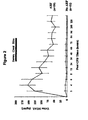
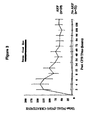
- FIGURE 3 shows urine NGAL values of FIGURE 2 corrected for urine creatinine excretion.
- FIGURE 4 shows urine NGAL (in ng/ml) at various times after CPB in patients who subsequently developed ARF (upper line, ARF) versus those who did not (lower line, No ARF), determined by ELISA.
- the bar represents the time when the initial rise in serum creatinine was detected.
- FIGURE 5 shows urine NGAL values of FIGUIRE 4 corrected for urine creatinine excretion.
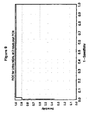
- FIGURE 6 shows a scatter graph of all urine NGAL measurements at 2 hours post CPB.
- An arbitrary dashed line at 50 ng/ml illustrates the separation of values in patients who developed ARF versus those with No ARF.
- FIGURE 7 shows serum NGAL (ng/ml) at various times after CPB in patients who subsequently developed ARF (upper line, ARF) versus those who did not (lower line, No ARF), determined by ELISA.
- the bar represents the time when the initial rise in serum creatinine was detected.
- FIGURE 8 shows a scatter graph of all serum NGAL measurements at 2 hours post CPB in patients who developed ARF versus those with No ARF.
- FIGURE 9 shows receiver operating characteristic (ROC) curves to determine the discriminatory power of NGAL measurements for the early diagnosis of acute renal injury, with an ROC curve for urine NGAL at 2 hours post CPB.
- ROC receiver operating characteristic
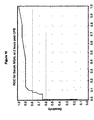
- FIGURE 10 shows receiver operating characteristic (ROC) curves to determine the discriminatory power of NGAL measurements for the early diagnosis of acute renal injury, with an ROC curve for serum NGAL at 2 hours post CPB.
- ROC receiver operating characteristic
- renal tubular cell injury shall mean a renal or kidney failure or dysfunction, either sudden (acute) or slowly declining over time (chronic), that can be triggered by a number of disease or disorder processes, including (but not limited to) for renal tubular cell injury; ischemic renal injury (IRI), including acute ischemic injury and chronic ischemic injury; acute renal failure; acute nephrotoxic renal injury (NRI) toxicity, including sepsis (infection), shock, trauma, kidney stones, kidney infection, drug toxicity, poisons or toxins, or after injection with an iodinated contrast dye (adverse effect); and for chronic nephrotoxic renal injury: long-standing hypertension, diabetes, congestive heart failure, lupus, or sickle cell anemia. Both forms of renal failure can result in a life-threatening metabolic derangement.
- the expression "immediate" in relation to a renal tubular cell biomarker is a biomarker protein that can appear in the blood serum within 2 hours of the onset of renal tubular cell injury.
- the expression “early on-set” in relation to a renal tubular cell biomarker is a biomarker protein that can appear in the blood serum within the first 24 hours, more typically within the first 6 hours, of the onset of renal tubular cell injury.
- the present invention provides a method and kit for assaying the presence of a renal tubular cell injury biomarker present in the blood serum of a subject at the early onset of renal tubular cell injury. Early detection of the onset of the injury can reduce the time for treatment of the injury, and can reduce the risk of developing clinical acute renal failure (ARF).
- APF clinical acute renal failure
- a simple point-of-care kit that uses principles similar to the widely-used blood glucose testing kits, for the rapid detection of serum NGAL at the bedside will allow the clinician to rapidly diagnose ARF, and to rapidly institute proven and effective therapeutic and preventive measures.
- the use of the kit can represent the standard of care for all patients who are at risk of developing ARF, including use in cardiac surgery, kidney transplantation, stroke, trauma, sepsis, dehydration, and nephrotoxins (antibiotics, anti-inflammatory agents, radio-contrast agents, and chemotherapeutic agents).
- ARF occurs in the setting of these predisposing conditions, the diagnosis is very delayed, and the associated mortality and morbidity unacceptably high.
- the biomarker for renal tubular cell injury (which will also be referred to as RTCI biomarker) can be an immediate RTCI biomarker, such as NGAL, which can appear in the blood serum within 2 hours of the onset of renal tubular cell injury.
- An immediate RTCI biomarker can, as in the case of NGAL, be present in the blood serum of a subject almost immediately after the onset of renal tubular cell injury.
- the RTCI biomarker can also be an early-onset RTCI biomarker that can appear within the first 24 hours, more typically within the first 6 hours, of the onset of renal tubular cell injury.
- NGAL is also an example of an early-onset RTCI biomarker.
- An effective RTCI biomarker is typically a secreted protein, whereby it can be excreted by the kidney into the urine or transported within the blood serum.
- An effective RTCI biomarker is also typically a protease-resistant protein, such as NGAL. Nevertheless, an RTCI biomarker can also be a protease-sensitive protein, so long as stable fragments of the protein can be detected in the urine or in the blood serum, such as by antibodies as described hereinafter for NGAL.
- the RTCI biomarker can be an ischemic renal injury biomarker (IRI biomarker), a nephrotoxic renal injury biomarker (NRI biomarker), or a mixture thereof.
- IRI biomarker ischemic renal injury biomarker
- NRI biomarker nephrotoxic renal injury biomarker
- NGAL is an example of both an IRI biomarker and an NRI biomarker.
- the method of the invention can be used to detect the onset of renal tubular cell injury, and to monitor the treatment thereof, for a wide variety of events that can include all varieties of diminished blood supply to the kidneys, impaired heart function, surgical procedures, patients in intensive care units, and the administration of pharmaceuticals, radiocontrast dyes, or other medicament substances to a subject.
- the renal tubular cell injury can be an ischemic renal injury, a nephrotoxic renal injury, or other injury that affects the tubular cells of the kidney.
- the event can include administration or ingestion of a large and wide variety of nephrotoxins, including, but not limited to cancer chemotherapy (cisplatin, cyclophosphamide, isosfamide, methotrexate), antibiotics (gentamicin, vancomycin, tobramycin), antifungal agents (amphotericin), anti-inflammatory agents (NSAIDs), immunosuppressants (cyclosporine, tacrolimus), and radiocontrast agents.
- cancer chemotherapy cisplatin, cyclophosphamide, isosfamide, methotrexate
- antibiotics gentamicin, vancomycin, tobramycin
- antifungal agents amphotericin
- anti-inflammatory agents NSAIDs
- immunosuppressants cyclosporine, tacrolimus
- the invention also provides a method and a kit for assessing the extent of renal injury based on a proportional relationship between the extent of injury, which can range from the very onset of renal tubular cell injury, to clinical ARF, with the quantity of NGAL present in the blood serum of the subject.
- the invention provides a means for a clinician to estimate the degree of renal injury at an initial assessment, and to monitor the change in status of the injury (worsening, improving, or remaining the same) based on the detected amount of NGAL in the blood serum.
- the clinician would establish a protocol of collecting and analyzing a quantity of fresh blood samples sample from the patient at selected intervals.
- the blood sample is obtained intermittently during a prescribed period. The period of time between intermittent sampling may be dictated by the condition of the subject, and can range from a sample each 24 hours to a sample taken continuously, more typically from each 4 hours to each 30 minutes.
- a serum sample is then typically isolated from the blood sample by well known means.
- both a qualitative level of the RTCI biomarker present in the serum can be analyzed and estimated, and a quantitative level of RTCI biomarker present in the serum can be analyzed and measured.
- the clinician would select the qualitative method, the quantitative method, or both, depending upon the status of the patient.
- the quantity of blood serum to be collected is less than 1 milliliter, and more typically less than 10 ⁇ l.
- a typical sample can range from about 1 ⁇ l to about 1 ml.
- the larger quantities of a blood serum sample (about 1 ml) are used for quantitative assays.
- these small amounts of serum are easily and readily available from clinical subjects who are either prone to developing ARF, or have developed ARF.
- the clinician can employ the method and kit of the invention to monitor the progress of the treatment or intervention. If a treatment or surgery that might cause renal tubular cell injury is planned, the clinician can obtain a pretreatment serum sample to determine a baseline value for an individual. Typically, one or more subsequent post-treatment serum samples will be taken and analyzed for the presence of the RTCI biomarker as the treatment of the renal injury commences and continues. If a baseline value was obtained, these post-treatment values can be compared to the baseline value to determine the relative condition of the patient. The treatment is continued until the presence of the RTCI biomarker in subsequent post-treatment serum samples is not detected.
- RTCI biomarker As the treatment and intervention ameliorate the condition, the expression of RTCI biomarker, and its presence in the serum, will be correspondingly reduced. The degree of amelioration will be expressed by a correspondingly reduced level of RTCI biomarker, such as NGAL, detected in a sample.
- NGAL a correspondingly reduced level of RTCI biomarker
- the method can be used to detect the complete absence of the RTCI biomarker, signaling the completion of the course of treatment.
- Studies with animal models of ischemic or nephrotoxic injury event demonstrated that NGAL is produced in renal tubular cells within minutes following the event. As shown in the examples of the present invention, the NGAL expressed by renal tubular cells rapidly accumulates in the blood, and can be detected far earlier than current diagnostic tests available to indicate renal cell damage.
- NGAL testing of serum samples from a subject can begin within 30 minutes of a suspected injury, since NGAL begins to appear in the serum at low levels, and continues to rise thereafter. Therefore, it is also of great value to initiate testing at any time within 2 hours of a suspected injury, when NGAL is clearly apparent in serum. Furthermore, it is of value to test at any other time during the first 24 hours following a suspected injury, since NGAL is a highly reliable and easily measured marker of injury that appears in the serum before changes in other parameters, such as creatinine, can be detected.
- the most highly preferred course of NGAL testing is to collect samples at intervals throughout the course of treatment to monitor real time changes in renal health status.
- Both monoclonal and polyclonal antibodies that bind an RTCI biomarker are useful in the methods and kits of the present invention.
- the antibodies can be prepared by methods known in the art.
- Monoclonal antibodies for a preferred RTCI biomarker, NGAL are described, for example, in " Characterization of two ELISAs for NGAL, a newly described lipocalin in human neutrophils", Lars Kjeldsen et al., (1996) Journal of Immunological Methods, Vol. 198, 155-16 , herein incorporated by reference.
- Examples of monoclonal antibodies for NGAL can be obtained from the Antibody Shop, Copenhagen, Denmark, as HYB-211-01, HYB-211-02, and NYB-211-05.
- HYB-211-01 and HYB-211-02 can be used with NGAL in both its reduced and unreduced forms.
- An example of a polyclonal antibody for NGAL is described in " An Iron Delivery Pathway Mediated by a Lipocalin", Jun Yang et al., Molecular Cell, (2002), Vol. 10, 1045-1056 , herein incorporated by reference.
- rabbits were immunized with recombinant gel-filtered NGAL protein. Sera were incubated with GST-Sepharose 4B beads to remove contaminants, yielding the polyclonal antibodies in serum, as described by the applicants in Jun Yang et al., Molecular Cell (2002 ).
- the step of detecting the complex of the capture antibody and the RTCI biomarker comprises contacting the complex with a second antibody for detecting the biomarker.
- the method for detecting the complex of the RTCI biomarker and the primary antibody comprises the steps of separating any unbound material of the serum sample from the capture antibody-biomarker complex; contacting the capture antibody-biomarker complex with a second antibody for detecting the RTCI biomarker, to allow formation of a complex between the RTCI biomarker and the second antibody; separating any unbound second antibody from the RTCI biomarker-second antibody complex; and detecting the second antibody of the RTCI biomarker-second antibody complex.
- a kit for use in the method typically comprises a media having affixed thereto the capture antibody, whereby the serum sample is contacted with the media to expose the capture antibody to NGAL contained in the sample.
- the kit includes an acquiring means that can comprise an implement, such as a spatula or a simple stick, having a surface comprising the media.
- the acquiring means can also comprise a container for accepting the serum sample, where the container has a serum-contacting surface that comprises the media.
- the assay for detecting the complex of the RTCI biomarker and the antibody can comprise an ELISA, and can be used to quantitate the amount of NGAL in a serum sample.
- the acquiring means can comprise an implement comprising a cassette containing the media.
- a method and a kit of the present invention can detect the RTCI biomarker in a sample of serum within four hours, more typically within two hours, and most typically within one hour, following renal tubular cell injury.
- the RTCI biomarker can be detected within about 30 minutes following renal tubular cell injury.
- a method and kit of the present invention for detecting the RTCI biomarker can be made by adapting the methods and kits known in the art for the rapid detection of other proteins and ligands in a biological sample.
- methods and kits that can be adapted to the present invention are described in US Patent 5,656,503, issued to May et al. on August 12, 1997 , US Patent 6,500,627, issued to O'Conner et al. on December 31, 2002 , US Patent 4,870,007, issued to Smith-Lewis on September 26, 1989 , US Patent 5,273,743, issued to Ahlem et al. on December 28, 1993 , and US Patent 4,632,901, issued to Valkers et al. on December 30, 1986 , all such references being hereby incorporated by reference.
- a rapid one-step method of detecting the RTCI biomarker can reduce the time for detecting the renal tubular cell injury.
- a typical method can comprise the steps of: obtaining a blood serum sample suspected of containing the RTCI biomarker; mixing a portion of the sample with a detecting antibody which specifically binds to the RTCI biomarker, so as to initiate the binding the detecting antibody to the RTCI biomarker in the sample; contacting the mixture of sample and detecting antibody with an immobilized capture antibody which specifically binds to the RTCI biomarker, which capture antibody does not cross-react with the detecting antibody, so as to bind the detecting antibody to the RTCI biomarker, and the RTCI biomarker to the capture antibody, to form a detectable complex; removing unbound detecting antibody and any unbound sample from the complex; and detecting the detecting antibody of the complex.
- the detectable antibody can be labeled with a detectable marker, such as a radioactive label, enzyme, biological dye, magnetic bead, or biotin, as is well known in the art.
- a detectable marker such as a radioactive label, enzyme, biological dye, magnetic bead, or biotin
- the detectable antibody can be attached to a supporting material, such as a membrane, plastic strip, plastic laboratory plate such as those used for ELISA or other high-throughput assays, or any other supporting material, such as those used in other diagnostic kits well known in the art.
- a cDNA microarray assay can be used to detect which of a large number of potential gene targets are markedly upregulated.
- neutrophil gelatinase-associated lipocalin was identified as a gene whose expression is upregulated more than 10 fold within the first few hours following an ischemic renal injury in a mouse model.
- NGAL belongs to the lipocalin superfamily of over 20 structurally related secreted proteins that are thought to transport a variety of ligands within a ⁇ -barreled calyx.
- Human NGAL was originally identified as a 25 kDa protein covalently bound to gelatinase from human neutrophils, where it represents one of the neutrophil secondary granule proteins.
- Molecular cloning studies have revealed human NGAL to be similar to the mouse 24p3 gene first identified in primary cultures of mouse kidneys that were induced to proliferate. NGAL is expressed at very low levels in other human tissues, including kidney, trachea, lungs, stomach, and colon. NGAL expression is markedly induced in stimulated epithelia.
- NGAL is upregulated in colonic epithelial cells in areas of inflammation or neoplasia, but is absent from intervening uninvolved areas or within metastatic lesions.
- NGAL concentrations are elevated in the serum of patients with acute bacterial infections, the sputum of subjects with asthma or chronic obstructive pulmonary disease, and the bronchial fluid from the emphysematous lung.
- NGAL induction is postulated to be the result of interactions between inflammatory cells and the epithelial lining, with upregulation of NGAL expression being evident in both neutrophils and the epithelium.
- the detected NGAL induction represents a novel intrinsic response of the kidney proximal tubule cells to renal tubular cell injuries, including both ischemic and nephrotoxic injuries, and is not derived merely from activated neutrophils.
- the response is rapid, with NGAL appearing in the serum within 2 hours of the injury following renal artery occlusion, while renal neutrophil accumulation in this model of ischemic ARF is usually first noted at 4 hours after injury.
- the temporal patterns of NGAL induction and neutrophil accumulation are divergent. NGAL mRNA and protein expression was maximally noted at 12 hours of reflow, whereas neutrophil accumulation peaks at 24 hours by which time NGAL expression has significantly declined.
- NGAL mRNA and protein induction was documented to occur in cultured human proximal tubule cells following in vitro ischemia, with NGAL secreted into the culture medium within 1 hour of ATP depletion, in a system where neutrophils are absolutely absent. Nevertheless, some contribution from infiltrating neutrophils to the observed NGAL upregulation may have occurred. It is possible that upregulation of NGAL in renal tubule cells may be induced by local release of cytokines from neutrophils trapped in the microcirculation early after ischemic injury.
- NGAL An older name for NGAL is HNL.
- Prior art patent 6,136,526 teaches a method for detecting HNL to distinguish a bacterial infection from a viral infection. Infections cause inflammation in the classical sense of induction of the immune system by attracting neutrophils and other immune cells to the site of infection. When the immune cells infiltrate the affected region, histamines and an array of proinflammatory cytokines are released in the intracellular spaces to induce phagocytosis and killing of the organisms. Activated neutrophils also secrete NGAL in response to bacterial but not viral infections. This differential response is likely to be due to a lipopolysaccharide (LPS) moiety on the surface of bacteria, since NGAL avidly binds LPS.
- LPS lipopolysaccharide
- NGAL will then diffuse into capillaries located close to an infected site and, when it reaches a sufficient level, can be detected in serum or plasma. It is not clear how soon neutrophils begin to secrete NGAL in response to bacterial infection, or how long it takes before NGAL released from neutrophils reaches detectable levels in serum.
- ischemic or nephrotoxic injuries induce early and rapid expression of NGAL in cells of the affected tissues, such as those lining the various nephron segments.
- the injured cells of the kidney release NGAL directly into the urine, where it appears within minutes of the injury.
- the inflammation that typically occurs 6-12 hours after ischemic or nephrotoxic injury is distinct from that caused by an infection.
- NGAL may represent a pro-apoptotic molecule.
- cytokine withdrawal resulted in a marked induction of NGAL as well as onset of apoptosis.
- Purified NGAL produced the same pro-apoptotic response as cytokine deprivation, including activation of Bax, suggesting that NGAL is proximate to programmed cell death.
- NGAL has also been linked to apoptosis in reproductive tissues.
- Epithelial cells of the involuting mammary gland and uterus express high levels of NGAL, temporally coinciding with a period of maximal apoptosis. It is likely that NGAL regulates a subset of cell populations by inducing apoptosis. Stimulated epithelia may upregulate NGAL in order to induce apoptosis of infiltrating neutrophils, thereby allowing the resident cells to survive the ravages of the inflammatory response. Alternatively, epithelial cells may utilize this mechanism to regulate their own demise. However, it is interesting to note that induction of NGAL following renal ischemia-reperfusion injury occurs predominantly in the proximal tubule cells, and apoptosis under the same circumstances is primarily a distal tubule cell phenomenon.
- NGAL enhances the epithelial phenotype.
- NGAL is expressed by the penetrating rat ureteric bud, and triggers nephrogenesis by stimulating the conversion of mesenchymal cells into kidney epithelia.
- Another lipocalin, glycodelin has been shown to induce an epithelial phenotype when expressed in human breast carcinoma cells.
- NGAL may be expressed by the damaged tubule in order to induce re-epithelialization.
- Support for this notion derives from the recent identification of NGAL as an iron transporting protein that is complementary to transferrin during nephrogenesis. It is well known that the delivery of iron into cells is crucial for cell growth and development, and this is presumably critical to postischemic renal regeneration just as it is during ontogeny. Since NGAL appears to bind and transport iron, it is also likely that NGAL may serve as a sink for iron that is shed from damaged proximal tubule epithelial cells. Because it has been observed that NGAL can be endocytosed by the proximal tubule, the protein could potentially recycle iron into viable cells. This might stimulate growth and development, as well as remove iron, a reactive molecule, from the site of tissue injury, thereby limiting iron-mediated cytotoxicity.
- NGAL is a novel serum biomarker for cisplatin-induced nephrotoxic renal injury that is more sensitive than previously described biomarkers.
- kidney injury molecule-1 or KIM-1 a putative adhesion molecule involved in renal regeneration.
- KIM-1 was qualitatively detectable 24-48 hours after the initial insult, rendering it a somewhat late marker of tubular cell damage.
- NGAL is believed to be readily and quantitatively detected within 3 hours following cisplatin administration at doses known to result in renal failure.
- urinary and serum NGAL detection precede the appearance of other markers in the urine such as NAG. Appearance of NGAL in the urine and serum also precede the increase in serum creatinine that is widely used to diagnose nephrotoxic renal failure.
- NGAL detection is a novel, non-invasive, early serum biomarker for cisplatin-induced kidney damage. Early detection may enable clinicians to administer timely therapeutic interventions, and to institute maneuvers that prevent progression to overt nephrotoxic renal failure.
- the upregulation and serum transport of NGAL may represent a rapid response of renal tubule cells to a variety of insults, and the detection of NGAL in the serum may represent a widely applicable noninvasive clinical tool for the early diagnosis of tubule cell injury.
- NGAL is a sensitive, noninvasive serum biomarker for renal tubular cell injuries, including renal ischemia and nephrotoxemia.
- the examination of the expression of NGAL in the serum of patients with acute, mild and early forms of renal tubular cell injury, using the rapid and simple detection methods and kits of the invention, can alert and enable clinicians to institute timely interventional efforts in patients experiencing acute renal failure, and to alert clinicians to institute maneuvers aimed at preventing progression in patients with subtle, subclinical renal tubular cell injuries (such as a nephrotoxins, kidney transplants, vascular surgery, and cardiovascular events) to overt ARF.
- subtle, subclinical renal tubular cell injuries such as a nephrotoxins, kidney transplants, vascular surgery, and cardiovascular events
- kidney transplants performed every year. This number has been steadily increasing every year. About 10,000 of these are cadaveric kidney transplants, and are at risk for ARF. Each of these patients would benefit enormously from serial NGAL measurements, which could represent routine care.
- Ischemic renal injury has also been associated with open heart surgery, due to the brief interruption in blood flow that is inherent in this procedure.
- the number of open heart surgeries performed annually can be estimated. In any moderately busy adult hospital, approximately 500 such operations are performed every year. Given that there are at least 400 such moderately busy hospitals in the United States alone, one can conservatively estimate that 200,000 open heart surgeries are performed every year. Again, serial NGAL measurements would be invaluable in these patients, and would represent the standard of care.
- Serum creatinine was measured at baseline, and routinely monitored in these critically ill children at least twice a day in the immediate post-operative period, and at least daily after post-operative day three.
- a major strength of this study is the prospective recruitment of a homogeneous cohort of children subjected to renal ischemia-reperfusion injury during surgical correction of congenital cardiac disease.
- the patients in these examples were devoid of common co-morbid variables such as atherosclerotic disease, diabetes, and nephrotoxin use, all of which can confound and vitiate the identification of early biomarkers for ischemic acute renal injury.
- Clinical Outcomes The primary outcome, acute renal injury, defined as a 50% or greater increase in serum creatinine from baseline, occurred in 20 out of 71 patients within a three-day period, yielding an incidence rate of 28%. Out of these, 8 patients displayed an increase in serum creatinine in the 24-48 hours post CPB, but in the other 12 patients, the increase was further delayed to the 48-72 hour period post CPB. Thus, the diagnosis of acute renal injury using currently accepted clinical practices could be made only days after the inciting event.
- Acute renal injury was more common in patients with an underlying diagnosis of hypoplastic left heart, Tetralogy of Fallot, and AV canal, and was less common or absent in patients with atrial septal defect, ventricular septal defect, or valvular heart disease.
- the primary outcome variable was the development of acute renal injury, defined as a 50% or greater increase in serum creatinine from baseline.
- Urine NGAL Measurements - Western Analysis: NGAL was virtually undetectable in the urine of all patients prior to surgery, and in healthy volunteers (n 10).
- FIGURE 1 shows a Western Blot typical of that for a patient undergoing CPB. NGAL is not detected at 0 hours, or before CPB, but rapidly appears in the urine by 2 hours or less, and remains detectable by Western blot for at least 12 hours.
- a sensitive and reproducible ELISA for NGAL is an example of a method to provide accurate quantitation of the samples and to confirm the data obtained by Western analysis. Indeed, the ELISA results very closely paralleled those obtained by Western analysis, with a difference of less than 20%.
- the clinical utility of immunoblot-based techniques for the rapid detection of biomarkers for acute renal injury is limited by the time factor and variations in assay conditions. We modified previously published protocols for detection of NGAL derived from neutrophils as described by Kjeldsen et al. in J Immunol Methods 1996;198:155-164 .
- microtiter plates were coated overnight at 4°C with a mouse monoclonal antibody raised against human NGAL (#HYB211-05, Antibody Shop). All subsequent steps were performed at room temperature. Plates were blocked with buffer containing 1% BSA, coated with 100 ⁇ l of samples (urine or serum) or standards (NGAL concentrations ranging from 1-1000 ng/ml), and incubated with a biotinylated monoclonal antibody against human NGAL (#HYB211-01B, Antibody Shop) followed by avidin-conjugated HRP (Dako). TMB substrate (BD Biosciences) was added for color development, which was read after 30 min at 450 nm with a microplate reader (Benchmark Plus, BioRad). All measurements were made in triplicate, and in a blinded fashion.
- Urinary NGAL levels were 147 ⁇ 23 ng/ml at 2 hours or the first available sample, 179 ⁇ 30 ng/ml at 4 hours, and 150 ⁇ 30 ng/ml at 6 hours post CPB in the acute renal injury group. This overall pattern remained consistent when urinary NGAL concentration was normalized for urinary creatinine excretion, i.e. 138 ⁇ 28 ng/mg creatinine at 2 hours, 155 ⁇ 40 ng/mg at 4 hours, and 123 ⁇ 35 ng/mg at 6 hours post CPB ( FIGURE 5 ).
- a scatter plot of the first available post-operative urine NGAL measurements revealed that all 20 patients who subsequently developed acute renal injury displayed a level above an arbitrary cutoff value of 50 ng/ml, whereas only 1 out of 51 patients in the control group showed a urinary NGAL value above this arbitrary cutoff ( FIGURE 6 )
- Serum NGAL levels were 61 ⁇ 10 ng/ml at 2 hours, 54.7 ⁇ 7.9 ng/ml at 12 hours, and 47.4 ⁇ 7.9 ng/ml at 24 hours post CPB in the acute renal injury group.
- the ELISA of the invention is an example of point-of-care diagnostic kits for NGAL.
- ROC curve was constructed to determine the discriminatory power of urine and serum NGAL measurements for the early diagnosis of acute renal injury.
- the area under the curve was 0.998 at 2 hours post CPB ( FIGURE 9 ), and 1.000 at 4 hours post CPB (not shown).
- the area under the curve was 0.906 at 2 hours post CPB ( FIGURE 10 ).
- NGAL is normally expressed at very low levels in several human tissues, including kidney, trachea, lungs, stomach, and colon ( Cowland et al., Genomics 1997;45:17-23 .). NGAL expression is markedly induced in injured epithelia. For example, NGAL concentrations are elevated in the serum of patients with acute bacterial infections, the sputum of subjects with asthma or chronic obstructive pulmonary disease, and the bronchial fluid from the emphysematous lung ( Xu et al., Biochim Biophys Acta 2000;1482:298-307 ).
- NGAL is one of the earliest and most robustly induced genes and proteins in the kidney after ischemic injury, and that NGAL is easily detected in the urine soon after ischemia. See Supavekin et al., Kidney Int 2003;63:1714-1724 ; Mishra et al., J Am Soc Nephrol 2003; 4:2534-2543 ; and Devarajan et al., Mol Genet Metab 2003;80:365-376 . In the post-ischemic kidney, NGAL is markedly upregulated in several nephron segments and the protein accumulates predominantly in proximal tubules where it co-localizes with proliferating epithelial cells.
- NGAL may be expressed by the damaged tubule in order to induce re-epithelialization.
- NGAL may be expressed by the damaged tubule in order to induce re-epithelialization.
- NGAL may be expressed by the damaged tubule in order to induce re-epithelialization.
- NGAL may be expressed by the damaged tubule in order to induce re-epithelialization.
- the recent identification of NGAL is a regulator of epithelial morphogenesis in cultured kidney tubule cells, and as an iron transporting protein during nephrogenesis ( Gwira et al., J Biol Chem 2005 , and Yang et al., Mol Cell 2002;10:1045-1056 ). It is well known that the delivery of iron into cells is crucial for cell growth and development, and this is presumably also critical to renal regeneration following ischemic injury.
- urinary diagnostics have several advantages, including the non-invasive nature of sample collection and the relatively few interfering proteins, some disadvantages also exist. These include the difficulty in obtaining urine samples from patients with severe oliguria, the potential changes in urinary biomarker concentration induced by the overall fluid status and diuretic therapy, and the fact that several urinary biomarkers have in the past shown insufficient sensitivity or specificity ( Rabb H. Am J Kidney Dis 2003;42:599-600 .). Serum-based diagnostics have revolutionized intensive care medicine.
- NGAL is the only biomarker that has been examined in both serum and urine for the early diagnosis of ischemic renal injury.
- the methods and use of the invention compare favorably with or surpass the usefulness of several other biomarkers for ischemic renal injury , such as those discussed in Hewitt et al., J Am Soc Nephrol 2004;15:1677-1689 ; Herget-Rosenthal et al., Kidney Int 2004;66:1115-1122 ; and Rabb, Am J Kidney Dis 2003;42:599-600 ).
- biomarkers for ischemic renal injury such as those discussed in Hewitt et al., J Am Soc Nephrol 2004;15:1677-1689 ; Herget-Rosenthal et al., Kidney Int 2004;66:1115-1122 ; and Rabb, Am J Kidney Dis 2003;42:599-600 .
- the majority of studies reported thus far have been retrospective, have examined biomarkers in the established phase of ARF, and have been restricted to only the urine and to only one method of detection.
- Kidney injury molecule-1 (KIM-1), a novel kidney-specific adhesion molecule, is detectable by ELISA in the urine of patients with established acute tubular necrosis.
- the sodium hydrogen exchanger isoform 3 (NBE3) has been shown by Western blots to be increased in the membrane fractions of urine from subjects with established ARF ( du Cheyron et al., Am J Kidney Dis 2003;42:497-506 ).
- ARF sodium hydrogen exchanger isoform 3
- the sensitivity and specificity of these biomarkers for the detection of renal injury have not been reported.
- elevated levels of urinary IL-6, IL-8 and IL-18 have been demonstrated in patients with delayed graft function following cadaveric kidney transplants (35, 36).
- NGAL none of the biomarkers have been examined prospectively for appearance in the urine during the evolution of ischemic ARF.
- a recent prospective study has demonstrated that an increase in serum cystatin C precedes the increase in serum creatinine in a select patient population at high risk to develop ARF ( Herget-Rosenthal et al., Kidney Int 2004;66:1115-1122 ).
- the ARF in these subjects was multifactorial, due to a combination of ischemic, prerenal, nephrotoxic, and septic etiologies.
- cystatin C is primarily a marker of glomerular filtration rate (GFR), it can be inferred that serum cystatin C levels will rise only after the GFR begins to fall.
- GFR glomerular filtration rate
- NGAL is rapidly induced in the kidney tubule cells in response to ischemic injury, and its early appearance in the urine and serum is independent of the GFR, but is highly predictive of a fall in GFR that may occur several days later.
- a small transient increase in urine and serum NGAL in patients who did not develop ARF was consistent with previous observations that cardiopulmonary bypass surgery leads to release of NGAL into the circulation, probably secondary to inflammatory activation of leukocytes initiated by the extracorporeal circuit ( Herget-Rosenthal et al., Kidney Int 2004;66:1115-1122 ).
Landscapes
- Life Sciences & Earth Sciences (AREA)
- Health & Medical Sciences (AREA)
- Engineering & Computer Science (AREA)
- Immunology (AREA)
- Molecular Biology (AREA)
- Chemical & Material Sciences (AREA)
- Biomedical Technology (AREA)
- Urology & Nephrology (AREA)
- Hematology (AREA)
- Cell Biology (AREA)
- General Health & Medical Sciences (AREA)
- Biotechnology (AREA)
- Pathology (AREA)
- Food Science & Technology (AREA)
- Medicinal Chemistry (AREA)
- Physics & Mathematics (AREA)
- Analytical Chemistry (AREA)
- Biochemistry (AREA)
- Microbiology (AREA)
- General Physics & Mathematics (AREA)
- Proteomics, Peptides & Aminoacids (AREA)
- Investigating Or Analysing Biological Materials (AREA)
- Measuring Or Testing Involving Enzymes Or Micro-Organisms (AREA)
- Measurement Of The Respiration, Hearing Ability, Form, And Blood Characteristics Of Living Organisms (AREA)
- Transplanting Machines (AREA)
- Nitrogen And Oxygen Or Sulfur-Condensed Heterocyclic Ring Systems (AREA)
- Medicines Containing Antibodies Or Antigens For Use As Internal Diagnostic Agents (AREA)
Applications Claiming Priority (4)
| Application Number | Priority Date | Filing Date | Title |
|---|---|---|---|
| US57766204P | 2004-06-07 | 2004-06-07 | |
| US11/096,113 US20050272101A1 (en) | 2004-06-07 | 2005-03-31 | Method for the early detection of renal injury |
| PCT/US2005/019951 WO2005121788A2 (en) | 2004-06-07 | 2005-06-07 | Method for the early detection of renal disease and injury |
| EP05755309.1A EP1766395B2 (de) | 2004-06-07 | 2005-06-07 | Verfahren zum frühen nachweis einer nierenkrankheit und -verletzung |
Related Parent Applications (3)
| Application Number | Title | Priority Date | Filing Date |
|---|---|---|---|
| EP05755309.1A Division-Into EP1766395B2 (de) | 2004-06-07 | 2005-06-07 | Verfahren zum frühen nachweis einer nierenkrankheit und -verletzung |
| EP05755309.1A Division EP1766395B2 (de) | 2004-06-07 | 2005-06-07 | Verfahren zum frühen nachweis einer nierenkrankheit und -verletzung |
| EP05755309.1 Division | 2005-06-07 |
Publications (3)
| Publication Number | Publication Date |
|---|---|
| EP2264459A2 true EP2264459A2 (de) | 2010-12-22 |
| EP2264459A3 EP2264459A3 (de) | 2011-02-16 |
| EP2264459B1 EP2264459B1 (de) | 2019-01-02 |
Family
ID=35449446
Family Applications (2)
| Application Number | Title | Priority Date | Filing Date |
|---|---|---|---|
| EP05755309.1A Expired - Lifetime EP1766395B2 (de) | 2004-06-07 | 2005-06-07 | Verfahren zum frühen nachweis einer nierenkrankheit und -verletzung |
| EP10186256.3A Expired - Lifetime EP2264459B1 (de) | 2004-06-07 | 2005-06-07 | Verfahren zum frühen Nachweis einer Nierenkrankheit und -verletzung |
Family Applications Before (1)
| Application Number | Title | Priority Date | Filing Date |
|---|---|---|---|
| EP05755309.1A Expired - Lifetime EP1766395B2 (de) | 2004-06-07 | 2005-06-07 | Verfahren zum frühen nachweis einer nierenkrankheit und -verletzung |
Country Status (10)
| Country | Link |
|---|---|
| US (7) | US20050272101A1 (de) |
| EP (2) | EP1766395B2 (de) |
| JP (1) | JP5054525B2 (de) |
| CN (1) | CN101027556B (de) |
| AT (1) | ATE488765T1 (de) |
| AU (1) | AU2005253142B2 (de) |
| CA (1) | CA2569599C (de) |
| DE (1) | DE602005024810D1 (de) |
| ES (1) | ES2717900T3 (de) |
| WO (1) | WO2005121788A2 (de) |
Families Citing this family (86)
| Publication number | Priority date | Publication date | Assignee | Title |
|---|---|---|---|---|
| DK2604285T3 (en) * | 2003-05-01 | 2014-12-01 | Cornell Res Foundation Inc | Method and carrier complex for delivering molecules to cells |
| US20050272101A1 (en) * | 2004-06-07 | 2005-12-08 | Prasad Devarajan | Method for the early detection of renal injury |
| US7776824B2 (en) * | 2004-05-06 | 2010-08-17 | The Trustees Of Columbia University | NGAL for reduction and amelioration of ischemic and nephrotoxic injuries |
| WO2006066587A1 (en) * | 2004-12-20 | 2006-06-29 | Antibodyshop A/S | Determination of neutrophil gelatinase-associated lipocalin (ngal) as a diagnostic marker for renal disorders |
| US20070037232A1 (en) * | 2005-03-31 | 2007-02-15 | Barasch Jonathan M | Detection of NGAL in chronic renal disease |
| AU2006292352B2 (en) | 2005-09-16 | 2012-02-09 | Cornell Research Foundation, Inc. | Methods for reducing CD36 expression |
| US20080090304A1 (en) * | 2006-10-13 | 2008-04-17 | Barasch Jonathan Matthew | Diagnosis and monitoring of chronic renal disease using ngal |
| US10716749B2 (en) * | 2005-11-03 | 2020-07-21 | Palo Alto Investors | Methods and compositions for treating a renal disease condition in a subject |
| US7662578B2 (en) | 2006-04-21 | 2010-02-16 | Children's Hospital Medical Center | Method and kit for the early detection of impaired renal status |
| US20080090765A1 (en) * | 2006-05-25 | 2008-04-17 | The Trustees Of Columbia University In The City Of New York | Compositions for modulating growth of embryonic and adult kidney tissue and uses for treating kidney damage |
| PL2035835T3 (pl) | 2006-05-30 | 2012-05-31 | Antibodyshop As | Sposoby szybkiej oceny ciężkości urazu |
| WO2008017306A1 (en) * | 2006-08-07 | 2008-02-14 | Antibodyshop A/S | Diagnostic test to exclude significant renal injury |
| WO2008060607A2 (en) * | 2006-11-14 | 2008-05-22 | Biosite Incorporated | Methods and compositions for monitoring and risk prediction in cardiorenal syndrome |
| US8524462B2 (en) | 2006-11-14 | 2013-09-03 | Alere San Diego, Inc. | Methods and compositions for diagnosis and prognosis of renal artery stenosis |
| CN101680903A (zh) * | 2007-03-21 | 2010-03-24 | 比奥波托诊断股份公司 | 肾损伤的诊断试验 |
| US20090124022A1 (en) * | 2007-10-19 | 2009-05-14 | Abbott Laboratories | Antibodies that bind to mammalian ngal and uses thereof |
| CA2702611A1 (en) * | 2007-10-19 | 2009-04-23 | Abbott Laboratories | Immunoassays and kits for the detection of ngal |
| US8846036B2 (en) * | 2007-10-19 | 2014-09-30 | Abbott Laboratories | Antibodies that bind to mammalian NGAL and uses thereof |
| US20090123946A1 (en) * | 2007-10-19 | 2009-05-14 | Abbott Laboratories | Immunoassays and kits for the detection of ngal |
| WO2009059259A2 (en) * | 2007-10-31 | 2009-05-07 | Children's Hospital Medical Center | Detection of worsening renal disease in subjects with systemic lupus erythematosus |
| EP2215481B2 (de) * | 2007-11-15 | 2017-01-18 | Bioporto Diagnostics A/S | Diagnostische verwendung individueller molekularer formen eines biomarkers |
| CA2713150C (en) | 2008-02-07 | 2016-01-05 | Cornell University | Methods for preventing or treating insulin resistance |
| EP3243521B1 (de) * | 2008-02-26 | 2020-05-27 | Cornell University | Peptide zur verwendung zur prävention oder behandlung von akutem nierenversagen |
| EP2257813A4 (de) * | 2008-03-12 | 2011-11-02 | Univ Columbia | Ngal mit hohem molekulargewicht als biomarker für chronische nierenerkrankung |
| GB0807214D0 (en) * | 2008-04-21 | 2008-05-28 | Belfast Health And Social Care | Biomarkers |
| US7977110B2 (en) * | 2008-06-02 | 2011-07-12 | Children's Hospital Medical Center | Method for distinguishing between kidney dysfunctions |
| US20100122355A1 (en) * | 2008-07-16 | 2010-05-13 | Neal Paragas | Transgenic Reporter Mouse and Method for Use |
| EP2743702B1 (de) * | 2008-08-28 | 2017-08-09 | Astute Medical, Inc. | Verfahren und Zusammensetzungen zur Diagnose und Prognose von Nierenläsion und Niereninsuffizienz |
| JP5947544B2 (ja) * | 2008-08-29 | 2016-07-06 | アスチュート メディカル,インコーポレイテッド | 腎損傷および腎不全の診断および予後のための方法および組成物 |
| CN102246038B (zh) * | 2008-10-21 | 2014-06-18 | 阿斯图特医药公司 | 用于诊断和预后肾损伤和肾衰竭的方法和组合物 |
| MX2011004174A (es) * | 2008-10-21 | 2011-09-27 | Astute Medical Inc | Metodos y composiciones para diagnosis y prognosis de lesion renal e insuficiencia renal. |
| US20100105150A1 (en) * | 2008-10-24 | 2010-04-29 | Abbott Laboratories | Isolated human autoantibodies to neutrophil gelatinase-associated lipocalin (ngal) and methods and kits for the detection of human autoantibodies to ngal |
| EP2344526A1 (de) * | 2008-11-05 | 2011-07-20 | Abbott Laboratories | Aus urin und rekombinanten chinese hamster ovary-(cho-)zellen angereicherte isoformen des neutrophil gelatinase-associated lipocalin-(ngal-)proteins und damit in zusammenhang stehende zusammensetzungen, antikörper und verfahren zur anreicherung, analyse und anwendung |
| WO2010054389A1 (en) | 2008-11-10 | 2010-05-14 | Astute Medical, Inc. | Methods and compositions for diagnosis and prognosis of renal injury and renal failure |
| US20100124829A1 (en) * | 2008-11-17 | 2010-05-20 | Hon Hai Precision Industry Co., Ltd. | Electrical connector with a printed circuit board mounted thereon |
| RU2519722C2 (ru) * | 2008-11-21 | 2014-06-20 | Пхадиа Аб | Способы, устройства и наборы для детекции или мониторинга острого повреждения почек |
| KR20110097850A (ko) * | 2008-11-22 | 2011-08-31 | 아스튜트 메디컬 인코포레이티드 | 신손상 및 신부전의 진단 및 예후 예측을 위한 방법 및 조성물 |
| CN102597258B (zh) * | 2009-02-06 | 2016-02-17 | 阿斯图特医药公司 | 肾损伤和肾衰竭的诊断及预后 |
| US9229010B2 (en) | 2009-02-06 | 2016-01-05 | Astute Medical, Inc. | Methods and compositions for diagnosis and prognosis of renal injury and renal failure |
| US20100233739A1 (en) * | 2009-02-12 | 2010-09-16 | Jonathan Barasch | Use of urinary ngal to diagnose unilateral and bilateral urinary obstruction |
| US20100233740A1 (en) * | 2009-02-12 | 2010-09-16 | Jonathan Barasch | Use of urinary ngal to distinguish kidney disease and predict mortality in subjects with cirrhosis |
| EP2408463B1 (de) | 2009-03-20 | 2016-10-19 | The General Hospital Corporation d/b/a Massachusetts General Hospital | D-arg-2'6'-dimethyltyrosin-lys-phe-nh2 zur verhinderung und behandlung von brandverletzungen und damit zusammenhängenden sekundären komplikationen |
| WO2010136059A1 (en) * | 2009-05-26 | 2010-12-02 | Universidad De Salamanca | Urinary gm2 activator protein as a marker of acute renal failure or the risk of developing acute renal failure |
| CN102576011B (zh) | 2009-08-07 | 2014-09-17 | 阿斯图特医药公司 | 用于肾损伤和肾衰竭的诊断及预后的组合物和方法 |
| CN105031605A (zh) * | 2009-08-12 | 2015-11-11 | 康奈尔大学 | 预防或治疗代谢综合症的方法 |
| HUE064800T2 (hu) | 2009-08-24 | 2024-04-28 | Stealth Biotherapeutics Inc | Makula-degeneráció megelõzésére vagy kezelésére szolgáló peptid |
| CA2772336A1 (en) * | 2009-08-28 | 2011-03-03 | Astute Medical, Inc. | Methods and compositions for diagnosis and prognosis of renal injury and renal failure |
| CN102711785A (zh) * | 2009-10-05 | 2012-10-03 | 康奈尔大学 | 预防或治疗心力衰竭的方法 |
| WO2011053832A1 (en) * | 2009-10-29 | 2011-05-05 | The Trustees Of Columbia University In The City Of New York | Use of urinary ngal to diagnose sepsis in very low birth weight infants |
| NZ628085A (en) | 2009-11-07 | 2015-12-24 | Astute Medical Inc | Methods and compositions for diagnosis and prognosis of renal injury and renal failure |
| NZ702527A (en) | 2009-12-20 | 2016-07-29 | Astute Medical Inc | Methods and compositions for diagnosis and prognosis of renal injury and renal failure |
| ES2585184T3 (es) | 2010-02-05 | 2016-10-04 | Astute Medical, Inc. | Procedimientos y composiciones para el diagnóstico y pronóstico de lesión renal e insuficiencia renal |
| AU2011220413B2 (en) | 2010-02-26 | 2015-07-23 | Astute Medical, Inc. | Methods and compositions for diagnosis and prognosis of renal injury and renal failure |
| GB2478520A (en) * | 2010-03-02 | 2011-09-14 | Binding Site Group Ltd | Kidney prognostic assay |
| US20110229921A1 (en) * | 2010-03-18 | 2011-09-22 | Abbott Laboratories | METHODS OF ASSAYING URINARY NEUTROPHIL GELATINASE-ASSOCIATED LIPOCALIN (uNGAL) IN THE PROGNOSIS OF CADAVERIC KIDNEY TRANSPLANT FUNCTION IN A PATIENT, INCLUDING A PATIENT DIAGNOSED WITH DELAYED GRAFT FUNCTION (DGF), A METHOD OF ASSAYING uNGAL IN THE ASSESSMENT OF RISK OF DGF IN A PATIENT DIAGNOSED WITH EARLY GRAFT FUNCTION (EGF), AND RELATED KITS |
| CN102072960A (zh) * | 2010-03-29 | 2011-05-25 | 武汉生之源生物科技有限公司 | 一种样本中中性粒细胞明胶酶相关脂质运载蛋白的检测方法 |
| AU2011250940B2 (en) * | 2010-05-10 | 2016-02-25 | Austin Health | Markers for acute kidney injury |
| ES2667066T3 (es) | 2010-05-24 | 2018-05-09 | The Trustees Of Columbia University In The City Of New York | Proteínas NGAL mutantes y usos de las mismas |
| EP2397559A1 (de) * | 2010-06-17 | 2011-12-21 | Max-Delbrück-Centrum Für Molekulare Medizin | Stadiumspezifische Biomarker zur Diagnose von akuter Nierenverletzung |
| NZ703055A (en) | 2010-06-23 | 2016-07-29 | Astute Medical Inc | Methods and compositions for diagnosis and prognosis of renal injury and renal failure |
| CA2804297A1 (en) | 2010-06-23 | 2011-12-29 | Astute Medical, Inc. | Methods and compositions for diagnosis and prognosis of renal injury and renal failure |
| ES2398646T3 (es) * | 2010-07-24 | 2013-03-20 | F. Hoffmann-La Roche Ag | Estabilización de la interleuquina-6 en soluciones de suero |
| EP3249402A1 (de) * | 2010-10-07 | 2017-11-29 | Astute Medical, Inc. | Verfahren und zusammensetzungen zur diagnose und prognose von nierenläsion und niereninsuffizienz |
| CN102243241A (zh) * | 2011-04-07 | 2011-11-16 | 武汉生之源生物科技有限公司 | 一种匀相溶胶颗粒型中性粒细胞明胶酶相关脂质运载蛋白测定试剂盒及其制备方法 |
| CN102253217B (zh) * | 2011-04-07 | 2013-08-07 | 武汉生之源生物科技有限公司 | 一种胶乳颗粒增强型中性粒细胞明胶酶相关脂质运载蛋白检测试剂盒 |
| NL2007112C2 (en) | 2011-07-14 | 2013-01-15 | Brainlabs B V | Novel diagnostic method for diagnosing depression and monitoring therapy effectiveness. |
| JP2014529073A (ja) * | 2011-08-26 | 2014-10-30 | アスチュート メディカル,インコーポレイテッド | 腎損傷および腎不全の診断および予後診断のための方法ならびに組成物 |
| US20130062516A1 (en) * | 2011-09-09 | 2013-03-14 | Hsien-Shou Kuo | Diganosis of a renal disease by oxygen and hydrogen isotopes in a biological sample |
| CN103814295B (zh) * | 2011-09-14 | 2016-08-24 | 巴斯夫欧洲公司 | 用于评估肾毒性的手段和方法 |
| HK1199754A1 (en) * | 2011-09-22 | 2015-07-17 | Universidad De Los Andes | Method for monitoring, diagnosis and/or prognosis of acute kidney injury in early stage |
| US10935548B2 (en) | 2011-12-08 | 2021-03-02 | Astute Medical, Inc. | Methods for diagnosis and prognosis of renal injury and renal failure using insulin-like growth factor-binding protein 7 and metalloproteinase inhibitor 2 |
| JP5988199B2 (ja) * | 2012-05-29 | 2016-09-07 | 学校法人順天堂 | IgA腎症診断法 |
| GB201210587D0 (en) * | 2012-06-14 | 2012-08-01 | Belfast Health And Social Care Trust | Predictive biomarker |
| WO2014081980A2 (en) | 2012-11-21 | 2014-05-30 | The Trustees Of Columbia University In The City Of New York | Mutant ngal proteins and uses thereof |
| EP3361255B1 (de) | 2013-01-17 | 2020-03-11 | Astute Medical, Inc. | Verfahren und zusammensetzungen zur diagnose und prognose von nierenläsion und niereninsuffizienz |
| EP3521442B1 (de) | 2013-07-15 | 2023-05-03 | President and Fellows of Harvard College | Assays für antimikrobielle wirkung und anwendungen davon |
| CN104198732B (zh) * | 2014-08-28 | 2015-08-19 | 宁波瑞源生物科技有限公司 | 一种中性粒细胞明胶酶相关脂质运载蛋白含量检测试剂盒 |
| CN104849469A (zh) * | 2015-04-16 | 2015-08-19 | 广州市达瑞生物技术股份有限公司 | 一种检测ngal含量的试剂盒及其制备方法 |
| CL2015003047A1 (es) | 2015-10-15 | 2016-06-17 | Univ Chile | Método ex vivo para detectar precozmente injuria renal aguda en pacientes críticos, que comprende la mediciom en una muestra de tres proteinas como biomarcadores, factor de crecimiento fibroblástico 23, klotho y eritropoyetina |
| US11243217B2 (en) | 2016-06-06 | 2022-02-08 | Astute Medical, Inc. | Management of acute kidney injury using insulin-like growth factor-binding protein 7 and tissue inhibitor of metalloproteinase 2 |
| WO2018145117A1 (en) | 2017-02-06 | 2018-08-09 | Astute Medical, Inc. | Methods and compositions for diagnosis and prognosis of renal injury and renal failure |
| CN110229214B (zh) * | 2018-03-05 | 2022-03-18 | 四川大学华西医院 | 一种外泌体缓释多肽水凝胶及其制备方法和用途 |
| JPWO2020080491A1 (ja) * | 2018-10-17 | 2021-09-09 | Kagami株式会社 | 血液中のクレアチニン量に基づく腎機能検査結果の妥当性を検定する方法 |
| US11350887B2 (en) | 2019-08-07 | 2022-06-07 | Fresenius Medical Care Holdings, Inc. | Systems and methods for detection of potential health issues |
| JP2024516677A (ja) * | 2021-04-30 | 2024-04-16 | エフ. ホフマン-ラ ロシュ アーゲー | 敗血症の早期検出用のngalマーカーパネル |
| JP2025141825A (ja) * | 2024-03-15 | 2025-09-29 | 台北医学大学 | 急性腎臓病予測方法及び予測システム |
Citations (11)
| Publication number | Priority date | Publication date | Assignee | Title |
|---|---|---|---|---|
| US4632901A (en) | 1984-05-11 | 1986-12-30 | Hybritech Incorporated | Method and apparatus for immunoassays |
| US4870007A (en) | 1987-12-18 | 1989-09-26 | Eastman Kodak Company | Immobilized biotinylated receptor in test device, kit and method for determining a ligand |
| US5273743A (en) | 1990-03-09 | 1993-12-28 | Hybritech Incorporated | Trifunctional antibody-like compounds as a combined diagnostic and therapeutic agent |
| US5656503A (en) | 1987-04-27 | 1997-08-12 | Unilever Patent Holdings B.V. | Test device for detecting analytes in biological samples |
| US6136526A (en) | 1994-04-21 | 2000-10-24 | Venge; Per | Use of human neutrophil lipocalin (HNL) as a diagnostic marker and anti-HNL-antibody preparation |
| US6500627B1 (en) | 1998-02-03 | 2002-12-31 | The Trustees Of Columbia University In The City Of New York | Methods for predicting pregnancy outcome in a subject by HCG assay |
| WO2004005544A2 (en) | 2002-07-04 | 2004-01-15 | Novartis Ag | Marker genes for determining renal toxicity |
| WO2004088276A2 (en) | 2003-03-27 | 2004-10-14 | Children's Hospital Medical Center | A method and kit for detecting the early onset of renal tubular cell injury |
| WO2005107793A2 (en) | 2004-05-06 | 2005-11-17 | The Trustees Of Columbia University | Ngal for reduction and amelioration of ischemic and nephrotoxic injuries |
| WO2006066587A1 (en) | 2004-12-20 | 2006-06-29 | Antibodyshop A/S | Determination of neutrophil gelatinase-associated lipocalin (ngal) as a diagnostic marker for renal disorders |
| US9611305B2 (en) | 2012-01-06 | 2017-04-04 | Mayo Foundation For Medical Education And Research | Treating cardiovascular or renal diseases |
Family Cites Families (42)
| Publication number | Priority date | Publication date | Assignee | Title |
|---|---|---|---|---|
| US3635091A (en) * | 1970-08-31 | 1972-01-18 | Frederick D Linzer | Midstream urine specimen and fractional fluid collectors |
| IT1074038B (it) * | 1976-08-05 | 1985-04-17 | Simes | Esteri della epinina |
| US4376110A (en) * | 1980-08-04 | 1983-03-08 | Hybritech, Incorporated | Immunometric assays using monoclonal antibodies |
| US4357343A (en) * | 1981-06-26 | 1982-11-02 | Baxter Travenol Laboratories, Inc. | Nutritional composition for management of renal failure |
| US4376100A (en) * | 1981-11-23 | 1983-03-08 | The Dow Chemical Company | Lithium halide brine purification |
| US4640909A (en) * | 1985-05-07 | 1987-02-03 | J. T. Baker Chemical Company | Bonded phase of silica and carboalkoxyalkyl silanes for solid phase extraction |
| US5939272A (en) * | 1989-01-10 | 1999-08-17 | Biosite Diagnostics Incorporated | Non-competitive threshold ligand-receptor assays |
| JP2912413B2 (ja) * | 1990-03-28 | 1999-06-28 | 東亜医用電子株式会社 | 粒度分布作成方法 |
| US5405832A (en) * | 1991-11-27 | 1995-04-11 | Immtech International Inc. | Method of treating non-streptococcal bacterial infections |
| US5273961A (en) * | 1992-09-22 | 1993-12-28 | Genentech, Inc. | Method of prophylaxis of acute renal failure |
| US5552313A (en) * | 1994-11-21 | 1996-09-03 | Kansas University | DNA encoding mouse phosphotriesterase-related protein |
| AU7252896A (en) * | 1995-10-02 | 1997-04-28 | Trustees Of Columbia University In The City Of New York, The | Biochemical markers of ischemia |
| US5750345A (en) * | 1995-10-31 | 1998-05-12 | Evanston Hospital Corporation | Detection of human α-thalassemia mutations and their use as predictors of blood-related disorders |
| US5627034A (en) * | 1995-12-05 | 1997-05-06 | Wisconsin Alumni Research Foundation | Assay for carcinoma proliferative status by measuring NGAL expression level |
| SI0907735T2 (sl) * | 1996-05-24 | 2010-01-29 | Biogen Idec Inc | Modulatorji tkivne regeneracije |
| US5945294A (en) * | 1996-11-26 | 1999-08-31 | Heska Corporation | Method to detect IgE |
| JP3334558B2 (ja) * | 1997-04-23 | 2002-10-15 | 富士レビオ株式会社 | 酵素免疫測定方法及び試験片 |
| KR100546223B1 (ko) * | 1997-04-30 | 2006-01-26 | 마루하 주식회사 | 허혈성질환의 검출 또는 예지방법과 그 검출용키트 |
| EP1009762A2 (de) * | 1997-08-06 | 2000-06-21 | ZymoGenetics, Inc. | Lipocalinhomologen |
| US6242246B1 (en) * | 1997-12-15 | 2001-06-05 | Somalogic, Inc. | Nucleic acid ligand diagnostic Biochip |
| US6309888B1 (en) * | 1998-09-04 | 2001-10-30 | Leuven Research & Development Vzw | Detection and determination of the stages of coronary artery disease |
| AUPP784398A0 (en) * | 1998-12-21 | 1999-01-21 | Monash University | Kidney disease detection and treatment |
| US6114123A (en) * | 1999-06-14 | 2000-09-05 | Incyte Pharmaceuticals, Inc. | Lipocalin family protein |
| AU5330200A (en) * | 1999-06-18 | 2001-01-09 | Michigan State University | Method and apparatus for the detection of volatile products in a sample |
| US6762032B1 (en) * | 1999-08-23 | 2004-07-13 | Biocrystal, Ltd. | Compositions, assay kits, and methods for use related to a disease condition comprising multiple sclerosis and/or a pro-MS immune response |
| US20020160495A1 (en) * | 2000-09-20 | 2002-10-31 | University Of Medicine And Dentistry | Soluble ischemia activated protein |
| JP2004510981A (ja) * | 2000-10-03 | 2004-04-08 | ロウェット、リサーチ、インスティテュート | ピロール含有生体化合物の測定方法およびピロール含有生体化合物 |
| CA2425761C (en) * | 2000-10-13 | 2005-11-15 | Children's Medical Center Corporation | Non-invasive enzyme screen for tissue remodelling-associated conditions |
| FI20010019A7 (fi) * | 2001-01-05 | 2002-07-06 | Biohit Oyj | Menetelmä atrofisen gastriitin diagnostisoimiseksi |
| CA2442074C (en) * | 2001-03-28 | 2014-07-22 | Heska Corporation | Methods of detecting early renal disease in animals |
| US20040203083A1 (en) * | 2001-04-13 | 2004-10-14 | Biosite, Inc. | Use of thrombus precursor protein and monocyte chemoattractant protein as diagnostic and prognostic indicators in vascular diseases |
| US7713705B2 (en) * | 2002-12-24 | 2010-05-11 | Biosite, Inc. | Markers for differential diagnosis and methods of use thereof |
| EP1322957B1 (de) * | 2001-05-04 | 2009-08-12 | Biosite Incorporated | Diagnostische marker für akute herzerkrankungen und verfahren des gebrauchs |
| US6767733B1 (en) * | 2001-10-10 | 2004-07-27 | Pritest, Inc. | Portable biosensor apparatus with controlled flow |
| US6986995B2 (en) * | 2002-02-28 | 2006-01-17 | Prometheus Laboratories, Inc. | Methods of diagnosing liver fibrosis |
| US6847451B2 (en) * | 2002-05-01 | 2005-01-25 | Lifescan, Inc. | Apparatuses and methods for analyte concentration determination |
| WO2004006941A1 (en) * | 2002-07-17 | 2004-01-22 | Index Pharmaceuticals Ab | Antisense compounds, methods and compositions for treating ngal-related inflammatory disorders |
| CN1417583A (zh) * | 2002-11-27 | 2003-05-14 | 复旦大学 | 一种检测辐射肾性骨矿物盐损伤方法 |
| US20050272101A1 (en) * | 2004-06-07 | 2005-12-08 | Prasad Devarajan | Method for the early detection of renal injury |
| PL2035835T3 (pl) * | 2006-05-30 | 2012-05-31 | Antibodyshop As | Sposoby szybkiej oceny ciężkości urazu |
| CN101680903A (zh) * | 2007-03-21 | 2010-03-24 | 比奥波托诊断股份公司 | 肾损伤的诊断试验 |
| US7977110B2 (en) * | 2008-06-02 | 2011-07-12 | Children's Hospital Medical Center | Method for distinguishing between kidney dysfunctions |
-
2005
- 2005-03-31 US US11/096,113 patent/US20050272101A1/en not_active Abandoned
- 2005-06-07 CA CA2569599A patent/CA2569599C/en not_active Expired - Lifetime
- 2005-06-07 WO PCT/US2005/019951 patent/WO2005121788A2/en not_active Ceased
- 2005-06-07 AU AU2005253142A patent/AU2005253142B2/en not_active Expired
- 2005-06-07 JP JP2007527645A patent/JP5054525B2/ja not_active Expired - Lifetime
- 2005-06-07 AT AT05755309T patent/ATE488765T1/de not_active IP Right Cessation
- 2005-06-07 EP EP05755309.1A patent/EP1766395B2/de not_active Expired - Lifetime
- 2005-06-07 CN CN200580026786.3A patent/CN101027556B/zh not_active Expired - Lifetime
- 2005-06-07 DE DE602005024810T patent/DE602005024810D1/de not_active Expired - Lifetime
- 2005-06-07 EP EP10186256.3A patent/EP2264459B1/de not_active Expired - Lifetime
- 2005-06-07 ES ES10186256T patent/ES2717900T3/es not_active Expired - Lifetime
-
2007
- 2007-06-28 US US11/770,372 patent/US20080014604A1/en not_active Abandoned
-
2008
- 2008-12-05 US US12/329,343 patent/US20090142774A1/en not_active Abandoned
-
2009
- 2009-09-25 US US12/567,058 patent/US20100028919A1/en not_active Abandoned
- 2009-10-22 US US12/604,117 patent/US20100047837A1/en not_active Abandoned
-
2010
- 2010-05-21 US US12/785,220 patent/US20110244489A1/en not_active Abandoned
-
2011
- 2011-02-16 US US13/028,309 patent/US20110143456A1/en not_active Abandoned
Patent Citations (11)
| Publication number | Priority date | Publication date | Assignee | Title |
|---|---|---|---|---|
| US4632901A (en) | 1984-05-11 | 1986-12-30 | Hybritech Incorporated | Method and apparatus for immunoassays |
| US5656503A (en) | 1987-04-27 | 1997-08-12 | Unilever Patent Holdings B.V. | Test device for detecting analytes in biological samples |
| US4870007A (en) | 1987-12-18 | 1989-09-26 | Eastman Kodak Company | Immobilized biotinylated receptor in test device, kit and method for determining a ligand |
| US5273743A (en) | 1990-03-09 | 1993-12-28 | Hybritech Incorporated | Trifunctional antibody-like compounds as a combined diagnostic and therapeutic agent |
| US6136526A (en) | 1994-04-21 | 2000-10-24 | Venge; Per | Use of human neutrophil lipocalin (HNL) as a diagnostic marker and anti-HNL-antibody preparation |
| US6500627B1 (en) | 1998-02-03 | 2002-12-31 | The Trustees Of Columbia University In The City Of New York | Methods for predicting pregnancy outcome in a subject by HCG assay |
| WO2004005544A2 (en) | 2002-07-04 | 2004-01-15 | Novartis Ag | Marker genes for determining renal toxicity |
| WO2004088276A2 (en) | 2003-03-27 | 2004-10-14 | Children's Hospital Medical Center | A method and kit for detecting the early onset of renal tubular cell injury |
| WO2005107793A2 (en) | 2004-05-06 | 2005-11-17 | The Trustees Of Columbia University | Ngal for reduction and amelioration of ischemic and nephrotoxic injuries |
| WO2006066587A1 (en) | 2004-12-20 | 2006-06-29 | Antibodyshop A/S | Determination of neutrophil gelatinase-associated lipocalin (ngal) as a diagnostic marker for renal disorders |
| US9611305B2 (en) | 2012-01-06 | 2017-04-04 | Mayo Foundation For Medical Education And Research | Treating cardiovascular or renal diseases |
Non-Patent Citations (40)
| Title |
|---|
| AXELSSON L. ET AL: "Studies of the release and turnover of a human neutrophil lipocalin", SCANDINAVIAN JOURNAL OF CLINICAL & LABORATORY INVESTIGATION, vol. 55, 1995, pages 577 - 588, XP003023606 |
| BLÄSER J. ET AL: "A sandwich enzyme immunoassay for the determination of neutrophil lipocalm in body fluids", CLINICA CHIMICA ACTA, vol. 235, no. 2, 31 March 1995 (1995-03-31), pages 137 - 145, XP002976750 |
| CHEYRON ET AL., AM J KIDNEY DIS, vol. 42, 2003, pages 497 - 506 |
| CHIAO ET AL., J CLIN INVEST, vol. 99, 1997, pages 1165 - 1172 |
| COWLAND ET AL., GENOMICS, vol. 45, 1997, pages 17 - 23 |
| DEVARAJAN ET AL., MOL GENET METAB, vol. 80, 2003, pages 365 - 376 |
| ELNEIHOUM A.M. ET AL: "Leukocyte activation detected by increased plasma levels of inflammatory mediators in patients with ischemic cerebrovascular diseases", STROKE, vol. 27, 1 January 1996 (1996-01-01), pages 1734 - 1738, XP002982102 |
| GWIRA ET AL., J BIOL CHEM, 2005 |
| HAMM ET AL., N ENG J MED, vol. 337, 1997, pages 1648 - 1653 |
| HAN ET AL., KIDNEY INT, vol. 62, 2002, pages 237 - 244 |
| HERGET-ROSENTHA ET AL., CLIN CHEM, vol. 50, 2004, pages 552 - 558 |
| HERGET-ROSENTHAL ET AL., KIDNEY INT, vol. 66, 2004, pages 1115 - 1122 |
| HEWITT ET AL., J AM SOC NEPHROL, vol. 15, 2004, pages 1677 - 1689 |
| JUN YANG ET AL., MOLECULAR CELL, 2002 |
| JUN YANG ET AL., MOLECULAR CELL, vol. 10, 2002, pages 1045 - 1056 |
| KJELDSEN ET AL., J IMMUNOL METHODS, vol. 198, 1996, pages 155 - 164 |
| KJELDSEN L. ET AL: "Characterization of two ELISAs for NGAL, a newly described lipocalin in human neutrophils", JOURNAL OF IMMUNOLOGICAL METHODS, vol. 198, no. 2, 13 November 1996 (1996-11-13), pages 155 - 164, XP004071802 |
| LARS KJELDSEN ET AL., JOURNAL OF IMMUNOLOGICAL METHODS, vol. 198, 1996, pages 155 - 16 |
| LAWRENCE E.: "henderson's dictionary of Biological Terms", vol. 12, 2000, PRENTICE HALL, pages: 74 - 77, 577, XP003032106 |
| LEMOS ET AL., N ENGL J MED, vol. 345, 2001, pages 1014 - 1021 |
| MATTHAEUS T. ET AL: "Acute ischemic renal failure induces expression of neutrophil gelatinase-associated lipocalin and matrix metalloproteinase-9 in damaged tubuli", KIDNEY AND BLOOD PRESSURE RESEARCH, vol. 24, no. 4-06, 29 September 2001 (2001-09-29), pages 342, XP009065224 |
| MISHRA ET AL., AM J NEPHROL, vol. 24, 2004, pages 307 - 315 |
| MISHRA ET AL., J AM SOC NEPHROL, vol. 15, 2004, pages 3073 - 3082 |
| MISHRA ET AL., J AM SOC NEPHROL, vol. 4, 2003, pages 2534 - 2543 |
| MISHRA J. ET AL: "Identification of neutrophil gelatinase-associated lipocalin as a novel early urinary biomarker for ischemic renal injury", JOURNAL OF THE AMERICAN SOCIETY OF NEPHROLOGY, vol. 14, no. 10, 1 October 2003 (2003-10-01), pages 2534 - 2543, XP002377943 |
| MISHRA J. ET AL: "Neutrophil gelatinase-associated lipocalin (NGAL) as a biomarker for acute renalinjury after cardiac surgery", LANCET, vol. 365, no. 9466, 2 April 2005 (2005-04-02), pages 1231 - 1238, XP004824250 |
| MISHRA J. ET AL: "NEUTROPHIL GELATINASE-ASSOCIATED LIPOCALIN: A NOVEL EARLY URINARY BIOMARKER FOR CISPLATIN NEPHROTOXICITY", AMERICAN JOURNAL OF NEPHROLOGY, vol. 24, 12 May 2004 (2004-05-12), pages 307 - 315, XP008063174 |
| MORI K. ET AL: "Endocytic Delivery of Lipocalin-Siderophore-Iron Complex Rescues the Kidney fromIschemia-Reperfusion Injury", JOURNAL OF CLINICAL INVESTIGATION, vol. 115, no. 3, 2005, pages 610 - 621, XP003013565 |
| OHLSSON S. ET AL: "Increased circulating levels of proteinase 3 in patients with anti-neutrophilic cytoplasmic autoantibodies-associated systemic vasculitis in remission", CLINICAL AND EXPERIMENTAL IMMUNOLOGY, vol. 131, no. 3, 1 March 2003 (2003-03-01), pages 528 - 535, XP002467651 |
| RABB H ET AL., AM J PHYSIOL, vol. 271, 1996, pages F408 - F413 |
| RABB H., AM J KIDNEY DIS, vol. 42, 2003, pages 599 - 600 |
| RABB H; STAR R.: "Acute Renal Failure", 2001, WB SAUNDERS, pages: 89 - 100 |
| RABB, AM J KIDNEY DIS, vol. 42, 2003, pages 599 - 600 |
| SUPAVEKIN ET AL., KIDNEY INT, vol. 63, 2003, pages 1714 - 1724 |
| WESTHUYZEN ET AL., NEPHROL DIAL TRANSPLANT, vol. 18, 2003, pages 543 - 551 |
| WHEELER D.S. ET AL: "Serum neutrophil gelatinase-associated lipocalin (NGAL) as a marker of acute kidney injury in critically ill children with septic shock", CRITICAL CARE MEDICINE, vol. 36, April 2008 (2008-04-01), pages 1297 - 13303, XP055076163 |
| XU ET AL., BIOCHIM BIOPHYS ACTA, vol. 1482, 2000, pages 298 - 307 |
| XU S. ET AL: "Lipocalins as biochemical markers of disease", BIOCHIMICA ET BIOPHYSICA ACTA, vol. 1482, no. 1-2, 10 October 2000 (2000-10-10), pages 298 - 307, XP002376345 |
| XU S.Y. ET AL: "Serum measurements of human neutrophil lipocalin (HNL) discriminate between acute bacterial and viral infections", SCANDINAVIAN JOURNAL OF CLINICAL & LABORATORY INVESTIGATION, vol. 55, no. 2, 1995, pages 125 - 131, XP003032107 |
| YANG ET AL., MOL CELL, vol. 10, 2002, pages 1045 - 1056 |
Also Published As
| Publication number | Publication date |
|---|---|
| EP1766395A2 (de) | 2007-03-28 |
| CN101027556A (zh) | 2007-08-29 |
| US20080014604A1 (en) | 2008-01-17 |
| US20100047837A1 (en) | 2010-02-25 |
| AU2005253142B2 (en) | 2011-09-29 |
| DE602005024810D1 (de) | 2010-12-30 |
| US20110143456A1 (en) | 2011-06-16 |
| WO2005121788A2 (en) | 2005-12-22 |
| EP2264459A3 (de) | 2011-02-16 |
| CA2569599C (en) | 2018-10-23 |
| US20090142774A1 (en) | 2009-06-04 |
| US20050272101A1 (en) | 2005-12-08 |
| US20100028919A1 (en) | 2010-02-04 |
| ES2717900T3 (es) | 2019-06-26 |
| AU2005253142A1 (en) | 2005-12-22 |
| CN101027556B (zh) | 2013-03-13 |
| US20110244489A1 (en) | 2011-10-06 |
| WO2005121788A3 (en) | 2006-05-11 |
| JP2008501979A (ja) | 2008-01-24 |
| EP1766395B2 (de) | 2018-09-19 |
| JP5054525B2 (ja) | 2012-10-24 |
| EP1766395A4 (de) | 2008-03-19 |
| ATE488765T1 (de) | 2010-12-15 |
| EP1766395B1 (de) | 2010-11-17 |
| EP2264459B1 (de) | 2019-01-02 |
| CA2569599A1 (en) | 2005-12-22 |
Similar Documents
| Publication | Publication Date | Title |
|---|---|---|
| EP2264459B1 (de) | Verfahren zum frühen Nachweis einer Nierenkrankheit und -verletzung | |
| AU2004225472B2 (en) | A method and kit for detecting the early onset of renal tubular cell injury | |
| US7141382B1 (en) | Methods for detection of IL-18 as an early marker for diagnosis of acute renal failure and predictor of mortality | |
| AU2011253624B2 (en) | Method for the early detection of renal disease and injury | |
| HK1161912B (en) | A method and kit for detecting the early onset of renal tubular cell injury | |
| HK1161912A (en) | A method and kit for detecting the early onset of renal tubular cell injury |
Legal Events
| Date | Code | Title | Description |
|---|---|---|---|
| PUAI | Public reference made under article 153(3) epc to a published international application that has entered the european phase |
Free format text: ORIGINAL CODE: 0009012 |
|
| AC | Divisional application: reference to earlier application |
Ref document number: 1766395 Country of ref document: EP Kind code of ref document: P |
|
| AK | Designated contracting states |
Kind code of ref document: A2 Designated state(s): AT BE BG CH CY CZ DE DK EE ES FI FR GB GR HU IE IS IT LI LT LU MC NL PL PT RO SE SI SK TR |
|
| AX | Request for extension of the european patent |
Extension state: AL BA HR LV MK YU |
|
| PUAL | Search report despatched |
Free format text: ORIGINAL CODE: 0009013 |
|
| AK | Designated contracting states |
Kind code of ref document: A3 Designated state(s): AT BE BG CH CY CZ DE DK EE ES FI FR GB GR HU IE IS IT LI LT LU MC NL PL PT RO SE SI SK TR |
|
| AX | Request for extension of the european patent |
Extension state: AL BA HR LV MK YU |
|
| 17P | Request for examination filed |
Effective date: 20110816 |
|
| 17Q | First examination report despatched |
Effective date: 20110922 |
|
| TPAC | Observations filed by third parties |
Free format text: ORIGINAL CODE: EPIDOSNTIPA |
|
| TPAC | Observations filed by third parties |
Free format text: ORIGINAL CODE: EPIDOSNTIPA |
|
| STAA | Information on the status of an ep patent application or granted ep patent |
Free format text: STATUS: EXAMINATION IS IN PROGRESS |
|
| GRAP | Despatch of communication of intention to grant a patent |
Free format text: ORIGINAL CODE: EPIDOSNIGR1 |
|
| STAA | Information on the status of an ep patent application or granted ep patent |
Free format text: STATUS: GRANT OF PATENT IS INTENDED |
|
| INTG | Intention to grant announced |
Effective date: 20180726 |
|
| RIC1 | Information provided on ipc code assigned before grant |
Ipc: G01N 33/68 20060101ALI20180713BHEP Ipc: G01N 33/53 20060101AFI20180713BHEP |
|
| RIN1 | Information on inventor provided before grant (corrected) |
Inventor name: DEVARAJAN, PRASAD Inventor name: BARASCH, JONATHAN M. |
|
| GRAS | Grant fee paid |
Free format text: ORIGINAL CODE: EPIDOSNIGR3 |
|
| GRAA | (expected) grant |
Free format text: ORIGINAL CODE: 0009210 |
|
| STAA | Information on the status of an ep patent application or granted ep patent |
Free format text: STATUS: THE PATENT HAS BEEN GRANTED |
|
| AC | Divisional application: reference to earlier application |
Ref document number: 1766395 Country of ref document: EP Kind code of ref document: P |
|
| AK | Designated contracting states |
Kind code of ref document: B1 Designated state(s): AT BE BG CH CY CZ DE DK EE ES FI FR GB GR HU IE IS IT LI LT LU MC NL PL PT RO SE SI SK TR |
|
| REG | Reference to a national code |
Ref country code: GB Ref legal event code: FG4D |
|
| REG | Reference to a national code |
Ref country code: CH Ref legal event code: EP Ref country code: AT Ref legal event code: REF Ref document number: 1085053 Country of ref document: AT Kind code of ref document: T Effective date: 20190115 |
|
| REG | Reference to a national code |
Ref country code: IE Ref legal event code: FG4D |
|
| REG | Reference to a national code |
Ref country code: DE Ref legal event code: R096 Ref document number: 602005055238 Country of ref document: DE |
|
| REG | Reference to a national code |
Ref country code: NL Ref legal event code: MP Effective date: 20190102 |
|
| REG | Reference to a national code |
Ref country code: LT Ref legal event code: MG4D |
|
| REG | Reference to a national code |
Ref country code: AT Ref legal event code: MK05 Ref document number: 1085053 Country of ref document: AT Kind code of ref document: T Effective date: 20190102 |
|
| REG | Reference to a national code |
Ref country code: ES Ref legal event code: FG2A Ref document number: 2717900 Country of ref document: ES Kind code of ref document: T3 Effective date: 20190626 |
|
| PG25 | Lapsed in a contracting state [announced via postgrant information from national office to epo] |
Ref country code: NL Free format text: LAPSE BECAUSE OF FAILURE TO SUBMIT A TRANSLATION OF THE DESCRIPTION OR TO PAY THE FEE WITHIN THE PRESCRIBED TIME-LIMIT Effective date: 20190102 |
|
| PG25 | Lapsed in a contracting state [announced via postgrant information from national office to epo] |
Ref country code: FI Free format text: LAPSE BECAUSE OF FAILURE TO SUBMIT A TRANSLATION OF THE DESCRIPTION OR TO PAY THE FEE WITHIN THE PRESCRIBED TIME-LIMIT Effective date: 20190102 Ref country code: LT Free format text: LAPSE BECAUSE OF FAILURE TO SUBMIT A TRANSLATION OF THE DESCRIPTION OR TO PAY THE FEE WITHIN THE PRESCRIBED TIME-LIMIT Effective date: 20190102 Ref country code: PL Free format text: LAPSE BECAUSE OF FAILURE TO SUBMIT A TRANSLATION OF THE DESCRIPTION OR TO PAY THE FEE WITHIN THE PRESCRIBED TIME-LIMIT Effective date: 20190102 Ref country code: PT Free format text: LAPSE BECAUSE OF FAILURE TO SUBMIT A TRANSLATION OF THE DESCRIPTION OR TO PAY THE FEE WITHIN THE PRESCRIBED TIME-LIMIT Effective date: 20190502 Ref country code: SE Free format text: LAPSE BECAUSE OF FAILURE TO SUBMIT A TRANSLATION OF THE DESCRIPTION OR TO PAY THE FEE WITHIN THE PRESCRIBED TIME-LIMIT Effective date: 20190102 |
|
| PG25 | Lapsed in a contracting state [announced via postgrant information from national office to epo] |
Ref country code: BG Free format text: LAPSE BECAUSE OF FAILURE TO SUBMIT A TRANSLATION OF THE DESCRIPTION OR TO PAY THE FEE WITHIN THE PRESCRIBED TIME-LIMIT Effective date: 20190402 Ref country code: IS Free format text: LAPSE BECAUSE OF FAILURE TO SUBMIT A TRANSLATION OF THE DESCRIPTION OR TO PAY THE FEE WITHIN THE PRESCRIBED TIME-LIMIT Effective date: 20190502 Ref country code: GR Free format text: LAPSE BECAUSE OF FAILURE TO SUBMIT A TRANSLATION OF THE DESCRIPTION OR TO PAY THE FEE WITHIN THE PRESCRIBED TIME-LIMIT Effective date: 20190403 |
|
| REG | Reference to a national code |
Ref country code: DE Ref legal event code: R097 Ref document number: 602005055238 Country of ref document: DE |
|
| PG25 | Lapsed in a contracting state [announced via postgrant information from national office to epo] |
Ref country code: AT Free format text: LAPSE BECAUSE OF FAILURE TO SUBMIT A TRANSLATION OF THE DESCRIPTION OR TO PAY THE FEE WITHIN THE PRESCRIBED TIME-LIMIT Effective date: 20190102 Ref country code: EE Free format text: LAPSE BECAUSE OF FAILURE TO SUBMIT A TRANSLATION OF THE DESCRIPTION OR TO PAY THE FEE WITHIN THE PRESCRIBED TIME-LIMIT Effective date: 20190102 Ref country code: DK Free format text: LAPSE BECAUSE OF FAILURE TO SUBMIT A TRANSLATION OF THE DESCRIPTION OR TO PAY THE FEE WITHIN THE PRESCRIBED TIME-LIMIT Effective date: 20190102 Ref country code: SK Free format text: LAPSE BECAUSE OF FAILURE TO SUBMIT A TRANSLATION OF THE DESCRIPTION OR TO PAY THE FEE WITHIN THE PRESCRIBED TIME-LIMIT Effective date: 20190102 Ref country code: CZ Free format text: LAPSE BECAUSE OF FAILURE TO SUBMIT A TRANSLATION OF THE DESCRIPTION OR TO PAY THE FEE WITHIN THE PRESCRIBED TIME-LIMIT Effective date: 20190102 Ref country code: RO Free format text: LAPSE BECAUSE OF FAILURE TO SUBMIT A TRANSLATION OF THE DESCRIPTION OR TO PAY THE FEE WITHIN THE PRESCRIBED TIME-LIMIT Effective date: 20190102 |
|
| PLBE | No opposition filed within time limit |
Free format text: ORIGINAL CODE: 0009261 |
|
| STAA | Information on the status of an ep patent application or granted ep patent |
Free format text: STATUS: NO OPPOSITION FILED WITHIN TIME LIMIT |
|
| 26N | No opposition filed |
Effective date: 20191003 |
|
| PG25 | Lapsed in a contracting state [announced via postgrant information from national office to epo] |
Ref country code: MC Free format text: LAPSE BECAUSE OF FAILURE TO SUBMIT A TRANSLATION OF THE DESCRIPTION OR TO PAY THE FEE WITHIN THE PRESCRIBED TIME-LIMIT Effective date: 20190102 |
|
| REG | Reference to a national code |
Ref country code: CH Ref legal event code: PL |
|
| PG25 | Lapsed in a contracting state [announced via postgrant information from national office to epo] |
Ref country code: SI Free format text: LAPSE BECAUSE OF FAILURE TO SUBMIT A TRANSLATION OF THE DESCRIPTION OR TO PAY THE FEE WITHIN THE PRESCRIBED TIME-LIMIT Effective date: 20190102 |
|
| REG | Reference to a national code |
Ref country code: BE Ref legal event code: MM Effective date: 20190630 |
|
| PG25 | Lapsed in a contracting state [announced via postgrant information from national office to epo] |
Ref country code: TR Free format text: LAPSE BECAUSE OF FAILURE TO SUBMIT A TRANSLATION OF THE DESCRIPTION OR TO PAY THE FEE WITHIN THE PRESCRIBED TIME-LIMIT Effective date: 20190102 |
|
| PG25 | Lapsed in a contracting state [announced via postgrant information from national office to epo] |
Ref country code: IE Free format text: LAPSE BECAUSE OF NON-PAYMENT OF DUE FEES Effective date: 20190607 |
|
| PG25 | Lapsed in a contracting state [announced via postgrant information from national office to epo] |
Ref country code: BE Free format text: LAPSE BECAUSE OF NON-PAYMENT OF DUE FEES Effective date: 20190630 Ref country code: LI Free format text: LAPSE BECAUSE OF NON-PAYMENT OF DUE FEES Effective date: 20190630 Ref country code: CH Free format text: LAPSE BECAUSE OF NON-PAYMENT OF DUE FEES Effective date: 20190630 Ref country code: LU Free format text: LAPSE BECAUSE OF NON-PAYMENT OF DUE FEES Effective date: 20190607 |
|
| PG25 | Lapsed in a contracting state [announced via postgrant information from national office to epo] |
Ref country code: CY Free format text: LAPSE BECAUSE OF FAILURE TO SUBMIT A TRANSLATION OF THE DESCRIPTION OR TO PAY THE FEE WITHIN THE PRESCRIBED TIME-LIMIT Effective date: 20190102 |
|
| PG25 | Lapsed in a contracting state [announced via postgrant information from national office to epo] |
Ref country code: HU Free format text: LAPSE BECAUSE OF FAILURE TO SUBMIT A TRANSLATION OF THE DESCRIPTION OR TO PAY THE FEE WITHIN THE PRESCRIBED TIME-LIMIT; INVALID AB INITIO Effective date: 20050607 |
|
| PGFP | Annual fee paid to national office [announced via postgrant information from national office to epo] |
Ref country code: GB Payment date: 20240612 Year of fee payment: 20 |
|
| PGFP | Annual fee paid to national office [announced via postgrant information from national office to epo] |
Ref country code: DE Payment date: 20240524 Year of fee payment: 20 |
|
| PGFP | Annual fee paid to national office [announced via postgrant information from national office to epo] |
Ref country code: FR Payment date: 20240612 Year of fee payment: 20 |
|
| PGFP | Annual fee paid to national office [announced via postgrant information from national office to epo] |
Ref country code: IT Payment date: 20240528 Year of fee payment: 20 |
|
| PGFP | Annual fee paid to national office [announced via postgrant information from national office to epo] |
Ref country code: ES Payment date: 20240715 Year of fee payment: 20 |
|
| REG | Reference to a national code |
Ref country code: DE Ref legal event code: R071 Ref document number: 602005055238 Country of ref document: DE |
|
| REG | Reference to a national code |
Ref country code: GB Ref legal event code: PE20 Expiry date: 20250606 |
|
| PG25 | Lapsed in a contracting state [announced via postgrant information from national office to epo] |
Ref country code: GB Free format text: LAPSE BECAUSE OF EXPIRATION OF PROTECTION Effective date: 20250606 |