EP2222681B1 - Efficient aspirin prodrugs - Google Patents
Efficient aspirin prodrugs Download PDFInfo
- Publication number
- EP2222681B1 EP2222681B1 EP08865246.6A EP08865246A EP2222681B1 EP 2222681 B1 EP2222681 B1 EP 2222681B1 EP 08865246 A EP08865246 A EP 08865246A EP 2222681 B1 EP2222681 B1 EP 2222681B1
- Authority
- EP
- European Patent Office
- Prior art keywords
- aspirin
- aspirinate
- isc
- isosorbide
- ish
- Prior art date
- Legal status (The legal status is an assumption and is not a legal conclusion. Google has not performed a legal analysis and makes no representation as to the accuracy of the status listed.)
- Active
Links
- 0 CC(c(cccc1)c1OC(C*)=O)=O Chemical compound CC(c(cccc1)c1OC(C*)=O)=O 0.000 description 3
- HBQHNSGCOIFBPN-IYWMVGAKSA-N CC(Oc(cccc1)c1C(O[C@@H](CO[C@@H]12)[C@H]1OC[C@H]2OC(c(cccc1)c1O)=O)=O)=O Chemical compound CC(Oc(cccc1)c1C(O[C@@H](CO[C@@H]12)[C@H]1OC[C@H]2OC(c(cccc1)c1O)=O)=O)=O HBQHNSGCOIFBPN-IYWMVGAKSA-N 0.000 description 1
- WFNBUBGLLYKODL-FCGDIQPGSA-N CC(Oc1ccccc1C(O[C@H]1C=[O][C@H]2[C@@H]1OC[C@H]2OC(c1ccncc1)=O)=O)=O Chemical compound CC(Oc1ccccc1C(O[C@H]1C=[O][C@H]2[C@@H]1OC[C@H]2OC(c1ccncc1)=O)=O)=O WFNBUBGLLYKODL-FCGDIQPGSA-N 0.000 description 1
- MYRZJQXRKCLPHA-CIHWCHOISA-N C[C@@]1([C@]2(C)OC[C@@H]1OC(c(cccc1)c1OC(C)=O)=O)OCC2OC(c1cccc([O](C)=C)c1NC)=O Chemical compound C[C@@]1([C@]2(C)OC[C@@H]1OC(c(cccc1)c1OC(C)=O)=O)OCC2OC(c1cccc([O](C)=C)c1NC)=O MYRZJQXRKCLPHA-CIHWCHOISA-N 0.000 description 1
- VGTOUIKDOINCEC-BVZBTYANSA-N C[C@@]1([C@]2(C)OC[C@@H]1OC(c1ccccc1OC(C)=O)=O)OC[C@H]2OC(c1cccc(NC)c1[O](C)=C)=O Chemical compound C[C@@]1([C@]2(C)OC[C@@H]1OC(c1ccccc1OC(C)=O)=O)OC[C@H]2OC(c1cccc(NC)c1[O](C)=C)=O VGTOUIKDOINCEC-BVZBTYANSA-N 0.000 description 1
- HEBXZJSNDLMCRQ-IRCOFANPSA-N O[C@@H](CO[C@@H]12)[C@H]1OC[C@H]2OC(c(cccc1)c1O)=O Chemical compound O[C@@H](CO[C@@H]12)[C@H]1OC[C@H]2OC(c(cccc1)c1O)=O HEBXZJSNDLMCRQ-IRCOFANPSA-N 0.000 description 1
Images





Classifications
-
- C—CHEMISTRY; METALLURGY
- C07—ORGANIC CHEMISTRY
- C07D—HETEROCYCLIC COMPOUNDS
- C07D493/00—Heterocyclic compounds containing oxygen atoms as the only ring hetero atoms in the condensed system
- C07D493/02—Heterocyclic compounds containing oxygen atoms as the only ring hetero atoms in the condensed system in which the condensed system contains two hetero rings
- C07D493/04—Ortho-condensed systems
-
- A—HUMAN NECESSITIES
- A61—MEDICAL OR VETERINARY SCIENCE; HYGIENE
- A61P—SPECIFIC THERAPEUTIC ACTIVITY OF CHEMICAL COMPOUNDS OR MEDICINAL PREPARATIONS
- A61P25/00—Drugs for disorders of the nervous system
-
- A—HUMAN NECESSITIES
- A61—MEDICAL OR VETERINARY SCIENCE; HYGIENE
- A61P—SPECIFIC THERAPEUTIC ACTIVITY OF CHEMICAL COMPOUNDS OR MEDICINAL PREPARATIONS
- A61P25/00—Drugs for disorders of the nervous system
- A61P25/04—Centrally acting analgesics, e.g. opioids
-
- A—HUMAN NECESSITIES
- A61—MEDICAL OR VETERINARY SCIENCE; HYGIENE
- A61P—SPECIFIC THERAPEUTIC ACTIVITY OF CHEMICAL COMPOUNDS OR MEDICINAL PREPARATIONS
- A61P25/00—Drugs for disorders of the nervous system
- A61P25/28—Drugs for disorders of the nervous system for treating neurodegenerative disorders of the central nervous system, e.g. nootropic agents, cognition enhancers, drugs for treating Alzheimer's disease or other forms of dementia
-
- A—HUMAN NECESSITIES
- A61—MEDICAL OR VETERINARY SCIENCE; HYGIENE
- A61P—SPECIFIC THERAPEUTIC ACTIVITY OF CHEMICAL COMPOUNDS OR MEDICINAL PREPARATIONS
- A61P29/00—Non-central analgesic, antipyretic or antiinflammatory agents, e.g. antirheumatic agents; Non-steroidal antiinflammatory drugs [NSAID]
-
- A—HUMAN NECESSITIES
- A61—MEDICAL OR VETERINARY SCIENCE; HYGIENE
- A61P—SPECIFIC THERAPEUTIC ACTIVITY OF CHEMICAL COMPOUNDS OR MEDICINAL PREPARATIONS
- A61P35/00—Antineoplastic agents
-
- A—HUMAN NECESSITIES
- A61—MEDICAL OR VETERINARY SCIENCE; HYGIENE
- A61P—SPECIFIC THERAPEUTIC ACTIVITY OF CHEMICAL COMPOUNDS OR MEDICINAL PREPARATIONS
- A61P43/00—Drugs for specific purposes, not provided for in groups A61P1/00-A61P41/00
-
- A—HUMAN NECESSITIES
- A61—MEDICAL OR VETERINARY SCIENCE; HYGIENE
- A61P—SPECIFIC THERAPEUTIC ACTIVITY OF CHEMICAL COMPOUNDS OR MEDICINAL PREPARATIONS
- A61P7/00—Drugs for disorders of the blood or the extracellular fluid
-
- A—HUMAN NECESSITIES
- A61—MEDICAL OR VETERINARY SCIENCE; HYGIENE
- A61P—SPECIFIC THERAPEUTIC ACTIVITY OF CHEMICAL COMPOUNDS OR MEDICINAL PREPARATIONS
- A61P7/00—Drugs for disorders of the blood or the extracellular fluid
- A61P7/02—Antithrombotic agents; Anticoagulants; Platelet aggregation inhibitors
-
- A—HUMAN NECESSITIES
- A61—MEDICAL OR VETERINARY SCIENCE; HYGIENE
- A61P—SPECIFIC THERAPEUTIC ACTIVITY OF CHEMICAL COMPOUNDS OR MEDICINAL PREPARATIONS
- A61P9/00—Drugs for disorders of the cardiovascular system
-
- A—HUMAN NECESSITIES
- A61—MEDICAL OR VETERINARY SCIENCE; HYGIENE
- A61P—SPECIFIC THERAPEUTIC ACTIVITY OF CHEMICAL COMPOUNDS OR MEDICINAL PREPARATIONS
- A61P9/00—Drugs for disorders of the cardiovascular system
- A61P9/10—Drugs for disorders of the cardiovascular system for treating ischaemic or atherosclerotic diseases, e.g. antianginal drugs, coronary vasodilators, drugs for myocardial infarction, retinopathy, cerebrovascula insufficiency, renal arteriosclerosis
Definitions
- This invention relates to potent aspirin prodrugs which are stable to moisture and towards conditions encountered in the lumen of the GI tract but will break down rapidly during and after absorption to release aspirin and/or nitric oxide (NO).
- NO nitric oxide
- Aspirin is one of the most widely used drugs in the world. Regular use is associated with reduced risk of mortality in all cardiovascular risk groups. It is an anti-inflammatory, analgesic and anti-pyretic agent and is used in the fight against cardiovascular disease and is predicted to have a role in preventing colorectal, oesophageal, gastric and lung cancers (e.g. Chan 2005) as well as stroke, Alzheimer's disease (Etminan et al., 2003) and other forms of dementia. Some models predict that daily aspirin consumption by people over fifty years would double their chances of living until their 90's (Morgan, 2003).
- Aspirin causes dyspepsia in nearly half of all patients and it triples the risk of GI bleeding.
- Endoscopically controlled studies demonstrate an increased risk of bleeding at all aspirin doses even at the relatively low doses used in the prevention of myocardial infarction (MI).
- MI myocardial infarction
- 10% of patients on low dose aspirin (10-300mg/day) had endoscopic ulcers after 12 weeks, with one case occurring at 10mg/day (Cryer & Feldman, 1999, Cryer 2002).
- Several studies have shown bleeding commences 5 to 30 days after the start of therapy indicating that adaptation does not occur.
- the biochemical aspect of toxicity therefore results from local inhibition of COX-1 and COX-2 by aspirin which leads to suppression of the prostaglandins (PGE 2 , PGI 2 ) that normally regulate gastric acid secretion and blood flow.
- PGE 2 , PGI 2 prostaglandins
- Aspirin is a hydrophobic acid (pKa 3.5). It is lipid soluble at low pH values and it is able to disrupt the hydrophobic layer covering the epithelium allowing access by luminal contents, causing irritation, eventually leading to ulceration. This may be a more important cause of toxicity than the biochemical component.
- aspirin is a weak inhibitor of one of the COX enzymes (COX-1) and a very weak inhibitor of the other (COX-2).
- COX-1 COX enzymes
- COX-2 COX-2
- aspirin inhibits both of the protective enzymes during the absorption phase but it is unlikely to achieve the required concentration to block both enzymes after distribution throughout the body following absorption (a similar kind of pharmacokinetic argument explains aspirin's selective inhibition of platelet thromboxane A 2 over endothelial prostacyclin in the heart (Pedersen A.K. & FitzGerald G.A. 1984)).
- Aspirin prodrug esters are therefore expected to have lower GI toxicity because they would not cause topical irritancy, the first passage of aspirin through GI at high concentration would be avoided and the second distribution is likely to be at a concentration that would leave COX-2 dependent protective functions intact.
- the idea of such aspirin ester prodrugs is attractive since the prodrugs are not acidic during passage across the protective barrier and would not disrupt it. They are also expected to have a smaller impact on the biochemical machinery regulating the barrier, whether activated in the epithelium or especially later after entry into the blood stream. This has the advantage that aspirin associated adverse GI effects are avoided.
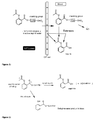
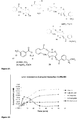
- the drug is safer since it is not activated until after it has passed through the GI tract ( Figure 1 ).
- Aspirin has a carboxylic acid group and an acetyl group.
- the carboxylic acid group has the capacity to activate a nearby water molecule generating hydroxide which attacks the acetyl group.
- By forming an ester of aspirin the carboxylic acid group is masked and cannot engage in autocatalysis.
- Aspirin esters are usually more stable than aspirin and therefore have the potential to be formulated in a variety of useful ways that can't be applied to aspirin. This second advantage to aspirin esters has been well established experimentally.
- aspirin esters and related derivatives are a metabolic one. Aspirin esters are converted in the body to salicylic acid rather than aspirin (Nielsen & Bundgaard, 1989). Aspirin esters are metabolised in human tissue and blood by way of the possible pathways shown in Figure 2 . An effective aspirin prodrug should be cleaved at the carrier group liberating aspirin following absorption. Rapid hydrolysis of aspirin esters happens in blood and plasma (t 1/2 ⁇ 1 min), but not at the desired aspirin-carrier ester bond (position B in Figure 2 ).
- the acetyl group is cleaved (A in Figure 2 ) and the resultant product is a salicylate ester, and ultimately salicylic acid.
- This biochemical pathway cannot produce aspirin.
- the ratio of salicylate to aspirin is usually greater than 99:1, regardless of the identity of the carrier group (the alcohol component of the prodrug used to form the ester with the drug carboxylic acid is known as the carrier in prodrug terminology). If you form an ester from an acid drug the part you are attaching blocks the acid chemistry but it also confers on the new entity some of its own physicochemical characteristics (cf Figure 2 ). This problem has elicited interest both as a pharmaceutical conundrum and a commercial opportunity.
- aspirin has a half-life of around one hour in dilute plasma but aspirin esters undergo the same deacetylation process with a half-life of less than one minute: neutral phenylacetates, such as aspirin esters are among the most efficiently hydrolysed substrate types of butyrylcholinesterase.
- neutral phenylacetates such as aspirin esters are among the most efficiently hydrolysed substrate types of butyrylcholinesterase.
- the carrier group has to have a structure of competing complementarity to the acetyl group i.e. it has to be at least as attractive a substrate for the BuChE enzyme as the acetyl group.
- Even better carrier groups can be envisaged that promote their own hydrolysis while at the same time suppressing hydrolysis of the neighbouring acetyl group.
- the butyrylcholinesterase enzyme takes its name from its efficiency in hydrolysing esters of choline.
- Neilsen and Bungaard studied glycolamide esters of aspirin where the carrier group was designed to mimic choline so that its detachment might successfully compete with acetyl group hydrolysis.
- glycolamides were only partially successful with the most successful example being hydrolysed around 50% in both the desirable and unproductive directions (routes A and B in Figure 2 ).
- Nielsen and Bundgaard's work established the important principle that a successful aspirin prodrug requires a carrier group that fits human plasma esterase in a manner that overrides its preference for the acetyl group. This turns out to be a highly demanding requirement to which their response was only partly adequate.
- the glycolamides are the only known compounds which can even partly be described as true aspirin prodrugs.
- esters where the aspirin-carrier bond is so labile that it breaks before esterases can attack the acetyl group Another strategy that has been adopted from time to time is to design esters where the aspirin-carrier bond is so labile that it breaks before esterases can attack the acetyl group.
- the problem with this approach is that aspirin is already quite unstable towards hydrolysis by water and other nucleophiles at its acetyl group.
- Introducing a second chemically active ester has the effect of heightening the reactivity of the acetyl group (as well as adding another point of lability).
- Aspirin esters deliberately intended to undergo cleavage by chemical stimuli such as water therefore have the obvious flaw that they are likely to encounter such stimuli during storage and are therefore susceptible to degradation on the shelf.
- NO-aspirins which are a type of aspirin ester but with an NO ⁇ -releasing moiety attached to the carrier group.
- NO ⁇ promotes mucosal defence, offsetting the damage caused by aspirin (Fiorucci and Del Soldato, 2003).
- Nitric oxide and aspirin also have complementary and sometimes synergistic pharmacological effects so the combination is expected to show a greater range of pharmacological effects than aspirin alone.
- NCX-4016 (NicOx SA, France) is a prototype compound for NO-aspirin drugs ( WO 95/030641 , WO 97/16405 , WO97/16405 , WO0044705 .). It produces NO in vivo and has anti-platelet effects.
- NCX-4016 exhibits greater gastric tolerability than aspirin in several animal modes.
- NCX-4016 began preclinical development in 1996 and since 2002 has been evaluated in the treatment of cardiovascular disorders (e.g. Peripheral Arterial Occlusive Disease (PAOD) (Phase II)), colon cancer prophylaxis (Phase I) and cancer pain.
- PAOD Peripheral Arterial Occlusive Disease
- Phase II Phase II
- cancer prophylaxis Phase I
- cancer pain cancer pain.
- NCX-4016 was one of the most widely touted pharmaceutical developments of the past decade and was regarded as a significant biomedical advance (see for example Levin, 2004). However, as an NO ⁇ -aspirin prodrug, NCX-4016 appears to have a significant design flaw. The key test for an aspirin ester prodrug is whether it hydrolysed to aspirin or its salicylate ester when it is incubated in human plasma or blood. NCX-4016 is an aspirin ester of a substituted phenol.
- NCX-4016 there are no published data on the hydrolysis pattern of NCX-4016 in human plasma but there are for similar esters- the aspirin ester of paracetamol (benorylate-Williams et al, 1989), the aspirin ester of guicaol (Qu et al., 1990), and the aspirin ester of phenol (Nielsen & Bundgaard, 1989; also see Table 8). None of these compounds produced more than 0.5% aspirin when incubated in relevant biological matrices. There is therefore no direct evidence that NCX4016 can or should produce aspirin. In vivo and in vivo metabolic studies on the compound refer only to salicylate metabolites (Carini et al., 2002).
- NCX-4016 may act directly on its target without the release of aspirin (Corazzi et al., 2005). There have been a number of other recent efforts to design compounds capable of liberating both aspirin and nitric oxide in human tissue. The results have been disappointing.
- ISMN isosorbide-mono-nitrate
- salicylic acid and aspirin which expressed platelet washing and anti-angina activities.
- ISMNA isosorbide-mono-nitrate
- ISMNA could act as a viable aspirin prodrug because no other aspirin ester had been shown to act as an aspirin prodrug, apart from the glycolamides, and these were very deliberately designed to be complementary to plasma BuChE.
- ISMNA turned out to be a potent inhibitor of platelet aggregation in rabbit tissue in vitro and it was later shown that ISMNA is efficiently converted to aspirin by rabbit plasma esterases.
- ISMNA In human plasma solution and in human blood in vitro, ISMNA produces >90% salicylate and ⁇ 10% aspirin. ISMNA is correspondingly much less potent than aspirin as an inhibitor of platelet aggregation in human whole blood and human platelet rich plasma (its IC50 is 85 ⁇ M compared with 5 ⁇ M for aspirin in human platelet aggregation to arachidonic acid in platelet rich plasma).
- IC50 85 ⁇ M compared with 5 ⁇ M for aspirin in human platelet aggregation to arachidonic acid in platelet rich plasma.
- WO9817673 discloses the di-aspirinate of isosorbide and two mono-aspirinate esters of isosorbide, namely isosorbide-2-aspirinate and isosorbide-5-aspirinate.
- Isosorbide-di-aspirinate (ISDA) the principal subject of WO9817673 , was not ostensibly any different from the many other earlier ester prodrug candidates that have been tested.
- ISDA Isosorbide-di-aspirinate
- ISDA isosorbide-mono-nitrate aspirinate
- ISDA isosorbide-di-aspirinate
- the diaspirinate ester ISDA and the glycolamide esters of Nielsen and Bungaard are the only esters in the chemical literature that can to a significant extent act as aspirin prodrugs in human plasma.
- Compounds not producing aspirin as a hydrolysis product are better classified as salicylic acid prodrugs.
- ISMNA is an aspirin prodrug only in rabbit tissue but it is a salicylic acid prodrug in human blood.
- a nitric-oxide releasing aspirin ester must in the first instance be an ester capable of undergoing conversion to aspirin in the key plasma hydrolysis model.
- aspirin prodrug compounds which resist aqueous hydrolysis and ⁇ -chymotrypsin, yet will undergo rapid hydrolysis in the presence of human plasma to liberate aspirin and potentially other pharmacologically active moieties, in particular nitric oxide.
- an isosorbide aspirinate compound having the general structure: wherein Y is selected from the group consisting of
- Y is selected from the group consisting of:
- Y is selected from the group consisting of:
- Y is selected from the group consisting of:
- isosorbide aspirinate compounds having the general structure as shown in general formula (I*) wherein Y is a C 1 - C 8 alkyl ester, a C 1 - C 8 alkoxy ester, a C 3 - C 10 cycloalkyl ester, an arylester, a C 1 - C 8 alkylaryl ester or -C(O)OR ring , wherein R ring is a 5-membered aromatic or nonaromatic 5-member ring having at least one heteroatom substituted for a carbon of the ring system, which can be unsubstituted or substituted with at least one nitric oxide releasing group.
- the present invention also relates to pharmaceutically acceptable salts of the compounds provided in the claims.
- alkyl includes any of a series of univalent groups of the general formula RC(O)R, or more specifically -OC(O)C n H 2n+1 , which is an ester derived from aliphatic hydrocarbons.
- the alkyl chains of the alkyl ester chains can be straight or branched wherein the methyl group (-CH 3 ) represents a C 1 alkyl group, ethyl (-C 2 H 5 ) represents a C 2 alkyl group, propyl (-C 3 H 7 ) represents a C 3 alkyl group, butyl (-C 4 H 9 ) represents a C 4 alkyl group and pentyl (-C 5 H 7 ) represents a C 5 alkyl group.
- alkoxy ester includes a group having the general formula RC(O)OR, or more specifically-OC(O)OC n H 2n+1 , wherein C n H 2n+1 is an alkyl chain which can be straight or branched wherein the methyl group (-CH 3 ) represents a C 1 alkyl group, ethyl (-C 2 H 5 ) represents a C 2 alkyl group, propyl (-C 3 H 7 ) represents a C 3 alkyl group, butyl (-C 4 H 9 ) represents a C 4 alkyl group and pentyl (-C 5 H 7 ) represents a C 5 alkyl group.
- cycloalkyl ester means that the C n H 2n+1 group of the above formula is a cyclic alkyl group such as cyclopropane, cyclobutane, cyclopentane etc.
- aryl ester is taken to mean RC(O)Ar, wherein Ar represents any functional group or substituent derived from a simple aromatic ring for example a benzene ring, toluene, xylene, benzoic acid, benzoate, nicotinate, chlorobenzene or other halobenzene groups.
- esters of 5 membered heterocyclic rings represents any ester functionality represented by -C(O)OR ring wherein, R ring is a 5-membered aromatic or nonaromatic 5-member ring having at least one heteroatom substituted for a carbon of the ring system.
- R ring groups may be selected from the group consisting of: thiophenes, thiadiazolines, pyrroles, imidazoles, thiazoles, pyrazoles, 4,5-dihydropyrroles, imidazolidin-2-ones, pyrazines, 4,5-dihydrothiophenes and imidazolidin-2-thiones.
- Preferred R ring are heterocyclic rings
- the preferred -C(O)OR ring groups of the invention are iso-oxazoleoate, oxazoleoate or thiadiazoleoate.
- the compounds of the invention have activity of great or equal to 15% aspirin released in human plasma.
- the nitric oxide releasing group of the compounds described herein may comprise a nitrate ester, a C 1 to C 8 alkyl nitrate ester, a C 3 - C 10 cycloalkyl nitrate ester or a C 1 - C 8 alkyl nitrate ester.
- isosorbide aspirinate compounds having the general structure shown in general formula (I) wherein Y is a C 1 - C 8 alkyl ester, a C1 - C 8 alkoxy ester, a C 3 - C 10 cycloalkyl ester, a C 1 - C 8 cycloalkoxy ester, which can be unsubstituted or substituted with ONO 2 ; or an aryl ester or a C 1 - C 8 alkyl aryl ester, which can be unsubstituted or substituted with at least one nitric oxide releasing group.
- Y is a C 1 - C 8 alkyl ester, a C1 - C 8 alkoxy ester, a C 3 - C 10 cycloalkyl ester, a C 1 - C 8 cycloalkoxy ester, which can be unsubstituted or substituted with ONO 2 ; or an aryl ester or a C 1 - C
- esters comprising 5-membered heterocyclic rings which may be selected from the group consisting of oxazoleoate, isoxazoleate and thiadiazoleoate.
- isosorbide aspirinate compounds having the general structure as shown in general formula (I*) wherein Y is -C(O)OR ring , wherein R ring is a 5-membered aromatic or nonaromatic 5-member ring having at least one heteroatom substituted for a carbon of the ring system, which can be unsubstituted or substituted with at least one nitric oxide releasing group.
- the nitric oxide releasing group may be selected from the group consisting of: -NO 2 , -ONO 2 ,-(CH 2 ) n ONO 2 , -OC(O)[(CH 2 ) m ] cyclic ONO 2 , -OCOArONO 2 , -OCOAr (CH 2 ) n ONO 2 .
- An isosorbide aspirinate compound may having the general structure as shown in general formula (I) is also discussed herein
- haloalkyl ester group is a feature of the compounds
- the halo substituent may be Cl, Br or F.
- the halo substituent is suitably Cl, Br or F.
- Chlorine and bromine are the most preferred halo substituents in the described compounds.
- the described compounds comprising haloalkyl esters having Br substituents are particularly preferred.
- the compounds of the invention have a high degree of complementarity to the active site of the human carboxylesterases and so steers hydrolysis along the ideal pathway, liberating aspirin.
- the compounds of the invention can be specifically activated by more than one human enzyme, since if a patient has aberrant enzyme function with respect to one, another is likely to compensate and release aspirin.
- the aspirin prodrug compounds are stable under conditions found in the lumen of the GI tract but breaks down rapidly after absorption into the bloodstream to aspirin.
- a moisture stable aspirin prodrug is advantageous for many reasons including the possibility of formulation in solution and transdermal forms.
- One of the problems with transdermal delivery of aspirin is that moisture from skin causes hydrolysis of the aspirin depot in the patch.
- the moisture stable compounds will not require protective moisture-proof pharmaceutical packaging for storage.
- the group Y may be selected from the group consisting of:
- the compounds having a Y substituent selected from the group consisting of: are particularly preferred, since the compounds comprising these any of these groups show activities of greater than or equal to 15% aspirin release in human plasma.
- the compounds of the invention comprise those that have aspirin release activities greater than or equal to the 15% level, based on the amount of aspirin as a percentage of the initial ester concentration in moles measured by HPCL at peak aspirin production following addition of candidate esters to buffered human plasma at 37°C at pH 7.4 (phosphate buffer).
- Compounds described herein may have the general structure as shown in general formula (I) wherein Y is an unsubstituted or a substituted benzoate or nicotinate group, which may be substituted by at least one of hydroxide, methyl, benzyloxy, methoxy, -NHC(O)CH 3 , -OC(O)CH 2 Br, -NO 2 , -OAc. -CH 2 ONO 2 . Where benzyloxy substituent is used on an aryl ring, it is preferred that it is an o-benzyloxy substituent.
- Y is an unsubstituted or a substituted benzoate or nicotinate group, which may be substituted by at least one of hydroxide, -Cl, methyl, benzyloxy, methoxy, -NHC(O)CH 3 , -OC(O)CH 2 Br, -NO 2 , -CH 2 ONO 2 .
- benzyloxy substituent is used on an aryl ring, it is preferred that it is an o-benzyloxy substituent.
- the most preferred isosorbide aspirinate compounds of the invention have one of the following structures or
- isosorbide aspirinate compounds having any one of the structures selected from the group consisting of:
- the aspirin prodrug compounds of the invention resist aqueous hydrolysis and ⁇ -chymotrypsin, yet will undergo rapid hydrolysis in the presence of human plasma to liberate aspirin and potentially other pharmacologically active moieties.
- the preferred compounds of the invention liberate nitric oxide in addition to aspirin.
- the compounds of the invention are advantageous since they provide better aspirin prodrug compounds, in particular a prodrug compound capable of releasing both aspirin and nitric oxide.
- Prodrug devices capable of releasing both aspirin and nitrous oxide (NO) are particularly advantageous.
- Such compounds are likely to be less toxic but have a greater spectrum of pharmacological actions and efficacy than their individualized components, because aspirin and nitric oxide have synergistic effects in cardiovascular disease and cancer applications.
- a nitric-oxide releasing aspirin ester must in the first instance be an ester capable of undergoing conversion to aspirin in the key plasma hydrolysis model or similar biologically relevant model.
- prodrugs of the invention are stable in the presence of typical digestive proteases and towards enzymes found in mucosal CACO-2 cells, but may be hydrolysed to aspirin by human esterases especially BuChE and CE-2.
- the compounds of the invention steer hydrolysis to the correct point because of their complementarity with the active sites of human esterases.
- the invention provides a pharmaceutical composition
- a pharmaceutical composition comprising a compound of the invention and at least one pharmaceutically acceptable carrier or excipient.
- the compounds and/or the compositions of the invention may be used in-vivo or in-vitro to reduce constitutive platelet glycol-protein expression at a level where aspirin has no effect.
- the compounds and/or the compositions of the invention may also be used in-vivo or in-vitro to induce an aspirin like effect.
- An aspirin like effect for example, is a reduction in anti-platelet activity or the inhibition of COX products such as thromboxane A2 or malondialdehyde.
- the preferred compounds of the invention are more potent than aspirin itself and are greater inhibitors of human platelet aggregation and greater inhibitors of the COX downstream products (such as thromboxane A 2 and malondialdehyde) as well as constitutive platelet glyco-protein expression.
- the compounds of the invention can be used in the manufacture of a medicament for the treatment of diseases or conditions or symptoms including cardiovascular and cerebrovascular disorders, pain, pyretic, inflammation, cancer, Alzheimer's disease or dementia.
- Aspirin causes gastric bleeding by chemically irritating the cells of the intestinal wall during absorption and by interfering with the secretion of its protective barrier.
- the solution to this problem is to render aspirin temporarily inert by chemically attaching a masking group that is removed later in the absorption process, away from the vulnerable surface of the GI tract.
- the key challenge in developing this technology was to find a masking group that is predictably and accurately removed in blood, an obstacle nobody else had been able to overcome.
- the invention provides for an inert form of aspirin that is activated by the body.
- a nitric oxide -precursor was incorporated into the carrier group to provide further compounds that can release NO ⁇ along with aspirin.
- Such dual prodrugs therefore potentially interfere with pathological processes at two different levels.
- the nitro-aspirin approach is becoming widely accepted but the technology described herein is the only technology that verifiably produces both aspirin and NO ⁇ in human tissue.
- Isosorbide-di-aspirinate (ISDA, 16) has four ester groups, one located on each of the two aspirin moieties, and one connecting each of these moieties to the isosorbide core.
- the straightforward interpretation of its aspirin production data was that one of the two aspirinate esters at positions 2 or 5 is detached by esterases directly from ISDA liberating aspirin. That is partly true but the real mechanism transpired to be more interesting and unexpected.
- the four ester groups in ISDA are susceptible to hydrolysis by esterases with a potentially complex array of ester metabolites. Ultimately all of these are hydrolysed down to isosorbide and salicylic acid.
- the hydrolysis cascade can be followed by chromatography, which allows the separation and measurement of each of the metabolites as they evolve and decay.
- Many experiments were conducted in which ISDA was introduced into biological media, the reaction stopped at successive time points and the metabolite mixture measured by HPLC. The plot of this data over a time course is termed a hydrolysis progress curve.
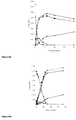
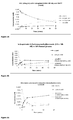
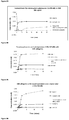
- Progress curves for ISDA are presented in Figures 3A and 3B . The curves show the disappearance of ISDA and the appearance of aspirin overtime. A careful examination of these curves reveals two things: the aspirin concentration continued to rise after the parent ISDA had disappeared and secondly its peak followed the rise and disappearance of another metabolite.
- ISDA isosorbide-di-aspirinate
- ISAS metabolite isosorbide-2-aspirinate-5-salicylate
- ISAS has an aspirin release rate of 85% in plasma (t 1/2 2 min) whereas ISDA is hydrolysed around 60% along the aspirin pathway with the remaining 40% proceeding along unproductive salicylate pathway. Indeed because ISDA has two aspirin molecules attached its overall yield in the strictest sense is 30%.
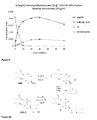
- specific enzyme inhibitors and purified enzyme solutions we were able to establish unequivocally the enzyme in human plasma responsible for the uniquely accurate activation of ISAS as butyrylcholinesterase (eg Figure 5 ).
- Isosorbide-2-aspirinate-5-salicylate is not described in International Publication No. WO9817673 . Although it is a potential metabolite no one could have anticipated that it would be a prodrug. Other actual or potential metabolites of ISDA (for example the 5-aspirinate, 2-aspirinate or 2-salicylate-5-aspirinate) were each synthesised and characterised. None of these acted as aspirin prodrugs in human plasma.
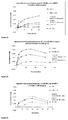
- ISAS (2) is significantly more potent than aspirin as an inhibitor of human platelet aggregation induced by collagen ( Figure 6 ), ADP and arachidonic acid and it accordingly inhibits COX downstream products including thromboxane A 2 and malondialdehyde. It also dampens constitutive platelet glyco-protein expression at concentrations at which aspirin has no effect.
- IFS isosorbide-2-aspirinate-5-salicylate
- ISAS isosorbide-2-aspirinate-5-salicylate
- isosorbide-2-aspirinate-5-salicylate (ISAS) is specifically activated by two human enzymes: BuChE in human plasma, and less rapidly, but with the same pathway A/B ratio by human carboxylesterase-2 (CE-2) present in intestinal epithelial microsomes.
- CE-2 human carboxylesterase-2
- Another advantage to the design is that the compound is stable under conditions found in the lumen of the GI tract but breaks down rapidly after absorption to well-characterised metabolites: salicylic acid, isosorbide, and of course, aspirin. (The similarity of substrate preference in this regard by CE-2 and BuChE is very surprising).
- a further advantage to the compound is that its carrier is metabolised eventually to salicylic acid and isosorbide, compounds that are either innocuous or pharmaceutically well characterised. While ISAS has significant pharmaceutical merit in itself its discovery points to something more generally valuable. The discovery of ISAS and the kinetic models for its production and aspirin release in plasma are described in our recent paper (Moriarty et al. 2008).
- Isosorbide-2-aspirinate-5-salicylate acts as an aspirin prodrug because the isosorbide-5-salicylate portion of the prodrug molecule has a high degree of complementarity to the active site of the human carboxylesterases. It is because of this that it undergoes very rapid hydrolysis.
- the isosorbide-5-salicylate portion or carrier group of ISAS successfully promotes its own detachment from aspirin while at the same time suppressing hydrolysis of the aspirin acetyl group. It introduces a new and highly effective carrier type for aspirin and potentially for other carboxylic acid drugs. This is an important insight for the invention.
- the novel aspirin esters were tested by incubating them in human plasma solution and measuring the amount of aspirin produced relative to the molar amount of compound added to the plasma solution.
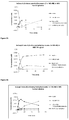
- the esters underwent characteristically rapid hydrolysis to different extents along the A and B routes some with release rates approaching the productivity of ISAS (Table 2 and Figure 7 ).
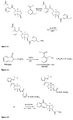
- the aspirin release characteristics of a range of 25 esters is shown in Table 2 along with some selected examples as structural formulae with percentage aspirin release in Figure 7 . It has been shown that the group at the 5-position markedly influences the direction of hydrolysis ( Figure 8 and examples in Figure 9 ).
- the unsubstituted compound (isosorbide-2-aspirinate, 17) is not an aspirin prodrug indicating that 5-substitution is required for aspirin release.
- the dominant hydrolysis site in the case of compounds substituted with aliphatic esters was at the usual acetyl ester (cf Compounds 4, 5, 23 in Table 2).
- aryl esters in which the phenyl group was substituted at the 2- and 3- positions were most productive. For example, compound 1 undergoes hydrolysis along the productive aspirin pathway to around 60%.
- ISAS which undergoes almost complete conversion to aspirin in the presence of purified butyrylcholinesterase and around 80% in human blood.
- Isosorbide-2-aspirinate-5-salicylate the metabolite of ISDA belongs to a new family of substituted 5-aromatic esters compounds that act as aspirin prodrugs in the presence of human esterases. It is not known why benzoate compounds further substituted at the ortho or meta position are so successful, but it is likely to be due to a favourable arrangement at the active site of the enzyme. This kind of remote control of the position of enzyme attack is unusual.
- isosorbide esters of aspirin can act as aspirin prodrugs provided that the 5-position is appropriately substituted is crucial to the invention.
- the most effective substituents are 5-aryl esters which are further substituted at the -2 or -3 position of the benzene ring. Such groups promote aspirin release at the remote isosorbide-2-position rather than acetyl group hydrolysis.
- Compound 2 is the most effective and the most studied of the prodrugs and it lead to the identification of a new efficient carrier class for aspirin prodrugs.
- the invention includes and anticipates other compounds differently substituted at position 5 but equally efficiently converted to aspirin in the presence of blood plasma enzymes.
- Compound 20 has been tested on collagen-induced platelet aggregation in vitro and found to be more potent than aspirin in inhibition of aggregation. It is also a more potent inhibitor of ADP-induced platelet aggregation in PRP. However, because it also liberates NO ⁇ it is expected to inhibit aggregation to pathological stimuli that aspirin has no effect on. Aspirin inhibits only thromboxane-dependent aggregation i.e. platelet aggregation to only one stimulus. It has little effect on high dose collagen aggregation or on aggregation to ADP. Nitric oxide has been shown to attenuate the gastric toxicity of aspirin and to promote ulcer healing.
- GPIIb/IIIa glycoprotein integrin receptor
- the activation of glycoprotein integrin receptor GPIIb/IIIa is crucial for platelet aggregation to occur.
- the translocations of P-selectin from ⁇ -granules to the platelet surface membrane underlie platelet adhesion, respectively.
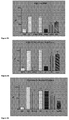
- Figure 32-36 show that pro-asa and nitro-asa significantly decreased the activation of GPIIb/IIIa and translocation of P-selectin.
- the activation of GPIIb/IIIa is controlled dynamic interplay of pathway that stimulate or inhibit aggregation.
- Nitric oxide mediate major inhibitor pathway and regulate GPIIb/IIIa function.
- Aspirin failed to inhibit platelets activation in the same concentration like ISAS (2) or and nitrate compounds 31-32.
- compositions comprising a compound of the invention which may be adapted for oral administration as a capsule or tablet or for percutaneous administration, for example in the form of a transdermal patch.
- the composition may also be in the form of a suppository or an aqueous-based formulation.
- the composition includes another pharmaceutical entity, especially a therapeutic oil, typically a fish oil such as cod liver oil, or a vegetable oil such as evening primrose oil.
- a therapeutic oil typically a fish oil such as cod liver oil, or a vegetable oil such as evening primrose oil.
- the composition may be in the form of a capsule having a retaining shell containing a filling including the active ingredients.
- the filling may include a suspending agent such as one selected from one or more of colloidal silicon dioxide, hydrogenated vegetable oils (optionally in combination with beeswax), high melting point partial glycerides, and/or lecithins.
- the filling may also include an antioxidant such as one selected from one or more of D-alpha tocopherol, D-alpha tocopherol acetate, mixed tocopherols and ascorbic acid.
- the shell may be a gelatin shell.
- 5-ISMN was obtained from Sifa Ltd. Purified human serum butyrylcholinesterase (EC 3.1.1.8), rabbit liver carboxylesterase (EC 3.1.1.1), BNPP (bis-4-nitrophenylphosphate), iso-OMPA (tetraisopropylpyrophosphoramide), pooled human liver microsomes, 3-chloromethylbenzoyl chloride, 4-chloromethylbenzoyl chloride, silver nitrate, phthalide, dichlorotriphenylphosphorane and HPLC grade solvents were obtained from Sigma-Aldrich. Collagen and ADP was obtained from Chronolog (Havertown, PA, U.S.A.).
- Allophycocyanin (APC)-conjugated monoclonal antibody against high-affinity GPIIb/IIIa (PAC-1-APC) and APC-conjugated monoclonal antibody against human platelet P selectin (CD62P) were purchased from BD Biosciences (Oxford, UK). All other solvents and reagents were analytical grade. Pooled human intestinal microsomes were obtained from BD Gentest in the UK.
- the compounds of the invention are easily prepared from isosorbide-mono-nitrate aspirinate (ISMNA), itself prepared by esterification of isosorbide-mono-nitrate (ISMN) with and acetyl salicoyl chloride according to Gilmer et al 2001.
- ISMNA isosorbide-mono-nitrate aspirinate
- ISMN isosorbide-mono-nitrate
- acetyl salicoyl chloride acetyl salicoyl chloride
- the nitrate is selectively removed by treatment with palladium on carbon under an atmosphere of hydrogen generating the key intermediate isosorbide-2-aspirinate.
- the compounds may also be obtained by selective 5-esterification of isosorbide followed by attachment of the aspirinate group at position-2 (The 5-position in isosorbide despite being endo is more reactive towards acylation than the 2-exo position because the 5-OH is activated by an intramolecular H-bond)
- ester compounds of the invention can be prepared by directed acylation using DCC coupling or by treatment with the appropriate acid chloride in the presence of a tertiary base such as triethylamine.
- Nitroxy-substituted esters may be prepared by linking directly to the appropriately substituted acids. Alternatively, nitroxy-substituted compounds may be obtained by first esterifying with an acid bearing a chloride or bromide which can be subsequently displaced by nitrate by treatment with AgNO 3 in acetonitrile.
- Isosorbide-2-aspirinate 17 (0.2 g, 0.65 mmol) was dissolved in toluene (15 ml) at 0°C, to which was added DCC (0.13 g, 0.65 mmol) and DMAP (0.08 g, 0.07 mmol). After 10 mins the reaction vessel was returned to room temperature and 3-toluic acid (0.09g) was added and allowed to stir for 24 hours. After washing with HCl (30 ml, 1M), saturated aqueous NaHCO 3 (30 ml), saturated brine solution (30 ml) and water (3 x 30 ml) the reaction mixture was dried over anhydrous Na 2 SO 4 and solvent removed in vacuo to yield crude product as a clear oil.
- Isosorbide-2-aspirinate 17 (0.3 g, 0.98 mmol) was dissolved in dichloromethane (20 ml) to which was added proprionic anhydride (0.14 ml, 1.07 mmol) and triethylamine (0.09 ml, 1.07 mmol). This was allowed to stir at room temperature for 24 hours before washing with HCl (30 ml, 1M), saturated aqueous NaHCO 3 (30 ml) and water (2 x 30 ml). Reaction was dried over anhydrous Na 2 SO 4 and solvent was removed in vacuo to yield crude product as a yellow oil (0.19 g).
- Isosorbide-2-aspirinate 17 (0.3 g, 0.98 mmol), in dichloromethane (20 ml) at 0°C was stirred for 10 mins in the presence of DCC (0.2 g, 0.98 mmol) and DMAP (0.12 g, 0.98 mmol).
- the reaction vessel was returned to room temperature, nicotinic acid (0.12 g, 0.98 mmol) was added and allowed to stir for 24 hours.
- the reaction mixture was washed with HCl (20 ml, 1M), saturated aqueous NaHCO 3 (20 ml), water (3 x 20 ml), dried over anhydrous Na 2 SO 4 and solvent removed in vacuo to give product as a crude oil (0.95 g).
- Isosorbide-2-aspirinate 17 (0.2 g, 0.65 mmol) was dissolved in dichloromethane (20 ml) at 0°C to which was added DCC (0.13 g, 0.65 mmol) and DMAP (0.08 g, 0.65 mmol). After 10 mins the reaction vessel was returned to room temperature and iso-nicotinic acid (0.08 g, 0.65 mmol) was added and stirred for 24 hours.
- Isosorbide-2-aspirinate 17 (0.69g, 2.2 mmol) was dissolved in DCM (20 mls) to which was added DCC (0.44g, 2.2 mmol) and DMAP (0.05 g, 0.22 mmol) and the reaction vessel was stirred at 0°C for 10 minutes. After returning to room temperature, anthranillic acid (0.29g, 2.2 mmol) was added allowed to stir for 3 hours. The reaction mixture was washed with HCl (20 ml, 1M), saturated aqueous NaHCO 3 (20 ml), saturated brine solution (20 ml) and water (2 x 20 ml), dried over anhydrous Na 2 SO 4 and solvent removed in vacuo to yield product as crude yellow oil.
- Isosorbide-2-aspirinate 17 (0.2 g, 0.65 mmol) was dissolved in toluene (15 ml) at 0°C to which was added DMAP (0.08 g, 0.65 mmol) and DCC (0.13 g, 0.65 mmol). After 10 mins the reaction vessel was returned to room temperature, 2-anisic acid (2-methoxybenzoic acid, 0.10 g, 0.65 mmol) was added and allowed to stir for 12 hours.
- reaction mixture was washed with HCl (20 ml, 1M), saturated aqueous NaHCO 3 (20 ml), saturated brine solution (20 ml) and water (3 x 20 ml), dried over anhydrous Na 2 SO 4 and solvent removed in vacuo to yield product as a crude oil. Purification by column chromatography over silica gel using hexane and ethyl acetate (3:1) as eluant yielded compound 11 as white crystals (0.23 g, 79.8%): m.pt. 132-134°C.
- Isosorbide-2-aspirinate 17 (0.2 g, 0.65 mmol) was dissolved in toluene (15 ml) at 0°C to which was added DMAP (0.08 g, 0.65 mmol) and DCC (0.13 g, 0.65 mmol). After 10 mins the reaction vessel was returned to room temperature, 3-anisic acid (3-methoxybenzoic acid) (0.10 g, 0.65 mmol was added and allowed to stir for 12 hours.
- reaction mixture was washed with HCl (20 ml, 1M), saturated aqueous NaHCO 3 (20 ml), saturated brine solution (20 ml) and water (3 x 20 ml), dried over anhydrous Na 2 SO 4 and solvent removed in vacuo to yield product as a crude oil. Purification by column chromatography over silica gel using hexane and ethyl acetate (3:1) as eluant yielded compound 12 as white crystals (0.23 g, 79.8%): m.pt. 125-128°C.
- Isosorbide-2-aspirinate 17 (0.2 g, 0.65 mmol) was dissolved in toluene (15 ml) at 0°C to which was added DMAP (0.08 g, 0.65 mmol) and DCC (0.13 g, 0.65 mmol). After 10 mins the reaction vessel was returned to room temperature, 4-anisic acid (4-methoxybenzoic acid) (0.10 g, 0.65 mmol was added and allowed to stir for 12 hours.
- Isosorbide-2-aspirinate 17 (0.2g, 0.65 mmol) was dissolved in DCM (10 mls) at room temperature. To the reaction vessel was added 4-nitrobenzoylchloride (0.15g, 0.78 mmol) and triethylamine (1.12 ml, 0.78 mmol). The reaction was allowed to stir at room temperature for 48 hours before washing with HCl (20 ml, 1M), saturated aqueous NaHCO 3 (25 ml), saturated brine solution (20 ml) and water (2 x 20 ml), dried over anhydrous Na 2 SO 4 and solvent removed in vacuo to yield product as a crude yellow oil.
- Isosrbide-2-aspirinate 17 200 mg, 0.6mmol
- 4-cyanobenzoylchloride 120 mg, 0.72 mmol
- Isosrbide-2-aspirinate 17 200 mg, 0.6mmol
- 4-phenylbenzoylchloride(156 mg, 0.72 mmol) were reacted together to give 185 mg (65%) of a colourless oil after flash chromatography with EtOac : Hex 1:4.
- Isosrbide-2-aspirinate 17 250 mg, 0.8 mmol
- 6-chloronicotinoylchloride 230 mg, 0.9 mmol
- Isosrbide-2-aspirinate 17 250 mg, 0.8 mmol
- 2-chloro-6-methylpyridine-4-carbamoylchloride(247 mg, 0.9 mmol) were reacted together according to GP2 to give 196 mg (53%)of a white foam after flash chromatography with EtOac : Hex 2:6.
- Isosrbide-2-aspirinate 17 200 mg, 0.65 mmol
- 3,5-ethoxybenzoyl chloride 157 mg, 0.72 mmol
- Isosrbide-2-aspirinate 17 200 mg, 0.65 mmol
- 3-methyl-isoxazole-4-carboxylic acid 127 mg, 0.72 mmol
- Isosrbide-2-aspirinate 17 (200 mg, 0.65 mmol) and 4-methyl-1, 2, 3-thiadiazole-5-carboxylic acid were reacted together to give 228 mg (83%) of a pale pink foam after flash chromatography with EtOac : Hex 1:3.
- Isosrbide-2-aspirinate 17 200 mg, 0.65 mmol
- 4N-Boc-isonipecotic acid 162 mg, 0.72 mmol
- Isosrbide-2-aspirinate 17 (200 mg, 0.65 mmol) and m-acetamidobenzoic acid (128 mg, 0.72 mmol) were reacted together to give 202 mg (66%) of a white solid after flash chromatography with MeOH : DCM 3:97.
- Isosrbide-2-aspirinate 17 250 mg, 0.8 mmol
- m-benzyloxybenzoic acid 182 mg, 0.88 mmol
- Isosrbide-2-aspirinate 250 mg, 0.8 mmol
- m-benzyloxybenzoic acid 182 mg, 0.88 mmol
- Colour change from green to brown was seen over the course of 4 hrs.
- TLC hexane/ethyl acetate 2:1
- NMR NMR determined that the top spot (Rf 0.77) was that of 2-chloromethylbenzoyl chloride, the second spot (Rf 0.57) was phthalide and the bottom spot (Rf 0.14) was triphenylphosphorous.
- ISMNA Isosorbide-2-aspirinate-5-mononitrate
- the nucleosil column gave excellent peak shape and resolution of the two compounds. Initially monohydrate salts were used which produced a large buffer peak at 18mins. Using dihydrate salts eliminated the peak. Although nearing the end of this work some large buffer peaks began to appear again.
- a 500 ⁇ l aliquot of blood was mixed with 500 ⁇ l of physiological saline and allowed to incubate at 37°C for 10 mins in the incubation well of a Chrono-Log Whole Blood Aggregometer model 591/592. The sample was then transferred to the assay well, baseline was established and appropriate volume of reagent as above was added. Aggregation was monitored over 6 mins with impedance output recorded on a chart recorder.
- whole blood was pre-incubated with appropriate concentrations of inhibitor in DMSO at 37°C for a specified length of time before adding the stimulant (10 mins with stirring).
- Three different aggregating agents, AA (0.5 mM), ADP (10 ⁇ M) and Collagen (5 ⁇ g/ml) were used.
- Platelet rich plasma (PRP) and washed platelet suspensions (2.5x10 8 platelets/ml) were prepared from blood as previously described. Platelet aggregation was measured by light aggregometry as previously described. Briefly, PRP and washed platelet samples (2.5x10 8 /ml) were placed in a whole blood ionized calcium lumi-aggregometer (Chronolog Corp., Havertown, PA, U.S.A), and (BIO/DATA CORPORATION) and incubated for 10 min at 37°C, with stirring at 900 r.p.m., prior to the addition of aggregating agents. Aggregation was initiated by the addition of agonists, and monitored by Aggro-Link software for at least 6 min. For experiments using inhibitors, aggregation was initiated after 10 min preincubation with these compounds
- concentration-response (0.3-10uM) curves were generated. Collagen at different concentrations (3-5 ug/ml) was also used to induce platelet aggregation.
- the submaximal concentrations of agonists, i.e. the concentrations that gave approximately 95% of the maximal aggregation were used to study the effects of inhibitors of aggregation. Results were expressed in per cent changes in maximal light transmission, with 100% representing light transmission of platelet medium alone.
- TXA 2 is highly evanescent and unsuitable for direct measurement but its metabolite TXB 2 is generally believed to provide a useful index of the parent.
- Aspirin treatment of tissue in vivo or in vitro is reflected in a depression of TXB 2 .
- untreated whole blood was allowed to clot in the presence of aspirin or the test compounds over the course of 1 hour at 37°C. The samples were then centrifuged.
- Serum was collected and TXB 2 was measured using enzyme linked immunosorbent assay (ELISA) kits obtained from Cayman Chemicals. The experiments were performed with aspirin in descending concentration from values that gave complete inhibition of TXB 2 synthesis. In these assays ISAS was significantly more potent than aspirin as reflected in a lower IC 50 .
- ELISA enzyme linked immunosorbent assay
- Platelet samples were then incubated in the dark without stirring for 5 min at room temperature in the presence of saturating concentrations (10 ⁇ g/ml) of P-selectin (CD62P-APC).
- the activated GPIIb/IIIa platelet receptors were measured using PAC-1 monoclonal antibody at the same concentration as above.
- PAC-1 specifically recognizes an epitope on the high-affinity GPIIb/IIIa complex of activated platelets at or near the platelet 5 .
- samples were diluted in FACS Flow fluid and analyzed within 5 min using a BD FACSArray (BD Biosciences, Oxford, UK). Flow cytometry was performed on single stained platelet samples as described before 3 .
- the instrument was set up to measure the size (forward scatter), granularity (side scatter) and cell fluorescence.
- a two-dimensional analysis gate of forward and side scatter was drawn in order to include single platelets and exclude platelet aggregates and microparticles.
- Antibody binding was measured by analyzing individual platelets for fluorescence. The mean fluorescence intensity was determined after correction for cell autofluorescence. For each sample, the fluorescence was analyzed using a logarithmic scale. Fluorescence histograms were obtained for 10,000 individual events. Data were analyzed using Cytometer RXP software and expressed as a percentage of control fluorescence in arbitrary units.
- Butyrylthiocholine iodide (BTCI) (0.5 mM) was used as the substrate. The reaction took place in a 96-well plate with a final volume of 250 ⁇ l. Initially phosphate buffer pH 8.0 (0.1M) and microsomes were mixed and incubated for 30 mins. DTNB (0.3 mM) and BTCI were added and the reaction was measured. The assay was also performed using sonication bursts (4 x 5sec) on the microsomes and placing on ice for 1 min in between.
- BNPP a know carboxylesterase inhibitor was incubated with HIM and HLM for 10 mins prior to addition of the drug so as to knock out carboxylesterase activity. A marked decrease in aspirin production was seen and after 60 mins the drug had not disappeared. It can be concluded that ISAS is a substrate for CE-1 and CE-2 as well as BuChE. These enzymes belong to the same family but have marked difference in substrate specificity. For example the CE enzymes are inefficient in the hydrolysis of positively charged substrates such as those favoured by BuChE, including choline esters. These enzymes are not normally grouped together.
- CE-2 present in the HIM preparations exhibits the same specificity and efficiency as BuChE and is as good a vector for aspirin release. The result indicates that more than one enzyme is capable of releasing aspirin from the compounds.
- Table 5 Comparison of aspirin production with different biological samples using ISAS Biological medium Conc drug (mM) Aspirin ( ⁇ M) Salicylic acid ( ⁇ M) Drug disappearance (min) 50% Human Plasma (female) 0.1 22 4 10 50% Rabbit Plasma 0.1 2.6 25 20 Carboxylesterase (16.4 u/ml) 0.1 5.7 53 5 HIM (80 ⁇ g/ml) 0.1 27 9 5 HIM (40 ⁇ g/ml)/BNPP(14 ⁇ M) 0.1 2.2 0 9.4 ⁇ M left HLM(0.2mg/ml)) 0.1 9 34 10 HLM/BNPP (11.6uM) 0.11 2.7 3.0 2.8 ⁇ M left HLM/isoOMPA (10uM) 0.11 8.5 33 10 Table 6: Comparison of aspirin production using different biological samples with Is-2-aspirinate-5-(3-nitrooxy-methyl)benzoate 2 1.
- the phenyl aspirinates produced negligible amounts of aspirin in contact with human intestinal microsomes, illustrating that for these substrates the CE-2 preference is slightly different to BuChE, in the presence of which hydrolysis occurs without the evolution of aspirin.
- the CE-2 preference is slightly different to BuChE, in the presence of which hydrolysis occurs without the evolution of aspirin.
- relative to ISAS and the nitroxymethyl analogues there was little aspirin production.
- these compounds are not aspirin prodrugs in human plasma and are inefficient aspirin prodrugs in the presence of CE-2.
- the data illustrates that the interaction between CE-2 and the prodrugs of the invention is special in that effective aspirin production occurs.
- Table 9 Comparison of amounts of aspirin produced from Is-2-aspirinate-5-salicylate and Is-2-aspirinate-5-(3-nitroooymethyl)benzoate Biological medium Is-2-asp-5-salicylate Is-2-asp-5-(3-nitrooxymethyl)benzoate 50% HP 22 21 HLM (0.2mg/ml) 9 5 HLM/iso-OMPA (14.4 ⁇ M) 8.5 1.4 HLM/BNPP (10.6 ⁇ M) 2.7 0.3 HIM (80 ⁇ g/ml) 27 20 HIM/BNPP (11.6uM) 2.2 0.22 HIM/isoOMPA (14.14uM) - 12.7
Landscapes
- Health & Medical Sciences (AREA)
- Chemical & Material Sciences (AREA)
- Organic Chemistry (AREA)
- General Health & Medical Sciences (AREA)
- Veterinary Medicine (AREA)
- Public Health (AREA)
- Chemical Kinetics & Catalysis (AREA)
- General Chemical & Material Sciences (AREA)
- Medicinal Chemistry (AREA)
- Nuclear Medicine, Radiotherapy & Molecular Imaging (AREA)
- Bioinformatics & Cheminformatics (AREA)
- Pharmacology & Pharmacy (AREA)
- Life Sciences & Earth Sciences (AREA)
- Animal Behavior & Ethology (AREA)
- Engineering & Computer Science (AREA)
- Neurology (AREA)
- Neurosurgery (AREA)
- Biomedical Technology (AREA)
- Hematology (AREA)
- Cardiology (AREA)
- Heart & Thoracic Surgery (AREA)
- Diabetes (AREA)
- Pain & Pain Management (AREA)
- Urology & Nephrology (AREA)
- Vascular Medicine (AREA)
- Rheumatology (AREA)
- Hospice & Palliative Care (AREA)
- Psychiatry (AREA)
- Pharmaceuticals Containing Other Organic And Inorganic Compounds (AREA)
- Heterocyclic Carbon Compounds Containing A Hetero Ring Having Oxygen Or Sulfur (AREA)
- Medicinal Preparation (AREA)
Applications Claiming Priority (2)
| Application Number | Priority Date | Filing Date | Title |
|---|---|---|---|
| IE20070934A IE20070934A1 (en) | 2007-12-21 | 2007-12-21 | Efficient aspirin prodrugs |
| PCT/EP2008/068114 WO2009080795A1 (en) | 2007-12-21 | 2008-12-19 | Efficient aspirin prodrugs |
Publications (2)
| Publication Number | Publication Date |
|---|---|
| EP2222681A1 EP2222681A1 (en) | 2010-09-01 |
| EP2222681B1 true EP2222681B1 (en) | 2016-02-17 |
Family
ID=40428154
Family Applications (1)
| Application Number | Title | Priority Date | Filing Date |
|---|---|---|---|
| EP08865246.6A Active EP2222681B1 (en) | 2007-12-21 | 2008-12-19 | Efficient aspirin prodrugs |
Country Status (14)
| Country | Link |
|---|---|
| US (1) | US8486974B2 (enExample) |
| EP (1) | EP2222681B1 (enExample) |
| JP (1) | JP5524857B2 (enExample) |
| CN (1) | CN101925604B (enExample) |
| AU (1) | AU2008339961B2 (enExample) |
| BR (1) | BRPI0821301B8 (enExample) |
| CA (1) | CA2709432C (enExample) |
| EA (1) | EA022878B1 (enExample) |
| IE (1) | IE20070934A1 (enExample) |
| IL (1) | IL206424A (enExample) |
| MX (1) | MX2010006878A (enExample) |
| NZ (1) | NZ586304A (enExample) |
| WO (1) | WO2009080795A1 (enExample) |
| ZA (1) | ZA201004371B (enExample) |
Families Citing this family (23)
| Publication number | Priority date | Publication date | Assignee | Title |
|---|---|---|---|---|
| JP5274248B2 (ja) | 2005-05-27 | 2013-08-28 | ザ ユニバーシティ オブ ノース カロライナ アット チャペル ヒル | 酸化窒素治療及び医生物的応用のための酸化窒素放出粒子 |
| US8003811B2 (en) * | 2008-02-07 | 2011-08-23 | Nicox S.A. | Nitric oxide donor compounds |
| WO2010009210A2 (en) * | 2008-07-17 | 2010-01-21 | Schering Corporation | Acetylsalicyclic acid derivatives useful to treat metabolic syndromes |
| EP2334279A4 (en) * | 2008-10-16 | 2013-03-20 | Novan Inc | STAIN OXIDE RELEASING PARTICLES FOR MOUTH CARE APPLICATIONS |
| CN102711729B (zh) | 2009-08-21 | 2015-04-01 | 诺万公司 | 局部用凝胶 |
| US9919072B2 (en) | 2009-08-21 | 2018-03-20 | Novan, Inc. | Wound dressings, methods of using the same and methods of forming the same |
| US20110086234A1 (en) * | 2009-10-13 | 2011-04-14 | Nathan Stasko | Nitric oxide-releasing coatings |
| US8834858B2 (en) | 2010-07-02 | 2014-09-16 | Solvotrin Therapeutics Ltd. | Treatment for dyslipidemia |
| US8591876B2 (en) | 2010-12-15 | 2013-11-26 | Novan, Inc. | Methods of decreasing sebum production in the skin |
| US20140024681A1 (en) * | 2011-01-21 | 2014-01-23 | The Provost,Fellowws, Foudation Scholars, and the Other Members of Board, of the College of the Holy | Compounds with super-aspirin effects |
| EP2681286B1 (en) | 2011-02-28 | 2018-08-15 | Novan, Inc. | Nitric oxide-releasing s-nitrosothiol-modified silica particles and methods of making the same |
| CN102757444B (zh) * | 2011-04-29 | 2016-02-10 | 南京信诺泰医药有限公司 | 具有一氧化氮供体性质的苯并呋喃类化合物 |
| CN102225940A (zh) * | 2011-05-06 | 2011-10-26 | 中国药科大学 | 一种苯甲酸异山梨醇酯类化合物、其制备方法及医药用途 |
| WO2014052889A1 (en) * | 2012-09-27 | 2014-04-03 | The Board Of Trustees Of The University Of Illinois | Anti-inflammatory agents |
| CN103193789A (zh) * | 2013-03-14 | 2013-07-10 | 中国药科大学 | 一种光学活性的丁苯酞开环衍生物、制备方法及医药用途 |
| US9441164B2 (en) * | 2013-07-31 | 2016-09-13 | Semiconductor Energy Laboratory Co., Ltd. | Isosorbide derivative, liquid crystal composition, liquid crystal element, and liquid crystal display device |
| CA2942050A1 (en) * | 2014-03-13 | 2015-09-17 | Barry D. Sears | Compositions and methods for reducing chronic low-level inflammation |
| WO2016135037A1 (en) * | 2015-02-23 | 2016-09-01 | Nitto Denko Corporation | Dianhydrohexitol codrug |
| WO2016160635A1 (en) | 2015-03-27 | 2016-10-06 | Sytheon Limited | Compositions and methods for treating psoriasis |
| EP3287462A1 (en) * | 2016-08-25 | 2018-02-28 | Nitto Denko Corporation | Isosorbide derivatives to treat bacterial biofilms |
| GB2560769B (en) * | 2017-03-24 | 2020-04-08 | Solvotrin Therapeutics Ltd | Compounds and compositions for use in treating psoriasis |
| CN109384759B (zh) * | 2018-12-18 | 2019-07-23 | 上海槐丰生物科技有限公司 | 一种药物化合物及其制备与用途 |
| CN113683623B (zh) * | 2021-09-09 | 2022-08-12 | 中国人民解放军空军军医大学 | 一种no供体化合物及其制备方法和用途 |
Family Cites Families (5)
| Publication number | Priority date | Publication date | Assignee | Title |
|---|---|---|---|---|
| ZA979404B (en) * | 1996-10-21 | 1998-06-01 | Cal Internat Ltd | Aspirinate compounds. |
| ES2142773B1 (es) | 1998-10-07 | 2001-01-01 | Lacer Sa | Derivados de mononitrato de isosorbida y su empleo como agentes vasodilatadores con tolerancia desminuida. |
| ES2258365B1 (es) | 2003-10-03 | 2007-12-01 | Lacer, S.A. | Derivados de disulfuro, sulfuro, sulfoxido y sulfona de azucares ciclicos y sus usos. |
| CN1618798A (zh) | 2004-02-25 | 2005-05-25 | 鲁南制药股份有限公司 | 单硝酸异山梨酯的制备方法 |
| US8834858B2 (en) | 2010-07-02 | 2014-09-16 | Solvotrin Therapeutics Ltd. | Treatment for dyslipidemia |
-
2007
- 2007-12-21 IE IE20070934A patent/IE20070934A1/en not_active Application Discontinuation
-
2008
- 2008-12-19 CA CA2709432A patent/CA2709432C/en active Active
- 2008-12-19 US US12/808,693 patent/US8486974B2/en active Active
- 2008-12-19 JP JP2010538776A patent/JP5524857B2/ja active Active
- 2008-12-19 NZ NZ586304A patent/NZ586304A/en unknown
- 2008-12-19 WO PCT/EP2008/068114 patent/WO2009080795A1/en not_active Ceased
- 2008-12-19 AU AU2008339961A patent/AU2008339961B2/en not_active Ceased
- 2008-12-19 EA EA201000918A patent/EA022878B1/ru not_active IP Right Cessation
- 2008-12-19 BR BRPI0821301A patent/BRPI0821301B8/pt not_active IP Right Cessation
- 2008-12-19 EP EP08865246.6A patent/EP2222681B1/en active Active
- 2008-12-19 CN CN200880125583.3A patent/CN101925604B/zh active Active
- 2008-12-19 MX MX2010006878A patent/MX2010006878A/es active IP Right Grant
-
2010
- 2010-06-16 IL IL206424A patent/IL206424A/en active IP Right Grant
- 2010-06-21 ZA ZA2010/04371A patent/ZA201004371B/en unknown
Also Published As
| Publication number | Publication date |
|---|---|
| CA2709432A1 (en) | 2009-07-02 |
| JP2011517657A (ja) | 2011-06-16 |
| IL206424A0 (en) | 2010-12-30 |
| BRPI0821301A2 (pt) | 2015-06-16 |
| NZ586304A (en) | 2012-07-27 |
| IL206424A (en) | 2015-11-30 |
| EP2222681A1 (en) | 2010-09-01 |
| IE20070934A1 (en) | 2009-06-24 |
| MX2010006878A (es) | 2010-11-30 |
| WO2009080795A1 (en) | 2009-07-02 |
| EA022878B1 (ru) | 2016-03-31 |
| US8486974B2 (en) | 2013-07-16 |
| CN101925604A (zh) | 2010-12-22 |
| AU2008339961A1 (en) | 2009-07-02 |
| AU2008339961B2 (en) | 2014-02-13 |
| JP5524857B2 (ja) | 2014-06-18 |
| BRPI0821301B1 (pt) | 2019-05-21 |
| CN101925604B (zh) | 2014-11-26 |
| ZA201004371B (en) | 2012-01-25 |
| US20110046182A1 (en) | 2011-02-24 |
| EA201000918A1 (ru) | 2010-12-30 |
| BRPI0821301B8 (pt) | 2019-06-04 |
| CA2709432C (en) | 2018-07-24 |
Similar Documents
| Publication | Publication Date | Title |
|---|---|---|
| AU2008339961B2 (en) | Efficient aspirin prodrugs | |
| Tokalı et al. | Novel quinazolinone derivatives: potential synthetic analogs for the treatment of glaucoma, alzheimer's disease and diabetes mellitus | |
| Fröhlich et al. | Synthesis of novel hybrids of thymoquinone and artemisinin with high activity and selectivity against colon cancer | |
| Zhang et al. | Design, synthesis and evaluation of novel tacrine-multialkoxybenzene hybrids as multi-targeted compounds against Alzheimer's disease | |
| Skarbek et al. | Arylboronate prodrugs of doxorubicin as promising chemotherapy for pancreatic cancer | |
| Chiroli et al. | Nitric oxide-donating non-steroidal anti-inflammatory drugs: the case of nitroderivatives of aspirin | |
| Mahfouz et al. | Cyclic amide derivatives as potential prodrugs II: N-hydroxymethylsuccinimide-/isatin esters of some NSAIDs as prodrugs with an improved therapeutic index | |
| Wang et al. | Synthesis and biological evaluation of nitric oxide releasing derivatives of 6-amino-3-n-butylphthalide as potential antiplatelet agents | |
| US20150291615A1 (en) | Compounds with super-aspirin effects | |
| Kumar et al. | Highly functionalized 2-amino-4H-pyrans as potent cholinesterase inhibitors | |
| Carvalho et al. | Triazene drug metabolites. Part 17: Synthesis and plasma hydrolysis of acyloxymethyl carbamate derivatives of antitumour triazenes | |
| US9695181B2 (en) | Hydroximic acid derivatives and medical applications therof | |
| Xiao et al. | Antitumor Agents. 234. Design, Synthesis, and Biological Evaluation of Novel 4β-[(4 ‘‘-Benzamido)-Amino]-4 ‘-O-Demethyl-Epipodophyllotoxin Derivatives | |
| Wu et al. | Design, synthesis and structural-activity relationship studies of phanginin A derivatives for regulating SIK1-cAMP/CREB signaling to suppress hepatic gluconeogenesis | |
| Jones et al. | Isosorbide-based aspirin prodrugs: integration of nitric oxide releasing groups | |
| Koca et al. | Synthesis of new ester derivatives of salicylic acid and evaluation of their COX inhibitory potential | |
| Gilmer et al. | Synthesis, hydrolysis kinetics and anti-platelet effects of isosorbide mononitrate derivatives of aspirin | |
| Alves et al. | Insights into the anticancer activity of chiral alkylidene-β-lactams and alkylidene-γ-lactams: Synthesis and biological investigation | |
| Su et al. | Methyl-monofluorination of ibuprofen selectively increases its inhibitory activity toward cyclooxygenase-1 leading to enhanced analgesic activity and reduced gastric damage in vivo | |
| Ni et al. | Spirolactone-type and enmein-type derivatives as potential anti-cancer agents derived from oridonin | |
| Jiang et al. | Synthesis and evaluation of trehalose-based compounds as anti-invasive agents | |
| KR101719419B1 (ko) | 베타 아밀로이드의 올리고화 및 섬유화 저해능과 함께 신경세포 보호능력을 갖는 신규 알츠하이머병 치료제 | |
| Deshpande et al. | Fluorine bearing sydnones with styryl ketone group: synthesis and their possible analgesic and anti-inflammatory activities | |
| Sulik et al. | Antiproliferative and trypanocidal activity of ivermectin bioconjugates | |
| Singh et al. | Other medicinal applications |
Legal Events
| Date | Code | Title | Description |
|---|---|---|---|
| PUAI | Public reference made under article 153(3) epc to a published international application that has entered the european phase |
Free format text: ORIGINAL CODE: 0009012 |
|
| 17P | Request for examination filed |
Effective date: 20100621 |
|
| AK | Designated contracting states |
Kind code of ref document: A1 Designated state(s): AT BE BG CH CY CZ DE DK EE ES FI FR GB GR HR HU IE IS IT LI LT LU LV MC MT NL NO PL PT RO SE SI SK TR |
|
| AX | Request for extension of the european patent |
Extension state: AL BA MK RS |
|
| DAX | Request for extension of the european patent (deleted) | ||
| RAP1 | Party data changed (applicant data changed or rights of an application transferred) |
Owner name: THE PROVOST, FELLOWS, FOUNDATION SCHOLARS, & THE O |
|
| 17Q | First examination report despatched |
Effective date: 20120921 |
|
| GRAP | Despatch of communication of intention to grant a patent |
Free format text: ORIGINAL CODE: EPIDOSNIGR1 |
|
| INTG | Intention to grant announced |
Effective date: 20150731 |
|
| GRAS | Grant fee paid |
Free format text: ORIGINAL CODE: EPIDOSNIGR3 |
|
| GRAA | (expected) grant |
Free format text: ORIGINAL CODE: 0009210 |
|
| AK | Designated contracting states |
Kind code of ref document: B1 Designated state(s): AT BE BG CH CY CZ DE DK EE ES FI FR GB GR HR HU IE IS IT LI LT LU LV MC MT NL NO PL PT RO SE SI SK TR |
|
| REG | Reference to a national code |
Ref country code: GB Ref legal event code: FG4D |
|
| REG | Reference to a national code |
Ref country code: CH Ref legal event code: EP |
|
| REG | Reference to a national code |
Ref country code: IE Ref legal event code: FG4D |
|
| REG | Reference to a national code |
Ref country code: AT Ref legal event code: REF Ref document number: 775608 Country of ref document: AT Kind code of ref document: T Effective date: 20160315 |
|
| REG | Reference to a national code |
Ref country code: DE Ref legal event code: R096 Ref document number: 602008042452 Country of ref document: DE |
|
| REG | Reference to a national code |
Ref country code: CH Ref legal event code: NV Representative=s name: R.A. EGLI AND CO, PATENTANWAELTE, CH |
|
| REG | Reference to a national code |
Ref country code: NL Ref legal event code: MP Effective date: 20160217 |
|
| REG | Reference to a national code |
Ref country code: LT Ref legal event code: MG4D |
|
| REG | Reference to a national code |
Ref country code: NO Ref legal event code: T2 Effective date: 20160217 |
|
| REG | Reference to a national code |
Ref country code: AT Ref legal event code: MK05 Ref document number: 775608 Country of ref document: AT Kind code of ref document: T Effective date: 20160217 |
|
| PG25 | Lapsed in a contracting state [announced via postgrant information from national office to epo] |
Ref country code: GR Free format text: LAPSE BECAUSE OF FAILURE TO SUBMIT A TRANSLATION OF THE DESCRIPTION OR TO PAY THE FEE WITHIN THE PRESCRIBED TIME-LIMIT Effective date: 20160518 Ref country code: ES Free format text: LAPSE BECAUSE OF FAILURE TO SUBMIT A TRANSLATION OF THE DESCRIPTION OR TO PAY THE FEE WITHIN THE PRESCRIBED TIME-LIMIT Effective date: 20160217 Ref country code: FI Free format text: LAPSE BECAUSE OF FAILURE TO SUBMIT A TRANSLATION OF THE DESCRIPTION OR TO PAY THE FEE WITHIN THE PRESCRIBED TIME-LIMIT Effective date: 20160217 Ref country code: IT Free format text: LAPSE BECAUSE OF FAILURE TO SUBMIT A TRANSLATION OF THE DESCRIPTION OR TO PAY THE FEE WITHIN THE PRESCRIBED TIME-LIMIT Effective date: 20160217 |
|
| PG25 | Lapsed in a contracting state [announced via postgrant information from national office to epo] |
Ref country code: NL Free format text: LAPSE BECAUSE OF FAILURE TO SUBMIT A TRANSLATION OF THE DESCRIPTION OR TO PAY THE FEE WITHIN THE PRESCRIBED TIME-LIMIT Effective date: 20160217 Ref country code: PT Free format text: LAPSE BECAUSE OF FAILURE TO SUBMIT A TRANSLATION OF THE DESCRIPTION OR TO PAY THE FEE WITHIN THE PRESCRIBED TIME-LIMIT Effective date: 20160617 Ref country code: AT Free format text: LAPSE BECAUSE OF FAILURE TO SUBMIT A TRANSLATION OF THE DESCRIPTION OR TO PAY THE FEE WITHIN THE PRESCRIBED TIME-LIMIT Effective date: 20160217 Ref country code: LV Free format text: LAPSE BECAUSE OF FAILURE TO SUBMIT A TRANSLATION OF THE DESCRIPTION OR TO PAY THE FEE WITHIN THE PRESCRIBED TIME-LIMIT Effective date: 20160217 Ref country code: SE Free format text: LAPSE BECAUSE OF FAILURE TO SUBMIT A TRANSLATION OF THE DESCRIPTION OR TO PAY THE FEE WITHIN THE PRESCRIBED TIME-LIMIT Effective date: 20160217 Ref country code: PL Free format text: LAPSE BECAUSE OF FAILURE TO SUBMIT A TRANSLATION OF THE DESCRIPTION OR TO PAY THE FEE WITHIN THE PRESCRIBED TIME-LIMIT Effective date: 20160217 Ref country code: LT Free format text: LAPSE BECAUSE OF FAILURE TO SUBMIT A TRANSLATION OF THE DESCRIPTION OR TO PAY THE FEE WITHIN THE PRESCRIBED TIME-LIMIT Effective date: 20160217 |
|
| PG25 | Lapsed in a contracting state [announced via postgrant information from national office to epo] |
Ref country code: DK Free format text: LAPSE BECAUSE OF FAILURE TO SUBMIT A TRANSLATION OF THE DESCRIPTION OR TO PAY THE FEE WITHIN THE PRESCRIBED TIME-LIMIT Effective date: 20160217 Ref country code: EE Free format text: LAPSE BECAUSE OF FAILURE TO SUBMIT A TRANSLATION OF THE DESCRIPTION OR TO PAY THE FEE WITHIN THE PRESCRIBED TIME-LIMIT Effective date: 20160217 |
|
| REG | Reference to a national code |
Ref country code: DE Ref legal event code: R097 Ref document number: 602008042452 Country of ref document: DE |
|
| PG25 | Lapsed in a contracting state [announced via postgrant information from national office to epo] |
Ref country code: CZ Free format text: LAPSE BECAUSE OF FAILURE TO SUBMIT A TRANSLATION OF THE DESCRIPTION OR TO PAY THE FEE WITHIN THE PRESCRIBED TIME-LIMIT Effective date: 20160217 Ref country code: RO Free format text: LAPSE BECAUSE OF FAILURE TO SUBMIT A TRANSLATION OF THE DESCRIPTION OR TO PAY THE FEE WITHIN THE PRESCRIBED TIME-LIMIT Effective date: 20160217 Ref country code: SK Free format text: LAPSE BECAUSE OF FAILURE TO SUBMIT A TRANSLATION OF THE DESCRIPTION OR TO PAY THE FEE WITHIN THE PRESCRIBED TIME-LIMIT Effective date: 20160217 |
|
| REG | Reference to a national code |
Ref country code: FR Ref legal event code: PLFP Year of fee payment: 9 |
|
| PLBE | No opposition filed within time limit |
Free format text: ORIGINAL CODE: 0009261 |
|
| STAA | Information on the status of an ep patent application or granted ep patent |
Free format text: STATUS: NO OPPOSITION FILED WITHIN TIME LIMIT |
|
| PG25 | Lapsed in a contracting state [announced via postgrant information from national office to epo] |
Ref country code: BE Free format text: LAPSE BECAUSE OF FAILURE TO SUBMIT A TRANSLATION OF THE DESCRIPTION OR TO PAY THE FEE WITHIN THE PRESCRIBED TIME-LIMIT Effective date: 20160217 |
|
| 26N | No opposition filed |
Effective date: 20161118 |
|
| PG25 | Lapsed in a contracting state [announced via postgrant information from national office to epo] |
Ref country code: SI Free format text: LAPSE BECAUSE OF FAILURE TO SUBMIT A TRANSLATION OF THE DESCRIPTION OR TO PAY THE FEE WITHIN THE PRESCRIBED TIME-LIMIT Effective date: 20160217 Ref country code: BG Free format text: LAPSE BECAUSE OF FAILURE TO SUBMIT A TRANSLATION OF THE DESCRIPTION OR TO PAY THE FEE WITHIN THE PRESCRIBED TIME-LIMIT Effective date: 20160517 |
|
| PG25 | Lapsed in a contracting state [announced via postgrant information from national office to epo] |
Ref country code: MC Free format text: LAPSE BECAUSE OF FAILURE TO SUBMIT A TRANSLATION OF THE DESCRIPTION OR TO PAY THE FEE WITHIN THE PRESCRIBED TIME-LIMIT Effective date: 20160217 |
|
| PG25 | Lapsed in a contracting state [announced via postgrant information from national office to epo] |
Ref country code: LU Free format text: LAPSE BECAUSE OF NON-PAYMENT OF DUE FEES Effective date: 20161219 |
|
| REG | Reference to a national code |
Ref country code: FR Ref legal event code: PLFP Year of fee payment: 10 |
|
| PG25 | Lapsed in a contracting state [announced via postgrant information from national office to epo] |
Ref country code: CY Free format text: LAPSE BECAUSE OF FAILURE TO SUBMIT A TRANSLATION OF THE DESCRIPTION OR TO PAY THE FEE WITHIN THE PRESCRIBED TIME-LIMIT Effective date: 20160217 Ref country code: HU Free format text: LAPSE BECAUSE OF FAILURE TO SUBMIT A TRANSLATION OF THE DESCRIPTION OR TO PAY THE FEE WITHIN THE PRESCRIBED TIME-LIMIT; INVALID AB INITIO Effective date: 20081219 |
|
| PG25 | Lapsed in a contracting state [announced via postgrant information from national office to epo] |
Ref country code: TR Free format text: LAPSE BECAUSE OF FAILURE TO SUBMIT A TRANSLATION OF THE DESCRIPTION OR TO PAY THE FEE WITHIN THE PRESCRIBED TIME-LIMIT Effective date: 20160217 Ref country code: IS Free format text: LAPSE BECAUSE OF FAILURE TO SUBMIT A TRANSLATION OF THE DESCRIPTION OR TO PAY THE FEE WITHIN THE PRESCRIBED TIME-LIMIT Effective date: 20160217 Ref country code: HR Free format text: LAPSE BECAUSE OF FAILURE TO SUBMIT A TRANSLATION OF THE DESCRIPTION OR TO PAY THE FEE WITHIN THE PRESCRIBED TIME-LIMIT Effective date: 20160217 |
|
| PG25 | Lapsed in a contracting state [announced via postgrant information from national office to epo] |
Ref country code: MT Free format text: LAPSE BECAUSE OF NON-PAYMENT OF DUE FEES Effective date: 20161219 |
|
| P01 | Opt-out of the competence of the unified patent court (upc) registered |
Effective date: 20230526 |
|
| PGFP | Annual fee paid to national office [announced via postgrant information from national office to epo] |
Ref country code: CH Payment date: 20250331 Year of fee payment: 17 |
|
| PGFP | Annual fee paid to national office [announced via postgrant information from national office to epo] |
Ref country code: DE Payment date: 20251201 Year of fee payment: 18 |
|
| PGFP | Annual fee paid to national office [announced via postgrant information from national office to epo] |
Ref country code: GB Payment date: 20251201 Year of fee payment: 18 |
|
| PGFP | Annual fee paid to national office [announced via postgrant information from national office to epo] |
Ref country code: NO Payment date: 20251201 Year of fee payment: 18 |
|
| PGFP | Annual fee paid to national office [announced via postgrant information from national office to epo] |
Ref country code: FR Payment date: 20251127 Year of fee payment: 18 |
|
| PGFP | Annual fee paid to national office [announced via postgrant information from national office to epo] |
Ref country code: IE Payment date: 20251127 Year of fee payment: 18 |
|
| REG | Reference to a national code |
Ref country code: CH Ref legal event code: H13 Free format text: ST27 STATUS EVENT CODE: U-0-0-H10-H13 (AS PROVIDED BY THE NATIONAL OFFICE) Effective date: 20260723 |