EP2215226B9 - Improvement in immobilized microbial nitrilase for production of glycolic acid - Google Patents
Improvement in immobilized microbial nitrilase for production of glycolic acid Download PDFInfo
- Publication number
- EP2215226B9 EP2215226B9 EP08845012.7A EP08845012A EP2215226B9 EP 2215226 B9 EP2215226 B9 EP 2215226B9 EP 08845012 A EP08845012 A EP 08845012A EP 2215226 B9 EP2215226 B9 EP 2215226B9
- Authority
- EP
- European Patent Office
- Prior art keywords
- nitrilase
- glutaraldehyde
- enzyme catalyst
- catalyst
- activity
- Prior art date
- Legal status (The legal status is an assumption and is not a legal conclusion. Google has not performed a legal analysis and makes no representation as to the accuracy of the status listed.)
- Active
Links
Images

Classifications
-
- C—CHEMISTRY; METALLURGY
- C12—BIOCHEMISTRY; BEER; SPIRITS; WINE; VINEGAR; MICROBIOLOGY; ENZYMOLOGY; MUTATION OR GENETIC ENGINEERING
- C12N—MICROORGANISMS OR ENZYMES; COMPOSITIONS THEREOF; PROPAGATING, PRESERVING, OR MAINTAINING MICROORGANISMS; MUTATION OR GENETIC ENGINEERING; CULTURE MEDIA
- C12N9/00—Enzymes; Proenzymes; Compositions thereof; Processes for preparing, activating, inhibiting, separating or purifying enzymes
- C12N9/14—Hydrolases (3)
- C12N9/78—Hydrolases (3) acting on carbon to nitrogen bonds other than peptide bonds (3.5)
-
- C—CHEMISTRY; METALLURGY
- C12—BIOCHEMISTRY; BEER; SPIRITS; WINE; VINEGAR; MICROBIOLOGY; ENZYMOLOGY; MUTATION OR GENETIC ENGINEERING
- C12N—MICROORGANISMS OR ENZYMES; COMPOSITIONS THEREOF; PROPAGATING, PRESERVING, OR MAINTAINING MICROORGANISMS; MUTATION OR GENETIC ENGINEERING; CULTURE MEDIA
- C12N11/00—Carrier-bound or immobilised enzymes; Carrier-bound or immobilised microbial cells; Preparation thereof
- C12N11/02—Enzymes or microbial cells immobilised on or in an organic carrier
- C12N11/06—Enzymes or microbial cells immobilised on or in an organic carrier attached to the carrier via a bridging agent
-
- C—CHEMISTRY; METALLURGY
- C12—BIOCHEMISTRY; BEER; SPIRITS; WINE; VINEGAR; MICROBIOLOGY; ENZYMOLOGY; MUTATION OR GENETIC ENGINEERING
- C12N—MICROORGANISMS OR ENZYMES; COMPOSITIONS THEREOF; PROPAGATING, PRESERVING, OR MAINTAINING MICROORGANISMS; MUTATION OR GENETIC ENGINEERING; CULTURE MEDIA
- C12N11/00—Carrier-bound or immobilised enzymes; Carrier-bound or immobilised microbial cells; Preparation thereof
- C12N11/02—Enzymes or microbial cells immobilised on or in an organic carrier
- C12N11/10—Enzymes or microbial cells immobilised on or in an organic carrier the carrier being a carbohydrate
-
- C—CHEMISTRY; METALLURGY
- C12—BIOCHEMISTRY; BEER; SPIRITS; WINE; VINEGAR; MICROBIOLOGY; ENZYMOLOGY; MUTATION OR GENETIC ENGINEERING
- C12P—FERMENTATION OR ENZYME-USING PROCESSES TO SYNTHESISE A DESIRED CHEMICAL COMPOUND OR COMPOSITION OR TO SEPARATE OPTICAL ISOMERS FROM A RACEMIC MIXTURE
- C12P7/00—Preparation of oxygen-containing organic compounds
- C12P7/40—Preparation of oxygen-containing organic compounds containing a carboxyl group including Peroxycarboxylic acids
- C12P7/42—Hydroxy-carboxylic acids
-
- Y—GENERAL TAGGING OF NEW TECHNOLOGICAL DEVELOPMENTS; GENERAL TAGGING OF CROSS-SECTIONAL TECHNOLOGIES SPANNING OVER SEVERAL SECTIONS OF THE IPC; TECHNICAL SUBJECTS COVERED BY FORMER USPC CROSS-REFERENCE ART COLLECTIONS [XRACs] AND DIGESTS
- Y02—TECHNOLOGIES OR APPLICATIONS FOR MITIGATION OR ADAPTATION AGAINST CLIMATE CHANGE
- Y02P—CLIMATE CHANGE MITIGATION TECHNOLOGIES IN THE PRODUCTION OR PROCESSING OF GOODS
- Y02P20/00—Technologies relating to chemical industry
- Y02P20/50—Improvements relating to the production of bulk chemicals
Definitions
- This invention relates to the field of organic acid synthesis and microbiology. More specifically, a process is provided to improve the specific activity of a dehydrated enzyme catalyst having nitrilase activity for hydrolysis of glycolonitrile to glycolic acid upon rehydration.
- a process is provided for pretreating an enzyme catalyst having nitrilase activity with glutaraldehyde, immobilizing the gutaraldehyde-preteated cells and chemically cross-linking the immobilized cells prior to dehydration.
- the enzyme catalyst Upon rehydration, the enzyme catalyst exhibits improved specific nitrilase activity as compared to enzyme catalysts having nitrilase activity that are dehydrated and rehydrated without said processing.
- Glycolic acid (HOCH 2 COOH; CAS Registry Number is 79-14-1) is the simplest member of the ⁇ -hydroxy acid family of carboxylic acids. Its properties make it ideal for a broad spectrum of consumer and industrial applications, including use in water well rehabilitation, the leather industry, the oil and gas industry, the laundry and textile industry, as a monomer in the preparation of polyglycolic acid (PGA), and as a component in personal care products.
- PGA polyglycolic acid
- Glycolic acid also is a principle ingredient for cleaners in a variety of industries (dairy and food processing equipment cleaners, household and institutional cleaners, industrial cleaners [for transportation equipment, masonry, printed circuit boards, stainless steel boiler and process equipment, cooling tower/heat exchangers], and metals processing [for metal pickling, copper brightening, etching, electroplating, electropolishing]). It has also been reported that polyglycolic acid is useful as a gas barrier material (i.e., exhibits high oxygen barrier characteristics) for packing foods and carbonated drinks ( WO 2005/106005 A1 ). However, traditional chemical synthesis of glycolic acid produces a significant amount of impurities that must be removed prior to use.. New technology to commercially produce glycolic acid, especially one that produces glycolic acid in high purity and at low cost, would be eagerly received by industry.
- Microbial enzyme catalysts can hydrolyze a nitrile (e.g., glycolonitrile) directly to the corresponding carboxylic acids (e.g., glycolic acid) using a nitrilase (EC 3.5.5.7), where there is no intermediate production of the corresponding amide (Equation 1), or by a combination of nitrile hydratase (EC 4.2.1.84) and amidase (EC 3.5.1.4) enzymes, where a nitrile hydratase (NHase) initially converts a nitrile to an amide, and then the amide is subsequently converted by the amidase to the corresponding carboxylic acid (Equation 2):
- Enzymatic hydrolysis of nitriles to glycolic acid for commercial purposes requires production of the enzyme catalyst in high-volume by fermentation. Much of the volume is attributable to the water content of the fermentation broth. Because of said high-volume fermentation broth, storing, and in many cases transporting the fermentation broth comprising the enzyme catalyst, poses both logistical and economic issues.
- a mechanism for providing ease in storage and transportation of the enzyme catalyst is to isolate the enzyme catalyst from the fermentation broth, immobilize the enzyme catalyst (for example, by entrapment in carrageenan gel), and dehydration of the immobilized enzyme catalyst. The immobilized enzyme catalyst may be rehydrated prior to use for glycolic acid production. However, dehydration and rehydration often result in significant loss in enzyme activity.
- glycolonitrile can reversibly disassociate into formaldehyde and hydrogen cyanide. As such, there remains a need to protect nitrilase activity against the undesirable effects of both formaldehyde and hydrogen cyanide produced by dissociation of glycolonitrile.
- WO 01/04278 teaches a method for preserving immobilized or unimmobilized microbial cells having nitrilase activity and for stabilizing the nitrilase activity of unimmobilized microbial cells.
- Panova et al. Adv. Synth. Catal 2007, 349, 1462-1467 describes a chemoenzymatic process for the production of high-purity glycolic acid using a glutaraldehyde/polyethylenimine cross-linked carrageenan-immobilized E. coli MG1655 transformant expressing the A. facilis 72W nitrilase mutant.
- US 5,508,181 also describes similar difficulties related to rapid enzyme catalyst inactivation when converting nitrile compounds to ⁇ -hydroxy acids. Specifically, U.S. 5,508,181 provides that ⁇ -hydroxy nitrile compounds partially disassociate into the corresponding aldehydes, according to the disassociation equilibrium. These aldehydes were reported to inactivate the enzyme within a short period of time by binding to the protein, thus making it difficult to obtain ⁇ -hydroxy acid or ⁇ -hydroxy amide in a high concentration with high productivity from ⁇ -hydroxy nitriles (col. 2, lines 16-29). As a solution to prevent enzyme inactivation due to accumulation of aldehydes, phosphate or hypophosphite ions were added to the reaction mixture.
- US 5,326,702 describes the use of sulfite, disulfite, or dithionite ions to sequester aldehyde and prevent enzyme inactivation, but concludes that the concentration of ⁇ -hydroxy acid produced and accumulated even by using such additives is not sufficient for most commercial purposes.
- U.S. 6,037,155 teaches that low accumulation of ⁇ -hydroxy acid product is related to enzyme inactivation within a short time due to the disassociated-aldehyde accumulation.
- These inventors suggest that enzymatic activity is inhibited in the presence of hydrogen cyanide ( Asano et al., Agricultural Biological Chemistry, Vol. 46, pages 1165-1174 (1982 )) generated in the partial disassociation of the ⁇ -hydroxy nitrile in water together with the corresponding aldehyde or ketone ( Mowry, David T., Chemical Reviews, Vol. 42, pages 189-283 (1948 )).
- the inventors address the problem of aldehyde-induced enzyme inactivation by using microorganisms whose enzyme activity could be improved by adding a cyanide substance to the reaction mixture.
- the addition of a cyanide substance limited the disassociation of ⁇ -hydroxy nitrile to aldehyde and hydrogen cyanide. While this tactic provides a benefit to the system, it only addresses one aspect associated with enzyme inactivation in conversion of glycolonitrile to glycolic acid, in that, as stated above, glycolonitrile is known to reversibly disassociate to hydrogen cyanide and formaldehyde, and both are known to negatively effect enzyme catalyst activity.
- WO 2006/069114 provides a process for producing glycol acid from formaldehyde and hydrogen cyanide. More specifically, heat-treated formaldehyde and hydrogen cyanide are reacted to produce glycolonitrile having low concentrations of impurities. The glycolonitrile is subsequently converted to an aqueous solution of ammonium glycolate using an enzyme catalyst having nitrilase activity derived from Acidovorax facilis 72W (ATCC 57746).
- a separate process has been developed to protect the specific activity of an enzyme catalyst having nitrilase activity when converting glycolonitrile to glycolic acid in the presence of formaldehyde where significant improvements in catalyst activity and stability were achieved by adding an amine protectant to the reaction mixture, or by immobilization of the nitrilase catalyst in or on a matrix that is comprised of an amine protectant, e.g. PEI, polyallylamine, PVOH/polyvinylamine, etc.
- an amine protectant e.g. PEI, polyallylamine, PVOH/polyvinylamine, etc.
- WO 2007/036235 relates to the immobilization of enzymes by absorbing enzymes, a polyfunctional amine and a cross-linking agent onto a particulate porous carrier in a mixer apparatus or in a fluid bed apparatus.
- EP1233057 teaches sterilizing a viable microbial cell having produced therein an industrially useful enzyme, without deactivating the enzyme.
- U.S. 4,288,552 discloses (column 1, lines 46-49, and column 2, lines 50 - 55) that glutaraldehyde-sensitive enzymes (such as thiol-enzymes (e.g,, nitrilase) and others with an SH group in or very near the active site of the enzyme molecule) are inactivated by thiol-reactive agents such as glutaraldehyde.
- glutaraldehyde-sensitive enzymes such as thiol-enzymes (e.g,, nitrilase) and others with an SH group in or very near the active site of the enzyme molecule
- the glutaraldehyde pretreatment was found to benefit enzyme catalyst activity, particularly when the immobilized enzyme catalyst was dehydrated, and subsequently rehydrated prior to use for the hydrolysis of glycolonitrile to glycolic acid.
- the process of the present invention prevents a significant loss of activity during the dehydration/rehydration steps, and results in a rehydrated immobilized enzyme catalyst with an initial activity and subsequent stability of enzyme catalyst activity during the subsequent used of the rehydrated immobilized enzyme activity for the conversion of glycolonitrile to glycolic acid. This benefit is incorporated into the process described herein which provides for addressing the need for a commercial process, including a dehydration step, for producing an enzyme catalyst having improved specific activity for glycolic acid production upon rehydration.
- the problem to be solved is the need for a commercially viable process for producing an enzyme catalyst having nitrilase activity for hydrolysis of glycolonitrile to glycolic acid with improved specific activity. More specifically, there is a need for a commercially acceptable process for using an enzyme catalyst having nitrilase activity for the hydrolysis of glycolonitrile to glycolic acid that minimizes loss in enzyme activity resulting from dehydration and rehydration prior to use and resulting from inactivation by impurities or dissociation of reactants.
- a further aspect of the invention is rehydrating the dehydrated immobilized catalyst of step (f) above, in an aqueous solution. And further, contacting said rehydrated enzyme catalyst with glycolonitrile in an aqueous solution, whereby glycolic acid is produced. In a further aspect, the glycolic acid is recovered from said aqueous solution.
- the immobilized enzyme catalyst that is produced by the process of steps a) through f) above, retains a significantly-greater percentage of its initial specific activity ( ⁇ moles of glycolonitrile hydrolyzed per minute per gram of catalyst) when compared to an immobilized enzyme catalyst prepared without glutaraldehyde pretreatement of the enzyme catalyst prior to immobilization, crosslinking, dehydration and rehydration, when used for the conversion of glycolonitrile to glycolic acid (as the ammonium salt).
- the application provides the dehydrated enzyme catalyst as an improved enzyme catalyst having nitrilase activity.
- the dehydrated glutaraldehyde-pretreated, immobilized and cross-linked enzyme catalyst of the invention retains at least about 70%, at least about 75%, at least about 80%, at least about 85%, or at least about 90% of its specific activity after rehydration.
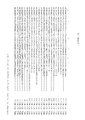
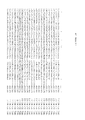
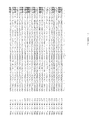
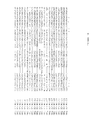
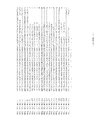
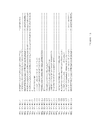
- Figure 1 panels A-G, is a CLUSTALW alignment (version 1.83 using default parameters) of various nitrilase sequences.
- the conserved catalyst signature sequence surrounding the catalyst cysteine residue is highlighted in gray shading.
- the amino acids representing the catalytic triad (Glu 48 , Lys 130 , and Cys 164 ; numbering based on the amino acid sequence SEQ ID NO: 4) are underlined.
- sequence descriptions and sequences listings attached hereto comply with the rules governing nucleotide and/or amino acid sequence disclosures in patent applications as set forth in 37 C.F.R. ⁇ 1.821-1.825.
- the Sequence Descriptions contain the one letter code for nucleotide sequence characters and the three letter codes for amino acids as defined in conformity with the IUPAC-IYUB standards described in Nucleic Acids Research 13:3021-3030 (1985 ) and in the Biochemical Journal 219 (No. 2):345-373 (1984 ).
- the symbols and format used for nucleotide and amino acid sequence data comply with the rules set forth in 37 C.F.R. ⁇ 1.822.
- ATCC refers to the American Type Culture Collection International Depository Authority located at ATCC, 10801 University Boulevard., Manassas, VA 20110-2209, USA.
- the "International Depository Designation” is the accession number to the culture on deposit with ATCC.
- a process is provided to improve the specific activity of a dehydrated immobilized and cross-linked enzyme catalyst having nitrilase activity for hydrolysis of glycolonitrile to glycolic acid upon rehydration.
- a process is provided for pretreating an enzyme catalyst having nitrilase activity with glutaraldehyde, immobilizing the gutaraldehyde-preteated cells and chemically cross-linking the immobilized cells prior to dehydration.
- the glutaraldehyde-pretreated immobilized and cross-linked enzyme catalyst exhibits improved specific nitrilase activity as compared to immobilized and cross-linked enzyme catalysts having nitrilase activity that are dehydrated and rehydrated without said processing.
- the term "about" modifying the quantity of an ingredient or reactant of the invention employed refers to variation in the numerical quantity that can occur, for example, through typical measuring and liquid handling procedures used for making concentrates or use solutions in the real world; through inadvertent error in these procedures; through differences in the manufacture, source, or purity of the ingredients employed to make the compositions or carry out the methods; and the like.
- the term “about” also encompasses amounts that differ due to different equilibrium conditions for a composition resulting from a particular initial mixture. Whether or not modified by the term “about”, the claims include equivalents to the quantities.
- the term “about” means within 10% of the reported numerical value, preferably within 5% of the reported numerical value.
- Glycolonitrile is abbreviated as "GLN” and is synonymous with hydroxyacetonitrile, 2-hydroxyacetonitrile, hydroxymethylnitrile, and all other synonyms of CAS Registry Number 107-16-4.
- glycolic acid is abbreviated as "GLA” and is synonymous with hydroxyacetic acid, hydroxyethanoic acid, and all other synonyms of CAS Registry Number 79-14-1.
- GLA glycolic acid produced by the present processes may in the form of the protonated carboxylic acid and/or the corresponding ammonium salt.
- ammonium glycolate is abbreviated “NH 4 GLA”.
- glycolamide is the amide derived from the reaction of ammonia with glycolic acid and refers to all other synonyms of compounds having CAS Registry Number 598-42-5.
- glycol refers to the compound of CAS Registry Number 502-97-6.
- formaldehyde is abbreviated as "FA” and is synonymous with formic aldehyde, methyl aldehyde, oxomethane, and all other synonyms of CAS Registry Number 50-00-0.
- Commercially available formaldehyde is typically comprised of a mixture of monomeric formaldehyde ("free formaldehyde”) and various oligomers of formaldehyde along with some methanol (typically about 1 wt% to about 15 wt %).
- hydrocyanide is synonymous with prussic acid, hydrocyanic acid, and all other synonyms of CAS Registry Number 200-821-6.
- glutaraldehyde is abbreviated "GA” and is synonymous with pentanedial, 1,5-pentanedial, 1,5-pentanedione, diglutaric aldehyde, glutaral, glutardialdehyde, glutaric acid dialdehyde, glutaric dialdehyde, and all other synonyms of CAS Registry Number 111-30-8.
- bisulfite or “sodium bisulfite” is synonymous with sulfurous acid sodium salt, sulfurous acid monosodium salt, hydrogen sodium sulfite, hydrogen sulfite sodium, monosodium sulfite, sodium acid sulfite, sodium bisulfite, sodium bisulphate, sodium hydrogen sulfite, sodium sulfite (NaHSO3), and all other synonyms of CAS Registry Number 7631-90-5.
- the term “recovering” means isolating, purifying, or transferring the product formed by the present process. Methods to isolate and purify the product(s) from the reaction mixture are well known in the art may include, but are not limited to selective precipitation, crystallization, filtration, reactive solvent extraction, ion exchange, electrodialysis, polymerization, distillation, thermal decomposition, alcoholysis, column chromatography, and combinations thereof.
- the term “recovering” may also include transferring the product mixture (typically after filtering out the enzyme catalyst) to another reaction to create one or more additional products. In a preferred embodiment, ion exchange is used to recover the glycolic acid.
- the terms "enzyme catalyst”, “nitrilase catalyst” or “microbial cell catalyst” refers to a catalyst that is characterized by a nitrilase activity (i.e., comprises at least one polypeptide having nitrilase activity) for converting glycolonitrile to glycolic acid and ammonia.
- a nitrilase enzyme directly converts a nitrile (preferably, an aliphatic nitrile) to the corresponding carboxylic acid, without forming the corresponding amide as intermediate (see Equation 1).
- Nitrilases share several conserved signature domains known in the art including a signature domain herein referred to as the "catalytic signature sequence" or "signature sequence”.
- This region comprises an essential cysteine residue (e.g., Cys 164 of SEQ ID NO: 4).
- polypeptides having nitrilase activity can be identified by the existence of the catalytic domain signature sequence (SEQ ID NO: 1).
- the signature sequence is SEQ ID NO: 2.
- the enzyme catalyst may be in the form of whole microbial cells or permeabilized microbial cells.
- "recycled enzyme catalyst” refers to an enzyme catalyst that is reused as an enzyme catalyst in batch or continuous reactions. Depending on the step in the process of producing or using the enzyme catalyst as described herein, the enzyme catalyst may be glutaraldehyde pretreated, immobilized, cross-linked and dehydrated or rehydrated.
- Acidovorax facilis and “A. facilis” are used interchangeably and refer to Acidovorax facilis 72W deposited to the American Type Culture Collection (an international depository authority) having accession number 55746 ("ATCC 55746").
- ATCC 55746 accession number 55746
- the mutant nitrilases derived from A. facilis 72W characterized by improved nitrilase activity when converting glycolonitrile to glycolic acid have been previously reported (see co-owned U.S. patent 7,198,927 ). Examples of these A. facilis 72W-derived mutant nitrilases are provided by SEQ ID NOs: 27, 29, 31, 33, 35, 37, 39, 41, 43, 45, 47, 49, 51, 53, and 55.
- Escherichia coli and "E. coli” are used interchangeably.
- E. coli MG1655 having international depository number ATCC 47076
- E. coli FM5 having international depository number ATCC 53911
- E. coli W3110 having international depository number ATCC 2732
- E. coli MC4100 having international depository number ATCC 35695
- E. coli W1485 having international depository number ATCC 12435.
- suitable Escherichia coli strains include E. coli FM5 (ATCC 53911) and E. coli MG1655 (ATCC 47076).
- E. coli SS1001 or "SS1001” refer to a transformed E. coli strain expressing the Acidovorax facilis 72W nitrilase having ATCC Accession No. PTA-1177 (see U.S. patent 6,870,038 ; herein incorporated in its entirety by reference).
- the recombinantly expressed E. coli SS1001 nitrilase (SEQ ID NO: 57) contains 2 minor sequence changes in comparison to the wild-type 72W nitrilase sequence (SEQ ID NO: 4).
- the start codon was changed from GTG to ATG to facilitate recombinant expression and an artifact was introduced during cloning that resulted in a single amino acid change near the C-terminal (Pro367 [CCA] ⁇ Ser [TCA]).
- suitable aqueous glycolonitrile reaction mixture and “suitable aqueous reaction mixture” refer to the materials (including at least one amine protectant) and water in which the glycolonitrile and enzyme catalyst come into contact.
- suitable aqueous reaction mixture are provided herein and those skilled in the art appreciate the range of component variations suitable for this process.
- aqueous ammonium glycolate solution As used herein, the terms "aqueous ammonium glycolate solution”, “aqueous solution comprising ammonium glycolate”, and “aqueous solution of ammonium glycolate” will be used to describe an aqueous solution comprising ammonium glycolate produced by the enzymatic hydrolysis of glycolonitrile under typical enzymatic reaction conditions (i.e., a pH range of about 6 to about 8).
- the aqueous solution of ammonium glycolate comprises ammonium glycolate at a concentration of at least about 0.1 weight percent (wt %) to about 99 wt % ammonium glycolate.
- the aqueous solution of ammonium glycolate is comprised of at least about 10 wt % to about 75 wt % ammonium glycolate. In a further embodiment, the aqueous solution of ammonium glycolate is comprised of at least about 20 wt % to about 50 wt % ammonium glycolate.
- the pH of the aqueous solution of ammonium glycolate can be about 2 to about 12, preferably 5 to about 10, more preferably 6 to about 8. The pH may be adjusted as needed prior to initiating process steps related to recovering glycolic acid (in the form of the acid or salt) from the aqueous ammonium glycolate solution.
- the terms "catalyst productivity” and “enzyme catalyst productivity” refer to the total amount of product produced per gram of enzyme catalyst dry cell weight.
- the enzyme catalyst comprises a nitrilase enzyme (EC 3.5.5.7) and the product formed is glycolic acid and/or ammonium glycolate (depending upon the pH of the reaction).
- the processes produced pursuant to producing glycolic acid are conducted under essentially pH neutral conditions so that the glycolic acid produced is predominantly in the form of the corresponding salt of glycolic acid (i.e. ammonium glycolate).
- the catalyst activity decreases with each recycle reaction (enzyme inactivation).
- volumetric productivity refers to the volumetric production of glycolic acid in the reaction, expressed as grams of glycolic acid produced per volume of reaction mixture per unit of time. Typically, volumetric productivity is expressed as grams glycolic acid/L/h.
- nitrilase activity or “specific activity” refers to the enzyme activity per unit mass (for example, milligram) of protein, dry cell weight, or bead weight (immobilized catalyst) when converting glycolonitrile to glycolic acid (or the corresponding ammonium glycolate). Comparisons in nitrilase activity were measured proportional to the dry cell weight or bead weight.
- one unit of enzyme activity or “one unit of nitrilase activity” or “U” is defined as the amount of enzyme activity required for the production of 1 ⁇ mol of glycolic acid product per minute (GLA U/g dry cell weight or bead weight) at a specified temperature (e.g. 25 °C).
- the terms "relative nitrilase activity”, “improved nitrilase activity”, and “relative improvement in nitrilase activity” refers to the nitrilase activity expressed as a multiple (or fraction) of a reference (control) nitrilase activity.
- the nitrilases described herein exhibit a significant improvement in nitrilase activity relative to the nitrilase activity observed with native Acidovorax facilis 72W nitrilase.
- a "significant improvement" in relative nitrilase activity is an improvement of at least 1.5-fold higher nitrilase activity in comparison to the nitrilase activity of a control under identical reaction conditions.
- the improvement is at least 2-fold higher nitrilase activity in comparison to the nitrilase activity of the control under identical reaction conditions. In a further embodiment, the improvement is at least 4-fold higher nitrilase activity in comparison to the nitrilase activity of the control under identical reaction conditions.
- the term "initial reaction rate” is a measurement of the rate of conversion of glycolonitrile to glycolic acid under the stated reaction conditions, where the measurement of reaction rate begins upon the initial addition of glycolonitrile to the reaction mixture, and where the reaction rate is measured over a period of time where the concentration of glycolonitrile remains above ca. 50 millimolar (mM) during the course of the reaction.
- the reaction rate is measured as the change in concentration of glycolic acid produced per unit time (e.g., mole glycolic acid/L/min or mM glycolic acid/hour).
- the term "improved retention of initial specific activity” refers to a comparison of a glutaraldehyde pretreated, immobilized and cross-linked enzyme catalyst with a non-glutaraldehyde pretreated, immobilized and cross-linked enzyme catalyst, both having nitrilase activity, during conversion of glycolonitrile to glycolic acid under the stated reaction conditions following dehydration and rehydration, measured as micromoles of glycolic acid produced per minute per g dry cell weight of enzyme catalyst, or micromoles glycolic acid produced per minute per g immobilized and cross-linked enzyme catalyst, wherein the specific activity as measured in a first or "initial" reaction following rehydration, is retained to a greater extent for the glutaraldehyde pretreated immobilized and cross-linked enzyme catalyst than for the non-glutaraldehyde pretreated, immobilized and cross-linked enzyme catalyst, for one or more subsequent reactions.
- the most notable improvement, as described herein, is for the amount of activity retained for the reaction immediately following an initial batch reaction, measured in one or more subsequent batch reactions with catalyst recycle.
- a second notable improvement, as described herein, is for the amount of activity retained during the course of running the reaction in a continuously stirred tank reactor (CSTR), or in a fixed-bed plug flow reactor, or in a fluidized-bed or semi-fluidized bed reactor, after the production of at least 40 g of glycolic acid per gram dry cell weight of glutaraldehyde-pretreated immobilized and cross-linked enzyme catalyst that has been dehydrated and rehydrated.
- CSTR continuously stirred tank reactor
- the terms "recombinant organism”, “transformed host”, “transformant”, “transgenic organism”, and “transformed microbial host” refer to a host organism having been transformed with heterologous or foreign DNA.
- the recombinant organisms of the present invention express foreign coding sequences or genes that encode active nitrilase enzyme.
- Transformation refers to the transfer of a DNA fragment into the host organism.
- the transferred DNA fragment can be chromosomally or extrachromosomally incorporated (i.e., via a vector) into the host organism.
- the term "transformation cassette” refers to a specific fragment of DNA containing a set of genetic elements conveniently arranged for insertion into a host cell, usually as part of a plasmid.
- expression cassette refers to a specific fragment of DNA containing a set of genetic elements conveniently arranged for insertion into a host cell, usually as part of a plasmid that also allows for enhanced gene expression in the host.
- nucleic acid fragment and “nucleic acid molecule” refer to DNA molecule that may encode an entire gene, coding sequence, and/or regulatory sequences preceding (5', upstream) or following (3', downstream) the coding sequence.
- the present nucleic acid molecules encode for polypeptides having nitrilase activity.
- the term "gene” refers to a nucleic acid molecule that expresses a specific protein. As used herein, it may or may not including regulatory sequences preceding (5' non-coding sequences) and following (3' non-coding sequences) the coding sequence.
- “Chimeric gene” refers to any gene that is not a native gene, comprising regulatory and coding sequences that are not found together in nature. Accordingly, a chimeric gene may comprise regulatory sequences and coding sequences that are derived from different sources, or regulatory sequences and coding sequences derived from the same source, but arranged in a manner different than that found in nature.
- Endogenous gene refers to a native gene in its natural location in the genome of an organism.
- a “foreign” gene refers to a gene not normally found in the host organism, but that is introduced into the host organism by gene transfer. Foreign genes can comprise native genes inserted into a non-native organism, or chimeric genes.
- a “transgene” is a gene that has been introduced into the genome by a transformation procedure.
- coding sequence refers to a DNA sequence that codes for a specific amino acid sequence.
- suitable regulatory sequences refer to nucleotide sequences located upstream (5' non-coding sequences), within, or downstream (3' non-coding sequences) of a coding sequence, and which influence the transcription, RNA processing or stability, or translation of the associated coding sequence. Regulatory sequences may include promoters, translation leader sequences, introns, polyadenylation recognition sequences, RNA processing sites, effector binding sites, and stem-loop structures.
- Promoter refers to a DNA sequence capable of controlling the expression of a coding sequence or functional RNA.
- a coding sequence is located 3' to a promoter sequence. Promoters may be derived in their entirety from a native gene, or be composed of different elements derived from different promoters found in nature, or even comprise synthetic DNA segments. Promoters that cause a gene to be expressed in most cell types at most times or under most environmental conditions are commonly referred to as “constitutive promoters”. Promoters that cause a gene to be expressed only in the presence of a particular compound or environmental condition are commonly referred to as “inducible promoters”. Since in most cases the exact boundaries of regulatory sequences have not been completely defined, DNA fragments of different lengths may have identical promoter activity.
- operably linked refers to the association of nucleic acid sequences on a single nucleic acid molecule so that the function of one sequence is affected by the other.
- a promoter is operably linked with a coding sequence when it is capable of affecting the expression of that coding sequence (i.e., that the coding sequence is under the transcriptional control of the promoter).
- Coding sequences can be operably linked to regulatory sequences in sense or antisense orientation.
- 3' non-coding sequences refers to DNA sequences located downstream of a coding sequence and include polyadenylation recognition sequences (normally limited to eukaryotes) and other sequences encoding regulatory signals capable of affecting mRNA processing or gene expression.
- the polyadenylation signal (normally limited to eukaryotes) is usually characterized by affecting the addition of polyadenylic acid tracts to the 3' end of the mRNA precursor.
- nitrilases (EC 3.5.5.7) share a conserved catalytic triad (Glu, Lys, and Cys) ( Chauhan et al., Appl. Microbiol. Biotechnol. 61:118-122 (2003 ); Pace, H. and Brenner, C., Genome Biol. [online computer file] 2(1):reviews0001.1-0001.9 (2001 )). All known nitrilases have a nucleophilic cysteine in the enzyme active site ( Cowan et al., Extremophiles, 2:207-216 (1998 ); Pace, H.
- Nitrilase catalysts derived from the A. facilis 72W nitrilase also been shown to catalyze the conversion of ⁇ -hydroxynitriles (i.e., glycolonitrile) to ⁇ -hydroxycarboxylic acids (i.e., glycolic acid) (see US 6,383,786 ; US 6,416,980 ; and U.S. 7,198,927 ).
- the 72W nitrilase has several conserved signature domains including a 16-amino acid region near the amino terminus (amino acid residues 40-55 of SEQ ID NO: 4) and a 12 amino acid catalytic region (amino acid residues 160-171 of SEQ ID NO: 4) containing the essential cysteine residue.
- This essential cysteine residue (Cys 164 of SEQ ID NO: 4), along with conserved glutamic acid (Glu 48 of SEQ ID NO:4) and lysine residues (Lys 130 of SEQ ID NO:4), form the catalytic triad motif found in all nitrilases (Pace, H., and Brenner, C., supra).
- the regions surrounding each of the catalytic triad residues are highly conserved, especially the region surrounding the catalytic cysteine residue.
- the essential catalytic cysteine residue is located with a highly conserved region referred to as the "catalytic signature motif" or "signature motif".
- the process described herein is useful for protecting the enzymatic activity of any nitrilase comprising the catalytic signature motif defined by Formula 1 (bold indicates strictly conserved amino acid residues, italicized residues are those that exhibit minimal variability [i.e. minimal variation of 3 or fewer amino acid residues], the catalytic cysteine residue is underlined):
- nitrilases including the sequences and position of the corresponding catalytic signature motif sequence, are provided in Table 1.
- Table 1 conserveed Catalytic Cysteine Region - Catalytic Signature Motifs Nitrilase Source GenBank® Accession Number Amino Acid SEQ ID NO.
- GGLNCWEHFQPL (154-165) Bordetella bronchiseptica RB50 NP_887662.1 9 GAWCWENYMPL (161-172) Arabidopsis thaliana AAB60275.1 AAA19627.1 10 GAAICWENRMPL (175-186) Synechococcus elongatus PCC 7942 YP_399857.1 11 GALACWEHYNPL (157-168) Synechococcus elongatus PCC 6301 YP_171411.1 12 GALACWEHYNPL (157-168) Synechocystis sp.
- GALACWEHYNPL (156-167) Pseudomonas fluorescens Pf-5 YP_260015.1 19 GAVICWENMMPL (161-172) Nocardia farcinica IFM 10152 YP_119480.1 20 GALCCWEHLQPL (159-170) Alcaligenes faecalis 1650 AAY06506.1 21 GALCCWEHLSPL (159-170) Pseudomonas syringae pv. syringae B728a AAY35081.1 22 GALCCWEHLQPL (157-168) Bradyrhizobium sp.
- the nitrilase catalyst comprises a polypeptide having nitrilase activity isolated from a genera selected from the group consisting of Acidovorax, Rhodococcus, Nocardia, Bacillus, and Alcaligenes.
- the nitrilase catalyst comprises a polypeptide having nitrilase activity isolated from a genera selected from the group consisting of Acidovorax and Rhodococcus.
- the polypeptide having nitrilase activity is derived from Acidovorax facilis 72W (ATCC 55746) or a polypeptide (having nitrilase activity) that is substantially similar to the Acidovorax facilis 72W nitrilase (SEQ ID NO: 4) or the A. facilis 72W derived enzyme represented by SEQ ID NO: 51.
- the nitrilase catalyst is a microbial host cell transformed to express at least one polypeptide having nitrilase activity.
- the transformed host cell is selected from the group consisting of Comamonas sp., Corynebacterium sp., Brevibacterium sp., Rhodococcus sp., Azotobacter sp., Citrobacter sp., Enterobacter sp., Clostridium sp., Klebsiella sp., Salmonella sp., Lactobacillus sp., Aspergillus sp., Saccharomyces sp., Yarrowia sp., Zygosaccharomyces sp., Pichia sp., Kluyveromyces sp., Candida sp., Hansenula sp., Dunaliella sp., Debaryomyces sp., Mucorsp.,
- the microbial host cell is selected from the group consisting of Bacillus sp., Pseudomonas sp., and Escherichia sp..
- the catalyst is an Escherichia coli host cell recombinantly expressing one or more of the polypeptides having nitrilase activity.
- the nitrilase catalyst comprises a polypeptide having nitrilase activity wherein said polypeptide having nitrilase activity has at least 60% identity to SEQ ID NO: 51, preferably at least 70% identity to SEQ ID NO: 51, even more preferably at least 80% identity to SEQ ID NO: 51, yet even more preferably at least 90% identity to SEQ ID NO: 51, and most preferably at least 95% identity to SEQ ID NO: 51.
- the polypeptide having nitrilase activity is selected from the group consisting of SEQ ID NOs: 4, 5, 6, 7, 8, 9, 10, 11, 12, 13, 14, 15, 16, 17, 18, 19, 20, 21, 22, 23, 24, 25, 27, 29, 31, 33, 35, 37, 39, 41, 43, 45, 47, 49, 51, 53, 55, and 57.
- the polypeptide having nitrilase activity is selected from the group consisting of 4, 24, 25, 27, 29, 31, 33, 35, 37, 39, 41, 43, 45, 47, 49, 51, 53, 55, and 57.
- the polypeptide having nitrilase activity is selected from the group consisting of 4, 27, 29, 31, 33, 35, 37, 39, 41, 43, 45, 47, 49, 51, 53, 55, and 57.
- the polypeptide having nitrilase activity is selected from the group consisting of 4, 24, 25, and 51.
- the nitrilase catalyst comprises the polypeptide of SEQ ID NO: 51.
- the A. facilis 72W nitrilase (EC 3.5.5.1) is a robust catalyst for producing carboxylic acids from aliphatic or aromatic nitriles ( WO 01/75077 ; US 6,870,038 ; and Chauhan et al., supra). It has also been shown to catalyze the conversion of ⁇ -hydroxynitriles (i.e., glycolonitrile) to ⁇ -hydroxycarboxylic acids (i.e., glycolic acid) (see US 6,383,786 and US 6,416,980 ). However, nitrilase catalysts having improved nitrilase activity and/or stability (relative to the A.
- facilis 72W nitrilase when converting glycolonitrile to glycolic acid would reduce the cost of manufacturing glycolic acid.
- a method of producing glycolic acid using an improved nitrilase catalyst is useful to reduce the cost of manufacturing glycolic acid, however
- facilis 72W nitrilase is an enzyme catalyst for purposes of the processes herein, as well as said improved nitrilases described in detail above.
- Fermentation runs may be conducted in batch, fed-batch, or continuous mode, methods well-known in the art ( Thomas D. Brock in Biotechnology: A Textbook of Industrial Microbiology, Second Edition (1989) Sinauer Associates, Inc., Sunderland, MA, (1989 ); Deshpande, Mukund V., Appl. Biochem. Biotechnol. 36(3): 227-234 (1992 )).
- a classical batch culturing method is a closed system where the composition of the media is set at the beginning of the culture and not subject to artificial alterations during the culturing process.
- the media is inoculated with the desired organism or organisms and growth or metabolic activity is permitted to occur adding nothing to the system.
- a "batch" culture is batch with respect to the addition of carbon source and attempts are often made at controlling factors such as pH and oxygen concentration.
- the metabolite and biomass compositions of the system change constantly up to the time the culture is terminated.
- cells moderate through a static lag phase to a high growth log phase and finally to a stationary phase where growth rate is diminished or halted. If untreated, cells in the stationary phase will eventually die.
- Cells in log phase are often responsible for the bulk of production of end product or intermediate in some systems. Stationary or post-exponential phase production can be obtained in other systems.
- a variation on the standard batch system is the Fed-Batch system.
- Fed-Batch culture processes are also suitable in the present invention and comprise a typical batch system with the exception that the substrate is added in increments as the culture progresses.
- Fed-Batch systems are useful when catabolite repression is apt to inhibit the metabolism of the cells and where it is desirable to have limited amounts of substrate in the media. Measurement of the actual substrate concentration in Fed-Batch systems is difficult and is therefore estimated on the basis of the changes of measurable factors such as pH, dissolved oxygen, and the partial pressure of waste gases such as CO 2 .
- Batch and Fed-Batch culturing methods are common and well known in the art and examples may be found in Brock ( supra ) and Deshpande ( supra ).
- Continuous cultures are an open system where a defined culture media is added continuously to a bioreactor and an equal amount of conditioned media is removed simultaneously for processing. Continuous cultures generally maintain the cells at a constant high-liquid-phase density where cells are primarily in log phase growth.
- continuous culture may be practiced with immobilized cells where carbon and nutrients are continuously added and valuable products, by-products or waste products are continuously removed from the cell mass. Cell immobilization may be performed using a wide range of solid supports composed of natural and/or synthetic materials.
- Continuous or semi-continuous culture allows for the modulation of one factor or any number of factors that affect cell growth or end cell concentration.
- one method will maintain a limiting nutrient such as the carbon source or nitrogen level at a fixed rate and allow all other parameters to moderate.
- a number of factors affecting growth can be altered continuously while the cell concentration, measured by media turbidity, is kept constant.
- Continuous systems strive to maintain steady-state growth conditions and thus the cell loss due to media being drawn off must be balanced against the cell growth rate in the culture.
- Fermentation media in the present invention must contain suitable carbon substrates.
- suitable substrates may include, but are not limited to monosaccharides such as glucose and fructose, disaccharides such as lactose or sucrose, polysaccharides such as starch or cellulose or mixtures thereof, and unpurified mixtures from renewable feedstocks such as cheese whey permeate, cornsteep liquor, sugar beet molasses, and barley malt.
- the source of carbon utilized in the present invention may encompass a wide variety of carbon-containing substrates and will only be limited by the choice of organism.
- Treatment of an enzyme catalyst fermentation culture with glutaraldehyde can be a convenient way to kill the microbes in the culture, thus avoiding containment and safety issues for handling, storage and transportation associated with live recombinant cultures. It has now been discovered that pretreatment with glutaraldehyde, or glutaraldehyde pretreatment followed by bisulfite treatment, can preserve nitrilase activity in cells in suspension and in an immobilized form.
- nitrilase activity with glutaraldehyde pretreatment of an enzyme catalyst is affected by time, temperature, glutaraldehyde concentration, pH and the concentration of inhibitory products like ammonia and other amines (e.g., amino acids and peptides) in the media that interact with glutaraldehyde.
- inhibitory products like ammonia and other amines (e.g., amino acids and peptides) in the media that interact with glutaraldehyde.
- a preferred glutaraldehyde pretreatment method treats cells from high-density fermentation (100-150 OD 550 ) with 5 -10 wt % glutaraldehyde in water that is preferably delivered with adequate mixing at 50 mg to 500 mg glutaraldehyde /L-min, more preferably delivered with adequate mixing at 50 mg to 200 mg glutaraldehyde/L-min, most preferably delivered with adequate mixing at 50 mg to 100 mg glutaraldehyde/L-min, resulting in a final concentration of about 3 g to about 5 g glutaraldehyde /L (about 0.025 g to about 0.042 g glutaraldehyde per OD 550 ), more preferably about 3.6 g to about 5 g glutaraldehyde /L (about 0.030 g to about 0.042 g glutaraldehyde per OD 550 ).
- the glutaraldehyde pretreated culture may be held in the fermenter for about 1 to 5 hours.
- a 10 wt % solution of sodium bisulfite in water is then optionally added at 1 g/L to inactivate the residual glutaraldehyde.
- the preferred pH for the glutaraldehyde pretreatment of the enzyme catalyst in the fermentation broth or cell suspension is from pH 5.0 to 9.0, more preferably from pH 5.0 to 8.0, even more preferably from pH 5.0 to 7.0, still more preferably pH 5.0 to 6.0, and most preferably pH 5.0 to 5.5.
- the residual glutaraldehyde concentration after glutaraldehyde pretreatment is typically low, in the range of 10 - 200 ppm, and can be inactivated as stated above, with the addition of sodium bisulfite to a final concentration of about 1 g/L. Glutaraldehyde and bisulfite pretreatment were found to have no significant detrimental effect on the nitrilase activity.
- the glutaraldehyde or glutaraldehyde/ bisulfite pretreated cell suspension is optionally chilled to 5 - 10 °C, and optionally washed (by concentration and re-dilution of the cell suspension or fermentation broth) with water or an appropriate storage buffer to remove residual bisulfite and unreacted glutaraldehyde.
- a particular issue related to the use of a microbial nitrilase catalyst addressed in the present application is storage and shipment of the enzyme catalyst.
- Aspects of concern for storage and shipment of enzyme catalysts having nitrilase activity include difficulties with the volume of the material and inactivation of the enzyme activity of the material over time.
- the resulting immobilized microbial nitrilase catalyst was about 90 % by weight water, and the catalyst was typically stored at 5 °C in an equivalent weight of aqueous buffer.
- a reduction in the amount of water present in the immobilized microbial nitrilase catalyst, and elimination of the aqueous buffer used to store the catalyst, would decrease the volume of catalyst and associated buffer that needed to be shipped and stored prior to use, and further significantly improve the economics of glycolic acid manufacture.
- Dehydration of the glutaraldehyde/polyethylenimine cross-linked immobilized enzyme catalyst can be accomplished by any method known to those skilled in the art, including, but not limited to, dehydration in air, dehydration in a stream of an inert gas, dehydration in a vacuum oven with or without an inert gas (for example, nitrogen or argon) purge, or lyophilization (freeze-drying).
- the temperature for dehydration may preferably range from about 5 °C to about 60 °C, more preferably range from about 15 °C to about 50 °C, and most preferably range from about 20 °C to about 40 °C.
- the resulting dehydrated beads may lose up to about 91 % of their initial wet weight (when starting with beads comprised of about 5 % dry cell weight microbial nitrilase-containing cells).
- the dehydrated immobilized cell catalyst may be stored in air or under an inert atmosphere, and at temperatures preferably in the range from - 25 °C to 35 °C, preferably from 5 °C to 25 °C.
- the dehydrated immobilized cell catalyst may be rehydrated by placing the dehydrated beads in water, or in an appropriate aqueous buffer, for example, a solution of 0.10 M ammonium glycolate (pH 7.3), the rehydration temperature is preferably from about 5 °C to about 35 °C.
- the resulting rehydrated beads may be used directly in a reaction for the production of glycolic acid from glycolonitrile, or stored in the rehydration liquid at from about 5 °C to about 35 °C until used.
- the enzymatic conversion of glycolonitrile to glycolic acid may be performed by contacting an enzyme catalyst, immobilized enzyme catalyst, or cross-linked immobilized enzyme catalyst having nitrilase activity under suitable reaction conditions as described below (i.e. in an aqueous reaction mixture at certain pH range, temperatures, concentrations, etc.).
- whole recombinant microbial cells are glutaraldehyde pretreated, immobilized in carrageenan, cross-linked, dehydrated, and upon rehydration the resulting enzyme catalyst is used directly for the conversion of glycolonitrile to glycolic acid, or unimmobilized cells can be maintained separately from the bulk reaction mixture using hollow-fiber membrane cartridges or ultrafiltration membranes.
- whole recombinant microbial cells are immobilized in polyacrylamide gel, and the resulting enzyme catalyst used directly for the conversion of glycolonitrile to glycolic acid.
- the concentration of enzyme catalyst in the aqueous reaction mixture depends on the specific activity of the enzyme catalyst and is chosen to obtain the desired rate of reaction.
- the wet cell weight of the microbial cells used as catalyst in hydrolysis reactions typically ranges from 0.001 grams to 0.250 grams of wet cells per mL of total reaction volume, preferably from 0.002 grams to 0.050 grams of wet cells per mL.
- the indicated wt % of wet cells per volume of total reaction volume may be present in the reaction mixture in the form of an immobilized enzyme catalyst prepared as previously described (supra), where the weight of wet cells as a percentage of the total weight of the immobilized enzyme catalyst is known from the method of preparation of the immobilized enzyme catalyst.
- the temperature of the glycolonitrile hydrolysis reaction is chosen to control both the reaction rate and the stability of the enzyme catalyst activity.
- the temperature of the reaction may range from just above the freezing point of the reaction mixture (approximately 0 °C) to about 65 °C, with a preferred range of reaction temperature of from about 5 °C to about 35 °C.
- the enzyme catalyst suspension may be prepared by suspending the dehydrated immobilized cells in distilled water, or in a aqueous solution of a buffer which will maintain the initial pH of the reaction between about 5.0 and about 10.0, preferably between about 5.5 and about 8.0, more preferably between about 5.5 and about 7.7, and most preferably about 6.0 to about 7.7.
- the pH of the reaction mixture may change due to the formation of an ammonium salt of the carboxylic acid from the corresponding nitrile functionality.
- the reaction can be run to complete conversion of glycolonitrile with no pH control, or a suitable acid or base can be added over the course of the reaction to maintain the desired pH.
- Glycolonitrile was found to be completely miscible with water in all proportions at 25 °C.
- the solubility of the substrate i.e., an ⁇ -hydroxynitrile
- the salt concentration buffer or product glycolic acid ammonium salt, also known as ammonium glycolate
- the reaction mixture may initially be composed of two phases: an aqueous phase containing the enzyme catalyst and dissolved ⁇ -hydroxynitrile, and an organic phase (the undissolved ⁇ -hydroxynitrile).
- the ⁇ -hydroxynitrile dissolves into the aqueous phase, and eventually a single phase product mixture is obtained.
- the reaction may also be run by adding the ⁇ -hydroxynitrile to the reaction mixture at a rate approximately equal to the enzymatic hydrolysis reaction rate, thereby maintaining a single-phase aqueous reaction mixture, and avoiding the potential problem of substrate inhibition of the enzyme at high starting material concentrations.
- Glycolic acid may exist in the product mixture as a mixture of the protonated carboxylic acid and/or its corresponding ammonium salt (dependent on the pH of the product mixture; pKa of glycolic acid is about 3.83), and may additionally be present as a salt of the carboxylic acid with any buffer that may additionally be present in the product mixture.
- the glycolic acid produced is primarily in the form of the ammonium salt (pH of the glycolonitrile hydrolysis reaction is typically between about 5.5 and about 7.7).
- the glycolic acid product may be isolated from the reaction mixture as the protonated carboxylic acid, or as a salt of the carboxylic acid, as desired.
- the final concentration of glycolic acid in the product mixture at complete conversion of glycolonitrile may range from 0.001 M to the solubility limit of the glycolic acid product. In one embodiment, the concentration of glycolic acid will range from about 0.10 M to about 5.0 M. In another embodiment, the concentration of glycolic acid will range from about 0.2 M to about 3.0 M.
- Glycolic acid may be recovered in the form of the acid or corresponding salt using a variety of techniques including, but not limited to ion exchange, electrodialysis, reactive solvent extraction, polymerization, thermal decomposition, alcoholysis, and combinations thereof.
- the following HPLC method was used.
- the reaction product mixtures were analyzed by the following HPLC method. Aliquots (0.01 mL) of the reaction mixture were added to 1.50 mL of water, and analyzed by HPLC (HPX 87H column, 30 cm x 7.8 mm; 0.01 N H 2 SO 4 mobile phase; 1.0 mL/min flow at 50 °C; 10 ⁇ L injection volume; RI detector, 20 min analysis time).
- the method was calibrated for glycolonitrile at a series of concentrations using commercially available glycolonitrile purchased from Aldrich.
- Growth of E. coli MG1655/pSW138-168V nitrilase strain was in 14-L Braun Biostat C fermenters (B. Braun Biotech International Gmbh, Melsoder, Germany) using mineral medium with glucose, ammonia, and salts, and lactose was used for induction.
- Pre-sterilization fermenter media (7.5 L) is described in Table 2.
- Post-sterilization additions include filter-sterilized trace elements (Table 3), 0.1 mg ampicillin per mL, 2 g casamino acids (Difco) per L, 4 g glucose per L, and 500 mL seed culture.
- Fermentation set points are described in Table 4.
- NH 4 OH (40% w/v) and H 3 PO 4 (20% w/v) were used for pH control.
- the dissolved oxygen concentration was controlled at 25% of air saturation with the agitation set to rise first with increase in oxygen demand, with aeration to follow.
- the fermentation feed protocol used with lactose induction is given in Table 5.
- Glucose feed rates were reduced if glucose accumulated above 5 g/L.
- the fermentation broth was chilled to 5-10 °C and the cells harvested by centrifugation. Cell paste was frozen and stored at -70 °C.
- the cell paste was designated as NIT 60 (1910 GLN U/g dcw). Table 2. Fermentation media, pre-sterilization.
- Fermentation trace elements Concentration Citric acid 10 g/L CaCl 2 *2H 2 O 1.5 g/L FeSO 4 *7H 2 O 5 g/L ZnSO 4 *7H 2 O 0.39 g/L CuSO 4 *5H 2 O 0.38 g/L CoCl 2 *6H 2 O 0.2 g/L MnCl 2 *4H 2 O 0.3 g/L Table 4. Fermentation set points Initial Set-Point Minimum Maximum Stirrer (rpm) 400 400 1000 Airflow (slpm) 2 2 10 pH 6.8 6.8 6.8 Pressure (kPa) 0.5 0.5 0.5 DO 25% 25% 25% Temperature °C 30 30 30 30 30 Table 5.
- Fermentation feed protocol used with lactose induction EFT (h) Feed Rate (g/min) Substrate 0 0 Glucose (batched) 5 0.27 Glucose (50% w/w) 14 1.3 Lactose (25% w/w)
- the flow rate through the needle was set at 5 - 8 mL/min.
- the resulting beads were allowed to harden in this same buffer for 1 h at room temperature with stirring, and were stored in 0.25 M potassium bicarbonate (pH 7.3).
- the GA/PEI-cross-linked beads were recovered from the suspension, stirred twice for 15 min in 48 mL of 0.25 M potassium bicarbonate (pH 7.3), then stored in 1.0 M ammonium bicarbonate (pH 7.3) at 5 °C. Prior to use as catalyst for conversion of glycolonitrile to glycolic acid (as the ammonium salt), the beads were washed twice for 15 min with 180 mL of 0.1 M ammonium glycolate (pH 7.3) at room temperature to remove the 1.0 M ammonium bicarbonate (pH 7.3) storage buffer. The resulting immobilized cell catalyst was identified as immobilized NIT 60.
- E. coli MG1655/pSW138-F168V transformant beads prepared as described in Example 2 were dehydrated in a vacuum oven (176 mm Hg) at 35 °C with nitrogen purge for 24 h.
- the ratio of dehydrated bead weight to original (not dehydrated) bead weight was 0.0914.
- the dehydrated beads were subsequently rehydrated by placing the dehydrated beads in a 20-fold (by weight) solution of 0.10 M ammonium glycolate (pH 7.3) at either 5 °C or 25 °C for 18 h.
- the resulting rehydrated beads were washed twice with a 9-fold (by weight) solution of 0.10 M ammonium glycolate (pH 7.3), then weighed; the ratio of rehydrated bead weight to original (not dehydrated) bead weight was 0.210 for beads rehydrated at 5 °C, and the ratio of rehydrated bead weight to original bead weight was 0.212 for beads rehydrated at 25 °C.
- coli MG1655/pSW138-168V/carrageenan beads (0.40 g dry cell weight, prepared as described in Example 2 with dehydration at 35 °C and rehydration at 25 °C), 6.0 mL of aqueous ammonium glycolate (4.0 M, pH 7.0) and 28.0 mL of deionized, distilled water.
- Reaction samples (0.100 mL) were removed at pre-determined times after GLN addition and mixed with 0.100 mL of water, 0.010 mL of 6.0 N HCl and 0.200 mL of 0.25 M n-propanol in water (HPLC external standard), the mixture centrifuged, and the resulting supernatant analyzed by HPLC to determine the initial reaction rate and catalyst specific activity (U/g dcw) (Table 6).
- Table 6 Specific Activity of Glutaraldehyde/polyethylenimine Cross-linked Carrageenan-immobilized E. coli MG1655/pSW138-F168V Transformant Before and After Dehydration/Rehydration.
- a 200-L fermentation was performed to produce a broth containing E. coli MG1655/pSW138-168V cells that were subsequently pretreated with glutaraldehyde in-situ prior to immobilization.
- a pre-seed culture was first prepared by charging a 2-L shake flask with 0.5 L seed medium containing yeast extract (Ambrex 695, 5.0 g/L), K 2 HPO 4 (10.0 g/L), KH 2 PO 4 (7.0 g/L), sodium citrate dihydrate (1.0 g/L), (NH 4 ) 2 SO 4 (4.0 g/L), MgSO 4 heptahydrate (1.0 g/L) and ferric ammonium citrate (0.10 g/L).
- the pH of the medium was adjusted to 6.8 and the medium was sterilized in the flask.
- Post sterilization additions included glucose (10 mL, 50 wt %) and 1 mL ampicillin (25 mg/mL).
- the pre-seed medium was inoculated with a 1-mL frozen stock culture of E. coli MG1655/pSW138-168V in 20% glycerol, and cultivated at 35 °C and 300 rpm. The seed culture was transferred at ca.
- the trace elements solution contained citric acid monohydrate (10 g/L), MnSO 4 hydrate (2 g/L), NaCl (2 g/L), FeSO 4 heptahydrate (0.5 g/L), ZnSO 4 heptahydrate (0.2 g/L), CuSO 4 pentahydrate (0.02 g/L) and NaMoO 4 dihydrate (0.02 g/L).
- Post sterilization additions included 120 g glucose solution (50% w/w) and ampicillin 16 mL stock solution (25 mg/mL).
- the dissolved oxygen (dO) concentration was controlled at 25% of air saturation.
- the dO was controlled first by impeller agitation rate (400 to 1400 rpm) and later by aeration rate (2 to 10 slpm).
- the pH was controlled at 6.8.
- NH 4 OH (29% w/w) and H 2 SO 4 (20% w/v) were used for pH control.
- the temperature was controlled at 35 °C and the head pressure was 0.5 bars.
- the culture was transferred to the 200L Biostat-D Braun fermenter.
- the medium used was the same as in the seed fermenter, the initial working volume was 140 L and 50% w/w glucose was charged to 8 g/L.
- the fermentation started as a batch operation, and once the glucose was depleted ( ⁇ 0.5 g/L) a fed batch operation with 50% w/w glucose was initiated with a predetermined rate (Table 6), at ca 25 OD 550 the feed was switched to 25% D-lactose solution with a pre-determined rate (Table 7).
- the temperature was controlled at 35.0 °C, the head pressure at 0.5 bar, the pH at 1 st stage (glucose phase) at 6.8 and at the 2 nd stage (lactose phase) at 7.2, NH 4 OH (29% w/w) and H 2 SO 4 (20% w/v) were used for pH control, the dO controlled at 1 st stage at 25% of air saturation and 2 nd stage at 10%, the dO was controlled by agitation first (250-450 rpm) and later by aeration (25-35 slpm).
- Glucose and lactose levels were monitored during the fed operation and if the levels of glucose exceeds 0.1 g/L or lactose above 1 g/L the feed program was either temporarily halted or reduced. The run was ended 40 h after the initiation of lactose feed, and cells were either harvested by centrifugation or microfiltration or kept in the vessel for treatment with glutaraldehyde. The fermentation produced about 8 kg dry cell weight with a nitrilase specific activity of 2819 BZN U/g dcw (1788 GLN U/g dcw).
- Table 7 Feed protocol Feed time intervals (h) Feed rate g/min Substrate Stage 0 6.13 50% w/w glucose 1 st 1 7.13 50% w/w glucose 1 st 2 8.28 50% w/w glucose 1 st 3 9.62 50% w/w glucose 1 st 4 11.18 50% w/w glucose 1 st 5 11.18 50% w/w glucose 1 st 6 11.18 50% w/w glucose 1 st 7 11.18 50% w/w glucose 1 st 8 11.18 50% w/w glucose 1 st 0 11.22 25% w/w lactose 2 nd 2 24.42 25% w/w lactose 2 nd 20 16.72 25% w/w lactose 2 nd 30 18.7 25% w/w lactose 2 nd 40 18.7 25% w/w lactose 2 nd
- the agitation was reduced to 150 rpm, the aeration stopped and the temperature maintained at 35 °C.
- Part of the fermentation broth was withdrawn, leaving ca. 180 kg in the fermenter.
- This remaining broth was titrated to pH 5.2 and maintained at this pH with 20% H 2 SO 4 (20% w/w) and NaOH (50% w/w) while 9.0 L of aqueous glutaraldehyde (GA, 10% w/w) was added with stirring at a rate of ⁇ 90 mL/min; this rate of addition was equivalent to 50 mg glutaraldehyde/L fermentation broth/min, and the final concentration of glutaraldehyde was ca.
- G aqueous glutaraldehyde
- Nitrilase specific activity during each process step is summarized in Table 8.
- Table 8 Nitrilase activity during different stages of GA and bisulfite treatment fermentation stage BZN U/g dcw pre GA treatment 2819 post GA post 3300 NaHSO3 2493
- the final cell suspension concentrate recovered from the glutaraldehyde and sodium bisulfite-treated fermentation broth of Example 5 was centrifuged at 5 °C.
- the resulting cell pellet was re-suspended in a 5-fold by weight amount of 0.35 M potassium phosphate buffer (pH 7.2), and centrifugation of the resulting cell suspension at 5 °C produced a wet cell paste that was immobilized and chemically cross-linked with GA and PEI as described in Example 2.
- the resulting immobilized cell catalyst was identified as immobilized NIT 188A-C2.
- E. coli MG1655/pSW138-F168V transformant beads prepared as described in Example 6 using glutaraldehyde-pretreated cells were dehydrated in a vacuum oven (176 mm Hg) at 35 °C with nitrogen purge for 20, weighed, and dehydrated as before for an additional 4 h (total of 24 h). The ratio of final dehydrated bead weight to original (not dehydrated) bead weight was 0.217. The dehydrated beads were subsequently rehydrated by placing the beads in 20-fold (by weight) solution of 0.10 M ammonium glycolate (pH 7.3) at 5 °C for 72 h.
- the resulting rehydrated beads were washed twice with a 9-fold (by weight) solution of 0.10 M ammonium glycolate (pH 7.3), then weighed; the ratio of rehydrated bead weight to original (not dehydrated) bead weight was 0.578 for beads rehydrated at 5 °C.
- the resulting biocatalyst was identified as immobilized NIT 188A-C2-D.
- each reaction vessel was charged with 2.55 g of GA/PEI-cross-linked E. coli MG1655/pSW138-168V/carrageenan beads (0.20 g dry cell weight; immobilized NIT 188A-C2-D, prepared as described in Example 7 (GA pretreatment of cells prior to immobilization and subsequent dehydration/rehydration)), 3.0 mL of aqueous ammonium glycolate (4.0 M, pH 7.0) and 9.10 mL of deionized, distilled water.
- Each reaction vessel was flushed with nitrogen, and the mixture stirred at 25 °C while programmable syringe pumps were used to simultaneously add 0.520 mL of 62 wt % glycolonitrile (GLN) in water (6.0 mmol GLN, 0.006 mmol formaldehyde; stabilized with 0.7 wt% glycolic acid)) and 0.150 mL of aqueous ammonium hydroxide (0.9375 wt% NH 3 ); one equivalent volume of GLN and ammonium hydroxide solutions were added simultaneously every 2 h (total of eight simultaneous additions of GLN solution and aqueous ammonium hydroxide) to maintain the concentration of GLN at ⁇ 400 mM and the pH within a range of 7.0 - 7.5.
- GLN 62 wt % glycolonitrile
- Reaction samples (0.050 mL) were removed at pre-determined times after the first GLN addition and added to 0.010 mL of 6.0 N HCl and 0.200 mL of 0.25 M iso-propanol in water (HPLC external standard), the resulting mixture centrifuged, and the supernatant analyzed by HPLC to determine the initial reaction rate and the catalyst specific activity ( ⁇ mol glycolic acid/min/g dcw biocatalyst). At completion of the reaction, there was 100% conversion of GLN to produce glycolic acid (as the ammonium salt) in > 99 % yield. Table 9 lists the initial specific activities of the biocatalysts.
- the aqueous product mixture was decanted from the catalyst (under nitrogen) in each reaction vessel, leaving a mixture of immobilized cell catalyst and remaining product solution.
- To the reaction vessel then added sufficient distilled, deionized water to reproduce the initial reaction volume in the first reaction prior to the addition of GLN and ammonium hydroxide solutions (ca. 15.3 mL initial reaction volume), and a second reaction was performed at 25 °C by the addition of aliquots of aqueous GLN and ammonium hydroxide as described immediately above.
- Table 9 The specific activities of recovered biocatalyst in consecutive batch reactions with catalyst recycle are listed in Table 10. Table 9.
- biocatlaysts Prior to use, the biocatlaysts were washed twice for 15 min with 180 mL of 0.1 M ammonium glycolate (pH 7.0) at room temperature, then evaluated in duplicate sets of consecutive batch reactions with biocatalyst recycle using the procedure described in Example 8.
- the specific activity of each biocatalyst in four consecutive batch reactions to convert glycolonitrile to ammonium glycolate is presented in Table 11.
- Table 11 Specific activity in consecutive batch reactions with biocatalyst recycle using glutaraldehyde/PEI cross-linked, carrageenan-immobilized microbial catalyst prepared using cells pretreated with glutaraldehyde; biocatalyst stored for 28 days at 5 °C, with or without dehydration.
Landscapes
- Life Sciences & Earth Sciences (AREA)
- Chemical & Material Sciences (AREA)
- Organic Chemistry (AREA)
- Health & Medical Sciences (AREA)
- Zoology (AREA)
- Engineering & Computer Science (AREA)
- Wood Science & Technology (AREA)
- Genetics & Genomics (AREA)
- Bioinformatics & Cheminformatics (AREA)
- Microbiology (AREA)
- Biotechnology (AREA)
- Biochemistry (AREA)
- General Engineering & Computer Science (AREA)
- General Health & Medical Sciences (AREA)
- Biomedical Technology (AREA)
- Molecular Biology (AREA)
- Medicinal Chemistry (AREA)
- Chemical Kinetics & Catalysis (AREA)
- General Chemical & Material Sciences (AREA)
- Enzymes And Modification Thereof (AREA)
- Preparation Of Compounds By Using Micro-Organisms (AREA)
- Micro-Organisms Or Cultivation Processes Thereof (AREA)
Priority Applications (1)
| Application Number | Priority Date | Filing Date | Title |
|---|---|---|---|
| PL08845012T PL2215226T3 (pl) | 2007-10-31 | 2008-10-31 | Udoskonalenie immobilizowanej nitrylazy bakteryjnej do wytwarzania kwasu glikolowego |
Applications Claiming Priority (2)
| Application Number | Priority Date | Filing Date | Title |
|---|---|---|---|
| US11/930,744 US7741088B2 (en) | 2007-10-31 | 2007-10-31 | Immobilized microbial nitrilase for production of glycolic acid |
| PCT/US2008/081952 WO2009059104A1 (en) | 2007-10-31 | 2008-10-31 | Improvement in immobilized microbial nitrilase for production of glycolic acid |
Publications (3)
| Publication Number | Publication Date |
|---|---|
| EP2215226A1 EP2215226A1 (en) | 2010-08-11 |
| EP2215226B1 EP2215226B1 (en) | 2015-12-02 |
| EP2215226B9 true EP2215226B9 (en) | 2016-03-02 |
Family
ID=40229742
Family Applications (1)
| Application Number | Title | Priority Date | Filing Date |
|---|---|---|---|
| EP08845012.7A Active EP2215226B9 (en) | 2007-10-31 | 2008-10-31 | Improvement in immobilized microbial nitrilase for production of glycolic acid |
Country Status (8)
| Country | Link |
|---|---|
| US (2) | US7741088B2 (enExample) |
| EP (1) | EP2215226B9 (enExample) |
| JP (1) | JP5583586B2 (enExample) |
| CN (1) | CN102016018B (enExample) |
| DK (1) | DK2215226T3 (enExample) |
| ES (1) | ES2562791T3 (enExample) |
| PL (1) | PL2215226T3 (enExample) |
| WO (1) | WO2009059104A1 (enExample) |
Families Citing this family (10)
| Publication number | Priority date | Publication date | Assignee | Title |
|---|---|---|---|---|
| CA2774692C (en) * | 2009-09-24 | 2017-12-19 | Ucb Pharma S.A. | Bacterial strain for recombinant protein expression, having protease deficient degp retaining chaperone activity, and knocked out tsp and ptr genes |
| BR112012026205A2 (pt) | 2010-04-14 | 2015-11-03 | Strategic Enzyme Applic Inc | processo para produção enzimática de um produto de fosfinotricina ou um precursor do mesmo |
| EP2588597A4 (en) | 2010-06-30 | 2013-12-25 | Codexis Inc | CHEMICALLY MODIFIED CARBOHYDRED ANHYDRASES SUITABLE FOR CARBON STORAGE SYSTEMS |
| US8916364B2 (en) * | 2010-10-12 | 2014-12-23 | C-Lecta Gmbh | Nitrilases |
| EP3354742A1 (en) | 2017-01-26 | 2018-08-01 | Metabolic Explorer | Methods and microorganisms for the production of glycolic acid and/or glyoxylic acid |
| CN108486088B (zh) | 2018-02-14 | 2021-02-02 | 浙江工业大学 | 腈水解酶突变体及其应用 |
| MX2021004433A (es) | 2018-10-18 | 2021-07-06 | Basf Se | Metodo para la produccion de acido acrilico o sus sales. |
| CN112063607B (zh) * | 2020-10-09 | 2021-12-07 | 浙江工业大学 | 一种腈水解酶突变体及其在催化合成2-氯烟酸中的应用 |
| JP7896292B2 (ja) * | 2022-03-16 | 2026-07-29 | 三菱ケミカル株式会社 | アミノ酸の製造方法 |
| CN119570649B (zh) * | 2024-07-12 | 2026-06-12 | 北京衍微科技有限公司 | 含红球菌发酵液的复合催化剂及其用途 |
Family Cites Families (39)
| Publication number | Priority date | Publication date | Assignee | Title |
|---|---|---|---|---|
| US2175805A (en) * | 1937-06-08 | 1939-10-10 | Du Pont | Stabilized organic nitrile and process of making |
| US2890238A (en) * | 1957-01-31 | 1959-06-09 | Dow Chemical Co | Preparation of glyconitrile |
| FR2245585B1 (enExample) | 1973-09-19 | 1976-05-14 | Anvar | |
| DK146942C (da) * | 1978-04-19 | 1984-07-30 | Novo Industri As | Fremgangsmaade til fremstilling af et immobiliseret enzymprodukt |
| US4355105A (en) * | 1981-03-30 | 1982-10-19 | Miles Laboratories, Inc. | Glutaraldehyde/polyethylenimine immobilization of whole microbial cells |
| JPS6156086A (ja) | 1984-08-27 | 1986-03-20 | Asahi Chem Ind Co Ltd | α−オキシ酸およびその塩の微生物学的製造法 |
| US5187301A (en) * | 1989-10-26 | 1993-02-16 | W. R. Grace & Co.-Conn. | Preparation of iminodiacetonitrile from glycolonitrile |
| DE69131217T2 (de) | 1990-03-30 | 1999-09-23 | Mitsubishi Rayon Co., Ltd. | Verfahren zur Herstellung von R(-)Mandelsäure und deren Derivaten |
| JP2974737B2 (ja) | 1990-08-16 | 1999-11-10 | 三菱レイヨン株式会社 | 光学活性乳酸の製造法 |
| DE69126762T2 (de) * | 1990-11-14 | 1997-10-23 | Nitto Chemical Industry Co Ltd | Biologisches Verfahren zur Herstellung von Alpha-Hydroxyamid und Alpha-Hydroxysäure |
| JP2676568B2 (ja) | 1991-06-26 | 1997-11-17 | 日東化学工業株式会社 | R(−)−マンデル酸およびその誘導体の製造法 |
| US5846762A (en) * | 1992-08-26 | 1998-12-08 | Lockheed Martin Energy Research Systems, Inc. | Structurally stable gel bead containing entrapped enzyme and method for manufacture thereof |
| JP2720140B2 (ja) | 1993-02-03 | 1998-02-25 | 日東化学工業株式会社 | フェニル基を有する光学活性α−ヒドロキシカルボン酸の製造法 |
| JP3218133B2 (ja) | 1993-02-03 | 2001-10-15 | 三菱レイヨン株式会社 | フェニル基を有する光学活性α−ヒドロキシカルボン酸の製造法 |
| JP3354688B2 (ja) * | 1994-01-28 | 2002-12-09 | 三菱レイヨン株式会社 | 微生物によるα−ヒドロキシ酸またはα−ヒドロキシアミドの製造法 |
| US5605793A (en) | 1994-02-17 | 1997-02-25 | Affymax Technologies N.V. | Methods for in vitro recombination |
| US5837458A (en) | 1994-02-17 | 1998-11-17 | Maxygen, Inc. | Methods and compositions for cellular and metabolic engineering |
| JP3154646B2 (ja) | 1995-07-19 | 2001-04-09 | 三菱レイヨン株式会社 | グリコール酸の微生物学的製造法 |
| US5756306A (en) | 1995-11-10 | 1998-05-26 | Nitto Chemical Industry Co., Ltd. | Process for producing a-hydroxy acid or a-hydroxyamide by microorganism |
| GB9525372D0 (en) * | 1995-12-12 | 1996-02-14 | Allied Colloids Ltd | Enzymes, their preparation and their use in the production of ammonium acrylate |
| US5858736A (en) | 1996-05-17 | 1999-01-12 | E. I. Du Pont De Nemours And Company | Preparation of lactams from aliphatic α,ω-dinitriles |
| US6037155A (en) * | 1997-02-27 | 2000-03-14 | Nippon Soda Co., Ltd. | Process for preparing α-hydroxy acids using microorganism and novel microorganism |
| US6291708B1 (en) | 1999-04-28 | 2001-09-18 | A.E. Staley Manufacturing Co. | Process for production of organic acids and esters thereof |
| US6551804B2 (en) * | 1999-07-12 | 2003-04-22 | E. I. Du Pont De Nemours And Company | Process for preparing 4-cyanopentanoic acid |
| US6251646B1 (en) | 1999-07-12 | 2001-06-26 | E. I. Du Pont De Nemours And Company | Method for stabilizing nitrilase activity and preserving microbial cells |
| KR100501864B1 (ko) * | 1999-11-12 | 2005-07-20 | 미츠비시 레이온 가부시키가이샤 | 사멸화 균체 |
| DE60143843D1 (de) | 2000-03-31 | 2011-02-24 | Du Pont | Isolierung und expression eines nitrilase-gens von acidovorax facilis 72w |
| US6416980B1 (en) * | 2001-02-23 | 2002-07-09 | E. I. Du Pont De Nemours & Company | Method for producing glycolic acid from glycolonitrile using nitrilase |
| CA2446638A1 (en) | 2001-05-07 | 2002-11-14 | Cargill, Incorporated | Process for preparing carboxylic acids and derivatives thereof |
| US7005536B2 (en) | 2002-07-12 | 2006-02-28 | Nippon Shokubai Co., Ltd. | Method for producing diol derivatives |
| EP1748076B1 (en) | 2004-04-27 | 2014-03-05 | Mitsui Chemicals, Inc. | Enzymatic process for producing hydroxycarboxylic acid |
| US7148051B2 (en) * | 2004-08-16 | 2006-12-12 | E. I. Du Pont De Nemours And Company | Production of 3-hydroxycarboxylic acid using nitrilase |
| JP4928467B2 (ja) | 2004-12-22 | 2012-05-09 | イー・アイ・デュポン・ドウ・ヌムール・アンド・カンパニー | ホルムアルデヒドおよびシアン化水素からグリコール酸を製造するための方法 |
| CN102796770B (zh) | 2004-12-22 | 2014-06-04 | 纳幕尔杜邦公司 | 乙醇酸的酶促生产 |
| US7368492B2 (en) * | 2004-12-22 | 2008-05-06 | E. I. Du Pont De Nemours And Company | Process for the synthesis of glycolonitrile |
| US7198927B2 (en) * | 2004-12-22 | 2007-04-03 | E. I. Du Pont De Nemours And Company | Enzymatic production of glycolic acid |
| US7445917B2 (en) * | 2004-12-22 | 2008-11-04 | E.I. Du Pont De Nemours And Company | Process for producing glycolic acid from formaldehyde and hydrogen cyanide |
| DE102005015570A1 (de) | 2005-04-05 | 2006-10-12 | Robert Bosch Gmbh | Druckregelventil |
| WO2007036235A1 (en) | 2005-09-30 | 2007-04-05 | Novozymes A/S | Immobilization of enzymes |
-
2007
- 2007-10-31 US US11/930,744 patent/US7741088B2/en active Active
-
2008
- 2008-10-31 WO PCT/US2008/081952 patent/WO2009059104A1/en not_active Ceased
- 2008-10-31 DK DK08845012.7T patent/DK2215226T3/en active
- 2008-10-31 EP EP08845012.7A patent/EP2215226B9/en active Active
- 2008-10-31 CN CN2008801241192A patent/CN102016018B/zh not_active Expired - Fee Related
- 2008-10-31 PL PL08845012T patent/PL2215226T3/pl unknown
- 2008-10-31 JP JP2010532268A patent/JP5583586B2/ja not_active Expired - Fee Related
- 2008-10-31 ES ES08845012.7T patent/ES2562791T3/es active Active
-
2010
- 2010-02-02 US US12/698,775 patent/US7867748B2/en active Active
Also Published As
| Publication number | Publication date |
|---|---|
| JP5583586B2 (ja) | 2014-09-03 |
| US7741088B2 (en) | 2010-06-22 |
| PL2215226T3 (pl) | 2016-06-30 |
| CN102016018A (zh) | 2011-04-13 |
| EP2215226B1 (en) | 2015-12-02 |
| CN102016018B (zh) | 2013-09-25 |
| US7867748B2 (en) | 2011-01-11 |
| WO2009059104A1 (en) | 2009-05-07 |
| ES2562791T3 (es) | 2016-03-08 |
| DK2215226T3 (en) | 2016-03-07 |
| JP2011501970A (ja) | 2011-01-20 |
| EP2215226A1 (en) | 2010-08-11 |
| US20100136656A1 (en) | 2010-06-03 |
| US20090111148A1 (en) | 2009-04-30 |
| ES2562791T9 (es) | 2016-04-18 |
Similar Documents
| Publication | Publication Date | Title |
|---|---|---|
| EP2215226B1 (en) | Improvement in immobilized microbial nitrilase for production of glycolic acid | |
| EP2217714B1 (en) | Sequestration of formaldehyde to stabilize nitrilase specific activity when converting glycolonitrile to glycolic acid | |
| US8071343B2 (en) | Process for producing glycolic acid from formaldehyde and hydrogen cyanide | |
| NZ530790A (en) | A process for preparing compounds from alpha, omega-dinitriles using a nitrilase from acidovorax facilis 72W | |
| EP1828393B1 (en) | Process for producing glycolic acid from formaldehyde and hydrogen cyanide | |
| EP2215225B1 (en) | Improvement in immobilized microbial nitrilase for production of glycolic acid |
Legal Events
| Date | Code | Title | Description |
|---|---|---|---|
| PUAI | Public reference made under article 153(3) epc to a published international application that has entered the european phase |
Free format text: ORIGINAL CODE: 0009012 |
|
| 17P | Request for examination filed |
Effective date: 20100528 |
|
| AK | Designated contracting states |
Kind code of ref document: A1 Designated state(s): AT BE BG CH CY CZ DE DK EE ES FI FR GB GR HR HU IE IS IT LI LT LU LV MC MT NL NO PL PT RO SE SI SK TR |
|
| AX | Request for extension of the european patent |
Extension state: AL BA MK RS |
|
| DAX | Request for extension of the european patent (deleted) | ||
| 17Q | First examination report despatched |
Effective date: 20140214 |
|
| GRAP | Despatch of communication of intention to grant a patent |
Free format text: ORIGINAL CODE: EPIDOSNIGR1 |
|
| INTG | Intention to grant announced |
Effective date: 20150601 |
|
| GRAS | Grant fee paid |
Free format text: ORIGINAL CODE: EPIDOSNIGR3 |
|
| GRAA | (expected) grant |
Free format text: ORIGINAL CODE: 0009210 |
|
| RAP1 | Party data changed (applicant data changed or rights of an application transferred) |
Owner name: E. I. DU PONT DE NEMOURS AND COMPANY |
|
| AK | Designated contracting states |
Kind code of ref document: B1 Designated state(s): AT BE BG CH CY CZ DE DK EE ES FI FR GB GR HR HU IE IS IT LI LT LU LV MC MT NL NO PL PT RO SE SI SK TR |
|
| REG | Reference to a national code |
Ref country code: GB Ref legal event code: FG4D |
|
| REG | Reference to a national code |
Ref country code: AT Ref legal event code: REF Ref document number: 763643 Country of ref document: AT Kind code of ref document: T Effective date: 20151215 Ref country code: CH Ref legal event code: EP |
|
| REG | Reference to a national code |
Ref country code: IE Ref legal event code: FG4D |
|
| REG | Reference to a national code |
Ref country code: DE Ref legal event code: R096 Ref document number: 602008041472 Country of ref document: DE |
|
| GRAT | Correction requested after decision to grant or after decision to maintain patent in amended form |
Free format text: ORIGINAL CODE: EPIDOSNCDEC |
|
| REG | Reference to a national code |
Ref country code: CH Ref legal event code: NV Representative=s name: MARKS AND CLERK (LUXEMBOURG) LLP, CH |
|
| RAP2 | Party data changed (patent owner data changed or rights of a patent transferred) |
Owner name: E. I. DU PONT DE NEMOURS AND COMPANY |
|
| REG | Reference to a national code |
Ref country code: DK Ref legal event code: T3 Effective date: 20160303 |
|
| REG | Reference to a national code |
Ref country code: ES Ref legal event code: FG2A Ref document number: 2562791 Country of ref document: ES Kind code of ref document: T3 Effective date: 20160308 |
|
| REG | Reference to a national code |
Ref country code: NL Ref legal event code: FP |
|
| REG | Reference to a national code |
Ref country code: LT Ref legal event code: MG4D |
|
| PG25 | Lapsed in a contracting state [announced via postgrant information from national office to epo] |
Ref country code: HR Free format text: LAPSE BECAUSE OF FAILURE TO SUBMIT A TRANSLATION OF THE DESCRIPTION OR TO PAY THE FEE WITHIN THE PRESCRIBED TIME-LIMIT Effective date: 20151202 Ref country code: NO Free format text: LAPSE BECAUSE OF FAILURE TO SUBMIT A TRANSLATION OF THE DESCRIPTION OR TO PAY THE FEE WITHIN THE PRESCRIBED TIME-LIMIT Effective date: 20160302 Ref country code: LT Free format text: LAPSE BECAUSE OF FAILURE TO SUBMIT A TRANSLATION OF THE DESCRIPTION OR TO PAY THE FEE WITHIN THE PRESCRIBED TIME-LIMIT Effective date: 20151202 |
|
| PG25 | Lapsed in a contracting state [announced via postgrant information from national office to epo] |
Ref country code: LV Free format text: LAPSE BECAUSE OF FAILURE TO SUBMIT A TRANSLATION OF THE DESCRIPTION OR TO PAY THE FEE WITHIN THE PRESCRIBED TIME-LIMIT Effective date: 20151202 Ref country code: SE Free format text: LAPSE BECAUSE OF FAILURE TO SUBMIT A TRANSLATION OF THE DESCRIPTION OR TO PAY THE FEE WITHIN THE PRESCRIBED TIME-LIMIT Effective date: 20151202 Ref country code: GR Free format text: LAPSE BECAUSE OF FAILURE TO SUBMIT A TRANSLATION OF THE DESCRIPTION OR TO PAY THE FEE WITHIN THE PRESCRIBED TIME-LIMIT Effective date: 20160303 |
|
| RAP2 | Party data changed (patent owner data changed or rights of a patent transferred) |
Owner name: THE CHEMOURS COMPANY FC, LLC |
|
| PG25 | Lapsed in a contracting state [announced via postgrant information from national office to epo] |
Ref country code: IS Free format text: LAPSE BECAUSE OF FAILURE TO SUBMIT A TRANSLATION OF THE DESCRIPTION OR TO PAY THE FEE WITHIN THE PRESCRIBED TIME-LIMIT Effective date: 20151202 |
|
| PG25 | Lapsed in a contracting state [announced via postgrant information from national office to epo] |
Ref country code: CZ Free format text: LAPSE BECAUSE OF FAILURE TO SUBMIT A TRANSLATION OF THE DESCRIPTION OR TO PAY THE FEE WITHIN THE PRESCRIBED TIME-LIMIT Effective date: 20151202 |
|
| PG25 | Lapsed in a contracting state [announced via postgrant information from national office to epo] |
Ref country code: EE Free format text: LAPSE BECAUSE OF FAILURE TO SUBMIT A TRANSLATION OF THE DESCRIPTION OR TO PAY THE FEE WITHIN THE PRESCRIBED TIME-LIMIT Effective date: 20151202 Ref country code: PT Free format text: LAPSE BECAUSE OF FAILURE TO SUBMIT A TRANSLATION OF THE DESCRIPTION OR TO PAY THE FEE WITHIN THE PRESCRIBED TIME-LIMIT Effective date: 20160404 Ref country code: SK Free format text: LAPSE BECAUSE OF FAILURE TO SUBMIT A TRANSLATION OF THE DESCRIPTION OR TO PAY THE FEE WITHIN THE PRESCRIBED TIME-LIMIT Effective date: 20151202 Ref country code: RO Free format text: LAPSE BECAUSE OF FAILURE TO SUBMIT A TRANSLATION OF THE DESCRIPTION OR TO PAY THE FEE WITHIN THE PRESCRIBED TIME-LIMIT Effective date: 20151202 Ref country code: IS Free format text: LAPSE BECAUSE OF FAILURE TO SUBMIT A TRANSLATION OF THE DESCRIPTION OR TO PAY THE FEE WITHIN THE PRESCRIBED TIME-LIMIT Effective date: 20160402 |
|
| REG | Reference to a national code |
Ref country code: DE Ref legal event code: R097 Ref document number: 602008041472 Country of ref document: DE |
|
| REG | Reference to a national code |
Ref country code: FR Ref legal event code: PLFP Year of fee payment: 9 |
|
| PLBE | No opposition filed within time limit |
Free format text: ORIGINAL CODE: 0009261 |
|
| STAA | Information on the status of an ep patent application or granted ep patent |
Free format text: STATUS: NO OPPOSITION FILED WITHIN TIME LIMIT |
|
| 26N | No opposition filed |
Effective date: 20160905 |
|
| PG25 | Lapsed in a contracting state [announced via postgrant information from national office to epo] |
Ref country code: SI Free format text: LAPSE BECAUSE OF FAILURE TO SUBMIT A TRANSLATION OF THE DESCRIPTION OR TO PAY THE FEE WITHIN THE PRESCRIBED TIME-LIMIT Effective date: 20151202 |
|
| REG | Reference to a national code |
Ref country code: GB Ref legal event code: 732E Free format text: REGISTERED BETWEEN 20170525 AND 20170531 |
|
| PG25 | Lapsed in a contracting state [announced via postgrant information from national office to epo] |
Ref country code: MC Free format text: LAPSE BECAUSE OF FAILURE TO SUBMIT A TRANSLATION OF THE DESCRIPTION OR TO PAY THE FEE WITHIN THE PRESCRIBED TIME-LIMIT Effective date: 20151202 |
|
| REG | Reference to a national code |
Ref country code: IE Ref legal event code: MM4A |
|
| PG25 | Lapsed in a contracting state [announced via postgrant information from national office to epo] |
Ref country code: LU Free format text: LAPSE BECAUSE OF NON-PAYMENT OF DUE FEES Effective date: 20161031 |
|
| REG | Reference to a national code |
Ref country code: FR Ref legal event code: PLFP Year of fee payment: 10 |
|
| PG25 | Lapsed in a contracting state [announced via postgrant information from national office to epo] |
Ref country code: IE Free format text: LAPSE BECAUSE OF NON-PAYMENT OF DUE FEES Effective date: 20161031 |
|
| PG25 | Lapsed in a contracting state [announced via postgrant information from national office to epo] |
Ref country code: CY Free format text: LAPSE BECAUSE OF FAILURE TO SUBMIT A TRANSLATION OF THE DESCRIPTION OR TO PAY THE FEE WITHIN THE PRESCRIBED TIME-LIMIT Effective date: 20151202 Ref country code: HU Free format text: LAPSE BECAUSE OF FAILURE TO SUBMIT A TRANSLATION OF THE DESCRIPTION OR TO PAY THE FEE WITHIN THE PRESCRIBED TIME-LIMIT; INVALID AB INITIO Effective date: 20081031 |
|
| PG25 | Lapsed in a contracting state [announced via postgrant information from national office to epo] |
Ref country code: TR Free format text: LAPSE BECAUSE OF FAILURE TO SUBMIT A TRANSLATION OF THE DESCRIPTION OR TO PAY THE FEE WITHIN THE PRESCRIBED TIME-LIMIT Effective date: 20151202 Ref country code: MT Free format text: LAPSE BECAUSE OF NON-PAYMENT OF DUE FEES Effective date: 20161031 |
|
| PG25 | Lapsed in a contracting state [announced via postgrant information from national office to epo] |
Ref country code: BG Free format text: LAPSE BECAUSE OF FAILURE TO SUBMIT A TRANSLATION OF THE DESCRIPTION OR TO PAY THE FEE WITHIN THE PRESCRIBED TIME-LIMIT Effective date: 20151202 |
|
| REG | Reference to a national code |
Ref country code: FR Ref legal event code: PLFP Year of fee payment: 11 |
|
| REG | Reference to a national code |
Ref country code: AT Ref legal event code: UEP Ref document number: 763643 Country of ref document: AT Kind code of ref document: T Effective date: 20151202 |
|
| P01 | Opt-out of the competence of the unified patent court (upc) registered |
Effective date: 20230527 |
|
| PGFP | Annual fee paid to national office [announced via postgrant information from national office to epo] |
Ref country code: NL Payment date: 20230922 Year of fee payment: 16 Ref country code: IT Payment date: 20230920 Year of fee payment: 16 Ref country code: GB Payment date: 20230920 Year of fee payment: 16 Ref country code: FI Payment date: 20230921 Year of fee payment: 16 |
|
| PGFP | Annual fee paid to national office [announced via postgrant information from national office to epo] |
Ref country code: PL Payment date: 20230920 Year of fee payment: 16 Ref country code: FR Payment date: 20230920 Year of fee payment: 16 Ref country code: DK Payment date: 20230920 Year of fee payment: 16 Ref country code: BE Payment date: 20230920 Year of fee payment: 16 |
|
| PGFP | Annual fee paid to national office [announced via postgrant information from national office to epo] |
Ref country code: ES Payment date: 20231102 Year of fee payment: 16 |
|
| PGFP | Annual fee paid to national office [announced via postgrant information from national office to epo] |
Ref country code: DE Payment date: 20230920 Year of fee payment: 16 Ref country code: CH Payment date: 20231102 Year of fee payment: 16 Ref country code: AT Payment date: 20230921 Year of fee payment: 16 |
|
| REG | Reference to a national code |
Ref country code: DE Ref legal event code: R119 Ref document number: 602008041472 Country of ref document: DE |
|
| REG | Reference to a national code |
Ref country code: DK Ref legal event code: EBP Effective date: 20241031 |
|
| REG | Reference to a national code |
Ref country code: CH Ref legal event code: PL |
|
| REG | Reference to a national code |
Ref country code: NL Ref legal event code: MM Effective date: 20241101 |
|
| REG | Reference to a national code |
Ref country code: AT Ref legal event code: MM01 Ref document number: 763643 Country of ref document: AT Kind code of ref document: T Effective date: 20241031 |
|
| GBPC | Gb: european patent ceased through non-payment of renewal fee |
Effective date: 20241031 |
|
| PG25 | Lapsed in a contracting state [announced via postgrant information from national office to epo] |
Ref country code: FI Free format text: LAPSE BECAUSE OF NON-PAYMENT OF DUE FEES Effective date: 20241031 |
|
| PG25 | Lapsed in a contracting state [announced via postgrant information from national office to epo] |
Ref country code: DE Free format text: LAPSE BECAUSE OF NON-PAYMENT OF DUE FEES Effective date: 20250501 |
|
| PG25 | Lapsed in a contracting state [announced via postgrant information from national office to epo] |
Ref country code: GB Free format text: LAPSE BECAUSE OF NON-PAYMENT OF DUE FEES Effective date: 20241031 |
|
| PG25 | Lapsed in a contracting state [announced via postgrant information from national office to epo] |
Ref country code: NL Free format text: LAPSE BECAUSE OF NON-PAYMENT OF DUE FEES Effective date: 20241101 Ref country code: BE Free format text: LAPSE BECAUSE OF NON-PAYMENT OF DUE FEES Effective date: 20241031 |
|
| PG25 | Lapsed in a contracting state [announced via postgrant information from national office to epo] |
Ref country code: FR Free format text: LAPSE BECAUSE OF NON-PAYMENT OF DUE FEES Effective date: 20241031 |
|
| PG25 | Lapsed in a contracting state [announced via postgrant information from national office to epo] |
Ref country code: CH Free format text: LAPSE BECAUSE OF NON-PAYMENT OF DUE FEES Effective date: 20241031 |
|
| PG25 | Lapsed in a contracting state [announced via postgrant information from national office to epo] |
Ref country code: AT Free format text: LAPSE BECAUSE OF NON-PAYMENT OF DUE FEES Effective date: 20241031 |
|
| REG | Reference to a national code |
Ref country code: BE Ref legal event code: MM Effective date: 20241031 |
|
| PG25 | Lapsed in a contracting state [announced via postgrant information from national office to epo] |
Ref country code: DK Free format text: LAPSE BECAUSE OF NON-PAYMENT OF DUE FEES Effective date: 20241031 |
|
| PG25 | Lapsed in a contracting state [announced via postgrant information from national office to epo] |
Ref country code: IT Free format text: LAPSE BECAUSE OF NON-PAYMENT OF DUE FEES Effective date: 20241031 |
|
| REG | Reference to a national code |
Ref country code: ES Ref legal event code: FD2A Effective date: 20251204 |
|
| PG25 | Lapsed in a contracting state [announced via postgrant information from national office to epo] |
Ref country code: ES Free format text: LAPSE BECAUSE OF NON-PAYMENT OF DUE FEES Effective date: 20241101 |
|
| PG25 | Lapsed in a contracting state [announced via postgrant information from national office to epo] |
Ref country code: PL Free format text: LAPSE BECAUSE OF NON-PAYMENT OF DUE FEES Effective date: 20241031 |