EP2204364B1 - Polymorphs of donepezil salts, preparation methods and uses thereof - Google Patents
Polymorphs of donepezil salts, preparation methods and uses thereof Download PDFInfo
- Publication number
- EP2204364B1 EP2204364B1 EP08800639A EP08800639A EP2204364B1 EP 2204364 B1 EP2204364 B1 EP 2204364B1 EP 08800639 A EP08800639 A EP 08800639A EP 08800639 A EP08800639 A EP 08800639A EP 2204364 B1 EP2204364 B1 EP 2204364B1
- Authority
- EP
- European Patent Office
- Prior art keywords
- donepezil
- compound
- formula
- solution
- polymorph
- Prior art date
- Legal status (The legal status is an assumption and is not a legal conclusion. Google has not performed a legal analysis and makes no representation as to the accuracy of the status listed.)
- Not-in-force
Links
Images










Classifications
-
- C—CHEMISTRY; METALLURGY
- C07—ORGANIC CHEMISTRY
- C07D—HETEROCYCLIC COMPOUNDS
- C07D211/00—Heterocyclic compounds containing hydrogenated pyridine rings, not condensed with other rings
- C07D211/04—Heterocyclic compounds containing hydrogenated pyridine rings, not condensed with other rings with only hydrogen or carbon atoms directly attached to the ring nitrogen atom
- C07D211/06—Heterocyclic compounds containing hydrogenated pyridine rings, not condensed with other rings with only hydrogen or carbon atoms directly attached to the ring nitrogen atom having no double bonds between ring members or between ring members and non-ring members
- C07D211/08—Heterocyclic compounds containing hydrogenated pyridine rings, not condensed with other rings with only hydrogen or carbon atoms directly attached to the ring nitrogen atom having no double bonds between ring members or between ring members and non-ring members with hydrocarbon or substituted hydrocarbon radicals directly attached to ring carbon atoms
- C07D211/18—Heterocyclic compounds containing hydrogenated pyridine rings, not condensed with other rings with only hydrogen or carbon atoms directly attached to the ring nitrogen atom having no double bonds between ring members or between ring members and non-ring members with hydrocarbon or substituted hydrocarbon radicals directly attached to ring carbon atoms with substituted hydrocarbon radicals attached to ring carbon atoms
- C07D211/30—Heterocyclic compounds containing hydrogenated pyridine rings, not condensed with other rings with only hydrogen or carbon atoms directly attached to the ring nitrogen atom having no double bonds between ring members or between ring members and non-ring members with hydrocarbon or substituted hydrocarbon radicals directly attached to ring carbon atoms with substituted hydrocarbon radicals attached to ring carbon atoms with hydrocarbon radicals, substituted by doubly bound oxygen or sulfur atoms or by two oxygen or sulfur atoms singly bound to the same carbon atom
- C07D211/32—Heterocyclic compounds containing hydrogenated pyridine rings, not condensed with other rings with only hydrogen or carbon atoms directly attached to the ring nitrogen atom having no double bonds between ring members or between ring members and non-ring members with hydrocarbon or substituted hydrocarbon radicals directly attached to ring carbon atoms with substituted hydrocarbon radicals attached to ring carbon atoms with hydrocarbon radicals, substituted by doubly bound oxygen or sulfur atoms or by two oxygen or sulfur atoms singly bound to the same carbon atom by oxygen atoms
-
- A—HUMAN NECESSITIES
- A61—MEDICAL OR VETERINARY SCIENCE; HYGIENE
- A61P—SPECIFIC THERAPEUTIC ACTIVITY OF CHEMICAL COMPOUNDS OR MEDICINAL PREPARATIONS
- A61P25/00—Drugs for disorders of the nervous system
-
- A—HUMAN NECESSITIES
- A61—MEDICAL OR VETERINARY SCIENCE; HYGIENE
- A61P—SPECIFIC THERAPEUTIC ACTIVITY OF CHEMICAL COMPOUNDS OR MEDICINAL PREPARATIONS
- A61P25/00—Drugs for disorders of the nervous system
- A61P25/14—Drugs for disorders of the nervous system for treating abnormal movements, e.g. chorea, dyskinesia
-
- A—HUMAN NECESSITIES
- A61—MEDICAL OR VETERINARY SCIENCE; HYGIENE
- A61P—SPECIFIC THERAPEUTIC ACTIVITY OF CHEMICAL COMPOUNDS OR MEDICINAL PREPARATIONS
- A61P25/00—Drugs for disorders of the nervous system
- A61P25/18—Antipsychotics, i.e. neuroleptics; Drugs for mania or schizophrenia
-
- A—HUMAN NECESSITIES
- A61—MEDICAL OR VETERINARY SCIENCE; HYGIENE
- A61P—SPECIFIC THERAPEUTIC ACTIVITY OF CHEMICAL COMPOUNDS OR MEDICINAL PREPARATIONS
- A61P25/00—Drugs for disorders of the nervous system
- A61P25/20—Hypnotics; Sedatives
-
- A—HUMAN NECESSITIES
- A61—MEDICAL OR VETERINARY SCIENCE; HYGIENE
- A61P—SPECIFIC THERAPEUTIC ACTIVITY OF CHEMICAL COMPOUNDS OR MEDICINAL PREPARATIONS
- A61P25/00—Drugs for disorders of the nervous system
- A61P25/24—Antidepressants
-
- A—HUMAN NECESSITIES
- A61—MEDICAL OR VETERINARY SCIENCE; HYGIENE
- A61P—SPECIFIC THERAPEUTIC ACTIVITY OF CHEMICAL COMPOUNDS OR MEDICINAL PREPARATIONS
- A61P25/00—Drugs for disorders of the nervous system
- A61P25/28—Drugs for disorders of the nervous system for treating neurodegenerative disorders of the central nervous system, e.g. nootropic agents, cognition enhancers, drugs for treating Alzheimer's disease or other forms of dementia
-
- C—CHEMISTRY; METALLURGY
- C07—ORGANIC CHEMISTRY
- C07C—ACYCLIC OR CARBOCYCLIC COMPOUNDS
- C07C57/00—Unsaturated compounds having carboxyl groups bound to acyclic carbon atoms
- C07C57/02—Unsaturated compounds having carboxyl groups bound to acyclic carbon atoms with only carbon-to-carbon double bonds as unsaturation
- C07C57/13—Dicarboxylic acids
- C07C57/145—Maleic acid
-
- C—CHEMISTRY; METALLURGY
- C07—ORGANIC CHEMISTRY
- C07C—ACYCLIC OR CARBOCYCLIC COMPOUNDS
- C07C65/00—Compounds having carboxyl groups bound to carbon atoms of six—membered aromatic rings and containing any of the groups OH, O—metal, —CHO, keto, ether, groups, groups, or groups
- C07C65/01—Compounds having carboxyl groups bound to carbon atoms of six—membered aromatic rings and containing any of the groups OH, O—metal, —CHO, keto, ether, groups, groups, or groups containing hydroxy or O-metal groups
- C07C65/03—Compounds having carboxyl groups bound to carbon atoms of six—membered aromatic rings and containing any of the groups OH, O—metal, —CHO, keto, ether, groups, groups, or groups containing hydroxy or O-metal groups monocyclic and having all hydroxy or O-metal groups bound to the ring
- C07C65/05—Compounds having carboxyl groups bound to carbon atoms of six—membered aromatic rings and containing any of the groups OH, O—metal, —CHO, keto, ether, groups, groups, or groups containing hydroxy or O-metal groups monocyclic and having all hydroxy or O-metal groups bound to the ring o-Hydroxy carboxylic acids
- C07C65/10—Salicylic acid
Definitions
- the present invention relates to methods for preparing the nitrate of 1-benzyl-4-[(5,6-dimethoxy-1-indanon)-2-yl]methylpiperidine (i.e., Donepezil), solvates thereof, polymorphs thereof, polymorphs of the solvates and a method for preparing the same.
- Donepezil hydrochloride with a chemical name of 1-benzyl-4-[(5,6-dimethoxy-1-indanon)-2-yl]methylpiperidine hydrochloride and chemical structure:. is one of the second generation of cholinesterase (ChE) inhibitors, having a long effect for treating Alzheimer's diseases (AD).
- Cholinesterase (ChE) inhibitors having a long effect for treating Alzheimer's diseases (AD).
- AD Alzheimer's disease
- Donepezil can reversibly inhibit hydrolysis of acetylcholine by acetylcholinesterase (AchE) so as to increase acetylcholine at receptors, while Donepezil has a weak effect on acetylcholinesterase in peripheral tissues such as myocardial cells and blood erythrocytes.
- Donepezil may have other mechanisms, including treatment of peptides, direct effects on neurotransmitter receptors or Ca 2+ channels.
- Donepezil has a good selectivity, high bioavailability, and long half-life, and therefore can be conveniently administrated.
- Donepezil has an excellent tolerance in patients without hepatotoxicity. Since Donepezil has a significant efficacy on Alzheimer's diseases (AD), the market volume thereof is increasing.
- AD Alzheimer's diseases
- Chinese patent ZL200310106920.3 describes a method for preparing Donepezil.
- WO97/46527A1 describes polymorphs of Donepezil and processes for producing the same.
- WO06/030249A1 discloses the formation of organic salts of Donepezil suitable for pharmaceutical compositions.
- WO06/032432A2 describes the production of organic Donepezil salts that are easily crystalized, stable and can be incorporated into pharmaceutical compositions by a dry process.
- Japanese patent application with publication number A - 64-79151 discloses some salts of Donepezil, especially Donepezil hydrochloride which has a good efficacy in the prophylaxis and treatment of senile dementia and Alzheimer's disease, and methods for the preparation thereof in industry.
- Chinese patent with publication number CN1874998A discloses the preparation of Donepezil oxalate and polymorphs thereof.
- Senile dementia is one of the common diseases generally occurred in the elder, and is a disease involving central nervous system degeneration with progressive cognitive impairment and memory impairment, of which the main symptoms are memory disorders, decline of calculating ability, visual spatial disorientation, language disorders, decline of understanding and judging ability, mood and behavior disorders.
- AD patients require long-term treatment, while the Donepezil preparation currently available on the domestic market is a conventional oral preparation, which is very inconvenient for elder patients having difficulty in swallowing.
- an orally disintegrating tablet has advantages including that: the tablet could rapidly disintegrate in saliva and rapidly take effect when placed on the tongue without water and chewing; the tablet can be conveniently stored; the preparation process is mature; the production cost is comparable to that of the ordinary tablet; the tablet is very convenient for the elder patients having difficulty in swallowing.
- Orally disintegrating tablets of Donepezil hydrochloride have become a major preparation.
- Donepezil hydrochloride hydrobromide, benzenesulfonate, oxalate, succinate, maleate and fumarate of Donepezil and novel crystal forms thereof.
- taste tests of the above-mentioned salts nor non-bitter salts or preparations of Donepezil have been reported to date.
- Donepezil hydrochloride tastes highly bitter, which cannot be masked by taste-masking agents, which results in that many patients are reluctant to take orally disintegrating tablets of Donepezil hydrochloride.
- the present invention discloses a compound of formula (I), solvates thereof, polymorphs thereof, polymorphs of the solvates and a method for preparing the same, wherein XH represents nitric acid.
- the present invention further discloses some non-bitter salts of Donepezil, i.e., a compound of formula (II), and orally disintegrating tablets, oral liquids, buccal tablets, effervescent tablets, chewable tablets, granules, and lyophilized rapid dissolving tablets comprising the compound of formula (II), polymorphs and solvates thereof, wherein YH represents nitric acid.
- Donepezil i.e., a compound of formula (II)
- orally disintegrating tablets oral liquids, buccal tablets, effervescent tablets, chewable tablets, granules, and lyophilized rapid dissolving tablets comprising the compound of formula (II), polymorphs and solvates thereof, wherein YH represents nitric acid.
- a compound of formula (II) is non-bitter where YH represents nitric acid, salicylic acid, acetylsalicylic acid, or gallic acid.
- a compound of formula (II) is slightly bitter where YH represents maleic acid, of which the slightly bitter taste can be masked by a taste-masking agent when a pharmaceutical formulation is prepared.
- the salt formed from Donepezil and nitric acid according to the present invention may be in a non-solvated form or a solvated form, in particular in a hydrated form or an alcoholated form.
- the salt formed from Donepezil and nitric acid according to the present invention may be in a form of an individual salt or a mixture of more than one kind of salt.
- the salt formed from Donepezil and nitric acid according to the present invention may be in an amorphous form or in various crystal forms thereof, or in a form of a mixture of these forms.
- the salt formed from Donepezil and nitric acid according to the present invention may be an enentiomer S , enentiomer R or as a mixture of enentiomer S and enentiomer R ..
- unit dosage of the salt formed from Donepezil and nitric acid is in the range of from 0.1 mg to 50 mg; preferably in the range of from 1 mg to 30 mg; and most preferably in the range of from 2 mg to 20 mg.
- the present invention further discloses that the most convenient unit dosage of the salt formed from Donepezil and nitric acid is equivalent to 2.5 mg, 5 mg, 10 mg, or 20 mg of Donepezil hydrochloride in mole.
- the most commonly used unit dosage is equivalent to 5 mg or 10 mg of Donepezil hydrochloride.
- the salt formed from Donepezil and nitric acid according to the present invention may be used in combination with other suitable therapeutic agents.
- the salt formed from Donepezil and nitric acid according to the present invention may be used in combination with suitable extracts of Chinese herbal medicines.
- the salt formed from Donepezil and nitric acid according to the present invention may be used in the preparation of medicaments for the treatment of diseases or physiological disorders which may be ameliorated by increasing central acetylcholine content, including but not limited to Alzheimer's disease (AD), hypomnesis, hyperkinetic syndrome of childhood, progressive cerebral atrophy and parkinson's disease.
- AD Alzheimer's disease
- hypomnesis hyperkinetic syndrome of childhood
- progressive cerebral atrophy and parkinson's disease.
- the present invention relates to a method for preparing the salt formed from Donepezil, i.e., a compound of formula (XX), and nitric acid i.e., a compound of formula (I), or solvates of a compound of formula (I), comprising:
- the first and second solvents are independently selected from the group consisting of ethyl acetate, methyl acetate, propyl acetate, methyl formate, ethyl formate, propyl formate, butyl formate, water, methanol, ethanol, propanol, isopropanol, butanol, ethylene glycol, propylene glycol, ethylene glycol monomethyl ether, ethylene glycol monoethyl ether, ethylene glycol monopropyl ether, ethylene glycol dimethyl ether, ethylene glycol diethyl ether, propylene glycol monomethyl ether, propylene glycol monoethyl ether, propylene glycol dimethyl ether, tetrahydrofuran, acetone, butanone, ethyl ether, propyl ether, isopropyl ether, n-pentane, n-hexane, petroleum ether, dichloromethane, chloroform, 1,
- the present invention further relates to polymorphs prepared from the salt formed from Donepezil, i.e., a compound of formula (XX), and nitric acid or from the solvates of the above salt, and to a method for preparing the same.
- the method for preparing a polymorph of the compound of formula (I) or a polymorph of a solvate of the compound of formula (I) comprises the following steps:
- the third, fourth and solvents are independently selected from the group consisting of ethyl acetate, methyl acetate, propyl acetate, methyl formate, ethyl formate, propyl formate, butyl formate, water, methanol, ethanol, propanol, isopropanol, butanol, ethylene glycol, propylene glycol, ethylene glycol monomethyl ether, ethylene glycol monoethyl ether, ethylene glycol monopropyl ether, ethylene glycol dimethyl ether, ethylene glycol diethyl ether, propylene glycol monomethyl ether, propylene glycol monoethyl ether, propylene glycol dimethyl ether, tetrahydrofuran, acetone, butanone, ethyl ether, propyl ether, isopropyl ether, n-pentane, n-hexane, petroleum ether, dichloromethane, chloroform,
- the Polymorph of the compound of formula (I) or the polymorph of the solvate of the compound of formula (I) according to the present invention may also be prepared by dissolving a salt of Donepezil in ⁇ solvent, followed by adding solvent thereto to precipitate a crystal to give the polymorph of the corresponding salt of Donepezil or the polymorph of the solvate of the corresponding salt of Donepezil.
- the ⁇ and solvents are independently selected from the group consisting of ethyl acetate, methyl acetate, propyl acetate, methyl formate, ethyl formate, propyl formate, butyl formate, water, methanol, ethanol, propanol, isopropanol, butanol, ethylene glycol, propylene glycol, ethylene glycol monomethyl ether, ethylene glycol monoethyl ether, ethylene glycol monopropyl ether, ethylene glycol dimethyl ether, ethylene glycol diethyl ether, propylene glycol monomethyl ether, propylene glycol monoethyl ether, propylene glycol dimethyl ether, tetrahydrofuran, acetone, butanone, ethyl ether, propyl ether, isopropyl ether, n-pentane, n-hexane, petroleum ether, dichloromethane, chloroform, 1,
- substituted benzenesulphonic acids analogous to para-toluenesulfonic acid, including but not limited to methyl benzenesulphonic acid, chlorobenzenesulphonic acid, fluorobenzenesulphonic acid, nitrobenzenesulphonic acid, can also be used in the method according to the present invention to prepare corresponding salts of Donepezil, solvates of the salts of Donepezil, polymorphs of the salts of Donepezil, and polymorphs of the solvates of the salts of Donepezil.
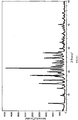
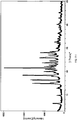
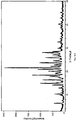
- fourteen novel polymorphs formed are from these salts of Donepezil, which include:
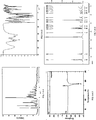
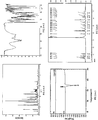
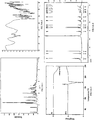
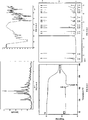
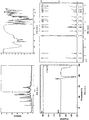
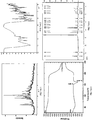
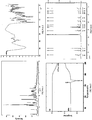
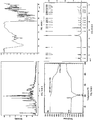
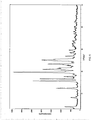
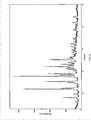
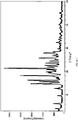
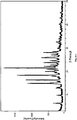
- Powder X-ray Diffraction is performed under the following conditions. Sample Wight: about 100 mg Target: Cu Filter Disk: monochromatic filter Voltage/Current: 40kV/100mA Slit: SS/DS 1°, RS 0.3 mm Scan Rate: 8 °/min
- the melting points of the fourteen novel polymorphs disclosed herein are listed below.
- Diffraction Angel (2 ⁇ , °) Intensity (I/I 0 )
- Diffraction Angel (2 ⁇ , °) Intensity (I/I 0 ) 9.68 55 20.74 19 11.80 62 21.20 30 13.76 13 22.20 24 14.92 45 23.16 25 15.28 16 23.44 15 15.62 19 24.90 13 16.70 18 25.36 20 19.96 100 27.68 13 20.42 23 28.28 12
- Diffraction Angel (2 ⁇ , °) Intensity (I/I 0 )
- Diffraction Angel (2 ⁇ , °) Intensity (I/I 0 ) 6.30 15 17.84 24 7.82 46 19.22 33 11.90 61 22.28 43 12.66 14 24.00 21 14.44 42 24.24 15 15.74 100 26.58 14 17.30 47 33.78 12
- Infrared absorption spectrum wavenumber of II-A in KBr (cm -1 ): 491.8, 595.9, 628.7, 725.1, 790.7, 848.5, 885.2, 946.9, 1020.2, 1068.4, 1139.7, 1193.7, 1242.0, 1282.5, 1344.2, 1390.4, 1481.1, 1548.6, 1633.4, 1770.4, 1816.6, 1866.8, 1959.4, 2024.9, 2102.1, 2260.2, 2580.3, 2636.3, 2694.1, 2798.2, 2858.0, 2958.3, 3155.0, 3708.5, 3741.3, 3799.1, 3851.2, 3878.2, 3939.9, 3988.1.
- Diffraction Angel (2 ⁇ , °) Intensity (I/I 0 )
- Diffraction Angel (2 ⁇ , °) Intensity (I/I 0 ) 12.10 41 19.78 47 13.18 26 20.92 100 14.58 11 22.22 29 17.46 19 24.36 30 18.26 55 24.92 16 18.80 14 27.04 19 19.32 25 28.18 16 29.20 11
- Diffraction Angel (2 ⁇ , °) Intensity (I/I 0 )
- Diffraction Angel (2 ⁇ , °) Intensity (I/I 0 ) 10.30 27 20.76 64 14.10 43 21.52 43 14.88 19 22.94 16 17.50 14 23.60 100 17.76 42 27.88 29 18.98 28 28.52 12
- Diffraction Angel (2 ⁇ , °) Intensity (I/I 0 )
- Diffraction Angel (2 ⁇ , °) Intensity (I/I 0 ) 6.34 14 19.98 24 10.00 63 20.24 33 12.08 35 21.32 12 12.78 45 21.88 16 13.64 16 22.46 63 16.12 15 22.98 42 17.14 100 23.76 26 18.74 10 24.26 36 19.28 16 27.62 36
- Diffraction Angel (2 ⁇ , °) Intensity (I/I 0 )
- Diffraction Angel (2 ⁇ , °) Intensity (I/I 0 ) 12.00 50 19.72 52 13.06 32 20.82 100 14.48 13 22.16 31 17.38 19 24.34 30 18.18 60 24.84 20 18.77 17 25.55 10 19.16 20 26.96 17 19.40 30 28.12 13
- Diffraction Angel (2 ⁇ , °) Intensity (I/I 0 )
- Diffraction Angel (2 ⁇ , °) Intensity (I/I 0 ) 10.24 40 19.06 43 11.62 10 20.72 72 14.06 36 21.50 55 14.90 16 22.92 17 16.48 11 23.56 100 17.44 19 26.68 16 17.72 43 27.84 38 28.42 12
- Diffraction Angel (2 ⁇ , °) Intensity (I/I 0 )
- Diffraction Angel (2 ⁇ , °) Intensity (I/I 0 ) 3.96 20 17.04 11 7.96 20 20.10 50 11.28 11 20.90 16 11.56 32 21.56 11 12.00 100 23.28 13 12.22 41 23.68 20 13.62 15 23.98 14 14.04 30 24.68 13 16.72 48 26.36 19 26.92 10
- Diffraction Angel (2 ⁇ , °) Intensity (I/I 0 )
- Diffraction Angel (2 ⁇ , °) Intensity (I/I 0 ) 7.98 12 19.76 58 9.56 48 20.30 100 10.86 21 21.08 11 11.18 57 21.94 45 12.20 17 22.48 67 12.70 28 23.80 17 13.26 18 25.00 40 15.36 13 25.34 17 15.64 19 26.20 16 16.50 11 27.56 12 17.54 21 29.12 13 18.32 29 29.44 16 18.66 26 29.94 10 19.32 37
- Diffraction Angel (2 ⁇ , °) Intensity (I/I 0 )
- Diffraction Angel (2 ⁇ , °) Intensity (I/I 0 ) 4.24 13 19.74 100 4.92 57 20.26 68 9.60 31 21.16 17 10.84 10 21.94 15 11.18 36 22.40 38 12.76 24 22.82 11 15.76 44 23.28 13 16.94 19 23.86 12 17.58 22 24.28 11 17.90 75 24.88 21 18.30 12 25.26 18 18.68 11 26.24 15 19.32 35 29.24 17
- the methods for preparing Donepezil mesylate (I) include:
- Examples 1 to 4 illustrate the methods (I-1) to (I-3).
- the methods for preparing of the polymorph (I-A) of Donepezil mesylate (I) include:
- Examples 5 to 10 illustrate the methods (I-A-1) to (I-A-6).
- Donepezil para-toluenesulfonate (II) include:
- Examples 11 to 13 illustrate the methods (II-1) to (II-3).
- the methods for preparing the polymorph (II-A) of Donepezil paratoluenesulfonate (II) include:
- Examples 14 to 15 illustrate the methods (II-A-1) to (II-A-2).
- Donepezil succinate (III) The methods for preparing Donepezil succinate (III) include:
- Examples 16 to 22 illustrate the methods (III-1) to (III-6).
- the methods for preparing the polymorph (III-A) of Donepezil succinate (III) include:
- Examples 23 to 27 illustrate the methods (III-A-1) to (III-A-5).
- the methods for preparing Donepezil tartrate (IV) include:
- Examples 28 to 34 illustrate the methods (IV-1) to (IV-6).
- the methods for preparing the polymorph (IV-A) of Donepezil tartrate (IV) include:
- Examples 35 to 36 illustrate the methods (IV-A-1) to (IV-A-2).
- IV-A-2 Donepezil sulphate
- V-A and V-B two polymorphs thereof
- the methods for preparing Donepezil sulphate (V) include:
- Examples 37 to 39 illustrate the methods (V-1) to (V-3).
- the method for preparing the polymorph (V-A) of Donepezil sulphate (V) comprises (V-A-1) dissolving Donepezil sulphate in absolute ethanol, and cooling.
- the method for preparing the polymorph (V-B) of Donepezil sulphate (V) comprises (V-B-1) dissolving Donepezil sulphate in 2-propanol, and cooling.
- Examples 40 to 41 illustrate the methods (V-A-1) to (V-B-1).
- the present invention discloses various methods for preparing Donepezil nitrate (VI) and a polymorph thereof (VI-A).
- the methods for preparing Donepezil nitrate (VI) include:
- Examples 42 to 44 illustrate the methods (VI-1) to (VI-3).
- the methods for preparing the polymorph (VI-A) of Donepezil nitrate (VI) include:
- Examples 45 to 47 illustrate the methods (VI-A-1) to (VI-A-3).
- the methods for preparing Donepezil phosphate (VII) include:
- Examples 48 to 51 illustrate the methods (VII-1) to (VII-4).
- the method for preparing the polymorph (VII-A) of Donepezil phosphate (VII) comprises (VII-A-1) dissolving Donepezil phosphate in 2-propanol, adding dipropyl ether to the solution, and cooling.
- Example 52 illustrates the method (VII-A-1).
- the methods for preparing Donepezil salicylate (VIII) include:
- Examples 53 to 55 illustrate the methods (VIII-1) to (VIII-3).
- the methods for preparing the polymorph (VIII-A) of Donepezil salicylate (VIII) include:
- Examples 56 to 57 illustrate the methods (VIII-A-1) to (VIII-A-2).
- the methods for preparing Donepezil furmatrate (IX) include:
- Examples 58 and 63 illustrate the methods (IX-1) to (IX-6).
- the methods for preparing the polymorph (IX-A) of Donepezil fumarate (IX) include:
- examples 64 and 65 illustrate the methods (IX-A-1 ) to (IX-A-2).
- the methods for preparing Donepezil maleate (X) include:
- Examples 66 to 77 illustrate the methods (X-1) to (X-12).
- the methods for preparing the polymorph (X-A) of Donepezil maleate (X) include:
- Examples 78 to 81 illustrate the methods (X-A-1) to (X-A-4).
- the methods for preparing the polymorph (X-B) of Donepezil maleate (X) include:
- Examples 82 to 83 illustrate the methods (X-B-1) to (X-B-2).
- the first and second solvents are independently selected from the group consisting of ethyl acetate, methyl acetate, propyl acetate, methyl formate, ethyl formate, propyl formate, butyl formate, water, methanol, ethanol, propanol, isopropanol, butanol, ethylene glycol, propylene glycol, ethylene glycol monomethyl ether, ethylene glycol monoethyl ether, ethylene glycol monopropylether, ethylene glycol dimethyl ether, ethylene glycol diethyl ether, propylene glycol monomethyl ether, propylene glycol monoethyl ether, propylene glycol dimethyl ether, tetrahydrofuran, acetone, butanone, ethyl ether, propyl ether, isopropyl ether, n-pentane, n-hexane, petroleum ether, dichloromethane, chloroform, 1,2-
- a general method for preparing a polymorph of a salt of Donepezil is generalized, which comprises:
- the third, fourth and fifth solvents are independently selected from the group consisting of ethyl acetate, methyl acetate, propyl acetate, methyl formate, ethyl formate, propyl formate, butyl formate, water, methanol, ethanol, propanol, isopropanol, butanol, ethylene glycol, propylene glycol, ethylene glycol monomethyl ether, ethylene glycol monoethyl ether, ethylene glycol monopropylether, ethylene glycol dimethyl ether, ethylene glycol diethyl ether, propylene glycol monomethyl ether, propylene glycol monoethyl ether, propylene glycol dimethyl ether, tetrahydrofuran, acetone, butanone, ethyl ether, propyl ether, isopropyl ether, n-pentane, n-hexane, petroleum ether, dichloromethane, chloroform,
- the sixth and seventh solvents are independently selected from the group consisting of ethyl acetate, methyl acetate, methyl formate, ethyl formate, propyl formate, methanol, ethanol, propanol, isopropanol, butanol, ethylene glycol, propylene glycol, ethylene glycol monomethyl ether, ethylene glycol monoethyl ether, ethylene glycol dimethyl ether, propylene glycol monomethyl ether, propylene glycol monoethyl ether, propylene glycol dimethyl ether, tetrahydrofuran, acetone, butanone, and water.
- the fifth solvent is selected from the group consisting of ethyl acetate, methyl acetate, propyl acetate, methyl formate, ethyl formate, propyl formate, butyl formate, propanol, isopropanol, butanol, ethylene glycol, propylene glycol, ethylene glycol monomethyl ether, ethylene glycol monoethyl ether, ethylene glycol monopropyl ether, ethylene glycol dimethyl ether, ethylene glycol diethyl ether, propylene glycol monomethyl ether, propylene glycol monoethyl ether, propylene glycol dimethyl ether, tetrahydrofuran, acetone, butanone, ethyl ether, propyl ether, isopropyl ether, n-pentane, n-hexane, petroleum ether, dichloromethane, chloroform, 1,2 - dichloroethane, and mixtures
- the compound of formula (I), the solvates of the compound of formula (I), the polymorphs of the compound of formula (I), or the polymorphs of the solvates of the compound of formula (I) according to the present invention may be used as active ingredients to treat and/or ameliorate diseases, physiological dysfunctions and various pains caused by low level of acetylcholine, including but not limited to senile dementia (AD), attention deficient disorder of childhood, memory deterioration, paralysis agitans (demeritia), brain injury, multiple sclerosis, Down's Syndrome, delirium, mood disorder, Huntington's disease, and sleep disorder.
- AD senile dementia
- attention deficient disorder of childhood memory deterioration
- paralysis agitans demeritia
- brain injury multiple sclerosis
- Down's Syndrome delirium
- mood disorder Huntington's disease
- sleep disorder sleep disorder
- the compound of formula (I), the solvates of the compound of formula (I), the polymorphs of the compound of formula (I), or the polymorphs of the solvates of the compound of formula (I) according to the present invention may be used as active ingredients to treat various pains, including all discomforts involving a sense of pain, functional pain syndromes or organic pain syndromes, which include but are not limited to neuropathic headache, in particular migraine, primary fibromyalgia, amputation, tumoral denervation, traumatic denervation or pains caused by autoimmune mechanism.
- Unit dosages of the compound of formula (I), the solvates of the compound of formula (I), the polymorphs of the compound of formula (I), or the polymorphs of the solvates of the compound of formula (I) according to the present invention when used as active ingredients are in the range of from 1.0 mg to 50 mg.
- unit dosage refers to a dosage to be taken as a single dose in a single administration.
- the present disclosure discloses for the first time some non-bitter or slightly bitter salts of Donepezil, i.e., compounds of formula (II), and orally disintegrating tablets, oral liquids, buccal tablets, effervescent tablets, chewable tablets, granules or lyophilized rapid dissolving tablets comprising at least one of the compounds of formula (II), polymorphs of the compounds of formula (II), solvates of the compounds of formula (II), and polymorphs of solvates of the compound of formula (II), wherein YH represents nitric acid, salicylic acid, acetylsalicylic acid, gallic acid, or maleic acid.
- the compound of formula (II) is non-bitter wherein YH represents nitric acid, salicylic acid, acetylsalicylic acid or gallic acid; and the compound of formula (II) is slightly bitter wherein YH represents maleic acid, of which the slightly bitter taste may be masked by a taste-masking agent when preparing a pharmaceutical formulation.
- a method for preparing a compound of formula (II) or a solvate thereof according to the present invention comprises the following steps:
- the eighth and ninth solvents are independently selected from the group consisting of ethyl acetate, methyl acetate, propyl acetate, methyl formate, ethyl formate, propyl formate, butyl formate, water, methanol, ethanol, propanol, isopropanol, butanol, ethylene glycol, propylene glycol, ethylene glycol monomethyl ether, ethylene glycol monoethyl ether, ethylene glycol monopropyl ether, ethylene glycol dimethyl ether, ethylene glycol diethyl ether, propylene glycol monomethyl ether, propylene glycol monoethyl ether, propylene glycol dimethyl ether, tetrahydrofuran, acetone, butanone, ethyl ether, propyl ether, isopropyl ether, n-pentane, n-hexane, petroleum ether, dichloromethane, chloroform, 1,
- a method for preparing a polymorph of the compound of formula (II) or a polymorph of a solvate of the compound of formula (II) according to the present disclosure comprises the following steps:
- the eighth, ninth and tenth solvents are independently selected from the group consisting of ethyl acetate, methyl acetate, propyl acetate, methyl formate, ethyl formate, propyl formate, butyl formate, water, methanol, ethanol, propanol, isopropanol, butanol, ethylene glycol, propylene glycol, ethylene glycol monomethyl ether, ethylene glycol monoethyl ether, ethylene glycol monopropyl ether, ethylene glycol dimethyl ether, ethylene glycol diethyl ether, propylene glycol monomethyl ether, propylene glycol monoethyl ether, propylene glycol dimethyl ether, tetrahydrofuran, acetone, butanone, ethyl ether, propyl ether, isopropyl ether, n-pentane, n-hexane, petroleum ether, dichloromethane, chlor
- the compound of formula (II) according to the present disclosure may be in a non-solvated form or in a solvated form, in particular a hydrated or alcoholated form.
- the present disclosure provides preparations and formulations of orally disintegrating tablets comprising the compound of formula (II), the polymorphs of the compound of formula (II), the solvates of the compound of formula (II), or the polymorphs of the solvates of the compound of formula (II).
- the preparation can be easily performed, and the resulted orally disintegrating tablets can rapidly disintegrate and release active ingredients in mouth and can possess a good taste.
- a representative formulation of the orally disintegrating tablets comprises the following components expressed in weight percentage (Donepezil nitrate as an example): Donepezil Nitrate: 0.1-20 % Filler: 35-90 % Disintegrant: 1-30 % Flavoring Agent: 0.0-5 % Lubricant: 0.1-10 % Glidant: 0.01-5 % Colorant: 0.0-1 % Binder: 0-5 %
- Preferred formulation Donepezil Nitrate: 1-15% Filler: 50-80 % Disintegrant: 4-25 % Flavoring Agent: 0.1-2 % Lubricant: 0.4-8 % Glidant: 0.1-3 % Colorant: 0.0-1 % Binder: 0-5 %
- Donepezil Nitrate 5-13% Filler: 65-75 % Disintegrant: 8-20 % Flavoring Agent: 0.5-1 % Lubricant: 0.5-5 % Glidant: 0.2-1.5 % Colorant: 0.0-1 % Binder: 0-5 %
- the filler used in the orally disintegrating tablets according to the present disclosure is selected from the group consisting of dextrin, microcrystalline cellulose (MCC), lactose, mannitol, erythritol, starch,sugar powder, and mixtures thereof.
- the disintegrant used in the orally disintegrating tablets according to the present disclosure is selected from the group consisting of low substituted hydropropyl cellulose (L-HPC), cross-linked polyvinylpyrrolidone (PVPP), cross-linked carboxymethylcellulose sodium (CCNa), cross-linked carboxymethylstarch sodium (CCMS-Na), treated agar (TAG), and mixtures thereof.
- the flavoring agent used in the orally disintegrating tablets according to the present disclosure can be a natural or artificial sweetening agent, such as stevioside, xylitol, aspartame, orange solid essence, sodium cyclamate, sorbose, and mixtures thereof.
- the lubricant used in the orally disintegrating tablets according to the present disclosure is selected from the group consisting of magnesium stearate, talc powder, magnesium lauryl sulfate, and mixtures thereof.
- the glidant used in the orally disintegrating tablets according to the present disclosure is selected from the group consisting of micropowder silica gel, Cab-O-sil (Cabot Company), Arosil (Degussa Company), hydrated sodium aluminosilicate, and mixtures thereof.
- the binder used in the orally disintegrating tablets according to the present disclosure is selected from the group consisting of water, starch, hydropropyl methylcellulose (HPMC), carboxymethylcellulose sodium (CMC-Na), hydropropyl cellulose (HPC), methylcellulose (MC), ethylcellulose (EC), polyvinylpyrrolidone (PVP), ethanol, and mixtures thereof.
- the above-mentioned orally disintegrating tablets comprising non-bitter salts of Donepezil may further comprise a suitable colorant, which is selected from the group consisting of carotene, sunset yellow, tartrazine, carmine, chlorophyl, and mixtures thereof.
- a method for preparing the orally disintegrating tablets comprising non-bitter salts of Donepezil, which comprises: a) pulverizing an active ingredient, a filler, a disintegrant and a flavoring agent, sieving with a 80-mesh screen, and mixing uniformly; b) adding a glidant and a lubricant, mixing uniformly, and determining contents of the powder; and c) tabletting to provide the orally disintegrating tablets with pre-determined tablet weight.
- the preparation has a disintegrating time in the range of from 1 to 60 seconds and the particle size after disintegrating is less than 710 ⁇ m.
- the beneficial features of the orally disintegrating tablets comprising non-bitter salts of Donepezil according to the present invention lie in a reasonable formulation, a good disintegrating property, not producing a gritty feeling and an unpleasant taste in mouth, and improving the compliance of a patient, particularly suitable for elder patients having difficulty in swallowing.
- the dosage form can be produced with conventional equipments for preparing tablets.
- the preparing process utilizes a direct powder-pressing procedure, which is very simple and can be easily controlled and is suitable for an industrial-scale production.
- the present disclosure further provides preparations and formulations of granules comprising the compound of formula (II), the polymorphs of the compound of formula (II), the solvates of the compound of formula (II), or the polymorphs of the solvates of the compound of formula (II).
- the preparation can be easily performed, and the resulted granules can be rapidly dissolved in water, juice, acidic beverage and milk and release active ingredients, and can possess a good taste.
- a representative formulation of the granule comprises the following components expressed in weight percentage (Donepezil nitrate as an example): Donepezil Nitrate: 0.05-1 % Filler: 92-99.9 % Flavoring Agent: 0.0-5 % Colorant: 0.0-2 % Binder: 0.01-3 %
- the filler used in the granules according to the present disclosure is selected from the group consisting of starch, sugar powder, lactose, dextrin, microcrystalline cellulose, erythritol, mannitol, and mixtures thereof.
- the binder used in the granules according to the present disclosure is selected from the group consisting of water, starch, hydropropyl methylcellulose (HPMC), carboxymethylcellulose sodium (CMC-Na), hydropropyl cellulose (HPC), methylcellulose (MC), ethylcellulose (EC), polyvinylpyrrolidone (PVP), ethanol, and mixtures thereof.
- the flavoring agent used in the granules according to the present disclosure can be a natural or artificial sweetening agent, such as stevioside, aspartame, orange solid essence, sodium cyclamate, sorbose, sucrose, glucose, and mixtures thereof.
- a natural or artificial sweetening agent such as stevioside, aspartame, orange solid essence, sodium cyclamate, sorbose, sucrose, glucose, and mixtures thereof.
- the above-mentioned granules comprising non-bitter salts of Donepezil may further comprise a suitable colorant, which is selected from the group consisting of carotene, sunset yellow, tartrazine, carmine, chlorophyl, and mixtures thereof.
- a method for preparing the granules comprising non-bitter salts of Donepezil which comprises: a) pulverizing an active ingredient, a filler, and a flavoring agent, sieving with a 80-mesh screen, and mixing uniformly; b) dissolving a colorant in a binder, and adding the binder portion-wisely to form a soft material; and c) granulating the soft material with a 14-mesh screen, drying the resulted particles at 60 °C for 1-2 hours and sizing with a 16-mesh screen.
- the present disclosure further provides preparations and formulations of effervescent tablets comprising the compound of formula (II), the polymorphs of the compound of formula (II), the solvates of the compound of formula (II), or the polymorphs of the solvates of the compound of formula (II).
- the preparation can be easily performed, and the resulted effervescent tablets can be rapidly dissolved in water, juice, acidic beverage and milk and release active ingredients, and can possess a good taste.
- a representative formulation of the effervescent tablets comprises the following components expressed in weight percentage (Donepezil nitrate as an example): Donepezil Nitrate: 1-20 % Filler: 30-80 % Effervescent: 5-40 % Disintegrant: 1-30 % Flavoring Agent: 0.0-5 % Binder: 0.1-3 % Lubricant: 0.1-10 % Colorant: 0-1 %
- the filler used in the effervescent tablets according to the present disclosure is selected from the group consisting of starch, sugar powder, lactose, dextrin, microcrystalline cellulose, mannitol, and mixtures thereof.
- the acid source in the effervescent used in the effervescent tablets according to the present disclosure is selected from the group consisting of citric acid, tartaric acid, tetrahexanoic acid, lysine, arginine, and mixtures thereof.
- the base source in the effervescent used in the effervescent tablets according to the present disclosure is selected from the group consisting of sodium bicarbonate, sodium carbonate potassium bicarbonate, potassium carbonate, and mixtures thereof.
- the disintegrant used in the effervescent tablets according to the present disclosure is selected from the group consisting of low substituted hydropropyl cellulose (L-HPC), carboxymethylstarch sodium, cross-linked polyvinylpyrrolidone (PVPP), cross-linked carboxymethylcellulose sodium (CCNa), cross-linked carboxymethylstarch sodium (CCMS-Na), treated agar (TAG), and mixtures thereof.
- L-HPC low substituted hydropropyl cellulose
- PVPP cross-linked polyvinylpyrrolidone
- CCNa cross-linked carboxymethylcellulose sodium
- CCMS-Na cross-linked carboxymethylstarch sodium
- TAG treated agar
- the binder used in the effervescent tablets according to the present invention is selected from the group consisting of water, starch, hydropropyl methylcellulose (HPMC), carboxymethylcellulose sodium (CMC-Na), hydropropyl cellulose (HPC), methylcellulose (MC), ethylcellulose (EC), polyvinylpyrrolidone (PVP), ethanol, and mixtures thereof.
- the flavoring agent used in the effervescent tablets according to the present disclosure can be a natural or artificial sweetening agent, such as stevioside, aspartame, orange solid essence, sodium cyclamate, sorbose, and mixtures thereof.
- the lubricant used in the effervescent tablets according to the present disclosure is selected from the group consisting of magnesium stearate, talc powder, magnesium lauryl sulfate, and mixtures thereof.
- the above-mentioned effervescent tablets comprising non-bitter salts of Donepezil may further comprise a suitable colorant, which is selected from the group consisting of carotene, sunset yellow, tartrazine, carmine, chlorophyl, and mixtures thereof.
- effervescent tablet formulations comprising non-bitter salts of Donepezil are only specific examples to illustrate the spirit of the present invention, and should not be interpreted as any limitation to the effervescent tablet formulations of the present invention.
- a process for preparing the effervescent tablets comprising non-bitter salts of Donepezil, which comprises: a) pulverizing an active ingredient, a filler, a disintegrant, and a flavoring agent, sieving with a 80-mesh screen, and mixing uniformly; b) adding a binder portion-wisely to form a soft material; c) granulating the soft material with a 25-mesh screen, drying the resulted particles at 60 °C for 1-2 hours, and sizing with a 30-mesh screen; d) adding a lubricant, mixing uniformly, and determining the content of the active ingredient in particles; and e) tabletting to produce the effervescent tablets with pre-determined tablet weigh.
- the present disclosure further provides preparations and formulations of buccal tablets comprising the compound of formula (II), the polymorphs of the compound of formula (II), the solvates of the compound of formula (II), or the polymorphs of the solvates of the compound of formula (II).
- the preparation can be easily performed, and the resulted buccal tablets possess a good taste.
- a representative formulation of the buccal tablets comprises the following components expressed in weight percentage (Donepezil nitrate as an example): Donepezil Nitrate: 1-20 % Filler: 70-95 % Lubricant: 0.05-5 % Binder: 0.1-3 % Flavoring Agent: 0.0-5 % Colorant: 0.0-1 %
- the filler used in the buccal tablets according to the present disclosure is selected from the group consisting of starch, sugar powder, lactose, dextrin, microcrystalline cellulose, mannitol, xylitol, erythritol, sorbitol, and mixtures thereof.
- the binder used in the buccal tablets according to the present disclosure is selected from the group consisting of water, starch, hydropropyl methylcellulose (HPMC), carboxymethylcellulose sodium (CMC-Na), hydropropyl cellulose (HPC), methylcellulose (MC), ethylcellulose (EC), polyvinylpyrrolidone (PVP), ethanol, and mixtures thereof.
- the flavoring agent used in the buccal tablets according to the present disclosure is selected from the group consisting of stevioside, aspartame, fruit essence, sodium cyclamate, sorbose, sucrose, glucose, menthol crystal, citric acid, ascorbic acid, and mixtures thereof.
- the lubricant used in the buccal tablets according to the present disclosure is selected from the group consisting of magnesium stearate, talc powder, calcium stearate, stearic acid, polyethylene glycol 4000, polyethylene glycol 6000, magnesium lauryl sulfate, and mixtures thereof.
- the above-mentioned buccal tablets comprising non-bitter salts of Donepezil may further comprise a suitable colorant, which is selected from the group consisting of carotene, sunset yellow, tartrazine, carmine, chlorophyl, and mixtures thereof.
- buccal tablet formulations comprising non-bitter salts of Donepezil are only specific examples to illustrate the spirit of the present invention, and should not be interpreted as any limitation to the buccal tablet formulations of the present invention.
- a process for preparing the buccal tablets comprising non-bitter salts of Donepezil, which comprises: a) pulverizing an active ingredient, a filler, and a flavoring agent, sieving with a 80-mesh screen, and mixing uniformly; b) adding a binder portion-wisely to form a soft material; c) granulating the soft material with a 25-mesh screen, drying the resulted particles at 60 °C for 1-2 hours, and sizing with a 30-mesh screen; d) adding a lubricant and a colorant, mixing uniformly, and determining the content of the active ingredient in particles; and e) tabletting to produce the buccal tablets with pre-determined tablet weigh.
- a representative formulation of the chewable tablets comprises the following components expressed in weight percentage (Donepezil nitrate as an example): Donepezil Nitrate: 1-20 % Filler: 65-95 % Flavoring Agent: 0.0-5 % Binder: 0.1-3 % Lubricant: 0.1-10 % Disintegrant: 0-10 % Colorant: 0-1 %
- the filler used in the chewable tablets according to the present disclosure is selected from the group consisting of starch, sugar powder, lactose, dextrin, microcrystalline cellulose, mannitol, xylitol, erythritol, sorbitol, and mixtures thereof.
- the binder used in the chewable tablets according to the present disclosure is selected from the group consisting of water, starch, hydropropyl methylcellulose (HPMC), carboxymethylcellulose sodium (CMC-Na), hydropropyl cellulose (HPC), methylcellulose (MC), ethylcellulose (EC), polyvinylpyrrolidone (PVP), ethanol, and mixtures thereof.
- the flavoring agent used in the chewable tablets according to the present disclosure is selected from the group consisting of stevioside, aspartame, fruit essence, orange essence, sodium cyclamate, sorbose, sucrose, glucose, menthol crystal, citric acid, ascorbic acid, and mixtures thereof.
- the lubricant used in the chewable tablets according to the present disclosure is selected from the group consisting of magnesium stearate, talc powder, calcium stearate, stearic acid, polyethylene glycol 4000, polyethylene glycol 6000, magnesium lauryl sulfate, and mixtures thereof.
- the above-mentioned chewable tablet formulations comprising non-bitter salts of Donepezil may further comprise a suitable disintegrant, which is selected from the group consisting of starch, low substituted hydropropyl cellulose (L-HPC), carboxymethylstarch sodium, cross-linked polyvinylpyrrolidone (PVPP), cross-linked carboxymethylcellulose sodium (CCNa), cross-linked carboxymethylstarch sodium (CCMS-Na), treated agar (TAG), and mixtures thereof.
- a suitable disintegrant which is selected from the group consisting of starch, low substituted hydropropyl cellulose (L-HPC), carboxymethylstarch sodium, cross-linked polyvinylpyrrolidone (PVPP), cross-linked carboxymethylcellulose sodium (CCNa), cross-linked carboxymethylstarch sodium (CCMS-Na), treated agar (TAG), and mixtures thereof.
- the above-mentioned chewable tablet formulations comprising non-bitter salts of Donepezil may further comprise a suitable colorant, which is selected from the group consisting of carotene, sunset yellow, tartrazine, carmine, chlorophyl, and mixtures thereof.
- chewable tablet formulations comprising non-bitter salts of Donepezil are only specific examples to illustrate the spirit of the present invention, and should not be interpreted as any limitation to the chewable tablet formulations of the present invention.
- a process for preparing the chewable tablets comprising non-bitter salts of Donepezil which comprises: a) pulverizing an active ingredient, a filler, and a flavoring agent, sieving with a 80-mesh screen, and mixing uniformly; b) adding a binder portion-wisely to form a soft material; c) granulating the soft material with a 25-mesh screen, drying the resulted particles at 60 °C for 1-2 hours, and sizing with a 30-mesh screen; d) adding a lubricant, mixing uniformly, and determining the content of the active ingredient in the particles; and e) tableing to provide the chewable tablets with pre-determined tablet weigh. If desired, when preparing the soft material, a disintegrant and a colorant can be added.
- preparations and formulations of lyophilized rapid dissolving tablets comprising the compound of formula (II), the polymorphs of the compound of formula (II), the solvates of the compound of formula (II), or the polymorphs of the solvates of the compound of formula (II).
- the preparation can be easily performed, and the resulted lyophilized rapid dissolving tablets can be rapidly dissolved in mouth and possess a good taste.
- a representative formulation of the lyophilized rapid dissolving tablets comprises the following components expressed in weight percentage (Donepezil nitrate as an example): Donepezil Nitrate: 1-20 % Filler: 78-96 % Flavoring Agent: 0.0-5 %
- the filler used in the lyophilized rapid dissolving tablets according to the present disclosure is selected from the group consisting of mannitol, gelatin, sodium chloride, dextran, glucose, lactose, maltose, sucrose, sorbitol, hydroethylcellulose, and mixtures thereof.
- the flavoring agent used in the lyophilized rapid dissolving tablets according to the present disclosure is selected from the group consisting of stevioside, aspartame, fruit essence, sodium cyclamate, menthol crystal, citric acid, ascorbic acid, and mixtures thereof.
- lyophilized rapid dissolving tablet formulations comprising non-bitter salts of Donepezil are only specific examples to illustrate the spirit of the present invention, and should not be interpreted as any limitation to the lyophilized rapid dissolving tablet formulations of the present invention.
- a process for preparing the lyophilized rapid dissolving tablets comprising non-bitter salts of Donepezil, which comprises: a) pulverizing an active ingredient and a filler, and sieving with a 80-mesh screen; b) suspending the active ingredient in a solution of hydroethylcellulose; c) dissolving other excipients to form a solution; d) mixing the two solutions, and placing the resultant solution in a mold to freeze at low temperature; and e) completely drying the mixture at vacuum in a lyophilizer, and sealing to obtain the lyophilized rapid dissolving tablets.
- preparations and formulations of oral liquids comprising the compound of formula (II), the polymorphs of the compound of formula (II), the solvates of the compound of formula (II), or the polymorphs of the solvates of the compound of formula (II).
- the preparation can be easily performed, and the resulted oral liquids possess a good taste.
- a representative formulation of the oral liquids comprises the following components expressed in weight percentage (Donepezil nitrate as an example): Donepezil Nitrate: 0.05-0.5 % Cosolvent: 0.2-10 % Preservative: 0.01-1 % Flavoring Agent: 0.0-5 % Solvent: 85-99.5 % Colorant: 0-1 %
- the solvent used in the oral liquids according to the present disclosure is selected from the group consisting of water, a mixture of water and polyethylene glycol 200, polyethylene glycol 300, polyethylene glycol 400 or polyethylene glycol 600, and a mixture of water and glycerol.
- the cosolvent used in the oral liquids according to the present disclosure is selected from the group consisting of poloxamer, ethanol, 1,2-propylene glycol, glycerol, polyethylene glycol 200-600, and mixtures thereof.
- the preservative used in the oral liquids according to the present disclosure is selected from the group consisting of nipagins, benzoic acid, sodium benzoate, sorbic acid, and mixtures thereof, in which the nipagins are selected from the group consisting of methyl Nipagin ester, ethyl Nipagin ester, propyl Nipagin ester, butyl Nipagin ester, and mixtures thereof.
- the flavoring agent used in the oral liquids according to the present disclosure can be a nautral or artificial sweetening agent, such as stevioside, aspartame, orange solid essence, sodium cyclamate, sorbose, sucrose, glucose, and mixtures thereof.
- a nautral or artificial sweetening agent such as stevioside, aspartame, orange solid essence, sodium cyclamate, sorbose, sucrose, glucose, and mixtures thereof.
- the above-mentioned oral liquids comprising non-bitter salts of Donepezil may further comprise a suitable colorant, which is selected from the group consisting of carotene, sunset yellow, tartrazine, carmine, chlorophyl, and mixtures thereof.
- a process for preparing the oral liquids comprising non-bitter salts of Donepezil which comprises: a) dissolving a cosolvent in distilled water, adding an active ingredient, and stirring until complete dissolution; b) adding a preservative, stirring to mix uniformly, and filtering; and c) adding distilled water to a certain volume, and sterilizing to obtain the oral liquids.
- oral liquids, granules, buccal tablets, effervescent tablets, chewable tablets, orally disintegrating tablets, or lyophilized rapid dissolving tablets comprising at least one of the compound of formula (II), the solvates of the compound of formula (II), the polymorphs of the compound of formula (II), and the polymorphs of the solvates of the compound of formula (II) in the preparation of inhibitors of acetylcholinesterase, wherein YH represents salicylic acid, nitric acid, gallic acid, maleic acid, or acetylsalicylic acid, which is characterized in that the said use is to prepare a medicament for the treatment of Alzheimer's disease (AD), hypomnesis, hyperkinetic syndrome of childhood, progressive cerebral atrophy, and parkinson's disease.
- AD Alzheimer's disease
- hypomnesis hyperkinetic syndrome of childhood
- progressive cerebral atrophy and parkinson's disease
- the unit dosage of the oral liquids, granules, buccal tablets, effervescent tablets, chewable tablets, orally disintegrating tablets, or lyophilized rapid dissolving tablets comprising at least one of the compound of formula (II), the solvates of the compound of formula (II), the polymorphs of the compound of formula (II), and the polymorphs of the solvates of the compound of formula (II) according to the present disclosure in the medicament used as inhibitors of acetylcholinesterase may range from 0.5 mg to 50 mg, more preferably from 1 mg to 30 mg, most preferably from 2 mg to 20 mg.
- the most convenient unit dosage of the oral liquids, granules, buccal tablets, effervescent tablets, chewable tablets, orally disintegrating tablets, or lyophilized rapid dissolving tablets comprising at least one of the compound of formula (II), the solvates of the compound of formula (II), the polymorphs of the compound of formula (II), and the polymorphs of the solvates of the compound of formula (II) according to the present disclosure used as inhibitors of acetylcholinesterase is that equivalent to 5 mg, 10 mg, or 20 mg of Donepezil hydrochloride.
- a method for preparing the compound of formula (III), the solvate of the compound of formula (III), the co-crystal of the compound of formula (III), and the co-crystal of the solvate of the compound of formula (III) according to the present disclosure comprises: dissolving a salt of Donepezil in suitable ⁇ solvent, optionally adding ⁇ solvent, adding a corresponding acid QH, and concentrating, cooling or adding ⁇ solvent to precipitate a solid, i.e., obtaining the compound of formula (III), the solvate of the compound of formula (III), the co-crystal of the compound of formula (III), or the co-crystal of the solvate of the compound of formula (III).
- the ⁇ , ⁇ and ⁇ solvents are independently selected from the group consisting of ethyl acetate, methyl acetate, propyl acetate, methyl formate, ethyl formate, propyl formate, butyl formate, water, methanol, ethanol, propanol, isopropanol, butanol, ethylene glycol, propylene glycol, ethylene glycol monomethyl ether, ethylene glycol monoethyl ether, ethylene glycol monopropyl ether, ethylene glycol dimethyl ether, ethylene glycol diethyl ether, propylene glycol monomethyl ether, propylene glycol monoethyl ether, propylene glycol dimethyl ether, tetrahydrofuran, acetone, butanone, ethyl ether, propyl ether, isopropyl ether, n-pentane, n-hexane, petroleum ether, dichloromethane,
- a second method for preparing the compound of formula (III), the solvate of the compound of formula (III), the co-crystal of the compound of formula (III), and the co-crystal of the solvate of the compound of formula (III) according to the present disclosure comprises: dissolving the compound of formula (III) or a solvate thereof in ⁇ solvent, and cooling or adding ⁇ solvent to precipitate a solid, i.e., obtaining the co-crystal of the compound of formula (III), or the co-crystal of the solvate of the compound of formula (III).
- the ⁇ and ⁇ solvents are independently selected from the group consisting of ethyl acetate, methyl acetate, propyl acetate, methyl formate, ethyl formate, propyl formate, butyl formate, water, methanol, ethanol, propanol, isopropanol, butanol, ethylene glycol, propylene glycol, ethylene glycol monomethyl ether, ethylene glycol monoethyl ether, ethylene glycol monopropyl ether, ethylene glycol dimethyl ether, ethylene glycol diethyl ether, propylene glycol monomethyl ether, propylene glycol monoethyl ether, propylene glycol dimethyl ether, tetrahydrofuran, acetone, butanone, ethyl ether, propyl ether, isopropyl ether, n-pentane, n-hexane, petroleum ether, dichloromethane, chloroform
- the powder X-ray diffraction pattern data of the polymorphs of the comound of formula (III) and the polymorphs of the solvates of the compound of formula (III) according to the present disclosure are as follows.
- the compound of formula (III), the solvates of the compound of formula (III), the co-crystals of the compound of formula (III), or the co-crystals of the solvates of the compound of formula (III) according to the present disclosure may be used as active ingredients to treat and/or ameliorate diseases, physiological dysfunctions and various pains caused by low level of acetylcholine, including but not limited to senile dementia (AD), attention deficient disorder of childhood, memory deterioration, paralysis agitans (demeritia), brain injury, multiple sclerosis, Down's Syndrome, delirium, mood disorder, Huntington's disease, and sleep disorder.
- the compound of formula (III), the solvates of the compound of formula (III), the co-crystals of the compound of formula (III), or the co-crystals of the solvates of the compound of formula (III) according to the present disclosure may be used as active ingredients to treat various pains, including all discomforts involving a sense of pain, functional pain syndromes or organic pain syndromes, which include but are not limited to neuropathic headache, in particular migraine, primary fibromyalgia, amputation, tumoral denervation, traumatic denervation or pains caused by autoimmune mechanism.
- Unit dosages of the compound of formula (III), the solvates of the compound of formula (III), the co-crystals of the compound of formula (III), or the co-crystals of the solvates of the compound of formula (III) according to the present disclosure when used as active ingredients are in the range of from 1.0 mg to 50 mg.
- a pharmaceutical formulation comprising the compound of formula (III), the solvates of the compound of formula (III), the co-crystals of the compound of formula (III), or the co-crystals of the solvates of the compound of formula (III) which may be prepared from at least one of the above-mentioned components and a suitable excipient.
- the excipient includes a carrier, filler, solvent, diluent, colorant, and binder.
- the kind and amount of the excipient can be tailored depending on an administration route of the pharmaceutical formulation, such as oral, sublingual and buccal, intravenous, intraperitoneal, subcutaneous injection, intramuscular injection, intranasal, intraocular, inhalation, rectal, vaginal, transdermal administration, and the like.
- an administration route of the pharmaceutical formulation such as oral, sublingual and buccal, intravenous, intraperitoneal, subcutaneous injection, intramuscular injection, intranasal, intraocular, inhalation, rectal, vaginal, transdermal administration, and the like.
- the present disclosure finds that the compound of formula (I) wherein XH represents methanesulfonic acid, benzenesulphonic acid, para-toluenesulfonic acid, salicylic acid, nitric acid, tartaric acid, citric acid, gallic acid, aspartic acid, glutamic acid, phosphoric acid, acetylsalicylic acid, lactic acid, gluconic acid, ascorbic acid, malonic acid, malic acid, sorbic acid, acetic acid, formic acid, fumaric acid, maleic acid, sulfuric acid, or succinic acid, has a good water-solubility; a tablet prepared therefrom has a release cuve similar to that of Donepezil hydrochloride tablet in artificial gastric fluid. Therefore, the compound of formula (I) is suitable for preparing an ordinary tablet.
- the present disclosure further relates to a use of tablets or coated tablets comprising at least one of the compound of formula (I), the polymorphs of the compound of formula (I), the solvates of the compound of formula (I) and the polymorphs of the compound of formula (I), wherein XH represents methanesulfonic acid, benzenesulphonic acid, para-toluenesulfonic acid, salicylic acid, nitric acid, tartaric acid, citric acid, gallic acid, aspartic acid, glutamic acid, phosphoric acid, acetylsalicylic acid, lactic acid, gluconic acid, ascorbic acid, malonic acid, malic acid, sorbic acid, acetic acid, formic acid, fumaric acid, maleic acid, sulfuric acid, or succinic acid, in the preparation a medicament for the treatment of Alzheimer's disease (AD), hypomnesis, hyperkinetic syndrome of childhood, progressive cerebral atrophy, and parkinson's disease.
- AD Alzheimer'
- a representative formulation of such dosage form comprises the following components expressed in weigh percentage.
- the filler used in the tablets comprising at least one of the compound of formula (I), the polymorphs of the compound of formula (I), the solvates of the compound of formula (I) and the polymorphs of the compound of formula (I) according to the present disclosure is selected from the group consisting of starch, dextrin, lactose, sugar powder, glucose, mannitol, calcium sulphate, calcium hydrogen phosphate, tricalcium phosphate, microcrystalline cellulose, erythritol, and mixtures thereof.
- the binder used in the tablets comprising at least one of the compound of formula (I), the polymorphs of the compound of formula (I), the solvates of the compound of formula (I) and the polymorphs of the compound of formula (I) according to the present disclosure is selected from the group consisting of water, starch, hydropropyl methylcellulose (HPMC), carboxymethylcellulose sodium (CMC-Na), hydropropyl cellulose (HPC), methylcellulose (MC), ethylcellulose (EC), polyvinylpyrrolidone (PVP), ethanol, and mixtures thereof.
- HPMC hydropropyl methylcellulose
- CMC-Na carboxymethylcellulose sodium
- HPCMC-Na hydropropyl cellulose
- HPC hydropropyl cellulose
- MC methylcellulose
- EC ethylcellulose
- PVP polyvinylpyrrolidone
- the disintegrant used in the tablets comprising at least one of the compound of formula (I), the polymorphs of the compound of formula (I), the solvates of the compound of formula (I) and the polymorphs of the compound of formula (I) according to the present disclosure is selected from the group consisting of starch, modified starch, cellulose, alginic acid carboxymethylstarch sodium, microcrystalline cellulose, low substituted hydropropyl cellulose (L-HPC), carboxymethylstarch sodium, cross-linked polyvinylpyrrolidone (PVPP), cross-linked carboxymethylcellulose sodium (CCNa), cross-linked carboxymethylstarch sodium (CCMS-Na),treated agar (TAG), and mixtures thereof.
- the flavoring agent used in the tablets comprising at least one of the compound of formula (I), the polymorphs of the compound of formula (I), the solvates of the compound of formula (I) and the polymorphs of the compound of formula (I) according to the present disclosure is selected from the group consisting of stevioside, aspartame, fruit essence, sodium cyclamate, sorbose, sucrose, glucose, menthol crystal, citric acid, ascorbic acid, and mixtures thereof.
- the lubricant used in the tablets comprising at least one of the compound of formula (I), the polymorphs of the compound of formula (I), the solvates of the compound of formula (I) and the polymorphs of the compound of formula (I) according to the present disclosure is selected from the group consisting of magnesium stearate, talc powder, calcium stearate, stearic acid, hydrogenated vegetable oil, polyoxyethylene monostearate, light mineral oil, waxes, triacetin, polyethylene glycol 4000, polyethylene glycol 6000, magnesium lauryl sulfate, and mixtures thereof.
- the glidant used in the tablets comprising at least one of the compound of formula (I), the polymorphs of the compound of formula (I), the solvates of the compound of formula (I) and the polymorphs of the compound of formula (I) according to the present disclosure is selected from the group consisting of micropowder silica gel, Cab-O-sil, Arosil, hydrated sodium aluminosilicate, and mixtures thereof.
- the unit dosage of the tablets or the coated tablets comprising at least one of the compound of formula (I), the polymorphs of the compound of formula (I), the solvates of the compound of formula (I) and the polymorphs of the compound of formula (I) used as inhibitors of acetylcholinesterase may range from 0.5 mg to 50 mg, more preferably from 1 mg to 30 mg, most preferably from 2 mg to 20 mg.
- the most convenient unit dosage of the tablets or the coated tablets comprising at least one of the compound of formula (I), the polymorphs of the compound of formula (I), the solvates of the compound of formula (I) and the polymorphs of the compound of formula (I) used as inhibitors of acetylcholinesterase is equivalent to 5 mg, 10 mg, or 20 mg ofDonepezil hydrochloride.
- the compound of formula (III), the solvates of the compound of formula (III), the co-crystals of the compound of formula (III), and the co-crystals of the solvates of the compound of formula (III) may be formulated into ordinary tablets, oral liquids, granules, buccal tablets, orally disintegrating tablets, effervescent tablets, lyophilized rapid dissolving tablets, chewable tablets or capsules, and the like.
- the unit dosage of the oral liquids, granules, buccal tablets, effervescent tablets, chewable tablets, orally disintegrating tablets, lyophilized rapid dissolving tablets, or ordinary tablets comprising at least one of the compound of formula (III), the solvates of the compound of formula (III), the co-crystals of the compound of formula (III), and the co-crystals of the solvates of the compound of formula (III) used as inhibitors of acetylcholinesterase may range from 0.5 mg to 50 mg, more preferably from 1 mg to 30 mg, most preferably from 2 mg to 20 mg.
- the most convenient unit dosage of the oral liquids, granules, buccal tablets, effervescent tablets, chewable tablets, orally disintegrating tablets, lyophilized rapid dissolving tablets, or ordinary tablets comprising at least one of the compound of formula (III), the solvates of the compound of formula (I), the co-crystals of the compound of formula (III), and the co-crystals of the solvates of the compound of formula (III) used as inhibitors of acetylcholinesterase is equivalent to 5 mg, 10 mg, or 20 mg of Donepezil hydrochloride.
- the representative formulation, the methods for preparation and the excipients used when formulating a compound of formula (III), a solvate of the compound of formula (III), a co-crystal of the compound of formula (III), or a co-crystal of the solvate of the compound of formula (III) into an ordinary tablet may be determined referring to those used when formulating a compound of formula (I) into an ordinary tablet.
- the representative formulation, the methods for preparation and the excipients used when formulating the compound of formula (I) into an ordinary tablet are only specific examples to illustrate the formulations, the methods for preparation and the excipients used when formulating the compound of formula (III), the solvate of the compound of formula (III), the co-crystal of the compound of formula (III), or the co-crystal of the solvate of the compound of formula (III) into an ordinary tablet, and should not be interpreted as any limitation to the formulation of the ordinary tablet from the compound of formula (III), the solvate of the compound of formula (III), the co-crystal of of the compound of formula (III), or the co-crystal of the solvate of the compound of formula (III) according to the present disclosure.
- the representative formulation, the methods for preparation and the excipients used when formulating a compound of formula (III), a solvate of the compound of formula (III), a co-crystal of the compound of formula (III), or a co-crystal of the solvate of the compound of formula (III) into oral liquids, granules, buccal tablets, effervescent tablets, chewable tablets, orally disintegrating tablets, or lyophilized rapid dissolving tablets may be determined referring to those used when formulating a compound of formula (II), a solvate of the compound of formula (II), a co-crystal of the compound of formula (II), or a co-crystal of the solvate of the compound of formula (II) into the oral liquids, granules, buccal tablets, effervescent tablets, chewable tablets, orally disintegrating tablets, or lyophilized rapid dissolving tablets.
- the representative formulation, the methods for preparation and the excipients used when formulating the compound of formula (I) into oral liquids, granules, buccal tablets, effervescent tablets, chewable tablets, orally disintegrating tablets, or lyophilized rapid dissolving tablets are only specific examples to illustrate the formulations, the methods for preparation and the excipients used when formulating the compound of formula (III), the solvate of the compound of formula (III), the co-crystal of the compound of formula (III), or the co-crystal of the solvate of the compound of formula (III) into oral liquids, granules, buccal tablets, effervescent tablets, chewable tablets, orally disintegrating tablets, or lyophilized rapid dissolving tablets, and should not be interpreted as any limitation to the formulation of oral liquids, granules, buccal tablets, effervescent tablets, chewable tablets, orally disintegrating tablets, and lyophilized rapid dissolving tablets from the compound of formula (III), the solvate
- any other formulations, methods for preparation and excipients used in oral liquids, granules, buccal tablets, effervescent tablets, chewable tablets, orally disintegrating tablets, or lyophilized rapid dissolving tablets comprising at least one of the compound of formula (III), the solvate of the compound of formula (III), the co-crystal of the compound of formula (III), and the co-crystal of the solvate of the compound of formula (III) that a person skilled in the art may design in light of common knowledge are within the scope of the present disclosure.
- the taste is ranked non-bitter only when all of the seven volunteers rank it non-bitter; the taste is ranked slightly-bitter if less than 4 volunteers rank it slightly-bitter and other volunteers rank it non-bitter. Test results are shown in Table 1.
- the present disclosure further discloses a pharmaceutical formulation comprising the compound of formula (I), the polymorph of the compound of formula (I), the solvate of the compound of formula (I), or the polymorph of the solvate of the compound of formula (I), which are formulated from at least one of the compound of formula (I), the polymorph of the compound of formula (I), the solvate of the compound of formula (I), and the polymorph of the solvate of the compound of formula (I) and a suitable excipient.
- the excipient includes a carrier, filler, solvent, diluent, colorant, and binder.
- the kind and amount of the excipient may be tailored according to the administration route of the pharmaceutical formulation, such as oral, sublingual and buccal, intravenous, intraperitoneal, subcutaneous injection, intramuscular injection, intranasal, intraocular, inhalation, rectal, vaginal, transdermal administration, and the like.
- a tabletting process and dissolution test of a tablet comprising the polymorph (I-A) of Donepezil mesylate is herein disclosed.
- Preparing process The active ingredient and the excipients are sieved with a 80-mesh screen, weighted according to the formulation, and mixed uniformly. 1% HPMC is added portion-wisely to form a soft material, and the soft material is granulated with a 24-mesh screen. The resulted particles are dried for 2.5 hours in a drying oven at 60 °C and sized with 30-mesh screen. Based on the amount of the particles actually measured, magnesium stearate is added proportionally. The materials are mixed uniformly and tabletted.
- Diameter of puncher 6 mm; tablet weight: 100 ⁇ 2 mg.
- Dissolution test is performed on a RC806 dissolution tester
- the dissolution media is 900 ml of de-gassed water; the temperature is 37 °C; the rotation rate is 100 rpm. 1 ml of samples is withdrawn at 5 min, 10 min, 15 min, 20 min, respectively, and no additional dissolution media is added. The samples are filtered by a 0.45 micropore film and 90 ⁇ l of sample is injected to test. The test results are shown in Figure 13
- Example 115 68.21 68.4 7 68.29 7.10 7.50 7.46 3.19 3.25 3.34 6.05 5.97 4:3:1:1
- Example 116 68.91 68.7 4 68.59 7.06 6.99 7.15 3.22 3.28 3.31 6.12 6.19 4:3:1:0
- Example 119 70.70 69.9 9 70.05 6.96 7.24 7.32 3.00 2.90 2.84 3.8 3.10 (interfered ) 2:1:1:0
- Example 120 66.17 65.4 7 65.55 7.11 7.57 7.67 3.09 2.98 2.79 5.87 6.10 4:3:1:2
- Measurement of chlorine content A proper amount of sample is dissolved in water under sonication. Dilute nitric acid is added to acidify the solution, and an excess amount of 0.1 M silver nitrate titration solution is added. The precipitate is filtered off, and a proper amount of a solution of 8% NH 4 Fe(SO 4 ) 4 is added to the filtrate as an indicator. The excess amount of silver nitrate is titrated with 0.1 M NH 4 SCN titration solution, and the consumed amount of Ag + is calculated to determine the chlorine content in the sample.
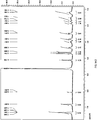
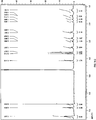
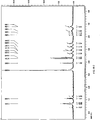
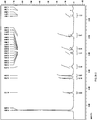
- the solvent used in the nuclear magnetic resonance test in the present disclosure is D 2 O.
- Methanesulfonic acid (0.65 ml, dissolved in 35 ml of acetone) is slowly added to a solution of Donepezil (3.79 g) in ethyl acetate (70 ml) with stirring at room temperature. The solid precipitated is filtered and dried at 55 °C under vacuum to give the title compound. Melting point: 181.1 °C.
- Methanesulfonic acid (0.65 ml, dissolved in 35 ml of 2-propanol) is slowly added to a solution of Donepezil (3.79 g) in ethyl acetate (70 ml) with stirring at room temperature. The solid precipitated is filtered and dried at 55 °C under vacuum to give the title compound. Melting point: 182.2 °C.
- Donepezil mesylate (any form) is dissolved in a proper amount of absolute ethanol with heating. A proper amount of dipropyl ether is added to make the solution slightly turbid. The solution is further heated to become clear again, and is then slowly cooled. The crystal precipitated is filtered and dried at 55 °C under vacuum to give the title compound. Melting point: 182.6 °C.
- Donepezil mesylate (any form) is dissolved in a proper amount of absolute ethanol with heating. A proper amount of n-hexane is added to make the solution slightly turbid. The solution is further heated to become clear again, and is then slowly cooled. The crystal precipitated is filtered and dried at 55 °C under vacuum to give the title compound. Melting point: 181.5 °C.
- Methanesulfonic acid (0.65 ml, dissolved in 35 ml of acetone) is slowly added to a solution of Donepezil (3.79 g) in ethyl acetate (70 ml) with stirring at room temperature. The solid precipitated is filtered immediately and dried at 55 °C under vacuum to give the title compound. Melting point: 180.1 °C.
- Methanesulfonic acid (1.3 ml, dissolved in 11 ml of absolute ethanol) is slowly added to a solution of Donepezil (3.79 g) in absolute ethanol (38 ml) with stirring at room temperature, and 50 ml of dipropyl ether is added. The solid precipitated is filtered and dried at 55 °C under vacuum to give the title compound. Melting point: 180.3 °C.
- Methanesulfonic acid (1.3 ml, dissolved in 11 ml of absolute ethanol and 50 ml of dipropyl ether) is slowly added to a solution of Donepezil (3.79 g) in absolute ethanol (38 ml) with stirring at room temperature. The mixed solution is stirred at room temperature and the solid precipitated is filtered and dried 55 °C under vacuum to give the title compound. Melting point: 177.4 °C.
- Para-toluenesulfonic acid (1.902 g, dissolved in 35 ml of absolute ethanol) is slowly added to a solution of Donepezil (3.79 g) in ethyl acetate (70 ml) with stirring at room temperature. The solid precipitated is filtered and dried at 55 °C under vacuum to give the title compound. Melting point: 170.8 °C.
- Para-toluenesulfonic acid (1.902 g, dissolved in 35 ml of acetone) is slowly added to a solution of Donepezil (3.79 g) in ethyl acetate (70 ml) with stirring at room temperature. The solid precipitated is filtered and dried at 55 °C under vacuum to give the title compound. Melting point: 170.8 °C.
- Para-toluenesulfonic acid (1.902 g, dissolved in 35 ml of 2-propanol) is slowly added to a solution of Donepezil (3.79 g) in ethyl acetate (70 ml) with stirring at room temperature. The solid precipitated is filtered and dried at 55 °C under vacuum to give the title compound. Melting point: 170.8 °C.
- Donepezil para-toluenesulfonate (any form) is dissolved in a proper amount of absolute ethanol with heating, and the solution is then slowly cooled. The crystal precipitated is filtered and dried at 55 °C under vacuum to give the title compound. Melting point: 171.0 °C.
- Donepezil para-toluenesulfonate (any form) is dissolved in a proper amount of absolute ethanol with heating. A proper amount of dipropyl ether is added to make the solution slightly turbid. The solution is further heated to become clear again, and is then slowly cooled. The crystal precipitated is filtered and dried at 55 °C under vacuum to give the title compound. Melting point: 170.3 °C.
- Donepezil (3.79 g, dissolved in 70 ml of ethyl acetate) is slowly added to a solution of succinic acid (0.59 g) in absolute ethanol (35 ml) with stirring at room temperature.
- the solid precipitated is filtered and dried at 55 °C under vacuum to give the title compound. Melting point: 169.5 °C.
- Donepezil (3.79 g, dissolved in 70 ml of ethyl acetate) is slowly added to a solution of succinic acid (0.59 g) in acetone (35ml) and water (5 ml) with stirring at room temperature. The solid precipitated is filtered and dried at 55 °C under vacuum to give the title compound. Melting point: 169.2 °C.
- Donepezil (3.79 g, dissolved in 70 ml of ethyl acetate) is slowly added to a solution of succinic acid (0.59 g) in 2-propanol (35ml) and water (5 ml) with stirring at room temperature.
- the solid precipitated is filtered and dried at 55 °C under vacuum to give the title compound. Melting point: 167.5 °C.
- Donepezil succinate (any form) is dissolved in a proper amount of absolute ethanol with heating, and the solution is then slowly cooled. The crystal precipitated is filtered and dried at 55 °C under vacuum to give the title compound. Melting point: 169.6 °C.
- Donepezil succinate (any form) is dissolved in a proper amount of absolute ethanol with heating. A proper amount of n-hexane is added to make the solution slightly turbid. The solution is further heated to become clear again, and is then slowly cooled. The crystal precipitated is filtered and dried at 55 °C under vacuum to give the title compound. Melting point: 168.4 °C.
- Donepezil succinate (any form) is dissolved in a proper amount of absolute ethanol with heating. A proper amount of distilled water is added to make the solution slightly turbid. The solution is further heated to become clear again, and is then slowly cooled. The crystal precipitated is filtered and dried at 55 °C under vacuum to give the title compound. Melting point: 168.8 °C.
- Donepezil succinate (any form) is dissolved in a proper amount of acetone-water mixture with heating, and the resulted solution is slowly cooled. The crystal precipitated is filtered and dried at 55 °C under vacuum to give the title compound. Melting point: 170.2 °C.
- Donepezil succinate (any form) is dissolved in a proper amount of 2-propanol with heating, and the resulted solution slowly cooled. The crystal precipitated is filtered and dried at 55 °C under vacuum to give the title compound. Melting point: 169.3 °C.
- Tartaric acid (1.5 g, dissolved in 35 ml of 2-propanol-water mixture) is slowly added to a solution of Donepezil (3.79 g) in ethyl acetate (70 ml) with stirring at room temperature. The mixture is stirred for 3 hours at room temperature and concentrated at vacuum to give the title compound.
- Donepezil (3.79 g, dissolved in 70 ml of ethyl acetate) is slowly added to a solution of tartaric acid (0.75 g) in absolute ethanol (35 ml) with stirring at room temperature.
- the solid precipitated is filtered and dried at 55 °C under vacuum to give the title compound. Melting point: 168.0 °C.
- Donepezil (3.79 g, dissolved in 200 ml of ethyl acetate) is slowly added to a solution of tartaric acid in acetone (35 ml) with stirring at room temperature.
- the solid precipitated is filtered and dried at 55 °C under vacuum to give the title compound.
- Donepezil (3.79 g, dissolved in 70 ml of ethyl acetate) is slowly added to a solution of tartaric acid (0.75 g) in 2-propanol (35 ml) with stirring at room temperature. The mixture is stirred for 3 hours at room temperature and concentrated at vacuum to give the title compound.
- Donepezil tartrate (any form) is dissolved in a proper amount of acetone with heating, and the resulted solution is then slowly cooled. The crystal precipitated is filtered and dried at 55 °C under vacuum to give the title compound. Melting point: 164.5 °C.
- Donepezil tartrate (any form) is dissolved in a proper amount of 2-propanol with heating, and the resulted solution is then slowly cooled. The crystal precipitated is filtered and dried at 55 °C under vacuum to give the title compound. Melting point: 161.6 °C.
- Donepezil sulphate (any form) is dissolved in a proper amount of absolute ethanol with heating, and the resulted solution is then slowly cooled. The crystal precipitated is filtered and dried at 55 °C under vacuum to give the title compound. Melting point: 175.1 °C.
- Donepezil sulphate (any form) is dissolved in a proper amount of absolute ethanol with heating. A proper amount of dipropyl ether is added to make the solution slightly turbid. The solution is further heated to become clear again, and is then slowly cooled. The crystal precipitated is filtered and dried at 55 °C under vacuum to give the title compound. Melting point: 130.5 °C.
- Nitric acid (0.45 ml, dissolved in 35 ml of absolute ethanol) is slowly added to a solution of Donepezil (3.79 g) in ethyl acetate (70 ml) with stirring at room temperature.
- the solid precipitated is filtered and dried at 55 °C under vacuum to give the title compound. Melting point: 213.7 °C.
- Nitric acid (0.45 ml, dissolved in 35 ml of acetone) is slowly added to a solution of Donepezil (3.79 g) in ethyl acetate (70 ml) with stirring at room temperature.
- the solid precipitated is filtered and dried at 55 °C under vacuum to give the title compound. Melting point: 212.8 °C.
- Nitric acid (0.45 ml, dissolved in 35 ml of 2-propanol) is slowly added to a solution of Donepezil (3.79 g) in ethyl acetate (70 ml) with stirring at room temperature.
- the solid precipitated is filtered and dried at 55 °C under vacuum to give the title compound. Melting point: 213.7 °C.
- Donepezil nitrate (any form) is dissolved in a proper amount of absolute ethanol-water mixture with heating, and the resulted solution is then slowly cooled. The crystal precipitated is filtered and dried at 55 °C under vacuum to give the title compound. Melting point: 215.8 °C.
- Donepezil nitrate (any form) is dissolved in a proper amount of acetone-water mixture with heating, and the resulted solution is then slowly cooled. The crystal precipitated is filtered and dried at 55 °C under vacuum to give the title compound. Melting point: 213.5 °C.
- Donepezil nitrate (any form) is dissolved in a proper amount of 2-propanol-water mixture with heating, and the resulted solution is then slowly cooled. The crystal precipitated is filtered and dried at 55 °C under vacuum to give the title compound. Melting point: 216.3 °C.
- Phosphoric acid (0.58 ml, dissolved in 35 ml of acetone) is slowly added to a solution of Donepezil (3.79 g) in ethyl acetate (70 ml) with stirring at room temperature. The solid precipitated is filtered and dried at 55 °C under vacuum to give the title compound.
- Phosphoric acid (0.58 ml, dissolved in 35 ml of 2-propanol) is slowly added to a solution of Donepezil (3.79 g) in ethyl acetate (70 ml) with stirring at room temperature. The solid precipitated is filtered and dried at 55 °C under vacuum to give the title compound.
- Donepezil (3.79 g, dissolved in 70 ml of ethyl acetate) is slowly added to a solution of phosphoric acid (0.29 ml) in acetone (35 ml) with stirring at room temperature.
- the solid precipitated is filtered and dried at 55 °C under vacuum to give the title compound.
- Donepezil (3.79 g, dissolved in 70 ml of ethyl acetate) is slowly added to a solution of phosphoric acid (0.29 ml) in 2-propanol (35 ml) with stirring at room temperature. The solid precipitated is filtered and dried at 55 °C under vacuum to give the title compound.
- Donepezil phosphate (any form) is dissolved in a proper amount of 2-propanol with heating. A proper amount of dipropyl ether is added to make the solution slightly turbid. The solution is further heated to become clear again, and is then slowly cooled. The crystal precipitated is filtered and dried at 55 °C under vacuum to give the title compound. Melting point: 156.5 °C.
- Salicylic acid (1.38 g, dissolved in 35 ml of absolute ethanol) is slowly added to a solution of Donepezil (3.79 g) in ethyl acetate (70 ml) with stirring at room temperature.
- the solid precipitated is filtered and dried at 55 °C under vacuum to give the title compound. Melting point: 176.5 °C.
- Salicylic acid (1.38 g, dissolved in 35 ml of acetone) is slowly added to a solution of Donepezil (3.79 g) in ethyl acetate (70 ml) with stirring at room temperature.
- the solid precipitated is filtered and dried at 55 °C under vacuum to give the title compound. Melting point: 175.8 °C.
- Salicylic acid (1.38 g, dissolved in 35 ml of 2-propanol) is slowly added to a solution of Donepezil (3.79 g) in ethyl acetate (70 ml) with stirring at room temperature.
- the solid precipitated is filtered and dried at 55 °C under vacuum to give the title compound. Melting point: 174.5 °C.
- Donepezil salicylate (any form) is dissolved in a proper amount of acetone-water mixture with heating, and the resulted solution is then slowly cooled. The crystal precipitated is filtered and dried at 55 °C under vacuum to give the title compound. Melting point: 175.5 °C.
- Donepezil salicylate (any form) is dissolved in a proper amount of 2-propanol-water mixture with heating, and the resulted solution is then slowly cooled. The crystal precipitated is filtered and dried at 55 °C under vacuum to give the title compound. Melting point: 174.8 °C.
- Fumaric acid (1.16 g, dissolved in 35 ml of absolute ethanol) is slowly added to a solution of Donepezil (3.79 g) in ethyl acetate (70 ml) with stirring at room temperature. The solid precipitated is filtered and dried at 55 °C under vacuum to give the title compound. Melting point: 167.7 °C.
- Fumaric acid (1.16 g, dissolved in 35 ml of acetone) is slowly added to a solution of Donepezil (3.79 g) in ethyl acetate (70 ml) with stirring at room temperature.
- the solid precipitated is filtered and dried at 55 °C under vacuum to give the title compound. Melting point: 170.1 °C.
- Fumaric acid (1.16 g, dissolved in 35 ml of 2-propanol) is slowly added to a solution of Donepezil (3.79 g) in ethyl acetate (70 ml) with stirring at room temperature. The solid precipitated is filtered and dried at 55 °C under vacuum to give the title compound. Melting point: 168.5 °C.
- Donepezil (3.79 g, dissolved in 70 ml of ethyl acetate) is slowly added to a solution of fumaric acid (0.58 g) in absolute ethanol (35 ml) with stirring at room temperature.
- the solid precipitated is filtered and dried at 55 °C under vacuum to give the title compound. Melting point: 166.9 °C.
- Donepezil (3.79 g, dissolved in 70 ml of ethyl acetate) is slowly added to a solution of fumaric acid (0.58 g) in acetone (35 ml) with stirring at room temperature.
- the solid precipitated is filtered and dried at 55 °C under vacuum to give the title compound. Melting point: 167.4 °C.
- Donepezil (3.79 g, dissolved in 70 ml of ethyl acetate) is slowly added to a solution of fumaric acid (0.58 g) in 2-propanol (35 ml) with stirring at room temperature.
- the solid precipitated is filtered and dried at 55 °C under vacuum to give the title compound. Melting point: 173.1 °C.
- Donepezil fumarate (any form) is dissolved in a proper amount of absolute ethanol with heating, and the resulted solution is then slowly cooled. The crystal precipitated is filtered and dried at 55 °C under vacuum to give the title compound. Melting point: 170.4 °C.
- Donepezil fumarate (any form) is dissolved in a proper amount of 2-propanol with heating, and the resulted solution is then slowly cooled. The crystal precipitated is filtered and dried at 55 °C under vacuum to give the title compound. Melting point: 170.0 °C.
- Donepezil (3.79 g, dissolved in 70 ml of ethyl acetate) is slowly added to a solution of maleic acid (0.58 g) in absolute ethanol (35 ml) with stirring at room temperature. The mixture is stirred for 3 hours at room temperature and concentrated at vacuum to give the title compound.
- Donepezil (3.79 g, dissolved in 70 ml of ethyl acetate) is slowly added to a solution of maleic acid (0.58 g) in acetone (35 ml) with stirring at room temperature. The mixture is stirred for 3 hours at room temperature and concentrated at vacuum to give the title compound.
- Donepezil (3.79 g, dissolved in 70 ml of ethyl acetate) is slowly added to a solution of maleic acid (0.58 g) in 2-propanol (35 ml) with stirring at room temperature. The mixture is stirred for 3 hours at room temperature and concentrated at vacuum to give the title compound.
- Donepezil (3.79 g, dissolved in 20 ml of ethyl acetate) is slowly added to a solution of maleic acid (0.58 g) in absolute ethanol (5 ml) with stirring at room temperature followed by adding 10 ml of dipropyl ether. The solid precipitated is filtered and dried at 55 °C under vacuum to give the title compound. Melting point: 127.8 °C.
- Donepezil (3.79 g, dissolved in 20 ml of ethyl acetate) is slowly added to a solution of maleic acid (0.58 g) in acetone (5 ml) with stirring at room temperature. The solid precipitated is filtered and dried at 55 °C under vacuum to give the title compound. Melting point: 130.3 °C.
- Donepezil (3.79 g, dissolved in 20 ml of ethyl acetate) is slowly added to a solution of maleic acid (0.58 g) in 2-propanol (5 ml) with stirring at room temperature.
- the solid precipitated is filtered and dried at 55 °C under vacuum to give the title compound. Melting point: 129.5 °C.
- Donepezil maleate (the ratio of Donepezil to maleic acid is 1:1) is dissolved in a proper amount of absolute ethanol with heating, and the resulted solution is then slowly cooled. The crystal precipitated is filtered and dried at 55 °C under vacuum to give the title compound. Melting point: 130.1 °C.
- Donepezil maleate (the ratio of Donepezil to maleic acid is 1:1) is dissolved in a proper amount of acetone with heating, and the resulted solution is then slowly cooled. The crystal precipitated is filtered and dried at 55 °C under vacuum to give the title compound. Melting point: 132.4 °C.
- Donepezil maleate (the ratio of Donepezil to maleic acid is 1:1) is dissolved in a proper amount of 2-propanol with heating, and the resulted solution is then slowly cooled. The crystal precipitated is filtered and dried at 55 °C under vacuum to give the title compound.
- Donepezil maleate (the ratio of Donepezil to maleic acid is 2:1) is dissolved in a proper amount of absolute ethanol with heating, and the resulted solution is then slowly cooled. The crystal precipitated is filtered and dried at 55 °C under vacuum to give the title compound. Melting point: 130.5 °C.
- Donepezil maleate (the ratio of Donepezil to maleic acid is 2: 1) is dissolved in a proper amount of acetone with heating, and the resulted solution is then slowly cooled. The crystal precipitated is filtered and dried at 55 °C under vacuum to give the title compound. Melting point: 131.1 °C.
- Donepezil maleate (the ratio of Donepezil to maleic acid is 2: 1) is dissolved in a proper amount of 2-propanol with heating, and the resulted solution is then slowly cooled. The crystal precipitated is filtered and dried at 55 °C under vacuum to give the title compound.
- Donepezil 1.901 g of Donepezil is dissolved in 15 ml of ethyl acetate. A solution (4 ml) of malic acid (0.679 g) in absolute ethanol is added slowly and drop-wisely and the resulted solution is stirred. The solid precipitated is filtered with suction to give the title compound.
- Donepezil benzoate is prepared following the same method as described in Example 92.
- Donepezil aspartate is prepared following the same method as described in Example 92.
- Donepezil citrate is prepared following the same method as described in Example 92.
- Donepezil ascorbate is prepared following the same method as described in Example 92.
- Donepezil formate is prepared following the same method as described in Example 92.
- Donepezil gallate is prepared following the same method as described in Example 92.
- Donepezil hydrochloride is prepared following the same method as described in Example 92.
- Donepezil acetate is prepared following the same method as described in Example 92.
- Donepezil lactate is prepared following the same method as described in Example 92.
- Donepezil sorbate is prepared following the same method as described in Example 92.
- Donepezil glutaminate is prepared following the same method as described in Example 92.
- Method for its preparation comprises the following steps: weighing the above-mentioned ingredients; pulverizing the active ingredient, the filler, the disintegrant and the flavoring agent, sieving them with a 80-mesh screen, and mixing uniformly; adding the glidant and the lubricant, and mixing uniformly; determining the content of these powders; and tabletting to give the orally disintegrating tablet with a pre-determined tablet weight.
- the tablet has a disintegration time of 25 s in pure water, produces a sweet taste and a refreshing feeling, without a gritty feeling.
- the method for preparation is the same as that of Example 26.
- the tablet has a disintegration time of 49 s in pure water, produces a sweet taste and a refreshing feeling, without a gritty feeling.
- Example 106 Preparation of an orally disintegrating tablet of Donepezil nitrate Formulation:
- the method for preparation is the same as that of Example 104.
- the tablet has a disintegration time of 37 s in pure water, produces a sweet taste and a refreshing feeling, without a gritty feeling.
- the method for preparation is the same as that of Example 104.
- the tablet has a disintegration time of 21 s in pure water.
- the method for preparation is the same as that of Example 104.
- Orally disintegrating tablets of hydrochloride, nitrate, bisulfate, dihydric phosphate, succinate, maleate, fumarate, para-toluenesulphonate, tartrate, acetylsalicylate, benzoate, aspartate, citrate, ascorbate, nicotinate, and phthalate of Donepezil are prepared following the formulation and the method for preparing the orally disintegrating tablet disclosed in Example 104 (Method A), and a taste test is performed on these Orally disintegrating tablets.
- Orally disintegrating tablets of hydrochloride, nitrate, bisulfate, dihydric phosphate, succinate, maleate, fumarate, para-toluenesulphonate, tartrate, acetylsalicylate, benzoate, aspartate, citrate, ascorbate, nicotinate, and phthalate of Donepezil are prepared following the formulation and the method for preparing the orally disintegrating tablet specified in Example 106 (Method B).
- Method for its preparation comprises the following steps: pulverizing the active ingredient, the filler and the flavoring agent, sieving with a 80-mesh screen, and mixing uniformly; adding the binder portion-wisely to form a soft material, and granulating the soft material with a 25-mesh screen; drying the resulted particles at 60 °C for 1-2 hours, and sizing with a 30-mesh screen; adding the lubricant and the colorant, and mixing uniformly; determining the content of the active ingredient in the particles; and tabletting with predetermined tablet weight.
- the tablet produces a sweet taste and refreshing feeling, without a gritty feeling.
- Method for its preparation comprises the following steps: pulverizing the active ingredient, the filler, the disintegrant and the flavoring agent, sieving with a 80-mesh screen, and mixing uniformly; adding the binder portion-wisely to form a soft material, and granulating the soft material with a 25-mesh screen; drying the resulted particles at 60 °C for 1-2 hours, and sizing with a 30-mesh screen; adding the lubricant, and mixing uniformly; determining the content of the active ingredient in the particles; and tabletting with predetermined tablet weight.
- the tablet completely disintegrates within 2 minutes in pure water and produces a sweet taste and refreshing feeling.
- Method for its preparation comprises the following steps: pulverizing the active ingredient, the filler, and the flavoring agent, sieving with a 80-mesh screen, and mixing uniformly; dissolving the colorant in the binder, adding the binder portion-wisely to form a soft material, and granulating the soft material with a 14-mesh screen; and drying the resulted particles at 60 °C for 1-2 hours, and sizing with a 16-mesh screen to give the granules.
- the granule is completely dissolved within 5 minutes in hot water and produces a sweet taste and refreshing feeling.
- Method for its preparation comprises the following steps: dissolving poloxamer in distilled water; adding Donepezil nitrate, and stirring to completely dissolve; adding methyl hydroxybenzoate, mixing uniformly, and filtering; and adding distilled water to 1000 ml, and sterilizing to give the oral liquid.
- Method for its preparation comprises the following steps: pulverizing the active ingredient, the filler, and the flavoring agent, sieving with a 80-mesh screen, and mixing uniformly; adding the binder portion-wisely to form a soft material, and granulating the soft material with a 25-mesh screen; drying the resulted particles at 60 °C for 1-2 hours, and sizing with a 30-mesh screen; adding the lubricant and the colorant, and mixing uniformly; determining the content of the active ingredient in the particles; and tabletting to give the chewable tablet with predetermined tablet weight.
- the tablet produces a fruit sweet taste, without a gritty feeling
- Donepezil Nitrate 10.6 % Mannitol 49.4 % Glucose 30 % Gelatin 2.5 % Hydroxyethyl Cellulose 7.5 % Water Proper amount
- Method for its preparation comprises the following steps: pulverizing the active ingredient and the filler, sieving with a 80-mesh screen, and suspending the active ingredient in a solution of hydroxyethyl cellulose; dissolving the other excipients to form a solution; mixing the two solutions, and placing the resulted solution in a mold to freeze at low temperature; and completely drying the mixture at vacuum in a lyophilizer, and sealing to obtain the lyophilized rapid dissolving tablet.
- the tablet is rapidly dissolved within 5 seconds in oral cavity and produces a sweet taste.
- Method for its preparation comprises the following steps: weighing the above-mentioned ingredients; pulverizing the active ingredient, the filler, the disintegrant and the flavoring agent, sieving with a 80-mesh screen, and mixing uniformly; adding the glidant and the lubricant, and mixing uniformly; determining the content of the active ingredient in the powders; and tabletting to give the tablet with predetermined tablet weight.
- the solvents are rotary-evaporated, and 10 ml of ethanol is added.
- the mixture is heated at 70 °C to dissolve the solid, and further stirred at room temperature.
- the solid is precipitated is filtered under suction, and the cake is washed to give a white solid, which is dried under vacuum.
- the melting point is measured three times to give the following results: 212.6-212.7 °C, 213.3-212.2 °C, 211.1-211.7 °C.
- the melting point measured in the inlet tube is 208.1 °C.
- Example 116 Preparation of a co-crystal ⁇ -2 of Donepezil hydrochloride and fumaric acid
- the melting point is measured three times to give the following results: 211.8-214.8 °C, 213.8-217.1 °C, and 217.0-217.1 °C.
- the melting point measured in the inlet tube is 204.3 °C.
- the melting point is measured three times to give the following results: 211.3 °C, 211.9 °C, and 208.6 °C.
- the melting point measured in the inlet tube is 199.1 °C.
- the melting point is measured three times to give the following results: 219.4 °C, 216.3 °C, and 216.1 °C, and the average is 217.3 °C.
- the melting point is measured three times to give the following results: 204.5 °C, 208.1 °C, and 206.1 °C, and the average is 206.2 °C.
- the melting point is measured three times to give the following results: 215.2 °C, 215.5 °C, and 214.9 °C, and the average is 215.2 °C.
- the melting point is measured three times to give the following results: 228.2 °C, 229.0 °C, and 225.7 °C, and the average is 227.6 °C.
- the sample turns black at the top at 219 °C, and completely turns black and produces bubbles at 222 °C.
Landscapes
- Health & Medical Sciences (AREA)
- Chemical & Material Sciences (AREA)
- Organic Chemistry (AREA)
- Engineering & Computer Science (AREA)
- Bioinformatics & Cheminformatics (AREA)
- Biomedical Technology (AREA)
- Neurology (AREA)
- Neurosurgery (AREA)
- Veterinary Medicine (AREA)
- Chemical Kinetics & Catalysis (AREA)
- General Chemical & Material Sciences (AREA)
- Medicinal Chemistry (AREA)
- Nuclear Medicine, Radiotherapy & Molecular Imaging (AREA)
- Public Health (AREA)
- Pharmacology & Pharmacy (AREA)
- Life Sciences & Earth Sciences (AREA)
- Animal Behavior & Ethology (AREA)
- General Health & Medical Sciences (AREA)
- Psychiatry (AREA)
- Hospice & Palliative Care (AREA)
- Pain & Pain Management (AREA)
- Psychology (AREA)
- Anesthesiology (AREA)
- Pharmaceuticals Containing Other Organic And Inorganic Compounds (AREA)
- Medicinal Preparation (AREA)
- Hydrogenated Pyridines (AREA)
- Organic Low-Molecular-Weight Compounds And Preparation Thereof (AREA)
- Acyclic And Carbocyclic Compounds In Medicinal Compositions (AREA)
Applications Claiming Priority (4)
| Application Number | Priority Date | Filing Date | Title |
|---|---|---|---|
| CN200710061212 | 2007-09-28 | ||
| CN200810052067 | 2008-01-15 | ||
| CN2008102117315A CN101397270B (zh) | 2007-09-28 | 2008-09-24 | 多奈哌齐盐的多晶型物及其制备和应用 |
| PCT/CN2008/001646 WO2009049479A1 (en) | 2007-09-28 | 2008-09-24 | Polymorphs of donepezil salts, preparation methods and uses thereof |
Publications (3)
| Publication Number | Publication Date |
|---|---|
| EP2204364A1 EP2204364A1 (en) | 2010-07-07 |
| EP2204364A4 EP2204364A4 (en) | 2011-08-10 |
| EP2204364B1 true EP2204364B1 (en) | 2013-03-20 |
Family
ID=40566980
Family Applications (1)
| Application Number | Title | Priority Date | Filing Date |
|---|---|---|---|
| EP08800639A Not-in-force EP2204364B1 (en) | 2007-09-28 | 2008-09-24 | Polymorphs of donepezil salts, preparation methods and uses thereof |
Country Status (7)
| Country | Link |
|---|---|
| US (2) | US8501779B2 (enExample) |
| EP (1) | EP2204364B1 (enExample) |
| JP (1) | JP5426554B2 (enExample) |
| CN (2) | CN102603612A (enExample) |
| DK (1) | DK2204364T3 (enExample) |
| ES (1) | ES2415166T3 (enExample) |
| WO (1) | WO2009049479A1 (enExample) |
Families Citing this family (7)
| Publication number | Priority date | Publication date | Assignee | Title |
|---|---|---|---|---|
| WO2007108011A2 (en) * | 2006-03-20 | 2007-09-27 | Ind-Swift Laboratories Limited | Process for the preparation of highly pure donepezil |
| JP5563841B2 (ja) * | 2010-02-05 | 2014-07-30 | 沢井製薬株式会社 | 薬物の不快な味をマスキングした経口医薬組成物 |
| GB201411802D0 (en) * | 2014-07-02 | 2014-08-13 | Univ Bradford | Effervescent compositions |
| CN104958254A (zh) * | 2015-06-27 | 2015-10-07 | 万特制药(海南)有限公司 | 一种盐酸多奈哌齐口服溶液及其制备方法 |
| EP3888636A4 (en) * | 2018-11-26 | 2022-08-17 | Ebabio Inc. | EUTECTIC MIXTURE OF DONEPEZIL AND ITS USE |
| KR102318249B1 (ko) * | 2018-11-26 | 2021-10-27 | 에바바이오 주식회사 | 도네페질 이온성 액체 및 이의 용도 |
| EP4087395A4 (en) * | 2020-01-10 | 2023-12-27 | President And Fellows Of Harvard College | METHODS FOR INDUCING BIOSTASIS IN A CELL, TISSUE OR ORGAN |
Family Cites Families (11)
| Publication number | Priority date | Publication date | Assignee | Title |
|---|---|---|---|---|
| FI95572C (fi) | 1987-06-22 | 1996-02-26 | Eisai Co Ltd | Menetelmä lääkeaineena käyttökelpoisen piperidiinijohdannaisten tai sen farmaseuttisen suolan valmistamiseksi |
| JPH1053576A (ja) * | 1996-06-07 | 1998-02-24 | Eisai Co Ltd | 塩酸ドネペジルの多形結晶およびその製造法 |
| AU731282B2 (en) * | 1996-06-07 | 2001-03-29 | Eisai Co. Ltd. | Polymorphs of donepezil hydrochloride and process for production |
| US20050288330A1 (en) * | 2004-06-29 | 2005-12-29 | Avinash Naidu | Process for producing a polymorphic form of (1-Benzyl-4-[(5,6-dimethoxy-1-indanone)-2-yl] methyl piperidine hydrochloride (donepezil hydrochloride) |
| US7439365B2 (en) | 2003-11-17 | 2008-10-21 | Usv, Ltd. | Pharmaceutical salt of (1-benzyl-4-[(5,6-dimethoxy-1-indanone)-2-yl] methyl piperidine (Donepezil) |
| HUP0401850A3 (en) * | 2004-09-15 | 2008-03-28 | Egis Gyogyszergyar Nyilvanosan | Donepezil salts for producing pharmaceutical composition |
| DE102004046497A1 (de) * | 2004-09-23 | 2006-04-06 | Helm Ag | Donepezil-Salze |
| AU2005288521A1 (en) * | 2004-09-29 | 2006-04-06 | Chemagis Ltd. | Use of purified donepezil maleate for preparing pharmaceutically pure amorphous donepezil hydrochloride |
| CN1759836A (zh) * | 2004-10-12 | 2006-04-19 | 天津和美生物技术有限公司 | 多奈哌齐及其衍生物的舌下含片 |
| WO2007010910A1 (en) * | 2005-07-15 | 2007-01-25 | Eisai R & D Management Co., Ltd. | 1-benzyl-4-[(5, 6-dimethoxy-1-indanon)-2-yl]-methyl piperidine p-toluenesulfonate or crystal thereof |
| HU227474B1 (en) * | 2005-12-20 | 2011-07-28 | Richter Gedeon Nyrt | Process for industrial scale production of high purity donepezil hydrochloride polymorph i. |
-
2008
- 2008-09-24 EP EP08800639A patent/EP2204364B1/en not_active Not-in-force
- 2008-09-24 CN CN2012100165448A patent/CN102603612A/zh active Pending
- 2008-09-24 DK DK08800639.0T patent/DK2204364T3/da active
- 2008-09-24 CN CN2008102117315A patent/CN101397270B/zh active Active
- 2008-09-24 ES ES08800639T patent/ES2415166T3/es active Active
- 2008-09-24 WO PCT/CN2008/001646 patent/WO2009049479A1/zh not_active Ceased
- 2008-09-24 JP JP2010526129A patent/JP5426554B2/ja not_active Expired - Fee Related
-
2010
- 2010-03-26 US US12/748,248 patent/US8501779B2/en not_active Expired - Fee Related
-
2013
- 2013-07-05 US US13/935,927 patent/US20130296283A1/en not_active Abandoned
Also Published As
| Publication number | Publication date |
|---|---|
| US8501779B2 (en) | 2013-08-06 |
| DK2204364T3 (da) | 2013-06-03 |
| US20100311793A1 (en) | 2010-12-09 |
| HK1146047A1 (en) | 2011-05-13 |
| CN101397270B (zh) | 2012-03-28 |
| EP2204364A4 (en) | 2011-08-10 |
| CN101397270A (zh) | 2009-04-01 |
| ES2415166T3 (es) | 2013-07-24 |
| JP5426554B2 (ja) | 2014-02-26 |
| JP2010540470A (ja) | 2010-12-24 |
| EP2204364A1 (en) | 2010-07-07 |
| WO2009049479A1 (en) | 2009-04-23 |
| US20130296283A1 (en) | 2013-11-07 |
| CN102603612A (zh) | 2012-07-25 |
Similar Documents
| Publication | Publication Date | Title |
|---|---|---|
| US20130296283A1 (en) | Polymorphs of donepezil salts, preparation methods and uses thereof | |
| Shanbhag et al. | Ester and amide prodrugs of ibuprofen and naproxen: synthesis, anti-inflammatory activity, and gastrointestinal toxicity | |
| CA2729035C (en) | A new metformin glycinate salt for blood glucose control | |
| AU731282B2 (en) | Polymorphs of donepezil hydrochloride and process for production | |
| US5985864A (en) | Polymorphs of donepezil hydrochloride and process for production | |
| JP5153641B2 (ja) | レボドパプロドラッグメシラート、その組成物、およびその使用法 | |
| CN101959846B (zh) | O-去甲基-文拉法辛盐 | |
| JPH0251540B2 (enExample) | ||
| HK1146047B (en) | Polymorphs of donepezil salts, preparation methods and uses thereof | |
| JP3807938B2 (ja) | (r)−(+)−n−[[3−[1−ベンゾイル−3−(3,4−ジクロロフェニル)ピペリジン−3−イル]プロプ−1−イル]−4−フェニルピペリジン−4−イル]−n−メチルアセトアミド(オサネタント)の結晶フォームおよびそれらの製造法 | |
| KR20100103532A (ko) | (r)-3-플루오로페닐-3,4,5-트리플루오로벤질카르밤산 1-아자비시클로 [2.2.2]옥트-3-일 에스테르의 안정한 결정성 염 | |
| KR20250081156A (ko) | L-세린 염산염의 제조 방법 및 이의 용도 | |
| CN118812406A (zh) | 一种酰胺基烷基间苯二酚衍生物及其作为抗氧化剂的用途 | |
| CA3254998A1 (en) | MCI-1 ANTAGONIST SALT AND SOLVATES FORMS | |
| KR102509190B1 (ko) | 트리메부틴 말레산염의 다형체 및 이의 사용방법 | |
| TWI267511B (en) | Process for preparing 10,11-methanobenzosuberane derivatives | |
| TWI385148B (zh) | 右旋酮洛芬氨丁三醇之多晶型物,其製法及含有其之組成物 | |
| HU188170B (en) | Process for producing 3-square bracket-2-bracket-tetra-or hexahydro.4-pyridyl-bracket closed-ethyl-s uare bracket closed-indola derivatives | |
| CN122059854A (zh) | 一种胍基环己烷衍生物及其制备方法与用途 | |
| PT1881956E (pt) | Maleato de 3-[2-(dimetilamino)metil(ciclo-hex-1-il)]fenol e suas formas cristalinas | |
| ES2380799T3 (es) | Sal de ácido fumárico y 3-(2-dimetilamino)metil- (cicloex-1-il))-fenol y sus formas cristalinas | |
| ES2999182A1 (es) | Procedimiento de síntesis de (1R)-2-(dibencilamino)-1-(3,4-dibenciloxifenil)etanol, nuevos intermedios de dicho procedimiento y uso del producto en la síntesis de noradrenalina | |
| FR2485007A1 (fr) | N-oxyde de 4-methoxy-n-(2-(2- (1-methyl-2-piperidyl) ethyl)phenyl)benzamide et son procede de preparation | |
| HK40028824B (en) | Polymorphic forms of trimebutine maleate and method of using same | |
| HK1161224A (en) | A new metformin glycinate salt for blood glucose control |
Legal Events
| Date | Code | Title | Description |
|---|---|---|---|
| PUAI | Public reference made under article 153(3) epc to a published international application that has entered the european phase |
Free format text: ORIGINAL CODE: 0009012 |
|
| 17P | Request for examination filed |
Effective date: 20100419 |
|
| AK | Designated contracting states |
Kind code of ref document: A1 Designated state(s): AT BE BG CH CY CZ DE DK EE ES FI FR GB GR HR HU IE IS IT LI LT LU LV MC MT NL NO PL PT RO SE SI SK TR |
|
| AX | Request for extension of the european patent |
Extension state: AL BA MK RS |
|
| DAX | Request for extension of the european patent (deleted) | ||
| REG | Reference to a national code |
Ref country code: HK Ref legal event code: DE Ref document number: 1146047 Country of ref document: HK |
|
| A4 | Supplementary search report drawn up and despatched |
Effective date: 20110712 |
|
| RIC1 | Information provided on ipc code assigned before grant |
Ipc: C07D 211/32 20060101AFI20110706BHEP Ipc: A61K 31/445 20060101ALI20110706BHEP Ipc: A61P 25/28 20060101ALI20110706BHEP |
|
| 17Q | First examination report despatched |
Effective date: 20120323 |
|
| GRAP | Despatch of communication of intention to grant a patent |
Free format text: ORIGINAL CODE: EPIDOSNIGR1 |
|
| GRAS | Grant fee paid |
Free format text: ORIGINAL CODE: EPIDOSNIGR3 |
|
| GRAA | (expected) grant |
Free format text: ORIGINAL CODE: 0009210 |
|
| AK | Designated contracting states |
Kind code of ref document: B1 Designated state(s): AT BE BG CH CY CZ DE DK EE ES FI FR GB GR HR HU IE IS IT LI LT LU LV MC MT NL NO PL PT RO SE SI SK TR |
|
| REG | Reference to a national code |
Ref country code: GB Ref legal event code: FG4D |
|
| REG | Reference to a national code |
Ref country code: CH Ref legal event code: EP |
|
| REG | Reference to a national code |
Ref country code: IE Ref legal event code: FG4D |
|
| REG | Reference to a national code |
Ref country code: AT Ref legal event code: REF Ref document number: 602004 Country of ref document: AT Kind code of ref document: T Effective date: 20130415 |
|
| REG | Reference to a national code |
Ref country code: DE Ref legal event code: R096 Ref document number: 602008023071 Country of ref document: DE Effective date: 20130516 |
|
| REG | Reference to a national code |
Ref country code: DK Ref legal event code: T3 |
|
| REG | Reference to a national code |
Ref country code: ES Ref legal event code: FG2A Ref document number: 2415166 Country of ref document: ES Kind code of ref document: T3 Effective date: 20130724 |
|
| PG25 | Lapsed in a contracting state [announced via postgrant information from national office to epo] |
Ref country code: NO Free format text: LAPSE BECAUSE OF FAILURE TO SUBMIT A TRANSLATION OF THE DESCRIPTION OR TO PAY THE FEE WITHIN THE PRESCRIBED TIME-LIMIT Effective date: 20130620 Ref country code: BG Free format text: LAPSE BECAUSE OF FAILURE TO SUBMIT A TRANSLATION OF THE DESCRIPTION OR TO PAY THE FEE WITHIN THE PRESCRIBED TIME-LIMIT Effective date: 20130620 Ref country code: SE Free format text: LAPSE BECAUSE OF FAILURE TO SUBMIT A TRANSLATION OF THE DESCRIPTION OR TO PAY THE FEE WITHIN THE PRESCRIBED TIME-LIMIT Effective date: 20130320 Ref country code: LT Free format text: LAPSE BECAUSE OF FAILURE TO SUBMIT A TRANSLATION OF THE DESCRIPTION OR TO PAY THE FEE WITHIN THE PRESCRIBED TIME-LIMIT Effective date: 20130320 |
|
| REG | Reference to a national code |
Ref country code: AT Ref legal event code: MK05 Ref document number: 602004 Country of ref document: AT Kind code of ref document: T Effective date: 20130320 |
|
| REG | Reference to a national code |
Ref country code: LT Ref legal event code: MG4D |
|
| PG25 | Lapsed in a contracting state [announced via postgrant information from national office to epo] |
Ref country code: LV Free format text: LAPSE BECAUSE OF FAILURE TO SUBMIT A TRANSLATION OF THE DESCRIPTION OR TO PAY THE FEE WITHIN THE PRESCRIBED TIME-LIMIT Effective date: 20130320 Ref country code: GR Free format text: LAPSE BECAUSE OF FAILURE TO SUBMIT A TRANSLATION OF THE DESCRIPTION OR TO PAY THE FEE WITHIN THE PRESCRIBED TIME-LIMIT Effective date: 20130621 Ref country code: FI Free format text: LAPSE BECAUSE OF FAILURE TO SUBMIT A TRANSLATION OF THE DESCRIPTION OR TO PAY THE FEE WITHIN THE PRESCRIBED TIME-LIMIT Effective date: 20130320 Ref country code: SI Free format text: LAPSE BECAUSE OF FAILURE TO SUBMIT A TRANSLATION OF THE DESCRIPTION OR TO PAY THE FEE WITHIN THE PRESCRIBED TIME-LIMIT Effective date: 20130320 |
|
| REG | Reference to a national code |
Ref country code: NL Ref legal event code: VDEP Effective date: 20130320 |
|
| REG | Reference to a national code |
Ref country code: HK Ref legal event code: GR Ref document number: 1146047 Country of ref document: HK |
|
| PG25 | Lapsed in a contracting state [announced via postgrant information from national office to epo] |
Ref country code: HR Free format text: LAPSE BECAUSE OF FAILURE TO SUBMIT A TRANSLATION OF THE DESCRIPTION OR TO PAY THE FEE WITHIN THE PRESCRIBED TIME-LIMIT Effective date: 20130320 Ref country code: BE Free format text: LAPSE BECAUSE OF FAILURE TO SUBMIT A TRANSLATION OF THE DESCRIPTION OR TO PAY THE FEE WITHIN THE PRESCRIBED TIME-LIMIT Effective date: 20130320 |
|
| PG25 | Lapsed in a contracting state [announced via postgrant information from national office to epo] |
Ref country code: AT Free format text: LAPSE BECAUSE OF FAILURE TO SUBMIT A TRANSLATION OF THE DESCRIPTION OR TO PAY THE FEE WITHIN THE PRESCRIBED TIME-LIMIT Effective date: 20130320 Ref country code: RO Free format text: LAPSE BECAUSE OF FAILURE TO SUBMIT A TRANSLATION OF THE DESCRIPTION OR TO PAY THE FEE WITHIN THE PRESCRIBED TIME-LIMIT Effective date: 20130320 Ref country code: IS Free format text: LAPSE BECAUSE OF FAILURE TO SUBMIT A TRANSLATION OF THE DESCRIPTION OR TO PAY THE FEE WITHIN THE PRESCRIBED TIME-LIMIT Effective date: 20130720 Ref country code: NL Free format text: LAPSE BECAUSE OF FAILURE TO SUBMIT A TRANSLATION OF THE DESCRIPTION OR TO PAY THE FEE WITHIN THE PRESCRIBED TIME-LIMIT Effective date: 20130320 Ref country code: CZ Free format text: LAPSE BECAUSE OF FAILURE TO SUBMIT A TRANSLATION OF THE DESCRIPTION OR TO PAY THE FEE WITHIN THE PRESCRIBED TIME-LIMIT Effective date: 20130320 Ref country code: PT Free format text: LAPSE BECAUSE OF FAILURE TO SUBMIT A TRANSLATION OF THE DESCRIPTION OR TO PAY THE FEE WITHIN THE PRESCRIBED TIME-LIMIT Effective date: 20130722 Ref country code: EE Free format text: LAPSE BECAUSE OF FAILURE TO SUBMIT A TRANSLATION OF THE DESCRIPTION OR TO PAY THE FEE WITHIN THE PRESCRIBED TIME-LIMIT Effective date: 20130320 Ref country code: SK Free format text: LAPSE BECAUSE OF FAILURE TO SUBMIT A TRANSLATION OF THE DESCRIPTION OR TO PAY THE FEE WITHIN THE PRESCRIBED TIME-LIMIT Effective date: 20130320 |
|
| PGFP | Annual fee paid to national office [announced via postgrant information from national office to epo] |
Ref country code: DE Payment date: 20130925 Year of fee payment: 6 Ref country code: ES Payment date: 20130927 Year of fee payment: 6 Ref country code: DK Payment date: 20130926 Year of fee payment: 6 |
|
| PG25 | Lapsed in a contracting state [announced via postgrant information from national office to epo] |
Ref country code: CY Free format text: LAPSE BECAUSE OF FAILURE TO SUBMIT A TRANSLATION OF THE DESCRIPTION OR TO PAY THE FEE WITHIN THE PRESCRIBED TIME-LIMIT Effective date: 20130320 Ref country code: PL Free format text: LAPSE BECAUSE OF FAILURE TO SUBMIT A TRANSLATION OF THE DESCRIPTION OR TO PAY THE FEE WITHIN THE PRESCRIBED TIME-LIMIT Effective date: 20130320 |
|
| PGFP | Annual fee paid to national office [announced via postgrant information from national office to epo] |
Ref country code: GB Payment date: 20130918 Year of fee payment: 6 Ref country code: FR Payment date: 20130923 Year of fee payment: 6 |
|
| PGFP | Annual fee paid to national office [announced via postgrant information from national office to epo] |
Ref country code: IT Payment date: 20130926 Year of fee payment: 6 |
|
| PLBE | No opposition filed within time limit |
Free format text: ORIGINAL CODE: 0009261 |
|
| STAA | Information on the status of an ep patent application or granted ep patent |
Free format text: STATUS: NO OPPOSITION FILED WITHIN TIME LIMIT |
|
| 26N | No opposition filed |
Effective date: 20140102 |
|
| REG | Reference to a national code |
Ref country code: DE Ref legal event code: R097 Ref document number: 602008023071 Country of ref document: DE Effective date: 20140102 |
|
| PG25 | Lapsed in a contracting state [announced via postgrant information from national office to epo] |
Ref country code: MC Free format text: LAPSE BECAUSE OF FAILURE TO SUBMIT A TRANSLATION OF THE DESCRIPTION OR TO PAY THE FEE WITHIN THE PRESCRIBED TIME-LIMIT Effective date: 20130320 |
|
| REG | Reference to a national code |
Ref country code: CH Ref legal event code: PL |
|
| REG | Reference to a national code |
Ref country code: IE Ref legal event code: MM4A |
|
| PG25 | Lapsed in a contracting state [announced via postgrant information from national office to epo] |
Ref country code: IE Free format text: LAPSE BECAUSE OF NON-PAYMENT OF DUE FEES Effective date: 20130924 Ref country code: LI Free format text: LAPSE BECAUSE OF NON-PAYMENT OF DUE FEES Effective date: 20130930 Ref country code: CH Free format text: LAPSE BECAUSE OF NON-PAYMENT OF DUE FEES Effective date: 20130930 |
|
| REG | Reference to a national code |
Ref country code: DE Ref legal event code: R119 Ref document number: 602008023071 Country of ref document: DE |
|
| REG | Reference to a national code |
Ref country code: DK Ref legal event code: EBP Effective date: 20140930 |
|
| GBPC | Gb: european patent ceased through non-payment of renewal fee |
Effective date: 20140924 |
|
| REG | Reference to a national code |
Ref country code: DE Ref legal event code: R119 Ref document number: 602008023071 Country of ref document: DE Effective date: 20150401 |
|
| REG | Reference to a national code |
Ref country code: FR Ref legal event code: ST Effective date: 20150529 |
|
| PG25 | Lapsed in a contracting state [announced via postgrant information from national office to epo] |
Ref country code: TR Free format text: LAPSE BECAUSE OF FAILURE TO SUBMIT A TRANSLATION OF THE DESCRIPTION OR TO PAY THE FEE WITHIN THE PRESCRIBED TIME-LIMIT Effective date: 20130320 Ref country code: MT Free format text: LAPSE BECAUSE OF FAILURE TO SUBMIT A TRANSLATION OF THE DESCRIPTION OR TO PAY THE FEE WITHIN THE PRESCRIBED TIME-LIMIT Effective date: 20130320 |
|
| PG25 | Lapsed in a contracting state [announced via postgrant information from national office to epo] |
Ref country code: DE Free format text: LAPSE BECAUSE OF NON-PAYMENT OF DUE FEES Effective date: 20150401 Ref country code: HU Free format text: LAPSE BECAUSE OF FAILURE TO SUBMIT A TRANSLATION OF THE DESCRIPTION OR TO PAY THE FEE WITHIN THE PRESCRIBED TIME-LIMIT; INVALID AB INITIO Effective date: 20080924 Ref country code: GB Free format text: LAPSE BECAUSE OF NON-PAYMENT OF DUE FEES Effective date: 20140924 Ref country code: LU Free format text: LAPSE BECAUSE OF NON-PAYMENT OF DUE FEES Effective date: 20130924 |
|
| PG25 | Lapsed in a contracting state [announced via postgrant information from national office to epo] |
Ref country code: IT Free format text: LAPSE BECAUSE OF NON-PAYMENT OF DUE FEES Effective date: 20140924 Ref country code: FR Free format text: LAPSE BECAUSE OF NON-PAYMENT OF DUE FEES Effective date: 20140930 |
|
| REG | Reference to a national code |
Ref country code: ES Ref legal event code: FD2A Effective date: 20151027 |
|
| PG25 | Lapsed in a contracting state [announced via postgrant information from national office to epo] |
Ref country code: DK Free format text: LAPSE BECAUSE OF NON-PAYMENT OF DUE FEES Effective date: 20140930 |
|
| PG25 | Lapsed in a contracting state [announced via postgrant information from national office to epo] |
Ref country code: ES Free format text: LAPSE BECAUSE OF NON-PAYMENT OF DUE FEES Effective date: 20140925 |