EP2125847B1 - Ligand modified poly oxo-hydroxy metal ion materials, their uses and processes for their preparation - Google Patents
Ligand modified poly oxo-hydroxy metal ion materials, their uses and processes for their preparation Download PDFInfo
- Publication number
- EP2125847B1 EP2125847B1 EP08709331.6A EP08709331A EP2125847B1 EP 2125847 B1 EP2125847 B1 EP 2125847B1 EP 08709331 A EP08709331 A EP 08709331A EP 2125847 B1 EP2125847 B1 EP 2125847B1
- Authority
- EP
- European Patent Office
- Prior art keywords
- ligand
- oxo
- hydroxy
- metal ion
- modified poly
- Prior art date
- Legal status (The legal status is an assumption and is not a legal conclusion. Google has not performed a legal analysis and makes no representation as to the accuracy of the status listed.)
- Active
Links
Images





Classifications
-
- A—HUMAN NECESSITIES
- A61—MEDICAL OR VETERINARY SCIENCE; HYGIENE
- A61K—PREPARATIONS FOR MEDICAL, DENTAL OR TOILETRY PURPOSES
- A61K31/00—Medicinal preparations containing organic active ingredients
- A61K31/28—Compounds containing heavy metals
- A61K31/295—Iron group metal compounds
-
- A—HUMAN NECESSITIES
- A61—MEDICAL OR VETERINARY SCIENCE; HYGIENE
- A61K—PREPARATIONS FOR MEDICAL, DENTAL OR TOILETRY PURPOSES
- A61K33/00—Medicinal preparations containing inorganic active ingredients
- A61K33/24—Heavy metals; Compounds thereof
- A61K33/26—Iron; Compounds thereof
-
- C—CHEMISTRY; METALLURGY
- C07—ORGANIC CHEMISTRY
- C07F—ACYCLIC, CARBOCYCLIC OR HETEROCYCLIC COMPOUNDS CONTAINING ELEMENTS OTHER THAN CARBON, HYDROGEN, HALOGEN, OXYGEN, NITROGEN, SULFUR, SELENIUM OR TELLURIUM
- C07F15/00—Compounds containing elements of Groups 8, 9, 10 or 18 of the Periodic Table
- C07F15/02—Iron compounds
- C07F15/025—Iron compounds without a metal-carbon linkage
-
- A—HUMAN NECESSITIES
- A61—MEDICAL OR VETERINARY SCIENCE; HYGIENE
- A61K—PREPARATIONS FOR MEDICAL, DENTAL OR TOILETRY PURPOSES
- A61K35/00—Medicinal preparations containing materials or reaction products thereof with undetermined constitution
- A61K35/02—Medicinal preparations containing materials or reaction products thereof with undetermined constitution from inanimate materials
-
- A—HUMAN NECESSITIES
- A61—MEDICAL OR VETERINARY SCIENCE; HYGIENE
- A61P—SPECIFIC THERAPEUTIC ACTIVITY OF CHEMICAL COMPOUNDS OR MEDICINAL PREPARATIONS
- A61P3/00—Drugs for disorders of the metabolism
- A61P3/02—Nutrients, e.g. vitamins, minerals
-
- A—HUMAN NECESSITIES
- A61—MEDICAL OR VETERINARY SCIENCE; HYGIENE
- A61P—SPECIFIC THERAPEUTIC ACTIVITY OF CHEMICAL COMPOUNDS OR MEDICINAL PREPARATIONS
- A61P39/00—General protective or antinoxious agents
-
- A—HUMAN NECESSITIES
- A61—MEDICAL OR VETERINARY SCIENCE; HYGIENE
- A61P—SPECIFIC THERAPEUTIC ACTIVITY OF CHEMICAL COMPOUNDS OR MEDICINAL PREPARATIONS
- A61P43/00—Drugs for specific purposes, not provided for in groups A61P1/00-A61P41/00
-
- A—HUMAN NECESSITIES
- A61—MEDICAL OR VETERINARY SCIENCE; HYGIENE
- A61P—SPECIFIC THERAPEUTIC ACTIVITY OF CHEMICAL COMPOUNDS OR MEDICINAL PREPARATIONS
- A61P7/00—Drugs for disorders of the blood or the extracellular fluid
- A61P7/06—Antianaemics
-
- C—CHEMISTRY; METALLURGY
- C07—ORGANIC CHEMISTRY
- C07C—ACYCLIC OR CARBOCYCLIC COMPOUNDS
- C07C229/00—Compounds containing amino and carboxyl groups bound to the same carbon skeleton
- C07C229/76—Metal complexes of amino carboxylic acids
-
- C—CHEMISTRY; METALLURGY
- C07—ORGANIC CHEMISTRY
- C07F—ACYCLIC, CARBOCYCLIC OR HETEROCYCLIC COMPOUNDS CONTAINING ELEMENTS OTHER THAN CARBON, HYDROGEN, HALOGEN, OXYGEN, NITROGEN, SULFUR, SELENIUM OR TELLURIUM
- C07F11/00—Compounds containing elements of Groups 6 or 16 of the Periodic Table
-
- C—CHEMISTRY; METALLURGY
- C07—ORGANIC CHEMISTRY
- C07F—ACYCLIC, CARBOCYCLIC OR HETEROCYCLIC COMPOUNDS CONTAINING ELEMENTS OTHER THAN CARBON, HYDROGEN, HALOGEN, OXYGEN, NITROGEN, SULFUR, SELENIUM OR TELLURIUM
- C07F15/00—Compounds containing elements of Groups 8, 9, 10 or 18 of the Periodic Table
- C07F15/02—Iron compounds
-
- C—CHEMISTRY; METALLURGY
- C07—ORGANIC CHEMISTRY
- C07G—COMPOUNDS OF UNKNOWN CONSTITUTION
- C07G99/00—Subject matter not provided for in other groups of this subclass
Definitions
- the present invention relates to ligand-modified poly oxo-hydroxy metal ion materials and their uses, in particular for nutritional, medical, cosmetic or biologically related applications for example for the treatment of a deficiency related to a component of the material or for the removal of an endogenous substance capable of binding to the material.
- the present invention further relates to processes for preparing the materials and optimising their physico-chemical properties and their medical uses.
- Iron deficiency is the most common micronutrient deficiency in the world today, affecting more than 4 billion people globally. It is estimated that 2 billion people - over 30% of the world's population - are anaemic (WHO, http://www.who.int/nut/ida.htm, accessed 20 December 2005). Iron deficiency is not a problem solely confined to the developing world. Epidemiological surveys performed in European countries show that iron deficiency concerns 10-30% of menstruating women and iron deficiency anaemia (IDA) 1.5 to 14% (Hercberg et al., 2001; Goddard et al., 2005).
- IDA iron deficiency anaemia
- Iron deficiency anaemia can result in decreased intellectual performance, decreased physical capacity, alterations in temperature regulation, alterations in the development of gestation, and compromised immune and metabolic functions, all of which impact upon quality of life and health economics (Edgerton et al, 1979; Hercberg et al, 2001; Scholz et al, 1997).
- the standard first line treatment for simple mild IDA is, commonly, supplementation with oral ferrous sulphate.
- More complex or severe iron deficiencies may be treated with intravenous iron or blood transfusions, but subsequent management is with oral iron preparations.
- oral iron preparations In spite of the widespread use of oral iron preparations their effectiveness is poor. This is due to: (i) variable absorption characteristics and (ii) side effects resulting in poor compliance.
- Strategies for the prevention of iron deficiency include the use of iron-fortified foods. Commonly used fortificants include ferrous sulphate, ferric chloride, ferric sodium EDTA and ferric pyrophosphates.
- iron deficiency remains a common global problem and, thus, cheap and effective supplements are required.
- WO 2005/000210 describes the synthesis of high molecular weight iron saccharidic complexes formed when freshly precipitated iron hydroxides are subsequently aggregated with sugar molecules to form secondary complexes. These complexes are acknowledged to be agglomerated mixtures.
- WO 03/031635 relates to an enzymatic method to prepare calcium gluconate where the crystals are high purity and high solubility.
- US 2005/0209322 describes a process for making sodium ferric gluconate complexes for i.v. iron administration that requires the initial step of preparing ferric hydroxide with a subsequent step of reacting with the ligand, sodium gluconate.
- US 2005/0209187 relates to a similar process for making iron sucrose complexes rather than iron gluconate complexes.
- GB 1600449 describes the use of organic ligands for coating the surface of crystallite particles of metal oxo-hydroxides, principally for improving their solubility in hydrocarbon solvents in the field of catalysis.
- US 2003/0049284 describes a method for increasing the solubility of salts of alpha hydroxy carboxylic acids, by reaction with an alpha amino acid, such that the material would have improved nutritional supplementation properties.
- US 3,679,377 relates to the provision of an agronomically effective source of iron in a plant nutrient solution as a soluble ferric sulfato-hydroxyl complex anion.
- the materials produced are conventional ligand-metal ion complexes.
- Jugdaohsingh et al. (2004) describes a critical precipitation assay that utilises a solution phase reaction in which, at peri-neutral pH, organic acids compete with the formation of the oxo-bridges between aluminium atoms in the polymerisation process, limiting the growth and decreasing the branching of the polyhydroxy aluminium species (Jugdaohsingh et al. (2004); Powell et al. (2004)).
- the assay is usable because the efficiency of the ligand in interrupting this process is related to its affinity for aluminium. It was also noted in this work that during solution-phase growth of polyhydroxy aluminium species, the 'competing ligand' becomes incorporated within the polymer.
- the present invention relates to processes for preparing solid ligand-modified poly oxo-hydroxy metal ion materials and optimising their physico-chemical properties.
- the compositions generally comprise solid ligand-modified poly oxo-hydroxy metal ion materials represented by the formula (M x L Y (OH) n ),wherein M represents one or more metal ions, L represents one or more ligands and OH represents oxo or hydroxy groups, and may be used in nutritional, medical, cosmetic or other biologically relevant applications.
- solid ligand-modified poly oxo-hydroxy metal ion materials disclosed herein constitute new forms of matter that have not been described previously in the art for such uses and which can be defined, inter alia , with reference to structural, spectroscopic or compositional parameters (i.e. using the analytical signatures of the materials) or by the processes by which the materials have been obtained.
- metal oxo-hydroxide powders are very well known in the field of inorganic chemistry, in the present invention they are modified by biologically compatible ligands (i.e. other than oxo or hydroxy groups) to alter their physical and/or chemical properties to produce new materials and for use in new applications.
- the materials are recovered as a solid following precipitation from solution (e.g. aqueous solution) and (ii) that the ligand incorporation into the poly oxo-hydroxy metal ion solid phase is, for at least one of the ligands involved, through formal, identifiable bonding.
- the present invention differs from the critical precipitation assay disclosed in Jugdaohsingh et al. (2004) because that assay was carried out in solution and the precipitated material was not subsequently isolated or further employed.
- the formation of the polymers continues to the point of precipitation and it is the solid materials that are then characterised and used in a variety of applications.
- the present inventors have found that the dried solid phase materials exhibit physico-chemical properties that are sensitively dependent upon the exact solution conditions used in the production of the material, for example the choice of ligand(s) and their concentration versus that of the metal ion.
- compositions produced according to the present invention are chemically novel entities and are not simply the results of altering the degree of crystallinity of the metal oxides/hydroxides.
- the conditions of precipitation do not easily predict the properties of the solid, such as the conditions of its re-dissolution and, for example, using this system it is perfectly possible to precipitate a material at pH 7 which can also be completely re-aquated at pH 7 using only a slightly larger volume of solution or by making a subtle change to the solution chemistry. Nonetheless, under the exact same reaction conditions, material is formed with highly reproducible properties.
- the idea underlying the present invention is that this process can be used to produce M:L:OH solids with precisely tailored physico-chemical characteristics for multiple biological applications such as in medicine, nutrition or cosmetics, where specific material characteristics are required. This approach has not been previously disclosed and it is surprising that such subtle changes in the precipitation process allow suitable changes in the solid phase that can be used to produce such precisely tailored physico-chemical (e.g. dissolution) characteristics or properties.
- the present invention provides a process for producing a solid ligand-modified poly oxo-hydroxy metal ion material comprising metal ions (M), ligands (L) and oxo or hydroxy groups (OH), wherein:
- the materials produced by the processes of the present invention may be employed in nutritional, medical, cosmetic or other biologically relevant applications.
- a preferred example of such an application is the use of the material to deliver the material, or a part thereof such as a metal ion or a ligand, to a subject, for example to correct a deficiency in the component or so that the component provide a beneficial effect to the subject.
- An alternative example is the use of a material to bind or sequester a component that may be present in the system into which the material is introduced, thereby to remove or inhibit that component and ameliorate any undesirable effects that it may cause.
- the process may comprise the further step of formulating the solid ligand-modified poly oxo-hydroxy-metal ion material in a composition for administration to a subject.
- the processes disclosed herein may be employed to engineer or optimise the physico-chemical properties of the material, for example to control the dissolution profile or the adsorption profile, or a similar property of the material, and it is a considerable advantage of the processes described herein that they are highly amenable to such optimisation studies.
- the present invention provide a process for producing a solid ligand-modified poly oxo-hydroxy metal ion material and optimising a desired physico-chemical property of the material to adapt it for a nutritional, medical, cosmetic or biologically related application, wherein the solid ligand-modified poly oxo-hydroxy metal ion material comprises metal ions (M), ligands (L) and oxo or hydroxy groups (OH), wherein
- M metal ions
- L ligands
- OH oxo or hydroxy groups
- the materials of the present invention may employ more than one species of metal ion or ligand, for example two, three, four or five different species of metal ion or ligand.
- the ligand(s) L may also have some buffering capacity as described in more detail below.
- the process for optimising a desired physico-chemical property of the material to provide for its application it may be desirable to vary physical or chemical reaction conditions used in the process for making the solid ligand-modified poly oxo-hydroxy metal ion material, for example the temperature of the reaction, the ionic content and strength of the solution, buffering capacity of the solution (e.g. using a buffer such as MOPS as in the examples), or the conditions and apparatus used to mix the reactants, to determine whether and how this affects one or more properties of the material.
- physical or chemical reaction conditions used in the process for making the solid ligand-modified poly oxo-hydroxy metal ion material for example the temperature of the reaction, the ionic content and strength of the solution, buffering capacity of the solution (e.g. using a buffer such as MOPS as in the examples), or the conditions and apparatus used to mix the reactants, to determine whether and how this affects one or more properties of the material.
- the present invention provides a process for making solid ligand-modified poly oxo-hydroxy metal ion materials for administration to a subject, the process comprising having optimised a solid ligand-modified poly oxo-hydroxy metal ion material according to the process as disclosed herein, the further step of manufacturing the solid ligand-modified poly oxo-hydroxy metal ion material in bulk and/or formulating it in a composition.
- the processes of the present invention have been employed by way of example to optimise and produce ferric iron compositions, e.g. for use as iron supplements, fortificants or therapeutics.
- supplements are nutritional compositions that are taken by subjects to correct, prevent or insure against a deficiency in a mineral or other dietary component.
- a fortificant is somewhat similar to a supplement but is generally applied to compositions that are added routinely to foodstuffs to improve their nutritional value, for example the addition of iodide to table salt, B group vitamins to breakfast cereals or iron to cereal products.
- compositions may be used therapeutically, usually in the context of preventing or treating a pathology or condition caused by the deficiency in a mineral or other dietary component.
- the ferric iron compositions disclosed herein may be employed as supplements, fortificants or as therapeutic compositions, for example in the treatment of iron deficiency in pregnant or pre-menopausal women, cancer or inflammatory disease.
- Such therapeutics are typically administered orally or intravenously.
- the present invention provides a ferric iron composition for use in therapy which comprises a solid ligand-modified poly oxo-hydroxy metal ion material comprising metal ions (M), ligands (L) and oxo or hydroxy groups (OH), wherein M represents one or more metal ions that comprise Fe 3+ ions, L represents one or more ligands and wherein the material has a polymeric structure in which the ligands L are non-stoichiometrically substituted for the oxo or hydroxy groups and are distributed within the solid phase structure of the metal oxo-hydroxy material and so that the substitution of the oxo or hydroxy groups by the ligands is substantially random, wherein at least some of the ligand integrates into the solid phase so that it displays formal M-L bonding that can be detected by physical analytical techniques and the solid ligand-modified poly oxo-hydroxy metal ion material having one or more reproducible physico-chemical properties.
- M metal ions
- L
- a useful dietary iron supplement needs to share some characteristics of simple ferrous salts, namely cost relatively little and be reasonably well absorbed, but at the same time, be less redox active and hence lead to a low incidence of side-effects.
- Some ferric salts do not suffer from this disadvantage as they are already oxidised, and are therefore less prone to redox activity because the initiation of iron reduction in the gastrointestinal lumen is less favourable than the initiation of iron oxidation.
- the controlled mucosal reduction of ferric iron via the mucosal protein DcytB, may provide a rate-limiting step for the entry of iron to the circulation, which would lower the production of circulating non-transferrin bound iron (NTBI).
- NTBI may lead to oxidative damage in the circulation, endothelium and the more vascular organs.
- simple ferric salts are not efficient supplements because their rapid dissolution in the stomach is followed by concentration-dependent oxo-hydroxy polymerisation in the small bowel which inhibits their absorption.
- ferric iron salts typically ferric chloride
- Chelation of ferric iron, for example with maltol, may help overcome this small bowel solubility issue for bolus doses, but has not proven commercially viable due to production costs ( WO 03/097627 ).
- compositions disclosed herein are engineered to overcome such absorption, safety, side effect and production cost problems.
- these solid ligand-modified poly oxo-hydroxy metal ion materials can be tailored to have distinct dissolution profiles in the stomach environment compared to the small bowel environment. In this way, rapid dissolution in the stomach that then leads to undesirable bolus delivery of iron in the small bowel, as occurs for simple ferrous and ferric salts, can be avoided in the design of these materials.
- Both the pH of dissolution and the rate of dissolution can be engineered to match requirements. Potentially, these solid phase ligand-modified poly oxo-hydroxy ferric iron materials could be tailored to 'sense' iron requirements.
- the present invention provides compositions for use in therapy comprising a solid ligand-modified poly oxo-hydroxy metal ion material as described herein.
- the present invention provides the use of a composition comprising a solid ligand-modified poly oxo-hydroxy metal ion material as described herein for the preparation of a medicament for therapeutic delivery of the metal ion to a subject or for use the therapeutic removal or inhibition of an endogenous substance present in a subject that is capable of binding to the solid ligand-modified poly oxo-hydroxy metal ion material.
- the present invention provides a composition comprising a solid ligand-modified poly oxo-hydroxy metal ion material as described herein for use in therapy for delivery of the metal ion to the subject or for use the therapeutic removal or inhibition of an endogenous substance present in a subject that is capable of binding to the solid ligand-modified poly oxo-hydroxy metal ion material.
- Examples of the uses of the solid ligand-modified poly oxo-hydroxy metal ion materials disclosed herein include, but are not limited to, uses as: dietary mineral supplements and fortificants; therapeutic mineral supplements (e.g. as administered by i.v. and oral routes); drugs, nutrients or cosmetic carriers/co-complexes; phosphate binding agents; other binding or sequestering applications; food additives; antiperspirants; sun-protection agents; vaccine adjuvants; immuno-modulatory agents; direct cosmetic applications including exfoliating agents; bone and dental filler/cements; implant materials including brachytherapy, and imaging and contrast agents.
- therapeutic mineral supplements e.g. as administered by i.v. and oral routes
- drugs, nutrients or cosmetic carriers/co-complexes e.g. as administered by i.v. and oral routes
- phosphate binding agents e.g. as administered by i.v. and oral routes
- phosphate binding agents e.g. as administered by i.v. and
- the solid ligand-modified poly oxo-hydroxy metal ion materials may be represented by the formula (M x L y (OH) n ), where M represents one or more metal ions.
- M represents one or more metal ions.
- the metal ion will originally be present in the form of a salt that in the preparation of the materials may be dissolved and then induced to form poly oxo-hydroxy co-complexes with ligand (L) some of which is integrated into the solid phase through formal M-L bonding, i.e. not all of the ligand (L) is simply trapped or adsorbed in the bulk material.
- the bonding of the metal ion in the materials can be determined using physical analytical techniques such as infrared spectroscopy where the spectra will have peaks characteristic of the bonds between the metal ion and the ligand (L), as well as peaks characteristic of other bonds present in the material such as M-O, O-H and bonds in the ligand species (L).
- Preferred metal ions (M) are biologically compatible under the conditions for which the materials are used and are readily precipitatable from aqueous solution by forming oxo-hydroxides.
- metal ions include iron, calcium, magnesium, zinc, copper, manganese, chromium and aluminium ions.
- a particularly preferred metal ion is ferric iron (Fe 3+ ).
- the presence of formal bonding is one aspect that mainly distinguishes the materials from other products such as "iron polymaltose” (Maltofer) in which particulate crystalline iron oxo-hydroxide is surrounded by a sugar shell formed from maltose and thus is simply a mixture of iron oxo-hydroxide and sugar at the nano-level (Heinrich (1975); Geisser and Müller (1987); Nielsen et al (1994; US Patent No: 3,076,798 ); US20060205691 ).
- Fet iron polymaltose
- the materials of the present invention are metal poly oxo-hydroxy species modified by non-stoichiometric ligand incorporation and should therefore not be confused with the numerous metal-ligand complexes that are well reported in the art (e.g., see WO 03/092674 , WO 06/037449 ). Although generally soluble, such complexes can be precipitated from solution at the point of supersaturation, for example ferric trimaltol, Harvey et al.
- hydroxyl groups for example, ferric hydroxide saccharide, US Patent No: 3,821,192 .
- hydroxyl groups for example, ferric hydroxide saccharide, US Patent No: 3,821,192 .
- the use of hydroxyl groups to balance the charge and geometry of metal-ligand complexes is, of course, well reported in the art (e.g. iron-hydroxy-malate, WO 04/050031 ) and unrelated to the solid ligand-modified poly oxo-hydroxy metal ion materials reported herein.
- the primary particles of the materials have metal oxide cores and metal hydroxide surfaces and within different disciplines may be referred to as metal oxides or metal hydroxides.
- the use of the term 'oxo-hydroxy' or 'oxo-hydroxide' is intended to recognise these facts without any reference to proportions of oxo or hydroxy groups. Hydroxy-oxide could equally be used therefore.
- the materials of the present invention are altered at the level of the primary particle of the metal oxo-hydroxide with at least some of the ligand L being introduced into the structure of the primary particle, i.e. leading to doping or contamination of the primary particle by the ligand L. This may be contrasted with the formation of nano-mixtures of metal oxo-hydroxides and an organic molecule, such as iron saccharidic complexes, in which the structure of the primary particles is not so altered.
- the primary particles of the ligand-modified poly oxo-hydroxy metal ion materials described herein are produced by a process referred to as precipitation.
- precipitation often refers to the formation of aggregates of materials that do separate from solution by sedimentation or centrifugation.
- precipitation is intended to describe the formation of all solid phase material, including aggregates as described above and solid materials that do not aggregate but remain as non-soluble moieties in suspension, whether or not they be particulate, colloidal or sub-colloidal (nanoparticulates). These latter solid materials may also be referred to as aquated particulate solids.
- modified metal oxo-hydroxides having polymeric structures that generally form above the critical precipitation pH.
- the ligand species is introduced into the solid phase structure by substituting for oxo or hydroxy groups leading to a change in solid phase order.
- the ligand species L may be introduced into the solid phase structure by the substitution of oxo or hydroxy groups by ligand molecules in a manner that decreases overall order in the solid phase material. While this still produces solid ligand modified poly oxo-hydroxy metal ion materials that in the gross form have one or more reproducible physico-chemical properties, the materials have a more amorphous nature compared, for example, to the structure of the corresponding metal oxo-hydroxide. The presence of a more disordered or amorphous structure can readily be determined by the skilled person using techniques well known in the art.
- XRD X-ray diffraction
- XRD X-ray diffraction
- XRD X-ray diffraction
- XRD X-ray diffraction
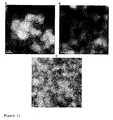
- a decrease in the crystallinity of the structure of the material may be determined by high resolution transmission electron microscopy. High resolution transmission electron microscopy allows the crystalline pattern of the material to be visually assessed. It can indicate the primary particle size and structure (such as d-spacing) and give some information on the distribution between amorphous and crystalline material.
- the reproducible physico-chemical property or characteristic of the materials of the present invention will be dependent on the application for which the material is intended.
- the properties that can be usefully modulated using the present invention include: dissolution (rate, pH dependence and pM dependence), disaggregation, adsorption and absorption characteristics, reactivity-inertness, melting point, temperature resistance, particle size, magnetism, electrical properties, density, light absorbing/reflecting properties, hardness-softness, colour and encapsulation properties.
- properties that are particularly relevant to the field of supplements, fortificants and mineral therapeutics are physico-chemical properties selected from one or more of a dissolution profile, an adsorption profile or a reproducible elemental ratio.
- a property or characteristic may be reproducible if replicate experiments are reproducible within a standard deviation of preferably ⁇ 10%, and more preferably ⁇ 5%, and even more preferably within a limit of ⁇ 2%.
- the dissolution profile of the solid ligand-modified poly oxo-hydroxy metal ion materials can be represented by different stages of the process, namely disaggregation and dissolution.
- dissolution is used to describe the passage of a substance from solid to soluble phase. More specifically, disaggregation is intended to describe the passage of the materials from a solid aggregated phase to an aquated phase that is the sum of the soluble phase and the aquated particulate phase (i.e. solution plus suspension phases). Therefore, the term dissolution as opposed to disaggregation more specifically represents the passage from any solid phase (aggregated or aquated) to the soluble phase.
- the metal ions include, but are not restricted to, Groups 2, 3 and 5 metals of the periodic table, the transition metals, heavy metals and lanthanoids. Examples include, but are not restricted to: Ag 2+ , Al 3+ , Au 3+ , Be 2+ , Ca 2+ , Co 2+ , Cr 3+ , Cu 2+ , Eu 3+ , Fe 3+ , Mg 2+ , Mn 2+ , Ni 2+ , Sr 2+ , V 5+ , Zn 2+ , Zr 2+ . Moreover, many of these metal cations take on different oxidation states so it will also be appreciated that these examples are not restricted to the oxidation states shown. In many cases, the solid ligand-modified poly oxo-hydroxy metal ion materials comprise a single species of metal ion, for example Fe 3+ .
- L represents one or more ligands or anions, such as initially in its protonated or alkali metal form, that can be incorporated into the solid phase ligand-modified poly oxo-hydroxy metal ion material. Typically, this is done to aid in the modification of a physico-chemical property of the solid material, e.g. as compared to a poly oxo-hydroxylated metal ion species in which the ligand(s) are absent.
- the ligand(s) L may also have some buffering capacity.
- ligands examples include, but are by no means limited to: carboxylic acids such as adipic acid, glutaric acid, tartaric acid, malic acid, succinic acid, aspartic acid, pimelic acid, citric acid, gluconic acid, lactic acid or benzoic acid; food additives such as maltol, ethyl maltol or vanillin; 'classical anions' with ligand properties such as bicarbonate, sulphate and phosphate; mineral ligands such as silicate, borate, molybdate and selenate; amino acids such as tryptophan, glutamine, proline, valine, or histidine; and nutrient-based ligands such as folate, ascorbate, pyridoxine or niacin.
- carboxylic acids such as adipic acid, glutaric acid, tartaric acid, malic acid, succinic acid, aspartic acid, pimelic acid, citric acid, gluconic acid
- ligands may be well recognised in the art as having high affinity for a certain metal ion in solution or as having only low affinity or not be typically recognised as a ligand for a given metal ion at all.
- ligands may have a role in spite of an apparent lack of activity in solution.
- two ligands of differing affinities for the metal ion are used in the production of these materials although one, two, three, four or more ligands may be useful in certain applications.
- ligands need to be biologically compatible under the conditions used and generally have one or more atoms with a lone pair of electrons at the point of reaction.
- the ligands include anions, weak ligands and strong ligands.
- Ligands may have some intrinsic buffering capacity during the reaction. Without wishing to be bound by a particular explanation, the inventors believe that the ligands have two modes of interaction: (a) substitution of hydroxy groups and, therefore, incorporation with a largely covalent character within the material and (b) non-specific adsorption (ion pair formation). These two modes likely relate to differing metal-ligand affinities (i.e. strong ligands for the former and weak ligands/anions for the latter).
- the ratio of the metal ion(s) to the ligand(s) (L) is also a parameter of the solid phase ligand-modifiedpoly oxo-hydroxy metal iron material that can be varied according to the methods disclosed herein to vary the properties of the materials.
- the useful ratios of M:L will be between 10:1, 5:1, 4:1, 3:1, 2:1 and 1:1 and 1:2, 1:3, 1:4, 1:5 or 1:10.
- the present invention may employ any way of forming hydroxide ions at concentrations that can provide for hydroxy surface groups and oxo bridging in the formation of these poly oxo-hydroxy materials.
- examples include but are not limited to, alkali solutions such as sodium hydroxide, potassium hydroxide and sodium bicarbonate, that would be added to increase [OH] in an ML mixture, or acid solutions such as mineral acids or organic acids, that would be added to decrease [OH] in an ML mixture.
- excipients may be added that mix with the ligand-modified poly oxo-hydroxy metal ion material but do not modify the primary particle and are used with a view to optimising formulation for the intended function of the material.
- examples of these could be, but are not limited to, glycolipids, phospholipids (e.g. phosphatidyl choline), sugars and polysaccharides, sugar alcohols (e.g. glycerol), polymers (e.g. polyethyleneglycol (PEG)) and taurocholic acid.
- the solid phase materials of the present invention may be formulated for use in a range of biologically relevant applications, including formulation for use as pharmaceutical, nutritional, cosmetic, or personal hygiene compositions.
- the compositions of the present invention may comprise, in addition to one or more of the solid phase materials of the invention, a pharmaceutically acceptable excipient, carrier, buffer, stabiliser or other materials well known to those skilled in the art. Such materials should be non-toxic and should not interfere with the efficacy of the solid phase materials for the application in question.
- compositions may be delivered by a range of delivery routes including, but not limited to: gastrointestinal delivery, including orally and per rectum; parenteral delivery, including injection; dermal delivery including patches, creams etc; mucosal delivery, including nasal, inhalation and via pessary; or by implant at specific sites, including prosthetics that may be used for this purpose or mainly for another purpose but have this benefit.
- compositions for oral administration may be in a tablet, capsule, powder, gel or liquid form.
- a tablet may include a solid carrier such as gelatin or an adjuvant.
- Capsules may have specialised properties such as an enteric coating.
- Liquid pharmaceutical compositions generally include a liquid carrier such as water, petroleum, animal or vegetable oils, mineral oil or synthetic oil. Physiological saline solution, dextrose or other saccharide solution or glycols such as ethylene glycol, propylene glycol or polyethylene glycol may be included.
- the solid ligand-modified poly oxo-hydroxy metal ion material needs to be maintained in a solid form, e.g. to control the delivery of a component of the material, it may be necessary to select components of the formulation accordingly, e.g. where a liquid formulation of the material is made.
- the active ingredient will be in the form of a parenterally acceptable aqueous solution or suspension which is pyrogen-free and has suitable pH, isotonicity and stability.
- a parenterally acceptable aqueous solution or suspension which is pyrogen-free and has suitable pH, isotonicity and stability.
- isotonic vehicles such as Sodium Chloride Injection, Ringer's Injection, Lactated Ringer's Injection.
- Preservatives, stabilisers, buffers, antioxidants and/or other additives may be included, as required.
- compositions used in accordance with the present invention that are to be given to an individual are preferably administered in a "prophylactically effective amount” or a “therapeutically effective amount” (as the case may be, although prophylaxis may be considered therapy), this being sufficient to show benefit to the individual (e.g. bioavailability).
- a "prophylactically effective amount” or a “therapeutically effective amount” as the case may be, although prophylaxis may be considered therapy
- the actual amount administered, and rate and time-course of administration will depend on the nature and severity of what is being treated. Prescription of treatment, e.g. decisions on dosage etc, is within the responsibility of general practitioners and other medical doctors, and typically takes account of the disorder to be treated, the condition of the individual patient, the site of delivery, the method of administration and other factors known to practitioners. Examples of the techniques and protocols mentioned above can be found in Remington's Pharmaceutical Sciences, 20th Edition, 2000, Lippincott, Williams & Wilkins .
- a composition may be administered alone or in combination with
- Examples of the uses of the solid ligand-modified poly oxo-hydroxy metal ion materials disclosed herein include, but are not limited to, uses as: dietary mineral supplements and fortificants; therapeutic mineral supplements (e.g. as administered by i.v. and oral routes); drugs, nutrients or cosmetic carriers/co-complexes; phosphate binding agents; other binding or sequestering applications; food additives; antiperspirants; sun-protection agents; vaccine adjuvants; immuno-modulatory agents; direct cosmetic applications including exfoliating agents; bone and dental filler/cements; implant materials including brachytherapy, and imaging and contrast agents.
- therapeutic mineral supplements e.g. as administered by i.v. and oral routes
- drugs, nutrients or cosmetic carriers/co-complexes e.g. as administered by i.v. and oral routes
- phosphate binding agents e.g. as administered by i.v. and oral routes
- phosphate binding agents e.g. as administered by i.v. and
- Ligand-modified poly oxo-hydroxide materials may be used as supplements for nutritional or medical benefit.
- any of these supplemental forms can be co-formulated, either by incorporation within the material through use of co-formulated material(s) as ligand(s) or through trapping/encapsulation of said materials, or simply through co-delivery of said materials.
- one particular application of the solid ligand-modified poly oxo-hydroxy metal ion materials of the present invention is for the treatment of mineral deficiencies, for example iron deficiency.
- the materials may be employed to bind or sequester a component present in an individual.
- the ferric iron compositions disclosed herein may be used to deliver iron to an individual for use in the prophylaxis or treatment of iron deficiency or iron deficiency anaemia which may be suspected, or diagnosed through standard haematological and clinical chemistry techniques.
- Iron deficiency and iron deficiency anaemia may occur in isolation, for example due to inadequate nutrition or due to excessive iron losses, or they may be associated with stresses such as pregnancy or lactation, or they may be associated with diseases such as inflammatory disorders, cancers and renal insufficiency.
- the reduced erythropoiesis associated with anaemia of chronic disease may be improved or corrected by the effective delivery of systemic iron and that co-delivery of iron with erythropoietin or its analogues may be especially effective in overcoming reduced erthropoietic activity.
- ferric iron compositions disclosed herein may be used to deliver iron to an individual for use in the treatment of sub-optimal erythropoietic activity such as in anaemia of chronic disease.
- Anaemia of chronic disease may be associated with conditions such as renal insufficiency, cancer and inflammatory disorders.
- iron deficiency may also commonly occur in these disorders so it follows that treatment through iron supplementation may address iron deficiency alone and/or anaemia of chronic disease. It will be recognised by those skilled in the art that the above examples of the medical uses of iron supplements are by no means limiting.
- Inorganic mineral-based materials have widespread biological applications that include: dietary supplements, phosphate binding agents, antacids, immune adjuvants (alum) and antiperspirants (alum). These are often co-formulated in such a way that the mineral physico-chemical properties, such as rates of dissolution and/or disaggregation, are modestly altered in an attempt to improve their efficacy.
- the modifying agents are all biologically compatible, food grade ligands allowing rapid introduction of novel materials to human subjects.
- An exemplar of these materials is the production of a novel class of iron supplements that may have therapeutic parenteral and oral applications, as well as widespread roles as fortificants and dietary supplements.
- the rate of nutrient absorption mimics that seen for the same nutrient when ingested in a food.
- the rate of dietary iron absorption can be controlled through the rate of iron dissolution.
- the aim is that the rate of dissolution will allow the ferric iron to be donated to the mucosal reductase (DcytB) in a fashion that prevents build up of iron in the lumen or bolus absorption into the circulation- neither of which are desirable.
- DcytB mucosal reductase
- ferric iron compositions of the present invention should have lower gastrointestinal side effects as they will not undergo facile redox cycling in the gut.
- the remaining, unabsorbed luminal iron would be largely unavailable for undesirable redox reactivity within the lumen and would pass harmlessly into the faeces.
- FeOHL A -i:j-L B k nomenclature was adopted to describe the preparation for ligand-modified poly oxo-hydroxy ferric iron materials; where L A refers to the ligand with higher solution affinity and L B to the ligand with lower solution affinity for iron.
- the ratio i:j refers to the molar ratio between iron (Fe) and ligand A (L A ) and k refers to the concentration (mM) of ligand B(L B ) in solution prior to the precipitation of ligand-modified poly oxo-hydroxy ferric materials.
- ligand B the nomenclature used was FeOH L B k.
- the material defined as FeOHT-3:1-Ad20 was prepared using a molar ratio of three Fe to one tartrate and a concentration of adipate of 20 mM.
- the iron concentration in solution was 40 mM unless stated otherwise in the figure legends.
- a series of dietary ligands was tested in a screening assay for their effects on the formation of solid ligand-modified poly oxo-hydroxy metal ion materials. Briefly, in a centrifuge tube, a fixed volume of stock solution of ferric iron (400mM FeCl 3 with 50mM MOPS, pH 1.4) was mixed with varying volumes of a stock solution of ligand (400mM with the exception of maltol which was 200mM, plus MOPS at 50mM and 0.9% NaCl) to obtain the desired metal: ligand ratio. The volumes were then equally adjusted to parity with a solution of 50mM MOPS and 0.9% NaCl. All the solutions obtained at this stage were fully soluble at pH ⁇ 2.0.
- a homogeneous aliquot (1mL) of the mixture was collected and transferred to an Eppendorf tube. Any aggregate formed was separated from the solution by centrifugation (10 minutes at 13000 rpm). The iron concentration in the supernatant was assessed by ICPOES. In some cases the supernatant was analysed for the presence of aquated particulate iron and the size distribution was measured (see below). When aquated particulate iron was present, the supernatant was ultrafiltrated (Vivaspin 3,000 Da molecular weight cut-off polyethersulfone membrane, Sartorius Stedium Biotech GmbH, Goettingen, Germany) and the iron concentration in the filtrate, i.e. "soluble iron", was analysed by ICPOES.
- the materials were prepared following a protocol similar to the titration experiment described above. Briefly, an acidic concentrated stock solution of iron was added to a solution containing either the ligand A, ligand B or both ligand A and B. In some cases 0.9% w/v of electrolyte was also added. The "starting pH" of the solution was always ⁇ 2.0, and the iron fully solubilised. The pH was then slowly increased by drop-wise addition of a concentrated solution of NaOH with constant agitation until reaching the desired final pH.
- the entire mixture was then transferred to a centrifuge bottle and spun at 4500 rpm for 15 minutes. The supernatant was discarded and the aggregated solid phase collected in a petri dish. When necessary, the solid was then dried in an oven at 45 °C for a minimum of 8 hours. Alternatively, the mixture (precipitate and supernatant) was freeze-dried at -20 °C and 0.4 mbar.
- the total mixture was either freeze-dried as above, or concentrated by ultrafiltration (Vivaspin 3000 Da molecular weight cut-off polyethersulfone membrane, Sartorius Stedium Biotech GmbH, Goettingen, Germany) and then air dried in an oven at 45 °C for a minimum of 8 hours. In some cases the mixture was dialysed (1,000 Da regenerated cellulose membrane Spectra/pro 7, Cole-Parmer, London, UK) in water to remove excess iron, ligands and electrolytes before undergoing one of the drying processes described above.
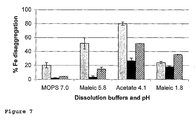
- the buffers were either 50mM MOPS with 0.9% NaCl at pH 7.0; 50mM Maleic acid with 0.9% NaCl at pH 5.8-6.0 and 1.8-2.2; 50mM sodium acetate/ 50mM acetic acid glacial with 0.9% NaCl at pH 4.0-4.5.
- the final volume was 35 mL and the final pH was 7.0.
- the mixture was incubated at 37°C for 60 min with radial shaking. Homogeneous Aliquots (1mL) were collected at different time points during the process and centrifuged at 13,000 rpm for 10 minutes to separate the aggregate and aquated phases. The supernatant was analysed for iron content by ICPOES. At the end of the experiment, the remaining solution was centrifuged at 4,500 rpm for 15 min and the supernatant analysed for Fe content by ICPOES. The mass of remaining material (i.e. the wet pellet) was recorded. Concentrated HNO 3 was added to this wet pellet and the new mass recorded.
- the tubes were left at room temperature until all the pellet dissolved and an aliquot was collected for ICPOES analysis to determine the quantity of iron that did not disaggregate / dissolve.
- the starting amount of iron was calculated from the iron in the wet pellet plus the iron in the supernatant.
- this fraction was also ultrafiltered (Vivaspin 3,000 Da molecular weight cut-off polyethersulfone membrane, Sartorius Stedium Biotech GmbH, Goettingen, Germany) and again analysed by ICPOES.
- the particle size of the ligand-modified poly oxo-hydroxy ferric iron materials under simulated gastric and intestinal conditions was determined using an adapted "in vitro gastrointestinal digestion assay" in which no protein was in solution. The absence of proteins was required to measure particle size as these interfere with the measurement but the procedure was otherwise identical to the " in vitro gastrointestinal digestion assay” with extra aliquots being collected at various time points for the determination of particle size.
- Iron contents of solutions or solids were measured using a JY2000-2 ICPOES (Horiba Jobin Yvon Ltd., Stanmore, U.K.) at the iron specific wavelength of 259.940 nm. Solutions were diluted in 5% nitric acid prior to analysis while solids were digested with concentrated HNO 3 . The percentage of iron in solution or solid phase was determined by the difference between the starting iron content and either the iron in the soluble phase or the iron in the solid phase depending on the assay.
- JY2000-2 ICPOES Horiba Jobin Yvon Ltd., Stanmore, U.K.
- micron-sized particles The size distribution of micron-sized particles was determined using a Mastersizer 2000 with a Hydro- ⁇ P dispersion unit (Malvern Instruments Ltd, Malvern, UK) and nano-sized particles were determined with a Zetasizer Nano ZS (Malvern Instruments Ltd, Malvern, UK). Mastersizer measurements required no sample pre-treatment whereas centrifugation was needed to remove large particles prior to Zetasizer measurements.
- Powder samples were analysed by first dispersing the powder in methanol and then drop-casting on standard holey carbon TEM support films. Commercial tablets were similarly analysed but were first crushed to release the powder. Analysis were undertaken by the Institute for Materials Research, University of Leeds, UK.
- Powder samples were analysed by first dispersing the powder in methanol and then drop-casting on standard holey carbon TEM support films. Commercial tablets were similarly analysed but were first crushed to release the powder. Analysis were undertaken by aberration-corrected scanning transmission electron microscopy (Daresbury; superSTEM).
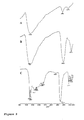
- IR spectra were collected using a DurasamplIR diamond ATR accessory with a Nicolet Avatar 360 spectrometer with a wavelength range of 4000-650cm -1 and resolution of 4cm -1 . Analysis were undertaken by ITS Testing Services (UK) Ltd, Sunbury on Thames, UK.
- the experimental treatment was either a single dose of 58 Fe labeled ligand-modified poly oxo-hydroxy ferric iron material (60 mg total iron) or ferrous sulphate (65 mg total iron).
- Ferrous sulphate is used as a reference dose to control for individuals who are poor absorbers (defined as those who have no significant net area under the curve (AUC) for plasma iron following ferrous sulphate ingestion).
- AUC net area under the curve
- Fe absorption was based on erythrocyte incorporation of the 58 Fe stable-isotope label 14 days after the intake of labelled iron test compounds.
- the test compounds and the reference compound (ferrous sulphate) were taken (with or without breakfast), under strictly standardised conditions and close supervision, after an overnight fast with 14 days interval. No intake of food or fluids (apart from water) was allowed for 4 h after the iron compound intake.
- Total serum iron concentration was analysed by a standard clinical chemistry procedure based on the method by Smith et al using the chromophore Ferene ® .
- RBC incorporation of 58 Fe was determined using an Elan DRC Plus Inductively Coupled Plasma Mass Spectrometer (Perkin Elmer Sciex, Beaconsfield, UK).
- the sample introduction system consisted of a V-groove nebuliser, a double-pass spray chamber, a demountable quartz torch, and a quartz injector (2 mm internal diameter). Platinum-tipped sampler and skimmer cones (Perkin Elmer Sciex, Beaconsfield, UK) were used for all analyses. Baseline whole blood samples were collected from participants in the study immediately prior to administration of a 60 mg oral Fe supplement labelled with 2mg 58 Fe, and a second blood sample was collected 14 days after administration.
- a solution of 58 Fe labelled ferric chloride was prepared by dissolving 100 mg 58 Fe enriched elemental iron (Chemgas, Boulogne, France) in 4 mL 37% HCl in a pear-shaped glass flask attached to a condenser and heated at 48°C in a water bath. The temperature was raised gradually over time to keep the solution boiling as the concentration of chlorine dropped. When the elemental iron powder was dissolved, 0.5 mL of 30% hydrogen peroxide were added to oxidize ferrous iron to ferric iron. The flask was then sealed, once the oxidation reaction finished, i.e once the formation of O 2 bubbles stopped. The concentration of iron in the final solution was determined by ICPOES and the Ferrozine assay was used to confirm the absence of ferrous iron.
- the chosen ligand-modified poly oxo-hydroxy ferric iron materials enriched with 58 Fe were prepared following the protocol described above (see Preparation of solid ligand-modified poly oxo-hydroxy ferric iron materials ) using a ferric chloride stock solution containing 3.5% w/w 58 Fe (2 mg of 58 Fe per 60 mg total iron in the ingested solid material) from the 58 Fe labelled ferric chloride solution discussed above.
- a series of ligands namely maltol, succinic acid, citric acid, lactic acid, tartaric acid, malic acid, gluconic acid, aspartic acid, glutamic acid, histidine and glutamine, were studied for their effect on ferric poly oxo-hydroxide precipitation from solution.
- the ligands were all tested using the screening assay described above at ratios of 1:1 to 1:5 and classified in three groups.
- the first group “strong ligands”, were ligands found to inhibit the formation of 80% of the solid material at ratio 1:1 and included gluconic acid, citric acid and maltol.
- the second group “weak ligands”, were ligands found to have little effect on the amount of solid material formed ( ⁇ 10% at all the ratios tested) and included aspartic acid, succinic acid, lactic acid, glutamic acid and histidine.
- the third group "intermediate ligands" were ligands found to have an influence, between strong and weak ligands, on the amount of solid material formed at, at least, one of the ratios tested and included malic acid, tartaric acid and glutamine.
- ligands from the three groups described above were re-screened for their effects on both the formation of ferric poly oxo-hydroxide precipitation at varying M:L ratios, and the dissolution of the solid materials formed in pH 6 and pH 4 buffers (see screening assay above).
- the ligands had variable effects on the percentage of poly oxo-hydroxy iron that was precipitated depending upon (a) the group the ligand belonged to and (b) the M:L ratio.
- the solid materials formed showed variable re-aquation properties that were not predictable from the precipitation behaviours.
- the re-dissolution profile was studied using a more defined assay in four different buffers (see Disaggregation Assay in Methods).
- the buffers contained 0.9% w/v electrolyte so that the results obtained would reflect the behaviour of the material in a biological ionic strength environment.
- the pH environments were chosen to reflect different parts of the gastrointestinal tract from gastric (pH 1.8) to intestinal (pH 7.0).
- Ligand-modified poly oxo-hydroxy ferric iron materials were prepared at pH 6.5 in 50mM MOPS and 0.9% NaCl. Starting iron concentrations were 26.7mM. Precipitation steps were either carried out in individual tubes (a) as per the precipitation procedure described in Screening Assay, or as a batch (b) as per the preparation of solid ligand-modified poly oxo-hydroxy ferric iron materials (see methods). Disaggregation of all materials was performed according to the method outline in Dissagregation assay (see methods).
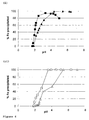
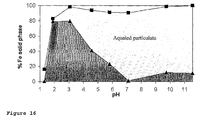
- Figure 2 shows the rate of formation of the solid material with increasing pH.
- the addition of malate was found to delay the formation of the solid material compared to the absence of ligand.
- This scenario is to be expected when a ligand competes with the polymerisation of the poly oxo-hydroxy ferric iron entity that results in the formation of the solid material.
- tartrate was found to have a promoting effect on the formation of the solid material at lower pH. This does not correlate with the competition.scenario described above.
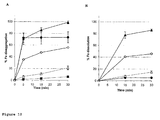
- the disaggregation profile of the ligand-modified poly oxo-hydroxy ferric iron solid material formed at different pHs was shown to vary as illustrated in Figure 3 for malate. As the pH of preparation of the material increases, the disaggregation profile decreases. This is in accordance with an increase of polymerisation and formation of oxo-bridges with increasing pH, probably limiting the modification effect of the ligand on the material.
- MOPS metal speciation studies due to its very weak interaction with most metal ions and hence it rarely interferes in the formation of metal complexes.
- MOPS has a pKa of 7.2 and so has a buffering capacity around neutral pH.
- MOPS would not interact directly with iron or prevent the formation of the solid material, it may indirectly influence the formation of the solid by controlling the rate of change in environmental pH.
- the buffer used in the preparation of the ligand-modified poly oxo-hydroxy ferric iron solid materials should be safe for human consumption which MOPS is not.
- Figure 6 illustrates the effect of changing MOPS for adipate on the rate of formation of the tartrate-modified poly oxo-hydroxy ferric iron solid material at M:L ratio 4:1 ( Figure 6(i) ), as well as its effect on the otherwise un-modified poly oxo-hydroxy ferric iron solid material ( Figure 6(ii) ). In both cases, adipate had a promoting effect on the rate of formation of the solid material.
- Tartrate-modified poly oxo-hydroxy ferric iron solid materials were prepared following the protocol "preparation of solid ligand-modified poly oxo-hydroxy ferric iron materials" (see methods) at pH 4.0 in either 50mM adipate (Ad50) or 20mM adipate (Ad20) without the presence of an electrolyte.
- Malate-modified poly oxo-hydroxy ferric iron solid materials were prepared following the same procedure at pH 8.5 in either 100mM bicarbonate (Bic100) or 25mM bicarbonate (Bic25) without the presence of an electrolyte.
- the disaggregation of the materials was performed according to the method outlined in Disaggregation assay (see method) using the non-dried material for FeOHT-Ad50 and FeOHM-Bic100 and the oven-dried material for FeOHT-Ad20 and FeOHM-Bic25.
- the solid ligand-modified poly oxo-hydroxy ferric iron materials prepared above differ from currently available iron formulations in that they are not a simple inorganic ferrous ion salt (e.g. ferrous sulphate), an iron complex in which the metal is coordinated with organic ligand (e.g. ferric trimaltol), nor an organic ligand coated iron mineral particle (e.g. iron polymaltose or 'Maltofer').
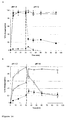
- Disaggregation of some of our novel ligand-modified poly oxo-hydroxy ferric iron materials under gastric and intestinal conditions was also compared to dissagregation of other commercially available iron compounds, namely ferric pyrophosphate, ferric chloride, ferric trimaltol and ferrous bisglycinate.
- the commercial compounds either failed to disaggregate properly (e.g. ferric pyrophosphate), or they disaggregated very rapidly ( Figure 14 ). This rapid disaggregation, if paralleled by dissolution, is believed to be responsible for giving rise to bolus delivery of iron ions in the gut lumen and likely, therefore, the occurrence of side effects.
- novel ligand-modified poly oxo-hydroxy ferric iron materials showed a degree of controlled release although, clear differences can be seen in the rates of disagreggation for the novel materials, indicating that their properties can be tailored as required ( Figure 14 ). It should be noted in Figure 14 that whether iron remains in solution or not at pH 7.0 is merely a function of whether chelators/ligands are present (as they will naturally be in the gut) and so the data for ferrous sulphate and ferric chloride (where no ligand is present in the compound) should not be over-interpreted.
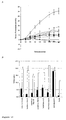
- FIG. 17 A study of the particle size distribution after passage through the modified gastrointestinal digestive assay of some tartrate-modified poly oxo-hydroxy ferric iron material is shown in Figure 17 .
- Changing the M:L ratio (first vs second bar), pH of preparation (second vs third bar) and type of ligand B (fourth bar) clearly affects the size of particles obtained and therefore disaggregation/dissolution profiles. There is especially an increase in smaller particle sizes with increasing tartrate concentrations indicating less aggregation of the primary particles with increasing L content.
- the higher the pH of preparation the smaller the resulting particle size.
- the compounds FeOHT-2:1-TRP15 and FeOHGluconic20 are examples of how changing the composition of these novel materials changes their serum iron profile but maintains the same percentage of iron absorption ( Figure 13 ) again indicating that the materials can be tailored to achieve desired outcomes.
Landscapes
- Chemical & Material Sciences (AREA)
- Health & Medical Sciences (AREA)
- Organic Chemistry (AREA)
- General Health & Medical Sciences (AREA)
- Veterinary Medicine (AREA)
- Medicinal Chemistry (AREA)
- Public Health (AREA)
- Pharmacology & Pharmacy (AREA)
- Life Sciences & Earth Sciences (AREA)
- Animal Behavior & Ethology (AREA)
- Epidemiology (AREA)
- Chemical Kinetics & Catalysis (AREA)
- Nuclear Medicine, Radiotherapy & Molecular Imaging (AREA)
- General Chemical & Material Sciences (AREA)
- Engineering & Computer Science (AREA)
- Bioinformatics & Cheminformatics (AREA)
- Inorganic Chemistry (AREA)
- Diabetes (AREA)
- Hematology (AREA)
- Nutrition Science (AREA)
- Obesity (AREA)
- Toxicology (AREA)
- Pharmaceuticals Containing Other Organic And Inorganic Compounds (AREA)
- Organic Low-Molecular-Weight Compounds And Preparation Thereof (AREA)
- Coloring Foods And Improving Nutritive Qualities (AREA)
- Peptides Or Proteins (AREA)
- Compounds Of Alkaline-Earth Elements, Aluminum Or Rare-Earth Metals (AREA)
- Polyesters Or Polycarbonates (AREA)
- Catalysts (AREA)
- Medicines That Contain Protein Lipid Enzymes And Other Medicines (AREA)
- Cosmetics (AREA)
Priority Applications (4)
| Application Number | Priority Date | Filing Date | Title |
|---|---|---|---|
| PL08709331T PL2125847T3 (pl) | 2007-02-06 | 2008-02-06 | Materiały poli okso-hydroksy jonów metalu zmodyfikowanych ligandem, ich zastosowania i sposoby ich otrzymywania |
| HRP20150944TT HRP20150944T1 (hr) | 2007-02-06 | 2008-02-06 | Materijali poli-okso-hidroksi-metalnih iona modificirani ligandima, njihove uporabe i postupci za njihovu proizvodnju |
| SI200831491T SI2125847T1 (sl) | 2007-02-06 | 2008-02-06 | Poli okso-hidroksi kovinskoionski materiali, modificirani z ligandom, njihove uporabe in postopki za njihovo pripravo |
| CY20151100694T CY1116590T1 (el) | 2007-02-06 | 2015-08-10 | Υλικα πολυ οξο-υδροξυ μεταλλικου ιοντος τροποποιημενα με εκλεκτικο συνδετη, χρησεις αυτων και μεθοδοι παρασκευης αυτων |
Applications Claiming Priority (3)
| Application Number | Priority Date | Filing Date | Title |
|---|---|---|---|
| US88838607P | 2007-02-06 | 2007-02-06 | |
| GBGB0702270.0A GB0702270D0 (en) | 2007-02-06 | 2007-02-06 | Ligand modified poly oxo-hydroxy metal ion materials, their uses and processes for their preparation |
| PCT/GB2008/000408 WO2008096130A1 (en) | 2007-02-06 | 2008-02-06 | Ligand modified poly oxo-hydroxy metal ion materials, their uses and processes for their preparation |
Publications (2)
| Publication Number | Publication Date |
|---|---|
| EP2125847A1 EP2125847A1 (en) | 2009-12-02 |
| EP2125847B1 true EP2125847B1 (en) | 2015-06-17 |
Family
ID=39204358
Family Applications (1)
| Application Number | Title | Priority Date | Filing Date |
|---|---|---|---|
| EP08709331.6A Active EP2125847B1 (en) | 2007-02-06 | 2008-02-06 | Ligand modified poly oxo-hydroxy metal ion materials, their uses and processes for their preparation |
Country Status (15)
| Country | Link |
|---|---|
| US (1) | US8058462B2 (enExample) |
| EP (1) | EP2125847B1 (enExample) |
| JP (1) | JP5756598B2 (enExample) |
| KR (1) | KR101514470B1 (enExample) |
| AU (1) | AU2008212653B2 (enExample) |
| BR (1) | BRPI0807212B1 (enExample) |
| CA (1) | CA2676146C (enExample) |
| CY (1) | CY1116590T1 (enExample) |
| EA (1) | EA019635B1 (enExample) |
| GB (1) | GB2451713B (enExample) |
| HR (1) | HRP20150944T1 (enExample) |
| IL (1) | IL199901A (enExample) |
| MX (1) | MX2009008281A (enExample) |
| PL (1) | PL2125847T3 (enExample) |
| WO (1) | WO2008096130A1 (enExample) |
Cited By (1)
| Publication number | Priority date | Publication date | Assignee | Title |
|---|---|---|---|---|
| US11007217B2 (en) | 2016-08-10 | 2021-05-18 | United Kingdom Research And Innovation | Compositions comprising nanosilica particles and their use in methods of activating T lymphocytes for therapy |
Families Citing this family (12)
| Publication number | Priority date | Publication date | Assignee | Title |
|---|---|---|---|---|
| EP2125847B1 (en) | 2007-02-06 | 2015-06-17 | Medical Research Council | Ligand modified poly oxo-hydroxy metal ion materials, their uses and processes for their preparation |
| GB0814326D0 (en) * | 2008-08-05 | 2008-09-10 | Medical Res Council | Phosphate binding materials and their uses |
| GB201101299D0 (en) | 2011-01-25 | 2011-03-09 | Medical Res Council | Oxygen sensors and their uses |
| GB201507002D0 (en) * | 2015-04-24 | 2015-06-10 | Medical Res Council | Copper Oxo-hydroxide nanoparticles and their uses as biocidal agents |
| GB201517893D0 (en) * | 2015-10-09 | 2015-11-25 | Medical Res Council | Methods for producing carboxylate ligand modified ferric iron hydroxide colloids |
| JP7033545B2 (ja) * | 2016-03-31 | 2022-03-10 | シールド ティーエックス (ユーケー) リミテッド | 配位子修飾及び配位子コーティングされた水酸化第二鉄からマルトール第二鉄組成物を生成するための方法 |
| CN109311837B (zh) | 2016-03-31 | 2022-09-30 | 英国神盾Tx股份有限公司 | 用于由氢氧化亚铁产生麦芽酚铁组合物的方法 |
| SG11202001594TA (en) | 2017-09-11 | 2020-03-30 | Pharmacosmos Holding As | Iron complex compounds for therapeutic use |
| GB202005054D0 (en) | 2020-04-06 | 2020-05-20 | Nemysis Ltd | Carboxylate Ligand Modified Ferric Iron Hydroxide Compositions for Use in the Treatment or Prevention of Iron Deficiency Associated with Liver Diseases |
| WO2022061065A1 (en) * | 2020-09-17 | 2022-03-24 | Doyle Robert P | Complexes of magnesium maltol (3-hydroxy-2-methyl-4h-pyran-4-one) for oral supplementation |
| AU2022323733A1 (en) | 2021-08-03 | 2024-02-29 | Pharmacosmos Holding A/S | Iron complex compounds for subcutaneous use in therapy of iron deficiency in companion animals |
| WO2026017897A1 (en) | 2024-07-18 | 2026-01-22 | Malian Biologicals Gmbh | Iron supplementation in affective disorders and/or post-traumatic stress disorder (ptsd) and/or serotonin-dependent diseases |
Citations (1)
| Publication number | Priority date | Publication date | Assignee | Title |
|---|---|---|---|---|
| GB1600449A (en) * | 1977-06-20 | 1981-10-14 | Mooney Chemicals | Hydrocarbon-soluble overbased transition metal organic compositions |
Family Cites Families (25)
| Publication number | Priority date | Publication date | Assignee | Title |
|---|---|---|---|---|
| NL264270A (enExample) * | ||||
| US2575347A (en) * | 1949-07-14 | 1951-11-20 | Interchem Corp | Metallo organic compounds |
| GB959282A (en) * | 1959-08-19 | 1964-05-27 | Hardman & Holden Ltd | Improvements relating to organic aluminium compounds |
| US3076798A (en) | 1961-02-23 | 1963-02-05 | Hausmann Lab Ltd | Process for preparing a ferric hydroxide polymaltose complex |
| US3679377A (en) | 1970-02-17 | 1972-07-25 | Union Oil Co | Iron complexes containing aquo,sulfate and hydroxyl ligands |
| US3821192A (en) | 1971-08-18 | 1974-06-28 | Central Pharmacal Co | Process for preparing an iron-saccharide complex |
| US4137359A (en) * | 1977-10-31 | 1979-01-30 | Mooney Chemicals, Inc. | Elastomers with improved metal adhesion |
| DE4239442C2 (de) | 1992-11-24 | 2001-09-13 | Sebo Gmbh | Verwendung eines mit polynuklearen Metalloxidhydroxiden modifizierten Adsorptionsmaterials zur selektiven Elimination von anorganischem Phosphat aus proteinhaltigen Flüssigkeiten |
| US6177581B1 (en) | 1999-10-12 | 2001-01-23 | The Dow Chemical Company | Mixed-metal chelates and process for the preparation thereof |
| US20030049284A1 (en) | 2001-09-05 | 2003-03-13 | Boccio Jose Ruben | Method of increasing the solubility of alphahydrocarboxilic salts, and products obtained by the method |
| ES2357293T3 (es) | 2001-10-08 | 2011-04-25 | Purac Biochem N.V. | Método de preparación de gluconato de calcio. |
| AU2003237552A1 (en) * | 2002-01-24 | 2003-09-02 | William Marsh Rice University | Organic acid-feooh (ferroxane) particles and ferroxane-derived ceramics and ceramic membranes |
| US7994217B2 (en) | 2002-05-02 | 2011-08-09 | Xanodyne Pharmaceuticals, Inc. | Prenatal multivitamin/multimineral supplement |
| GB0211500D0 (en) | 2002-05-18 | 2002-06-26 | Vitra Pharmaceuticals Ltd | Method of forming iron hydroxypyrone compounds |
| DE10249552A1 (de) | 2002-10-23 | 2004-05-13 | Vifor (International) Ag | Wasserlösliche Eisen-Kohlenhydrat-Komplexe, deren Herstellung und diese enthaltende Arzneimittel |
| US6706904B1 (en) | 2002-12-04 | 2004-03-16 | Albion International, Inc. | Dimetalhydroxy malates |
| TWI335218B (en) | 2003-02-19 | 2011-01-01 | Panion & Bf Biotech Inc | Ferric organic compounds, uses thereof and methods of making same |
| US7964568B2 (en) | 2003-05-30 | 2011-06-21 | Chromaceutical Advanced Technologies, Inc. | Synthesis of high molecular weight iron-saccharidic complexes |
| US7179939B2 (en) | 2004-03-16 | 2007-02-20 | Navinta Llc | Sodium ferric gluconate complexes and method of manufacture thereof |
| WO2005094202A2 (en) | 2004-03-16 | 2005-10-13 | Navinta, Llc | Iron sucrose complexes and method of manufacture thereof |
| BRPI0515847A (pt) | 2004-10-08 | 2008-08-12 | Unilever Nv | uso de um complexo de ferro, composição alimentìcia, gênero alimentìcio fortificado com ferro, composição de bebida, bebida fortificada com ferro, suplemento alimentar e composição farmacêutica |
| DE202005014332U1 (de) | 2005-09-09 | 2006-01-19 | Institut für Oberflächenmodifizierung e.V. | Metallorganisches Nanopulver |
| EP2125847B1 (en) | 2007-02-06 | 2015-06-17 | Medical Research Council | Ligand modified poly oxo-hydroxy metal ion materials, their uses and processes for their preparation |
| TWI592159B (zh) | 2007-11-16 | 2017-07-21 | 威佛(國際)股份有限公司 | 藥學組成物 |
| GB0814326D0 (en) | 2008-08-05 | 2008-09-10 | Medical Res Council | Phosphate binding materials and their uses |
-
2008
- 2008-02-06 EP EP08709331.6A patent/EP2125847B1/en active Active
- 2008-02-06 BR BRPI0807212-4A patent/BRPI0807212B1/pt active IP Right Grant
- 2008-02-06 GB GB0802214A patent/GB2451713B/en active Active
- 2008-02-06 US US12/026,861 patent/US8058462B2/en active Active
- 2008-02-06 KR KR1020097016904A patent/KR101514470B1/ko active Active
- 2008-02-06 AU AU2008212653A patent/AU2008212653B2/en active Active
- 2008-02-06 CA CA2676146A patent/CA2676146C/en active Active
- 2008-02-06 HR HRP20150944TT patent/HRP20150944T1/hr unknown
- 2008-02-06 MX MX2009008281A patent/MX2009008281A/es active IP Right Grant
- 2008-02-06 WO PCT/GB2008/000408 patent/WO2008096130A1/en not_active Ceased
- 2008-02-06 JP JP2009548736A patent/JP5756598B2/ja active Active
- 2008-02-06 EA EA200970718A patent/EA019635B1/ru unknown
- 2008-02-06 PL PL08709331T patent/PL2125847T3/pl unknown
-
2009
- 2009-07-16 IL IL199901A patent/IL199901A/en active IP Right Grant
-
2015
- 2015-08-10 CY CY20151100694T patent/CY1116590T1/el unknown
Patent Citations (1)
| Publication number | Priority date | Publication date | Assignee | Title |
|---|---|---|---|---|
| GB1600449A (en) * | 1977-06-20 | 1981-10-14 | Mooney Chemicals | Hydrocarbon-soluble overbased transition metal organic compositions |
Non-Patent Citations (1)
| Title |
|---|
| BATZER, H.: "Polymere Werkstoffe", vol. I, 1985, GEORG THIEME VERLAG, Stuttgart, New York, article WEGNER, G.: "Kristalliner Zustand", pages: 253 - 265 * |
Cited By (2)
| Publication number | Priority date | Publication date | Assignee | Title |
|---|---|---|---|---|
| US11007217B2 (en) | 2016-08-10 | 2021-05-18 | United Kingdom Research And Innovation | Compositions comprising nanosilica particles and their use in methods of activating T lymphocytes for therapy |
| US11980637B2 (en) | 2016-08-10 | 2024-05-14 | United Kingdom Research And Innovation | Compositions comprising nanosilica particles and their use in methods of activating T lymphocytes for therapy |
Also Published As
| Publication number | Publication date |
|---|---|
| JP5756598B2 (ja) | 2015-07-29 |
| MX2009008281A (es) | 2009-08-25 |
| IL199901A (en) | 2014-11-30 |
| GB0802214D0 (en) | 2008-03-12 |
| CA2676146A1 (en) | 2008-08-14 |
| CY1116590T1 (el) | 2017-03-15 |
| BRPI0807212A2 (pt) | 2014-06-17 |
| EP2125847A1 (en) | 2009-12-02 |
| US8058462B2 (en) | 2011-11-15 |
| BRPI0807212B1 (pt) | 2022-01-11 |
| PL2125847T3 (pl) | 2015-12-31 |
| GB2451713B (en) | 2009-12-16 |
| CA2676146C (en) | 2016-08-09 |
| JP2010520856A (ja) | 2010-06-17 |
| KR20090121281A (ko) | 2009-11-25 |
| US20080188555A1 (en) | 2008-08-07 |
| KR101514470B1 (ko) | 2015-04-22 |
| HK1138598A1 (en) | 2010-08-27 |
| AU2008212653A1 (en) | 2008-08-14 |
| WO2008096130A1 (en) | 2008-08-14 |
| IL199901A0 (en) | 2010-04-15 |
| GB2451713A (en) | 2009-02-11 |
| HRP20150944T1 (hr) | 2015-10-09 |
| EA019635B1 (ru) | 2014-05-30 |
| AU2008212653B2 (en) | 2012-05-24 |
| EA200970718A1 (ru) | 2010-02-26 |
Similar Documents
| Publication | Publication Date | Title |
|---|---|---|
| AU2008212653B2 (en) | Ligand modified poly oxo-hydroxy metal ion materials, their uses and processes for their preparation | |
| DK2125847T3 (en) | The ligand-modified poly oxo-hydroxy-metalionmaterialer, uses thereof and methods of preparation thereof | |
| EP2320884B1 (en) | Phosphate binding materials and their uses | |
| US11684572B2 (en) | Methods for producing carboxylate ligand modified ferric iron hydroxide colloids and related compositions and uses | |
| HK1138598B (en) | Ligand modified poly oxo-hydroxy metal ion materials, their uses and processes for their preparation | |
| DK2320884T3 (en) | Phosphate-binding materials and uses thereof | |
| HK1153402B (en) | Phosphate binding materials and their uses | |
| HK1253078B (en) | Methods for producing carboxylate ligand modified ferric iron hydroxide colloids and related compositions and uses |
Legal Events
| Date | Code | Title | Description |
|---|---|---|---|
| PUAI | Public reference made under article 153(3) epc to a published international application that has entered the european phase |
Free format text: ORIGINAL CODE: 0009012 |
|
| 17P | Request for examination filed |
Effective date: 20090811 |
|
| AK | Designated contracting states |
Kind code of ref document: A1 Designated state(s): AT BE BG CH CY CZ DE DK EE ES FI FR GB GR HR HU IE IS IT LI LT LU LV MC MT NL NO PL PT RO SE SI SK TR |
|
| RIC1 | Information provided on ipc code assigned before grant |
Ipc: C07F 15/02 20060101ALI20091104BHEP Ipc: C07G 99/00 20090101AFI20091104BHEP |
|
| DAX | Request for extension of the european patent (deleted) | ||
| REG | Reference to a national code |
Ref country code: HK Ref legal event code: DE Ref document number: 1138598 Country of ref document: HK |
|
| RAP1 | Party data changed (applicant data changed or rights of an application transferred) |
Owner name: MEDICAL RESEARCH COUNCIL |
|
| 17Q | First examination report despatched |
Effective date: 20120807 |
|
| GRAP | Despatch of communication of intention to grant a patent |
Free format text: ORIGINAL CODE: EPIDOSNIGR1 |
|
| INTG | Intention to grant announced |
Effective date: 20150109 |
|
| GRAP | Despatch of communication of intention to grant a patent |
Free format text: ORIGINAL CODE: EPIDOSNIGR1 |
|
| INTG | Intention to grant announced |
Effective date: 20150302 |
|
| GRAS | Grant fee paid |
Free format text: ORIGINAL CODE: EPIDOSNIGR3 |
|
| GRAA | (expected) grant |
Free format text: ORIGINAL CODE: 0009210 |
|
| AK | Designated contracting states |
Kind code of ref document: B1 Designated state(s): AT BE BG CH CY CZ DE DK EE ES FI FR GB GR HR HU IE IS IT LI LT LU LV MC MT NL NO PL PT RO SE SI SK TR |
|
| REG | Reference to a national code |
Ref country code: GB Ref legal event code: FG4D |
|
| REG | Reference to a national code |
Ref country code: CH Ref legal event code: EP |
|
| REG | Reference to a national code |
Ref country code: AT Ref legal event code: REF Ref document number: 731875 Country of ref document: AT Kind code of ref document: T Effective date: 20150715 |
|
| REG | Reference to a national code |
Ref country code: IE Ref legal event code: FG4D |
|
| REG | Reference to a national code |
Ref country code: DE Ref legal event code: R096 Ref document number: 602008038595 Country of ref document: DE |
|
| REG | Reference to a national code |
Ref country code: HR Ref legal event code: TUEP Ref document number: P20150944 Country of ref document: HR Ref country code: ES Ref legal event code: FG2A Ref document number: 2544960 Country of ref document: ES Kind code of ref document: T3 Effective date: 20150907 |
|
| REG | Reference to a national code |
Ref country code: DK Ref legal event code: T3 Effective date: 20150910 |
|
| REG | Reference to a national code |
Ref country code: SE Ref legal event code: TRGR |
|
| REG | Reference to a national code |
Ref country code: RO Ref legal event code: EPE |
|
| REG | Reference to a national code |
Ref country code: PT Ref legal event code: SC4A Free format text: AVAILABILITY OF NATIONAL TRANSLATION Effective date: 20150810 |
|
| REG | Reference to a national code |
Ref country code: HR Ref legal event code: T1PR Ref document number: P20150944 Country of ref document: HR |
|
| REG | Reference to a national code |
Ref country code: NL Ref legal event code: FP |
|
| REG | Reference to a national code |
Ref country code: NO Ref legal event code: T2 Effective date: 20150617 |
|
| REG | Reference to a national code |
Ref country code: GR Ref legal event code: EP Ref document number: 20150401673 Country of ref document: GR Effective date: 20150929 |
|
| REG | Reference to a national code |
Ref country code: EE Ref legal event code: FG4A Ref document number: E011020 Country of ref document: EE Effective date: 20150909 |
|
| REG | Reference to a national code |
Ref country code: HK Ref legal event code: GR Ref document number: 1138598 Country of ref document: HK |
|
| REG | Reference to a national code |
Ref country code: PL Ref legal event code: T3 |
|
| REG | Reference to a national code |
Ref country code: SK Ref legal event code: T3 Ref document number: E 19367 Country of ref document: SK |
|
| REG | Reference to a national code |
Ref country code: FR Ref legal event code: PLFP Year of fee payment: 9 |
|
| REG | Reference to a national code |
Ref country code: HU Ref legal event code: AG4A Ref document number: E025502 Country of ref document: HU |
|
| REG | Reference to a national code |
Ref country code: DE Ref legal event code: R097 Ref document number: 602008038595 Country of ref document: DE |
|
| PLBE | No opposition filed within time limit |
Free format text: ORIGINAL CODE: 0009261 |
|
| STAA | Information on the status of an ep patent application or granted ep patent |
Free format text: STATUS: NO OPPOSITION FILED WITHIN TIME LIMIT |
|
| 26N | No opposition filed |
Effective date: 20160318 |
|
| REG | Reference to a national code |
Ref country code: FR Ref legal event code: PLFP Year of fee payment: 10 |
|
| REG | Reference to a national code |
Ref country code: AT Ref legal event code: UEP Ref document number: 731875 Country of ref document: AT Kind code of ref document: T Effective date: 20150617 |
|
| REG | Reference to a national code |
Ref country code: FR Ref legal event code: PLFP Year of fee payment: 11 |
|
| REG | Reference to a national code |
Ref country code: GB Ref legal event code: 732E Free format text: REGISTERED BETWEEN 20180419 AND 20180425 |
|
| REG | Reference to a national code |
Ref country code: NO Ref legal event code: CHAD Owner name: UNITED KINGDOM RESEARCH AND INNOVATION, GB |
|
| REG | Reference to a national code |
Ref country code: EE Ref legal event code: GB1A Ref document number: E011020 Country of ref document: EE |
|
| REG | Reference to a national code |
Ref country code: HU Ref legal event code: FH1C Free format text: FORMER REPRESENTATIVE(S): FRANKNE DR. MACHYTKA DAISY, GOEDOELLE, KEKES, MESZAROS & SZABO SZABADALMI ES VEDJEGY IRODA, HU Representative=s name: GOEDOELLE, KEKES, MESZAROS ES SZABO SZABADALMI, HU |
|
| REG | Reference to a national code |
Ref country code: ES Ref legal event code: PC2A Owner name: UNITED KINGDOM RESEARCH AND INNOVATION Effective date: 20180927 |
|
| REG | Reference to a national code |
Ref country code: HR Ref legal event code: PPPP Ref document number: P20150944 Country of ref document: HR Owner name: UNITED KINGDOM RESEARCH AND INNOVATION, GB |
|
| REG | Reference to a national code |
Ref country code: FR Ref legal event code: TP Owner name: UNITED KINGDOM RESEARCH AND INNOVATION, GB Effective date: 20181008 |
|
| REG | Reference to a national code |
Ref country code: NL Ref legal event code: PD Owner name: UNITED KINGDOM RESEARCH AND INNOVATION; GB Free format text: DETAILS ASSIGNMENT: CHANGE OF OWNER(S), ASSIGNMENT; FORMER OWNER NAME: MEDICAL RESEARCH COUNCIL Effective date: 20180920 |
|
| REG | Reference to a national code |
Ref country code: SI Ref legal event code: SP73 Owner name: UNITED KINGDOM RESEARCH AND INNOVATION; GB Effective date: 20180928 |
|
| REG | Reference to a national code |
Ref country code: SK Ref legal event code: PC4A Ref document number: E 19367 Country of ref document: SK Owner name: UNITED KINGDOM RESEARCH AND INNOVATION, SWINDO, GB Free format text: FORMER OWNER: MEDICAL RESEARCH COUNCIL, SWINDON, GB Effective date: 20181112 |
|
| REG | Reference to a national code |
Ref country code: BE Ref legal event code: FP Effective date: 20150909 Ref country code: BE Ref legal event code: PD Owner name: UNITED KINGDOM RESEARCH AND INNOVATION; GB Free format text: DETAILS ASSIGNMENT: CHANGE OF OWNER(S), CESSION; FORMER OWNER NAME: MEDICAL RESEARCH COUNCIL Effective date: 20181012 |
|
| REG | Reference to a national code |
Ref country code: LU Ref legal event code: PD Owner name: UNITED KINGDOM RESEARCH AND INNOVATION; GB Free format text: FORMER OWNER: MEDICAL RESEARCH COUNCIL Effective date: 20181128 |
|
| REG | Reference to a national code |
Ref country code: DE Ref legal event code: R082 Ref document number: 602008038595 Country of ref document: DE Representative=s name: LEINWEBER & ZIMMERMANN, DE Ref country code: DE Ref legal event code: R081 Ref document number: 602008038595 Country of ref document: DE Owner name: UNITED KINGDOM RESEARCH AND INNOVATION, GB Free format text: FORMER OWNER: MEDICAL RESEARCH COUNCIL, SWINDON, GB Ref country code: DE Ref legal event code: R082 Ref document number: 602008038595 Country of ref document: DE Representative=s name: LEINWEBER & ZIMMERMANN PATENTANWALTS-PARTG MBB, DE |
|
| REG | Reference to a national code |
Ref country code: HR Ref legal event code: ODRP Ref document number: P20150944 Country of ref document: HR Payment date: 20190128 Year of fee payment: 12 |
|
| REG | Reference to a national code |
Ref country code: AT Ref legal event code: PC Ref document number: 731875 Country of ref document: AT Kind code of ref document: T Owner name: UNITED KINGDOM RESEARCH AND INNOVATION, GB Effective date: 20190225 |
|
| REG | Reference to a national code |
Ref country code: HR Ref legal event code: ODRP Ref document number: P20150944 Country of ref document: HR Payment date: 20200130 Year of fee payment: 13 |
|
| REG | Reference to a national code |
Ref country code: HR Ref legal event code: ODRP Ref document number: P20150944 Country of ref document: HR Payment date: 20210202 Year of fee payment: 14 |
|
| REG | Reference to a national code |
Ref country code: HR Ref legal event code: ODRP Ref document number: P20150944 Country of ref document: HR Payment date: 20220128 Year of fee payment: 15 |
|
| REG | Reference to a national code |
Ref country code: HR Ref legal event code: ODRP Ref document number: P20150944 Country of ref document: HR Payment date: 20230127 Year of fee payment: 16 |
|
| P01 | Opt-out of the competence of the unified patent court (upc) registered |
Effective date: 20230518 |
|
| REG | Reference to a national code |
Ref country code: HR Ref legal event code: ODRP Ref document number: P20150944 Country of ref document: HR Payment date: 20240130 Year of fee payment: 17 |
|
| REG | Reference to a national code |
Ref country code: HR Ref legal event code: ODRP Ref document number: P20150944 Country of ref document: HR Payment date: 20250131 Year of fee payment: 18 |
|
| REG | Reference to a national code |
Ref country code: HR Ref legal event code: ODRP Ref document number: P20150944 Country of ref document: HR Payment date: 20260129 Year of fee payment: 19 |
|
| REG | Reference to a national code |
Ref country code: CH Ref legal event code: U11 Free format text: ST27 STATUS EVENT CODE: U-0-0-U10-U11 (AS PROVIDED BY THE NATIONAL OFFICE) Effective date: 20260301 |
|
| PGFP | Annual fee paid to national office [announced via postgrant information from national office to epo] |
Ref country code: LU Payment date: 20260217 Year of fee payment: 19 Ref country code: NL Payment date: 20260218 Year of fee payment: 19 |
|
| PGFP | Annual fee paid to national office [announced via postgrant information from national office to epo] |
Ref country code: HU Payment date: 20260203 Year of fee payment: 19 |
|
| PGFP | Annual fee paid to national office [announced via postgrant information from national office to epo] |
Ref country code: SE Payment date: 20260218 Year of fee payment: 19 |
|
| PGFP | Annual fee paid to national office [announced via postgrant information from national office to epo] |
Ref country code: GB Payment date: 20260224 Year of fee payment: 19 Ref country code: LT Payment date: 20260123 Year of fee payment: 19 |
|
| PGFP | Annual fee paid to national office [announced via postgrant information from national office to epo] |
Ref country code: ES Payment date: 20260319 Year of fee payment: 19 Ref country code: MC Payment date: 20260217 Year of fee payment: 19 |
|
| PGFP | Annual fee paid to national office [announced via postgrant information from national office to epo] |
Ref country code: NO Payment date: 20260217 Year of fee payment: 19 Ref country code: DK Payment date: 20260217 Year of fee payment: 19 Ref country code: IE Payment date: 20260218 Year of fee payment: 19 Ref country code: DE Payment date: 20260217 Year of fee payment: 19 |
|
| PGFP | Annual fee paid to national office [announced via postgrant information from national office to epo] |
Ref country code: HR Payment date: 20260129 Year of fee payment: 19 Ref country code: AT Payment date: 20260216 Year of fee payment: 19 |
|
| PGFP | Annual fee paid to national office [announced via postgrant information from national office to epo] |
Ref country code: RO Payment date: 20260204 Year of fee payment: 19 Ref country code: BE Payment date: 20260218 Year of fee payment: 19 Ref country code: FI Payment date: 20260217 Year of fee payment: 19 Ref country code: IT Payment date: 20260227 Year of fee payment: 19 |
|
| PGFP | Annual fee paid to national office [announced via postgrant information from national office to epo] |
Ref country code: IS Payment date: 20260218 Year of fee payment: 19 Ref country code: FR Payment date: 20260223 Year of fee payment: 19 |
|
| PGFP | Annual fee paid to national office [announced via postgrant information from national office to epo] |
Ref country code: TR Payment date: 20260205 Year of fee payment: 19 |
|
| PGFP | Annual fee paid to national office [announced via postgrant information from national office to epo] |
Ref country code: CH Payment date: 20260301 Year of fee payment: 19 Ref country code: CZ Payment date: 20260126 Year of fee payment: 19 Ref country code: PT Payment date: 20260129 Year of fee payment: 19 |
|
| PGFP | Annual fee paid to national office [announced via postgrant information from national office to epo] |
Ref country code: GR Payment date: 20260216 Year of fee payment: 19 Ref country code: PL Payment date: 20260202 Year of fee payment: 19 Ref country code: CY Payment date: 20260126 Year of fee payment: 19 Ref country code: MT Payment date: 20260219 Year of fee payment: 19 |
|
| PGFP | Annual fee paid to national office [announced via postgrant information from national office to epo] |
Ref country code: SK Payment date: 20260129 Year of fee payment: 19 Ref country code: EE Payment date: 20260218 Year of fee payment: 19 Ref country code: LV Payment date: 20260217 Year of fee payment: 19 |
|
| PGFP | Annual fee paid to national office [announced via postgrant information from national office to epo] |
Ref country code: SI Payment date: 20260126 Year of fee payment: 19 |
|
| PGFP | Annual fee paid to national office [announced via postgrant information from national office to epo] |
Ref country code: BG Payment date: 20260213 Year of fee payment: 19 |