EP2115151B1 - Verfahren und vektoren zur erzeugung asialylierter immunglobuline - Google Patents
Verfahren und vektoren zur erzeugung asialylierter immunglobuline Download PDFInfo
- Publication number
- EP2115151B1 EP2115151B1 EP07869893.3A EP07869893A EP2115151B1 EP 2115151 B1 EP2115151 B1 EP 2115151B1 EP 07869893 A EP07869893 A EP 07869893A EP 2115151 B1 EP2115151 B1 EP 2115151B1
- Authority
- EP
- European Patent Office
- Prior art keywords
- cells
- antibody
- cell
- binding
- sialic acid
- Prior art date
- Legal status (The legal status is an assumption and is not a legal conclusion. Google has not performed a legal analysis and makes no representation as to the accuracy of the status listed.)
- Active
Links
Images






Classifications
-
- A—HUMAN NECESSITIES
- A61—MEDICAL OR VETERINARY SCIENCE; HYGIENE
- A61K—PREPARATIONS FOR MEDICAL, DENTAL OR TOILETRY PURPOSES
- A61K39/00—Medicinal preparations containing antigens or antibodies
- A61K39/395—Antibodies; Immunoglobulins; Immune serum, e.g. antilymphocytic serum
-
- A—HUMAN NECESSITIES
- A61—MEDICAL OR VETERINARY SCIENCE; HYGIENE
- A61P—SPECIFIC THERAPEUTIC ACTIVITY OF CHEMICAL COMPOUNDS OR MEDICINAL PREPARATIONS
- A61P1/00—Drugs for disorders of the alimentary tract or the digestive system
-
- C—CHEMISTRY; METALLURGY
- C12—BIOCHEMISTRY; BEER; SPIRITS; WINE; VINEGAR; MICROBIOLOGY; ENZYMOLOGY; MUTATION OR GENETIC ENGINEERING
- C12N—MICROORGANISMS OR ENZYMES; COMPOSITIONS THEREOF; PROPAGATING, PRESERVING, OR MAINTAINING MICROORGANISMS; MUTATION OR GENETIC ENGINEERING; CULTURE MEDIA
- C12N9/00—Enzymes; Proenzymes; Compositions thereof; Processes for preparing, activating, inhibiting, separating or purifying enzymes
- C12N9/14—Hydrolases (3)
- C12N9/24—Hydrolases (3) acting on glycosyl compounds (3.2)
- C12N9/2402—Hydrolases (3) acting on glycosyl compounds (3.2) hydrolysing O- and S- glycosyl compounds (3.2.1)
-
- A—HUMAN NECESSITIES
- A61—MEDICAL OR VETERINARY SCIENCE; HYGIENE
- A61P—SPECIFIC THERAPEUTIC ACTIVITY OF CHEMICAL COMPOUNDS OR MEDICINAL PREPARATIONS
- A61P1/00—Drugs for disorders of the alimentary tract or the digestive system
- A61P1/04—Drugs for disorders of the alimentary tract or the digestive system for ulcers, gastritis or reflux esophagitis, e.g. antacids, inhibitors of acid secretion, mucosal protectants
-
- A—HUMAN NECESSITIES
- A61—MEDICAL OR VETERINARY SCIENCE; HYGIENE
- A61P—SPECIFIC THERAPEUTIC ACTIVITY OF CHEMICAL COMPOUNDS OR MEDICINAL PREPARATIONS
- A61P17/00—Drugs for dermatological disorders
- A61P17/06—Antipsoriatics
-
- A—HUMAN NECESSITIES
- A61—MEDICAL OR VETERINARY SCIENCE; HYGIENE
- A61P—SPECIFIC THERAPEUTIC ACTIVITY OF CHEMICAL COMPOUNDS OR MEDICINAL PREPARATIONS
- A61P19/00—Drugs for skeletal disorders
- A61P19/02—Drugs for skeletal disorders for joint disorders, e.g. arthritis, arthrosis
-
- A—HUMAN NECESSITIES
- A61—MEDICAL OR VETERINARY SCIENCE; HYGIENE
- A61P—SPECIFIC THERAPEUTIC ACTIVITY OF CHEMICAL COMPOUNDS OR MEDICINAL PREPARATIONS
- A61P27/00—Drugs for disorders of the senses
- A61P27/02—Ophthalmic agents
-
- A—HUMAN NECESSITIES
- A61—MEDICAL OR VETERINARY SCIENCE; HYGIENE
- A61P—SPECIFIC THERAPEUTIC ACTIVITY OF CHEMICAL COMPOUNDS OR MEDICINAL PREPARATIONS
- A61P29/00—Non-central analgesic, antipyretic or antiinflammatory agents, e.g. antirheumatic agents; Non-steroidal antiinflammatory drugs [NSAID]
-
- A—HUMAN NECESSITIES
- A61—MEDICAL OR VETERINARY SCIENCE; HYGIENE
- A61P—SPECIFIC THERAPEUTIC ACTIVITY OF CHEMICAL COMPOUNDS OR MEDICINAL PREPARATIONS
- A61P31/00—Antiinfectives, i.e. antibiotics, antiseptics, chemotherapeutics
- A61P31/04—Antibacterial agents
-
- A—HUMAN NECESSITIES
- A61—MEDICAL OR VETERINARY SCIENCE; HYGIENE
- A61P—SPECIFIC THERAPEUTIC ACTIVITY OF CHEMICAL COMPOUNDS OR MEDICINAL PREPARATIONS
- A61P31/00—Antiinfectives, i.e. antibiotics, antiseptics, chemotherapeutics
- A61P31/12—Antivirals
-
- A—HUMAN NECESSITIES
- A61—MEDICAL OR VETERINARY SCIENCE; HYGIENE
- A61P—SPECIFIC THERAPEUTIC ACTIVITY OF CHEMICAL COMPOUNDS OR MEDICINAL PREPARATIONS
- A61P35/00—Antineoplastic agents
-
- A—HUMAN NECESSITIES
- A61—MEDICAL OR VETERINARY SCIENCE; HYGIENE
- A61P—SPECIFIC THERAPEUTIC ACTIVITY OF CHEMICAL COMPOUNDS OR MEDICINAL PREPARATIONS
- A61P37/00—Drugs for immunological or allergic disorders
-
- A—HUMAN NECESSITIES
- A61—MEDICAL OR VETERINARY SCIENCE; HYGIENE
- A61P—SPECIFIC THERAPEUTIC ACTIVITY OF CHEMICAL COMPOUNDS OR MEDICINAL PREPARATIONS
- A61P37/00—Drugs for immunological or allergic disorders
- A61P37/02—Immunomodulators
-
- A—HUMAN NECESSITIES
- A61—MEDICAL OR VETERINARY SCIENCE; HYGIENE
- A61P—SPECIFIC THERAPEUTIC ACTIVITY OF CHEMICAL COMPOUNDS OR MEDICINAL PREPARATIONS
- A61P9/00—Drugs for disorders of the cardiovascular system
-
- C—CHEMISTRY; METALLURGY
- C07—ORGANIC CHEMISTRY
- C07K—PEPTIDES
- C07K16/00—Immunoglobulins [IG], e.g. monoclonal or polyclonal antibodies
-
- C—CHEMISTRY; METALLURGY
- C07—ORGANIC CHEMISTRY
- C07K—PEPTIDES
- C07K16/00—Immunoglobulins [IG], e.g. monoclonal or polyclonal antibodies
- C07K16/18—Immunoglobulins [IG], e.g. monoclonal or polyclonal antibodies against material from animals or humans
- C07K16/24—Immunoglobulins [IG], e.g. monoclonal or polyclonal antibodies against material from animals or humans against cytokines, lymphokines or interferons
- C07K16/241—Tumor Necrosis Factors
-
- C—CHEMISTRY; METALLURGY
- C12—BIOCHEMISTRY; BEER; SPIRITS; WINE; VINEGAR; MICROBIOLOGY; ENZYMOLOGY; MUTATION OR GENETIC ENGINEERING
- C12N—MICROORGANISMS OR ENZYMES; COMPOSITIONS THEREOF; PROPAGATING, PRESERVING, OR MAINTAINING MICROORGANISMS; MUTATION OR GENETIC ENGINEERING; CULTURE MEDIA
- C12N15/00—Mutation or genetic engineering; DNA or RNA concerning genetic engineering, vectors, e.g. plasmids, or their isolation, preparation or purification; Use of hosts therefor
- C12N15/09—Recombinant DNA-technology
- C12N15/63—Introduction of foreign genetic material using vectors; Vectors; Use of hosts therefor; Regulation of expression
-
- C—CHEMISTRY; METALLURGY
- C12—BIOCHEMISTRY; BEER; SPIRITS; WINE; VINEGAR; MICROBIOLOGY; ENZYMOLOGY; MUTATION OR GENETIC ENGINEERING
- C12N—MICROORGANISMS OR ENZYMES; COMPOSITIONS THEREOF; PROPAGATING, PRESERVING, OR MAINTAINING MICROORGANISMS; MUTATION OR GENETIC ENGINEERING; CULTURE MEDIA
- C12N15/00—Mutation or genetic engineering; DNA or RNA concerning genetic engineering, vectors, e.g. plasmids, or their isolation, preparation or purification; Use of hosts therefor
- C12N15/09—Recombinant DNA-technology
- C12N15/63—Introduction of foreign genetic material using vectors; Vectors; Use of hosts therefor; Regulation of expression
- C12N15/79—Vectors or expression systems specially adapted for eukaryotic hosts
- C12N15/85—Vectors or expression systems specially adapted for eukaryotic hosts for animal cells
-
- C—CHEMISTRY; METALLURGY
- C12—BIOCHEMISTRY; BEER; SPIRITS; WINE; VINEGAR; MICROBIOLOGY; ENZYMOLOGY; MUTATION OR GENETIC ENGINEERING
- C12P—FERMENTATION OR ENZYME-USING PROCESSES TO SYNTHESISE A DESIRED CHEMICAL COMPOUND OR COMPOSITION OR TO SEPARATE OPTICAL ISOMERS FROM A RACEMIC MIXTURE
- C12P21/00—Preparation of peptides or proteins
- C12P21/005—Glycopeptides, glycoproteins
-
- C—CHEMISTRY; METALLURGY
- C07—ORGANIC CHEMISTRY
- C07K—PEPTIDES
- C07K2317/00—Immunoglobulins specific features
- C07K2317/40—Immunoglobulins specific features characterized by post-translational modification
- C07K2317/41—Glycosylation, sialylation, or fucosylation
-
- C—CHEMISTRY; METALLURGY
- C07—ORGANIC CHEMISTRY
- C07K—PEPTIDES
- C07K2317/00—Immunoglobulins specific features
- C07K2317/70—Immunoglobulins specific features characterized by effect upon binding to a cell or to an antigen
- C07K2317/72—Increased effector function due to an Fc-modification
-
- C—CHEMISTRY; METALLURGY
- C07—ORGANIC CHEMISTRY
- C07K—PEPTIDES
- C07K2317/00—Immunoglobulins specific features
- C07K2317/70—Immunoglobulins specific features characterized by effect upon binding to a cell or to an antigen
- C07K2317/73—Inducing cell death, e.g. apoptosis, necrosis or inhibition of cell proliferation
- C07K2317/732—Antibody-dependent cellular cytotoxicity [ADCC]
-
- C—CHEMISTRY; METALLURGY
- C12—BIOCHEMISTRY; BEER; SPIRITS; WINE; VINEGAR; MICROBIOLOGY; ENZYMOLOGY; MUTATION OR GENETIC ENGINEERING
- C12Y—ENZYMES
- C12Y302/00—Hydrolases acting on glycosyl compounds, i.e. glycosylases (3.2)
- C12Y302/01—Glycosidases, i.e. enzymes hydrolysing O- and S-glycosyl compounds (3.2.1)
- C12Y302/01018—Exo-alpha-sialidase (3.2.1.18), i.e. trans-sialidase
Definitions
- the invention relates to methods of producing therapeutic proteins that interact with Fc receptors, e.g., antibodies, wherein the composition of the oligosaccharide chains are optimized for avidity of the antibody for its target as well as the Fc receptor binding affinity thereby optimizing the effector function activity of said antibodies as compared to nonoptimized methods of producing glycosylated antibodies.
- Fc receptors e.g., antibodies
- Antibodies are soluble serum glycoproteins that play a significant role in innate immunity.
- the carbohydrate structures of all naturally produced antibodies at conserved positions in the heavy chain constant regions varies with isotype.
- Each isotype possesses a distinct array of N-linked oligosaccharide structures, which variably affect protein assembly, secretion or functional activity ( Wright, A., and Morrison, S. L., Trends Biotech. 15:26-32 (1997 )). Referring to Figs.
- the structure of the attached N-linked oligosaccharides varies considerably, depending on the degree of processing, and can include high-mannose, as well as complex biantennary oligosaccharides with or without bisecting GlcNAc and core Fucose residues (Wright, A., and Morrison, S. L., supra).
- there is heterogeneous processing of the core oligosaccharide structures attached at a particular glycosylation site such that even monoclonal antibodies exist as multiple glycoforms.
- Sialic acid on glycans are known to be important in prolonging the serum half-life of glycoproteins other than antibodies ( Stockert, R. J. (1995) Physiol. Rev. 75, 591-609 ). Thus far, the role of sialic acid on monoclonal antibodies (Mabs) is not well understood. The serum half-life of Mabs is particularly long-lived and construction of Fc-fusion proteins has proved a useful strategy in developing therapeutic proteins, e.g., the protein enteracept.
- Antibodies and T-cell receptor molecules possess regions that are responsible for specific cell surface receptor binding, which binding modulates the cellular response. In the immune system, these functions are classified as humoral and cellular. Antibodies are often referred to as adaptor molecules linking humoral and cellular immune mechanisms: humoral responses being attributed mainly to mature, secreted, circulating antibodies capable of high affinity binding to a target antigen. Cellular responses are attributed to the consequences of cellular activation by binding of ab-ag complexes and by downstream sequelae caused by the release of cell mediators as a result of ab-ag complex binding to effector cells.
- ADCC antibody-dependent cellular cytotoxicity
- CDC complement-dependent cytotoxicity
- IgGs are the most abundant with the IgG1 subclasses exhibiting the most significant degree and array of effector functions.
- IgG1-type antibodies are the most commonly used antibodies in cancer immunotherapy where ADCC and CDC activity are often deemed important.
- the IgG hinge region and CH2 domains play a major role in the antibody effector functions.
- the N-linked oligosaccharides present in the Fc region (formed by the dimerization of the hinge, CH2 and CH3 domains) affect the effector functions.
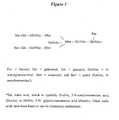
- the covalently bound oligosaccharides are complex biantennary type structures and are highly heterogeneous (see Figs. 1 and 2 ).
- a conserved N-linked glycosylation site at Asn297 lies in each CH2 domain.
- the two complex bi-antennary oligosaccharides attached to Asn297 are buried between the CH2 domains, forming extensive contacts with the polypeptide backbone. It has been found that their presence is essential for the antibody to mediate effector functions, such as ADCC ( Lifely, M. R., et al., Glycobiology 5:813-822 (1995 ); Jefferis, R., et al., Immunol Rev. 163:59-76 (1998 ); Wright, A. and Morrison, S. L., supra, Scallon et al. 2006. Mol. Immunol. 44 : 1524-1534 ).
- the heterogeneous oligosaccharides decorating the Fc-portion antibody or antibody-derived structures comprising produced by various host cells contain predominantly sialic acid, fucose, galactose and GlcNAc residues as terminal sugars ( Raju, T.S., et al. Glycobiology 2000. 10(5): 477-86 ). It has been shown that some of these terminal sugars, particularly exposed galactose, core fucose and bisecting GlcNAc residues, affect the structure of the Fc-portion of the molecule and thereby alter antibody effector functions.
- the major structures found in human IgG and other recombinantly-produced IgGs are the complex biantennary structures with or without exposed Gal residues ( Fig. 1 ).
- mammalian host cells that are currently used to express recombinant antibodies for research purposes, as well as, biopharmaceutical production.
- Host cell species of origin as well as culture conditions can cause the extent and structure of glycans appended to recombinantly expressed molecules to vary.
- Two commonly used host cell lines for the recombinant expression of antibodies are Chinese hamster ovary cells (CHO) and mouse myeloma cells (sp2/0, 653, NS0).
- CHO cells express recombinant antibodies which are virtually devoid of sialic acid glycan the glycans are 99% fucosylated. The presence of fucose has been shown to be a major contributor to reduced Fc-gammaIII receptor and therefore ADCC.
- Mouse myeloma cells express recombinant antibodies with up to 50% sialic acid but with generally less fucose. As stated above, these differences can have significant effects on antibody activity in vivo.
- sialylation modifying enzymes have been discussed previously e.g. Ngangtung, 2005, University of Minnesota.
- the invention provides a method for providing a sialidase enzymatic activity in a culture comprising a mammalian cell engineered to express an Fc-containing molecule whereby the Fc-containing molecule glycans can be acted upon by the polypeptide sialidase enzymatic activity, comprising transfecting the mammalian engineered cell with a vector encoding the catalytic domain of Arthrobacter ureafaciens sialidase enzyme A, wherein the catalytic domain is secreted into the culture along with the Fc-containing molecule.
- the invention also provides a method of producing an Fc-containing molecule comprising the above method.
- the invention also provides a method for controlling the properties of an Fc-containing molecule expressed in a cell line, comprising reducing the sialylation of the oligosaccharides in the Fc region by transfecting the cell line with a vector encoding the catalytic domain of Arthrobacter ureafaciens sialidase enzyme A, wherein the Fc-containing molecule expressed comprises a reduced amount of sialic acid residues, wherein the properties of the Fc-containing molecule controlled are the avidity of the molecule for multiply localized target proteins; the affinity for one or more of the Fc gamma receptors of Fc ⁇ RI, Fc ⁇ RIIA, and Fc ⁇ RIIIA; ADCC activity; macrophage or monocyte activation; and serum half-life.
- the invention also provides an expression vector comprising a nucleotide sequence encoding Arthrobacter ureafaciens sialidase enzyme A, wherein the vector is capable of expressing a polypeptide having sialidase enzymatic activity in a mammalian cell culture expressing an Fc-containing molecule, wherein the mammalian cell line is selected from the group consisting of COS-1, COS-7, HEK293, BHK21, CHO, BSC-1, Hep G2, 653, SP2/0, 293, HeLa,YB2/0 or Y3, myeloma, or lymphoma cells, or any derivative, immortalized or transformed cell thereof.
- ⁇ 1,3GT ⁇ -1,3-galactosyltransferase
- ⁇ 2,3ST ⁇ -2,3-sialyltransferase
- ⁇ 1,4GT ⁇ -1,4-galactosyltransferase
- ADCC antibody-dependent cellular cytotoxicity
- ATCC American Type Culture Collection
- BATDA bis(acetoxymethyl) 2,2':6',2"-terpyridine-y,y"-dicarboxylate
- BSA bovine serum albumin
- CD medium chemically-defined culture medium
- CDC complement-directed cytotoxicity
- CMP-Sia cytidine monophosphate N-acetylneuraminic acid
- DMEM Dulbecco's Modified Eagle's media
- E:T effector cell to target cell ratio:
- FBS fetal bovine serum
- ESI-MS electrospray ionization mass spectrometry.
- NK cells natural killer cells
- IgG immunoglobulin G
- IMDM Iscove's Modified Dulbecco's medium
- MALDI-TOF-MS matrix-assisted laser/desorption ionization time-of-flight mass spectrometry
- MHX mycophenolic acid, hypoxanthine, xanthine.
- NANA N- acetylneuraminic acid isomer of sialic acid
- NGNA N -glycolylneuraminic acid isomer of sialic acid
- PBMC peripheral blood mononuclear cells
- PBMC peripherall blood mononuclear cell
- PBS phosphate-buffered saline
- PNGase F peptide N glycosidase F
- RP-HPLC reversed phase high-performance liquid chromatography
- RT room temperature
- Sia sialic acid
- UDP-Gal uridine diphosphate galactose
- ADCC activity stands for antibody-dependent cell-mediated cytotoxicity and means the phenomenon of antibody-mediated target cell destruction by non-sensitized effector cells.
- the identity of the target cell varies, but it must have bound surface immunoglobulin G having an Fc-domain or Fc-domain, portion capable of Fc-receptor activation.
- the effector cell is a "killer" cell possessing Fc receptors. It may be, for example, a lymphocyte lacking conventional B- or T-cell markers, or a monocyte, macrophage, or polynuclear leukocyte, depending on the identity of the target cell.
- the reaction is complement independent.
- ADCC activity of an antibody or other Fc-containing protein of the present invention is "enhanced,” if its ability to demonstrate ADCC mediated cell killing surpasses the ability of an antibody or protein of substantially similar sequence and Fc-domain produced by an alternative host cell.
- ADCC activity may be determined in a standard in vivo or in vitro assay of cell killing, such as the assays discussed herein.
- the antibody of the invention having enhanced ADCC activity achieves the same effect (prevention or inhibition of tumor cell growth) at a lower dose and/or in a shorter time than a reference antibody produced in an alternate host cell.
- the difference between the potency of an antibody within the scope of the present invention and a reference antibody is at least about 1.5-fold, more preferably at least about 2-fold, even more preferably, at least about 3-fold, most preferably, at least about 5-fold, as determined, for example, by side-by-side comparison in a selected standard chromium release ADCC assay.
- affinity is intended to be a measure of the binding constant of a simple monovalent ligand for its cognate binding partner, for example, the binding of a Fab' for an antigen or epitope.
- Affinity can be measured in several ways including but measuring on- and off-rates (k on and k off respectively) by e.g. plasmon resonance (BiaCore) and expressed as an overall association (K ass ) or dissociation constant (K D ) where K ass is k on / k off and K D is k off/ k on .
- K D may also be measured empirically by, e.g. measuring the concentration at which binding of the ligand to a binding partner is half-saturated.
- K D Another method of measuring K D is by competition assay, in which one binder or ligand is labeled or tagged and held at a constant concentration while the test binder or ligand is added at varying concentrations to compete away the labeled substance from its cognate binding partner and determining the concentration at which label is diminished by half.
- the term "avidity" as used herein is intended to be a measure of the tendency of a ligand to remain bound to a binding partner insofar as both the ligand and the binding partner may be multivalent and the tendency for multiple association and dissociation events can occur simultaneously for a specific ligand. Thus, avidity can be gauged by an increase in apparent affinity of multivalent conformations of a binding partner with a known affinity.
- Fc-containing protein or "Fc-containing molecule” as used herein refers to a monomeric, dimeric or heterodimeric protein having a ligand binding domain and at least an immunoglobulin CH2 and CH3 domain.
- the CH2 and CH3 domains can form at least a part of the dimeric region of the protein/molecule (e.g., antibody).
- antibody is intended to encompass antibodies, digestion fragments, specified portions and variants thereof, including, without limitation, antibody mimetics or comprising portions of antibodies that mimic the structure and/or function of an antibody or specified fragment or portion thereof, and retain Fc-mediated functions, including but not limited to: binding to Fc-receptors (e.g. Fc ⁇ RI (CD64) Fc ⁇ RIIA (CD32A), Fc ⁇ RIIIA (CD16A) and FcRn), binding complement (e.g. C1q), ADCC and CDC.
- Fc-receptors e.g. Fc ⁇ RI (CD64) Fc ⁇ RIIA (CD32A), Fc ⁇ RIIIA (CD16A) and FcRn
- binding complement e.g. C1q
- ADCC and CDC.
- the term "monoclonal antibody” as used herein is a specific form of Fc-containing fusion protein in which the ligand binding domain retains substantial homology to at least one of a heavy or light chain antibody variable domain of at least one species of animal antibody.
- effector functions of antibodies or antibody analogs as it is used herein are processes by which pathogens or abnormal cells, e.g., tumor cells, are destroyed and removed from the body. Innate and adaptive immune responses use most of the same effector mechanisms to eliminate pathogens including ADCC, CA (complement activation), C1q binding, and opsinization.
- host cell refers to any kind of cellular system which can be engineered to generate proteins, protein fragments, or peptides of interest, including antibodies and antibody fragments.
- Host cells include, without limitation, cultured cells, e.g., mammalian cultured cells, such as CHO cells, BHK cells, NSO cells, SP2/0 cells, or hybridoma cells, yeast cells, and insect cells, but also cells comprised within a transgenic animal or cultured tissue.
- sialic acid refers to any member of a family of nine-carbon carboxylated sugars.
- the most common member of the sialic acid family is N-acetyl neuraminic acid (2-keto-5-acetamido-3,5-dideoxy-D-glycero-D-galactononulopyranos-1-onic I acid (often abbreviated as Neu5Ac, NeuAc, or NANA).
- a second member of the family is N-glycolyl-neuraminic acid (NGNA, Neu5Gc or NeuGc), in which the N-acetyl group ofNeuAc is hydroxylated. This form is prevalent in glycoproteins from rodent and microbial sources.
- a third sialic acid family member is 2-keto-3-deoxy-nonulosonic acid (KDN) ( Nadano et al. (1986) J. Biol. Chem. 261: 11550-11557 ; Kanamori et al., J. Biol. Chem. 265: 21811-21819 (1990 )). Also included are 9-substituted sialic acids such as a 9-O-C - C6 acyl Neu5Ac like 9-O-lactyl-Neu5Ac or 9-O-acetyl-Neu5 Ac, 9-deoxy-9-fluoro-Neu5Ac and 9 azido-9-deoxy-Neu5Ac.
- KDN 2-keto-3-deoxy-nonulosonic acid
- 9-substituted sialic acids such as a 9-O-C - C6 acyl Neu5Ac like 9-O-lactyl-Neu5Ac or 9-O-acetyl-Neu
- sialic acid family see, e.g., Varki, Glycobiology 2: 25-40 (1992 ); Sialic Acids: Chemistry, Metabolism and Function, R. Schauer, Ed. (Springer Verlag, New York (1992 )).
- the present inventors have unexpectedly found that the level of sialylation of the Fc oligosaccharides alters the affinity of recombinantly-produced therapeutic antibodies for Fc ⁇ receptors, resulting in modulation of various aspects of the biological actions of said antibodies. More specifically, it was discovered that highly sialylated Abs have significantly reduced affinity for the low-affinity receptors, Fc ⁇ RIIA (CD32A) and Fc ⁇ RIIIA (CD16A), and have significantly reduced activity in in vitro ADCC assays in which Fc ⁇ RIIIA is believed to be the relevant receptor.
- the removal of the charged static group from the oligosaccharide can be interpreted as allowing more flexibility in the overall antibody structure, which flexibility imparts an enlarged sphere of potential interaction for the two binding domains in relationship of one to the other.
- the capacity of an Ab to bind bivalently to two antigen epitopes will also depend on epitope accessibility, orientation, density, and mobility.
- antigen binding effect of sialylation may also be relevant to Abs that recognize viral or bacterial surface antigens, and even soluble antigens that are homopolymers, since Ab flexibility can determine to what extent individual Ab molecules bind bivalently within a soluble immune complex, where not only might some of the Abs bind more than one antigen but some of the antigens may be bound by more than one Ab.
- the present invention comprises a method for controlling the properties of an Fc-containing molecule by altering the sialylation of the Fc oligosaccharides and the altered Fc-containing molecules.
- Sialic acid has a net negative charge at physiological pH and, thus, the presence of sialic acid in the Fc-bound carbohydrate might be expected to alter the three-dimensional structure and hence conformation of the CH2 domain and thereby affect Fc binding to various ligands or receptors.
- the altered Fc-containing molecule affects the affinity for one or more of the Fc ⁇ RI, Fc ⁇ RIIA, and Fc ⁇ RIIIA receptors, ADCC activity, macrophage or monocyte activation, and serum half-life.
- One approach to prepare sublots of a particular Fc-containing protein that differ in sialic acid content is to take an Fc-containing protein preparation with heterogeneous Fc oligosaccharides, including both sialylated and asialylated molecules, and pass it over a column containing an immobilized lectin that has differential affinity for sialylated and asialylated oligosaccharides.
- the nonbinding flow-through (T, through) or the column unbound fraction can be separated from the bound fraction (B, bound), the latter collected while passing elution buffer through the column.
- the nonbinding fraction may have a higher or lower sialic acid content than the fraction that binds.
- Examples of lectins that may enrich for sialylated or asialylated Fc-containing proteins are the lectin from Maackia amurensis (MAA), which specifically binds oligosaccharides with terminal sialic acid, and the lectin wheat germ agglutinin (WGA), which specifically binds oligosaccharides with either terminal sialic acid or terminal N-acetylglucosamine (GlcNAc).
- MAA Maackia amurensis
- WGA wheat germ agglutinin
- GlcNAc N-acetylglucosamine
- Another example is the lectin Ricin I (RCA), which binds oligosaccharides with terminal galactose.
- the non-binding flow-through fraction may be enriched for sialylated Fc-containing molecules.
- An alternative approach for preparing sublots of an Fc-containing protein that differ in sialic acid content is to treat a portion of an Fc-containing protein preparation with sialidase enzyme, thereby removing sialic acids.
- the resulting asialylated material can be compared to the original, partially sialylated material for differences in biological activity.
- the higher the sialic acid content in the original Fc-containing protein lot the greater the chance of detecting any differences in biological activity. For example, if only 10% of the Fc oligosaccharides in the original protein preparation contained sialic acid, it may be difficult to detect differences in biological activity after sialidase treatment, when 0-1% of the oligosaccharides contain sialic acid.
- Sialylation of oligosaccharides present in the Fc region can also be achieved using in vitro glycosylation methods. Using such methods, it is possible to attain maximally-sialylated glycoforms of antibody samples. Based on the present discovery, maximally-sialylated glycoforms of antibodies or other Fc-containing constructs will have reduced serum half-life as compared to asialylated or under-sialylated antibodies.
- the method of the invention provides an optional means for controlling both the homogeneity of the glycoforms comprising antibody or other recombinant protein constructs containing an immunoglobulin Fc region and the in vivo functional aspects of said antibodies or constructs.
- Glycosyltransferases naturally function to synthesize oligosaccharides. They produce specific products with excellent stereochemical and regiochemical geometry. The transfer of glycosyl residues results in the elongation or synthesis of an oligo- or polysaccharide.
- a number of glycosyltransferase types have been described including sialyltransferases, fucosyltransferases, galactosyltransferases, N-acetylgalactosaminyltransferases, N-acetylglucosaminyltransferases and the like.
- Glycosyltransferases which are useful include, for example, ⁇ -sialyltransferases, ⁇ -glucosyltransferases, ⁇ -galactosyltransferases, ⁇ -fucosyltransferases, ⁇ -mannosyltransferases, ⁇ -xylosyltransferases, ⁇ -N-acetylhexosaminyltransferases, ⁇ -sialyltransferases, ⁇ -glucosyltransferases, ⁇ -galactosyltransferases, ⁇ -fucosyltransferases, ⁇ -mannosyltransferases, ⁇ -xylosyltransferases, and ⁇ -N-acetylhexosaminyltransferases, such as those from Neisseria meningitidis, or other bacterial sources, and those from rat, mouse, rabbit, cow, pig, human and insect and viral sources.
- Exemplary galactosyltransferases include ⁇ (1,3) galactosyltransferase (E.C. No. 2.4.1.151, see, e.g., Dabkowski et al., Transplant Proc. 25:2921 (1993 ) and Yamamoto et al. Nature 345:229-233 (1990 )) and ⁇ (1,4) galactosyltransferase (E.C. No. 2.4.1.38).
- Other glycosyltransferases can be used, such as a sialyltransferase.
- sialyltransferase An ⁇ (2,3)sialyltransferase, often referred to as the sialyltransferase, can be used in the production of sialyl lactose or higher order structures.
- This enzyme transfers sialic acid (NeuAc) from CMP-sialic acid to a Gal residue with the formation of an ⁇ -linkage between the two saccharides. Bonding (linkage) between the saccharides is between the 2- position of NeuAc and the 3-position of Gal.
- ⁇ (2,3)sialyltransferase (EC 2.4.99.6) transfers sialic acid to the non- reducing terminal Gal of a Gal ⁇ 1 ⁇ 3Glc disaccharide or glycoside. See, Van den Eijnden et al., J. Biol. Chem., 256:3159 (1981 ), Weinstein et al., J. Biol. Chem., 257:13845 (1982 ) and Wen et al., J. Biol. Chem., 267:21011 (1992 ).
- Another exemplary ⁇ -2,3- sialyltransferase (EC 2.4.99.4) transfers sialic acid to the non- reducing terminal Gal of the disaccharide or glycoside. See, Rearick et al., J. Biol. Chem., 254:4444 (1979 ) and Gillespie et al., J. Biol. Chem., 267:21004 (1992 ). Further exemplary enzymes include Gal- ⁇ -1,4- GlcNAc ⁇ -2,6 sialyltransferase (See, Kurosawa et al. Eur. J. Biochem. 219: 375-381 (1994 )).
- glucosyltransferases particularly useful in preparing oligosaccharides are the mannosyltransferases including ⁇ (1,2) mannosyltransferase, ⁇ (1,3) mannosyltransferase, ⁇ (1,4) mannosyltransferase, Dol-P-Man synthase, OCh1, and Pmt1.
- Still other glucosyltransferases include N-acetylgalactosaminyltransferases including ⁇ (1,3) N-acetylgalactosaminyltransferase, ⁇ (1,4) N- acetylgalactosaminyltransferases ( Nagata et al. J. Biol. Chem. 267:12082- 12089 (1992 ) and Smith et al. J. Biol Chem. 269:15162 (1994 )) and polypeptide N-acetylgalactosaminyltransferase ( Homa et al. J. Biol Chem. 268:12609 (1993 )).
- Suitable N-acetylglucosaminyltransferases include GnTI (2.4.1.101, Hull et al., BBRC 176:608 (1991 )), GnTII, and GnTIII ( Ihara et al. J. Biolchem. 113:692 (1993 )), GnTV ( Shoreiban et al. J. Biol. Chem. 268: 15381 (1993 )).
- glycosyl transferase For those embodiments in which the method is to be practiced on a commercial scale, it can be advantageous to immobilize the glycosyl transferase on a support. This immobilization facilitates the removal of the enzyme from the batch of product and subsequent reuse of the enzyme. Immobilization of glycosyl transferases can be accomplished, for example, by removing from the transferase its membrane-binding domain, and attaching in its place a cellulose-binding domain. One of skill in the art will understand that other methods of immobilization could also be used and are described in the available literature.
- the acceptor substrates can essentially be any monosaccharide or oligosaccharide having a terminal saccharide residue for which the particular glycosyl transferase exhibits specificity
- substrate may be substituted at the position of its non-reducing end.
- the glycoside acceptor may be a monosaccharide, an oligosaccharide, a fluorescent-labeled saccharide, or a saccharide derivative, such as an aminoglycoside antibiotic, a ganglioside, or a glycoprotein including antibodies and other Fc-containing proteins.
- the glycoside acceptor is an oligosaccharide, preferably, Gal ⁇ (1-3)GlcNAc, Gal ⁇ (1-4)GlcNAc, Gal ⁇ (1-3)GalNAc, Gal ⁇ (1-4)GalNAc, Man ⁇ (1,3)Man, Man ⁇ (1,6)Man, or GalNAc ⁇ (1-4)-mannose.
- the oligosaccharide acceptor is attached to CH2 domain of an Fc-containing protein.
- activated sugar substrate i.e. sugar-nucleoside phosphate
- a CMP-sialic acid recycling system utilizes CMP-sialic acid synthetase to replenish CMP-sialic acid (CMP-NeuAc) as it reacts with a sialyltransferase acceptor in the presence of a ⁇ (2,3)sialyltransferase to form the sialyl-saccharide.
- the CMP-sialic acid regenerating system disclosed herein comprises cytidine monophosphate (CMP), a nucleoside triphosphate (for example adenosine triphosphate (ATP), a phosphate donor (for example, phosphoenolpyruvate or acetyl phosphate), a kinase (for example, pyruvate kinase or acetate kinase) capable of transferring phosphate from the phosphate donor to nucleoside diphosphates and a nucleoside monophosphate kinase (for example, myokinase) capable of transferring the terminal phosphate from a nucleoside triphosphate to CMP.
- CMP cytidine monophosphate
- a nucleoside triphosphate for example adenosine triphosphate (ATP)
- a phosphate donor for example, phosphoenolpyruvate or acetyl phosphate
- the ⁇ (2,3)sialyltransferase and CMP- sialic acid synthetase can also be viewed as part of the CMP- sialic acid regenerating system as removal of the activated sialic acid serves to maintain the forward rate of synthesis.
- the synthesis and use of sialic acid compounds in a sialylation procedure using a phagemid comprising a gene for a modified CMP-sialic acid synthetase enzyme is disclosed in international application WO 92/16640, published October 1, 1992 .
- An alternative method of preparing oligosaccharides is through the use of a glycosyltransferase and activated glycosyl derivatives as donor sugars obviating the need for sugar nucleotides as donor sugars as taught in U.S. Pat. 5,952,203 .
- the activated glycosyl derivatives act as alternates to the naturally-occurring substrates, which are expensive sugar-nucleotides, usually nucleotide diphosphosugars or nucleotide monophosphosugars in which the nucleotide phosphate is ⁇ -linked to the 1-position of the sugar.
- Activated glycoside derivatives which are useful include an activated leaving group, such as, for example, fluoro, chloro, bromo, tosylate ester, mesylate ester, triflate ester and the like.
- activated glycoside derivatives include glycosyl fluorides and glycosyl mesylates, with glycosyl fluorides being particularly preferred.
- glycosyl fluorides ⁇ -galactosyl fluoride, ⁇ -mannosyl fluoride, ⁇ -glucosyl fluoride, ⁇ -fucosyl fluoride, ⁇ -xylosyl fluoride, ⁇ -sialyl fluoride, alpha-N-acetylglucosaminyl fluoride, ⁇ -N-acetylgalactosaminyl fluoride, ⁇ -galactosyl fluoride, ⁇ -mannosyl fluoride, ⁇ -glucosyl fluoride, ⁇ -fucosyl fluoride, ⁇ -xylosyl fluoride, beta-sialyl fluoride, ⁇ -N-acetylglucosaminyl fluoride and ⁇ -N- acetylgalactosaminyl fluoride are most preferred.
- Glycosyl fluorides can be prepared from the free sugar by first acetylating the sugar and then treating it with HF/pyridine. Acetylated glycosyl fluorides may be deprotected by reaction with mild (catalytic) base in methanol (e.g. NaOMe/MeOH). In addition, many glycosyl fluorides are commercially available. Other activated glycosyl derivatives can be prepared using conventional methods known to those of skill in the art. For example, glycosyl mesylates can be prepared by treatment of the fully benzylated hemiacetal form of the sugar with mesyl chloride, followed by catalytic hydrogenation to remove the benzyl groups.
- a further component of the reaction is a catalytic amount of a nucleoside phosphate or analog thereof.
- Nucleoside monophosphates which are suitable for use include, for example, adenosine monophosphate (AMP), cytidine monophosphate (CMP), uridine monophosphate (UMP), guanosine monophosphate (GMP), inosine monophosphate (IMP) and thymidine monophosphate (TMP).
- AMP adenosine monophosphate
- CMP cytidine monophosphate
- UMP uridine monophosphate
- GMP guanosine monophosphate
- IMP inosine monophosphate
- TMP thymidine monophosphate
- Nucleoside triphosphates suitable for use include adenosine triphosphate (ATP), cytidine triphosphate (CTP), uridine triphosphate (UTP), guanosine triphosphate (GTP), inosine triphosphate (ITP) and thymidine triphosphate (TTP).
- a preferred nucleoside triphosphate is UTP.
- the nucleoside phosphate is a nucleoside diphosphate, for example, adenosine diphosphate (ADP), cytidine diphosphate (CDP), uridine diphosphate (UDP), guanosine diphosphate (GDP), inosine diphosphate (IDP) and thymidine diphosphate (TDP).
- a preferred nucleoside diphosphate is UDP.
- the disclosure can also be practiced with an analog of the nucleoside phosphates. Suitable analogs include, for example, nucleoside sulfates and sulfonates. Still other analogs include simple phosphates, for example, pyrophosphate.
- One procedure for modifying recombinant proteins produced, in e.g., murine cells wherein the hydroxylated form of sialic acid predominates (NGNA), is to treat the protein with sialidase, to remove NGNA-type sialic acid, followed by enzymatic galactosylation using the reagent UDP-Gal and betal,4 Galtransferase to produce highly homogeneous G2 glycoforms.
- the preparation can then, optionally, be treated with the reagent CMP-NANA and alpha-2,3 sialyltransferase to give highly homogeneous G2S2 glyoforms.
- sialic acid groups from the glycans appended to the Fc-region of antibodies or Fc-containing molecules
- a sialidase can be used.
- a number of sialidases of varying specificity are known in the literature.
- a soluble CHO cell sialidase has been identified ( Ferrari et al, 1994, Glycobiology 4:367-373 ) and, if leaked into the culture medium may be responsible for the extracellular removal on sialic on glycans of recombinant proteins.
- addition and removal of sialic acid groups can occur during the production of recombinant proteins which may account for the variable and heterogeneous glycan structures on proteins produced by CHO cell lines.
- Sialidases neuroaminidases
- substrates e.g. glycoproteins, glycolipids, and gangliosides and linkages.
- Enzymes with broad specificity for the type of static group e.g.
- hydroxylated (NGNA) or non-hydroxylated neuraminic acids and linkages which may be ⁇ 2,3-, ⁇ 2,6-, or ⁇ 2,8-and branched sialic acids linked to an internal residue; include those from Clostridium perfringens and sialidases from Arthrobacter ureafaciens (sialidase A, N-acetylneuraminate glycobyhdroalse; EC 3.2.1.18). Purified enzymes are available commercially from, e.g. Prozyme, Inc, San Leandro, CA. The nucleotide sequence of A ureafaciens sialidase gene has been cloned (NCBI Accesion No. AY934539) by Lundbeck et al. 2005. Biotechnolo. Appl. Bochem 41:225-231 .
- host cells secreting enzymes capable of acting upon extracellular oligosaccharides can be constructed as taught in e.g. US7,026,152 for cultures capable of production of ethanol by fermentation sugars released by secreted endogulcanases.
- Lundbeck et al. expressed a truncated form sialidase A, which was capable of removing sialic acid residues from recombinant erythropoietin muteins.
- the engineering of a mammalian host cell capable of expression of an therapeutic antibody or other Fc-containing protein and simultaneous desialylation of that expressed protein in the extracellular medium has not been demonstrated.
- the invention demonstrates that the soluble form of sialidase A can be co-expressed by antibody producing cells, and the resulting antibody product recovered from cultures of such cells have reduced sialic acid content in their Fc-portion the molecules.
- the sialic acid optimized antibodies so produced have enhanced ADCC activity as compared to antibodies produced by conventional cell lines.
- the glycoprotein preparations including antibody preparations were treated with peptide-N-glycosidase F to release the N-linked oligosaccharides.
- the enzyme peptide-N-glycosidase F (PNGase F) cleaves asparagines-linked oligosaccharides.
- the released oligosaccharides were fluorescently labeled with anthranilic acid (2-aminobenzoic acid), purified and analyzed by HPLC as described (see Anumula, K. R. and Dhume ST Glycobiology. 1998 Jul;8(7):685-94 ).
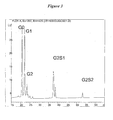
- the oligosaccharides separated as G0, G1, G2, G2S1 and G2S2 in the chromatogram can be detected and quantitated.
- Aglycosylated species, naturally devoid of glycans or having been chemically or enzymatically stripped of glycan are designated Gno.
- Fc-containing proteins can be compared for functionality by several well-known in vitro assays.
- affinity for members of the Fc ⁇ RI, Fc ⁇ RII, and Fc ⁇ RIII family of Fc ⁇ receptors is of interest. These measurements could be made using recombinant soluble forms of the receptors or cell-associated forms of the receptors.
- affinity for FcRn, the receptor responsible for the prolonged circulating half-life of IgGs can be measured, for example by BIAcore using recombinant soluble FcRn.
- Cell-based functional assays such as ADCC assays and CDC assays, provide insights into the likely functional consequences of particular variant structures.
- the ADCC assay is configured to have NK cells act as the primary effector cell, thereby reflecting the functional effects on the Fc ⁇ RIIIA receptor.
- Phagocytosis assays may also be used to compare immune effector functions of different variants, as can assays that measure cellular responses, such as superoxide or inflammatory mediator release.
- Antibodies which are naturally multivalent, can be tested to determine various parameters of binding to target proteins.
- a convenient format for determining an apparent Kd is the ELISA (enzyme-linked immunosorbent assay) or RIA (radio-immunoassay).
- ELISA has become generally used to mean a binding assay performed on a solid support using indirect detection methods.
- soluble analytes are removed from solution after specifically binding to solid-phase reactants.
- solid-phase reactants are prepared by adsorbing an antigen or antibody onto plastic microtiter plates; in other methods, the solid-phase reactants are cell-associated molecules.
- the solid-phase reagents are incubated with secondary or tertiary reactants covalently coupled to an enzyme. Unbound conjugates are removed by washing and a chromogenic or fluorogenic substrate is added. As the substrate is hydrolyzed by the bound enzyme conjugate, a colored or fluorescent product is generated. Finally, the product is detected visually or with a microtiter plate reader. The intensity of signal generated is proportional to the amount of initial analyte in the test mixture.
- an antigen may be indirectly immobilized or captured, e.g. using an immobilized capture antibody which recognizes an irrelevant domain on the antigen or by using an antibody or other ligand which binds a "tag" engineered into the target protein, e.g. a polyhistidine sequence.
- An alternate method of measuring binding of antibodies against surface antigens is by using whole cells that express (naturally or through genetic engineering) an antigen on the cell surface.
- the cells are incubated with a test solution containing the primary antibody.
- the unbound antibody is washed away and the cells are then incubated with an enzyme conjugated to antibodies specific for the primary antibody. Unbound enzyme conjugate is washed away and substrate solution added.
- the level of bound primary antibody is proportional to the amount of substrate hydrolysis. This will be quantitative if the number of cells per unit volume is held constant.
- detection be made using a radio-labeled ligand through direct binding or competition as described above. Protocols for ELISA assays are found in e.g. In: Ausebel, FM et al. Current Protocols in Molecular Biology. 2003 John Wiley & Sons, Inc.
- Binding rates, association rates and dissociation rates can also be measured using BIAcore technology which uses a solid phase binder or ligand and a mobile solution phase binder or ligand detected by plasmon surface resonance.
- the IgG Fc receptors (FcR) that link IgG antibody-mediated immune responses with cellular effector functions include the Fc-gamma receptors: FcRI (CD64), FcRII (CD32) (both FcRIIA and FCRIIB), and FcRIII (CD16). All three are found displayed on monocytes. However, the elaboration of these receptors on various target cells appears to occur differentially and in response to other factors. Therefore, measurement of the affinity of glycosylation-modified Fc containing biotherapeutics for Fc-gamma receptors is one appropriate measurement for predicting enhanced effector functions.
- a method of assessing effector functions using the in vitro ADCC assay can be performed in a quantitative manner.
- an in vitro assay can be designed to measure the ability of bound antibody to cause destruction of the cell displaying its cognate ligand by the correct selection of target and effector cell lines and assessing cell "kill" by either the inability of the cells to continue dividing or by release of internal contents, e.g. 51 Cr release.
- the target cell may be a cell line which normally expresses a target ligand for the antibody, antibody fragment, or fusion protein or may be engineered to express and retain the target protein on its surface.
- an engineered cell line is the K2 cell, an Sp2/0 mouse myeloma cell line that stably expresses on its surface recombinant human TNF that remains as a transmembrane form due to the introduction of a deletion of amino acids 1-12 of the mature cytokine ( Perez et al., Cell 63:251-258, 1990 ).
- This cell line is useful for assessing alterations in ADCC activity of anti-TNF antibodies, antibody fragments, or engineered anti-TNFalpha targeting fusion proteins having Fc-domains or Fc-domain activity.
- the effector cells for the in vitro ADCC activity assay may be PBMC (peripheral blood monocytic cells) of human or other mammal source.
- PBMC effector cells can be freshly isolated from after collecting blood from donors by approved methods.
- Other monocytic or macrophage cells which may be used are those derived from effusion fluids such as peritoneal exudates.
- anti-CD3 antibodies can be used to measure T cell activation in mice, because T-cell activation is dependent on the manner in which the antibody Fc-domain engages specific Fc ⁇ receptors.
- anti-tumor activity of a high fucose and a low fucose version of a chimeric human IgG1 Ab against CC chemokine receptor 4 were compared, no difference in their in vitro ADCC activity was observed (using mouse effector cells), however, the low fucose Ab showed more potent efficacy in vivo. No human effector cells were provided and the mice retain endogenous NK cells ( Niwa et al.
- mouse macrophage-like J774 cells Its reported expression in mouse macrophage-like J774 cells is consistent with the possibility that mouse macrophages expressing CD16-2 may be responsible for the greater anti-tumor activity by the low fucose Ab described by Niwa et al. (2004). Thus, the study of Fc-receptor binding by human IgG1-type Fc containing proteins to murine effector cells is not predictive.
- Fc-containing proteins can impact Fc oligosaccharide structure, including sialic acid.
- the host cells secreting the Fc-containing protein are cultured in the presence of serum, e.g., fetal bovine serum (FBS), that was not previously subjected to an elevated heat treatment (for example, 56°C for 30 minutes).
- FBS fetal bovine serum
- This can result in Fc-containing protein that contains no, or very low amounts of, sialic acid, due to the natural presence in the serum of active sialidase enzymes that can remove sialic acid from the Fc-containing proteins secreted from those cells.
- the cells secreting the Fc-containing protein are cultured either in the presence of serum that was subjected to an elevated heat treatment, thereby inactivating sialidase enzymes, or in the absence of serum or other medium components that may contain sialidase enzymes, such that the Fc-containing protein has higher levels of sialic acid, for applications (e.g., therapeutic indications) when that might be desirable.
- the conditions used to purify and further process Fc-containing proteins are established that will favor optimal sialic acid content.
- sialic acid is acid-labile
- prolonged exposure to a low pH environment for example following elution from a protein A chromatography column or during viral inactivation processes, can simultaneously lead to a reduction in sialic acid content.
- the host cell chosen for expression of the recombinant Fc-containing protein or monoclonal antibody is an important contributor to the final composition, including, without limitation, the variation in composition of the oligosaccharide moieties decorating the protein in the immunoglobulin CH2 domain.
- one aspect of the invention involves the selection of appropriate host cells for use and/or development of a production cell expressing the desired therapeutic protein.
- the host cell is a cell which is naturally deficient or devoid of sialyltransferases.
- the host cell is genetically modified or treated so as to be devoid of sialyltransferases.
- the host cell is a derivative host cell line selected to express reduced or undetectable levels of sialyltransferases.
- the host cell is naturally devoid of, or is genetically modified or treated so as to be devoid of, CMP-sialic acid synthetase, the enzyme that catalyzes the formation of CMP-sialic acid, which is the source of sialic acid used by sialyltransferase to transfer sialic acid to the antibody.
- the host cell may be naturally devoid of, or is genetically modified or treated so as to be devoid of, pyruvic acid synthetase, the enzyme that forms sialic acid from pyruvic acid.
- the host cell may be naturally devoid of, or is genetically modified or treated so as to be devoid of, galactosyltransferases, such that antibodies expressed in said cells lack galactose. Without galactose, sialic acid will not be attached.
- the host cell cell may naturally overexpress, or be genetically modified to overexpress, a sialidase enzyme that removes sialic acid from antibodies during production. Such a sialidase enzyme may act intracellularly on antibodies before the antibodies are secreted or be secreted into the culture medium and act on antibodies that have already been secreted into the medium.
- the engineered host cell may be of mammalian origin or may be selected from myeloma, lymphoma, yeast, insect or plant cells, or any derivative, immortalized or transformed cell thereof.
- the method of suppressing or eliminating the activity of the enzyme required for sialic acid attachment may be selected from the group consisting of gene silencing, such as by the use of siRNA, genetic knock-out, or addition of an enzyme inhibitor, such as by co-expression of an intracellular Ab or peptide specific for the enzyme that binds and blocks its enzymatic activity, and other known genetic engineering techniques.
- a method of enhancing the expression or activity of an enzyme that blocks sialic acid attachment, or a sialidase enzyme that removes sialic acids that are already attached may be selected from the group consisting of transfections with recombinant enzyme genes, transfections of transcription factors that enhance enzyme RNA synthesis, or genetic modifications that enhance stability of enzyme RNA, all leading to enhanced activity of enzymes, such as sialidases, that result in lower levels of sialic acid in the purified product.
- specific enzyme inhibitors may be added to the cell culture medium.
- An antibody described herein can include or be derived from any mammal, such as but not limited to, a human, a mouse, a rabbit, a rat, a rodent, a primate, or any combination thereof and includes isolated human, primate, rodent, mammalian, chimeric, humanized and/or CDR-grafted anti-integrin antibodies, immunoglobulins, cleavage products and other specified portions and variants thereof.
- the disclosure also relates to antibody encoding or complementary nucleic acids, vectors, host cells, compositions, formulations, devices, transgenic animals, transgenic plants, and methods of making and using thereof, as described herein together as combined with what is known in the art.
- the present invention further provides cells, cell lines, and cell cultures that express an immunoglobulin or fragment thereof capable of glycosylation in a CH2-domain which binds an antigen, a cytokine, an integrin, an antibody, a growth factor, a surface antigen which is a marker of cell lineage and differentiation, a hormone, a receptor or fusion protein thereof, a blood protein, a protein involved in coagulation, any fragment thereof, and any structural or functional analog of any of the foregoing.
- the immunoglobulin, fragment or derivative thereof binds an antigen on the surface of a target cell.
- the target cell is a tumor cell, a cell of the tumor vasculature, or an immune cell.
- the immunoglobulin, fragment or derivative thereof binds to TNF, an integrin, a B-cell antigen, or tissue factor.
- the cells, cell lines, and cell cultures of the present invention may detectably express a fusion protein comprising a growth factor or hormone.
- growth factors contemplated by the present invention include, but are not limited to, a human growth factor, a platelet derived growth factor, an epidermal growth factor, a fibroblast growth factor, a nerve growth factor, a human chorionic gonadotropin, an erythropoeitin, a thrombopoeitin, a bone morphogenic protein, a transforming growth factor, an insulin-like growth factor, or a glucagon-like peptide, and any structural or functional analog thereof.
- Isolated antibodies of the invention include those having antibody isotypes with ADCC activity, especially human IgG1, (e.g., IgG1kappa and IgG1lamda), and, less preferred are IgG2 and IgG3, or hybrid isotypes containing altered residues at specific residues in the Fc domains are their counterparts from other species.
- the antibodies can be full-length antibodies (e.g., IgG1) or can include only an antigen-binding portion and an Fc portion or domain capable of eliciting effector functions including ADCC, complement activation, and C1q binding.
- the immunoglobulin fragment produced by the cells, cell lines, and cell cultures of the present invention may include, but is not limited to Fc or other CH2 domain containing structures and any structural or functional analog thereof.
- the immunoglobulin fragment is a dimeric receptor domain fusion polypeptide.
- the dimeric receptor domain fusion polypeptide is etanercept.
- Etanercept is a recombinant, soluble TNF ⁇ receptor molecule that is administered subcutaneously and binds to TNF ⁇ in the patient's serum, rendering it biologically inactive.
- Etanercept is a dimeric fusion protein consisting of the extracellular ligand-binding portion of the human 75 kilodalton (p75) tumor necrosis factor receptor (TNFR) linked to the Fc portion of human IgG1.
- p75 tumor necrosis factor receptor
- TNFR tumor necrosis factor receptor
- the Fc component of etanercept contains the CH2 domain, the CH3 domain and hinge region, but not the CH1 domain of IgG1.
- Other products amenable to manufacture using the cell lines of the invention include therapeutic or prophylactic proteins currently manufactured by other types of animal cell lines and having a CH2 capable of being glycosylated. Particularly preferred are those therapeutic, glycosylated, CH2-domain containing proteins which bind to target antigens on a cell surface, which cell type it is desirable to incapacitate or eliminate from the body.
- a number of such therapeutic antibodies are engineered to contain the human IgG1, especially the IgG1, heavy chain which comprises a human CH1, CH2, and CH3 domain.
- Such therapeutic proteins include, but are not limited to those described herein below.
- Infliximab now sold as REMICADE®.
- Infliximab is a chimeric IgG1 ⁇ monoclonal antibody with an approximate molecular weight of 149,100 daltons. It is comprised of human constant and murine variable regions. Infliximab binds specifically to human tumor necrosis factor alpha (TNF(alpha)) with an association constant of 10 10 M-1. Infliximab neutralizes the biological activity of TNF(alpha) by binding with high affinity to the soluble and transmembrane forms of TNF(alpha) and inhibits binding ofTNF(alpha) with its receptors.
- TNF(alpha) tumor necrosis factor alpha
- Infliximab Cells expressing transmembrane TNF(alpha) bound by infliximab can be lysed in vitro or in vivo. Infliximab is indicated for the treatment of rheumatoid arthritis, Crohn's disease, and alkylosing spondylitis. Infliximab is given as doses of 3 to 5 mg/kg given as an intravenous infusion followed with additional similar doses at 2, 6, and/or 8 weeks thereafter and at intervals of every 8 weeks depending on the disease to be treated.
- Daclizumab (sold as ZENAPAX®) is an immunosuppressive, humanized IgG1 monoclonal antibody produced by recombinant DNA technology that binds specifically to the alpha subunit (p55 alpha, CD25, or Tac subunit) of the human high-affinity interleukin-2 (IL-2) receptor that is expressed on the surface of activated lymphocytes.
- Daclizumab is a complementarity-determining regions (CDR) grafted mouse-human chimeric antibody.
- the human sequences were derived from the constant domains of human IgG1 and the variable framework regions of the Eu myeloma antibody.
- the murine sequences were derived from the CDRs of a murine anti-Tac antibody.
- Daclizumab is indicated for the prophylaxis of acute organ rejection in patients receiving renal transplants and is generally used as part of an immunosuppressive regimen that includes cyclosporine and corticosteroids.
- Basiliximab (sold as SIMULECT®) is a chimeric (murine/human) monoclonal antibody produced by recombinant DNA technology, that functions as an immunosuppressive agent, specifically binding to and blocking the interleukin-2 receptor (alpha)-chain (IL-2R(alpha), also known as CD25 antigen) on the surface of activated T-lymphocytes. Based on the amino acid sequence, the calculated molecular weight of the protein is 144 kilodaltons.
- Adalimumab (sold as HUMIRA®) is a recombinant human IgG1 monoclonal antibody specific for human tumor necrosis factor (TNF). Adalimumab was created using phage display technology resulting in an antibody with human derived heavy and light chain variable regions and human IgG1 kappa constant regions. HUMIRA® is indicated for reducing signs and symptoms and inhibiting the progression of structural damage in adult patients with moderately to severely active rheumatoid arthritis who have had an inadequate response to one or more DMARDs. HUMIRA® can be used alone or in combination with MTX or other DMARDs.
- Rituximab (sold as RITUXAN®) is a genetically engineered chimeric murine/human monoclonal antibody directed against the CD20 antigen found on the surface of normal and malignant B lymphocytes.
- the antibody is an IgG1 kappa immunoglobulin containing murine light- and heavy-chain variable region sequences and human constant region sequences.
- Rituximab has a binding affinity for the CD20 antigen of approximately 8.0 nM.
- Rituximab is indicated for the treatment of patients with relapsed or refractory, low-grade or follicular, CD20-positive, B-cell non-Hodgkin's lymphoma.
- RITUXAN® is given at 375 mg/m 2 IV infusion once weekly for 4 or 8 doses.
- the antibody is an IgG 1 kappa that contains human framework regions with the complementarity-determining regions of a murine antibody (4D5) that binds to HER2.
- HERCEPTIN is indicated as single agent therapy for the treatment of patients with metastatic breast cancer whose tumors overexpress the HER2 protein and who have received one or more chemotherapy regimens for their metastatic disease.
- HERCEPTIN® in combination with paclitaxel is indicated for treatment of patients with metastatic breast cancer whose tumors overexpress the HER2 protein and who have not received chemotherapy for their metastatic disease.
- the recommended dosage is an initial loading dose of 4 mg/kg trastuzumab administered as a 90-minute infusion and a weekly maintenance dose of 2 mg/kg trastuzumab which can be administered as a 30-minute infusion if the initial loading dose was well tolerated.
- Alemtuzumab (sold as CAMPATH®) is a recombinant DNA-derived humanized monoclonal antibody (Campath-1H) that is directed against the 21-28 kD cell surface glycoprotein, CD52. Alemtuzumab binds to CD52, a non-modulating antigen that is present on the surface of essentially all B and T lymphocytes, a majority of monocytes, macrophages, and NK cells, a subpopulation of granulocytes, and tissues of the male reproductive system.
- the Campath-1H antibody is an IgG1 kappa with human variable framework and constant regions, and complementarity-determining regions from a murine (rat) monoclonal antibody (Campath-1G).
- Campath is indicated for the treatment of B-cell chronic lymphocytic leukemia (B-CLL) in patients who have been treated with alkylating agents and who have failed fludarabine therapy. Determination of the effectiveness of Campath is based on overall response rates. Campath is given initially at 3 mg administered as a 2 hour IV infusion daily; once tolerated the daily dose should be escalated to 10 mg and continued until tolerated. Once this dose level is tolerated, the maintenance dose of Campath 30 mg may be initiated and administered three times per week for up to 12 weeks. In most patients, escalation to 30 mg can be accomplished in 3-7 days.
- B-CLL B-cell chronic lymphocytic leukemia
- Omalizumab (sold as XOLAIR®) is a recombinant humanized IgG 1 (kappa) monoclonal antibody that selectively binds to human immunoglobulin E (IgE).
- Omalizumab inhibits the binding of IgE to the high-affinity IgE receptor (Fc(epsilon)RI) on the surface of mast cells and basophils. Reduction in surface-bound IgE on Fc(epsilon)RI-bearing cells limits the degree of release of mediators of the allergic response. Treatment with omalizumab also reduces the number of Fc(epsilon)RI receptors on basophils in atopic patients.
- Omalizumab is indicated for adults and adolescents (12 years of age and above) with moderate to severe persistent asthma who have a positive skin test or in vitro reactivity to a perennial aeroallergen and whose symptoms are inadequately controlled with inhaled corticosteroids.
- Omalizumab is administered SC every 2 or 4 weeks at a dose of 150 to 375 mg.
- Efalizumab (RAPTIVA®) is an immunosuppressive recombinant humanized IgG1 kappa isotype monoclonal antibody that binds to human CD11a.
- Efalizumab binds to CD11a, the (alpha) subunit of leukocyte function antigen-1 (LFA-1), which is expressed on all leukocytes, and decreases cell surface expression of CD11a.
- LFA-1 leukocyte function antigen-1
- Efalizumab inhibits the binding of LFA-1 to intercellular adhesion molecule-1 (ICAM-1), thereby inhibiting the adhesion of leukocytes to other cell types.
- IAM-1 intercellular adhesion molecule-1
- LFA-1 and ICAM-1 contributes to the initiation and maintenance of multiple processes, including activation of T lymphocytes, adhesion of T lymphocytes to endothelial cells, and migration of T lymphocytes to sites of inflammation including psoriatic skin. Lymphocyte activation and trafficking to skin play a role in the pathophysiology of chronic plaque psoriasis.
- ICAM-1 cell surface expression is upregulated on endothelium and keratinocytes.
- CD11a is also expressed on the surface of B lymphocytes, monocytes, neutrophils, natural killer cells, and other leukocytes.
- the recommended dose of RAPTIVA® is a single 0.7 mg/kg SC conditioning dose followed by weekly SC doses of 1 mg/kg (maximum single dose not to exceed a total of 200 mg).
- a cell line of the invention is stably transfected or otherwise engineered to express a non-immunoglobulin derived polypeptide but which falls within the definition of an Fc-containing protein.
- the nucleic acids encoding the antibodies and proteins can be derived in several ways well known in the art.
- the antibodies are conveniently obtained from hybridomas prepared by immunizing a mouse with the peptides of the invention.
- the antibodies can thus be obtained using any of the hybridoma techniques well known in the art, see, e.g., Ausubel, et al., ed., Current Protocols in Molecular Biology, John Wiley & Sons, Inc., NY, NY (1987-2001 ); Sambrook, et al., Molecular Cloning: A Laboratory Manual, 2nd Edition, Cold Spring Harbor, NY (1989 ); Harlow and Lane, antibodies, a Laboratory Manual, Cold Spring Harbor, NY (1989 ); Colligan, et al., eds., Current Protocols in Immunology, John Wiley & Sons, Inc., NY (1994-2001 ); Colligan et al., Current Protocols in Protein Science, John Wiley & Sons, NY, NY, (1997-2001 ).
- variable heavy and/or variable light domains of an antibody these portions are selected from a library of such binding domains created in, e.g., a phage library.
- a phage library can be created by inserting a library of random oligonucleotides or a library of polynucleotides containing sequences of interest, such as from the B-cells of an immunized animal or human ( Smith, G.P. 1985. Science 228: 1315-1317 ).
- Antibody phage libraries contain heavy (H) and light (L) chain variable region pairs in one phage allowing the expression of single-chain Fv fragments or Fab fragments ( Hoogenboom, et al.
- the diversity of a phagemid library can be manipulated to increase and/or alter the immunospecificities of the monoclonal antibodies of the library to produce and subsequently identify additional, desirable, human monoclonal antibodies.
- the heavy (H) chain and light (L) chain immunoglobulin molecule encoding genes can be randomly mixed (shuffled) to create new HL pairs in an assembled immunoglobulin molecule.
- either or both the H and L chain encoding genes can be mutagenized in a complementarity determining region (CDR) of the variable region of the immunoglobulin polypeptide, and subsequently screened for desirable affinity and neutralization capabilities.
- CDR complementarity determining region
- Antibody libraries also can be created synthetically by selecting one or more human framework sequences and introducing collections of CDR cassettes derived from human antibody repertoires or through designed variation ( Kretzschmar and von Ruden 2000, Current Opinion in Biotechnology, 13:598-602 ).
- the positions of diversity are not limited to CDRs but can also include the framework segments of the variable regions or may include other than antibody variable regions, such as peptides.
- Ribosome display is a method of translating mRNAs into their cognate proteins while keeping the protein attached to the RNA.
- the nucleic acid coding sequence is recovered by RT-PCR ( Mattheakis, L.C. et al. 1994. Proc. Natl. Acad. Sci. USA 91, 9022 ).
- Yeast display is based on the construction of fusion proteins of the membrane-associated alpha-agglutinin yeast adhesion receptor, aga1 and aga2, a part of the mating type system ( Broder, et al. 1997. Nature Biotechnology, 15:553-7 ).
- Bacterial display is based on fusion of the target to exported bacterial proteins that associate with the cell membrane or cell wall ( Chen and Georgiou 2002. Biotechnol Bioeng, 79:496-503 ).
- phage and other antibody display methods afford the opportunity to manipulate selection against the antigen target in vitro and without the limitation of the possibility of host effects on the antigen or vice versa.
- the host cells described herein comprise host cells capable of producing specific antibodies with defined sialic acid content in the oligosaccharide content of said antibodies.
- antibody genes are assembled from gene segments that may be widely separated in the germ line.
- heavy chain genes are formed by recombination of three genomic segments encoding the variable (V), diversity (D) and joining (J)/constant (C) regions of the antibody.
- Functional light chain genes are formed by joining two gene segments; one encodes the V region and the other encodes the J/C region.
- Both the heavy chain and kappa light chain loci contain many V gene segments (estimates vary between 100s and 1000s) estimated to span well over 1000 kb.
- the lambda locus is, by contrast, much smaller and has been shown to span approximately 300 kb on chromosome 16 in the mouse. It consists of two variable gene segments and four joining/constant (J/C) region gene segments. Formation of a functional gene requires recombination between a V and a J /C element.
- control of transcription of both rearranged heavy and kappa light chain genes depends both on the activity of a tissue specific promoter upstream of the V region and a tissue specific enhancer located in the J-C intron. These elements act synergistically. Also, a second B-cell specific enhancer has been identified in the kappa light chain locus. This further enhancer is located 9 kb downstream of C kappa .
- the hybridoma method of immortalizing antibody expression genes relies on the endogenous promoter and enhancer sequences of the parent B-cell lineage.
- nucleic acids can be expressed in a host cell by turning on (by manipulation) in a host cell that contains endogenous DNA encoding an antibody.
- Such methods are well known in the art, e.g., as described in US patent Nos. 5,580,734 , 5,641,670 , 5,733,746 , and 5,733,761 .
- Cloning of antibody genomic DNA into an artificial vector is another method of creating host cells capable of expressing antibodies.
- expression of monoclonal antibodies behind a strong promoter increases the chances of identifying high-producing cell lines and obtaining higher yields of monoclonal antibodies.
- Antibodies can be produced in a host cell transfectoma using, for example, a combination of recombinant DNA techniques and gene transfection methods as is well known in the art (e.g., Morrison, S. (1985) Science 229:1202).
- Suitable host cells include bacteria, mammalian cells, plant cells, yeast and baculovirus systems and transgenic plants and animals.
- Mammalian cell lines available in the art for expression of a heterologous polypeptide intact glycosylated proteins include Chinese hamster ovary (CHO) cells, HeLa cells, baby hamster kidney cells (BHK), NSO mouse melanoma cells and derived cell lines, e.g.
- SP2/0, YB2/0 (ATC CRL-1662) rat myeloma cells, human embryonic kidney cells (HEK), human embryonic retina cells PerC.6 cells, hep G2 cells, BSC-1 (e.g., ATCC CRL-26) and many others available from, for example, American Type Culture Collection, Manassas, Va (www.atcc.org).
- a common, preferred bacterial host is E. coli.
- Mammalian cells such as CHO cells, myeloma cells, HEK293 cells, BHK cells (BHK21, ATCC CRL-10), mouse Ltk-cells, and NIH3T3 cells have been frequently used for stable expression of heterologous genes.
- Cell lines such as Cos (COS-1 ATCC CRL 1650; COS-7, ATCC CRL-1651) and HEK293 are routinely used for transient expression of recombinant proteins.
- Preferred mammalian host cells for expressing the recombinant antibodies include myeloma cells such as Sp2/0, YB2/0 (ATC CRL-1662), NSO, and P3X63.Ag8.653 (e.g. SP2/0-Ag14) because of their high rate of expression.
- myeloma cells such as Sp2/0, YB2/0 (ATC CRL-1662), NSO, and P3X63.Ag8.653 (e.g. SP2/0-Ag14) because of their high rate of expression.
- another preferred expression system is the GS gene expression system disclosed in WO 87/04462 , WO 89/01036 and EP 338,841 .
- the antibodies When recombinant expression vectors encoding antibody genes are introduced into mammalian host cells, the antibodies are produced by culturing the host cells for a period of time sufficient to allow for expression of the antibody in the host cells or, more preferably, secretion of the antibody into the culture medium in which the host cells are grown. Antibodies can be recovered from the culture medium using standard protein purification methods.
- CHO-K1 and DHFR-CHO cells DG44 and DUK-B11 are used for high-level protein production because the amplification of genes of interest is enabled by the incorporation of a selectable, amplifiable marker, DHFR using e.g. the drug methotrexate (MTX) ( R.J. Kaufman, 1990. Methods Enzymol. 185: 537-566 ).
- DHFR- CHO cells can be successfully used to produce recombinant mAbs at a high level.
- DHFR - CHO may produce ant-MCP-1 antibodies at the rate of 80-110 mg 10 6 cells -1 day -1 or more than 200 mg 10 6 cells day -1 .
- promoters have been used to obtain expression ofH- and L-chains in these CHO cells, for example, the b-actin promoter, the human CMV MIE promoter, the Ad virus major late promoter (MLP), the RSV promoter, and a murine leukemia virus LTR.
- MLP Ad virus major late promoter
- RSV RSV promoter
- LTR murine leukemia virus LTR
- the H-chain, linked to a DHFR marker, and an L-chain expression cassette with the Neo r marker or vice versa to can be used obtain up to 180 mg of a humanized mAb L -1 7 day -1 in spinner flasks.
- the methods used for initial selection and subsequent amplification can be varied and are well known to those skilled in the art.
- high-level mAb expression can be obtained using the following steps: initial selection and subsequent amplification of candidate clones, coselection (e.g., in cases where both H-chain and L-chain expression vectors carry DHFR expression unit) and amplification, coamplification using different amplifiable markers, and initial selection and amplification in mass culture, followed by dilution cloning to identify individual high-expressing clones.
- coselection e.g., in cases where both H-chain and L-chain expression vectors carry DHFR expression unit
- coamplification using different amplifiable markers e.g., in cases where both H-chain and L-chain expression vectors carry DHFR expression unit
- initial selection and amplification in mass culture e.g., in cases where both H-chain and L-chain expression vectors carry DHFR expression unit
- coamplification using different amplifiable markers e.g., in cases where both H-chain and L-chain expression vectors carry DHFR expression unit
- the GS system is discussed in whole or part in connection with European Patent Nos. 0 216 846 , 0 256 055 , and 0 323 997 and European Patent Application No. 89303964.4 .
- EXAMPLE 1 ENZYMATIC MODIFICATION OF GALACTOSYLATION AND SIALYLATION OF ANTIBODIES
- bovine ⁇ -1,4-galactosyltransferase ( ⁇ 1,4GT) and UDP-Gal obtained from Sigma Chemical Co. (St. Louis, MO) are added to the antibody samples.
- PNGase F was obtained from New England Biolabs (Beverly, MA) or from Prozyme (San Leandro, CA) or from Selectin BioSciences (Pleasant Hill, CA).
- ⁇ -Galactosidase and ⁇ -glucosaminidase from Diplococcus pneumoniae were obtained from either ProZyme or from Selectin BioSciences.
- ⁇ -Galactosidase from bovine kidney and all other enzymes were either from ProZyme or from Selectin BioSciences.
- NAP-5 and HiTrap protein A columns were from Pharmacia Biotech (Piscataway, NJ). All other reagents were of analytical grade.
- Gno An enzymatically deglycosylated form (termed Gno) of Ab1 was prepared to serve as a control antibody that lacks Fc immune effector function.
- This variant was prepared by taking Ab1 ( ⁇ 10 mg in 1.0 mL of buffer) in 100 mM MES buffer (pH 7.0) and treating it with 1000 U of PNGase F at 37°C for 24 hours. Another aliquot of enzyme was added and the incubation was continued for an additional 24 hours.
- the deglycosylated Ab1 was purified using a HiTrap Protein A column and formulated into PBS, pH 7.0.
- the Gno glycoform was characterized by MALDI-TOF-MS to confirm the deglycosylation.
- Ab sublots naturally differing in sialic acid content referred to here as 'natural variants,' were also compared.
- the unmodified antibody was termed Ab1 PBS after material from the original lot was buffer-exchanged into PBS.
- the Ab1 variants, Ab1-20 and Ab1-29 contained 20% and 29% sialylated glycans, respectively, and
- Ab5 variants, Ab5-20 and Ab5-26, contained 0% and 26% sialylated glycans, respectively.
- members of each pair had the same amino acid sequences, the same levels of Fc fucosylation and bisecting GlcNAc content (MALDI-TOF mass spectrometry analyses), and the same low level of Ab aggregates ( ⁇ 1% by SEC-HPLC analyses).
- the test samples all contain human IgG 1 hinge, CH2, and CH3 domains.
- Ab1, Ab2, Ab3, and Ab5 are monoclonal IgG Abs with human IgG 1 and kappa constant regions.
- Ab1 is a fully human Ab specific for human TNF and
- Ab2 is a mouse/human chimeric Ab specific for human TNF.
- Ab3 is a fully human Ab specific for one of the subunits of a heferodimeric proinflammatory cytokine. All four Abs were expressed in transfected Sp2/0 mouse myeloma cells.
- Ab5 is a fully human antibody directed to a subunit of a heterodimeric cell surface receptor.
- FcP1 is a dimeric fusion protein comprising the human the human IgG1 hinge, CH2 and CH3 domains.
- G2 glycoforms were prepared by subjecting IgG samples in 100 mM MES buffer (pH 7.0) ( ⁇ 10 mg in 1.0 mL of buffer) to 50 milliunits of ⁇ 1,4GT, 5 ⁇ mol of UDP-Gal, and 5 ⁇ mol of MnCl2 at 37°C for 24 hours. Another aliquot of enzyme and UDP-Gal was added and the mixture was incubated for an additional 24 hours at 37°C. The regalactosylated IgG samples were purified using a HiTrap protein A column. The oligosaccharides were released by PNGase F and characterized by MALDI-TOF-MS and by HPLC as described below.
- the G2S2 glycoform was made by bringing IgG samples into 100 mM MES buffer (pH 7.0) ( ⁇ 10 mg in 1.0 mL of buffer) using NAP-5 columns according to the manufacturer's suggested protocol. To this solution were added 50 milliunits each of ⁇ 1,4GT and ⁇ 2,3ST and 5 ⁇ mol each of UDP-Gal, CMP-Sia (NANA isomer), and MnCl 2 . The mixture was incubated at 37°C. After 24 hours, another aliquot of enzymes was added along with the nucleotide sugars and the mixture incubated for an additional 24 hours at 37°C. The G2S2 glycoform of IgG samples were purified as described above.
- the glycan structures of the Ab preparations were analyzed by various methods.
- IgG samples were brought into 10 mM Tris-HCl buffer, pH 7.0 and adjusted concentration to ⁇ 1 mg/mL buffer.
- About 2 ⁇ l of IgG solution was mixed with 2 ⁇ l of matrix solution (the matrix solution was prepared by dissolving 10 mg sinnapinic acid in 1.0 ml of 50% acetonitrile in water containing 0.1 % trifluoroacetic acid) and 2 ml of this solution was loaded onto the target and allowed to air dry.
- MALDI-TOF-MS was acquired using a Voyager DE instrument from Applied BioSystems (Foster City, CA).
- IgG samples ( ⁇ 50 ⁇ g), before and after in vitro glycosylation reactions, were digested with PNGase F in 10 mM Tris-HCl buffer (50 ⁇ l) pH 7.0 for 4 hours at 37°C. The digestion was stopped by acidifying the reaction mixture with 50% acetic acid ( ⁇ 5 ⁇ l) and then passed through a cation-exchange resin column as described previously (Papac et al., 1996; Papac et al., 1998; Raju et al., 2000).
- HPLC analysis of Fc glycans was done by digesting IgG samples ( ⁇ 50 ⁇ g) in 10 mM Tris-HCl buffer ( ⁇ 50 ⁇ l) pH 7.0 with PNGase F at 37°C for 4-8 hours. Derivatization of the released oligosaccharides with anthranilic acid (2-aminobenzoic acid) was carried out as described (see Anumula KR, Anal Biochem. 2000 Jul 15;283(1):17-26 ). Briefly, a solution of 4% sodium acetate 3H 2 O (w/v) and 2% boric acid (w/v) in methanol was prepared first.
- the derivatization reagent was then freshly prepared by dissolving ⁇ 30 mg of anthranilic acid (Aldrich) and ⁇ 20 mg of sodium cyanoborohydride (Aldrich) in 1.0 ml of methanol-sodium acetate-borate solution.
- IgG-derived oligosaccharides ( ⁇ 3 nmol in 20-50 ⁇ l of water) were mixed with 0.1 ml of the anthranilic acid (AA) reagent solution in 1.6 ml polypropylene screw cap freeze vials with 'O" rings (Sigma) and capped tightly.
- the vials were heated at 80°C in an oven or heating block (Reacti-Therm, Pierce) for 1-2 hours. After cooling the vials to room temperature, the samples were diluted with water to bring the volume to ⁇ 0.5 ml.
- Derivatized oligosaccharides were purified by using NAP-5 columns.
- Fc gamma types II and III are considered low or intermediate affinity receptors.
- monomeric binding may be of too low an affinity to be detected or at very low levels.
- monomeric IgG binding to Fc gamma type IIA is more difficult to measure.
- These receptors function to bind immune complexes, which due to their multivalent nature bind more avidly, presumably due to a slow-off rate of the complex.
- Human K562 cells which express Fc ⁇ RIIA as the only Fc ⁇ receptor, were used in two types of binding assays to test whether variations in sialic acid content in the Fc glycan affect binding to this low-affinity human Fc ⁇ receptor.
- immune complexes were prepared by mixing anti-TNF test Abs with homotrimeric TNF in a 2:1 molar ratio, a ratio that was shown to result in only trace amounts of free Ab or free TNF.
- a rat IgG2a monoclonal Ab specific for the V region idiotype of the hamster-human chimera was then mixed in a 1:1 molar ratio in PBS for 30 min to allow formation of radiolabeled immune complexes.
- the rat anti-Id was shown to not contribute to Fc ⁇ RIIA binding directly as when complexes were made with the deglycosylated hamster-human chimera, little binding occurred; whereas, complexes with unmodified chimeric Ab showed high levels of binding (data not shown).
- there was no detectable cross-reactivity between the agents used to make the separate immune complexes which might indicate that one immune complex might bind to the other immune complex (data not shown).
- sialic acid variants of Ab1 were mixed with human TNF homotrimer at a 2:1 molar ratio (shown by light scattering analysis to result in the very little unbound Ab plus unbound TNF) in PBS at room temperature for 30 minutes.
- complexes of Ab1 natural variants with 20 and 29 percent sialic acid were compared to each other.
- Ab1 -29:TNF complex was compared to the lectin column enhanced preparation
- Ab1 -43: TNF complex In both cases, the control complex was Ab1-Gno:TNF where the antibody has been enzymatically stripped of glycan.
- Human K562 cells were seeded at 3 X 10 5 cells/well in 96-well plates in IMDM, 5% FBS. A fixed amount of the radiolabeled antibody complex was added to varying amounts of the test antibody complex and the combined mix added to the K562 cells such that each well contained a final concentration of 0.1 ⁇ g/ml of iodinated antibody complex. The plates were incubated for 16-18 hours at 4°C, after which unbound Ab removed by washing 3 times with IMDM, 5% FBS, and the number of counts bound to the cells determined using a gamma counter.
- NK cells were cultured overnight in 96-well plates at 1 X 10 5 cells per well in DMEM medium with 10% FBS at 37°C with 5% CO 2 .
- Anti-Fc ⁇ RIIIa mAb 3G8 22 (BD Biosciences Pharmingen) was labeled with 125 I using Iodogen tubes (Pierce) to a specific activity of 11 ⁇ Ci/ ⁇ g.
- the iodinated mAb 3G8 was pre-mixed with varying amounts of unlabeled competitor Ab in DMEM, 10% FBS and the Ab mixture added to the NK cells for a final concentration of 0.3 ⁇ g/ml iodinated 3G8.
- Cells were incubated at 4°C for 16 hrs and then unbound IgG removed by washing 4 times with PBS. The number of CPMs bound to the cells was determined using a gamma counter.
- U-937 cells (not pre-treated to enhance Fc ⁇ R expression) that had been cultured in RPMI 1640 medium supplemented with 2 mM L-glutamine, 1 mM sodium pyruvate, and 10% FBS (U-937 medium) were seeded into 96-well plates to have 3 X 10 5 cells per well in 50 ⁇ l of U-937 medium.
- Ab2 human IgG1
- the iodinated Ab2 Ab was pre-mixed with varying amounts of unlabeled competitor Ab2 samples in U-937 medium.
- NK cells were isolated from healthy human donors and used in competition binding experiments involving radiolabeled mAb 3G8, an anti-Fc ⁇ RIIIa Ab that competes for binding with Fc, and unlabeled Abs as competitors.
- Free, uncomplexed Abs were used instead of immune complexes (which generally show much greater binding to Fc ⁇ RIIIa) so that the results would not be confounded by differences in stability of the soluble immune complexes themselves, which can be influenced by Fc sialic acid content (our unpublished data).
- the target cells for the anti-TNF Ab comprised an Sp2/0 mouse myeloma cell line that stably expresses on its surface recombinant human TNF that remains in a transmembrane form due to the introduction of a deletion of amino acids 1-12 of mature TNF (Perez et al., 1990).
- K2 cells were cultured in Iscove's media containing heat inactivated FBS, 2mM L-glutamine, 1 mM sodium pyruvate, 0.1 mM non-essential amino acids, and MHX. Culture media and supplements were purchased from Gibco (Invitrogen). Cells were passaged 1:5 every 2-3 days.
- K2 cells were centrifuged and washed once with PBS.
- Cells were adjusted to about 1 x 10 6 cells/ml with the culture medium and 15 microliters of BATDA fluorescent labeling reagent (in Delfia EuTDA Cytotoxicity Reagent Kit, Perkin-Elmer Life Sciences) was added to 5 ml of cells (Blomberg et al., 1996).
- BATDA fluorescent labeling reagent in Delfia EuTDA Cytotoxicity Reagent Kit, Perkin-Elmer Life Sciences
- PBMC effector cells were isolated from healthy donors after collecting blood into heparinized vacutainers, and diluting two-fold with PBS. Thirty mls of diluted blood was layered on top of 15 ml of Ficoll-Paque (Amersham, Uppsala, Sweden) in a 50 ml conical tube and centrifuged at 1500 rpm, 30 min at room temperature (RT). The interface (buffy layer) containing PBMCs was collected and washed twice with PBS and centrifuged at 1200 rpm, 10 min, RT.
- Ficoll-Paque Amersham, Uppsala, Sweden
- PBMCs were activated for approximately 4 hours at 37°C, 5% CO 2 by incubating on 100 mm tissue culture dishes (Coming) that had been coated with OKT3 (10 ug/ml in PBS, Ortho Pharmaceutical) overnight at 4°C and rinsed with PBS. PBMCs were collected, washed once with Iscove's media containing 1% BSA; counted and resuspended to approximately 1 x 10 7 cells/ml.
- Ab1's test samples including the negative control variant Ab1 Gno, were diluted serially in Iscove's - 1% BSA media. Fifty microliters of target cells ( ⁇ 10,000) and 100 microliters of antibody were added to a round bottom 96 well plate (Corning). Fifty (50) microliters of effector cells (-500,000 cells) were added to the mixture, and the plate was centrifuged at 1000 rpm for 5min, RT. The ratio of E:T was usually 50:1, however, 35:1 was sometimes used. For background fluorescence, wells were incubated with effector cells, target cells and media. For maximal fluorescence, 10 microliters of lysis solution (from Delfia EuTDA Cytotoxicity kit) was added to background wells.
- % Specific release ([experimental release - spontaneous release] ⁇ [maximum release - spontaneous release]) X 100.
- the results of the assay demonstrate an inverse relationship between sialic acid content and potency in the ADCC assay regardless of the manner in which the Ab was prepared ( Fig 6C ). That is, Ab1 WGAT, which contains about the same amount of sialic acid as the unmodified Ab1, showed the same activity as the unmodified Ab1. However, WGA prepared fractions lost potency with increasing sialic acid content ( Fig. 6C ).
- K2 cells expressing surface bound recombinant human TNF were used as the targets by labeling with 200 mCi of 51 Cr.
- the labeled cells were added to the PBMC/Ab mix, centrifuged at 1000 rpm for 1 minute, and incubated at 37°C for 4 hours. This incubation time (4 hours) is known to reveal primarily cell lysis induced by NK cells (within the population of PBMC cells), which express Fc ⁇ RIIIA, rather than by macrophages, which generally express Fc ⁇ RI (CD64), Fc ⁇ RIIA (CD32A), and Fc ⁇ RIIIA (CD16A). The number of radioactivity in the cell supernatants was then determined using Topcount.
- the results shown ( Fig. 6D ) are representative of two independent experiments done using PBMCs from different donors and show more than 10-fold change in potency of cell lysis between Ab that is fully sialylated and one that is almost desialylated.
- WGA lectin fractions prepared from galactosylated Ab2 were evaluated in ADCC assays using Ag2-expressing target cells. Again, the higher sialylated material was less active, although there was only a 4-fold difference in their EC 50 values despite their dramatic difference in sialic acid content (5% vs 67%). By comparison, the WGA lectin fractions made from Ab1 showed the 41% sialylated variant needing to be at approximately 6-fold higher concentrations than the 29% sialylated variant to achieve the same degree of cell lysis.
- U-937 cells were cultured in RPMI 1640 medium with 2 mM L-glutamine, 1 mM sodium pyruvate, and 10% FBS in T flasks and maintained in an incubator with 5% CO2 at 37°C.
- Ab2 a mouse/human IgG1 chimeric Ab, was iodinated using IODO-Gen precoated iodination tubes to a specific activity of 17.2 mCi/mg.
- U-937 cells were resuspended at 6 x 10 6 cells/ml with fresh culture media, and then seeded into Millipore 96-well tissue culture plates with filters at a density of 3 X 10 5 cells per well. The cells were not pre-treated to induce higher Fc ⁇ R expression.
- Iodinated Ab2 was pre-mixed with varying amounts of unlabeled Mab competitor (the test samples) using culture medium as diluent, in a volume of 50 ⁇ l. The mixtures were then added to a 50 ⁇ l culture of U-937 cells to give a final iodinated Ab2 concentration of 0.2 ng/ml. Cells were then incubated at 4°C for 16 hours. Unbound IgG was removed by washing with medium and aspirating three times using a plate vacuum system. The number of counts bound to the cells was determined using a gamma counter.
- Fig. 7A shows that, compared to Ab 1 G2 (no sialic acid), Ab 1 G2S2(hi) ( ⁇ 95% sialylated) bound to the high-affinity FcR (CD64) on U-937 cells with 5 to 10-fold higher affinity, i.e., Ab1 G2S2(hi) was required at only one-fifth to one-tenth the concentration to give the same degree of inhibition of iodinated Ab2 binding.
- Ab1 G2 showed no detectable difference from untreated Ab1 (data not shown), the latter being a heterogeneous mixture of different glycoforms, most of which contain less galactose (ie. G0 and G1 glycoforms) than the Ab1 G2 sample.
- Fig. 7B shows that two different lots of Ab3 differing in the amount of charged oligosaccharide species (sialic acid-containing species), being either 2% of the total oligosaccharide or 42%, similarly show that the lot characterized as having higher sialic acid content has higher affinity for Fc ⁇ RI.
- the two Ab1 samples differ in the absence/presence of the NANA form of sialic acid
- the two Ab3 samples are believed to differ in the amount of the NGNA form of sialic acid (produced in mouse host cells).
- an Fc-containing fusion protein comprising an N-terminal peptide fused to an antibody variable region sequence and a human IgG1 hinge, CH2 and CH3 domains expressed in mouse myeloma cells was treated to form the fully sialylated (G2S2) form.
- G2S2 fully sialylated
- Normal female CD1 rats (4 per treatment group) were given an intravenous injection of either the unmodified form of the FcP1, which contained Fc oligosaccharides that were 5% sialylated, or the fully sialylated version ( ⁇ 98% sialylated) were injected separately into groups of female CD1 rats intravenously.
- Blood was collected by retro-orbital bleeds at 1 hours, 5 hours, 24 hours, 72 hours, 7 days, 14 days, and 21 days, and then a terminal blood collection was taken by cardiac puncture from CO 2 -anesthetized animals on day 28.
- Serum was prepared from the blood samples and the concentration of human Fc in the serum measured using a colorimetric ELISA. Briefly, 96-well EIA plates were first coated with polyclonal goat anti-human Fc antibodies. Varying dilutions of the serum samples were incubated in the wells for 1 hour at room temperature. Unbound protein was removed by washing, and bound human Fc detected using enzyme-conjugated goat anti-human IgG antibodies, followed by the appropriate color substrates.
- the results of the study are shown in Fig. 8 .
- the calculated area under the curve (AUC) was 95 ⁇ 1.6 day ⁇ ng/ml X 10 -3 for the unmodified antibody and 48 ⁇ 1.9 day ⁇ g/ml X 10 -3 . This showed that a higher degree of sialylation in the Fc oligosaccharide was associated with a faster rate of clearance in normal rats.
- the same heterogeneously glycosylated preparation of Ab 1 was injected i.p. into 18 normal, 8-10 week old Balb/c mice at a dose of 20 mg/kg. Blood was collected from 6 mice on day 3, another 6 mice on day 14, and the final 6 mice on day 28. Serum was prepared from each blood sample and Ab1 re-purified from the serum using an anti-Id affinity column specific for Ab1 V regions. The structures of the Fc glycans of the re-purified Ab1 samples were then analyzed by HPLC analyses and the relative proportion of various glycoforms determined as described previously herein.
- the results described herein support the theory that a change in sialic acid content of the Fc-glycan of the Fc-domain (dimerized hinge-CH2-CH3) will impact the entire protein.
- the effects may be manifested in the avidity of the protein for a specific target.
- the experiments in this example were performed to test this theory and, further, demonstrate the specific effect of sialic acid content on target binding affinity. Binding to cell-surface antigen .
- the same Ag-expressing cell lines used in the above-described ADCC assays were used in binding assays to test for differences among sialic acid variants in their antigen binding avidity.
- Assays were performed in a competition format, in which one of the radiolabeled Abs (either Ab1, Ab2, or Ab5), kept at a fixed concentration, was incubated with the Ag-expressing cells in the presence of varying amounts of unlabeled test Abs.
- Iodinated Abs prepared by the Iodogen method, were generally at a specific activity of 10 uCi/ug.
- the surface TNF-expressing cells were seeded in 96-well tissue culture plates at 50,000 cells per well, and Ag2-expressing cells at 180,000 cells per well, in IMDM medium with 5% FBS.
- the appropriate 125 I-labeled Ab was premixed with titrating amounts of test Abs and the mixture added to the appropriate Ag-expressing cells.
- the plates were incubated at RT for 2 hours to allow Ab binding to the cells.
- the cells were then washed three times with IMDM, 5% FBS to remove unbound Ab, and the number of counts bound to the cells determined using a gamma counter.
- Fig. 10A-D binding by radiolabeled Ab1 to Agl-expressing cells in the presence of unlabeled Ab1 natural variants as competitors ( Fig. 10A ); binding by radiolabeled Ab5 to Ag5-expressing cells in the presence of unlabeled Ab5 natural variants as competitors ( Fig. 10B ); binding by radiolabeled Ab1 to Ag1-expressing cells in the presence of unlabeled Ab1 lectin-derived variants as competitors ( Fig. 10C ); binding by radiolabeled Ab3 to Ag3-expressing cells in the presence of unlabeled Ab3 lectin-derived variants as competitors ( Fig. 10D ). Ab binding to solid phase ligand .
- Recombinant soluble TNF or anti-Id2 was coated on EIA plates by adding 50 ⁇ l of Ag or anti-Id Ab at 1 ⁇ g/ml in PBS to each well and incubating the plates at 4°C overnight. The wells were washed and then pre-treated with 50 ⁇ l of 1% BSA, 0.125% gelatin in PBS for 1 hour at RT to minimize non-specific binding.
- 125 I-labeled Ab1 or 125 I-labeled Ab3 was premixed with titrating amounts of respective test Ab preparations in IMDM, 5% FBS, and 50 ⁇ l of the mixture added to the target-coated wells. The final concentration of radiolabeled Ab was 100 ng/ml in all wells.
- 96-well plates were coated with sialic acid variants of Ab1 or Ab3 and then incubated with varying amounts of radiolabeled soluble antigen as follows: (a) binding of radiolabeled soluble Ag1 to plate-coated Ab1 natural variants, (b) binding of radiolabeled soluble Ag1 to plate-coated Ab1 lectin-fractionated variants, and (c) binding of radiolabeled soluble Ag3 to plate-coated Ab3 lectin-fractionated variants.
- Fc sialylation may serve to reduce Ab hinge region flexibility.
- reduced hinge flexibility could lead to more monovalent binding and less bivalent (high avidity) binding to antigen depending on the spacing of antigen epitopes on the solid support or cell surface.
- the hinge region of Ab5 may also have reduced flexibility, but flexibility may not be needed for this Ab to achieve maximal binding to Ag5.
- the synthesized gene (SEQ ID NO: 2) encoding the human growth hormone signal sequence-Arthrobacter ureafaciens catalytic domain fusion (SEQ ID NO:1 with the signal sequence as the first 26 amino acids and the catalytic domain the remaining 494 amino acids) was cloned in plasmid p2815 using unique BamH I and Not I restriction sites.
- This plasmid possesses a CMV promoter, coding sequence for human growth hormone signal sequence to affect secretion, and a neomycin resistance gene for stable selection.
- the coding sequence for the enzyme catalytic domain ligated to the hGH signal coding sequence was verified by restriction enzyme digestion and sequencing.
- HEK293 cells were transfected with 15 ug of purified plasmid p3629 or control plasmid (empty vector) using Lipofectamine 2000. Plasmid DNA and 90 uL of Lipofectamine 2000 was diluted in Optimem, combined, and then incubated for 20 minutes at room temperature. The transfection cocktail was then added to 70% confluent HEK293 cells in growth media overnight. The next day, growth media was replaced with 293SFM media, and the cells incubated for 5 days for media harvest and analysis. For stable transfection, C168M cells were electroporated with 10 ug of p3629 that had been linearized by restriction digestion with Bg1 II. Transfected cells were maintained in growth media with 700 ug/mL of Geneticin antibiotic to select for stable transfectants. Antibiotic resistant clones were expanded, and assayed for sialidase.
- Sialidase activity assay Sialidase activity was assayed using 2'-(4-methylumbelliferyl)-a-D-N-acetylneuraminic acid.
- a fluorometic assay on cell supernatant from viable cell cultures was performed by mixing it with 200 uL of 150uM 2'-(4-methylumbelliferyl)- ⁇ -D-N-acetylneuraminic acid in 100mM citrate-phosphate buffer, ph 6.5 at 37°C, followed by the addition of 2 mL of 0.5M Na 2 CO 3 to stop the reaction. Excitation was performed at 366 nm and emission at 446 nm. Fluorometric units were normalized against viable cell counts. Alternatively, sialidase activity in culture medium was determined by overnight incubation of sialylated Remicade with media from transfected cells, and assaying for sialic acid as described below.
- Sialic Acid determination Sialidase activity was determined by assaying for sialic acid removal from purified antibody after incubating with the cell culture supernatants. The N-linked oligosaccharides were released by treating IgG samples (0.05-05 mg in 0.1 ml) with PNGase F in 20 mM Tris-HCl buffer, pH 7.0 at 37°C for 4-6 hrs. An aliquot of this solution ( ⁇ 0.01ml) was passed through a column containing cation exchange resin and analyzed by MALDI-TOF-MS as described previously (). The remaining portion of the sample was subjected to reductive amination with anthranilic acid and subsequent analysis by HPLC as described by Anumula.
- a solution of 4% sodium acetate ⁇ 3H 2 O (w/v) and 2% boric acid (w/v) in methanol was prepared first.
- the derivatization reagent was prepared fresh by dissolving ⁇ 30 mg of anthranilic acid (Aldrich) and ⁇ 20 mg of sodium cyanoborohydride (Aldrich) in 1.0 ml of methanol-sodium acetate-borate solution.
- IgG derived oligosaccharides ( ⁇ 3 nmol in 20-50 ⁇ l of water) were mixed with 0.1 ml of the anthranilic acid (AA) reagent solution in 1.6 ml polypropylene screw cap freeze vials with 'O" rings (Sigma) and capped tightly. The vials were heated at 80°C in a heating block (Reacti-Therm, Pierce) for ⁇ 1 hour. After cooling the vials to room temperature, the samples were diluted with water to bring the volume to ⁇ 0.5 ml. Derivatized oligosaccharides were purified as described previously.
- Antibody Purification Recombinant antibodies expressed from stable transfected cells were purified by Protein A affinity chromatography. Cell supernatants were diluted with 10X Protein A buffer (0.2M Tris, 1.4M NaCl, 10mM EDTA, pH8.5) to 1X, and purified on a 1 mL protein A column. The eluted antibodies were dialyzed into PBS, pH 7.2, before further analysis.
- 10X Protein A buffer 0.2M Tris, 1.4M NaCl, 10mM EDTA, pH8.5
- Target cells for assays involving Ab1 and Ab3 were prepared at Centocor by transfecting Sp2/0 mouse myeloma cells with transmembrane form of Ag1 and Ag3, respectively. Both Ag1-expressing and Ag3-expressing cell were cultured in IMDM containing heat-inactivated FBS, 2mM L-glutamine, 1 mM sodium pyruvate, 0.1 mM non-essential amino acids.
- Adherent cells expressing Ag2 were obtained from ATCC and cultured in DMEM medium containing 10% FBS, 2 mM L-glutamine, 1 mM sodium pyruvate and 0.1 mM non-essential amino acids. All cells were passaged twice a week and maintained in log phase growth. Culture media and supplements were purchased from Gibco (Invitrogen).
- Ag-expressing myeloma target cells were centrifuged and washed once with PBS.
- Adherent Ag2-expressing target cells were removed with trypsin and washed twice.
- Cells were adjusted to 1 x 10 6 cells/ml with culture medium and 15 ⁇ l of BATDA ((Bisacetoxymethyl)-2,2':6'2"-terpyridine-6,6"-dicarboxylate) fluorescent labeling reagent (in Delfia EuTDA Cytotoxicity Kit, Perkin-Elmer Life Sciences; Blomber, K. et.al ) was added to 5 ml of cells. Cells were incubated for 30 minutes at 37°C with occasional shaking; then washed twice with media. Immediately prior to mixing with effector cells, targets cells were centrifuged and resuspended at 2 x 10 5 cells/ml in culture media.
- PBMC effector cells were isolated from heparinized blood of healthy donors. Blood samples were diluted with phosphate buffered saline (PBS) and PBMC were isolated by density gradient centrifugation on Ficoll-Hypaque (Amersham). After centrifugation, PBMC were collected, washed twice, and kept overnight in culture media at 37°C with 5% CO 2 . On the following day, PBMC were collected, washed and resuspended in media at 1 x 10 7 cells/ml.
- PBS phosphate buffered saline
- cytotoxicity assays For the cytotoxicity assays, antibody dilutions in 100 ⁇ l culture media were added to a round bottom 96 well plate. Fifty ⁇ l of effector cells and 50 ⁇ l of BADTA-labeled target cells were added to the Ab dilutions at an effector to target cell ratio of 50:1. The plate was centrifuged briefly to bring effectors and targets in contact with each other, and then incubated for 2 h at 37°C in a 5% CO 2 atmosphere. After incubation, 20 ⁇ l of supernatant were transferred to wells of a flat bottom 96 well plate and 200 ⁇ l aliquot of Europium enhancement solution (in Delfia Cytotoxicity kit) was added to each well.
- Europium enhancement solution in Delfia Cytotoxicity kit
- Expression vector p3629 ( Fig. 13 ) was constructed, and allows for the expression of the Arthrobacter ureafaciens sialidase A catalytic domain in mammalian cells.
- the coding sequence for the human growth hormone leader sequence was operatively linked to the catalytic domain of the enzyme in order to force extracellular secretion of the sialidase A.
- HEK293 cells were transiently transfected with the expression plasmid, and supernatant collected for sialidase activity on purified anti-TNF ⁇ antibody. Antibody was incubated overnight with conditioned media from p3629 transfected cells, or control plasmid transfected cells.
- the goal of these studies was to generate a host cell line capable of secreting a sialidase enzyme into the culture media, which could be further transfected with antibody encoding sequence thereby producing glycosylated antibody which would be desialylated.
- the mouse myeloma cell line, C168M that expresses an antibody was transfected with vector prepared in Example 7, p3629, and stable clones selected and screened for sialidase activity in supernatant.
- Table 2 shows that of the 17 clones assayed fluorometrically (MFU) in this experiment, six were positive for sialidase activity and sialidase expression persisted over 6 weeks, indicating stable clones. Table 2. Clone No .
- the low sialic acid antibodies from clones over-expressing the sialidase were assayed for enhanced ADCC activity compared to WT C168M ( Fig. 14 ). As seen in Table 3, some of the samples showed lower EC40s and higher maximum lysis then wild type anti-TNF ⁇ antibody, indicating that the lower sialic acid content has an effect on the biological properties of this antibody.
- An expression plasmid has been designed that will secrete the catalytic domain of the Arthrobacter ureafaciens sialidase A enzyme into the mammalian cell culture media. This secreted enzyme is active in cell supernatants, and is capable of removing sialic acid residue from N-linked oligosaccharides present in the Fc region of antibodies. Stable transfection of cell lines expressing antibodies with this expression construct results in clones that secrete sialidase A activity into culture supernatant, along with antibody. The antibodies recovered from these cell cultures contain less sialic acid which translates into functional improvements in ADCC activity.
- CHO cells are important host cells for the manufacture of biopharmaceuticals.
- the p3629 ( Fig. 13 ) plasmid was used to stably transfect a CHO cell line capable of being further transfected with a vector for expression of a therapeutic protein, such as an antibody.
- CHO cells (C1835A) were transfected with 30 ug of p3629 that had been linearized by restriction digestion with Bgl II using FuGene 6 (Roche, Inc.). The transfected cells were maintained in growth media with 700 ug/mL of Geneticin antibiotic (Invitrogen, Inc.) to select for stable transfectants. Antibiotic resistant clones were pooled, expanded, and assayed for sialidase activity.
- Sialidase activity was assayed on cell supernatants from viable cell cultures using a fluorophore. To 200uL of cell supernatant was added 150uM 2'-(4-methylumbelliferyl)-alpha-D-N-acetylneuraminic acid in 100mM citrate-phosphate buffer, pH6.5 at 37°C, followed by the addition of 2mL of 0.5M Na 2 CO 3 to stop the reaction. Excitation was 366nm and emission 446 nm. Fluorometric units (FU) were normalized by dividing individual fluorometric reading for each cell line by the total number of viable cells. Sialidase activity in the culture medium, as measured in FU, is shown in Table 4. Table 4.
Landscapes
- Health & Medical Sciences (AREA)
- Chemical & Material Sciences (AREA)
- Life Sciences & Earth Sciences (AREA)
- Organic Chemistry (AREA)
- Engineering & Computer Science (AREA)
- General Health & Medical Sciences (AREA)
- Medicinal Chemistry (AREA)
- Bioinformatics & Cheminformatics (AREA)
- Genetics & Genomics (AREA)
- General Chemical & Material Sciences (AREA)
- Chemical Kinetics & Catalysis (AREA)
- Pharmacology & Pharmacy (AREA)
- Animal Behavior & Ethology (AREA)
- Public Health (AREA)
- Veterinary Medicine (AREA)
- Nuclear Medicine, Radiotherapy & Molecular Imaging (AREA)
- Zoology (AREA)
- Wood Science & Technology (AREA)
- Biochemistry (AREA)
- Molecular Biology (AREA)
- Immunology (AREA)
- General Engineering & Computer Science (AREA)
- Biotechnology (AREA)
- Microbiology (AREA)
- Biophysics (AREA)
- Biomedical Technology (AREA)
- Proteomics, Peptides & Aminoacids (AREA)
- Plant Pathology (AREA)
- Physics & Mathematics (AREA)
- Rheumatology (AREA)
- Oncology (AREA)
- Communicable Diseases (AREA)
- Dermatology (AREA)
- Physical Education & Sports Medicine (AREA)
- Virology (AREA)
- Heart & Thoracic Surgery (AREA)
- Cardiology (AREA)
- Ophthalmology & Optometry (AREA)
- Pain & Pain Management (AREA)
- Orthopedic Medicine & Surgery (AREA)
Claims (10)
- Verfahren zum Bereitstellen einer Sialidase-Enzymaktivität in einer Kultur, die eine Säugetierzelle umfasst, die dahingehend genetisch modifiziert wurde, dass sie ein Fc-haltiges Molekül exprimiert, wobei das Polypeptid Sialidase-Enzymaktivität auf die Glycane des Fc-haltigen Moleküls ausüben kann, wobei das Verfahren umfasst, dass man die genetisch modifizierte Säugetierzelle mit einem Vektor transfiziert, der für die katalytische Domäne des Arthrobacter-ureafaciens-Sialidaseenzyms A codiert, wobei das Polypeptid zusammen mit dem Fc-haltigen Molekül in die Kultur sezerniert wird.
- Verfahren zum Kontrollieren der Eigenschaften eines in einer Zelllinie exprimierten Fc-haltigen Moleküls, bei dem man die Sialylierung der Oligosaccharide in der Fc-Region dadurch reduziert, dass man die Zelllinie mit einem Vektor transfiziert, der für die katalytische Domäne des Arthrobacter-ureafaciens-Sialidaseenzyms A codiert, wobei das exprimierte Fc-haltige Molekül eine verringerte Menge an Sialinsäureresten umfasst, wobei die Eigenschaften des kontrollierten Fc-haltigen Moleküls die Avidität des Moleküls für mehrfach lokalisierte Zielproteine, die Affinität für einen oder mehreren der Fc-gamma-Rezeptoren der Reihe FcγRI, FcγRIIA und FcγRIIIA; die ADCC-Aktivität; die Makrophagen- oder Monozytenaktivierung; und die Serumhalbwertszeit sind.
- Verfahren nach Anspruch 1 oder Anspruch 2, wobei es sich bei dem Fc-haltigen Molekül um einen Antikörper handelt und die Säugetierzelllinie aus der Gruppe bestehend aus COS-1, COS-7, HEK293, BHK21, CHO, BSC-1, Hep G2, 653, SP2/0; 293, HeLa, YB2/0 oder Y3, Myelom, oder Lymphomzellen, oder einem beliebigen Derivat, einer beliebigen immortalisierten oder einer beliebigen transformierten Zelle davon ausgewählt ist.
- Verfahren nach Anspruch 3, wobei es sich bei dem Antikörper um einen anti-TNFα-Antikörper und bei der Zelllinie um C168M handelt.
- Verfahren nach Anspruch 2, wobei das Fc-haltige Molekül eine für ein Ziel spezifische Bindungsdomäne aufweist, wobei das Ziel:i) ein immobilisiertes Ziel ist; oderii) an der Oberfläche einer Zelle exprimiert wird.
- Expressionsvektor, der eine Nukleotidsequenz, die für das Arthrobacter-ureafaciens-Sialidaseenzym A codiert, umfasst, wobei der Vektor fähig ist, ein Polypeptid mit Sialidaseenzymaktivität in einer Säugetierzellkultur, die ein Fc-haltiges Molekül exprimiert, zu exprimieren.
- Vektor nach Anspruch 6, wobei die Säugetierzelllinie aus der Gruppe bestehend aus COS-1, COS-7, HEK293, BHK21, CHO, BSC-1, Hep G2, 653, SP2/0; 293, HeLa, YB2/0 oder Y3, Myelom, oder Lymphomzellen, oder einem beliebigen Derivat, einer beliebigen immortalisierten oder einer beliebigen transformierten Zelle davon ausgewählt ist.
- Vektor nach Anspruch 6, wobei der Vektor Folgendes umfasst:i) eine Signalsequenz, zum Beispiel eine Signalsequenz für ein menschliches Wachstumshormon;ii) eine Promotersequenz, zum Beispiel eine CMV-Promotersequenz; undiii) eine Antibiotikaresistenz, zum Beispiel Neomycin.
- Verfahren zur Herstellung eines Fc-haltigen Moleküls, umfassend das Verfahren nach einem der Ansprüche 1-5.
- Verfahren nach Anspruch 9, wobei es sich bei dem Fc-haltigen Molekül um einen Antikörper handelt.
Applications Claiming Priority (2)
| Application Number | Priority Date | Filing Date | Title |
|---|---|---|---|
| US88230106P | 2006-12-28 | 2006-12-28 | |
| PCT/US2007/088809 WO2008083150A2 (en) | 2006-12-28 | 2007-12-26 | Methods and vectors for generating asialylated immunoglobulins |
Publications (3)
| Publication Number | Publication Date |
|---|---|
| EP2115151A2 EP2115151A2 (de) | 2009-11-11 |
| EP2115151A4 EP2115151A4 (de) | 2011-01-26 |
| EP2115151B1 true EP2115151B1 (de) | 2014-05-07 |
Family
ID=39589190
Family Applications (1)
| Application Number | Title | Priority Date | Filing Date |
|---|---|---|---|
| EP07869893.3A Active EP2115151B1 (de) | 2006-12-28 | 2007-12-26 | Verfahren und vektoren zur erzeugung asialylierter immunglobuline |
Country Status (12)
| Country | Link |
|---|---|
| US (3) | US8540992B2 (de) |
| EP (1) | EP2115151B1 (de) |
| JP (1) | JP2010514448A (de) |
| KR (1) | KR101667981B1 (de) |
| CN (2) | CN101646775B (de) |
| BR (1) | BRPI0720861A2 (de) |
| CA (1) | CA2674239C (de) |
| DK (1) | DK2115151T3 (de) |
| ES (1) | ES2474940T3 (de) |
| MX (1) | MX2009007139A (de) |
| RU (1) | RU2466189C2 (de) |
| WO (1) | WO2008083150A2 (de) |
Families Citing this family (50)
| Publication number | Priority date | Publication date | Assignee | Title |
|---|---|---|---|---|
| WO2012002562A1 (en) * | 2010-06-30 | 2012-01-05 | Tokyo University Of Science Educational Foundation Administrative Organization | Modified protein therapeutics |
| US20130243744A1 (en) * | 2011-01-06 | 2013-09-19 | Michael J. Betenbaugh | Method of production of recombinant glycoproteins with increased circulatory half-life in mammalian cells |
| US9062106B2 (en) * | 2011-04-27 | 2015-06-23 | Abbvie Inc. | Methods for controlling the galactosylation profile of recombinantly-expressed proteins |
| PT2793943T (pt) | 2011-12-19 | 2018-11-13 | Univ Rockefeller | Polipéptidos anti-inflamatórios não siliados |
| US12384848B2 (en) | 2011-12-19 | 2025-08-12 | The Rockefeller University | Anti-inflammatory polypeptides |
| US9067990B2 (en) | 2013-03-14 | 2015-06-30 | Abbvie, Inc. | Protein purification using displacement chromatography |
| WO2013158279A1 (en) | 2012-04-20 | 2013-10-24 | Abbvie Inc. | Protein purification methods to reduce acidic species |
| WO2013158273A1 (en) | 2012-04-20 | 2013-10-24 | Abbvie Inc. | Methods to modulate c-terminal lysine variant distribution |
| WO2013176754A1 (en) | 2012-05-24 | 2013-11-28 | Abbvie Inc. | Novel purification of antibodies using hydrophobic interaction chromatography |
| US9512214B2 (en) * | 2012-09-02 | 2016-12-06 | Abbvie, Inc. | Methods to control protein heterogeneity |
| EP2900264A4 (de) * | 2012-09-26 | 2016-05-25 | Momenta Pharmaceuticals Inc | Glykoproteinzubereitungen |
| BR112015015182B1 (pt) | 2012-12-24 | 2023-12-26 | Coagulant Therapeutics Corporation | Variante polipeptídica isolada do fator vii, seu método de preparação e seu uso, e composições farmacêuticas e seus usos |
| EP3594230A1 (de) * | 2013-02-13 | 2020-01-15 | Laboratoire Français du Fractionnement et des Biotechnologies | In hohem masse galactosylierte anti-tnf-alpha-antikörper und verwendungen davon |
| HK1207960A1 (en) | 2013-03-12 | 2016-02-19 | Abbvie Inc. | Human antibodies that bind human tnf-alpha and methods of preparing the same |
| US9499614B2 (en) | 2013-03-14 | 2016-11-22 | Abbvie Inc. | Methods for modulating protein glycosylation profiles of recombinant protein therapeutics using monosaccharides and oligosaccharides |
| US9017687B1 (en) | 2013-10-18 | 2015-04-28 | Abbvie, Inc. | Low acidic species compositions and methods for producing and using the same using displacement chromatography |
| TWI670279B (zh) | 2013-03-15 | 2019-09-01 | Alder Biopharmaceuticals, Inc. | 抗體純化及純度監測 |
| CA2909139C (en) * | 2013-04-18 | 2021-07-06 | Institut National De La Sante Et De La Recherche Medicale | Composition with reduced immunogenicity |
| US9873891B2 (en) * | 2013-05-03 | 2018-01-23 | Fujifilm Diosynth Biotechnologies Uk Limited | Expression process |
| US9598667B2 (en) | 2013-10-04 | 2017-03-21 | Abbvie Inc. | Use of metal ions for modulation of protein glycosylation profiles of recombinant proteins |
| US9085618B2 (en) | 2013-10-18 | 2015-07-21 | Abbvie, Inc. | Low acidic species compositions and methods for producing and using the same |
| US9181337B2 (en) | 2013-10-18 | 2015-11-10 | Abbvie, Inc. | Modulated lysine variant species compositions and methods for producing and using the same |
| US20150139988A1 (en) | 2013-11-15 | 2015-05-21 | Abbvie, Inc. | Glycoengineered binding protein compositions |
| CN104004727B (zh) * | 2014-06-09 | 2016-02-17 | 东北师范大学 | 一种具有唾液酸水解酶活性的蛋白质的制备方法 |
| CN114181312A (zh) * | 2014-09-10 | 2022-03-15 | 豪夫迈·罗氏有限公司 | 半乳糖改造的免疫球蛋白1抗体 |
| US9616114B1 (en) | 2014-09-18 | 2017-04-11 | David Gordon Bermudes | Modified bacteria having improved pharmacokinetics and tumor colonization enhancing antitumor activity |
| WO2016102436A1 (en) | 2014-12-22 | 2016-06-30 | F. Hoffmann-La Roche Ag | Cmp-dependent sialidase activity |
| WO2016123593A1 (en) * | 2015-01-30 | 2016-08-04 | Academia Sinica | Compositions and methods relating to universal glycoforms for enhanced antibody efficacy |
| EA038554B1 (ru) | 2015-03-04 | 2021-09-14 | Зе Рокфеллер Юниверсити | Противовоспалительные полипептиды |
| US10676723B2 (en) | 2015-05-11 | 2020-06-09 | David Gordon Bermudes | Chimeric protein toxins for expression by therapeutic bacteria |
| FR3038517B1 (fr) | 2015-07-06 | 2020-02-28 | Laboratoire Francais Du Fractionnement Et Des Biotechnologies | Utilisation de fragments fc modifies en immunotherapie |
| EP3889176A1 (de) * | 2016-01-15 | 2021-10-06 | Berkeley Lights, Inc. | Verfahren zur herstellung patientenspezifischer antikrebstherapeutika und verfahren zur behandlung davon |
| SG11201901989VA (en) * | 2016-09-13 | 2019-04-29 | Bayer Healthcare Llc | Factor viia glycoforms |
| AU2017360807B2 (en) * | 2016-11-18 | 2024-11-28 | Biocon Limited | Rapid and efficient de-glycosylation of glycoproteins |
| US11129906B1 (en) | 2016-12-07 | 2021-09-28 | David Gordon Bermudes | Chimeric protein toxins for expression by therapeutic bacteria |
| US11180535B1 (en) | 2016-12-07 | 2021-11-23 | David Gordon Bermudes | Saccharide binding, tumor penetration, and cytotoxic antitumor chimeric peptides from therapeutic bacteria |
| WO2018119142A1 (en) | 2016-12-21 | 2018-06-28 | Amgen Inc. | Anti-tnf alpha antibody formulations |
| CN108956979B (zh) * | 2018-08-02 | 2021-07-27 | 上海细胞治疗集团有限公司 | 一种细胞毒性检测试剂组合 |
| WO2020069375A1 (en) | 2018-09-27 | 2020-04-02 | University Of Florida Research Foundation, Inc. | TARGETING moDC TO ENHANCE VACCINE EFFICACY ON MUCOSAL SURFACE |
| EA202192505A1 (ru) | 2019-03-14 | 2022-03-29 | Янссен Байотек, Инк. | Способы получения композиций антитела к фно |
| KR20210141998A (ko) | 2019-03-14 | 2021-11-23 | 얀센 바이오테크 인코포레이티드 | 항-tnf 항체 조성물의 제조 방법 |
| WO2020183269A1 (en) | 2019-03-14 | 2020-09-17 | Janssen Biotech, Inc. | Manufacturing methods for producing anti-tnf antibody compositions |
| EP3938384A4 (de) | 2019-03-14 | 2022-12-28 | Janssen Biotech, Inc. | Herstellungsverfahren zur herstellung von anti-il12/il23-antikörperzusammensetzungen |
| JP7343890B2 (ja) * | 2019-04-26 | 2023-09-13 | 国立大学法人東海国立大学機構 | シアリダーゼ活性を有する酵素剤及びその利用 |
| CN110894494B (zh) * | 2019-11-22 | 2022-09-27 | 广西梧州制药(集团)股份有限公司 | 一种大规模高密度悬浮培养293细胞高产腺病毒的方法 |
| US12534524B2 (en) | 2021-07-09 | 2026-01-27 | Janssen Biotech, Inc. | Manufacturing methods for producing anti-TNF antibody compositions |
| CN115433286A (zh) * | 2021-07-29 | 2022-12-06 | 厦门诺康得生物科技有限公司 | 一种表达唾液酸酶的肿瘤特异性嵌合抗原受体及其应用 |
| IL320230A (en) | 2022-10-14 | 2025-06-01 | Janssen Pharmaceutica Nv | A method for detecting antibody-dependent cellular phagocytosis |
| CN118995880A (zh) * | 2024-09-05 | 2024-11-22 | 北京国科星联科技有限公司 | 一种检测唾液酸的方法 |
| CN120349420B (zh) * | 2025-06-23 | 2025-10-03 | 美康生物科技股份有限公司 | 一种提高抗ca724抗体灵敏度和特异性的方法与应用 |
Family Cites Families (6)
| Publication number | Priority date | Publication date | Assignee | Title |
|---|---|---|---|---|
| JP2726898B2 (ja) * | 1988-05-02 | 1998-03-11 | 丸金醤油株式会社 | ノイラミニダーゼ・アイソザイムl及びガングリオシド類の製造法 |
| DK1071700T3 (da) * | 1998-04-20 | 2010-06-07 | Glycart Biotechnology Ag | Glykosylerings-modifikation af antistoffer til forbedring af antistofafhængig cellulær cytotoksicitet |
| EP1299552A2 (de) * | 2000-06-26 | 2003-04-09 | The University Of Florida Research Foundation, Inc. | Methoden und zusammensetzungen zur simultanen verzuckerung und fermentation |
| EP1552298A4 (de) | 2002-07-01 | 2006-11-08 | Kenneth S Warren Inst Inc | Rekombinante gewebeschützende cytokine und dafür codierende nukleinsäuren zum schutz, zur wiederherstellung und zur verbesserung darauf ansprechender zellen, gewebe und organe |
| CA2506526C (en) | 2002-11-22 | 2017-04-18 | Mang Yu | Broad spectrum anti-viral therapeutics and prophylaxis |
| CA2535489C (en) | 2003-08-14 | 2014-09-30 | D. Collen Research Foundation Vzw | Antibodies against factor viii with modified glycosylation in the variable region |
-
2007
- 2007-12-26 MX MX2009007139A patent/MX2009007139A/es active IP Right Grant
- 2007-12-26 CN CN200780051802.3A patent/CN101646775B/zh not_active Expired - Fee Related
- 2007-12-26 CA CA2674239A patent/CA2674239C/en active Active
- 2007-12-26 CN CN201510535932.0A patent/CN105056231A/zh active Pending
- 2007-12-26 WO PCT/US2007/088809 patent/WO2008083150A2/en not_active Ceased
- 2007-12-26 US US12/521,417 patent/US8540992B2/en active Active
- 2007-12-26 BR BRPI0720861-8A2A patent/BRPI0720861A2/pt not_active Application Discontinuation
- 2007-12-26 ES ES07869893.3T patent/ES2474940T3/es active Active
- 2007-12-26 RU RU2009128960/10A patent/RU2466189C2/ru active
- 2007-12-26 JP JP2009544246A patent/JP2010514448A/ja active Pending
- 2007-12-26 EP EP07869893.3A patent/EP2115151B1/de active Active
- 2007-12-26 KR KR1020097015810A patent/KR101667981B1/ko not_active Expired - Fee Related
- 2007-12-26 DK DK07869893.3T patent/DK2115151T3/en active
-
2013
- 2013-08-23 US US13/974,655 patent/US8975040B2/en active Active
-
2015
- 2015-02-10 US US14/618,185 patent/US20150291946A1/en not_active Abandoned
Non-Patent Citations (3)
| Title |
|---|
| FA NGANTUNG: "Engineering mammalian cell line to improve sialylation", 1 September 2005, UNIVERSITY OF MINNESOTA * |
| KOBATA ET AL: "The N-Linked sugar chains of human immunoglobulin G: Their unique pattern, and their functional roles", BIOCHIMICA ET BIOPHYSICA ACTA - GENERAL SUBJECTS, ELSEVIER SCIENCE PUBLISHERS, NL, vol. 1780, no. 3, 1 March 2008 (2008-03-01), pages 472 - 478, XP022535145, ISSN: 0304-4165, DOI: 10.1016/J.BBAGEN.2007.06.012 * |
| SUEN K F ET AL: "Transient expression of an IL-23R extracellular domain Fc fusion protein in CHO vs. HEK cells results in improved plasma exposure", PROTEIN EXPRESSION AND PURIFICATION, ACADEMIC PRESS, SAN DIEGO, CA, vol. 71, no. 1, 1 May 2010 (2010-05-01), pages 96 - 102, XP026924341, ISSN: 1046-5928, [retrieved on 20100104], DOI: 10.1016/J.PEP.2009.12.015 * |
Also Published As
| Publication number | Publication date |
|---|---|
| WO2008083150A3 (en) | 2009-04-30 |
| JP2010514448A (ja) | 2010-05-06 |
| CN105056231A (zh) | 2015-11-18 |
| WO2008083150A2 (en) | 2008-07-10 |
| RU2466189C2 (ru) | 2012-11-10 |
| CA2674239C (en) | 2018-01-23 |
| MX2009007139A (es) | 2009-10-08 |
| US8540992B2 (en) | 2013-09-24 |
| US8975040B2 (en) | 2015-03-10 |
| DK2115151T3 (en) | 2015-01-05 |
| RU2009128960A (ru) | 2011-02-10 |
| CA2674239A1 (en) | 2008-07-10 |
| EP2115151A4 (de) | 2011-01-26 |
| EP2115151A2 (de) | 2009-11-11 |
| CN101646775B (zh) | 2016-08-24 |
| BRPI0720861A2 (pt) | 2014-02-25 |
| ES2474940T3 (es) | 2014-07-10 |
| CN101646775A (zh) | 2010-02-10 |
| US20150291946A1 (en) | 2015-10-15 |
| KR20090096740A (ko) | 2009-09-14 |
| US20140057319A1 (en) | 2014-02-27 |
| US20100172911A1 (en) | 2010-07-08 |
| KR101667981B1 (ko) | 2016-10-20 |
Similar Documents
| Publication | Publication Date | Title |
|---|---|---|
| EP2115151B1 (de) | Verfahren und vektoren zur erzeugung asialylierter immunglobuline | |
| EP1896071B1 (de) | Verfahren und zusammensetzungen mit verbesserter therapeutischer wirkung | |
| EP1937306B1 (de) | Proteolyse-resistente antikörperzubereitungen | |
| EP2205258B1 (de) | Verfahren und strukturkonformationen von antikörperzubereitungen mit erhöhter resistenz gegenüber proteasen | |
| US20090214528A1 (en) | Host cell lines for production of antibody constant region with enhanced effector function | |
| CN101627111A (zh) | 用于生产具有增强的效应子功能的抗体恒定区的宿主细胞系 | |
| HK1146384A (en) | Methods and structural conformations of antibody preparations with increased resistance to proteases | |
| HK1146384B (en) | Methods and structural conformations of antibody preparations with increased resistance to proteases |
Legal Events
| Date | Code | Title | Description |
|---|---|---|---|
| PUAI | Public reference made under article 153(3) epc to a published international application that has entered the european phase |
Free format text: ORIGINAL CODE: 0009012 |
|
| 17P | Request for examination filed |
Effective date: 20090728 |
|
| AK | Designated contracting states |
Kind code of ref document: A2 Designated state(s): AT BE BG CH CY CZ DE DK EE ES FI FR GB GR HU IE IS IT LI LT LU LV MC MT NL PL PT RO SE SI SK TR |
|
| AX | Request for extension of the european patent |
Extension state: AL BA HR MK RS |
|
| A4 | Supplementary search report drawn up and despatched |
Effective date: 20101228 |
|
| RAP1 | Party data changed (applicant data changed or rights of an application transferred) |
Owner name: JANSSEN BIOTECH, INC. |
|
| 17Q | First examination report despatched |
Effective date: 20111202 |
|
| RIC1 | Information provided on ipc code assigned before grant |
Ipc: C12P 21/00 20060101ALI20131014BHEP Ipc: C07H 21/04 20060101ALI20131014BHEP Ipc: C12N 9/00 20060101ALI20131014BHEP Ipc: C12N 9/34 20060101ALI20131014BHEP Ipc: C07K 1/00 20060101ALI20131014BHEP Ipc: C12P 1/00 20060101AFI20131014BHEP Ipc: C07K 16/00 20060101ALI20131014BHEP Ipc: C12N 1/20 20060101ALI20131014BHEP |
|
| GRAP | Despatch of communication of intention to grant a patent |
Free format text: ORIGINAL CODE: EPIDOSNIGR1 |
|
| INTG | Intention to grant announced |
Effective date: 20131219 |
|
| GRAS | Grant fee paid |
Free format text: ORIGINAL CODE: EPIDOSNIGR3 |
|
| GRAA | (expected) grant |
Free format text: ORIGINAL CODE: 0009210 |
|
| AK | Designated contracting states |
Kind code of ref document: B1 Designated state(s): AT BE BG CH CY CZ DE DK EE ES FI FR GB GR HU IE IS IT LI LT LU LV MC MT NL PL PT RO SE SI SK TR |
|
| AX | Request for extension of the european patent |
Extension state: AL BA HR MK RS |
|
| REG | Reference to a national code |
Ref country code: GB Ref legal event code: FG4D |
|
| REG | Reference to a national code |
Ref country code: AT Ref legal event code: REF Ref document number: 666746 Country of ref document: AT Kind code of ref document: T Effective date: 20140515 Ref country code: CH Ref legal event code: NV Representative=s name: E. BLUM AND CO. AG PATENT- UND MARKENANWAELTE , CH |
|
| REG | Reference to a national code |
Ref country code: IE Ref legal event code: FG4D |
|
| REG | Reference to a national code |
Ref country code: DE Ref legal event code: R096 Ref document number: 602007036635 Country of ref document: DE Effective date: 20140618 |
|
| REG | Reference to a national code |
Ref country code: NL Ref legal event code: T3 |
|
| REG | Reference to a national code |
Ref country code: ES Ref legal event code: FG2A Ref document number: 2474940 Country of ref document: ES Kind code of ref document: T3 Effective date: 20140710 |
|
| REG | Reference to a national code |
Ref country code: SE Ref legal event code: TRGR |
|
| REG | Reference to a national code |
Ref country code: LT Ref legal event code: MG4D |
|
| PG25 | Lapsed in a contracting state [announced via postgrant information from national office to epo] |
Ref country code: CY Free format text: LAPSE BECAUSE OF FAILURE TO SUBMIT A TRANSLATION OF THE DESCRIPTION OR TO PAY THE FEE WITHIN THE PRESCRIBED TIME-LIMIT Effective date: 20140507 Ref country code: GR Free format text: LAPSE BECAUSE OF FAILURE TO SUBMIT A TRANSLATION OF THE DESCRIPTION OR TO PAY THE FEE WITHIN THE PRESCRIBED TIME-LIMIT Effective date: 20140808 Ref country code: IS Free format text: LAPSE BECAUSE OF FAILURE TO SUBMIT A TRANSLATION OF THE DESCRIPTION OR TO PAY THE FEE WITHIN THE PRESCRIBED TIME-LIMIT Effective date: 20140907 Ref country code: LT Free format text: LAPSE BECAUSE OF FAILURE TO SUBMIT A TRANSLATION OF THE DESCRIPTION OR TO PAY THE FEE WITHIN THE PRESCRIBED TIME-LIMIT Effective date: 20140507 |
|
| PG25 | Lapsed in a contracting state [announced via postgrant information from national office to epo] |
Ref country code: LV Free format text: LAPSE BECAUSE OF FAILURE TO SUBMIT A TRANSLATION OF THE DESCRIPTION OR TO PAY THE FEE WITHIN THE PRESCRIBED TIME-LIMIT Effective date: 20140507 Ref country code: PL Free format text: LAPSE BECAUSE OF FAILURE TO SUBMIT A TRANSLATION OF THE DESCRIPTION OR TO PAY THE FEE WITHIN THE PRESCRIBED TIME-LIMIT Effective date: 20140507 |
|
| PG25 | Lapsed in a contracting state [announced via postgrant information from national office to epo] |
Ref country code: PT Free format text: LAPSE BECAUSE OF FAILURE TO SUBMIT A TRANSLATION OF THE DESCRIPTION OR TO PAY THE FEE WITHIN THE PRESCRIBED TIME-LIMIT Effective date: 20140908 |
|
| REG | Reference to a national code |
Ref country code: DK Ref legal event code: T3 Effective date: 20141216 |
|
| PG25 | Lapsed in a contracting state [announced via postgrant information from national office to epo] |
Ref country code: EE Free format text: LAPSE BECAUSE OF FAILURE TO SUBMIT A TRANSLATION OF THE DESCRIPTION OR TO PAY THE FEE WITHIN THE PRESCRIBED TIME-LIMIT Effective date: 20140507 Ref country code: SK Free format text: LAPSE BECAUSE OF FAILURE TO SUBMIT A TRANSLATION OF THE DESCRIPTION OR TO PAY THE FEE WITHIN THE PRESCRIBED TIME-LIMIT Effective date: 20140507 Ref country code: CZ Free format text: LAPSE BECAUSE OF FAILURE TO SUBMIT A TRANSLATION OF THE DESCRIPTION OR TO PAY THE FEE WITHIN THE PRESCRIBED TIME-LIMIT Effective date: 20140507 Ref country code: RO Free format text: LAPSE BECAUSE OF FAILURE TO SUBMIT A TRANSLATION OF THE DESCRIPTION OR TO PAY THE FEE WITHIN THE PRESCRIBED TIME-LIMIT Effective date: 20140507 |
|
| REG | Reference to a national code |
Ref country code: DE Ref legal event code: R097 Ref document number: 602007036635 Country of ref document: DE |
|
| PLBE | No opposition filed within time limit |
Free format text: ORIGINAL CODE: 0009261 |
|
| STAA | Information on the status of an ep patent application or granted ep patent |
Free format text: STATUS: NO OPPOSITION FILED WITHIN TIME LIMIT |
|
| 26N | No opposition filed |
Effective date: 20150210 |
|
| REG | Reference to a national code |
Ref country code: DE Ref legal event code: R097 Ref document number: 602007036635 Country of ref document: DE Effective date: 20150210 |
|
| PG25 | Lapsed in a contracting state [announced via postgrant information from national office to epo] |
Ref country code: LU Free format text: LAPSE BECAUSE OF FAILURE TO SUBMIT A TRANSLATION OF THE DESCRIPTION OR TO PAY THE FEE WITHIN THE PRESCRIBED TIME-LIMIT Effective date: 20141226 Ref country code: SI Free format text: LAPSE BECAUSE OF FAILURE TO SUBMIT A TRANSLATION OF THE DESCRIPTION OR TO PAY THE FEE WITHIN THE PRESCRIBED TIME-LIMIT Effective date: 20140507 |
|
| PG25 | Lapsed in a contracting state [announced via postgrant information from national office to epo] |
Ref country code: MC Free format text: LAPSE BECAUSE OF FAILURE TO SUBMIT A TRANSLATION OF THE DESCRIPTION OR TO PAY THE FEE WITHIN THE PRESCRIBED TIME-LIMIT Effective date: 20140507 Ref country code: BG Free format text: LAPSE BECAUSE OF FAILURE TO SUBMIT A TRANSLATION OF THE DESCRIPTION OR TO PAY THE FEE WITHIN THE PRESCRIBED TIME-LIMIT Effective date: 20140507 |
|
| PG25 | Lapsed in a contracting state [announced via postgrant information from national office to epo] |
Ref country code: HU Free format text: LAPSE BECAUSE OF FAILURE TO SUBMIT A TRANSLATION OF THE DESCRIPTION OR TO PAY THE FEE WITHIN THE PRESCRIBED TIME-LIMIT; INVALID AB INITIO Effective date: 20071226 Ref country code: MT Free format text: LAPSE BECAUSE OF FAILURE TO SUBMIT A TRANSLATION OF THE DESCRIPTION OR TO PAY THE FEE WITHIN THE PRESCRIBED TIME-LIMIT Effective date: 20140507 Ref country code: TR Free format text: LAPSE BECAUSE OF FAILURE TO SUBMIT A TRANSLATION OF THE DESCRIPTION OR TO PAY THE FEE WITHIN THE PRESCRIBED TIME-LIMIT Effective date: 20140507 |
|
| REG | Reference to a national code |
Ref country code: FR Ref legal event code: PLFP Year of fee payment: 10 |
|
| REG | Reference to a national code |
Ref country code: FR Ref legal event code: PLFP Year of fee payment: 11 |
|
| PGFP | Annual fee paid to national office [announced via postgrant information from national office to epo] |
Ref country code: SE Payment date: 20211110 Year of fee payment: 15 Ref country code: AT Payment date: 20211129 Year of fee payment: 15 Ref country code: DK Payment date: 20211209 Year of fee payment: 15 Ref country code: FI Payment date: 20211209 Year of fee payment: 15 Ref country code: FR Payment date: 20211115 Year of fee payment: 15 Ref country code: NL Payment date: 20211116 Year of fee payment: 15 Ref country code: IE Payment date: 20211109 Year of fee payment: 15 Ref country code: GB Payment date: 20211104 Year of fee payment: 15 |
|
| PGFP | Annual fee paid to national office [announced via postgrant information from national office to epo] |
Ref country code: IT Payment date: 20211110 Year of fee payment: 15 Ref country code: CH Payment date: 20211116 Year of fee payment: 15 Ref country code: BE Payment date: 20211119 Year of fee payment: 15 |
|
| PGFP | Annual fee paid to national office [announced via postgrant information from national office to epo] |
Ref country code: ES Payment date: 20220104 Year of fee payment: 15 |
|
| PGFP | Annual fee paid to national office [announced via postgrant information from national office to epo] |
Ref country code: DE Payment date: 20220622 Year of fee payment: 16 |
|
| REG | Reference to a national code |
Ref country code: DK Ref legal event code: EBP Effective date: 20221231 |
|
| REG | Reference to a national code |
Ref country code: CH Ref legal event code: PL |
|
| REG | Reference to a national code |
Ref country code: SE Ref legal event code: EUG |
|
| REG | Reference to a national code |
Ref country code: NL Ref legal event code: MM Effective date: 20230101 |
|
| REG | Reference to a national code |
Ref country code: AT Ref legal event code: MM01 Ref document number: 666746 Country of ref document: AT Kind code of ref document: T Effective date: 20221226 |
|
| GBPC | Gb: european patent ceased through non-payment of renewal fee |
Effective date: 20221226 |
|
| REG | Reference to a national code |
Ref country code: BE Ref legal event code: MM Effective date: 20221231 |
|
| PG25 | Lapsed in a contracting state [announced via postgrant information from national office to epo] |
Ref country code: NL Free format text: LAPSE BECAUSE OF NON-PAYMENT OF DUE FEES Effective date: 20230101 |
|
| PG25 | Lapsed in a contracting state [announced via postgrant information from national office to epo] |
Ref country code: SE Free format text: LAPSE BECAUSE OF NON-PAYMENT OF DUE FEES Effective date: 20221227 Ref country code: LI Free format text: LAPSE BECAUSE OF NON-PAYMENT OF DUE FEES Effective date: 20221231 Ref country code: IE Free format text: LAPSE BECAUSE OF NON-PAYMENT OF DUE FEES Effective date: 20221226 Ref country code: GB Free format text: LAPSE BECAUSE OF NON-PAYMENT OF DUE FEES Effective date: 20221226 Ref country code: CH Free format text: LAPSE BECAUSE OF NON-PAYMENT OF DUE FEES Effective date: 20221231 Ref country code: AT Free format text: LAPSE BECAUSE OF NON-PAYMENT OF DUE FEES Effective date: 20221226 |
|
| PG25 | Lapsed in a contracting state [announced via postgrant information from national office to epo] |
Ref country code: FR Free format text: LAPSE BECAUSE OF NON-PAYMENT OF DUE FEES Effective date: 20221231 Ref country code: BE Free format text: LAPSE BECAUSE OF NON-PAYMENT OF DUE FEES Effective date: 20221231 |
|
| PG25 | Lapsed in a contracting state [announced via postgrant information from national office to epo] |
Ref country code: IT Free format text: LAPSE BECAUSE OF NON-PAYMENT OF DUE FEES Effective date: 20221226 Ref country code: DK Free format text: LAPSE BECAUSE OF NON-PAYMENT OF DUE FEES Effective date: 20221231 |
|
| REG | Reference to a national code |
Ref country code: ES Ref legal event code: FD2A Effective date: 20240202 |
|
| PG25 | Lapsed in a contracting state [announced via postgrant information from national office to epo] |
Ref country code: ES Free format text: LAPSE BECAUSE OF NON-PAYMENT OF DUE FEES Effective date: 20221227 |
|
| PG25 | Lapsed in a contracting state [announced via postgrant information from national office to epo] |
Ref country code: FI Free format text: LAPSE BECAUSE OF NON-PAYMENT OF DUE FEES Effective date: 20221226 Ref country code: ES Free format text: LAPSE BECAUSE OF NON-PAYMENT OF DUE FEES Effective date: 20221227 |
|
| REG | Reference to a national code |
Ref country code: DE Ref legal event code: R119 Ref document number: 602007036635 Country of ref document: DE |
|
| PG25 | Lapsed in a contracting state [announced via postgrant information from national office to epo] |
Ref country code: DE Free format text: LAPSE BECAUSE OF NON-PAYMENT OF DUE FEES Effective date: 20240702 |
|
| PG25 | Lapsed in a contracting state [announced via postgrant information from national office to epo] |
Ref country code: DE Free format text: LAPSE BECAUSE OF NON-PAYMENT OF DUE FEES Effective date: 20240702 |