EP2072525A1 - New polypeptides having affinity for HER2 - Google Patents
New polypeptides having affinity for HER2 Download PDFInfo
- Publication number
- EP2072525A1 EP2072525A1 EP07150395A EP07150395A EP2072525A1 EP 2072525 A1 EP2072525 A1 EP 2072525A1 EP 07150395 A EP07150395 A EP 07150395A EP 07150395 A EP07150395 A EP 07150395A EP 2072525 A1 EP2072525 A1 EP 2072525A1
- Authority
- EP
- European Patent Office
- Prior art keywords
- cancer
- polypeptide according
- her2
- radionuclide
- radiolabeled
- Prior art date
- Legal status (The legal status is an assumption and is not a legal conclusion. Google has not performed a legal analysis and makes no representation as to the accuracy of the status listed.)
- Withdrawn
Links
- JANOBEYAEZRFDD-UHFFFAOYSA-N OC(CN(CCN(CC(O)=O)CC(O)=O)CC(c(cc1)ccc1N=C=S)N(CC(O)=O)CC(O)=O)=O Chemical compound OC(CN(CCN(CC(O)=O)CC(O)=O)CC(c(cc1)ccc1N=C=S)N(CC(O)=O)CC(O)=O)=O JANOBEYAEZRFDD-UHFFFAOYSA-N 0.000 description 1
- QPCDCPDFJACHGM-UHFFFAOYSA-N OC(CN(CCN(CC(O)=O)CC(O)=O)CCN(CC(O)=O)CC(O)=O)=O Chemical compound OC(CN(CCN(CC(O)=O)CC(O)=O)CCN(CC(O)=O)CC(O)=O)=O QPCDCPDFJACHGM-UHFFFAOYSA-N 0.000 description 1
- UDOPJKHABYSVIX-UHFFFAOYSA-N OC(CN1CCN(CC(O)=O)CC(Cc(cc2)ccc2N=C=S)N(CC(O)=O)CCN(CC(O)=O)CC1)=O Chemical compound OC(CN1CCN(CC(O)=O)CC(Cc(cc2)ccc2N=C=S)N(CC(O)=O)CCN(CC(O)=O)CC1)=O UDOPJKHABYSVIX-UHFFFAOYSA-N 0.000 description 1
- WDLRUFUQRNWCPK-UHFFFAOYSA-N OC(CN1CCN(CC(O)=O)CCN(CC(O)=O)CCN(CC(O)=O)CC1)=O Chemical compound OC(CN1CCN(CC(O)=O)CCN(CC(O)=O)CCN(CC(O)=O)CC1)=O WDLRUFUQRNWCPK-UHFFFAOYSA-N 0.000 description 1
Images







Classifications
-
- A—HUMAN NECESSITIES
- A61—MEDICAL OR VETERINARY SCIENCE; HYGIENE
- A61K—PREPARATIONS FOR MEDICAL, DENTAL OR TOILETRY PURPOSES
- A61K51/00—Preparations containing radioactive substances for use in therapy or testing in vivo
- A61K51/02—Preparations containing radioactive substances for use in therapy or testing in vivo characterised by the carrier, i.e. characterised by the agent or material covalently linked or complexing the radioactive nucleus
- A61K51/04—Organic compounds
- A61K51/08—Peptides, e.g. proteins, carriers being peptides, polyamino acids, proteins
-
- A—HUMAN NECESSITIES
- A61—MEDICAL OR VETERINARY SCIENCE; HYGIENE
- A61K—PREPARATIONS FOR MEDICAL, DENTAL OR TOILETRY PURPOSES
- A61K51/00—Preparations containing radioactive substances for use in therapy or testing in vivo
- A61K51/02—Preparations containing radioactive substances for use in therapy or testing in vivo characterised by the carrier, i.e. characterised by the agent or material covalently linked or complexing the radioactive nucleus
- A61K51/04—Organic compounds
- A61K51/08—Peptides, e.g. proteins, carriers being peptides, polyamino acids, proteins
- A61K51/088—Peptides, e.g. proteins, carriers being peptides, polyamino acids, proteins conjugates with carriers being peptides, polyamino acids or proteins
-
- A—HUMAN NECESSITIES
- A61—MEDICAL OR VETERINARY SCIENCE; HYGIENE
- A61P—SPECIFIC THERAPEUTIC ACTIVITY OF CHEMICAL COMPOUNDS OR MEDICINAL PREPARATIONS
- A61P35/00—Antineoplastic agents
-
- C—CHEMISTRY; METALLURGY
- C07—ORGANIC CHEMISTRY
- C07K—PEPTIDES
- C07K16/00—Immunoglobulins [IG], e.g. monoclonal or polyclonal antibodies
- C07K16/18—Immunoglobulins [IG], e.g. monoclonal or polyclonal antibodies against material from animals or humans
- C07K16/32—Immunoglobulins [IG], e.g. monoclonal or polyclonal antibodies against material from animals or humans against translation products of oncogenes
-
- A—HUMAN NECESSITIES
- A61—MEDICAL OR VETERINARY SCIENCE; HYGIENE
- A61K—PREPARATIONS FOR MEDICAL, DENTAL OR TOILETRY PURPOSES
- A61K38/00—Medicinal preparations containing peptides
Definitions
- the present invention is related to new polypeptides which bind to H uman E pidermal Growth Factor R eceptor 2 (in the following referred to as HER2).
- the present invention also relates to use of such a HER2 binding polypeptide as a diagnostic agent and/or medicament, more particularly use thereof as a diagnostic agent and/or medicament for diagnosis and/or treatment of forms of cancer characterized by over-expression of HER2.
- the HER2 proto-oncogene encodes the production of a 185 kDa cell surface receptor protein known as the HER2 protein or receptor ( Hynes NE et al (1994) Biochim Biophys Acta 1198:165-184 ). This gene is also sometimes referred to as neu, HER2 / neu or c-erbB-2. Neu was first discovered in rats that had been treated with ethylnitrosourea, and exhibited mutation of this gene ( Shih C et al (1981) Nature 290:261-264 ). The mutated version of neu results in the production of a constitutively active form of the receptor, and constitutes a potent oncogene that can transform cells at low copy number (Hynes NE et al , supra ).
- HER2 normal cells express a small amount of HER2 protein on their plasma membranes in a tissue-specific pattern. No known ligand to HER2 has been elucidated; however, HER2 has been shown to form heterodimers with HER1 (the epidermal growth factor receptor, EGFR), HER3 and HER4 in complex with the ligands for these receptors. Such formation of heterodimer leads to the activated HER2 receptor transmitting growth signals from outside the cell to the nucleus, thus controlling aspects of normal cell growth and division ( Sundaresan S et al (1999) Curr Oncol Rep 1:16-22 ).
- HER2 gene In tumor cells, errors in the DNA replication system may result in the existence of multiple copies of a gene on a single chromosome, which is a phenomenon known as gene amplification. Amplification of the HER2 gene leads to an increased transcription of this gene. This elevates HER2 mRNA levels and increases the concomitant synthesis of HER2 protein, which results in HER2 protein over-expression on the surface of these tumor cells. This overexpression can result in HER2 protein levels that are 10- to 100-fold greater than those found in the adjacent normal cells. This, in turn, results in increased cell division and a concomitantly higher rate of cell growth. Amplification of the HER2 gene is implicated in transformation of normal cells to the cancer phenotype (Hynes NE et al, supra ; Sundaresan S et al , supra ).
- HER2 protein Overexpression of HER2 protein is thought to result in the formation of homodimers of HER2, which in turn results in a constitutively active receptor ( Sliwkowski MX et al (1999) Semin Oncol 26(4 Suppl 12):60-70 ). Under these conditions, growth-promoting signals may be continuously transmitted into the cells in the absence of ligands. Consequently, multiple intracellular signal transduction pathways become activated, resulting in unregulated cell growth and, in some instances, oncogenic transformation (Hynes NE et al , supra ). Thus, the signal transduction mechanisms mediated by growth factor receptors are important targets for inhibiting cell replication and tumor growth.
- HER2 Overexpression of HER2 has thus been described for breast cancer. It has also been connected to i.a. ovarian cancer, stomach cancer, bladder cancer, salivary cancer, lung cancer ( Holbro et al., Annu. Rev. Pharmacol. Toxicol. 2004. 44:195-217 ) and cancer in the esophagus ( Ekman et al., Oncologist 2007; 12;1165-1177, see in particular pages 1170-1171 ).
- Radioimmunotherapy with isotope-conjugated antibodies also can cause bone marrow suppression.
- Molecules related to protein Z derived from domain B of staphylococcal protein A (SPA) ( Nilsson B et al (1987) Protein Engineering 1, 107-133 ), have been selected from a library of randomized such molecules using different interaction targets (see e.g. WO95/19374 ; Nord K et al (1997) Nature Biotechnology 15, 772-777 ; WO2005/000883 ; WO2005/075507 ; WO2006/092338 ; WO2007/065635 ).
- SPA staphylococcal protein A
- a related object of the invention is an HER2 binding polypeptide which exhibits little or no non-specific binding.
- Another object is the provision of an HER2 binding polypeptide, which solves one or more of the known problems experienced with existing antibody reagents.
- a further object of the invention is to provide an HER2 binding polypeptide, which is amenable to use in therapeutic applications.
- a related object is to find new forms for the treatment, inhibition and/or targeting in the clinical setting of cancer diseases characterized by an overexpression of HER2 protein.
- a related object is to find an HER2 binding polypeptide that exhibits an improved stability vis-à-vis known HER2 binding agents.
- Yet another object of the invention is to achieve an HER2 binding polypeptide that exhibits a low antigenicity when used in vivo in a mammal.
- the invention provides a polypeptide, which has an amino acid sequence that comprises EX 1 RNAYWEIA LLPNLTNQQK RAFIRKLYDD PSQSSELLX 2 E AKKLNDSQ wherein X 1 in position 2 is M, I or L, and X 2 in position 39 is S or C (SEQ. ID NO. 1), or in some cases more preferably YAKEX 1 RNAYW EIALLPNLTN QQKRAFIRKL YDDPSQSSEL LX 2 EAKKLNDS Q wherein X 1 in position 5 is M, I or L, and X 2 in position 42 is S or C (SEQ.
- a polypeptide comprising any of the sequences SEQ ID NO: 1-4 exhibits surprising advantages, for example in comparison with the HER2 binding polypeptides disclosed in WO2005/003156 , while retaining the capacity of those previously described polypeptides to bind the target HER2.
- Advantage-limiting examples of such advantages, exhibited by one or more embodiments of the polypeptide according to the invention, are as follows:
- the inventive polypeptides find application as alternatives to antibodies against HER2 in diverse applications. As non-limiting examples, they are useful in the treatment of cancers characterized by HER2 overexpression, in inhibiting cell signaling by binding to the HER2 on a cell surface, in the diagnosis of cancers characterized by HER2 overexpression both in vivo and in vitro, in targeting of agents to cells overexpressing HER2, in histochemical methods for the detection of HER2, in methods of separation and other applications.
- the polypeptides according to the invention may prove useful in any method which relies on affinity for HER2 of a reagent.
- the polypeptides may be used as a detection reagent, a capture reagent or a separation reagent in such methods, as a diagnostic agent for diagnostics in vivo or in vitro, or as a therapeutic agent in its own right or as a means for targeting other therapeutic agents to the HER2 protein.
- Methods that employ the polypeptides according to the invention in vitro may be performed in different formats, such as in microtiter plates, in protein arrays, on biosensor surfaces, on tissue sections, and so on.
- polypeptides according to the invention may be performed in order to tailor the polypeptides to the specific use intended, without departing from the scope of the present invention.
- modifications and additions are described in more detail below, and may comprise additional amino acids comprised in the same polypeptide chain, or labels and/or therapeutic agents that are chemically conjugated or otherwise bound to the polypeptide according to the invention.
- binding affinity for HER2 refers to a property of a polypeptide which may be tested e.g. by the use of surface plasmon resonance technology, such as in a Biacore ® instrument.
- HER2 binding affinity may be tested in an experiment wherein HER2, or a fragment thereof, e.g. the extracellular domain, or a fusion protein thereof, is immobilized on a sensor chip of the instrument, and a sample containing the polypeptide to be tested is passed over the chip.
- the polypeptide to be tested is immobilized on a sensor chip of the instrument, and a sample containing HER2, or a fragment thereof, e.g. the extracellular domain, is passed over the chip.
- Binding values may e.g. be defined in a Biacore ® 2000 instrument (Biacore AB).
- HER2 or a fragment thereof, e.g. the extracellular domain, is immobilized on a sensor chip of the instrument, and samples of the polypeptide whose affinity is to be determined are prepared by serial dilution and injected in random order.
- K D values may then be calculated from the results, using e.g. the 1:1 Langmuir binding model of the BlAevaluation 3.2 software provided by the instrument manufacturer.
- the invention also encompasses polypeptides in which the HER2 binding polypeptide described above is present as a HER2 binding domain, to which additional amino acid residues have been added at either terminal.
- additional amino acid residues may play a role in the binding of HER2 by the polypeptide, but may equally well serve other purposes, related for example to one or more of the production, purification, stabilization, coupling or detection of the polypeptide.
- Such additional amino acid residues may comprise one or more amino acid residues added for purposes of chemical coupling.
- An example of this is the addition of a cysteine residue at the very first or very last position in the polypeptide chain, i.e. at the N or C terminus.
- a cysteine residue to be used for chemical coupling may also be introduced by replacement of another amino acid on the surface of the protein domain, preferably on a portion of the surface that is not involved in target binding.
- additional amino acid residues may also comprise a "tag” for purification or detection of the polypeptide, such as a hexahistidyl (His 6 ) tag, or a "myc” tag or a "FLAG” tag for interaction with antibodies specific to the tag.
- the invention provides an HER2 binding polypeptide comprising the amino acid sequence AEAKYAKEMR NAYWEIALLP NLTNQQKRAF IRKLYDDPSQ SSELLSEAKK LNDSQAPKVD C (SEQ ID NO. 5).
- the invention provides an HER2 binding polypeptide comprising the amino acid sequence ESEKYAKEMR NAYWEIALLP NLTNQQKRAF IRKLYDDPSQ SSELLSEAKK LNDSQAPK (SEQ ID NO. 6).
- additional amino acid residues may also constitute one or more polypeptide domain(s) with any desired function, such as the same binding function as the first, HER2-binding domain, or another binding function, or an enzymatic function, or a fluorescent function, or mixtures thereof.
- the invention encompasses multimers of the polypeptide comprising any of the sequences SEQ ID NO: 1-6. It may be of interest, e.g. when using the polypeptide according to the invention for diagnosis or treatment of cancer or in a method of purification of HER2, to obtain even stronger binding of HER2 than is possible with one polypeptide according to the invention. In this case, the provision of a multimer, such as a dimer, trimer or tetramer, of the polypeptide may provide the necessary avidity effects.
- the multimer may consist of a suitable number of polypeptides according to the invention.
- the linked polypeptide "units" in a multimer according to the invention may be connected by covalent coupling using known organic chemistry methods, or expressed as one or more fusion polypeptides in a system for recombinant expression of polypeptides, or joined in any other fashion, either directly or via a linker, for example an amino acid linker.
- heterogenic fusion polypeptides in which the polypeptide comprising any of the sequences SEQ ID NO: 1-6 constitutes a first domain, or first moiety, and the second and further moieties have other functions than binding HER2, are also contemplated and fall within the ambit of the present invention.
- the second and further moiety/moieties of the fusion polypeptide may comprise a binding domain with affinity for another target molecule than HER2.
- the result is then a fusion polypeptide having at least one HER2-binding domain and at least one domain with affinity for said other target molecule. This makes it possible to create multispecific reagents that may be used in several biotechnological applications, such as used as therapeutic agents or as capture, detection or separation reagents.
- the preparation of such multispecific multimers of polypeptides may be effected as described above for the multimer of several HER2 binding "units".
- the second or further moiety or moieties may be a variant of a domain from protein A of Staphylococcus aureus , such as the Z domain, or comprise an unrelated, naturally occurring or recombinant, protein (or a fragment thereof retaining the binding capability of the naturally occurring or recombinant protein) having a binding affinity for a target.
- binding protein which has an affinity for human serum albumin and may be used as fusion partner with the polypeptide according to the invention, is one of the albumin binding domains from protein G of Streptococcus strain G148 ( Nygren P-A et al (1988) Mol Recogn 1:69-74 ), such as the GA1, GA2 or GA3 domain.
- a fusion polypeptide between the HER2 binding polypeptide comprising any of the sequences SEQ ID NO: 1-6 and an albumin binding domain of streptococcal protein G thus falls within the scope of the present invention.
- the fusion thereof to a moiety which binds serum albumin may prove beneficial, in that the half-life in vivo of such a fusion protein is likely to be extended compared with the half-life of the HER2 binding moiety in isolation (this principle has been described e.g. in WO91/01743 ). Likewise, the fusion polypeptide is likely to exhibit a lower immunogenicity than the HER2 binding moiety in isolation, pursuant to the principles elucidated in WO2005/097202 .
- polypeptide according to the first aspect of the invention may be covalently coupled to a second or further moiety or moieties, which in addition to, or instead of, target binding exhibit other functions.
- reporter enzymes which may be coupled to the polypeptide comprising any one of the sequences with SEQ ID NO: 1-6 to form a fusion protein
- examples of reporter enzymes include enzymes such as ⁇ -galactosidase, alkaline phosphatase, horseradish peroxidase, carboxypeptidase.
- Other options for the second and further moiety or moieties of a fusion polypeptide according to the invention include fluorescent polypeptides, such as green fluorescent protein, red fluorescent protein, luciferase and variants thereof.
- a moiety or moieties for therapeutic applications include a moiety or moieties for therapeutic applications.
- other molecules may also be coupled, covalently or non-covalently, to the inventive polypeptide by other means.
- Non-limiting examples include enzymes for "ADEPT" ( a ntibody- d irected e nzyme p rodrug t herapy) applications using the polypeptide according to the invention for direction of the effector enzyme (e.g.
- carboxypeptidase proteins for recruitment of effector cells and other components of the immune system
- cytokines such as IL-2, IL-12, TNF ⁇ , IP-10
- procoagulant factors such as tissue factor, von Willebrand factor
- toxins such as ricin A, Pseudomonas exotoxin, calcheamicin, maytansinoid
- toxic small molecules such as auristatin analogs, doxorubicin.
- first, second and further moieties are made for clarity reasons to distinguish between the HER2 binding moiety or moieties on the one hand, and moieties exhibiting other functions on the other hand. These designations are not intended to refer to the actual order of the different domains in the polypeptide chain of the fusion protein.
- said first moiety may without restriction appear at the N-terminal end, in the middle, or at the C-terminal end of the fusion protein.
- the invention encompasses polypeptides in which the HER2 binding polypeptide described above has been provided with a label group, such as at least one fluorophore, biotin or a radioactive isotope, for example for purposes of detection of the polypeptide.
- a label group such as at least one fluorophore, biotin or a radioactive isotope
- the invention encompasses radiolabeled polypeptide consisting of a radiochelate of a HER2 binding polypeptide described above and a radionuclide, such as a radioactive metal.
- radionuclides have a metallic nature and metals are typically incapable to form stable covalent bonds with elements presented in proteins and peptides. For this reason, labeling of targeting proteins with radioactive metals, is performed with the use of chelators, multidentate ligands, which form noncovalent compounds with the metal, called chelates.
- the incorporation of a radionuclide is enabled through the provision of a chelating environment, through which the radionuclide may be coordinated, chelated or complexed to the polypeptide.
- polypeptide of the invention comprises a tetradentate chelating environment characterized as an N 3 S chelator.
- N 3 S indicates, the four attaching groups of such a chelator are formed from three nitrogen atoms and one sulfur atom.
- N and S atoms are spatially arranged to provide a suitable "pocket" for complexing or attachment of the radioactive metal.
- N 3 S chelator may be provided through a suitable choice of amino acid residues in the amino acid sequence of the polypeptide.
- an N 3 S chelating environment may be provided through the coupling of mercaptoacetyl to the N-terminus of the polypeptide according to the invention.
- mercaptoacetyl provides the necessary S atom, whereas the first three N atoms in the peptide backbone constitute the three N atoms of the tetradentate chelator.
- mercaptoacetyl is coupled to a polypeptide comprising the amino acid sequence SEQ ID NO:4 as the most N-terminal amino acid sequence, resulting in a polypeptide comprising the amino acid sequence maESEKYAKEX 1 R NAYWEIALLP NLTNQQKRAF IRKLYDDPSQ SSELLX 2 EAKK LNDSQ, wherein ma is mercaptoacetyl, X 1 in position 9 is M, I or L, and X 2 in position 46 is S or C.
- polypeptide has the sequence: maESEKYAKEMR NAYWEIALLP NLTNQQKRAF IRKLYDDPSQ SSELLSEAKK LNDSQAPK, wherein ma is mercaptoacetyl (SEQ ID NO. 7).
- the three N groups may be provided by the N atoms of three consecutive peptide bonds in the polypeptide chain, of which the last is a cysteine residue, which comprises an SH group on its side-chain.
- the S atom of the cysteine side-chain constitutes the S atom in the N 3 S chelator.
- the N 3 S chelator is provided in the form of a tripeptide sequence XXC, wherein X is any amino acid residue.
- a tripeptide sequence may be comprised in the polypeptide according to the invention either initially or added as one or more additional amino acids.
- the cysteine residue is the one situated at the C-terminal end of SEQ ID No. 5 or that an additional cysteine is situated immediately at the C-terminal of any of SEQ ID Nos. 1-4 or 6-7.
- the cysteine residue may be followed by one or more other amino acid residue(s).
- a polypeptide according to the invention which comprises a tetradentate chelating environment characterized as an N 3 S chelator, provided either by mercaptoacetyl coupled to the N-terminal or by the nitrogen atoms of three consecutive peptide bonds, preferably with a cysteine residue at the C-terminal of the polypeptide may be used to provide a radiolabeled polypeptide consisting of a radiochelate of the HER2 binding polypeptide and a radionuclide suitable for medical imaging, said metal being 99m Tc ( Engfeldt et al. Eur. J. Nucl. Med. Mol. Imaging, 2007 May; 34(5):722-22 ; Engfeldt et al. Eur. J. Nucl. Med.
- radionuclide suitable for therapy said metal being selected from the group consisting of 186 Re and 188 Re.
- the radionuclide is complexed with the HER2 binding polypeptide via the chelating environment.
- the polypeptide according to the invention comprises two, three or more XXC tripeptides, it is preferably the terminal one that is used to complex the radionuclide.
- the polypeptide is radiolabeled the other XXC tripeptide(s) is/are preferably protected.
- radiolabeled polypeptide is radiochelate of a HER2 binding polypeptide having the amino acid sequence maESEKYAKEMR NAYWEIALLP NLTNQQKRAF IRKLYDDPSQ SSELLSEAKK LNDSQAPK, wherein ma is mercaptoacetyl (SEQ ID NO. 7) and 99m Tc.
- a polyaminopolycarboxylate chelator is used to incorporate the radionuclide.
- the polypeptide then comprises at least one cysteine, and most preferably it compises only one cysteine.
- the cysteine(s) may be present in the polypeptide according to the invention either initially or added at a later stage as one or more additional amino acids.
- such chelators should have hydrophilic character.
- a good overview of such chelators is provided in Liu S, Edwards DS. 99mTc-Labeled Small Peptides as Diagnostic Radiopharmaceuticals. Chem Rev. 1999 Sep 8;99(9):2235-68 .
- polyaminopolycarboxylate chelators One can distinguish two classes of polyaminopolycarboxylate chelators: macrocyclic and acyclic.
- DOTA DOTA (1,4,7,10-tetraazacyclododecane-1,4,7,10-tetraacetic acid), see below.
- DOTA-based compounds suitable for use as chelators with the polypeptides according to the invention are commercially available, for example from Macrocyclics Inc., Dallas, Texas, USA.
- DOTA DOTA
- B amino-reactive 4-isothiocyanatobenzyl-DOTA
- C DOTA-TFP-ester
- D thiol-reactive maleimido-mono-amide-DOTA
- DOTA derivatives are widely used for labeling of short peptides, which are relatively insensitive to heating to 60-90 °C.
- One preferred derivative for use in the present invention is 1,4,7,10-tetraazacyclododecane-1,4,7-tris-acetic acid-10-maleimidoethylacetamide.
- the polypeptide according to the invention may for example comprise the amino acid sequence SEQ ID NO:5.
- the polypeptide comprises SEQ ID NO:5 and has a tetraazacyclo compound coupled to amino acid residue C61.
- the tetraazacyclo compound is 1,4,7,10-tetraazacyclododecane-1,4,7-tris-acetic acid-10-maleimidoethylacetamide, which has been coupled to the polypeptide through reaction of the SH group of residue C61 with the maleimido moiety of the tetraazacyclo compound.
- One particularly preferred embodiment of the invention is thus a HER2 binding polypeptide comprising the amino acid sequence AEAKYAKEMR NAYWEIALLP NLTNQQKRAF IRKLYDDPSQ SSELLSEAKK LNDSQAPKVD C (SEQ ID NO. 5) coupled to 1,4,7,10-tetraazacyclododecane-1,4,7-tris-acetic acid-10-maleimidoethylacetamide.
- DTPA diethylenetriamine-pentaacetic acid
- IB4M 2-(para-isothiocyanatobenxyl)-6-methyl-DTPS
- D CHX-A"-DTPA
- backbone-modified semi-rigid variants of DTPA provide adequate stability for labeling with 90 Y of e.g. Zevalin.
- acyclic chelators are less inert, and consequently, less stable than macrocyclic ones, their labeling is rapid enough even at ambient temperature. For this reason, they might be preferred for labeling of monoclonal antibodies, which cannot tolerate heating.
- Detailed protocols for coupling of polyaminopolycarboxylate chelators to targeting proteins and peptides have been published by Cooper and co-workers (Nat. Protoc. 1: 314-7. 2006 ) and Sosabowski and Mather (Nat. Protoc. 1: 972-6, 2006 ).
- a polypeptide according to the invention coupled to a polyaminopolycarboxylate chelator may be used to provide a radiolabeled polypeptide consisting of a radiochelate of the HER2 binding polypeptide coupled to the chelator and a radionuclide suitable for medical imaging, said radionuclide being selected from the group consisting of 61 Cu, 64 Cu, 66 Ga, 67 Ga, 68 Ga, 110m In, 111 In, 44 Sc and 86 Y, or with a radionuclide suitable for therapy, said radionuclide being selected from the group consisting of 225 Ac, 212 Bi, 213 Bi, 67 Cu, 166 Ho, 177 Lu, 212 Pb, 149 Pm, 153 Sm, 227 Th and 90 Y, wherein the radionuclide is complexed with the HER2 binding polypeptide via the chelating environment.
- radiolabeled polypeptide is radiochelate of a HER2 binding polypeptide having the amino acid sequence AEAKYAKEMR NAYWEIALLP NLTNQQKRAF IRKLYDDPSQ SSELLSEAKK LNDSQAPKVD C (SEQ ID NO. 5) coupled to 1,4,7,10-tetraazacyclododecane-1,4,7-tris-acetic acid-10-maleimidoethylacetamide and 111 In.
- radiolabeled polypeptide is radiochelate of a HER2 binding polypeptide having the amino acid sequence AEAKYAKEMR NAYWEIALLP NLTNQQKRAF IRKLYDDPSQ SSELLSEAKK LNDSQAPKVD C (SEQ ID NO. 5) coupled to 1,4,7,10-tetraazacyclododecane-1,4,7-tris-acetic acid-10-maleimidoethylacetamide and 61 Cu or 64 Cu.
- radiolabeled polypeptide is radiochelate of a HER2 binding polypeptide having the amino acid sequence AEAKYAKEMR NAYWEIALLP NLTNQQKRAF IRKLYDDPSQ SSELLSEAKK LNDSQAPKVD C (SEQ ID NO. 5) coupled to 1,4,7,10-tetraazacyclododecane-1,4,7-tris-acetic acid-10-maleimidoethylacetamide and 66 Ga, 67 Ga or 68 Ga.
- radiolabeled polypeptide is radiochelate of a HER2 binding polypeptide having the amino acid sequence AEAKYAKEMR NAYWEIALLP NLTNQQKRAF IRKLYDDPSQ SSELLSEAKK LNDSQAPKVD C (SEQ ID NO. 5) coupled to 1,4,7,10-tetraazacyclododecane-1,4,7-tris-acetic acid-10-maleimidoethylacetamide and 86 Y.
- a HER2 binding polypeptide having the amino acid sequence AEAKYAKEMR NAYWEIALLP NLTNQQKRAF IRKLYDDPSQ SSELLSEAKK LNDSQAPKVD C (SEQ ID NO. 5) coupled to 1,4,7,10-tetraazacyclododecane-1,4,7-tris-acetic acid-10-maleimidoethylacetamide and 86 Y.
- the radiolabeled polypeptide according to the invention may also be obtained by indirect labeling of a HER2 binding polypeptied as described above.
- the polypeptide comprises at least one cysteine, and most preferably it comprises only one cysteine.
- the cysteine(s) may be present in the polypeptide according to the invention either initially or added at a later stage as one or more additional amino acids.
- linker molecules For indirect labeling with for example 18 F, 76 Br, different iodine isotopes and 211
- linker molecules are used for labeling.
- Such a linker should contain two functional moieties, one providing rapid and efficient radiolabeling, and another enabling rapid and efficient coupling to the proteins, e.g.
- Affibody ® molecules preferably to the thiol group of a unique cysteine.
- a malemide group reacts with thiol-groups to form a stable thioether bond.
- the idea is to first react the "linker molecule" with the radiolabel and subsequently with the thiol group of the protein.
- the linker molecule may comprise an aryl group linking the radiolabel (e.g. at the 2-, 3- or 4- position), provided that the radiolabel is 76 Br, then the linker molecule does not include a phenolic OH-group.
- linker molecules comprises a heterocyclic imide that can be used to link the Affibody ® molecule and radiolabel include N -[2-benzamidoethyl]malemide, 4-maleimidobenzophenone (BPMal), succinimidyl 4-(p-maleimidophenyl)butyrate (SMPB), 4-(4- N -maleimidophenyl)butyric acid hydrazide hydrochloride (MPBH), and maleimidobenzoyl- N- hydroxysuccinimide ester (MBS).
- BPMal 4-maleimidobenzophenone
- SMPB succinimidyl 4-(p-maleimidophenyl)butyrate
- MPBH 4-(4
- N -[2-benzamidoethyl]malemide may be reacted with 18 F to form N -[2-(4-( 18 F-fluorobenzamido)ethyl]malemide. Likewise it may be reacted with 76 Br as described by Cai et al. (J. Nucl. Med. 47:1172-80, 2006 ).
- the present invention also concerns different aspects of using the above-described HER2 binding polypeptide, as well as various methods for treatment, diagnosis and detection in which the polypeptide is useful due to its binding characteristics.
- HER2 binding polypeptide in the following description of these uses and methods, this term is intended to encompass the HER2 binding polypeptide alone, but also all those molecules based on this polypeptide described above that e.g. incorporate the HER2 binding polypeptide as a moiety in a fusion protein and/or are conjugated to a label or therapeutic agent and/or are provided with additional amino acid residues as a tag or for other purposes.
- fusion proteins, derivatives etc form a part of the present invention.
- the invention provides a method for in vivo imaging of the body of a mammalian, including human, subject having or suspected of having a cancer characterized by overexpression of HER2, the method comprising the steps:
- the method comprises, before the administration step, a preparatory step of preparing a radiolabeled polypeptide according to the invention, which step comprises mixing of a polypeptide according to the first aspect with a radionuclide suitable for medical imaging.
- the method comprises, before the administration step, a preparatory step of preparing a radiolabeled polypeptide of i) a polypeptide whose amino acid sequence consists of SEQ ID NO:7 with ii) 99m Tc, which step comprises mixing the polypeptide with 99m Tc-pertechnetate in the presence of appropriate reducing agent, e.g. stannous chloride or fluoride, in an appropriate buffer.
- appropriate reducing agent e.g. stannous chloride or fluoride
- intermediated weak chelator e.g. tartrate, or citrate or gluconate.
- the method comprises, before the administration step, a preparatory step of preparing a radiolabeled polypeptide of i) a polypeptide whose amino acid sequence consists of SEQ ID NO:5 conjugated to 1,4,7,10-tetraazacyclododecane-1,4,7-tris-acetic acid-10-maleimidoethylacetamide with ii) 111 In, which step comprises mixing the conjugate with 111 In in an appropriate buffer preventing formation of non-soluble colloids, for example (but not limited to) acetate or citrate buffer.
- the method comprises, before the administration step, a preparatory step of preparing a radiolabeled polypeptide of i) a polypeptide whose amino acid sequence consists of SEQ ID NO:5 conjugated to 1,4,7,10-tetraazacyclododecane-1,4,7-tris-acetic acid-10-maleimidoethylacetamide with ii) 61 Cu or 64 Cu, which step comprises mixing the conjugate with 61 Cu or 64 Cu in an appropriate buffer preventing formation of non-soluble colloids, for example (but not limiting to) acetate or citrate buffer.
- the method comprises, before the administration step, a preparatory step of preparing a radiolabeled polypeptide of i) a polypeptide whose amino acid sequence consists of SEQ ID NO:5 conjugated to 1,4,7,10-tetraazacyclododecane-1,4,7-tris-acetic acid-10-maleimidoethylacetamide with ii) 66 Ga, 67 Ga or 68 Ga, which step comprises mixing the conjugate with 66 Ga, 67 Ga or 68 Ga in an appropriate buffer preventing formation of non-soluble colloids, for example (but not limited to) acetate or citrate buffer.
- said cancer is selected from breast cancer, ovarian cancer, stomach cancer, bladder cancer, salivary cancer, lung cancer and cancer in the esophagus.
- the invention provides a radiolabeled polypeptide as described above for use in diagnosis.
- diagnosis is used herein in order to describe the act or process of identifying or determining the nature and cause of a disease through evaluation of patient history, examination and review of laboratory data.
- the radiolabeled polypeptide may be used in diagnosis of a cancer belonging to the group of cancers characterized by frequently occurring overexpression of HER2.
- the term "frequently occuring" is used herein to denote that overexpression of HER2 is present in at least 10 % of all patients having a specific cancer.
- the radiolabeled polypeptide may thus be used in the process of deciding whether or not a patient has such a cancer or not. It may also be used in the process of deciding on suitable treatment of a patient. Particularly, detection of HER2 overexpression may be useful for stratification of patients for HER2 targeted therapy, e.g. treatment with trastuzumab (Herceptin ® ).
- the radiolabeled polypeptide may also be used in diagnosis and/or molecular characterization of a cancer selected from breast cancer, ovarian cancer, stomach cancer, bladder cancer, salivary cancer, lung cancer and cancer in the esophagus.
- molecular characterization relates to the characterization of HER2 expression, i.e. for example to determine whether or not there is any expression of HER2, to determine the amount of HER2 expression, e.g. before and after treatment which can be accomplished by obtaining images before and after treatment, and to determine the extent or anatomical content of HER2 expression, e.g. for surgical purposes.
- radiolabeled polypeptide as described above in the preparation of a diagnostic agent for imaging in vivo of the body of a mammalian, including human, subject.
- the invention provides a method of treatment of a mammalian, including human, subject having a cancer characterized by overexpression of HER2, comprising the step of administering a radiolabeled polypeptide as described above, comprising a radionuclide suitable for therapy, into the body of said mammalian subject in a therapeutically effective amount.
- the method comprises, before the administration step, a preparatory step of preparing a radiolabeled polypeptide according to the invention, which step may comprise:
- said cancer is selected from breast cancer, ovarian cancer, stomach cancer, bladder cancer, salivary cancer, lung cancer and cancer in the esophagus.
- the invention provides a radiolabeled polypeptide as described above for use in therapy, such as for use in therapy of a cancer characterized by overexpression of HER2, for example for use in therapy of a cancer selected from breast cancer, ovarian cancer, stomach cancer, bladder cancer, salivary cancer, lung cancer and cancer in the esophagus.
- a radiolabeled polypeptide as described above in the preparation of a medicament for treatment of a cancer characterized by overexpression of HER2, such as a cancer selected from breast cancer, ovarian cancer, stomach cancer, bladder cancer, salivary cancer, lung cancer and cancer in the esophagus.
- Another aspect of the present invention relates to a nucleic acid molecule comprising a sequence which encodes a polypeptide as described above.
- a further aspect of the present invention relates to an expression vector comprising the nucleic acid molecule of the previous aspect, and other nucleic acid elements that enable production of the polypeptide according to the invention through expression of the nucleic acid molecule.
- Yet another aspect of the present invention relates to a host cell comprising the expression vector of the previous aspect.
- polypeptide according to the invention may also be produced by other known means, including chemical synthesis or expression in different prokaryotic or eukaryotic hosts, including plants and transgenic animals.
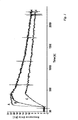
- Figure 1 shows Biacore sensorgrams obtained after injection of A: 7.8 nM; B: 1.9 nM and C: 0.49 nM of Affibody ® molecule II over a sensor chip having HER2/Fc chimeric fusion protein immobilized thereto.
- the SH-group of the C-terminal cysteine was blocked with N -ethylmaleimide (NEM).
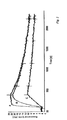
- Figure 2 shows Biacore sensorgrams obtained after injection of A: 6 nM; B: 1.5 nM and C: 0.38 nM of Affibody ® molecule II (SEQ ID No. 5) with DOTA coupled to the C-terminal Cysteine over a sensor chip having HER2/Fc chimeric fusion protein immobilized thereto.
- Figure 3 shows Biacore sensorgrams obtained after injection of A: 6 nM; B: 1.5 nM and C: 0.38 nM of Affibody ® molecule X (SEQ ID No. 7) over a sensor chip having HER2/Fc chimeric fusion protein immobilized thereto.
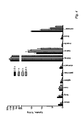
- Figure 4 shows the biodistribution of 111 In-labeled Affibody ® molecule II with DOTA in BALB/c nu / nu mice SKOV-3 tumor xenografts. All mice were injected with 1 ⁇ g (100 kBq) of 111 In-labeled Affibody ® molecule II. 0.5, 1, 4 and 24 hours post injection the organs were dissected, weighted and their radioactivity content was measured in the gamma counter. Radioactivity uptake was calculated as percent of injected activity per gram tissue (%IA/g).
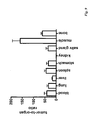
- Figure 5 shows the tumor-to-organ ratios of the radioactive uptake measured in the biodistribution study described in Figure 4 .
- Figure 6 shows the specificity of tumor targeting with 111 In-labeled Affibody ® molecule II with DOTA in SKOV-3 tumor xenografts. All mice were injected with 1 ⁇ g (100 kBq) of 111 In-labeled Affibody ® molecule II with DOTA. One group of animals was pretreated with excess of unlabeled Affibody ® molecule (blocking group) 50 minutes before injection of the 111 In-labeled Affibody ® molecule. The organs were dissected 4 hours post injection, weighted and their radioactivity content was measured in the gamma counter. Radioactivity uptake was calculated as percent of injected activity per gram tissue (%IA/g).
- Figure 8 shows the biodistribution of 99m Tc-labeled Affibody ® molecule X in BALB/c nu / nu mice SKOV-3 tumor xenografts 4 hours post injection. All mice were injected with 1 ⁇ g (65 kBq) of 99m Tc-labeled Affibody ® molecule X. One group of animals was pretreated with excess of unlabeled Affibody ® molecule (blocking group) 50 minutes before injection of the 99m Tc-labeled Affibody ® molecule. The organs were dissected 4 hours post injection, weighted and their radioactivity content was measured in the gamma counter. Radioactivity uptake was calculated as percent of injected activity per gram tissue (%IA/g).
- Figure 9 shows the tumor-to-organ ratios of the radioactive uptake measured in the biodistribution study described in Figure 8 .
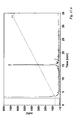
- Figure 11 shows the analytical HPLC elution profiles for Affibody ® molecule X at the synthesis stage of amino acid 18 to 58.
- the Affibody ® molecules were separated on a VydacTP218TP54 column.
- Flow rate 1 ml/min; Temperature: 35 °C;
- Detection 220 nm;
- Eluent A 0.1 % TFA, 1 % acetonitrile in H 2 O;
- Eluent B 0.1 % TFA in acetonitrile.
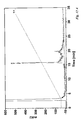
- Figure 12 shows the analytical HPLC elution profiles for the Affibody ® molecule X at the synthesis stage of amino acid 1 to 58 ( A ) and 10 to 58 ( B ).
- the Affibody ® molecules were separated on a VydacTP218TP54 column. Flow rate: 1 ml/min; Temperature: 35 °C; Detection: 220 nm; Solvent A: 0.1 % TFA, 1 % acetonitrile in H 2 O; Solvent B: 0.1 % TFA in acetonitrile.
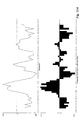
- Figure 13 shows hydrophobicty / hydrophilicity plots for some of the Affibody ® molecules listed in Table 1.
- the upper part of the figures shows the plot using the Kyte-Doolittle scale and the lower part the hydrophobicity indices at pH 3.4 determined by HPLC. Hydrophobic amino acids have positive values and hydrophilic amino acids have negative values. A moving window of seven amino acids was used for both plots.
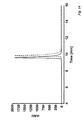
- Figure 14 shows the HPLC elution profiles for the Affibody ® molecule II according to the invention (black line) and Affibody ® molecule Z00342 (grey dashed line).
- the Affibody ® molecules were separated on a Zorbax 300SB C8 150 x 2.1 mm, 3.5 ⁇ m column using a flow rate of 0.5 ml/min and a TFA, water, acetonitrile solvent system.
- selected HER2 specific Affibody ® molecules are subcloned into a pET System expression vector, expressed in a larger scale in appropriate bacterial cells and purified according to the protocols below.
- the amino acid sequences of the corresponding full length HER2 specific Affibody ® molecules are listed in Table 1 as Affibody ® molecules I-XI.
- Affibody ® molecules I-VIII were PCR-amplified by using two oligonucleotides (jointly encompassing the Affibody ® sequence) as template. For each construct a specific pair of template oligonucleotides (each 102 b long) with a complementary overlap of 28 bp was used.
- the Affibody ® gene was amplified with a forward primer (sense), including an Ndel site and an ATG start codon (for Affibody ® molecule I a His 6 -tag encoding sequence was also included in the primer) and a reverse primer (anti-sense) with codons for the C-terminal amino acids, stop codon and a Not I site.
- a forward primer including an Ndel site and an ATG start codon (for Affibody ® molecule I a His 6 -tag encoding sequence was also included in the primer
- a reverse primer anti-sense
- the Affibody ® -Albumin Binding Domain (ABD) gene fusion in Affibody ® molecule IX was produced by overlap extension PCR.
- the Affibody ® molecule encoding fragment was generated as described above for Affibody ® molecules I-VIII, with the exception that the reverse primer included a linker sequence (with a Cys codon) and the 5'-end of the ABD gene.
- the ABD gene was amplified with a forward primer, including the 3'-end of the Affibody ® gene and linker sequence and a reverse primer with stop codon and a Not I site.
- the resulting expression plasmids were transformed to Escherichia coli BL21 (DE3) cells using electroporation.
- Bacteria containing expression plasmids were picked from selective agar containing Kanamycin and grown at 37 °C in 800 ml of TSB+YE-medium (30 g/I Tryptic Soy Broth + 5 g/I Yeast Extract) supplemented with 50 mg/l Kanamycin using a multifermentor system (System Greta, Belach Bioteknik AB, Sweden).
- a multifermentor system System Greta, Belach Bioteknik AB, Sweden.
- OD 600nm optical density
- the cultures were automatically cooled down to ⁇ 12 °C.
- the cultures were then harvested through centrifugation (20 min at 15,900 ⁇ g) and 5-10 g of bacterial cell pellet were harvested and stored in a freezer (-20 °C).
- the cell pellet (3 g) was resuspended in 30 ml of a pH 8 buffer containing 7 M urea and 1000 units Benzonase (Merck). After 30 minutes incubation, the lysate was clarified by centrifugation and the supernatant containing the His 6 -tagged Affibody ® molecule was applied on a 1.5 ml Superflow Ni-NTA column (Qiagen). The column was washed with 20 ml of a pH 6.3 buffer containing 7 M urea and eluted with a pH 4.5 buffer containing 8 M urea.
- the buffer was exchanged to 1xPBS (2.68 mM KCI, 137 mM NaCl, 1.47 mM KH 2 PO 4 , 8.1 mM Na 2 HPO 4 , pH 7.4) by using a PD-10 column (GE Healthcare).
- the cell pellet (10 g) was resuspended in 100 ml 20 mM Tris-HCl pH 7.5, supplemented with 2000 units Benzonase (Merck), disrupted by sonication and heated to 75 °C for 10 minutes.
- the heat treated lysate was clarified by centrifugation and applied on a XK26 column packed with 25 ml Q-Sepharose FF (GE Healtcare), previously equilibrated with 20 mM Tris-HCl pH 7.5.
- the flow through fraction from the column was collected and Affibody ® molecules with a C-terminal cysteine were incubated with 20 mM DTT for 1 hour at room temperature.
- ACN was added to 5 % and applied on a 3 ml Resource 15RPC column (GE Healtcare), previously equilibrated with 5 % ACN, 0.1 % TFA in water. After washing of the column with 5 column volumes (CV) 5 % ACN, 0.1 % TFA in water, bound proteins were eluted with a linear gradient 5-32 % ACN, 0.1 % TFA in water during 20 CV. Fractions containing Affibody ® molecules were identified by SDS-PAGE analysis and pooled. Finally, the buffer was exchanged to 1xPBS by using a HiPrep 26/10 Desalting column (GE Healthcare).
- the cell pellet (5 g) was resuspended in 50 ml TST-buffer (25 mM Tris-HCl, 200 mM NaCl, 1 mM EDTA, 0.05 % Tween 20, pH 8.0) and disrupted by sonication. After clarification by centrifugation, the supernatant was applied on a XK26 column (GE Healtcare) packed with 20 ml HSA-Sepharose (human serum albumin immobilized on CNBr-activated Sepharose 4 Fast Flow, GE Healtcare). The column was washed with 10 CV TST-buffer followed by 5 CV 5 mM NH 4 Ac pH 5.6. Bound ABD-tagged Affibody ® molecule was eluted with 0.5 M HAc pH 2.8. Finally, the buffer was exchanged to 1xPBS by using a HiPrep 26/10 Desalting column (GE Healthcare).
- TST-buffer 25 mM Tris-HCl, 200 m
- the recombinant human HER2/Fc (ErbB2/Fc) chimeric protein consisting of the extracellular domain of ErbB2 (HER2, Met 1 -Thr 652 ) fused to the Fc region of human IgG 1 (Pro 100 -Lys 330 ) with a C-terminal His 6 -tag (RD Systems No. 1129-ER), was immobilized (1800 resonance units (RU)) onto a surface of a CM5 sensor chip using amine coupling chemistry. One surface on the chip was activated and deactivated for use as reference cell. Affibody ® molecules diluted in HBS-EP buffer (10 mM HEPES, 150 mM NaCl, 3 mM EDTA, 0.005 % surfactant P-20, pH 7.4) were used as analytes.
- Affibody ® molecules with a single C-terminal cysteine were treated with N- ethylmaleimide (NEM, Pierce No. 23030) to block the SH-group of cysteine and thereby prevent dimerization of the molecules.
- the Affibody ® molecule II (SEQ ID No. 5) was reduced by treating 1 ml (2.1 mg) of the peptide with 10 ⁇ l Tris-HCl pH 8.5 and 40 ⁇ l 0.5 M dithiothreitol (DTT) for two hours at room temperature.
- Blocking of the free SH-group was done using a 20 fold molar excess of NEM to protein: add 15 ⁇ l NEM solution in water (200 mM) to 0.5 ml of reduced protein solution (1 mg/ml) and incubate for one hour at room temperature on a head-over-head mixer. Excess NEM was removed by gel filtration on NAP5-columns as described above, however with PBS as equilibration buffer.
- Affibody ® molecule II (SEQ ID No. 5) was reduced with 20 mM DTT at 40 °C for 30 minutes. Excess DTT was removed by buffer exchange on a PD-10 column to 0.2M NH 4 Acetate pH 5.5. The coupling was performed with a three-fold molar excess of chelator, maleimido-mono-amide-DOTA (Mal-DOTA, Macrocyclics No.B-272) solution in water (1 mg/ml). The mixture was incubated for 1 hour at 40 °C with continuous shaking.
- the HER2-binding interaction of the Affibody ® molecule II is shown in the sensorgraphs of Figure 1 , Affibody ® molecule II with DOTA coupled to the C-terminal cysteine in Figure 2 and of the Affibody ® molecule X (SEQ ID No. 7) in Figure 3 .
- Example 3 a- In vivo HER2 binding properties of polypeptides according to the invention having a polyaminopolycarboxylate chelator
- the Affibody ® molecule II was modified by coupling mono-amide DOTA (Mal-DOTA) to the C-terminal cysteine as described in example No. 2.
- the resulting molecule is named "Affibody ® molecule II with DOTA".
- the labeling efficiency was analyzed by instant thin layer chromatography (ITLC) on Silica gel impregnated glass fiber sheets (ITLC SG sheets, Gelman Sciences Inc.) using 0.02 M citric acid as eluent.
- ITLC instant thin layer chromatography
- the distribution of the radioactivity along ITLC strip was visualized and quantified using a Phosphorlmager (Cyclone TM Storage Phosphor System, Packard). Radiolabeled Affibody ® molecules remained at the origin of the ITLC sheet, whereas free 111 In migrated with the solvent front.
- the radiochemical purity was 99.8 - 99.9 %, i.e. the radiolabeling was nearly quantitative. No further purification of the radiolabeled Affibody ® molecule was required.
- the reaction mixture was diluted with PBS to 1.4 ml and kept frozen before the experiment (1-2 days).
- mice Female outbreed BALB/c nu / nu mice were grafted with 1 x 10 7 SKOV-3 (human ovary ascites adenocarcinoma) cells or 1 x 10 7 A431 (human epidermoid carcinoma) cells in the right hind leg.
- SKOV-3 cells overexpress HER2 and A431 cells are negative for HER2.
- mice bearing xenograft tumors (30-40 days after implantation of 1 x 10 7 SKOV-3 cells) were randomized in groups of four.
- Mice were injected in the tail vein with 1 ⁇ g (100 kBq) of 111 In-labeled Affibody ® molecule in 100 ⁇ l PBS. All injections were tolerated well.
- One group of animals were s.c. injected with 1.5 ml (0.9 mg) of unlabeled Affibody ® molecule II wherein the C-terminal Cys had been blocked with NEM as described in example 2 followed by i.v. injection with 1 ⁇ g (100 kBq) of 111 In-labeled Affibody ® molecule 50 min later (blocking experiment).
- mice After injection of a lethal dose of a solution of Ketalar and Rompun solution, mice were sacrificed by exsanguinations via heart puncture at 0.5, 1, 4 and 24 hours post injection (h p.i.). Animals from the blocking group were sacrificed 4 hours p.i. The organs were dissected, weighted and their radioactivity content was measured in the gamma counter. Radioactivity uptake was calculated as percent of injected activity per gram tissue (%IA/g).
- mice bearing xenograft tumors (30-40 days after implantation of 1 x 10 7 SKOV-3 cells or 10-15 days after implantation of 1 x 10 7 A431 cells) were used.
- mice were injected in the tail vein with 3 ⁇ g (4.5 MBq) of 111 In-labeled Affibody ® molecule II in 100 ⁇ l PBS. 0.5 or 4 hours p.i., the animals were euthanized with a lethal dose of a solution of Ketalar and Rompun. Imaging was performed using a Millenium GE gamma-camera equipped with a MEGP collimator. The scintigraphic results were evaluated visually using the Hermes software (Nuclear Diagnostics, Sweden).
- the kidney uptake was considerable lower than the kidney uptake measured for the Affibody ® molecule Z00342 (disclosed in WO 2005/003456 as Z HER2:107 , and sometimes also called Z HER2:342 ) with DOTA coupled to the N-terminus, i.e. 243 ⁇ 22 % IA/g measured at 1 hour p.i. and 232 ⁇ 34 % IA/g at 24 hours p.i. ( Orlova, A. et al. (2006), Cancer Research 67: 2278-2186 ).
- the 111 In-labeled Affibody ® molecule II with DOTA had lower uptake in all organs at all measured time points compared with the HER2-specific Affibody ® molecule described by Orlova, et al. (2006).
- the high tumor uptake together with reduced uptake in other organs lead to tumor-to-organ ratios, which exceed the ratios published for the Affibody ® molecule described earlier ( Figure 5 ).
- the tumor-to-blood ratio was 16 at 1 hour p.i., 88 at 4 hour p.i. and 275 at 24 hours p.i. compared with 8 (1 h p.i.), 12 (4 h p.i.) and 47 (24 h p.i.) for the Affibody ® molecule described by Orlova, A. et al. (2006).
- the specificity of tumor targeting using the Affibody ® molecules according to the invention was proven by a blocking experiment, where pre-injection of tumor bearing mice with excess of unlabeled Affibody ® molecule reduced tumor uptake of 111 In-labeled Affibody ® molecule II with DOTA by 86 % but not the uptake in other organs ( Figure 6 ).
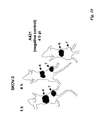
- Gamma camera images taken 30 minutes and 4 hours p.i. confirmed high specific tumor targeting of the 111 In-labeled Affibody ® molecule II with DOTA ( Figure 7 ).
- the SKOV-3 tumors were visualized already 0.5 hours p.i., and at 4 hours p.i. the background radioactivity was washed out. Apart from the tumor a clear uptake is also visible in the kidneys.
- the mouse bearing the HER2-negative A431 xenograft tumor had negligible uptake of the radioactivity in the tumor at 4 h p.i.
- Affibody ® molecule X was labeled with 99m Tc using the indirect method.
- a kit containing the following ingredients was produced: 50 mg gluconate dihydrate, 1 mg disodium salt of EDTA and 0.5 mg tin (II) chloride dihydrate per 1 ml. The solution was divided into aliquots containing 1 ml, and aliquots were freeze-dried. Freeze-dried labeling kits were stored at -20 °C before use.
- the radiolabeled Affibody ® molecule was diluted with PBS to ensure that radioactivity concentration is 65 kBq per 100 ⁇ l.
- the concentration of Affibody ® molecules was adjusted to 1 ⁇ g per 100 ⁇ l.
- mice Female outbreed BALB/c nu / nu mice were grafted with 1 x 10 7 SKOV-3 (human ovary ascites adenocarcinoma) cells in the right hind leg.
- SKOV-3 human ovary ascites adenocarcinoma
- mice with xenograft tumors (40-45 days after implantation of 1 x 10 7 cells) were randomized in groups of four.
- mice were injected in the tail vein with 1 ⁇ g (65 kBq) of 99m Tc-labeled Affibody ® molecule X in 100 ⁇ l PBS. All injections were tolerated well.
- One group of animals were s.c. injected with 100 ⁇ l (0.5 mg) of unlabeled His 6 -Z00342 by i.v. injection with 1 ⁇ g (65 kBq) of 99m Tc-labeled Affibody ® molecule X 50 min later (blocking experiment).
- mice After injection of a lethal dose of a solution of Ketalar andRompun, mice were sacrificed by exsanguinations via heart puncture at 4 hours post injection (h p.i.). Animals from the blocking group were sacrificed 4 hours p.i. The organs were dissected, weighted and their radioactivity content was measured in the gamma counter. Radioactivity uptake was calculated as percent of injected activity per gram tissue (%IA/g).
- mice bearing xenograft tumors (40 days after implantation of 1 x 10 7 SKOV-3 cells or 10-15 days after implantation of 1 x 10 7 A431 cells) were used.
- mice were injected in the tail vein with 3 ⁇ g (15 MBq) of 99m Tc-labeled Affibody ® molecule X in 100 ⁇ l PBS. 1 or 4 hours p.i., the animals were euthanized with a lethal dose of a solution of Ketalar and Rompun. Imaging was performed using a e. Cam Siemens gamma-camera equipped with a LEHR collimator. The scintigraphic results were evaluated visually using the Hermes software (Nuclear Diagnostics, Sweden).
- kidney uptake was considerable lower than the kidney uptake measured for the 111 In-labeled Affibody ® molecule described in example 3a above and Z00342 with DOTA coupled to the N-terminus ( Orlova, A. et al. (2006), Cancer Research 67: 2278-2186 ).
- low uptake in intestine (3.52 %IA/g) and liver (1.06 %IA/g) together with the higher uptake in the kidneys show that the 99m Tc-labeled Affibody ® molecule X is predominantly cleared by the renal pathway and not by the hepatobiliary pathway.
- EP 6 123 095 discloses that the preferred ma-Xaa1-Xaa2-Xaa3 chelating moiety comprising one or two Ser and the remaining two or one amino acid residues being Glu result in a shift from hepatobiliary to renal clearance pathway.
- Affibody ® molecule X contains both one of the preferred chelator moieties disclosed in EP 6 123 095 , i.e. ma-Glu-Ser-Glu and the all of the amino acid exchanges described in Example 1 (table 1) of the current invention which result in increased hydrophilicity of these polypeptides.
- the 99m Tc-labeled Affibody ® molecule X described here represents an additional example of a polypeptide containing a ma-Xaa1-Xaa2-Xaa3 chelating moiety which balance low hepatobiliary clearance with high renal clearance, but minimized reabsorption in the kidneys.
- the tumor-to-organ ratios of the biodistribution experiment described above are shown in Figure 9 . Again high tumor-to-organ ratios obtained.
- the tumor-to-liver ratio of the 99m Tc-labeled Affibody ® molecule X was 17 compared with the 111 In-labeled Affibody ® molecule II with DOTA described in example 3a with a ratio of 10 at 4 hours p.i.
- the tumor-to-blood ratio was 42 at 4 hours p.i.
- pseudoprolines display a closed proline-like structure with the side chain linked to the backbone, and which can be converted into the normal amino acid structure by acid treatment ( Haack, T., & Mutter, M. Tetrahedron Letters (1992), 33(12), 1589-92 ).
- Pseudoprolines are commercially available for 14 amino acids in position Xxx (except Arg, Cys, His, Met, Pro, Thr) together with serine or threonine in position Yyy.
- the parent Affibody ® molecule Z00342 has no threonine and cysteine in the primary sequence. Serine is only found in position 33, 39 and 41. A pseudoproline precursor is only available for serine 41 (Q 40 -S 41 ). For the two other serines the amino acid in position Xxx prevents the use of pseudoprolines since there are no precursors available (R 32 -S 33 and P 38 -S 39 ) .
- the mutations introduced in the polypeptides according to the invention are aimed, but are not restricted to, to facilitate peptide synthesis.
- the mutations in position 23, 42, 46 and 54 i.e. [N23T], [A42S], [A46S] and [A54S] may have the capacity to solve two of the problems in SPPS identified: they allow the use of psudeoprolines and the critical region around amino acid 21 to 26 is changed in position 23 by replacing asparagine with threonine.
- SPPS Solid phase peptide synthesis
- Affibody ® molecule X (SEQ ID No. 7) is assembled on an Fmoc-Lys(Boc)-Wang polystyrene resin in a fully automated peptide synthesizer. This resin is highly suitable for the formation of peptides with the Fmoc-strategy. 57 Amino acids (with appropriate side-chain protection) were coupled onto the resin. In the last step coupling of S-trityl-protected mercaptoacetic acid was performed manually.
- the Fmoc-Lys(Boc)-Wang polystyrene resin is transferred into an SPPS-reactor with a stirrer. Synthesis is then started with Fmoc deprotection of the resin, followed by a coupling procedure with Fmoc-Pro-OH according to the general description given below. This step is again followed by an Fmoc deprotection and subsequent coupling of the amino acid derivatives according to the sequence. After final washings of the resin with isopropylether (IPE), the peptide resin is dried in a desiccator under reduced pressure.
- IPE isopropylether
- the resin is also treated with 20 % piperidine in NMP in order to achieve the cleavage of the N- ⁇ -Fmoc protecting group.
- the washing of the resin is then performed with NMP.
- Step 3 Cleavage from the resin including cleavage of the remaining protection groups
- the peptide resin is treated with trifluoroacetic acid (TFA) in the presence of purified water, ethanedithiol (EDT), and triisopropylsilane (TIS).
- TFA trifluoroacetic acid
- EDT ethanedithiol
- TIS triisopropylsilane
- the reaction mixture is cooled to approx. 0 °C, and ammonium iodide and dimethyl sulfide are added to reduce oxidized methionine.
- the formed iodine is reduced with ascorbic acid.
- filtering off the product it is precipitated in IPE in the cold, filtered off again, washed with IPE, and dried under reduced pressure.
- the purity of the 58 amino acid long peptides and some intermediates is determined by reversed phase HPLC using a Vydac 218 TP54 (5 ⁇ m, 250 x 4.6 mm) column and 0.1 % TFA, 1 % acetonitrile in H 2 O and 0.1 % TFA in acetonitrile as solvent A and B respectively.
- the column oven temperature was set to 35 °C.
- the column was eluted either with a gradient of 15 to 45 % solvent B in 30 minutes or with a gradient from 20 to 50 % B in 30 minutes. UV detection was at 220 nm.
- the purity is calculated by area normalization.
- Affibody ® molecule X (SEQ ID No. 7), synthesized with or without the use of pseudoprolines were analyzed by analytical reversed phase chromatography. In order to follow the progress of the synthesis a small portion of synthesis resin was taken after several coupling steps and analyzed for the presence, purity and yield of the desired peptide intermediate.
- Standard Fmoc-synthesis resulted in a huge number of small peptide peaks and two main peaks with similar size, but low yield.
- the full length peptide (amino acids 1-58) was obtained only if the synthesis was performed using pseudoprolines.
- Figure 12 A shows a single product peak with a yield of the final peptide of 26 %.
- Standard Fmoc-synthesis failed to produce the final peptide product.
- Analysis of the 49 amino acid long intermediate (amino acid 10-58) from the standard synthesis revealed that the desired intermediate could not be detected and the synthesis was aborted ( Figure 12 B) .
- Hydrophobicity / hydrophilicity plots are generated to display the distribution of polar and apolar residues along a protein sequence. These plots are commonly used to predict highly hydrophobic regions, e.g. membrane-spanning parts or hydrophilic sequences, i.e. regions that are likely exposed on the surface of proteins.
- the plots are generated by scanning the protein sequence with a moving window which can be adapted for the purpose of the analysis.
- a moving window of seven amino acids is suggested to be a good value for finding putative surface-exposed regions.
- the mean hydrophobic index of the amino acids within the window is calculated. This value is plotted as the midpoint of the window.
- two hydrophobicity scales were used: 1) Kyte-Doolittle scale were hydropathic regions achieve a positive value ( Kyte J., Doolittle R.F. (1982) J. Mol. Biol.
- the plots for Affibody ® molecule II in Figure 13 A show increased hydrophilicity in the region of the Affibody ® molecules making up the alpha helix 2 and 3 and the C-terminus (between amino acids 24-58) compared with the parent Affibody ® molecule Z00342 ( Figure 13 C) .
- Proteins can be efficiently separated by reversed phase (RP) chromatography. Differences in hydrophilicity / hydropobicity of a protein can be analyzed on RP columns e.g. C8 or C18 columns where more hydrophilic proteins elute earlier, i.e. at lower concentrations of the acetonitrile eluent than more hydrophobic proteins. The following conditions were used to compare the elution of the Affibody ® molecule II (SEQ ID No.
- the results of the analysis are shown in Figure 14 .
- the shift in retention time illustrates the increased hydrophilicity of the Affibody ® molecule II compared with the parent Affibody ® molecule Z00342.
- This Affibody ® molecule with all the mutations described above elutes with a retention time of 9.614 min compared with 9.860 for the parent Affibody ® molecule Z00342.
- One desirable property of the HER2 specific polypeptides described in this invention is to have a low antigenicity profile meaning to show low interaction potential with immunoglobulins (Ig).
- Ig immunoglobulins
- Affibody ® molecules I, II, II with DOTA conjugated to C-terminal cystein and XI with DOTA conjugated on an internal cystein (position 42) are compared with the standard HER2 specific Affibody ® molecule Z00342 in order to evaluate the influence of the amino acid alterations made.
- the assay used is referred to as an in vitro antigenicity (IVA) ELISA.
- IVA In vitro antigenicity
- a 96 well plate was coated with 2 ⁇ g/ml of the HER2 specific Affibody ® molecule Z00342, which was selected as the standard coating reagent.
- the plate was coated with 2 ⁇ g/ml of the HER2 specific Affibody ® molecules I, II, II with DOTA and XI with DOTA.
- 50 ⁇ l of coating solution were added per well and the half-area plate was incubated at +4 °C over night.
- the ELISA plate was washed two times with tap water and 100 ⁇ l of blocking solution (phosphate buffered saline (PBS) pH 7.4 with 0.5 % casein) were added to each well.
- PBS phosphate buffered saline
- the plate was subsequently incubated for 1 hour at room temperature (RT), emptied, followed by the addition of 50 ⁇ l/well of a pool of primate serum in two-fold dilution series starting from 1 in 100 dilution.
- the plate was incubated for 1 hour at RT and then washed five times with PBS + 0.05 % Tween (PBS-T).
- PBS-T PBS + 0.05 % Tween
- a goat anti human Ig-HRP antibody was used diluted 1/5000 (Southern Biotechnology).
- the plate was incubated for 50 min at RT followed by a five-times washing step using PBS-T.
- 50 ⁇ l of ImmunoPure TMB substrate (Pierce) were added and the plate was incubated in the dark at RT for 12 min. Color reaction was stopped by adding stop solution (2 M H 2 SO 4 ) and the absorbance was measured at 450 nm.
- the IVA ELISA was subsequently performed as described above.
- the resulting titration curves were plotted in a graph using a XY-non-linear regression formula to obtain a dilution value at OD 0.3.
- the standard dilution value at OD 0.3 was set to 100 and the IVA-value for each sample was calculated by relating it to the standard. Consequently, an IVA-value below 100 reflects a lower degree of primate Ig-binding of that particular HER2 specific polypeptide compared with the standard Z00342.
- Four different HER2 specific polypeptides were evaluated for in vitro antigenicity i.e. Affibody ® molecules I, II, II with DOTA and XI with DOTA.
Landscapes
- Health & Medical Sciences (AREA)
- Life Sciences & Earth Sciences (AREA)
- Chemical & Material Sciences (AREA)
- Proteomics, Peptides & Aminoacids (AREA)
- Medicinal Chemistry (AREA)
- General Health & Medical Sciences (AREA)
- Organic Chemistry (AREA)
- Veterinary Medicine (AREA)
- Animal Behavior & Ethology (AREA)
- Pharmacology & Pharmacy (AREA)
- Public Health (AREA)
- Physics & Mathematics (AREA)
- Epidemiology (AREA)
- Optics & Photonics (AREA)
- Biophysics (AREA)
- Oncology (AREA)
- Immunology (AREA)
- Biochemistry (AREA)
- Genetics & Genomics (AREA)
- Molecular Biology (AREA)
- Chemical Kinetics & Catalysis (AREA)
- General Chemical & Material Sciences (AREA)
- Nuclear Medicine, Radiotherapy & Molecular Imaging (AREA)
- Peptides Or Proteins (AREA)
- Medicines Containing Antibodies Or Antigens For Use As Internal Diagnostic Agents (AREA)
- Micro-Organisms Or Cultivation Processes Thereof (AREA)
- Medicines That Contain Protein Lipid Enzymes And Other Medicines (AREA)
Priority Applications (16)
| Application Number | Priority Date | Filing Date | Title |
|---|---|---|---|
| EP07150395A EP2072525A1 (en) | 2007-12-21 | 2007-12-21 | New polypeptides having affinity for HER2 |
| PL08864430T PL2235044T3 (pl) | 2007-12-21 | 2008-12-22 | Nowe polipeptydy mające powinowactwo do HER2 |
| ES08864430.7T ES2440919T3 (es) | 2007-12-21 | 2008-12-22 | Nuevos polipéptidos con afinidad por HER2 |
| US12/735,068 US8501909B2 (en) | 2007-12-21 | 2008-12-22 | Polypeptides having affinity for HER2 |
| CN200880126835.4A CN101952302B (zh) | 2007-12-21 | 2008-12-22 | 具有her2亲和性的新多肽 |
| DK08864430.7T DK2235044T3 (da) | 2007-12-21 | 2008-12-22 | Nye polypeptider med bindingsaffinitet til HER2 |
| JP2010538788A JP5913807B2 (ja) | 2007-12-21 | 2008-12-22 | Her2に対する親和性を有する新規なポリペプチド |
| CA2709915A CA2709915C (en) | 2007-12-21 | 2008-12-22 | New polypeptides having affinity for her2 |
| CN201410529294.7A CN104327179A (zh) | 2007-12-21 | 2008-12-22 | 具有her2亲和性的新多肽 |
| EP08864430.7A EP2235044B1 (en) | 2007-12-21 | 2008-12-22 | New polypeptides having affinity for her2 |
| AU2008339976A AU2008339976B2 (en) | 2007-12-21 | 2008-12-22 | New polypeptides having affinity for HER2 |
| HK11107295.4A HK1153207B (en) | 2007-12-21 | 2008-12-22 | New polypeptides having affinity for her2 |
| PCT/EP2008/068167 WO2009080810A1 (en) | 2007-12-21 | 2008-12-22 | New polypeptides having affinity for her2 |
| HK15103379.8A HK1202880A1 (en) | 2007-12-21 | 2011-07-13 | New polypeptides having affinity for her2 |
| US13/928,522 US8883120B2 (en) | 2007-12-21 | 2013-06-27 | Polypeptides having affinity for HER2 |
| JP2014211333A JP2015061838A (ja) | 2007-12-21 | 2014-10-16 | Her2に対する親和性を有する新規なポリペプチド |
Applications Claiming Priority (1)
| Application Number | Priority Date | Filing Date | Title |
|---|---|---|---|
| EP07150395A EP2072525A1 (en) | 2007-12-21 | 2007-12-21 | New polypeptides having affinity for HER2 |
Publications (1)
| Publication Number | Publication Date |
|---|---|
| EP2072525A1 true EP2072525A1 (en) | 2009-06-24 |
Family
ID=39148791
Family Applications (2)
| Application Number | Title | Priority Date | Filing Date |
|---|---|---|---|
| EP07150395A Withdrawn EP2072525A1 (en) | 2007-12-21 | 2007-12-21 | New polypeptides having affinity for HER2 |
| EP08864430.7A Active EP2235044B1 (en) | 2007-12-21 | 2008-12-22 | New polypeptides having affinity for her2 |
Family Applications After (1)
| Application Number | Title | Priority Date | Filing Date |
|---|---|---|---|
| EP08864430.7A Active EP2235044B1 (en) | 2007-12-21 | 2008-12-22 | New polypeptides having affinity for her2 |
Country Status (11)
| Country | Link |
|---|---|
| US (2) | US8501909B2 (enExample) |
| EP (2) | EP2072525A1 (enExample) |
| JP (2) | JP5913807B2 (enExample) |
| CN (2) | CN104327179A (enExample) |
| AU (1) | AU2008339976B2 (enExample) |
| CA (1) | CA2709915C (enExample) |
| DK (1) | DK2235044T3 (enExample) |
| ES (1) | ES2440919T3 (enExample) |
| HK (1) | HK1202880A1 (enExample) |
| PL (1) | PL2235044T3 (enExample) |
| WO (1) | WO2009080810A1 (enExample) |
Cited By (4)
| Publication number | Priority date | Publication date | Assignee | Title |
|---|---|---|---|---|
| US20130295010A1 (en) * | 2010-12-22 | 2013-11-07 | Duncan Hiscock | Her2 binding peptides labelled with a 18f - containing organosilicon compound |
| WO2014053586A1 (en) * | 2012-10-05 | 2014-04-10 | Affibody Ab | Her3 binding polypeptides |
| TWI486617B (zh) * | 2010-10-21 | 2015-06-01 | Iner Aec Executive Yuan | 一種測定對鎝(Tc-99m)與錸(Re-186、Re-188)具有穩定錯合力之含硫螯合劑在凍晶劑中之含量與均一性的固態樣品分析技術 |
| US10208128B2 (en) | 2009-11-04 | 2019-02-19 | Affibody Ab | HER3 binding polypeptides |
Families Citing this family (42)
| Publication number | Priority date | Publication date | Assignee | Title |
|---|---|---|---|---|
| US9187535B2 (en) | 2007-12-19 | 2015-11-17 | Affibody Ab | Polypeptide derived from protein A and able to bind PDGF |
| EP2077272A1 (en) | 2007-12-21 | 2009-07-08 | Affibody AB | Polypeptide libraries with a predetermined scaffold |
| EP2072525A1 (en) * | 2007-12-21 | 2009-06-24 | Affibody AB | New polypeptides having affinity for HER2 |
| KR101671537B1 (ko) | 2008-08-11 | 2016-11-01 | 넥타르 테라퓨틱스 | 다분지형 중합체 알카노에이트 컨쥬게이트 |
| US20120165650A1 (en) * | 2010-12-22 | 2012-06-28 | General Electric Company | Her2 binders |
| WO2010120514A2 (en) * | 2009-03-31 | 2010-10-21 | The Trustees Of The University Of Pennsylvania | Antigen-binding proteins comprising recombinant protein scaffolds |
| WO2011110515A1 (en) * | 2010-03-08 | 2011-09-15 | Affibody Ab | Immunoglobulin g fc region binding polypeptide |
| DE102010026061A1 (de) | 2010-06-30 | 2012-01-05 | Siemens Aktiengesellschaft | 11C-markiertes Peptid zur Detektion eines Tumors, der einen Her2/neu-Rezeptor exprimiert |
| US10894087B2 (en) | 2010-12-22 | 2021-01-19 | Nektar Therapeutics | Multi-arm polymeric prodrug conjugates of cabazitaxel-based compounds |
| EP2654803B1 (en) * | 2010-12-22 | 2021-08-18 | General Electric Company | Radiolabeled her2-binding peptide conjugates |
| US9061080B2 (en) | 2010-12-22 | 2015-06-23 | Ge Healthcare Limited | HER2 binding peptides labeled with aluminium-[18] fluoride complexed by NOTA |
| US20130331443A1 (en) | 2010-12-22 | 2013-12-12 | Nektar Therapeutics | Multi-arm polymeric prodrug conjugates of taxane-based compounds |
| CN102690345B (zh) * | 2011-03-24 | 2014-03-19 | 江苏靶标生物医药研究所有限公司 | 人膜联蛋白v变体及其表达、制备和应用 |
| WO2012166555A1 (en) | 2011-05-27 | 2012-12-06 | Nektar Therapeutics | Water - soluble polymer - linked binding moiety and drug compounds |
| KR102149028B1 (ko) | 2012-02-20 | 2020-08-27 | 스위디쉬 오르펀 바이오비트럼 에이비 (피유비엘) | 인간 보체 c5에 결합하는 폴리펩티드 |
| WO2014013016A1 (en) | 2012-07-20 | 2014-01-23 | Affibody Ab | Method for determining the her2 status of a malignancy |
| WO2014076179A1 (en) | 2012-11-14 | 2014-05-22 | Affibody Ab | New polypeptide |
| KR20160055728A (ko) * | 2013-06-27 | 2016-05-18 | 지이 헬쓰케어 리미티드 | Her2 결합제의 용도 |
| US9982022B2 (en) * | 2013-08-28 | 2018-05-29 | Affibody Ab | Binding polypeptides having a mutated scaffold |
| WO2015028558A1 (en) | 2013-08-28 | 2015-03-05 | Swedish Orphan Biovitrum Ab (Publ) | Stable polypeptides binding to human complement c5 |
| ES2864124T3 (es) | 2014-03-11 | 2021-10-13 | Molecular Templates Inc | Proteínas que comprenden regiones de unión, regiones efectoras de la subunidad A de toxina Shiga y motivos señal de localización de retículo endoplasmático carboxi terminal |
| PT3604333T (pt) | 2014-03-11 | 2021-06-07 | Molecular Templates Inc | Proteínas compreendendo regiões efetoras da subunidade a da toxina shiga próximas de amino-terminais e regiões de ligação do tipo imunoglobulina de direcionamento celular capazes de se ligarem especificamente a cd38 |
| CN104292308B (zh) * | 2014-08-22 | 2017-09-15 | 广州安辰医药科技有限公司 | 肿瘤抗原环肽 |
| PL3212225T3 (pl) | 2014-10-31 | 2026-03-30 | The Trustees Of The University Of Pennsylvania | Sposoby i kompozycje zmodyfikowanych limfocytów t |
| WO2016086036A2 (en) | 2014-11-25 | 2016-06-02 | Bristol-Myers Squibb Company | Methods and compositions for 18f-radiolabeling of biologics |
| JP6622814B2 (ja) * | 2014-11-25 | 2019-12-18 | ブリストル−マイヤーズ スクイブ カンパニーBristol−Myers Squibb Company | イメージングのための新規pd−l1結合ポリペプチド |
| CN114656573B (zh) | 2015-05-30 | 2024-09-27 | 分子模板公司 | 去免疫化的志贺毒素a亚基支架和包含它们的细胞靶向分子 |
| MX2018001208A (es) | 2015-07-26 | 2018-03-26 | Molecular Templates Inc | Moleculas con direccion a las celulas que comprenden efectores de la subunidad a de la toxina shiga y epitopos de celulas-t cd8+. |
| CN109562195A (zh) | 2016-06-01 | 2019-04-02 | 百时美施贵宝公司 | 用pd-l1结合多肽进行pet成像 |
| WO2017210335A1 (en) | 2016-06-01 | 2017-12-07 | Bristol-Myers Squibb Company | Imaging methods using 18f-radiolabeled biologics |
| KR102590672B1 (ko) | 2017-01-25 | 2023-10-18 | 몰레큘러 템플레이츠, 인코퍼레이션. | 탈면역된 시가 독소 a 서브유닛 이펙터 및 cd8+ t-세포 에피토프를 포함하는 세포-표적화 분자 |
| KR20200143634A (ko) | 2018-04-17 | 2020-12-24 | 몰레큘러 템플레이츠, 인코퍼레이션. | 탈면역된 시가 독소 a 서브유닛 스캐폴드를 포함하는 her2-표적화 분자 |
| WO2021122729A1 (en) | 2019-12-18 | 2021-06-24 | Bracco Imaging Spa | Anti-her2 polypeptides derivatives as new diagnostic molecular probes |
| CN114829388B (zh) * | 2019-12-18 | 2026-02-03 | 伯拉考成像股份公司 | 抗her2多肽衍生物作为新的诊断分子探针 |
| EP3842452A1 (en) | 2019-12-26 | 2021-06-30 | Universitat Autònoma de Barcelona | Scaffold proteins and therapeutic nanoconjugates based on nidogen |
| CN112220931B (zh) * | 2020-10-16 | 2022-03-08 | 上海交通大学 | 用于肿瘤主动靶向治疗的亲和体-细胞毒素偶联物及其纳米颗粒、制备方法、应用 |
| WO2022171892A1 (en) | 2021-02-15 | 2022-08-18 | Affibody Ab | New her2-binding polypeptide |
| CN112999369B (zh) * | 2021-03-03 | 2022-02-25 | 江苏元本生物科技有限公司 | 一种her2亲合体放射性核素标记物组合物及其应用 |
| CN116063397B (zh) * | 2022-07-04 | 2025-05-02 | 中国药科大学 | 一类靶向her2蛋白的多肽及其在制备多肽偶联药物中的应用 |
| CN117430670A (zh) * | 2022-07-20 | 2024-01-23 | 中国科学院上海药物研究所 | 一种her2靶向肽分子及其应用 |
| CN119677787A (zh) | 2022-08-10 | 2025-03-21 | 兴和株式会社 | 亲和体微胞药物复合体 |
| WO2025158010A1 (en) | 2024-01-25 | 2025-07-31 | Affibody Ab | Her2-binding polypeptide |
Citations (2)
| Publication number | Priority date | Publication date | Assignee | Title |
|---|---|---|---|---|
| WO2005003156A1 (en) * | 2003-07-04 | 2005-01-13 | Affibody Ab | Polypeptides having binding affinity for her2 |
| WO2007065635A1 (en) * | 2005-12-05 | 2007-06-14 | Affibody Ab | Polypeptides |
Family Cites Families (9)
| Publication number | Priority date | Publication date | Assignee | Title |
|---|---|---|---|---|
| SE509359C2 (sv) | 1989-08-01 | 1999-01-18 | Cemu Bioteknik Ab | Användning av stabiliserade protein- eller peptidkonjugat för framställning av ett läkemedel |
| US5650489A (en) | 1990-07-02 | 1997-07-22 | The Arizona Board Of Regents | Random bio-oligomer library, a method of synthesis thereof, and a method of use thereof |
| SE9400088D0 (sv) | 1994-01-14 | 1994-01-14 | Kabi Pharmacia Ab | Bacterial receptor structures |
| SE0301987D0 (sv) * | 2003-07-04 | 2003-07-04 | Affibody Ab | New polypeptide |
| US8937047B2 (en) | 2007-12-19 | 2015-01-20 | General Electric Company | Biokinetics of fast-clearing polypeptides |
| US8124725B2 (en) | 2007-12-19 | 2012-02-28 | General Electric Company | PDGF-Rβ binders |
| EP2077272A1 (en) | 2007-12-21 | 2009-07-08 | Affibody AB | Polypeptide libraries with a predetermined scaffold |
| ES2373832T3 (es) | 2007-12-19 | 2012-02-09 | Affibody Ab | Polipéptido derivado de proteína a y capaz de unirse a pdgf. |
| EP2072525A1 (en) * | 2007-12-21 | 2009-06-24 | Affibody AB | New polypeptides having affinity for HER2 |
-
2007
- 2007-12-21 EP EP07150395A patent/EP2072525A1/en not_active Withdrawn
-
2008
- 2008-12-22 CA CA2709915A patent/CA2709915C/en active Active
- 2008-12-22 EP EP08864430.7A patent/EP2235044B1/en active Active
- 2008-12-22 WO PCT/EP2008/068167 patent/WO2009080810A1/en not_active Ceased
- 2008-12-22 CN CN201410529294.7A patent/CN104327179A/zh active Pending
- 2008-12-22 CN CN200880126835.4A patent/CN101952302B/zh active Active
- 2008-12-22 US US12/735,068 patent/US8501909B2/en active Active
- 2008-12-22 PL PL08864430T patent/PL2235044T3/pl unknown
- 2008-12-22 AU AU2008339976A patent/AU2008339976B2/en active Active
- 2008-12-22 JP JP2010538788A patent/JP5913807B2/ja active Active
- 2008-12-22 ES ES08864430.7T patent/ES2440919T3/es active Active
- 2008-12-22 DK DK08864430.7T patent/DK2235044T3/da active
-
2011
- 2011-07-13 HK HK15103379.8A patent/HK1202880A1/xx unknown
-
2013
- 2013-06-27 US US13/928,522 patent/US8883120B2/en active Active
-
2014
- 2014-10-16 JP JP2014211333A patent/JP2015061838A/ja active Pending
Patent Citations (2)
| Publication number | Priority date | Publication date | Assignee | Title |
|---|---|---|---|---|
| WO2005003156A1 (en) * | 2003-07-04 | 2005-01-13 | Affibody Ab | Polypeptides having binding affinity for her2 |
| WO2007065635A1 (en) * | 2005-12-05 | 2007-06-14 | Affibody Ab | Polypeptides |
Non-Patent Citations (7)
| Title |
|---|
| LINHULT MARTIN ET AL: "Improving the tolerance of a protein a analogue to repeated alkaline exposures using a bypass mutagenesis approach.", PROTEINS 1 MAY 2004, vol. 55, no. 2, 1 May 2004 (2004-05-01), pages 407 - 416, XP002488610, ISSN: 1097-0134 * |
| ORLOVA ANNA ET AL: "Synthetic affibody molecules: a novel class of affinity ligands for molecular imaging of HER2-expressing malignant tumors.", CANCER RESEARCH 1 MAR 2007, vol. 67, no. 5, 1 March 2007 (2007-03-01), pages 2178 - 2186, XP002488607, ISSN: 0008-5472 * |
| ORLOVA ANNA ET AL: "Tumor imaging using a picomolar affinity HER2 binding affibody molecule.", CANCER RESEARCH 15 APR 2006, vol. 66, no. 8, 15 April 2006 (2006-04-15), pages 4339 - 4348, XP002488605, ISSN: 0008-5472 * |
| ORLOVA ANNA ET AL: "Update: affibody molecules for molecular imaging and therapy for cancer.", CANCER BIOTHERAPY & RADIOPHARMACEUTICALS OCT 2007, vol. 22, no. 5, October 2007 (2007-10-01), pages 573 - 584, XP002488606, ISSN: 1084-9785 * |
| TOLMACHEV VLADIMIR ET AL: "Radionuclide therapy of HER2-positive microxenografts using a 177Lu-labeled HER2-specific Affibody molecule.", CANCER RESEARCH 15 MAR 2007, vol. 67, no. 6, 15 March 2007 (2007-03-15), pages 2773 - 2782, XP002488609, ISSN: 0008-5472 * |
| TRAN THUY ET AL: "(99m)Tc-maEEE-Z(HER2:342), an Affibody molecule-based tracer for the detection of HER2 expression in malignant tumors.", BIOCONJUGATE CHEMISTRY 2007 NOV-DEC, vol. 18, no. 6, November 2007 (2007-11-01), pages 1956 - 1964, XP002488608, ISSN: 1043-1802 * |
| WIKMAN M ET AL: "Selection and characterization of HER2/neu-binding affibody ligands", PROTEIN ENGINEERING, DESIGN AND SELECTION, OXFORD JOURNAL, LONDON, GB, vol. 17, no. 5, 18 June 2004 (2004-06-18), pages 455 - 462, XP002982293, ISSN: 1741-0126 * |
Cited By (5)
| Publication number | Priority date | Publication date | Assignee | Title |
|---|---|---|---|---|
| US10208128B2 (en) | 2009-11-04 | 2019-02-19 | Affibody Ab | HER3 binding polypeptides |
| TWI486617B (zh) * | 2010-10-21 | 2015-06-01 | Iner Aec Executive Yuan | 一種測定對鎝(Tc-99m)與錸(Re-186、Re-188)具有穩定錯合力之含硫螯合劑在凍晶劑中之含量與均一性的固態樣品分析技術 |
| US20130295010A1 (en) * | 2010-12-22 | 2013-11-07 | Duncan Hiscock | Her2 binding peptides labelled with a 18f - containing organosilicon compound |
| WO2014053586A1 (en) * | 2012-10-05 | 2014-04-10 | Affibody Ab | Her3 binding polypeptides |
| US9745350B2 (en) | 2012-10-05 | 2017-08-29 | Affibody Ab | HER3 binding polypeptides |
Also Published As
| Publication number | Publication date |
|---|---|
| JP2011507497A (ja) | 2011-03-10 |
| CN104327179A (zh) | 2015-02-04 |
| US8501909B2 (en) | 2013-08-06 |
| JP2015061838A (ja) | 2015-04-02 |
| US8883120B2 (en) | 2014-11-11 |
| EP2235044B1 (en) | 2013-10-09 |
| CA2709915A1 (en) | 2009-07-02 |
| AU2008339976A1 (en) | 2009-07-02 |
| DK2235044T3 (da) | 2014-01-06 |
| JP5913807B2 (ja) | 2016-04-27 |
| US20130280164A1 (en) | 2013-10-24 |
| CN101952302B (zh) | 2014-11-12 |
| US20110020223A1 (en) | 2011-01-27 |
| AU2008339976B2 (en) | 2013-05-30 |
| HK1202880A1 (en) | 2015-10-09 |
| PL2235044T3 (pl) | 2014-03-31 |
| CN101952302A (zh) | 2011-01-19 |
| WO2009080810A1 (en) | 2009-07-02 |
| ES2440919T3 (es) | 2014-01-31 |
| EP2235044A1 (en) | 2010-10-06 |
| CA2709915C (en) | 2016-05-24 |
| HK1153207A1 (en) | 2012-03-23 |
Similar Documents
| Publication | Publication Date | Title |
|---|---|---|
| EP2235044B1 (en) | New polypeptides having affinity for her2 | |
| CA2531238C (en) | Polypeptides having binding affinity for her2 | |
| Tolmachev | Imaging of HER-2 overexpression in tumors for guiding therapy | |
| EP2661284A1 (en) | Her2 binding peptides labelled with a 18f - containing organosilicon compound | |
| Honarvar et al. | Evaluation of backbone-cyclized HER2-binding 2-helix Affibody molecule for In Vivo molecular imaging | |
| CN1816563B (zh) | 对her2具有结合亲和力的多肽 | |
| Ekblad et al. | Positioning of 99mTc-chelators influences radiolabeling, stability and biodistribution of Affibody molecules | |
| US20240124533A1 (en) | New her2-binding polypeptide | |
| HK1153207B (en) | New polypeptides having affinity for her2 | |
| EP4673554A1 (en) | Asparaginyl peptide ligase-mediated radiolabelling of single-domain antibodies | |
| WO2025158010A1 (en) | Her2-binding polypeptide | |
| WO2014013016A1 (en) | Method for determining the her2 status of a malignancy | |
| WO2011110490A1 (en) | Process for the production of radioactively labelled scfv antibody fragments, kits and compositions | |
| HK1092481B (en) | Polypeptides having binding affinity for her2 |
Legal Events
| Date | Code | Title | Description |
|---|---|---|---|
| PUAI | Public reference made under article 153(3) epc to a published international application that has entered the european phase |
Free format text: ORIGINAL CODE: 0009012 |
|
| AK | Designated contracting states |
Kind code of ref document: A1 Designated state(s): AT BE BG CH CY CZ DE DK EE ES FI FR GB GR HU IE IS IT LI LT LU LV MC MT NL PL PT RO SE SI SK TR |
|
| AX | Request for extension of the european patent |
Extension state: AL BA HR MK RS |
|
| AKX | Designation fees paid | ||
| REG | Reference to a national code |
Ref country code: DE Ref legal event code: 8566 |
|
| STAA | Information on the status of an ep patent application or granted ep patent |
Free format text: STATUS: THE APPLICATION IS DEEMED TO BE WITHDRAWN |
|
| 18D | Application deemed to be withdrawn |
Effective date: 20091229 |