EP2034839B1 - Treatment of neurodegenerative diseases through inhibition of hsp90 - Google Patents
Treatment of neurodegenerative diseases through inhibition of hsp90 Download PDFInfo
- Publication number
- EP2034839B1 EP2034839B1 EP07812557.2A EP07812557A EP2034839B1 EP 2034839 B1 EP2034839 B1 EP 2034839B1 EP 07812557 A EP07812557 A EP 07812557A EP 2034839 B1 EP2034839 B1 EP 2034839B1
- Authority
- EP
- European Patent Office
- Prior art keywords
- tau
- hsp90
- compound
- disease
- brain
- Prior art date
- Legal status (The legal status is an assumption and is not a legal conclusion. Google has not performed a legal analysis and makes no representation as to the accuracy of the status listed.)
- Active
Links
- 0 CC(C)=CCN(C)CC[n]1c(SC(*=C(*)C*C****=C2)=C2I)c(C)c2c(N)ncnc12 Chemical compound CC(C)=CCN(C)CC[n]1c(SC(*=C(*)C*C****=C2)=C2I)c(C)c2c(N)ncnc12 0.000 description 1
Images



Classifications
-
- C—CHEMISTRY; METALLURGY
- C07—ORGANIC CHEMISTRY
- C07D—HETEROCYCLIC COMPOUNDS
- C07D473/00—Heterocyclic compounds containing purine ring systems
- C07D473/40—Heterocyclic compounds containing purine ring systems with halogen atoms or perhalogeno-alkyl radicals directly attached in position 2 or 6
-
- A—HUMAN NECESSITIES
- A61—MEDICAL OR VETERINARY SCIENCE; HYGIENE
- A61K—PREPARATIONS FOR MEDICAL, DENTAL OR TOILETRY PURPOSES
- A61K31/00—Medicinal preparations containing organic active ingredients
- A61K31/33—Heterocyclic compounds
- A61K31/395—Heterocyclic compounds having nitrogen as a ring hetero atom, e.g. guanethidine or rifamycins
- A61K31/495—Heterocyclic compounds having nitrogen as a ring hetero atom, e.g. guanethidine or rifamycins having six-membered rings with two or more nitrogen atoms as the only ring heteroatoms, e.g. piperazine or tetrazines
- A61K31/505—Pyrimidines; Hydrogenated pyrimidines, e.g. trimethoprim
- A61K31/519—Pyrimidines; Hydrogenated pyrimidines, e.g. trimethoprim ortho- or peri-condensed with heterocyclic rings
- A61K31/52—Purines, e.g. adenine
-
- A—HUMAN NECESSITIES
- A61—MEDICAL OR VETERINARY SCIENCE; HYGIENE
- A61P—SPECIFIC THERAPEUTIC ACTIVITY OF CHEMICAL COMPOUNDS OR MEDICINAL PREPARATIONS
- A61P21/00—Drugs for disorders of the muscular or neuromuscular system
-
- A—HUMAN NECESSITIES
- A61—MEDICAL OR VETERINARY SCIENCE; HYGIENE
- A61P—SPECIFIC THERAPEUTIC ACTIVITY OF CHEMICAL COMPOUNDS OR MEDICINAL PREPARATIONS
- A61P21/00—Drugs for disorders of the muscular or neuromuscular system
- A61P21/02—Muscle relaxants, e.g. for tetanus or cramps
-
- A—HUMAN NECESSITIES
- A61—MEDICAL OR VETERINARY SCIENCE; HYGIENE
- A61P—SPECIFIC THERAPEUTIC ACTIVITY OF CHEMICAL COMPOUNDS OR MEDICINAL PREPARATIONS
- A61P25/00—Drugs for disorders of the nervous system
-
- A—HUMAN NECESSITIES
- A61—MEDICAL OR VETERINARY SCIENCE; HYGIENE
- A61P—SPECIFIC THERAPEUTIC ACTIVITY OF CHEMICAL COMPOUNDS OR MEDICINAL PREPARATIONS
- A61P25/00—Drugs for disorders of the nervous system
- A61P25/14—Drugs for disorders of the nervous system for treating abnormal movements, e.g. chorea, dyskinesia
-
- A—HUMAN NECESSITIES
- A61—MEDICAL OR VETERINARY SCIENCE; HYGIENE
- A61P—SPECIFIC THERAPEUTIC ACTIVITY OF CHEMICAL COMPOUNDS OR MEDICINAL PREPARATIONS
- A61P25/00—Drugs for disorders of the nervous system
- A61P25/14—Drugs for disorders of the nervous system for treating abnormal movements, e.g. chorea, dyskinesia
- A61P25/16—Anti-Parkinson drugs
-
- A—HUMAN NECESSITIES
- A61—MEDICAL OR VETERINARY SCIENCE; HYGIENE
- A61P—SPECIFIC THERAPEUTIC ACTIVITY OF CHEMICAL COMPOUNDS OR MEDICINAL PREPARATIONS
- A61P25/00—Drugs for disorders of the nervous system
- A61P25/28—Drugs for disorders of the nervous system for treating neurodegenerative disorders of the central nervous system, e.g. nootropic agents, cognition enhancers, drugs for treating Alzheimer's disease or other forms of dementia
-
- A—HUMAN NECESSITIES
- A61—MEDICAL OR VETERINARY SCIENCE; HYGIENE
- A61P—SPECIFIC THERAPEUTIC ACTIVITY OF CHEMICAL COMPOUNDS OR MEDICINAL PREPARATIONS
- A61P25/00—Drugs for disorders of the nervous system
- A61P25/30—Drugs for disorders of the nervous system for treating abuse or dependence
- A61P25/36—Opioid-abuse
-
- A—HUMAN NECESSITIES
- A61—MEDICAL OR VETERINARY SCIENCE; HYGIENE
- A61P—SPECIFIC THERAPEUTIC ACTIVITY OF CHEMICAL COMPOUNDS OR MEDICINAL PREPARATIONS
- A61P39/00—General protective or antinoxious agents
- A61P39/02—Antidotes
-
- A—HUMAN NECESSITIES
- A61—MEDICAL OR VETERINARY SCIENCE; HYGIENE
- A61P—SPECIFIC THERAPEUTIC ACTIVITY OF CHEMICAL COMPOUNDS OR MEDICINAL PREPARATIONS
- A61P43/00—Drugs for specific purposes, not provided for in groups A61P1/00-A61P41/00
Definitions
- This application relates to the treatment of neurodegenerative diseases through inhibition of heat shock protein 90 (HSP90).
- HSP90 heat shock protein 90
- Hsp90 ⁇ and ⁇ exist in the cytosol and the nucleus in association with a number of other proteins.
- Hsp90 in its various forms is the most abundant cellular chaperone, and has been shown in experimental systems to be required for ATP-dependent refolding of denatured or "unfolded" proteins. It has therefore been proposed to function as part of the cellular defense against stress. When cells are exposed to heat or other environmental stresses, the aggregation of unfolded proteins is prevented by pathways that catalyze their refolding or degradation.
- This process depends on the association of the unfolded protein in an ordered fashion with multiple chaperones (Hsp 60, 90 and 70 and p23), forming a "refoldosome” and ultimately the ATP-dependent release of the chaperones from the refolded protein.
- Hsp90 may also play a role in maintaining the stability and function of mutated proteins. It seems to be required for expression of mutated p53 and v-src to a much greater extent than for their wild-type counterparts. It has been suggested that this occurs as a result of Hsp90-mediated suppression of the phenotypes of mutations that lead to protein unfolding.
- Hsp90 is also necessary to the conformational maturation of several key proteins involved in the growth response of the cell to extracellular factors. These include the steroid receptors as well as certain transmembrane kinases (i.e., Raf serine kinase, v-src and Her2). The mechanism whereby Hsp90 affects these proteins is not fully understood, but appears to be similar to its role in protein refolding. In the case of the progesterone receptor, it has been shown that binding and release of Hsp90 from the receptor occurs in a cyclic fashion in concert with release of other chaperones and immunophilins and is required for high affinity binding of the steroid to the receptor. Thus, Hsp90 could function as a physiologic regulator of signaling pathways, even in the absence of stress.
- Hsp90 has been shown to be overexpressed in multiple tumor types and as a function of oncogenic transformation. Whether it plays a necessary role in maintaining transformation is unknown, but it could have at least three functions in this regard. Cancer cells grow in an environment of hypoxia, low pH and low nutrient concentration. They also rapidly adapt to or are selected to become resistant to radiation and cytotoxic chemotherapeutic agents. Thus, the general role of Hsp90 in maintaining the stability of proteins under stress may be necessary for cell viability under these conditions. Secondly, cancer cells harbor mutated oncogenic proteins. Some of these are gain-of-function mutations which are necessary for the transformed phenotype. Hsp90 may be required for maintaining the folded, functionally-active conformation of these proteins. Thirdly, activation of signaling pathways mediated by steroid receptors, Raf and other Hsp90 targets is necessary for the growth and survival of many tumors which thus probably also require functional Hsp90.
- Neurodegeneration similar to cancer, is likely not the result of a shingle dysregulatory event, but rather a several-step process involving environmental, epigenetic and genetic events that lead to creation of a complex transformed phenotype manifested by abnormal expression, post-translational modification and processing of certain proteins.
- the functional maintenance of these dysregulated proteins in neurons may require, analogously to the cancer afflicted cell, the regulatory mechanism of molecular chaperones to evolve along with the transforming process.
- Hsp90 may play two roles.
- aberrantly activated kinases such as cdk5/p35. gsk3beta
- Hsp90 inhibition may restore damaged signaling networks in the diseased brain by alleviating aberrant phosphorylation, leaving to reduced aberrant protein aggregation, and elimination or reduction of aggregates and of their associated toxicity.
- pathogenic mutants such as of APP or presenilins in AD or mtau in FTDP-17 or mutant androgen receptor in bulbar muscular atrophy
- Hsp90 inhibition may lead to the elimination of these proteins and result in reduction of aggregates and consequent plaque or tangle formation.
- AD Alzheimer's Disease
- NFTs tau aggregates
- plaques a deposits
- mutations in amyloid precursor protein or in the presenilins cause autosomal dominant disease. These are the substrate and proteases responsible for the production of the deposited peptide A ⁇ .
- Prion mutations cause Gerstmann Straussler syndrome and hereditary Creutzfeldt-Jakob disease, alpha-synuclein mutations cause autosomal dominant Parkinson's disease.
- the pathogenic mutation is in the protein that is deposited in the diseased tissue and the whole protein is deposited.
- Huntington D results from a mutant huntingtin. (9)
- the mutations lead to the disease by a mechanism that involves the deposition process.
- Hsp90 make it a viable target for therapeutic agents.
- HASP90 family members possess a unique pocket in their N-terminal region that is specific to and conserved among all Hsp90s from bacteria to mammals, but which is not present in other molecular chaperones.
- the endogenous ligand for this pocket is not known, but it binds ATP and ADP with low affinity and has weak ATPase activity.
- the ansamycin antibiotics geldanamycin (GM) and herbimycin (HA) have been shown to bind to this conserved pocket, and this binding affinity has been shown for all members of the HSP90 family.
- WO98/51702 discloses the use of ansamycin antibiotics coupled to a targeting moiety to provide targeted delivery of the ansamycin leading to the degradation of proteins in and death of the targeted cells.
- International Patent Publication No. WO00/61578 relates to bifunctional molecules having two moieties which interact with the chaperone protein Hsp90, including in particular homo- and heterodimers of ansamycin antibiotics. These bifunctional molecules act to promote degradation and/or inhibition of HER-family tyrosine kinases and are effective for treatment of cancers which overexpress Her-kinases.
- Hsp90 inhibitors may regulate proteins involved in signaling networks of diseased neurons.
- Hsp90 inhibitors as clinical agents in the treatment of neurodegenerative diseases, however, will depend on whether their effects occur at concentrations of drug that are tolerable to the patient and on whether the drugs can be administered in such a fashion so as to achieve these concentrations in the brain.
- known Hsp90 inhibitors such as geldanamycin and 17AAG, its derivative in Phase I clinical trial for cancer, and the unrelated compound radicicol have significant limitations. They are poorly soluble, difficult to formulate and do not cross the blood-brain barrier. Thus, in order to realize the potential for treatment of neurodegenerative diseases. therapeutic agents that inhibit Hsp90, and that have sufficient solubility and the ability to cross the blood-brain barrier or otherwise be delivered to the brain are needed.
- WO 2006/130469 A1 is directed at methods for promoting nerve regeneration that involve administering at least one compound, such as a purine, purine derivative, or purine analog, or a pharmaceutically acceptable salt thereof.
- treatment of neurodegenerative diseases is achieved using small molecule purine scaffold compounds as defined in claim 1 that inhibit Hsp90 and that possess the ability to cross the blood-brain barrier.
- small molecule purine scaffold compounds as defined in claim 1 that inhibit Hsp90 and that possess the ability to cross the blood-brain barrier.
- the purine scaffold compound as defined in claim 1 used in the invention has a purine moiety connected at the 8- or 9-position via a linker to a monocyclic substituent group.
- a linker to a monocyclic substituent group.
- the method of the invention makes use of a small molecule purine scaffold compound as defined in claim 1.
- the present invention provides a treatment of neurodegenerative disease, comprising the step of administering to an individual in need of such treatment a therapeutically effective amount of a purine scaffold compound as defined in claim 1 that inhibits Hsp90 and that crosses the blood-brnin barrier or is otherwise delivered to the brain.
- treatment refers to delaying the onset of symptoms, reducing the severity or delaying the symptomatic progression of neurodegenerative disease in the individual. A cure of the disease is not required to fill within the scope of treatment. Further, it will be appreciated that the specific results of these treatment goals will vary from individual to individual, and that some individual may obtain greater or lesser benefits than the statistical average for a representative population. Thus, treatment refers to administration of composition to an individual in need, with the expectation that they will obtain a therapeutic benefit.
- neurodegenerative disease refers to disease characterized by abnormalities in signaling pathways, for example aberrant phosphorylation due to dysregulated kinase activity, mutant proteins (mutant tau, mutant APP) and chaperone unbalance leading to misfolding and increased apoptosis.
- the neurodegenerative disease is a tauopathy, i.e.neurodegenerative disease characterized by tau protein abnormalities that share the feature of hyperphosphorylated tau protein, and intracellular neurofibrillary tangle (NFT) formation.
- tauopathy i.e.neurodegenerative disease characterized by tau protein abnormalities that share the feature of hyperphosphorylated tau protein, and intracellular neurofibrillary tangle (NFT) formation.
- neurodegnerative diesease refers to and encompasses Alcohol-induced neurodegeneration (10)); Alzheimer's disease (11) ; Amyotrophic lateral sclerosis (13 ; 14); Brain ischemia (15; 20); Cocaine addiction (21); Diffuse Lewy body disease (22); Electroconvulsive seizures (23); Fetal alcohol syndrome (10); Focal cortical dysplasia (24); Hereditary canine spinal muscular atrophy (25): Inclusion body myositis (26); Multiple system atrophy (27; 28); Niemann-Pick type C; Parkinson's disease (22); and Peripheral nerve injury (71).
- administering refers to the act of introducing into the individual the therapeutic compound.
- any route of administration can be used.
- systemic administration can be used.
- administration by oral, intravenous, intramuscular or parenteral injection is appropriate.
- Administration may also be done to the brain by inhalation because there is a compartment at the upper side of the nose that connects with the brain without having the BBB capillaries.
- Compounds that cross the blood brain barrier are preferred for this mode of administration as well, although this characteristics is not strictly required.
- terapéuticaally effective amount encompasses both the amount of the compound administered and the schedule of administration that on a statistical basis obtains the result of preventing, reducing the severity or delaying the progression of neurodegenerative disease in the individual.
- preferred amounts will vary from compound to compound in order to balance toxicity/tolerance with therapeutic efficacy and the mode of administration. Determination of maximum tolerated dose and of the treatment regime in terms of number and frequency of dosing is a routine part of early clinical evaluation of a compound.
- crosses the blood brain barrier refers to the ability of the compound to transit to the brain in detectable amounts following systemic administration.
- the ability of a compound to cross the blood brain barrier can be assessed using animal models such as mice
- a single dose administration for example at 50 to 200 mg/kg, can be employed, with animals sacrificed at intervals and the brain concentration of the compound determined. It will be appreciated that the extent to which a compound does transit to the brain will also have an impact on the amount of the therapeutic compound that is necessary.
- compounds that cross the blood brain barrier will have molecular weights of less than 400 daltons, a degree of lipid solubility, preferably comparable to the compounds disclosed herein, the absence of restrictive plasma protein bindings and the absence of significant affinity for any of the several BBB active efflux transporters such as p-glycoprotein.
- 17-AAG does not effectively cross the blood brain barrier and is a P-glycoprotein substrate.
- the therapeutic compound employed in the method of the present invention is suitably a small molecule purine scaffold compound as defined in claim 1 that inhibit Hsp90 and that possess the ability to cross the blood-brain barrier.
- purine scaffold compound refers to a compound that has a purine moiety that to which is bonded an additional aryl or heteroaryl ring at the 8- or 9-position, wherein the compound as a whole possesses the necessary flexibility and substituent groups to be received within the N-terminal pocket of Hsp90.
- moderately lipophilic drugs such as PUs cross the BBB by passive diffusion.
- a good structural understanding for the BBB permeability is still lacking, but several parameters are believed to facilitate such behavior.
- Lipophilicity was the first of the descriptors to be identified as important for CNS penetration.
- Hansch and Leo found that blood-brain barrier penetration is optimal when the LogP values are in the range of 1.5-2.7, with the mean value of 2.1.
- the mean value for ClogP for the marketed CNS drugs is 2.5.
- PU-DZ8 has a calculated logP valve of 1.73 (using Molinspiration) and an experimentally determined value of 1.53 (using RP-HPLC).
- CNS drugs have significantly reduced molecular weights (MW) compared with other therapeutics.
- MW molecular weights
- the rules for molecular weight in CNS drugs have been reviewed, where small molecules may undergo ignificant passive lipid-mediated transport through the blood brain barrier, when the molecular mass is kept in or below a 400- to 600-Da range (90).
- PU-DZ8 has a MW of 512. All the QSAR equations emphasize the importance of hydrogen bonding - CNS penetration requires 5 or less hydrogen bond acceptors (91). PU-DZ8 has 4.
- PSA has been shown to be a very good descriptor characterizing drug absorption, including intestinal absorption, bioavailability, Caco-2 permeability and BBB penetration.
- PSA has been used as a predictor for BBB penetration by many investigators (92).
- drugs aimed at the CNS tend to have lower polar surface areas than other classes (93,94).
- PSA for CNS drugs is significantly less than for other therapeutics with PSA for CNS penetration estimated at 60-70 ⁇ 2 through 90 ⁇ 2 (95,96).
- the upper limit for PSA for a molecule to penetrate the brain is around 90 ⁇ 2 .
- DZ8 has a PSA of 104 ⁇ 2 . Changing the nature of the chain attached to the 9N position from a secondary to a tertiary amine drops the PSA to 90 ⁇ 2 .
- Number of rotatable bonds has been shown to be a very good descriptor of oral bioavailability of drugs (97-99). It is suggested that compounds which meet only the two criteria of (1) 10 or fewer rotatable bonds and (2) polar surface area equal to or less than 140 ⁇ 2 (or 12 or fewer H-bond donors and acceptors) will have a high probability of good oral bioavailability in the rat (99).
- Many CNS drugs are basic and exist in equilibrium between their charged and neutral states under physiological conditions or are amphiphilic if they also possess an acidic group. Possession of a positive charge at pH 7-8 tends to favor brain permeation (100). Additionally, compounds possessing a tertiary nitrogen (a feature of many CNS drugs) show a higher degree of brain permeation. All these characteristics are modeled into purine scaffold compounds as described herein.
- Another characteristic which is indicative of the ability to cross the blood brain barrier is protein binding. Drug-protein interaction is a reversible process and a successful CNS drug should not be an efficient P-glycoprotein substrate (in vivo) (102). It is not sufficient for a potential neurotherapeutic agent to move across the BBB-it also has to stay in the brain long enough to exert its desired action. This means that it also has to avoid being a substrate for a variety of transport proteins that work to extrude compounds from the brain.
- the Hsp90 inhibitor 17AAG is a P-gp substrate, however the purine scaffold therapeutic PU-DZ8 is not a substrate of P-pg and thus is not readily extruded from the brain by this mechanism.
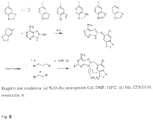
- Synthesis commences by coupling 2,4,5,6-tetraaminopyrimidine with the acid fluoride of the corresponding carboxylic acid.
- the acid fluoride is generated by treating the phenylacetic acid with cyanuric fluoride and pyridine in CH 2 Cl 2 . Following a quick water wash, the resulted acid fluoride is used in the next step without further purification.
- the amide resulted from the pyrimidine -acid fluoride coupling is cyclized to by heating in alcoholic NaOMe. Transformation of the C2-amino group to fluorine (NH 2 to F) is conducted by a modified Schiemann diazotization-fluorodediazoniation of the amino derivative in HF/pyridine in the presence of NaNO 2 .
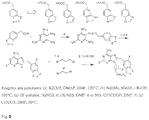
- synthesis is carried out using a method previously described by He et al (1) and employs the copper catalyzed coupling of 8-mercaptoadenine with the aryliodide ( Fig. 7 ).
- the reaction occurs in anhydrous DMF at 110 °C under nitrogen.
- the 8-arylsulfanyl adenine is further iodinated selectively at position 2 of the aryl moiety using NIS as a source of electrophylic iodine and TFA as a catalyst. This is further alkylated at 9N in the presence of excess R 1 R 2 NH to give the final product.
- AD Alzheimer's disease
- senile plaques are extracellular deposits composed of ⁇ -amyloid (A ⁇ ) fibrils, surrounded by dystrophic neurites, reactive microglia and astrocytes.
- a ⁇ ⁇ -amyloid
- Filamentous Tau inclusions are increasingly recognized as the hallmark of tauopathies, a growing family of neurodegenerative diseases including AD, Down's syndrome (DS), several variants of prion diseases, progressive supranuclear palsy (PSP), amyotrophic lateral sclerosis/parkinsonism-dementia complex of Guam (ALS/PDC), sporadic frontotemporal dementia with parkinsonism(FTDP), Pick's disease and familial FTDP-17 syndromes.
- Tau is a critical component of the neuronal cytoskeleton.
- tau protein is one of the predominant microtubule associated proteins (30). It stabilizes microtubules and promotes neurite outgrowth. This apparently beneficial role of tau contrasts with its anomalous behavior in several neurodegenerative diseases, most prominently AD, where it occurs in a highly phosphorylated form, detaches from microtubules, and aggregates.
- Pathogenic tau mutations or abnormal tau phosphorylation result in a more rapid development of NFTs and neurologic disease, a feature consistent with the view that these diseases result from tau aggregation (31).
- tau proteins in AD are not mutated, yet nevertheless comprise NFTs.
- tau becomes hyperphosphorylated, and it has been hypothesized that this impairs the microtubule stabilizing role of tau
- Hyperphosphorylated tau is believed to misfold, undergo net dissociation from microtubules, form abnormal filamentous aggregates (paired helical filaments. PHFs) and polymerize into NFTs (33).
- the central role of protein misfolding in this process is illustrated by observations that the different tau mutations linked to FDTP-17 differ in their levels of phosphorylation and in their effects on microtubules (34).
- Hsp heat shock protein
- Hsp90 inhibitors were found to beneficially increase levels of Hsp70 chaperone in other neurodegenerative systems. Induction of chaperones, especially Hsp70 and Hsp40, was found to delay the onset or to diminish the symptoms in folding diseases (3).
- GM was found to activate a heat shock response and inhibit huntingtin aggregation in a cell culture model of Huntington's disease (16). GM was reported to restore function to a defective heat shock response in scrapie-infected cells (17, 18).
- Auluck et al (19) reported that treatment of a fly model of Parkinson's disease with GM fully protected against ⁇ -synuclein toxicity.
- Hsp90 inhibitors occur by their modulation of the HSF1-hsp90 complexes.
- HSF1-hsp90 complexes In normal cells, the presence of misfolded or aggregated proteins triggers a complex biological response, referred to as the heat shock response (6) This involves the expression of heat shock proteins (HSPs, molecular chaperones) and of proteins involved in the ubiquitin-proteasome pathway. The evolution of such complex machinery testified to the fact that is necessary for cells to isolate and rapidly clear unfolded proteins as soon as they appear. In unstressed cells, HSF1 forms a dynamic complex with Hsp90 (7).
- Hs heat shock proteins
- Hsp90 When protein unfolding increases, these non-native proteins compete with HSF1 for Hsp90 binding resulting in an increase in unbound HSF1 and induction of HSPs.
- stress-induced synthesis of chaperones is impaired folding diseases are possible (8).
- HSF1 activity interference with Hsp90 activity by Hsp90 inhibitors triggers a heat shock response.
- the activity of neuronal disease-activated kinases is regulated by Hsp90.
- Fath et al. has shown that replacement of certain amino acids at known sites of phosphorylation with a charged amino acid created 'pseudohyperphosphorylated' tau that can mimic structural and functional aspects of hyperphosphorylated tau (35).
- In vivo evidence for an interaction with tau exists for Cdk5 and Gsk3.
- Noble et al. crossed transgenic mice over-expressing the Cdk5 activator p25, with transgenic mice over-expressing mutant (P301L) human tau.
- Tau was hyperphosphorylated at several sites in the double transgenics, and a highly significant accumulation of aggregated tau occurred in the brainstem and cortex. Increased numbers of silver-stained neurofibrillary tangles (NFTs) accompanied these changes as well as an association of active GSK with insoluble tau (37). Over-expression of GSK-3 under the control of a tetracycline sensitive transactivator also induced tau hyperphosphorylation, somatodendritie mislocalization of tau, and neuronal apoptosis (38).
- NFTs silver-stained neurofibrillary tangles
- small molecule purine scaffold compounds are able to inactive the kinases involved in tau phosphorylation and when the appropriate substitution patterns are selected are able to cross the blood brain barrier.
- addition of PU24FCl Hsp90 inhibitor to a panel of transformed cells led to a dose-dependent induction of Hsp70 and Hsp40. This phenomenon occurred in all the tested cell lines irrespective of their tissue of provenance and was duplicated in rat cortical primary neurons.
- Doses of PU24FCl and PU29FCl (another early PU-class compound) that induce a stress response were not toxic against normal cells, as demonstrated in a panel of normal epithelial and fibroblast cells.
- Amyotrophic lateral sclerosis is a neurological disorder that selectively affects motor neurons of brain and spinal cord.
- Amyotrophic lateral sclerosis (ALS) is characterized by a progressive degeneration of motor neurons that results in severe weakness and skeletal muscle atrophy. The disease is progressive and patients usually succumb to bulbar paralysis, cachexia or respiratory failure within 2-5 years of onset (44).
- a distinguishing feature of ALS is the accumulation of neurofilaments in the perikarya and axons of the spinal motor neurons (for review see Julien 2001, 45).
- NF-H and NF-M are substrates of-CDK5, and the motor neuron inclusion bodies that occur in ALS cases contain hyperphosphorylated NF-H (for review see Julien 1999, 47).
- Cdk5 serine/threonine cyclin-dependent kinase 5
- Parkinson's disease is characterized by bradykinesia in most patients and many patients may develop a resting tremor (for review see Fahn 2003, 48).
- Classic pathological findings include loss of neuromelanincontaining neurons within the substantia nigra and the presence Lewy bodies (48).
- the Lewy body is an eosinophilic cytoplasmic neuronal inclusion (for review see Fahn 2003, 48), and CDK5 immunoreactivity occurs in Lewy bodies in the midbrain of Parkinson's disease patients (22).
- induction of apoptosis in neurons of the substantia nigra resulted in increased CDK5 levels and activity at the later stages of apoptosis (49).
- CDK5 and p35 immunoreactivity was observed in the perikaryon and nuclei of apoptotic neurons, whereas immunoreactivity in healthy neurons was confined to the axons (49).
- LRRK2 leucine-rich repeat kinase-2
- the prominent pathogenic G2019S mutation in LRRK2 results in altered autophosphorylation, and increased autophosphorylation and substrate phosphorylation, through a process that seems to involve reorganization of the activation segment.
- Another mutant kinase in the PTEN induced putative kinase 1 (PINK1) gene were originally discovered in three pedigrees with recessively inherited PD. Two homozygous PINK1 mutations were initially identified: a truncating nonsense mutation (W437X) and a G309D missense mutation.
- PINK1 the second most common causative gene of recessive PD.
- PINK1 the second most common causative gene of recessive PD.
- PINK1-linked early-onset PD a number of heterozygous mutations affecting only one PINK1 allele have been associated with late-onset PD.
- the pathogenic mechanisms by which PINK1 mutations lead to neurodegeneration are unknown.
- PINK1 encodes a 581-amino-acid protein with a predicted N-terminal mitochondrial targeting sequence and a conserved serine/threonine kinase domain. PINK1 protein has been shown to localize in the mitochondria and exhibit autophosphorylation activity in vitro. The in vivo substrate(s) and biochemical function of PINK1 remain unknown. In cultured mammalian cells, overexpression of wild-type PINK1 protects cells against apoptotic stimuli whereas small interfering RNA (siRNA)-mediated depletion of PINK1 increases the susceptibility to apoptotic cell death. In Drosophila, loss of PINK1 leads to mitochondrial defects and degeneration of muscle and dopaminergic neurons. Despite ample evidence indicating an essential role of PINK1 in cytoprotection, the mechanism by which PINK I protects against apoptosis is not understood.
- siRNA small interfering RNA
- Hsp90 inhibitor can also be used in the treatment of those diseases.
- Juvenile mice Four- to six-week old nu/nu athymic female mice were obtained from the National Cancer Institute-Frederick Cancer Center and maintained in ventilated caging. Experiments were carried out under an Institutional Animal Care and Use Committee-approved protocol, and institutional guidelines for the proper and humane use of animals in research were followed. Before administration, a solution of PU24FCl was prepared at desired concentration in 50 ⁇ L vehicle (PBS:DMSO:EtOH at 1:1:1 ratio). In experiments designed to define the short-term effects of PU24FCl on tau phosphorylation, mice (2 per time point) were treated with 200 mg/kg PU24FCl or with vehicle alone. At the time of sacrifice, brains were collected and immediately flash frozen.
- Hsp90 may act to restrain the basal signaling of these kinases. Additional examples are found in the regulation of steroid hormone receptors. Hsp90 masks dimerization and inhibits DNA binding of steroid hormone receptors until chaperone interactions are interrupted, typically as a consequence of hormone binding. Thus, steroid hormone receptors stripped from chaperones are competent for dimerization and DNA binding in the absence of hormone (55).
- Hsp90 While this function of Hsp90 may not hold true for all its client proteins, in the case of p35/cdk5, Hsp90 may undertake a similar role restraining the intrinsic activity of the complex, while retaining it in a primed conformation, ready for interaction with tau.
- Transgenic mice Transgenic mice, JNPL3 line (59) overexpressing mutant human tau (P301L, 4R0N) were used in this study. Mice were heterozygous and on a mixed hybrid genetic background composed of C57BL/DBA2/SW, as published in ref. 59. These mice develop NFTs in the basal telencephalon, diencephalon, brainstem, and spinal cord, with severe pathology accompanied by degeneration in the spinal cord leading to dystonia, paralysis, and death in mice >12 months in age.
- Nine month-old male JNPL3 mice (n 2) were treated intraperitoneally with PU-DZ8 or vehicle for 5 days. Mice were sacrificed 12 h after last treatment by cervical dislocation under anesthesia.
- JNPL3 line of mice expressing mutant (P301L) tau protein 59. Genetic analyses have linked mutations in the tau gene to FTDP-17 (60, 61). Over 20 distinct pathogenic mutations have been identified, with P301L as the most common mutation in tauophaties (33). JNPL3 mice exhibit an age and gene-dose-dependent increase in tau phosphorylation and development of NFTs (59, 62).
- the tau protein in JNPL3 is predominantly human and is phosphorylated at multiple sites: T181 (AT270), S202/T205 (AT8), T212 (AT100), T231 (AT180), S262, S396/S404, S409 and S422 (59, 62).
- T181 AT270
- S202/T205 AT8
- T212 AT100
- T231 AT180
- S262 S396/S404
- S409 and S422 59, 62.
- a five day treatment of nine-month old male JNPL3 mice with PU-DZ8, a water soluble PU24FCl derivative (2) reduced p35 levels in whole brains and led to a significant amelioration of tau phosphorylation at the putative cdk5 sites, S202/T205 and T212.
- the degree of p35 expression translated well into alleviation of phosphorylation.
- Brains were divided in subcortical and cortical regions and processed using the Greenberg and Davies extraction protocol.
- Sarkosyl soluble fractions (S1) were analyzed by WB for p35 and Hsp70, and for tau epitopes found abnormally hyperphosphorylated in AD brains such as: S202 and T205 recognized by AT8, T181 by AT270, T231 by AT180. These are putative cdk5/p35 sites. Protein bands were normalized to Hsp90 and plotted as relative units.
- Fig. 8A and B The results are shown in Fig. 8A and B . Since tauopathy, characterized by pathogenic phosphorylation of tau can be due to aberrant kinase activity, the hsp90 inhibitor is effective because it affects the expression of the p35 protein, an activator of cdk5 known to phosphorylate tau at pathogenic sites, and thus alleviates tau phosphorylation at these sites.
- JNPL3 female mice 6months of age were treated IP with the Hsp90 inhibitor PU-DZ8 (75mg/kg) and sacrificed various times as indicated in Fig. 9 .
- Brains were divided in subcortical and cortical regions and processed using the Greenberg and Davies extraction protocol (77).
- Sarkosyl soluble fractions (S1) extracted from the subcortical region were analyzed by WB for p35, cdk5, mutant tau (HT7), Hsp90 and Hsp70. Protein bands were normalized to actin and plotted as relative change from untreated mice.
- Fig. 9 shows degradation of the mutant protein, mtau (HT7) after one dose administration of DZ8. It also shows the change in chaperone levels (hsp70 increase) and kinase expression (p35 levels).
- COS-7 cells were transfected with cDNAs corresponding to WT and mTau and cells were further treated with PU24FCl for 24h. Cells were lysed and protein content analyzed by Western blot. The results are shown in Fig. 10 . As shown, the mutant Tau (P301L) is very sensitive to the Hsp90 inhibitor PU24FCl, while the WT tau is unaffected by similar doses of drug.
- composition according to the inventions Hsp90 inhibitors to bind Hsp90 was tested using a fluorescence polarization assay developed by Chiosis et al ( WO2005012482,66, 67, 68 ).
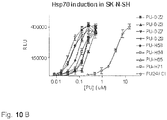
- SK-N-SH neuroblastoma cells were treated with Hsp90 inhibitors for 24 h and Hsp70 levels were detected by a phenotypic cell-based assay developed by Chiosis et al ( WO2005012482,69 ).
- the results are summarized in Figs. 11A and B .
- the inhibitors induce a stress response in the SK-N-SH neuroblastoma cells and Hsp70 induction by Hsp90 inhibitors correlates with their potency in binding to the ATP-regulatory pocket of the Hsp90 chaperone.
- Embryonic primary rat cortical neurons and COS-7 cells transfected with cDNAs corresponding to either p35 alone (COS-7/ p35) or both p35 and Tau (COS-7/p35/Tau) arc relevant experimental systems to study aberrant neuronal kinase activity because phosphorylation of Tau at putative cdk5 sites is both enhanced in these cells and in embryonic and juvenile brains (50, 52) and is similar to that in AD-afflicted brains (50).
- COS-7 cells transfected with cDNAs corresponding to either humanWT Tau (COS-7/Tau) or Tau harboring the P301L mutation characteristic of frontotemporal dementia and parkinsonism linked to chromosome 7 (COS-7/TauP301L) are cellular models that may be used to differentiate the effect of Hsp90 inhibition on a mutant protein compared with its normal counterpart.
- COS-7 cells grown inDMEM with 10% FBS and penicillin/ streptomycin (50 units and 50 ⁇ g/ml, respectively) were transiently transfected by using FuGENE 6 reagent (Roche Molecular Biochemicals, Indianapolis, IN) to overexpress p35 and either WT Tau or Tau harboring a P301L mutation.
- FuGENE 6 reagent Roche Molecular Biochemicals, Indianapolis, IN
- cells were incubated for 24 h with the indicated concentration of PU2dFCl. After incubation, cells were harvested and lysed in 2% SDS, and the resulting samples were analyzed by Western blotting.
- Phosphorylation of Tau by cdk5 is initiated through activation by complex formation with one of the neuron-specific proteins p35 or p39.
- p35 or p39 only suppression of p35 by antisense oligonucleotide treatment but not of the highly related isoform p39 selectively reduces cdk5 activity.
- levels of p35 but not of cdk5 protein are rate-limiting for cdk5 activity.
- a dose- and time-dependent degradation of p35 by PU24FCl was detected in primary neurons by immunoblot and by immunofluorescence techniques, as well as in COS-7/p35 and COS-7/p35/Tau cells.
- mTau was sensitive to concentrations of PU24FCl that did not interfere with WT Tau expression.
- the higher sensitivity to Hsp90 inhibition of mTau compared with WT Tau is in agreement with the observed lability of the mutant oncoprotein clients of Hsp90.
- Analogous effects on p35 and mTau were observed with 17AAG.
- the effect of PU24FCl on neuronal proteins was well-defined and selective, as the expression of several kinases and phosphatases that regulate normal Tau activity (PKA, CK-1, CK-2, PP-1-alpha, PP-1-gamma, and PP2A) was not affected by the Hsp90 inhibitor.
- Hsp70 Induction of Hsp70 by Hsp90 inhibitors is documented in several neurodegenerative disease models (12, 16, 19). Expression of Hsp70 is indirectly regulated by Hsp90 (7). Accordingly, treatment of either primary neurons or transfected COS-7 cells with PU24FCl led to a dose-dependent increase in Hsp70. Induction of Hsp70 occurred at doses of PU24FCl that also modulated both p35 and mTau, suggesting that degradation of aberrant proteins and induction of a heat-shock response are both direct consequences of Hsp90 inhibition by PU24FCl.
- Hsp90 plays a direct role in maintaining the stability of these p35 and mTau
- inhibition of Hsp90 function by PU24FCl affected their half-life.
- Primary neuronal cultures were treated with inhibitor or vehicle in the presence of cycloheximide. Quantification of protein levels demonstrated that the half-life of endogenous p35 was 120 min in the presence of vehicle and decreased to 60 min when PU24FCl was added to the system.
- Hsp90 regulates the stability of these proteins through protein complex formation
- the cellular models presented above demonstrate that an interaction between Hsp90 and aberrant neuronal proteins is possible at a molecular level.
- exogenous introduction of proteins by transfection may destabilize the cell's protein content and impose a regulation of the alien protein's stability by Hsp90. Therefore, to evaluate the interaction of Hsp90 with TauP301L and p35 in an endogenous environment, we made use of brain homogenates obtained from animal models of tauopathy.
- the JNPL3 line of mice expressing mutant (P301L) human Tau (hTau) protein exhibit an age, gender and gene dose-dependent increase in Tau phosphorylation and insoluble Tau deposits.
- Hsp90 proteins associated with Hsp90 in these brains
- Hsp90 isolated by PU beads bound mTau specifically.
- An Hsp90 antibody specifically identified the chaperone in complex with p35 and its kinase partner cdk5. Collectively, these data position Hsp90 as a regulator of p35 and mTau stability through direct protein complex formation.
- the assay buffer contained 20 mM HEPES (K) pH 7.3, 50 mM KCI, 5 mM MgCl 2 , 20 mM Na 2 MoO 4 , 0.01% NP40.
- K HEPES
- 0.1 mg/mL bovine gamma globulin (BGG) Panvera Corporation, Madison, WI
- 2 mM DTT Fisher Biotech, Fair Lawn, NJ
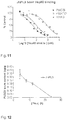
- the plate was left on a shaker at 4 °C for 24 h and the fluorescence polarization values in mP were recorded. EC 50 values were determined as the competitor concentrations at which 50% of GM-cy3B was displaced. Fluorescence polarization measurements were performed on an Analyst GT instrument (Molecular Devices, Sunnyvale, CA). For GM-cy3B, an excitation filter at 545 nm and an emission filter at 610 to 675 nm were used with a dichroic mirror of 565 nm. Measurements were taken in black 96-well microtiter plates.
- Figs. 12 shows the binding affinity of PU-DZ8, PU24FCl and 17AAG to hsp90 in JNPL3 brain extracts determined using this procedure. As shown, the EC 50 for PU-DZ8 is lower than that of the other compounds. (46.71 nM, as opposed to 822.6 nM for PU24FCl and 98.40 nM for 17AAG).
- Hsp70 induction in neuroblastoma cells by the various purine scaffold compounds was determined.
- the potency for hsp70 induction corresponds to the hsp90 binding affinity.
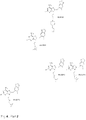
- Table 1 Compound EC50 JNPL3 brain Hsp90 binding (nM) PU-HZ150 5.7 PU-HZ151 6.9 PU-DZ13 8.1 PU-DZ14 8.4 PU-BSI12 39.3 PU-BSI8 30.2 PU-BSI6 60.8 PU-BSI11 29.9 PU-BSI7 43.5 PU-BSI13 44.5 PU-BSI14 42.8 PU-BSI5 26.8 PU-DZ16 35.6 PU-DZ15 165.6 PU-DZ17 92.3 PU-DZ18 107.1
- ACN acetonitrile
- Haloperidol was added as internal standard.
- PU-DZ8 was extracted in methylene chloride, the organic layer was separated, speedily dried under vacuum and reconstituted in the mobile phase.
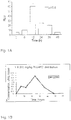
- Fig. 13 shows that PU-DZ8 reaches pharmacologically relevant concentrations in JNPL3 transgenic mouse brain following administration of one dose of 75 mg/kg PU-DZ8 administered i.p. This shows that PU-DZ8 arrived in the brain tissue much sooner than PU24FCl ( Fig. 1B ).
- mice were treated with the brain-barrier permeable Hsp90 inhibitor PU-DZ8.
- mice were administered intraperitoneally (i.p.) 75 mg/kg PU-DZ8 in PBS (6% DMSO). Mice were sacrificed by CO2 euthanasia at the indicated times following PU-DZ8 administration. Hemibrains were separated into cortico-limbic (cortex, amygdale and hippocampus) and subcortical (basal ganglia, diencephalon, brain stem and cerebellum) regions, quickly frozen on dry ice and stored at -80°C and processed.
- each brain piece was weighed and homogenized in three volumes of Tris-buffered saline (TBS) containing protease and phosphatase inhibitors (25 mM Tris-HCl, pH 7.4, 150 mM NaCl, 1 mM EDTA, 1 mM EGTA, 5 mM sodium pyrophosphate, 30 mM ⁇ -glycerophosphate, 30 mM sodium fluoride, 1 mM phenylmethylsulfonyl fluoride (PMSF)).
- TBS Tris-buffered saline
- PMSF phenylmethylsulfonyl fluoride
- the supernatants (S2 fraction) were collected, and the pellets (P3) were resuspended in 50 ⁇ L 2% SDS in TBS and stored at -80°C for western blotting. Proteins were analyzed by Western blot.
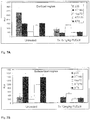
- Fig. 14A shows the effects of one dose, short term administration of PU-DZ8 on the levels of soluble mutant tau in the JNPL3 mouse brain
- the subcortical brain region of 2.5 to 4-month old mice is presented.
- Human Tau levels were normalized to those of Hsp90.
- Fig. 14B shows the effect of one dose, short-term administration of PU-DZ8 on the levels of insoluble mutant tau in the JNPL3 mouse brain.Analysis of the insoluble tau (P3) fractions extracted from the subcortical brain region of 6-month old mice treated with PU-DZ8 (75 mg/kg) for 4. 8, 12 and 24h is presented
- JNPL3 mice were subjected for 30 days to these agents.
- No toxicity was observed as evidenced by lack of significant change in animal weight, fur appearance, appetite and posture. Furthermore, no visible internal organ damage was detected at sacrifice upon gross inspection.
- S1 and P3 fractions extracted from the subcortical brain region of these mice were analyzed for mTau expression and phosphorylation.
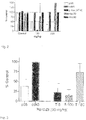
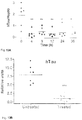
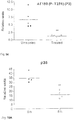
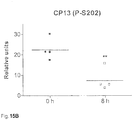
- a significant reduction in Tau expression and phosphorylation in both the precursor protein pool (S1 fraction) (hTau, P ⁇ 0.0001) and the toxic aggregate (P3 fraction) (phosphorylated Tau at T231, P 0.0034) ( Fig. 15 ), as well as p35 reduction in S1 fraction was observed in mice treated with the Hsp90 inhibitor.
- Hsp90 regulates the toxic Tau aggregate and facilitates its formation and accumulation.
- an Hsp90 inhibitor may be used in the treatment of tauopathies both to prevent the formation of toxic aggregates and to solubilize the already aggregated toxic tau.
- Figure 15 shows the effect of long term PU-DZ8 administration on hyperphosphorylated tau in toxic tau aggregates.
- tauopathies transformation is characterized by abnormalities in the Tau protein leading to an accumulation of hyperphosphorylated and aggregated Tau (5-7).
- AD Alzheimer's disease
- Tau hyperphosphorylation is suggested to be a pathogenic process caused by aberrant activation of several kinases, in particular cyclin-dependent protein kinase 5 (cdk5) and glycogen synthase kinase-3 beta (gsk3 ⁇ , leading to phosphorylation of Tau on pathogenic sites.
- cdk5 cyclin-dependent protein kinase 5
- gsk3 ⁇ glycogen synthase kinase-3 beta
- Hyperphosphorylated Tau in AD is believed to misfold, undergo net dissociation from microtubules and form toxic Tau aggregates (9, 10).
- Phosphorylation of Tau by cdk5 is initiated through activation by complex formation with one of the neuron-specific proteins p35 or p39 (22, 23). However, only suppression of p35 by antisense oligonucleotide treatment, and not of the highly related isoform p39, selectively reduces cdk5 activity (24). In addition, levels of p35 but not cdk5 protein are rate-limiting for cdk5 activity (25). In concordance, we assessed the influence of Hsp90 inhibition on p35 expression.
- Embryonic primary rat cortical neurons and COS-7 cells transfected with cDNAs corresponding to either p35 alone (COS-7/p35) or both p35 and Tau (COS-7/p35/Tau) are cellular systems that enable the evaluation of these inhibitors on cdk5/p35 activity and stability and also on Tau phosphorylation at putative cdk5 sites.
- Exogenously introduced p35 was more sensitive to Hsp90 inhibition than the endogenous protein, suggesting that by analogy to Hsp90 oncoproteins, buffering and stabilization of aberrant proteins in tauopathy may be accomplished by co-opting Hsp90. Reduction of p35 levels by Hsp90 inhibition affected the activity of the cdk5/p35 complex, as measured using a substrate of cdk5, the histone-H1.
- hTau mice develop Tau patholoyy with a distribution that is comparable to that occurring in the early stages of AD.
- the majority of Tau pathology in hTau mice is located in the cortical brain region.
- These mice express six isoforms of non-mutant human Tau, but develop AD-like Tau-pathology.
- Heat-stable fractions (S1) prepared from cortical homogenates of these mice indicate an age-related accumulation of Tau phosphorylated at putative cdk5 sites.
- Hsp90 inhibition of Hsp90 in these brains may lead to a reduction in p35 expression and a consequent alleviation of Tau phosphorylation.
- Aggregate-free Tau (S1) fractions were prepared from the cortical region of these mice and human Tau levels assessed by immunobloting with an antibody specific for 3-repeat domain Tau (RD3).
- RD3 3-repeat domain Tau
- Fig.16A shows the effect of PU-DZ8 on p35 in the htau mice that express pathogenically hyperphosphorylated WT tau similarly to Alzheimer's patients.
- Fig. 16B shows the effect of PU-DZ8 tau phosphorylation in the htau mice that express pathogenically hyperphosphorylated WT tau similarly to Alzheimer's patients.
Landscapes
- Health & Medical Sciences (AREA)
- Chemical & Material Sciences (AREA)
- Organic Chemistry (AREA)
- Animal Behavior & Ethology (AREA)
- Veterinary Medicine (AREA)
- Public Health (AREA)
- Medicinal Chemistry (AREA)
- General Health & Medical Sciences (AREA)
- Pharmacology & Pharmacy (AREA)
- Life Sciences & Earth Sciences (AREA)
- Engineering & Computer Science (AREA)
- Bioinformatics & Cheminformatics (AREA)
- Nuclear Medicine, Radiotherapy & Molecular Imaging (AREA)
- General Chemical & Material Sciences (AREA)
- Chemical Kinetics & Catalysis (AREA)
- Neurology (AREA)
- Biomedical Technology (AREA)
- Neurosurgery (AREA)
- Epidemiology (AREA)
- Addiction (AREA)
- Psychiatry (AREA)
- Psychology (AREA)
- Orthopedic Medicine & Surgery (AREA)
- Physical Education & Sports Medicine (AREA)
- Hospice & Palliative Care (AREA)
- Pain & Pain Management (AREA)
- Toxicology (AREA)
- Pharmaceuticals Containing Other Organic And Inorganic Compounds (AREA)
- Medicines That Contain Protein Lipid Enzymes And Other Medicines (AREA)
Priority Applications (1)
| Application Number | Priority Date | Filing Date | Title |
|---|---|---|---|
| EP17177927.5A EP3305297A1 (en) | 2006-06-30 | 2007-07-02 | Treatment of neurodegenerative diseases through inhibition of hsp90 |
Applications Claiming Priority (2)
| Application Number | Priority Date | Filing Date | Title |
|---|---|---|---|
| US80642706P | 2006-06-30 | 2006-06-30 | |
| PCT/US2007/072671 WO2008005937A2 (en) | 2006-06-30 | 2007-07-02 | Treatment of neurodegenerative diseases through inhibiton of hsp90 |
Related Child Applications (2)
| Application Number | Title | Priority Date | Filing Date |
|---|---|---|---|
| EP17177927.5A Division EP3305297A1 (en) | 2006-06-30 | 2007-07-02 | Treatment of neurodegenerative diseases through inhibition of hsp90 |
| EP17177927.5A Division-Into EP3305297A1 (en) | 2006-06-30 | 2007-07-02 | Treatment of neurodegenerative diseases through inhibition of hsp90 |
Publications (3)
| Publication Number | Publication Date |
|---|---|
| EP2034839A2 EP2034839A2 (en) | 2009-03-18 |
| EP2034839A4 EP2034839A4 (en) | 2012-08-29 |
| EP2034839B1 true EP2034839B1 (en) | 2017-08-23 |
Family
ID=38895418
Family Applications (2)
| Application Number | Title | Priority Date | Filing Date |
|---|---|---|---|
| EP07812557.2A Active EP2034839B1 (en) | 2006-06-30 | 2007-07-02 | Treatment of neurodegenerative diseases through inhibition of hsp90 |
| EP17177927.5A Withdrawn EP3305297A1 (en) | 2006-06-30 | 2007-07-02 | Treatment of neurodegenerative diseases through inhibition of hsp90 |
Family Applications After (1)
| Application Number | Title | Priority Date | Filing Date |
|---|---|---|---|
| EP17177927.5A Withdrawn EP3305297A1 (en) | 2006-06-30 | 2007-07-02 | Treatment of neurodegenerative diseases through inhibition of hsp90 |
Country Status (8)
| Country | Link |
|---|---|
| US (5) | US10336757B2 (enExample) |
| EP (2) | EP2034839B1 (enExample) |
| JP (5) | JP5599610B2 (enExample) |
| AU (1) | AU2007269144B2 (enExample) |
| CA (1) | CA2656202C (enExample) |
| DK (1) | DK2034839T3 (enExample) |
| ES (1) | ES2645095T3 (enExample) |
| WO (1) | WO2008005937A2 (enExample) |
Families Citing this family (44)
| Publication number | Priority date | Publication date | Assignee | Title |
|---|---|---|---|---|
| US7834181B2 (en) * | 2005-02-01 | 2010-11-16 | Slaon-Kettering Institute For Cancer Research | Small-molecule Hsp90 inhibitors |
| US9403828B2 (en) | 2005-02-01 | 2016-08-02 | Sloan-Kettering Institute For Cancer Research | Small-molecule Hsp90 inhibitors |
| AU2007249194B2 (en) * | 2006-05-12 | 2012-11-22 | Myrexis, Inc. | Therapeutic compounds and their use in cancer |
| ES2645095T3 (es) | 2006-06-30 | 2017-12-04 | Sloan-Kettering Institute For Cancer Research | Tratamiento de enfermedades neurodegenerativas a través de la inhibición de Hsp90 |
| EA019103B1 (ru) | 2007-03-20 | 2014-01-30 | Кьюрис, Инк. | Конденсированный аминопиридин в качестве ингибиторов hsp90 |
| AU2008322503A1 (en) * | 2007-11-14 | 2009-05-22 | Myrexis, Inc. | Therapeutic compounds and their use in treating diseases and disorders |
| US20090258869A1 (en) * | 2008-02-08 | 2009-10-15 | The Regents Of The University Of California | Methods and compounds for treatment or prevention of substance-related disorders |
| JP5616336B2 (ja) | 2008-06-26 | 2014-10-29 | オルファザイム エーピーエスOrphazyme Aps | 酵素活性の調節因子としてのHsp70の使用 |
| CN102458402B (zh) | 2009-06-12 | 2013-10-02 | 百时美施贵宝公司 | 用作激酶调节剂的烟酰胺化合物 |
| AU2013204109B2 (en) * | 2009-10-07 | 2016-05-05 | Sloan-Kettering Institute For Cancer Research | Purine derivatives useful as hsp90 inhibitors |
| PT2486039T (pt) | 2009-10-07 | 2016-09-06 | Sloan Kettering Inst For Cancer Res | Derivados de purina úteis como inibidores de hsp90 |
| US9662375B2 (en) | 2010-11-30 | 2017-05-30 | Orphazyme Aps | Methods for increasing intracellular activity of Hsp70 |
| MX354215B (es) | 2011-04-05 | 2018-02-19 | Sloan Kettering Inst Cancer Res | Inhibidores de la proteina 90 de choque termico (hsp90). |
| AU2012240077C1 (en) | 2011-04-05 | 2017-08-10 | Sloan-Kettering Institute For Cancer Research | Hsp90 inhibitors |
| ES2624982T3 (es) | 2011-07-08 | 2017-07-18 | Sloan-Kettering Institute For Cancer Research | Usos de inhibidores etiquetados HSP90 |
| US20140079636A1 (en) | 2012-04-16 | 2014-03-20 | Dinesh U. Chimmanamada | Targeted therapeutics |
| EP2879675B1 (en) | 2012-08-06 | 2019-11-13 | Duke University | Compounds and methods for targeting hsp90 |
| US9156831B2 (en) | 2013-01-23 | 2015-10-13 | Astrazeneca Ab | Chemical compounds |
| WO2014144715A1 (en) | 2013-03-15 | 2014-09-18 | Memorial Sloan-Kettering Cancer Center | Hsp90-targeted cardiac imaging and therapy |
| KR102319582B1 (ko) | 2013-08-16 | 2021-11-04 | 메모리얼 슬로안 케터링 캔서 센터 | 선택적 grp94 저해제 및 이의 용도 |
| EP3738594A1 (en) | 2013-09-10 | 2020-11-18 | Madrigal Pharmaceuticals, Inc. | Targeted therapeutics having an hsp90 ligand as binding moiety |
| WO2015066053A2 (en) | 2013-10-28 | 2015-05-07 | Synta Pharmaceuticals Corp. | Targeted therapeutics |
| MX2016008418A (es) | 2013-12-23 | 2017-01-11 | Memorial Sloan Kettering Cancer Center | Metodos y reactivos para el radiomarcaje. |
| EP3099332A4 (en) | 2014-01-29 | 2017-06-21 | Madrigal Pharmaceuticals, Inc. | Targeted therapeutics |
| JP6576942B6 (ja) | 2014-03-03 | 2019-11-27 | マドリガル ファーマシューティカルズ インコーポレイテッド | 標的治療薬 |
| MA39483A (fr) | 2014-03-18 | 2015-09-24 | Synta Pharmaceuticals Corp | Agents thérapeutiques cibles |
| US10709700B2 (en) | 2014-09-15 | 2020-07-14 | Orphazyme A/S | Arimoclomol formulation |
| EP3194975A4 (en) * | 2014-09-17 | 2018-05-02 | Memorial Sloan Kettering Cancer Center | Hsp90-targeted inflammation and infection imaging and therapy |
| JP7132848B2 (ja) | 2015-10-05 | 2022-09-07 | メモリアル スローン ケタリング キャンサー センター | 癌の治療のための合理的併用療法 |
| WO2017178029A1 (en) | 2016-04-13 | 2017-10-19 | Orphazyme Aps | Heat shock proteins and cholesterol homeostasis |
| WO2017184956A1 (en) | 2016-04-22 | 2017-10-26 | Duke University | Compounds and methods for targeting hsp90 |
| ES2831764T3 (es) | 2016-04-29 | 2021-06-09 | Orphazyme As | Arimoclomol para el tratamiento de trastornos asociados a glucocerebrosidasa |
| AR111295A1 (es) | 2017-03-20 | 2019-06-26 | Forma Therapeutics Inc | Composiciones de pirrolopirrol como activadores de piruvato quinasa (pkr) |
| WO2018200534A1 (en) * | 2017-04-24 | 2018-11-01 | Samus Therapeutics, Inc. | Hsp90 inhibitor oral formulations and related methods |
| US11491145B2 (en) | 2017-06-20 | 2022-11-08 | Madrigal Pharmaceuticals, Inc. | Combination therapies comprising targeted therapeutics |
| US11377447B2 (en) | 2017-06-20 | 2022-07-05 | Madrigal Pharmaceuticals, Inc. | Targeted therapeutics |
| CN111683658A (zh) * | 2017-06-23 | 2020-09-18 | 萨缪斯治疗股份有限公司 | 用于创伤性脑损伤及其后遗症的多蛋白复合物抑制剂疗法 |
| CR20200464A (es) | 2018-03-08 | 2021-04-14 | Incyte Corp | Compuestos diólicos de aminopirazina como inhibidores de pi3k-y |
| WO2020010003A1 (en) | 2018-07-02 | 2020-01-09 | Incyte Corporation | AMINOPYRAZINE DERIVATIVES AS PI3K-γ INHIBITORS |
| WO2020061255A1 (en) | 2018-09-19 | 2020-03-26 | Forma Therapeutics, Inc. | Activating pyruvate kinase r |
| US20200129485A1 (en) | 2018-09-19 | 2020-04-30 | Forma Therapeutics, Inc. | Treating sickle cell disease with a pyruvate kinase r activating compound |
| MX2022003025A (es) | 2019-09-19 | 2022-04-07 | Forma Therapeutics Inc | Activacion de la piruvato cinasa r. |
| EP4247792A1 (en) | 2020-11-19 | 2023-09-27 | Zevra Denmark A/S | Processes for preparing arimoclomol citrate and intermediates thereof |
| US12128035B2 (en) | 2021-03-19 | 2024-10-29 | Novo Nordisk Health Care Ag | Activating pyruvate kinase R |
Family Cites Families (32)
| Publication number | Priority date | Publication date | Assignee | Title |
|---|---|---|---|---|
| ATE460423T1 (de) | 1997-05-14 | 2010-03-15 | Sloan Kettering Inst Cancer | Verfahren und zubereitungen zur zerstörung bestimmter proteine |
| AU769235B2 (en) | 1999-04-09 | 2004-01-22 | Sloan-Kettering Institute For Cancer Research | Methods and compositions for degradation and/or inhibition of her-family tyrosine kinases |
| US7439359B2 (en) | 2000-11-02 | 2008-10-21 | Sloan-Kettering Institute For Cancer Research | Small molecule compositions for binding to hsp90 |
| US20040235813A1 (en) * | 2001-05-03 | 2004-11-25 | Erich Wanker | Compounds that inhibit hsp90 and stimulate hsp70 and hsp40, useful in the prevention or treatment of diseases associated with protein aggregation and amyloid formation |
| EP1440072A4 (en) | 2001-10-30 | 2005-02-02 | Conforma Therapeutic Corp | PURINE ANALOGS HAVING HSP90 INHIBITORY ACTIVITY |
| WO2003041643A2 (en) | 2001-11-09 | 2003-05-22 | Conforma Therapeutics Corporation | Hsp90-inhibiting zearalanol compounds and methods of producing and using same |
| NZ535592A (en) | 2002-02-28 | 2006-07-28 | Astrazeneca Ab | 3-cyclyl-5-(nitrogen-containing 5-membered ring) methyl-oxazolidinone derivatives and their use as antibacterial agents |
| US7592143B2 (en) * | 2003-04-18 | 2009-09-22 | Cytovia, Inc. | Methods of treating diseases responsive to induction of apoptosis and screening assays |
| GB0315111D0 (en) | 2003-06-27 | 2003-07-30 | Cancer Rec Tech Ltd | Substituted 5-membered ring compounds and their use |
| US20070178537A1 (en) | 2003-06-30 | 2007-08-02 | Sloan-Kettering Institute For Cancer Research | Assays for detection of bioactive compounds that interact with heat shock protein 90 |
| NZ546611A (en) | 2003-09-18 | 2010-02-26 | Conforma Therapeutics Corp | Novel heterocyclic compounds as HSP90-inhibitors |
| US9403828B2 (en) | 2005-02-01 | 2016-08-02 | Sloan-Kettering Institute For Cancer Research | Small-molecule Hsp90 inhibitors |
| US7834181B2 (en) * | 2005-02-01 | 2010-11-16 | Slaon-Kettering Institute For Cancer Research | Small-molecule Hsp90 inhibitors |
| JP4377942B2 (ja) * | 2005-02-25 | 2009-12-02 | セレネックス, インコーポレイテッド | テトラヒドロインドロン及びテトラヒドロインダゾロン誘導体 |
| WO2006130469A1 (en) * | 2005-05-27 | 2006-12-07 | Oregon Health & Science University | Stimulation of neurite outgrowth by small molecules |
| WO2007117466A2 (en) | 2006-03-31 | 2007-10-18 | Massachusetts Institute Of Technology | Celastrol, gedunin, and derivatives thereof as hsp90 inhibitors |
| AU2007249194B2 (en) * | 2006-05-12 | 2012-11-22 | Myrexis, Inc. | Therapeutic compounds and their use in cancer |
| ES2645095T3 (es) | 2006-06-30 | 2017-12-04 | Sloan-Kettering Institute For Cancer Research | Tratamiento de enfermedades neurodegenerativas a través de la inhibición de Hsp90 |
| WO2008013985A2 (en) | 2006-07-27 | 2008-01-31 | University Of Florida | Use of heat shock activators for tissue regeneration |
| SG174772A1 (en) * | 2006-09-11 | 2011-10-28 | Curis Inc | Multi-functional small molecules as anti-proliferative agents |
| CL2007002994A1 (es) * | 2006-10-19 | 2008-02-08 | Wyeth Corp | Compuestos derivados heterociclicos que contienen sulfamoilo, inhibidores de hsp90; composicion farmaceutica; y uso para el tratamiento del cancer, tal como cancer de mama, de colon y prostata, entre otros. |
| GB0622084D0 (en) | 2006-11-06 | 2006-12-13 | Chroma Therapeutics Ltd | Inhibitors of HSP90 |
| WO2008070472A2 (en) | 2006-11-27 | 2008-06-12 | University Of Maryland, Baltimore | Use of plasma hsp90 related to malignancy |
| EA019103B1 (ru) * | 2007-03-20 | 2014-01-30 | Кьюрис, Инк. | Конденсированный аминопиридин в качестве ингибиторов hsp90 |
| WO2008115262A2 (en) * | 2007-03-20 | 2008-09-25 | Curis, Inc. | Hsp90 inhibitors containing a zinc binding moiety |
| EP2183221A1 (en) | 2007-07-12 | 2010-05-12 | Crystax Pharmaceuticals S.L. | New compounds as hsp90 inhibitors |
| WO2009042646A1 (en) | 2007-09-24 | 2009-04-02 | Curis, Inc. | Anti-proliferative agents |
| AU2008322503A1 (en) | 2007-11-14 | 2009-05-22 | Myrexis, Inc. | Therapeutic compounds and their use in treating diseases and disorders |
| PT2486039T (pt) | 2009-10-07 | 2016-09-06 | Sloan Kettering Inst For Cancer Res | Derivados de purina úteis como inibidores de hsp90 |
| MX354215B (es) | 2011-04-05 | 2018-02-19 | Sloan Kettering Inst Cancer Res | Inhibidores de la proteina 90 de choque termico (hsp90). |
| AU2012240077C1 (en) | 2011-04-05 | 2017-08-10 | Sloan-Kettering Institute For Cancer Research | Hsp90 inhibitors |
| KR102319582B1 (ko) | 2013-08-16 | 2021-11-04 | 메모리얼 슬로안 케터링 캔서 센터 | 선택적 grp94 저해제 및 이의 용도 |
-
2007
- 2007-07-02 ES ES07812557.2T patent/ES2645095T3/es active Active
- 2007-07-02 CA CA2656202A patent/CA2656202C/en active Active
- 2007-07-02 DK DK07812557.2T patent/DK2034839T3/en active
- 2007-07-02 US US12/307,063 patent/US10336757B2/en active Active
- 2007-07-02 WO PCT/US2007/072671 patent/WO2008005937A2/en not_active Ceased
- 2007-07-02 JP JP2009518602A patent/JP5599610B2/ja not_active Expired - Fee Related
- 2007-07-02 EP EP07812557.2A patent/EP2034839B1/en active Active
- 2007-07-02 AU AU2007269144A patent/AU2007269144B2/en not_active Ceased
- 2007-07-02 EP EP17177927.5A patent/EP3305297A1/en not_active Withdrawn
-
2013
- 2013-03-21 JP JP2013058040A patent/JP5824698B2/ja not_active Expired - Fee Related
-
2014
- 2014-09-10 US US14/482,628 patent/US20140378452A1/en not_active Abandoned
-
2015
- 2015-09-04 JP JP2015174609A patent/JP2016028063A/ja active Pending
-
2017
- 2017-06-05 JP JP2017110721A patent/JP6427227B2/ja not_active Expired - Fee Related
-
2018
- 2018-10-26 JP JP2018202024A patent/JP6585266B2/ja not_active Expired - Fee Related
-
2019
- 2019-04-30 US US16/398,650 patent/US20190389864A1/en not_active Abandoned
-
2021
- 2021-10-15 US US17/502,563 patent/US20230060990A1/en not_active Abandoned
-
2023
- 2023-05-26 US US18/202,704 patent/US12473288B2/en active Active
Non-Patent Citations (1)
| Title |
|---|
| None * |
Also Published As
| Publication number | Publication date |
|---|---|
| JP2009542716A (ja) | 2009-12-03 |
| US20140378452A1 (en) | 2014-12-25 |
| US20240158397A1 (en) | 2024-05-16 |
| US20230060990A1 (en) | 2023-03-02 |
| AU2007269144A1 (en) | 2008-01-10 |
| JP6585266B2 (ja) | 2019-10-02 |
| EP3305297A1 (en) | 2018-04-11 |
| JP2017214379A (ja) | 2017-12-07 |
| JP5599610B2 (ja) | 2014-10-01 |
| US20090298857A1 (en) | 2009-12-03 |
| WO2008005937A3 (en) | 2008-12-11 |
| JP2016028063A (ja) | 2016-02-25 |
| CA2656202A1 (en) | 2008-01-10 |
| WO2008005937A2 (en) | 2008-01-10 |
| EP2034839A2 (en) | 2009-03-18 |
| JP2019038829A (ja) | 2019-03-14 |
| US20190389864A1 (en) | 2019-12-26 |
| US10336757B2 (en) | 2019-07-02 |
| JP2013177389A (ja) | 2013-09-09 |
| US12473288B2 (en) | 2025-11-18 |
| JP6427227B2 (ja) | 2018-11-21 |
| AU2007269144B2 (en) | 2013-05-16 |
| ES2645095T3 (es) | 2017-12-04 |
| CA2656202C (en) | 2018-01-16 |
| JP5824698B2 (ja) | 2015-11-25 |
| DK2034839T3 (en) | 2017-12-04 |
| EP2034839A4 (en) | 2012-08-29 |
Similar Documents
| Publication | Publication Date | Title |
|---|---|---|
| US12473288B2 (en) | Treatment of neurodegenerative diseases through inhibiton of Hsp90 | |
| Nguyen et al. | Cycling at the interface between neurodevelopment and neurodegeneration | |
| Bravo-Jimenez et al. | The integrated stress response in neurodegenerative diseases | |
| JP2009535320A (ja) | Gsk−3阻害剤としてのn−(2−チアゾリル)アミド誘導体 | |
| US20220313628A1 (en) | Methods for selecting phosphatase selective and non-selective phosphatase inhibitors | |
| JP2011504474A (ja) | アルツハイマー氏病を治療するためのMnkインヒビターの使用 | |
| US8357673B2 (en) | 4-arylazo-3,5-diamino-pyrazole compounds and use thereof | |
| CN114341103B (zh) | 作为可用来治疗神经疾病的逆运体稳定剂的氨基胍腙 | |
| Liu et al. | Development of bisindole-substituted aminopyrazoles as novel GSK-3β inhibitors with suppressive effects against microglial inflammation and oxidative neurotoxicity | |
| AU2017200078C1 (en) | Treatment of neurodegenerative diseases through inhibition of Hsp90 | |
| HK1253803A1 (en) | Treatment of neurodegenerative diseases through inhibition of hsp90 | |
| WO2013149976A1 (en) | Indole-pyrimidine derivatives and their therapeutic uses | |
| Kehoe et al. | P3-242 Induction of the heat shock response protects against tau associated toxicity in M17 cell lines | |
| EP2662081A1 (en) | Therapeutic use of indole-dihydro-imidazole derivatives |
Legal Events
| Date | Code | Title | Description |
|---|---|---|---|
| PUAI | Public reference made under article 153(3) epc to a published international application that has entered the european phase |
Free format text: ORIGINAL CODE: 0009012 |
|
| 17P | Request for examination filed |
Effective date: 20090112 |
|
| AK | Designated contracting states |
Kind code of ref document: A2 Designated state(s): AT BE BG CH CY CZ DE DK EE ES FI FR GB GR HU IE IS IT LI LT LU LV MC MT NL PL PT RO SE SI SK TR |
|
| AX | Request for extension of the european patent |
Extension state: AL BA HR MK RS |
|
| DAX | Request for extension of the european patent (deleted) | ||
| A4 | Supplementary search report drawn up and despatched |
Effective date: 20120727 |
|
| RIC1 | Information provided on ipc code assigned before grant |
Ipc: A61P 25/16 20060101ALI20120723BHEP Ipc: A61P 21/00 20060101ALI20120723BHEP Ipc: A61P 25/28 20060101ALI20120723BHEP Ipc: A61P 25/00 20060101ALI20120723BHEP Ipc: A61K 31/52 20060101AFI20120723BHEP Ipc: A61P 25/36 20060101ALI20120723BHEP Ipc: A01N 43/90 20060101ALI20120723BHEP |
|
| 17Q | First examination report despatched |
Effective date: 20130411 |
|
| REG | Reference to a national code |
Ref country code: DE Ref legal event code: R079 Ref document number: 602007052104 Country of ref document: DE Free format text: PREVIOUS MAIN CLASS: A01N0043900000 Ipc: A61K0031520000 |
|
| RIC1 | Information provided on ipc code assigned before grant |
Ipc: A61P 25/16 20060101ALI20161212BHEP Ipc: A61P 25/00 20060101ALI20161212BHEP Ipc: A61P 25/28 20060101ALI20161212BHEP Ipc: A61P 21/00 20060101ALI20161212BHEP Ipc: A61P 25/36 20060101ALI20161212BHEP Ipc: C07D 473/40 20060101ALI20161212BHEP Ipc: A61K 31/52 20060101AFI20161212BHEP |
|
| GRAP | Despatch of communication of intention to grant a patent |
Free format text: ORIGINAL CODE: EPIDOSNIGR1 |
|
| INTG | Intention to grant announced |
Effective date: 20170203 |
|
| GRAS | Grant fee paid |
Free format text: ORIGINAL CODE: EPIDOSNIGR3 |
|
| GRAA | (expected) grant |
Free format text: ORIGINAL CODE: 0009210 |
|
| AK | Designated contracting states |
Kind code of ref document: B1 Designated state(s): AT BE BG CH CY CZ DE DK EE ES FI FR GB GR HU IE IS IT LI LT LU LV MC MT NL PL PT RO SE SI SK TR |
|
| REG | Reference to a national code |
Ref country code: GB Ref legal event code: FG4D |
|
| REG | Reference to a national code |
Ref country code: CH Ref legal event code: EP |
|
| REG | Reference to a national code |
Ref country code: AT Ref legal event code: REF Ref document number: 920602 Country of ref document: AT Kind code of ref document: T Effective date: 20170915 |
|
| REG | Reference to a national code |
Ref country code: IE Ref legal event code: FG4D |
|
| REG | Reference to a national code |
Ref country code: DE Ref legal event code: R096 Ref document number: 602007052104 Country of ref document: DE |
|
| REG | Reference to a national code |
Ref country code: ES Ref legal event code: FG2A Ref document number: 2645095 Country of ref document: ES Kind code of ref document: T3 Effective date: 20171204 Ref country code: DK Ref legal event code: T3 Effective date: 20171127 |
|
| REG | Reference to a national code |
Ref country code: SE Ref legal event code: TRGR |
|
| REG | Reference to a national code |
Ref country code: NL Ref legal event code: FP |
|
| REG | Reference to a national code |
Ref country code: LT Ref legal event code: MG4D |
|
| REG | Reference to a national code |
Ref country code: AT Ref legal event code: MK05 Ref document number: 920602 Country of ref document: AT Kind code of ref document: T Effective date: 20170823 |
|
| PG25 | Lapsed in a contracting state [announced via postgrant information from national office to epo] |
Ref country code: LT Free format text: LAPSE BECAUSE OF FAILURE TO SUBMIT A TRANSLATION OF THE DESCRIPTION OR TO PAY THE FEE WITHIN THE PRESCRIBED TIME-LIMIT Effective date: 20170823 Ref country code: AT Free format text: LAPSE BECAUSE OF FAILURE TO SUBMIT A TRANSLATION OF THE DESCRIPTION OR TO PAY THE FEE WITHIN THE PRESCRIBED TIME-LIMIT Effective date: 20170823 |
|
| PG25 | Lapsed in a contracting state [announced via postgrant information from national office to epo] |
Ref country code: LV Free format text: LAPSE BECAUSE OF FAILURE TO SUBMIT A TRANSLATION OF THE DESCRIPTION OR TO PAY THE FEE WITHIN THE PRESCRIBED TIME-LIMIT Effective date: 20170823 Ref country code: BG Free format text: LAPSE BECAUSE OF FAILURE TO SUBMIT A TRANSLATION OF THE DESCRIPTION OR TO PAY THE FEE WITHIN THE PRESCRIBED TIME-LIMIT Effective date: 20171123 Ref country code: IS Free format text: LAPSE BECAUSE OF FAILURE TO SUBMIT A TRANSLATION OF THE DESCRIPTION OR TO PAY THE FEE WITHIN THE PRESCRIBED TIME-LIMIT Effective date: 20171223 Ref country code: PL Free format text: LAPSE BECAUSE OF FAILURE TO SUBMIT A TRANSLATION OF THE DESCRIPTION OR TO PAY THE FEE WITHIN THE PRESCRIBED TIME-LIMIT Effective date: 20170823 Ref country code: GR Free format text: LAPSE BECAUSE OF FAILURE TO SUBMIT A TRANSLATION OF THE DESCRIPTION OR TO PAY THE FEE WITHIN THE PRESCRIBED TIME-LIMIT Effective date: 20171124 |
|
| PG25 | Lapsed in a contracting state [announced via postgrant information from national office to epo] |
Ref country code: RO Free format text: LAPSE BECAUSE OF FAILURE TO SUBMIT A TRANSLATION OF THE DESCRIPTION OR TO PAY THE FEE WITHIN THE PRESCRIBED TIME-LIMIT Effective date: 20170823 Ref country code: CZ Free format text: LAPSE BECAUSE OF FAILURE TO SUBMIT A TRANSLATION OF THE DESCRIPTION OR TO PAY THE FEE WITHIN THE PRESCRIBED TIME-LIMIT Effective date: 20170823 |
|
| REG | Reference to a national code |
Ref country code: DE Ref legal event code: R097 Ref document number: 602007052104 Country of ref document: DE |
|
| PG25 | Lapsed in a contracting state [announced via postgrant information from national office to epo] |
Ref country code: SK Free format text: LAPSE BECAUSE OF FAILURE TO SUBMIT A TRANSLATION OF THE DESCRIPTION OR TO PAY THE FEE WITHIN THE PRESCRIBED TIME-LIMIT Effective date: 20170823 Ref country code: EE Free format text: LAPSE BECAUSE OF FAILURE TO SUBMIT A TRANSLATION OF THE DESCRIPTION OR TO PAY THE FEE WITHIN THE PRESCRIBED TIME-LIMIT Effective date: 20170823 |
|
| REG | Reference to a national code |
Ref country code: FR Ref legal event code: PLFP Year of fee payment: 12 |
|
| PLBE | No opposition filed within time limit |
Free format text: ORIGINAL CODE: 0009261 |
|
| STAA | Information on the status of an ep patent application or granted ep patent |
Free format text: STATUS: NO OPPOSITION FILED WITHIN TIME LIMIT |
|
| 26N | No opposition filed |
Effective date: 20180524 |
|
| PG25 | Lapsed in a contracting state [announced via postgrant information from national office to epo] |
Ref country code: SI Free format text: LAPSE BECAUSE OF FAILURE TO SUBMIT A TRANSLATION OF THE DESCRIPTION OR TO PAY THE FEE WITHIN THE PRESCRIBED TIME-LIMIT Effective date: 20170823 |
|
| PG25 | Lapsed in a contracting state [announced via postgrant information from national office to epo] |
Ref country code: MC Free format text: LAPSE BECAUSE OF FAILURE TO SUBMIT A TRANSLATION OF THE DESCRIPTION OR TO PAY THE FEE WITHIN THE PRESCRIBED TIME-LIMIT Effective date: 20170823 |
|
| PG25 | Lapsed in a contracting state [announced via postgrant information from national office to epo] |
Ref country code: MT Free format text: LAPSE BECAUSE OF NON-PAYMENT OF DUE FEES Effective date: 20180702 |
|
| PG25 | Lapsed in a contracting state [announced via postgrant information from national office to epo] |
Ref country code: TR Free format text: LAPSE BECAUSE OF FAILURE TO SUBMIT A TRANSLATION OF THE DESCRIPTION OR TO PAY THE FEE WITHIN THE PRESCRIBED TIME-LIMIT Effective date: 20170823 |
|
| PG25 | Lapsed in a contracting state [announced via postgrant information from national office to epo] |
Ref country code: HU Free format text: LAPSE BECAUSE OF FAILURE TO SUBMIT A TRANSLATION OF THE DESCRIPTION OR TO PAY THE FEE WITHIN THE PRESCRIBED TIME-LIMIT; INVALID AB INITIO Effective date: 20070702 Ref country code: PT Free format text: LAPSE BECAUSE OF FAILURE TO SUBMIT A TRANSLATION OF THE DESCRIPTION OR TO PAY THE FEE WITHIN THE PRESCRIBED TIME-LIMIT Effective date: 20170823 |
|
| PG25 | Lapsed in a contracting state [announced via postgrant information from national office to epo] |
Ref country code: CY Free format text: LAPSE BECAUSE OF FAILURE TO SUBMIT A TRANSLATION OF THE DESCRIPTION OR TO PAY THE FEE WITHIN THE PRESCRIBED TIME-LIMIT Effective date: 20170823 |
|
| PGFP | Annual fee paid to national office [announced via postgrant information from national office to epo] |
Ref country code: SE Payment date: 20220615 Year of fee payment: 16 Ref country code: NL Payment date: 20220615 Year of fee payment: 16 Ref country code: LU Payment date: 20220627 Year of fee payment: 16 Ref country code: IT Payment date: 20220613 Year of fee payment: 16 Ref country code: IE Payment date: 20220609 Year of fee payment: 16 Ref country code: GB Payment date: 20220606 Year of fee payment: 16 |
|
| PGFP | Annual fee paid to national office [announced via postgrant information from national office to epo] |
Ref country code: BE Payment date: 20220621 Year of fee payment: 16 |
|
| PGFP | Annual fee paid to national office [announced via postgrant information from national office to epo] |
Ref country code: FR Payment date: 20220609 Year of fee payment: 16 |
|
| PGFP | Annual fee paid to national office [announced via postgrant information from national office to epo] |
Ref country code: FI Payment date: 20220712 Year of fee payment: 16 Ref country code: ES Payment date: 20220803 Year of fee payment: 16 Ref country code: DK Payment date: 20220714 Year of fee payment: 16 Ref country code: DE Payment date: 20220531 Year of fee payment: 16 |
|
| PGFP | Annual fee paid to national office [announced via postgrant information from national office to epo] |
Ref country code: CH Payment date: 20220801 Year of fee payment: 16 |
|
| P01 | Opt-out of the competence of the unified patent court (upc) registered |
Effective date: 20230530 |
|
| REG | Reference to a national code |
Ref country code: DE Ref legal event code: R119 Ref document number: 602007052104 Country of ref document: DE |
|
| REG | Reference to a national code |
Ref country code: DK Ref legal event code: EBP Effective date: 20230731 |
|
| REG | Reference to a national code |
Ref country code: CH Ref legal event code: PL |
|
| REG | Reference to a national code |
Ref country code: SE Ref legal event code: EUG |
|
| REG | Reference to a national code |
Ref country code: NL Ref legal event code: MM Effective date: 20230801 |
|
| REG | Reference to a national code |
Ref country code: BE Ref legal event code: MM Effective date: 20230731 |
|
| PG25 | Lapsed in a contracting state [announced via postgrant information from national office to epo] |
Ref country code: LU Free format text: LAPSE BECAUSE OF NON-PAYMENT OF DUE FEES Effective date: 20230702 |
|
| GBPC | Gb: european patent ceased through non-payment of renewal fee |
Effective date: 20230702 |
|
| PG25 | Lapsed in a contracting state [announced via postgrant information from national office to epo] |
Ref country code: LU Free format text: LAPSE BECAUSE OF NON-PAYMENT OF DUE FEES Effective date: 20230702 |
|
| PG25 | Lapsed in a contracting state [announced via postgrant information from national office to epo] |
Ref country code: NL Free format text: LAPSE BECAUSE OF NON-PAYMENT OF DUE FEES Effective date: 20230801 |
|
| REG | Reference to a national code |
Ref country code: IE Ref legal event code: MM4A |
|
| PG25 | Lapsed in a contracting state [announced via postgrant information from national office to epo] |
Ref country code: NL Free format text: LAPSE BECAUSE OF NON-PAYMENT OF DUE FEES Effective date: 20230801 Ref country code: FI Free format text: LAPSE BECAUSE OF NON-PAYMENT OF DUE FEES Effective date: 20230702 Ref country code: DE Free format text: LAPSE BECAUSE OF NON-PAYMENT OF DUE FEES Effective date: 20240201 Ref country code: GB Free format text: LAPSE BECAUSE OF NON-PAYMENT OF DUE FEES Effective date: 20230702 Ref country code: CH Free format text: LAPSE BECAUSE OF NON-PAYMENT OF DUE FEES Effective date: 20230731 |
|
| PG25 | Lapsed in a contracting state [announced via postgrant information from national office to epo] |
Ref country code: SE Free format text: LAPSE BECAUSE OF NON-PAYMENT OF DUE FEES Effective date: 20230703 Ref country code: FR Free format text: LAPSE BECAUSE OF NON-PAYMENT OF DUE FEES Effective date: 20230731 Ref country code: BE Free format text: LAPSE BECAUSE OF NON-PAYMENT OF DUE FEES Effective date: 20230731 |
|
| PG25 | Lapsed in a contracting state [announced via postgrant information from national office to epo] |
Ref country code: IE Free format text: LAPSE BECAUSE OF NON-PAYMENT OF DUE FEES Effective date: 20230702 |
|
| PG25 | Lapsed in a contracting state [announced via postgrant information from national office to epo] |
Ref country code: DK Free format text: LAPSE BECAUSE OF NON-PAYMENT OF DUE FEES Effective date: 20230731 |
|
| PG25 | Lapsed in a contracting state [announced via postgrant information from national office to epo] |
Ref country code: IT Free format text: LAPSE BECAUSE OF NON-PAYMENT OF DUE FEES Effective date: 20230702 Ref country code: IE Free format text: LAPSE BECAUSE OF NON-PAYMENT OF DUE FEES Effective date: 20230702 Ref country code: DK Free format text: LAPSE BECAUSE OF NON-PAYMENT OF DUE FEES Effective date: 20230731 |
|
| REG | Reference to a national code |
Ref country code: ES Ref legal event code: FD2A Effective date: 20240826 |
|
| PG25 | Lapsed in a contracting state [announced via postgrant information from national office to epo] |
Ref country code: ES Free format text: LAPSE BECAUSE OF NON-PAYMENT OF DUE FEES Effective date: 20230703 |
|
| PG25 | Lapsed in a contracting state [announced via postgrant information from national office to epo] |
Ref country code: ES Free format text: LAPSE BECAUSE OF NON-PAYMENT OF DUE FEES Effective date: 20230703 |