EP1912680B1 - Her-2 peptides - Google Patents
Her-2 peptides Download PDFInfo
- Publication number
- EP1912680B1 EP1912680B1 EP06785065.1A EP06785065A EP1912680B1 EP 1912680 B1 EP1912680 B1 EP 1912680B1 EP 06785065 A EP06785065 A EP 06785065A EP 1912680 B1 EP1912680 B1 EP 1912680B1
- Authority
- EP
- European Patent Office
- Prior art keywords
- epitope
- seq
- peptide
- peptides
- cells
- Prior art date
- Legal status (The legal status is an assumption and is not a legal conclusion. Google has not performed a legal analysis and makes no representation as to the accuracy of the status listed.)
- Not-in-force
Links
Images









Classifications
-
- A—HUMAN NECESSITIES
- A61—MEDICAL OR VETERINARY SCIENCE; HYGIENE
- A61K—PREPARATIONS FOR MEDICAL, DENTAL OR TOILETRY PURPOSES
- A61K38/00—Medicinal preparations containing peptides
- A61K38/16—Peptides having more than 20 amino acids; Gastrins; Somatostatins; Melanotropins; Derivatives thereof
- A61K38/17—Peptides having more than 20 amino acids; Gastrins; Somatostatins; Melanotropins; Derivatives thereof from animals; from humans
- A61K38/1703—Peptides having more than 20 amino acids; Gastrins; Somatostatins; Melanotropins; Derivatives thereof from animals; from humans from vertebrates
- A61K38/1709—Peptides having more than 20 amino acids; Gastrins; Somatostatins; Melanotropins; Derivatives thereof from animals; from humans from vertebrates from mammals
-
- A—HUMAN NECESSITIES
- A61—MEDICAL OR VETERINARY SCIENCE; HYGIENE
- A61K—PREPARATIONS FOR MEDICAL, DENTAL OR TOILETRY PURPOSES
- A61K39/00—Medicinal preparations containing antigens or antibodies
- A61K39/0005—Vertebrate antigens
- A61K39/0011—Cancer antigens
-
- A—HUMAN NECESSITIES
- A61—MEDICAL OR VETERINARY SCIENCE; HYGIENE
- A61P—SPECIFIC THERAPEUTIC ACTIVITY OF CHEMICAL COMPOUNDS OR MEDICINAL PREPARATIONS
- A61P35/00—Antineoplastic agents
-
- A—HUMAN NECESSITIES
- A61—MEDICAL OR VETERINARY SCIENCE; HYGIENE
- A61P—SPECIFIC THERAPEUTIC ACTIVITY OF CHEMICAL COMPOUNDS OR MEDICINAL PREPARATIONS
- A61P37/00—Drugs for immunological or allergic disorders
- A61P37/02—Immunomodulators
- A61P37/04—Immunostimulants
-
- C—CHEMISTRY; METALLURGY
- C07—ORGANIC CHEMISTRY
- C07K—PEPTIDES
- C07K14/00—Peptides having more than 20 amino acids; Gastrins; Somatostatins; Melanotropins; Derivatives thereof
- C07K14/435—Peptides having more than 20 amino acids; Gastrins; Somatostatins; Melanotropins; Derivatives thereof from animals; from humans
- C07K14/705—Receptors; Cell surface antigens; Cell surface determinants
- C07K14/71—Receptors; Cell surface antigens; Cell surface determinants for growth factors; for growth regulators
-
- C—CHEMISTRY; METALLURGY
- C07—ORGANIC CHEMISTRY
- C07K—PEPTIDES
- C07K14/00—Peptides having more than 20 amino acids; Gastrins; Somatostatins; Melanotropins; Derivatives thereof
- C07K14/82—Translation products from oncogenes
Definitions
- HER-2 protein a product of the HER-2 oncogene
- the HER-2 protein is overexpressed in a variety of cancers. It is found in 50%-60% of ductal in situ carcinoma and 20%-40% of all breast cancers, as well as a substantial fraction of adenocarcinomas arising in the ovaries, prostate, colon and lung.
- Overexpression of the HER-2 protein is related to malignant transformation in humans. Overexpression of the HER-2 protein is also intimately associated with the aggressiveness of the malignancy, being found in one-fourth of all invasive breast cancers. Overexpression of HER-2 protein is correlated with a poor prognosis in both breast and ovarian cancer.
- trastuzumab has also been shown to improve survival when combined with cytotoxic chemotherapeutics ( Baselga, J., et al., J. Clin. Oncol. 14:737-44, 1996 ; Pegram, M.D., et al., J. Clin. Oncol., 16:2659-71, 1988 .).
- a number of vaccine approaches targeting a recombinant HER-2 protein, the HER-2 ECD, or the ECD of rat neu, which is the rat homolog of HER-2 have also been evaluated.
- strain NFS mice immunized with a vaccinia virus recombinant that expresses the ECD rat neu developed a protective antibody response against subsequent challenge with neu-transformed NIH 3T3 cells ( Bernards, R., et al., Proc. Natl. Acad. Sci. USA, 84:6854-8, 1987 .).
- Immunization of BDIX rats with the same immunogen did not result in antibody response nor did it inhibit the growth of syngeneic neu-expressing B 104 neuroblastoma cells, suggesting that this strategy was insufficient to induce immune responses in the rat.
- a polysaccharide-oncoprotein complex vaccine consisting of the 147 amino-terminal amino acids of HER-2 ECD complexed with cholesteryl group-bearing mannan and pullulan, induced cellular and humoral immune responses that mediated rejection of HER-2-expressing sarcomas in BALB/c mice ( Gu, X. G., et al., Cancer Res., 58: 3385-90, 1998 .). Partial protection was shown in rat neu transgenic mice destined to develop mammary tumors by immunizing with either a purified rat neu ECD ( Esserman, L. J., Cancer Immunol.
- compositions for stimulating the immune system and for treating malignancies associated with overexpression of the HER-2 protein include immunogenic epitopes of the HER-2 proteins and chimeric and multivalent peptides which comprise such epitopes.
- an HER-2 B epitope is provided.
- the Epitope has a sequence of LHCPALVTYNTDTFESMPNPEGRYTFGASCV.
- HER-2 B epitopes are isolated polypeptides of the HER-2 protein, referred to hereinafter as HER-2 B epitopes.
- the HER-2 B epitopes are immunogenic.
- compositions having one or more multivalent peptides are provided. These multivalent peptides include two or more of the HER-2 B epitopes.
- Methods of stimulating an immune response and methods of treating cancer in a subject are additionally provided.
- Vaccines are also provided for therapeutic and prophylactic use.
- the HER-2 B epitopes may capable of invoking a humoral response which results in the production of antibodies that are immunoreactive with the extracellular domain of the HER-2 protein.
- the HER-2 B epitopes or chimeric peptides confer a protective effect.
- HER-2 protein, and its rat homolog neu are transmembrane proteins with a relative molecular mass of 185 kd that is approximately 1255 amino acids (aa) in length.
- HER-2/neu protein has an extracellular binding domain (ECD) of approximately 645 aa, with 40% homology to epidermal growth factor receptor (EGFR), a highly hydrophobic transmembrane anchor domain (TMD), and a carboxyterminal cytoplasmic domain (CD) of approximately 580 aa with n 80% homology to EGFR.
- ECD extracellular binding domain
- the amino acid sequence of the HER-2 protein and a nucleotide sequence which encodes such amino acid sequence are shown GenBank Accession No. M11730.
- Fig. 1 shows the amino acid sequence of the HER-2 protein (SEQ ID NO.1).
- HER-2 B epitopes are peptides having one of the sequences, referred to hereinafter as the "reference sequences", and the sequences are:
- the HER-2 B epitopes may be cyclized or linear. When cyclized, the epitopes may be cyclized in any suitable manner. For example, disulfide bonds may be formed between selected cysteine (Cys) pairs in order to provide a desired confirmation. It is believed that the formation of cyclized epitopes may provide conformations that improve the humoral response, thus improving the protective effect.
- cysteine cysteine
- the HER_2 B epitopes identified by SEQ ID NOS. 2-5 contain at least one region of the three regions that make contact with trastuzumab in the trastuzumab binding region of the HER-2 extracellular domain (SEQ ID NO. 1).
- SEQ ID NO. 1 the crystal structure of the extracellular region of HER-2 alone and complexed to the Fab fragment of trastuzumab was published.
- Trastuzumab was shown to interact with three loops in subdomain IV comprising residues from SEQ ID NO.
- loops 1 and 3 are further stabilized by interaction with trastuzumab mainly through electrostatic interactions, whereas loop 2 take part in hydrophobic interactions.
- the HER-2 B epitope identified by SEQ ID NO. 2 represents positions 563-598 of the HER-2 protein (SEQ ID. NO. 1).
- the HER-2 B epitope identified by SEQ ID NO. 2 may be cyclized by the formation of a disulfide bonds between Cys-563 and Cys-576, Cys-567 and Cys-584, and/or Cys-587 and Cys-596.
- the HER-2 B epitope identified by SEQ ID. NO. 3 represents positions 585-598.
- the HER-2 B epitope identified by SEQ ID NO. 3 may be cyclized by the formation of a disulfide bond between Cys-587 and Cys-596.
- SEQ ID NO. 4 represents positions 597-626, and the underlined leucine (Leu) amino acid was mutated from Cys to Leu in order not to interfere with disulfide bond formation.
- the HER-2 B epitope identified by SEQ ID NO. 4 may be cyclized by the formation of a disulfide bond between Cys-600 and Cys-623.
- the HER-2 B epitope identified by SEQ ID NO. 5 represents positions 613-626, and the bold Leu amino acid was mutated from Cys to Leu in order not to interfere with disulfide bond formation as will be discussed further herein. It will be understood that the indicated Leu amino acids in SEQ ID NOS. 4 and 5 may alternatively be Cys.
- the HER-2 B epitopes identified by SEQ ID NOS. 6-8 represent sequences designed to elicit antibody similar to the pertuzmab binding site of HER-2 (SEQ ID No. 1).
- the HER_2 B epitope identified by SEQ ID. NO. 6 represents positions 315-333 of the HER-2 protein (SEQ ID NO. 1).
- the HER-2 B epitope identified by SEQ ID NO. 6 may be cyclized by the formation of a disulfide bond between Cys-315 and Cys-331.
- the HER-2 B epitope identified by SEQ ID NO. 7 represents positions 298-333.
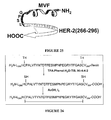
- the HER-2 B epitope identified by SEQ ID NO. 8 represents positions 266-296.
- the HER-2 B epitope identified by SEQ ID NO. 8 may be cyclized by the formation of a disulfide bond between Cys-268 and Cys-295.
- the HER-2 B epitope identified by SEQ ID NO. 9 represents positions 626-649. This sequence may have disulfide bonds between Cys-626 and Cys-634 and/or Cys-630 and Cys-634. It will be understood that each of epitopes having more than one Cys may be cyclized or linear.
- the HER-2 B epitopes also encompass peptides that are functional equivalents of the peptides identified by SEQ ID NOS. 2-9. Such functional equivalents have an altered sequence in which one or more of the amino acids in the corresponding HER-2 B epitope sequence is substituted or in which one or more amino acids are deleted from or added to the corresponding reference sequence. For example 1 to 3 amino acids may be added to the amino terminus, carboxy terminus, or both. In some examples, the HER-2 B epitopes are glycosylated.
- the HER-2 B epitopes may be the retro-inverso isomers of the HER-2 B epitopes.
- the retro-inverso modification comprises the reversal of all amide bonds within the peptide backbone. This reversal may be achieved by reversing the direction of the sequence and inverting the chirality of each amino acid residue by using D-amino acids instead of the L-amino acids.
- This retro-inverso isomer form may retain planarity and conformation restriction of at least some of the peptide bonds.
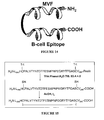
- the nonretro-inverso form of SEQ ID. NO. 5 may be indicated as NH 2 - L [IWKFPDEEGACQPL]-COOH.
- the retro-inverso form of SEQ ID NO. 5 may be indicated as NH 2 - D [LPQCAGEEDPFKWI] -COOH.
- Nonconservative amino acid substitutions and/or conservative substitutions may be made. Substitutions are conservative amino acid substitutions when the substituted amino acid has similar structural or chemical properties with the corresponding amino acid in the reference sequence.
- conservative amino acid substitutions involve substitution of one aliphatic or hydrophobic amino acids, e.g., alanine, valine, leucine and isoleucine, with another; substitution of one hydroxyl-containing amino acid, e.g., serine and threonine, with another; substitution of one acidic residue, e.g., glutamic acid or aspartic acid, with another; replacement of one amide-containing residue, e.g., asparagine and glutamine, with another; replacement of one aromatic residue, e.g., phenylalanine and tyrosine, with another; replacement of one basic residue, e.g., lysine, arginine and histidine, with another; and replacement of one small amino acid, e.g.,
- the deletions and additions are located at the amino terminus, the carboxy terminus, or both, of one of the sequences shown above.
- the HER-2 B epitope equivalent has an amino acid sequence which is at least 70% identical, at least 80% identical, at least 90% identical, or at least 95% identical to the corresponding HER-2 B epitope sequences. Sequences which are at least 90% identical have no more than 1 alteration, i.e., any combination of deletions, additions or substitutions, per 10 amino acids of the reference sequence. Percent identity is determined by comparing the amino acid sequence of the variant with the reference sequence using MEGALIGN project in the DNA STAR program.
- the functional equivalent may have a sequence which is at least 90% identical to the HER-2 B epitope sequence and the sequences which flank the HER-2 B epitope sequences in the wild-type HER-2 protein.
- Functional equivalents of the HER-2 B epitopes may be identified by modifying the sequence of the epitope and then assaying the resulting polypeptide for the ability to stimulate an immune response, e.g., production of antibodies.
- assays may generally be performed by preparing a chimeric peptide which comprises the modified polypeptide and a Th epitope, injecting the chimeric peptide into a test animal and assaying for antibodies.
- Such antibodies may be found in a variety of body fluids including sera and ascites. Briefly, a body fluid sample is isolated from a warm-blooded animal, such as a human, for whom it is desired to determine whether antibodies specific for HER-2/neu polypeptide are present.
- the body fluid is incubated with HER-2/neu polypeptide under conditions and for a time sufficient to permit immunocomplexes to form between the polypeptide and antibodies specific for the protein and then assayed, preferably using an ELISA technique. In such technique, the colorimetric change is measured at 490 nm.
- Epitopes which induce production of antibodies that exhibit a titer equal to 10,000 or greater for HER-2/neu protein may be useful. As used herein a titer of 10,000 refers to an absorbance value of 0.2 above background.
- chimeric peptides and compositions comprising one or more chimeric peptides are provided.
- the chimeric peptides comprise a HER-2 B epitope, a T helper (Th) epitope, and a linker joining the HER-2 B epitope to the Th epitope.
- Th epitope any suitable Th epitope may be used.
- a promiscuous Th epitope may be used.
- a "promiscuous" Th epitope is one which promotes release of cytokines that assists in bypassing MHC restriction. It will be further understood that any suitable linker may be used.
- the HER-2 B epitope may be linked to either the amino or the carboxy terminus of the Th epitope.
- the location and selection of the Th epitope depends on the structural characteristics of the HER-2 B epitope, whether alpha helical or beta-turn or strand. Methods for selecting suitable Th epitopes are described in Kaumaya et al., "DE NOVO" ENGINEERING OF PEPTIDE IMMUNOGENIC AND ANTIGENIC DETERMINANTS AS POTENTIAL VACCINES, in Peptides, Design, Synthesis and Biological Activity (1994), pp. 133-164 .
- the Th epitope may be from about 14 to about 22, about 15 to 21, or 16 amino acids in length.
- suitable Th epitopes include, but are not limited to:
- the linker may be a peptide of from about 2 to about 15 amino acids, about 2 to about 10 amino acids, or from about 2 to about 6 amino acids in length.
- the linker may be a peptide having the amino acid sequence Gly-Pro-Ser-Leu, SEQ ID NO. 18.
- the chimeric peptides may be linear or cyclized.
- the HER-2 B epitopes, the Th epitopes, and/or the linker may be in retro-inverso form.
- the HER-2 B epitope along could be in retro inverso form.
- the HER-2 B epitope and the Th epitope could be in retro inverso form.
- the HER-2 B epitope, the Th epitope, and the linker could be in retro inverso form.
- Suitable chimeric peptides include but are not limited to:
- the peptides of SEQ ID NOS. 19-26 have a Th epitope, a GPSL linker and a HER-2 B epitope.
- the chimeric peptides and compositions comprising the peptides may be useful immunogens for inducing production of antibodies that interact with and bind to the extracellular domain of the HER-2 protein.
- the chimeric peptides may also be useful as laboratory tools for detecting antibodies to HER-2 protein in a subject's sera.
- the chimeric peptides may invoke an antibody response in a subject and that such antibodies may (a) immunopreciptate HER-2 protein, (b) bind to intact HER 2 receptor on ER-2 overexpressing cells in culture, and (c) reduce proliferation of HER-2 overexpressing cells in vitro.
- the chimeric peptides may also be used to immunize a subject and retard or prevent tumor development.
- the chimeric peptides may be used in vaccines to provide a protective effect.
- compositions comprising a mixture of two or more of the chimeric peptides are provided.
- the HER-2 B epitope of each of the two or more chimeric peptides are different.
- one of the HER-2 B epitopes is selected from SEQ ID NOS. 2-5 and another one of the HER-2 B epitopes is selected from SEQ IDS NOS. 6-8.
- the HER-2 B epitopes and chimeric peptides may be synthesized using commercially available peptide synthesizers.
- the chemical methods described in Kaumaya et al., "DE NOVO" ENGINEERING OF PEPTIDE IMMUNOGENIC AND ANTIGENIC DETERMINANTS AS POTENTIAL VACCINES, in Peptides, Design, Synthesis and Biological Activity (1994), pp 133-164 may be used.
- HER-2 B-cell epitopes may be synthesized co-linearly with the Th epitope to form a chimeric peptide.
- Peptide synthesis may be performed using Fmoc/t-But chemistry.
- the HER-2 B epitopes and chimeric peptides may be cyclized in any suitable manner.
- disulfide bonds may be achieved using differentially protected cysteine residues, iodine oxidation, the addition of water to boost Acm removal and the concomitant formation of a disulfide bond, and/or the silyl chloride-sulfoxide method.
- the HER-2 B epitopes and chimeric peptides may also be produced using cell-free translation systems and RNA molecules derived from DNA constructs that encode the epitope or peptide.
- the epitopes or chimeric peptides are made by transfecting host cells with expression vectors that comprise a DNA sequence that encodes the respective epitope or chimeric peptide and then inducing expression of the polypeptide in the host cells.
- recombinant constructs comprising one or more of the sequences which encode the epitope, chimeric peptide, or a variant thereof are introduced into host cells by conventional methods such as calcium phosphate transfection, DEAE-dextran mediated transfection, transvection, microinjection, cationic lipid-mediated transfection, electroporation, transduction, scrape lading, bollistic introduction or infection.
- the HER-2 B epitope and chimeric peptide may be expressed in suitable host cells, such as for example, mammalian cells, yeast, bacteria, insect cells or other cells under the control of appropriate promoters using conventional techniques.
- suitable hosts include, but are not limited to, E. coli, P. pastoris, Cos cells and 293 HEK cells.
- glycosylated epitopes and chimeric peptides may be produced using recombinant techniques.
- mammalian cells such as, Cos-7 and Hep-G2 cells be employed in the recombinant techniques.
- glycoslyated epitopes and chimeric peptides may be produced using standard Fmoc/tBut synthesis.
- one or more sugar units can be added to peptides using a chemoenzymatic approach employing endo- ⁇ -N- aceylglucosaminidases as the key enzyme for oligosaccharide transfer.
- Naturally occurring variants of the HER-2 B epitopes may also be isolated by, for example, by screening an appropriate cDNA or genomic library with a DNA sequence encoding the polypeptide.
- multivalent peptides which comprise a plurality, i.e., at least two of the HER 2-B epitopes or functional equivalents thereof and a Th epitope are provided.
- the HER-2 B epitopes and Th epitope are connected to a template.
- the HER-2 B epitopes and the Th epitope may be connected to a core P sheet template.
- the template may be two strands of alternating leucine and lysine residues, which are connected by a linker.
- the linker is an amino acid or a peptide of from about 2 to about 15 amino acids, from about 2 to about 10 amino acids, or from about 2 to about 6 amino acids in length.
- the linker may be the amino acid sequence Gly-Pro-Ser-Leu, SEQ ID NO. 18.
- Multivalent peptides may be synthesized in any suitable manner.
- multivalent peptides may be prepared by employing a combinatorial Fmoc/tbutyl, Fmoc/benzyl and Boc benzyl strategy as well as a fourth level of differential protecting group (Npys) strategy. Details of such approach are presented in Larimore et al. (1995) Journal of Virology 69:6077-6089 ).
- isolated polynucleotides which encode the HER-2 B epitopes and the chimeric peptides discussed herein are provided.
- the present polynucleotides also encompass polynucleotides having sequences that are capable of hybridizing to the nucleotide sequences of the HER-2 B epitopes or the chimeric peptides under stringent conditions, and/or highly stringent conditions.
- Hybridization conditions are based on the melting temperature (Tm) of the nucleic acid binding complex or probe, as described in Berger and Kimmel (1987) Guide to Molecular Cloning Techniques, Methods in Enzymology, vol 152, Academic Press .
- stringent conditions is the “stringency” which occurs within a range from about Tm-5 (5° below the melting temperature of the probe) to about 20° C below Tm.
- highly stringent conditions employ at least 0.2 x SSC buffer and at least 65° C.
- stringency conditions can be attained by varying a number of factors such as the length and nature, i.e., DNA or RNA, of the probe; the length and nature of the target sequence, the concentration of the salts and other components, such as formamide, dextran sulfate, and polyethylene glycol, of the hybridization solution. All of these factors may be varied to generate conditions of stringency which are equivalent to the conditions listed above.
- Polynucleotides comprising sequences encoding a HER-2 B epitope or a chimeric peptide may be synthesized in whole or in part using chemical methods or recombinant methods which are suitable. Polynucleotides which encode a HER-2 B epitope may be obtained by screening a genomic library or cDNA library with antibodies immunospecific for the HER-2 protein to identify clones containing such polynucleotide.
- the polynucleotides are useful for producing a HER-2 B epitope or a chimeric peptide.
- an RNA molecule encoding a multivalent chimeric peptide may be used in a cell-free translation systems to prepare such polypeptides.
- a DNA molecule encoding a HER-2 B epitope or a chimeric peptide may be introduced into an expression vector and used to transform cells.
- Suitable expression vectors include, but are not limited to, chromosomal, nonchromosomal and synthetic DNA sequences, e.g., derivatives of SV40, bacterial plasmids, phage DNAs; yeast plasmids, vectors derived from combinations of plasmids and phage DNAs, viral DNA such as vaccinia, adenovirus, fowl pox virus, pseudorabies, baculovirus, and retrovirus.
- the DNA sequence may introduced into the expression vector by any suitable procedure.
- recombinant constructs comprising one or more of the polynucleotides encoding one or more HER-2 B epitopes or chimeric peptides are provided.
- Suitable constructs include, for example, vectors, such as a plasmid, phagemid, or viral vector, into which a sequence that encodes the HER-2 B cell epitiope or the chimeric peptide has been inserted.
- the DNA sequence which encodes the epitope or chimeric peptide is operatively linked to an expression control sequence, i.e., a promoter, which directs mRNA synthesis.
- promoters include the LTR or SV40 promoter, the E.
- the expression vector may also contain a ribosome binding site for translation initiation and a transcription terminator.
- the recombinant expression vectors also may include an origin of replication and a selectable marker, such as for example, the ampicillin resistance gene of E. coli to permit selection of transformed cells, i.e., cells that are expressing the heterologous DNA sequences.
- the polynucleotide sequence encoding the HER-B cell epitope or the chimeric peptide may be incorporated into the vector in frame with translation initiation and termination sequences.
- the polynucleotide may further encode a signal sequence which is operatively linked to the amino terminus of the HER-2 B epitope or chimeric peptide.
- the polynucleotides encoding the HER-2 B epitope or the chimeric peptides comprising such epitopes may be used to express recombinant peptide using suitable techniques. Such techniques include, but are not limited to, those described in Sambrook, J. et al (1989) Molecular Cloning A Laboratory Manual, Cold Spring Harbor Press, Plainview, N.Y . and Ausubel, F. M. et al. (1989) Cuurent Protocols in Molecular Biology, John Wile & Sons, New York, NY . Polynucleotides encoding the HER-2 B epitope or the chimeric peptides comprising such epitopes may also be used to immunize subjects.
- methods of treating cancer comprise administering a pharmaceutical composition to a subject.
- vaccines comprising at least one chimeric peptide, multivalent peptide, or both, of the polynucleotide which encodes the same are provided.
- the pharmaceutical composition comprises a pharmaceutically acceptable vehicle and at least one chimeric peptide, multivalent peptide, or both, or the polynucleotide which encodes the same, as described herein.
- Pharmaceutically acceptable vehicles include, but are not limited to pharmaceutically acceptable carriers, excipients or diluents. These vehicles are generally nontoxic to subjects at the dosages and concentrations employed.
- a vehicle for antigen delivery examples include aluminum salts, water-in-oil emulsions, biodegradable oil vehicles, oil-in-water emulsions, biodegradable microcapsules, and liposomes.
- a suitable vehicle for antigen delivery is a biodegradable microsphere, which may be comprised of poly (D, L- lactide-co-glycolide) (PLGA).
- the type of carrier will vary depending on the mode of administration and whether a substantial release is desired.
- the carrier may be water, saline, alcohol, a fat, a wax, or a buffer.
- Biodegradable microspheres e.g., polylactic galactide
- the pharmaceutical composition comprises an adjuvant.
- the HER-2 chimeric and multivalent peptides and the polynucleotides which encode the same may be useful for enhancing or eliciting, in a subject or a cell line, a humoral response and, preferably, a cellular immune response (e.g., the generation of antigen-specific cytolytic T cells).
- the subject is a human.
- a subject may be afflicted with cancer or other cancer involving HER-2, such as breast cancer, or may be normal (i.e., free of detectable disease and infection).
- the pharmaceutical compositions and vaccines may be useful for treating women who have a family history of breast cancer or who have had breast tumors removed.
- "treating" means inhibiting or slowing or retarding the growth of the tumor.
- cancers include, but are not limited to, breast, lung, ovarian, bladder and prostate.
- multiple intramuscular injections, at three week intervals, are used to administer the pharmaceutical composition.
- Peptide Synthesis and HPLC Purification Peptides were synthesized as previously described (Kaumaya 1994). Briefly, peptides were synthesized on a Milligen/Biosearch 9600 peptide synthesizer, using a 4-methylbenzhydrylamine resin as the solid support (substitution 0.54mm/g). The Fmoc/t-butyl synthetic method was employed using 4-(hydroxymethyl) phenoxyacetic acid as the linker. After the final deprotection step, protecting groups and peptide resin bond were cleaved with 90% TFA, 5% anisole, 3% thioanisole, 2% ethanedithiol.
- CZE Capillary Zone Electrophoresis .
- CZE was performed on a Beckman P/ACE System 2100 interfaced with an IBM computer. Sample was voltage separated (15kV) in 100mM sodium borate using a 50cm capillary over 20min. Eluant was monitored at 214nm.
- Circular Dichroism and mass spectrometry Measurements were performed on a JASCO J-500 spectropolarimeter interfaced with an IBM computer. The instrument was calibrated in 0.06% (w/v) solution of ammonium-d-10-camphorsulfonate. The CD spectra of the peptides (62.5- 250uM by dilution of peptide stocks in water) were measured at ambient temperature in a 0.1cm path length cylindrical quartz cuvette (Hellma).
- FAB Fast atom bombardment
- Antibody was allowed to precipitate by slowly adding SAS to 35% v/v under stirring in cold room. Samples were centrifuged 14,000 xg 20min and the supernate stored at -20°C. The pellet was dissolved with 0.1M PBS in 1 ⁇ 2 original volume. Fractions were then placed in Slide-a-lyzer cassettes (Pierce) and dialyzed against frequent changes of >200 volumes pH 8, 0.15M NaCl. The saline was brought to pH 8 with a few drops of 0.1M NaOH. IgG concentration was determined by radial immunodiffusion (RID) (The Binding Site, UK). Monoclonal antibodies were purchased from Oncogene Science.
- RID radial immunodiffusion
- SKBR-3 and MCF-7 were obtained from the American Type Culture Collection and was subcultured in McCoy's 5A or DMEM supplemented with 10% FCS and L-glutainine. Cav-1 was maintained in RPMI 1640 with 10% FCS and L-glutamine. Cav-was derived from a fresh colon tumor specimen which was cryopreserved and subsequently cultured; it does not express detectable levels of HER-2/ neu .
- SKBR3 is a breast tumor cell line which overexpresses the HER-2 protein while MCF-7 expresses the normal concentration of protein.
- Cold lysis buffer (150mM NaCl; 50 mM Tris, pH 8; 10mM EDTA, 10mM sodium pyrophosphate, 10mM sodium fluoride; 1% NP-40, 0.1% SDS) containing 3mM Na 3 VO 4 , 10 ⁇ g/ml each aprotinin and leupeptin was added to cells resuspended in 100 ⁇ I HBSS. Lysis was achieved by gentle rotation at 4°C for 20min. After centrifugation (14,000xg, 20min) to remove cell debris, lysates were incubated with 3-5 ⁇ g antibody and 30 ⁇ l Protein A/Protein G (Oncogene Science) overnight. Beads were pelleted by centrifugation (14,000xg 30sec),washed twice in lysis buffer containing 1mM Na 3 VO 4 and boiled in SDS sample buffer 5 min.
- Proteins were resolved by 7.5% SDS-PAGE, transferred to nitrocellulose and probed with antibody. Protein transfer was monitored with prestained molecular mass standards (BioRad). Immunoreactive bands were detected using horse radish peroxidase conjugated goat anti rabbit immunoglobins by enhanced chemiluminescence (Amersham).
- SKBR3 cells or MCF-7 cells were plated at 5,000 cells/well in V-bottom plates (Linbro, McLean VA). The cells were incubated with various concentrations of antibodies. After being washed with Hank's Balanced Salts Solution (HBSS) the cells were incubated for one hour with fluorescein isothiocyanate (FITC)-conjugated goat anti-rabbit or goat anti-mouse antibody and fixed with formalin. A mouse monoclonal Ab (Oncogene Science, Cambridge, MA) was used as the positive control and an anti-CD3 Ab as the negative control.
- FITC fluorescein isothiocyanate
- the cells were analyzed by a Coulter ELITE flow cytometer (Coulter, Hialeah, FL), which has an argon laser for excitation at 488mn, and a 525run band pass filter for FITC fluorescence 5.0 x 10 3 cells were counted for each sample and final processing was performed. Debris, cell clusters and dead cells were gated out by light scatted assessment before single parameter histograms were drawn.
- Coulter ELITE flow cytometer Coulter, Hialeah, FL
- SKBR3, MCF7 and CAVI cells were plated 5,000 cells/well in V-bottom plates along with various concentrations of Ab on day zero. On day 3, cells were pulsed with [3H] thymidine (1 ⁇ Ci/well) at which time they were placed in a 20°C freezer for 1h. After thawing at room temperature cells were harvested an a PHD cell harvester (Cambridge Tech, Inc.). Samples were incubated in 5ml Ready Safe liquid scintillation cocktail (Beckman) and radioactivity determined by beta counter. Results are expressed as the mean CPM +/- the standard deviation (SD).
- SD standard deviation
- CTL Assay In vitro stimulation. Inguinal and periaortic lymph nodes (LN) are removed 7-10 days after immunization. LN cells (4 x 10 6 - 5x 10 6 ) are then stimulated in vitro by coculturing with 1.5 x 10 5 irradiated (10 000 rad) P815 cells prepulsed for 1h with 1 ⁇ M of the appropriate CTL peptide.
- the culture medium used is cDMEM (DMEM supplemented with 10% FCS). Supernatant containing 30 U/ml (final) of IL-2, 2mM L-glutamine, 10mM Hepes and 5 x 10 5 M-2-mercaptoethanol).
- P815 cells (10 6 ) are labeled with 150 ⁇ Ci sodium [ 51 Cr] chromate for 1h at 37°C in the presence or absence of the appropriate peptide (1 ⁇ M) and washed three times.
- Labeled targets (2 x 10 3 ) are co-incubated with stimulated LN cells at predetermined ratios in 200 ⁇ l volumes in V-bottom 96 well plates. After a 4h incubation at 37°C, the supernatants (100 ⁇ l) are harvested for ⁇ -counting. The % specific lysis is calculated as 100 x [(experimental-spontaneous release)/(total-spontaneous release)] (Valmori, et al. 1994).
- HER2 cells (3 x 10 6 ) were suspended in 250ul PBS, mixed with 250 ⁇ l MATRIGEL (Beckton Dickinson) on ice and injected subcutaneously into mice. Polyclonal antibodies to a total concentration of 2mg/mouse, were injected i.p. on days 9 and 11. Tumor volume was measured twice weekly with calipers and calculated by the formula (length x width x height).
- Example 1 A Conformational HER-2 B-Cell Epitope Incorporating of Two Native Disulfide Bonds Show Enhanced Tumor Cell Binding.
- the human EGFR disulfide pairings have been defined. Based on the high homology between EGFR and HER-2, the 628-647 epitope to 626-649 to incorporate two disulfide bonds between Cys-626 and Cys-634, and Cys-630 and Cys-642. Differential side chain protection and a specialized deprotection and oxidation successfully generated the cyclized product with a desired secondary structural characteristics as determined by CD measurements. Both linear and cyclized constructs were highly immunogenic (titers >200,000) in outbred mice. Flow cytometry analysis showed that the antibodies against the cyclized epitope bound the HER-2 protein with a higher affinity than the non-cyclized epitope (mean log fluorescence 2.29 and 1.65 respectively).
- Antibodies against both the cyclized and non-cyclized epitopes were able to cause a reduction of growth in cells overexpressing HER-2 as measured in an anchorage-independent growth assay (31 and 58% inhibition, respectively).
- Antibodies against both constructs were able to elicit IFN- ⁇ release in the presence of effector human PBMCs, with the cyclized antibodies inducing 25% higher levels of IFN- ⁇ compared to the linear antibodies.
- Cyclized antibodies elicited twice the level of specific lysis compared to non-cyclized antibodies in an ADCC assay (11 and 5.6% respectively).
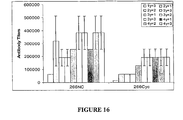
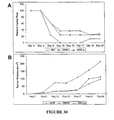
- mice were immunogenic in these mice with the cyclized construct generating higher titers. These mice were then challenged with the NT2.5 tumor cell line which has an FVB/N background. The mice immunized with the cyclized conformational construct had a reduction in tumor volume compared to both the linear and control MVF immunized mice. Cyclized vaccinated mice had the longest doubling time (6.63 days), thereby demonstrating the greatest ability to impede tumor growth compared to linear or MVF control peptide (4.31 and 4.48 days, respectively). Thus, these results show that conformational peptides for eliciting high affinity Abs has immediate application for the design of effective Her-2 vaccines.
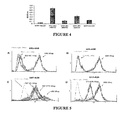
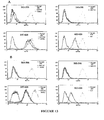
- FIG. 5C, D shows that both the 597-626 and the 613-626 construct are shifted relative to normal mouse antibodies. However the 563-598 and the 585-598 constructs showed little shift compared to normal mouse antibodies ( Fig. 5A, B ). The 563-598 contains two of the three contacts that HER-2 makes with trastuzumab. The 597-626 epitope, which contains the last contact point with trastuzumab consist of 11 amino acids that recognize the native protein ( Fig. 5C ).
- both FVB/n and neu -N transgenic mice were challenged with the tumor cell line NT2.5 derived from a spontaneous mammary tumor isolated from a neu -N transgenic mouse.
- NT2.5 tumor cell line
- these mice develop spontaneous mammary adenocarcinomas in a manner similar to that observed in human breast cancer patients, and are therefore a suitable model for human breast cancer studies.
- Groups of FVB/n mice were challenged with 5 ⁇ 10 6 NT2.5 cells s.c. (lower abdomen) two weeks after final immunization. Tumor measurements were taken twice weekly until day 55. Tumor volumes were calculated by the formula (long measurement x short measurement 2 )/2.
- mice immunized with the 563-598 NC and SS constructs had mean tumor volumes at day 30 of 166.517 and 173.7292 mm 3 respectively while unimmunized mice had a mean tumor volume of 346.6563 mm 3 (data not shown).
- mice immunized with the 613-626 and 585-598CYC showed a reduction in tumor volume compared to both unimmunized and MVF immunized mice. While there appears to be some moderate success in terms of reduction in tumor burden of mice immunized with the trastuzumab B-cell epitopes, nearly all mice developed tumors.
- the 3 peptide sequence listed in the Table 2 were designed to further delineate the minimal sequence to elicit an antibody similar to the pertuzumab binding site.
- These complex conformational peptide epitopes have been synthesized, successfully purified, and cyclized with the correct disulfide pairings.
- Epitope 266-296 SH bond between Cys268-Cys295, Epitope 298-333 (SH bond between Cys 299-Cys311, and Epitope 315-333 (SH bond Cys 315-Cys 331) should allow us to delineate the minimal pertuzumab binding epitope.
Landscapes
- Health & Medical Sciences (AREA)
- Life Sciences & Earth Sciences (AREA)
- Chemical & Material Sciences (AREA)
- Medicinal Chemistry (AREA)
- Organic Chemistry (AREA)
- General Health & Medical Sciences (AREA)
- Immunology (AREA)
- Gastroenterology & Hepatology (AREA)
- Proteomics, Peptides & Aminoacids (AREA)
- Veterinary Medicine (AREA)
- Animal Behavior & Ethology (AREA)
- Pharmacology & Pharmacy (AREA)
- Public Health (AREA)
- Biophysics (AREA)
- Molecular Biology (AREA)
- Epidemiology (AREA)
- Zoology (AREA)
- Oncology (AREA)
- Biochemistry (AREA)
- Genetics & Genomics (AREA)
- Engineering & Computer Science (AREA)
- Bioinformatics & Cheminformatics (AREA)
- Toxicology (AREA)
- Cell Biology (AREA)
- Microbiology (AREA)
- Mycology (AREA)
- Marine Sciences & Fisheries (AREA)
- Chemical Kinetics & Catalysis (AREA)
- General Chemical & Material Sciences (AREA)
- Nuclear Medicine, Radiotherapy & Molecular Imaging (AREA)
- Peptides Or Proteins (AREA)
- Medicines That Contain Protein Lipid Enzymes And Other Medicines (AREA)
- Medicines Containing Antibodies Or Antigens For Use As Internal Diagnostic Agents (AREA)
Applications Claiming Priority (2)
| Application Number | Priority Date | Filing Date | Title |
|---|---|---|---|
| US69057405P | 2005-06-15 | 2005-06-15 | |
| PCT/US2006/023672 WO2006138675A2 (en) | 2005-06-15 | 2006-06-15 | Her-2 peptides |
Publications (3)
| Publication Number | Publication Date |
|---|---|
| EP1912680A2 EP1912680A2 (en) | 2008-04-23 |
| EP1912680A4 EP1912680A4 (en) | 2010-09-22 |
| EP1912680B1 true EP1912680B1 (en) | 2014-11-26 |
Family
ID=37571268
Family Applications (1)
| Application Number | Title | Priority Date | Filing Date |
|---|---|---|---|
| EP06785065.1A Not-in-force EP1912680B1 (en) | 2005-06-15 | 2006-06-15 | Her-2 peptides |
Country Status (7)
| Country | Link |
|---|---|
| US (3) | US7691396B2 (enExample) |
| EP (1) | EP1912680B1 (enExample) |
| JP (2) | JP5222134B2 (enExample) |
| AU (1) | AU2006261342B2 (enExample) |
| CA (1) | CA2612394C (enExample) |
| ES (1) | ES2531483T3 (enExample) |
| WO (1) | WO2006138675A2 (enExample) |
Cited By (1)
| Publication number | Priority date | Publication date | Assignee | Title |
|---|---|---|---|---|
| WO2023161526A1 (en) | 2022-02-28 | 2023-08-31 | Tridem Bioscience Gmbh & Co Kg | A CONJUGATE CONSISTING OF OR COMPRISING AT LEAST A ß-GLUCAN OR A MANNAN |
Families Citing this family (18)
| Publication number | Priority date | Publication date | Assignee | Title |
|---|---|---|---|---|
| JP4658423B2 (ja) * | 1999-08-03 | 2011-03-23 | ザ オハイオ ステイト ユニバーシティ | Her−2タンパク質に対する免疫反応性を増強するためのポリペプチドおよびポリヌクレオチド |
| WO2006138675A2 (en) | 2005-06-15 | 2006-12-28 | The Ohio State University Research Foundation | Her-2 peptides |
| US8945573B2 (en) * | 2005-09-08 | 2015-02-03 | The Henry M. Jackson Foundation For The Advancement Of Military Medicine, Inc. | Targeted identification of immunogenic peptides |
| WO2008097229A1 (en) * | 2007-02-09 | 2008-08-14 | The Government Of The Usa As Represented By The Secretary Of The Dept. Of Health And Human Services | Method for spectroscopic quantitation of her-2 in biological samples |
| JP5269186B2 (ja) * | 2008-04-22 | 2013-08-21 | ロックウッド・リチウム・インコーポレイテッド | 高純度水酸化リチウムと塩酸とを製造する方法 |
| US20100234283A1 (en) | 2009-02-04 | 2010-09-16 | The Ohio State University Research Foundation | Immunogenic epitopes, peptidomimetics, and anti-peptide antibodies, and methods of their use |
| US9125848B2 (en) | 2010-06-10 | 2015-09-08 | The Cleveland Clinic Foundation | Alpha lactalbumin immunization methods |
| RU2607033C2 (ru) * | 2010-09-28 | 2017-01-10 | Ноно Инк. | Пептиды nd2 и способы лечения неврологического заболевания |
| RU2645085C2 (ru) | 2012-04-16 | 2018-02-15 | Дзе Кливленд Клиник Фаундейшн | Мультивалентная вакцина против рака молочной железы |
| WO2014131019A2 (en) | 2013-02-25 | 2014-08-28 | Ohio State Innovation Foundation | Her-1, her-3 and igf-1r compositions and uses thereof |
| CN105017425B (zh) * | 2014-04-30 | 2018-02-16 | 京天成生物技术(北京)有限公司 | 抗her2中和活性单克隆抗体及其应用 |
| WO2017078761A2 (en) * | 2015-11-06 | 2017-05-11 | Evorx Technologies, Inc. | Her-2-specific cyclized supr peptides |
| WO2018145020A1 (en) | 2017-02-03 | 2018-08-09 | The Medical College Of Wisconsin, Inc. | Kras peptide vaccine compositions and method of use |
| CA3058393A1 (en) * | 2017-03-28 | 2018-10-04 | Ohio State Innovation Foundation | Human pd1 peptide vaccines and uses thereof |
| US20200179500A1 (en) * | 2018-12-05 | 2020-06-11 | Wayne State University | Methods and immunogenic compositions relating to her2 with selective sequence modifications |
| US20220169747A1 (en) * | 2019-03-22 | 2022-06-02 | Olivia Newton-John Cancer Research Institute | Anti-her2 binding molecules |
| AU2020350666A1 (en) * | 2019-09-17 | 2022-03-31 | Ohio State Innovation Foundation | Human anti-PD-L1 peptide vaccines and methods of their use |
| CN119019569B (zh) * | 2024-08-19 | 2025-10-24 | 中国人民解放军陆军军医大学 | 一种可定向增强胸腺新生t细胞杀伤乳腺癌的多肽及其应用 |
Family Cites Families (36)
| Publication number | Priority date | Publication date | Assignee | Title |
|---|---|---|---|---|
| WO1989006692A1 (en) * | 1988-01-12 | 1989-07-27 | Genentech, Inc. | Method of treating tumor cells by inhibiting growth factor receptor function |
| EP0474727B1 (en) * | 1989-05-19 | 1997-07-23 | Genentech, Inc. | Her2 extracellular domain |
| CA2074720C (en) * | 1990-01-26 | 2002-07-23 | Martin A. Cheever | Immune reactivity to expressed activated oncogenes for diagnosis and treatment of malignancy |
| IL101943A0 (en) * | 1991-05-24 | 1992-12-30 | Genentech Inc | Structure,production and use of heregulin |
| EP0671948B1 (en) | 1992-06-25 | 1997-08-13 | SMITHKLINE BEECHAM BIOLOGICALS s.a. | Vaccine composition containing adjuvants |
| AU687750B2 (en) | 1992-09-28 | 1998-03-05 | Wyeth Holdings Corporation | Method of enhancing cell mediated immune responses |
| CA2145391A1 (en) | 1992-09-30 | 1994-04-14 | Vernon C. Stevens | Vaccines and antigenic conjugates |
| US5801005A (en) * | 1993-03-17 | 1998-09-01 | University Of Washington | Immune reactivity to HER-2/neu protein for diagnosis of malignancies in which the HER-2/neu oncogene is associated |
| US5869445A (en) * | 1993-03-17 | 1999-02-09 | University Of Washington | Methods for eliciting or enhancing reactivity to HER-2/neu protein |
| GB9326253D0 (en) | 1993-12-23 | 1994-02-23 | Smithkline Beecham Biolog | Vaccines |
| JP3468773B2 (ja) | 1994-07-15 | 2003-11-17 | ザ ユニバーシティ オブ アイオワ リサーチ ファウンデーション | 免疫調節オリゴヌクレオチド |
| UA56132C2 (uk) | 1995-04-25 | 2003-05-15 | Смітклайн Бічем Байолоджікалс С.А. | Композиція вакцини (варіанти), спосіб стабілізації qs21 відносно гідролізу (варіанти), спосіб приготування композиції вакцини |
| US6410022B1 (en) | 1995-05-01 | 2002-06-25 | Avant Immunotherapeutics, Inc. | Modulation of cholesteryl ester transfer protein (CETP) activity |
| NZ331596A (en) * | 1996-04-03 | 1999-07-29 | Pepresearch A S | Non-dendritic backbone peptide carrier |
| CN100415772C (zh) | 1996-10-18 | 2008-09-03 | 基因技术股份有限公司 | 抗ErbB2抗体 |
| CN1181422A (zh) * | 1996-10-31 | 1998-05-13 | 上海市肿瘤研究所 | 与生长因子受体结合的多肽所构建的基因转移载体 |
| AU738338B2 (en) | 1997-08-11 | 2001-09-13 | Allergan, Inc. | Sterile bioerodible implant device with improved biocompatability and method |
| ZA9811162B (en) | 1997-12-12 | 2000-06-07 | Genentech Inc | Treatment with anti-ERBB2 antibodies. |
| EP0953823A2 (en) | 1998-05-01 | 1999-11-03 | Aisin Cosmos R & D Co. Ltd. | Micro yaw rate sensors |
| WO2000034337A1 (en) | 1998-12-10 | 2000-06-15 | Tsukuba Research Laboratory, Toagosei Co., Ltd. | Humanized monoclonal antibodies against vascular endothelial cell growth factor |
| ES2320311T3 (es) * | 1999-05-14 | 2009-05-21 | Genentech, Inc. | Tratamiento con anticuerpos anti-erbb2. |
| JP4658423B2 (ja) * | 1999-08-03 | 2011-03-23 | ザ オハイオ ステイト ユニバーシティ | Her−2タンパク質に対する免疫反応性を増強するためのポリペプチドおよびポリヌクレオチド |
| US6432409B1 (en) * | 1999-09-14 | 2002-08-13 | Antigen Express, Inc. | Hybrid peptides modulate the immune response |
| US20030235594A1 (en) * | 1999-09-14 | 2003-12-25 | Antigen Express, Inc. | Ii-Key/antigenic epitope hybrid peptide vaccines |
| PL365789A1 (pl) * | 2000-08-14 | 2005-01-10 | Corixa Corporation | Kompozycje oraz sposoby leczenia i diagnozowania nowotworów związanych z Her-2/neu |
| GB0213878D0 (en) * | 2002-06-17 | 2002-07-31 | Protherics Plc | Use |
| WO2004030616A2 (en) * | 2002-09-17 | 2004-04-15 | Antigen Express, Inc. | Ii-KEY/ANTIGENIC EPITOPE HYBRID PEPTIDE VACCINES |
| AU2004218284B2 (en) * | 2003-03-04 | 2009-07-23 | Intercell Ag | Streptococcus pyogenes antigens |
| ATE463511T1 (de) * | 2003-06-25 | 2010-04-15 | Ottawa Hospital Res Inst | Verwendung von cardiotrophin zur modulation der stammzellenproliferation |
| JP2008500015A (ja) * | 2003-10-29 | 2008-01-10 | ラモト アット テル アヴィヴ ユニヴァーシティ リミテッド | 血管形成ペプチドおよびその使用 |
| WO2005076972A2 (en) * | 2004-02-05 | 2005-08-25 | The Ohio State University Research Foundation | Chimeric vegf peptides |
| SE527089C2 (sv) | 2004-10-19 | 2005-12-20 | Mia Kumm | Anordning och system för ventilation av tunnel vid brand |
| BRPI0519172A2 (pt) * | 2004-12-20 | 2008-12-30 | Ajimoto Kk | proteÍna mutante, polinucleotÍdeo, microorganismo transformado, e, mÉtodos de produzir uma proteÍna mutante, um peptÍdeo, e alfa-l-aspartil-l-fenilalanina-beta-Éster, e de projetar e produzir uma proteÍna mutante |
| WO2006138675A2 (en) | 2005-06-15 | 2006-12-28 | The Ohio State University Research Foundation | Her-2 peptides |
| US20100234283A1 (en) * | 2009-02-04 | 2010-09-16 | The Ohio State University Research Foundation | Immunogenic epitopes, peptidomimetics, and anti-peptide antibodies, and methods of their use |
| JP5510272B2 (ja) | 2010-06-21 | 2014-06-04 | 株式会社リコー | 画像形成装置 |
-
2006
- 2006-06-15 WO PCT/US2006/023672 patent/WO2006138675A2/en not_active Ceased
- 2006-06-15 EP EP06785065.1A patent/EP1912680B1/en not_active Not-in-force
- 2006-06-15 CA CA2612394A patent/CA2612394C/en active Active
- 2006-06-15 AU AU2006261342A patent/AU2006261342B2/en not_active Ceased
- 2006-06-15 US US11/424,526 patent/US7691396B2/en active Active
- 2006-06-15 JP JP2008517193A patent/JP5222134B2/ja not_active Expired - Fee Related
- 2006-06-15 ES ES06785065.1T patent/ES2531483T3/es active Active
-
2010
- 2010-02-01 US US12/697,578 patent/US8470333B2/en active Active
-
2012
- 2012-04-17 JP JP2012093680A patent/JP5542865B2/ja not_active Expired - Fee Related
-
2013
- 2013-05-30 US US13/905,996 patent/US9452204B2/en active Active
Cited By (2)
| Publication number | Priority date | Publication date | Assignee | Title |
|---|---|---|---|---|
| WO2023161526A1 (en) | 2022-02-28 | 2023-08-31 | Tridem Bioscience Gmbh & Co Kg | A CONJUGATE CONSISTING OF OR COMPRISING AT LEAST A ß-GLUCAN OR A MANNAN |
| WO2023161528A1 (en) | 2022-02-28 | 2023-08-31 | Tridem Bioscience Gmbh & Co Kg | A CONJUGATE COMPRISING AT LEAST A ß-GLUCAN |
Also Published As
| Publication number | Publication date |
|---|---|
| WO2006138675A2 (en) | 2006-12-28 |
| US7691396B2 (en) | 2010-04-06 |
| EP1912680A2 (en) | 2008-04-23 |
| AU2006261342A1 (en) | 2006-12-28 |
| JP5542865B2 (ja) | 2014-07-09 |
| ES2531483T3 (es) | 2015-03-16 |
| EP1912680A4 (en) | 2010-09-22 |
| US20070060516A1 (en) | 2007-03-15 |
| CA2612394A1 (en) | 2006-12-28 |
| US9452204B2 (en) | 2016-09-27 |
| AU2006261342B2 (en) | 2012-02-02 |
| JP2012136555A (ja) | 2012-07-19 |
| US20140010831A1 (en) | 2014-01-09 |
| JP5222134B2 (ja) | 2013-06-26 |
| US8470333B2 (en) | 2013-06-25 |
| CA2612394C (en) | 2017-02-21 |
| JP2009500298A (ja) | 2009-01-08 |
| US20110086055A1 (en) | 2011-04-14 |
| WO2006138675A9 (en) | 2010-01-28 |
Similar Documents
| Publication | Publication Date | Title |
|---|---|---|
| US8470333B2 (en) | Chimeric peptides comprising HER-2 B-cell epitopes and T-helper epitopes | |
| EP1246597B1 (en) | Polypeptides and polynucleotides for enhancing immune reactivity to her-2 protein | |
| CN101113163B (zh) | Hla-a24限制性癌抗原肽 | |
| US10800834B2 (en) | HER-1, HER-3 and IGF-1R compositions and uses thereof | |
| US20130230546A1 (en) | Chimeric VEGF Peptides | |
| US9504738B2 (en) | Immunogenic epitopes, peptidomimetics, and anti-peptide antibodies, and methods of their use | |
| AU766898B2 (en) | Tumor associated antigen 791Tgp72 | |
| WO2016164980A1 (en) | A vaccine composition and uses thereof | |
| CA2346942A1 (en) | Camel, an alternative translation product of the tumour antigen lage-1 | |
| JP2002517240A (ja) | TGFβRIIレセプターの核酸配列、コードされたペプチドおよび使用 | |
| WO2004045555A2 (en) | Immunogenic epitopes for fibroblast growth factor 5 (fgf-5) presented by hla-a3 and hla-a2 |
Legal Events
| Date | Code | Title | Description |
|---|---|---|---|
| PUAI | Public reference made under article 153(3) epc to a published international application that has entered the european phase |
Free format text: ORIGINAL CODE: 0009012 |
|
| 17P | Request for examination filed |
Effective date: 20080109 |
|
| AK | Designated contracting states |
Kind code of ref document: A2 Designated state(s): AT BE BG CH CY CZ DE DK EE ES FI FR GB GR HU IE IS IT LI LT LU LV MC NL PL PT RO SE SI SK TR |
|
| AX | Request for extension of the european patent |
Extension state: AL BA HR MK RS |
|
| RIN1 | Information on inventor provided before grant (corrected) |
Inventor name: RAWALE, SHARAD Inventor name: KAUMAYA, PRAVIN, T., P. Inventor name: ALLEN, STEPHANIE Inventor name: STEELE, JOAN Inventor name: STEVENS, VERNON |
|
| DAX | Request for extension of the european patent (deleted) | ||
| RIN1 | Information on inventor provided before grant (corrected) |
Inventor name: KAUMAYA, PRAVIN, T., P. |
|
| A4 | Supplementary search report drawn up and despatched |
Effective date: 20100819 |
|
| 17Q | First examination report despatched |
Effective date: 20111222 |
|
| GRAP | Despatch of communication of intention to grant a patent |
Free format text: ORIGINAL CODE: EPIDOSNIGR1 |
|
| INTG | Intention to grant announced |
Effective date: 20140416 |
|
| RAP1 | Party data changed (applicant data changed or rights of an application transferred) |
Owner name: THE OHIO STATE UNIVERSITY RESEARCH FOUNDATION |
|
| GRAS | Grant fee paid |
Free format text: ORIGINAL CODE: EPIDOSNIGR3 |
|
| GRAA | (expected) grant |
Free format text: ORIGINAL CODE: 0009210 |
|
| AK | Designated contracting states |
Kind code of ref document: B1 Designated state(s): AT BE BG CH CY CZ DE DK EE ES FI FR GB GR HU IE IS IT LI LT LU LV MC NL PL PT RO SE SI SK TR |
|
| REG | Reference to a national code |
Ref country code: GB Ref legal event code: FG4D |
|
| REG | Reference to a national code |
Ref country code: CH Ref legal event code: EP |
|
| REG | Reference to a national code |
Ref country code: AT Ref legal event code: REF Ref document number: 697809 Country of ref document: AT Kind code of ref document: T Effective date: 20141215 |
|
| REG | Reference to a national code |
Ref country code: IE Ref legal event code: FG4D |
|
| REG | Reference to a national code |
Ref country code: DE Ref legal event code: R096 Ref document number: 602006043819 Country of ref document: DE Effective date: 20150108 |
|
| REG | Reference to a national code |
Ref country code: ES Ref legal event code: FG2A Ref document number: 2531483 Country of ref document: ES Kind code of ref document: T3 Effective date: 20150316 |
|
| REG | Reference to a national code |
Ref country code: NL Ref legal event code: VDEP Effective date: 20141126 |
|
| REG | Reference to a national code |
Ref country code: AT Ref legal event code: MK05 Ref document number: 697809 Country of ref document: AT Kind code of ref document: T Effective date: 20141126 |
|
| REG | Reference to a national code |
Ref country code: LT Ref legal event code: MG4D |
|
| PG25 | Lapsed in a contracting state [announced via postgrant information from national office to epo] |
Ref country code: PT Free format text: LAPSE BECAUSE OF FAILURE TO SUBMIT A TRANSLATION OF THE DESCRIPTION OR TO PAY THE FEE WITHIN THE PRESCRIBED TIME-LIMIT Effective date: 20150326 Ref country code: NL Free format text: LAPSE BECAUSE OF FAILURE TO SUBMIT A TRANSLATION OF THE DESCRIPTION OR TO PAY THE FEE WITHIN THE PRESCRIBED TIME-LIMIT Effective date: 20141126 Ref country code: IS Free format text: LAPSE BECAUSE OF FAILURE TO SUBMIT A TRANSLATION OF THE DESCRIPTION OR TO PAY THE FEE WITHIN THE PRESCRIBED TIME-LIMIT Effective date: 20150326 Ref country code: LT Free format text: LAPSE BECAUSE OF FAILURE TO SUBMIT A TRANSLATION OF THE DESCRIPTION OR TO PAY THE FEE WITHIN THE PRESCRIBED TIME-LIMIT Effective date: 20141126 Ref country code: FI Free format text: LAPSE BECAUSE OF FAILURE TO SUBMIT A TRANSLATION OF THE DESCRIPTION OR TO PAY THE FEE WITHIN THE PRESCRIBED TIME-LIMIT Effective date: 20141126 |
|
| PG25 | Lapsed in a contracting state [announced via postgrant information from national office to epo] |
Ref country code: CY Free format text: LAPSE BECAUSE OF FAILURE TO SUBMIT A TRANSLATION OF THE DESCRIPTION OR TO PAY THE FEE WITHIN THE PRESCRIBED TIME-LIMIT Effective date: 20141126 Ref country code: LV Free format text: LAPSE BECAUSE OF FAILURE TO SUBMIT A TRANSLATION OF THE DESCRIPTION OR TO PAY THE FEE WITHIN THE PRESCRIBED TIME-LIMIT Effective date: 20141126 Ref country code: SE Free format text: LAPSE BECAUSE OF FAILURE TO SUBMIT A TRANSLATION OF THE DESCRIPTION OR TO PAY THE FEE WITHIN THE PRESCRIBED TIME-LIMIT Effective date: 20141126 Ref country code: AT Free format text: LAPSE BECAUSE OF FAILURE TO SUBMIT A TRANSLATION OF THE DESCRIPTION OR TO PAY THE FEE WITHIN THE PRESCRIBED TIME-LIMIT Effective date: 20141126 Ref country code: GR Free format text: LAPSE BECAUSE OF FAILURE TO SUBMIT A TRANSLATION OF THE DESCRIPTION OR TO PAY THE FEE WITHIN THE PRESCRIBED TIME-LIMIT Effective date: 20150227 |
|
| PG25 | Lapsed in a contracting state [announced via postgrant information from national office to epo] |
Ref country code: SK Free format text: LAPSE BECAUSE OF FAILURE TO SUBMIT A TRANSLATION OF THE DESCRIPTION OR TO PAY THE FEE WITHIN THE PRESCRIBED TIME-LIMIT Effective date: 20141126 Ref country code: CZ Free format text: LAPSE BECAUSE OF FAILURE TO SUBMIT A TRANSLATION OF THE DESCRIPTION OR TO PAY THE FEE WITHIN THE PRESCRIBED TIME-LIMIT Effective date: 20141126 Ref country code: RO Free format text: LAPSE BECAUSE OF FAILURE TO SUBMIT A TRANSLATION OF THE DESCRIPTION OR TO PAY THE FEE WITHIN THE PRESCRIBED TIME-LIMIT Effective date: 20141126 Ref country code: DK Free format text: LAPSE BECAUSE OF FAILURE TO SUBMIT A TRANSLATION OF THE DESCRIPTION OR TO PAY THE FEE WITHIN THE PRESCRIBED TIME-LIMIT Effective date: 20141126 Ref country code: EE Free format text: LAPSE BECAUSE OF FAILURE TO SUBMIT A TRANSLATION OF THE DESCRIPTION OR TO PAY THE FEE WITHIN THE PRESCRIBED TIME-LIMIT Effective date: 20141126 |
|
| REG | Reference to a national code |
Ref country code: DE Ref legal event code: R097 Ref document number: 602006043819 Country of ref document: DE |
|
| PG25 | Lapsed in a contracting state [announced via postgrant information from national office to epo] |
Ref country code: PL Free format text: LAPSE BECAUSE OF FAILURE TO SUBMIT A TRANSLATION OF THE DESCRIPTION OR TO PAY THE FEE WITHIN THE PRESCRIBED TIME-LIMIT Effective date: 20141126 |
|
| PLBE | No opposition filed within time limit |
Free format text: ORIGINAL CODE: 0009261 |
|
| STAA | Information on the status of an ep patent application or granted ep patent |
Free format text: STATUS: NO OPPOSITION FILED WITHIN TIME LIMIT |
|
| 26N | No opposition filed |
Effective date: 20150827 |
|
| PG25 | Lapsed in a contracting state [announced via postgrant information from national office to epo] |
Ref country code: IT Free format text: LAPSE BECAUSE OF FAILURE TO SUBMIT A TRANSLATION OF THE DESCRIPTION OR TO PAY THE FEE WITHIN THE PRESCRIBED TIME-LIMIT Effective date: 20141126 |
|
| PG25 | Lapsed in a contracting state [announced via postgrant information from national office to epo] |
Ref country code: MC Free format text: LAPSE BECAUSE OF FAILURE TO SUBMIT A TRANSLATION OF THE DESCRIPTION OR TO PAY THE FEE WITHIN THE PRESCRIBED TIME-LIMIT Effective date: 20141126 |
|
| REG | Reference to a national code |
Ref country code: CH Ref legal event code: PL |
|
| PG25 | Lapsed in a contracting state [announced via postgrant information from national office to epo] |
Ref country code: LU Free format text: LAPSE BECAUSE OF FAILURE TO SUBMIT A TRANSLATION OF THE DESCRIPTION OR TO PAY THE FEE WITHIN THE PRESCRIBED TIME-LIMIT Effective date: 20150615 Ref country code: SI Free format text: LAPSE BECAUSE OF FAILURE TO SUBMIT A TRANSLATION OF THE DESCRIPTION OR TO PAY THE FEE WITHIN THE PRESCRIBED TIME-LIMIT Effective date: 20141126 |
|
| REG | Reference to a national code |
Ref country code: IE Ref legal event code: MM4A |
|
| PG25 | Lapsed in a contracting state [announced via postgrant information from national office to epo] |
Ref country code: CH Free format text: LAPSE BECAUSE OF NON-PAYMENT OF DUE FEES Effective date: 20150630 Ref country code: LI Free format text: LAPSE BECAUSE OF NON-PAYMENT OF DUE FEES Effective date: 20150630 Ref country code: IE Free format text: LAPSE BECAUSE OF NON-PAYMENT OF DUE FEES Effective date: 20150615 |
|
| REG | Reference to a national code |
Ref country code: FR Ref legal event code: PLFP Year of fee payment: 11 |
|
| PG25 | Lapsed in a contracting state [announced via postgrant information from national office to epo] |
Ref country code: BG Free format text: LAPSE BECAUSE OF FAILURE TO SUBMIT A TRANSLATION OF THE DESCRIPTION OR TO PAY THE FEE WITHIN THE PRESCRIBED TIME-LIMIT Effective date: 20141126 Ref country code: HU Free format text: LAPSE BECAUSE OF FAILURE TO SUBMIT A TRANSLATION OF THE DESCRIPTION OR TO PAY THE FEE WITHIN THE PRESCRIBED TIME-LIMIT; INVALID AB INITIO Effective date: 20060615 |
|
| REG | Reference to a national code |
Ref country code: FR Ref legal event code: PLFP Year of fee payment: 12 |
|
| PG25 | Lapsed in a contracting state [announced via postgrant information from national office to epo] |
Ref country code: TR Free format text: LAPSE BECAUSE OF FAILURE TO SUBMIT A TRANSLATION OF THE DESCRIPTION OR TO PAY THE FEE WITHIN THE PRESCRIBED TIME-LIMIT Effective date: 20141126 |
|
| PG25 | Lapsed in a contracting state [announced via postgrant information from national office to epo] |
Ref country code: BE Free format text: LAPSE BECAUSE OF FAILURE TO SUBMIT A TRANSLATION OF THE DESCRIPTION OR TO PAY THE FEE WITHIN THE PRESCRIBED TIME-LIMIT Effective date: 20141126 |
|
| REG | Reference to a national code |
Ref country code: FR Ref legal event code: PLFP Year of fee payment: 13 |
|
| P01 | Opt-out of the competence of the unified patent court (upc) registered |
Effective date: 20230528 |
|
| PGFP | Annual fee paid to national office [announced via postgrant information from national office to epo] |
Ref country code: FR Payment date: 20230626 Year of fee payment: 18 Ref country code: DE Payment date: 20230626 Year of fee payment: 18 |
|
| PGFP | Annual fee paid to national office [announced via postgrant information from national office to epo] |
Ref country code: GB Payment date: 20230627 Year of fee payment: 18 Ref country code: ES Payment date: 20230703 Year of fee payment: 18 |
|
| REG | Reference to a national code |
Ref country code: DE Ref legal event code: R119 Ref document number: 602006043819 Country of ref document: DE |
|
| GBPC | Gb: european patent ceased through non-payment of renewal fee |
Effective date: 20240615 |
|
| PG25 | Lapsed in a contracting state [announced via postgrant information from national office to epo] |
Ref country code: DE Free format text: LAPSE BECAUSE OF NON-PAYMENT OF DUE FEES Effective date: 20250101 |
|
| PG25 | Lapsed in a contracting state [announced via postgrant information from national office to epo] |
Ref country code: FR Free format text: LAPSE BECAUSE OF NON-PAYMENT OF DUE FEES Effective date: 20240630 |
|
| PG25 | Lapsed in a contracting state [announced via postgrant information from national office to epo] |
Ref country code: GB Free format text: LAPSE BECAUSE OF NON-PAYMENT OF DUE FEES Effective date: 20240615 |
|
| REG | Reference to a national code |
Ref country code: ES Ref legal event code: FD2A Effective date: 20250731 |
|
| PG25 | Lapsed in a contracting state [announced via postgrant information from national office to epo] |
Ref country code: ES Free format text: LAPSE BECAUSE OF NON-PAYMENT OF DUE FEES Effective date: 20240616 |