EP1786428B1 - Pde5 inhibitor compositions and methods for treating cardiac indications - Google Patents
Pde5 inhibitor compositions and methods for treating cardiac indications Download PDFInfo
- Publication number
- EP1786428B1 EP1786428B1 EP05808662A EP05808662A EP1786428B1 EP 1786428 B1 EP1786428 B1 EP 1786428B1 EP 05808662 A EP05808662 A EP 05808662A EP 05808662 A EP05808662 A EP 05808662A EP 1786428 B1 EP1786428 B1 EP 1786428B1
- Authority
- EP
- European Patent Office
- Prior art keywords
- sildenafil
- pde5a
- cardiac
- heart
- tac
- Prior art date
- Legal status (The legal status is an assumption and is not a legal conclusion. Google has not performed a legal analysis and makes no representation as to the accuracy of the status listed.)
- Expired - Lifetime
Links
Images




Classifications
-
- A—HUMAN NECESSITIES
- A61—MEDICAL OR VETERINARY SCIENCE; HYGIENE
- A61K—PREPARATIONS FOR MEDICAL, DENTAL OR TOILETRY PURPOSES
- A61K31/00—Medicinal preparations containing organic active ingredients
- A61K31/33—Heterocyclic compounds
- A61K31/395—Heterocyclic compounds having nitrogen as a ring hetero atom, e.g. guanethidine or rifamycins
- A61K31/495—Heterocyclic compounds having nitrogen as a ring hetero atom, e.g. guanethidine or rifamycins having six-membered rings with two or more nitrogen atoms as the only ring heteroatoms, e.g. piperazine or tetrazines
- A61K31/505—Pyrimidines; Hydrogenated pyrimidines, e.g. trimethoprim
- A61K31/519—Pyrimidines; Hydrogenated pyrimidines, e.g. trimethoprim ortho- or peri-condensed with heterocyclic rings
-
- A—HUMAN NECESSITIES
- A61—MEDICAL OR VETERINARY SCIENCE; HYGIENE
- A61P—SPECIFIC THERAPEUTIC ACTIVITY OF CHEMICAL COMPOUNDS OR MEDICINAL PREPARATIONS
- A61P43/00—Drugs for specific purposes, not provided for in groups A61P1/00-A61P41/00
-
- A—HUMAN NECESSITIES
- A61—MEDICAL OR VETERINARY SCIENCE; HYGIENE
- A61P—SPECIFIC THERAPEUTIC ACTIVITY OF CHEMICAL COMPOUNDS OR MEDICINAL PREPARATIONS
- A61P9/00—Drugs for disorders of the cardiovascular system
-
- A—HUMAN NECESSITIES
- A61—MEDICAL OR VETERINARY SCIENCE; HYGIENE
- A61P—SPECIFIC THERAPEUTIC ACTIVITY OF CHEMICAL COMPOUNDS OR MEDICINAL PREPARATIONS
- A61P9/00—Drugs for disorders of the cardiovascular system
- A61P9/04—Inotropic agents, i.e. stimulants of cardiac contraction; Drugs for heart failure
-
- A—HUMAN NECESSITIES
- A61—MEDICAL OR VETERINARY SCIENCE; HYGIENE
- A61P—SPECIFIC THERAPEUTIC ACTIVITY OF CHEMICAL COMPOUNDS OR MEDICINAL PREPARATIONS
- A61P9/00—Drugs for disorders of the cardiovascular system
- A61P9/10—Drugs for disorders of the cardiovascular system for treating ischaemic or atherosclerotic diseases, e.g. antianginal drugs, coronary vasodilators, drugs for myocardial infarction, retinopathy, cerebrovascula insufficiency, renal arteriosclerosis
-
- A—HUMAN NECESSITIES
- A61—MEDICAL OR VETERINARY SCIENCE; HYGIENE
- A61P—SPECIFIC THERAPEUTIC ACTIVITY OF CHEMICAL COMPOUNDS OR MEDICINAL PREPARATIONS
- A61P9/00—Drugs for disorders of the cardiovascular system
- A61P9/12—Antihypertensives
Definitions
- Hearts exposed to sustained hemodynamic overload undergo molecular, cellular, muscular, and chamber morphologic changes that are typically maladaptive and contribute to progressive cardiac dysfunction and ultimately heart failure.
- Pathophysiological stimuli that trigger such responses include hypertension, valvular disease, neurohormonal stress, and excessive chamber filling associated with a decline in pump function. These trigger alterations in multiple cellular signaling and transcription pathways that induce muscle cell growth, worsened function of the heart muscle, hypertrophic remodeling and cardiac dilation.
- Existing therapies cannot adequately prevent these pathological changes.
- Enlargement of the heart is a chronic and progressive condition that ultimately results in heart failure. Heart failure affects over 5 million Americans, with more than 500,000 new diagnoses annually in the United States alone, and remains the leading cause of death.
- This invention is based on the discovery that PDE5A plays an important role in hearts subjected to chronic stresses, such as sustained pressure load, catecholamine stimulation, and other forms of hemodynamic loading, and that PDE5A inhibition in this setting prevents and reverses morphological, cellular, and molecular cardiac remodeling.
- the invention provides PDE5a inhibitors for use in reversing cardiac hypertrophy in a subject (e.g., a human patient) having cardiac hypertrophy, comprising administering to the subject an effective amount of a PDE5a inhibitor, where the administration of the inhibitor reverses cardiac hypertrophy.
- the PDE5 inhibitor reduces cardiac chamber remodeling, reduces cellular remodeling (e.g., by reducing myocyte size), or reduces molecular remodeling (e.g., by modulating the expression or biological activity of an agent selected from the group consisting of metalloproteinases, calcineurin, mitogen activated kinase, Akt kinase, nuclear factor of activated T-cells (NFAT), RhoA and Rho kinase, PI3 kinase, components of the gp 130/Stat-3 pathway, nitrotyrosine, nitric oxide synthase, an agent associated with nitric oxide synthase uncoupling and an agent associated with oxidative stress.
- the PDE5 inhibitor alters activation of the agent.
- the PDE5 inhibitor enhances cGMP-dependent signaling via Protein Kinase G.
- the PDE5 inhibitor does not require modulation of a fibrotic process or modulation of a pressure load to treat a cardiac condition.
- the PDE5 inhibitor enhances cardiac function independent of an effect on arterial blood pressure; independent of an effect on pulmonary blood pressure; or independent of an effect on vasodilation.
- the PDE5 inhibitor is administered to achieve a concentration that is 0.25 X IC 50 , 0.5 X IC 50 , equal to the IC 50 , 5 X IC 50 , 10 X IC 50 , or 50 X IC 50 of the PDE5 inhibitor in plasma.
- the PDE5 inhibitor selectively inhibits PDE5.
- the PDE5 inhibitor is administered to achieve an IC 50 of 10 nM in plasma. In yet other embodiments, the PDE5 inhibitor is administered to achieve a peak concentration of 50 nM in plasma. In yet other embodiments, the PDE5 inhibitor is administered to achieve an effective concentration of 0.1 nM - 100 nM, 0.1-75.0, 0.5-50.0, 5-10, 10-20, 20-30, or 30-40 nM in plasma. In yet other embodiments, the effective concentration is sustained over the course of at least 4-8, 8-12, or 12-24 hours.
- cardiac hypertrophy is meant any undesirable cardiac muscle cell growth, increase in cardiac chamber mass relative to body size, or increase in cardiac chamber wall thickness at normal or increased chamber volume.
- cardiac condition is meant any cardiac disease or disorder.
- cardiac chamber remodeling is meant an undesirable morphological alteration in a cardiac tissue in response to a pathophysiologic stimulus (e.g., hypertension, myocardial infarction, neurohormonal stress, volume over-load).
- a pathophysiologic stimulus e.g., hypertension, myocardial infarction, neurohormonal stress, volume over-load.
- cellular remodeling is meant an undesirable alteration in a cardiac cell in response to a pathophysiologic stimulus. Changes in cellular remodeling include, but are not limited to, changes in any one or more of the following: myocyte hypertrophy, calcium handling (e.g., cyclic changes in intracellular calcium with myocyte stimulation, uptake and release of calcium from internal cellular stores, such as the sarcoplasmic reticulum, interaction of calcium with a contractile protein or regulatory protein), activating current (e.g., sodium), and repoloarizing current (e.g., potassium).
- myocyte hypertrophy e.g., calcium handling (e.g., cyclic changes in intracellular calcium with myocyte stimulation, uptake and release of calcium from internal cellular stores, such as the sarcoplasmic reticulum, interaction of calcium with a contractile protein or regulatory protein), activating current (e.g., sodium), and repoloarizing current (e.g., potassium).
- calcium handling e.g., cycl
- molecular remodeling is meant an alteration in the transcription or expression of a gene or an alteration in the biological activity of a protein in a cardiac tissue in response to a pathophysiologic stimuli
- enhancing cardiac function is meant producing a beneficial alteration in the pumping performance and capacity of the heart.
- maladaptive cardiac alteration is meant an undesirable change in the heart, or in a cell thereof, in response to a pathophysiologic stimulus.
- PDE5 inhibitor is meant a compound that inhibits cGMP hydrolysis by phosphodiesterase-5.
- PDE5 inhibitors preferably reduce PDE5 enzymatic activity by at least 5% (e.g., 10%, 15%, 20%, 30%, 50%, 60%, 75%, 85%, 90% or 95%).
- Methods for assaying the activity of a PDE5 inhibitor are known in the art and are described herein (e.g., at Example 4).
- treat decrease, suppress, attenuate, diminish, arrest, or stabilize the development or progression of a disease.
- disease is meant any condition or disorder that damages or interferes with the normal function of a cell, tissue, or organ.
- modulation is meant any alteration (e.g., increase or decrease) in a biological function or activity.
- reduce or “increase” is meant alter negatively or positively, respectively, by at least 5%.
- An alteration may be by 5%, 10%, 25%, 30%, 50%, 75%, or even by 100%.
- reduces cardiac hypertrophy produces at least a 5% decrease in a morphological, cellular, or molecular remodeling.
- reverses cardiac hypertrophy produces a desirable alteration in a morphological, cellular, or molecular cardiac phenotype, wherein the altered phenotype is substantially that characterizing normal-cardiac tissue.
- subject is meant a mammal, such as a human patient or an animal (e.g., a rodent, bovine, equine, porcine, ovine, canine, feline, or other domestic mammal).
- animal e.g., a rodent, bovine, equine, porcine, ovine, canine, feline, or other domestic mammal.
- an “effective amount” is an amount sufficient to effect a beneficial or desired clinical result.
- the invention in general comprises administration of a therapeutically effective amount of a PDE5a inhibitor (e.g., vardenafil, tadalafil, or sildenafil) to a subject (e.g., animal, human) in need thereof, including a mammal, particularly a human.
- a PDE5a inhibitor e.g., vardenafil, tadalafil, or sildenafil
- a subject e.g., animal, human
- Such treatment will be suitably administered to subjects, particularly humans having cardiac hypertrophy.
- cardiovascular function in a subject is assessed using non-invasive means, such as measuring net cardiac ejection (ejection fraction, fractional shortening, and ventricular end-systolic volume) by an imaging method such echocardiography, nuclear or radiocontrast ventriculography, or magnetic resonance imaging, and systolic tissue velocity as measured by tissue Doppler imaging.
- non-invasive means such as measuring net cardiac ejection (ejection fraction, fractional shortening, and ventricular end-systolic volume) by an imaging method such echocardiography, nuclear or radiocontrast ventriculography, or magnetic resonance imaging, and systolic tissue velocity as measured by tissue Doppler imaging.
- systolic contractility can also be measured non-invasively using blood pressure measurements combined with assessment of heart outflow (to assess power), or with volumes (to assess peak muscle stiffening).
- Measures of cardiovascular diastolic function include ventricular compliance, which is typically measured by the simultaneous measurement of pressure and volume, early diastolic left ventricular filling rate and relaxation rate (can be assessed from echoDoppler measurements).
- Other measures of cardiac function include myocardial contractility, resting stroke volume, resting heart rate, resting cardiac index (cardiac output per unit of time [L/minute], measured while seated and divided by body surface area [m 2 ])) total aerobic capacity, cardiovascular performance during exercise, peak exercise capacity, peak oxygen (O 2 ) consumption, or by any other method known in the art or described herein.
- Measures of vascular function include determination of total ventricular afterload, which depends on a number of factors, including peripheral vascular resistance, aortic impedance, arterial compliance, wave reflections, and aortic pulse wave velocity,
- Methods for assaying cardiovascular function include any one or more of the following: Doppler echocardiography, 2-dimensional echo-Doppler imaging, pulse-wave Doppler, continuous wave Doppler, oscillometric arm cuff, tissue Doppler imaging, cardiac catheterization, magnetic resonance imaging, positron emission tomography, chest X-ray, X-ray contrast ventriculography, nuclear imaging ventriculography, computed tomography imaging, rapid spiral computerized tomographic imaging, 3-D echocardiography, invasive cardiac pressures, invasive cardiac flows, invasive cardiac cardiac pressure-volume loops (conductance catheter), non-invasive cardiac pressure-volume loops.
- Heart disease is typically a chronic and progressive illness that kills more than 2.4 million Americans each year. There are ⁇ 500,000 new cases of heart failure per year, with an estimated 5 million patients in the United States alone having this disease. Early intervention is likely to be most effective in preserving cardiac function.
- the subject's cardiac risk is assessed using any standard method known in the art.
- the most important indicators of cardiac risk are age, hereditary factors, weight, smoking, blood pressure, exercise history, and diabetes.
- Other indicators of cardiac risk include the subject's lipid profile, which is typically assayed using blood test, or any other biomarker associated with heart disease or hypertension.
- Other methods for assaying cardiac risk include, but are not limited to, an EKG stress test, thallium stress test, EKG, CT scan, echocardiogram, magnetic resonance imaging study, non-invasive and invasive arteriogram, and cardiac catheterization.
- PDE5 inhibition is also useful for treating maladapative cardiac alterations that involve chamber, cellular, and molecular remodeling leading to cardiac dysfunction, hypertrophy, and dilation, and by other cardiac indications.
- PDE5 is expressed in systemic and pulmonary arterial and venous smooth muscle cells - particularly in the corpus cavernosum.
- PDE5 inhibitors were initially of interest for their vasodilatory effects.
- Sildenafil for example, was first studied as an anti-anginal medication in anticipation of its capacity to dilate coronary arteries.
- Early clinical studies of sildenafil for the treatment of angina were disappointing, as its impact on arterial vasodilation was very modest. These clinical studies did lead to the finding that erectile function was improved as a common side effect of sildenafil administration.
- Sildenafil enhances an erection by decreasing the breakdown of cGMP and thus prolonging the vasodilatory effects induced in the penile circulation by nitric oxide in response to sexual stimulation.
- This same cyclic nucleotide signaling pathway mediates the smooth-muscle relaxing effects of nitric oxide necessary for normal erectile function. Down-regulation of this pathway is central to the pathophysiology of many forms of erectile dysfunction.
- Sildenafil is selective for PDE5.
- PDE5 levels in cardiac muscle were thought to be functionally insignificant. Indeed, as recently as 2003, major reviews on this class of pharmaceuticals noted no known direct influences on cardiac muscle, and minimal effects on the arterial blood pressure. This suggested that PDE5 inhibitors would not reduce the load on the left heart sufficient to alter heart function, or morphology (i.e. hypertrophy), nor modify molecular and cellular remodeling. In fact, PDE5 plays only a minor role in regulating the heart under rest conditions - much as an automotive brake has little effect on an idling car.
- PDE5 inhibitors are known in the art, and include, but are not limited to, sildenafil (Compound 1), vardenafil (Compound 2), tadalafil (Compound 3), EMD 360527, DA 8159, or analogs thereof, or any other compound that inhibits cGMP hydrolysis by phosphodiesterase-5 (PDE5).
- R 1 is H, C 1 -C 3 alkyl, C 3 -C 5 cycloalkyl or C 1 -C 3 perfluoroalkyl
- R 2 is H, C 1 -C 6 alkyl optionally substituted by OH, C 1 -C 3 alkoxy or C 3 -C 6 cycloalkyl, or C 1 -C 3 perfluoroalkyl
- R 3 is C 1 -C 6 alkyl, C 3 -C 6 alkenyl, C 3 -C 6 alkynyl, C 3 -C 67 cycloalkyl, C 1 -C 6 perfluoroalkyl or (C 3 -C 6 cycloalkyl) C 1 -C 6 alkyl
- R 4 taken together with the nitrogen atom to which it is attached completes a 4-N-(R 6 -piperazinyl group
- R 5 is H, C 1 -C 3 alkyl, C 3 -C 5 cycloalkyl
- R 0 represents hydrogen, halogen, or C 1-6 alkyl
- Certain preferred compounds also include those of the following Formula IV: wherein in Formula IV, R 0 represents hydrogen, halogen, or C 1-6 alkyl;
- a further group of compounds preferred for use in the invention are compounds of the following Formula V: wherein in Formula V:
- aryl as part of an arylC 1-3 alkyl group means phenyl or phenyl substituted by one or more (e.g., 1, 2, or 3) substituents selected from halogen, C 1-6 alkyl, C 1-6 alkoxy, and methylenedioxy.
- heteroaryl as part of a heteroarylC 1-3 alkyl group means thienyl, furyl, or pyridyl, each optionally substituted by one or more (e.g., 1, 2, or 3) substituents selected from halogen, C 1-6 alkyl, and C 1-6 alkoxy.
- C 3 - 8 cycloalkyl as a group or part of a C 3 - 8 cycloalkylC 1-3 alkyl group means a monocyclic ring comprising three to eight carbon atoms.
- suitable cycloalkyl rings include the C 3 -6 cycloalkyl rings cyclopropyl, cyclobutyl, cyclopentyl, and cyclohexyl.
- optional benzene ring substituents are selected from one or more (e.g., 1, 2, or 3) atoms or groups comprising halogen, hydroxy, C 1-6 alkyl, C 1-6 alkoxy, CO 2 R b , haloC 1-6 alkyl, haloC 1-6 alkoxy, cyano, nitro, and NR a R b , where R a and R b are each hydrogen or C 1-6 alkyl, or R a also can represent C 2-7 alkanoyl or C 1-6 alkylsulphonyl.
- Optional substituents for the remaining ring systems are selected from one or more (e.g., 1, 2, or 3 atoms or groups comprising halogen, C 1-6 alkyl, C 1-6 alkoxy, and arylC 1-3 alkyl as defined above.
- the bicyclic ring can, for example, represent naphthalene, a heterocycle such as benzoxazole, benzothiazole, benzisoxazole, benzimidazole, quinoline, indole, benzothiophene, benzofuran, or wherein n is an integer 1 or 2 and X and Y each can represent CH 2 , O, S, or NH.
- Sildenafil is commercially available in three dosages of 25, 50, or 100 mg and has an IC 50 of approximately 10 nM.
- Effective plasma concentrations are between 1 nM and 250 nM, where the bottom of the range is any integer between 1 and 249; and the top of the range is any integer between 2 nM and 250 nM.
- an effective plasma concentration is between 5 nM and 100 nM, more preferably it is between 10 nM and 50 nM (e.g., 15 nM, 20 nM, 25 nM, 30 nM, 40 nM, or 45 nM).
- Tadalafil is commercially available in three dosages of 5, 10, or 20mg and has an IC 50 of approximately 1 nM. Following oral administration of a 20 mg dose of tadalafil to healthy subjects, tadalafil is rapidly absorbed with the peak plasma concentration of 378 ng/ml occurring two hours post-dose.
- an effective plasma concentration is between 5 nM and 100 nM, more preferably it is between 10 nM and 50 nM (e.g., 15 nM, 20 nM, 25 nM, 30 nM, 40 nM, or 45 nM).
- Tadalafil has a relative large apparent volume of distribution (Vd/F) of 62.6 L, and a low apparent oral clearance (CL/F) of 2.48 L/h.
- Vd/F apparent volume of distribution
- CL/F low apparent oral clearance
- the mean elimination half-life of tadalafil is about 17.5 h, which is substantially longer than that of sildenafil or vardenafil.
- Vardenafil is commercially available in three dosages of 5 mg, 10 mg, and 20 mg and has an IC 50 of 0.7 nM. Effective plasma concentrations of vardenafil are between 0.1 and 5.0 nM.
- any compound that reduces the activity of PDE5 is useful in the methods of the invention.
- Other exemplary compounds useful in the methods of the invention include UK-343,664 ( Walker et al., Xenobiotica, 31: 651-664 ), UK-427,387 , UK-357903 [1-ethyl-4- ⁇ 3-[3-ethyl-6,7-dihydro-7-oxo-2-(2-pyridylmethyl)-2H-pyrazolo[4,3-d]pyrimidin-5-yl]-2-(2-methoxyethoxy)-5-pyridylsulphonyl ⁇ piperazine] ( Gardiner et al.
- compositions include an effective amount of a PDE5A inhibitor (e.g., sildenafil, vardenafil, tadalafil, or analogs thereof) together with pharmaceutically acceptable carriers.
- a PDE5A inhibitor e.g., sildenafil, vardenafil, tadalafil, or analogs thereof
- compositions should be sterile and contain a therapeutically effective amount of a PDE5 inhibitor in a unit of weight or volume suitable for administration to a subject (e.g., a human patient).
- a subject e.g., a human patient.
- the compositions and combinations can be part of a pharmaceutical pack, where the PDE5 inhibitor is present in individual dosage amounts.
- compositions to be used for therapeutic administration should be sterile. Sterility is readily accomplished by filtration through sterile filtration membranes (e.g., 0.2 ⁇ m membranes), by gamma irradiation, or any other suitable means known to those skilled in the art.
- Therapeutic compositions generally are placed into a container having a sterile access port, for example, an intravenous solution bag or vial having a stopper pierceable by a hypodermic injection needle.
- sterile access port for example, an intravenous solution bag or vial having a stopper pierceable by a hypodermic injection needle.
- These compositions ordinarily will be stored in unit or multi-dose containers, for example, sealed ampoules or vials, as an aqueous solution or as a lyophilized formulation for reconstitution.
- a PDE5 inhibitor may be combined, optionally, with a pharmaceutically acceptable excipient.
- pharmaceutically-acceptable excipient means one or more compatible solid or liquid filler, diluents or encapsulating substances that are suitable for administration into a human.
- carrier denotes an organic or inorganic ingredient, natural or synthetic, with which the active ingredient is combined to facilitate administration.
- the components of the pharmaceutical compositions also are capable of being co-mingled with a PDE5 inhibitor of the present invention, and with each other, in a manner such that there is no interaction that would substantially impair the desired pharmaceutical efficacy.
- PDE5a inhibitors used according to the present invention can be contained in a pharmaceutically acceptable excipient.
- the excipient preferably contains minor amounts of additives such as substances that enhance isotonicity and chemical stability.
- Such materials are non-toxic to recipients at the dosages and concentrations employed, and include buffers such as phosphate, citrate, succinate, acetate, lactate, tartrate, and other organic acids or their salts; tris- hydroxymethylaminomethane (TRIS), bicarbonate, carbonate, and other organic bases and their salts; antioxidants, such as ascorbic acid; low molecular weight (for example, less than about ten residues) polypeptides, e.g., polyarginine, polylysine, polyglutamate and polyaspartate; proteins, such as serum albumin, gelatin, or immunoglobulins; hydrophilic polymers, such as polyvinylpyrrolidone (PVP), polypropylene glycols (PPGs), and polyethylene glycols
- additives such as stabilizers, anti-microbials, inert gases, fluid and nutrient replenishers (i.e., Ringer's dextrose), electrolyte replenishers, and the like, which can be present in conventional amounts.
- compositions as described above, can be administered in effective amounts.
- the effective amount will depend upon the mode of administration, the particular condition being treated and the desired outcome. It may also depend upon the stage of the condition, the age and physical condition of the subject, the nature of concurrent therapy, if any, and like factors well known to the medical practitioner. For therapeutic applications, it is that amount sufficient to achieve a medically desirable result.
- an effective amount is sufficient to reverse an alteration associated with cardiac hypertrophy.
- an effective amount is an amount sufficient to stabilize, slow, or reduce a symptom associated with the cardiac condition.
- doses of the compounds of the present invention would be from about 0.01 mg/kg per day to about 1000 mg/kg per day.
- 25, 50, 75, 100, 125, 150 or 200 mg of a PDE5 inhibitor, such as sildenafil, is administered to a subject.
- a PDE5 inhibitor such as sildenafil
- the PDE5 inhibitor is administered in an amount sufficient to achieve a peak concentration of 10, 25, 50, 75, or 100 nM in plasma.
- the peak concentration is 50 nM.
- Effective doses range from 0.1 nM to 200 nM, where the bottom of the range is any integer between 1 and 199, and the top of the range is any integer between 2 and 200.
- an effective dose results in a free plasma PDE5 inhibitor concentration ranging from 10-50 nM; but it can be as much as 200 nM or as low as 1-2 nM.
- Exemplary concentrations include 0.1, 1, 5, 10, 20, 25, 30, 40, or 50 nM.
- doses ranging from about 5 to about 2000 mg/kg will be suitable - depending on the specific PDE5a inhibitor used. Lower doses will result from certain forms of administration, such as intravenous administration and pharmaceutical. In the event that a response in a subject is insufficient at the initial doses applied, higher doses (or effectively higher doses by a different, more localized delivery route) may be employed to the extent that patient tolerance permits. Multiple doses per day are contemplated to achieve appropriate systemic levels of a composition of the present invention.
- a composition is administered orally.
- Other modes of administration include rectal, topical, intraocular, buccal, intravaginal, intracistemal, intracerebroventricular, intratracheal, nasal, transdermal, within/on implants, or parenteral routes.
- parenteral includes subcutaneous, intrathecal, intravenous, intramuscular, intraperitoneal, or infusion. Intravenous or intramuscular routes are not particularly suitable for long-term therapy and prophylaxis. They could, however, be preferred in emergency situations.
- Compositions comprising a composition of a PDE5a inhibitor can be added to a physiological fluid, such as blood. Oral administration can be preferred for prophylactic treatment because of the convenience to the patient as well as the dosing schedule.
- compositions can comprise one or more pH buffering compounds to maintain the pH of the formulation at a predetermined level that reflects physiological pH, such as in the range of about 5.0 to about 8.0.
- the pH buffering compound used in the aqueous liquid formulation can be an amino acid or mixture of amino acids, such as histidine or a mixture of amino acids such as histidine and glycine.
- the pH buffering compound is preferably an agent which maintains the pH of the formulation at a predetermined level, such as in the range of about 5.0 to about 8.0, and which does not chelate calcium ions.
- Illustrative examples of such pH buffering compounds include, but are not limited to, imidazole and acetate ions.
- the pH buffering compound may be present in any amount suitable to maintain the pH of the formulation at a predetermined level.
- compositions can also contain one or more osmotic modulating agents, i.e., a compound that modulates the osmotic properties (e.g, tonicity, osmolality and/or osmotic pressure) of the formulation to a level that is acceptable to the blood stream and blood cells of recipient individuals.
- the osmotic modulating agent can be an agent that does not chelate calcium ions.
- the osmotic modulating agent can be any compound known or available to those skilled in the art that modulates the osmotic properties of the formulation. One skilled in the art may empirically determine the suitability of a given osmotic modulating agent for use in the formulation.
- osmotic modulating agents include, but are not limited to: salts, such as sodium chloride and sodium acetate; sugars, such as sucrose, dextrose, and mannitol; amino acids, such as glycine; and mixtures of one or more of these agents and/or types of agents.
- the osmotic modulating agent(s) may be present in any concentration sufficient to modulate the osmotic properties of the formulation.
- Compositions comprising a PDE5a inhibitor of the present invention can contain multivalent metal ions, such as calcium ions, magnesium ions and/or manganese ions. Any multivalent metal ion that helps stabilizes the composition and that will not adversely affect recipient individuals may be used. The skilled artisan, based on these two criteria, can determine suitable metal ions empirically and suitable sources of such metal ions are known, and include inorganic and organic salts.
- compositions can also be a non-aqueous liquid formulation.
- Any suitable non-aqueous liquid may be employed, provided that it provides stability to the active agents (s) contained therein.
- the non-aqueous liquid is a hydrophilic liquid.
- suitable non-aqueous liquids include: glycerol; dimethyl sulfoxide (DMSO); polydimethylsiloxane (PMS); ethylene glycols, such as ethylene glycol, diethylene glycol, triethylene glycol, polyethylene glycol ("PEG”) 200, PEG 300, and PEG 400; and propylene glycols, such as dipropylene glycol, tripropylene glycol, polypropylene glycol ("PPG") 425, PPG 725, PPG 1000, PPG 2000, PPG 3000 and PPG 4000.
- DMSO dimethyl sulfoxide
- PMS polydimethylsiloxane
- ethylene glycols such as ethylene glycol, diethylene glycol, triethylene glycol
- compositions can also be a mixed aqueous/non-aqueous liquid formulation.
- Any suitable non-aqueous liquid formulation such as those described above, can be employed along with any aqueous liquid formulation, such as those described above, provided that the mixed aqueous/non-aqueous liquid formulation provides stability to the compound contained therein.
- the non- aqueous liquid in such a formulation is a hydrophilic liquid.
- suitable non-aqueous liquids include: glycerol; DMSO; PMS; ethylene glycols, such as PEG 200, PEG 300, and PEG 400; and propylene glycols, such as PPG 425, PPG 725, PPG 1000, PPG 2000, PPG 3000 and PPG 4000.
- Suitable stable formulations can permit storage of the active agents in a frozen or an unfrozen liquid state.
- Stable liquid formulations can be stored at a temperature of at least - 70°C, but can also be stored at higher temperatures of at least 0°C, or between about 0.1°C and about 42°C, depending on the properties of the composition. It is generally known to the skilled artisan that proteins and polypeptides are sensitive to changes in pH, temperature, and a multiplicity of other factors that may affect therapeutic efficacy.
- Other delivery systems can include time-release, delayed release or sustained release delivery systems. Such systems can avoid repeated administrations of compositions, increasing convenience to the subject and the physician.
- Many types of release delivery systems are available and known to those of ordinary skill in the art. They include polymer base systems such as polylactides ( U.S. Pat. No. 3,773,919 ; European Patent No. 58,481 ), poly(lactide-glycolide), copolyoxalates, polycaprolactones, polyesteramides, polyorthoesters, polyhydroxybutyric acids, such as poly-D-(-)-3-hydroxybutyric acid (European Patent No.
- sustained-release compositions include semi-permeable polymer matrices in the form of shaped articles, e.g., films, or microcapsules.
- Delivery systems also include non-polymer systems that are: lipids including sterols such as cholesterol, cholesterol esters and fatty acids or neutral fats such as mono- di- and tri-glycerides; hydrogel release systems such as biologically-derived bioresorbable hydrogel (i.e., chitin hydrogels or chitosan hydrogels); sylastic systems; peptide based systems; wax coatings; compressed tablets using conventional binders and excipients; partially fused implants; and the like.
- lipids including sterols such as cholesterol, cholesterol esters and fatty acids or neutral fats such as mono- di- and tri-glycerides
- hydrogel release systems such as biologically-derived bioresorbable hydrogel (i.e., chitin hydrogels or chitosan hydrogels); sylastic
- Specific examples include, but are not limited to: (a) erosional systems in which the agent is contained in a form within a matrix such as those described in U.S. Patent Nos. 4,452,775 , 4,667,014 , 4,748,034 and 5,239,660 and (b) diffusional systems in which an active component permeates at a controlled rate from a polymer such as described in U.S. Patent Nos. 3,832,253 , and 3,854,480 .
- colloidal dispersion systems include lipid-based systems including oil-in-water emulsions, micelles, mixed micelles, and liposomes.
- Liposomes are artificial membrane vessels, which are useful as a delivery vector in vivo or in vitro .
- Large unilamellar vessels (LUV) which range in size from 0.2 - 4.0 ⁇ m, can encapsulate large macromolecules within the aqueous interior and be delivered to cells in a biologically active form ( Fraley, R, and Papahadjopoulos, D., Trends Biochem. Sci. 6: 77-80 ).
- Liposomes can be targeted to a particular tissue by coupling the liposome to a specific ligand such as a monoclonal antibody, sugar, glycolipid, or protein.
- a specific ligand such as a monoclonal antibody, sugar, glycolipid, or protein.
- Liposomes are commercially available from Gibco BRL, for example, as LIPOFECTIN TM and LIPOFECTACE TM , which are formed of cationic lipids such as N-[1-(2, 3 dioleyloxy)-propyl]-N, N, N-trimethylammonium chloride (DOTMA) and dimethyl dioctadecylammonium bromide (DDAB).
- DOTMA N-[1-(2, 3 dioleyloxy)-propyl]-N, N, N-trimethylammonium chloride
- DDAB dimethyl dioctadecylammonium bromide
- Another type of vehicle is a biocompatible microparticle or implant that is suitable for implantation into a mammalian recipient.
- Exemplary bioerodible implants that are useful in accordance with this method are described in PCT International application no. PCT/US/03307 (Publication No. WO 95/24929 , entitled “Polymeric Gene Delivery System”).
- PCT/US/0307 describes biocompatible, preferably biodegradable polymeric matrices for containing an exogenous gene under the control of an appropriate promoter. The polymeric matrices can be used to achieve sustained release of the exogenous gene or gene product in the subject.
- the polymeric matrix preferably is in the form of a microparticle such as a microsphere (wherein an agent is dispersed throughout a solid polymeric matrix) or a microcapsule (wherein an agent is stored in the core of a polymeric shell).
- a microparticle such as a microsphere (wherein an agent is dispersed throughout a solid polymeric matrix) or a microcapsule (wherein an agent is stored in the core of a polymeric shell).
- Microcapsules of the foregoing polymers containing drugs are described in, for example, U.S. Patent 5,075,109 .
- Other forms of the polymeric matrix for containing an agent include films, coatings, gels, implants, and stents.
- the size and composition of the polymeric matrix device is selected to result in favorable release kinetics in the tissue into which the matrix is introduced.
- the size of the polymeric matrix further is selected according to the method of delivery that is to be used.
- the polymeric matrix and composition are encompassed in a surfactant vehicle.
- the polymeric matrix composition can be selected to have both favorable degradation rates and also to be formed of a material, which is a bioadhesive, to further increase the effectiveness of transfer.
- the matrix composition also can be selected not to degrade, but rather to release by diffusion over an extended period of time.
- the delivery system can also be a biocompatible microsphere that is suitable for local, site-specific delivery. Such microspheres are disclosed in Chickering, D.E., et al., Biotechnol. Bioeng., 52: 96-101 ; Mathiowitz, E., et al., Nature 386: 410-414 .
- Both non-biodegradable and biodegradable polymeric matrices can be used to deliver the compositions to the subject.
- Such polymers may be natural or synthetic polymers.
- the polymer is selected based on the period of time over which release is desired, generally in the order of a few hours to a year or longer. Typically, release over a period ranging from between a few hours and three to twelve months is most desirable.
- the polymer optionally is in the form of a hydrogel that can absorb up to about 90% of its weight in water and further, optionally is cross-linked with multivalent ions or other polymers.
- Exemplary synthetic polymers which can be used to form the biodegradable delivery system include: polyamides, polycarbonates, polyalkylenes, polyalkylene glycols, polyalkylene oxides, polyalkylene terepthalates, polyvinyl alcohols, polyvinyl ethers, polyvinyl esters, poly-vinyl halides, polyvinylpyrrolidone, polyglycolides, polysiloxanes, polyurethanes and co-polymers thereof, alkyl cellulose, hydroxyalkyl celluloses, cellulose ethers, cellulose esters, nitro celluloses, polymers of acrylic and methacrylic esters, methyl cellulose, ethyl cellulose, hydroxypropyl cellulose, hydroxy-propyl methyl cellulose, hydroxybutyl methyl cellulose, cellulose acetate, cellulose propionate, cellulose acetate butyrate, cellulose acetate phthalate, carboxylethyl cellulose, cellulose tri
- Inhibiting PDE5 in the heart of a subject comprises the step of administering to the subject an effective amount of a PDE5 inhibitor, preferably as part of a composition additionally comprising a pharmaceutically acceptable carrier.
- the invention is directed to the use of a PDE5a inhibitor in the manufacture of a medicament for reversing cardiac hypertrophy in a subject.
- Kits include a pharmaceutical pack comprising an effective amount of a PDE5 inhibitor (e.g., a PDE5a inhibitor, such as sildenafil).
- a PDE5 inhibitor e.g., a PDE5a inhibitor, such as sildenafil
- the compositions are present in unit dosage form.
- the kit comprises a sterile container which contains a therapeutic or prophylactic composition; such containers can be boxes, ampules, bottles, vials, tubes, bags, pouches, blister-packs, or other suitable container forms known in the art.
- Such containers can be made of plastic, glass, laminated paper, metal foil, or other materials suitable for holding medicaments.
- compositions or combinations thereof are provided together with instructions for administering them to a subject having or at risk of developing a cardiac condition associated with hypertrophy.
- the instructions will generally include information about the use of the compounds for reversing cardiac hypertrophy.
- the instructions include at least one of the following description of the compound or combination of compounds; dosage schedule and administration for treatment of a cardiac condition or symptoms thereof; precautions; warnings; indications; counter-indications; overdosage information; adverse reactions; animal pharmacology; clinical studies; and/or references.
- the instructions maybe printed directly on the container (when present), or as a label applied to the container, or as a separate sheet, pamphlet, card, or folder supplied in or with the container.
- TAC transverse aorta constriction
- PDE5A inhibitor sildenafil 100mg/kg/day
- a vehicle mixed in solid food TAC induced marked heart chamber and cellular hypertrophy (+100% by 3-weeks) that progressed to chamber dilation with reduced fractional shortening after 9 weeks. Both the hypertrophy and chamber remodeling were inhibited by the PDE5A inhibitor, sildenafil, in TAC animals ( Figures 1A and 1B ), whereas sildenafil had no impact on sham-operated controls.
- FIG. 4A shows PV loops measured before and during transient reduction of chamber preload to generate specific systolic and diastolic function indexes.
- PV loops and corresponding systolic and diastolic boundary relations shifted rightward with TAC (3 weeks) - consistent with chamber remodeling.
- Co-treatment with sildenafil resulted in preservation of cardiac volumes and an increase in systolic function (e.g. slope of end-systolic pressure-volume relation, solid line). Sham controls similarly treated for 3 weeks displayed no change. Cardiac function also improved when sildenafil was administered after hypertrophy was already established.
- PDE5 inhibitor treatment prevented or reversed alterations in cardiac function associated with cardiac hypertrophy.
- FIG. 4B Summary results from this analysis are shown in Figure 4B .
- Ventricular afterload (indexed by Ea) was identically elevated by TAC regardless of treatment, yet only vehicle-treated TAC animals showed a decline in ejection fraction (EF).
- Contractile function assessed by load-independent parameters (maximal power index:PMXI, and preload recruitable stroke work: Msw) was restored or improved by sildenafil over control and TAC-only hearts, and similar results were observed for diastolic function (tau, and peak rate of pressure fall - dP/dt min ). Additional functional and echocardiographic data are provided in Tables 1 and 2, below.
- Table 1 Effect of sildenafil treatment on serial echocardiographic measurements of left ventricular structure and function in conscious mice.
- LV Dim (LV short axis dimension), dia - diastole; sys- systole.
- LV Mass estimated LV mass based on truncated ellipsoid model; EF - ejection fraction; HR - heart rate. *p ⁇ 0.05 vs vehicle treated; ⁇ p ⁇ 0.05 vs control; ⁇ p ⁇ 0.05 vs TAC-3wks.
- Table 2 Effect of sildenafil treatment with and without TAC on in vivo cardiac hemodynamics obtained by pressure-volume analysis.
- Contractile systolic indexes are: dP/dt max - maximal rate of pressure rise; dP/dt mx /IP - dP/dt max normalized to instantaneous developed pressure; PMXI - power index: maximal ventricular power divided by EDV 2 ; Msw - preload recruitable stroke work 3 ; Ees n - End-systolic elastance normalized to measured heart mass. The latter four indexes are load-independent measures of LV contractile function.
- Diastolic indexes are: Tau - time constant of pressure relaxation derived using a monoexponential fit incorporating a non-zero pressure asympotote 4 ; dP/dt min - peak rate of LV pressure decline; PFR/EDV - peak ventricular diastolic filling rate normalized to EDV.
- the latter reflects early diastolic properties, i.e. relaxation and passive stiffness during early filling. A higher value reflects improved diastolic function.
- p-values shown are for 1-way analysis of variance.
- PDE5A inhibition with EMD 360527 yielded near identical physiologic results ( Figure 5B ). These studies further demonstrated that PDE5A inhibition reversed the TAC-induced rise in fetal gene expression (e.g. natriuretic peptides, ⁇ -skeletal actin) and depression of phospholamban and sarcoplasmic reticulum Ca 2+ ATPase expression ( Figure 5C and 5D ).
- fetal gene expression e.g. natriuretic peptides, ⁇ -skeletal actin
- Figure 5C and 5D depression of phospholamban and sarcoplasmic reticulum Ca 2+ ATPase expression
- NFAT nuclear factor of activated T cell
- ERK1/2 The mitogen activated kinase ERK1/2 is induced by stretch and G ⁇ q -receptor coupled signaling 5,6 and by calcineurin activation 7 , and is itself a contributor to hypertrophy 8 .
- ERK1/2 was activated (increase in phospho/total ERK1/2) and this too was suppressed by sildenafil treatment
- ERK1/2 activation returned to baseline (despite persistent elevation of calcineurin) and sildenafil had no demonstrable effect ( Figure 6D ).
- FIGS 8A-8F Myocytes were then incubated with PE; the calcium activator BayK8644 (BK), or an adenovirus expressing constitutively active murine calcineurin A (AdCn). All three triggers enhanced NFAT promoter activity. Sildenafil suppressed activation stimulated by PE or BK, but not AdCn ( Figure 7C ). Summary results based on ⁇ -galactosidase activity assay are shown in Figure 7D . Studies performed using an alternative adenovirus with the NFAT promoter coupled to luciferase yielded identical results ( Figures 9A-9C ). These findings are concordant with prior data in which neonatal myocytes were transfected with constitutively active PKG-1 4 , and support a target upstream of calcineurin itself.
- BK calcium activator BayK8644
- AdCn adenovirus expressing constitutively active murine calcineurin A
- Akt/PI3K pathway Another prominent signaling cascade stimulated by pressure-overload and whose hyperactivation is associated with cardiac hypertrophy and remodeling is the Akt/PI3K pathway.
- Akt activation occurs at modest levels with physiologic stress, but at higher levels, triggers pathologic remodeling and heart failure 9,10,11 .
- TAC increased Akt activity as shown both by the ratio of phosphorylated/total Akt protein expression ( Figure 10A ) and activity assay ( Figure 10B ). This was particularly prominent in the later-stage of pressure-load (9-weeks). Sildenafil suppressed this response at both time points to near baseline ( Figures 10A and 10B ).
- Akt is activated by phosphoinositide-3 kinase (PI3K) 11,12 .
- PI3K ⁇ hyperactivity has been linked to myocyte hypertrophy 13
- the gamma isoform is associated with contractile dysfunction due to suppression of cAMP 13,14 .
- PI3K ⁇ activity was assessed.
- PI3K ⁇ activity increased with TAC. This increase was suppressed by sildenafil co-treatment ( Figure 10C ).
- AktTG constituitively activated Akt
- NVG non-transgenic controls
- AktTG cardiac-targeted Akt overexpresion
- Sildenafil did not blunt progressive hypertrophy over a 6-week period as shown by serial echocardiography and heart weight/tibia length ratios ( Figure 10E ). Both systolic and diastolic function remained depressed in AktTG animals despite sildenafil treatment (Table 3). These findings suggest that sildenafil acts upstream of Akt activation, consistent with the PI3K enzyme activity results.
- PDE5A activity is enhanced by cGMP - both by direct binding to a GAF domain 24 , and by activating PKG-1 which phosphorylates PDE5A in a regulatory domain to enhance catalytic activity 25 . Both events enhance esterase activity - serving as a negative feedback loop to modulate cGMP levels.
- cGMP-dependent signaling appears generally more potent in hearts under stress - much like an automotive brake. For example, nitric oxide stimulated cGMP synthesis has minimal effects on basal contractility, but is more potent under adrenergic or other stress 26,27 . Acute PDE5A-inhibition also has minimal effects on basal function, yet suppresses ⁇ -adrenergic stimulated cardiac contractility 1 in the conscious dog.
- Compartmentalized signaling is further supported by enhanced PDE5A expression near z-band structures in heart muscle cells and the loss of physiologic activity when this localization is altered 1 .
- Total cGMP may particularly reflect the synthetic pathway involved, with higher levels induced by natriuretic peptide stimulation.
- Hearts treated with sildenafil had reduced wall stress and ANP/BNP expression; thus, some decline in cGMP might be expected.
- ERK1/2, Akt, PI3K ⁇ , and calcineurin in response to sustained pressure-load were each in ranges shown individually to stimulate myocardial hypertrophy and/or remodeling in various genetic models 2,8,10,13 , making a single culprit less likely.
- the amplitudes and time-course of the changes observed are incompatible with a single effecter based on results from genetically engineered models. For example, although ERK 1/2 activation increases in mice overexpressing calcineurin 35,36 , ERK1/2 phosphorylation was negligible after 9-weeks TAC despite persistent calcineurin stimulation.
- ASK3 ⁇ is activated by TAC, and by itself is associated with hypertrophy 19 and cardiac dysfunction 39 .
- GSK3 ⁇ can also be phosphorylated by PKA via anchoring kinase AKAP220 17 , by PKC ⁇ 18 , and other kinases 16 .
- PKA anchoring kinase AKAP220 17
- PKC ⁇ 18 PKC ⁇ 18
- other kinases 16 PKA via anchoring kinase AKAP220 17
- PKC ⁇ 18 PKC ⁇ 18
- other kinases 16 Given the decline in Akt activation despite sustained ASK3 ⁇ phosphorylation, one or more of these Akt-independent pathways appear to be involved - yet not regulated by PDE5A-inhibition.
- the later stage of hypertrophy was marked by substantial remodeling and greater Akt and GSK3 ⁇ activation. Inhibition of both by sildenafil at this stage could underlie the sustained benefit.
- cardiac hypertrophy has been traditionally thought of as an adaptive response to loading stress, evidence suggests it may not be a required compensation 37 . While sildenafil did not fully reverse or impede the marked hypertrophy, chamber and molecular remodeling observed after weeks to several months of TAC, cardiac function improved despite the sustained load.
- the current findings are of clinical interest given the high prevalence of hypertensive heart disease and hypertrophy that play a prominent role in many forms of heart failure.
- the expanding use of oral PDE5A inhibitors to treat disorders such as pulmonary hypertension 40 and not only erectile dysfunction, is supporting their use as a chronic therapy.
- Isoproterenol a ⁇ -adrenergic receptor agonist stimulates cardiac muscle cell contraction.
- a PDE5a inhibitor (sildenafil, 100 nM) blunted the enhanced contraction of primary isolated cardiac muscle cells in response to stimulation by the adrenergic agonist - isoproterenol ( Figures 11A-11D ). This blunting is prevented if soluble guanylate cyclase is inhibited with ODQ, a soluble guanylate cyclase (sGC) inhibitor ( Figures 14A and 14B ). This indicates that PDE5a inhibitors modify cardiac function by regulating cGMP, which is generated by sGC.
- Reference Example 9 PDE5A inhibition blocks ⁇ -adrenergic stimulated contractility, and chronically prevents adrenergic-stimulated cardiac hypertrophy
- Acute increases in cardiac chamber contractility were induced by isoproterenol infusion in control C57b16 mice.
- the increase in cardiac systolic function was assessed by in vivo pressure-volume relations ( Figure 11E ), and is reflected by a widening of the loop and shift of the upper left corner to the left.
- Sildenafil delivered intravenously at a dose that yielded a free plasma concentration of 30 nM results in a marked suppression of this adrenergic stimulation response. This supports the myocyte effects at the intact heart level.
- isoproterenol is infused chronically by means of an implanted osmotic mini-pump, the heart responds by increasing the cardiac mass (hypertrophy) and with some dilation. This is shown for a group of control C57b16 mice ( Figures 12A and 12B ).
- Co-treatment with a PDE5a inhibitor (EMD 360527) markedly inhibited the development of cardiac hypertrophy.
- FIG. 13A shows the effect of stimulating cGMP in the myocardium by atrial natriuretic peptide (ANP) infusion on the isoproterenol cardiac response. Unlike the data provided in Figure 11F using a PDE5a inhibitor, ANP had no effect on the ISO response in the intact heart.
- Figure 13B shows the measured levels of cGMP in the myocardium in hearts under control conditions, and those exposed to intravenous PDE5a inhibition (EM 360527) or ANP.
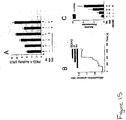
- PDE5A mRNA expression was 100-fold lower in isolated myocytes than in lung ( Figure 16B ). Protein expression was observed in isolated adult cardiac myocytes, but again the level was much lower than in lung ( Figure 16A ). The SDS-PAGE gel shows loading with 1 ⁇ g in lung, compared to 100x that amount for the heart to match the density level. Previous reports had shown that PDE5A is expressed at low levels in myocytes, and this low level of expression had lead to the assertion that PDE5A does not play a functionally significant role in cardiac muscle cells. Protein and gene expression was also found to be diminished in whole heart compared with lung ( Figure 16C ). In lung, it resides primarily in the vascular smooth muscle cells.
- the SDS-PAGE gel was loaded with 20 ⁇ g of myocardial-derived or lung-derived protein, and the relative expression differences are very apparent. This is supported by disparities in the mRNA expression between these tissues ( Figure 16A ). In the whole heart, a prominent band was observed at ⁇ 95 kDa in isolated myocytes that was approximately the same size as the band observed in lung. A second ⁇ 70kDa band was consistently observed in heart tissue that either reflected a splice variant or a proteolytic fragment. Similar findings were obtained with alternative antibodies 41,42 .
- PDE5A was present throughout the cardiomyocyte ( Figures 17A-17F ) and also localized to z-band striations ( Figure 17A (left panel), (right panel)- ⁇ -actinin). PDE5A immunostaining was inhibited by a specific blocking peptide ( Figure 17B ,left) whereas this same peptide did not block PDE1C staining ( Figure 17C , left), supporting assay specificity. PDE5A was present at z-band striations ( Figures 17D and 17F ), and colocalizes with the NO synthetic enzyme NOS3.
- PDE5A is expressed at low levels in the myocardium 51-53 , and its inhibition by sildenafil or other agents has not been thought to directly affect heart function as these drugs induce only a slight decline in arterial pressure and have no apparent effect on cardiac ejection fraction or output at rest 54,55 or during exercise. 56,57 As reported above, despite low expression levels, PDE5A can exert potent localized regulation over adrenergic stimulation 58,59 , and its chronic inhibition markedly limits and reverses cardiac hypertrophy and remodeling stimulated by pressure overload. 60 These results support the therapeutic use of PDE5A inhibitors in treating or preventing cardiac hypertrophy and remodeling.
- sildenafil pretreatment suppresses beta-adrenergic stimulated cardiac contractility in healthy human subjects
- a randomized, double-blinded, placebo-controlled, non-invasive hemodynamic study was performed, employing dobutamine stress testing before and after administration of oral sildenafil or placebo.
- Dobutamine is an adrenergic beta-1 agonist that has a positive inotropic effect and is used clinically to pharmacologically stimulate (and stress) cardiac tissue and increase heart pump function.
- Sildenafil inhibits phosphodiesterase 5 (PDE5A) to elevate intracellular cyclic GMP and induce vasodilation. As reported herein, sildenafil also potently effected hearts stimulated by beta-adrenergic receptor agonists or pressure overloads.
- Free plasma sildenafil concentration was 44 ⁇ 29 nM in the active treatment group, and 22 ⁇ 18 nM for its metabolite - desmethyl-sildenafil, (50% of parent drug level is anticipated) 21 .
- plasma concentrations were very low (all ⁇ 6 nM, mean 3.6 nM) at the time of the study (i.e., 10-fold below the group average).
- each of these subjects also had low metabolite levels, arguing against rapid metabolism to explain the subtherapeutic concentrations. Since testing our hypothesis required establishing a therapeutic sildenafil level, these subjects were excluded from analysis. One additional subject was excluded as their blood sample was lost. There were no adverse events during the study.
- B 1 Initial baseline; B 2 re-baseline after initial dobutamine test; ⁇ (B 2 -B 1 ) - difference between second and first baselines.
- Figure 18A displays exemplary Doppler aortic flow data and corresponding pressures and calculated peak power index before and after dobutamine stimulation in a subject who received sildenafil as the study drug.
- Aortic flow and systolic pressure rose with the initial dobutamine test, increasing the power index by nearly 200%, whereas this response was substantially blunted in the same patient after they received oral sildenafil ( Figure 18B ).
- Group data are shown in Figures 19 and 20 .
- the systolic response to the first dobutamine test was identical in both groups (sildenafil versus placebo) and characterized by enhanced contractility and blood pressure along with reduced peripheral resistance. Contractile changes were largely reversed at the second baseline.
- Table 5 provides the absolute change in diastolic function by dobutamine, before and after administration of the study drug.
- Table 5 Influence of Sildenafil on Dobutamine-induced Changes in Diastolic Function Placebo Sildenafil Variable D 1 -B 1 D 2 -B 2 D 1 -B 1 D 2 -B 2 p value-RMANOVA
- E velocity (cm/sec) 25 ⁇ 10 21 ⁇ 16 20 ⁇ 18 12 ⁇ 11 ⁇ 0.19
- Data are for the change in each parameter comparing dobutamine stimulated to preceding baseline values for first (D 1 -B 1 ) and second (D 2 -B 2 ) dobutamine tests.
- *p ⁇ 0.01, ⁇ p ⁇ 0.05, ⁇ p 0.06.
- the p-value is for a 3-way RMANOVA, testing for three way interaction between dobutamine test order (before or after receiving study drug), presence or absence of dobutamine, and treatment group (sildenafil vs placebo).
- Abbreviations are as defined in Table 1.
- PDE5A inhibitors have potent effects on vascular beds and tissues 61,62 .
- Sildenafil reduces pulmonary arterial resistance and may be effective in the treatment of pulmonary hypertension.
- 63,64 It also improves endothelial function, a marker of nitric oxide bioavailability and overall vascular health, in smokers 65 and patients with heart failure 66 .
- Animal studies have shown that sildenafil impressively reduces infarct size via an ischemic preconditioning-like effect. 67,68
- Beta-stimulation co-activates adenylate cyclase to increase cyclic 3'5'-adenosine monophosphate (cAMP) as well as guanylate cyclase to generate cGMP.
- the former activates protein kinase A, which enhances contractility by targeting calcium handling and myofilament interaction, whereas the latter acts as a "brake” to oppose this effect. This is achieved in part by activating dual-substrate PDEs that break down cAMP 73 , and protein kinase G, which counteracts multiple cAMP/protein kinase A effects within heart cells.
- the dobutamine-stress test rather than exercise was employed as this provided a more specific assessment of adrenergic regulation by sildenafil. Indeed, even healthy subjects acutely administered beta blockers display no change in overall exercise stress test performance or maximal cardiac output - despite clear effects on adrenergic stimulated contractility. 78
- the cardiac power index provides a sensitive load-independent index of contractility 51-64,72,74,76,77,79-84 that is little influenced by arterial or venous vasodilation 76 .
- dobutamine-stimulated diastolic function was not significantly blunted by sildenafil treatment when compared between groups.
- Within group analysis did show that subjects that received sildenafil had an attenuated rise in early ventricular filling and relaxation (E and E' velocities, respectively) and greater increase in atrial filling (A velocity). While this could reflect a slight diminution in diastolic function, it is consistent with reduced contraction and increased end-systolic volumes with dobutamine infusion after sildenafil. This decline in net ventricular ejection could limit early diastolic recoil (suction) effects that contribute to early rapid filling of the heart.
- Sildenafil has been reported to increase sympathetic nerve activity without altering heart rate or blood pressure 85 , and this could have played a role in the slight rise in basal contractility at second baseline in subjects receiving sildenafil. Such activity might be anticipated to down-regulate adrenergic stimulation, thereby blunting a dobutamine response. The changes were small but consistent with slight increases in plasma catecholamines with sildenafil ( ⁇ 70 pg/mL) 86 , and about 3-4 orders of magnitude lower than that expected from dobutamine. Furthermore, there was no statistical difference in the between-group analysis. Sildenafil has also been reported to decrease vagal inhibition on heart rate 87 and in one study increased heart rate by nearly 10% after a single dose.
- Sildenafil can potently suppress adrenergic-stimulated contractility in the intact human heart.
- Previous studies have shown that Sildenafil and other PDE5A inhibitors are safe and effective for the treatment of erectile dysfunction in healthy individuals 80 , patients with coronary disease 54,56 and patients with heart failure 57 .
- the results reported herein indicate that PDE5A inhibitors are important regulators of cardiac function in the presence of catecholamine stimulation. Blunting of adrenergic stimulation will likely prove beneficial for other disorders in which neurohormonal stimulation is enhanced, such as hypertension, left ventricular hypertrophy, and heart failure.
- FIG. 21E shows that PDE5A inhibition prevents the loss of NOS dimer formation - supporting an important novel mechanism by which PDE5a inhibition can limit oxidant stress in the hypertrophied and failing heart.
- Figure 21F shows that sildenafil inhibits the metalloproteinase activity of gelatinase. Marked gel lysis is observed with chronic TAC Figure 21E (3W TAC). This activity is largely inhibited by co-treatment with sildenafil. Since activation of gelatinases are coupled to cardiac chamber remodeling and dilation, this indicates that that PDE5a inhibition can inhibit metalloproteinase's role in the molecular remodeling that is associated with heart failure and hypertrophy.
- RhoA and Rho-kinase expression and activity are observed in chronic aortic banding (TAC) ( Figures 21A-21C ).
- Sildenafil inhibits RhoA, Rho-Kinasel (ROCK1) and Rho-Kinase2 protein expression and activity (ROCK2) ( Figures 22A-22C ).
- Increases in rhoA and rho-kinase are associated with the molecular remodeling that precedes cardiac hypertrophy and dilation. By inhibiting alterations in these molecules, sildenafil is useful for the treatment of molecular remodeling.
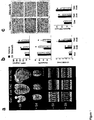
- Sildenafil treatment improves myocardial energetics. Mice were exposed to TAC for three weeks. Hearts were then evaluated using in vivo NMR spectroscopy to assess high energy phosphate metabolism. An exemplary image and spectra are shown at Figures 24A and 24B .
- the ratio of phosphocreatine (PCr) to total ATP is used as a measure of energy reserve and balance. TAC significantly lowers this ratio, while treatment with sildenafil preserves the normal energy balance. This indicates that PDE5A inhibition improves myocardial energetics and enhances cardiac energy reserves under stress.
- mice Male C57B/6 mice (8-11 weeks, Jackson Laboratories) were used. Pressure overload was produced by transverse aortic constriction. Acute and chronic mortality of the banding procedure was ⁇ 5%. Sham-operated mice underwent the same operation, but without aortic constriction. Oral treatment with PDE5 inhibitors was provided by mixing drug into semi-soft rodent chow (Bioserv; 4-6 g/day) that also provided full daily nutrition. Controls were treated with drug vehicle mixed in the food. Male transgenic mice with cardiac specific overexpression of a constitutively active Akt (16-20 weeks), 89 and litter mate controls were treated with vehicle or PDE5 inhibitor in the same way.
- semi-soft rodent chow Bioserv; 4-6 g/day
- Sildenafil citrate (Viagra®, Pfizer), EMD 360527 (Merck KgA) and tadalafil (Cialis®, Eli Lilly) were used in the study.
- 100 mg/kg/day of sildenafil was used yielding a mean free plasma concentration of 10.4 ⁇ 2.3 nM (IC 50 5-10 nM). This is comparable to levels obtained in humans at 1 mg/kg/day, and reflects the near 100-fold higher metabolism of sildenafil in the mouse.
- 1.5 g/kg/day of EMD 360527 was used yielding a plasma concentration of 4 ⁇ M for EMD 360527 (IC 50 1 ⁇ M in ex vivo vascular rings).
- sildenafil 100nM or 1 ⁇ M of sildenafil was used 58 for cGMP-PDE activity assay and neonatal rat cardiomyocytes studies. 50nM of tadalafil was used in cGMP-PDE activity assay.
- Transthoracic two-dimensional guided M-mode echocardiography was performed in non-anesthetized mice. Measurements were done using an echocardiography system, the SEQUOIA C256 (Siemens, Kunststoff, DE) with the 15MHz linear-array transducer. Intact heart hemodynamic analysis was performed as described 90 . These studies employed a four-electrode pressure-volume catheter (model SPR-839, Millar Instruments) placed through the left ventricular apex in the open chest anesthetized animal and positioned along the longitudinal axis to record chamber volume by impedance and pressure by micromanometry.
- RNA samples were prepared from snap-frozen hearts using a ready-to-use reagent for the isolation of total RNA TRIZOL reagent (Life Technology, Gaithersburg, MD) according to the manufacturer's protocol. RNA dot-blot analysis was performed using a published protocol with a set of oligonucleotide probes 59 . Data are shown normalized to GAPDH measured for each respective sample.
- Protein was prepared from snap-frozen heart tissue using extraction buffer as described previously 90 .
- Antibodies included calcineurin (1:2000 dilution, BD Transduction Laboratories (San Diego, CA), GSK3 ⁇ , Ser9-phospho-GSK3 ⁇ , Akt, Ser473-phospho-Akt, ERK, Thr202/Thr204-phospho-ERK (1:1000 dilution, Cell Signaling Technology, Beverly, MA). Primary antibody binding was visualized by horse radish peroxidase-conjugated secondary antibodies and enhanced chemiluminescence (Pierce, Rockford, IL).
- Hearts were washed in ice-cold PBS, homogenized in 6% trichloroacetic acid, centrifuged and extracted with water-saturated ether. The aqueous layer was transferred, vacuum dried, and the pellet resuspended in sodium acetate buffer for cAMP and cGMP enzyme immunoassay (Amersham Pharmacia Biotech, Buckinghamshire, UK).
- Total low K m cGMP phosphodiesterase activity was assayed at 1 ⁇ M/L substrate using a fluorescence polarization assay (Molecular Devices) under linear conditions with and without PDE5A inhibitor (sildenafil 0.1-1 ⁇ M, or tadalafil 50 nM) or IBMX (50 ⁇ M).
- PDE-assays at 1 ⁇ M cGMP detected several high affinity cGMP-PDEs (PDE5A, PDE9A) and dual specificity PDEs (e.g., PDE1C, PDE3A, PDE10A and PDE11A).
- PI3K ⁇ activity was assessed by Elisa assay following immunoprecipitation of PI3K (Seize X IP Kit, Pierce) using a p85 ⁇ monoclonal antibody (Cell Signaling), with activity measured by fluorescence polarization (Molecular Devices, Perkin-Elmer Victor 3 plate reader).
- Akt activity IP with s473-pAkt Ab, GSK-3 fusion protein substrate
- PKG-1 activity was assayed by colorimetric analysis, CycLex (Clinisciences, Montrouge, FR) from whole heart lysates.
- Hearts were fixed with 10% formalin overnight, then embedded in paraffin, sectioned at 5 ⁇ m thickness and stained with PAS methenamine. Cardiomyocyte diameter and interstitial collagen fraction were determined using computer-assisted image analysis (Adobe Photoshop 5.0, NIH Image J), with the observer blinded as to tissue source. At least 4-5 different hearts, with five separate fields of cells (total 50-70 cells for each heart) were quantified for cellular analysis.
- Rat neonatal cardiac myocytes were isolated from 1- to 2-day-old Sprague-Dawley rats as described 50 .
- Cell cultures were stimulated by forty-eight hour incubation with phenylephrine (PE; 1 ⁇ M; Sigma Chemical (St. Louis, Missouri) or BayK8644 (1 ⁇ M; Sigma) in the presence or absence of co-incubation with sildenafil 100nM or 1 ⁇ M.
- PE phenylephrine
- BayK8644 (1 ⁇ M; Sigma
- Additional studies were performed using an alternative reporter adenovirus encoding luciferase driven by the NFAT promoter. This was performed twenty-four hours prior to PE, BayK8644, or activated calcineurin stimulation. The latter was achieved by a co-transfection with a replication-deficient adenovirus encoding a Ca 2+ -independent, constitutively active, truncated mouse calcineurin A (AdCnA 72 ). Transfection was performed at a MOI of 100 PFU in 2 mL (6-cm culture dishes) DMEM for two hours at 37°C in a humidified, 5% CO 2 incubator after which the medium was replaced with medium containing 1 ⁇ M sildenafil or vehicle.
- NFAT activation was assessed by ⁇ -galactosidase histology/activity or luciferase activity.
- Myocytes were fixed in 2% paraformaldehyde and 0.2% glutaraldehyde in PBS for 10 minutes, incubated in X-gal stain (in PBS, 20 mmol/L K 4 Fe[CN] 6 3H 2 O, 20 mmol/L K 3 Fe[CN] 6 , 2 mmol/L MgCl 2 , and 1 mg/mL X-gal [Promega] in DMSO) for two hours at 24°C, rinsed in PBS, and postfixed in 7% buffered formalin for six hours.
- X-gal stain in PBS, 20 mmol/L K 4 Fe[CN] 6 3H 2 O, 20 mmol/L K 3 Fe[CN] 6 , 2 mmol/L MgCl 2 , and 1 mg/mL X-gal [Promega] in DMSO
- ⁇ -galactosidase activity was assayed using a commercial test kit (Galacto-Light Plus, Applied Biosystems) with light emission measured by microplate luminometer (Turner Biosystems, Sunnyvale, CA). Luciferase activity was assayed by commercial kit (Stratagene, La Jolla, California) and read on a plate luminometer.
- mice Twenty-four hours after the onset of serum starvation, neonatal cardiac myocytes were incubated in triplicate in 12-well plates with 1 ⁇ M PE in the presence or absence of sildenafil (100 nM or 1 ⁇ M) for twenty-four hours and then incubated in the same medium with 1.0 ⁇ Ci/ml [ 3 H]-leucine for an additional twelve hours.
- the medium was aspirated and the cells were washed with ice-cold PBS and fixed on ice for 30 minutes with cold 10% trichloroacetic acid (TCA). After washing twice with 5% TCA, and once with water, the radioactivity incorporated into the TCA-precipitable material was determined by liquid scintillation counting after solubilization in 0.25 M NaOH.
- End-diastolic and end-systolic volumes were the average of volumes measured during isovolumic contraction and relaxation, respectively.
- ESP was the pressure at maximal chamber elastance (P/V ratio) 1 .
- EDP was the diastolic pressure at the lower right hand corner of the pressure-volume loop.
- Cardiac output was determined from a perivascular flow probe (Transonics, Ithica, NY) placed around the thoracic aorta. Ea was equal to the ratio of end-systolic pressure divided by stroke volume. The volume catheter signal was calibrated for both gain and offset.
- Gain was determined by setting the catheter-derived cardiac output (equal to pressure-volume loop width times heart rate) to that obtained from the calibrated flow probe value. Offset was determined using the hypertonic saline method 80 . Ventricular power was equal to the instantaneous product of pressure times flow, and the peak power was divided by EDV to obtain the power index PMXI 79 . Ees n was obtained by the set of end-systolic pressure-volume points (maximal P/[V-Vo]) measured during transient inferior vena caval occlusion. The slope of this relation Ees was normalized by heart mass and expressed per gm heart mass.
- Msw was derived from the linear relation between stroke work and EDV from the same set of variably loaded cardiac cycles used to derive Ees n , and is another load-independent assessment of systolic contractile function 4 .
- dP/dt was derived from a digital filter (5-point weighted slope).
- PFR/EDV was derived from the maximal first derivative of the volume signal during early diastole, divided by EDV.
- PDE5A Male wild type and NOS3 -/- mice (C57BL6, Jackson Labs, 6-8 wks) were studied. PDE5A was inhibited in vivo with sildenafil (100 ⁇ g/kg/min; 37 ⁇ 5.2 nM free plasma concentration); or EMD-360527/5 (Merck KgA, Germany, 160-300 ⁇ g/kg/min). Both compounds have an IC 50 of ⁇ 10 nM for purified PDE5A (vs 1-20 ⁇ M for PDE1 or PDE3).
- Isoproterenol (ISO: 20 ng/kg/minutes i.v. ⁇ 5 min) with or without PDE5A inhibitor was given to anesthetized intact mice, and in vivo heart function assessed by pressure-volume relations 23 at a fixed atrial pacing rate of 600-650 min -1 . Data were measured at baseline, with ISO, re-baseline, PDE5A-inhibition, and PDE5A inhibition+ISO. The ISO-only response was highly reproducible.
- Excised hearts were retroperfused by buffer containing BDM (1 mg/ml) and taurine (0.628 mg/ml) for 3 min, 0.9 mg/ml collagenase (Worthington Biochemical Co., Lakewood, NJ, type 2; 299 U/mg) and 0.05 mg/ml protease (Sigma Chemical, St. Louis, Missouri) for 6-7 min.
- Ventricles were gently chopped, filtered (150 ⁇ mesh), centrifuged (500 RPM x 1 min), and rinsed in Tyrode's solution with increasing calcium (final 1.8 mM Ca 2+ ).
- PDE5A gene expression was assessed by quantitative real-time PCR Residual genomic DNA was removed from mRNA by treatment with DNase I, and cDNA synthesized with the SuperScript First-Strand Synthesis System for RT-PCR (Invitrogen). Relative abundance of PDE5A mRNA was determined by SYBR Green I assay (QuantiTect SYBR Green PCR, Qiagen), using the following primers: PDE5A (GenBank: NM_153422.1) upper-primer-1493 5'-TGAGCAGTTCCTGGAAGCCT-3', lower-primer-1596 5'-ATGTCACCATCTGCTTGGCC-3', product 104 bp; GAPDH (NM_008084.1) upper-primer-263 5'-ACCATCTTCCAGGAGCGAGAC-3', lower-primer-363 5'-GCCTTCTCCATGGTGGTGAA-3', product 101 bp; with a GeneAmp 5700 Sequence Detection System (Applied Biosystem
- PCR samples were run in triplicate, and GAPDH content used to normalize PDE5A content of different samples. Reactions (20 ⁇ l) were performed with 300 nM of the specific primer pairs for 40 cycles of amplification (denaturation at 95 °C for 15 s, annealing at 60 °C for 30 s, and extension at 72 °C for 30 s). Amplification specificity of PCR products was confirmed by melting curve analysis 24 . Subsequent to the final PCR cycle, reactions were heat denatured over a 35 °C temperature gradient at 0.03 °C/s from 60-95 °C.
- Protein lysates from whole myocardium and isolated cardiac myocytes were extracted in lysis buffer (#9803, Cell Signaling Technology, Beverly, MA) with mini-protease inhibitor (#1-836-153, Roche, IN) and 5% Triton (Sigma). Following 12,000 g centrifugation for thirty minutes, protein was quantified (#23235, Pierce, Rockford, IL), NUPage LDS sample buffer added (#161-0737, Biorad, Hercules, CA), and lysates electrophoresed on NuPAGE 4-12% Bis-Tris polyacrylamide gels (Invitrogen, San Diego, CA).
- Ventricular myocytes from 1-2 days old Sprague Dawley rats were prepared and transfected with the vector carrying the cGMP sensor cygnet-2.1 77 in which EYFP was substituted with the less pH sensitive variant citrine 89 , and imaged eighteen -twenty-four hours after transfection as described 90 . Images (50-80 ms exposure) were acquired every 10 seconds using custom software and processed by Imagej (NIH, MD). FRET was the change in 480nm/545nm emission intensities ( ⁇ R) upon 430nm excitation 91 expressed as percent change over the basal intensity (R 0 ). Cells were bathed in HEPES buffered Ringer's modified saline (1mmol/L CaCl 2 ), at room temperature (20-22°C).
- Total low K m cGMP phosphodiesterase activity was assayed at 1 ⁇ Mol/L substrate by fluorescence polarization (Molecular Devices, CA) under linear conditions, or a 2-step radiolabeled method 18 , with or without added sildenafil (0.1-1 ⁇ M), tadalafil (50 nM), or IBMX (50 ⁇ M).
- PDE-assays at 1 ⁇ M cGMP detected several high affinity cGMP-PDEs (PDE5A, PDE9A) and dual specificity PDEs (e.g., PDE1C, PDE3A, PDE10A and PDE11A).
- PKG-1 activity was assayed by colorimetric analysis (CycLex, Nagano, Japan) performed in whole myocytes incubated with or without added ISO (10 nM), SIL (1 ⁇ M), tadalafil (50 nM), or sGC inhibitor ODQ (3 ⁇ M, Sigma). After 10 min, cells were lysed and PKG-1 activity determined.
- Wild-type cardiomyocytes were fixed in 50% methanol/50% acetone, and incubated overnight with sequence-specific PDE5A antibody (gift of K. Omori) at 1:5,000 dilution and either mouse monoclonal ⁇ -actinin (1:500 dilution; Chemicon Intern. CA), or NOS3 (1:3000; Transduction Labs, KY). Secondary incubation used anti-rabbit Alexa 488 and anti-mouse Alexa 546 (Molecular Probes, OR) (1 hours,27°C). Cells were imaged on a Zeiss inverted epifluorescence microscope with argon-krypton laser confocal scanning system (Ultra VIEW , PerkinElmer Life Sciences, MA).
- An intravenous cannula was placed in the forearm, and 15-20 minutes later, initial baseline (B 1 ) measurements of blood pressure, electrocardiogram, and echo-Doppler assessment of heart function were obtained in the supine position.
- Intravenous dobutamine (5 ⁇ g/kg/min) was then administered for 5 minutes to achieve a stable response, and measurements repeated (D 1 ).
- Dobutamine was discontinued, and 15 minutes provided to return to the baseline state.
- Subjects then received either 100 mg oral sildenafil or placebo. After 75 minutes (mean time to peak level) 82 , a blood sample was obtained to confirm sildenafil level. Data were again recorded for a second baseline (B 2 ), and during a second dobutamine infusion (D 2 ) using the identical protocol as for the first test.
- Systolic function was determined by cardiac-specific indexes that combined measurements of pressure, dimension, and flow.
- Arterial pressure was determined by an oscillometric arm cuff (Dinemap, Critikon, Tampa, Fla), and 2-dimensional echo-Doppler measurements by an Agilent Sonos 5500 (Philips, The Netherlands) employing a 3 MHz probe. All echo-Doppler measurements were digitally acquired to optical disc and analyzed offline by a single blinded investigator. Each measurement reflected the average of at least 3 separate beats.
- Aortic flow was equal to the velocity time-integral from pulse-wave Doppler in the left ventricular outflow tract multiplied by cross sectional diameter.
- 83 Stroke volume, peak, and mean flow were determined from this waveform.
- Cardiac output was the product of heart rate and stroke volume.
- Systemic vascular resistance was the ratio of mean arterial pressure (1/3 pulse pressure + diastolic blood pressure) to cardiac output.
- Cardiac contractility was assessed by several load-independent indexes.
- the primary outcome variable was peak power index (maximal power divided by end-diastolic volume), which reflects heart contractile state independent of afterload and preload as previously demonstrated.
- Load-independent secondary outcome contractility parameters were mean ventricular power index and the end-systolic pressure/volume ratio, an approximation for ventricular end systolic elastance.
- Ejection fraction was determined from cardiac end-diastolic and systolic volumes determined by Simpson's method using apical 4- and 2-chamber views. End-diastolic volume was equal to stroke volume (from Doppler) divided by ejection fraction, with end-systolic volume equal to the difference of the former and latter.
- Pulse-wave Doppler spectra of transmitral inflow and tissue Doppler imaging of the lateral mitral annular (E') velocities were used to assess diastolic function. 89 The ratio of E/E' was determined as a surrogate marker of left ventricular filling pressures as previously validated 90 .
- Isovolumic relaxation time was measured by continuous wave Doppler as the time between aortic flow cessation and onset of mitral inflow.
- Plasma sildenafil and its metabolite desmethylsildenafil were measured in each subject by liquid chromatography and mass spectrometry (SFBC Analytical Labs, North Wales, PA).
- dobutamine-stimulated power declines ⁇ 50% with PDE5A inhibition, and for humans, dobutamine increases power by >100% from a baseline of ⁇ 300 mmHg/sec 76 .
- a sample size of 15 placebo controls and 23 sildenafil treated subjects was estimated.
- DHE dihydroethidium
- RhoA activity assay was performed by immunoprecipitation using a commercially available immobilized antibody (SEIZE X IP, Pierce Biotechnology, IL).
- SEIZE X IP commercially available immobilized antibody
- the antibody used was a rabbit polyclonal antibody raised against RhoA (Upstate, NY [1:2500]) and subsequent commercial activity assay according to manufacturer's specification (Upstate Biotechnology, NY).
- Protein lysates from whole myocardium and isolated cardiac myocytes were obtained using lysis buffer (Cell Signaling Technology, Beverly, MA) with mini-protease inhibitor (Roche, IN) and 5% Triton (Sigma Chemical (St. Louis, Missouri). Following 12,000 g centrifugation for 30 minutes, protein was quantified (Pierce Rockford, IL), NUPage LDS sample buffer added (Biorad, Hercules, California), and lysates electrophoresed on NuPAGE 4-12% Bis-Tris polyacrylamide gels (Invitrogen, San Diego, CA). Membranes were incubated with rabbit polyclonal antibodies raised against ROCK1 or ROCK2 (Cell Signaling Technology, Beverly, MA) [1:3,000].
- Myocardial tissue extract was electrophoresed in SDS-New Page gel, and probed for both tyrosine phosphorylated (Tyr705) and total Stat3.
- rat neonatal myocytes were cultured, then exposed to interleukin 6 (IL-6, Cell Signaling, 100 ng/ml) for one hour.
- IL-6 interleukin 6
- cells were pre-treated with sildenafil (1 ⁇ M) for 30 minutes prior to IL-6, and then during IL-6 exposure as well.
- cells were pre-transfected (LipofectamineTM, Invitrogen) with mixed oligonucleotide silencing RNAs for STAT3 (siRNA, SmarTTpool Stat3).
- Protein extracts were obtained from myocyte extracts after the 1 hour incubation period, and probed for phosphorylated and total protein levels of Stat1 (Tyr701) and Stat3 (Tyr705) (Cell Signaling Inc.). siRNA was tranfected into neonatal myocytes.
Landscapes
- Health & Medical Sciences (AREA)
- Pharmacology & Pharmacy (AREA)
- Veterinary Medicine (AREA)
- Public Health (AREA)
- General Health & Medical Sciences (AREA)
- Animal Behavior & Ethology (AREA)
- Chemical & Material Sciences (AREA)
- Medicinal Chemistry (AREA)
- Life Sciences & Earth Sciences (AREA)
- Engineering & Computer Science (AREA)
- Bioinformatics & Cheminformatics (AREA)
- Nuclear Medicine, Radiotherapy & Molecular Imaging (AREA)
- Chemical Kinetics & Catalysis (AREA)
- General Chemical & Material Sciences (AREA)
- Organic Chemistry (AREA)
- Cardiology (AREA)
- Heart & Thoracic Surgery (AREA)
- Epidemiology (AREA)
- Vascular Medicine (AREA)
- Urology & Nephrology (AREA)
- Hospice & Palliative Care (AREA)
- Pharmaceuticals Containing Other Organic And Inorganic Compounds (AREA)
- Medicines That Contain Protein Lipid Enzymes And Other Medicines (AREA)
- Acyclic And Carbocyclic Compounds In Medicinal Compositions (AREA)
Applications Claiming Priority (2)
| Application Number | Priority Date | Filing Date | Title |
|---|---|---|---|
| US60213404P | 2004-08-17 | 2004-08-17 | |
| PCT/US2005/029327 WO2006023603A2 (en) | 2004-08-17 | 2005-08-17 | Pde5 inhibitor compositions and methods for treating cardiac indications |
Publications (3)
| Publication Number | Publication Date |
|---|---|
| EP1786428A2 EP1786428A2 (en) | 2007-05-23 |
| EP1786428A4 EP1786428A4 (en) | 2009-08-05 |
| EP1786428B1 true EP1786428B1 (en) | 2012-05-16 |
Family
ID=35968156
Family Applications (1)
| Application Number | Title | Priority Date | Filing Date |
|---|---|---|---|
| EP05808662A Expired - Lifetime EP1786428B1 (en) | 2004-08-17 | 2005-08-17 | Pde5 inhibitor compositions and methods for treating cardiac indications |
Country Status (7)
| Country | Link |
|---|---|
| US (1) | US8299083B2 (https=) |
| EP (1) | EP1786428B1 (https=) |
| JP (1) | JP5070052B2 (https=) |
| CN (1) | CN101106997A (https=) |
| AU (1) | AU2005277384B2 (https=) |
| CA (1) | CA2577442A1 (https=) |
| WO (1) | WO2006023603A2 (https=) |
Families Citing this family (21)
| Publication number | Priority date | Publication date | Assignee | Title |
|---|---|---|---|---|
| US8841300B2 (en) * | 2006-10-02 | 2014-09-23 | Jerry M. Held | Treatment for Parkinson's disease—combination high dose serotonergic synaptic reuptake inhibitor with phosphodiesterase inhibitor |
| CA2676422C (en) | 2007-02-06 | 2018-10-16 | Lixte Biotechnology Holdings, Inc. | Oxabicycloheptanes and oxabicycloheptenes, their preparation and use |
| CN101754756A (zh) * | 2007-05-18 | 2010-06-23 | 维瓦斯公司 | 包含磷酸二酯酶-5抑制剂的新组合和它们的用途 |
| EA018618B1 (ru) | 2007-10-01 | 2013-09-30 | Ликсте Байотекнолоджи, Инк. | Ингибиторы hdac |
| CA2730148C (en) | 2008-08-01 | 2018-04-03 | Lixte Biotechnology, Inc. | Neuroprotective agents for the prevention and treatment of neurodegenerative diseases |
| US8227473B2 (en) | 2008-08-01 | 2012-07-24 | Lixte Biotechnology, Inc. | Oxabicycloheptanes and oxabicycloheptenes, their preparation and use |
| WO2010147612A1 (en) | 2009-06-18 | 2010-12-23 | Lixte Biotechnology, Inc. | Methods of modulating cell regulation by inhibiting p53 |
| TW201249843A (en) * | 2011-06-14 | 2012-12-16 | Univ Kaohsiung Medical | Processes for preparing amine salts of KMUP-3 and use thereof |
| RU2631597C2 (ru) | 2011-07-15 | 2017-09-25 | Нусерт Сайенсиз, Инк. | Композиции и способы модулирования метаболических путей |
| US9198454B2 (en) | 2012-03-08 | 2015-12-01 | Nusirt Sciences, Inc. | Compositions, methods, and kits for regulating energy metabolism |
| SG10201709195TA (en) | 2012-11-13 | 2017-12-28 | Nusirt Sciences Inc | Compositions and methods for increasing energy metabolism |
| EP2922465A4 (en) | 2012-11-21 | 2016-07-06 | Cardiomems Inc | DEVICES, SYSTEMS AND METHODS FOR ASSESSING AND TREATING PULMONARY ARTERIAL HYPERTENSION (PAH) |
| US9198908B2 (en) * | 2013-03-15 | 2015-12-01 | St. Jude Medical Luxembourg Holdings Ii S.A.R.L. (“Sjm Lux Ii”) | Methods for the treatment of cardiovascular conditions |
| CN105228627B (zh) | 2013-03-15 | 2018-07-13 | 纽斯尔特科学公司 | 亮氨酸和烟酸降低脂质水平 |
| EP2983661B1 (en) | 2013-04-09 | 2024-05-29 | Lixte Biotechnology, Inc. | Formulations of oxabicycloheptanes and oxabicycloheptenes |
| KR20160119863A (ko) | 2014-02-27 | 2016-10-14 | 뉴서트 사이언시스, 인크. | 간 지방증의 감소 또는 예방을 위한 조성물 및 방법 |
| KR20190049691A (ko) * | 2016-07-07 | 2019-05-09 | 카듀리온 파마슈티칼스, 엘엘씨 | 심부전의 치료 방법 |
| MX2019006694A (es) | 2016-12-08 | 2019-08-21 | Lixte Biotechnology Inc | Oxabicicloheptanos para la modulacion de la respuesta inmunitaria. |
| EP3569249A4 (en) * | 2016-12-27 | 2020-11-11 | Osaka University | PHARMACEUTICAL COMPOSITION FOR THE TREATMENT OF REFRACTORY HEART DISEASE |
| US20210386743A1 (en) * | 2018-10-08 | 2021-12-16 | The Johns Hopkins University | Use of pde9 inhibitors for treatment |
| WO2025226615A1 (en) * | 2024-04-22 | 2025-10-30 | Huyabio International, Llc | Sodium salt and ethanolamine salt of 23-hydroxytormentic acid |
Family Cites Families (48)
| Publication number | Priority date | Publication date | Assignee | Title |
|---|---|---|---|---|
| US3854480A (en) | 1969-04-01 | 1974-12-17 | Alza Corp | Drug-delivery system |
| US3773919A (en) | 1969-10-23 | 1973-11-20 | Du Pont | Polylactide-drug mixtures |
| US3832253A (en) | 1973-03-21 | 1974-08-27 | Baxter Laboratories Inc | Method of making an inflatable balloon catheter |
| US4263428A (en) | 1978-03-24 | 1981-04-21 | The Regents Of The University Of California | Bis-anthracycline nucleic acid function inhibitors and improved method for administering the same |
| DE3169595D1 (en) | 1980-11-10 | 1985-05-02 | Gersonde Klaus | Method of preparing lipid vesicles by ultrasonic treatment, the use of this method and apparatus for its application |
| IE52535B1 (en) | 1981-02-16 | 1987-12-09 | Ici Plc | Continuous release pharmaceutical compositions |
| US4485045A (en) | 1981-07-06 | 1984-11-27 | Research Corporation | Synthetic phosphatidyl cholines useful in forming liposomes |
| JPS58118008A (ja) | 1982-01-06 | 1983-07-13 | Nec Corp | デ−タ処理装置 |
| DE3374837D1 (en) | 1982-02-17 | 1988-01-21 | Ciba Geigy Ag | Lipids in the aqueous phase |
| DE3218121A1 (de) | 1982-05-14 | 1983-11-17 | Leskovar, Peter, Dr.-Ing., 8000 München | Arzneimittel zur tumorbehandlung |
| US4667014A (en) | 1983-03-07 | 1987-05-19 | Syntex (U.S.A.) Inc. | Nonapeptide and decapeptide analogs of LHRH, useful as LHRH antagonists |
| EP0102324A3 (de) | 1982-07-29 | 1984-11-07 | Ciba-Geigy Ag | Lipide und Tenside in wässriger Phase |
| US4452775A (en) | 1982-12-03 | 1984-06-05 | Syntex (U.S.A.) Inc. | Cholesterol matrix delivery system for sustained release of macromolecules |
| CA1200416A (en) | 1983-05-13 | 1986-02-11 | Societe Des Produits Nestle S.A. | Food process |
| US4544545A (en) | 1983-06-20 | 1985-10-01 | Trustees University Of Massachusetts | Liposomes containing modified cholesterol for organ targeting |
| HUT35524A (en) | 1983-08-02 | 1985-07-29 | Hoechst Ag | Process for preparing pharmaceutical compositions containing regulatory /regulative/ peptides providing for the retarded release of the active substance |
| DE3483949D1 (de) | 1983-09-26 | 1991-02-21 | Udo Dr Med Ehrenfeld | Mittel und erzeugnis fuer die diagnose und therapie von tumoren sowie zur behandlung von schwaechen der zelligen und humoralen immunabwehr. |
| DE3474511D1 (en) | 1983-11-01 | 1988-11-17 | Terumo Corp | Pharmaceutical composition containing urokinase |
| US5075109A (en) | 1986-10-24 | 1991-12-24 | Southern Research Institute | Method of potentiating an immune response |
| GB9013750D0 (en) | 1990-06-20 | 1990-08-08 | Pfizer Ltd | Therapeutic agents |
| US5250534A (en) | 1990-06-20 | 1993-10-05 | Pfizer Inc. | Pyrazolopyrimidinone antianginal agents |
| JPH04167172A (ja) | 1990-10-31 | 1992-06-15 | Nec Corp | ベクトルプロセッサ |
| US5155120A (en) | 1991-01-14 | 1992-10-13 | Pfizer Inc | Method for treating congestive heart failure |
| GB9401090D0 (en) | 1994-01-21 | 1994-03-16 | Glaxo Lab Sa | Chemical compounds |
| EP0804249A2 (en) | 1994-03-15 | 1997-11-05 | Brown University Research Foundation | Polymeric gene delivery system |
| AU5427098A (en) | 1996-11-04 | 1998-05-29 | Johns Hopkins University, The | Assessing cardiac contractility and cardiovascular interaction |
| WO1998038168A1 (en) | 1997-02-27 | 1998-09-03 | Tanabe Seiyaku Co., Ltd. | Isoquinolinone derivatives, process for preparing the same, and their use as phosphodiesterase inhibitors |
| US6723719B1 (en) | 1997-04-25 | 2004-04-20 | Pfizer Inc | Pyrazolopyrimidinones which inhibit type 5 cyclic guanosine 3′,5′—monophosphate phosphodiesterase (cGMP PDE5) for the treatment of sexual dysfunction |
| AU755361B2 (en) | 1998-02-19 | 2002-12-12 | Eisai R&D Management Co., Ltd. | Phthalazine derivatives and remedies for erectile dysfunction |
| RS50011B (sr) * | 1998-04-20 | 2008-09-29 | Pfizer Inc., | Derivati piridin-3-karboksilne kiseline i njihova upotreba kao intermedijera |
| GB9823101D0 (en) | 1998-10-23 | 1998-12-16 | Pfizer Ltd | Pharmaceutically active compounds |
| IL144156A0 (en) | 1999-01-20 | 2002-05-23 | Dresden Arzneimittel | Use of imidazo [1,5-a]-pyrido [3,2-e] -pyrazinones as medicaments |
| US6451807B1 (en) * | 1999-04-30 | 2002-09-17 | Lilly Icos, Llc. | Methods of treating sexual dysfunction in an individual suffering from a retinal disease, class 1 congestive heart failure, or myocardial infarction using a PDE5 inhibitor |
| US6774128B2 (en) | 2000-04-19 | 2004-08-10 | Johns Hopkins University | Methods for prevention and treatment of gastrointestinal disorders |
| JP2004501124A (ja) | 2000-06-07 | 2004-01-15 | リリー アイコス リミテッド ライアビリティ カンパニー | 化合物 |
| US6911542B2 (en) | 2000-06-23 | 2005-06-28 | Lilly Icos Llc. | Pyrazino[1′,2′:1,6]pyrido[3,4b]indole derivatives |
| MXPA02012470A (es) | 2000-06-23 | 2004-01-26 | Lilly Icos Llc | Inhibidores de fosfodiesterasa especificos para gmp ciclico. |
| MXPA02012659A (es) | 2000-06-26 | 2003-09-22 | Lilly Icos Llc | Derivados de pirazindiona condensados. |
| DE60121461T2 (de) | 2000-10-03 | 2007-02-08 | Lilly Icos Llc, Wilmington | Kondensierte pyridoindolderivate |
| ATE337320T1 (de) | 2000-11-06 | 2006-09-15 | Lilly Icos Llc | Indolderivate als pde5-inhibitoren |
| US7019010B2 (en) * | 2001-09-27 | 2006-03-28 | Novertis Ag | Combinations |
| GB0129274D0 (en) | 2001-12-06 | 2002-01-23 | Pfizer Ltd | Novel kit |
| GB0202254D0 (en) | 2002-01-31 | 2002-03-20 | Pfizer Ltd | Prevention of scarring |
| WO2003101276A2 (en) | 2002-05-22 | 2003-12-11 | Virginia Commonwealth University | Protective effects of pde-5 inhibitors |
| US20040038947A1 (en) | 2002-06-14 | 2004-02-26 | The Gov. Of The U.S. Of America As Represented By The Sec. Of The Dept. Of Health & Human Services | Method of treating ischemia/reperfusion injury with nitroxyl donors |
| US20040138306A1 (en) | 2002-07-25 | 2004-07-15 | Boehringer Ingelheim Pharma Gmbh & Co. Kg | Use of a specific cyclic amine derivative or the pharmaceutically acceptable salts thereof for the treatment or prevention of heart failure |
| AU2003286555A1 (en) | 2002-10-22 | 2004-05-13 | Harbor-Ucla Research And Education Institute | Phosphodiester inhibitors and nitric oxide modulators for treating peyronie's disease, arteriosclerosis and other fibrotic diseases |
| WO2005012303A1 (en) * | 2003-07-31 | 2005-02-10 | Schering Corporation | Metabolite of xanthine phosphodiesterase 5 inhibitor and derivatives thereof useful for treatment of erectile dysfunction |
-
2005
- 2005-08-17 CN CNA200580035426XA patent/CN101106997A/zh active Pending
- 2005-08-17 JP JP2007527993A patent/JP5070052B2/ja not_active Expired - Fee Related
- 2005-08-17 US US11/660,440 patent/US8299083B2/en not_active Expired - Fee Related
- 2005-08-17 AU AU2005277384A patent/AU2005277384B2/en not_active Ceased
- 2005-08-17 EP EP05808662A patent/EP1786428B1/en not_active Expired - Lifetime
- 2005-08-17 WO PCT/US2005/029327 patent/WO2006023603A2/en not_active Ceased
- 2005-08-17 CA CA002577442A patent/CA2577442A1/en not_active Abandoned
Also Published As
| Publication number | Publication date |
|---|---|
| JP2008510705A (ja) | 2008-04-10 |
| WO2006023603A3 (en) | 2006-10-19 |
| CA2577442A1 (en) | 2006-03-02 |
| CN101106997A (zh) | 2008-01-16 |
| AU2005277384B2 (en) | 2011-11-17 |
| AU2005277384A1 (en) | 2006-03-02 |
| EP1786428A4 (en) | 2009-08-05 |
| US8299083B2 (en) | 2012-10-30 |
| WO2006023603A2 (en) | 2006-03-02 |
| EP1786428A2 (en) | 2007-05-23 |
| JP5070052B2 (ja) | 2012-11-07 |
| US20090062313A1 (en) | 2009-03-05 |
Similar Documents
| Publication | Publication Date | Title |
|---|---|---|
| EP1786428B1 (en) | Pde5 inhibitor compositions and methods for treating cardiac indications | |
| ES2236415T3 (es) | Inhibicion de la histona desacetilasa para el tratamiento de la hipertrofia cardiaca. | |
| Fu et al. | Phosphodiesterase in heart and vessels: from physiology to diseases | |
| RU2695228C2 (ru) | Прерывистое введение ингибитора mdm2 | |
| US20140057861A1 (en) | Compositions and methods for treating or preventing anthracycline induced cardiotoxicity | |
| AU2025256169A1 (en) | Methods and materials for gender-dependent treatment of cardiovascular dysfunction | |
| US20040214836A1 (en) | Method of treatment of myocardial infarction | |
| Lee et al. | Differential effects of NADPH oxidase and xanthine oxidase inhibition on sympathetic reinnervation in postinfarct rat hearts | |
| US20100004248A1 (en) | Use of a Nitric Oxide Synthase Modulator for the Treatment of Cardiac Indications | |
| US9914910B2 (en) | Methods of preserving and protecting pancreatic beta cells and treating or preventing diabetes by inhibiting NOX-1 | |
| PL209912B1 (pl) | Zastosowanie inhibitora kinazy tyrozynowej w medycynie | |
| US20060258692A1 (en) | Quinazolinone compositions for regulation of gene expression related to pathological processes | |
| Jaiswal et al. | Pharmacological inhibition of the interleukin‐1 receptor‐associated kinase prevents angiotensin II‐induced cardiac remodelling in mice | |
| JP2019505536A (ja) | 肥満の処置のための方法及び医薬組成物 | |
| Jia et al. | Beige adipocytes independently improve impaired glucose metabolism in the absence of brown adipose tissues in vivo | |
| Harper | The Effects of Growth Differentiation Factor 11 on Pathological Cardiac Hypertrophy | |
| WO2016007945A1 (en) | Compositions and methods for treating or preventing cardiac hypertrophy | |
| HK1118217A (en) | Novel method of neuroprotection by pharmacological inhibition of amp-activated protein kinase |
Legal Events
| Date | Code | Title | Description |
|---|---|---|---|
| PUAI | Public reference made under article 153(3) epc to a published international application that has entered the european phase |
Free format text: ORIGINAL CODE: 0009012 |
|
| 17P | Request for examination filed |
Effective date: 20070313 |
|
| AK | Designated contracting states |
Kind code of ref document: A2 Designated state(s): AT BE BG CH CY CZ DE DK EE ES FI FR GB GR HU IE IS IT LI LT LU LV MC NL PL PT RO SE SI SK TR |
|
| DAX | Request for extension of the european patent (deleted) | ||
| A4 | Supplementary search report drawn up and despatched |
Effective date: 20090708 |
|
| 17Q | First examination report despatched |
Effective date: 20090921 |
|
| REG | Reference to a national code |
Ref country code: DE Ref legal event code: R079 Ref document number: 602005034222 Country of ref document: DE Free format text: PREVIOUS MAIN CLASS: A61K0031497000 Ipc: A61K0031519000 |
|
| GRAP | Despatch of communication of intention to grant a patent |
Free format text: ORIGINAL CODE: EPIDOSNIGR1 |
|
| RIC1 | Information provided on ipc code assigned before grant |
Ipc: A61K 35/00 20060101ALI20111026BHEP Ipc: A61K 31/519 20060101AFI20111026BHEP Ipc: A61P 9/04 20060101ALI20111026BHEP |
|
| GRAS | Grant fee paid |
Free format text: ORIGINAL CODE: EPIDOSNIGR3 |
|
| GRAA | (expected) grant |
Free format text: ORIGINAL CODE: 0009210 |
|
| AK | Designated contracting states |
Kind code of ref document: B1 Designated state(s): AT BE BG CH CY CZ DE DK EE ES FI FR GB GR HU IE IS IT LI LT LU LV MC NL PL PT RO SE SI SK TR |
|
| REG | Reference to a national code |
Ref country code: GB Ref legal event code: FG4D |
|
| REG | Reference to a national code |
Ref country code: CH Ref legal event code: EP |
|
| REG | Reference to a national code |
Ref country code: AT Ref legal event code: REF Ref document number: 557714 Country of ref document: AT Kind code of ref document: T Effective date: 20120615 |
|
| REG | Reference to a national code |
Ref country code: IE Ref legal event code: FG4D |
|
| REG | Reference to a national code |
Ref country code: DE Ref legal event code: R096 Ref document number: 602005034222 Country of ref document: DE Effective date: 20120719 |
|
| REG | Reference to a national code |
Ref country code: NL Ref legal event code: VDEP Effective date: 20120516 |
|
| REG | Reference to a national code |
Ref country code: LT Ref legal event code: MG4D Effective date: 20120516 |
|
| PG25 | Lapsed in a contracting state [announced via postgrant information from national office to epo] |
Ref country code: SE Free format text: LAPSE BECAUSE OF FAILURE TO SUBMIT A TRANSLATION OF THE DESCRIPTION OR TO PAY THE FEE WITHIN THE PRESCRIBED TIME-LIMIT Effective date: 20120516 Ref country code: IS Free format text: LAPSE BECAUSE OF FAILURE TO SUBMIT A TRANSLATION OF THE DESCRIPTION OR TO PAY THE FEE WITHIN THE PRESCRIBED TIME-LIMIT Effective date: 20120916 Ref country code: PL Free format text: LAPSE BECAUSE OF FAILURE TO SUBMIT A TRANSLATION OF THE DESCRIPTION OR TO PAY THE FEE WITHIN THE PRESCRIBED TIME-LIMIT Effective date: 20120516 Ref country code: LT Free format text: LAPSE BECAUSE OF FAILURE TO SUBMIT A TRANSLATION OF THE DESCRIPTION OR TO PAY THE FEE WITHIN THE PRESCRIBED TIME-LIMIT Effective date: 20120516 Ref country code: FI Free format text: LAPSE BECAUSE OF FAILURE TO SUBMIT A TRANSLATION OF THE DESCRIPTION OR TO PAY THE FEE WITHIN THE PRESCRIBED TIME-LIMIT Effective date: 20120516 Ref country code: CY Free format text: LAPSE BECAUSE OF FAILURE TO SUBMIT A TRANSLATION OF THE DESCRIPTION OR TO PAY THE FEE WITHIN THE PRESCRIBED TIME-LIMIT Effective date: 20120516 |
|
| PGFP | Annual fee paid to national office [announced via postgrant information from national office to epo] |
Ref country code: GB Payment date: 20120925 Year of fee payment: 8 Ref country code: IE Payment date: 20120925 Year of fee payment: 8 |
|
| REG | Reference to a national code |
Ref country code: AT Ref legal event code: MK05 Ref document number: 557714 Country of ref document: AT Kind code of ref document: T Effective date: 20120516 |
|
| PG25 | Lapsed in a contracting state [announced via postgrant information from national office to epo] |
Ref country code: GR Free format text: LAPSE BECAUSE OF FAILURE TO SUBMIT A TRANSLATION OF THE DESCRIPTION OR TO PAY THE FEE WITHIN THE PRESCRIBED TIME-LIMIT Effective date: 20120817 Ref country code: SI Free format text: LAPSE BECAUSE OF FAILURE TO SUBMIT A TRANSLATION OF THE DESCRIPTION OR TO PAY THE FEE WITHIN THE PRESCRIBED TIME-LIMIT Effective date: 20120516 Ref country code: LV Free format text: LAPSE BECAUSE OF FAILURE TO SUBMIT A TRANSLATION OF THE DESCRIPTION OR TO PAY THE FEE WITHIN THE PRESCRIBED TIME-LIMIT Effective date: 20120516 Ref country code: PT Free format text: LAPSE BECAUSE OF FAILURE TO SUBMIT A TRANSLATION OF THE DESCRIPTION OR TO PAY THE FEE WITHIN THE PRESCRIBED TIME-LIMIT Effective date: 20120917 |
|
| PGFP | Annual fee paid to national office [announced via postgrant information from national office to epo] |
Ref country code: LU Payment date: 20121002 Year of fee payment: 8 |
|
| PG25 | Lapsed in a contracting state [announced via postgrant information from national office to epo] |
Ref country code: BE Free format text: LAPSE BECAUSE OF FAILURE TO SUBMIT A TRANSLATION OF THE DESCRIPTION OR TO PAY THE FEE WITHIN THE PRESCRIBED TIME-LIMIT Effective date: 20120516 |
|
| PGFP | Annual fee paid to national office [announced via postgrant information from national office to epo] |
Ref country code: FR Payment date: 20121001 Year of fee payment: 8 |
|
| PG25 | Lapsed in a contracting state [announced via postgrant information from national office to epo] |
Ref country code: RO Free format text: LAPSE BECAUSE OF FAILURE TO SUBMIT A TRANSLATION OF THE DESCRIPTION OR TO PAY THE FEE WITHIN THE PRESCRIBED TIME-LIMIT Effective date: 20120516 Ref country code: DK Free format text: LAPSE BECAUSE OF FAILURE TO SUBMIT A TRANSLATION OF THE DESCRIPTION OR TO PAY THE FEE WITHIN THE PRESCRIBED TIME-LIMIT Effective date: 20120516 Ref country code: AT Free format text: LAPSE BECAUSE OF FAILURE TO SUBMIT A TRANSLATION OF THE DESCRIPTION OR TO PAY THE FEE WITHIN THE PRESCRIBED TIME-LIMIT Effective date: 20120516 Ref country code: EE Free format text: LAPSE BECAUSE OF FAILURE TO SUBMIT A TRANSLATION OF THE DESCRIPTION OR TO PAY THE FEE WITHIN THE PRESCRIBED TIME-LIMIT Effective date: 20120516 Ref country code: CZ Free format text: LAPSE BECAUSE OF FAILURE TO SUBMIT A TRANSLATION OF THE DESCRIPTION OR TO PAY THE FEE WITHIN THE PRESCRIBED TIME-LIMIT Effective date: 20120516 Ref country code: SK Free format text: LAPSE BECAUSE OF FAILURE TO SUBMIT A TRANSLATION OF THE DESCRIPTION OR TO PAY THE FEE WITHIN THE PRESCRIBED TIME-LIMIT Effective date: 20120516 Ref country code: NL Free format text: LAPSE BECAUSE OF FAILURE TO SUBMIT A TRANSLATION OF THE DESCRIPTION OR TO PAY THE FEE WITHIN THE PRESCRIBED TIME-LIMIT Effective date: 20120516 |
|
| PGFP | Annual fee paid to national office [announced via postgrant information from national office to epo] |
Ref country code: DE Payment date: 20120927 Year of fee payment: 8 |
|
| PG25 | Lapsed in a contracting state [announced via postgrant information from national office to epo] |
Ref country code: IT Free format text: LAPSE BECAUSE OF FAILURE TO SUBMIT A TRANSLATION OF THE DESCRIPTION OR TO PAY THE FEE WITHIN THE PRESCRIBED TIME-LIMIT Effective date: 20120516 |
|
| PLBE | No opposition filed within time limit |
Free format text: ORIGINAL CODE: 0009261 |
|
| STAA | Information on the status of an ep patent application or granted ep patent |
Free format text: STATUS: NO OPPOSITION FILED WITHIN TIME LIMIT |
|
| PG25 | Lapsed in a contracting state [announced via postgrant information from national office to epo] |
Ref country code: MC Free format text: LAPSE BECAUSE OF NON-PAYMENT OF DUE FEES Effective date: 20120831 |
|
| 26N | No opposition filed |
Effective date: 20130219 |
|
| PG25 | Lapsed in a contracting state [announced via postgrant information from national office to epo] |
Ref country code: ES Free format text: LAPSE BECAUSE OF FAILURE TO SUBMIT A TRANSLATION OF THE DESCRIPTION OR TO PAY THE FEE WITHIN THE PRESCRIBED TIME-LIMIT Effective date: 20120827 |
|
| REG | Reference to a national code |
Ref country code: DE Ref legal event code: R097 Ref document number: 602005034222 Country of ref document: DE Effective date: 20130219 |
|
| PG25 | Lapsed in a contracting state [announced via postgrant information from national office to epo] |
Ref country code: BG Free format text: LAPSE BECAUSE OF FAILURE TO SUBMIT A TRANSLATION OF THE DESCRIPTION OR TO PAY THE FEE WITHIN THE PRESCRIBED TIME-LIMIT Effective date: 20120816 |
|
| REG | Reference to a national code |
Ref country code: CH Ref legal event code: PL |
|
| GBPC | Gb: european patent ceased through non-payment of renewal fee |
Effective date: 20130817 |
|
| PG25 | Lapsed in a contracting state [announced via postgrant information from national office to epo] |
Ref country code: LI Free format text: LAPSE BECAUSE OF NON-PAYMENT OF DUE FEES Effective date: 20130831 Ref country code: CH Free format text: LAPSE BECAUSE OF NON-PAYMENT OF DUE FEES Effective date: 20130831 Ref country code: DE Free format text: LAPSE BECAUSE OF NON-PAYMENT OF DUE FEES Effective date: 20140301 Ref country code: TR Free format text: LAPSE BECAUSE OF FAILURE TO SUBMIT A TRANSLATION OF THE DESCRIPTION OR TO PAY THE FEE WITHIN THE PRESCRIBED TIME-LIMIT Effective date: 20120516 |
|
| REG | Reference to a national code |
Ref country code: IE Ref legal event code: MM4A |
|
| REG | Reference to a national code |
Ref country code: FR Ref legal event code: ST Effective date: 20140430 |
|
| REG | Reference to a national code |
Ref country code: DE Ref legal event code: R119 Ref document number: 602005034222 Country of ref document: DE Effective date: 20140301 |
|
| PG25 | Lapsed in a contracting state [announced via postgrant information from national office to epo] |
Ref country code: HU Free format text: LAPSE BECAUSE OF FAILURE TO SUBMIT A TRANSLATION OF THE DESCRIPTION OR TO PAY THE FEE WITHIN THE PRESCRIBED TIME-LIMIT Effective date: 20050817 Ref country code: GB Free format text: LAPSE BECAUSE OF NON-PAYMENT OF DUE FEES Effective date: 20130817 Ref country code: IE Free format text: LAPSE BECAUSE OF NON-PAYMENT OF DUE FEES Effective date: 20130817 |
|
| PG25 | Lapsed in a contracting state [announced via postgrant information from national office to epo] |
Ref country code: FR Free format text: LAPSE BECAUSE OF NON-PAYMENT OF DUE FEES Effective date: 20130902 |
|
| PG25 | Lapsed in a contracting state [announced via postgrant information from national office to epo] |
Ref country code: LU Free format text: LAPSE BECAUSE OF NON-PAYMENT OF DUE FEES Effective date: 20130817 |