EP1784196B1 - Ceramide derivatives as modulators of immunity and autoimmunity - Google Patents
Ceramide derivatives as modulators of immunity and autoimmunity Download PDFInfo
- Publication number
- EP1784196B1 EP1784196B1 EP05808439.3A EP05808439A EP1784196B1 EP 1784196 B1 EP1784196 B1 EP 1784196B1 EP 05808439 A EP05808439 A EP 05808439A EP 1784196 B1 EP1784196 B1 EP 1784196B1
- Authority
- EP
- European Patent Office
- Prior art keywords
- cells
- pharmaceutical composition
- galactosylceramide
- cell
- ceramide
- Prior art date
- Legal status (The legal status is an assumption and is not a legal conclusion. Google has not performed a legal analysis and makes no representation as to the accuracy of the status listed.)
- Expired - Lifetime
Links
- 0 *C([C@](CO*)NC(*)=O)O Chemical compound *C([C@](CO*)NC(*)=O)O 0.000 description 6
- NYNIYMBPRWZLKM-CRPIVLBQSA-N CCCCCCCCCCCCCCC[C@H]([C@H](COC(C(C1O)O)OC(CO)C1O)NC(C(c1ccccc1)c1ccccc1)=O)O Chemical compound CCCCCCCCCCCCCCC[C@H]([C@H](COC(C(C1O)O)OC(CO)C1O)NC(C(c1ccccc1)c1ccccc1)=O)O NYNIYMBPRWZLKM-CRPIVLBQSA-N 0.000 description 1
- PITXHWYHMRQUJI-WXYKMOQMSA-N CCCCCC[C@H](CCOC(C(C1[O](C2)=C2C11)(C=C)[O]#C)/[O]1=[O]\C)[O](C)#C Chemical compound CCCCCC[C@H](CCOC(C(C1[O](C2)=C2C11)(C=C)[O]#C)/[O]1=[O]\C)[O](C)#C PITXHWYHMRQUJI-WXYKMOQMSA-N 0.000 description 1
Images







Classifications
-
- A—HUMAN NECESSITIES
- A61—MEDICAL OR VETERINARY SCIENCE; HYGIENE
- A61K—PREPARATIONS FOR MEDICAL, DENTAL OR TOILETRY PURPOSES
- A61K39/00—Medicinal preparations containing antigens or antibodies
- A61K39/39—Medicinal preparations containing antigens or antibodies characterised by the immunostimulating additives, e.g. chemical adjuvants
-
- C—CHEMISTRY; METALLURGY
- C07—ORGANIC CHEMISTRY
- C07H—SUGARS; DERIVATIVES THEREOF; NUCLEOSIDES; NUCLEOTIDES; NUCLEIC ACIDS
- C07H15/00—Compounds containing hydrocarbon or substituted hydrocarbon radicals directly attached to hetero atoms of saccharide radicals
- C07H15/02—Acyclic radicals, not substituted by cyclic structures
- C07H15/04—Acyclic radicals, not substituted by cyclic structures attached to an oxygen atom of the saccharide radical
- C07H15/10—Acyclic radicals, not substituted by cyclic structures attached to an oxygen atom of the saccharide radical containing unsaturated carbon-to-carbon bonds
-
- A—HUMAN NECESSITIES
- A61—MEDICAL OR VETERINARY SCIENCE; HYGIENE
- A61P—SPECIFIC THERAPEUTIC ACTIVITY OF CHEMICAL COMPOUNDS OR MEDICINAL PREPARATIONS
- A61P1/00—Drugs for disorders of the alimentary tract or the digestive system
- A61P1/16—Drugs for disorders of the alimentary tract or the digestive system for liver or gallbladder disorders, e.g. hepatoprotective agents, cholagogues, litholytics
-
- A—HUMAN NECESSITIES
- A61—MEDICAL OR VETERINARY SCIENCE; HYGIENE
- A61P—SPECIFIC THERAPEUTIC ACTIVITY OF CHEMICAL COMPOUNDS OR MEDICINAL PREPARATIONS
- A61P13/00—Drugs for disorders of the urinary system
- A61P13/12—Drugs for disorders of the urinary system of the kidneys
-
- A—HUMAN NECESSITIES
- A61—MEDICAL OR VETERINARY SCIENCE; HYGIENE
- A61P—SPECIFIC THERAPEUTIC ACTIVITY OF CHEMICAL COMPOUNDS OR MEDICINAL PREPARATIONS
- A61P17/00—Drugs for dermatological disorders
-
- A—HUMAN NECESSITIES
- A61—MEDICAL OR VETERINARY SCIENCE; HYGIENE
- A61P—SPECIFIC THERAPEUTIC ACTIVITY OF CHEMICAL COMPOUNDS OR MEDICINAL PREPARATIONS
- A61P17/00—Drugs for dermatological disorders
- A61P17/02—Drugs for dermatological disorders for treating wounds, ulcers, burns, scars, keloids, or the like
-
- A—HUMAN NECESSITIES
- A61—MEDICAL OR VETERINARY SCIENCE; HYGIENE
- A61P—SPECIFIC THERAPEUTIC ACTIVITY OF CHEMICAL COMPOUNDS OR MEDICINAL PREPARATIONS
- A61P17/00—Drugs for dermatological disorders
- A61P17/06—Antipsoriatics
-
- A—HUMAN NECESSITIES
- A61—MEDICAL OR VETERINARY SCIENCE; HYGIENE
- A61P—SPECIFIC THERAPEUTIC ACTIVITY OF CHEMICAL COMPOUNDS OR MEDICINAL PREPARATIONS
- A61P19/00—Drugs for skeletal disorders
- A61P19/02—Drugs for skeletal disorders for joint disorders, e.g. arthritis, arthrosis
-
- A—HUMAN NECESSITIES
- A61—MEDICAL OR VETERINARY SCIENCE; HYGIENE
- A61P—SPECIFIC THERAPEUTIC ACTIVITY OF CHEMICAL COMPOUNDS OR MEDICINAL PREPARATIONS
- A61P21/00—Drugs for disorders of the muscular or neuromuscular system
-
- A—HUMAN NECESSITIES
- A61—MEDICAL OR VETERINARY SCIENCE; HYGIENE
- A61P—SPECIFIC THERAPEUTIC ACTIVITY OF CHEMICAL COMPOUNDS OR MEDICINAL PREPARATIONS
- A61P21/00—Drugs for disorders of the muscular or neuromuscular system
- A61P21/04—Drugs for disorders of the muscular or neuromuscular system for myasthenia gravis
-
- A—HUMAN NECESSITIES
- A61—MEDICAL OR VETERINARY SCIENCE; HYGIENE
- A61P—SPECIFIC THERAPEUTIC ACTIVITY OF CHEMICAL COMPOUNDS OR MEDICINAL PREPARATIONS
- A61P25/00—Drugs for disorders of the nervous system
-
- A—HUMAN NECESSITIES
- A61—MEDICAL OR VETERINARY SCIENCE; HYGIENE
- A61P—SPECIFIC THERAPEUTIC ACTIVITY OF CHEMICAL COMPOUNDS OR MEDICINAL PREPARATIONS
- A61P29/00—Non-central analgesic, antipyretic or antiinflammatory agents, e.g. antirheumatic agents; Non-steroidal antiinflammatory drugs [NSAID]
-
- A—HUMAN NECESSITIES
- A61—MEDICAL OR VETERINARY SCIENCE; HYGIENE
- A61P—SPECIFIC THERAPEUTIC ACTIVITY OF CHEMICAL COMPOUNDS OR MEDICINAL PREPARATIONS
- A61P3/00—Drugs for disorders of the metabolism
- A61P3/08—Drugs for disorders of the metabolism for glucose homeostasis
- A61P3/10—Drugs for disorders of the metabolism for glucose homeostasis for hyperglycaemia, e.g. antidiabetics
-
- A—HUMAN NECESSITIES
- A61—MEDICAL OR VETERINARY SCIENCE; HYGIENE
- A61P—SPECIFIC THERAPEUTIC ACTIVITY OF CHEMICAL COMPOUNDS OR MEDICINAL PREPARATIONS
- A61P31/00—Antiinfectives, i.e. antibiotics, antiseptics, chemotherapeutics
-
- A—HUMAN NECESSITIES
- A61—MEDICAL OR VETERINARY SCIENCE; HYGIENE
- A61P—SPECIFIC THERAPEUTIC ACTIVITY OF CHEMICAL COMPOUNDS OR MEDICINAL PREPARATIONS
- A61P35/00—Antineoplastic agents
-
- A—HUMAN NECESSITIES
- A61—MEDICAL OR VETERINARY SCIENCE; HYGIENE
- A61P—SPECIFIC THERAPEUTIC ACTIVITY OF CHEMICAL COMPOUNDS OR MEDICINAL PREPARATIONS
- A61P37/00—Drugs for immunological or allergic disorders
- A61P37/02—Immunomodulators
-
- A—HUMAN NECESSITIES
- A61—MEDICAL OR VETERINARY SCIENCE; HYGIENE
- A61P—SPECIFIC THERAPEUTIC ACTIVITY OF CHEMICAL COMPOUNDS OR MEDICINAL PREPARATIONS
- A61P37/00—Drugs for immunological or allergic disorders
- A61P37/02—Immunomodulators
- A61P37/04—Immunostimulants
-
- A—HUMAN NECESSITIES
- A61—MEDICAL OR VETERINARY SCIENCE; HYGIENE
- A61P—SPECIFIC THERAPEUTIC ACTIVITY OF CHEMICAL COMPOUNDS OR MEDICINAL PREPARATIONS
- A61P37/00—Drugs for immunological or allergic disorders
- A61P37/02—Immunomodulators
- A61P37/06—Immunosuppressants, e.g. drugs for graft rejection
-
- A—HUMAN NECESSITIES
- A61—MEDICAL OR VETERINARY SCIENCE; HYGIENE
- A61P—SPECIFIC THERAPEUTIC ACTIVITY OF CHEMICAL COMPOUNDS OR MEDICINAL PREPARATIONS
- A61P7/00—Drugs for disorders of the blood or the extracellular fluid
-
- A—HUMAN NECESSITIES
- A61—MEDICAL OR VETERINARY SCIENCE; HYGIENE
- A61P—SPECIFIC THERAPEUTIC ACTIVITY OF CHEMICAL COMPOUNDS OR MEDICINAL PREPARATIONS
- A61P7/00—Drugs for disorders of the blood or the extracellular fluid
- A61P7/04—Antihaemorrhagics; Procoagulants; Haemostatic agents; Antifibrinolytic agents
-
- C—CHEMISTRY; METALLURGY
- C07—ORGANIC CHEMISTRY
- C07H—SUGARS; DERIVATIVES THEREOF; NUCLEOSIDES; NUCLEOTIDES; NUCLEIC ACIDS
- C07H15/00—Compounds containing hydrocarbon or substituted hydrocarbon radicals directly attached to hetero atoms of saccharide radicals
- C07H15/02—Acyclic radicals, not substituted by cyclic structures
- C07H15/04—Acyclic radicals, not substituted by cyclic structures attached to an oxygen atom of the saccharide radical
- C07H15/06—Acyclic radicals, not substituted by cyclic structures attached to an oxygen atom of the saccharide radical being a hydroxyalkyl group esterified by a fatty acid
-
- A—HUMAN NECESSITIES
- A61—MEDICAL OR VETERINARY SCIENCE; HYGIENE
- A61K—PREPARATIONS FOR MEDICAL, DENTAL OR TOILETRY PURPOSES
- A61K39/00—Medicinal preparations containing antigens or antibodies
- A61K2039/555—Medicinal preparations containing antigens or antibodies characterised by a specific combination antigen/adjuvant
- A61K2039/55511—Organic adjuvants
Definitions
- the present invention generally relates to the activation of immune cells. More specifically, the invention relates to the identification of compounds that modulate NK T cells.
- NK T cells natural killer T cells
- NK T cells natural killer T cells
- mice mice
- NK T cells were first identified in mice (Bendelac et al., 1997), but recent work has shown that they are remarkably conserved in terms of phenotype and function in humans (Exley et al., 1997; Spada et al., 1998; Davodeau et al., 1997).
- These T cells were first recognized as a distinct population because of their coexpression of the NK lineage marker NK1.1 (NKR-P1C) and the ⁇ T cell receptor.
- CD4 + or CD4 - 8 - (“double negative” or DN)
- TCR T cell receptor
- NK locus e.g., NK1.1, CD69, CD94, and various Ly-49 family members.
- NK locus e.g., NK1.1, CD69, CD94, and various Ly-49 family members.
- markers indicative of an activated phenotype CD44 hi , CD62L lo IL-2R ⁇ hi ).
- NK T cells originate from both thymic and extrathymic developmental pathways, and their normal turnover appears to be compensated by a long-lived population that resides in the bone marrow (Eberl et al., 1998). They accumulate to high levels in normal liver where they comprise as much as 30% of the resident hepatic T cells, and also make up a substantial fraction of the T cells of spleen and bone marrow, and are found in lower but detectable numbers in other lymphoid tissues.
- TCR ⁇ chains of the great majority of murine NK1.1 + T cells in normal animals are absolutely identical, and are formed by precise rearrangement of the germline V ⁇ 14 and J ⁇ 281 gene segments without junctional diversity (Koseki et al., 1991; Lantz et al., 1994).
- This invariant TCR ⁇ chain is typically paired with a semi-invariant TCR ⁇ chain, which shows V ⁇ gene usage that is highly skewed toward just a few germline V ⁇ genes (most commonly V ⁇ 8 family members in mice, with V ⁇ 2 and V ⁇ 7 also prominently represented).
- NK T cells which express a homologous invariant TCR ⁇ chain (V ⁇ 24-J ⁇ Q) and restricted V ⁇ gene usage (most commonly V ⁇ 11), thus implying that NK T cells must recognize a conserved nonpolymorphic ligand (Porcelli et al., 1993; Exley et al., 1997; Lantz et al., 1994).
- the great majority ofNK T cells expressing the invariant TCR ⁇ chain are selected by recognition of the CD1d molecule, a nonpolymorphic MHC class I-like cell surface glycoprotein that is conserved between humans, mice and possibly all mammals (Bendelac et al., 1995; Exley et al., 1997; see also U.S. Patent Nos. 5,679,347 ; 5,853,737 ; and 6,238,676 ).
- the CD1 family consists of five nonpolymorphic genes that map to chromosome 1.
- CD1a, CDlb, CD1c, CD1d, and CD1e encode five distinct but closely related cell surface glycoproteins (designated as CD1a, CDlb, CD1c, CD1d, and CD1e) that bear striking structural similarities to MHC class I antigen-presenting molecules (Zeng et al., 1997; Porcelli, 1995).
- CD1a, CDlb and CD1c - collectively referred to as group 1 CD1 function as antigen presenting molecules for a subset of T cells that responds to specific lipids and glycolipids found in the cell walls of mycobacteria and other bacterial pathogens (Porcelli et al., 1998; Porcelli et al., 1999).
- CD1 proteins The ability of CD1 proteins to perform this role is most likely due to their ability to act as lipid binding proteins, which trap hydrophobic alkyl chains within a deep hydrophobic pocket formed by the two membrane distal domains of the protein (Moody et al., 1999). This leads to the antigenic lipid being displayed such that its hydrophilic or polar head group is accessible for direct interactions with the TCRs of specific CD1 restricted T cells ( Figure 1 ).
- CD1d molecules isolated from cultured cells are associated noncovalently with glycosyl phosphatidylinositols, which could represent a self glycolipid ligand bound in the CD1d hydrophobic pocket (Joyce et al., 1998).
- these compounds are at present known to occur naturally only in marine sponges, the source from which they were originally isolated, and became of interest to immunologists when it was demonstrated that ⁇ GalCer induced dramatic tumor rejection as a result of immune activation when injected into tumor bearing mice (Kobayashi et al., 1995). Subsequently, this activity was linked to the ability of ⁇ GalCer to rapidly activate NK T cells through a CD1d dependent mechanism.
- ⁇ GalCer binds to CD1d, thus creating a molecular complex that has a measurable affinity for the TCRs ofNK T cells (Naidenko et al., 1999; Matsuda et al., 2000; Benlagha et al., 2000).
- ⁇ GalCer provides a potent agent that can enable activation of the majority of NK T cells both in vitro and in vivo.
- KRN7000 The most extensively studied NK T activating ⁇ GalCer, called KRN7000 in the literature, is a synthetic molecule that has a structure similar to natural forms of ⁇ GalCer that were originally isolated from a marine sponge on the basis of their anti-cancer activity in rodents (Kawano et al., 1997; Kobayashi et al., 1995; Iijima et al., 1998; Inoue et al., 1997; Kobayashi et al., 1996a, 1996b; Hakagawa et al., 2000; Uchimura et al., 1997a; Uchimura et al., 1997b; Motoki et al., 1996a; Motoki et al., 1995; Nakagawa et al., 1998; Yamaguchi et al., 1996; Morita et al., 1995; Motoki et al., 1996b).
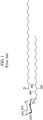
- the structure of KRN7000 is shown in FIG. 1 .
- KRN7000 activates the immune system of mammals
- Benlagha et al., 2000; Burdin et al., 1999; Crowe et al., 2003; Naidenko et al., 1999; Sidobre et al., 2002; Godfrey et al., 2000; Smyth and Godfrey, 2000 These studies uniformly show that the proximal mechanism for the effect of KRN7000 is the binding of this compound to a CD1d protein, which is expressed on most hematopoietic cells, as well as some epithelial and other cell lineages.
- KRN7000 The binding of KRN7000 to CD1d creates a molecular complex that is recognized with high affinity by the T cell antigen receptors (TCRs) of a subset of T lymphocytes called natural killer T cells (NK T cells).
- TCRs T cell antigen receptors
- NK T cells natural killer T cells
- Activated NK T cells rapidly secrete a wide range of chemokines and other cytokines, and also have the capability of activating other cell types such as dendritic cells and natural killer (NK) cells.
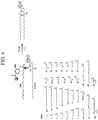
- the chain of events that follows the activation ofNK T cells by KRN7000/CD1d complexes has been shown to have many potential downstream effects on the immune system. For example, in the setting of certain types of infections this can lead to an adjuvant effect that boosts the adaptive immunity to the infection and promotes healing. Or, in the setting of certain types of autoimmune diseases, the activation ofNK T cells by KRN7000 can alter the course of the autoimmune response in a way that suppresses tissue destruction and ameliorates the disease. This latter effect has been documented to be especially strong in a mouse model of spontaneous type 1 diabetes mellitus (i.e., the NOD mouse strain, FIG. 2 ) (Sharif et al., 2001; Sharif et al., 2002; Hong et al., 2001; Wang et al., 2001).
- NK T lymphocytes The functions of NK T lymphocytes remain incompletely resolved, but a variety of studies point to an important role for these T cells in the regulation of immune responses.
- a hallmark of NK T cells is their rapid production of large quantities of both IL-4 and IFN- ⁇ upon stimulation through their ⁇ TCRs (Exley et al., 1997; Yoshimoto et al., 1994; Yoshimoto et al, 1995a; Yoshimoto et al. 1995b).
- Th2 polarizing type 2
- NK T cells have been identified to play a significant role in determining the outcome of infections with a variety of different pathogens in mice.
- a major immunoregulatory role for NK T cells has been proposed in autoimmune Type 1 diabetes mellitus, both in humans and in the NOD mouse model.
- autoimmune Type 1 diabetes mellitus both in humans and in the NOD mouse model.
- NOD mice In human subjects, it has been established that the progression to overt diabetes mellitus in predisposed subjects is associated with a decline in the number of circulating NK T cells, and with a loss of the ability of these cells to produce IL-4 while they retain production of IFN ⁇ (Wilson et al., 1998).
- Autoimmune diseases are the result of a patient's immune system attacking their own cells and tissues. This can result in a wide variety of diseases, including multiple sclerosis, myasthenia gravis, Addison's disease, alopecia areata, ankylosing spondylitis, antiphospholipid syndrome, Behcet's disease, Crohn's disease and ulcerative colitis, Goodpasture syndrome, pemphigus vulgaris, primary biliary cirrhosis, rheumatic fever, sarcoidosis, vasculitis, vitiligo, Wegener's granulomatosis, graft vs.
- diseases including multiple sclerosis, myasthenia gravis, Addison's disease, alopecia areata, ankylosing spondylitis, antiphospholipid syndrome, Behcet's disease, Crohn's disease and ulcerative colitis, Goodpasture syndrome, pemphigus vulgaris, primary biliary cirrhosis, r
- autoimmune diseases Meniere's disease, rheumatoid arthritis, diabetes mellitus, systemic lupus erythematosus (SLE), psoriasis, scleroderma, idiopathic thrombocytopenia purpura, pancreatitis, inflammatory bowel disease, glomerulo-nephritis, encephalomyelitis, and Sjogen's disease.
- SLE systemic lupus erythematosus
- psoriasis scleroderma
- idiopathic thrombocytopenia purpura pancreatitis
- pancreatitis inflammatory bowel disease
- glomerulo-nephritis glomerulo-nephritis
- encephalomyelitis encephalomyelitis
- Sjogen's disease Sjogen's disease.
- the etiology of autoimmune diseases is poorly understood, and, although there are several
- SLE Systemic lupus erythematosus
- mice models of SLE have contributed greatly to our understanding of the basic mechanisms that lead to this disorder (Datta, 1988; Silveira and Baxter, 2001).
- One hereditary murine model of SLE which is generally accepted to strongly parallel many aspects of the human illness is that which occurs in the F1 cross between New Zealand Black female and New Zealand White male mice (NZB/W F1 mice). These mice develop signs of B cell autoreactivity at an early age with secretion of IgM and double-stranded DNA (dsDNA) antibodies.
- mice show a transition of autoantibody secretion from IgM to IgG, and this is associated with the production of cationic IgG anti-dsDNA antibodies that are pathogenic and contribute to immune complex glomerulonephritis (Zeng et al., 2000).
- mice bearing the lpr mutation exhibit an age dependent development of spontaneous SLE-like disease, which is again associated with the occurrence of high titers of IgG antibodies against dsDNA and other target antigens that are characteristic of SLE in humans.
- spontaneous models of SLE provide excellent model systems in which to examine various mechanisms of immune regulation and tolerance to determine what role they may play in preventing the development of B cell autoreactivity and SLE.
- the R4A transgenic mouse model of B cell autoreactivity has been the subject of many highly informative studies on the mechanisms of B cell tolerance (Bynoe et al., 2000; Kuo et al., 1999; Bynoe et al., 1999). These mice express a transgene that encodes a rearranged IgG2b heavy chain of a monoclonal anti-dsDNA antibody called R4A.
- the original R4A antibody has a moderate affinity for dsDNA, and is classified as a pathogenic antibody in BALB/c mice because of its tendency to form deposits in renal glomeruli.
- R4A has also been shown to bind with high affinity to a protein antigen expressed on mesangial cells, which has recently been identified to be ⁇ -actinin.
- R4A Tg transgenic mice
- the rearranged IgG2b heavy chain associates with numerous endogenous light chains to generate antibodies with varying affinities for dsDNA, as well as a presumably large array of nonautoimmune specificities.
- Serum autoantibody titers are negligible in R4A Tg mice, but the mice harbor at least three separate populations of anti-dsDNA B cells (Spatz et al., 1997).
- the normally deleted high affinity anti-dsDNA B cells of R4A Tg mice can also be rescued by treatment of these mice with estradiol (Bynoe et al., 2000).
- This transgenic model provides a sensitive environment in which to study the factors that regulate the selection and survival of B cells that have a strong intrinsic skewing toward recognition of anti-dsDNA.
- nonautoimmune BALB/c mice can be induced to develop lupus-like autoimmunity following immunization with a multimerized form of a synthetic peptide (DWEYSVWLSN) (Gaynor et al., 1997; Putterman et al., 1998; Putterman et al., 2000).
- the antigenic peptide contains a core sequence (DWEYS) that functions as a mimetope of dsDNA.
- DWEYSVWLSN is conjugated to an eight branched polylysine backbone, and emulsified in Complete Freund's adjuvant.
- mice immunized with this multiple antigenic peptide (MAP) conjugate develop anti-dsDNA antibodies of both IgM and IgG isotypes, and also develop antibodies against a variety of other autoantigens characteristic of SLE and IgM and IgG deposits in the renal glomeruli.
- Anti-dsDNA antibodies isolated from MAP-peptide immunized BALB/c mice show some striking similarities to autoantibodies isolated from spontaneous hereditary murine SLE models, such as the NZB/W F1. This model provides the opportunity to assess the control of autoimmunity that develops in normal animals following the controlled application of a defined immunizing stimulus that has the ability to break tolerance.
- V ⁇ 14 transgenic MRL lpr/lpr mice in which the levels of V ⁇ 14 NK T cells are upregulated, showed a significant suppression of their lymphoproliferative disease, confirming that V ⁇ 14NK T cells may play a significant regulatory role in disease onset and progression in this animal model of SLE.
- autoimmune diseases appear similar to SLE in that they have an etiology that is mediated at least in part by autoantibodies. Included here are myasthenia gravis, pemphigus vulgaris, Guillain-Barre syndrome, antiphospholipid antibody syndrome, Goodpasture syndrome, graft vs. host disease, multiple sclerosis, primary biliary cirrhosis, scleroderma, vasculitis, vitiligo, Wegener's granulomatosis, rheumatoid arthritis, glomerulo-nephritis, idiopathic thrombocytopenia purpura, and Sjogen's disease.
- Vaccines have been developed, and are under development, for both T-independent antigens and T-dependent antigens. Since the T-independent immune response generally does not have the memory component that is necessary to produce an effective vaccine, vaccines against T-independent antigens are often developed by taking a component of the pathogen that normally induces the T-independent response, such as a characteristic polysaccharide, and conjugating that component to a carrier molecule that is capable of inducing a T-dependent response. Thus, the component becomes part of a T-dependent antigen, hopefully causing a T-dependent immune reaction (and memory B cell production) against the component of the T-independent pathogen.
- a component of the pathogen such as a characteristic polysaccharide
- KRN7000 has been shown to be an effective adjuvant for vaccines due to its ability to activate T cells and improve T-dependent responses ( PCT Patent Publication WO93/05055 ).
- An increasingly important mode of cancer therapy is administration of human antibodies against specific tumor target molecules such as CD20 in Non-Hodgkins Lymphoma (NHL) or Her2/neu in a subset of patients with breast cancer. It has been demonstrated that efficacy of anti-CD20 antibodies for treatment of NHL is, in part, mediated by antibody dependent cellular cytotoxicity (ADCC) which is a major function of natural killer (NK) cells.
- ADCC antibody dependent cellular cytotoxicity
- NK natural killer cells.
- a potentially important strategy for enhancing efficacy of such passively transferred antibody therapeutics directed at tumor antigens would be to enhance NK activity by co-administration of an adjuvant that promotes the activation and expansion of NK cells. Because of the key role that NK T cells play in the activation of IFN ⁇ producing NK cells, molecules described herein that further enhance the NK stimulating activity of NK T cells are likely to be valuable adjuvants for antibody therapeutics.
- NK T cells Due to the importance of NK T cells in mammalian immunity, there is a need for the identification and characterization of additional modulators of NK T cells.
- the present invention addresses that need.
- ⁇ GalCer are capable of activating NK T cells, that these variants differ in the type of cell that efficiently presents the compound, and that these variants induce varied cytokine profiles when used to activate NK T cells.
- ⁇ -galactosylceramides comprising Formula I: wherein
- ⁇ -galactosylceramides comprising Formula I: wherein
- glycosylceramides comprising Formula II: wherein
- the present invention is based on the discovery that various ceramide-like glycolipids, i.e ., ⁇ -galactosylceramides or other ⁇ -glycosylceramides, ("the ceramide-like glycolipids") are capable of modulating NK T cells, particularly variants in the moiety that is a fatty acid in KRN7000.
- the invention is also based on the discovery that the ceramide-like glycolipids differ in the type of cell that efficiently presents them, and that they can induce varied cytokine profile when used to activate NK T cells.
- the ceramide-like glycolipids activate cytokine production by the NK T cells. In another embodiment, the ceramide-like glycolipids suppress cytokine production by the NK T cells. In yet another embodiment, the ceramide-like glycolipids change the ratio of cytokines produced by the NK T cells.
- the phrase "presents the compound,” as used herein, means a cell binds the compound on the surface of the cell to provide a complex that causes the modulation of NK T cells.
- modulate means, that a given function has been changed.
- a complex modulates the activity or activation of NK T cells means that the complex causes the activity of NK T cells, for example, the production of cytokines, to be different from what it would have been in the absence of the complex.
- the alteration in activity can be, for example, an increase in the amount of cytokines produced in the presence of the complex compared to the amount of cytokines produced in the absence of the complex (activation or inducing of the NK T cell), or a decrease in the amount of cytokines produced in the presence of the complex compared to the amount of cytokines produced in the absence of the complex (suppression of the NK T cell), or a change in the ratio of different cytokines that are produced by the NK T cells.
- C 6 -C 27 alkane means a straight chain or branched noncyclic hydrocarbon having from 6 to 27 carbon atoms.
- Representative straight chain C 6 -C 27 alkane include -methyl, -ethyl, -n-propyl, -n-butyl, -n-pentyl, -n-hexyl, -n-heptyl, -n-octyl, -n-nonyl and -n-decyl.
- Representative branched C 6 -C 27 alkane include -isopropyl, -sec-butyl, - isobutyl, -tert-butyl, -isopentyl, -neopentyl, 1-methylbutyl, 2-methylbutyl, 3-methylbutyl, 1,1-dimethylpropyl, 1,2-dimethylpropyl, 1-methylpentyl, 2-methylpentyl, 3-methylpentyl, 4-methylpentyl, 1-ethylbutyl, 2-ethylbutyl, 3-ethylbutyl, 1,1-dimethylbutyl, 1,2-dimethylbutyl, 1,3-dimethylbutyl, 2,2-dimethylbutyl, 2,3-dimethylbutyl, 3,3-dimethylbutyl, 1-methylhexyl, 2-methylhexyl, 3-methylhexyl, 4-methylhexyl, 5-methylhexyl, 1,2-dimethyl
- C 6 -C 27 alkene means a straight chain or branched noncyclic hydrocarbon having from 6 to 27 carbon atoms and including at least one carbon-carbon double bond.
- Representative straight chain and branched C 6 -C 27 alkene include -vinyl, -allyl, - 1-butenyl, -2-butenyl, -isobutylenyl, -1-pentenyl, -2-pentenyl, -3-methyl-1-butenyl, -2-methyl-2-butenyl, -2,3-dimethyl-2-butenyl, -1-hexenyl, -2-hexenyl, -3-hexenyl, -1-heptenyl, -2-heptenyl, -3-heptenyl, -1-octenyl, -2-octenyl, -3-octenyl, -1-nonenyl, -2-nonen
- C 5 -C 15 cycloalkane means a saturated cyclic hydrocarbon having from 5 to 15 carbon atoms.
- Representative C 5 -C 15 cycloalkanes are -cyclopentyl, - cyclohexyl, -cycloheptyl, -cyclooctyl, -cyclononyl and -cyclodecyl.
- C 5 -C 15 cycloalkane also encompasses bicycloalkanes and tricycloalkanes.
- bicycloalkane means a bi-cyclic hydrocarbon ring system having from 8 to 15 carbon atoms and at least one saturated cyclic alkyl ring.
- Representative bicycloalkanes include -indanyl,-1,2,3,4-tetrahydronaphthyl, -5,6,7,8-tetrahydronaphthy-1, -perhydronaphthyl, and the like.
- tricycloalkanes as used herein means a tri-cyclic hydrocarbon ring system having from 8 to 15 carbon atoms and at least one saturated ring.
- tricycloalkanes include - pyrenyl, -1,2,3,4-tetrahydroanthracenyl, -perhydroanthracenyl -aceanthreneyl, -1,2,3,4-tetrahydropenanthrenyl, -5,6,7,8-tetrahydrophenanthrenyl, -perhydrophenanthrenyl, and the like.
- C 5 -C 15 cycloalkene means a mono-cyclic non-aromatic hydrocarbon having at least one carbon-carbon double bond in the cyclic system and from 5 to 15 carbon atoms.
- Representative C 5 -C 15 cycloalkenes include -cyclopentenyl, - cyclopentadienyl, -cyclohexenyl, -cyclohexadienyl,-cycloheptenyl, -cycloheptadienyl, - cycloheptatrienyl, -cyclooctenyl, -cyclooctadienyl, -cyclooctatrienyl, -cyclooctatetraenyl, - cyclononenyl -cyclononadienyl, -cyclodecenyl, -cyclodecadienyl and the like.
- C 5 -C 15 cycloalkene also encompasses bicycloalkenes and tricycloalkenes.
- the term "bicycloalkene,” as used herein, means a bicyclic hydrocarbon ring system having at least one carbon-carbon double bond in one of the rings and from 8 to 15 carbon atoms.
- Representative bicycloalkenes include, but are not limited to, -indenyl, -pentalenyl, -naphthalenyl, -azulenyl, - heptalenyl, -1,2,7,8-tetrahydronaphthalenyl, and the like.
- tricycloalkene means a tri-cyclic hydrocarbon ring system having at least one carbon-carbon double bond in one of the rings and from 8 to 15 carbon atoms.
- Representative bicycloalkenes include, but are not limited to, -anthracenyl, -phenanthrenyl, -phenalenyl, -acenaphthalenyl, asindacenyl, s-indacenyl and the like.
- heterocycle means a 3- to 10-membered monocyclic or bicyclic heterocyclic ring which is either saturated, unsaturated non-aromatic, or aromatic containing up to 4 heteroatoms.
- Each heteroatom is independently selected from nitrogen, which can be quaternized; oxygen; and sulfur, including sulfoxide and sulfone.
- the heterocycle can be attached via a nitrogen, sulfur, or carbon atom.
- heterocycles include pyridyl, furyl, thiophenyl, pyrrolyl, oxazolyl, imidazolyl, thiazolyl, thiadiazolyl, isoxazolyl, pyrazolyl, isothiazolyl, pyridazinyl, pyrimidinyl, pyrazinyl, triazinyl, morpholinyl, pyrrolidinonyl, pyrrolidinyl, piperidinyl, piperazinyl, hydantoinyl, valerolactamyl, oxiranyl, oxetanyl, tetrahydrofuranyl, tetrahydropyranyl, tetrahydropyrindinyl, tetrahydropyrimidinyl, tetrahydrothiophenyl, tetrahydrothiopyranyl, quinolinyl, -isoquinolinyl, -
- heterocycle also includes heteroaryls.
- heteroaryl as used herein, mean an aromatic heterocycle ring of 5 to 10 members, including both mono-and bicyclic ring systems, wherein at least one carbon atom of one or both of the rings is replaced with a heteroatom independently selected from nitrogen, oxygen and sulfur.
- One or both of the heteroaryl's rings contain at least one carbon atom.
- heteroaryls include pyridyl, furyl, benzofuranyl, thiophenyl, benzothiophenyl, quinolinyl, pyrrolyl, indolyl, oxazolyl, benzoxazolyl, imidazolyl, benzimidazolyl, thiazolyl, benzothiazolyl, isoxazolyl, pyrazolyl, isothiazolyl, pyridazinyl, pyrimidinyl, pyrazinyl, thiadiazolyl, triazinyl, cinnolinyl, phthalazinyl, and quinazolinyl.
- aromatic ring means a 5 to 14 membered aromatic carbocyclic ring, including both mono, bicyclic, and tricyclic ring systems.
- Representative aromatic rings are phenyl, napthyl, anthryl and phenanthryl.
- adjuvant for a vaccine means any substance that non-specifically enhances immunogenicity of a specific antigen.
- treatment of' and “treating” includes the amelioration or cessation of a disease, disorder, or a symptom thereof.
- prevention of includes the avoidance of the onset of a disease, disorder, or a symptom thereof.
- the application discloses ceramide-like glycolipids that are ⁇ -galactosylceramides comprising Formula I: wherein
- Ceramide-like glycolipids having moieties (a) - (e) in the sphingosine moiety are known to be capable of activating NK T cells. See U.S. Patent No. 5,936,076 . However, that patent did not evaluate whether variation in the fatty acid moiety would be capable of activating NK T cells.
- the sphingosine moiety (R2) is CH(OH)(CH 2 ) 13 CH 3 , which is the same as KRN7000, since that compound has been extensively evaluated.
- ceramide-like glycolipids are similar to, or stronger than, KRN7000 in their ability to activate NK T cells.
- These ceramide-like glycolipids can have various fatty acid lengths and numbers of unsaturated fatty acid bonds.
- the double bonds of the ceramide-like glycolipids have the cis configuration.
- the R2 moiety of the ceramide-like glycolipids is the same as KRN7000, i.e., CH(OH)(CH 2 ) 13 CH 3 .
- the ceramide-like glycolipids are capable of inducing or suppressing production of a cytokine.
- the ceramide-like glycolipids induce cytokine production by an NK T cell at a level equal to or greater than that induced by the same concentration of KRN7000.
- the ceramide-like glycolipids also vary in the NK T immune response they elicit. For example, the ratio of different cytokines that are produced by the NK T cells can be different for different ceramide-like glycolipids, as illustrated in the Examples.
- cytokine production can be determined by measuring any cytokine that is produced by NK T cells.
- Methods for measuring cytokine production by NK T cells are well known to those skilled in the art. Any method known to those skilled in the art can be used to measure cytokine production by NK T cells including, but are not limited to, those described herein.
- the cytokine is IL-2, IL-4 or IFN ⁇ .
- cytokines whose production by NK T cells can be modulated using the ceramide-like glycolipids include, but are not limited to, T H 2-associated cytokines; the cytokines IL-13, IL-10, IL-5, RANTES, TNF ⁇ , and lymphotoxin.
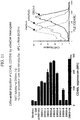
- CD40L Another measure of NK T cell induction is the expression of CD40L (CD154). See FIG. 11 .
- measurement of the NK T cell-inducing efficacy of any of the ceramide-like glycolipids can also be determined by measuring the expression of CD40L.
- Methods for measuring expression of CD40L are well known to those skilled in the art. Any method known to those skilled in the art can be used to measure CDL40 expression including, but are not limited to, those described in the examples.
- CD40L levels are determined by staining with fluorescent-labeled anti-CD40L antibody followed by cell sorting by methods well known to those skilled in the art.
- modulation of cytokines or cell surface markers such as CD40L in NK T cells are accomplished with the ceramide-like glycolipids of the invention using an antigen-presenting cell (APC) line that expresses CD1d, for example a lymphoid line such as RMA-S.mCD1d, a myeloid lineage dendritic APC line such as JAWS II, or an epithelial APC line such as HeLa.hCD1d (see Example).
- APC antigen-presenting cell
- ceramide-like glycolipids that are ⁇ -galactosylceramides comprising Formula I: wherein
- R2 is CH(OH)(CH 2 ) 13 CH 3 , i.e., the same as KRN7000.
- the application discloses ceramide-like glycolipids that are ⁇ -galactosylceramides comprising Formula I: wherein
- R2 is CH(OH)(CH 2 ) 13 CH 3 . i.e., the same as KRN7000.
- R1 is substituted with oxo; hydroxy; halogen; -OC(O)R 5 ; -OR 5 ; -C(O)R 5 ; or N(R 5 ) 2 wherein each R 5 is independently hydrogen, C 1 -C 6 alkyl, or an aromatic ring optionally substituted with halogen, hydroxy, halogen, -OC(O)R 6 , -OR 6 , -C(O)R 6 , N(R 6 ) 2 wherein each R 6 is independently hydrogen or C 1 -C 6 alkyl.
- R1 is a C 6 -C 27 alkane or alkene wherein the C 6 -C 27 alkane or alkene is substituted with a C 5 -C 15 cycloalkane, C 5 -C 15 cycloalkene, heterocycle, or aromatic ring.
- R1 is a C 6 -C 27 alkane or alkene wherein the C 6 -C 27 alkane or alkene includes, within the chain, a C 5 -C 15 cycloalkane, C 5 -C 15 cycloalkene, heterocycle, or aromatic ring;
- R1 is one of the following moieties: where ( )represents the point of attachment of R1 to the compound of Formula I.
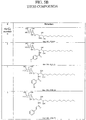
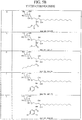
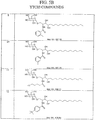
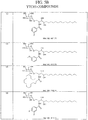
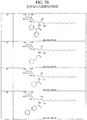
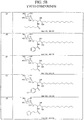
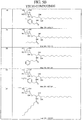
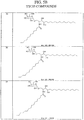
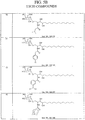
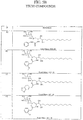
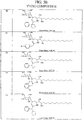
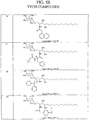
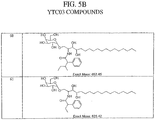
- these compounds are DB03-4, DB03-5, and YTC03 compounds 4, 6, 11, 15, 17, 18, 24, 25, 27, 29, 30, 31, 33, 34, 35, 36, 38, 39, 40, 41, 43, 44, 45, 46, 47,48, 49, 50, 51, 52, 53, 54, 56, 58, 59, 60 and 61 (see Example, FIG. 5 and Table 1).
- Particularly effective compounds are DB03-4 and YTC03 compounds 6, 17, 25, 31, 33, 35, 46, 47, 50, 56, 59 and 60.
- R2 is CH(OH)(CH 2 ) 13 CH 3 , as in KRN7000.
- the application discloses ceramide-like glycolipids that are ⁇ -galactosylceramides comprising Formula I: wherein
- R2 is CH(OH)(CH 2 ) 13 CH 3 , as in KRN7000.
- ceramide-like glycolipids that are glycosylceramides comprising Formula II: wherein
- R4 is an ⁇ -linked monosaccharide other than ⁇ -galactosyl or a ⁇ -linked monosaccharide.
- R4 is an ⁇ -linked monosaccharide other than ⁇ -galactosyl.
- the ⁇ linked monosaccharide is ⁇ -glucosyl.
- the ⁇ linked monosaccharide is ⁇ -fucosyl.
- R4 is an ⁇ -linked monosaccharide.
- the ⁇ -linked monosaccharide is ⁇ -mannosyl.
- R4 is a fucose and R1 is (CH 2 ) 22 -CH 3 (see Example and FIG. 11 ), and DB02-1 where R4 is a glucose (see Example and FIG. 5D ).
- R2 is CH(OH)-(CH 2 ) 13 -CH 3 .
- R1 is (CH 2 ) 22 -CH 3 and R2 is CH(OH)-(CH 2 ) 13 -CH 3 .
- any of the R1 moieties that were effective in the ⁇ -galactosylceramides disclosed above would be expected to be useful in the ⁇ -glycosylceramides.
- monosaccharides (at the R4 position) in these embodiments are glucose, fucose, galactose, and mannose.
- R4 is an ⁇ -linked monosaccharide
- Representative examples wherein R4 is an ⁇ -linked monosaccharide are DB04-8 and DB04-9.
- Each of the DB03-3, DB03-4, DB03-5, DB03-7, DB03-8, DB03-9, DB03-10, and YTC03-17 show in vitro activity at modulating cytokines using a murine cell assay system (see Example) and, for several of the compounds, activity has also been shown in a human in vitro NKT cell assay system.
- DB03-4 and DB03-5 are active in stimulation of human NKT cell clones in vitro, and elicits proliferative responses and cytokine secretion when evaluated using culture systems previously established in the literature ( See, e.g., Spada FM, Sugita M, Watts GFM, Koezuka Y, and Porcelli SA.
- these compounds can be used to create glycolipid human CD1d tetramers that bind strongly to human NKT cells in normal blood specimens, indicating that these glycolipids, when presented by human CD1d, are avidly recognized by the T cell antigen receptors of human NKT cells (methods for CD1d tetramer production and application to studying NKT cells are described in Yu KOA, Im JS, Molano A, Dutronc Y, Illarionov PA, Forestier C, Fujiwara N, Arias I, Miyake S, Yamamura T, Chang Y-T, Besra GS, Porcelli SA, Modulation of CD1d-restricted NKT cell responses using N-acyl variants of ⁇ -galactosylceramides, Proc. Nat. Acad. Sci. (USA), 102:3383-8 (2005 )).
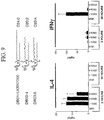
- DB03-4 and DB03-5 show a bias towards inducing Type 2 cytokines, i.e., cytokines that have anti-inflammatory effect, and are strong inducers of IL-4 in iNKT cells with blunted IFN ⁇ and NK cell transactivation.
- DB03-3 is a good inducer of IL-4 and, in some murine strains, a strong inducer of IFN ⁇ in vitro. High level production of IFN ⁇ is often associated with NK cell activation.
- DB03-9, and DB03-10 are strong inducers of IL-4, weak inducers of IL-2, and moderate inducers of IFN ⁇ in vitro.
- YTC03-17 shows strong agonist activity in in vitro studies.
- DB03-8 is a weak agonist of iNKT cells in vitro and exacerbates SLE in NZB/W-F1 mice. It is believed that DB03-8 may be a possible antagonist/partial agonist, i.e ., it inhibits the direct and indirect activity of iNKT because it acts as an antagonist of iNKT or because it stimulates an abortive partial activation.
- iNKT cells mean the specific subset of CD1d-dependent T cells that expresses the invariant TCR ⁇ chain rearrangement consisting of V ⁇ 14-J ⁇ 18 in mice, and V ⁇ 24-J ⁇ 18 in humans. These cells are uniformly reactive to ⁇ -galactosylceramides presented by CD1d. These cells are also referred to as "Type 1" NKT cells, and the distinction between the different types of NKT cells and the nomenclature relating to this are summarized in the publication by Godfrey et al., Nat Rev Immunol. 2004 Mar;4(3):231-7 .
- YTCO3-24 and YTCO3-25 show enhanced IL-4 induction relative to IFN ⁇ in vitro with splenocytes from NZB/W F1 mice.
- DB03-6 is an agonist in splenocyte cultures with apparent enhancement of IL-4 relative to IFN ⁇ and minimal IL-2 induction.
- an azido sphingosine precursor (compound 8 ) is prepared from D-lyxose by reacting D-lyxose (compound 1 ) with acetone/H 2 SO 4 for about 18h at room temperature to provide compound 2 (step a).
- Compound 2 is then reacted with tert-butyl dipropyl silyl chloride (TBDPSCI) and 4-dimethylamino pyridine (DMAP) and Et 3 N in CH 2 Cl 2 for about 16h at room temperature to provide compound 3 (step b).
- TDPSCI tert-butyl dipropyl silyl chloride
- DMAP 4-dimethylamino pyridine
- Compound 3 is then reacted with triphenylphosphine (Ph 3 P), 1-bromodecane, and BuLi in tetrahydrofuran (THF) at about 0°C followed by allowing the reaction mixture to warm to room temperature and remain at room temperature for about 18h to provide compound 4 (step c).
- Compound 4 is then reacted with mesyl chloride (MsCl) and pyridine in CH 2 Cl 2 at about 31°C for about 24h to provide compound 5 (step d).
- Compound 5 is then reacted with HCl in CH 2 Cl 2 /MeOH for about 2h at room temperature to provide compound 5 (step e).
- Compound 5 is reacted with H 2 using a Pd/BaSO 4 catalyst for about 20h at room temperature to provide compound 6.
- Compound 6 is reacted with NaN 3 in dimethylformamide (DMF) at about 95°C for about 4h to provide compound 7.
- Compound 7 is then reacted with tetra-butyl ammonium fluoride (TBAF) (80%) to provide the azido sphingosine precursor (compound 8 ).
- DMF dimethylformamide
- TBAF tetra-butyl ammonium fluoride
- the 3,4-dihydroxy group of the azido sphingosine precursor (compound 8 ) is then protected as an isopropylidene acetal and coupled to the acetyl protected thiophenyl galactose bearing a chloro-dimethyl silyl ether at position-2 (compound 9 ) to provide the glycosyl intermediate (compound 10 ).
- the ⁇ -galactosyl azido sphingosine intermediate (compound 11 ) is obtained using an intramolecular aglycon delivery strategy, whereby the thioglycoside is activated by benzensulfinylpiperidine (BSP)/trifluoromethanesulfonic anhydride (Tf 2 O), as described by D. Crich and M. Smith. in J. Am. Chem. Soc., 123:9015 (2001 ).
- BSP benzensulfinylpiperidine
- Tf 2 O trifluoromethanesulfonic anhydride
- the azide group of compound 11 is then reduced to an amine and N-acylated with the appropriate fatty acid that has been activated as an acid chloride to provide compound 12.
- the ceramide-like glycolipids can also be obtained using the methodology described in U.S. patent no. 5,936,076 .
- compositions comprising the ceramide-like glycolipids are also contemplated.
- the invention further relates to a pharmaceutical composition
- a pharmaceutical composition comprising the ceramide-like glycolipids and a pharmaceutically acceptable excipient.
- compositions can be made using methods well known to those skilled in the art (See, e.g., Remington The Science and Practice of Pharmacy 20th ed. ("Remington"), edited by A. Gennaro, Philadelphia College of Pharmacy and Science 2000 (the contents of which are expressly incorporated herein by reference hereto), p. 858-856 ).
- compositions of ceramide-like glycolipids can be designed for oral, lingual, sublingual, buccal or intrabuccal administration, without undue experimentation, using means well known in the art, for example by combining a ceramide-like glycolipid with an inert diluent or with an edible carrier.
- the pharmaceutical compositions may be enclosed in gelatin capsules or compressed into tablets.
- the pharmaceutical compositions of the present invention may be in the form of tablets, troches, capsules, elixirs, suspensions, syrups, wafers, chewing gums and the like.
- Tablets, pills, capsules, troches and the like may also contain binders, recipients, disintegrating agent, lubricants, sweetening agents, and flavoring agents.
- Suitable excipients that can be used in the pharmaceutical compositions of the invention are well known to those skilled in the art ( See, Remington).
- binders include, but are not limited to, microcrystalline cellulose, gum tragacanth or gelatin.
- diluents include, but are not limited to, starch or lactose.
- disintegrating agents include, but are not limited to, alginic acid, corn starch and the like.
- lubricants include, but are not limited to, magnesium stearate or potassium stearate.
- glidant is colloidal silicon dioxide.
- sweetening agents include, but are not limited to, sucrose, saccharin and the like.
- flavoring agents include, but are not limited to, peppermint, methyl salicylate, orange flavoring and the like. Materials used in preparing these various compositions should be pharmaceutically pure and nontoxic in the amounts used.
- compositions of the present invention can easily be administered parenterally such as for example, by intravenous, intramuscular, intrathecal or subcutaneous injection.
- Parenteral administration can be accomplished by incorporating the compositions of the present invention into a solution or suspension.
- solutions or suspensions may also include sterile diluents such as water for injection, saline solution, fixed oils, polyethylene glycols, glycerine, propylene glycol or other synthetic solvents.
- Parenteral formulations may also include antibacterial agents such as for example, benzyl alcohol or methyl parabens, antioxidants such as for example, ascorbic acid or sodium bisulfite and chelating agents such as EDTA.
- Buffers such as acetates, citrates or phosphates and agents for the adjustment of tonicity such as sodium chloride or dextrose may also be added.
- the parenteral preparation can be enclosed in ampules, disposable syringes or multiple dose vials made of glass or plastic.
- the pharmaceutical compositions of the present invention can easily be administered rectally. Rectal administration includes administering the pharmaceutical compositions into the rectum or large intestine. This can be accomplished using suppositories or enemas.
- Suppository formulations can easily be made by methods known in the art. For example, suppository formulations can be prepared by heating glycerin to about 120° C., dissolving the ceramide-like glycolipid in the glycerin, mixing the heated glycerin after which purified water may be added, and pouring the hot mixture into a suppository mold.
- Transdermal administration includes percutaneous absorption of the composition through the skin.
- Transdermal formulations include patches (such as the well-known nicotine patch), ointments, creams, gels, salves and the like.
- nasally administering or nasal administration includes administering the pharmaceutical composition to the mucous membranes of the nasal passage or nasal cavity of the patient.
- Pharmaceutical compositions for nasal administration of a composition include therapeutically effective amounts of the ceramide-like glycolipids and an excipient and are prepared by well-known methods and adapted to be administered nasally, for example, as a nasal spray, nasal drop, suspension, gel, ointment, cream or powder. Administration of the pharmaceutical composition may also take place using a nasal tampon or nasal sponge.
- the ceramide-like glycolipids can also be usefully combined with a CD1d-bearing antigen presenting cell such as a dendritic cell. This mixture would be expected to activate an NK T cell. Accordingly, the invention includes a pharmaceutical composition comprising a ceramide-like glycolipids and a CD1d-bearing antigen presenting cell such as a dendritic cell.
- the ceramide-like glycolipids are useful vaccine adjuvants.
- the invention is directed to a pharmaceutical composition comprising a ceramide-like glycolipid according to the claims wherein the pharmaceutical composition is suitable for use as an adjuvant for a vaccine.
- the application also discloses methods of administering a vaccine.
- the methods comprise administering the vaccine in combination with any of the above-described ceramide-like glycolipids.
- the ceramide-like glycolipids are useful adjuvants to enhance the effect of passively administered antibodies.
- the invention is directed to a pharmaceutical composition comprising a ceramide-like glycolipid according to the claims wherein the pharmaceutical composition is suitable for use as an adjuvant for passively administered antibody.
- the application also discloses methods of administering a therapeutic antibody.
- the methods comprise administering the antibody in combination with any of the above-described ceramide-like glycolipids.
- the methods of use involve administering the ceramide-like glycolipids to a mammal.
- the mammal is a human.
- the application discloses methods of modulating the activity of an NK T cell.
- the methods comprise contacting a NK T cell with a ceramide-like glycolipid.
- the NK T cell exhibits increased production of a cytokine after being contacted with the ceramide-like glycolipids.
- the NK T cell exhibits decreased production of a cytokine after being contacted with the ceramide-like glycolipids.
- the cytokine in these embodiments can be IL-2, IL-4 or IFN ⁇ . Modulation of the NK T cell can be measured by production of a characteristic cytokine, for example IL-2, IL-4 or IFN ⁇ , or increased CD40L expression.
- the NK T cell is in a living mammal.
- the animal is a mammal that has, or is at risk for, an autoimmune disease, cancer, or an infection affected by activated NK T cells.
- the mammal has, or is at risk for an autoimmune disease such as type 1 diabetes.
- the ceramide-like glycolipids can be administered directly to said mammal or first added to dendritic cells ex vivo , then injecting the dendritic cells loaded with the ceramide-like glycolipids into the mammal.
- the dendritic cells in these ex vivo embodiments are derived from the same mammal.
- the mammal is a human.
- Methods for combining ⁇ -galactosylceramides with dendritic cells ex vivo are well known to those skilled in the art. Any method known to those skilled in the art for combining ⁇ -galactosylceramides with dendritic cells ex vivo can be used in the methods of the invention to combine the ceramide-like glycolipids with dendritic cells ex vivo. Representative methodologies include, but are not limited to, those described in D.H. Chang et al., Sustained expansion of NKT cells and antigen-specific T cells after injection of alpha-galactosyl-ceramide loaded mature dendritic cells in cancer patients, J Exp Med., May 2, 2005, 201(9):1503-17 ; S.
- Fujii et al. Detection and activation of human Valpha24+ natural killer T cells using alpha-galactosyl ceramide-pulsed dendritic cells, J Immunol Methods. Jan 15, 2003; 272(1-2):147-59 ; and S. Fujii et al., Prolonged IFN-gamma producing NKT response induced with alpha-galactosylceramide-loaded DCs, Nat Immunol. Sep. 3, 2002, (9):867-74 .
- the application additionally discloses methods of stimulating the immune system in a mammal.
- the methods comprise administering an effective amount of a ceramide-like glycolipid to a mammal.
- an effective amount of a ceramide-like glycolipid to a mammal can be administered as a pharmaceutical composition.
- the mammal has cancer.
- the mammal has type 1 diabetes.
- the mammal has an inflammatory disease such as rheumatoid arthritis.
- the described methods comprise contacting dendritic cells with a ceramide-like glycolipids, then injecting the dendritic cells into the mammal.
- the dendritic cells can be contacted with a pharmaceutical composition of the ceramide-like glycolipids.
- the ceramide-like glycolipids capable of activating NK T cells vary in the profile of NK T cell induction, depending on the antigen-presenting cell used.
- some ceramide-like glycolipids are capable of inducing some cytokines in the presence of some antigen-presenting cells but not others.
- the ability of a compound, such as an ⁇ -galactosylceramide or other ⁇ -glycosylceramide, to induce an NK T cell is best measured by using more than one type of antigen presenting cell.
- the application discloses methods of evaluating a compound for its ability to activate an NK T cell in the presence of a cell expressing a CD1d protein.
- the methods comprise combining the compound with the NK T cell in the presence of more than one cell type that expresses a CD1d protein and then evaluating whether the NK T cell is activated.
- the cell type can be, for example, but without limitation, a lymphoid cell, a dendritic cell or an epithelial cell. See Examples.
- Activation of the NK T cells can be determined by measuring the increase in cytokine production using methods well known to those skilled in the art including, but not limited to, those described herein (See, Examples and data reported in FIGS. 5A and 6 ).
- the test compound can be any compound that would be postulated to bind to CD1d and activate or suppress an NK T cell.
- examples include lipotechoic acids, ⁇ -galactosylceramides, and other ⁇ -glycosylceramides, for example the ceramide-like glycolipids described above.
- the application is further directed to the treatment of a mammal having or at risk for developing an autoimmune disease, cancer, or an infection affected by an activated NK T cell.
- a method of treating or preventing a disorder in a mammal that is affected by modulating the activity of NK T cells include, but are not limited to, an autoimmune disease, cancer, chronic allergic diseases, or an infection.
- the disorder in a mammal is treated or prevented by activating NK T cells.
- An example is treatment of type I diabetes by activating NK T cells to inhibit the destruction of pancreatic ⁇ islet cells.
- the disorder in a mammal is treated or prevented by suppressing the activity of NK T cells.
- An example is treatment of allergic airway hyperreactivity, a model of allergic asthma, by suppressing NK T cells as described in O. Akbari et al., Essential role of NKT cells producing IL-4 and IL-13 in the development of allergen-induced airway hyperreactivity, Nature Med, May 2003 9(5):582-588 ..
- the disorder in a mammal is treated or prevented by varying the cytokines produced by the NK T cells to bias the response in favor of type 2 or type I cytokine production.
- the methods comprise administering to the mammal a ceramide-like glycolipid.
- the ceramide-like glycolipid can be administered as a pharmaceutical composition.
- the mammal has or is at risk for an autoimmune disease, for example type 1 diabetes, myasthenia gravis, pemphigus vulgaris, systemic lupus erythematosus, Guillain-Barre syndrome, antiphospholipid syndrome, Goodpasture syndrome, graft vs.
- the autoimmune disease is type 1 diabetes.
- the disorder is a chronic allergic disease such as asthma or atopic dermatitis.
- the pharmaceutical composition may be administered directly to the mammal by a method described above or first added to dendritic cells ex vivo followed by injection of the dendritic cells into the mammal.
- the amount of the ceramide-like glycolipid that is effective in the treatment or prevention of a disorder can be determined by standard clinical techniques. In addition, in vitro or in vivo assays can optionally be employed to help identify optimal dosage ranges. The precise dose to be employed will also depend on the route of administration, and the seriousness of the disorder being treated and should be decided according to the judgment of the practitioner and each patient's circumstances in view of, e.g., published clinical studies. Suitable effective dosage amounts, however, typically range from about 1 micrograms to about 10,000 micrograms per kilogram of body weight weekly although they are typically about 1,000 micrograms or less per kilogram of body weight weekly. In one embodiment, the effective dosage amount ranges from about 10 to about 5,000 micrograms per kilogram of body weight weekly.
- the effective dosage amount ranges from about 50 to about 1,000 micrograms per kilogram of body weight weekly. In another embodiment, the effective dosage amount ranges from about 75 to about 500 micrograms per kilogram of body weight weekly.
- the effective dosage amounts described herein refer to total amounts administered, that is, if more than one ceramide-like glycolipid is administered, the effective dosage amounts correspond to the total amount administered.
- the ceramide-like glycolipid can be administered as a single weekly dose or as divided doses.
- the ceramide-like glycolipid can be assayed in vitro or in vivo for the desired therapeutic or prophylactic activity prior to use in humans.
- Animal model systems can be used to demonstrate safety and efficacy.
- NK T cell hybridomas The ability of the compounds to activate NK T cell hybridomas in the presence of various types of cells expressing CD1d reported in FIG. 5A was determined using a murine NK T cell hybridoma stimulation assay.
- CD1d-transfected RMA-S cells were plated at 50,000 cells/well in flat-bottom tissue culture plates in 100 microliters complete medium containing varying concentrations of ceramide-like glycolipids for 6 h at 37°C. The plates were then centrifuged (430g, 3 min), and cells washed with PBS three times. Fifty thousand NKT hybridoma cells (clone DN3A4.1-2) were then added in 100 microliters of medium for a 12 h stimulation.
- Table 1 shows results from the proliferation assay, IL-4 assay, and IFN ⁇ assay for compounds YTCO3-42 to YTCO3-61, showing variability in their ability to induce proliferation and induce the two cytokines, as well as the ration of IL-4 to IFN ⁇ .
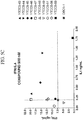
- FIG. 5C shows a graphical representation of the results reported in Table 1 for cytokine response. Table I and FIG. 5C shows that cytokine production by normal mouse splenocytes is stimulated with ceramide-like glycolipids. The cytokine response reported in Table 1 and FIG.
- 5C was determined by the following procedure: Bulk splenocytes from C57BL/6 mice were plated at 300,000 per well in 96-well flat-bottom tissue culture plates with ceramide-like glycolipids diluted to a concentration of 500 nM in 200 microliters complete medium. After 48 h at 37°C, 150 microliters of supernatant was removed for cytokine measurements. Supernatant levels of IL-4, and IFN ⁇ were measured by standard enzyme-linked immunosorbent assay (ELISA), using capture and biotinylated detection antibody pairs (clones 11B11 / BVD6-24G2-biotin, and R4-6A2 / XMG1.2-biotin, respectively, from BD Pharmingen, San Diego, California).
- ELISA enzyme-linked immunosorbent assay
- Cytokine content was revealed using streptavidin-horseradish peroxidase (Zymed, South San Francisco, California) with TMB-Turbo substrate (Pierce, Rockford, Illinois) or alternatively with streptavidin-alkaline phosphatase (Zymed) with 4-nitrophenyl phosphate disodium hexahydrate substrate (Sigma-Aldrich, St. Louis, Missouri) and read at 450 or 405 nm, respectively, on a microplate reader (Titertek, Huntsville, Alabama). Standards for IL-4 and IFN ⁇ were from Peprotech (Rocky Hill, New Jersey).
- Table 1 shows stimulation of CD1d-dependent proliferation by compounds YTCO3-42 to YTCO3-61.
- the results were obtained using a splenocyte proliferation assay according to the following procedure: Bulk splenocytes from C57BL/6 mice were plated at 300,000 per well in 96-well flat-bottom tissue culture plates with the indicated ceramide-like glycolipid diluted in complete medium to the concentrations shown. After 48 h at 37°C, the plate wells were pulsed with 20 microliters of medium containing 50 microCi/ml 3 H-thymidine and incubated for a further 18 h.
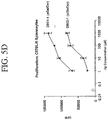
- FIG. 5D shows stimulation of CD1d-dependent proliferation by DB02-1, an ⁇ -glucosyl ceramide identical to DB01-1 except that a glucose replaces the galactose of DB01-1.
- the results reported in FIG 5D were obtained by the same method used to obtain the data for proliferation provided in Table 1.
- Table 1. EC 50 is the concentration of glycolipid that gave a 50% maximal response in proliferation of splenocyte cultures as measured by 3 H-thymidine incorporation. Higher EC 50 values thus represent lower potency for stimulation of NKT cell dependent proliferation.
- IL-4 and IFN ⁇ levels were measured by ELISA in culture supernatants of splenocyte cultures stimulated for 48 hours with 500 nM of each glycolipid. Cytokine concentrations are in ng/ml. ND indicates below the reliable level for detection by the assay.
- the values in parentheses are the IL-4/IFN ⁇ ratios for each compound divided by this ratio for the KRN7000-like DB01-1 compound.
- FIG. 6 shows the differential presentation of various potent ceramide-like glycolipids when different types of antigen presenting cells (APCs) are used in the NK T cell activation assay.
- RMA-S.mCD1d are a mouse lymphoma line that has been transfected to express murine CD1d.
- JAWS II is a mouse dendritic cell line that naturally expresses mouse CD1d.
- HeLa.hCD1d is a human cervical carcinoma cell line that has been transfected to express human CD1d.
- the assay was performed in the same manner as described above for the results depicted in Figure 5A .
- YTC03-17 is markedly more potent than KRN7000 when the compounds are presented by CD1d molecules expressed on a lymphoid cell line (RMA-S), whereas these two compounds are presented about equally by CD1d molecules expressed on a epithelial tumor cell line (HeLa).
- RMA-S lymphoid cell line
- HeLa epithelial tumor cell line
- JAWS-II dendritic cell line
- FIG. 6 also shows additional phenyl containing analogues that displayed enhanced potency in some assays. Again the results are quite dependent on the type of antigen presenting cell used. Note for example that YTC03-30 has extraordinary potency when presented by HeLa cells (at least 100 fold greater than KRN7000), but similar potency to KRN7000 when presented by RMA-S cells.
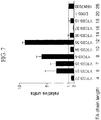
- FIG. 7 shows effects of varying the length of the N-linked fatty acid when the fatty acid chain is fully saturated. Note that there appears to be a clear influence of chain length on potency, with optimal activity occurring at a length of C12 in this particular system. How this effect will be influenced by changing the nature of the antigen-presenting cell remains to be investigated.
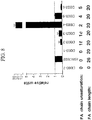
- Figure 8 shows the effects of introducing unsaturations into the fatty acid chain when the fatty acid length is held constant at C20. A dramatic effect on potency is observed, with a diunsaturated analogue (DB03-4) having extremely enhanced potency. Again, how this effect will be influenced by changing the nature of the antigen-presenting cell remains to be investigated. The relative potency of each analogue was determined by measuring IL-2 production by mouse NK T cell hybridoma DN3A4.1-2 as described above for the results depicted in FIG. 5A .
- FIG. 8 shows the effects of fatty acid chain unsaturations on potency of C20 fatty acid ceramide-like glycolipids.
- the ceramide-like glycolipids with the indicated chain lengths and indicated numbers of double bonds were tested for stimulation of NK T hybridoma DN32.D3 by measuring IL-2 production by mouse NK T cell hybridoma DN3A4.1-2 as described above for the results depicted in FIG. 7 .
- KRN7000 analogues A most interesting property of KRN7000 analogues is that in some cases they may elicit immune responses that are qualitatively different from those that occur following stimulation with the parent compound. This was shown to be the case with the sphingosine chain length variant OCH, as published by Yamamura and colleagues (Miyamoto et al., 2001). In that case, it was shown that OCH elicited a selective production of interleukin-4 (IL-4) when administered in vivo to mice, and failed to stimulate the strong production of interferon- ⁇ (IFN ⁇ ) that is observed after injection of KRN7000. This selective activation of IL-4 production by NK T cells was proposed to be the basis for the enhanced therapeutic effects of OCH in the EAE model of central nervous system autoimmune disease.
- IL-4 interleukin-4
- IFN ⁇ interferon- ⁇
- FIG. 11 shows the differential effect of various KRN7000 analogs in stimulating CD40L expression.
- FIG. 11 also shows that the galactose moiety of these ceramide compounds can be replaced with another monosaccharide while still retaining some activity, since DB03-8, which has a fucose replacing the galactose, was capable of inducing CD40L.
- the upregulation of CD40L by ceramide-like glycolipids reported in FIG. 11 were obtained by incubating NK T hybridoma DN3A4.1-2 with RMA-S/CD1d cells at a ratio of 2:1 in the presence of 0.5 uM of ceramide-like glycolipid for 18 hours. Cells were then resuspended and labeled with mAbs specific for CD5 and CD40L. Levels of CD40L were determined by FACS analysis of the population gated for CD5 staining.
- FIG. 5D showing stimulation of CD1d-dependent proliferation by the ⁇ -glucosylceramide DB02-1.
- DB02-1 also stimulated significant cytokine production, including both IFN ⁇ and IL-4.
- IFN ⁇ levels produced in response to DB02-1 in in vitro splenocyte cultures were markedly lower than those stimulated by DB01-1 at all concentrations of the analogs, the IL-4 levels were nearly equivalent at doses of 100 ⁇ M or greater. This suggests that DB02-1 is an NKT cell agonist with the potential to stimulate a TH2-biased cytokine response.
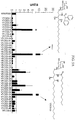
- FIG. 10 shows that type 1 diabetes can be delayed or prevented in NOD mice treated with ceramide-like glycolipids.
- the results reported in FIG. 10 were obtained by treating three groups, each consisting of 9-12 female NOD mice, starting from age 5 weeks with a ceramide-like glycolipid.
- the indicated ceramide-like glycolipids (DB03-4, DB03-5, or KRN7000) were injected i.p. once per week in a dose of 200 micrograms/kg. Treatment was discontinued at 11 weeks of age, and the mice were monitored weekly for glucosuria (top) and death (bottom).
- the ceramide-like glycolipids were administered by i.p. or i.v. injection in 0.2 ml PBS + 0.025% Tween-20, or in vehicle alone.
- a typical dose is about 4-5 nmoles per animal per injection.
- Representative references for administering an ⁇ -galactosyl ceramide to mice by i.p., i.v. or p.o. routes are S. Sharif et al., Activation of natural killer T cells by alpha-galactosylceramide treatment prevents the onset and recurrence of autoimmune Type 1 diabetes, Nat Med., Sep.
Landscapes
- Health & Medical Sciences (AREA)
- Chemical & Material Sciences (AREA)
- Life Sciences & Earth Sciences (AREA)
- Organic Chemistry (AREA)
- General Health & Medical Sciences (AREA)
- Animal Behavior & Ethology (AREA)
- Pharmacology & Pharmacy (AREA)
- Veterinary Medicine (AREA)
- Public Health (AREA)
- Chemical Kinetics & Catalysis (AREA)
- General Chemical & Material Sciences (AREA)
- Medicinal Chemistry (AREA)
- Engineering & Computer Science (AREA)
- Nuclear Medicine, Radiotherapy & Molecular Imaging (AREA)
- Bioinformatics & Cheminformatics (AREA)
- Immunology (AREA)
- Diabetes (AREA)
- Dermatology (AREA)
- Genetics & Genomics (AREA)
- Hematology (AREA)
- Physical Education & Sports Medicine (AREA)
- Orthopedic Medicine & Surgery (AREA)
- Molecular Biology (AREA)
- Biotechnology (AREA)
- Biochemistry (AREA)
- Neurology (AREA)
- Crystallography & Structural Chemistry (AREA)
- Microbiology (AREA)
- Rheumatology (AREA)
- Epidemiology (AREA)
- Mycology (AREA)
- Obesity (AREA)
- Urology & Nephrology (AREA)
- Communicable Diseases (AREA)
- Transplantation (AREA)
- Endocrinology (AREA)
- Emergency Medicine (AREA)
- Oncology (AREA)
- Biomedical Technology (AREA)
- Neurosurgery (AREA)
Applications Claiming Priority (2)
| Application Number | Priority Date | Filing Date | Title |
|---|---|---|---|
| US60536204P | 2004-08-27 | 2004-08-27 | |
| PCT/US2005/030330 WO2006026389A2 (en) | 2004-08-27 | 2005-08-26 | Ceramide derivatives as modulators of immunity and autoimmunity |
Publications (3)
| Publication Number | Publication Date |
|---|---|
| EP1784196A2 EP1784196A2 (en) | 2007-05-16 |
| EP1784196A4 EP1784196A4 (en) | 2012-05-30 |
| EP1784196B1 true EP1784196B1 (en) | 2016-12-21 |
Family
ID=36000590
Family Applications (1)
| Application Number | Title | Priority Date | Filing Date |
|---|---|---|---|
| EP05808439.3A Expired - Lifetime EP1784196B1 (en) | 2004-08-27 | 2005-08-26 | Ceramide derivatives as modulators of immunity and autoimmunity |
Country Status (10)
| Country | Link |
|---|---|
| US (1) | US7772380B2 (enExample) |
| EP (1) | EP1784196B1 (enExample) |
| JP (3) | JP5226311B2 (enExample) |
| KR (2) | KR20120116511A (enExample) |
| CN (1) | CN101010086B (enExample) |
| AU (1) | AU2005280163B2 (enExample) |
| CA (1) | CA2577009C (enExample) |
| IL (1) | IL181054A (enExample) |
| NZ (1) | NZ553320A (enExample) |
| WO (1) | WO2006026389A2 (enExample) |
Families Citing this family (60)
| Publication number | Priority date | Publication date | Assignee | Title |
|---|---|---|---|---|
| US9809654B2 (en) | 2002-09-27 | 2017-11-07 | Vaccinex, Inc. | Targeted CD1d molecules |
| US7645873B2 (en) | 2003-03-20 | 2010-01-12 | The Scripps Research Institute | 6″-amino-6″-deoxygalactosylceramides |
| KR20120116511A (ko) * | 2004-08-27 | 2012-10-22 | 알버트 아인슈타인 컬리지 오브 메디신 오브 예쉬바 유니버시티 | 면역 및 자가면역의 조절제로서의 세라마이드 유도체 |
| US8022043B2 (en) * | 2004-08-27 | 2011-09-20 | Albert Einstein College Of Medicine Of Yeshiva University | Ceramide derivatives as modulators of immunity and autoimmunity |
| GB0419846D0 (en) | 2004-09-07 | 2004-10-13 | Chiron Srl | Vaccine adjuvants for saccharides |
| US7923013B2 (en) | 2004-12-28 | 2011-04-12 | The Rockefeller University | Glycolipids and analogues thereof as antigens for NKT cells |
| JP5090928B2 (ja) * | 2004-12-28 | 2012-12-05 | ザ ロックフェラー ユニバーシティ | Nkt細胞に対する抗原としての糖脂質及びその類似体 |
| US20100129339A1 (en) * | 2005-10-06 | 2010-05-27 | Riken | Nkt cell-stimulating agent for administration through upper respiratory tract mucous membrane |
| GB0605247D0 (en) * | 2006-03-15 | 2006-04-26 | Chiron Srl | Compositions and methods for immunisation |
| SI2056842T1 (sl) | 2006-04-07 | 2013-02-28 | The Scripps Research Institute | Modificiran galaktosil-ceramid za zdravljenje kancerogenih obolenj |
| AU2007269299B2 (en) * | 2006-06-30 | 2013-01-17 | Brigham Young University | Adjuvants and methods of use |
| WO2008048410A2 (en) * | 2006-09-19 | 2008-04-24 | Human Biomolecular Research Institute | Diagnostic methods and genetic markers for alzheimer disease |
| WO2008047174A1 (en) * | 2006-10-18 | 2008-04-24 | Centre National De La Recherche Scientifique | Alpha-galactosylceramide analogs, their methods of manufacture, intermediate compounds useful in these methods, and pharmaceutical compositions containing them |
| KR100868959B1 (ko) * | 2006-12-30 | 2008-11-17 | 재단법인서울대학교산학협력재단 | 알파-갈락토실세라마이드 유도체, 이의 약학적으로 허용가능한 염, 이의 제조방법 및 이를 유효성분으로 함유하는면역보조용 약학적 조성물 |
| JP2010519274A (ja) | 2007-02-21 | 2010-06-03 | フラームス・インテルウニフェルシタイル・インステイチュート・フォール・ビオテヒノロヒー・ヴェーゼットウェー(ヴェーイーベー・ヴェーゼットウェー) | TNFおよびα−ガラクトシルセラミドを使用する併用療法 |
| AU2008219020B2 (en) | 2007-02-21 | 2013-08-22 | Vaccinex, Inc. | Modulation of NKT cell activity with antigen-loaded CDId molecules |
| US8802098B2 (en) | 2007-04-25 | 2014-08-12 | Immurx, Inc. | Methods of promoting antitumor immunity by administering CD40 agonists and alpha-galactosyl ceramide |
| US8916164B2 (en) | 2007-08-29 | 2014-12-23 | Abivax | Methods of enhancing adjuvaticity of vaccine compositions |
| WO2009060305A2 (en) | 2007-10-12 | 2009-05-14 | Luigi Panza | Analogues of glycolipids useful as immunoadjuvants |
| EP2058011A1 (en) | 2007-11-07 | 2009-05-13 | Wittycell | Nkt cell activating gycolipids covalently bound antigens and/or drug |
| US7928077B2 (en) * | 2008-07-11 | 2011-04-19 | Academia Sinica | Alpha-galactosyl ceramide analogs and their use as immunotherapies |
| WO2010027479A2 (en) | 2008-09-08 | 2010-03-11 | Children's Medical Center Corporation | Mucosal delivery of therapeutic molecules, proteins, or particles coupled to ceramide lipids |
| JP5574432B2 (ja) * | 2008-09-11 | 2014-08-20 | 独立行政法人理化学研究所 | エステル化α−ガラクトシルセラミド類 |
| CN102215864A (zh) | 2008-10-08 | 2011-10-12 | 威蒂赛尔公司 | 用于抗流感的疫苗组合物 |
| PT2385980T (pt) * | 2009-01-08 | 2018-06-26 | Albert Einstein College Medicine Inc | Vacinas bacterianas com glicolípidos do tipo ceramida associados à parede celular e utilização dos mesmos |
| KR20110045545A (ko) * | 2009-10-27 | 2011-05-04 | 서울대학교산학협력단 | 신규 알파-갈락토실세라마이드 유도체, 이의 약학적으로 허용 가능한 염, 이의 제조방법 및 이를 유효성분으로 함유하는 면역보조용 약학적 조성물 |
| WO2011112889A2 (en) * | 2010-03-12 | 2011-09-15 | The United States Of America, As Represented By The Secretary, Department Of Health And Human Services | β-MANNOSYLCERAMIDE AND STIMULATION OF NKT CELL ANTI-TUMOR IMMUNITY |
| WO2013007792A1 (en) * | 2011-07-14 | 2013-01-17 | Thurgauische Stiftung Für Wissenschaft Und Forschung | Novel th2 polarizing compounds |
| HK1199405A1 (en) | 2011-10-27 | 2015-07-03 | Nkt治疗公司 | Humanized antibodies to inkt |
| CA2857226A1 (en) * | 2011-11-28 | 2013-06-06 | Uti Limited Partnership | Prophylactic compositions for management of microbial infections in patients with brain injury |
| EP2811831B1 (en) | 2012-02-07 | 2018-04-11 | The Regents Of The University Of California | Glycosphingolipids for use in modulating immune responses |
| KR101969814B1 (ko) * | 2012-02-24 | 2019-04-18 | 주식회사 진영바이오 | 글리코실 세라마이드 화합물 및 그 제조방법 |
| JP5933106B2 (ja) * | 2012-03-19 | 2016-06-08 | マックス プランク ゲゼルシャフト ツゥアー フェデルゥン デル ヴィッセンシャフテン エー フォー | 炭水化物−糖脂質共役ワクチン |
| US9708601B2 (en) | 2012-04-26 | 2017-07-18 | Vaccinex, Inc. | Fusion proteins to facilitate selection of cells infected with specific immunoglobulin gene recombinant vaccinia virus |
| KR102099764B1 (ko) * | 2012-04-26 | 2020-04-10 | 리가가쿠 겐큐쇼 | 신규 카르바메이트 당지질 및 그 용도 |
| US9586985B2 (en) * | 2012-07-26 | 2017-03-07 | Victoria Link Limited | Organic compounds as proantigens for natural killer T cells |
| US20150224129A1 (en) | 2012-10-03 | 2015-08-13 | INSERM (Institut National de la Santé et de la Recherche Médicale) | Methods and pharmaceutical compositions for the prophylactic treatment of bacterial superinfections post-influenza with invariant nkt cell agonists |
| WO2014059220A1 (en) | 2012-10-12 | 2014-04-17 | The Brigham And Women's Hospital, Inc. | Glycosphingolipids and methods of use thereof |
| US9861702B2 (en) | 2012-10-22 | 2018-01-09 | Wisconsin Alumni Research Foundation | Lipid-conjugated rhamnose for immune system recruitment and oncotherapy |
| US9764037B2 (en) * | 2012-12-06 | 2017-09-19 | Victoria Link Limited | Conjugate compounds |
| US9371352B2 (en) | 2013-02-08 | 2016-06-21 | Vaccinex, Inc. | Modified glycolipids and methods of making and using the same |
| NZ710949A (en) * | 2013-02-08 | 2020-02-28 | Vaccinex Inc | Modified glycolipids and methods of making and using the same |
| JP6466907B2 (ja) | 2013-03-15 | 2019-02-06 | パーキンエルマー・ヘルス・サイエンシーズ・インコーポレイテッドPerkinelmer Health Sciences, Inc. | ライソゾーム病の検査に関する化合物および方法 |
| KR102298172B1 (ko) * | 2013-09-06 | 2021-09-06 | 아카데미아 시니카 | 변화된 글리코실 그룹을 갖는 당지질을 사용한 인간 iNKT 세포 활성화 |
| CN105461681A (zh) * | 2014-09-05 | 2016-04-06 | 中国科学院生态环境研究中心 | 具有抗肿瘤活性的krn7000类似物及合成方法 |
| KR102422375B1 (ko) * | 2014-09-08 | 2022-07-18 | 아카데미아 시니카 | 당지질을 사용한 인간 iNKT 세포 활성화 |
| KR101589633B1 (ko) * | 2014-09-18 | 2016-02-01 | 한국과학기술연구원 | 당세라마이드 유도체 및 이의 제조방법 |
| CN104497064B (zh) * | 2014-11-24 | 2017-10-24 | 浙江大学 | α‑半乳糖神经酰胺新异构体及其合成方法 |
| CN104497065B (zh) * | 2014-11-24 | 2017-10-24 | 浙江大学 | α‑半乳糖神经酰胺新异构体及其用途 |
| CN105384785B (zh) * | 2015-11-24 | 2018-06-19 | 中国人民解放军第二军医大学 | 含有半乳糖类脂肪酸衍生物的制备方法及其在医药领域的应用 |
| SG11201808554TA (en) | 2016-04-22 | 2018-11-29 | Vaccinex Inc | Integral membrane protein display on poxvirus extracellular enveloped virions |
| WO2017207040A1 (en) | 2016-06-01 | 2017-12-07 | Vib Vzw | ANTI-CANCER THERAPY USING A LEPTIN ANTAGONIST AND AN iNKT-CELL ACTIVATOR |
| SG11201900595YA (en) | 2016-08-02 | 2019-02-27 | Vaccinex Inc | Improved methods for producing polynucleotide libraries in vaccinia virus/eukaryotic cells |
| CA3080521A1 (en) | 2017-10-27 | 2019-05-02 | Children's Medical Center Corporation | Short chain ceramide-based lipids and uses thereof |
| CA3096398A1 (en) | 2018-04-12 | 2019-10-17 | Children's Medical Center Corporation | Ceramide-like lipid-based delivery vehicles and uses thereof |
| CN109701009A (zh) * | 2019-01-03 | 2019-05-03 | 华中师范大学 | 疫苗制剂及其应用 |
| KR102146226B1 (ko) * | 2019-03-07 | 2020-08-20 | 경희대학교 산학협력단 | 피토세라마이드 또는 이의 약학적으로 허용가능한 염을 유효성분으로 포함하는 신경계 자가면역질환의 예방 또는 치료용 조성물 |
| WO2022102557A1 (ja) * | 2020-11-12 | 2022-05-19 | 国立研究開発法人理化学研究所 | 擬似糖脂質誘導体並びにその合成中間体、製造方法及び用途 |
| IL305579A (en) * | 2021-03-01 | 2023-10-01 | Deciduous Therapeutics Inc | Compounds for activating invariant natural killer T cells and methods for use in eliminating inflammatory senescent cells |
| WO2023096715A2 (en) * | 2021-10-22 | 2023-06-01 | President And Fellows Of Harvard College | Immunomodulatory glycosphingolipids and methods of use thereof |
Family Cites Families (16)
| Publication number | Priority date | Publication date | Assignee | Title |
|---|---|---|---|---|
| US5936076A (en) * | 1991-08-29 | 1999-08-10 | Kirin Beer Kabushiki Kaisha | αgalactosylceramide derivatives |
| CA2147629C (en) * | 1992-10-22 | 2005-03-22 | Koji Akimoto | Novel sphingoglycolipids and the use thereof |
| US6238676B1 (en) * | 1992-12-10 | 2001-05-29 | Brigham And Women's Hospital | Presentation of hydrophobic antigens to T-cells by CD1 molecules |
| US5853737A (en) * | 1992-12-10 | 1998-12-29 | Brigham And Women's Hospital | Method for inducing a CD1-restricted immune response |
| US5679347A (en) * | 1992-12-10 | 1997-10-21 | Brigham And Women's Hospital | Methods of isolating CD1-presented antigens, vaccines comprising CD1-presented antigens, and cell lines for use in said methods |
| AU683653B2 (en) * | 1993-04-15 | 1997-11-20 | Kirin Pharma Kabushiki Kaisha | Novel sphingoglycolipid and use thereof |
| US5973128A (en) * | 1996-11-22 | 1999-10-26 | The Hospital For Sick Children Research And Development Lp | Glycolipid mimics and methods of use thereof |
| CN1222293C (zh) * | 1997-04-10 | 2005-10-12 | 麒麟麦酒株式会社 | 含有α-糖基神经酰胺的NKT细胞活化剂 |
| JP2004131481A (ja) * | 1997-04-10 | 2004-04-30 | Kirin Brewery Co Ltd | α−グリコシルセラミドを含有するNKT細胞活性化剤 |
| AU2087799A (en) * | 1997-12-31 | 1999-07-19 | Brigham And Women's Hospital | Diagnostic and therapeutic methods based upon valpha24jalphaq t cells |
| EP1434859A2 (en) * | 2001-07-25 | 2004-07-07 | New York University | Use of glycosylceramides as adjuvants for vaccines against infections and cancer |
| BR0211968A (pt) * | 2001-08-16 | 2004-09-28 | Daiichi Suntory Pharma Co Ltd | Glicolipìdio útil no tratamento de doenças autoimunes e medicamento do mesmo |
| JP2005533057A (ja) * | 2002-06-13 | 2005-11-04 | ニューヨーク・ユニバーシティ | 合成c−糖脂質、ならびに癌、感染性疾患および自己免疫疾患を処置するための合成c−糖脂質の使用 |
| EP1572114A2 (en) * | 2002-09-27 | 2005-09-14 | Biomira, Inc. | Glycosylceramide analogues |
| CN100537585C (zh) * | 2003-02-14 | 2009-09-09 | 阿斯比奥制药株式会社 | 糖脂衍生物及其制造方法,以及其合成中间体及其制造方法 |
| KR20120116511A (ko) * | 2004-08-27 | 2012-10-22 | 알버트 아인슈타인 컬리지 오브 메디신 오브 예쉬바 유니버시티 | 면역 및 자가면역의 조절제로서의 세라마이드 유도체 |
-
2005
- 2005-08-26 KR KR1020127025454A patent/KR20120116511A/ko not_active Ceased
- 2005-08-26 WO PCT/US2005/030330 patent/WO2006026389A2/en not_active Ceased
- 2005-08-26 JP JP2007530141A patent/JP5226311B2/ja not_active Expired - Fee Related
- 2005-08-26 NZ NZ553320A patent/NZ553320A/en not_active IP Right Cessation
- 2005-08-26 KR KR1020077003168A patent/KR101377116B1/ko not_active Expired - Fee Related
- 2005-08-26 EP EP05808439.3A patent/EP1784196B1/en not_active Expired - Lifetime
- 2005-08-26 CN CN2005800289881A patent/CN101010086B/zh not_active Expired - Fee Related
- 2005-08-26 AU AU2005280163A patent/AU2005280163B2/en not_active Ceased
- 2005-08-26 US US11/211,653 patent/US7772380B2/en not_active Expired - Fee Related
- 2005-08-26 CA CA2577009A patent/CA2577009C/en not_active Expired - Fee Related
-
2007
- 2007-01-30 IL IL181054A patent/IL181054A/en active IP Right Grant
-
2012
- 2012-07-06 JP JP2012152661A patent/JP2012211182A/ja not_active Withdrawn
-
2014
- 2014-09-12 JP JP2014185949A patent/JP5870327B2/ja not_active Expired - Fee Related
Non-Patent Citations (1)
| Title |
|---|
| O. A. KARL, ET AL.: "Modulation of CD1d-restricted NKT cell responses by using N-acyl variants of {alpha}galactosylceramides", PNAS, vol. 102, no. 9, 18 February 2005 (2005-02-18), pages 3383 - 3388 * |
Also Published As
| Publication number | Publication date |
|---|---|
| NZ553320A (en) | 2011-02-25 |
| JP5870327B2 (ja) | 2016-02-24 |
| WO2006026389A3 (en) | 2006-05-26 |
| JP5226311B2 (ja) | 2013-07-03 |
| CA2577009A1 (en) | 2006-03-09 |
| EP1784196A4 (en) | 2012-05-30 |
| CN101010086A (zh) | 2007-08-01 |
| KR20070023825A (ko) | 2007-02-28 |
| AU2005280163B2 (en) | 2011-11-24 |
| IL181054A0 (en) | 2007-07-04 |
| JP2008511634A (ja) | 2008-04-17 |
| CA2577009C (en) | 2017-05-02 |
| IL181054A (en) | 2013-10-31 |
| US7772380B2 (en) | 2010-08-10 |
| AU2005280163A1 (en) | 2006-03-09 |
| CN101010086B (zh) | 2013-05-29 |
| KR101377116B1 (ko) | 2014-03-24 |
| JP2015007125A (ja) | 2015-01-15 |
| KR20120116511A (ko) | 2012-10-22 |
| EP1784196A2 (en) | 2007-05-16 |
| JP2012211182A (ja) | 2012-11-01 |
| US20060052316A1 (en) | 2006-03-09 |
| WO2006026389A2 (en) | 2006-03-09 |
Similar Documents
| Publication | Publication Date | Title |
|---|---|---|
| EP1784196B1 (en) | Ceramide derivatives as modulators of immunity and autoimmunity | |
| US8022043B2 (en) | Ceramide derivatives as modulators of immunity and autoimmunity | |
| AU2009268381B2 (en) | Alpha-galactosyl ceramide analogs and their use as immunotherapies, adjuvants, and antiviral, antibacterial, and anticancer agents | |
| CA2591232A1 (en) | Glycolipids and analogues thereof as antigens for nk t cells | |
| EP2877481B1 (en) | Organic compounds | |
| JP6487854B2 (ja) | 修飾された糖脂質並びにその製造および使用方法 | |
| DK2231196T3 (en) | Increase in the immune response by peptide-antigen binding | |
| CA3140411C (en) | Saponin conjugate and vaccine or pharmaceutical composition comprising the same | |
| JP5669215B2 (ja) | 新規合成糖脂質およびその用途 | |
| NZ613614B2 (en) | Sphingoglycolipid compounds and uses |
Legal Events
| Date | Code | Title | Description |
|---|---|---|---|
| PUAI | Public reference made under article 153(3) epc to a published international application that has entered the european phase |
Free format text: ORIGINAL CODE: 0009012 |
|
| 17P | Request for examination filed |
Effective date: 20070309 |
|
| AK | Designated contracting states |
Kind code of ref document: A2 Designated state(s): AT BE BG CH CY CZ DE DK EE ES FI FR GB GR HU IE IS IT LI LT LU LV MC NL PL PT RO SE SI SK TR |
|
| DAX | Request for extension of the european patent (deleted) | ||
| A4 | Supplementary search report drawn up and despatched |
Effective date: 20120427 |
|
| 17Q | First examination report despatched |
Effective date: 20140513 |
|
| GRAP | Despatch of communication of intention to grant a patent |
Free format text: ORIGINAL CODE: EPIDOSNIGR1 |
|
| RIC1 | Information provided on ipc code assigned before grant |
Ipc: C07H 15/06 20060101AFI20160510BHEP Ipc: A61K 39/39 20060101ALI20160510BHEP Ipc: A61K 39/00 20060101ALN20160510BHEP |
|
| INTG | Intention to grant announced |
Effective date: 20160603 |
|
| GRAS | Grant fee paid |
Free format text: ORIGINAL CODE: EPIDOSNIGR3 |
|
| GRAJ | Information related to disapproval of communication of intention to grant by the applicant or resumption of examination proceedings by the epo deleted |
Free format text: ORIGINAL CODE: EPIDOSDIGR1 |
|
| GRAL | Information related to payment of fee for publishing/printing deleted |
Free format text: ORIGINAL CODE: EPIDOSDIGR3 |
|
| REG | Reference to a national code |
Ref country code: DE Ref legal event code: R079 Ref document number: 602005050970 Country of ref document: DE Free format text: PREVIOUS MAIN CLASS: A61K0031702800 Ipc: C07H0015060000 |
|
| GRAR | Information related to intention to grant a patent recorded |
Free format text: ORIGINAL CODE: EPIDOSNIGR71 |
|
| GRAA | (expected) grant |
Free format text: ORIGINAL CODE: 0009210 |
|
| INTC | Intention to grant announced (deleted) | ||
| RIC1 | Information provided on ipc code assigned before grant |
Ipc: A61K 39/00 20060101ALN20161027BHEP Ipc: A61K 39/39 20060101ALI20161027BHEP Ipc: C07H 15/06 20060101AFI20161027BHEP |
|
| AK | Designated contracting states |
Kind code of ref document: B1 Designated state(s): AT BE BG CH CY CZ DE DK EE ES FI FR GB GR HU IE IS IT LI LT LU LV MC NL PL PT RO SE SI SK TR |
|
| INTG | Intention to grant announced |
Effective date: 20161115 |
|
| REG | Reference to a national code |
Ref country code: GB Ref legal event code: FG4D |
|
| REG | Reference to a national code |
Ref country code: CH Ref legal event code: EP |
|
| REG | Reference to a national code |
Ref country code: IE Ref legal event code: FG4D |
|
| REG | Reference to a national code |
Ref country code: AT Ref legal event code: REF Ref document number: 855390 Country of ref document: AT Kind code of ref document: T Effective date: 20170115 |
|
| REG | Reference to a national code |
Ref country code: DE Ref legal event code: R096 Ref document number: 602005050970 Country of ref document: DE |
|
| PG25 | Lapsed in a contracting state [announced via postgrant information from national office to epo] |
Ref country code: LV Free format text: LAPSE BECAUSE OF FAILURE TO SUBMIT A TRANSLATION OF THE DESCRIPTION OR TO PAY THE FEE WITHIN THE PRESCRIBED TIME-LIMIT Effective date: 20161221 |
|
| REG | Reference to a national code |
Ref country code: LT Ref legal event code: MG4D |
|
| REG | Reference to a national code |
Ref country code: NL Ref legal event code: MP Effective date: 20161221 |
|
| PG25 | Lapsed in a contracting state [announced via postgrant information from national office to epo] |
Ref country code: LT Free format text: LAPSE BECAUSE OF FAILURE TO SUBMIT A TRANSLATION OF THE DESCRIPTION OR TO PAY THE FEE WITHIN THE PRESCRIBED TIME-LIMIT Effective date: 20161221 Ref country code: GR Free format text: LAPSE BECAUSE OF FAILURE TO SUBMIT A TRANSLATION OF THE DESCRIPTION OR TO PAY THE FEE WITHIN THE PRESCRIBED TIME-LIMIT Effective date: 20170322 Ref country code: SE Free format text: LAPSE BECAUSE OF FAILURE TO SUBMIT A TRANSLATION OF THE DESCRIPTION OR TO PAY THE FEE WITHIN THE PRESCRIBED TIME-LIMIT Effective date: 20161221 |
|
| REG | Reference to a national code |
Ref country code: AT Ref legal event code: MK05 Ref document number: 855390 Country of ref document: AT Kind code of ref document: T Effective date: 20161221 |
|
| PG25 | Lapsed in a contracting state [announced via postgrant information from national office to epo] |
Ref country code: FI Free format text: LAPSE BECAUSE OF FAILURE TO SUBMIT A TRANSLATION OF THE DESCRIPTION OR TO PAY THE FEE WITHIN THE PRESCRIBED TIME-LIMIT Effective date: 20161221 |
|
| PG25 | Lapsed in a contracting state [announced via postgrant information from national office to epo] |
Ref country code: NL Free format text: LAPSE BECAUSE OF FAILURE TO SUBMIT A TRANSLATION OF THE DESCRIPTION OR TO PAY THE FEE WITHIN THE PRESCRIBED TIME-LIMIT Effective date: 20161221 |
|
| PG25 | Lapsed in a contracting state [announced via postgrant information from national office to epo] |
Ref country code: EE Free format text: LAPSE BECAUSE OF FAILURE TO SUBMIT A TRANSLATION OF THE DESCRIPTION OR TO PAY THE FEE WITHIN THE PRESCRIBED TIME-LIMIT Effective date: 20161221 Ref country code: CZ Free format text: LAPSE BECAUSE OF FAILURE TO SUBMIT A TRANSLATION OF THE DESCRIPTION OR TO PAY THE FEE WITHIN THE PRESCRIBED TIME-LIMIT Effective date: 20161221 Ref country code: SK Free format text: LAPSE BECAUSE OF FAILURE TO SUBMIT A TRANSLATION OF THE DESCRIPTION OR TO PAY THE FEE WITHIN THE PRESCRIBED TIME-LIMIT Effective date: 20161221 Ref country code: IS Free format text: LAPSE BECAUSE OF FAILURE TO SUBMIT A TRANSLATION OF THE DESCRIPTION OR TO PAY THE FEE WITHIN THE PRESCRIBED TIME-LIMIT Effective date: 20170421 Ref country code: RO Free format text: LAPSE BECAUSE OF FAILURE TO SUBMIT A TRANSLATION OF THE DESCRIPTION OR TO PAY THE FEE WITHIN THE PRESCRIBED TIME-LIMIT Effective date: 20161221 |
|
| RAP2 | Party data changed (patent owner data changed or rights of a patent transferred) |
Owner name: ALBERT EINSTEIN COLLEGE OF MEDICINE, INC. |
|
| REG | Reference to a national code |
Ref country code: DE Ref legal event code: R082 Ref document number: 602005050970 Country of ref document: DE Representative=s name: VOSSIUS & PARTNER PATENTANWAELTE RECHTSANWAELT, DE Ref country code: DE Ref legal event code: R081 Ref document number: 602005050970 Country of ref document: DE Owner name: ALBERT EINSTEIN COLLEGE OF MEDICINE, INC., BRO, US Free format text: FORMER OWNER: ALBERT EINSTEIN COLLEGE OF MEDICINE OF YESHIVA UNIVERSITY, NEW YORK, N.Y., US |
|
| REG | Reference to a national code |
Ref country code: FR Ref legal event code: PLFP Year of fee payment: 13 |
|
| PG25 | Lapsed in a contracting state [announced via postgrant information from national office to epo] |
Ref country code: IT Free format text: LAPSE BECAUSE OF FAILURE TO SUBMIT A TRANSLATION OF THE DESCRIPTION OR TO PAY THE FEE WITHIN THE PRESCRIBED TIME-LIMIT Effective date: 20161221 Ref country code: AT Free format text: LAPSE BECAUSE OF FAILURE TO SUBMIT A TRANSLATION OF THE DESCRIPTION OR TO PAY THE FEE WITHIN THE PRESCRIBED TIME-LIMIT Effective date: 20161221 Ref country code: PT Free format text: LAPSE BECAUSE OF FAILURE TO SUBMIT A TRANSLATION OF THE DESCRIPTION OR TO PAY THE FEE WITHIN THE PRESCRIBED TIME-LIMIT Effective date: 20170421 Ref country code: ES Free format text: LAPSE BECAUSE OF FAILURE TO SUBMIT A TRANSLATION OF THE DESCRIPTION OR TO PAY THE FEE WITHIN THE PRESCRIBED TIME-LIMIT Effective date: 20161221 Ref country code: PL Free format text: LAPSE BECAUSE OF FAILURE TO SUBMIT A TRANSLATION OF THE DESCRIPTION OR TO PAY THE FEE WITHIN THE PRESCRIBED TIME-LIMIT Effective date: 20161221 Ref country code: BG Free format text: LAPSE BECAUSE OF FAILURE TO SUBMIT A TRANSLATION OF THE DESCRIPTION OR TO PAY THE FEE WITHIN THE PRESCRIBED TIME-LIMIT Effective date: 20170321 Ref country code: BE Free format text: LAPSE BECAUSE OF FAILURE TO SUBMIT A TRANSLATION OF THE DESCRIPTION OR TO PAY THE FEE WITHIN THE PRESCRIBED TIME-LIMIT Effective date: 20161221 |
|
| REG | Reference to a national code |
Ref country code: DE Ref legal event code: R097 Ref document number: 602005050970 Country of ref document: DE |
|
| REG | Reference to a national code |
Ref country code: GB Ref legal event code: 732E Free format text: REGISTERED BETWEEN 20170914 AND 20170920 |
|
| PLBE | No opposition filed within time limit |
Free format text: ORIGINAL CODE: 0009261 |
|
| STAA | Information on the status of an ep patent application or granted ep patent |
Free format text: STATUS: NO OPPOSITION FILED WITHIN TIME LIMIT |
|
| 26N | No opposition filed |
Effective date: 20170922 |
|
| PG25 | Lapsed in a contracting state [announced via postgrant information from national office to epo] |
Ref country code: DK Free format text: LAPSE BECAUSE OF FAILURE TO SUBMIT A TRANSLATION OF THE DESCRIPTION OR TO PAY THE FEE WITHIN THE PRESCRIBED TIME-LIMIT Effective date: 20161221 |
|
| PG25 | Lapsed in a contracting state [announced via postgrant information from national office to epo] |
Ref country code: SI Free format text: LAPSE BECAUSE OF FAILURE TO SUBMIT A TRANSLATION OF THE DESCRIPTION OR TO PAY THE FEE WITHIN THE PRESCRIBED TIME-LIMIT Effective date: 20161221 |
|
| REG | Reference to a national code |
Ref country code: CH Ref legal event code: PL |
|
| PG25 | Lapsed in a contracting state [announced via postgrant information from national office to epo] |
Ref country code: MC Free format text: LAPSE BECAUSE OF FAILURE TO SUBMIT A TRANSLATION OF THE DESCRIPTION OR TO PAY THE FEE WITHIN THE PRESCRIBED TIME-LIMIT Effective date: 20161221 |
|
| PG25 | Lapsed in a contracting state [announced via postgrant information from national office to epo] |
Ref country code: CH Free format text: LAPSE BECAUSE OF NON-PAYMENT OF DUE FEES Effective date: 20170831 Ref country code: LI Free format text: LAPSE BECAUSE OF NON-PAYMENT OF DUE FEES Effective date: 20170831 |
|
| REG | Reference to a national code |
Ref country code: IE Ref legal event code: MM4A |
|
| PG25 | Lapsed in a contracting state [announced via postgrant information from national office to epo] |
Ref country code: LU Free format text: LAPSE BECAUSE OF NON-PAYMENT OF DUE FEES Effective date: 20170826 |
|
| PG25 | Lapsed in a contracting state [announced via postgrant information from national office to epo] |
Ref country code: IE Free format text: LAPSE BECAUSE OF NON-PAYMENT OF DUE FEES Effective date: 20170826 |
|
| REG | Reference to a national code |
Ref country code: FR Ref legal event code: PLFP Year of fee payment: 14 |
|
| PG25 | Lapsed in a contracting state [announced via postgrant information from national office to epo] |
Ref country code: HU Free format text: LAPSE BECAUSE OF FAILURE TO SUBMIT A TRANSLATION OF THE DESCRIPTION OR TO PAY THE FEE WITHIN THE PRESCRIBED TIME-LIMIT; INVALID AB INITIO Effective date: 20050826 |
|
| PG25 | Lapsed in a contracting state [announced via postgrant information from national office to epo] |
Ref country code: CY Free format text: LAPSE BECAUSE OF NON-PAYMENT OF DUE FEES Effective date: 20161221 |
|
| PGFP | Annual fee paid to national office [announced via postgrant information from national office to epo] |
Ref country code: FR Payment date: 20190826 Year of fee payment: 15 Ref country code: DE Payment date: 20190828 Year of fee payment: 15 |
|
| PGFP | Annual fee paid to national office [announced via postgrant information from national office to epo] |
Ref country code: GB Payment date: 20190827 Year of fee payment: 15 |
|
| PG25 | Lapsed in a contracting state [announced via postgrant information from national office to epo] |
Ref country code: TR Free format text: LAPSE BECAUSE OF FAILURE TO SUBMIT A TRANSLATION OF THE DESCRIPTION OR TO PAY THE FEE WITHIN THE PRESCRIBED TIME-LIMIT Effective date: 20161221 |
|
| REG | Reference to a national code |
Ref country code: DE Ref legal event code: R119 Ref document number: 602005050970 Country of ref document: DE |
|
| GBPC | Gb: european patent ceased through non-payment of renewal fee |
Effective date: 20200826 |
|
| PG25 | Lapsed in a contracting state [announced via postgrant information from national office to epo] |
Ref country code: FR Free format text: LAPSE BECAUSE OF NON-PAYMENT OF DUE FEES Effective date: 20200831 Ref country code: DE Free format text: LAPSE BECAUSE OF NON-PAYMENT OF DUE FEES Effective date: 20210302 |
|
| PG25 | Lapsed in a contracting state [announced via postgrant information from national office to epo] |
Ref country code: GB Free format text: LAPSE BECAUSE OF NON-PAYMENT OF DUE FEES Effective date: 20200826 |