EP1765858B1 - Epitope analogs - Google Patents
Epitope analogs Download PDFInfo
- Publication number
- EP1765858B1 EP1765858B1 EP05762506A EP05762506A EP1765858B1 EP 1765858 B1 EP1765858 B1 EP 1765858B1 EP 05762506 A EP05762506 A EP 05762506A EP 05762506 A EP05762506 A EP 05762506A EP 1765858 B1 EP1765858 B1 EP 1765858B1
- Authority
- EP
- European Patent Office
- Prior art keywords
- peptide
- mhc
- analogs
- ssx
- binding
- Prior art date
- Legal status (The legal status is an assumption and is not a legal conclusion. Google has not performed a legal analysis and makes no representation as to the accuracy of the status listed.)
- Expired - Lifetime
Links
Images





Classifications
-
- A—HUMAN NECESSITIES
- A61—MEDICAL OR VETERINARY SCIENCE; HYGIENE
- A61P—SPECIFIC THERAPEUTIC ACTIVITY OF CHEMICAL COMPOUNDS OR MEDICINAL PREPARATIONS
- A61P31/00—Antiinfectives, i.e. antibiotics, antiseptics, chemotherapeutics
- A61P31/12—Antivirals
-
- C—CHEMISTRY; METALLURGY
- C07—ORGANIC CHEMISTRY
- C07K—PEPTIDES
- C07K14/00—Peptides having more than 20 amino acids; Gastrins; Somatostatins; Melanotropins; Derivatives thereof
- C07K14/435—Peptides having more than 20 amino acids; Gastrins; Somatostatins; Melanotropins; Derivatives thereof from animals; from humans
-
- C—CHEMISTRY; METALLURGY
- C07—ORGANIC CHEMISTRY
- C07K—PEPTIDES
- C07K7/00—Peptides having 5 to 20 amino acids in a fully defined sequence; Derivatives thereof
- C07K7/04—Linear peptides containing only normal peptide links
- C07K7/06—Linear peptides containing only normal peptide links having 5 to 11 amino acids
-
- A—HUMAN NECESSITIES
- A61—MEDICAL OR VETERINARY SCIENCE; HYGIENE
- A61P—SPECIFIC THERAPEUTIC ACTIVITY OF CHEMICAL COMPOUNDS OR MEDICINAL PREPARATIONS
- A61P35/00—Antineoplastic agents
-
- A—HUMAN NECESSITIES
- A61—MEDICAL OR VETERINARY SCIENCE; HYGIENE
- A61P—SPECIFIC THERAPEUTIC ACTIVITY OF CHEMICAL COMPOUNDS OR MEDICINAL PREPARATIONS
- A61P35/00—Antineoplastic agents
- A61P35/02—Antineoplastic agents specific for leukemia
-
- A—HUMAN NECESSITIES
- A61—MEDICAL OR VETERINARY SCIENCE; HYGIENE
- A61P—SPECIFIC THERAPEUTIC ACTIVITY OF CHEMICAL COMPOUNDS OR MEDICINAL PREPARATIONS
- A61P37/00—Drugs for immunological or allergic disorders
- A61P37/02—Immunomodulators
- A61P37/04—Immunostimulants
-
- C—CHEMISTRY; METALLURGY
- C07—ORGANIC CHEMISTRY
- C07K—PEPTIDES
- C07K14/00—Peptides having more than 20 amino acids; Gastrins; Somatostatins; Melanotropins; Derivatives thereof
- C07K14/435—Peptides having more than 20 amino acids; Gastrins; Somatostatins; Melanotropins; Derivatives thereof from animals; from humans
- C07K14/46—Peptides having more than 20 amino acids; Gastrins; Somatostatins; Melanotropins; Derivatives thereof from animals; from humans from vertebrates
- C07K14/47—Peptides having more than 20 amino acids; Gastrins; Somatostatins; Melanotropins; Derivatives thereof from animals; from humans from vertebrates from mammals
-
- C—CHEMISTRY; METALLURGY
- C07—ORGANIC CHEMISTRY
- C07K—PEPTIDES
- C07K14/00—Peptides having more than 20 amino acids; Gastrins; Somatostatins; Melanotropins; Derivatives thereof
- C07K14/435—Peptides having more than 20 amino acids; Gastrins; Somatostatins; Melanotropins; Derivatives thereof from animals; from humans
- C07K14/46—Peptides having more than 20 amino acids; Gastrins; Somatostatins; Melanotropins; Derivatives thereof from animals; from humans from vertebrates
- C07K14/47—Peptides having more than 20 amino acids; Gastrins; Somatostatins; Melanotropins; Derivatives thereof from animals; from humans from vertebrates from mammals
- C07K14/4701—Peptides having more than 20 amino acids; Gastrins; Somatostatins; Melanotropins; Derivatives thereof from animals; from humans from vertebrates from mammals not used
- C07K14/4748—Tumour specific antigens; Tumour rejection antigen precursors [TRAP], e.g. MAGE
-
- A—HUMAN NECESSITIES
- A61—MEDICAL OR VETERINARY SCIENCE; HYGIENE
- A61K—PREPARATIONS FOR MEDICAL, DENTAL OR TOILETRY PURPOSES
- A61K38/00—Medicinal preparations containing peptides
Definitions
- the invention disclosed herein relates to analogs of peptides corresponding to class I MHC-restricted T cell epitopes and methods for their generation. These analogs can contain amino acid substitutions at residues that directly interact with MHC molecules, and can confer improved, modified or useful immunologic properties.
- epitope analogs from the tumor-associated antigens SSX-2, NY-ESO-1, PRAME, PSMA, tyrosinase, and melan-A are identified.
- classes of analogs, in which the various substitutions comprise the non-standard residues norleucine and/or norvaline, are disclosed.
- T lymphocytes are antigen-specific immune cells that function in response to specific antigen signals. B lymphocytes and the antibodies they produce are also antigen-specific entities. However, unlike B lymphocytes, T cells do not respond to antigens in a free or soluble form. For a T cell to respond to an antigen, it requires the antigen to be bound to a presenting complex known as the major histocompatibility complex (MHC).
- MHC major histocompatibility complex
- MHC proteins provide the means by which T cells differentiate native or "self" cells from foreign cells.
- MHC molecules are a category of immune receptors that present potential peptide epitopes to be monitored subsequently by the T cells.
- MHC There are two types of MHC, class I MHC and class II MHC.
- CD4+ T cells interact with class II MHC proteins and predominately have a helper phenotype while CD8+ T cells interact with class I MHC proteins and predominately have a cytolytic phenotype, but each of them can also exhibit regulatory, particularly suppressive, function.
- Both MHC are transmembrane proteins with a majority of their structure on the external surface of the cell. Additionally, both classes of MHC have a peptide binding cleft on their external portions. It is in this cleft that small fragments of proteins, native or foreign, are bound and presented to the extracellular environment.
- APCs antigen presenting cells
- T cells can recognize an antigen, if it is presented on the MHC. This requirement is called MHC restriction. If an antigen is not displayed by a recognizable MHC, the T cell will not recognize and act on the antigen signal.
- T cells specific for the peptide bound to a recognizable MHC bind to these MHC-peptide complexes and proceed to the next stages of the immune response.
- Embodiments include analogs of the MHC class I-restricted T cell epitope SSX-2 41-49 , KASEKIFYV (SEQ ID NO. 1), polypeptides comprising these analogs that can be processed by pAPC to present the epitope analogs, and nucleic acids that express the analogs.
- the analogs can have similar or improved immunological properties compared to the wild-type epitope.
- One embodiment relates to an isolated SSX-2 peptide having a sequence comprising 1 or more amino acid substitutions of the sequence KASEKIFYV (SEQ ID NO:1), in an amount sufficient to elicit cytokine production from a T cell line generated by immunization against an epitope with the sequence KASEKIFYV (SEQ ID NO:1).
- the amount sufficient can be not more than 10uM.
- the amount is not more than 3 uM.
- 1 uM In a further aspect, the amount can be not more than 0.3 uM.
- the substitutions can include a standard amino acid.
- the amount can be not more than 0.3 uM.
- the substitutions can include a standard amino acid, for example Tyr, Val, Leu, Ala, Ile, Met, Trp, Phe, Asp, Asn, or Ser.
- the substitutions can include a non-standard amino acid.
- the non-standard amino acid can be, for example, Nle, Nva, Abu, or a D-stereoisomer of a standard amino acid.
- the substitutions can include a modified terminal amino acid.
- the modified terminal amino acid can be an amidated C-terminal amino acid.
- at least one of the substitutions can be the addition of an amino acid, wherein the addition is a C-terminal addition.
- the peptide further can include the substitution of conserved amino acids at any site, but preferably at the P3, P5, or P7 sites which are not expressly involved in any MHC interactions.
- a further embodiment relates to an isolated peptide having the sequence: K ⁇ L, V, M, Abu, Nle, or Nva ⁇ SEKIFYV; or F ⁇ L, V, or I ⁇ SEKIFYV; or W ⁇ L or I ⁇ SEKIFYV; or K ⁇ V or L ⁇ SEKIFYI.; or FVSEKIFY ⁇ I or Nva ⁇ .
- a further embodiment relates to an isolated peptide having the sequence: K ⁇ V or L ⁇ SEKIFYV; or FVSEKIFYI.
- a further embodiment relates to a class I MHC/peptide complex wherein the peptide has the sequence of any of the peptides in the embodiments described above and elsewhere herein.
- the complex can be cross-reactive with a TCR that recognizes a class I MHC/SSX-2 41-49 complex.
- the complex can be an HLA-A2/SSX-2 41-49 complex.
- a further embodiment relates to an immunogenic composition that can include any of the peptide to embodiments described above and elsewhere herein.
- the peptide can have, for example, the sequence: K(L, V, M, Abu, Nle, or Nva) SEKIFYV; or F ⁇ L, V, or I ⁇ SEKIFYV; or W ⁇ L or I ⁇ SEKIFYV; or K ⁇ V or L ⁇ SEKIFYI; or FVSEKIFY ⁇ I or Nva ⁇ , or K ⁇ V or L ⁇ SEKIFYV; or FVSEKIFYI.
- the isolated peptide consists of the sequence:
- the isolated peptide consists of the sequence:
- isolated peptide consists of the sequence KVSEKIFYV.
- the isolated peptide can have affinity for a class I MHC peptide binding cleft.
- the MHC can be, for example, HLA-A2.
- Some embodiments relate to a class I MHC/peptide complex wherein the peptide is the peptide of claim 1.
- the class I MHC/peptide complex can be cross-reactive with a TCR that recognizes a class I MHC/SSX-2 41-49 complex.
- the class I MHC/peptide complex can be an HLA-A2/SSX-2 41-49 complex.
- polypeptide that includes a polypeptide as described above and elsewhere herein, in association with a liberation sequence.
- Still further embodiments relate to immunogenic compositions that include a peptide as described above or elsewhere herein.
- nucleic acids encoding or nucleic acid means for expressing a polypeptide relate to nucleic acids encoding or nucleic acid means for expressing a polypeptide as described above or elsewhere herein. Also, some relate to immunogenic compositions that include such nucleic acids or nucleic acid means.
- Some embodiments relate to methods of inducing, maintaining, or amplifying a CTL response.
- the methods can include intranodal administration of a composition as described above and elsewhere herein.
- kits for entraining a class I MHC-restricted T cell response which methods can include intranodal administration of a composition as described above or elsewhere herein plus an immunopotentiating agent.
- the peptide can have affinity for a class I MHC peptide binding cleft, such as HLA-A2.
- a further embodiment relates to a polypeptide consisting of the peptide sequence of any of the embodiments in association with a liberation sequence.
- a further embodiment relates to an immunogenic composition that includes any of the peptide embodiments.
- the peptide can have a sequence as set forth herein.
- a further embodiment relates to a nucleic acid encoding any of the peptide embodiments, but preferably those which do not have non-standard amino acid substitutions.
- the nucleic acid can be encoded in a vector.
- a further embodiment relates to an immunogenic composition that includes the nucleic acid encoding any of the peptide embodiments.
- a further embodiment relates to a method of inducing a CTL response by intranodal administration of any of the compositions or peptides of the embodiments.
- the method can allow for maintaining a CTL.
- the method can allow for amplifying a class I MHC-restricted T cell response.
- the method can allow for entraining a class I MHC-restricted T cell response.
- the method also can include an immunopotentiating agent.
- isolated peptides having a sequence comprising 1 to 3 or 4 amino acid substitutions in a native epitope sequence, wherein a concentration of the peptide required to elicit cytokine production from a T cell line generated by immunization against an epitope with the sequence is not more than a particular concentration, for example, 10 uM, I uM, 0.3 uM, and the like.
- the substitutions can include a standard amino acid, a non-standard amino acid, and the like.
- the non-standard amino acid can be any of those described herein, for example, a D-stereoisomer of a standard amino acid, Nva, or Nle.
- the substitutions can include a modified terminal amino acid, and the modified terminal amino acid can be an amidated C-terminal amino acid.
- One of the substitutions can be the addition of an amino acid, for example, the addition can be a C-terminal addition.
- peptides having an amino acid sequence that includes at least one difference from a sequence of a segment of a target-associated antigen, the segment having known or predicted affinity for the peptide binding cleft of a MHC protein, wherein the at least one difference can be a Nle or Nva residue replacing a residue at an MHC-binding motif anchor position in said segment.
- the anchor position can be a primary anchor position, for example, P 2 or P ⁇ .
- the anchor position can be an auxiliary anchor position.
- the difference can include a Nle or Nva residue replacing a hydrophobic residue in said segment.
- I, L, or V can be a preferred residue in the MHC-binding motif anchor position.
- the peptide can have a length of about 8 to about 14 amino acids or more preferably a length of 9 to 10 amino acids, for example.
- the protein can be a human MHC protein, for example, class I MHC protein.
- the MHC protein can be, for example, a type such as HLA-A2, A3, A24, A30, A66, A68, A69, B7, B8, B15, B27, B35, B37, B38, B39, B40, B48, B51, B52, B53, B 60, B61, B62, B63, B67, B70, B71, B75, B77, C4, Cw1, Cw3, Cw4, Cw6, Cw7, and Cw10.
- the MHC protein can be HLA-A2 or A24.
- the MHC can have an anchor residue binding pocket, wherein the pocket is homologous to the B- or F-pocket of HLA-A*0201.
- the MHC residues responsible for forming binding pockets, and which binding pockets accommodate epitope anchor residues and thus define the binding specificity of the MHC molecule are well understood in the art.
- One compilation of such information is found at the FIMM (Functional Immunology) web site at the hypertext transfer protocol (http://) "sdmc.lit.org.sg:8080/fimm/.” See also Schönbach C., Koh J.L.Y., Sheng X., Wong L., and V.Brusic. FIMM, a database of functional molecular immunology. Nucleic Acids Research. 2000.
- the peptide can have at least one binding characteristic that is substantially the same as, or better than, a corresponding characteristic of said segment for said MHC.
- the binding characteristic can be elevated compared with that of said segment.
- the binding characteristic can be affinity or stability of binding for example.
- the peptide can have an immunogenicity that is substantially the same as, or better than, the immunogenicity of the segment.
- the immunogenicity can be increased.
- the immunogenicity can evoke an immune response that is cross-reactive to said segment or can evoke a CTL response.
- the immunogenicity can be assessed, for example, using an MHC-tetramer assay, a cytokine assay, a cytotoxicity assay, by measuring an immune response recognizing the peptide, by measuring an immune response recognizing said segment, using an in vitro immunizations system, or any other suitable method.
- the immunization system can include human cells.
- the immunogenicity can be assessed using an in vivo immunization system, for example, one that includes a transgenic mouse.
- the peptide can have an at least similar binding characteristic as said segment for said MHC.
- what is considered to be “similar” can be determined based upon the instant disclosure.
- “similarity” can be based upon, for example, peptide concentration for half-maximal binding, relative affinity, stability (half time of dissociation) and cross-reactivity/functional avidity.
- a peptide can be considered similar if it has results or characteristics that are within twofold, even threefold, four, five or 10 fold of the value for the native peptide.
- for cross-reactivity/functional avidity a similar result can be one where the data are within three and 10-fold of the native peptide.
- percentage of binding values can be considered similar when within 2, 3, 4, 5, 6, 7, 10, 15 or 20% of the native peptide.
- ED50 values can be considered similar in some aspects when within 2- or 3-fold of native sequence. Similar halftime of dissociation can be for example within 2- or 3- fold.
- for cross-reactivity a value that is about 2-fold different from wild-type can be considered similar.
- the peptides can be immunologically cross-reactive with the segment.
- the cross-reactivity can be assessed by immunizing with the segment and assaying recognition of the peptide.
- the cross-reactivity can be assessed by immunizing with the peptide and assaying recognition of the segment.
- the peptide as described above and elsewhere herein can be modified to include two differences, for example. In some instances each difference independently can include a Nle or Nva residue. In some instances one difference can not include a Nle or Nva residue. Also, the peptide as described above and elsewhere herein can include three or more differences.
- the target-associated antigen can be a tumor-associated antigen.
- the target-associated antigen can be a pathogen-associated antigen.
- compositions that include the instant peptides as described above and elsewhere herein.
- methods of immunization that include administering such compositions to a mammal, for example, administering directly to the lymphatic system.
- Still other embodiments relate to methods of making a T cell epitope analogue.
- the methods can include providing an amino acid sequence of a segment of a target-associated antigen, the segment can have known or predicted affinity for the peptide binding cleft of a MHC protein; changing at least one amino acid of the sequence corresponding to an anchor position of a MHC binding motif to Nle or Nva; and synthesizing a peptide comprising the changed sequence.
- the synthesis can be for example, chemical synthesis or any other synthetic method.
- Some embodiments relate to T cell epitopes peptide analogue wherein the analogue differs from a native epitope peptide by replacement of at least one native residue corresponding to an anchor position of a MHC binding motif with a Nle or Nva residue.
- compositions representing peptides that are immune active and carry unnatural amino acids at one or multiple MHC anchor residues.
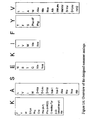
- Figures 1A and B summarize the substitutions that have been explored for SSX-2 41-49 analogs at each individual amino acid position for nonamers and decamers, respectively.
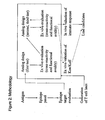
- Figure 2 is a schematic diagram of the methodology of a preferred embodiment for identifying analogs.
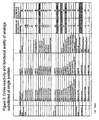
- Figure 3 is a table showing the cross-reactivity and functional avidity of SSX-2 41-49 analogs substituted at a single position.
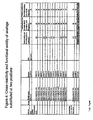
- Figure 4 is a table showing the cross-reactivity and functional avidity of SSX-2 41-49 analogs substituted at two positions.
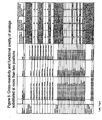
- Figure 5 is a table showing the cross-reactivity and functional avidity of SSX-2 41-49 analogs substituted at more than two positions.
- Figure 6 is a table showing the cross-reactivity and functional avidity of SSX-2 41-49 decamer analogs encompassing the nominal 41-49 peptide.
- Figure 7 is a diagram showing the injection schedule of the SSX-2 41-49 analogs.
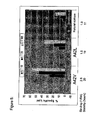
- Figure 8 shows the activity of the SSX-2 41-49 A42V, A42L analogs and wild-type in lysis of tumor cells.
- Figure 9 shows the injections schedule for in vivo cytotoxicity studies and ex vivo cytotoxicity studies as well as which SSX-2 41-49 analog peptide was used for the boost.
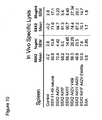
- Figure 10 is a table showing the in vivo specific lysis results for a number of the analogs as compared to a control (wild-type peptide) and EAA (Melan A 26-35).
- Figure 11 is a table showing the in vivo specific lysis results for a number of the SSX-2 41-49 analogs as compared to a control (wild-type peptide) and EAA as well as MHC binding and MHC stability.
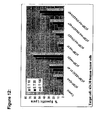
- Figure 12 shows the percent specific lysis of tumor cells (624.38 human tumor cells) achieved following immunization with a number of analogs as compared to a wild-type control.
- Peptides encompassing T cell epitopes are usually poor immunogens or immune modulators due to one of multiple factors: a suboptimal pharmacokinetics profile, limited binding to MHC molecules (reduced K on and increased K off ), decreased intrinsic recognition by T cells present in the normal immune repertoire (e.g, through various forms of tolerance).
- Various strategies have been pursued to improve the immunologic properties of peptides, particularly the screening and use of peptides in which the sequence differs from the natural epitope.
- Such analogs are known by various names in the art, such as heteroclytic peptides and altered peptide ligands (APL). The generation of such analogs has most often utilized amino acids from the standard set of genetically encoded residues (see for example Valmori, D.
- analogs can be categorized into the following two main classes: (1) modification of peptide anchor residues to achieve better HLA binding profiles and higher immune responses, and (2) modification of peptide anchor residues and TCR contact residues to circumvent T cell tolerance for self-antigens.
- Some embodiments relate to analogs that have at least one of the following retained or improved properties, including but not limited to:
- Some embodiments relate to peptide sequences, including analogs, where the amino acids of the sequence are referred to with a position designator, for example P1, P2, P3, P ⁇ , etc.
- the embodiments encompass no additional amino acids on the N-terminus or the C-terminus.
- liberation sequence refers to a peptide comprising or encoding an epitope or an analog, which is embedded in a larger sequence that provides a context allowing the epitope or analog to be liberated by immunoproteasomal processing, directly or in combination with N-terminal trimming or other physiologic processes.
- the analog or epitope can be designed or engineered.
- inventions relate to epitope arrays and other polypeptides that include the epitope analog sequences that can be processed to liberate the analog.
- Further embodiments relate to nucleic acids, particularly DNA plasmids, encoding such polypeptides, or simply an analog, and their expression therefrom.
- the analogs, the polypeptides comprising them, and the encoding nucleic acids can all be components of immunogenic compositions, particularly compositions suitable for intralymphatic delivery, all of which relate to further embodiments.
- Peptide analogs with improved immunologic properties can be designed by modifying the anchor residues involved in the interaction with MHC molecules, so as to increase the binding and stabilize the formation of MHC-peptide complexes. Such modifications can be guided by knowledge of the binding motif or preferred anchor residues of the restricting MHC molecule. There further exist various rules, indexes and algorithms that can be used to predict the properties of analogs bearing various substitutions with the limitation that the substitution is selected from the standard set of genetically encodable amino acids.
- non-standard amino acids norleucine (Nle) and norvaline (Nva) can be advantageously substituted into the anchor residue positions of MHC-binding peptides. It is preferred that they be placed in a position favorably occupied by a hydrophobic or a large amino acid, especially I, L, or V.
- MHC-binding motifs are generally defined in terms of preferred residue side chains at nominal positions within a span of 8 to 10 amino acids (see for example Rammensee et al., "MHC Ligands and Peptide Motifs,” (Molecular Biology Intelligence Unit), Springer-Verlag, Germany, 1997 Austin, Tex as; and Parker, et al., "Scheme for ranking potential HLA-A2 binding peptides based on independent binding of individual peptide side-chains," J. Immunol. 152:163-175 . Website algorithms are also available which can be used to predict MHC binding.
- the 2 nd position, P2 is also often a primary anchor or, alternatively, P3 and/or P5 can serve this role.
- Positions P2 through P7 have all been recognized as secondary or auxiliary anchor positions for one or another MHC (see Rammensee et al., and see Table 6 from U.S. Patent Application Publication No. 2003-0215425 ( U.S. Patent Application No. 10/026,066, filed on December 7, 2001 , entitled EPITOPE SYNCHRONIZATION IN ANTIGEN PRESENTING CELLS; which is incorporated herein by reference in its entirety for all of its disclosure).
- For class II-restricted epitopes P1, P4, P6, P7, and P9 have been recognized as anchor positions.
- the length of the peptide actually bound to the presenting MHC molecule can be longer than the nominal motif sequence.
- the ends of the binding cleft for class II MHC molecules are open so that the bound peptide can be extended at either end of the core motif.
- the binding cleft is closed at both ends in class I MHC molecules so that the ends of the bound peptide must generally correspond to the motif, however significant variation in length can be accommodated through bulging and folding of the central region of the bound peptide, so that peptides of up to at least about 14 amino acids in length can be presented (see for example Probst-Kepper, M. et al., J. Immunol. 173:5610-5616, 2004 ).
- Epitope analogs can have improved K on and K off related to the interaction with class I MHC molecules, as well as preserved or increased interaction with T cell receptors recognizing the original epitope, modified or improved in vivo or ex vivo activity reflected in enhanced expansion of specific T cell populations, improved cytokine production by specific T cells, or in vivo or in vitro cytotoxicity against targets carrying natural epitopes, mediated by T cells that reacted with the peptide.
- such analogs may interact in a more optimal fashion with multiple distinct MHC class I molecules.
- Such peptide analogs with improved immune properties may encompass one or multiple substitutions, including one or multiple non-standard amino acids.
- substitutions for primary anchor residues consisting of norvaline or norleucine are preferred since, as exemplified below, they can not only improve on the interaction with MHC class I, but can also preserve cross-reactivity with TCR specific for the native epitope and show improved in vivo immune profile.
- mutating the P2 amino acid residue from A, L or V to norvaline or norleucine improved immune properties is thus preferred.
- modifying the C terminal residue to norvaline or preferably norleucine improved immune features of the analogs.
- analogs that encompass multiple substitutions at primary and/or secondary anchor residues including norvaline and/or norleucine at P2 or P ⁇ can be associated with improved immune properties.
- the peptide is an analog of a peptide derived from an NS-specific antigen that is immunogenic but not encephalitogenic.
- the most suitable peptides for this purpose are those in which an encephalitogenic self-peptide is modified at the T-cell receptor (TCR) binding site and not at the MHC binding site(s), so that the immune response is activated but not anergized (Karin et al, 1998; Vergelli et al, 1996).
- HLA-A2.1-restricted peptides incorporating Nle disclosed in the '776 publication are derived from CEA, p53, and MAGE-3.
- Nle is present at the P2 position.
- No teaching about the general usefulness of norleucine is provided and no disclosure is provided indicating how or if these substitutions altered the properties of the analogs as compared to the native sequence.
- Some of the instant embodiments relate to epitope analogs that incorporate Nva and/or Nle at a position promoting binding to MHC. Some embodiments specifically exclude the use Nle and/or Nva in HLA-A2.1-restricted epitopes, HLA-A2.1 epitopes from CEA, p53, and/or MAGE-3, or other peptides derived from MAGE-3, CEA, and/or p53. In some embodiments, one or more of the specific sequences as disclosed in the above referenced patent references are specifically excluded.
- exemplary embodiments include the use of Nle and/or Nva at P3, P5, and/or P ⁇ anchor positions, at an auxiliary anchor position, to make an analog of a non-A2- or non-A2.1-HLA restricted epitope, in an anchor position of a peptide that is not derived from an oncogene or oncofetal protein, and in an anchor position of a peptide derived from a CT antigen.
- such analogs may be useful for immunotherapy and/or prophylaxis of various diseases such as infectious, cancerous or inflammatory, as single agents or in combination therapies, due to their optimized interaction with MHC molecules and T cell receptors, key to onset and regulation of immune responses.
- the analogs may be produced using any method known to one of skill in the art, including manufacturing the peptides using a method of peptide synthesis or expressing nucleic acids that code for the desired peptide analogs. Thus, when the analogs include one or more non-standard amino acids, it is more likely that they will be produced by a method of peptide production. When the analogs include only one or more substitutions with standard amino acids, they may be expressed from an expression vector using any method known to one of skill in the art. Alternatively, the peptides may be expressed using a method of gene therapy.
- a useful peptide may contain other properties such as being useful in a tolerized patient or resistant to proteolysis.
- a peptide can be found to have a clear improvement in binding to the TCR, binding to the MHC molecule, and an improved immune response or any other biological activity.
- the peptide may be found not to be improved when using a murine test system, but because of the differences in the human immune system, may be improved when tested in a human.
- the usefulness may stem from a potential to break tolerance in a tolerized human.
- the usefulness may stem from the ability to use the peptide as a base for further substitutions to identify improved analogs.
- peptide binding affinity for HLA-A*0201 peptide binding affinity for HLA-A*0201
- peptide-HLA-A*0201 complex stability assay cross-reactivity assay (recognition of peptide analogs by wild-type peptide specific CTL or recognition of wild-type peptide by CTL generated using peptide analogs); immunogenicity assays, such as an IFN- ⁇ secretion assay, a cytotoxicity assay, and/or an Elispot assay; antigenicity assays such as an in vitro tumor cell lysis assay, an ex vivo tumor cell lysis, and an in vivo tumor cell lysis; and proteolysis assays to identify increased resistance to proteolysis. Details of exemplary assays are presented in the Examples.
- Patent applications 09/380,534 and 09/776,232 (Pub. No. 20020007173 A1 ), and in PCT Application No. PCTUS98/14289 (Pub. No. W09902183A2 ) each entitled A METHOD OF INDUCING A CTL RESPONSE.
- Beneficial epitope selection principles for such immunotherapeutics are disclosed in U.S. Patent Application Nos. 09/560,465, filed on April 28, 2000 , 10/026,066 (Pub. No.
- antigens epitopes of which can be recognized by T cells in an MHC-restricted manner, for which manipulation of an immune response directed against them has therapeutic or prophylactic potential.
- the principles for making analogs of MHC-binding peptides described herein are generally applicable to any of these antigens and their epitopes.
- a particular focus of the present disclosure is epitopes from the tumor-associated antigens (TuAA) SSX-2.
- SSX-2 also know as Hom-Mel-40, is a member of a family of highly conserved cancer-testis antigens ( Gure, A.O. et al. Int. J. Cancer 72:965-971, 1997 , which is hereby incorporated by reference in its entirety). Its identification as the TuAA antigen is taught in U.S. Patent 6,025,191 entitled ISOLATED NUCLEIC ACID MOLECULES THAT ENCODE A MELANOMA SPECIFIC ANTIGEN AND USES THEREOF, which is hereby incorporated by reference in its entirety. Cancer-testis antigens are found in a variety of tumors, but are generally absent from normal adult tissues except testis.
- SSX-2 is expressed in many different types of tumors, including synovial sarcomas, melanoma, head and neck cancers, breast, colon and ovarian cancers. In addition to its widespread expression in a variety of cancers, it is also immunogenic in patients with late stage disease. Further, there is evidence of spontaneous humoral and cellular immune responses towards this antigen in metastatic tumor patients ( Ayyoub M, et al., Cancer Res. 63(17): 5601-6, 2003 ; Ayyoub M, et al. J Immunol. 168(4): 1717-22, 2002 ).
- SSX-2 41-49 the natural immune response to SSX-2 in cancer patients, including the response to SSX-2 41-49 , may not be effective in controlling cancer. Additionally, wild-type SSX-2 41-49 is only a moderately immunogenic peptide that can further limit its clinical potential. Stronger SSX-2 specific immune responses induced by the use of superagonist analogs results in clinical benefits for patients with SSX-2 positive tumor.
- the analogs can be used in compositions to stimulate the immune response of a subject to mount an immune response against a target cell displaying the target antigen.
- the embodiment is contemplated to have utility in the treatment and prevention of neoplastic and viral disease.
- the wild-type SSX-2 41-49 is only a moderately immunogenic peptide that may prevent it from eliminating tumors effectively in vivo
- a method was used to de novo design SSX-2 41-49 variants that were more potent or had a variety of improved properties.
- By using a more immunogenic SSX-2 analog peptide it was possible to stimulate a stronger immune response and/or to amplify the naturally occurring immune response to achieve a better chance of clinical response.
- the binding properties affinity and HLA-A*0201/peptide complexes stability
- immunogenicity, antigenicity and cross-reactivity to the wild-type epitope were analyzed for each of the analogs to identify an improved property.
- improved property it is meant generally, that the analog can be better used for some purpose than the wild-type.
- the analog need not exhibit improved binding, stability, or activity to be improved and may even show a reduced ability to mediate certain parts of the process, but still be improved for use in another way.
- analogs that retain some activity, but not all activity may be better in human systems that are tolerized to the wild-type antigen.
- the modified A27L Melan A 26-35 peptide analog has demonstrate unequivocally increased binding profiles with HLA-A2 molecules and greater immunogenicity than its wild-type counterpart. Immunizing patients with this analog can generate strong T cell immune responses that were able to recognize the wild-type epitope presented at the cell surfaces. Similar modifications have been obtained successfully with many other tumor-associated epitopes such as GP100 209-217 ( Parkhurst et al., "Improved induction of melanoma-reactive CTL, with peptides from the melanoma antigen gp100 modified at HLA-A*0201-binding residues," J Immunol.
- Her-2 369-377 Vertuani et al., "Improved immunogenicity of an immunodominant epitope of the HER-2/neu protooncogene by alterations of MHC contact residues," J Immunol. 2004, 172(6): 3501-8 ; which is hereby incorporated by reference in its entirety).
- the improved properties include, but are not limited to, binding to class I MHC and T cell receptor (TCR) molecules, and biological responses such as IFN- ⁇ secretion, cytotoxicity, and tumor cell lysis.
- TCR T cell receptor
- Peptides with improved potency that retained cross-reactivity with the wild-type epitope were identified.
- these analogs some have been demonstrated to be the superagonist variants of the wild-type SSX-241-49 peptide, some of which analogs have been shown to have much higher affinity with HLA-A*0201 molecule, and the peptide-HLA complex possessed extended stability. When the mice were immunized with these analogs, they were able to induce enhanced CTL immune responses in HHD transgenic mice.
- the resulting CTLs could effectively lyse A2+ and SSX-2+ tumor cell lines both in vivo and in vitro , which indicated that the CTLs generated using the analogs were able to recognize the wild-type SSX-241-49 epitope that naturally presented at the cell surfaces. In comparison with the wild-type SSX-241-49 epitope, the analogs are better candidates for the development of cancer vaccines.
- Embodiments include families of one or more peptides of 9 amino acids in length related by sequence to amino acids 41-49 of the human cancer testis (CT) antigen SSX-2 (SSX-2 41-49 ).
- CT human cancer testis
- SSX-2 41-49 The individual peptide embodiments have one to several defined amino acid substitutions in the wild-type sequence.
- the substituted amino acids are, variously, other members of the standard set of amino acids commonly genetically encoded, derivatives thereof, their D-stereoisomers, or other non-standard L-amino acids. These analogs are useful for investigating the interaction of the wild-type epitope with class I MHC and TCR molecules and other components of the immune response, and for designing additional analogs with further optimized immunologic properties.
- Some embodiments of the analogs have at least similar immunologic properties to the wild-type epitope in the HLA-transgenic mouse model in which they have been tested.
- Such peptides can be useful in humans, as SSX-2 is a self-antigen to which a degree of tolerance may be expected, and the amino acid differences of the analogs can help to stimulate populations of T cells that have avoided negative selection but are cross-reactive with the wild-type epitope.
- Various peptide embodiments can have one or more improved immunologic properties in that they possess greater affinity for MHC or greater stability of binding to MHC, elicit greater cytokine production or require lower peptide concentrations to elicit similar cytokine production from T cells that recognize the wild-type epitope, are more immunogenic, can induce or amplify a cross-reactive cytolytic response to the wild-type epitope, or can break tolerance.
- the analogs can have at least one substitution at a residue selected from the group consisting of, P1, P2, P4, P6, P8, P9 and P10. In a further embodiment, the analogs can have at least two substitutions at residues selected from the group consisting of P1, P2, P4, P6, P8, P9 and P10. In a further embodiment, the analogs can have at least three substitutions at residues selected from the group consisting of: P1, P2, P4, P6, P8, P9 and P10. In a further embodiment, the analogs can have substitutions at positions P2 and P9. In a further embodiment, the peptides can have substitutions at residues P1, P2, and P9.
- the peptide analogs can have substitutions at residues P1, P2, and P4. In a further embodiment, the peptide analogs can have substitutions at residues P1, P2, and P6. In a further embodiment, the peptide analogs can have substitutions at residues P1, P2, and P8. In one embodiment, two substitutions can produce improved properties. In a further embodiment, one substitution can produce improved properties. In a further embodiment, three substitutions can produce improved properties. In a further embodiment, the one or more substitutions can produce improved properties but are still recognized by a TCR that recognizes the wild-type sequence (still cross-react with the wild-type sequence).
- One embodiment relates to epitope arrays and other polypeptides comprising the epitope analog sequences that can be processed to liberate the analog. Further embodiments relate to nucleic acids, particularly DNA plasmids, encoding such polypeptides, or simply an analog, and their expression therefrom.
- the analogs, the polypeptides comprising them, and the encoding nucleic acids can all be components of immunogenic compositions, particularly compositions suitable for intralymphatic delivery, that constitute further embodiments.
- Embodiments relate to the SSX-2 41-49 peptide which contain substitutions of the sequence KASEKIFYV (See Figure 1 ).
- the residues or amino - acids that make up the peptide are referred to herein as P1-P9 to designate the position within the peptide as numbered from the N- to the C-terminus, P1 corresponding to the N-terminal Lysine and P9 corresponding to the C-terminal Valine in the nonamer.
- the residues may be referred to by the primary activity of the molecule that they are involved in.
- residue P2 is described as the N-terminal primary anchor molecule
- P9 is described as the primary C-terminal anchor.
- Residues P4, P6 and P8 are primarily involved in TCR interactions.
- a number of possible analogs were produced by modification of peptide anchor residues to achieve better HLA binding profiles and higher immune responses, including at the N-terminal primary anchor (P2 position), at the N-terminal secondary anchor (P1 position), at the N-terminal primary and secondary anchor (P1 and P2 positions), and at the N-terminal primary/secondary anchor (P1 and P2 positions) and C-terminal primary anchor (P9 position).
- peptides with modifications at the anchor residues and TCR contact residues were produced to circumvent T cell tolerance for self-antigens, these modifications included modifications at the N-terminal primary/secondary anchor (P1 and P2 positions) and secondary TCR recognition sites (P4, P6 and/or P8 positions), modifications at the N-terminal primary/secondary anchors (P1 and P2 position), and modifications at the C-terminal primary anchor (P9) and at secondary TCR recognition sites (P4, P6 and/or P8 positions). Further, decamer analogs were produced.
- residues are primarily involved in a specific interaction and some are secondarily or even tertiarily involved. Thus, the knowledge of how the residues are involved in the binding to these molecules was involved in the analysis. Further some of the wild-type residues are preferred, meaning that they work well for the intended interaction, while others are non-preferred, meaning that they work poorly for the interaction. Thus, in one embodiment, the non-preferred residues can be substituted.
- the valine at the C-terminus is generally a preferred anchor residue because it produces a strong interaction with the HLA molecule and, thus, it was less preferred to substitute this residue.
- modifications of wild-type tumor-associated peptide epitopes by incorporating favorable anchor residues have generated analogs with improved binding profiles with HLA molecules and enhanced immunogenicity.
- One of the most successful examples is the A27L peptide analog of Melan-A 26-35 epitope ( Valmori D, et al. J Immunol. 160(4): 1750-8, 1998 ; which is hereby incorporated by reference in its entirety).
- the original epitope failed to form a stable complex with HLA-A2 molecules since it lacked an optimal anchor residue at position 2.
- the modified Melan A 26 In contrast the modified Melan A 26 .
- A27L peptide analog demonstrated unequivocally increased binding profiles with HLA-A2 molecules and greater immunogenicity than its wild-type counterpart. Immunizing patients with this analog generated strong T cell immune responses that were able to recognize the wild-type epitope presented at the cell surfaces. Similar modifications were obtained successfully with many other tumor-associated epitopes such as GP100 209-217 ( Parkhurst MR, et al. J Immunol. 157(6): 2539-48, 1996 ; which is hereby incorporated by reference in its entirety), Her-2 369-377 ( Vertuani S, et al. J Immunol. 172(6): 3501-8, 2004 ; which is hereby incorporated by reference in its entirety).
- the choice of how many residues to substitute involves a desire to substitute better residues while still retaining enough of the qualities of the epitope that it will still be recognized by T cells which recognize the wild-type epitope.
- one or two substitutions can be made to the wild-type peptide. More than two substitutions can be made to the wild-type peptide, while still retaining cross-reactivity with the wild-type peptide.
- the part of the peptide that is involved in TCR recognition is desirably substituted to produce improved immunogenicity while still cross-reacting with the wild-type epitope.
- a peptide that shows increased immunogenicity is preferred.
- the P2 or second amino acid at the N-terminal end is believed to be primarily involved in the process of producing improved immunogenicity, primarily through improved binding properties, it is a preferred substitution site and a number of modifications were made in the exemplary analogs to identify desired substitutions. Similar considerations apply to the carboxy-terminal position, P ⁇ which also can be important for MHC binding.
- the analog can include a substitution at the P2 residue that substitutes a more hydrophobic residue for the wild-type alanine.
- the hydrophobic residue also can possess a more bulky side chain.
- the residue at P1 can be substituted with a more hydrophobic residue.
- Residues P1 and P2 both can be substituted with more hydrophobic residues.
- At least one residue at P1, P2, and P9 can be substituted.
- At least two residues at P1, P2 and P9 can be substituted.
- At least two residues at P1, P2, P9 P4 and P6 can be substituted including one or more residues involved in TCR binding.
- substitutions of those residues only secondarily involved in binding to TCR or the MHC molecule can be advantageous.
- substitution of secondary TCR binding amino acids can generate analogs that still bind and produce a response and do not interfere with the binding to the MHC molecule, but preferably overcome the tolerance issues of self-antigens. This is useful because a patient who has cancer may be partially tolerized to the antigen.
- an analog that retains some activity can be preferable to an analog with more improved immunogenicity, because it will be less likely to be recognized as "self" by the immune system.
- the N-terminal primary anchor is the 2 nd N-terminal amino acid of the peptide and is the N-terminal proximal primary anchor. It is primarily involved in the interaction with the MHC molecule and substitutions can result in improved binding and stability. However, it may be secondarily involved in TCR interactions also. Thus, substitutions at this site can result in a peptide with improved interaction with MHC molecules as well as improved interaction with the TCR.
- the alanine found at this position in the wild-type sequence is generally believed to be non-preferred for the interaction with the MHC molecule.
- the analogs have a substitution at this position.
- the original Ala 42 found in the wild-type sequence can be substituted with a more hydrophobic amino acid. Any more hydrophobic amino acid may be used including any that is available or known to one of shill in the art, including standard amino acids and non-standard amino acids.
- the original Ala 42 is substituted with a more hydrophobic amino acid also possessing a bulky side chain. Examples of more hydrophobic amino acids includes, but are not limited to: Leu, Val, Ile, Met, ⁇ -aminobutyric acid, Norleucine and Norvaline.
- the N-terminal secondary anchor is the first amino acid at the N-terminus.
- This residue is Lys 41 and is defined as a secondary anchor residue in interacting with the HLA-A*0201 molecule.
- it is also engaged in the interaction with the T cell receptors to a certain degree. Therefore, modifications of this position can generate some heteroclitic analogs that are more immunogenic and more suitable for the development of tumor vaccines.
- the lysine at this position is generally considered to be favored, substitutions can result in highly improved properties.
- the original Lys 43 found in the wild-type sequence can be substituted with a more hydrophobic amino acid.
- Any more hydrophobic amino acid can be used, including any that is available or known to one of skill in the art, including standard amino acids and non-standard amino acids.
- the Lys 43 can be substituted with an aromatic amino acid. Examples of more hydrophobic amino acids include, but are not limited to: Phe, Tyr, Trp, and D-Lys.
- Both primary and secondary anchor residues were substituted to result in improved binding affinity to the HLA molecule.
- the double substitution produced improved stability of binding to the HLA molecule.
- the binding and/or stability was not improved and may have even been reduced, but other properties of the molecule were improved, such as activity or recognition by a tolerized individual.
- N-terminal primary/secondary anchor and C-terminal primary modification P2, P1 and P9
- the C-terminal Val of the wild-type peptide is generally a preferred anchor residue and primarily involved in the interaction with the MHC molecule. However, substitutions were carried out to identify which amino acids improve the analogs having primary and secondary N-terminal modifications. These C-terminal substitutions can be used in the absence of one or more N-terminal modifications also.
- the TCR sites are generally recognized as residues P4, P6, and P8 and are the primary residues involved in the binding to the TCR. However, other residues may also be involved in the interaction to a lesser extent.
- One or more of the sites primarily involved in TCR interaction can be substituted to increase the interaction. Preferably, these substitutions can generate heteroclitic analogs that do not interfere with binding to the MHC molecule, but overcome the tolerance issues of the wild-type peptides.
- At least one TCR substitution can be included with at least one substitution at position P1, P2, and/or P9.
- the substitution at any one or more of the P4, P6, and P8 positions can be a polar amino acid.
- the substitution can be an aromatic amino acid at position P8.
- the substitution can be an amino acid with a large aliphatic side chain at position P6.
- the substitution can be an amino acid which has a larger side chain to preserve the interaction.
- Table 5 N-TERMINAL PRIMARY/SECONDARY ANCHOR AND TCR SITES MODIFICATION Catergory Peptide name Sequence Predictive Scores- (R/NIH) Half- maximal Binding (mM) Relative affinity (1/RA) Stability (T1/2) (Hrs) Cross-reactivity and fct (native to analogs)* Native SSX2 41-49 KASEKIFYV 22/1017 14.64 1.0 11 1 N-terminal Primary/Seco ndary Anchor, TCR sites SSX2 41-49 (K41F, A42V, E44D) FVSDKIFYV 21/8421 13.18 1.1 N/A >10 SSX2 41-49 (K41F, A42V, E44N) FVSNKIFYV 20/2054 8.97
- the C-terminal residue can be modified to contain an amide in the place of the free carboxylic acid.
- the P9 residue can be modified.
- the peptide is a 10-mer (decamer) the P10 residue can be modified.
- this results in a peptide or analog that has increased stability in biological media, including but not limited to blood, lymph, and CNS.
- the peptides can retain the other necessary activities to result in an analog usable for vaccination or as an immunogen.
- the length of typical MHC binding peptides can vary from about 8 to about 11 amino acids in length.
- most of the previously used HLA-A*0201 are 9-mers (nonamers) or 10-mers (decamers).
- the analog can be an analog of the wild-type sequence SSX-2 41-50 .
- the wild-type 10-mer does not have the correct binding motif and showed no immunological activity, a 10-mer was created by substituting amino acids at the P10 position and identifying the effect of various wild-type and analogs (see Figure 1 ).
- any residues can also be substituted with conservative amino acids.
- Conservative substitutions can be paired with any of the above substitutions that can produce an effect.
- conservative substitutions can be specifically at residues that are not believed to be involved in any of the activities at a primary, secondary, or even tertiary level.
- residues include P3, P5 and P7.
- the Serine at position P3 can be substituted with an alanine or threonine to produce an analog.
- conservative substitutions do not significantly affect the activity of the analog, however.
- the following examples provide analogs and methods of identifying analogs.
- the analogs can be used, for example, as immunogens, vaccines, and/or treatment of a variety of cancers.
- the analogs were produced as in Example 1.
- SSX-2 41-49 analogs were identified as shown in Example 2, those produced listed in Example 3 and tested for improved properties as in Examples 4-21.
- Peptides were synthesized on either a Symphony multiple peptide synthesizer (PTI technologies, MA) or an ABI 433A peptide synthesizer (Applied Biosystems, Foster City, CA) at 0.05 - 0.1 mmole scale using standard Fmoc solid phase chemistry.
- C-terminal free acid peptides were synthesized using pre-load PEG-PS resins (on Symphony) or Wang resin (on ABI).
- C-terminal amidated peptides were synthesized on Fmoc-PAL-PEG-PS resin. All resins were purchased from Applied Biosystems (Foster City, CA).
- the Fmoc-amino acids used in peptide syntheses were purchased from Novabiochem (San Diego, CA) and AnaSpec (San Jose, CA). Post-synthesis cleavage was carried on by the standard protocol.
- Peptide purification was carried out on either semi-preparative HPLC columns or SPE cartridges (Phenomenex, Torrance, CA). The purity of all peptides was ⁇ 90%. The identity of each peptide was verified by Maldi-TOF MS (Voyager DE, Applied Biosystems) and analytical HPLCs (Varian or Shimazu) using a Synergi C 12 column (Phenomenex, Torrance, CA).
- Structural modification of a moderately antigenic peptide can considerably improve peptide-MHC binding, CTL recognition, and/or immunogenicity.
- General guidelines regarding how to modify a wild-type epitope in order to achieve a peptide analog with enhanced potency are known in the art.
- An appreciated strategy is to optimize the residues at the so-called anchor positions for binding to the particular MHC molecule at issue.
- a marked preference for hydrophobic residues at the P2 and P ⁇ positions has been observed, particularly L, and M at P2, and V at P ⁇ . (P ⁇ denotes the C-terminal residue of the epitope.
- Nle norleucine
- Nva norvaline
- Phg phenylglycine
- Phe(4-F) 4-fluorophenylalanine
- Phe(4-NO 2 ) 4-nitrophenylalanine
- Abu ⁇ -aminobutyric acid
- Aib ⁇ -aminoisobutyric acid
- MeLeu methyl-leucine
- MeVal methylvaline
- ⁇ -(3-benzothienyl)Ala ⁇ -(3-benzothienyl)-alanine
- O-methyl-Tyr O-methyltyorosine
- Cha cyclohexylalanine
- Nal-1 ⁇ -(1-napthyl)alanine
- Nal-2 ⁇ -(2-napthyl)-alanine
- -NH2 indicates that the carboxy terminus has been modified to the amide.
- Example 3 The analogs produced in Example 3 were tested for activity, such as binding and biological effect as follows in Examples 4-21:
- the T2 cells that lack expression of TAP and thus do not assemble stable MHC class I on the cell surface were pulsed with different concentrations of peptides (controls or analogs) overnight at 37°C, washed extensively, stained with fluorescently tagged antibody recognizing MHC class I (A2 allele) and run through a FacsScan analyzer.
- the difference between the MFI (mean fluorescence intensity) corresponding to a given concentration of analog and the negative control (non-MHC binder) is a function of how many stabilized complexes between MHC and peptide are displayed on the surface of T2 cells.
- the binding was quantified by two factors that are mathematically related: half maximal binding (the peptide concentration giving 50% of the signal corresponding to saturation) and relative affinity (1/RA).
- Relative affinity RA is binding normalized to a reference (wild-type peptide); for example, the ratio between half max binding of control relative to peptide analog. The higher the 1/RA index and the lower the half maximal binding, the higher the K on of the interaction between the analog and the MHC. Fifty three analogs were identified with these binding parameters improved relative to the wild-type peptide.
- the T2 cells that lack expression of TAP and thus do not assemble stable MHC class I on the cell surface were pulsed with a concentration of peptide (controls or analogs) known to achieve maximal loading of MHC class I ("saturation") overnight at 37°C, washed extensively, and chased for different intervals in the presence of emetine, which blocks endogenous protein synthesis. After extensive washing, the cells were stained with fluorescently tagged antibody recognizing MHC class I (A2 allele) and run through a FacsScan analyzer.
- the difference between the MFI (mean fluorescence intensity) corresponding to a given concentration of analog and the negative control (non-MHC binder) is a function of how many stabilized complexes between MHC and peptide are displayed on the surface of T2 cells.
- the decay of the signal over time was mathematically expressed as stability index 50% relative to the binding at 0 hours (at the beginning of the chase interval).
- Such improved analogs can carry one, two, three or multiple substitutions (including standard and/or non-standard amino acids) involving positions that are known to participate in the interaction with MHC and/or TCR, with an overall effect on MHC stability that is dependent on the modification.
- Such peptide analogs can be useful in therapeutic compositions or as a platform to further derive therapeutic compositions. Forty three of the analogs have increased stability relative to the natural peptide.
- the immunologic properties of peptides can be described as a function of binding to MHC molecules (K on and K off ) and TCR (affinity of interaction between TCR and MHC-peptide complexes). Modifications of primary MHC anchor residues generally have a significant degree of predictability in regard to overall impact on binding to MHC molecules.
- Modifications of secondary MHC anchor residues may impact the affinity of interaction of the MHC-peptide complex to TCR along with the K on and K off relative to peptide-MHC interaction.
- a methodology was devised that allowed rapid and rational screening of peptide analogs in a fashion coherent with proposed methods of use and modeling the overall immunologic properties (K on and K off relative to MHC interaction and TCR binding properties in an integrated fashion).
- This method can include generating T cell lines against a natural (non-mutated) epitope (SSX-2 41-49 ) using an immunization strategy potent enough to generate a useful response in transgenic mice carrying human MHC (such as the A2 allele).
- Peptide analogs were interrogated ex vivo in the presence of competent APCs and the functional impact of T cells specific for natural (non-mutated) epitope measured.
- analogs that result in reduced values associated with parameters #1 and 3 but increased #2 can be useful.
- Use of natural epitope and unrelated non-cross reactive peptides as references is valuable in identifying classes of analogs of potential value.
- Analogs that display properties quantitatively comparable to or even modestly attenuated from those of natural epitopes are still deemed useful in light of the fact that while they retain cross-reactivity, they may display immunologic properties that are distinct from those of the natural peptide - for example lower propensity to induce AICD or ability to break tolerance or restore responsiveness in vivo.
- Some advantages of this screening strategy include the practicality and rapidity, use of more relevant polyclonal T cell lines instead of potentially biased T cell clones as a read out, and the composite value, integrating parameters such as K on , K off and TCR affinity that may translate into cross-reactivity and functional avidity of peptide-MHC complexes relative to TCR. These parameters can be predictive of the in vivo immunologic properties and thus can delineate useful panels of peptide analogs to undergo further evaluation, optimization and practical applications. Analogs that bind to MHC and retain cross-reactivity against TCR specific for the nominal wild-type peptide are predicted to trigger a measurable effect in this assay. The overall methodology is presented in Figure 2 .
- mice carrying an A2 human allele ( Pascolo et al. J. Exp Med. 185(12):2043-51, 1997 , which is hereby incorporated herein by reference in its entirety) were immunized with 50ug of SSX-2 natural epitope (41-49) admixed with 25ug of pIpC at day 0, 4, 14 and 18 by bilateral administration into the inguinal lymph nodes.
- mice were sacrificed and a suspension of splenocytes prepared at 5x10 6 million cells/ml in complete HL-1 medium.
- Coordinated modifications at position 1 and 2 have a variable effect on the activity of analogs. For example, substitution of K41 with Y, F or W corroborated with substitution of A42 with V, M or 1, and resulted in preserved or enhanced activity of the analogs relative to the wild-type peptide.
- Such doubly mutated peptides offer an increased opportunity to impact the interaction with TCR in a fashion that results in tolerance breaking (thus being useful for practical application), since the P1 residue participates to a certain extent in binding to TCR, Combinations between the following: Y (position 41) with V (at position 42), W (position 41) with "L” or I (at position 42), and F (position 41) with L, V, I (at position 42) resulted in analogs that were more active relative to the witd-type peptide. Combinations between Y at position 41 and I at position 42, or W at position 41 and V or M at 42, conferred an activity similar to that of wild-type peptide. Replacement of K with D-lysine at position 41 reduced resulted in analogs with retained activity in this assay. Such peptides can be very useful since the metabolic degradation of such peptides encompassing non-standard amino acids is decreased in vivo.
- F and V at positions 41 and 42 respectively, combined with I or A at position 49 resulted in improved or similar activity relative to the wild-type epitope.
- L or M at position 49 resulted in heavily diminished activity.
- Triple mutants comprising the non-standard amino acids Nva, Abu or MeVal at the last position resulted in retention or improvement of immune activity.
- Such peptides are extremely useful due to increased in vivo stability and resistance to enzymatic degradation.
- Modification of amino acid residues within the putative TCR binding region can result in peptides of considerable value, that retain binding to MHC along with cross-reactivity and thus be useful for restoration of immune responsiveness or tolerance breaking since their conformation in the MHC groove is slightly different from that of natural peptides. Additional substitutions at position 44 (Q, Nva or Nle), position 46 (L, V, Nle or Nva) or 48 (F or Phe-4F) resulted in active analogs, whereas D, N, S or T at position 44, M at 46 or T, S, Phg at position 48 or L at position 46 with T at 48, resulted in analogs devoid of activity. Finally, two analogs with 5 substitutions showed no activity ( Figure 5 ).
- the decamer SSX-2 41-50 was significantly less active in stimulating the T cell line specific for the 41-49 nonamer, relative to the latter. Modification of the Y residue at position 50 to I or L, but to a lesser or no extent to V, Nle or Nva, resulted in restoration of activity in this assay. Further optimization of the activity of decameric analogs can be obtained by modification of the A at position 2 with L or V. The A42L substitution rescued the activity of the Y50Nva decamer.
- Peptide analogs of similar or reduced activity in vitro (but retained cross-reactivity) compared with the natural peptide are still useful for induction or boost of immune responses due to: i) more limited AICD; ii) potentially higher in vivo activity due to increased stability on class I MHC and/or slightly modified interaction with TCR which is can be important for tolerance breaking.
- the schedule of immunization is shown in Figure 7 .
- splenocytes were stimulated ex vivo with SSX-2 41-49 natural peptide and tested against 51 Cr-labeled target cells (T2 cells) at various E:T ratios ( Figure 8 ).
- EAA negative control peptide
- splenocytes were isolated from littermate control HHD mice and incubated with 20 ⁇ g/mL or 1 ug/ml of natural peptide for 2 hours. These cells were then stained with CFSE hi fluorescence (4.0 ⁇ M or 1 ⁇ M for 15 minutes) and intravenously co-injected into immunized mice with an equal number of control splenocytes stained with CFSE lo fluorescence (0.4 ⁇ M). Eighteen hours later the specific elimination of target cells was measured by removing spleen and PBMC from challenged animals and measuring CFSE fluorescence by flow cytometry.
- EAA negative control peptide
- splenocytes were stimulated ex vivo with SSX-2 41-49 wild-type peptide and tested against 51 Cr-labeled human tumor cells (624.38 melanoma cells) at various E:T ratios ( Figure 12 ).
- Analog A42V and K41F A42V V49I elicited immune responses that mediated increased cytotoxicity against human tumor cells expressing the natural SSX-2 41-49 epitope.
- the N-terminal secondary anchor is the first amino acid at the N-terminus.
- the original Lys 43 found in the wild-type sequence is substituted with a more hydrophobic and bulky amino acid.
- Any more hydrophobic and bulky amino acid also can be used, including any available to or that is known to one of skill in the art, including standard amino acids and non-standard amino acids. Examples of more hydrophobic amino acids include, but are not limited to: Phe, Tyr, Trp, and D-Lys.
- Lys 41 was defined as a secondary anchor residue in interacting with HLA-A*0201 molecule, and it also engaged in the interaction with the T cell receptors to a certain degree. Therefore, modifications of this position can generate some heteroclitic analogs that are more immunogenic and more suitable for the development of tumor vaccines.
- Lys 41 to Phg substitution has resulted in an analog with improved affinity and extended stability with the HLA-A*0201 molecule, however, its cross-reactivity with wild-type peptide specific CTL was fairly poor.
- the para-nitrophenylalanine analog was shown to induce the IFN- ⁇ secretion of the wild-type peptide specific CTL at a much lower concentration, although its affinity with the HLA-A*0201 molecule was about the same as that of wild-type peptide.
- the C-terminal Val of the wild-type peptide was a preferred anchor residue. However, improved potency was observed when it was mutated to Ile, having one additional -CH2 group; similar improvement was also observed with a Val to Abu substitution. Although the other analogs showed improved binding affinity and stability with the MHC molecule, their cross-reactivity results were poor. The results of these analogs indicated that the peptide C-terminal anchor residue also plays a critical role in the recognition ofT cells. (Table 4).
- Substitutions of secondary TCR binding amino acid residues preferably generate heteroclitic analogs that did not interfere with the binding to the MHC molecule, but overcame the tolerance issues of self-antigens.
- N-terminal primary/secondary anchor residues K41F and A42V
- analogs were generated with improved binding affinity and stability (Table 6).
- Some of these analogs induced the IFN- ⁇ production of the wild-type peptide specific CTL at lower concentrations, such as K41F, A42V, E44(Nva) /(Nle) mutants and K41F, A42V, 146L/(Nva) /(Nle) mutants.
- the length of typical MHC binding peptides varies from 8-mer to 11-mer, and most HLA-A*0201 binding peptides are 9-mers or 10-mers.
- a 9-mer and 10-mer from a natural sequence were both found to possess a binding motif for the same MHC, and had the same N-terminus. From the standpoint of proteasomal processing they are distinct epitopes, but were nonetheless antigenically cross-reactive.
- the epitope is a 9-mer peptide and the 10-mer peptide, SSX-2 41-50 , lacks the appropriate MHC binding motif and showed no immunological activity.
- the wild-type epitope was therefore lengthened to a 10-mer with amino acids that could create the appropriate binding motif.
- analogs SSX-2 41-50 (A42L, Y50L/V/Nle/Nva) showed improved binding affinity with the NLA-A*0201 molecule.
- analogs can represent an improvement over the wild-type epitope is in increased immunogenicity in a human system and tolerance breaking. Differences in the TCR repertoire, whether due to germ line differences or differences in negative selection, have the potential to give anomalous results. To address such issues the analogs are used in an in vitro immunization of HLA-A2 + blood to generate CTL. Techniques for in vitro immunization, even using naive donors, are known in the field, for example, Stauss et al., Proc. Natl. Acad. Sci. USA 89:7871-7875, 1992 ; Salgaller et al. Cancer Res. 55:4972-4979, 1995 ; Tsai et al., J. Immunol. 158:1796-1802, 1997 ; and Chung et al., J. Immunother. 22:279-287, 1999 ; each of which is hereby incorporated by reference in their entirety.
- PBMCs from normal donors were purified by centrifugation in Ficoll-Hypaque from buffy coats. All cultures were carried out using autologous plasma (AP) to avoid exposure to potential xenogeneic pathogens and recognition of FBS peptides.
- AP autologous plasma
- DCs autologous dendritic cells
- APCs autologous dendritic cells
- monocyte-enriched cell fractions were cultured for 5 days with GM-CSF and IL-4 and were cultured for 2 additional days in culture media with 2 ⁇ g/ml CD40 ligand to induce maturation.
- 2 x10 6 CD8+-enriched T lymphocytes/well and 2 x10 5 peptide-pulsed DCs/well were co-cultured in 24-well plates in 2 ml RPMI supplemented with 10% AP, 10 ng/ml IL-7 and 20 IU/ml IL-2. Cultures were restimulated on days 7 and 14 with autologous irradiated peptide-pulsed DCs. Immunogenicity was assayed using the in vitro cytotoxicity and cytokine production assays described herein.
- Avidin-coated microtiter plates containing class I monomer loaded with a so-called placeholder peptide were used to evaluate peptide binding, affinity and off-rate.
- the monomer-coated plates were supplied as part of the iTopia Epitope Discovery System Kit (Beckman Ciulter, Inc., San Diego, CA, USA).
- Assay buffers, anti-MHC-FITC mAb and beta2-microglobulin and control peptides were also supplied with the kits.
- Native peptide and analogs were first evaluated for their ability to bind each MHC molecule by binding assay. This assay measures the ability of individual peptides to bind HLA molecules under standardized optimal binding conditions. Monomer-coated plates were first stripped, releasing the placeholder peptide and leaving only the MHC heavy chain bound to the plate. Test peptides were then introduced under optimal folding conditions, along with the anti-MHC-FITC mAb. Plates were incubated for 18hrs at 21 °C. The anti-MHC-FITC mAb binds preferentially to a refolded MHC complex. Therefore, the fluorescence intensity resulted from each peptide was related to the peptide's ability to form complex with MHC molecule.
- the plates were washed after 18 hrs incubation at 21°C to remove the excess amount of peptide. The plates were then incubated on the allele-specific monomer plates at 37 C. The plates were measured at multiple time points (0, 0.5, 1, 1.5, 2, 4, 6 and 8 hrs) for relative fluorescence intensity. The time required for 50% of the peptide to dissociate from the MHC monomer is defined as the T1/2 value (hrs).
- the iScore is a multi-parameter calculation provided within the iTopia software. Its value was calculated based on the binding, affinity and stability data.
Landscapes
- Health & Medical Sciences (AREA)
- Chemical & Material Sciences (AREA)
- Organic Chemistry (AREA)
- Life Sciences & Earth Sciences (AREA)
- General Health & Medical Sciences (AREA)
- Medicinal Chemistry (AREA)
- Proteomics, Peptides & Aminoacids (AREA)
- Molecular Biology (AREA)
- Genetics & Genomics (AREA)
- Biophysics (AREA)
- Biochemistry (AREA)
- Immunology (AREA)
- Nuclear Medicine, Radiotherapy & Molecular Imaging (AREA)
- Chemical Kinetics & Catalysis (AREA)
- Veterinary Medicine (AREA)
- Animal Behavior & Ethology (AREA)
- Public Health (AREA)
- Toxicology (AREA)
- Zoology (AREA)
- Gastroenterology & Hepatology (AREA)
- Pharmacology & Pharmacy (AREA)
- General Chemical & Material Sciences (AREA)
- Oncology (AREA)
- Bioinformatics & Cheminformatics (AREA)
- Engineering & Computer Science (AREA)
- Hematology (AREA)
- Virology (AREA)
- Communicable Diseases (AREA)
- Peptides Or Proteins (AREA)
- Medicines That Contain Protein Lipid Enzymes And Other Medicines (AREA)
- Medicines Containing Antibodies Or Antigens For Use As Internal Diagnostic Agents (AREA)
Priority Applications (1)
| Application Number | Priority Date | Filing Date | Title |
|---|---|---|---|
| EP10180780.8A EP2332971B1 (en) | 2004-06-17 | 2005-06-17 | Epitope analogs |
Applications Claiming Priority (3)
| Application Number | Priority Date | Filing Date | Title |
|---|---|---|---|
| US58100104P | 2004-06-17 | 2004-06-17 | |
| US58096204P | 2004-06-17 | 2004-06-17 | |
| PCT/US2005/021609 WO2006009920A2 (en) | 2004-06-17 | 2005-06-17 | Epitope analogs |
Related Child Applications (2)
| Application Number | Title | Priority Date | Filing Date |
|---|---|---|---|
| EP10180780.8A Division EP2332971B1 (en) | 2004-06-17 | 2005-06-17 | Epitope analogs |
| EP10180780.8 Division-Into | 2010-09-28 |
Publications (2)
| Publication Number | Publication Date |
|---|---|
| EP1765858A2 EP1765858A2 (en) | 2007-03-28 |
| EP1765858B1 true EP1765858B1 (en) | 2012-11-21 |
Family
ID=35198081
Family Applications (2)
| Application Number | Title | Priority Date | Filing Date |
|---|---|---|---|
| EP05762506A Expired - Lifetime EP1765858B1 (en) | 2004-06-17 | 2005-06-17 | Epitope analogs |
| EP10180780.8A Expired - Lifetime EP2332971B1 (en) | 2004-06-17 | 2005-06-17 | Epitope analogs |
Family Applications After (1)
| Application Number | Title | Priority Date | Filing Date |
|---|---|---|---|
| EP10180780.8A Expired - Lifetime EP2332971B1 (en) | 2004-06-17 | 2005-06-17 | Epitope analogs |
Country Status (10)
| Country | Link |
|---|---|
| US (5) | US8354380B2 (https=) |
| EP (2) | EP1765858B1 (https=) |
| JP (2) | JP5166025B2 (https=) |
| KR (2) | KR20070056042A (https=) |
| AU (1) | AU2005265182B2 (https=) |
| CA (1) | CA2571168A1 (https=) |
| IL (2) | IL180101A (https=) |
| MX (1) | MXPA06014768A (https=) |
| SG (1) | SG153827A1 (https=) |
| WO (1) | WO2006009920A2 (https=) |
Families Citing this family (53)
| Publication number | Priority date | Publication date | Assignee | Title |
|---|---|---|---|---|
| US6977074B2 (en) * | 1997-07-10 | 2005-12-20 | Mannkind Corporation | Method of inducing a CTL response |
| US7178491B2 (en) * | 2003-06-05 | 2007-02-20 | Caterpillar Inc | Control system and method for engine valve actuator |
| US20060159689A1 (en) * | 2004-06-17 | 2006-07-20 | Chih-Sheng Chiang | Combinations of tumor-associated antigens in diagnostics for various types of cancers |
| US20060008468A1 (en) * | 2004-06-17 | 2006-01-12 | Chih-Sheng Chiang | Combinations of tumor-associated antigens in diagnostics for various types of cancers |
| CA2571168A1 (en) * | 2004-06-17 | 2006-01-26 | Mannkind Corporation | Mhc i-binding ssx-241-49 variants |
| US20050287068A1 (en) * | 2004-06-17 | 2005-12-29 | Bot Adrian I | Efficacy of active immunotherapy by integrating diagnostic with therapeutic methods |
| PL1833506T3 (pl) * | 2004-12-29 | 2016-01-29 | Mannkind Corp | Zastosowanie kompozycji zawierających różne antygeny związane z nowotworem jako szczepionek przeciwnowotworowych |
| EP1838338A2 (en) * | 2004-12-29 | 2007-10-03 | Mannkind Corporation | Methods to trigger, maintain and manipulate immune responses by targeted administration of biological response modifiers into lymphoid organs |
| CA2592972A1 (en) * | 2004-12-29 | 2006-07-06 | Mannkind Corporation | Methods to bypass cd+4 cells in the induction of an immune response |
| JP2008526763A (ja) * | 2004-12-29 | 2008-07-24 | マンカインド コーポレイション | 予防又は治療目的のmhcクラスi拘束性エピトープに対する免疫応答の誘導、増強及び保持方法 |
| SG162817A1 (en) | 2005-06-17 | 2010-07-29 | Mannkind Corp | Methods and compositions.to elicit multivalent immune responses against dominant and subdominant epitopes, expressed on cancer cells and tumor stroma |
| NZ564359A (en) * | 2005-06-17 | 2011-09-30 | Mannkind Corp | Analogs of pepetides corresponding to class I MHC-restricted T cell epitopes |
| AU2006259221B8 (en) | 2005-06-17 | 2013-02-07 | Mannkind Corporation | Multivalent entrain-and-amplify immunotherapeutics for carcinoma |
| US20070192033A1 (en) * | 2006-02-16 | 2007-08-16 | Microsoft Corporation | Molecular interaction predictors |
| US8706421B2 (en) * | 2006-02-16 | 2014-04-22 | Microsoft Corporation | Shift-invariant predictions |
| US8396671B2 (en) * | 2006-02-16 | 2013-03-12 | Microsoft Corporation | Cluster modeling, and learning cluster specific parameters of an adaptive double threading model |
| CN1850855B (zh) * | 2006-05-26 | 2012-08-29 | 厦门大学 | 用于免疫或制备单克隆抗体的方法和组合物 |
| JP2009544610A (ja) * | 2006-07-14 | 2009-12-17 | マンカインド コーポレイション | 予防又は治療目的のためにmhcクラスi拘束エピトープに対する免疫応答を引き出し、増強し、保持する方法 |
| ES2709176T3 (es) | 2006-08-11 | 2019-04-15 | Life Sciences Res Partners Vzw | Péptidos inmunogénicos y su uso en trastornos inmunitarios |
| US8121797B2 (en) * | 2007-01-12 | 2012-02-21 | Microsoft Corporation | T-cell epitope prediction |
| CN103736086A (zh) * | 2007-02-15 | 2014-04-23 | 曼康公司 | 用于增强t细胞应答的方法 |
| CN101687022B (zh) | 2007-03-26 | 2016-09-07 | 莱顿大学医学中心附属莱顿教学医院 | Prame衍生的肽以及包括该肽的免疫原组合物 |
| WO2008148068A1 (en) * | 2007-05-23 | 2008-12-04 | Mannkind Corporation | Multicistronic vectors and methods for their design |
| EP2626081B1 (en) | 2008-02-14 | 2017-03-22 | Life Sciences Research Partners VZW | Immunogenic control of tumours and tumour cells |
| AU2010310468A1 (en) * | 2009-10-23 | 2012-05-24 | Mannkind Corporation | Cancer immunotherapy and method of treatment |
| CN102869682B (zh) | 2009-11-18 | 2016-10-19 | 曼康公司 | 单克隆抗体及其诊断用途 |
| CN105601727B (zh) * | 2010-03-11 | 2020-01-10 | 肿瘤疗法科学股份有限公司 | Hjurp肽及包含它们的疫苗 |
| US9109007B2 (en) | 2010-08-18 | 2015-08-18 | Purdue Pharma L.P. | MHC-I restricted epitopes containing non-natural amino acid residues |
| CN103124740B (zh) | 2010-09-21 | 2015-09-02 | 美国卫生和人力服务部 | 抗-ssx-2t细胞受体和相关材料及使用方法 |
| DE11787873T1 (de) | 2010-11-25 | 2013-12-12 | Imnate Sarl | Immugene Peptide zur Verwendung bei der Vorbeugung und/oder Behandlung von Infektionskrankheiten, Autoimmunerkrankungen, Immunreaktionen auf Allofaktoren, allergischen Erkrankungen, Tumoren, Transplantatabstossungen und Immunreaktionen auf virale Vektoren |
| WO2012076059A1 (en) * | 2010-12-09 | 2012-06-14 | Stichting Het Nederlands Kanker Instituut | Immune restricted peptides with increased efficacy |
| WO2012088414A1 (en) | 2010-12-23 | 2012-06-28 | Ludwig Institute For Cancer Research Ltd. | Liposomal formulation of nonglycosidic ceramides and uses thereof |
| GB201201511D0 (en) | 2012-01-30 | 2012-03-14 | Univ Leuven Kath | Modified epitopes for boosting CD4+ T-cell responses |
| GB201309469D0 (en) | 2013-05-28 | 2013-07-10 | Imcyse Sa | Detection of CD4+ T lymphocytes |
| US9228207B2 (en) | 2013-09-06 | 2016-01-05 | President And Fellows Of Harvard College | Switchable gRNAs comprising aptamers |
| US9322037B2 (en) | 2013-09-06 | 2016-04-26 | President And Fellows Of Harvard College | Cas9-FokI fusion proteins and uses thereof |
| US10077453B2 (en) | 2014-07-30 | 2018-09-18 | President And Fellows Of Harvard College | CAS9 proteins including ligand-dependent inteins |
| GB201418433D0 (en) | 2014-10-17 | 2014-12-03 | Imcyse Sa | Novel immunogenic peptides |
| US10729791B2 (en) | 2015-05-18 | 2020-08-04 | Imcyse Sa | Animal models for evaluating pharmaceutical compounds |
| IL310721B2 (en) | 2015-10-23 | 2025-11-01 | Harvard College | Nucleobase editors and uses thereof |
| US12390514B2 (en) | 2017-03-09 | 2025-08-19 | President And Fellows Of Harvard College | Cancer vaccine |
| EP3592853A1 (en) | 2017-03-09 | 2020-01-15 | President and Fellows of Harvard College | Suppression of pain by gene editing |
| US11542496B2 (en) | 2017-03-10 | 2023-01-03 | President And Fellows Of Harvard College | Cytosine to guanine base editor |
| CN111801345A (zh) | 2017-07-28 | 2020-10-20 | 哈佛大学的校长及成员们 | 使用噬菌体辅助连续进化(pace)的进化碱基编辑器的方法和组合物 |
| US12406749B2 (en) | 2017-12-15 | 2025-09-02 | The Broad Institute, Inc. | Systems and methods for predicting repair outcomes in genetic engineering |
| US12522807B2 (en) | 2018-07-09 | 2026-01-13 | The Broad Institute, Inc. | RNA programmable epigenetic RNA modifiers and uses thereof |
| WO2020051566A1 (en) * | 2018-09-07 | 2020-03-12 | Immunotope, Inc. | Vaccines with enhanced immune response and methods for their preparation |
| WO2020092453A1 (en) | 2018-10-29 | 2020-05-07 | The Broad Institute, Inc. | Nucleobase editors comprising geocas9 and uses thereof |
| US12351837B2 (en) | 2019-01-23 | 2025-07-08 | The Broad Institute, Inc. | Supernegatively charged proteins and uses thereof |
| WO2020191233A1 (en) | 2019-03-19 | 2020-09-24 | The Broad Institute, Inc. | Methods and compositions for editing nucleotide sequences |
| US12473543B2 (en) | 2019-04-17 | 2025-11-18 | The Broad Institute, Inc. | Adenine base editors with reduced off-target effects |
| US12435330B2 (en) | 2019-10-10 | 2025-10-07 | The Broad Institute, Inc. | Methods and compositions for prime editing RNA |
| AU2023241306B2 (en) * | 2022-10-05 | 2024-10-03 | Tscan Therapeutics, Inc. | Prame immunogenic peptides, binding proteins recognizing prame immunogenic peptides, and uses thereof |
Family Cites Families (59)
| Publication number | Priority date | Publication date | Assignee | Title |
|---|---|---|---|---|
| US5241047A (en) * | 1988-12-08 | 1993-08-31 | Biochem Pharma Inc. | Synthetic peptides and mixtures thereof for detecting HIV antibodies |
| US6417165B1 (en) * | 1988-03-27 | 2002-07-09 | Ludwig Institute For Cancer Research | NY-ESO-1-peptide derivatives, and uses thereof |
| US5804381A (en) * | 1996-10-03 | 1998-09-08 | Cornell Research Foundation | Isolated nucleic acid molecule encoding an esophageal cancer associated antigen, the antigen itself, and uses thereof |
| DE4128684A1 (de) * | 1991-08-29 | 1993-03-04 | Behringwerke Ag | Hcmv-spezifische peptide, mittel dazu und ihre verwendung |
| US5662907A (en) * | 1992-08-07 | 1997-09-02 | Cytel Corporation | Induction of anti-tumor cytotoxic T lymphocytes in humans using synthetic peptide epitopes |
| DE69334071T2 (de) * | 1992-11-05 | 2007-10-25 | Sloan-Kettering Institute For Cancer Research | Prostata-spezifisches membranantigen |
| US5747271A (en) | 1992-12-22 | 1998-05-05 | Ludwig Institute For Cancer Research | Method for identifying individuals suffering from a cellular abnormality some of whose abnormal cells present complexes of HLA-A2/tyrosinase derived peptides, and methods for treating said individuals |
| US5620886A (en) * | 1993-03-18 | 1997-04-15 | Ludwig Institute For Cancer Research | Isolated nucleic acid sequence coding for a tumor rejection antigen precursor processed to at least one tumor rejection antigen presented by HLA-A2 |
| US5935818A (en) * | 1995-02-24 | 1999-08-10 | Sloan-Kettering Institute For Cancer Research | Isolated nucleic acid molecule encoding alternatively spliced prostate-specific membrane antigen and uses thereof |
| US5874560A (en) * | 1994-04-22 | 1999-02-23 | The United States Of America As Represented By The Department Of Health And Human Services | Melanoma antigens and their use in diagnostic and therapeutic methods |
| US5830753A (en) | 1994-09-30 | 1998-11-03 | Ludwig Institute For Cancer Research | Isolated nucleic acid molecules coding for tumor rejection antigen precursor dage and uses thereof. |
| US6025191A (en) * | 1995-06-07 | 2000-02-15 | Ludwig Institute For Cancer Research | Isolated nucleic acid molecules which encode a melanoma specific antigen and uses thereof |
| US5821122A (en) * | 1995-06-07 | 1998-10-13 | Inserm (Institute Nat'l De La Sante Et De La Recherche . .) | Isolated nucleic acid molecules, peptides which form complexes with MHC molecule HLA-A2 and uses thereof |
| US6548064B1 (en) * | 1997-05-05 | 2003-04-15 | Ludwig Institute For Cancer Research | Isolated peptides consisting of amino acid sequences found in SSX or NY-ESO-1 molecules, which bind to HLA molecules |
| US6025470A (en) | 1997-06-23 | 2000-02-15 | Ludwig Institute For Cancer Research | Isolated nona- and decapeptides which bind to HLA molecules, and the use thereof |
| ES2265165T3 (es) | 1997-07-10 | 2007-02-01 | Mannkind Corporation | Dispositivo para inducir una respuesta ltc. |
| US6994851B1 (en) * | 1997-07-10 | 2006-02-07 | Mannkind Corporation | Method of inducing a CTL response |
| US6977074B2 (en) * | 1997-07-10 | 2005-12-20 | Mannkind Corporation | Method of inducing a CTL response |
| US6576755B1 (en) * | 1997-09-10 | 2003-06-10 | Zymogenetics, Inc. | Beta-defensins |
| US6709844B1 (en) | 2000-11-16 | 2004-03-23 | Mannkind Corporation | Avoidance of undesirable replication intermediates in plasmid propagation |
| US20030138808A1 (en) | 1998-02-19 | 2003-07-24 | Simard John J.L. | Expression vectors encoding epitopes of target-associated antigens |
| US20020072493A1 (en) * | 1998-05-19 | 2002-06-13 | Yeda Research And Development Co. Ltd. | Activated T cells, nervous system-specific antigens and their uses |
| US6777388B1 (en) * | 1998-08-21 | 2004-08-17 | Clf Medical Technology Acceleration Program, Inc. | Leptin-related peptides |
| GB9818938D0 (en) * | 1998-08-28 | 1998-10-21 | Alpharma As | Bioactive peptides |
| JP4699612B2 (ja) * | 1999-02-05 | 2011-06-15 | ザ ユニバーシティ オブ メルボーン | Tヘルパー細胞エピトープ |
| US7157091B1 (en) * | 1999-06-18 | 2007-01-02 | Ludwig Institute For Cancer Research | MAGE-A1 peptides presented by HLA class II molecules |
| AU781044B2 (en) * | 1999-11-05 | 2005-05-05 | Axonyx, Inc. | Peptide analogs and mimetics suitable for in vivo use in the treatment of diseases associated with abnormal protein folding into amyloid, amyloid-like deposits or beta-sheet rich pathological precursor thereof |
| US6605711B1 (en) * | 1999-11-15 | 2003-08-12 | Ludwig Institute For Cancer Research | NY-ESO-1 peptide derivatives, and uses thereof |
| JP4615805B2 (ja) * | 1999-11-15 | 2011-01-19 | ルードヴィッヒ インスティテュート フォー キャンサー リサーチ | Ny−eso−1ペプチド誘導体およびその使用 |
| EP1230268B1 (en) * | 1999-11-18 | 2009-10-14 | Pharmexa Inc. | Heteroclitic analogs of class i epitopes |
| EP1118860A1 (en) * | 2000-01-21 | 2001-07-25 | Rijksuniversiteit te Leiden | Methods for selecting and producing T cell peptide epitopes and vaccines incorporating said selected epitopes |
| CA2400215A1 (en) | 2000-02-23 | 2001-08-30 | Epimmune Inc. | Hla binding peptides and their uses |
| EP1272509A2 (en) * | 2000-04-05 | 2003-01-08 | V.I. Technologies, Inc. | Prion-binding peptidic ligands and methods of using same |
| US6861234B1 (en) * | 2000-04-28 | 2005-03-01 | Mannkind Corporation | Method of epitope discovery |
| US20030215425A1 (en) * | 2001-12-07 | 2003-11-20 | Simard John J. L. | Epitope synchronization in antigen presenting cells |
| US7252824B2 (en) | 2001-03-07 | 2007-08-07 | Mannkind Corporation | Anti-neovasculature preparations for cancer |
| WO2003008537A2 (en) * | 2001-04-06 | 2003-01-30 | Mannkind Corporation | Epitope sequences |
| US20030148973A1 (en) * | 2001-05-23 | 2003-08-07 | Peter Emtage | MAGE-A1 peptides for treating or preventing cancer |
| US20030017134A1 (en) * | 2001-06-19 | 2003-01-23 | Technion Research And Development Foundation Ltd. | Methods and pharmaceutical compositions for immune deception, particularly useful in the treatment of cancer |
| CN101024842A (zh) * | 2001-11-07 | 2007-08-29 | 曼康公司 | 编码靶相关抗原表位的表达载体及其设计方法 |
| US20060128607A1 (en) * | 2002-01-29 | 2006-06-15 | Anja-Katrin Bosserhoff | Method for inhibiting "melanoma inhibitory activity" mia |
| US6992176B2 (en) * | 2002-02-13 | 2006-01-31 | Technion Research & Development Foundation Ltd. | Antibody having a T-cell receptor-like specificity, yet higher affinity, and the use of same in the detection and treatment of cancer, viral infection and autoimmune disease |
| US8802618B2 (en) | 2002-03-08 | 2014-08-12 | Board Of Regents, The University Of Texas System | Controlled modulation of amino acid side chain length of peptide antigens |
| AU2003274463B2 (en) * | 2002-06-10 | 2009-10-29 | University Of Rochester | Gene differentially expressed in breast and bladder cancer and encoded polypeptides |
| US20070105779A1 (en) * | 2002-07-31 | 2007-05-10 | Danila Valmori | Isolated, ssx-2 and ssx-2 related peptides useful as hla binders and ctl epitopes, and uses thereof |
| EP2181595A1 (en) * | 2002-08-16 | 2010-05-05 | Yeda Research And Development Company Ltd. | Tumor associated antigen, peptides thereof, and use of same as anti-tumor vaccines |
| AU2003270311A1 (en) | 2002-09-06 | 2004-03-29 | Mannkind Corporation | Epitope sequences |
| CA2499123A1 (en) * | 2002-09-17 | 2004-04-15 | Antigen Express, Inc. | Ii-key/antigenic epitope hybrid peptide vaccines |
| AU2004249254B2 (en) | 2003-06-17 | 2010-07-08 | Mannkind Corporation | Combinations of tumor-associated antigens for the treatment of various types of cancers |
| DK1635863T3 (da) * | 2003-06-17 | 2010-11-22 | Mannkind Corp | Sammensætninger til udløsning, forbedring og opretholdelse af immunresponser mod MHC-klasse-i-begrænsede epitoper til profylaktiske eller terapeutiske formål |
| US20050287068A1 (en) * | 2004-06-17 | 2005-12-29 | Bot Adrian I | Efficacy of active immunotherapy by integrating diagnostic with therapeutic methods |
| CA2571168A1 (en) | 2004-06-17 | 2006-01-26 | Mannkind Corporation | Mhc i-binding ssx-241-49 variants |
| US20060159689A1 (en) * | 2004-06-17 | 2006-07-20 | Chih-Sheng Chiang | Combinations of tumor-associated antigens in diagnostics for various types of cancers |
| US20060008468A1 (en) * | 2004-06-17 | 2006-01-12 | Chih-Sheng Chiang | Combinations of tumor-associated antigens in diagnostics for various types of cancers |
| EP1838338A2 (en) * | 2004-12-29 | 2007-10-03 | Mannkind Corporation | Methods to trigger, maintain and manipulate immune responses by targeted administration of biological response modifiers into lymphoid organs |
| PL1833506T3 (pl) * | 2004-12-29 | 2016-01-29 | Mannkind Corp | Zastosowanie kompozycji zawierających różne antygeny związane z nowotworem jako szczepionek przeciwnowotworowych |
| JP2008526763A (ja) * | 2004-12-29 | 2008-07-24 | マンカインド コーポレイション | 予防又は治療目的のmhcクラスi拘束性エピトープに対する免疫応答の誘導、増強及び保持方法 |
| US9469902B2 (en) | 2014-02-18 | 2016-10-18 | Lam Research Corporation | Electroless deposition of continuous platinum layer |
| EP3636238B1 (en) | 2018-10-12 | 2021-04-28 | Liko Research & Development AB | Gates with transition ramps for overhead lifting rails |
-
2005
- 2005-06-17 CA CA002571168A patent/CA2571168A1/en not_active Abandoned
- 2005-06-17 KR KR1020077001143A patent/KR20070056042A/ko not_active Ceased
- 2005-06-17 EP EP05762506A patent/EP1765858B1/en not_active Expired - Lifetime
- 2005-06-17 WO PCT/US2005/021609 patent/WO2006009920A2/en not_active Ceased
- 2005-06-17 US US11/155,929 patent/US8354380B2/en not_active Expired - Fee Related
- 2005-06-17 SG SG200904127-8A patent/SG153827A1/en unknown
- 2005-06-17 JP JP2007516810A patent/JP5166025B2/ja not_active Expired - Fee Related
- 2005-06-17 US US11/156,369 patent/US20060057673A1/en not_active Abandoned
- 2005-06-17 AU AU2005265182A patent/AU2005265182B2/en not_active Ceased
- 2005-06-17 KR KR1020107013889A patent/KR20100092031A/ko not_active Ceased
- 2005-06-17 US US11/156,253 patent/US8202841B2/en not_active Expired - Fee Related
- 2005-06-17 EP EP10180780.8A patent/EP2332971B1/en not_active Expired - Lifetime
- 2005-06-17 MX MXPA06014768A patent/MXPA06014768A/es active IP Right Grant
-
2006
- 2006-12-14 IL IL180101A patent/IL180101A/en not_active IP Right Cessation
-
2008
- 2008-06-13 JP JP2008155749A patent/JP2008283979A/ja not_active Ceased
-
2010
- 2010-12-09 IL IL209859A patent/IL209859A0/en unknown
-
2011
- 2011-02-28 US US13/037,350 patent/US20110301327A1/en not_active Abandoned
-
2013
- 2013-01-14 US US13/741,232 patent/US20130195901A1/en not_active Abandoned
Also Published As
| Publication number | Publication date |
|---|---|
| IL209859A0 (en) | 2011-02-28 |
| KR20070056042A (ko) | 2007-05-31 |
| US20110301327A1 (en) | 2011-12-08 |
| US20060063913A1 (en) | 2006-03-23 |
| EP2332971B1 (en) | 2016-02-17 |
| EP2332971A1 (en) | 2011-06-15 |
| JP2008283979A (ja) | 2008-11-27 |
| CA2571168A1 (en) | 2006-01-26 |
| US8202841B2 (en) | 2012-06-19 |
| SG153827A1 (en) | 2009-07-29 |
| KR20100092031A (ko) | 2010-08-19 |
| JP5166025B2 (ja) | 2013-03-21 |
| US20060094661A1 (en) | 2006-05-04 |
| US8354380B2 (en) | 2013-01-15 |
| IL180101A0 (en) | 2007-05-15 |
| EP1765858A2 (en) | 2007-03-28 |
| IL180101A (en) | 2014-02-27 |
| JP2008510453A (ja) | 2008-04-10 |
| US20060057673A1 (en) | 2006-03-16 |
| US20130195901A1 (en) | 2013-08-01 |
| WO2006009920A2 (en) | 2006-01-26 |
| MXPA06014768A (es) | 2007-06-22 |
| AU2005265182B2 (en) | 2012-06-21 |
| WO2006009920A3 (en) | 2006-06-15 |
| AU2005265182A1 (en) | 2006-01-26 |
Similar Documents
| Publication | Publication Date | Title |
|---|---|---|
| EP1765858B1 (en) | Epitope analogs | |
| US8653237B2 (en) | Peptide analogues | |
| CN101001868A (zh) | 表位类似物 | |
| HK1159124A (en) | Epitope analogs | |
| AU2013201661A1 (en) | Epitope Analogues | |
| HK1163117A (en) | Epitope analogues | |
| HK1163116A (en) | Epitope analogues | |
| HK1163115A (en) | Epitope analogues | |
| NZ583226A (en) | Epitope analogs | |
| HK1122823A (en) | Epitope analogues |
Legal Events
| Date | Code | Title | Description |
|---|---|---|---|
| PUAI | Public reference made under article 153(3) epc to a published international application that has entered the european phase |
Free format text: ORIGINAL CODE: 0009012 |
|
| 17P | Request for examination filed |
Effective date: 20070110 |
|
| AK | Designated contracting states |
Kind code of ref document: A2 Designated state(s): AT BE BG CH CY CZ DE DK EE ES FI FR GB GR HU IE IS IT LI LT LU MC NL PL PT RO SE SI SK TR |
|
| RIN1 | Information on inventor provided before grant (corrected) |
Inventor name: DIAMOND, DAVID C. Inventor name: BOT, ADRIAN Inventor name: LIU, LIPING Inventor name: XIE, ZHIDONG |
|
| DAX | Request for extension of the european patent (deleted) | ||
| REG | Reference to a national code |
Ref country code: HK Ref legal event code: DE Ref document number: 1105207 Country of ref document: HK |
|
| 17Q | First examination report despatched |
Effective date: 20080424 |
|
| GRAP | Despatch of communication of intention to grant a patent |
Free format text: ORIGINAL CODE: EPIDOSNIGR1 |
|
| GRAS | Grant fee paid |
Free format text: ORIGINAL CODE: EPIDOSNIGR3 |
|
| GRAA | (expected) grant |
Free format text: ORIGINAL CODE: 0009210 |
|
| AK | Designated contracting states |
Kind code of ref document: B1 Designated state(s): AT BE BG CH CY CZ DE DK EE ES FI FR GB GR HU IE IS IT LI LT LU MC NL PL PT RO SE SI SK TR |
|
| REG | Reference to a national code |
Ref country code: GB Ref legal event code: FG4D |
|
| REG | Reference to a national code |
Ref country code: CH Ref legal event code: EP |
|
| REG | Reference to a national code |
Ref country code: AT Ref legal event code: REF Ref document number: 585041 Country of ref document: AT Kind code of ref document: T Effective date: 20121215 |
|
| REG | Reference to a national code |
Ref country code: IE Ref legal event code: FG4D |
|
| REG | Reference to a national code |
Ref country code: DE Ref legal event code: R096 Ref document number: 602005037097 Country of ref document: DE Effective date: 20130117 |
|
| REG | Reference to a national code |
Ref country code: NL Ref legal event code: VDEP Effective date: 20121121 |
|
| REG | Reference to a national code |
Ref country code: AT Ref legal event code: MK05 Ref document number: 585041 Country of ref document: AT Kind code of ref document: T Effective date: 20121121 |
|
| REG | Reference to a national code |
Ref country code: LT Ref legal event code: MG4D |
|
| PG25 | Lapsed in a contracting state [announced via postgrant information from national office to epo] |
Ref country code: ES Free format text: LAPSE BECAUSE OF FAILURE TO SUBMIT A TRANSLATION OF THE DESCRIPTION OR TO PAY THE FEE WITHIN THE PRESCRIBED TIME-LIMIT Effective date: 20130304 Ref country code: FI Free format text: LAPSE BECAUSE OF FAILURE TO SUBMIT A TRANSLATION OF THE DESCRIPTION OR TO PAY THE FEE WITHIN THE PRESCRIBED TIME-LIMIT Effective date: 20121121 Ref country code: SE Free format text: LAPSE BECAUSE OF FAILURE TO SUBMIT A TRANSLATION OF THE DESCRIPTION OR TO PAY THE FEE WITHIN THE PRESCRIBED TIME-LIMIT Effective date: 20121121 Ref country code: LT Free format text: LAPSE BECAUSE OF FAILURE TO SUBMIT A TRANSLATION OF THE DESCRIPTION OR TO PAY THE FEE WITHIN THE PRESCRIBED TIME-LIMIT Effective date: 20121121 |
|
| PG25 | Lapsed in a contracting state [announced via postgrant information from national office to epo] |
Ref country code: BE Free format text: LAPSE BECAUSE OF FAILURE TO SUBMIT A TRANSLATION OF THE DESCRIPTION OR TO PAY THE FEE WITHIN THE PRESCRIBED TIME-LIMIT Effective date: 20121121 Ref country code: PT Free format text: LAPSE BECAUSE OF FAILURE TO SUBMIT A TRANSLATION OF THE DESCRIPTION OR TO PAY THE FEE WITHIN THE PRESCRIBED TIME-LIMIT Effective date: 20130321 Ref country code: GR Free format text: LAPSE BECAUSE OF FAILURE TO SUBMIT A TRANSLATION OF THE DESCRIPTION OR TO PAY THE FEE WITHIN THE PRESCRIBED TIME-LIMIT Effective date: 20130222 Ref country code: SI Free format text: LAPSE BECAUSE OF FAILURE TO SUBMIT A TRANSLATION OF THE DESCRIPTION OR TO PAY THE FEE WITHIN THE PRESCRIBED TIME-LIMIT Effective date: 20121121 Ref country code: PL Free format text: LAPSE BECAUSE OF FAILURE TO SUBMIT A TRANSLATION OF THE DESCRIPTION OR TO PAY THE FEE WITHIN THE PRESCRIBED TIME-LIMIT Effective date: 20121121 |
|
| PG25 | Lapsed in a contracting state [announced via postgrant information from national office to epo] |
Ref country code: AT Free format text: LAPSE BECAUSE OF FAILURE TO SUBMIT A TRANSLATION OF THE DESCRIPTION OR TO PAY THE FEE WITHIN THE PRESCRIBED TIME-LIMIT Effective date: 20121121 |
|
| PG25 | Lapsed in a contracting state [announced via postgrant information from national office to epo] |
Ref country code: EE Free format text: LAPSE BECAUSE OF FAILURE TO SUBMIT A TRANSLATION OF THE DESCRIPTION OR TO PAY THE FEE WITHIN THE PRESCRIBED TIME-LIMIT Effective date: 20121121 Ref country code: BG Free format text: LAPSE BECAUSE OF FAILURE TO SUBMIT A TRANSLATION OF THE DESCRIPTION OR TO PAY THE FEE WITHIN THE PRESCRIBED TIME-LIMIT Effective date: 20130221 Ref country code: SK Free format text: LAPSE BECAUSE OF FAILURE TO SUBMIT A TRANSLATION OF THE DESCRIPTION OR TO PAY THE FEE WITHIN THE PRESCRIBED TIME-LIMIT Effective date: 20121121 Ref country code: DK Free format text: LAPSE BECAUSE OF FAILURE TO SUBMIT A TRANSLATION OF THE DESCRIPTION OR TO PAY THE FEE WITHIN THE PRESCRIBED TIME-LIMIT Effective date: 20121121 Ref country code: CZ Free format text: LAPSE BECAUSE OF FAILURE TO SUBMIT A TRANSLATION OF THE DESCRIPTION OR TO PAY THE FEE WITHIN THE PRESCRIBED TIME-LIMIT Effective date: 20121121 |
|
| PG25 | Lapsed in a contracting state [announced via postgrant information from national office to epo] |
Ref country code: RO Free format text: LAPSE BECAUSE OF FAILURE TO SUBMIT A TRANSLATION OF THE DESCRIPTION OR TO PAY THE FEE WITHIN THE PRESCRIBED TIME-LIMIT Effective date: 20121121 Ref country code: NL Free format text: LAPSE BECAUSE OF FAILURE TO SUBMIT A TRANSLATION OF THE DESCRIPTION OR TO PAY THE FEE WITHIN THE PRESCRIBED TIME-LIMIT Effective date: 20121121 Ref country code: IT Free format text: LAPSE BECAUSE OF FAILURE TO SUBMIT A TRANSLATION OF THE DESCRIPTION OR TO PAY THE FEE WITHIN THE PRESCRIBED TIME-LIMIT Effective date: 20121121 |
|
| PLBE | No opposition filed within time limit |
Free format text: ORIGINAL CODE: 0009261 |
|
| STAA | Information on the status of an ep patent application or granted ep patent |
Free format text: STATUS: NO OPPOSITION FILED WITHIN TIME LIMIT |
|
| 26N | No opposition filed |
Effective date: 20130822 |
|
| REG | Reference to a national code |
Ref country code: DE Ref legal event code: R097 Ref document number: 602005037097 Country of ref document: DE Effective date: 20130822 |
|
| REG | Reference to a national code |
Ref country code: HK Ref legal event code: WD Ref document number: 1105207 Country of ref document: HK |
|
| PG25 | Lapsed in a contracting state [announced via postgrant information from national office to epo] |
Ref country code: MC Free format text: LAPSE BECAUSE OF FAILURE TO SUBMIT A TRANSLATION OF THE DESCRIPTION OR TO PAY THE FEE WITHIN THE PRESCRIBED TIME-LIMIT Effective date: 20121121 |
|
| REG | Reference to a national code |
Ref country code: FR Ref legal event code: PLFP Year of fee payment: 11 |
|
| PG25 | Lapsed in a contracting state [announced via postgrant information from national office to epo] |
Ref country code: TR Free format text: LAPSE BECAUSE OF FAILURE TO SUBMIT A TRANSLATION OF THE DESCRIPTION OR TO PAY THE FEE WITHIN THE PRESCRIBED TIME-LIMIT Effective date: 20121121 Ref country code: CY Free format text: LAPSE BECAUSE OF FAILURE TO SUBMIT A TRANSLATION OF THE DESCRIPTION OR TO PAY THE FEE WITHIN THE PRESCRIBED TIME-LIMIT Effective date: 20121121 |
|
| PG25 | Lapsed in a contracting state [announced via postgrant information from national office to epo] |
Ref country code: LU Free format text: LAPSE BECAUSE OF NON-PAYMENT OF DUE FEES Effective date: 20130617 Ref country code: HU Free format text: LAPSE BECAUSE OF FAILURE TO SUBMIT A TRANSLATION OF THE DESCRIPTION OR TO PAY THE FEE WITHIN THE PRESCRIBED TIME-LIMIT; INVALID AB INITIO Effective date: 20050617 |
|
| PGFP | Annual fee paid to national office [announced via postgrant information from national office to epo] |
Ref country code: GB Payment date: 20150629 Year of fee payment: 11 |
|
| PGFP | Annual fee paid to national office [announced via postgrant information from national office to epo] |
Ref country code: FR Payment date: 20150617 Year of fee payment: 11 Ref country code: IE Payment date: 20150630 Year of fee payment: 11 |
|
| PG25 | Lapsed in a contracting state [announced via postgrant information from national office to epo] |
Ref country code: IS Free format text: LAPSE BECAUSE OF FAILURE TO SUBMIT A TRANSLATION OF THE DESCRIPTION OR TO PAY THE FEE WITHIN THE PRESCRIBED TIME-LIMIT Effective date: 20121121 |
|
| PGFP | Annual fee paid to national office [announced via postgrant information from national office to epo] |
Ref country code: CH Payment date: 20161230 Year of fee payment: 12 |
|
| GBPC | Gb: european patent ceased through non-payment of renewal fee |
Effective date: 20160617 |
|
| REG | Reference to a national code |
Ref country code: IE Ref legal event code: MM4A |
|
| REG | Reference to a national code |
Ref country code: FR Ref legal event code: ST Effective date: 20170228 |
|
| PG25 | Lapsed in a contracting state [announced via postgrant information from national office to epo] |
Ref country code: FR Free format text: LAPSE BECAUSE OF NON-PAYMENT OF DUE FEES Effective date: 20160630 |
|
| PGFP | Annual fee paid to national office [announced via postgrant information from national office to epo] |
Ref country code: DE Payment date: 20161230 Year of fee payment: 12 |
|
| PG25 | Lapsed in a contracting state [announced via postgrant information from national office to epo] |
Ref country code: IE Free format text: LAPSE BECAUSE OF NON-PAYMENT OF DUE FEES Effective date: 20160617 Ref country code: GB Free format text: LAPSE BECAUSE OF NON-PAYMENT OF DUE FEES Effective date: 20160617 |
|
| REG | Reference to a national code |
Ref country code: DE Ref legal event code: R119 Ref document number: 602005037097 Country of ref document: DE |
|
| REG | Reference to a national code |
Ref country code: CH Ref legal event code: PL |
|
| PG25 | Lapsed in a contracting state [announced via postgrant information from national office to epo] |
Ref country code: DE Free format text: LAPSE BECAUSE OF NON-PAYMENT OF DUE FEES Effective date: 20180103 Ref country code: LI Free format text: LAPSE BECAUSE OF NON-PAYMENT OF DUE FEES Effective date: 20170630 Ref country code: CH Free format text: LAPSE BECAUSE OF NON-PAYMENT OF DUE FEES Effective date: 20170630 |