EP1729569B1 - Transgenes modell für morbus alzheimer - Google Patents
Transgenes modell für morbus alzheimer Download PDFInfo
- Publication number
- EP1729569B1 EP1729569B1 EP05722229A EP05722229A EP1729569B1 EP 1729569 B1 EP1729569 B1 EP 1729569B1 EP 05722229 A EP05722229 A EP 05722229A EP 05722229 A EP05722229 A EP 05722229A EP 1729569 B1 EP1729569 B1 EP 1729569B1
- Authority
- EP
- European Patent Office
- Prior art keywords
- app
- transgenic mouse
- mutation
- transgene
- alzheimer
- Prior art date
- Legal status (The legal status is an assumption and is not a legal conclusion. Google has not performed a legal analysis and makes no representation as to the accuracy of the status listed.)
- Expired - Lifetime
Links
- 208000024827 Alzheimer disease Diseases 0.000 title claims abstract description 81
- 238000012301 transgenic model Methods 0.000 title description 4
- 101710137189 Amyloid-beta A4 protein Proteins 0.000 claims abstract description 96
- 101710151993 Amyloid-beta precursor protein Proteins 0.000 claims abstract description 96
- 102100022704 Amyloid-beta precursor protein Human genes 0.000 claims abstract description 95
- DZHSAHHDTRWUTF-SIQRNXPUSA-N amyloid-beta polypeptide 42 Chemical compound C([C@@H](C(=O)N[C@@H](C)C(=O)N[C@@H](CCC(O)=O)C(=O)N[C@@H](CC(O)=O)C(=O)N[C@H](C(=O)NCC(=O)N[C@@H](CO)C(=O)N[C@@H](CC(N)=O)C(=O)N[C@@H](CCCCN)C(=O)NCC(=O)N[C@@H](C)C(=O)N[C@H](C(=O)N[C@@H]([C@@H](C)CC)C(=O)NCC(=O)N[C@@H](CC(C)C)C(=O)N[C@@H](CCSC)C(=O)N[C@@H](C(C)C)C(=O)NCC(=O)NCC(=O)N[C@@H](C(C)C)C(=O)N[C@@H](C(C)C)C(=O)N[C@@H]([C@@H](C)CC)C(=O)N[C@@H](C)C(O)=O)[C@@H](C)CC)C(C)C)NC(=O)[C@H](CC=1C=CC=CC=1)NC(=O)[C@@H](NC(=O)[C@H](CC(C)C)NC(=O)[C@H](CCCCN)NC(=O)[C@H](CCC(N)=O)NC(=O)[C@H](CC=1N=CNC=1)NC(=O)[C@H](CC=1N=CNC=1)NC(=O)[C@@H](NC(=O)[C@H](CCC(O)=O)NC(=O)[C@H](CC=1C=CC(O)=CC=1)NC(=O)CNC(=O)[C@H](CO)NC(=O)[C@H](CC(O)=O)NC(=O)[C@H](CC=1N=CNC=1)NC(=O)[C@H](CCCNC(N)=N)NC(=O)[C@H](CC=1C=CC=CC=1)NC(=O)[C@H](CCC(O)=O)NC(=O)[C@H](C)NC(=O)[C@@H](N)CC(O)=O)C(C)C)C(C)C)C1=CC=CC=C1 DZHSAHHDTRWUTF-SIQRNXPUSA-N 0.000 claims abstract description 93
- 230000035772 mutation Effects 0.000 claims abstract description 55
- 108090000765 processed proteins & peptides Proteins 0.000 claims abstract description 48
- 102000004196 processed proteins & peptides Human genes 0.000 claims abstract description 38
- 108700019146 Transgenes Proteins 0.000 claims abstract description 31
- 238000000034 method Methods 0.000 claims abstract description 25
- 238000012216 screening Methods 0.000 claims abstract description 13
- 230000001717 pathogenic effect Effects 0.000 claims abstract description 11
- 230000003834 intracellular effect Effects 0.000 claims abstract description 8
- 108091028043 Nucleic acid sequence Proteins 0.000 claims abstract description 4
- 239000000032 diagnostic agent Substances 0.000 claims abstract description 4
- 229940039227 diagnostic agent Drugs 0.000 claims abstract description 4
- 238000011830 transgenic mouse model Methods 0.000 claims description 70
- 108010064397 amyloid beta-protein (1-40) Proteins 0.000 claims description 27
- 108010064539 amyloid beta-protein (1-42) Proteins 0.000 claims description 27
- 108090000623 proteins and genes Proteins 0.000 claims description 24
- 230000014509 gene expression Effects 0.000 claims description 17
- 210000005013 brain tissue Anatomy 0.000 claims description 15
- 108020004414 DNA Proteins 0.000 claims description 10
- 102100021496 Insulin-degrading enzyme Human genes 0.000 claims description 10
- 108090000828 Insulysin Proteins 0.000 claims description 10
- 102000003729 Neprilysin Human genes 0.000 claims description 6
- 108090000028 Neprilysin Proteins 0.000 claims description 6
- 239000003795 chemical substances by application Substances 0.000 claims description 6
- 230000008685 targeting Effects 0.000 claims description 5
- 238000002679 ablation Methods 0.000 claims description 3
- 230000002401 inhibitory effect Effects 0.000 claims description 3
- 230000009261 transgenic effect Effects 0.000 abstract description 11
- 241001465754 Metazoa Species 0.000 abstract description 10
- 230000008506 pathogenesis Effects 0.000 abstract description 7
- 239000003814 drug Substances 0.000 abstract description 3
- 229940124597 therapeutic agent Drugs 0.000 abstract description 3
- 238000003745 diagnosis Methods 0.000 abstract description 2
- 230000001225 therapeutic effect Effects 0.000 abstract description 2
- OSWFIVFLDKOXQC-UHFFFAOYSA-N 4-(3-methoxyphenyl)aniline Chemical compound COC1=CC=CC(C=2C=CC(N)=CC=2)=C1 OSWFIVFLDKOXQC-UHFFFAOYSA-N 0.000 description 40
- 210000004556 brain Anatomy 0.000 description 40
- 241000699666 Mus <mouse, genus> Species 0.000 description 23
- BDAGIHXWWSANSR-UHFFFAOYSA-N methanoic acid Natural products OC=O BDAGIHXWWSANSR-UHFFFAOYSA-N 0.000 description 20
- 210000001519 tissue Anatomy 0.000 description 19
- 241000699660 Mus musculus Species 0.000 description 17
- 208000037259 Amyloid Plaque Diseases 0.000 description 13
- 101000823051 Homo sapiens Amyloid-beta precursor protein Proteins 0.000 description 13
- 230000006933 amyloid-beta aggregation Effects 0.000 description 13
- 102000046783 human APP Human genes 0.000 description 13
- 239000000872 buffer Substances 0.000 description 12
- 238000012744 immunostaining Methods 0.000 description 11
- 230000015572 biosynthetic process Effects 0.000 description 10
- 235000019253 formic acid Nutrition 0.000 description 10
- 210000001320 hippocampus Anatomy 0.000 description 10
- 210000002569 neuron Anatomy 0.000 description 10
- 102000004169 proteins and genes Human genes 0.000 description 10
- 238000010186 staining Methods 0.000 description 10
- 238000002965 ELISA Methods 0.000 description 8
- 241000699670 Mus sp. Species 0.000 description 8
- FAPWRFPIFSIZLT-UHFFFAOYSA-M Sodium chloride Chemical compound [Na+].[Cl-] FAPWRFPIFSIZLT-UHFFFAOYSA-M 0.000 description 8
- 238000011534 incubation Methods 0.000 description 8
- 238000001262 western blot Methods 0.000 description 8
- 102100029470 Apolipoprotein E Human genes 0.000 description 7
- 101710095339 Apolipoprotein E Proteins 0.000 description 7
- 150000001413 amino acids Chemical class 0.000 description 7
- 230000007170 pathology Effects 0.000 description 7
- 239000000243 solution Substances 0.000 description 7
- 229920001213 Polysorbate 20 Polymers 0.000 description 6
- 108010029485 Protein Isoforms Proteins 0.000 description 6
- 102000001708 Protein Isoforms Human genes 0.000 description 6
- HEMHJVSKTPXQMS-UHFFFAOYSA-M Sodium hydroxide Chemical compound [OH-].[Na+] HEMHJVSKTPXQMS-UHFFFAOYSA-M 0.000 description 6
- DBMJMQXJHONAFJ-UHFFFAOYSA-M Sodium laurylsulphate Chemical compound [Na+].CCCCCCCCCCCCOS([O-])(=O)=O DBMJMQXJHONAFJ-UHFFFAOYSA-M 0.000 description 6
- 101150052863 THY1 gene Proteins 0.000 description 6
- 238000004458 analytical method Methods 0.000 description 6
- 238000000605 extraction Methods 0.000 description 6
- 239000000499 gel Substances 0.000 description 6
- 238000004519 manufacturing process Methods 0.000 description 6
- 230000007171 neuropathology Effects 0.000 description 6
- 239000000256 polyoxyethylene sorbitan monolaurate Substances 0.000 description 6
- 235000010486 polyoxyethylene sorbitan monolaurate Nutrition 0.000 description 6
- IQFVPQOLBLOTPF-HKXUKFGYSA-L congo red Chemical compound [Na+].[Na+].C1=CC=CC2=C(N)C(/N=N/C3=CC=C(C=C3)C3=CC=C(C=C3)/N=N/C3=C(C4=CC=CC=C4C(=C3)S([O-])(=O)=O)N)=CC(S([O-])(=O)=O)=C21 IQFVPQOLBLOTPF-HKXUKFGYSA-L 0.000 description 5
- 102000002659 Amyloid Precursor Protein Secretases Human genes 0.000 description 4
- 206010012289 Dementia Diseases 0.000 description 4
- DHMQDGOQFOQNFH-UHFFFAOYSA-N Glycine Chemical compound NCC(O)=O DHMQDGOQFOQNFH-UHFFFAOYSA-N 0.000 description 4
- 241001529936 Murinae Species 0.000 description 4
- 208000012902 Nervous system disease Diseases 0.000 description 4
- 208000025966 Neurological disease Diseases 0.000 description 4
- CTQNGGLPUBDAKN-UHFFFAOYSA-N O-Xylene Chemical compound CC1=CC=CC=C1C CTQNGGLPUBDAKN-UHFFFAOYSA-N 0.000 description 4
- 102000012412 Presenilin-1 Human genes 0.000 description 4
- 108010036933 Presenilin-1 Proteins 0.000 description 4
- 102100022036 Presenilin-2 Human genes 0.000 description 4
- 210000003710 cerebral cortex Anatomy 0.000 description 4
- DOIRQSBPFJWKBE-UHFFFAOYSA-N dibutyl phthalate Chemical compound CCCCOC(=O)C1=CC=CC=C1C(=O)OCCCC DOIRQSBPFJWKBE-UHFFFAOYSA-N 0.000 description 4
- 238000009826 distribution Methods 0.000 description 4
- 230000000694 effects Effects 0.000 description 4
- 230000002255 enzymatic effect Effects 0.000 description 4
- 239000012634 fragment Substances 0.000 description 4
- 238000003364 immunohistochemistry Methods 0.000 description 4
- 238000010172 mouse model Methods 0.000 description 4
- 210000001176 projection neuron Anatomy 0.000 description 4
- 230000002829 reductive effect Effects 0.000 description 4
- 241000894007 species Species 0.000 description 4
- 239000000126 substance Substances 0.000 description 4
- 238000012546 transfer Methods 0.000 description 4
- 239000008096 xylene Substances 0.000 description 4
- 108700028369 Alleles Proteins 0.000 description 3
- 108010043324 Amyloid Precursor Protein Secretases Proteins 0.000 description 3
- 108091026890 Coding region Proteins 0.000 description 3
- 206010018341 Gliosis Diseases 0.000 description 3
- PEDCQBHIVMGVHV-UHFFFAOYSA-N Glycerine Chemical compound OCC(O)CO PEDCQBHIVMGVHV-UHFFFAOYSA-N 0.000 description 3
- OKKJLVBELUTLKV-UHFFFAOYSA-N Methanol Chemical compound OC OKKJLVBELUTLKV-UHFFFAOYSA-N 0.000 description 3
- 108010036908 Presenilin-2 Proteins 0.000 description 3
- 239000007983 Tris buffer Substances 0.000 description 3
- 239000013504 Triton X-100 Substances 0.000 description 3
- 229920004890 Triton X-100 Polymers 0.000 description 3
- 230000003941 amyloidogenesis Effects 0.000 description 3
- 238000010171 animal model Methods 0.000 description 3
- 208000037875 astrocytosis Diseases 0.000 description 3
- 230000007341 astrogliosis Effects 0.000 description 3
- 210000004027 cell Anatomy 0.000 description 3
- 238000003776 cleavage reaction Methods 0.000 description 3
- 150000001875 compounds Chemical class 0.000 description 3
- 230000008021 deposition Effects 0.000 description 3
- 239000003085 diluting agent Substances 0.000 description 3
- 208000037265 diseases, disorders, signs and symptoms Diseases 0.000 description 3
- 230000002209 hydrophobic effect Effects 0.000 description 3
- 238000010191 image analysis Methods 0.000 description 3
- 239000000543 intermediate Substances 0.000 description 3
- 230000027928 long-term synaptic potentiation Effects 0.000 description 3
- 230000015654 memory Effects 0.000 description 3
- 230000002018 overexpression Effects 0.000 description 3
- 230000007505 plaque formation Effects 0.000 description 3
- 229920001184 polypeptide Polymers 0.000 description 3
- 230000008569 process Effects 0.000 description 3
- 238000012545 processing Methods 0.000 description 3
- 230000000750 progressive effect Effects 0.000 description 3
- 230000007017 scission Effects 0.000 description 3
- 239000011780 sodium chloride Substances 0.000 description 3
- 239000007787 solid Substances 0.000 description 3
- LENZDBCJOHFCAS-UHFFFAOYSA-N tris Chemical compound OCC(N)(CO)CO LENZDBCJOHFCAS-UHFFFAOYSA-N 0.000 description 3
- 238000011144 upstream manufacturing Methods 0.000 description 3
- 239000013598 vector Substances 0.000 description 3
- 102000001049 Amyloid Human genes 0.000 description 2
- 108010094108 Amyloid Proteins 0.000 description 2
- 206010059245 Angiopathy Diseases 0.000 description 2
- 108010060219 Apolipoprotein E2 Proteins 0.000 description 2
- 108010060215 Apolipoprotein E3 Proteins 0.000 description 2
- 102000008128 Apolipoprotein E3 Human genes 0.000 description 2
- 108010060159 Apolipoprotein E4 Proteins 0.000 description 2
- 208000024806 Brain atrophy Diseases 0.000 description 2
- BVKZGUZCCUSVTD-UHFFFAOYSA-L Carbonate Chemical compound [O-]C([O-])=O BVKZGUZCCUSVTD-UHFFFAOYSA-L 0.000 description 2
- 102000003780 Clusterin Human genes 0.000 description 2
- 108090000197 Clusterin Proteins 0.000 description 2
- 238000008157 ELISA kit Methods 0.000 description 2
- 239000004471 Glycine Substances 0.000 description 2
- 102000003886 Glycoproteins Human genes 0.000 description 2
- 108090000288 Glycoproteins Proteins 0.000 description 2
- 101001111338 Homo sapiens Neurofilament heavy polypeptide Proteins 0.000 description 2
- 101000979333 Homo sapiens Neurofilament light polypeptide Proteins 0.000 description 2
- 206010061218 Inflammation Diseases 0.000 description 2
- 241000829100 Macaca mulatta polyomavirus 1 Species 0.000 description 2
- 241000700207 Mus macedonicus Species 0.000 description 2
- 102100024007 Neurofilament heavy polypeptide Human genes 0.000 description 2
- 102100023057 Neurofilament light polypeptide Human genes 0.000 description 2
- 229930040373 Paraformaldehyde Natural products 0.000 description 2
- 102000012288 Phosphopyruvate Hydratase Human genes 0.000 description 2
- 108010022181 Phosphopyruvate Hydratase Proteins 0.000 description 2
- 102000010780 Platelet-Derived Growth Factor Human genes 0.000 description 2
- 108010038512 Platelet-Derived Growth Factor Proteins 0.000 description 2
- 102000029797 Prion Human genes 0.000 description 2
- 108091000054 Prion Proteins 0.000 description 2
- CDBYLPFSWZWCQE-UHFFFAOYSA-L Sodium Carbonate Chemical compound [Na+].[Na+].[O-]C([O-])=O CDBYLPFSWZWCQE-UHFFFAOYSA-L 0.000 description 2
- PXIPVTKHYLBLMZ-UHFFFAOYSA-N Sodium azide Chemical compound [Na+].[N-]=[N+]=[N-] PXIPVTKHYLBLMZ-UHFFFAOYSA-N 0.000 description 2
- 229930006000 Sucrose Natural products 0.000 description 2
- CZMRCDWAGMRECN-UGDNZRGBSA-N Sucrose Chemical compound O[C@H]1[C@H](O)[C@@H](CO)O[C@@]1(CO)O[C@@H]1[C@H](O)[C@@H](O)[C@H](O)[C@@H](CO)O1 CZMRCDWAGMRECN-UGDNZRGBSA-N 0.000 description 2
- 101150031224 app gene Proteins 0.000 description 2
- 230000000903 blocking effect Effects 0.000 description 2
- 239000000969 carrier Substances 0.000 description 2
- 239000003153 chemical reaction reagent Substances 0.000 description 2
- 230000002759 chromosomal effect Effects 0.000 description 2
- 210000000349 chromosome Anatomy 0.000 description 2
- 239000002299 complementary DNA Substances 0.000 description 2
- 210000003618 cortical neuron Anatomy 0.000 description 2
- 230000001419 dependent effect Effects 0.000 description 2
- 201000010099 disease Diseases 0.000 description 2
- 239000012154 double-distilled water Substances 0.000 description 2
- 238000009510 drug design Methods 0.000 description 2
- 235000013601 eggs Nutrition 0.000 description 2
- 239000013604 expression vector Substances 0.000 description 2
- 239000000284 extract Substances 0.000 description 2
- 235000013861 fat-free Nutrition 0.000 description 2
- 230000008014 freezing Effects 0.000 description 2
- 238000007710 freezing Methods 0.000 description 2
- 238000007429 general method Methods 0.000 description 2
- 238000003205 genotyping method Methods 0.000 description 2
- 230000004054 inflammatory process Effects 0.000 description 2
- 238000005259 measurement Methods 0.000 description 2
- 230000007388 microgliosis Effects 0.000 description 2
- 238000000520 microinjection Methods 0.000 description 2
- 238000000386 microscopy Methods 0.000 description 2
- 239000008267 milk Substances 0.000 description 2
- 235000013336 milk Nutrition 0.000 description 2
- 210000004080 milk Anatomy 0.000 description 2
- 239000012120 mounting media Substances 0.000 description 2
- 231100000189 neurotoxic Toxicity 0.000 description 2
- 230000002887 neurotoxic effect Effects 0.000 description 2
- 229920002866 paraformaldehyde Polymers 0.000 description 2
- 230000003950 pathogenic mechanism Effects 0.000 description 2
- 230000001575 pathological effect Effects 0.000 description 2
- 239000008188 pellet Substances 0.000 description 2
- 239000000137 peptide hydrolase inhibitor Substances 0.000 description 2
- 108091033319 polynucleotide Proteins 0.000 description 2
- 102000040430 polynucleotide Human genes 0.000 description 2
- 239000002157 polynucleotide Substances 0.000 description 2
- 210000002763 pyramidal cell Anatomy 0.000 description 2
- 239000012723 sample buffer Substances 0.000 description 2
- 229920006395 saturated elastomer Polymers 0.000 description 2
- 238000001081 sequentional extraction Methods 0.000 description 2
- 239000005720 sucrose Substances 0.000 description 2
- 239000006228 supernatant Substances 0.000 description 2
- 238000003786 synthesis reaction Methods 0.000 description 2
- 238000013518 transcription Methods 0.000 description 2
- 230000035897 transcription Effects 0.000 description 2
- 230000014616 translation Effects 0.000 description 2
- QKNYBSVHEMOAJP-UHFFFAOYSA-N 2-amino-2-(hydroxymethyl)propane-1,3-diol;hydron;chloride Chemical compound Cl.OCC(N)(CO)CO QKNYBSVHEMOAJP-UHFFFAOYSA-N 0.000 description 1
- AXAVXPMQTGXXJZ-UHFFFAOYSA-N 2-aminoacetic acid;2-amino-2-(hydroxymethyl)propane-1,3-diol Chemical compound NCC(O)=O.OCC(N)(CO)CO AXAVXPMQTGXXJZ-UHFFFAOYSA-N 0.000 description 1
- FWMNVWWHGCHHJJ-SKKKGAJSSA-N 4-amino-1-[(2r)-6-amino-2-[[(2r)-2-[[(2r)-2-[[(2r)-2-amino-3-phenylpropanoyl]amino]-3-phenylpropanoyl]amino]-4-methylpentanoyl]amino]hexanoyl]piperidine-4-carboxylic acid Chemical compound C([C@H](C(=O)N[C@H](CC(C)C)C(=O)N[C@H](CCCCN)C(=O)N1CCC(N)(CC1)C(O)=O)NC(=O)[C@H](N)CC=1C=CC=CC=1)C1=CC=CC=C1 FWMNVWWHGCHHJJ-SKKKGAJSSA-N 0.000 description 1
- 102100022900 Actin, cytoplasmic 1 Human genes 0.000 description 1
- 108010085238 Actins Proteins 0.000 description 1
- 108010090849 Amyloid beta-Peptides Proteins 0.000 description 1
- 102000013455 Amyloid beta-Peptides Human genes 0.000 description 1
- 101710110830 Beta-agarase Proteins 0.000 description 1
- 108020004635 Complementary DNA Proteins 0.000 description 1
- 238000007400 DNA extraction Methods 0.000 description 1
- 238000001712 DNA sequencing Methods 0.000 description 1
- 241000282326 Felis catus Species 0.000 description 1
- 102100039289 Glial fibrillary acidic protein Human genes 0.000 description 1
- 101710193519 Glial fibrillary acidic protein Proteins 0.000 description 1
- 241000282412 Homo Species 0.000 description 1
- 108010001336 Horseradish Peroxidase Proteins 0.000 description 1
- 239000007836 KH2PO4 Substances 0.000 description 1
- 206010027374 Mental impairment Diseases 0.000 description 1
- 101000823042 Mus musculus Amyloid-beta precursor protein Proteins 0.000 description 1
- 239000000020 Nitrocellulose Substances 0.000 description 1
- 241001447767 Oeneis nevadensis Species 0.000 description 1
- 101000579647 Penaeus vannamei Penaeidin-2a Proteins 0.000 description 1
- 102000003992 Peroxidases Human genes 0.000 description 1
- 229940124158 Protease/peptidase inhibitor Drugs 0.000 description 1
- 108020004511 Recombinant DNA Proteins 0.000 description 1
- 102100023935 Transmembrane glycoprotein NMB Human genes 0.000 description 1
- 108091000117 Tyrosine 3-Monooxygenase Proteins 0.000 description 1
- 102000048218 Tyrosine 3-monooxygenases Human genes 0.000 description 1
- 108090000848 Ubiquitin Proteins 0.000 description 1
- 102000044159 Ubiquitin Human genes 0.000 description 1
- 239000011543 agarose gel Substances 0.000 description 1
- 101150089041 aph-1 gene Proteins 0.000 description 1
- 238000010420 art technique Methods 0.000 description 1
- -1 as insoluble Aβ (a Chemical compound 0.000 description 1
- 230000006736 behavioral deficit Effects 0.000 description 1
- UDSAIICHUKSCKT-UHFFFAOYSA-N bromophenol blue Chemical compound C1=C(Br)C(O)=C(Br)C=C1C1(C=2C=C(Br)C(O)=C(Br)C=2)C2=CC=CC=C2S(=O)(=O)O1 UDSAIICHUKSCKT-UHFFFAOYSA-N 0.000 description 1
- 210000004899 c-terminal region Anatomy 0.000 description 1
- 238000004113 cell culture Methods 0.000 description 1
- 230000006727 cell loss Effects 0.000 description 1
- 230000002490 cerebral effect Effects 0.000 description 1
- 238000006243 chemical reaction Methods 0.000 description 1
- 239000003541 chymotrypsin inhibitor Substances 0.000 description 1
- 239000007979 citrate buffer Substances 0.000 description 1
- 238000010367 cloning Methods 0.000 description 1
- 208000010877 cognitive disease Diseases 0.000 description 1
- 230000001149 cognitive effect Effects 0.000 description 1
- 230000003920 cognitive function Effects 0.000 description 1
- 239000003184 complementary RNA Substances 0.000 description 1
- 238000005520 cutting process Methods 0.000 description 1
- 231100000433 cytotoxic Toxicity 0.000 description 1
- 230000001472 cytotoxic effect Effects 0.000 description 1
- 230000003247 decreasing effect Effects 0.000 description 1
- 230000007850 degeneration Effects 0.000 description 1
- 230000018044 dehydration Effects 0.000 description 1
- 238000006297 dehydration reaction Methods 0.000 description 1
- 210000004513 dentition Anatomy 0.000 description 1
- 238000001514 detection method Methods 0.000 description 1
- 230000006866 deterioration Effects 0.000 description 1
- 238000011161 development Methods 0.000 description 1
- 230000018109 developmental process Effects 0.000 description 1
- 238000010790 dilution Methods 0.000 description 1
- 239000012895 dilution Substances 0.000 description 1
- 239000000539 dimer Substances 0.000 description 1
- 229940042399 direct acting antivirals protease inhibitors Drugs 0.000 description 1
- BNIILDVGGAEEIG-UHFFFAOYSA-L disodium hydrogen phosphate Chemical compound [Na+].[Na+].OP([O-])([O-])=O BNIILDVGGAEEIG-UHFFFAOYSA-L 0.000 description 1
- 229910000397 disodium phosphate Inorganic materials 0.000 description 1
- 208000035475 disorder Diseases 0.000 description 1
- 238000002224 dissection Methods 0.000 description 1
- 210000005110 dorsal hippocampus Anatomy 0.000 description 1
- 238000007877 drug screening Methods 0.000 description 1
- 239000000975 dye Substances 0.000 description 1
- 238000001493 electron microscopy Methods 0.000 description 1
- 238000004520 electroporation Methods 0.000 description 1
- 210000002257 embryonic structure Anatomy 0.000 description 1
- 238000001976 enzyme digestion Methods 0.000 description 1
- ZMMJGEGLRURXTF-UHFFFAOYSA-N ethidium bromide Chemical compound [Br-].C12=CC(N)=CC=C2C2=CC=C(N)C=C2[N+](CC)=C1C1=CC=CC=C1 ZMMJGEGLRURXTF-UHFFFAOYSA-N 0.000 description 1
- 229960005542 ethidium bromide Drugs 0.000 description 1
- DNJIEGIFACGWOD-UHFFFAOYSA-N ethyl mercaptane Natural products CCS DNJIEGIFACGWOD-UHFFFAOYSA-N 0.000 description 1
- 238000011156 evaluation Methods 0.000 description 1
- 238000002474 experimental method Methods 0.000 description 1
- 239000011536 extraction buffer Substances 0.000 description 1
- 230000006870 function Effects 0.000 description 1
- 230000002068 genetic effect Effects 0.000 description 1
- 210000005046 glial fibrillary acidic protein Anatomy 0.000 description 1
- XLYOFNOQVPJJNP-ZSJDYOACSA-N heavy water Substances [2H]O[2H] XLYOFNOQVPJJNP-ZSJDYOACSA-N 0.000 description 1
- 230000001771 impaired effect Effects 0.000 description 1
- 230000001939 inductive effect Effects 0.000 description 1
- 230000000977 initiatory effect Effects 0.000 description 1
- 230000002427 irreversible effect Effects 0.000 description 1
- 150000002611 lead compounds Chemical class 0.000 description 1
- 239000003446 ligand Substances 0.000 description 1
- 238000001638 lipofection Methods 0.000 description 1
- 238000011068 loading method Methods 0.000 description 1
- 210000001161 mammalian embryo Anatomy 0.000 description 1
- 239000003550 marker Substances 0.000 description 1
- 239000002207 metabolite Substances 0.000 description 1
- 238000012986 modification Methods 0.000 description 1
- 230000004048 modification Effects 0.000 description 1
- 238000001823 molecular biology technique Methods 0.000 description 1
- 238000010369 molecular cloning Methods 0.000 description 1
- 229910000402 monopotassium phosphate Inorganic materials 0.000 description 1
- 238000002703 mutagenesis Methods 0.000 description 1
- 231100000350 mutagenesis Toxicity 0.000 description 1
- 229930014626 natural product Natural products 0.000 description 1
- 230000001537 neural effect Effects 0.000 description 1
- 210000002241 neurite Anatomy 0.000 description 1
- 230000004770 neurodegeneration Effects 0.000 description 1
- 208000015122 neurodegenerative disease Diseases 0.000 description 1
- 210000002682 neurofibrillary tangle Anatomy 0.000 description 1
- 230000005015 neuronal process Effects 0.000 description 1
- 102000046701 nicastrin Human genes 0.000 description 1
- 108700022821 nicastrin Proteins 0.000 description 1
- 229920001220 nitrocellulos Polymers 0.000 description 1
- 210000000287 oocyte Anatomy 0.000 description 1
- 210000000056 organ Anatomy 0.000 description 1
- 238000012261 overproduction Methods 0.000 description 1
- 244000052769 pathogen Species 0.000 description 1
- 230000006919 peptide aggregation Effects 0.000 description 1
- 108040007629 peroxidase activity proteins Proteins 0.000 description 1
- 239000002831 pharmacologic agent Substances 0.000 description 1
- 238000002205 phenol-chloroform extraction Methods 0.000 description 1
- 239000008363 phosphate buffer Substances 0.000 description 1
- 229920000136 polysorbate Polymers 0.000 description 1
- 108091005493 polytopic transmembrane proteins Proteins 0.000 description 1
- 230000001323 posttranslational effect Effects 0.000 description 1
- GNSKLFRGEWLPPA-UHFFFAOYSA-M potassium dihydrogen phosphate Chemical compound [K+].OP(O)([O-])=O GNSKLFRGEWLPPA-UHFFFAOYSA-M 0.000 description 1
- 239000002243 precursor Substances 0.000 description 1
- 238000002203 pretreatment Methods 0.000 description 1
- 230000002265 prevention Effects 0.000 description 1
- 230000001681 protective effect Effects 0.000 description 1
- 238000001243 protein synthesis Methods 0.000 description 1
- 230000006337 proteolytic cleavage Effects 0.000 description 1
- 238000000746 purification Methods 0.000 description 1
- 230000002285 radioactive effect Effects 0.000 description 1
- 230000011514 reflex Effects 0.000 description 1
- 238000011160 research Methods 0.000 description 1
- 108091008146 restriction endonucleases Proteins 0.000 description 1
- 230000002441 reversible effect Effects 0.000 description 1
- 239000012146 running buffer Substances 0.000 description 1
- 238000007423 screening assay Methods 0.000 description 1
- 230000011218 segmentation Effects 0.000 description 1
- 238000001542 size-exclusion chromatography Methods 0.000 description 1
- 238000009751 slip forming Methods 0.000 description 1
- 150000003384 small molecules Chemical class 0.000 description 1
- 229910000029 sodium carbonate Inorganic materials 0.000 description 1
- 238000002415 sodium dodecyl sulfate polyacrylamide gel electrophoresis Methods 0.000 description 1
- 238000010561 standard procedure Methods 0.000 description 1
- 238000006467 substitution reaction Methods 0.000 description 1
- 239000000758 substrate Substances 0.000 description 1
- 208000024891 symptom Diseases 0.000 description 1
- 230000003956 synaptic plasticity Effects 0.000 description 1
- 238000012360 testing method Methods 0.000 description 1
- 229940126585 therapeutic drug Drugs 0.000 description 1
- 230000036346 tooth eruption Effects 0.000 description 1
- 238000001890 transfection Methods 0.000 description 1
- 238000013519 translation Methods 0.000 description 1
- 108091007466 transmembrane glycoproteins Proteins 0.000 description 1
- YFDSDPIBEUFTMI-UHFFFAOYSA-N tribromoethanol Chemical compound OCC(Br)(Br)Br YFDSDPIBEUFTMI-UHFFFAOYSA-N 0.000 description 1
- 229950004616 tribromoethanol Drugs 0.000 description 1
- 238000005406 washing Methods 0.000 description 1
- XLYOFNOQVPJJNP-UHFFFAOYSA-N water Substances O XLYOFNOQVPJJNP-UHFFFAOYSA-N 0.000 description 1
- DGVVWUTYPXICAM-UHFFFAOYSA-N β‐Mercaptoethanol Chemical compound OCCS DGVVWUTYPXICAM-UHFFFAOYSA-N 0.000 description 1
Images




Classifications
-
- C—CHEMISTRY; METALLURGY
- C07—ORGANIC CHEMISTRY
- C07K—PEPTIDES
- C07K14/00—Peptides having more than 20 amino acids; Gastrins; Somatostatins; Melanotropins; Derivatives thereof
- C07K14/435—Peptides having more than 20 amino acids; Gastrins; Somatostatins; Melanotropins; Derivatives thereof from animals; from humans
- C07K14/46—Peptides having more than 20 amino acids; Gastrins; Somatostatins; Melanotropins; Derivatives thereof from animals; from humans from vertebrates
- C07K14/47—Peptides having more than 20 amino acids; Gastrins; Somatostatins; Melanotropins; Derivatives thereof from animals; from humans from vertebrates from mammals
- C07K14/4701—Peptides having more than 20 amino acids; Gastrins; Somatostatins; Melanotropins; Derivatives thereof from animals; from humans from vertebrates from mammals not used
- C07K14/4711—Alzheimer's disease; Amyloid plaque core protein
-
- A—HUMAN NECESSITIES
- A01—AGRICULTURE; FORESTRY; ANIMAL HUSBANDRY; HUNTING; TRAPPING; FISHING
- A01K—ANIMAL HUSBANDRY; AVICULTURE; APICULTURE; PISCICULTURE; FISHING; REARING OR BREEDING ANIMALS, NOT OTHERWISE PROVIDED FOR; NEW BREEDS OF ANIMALS
- A01K67/00—Rearing or breeding animals, not otherwise provided for; New or modified breeds of animals
- A01K67/027—New or modified breeds of vertebrates
- A01K67/0275—Genetically modified vertebrates, e.g. transgenic
-
- C—CHEMISTRY; METALLURGY
- C12—BIOCHEMISTRY; BEER; SPIRITS; WINE; VINEGAR; MICROBIOLOGY; ENZYMOLOGY; MUTATION OR GENETIC ENGINEERING
- C12N—MICROORGANISMS OR ENZYMES; COMPOSITIONS THEREOF; PROPAGATING, PRESERVING, OR MAINTAINING MICROORGANISMS; MUTATION OR GENETIC ENGINEERING; CULTURE MEDIA
- C12N15/00—Mutation or genetic engineering; DNA or RNA concerning genetic engineering, vectors, e.g. plasmids, or their isolation, preparation or purification; Use of hosts therefor
- C12N15/09—Recombinant DNA-technology
- C12N15/63—Introduction of foreign genetic material using vectors; Vectors; Use of hosts therefor; Regulation of expression
- C12N15/79—Vectors or expression systems specially adapted for eukaryotic hosts
- C12N15/85—Vectors or expression systems specially adapted for eukaryotic hosts for animal cells
- C12N15/8509—Vectors or expression systems specially adapted for eukaryotic hosts for animal cells for producing genetically modified animals, e.g. transgenic
-
- A—HUMAN NECESSITIES
- A01—AGRICULTURE; FORESTRY; ANIMAL HUSBANDRY; HUNTING; TRAPPING; FISHING
- A01K—ANIMAL HUSBANDRY; AVICULTURE; APICULTURE; PISCICULTURE; FISHING; REARING OR BREEDING ANIMALS, NOT OTHERWISE PROVIDED FOR; NEW BREEDS OF ANIMALS
- A01K2217/00—Genetically modified animals
- A01K2217/05—Animals comprising random inserted nucleic acids (transgenic)
-
- A—HUMAN NECESSITIES
- A01—AGRICULTURE; FORESTRY; ANIMAL HUSBANDRY; HUNTING; TRAPPING; FISHING
- A01K—ANIMAL HUSBANDRY; AVICULTURE; APICULTURE; PISCICULTURE; FISHING; REARING OR BREEDING ANIMALS, NOT OTHERWISE PROVIDED FOR; NEW BREEDS OF ANIMALS
- A01K2227/00—Animals characterised by species
- A01K2227/10—Mammal
- A01K2227/105—Murine
-
- A—HUMAN NECESSITIES
- A01—AGRICULTURE; FORESTRY; ANIMAL HUSBANDRY; HUNTING; TRAPPING; FISHING
- A01K—ANIMAL HUSBANDRY; AVICULTURE; APICULTURE; PISCICULTURE; FISHING; REARING OR BREEDING ANIMALS, NOT OTHERWISE PROVIDED FOR; NEW BREEDS OF ANIMALS
- A01K2267/00—Animals characterised by purpose
- A01K2267/03—Animal model, e.g. for test or diseases
- A01K2267/0306—Animal model for genetic diseases
- A01K2267/0312—Animal model for Alzheimer's disease
Definitions
- the present invention relates to a transgenic mouse model of Alzheimer's disease and related neurological disorders.
- the present invention also relates to method of producing said transgenic mouse, and to methods of screening for therapeutic or diagnostic agents useful in treatment or diagnosis of Alzheimer's disease.
- AD Alzheimer's disease
- a ⁇ amyloid-beta
- a ⁇ in these deposits can be stained with certain dyes e.g. Congo Red and display a fibrillar ultrastructure. These characteristics, adopted by A ⁇ peptides in its fibrillar structure of neuritic plaques, are the dentition of the generic term amyloid. Frequent neuritic plaques and neurofibrillary tangles deposits in the brain are diagnostic criteria for AD, as carried out when the patient has died. AD brains also display macroscopic brain atrophy, nerve cell loss, local inflammation (microgliosis and astrocytosis) and often congophilic amyloid angiopathy (CAA) in cerebral vessel walls.
- CAA congophilic amyloid angiopathy
- a ⁇ 40 and A ⁇ 42 Two forms of A ⁇ peptides, A ⁇ 40 and A ⁇ 42, are the dominant species of AD neuritic plaques (Masters et. al., 1985), while A ⁇ 40 is the prominent species in cerebrovascular amyloid associated with AD (Glenner and Wong, 1984). Enzymatic activities allow these A ⁇ to be continuously formed from a larger protein called the amyloid precursor protein (APP) in both healthy and AD afflicted subjects in all cells of the body.
- APP amyloid precursor protein
- a ⁇ 42 is forty two amino acid long peptide i.e. two amino acids longer at the C-terminus, as compared to A ⁇ 40.
- the A ⁇ 42 peptide is more hydrophobic, and does more easily aggregate into larger structures of A ⁇ peptides such as A ⁇ dimers, A ⁇ tetramers, A ⁇ oligomers, A ⁇ protofibrils or A ⁇ fibrils.
- a ⁇ fibrils are hydrophobic and insoluble, while the other structures are all less hydrophobic and soluble. All these higher molecular structures of A ⁇ peptides are individually defined based on their biophysical and structural appearance e.g. in electron microscopy, and their biochemical characteristics e.g. by analysis with size-exclusion chromatography/western blot. These A ⁇ peptides, particularly A ⁇ 42, will gradually assemble into a various higher molecular structures of A ⁇ during the life span. AD, which is a strongly age-dependent disorder, will occur earlier in life if this assembly process occurs more rapidly in the brain of that individual.
- Amyloid cascade hypothesis of AD which claims that APP processing, the A ⁇ 42 levels and their assembly into higher molecular structures are central cause of all AD pathogenesis. All other neuropathology of AD brain and the symptoms of AD such as dementia are somehow caused by A ⁇ peptides or assembly forms thereof.
- the strongest evidence for the "amyloid cascade hypothesis” comes from genetic studies of individuals in families afflicted by early onset of familial AD as a dominant trait. These studies have revealed that rare mutations in the APP gene are sufficient to generate severe forms of AD.
- the mutations are clustered in and around Val 717 slightly downstream of the A ⁇ 1-42 C-terminus (Goate et al., 1991, Chartier-Harlan, et al., 1991, Murrell, et al., 1991) and a unique double mutation (670-671) immediately upstream of the A ⁇ N-terminus in a Swedish family (Mullan, et al., 1992; US5795963 ).
- the APP mutations which frames the A ⁇ peptide sequence, were later found to either increase both A ⁇ 40 and A ⁇ 42 production (the "Swedish” mutation; Citron, et al., 1992, Cai et al., 1993), or to increase the ratio of A ⁇ 42/ A ⁇ 40 production and also to generate A ⁇ peptides that are C-terminally extended to incorporate the pathogenic mutation in the A ⁇ peptide e.g. A ⁇ 50 (the "717"-mutations are at position 46; Suzuki et al., 1994; Roher et al., 2003).
- the "717" mutations in addition to wild-type A ⁇ 40 and wild-type A ⁇ 42, also generate London A ⁇ peptides (V717I) and Indiana A ⁇ peptides (V7171F, A ⁇ 46 and longer forms of A ⁇ ) which rapidly forms A ⁇ fibrils.
- the Swedish mutation only generates increased levels of wild-type A ⁇ 40 and A ⁇ 42 peptides.
- Early onset familial AD is more often caused by mutations in presenilin 1 (on chromosome 14; US5986054 ; US5840540 ; US5449604 ) and in some cases by mutations in presenilin 2 (chromosome 1).
- Presenilin 1 and presenilin 2 are both polytopic transmembrane proteins that, together with three other proteins nicastrin, aph1 and pen-2, constitute the necessary functional core of the ⁇ -secretase complex that enables A ⁇ -peptide formation through enzymatic cleavage of APP (Edbauer et al., 2003). All AD pathogenic mutations in presenilin 1 and presenilin 2 proteins significantly increase A ⁇ 1-42 overproduction (Schuener et al., 1996). Apolipoprotein E (ApoE) is, besides age, the most important risk factor for late-onset AD. There are three variants of the ApoE protein in humans, due to single amino acid substitutions in the ApoE protein.
- the ApoE4 variant confers increased risk of AD, while the ApoE2 variant is protective as compared to the predominant ApoE3 variant (Strittmatter et al., 1993; Corder et al., 1993). These protein changes are not deterministic, but confer enhanced or decreased susceptibility to develop AD in a population.
- the ability of the ApoE variants to facilitate amyloid deposition in APP transgenic mice models of AD is greatest for ApoE4, intermediate for ApoE3 and lowest for ApoE2, suggesting that the AD pathogenic mechanism of ApoE is to enhance A ⁇ -peptide assembly and/or amyloid deposition (Fagan et al., 2002).
- proteins such as a 1 -antichymotrypsin (Nilsson et al., 2001) and ApoJ/clusterin (DeMattos et al., 2002) also enhance A ⁇ -peptide assembly and/or amyloid deposition in APP transgenic mice, similar to ApoE.
- NEP nonprilysin
- IDE insulin-degrading enzyme
- insoluble amyloid fibrils the main component of the neuritic plaque
- AD brain High concentrations of A ⁇ fibrils have been shown to be cytotoxic in cell culture models of nerve cells in the brain (Pike et al., 1991; Lorenzo and Yankner et al., 1994).
- the hypothesis of the amyloid fibril as the main neurotoxic species is inconsistent with the poor correlation between neuritic plaque density and AD dementia score and also with the modest signs of neurodegeneration in current APP transgenic mice. Soluble neurotoxic A ⁇ -intermediate species and their appropriate subcellular site of formation and distribution could be the missing link that will better explain the amyloid hypothesis.
- oligomeric Arctic A ⁇ peptides display much more profound inhibitory effect than wt A ⁇ on LTP in the brain, likely due to their strong propensity to form A ⁇ protofibrils (Klyubin et al., 2003).
- AD Alzheimer's disease
- the ideal animal model of AD should generate the complete neuropathology of AD and the clinical phenotype e.g. progressive memory and cognitive dysfunctions. Major progress in this direction has been accomplished using transgenic overexpression of APP harboring AD pathogenic mutations.
- Current APP transgenic models of AD display important features of AD pathogenesis such as age-dependent and region-specific formation of both diffuse and neuritic plaques in the brain.
- the amyloid pathology is associated with hyperphosphorylated tau, local inflammation (microgliosis and astrocytosis) and to a variable extent with congophilic amyloid angiopathy (CAA).
- Double transgenic mice containing both mutant APP and mutant presenilin-1 transgenes develop accelerated amyloid plaques formation, but the animals still display modest mental impairment and still fail to display NFTs, nerve cell and brain atrophy (Holcomb et al., 1998; US5898094 ; US2003131364 ). Furthermore the current APP transgenic models likely have low levels of soluble intermediates in the A ⁇ fibrillization process such as A ⁇ protofibrils, which might be of great importance for AD pathogenesis.
- Several AD pathogenic mutations have previously been combined in one single transgene e.g.
- the object of the invention is to provide a transgenic mouse model that displays early phenotypes of Alzheimer's disease (AD) pathology that can be quantified. This would allow a more rapid and cost-efficient screening of pharmacological agents in the pharmaceutical and biotech industry.
- AD Alzheimer's disease
- the A ⁇ -immunopositive intraneuronal staining was resistant to pretreatment with concentrated formic acid, which is a typical characteristic of amyloid, i.e. A ⁇ aggregates with a ⁇ -sheet structure (protofibrils), and was localized to the pyramidal cell layer of CA1 in the hippocampus and in scattered neurons of the lower lamina in the cerebral cortex as well as other neurons in the brain.
- a AD transgenic mouse that exhibits early and enhanced intracellular A ⁇ aggregation, which can be reliably measured is disclosed.
- This intracellular A ⁇ aggregation occurs prior to and gradually increase in amount before the onset of extracellular plaque formation.
- the early and enhanced soluble intraneuronal A ⁇ aggregation is a pathological AD phenotype that goes beyond previously described APP transgenic mouse models. This AD phenotype is present in the mouse model according to the present invention much earlier than in any AD marker found in previous animal models.
- the provision of the mouse model according to the present invention can greatly shorten the time required for screening for such agents.
- the measurement of the extent of intracellular A ⁇ aggregation allows one to predict the later extracellular A ⁇ deposition well in advance. This prediction can be made as early as 1-2 months into the development of AD neuropathology. With prior art techniques, this is possible only after 15 months.
- the present invention can thus be used to more rapidly and cost-efficiently screen for agents that are able to prevent, inhibit and reverse AD neuropathology at an earlier stage.
- the transgenic mouse model provided by the invention also display reduced brain weight, which suggests atrophic changes in the brain as is normally observed in human brain afflicted by AD pathogenesis.
- the transgenic mouse expresses one transgene comprising a DNA sequence encoding a heterologous Amyloid Precursor Protein (APP) comprising the Arctic mutation (E693G) and one further AD (Alzheimer's disease) pathogenic mutation selected from the group consisting of KM670/671DF, KM670/671DY, KM670/671EF, KM670/671EY, KM670/671NL, KM670/671NY, KM670/671NF, KM670/671KL, KM670/671DL and KM670/671EL, and no further APP mutations, wherein said transgene is operably linked to a promoter effective for expression of said gene in the brain tissue of said mouse, which results in increased amounts of intracellular soluble A ⁇ aggregates, including A ⁇ peptides.
- APP Amyloid Precursor Protein
- the transgenic mouse according to present invention may further comprise a homologously integrated targeting construct for at least one of the neprilysin or insulin-degrading enzyme (IDE) genes, which disrupts these genes through gene ablation (knock-out) and enhances A ⁇ -40 and/or A ⁇ -42 Arctic peptide production.
- IDE insulin-degrading enzyme
- the transgenic animal is a mouse harboring a transgene encoding amyloid precursor protein (APP) consisting of the Arctic mutation (E693G) and the Swedish mutation KM670/671NL), and no further APP mutations.
- APP amyloid precursor protein
- the transgenic mouse AD model is defined in claim 1.
- the present invention also relates to a method of preparing said transgenic mouse.
- the method of producing said transgenic mouse is defined in claim 7.
- the present invention also relates to a method of a screening, wherein the transgenic mouse is used for screening for agents useful for treating, preventing or inhibiting Alzheimer's disease. Said method is defined in claim 11.
- the present invention also relates to a method of a screening, wherein the transgenic mouse is used for screening for diagnostic agents for Alzheimer's disease. Said method is defined in claim 12.
- the present invention provides a mouse model for AD and related neurological disorders having pathologies of enhanced A ⁇ protofibril formation and intraneuronal A ⁇ peptide aggregation.
- transgenic mice and progeny thereof typically producing the Arctic A ⁇ peptides in brain tissue, can be used as a model for a variety of diseases and for drug screening, testing various compounds, evaluation of diagnostic markers as well as other applications.
- transgenes according to the present invention comprise a polynucleotide sequence, more specifically a heterologous APP polypeptide comprising the herein described mutations, and are operably linked to a transcription promoter capable of producing expression of the heterologous APP polypeptide in the brain tissue of the transgenic mouse.
- Tissue-specific promoters include, without limitation, neuron specific enolase (NSE) promoter, neurofilament light chain (NF-L) and neurofilament heavy chain (NF-H) promoter, prion protein (PrP) promoter, tyrosine hydroxylase promoter, platelet-derived growth factor (PDGF) promoter, thy1- glycoprotein promoter, ⁇ -actin promoter, ubiquitin promoter, simian virus 40 (SV40) promoter, and gene-specific promoters such as the APP promoter.
- NSE neuron specific enolase
- NF-L neurofilament light chain
- NF-H neurofilament heavy chain
- PrP prion protein
- PDGF platelet-derived growth factor
- PDGF platelet-derived growth factor
- ⁇ -actin promoter thy1- glycoprotein promoter
- ubiquitin promoter ubiquitin promoter
- SV40 simian virus 40
- amyloid precursor proteins comprise a group of ubiquitously expressed transmembrane glycoproteins whose heterogeneity arises from both alternative splicing and post-translational processing [Selkoe, D. J. (1994) NCBI accession nr P05067, SEQ ID NO: 1]. Apart from the 751- and 770-residue splice forms which are highly expressed in non-neuronal cells throughout the body, neurons most abundantly express the 695-residue isoform. All isoforms are the precursors of various metabolites that result from different proteolytic cleavage induced by physiological or pathological conditions.
- the APP itself can be any of the alternative splice forms of this molecule and may be used either as a glycosylated or non-glycosylated form.
- the animal comprises a targeting construct homologously integrated into an endogenous chromosomal location so as to enhance A ⁇ -40 and/or A ⁇ -42 Arctic peptide levels by impaired clearance e.g. through gene ablation (knock-out) of neprilysin and/or insulin-degrading enzyme (IDE) genes in tissues of such transgenic animal harboring the Arctic mutation (E693G) and thereby generate a similar phenotype as that described in the invention i.e. early and enhanced intracellular A ⁇ aggregation.
- IDE insulin-degrading enzyme
- the invention further provides a transgenic mouse, which harbors one copy of a transgene of the invention, either homologously or non-homologously integrated into an endogenous chromosomal location so as to produce Arctic A ⁇ peptides.
- transgenic animals are usually produced by introducing the transgene or targeting construct into a fertilized egg or embryonic stem (ES) cell, typically by microinjection, electroporation, lipofection, or biolistics.
- ES embryonic stem
- the transgenic mice according to the present invention have at least one inactivated endogenous APP allele, are preferably homozygous for inactivated APP alleles, and are substantially incapable of directing the efficient expression of endogenous (i.e., wild-type) APP.
- a transgenic mouse is homozygous for inactivated endogenous APP alleles and substantially incapable of producing murine APP encoded by a endogenous (i.e., naturally-occurring) APP gene.
- a transgenic mouse having inactivated endogenous APP genes, is a preferred host recipient for a transgene encoding a heterologous APP polypeptide, preferably a human Arctic mutation and the Swedish APP mutation (KM670/671NL) (APP770 numbering) to enhance both A ⁇ -40 and A ⁇ -42 Arctic peptide production.
- Said Swedish mutation may be replaced with similar mutations such as KM670/671DL, KM670/671DF, KM670/671DY, KM670/671EL, KM670/671EF, M670/671EY, KM670/671NY, KM670/671NF, KM670/671KL (APP770 numbering).
- similar mutations such as KM670/671DL, KM670/671DF, KM670/671DY, KM670/671EL, KM670/671EF, M670/671EY, KM670/671NY, KM670/671NF, KM670/671KL (APP770 numbering).
- the Swedish mutation (KM670/671NL) is presently the mutation that is most preferably combined with the Arctic mutation.
- a ⁇ Arctic peptide expression or to promote or inhibit any of the diverse biochemical effects of A ⁇ Arctic peptides and/or aggregated forms of A ⁇ Arctic peptides such as A ⁇ protofibrils, are then further tested and used in treatment of AD and/or related neurological disorders.
- the transgenic animal or its progeny can be used as starting points for rational drug design to provide ligands, therapeutic drugs or other types of small chemical molecules as well as proteins, antibodies or natural products.
- small molecules or other compounds as previously described and identified by the above-described screening assays can serve as "lead compounds" in rational drug design.
- the transgenic constructs used for this study contain the murine Thy-1 expression vector and human APP cDNAs.
- Modifications in human APP cDNA clone (Kang et al., 1987) between NruI(+145nt) and and SmaI(+3100) was made with enzymatic primer extension using the Transfomer mutagenesis kit (Clontech). The following primers were used:
- the resulting offspring were genotyped by cutting tail tips from weanlings, extracting DNA using a Qiagen DNA extraction kit and analyzed with PCR across the coding sequence of APP and the basal promoter of Thy-1 glycoprotein.
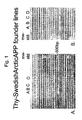
- Two primers pairs were designed Thy-1 Prom (GAATCCAAGTCGGAACTCTT, SEQ ID NO: 6) together with APP-SQ6 (TGTCAGGAACGAGAAGGGCA, SEQ ID NO: 7), and also APP-SQ3 (GCCGACCGAGGACTGA-CCAC, SEQ ID NO: 8) together with APP-SQ7 (GACACCGATGGGTAGTGAA, SEQ ID NO: 9) ( Fig. 1 ).
- SwedishArcticAPP transgenic mice were anesthetized with 0.4ml Avertin (25mg/ml) checked for loss of spinal reflexes and then perfused intracardially with 0.9% saline-solution.
- the brain was prepared and cut in two hemispheres; one of them was immersed in 4% PFA (paraformaldehyde)/1 ⁇ SPB (Sorensons Phosphate Buffer, 23mM KH 2 PO 4 , 70.5mM Na 2 HPO 4 ⁇ 2H 2 O, 5mM NaN 3 , pH7.4) over night, 4°C. Thereafter the brain was sequentially transferred and immersed in 10%, 20% and 30% (weight/volume) Sucrose/0.1 ⁇ SPB-solution each over night. The sucrose procedure was done to better preserve tissue morphology following freezing. The brain was kept in 30% sucrose-solution until the cryostat sections were cut ( Figs. 3-10 ).
- the left hemispheres of the brains were dissected from the different founder lines and weighed ( Fig. 9 ) (as well as the other organs measured).
- the brain tissue was extracted in 0.2% Tween-20 in 1xPBS with protease inhibitor tablets (cat 1836153, Roche, one tablet is tablet is sufficient for 10ml extraction solution) ( Fig. 3 ) .
- the extraction ratio was 1:10 (tissue weight: extraction buffer) and the tissue was extracted by 2x10 strokes on ice.
- the extraction solutions were centrifuged at 17900g at 4°C for 15min. The supernatants were divided into aliquots and stored at -20°C.
- the brain tissues used for western blot were homogenized in 1:10 (tissue extraction volume ratio) in 100 mM Na 2 CO 3 with 50 mM NaCl (pH11.5) with protease inhibitors, centrifuged at 100,000g at +4°C for 1 hr and the supernatants stored frozen at -80°C prior to analysis. The pellet was reextracted in 2% SDS and briefly sonicated, centrifuged as previously described. The SDS-insoluble pellet was finally reextracted in 70% formic acid ( Fig. 6 ).
- a Nitrocellulose filter was prewet in ddH 2 O and then equilibrated in 1 ⁇ Transfer-buffer (30mM Tris-base, 230mM Glycine, pH8.3) with 20% methanol. The transfer set was assembled in transfer-buffer and the transfer was run at 55V, 4°C over night. Prior to the antibody incubations the nitrocellulose-filter was boiled in 1xPBS for 5min, to stabilize and increase the exposure of epitopes in A ⁇ . The filter was then blocked in freshly prepared 1% w/v nonfat dry milk, 0.1% Tween-20 in 1 ⁇ TBS-buffer (100mM Tris base, 0.9% NaCl, pH 7.5) for 1hr at room-temperature.
- 1 ⁇ Transfer-buffer 30mM Tris-base, 230mM Glycine, pH8.3
- the transfer set was assembled in transfer-buffer and the transfer was run at 55V, 4°C over night. Prior to the antibody incubations the nitrocellulose-filter was boiled
- the filter was incubated with primary antibody (0.5 ⁇ g/ml 6E10 or 2 ⁇ g/ml 22C11) in 0.1% Tween-20 in 1 ⁇ TBS-buffer for 1hr at room-temperature. This was followed by washing 3-4 times (5min) in room-tempered 0.1% Tween-20 in 1 ⁇ TBS-buffer.
- the secondary antibody 0.2 ⁇ g/ml anti-mouseIgG/IgM-HRP (Pierce), in room-tempered 1% w/v nonfat dry milk, 0.1% Tween-20 in 1 ⁇ TBS-buffer and the filter was incubated in this solution for 30min.
- a ⁇ ELISA SDS-soluble brain tissue extracts were analyzed for A ⁇ 1-40 and A ⁇ 1-42 levels with ELISA using Amyloid Beta 1-40 and 1-42 ELISA kits (Signet Laboratories), according to manufacturer's instructions.
- a M.O.M. kit from Vector was utilized for the immunostaining .
- the frozen fixed tissue sections were incubated in concentrated formic acid (96%) for 5min at RT and then rinsed in water for 10min.
- the sections were incubated with H 2 O 2 (0.3%) in 50% DAKO-block/ 50% 1 ⁇ PBS for 15min at room-temperature to block endogenous peroxidase activity.
- the brain sections were once again rinsed in 1 ⁇ PBS before the incubation with M.O.M.
- Mouse IgG Blocking Reagent for 1hr to block unspecific binding.
- the sections were permeabilized with 1 ⁇ PBS (pH7.4) +0.4% Triton X-100) for 5min and briefly rinsed twice in 1 ⁇ PBS (pH7.4) to increase the surface tension.
- M.O.M. Mouse Diluent was used for the 5min incubation to block unspecific binding and excess were wiped away.
- kit ABC-complex (avidin-biotin-complex) were let to proceed, this was followed by a rinse in 1xPBS. Thereafter a horse radish peroxidase based substrate kit (NOVA Red, Vector) was used to develop the staining 10min. Finally the sections were briefly washed in ddH 2 O, dehydrated in 70%, 95%, 99.5% etOH, allowed to air-dry, dehydrated in Xylene and mounted in DPX (Dibutyl Phthalate Xylene, VWR) mounting medium for light microscopy. All the incubations above, unless stated otherwise, were carried out in room-temperature and on a shaking platform ( Figs. 4-5 , 7-8 and 10 ).
- Congo Red staining was accomplished by incubating tissue sections with saturated alkaline sodium chloride solution (10mM NaOH) for 20min followed by Congo Red (0.2% w/v) in saturated alkaline sodium chloride solution (10mM NaOH) for 15min and dehydration in 70%, 95%, 99.5% etOH. Tissue sections were allowed to air-dry, dehydrated in Xylene and mounted in DPX (Dibutyl Phthalate Xylene, VWR) mounting medium for light microscopy under polarized light.
- the images of 6E10 A ⁇ -immunoreactive staining were captured at 400X magnification in a Leica microscope with a cooled color CCD-camera at defined light and filter settings.
- the captured images of intraneuronal A ⁇ aggregates in the CA1 pyramidal neurons of the dorsal hippocampus were converted to greyscale images, processed with a delineation function to sharpen edges and allow an accurate segmentation.
- the images were segmented with an autothreshold command (Qwin, Leica).
- the results are expressed as area fraction (stained area tot /measured area tot , expressed in %) and presented as mean ⁇ S.E.M among the tissue section analyzed from each individual transgenic mouse.
- APP amyloid precursor protein
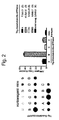
- the targeted epitopes are amino acids 66-81, for 22C11, and amino acids 672-687, for 6E10.
- the intensity of the spots has been analyzed with the Scion Image software and relative APP overexpression in the different founder lines has been calculated. Equal loading of the gels has been confirmed with Coomassie straining and total protein analysis.
- the relative APP expression can be estimated with antibody 22C11 which enables detection of both endogenous murine APP and human transgene APP.
- Thy-SwedishArcticAPP founder line B was found to display 3-fold APP-overexpression ( Fig. 3 ).
- Sequential chemical extraction of brain tissue from 2months old Thy-SwedishArctic transgenic mouse shows that most A ⁇ is soluble i.e. it can be recovered by gentle chemical extraction in carbonate buffer and that little A ⁇ remains in the tissue upon reextraction in 1% SDS or 70% formic acid i.e. as the insoluble A ⁇ ( Fig 6, a ).
- a ⁇ 1-40 Fig 6, b
- a ⁇ 1-42 levels ( Fig 6, c ), as measured by ELISA, in 2months old Thy-SwedishArctic transgenic mouse are reduced as compared to Thy-Swedish transgenic mouse that are of the same age and express the same amount of the transgene (the human APP protein.
- total A ⁇ levels i.e. both A ⁇ 1-40 and A ⁇ 1-42 measured together with western blot is five-fold increased in brain tissues from 2months old Thy-SwedishArctic transgenic mice as compared to Thy-Swedish transgenic mouse that are of the same age and express the same amount of the transgene (the human APP protein) ( Fig 6, d ).
- cortical neurons contain intraneuronal A ⁇ aggregates at 15 months of age in the Thy-Swedish APP mouse (Fig. 5, c). No A ⁇ immunostaining was found in nontransgenic mice (Fig. 5, d).
- the A ⁇ -immunopositive staining is resistant to pre-treatment with concentrated formic acid, which is a typical characteristic of amyloid i.e. A ⁇ aggregates with a ⁇ -sheet structure.
- Scale bar measures 20 ⁇ m ( Fig.
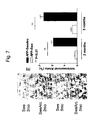
- Image analysis show 11-fold (2 months; 1.91 ⁇ 0.16 (4) as compared to 0.17 ⁇ 0.02 (3); mean ⁇ S.E.M (n)) and 7-fold (5 months; 2.66 ⁇ 0.28 (3) as compared to 0.38 ⁇ .10 (4); mean ⁇ S.E.M (n) increase in percentage area covered by intraneuronal A ⁇ immunostaining in Thy-SwedishArctic APP transgenic mouse as compared to Thy-Swedish APP transgenic mouse ( Fig. 7, e ).
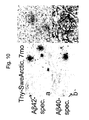
- Extracellular senile plaques were also present in the caudal part of hippocampus of Thy-SweArcticAPP transgenic mouse at this age, as shown with A ⁇ 42 and A ⁇ 40 specific antibodies ( Fig. 10 , a-b).
- the A ⁇ -immunoreactivity was resistant to and enhanced by pretreatment with concentrated formic acid.
- the arrows (in Fig. 10 , a-b) points to A ⁇ -immunoreactive deposits which are displayed at higher magnification (middle images adjacent to 10, a and b).
- Combined Congo Red and GFAP-immunostaining shows robust astrogliotic reaction surrounding a compact amyloid plaque ( Fig. 10, c ), which display classical gold-green birefringence in polarized light ( Fig. 10, d ).
- the brains were dissected and divided into its two hemispheres. Scattergram showing mean and distribution among individuals of left hemisphere brain weight.
- the brain tissue was later biochemically analysed for human APP and A ⁇ synthesis.
- the left hemisphere was initially weighed on a balance, to serve as a measure of atrophic degeneration of the brain ( Fig. 9 ).
Landscapes
- Health & Medical Sciences (AREA)
- Life Sciences & Earth Sciences (AREA)
- Genetics & Genomics (AREA)
- Chemical & Material Sciences (AREA)
- Engineering & Computer Science (AREA)
- Organic Chemistry (AREA)
- Zoology (AREA)
- Biotechnology (AREA)
- General Health & Medical Sciences (AREA)
- Biomedical Technology (AREA)
- General Engineering & Computer Science (AREA)
- Molecular Biology (AREA)
- Environmental Sciences (AREA)
- Bioinformatics & Cheminformatics (AREA)
- Biophysics (AREA)
- Wood Science & Technology (AREA)
- Veterinary Medicine (AREA)
- Biochemistry (AREA)
- Animal Behavior & Ethology (AREA)
- Toxicology (AREA)
- Microbiology (AREA)
- Animal Husbandry (AREA)
- Biodiversity & Conservation Biology (AREA)
- Plant Pathology (AREA)
- Neurology (AREA)
- Physics & Mathematics (AREA)
- Gastroenterology & Hepatology (AREA)
- Medicinal Chemistry (AREA)
- Proteomics, Peptides & Aminoacids (AREA)
- Investigating Or Analysing Biological Materials (AREA)
- Eye Examination Apparatus (AREA)
- Acyclic And Carbocyclic Compounds In Medicinal Compositions (AREA)
Claims (12)
- Transgene Maus, die ein Transgen exprimiert, das eine DNA-Sequenz umfasst, die ein heterologes Amyloid-Vorläuferprotein (APP) codiert, das die arktische Mutation (E693G) und eine weitere AD (Alzheimer-Krankheit)-pathogene Mutation umfasst, die ausgewählt ist aus der Gruppe bestehend aus KM670/671DF, KM670/671DY, KM670/671EF, KM670/671EY, KM670/671NL, KM670/671NY, KM670/671NF, KM670/671KL, KM670/671DL und KM670/671EL, und keine weiteren APP-Mutationen, wobei das Transgen funktionell mit einem Promotor verbunden ist, der die Expression des Gens in dem Hirngewebe der Maus bewirkt, was zu gesteigerten Mengen von intrazellulären löslichen Aß-Aggregaten, einschließlich Aβ-Peptiden, führt.
- Transgene Maus gemäß Anspruch 1, wobei das Transgen in die genomische DNA integriert ist.
- Transgene Maus gemäß einem der Ansprüche 1 oder 2, wobei das endogene APP exprimiert wird oder nicht exprimiert wird.
- Transgene Maus gemäß einem der Ansprüche 1 bis 3, wobei die weitere AD-pathogene Mutation die APP-Mutation KM670/671NL ist.
- Transgene Maus gemäß Anspruch 4, wobei die transgene Maus nur ein Transgen exprimiert.
- Transgene Maus gemäß einem der Ansprüche 1 bis 5, welche zusätzlich ein homolog integriertes Ziel-Konstrukt für mindestens eines der Neprilysin- oder Insulin-abbauendes Enzym (IDE)-Gene umfasst, das diese Gene durch Genablation (Knock-out) unterbricht und Aβ-40- und/oder Aβ-42-arlctische Peptidspiegel erhöht.
- Verfahren zur Herstellung der transgenen Maus gemäß einem der Ansprüche 1 bis 6, das die Integration eines Transgens in die genomische DNA umfasst, wobei das Transgen eine DNA-Sequenz umfasst, die ein heterologes Amyloid-Vorläuferprotein (APP) codiert, das die arktische Mutation (E693G) und eine weitere AD (Alzheimer-Krankheit)-pathogene Mutation umfasst, die ausgewählt ist aus der Gruppe bestehend aus KM670/671DF, KM670/671DY, KM670/671EF, KM670/671EY, KM670/671NL, KM670/671NY, KM670/671NF, KM670/671KL, KM670/671DL und KM670/671EL, und keine weiteren APP-Mutationen, wobei das Transgen funktionell mit einem Promotor verbunden ist, der die Expression des Gens im Hirngewebe der Maus bewirkt.
- Verfahren gemäß Anspruch 7, wobei das endogene APP nicht-exprimierend gemacht ist.
- Verfahren gemäß einem der Ansprüche 7 oder 8, wobei die weitere AD-pathogene Mutation die APP-Mutation KM670/671NL ist.
- Verfahren gemäß einem der Ansprüche 7 bis 9, das zusätzlich das homologe Integrieren eines Ziel-Konstrukts für mindestens eines der Neprilysin- oder Insulin-abbauendes Enzym (IDE)-Gene umfasst.
- Durchmusterungsverfahren, wobei die transgene Maus gemäß einem der Ansprüche 1 bis 6 zum Durchmustern von Agenzien verwendet wird, die nützlich für die Behandlung, Vorbeugung oder Inhibierung der Alzheimer-Krankheit ist.
- Durchmusterungsverfahren, wobei die transgene Maus gemäß einem der Ansprüche 1 bis 6 zur Durchmusterung von diagnostischen Agenzien für die Alzheimer-Krankheit verwendet wird.
Applications Claiming Priority (2)
| Application Number | Priority Date | Filing Date | Title |
|---|---|---|---|
| SE0400707A SE0400707D0 (sv) | 2004-03-22 | 2004-03-22 | Transgenic animal model |
| PCT/SE2005/000383 WO2005089539A1 (en) | 2004-03-22 | 2005-03-17 | Transgenic model for alzheimer’s disease |
Publications (2)
| Publication Number | Publication Date |
|---|---|
| EP1729569A1 EP1729569A1 (de) | 2006-12-13 |
| EP1729569B1 true EP1729569B1 (de) | 2011-06-01 |
Family
ID=32067463
Family Applications (1)
| Application Number | Title | Priority Date | Filing Date |
|---|---|---|---|
| EP05722229A Expired - Lifetime EP1729569B1 (de) | 2004-03-22 | 2005-03-17 | Transgenes modell für morbus alzheimer |
Country Status (10)
| Country | Link |
|---|---|
| US (1) | US7709695B1 (de) |
| EP (1) | EP1729569B1 (de) |
| JP (1) | JP4914343B2 (de) |
| AT (1) | ATE511348T1 (de) |
| AU (1) | AU2005224992B2 (de) |
| CA (1) | CA2560551A1 (de) |
| DK (1) | DK1729569T3 (de) |
| ES (1) | ES2367310T3 (de) |
| SE (1) | SE0400707D0 (de) |
| WO (1) | WO2005089539A1 (de) |
Families Citing this family (10)
| Publication number | Priority date | Publication date | Assignee | Title |
|---|---|---|---|---|
| AU2001268005A1 (en) | 2000-07-07 | 2002-01-21 | Lars Lannfelt | Prevention and treatment of alzheimer's disease |
| SE0401601D0 (sv) | 2004-06-21 | 2004-06-21 | Bioarctic Neuroscience Ab | Protofibril specific antibodies and uses thereof |
| PL2004688T5 (pl) | 2006-03-23 | 2014-09-30 | Bioarctic Neuroscience Ab | Ulepszone przeciwciała wobec protofibryli oraz ich zastosowania |
| ES2562224T3 (es) * | 2008-04-14 | 2016-03-03 | Alzinova Ab | Monómeros y oligómeros de beta amiloide estables |
| KR101634244B1 (ko) * | 2014-06-19 | 2016-06-29 | 한경대학교 산학협력단 | Talen을 이용하여 grk5 넉아웃 마우스를 제조하는 방법 |
| SMT202100263T1 (it) | 2014-07-10 | 2021-07-12 | Eisai R&D Man Co Ltd | Anticorpi leganti protofibrille a-beta migliorati |
| WO2016086197A1 (en) | 2014-11-25 | 2016-06-02 | The Brigham And Women's Hospital, Inc. | Method of identifying and treating a person having a predisposition to or afflicted with a cardiometabolic disease |
| WO2016085876A1 (en) | 2014-11-25 | 2016-06-02 | The Broad Institute Inc. | Clonal haematopoiesis |
| AU2021225696B2 (en) * | 2020-02-28 | 2024-11-14 | Rznomics Inc. | Trans-splicing ribozyme specific to APOE4 RNA and use thereof |
| CN113957095A (zh) * | 2021-10-22 | 2022-01-21 | 江苏集萃药康生物科技股份有限公司 | 一种用于构建阿尔兹海默症动物模型的构建方法及其核酸组合物和应用 |
Family Cites Families (18)
| Publication number | Priority date | Publication date | Assignee | Title |
|---|---|---|---|---|
| DK0620849T3 (da) | 1992-01-07 | 2003-10-20 | Elan Pharm Inc | Transgene dyremodeller for Alzheimer's sygdom |
| US5604102A (en) | 1992-04-15 | 1997-02-18 | Athena Neurosciences, Inc. | Methods of screening for β-amyloid peptide production inhibitors |
| US5455169A (en) | 1992-06-04 | 1995-10-03 | Alzheimer's Institute Of America, Inc. | Nucleic acids for diagnosing and modeling Alzheimer's disease |
| US5449604A (en) | 1992-10-21 | 1995-09-12 | University Of Washington | Chromosome 14 and familial Alzheimers disease genetic markers and assays |
| WO1995011968A1 (en) | 1993-10-27 | 1995-05-04 | Athena Neurosciences, Inc. | Transgenic animals harboring app allele having swedish mutation |
| US5877399A (en) | 1994-01-27 | 1999-03-02 | Johns Hopkins University | Transgenic mice expressing APP-Swedish mutation develop progressive neurologic disease |
| JPH07238035A (ja) * | 1994-02-28 | 1995-09-12 | Kyowa Hakko Kogyo Co Ltd | βアミロイド蛋白質分解剤 |
| US5777194A (en) | 1995-04-26 | 1998-07-07 | Cephalon, Inc. | Gene-targeted mice with humanized Aβ sequence and Swedish FAD mutation |
| US5986054A (en) | 1995-04-28 | 1999-11-16 | The Hospital For Sick Children, Hsc Research And Development Limited Partnership | Genetic sequences and proteins related to alzheimer's disease |
| US6717031B2 (en) | 1995-06-07 | 2004-04-06 | Kate Dora Games | Method for selecting a transgenic mouse model of alzheimer's disease |
| PT920495E (pt) | 1996-07-24 | 2008-08-18 | Novartis Pharma Gmbh | Modelo animal transgénico para doença de alzheimer |
| US5898094A (en) | 1996-10-21 | 1999-04-27 | University Of South Florida | Transgenic mice expressing APPK670N,M671L and a mutant presenilin transgenes |
| US20030131364A1 (en) | 1999-04-27 | 2003-07-10 | Karen Duff | Method for producing transgenic animal models with modulated phenotype and animals produced therefrom |
| AU2001268005A1 (en) | 2000-07-07 | 2002-01-21 | Lars Lannfelt | Prevention and treatment of alzheimer's disease |
| US7196163B2 (en) * | 2001-05-22 | 2007-03-27 | Merk & Co., Inc. | Assays using amyloid precursor proteins with modified β-secretase cleavage sites to monitor β-secretase activity |
| US20040248766A1 (en) * | 2001-06-18 | 2004-12-09 | Andrea Leblanc | Selective inhibition of intracellular amyloid-beta neurotoxicity in human neurons |
| CA2504870A1 (en) * | 2002-11-04 | 2004-05-21 | Bioarctic Neuroscience Ab | Methods for the identification of agents that modulate the structure and processing of beta-amyloid precursor protein |
| US20040255341A1 (en) * | 2003-10-21 | 2004-12-16 | Envivo Pharmaceuticals, Inc. | Transgenic flies expressing Abeta42-Arctic |
-
2004
- 2004-03-22 SE SE0400707A patent/SE0400707D0/xx unknown
-
2005
- 2005-03-17 EP EP05722229A patent/EP1729569B1/de not_active Expired - Lifetime
- 2005-03-17 AT AT05722229T patent/ATE511348T1/de active
- 2005-03-17 CA CA002560551A patent/CA2560551A1/en not_active Abandoned
- 2005-03-17 DK DK05722229.1T patent/DK1729569T3/da active
- 2005-03-17 WO PCT/SE2005/000383 patent/WO2005089539A1/en not_active Ceased
- 2005-03-17 AU AU2005224992A patent/AU2005224992B2/en not_active Ceased
- 2005-03-17 JP JP2007504909A patent/JP4914343B2/ja not_active Expired - Fee Related
- 2005-03-17 US US10/593,639 patent/US7709695B1/en not_active Expired - Fee Related
- 2005-03-17 ES ES05722229T patent/ES2367310T3/es not_active Expired - Lifetime
Non-Patent Citations (4)
| Title |
|---|
| 6th.International Congress on AD/PD, Sevilla, Spain, 2003 Poster session 9-5-2003 Board No 38. * |
| CHENG I.H. ET AL: "Accelerating amyloid-beta fibrillization reduces oligomer levels and functional deficits in Alzheimer disease mouse models", BIOL CHEM., vol. 282, no. 33, 4 June 2007 (2007-06-04), pages 23818 - 23828 * |
| HSIAO KAREN ET AL: "Correlative memory deficits,A-beta elevation, and amyloid plaques in transgenic mice", SCIENCE, vol. 274, no. 5284, 1996, pages 99 - 102 * |
| TEPPNER, I. ET AL.: "Establishment of a new transgenic Alzheimer's disease mouse model carrying human APP with Swedish, London and Arctic mutations.", ABSTRACTS FROM 6. TH. INTERNATIONAL CONGRESS ON AD/PD, SEVILLA,SPAIN,, 1 May 2003 (2003-05-01), pages 38 * |
Also Published As
| Publication number | Publication date |
|---|---|
| SE0400707D0 (sv) | 2004-03-22 |
| ES2367310T3 (es) | 2011-11-02 |
| EP1729569A1 (de) | 2006-12-13 |
| AU2005224992B2 (en) | 2010-05-06 |
| DK1729569T3 (da) | 2011-09-19 |
| ATE511348T1 (de) | 2011-06-15 |
| WO2005089539A1 (en) | 2005-09-29 |
| AU2005224992A1 (en) | 2005-09-29 |
| CA2560551A1 (en) | 2005-09-29 |
| JP2007530035A (ja) | 2007-11-01 |
| JP4914343B2 (ja) | 2012-04-11 |
| US7709695B1 (en) | 2010-05-04 |
Similar Documents
| Publication | Publication Date | Title |
|---|---|---|
| Lim et al. | FTDP-17 mutations in tau transgenic mice provoke lysosomal abnormalities and Tau filaments in forebrain | |
| Smit et al. | Reactive astrocytes as treatment targets in Alzheimer's disease—systematic review of studies using the APPswePS1dE9 mouse model | |
| Moechars et al. | Expression in brain of amyloid precursor protein mutated in the alpha‐secretase site causes disturbed behavior, neuronal degeneration and premature death in transgenic mice. | |
| Jankowsky et al. | APP processing and amyloid deposition in mice haplo-insufficient for presenilin 1 | |
| EP0946712B1 (de) | Transgene tiermodelle mit verändertem phenotyp für alzheimer-krankheit | |
| US7186881B2 (en) | Testing compounds for effects on synaptophysin in transgenic mice expressing an Alzheimer's disease FAD DNA sequence | |
| JPH09511388A (ja) | 進行性神経疾患を持つヒト以外のトランスジェニック哺乳類 | |
| Jakobsen et al. | Expression of the Alzheimer’s disease mutations AβPP695sw and PSEN1M146I in double-transgenic Göttingen minipigs | |
| JP2001517065A (ja) | トランスジェニック動物モデルを用いてアルツハイマー病治療薬を同定する方法 | |
| EP1729569B1 (de) | Transgenes modell für morbus alzheimer | |
| US20030148356A1 (en) | Novel APP mutation associated with an unusual Alzheimer's disease pathology | |
| JP5070236B2 (ja) | 神経変性性障害のトランスジェニック動物モデル | |
| JP2001514528A (ja) | 天然プレセニリン1ヌルバックグラウンド上で非天然野生型および家族性アルツハイマー病突然変異プレセニリン1タンパク質を発現するトランスジェニック動物 | |
| Vidal et al. | The Psen1-L166P-knock-in mutation leads to amyloid deposition in human wild-type amyloid precursor protein YAC transgenic mice | |
| Renbaum et al. | Monogenic determinants of familial Alzheimer's disease: presenilin-2 mutations | |
| Pawlik et al. | Overexpression of human cystatin C in transgenic mice does not affect levels of endogenous brain amyloid β peptide | |
| EP2207885B1 (de) | Vierfach transgenes nichtmenschliches tier | |
| Czech et al. | Alzheimer’s disease and transgenic mice | |
| US20130133090A1 (en) | Transgenic mammalls modified in bri protein expression | |
| US9204623B2 (en) | Transgenic mouse model expressing amyloid β 4-42 peptide | |
| Chiocco | Beta-secretase transgenic mice: Effects of BACE1 and BACE2 on Alzheimer's disease pathogenesis | |
| Lee et al. | The Neuronal Adaptor Protein X11␣ Reduces A Levels in the Brains of Alzheimer’s APPswe Tg2576 Transgenic Mice* Received for publication, January 16, 2003, and in revised form, September 11, 2003 Published, JBC Papers in Press, September 11, 2003, DOI 10.1074/jbc. M300503200 | |
| Steffen | Analysis of animal models of neurodegenerative diseases with protein deposits | |
| und Halbach | Analysis of animal models of neurodegenerative diseases with protein deposits | |
| Trojanowski et al. | Tau and a-Synuclein in Neurodegenerative Diseases |
Legal Events
| Date | Code | Title | Description |
|---|---|---|---|
| PUAI | Public reference made under article 153(3) epc to a published international application that has entered the european phase |
Free format text: ORIGINAL CODE: 0009012 |
|
| 17P | Request for examination filed |
Effective date: 20061020 |
|
| AK | Designated contracting states |
Kind code of ref document: A1 Designated state(s): AT BE BG CH CY CZ DE DK EE ES FI FR GB GR HU IE IS IT LI LT LU MC NL PL PT RO SE SI SK TR |
|
| DAX | Request for extension of the european patent (deleted) | ||
| 17Q | First examination report despatched |
Effective date: 20080110 |
|
| RTI1 | Title (correction) |
Free format text: TRANSGENIC MODEL FOR ALZHEIMER'S DISEASE |
|
| GRAP | Despatch of communication of intention to grant a patent |
Free format text: ORIGINAL CODE: EPIDOSNIGR1 |
|
| GRAS | Grant fee paid |
Free format text: ORIGINAL CODE: EPIDOSNIGR3 |
|
| GRAA | (expected) grant |
Free format text: ORIGINAL CODE: 0009210 |
|
| RAP1 | Party data changed (applicant data changed or rights of an application transferred) |
Owner name: BIOARCTIC NEUROSCIENCE AB |
|
| AK | Designated contracting states |
Kind code of ref document: B1 Designated state(s): AT BE BG CH CY CZ DE DK EE ES FI FR GB GR HU IE IS IT LI LT LU MC NL PL PT RO SE SI SK TR |
|
| REG | Reference to a national code |
Ref country code: GB Ref legal event code: FG4D |
|
| REG | Reference to a national code |
Ref country code: CH Ref legal event code: EP |
|
| REG | Reference to a national code |
Ref country code: IE Ref legal event code: FG4D |
|
| REG | Reference to a national code |
Ref country code: DE Ref legal event code: R096 Ref document number: 602005028324 Country of ref document: DE Effective date: 20110714 |
|
| REG | Reference to a national code |
Ref country code: NL Ref legal event code: T3 |
|
| REG | Reference to a national code |
Ref country code: DK Ref legal event code: T3 |
|
| REG | Reference to a national code |
Ref country code: SE Ref legal event code: TRGR |
|
| PG25 | Lapsed in a contracting state [announced via postgrant information from national office to epo] |
Ref country code: LT Free format text: LAPSE BECAUSE OF FAILURE TO SUBMIT A TRANSLATION OF THE DESCRIPTION OR TO PAY THE FEE WITHIN THE PRESCRIBED TIME-LIMIT Effective date: 20110601 |
|
| REG | Reference to a national code |
Ref country code: ES Ref legal event code: FG2A Ref document number: 2367310 Country of ref document: ES Kind code of ref document: T3 Effective date: 20111102 |
|
| PG25 | Lapsed in a contracting state [announced via postgrant information from national office to epo] |
Ref country code: GR Free format text: LAPSE BECAUSE OF FAILURE TO SUBMIT A TRANSLATION OF THE DESCRIPTION OR TO PAY THE FEE WITHIN THE PRESCRIBED TIME-LIMIT Effective date: 20110902 Ref country code: CY Free format text: LAPSE BECAUSE OF FAILURE TO SUBMIT A TRANSLATION OF THE DESCRIPTION OR TO PAY THE FEE WITHIN THE PRESCRIBED TIME-LIMIT Effective date: 20110601 Ref country code: SI Free format text: LAPSE BECAUSE OF FAILURE TO SUBMIT A TRANSLATION OF THE DESCRIPTION OR TO PAY THE FEE WITHIN THE PRESCRIBED TIME-LIMIT Effective date: 20110601 |
|
| PG25 | Lapsed in a contracting state [announced via postgrant information from national office to epo] |
Ref country code: PT Free format text: LAPSE BECAUSE OF FAILURE TO SUBMIT A TRANSLATION OF THE DESCRIPTION OR TO PAY THE FEE WITHIN THE PRESCRIBED TIME-LIMIT Effective date: 20111003 Ref country code: IS Free format text: LAPSE BECAUSE OF FAILURE TO SUBMIT A TRANSLATION OF THE DESCRIPTION OR TO PAY THE FEE WITHIN THE PRESCRIBED TIME-LIMIT Effective date: 20111001 Ref country code: EE Free format text: LAPSE BECAUSE OF FAILURE TO SUBMIT A TRANSLATION OF THE DESCRIPTION OR TO PAY THE FEE WITHIN THE PRESCRIBED TIME-LIMIT Effective date: 20110601 Ref country code: CZ Free format text: LAPSE BECAUSE OF FAILURE TO SUBMIT A TRANSLATION OF THE DESCRIPTION OR TO PAY THE FEE WITHIN THE PRESCRIBED TIME-LIMIT Effective date: 20110601 |
|
| PG25 | Lapsed in a contracting state [announced via postgrant information from national office to epo] |
Ref country code: PL Free format text: LAPSE BECAUSE OF FAILURE TO SUBMIT A TRANSLATION OF THE DESCRIPTION OR TO PAY THE FEE WITHIN THE PRESCRIBED TIME-LIMIT Effective date: 20110601 Ref country code: SK Free format text: LAPSE BECAUSE OF FAILURE TO SUBMIT A TRANSLATION OF THE DESCRIPTION OR TO PAY THE FEE WITHIN THE PRESCRIBED TIME-LIMIT Effective date: 20110601 Ref country code: RO Free format text: LAPSE BECAUSE OF FAILURE TO SUBMIT A TRANSLATION OF THE DESCRIPTION OR TO PAY THE FEE WITHIN THE PRESCRIBED TIME-LIMIT Effective date: 20110601 |
|
| PLBE | No opposition filed within time limit |
Free format text: ORIGINAL CODE: 0009261 |
|
| STAA | Information on the status of an ep patent application or granted ep patent |
Free format text: STATUS: NO OPPOSITION FILED WITHIN TIME LIMIT |
|
| 26N | No opposition filed |
Effective date: 20120302 |
|
| REG | Reference to a national code |
Ref country code: DE Ref legal event code: R097 Ref document number: 602005028324 Country of ref document: DE Effective date: 20120302 |
|
| PGFP | Annual fee paid to national office [announced via postgrant information from national office to epo] |
Ref country code: IT Payment date: 20120328 Year of fee payment: 8 |
|
| PG25 | Lapsed in a contracting state [announced via postgrant information from national office to epo] |
Ref country code: MC Free format text: LAPSE BECAUSE OF NON-PAYMENT OF DUE FEES Effective date: 20120331 |
|
| REG | Reference to a national code |
Ref country code: CH Ref legal event code: PL |
|
| PG25 | Lapsed in a contracting state [announced via postgrant information from national office to epo] |
Ref country code: LI Free format text: LAPSE BECAUSE OF NON-PAYMENT OF DUE FEES Effective date: 20120331 Ref country code: CH Free format text: LAPSE BECAUSE OF NON-PAYMENT OF DUE FEES Effective date: 20120331 |
|
| PGFP | Annual fee paid to national office [announced via postgrant information from national office to epo] |
Ref country code: FI Payment date: 20130314 Year of fee payment: 9 Ref country code: IE Payment date: 20130314 Year of fee payment: 9 Ref country code: DK Payment date: 20130325 Year of fee payment: 9 Ref country code: ES Payment date: 20130319 Year of fee payment: 9 |
|
| PG25 | Lapsed in a contracting state [announced via postgrant information from national office to epo] |
Ref country code: BG Free format text: LAPSE BECAUSE OF FAILURE TO SUBMIT A TRANSLATION OF THE DESCRIPTION OR TO PAY THE FEE WITHIN THE PRESCRIBED TIME-LIMIT Effective date: 20110901 |
|
| PGFP | Annual fee paid to national office [announced via postgrant information from national office to epo] |
Ref country code: AT Payment date: 20130327 Year of fee payment: 9 |
|
| PGFP | Annual fee paid to national office [announced via postgrant information from national office to epo] |
Ref country code: BE Payment date: 20130319 Year of fee payment: 9 |
|
| PGFP | Annual fee paid to national office [announced via postgrant information from national office to epo] |
Ref country code: NL Payment date: 20130318 Year of fee payment: 9 |
|
| PG25 | Lapsed in a contracting state [announced via postgrant information from national office to epo] |
Ref country code: TR Free format text: LAPSE BECAUSE OF FAILURE TO SUBMIT A TRANSLATION OF THE DESCRIPTION OR TO PAY THE FEE WITHIN THE PRESCRIBED TIME-LIMIT Effective date: 20110601 |
|
| PG25 | Lapsed in a contracting state [announced via postgrant information from national office to epo] |
Ref country code: LU Free format text: LAPSE BECAUSE OF NON-PAYMENT OF DUE FEES Effective date: 20120317 |
|
| PG25 | Lapsed in a contracting state [announced via postgrant information from national office to epo] |
Ref country code: HU Free format text: LAPSE BECAUSE OF FAILURE TO SUBMIT A TRANSLATION OF THE DESCRIPTION OR TO PAY THE FEE WITHIN THE PRESCRIBED TIME-LIMIT Effective date: 20050317 |
|
| REG | Reference to a national code |
Ref country code: DK Ref legal event code: EBP Effective date: 20140331 |
|
| REG | Reference to a national code |
Ref country code: NL Ref legal event code: V1 Effective date: 20141001 |
|
| PG25 | Lapsed in a contracting state [announced via postgrant information from national office to epo] |
Ref country code: FI Free format text: LAPSE BECAUSE OF NON-PAYMENT OF DUE FEES Effective date: 20140317 |
|
| REG | Reference to a national code |
Ref country code: AT Ref legal event code: MM01 Ref document number: 511348 Country of ref document: AT Kind code of ref document: T Effective date: 20140317 |
|
| REG | Reference to a national code |
Ref country code: IE Ref legal event code: MM4A |
|
| PG25 | Lapsed in a contracting state [announced via postgrant information from national office to epo] |
Ref country code: IE Free format text: LAPSE BECAUSE OF NON-PAYMENT OF DUE FEES Effective date: 20140317 |
|
| PG25 | Lapsed in a contracting state [announced via postgrant information from national office to epo] |
Ref country code: NL Free format text: LAPSE BECAUSE OF NON-PAYMENT OF DUE FEES Effective date: 20141001 Ref country code: AT Free format text: LAPSE BECAUSE OF NON-PAYMENT OF DUE FEES Effective date: 20140317 |
|
| PG25 | Lapsed in a contracting state [announced via postgrant information from national office to epo] |
Ref country code: IT Free format text: LAPSE BECAUSE OF NON-PAYMENT OF DUE FEES Effective date: 20140317 |
|
| REG | Reference to a national code |
Ref country code: ES Ref legal event code: FD2A Effective date: 20150427 |
|
| PG25 | Lapsed in a contracting state [announced via postgrant information from national office to epo] |
Ref country code: DK Free format text: LAPSE BECAUSE OF NON-PAYMENT OF DUE FEES Effective date: 20140331 |
|
| PG25 | Lapsed in a contracting state [announced via postgrant information from national office to epo] |
Ref country code: ES Free format text: LAPSE BECAUSE OF NON-PAYMENT OF DUE FEES Effective date: 20140318 |
|
| REG | Reference to a national code |
Ref country code: FR Ref legal event code: PLFP Year of fee payment: 12 |
|
| PGFP | Annual fee paid to national office [announced via postgrant information from national office to epo] |
Ref country code: DE Payment date: 20160324 Year of fee payment: 12 |
|
| PGFP | Annual fee paid to national office [announced via postgrant information from national office to epo] |
Ref country code: GB Payment date: 20160322 Year of fee payment: 12 Ref country code: SE Payment date: 20160322 Year of fee payment: 12 |
|
| PGFP | Annual fee paid to national office [announced via postgrant information from national office to epo] |
Ref country code: FR Payment date: 20160331 Year of fee payment: 12 |
|
| REG | Reference to a national code |
Ref country code: DE Ref legal event code: R082 Ref document number: 602005028324 Country of ref document: DE |
|
| PG25 | Lapsed in a contracting state [announced via postgrant information from national office to epo] |
Ref country code: BE Free format text: LAPSE BECAUSE OF NON-PAYMENT OF DUE FEES Effective date: 20140331 |
|
| REG | Reference to a national code |
Ref country code: DE Ref legal event code: R119 Ref document number: 602005028324 Country of ref document: DE |
|
| REG | Reference to a national code |
Ref country code: SE Ref legal event code: EUG |
|
| GBPC | Gb: european patent ceased through non-payment of renewal fee |
Effective date: 20170317 |
|
| PG25 | Lapsed in a contracting state [announced via postgrant information from national office to epo] |
Ref country code: SE Free format text: LAPSE BECAUSE OF NON-PAYMENT OF DUE FEES Effective date: 20170318 |
|
| REG | Reference to a national code |
Ref country code: FR Ref legal event code: ST Effective date: 20171130 |
|
| PG25 | Lapsed in a contracting state [announced via postgrant information from national office to epo] |
Ref country code: DE Free format text: LAPSE BECAUSE OF NON-PAYMENT OF DUE FEES Effective date: 20171003 Ref country code: FR Free format text: LAPSE BECAUSE OF NON-PAYMENT OF DUE FEES Effective date: 20170331 |
|
| PG25 | Lapsed in a contracting state [announced via postgrant information from national office to epo] |
Ref country code: GB Free format text: LAPSE BECAUSE OF NON-PAYMENT OF DUE FEES Effective date: 20170317 |