EP1716232B9 - Saure alpha-glukosidase und fragmente davon - Google Patents
Saure alpha-glukosidase und fragmente davon Download PDFInfo
- Publication number
- EP1716232B9 EP1716232B9 EP05713310A EP05713310A EP1716232B9 EP 1716232 B9 EP1716232 B9 EP 1716232B9 EP 05713310 A EP05713310 A EP 05713310A EP 05713310 A EP05713310 A EP 05713310A EP 1716232 B9 EP1716232 B9 EP 1716232B9
- Authority
- EP
- European Patent Office
- Prior art keywords
- gaa
- pcep
- igf
- residues
- gaaδ1
- Prior art date
- Legal status (The legal status is an assumption and is not a legal conclusion. Google has not performed a legal analysis and makes no representation as to the accuracy of the status listed.)
- Expired - Lifetime
Links
Images







Classifications
-
- A—HUMAN NECESSITIES
- A61—MEDICAL OR VETERINARY SCIENCE; HYGIENE
- A61K—PREPARATIONS FOR MEDICAL, DENTAL OR TOILETRY PURPOSES
- A61K38/00—Medicinal preparations containing peptides
- A61K38/16—Peptides having more than 20 amino acids; Gastrins; Somatostatins; Melanotropins; Derivatives thereof
- A61K38/43—Enzymes; Proenzymes; Derivatives thereof
- A61K38/46—Hydrolases (3)
- A61K38/47—Hydrolases (3) acting on glycosyl compounds (3.2), e.g. cellulases, lactases
-
- A—HUMAN NECESSITIES
- A61—MEDICAL OR VETERINARY SCIENCE; HYGIENE
- A61P—SPECIFIC THERAPEUTIC ACTIVITY OF CHEMICAL COMPOUNDS OR MEDICINAL PREPARATIONS
- A61P21/00—Drugs for disorders of the muscular or neuromuscular system
-
- A—HUMAN NECESSITIES
- A61—MEDICAL OR VETERINARY SCIENCE; HYGIENE
- A61P—SPECIFIC THERAPEUTIC ACTIVITY OF CHEMICAL COMPOUNDS OR MEDICINAL PREPARATIONS
- A61P3/00—Drugs for disorders of the metabolism
- A61P3/08—Drugs for disorders of the metabolism for glucose homeostasis
-
- A—HUMAN NECESSITIES
- A61—MEDICAL OR VETERINARY SCIENCE; HYGIENE
- A61P—SPECIFIC THERAPEUTIC ACTIVITY OF CHEMICAL COMPOUNDS OR MEDICINAL PREPARATIONS
- A61P43/00—Drugs for specific purposes, not provided for in groups A61P1/00-A61P41/00
-
- C—CHEMISTRY; METALLURGY
- C12—BIOCHEMISTRY; BEER; SPIRITS; WINE; VINEGAR; MICROBIOLOGY; ENZYMOLOGY; MUTATION OR GENETIC ENGINEERING
- C12N—MICROORGANISMS OR ENZYMES; COMPOSITIONS THEREOF; PROPAGATING, PRESERVING, OR MAINTAINING MICROORGANISMS; MUTATION OR GENETIC ENGINEERING; CULTURE MEDIA
- C12N9/00—Enzymes; Proenzymes; Compositions thereof; Processes for preparing, activating, inhibiting, separating or purifying enzymes
- C12N9/14—Hydrolases (3)
- C12N9/24—Hydrolases (3) acting on glycosyl compounds (3.2)
- C12N9/2402—Hydrolases (3) acting on glycosyl compounds (3.2) hydrolysing O- and S- glycosyl compounds (3.2.1)
- C12N9/2405—Glucanases
- C12N9/2408—Glucanases acting on alpha -1,4-glucosidic bonds
Definitions
- Acid alpha-glucosidase is a lysosomal enzyme that hydrolyzes the alpha 1-4 linkage in maltose and other linear oligosaccharides, including the outer branches of glycogen, thereby breaking down excess glycogen in the lysosome ( Hirschhorn et al. (2001) in The Metabolic and Molecular Basis of Inherited Disease, Scriver, et al., eds. (2001), McGraw-Hill: New York, p. 3389-3420 ). Like other mammalian lysosomal enzymes, GAA is synthesized in the cytosol and traverses the ER where it is glycosylated with N-linked, high mannose type carbohydrate.
- the high mannose carbohydrate is modified on lysosomal proteins by the addition of mannose-6-phosphate (M6P) which targets these proteins to the lysosome.
- M6P mannose-6-phosphate
- the M6P-modified proteins are delivered to the lysosome via interaction with either of two M6P receptors. The most favorable form of modification is when two M6Ps are added to a high mannose carbohydrate.
- Pompe disease a disease also known as acid maltase deficiency (AMD), glycogen storage disease type II (GSDII), glycogenosis type II, or GAA deficiency.
- ASD acid maltase deficiency
- GSDII glycogen storage disease type II
- GAA deficiency The diminished enzymatic activity occurs due to a variety of missense and nonsense mutations in the gene encoding GAA. Consequently, glycogen accumulates in the lysosomes of all cells in patients with Pompe disease. In particular, glycogen accumulation is most pronounced in lysosomes of cardiac and skeletal muscle, liver, and other tissues. Accumulated glycogen ultimately impairs muscle function. In the most severe form of Pompe disease, death occurs before two years of age due to cardio-respiratory failure.
- M6P-dependent delivery of recombinant GAA to lysosomes is not efficient, requiring high dosages and frequent infusions. Accordingly, there remains a need for new, simpler, more efficient, and more cost-effective methods for targeting therapeutic GAA enzyme to patient lysosmoes.
- the present invention permits M6P-independent targeting of human GAA or GAA-like enzymes to patient lysosomes by using a peptide tag-based targeting strategy. As a result, the present invention provides efficient delivery of GAA or GAA-like enzymes into target cells.
- the invention relates, in part, to the discover that GAA can be expressed recombinantly using a plurality of open reading frames encoding polypeptides representing different portions of the GAA protein. When provided together, the resulting polypeptides can cooperate to provide the desired enzymatic activity.
- the present invention in one aspect relates to a targeted therapeutic fusion protein as defined in the claims.
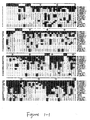
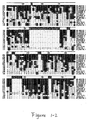
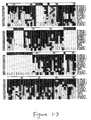
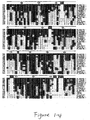
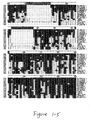
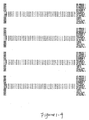
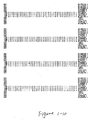
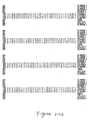
- Figures 1-1 to 1-14 depict as amino acid sequence alignment of selected members of family 31 of glycoside hydrolyases.
- Figure 2 is a schematic depiction of the GAA protein.
- Figure 3 depicts exemplary strategies for creating a peptide-tagged GAA.
- Figure 4 depicts an exemplary uptake experiment using wild-type GAA and SS-GAA ⁇ 1-69.
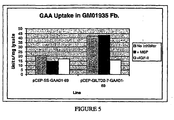
- Figure 5 depicts an exemplary uptake experiment using SS-GAA ⁇ 1-69 and SS-GILT ⁇ 2-7-GAA ⁇ 1-69.
- Figure 6 depicts an exemplary Western blot analysis of 1-87-IGF-II-tagged GAA proteins; the left panel was probed with an anti-GAA antibody; the right panel was probed with an anti-IGF-II antibody.
- Lane 1 pCEP-GILT1-87-GAA56-952;
- lane 2 pCEP-GILT1-87-R68A-GAA56-952-1;
- lane 3 pCEP-GILT1-87-R68A- ⁇ GS-GAA56-952-1;
- lane 4 pCEP-GILT ⁇ 2-7-spcr1-GAA70-952-1 ;
- lane 5 pCEP-GAA;
- lane 6 pCEP-GILT-GAA29-952.
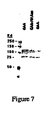
- Figure 7 depicts an exemplary Western blot analysis comparing proteolysis of wild-type GAA with GAA-791Asc.
- Figure 8 depicts an exemplary Western analysis of wild-type GAA and GAA constructs with a GILT tag engineered with a downstream Factor X protease site, GAA787GILTXa, GAA779GILTXa, and GAA796GILTXa. It also depicts a GAA C-terminal processing model.
- GAA is a member of family 31 of glycoside hydrolyases ( Figures 1-1 to 1-14 ).
- Human GAA is synthesized as a 110 kDal precursor ( Wisselaar et al. (1993) J. Biol. Chem. 268(3): 2223-31 ).
- the mature form of the enzyme is a mixture of monomers of 70 and 76 kDal ( Wisselaar et al. (1993) J. Biol. Chem. 268(3): 2223-31 ).
- the precursor enzyme has seven potential glycosylation sites and four of these are retained in the mature enzyme ( Wisselaar et al. (1993) J. Biol. Chem. 268(3): 2223-31 ).
- the proteolytic cleavage events which produce the mature enzyme occur in late endosomes or in the lysosome ( Wisselaar et al. (1993) J. Biol. Chem. 268(3): 2223-31 ).
- the C-terminal 160 amino acids are absent from the mature 70 and 76 kDal species.
- certain Pompe alleles resulting in the complete loss of GAA activity map to this region, for example Val949Asp ( Becker et al. (1998) J. Hum. Genet. 62:991 ).
- the phenotype of this mutant indicates that the C-terminal portion of the protein, although not part of the 70 or 76 kDal species, plays an important role in the function of the protein. It has recently been reported that the C-terminal portion of the protein, although cleaved from the rest of the protein during processing, remains associated with the major species ( Moreland et al. (Nov. 1, 2004) J. Biol.
- the C-terminal residues could play a direct role in the catalytic activity of the protein.
- the C-terminal residues may be involved in promoting proper folding of the N-terminal portions of the protein.
- sucrase-isomaltase a related protein.
- This family includes the sucrase-isomaltase (SI) protein which contains the two distinct but homologous glycoside hydrolyase catalytic domains in tandem on a single polypeptide. Each of these is similar to the entire GAA polypeptide in size and the two domains share 36 and 39% identity with GAA.
- SI is expressed in intestinal brush border cells and is localized to the apical membrane of these polarized cells with the catalytic domains facing the gut lumen due to an amino-terminal trans membrane domain.
- sucrase domain is cleaved from the amino-proximal isomaltase domain by trypsin while the isomaltase domain remains membrane associated.
- sucrase domain is required for proper folding and subsequent transport of the isomaltase domain; sucrase is said to be an intramolecular chaperone required for the folding of the isomaltase domain ( Jacob et al. (2002) J. Biol. Chem. 277:32141 ).
- FIG. 2 summarizes the organization of GAA as we now understand it.
- the precursor polypeptide possesses a signal sequence and an adjacent putative transmembrane domain, a trefoil domain (PFAM PF00088) which is a cysteine-rich domain of about 45 amino acids containing 3 disulfide linkages and thought to be involved in protein-protein or protein carbohydrate interactions ( Thim (1989) FEBS Lett. 250:85 ), the domain defined by the mature 70/76 kDal polypeptide, and the C-terminal domain.
- PFAM PF00088 a trefoil domain
- a mutation in the trefoil domain of SI has an impact on the apical membrane sorting pattern of SI ( Spodsberg (2001) J. Biol. Chem. 276:23506 ).
- Data presented in examples 1 and 2 indicate that both the trefoil domain and the C-terminal domain are required for the production of functional GAA. It is possible that the C-terminal domain interacts with the trefoil domain during protein folding perhaps facilitating appropriate disulfide bond formation in the trefoil domain.
- the GAA signal peptide is not cleaved in the ER thereby causing CAA to be membrane bound in the ER ( Tsuji et al. (1987) Biochem. Int. 15(5):945-952 ).
- the enzyme can be found bound to the plasma membrane with retention of the membrane topology of the ER presumably due to the failure to cleave the signal peptide ( Hirschhom et al., in The Metabolic and Molecular Basis of Inherited Disease, Valle, ed., 2001, McGraw-Hill: New York, pp. 3389-3420 ). Sequence analysis suggests the presence of a trans-membrane domain adjacent to the signal peptide, which presumably enables the enzyme to remain membrane attached under certain conditions.
- membrane association of GAA via its signal peptide is an important contributory factor in correct lysosomal targeting of the enzyme. This could happen in two ways: First, the membrane association could directly steer the protein to the lysosome. Second, the membrane association could increase the residence time of the GAA in the Golgi thereby increasing the level of mannose-6-phosphate added to the protein. This would have the net effect of increasing the proportion of the enzyme that is sorted to the lysosome. In either case, if this membrane association were eliminated, then more of the produced enzyme would be secreted and if the latter model were correct the secreted enzyme would have less mannose-6-phosphate.
- Disruption of the membrane association of GAA can be accomplished by replacing the GAA signal peptide and adjacent sequence with an alternate signal peptide for GAA.
- the present invention permits targeting of a therapeutic agent to a lysosome using a protein, or an analog of a protein, that specifically binds a cellular receptor for that protein.
- the exterior of the cell surface is topologically equivalent to endosomal, lysosomal, golgi, and endoplasmic reticulum compartments.
- endocytosis of a molecule through interaction with an appropriate receptor(s) permits transport of the molecule to any of these compartments without crossing a membrane.
- delivery of a therapeutic protein can be achieved by tagging it with a ligand for the appropriate receptors(s).
- the invention permits targeting of a therapeutic agents to a lysosome.
- Targeting may occur, for example, through binding of a plasma membrane receptor that later passes through a lysosome.
- targeting may occur-through binding of a plasma receptor that later passes through a late endosome; the therapeutic agent can then travel from the late endosome to a lysosome.
- a preferred lysosomal targeting mechanism involves binding to the cation-independent M6P receptor.
- the cation-independent M6P receptor is a 275 kDa single chain transmembrane glycoprotein expressed ubiquitously in mammalian tissues. It is one of two mammalian receptors that bind M6P: the second referred to as the cation-dependent M6P receptor.
- the cation-dependent M6P receptor requires divalent cations for M6P binding; the cation-independent M6P receptor does not. These receptors play an important role in the trafficking of lysosomal enzymes through recognition of the M6P moiety on high mannose carbohydrate on lysosomal enzyme.
- the extracellular domain of the cation-independent M6P receptor contains 15 homologous domains ("repeats") that bind a diverse group of ligands at discrete locations on the receptor.
- the cation-independent M6P receptor contains two binding sites for M6P: one located in repeats 1-3 and the other located in repeats 7-9.
- the receptor binds monovalent M6P ligands with a dissociation constant in the ⁇ M range while binding divalent M6P ligands with a dissociation constant in the nM range, probably due to receptor oligomerization. Uptake of IGF-II by the receptor is enhanced by concomitant binding of multivalent M6P ligands such as lysosomal enzymes to the receptor.
- the cation-independent M6P receptor also contains binding sites for at least three distinct ligands that can be used as targeting moieties.
- the cation-independent M6P receptor binds IGF-II with a dissociation constant of about 14 nM at or about pH 7.4, primarily through interactions with repeat 11. Consistent with its function in targeting IGP-II to the lysosome, the dissociation constant is increased approximately 100-fold at or about pH 5.5 promoting dissociation of IGP-II in acidic late endosomes.
- the receptors is capable of binding high molecular weight O-glycosylated IGF-II forms.
- GILT constructs should be capable of crossing the blood brain barrier, affording for the first time a means of treating neurological symptoms associated with lysosomal storage diseases.
- the constructs can be tested using GUS minus mice as described in Example 12.
- IGP-II NMR structures of IGP-II have been solved by two groups ( Terasawa et al. (1994) EMBO J.13(23):5590-7 ; Torres et al. (1995) J. Mol. Biol. 248(2):385-401 ) (see, e.g ., Protein Data Bank record IIGL).
- the general features of the IGF-II structure are similar to IGF-I and insulin.
- the A and B domains of IGF-II correspond to the A and B chains of insulin.
- Secondary structural features include an alpha helix from residues 11-21 of the B region connected by a reverse turn in residues 22-25 to a short beta stand in residues 26-28.
- Residues 25-27 appear to form a small antiparallel beta sheet; residues 59-61 and residues 26-28 may also participate in intermolecular beta-sheet formation.
- residues 59-61 and residues 26-28 may also participate in intermolecular beta-sheet formation.
- alpha helices spanning residues 42-49 and 53-59 are arranged in an antiparallel configuration perpendicular to the B-domain helix.
- Hydrophobic clusters formed by two of the three disulfide bridges and conserved hydrophobic residues stabilize these secondary structure features. The N and C termini remain poorly defined as is the region between residues 31-40.
- IGF-II binds to the IGF-II/M6P and IGF-I receptors with relatively high affinity and binds with lower affinity to the insulin receptor. IGF-II also interacts with a number if serum IGFBPs.
- IGF-I and IGF-II share identical sequences and structures in the region of residues 48-50 yet have a 1000-fold difference in affinity for the IGF-II receptor.
- the NMR structure reveals a structural difference between IGF-I and IGF-II in the region of IGF-II residues 53-58 (IGF-I residues 54-59): the alpha-helix is better defined in IGF-II than in IGF-I and, unlike IGF-I, there is no bend in the backbone around residues 53 and 54 ( Torres et al. (1995) J. Mol. Biol. 248(2):385-401 ).
- IGF-II binds to repeat 11 of the cation-independent M6P receptor.
- a minireceptor in which only repeat 11 is fused to the transmembrane and cytoplasmic domains of the cation-independent M6P receptor is capable of binding IGF-II (with an affinity approximately one tenth the affinity of the full length receptor) and mediating internalization of IGF-II and its delivery to lysosomes ( Grimme et al. (2000) J. Biol. Chem. 275(43):33697-33703 ).
- the structure of domain 11 of the M6P receptor is known (Protein Data Base entries 1GP0 and 1GP3; Brown et al. (2002) EMBO J.
- the putative IGF-II binding site is a hydrophobic pocket believed to interact with hydrophobic amino acids of IGF-II; candidate amino acids of IGF-II include leucine 8, phenylalanine 48, alanine 54, and leucine 55.
- repeat 11 is sufficient for IGF-II binding, constructs including larger portions of the cation-independent M6P receptor (e.g . repeats 10-13, or 1-15) generally bind IGF-II with greater affinity and with increased pH dependence (see, for example, Linnell et al. (2001) J. Biol. Chem. 276(26):23986-23991 ).
- the NMR structure of IGF-II shows that Thr 7 is located near residues 48 Phe and 50 Ser as well as near the 9 Cys-47 Cys disulfide bridge. It is thought that interaction of Thr 7 with these residues can stabilize the flexible N-terminal hexapeptide required for IGF-I receptor binding ( Terasawa et al. (1994) EMBO J. 13(23)5590-7 ). At the same time this interaction can modulate binding to the IGF-II receptor. Truncation of the C-terminus of IGF-II (residues 62-67) also appear to lower the affinity of IGF-II for the IGF-I receptor by 5 fold ( Roth et al. (1991) Biochem. Biophys. Res. Commun. 181(2):907-14 ).
- the peptide tag can be fused directly to the GAA polypeptide or can be separated from the GAA polypeptide by a linker.
- An amino acid linker incorporates an amino acid sequence other than that appearing at that position in the natural protein and is generally designed to be flexible or to interpose a structure, such as an ⁇ -helix, between the two protein moieties.
- a linker can be relatively short, such as the sequence Gly-Ala-Pro or Gly-Gly-Gly-Gly-Pro, or can be longer, such as, for example, 10-25 amino acids in length.
- FIG. 3 illustrates four exemplary strategies for creating a GILT-tagged GAA, based on the model for the organisation of GAA protein as illustrated in Figure 2 .
- administration can be oral or parenteral, including intravenous and intraperitoneal routes of administration.
- administration can be by periodic injections of a bolus of the therapeutic or can be made more continuous by intravenous or intraperitoneal administration from a reservoir which is external (e.g., an i.v. bag).
- the therapeutics of the instant invention can be pharmaceutical-grade. That is, certain embodiments comply with standards of purity and quality control, required for administration to humans.
- Veterinary applications are also within the intended meaning as used herein.
- the formulations, both for veterinary and for human medical use, of the therapeutics according to the present invention typically include such therapeutics in association with a pharmaceutically acceptable carrier therefor and optionally other ingredient(s).
- the carriers can be "acceptable” in the sense of being compatible with the other ingredients of the formulations and not deleterious to the recipient thereof.
- Pharmaceutically acceptable carriers are intended to include any and all solvents, dispersion media, coatings, antibacterial and antifungal agents, isotonic and absorption delaying agents, and the like, compatible with pharmaceutical administration.
- the use of such media and agents for pharmaceutically active substance is known in the art. Except insofar as any conventional media or agent is incompatible with the active compound, use thereof in the compositions is contemplated.
- Supplementary active compounds (identified according to the invention and/or known in the art) also can be incorporated into the composition
- the formulations can conveniently be presented in dosage unit form and can be prepared by any of the methods well known in the art of pharmacy/microbiology. In general, some formulations are prepared by bringing the therapeutic into association with a liquid carrier or a finely divided solid carrier or both, and then, if necessary, shaping the product into the desired formulation.
- a pharmaceutical composition of the invention is formulated to be compatible with its intended route of administration.
- routes of administration include oral or parenteral, e.g., intravenous, intradermal, inhalation, transdermal (topical), transmucosal, and rectal administration.
- Solutions or suspensions used for parenteral, intradermal, or subcutaneous application can include the following components: a sterile diluent such as water for injection, saline solution, fixed oils, polyethylene glycols, glycerine, propylene glycol or other synthetic solvents; antibacterial agents such as benzyl alcohol or methyl parabens; antioxidants such as ascorbic acid or sodium bisulfite; chelating agents such as ethylenediaminetetraacetic acid; buffers such as acetates, citrates or phosphates and agents for the adjustment of tonicity such as sodium chloride or dextrose. pH can be adjusted with acids or bases, such as hydrochloric acid or sodium hydroxide.
- a sterile diluent such as water for injection, saline solution, fixed oils, polyethylene glycols, glycerine, propylene glycol or other synthetic solvents
- antibacterial agents such as benzyl alcohol or methyl parabens
- antioxidants
- Useful solutions for oral or parenteral administration can be prepared by any of the methods well known in the pharmaceutical art, described, for example, in Remington's Pharmaceutical Sciences, (Gennaro, A., ed.), Mack Pub., 1990 .
- Formulations for parenteral administration also can include glycocholate for buccal administration, methoxysalicylate for rectal administration, or cutric acid for vaginal administration.
- the parenteral preparation can be enclosed in ampoules, disposable syringes or multiple dose vials made of glass or plastic.
- Suppositories for rectal administration also can be prepared by mixing the drug with a nonirritating excipient such as cocoa butter, other glycerides, or other compositions that are solid at room temperature and liquid at body temperatures.
- Formulations also can include, for example, polyalkylene glycols such as polyethylene glycol, oils of vegetable origin, hydrogenated naphthalenes, and the like.
- Formulations for direct administration can include glycerol and other compositions of high viscosity.
- Other potentially useful parenteral carriers for these therapeutics include ethylene-vinyl acetate copolymer particles, osmotic pumps, implantable infusion systems, and liposomes.
- Formulations for inhalation administration can contain as excipients, for example, lactose, or can be aqueous solutions containing, for example, polyoxyethylene-9-lauryl ether, glycocholate and deoxycholate, or oily solutions for administration in the form of nasal drops, or as a gel to be applied intranasally.
- Retention enemas also can be used for rectal delivery.
- Formulations of the present invention suitable for oral administration can be in the form of discrete units such as capsules, gelatin capsules, sachets, tablets, troches, or lozenges, each containing a predetermined amount of the drug; in the form of a powder or granules; in the form of a solution or a suspension in an aqueous liquid or non-aqueous liquid; or in the form of an oil-in-water emulsion or a water-in-oil emulsion.
- the therapeutic can also be administered in the form of a bolus, electuary or paste.
- a tablet can be made by compressing or moulding the drug optionally with one or more accessory ingredients.
- Compressed tablets can be prepared by compressing, in a suitable machine, the drug in a free-flowing form such as a powder or granules, optionally mixed by a binder, lubricant, inert diluent, surface active or dispersing agent. Molded tablets can be made by molding, in a suitable machine, a mixture of the powdered drug and suitable carrier moistened with an inert liquid diluent.
- Oral compositions generally include an inert diluent or an edible carrier.
- the active compound can be incorporated with excipients.
- Oral compositions prepared using a fluid carrier for use as a mouthwash include the compound in the fluid carrier and are applied orally and swished and expectorated or swallowed.
- Pharmaceutically compatible binding agents, and/or adjuvant materials can be included as part of the composition.
- the tablets, pills, capsules, troches and the like can contain any of the following ingredients, or compounds of a similar nature: a binder such as microcrystalline cellulose, gum tragacanth or gelatin; an excipient such as starch or lactose; a disintegrating agent such as alginic acid, Primogel, or corn starch; a lubricant such as magnesium stearate or Sterotes; a glidant such as colloidal silicon dioxide; a sweetening agent such as sucrose or saccharin; or a flavoring agent such as peppermint, methyl salicylate, or orange flavoring.
- a binder such as microcrystalline cellulose, gum tragacanth or gelatin
- an excipient such as starch or lactose
- a disintegrating agent such as alginic acid, Primogel, or corn starch
- a lubricant such as magnesium stearate or Sterotes
- a glidant such as colloidal silicon dioxide
- compositions suitable for injectable use include sterile aqueous solutions (where water soluble) or dispersions and sterile powders for the extemporaneous preparation of sterile injectable solutions or dispersion.
- suitable carriers include physiological saline, bacteriostatic water, Cremophor ELTM (BASF, Parsippany, NJ) or phosphate buffered saline (PBS).
- the composition can be sterile and can be fluid to the extent that easy syringability exists. It can be stable under the conditions of manufacture and storage and can be preserved against the contaminating action of microorganisms such as bacteria and fungi.
- the carrier can be a solvent or dispersion medium containing, for example, water, ethanol, polyol (for example, glycerol, propylene glycol, and liquid polyetheylene glycol, and the like), and suitable mixtures thereof.
- the proper fluidity can be maintained, for example, by the use of a coating such as lecithin, by the maintenance of the required particle size in the case of dispersion and by the use of surfactants.
- Prevention of the action of microorganisms can be achieved by various antibacterial and antifungal agents, for example, parabens, chlorobutanol, phenol, ascorbic acid, thimerosal, and the like.
- isotonic agents for example, sugars, polyalcohols such as manitol, sorbitol, and sodium chloride in the composition.
- Prolonged absorption of the injectable compositions can be brought about by including in the composition an agent which delays absorption, for example, aluminum monostearate and gelatin.
- Sterile injectable solutions can be prepared by incorporating the active compound in the required amount in an appropriate solvent with one or a combination of ingredients enumerated above, as required, followed by filtered sterilization.
- dispersions are prepared by incorporating the active compound into a sterile vehicle which contains a basic dispersion medium and the required other ingredients from those enumerated above.
- methods of preparation include vacuum drying and freeze-drying which yields a powder of the active ingredient plus any additional desired ingredient from a previously sterile-filtered solution thereof.
- Formulations suitable for intra-articular administration can be in the form of a sterile aqueous preparation of the therapeutic which can be in microcrystalline form, for example, in the form of an aqueous microcrystalline suspension.
- Liposomal formulations or biodegradable polymer systems can also be used to present the therapeutic for both intra-articular and ophthalmic administration.
- Formulations suitable for topical administration include liquid or semi-liquid preparations such as liniments, lotions, gels, applicants, oil-in-water or water-in-oil emulsions such as creams, ointments or pasts; or solutions or suspensions such as drops.
- Formulations for topical administration to the skin surface can be prepared by dispersing the therapeutic with a dermatologically acceptable carrier such as a lotion, cream, ointment or soap.
- a dermatologically acceptable carrier such as a lotion, cream, ointment or soap.
- useful are carriers capable of forming a film or layer over the skin to localize application and inhibit removal.
- the composition can include the therapeutic dispersed in a fibrinogen-thrombin composition or other bioadhesive.
- the therapeutic then can be painted, sprayed or otherwise applied to the desired tissue surface.
- the agent can be dispersed in a liquid tissue adhesive or other substance known to enhance adsorption to a tissue surface.
- tissue adhesive such as hydroxypropylcellulose or fibrinogen/thrombin solutions
- tissue-coating solutions such as pectin-containing formulations can be used.
- inhalation of powder (self-propelling or spray formulations) dispensed with a spray can a nebulizer, or an atomizer can be used.
- Such formulations can be in the form of a finely comminuted powder for pulmonary administration from a powder inhalation device or self-propelling powder-dispensing formulations.
- self-propelling solution and spray formulations the effect can be achieved either by choice of a valve having the desired spray characteristics (i.e., being capable of producing a spray having the desired particle size) or by incorporating the active ingredient as a suspended powder in controlled particle size.
- the therapeutics also can be delivered in the form of an aerosol spray from a pressured container or dispenser which contains a suitable propellant, e.g., a gas such as carbon dioxide, or a nebulizer. Nasal drops also can be used.
- a suitable propellant e.g., a gas such as carbon dioxide, or a nebulizer.
- Nasal drops also can be used.
- Systemic administration also can be by transmucosal or transdermal means.
- penetrants appropriate to the barrier to be permeated are used in the formulation.
- penetrants generally are known in the art, and include, for example, for transmucosal administration, detergents, bile salts, and filsidic acid derivatives.
- Transmucosal administration can be accomplished through the use of nasal sprays or suppositories.
- the therapeutics typically are formulated into ointments, salves, gels, or creams as generally known in the art.
- the therapeutics are prepared with carriers that will protect against rapid elimination from the body, such as a controlled release formulation, including implants and microencapsulated delivery systems.
- a controlled release formulation including implants and microencapsulated delivery systems.
- Biodegradable, biocompatible polymers can be used, such as ethylene vinyl acetate, polyanhydrides, polyglycolic acid, collagen, polyorthoesters, and polylactic acid. Methods for preparation of such formulations will be apparent to those skilled in the art.
- the materials also can be obtained commercially from Alza Corporation and Nova Pharmaceuticals, Inc.
- Liposomal suspensions can also be used as pharmaceutically acceptable carriers. These can be prepared according to methods known to those skilled in the art, for example, as described in U.S. Pat. No. 4,522,811 . Microsomes and microparticles also can be used.
- Oral or parenteral compositions can be formulated in dosage unit form for ease of administration and uniformity of dosage.
- Dosage unit form refers to physically discrete units suited as unitary dosages for the subject to be treated; each unit containing a predetermined quantity of active compound calculated to produce the desired therapeutic effect in association with the required pharmaceutical carrier.
- the specification for the dosage unit forms of the invention are dictated by and directly dependent on the unique characteristics of the active compound and the particular therapeutic effect to be achieved, and the limitations inherent in the art of compounding such an active compound for the treatment of individuals.
- the therapeutics identified according to the invention can be formulated for parenteral or oral administration to humans or other mammals, for example, in therapeutically effective amounts, e.g., amounts which provide appropriate concentrations of the drug to target tissue for a time sufficient to induce the desired effect.
- therapeutically effective amounts e.g., amounts which provide appropriate concentrations of the drug to target tissue for a time sufficient to induce the desired effect.
- the therapeutics of the present invention can be administered alone or in combination with other molecules known to have a beneficial effect on the particular disease or indication of interest.
- useful cofactors include symptom-alleviating cofactors, including antiseptics, antibiotics, antiviral and antifungal agents and analgesics and anesthetics.
- the effective concentration of the therapeutics identified according to the invention that is to be delivered in a therapeutic composition will vary depending upon a number of factors, including the final desired dosage of the drug to be administered and the route of administration.
- the preferred dosage to be administered also is likely to depend on such variables as the type and extent of disease or indication to be treated, the overall health status of the particular patient, the relative biological efficacy of the therapeutic delivered, the formulation of the therapeutic, the presence and types of excipients in the formulation, and the route of administration.
- the therapeutics of this invention can be provided to an individual using typical dose units deduced from the earlier-described mammalian studies using non-human primates and rodents.
- a dosage unit refers to a unitary, i.e. a single dose which is capable of being administered to a patient, and which can be readily handled and packed, remaining as a physically and biologically stable unit dose comprising either the therapeutic as such or a mixture of it with solid or liquid pharmaceutical diluents or carriers.
- organisms are engineered to produce the therapeutics identified according to the inventions. These organisms can release the therapeutic for harvesting or can be introduced directly to a patient. In another series of embodiments, cells can be utilized to serve as a carrier of the therapeutics identified according to the invention.
- Therapeutics of the invention also include the "prodrug" derivatives.
- the term prodrug refers to a pharmacologically inactive (or partially inactive) derivative of a parent molecule that requires biotransformation, either spontaneous or enzymatic, within the organism to release or activate the active component.
- Prodrugs are variations or derivatives of the therapeutics of the invention which have groups cleavable under metabolic conditions. Prodrugs become the therapeutics of the invention which are pharmaceutically active in vivo, when they undergo solvolysis under physiological conditions or undergo enzymatic degradation.
- Prodrug of this invention can be called single, double, triple, and so on, depending on the number of biotransformation steps required to release or activate the active drug component within the organism, and indicating the number of functionalities present in a precursor-type form.
- Prodrug forms often offer advantages of solubility, tissue compatibility, or delayed release in the mammalian organism (see, Bundgard, Design of Prodrugs, pp. 7-9, 21-24, Elsevier, Amsterdam 1985 and Silverman, The Organic Chemistry of Drug Design and Drug Action, pp. 352-401, Academic Press, San Diego, Calif., 1992 ).
- the prodrug derivatives according to this invention can be combined with other features to enhance bioavailability.
- Example 1 Trans expression of GAA .
- the following primers were used to generate a gene cassette containing the human IGF-II signal sequence fused to human GAA residues 791-952 (the C-terminal domain).
- GAA41 GGAATTCAGGCGCGCCGGCAGCTCCCCGTGAGCCAGCC
- GAA 27 GCTCTAGACTAACACCAGCTGACGAGAAACTGC
- GAA41 and GAA27 were used to amplify the C-terminal domain of GAA by PCR.
- the amplified fragment contains an Asc I site at the 5'terminus.
- the SS N-tag encoding the IGF-II signal sequence (residues 1-25) with an AscI site at the 3' end was then fused at the Asc I site to the GAA C-terminal domain and the cassette was cloned in pCEP4 to generate plasmid pCEP-SS-GAA-791-952.
- the SS N-tag nucleic acid sequence is shown as below. DNA sequence of the SS N-tag:
- GAA ⁇ 817-952 was generated by introducing a stop codon after amino acid residue 816. To facilitate the cloning process, the stop codon was followed by 3' end XbaI restriction site and 5' end contains an EcoRI restriction site. DNA and amino acid sequences of GAA ⁇ 817-952 are shown below. DNA sequence of GAA ⁇ 817-952. Amino acid sequence of GAA ⁇ 817-952.
- pCEP-SS-GAA-791-952 was transfected into HEK293 cells alone as well as in combination with either plasmid pCEP-GAA ⁇ 817-952 or with pCEP-GAA ⁇ 817-952-GILT ⁇ 1-7.
- pCEP-GAA ⁇ 817-952 and pCEP-GAA ⁇ 817-952-GILT ⁇ 1-7 were also transfected into HEK293 cells alone. Standard transfection methods were used for the experiments. For single plasmid transfections, 1 ⁇ g of plasmid DNA was used.
- HEK293 growth media lacking serum and 4 ⁇ L FuGene6 (Roche) as directed by the manufacturer. 50 ⁇ L of the mixture were added to each duplicate well of HEK293 cells growing in 12-well plates in 1 mL Dulbecco's Modified Eagles Media supplemented with 1.5 g/L sodium bicarbonate, 10% heat-inactivated FBS, and 4 mM L-glutamine: Cells were incubated 2-3 days at 37°C in 5% CO 2 .
- GAA activities were collected and assayed to determine GAA activities as described ( Reuser, A.J., et al. (1978) Am. J. Hum. Genet 30:132-143 ).
- No GAA activity was detected in the media collected from HEK293 cells transfected with single plasmids.
- GAA activities were present in the growth media collected from HEK293 cells co-transfected with pCEP-SS-GAA-791-952 and either pCEP-GAAA817-952 or pCEP-GAA0817-952-GILT ⁇ 1-7 (Table 1).
- Plasmid 1 Plasmid 2 GAA activity (nmol/hr-ml) pCEP-SS-GAA-791-952 None 0 pCEP-GAA ⁇ 817-952 None 0 pCEP-GAA ⁇ 817-952-GILT ⁇ 1-7 None 0 PCEP-SS-GAA-791-952 pCEP-GAAA817-952 14 PCEP-SS-GAA-791-952 pCEP-GAA ⁇ 817-952-GILT ⁇ 1-7 3
- the GAA region including amino acid residues 792-817 is present in both halves of the trans-expression constructs.
- a pair of constructs, pCEP-GAA ⁇ 791-952-GILT ⁇ 1-7 and PCEP-SS-GAA-791-952 were designed with no overlap and the GILT tag was fused at position 791.
- transient co-transfection experiments demonstrated that the presence of amino acid residues 792-817 within the C-terminal domain is required for efficient GAA trans-expression.
- Amino acid residues 792-817 is required for efficient GAA trans-expression.
- Plasmid 1 Plasmid 2 GAA activity (nmol/hr-ml) PCEP-GAA 58 PCEP-SS-GAA-791-952 1 PCEP-GAAA817-952-GILT ⁇ 1-7 1 pCEP-GAAA791-952-GELT ⁇ 1-7 1 pCEP-SS-GAA-817-952 1 PCEP-SS-GAA-791-952 pCEP-GAA ⁇ 791-952-GILT ⁇ 1-7 2 PCEP-SS-GAA-791-952 PCEP-GAAA817-952-GILT ⁇ 1-7 16 pCEP-SS-GAA-817-952 pCEP-GAA ⁇ 791-952-GILT ⁇ 1-7 1 pCEP-SS-GAA-817-952 PCPP-GAA ⁇ 817-952-GILT ⁇ 1-7 1
- Example 3 Construction of a GAA protein with an internal GILT tag.
- PCR was used to first generate an insertion of the nucleotide sequence GGCGCGCCG (SEQ ID NO: 11 ) after nucleotide 2370 of the complete human GAA sequence (SEQ ID NO: 9 ). This insertion forms an AscI restriction site preceding Ala791.
- the GILT tag was PCR-amplified with the following DNA oligos:
- N-tags A set of five tags suitable for N-terminal GAA expression (N-tags) were generated by PCR amplification using primers indicated in Table 3.
- the GILT N-tag contains the native IGF-II signal sequence and complete GILT epitope.
- the SS N-tag contains only theIGF-II signal sequence.
- the GILT ⁇ 1-7 N-tag contains the IGF-II signal sequence and GILT epitope residues 8-67. It was generated with three PCR reactions; (1) PCR amplification from Human IGF-II DNA template using primers IGF1 and IGF4; (2) PCR amplification from human IGF-II DNA template using primers IGF2 and IGF7; and (3) PCR amplification from the products of the first two PCR reactions using primers IGF1 and IGF7.
- the GILT ⁇ 2-7 N-tag of the invention contains the IGF-II signal sequence, and GILT epitope residue 1 followed by residues 8-67. It was generated with three PCR reactions: (1) PCR amplification from human IGF-II DNA template using primers IGF1 and IGF5; (2) PCR amplification from human IGF-II DNA template using primers IGF3 and IGF7; and (3) PCR amplification from the products of the first two PCR reactions using primers IGF1 and IGF7.
- the SSGAA-GILT N-tag contains the GAA signal sequence within residues 1-69, followed by the complete GILT epitope. It was generated with three PCR reactions: (1) PCR amplification from human GAA DNA template using primers GAA13 and GI1; (2) PCR amplification from human IF-11 template using primers GI2 and IGF7; and (3) PCR amplification from the products of the first two PCR reactions using primers GAA13 and IGF7.
- N-tag contains a 5' EcoRI restriction site and 3' AscI and XbaI sites. The AscI site was used to fuse each tag to the GAA N-terminal deletion constructs described below. Table 3. N-terminal tag constructs. N-Tag Name DNA Primers PCR Template GILT IGF1: GGAATTCACACCAATGGGAATCCCAATGG Human IGF-II IGF7: GCTCTAGAGGCGCCCTCGGACTTGGCGGGGGTAGC SS IGF1: GGAATTCACACCAATGGGAATCCCAATGG Human IGF-II IGF6: GCTCTAGAGGCGCOCCAGCAGCAATGCAGCACGAGG (SEQ ID NO: 15 ) GILT ⁇ 1-7 IGF1:GGAATTCACACCAATGGGAATCCCAATGG Human IGF-II IGF4: IGF2: Human IGF-II IGF7: GCTCTAGAGGCGCCCTCGGACTTGGCGGGGGTAGC GILT ⁇ 2
- N-terminal human GAA DNA sequence Portions of the N-terminal human GAA DNA sequence were deleted and replaced with an AscI restriction site using PCR techniques. 5' DNA oligos used to define the site of deletion are listed below (Table 4). 5' oligos were paired with various 3' oligos within the GAA coding sequence, and the resulting DNA fragments were subsequently fused to the complete C-terminal GAA coding sequence. The N-terminal AscI sites were fused to one of the five N-terminal tags (N-tags) listed above to complete the expression cassettes (Table 4). Table 4. GAA N-terminal deletion constructs. Sequnces complementary to GAA coding sequence are in upper case. EcoRI and AscI restriction sites are in lower case.
- the expression cassettes listed in Table 4 contain an N-terminal tag (N-tag) fused to an N-terminal GAA deletion at a mutual AscI site.
- the cassettes were cloned into the multiple cloning site of expression vector pCEP4 and transfected into HEK293 cells using the FuGene6 transfection reagent (Roche): Media from transient expression were collected 2-3 days post transfection and assayed for secreted GAA activity using a standard enzymatic assay ( Reuser, A.J., et al. (1978) Am. J. Hum. Genet. 30:132-143 ). Table 5. Relative transient expression of N-tagged GAA constructs.
- N-terminal portion of GAA including residues 1-80 is dispensable for transient expression, but deletions that disrupt or eliminate the trefoil domain do not produce functional protein.
- the secretion of GAA can be improved by appropriately positioning a heterologous signal peptide, in this case the IGF-II signal peptide.
- Positioning the IGF-II signal peptide at either residue 56 or 70 of GAA gave a three fold increase in GAA secretion compared to native GAA, while positioning the IGF-II signal peptide at position 29 did not. This may be due to the retention of a putative trans-membrane domain adjacent to the GAA signal peptide.
Landscapes
- Health & Medical Sciences (AREA)
- Life Sciences & Earth Sciences (AREA)
- Chemical & Material Sciences (AREA)
- Engineering & Computer Science (AREA)
- Bioinformatics & Cheminformatics (AREA)
- Organic Chemistry (AREA)
- Medicinal Chemistry (AREA)
- General Health & Medical Sciences (AREA)
- Veterinary Medicine (AREA)
- Public Health (AREA)
- Animal Behavior & Ethology (AREA)
- Pharmacology & Pharmacy (AREA)
- Genetics & Genomics (AREA)
- Wood Science & Technology (AREA)
- Zoology (AREA)
- General Chemical & Material Sciences (AREA)
- Nuclear Medicine, Radiotherapy & Molecular Imaging (AREA)
- Chemical Kinetics & Catalysis (AREA)
- Microbiology (AREA)
- Diabetes (AREA)
- Gastroenterology & Hepatology (AREA)
- Immunology (AREA)
- Proteomics, Peptides & Aminoacids (AREA)
- Epidemiology (AREA)
- General Engineering & Computer Science (AREA)
- Biomedical Technology (AREA)
- Biotechnology (AREA)
- Biochemistry (AREA)
- Molecular Biology (AREA)
- Obesity (AREA)
- Orthopedic Medicine & Surgery (AREA)
- Endocrinology (AREA)
- Emergency Medicine (AREA)
- Neurology (AREA)
- Physical Education & Sports Medicine (AREA)
- Hematology (AREA)
- Medicines That Contain Protein Lipid Enzymes And Other Medicines (AREA)
- Peptides Or Proteins (AREA)
- Enzymes And Modification Thereof (AREA)
- Micro-Organisms Or Cultivation Processes Thereof (AREA)
Claims (4)
- Zielgerichtetes therapeutisches Fusionsprotein, umfassend einen therapeutischen Wirkstoff, umfassend Aminosäurereste 70-952 von menschlicher GAA, wobei Reste 1-69 deletiert sind, und eine Peptid-Markierung, wobei die Peptid-Markierung direkt oder indirekt an Aminosäurerest 70 von menschlicher GAA gebunden ist und besagte Markierung IGF-II Rest 1, gefolgt von Resten 8-67 umfasst, wobei Reste 2-7 deletiert sind.
- Zielgerichtetes Therapeutikum nach Anspruch 1, welches ferner einen Spacer zwischen dem therapeutischen Wirkstoff und der Peptid-Markierung umfasst.
- Zielgerichtetes Therapeutikum nach Anspruch 2, wobei der Spacer ein Gly-Ala-Pro-Linker ist.
- Zielgerichtetes Therapeutikum nach einem der vorhergehenden Ansprüche zur Verwendung in der Behandlung von Morbus Pompe.
Applications Claiming Priority (2)
| Application Number | Priority Date | Filing Date | Title |
|---|---|---|---|
| US54381204P | 2004-02-10 | 2004-02-10 | |
| PCT/US2005/004286 WO2005078077A2 (en) | 2004-02-10 | 2005-02-10 | Acid alpha-glucosidase and fragments thereof |
Publications (3)
| Publication Number | Publication Date |
|---|---|
| EP1716232A2 EP1716232A2 (de) | 2006-11-02 |
| EP1716232B1 EP1716232B1 (de) | 2010-04-21 |
| EP1716232B9 true EP1716232B9 (de) | 2010-10-13 |
Family
ID=34860468
Family Applications (1)
| Application Number | Title | Priority Date | Filing Date |
|---|---|---|---|
| EP05713310A Expired - Lifetime EP1716232B9 (de) | 2004-02-10 | 2005-02-10 | Saure alpha-glukosidase und fragmente davon |
Country Status (11)
| Country | Link |
|---|---|
| US (2) | US20050244400A1 (de) |
| EP (1) | EP1716232B9 (de) |
| JP (1) | JP4914224B2 (de) |
| CN (1) | CN1922313B (de) |
| AT (1) | ATE465250T1 (de) |
| AU (1) | AU2005212435B2 (de) |
| CA (1) | CA2553955C (de) |
| DE (1) | DE602005020745D1 (de) |
| ES (1) | ES2344302T3 (de) |
| IL (2) | IL177079A (de) |
| WO (1) | WO2005078077A2 (de) |
Families Citing this family (61)
| Publication number | Priority date | Publication date | Assignee | Title |
|---|---|---|---|---|
| AU7194101A (en) | 2000-07-18 | 2002-01-30 | Univ Duke | Treatment of glycogen storage disease type ii |
| US7560424B2 (en) | 2001-04-30 | 2009-07-14 | Zystor Therapeutics, Inc. | Targeted therapeutic proteins |
| US7629309B2 (en) | 2002-05-29 | 2009-12-08 | Zystor Therapeutics, Inc. | Targeted therapeutic proteins |
| US20030072761A1 (en) | 2001-10-16 | 2003-04-17 | Lebowitz Jonathan | Methods and compositions for targeting proteins across the blood brain barrier |
| CN1922313B (zh) | 2004-02-10 | 2011-10-26 | 生物马林医药公司 | 酸性α-糖苷酶及其片段 |
| EP2932982B1 (de) | 2005-05-17 | 2018-10-03 | Amicus Therapeutics, Inc. | Verfahren zur Behandlung der Pompe-Krankheit mit 1-desoxynojirimycin und Derivaten |
| GB0612623D0 (en) * | 2006-06-26 | 2006-08-02 | Ares Trading Sa | Proteins |
| US20090117091A1 (en) * | 2006-11-13 | 2009-05-07 | Lebowitz Jonathan | Methods for treating pompe disease |
| CN101636200A (zh) * | 2006-11-13 | 2010-01-27 | 齐斯特治疗公司 | 用于治疗庞贝氏症的方法 |
| US20120322861A1 (en) | 2007-02-23 | 2012-12-20 | Barry John Byrne | Compositions and Methods for Treating Diseases |
| WO2008120107A2 (en) | 2007-04-03 | 2008-10-09 | Oxyrane (Uk) Limited | Glycosylation of molecules |
| AU2008282496B2 (en) | 2007-07-27 | 2013-04-04 | Armagen Technologies, Inc. | Methods and compositions for increasing alpha-iduronidase activity in the CNS |
| HRP20170698T1 (hr) * | 2008-05-07 | 2017-09-22 | Biomarin Pharmaceutical Inc. | Lizosomski usmjereni peptidi i njihove uporabe |
| EP2305309A2 (de) * | 2008-06-13 | 2011-04-06 | Proyecto de Biomedicina Cima, S.L. | Konjugate zur verabreichung von biologischen wirkstoffen |
| US8778890B2 (en) | 2009-03-31 | 2014-07-15 | Temple University—Of the Commonwealth System of Higher Education | Leptin antagonist and methods of use |
| EP2475376B1 (de) | 2009-06-17 | 2016-03-30 | BioMarin Pharmaceutical Inc. | Formulierungen für lysosomale enzyme |
| US9598682B2 (en) | 2009-09-29 | 2017-03-21 | Vib Vzw | Hydrolysis of mannose-1-phospho-6-mannose linkage to phospho-6-mannose |
| JP2013507131A (ja) | 2009-10-09 | 2013-03-04 | アーメイゲン・テクノロジーズ・インコーポレイテッド | Cnsにおけるイズロン酸2−スルファターゼ活性を増加させるための方法および組成物 |
| US20130053550A1 (en) | 2009-11-19 | 2013-02-28 | Oxyrane Uk Limited | Yeast strains producing mammalian-like complex n-glycans |
| NZ605873A (en) | 2010-06-25 | 2015-02-27 | Shire Human Genetic Therapies | Methods and compositions for cns delivery of arylsulfatase a |
| CA2805449A1 (en) * | 2010-06-25 | 2011-12-29 | Shire Human Genetic Therapies, Inc. | Treatment of sanfilippo syndrome type b |
| NZ605874A (en) | 2010-06-25 | 2015-02-27 | Shire Human Genetic Therapies | Methods and compositions for cns delivery of heparan n-sulfatase |
| CN103179980B (zh) | 2010-06-25 | 2016-09-28 | 夏尔人类遗传性治疗公司 | 艾杜糖醛酸-2-硫酸酯酶的cns递送的方法和组合物 |
| RS62620B1 (sr) | 2010-06-25 | 2021-12-31 | Shire Human Genetic Therapies | Metode i kompozicije za isporuku cns akrilsulfataze a |
| SMT201600385T1 (it) | 2010-06-25 | 2017-03-08 | Shire Human Genetic Therapies | Trasporto di agenti terapeutici all’snc |
| US9347050B2 (en) | 2010-09-29 | 2016-05-24 | Oxyrane Uk Limited | Mannosidases capable of uncapping mannose-1-phospho-6-mannose linkages and demannosylating phosphorylated N-glycans and methods of facilitating mammalian cellular uptake of glycoproteins |
| WO2012042387A2 (en) | 2010-09-29 | 2012-04-05 | Oxyrane Uk Limited | De-mannosylation of phosphorylated n-glycans |
| MX2013012345A (es) * | 2011-04-22 | 2015-05-07 | Genzyme Corp | Alfa glucosidasa acida modificada con procesamiento acelerado. |
| US20140377244A1 (en) | 2011-12-23 | 2014-12-25 | Shire Human Genetic Therapies, Inc. | Stable formulations for cns delivery of arylsulfatase a |
| KR20200032244A (ko) | 2012-03-07 | 2020-03-25 | 아미쿠스 세라퓨틱스, 인코포레이티드 | 폼페병의 치료를 위한 고농도 알파-글루코시다제 조성물 |
| EP3628326B1 (de) | 2012-03-15 | 2024-02-28 | Oxyrane UK Limited | Verfahren und materialien zur behandlung von morbus pompe |
| HRP20210398T1 (hr) | 2012-05-03 | 2021-05-28 | Amicus Therapeutics, Inc. | Režimi doziranja za liječenje pompeove bolesti |
| RS61055B1 (sr) * | 2012-06-19 | 2020-12-31 | Univ Florida | Kompozicije i postupci za lečenje bolesti |
| HUE039334T2 (hu) | 2012-11-27 | 2018-12-28 | Biomarin Pharm Inc | Célzott terápiás lizoszómális enzim fúziós fehérjék és azok alkalmazásai |
| WO2016054231A1 (en) | 2014-09-30 | 2016-04-07 | Amicus Therapeutics, Inc. | Highly potent acid alpha-glucosidase with enhanced carbohydrates |
| WO2016065319A1 (en) * | 2014-10-24 | 2016-04-28 | Shire Human Genetic Therapies, Inc. | Lysosomal targeting of enzymes, and uses thereof |
| WO2016138534A2 (en) * | 2015-02-27 | 2016-09-01 | Sarepta Therapeutics, Inc. | Antisense-induced exon2 inclusion in acid alpha-glucosidase |
| US9981021B1 (en) | 2015-04-09 | 2018-05-29 | Kinetiq, Inc. | Subcutaneous therapeutic enzyme formulations, uses, and methods for generating thereof |
| AU2016349528A1 (en) | 2015-11-06 | 2018-05-17 | Biomarin Pharmaceutical Inc. | Cell-based assays for detection of antibodies or other factors that neutralize uptake of lysosomal enzymes |
| PT4285902T (pt) * | 2015-12-30 | 2026-02-10 | Amicus Therapeutics Inc | Alfa-glicosidase ácida aumentada para o tratamento da doença de pompe |
| KR102510941B1 (ko) | 2015-12-30 | 2023-03-20 | 아미쿠스 세라퓨틱스, 인코포레이티드 | 폼페병 치료용의 강화된 산 알파-글루코시다제 |
| EP4275751A3 (de) | 2016-02-24 | 2023-12-27 | BioMarin Pharmaceutical Inc. | Verbesserte naglu-fusionsproteinformulierung |
| US10227577B2 (en) | 2016-03-30 | 2019-03-12 | Amicus Therapeutics, Inc. | Method for selection of high M6P recombinant proteins |
| IL325155A (en) | 2016-03-30 | 2026-02-01 | Amicus Therapeutics Inc | Formulations containing recombinant acid alpha-glucosidase |
| CA3021267A1 (en) | 2016-04-18 | 2017-10-26 | Sarepta Therapeutics, Inc. | Antisense oligomers and methods of using the same for treating diseases associated with the acid alpha-glucosidase gene |
| NL2017294B1 (en) | 2016-08-05 | 2018-02-14 | Univ Erasmus Med Ct Rotterdam | Natural cryptic exon removal by pairs of antisense oligonucleotides. |
| EP3293203A1 (de) * | 2016-09-12 | 2018-03-14 | Genethon | Saure alpha-glucosidase-varianten und verwendungen davon |
| MX2019002842A (es) * | 2016-09-12 | 2019-08-29 | Genethon | Variantes de alfa-glucosidasa acida y usos de las mismas. |
| EP3624831B1 (de) | 2017-05-15 | 2023-03-29 | Amicus Therapeutics, Inc. | Rekombinante menschliche saure alpha-glucosidase |
| FI3635009T3 (fi) | 2017-06-07 | 2026-04-07 | Regeneron Pharma | Koostumuksia ja menetelmiä entsyymien internalisoimiseksi |
| JP7779653B2 (ja) | 2018-02-07 | 2025-12-03 | リジェネロン・ファーマシューティカルズ・インコーポレイテッド | 治療用タンパク質送達のための方法および組成物 |
| KR20210005154A (ko) | 2018-04-30 | 2021-01-13 | 아미쿠스 세라퓨틱스, 인코포레이티드 | 유전자 요법 작제물 및 사용 방법 |
| EP3793591A1 (de) | 2018-05-17 | 2021-03-24 | Regeneron Pharmaceuticals, Inc. | Anti-cd63-antikörper, konjugate und verwendungen davon |
| US20220193250A1 (en) | 2018-08-02 | 2022-06-23 | Dyne Therapeutics, Inc. | Muscle targeting complexes and uses thereof for treating facioscapulohumeral muscular dystrophy |
| US12018087B2 (en) | 2018-08-02 | 2024-06-25 | Dyne Therapeutics, Inc. | Muscle-targeting complexes comprising an anti-transferrin receptor antibody linked to an oligonucleotide and methods of delivering oligonucleotide to a subject |
| AR116624A1 (es) | 2018-10-10 | 2021-05-26 | Amicus Therapeutics Inc | Composiciones de polipéptidos estabilizados por enlaces disulfuro y métodos de uso |
| JP7458404B2 (ja) | 2018-12-20 | 2024-03-29 | アーマジェン・インコーポレイテッド | イズロン酸-2-スルファターゼ免疫グロブリン融合タンパク質の精製 |
| CN114127275A (zh) * | 2019-04-30 | 2022-03-01 | 宾夕法尼亚州大学信托人 | 可用于治疗庞贝病的组合物 |
| CN115087458A (zh) * | 2019-10-10 | 2022-09-20 | 阿米库斯治疗学公司 | 变体igf2构建体 |
| WO2022104261A1 (en) * | 2020-11-16 | 2022-05-19 | Avrobio, Inc. | Compositions and methods for treating pompe disease |
| US20240279360A1 (en) | 2021-06-23 | 2024-08-22 | Lycia Therapeutics, Inc. | Bifunctional compounds containing igf-2 polypeptides |
Family Cites Families (76)
| Publication number | Priority date | Publication date | Assignee | Title |
|---|---|---|---|---|
| US4309776A (en) * | 1980-05-13 | 1982-01-12 | Ramon Berguer | Intravascular implantation device and method of using the same |
| US4749570A (en) * | 1981-12-31 | 1988-06-07 | The Governors Of The University Of Alberta | Targeting conjugates of albumin and therapeutic agents |
| US4522811A (en) * | 1982-07-08 | 1985-06-11 | Syntex (U.S.A.) Inc. | Serial injection of muramyldipeptides and liposomes enhances the anti-infective activity of muramyldipeptides |
| JPS61502657A (ja) * | 1984-07-13 | 1986-11-20 | チロン コ−ポレイシヨン | プレプロインシュリン様成長因子1及び2 |
| DE3679343D1 (de) | 1985-03-28 | 1991-06-27 | Chiron Corp | Expression durch verwendung von fusionsgenen fuer proteinproduktion. |
| US4902505A (en) * | 1986-07-30 | 1990-02-20 | Alkermes | Chimeric peptides for neuropeptide delivery through the blood-brain barrier |
| US4801575A (en) * | 1986-07-30 | 1989-01-31 | The Regents Of The University Of California | Chimeric peptides for neuropeptide delivery through the blood-brain barrier |
| US5470828A (en) * | 1987-12-24 | 1995-11-28 | Gropep Pty. Ltd. | Peptide analogs of insulin-like growth factor II |
| US5817623A (en) * | 1995-03-06 | 1998-10-06 | Univ Colorado State Res Found | Method for treating diabetic peripheral neuropathy with IGF-I or IGF-II |
| US5236838A (en) * | 1988-12-23 | 1993-08-17 | Genzyme Corporation | Enzymatically active recombinant glucocerebrosidase |
| US6451600B1 (en) * | 1989-12-22 | 2002-09-17 | Genzyme Corporation | Enzymatically active recombinant glucocerebrosidase |
| US5549892A (en) * | 1988-12-23 | 1996-08-27 | Genzyme Corporation | Enhanced in vivo uptake of glucocerebrosidase |
| US5399346A (en) * | 1989-06-14 | 1995-03-21 | The United States Of America As Represented By The Department Of Health And Human Services | Gene therapy |
| WO1993010819A1 (en) | 1991-11-26 | 1993-06-10 | Alkermes, Inc. | Process for the preparation of transferrin receptor specific antibody-neuropharmaceutical or diagnostic agent conjugates |
| US5672683A (en) | 1989-09-07 | 1997-09-30 | Alkermes, Inc. | Transferrin neuropharmaceutical agent fusion protein |
| US5977307A (en) * | 1989-09-07 | 1999-11-02 | Alkermes, Inc. | Transferrin receptor specific ligand-neuropharmaceutical agent fusion proteins |
| CA2025907A1 (en) | 1989-09-21 | 1991-03-22 | Franklin D. Collins | Method of transporting compositions across the blood brain barrier |
| AU654811B2 (en) | 1990-03-20 | 1994-11-24 | Trustees Of Columbia University In The City Of New York, The | Chimeric antibodies with receptor binding ligands in place of their constant region |
| US5248606A (en) | 1990-06-11 | 1993-09-28 | Dowelanco | Dna encoding inactive precursor and active forms of maize ribosome inactivating protein |
| US5356804A (en) * | 1990-10-24 | 1994-10-18 | Mount Sinai School Of Medicine Of The City Of New York | Cloning and expression of biologically active human α-galactosidase A |
| US5401650A (en) * | 1990-10-24 | 1995-03-28 | The Mount Sinai School Of Medicine Of The City University Of New York | Cloning and expression of biologically active α-galactosidase A |
| US5633235A (en) * | 1991-04-19 | 1997-05-27 | Regents Of The University Of Michigan | Triciribine and analogs as antiviral drugs |
| US6287792B1 (en) | 1991-06-17 | 2001-09-11 | The Regents Of The University Of California | Drug delivery of antisense oligonucleotides and peptides to tissues in vivo and to cells using avidin-biotin technology |
| US5736363A (en) * | 1991-07-29 | 1998-04-07 | British Bio-Technology Limited | IGF-II analogues |
| AU2752892A (en) | 1991-09-26 | 1993-04-27 | Oklahoma Medical Research Foundation | Fusion proteins targeted to lysosomes, for the treatment of aids |
| US6270989B1 (en) * | 1991-11-05 | 2001-08-07 | Transkaryotic Therapies, Inc. | Protein production and delivery |
| US5258453A (en) * | 1992-01-21 | 1993-11-02 | University Of Utah | Drug delivery system for the simultaneous delivery of drugs activatable by enzymes and light |
| EP0646178A1 (de) * | 1992-06-04 | 1995-04-05 | The Regents Of The University Of California | Expression kassette mit im säugetier wirt funktionnellen regulator sequenzen |
| US5981194A (en) * | 1992-07-10 | 1999-11-09 | University Of British Columbia | Use of p97 and iron binding proteins as diagnostic and therapeutic agents |
| ATE191853T1 (de) | 1992-07-27 | 2000-05-15 | Us Health | Zielgerichte liposome zur blut-hirne schranke |
| US5476779A (en) * | 1992-09-30 | 1995-12-19 | University Of Maryland At College Park | DNA encoding insulin-like growth factor II isolated from rainbow trout |
| EP0599303A3 (de) | 1992-11-27 | 1998-07-29 | Takeda Chemical Industries, Ltd. | Peptide-Konjugate |
| US5633234A (en) * | 1993-01-22 | 1997-05-27 | The Johns Hopkins University | Lysosomal targeting of immunogens |
| US5798366A (en) * | 1993-05-13 | 1998-08-25 | Monsanto Company | Method for treatment of CNS-involved lysosomal storage diseases |
| US5704910A (en) * | 1995-06-05 | 1998-01-06 | Nephros Therapeutics, Inc. | Implantable device and use therefor |
| US6281010B1 (en) * | 1995-06-05 | 2001-08-28 | The Trustees Of The University Of Pennsylvania | Adenovirus gene therapy vehicle and cell line |
| US5817789A (en) * | 1995-06-06 | 1998-10-06 | Transkaryotic Therapies, Inc. | Chimeric proteins for use in transport of a selected substance into cells |
| US6118045A (en) * | 1995-08-02 | 2000-09-12 | Pharming B.V. | Lysosomal proteins produced in the milk of transgenic animals |
| US20020013953A1 (en) * | 1995-08-02 | 2002-01-31 | Reuser Arnold J. | Compositions and methods for treating enzyme deficiency |
| JP3713276B2 (ja) * | 1995-09-29 | 2005-11-09 | バイオマリン ファーマシューティカル インコーポレイテッド | 炎症反応の軽減のためのヘパリナーゼの使用 |
| US6348194B1 (en) * | 1995-11-13 | 2002-02-19 | Ixsys Incorporated | Tumor specific internalizing antigens and methods for targeting therapeutic agents |
| US6344436B1 (en) * | 1996-01-08 | 2002-02-05 | Baylor College Of Medicine | Lipophilic peptides for macromolecule delivery |
| JP2000501744A (ja) * | 1996-01-22 | 2000-02-15 | クリエイティブ バイオモレキゥルズ,インコーポレーテッド | モルホゲン類似体およびその製法 |
| US6458574B1 (en) * | 1996-09-12 | 2002-10-01 | Transkaryotic Therapies, Inc. | Treatment of a α-galactosidase a deficiency |
| US6020144A (en) * | 1996-09-12 | 2000-02-01 | Symbiontics, Inc. | Sustained delivery device comprising a Leishmania protozoa and methods of making and using the same |
| US6083725A (en) * | 1996-09-13 | 2000-07-04 | Transkaryotic Therapies, Inc. | Tranfected human cells expressing human α-galactosidase A protein |
| US6235874B1 (en) * | 1997-01-10 | 2001-05-22 | Academia Sinica | Production of biologically active recombinant insulin-like growth factor II polypeptides |
| US6329501B1 (en) * | 1997-05-29 | 2001-12-11 | Auburn University | Methods and compositions for targeting compounds to muscle |
| ATE359561T1 (de) * | 1997-06-02 | 2007-05-15 | Univ Johns Hopkins | Rechnerverfahren freie energieberechnung für ligandenentwurf verwendend und die voraussage von bindenden zielen |
| US6472140B1 (en) * | 1997-09-05 | 2002-10-29 | The General Hospital Corporation | α-2- macroglobulin therapies and drug screening methods for Alzheimer's disease. |
| IL135578A0 (en) * | 1997-10-29 | 2001-05-20 | Genzyme Corp | Compositions and methods for treating lysosomal storage disease |
| WO2000009725A2 (en) * | 1998-08-11 | 2000-02-24 | Biosource Technologies, Inc. | Method for recovering proteins from the interstitial fluid of plant tissues |
| DK1137762T3 (da) * | 1998-12-07 | 2009-02-02 | Genzyme Corp | Behandling af Pompes sygdom |
| US6596500B1 (en) * | 1998-12-08 | 2003-07-22 | The General Hospital Corporation | Binding of retinoids to M6P/IGF-II receptor |
| US6638727B1 (en) * | 1999-01-26 | 2003-10-28 | Cytyc Health Corporation | Methods for identifying treating or monitoring asymptomatic patients for risk reduction or therapeutic treatment of breast cancer |
| US6537785B1 (en) | 1999-09-14 | 2003-03-25 | Genzyme Glycobiology Research Institute, Inc. | Methods of treating lysosomal storage diseases |
| US6569661B1 (en) * | 1999-11-12 | 2003-05-27 | Biomarin Pharmaceutical Inc. | Recombinant α-L-iduronidase, methods for producing and purifying the same and methods for treating diseases caused by deficiencies thereof |
| DK174076B1 (da) | 2000-01-21 | 2002-05-21 | Flowcon Int As | Reguleringsindsats til anbringelse i ventiler og ventilenhed |
| US20020081654A1 (en) * | 2000-04-07 | 2002-06-27 | Sandrin Mauro Sergio | Targeting hydrolase enzymes |
| AU7194101A (en) * | 2000-07-18 | 2002-01-30 | Univ Duke | Treatment of glycogen storage disease type ii |
| WO2002044355A2 (en) | 2000-11-30 | 2002-06-06 | Symbiontics, Inc. | Protozoan expression systems for lysosomal storage disease genes |
| US20020142299A1 (en) * | 2001-01-09 | 2002-10-03 | Davidson Beverly L. | PTD-modified proteins |
| US7723296B2 (en) * | 2001-01-18 | 2010-05-25 | Genzyme Corporation | Methods for introducing mannose-6-phosphate and other oligosaccharides onto glycoproteins and its application thereof |
| US7264810B2 (en) | 2001-01-19 | 2007-09-04 | Cytos Biotechnology Ag | Molecular antigen array |
| US20030004236A1 (en) * | 2001-04-20 | 2003-01-02 | Meade Thomas J. | Magnetic resonance imaging agents for detection and delivery of therapeutic agents and detection of physiological substances |
| US7560424B2 (en) | 2001-04-30 | 2009-07-14 | Zystor Therapeutics, Inc. | Targeted therapeutic proteins |
| ATE384736T1 (de) * | 2001-04-30 | 2008-02-15 | Zystor Therapeutics Inc | Subzelluläres targeting von therapeutischen proteinen |
| US20040005309A1 (en) | 2002-05-29 | 2004-01-08 | Symbiontics, Inc. | Targeted therapeutic proteins |
| US7629309B2 (en) * | 2002-05-29 | 2009-12-08 | Zystor Therapeutics, Inc. | Targeted therapeutic proteins |
| WO2003032913A2 (en) | 2001-10-16 | 2003-04-24 | Symbiontics Inc. | Methods and compositions for targeting proteins across the blood brain barrier |
| AU2003222568B2 (en) | 2002-01-11 | 2009-05-07 | Bioasis Technologies, Inc. | Use of P97 as an enzyme delivery system for the delivery of therapeutic lysosomal enzymes |
| AU2003224880A1 (en) * | 2002-04-05 | 2003-10-27 | Genzyme Corporation | Methods of enhancing lysosomal storage disease therapy |
| CA2487815A1 (en) * | 2002-05-29 | 2003-12-11 | Biomarin Pharmaceutical Inc. | Targeted therapeutic proteins |
| ATE521701T1 (de) * | 2003-01-22 | 2011-09-15 | Univ Duke | Verbesserte konstrukte zur expression lysosomaler polypeptide |
| US20050026823A1 (en) * | 2003-06-20 | 2005-02-03 | Biomarin Pharmaceutical Inc. | Use of the chaperone receptor-associated protein (RAP) for the delivery of therapeutic compounds to the brain and other tissues |
| CN1922313B (zh) | 2004-02-10 | 2011-10-26 | 生物马林医药公司 | 酸性α-糖苷酶及其片段 |
-
2005
- 2005-02-10 CN CN2005800045622A patent/CN1922313B/zh not_active Expired - Lifetime
- 2005-02-10 AT AT05713310T patent/ATE465250T1/de not_active IP Right Cessation
- 2005-02-10 WO PCT/US2005/004286 patent/WO2005078077A2/en not_active Ceased
- 2005-02-10 AU AU2005212435A patent/AU2005212435B2/en not_active Expired
- 2005-02-10 EP EP05713310A patent/EP1716232B9/de not_active Expired - Lifetime
- 2005-02-10 US US11/057,058 patent/US20050244400A1/en not_active Abandoned
- 2005-02-10 CA CA2553955A patent/CA2553955C/en not_active Expired - Lifetime
- 2005-02-10 JP JP2006552375A patent/JP4914224B2/ja not_active Expired - Lifetime
- 2005-02-10 DE DE602005020745T patent/DE602005020745D1/de not_active Expired - Lifetime
- 2005-02-10 ES ES05713310T patent/ES2344302T3/es not_active Expired - Lifetime
-
2006
- 2006-07-25 IL IL177079A patent/IL177079A/en active IP Right Grant
-
2007
- 2007-09-12 US US11/900,659 patent/US7785856B2/en not_active Expired - Lifetime
-
2010
- 2010-08-05 IL IL207446A patent/IL207446A0/en unknown
Also Published As
| Publication number | Publication date |
|---|---|
| US7785856B2 (en) | 2010-08-31 |
| EP1716232B1 (de) | 2010-04-21 |
| ATE465250T1 (de) | 2010-05-15 |
| EP1716232A2 (de) | 2006-11-02 |
| CA2553955C (en) | 2012-08-28 |
| CA2553955A1 (en) | 2005-08-25 |
| CN1922313B (zh) | 2011-10-26 |
| ES2344302T9 (es) | 2011-03-11 |
| IL177079A0 (en) | 2006-12-10 |
| US20050244400A1 (en) | 2005-11-03 |
| IL177079A (en) | 2011-10-31 |
| JP2007521818A (ja) | 2007-08-09 |
| JP4914224B2 (ja) | 2012-04-11 |
| WO2005078077A2 (en) | 2005-08-25 |
| US20080299640A1 (en) | 2008-12-04 |
| CN1922313A (zh) | 2007-02-28 |
| WO2005078077A3 (en) | 2005-10-20 |
| DE602005020745D1 (de) | 2010-06-02 |
| ES2344302T3 (es) | 2010-08-24 |
| IL207446A0 (en) | 2010-12-30 |
| AU2005212435B2 (en) | 2010-09-09 |
| AU2005212435A1 (en) | 2005-08-25 |
Similar Documents
| Publication | Publication Date | Title |
|---|---|---|
| EP1716232B9 (de) | Saure alpha-glukosidase und fragmente davon | |
| ES2300439T3 (es) | Reconocimiento subcelular de proteinas terapeuticas. | |
| JP2007521818A5 (de) | ||
| AU2002256423A1 (en) | Subcellular targeting of therapeutic proteins | |
| US7629309B2 (en) | Targeted therapeutic proteins | |
| AU2003237314B2 (en) | Targeted therapeutic proteins | |
| JP2009203241A (ja) | 血液脳関門をわたる過小グリコシル化タンパク質の標的化のための方法および組成物 | |
| HU227189B1 (en) | Therapy for alpha-galactosidase a deficiency | |
| JP4828121B2 (ja) | 標的化治療的タンパク質 | |
| TW202517789A (zh) | Klk1融合蛋白質的製備方法 | |
| HK1124549B (en) | Subcellular targeting of therapeutic proteins |
Legal Events
| Date | Code | Title | Description |
|---|---|---|---|
| PUAI | Public reference made under article 153(3) epc to a published international application that has entered the european phase |
Free format text: ORIGINAL CODE: 0009012 |
|
| 17P | Request for examination filed |
Effective date: 20060911 |
|
| AK | Designated contracting states |
Kind code of ref document: A2 Designated state(s): AT BE BG CH CY CZ DE DK EE ES FI FR GB GR HU IE IS IT LI LT LU MC NL PL PT RO SE SI SK TR |
|
| RIN1 | Information on inventor provided before grant (corrected) |
Inventor name: MAGA, JOHN Inventor name: LEBOWITZ, JONATHAN |
|
| DAX | Request for extension of the european patent (deleted) | ||
| 17Q | First examination report despatched |
Effective date: 20070524 |
|
| GRAP | Despatch of communication of intention to grant a patent |
Free format text: ORIGINAL CODE: EPIDOSNIGR1 |
|
| GRAJ | Information related to disapproval of communication of intention to grant by the applicant or resumption of examination proceedings by the epo deleted |
Free format text: ORIGINAL CODE: EPIDOSDIGR1 |
|
| GRAP | Despatch of communication of intention to grant a patent |
Free format text: ORIGINAL CODE: EPIDOSNIGR1 |
|
| GRAJ | Information related to disapproval of communication of intention to grant by the applicant or resumption of examination proceedings by the epo deleted |
Free format text: ORIGINAL CODE: EPIDOSDIGR1 |
|
| GRAP | Despatch of communication of intention to grant a patent |
Free format text: ORIGINAL CODE: EPIDOSNIGR1 |
|
| GRAS | Grant fee paid |
Free format text: ORIGINAL CODE: EPIDOSNIGR3 |
|
| GRAA | (expected) grant |
Free format text: ORIGINAL CODE: 0009210 |
|
| AK | Designated contracting states |
Kind code of ref document: B1 Designated state(s): AT BE BG CH CY CZ DE DK EE ES FI FR GB GR HU IE IS IT LI LT LU MC NL PL PT RO SE SI SK TR |
|
| REG | Reference to a national code |
Ref country code: GB Ref legal event code: FG4D |
|
| REG | Reference to a national code |
Ref country code: CH Ref legal event code: EP |
|
| REG | Reference to a national code |
Ref country code: IE Ref legal event code: FG4D |
|
| REF | Corresponds to: |
Ref document number: 602005020745 Country of ref document: DE Date of ref document: 20100602 Kind code of ref document: P |
|
| REG | Reference to a national code |
Ref country code: CH Ref legal event code: NV Representative=s name: KIRKER & CIE S.A. |
|
| REG | Reference to a national code |
Ref country code: NL Ref legal event code: T3 |
|
| REG | Reference to a national code |
Ref country code: ES Ref legal event code: FG2A Ref document number: 2344302 Country of ref document: ES Kind code of ref document: T3 |
|
| LTIE | Lt: invalidation of european patent or patent extension |
Effective date: 20100421 |
|
| PG25 | Lapsed in a contracting state [announced via postgrant information from national office to epo] |
Ref country code: LT Free format text: LAPSE BECAUSE OF FAILURE TO SUBMIT A TRANSLATION OF THE DESCRIPTION OR TO PAY THE FEE WITHIN THE PRESCRIBED TIME-LIMIT Effective date: 20100421 Ref country code: SE Free format text: LAPSE BECAUSE OF FAILURE TO SUBMIT A TRANSLATION OF THE DESCRIPTION OR TO PAY THE FEE WITHIN THE PRESCRIBED TIME-LIMIT Effective date: 20100421 |
|
| PG25 | Lapsed in a contracting state [announced via postgrant information from national office to epo] |
Ref country code: SI Free format text: LAPSE BECAUSE OF FAILURE TO SUBMIT A TRANSLATION OF THE DESCRIPTION OR TO PAY THE FEE WITHIN THE PRESCRIBED TIME-LIMIT Effective date: 20100421 Ref country code: FI Free format text: LAPSE BECAUSE OF FAILURE TO SUBMIT A TRANSLATION OF THE DESCRIPTION OR TO PAY THE FEE WITHIN THE PRESCRIBED TIME-LIMIT Effective date: 20100421 Ref country code: IS Free format text: LAPSE BECAUSE OF FAILURE TO SUBMIT A TRANSLATION OF THE DESCRIPTION OR TO PAY THE FEE WITHIN THE PRESCRIBED TIME-LIMIT Effective date: 20100821 Ref country code: AT Free format text: LAPSE BECAUSE OF FAILURE TO SUBMIT A TRANSLATION OF THE DESCRIPTION OR TO PAY THE FEE WITHIN THE PRESCRIBED TIME-LIMIT Effective date: 20100421 |
|
| PG25 | Lapsed in a contracting state [announced via postgrant information from national office to epo] |
Ref country code: PL Free format text: LAPSE BECAUSE OF FAILURE TO SUBMIT A TRANSLATION OF THE DESCRIPTION OR TO PAY THE FEE WITHIN THE PRESCRIBED TIME-LIMIT Effective date: 20100421 Ref country code: CY Free format text: LAPSE BECAUSE OF FAILURE TO SUBMIT A TRANSLATION OF THE DESCRIPTION OR TO PAY THE FEE WITHIN THE PRESCRIBED TIME-LIMIT Effective date: 20100505 Ref country code: GR Free format text: LAPSE BECAUSE OF FAILURE TO SUBMIT A TRANSLATION OF THE DESCRIPTION OR TO PAY THE FEE WITHIN THE PRESCRIBED TIME-LIMIT Effective date: 20100722 |
|
| PG25 | Lapsed in a contracting state [announced via postgrant information from national office to epo] |
Ref country code: DK Free format text: LAPSE BECAUSE OF FAILURE TO SUBMIT A TRANSLATION OF THE DESCRIPTION OR TO PAY THE FEE WITHIN THE PRESCRIBED TIME-LIMIT Effective date: 20100421 Ref country code: EE Free format text: LAPSE BECAUSE OF FAILURE TO SUBMIT A TRANSLATION OF THE DESCRIPTION OR TO PAY THE FEE WITHIN THE PRESCRIBED TIME-LIMIT Effective date: 20100421 Ref country code: PT Free format text: LAPSE BECAUSE OF FAILURE TO SUBMIT A TRANSLATION OF THE DESCRIPTION OR TO PAY THE FEE WITHIN THE PRESCRIBED TIME-LIMIT Effective date: 20100823 |
|
| PLBE | No opposition filed within time limit |
Free format text: ORIGINAL CODE: 0009261 |
|
| STAA | Information on the status of an ep patent application or granted ep patent |
Free format text: STATUS: NO OPPOSITION FILED WITHIN TIME LIMIT |
|
| PG25 | Lapsed in a contracting state [announced via postgrant information from national office to epo] |
Ref country code: CZ Free format text: LAPSE BECAUSE OF FAILURE TO SUBMIT A TRANSLATION OF THE DESCRIPTION OR TO PAY THE FEE WITHIN THE PRESCRIBED TIME-LIMIT Effective date: 20100421 Ref country code: SK Free format text: LAPSE BECAUSE OF FAILURE TO SUBMIT A TRANSLATION OF THE DESCRIPTION OR TO PAY THE FEE WITHIN THE PRESCRIBED TIME-LIMIT Effective date: 20100421 Ref country code: RO Free format text: LAPSE BECAUSE OF FAILURE TO SUBMIT A TRANSLATION OF THE DESCRIPTION OR TO PAY THE FEE WITHIN THE PRESCRIBED TIME-LIMIT Effective date: 20100421 |
|
| 26N | No opposition filed |
Effective date: 20110124 |
|
| REG | Reference to a national code |
Ref country code: GB Ref legal event code: 732E Free format text: REGISTERED BETWEEN 20110414 AND 20110420 |
|
| REG | Reference to a national code |
Ref country code: CH Ref legal event code: PUE Owner name: BIOMARIN PHARMACEUTICAL INC. Free format text: ZYSTOR THERAPEUTICS , INC.#10437 INNOVATION DRIVE, SUITE 100#MILWAUKEE, WI 53226-4838 (US) -TRANSFER TO- BIOMARIN PHARMACEUTICAL INC.#105 DIGITAL DRIVE#NOVATO, CA 94949 (US) |
|
| REG | Reference to a national code |
Ref country code: NL Ref legal event code: SD Effective date: 20110511 |
|
| REG | Reference to a national code |
Ref country code: ES Ref legal event code: PC2A Owner name: BIOMARIN PHARMACEUTICAL, INC. Effective date: 20110804 |
|
| REG | Reference to a national code |
Ref country code: FR Ref legal event code: TP |
|
| REG | Reference to a national code |
Ref country code: DE Ref legal event code: R082 Ref document number: 602005020745 Country of ref document: DE Representative=s name: ZIMMERMANN & PARTNER, DE |
|
| PG25 | Lapsed in a contracting state [announced via postgrant information from national office to epo] |
Ref country code: MC Free format text: LAPSE BECAUSE OF NON-PAYMENT OF DUE FEES Effective date: 20110228 |
|
| REG | Reference to a national code |
Ref country code: DE Ref legal event code: R082 Ref document number: 602005020745 Country of ref document: DE Representative=s name: ZIMMERMANN & PARTNER PATENTANWAELTE MBB, DE Effective date: 20110830 Ref country code: DE Ref legal event code: R081 Ref document number: 602005020745 Country of ref document: DE Owner name: BIOMARIN PHARMACEUTICAL, INC., NOVATO, US Free format text: FORMER OWNER: ZYSTOR THERAPEUTICS, INC., MILWAUKEE, WISCONSIN, US Effective date: 20110830 Ref country code: DE Ref legal event code: R081 Ref document number: 602005020745 Country of ref document: DE Owner name: BIOMARIN PHARMACEUTICAL, INC., US Free format text: FORMER OWNER: ZYSTOR THERAPEUTICS, INC., MILWAUKEE, US Effective date: 20110830 Ref country code: DE Ref legal event code: R082 Ref document number: 602005020745 Country of ref document: DE Representative=s name: ZIMMERMANN & PARTNER, DE Effective date: 20110830 |
|
| PG25 | Lapsed in a contracting state [announced via postgrant information from national office to epo] |
Ref country code: LU Free format text: LAPSE BECAUSE OF NON-PAYMENT OF DUE FEES Effective date: 20110210 |
|
| PG25 | Lapsed in a contracting state [announced via postgrant information from national office to epo] |
Ref country code: BG Free format text: LAPSE BECAUSE OF FAILURE TO SUBMIT A TRANSLATION OF THE DESCRIPTION OR TO PAY THE FEE WITHIN THE PRESCRIBED TIME-LIMIT Effective date: 20100721 Ref country code: TR Free format text: LAPSE BECAUSE OF FAILURE TO SUBMIT A TRANSLATION OF THE DESCRIPTION OR TO PAY THE FEE WITHIN THE PRESCRIBED TIME-LIMIT Effective date: 20100421 |
|
| PG25 | Lapsed in a contracting state [announced via postgrant information from national office to epo] |
Ref country code: HU Free format text: LAPSE BECAUSE OF FAILURE TO SUBMIT A TRANSLATION OF THE DESCRIPTION OR TO PAY THE FEE WITHIN THE PRESCRIBED TIME-LIMIT Effective date: 20100421 |
|
| REG | Reference to a national code |
Ref country code: FR Ref legal event code: PLFP Year of fee payment: 12 |
|
| REG | Reference to a national code |
Ref country code: FR Ref legal event code: PLFP Year of fee payment: 13 |
|
| REG | Reference to a national code |
Ref country code: FR Ref legal event code: PLFP Year of fee payment: 14 |
|
| PGFP | Annual fee paid to national office [announced via postgrant information from national office to epo] |
Ref country code: NL Payment date: 20240123 Year of fee payment: 20 |
|
| PGFP | Annual fee paid to national office [announced via postgrant information from national office to epo] |
Ref country code: ES Payment date: 20240301 Year of fee payment: 20 Ref country code: IE Payment date: 20240125 Year of fee payment: 20 |
|
| PGFP | Annual fee paid to national office [announced via postgrant information from national office to epo] |
Ref country code: DE Payment date: 20240123 Year of fee payment: 20 Ref country code: CH Payment date: 20240301 Year of fee payment: 20 Ref country code: GB Payment date: 20240123 Year of fee payment: 20 |
|
| PGFP | Annual fee paid to national office [announced via postgrant information from national office to epo] |
Ref country code: IT Payment date: 20240123 Year of fee payment: 20 Ref country code: FR Payment date: 20240123 Year of fee payment: 20 Ref country code: BE Payment date: 20240123 Year of fee payment: 20 |
|
| REG | Reference to a national code |
Ref country code: DE Ref legal event code: R071 Ref document number: 602005020745 Country of ref document: DE |
|
| REG | Reference to a national code |
Ref country code: NL Ref legal event code: MK Effective date: 20250209 |
|
| REG | Reference to a national code |
Ref country code: CH Ref legal event code: PL |
|
| REG | Reference to a national code |
Ref country code: GB Ref legal event code: PE20 Expiry date: 20250209 |
|
| REG | Reference to a national code |
Ref country code: IE Ref legal event code: MK9A |
|
| REG | Reference to a national code |
Ref country code: ES Ref legal event code: FD2A Effective date: 20250331 |
|
| PG25 | Lapsed in a contracting state [announced via postgrant information from national office to epo] |
Ref country code: ES Free format text: LAPSE BECAUSE OF EXPIRATION OF PROTECTION Effective date: 20250211 |
|
| PG25 | Lapsed in a contracting state [announced via postgrant information from national office to epo] |
Ref country code: IE Free format text: LAPSE BECAUSE OF EXPIRATION OF PROTECTION Effective date: 20250210 |
|
| PG25 | Lapsed in a contracting state [announced via postgrant information from national office to epo] |
Ref country code: GB Free format text: LAPSE BECAUSE OF EXPIRATION OF PROTECTION Effective date: 20250209 |
|
| REG | Reference to a national code |
Ref country code: BE Ref legal event code: MK Effective date: 20250210 |