EP1618388B1 - Proteomic analysis of biological fluids - Google Patents
Proteomic analysis of biological fluids Download PDFInfo
- Publication number
- EP1618388B1 EP1618388B1 EP04758253A EP04758253A EP1618388B1 EP 1618388 B1 EP1618388 B1 EP 1618388B1 EP 04758253 A EP04758253 A EP 04758253A EP 04758253 A EP04758253 A EP 04758253A EP 1618388 B1 EP1618388 B1 EP 1618388B1
- Authority
- EP
- European Patent Office
- Prior art keywords
- protein
- human
- precursor
- calgranulin
- proteins
- Prior art date
- Legal status (The legal status is an assumption and is not a legal conclusion. Google has not performed a legal analysis and makes no representation as to the accuracy of the status listed.)
- Expired - Lifetime
Links
Images








Classifications
-
- G—PHYSICS
- G01—MEASURING; TESTING
- G01N—INVESTIGATING OR ANALYSING MATERIALS BY DETERMINING THEIR CHEMICAL OR PHYSICAL PROPERTIES
- G01N33/00—Investigating or analysing materials by specific methods not covered by groups G01N1/00 - G01N31/00
- G01N33/48—Biological material, e.g. blood, urine; Haemocytometers
- G01N33/50—Chemical analysis of biological material, e.g. blood, urine; Testing involving biospecific ligand binding methods; Immunological testing
- G01N33/68—Chemical analysis of biological material, e.g. blood, urine; Testing involving biospecific ligand binding methods; Immunological testing involving proteins, peptides or amino acids
- G01N33/6803—General methods of protein analysis not limited to specific proteins or families of proteins
-
- G—PHYSICS
- G01—MEASURING; TESTING
- G01N—INVESTIGATING OR ANALYSING MATERIALS BY DETERMINING THEIR CHEMICAL OR PHYSICAL PROPERTIES
- G01N33/00—Investigating or analysing materials by specific methods not covered by groups G01N1/00 - G01N31/00
- G01N33/48—Biological material, e.g. blood, urine; Haemocytometers
- G01N33/50—Chemical analysis of biological material, e.g. blood, urine; Testing involving biospecific ligand binding methods; Immunological testing
- G01N33/68—Chemical analysis of biological material, e.g. blood, urine; Testing involving biospecific ligand binding methods; Immunological testing involving proteins, peptides or amino acids
- G01N33/6893—Chemical analysis of biological material, e.g. blood, urine; Testing involving biospecific ligand binding methods; Immunological testing involving proteins, peptides or amino acids related to diseases not provided for elsewhere
Definitions
- the invention concerns the identification of proteomes of biological fluids and their use in determining the state of maternal/fetal conditions, including maternal conditions of fetal origin, and fetal diseases associated with fetal growth and maturation.
- the invention concerns the identification of the proteome of amniotic fluid (multiple proteins representing the composition of amniotic fluid) and the correlation of characteristic changes in the normal proteome with intra-amniotic infection.
- DNA sequence information is helpful in deducing some structural and potential protein modifications based on homology methods, but it does not provide information on regulation of protein function through post-translational modifications, proteolysis or compartmentalization.
- the second level of identification comes from coupling peptide mapping to tandem mass spectrometry to generate amino acid sequence information from peptide fragments. This can, for example, be achieved by coupling the MALDI/SELDI or ESI to quadrupole time- of-flight MS (Qq-TOF MS). The latter method can also be used for quantification of specific peptides (ICAT technology).
- IAI intra-amniotic infection
- preeclampsia preterm delivery and labor
- chromosomal aneuploidies pathologic maternal and fetal conditions
- IAI intra-amniotic infection
- preeclampsia preterm delivery and labor
- chromosomal aneuploidies pathologic maternal and fetal conditions
- early diagnosis of such conditions is critical to allow timely treatment and intervention.
- early diagnosis for most of these conditions is difficult because the clinical signs and symptoms occur late, and are often non-specific and inconsistent.
- the clinical symptoms of IAI typically include maternal fever and leukocytosis, but these symptoms often occur later and are neither sensitive nor specific.
- Gravett et al. Am. J. Obstet. Gynecol.
- IAI intra-amniotic infection with Group B streptococcus
- fever and leukocytosis are present only 50% of the time at the onset of infection-induced preterm labor, which occurs 28 to 40 hours after experimental infection. Therefore, to avoid a delay in diagnosis, a high index of suspicion and the appropriate use of adjunctive laboratory tests, are warranted.
- the clinical criteria commonly used to diagnose IAI include maternal fever ( ⁇ 37.8°C), along with two or more of the following: maternal leukocytosis ( ⁇ 15,000 /mm 3 ), maternal or fetal tachycardia, uterine tenderness, or foul-smelling amniotic fluid.
- adjunctive laboratory tests have been utilized to aid in the diagnosis of IAI. These include: measurement of maternal C-reactive protein or neutrophil defensins ( US 597 2594 ), direct examination of amniotic fluid for leukocytes or bacteria on Gram stain, amniotic fluid culture, measurement of amniotic fluid glucose concentrations, detection of amniotic fluid leukocyte esterase, detection of bacterial organic acids by gas-liquid chromatography, measurements of various amniotic fluid or vaginal cytokines (e.g., interleukins 2, 4, 6, granulocyte colony-stimulating factor, and tumor necrosis factor- ⁇ ), matrix metalloproteinase-9, lactoferrin, and assessment of fetal activity (biophysical profile) by ultrasonography.
- various amniotic fluid or vaginal cytokines e.g., interleukins 2, 4, 6, granulocyte colony-stimulating factor, and tumor necrosis factor- ⁇
- matrix metalloproteinase-9 lacto
- the present invention provides non-invasive and sensitive methods for the early diagnosis, prognosis, and monitoring of pathologic fetal/maternal conditions, by proteomic analysis of biological fluids.
- proteomic profiles of biological fluids such as amniotic fluid and maternal serum, which enable the diagnosis, prognosis, and monitoring of various pathologic fetal/maternal conditions, including, without limitation, intra-amniotic infection (IAI), chromosomal aneuploidies, and fetal diseases associated with fetal growth and maturation, in particular normal and pathologic proteomic profiles for IAI.
- IAI intra-amniotic infection
- chromosomal aneuploidies chromosomal aneuploidies
- fetal diseases associated with fetal growth and maturation in particular normal and pathologic proteomic profiles for IAI.
- the determination of the normal proteomic profile is of great importance, since it enables the elimination of the fetal/maternal condition in question (negative diagnosis), which eliminates the need to subject the patient to unnecessary and potentially dangerous treatment or intervention.
- the present invention further provides specific biomarkers for the presence and state of IAI, which are differentially expressed in biological fluids, such as amniotic fluid or maternal serum, when such pathologic conditions are present.
- biomarkers and antibodies binding to such biomarkers which may, for example, be presented on protein or antibody arrays, find utility in simple, non-invasive diagnostic assays.
- Disclosed herein is a method for determining the state of a maternal or fetal condition, comprising comparing the proteomic profile of a test sample of a biological fluid obtained from a mammalian subject with the proteomic profile of a normal sample, or a reference proteomic profile comprising at least one unique expression signature characteristic of such condition.
- the mammalian subject is a pregnant female, preferably primate or human.
- Any biological fluid can be used in performing the method of the invention, including, without limitation, amniotic fluid, serum, plasma, urine, cerebrospinal fluid, breast milk, mucus, and saliva, preferably, amniotic fluid or maternal serum.
- the proteomic profile of the test sample comprises information of at least 2 proteins, or at least 5 proteins, or at least 10 proteins, or at least 20 proteins, or at least 50 proteins.
- the proteomic profile is a mass spectrum.
- the mass spectrum comprises at least one unique expression signature in the 3 to 5 kDa range of the mass spectrum.
- the mass spectrum comprises at least one unique expression signature in the 10 to 12 kDa range of the mass spectrum.
- the maternal condition is intra-amniotic infection
- the unique expression signature is an extra peak in the 10 to 11 kDa molecular weight range in the test sample, which is indicative of intra-amniotic infection.
- the proteomic profile is produced by Western blot analysis.
- the biological fluid is that of a human
- the proteomic profile includes information of the expression of one or more of the proteins selected from the group consisting of: macrophage capping protein, neutrophil gelatinase-associated lipocalin, myeloperoxidase; L-plastin; azurocidin; antibacterial protein FALL-39; Gp340 variant protein; Ebner salivary gland protein homologoue (GenBank Accession No.
- leukocyte elastase inhibitor leukocyte elastase inhibitor
- calgranulin A calgranulin B
- cofilin moesin
- profilin I croninlike protein p57
- annexin II fibronectin
- glia-derived nexin antithrombin-III
- squamous cell carcinoma antigen 1, squamous cell carcinoma antigen 2 serpin 12
- cystatin A; cystatin B cystatin C
- IGFBP-1 Vitamin D-binding protein
- apolipoprotein A-I 14-3-3 protein sigma
- 14-3-3 protein zeta/delta gelsolin
- lactotransferrin phosphoglycerate kinase 1
- phosphoglycerate mutase 1 and transketolase
- a fragment, precursor, or naturally occurring variant thereof or a fragment, precursor, or naturally occurring variant thereof.
- the proteomic profile includes information of the expression of one or more of the proteins selected from the group consisting of macrophage capping protein; neutrophil gelatinase-associated lipocalin; myeloperoxidase; L-plastin; azurocidin; antibacterial protein FALL-39; leukocyte elastase inhibitor; calgranulin A; calgranulin B; profilin I, glia-derived nexin; serpin 12; cystatin A; and IGFBP-1; or a fragment, precursor, or naturally occurring variant thereof.
- macrophage capping protein selected from the group consisting of macrophage capping protein; neutrophil gelatinase-associated lipocalin; myeloperoxidase; L-plastin; azurocidin; antibacterial protein FALL-39; leukocyte elastase inhibitor; calgranulin A; calgranulin B; profilin I, glia-derived nexin; serpin 12; cystatin A;
- the foregoing method is suitable for the diagnosis of various fetal and maternal conditions, including, without limitation, intra-amniotic infection.
- the subject is determined to be free of the maternal or fetal condition.
- the proteomic profile contains essentially the same unique expression signature as a diseased sample, the patient is diagnosed with the corresponding materal or fetal condition.
- Described herein is a method for the diagnosis of intra-amniotic infection, comprising
- the invention concerns a method for the diagnosis of intra-amniotic infection in a pregnant female subject, comprising:
- L-plastin is underexpressed in the test sample relative to the normal sample.
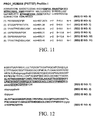
- the presence of IGFBP-1 is detected by identifying the proteolytic fragment shown in Figure 12 , or a fragment thereof.
- Described herein is a proteomic profile of a biological fluid comprising information of one or more proteins selected from the group consisting of macrophage capping protein; neutrophil gelatinase-associated lipocalin; myeloperoxidase; L plastin; azurocidin; antibacterial protein FALL-39; leukocyte elastase inhibitor; calgranulin A; calgranulin B; profilin I, glia-derived nexin; serpin 12; cystatin A; and IGFBP-1; or a fragment, precursor, or naturally occurring variant thereof.
- macrophage capping protein comprising information of one or more proteins selected from the group consisting of macrophage capping protein; neutrophil gelatinase-associated lipocalin; myeloperoxidase; L plastin; azurocidin; antibacterial protein FALL-39; leukocyte elastase inhibitor; calgranulin A; calgranulin B; profilin I, glia
- Described herein is a proteomic profile of a biological fluid characteristic of intra-amniotic infection, comprising information confirming the presence of a protein selected from the group consisting of IGFB-1, profilin, ceruloplasmin, L-plastin, and calgraulin.
- Described herein is a proteomic profile of a biological fluid characteristic of intra-amniotic infection represented in a form providing information of the molecular weight of proteins present in the biological fluid, or the proteolytic fragments thereof, comprising a unique expression signature in the 3-5 KDa and/or 10-12 KDa molecular weight range.
- proteomic profile essentially as shown in any one of Figures 1A-1C , or essentially as shown in any one of Figures 2A-C , or essentially as shown in any one of Figures 3A-C , or essentially as shown in Figure 4A or 4B , or essentially as shown in any one of Figures 6-10 .
- the proteomic profile is analyzed in a microarray format.
- proteome is used herein to describe a significant portion of proteins in a biological sample at a given time.
- the concept of proteome is fundamentally different from the genome. While the genome is virtually static, the proteome continually changes in response to internal and external events.
- proteomic profile is used to refer to a representation of the expression pattern of a plurality of proteins in a biological sample, e.g. a biological fluid at a given time.
- the proteomic profile can, for example, be represented as a mass spectrum, but other representations based on any physicochemical or biochemical properties of the proteins are also included.
- the proteomic profile may, for example, be based on differences in the electrophoretic properties of proteins, as determined by two-dimensional gel electrophoresis, e.g. by 2-D PAGE, and can be represented, e.g. as a plurality of spots in a two-dimensional electrophoresis gel.
- Differential expression profiles may have important diagnostic value, even in the absence of specifically identified proteins.
- the proteomic profile typically represents or contains information that could range from a few peaks to a complex profile representing 50 or more peaks.
- the proteomic profile may contain or represent at least 2, or at least 5 or at least 10 or at least 15, or at least 20, or at least 25, or at least 30, or at least 35, or at least 40, or at least 45, or at least 50 proteins.
- pathologic condition is used in the broadest sense and covers all changes and phenomena that compromise the well-being of a subject.
- Pathologic maternal conditions include, without limitation, intra-amniotic infection, conditions of fetal or maternal origin, such as, for example preeclampsia, and preterm labor and delivery.
- Pathologic fetal conditions include, without limitation, chromosomal defects (aneuploidies), such as Down syndrome, and all abnormalities in gestational age and fetal maturity.
- state of a pathologic [maternal or fetal] condition is used herein in the broadest sense and refers to the absence, presence, extent, stage, nature, progression or regression of the pathologic condition.
- unique expression signature is used to describe a unique feature or motif within the proteomic profile of a biological sample (e.g. a reference sample) that differs from the proteomic profile of a corresponding normal biological sample (obtained from the same type of source, e.g. biological fluid) in a statistically significant manner.
- IAI intra-amniotic infection
- amniotic fluid infection a chronic chorioamnionitis
- clinical chorioamnionitis a chronic chorioamnionitis
- Patient response can be assessed using any endpoint indicating a benefit to the patient, including, without limitation, (1) inhibition, at least to some extent, of the progression of a pathologic condition, (2) prevention of the pathologic condition, (3) relief, at least to some extent, of one or more symptoms associated with the pathologic condition; (4) increase in the length of survival following treatment; and/or (5) decreased mortality at a given point of time following treatment.
- treatment refers to both therapeutic treatment and prophylactic or preventative measures, wherein the object is to prevent or slow down (lessen) the targeted pathologic condition or disorder.
- Those in need of treatment include those already with the disorder as well as those prone to have the disorder or those in whom the disorder is to be prevented.
- Congenital malformation is an abnormality which is non-hereditary but which exists at birth.
- the present invention concerns methods and means for an early, reliable and non-invasive testing of maternal and fetal conditions based upon the proteomic profile of a biological fluid of the mother or fetus.
- the invention utilizes proteomics techniques well known in the art, as described, for example, in the following textbooks: Proteome Research: New Frontiers in Functional Genomics (Principles and Practice), M.R Wilkins et al., eds., Springer Verlag, 1007 ; 2-D Proteome Analysis Protocols, Andrew L Link, editor, Humana Press, 1999 ; Proteome Research: Two-Dimensional Gel Electrophoresis and Identification Methods (Principles and Practice), T.
- proteomics analysis of biological fluids can be performed using a variety of methods known in the art.
- protein patterns of samples from different sources, such as normal biological fluid (normal sample) and a test biological fluid (test sample), are compared to detect proteins that are up- or down-regulated in a disease. These proteins can then be excised for identification and full characterization, e.g. using peptide-mass fingerprinting and/or mass spectrometry and sequencing methods, or the normal and/or disease-specific proteome map can be used directly for the diagnosis of the disease of interest, or to confirm the presence or absence of the disease.
- proteins can then be excised for identification and full characterization, e.g. using peptide-mass fingerprinting and/or mass spectrometry and sequencing methods, or the normal and/or disease-specific proteome map can be used directly for the diagnosis of the disease of interest, or to confirm the presence or absence of the disease.
- the proteins present in the biological samples are typically separated by two-dimensional gel electrophoresis (2-DE) according to their pI and molecular weight.
- the proteins are first separated by their charge using isoelectric focusing (one-dimensional gel electrophoresis). This step can, for example, be carried out using immobilized pH-gradient (IPG) strips, which are commercially available.
- IPG immobilized pH-gradient
- proteins can be visualized with conventional dyes, like Coomassie Blue or silver staining, and imaged using known techniques and equipment, such as, e.g. Bio-Rad GS800 densitometer and PDQUEST software, both of which are commercially available. Individual spots are then cut from the gel, destained, and subjected to tryptic digestion.
- the peptide mixtures can be analyzed by mass spectrometry (MS).
- MS mass spectrometry
- HPLC capillary high pressure liquid chromatography
- Mass spectrometers consist of an ion source, mass analyzer, ion detector, and data acquisition unit. First, the peptides are ionized in the ion source. Then the ionized peptides are separated according to their mass-to-charge ratio in the mass analyzer and the separate ions are detected. Mass spectrometry has been widely used in protein analysis, especially since the invention of matrix-assisted laser-desorption ionisation/time-of-flight (MALDI-TOF) and electrospray ionisation (ESI) methods. There are several versions of mass analyzer, including, for example, MALDI-TOF and triple or quadrupole-TOF, or ion trap mass analyzer coupled to ESI.
- MALDI-TOF matrix-assisted laser-desorption ionisation/time-of-flight
- ESI electrospray ionisation
- a Q-Tof-2 mass spectrometer utilizes an orthogonal time-of-flight analyzer that allows the simultaneous detection of ions across the full mass spectrum range.
- a Q-Tof-2 mass spectrometer utilizes an orthogonal time-of-flight analyzer that allows the simultaneous detection of ions across the full mass spectrum range.
- amino acid sequences of the peptide fragments and eventually the proteins from which they derived can be determined by techniques known in the art, such as certain variations of mass spectrometry, or Edman degradation.
- Intra-amniotic infection is an acute bacterial infection of the amniotic fluid and intrauterine contents during pregnancy.
- IAI Intra-amniotic infection
- Prospective studies indicate that IAI occurs in 4% to 10% of all deliveries ( Newton, E.R., Prihoda, T.J., and Gibbs, R.S.: Logistic regression analysis of risk factors for intra-amniotic infection. Obstet.Gynecol. 73:571, 1989 ; Soper, D.E., Mayhall, C.G., and Dalton, H.P.: Risk factors for intraamniotic infection: a prospective epidemicologic study.
- IAI IAI-Inthelial tachycardia
- Other terms used to describe IAI include amniotic fluid infection, amnionitis, and clinical chorioamnionitis. Intra-amniotic infection is clinically diagnosed by maternal fever, uterine tenderness, leukocytosis, and fetal tachycardia and should be distinguished from histologic chorioamnionitis.
- Intra-amniotic infection is an important cause of maternal and neonatal morbidity. Intra-amniotic infection accounts for 10-40% of cases of febrile morbidity in the peripartum period and is associated with 20-40% of cases of early neonatal sepsis and pneumonia ( Newton, E.R.: Chorioamnionitis and intraamniotic infection. Clin.Obstet.Gynecol. 36:795, 1993 ). Maternal bacteremia occurs in 2-6% of patients with IAI and postpartum infectious morbidity is increased. There is also an increased risk of dysfunctional labor and cesarean delivery among patients with IAI. Duff et al.
- Intra-amniotic infection is also associated with increased neonatal morbidity and mortality, particularly among preterm neonates.
- IAI Intra-amniotic infection
- Preeclampsia defined as maternal hypertension accompanied by proteinuria, edema, or both, occurs in 7% of pregnancies not terminating in the first trimester. Although the cause is unknown, it is more common in extremes of age in childbearing, maternal diabetes, pregnancies with multiple gestations, and pre-existing maternal renal disease and or hypertension. Preeclampsia is associated with increases in perinatal mortality, and may also lead to eclampsia, characterized by maternal seizures and increased maternal mortality.
- the mainstay of therapy for preeclampsia is delivery and anticonvulsant prophylaxis with magnesium sulfate. Prior to the advent of magnesium sulfate therapy, the observed maternal mortality was 20-30%. However, with prompt diagnosis, allowing anticonvulsant therapy with magnesium sulfate, anti-hypertensives, and delivery the maternal mortality has been reduced to near zero.
- preeclampsia based upon commonly recognized symptoms and signs is frequently difficult, and occurs late in the course of the disease. Frequently fetal compromise in growth or well-being is the first recognized manifestation of preeclampsia.
- Laboratory markers for preeclampsia include quantitation of proteinuria, and elevated serum concentrations of uric acid or creatinine.
- serum markers for early preeclampsia or markers which identify women which will develop preeclampsia There are no currently available serum markers for early preeclampsia or markers which identify women which will develop preeclampsia.
- prospective serum markers including leptin and uric acid have been associated with subsequent preeclampsia in one study ( Gursoy T, et al.
- Preeclampsia disrupts the normal physiology of leptin.: Am J Perinatol.19(6):303-10, 2002 ) but much work is needed to confirm these findings. Development of early and reliable markers for preeclampsia is imperative to allow for therapy and intervention to optimize the outcome for the neonate and mother.
- Preterm delivery is defined as birth prior to the 37 th completed week of gestation.
- the incidence of preterm birth in the United States is 10-11% of all live births, and is increasing despite aggressive treatment of preterm labor.
- Overall, prematurity and its consequences are responsible for 80% of perinatal deaths not attributable to congenital malformations and add approximately $5 billion annually to the national health care budget.
- Risk factors for preterm birth include non-white race, young age, low socioeconomic status, maternal weight below 55 kg, nulliparity, 1 st trimester bleeding, multiple gestations ( Meis PJ, Michielutte R, Peters TJ, et al. Factors associated with preterm birth in Cambridge, Wales: II. Indicated and spontaneous preterm birth. Am J Obstet Gynecol 173:597-602, 1995 )
- Chromosomal abnormalities are a frequent cause of perinatal morbidity and mortality. Chromosomal abnormalities occur with an incidence of 1 in 200 live births. The major cause of these abnormalities is chromosomal aneuploidy, an abnormal number of chromosomes inherited from the parents. One of the most frequent chromosomal aneuploidies is trisomy-21 (Down syndrome), which has an occurrence of 1 in 800 livebirths ( Hook EB, Hamerton JL: The frequency of chromosome abnormalities detected in consecutive newborn studies: Differences between studies: Results by sex and by severity of phenotypic involvement. In Hook EB, Porter IH (eds): Population Cytogenetics, pp 63-79.
- trisomy-21 The primary risk factor for trisomy-21 is maternal age greater than 35, but 80% of children with trisomy-21 are born to women younger than 35 years of age. Other common aneuploidic conditions include trisomies 13 and 18, Turner Syndrome and Klinefelter syndrome.
- Prenatal diagnostic screening programs designed on the basis of maternal age alone are inefficient.
- Prenatal screening programs have therefore been supplemented with maternal serum screening for analytes associated with fetal chromosomal aneuploidy, ultrasound, or a combination of both.
- Candidate serum markers that have been widely utilized include alpha-fetoprotein (AFP), unconjugated estriol, human choriogonadotrophic hormone (hHCG), and inhibin-A.
- AFP alpha-fetoprotein
- hHCG human choriogonadotrophic hormone
- inhibin-A inhibin-A
- chromosomal aneuploidies following maternal serum screening and ultrasound requires a mid-trimester genetic amniocentesis. This is an invasive procedure associated with a 0.5% risk of loss of the pregnancy. Further, chromosomal analysis of amniotic fluid cells is a labor-intensive and time consuming procedure, taking up to 2 weeks. Reliable tests are therefore necessary to improve the detection of chromosomal aneuploidies from maternal serum, reduce the unacceptably high false positive rate of maternal screening, and increase the speed and efficiency of diagnosis from amniotic fluid following amniocentesis.
- the present invention provides an early and reliable, non-invasive method for the diagnosis of maternal/fetal conditions by proteomic analysis of biological fluids, such as, for example, amniotic fluid, serum, plasma, urine, cerebrospinal fluid, breast milk, mucus, or saliva.
- biological fluids such as, for example, amniotic fluid, serum, plasma, urine, cerebrospinal fluid, breast milk, mucus, or saliva.
- proteomic profile is used to refer to a representation of the expression pattern of a plurality of proteins in a biological sample, e.g. a biological fluid at a given time.
- the proteomic profile can, for example, be represented as a mass spectrum, but other representations based on any physicochemical or biochemical properties of the proteins are also included. Although it is possible to identify and sequence all or some of the proteins present in the proteome of a biological fluid, this is not necessary for the diagnostic use of the proteomic profiles generated in accordance with the present invention.
- Diagnosis of a particular disease can be based on characteristic differences (unique expression signatures) between a normal proteomic profile, and proteomic profile of the same biological fluid obtained under the same circumstances, when the disease or pathologic condition to be diagnosed is present.
- the unique expression signature can be any unique feature or motif within the proteomic profile of a test or reference biological sample that differs from the proteomic profile of a corresponding normal biological sample obtained from the same type of source, in a statistically significant manner. For example, if the proteomic profile is presented in the form of a mass spectrum, the unique expression signature is typically a peak or a combination of peaks that differ, qualitatively or quantitatively, from the mass spectrum of a corresponding normal sample.
- the appearance of a new peak or a combination of new peaks in the mass spectrum, or any statistically significant change in the amplitude or shape of an existing peak or combination of existing peaks in the mass spectrum can be considered a unique expression signature.
- the proteomic profile of the test sample obtained from a mammalian subject is compared with the proteomic profile of a reference sample comprising a unique expression signature characteristic of a pathologic maternal or fetal condition, the mammalian subject is diagnosed with such pathologic condition if it shares the unique expression signature with the reference sample.
- a particular pathologic maternal/fetal condition can be diagnosed by comparing the proteomic profile of a biological fluid obtained from the subject to be diagnosed with the proteomic profile of a normal biological fluid of the same kind, obtained and treated the same manner. If the proteomic profile of the test sample is essentially the same as the proteomic profile of the normal sample, the subject is considered to be free of the subject pathologic maternal/fetal condition. If the proteomic profile of the test sample shows a unique expression signature relative to the proteomic profile of the normal sample, the subject is diagnosed with the maternal/fetal condition in question.
- the proteomic profile of the test sample may be compared with the proteomic profile of a reference sample, obtained from a biological fluid of a subject independently diagnosed with the pathologic maternal/fetal condition in question.
- the subject is diagnosed with the pathologic condition if the proteomic profile of the test sample shares at least one feature, or a combination of features representing a unique expression signature, with the proteomic profile of the reference sample.
- the proteomic profile of a normal biological sample plays an important diagnostic role. As discussed above, if the proteomic profile of the test sample is essentially the same as the proteomic profile of the normal biological sample, the patient is diagnosed as being free of the pathologic maternal/fetal condition to be identified. This "negative" diagnosis is of great significance, since it eliminates the need of subjecting a patient to unnecessary treatment or intervention, which could have potential side-effects, or may otherwise put the patient, fetus, or neonate at risk. The data are analyzed to determine if the differences are statistically significant.
- the sensitivity of the diagnostic methods of the present invention can be enhanced by removing the proteins found both in normal and diseased proteome at essentially the same expression levels (common proteins, such as albumin and immunoglobulins) prior to analysis using conventional protein separation methods.
- common proteins such as albumin and immunoglobulins
- the expression signatures of the common proteins can be eliminated (or signals can be removed) during computerized analysis of the results, typically using spectral select algorithms, that are machine oriented, to make diagnostic calls.
- the results detailed in the Examples below present proteomic profiles characteristics of intraamniotic infection (IAI) that differ from the normal proteomic profile of amniotic fluid in a statistically significant manner.
- the Examples present expression markers and unique expression signatures characteristic of IAI and Down syndrome, respectively.
- proteomic profile is defined by the peak amplitude values at key mass/charge (M/Z) positions along the horizontal axis of the spectrum.
- M/Z key mass/charge
- a characteristic proteomic profile can, for example, be characterized by the pattern formed by the combination of spectral amplitudes at given M/Z vales.
- the presence or absence of a characteristic expression signature, or the substantial identity of two profiles can be determined by matching the proteomic profile (pattern) of a test sample with the proteomic profile (pattern) of a reference or normal sample, with an appropriate algorithm.
- a statistical method for analyzing proteomic patterns is disclosed, for example, in Petricoin III, et al., The Lancet 359:572-77 (2002 ).; Issaq et al., Biochem Biophys Commun 292:587-92 (2002 ); Ball et al., Bioinformatics 18:395-404 (2002 ); and Li et al., Clinical Chemistry Journal, 48:1296-1304 (2002 ).
- a sample obtained from the patient is applied to a protein chip, an the proteomic pattern is generated by mass spectrometry.
- the pattern of the peaks within the spectrum can be analyzed by suitable bioinoformatic software, as described above.
- the proteomic profiles described herein find further utility in screening assays to identify drug candidates for the treatment of a particular maternal/fetal condition.
- screening assays are based on the ability of a test molecule to convert a proteomic profile containing an expression signature characteristic of the maternal/fetal condition to be treated into a proteomic profile devoid of the expression signature.
- the ability of the test compound to convert a pathologic expression profile into a normal expression profile is tested.
- the screening assay tests the ability of a test compound to convert a unique expression signature characteristic of a pathologic condition into a corresponding normal expression signature.
- Such screening assays can be performed in vitro by treatment of a diseased biological sample and comparing the proteomics expression profiles before and after treatment.
- drug screening can be performed by treating a laboratory animal exhibiting the target pathologic maternal/fetal condition with a test compound, taking samples of a biological fluid of the animal before and after treatment, and comparing the proteomic profiles of the two samples.
- this assay it is also possible to take samples of biological fluid at various time points following treatment, and follow the time course of treatment.
- test compounds can, for example, be peptides, non-peptide small organic molecules, proteins, polypeptides, antibodies (including antibody fragments), antisense molecules, oligonucleotide decoys, and any other classes of molecules that have been used previously as drugs or drug candidates.
- the biological fluid can, for example, be amniotic fluid, serum (e.g. maternal serum), plasma, urine, cerebrospinal fluid, breast milk, mucus, or saliva.
- Therapeutically active compounds identified can be formulated in conventional pharmaceutical formulations.
- a compendium of art-known formulations is found in Remington's Pharmaceutical Sciences, latest edition, Mack Publishing Company, Easton, PA . Reference to this manual is routine in the art.
- Protein microarrays in addition to their high efficiency, provide improved sensitivity. Protein arrays are formed by immobilizing proteins on a solid surface, such as glass, silicon, micro-wells, nitrocellulose, PVDF membranes, and microbeads, using a variety of covalent and non-covalent attachment chemistries well known in the art.
- the solid support should be chemically stable before and after the coupling procedure, allow good spot morphology, display minimal nonspecific binding, should not contribute a background in detection systems, and should be compatible with different detection systems.
- protein microarrays use the same detection methods commonly used for the reading of DNA arrays. Similarly, the same instrumentation as used for reading DNA microarrays is applicable to protein arrays.
- capture arrays e.g. antibody arrays
- fluorescently labelled proteins from two different sources, such as normal and diseased biological fluids.
- the readout is based on the change in the fluorescent signal as a reflection of changes in the expression level of a target protein.
- Alternative readouts include, without limitation, fluorescence resonance energy transfer, surface plasmon resonance, rolling circle DNA amplification, mass spectrometry, resonance light scattering, and atomic force microscopy.
- IAI intra-amniotic infection
- the Group B streptococcus isolate was originally recovered from a neonate with meningitis.
- the Ureaplasma parvum was from a low passaged clinical isolate from placenta and membranes of a patient with chorioamnionitis and neonatal sepsis.
- the Mycoplasma hominis was an endometrial isolate from a patient with postmartum endomyometritis.
- Amniotic fluid samples were collected serially from all animals during the study period (daily before inoculation and every 4 to 12 hours after inoculation) for quantitative bacterial cultures, white blood cell analysis by hemocytometer, and cytokine and prostaglandin concentrations (previously reported - Gravett MG, et al., An experimental model for intra-amniotic infection and preterm labor in rhesus monkeys. Am J Obstet Gynecol 171: 1660-7 (1994 )), and for proteomic analysis.
- Fetal electrocardiographic and uterine activity were continuously recorded from surgery until delivery.
- Uterine contractility was recorded as the area under the contraction curve per hour and expressed as the hourly contraction area (HCA) in millimeters of mercury times seconds/hour.
- the maternal cervix was palpated vaginally before infection and serially thereafter. Consistency, effacement, and dilatation were recorded at each examination. After delivery, by Cesarean section in all except one animal and vaginally in one animal, fetal, decidual, placental, and inter-membrane bacterial cultures were obtained to confirm infection and histopathologic studies were performed to document chorioamnionitis.
- the study population was drawn from 309 women admitted in premature labor at 22 to 34 weeks of gestation with intact fetal membranes to the University of Washington Medical Center or associated hospitals in Seattle between June 25, 1991 and June 30, 1997, as previously described ( Hitti J, et al., Amniotic fluid tumor necrosis factor- ⁇ and the risk of respiratory distress syndrome among preterm infants. Am J Obstet Gynecol 177:50-6 (1997 )). All women provided written informed consent, and the study protocol was approved by the Institutional Review Boards for all participating hospitals. All participants had intact fetal membranes at study enrollment. Preterm labor was defined as regular uterine contractions at a frequency of ⁇ 10 minutes with either documented cervical change or a cervical dilatation of >1 centimeter or effacement of > 50%.
- Subclinical IAI was defined by a positive AF microbial culture and/or an AF interleukin-6 (IL-6) concentration > 2ng/ml, histologic evidence for chorioamnionitis (defined by the presence of ⁇ 10 polymorphonuclear leukocytes per 400X field in 10 nonadjacent fields and the absence of uterine tenderness or fever.
- IL-6 interleukin-6
- histologic evidence for chorioamnionitis defined by the presence of ⁇ 10 polymorphonuclear leukocytes per 400X field in 10 nonadjacent fields and the absence of uterine tenderness or fever.
- an AF IL-6 concentration > 2 ng/ml was at or above the 75th percentile for the entire study population and was associated with the detection of bacteria by polymerase chain reaction ( Hitti et al., Clin Infect Dis 24:1228-32 (1997 )).
- Transabdominal amniocentesis was performed under ultrasound guidance for all study participants and maternal venous blood was also collected by venipuncture at the time of enrollment From this study population, a subset (Tables 1A and B) was retrospectively identified for proteomic analysis as reported here.
- This subset included three groups of 11 patients each: Group I - patients with evidence of sub-clinical IAI as defined above; Group I - a randomly selected subset of patients without documented intrauterine infection, but with preterm birth ⁇ 34 weeks gestation, and Group III - patients without infection and with preterm labor responsive to tocolyltic therapy who subsequently delivered near term (at > 35 weeks of gestation).
- microorganisms were recovered from four (2 with Escherichia coli, 1 with Candida albicans, and 1 with mixed anaerobes); all of these patients delivered within seven days. Seven other patients were identified based upon amniotic fluid IL-6 concentrations of greater than 2,000 pg/ml. The mean amniotic fluid concentration of interleukin-6 was 27.7 ⁇ 7.8 ng/ml among these patients, compared to 0.68 ⁇ 0.20 ng/ml among those with preterm delivery without infection and 0.25 ⁇ 0.13 ng/ml among those with preterm labor and term delivery (p ⁇ 0.01). Table 1A.
- GROUP 1 PMD with IUI PMD without (n 11)
- GROUP 2 IUI (n 11)
- GROUP 3 PML with subsequent term delivery (n 11)
- Amniotic fluid 400 - 2000 ⁇ g
- albumin was dissolved in IEF buffer and rehydrated on to a 24 cm IPG strip (pH 3-10) for 12 h at room temperature.
- the IPG strip was subjected to 1-dimension electrophoresis at 70 ⁇ 90 kVhrs.
- the IPG strip was then equilibrated with DTT equilibration buffer I and IAA equilibration buffer II for 15 minutes sequentially, before second dimension SDS-PAGE analysis.
- the IPG strip was then loaded on to a 4 - 20% SDS-PAGE gel and electrophoresis conducted at 120 V for 12 hrs to resolve proteins in the second dimension.
- the gel was stained with Coomassie Blue R-250 and imaged using Bio-Rad GS800 densitometer and PDQUEST software. Individual spots were cut from the gel, destained and digested in-gel with trypsin for 24-48hrs at 37C.
- the peptides were extracted with 0.1%TFA and purified using Zip Tip c18 pipette tips from Millipore ( 2-D Proteome analysis protocols: Methods in Molecular Biology: 112, 1999 ).
- Samples after in-gel digestion were analyzed on a Micromass Q-Tof 2 mass spectrometer connected to a Micromass CapLC.
- the Q-Tof 2 was equipped with a regular Z-spray or nanospray source and connected to a Integrafrit C18 75um ID x 15cm fused silica capillary column.
- the instrument was controlled by, and data were acquired on, a Compaq workstation with Windows NT and MassLynx 3.5 software.
- the Q-Tof-2 was calibrated using Glu1Fibrinopeptide B by direct infusion or injection into the CapLC.
- a MS/MSMS survey method was used to acquire MS/MSMS spectra.
- Masses 400 to 1500 were scanned for MS survey and masses 50 to 1900 for MSMS.
- Primary data analysis was performed on a PC with Windows 2000 and SEQUEST (version 1.3) and/or LUTEFISK. Peak lists were generated, using the built-in automatic functions for peak-picking and applying centroid-fitting to each peak.
- Protein spots from dried Coomassie blue stained gels were excised and rehydrated/washed for 30 min. in 0.5 ml of 20 mM ammonium bicarbonate, 50% acetonitrile solution. The gel regions were then dried by vacuum centrifugation and digested insitu by rehydrating in 20 nM sequencing grade modified trypsin (ProMega, Madison, WI, USA) using the method of Courchesne and Patterson, Identification of proteins by matrix-assisted laser desorption/ionization masses, Methods Mol. Biol. 112:487-511 (1999 ).
- SEQUEST Automated analysis of tandem mass spectra (MS/MS) was performed using SEQUEST software (ThermoFinnigan) as described by Yates et al., Methods Mol. Biol. 112:553-69 (1999 ). SEQUEST matches uninterrupted tandem mass spectra to database peptide sequences. Searches were run with the default parameters using a combined indexed non-redundant database of protein sequences obtained from the Protein Information Resource (release date) and SwissProt (release date). The database was constructed using the Xcalibur Database Manager (ThermoFinnigan). S-Carboxyamidated cysteine was the only considered modification.
- Sequest results were further analyzed using DTASelect (The Scripps Research Institute, Tabb, 2002).
- DTASelect organizes and filters SEQUEST identifications. The default parameters were used except as follows: 1) any database matches including the string "keratin” in the protein description were excluded and 2) spectra from the LCQ mass spectrometer were filtered with a cross correlation score cut-off of 2.4 for the doubly charged ions.
- Each spectra and proposed sequence pair selected by DTASelect were visually inspected and the final results were input into a spreadsheet (Microsoft Excel) or a database (Microsoft Access) for management.
- MALDI mass spectrometry was performed on a custom-built time-of flight reflector mass spectrometer ( Jensen ON, et al., Direct observation of UV-crosslinked protein-nucleic acid complexes by matrix-assisted laser desorption ionization mass spectrometry. Rapid Commun Mass Spectrom 7(6):496-501 (1993 )) equipped with a two-stage delayed extraction source. Approximately 1 ⁇ L of sample solution was mixed with 1 ⁇ L SA (Sinapinic acid in 60:40 water/acetonitrile 0.1% TFA final conc.) A 1.0 ⁇ L droplet of this analyte/matrix solution was deposited onto a matrix pre-crystallized sample probe and allowed to dry in air.
- SA Tinapinic acid in 60:40 water/acetonitrile 0.1% TFA final conc.
- Mass spectra were produced by radiating the sample with a (355nm) Nd:YAG laser (Spectra Physics) and operating the ion source at 23 kV with a 700ns/1.0kV delay. Every mass spectrum was recorded as the sum of 20 consecutive spectra, each produced by a single pulse of photons. Ions from an added standard were used for mass calibration.
- NP1 and H4 chips were subjected to a 5 ul water wash to remove unbound proteins and interfering substances (ie buffers, salts, detergents).
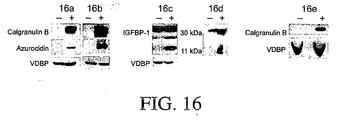
- Immunogenic peptides from corresponding proteins were used to generate rabbit polyclonal antibodies (DSL Laboratories, Webster, TX). Affinity-purified antibodies were then used for Western blots. One hundred ⁇ g of AF protein was resolved on 4-20% SDS-PAGE and transferred to PVDF membranes. From maternal serum, 300 ⁇ g of protein was used for immunoprecipitation using IGFBP 1 monoclonal antibody (DSLLaboratories) and products were western blotted. For detection of calgranulin B in maternal serum 150 ⁇ g of albumin depleted maternal serum was used for western blot.
- the membranes were blocked with 5% fat-free milk in PBST for 45 minutes at room temperature and incubated with 1 ⁇ g/ml primary antibody (IGFBP-1, azurocidin, vitamin-D binding protein and calgranulin-B from DSL Inc., Santa Cruz, CA) overnights at 4 °C. After three washes with TBST, the membrane was incubated with IgG-HRP secondary antibody (Sigma) and visualized with enhanced chemiluminescence.
- IGFBP-1 1 ⁇ g/ml primary antibody
- azurocidin azurocidin
- vitamin-D binding protein and calgranulin-B from DSL Inc., Santa Cruz, CA
- proteins and polypeptides expressed in normal and infected amniotic fluid were identified.
- Human and primate amniotic fluid samples (pooled and individual) were subjected to protein separation techniques (1-D, 2-D and HPLC fractionation) as described in Example 1.
- the separated proteins (gel bands, spots and fractions) were digested with trypsin to generate peptide pools.
- the peptide pools were analyzed using tandem MS to decipher their amino acid sequence and composition.
- Proteins shown to be differentially expressed by immunoassays also, and proteins more abundantly or uniquely represented in the infected amniotic fluid are separately marked.
- relative abundance is defmed as the amount of the peptides representing a certain polypeptide or protein in a test sample, relative to a reference sample. Accordingly, a protein is more abundantly represented in infected amniotic fluid if more peptides derived from the same protein are present in infected amniotic fluid than in a non-infected reference sample of amniotic fluid.
- Table 3 lists proteins and polypeptides previously known to be present in amniotic fluid, the presence of which was reaffirmed by the present assays. Proteins which are known markers for infection related events are separately marked. Table 2. Proteins and polypeptides discovered for the first time in the human amniotic fluid. GenBank Acc.
- Table 4 GenBank Protein ID Description BC001440 143E_HUMAN 14-3-3 PROTEIN EPSILON. BC020963 143G_HUMAN TYROSINE 3-MONOOXYGENASE/TRYPTOPHAN 5-MONOOXYGENASE ACTIVATION PROTEIN, GAMMA POLYPEPTIDE. M86400 143Z_HUMAN 14-3-3 PROTEIN ZETA/DELTA. X02544 A1AG_HUMAN ALPHA-1-ACID GLYCOPROTEIN 1 PRECURSOR. AV661485 A1AH_HUMAN ALPHA-1-ACID GLYCOPROTEIN 2 PRECURSOR.
- M64982 FIBA_HUMAN SPLICE ISOFORM ALPHA OF P02671 FIBRINOGEN ALPHA/ALPHA-E CHAIN PRECURSOR [Contains: FIBRINOPEPTIDE A].
- P J00129 FIBB_HUMAN FIBRINOGEN BETA CHAIN PRECURSOR [Contains: FIBRINOPEPTIDE B].
- P BC000055 FSL1_HUMAN FOLLISTATIN-RELATED PROTEIN 1 PRECURSOR.
- AI742454 GELS_HUMAN GELSOLIN PRECURSOR PLASMA. X60069 GGT1_HUMAN SPLICE ISOFORM 1 OF P19440 GAMMA-GLUTAMYLTRANSPEPTIDASE 1 PRECURSOR. P D16360 GSHP_HUMAN PLASMA GLUTATHIONE PEROXIDASE PRECURSOR. AH005275 HBA_HUMAN HEMOGLOBIN ALPHA CHAIN. L48217 HBB_HUMAN BETA GLOBIN. AH002827 HEMO_HUMAN HEMOPEXIN PRECURSOR. M12849 HEP2_HUMAN HEPARIN COFACTOR II PRECURSOR.
- #N/A IPI00023648 ISLR PRECURSOR. #N/A IPI00023673 MAC-2 BINDING PROTEIN PRECURSOR. #N/A IPI00025785 CHORIONIC SOMATOMAMMOTROPIN CS-2. #N/A IPI00027227 SIMILAR TO OMEGA PROTEIN. #N/A IPI00033238 SIMILAR TO RIKEN CDNA 2610528G05 GENE. #N/A IPI00060961 99% similar to ALC1_HUMAN IG alpha-1 C chain region HYPOTHETICAL PROTEIN FLJ25298. #N/A IPI00064689 FIBRONECTIN.
- #N/A IPI00065351 HYPOTHETICAL PROTEIN FLJ25008 locuslink 117608: ZNF354B: zinc finger protein 354B #N/A IPI00070442 FIBRONECTIN. #N/A IPI00093987 GAMMA-GLUTAMYLTRANSFERASE-LIKE 4. #N/A IPI00098026 GAMMA-GLUTAMYLTRANSFERASE GAMMA-GLUTAMYLTRANSFERASE. #N/A IPI00103602 SNC66 PROTEIN. #N/A IPI00104074 M130 ANTIGEN CYTOPLASMIC VARIANT 2 PRECURSOR.
- #N/A IPI00186312 Hypothetical [[330 AA, 37651 MW]] #N/A IPI00216722 ALPHA 1B-GLYCOPROTEIN.
- #N/A IPI00216773 SIMILAR TO SERUM ALBUMIN PRECURSOR.
- #N/A IPI00218585 SPLICE ISOFORM OSF-2P1 OF Q15063 OSTEOBLAST SPECIFIC FACTOR 2 PRECURSOR.
- #N/A IPI00220706 SIMILAR TO HEMOGLOBIN, GAMMA A.
- #N/A IPI00233308 SIMILAR TO HYPOTHETICAL PROTEIN.
- #N/A IPI00238312 SIMILAR TO GAMMA-GLUTAMYLTRANSFERASE. #N/A IPI00247616 COLLECTIN PLACENTA 1. #N/A IPI00249952 HYPOTHETICAL PROTEIN XP 294667 weakly similar to IRF5_HUMAN Interferon regulatory factor 5 #N/A IPI00290898 ANNEXIN A2. #N/A IPI00297382 SIMILAR TO CG12393 GENE PRODUCT. #N/A IPI00305975 SPONDIN 2 EXTRACELLULAR MATR #N/A IPI00328111 FACTOR VII ACTIVE SITE MUTANT IMMUNOCONJUGATE.
- X05199 PLMN_HUMAN PLASMINOGEN PRECURSOR (EC 3.4.21.7) [Contains: ANGIOSTATIN].
- AH002870 PLSL_HUMAN L-plastin (Lymphocyte cytosolic protein 1) AF052157 PLTP_HUMAN SPLICE ISOFORM 1 OF P55058 PHOSPHOLIPID TRANSFER PROTEIN PRECURSOR.
- Moesin Membrane-organizing extension spike protein
- Table 2 Moesin-organizing extension spike protein
- Rho-family GTPases and their effectors to modulate the activities of actin modifying molecules such as Cofilin and Profilin (also listed as a structural protein in Table 2), resulting in cytoskeletal changes associated with growth cone extension or retraction ( Tang BL. Inhibitors of neuronal regeneration: mediators and signaling mechanisms.
- Coronin-like protein p57 (yet another structural protein listed in Table 2) is also involved in actin cross-linking and capping ( Weitzdoerfer R et al. : Reduction of actin-related protein complex 2/3 in fetal Down syndrome. Biochem Biophys res Commun. 293:836, 2002 ) and are dysregulated in known developmental defects.
- Gelsolin see, the Gelsolin precursor listed an a transporter/binding protein in Table 2
- another actin-modulating protein is also known to be developmentally regulated and important in organ systems ( Arai M, Kwiatkowski DJ. Differential developmentally regulated expression of gelsolin family members in the mouse.
- 14-3-3 proteins are also known epithelial markers which participate in signal transduction and differentiation pathways and are essential for normal development of brain and other vital organs ( Wu C, Muslin AJ. Role of 14-3-3 proteins in early Xenopus development. Mech Dev, 119, 45, 2002 ).
- the listed actin-modulating proteins and other related molecules with important roles during development could be used to detect developmental defects of various organ systems such as, central nervous system, cardiovascular system and other musculoskeletal deformities, which can, for example, result from chromosomal aneuploides. This is particularly true for Profiling I, which has been shown to be differentially expressed in infected amniotic fluid, and the differential expression of which has been confirmed by immunoassay.
- Macrophage capping protein is a Ca(2+)-sensitive protein which modulates actin filaments and involved in inflammatory process ( Dabiri GA, Molecular cloning of human macrophage capping protein cDNA.
- Calgranulins are calcium binding proteins known to play a role in injury and wound healing ( Thorey IS. et al.
- the Ca2+-binding proteins S100A8 and S100A9 are encoded by novel injury-regulated genes. J Biol Chem 21;276(38):35818-25, 2001 ).
- Leukocyte elastase and neutrophil gelatinase-associated lipocalcin (NGAL) are involved in bacteriostatic and baceterolysis mechanisms ( Goetz DH. et al.
- the neutrophil lipocalin NGAL is a bacteriostatic agent that interferes with siderophore-mediated iron acquisition. : Mol Cell 10(5):1033-43, 2002 ).
- Antibacterial protein Fall-39 (LL-37) binds to bacterial lipopolysaccharides (lps), and is expressed in bone marrow, testis and neutrophils. Fall-39 stimulates the degranulation of mast cells, and is a potent chemotactic factor for mast cells. Besides its antibacterial activities, Fall-39 may have the potential to recruit mast cells to inflammation foci.
- synthetic FALL-39 was highly active against Escherichia coli D21 and Bacillus megaterium Bm11.
- a protective role for Fall 39 has been proposed, when the integrity of the skin barrier is damaged, participating in the first line of defense, and preventing local infection and systemic invasion of microbes ( Agerberth B, et al. : FALL-39, a putative human peptide antibiotic, is cysteine-free and expressed in bone marrow and testis. Proc Natl Acad Sci U S A, 3;92(1):195-9, 1995 ).
- Azurocidin (CAP37) is a cationic antimicrobial protein isolated from human neutrophils and has important implications in host defense and inflammation. It is released during inflammation and regulates monocyte/macrophage functions, such as chemotaxis, increased survival, and differentiation ( Pereira HA. CAP37, a neutrophil-derived multifunctional inflammatory mediator. J Leukoc Biol ;57(6):805-12, 1995 ).
- Proteases and protease inhibitors play a key role in protein regulation and thus control several key physiological mechanisms.
- Serpin family of proteases Serpin, squamous cell carcinoma antigen 1 & 2, glia derived nexin
- the serpin superfamily of serine proteinase inhibitors has a central role in controlling proteinases in many biological pathways and implicated in conformational diseases, such as the amyloidoses, the prion encephalopathies and Huntington and Alzheimer disease ( Lomas DA, Carrell RW, Serpinopathies and the conformational dementias. Nat Rev Genet; 3:759, 2002 ).
- Cystatins well known proteinase inhibitors involved in immunomodulation ( Vray B, Hartmann S, Hoebeke J. Immunomodulatory properties of cystatins. Cell Mol Life Sci ;59(9):1503-12,2002 ).
- the listed proteins are promising markers of infection and/or immune-response related disorders.
- peptides representing macrophage capping protein, neutrophil gelatinase-associated lipocalin, myeloperoxidase precursor, L-plastin, azurocidin, antibacterial protein Fall-39, calgranulin A, profilin I, glia-derived nexin, serpin 12, and cystatin A were more abundantly or uniquely detected in infected amniotic fluid relative to normal amniotic fluid, and/or showed differential expression in immunoassays.
- these proteins are particularly important as markers of intra-amniotic infection and/or immune-response related disorders.
- Gp-340 variant protein listed in Table 2 which has been detected in human infected amniotic fluid, is a scavenger receptor previously identified in lung. This protein is known to bind to bacteria (streptococcus and variants ) The detection of this protein in infected amniotic fluid complements the sensitive proteomic approach of the present invention to identify biomarkers for IAI. Thus, Gp-340 variant protein identified in the infected amniotic fluid lends itself for the detection of neonatal sepsis).
- IGFBP-1 proteolytic fragment
- IGFBP-1 has been shown to be differentially expressed in infected amniotic fluid.
- the insulin-like growth factor (IGF) systems is critically involved in fetal and placental growth and modulates steroid hormone actions in the endometrium through autocrine/paracrine mechanisms.
- IGF-I and IGF-II stimulated proliferation and differentiation, and maintain differentiated cell functions in several cell types in vitro.
- Endometrial stromal cells produce IGF-I and IGF-II as well as the high affinity IGF-binding proteins (IGFBPs).
- IGFBPs the high affinity IGF-binding proteins
- IGFBP-1 The most abundant IGFBP in human endometrium is IGFBP-1, which is secreted by predecidualized/decidualized endometrial stromal cells in late secretory phase and during pregnancy. This has implications for clinical obstetrics and gynecology, where there is evidence for a pathophysiological role for IGFBP-1 in pre-eclampsia, intrauterine growth restriction, polycystic ovarian syndrome and trophoblast and endometrial neoplasms.
- IGFBP-1 proteolytic fragment in human amniotic fluid and maternal serum opens anew way for monitoring intrauterine and maternal conditions associated with pregnancy.
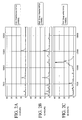
- Protein expression profiles of primate amniotic fluid following intrauterine infection are shown in Figures 1A-C .
- the global protein expression profiles of control and infected amniotic fluid are distinct.
- a detailed spectra of amniotic fluid profiles in a smaller mass range shows distinct and characteristic differences between the protein expression profiles of control and infected samples approximately in the 3-5 KDa and 10-12 KDa range. This illustrates global regulation of protein expression in response to intrauterine infection and the ability to detect a unique expression signature diagnostic of intrauterine infection.
- Figure 2 shows the time course analyses of the primate amniotic fluid in response to infection (GBS). Amniotic fluid was collected before the inoculation of bacteria and serially after infection and subjected to SELDI-TOF analysis as described in Example 1.
- Figure 2A shows the protein expression profile before infection, Figure 2B 12 hours after infection, and Figure 2C 36 hours after infection.
- one of the diagnostic peaks (10-11 KDa) of intrauterine infections clearly reaches high levels of expression within 36 hours of acute infection. This demonstrates that diagnostic protein profiles can be used for monitoring the disease state and response to treatment.
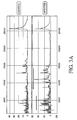
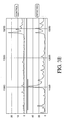
- Figure 3 shows the results of SELDI-TOF analysis of human amniotic fluid extracts bound to chemically defined normal phase chip arrays.
- Figure 3A shows the whole spectrum at 235 laser intensity.
- Figure 3B is a detailed spectrum showing the differences between infected and control samples in the 10-12 kDa region.
- Figure 3 is a detailed spectrum showing the characteristic differences between infected and control samples in the 3-5 kDa region.
- the diagnostic protein expression profile can be detected using different types of mass spectrometers. It has been examined whether different mass spectrometers produce similar diagnostic profiles. If the diagnostic profiles are substantially independent on the type of mass spectrometer, the detected differential protein expression in the amniotic fluid can provide a diagnostic signature for intrauterine infection.
- Figure 4 shows mass spectra acquired on a generic MALDI-TOF mass spectrometer ( Jensen ON, et al., Direct observation of UV-crosslinked protein-nucleic acid complexes by matrix-assisted laser desorption ionization mass spectrometry. Rapid Commun Mass Spectrom 7(6):496-501 (1993 )) using amniotic fluid from human control (A), without intrauterine infection, and a sample (B) with intrauterine infection.
- A human control
- B sample
- the diagnostic profile of intrauterine infection in the 10-12 KDa range is detected using the alternate mass spectrometer is similar to the profile detected using the SELDI-TOF machine. This indicates that differential protein expression profiles are robust and can be detected using a wide range of current mass spectrometers.
- amniotic fluid proteins and polypeptides exhibit differential expression patterns diagnostic of disease state.
- the results presented here demonstrate that disease-specific diagnostic patterns can be detected using multiple mass spectrometry approaches.
- the patterns or protein expression profiles are comparable between humans and primates. The profiles can be used to monitor a time-course (infection or treatment) effect.
- Proteins from human amniotic fluid (AF) containing high salt was precipitated with acetone. 100 ⁇ g of amniotic fluid proteins was run on a 15% SDS-PAGE. The gel was stained with Coomassie Blue R-250. The gel image was scanned by Bio-Rad gel Scanner.
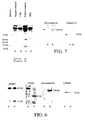
- Figure 5 shows the SDS-Coomassie Blue stained gel of A) 4 human control AF samples pooled; B) individual control AF sample; C) 4 human infected AF samples pooled; and D) individual infected AF sample.
- Figure 5 shows significant differences between the control and infected protein expression levels in the 10-15 KDa range. It has been concluded that some of the proteins and proteolytic fragments in this mass detected using the mass spectrometers are responsible for the diagnostic profiles reflective of the protein expression levels, and have diagnostic and prognostic utility.
- AF proteins 100 ⁇ g of AF proteins were run on 4-20% SDS-PAGE at 200 V for 60 minutes and transferred to PVDF membrane at 90 mM for 75 minutes.
- the membrane was blocked with 5% milk PBST for 45 min at RT and incubated with 1 ⁇ g/ml primary antibody (Santa Cruz and Dako) overnight at 4 C. After wash with TBST 3 times, the membrane was incubated with secondary antibody IgG-HRP (Sigma) for 90 min at RT and visualized with ECL (Pierce).
- Figure 6 A) Control AF sample (pooled); B) Infected AF sample (pooled).
- Figure 6 shows that IGFBP1 (11 KDa), profilin and ceruloplasmin (130 KDa) are expressed at a higher level in infected AF compared to non-infected AF.
- L-Plastin levels were lower in the infected sample compared to control AF sample.
- Antibodies IGFBP-1(DSL); complement C3, Desmin, neutrophil elastase, NSE antibody (DAKO); calgranulin, ceruloplasmin, TIMP-1, plastin and profiling (Santa Cruz).
- Antibody spotting antibodies were dissolved in 40% glycerol, 60% PBS, pH 7.5 at a concentration of 100 ⁇ g/ml and were spotted on aldehyde slides using a Arrayer (Cartesian).
- the slides were incubated for one hour in a solution of PBS, pH 7.5 containing 1% BSA (w/v at room temperature with gentle agitation.
- Biotinylation of proteins Biotin-NHS was dissolved in DD water at 50 mg/l. 10 ul of this solution was added into maternal serum protein solution ( 5 mg/ml in 10 mM PB, pH8.5) and incubated for 3 hours on a shaker. 5 ul of ethanolamine was added to stop the reaction. Biotinylated proteins were diluted in 200 ul of TNB buffer and added to antibody arrays and incubated overnight at 4 C. Following three washes in TNT buffer, streptavidin-HRP was added and incubated for 30 minutes at room temperature. Antigen-Antibody interaction was detected using Cy5-tyramide fluorescence. Slides were scanned on a PE fluorescent scanner for quantification.
- Figure 9 is a pseudocolor image of the protein array showing the binding of corresponding proteins with their antibodies. Green color represents infected sample, red color represents control sample. Part II is an enlarged area of the array showing that calgranulin expression (green) is higher in the infected serum sample. Part III is a western blot of calgranulin IP showing similar increased expression in the infected amniotic fluid sample.
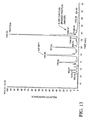
- proteolytic fragment of IGF-BP-1 detected in1-D gels (low molecular weight range, Figure 5 ), Western blots ( Figure 6 ), and MS/MS analysis ( Figure 13 ) of trypsin digested ⁇ 10.5-12 KDa band from infected amniotic fluid, is represented in the region of the underlined sequence (SEQ ID NO: 4).
- the parent ion 434.89 in the mass spectrum shown in Figure 13 represents an IGF-BP-1 sequence (RSPGSPEIR), which is also shown in the Figure 12 sequence map of the IGF-BP-1 proteolytic fragment.
- the parent ion 1082.97 represents S-100 calcium binding proteins (i.e., Calgranulins A and B), also independently identified by de novo sequencing of AF (Tables 2 and 3).
- Figure 14 shows mass spectrum for the 17.55-18.21 minute retention time peak shown in Figure 13 . It is apparent that the dominate peak appears at mass 434.9.
- Figure 15 shows the MS/MS spectrum for the parent ion of the 434.9 peak shown in Figure 14 . Based on database search, the parent ion corresponds to a partial sequence of IGFBF-1.
- Figure 10 shows differential protein expression patterns in the maternal serum with unique profiles to distinguish trisomies.
- One microgram of maternal serum (after removal of albumin and immunoglobulins using protein separation columns, BioRad technologies) was used to perform SELDI-TOF analysis of maternal serum extracts bound to chemically defined Normal Phase chip arrays as described earlier.
- Whole spectrum collected at 235-laser intensity showing the differences in the peak intensities.
- Detailed spectrum showing the differences in the 4-15 KDa region unique for each case.
- Arrows indicate diagnostic peaks that can be used in a combination to formulate an algorithm to develop diagnostic screening tests. This further illustrates detection of protein expression patterns in various biological fluids (such as maternal serum) could identify fetal-maternal conditions more accurately and in a non-invasive approach.
- This over-expressed cluster may represent a basic intrauterine immune response to infection since one set of proteins identified in this unique cluster, i.e., the calgranulins, are members of the S-100 calcium binding protein family, expressed by macrophages and by epithelial cells in acutely inflamed tissues.
- the second candidate from this cluster indicates a potential protease-related mechanism in response to infection.
- Intact IGFBP-1 is the major IGFBP found in AF, and is synthesized by both fetal membranes and maternal decidua.
- the proteolytic cleavage of IGFBP's is a well-characterized phenomenon ( Maile et al. IGF binding protein hydrolysis in various clinical states. In: The IGF System, In: Rosenfeld CR, Roberts C, Jr., eds. Totowa, NJ: Humana Press, 1999 ), the particular fragment described in the current study has not been previously described.
- Macrophage capping protein is a Ca +2 - sensitive protein that modulates actin filaments and is involved in inflammatory processes ( Dabri et al.. J Biol Chem 267:16545-52 (1992 )).
- Leukocyte elastase and neutrophil gelatinase-associated lipocalcin are involved in bacteriostatic and baceterolysis mechanisms ( Goetz et al., Mol Cell 1):1033-43 (2002 )).
- Antibacterial protein Fall-39 (LL-37) binds to bacterial lipopolysaccharides, is a potent chemotactic factor for mast cells, and serves as a first line defense to prevent local infection and systemic invasion of microbes (Agerberth et al., Proc Natl Acad sCI usa 92:195-9 (1995 )).
- Azurocidin (CAP37) is a cationic antimicrobial protein isolated from human neutrophils with important implications in host defense and inflammation ( pEREIRA, j.
- Gp-340 variant protein is a scavenger receptor previously identified in lung which binds to bacteria ( Prakobhol et al., J Biol Chem 275:39860-6 (2000 )). Identification of these proteins complements the sensitive proteomic approaches used to identify biomarkers for IAI.
- proteomics based approach lend themselves to the development of rapid point-of-service and cost-effective diagnostic immunoassays.
- AF and serum screening tests e.g., alpha-fetoprotein for neural tube defects
- peptides identified within infected amniotic fluid could also be detected in maternal serum and find utility in non-invasive diagnostic tests.
- .a proteomics-based analysis of AF has been employed to identify biomarkers for IAI in both an experimental non-human primate model and in a cohort of women with preterm labor and occult IAI.
- Diagnostic protein expression profiles were identified by SELDI-TOF MS profiling that were both sensitive and specific in detecting IAI.
- High-throughput analysis of expressed proteins in AF identified expression of several immunoregulatory molecules for the first time.
- Immunodetection of proteins detected in the diagnostic 11-kDa peak (IGFBP-1 and calgranulin B) confirmed the presence and differential expression of these biomarkers in amniotic fluid and in maternal blood during IAI.
- the data presented herein serve as the basis for rapid and non-invasive assays to detect occult IAI during pregnancy.
Landscapes
- Life Sciences & Earth Sciences (AREA)
- Health & Medical Sciences (AREA)
- Engineering & Computer Science (AREA)
- Molecular Biology (AREA)
- Hematology (AREA)
- Chemical & Material Sciences (AREA)
- Urology & Nephrology (AREA)
- Immunology (AREA)
- Biomedical Technology (AREA)
- Physics & Mathematics (AREA)
- Microbiology (AREA)
- Pathology (AREA)
- Biotechnology (AREA)
- Proteomics, Peptides & Aminoacids (AREA)
- Cell Biology (AREA)
- General Physics & Mathematics (AREA)
- General Health & Medical Sciences (AREA)
- Food Science & Technology (AREA)
- Medicinal Chemistry (AREA)
- Analytical Chemistry (AREA)
- Biochemistry (AREA)
- Bioinformatics & Cheminformatics (AREA)
- Bioinformatics & Computational Biology (AREA)
- Biophysics (AREA)
- Investigating Or Analysing Biological Materials (AREA)
- Other Investigation Or Analysis Of Materials By Electrical Means (AREA)
- Peptides Or Proteins (AREA)
- Measuring Or Testing Involving Enzymes Or Micro-Organisms (AREA)
- Detergent Compositions (AREA)
- Polysaccharides And Polysaccharide Derivatives (AREA)
Priority Applications (1)
| Application Number | Priority Date | Filing Date | Title |
|---|---|---|---|
| EP09002096A EP2088433A1 (en) | 2003-03-25 | 2004-03-23 | Proteomic analysis of biological fluids |
Applications Claiming Priority (2)
| Application Number | Priority Date | Filing Date | Title |
|---|---|---|---|
| US10/400,005 US7191068B2 (en) | 2003-03-25 | 2003-03-25 | Proteomic analysis of biological fluids |
| PCT/US2004/008954 WO2004088324A2 (en) | 2003-03-25 | 2004-03-23 | Proteomic analysis of biological fluids |
Related Child Applications (1)
| Application Number | Title | Priority Date | Filing Date |
|---|---|---|---|
| EP09002096A Division EP2088433A1 (en) | 2003-03-25 | 2004-03-23 | Proteomic analysis of biological fluids |
Publications (2)
| Publication Number | Publication Date |
|---|---|
| EP1618388A2 EP1618388A2 (en) | 2006-01-25 |
| EP1618388B1 true EP1618388B1 (en) | 2009-02-18 |
Family
ID=33096805
Family Applications (2)
| Application Number | Title | Priority Date | Filing Date |
|---|---|---|---|
| EP04758253A Expired - Lifetime EP1618388B1 (en) | 2003-03-25 | 2004-03-23 | Proteomic analysis of biological fluids |
| EP09002096A Withdrawn EP2088433A1 (en) | 2003-03-25 | 2004-03-23 | Proteomic analysis of biological fluids |
Family Applications After (1)
| Application Number | Title | Priority Date | Filing Date |
|---|---|---|---|
| EP09002096A Withdrawn EP2088433A1 (en) | 2003-03-25 | 2004-03-23 | Proteomic analysis of biological fluids |
Country Status (12)
| Country | Link |
|---|---|
| US (3) | US7191068B2 (enExample) |
| EP (2) | EP1618388B1 (enExample) |
| JP (2) | JP2006524331A (enExample) |
| CN (1) | CN1795387A (enExample) |
| AT (1) | ATE423322T1 (enExample) |
| AU (2) | AU2004225527B2 (enExample) |
| CA (1) | CA2560972A1 (enExample) |
| DE (1) | DE602004019511D1 (enExample) |
| DK (1) | DK1618388T3 (enExample) |
| ES (1) | ES2322593T3 (enExample) |
| MX (1) | MXPA05010325A (enExample) |
| WO (1) | WO2004088324A2 (enExample) |
Families Citing this family (77)
| Publication number | Priority date | Publication date | Assignee | Title |
|---|---|---|---|---|
| JP2006511790A (ja) * | 2002-11-14 | 2006-04-06 | サイファージェン バイオシステムズ インコーポレイテッド | 羊膜内炎症のためのバイオマーカー |
| US7191068B2 (en) * | 2003-03-25 | 2007-03-13 | Proteogenix, Inc. | Proteomic analysis of biological fluids |
| US8068990B2 (en) * | 2003-03-25 | 2011-11-29 | Hologic, Inc. | Diagnosis of intra-uterine infection by proteomic analysis of cervical-vaginal fluids |
| GB0313828D0 (en) * | 2003-06-16 | 2003-07-23 | Owen Smith Brian D O | Salivary urate for diagnosis of pre-eclampsia |
| BRPI0418980A (pt) * | 2003-08-21 | 2007-12-11 | Univ Mcgill | método e aparelho para analisar fluido amniótico |
| US20050233400A1 (en) * | 2004-03-03 | 2005-10-20 | Weiner Carl P | Proteomic method for predicting success of rescue cerclage |
| WO2005093413A2 (en) * | 2004-03-22 | 2005-10-06 | Yale University | Diagnosis and treatment of preeclampsia |
| WO2006076025A2 (en) * | 2004-05-14 | 2006-07-20 | Amaox, Inc. | Immune cell biosensors and methods of using same |
| WO2006019906A1 (en) | 2004-07-14 | 2006-02-23 | The Regents Of The University Of California | Biomarker for early detection of ovarian cancer |
| WO2012047930A2 (en) | 2010-10-04 | 2012-04-12 | The Regents Of The University Of California | Compositions and methods for treatment of gynecologic cancers |
| US7670792B2 (en) * | 2004-07-14 | 2010-03-02 | The Regents Of The University Of California | Biomarkers for early detection of ovarian cancer |
| US9488655B2 (en) * | 2004-07-14 | 2016-11-08 | The Regents Of The University Of California | Biomarkers for detection of early- and late-stage endometrial cancer |
| US20060094039A1 (en) * | 2004-09-20 | 2006-05-04 | Ron Rosenfeld | Diagnosis of fetal aneuploidy |
| CA2591142A1 (en) * | 2004-12-15 | 2007-05-10 | Beth Israel Deaconess Medical Center, Inc. | Nucleic acids and polypeptides useful for diagnosing and treating complications of pregnancy |
| WO2006081473A2 (en) * | 2005-01-28 | 2006-08-03 | Children's Medical Center Corporation | Methods for diagnosis and prognosis of epithelial cancers |
| JP5219516B2 (ja) * | 2005-03-18 | 2013-06-26 | ザ チャイニーズ ユニバーシティー オブ ホンコン | 染色体異数性の検出方法 |
| JP2008538007A (ja) | 2005-04-15 | 2008-10-02 | ベクトン,ディッキンソン アンド カンパニー | 敗血症の診断 |
| US20070087387A1 (en) * | 2005-04-21 | 2007-04-19 | Prasad Devarajan | Method for the Early Detection of Renal Disease Using Proteomics |
| WO2007032876A2 (en) * | 2005-09-09 | 2007-03-22 | University Of Iowa Research Foundation | Biomarkers associated with age-related macular degeneration |
| US7312079B1 (en) | 2005-10-06 | 2007-12-25 | Lexicon Pharmaceuticals, Inc. | Variants of FAM3C |
| US20070190580A1 (en) * | 2005-10-31 | 2007-08-16 | Beckman Coulter, Inc. | Immunoassay of Fragments of Insulin-Like Growth Factor Binding Proteins |
| US7981399B2 (en) * | 2006-01-09 | 2011-07-19 | Mcgill University | Method to determine state of a cell exchanging metabolites with a fluid medium by analyzing the metabolites in the fluid medium |
| WO2007089734A2 (en) * | 2006-01-27 | 2007-08-09 | Eastern Virginia Medical School | Proteomic fingerprinting of human ivf-derived embryos: identification of biomarkers of developmental potential |
| US7790463B2 (en) | 2006-02-02 | 2010-09-07 | Yale University | Methods of determining whether a pregnant woman is at risk of developing preeclampsia |
| US20090305259A1 (en) * | 2006-03-21 | 2009-12-10 | Yale University | Early Diagnosis of Congenital Abnormalities in the Offspring of Diabetic Mothers |
| EP2462946B1 (en) * | 2006-08-16 | 2014-07-09 | National Research Council of Canada | Method of inhibiting cathepsin activity |
| AU2007312960A1 (en) * | 2006-10-20 | 2008-04-24 | Newcastle Innovation Limited | Assay for the detection of biomarkers associated with pregnancy related conditions |
| KR20090115930A (ko) * | 2006-12-26 | 2009-11-10 | 브라이엄 영 유니버시티 | 혈청 단백질체학 시스템 및 관련 방법 |
| WO2008112424A1 (en) * | 2007-03-08 | 2008-09-18 | Mayo Foundation For Medical Education And Research | Assessing heart failure |
| WO2008134881A1 (en) * | 2007-05-05 | 2008-11-13 | The University Of Western Ontario | Methods for the detection of preeclampsia |
| GB0711327D0 (en) * | 2007-06-12 | 2007-07-25 | Hansa Medical Ab | Diagnostic method |
| FR2919065B1 (fr) | 2007-07-19 | 2009-10-02 | Biomerieux Sa | Procede de dosage de l'apolipoproteine ai pour le diagnostic in vitro du cancer colorectal |
| AU2008285557B2 (en) | 2007-07-19 | 2014-07-03 | Biomerieux | Method for the assay of liver fatty acid-binding protein, ACE and CA19-9 for the in vitro diagnosis of colorectal cancer |
| FR2919060B1 (fr) | 2007-07-19 | 2012-11-30 | Biomerieux Sa | Procede de dosage de l'ezrine pour le diagnostic in vitro du cancer colorectal. |
| FR2919063B1 (fr) * | 2007-07-19 | 2009-10-02 | Biomerieux Sa | Procede de dosage du leucocyte elastase inhibitor pour le diagnostic in vitro du cancer colorectal. |
| AU2008279355A1 (en) * | 2007-07-20 | 2009-01-29 | Brigham Young University | Identification and quantification of biomarkers for evaluating the risk of preterm birth |
| WO2009046447A1 (en) * | 2007-10-06 | 2009-04-09 | Katalin Polgar | Fetal open lesion detection system |
| US20100273666A1 (en) * | 2007-12-13 | 2010-10-28 | Bernatchez Stephanie F | Methods of analyzing wound samples |
| WO2009097584A1 (en) * | 2008-01-30 | 2009-08-06 | Proteogenix, Inc. | Maternal serum biomarkers for detection of pre-eclampsia |
| WO2009097579A1 (en) * | 2008-01-30 | 2009-08-06 | Proteogenix, Inc. | Gestational age dependent proteomic changes of human maternal serum for monitoring maternal and fetal health |
| WO2009123737A2 (en) | 2008-04-03 | 2009-10-08 | Becton, Dickinson And Company | Advanced detection of sepsis |
| US8481273B2 (en) * | 2008-06-20 | 2013-07-09 | University Of Delaware | Perlecan fragments as biomarkers of bone stromal lysis |
| US20110247404A1 (en) * | 2008-06-25 | 2011-10-13 | University Of Utah Research Foundation | Identifying and quantifying biomarkers associated with preeclampsia |
| FR2933773B1 (fr) | 2008-07-10 | 2013-02-15 | Biomerieux Sa | Procede de dosage de la proteine disulfide isomerase pour le diagnostic in vitro du cancer colorectal |
| WO2010011860A1 (en) | 2008-07-23 | 2010-01-28 | Diabetomics, Llc | Methods for detecting pre-diabetes and diabetes |
| WO2011053832A1 (en) * | 2009-10-29 | 2011-05-05 | The Trustees Of Columbia University In The City Of New York | Use of urinary ngal to diagnose sepsis in very low birth weight infants |
| WO2011065976A1 (en) | 2009-11-25 | 2011-06-03 | Hologic, Inc. | Detection of intraamniotic infection |
| WO2011112993A2 (en) * | 2010-03-11 | 2011-09-15 | University Of Louisville Research Foundation, Inc. | Methods of predicting and decreasing the risk of pregnancy loss |
| JP2013529907A (ja) | 2010-05-24 | 2013-07-25 | ザ トラスティーズ オブ コロンビア ユニヴァーシティ イン ザ シティ オブ ニューヨーク | Ngalタンパク質変異体及びその使用 |
| WO2011147981A2 (en) * | 2010-05-28 | 2011-12-01 | Mind-Nrg Sa | Neuregulin isoforms, neuregulin polypeptides and uses thereof |
| GB201016161D0 (en) | 2010-09-24 | 2010-11-10 | Hansa Medical Ab | Diagnostic method |
| CA2819886A1 (en) * | 2010-12-06 | 2012-06-14 | Pronota N.V. | Biomarkers and parameters for hypertensive disorders of pregnancy |
| GB201102108D0 (en) * | 2011-02-07 | 2011-03-23 | Hansa Medical Ab | Diagnostic method |
| WO2013016510A1 (en) * | 2011-07-27 | 2013-01-31 | Baylor College Of Medicine | Process for preparing biological samples |
| EP2751126B1 (en) | 2011-08-29 | 2018-03-07 | The Regents of The University of California | Use of hdl-related molecules to treat and prevent proinflammatory conditions |
| KR101142434B1 (ko) * | 2011-09-08 | 2012-05-08 | (주)오비메드 | 조기양막파수 산모에서 비침습적인 양수 내 염증 및 감염의 예측 또는 진단 방법 |
| CN102426243B (zh) * | 2011-11-17 | 2014-03-19 | 成都创宜生物科技有限公司 | 以补体因子d为检测指标的子痫前期检测试剂盒的制备方法 |
| CN104884080A (zh) | 2012-08-03 | 2015-09-02 | Lfb美国股份有限公司 | 抗凝血酶在体外膜式氧合中的用途 |
| EP2912458B1 (en) | 2012-10-24 | 2018-07-18 | NYU Winthrop Hospital | Non-invasive biomarker to identify subjects at risk of preterm delivery |
| EP2925337B1 (en) | 2012-11-21 | 2019-07-03 | The Trustees of Columbia University in the City of New York | Mutant ngal proteins and uses thereof |
| US20140178911A1 (en) * | 2012-12-20 | 2014-06-26 | Roche Molecular Systems, Inc. | Characterization of thermostable dna polymerase |
| GB201305317D0 (en) * | 2013-03-22 | 2013-05-08 | Iles Raymond K | Prenatal screening for fetal abnormalities and disorders of pregnancy |
| US10126305B2 (en) * | 2013-06-25 | 2018-11-13 | University of Pittsburg—Of the Commonwealth System of Higher Education | Proteomic biomarkers of sepsis in elderly patients |
| FR3036188B1 (fr) | 2015-05-12 | 2019-06-07 | Biomerieux | Prediction du risque de developper, pour des patients admis en service de reanimation, une infection disseminee |
| RU2724013C2 (ru) | 2015-06-19 | 2020-06-18 | Сера Прогностикс, Инк. | Пары биологических маркеров для предсказания преждевременных родов |
| MA45272A (fr) | 2015-06-27 | 2018-05-02 | Stimlabs Llc | Produits issus de liquide amniotique et procédés d'utilisation |
| CN105372414B (zh) * | 2015-10-09 | 2017-12-22 | 成都大熊猫繁育研究基地 | 大熊猫乳汁中关键因子的分析方法 |
| JP2020502545A (ja) | 2016-12-20 | 2020-01-23 | サングイ バイオ ピーティーワイ. エルティーディー | プロテアーゼインヒビターを用いる血液プロファイリング |
| WO2019036032A1 (en) | 2017-08-18 | 2019-02-21 | Sera Prognostics, Inc | PREGNANCY CLOCK PROTEINS FOR PREDICTING THE DATE AND MOMENT OF BIRTH |
| KR20200109293A (ko) | 2017-09-13 | 2020-09-22 | 프로제너티, 인크. | 자간전증 바이오마커 및 관련된 시스템 및 방법 |
| US20190224277A1 (en) * | 2018-01-22 | 2019-07-25 | CyPhi LLC | Bio-mimetic formulation |
| WO2021113710A1 (en) | 2019-12-04 | 2021-06-10 | Progenity, Inc. | Assessment of preeclampsia using assays for free and dissociated placental growth factor |
| CN113092771A (zh) * | 2019-12-23 | 2021-07-09 | 首都医科大学附属北京世纪坛医院 | 尿液α-1B-糖蛋白及其多肽片段在过敏性疾病中的应用 |
| CN113092773A (zh) * | 2019-12-23 | 2021-07-09 | 首都医科大学附属北京世纪坛医院 | 尿液α-胰蛋白酶抑制剂重链H4及其多肽片段在过敏性疾病中的应用 |
| CN111951969A (zh) * | 2020-08-05 | 2020-11-17 | 中翰盛泰生物技术股份有限公司 | Hbp在高危妊娠预测中的应用 |
| WO2025243332A1 (en) * | 2024-05-24 | 2025-11-27 | Intignus Biotech Private Limited | Lfa device for detecting biomarkers for intrapartum and neonatal complications and method thereof |
| CN120233090B (zh) * | 2025-03-28 | 2025-09-09 | 中日友好医院(中日友好临床医学研究所) | 一组尿蛋白标志物及其在制备非小细胞肺癌预后预测产品中的应用 |
Family Cites Families (35)
| Publication number | Priority date | Publication date | Assignee | Title |
|---|---|---|---|---|
| US5871937A (en) * | 1985-04-30 | 1999-02-16 | The Scripps Research Institute | Acute phase protein modulating endotoxic activity of lipopolysaccharides, assay methods and polypeptides |
| US5516702A (en) * | 1991-11-06 | 1996-05-14 | Adeza Biomedical Corporation | Screening method for identifying women at increased risk for imminent delivery |
| US6036955A (en) * | 1992-03-05 | 2000-03-14 | The Scripps Research Institute | Kits and methods for the specific coagulation of vasculature |
| US5484705A (en) * | 1994-01-24 | 1996-01-16 | Xoma Corporation | Method for quantifying lipopolysaccharide binding protein |
| US5891618A (en) * | 1994-01-24 | 1999-04-06 | Xoma Corporation | Method for quantifying LBP in body fluids |
| US5932536A (en) * | 1994-06-14 | 1999-08-03 | The Rockefeller University | Compositions for neutralization of lipopolysaccharides |
| WO1996037777A1 (en) * | 1995-05-23 | 1996-11-28 | Nelson Randall W | Mass spectrometric immunoassay |
| US20020164818A1 (en) * | 1995-05-23 | 2002-11-07 | Gruber Karl F. | Mass spectrometric immunoassay analysis of specific proteins and variants present in various biological fluids |
| WO1999043851A1 (en) * | 1998-02-25 | 1999-09-02 | National University Of Ireland, Cork | Hla linked pre-eclampsia and miscarriage susceptibility gene |
| US6324479B1 (en) * | 1998-05-08 | 2001-11-27 | Rosetta Impharmatics, Inc. | Methods of determining protein activity levels using gene expression profiles |
| US6406921B1 (en) | 1998-07-14 | 2002-06-18 | Zyomyx, Incorporated | Protein arrays for high-throughput screening |
| HK1039373A1 (en) * | 1998-12-28 | 2002-04-19 | Kabushiki Kaisya Advance | System for identifying microorganism |
| WO2000052471A1 (en) * | 1999-03-01 | 2000-09-08 | The Board Of Trustees Of The Leland Stanford Junior University | Rapid assay for chorioamnionitis |
| WO2000060354A1 (en) * | 1999-04-07 | 2000-10-12 | Unilever Plc | Lipopolysaccharide immunoassay and test device |
| WO2001008700A1 (en) * | 1999-07-28 | 2001-02-08 | Genetics Institute, Inc. | Preventing immune-mediated abortion by inhibiting costimulation |
| US6653151B2 (en) * | 1999-07-30 | 2003-11-25 | Large Scale Proteomics Corporation | Dry deposition of materials for microarrays using matrix displacement |
| US20040224306A1 (en) * | 1999-11-30 | 2004-11-11 | Frederich-Wilhelm Kuhne | Evaluating and predicting clinical outcomes by gene expression analysis |
| US20070233391A1 (en) * | 2002-03-07 | 2007-10-04 | Cambridge University Technical Service Limited (CUTS) | Scd fingerprints |
| CN1395103A (zh) * | 2002-07-31 | 2003-02-05 | 中华人民共和国北京出入境检验检疫局 | 疯牛病病原检测压电生物芯片及其制备方法 |
| JP2006511790A (ja) * | 2002-11-14 | 2006-04-06 | サイファージェン バイオシステムズ インコーポレイテッド | 羊膜内炎症のためのバイオマーカー |
| AU2003290773A1 (en) * | 2003-02-05 | 2004-09-06 | Ciphergen Biosystems, Inc. | Non-invasive assessment of intra-amniotic environment |
| US7191068B2 (en) * | 2003-03-25 | 2007-03-13 | Proteogenix, Inc. | Proteomic analysis of biological fluids |
| WO2005017192A2 (en) * | 2003-08-14 | 2005-02-24 | The General Hospital Corporation | Screening for gestational disorders |
| CA2539430C (en) * | 2003-09-23 | 2015-03-17 | The General Hospital Corporation | Screening for gestational disorders with sex hormone binding globulin as biomarker |
| US20060063162A1 (en) * | 2004-09-23 | 2006-03-23 | Deng David X | Biological marker for inflammation |
| EP1805500A4 (en) * | 2004-09-28 | 2008-05-07 | Singulex Inc | SYSTEM AND METHOD FOR THE SPECTROSCOPIC ANALYSIS OF INDIVIDUAL PARTICLES |
| GB0426982D0 (en) * | 2004-12-09 | 2005-01-12 | Secr Defence | Early detection of sepsis |
| JP2008538007A (ja) * | 2005-04-15 | 2008-10-02 | ベクトン,ディッキンソン アンド カンパニー | 敗血症の診断 |
| EP1913391B1 (en) * | 2005-08-11 | 2010-12-29 | Siemens Healthcare Diagnostics Inc. | QUANTITATIVE ASSAYS FOR PDGFR-beta IN BODY FLUIDS |
| CA2624569A1 (en) * | 2005-10-03 | 2007-04-12 | Biosite Incorporated | Methods and compositions for diagnosis and/or prognosis in systemic inflammatory response syndromes |
| WO2007047041A2 (en) * | 2005-10-14 | 2007-04-26 | Hyperion Biotechnology, Inc. | Methods and compositions for biomarkers associated with change in physical performance |
| US7790463B2 (en) * | 2006-02-02 | 2010-09-07 | Yale University | Methods of determining whether a pregnant woman is at risk of developing preeclampsia |
| WO2007092427A2 (en) * | 2006-02-06 | 2007-08-16 | Palingen, Inc. | Treatment of endotoxemia using endotoxin neutralizing agents |
| WO2007139359A1 (en) * | 2006-05-31 | 2007-12-06 | Hanwha Chemical Corporation | Vcam-1 specific monoclonal antibody |
| US20080199426A1 (en) * | 2007-01-11 | 2008-08-21 | Sukhatme Vikas P | Methods and compositions for the treatment and diagnosis of vascular inflammatory disorders or endothelial cell disorders |
-
2003
- 2003-03-25 US US10/400,005 patent/US7191068B2/en not_active Expired - Lifetime
-
2004
- 2004-03-23 ES ES04758253T patent/ES2322593T3/es not_active Expired - Lifetime
- 2004-03-23 CA CA002560972A patent/CA2560972A1/en not_active Abandoned
- 2004-03-23 MX MXPA05010325A patent/MXPA05010325A/es active IP Right Grant
- 2004-03-23 AT AT04758253T patent/ATE423322T1/de active
- 2004-03-23 DE DE602004019511T patent/DE602004019511D1/de not_active Expired - Lifetime
- 2004-03-23 JP JP2006507518A patent/JP2006524331A/ja not_active Ceased
- 2004-03-23 WO PCT/US2004/008954 patent/WO2004088324A2/en not_active Ceased
- 2004-03-23 AU AU2004225527A patent/AU2004225527B2/en not_active Ceased
- 2004-03-23 EP EP04758253A patent/EP1618388B1/en not_active Expired - Lifetime
- 2004-03-23 DK DK04758253T patent/DK1618388T3/da active
- 2004-03-23 CN CN200480014441.1A patent/CN1795387A/zh active Pending
- 2004-03-23 EP EP09002096A patent/EP2088433A1/en not_active Withdrawn
-
2006
- 2006-06-22 US US11/473,797 patent/US20090055099A1/en not_active Abandoned
-
2008
- 2008-07-08 US US12/217,687 patent/US20080299594A1/en not_active Abandoned
-
2010
- 2010-01-29 AU AU2010200352A patent/AU2010200352A1/en not_active Abandoned
- 2010-03-01 JP JP2010044772A patent/JP5011410B2/ja not_active Expired - Fee Related
Also Published As
| Publication number | Publication date |
|---|---|
| WO2004088324A2 (en) | 2004-10-14 |
| ATE423322T1 (de) | 2009-03-15 |
| CA2560972A1 (en) | 2004-10-14 |
| DK1618388T3 (da) | 2009-05-18 |
| US20090055099A1 (en) | 2009-02-26 |
| AU2004225527A1 (en) | 2004-10-14 |
| EP2088433A1 (en) | 2009-08-12 |
| MXPA05010325A (es) | 2006-03-17 |
| CN1795387A (zh) | 2006-06-28 |
| JP2010122238A (ja) | 2010-06-03 |
| AU2004225527B2 (en) | 2009-10-29 |
| ES2322593T3 (es) | 2009-06-23 |
| US20040197930A1 (en) | 2004-10-07 |
| US7191068B2 (en) | 2007-03-13 |
| AU2010200352A1 (en) | 2010-02-18 |
| WO2004088324A3 (en) | 2005-06-02 |
| DE602004019511D1 (de) | 2009-04-02 |
| EP1618388A2 (en) | 2006-01-25 |
| JP5011410B2 (ja) | 2012-08-29 |
| JP2006524331A (ja) | 2006-10-26 |
| US20080299594A1 (en) | 2008-12-04 |
Similar Documents
| Publication | Publication Date | Title |
|---|---|---|
| AU2004225527B2 (en) | Proteomic analysis of biological fluids | |
| US12601744B2 (en) | Biomarkers and methods for predicting preterm birth | |
| EP2092344B1 (en) | Proteomic analysis of cervical-vaginal fluids for detecting intra-uterine infection or determining pre-term delivery risk in a pregnant female | |
| JP2006524331A5 (enExample) | ||
| US20100017143A1 (en) | Gestational age dependent proteomic changes of human maternal serum for monitoring maternal and fetal health | |
| HK1133922A (en) | Proteomic analysis of biological fluids | |
| HK1129926B (en) | Proteomic analysis of cervical-vaginal fluids for detecting intra-uterine infection or determining pre-term delivery risk in a pregnant female |
Legal Events
| Date | Code | Title | Description |
|---|---|---|---|
| PUAI | Public reference made under article 153(3) epc to a published international application that has entered the european phase |
Free format text: ORIGINAL CODE: 0009012 |
|
| 17P | Request for examination filed |
Effective date: 20051025 |
|
| AK | Designated contracting states |
Kind code of ref document: A2 Designated state(s): AT BE BG CH CY CZ DE DK EE ES FI FR GB GR HU IE IT LI LU MC NL PL PT RO SE SI SK TR |
|
| AX | Request for extension of the european patent |
Extension state: AL LT LV MK |
|
| DAX | Request for extension of the european patent (deleted) | ||
| 17Q | First examination report despatched |
Effective date: 20061103 |
|
| GRAP | Despatch of communication of intention to grant a patent |
Free format text: ORIGINAL CODE: EPIDOSNIGR1 |
|
| GRAS | Grant fee paid |
Free format text: ORIGINAL CODE: EPIDOSNIGR3 |
|
| GRAA | (expected) grant |
Free format text: ORIGINAL CODE: 0009210 |
|
| AK | Designated contracting states |
Kind code of ref document: B1 Designated state(s): AT BE BG CH CY CZ DE DK EE ES FI FR GB GR HU IE IT LI LU MC NL PL PT RO SE SI SK TR |
|
| REG | Reference to a national code |
Ref country code: GB Ref legal event code: FG4D |
|
| REG | Reference to a national code |
Ref country code: CH Ref legal event code: EP |
|
| REG | Reference to a national code |
Ref country code: IE Ref legal event code: FG4D |
|
| REF | Corresponds to: |
Ref document number: 602004019511 Country of ref document: DE Date of ref document: 20090402 Kind code of ref document: P |
|
| REG | Reference to a national code |
Ref country code: SE Ref legal event code: TRGR |
|
| REG | Reference to a national code |
Ref country code: DK Ref legal event code: T3 |
|
| REG | Reference to a national code |
Ref country code: ES Ref legal event code: FG2A Ref document number: 2322593 Country of ref document: ES Kind code of ref document: T3 |
|
| PG25 | Lapsed in a contracting state [announced via postgrant information from national office to epo] |
Ref country code: SI Free format text: LAPSE BECAUSE OF FAILURE TO SUBMIT A TRANSLATION OF THE DESCRIPTION OR TO PAY THE FEE WITHIN THE PRESCRIBED TIME-LIMIT Effective date: 20090218 |
|
| PG25 | Lapsed in a contracting state [announced via postgrant information from national office to epo] |
Ref country code: PL Free format text: LAPSE BECAUSE OF FAILURE TO SUBMIT A TRANSLATION OF THE DESCRIPTION OR TO PAY THE FEE WITHIN THE PRESCRIBED TIME-LIMIT Effective date: 20090218 |
|
| PG25 | Lapsed in a contracting state [announced via postgrant information from national office to epo] |
Ref country code: PT Free format text: LAPSE BECAUSE OF FAILURE TO SUBMIT A TRANSLATION OF THE DESCRIPTION OR TO PAY THE FEE WITHIN THE PRESCRIBED TIME-LIMIT Effective date: 20090727 Ref country code: EE Free format text: LAPSE BECAUSE OF FAILURE TO SUBMIT A TRANSLATION OF THE DESCRIPTION OR TO PAY THE FEE WITHIN THE PRESCRIBED TIME-LIMIT Effective date: 20090218 Ref country code: MC Free format text: LAPSE BECAUSE OF NON-PAYMENT OF DUE FEES Effective date: 20090331 Ref country code: CZ Free format text: LAPSE BECAUSE OF FAILURE TO SUBMIT A TRANSLATION OF THE DESCRIPTION OR TO PAY THE FEE WITHIN THE PRESCRIBED TIME-LIMIT Effective date: 20090218 |
|
| PG25 | Lapsed in a contracting state [announced via postgrant information from national office to epo] |
Ref country code: RO Free format text: LAPSE BECAUSE OF FAILURE TO SUBMIT A TRANSLATION OF THE DESCRIPTION OR TO PAY THE FEE WITHIN THE PRESCRIBED TIME-LIMIT Effective date: 20090218 Ref country code: SK Free format text: LAPSE BECAUSE OF FAILURE TO SUBMIT A TRANSLATION OF THE DESCRIPTION OR TO PAY THE FEE WITHIN THE PRESCRIBED TIME-LIMIT Effective date: 20090218 |
|
| PLBE | No opposition filed within time limit |
Free format text: ORIGINAL CODE: 0009261 |
|
| STAA | Information on the status of an ep patent application or granted ep patent |
Free format text: STATUS: NO OPPOSITION FILED WITHIN TIME LIMIT |
|
| 26N | No opposition filed |
Effective date: 20091119 |
|
| PG25 | Lapsed in a contracting state [announced via postgrant information from national office to epo] |
Ref country code: BG Free format text: LAPSE BECAUSE OF FAILURE TO SUBMIT A TRANSLATION OF THE DESCRIPTION OR TO PAY THE FEE WITHIN THE PRESCRIBED TIME-LIMIT Effective date: 20090518 |
|
| PG25 | Lapsed in a contracting state [announced via postgrant information from national office to epo] |
Ref country code: GR Free format text: LAPSE BECAUSE OF FAILURE TO SUBMIT A TRANSLATION OF THE DESCRIPTION OR TO PAY THE FEE WITHIN THE PRESCRIBED TIME-LIMIT Effective date: 20090519 |
|
| REG | Reference to a national code |
Ref country code: CH Ref legal event code: PUE Owner name: PROTEOGENIX (ASSIGNMENT FOR THE BENEFIT OF CREDIT Free format text: PROTEOGENIX, INC.#3181 SW SAM JACKSON PARK ROAD, OREGON HEALTH AND SCIENCE UNIVERSITY, MAIL CODE NRC5#PORTLAND, OR 97239 (US) -TRANSFER TO- PROTEOGENIX (ASSIGNMENT FOR THE BENEFIT OF CREDITORS), LLC#1100 LA AVENIDA STREET, BUILDING A, MOUNTAIN VIEW,#CALIFORNIA 94043 (US) Ref country code: CH Ref legal event code: PUE Owner name: HOLOGIC, INC. Free format text: PROTEOGENIX (ASSIGNMENT FOR THE BENEFIT OF CREDITORS), LLC#1100 LA AVENIDA STREET, BUILDING A, MOUNTAIN VIEW,#CALIFORNIA 94043 (US) -TRANSFER TO- HOLOGIC, INC.#35 CROSBY DRIVE,#BEDFORD, MA 01730 (US) |
|
| PG25 | Lapsed in a contracting state [announced via postgrant information from national office to epo] |
Ref country code: LU Free format text: LAPSE BECAUSE OF NON-PAYMENT OF DUE FEES Effective date: 20090323 |
|
| REG | Reference to a national code |
Ref country code: GB Ref legal event code: 732E Free format text: REGISTERED BETWEEN 20110428 AND 20110504 |
|
| REG | Reference to a national code |
Ref country code: GB Ref legal event code: 732E Free format text: REGISTERED BETWEEN 20110505 AND 20110511 |
|
| REG | Reference to a national code |
Ref country code: FR Ref legal event code: TP |
|
| PG25 | Lapsed in a contracting state [announced via postgrant information from national office to epo] |
Ref country code: HU Free format text: LAPSE BECAUSE OF FAILURE TO SUBMIT A TRANSLATION OF THE DESCRIPTION OR TO PAY THE FEE WITHIN THE PRESCRIBED TIME-LIMIT Effective date: 20090819 |
|
| REG | Reference to a national code |
Ref country code: DE Ref legal event code: R082 Ref document number: 602004019511 Country of ref document: DE Representative=s name: LEINWEBER & ZIMMERMANN, DE Effective date: 20110610 Ref country code: DE Ref legal event code: R081 Ref document number: 602004019511 Country of ref document: DE Owner name: HOLOGIC, INC., US Free format text: FORMER OWNER: PROTEOGENIX, INC., PORTLAND, US Effective date: 20110610 |
|
| PG25 | Lapsed in a contracting state [announced via postgrant information from national office to epo] |
Ref country code: TR Free format text: LAPSE BECAUSE OF FAILURE TO SUBMIT A TRANSLATION OF THE DESCRIPTION OR TO PAY THE FEE WITHIN THE PRESCRIBED TIME-LIMIT Effective date: 20090218 |
|
| PG25 | Lapsed in a contracting state [announced via postgrant information from national office to epo] |
Ref country code: CY Free format text: LAPSE BECAUSE OF FAILURE TO SUBMIT A TRANSLATION OF THE DESCRIPTION OR TO PAY THE FEE WITHIN THE PRESCRIBED TIME-LIMIT Effective date: 20090218 |
|
| BECA | Be: change of holder's address |
Owner name: 35 CROSBY DRIVE, BEDFORD MA 01730 Effective date: 20120202 Owner name: HOLOGIC, INC Effective date: 20120202 |
|
| BECH | Be: change of holder |
Owner name: HOLOGIC, INC Effective date: 20120202 |
|
| PGFP | Annual fee paid to national office [announced via postgrant information from national office to epo] |
Ref country code: FR Payment date: 20120406 Year of fee payment: 9 Ref country code: IE Payment date: 20120326 Year of fee payment: 9 Ref country code: CH Payment date: 20120326 Year of fee payment: 9 |
|
| PGFP | Annual fee paid to national office [announced via postgrant information from national office to epo] |
Ref country code: BE Payment date: 20120330 Year of fee payment: 9 Ref country code: SE Payment date: 20120328 Year of fee payment: 9 Ref country code: FI Payment date: 20120328 Year of fee payment: 9 Ref country code: IT Payment date: 20120326 Year of fee payment: 9 Ref country code: DK Payment date: 20120326 Year of fee payment: 9 Ref country code: GB Payment date: 20120326 Year of fee payment: 9 |
|
| PGFP | Annual fee paid to national office [announced via postgrant information from national office to epo] |
Ref country code: DE Payment date: 20120328 Year of fee payment: 9 Ref country code: NL Payment date: 20120329 Year of fee payment: 9 |
|
| PGFP | Annual fee paid to national office [announced via postgrant information from national office to epo] |
Ref country code: AT Payment date: 20120302 Year of fee payment: 9 |
|
| PGFP | Annual fee paid to national office [announced via postgrant information from national office to epo] |
Ref country code: ES Payment date: 20120326 Year of fee payment: 9 |
|
| BERE | Be: lapsed |
Owner name: HOLOGIC, INC Effective date: 20130331 |
|
| REG | Reference to a national code |
Ref country code: NL Ref legal event code: V1 Effective date: 20131001 |
|
| REG | Reference to a national code |
Ref country code: DK Ref legal event code: EBP Ref country code: DK Ref legal event code: EBP Effective date: 20130331 |
|
| REG | Reference to a national code |
Ref country code: SE Ref legal event code: EUG |
|
| PG25 | Lapsed in a contracting state [announced via postgrant information from national office to epo] |
Ref country code: SE Free format text: LAPSE BECAUSE OF NON-PAYMENT OF DUE FEES Effective date: 20130324 Ref country code: FI Free format text: LAPSE BECAUSE OF NON-PAYMENT OF DUE FEES Effective date: 20130323 |
|
| REG | Reference to a national code |
Ref country code: CH Ref legal event code: PL |
|
| REG | Reference to a national code |
Ref country code: AT Ref legal event code: MM01 Ref document number: 423322 Country of ref document: AT Kind code of ref document: T Effective date: 20130323 |
|
| GBPC | Gb: european patent ceased through non-payment of renewal fee |
Effective date: 20130323 |
|
| REG | Reference to a national code |
Ref country code: FR Ref legal event code: ST Effective date: 20131129 |
|
| REG | Reference to a national code |
Ref country code: IE Ref legal event code: MM4A |
|
| REG | Reference to a national code |
Ref country code: DE Ref legal event code: R119 Ref document number: 602004019511 Country of ref document: DE Effective date: 20131001 |
|
| PG25 | Lapsed in a contracting state [announced via postgrant information from national office to epo] |
Ref country code: CH Free format text: LAPSE BECAUSE OF NON-PAYMENT OF DUE FEES Effective date: 20130331 Ref country code: IE Free format text: LAPSE BECAUSE OF NON-PAYMENT OF DUE FEES Effective date: 20130323 Ref country code: LI Free format text: LAPSE BECAUSE OF NON-PAYMENT OF DUE FEES Effective date: 20130331 Ref country code: GB Free format text: LAPSE BECAUSE OF NON-PAYMENT OF DUE FEES Effective date: 20130323 Ref country code: BE Free format text: LAPSE BECAUSE OF NON-PAYMENT OF DUE FEES Effective date: 20130331 Ref country code: AT Free format text: LAPSE BECAUSE OF NON-PAYMENT OF DUE FEES Effective date: 20130323 Ref country code: DE Free format text: LAPSE BECAUSE OF NON-PAYMENT OF DUE FEES Effective date: 20131001 Ref country code: FR Free format text: LAPSE BECAUSE OF NON-PAYMENT OF DUE FEES Effective date: 20130402 |
|
| PG25 | Lapsed in a contracting state [announced via postgrant information from national office to epo] |
Ref country code: IT Free format text: LAPSE BECAUSE OF NON-PAYMENT OF DUE FEES Effective date: 20130323 Ref country code: NL Free format text: LAPSE BECAUSE OF NON-PAYMENT OF DUE FEES Effective date: 20131001 |
|
| PG25 | Lapsed in a contracting state [announced via postgrant information from national office to epo] |
Ref country code: DK Free format text: LAPSE BECAUSE OF NON-PAYMENT OF DUE FEES Effective date: 20130331 |
|
| REG | Reference to a national code |
Ref country code: ES Ref legal event code: FD2A Effective date: 20140606 |
|
| PG25 | Lapsed in a contracting state [announced via postgrant information from national office to epo] |
Ref country code: ES Free format text: LAPSE BECAUSE OF NON-PAYMENT OF DUE FEES Effective date: 20130324 |