EP1537129B1 - Akt inhibitors, pharmaceutical compositions, and uses thereof - Google Patents
Akt inhibitors, pharmaceutical compositions, and uses thereof Download PDFInfo
- Publication number
- EP1537129B1 EP1537129B1 EP03751981.6A EP03751981A EP1537129B1 EP 1537129 B1 EP1537129 B1 EP 1537129B1 EP 03751981 A EP03751981 A EP 03751981A EP 1537129 B1 EP1537129 B1 EP 1537129B1
- Authority
- EP
- European Patent Office
- Prior art keywords
- compound
- salt
- akt
- disease
- phosphorylation
- Prior art date
- Legal status (The legal status is an assumption and is not a legal conclusion. Google has not performed a legal analysis and makes no representation as to the accuracy of the status listed.)
- Expired - Lifetime
Links
- 0 CC1[C@@](C)C(*)C(C)(C2)C2(*)C1OCc1ccccc1 Chemical compound CC1[C@@](C)C(*)C(C)(C2)C2(*)C1OCc1ccccc1 0.000 description 3
- YECROZITHZWKGJ-UHFFFAOYSA-N CC(C1CC2)C2C1=C Chemical compound CC(C1CC2)C2C1=C YECROZITHZWKGJ-UHFFFAOYSA-N 0.000 description 1
- OCGBDGXAOFIKET-GJFGYCNFSA-N OC(CC[C@](C12)(/C1=[O]\Cc1ccccc1)O)C2OCc1ccccc1 Chemical compound OC(CC[C@](C12)(/C1=[O]\Cc1ccccc1)O)C2OCc1ccccc1 OCGBDGXAOFIKET-GJFGYCNFSA-N 0.000 description 1
Images



Classifications
-
- C—CHEMISTRY; METALLURGY
- C07—ORGANIC CHEMISTRY
- C07C—ACYCLIC OR CARBOCYCLIC COMPOUNDS
- C07C43/00—Ethers; Compounds having groups, groups or groups
- C07C43/02—Ethers
- C07C43/18—Ethers having an ether-oxygen atom bound to a carbon atom of a ring other than a six-membered aromatic ring
- C07C43/196—Ethers having an ether-oxygen atom bound to a carbon atom of a ring other than a six-membered aromatic ring containing hydroxy or O-metal groups
-
- A—HUMAN NECESSITIES
- A61—MEDICAL OR VETERINARY SCIENCE; HYGIENE
- A61P—SPECIFIC THERAPEUTIC ACTIVITY OF CHEMICAL COMPOUNDS OR MEDICINAL PREPARATIONS
- A61P11/00—Drugs for disorders of the respiratory system
-
- A—HUMAN NECESSITIES
- A61—MEDICAL OR VETERINARY SCIENCE; HYGIENE
- A61P—SPECIFIC THERAPEUTIC ACTIVITY OF CHEMICAL COMPOUNDS OR MEDICINAL PREPARATIONS
- A61P11/00—Drugs for disorders of the respiratory system
- A61P11/08—Bronchodilators
-
- A—HUMAN NECESSITIES
- A61—MEDICAL OR VETERINARY SCIENCE; HYGIENE
- A61P—SPECIFIC THERAPEUTIC ACTIVITY OF CHEMICAL COMPOUNDS OR MEDICINAL PREPARATIONS
- A61P15/00—Drugs for genital or sexual disorders; Contraceptives
-
- A—HUMAN NECESSITIES
- A61—MEDICAL OR VETERINARY SCIENCE; HYGIENE
- A61P—SPECIFIC THERAPEUTIC ACTIVITY OF CHEMICAL COMPOUNDS OR MEDICINAL PREPARATIONS
- A61P17/00—Drugs for dermatological disorders
-
- A—HUMAN NECESSITIES
- A61—MEDICAL OR VETERINARY SCIENCE; HYGIENE
- A61P—SPECIFIC THERAPEUTIC ACTIVITY OF CHEMICAL COMPOUNDS OR MEDICINAL PREPARATIONS
- A61P19/00—Drugs for skeletal disorders
- A61P19/02—Drugs for skeletal disorders for joint disorders, e.g. arthritis, arthrosis
-
- A—HUMAN NECESSITIES
- A61—MEDICAL OR VETERINARY SCIENCE; HYGIENE
- A61P—SPECIFIC THERAPEUTIC ACTIVITY OF CHEMICAL COMPOUNDS OR MEDICINAL PREPARATIONS
- A61P25/00—Drugs for disorders of the nervous system
-
- A—HUMAN NECESSITIES
- A61—MEDICAL OR VETERINARY SCIENCE; HYGIENE
- A61P—SPECIFIC THERAPEUTIC ACTIVITY OF CHEMICAL COMPOUNDS OR MEDICINAL PREPARATIONS
- A61P29/00—Non-central analgesic, antipyretic or antiinflammatory agents, e.g. antirheumatic agents; Non-steroidal antiinflammatory drugs [NSAID]
-
- A—HUMAN NECESSITIES
- A61—MEDICAL OR VETERINARY SCIENCE; HYGIENE
- A61P—SPECIFIC THERAPEUTIC ACTIVITY OF CHEMICAL COMPOUNDS OR MEDICINAL PREPARATIONS
- A61P31/00—Antiinfectives, i.e. antibiotics, antiseptics, chemotherapeutics
- A61P31/04—Antibacterial agents
-
- A—HUMAN NECESSITIES
- A61—MEDICAL OR VETERINARY SCIENCE; HYGIENE
- A61P—SPECIFIC THERAPEUTIC ACTIVITY OF CHEMICAL COMPOUNDS OR MEDICINAL PREPARATIONS
- A61P31/00—Antiinfectives, i.e. antibiotics, antiseptics, chemotherapeutics
- A61P31/12—Antivirals
-
- A—HUMAN NECESSITIES
- A61—MEDICAL OR VETERINARY SCIENCE; HYGIENE
- A61P—SPECIFIC THERAPEUTIC ACTIVITY OF CHEMICAL COMPOUNDS OR MEDICINAL PREPARATIONS
- A61P31/00—Antiinfectives, i.e. antibiotics, antiseptics, chemotherapeutics
- A61P31/12—Antivirals
- A61P31/14—Antivirals for RNA viruses
-
- A—HUMAN NECESSITIES
- A61—MEDICAL OR VETERINARY SCIENCE; HYGIENE
- A61P—SPECIFIC THERAPEUTIC ACTIVITY OF CHEMICAL COMPOUNDS OR MEDICINAL PREPARATIONS
- A61P33/00—Antiparasitic agents
-
- A—HUMAN NECESSITIES
- A61—MEDICAL OR VETERINARY SCIENCE; HYGIENE
- A61P—SPECIFIC THERAPEUTIC ACTIVITY OF CHEMICAL COMPOUNDS OR MEDICINAL PREPARATIONS
- A61P35/00—Antineoplastic agents
-
- A—HUMAN NECESSITIES
- A61—MEDICAL OR VETERINARY SCIENCE; HYGIENE
- A61P—SPECIFIC THERAPEUTIC ACTIVITY OF CHEMICAL COMPOUNDS OR MEDICINAL PREPARATIONS
- A61P35/00—Antineoplastic agents
- A61P35/02—Antineoplastic agents specific for leukemia
-
- A—HUMAN NECESSITIES
- A61—MEDICAL OR VETERINARY SCIENCE; HYGIENE
- A61P—SPECIFIC THERAPEUTIC ACTIVITY OF CHEMICAL COMPOUNDS OR MEDICINAL PREPARATIONS
- A61P43/00—Drugs for specific purposes, not provided for in groups A61P1/00-A61P41/00
-
- A—HUMAN NECESSITIES
- A61—MEDICAL OR VETERINARY SCIENCE; HYGIENE
- A61P—SPECIFIC THERAPEUTIC ACTIVITY OF CHEMICAL COMPOUNDS OR MEDICINAL PREPARATIONS
- A61P9/00—Drugs for disorders of the cardiovascular system
-
- C—CHEMISTRY; METALLURGY
- C07—ORGANIC CHEMISTRY
- C07F—ACYCLIC, CARBOCYCLIC OR HETEROCYCLIC COMPOUNDS CONTAINING ELEMENTS OTHER THAN CARBON, HYDROGEN, HALOGEN, OXYGEN, NITROGEN, SULFUR, SELENIUM OR TELLURIUM
- C07F9/00—Compounds containing elements of Groups 5 or 15 of the Periodic Table
- C07F9/02—Phosphorus compounds
- C07F9/06—Phosphorus compounds without P—C bonds
- C07F9/08—Esters of oxyacids of phosphorus
- C07F9/09—Esters of phosphoric acids
- C07F9/117—Esters of phosphoric acids with cycloaliphatic alcohols
-
- C—CHEMISTRY; METALLURGY
- C07—ORGANIC CHEMISTRY
- C07C—ACYCLIC OR CARBOCYCLIC COMPOUNDS
- C07C2601/00—Systems containing only non-condensed rings
- C07C2601/12—Systems containing only non-condensed rings with a six-membered ring
- C07C2601/14—The ring being saturated
Definitions
- This invention pertains to inhibitors of the serine/threonine kinase Akt, pharmaceutical compositions, and a method of preventing or treating of diseases activated by Akt.
- Akt protein kinase B (PKB) is a well-characterized serine/threonine kinase that promotes cellular survival. Akt is activated in response to many different growth factors, including IGF-I, EGF, bFGF, insulin, interleukin-3, interleukin-6, heregulin, and VEGF (1). Akt is the cellular homologue of the product of the v-akt oncogene (2-4) and has 3 isoforms, Akt 1, 2, and 3 (or PKB ⁇ , ⁇ , and ⁇ ). Activation of all three isoforms is similar in that phosphorylation of two sites, one in the activation domain and one in the C-terminal hydrophobic motif, are necessary for full activity.
- PKB protein kinase B
- phosphorylation of T308 in the activation domain by PDK1 is dependent on the products of phosphatidylinositol (PI) 3-kinase (P13-K), phosphatidylinositol 3,4 bisphosphate (PIP 2 ) and phosphatidylinositol 3,4,5 trisphosphate (PIP 3 ).
- PI phosphatidylinositol
- P13-K phosphatidylinositol 3-kinase
- PIP 2 phosphatidylinositol 3,4 bisphosphate
- PIP 3 phosphatidylinositol 3,4,5 trisphosphate
- Akt activation may also be achieved through PI3-K independent means, by phosphorylation of Akt by kinases such as PKA (9) or CAM-KK (10).
- Akt exerts anti-apoptotic effects through phosphorylation of substrates that directly regulate the apoptotic machinery such as Bad (11, 12) or caspase 9 (13), or phosphorylation of substrates that indirectly inhibit apoptosis such the human telomerase reverse transcriptase subunit (hTERT) (14), forkhead transcription family members (15, 16), or I ⁇ B kinases (17, 18).
- substrates that directly regulate the apoptotic machinery such as Bad (11, 12) or caspase 9 (13)
- phosphorylation of substrates that indirectly inhibit apoptosis such the human telomerase reverse transcriptase subunit (hTERT) (14), forkhead transcription family members (15, 16), or I ⁇ B kinases (17, 18).
- Akt promotes survival in vitro when cells are exposed to different apoptotic stimuli such as GF withdrawal, UV irradiation, matrix detachment, cell cycle discordance, DNA damage, and administration of anti-Fas antibody, TGF- ⁇ , glutamate, or bile acids (19-33).
- apoptotic stimuli such as GF withdrawal, UV irradiation, matrix detachment, cell cycle discordance, DNA damage, and administration of anti-Fas antibody, TGF- ⁇ , glutamate, or bile acids (19-33).
- activation of the PI3K/Akt pathway contributes to tumorigenesis in many types of tissues, including breast, ovarian, brain, prostate, and lymph tissues (34). It has been shown that Akt is constitutively active in over 90% of NSCLC cell lines and contributes to both chemotherapeutic resistance and radiation resistance (35). In addition, it has been shown that Akt is constitutively active in many breast cancer cell lines, and serves a similar function in promotion of
- inhibitors of Akt would be desirable for preventing or treating a number of diseases, especially diseases such as cancer.
- the invention provides compounds which are inhibitors of the Akt, pharmaceutical compositions comprising such an inhibitor and a pharmaceutically acceptable carrier, and a method of preventing or treating diseases by the use of such inhibitors.
- the inhibitors include phosphoinositol ether lipid analogues as well as bioisosteres thereof.
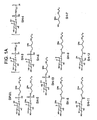
- Figure 1A depicts the formulas of some of the Akt inhibitors.
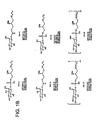
- Figure 1B depicts the formulas of some other Akt inhibitors.
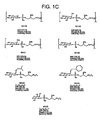
- Figure 1C depicts the formulas of yet other Akt inhibitors.
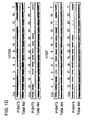
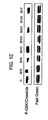
- Figure 1D depicts some of the immunoblots of the Akt inhibitors on S473 phosphorylation and total Akt levels.
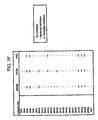
- Figure 1E depicts the effect of some of the Akt inhibitors on Akt kinase activity.
- Figure 2A depicts the dose response curve for some of the Akt inhibitors.
- Figure 2B depicts the dose response curves for some of the inhibitors on Akt phosphorylation.
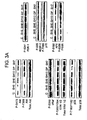
- Figure 3A depicts selectivity data for some of the Akt inhibitors on H1703 cells.
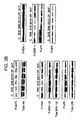
- Figure 3B depicts selectivity data for some of the Akt inhibitors on H157 cells.
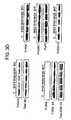
- Figure 3C depicts selectivity data for some of the Akt inhibitors (SH 23-25) on H1703 cells.
- Figure 3D depicts selectivity data for some of the Akt inhibitors on MB468 cells.
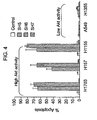
- Figure 4 depicts the increase of apoptosis by Akt inhibitors on cells with high levels of Akt activity.
- the present invention provides a compound of the formula I: or a pharmaceutically acceptable salt thereof; wherein X and Y are independently selected from the group consisting of O, CF 2 , CH 2 , and CHF; A P(O)OH; R 2 is selected from the group consisting of H, C 1 -C 25 alkyloxy, C 6 -C 10 aryloxy, C 3 -C 8 cycloalkyloxy, C 3 -C 8 cycloalkyl C 1 -C 6 alkoxy, C 2 -C 22 alkenyloxy, C 3 -C 8 cycloalkenyloxy, C 7 -C 32 aralkyloxy, C 7 -C 32 alkylaryloxy, C 9 -C 32 aralkenyloxy, and C 9 -C 32 alkenylaryloxy; R 3 -R 6 are independently selected from the group consisting of H, OH, isosteres of OH; and R 1 and R 7 are independently selected from the group consisting of C
- the alkyl and alkenyl portions of R 1 -R 7 can be branched, or preferably linear.
- the aryl portion of R 1 -R 7 can have one or more aromatic rings of 6-14 carbon atoms, for example, phenyl, naphthyl, or anthracyl rings.
- Isosteres of OH are F, Cl, and SH.
- both X and Y are O.
- the stereochemistry of attachment to the respective carbon atoms of R 2 and OR 7 can be in any suitable form, e.g., each can be R , S , or a mixture of R and S forms.
- each can be R , S , or a mixture of R and S forms.
- the compound of the present invention can have the formula Ia: or the formula Ib: the formula Ia being more preferred.
- compounds of the present invention particularly those of the formula Ia and Ib, have as R 1 a C 1 -C 25 alkyl, preferably a C 10 -C 25 alkyl, and more preferably a C 15 -C 20 alkyl.
- a particular R 1 is a C 18 alkyl, e.g., n-C 18 H 37 .
- the compounds of the present invention have as R 7 a C 1 -C 25 alkyl, preferably a C 1 -C 15 alkyl, more preferably a C 1 -C 5 alkyl.
- R 7 is methyl.
- R 1 is a C 18 alkyl (e.g., n-C 18 H 37 ) and R 7 is methyl.
- compounds of the present invention particularly those of the formula Ia and Ib, have as R 2 a C 1 -C 25 alkyloxy, preferably a C 1 -C 15 alkyloxy, more preferably a C 1 -C 5 alkyloxy.
- a particular R 2 is methoxy.
- R 2 is C 7 -C 32 aralkyloxy, and in some other embodiments, R 2 is C 3 -C 8 cycloalkyloxy, or C 3 -C 8 cycloalkyl C 1 -C 6 alkoxy, e.g., cyclohexylmethyloxy.
- At least one of R 2 , R 3 , R 4 , R 5 , or R 6 is H, for example, R 2 and R 3 are H, R 3 and R 4 are H, or R 5 and R 6 are H.
- A is P(O)OH, both X and Y are O, R 1 is C 18 H 37 , and R 7 is methyl.
- A is P(O)OH, both X and Y are O, R 1 is C 18 H 37 , and R 7 is methyl, and (i) R 2 is methoxy, R 3 is H, and R 4 -R 6 are OH; (ii) R 2 -R 3 are H and R 4 -R 6 are OH; (iii) R 2 -R 3 and R 5 -R 6 are OH and R 4 is H; (iv) R 2 is i-butyl, R 3 is H, and R 4 -R 6 are OH; (v) R 2 is cyclohexylmethoxy, R 3 is H, and R 4 -R 6 are OH; (vi) R 2 -R 3 and R 6 are OH and R 4 -R 5 are H; (vii) R 2 -
- the compounds of the present invention may be in the form of a pharmaceutically acceptable salt, for example, a salt of an alkali metal (e.g., sodium or potassium), alkaline earth metal (e.g., calcium), or ammonium of salt.
- a pharmaceutically acceptable salt for example, a salt of an alkali metal (e.g., sodium or potassium), alkaline earth metal (e.g., calcium), or ammonium of salt.
- the present invention further provides a pharmaceutical composition
- a pharmaceutical composition comprising a compound described above and a pharmaceutically acceptable carrier.
- the pharmaceutically acceptable (e.g., pharmacologically acceptable) carriers include, for example, vehicles, adjuvants, excipients, or diluents, and are well-known to those who are skilled in the art and are readily available to the public. It is preferred that the pharmaceutically acceptable carrier be one which is chemically inert to the active compounds and one which has little or no detrimental side effects or toxicity under the conditions of use.
- compositions of the present invention may be administered in any suitable formulation, for example, as a formulation for oral, aerosol, parenteral, subcutaneous, intravenous, intraarterial, intramuscular, interperitoneal, intrathecal, rectal, or vaginal administration.
- Formulations suitable for oral administration can comprise (a) liquid solutions, such as an effective amount of the compound dissolved in diluents, such as water, saline, or orange juice; (b) capsules, sachets, tablets, lozenges, and troches, each containing a predetermined amount of the active ingredient (compound), as solids or granules; (c) powders; (d) suspensions in an appropriate liquid; and (e) suitable emulsions.
- Liquid formulations can include diluents, such as water and alcohols, for example, ethanol, benzyl alcohol, and the polyethylene alcohols, either with or without the addition of a pharmaceutically acceptable surfactant, suspending agent, or emulsifying agent.
- Capsule forms can be of the ordinary hard- or soft-shelled gelatin type containing, for example, surfactants, lubricants, and inert fillers, such as lactose, sucrose, calcium phosphate, and corn starch.
- Tablet forms can include one or more of lactose, sucrose, mannitol, corn starch, potato starch, alginic acid, microcrystalline cellulose, acacia, gelatin, guar gum, colloidal silicon dioxide, croscarmellose sodium, talc, magnesium stearate, calcium stearate, zinc stearate, stearic acid, and other excipients, colorants, diluents, buffering agents, disintegrating agents, moistening agents, preservatives, flavoring agents, and pharmacologically compatible carriers.
- Lozenge forms can comprise the active ingredient in a flavor, usually sucrose and acacia or tragacanth, as well as pastilles comprising the active ingredient in an inert base, such as gelatin and glycerin, or sucrose and acacia, emulsions, gels, and the like containing, in addition to the active ingredient, such carriers as are known in the art.
- a flavor usually sucrose and acacia or tragacanth
- pastilles comprising the active ingredient in an inert base, such as gelatin and glycerin, or sucrose and acacia, emulsions, gels, and the like containing, in addition to the active ingredient, such carriers as are known in the art.
- the compounds of the present invention can be made into aerosol formulations to be administered via inhalation.
- aerosol formulations can be placed into pressurized acceptable propellants, such as dichlorodifluoromethane, propane, nitrogen, and the like. They also can be formulated as pharmaceuticals for non-pressured preparations, such as in a nebulizer or an atomizer.
- Formulations suitable for parenteral administration include aqueous and non-aqueous, isotonic sterile injection solutions, which can contain anti-oxidants, buffers, bacteriostats, and solutes that render the formulation isotonic with the blood of the intended recipient, and aqueous and non-aqueous sterile suspensions that can include suspending agents, solubilizers, thickening agents, stabilizers, and preservatives.
- the compound can be administered in a physiologically acceptable diluent in a pharmaceutical carrier, such as a sterile liquid or mixture of liquids, including water, saline, aqueous dextrose and related sugar solutions, an alcohol, such as ethanol, isopropanol, or hexadecyl alcohol, glycols, such as propylene glycol or polyethylene glycol, glycerol ketals, such as 2,2-dimethyl-1,3-dioxolane-4-methanol, ethers, such as poly(ethyleneglycol) 400, an oil, a fatty acid, a fatty acid ester or glyceride, or an acetylated fatty acid glyceride with or without the addition of a pharmaceutically acceptable surfactant, such as a soap or a detergent, suspending agent, such as pectin, carbomers, methylcellulose, hydroxypropylmethylcellulose, or carboxymethylcellulose, or emulsifying agents and other pharmaceutical adj
- Oils which can be used in parenteral formulations include petroleum, animal, vegetable, or synthetic oils. Specific examples of oils include peanut, soybean, sesame, cottonseed, corn, olive, petrolatum, and mineral. Suitable fatty acids for use in parenteral formulations include oleic acid, stearic acid, and isostearic acid. Ethyl oleate and isopropyl myristate are examples of suitable fatty acid esters.
- Suitable soaps for use in parenteral formulations include fatty alkali metal, ammonium, and triethanolamine salts
- suitable detergents include (a) cationic detergents such as, for example, dimethyl dialkyl ammonium halides, and alkyl pyridinium halides, (b) anionic detergents such as, for example, alkyl, aryl, and olefin sulfonates, alkyl, olefin, ether, and monoglyceride sulfates, and sulfosuccinates, (c) nonionic detergents such as, for example, fatty amine oxides, fatty acid alkanolamides, and polyoxyethylenepolypropylene copolymers, (d) amphoteric detergents such as, for example, alkyl- ⁇ -aminopropionates, and 2-alkyl-imidazoline quaternary ammonium salts, and (e) mixtures thereof.
- the parenteral formulations will typically contain from about 0.5 to about 25% by weight of the active ingredient in solution. Suitable preservatives and buffers can be used in such formulations. In order to minimize or eliminate irritation at the site of injection, such compositions may contain one or more nonionic surfactants.
- the quantity of surfactant in such formulations typically ranges from about 5 to about 15% by weight.
- Suitable surfactants include polyethylene or polyethylene glycol sorbitan fatty acid esters, such as sorbitan monooleate and the high molecular weight adducts of ethylene oxide with a hydrophobic base, formed by the condensation of propylene oxide with propylene glycol.
- parenteral formulations can be presented in unit-dose or multi-dose sealed containers, such as ampoules and vials, and can be stored in a freeze-dried (lyophilized) condition requiring only the addition of the sterile liquid carrier, for example, water, for injections, immediately prior to use.
- sterile liquid carrier for example, water
- Extemporaneous injection solutions and suspensions can be prepared from sterile powders, granules, and tablets of the kind previously described.
- the compounds of the present invention may be made into injectable formulations.
- the requirements for effective pharmaceutical carriers for injectable compositions are well known to those of ordinary skill in the art. See Pharmaceutics and Pharmacy Practice, J.B. Lippincott Co., Philadelphia, PA, Banker and Chalmers, eds., pages 238-250 (1982 ), and ASHP Handbook on Iniectable Drugs, Toissel, 4th ed., pages 622-630 (1986 ).
- the compounds of the present invention may be made into suppositories by mixing with a variety of bases, such as emulsifying bases or water-soluble bases.
- bases such as emulsifying bases or water-soluble bases.
- Formulations suitable for vaginal administration may be presented as pessaries, tampons, creams, gels, pastes, foams, or spray formulas containing, in addition to the active ingredient, such carriers as are known in the art to be appropriate.
- the present invention further provides a compound described above for use in preventing or treating a disease, or a condition that predisposes to a disease, that is characterized by or caused by the activation of the serine/threonine kinase Akt in an animal.
- a disease or condition is cancer.
- cancer particularly examples of cancer include breast cancer, lung cancer, ovarian cancer, uterine cancer, brain cancer, sarcoma, melanoma, leukemia, lymphoma, colorectal cancer, prostate cancer, and liver cancer.
- Another disease or condition is rheumatologic disease, e.g., rheumatoid arthritis or osteoarthritis.
- a further example of the disease or condition is pulmonary disease, e.g., chronic obstructive pulmonary disease (COPD).
- COPD chronic obstructive pulmonary disease
- the present invention further provides an in vitro method of increasing apoptosis of a cell, e.g., cancer cell, comprising contacting or treating the cell with a compound described above.
- the compounds of the present invention can be used as scientific tools to determine the presence of a disease or condition that are characterized by Akt activation.
- Akt activation Diseases characterized by Akt activation that could benefit from administration of the compounds include all forms of cancer, precancerous lesions, cardiovascular disease, rheumatologic disease, pulmonary disease, dermatologic disease, gynecological diseases, vascular disease, neurologic disease, and infectious disease, including bacterial, viral, retroviral, and parasitic diseases. Moreover, these compounds could be utilized to prevent above said diseases. Assays incorporating these compounds could provide predictive or prognostic value to patients with above said diseases or conditions.
- Suitable doses and dosage regimens can be determined by conventional range-finding techniques known to those of ordinary skill in the art. Generally, treatment is initiated with smaller dosages, which are less than the optimum dose of the compound. Thereafter, the dosage is increased by small increments until the optimum effect under the circumstances is reached. For convenience, the total daily dosage may be divided and administered in portions during the day if desired. In proper doses and with suitable administration of certain compounds, the present invention provides for a wide range of responses. Typically the dosages range from about 0.001 to about 1000 mg/kg body weight of the animal being treated/day. Preferred dosages range from about 0.01 to about 10 mg/kg body weight/day, and further preferred dosages range from about 0.01 to about 1 mg/kg body weight/day.
- the present invention further provides an in vitro method for inhibiting PH domain binding comprising exposing a material containing an PH domain to a compound described above.
- the present invention further provides a method for determining the presence of a PH domain in a material comprising:
- This Example illustrates a method of preparing precursors for 2-modified analogues.
- Reagents and conditions (a) Bu 2 SnO, toluene, reflux, then BnBr, CsF, DMF, rt; (b) (i) NaH, CS 2 , 0 °C, DMF, then MeI; (ii) Bu 3 SnH, AIBN, toluene, reflux, 92% for two steps; (c) AcCl, MeOH, rt, 98%; (d) Bu 2 SnO, toluene, reflux, then p -MeOC 6 H 4 CH 2 Cl, CsF, DMF, rt, 92%.
- Reagents and conditions (a) (i) NaH, CS 2 , 0 °C, DMF, then MeI; (ii) Bu 3 SnH, AIBN, toluene, reflux; (iii) AcCl, MeOH, rt, 64% for three steps; (b) H 2 , 5% Pd-C, ethyl acetate, rt, 1 atm, 95%; (c) Bu 2 SnO, toluene, reflux, then p -MeOC 6 H 4 CH 2 Cl, CsF, DMF, rt, 92%.
- Reagents and conditions (a) (i) NaH, CS 2 , 0 °C, DMF, then MeI; (ii) Bu 3 SnH, AIBN, toluene, reflux, 94% for two steps; (b) AcCl, CH 2 Cl 2 -MeOH 4:1 (v/v), rt, 86%; (c) Bu 2 SnO, toluene, reflux, then BnBr, CsF, DMF, rt; (d) (i) NaH, CS 2 , 0 °C, DMF, then MeI; (ii) Bu 3 SnH, AIBN, toluene, reflux, 93% for two steps; (e) AcCl, MeOH, rt, 96%; (f) Bu 2 SnO, toluene, reflux, then p -MeOC 6 H 4 CH 2 Cl, CsF, DMF, rt, 93%.
- Reagents and conditions (a) (i) 26 , 1 H- tetrazole, rt, CH 2 Cl 2 ; (ii) m -CPBA, 0 °C - rt, CH 2 Cl 2 ; (b) H 2 , 20% Pd(OH) 2 -C, t -BuOH, rt, 1 atm.
- FIG. 1D shows results of an immunoblotting experiment performed with antibodies against phosphorylated Akt at S473 and at native Akt after individual administration of the compounds to cancer cell lines.
- Phospho-specific antibodies only recognize kinases in an active state.
- Two cell lines were used that have high levels of constitutively active Akt, H1703 and H157.
- H1703 has wild type PTEN and H157 has mutant PTEN.
- Compounds SH5, 6, 13, 16, 23, 24, 25 decreased Akt phosphorylation without affecting native Akt levels.
- SH16 also decreased Akt phosphorylation in the H157 cells.
- the lack of decreased phosphorylation observed with SH7 is important because SH7 is composed of only the ether lipid portion of these analogues and thus serves as a negative control.
- This data indicate that inhibition of Akt phosphorylation by some of the SH compounds is cell line specific, and that inhibition by SH5, 6, 13, 23-25 is not dependent on PTEN.
- Figure 1E shows that SH5, 6,23-25 inhibit Akt kinase activity, as well as Akt phosphorylation.
- Figure 1F shows results on some of the compounds. SH5, 6, 23, 24, and 25 completely inhibited Akt phosphorylation in all three cell lines and were chosen for further analysis.
- Figure 2A is a set of representative immunoblotting experiments with increasing doses of SH5, 6, and 24. For each set of immunoblotting experiments, densitometry was performed to quantify the decreased intensity of the bands observed with the S473 antibodies. Quantitative inhibition of S473 phosphorylation by different doses of these compounds is shown in Figure 2B . The IC50 values for these compounds (including SH23 and 25 (data not shown)) were similar, between 2-4 ⁇ M.
- the SH compounds were tested against Akt and other kinases that are either upstream of Akt (PDK-1), downstream of Akt (c-Raf, 4EBP-1, p70S6K, FKHR, GSK-3, and/or AFX), or downstream of Ras (ERK, p38). Immunoblotting was carried out with phospho-specific antibodies to assess activation state of the kinases, and with native antibodies to assess changes in protein levels. Similar results were obtained with the H1703 ( Figure 3A ) or H157 cells ( Figure 3B ). SH5, 6, and 10 inhibited Akt phosphorylation without affecting native Akt levels. DPIEL and SH7 did not decrease Akt phosphorylation.
- Akt Upstream of Akt, phosphorylation of PDK-1 was not affected by any SH compound. Of the downstream substrates, c-Raf phosphorylation and 4EBP-1 phosphorylation were decreased most. Decreased c-Raf phosphorylation correlated with increased ERK and p38 phosphorylation, which is consistent with the inhibitory effect of S259 phosphorylation by Akt on c-Raf activity. Of note, p38 phosphorylation was only decreased by DPIEL, indicating that the DPIEL used in these experiments was not inert.
- SH 23-25 had similar effects in both H1703 ( Figure 3C ) and MB468 ( Figure 3D ) cells (H157 data not shown).
- H1703 cells phosphorylation of Akt, c-Raf, and 4-EBP-1 was decreased by SH23-25, but PDK-1 phosphorylation was unaffected.
- MB468 cells decreased Akt phosphorylation with administration of SH23-25 without decreasing PDK-1 phosphorylation.
- Some effects of SH23-25 were unique to the MB468 cells. Because MB468 cells had little endogenous phosphorylated c-Raf, we could not evaluate inhibition of c-Raf. Phosphorylation of 4EBP-1 was not affected by SH23-25, but phosphorylation of GSK-3 was decreased.
- SH5, 6, 23, 24, and 25 are very active in decreasing Akt phosphorylation in a panel of cancer cell lines. These compounds decrease Akt phosphorylation as well as Akt kinase activity, with IC50s in the low micromolar range. These compounds appear to be specific for Akt, as the phosphorylation of the upstream kinase, PDK-1, is unaffected by any of the SH compounds, as is phosphorylation of ERK and p38, which are downstream of Ras. Cell-line specific, selective inhibition of phosphorylation of substrates downstream of Akt, such as c-Raf, 4EBP-1, GSK-3, and/or FKHR/AFX was observed.
Landscapes
- Health & Medical Sciences (AREA)
- Chemical & Material Sciences (AREA)
- Organic Chemistry (AREA)
- Life Sciences & Earth Sciences (AREA)
- General Health & Medical Sciences (AREA)
- Veterinary Medicine (AREA)
- Public Health (AREA)
- Animal Behavior & Ethology (AREA)
- General Chemical & Material Sciences (AREA)
- Medicinal Chemistry (AREA)
- Nuclear Medicine, Radiotherapy & Molecular Imaging (AREA)
- Chemical Kinetics & Catalysis (AREA)
- Pharmacology & Pharmacy (AREA)
- Engineering & Computer Science (AREA)
- Bioinformatics & Cheminformatics (AREA)
- Oncology (AREA)
- Communicable Diseases (AREA)
- Virology (AREA)
- Molecular Biology (AREA)
- Rheumatology (AREA)
- Biochemistry (AREA)
- Pulmonology (AREA)
- Tropical Medicine & Parasitology (AREA)
- Pain & Pain Management (AREA)
- Heart & Thoracic Surgery (AREA)
- Biomedical Technology (AREA)
- Neurology (AREA)
- Neurosurgery (AREA)
- Dermatology (AREA)
- Cardiology (AREA)
- Endocrinology (AREA)
- Reproductive Health (AREA)
- Hematology (AREA)
- Immunology (AREA)
- Orthopedic Medicine & Surgery (AREA)
- Physical Education & Sports Medicine (AREA)
- Pharmaceuticals Containing Other Organic And Inorganic Compounds (AREA)
Applications Claiming Priority (3)
| Application Number | Priority Date | Filing Date | Title |
|---|---|---|---|
| US40723902P | 2002-09-03 | 2002-09-03 | |
| US407239P | 2002-09-03 | ||
| PCT/US2003/027607 WO2004022569A1 (en) | 2002-09-03 | 2003-09-03 | Akt inhibitors, pharmaceutical compositions, and uses thereof |
Publications (2)
| Publication Number | Publication Date |
|---|---|
| EP1537129A1 EP1537129A1 (en) | 2005-06-08 |
| EP1537129B1 true EP1537129B1 (en) | 2013-11-06 |
Family
ID=31978442
Family Applications (1)
| Application Number | Title | Priority Date | Filing Date |
|---|---|---|---|
| EP03751981.6A Expired - Lifetime EP1537129B1 (en) | 2002-09-03 | 2003-09-03 | Akt inhibitors, pharmaceutical compositions, and uses thereof |
Country Status (6)
| Country | Link |
|---|---|
| US (1) | US7378403B2 (enExample) |
| EP (1) | EP1537129B1 (enExample) |
| JP (1) | JP4641796B2 (enExample) |
| AU (1) | AU2003270087B2 (enExample) |
| CA (1) | CA2497572C (enExample) |
| WO (1) | WO2004022569A1 (enExample) |
Families Citing this family (19)
| Publication number | Priority date | Publication date | Assignee | Title |
|---|---|---|---|---|
| CN101632669B (zh) * | 2000-08-04 | 2011-05-18 | Dmi生物科学公司 | 二酮基哌嗪和包含它们的组合物的使用方法 |
| AU2003279761B2 (en) * | 2002-10-02 | 2009-11-12 | Luoxis Diagnostics, Inc. | Diagnosis and monitoring of diseases |
| KR20150080004A (ko) | 2003-05-15 | 2015-07-08 | 앰피오 파마슈티컬스 인코퍼레이티드 | T-세포 매개성 질환의 치료 방법 |
| WO2008070823A2 (en) * | 2006-12-07 | 2008-06-12 | University Of South Florida | Substrate-mimetic akt inhibitor |
| US20100048913A1 (en) | 2008-03-14 | 2010-02-25 | Angela Brodie | Novel C-17-Heteroaryl Steroidal CYP17 Inhibitors/Antiandrogens;Synthesis In Vitro Biological Activities, Pharmacokinetics and Antitumor Activity |
| WO2009146320A1 (en) | 2008-05-27 | 2009-12-03 | Dmi Life Sciences, Inc. | Therapeutic methods and compounds |
| EP2393827B1 (en) | 2009-02-05 | 2015-10-07 | Tokai Pharmaceuticals, Inc. | Novel prodrugs of steroidal cyp17 inhibitors/antiandrogens |
| JP2013537195A (ja) | 2010-09-07 | 2013-09-30 | ディエムアイ アクイジション コーポレイション | 疾患の治療 |
| AU2012323305B2 (en) | 2011-10-10 | 2017-07-27 | Ampio Pharmaceuticals, Inc. | Treatment of degenerative joint disease |
| BR112014007657A2 (pt) | 2011-10-10 | 2017-04-11 | Ampio Pharmaceuticals Inc | dispositivos médicos implantáveis com tolerância imune aperfeiçoada e métodos para produção e implantação |
| MX355446B (es) | 2011-10-28 | 2018-04-18 | Ampio Pharmaceuticals Inc | Tratamiento de rinitis. |
| SG11201507093WA (en) | 2013-03-14 | 2015-10-29 | Univ Maryland Baltimore Office Of Technology Transfer | Androgen receptor down-regulating agents and uses thereof |
| BR112015020469A2 (pt) | 2013-03-15 | 2020-01-28 | Ampio Pharmaceuticals Inc | Usos de da-dkp, composição e método para fornecimento de células-tronco a umindivíduo |
| SG11201600525XA (en) | 2013-08-12 | 2016-02-26 | Tokai Pharmaceuticals Inc | Biomarkers for treatment of neoplastic disorders using androgen-targeted therapies |
| US10526660B2 (en) | 2013-09-12 | 2020-01-07 | Dana-Farber Cancer Institute, Inc. | Methods for evaluating and treating Waldenstrom's macroglobulinemia |
| CA2958080A1 (en) | 2014-08-18 | 2016-02-25 | Ampio Pharmaceuticals, Inc. | Treatment of joint conditions |
| HK1246669A1 (zh) | 2015-06-22 | 2018-09-14 | Ampio Pharmaceuticals, Inc. | 人血清白蛋白低分子量组分在疾病治疗中的应用 |
| WO2021118924A2 (en) | 2019-12-12 | 2021-06-17 | Ting Therapeutics Llc | Compositions and methods for the prevention and treatment of hearing loss |
| CN111704546A (zh) * | 2020-06-30 | 2020-09-25 | 海南师范大学 | 一种含氧环己烷衍生物及其制备方法与应用 |
Family Cites Families (5)
| Publication number | Priority date | Publication date | Assignee | Title |
|---|---|---|---|---|
| US4585762A (en) * | 1982-07-30 | 1986-04-29 | Fujisawa Pharmaceutical Co., Ltd. | Phospholipid derivatives, processes for use thereof and pharmaceutical composition of the same |
| JPS59187786A (ja) * | 1983-04-11 | 1984-10-24 | Meito Sangyo Kk | 酵素法リン脂質二級アルコ−ル誘導体の製法 |
| EP0122151B1 (en) * | 1983-04-11 | 1989-02-15 | Meito Sangyo Kabushiki Kaisha | Production of primary or secondary alcohol derivatives of phospholipids by the enzymatic technique |
| US5227508A (en) | 1992-01-24 | 1993-07-13 | Mayo Foundation For Medical Education And Research | 3-deoxy-3-substituted analogs of phosphatidylinositol |
| AU4427199A (en) * | 1998-06-26 | 2000-01-17 | Georgetown University | Inhibitors of phosphatidyl (myo)-inositol cycle |
-
2003
- 2003-09-03 WO PCT/US2003/027607 patent/WO2004022569A1/en not_active Ceased
- 2003-09-03 AU AU2003270087A patent/AU2003270087B2/en not_active Ceased
- 2003-09-03 US US10/526,851 patent/US7378403B2/en not_active Expired - Fee Related
- 2003-09-03 JP JP2004534522A patent/JP4641796B2/ja not_active Expired - Fee Related
- 2003-09-03 EP EP03751981.6A patent/EP1537129B1/en not_active Expired - Lifetime
- 2003-09-03 CA CA2497572A patent/CA2497572C/en not_active Expired - Fee Related
Non-Patent Citations (1)
| Title |
|---|
| WERMUTH C G: "MOLECULAR VARIATIONS BASED ON ISOSTERIC REPLACEMENTS", PRACTICE OF MEDICINAL CHEMISTRY, XX, XX, 1 January 1996 (1996-01-01), pages 203 - 237, XP002190259 * |
Also Published As
| Publication number | Publication date |
|---|---|
| WO2004022569A9 (en) | 2004-06-10 |
| JP2005537329A (ja) | 2005-12-08 |
| EP1537129A1 (en) | 2005-06-08 |
| AU2003270087A1 (en) | 2004-03-29 |
| AU2003270087B2 (en) | 2009-04-23 |
| CA2497572C (en) | 2013-05-14 |
| WO2004022569A1 (en) | 2004-03-18 |
| US7378403B2 (en) | 2008-05-27 |
| US20050272708A1 (en) | 2005-12-08 |
| CA2497572A1 (en) | 2004-03-18 |
| JP4641796B2 (ja) | 2011-03-02 |
Similar Documents
| Publication | Publication Date | Title |
|---|---|---|
| EP1537129B1 (en) | Akt inhibitors, pharmaceutical compositions, and uses thereof | |
| US8283339B2 (en) | Vinyl phosphonate lysophosphatidic acid receptor antagonists | |
| US6943194B1 (en) | Synthesis of phenstatin and prodrugs thereof | |
| Kwon et al. | Synthesis and biological activity of cinnamaldehydes as angiogenesis inhibitors | |
| US7153843B2 (en) | Inhibitors of phosphatidyl myo-inositol cycle | |
| CN110914254A (zh) | 唑类取代的吡啶化合物 | |
| US6245754B1 (en) | Inhibitors of phosphatidyl myo-inositol cycle | |
| US5227508A (en) | 3-deoxy-3-substituted analogs of phosphatidylinositol | |
| EP1535926B1 (en) | Carbacyclic phosphatidic acid derivative | |
| JP2009522212A (ja) | ガン予防及び治療のためのAkt阻害剤としてのアリールジヒドロナフタレン類及びその生産方法 | |
| Imai et al. | Growth inhibition and mechanism of action of p-dodecylaminophenol against refractory human pancreatic cancer and cholangiocarcinoma | |
| Sun et al. | Synthesis and biological activity of 3-hydroxy (phosphono) methyl-bearing phosphatidylinositol ether lipid analogues | |
| JP4511365B2 (ja) | イノシトール化リン脂質 | |
| US8153615B2 (en) | Synthesis of glycerolipid carbamates and dicarbamates and their use as an antitumor compounds | |
| KR101812418B1 (ko) | 신규 알킬포스포콜린 유도체 및 이를 포함하는 약제학적 조성물 | |
| Matthiesen | Synthesis of carboxyphosphonates and bisphosphonates as potential GGTase II and GGDPS inhibitors | |
| Ahn et al. | A study of benzene 1, 2, 4-trisphosphate derivatives as inositol 1, 4, 5-trisphosphate 3-kinase inhibitors | |
| Wills | Synthesis of germinal bisphosphonates as potential inhibitors of GGDPs | |
| HK1078586B (en) | Carbacyclic phosphatidic acid derivative | |
| HK40026055A (en) | Pyridine compound substituted with azole | |
| Thakkar | Part~ I. Synthesis and protein-tyrosine kinase inhibiting activity of polyhydroxylated stilbene analogues of piceatannol. Part~ II. Study of the novel oxidative cyclization of 2'-hydroxychalcones to 4, 5-dialkoxyaurones by thallium (III) nitrate |
Legal Events
| Date | Code | Title | Description |
|---|---|---|---|
| PUAI | Public reference made under article 153(3) epc to a published international application that has entered the european phase |
Free format text: ORIGINAL CODE: 0009012 |
|
| 17P | Request for examination filed |
Effective date: 20050322 |
|
| AK | Designated contracting states |
Kind code of ref document: A1 Designated state(s): AT BE BG CH CY CZ DE DK EE ES FI FR GB GR HU IE IT LI LU MC NL PT RO SE SI SK TR |
|
| AX | Request for extension of the european patent |
Extension state: AL LT LV MK |
|
| RIN1 | Information on inventor provided before grant (corrected) |
Inventor name: SUN, HAIYING Inventor name: DENNIS, PHILLIP Inventor name: BROGNARD, JOHN Inventor name: KOZIKOWSKI, ALAN, P. |
|
| RIN1 | Information on inventor provided before grant (corrected) |
Inventor name: DENNIS, PHILLIP Inventor name: KOZIKOWSKI, ALAN, P. Inventor name: BROGNARD, JOHN Inventor name: SUN, HAIYING |
|
| 17Q | First examination report despatched |
Effective date: 20080702 |
|
| GRAP | Despatch of communication of intention to grant a patent |
Free format text: ORIGINAL CODE: EPIDOSNIGR1 |
|
| GRAP | Despatch of communication of intention to grant a patent |
Free format text: ORIGINAL CODE: EPIDOSNIGR1 |
|
| INTG | Intention to grant announced |
Effective date: 20130418 |
|
| GRAS | Grant fee paid |
Free format text: ORIGINAL CODE: EPIDOSNIGR3 |
|
| GRAA | (expected) grant |
Free format text: ORIGINAL CODE: 0009210 |
|
| AK | Designated contracting states |
Kind code of ref document: B1 Designated state(s): AT BE BG CH CY CZ DE DK EE ES FI FR GB GR HU IE IT LI LU MC NL PT RO SE SI SK TR |
|
| AX | Request for extension of the european patent |
Extension state: AL LT LV MK |
|
| REG | Reference to a national code |
Ref country code: GB Ref legal event code: FG4D |
|
| REG | Reference to a national code |
Ref country code: CH Ref legal event code: EP |
|
| REG | Reference to a national code |
Ref country code: AT Ref legal event code: REF Ref document number: 639427 Country of ref document: AT Kind code of ref document: T Effective date: 20131215 |
|
| REG | Reference to a national code |
Ref country code: IE Ref legal event code: FG4D |
|
| REG | Reference to a national code |
Ref country code: DE Ref legal event code: R096 Ref document number: 60345232 Country of ref document: DE Effective date: 20140102 |
|
| REG | Reference to a national code |
Ref country code: NL Ref legal event code: VDEP Effective date: 20131106 |
|
| REG | Reference to a national code |
Ref country code: AT Ref legal event code: MK05 Ref document number: 639427 Country of ref document: AT Kind code of ref document: T Effective date: 20131106 |
|
| REG | Reference to a national code |
Ref country code: LT Ref legal event code: MG9D |
|
| PG25 | Lapsed in a contracting state [announced via postgrant information from national office to epo] |
Ref country code: FI Free format text: LAPSE BECAUSE OF FAILURE TO SUBMIT A TRANSLATION OF THE DESCRIPTION OR TO PAY THE FEE WITHIN THE PRESCRIBED TIME-LIMIT Effective date: 20131106 Ref country code: SE Free format text: LAPSE BECAUSE OF FAILURE TO SUBMIT A TRANSLATION OF THE DESCRIPTION OR TO PAY THE FEE WITHIN THE PRESCRIBED TIME-LIMIT Effective date: 20131106 Ref country code: NL Free format text: LAPSE BECAUSE OF FAILURE TO SUBMIT A TRANSLATION OF THE DESCRIPTION OR TO PAY THE FEE WITHIN THE PRESCRIBED TIME-LIMIT Effective date: 20131106 |
|
| PG25 | Lapsed in a contracting state [announced via postgrant information from national office to epo] |
Ref country code: AT Free format text: LAPSE BECAUSE OF FAILURE TO SUBMIT A TRANSLATION OF THE DESCRIPTION OR TO PAY THE FEE WITHIN THE PRESCRIBED TIME-LIMIT Effective date: 20131106 Ref country code: ES Free format text: LAPSE BECAUSE OF FAILURE TO SUBMIT A TRANSLATION OF THE DESCRIPTION OR TO PAY THE FEE WITHIN THE PRESCRIBED TIME-LIMIT Effective date: 20131106 Ref country code: BE Free format text: LAPSE BECAUSE OF FAILURE TO SUBMIT A TRANSLATION OF THE DESCRIPTION OR TO PAY THE FEE WITHIN THE PRESCRIBED TIME-LIMIT Effective date: 20131106 |
|
| PG25 | Lapsed in a contracting state [announced via postgrant information from national office to epo] |
Ref country code: PT Free format text: LAPSE BECAUSE OF FAILURE TO SUBMIT A TRANSLATION OF THE DESCRIPTION OR TO PAY THE FEE WITHIN THE PRESCRIBED TIME-LIMIT Effective date: 20140306 |
|
| PG25 | Lapsed in a contracting state [announced via postgrant information from national office to epo] |
Ref country code: EE Free format text: LAPSE BECAUSE OF FAILURE TO SUBMIT A TRANSLATION OF THE DESCRIPTION OR TO PAY THE FEE WITHIN THE PRESCRIBED TIME-LIMIT Effective date: 20131106 |
|
| REG | Reference to a national code |
Ref country code: DE Ref legal event code: R097 Ref document number: 60345232 Country of ref document: DE |
|
| PG25 | Lapsed in a contracting state [announced via postgrant information from national office to epo] |
Ref country code: IT Free format text: LAPSE BECAUSE OF FAILURE TO SUBMIT A TRANSLATION OF THE DESCRIPTION OR TO PAY THE FEE WITHIN THE PRESCRIBED TIME-LIMIT Effective date: 20131106 Ref country code: CZ Free format text: LAPSE BECAUSE OF FAILURE TO SUBMIT A TRANSLATION OF THE DESCRIPTION OR TO PAY THE FEE WITHIN THE PRESCRIBED TIME-LIMIT Effective date: 20131106 Ref country code: SK Free format text: LAPSE BECAUSE OF FAILURE TO SUBMIT A TRANSLATION OF THE DESCRIPTION OR TO PAY THE FEE WITHIN THE PRESCRIBED TIME-LIMIT Effective date: 20131106 Ref country code: RO Free format text: LAPSE BECAUSE OF FAILURE TO SUBMIT A TRANSLATION OF THE DESCRIPTION OR TO PAY THE FEE WITHIN THE PRESCRIBED TIME-LIMIT Effective date: 20131106 |
|
| PLBE | No opposition filed within time limit |
Free format text: ORIGINAL CODE: 0009261 |
|
| STAA | Information on the status of an ep patent application or granted ep patent |
Free format text: STATUS: NO OPPOSITION FILED WITHIN TIME LIMIT |
|
| PG25 | Lapsed in a contracting state [announced via postgrant information from national office to epo] |
Ref country code: DK Free format text: LAPSE BECAUSE OF FAILURE TO SUBMIT A TRANSLATION OF THE DESCRIPTION OR TO PAY THE FEE WITHIN THE PRESCRIBED TIME-LIMIT Effective date: 20131106 |
|
| 26N | No opposition filed |
Effective date: 20140807 |
|
| REG | Reference to a national code |
Ref country code: DE Ref legal event code: R097 Ref document number: 60345232 Country of ref document: DE Effective date: 20140807 |
|
| PG25 | Lapsed in a contracting state [announced via postgrant information from national office to epo] |
Ref country code: SI Free format text: LAPSE BECAUSE OF FAILURE TO SUBMIT A TRANSLATION OF THE DESCRIPTION OR TO PAY THE FEE WITHIN THE PRESCRIBED TIME-LIMIT Effective date: 20131106 |
|
| PG25 | Lapsed in a contracting state [announced via postgrant information from national office to epo] |
Ref country code: LU Free format text: LAPSE BECAUSE OF FAILURE TO SUBMIT A TRANSLATION OF THE DESCRIPTION OR TO PAY THE FEE WITHIN THE PRESCRIBED TIME-LIMIT Effective date: 20140903 Ref country code: MC Free format text: LAPSE BECAUSE OF FAILURE TO SUBMIT A TRANSLATION OF THE DESCRIPTION OR TO PAY THE FEE WITHIN THE PRESCRIBED TIME-LIMIT Effective date: 20131106 |
|
| REG | Reference to a national code |
Ref country code: CH Ref legal event code: PL |
|
| REG | Reference to a national code |
Ref country code: IE Ref legal event code: MM4A |
|
| PG25 | Lapsed in a contracting state [announced via postgrant information from national office to epo] |
Ref country code: LI Free format text: LAPSE BECAUSE OF NON-PAYMENT OF DUE FEES Effective date: 20140930 Ref country code: CH Free format text: LAPSE BECAUSE OF NON-PAYMENT OF DUE FEES Effective date: 20140930 |
|
| PG25 | Lapsed in a contracting state [announced via postgrant information from national office to epo] |
Ref country code: IE Free format text: LAPSE BECAUSE OF NON-PAYMENT OF DUE FEES Effective date: 20140903 |
|
| PG25 | Lapsed in a contracting state [announced via postgrant information from national office to epo] |
Ref country code: BG Free format text: LAPSE BECAUSE OF FAILURE TO SUBMIT A TRANSLATION OF THE DESCRIPTION OR TO PAY THE FEE WITHIN THE PRESCRIBED TIME-LIMIT Effective date: 20131106 |
|
| PG25 | Lapsed in a contracting state [announced via postgrant information from national office to epo] |
Ref country code: CY Free format text: LAPSE BECAUSE OF FAILURE TO SUBMIT A TRANSLATION OF THE DESCRIPTION OR TO PAY THE FEE WITHIN THE PRESCRIBED TIME-LIMIT Effective date: 20131106 Ref country code: GR Free format text: LAPSE BECAUSE OF FAILURE TO SUBMIT A TRANSLATION OF THE DESCRIPTION OR TO PAY THE FEE WITHIN THE PRESCRIBED TIME-LIMIT Effective date: 20140207 |
|
| PG25 | Lapsed in a contracting state [announced via postgrant information from national office to epo] |
Ref country code: HU Free format text: LAPSE BECAUSE OF FAILURE TO SUBMIT A TRANSLATION OF THE DESCRIPTION OR TO PAY THE FEE WITHIN THE PRESCRIBED TIME-LIMIT; INVALID AB INITIO Effective date: 20030903 Ref country code: TR Free format text: LAPSE BECAUSE OF FAILURE TO SUBMIT A TRANSLATION OF THE DESCRIPTION OR TO PAY THE FEE WITHIN THE PRESCRIBED TIME-LIMIT Effective date: 20131106 |
|
| REG | Reference to a national code |
Ref country code: FR Ref legal event code: PLFP Year of fee payment: 14 |
|
| PGFP | Annual fee paid to national office [announced via postgrant information from national office to epo] |
Ref country code: GB Payment date: 20160927 Year of fee payment: 14 |
|
| PGFP | Annual fee paid to national office [announced via postgrant information from national office to epo] |
Ref country code: FR Payment date: 20160926 Year of fee payment: 14 |
|
| PGFP | Annual fee paid to national office [announced via postgrant information from national office to epo] |
Ref country code: DE Payment date: 20160928 Year of fee payment: 14 |
|
| REG | Reference to a national code |
Ref country code: DE Ref legal event code: R119 Ref document number: 60345232 Country of ref document: DE |
|
| GBPC | Gb: european patent ceased through non-payment of renewal fee |
Effective date: 20170903 |
|
| REG | Reference to a national code |
Ref country code: FR Ref legal event code: ST Effective date: 20180531 |
|
| PG25 | Lapsed in a contracting state [announced via postgrant information from national office to epo] |
Ref country code: GB Free format text: LAPSE BECAUSE OF NON-PAYMENT OF DUE FEES Effective date: 20170903 Ref country code: DE Free format text: LAPSE BECAUSE OF NON-PAYMENT OF DUE FEES Effective date: 20180404 |
|
| PG25 | Lapsed in a contracting state [announced via postgrant information from national office to epo] |
Ref country code: FR Free format text: LAPSE BECAUSE OF NON-PAYMENT OF DUE FEES Effective date: 20171002 |