EP1534707B1 - SUBSTITUIERTE 2,4-DIHYDROPYRROLOç3,4B]CHINOLIN-9-ONDERIVATE, DIE SICH ALS PHOSPHODIESTERASEINHIBITOREN EIGNEN - Google Patents
SUBSTITUIERTE 2,4-DIHYDROPYRROLOç3,4B]CHINOLIN-9-ONDERIVATE, DIE SICH ALS PHOSPHODIESTERASEINHIBITOREN EIGNEN Download PDFInfo
- Publication number
- EP1534707B1 EP1534707B1 EP03761110A EP03761110A EP1534707B1 EP 1534707 B1 EP1534707 B1 EP 1534707B1 EP 03761110 A EP03761110 A EP 03761110A EP 03761110 A EP03761110 A EP 03761110A EP 1534707 B1 EP1534707 B1 EP 1534707B1
- Authority
- EP
- European Patent Office
- Prior art keywords
- alkyl
- group
- phenyl
- nhr
- independently selected
- Prior art date
- Legal status (The legal status is an assumption and is not a legal conclusion. Google has not performed a legal analysis and makes no representation as to the accuracy of the status listed.)
- Expired - Lifetime
Links
- 0 CC(*(CC1)CC*1NN)=O Chemical compound CC(*(CC1)CC*1NN)=O 0.000 description 5
- WREQVZDPKOQQSE-UHFFFAOYSA-N O=C1c(cccc2)c2NC23OC12CN(Cc1ccccc1)C3c1ccc2OCOc2c1 Chemical compound O=C1c(cccc2)c2NC23OC12CN(Cc1ccccc1)C3c1ccc2OCOc2c1 WREQVZDPKOQQSE-UHFFFAOYSA-N 0.000 description 1
Classifications
-
- C—CHEMISTRY; METALLURGY
- C07—ORGANIC CHEMISTRY
- C07D—HETEROCYCLIC COMPOUNDS
- C07D471/00—Heterocyclic compounds containing nitrogen atoms as the only ring hetero atoms in the condensed system, at least one ring being a six-membered ring with one nitrogen atom, not provided for by groups C07D451/00 - C07D463/00
- C07D471/02—Heterocyclic compounds containing nitrogen atoms as the only ring hetero atoms in the condensed system, at least one ring being a six-membered ring with one nitrogen atom, not provided for by groups C07D451/00 - C07D463/00 in which the condensed system contains two hetero rings
- C07D471/04—Ortho-condensed systems
-
- A—HUMAN NECESSITIES
- A61—MEDICAL OR VETERINARY SCIENCE; HYGIENE
- A61P—SPECIFIC THERAPEUTIC ACTIVITY OF CHEMICAL COMPOUNDS OR MEDICINAL PREPARATIONS
- A61P11/00—Drugs for disorders of the respiratory system
-
- A—HUMAN NECESSITIES
- A61—MEDICAL OR VETERINARY SCIENCE; HYGIENE
- A61P—SPECIFIC THERAPEUTIC ACTIVITY OF CHEMICAL COMPOUNDS OR MEDICINAL PREPARATIONS
- A61P11/00—Drugs for disorders of the respiratory system
- A61P11/06—Antiasthmatics
-
- A—HUMAN NECESSITIES
- A61—MEDICAL OR VETERINARY SCIENCE; HYGIENE
- A61P—SPECIFIC THERAPEUTIC ACTIVITY OF CHEMICAL COMPOUNDS OR MEDICINAL PREPARATIONS
- A61P15/00—Drugs for genital or sexual disorders; Contraceptives
-
- A—HUMAN NECESSITIES
- A61—MEDICAL OR VETERINARY SCIENCE; HYGIENE
- A61P—SPECIFIC THERAPEUTIC ACTIVITY OF CHEMICAL COMPOUNDS OR MEDICINAL PREPARATIONS
- A61P15/00—Drugs for genital or sexual disorders; Contraceptives
- A61P15/06—Antiabortive agents; Labour repressants
-
- A—HUMAN NECESSITIES
- A61—MEDICAL OR VETERINARY SCIENCE; HYGIENE
- A61P—SPECIFIC THERAPEUTIC ACTIVITY OF CHEMICAL COMPOUNDS OR MEDICINAL PREPARATIONS
- A61P15/00—Drugs for genital or sexual disorders; Contraceptives
- A61P15/08—Drugs for genital or sexual disorders; Contraceptives for gonadal disorders or for enhancing fertility, e.g. inducers of ovulation or of spermatogenesis
-
- A—HUMAN NECESSITIES
- A61—MEDICAL OR VETERINARY SCIENCE; HYGIENE
- A61P—SPECIFIC THERAPEUTIC ACTIVITY OF CHEMICAL COMPOUNDS OR MEDICINAL PREPARATIONS
- A61P15/00—Drugs for genital or sexual disorders; Contraceptives
- A61P15/10—Drugs for genital or sexual disorders; Contraceptives for impotence
-
- A—HUMAN NECESSITIES
- A61—MEDICAL OR VETERINARY SCIENCE; HYGIENE
- A61P—SPECIFIC THERAPEUTIC ACTIVITY OF CHEMICAL COMPOUNDS OR MEDICINAL PREPARATIONS
- A61P3/00—Drugs for disorders of the metabolism
- A61P3/08—Drugs for disorders of the metabolism for glucose homeostasis
- A61P3/10—Drugs for disorders of the metabolism for glucose homeostasis for hyperglycaemia, e.g. antidiabetics
-
- A—HUMAN NECESSITIES
- A61—MEDICAL OR VETERINARY SCIENCE; HYGIENE
- A61P—SPECIFIC THERAPEUTIC ACTIVITY OF CHEMICAL COMPOUNDS OR MEDICINAL PREPARATIONS
- A61P43/00—Drugs for specific purposes, not provided for in groups A61P1/00-A61P41/00
-
- A—HUMAN NECESSITIES
- A61—MEDICAL OR VETERINARY SCIENCE; HYGIENE
- A61P—SPECIFIC THERAPEUTIC ACTIVITY OF CHEMICAL COMPOUNDS OR MEDICINAL PREPARATIONS
- A61P7/00—Drugs for disorders of the blood or the extracellular fluid
- A61P7/02—Antithrombotic agents; Anticoagulants; Platelet aggregation inhibitors
-
- A—HUMAN NECESSITIES
- A61—MEDICAL OR VETERINARY SCIENCE; HYGIENE
- A61P—SPECIFIC THERAPEUTIC ACTIVITY OF CHEMICAL COMPOUNDS OR MEDICINAL PREPARATIONS
- A61P9/00—Drugs for disorders of the cardiovascular system
-
- A—HUMAN NECESSITIES
- A61—MEDICAL OR VETERINARY SCIENCE; HYGIENE
- A61P—SPECIFIC THERAPEUTIC ACTIVITY OF CHEMICAL COMPOUNDS OR MEDICINAL PREPARATIONS
- A61P9/00—Drugs for disorders of the cardiovascular system
- A61P9/04—Inotropic agents, i.e. stimulants of cardiac contraction; Drugs for heart failure
-
- A—HUMAN NECESSITIES
- A61—MEDICAL OR VETERINARY SCIENCE; HYGIENE
- A61P—SPECIFIC THERAPEUTIC ACTIVITY OF CHEMICAL COMPOUNDS OR MEDICINAL PREPARATIONS
- A61P9/00—Drugs for disorders of the cardiovascular system
- A61P9/08—Vasodilators for multiple indications
-
- A—HUMAN NECESSITIES
- A61—MEDICAL OR VETERINARY SCIENCE; HYGIENE
- A61P—SPECIFIC THERAPEUTIC ACTIVITY OF CHEMICAL COMPOUNDS OR MEDICINAL PREPARATIONS
- A61P9/00—Drugs for disorders of the cardiovascular system
- A61P9/10—Drugs for disorders of the cardiovascular system for treating ischaemic or atherosclerotic diseases, e.g. antianginal drugs, coronary vasodilators, drugs for myocardial infarction, retinopathy, cerebrovascula insufficiency, renal arteriosclerosis
-
- A—HUMAN NECESSITIES
- A61—MEDICAL OR VETERINARY SCIENCE; HYGIENE
- A61P—SPECIFIC THERAPEUTIC ACTIVITY OF CHEMICAL COMPOUNDS OR MEDICINAL PREPARATIONS
- A61P9/00—Drugs for disorders of the cardiovascular system
- A61P9/12—Antihypertensives
Definitions
- the invention relates to novel 2,4-dihydro-pyrrolo[3,4-b]quinolin-9-one derivatives, intermediates used in the preparation of, synthesis of and pharmaceutical compositions containing the derivatives and their use for the treatment of sexual dysfunction.
- the compounds of the present invention are phosphodiesterase inhibitors useful for the treatment of sexual dysfunction, more particularly male erectile dysfunction.
- Erectile dysfunction is defined as the inability to achieve or maintain an erection sufficiently rigid for satisfactory sexual intercourse.
- ED Erectile dysfunction
- Male erectile dysfunction may be the consequence of psychogenic and/or organic factors.
- ED is multi-factorial, certain sub-groups within the male population are more likely to present with the symptoms of the disorder.
- patients with diabetes, hypertension, heart disease and multiple sclerosis have a particularly high prevalence of ED.
- patients who take certain classes of drugs such as antihypertensives, antidepressants, sedatives and anxiolytics are more prone to suffer from ED.
- Treatments for ED include a variety of pharmacologic agents, vacuum devices and penile prostheses.
- pharmacologic agents papaverine, phentolamine, and alprostadil are currently used in practice. These agents are only effective after direct intracavernosal or intraurethral injection, and are associated with side effects such as priapism, fibrosis, penile pain and hematoma at the injection site.
- Vacuum devices are a noninasive alternative treatment for ED. These devices produce an erection by creating a negative pressure around the shaft of the penis resulting in an increased blood flow into the corpus cavernosum via passive arterial dilation.
- sildenafil (Viagra®) was approved by the FDA as an orally effective medication for the treatment of ED.
- Sildenafil 5-[2-ethoxy-5-(4-methylpiperazin-1-ylsulphonyl)phenyl]-1-methyl-3-n-propyl-6,7-dihydro-1H-pyrazolo[4,3-d]pyrimidin-7-one and a number of related analogs and their use as antianginal agents are described in U.S. Patent Nos. 5,250,534 and 5,346,901 .
- the use of sildenafil and related analogs for treating male erectile dysfunction is described in PCT International Application Publication No.
- WO 94/28902 published December 22, 1994 .
- the drug improved sexual function in about 70% of the men who suffer from ED of psychogenic or organic etiology.
- the drug showed less dramatic efficacy in patients who had undergone a radical prostatectomy, with improved erections in 43% of patients who took sildenafil versus 15% on placebo.
- the use of sildenafil is associated with several undesirable side effects including headache, flushing and disrupted color vision which result from non-selective effects on a variety of tissues.
- the drug is viewed by patients as preferable to other treatments which involve the introduction of medication directly into the penis via injection, the use of an external device or a surgical procedure.
- Sexually stimulated penile erection results from a complex interplay of physiological processes involving the central nervous system, the peripheral nervous system and the smooth muscle. Specifically, release of nitric oxide from the non-adrenergic, non-cholinergic nerves and endothelium activates guanylyl cyclase and increases intracellular cGMP levels within the corpus cavernosum. The increase in intracellular cGMP reduces intracellular calcium levels, resulting in trabecular smooth muscle relaxation, which in turn, results in corporal volume expansion and compression of the sub-tunical venules leading to penile erection.
- PDEV has been found in human platelets and vascular smooth muscle, suggesting a role for this enzyme in the regulation of intracellular concentrations of cGMP in cardiovascular tissue.
- inhibitors of PDEV have been shown to produce endothelial-dependent vasorelaxation by potentiating the increases in intracellular cGMP induced by nitric oxide.
- PDEV inhibitors selectively lower the pulmonary arterial pressure in animal models of congestive heart failure and pulmonary hypertension.
- PDEV inhibitors would likely be of therapeutic benefit in conditions like heart failure, pulmonary hypertension and angina.
- PDEs guanylate cyclases and the cyclic nucleotide phosphodiesterases
- selective PDE inhibitors are known to be useful in the treatment of various disorders and conditions including male erectile dysfunction (ED), female sexual arousal dysfunction, female sexual dysfunction related to blood flow and nitric oxide production in the tissues of the vagina and clitoris, premature labor, dysmenorrhea, cardiovascular disorders, atherosclerosis, arterial occlusive disorders, thrombosis, coronary rest stenosis, angina pectoris, myocardial infarction, heart failure, ischemic heart disorders, hypertension, pulmonary hypertension, asthma, intermittent claudication and diabetic complications.
- ED male erectile dysfunction
- female sexual arousal dysfunction female sexual dysfunction related to blood flow and nitric oxide production in the tissues of the vagina and clitoris
- premature labor dysmenorrhea
- cardiovascular disorders atherosclerosis
- arterial occlusive disorders thrombosis
- coronary rest stenosis coronary rest stenosis
- myocardial infarction heart failure
- disorders mediated by PDEV such as male erectile dysfunction, female sexual dysfunction, cardiovascular disorders, atherosclerosis, arterial occlusive disorders, thrombosis, coronary reststenosis, angina pectoris, myocardial infarction, heart failure, ischemic heart disorders, hypertension, pulmonary hypertension, asthma, intermittent claudication or diabetic complications.
- the present invention provides novel 2,4-dihydro-pyrrolo[3,4-b]quinolin-9-one derivative compounds useful as phosphodiesterase inhibitors. More particularly, the present invention is directed to compounds of the general formula (I): wherein R 1 is selected from the group consisting of hydrogen, carboxy, -C(O)-C 1 -C 6 alkyl, -C(O)-C 1 -C 6 alkoxy, -C(O)-NH-C 1 -C 6 alkyl-NH 2 , -C(O)-NH-C 1 -C 6 alkyl-NHR A , -C(O)-NH-C 1 -C 6 alkyl-N(R A ) 2 , -C(O)-NH 2 , -C(O)-NHR A , -C(O)-N(R A ) 2 , -C 1 -C 6 alkyl-NH 2 , -C 1 -C 6 alkyl-NHR A
- R 1 is selected from the group consisting of hydrogen, carboxy, -C(O)-C 1 -C 6 alkyl, -C(O)-C 1 -C 6 alkoxy, -C(O)-NH-C 1 -C 6 alkyl-NH 2 , -C(O)-NH-C 1 -C 6 alkyl-NHR A , -C(O)-NH-C 1 -C 6 alkyl-N(R A ) 2 , -C(O)-NH 2 , -C(O)-NHR A , -C(O)-N(R A ) 2 , -C 1 -C 6 alkyl-NH 2 , -C 1 -C 6 alkyl-NHR A , -C 1 -C 6 alkyl-N(R A ) 2 , -NH-C 1 -C 6 alkyl-NHR A , -C 1 -C 6 alkyl-N(R A )
- Illustrative of the invention is a pharmaceutical composition comprising a pharmaceutically acceptable carrier and any of the compounds described above.
- An illustration of the invention is a pharmaceutical composition made by mixing any of the compounds described above and a pharmaceutically acceptable carrier.
- Illustrating the invention is a process for making a pharmaceutical composition comprising mixing any of the compounds described above and a pharmaceutically acceptable carrier.
- An example of the invention is a method for increasing the concentration of cGMP in penile tissue through the inhibition of phosphodiesterases, specifically PDEV, in a male subject in need thereof comprising administering to the subject an effective amount of any of the compounds or pharmaceutical compositions described above.
- An example of the invention is the use of any of the compounds described above in the preparation of a medicament for: (a) treating sexual dysfunction, such as male sexual dysfunction especially male erectile dysfunction, (b) treating impotence, female sexual dysfunction, female sexual and arousal dysfunction or female sexual dysfunction related to blood flow and nitric oxide production in the tissues of the vagina and clitoris (c) increasing the concentration of cGMP in penile tissue through inhibition of phosphodiesterase, especially PDEV and/or (d) treating a condition selected from the group consisting of premature labor, dysmenorrhea, cardiovascular disorders, atherosclerosis, arterial occlusive disorders, thrombosis, coronary reststenosis, angina pectoris, myocardial infarction, heart failure, ischemic heart disorders, hypertension, pulmonary hypertension, asthma, intermittent claudication and diabetic complications in a subject in need thereof.
- sexual dysfunction such as male sexual dysfunction especially male erectile dysfunction
- impotence female sexual dysfunction, female sexual and
- the present invention provides novel 2,4-dihydro-pyrrolo[3,4-b]quinolin-9-one derivatives useful for the treatment of sexual dysfunction, particularly male erectile dysfunction (ED).
- ED male erectile dysfunction
- the compounds of the present invention are useful primarily for the treatment of male sexual dysfunction or erectile dysfunction, they may also be useful for the treatment of female sexual dysfunction, for example female sexual arousal dysfunction, female sexual dysfunction related to blood flow and nitric oxide production in the tissue of the vagina and clitoris, and for the treatment of premature labor and dysmenorrhea.
- the compounds of the present invention are of formula (IV) wherein all variables are as defined above, or a pharmaceutically acceptable salt thereof.
- the compounds of formula (1) are useful for the treatment of disorders mediated by the PDEV receptor, including, but not limited to, sexual dysfunction.
- the compounds of formula (IV) are useful as intermediates in the preparation of compounds of formula (1), wherein the variables are as defined in claim 10.
- R 1 is hydrogen
- R 2 is selected-from the group consisting of phenyl (optionally substituted with one to two substituent selected from halogen, nitro, cyano, C 1 -C 3 alkyl, C 1 -C 3 alkoxy, trifluoromethyl, trifluoromethoxy, NH 2 , NH(C 1 -C 3 alkyl) or N(C 1 -C 3 alkyl) 2 ), methylenedioxyphenyl and 3,4-dimethoxyphenyl.
- R 2 is methylenedioxyphenyl.
- R 3 is selected from the group consisting of hydrogen and C 1 -C 4 alkyl, More preferably, R 3 is selected from the group consisting of hydrogen and methyl. Most preferably. R 3 is hydrogen.
- b is an integer from 0 to 4. More preferably b is in integer from 0 to 1.
- R 4 is selected from the group consisting of halogen, hydroxy, carboxy, oxo, C 1 -C 3 alkyl, C 1 -C 3 alkoxy, C 1 -C 3 alkoxycerbonyl phenyl (wherein the phenyl may be optionally substituted with one to two substituents selected from hydroxy, carboxy.
- C 1 -C 4 alkyl C 1-4 alkylthio, hydroxyC 1-4 alkyl, C 1 -C 4 alkoxy, C 1 -C 4 alkyoxycarbonyl, C(O)N(R A ) 2 , trifluoromethyl, trifluoromethoxy amino, (C 1-4 alkyl)amino, di(C 1-4 alkyl)amino, nitro, cyano or formyl), O-aralkyl and
- R 4 is selected from the group consisting of bromo, hydroxy, carboxy, oxo, methyl, phenyl, 4-hydroxyphenyl, 3-hydroxymethylphenyl, 4-hydroxymethylphenyl, 4-carboxyphenyl. 4-methylphenyl, 4-methoxyphenyl, 3,4-dimethoxyphenyl, 4-methoxycarbonyl, 4-methoxycarbonylphenyl, 3-trifluoromethylphenyl, 4-cyanophenyl, 4-aminophenyl, 4-dimethylaminophenyl, 3-nitrophenyl, 4-nitrophenyl, 4-formylphenyl, 4-methylthiophenyl, benzyloxy and
- R 4 is selected from the group consisting of 5-bromo, 2-hydroxy, 6-hydroxy, 4-carboxy, phenyl, 4-hydroxyphenyl, 3-hydroxymethylphenyl, 4-hydroxymethylphenyl, 4-carboxyphenyl, 4-methylphenyl, 4-methylthiophenyl, 4-methoxyphenyl, 3,4-dimethoxyphenyl, 4-methoxycarbonyl, 4-methoxycarbonylphenyl, 3-trifluoromethylphenyl, 4-aminophenyl, 4-dimethylaminophenyl, 3-nitrophenyl, 4-nitrophenyl, 4-cyanophenyl, 4-formylphenyl, benzyloxy and
- R 4 is selected from the group consisting of 5-bromo, 2-hydroxy, 6-hydroxy, 4-carboxy, phenyl, 4-hydroxyphenyl, 3-hydroxymethylphenyl, 4-hydroxymethyphenyl, 4-carboxyphenyl, 4-methylphenyl, 4-methylthiophenyl, 4-methoxyphenyl, 3,4-dimethoxyphenyl, 4-methoxycarbonyl, 4-methoxycarbanylphenyl, 3-trifluoromethylphenyl, 4-aminophenyl, 4-dimethylaminophenyl, 3-nitrophenyl, 4-nitrophenyl, 4-cyanophenyl, 4-formylphenyl and benzyloxy.
- R 4 is selected from the group consisting of 6-hydroxy, 4-carboxy, phenyl, 4-hydroxyphenyl, 3-hydroxymethylphenyl, 4-methylphonyl, 4-methylthiophenyl, 4-methoxyphenyl, 3.4-dimethoxyphenyl, 4-methoxycarbonyl, 3-trifluoromethylphenyl, 3-nitrophenyl and 4-nitrophenyl.
- R 4 is selected from the group consisting of hydroxy, 4-methylphenyl, 4-methoxyphenyl, 3,4-dimethoxyphenyl, 4-methoxycarbonyl, 3-trifluoromethylphenyl and 4-nitrophenyl.
- c is 0.
- Y is selected from the group consisting of -C 1 -C 4 alkyl-, -C(S)-, -C(O)-, -C(O)O-(C 1 -C 4 alkyl)-, -C(O)-(C 1 -C 4 alkyl)-, -C(O)-(C 2 -C 4 alkenyl)-, C(O)-(C 3 -C 7 cycloalkyl)- and -C(O)NH-(C 1 -C 3 alkyl)-.
- Y is selected from the group consisting of -CH 2 -, -C(S)-.
- phenyl is selected from the group consisting of phenyl, heteroaryl and heterocycloalkyl.
- halogen shall include iodine, bromine, chlorine and fluorine.
- alkyl shall mean straight or branched chain alkanes of one to ten carbon atoms, or any number within this range.
- alkyl radicals include, methyl, ethyl, n-propyl, isopropyl, n-butyl, isobutyl, sec-butyl, t-butyl, n-pentyl, 3-(2-methyl)butyl, 2-pentyl, 2-methylbutyl, neopentyl, n-hexyl and 2-methylpentyl.
- alkenyl and alkynyl groups include straight and branched chain alkenes and alkynes having two to ten carbon atoms, or any number within this range.
- alkoxy shall denote an oxygen ether radical of the above described straight or branched chain alkyl group.
- alkoxy radicals include methoxy, ethoxy, n-propoxy, n-butoxy, sec-butoxy, tert-butoxy, and the like.
- aryl indicates an aromatic group such as phenyl, naphthyl, and the like.
- aralkyl denotes an alkyl group substituted with an aryl group For example, benzyl, phenylethyl, and the like.
- aralkenyl denotes an alkenyl group substituted with an aryl group, for example phenylethylenyl, and the like.
- heteroaryl represents a stable five or six membered monocyclic aromatic ring system containing one to three heteroatoms independently selected from N, O or S; and any nine or ten membered bicyclic aromatic ring system containing carbon atoms and one to four heteroatoms independently selected from N, O or S.
- the heteroaryl group may be attached at any heteroatom or carbon atom which results in the creation of a stable structure.
- heteroaryl groups include, but are not limited to pyridinyl, pyrimidinyl, thienyl, furyl, imidazolyl, isoxazolyl, oxazolyl, pyrazolyl,pyrazinyl, pyrrolyl, thiazolyl, thiadiazolyl, triazolyl, benzimidazolyl, benzofuranyl, benzothienyl, benzisoxazolyl, benzoxazolyl, indazolyl, indolyl, benzothiazolyl, benzothiadiazolyl, benzotriazolyl, quinolinyl, isoquinolinyl, purinyl.
- Preferred heteroaryl groups include pyrimidinyl, pyridinyl, furyl, imidazolyl, benzofuryl and thiazolyl.
- cycloalkyl as used herein represents a stable three to eight membered monocyclic ring structure consisting of saturated carbon atoms. Suitable examples include cyclopropyl, cyclobutyl, cyclopentyl, cyclohexyl, cycloheptyl and cyclooctyl.
- heterocycloalkyl represents a stable saturated or partially unsaturated, three to eight membered monocyclic ring structure containing carbon atoms and one to four, preferably one to two, heteroatoms independently selected from N, O or S; and any stable saturated, partially unsaturated or partially aromatic, nine to ten membered bicyclic ring system containing carbon atoms and one to four heteroatoms independently selected from N, O or S.
- the heterocycloalkyl may be attached at any carbon atom or heteroatom which results in the creation of a stable structure.
- heterocycloalkyl groups include pyrrolidinyl, pyrazolidinyl, piperidinyl, piperazinyl, morpholinyl, dithianyl, trithianyl, dioxolanyl, dioxanyl, thiomorpholinyl, 3,4-methylenedioxyphenyl, 2,3-dihydrobenzofuryl, 2,3-dihydrobenzo-[1,4]-dioxin-6-yl, 2,3-dihydro-furo[2,3-b]pyridinyl, 1,2-(methylenedioxy)cyclohexane, indanyl, 2-oxa-bicyclo[2.2.1]heptanyl, and the like.
- Preferred heterocycloalkyl groups include piperidinyl, pyrrolidinyl, morpholinyl, indanyl, 2-oxa-bicyclo[2.2.1]heptanyl, 3,4-methylenedioxyphenyl, 2,3-dihydrobenzofuryl and 2,3-dihydrobenzo-[1,4]-dioxin-6-yl.
- the compounds according to this invention may accordingly exist as enantiomers. Where the compounds possess two or more chiral centers, they may additionally exist as diastereomers. It is to be understood that all such isomers and mixtures thereof are encompassed within the scope of the present invention. Furthermore, some of the crystalline forms for the compounds may exist as polymorphs and as such are intended to be included in the present invention. In addition, some of the compounds may form solvates with water (i.e., hydrates) or common organic solvents, and such solvates are also intended to be encompassed within the scope of this invention.
- a "phenylC 1 -C 6 alkylaminocarbonylC 1 -C 6 alkyl" substituent refers to a group of the formula
- sexual dysfunction includes male sexual dysfunction, male erectile dysfunction, impotence, female sexual dysfunction, female sexual arousal dysfunction and female sexual dysfunction related to blood flow and nitric oxide production in the tissues of the vagina and clitoris.
- subject refers to an animal, preferably a mammal, most preferably a human, who has been the object of treatment, observation or experiment.
- terapéuticaally effective amount means that amount of active compound or pharmaceutical agent that elicits the biological or medicinal response in a tissue system, animal or human that is being sought by a researcher, veterinarian, medical doctor or other clinician, which includes alleviation of the symptoms of the disease or disorder being treated.
- composition is intended to encompass a product comprising the specified ingredients in the specified amounts, as well as any product which results, directly or indirectly, from combinations of the specified ingredients in the specified amounts.
- the salts of the compounds of this invention refer to non-toxic "pharmaceutically acceptable salts.”
- Other salts may, however, be useful in the preparation of compounds according to this invention or of their pharmaceutically acceptable salts.
- Suitable pharmaceutically acceptable salts of the compounds include acid addition salts which may, for example, be formed by mixing a solution of the compound with a solution of a pharmaceutically acceptable acid such as hydrochloric acid, sulfuric acid, fumaric acid, maleic acid, succinic acid, acetic acid, benzoic acid, citric acid, tartaric acid, carbonic acid or phosphoric acid.
- suitable pharmaceutically acceptable salts thereof may include alkali metal salts, e.g., sodium or potassium salts; alkaline earth metal salts, e.g., calcium or magnesium salts; and salts formed with suitable organic ligands, e.g., quaternary ammonium salts.
- alkali metal salts e.g., sodium or potassium salts
- alkaline earth metal salts e.g., calcium or magnesium salts
- suitable organic ligands e.g., quaternary ammonium salts.
- representative pharmaceutically acceptable salts include the following:
- the present invention includes within its scope prodrugs of the compounds of this invention.
- prodrugs will be functional derivatives of the compounds which are readily convertible in vivo into the required compound.
- the term “administering” shall encompass the treatment of the various disorders described with the compound specifically disclosed or with a compound which may not be specifically disclosed, but which converts to the specified compound in vivo after administration to the patient.
- Conventional procedures for the selection and preparation of suitable prodrug derivatives are described, for example, in " Design of Prodrugs", ed. H. Bundgaard, Elsevier, 1985 .
- a suitably substituted compound of formula (III) a known compound or compound prepared by known methods, is reacted with an oxidizer such as mCPBA, H 2 O 2 , t-BuOOH, and the like, in an organic solvent such as dichloromethane, DMF, THF, MeOH, and the like, to yield the corresponding compound of formula (IV).
- an oxidizer such as mCPBA, H 2 O 2 , t-BuOOH, and the like
- organic solvent such as dichloromethane, DMF, THF, MeOH, and the like
- the compound of formula (IV) is reacted with an acid such as acetic acid, hydrochloric acid, sulfuric acid, phosphoric acid, and the like, to yield the corresponding compound of formula (I).
- the oxidizer mCPBA will convert to 3-chloro-benzoic acid which will act like acetic acid during the second step of the process outlined in Scheme 1.
- the 3-chloro-benzoic acid will therefore convert the compound of formula (IV) into the compound of formula (I), thereby allowing for a one pot synthesis of the compound of formula (I).
- the compounds may, for example, be resolved into their component enantiomers by standard techniques, such as the formation of diastereomeric pairs by salt formation with an optically active acid, such as (-)-di-p-toluoyl-d-tartaric acid and/or (+)-di-p-toluoyl-I-tartaric acid followed by fractional crystallization and regeneration of the free base.
- an optically active acid such as (-)-di-p-toluoyl-d-tartaric acid and/or (+)-di-p-toluoyl-I-tartaric acid followed by fractional crystallization and regeneration of the free base.
- the compounds may also be resolved by formation of diastereomeric esters, amides or amines, followed by chromatographic separation and removal of the chiral auxiliary. Alternatively, the compounds may be resolved using a chiral HPLC column.
- any of the processes for preparation of the compounds of the present invention it may be necessary and/or desirable to protect sensitive or reactive groups on any of the molecules concerned. This may be achieved by means of conventional protecting groups, such as those described in Protective Groups in Organic Chemistry, ed. J.F.W. McOmie, Plenum Press, 1973 ; and T.W. Greene & P.G.M. Wuts, Protective Groups in Organic Synthesis, John Wiley & Sons, 1991 .
- the protecting groups may be removed at a convenient subsequent stage using methods known from the art.
- the utility of the compounds to treat sexual dysfunction can be determined according to the procedures described in Example 5, 6 and 7 herein.
- a method of treating sexual dysfunction, more particularly male erectile dysfunction in a subject in need thereof comprises administering any of the compounds as defined herein in a quantity effective to treat ED.
- the compound may be administered to a patient by any conventional route of administration, including, but not limited to, intravenous, oral, subcutaneous, intramuscular, intradermal and parenteral.
- the quantity of the compound which is effective for treating ED is between 0.01 mg per kg and 20 mg per kg of subject body weight
- compositions comprising one or more compounds of this invention in association with a pharmaceutically acceptable carrier.
- these compositions are in unit dosage forms such as tablets, pills, capsules, powders, granules, sterile parenteral solutions or suspensions, metered aerosol or liquid sprays, drops, ampoules, autoinjector devices or suppositories; for oral parenteral, intranasal, sublingual or rectal administration, or for administration by inhalation or insufflation.
- the composition may be presented in a form suitable for once-weekly or once-monthly administration; for example, an insoluble salt of the active compound, such as the decanoate salt, may be adapted to provide a depot preparation for intramuscular injection.
- the principal active ingredient is mixed with a pharmaceutical carrier, e.g. conventional tableting ingredients such as corn starch, lactose, sucrose, sorbitol, talc, stearic acid, magnesium stearate, dicalcium phosphate or gums, and other pharmaceutical diluents, e.g. water, to form a solid preformulation composition containing a homogeneous mixture of a compound of the present invention, or a pharmaceutical acceptable salt thereof.
- a pharmaceutical carrier e.g. conventional tableting ingredients such as corn starch, lactose, sucrose, sorbitol, talc, stearic acid, magnesium stearate, dicalcium phosphate or gums, and other pharmaceutical diluents, e.g. water
- a pharmaceutical carrier e.g. conventional tableting ingredients such as corn starch, lactose, sucrose, sorbitol, talc, stearic acid, magnesium stearate, dicalcium phosphate or
- This solid preformulation composition is then subdivided into unit dosage forms of the type described above containing from 1 to about 1000 mg of the active ingredient of the present invention.
- the tablets or pills of the novel composition can be coated or otherwise compounded to provide a dosage form affording the advantage of prolonged action.
- the tablet or pill can comprise an inner dosage and an outer dosage component, the latter being in the form of an envelope over the former.
- the two components can be separated by an enteric layer which serves to resist disintegration in the stomach and permits the inner component to pass intact into the duodenum or to be delayed in release.
- enteric layers or coatings such materials including a number of polymeric acids with such materials as shellac, cetyl alcohol and cellulose acetate.
- liquid forms in which the novel compositions of the present invention may be incorporated for administration orally or by injection include, aqueous solutions, suitably flavoured syrups, aqueous or oil suspensions, and flavoured emulsions with edible oils such as cottonseed oil, sesame oil, coconut oil or peanut oil, as well as elixirs and similar pharmaceutical vehicles.
- Suitable dispersing or suspending agents for aqueous suspensions include synthetic and natural gums such as tragacanth, acacia, alginate, dextran, sodium carboxymethylcellulose, methylcellulose, polyvinyl-pyrrolidone or gelatin.
- the method of treating sexual dysfunction, more particularly male erectile dysfunction described may also be carried out using a pharmaceutical composition comprising any of the compounds as defined herein and a pharmaceutically acceptable carrier.
- the pharmaceutical composition may contain between about 1 mg and 1000 mg, preferably about 1 to 200 mg, of the compound, and may be constituted into any form suitable for the mode of administration selected.
- Carriers include necessary and inert pharmaceutical excipients, including, but not limited to, binders, suspending agents, lubricants, flavorants, sweeteners, preservatives, dyes, and coatings.
- compositions suitable for oral administration include solid forms, such as pills, tablets, caplets, capsules (each including immediate release, timed release and sustained release formulations), granules, and powders, and liquid forms, such as solutions, syrups, elixers, emulsions, and suspensions.
- forms useful for parenteral administration include sterile solutions, emulsions and suspensions.
- compounds of the present invention may be administered in a single daily dose, or the total daily dosage may be administered in divided doses of two, three or four times daily.
- compounds for the present invention can be administered in intranasal form via topical use of suitable intranasal vehicles, or via transdermal skin patches well known to those of ordinary skill in that art.
- the dosage administration will, of course, be continuous rather than intermittent throughout the dosage regimen.
- the active drug component can be combined with an oral, non-toxic pharmaceutically acceptable inert carrier such as ethanol, glycerol, water and the like.
- suitable binders, lubricants, disintegrating agents and coloring agents can also be incorporated into the mixture.
- suitable binders include, without limitation, starch, gelatin, natural sugars such as glucose or beta-lactose, corn sweeteners, natural and synthetic gums such as acacia, tragacanth or sodium oleate, sodium stearate, magnesium stearate, sodium benzoate, sodium acetate, sodium chloride and the like.
- Disintegrators include, without limitation, starch, methyl cellulose, agar, bentonite, xanthan gum and the like.
- the liquid forms may include suitably flavored suspending or dispersing agents such as the synthetic and natural gums, for example, tragacanth, acacia, methyl-cellulose and the like.
- suspending or dispersing agents such as the synthetic and natural gums, for example, tragacanth, acacia, methyl-cellulose and the like.
- sterile suspensions and solutions are desired.
- Isotonic preparations which generally contain suitable preservatives are employed when intravenous administration is desired.
- the compound of the present invention can also be administered in the form of liposome delivery systems, such as small unilamellar vesicles, large unilamellar vesicles, and multilamellar vesicles.
- Liposomes can be formed from a variety of phospholipids, such as cholesterol, stearylamine or phophatidylcholines.
- Compounds of the present invention may also be delivered by the use of monoclonal antibodies as individual carriers to which the compound molecules are coupled.
- the compounds of the present invention may also be coupled with soluble polymers as targetable drug carriers.
- Such polymers can include polyvinylpyrrolidone, pyran copolymer, polyhydroxypropylmethacrylamidephenol, polyhydroxyethylaspartamidephenol, or polyethyl-eneoxidepolylysine substituted with palmitoyl residue.
- the compounds of the present invention may be coupled to a class of biodegradable polymers useful in achieving controlled release of a drug, for example, polylactic acid, polyepsilon caprolactone, polyhydroxy butyric acid, polyorthoesters, polyacetals, polydihydropyrans, polycyanoacrylates and cross-linked or amphipathic block copolymers of hydrogels.
- a drug for example, polylactic acid, polyepsilon caprolactone, polyhydroxy butyric acid, polyorthoesters, polyacetals, polydihydropyrans, polycyanoacrylates and cross-linked or amphipathic block copolymers of hydrogels.
- Compounds of this invention may be administered in any of the foregoing compositions and according to dosage regimens established in the art whenever treatment of sexual dysfunction, more particularly male erectile dysfunction is required.
- the daily dosage of the products may be varied over a wide range from 1 to 1,000 mg per adult human per day.
- the compositions are preferably provided in the form of tablets containing 1.0, 5.0, 10.0, 15.0, 25.0, 50.0, 100, 250 and 500 milligrams of the active ingredient for the symptomatic adjustment of the dosage to the patient to be treated.
- An effective amount of the drug is ordinarily supplied at a dosage level of from about 0.01 mg/kg to about 20 mg/kg of body weight per day.
- the range is from about 0.1 mg/kg to about 10 mg/kg of body weight per day, and especially from about 0.1 mg/kg to about 3 mg/kg of body weight per day.
- Optimal dosages to be administered may be readily determined by those skilled in the art, and will vary with the particular compound used, the mode of administration, the strength of the preparation, the mode of administration, and the advancement of the disease condition. In addition, factors associated with the particular patient being treated, including patient age, weight, diet and time of administration, will result in the need to adjust dosages.
- the title compound was prepared by stirring 3-(1,3-benzodioxol-5-yl)-2,3-dihydro-2-(phenylmethyl)-3a,9a-epoxy-1 H -pyrrolo[3,4- b ]quinolin-9(4 H )-one, prepared as in Example 1, with HCl (2 drops of 1N aqueous solution) in a mixture of CH 2 Cl 2 and DMF (4:1) for 72 hours at room temperature.
- PDEV was isolated from rabbit and human tissues according to the protocol described by Boolell et al. ( Boolell, M., Allen, M. J., Ballard, S. A., Ge[o-Attee, S., Muirhead, G. J., Naylor, A. M., Osterloh, I. H., and Gingell, C) in International Journal of Impotence Research 1996 8, 47-52 with minor modifications.
- rabbit or human tissues were homogenized in an ice-cold buffer solution containing 20mM HEPES (pH 7-2), 0.25M sucrose, 1mM EDTA, and 1mM phenylmethylsulphonyl fluoride (PMSF).
- the homogenates were centrifuged at 100,000g for 60 minutes at 4°C.
- the supernatant was filtered through 0.2 ⁇ M filter and loaded on a Pharmacia Mono Q anion exchange column (1 ml bed volume) that was equilibrated with 20mM HEPES, 1 mM EDTA and 0.5mM PMSF.
- the enzymes were eluted with a linear gradient of 100-600 mM NaCl in the same buffer (35 to 50 ml total, depending on the tissue. Enzymes from the skeletal muscle, corpus cavernosum, retina, heart and platelet were eluted with 35, 40, 45, 50, and 50 ml respectively.) The column was run at a flow rate of 1ml/min and 1ml fractions were collected. The fractions comprising various PDE activities were pooled separately and used in later studies.
- the PDE assay was carried out as described by Thompson and Appleman in Biochemistry 1971 10, 311-316 with minor modifications, as noted below.
- the assays were adapted to a 96-well format.
- the enzyme was assayed in 5mM MgCl 2 , 15mM Tris HCl (pH 7.4), 0.5 mg/ml bovine serum albumin, 1 ⁇ M cGMP or cAMP, 0.1 ⁇ Ci [ 3 H]-cGMP or [ 3 H]-cAMP, and 2-10 ⁇ l of column elution.
- the total volume of the assay was 100 ⁇ l.
- the reaction mixture was incubated at 30°C for 30 minutes. The reaction was stopped by boiling for 1 minute and then cooled down on ice.
- the resulting [ 3 H]5'-mononucleotides were further converted to uncharged [ 3 H]-nucleosides by adding 25 ⁇ l 1 mg/ml snake venom ( Ophiophagus hannah ) and incubating at 30°C for 10 minute. The reaction was stopped by the addition of 1 ml Bio-Rad AG1-X2 resin slurry (1:3). All the charged nucleotides were bound by the resin and only uncharged [ 3 H]-nucleosides remained in the supernatant after centrifuging. An aliquot of 200 ⁇ l was taken and counted by liquid scintillation. PDE activity was expressed as pmol cyclic nucleotide hydrolyzed/min/ml of enzyme preparation.
- the assays are adapted to a 96-well format. Phosphodiesterase is assayed in 5mM MgCl 2 , 15mM Tris HCl (pH 7.4), 0.5 mg/ml bovine serum albumin, 30 nM 3 H-cGMP and test compound at various concentrations. The amount of enzyme used for each reaction is such that less than 15% of the initial substrate was converted during the assay period. For all measurements, the test compound is dissolved and diluted in 100% DMSO (2%DMSO in assay). The total volume of the assay is 100 ⁇ l. The reaction mixture is incubated at 30°C for 90 minutes. The reaction is stopped by boiling for 1 minute and then immediately cooled by transfer to an ice bath.
- 100 mg of the compound of Example 2 is formulated with sufficient finely divided lactose to provide a total amount of 580 to 590 mg to fill a size O hard gel capsule.
Landscapes
- Health & Medical Sciences (AREA)
- Organic Chemistry (AREA)
- Chemical & Material Sciences (AREA)
- Bioinformatics & Cheminformatics (AREA)
- Engineering & Computer Science (AREA)
- Chemical Kinetics & Catalysis (AREA)
- Medicinal Chemistry (AREA)
- Nuclear Medicine, Radiotherapy & Molecular Imaging (AREA)
- General Chemical & Material Sciences (AREA)
- Pharmacology & Pharmacy (AREA)
- Life Sciences & Earth Sciences (AREA)
- Animal Behavior & Ethology (AREA)
- General Health & Medical Sciences (AREA)
- Public Health (AREA)
- Veterinary Medicine (AREA)
- Cardiology (AREA)
- Heart & Thoracic Surgery (AREA)
- Endocrinology (AREA)
- Reproductive Health (AREA)
- Diabetes (AREA)
- Pulmonology (AREA)
- Gynecology & Obstetrics (AREA)
- Hematology (AREA)
- Pregnancy & Childbirth (AREA)
- Obesity (AREA)
- Urology & Nephrology (AREA)
- Vascular Medicine (AREA)
- Hospice & Palliative Care (AREA)
- Emergency Medicine (AREA)
- Pharmaceuticals Containing Other Organic And Inorganic Compounds (AREA)
- Nitrogen Condensed Heterocyclic Rings (AREA)
- Plural Heterocyclic Compounds (AREA)
Claims (10)
- Verbindung der Formel (IV)

R1 ausgewählt ist aus der Gruppe, bestehend aus Wasserstoff, Carboxy, -C(O)-C1-C6-Alkyl, -C(O)-C1-C6-Alkoxy, -C(O)-NH-C1-C6-Alkyl-NH2, -C(O)-NH-C1-C6-Alkyl-NHRA, -C(O)-NH-C1-C6-Alkyl-N(RA)2, -C(O)-NH2, -C(O)-NHRA, -C(O)-N(RA)2, -C1-C6-Alkyl-NH2, -C1-C6-Alkyl-NHRA, -C1-C6-Alkyl-N(RA)2, -NH-C1-C6-Alkyl-N(RA)2;
wobei jedes RA unabhängig ausgewählt ist aus der Gruppe, bestehend aus C1-C6-Alkyl, Aryl und C1-C6-Aralkyl, wobei das Aryl oder Aralkyl fakultativ mit einem bis drei RB substituiert sein kann;
wobei jedes RB unabhängig ausgewählt ist aus der Gruppe, bestehend aus Halogen, Nitro, Cyano, C1-C6-Alkyl, C1-C6-Alkoxy, C1-C6-Alkylcarbonyl, Carboxy-C1-C6-alkyl, C1-C6-Alkylsulfonyl, Trifluormethyl, Amino, Di-(C1-C6-alkyl)-amino, Acetylamino, Carboxy-C1-C6-alkylcarbonylamino, Hydroxy-C1-C6-alkylamino, NHRA und N(RA)2;
R2 ausgewählt ist aus der Gruppe, bestehend aus C5-C10-Alkyl (fakultativ mit einem bis drei Substituenten substituiert, die unabhängig ausgewählt sind aus Halogen, Hydroxy, Nitro, Amino, NHRA oder N(RA)2), Aryl (fakultativ mit einem bis drei Substituenten substituiert, die unabhängig ausgewählt sind aus RC), Cycloalkyl (fakultativ mit einem bis drei Substituenten substituiert, die unabhängig ausgewählt sind aus RA) und 3,4-Methylendioxyphenyl;
wobei Rc ausgewählt ist aus der Gruppe, bestehend aus Halogen, Nitro, Cyano, C1-C6-Alkyl, C1-C6-Alkoxy, Trifluormethyl, Trifluormethoxy, NH2, NH(C1-C6-Alkyl) und N(C1-C6-Alkyl)2;
R3 ausgewählt ist aus der Gruppe, bestehend aus Wasserstoff, C1-C6-Alkyl, C1-C6-Alkylcarbonyl, C2-C6-Alkenylcarbonyl und C2-C6-Alkinylcarbonyl;
b eine ganze Zahl von 0 bis 4 ist;
R4 unabhängig ausgewählt ist aus der Gruppe, bestehend aus Halogen, Hydroxy, Carboxy, Oxo, Nitro, C1-C6-Alkyl, C1-C6-Alkoxy, C1-C6-Alkoxycarbonyl, Trifluormethyl, Phenyl (wobei die Phenylgruppe fakultativ mit einem bis drei Substituenten substituiert sein kann, die unabhängig ausgewählt sind aus RD), Phenylsulfonyl, Naphthyl, C1-C6-Aralkyl, -O-Aralkyl (wobei die Aralkylgruppe fakultativ mit einem bis drei Substituenten substituiert sein kann, die unabhängig ausgewählt sind aus RD), NH2, NHRA, N(RA)2 und
c eine ganze Zahl von 0 bis 4 ist;
R5 unabhängig ausgewählt ist aus der Gruppe, bestehend aus Halogen, Nitro, Hydroxy, C1-C6-Alkyl, C1-C6-Alkoxy, -NH2, -NHRA, -N(RA)2, -ORA, -C(O)NH2, -C(O)NHRA, -C(O)N(RA)2, -NHC(O)RA, -SO2NHRA, -SO2N(RA)2, wobei RA ist, wie oben definiert, und Phenyl (fakultativ mit einem bis drei Substituenten substituiert, die unabhängig ausgewählt sind aus RB);
a eine ganze Zahl von 0 bis 1 ist;
Y ausgewählt ist aus der Gruppe, bestehend aus -C1-C6-Alkyl-, -C(O)-, -(C1-C6-Alkyl)-carbonyl-, -(C2-C6-Alkenyl)-carbonyl-, -(C2-C6-Alkinyl)-carbonyl-, -Carbonyl-(C1-C8-alkyl)-, -Carbonyl-(C2-C6-alkenyl)-, -C(O)O-(C1-C6-Alkyl)-, -C(S)-, -SO2-, -(C1-C6-Alkyl)-sulfonyl-, -Sulfonyl-(C1-C6-alkyl)-, -C(O)NH-, -C(O)NH-(C1-C6-Alkyl)-, -C(O)(C3-C7-Cycloalkyl)- und -(C3-C7-Cycloalkyl)-C(O)-;

oder ein pharmazeutisch annehmbares Salz davon. - Verbindung nach Anspruch 1, dadurch gekennzeichnet, dass
R1 Wasserstoff ist;
R2 ausgewählt ist aus der Gruppe, bestehend aus Phenyl (fakultativ mit einem bis zwei Substituenten substituiert, die ausgewählt sind aus Halogen, Nitro, Cyano, C1-C3-Alkyl, C1-C3-Alkoxy, Trifluormethyl, Trifluormethoxy, NH2, NH(C)-C3-Alkyl) oder N(C1-C3-Alkyl)2) und 3,4-Methylendioxyphenyl;
R3 ausgewählt ist aus der Gruppe, bestehend aus H und C1-C4-Alkyl,
b eine ganze Zahl von 0 bis 4 ist;
R4 ausgewählt ist aus der Gruppe, bestehend aus Halogen, Hydroxy, Carboxy, Oxo, C1-C3-Alkyl, C1-C3-Alkoxy, C1-C3-Alkoxycarbonyl, Phenyl (wobei das Phenyl fakultativ mit einem bis zwei Subsituenten substituiert sein kann, die ausgewählt sind aus Hydroxy, Carboxy, C1-C4-Alkyl, C1-4-Alkylthio, Hydroxy-C1-4-alkyl, C1-C4-Alkoxy, C1-C4-Alkyloxycarbonyl, C(O)N(RA)2, Trifluormethyl, Trifluormethoxy, Amino, (C1-C4-Alkyl)-amino, Di-(C1-C4-alkyl)-amino, Nitro, Cyano oder Formyl), 0-Aralkyl und
a eine ganze Zahl von 0 bis 1 ist;
Y ausgewählt ist aus der Gruppe, bestehend aus -C1-C4-Alkyl-, -C(S)-, -C(O)-, -C(O)O-(C1-C4-Alkyl)-, -C(O)-(C1-C4-Alkyl)-, -C(O)-(C2-C4-Alkenyl)-, C(O)-(C3-C7-Cycloalkyl)- und -C(O)NH-(C1-C3-Alkyl)-;
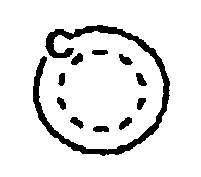
oder ein pharmazeutisch annehmbares Salz davon. - Verbindung nach Anspruch 2, dadurch gekennzeichnet, dass
R2 ausgewählt ist aus der Gruppe, bestehend aus 3,4-Methylendioxyphenyl und 3,4-Dimethoxyphenyl;
R3 ausgewählt ist aus der Gruppe, bestehend aus H und Methyl;
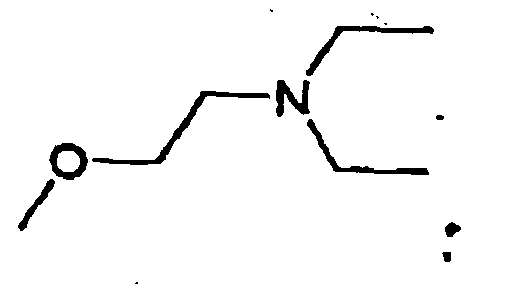
R4 ausgewählt ist aus der Gruppe, bestehend aus Brom, Hydroxy, Carboxy, Oxo, Methyl, Phenyl, 4-Hydroxyphenyl, 3-Hydroxymethylphenyl, 4-Hydroxymethylphenyl, 4-Carboxyphenyl, 4-Methylphenyl, 4-Methoxyphenyl, 3,4-Dimethoxyphenyl, 4-Methoxycarbonyl, 4-Methoxycarbonylphenyl, 3-Trifluormethylphenyl, 4-Cyanophenyl, 4-Aminophenyl, 4-Dimethylaminophenyl, 3-Nitrophenyl, 4-Nitrophenyl, 4-Formylphenyl, 4-Methylthiophenyl, Benzyloxy und

- Verbindung nach Anspruch 3, dadurch gekennzeichnet, dass
R2 3,4-Methylendioxyphenyl ist;
R3 H ist;
b eine ganze Zahl von 0 bis 1 ist;
R4 ausgewählt ist aus der Gruppe, bestehend aus 5-Brom, 2-Hydroxy, 6-Hydroxy, 4-Carboxy, Phenyl, 4-Hydroxyphenyl, 3-Hydroxymethylphenyl, 4-Hydroxymethylphenyl, 4-Carboxyphenyl, 4-Methylphenyl, 4-Methylthiophenyl, 4-Methoxyphenyl, 3,4-Dimethoxyphenyl, 4-Methoxycarbonyl, 4-Methoxycarbonylphenyl, 3-Trifluormethylphenyl, 4-Aminophenyl, 4-Dimethylaminophenyl, 3-Nitrophenyl, 4-Nitrophenyl, 4-Cyanophenyl, 4-Formylphenyl, Benzyloxy und
Y ausgewählt ist aus der Gruppe, bestehend aus -C(O)-, -C(O)O-CH2-, -C(O)-CH2CH2-, -C(O)-CH=CH- und -C(O)-Cyclopropyl;
oder ein pharmazeutisch annehmbares Salz davon. - Verbindung nach Anspruch 4, dadurch gekennzeichnet, dass
R2 3,4-Methylendioxyphenyl ist;
R4 ausgewählt ist aus der Gruppe, bestehend aus 5-Brom, 2-Hydroxy, 6-Hydroxy, 4-Carboxy, Phenyl, 4-Hydroxyphenyl, 3-Hydroxymethylphenyl, 4-Hydroxymethylphenyl, 4-Carboxyphenyl, 4-Methylphenyl, 4-Methylthiophenyl, 4-Methoxyphenyl, 3,4-Dimethoxyphenyl, 4-Methoxycarbonyl, 4-Methoxycarbonylphenyl, 3-Trifluormethylphenyl, 4-Aminophenyl, 4-Dimethylaminophenyl, 3-Nitrophenyl, 4-Nitrophenyl, 4-Cyanophenyl, 4-Formylphenyl und Benzyloxy,
Y ausgewählt ist aus der Gruppe, bestehend aus -C(O)-, -C(O)O-CH2- und -C(O)-CH=CH-;
oder ein pharmazeutisch annehmbares Salz davon. - Verbindung nach Anspruch 5, dadurch gekennzeichnet, dass
R4 ausgewählt ist aus der Gruppe, bestehend aus 6-Hydroxy, 4-Carboxy, Phenyl, 4-Hydroxyphenyl, 3-Hydroxymethylphenyl, 4-Methylphenyl, 4-Methylthiophenyl, 4-Methoxyphenyl, 3,4-Dimethoxyphenyl, 4-Methoxycarbonyl, 3-Trifluormethylphenyl, 3-Nitrophenyl und 4-Nitrophenyl;
oder ein pharmazeutisch annehmbares Salz davon. - Verbindung nach Anspruch 6, dadurch gekennzeichnet, dass
R2 3,4-Methylendioxyphenyl ist;
R4 ausgewählt ist aus der Gruppe, bestehend aus Hydroxy, 4-Methylphenyl, 4-Methoxyphenyl, 3,4-Dimethoxyphenyl, 4-Methoxycarbonyl, 3-Trifluormethyilphenyl und 4-Nitrophenyl;
Y ausgewählt ist aus der Gruppe, bestehend aus -C(O)- und -C(O)O-CH2-;
oder ein pharmazeutisch annehmbares Salz davon. - Pharmazeutische Zusammensetzung, die einen pharmazeutisch annehmbaren Trägerstoff und eine Verbindung nach einem der Ansprüche 1 bis 7 umfaßt.
- Verbindung nach einem der Ansprüche 1 bis 7 oder Zusammensetzung nach Anspruch 8 zur Verwendung bei der Behandlung von:sexueller Dysfunktion, wie etwa männlicher sexueller Dysfunktion, männlicher erektiler Dysfunktion, Impotenz, weiblicher sexueller Dysfunktion, weiblicher sexueller Erregungsdysfunktion oder weiblicher sexueller Dysfunktion im Zusammenhang mit der Durchblutung und Stickoxidproduktion in den Geweben der Vagina und Klitoris; oderFrühgeburt, Dysmenorrhoe, kardiovaskulären Störungen, Atherosklerose, einer arteriellen okklusiven Störung, Thrombose, koronarer Ruhestenose, Angina pectoris oder Myokardinfarkt, Herzversagen, einer ischämischen Herzstörung, Bluthochdruck, pulmonalem Hochdruck, Asthma, intermittierendem Hinken oder einer diabetischen Komplikation,oder zur Verwendung bei:der Erhöhung der Konzentration von cGMP im Penisgewebe bei einem männlichen Patienten.
- Verwendung einer Verbindung nach einem der Ansprüche 1 bis 7 als ein Zwischenprodukt bei der Herstellung einer Verbindung der Formel (I)

R1 ausgewählt ist aus der Gruppe, bestehend aus Wasserstoff, Carboxy, -C(O)-C1-C6-Alkyl, -C(O)-C1-C6-Alkoxy, -C(O)-NH-C1-C6-Alkyl-NH2, -C(O)-NH-C1-C6-Alkyl-NHRA, -C(O)-NH-C1-C6-Alkyl-N(RA)2, -C(O)-NH2, -C(O)-NHRA, -C(O)-N(RA)2, -C1-C6-Alkyl-NH2, -C1-C6-Alkyl-NHRA, -C1-C6-Alkyl-N(RA)2, -NH-C1-C6-Alkyl-N(RA)2;
wobei jedes RA unabhängig ausgewählt ist aus der Gruppe, bestehend aus C1-C6-Alkyl, Aryl und C1-C6-Aralkyl, wobei das Aryl oder Aralkyl fakultativ mit einem bis drei RB substituiert sein kann;
wobei jedes RB unabhängig ausgewählt ist aus der Gruppe, bestehend aus Halogen, Nitro, Cyano, C1-C6-Alkyl, C1-C6-Alkoxy, C1-C6-Alkylcarbonyl, Carboxy-C1-C6-alkyl, C1-C6-Alkylsulfonyl, Trifluormethyl, Amino, Di-(C1-C6-alkyl)-amino, Acetylamino, Carboxy-C1-C6-alkylcarbonylamino, Hydroxy-C1-C6-alkylamino, NHRA und N(RA)2;
R2 ausgewählt ist aus der Gruppe, bestehend aus C5-C10-Alkyl (fakultativ mit einem bis drei Substituenten substituiert, die unabhängig ausgewählt sind aus Halogen, Hydroxy, Nitro, Amino, NHRA oder N(RA)2), Aryl (fakultativ mit einem bis drei Substituenten substituiert, die unabhängig ausgewählt sind aus RC), Cycloalkyl (fakultativ mit einem bis drei Substituenten substituiert, die unabhängig ausgewählt sind aus RA) und 3,4-Methylendioxyphenyl;
wobei RC ausgewählt ist aus der Gruppe, bestehend aus Halogen, Nitro, Cyano, C1-C6-Alkyl, C1-C6-Alkoxy, Trifluormethyl, Trifluormethoxy, NH2, NH(C1-C6-Alkyl) und N(C1-C6-Alkyl)2;
R3 ausgewählt ist aus der Gruppe, bestehend aus Wasserstoff, C1-C6-Alkyl, C1-C6-Alkylcarbonyl, C2-C6-Alkenylcarbonyl und C2-C6-Alkinylcarbonyl;
b eine ganze Zahl von 0 bis 4 ist;
R4 unabhängig ausgewählt ist aus der Gruppe, bestehend aus Halogen, Hydroxy, Carboxy, Oxo, Nitro, C1-C6-Alkyl, C1-C6-Alkoxy, C1-C6-Alkoxycarbonyl, Trifluormethyl, Phenyl (wobei die Phenylgruppe fakultativ mit einem bis drei Substituenten substituiert sein kann, die unabhängig ausgewählt sind aus RD), Phenylsulfonyl, Naphthyl, C1-C6-Aralkyl, -O-Aralkyl (wobei die Aralkylgruppe fakultativ mit einem bis drei Substituenten substituiert sein kann, die unabhängig ausgewählt sind aus RD), NH2, NHRA, N(RA)2 und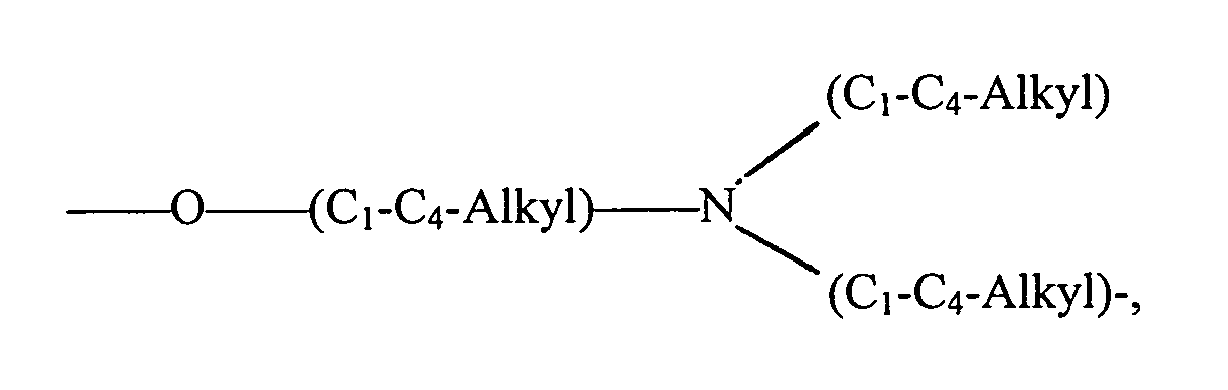
c eine ganze Zahl von 0 bis 4 ist;
R5 unabhängig ausgewählt ist aus der Gruppe, bestehend aus Halogen, Nitro, Hydroxy, C1-C6-Alkyl, C1-C6-Alkoxy, -NH2, -NHRA, -N(RA)2, -ORA, -C(O)NH2, -C(O)NHRA, -C(O)N(RA)2, -NHC(O)RA, -SO2NHRA, -SO2N(RA)2, wobei RA ist, wie oben definiert, und Phenyl (fakultativ mit einem bis drei Substituenten substituiert, die unabhängig ausgewählt sind aus RB);
a eine ganze Zahl von 0 bis 1 ist;
Y ausgewählt ist aus der Gruppe, bestehend aus -C1-C6-Alkyl-, -C(O)-, -(C1-C6-Alkyl)-carbonyl-, -(C2-C6-Alkenyl)-carbonyl-, -(C2-C6-Alkinyl)-carbonyl-, -Carbonyl-(C1-C8-alkyl)-, -Carbonyl-(C2-C6-alkenyl)-, -C(O)O-(C1-C6-Alkyl)-, -C(S)-, -SO2-, -(C1-C6-Alkyl)-sulfonyl-, -Sulfonyl-(C1-C6-alkyl)-, -C(O)NH-, -C(O)NH-(C1-C6-Alkyl)-, -C(O)(C3-C7-Cycloalkyl)- und -(C3-C7-Cycloalkyl)-C(O)-;

vorausgesetzt, dass wenn R1 Wasserstoff ist, R3 Wasserstoff ist, b 0 ist, c 0 ist, a 0 ist, Y -CH2- ist,

oder ein pharmazeutisch annehmbares Salz davon.
Priority Applications (3)
| Application Number | Priority Date | Filing Date | Title |
|---|---|---|---|
| SI200331101T SI1534707T1 (sl) | 2002-06-19 | 2003-06-17 | Substituirani derivati 2,4-dihidro-pirolo(3,4-b)kinolin-9-ona, uporabni kot fosfodiesterazni inhibitorji |
| DE60317684T DE60317684T4 (de) | 2002-06-19 | 2003-06-17 | SUBSTITUIERTE 2,4-DIHYDROPYRROLOc3,4BÜCHINOLIN-9-ONDERIVATE, DIE SICH ALS PHOSPHODIESTERASEINHIBITOREN EIGNEN |
| CY20081100179T CY1107196T1 (el) | 2002-06-19 | 2008-02-14 | Υποκατεστημενα παραγωγα 2,4-διϋδρο-πυρρολο (3,4-β) -κινολιν-9-ονης χρησιμα ως αναστολεις της φωσφοδιεστερασης |
Applications Claiming Priority (3)
| Application Number | Priority Date | Filing Date | Title |
|---|---|---|---|
| US38990402P | 2002-06-19 | 2002-06-19 | |
| US389904P | 2002-06-19 | ||
| PCT/US2003/019262 WO2004000842A1 (en) | 2002-06-19 | 2003-06-17 | Substituted 2,4-dihydro-pyrrolo (3, 4-b) -quinolin-9-one derivatives useful as phosphodiesterase inhibitors |
Publications (3)
| Publication Number | Publication Date |
|---|---|
| EP1534707A1 EP1534707A1 (de) | 2005-06-01 |
| EP1534707B1 true EP1534707B1 (de) | 2007-11-21 |
| EP1534707B9 EP1534707B9 (de) | 2008-11-26 |
Family
ID=30000482
Family Applications (1)
| Application Number | Title | Priority Date | Filing Date |
|---|---|---|---|
| EP03761110A Expired - Lifetime EP1534707B9 (de) | 2002-06-19 | 2003-06-17 | SUBSTITUIERTE 2,4-DIHYDROPYRROLOç3,4B]CHINOLIN-9-ONDERIVATE, DIE SICH ALS PHOSPHODIESTERASEINHIBITOREN EIGNEN |
Country Status (13)
| Country | Link |
|---|---|
| US (1) | US6800625B2 (de) |
| EP (1) | EP1534707B9 (de) |
| JP (1) | JP4916662B2 (de) |
| CN (1) | CN100349893C (de) |
| AU (2) | AU2003243640A1 (de) |
| CA (1) | CA2490239C (de) |
| CY (1) | CY1107196T1 (de) |
| DE (2) | DE60317684D1 (de) |
| DK (1) | DK1534707T5 (de) |
| ES (1) | ES2297217T3 (de) |
| PT (1) | PT1534707E (de) |
| SI (1) | SI1534707T1 (de) |
| WO (1) | WO2004000842A1 (de) |
Families Citing this family (19)
| Publication number | Priority date | Publication date | Assignee | Title |
|---|---|---|---|---|
| US20040077605A1 (en) | 2001-06-20 | 2004-04-22 | Salvati Mark E. | Fused heterocyclic succinimide compounds and analogs thereof, modulators of nuclear hormone receptor function |
| EP1854798A3 (de) | 2000-09-19 | 2007-11-28 | Bristol-Myers Squibb Company | Kondensierte heterozyklische Succinimid-Verbindungen und Analoga daraus, Modulatoren der nuklearen Hormonrezeptorfunktion |
| US20040087548A1 (en) | 2001-02-27 | 2004-05-06 | Salvati Mark E. | Fused cyclic succinimide compounds and analogs thereof, modulators of nuclear hormone receptor function |
| US7087636B2 (en) | 2001-12-19 | 2006-08-08 | Bristol-Myers Squibb Company | Fused heterocyclic compounds and analogs thereof, modulators of nuclear hormone receptor function |
| DE102004017435A1 (de) * | 2004-04-08 | 2005-11-03 | Bayer Cropscience Ag | Annellierte Chinolinderivate |
| WO2006070385A1 (en) * | 2004-12-27 | 2006-07-06 | Council Of Scientific And Industrial Research | 2-alkyl/aryl sulphonyl-1,2,3,4-tetrahydro-9h-pyrido (3,4-b) indole-3-carboxylic acid esters/amides useful as antithrombotic agents |
| EP2258357A3 (de) | 2005-08-26 | 2011-04-06 | Braincells, Inc. | Neurogenese mit Acetylcholinesterasehemmer |
| EP2275096A3 (de) | 2005-08-26 | 2011-07-13 | Braincells, Inc. | Neurogenese durch modulation des Muscarinrezeptors |
| WO2007047978A2 (en) | 2005-10-21 | 2007-04-26 | Braincells, Inc. | Modulation of neurogenesis by pde inhibition |
| EP2314289A1 (de) | 2005-10-31 | 2011-04-27 | Braincells, Inc. | Gaba-rezeptor-vermittelte modulation von neurogenese |
| US20100216734A1 (en) | 2006-03-08 | 2010-08-26 | Braincells, Inc. | Modulation of neurogenesis by nootropic agents |
| EP2021000A2 (de) | 2006-05-09 | 2009-02-11 | Braincells, Inc. | Neurogenese mittels angiotensin-modulation |
| US7678808B2 (en) | 2006-05-09 | 2010-03-16 | Braincells, Inc. | 5 HT receptor mediated neurogenesis |
| WO2008030651A1 (en) | 2006-09-08 | 2008-03-13 | Braincells, Inc. | Combinations containing a 4-acylaminopyridine derivative |
| US20100184806A1 (en) | 2006-09-19 | 2010-07-22 | Braincells, Inc. | Modulation of neurogenesis by ppar agents |
| US20100216805A1 (en) | 2009-02-25 | 2010-08-26 | Braincells, Inc. | Modulation of neurogenesis using d-cycloserine combinations |
| WO2013106547A1 (en) | 2012-01-10 | 2013-07-18 | President And Fellows Of Harvard College | Beta-cell replication promoting compounds and methods of their use |
| JO3407B1 (ar) | 2012-05-31 | 2019-10-20 | Eisai R&D Man Co Ltd | مركبات رباعي هيدرو بيرازولو بيريميدين |
| RU2569899C1 (ru) * | 2014-12-16 | 2015-12-10 | Федеральное государственное бюджетное образовательное учреждение высшего профессионального образования "Пермский государственный национальный исследовательский университет" | Способ получения 6-арил-2-(2-гидроксифенил)-7,15-диокса-2-азатетрацикло[6.5.2.01,5.08,13]пентадец-5-ен-3,4,14-трионов |
Family Cites Families (14)
| Publication number | Priority date | Publication date | Assignee | Title |
|---|---|---|---|---|
| DE2023514A1 (de) | 1970-05-14 | 1971-12-02 | Badische Anilin- & Soda-Fabrik Ag, 6700 Ludwigshafen | Verfahren zur Herstellung von 5,6-gamma-Pyridonderivaten |
| CH625521A5 (de) * | 1976-10-15 | 1981-09-30 | Sandoz Ag | |
| US5116840A (en) * | 1985-06-13 | 1992-05-26 | Schering Corporation | Polycyclic quinoline, naphthyridine and pyrazinopyridine derivatives |
| US5250534A (en) * | 1990-06-20 | 1993-10-05 | Pfizer Inc. | Pyrazolopyrimidinone antianginal agents |
| US5190951A (en) | 1990-10-19 | 1993-03-02 | Ss Pharmaceutical Co., Ltd. | Quinoline derivatives |
| GB9301192D0 (en) | 1993-06-09 | 1993-06-09 | Trott Francis W | Flower shaped mechanised table |
| ATE224377T1 (de) | 1994-04-29 | 2002-10-15 | Takeda Chemical Industries Ltd | Kondensierte heterocyclische verbindung, deren herstellung und verwendung als gnrh antagonisten |
| EP0828731A1 (de) | 1995-06-01 | 1998-03-18 | Takeda Chemical Industries, Ltd. | TRICYCLISCHE DIAZEPINE VERWENDBAR ALS GnRH-REZEPTOR ANTAGONISTE |
| US6043252A (en) * | 1997-05-05 | 2000-03-28 | Icos Corporation | Carboline derivatives |
| US6248739B1 (en) | 1999-01-08 | 2001-06-19 | Pharmacia & Upjohn Company | Quinolinecarboxamides as antiviral agents |
| FR2792937B1 (fr) * | 1999-04-27 | 2001-08-10 | Cemaf | NOUVEAUX DERIVES DE PYRROLO-(3,4-b) QUINOLEINE, LEUR PROCEDE DE PREPARATION ET LEUR UTILISATION A TITRE DE MEDICAMENT |
| UA72611C2 (uk) * | 2000-05-17 | 2005-03-15 | Орто-Макнейл Фармацевтикал, Інк. | Похідні заміщеного піролопіридинону, корисні як інгібітори фосфодіестерази |
| UA74826C2 (en) * | 2000-05-17 | 2006-02-15 | Ortho Mcneil Pharm Inc | ?-carboline derivatives as phosphodiesterase inhibitors |
| EP1448562B1 (de) * | 2001-11-14 | 2007-07-25 | Ortho-Mcneil Pharmaceutical Corp. | Substituierte tetrazyklische pyprolochinolonderivate als phosphodiesterase-inhibitoren |
-
2003
- 2003-06-17 CA CA2490239A patent/CA2490239C/en not_active Expired - Fee Related
- 2003-06-17 DE DE60317684A patent/DE60317684D1/de not_active Expired - Lifetime
- 2003-06-17 DK DK03761110T patent/DK1534707T5/da active
- 2003-06-17 DE DE60317684T patent/DE60317684T4/de not_active Expired - Lifetime
- 2003-06-17 SI SI200331101T patent/SI1534707T1/sl unknown
- 2003-06-17 CN CNB038194694A patent/CN100349893C/zh not_active Expired - Fee Related
- 2003-06-17 ES ES03761110T patent/ES2297217T3/es not_active Expired - Lifetime
- 2003-06-17 WO PCT/US2003/019262 patent/WO2004000842A1/en not_active Ceased
- 2003-06-17 EP EP03761110A patent/EP1534707B9/de not_active Expired - Lifetime
- 2003-06-17 JP JP2004515903A patent/JP4916662B2/ja not_active Expired - Fee Related
- 2003-06-17 US US10/463,941 patent/US6800625B2/en not_active Expired - Lifetime
- 2003-06-17 PT PT03761110T patent/PT1534707E/pt unknown
- 2003-06-17 AU AU2003243640A patent/AU2003243640A1/en not_active Abandoned
-
2008
- 2008-02-14 CY CY20081100179T patent/CY1107196T1/el unknown
-
2010
- 2010-05-18 AU AU2010202008A patent/AU2010202008A1/en not_active Abandoned
Also Published As
| Publication number | Publication date |
|---|---|
| AU2003243640A1 (en) | 2004-01-06 |
| PT1534707E (pt) | 2007-12-19 |
| JP2005532370A (ja) | 2005-10-27 |
| CA2490239C (en) | 2011-05-24 |
| AU2010202008A1 (en) | 2010-06-10 |
| US6800625B2 (en) | 2004-10-05 |
| DE60317684T2 (de) | 2008-10-30 |
| CY1107196T1 (el) | 2012-11-21 |
| CN1675210A (zh) | 2005-09-28 |
| DK1534707T5 (da) | 2010-01-11 |
| DE60317684D1 (de) | 2008-01-03 |
| WO2004000842A1 (en) | 2003-12-31 |
| EP1534707B9 (de) | 2008-11-26 |
| US20040006079A1 (en) | 2004-01-08 |
| CA2490239A1 (en) | 2003-12-31 |
| EP1534707A1 (de) | 2005-06-01 |
| DE60317684T4 (de) | 2011-06-22 |
| DK1534707T3 (da) | 2008-03-25 |
| CN100349893C (zh) | 2007-11-21 |
| SI1534707T1 (sl) | 2008-04-30 |
| JP4916662B2 (ja) | 2012-04-18 |
| ES2297217T3 (es) | 2008-05-01 |
Similar Documents
| Publication | Publication Date | Title |
|---|---|---|
| EP1289985B1 (de) | Betacarbolinderivate als phosphodiesterase-inhibitoren | |
| EP1534707B9 (de) | SUBSTITUIERTE 2,4-DIHYDROPYRROLOç3,4B]CHINOLIN-9-ONDERIVATE, DIE SICH ALS PHOSPHODIESTERASEINHIBITOREN EIGNEN | |
| EP1296981B1 (de) | Substituierte pyprolopyridinonderivate als phosphodiesterase-inhibitoren | |
| AU2001261167A1 (en) | Beta-carboline derivatives useful as inhibitors of phosphodiesterase | |
| EP1448562B1 (de) | Substituierte tetrazyklische pyprolochinolonderivate als phosphodiesterase-inhibitoren | |
| EP1109814B1 (de) | 5-heterozyklyl-pyrazolo[4,3-d]pyrimidin-7-one für die behandlung von männlichen erectilen dysfunktionen | |
| HK1069169B (en) | Substituted tetracyclic pyrroloquinolone derivatives useful as phosphodiesterase inhibitors | |
| AU2001261178B2 (en) | Substituted pyrrolopyridinone derivatives useful as phosphodiesterase inhibitors | |
| HK1051368B (en) | Beta-carboline derivatives useful as inhibitors of phosphodiesterase | |
| AU2001261178A1 (en) | Substituted pyrrolopyridinone derivatives useful as phosphodiesterase inhibitors |
Legal Events
| Date | Code | Title | Description |
|---|---|---|---|
| PUAI | Public reference made under article 153(3) epc to a published international application that has entered the european phase |
Free format text: ORIGINAL CODE: 0009012 |
|
| 17P | Request for examination filed |
Effective date: 20050118 |
|
| AK | Designated contracting states |
Kind code of ref document: A1 Designated state(s): AT BE BG CH CY CZ DE DK EE ES FI FR GB GR HU IE IT LI LU MC NL PT RO SE SI SK TR |
|
| AX | Request for extension of the european patent |
Extension state: AL LT LV MK |
|
| DAX | Request for extension of the european patent (deleted) | ||
| 17Q | First examination report despatched |
Effective date: 20051223 |
|
| GRAP | Despatch of communication of intention to grant a patent |
Free format text: ORIGINAL CODE: EPIDOSNIGR1 |
|
| GRAS | Grant fee paid |
Free format text: ORIGINAL CODE: EPIDOSNIGR3 |
|
| GRAA | (expected) grant |
Free format text: ORIGINAL CODE: 0009210 |
|
| AK | Designated contracting states |
Kind code of ref document: B1 Designated state(s): AT BE BG CH CY CZ DE DK EE ES FI FR GB GR HU IE IT LI LU MC NL PT RO SE SI SK TR |
|
| REG | Reference to a national code |
Ref country code: GB Ref legal event code: FG4D |
|
| REG | Reference to a national code |
Ref country code: IE Ref legal event code: FG4D |
|
| REG | Reference to a national code |
Ref country code: CH Ref legal event code: EP |
|
| REG | Reference to a national code |
Ref country code: PT Ref legal event code: SC4A Free format text: AVAILABILITY OF NATIONAL TRANSLATION Effective date: 20071207 |
|
| REF | Corresponds to: |
Ref document number: 60317684 Country of ref document: DE Date of ref document: 20080103 Kind code of ref document: P |
|
| REG | Reference to a national code |
Ref country code: RO Ref legal event code: EPE |
|
| REG | Reference to a national code |
Ref country code: CH Ref legal event code: NV Representative=s name: E. BLUM & CO. AG PATENT- UND MARKENANWAELTE VSP Ref country code: EE Ref legal event code: FG4A Ref document number: E001685 Country of ref document: EE Effective date: 20071220 |
|
| REG | Reference to a national code |
Ref country code: GR Ref legal event code: EP Ref document number: 20080400054 Country of ref document: GR |
|
| REG | Reference to a national code |
Ref country code: SE Ref legal event code: TRGR |
|
| REG | Reference to a national code |
Ref country code: DK Ref legal event code: T3 |
|
| REG | Reference to a national code |
Ref country code: HU Ref legal event code: AG4A Ref document number: E002596 Country of ref document: HU |
|
| REG | Reference to a national code |
Ref country code: ES Ref legal event code: FG2A Ref document number: 2297217 Country of ref document: ES Kind code of ref document: T3 |
|
| ET | Fr: translation filed | ||
| PLBE | No opposition filed within time limit |
Free format text: ORIGINAL CODE: 0009261 |
|
| STAA | Information on the status of an ep patent application or granted ep patent |
Free format text: STATUS: NO OPPOSITION FILED WITHIN TIME LIMIT |
|
| REG | Reference to a national code |
Ref country code: EE Ref legal event code: HH2A Ref document number: E001685 Country of ref document: EE |
|
| 26N | No opposition filed |
Effective date: 20080822 |
|
| REG | Reference to a national code |
Ref country code: SE Ref legal event code: RPOT |
|
| NLR4 | Nl: receipt of corrected translation in the netherlands language at the initiative of the proprietor of the patent | ||
| REG | Reference to a national code |
Ref country code: SK Ref legal event code: T4 Ref document number: E 3044 Country of ref document: SK |
|
| REG | Reference to a national code |
Ref country code: DK Ref legal event code: T5 |
|
| PGFP | Annual fee paid to national office [announced via postgrant information from national office to epo] |
Ref country code: EE Payment date: 20140515 Year of fee payment: 12 Ref country code: GB Payment date: 20140611 Year of fee payment: 12 Ref country code: MC Payment date: 20140513 Year of fee payment: 12 Ref country code: IE Payment date: 20140610 Year of fee payment: 12 |
|
| PGFP | Annual fee paid to national office [announced via postgrant information from national office to epo] |
Ref country code: SK Payment date: 20140520 Year of fee payment: 12 Ref country code: FI Payment date: 20140610 Year of fee payment: 12 Ref country code: SE Payment date: 20140611 Year of fee payment: 12 Ref country code: RO Payment date: 20140513 Year of fee payment: 12 Ref country code: TR Payment date: 20140522 Year of fee payment: 12 Ref country code: PT Payment date: 20140617 Year of fee payment: 12 Ref country code: BG Payment date: 20140510 Year of fee payment: 12 Ref country code: AT Payment date: 20140528 Year of fee payment: 12 Ref country code: CH Payment date: 20140612 Year of fee payment: 12 Ref country code: ES Payment date: 20140513 Year of fee payment: 12 Ref country code: DE Payment date: 20140611 Year of fee payment: 12 Ref country code: IT Payment date: 20140612 Year of fee payment: 12 Ref country code: GR Payment date: 20140514 Year of fee payment: 12 Ref country code: CZ Payment date: 20140604 Year of fee payment: 12 Ref country code: LU Payment date: 20140630 Year of fee payment: 12 Ref country code: SI Payment date: 20140519 Year of fee payment: 12 |
|
| PGFP | Annual fee paid to national office [announced via postgrant information from national office to epo] |
Ref country code: HU Payment date: 20140528 Year of fee payment: 12 Ref country code: DK Payment date: 20140610 Year of fee payment: 12 |
|
| PGFP | Annual fee paid to national office [announced via postgrant information from national office to epo] |
Ref country code: BE Payment date: 20140611 Year of fee payment: 12 Ref country code: CY Payment date: 20140523 Year of fee payment: 12 Ref country code: NL Payment date: 20140610 Year of fee payment: 12 |
|
| PGFP | Annual fee paid to national office [announced via postgrant information from national office to epo] |
Ref country code: FR Payment date: 20140609 Year of fee payment: 12 |
|
| REG | Reference to a national code |
Ref country code: PT Ref legal event code: MM4A Free format text: LAPSE DUE TO NON-PAYMENT OF FEES Effective date: 20151217 |
|
| REG | Reference to a national code |
Ref country code: DE Ref legal event code: R119 Ref document number: 60317684 Country of ref document: DE |
|
| REG | Reference to a national code |
Ref country code: DK Ref legal event code: EBP Effective date: 20150630 |
|
| PG25 | Lapsed in a contracting state [announced via postgrant information from national office to epo] |
Ref country code: MC Free format text: LAPSE BECAUSE OF NON-PAYMENT OF DUE FEES Effective date: 20150630 Ref country code: IT Free format text: LAPSE BECAUSE OF NON-PAYMENT OF DUE FEES Effective date: 20150617 Ref country code: FI Free format text: LAPSE BECAUSE OF NON-PAYMENT OF DUE FEES Effective date: 20150617 |
|
| REG | Reference to a national code |
Ref country code: CH Ref legal event code: PL |
|
| REG | Reference to a national code |
Ref country code: SE Ref legal event code: EUG |
|
| REG | Reference to a national code |
Ref country code: AT Ref legal event code: MM01 Ref document number: 379029 Country of ref document: AT Kind code of ref document: T Effective date: 20150617 Ref country code: EE Ref legal event code: MM4A Ref document number: E001685 Country of ref document: EE Effective date: 20150630 |
|
| GBPC | Gb: european patent ceased through non-payment of renewal fee |
Effective date: 20150617 |
|
| PG25 | Lapsed in a contracting state [announced via postgrant information from national office to epo] |
Ref country code: SE Free format text: LAPSE BECAUSE OF NON-PAYMENT OF DUE FEES Effective date: 20150618 Ref country code: LU Free format text: LAPSE BECAUSE OF NON-PAYMENT OF DUE FEES Effective date: 20150617 Ref country code: PT Free format text: LAPSE BECAUSE OF NON-PAYMENT OF DUE FEES Effective date: 20151217 Ref country code: RO Free format text: LAPSE BECAUSE OF NON-PAYMENT OF DUE FEES Effective date: 20150617 Ref country code: CY Free format text: LAPSE BECAUSE OF NON-PAYMENT OF DUE FEES Effective date: 20150617 Ref country code: CZ Free format text: LAPSE BECAUSE OF NON-PAYMENT OF DUE FEES Effective date: 20150617 |
|
| REG | Reference to a national code |
Ref country code: SK Ref legal event code: MM4A Ref document number: E 3044 Country of ref document: SK Effective date: 20150617 |
|
| REG | Reference to a national code |
Ref country code: NL Ref legal event code: MM Effective date: 20150701 |
|
| REG | Reference to a national code |
Ref country code: IE Ref legal event code: MM4A |
|
| REG | Reference to a national code |
Ref country code: SI Ref legal event code: KO00 Effective date: 20160222 |
|
| REG | Reference to a national code |
Ref country code: FR Ref legal event code: ST Effective date: 20160229 |
|
| PG25 | Lapsed in a contracting state [announced via postgrant information from national office to epo] |
Ref country code: EE Free format text: LAPSE BECAUSE OF NON-PAYMENT OF DUE FEES Effective date: 20150630 Ref country code: NL Free format text: LAPSE BECAUSE OF NON-PAYMENT OF DUE FEES Effective date: 20150701 Ref country code: GB Free format text: LAPSE BECAUSE OF NON-PAYMENT OF DUE FEES Effective date: 20150617 Ref country code: LI Free format text: LAPSE BECAUSE OF NON-PAYMENT OF DUE FEES Effective date: 20150630 Ref country code: SK Free format text: LAPSE BECAUSE OF NON-PAYMENT OF DUE FEES Effective date: 20150617 Ref country code: DE Free format text: LAPSE BECAUSE OF NON-PAYMENT OF DUE FEES Effective date: 20160101 Ref country code: IE Free format text: LAPSE BECAUSE OF NON-PAYMENT OF DUE FEES Effective date: 20150617 Ref country code: CH Free format text: LAPSE BECAUSE OF NON-PAYMENT OF DUE FEES Effective date: 20150630 Ref country code: BG Free format text: LAPSE BECAUSE OF NON-PAYMENT OF DUE FEES Effective date: 20160331 |
|
| PG25 | Lapsed in a contracting state [announced via postgrant information from national office to epo] |
Ref country code: HU Free format text: LAPSE BECAUSE OF NON-PAYMENT OF DUE FEES Effective date: 20150618 Ref country code: SI Free format text: LAPSE BECAUSE OF NON-PAYMENT OF DUE FEES Effective date: 20150618 Ref country code: GR Free format text: LAPSE BECAUSE OF NON-PAYMENT OF DUE FEES Effective date: 20160112 Ref country code: FR Free format text: LAPSE BECAUSE OF NON-PAYMENT OF DUE FEES Effective date: 20150630 Ref country code: AT Free format text: LAPSE BECAUSE OF NON-PAYMENT OF DUE FEES Effective date: 20150617 |
|
| REG | Reference to a national code |
Ref country code: GR Ref legal event code: ML Ref document number: 20080400054 Country of ref document: GR Effective date: 20160112 |
|
| REG | Reference to a national code |
Ref country code: ES Ref legal event code: FD2A Effective date: 20160801 |
|
| PG25 | Lapsed in a contracting state [announced via postgrant information from national office to epo] |
Ref country code: DK Free format text: LAPSE BECAUSE OF NON-PAYMENT OF DUE FEES Effective date: 20150630 |
|
| PG25 | Lapsed in a contracting state [announced via postgrant information from national office to epo] |
Ref country code: ES Free format text: LAPSE BECAUSE OF NON-PAYMENT OF DUE FEES Effective date: 20150618 |
|
| PG25 | Lapsed in a contracting state [announced via postgrant information from national office to epo] |
Ref country code: BE Free format text: LAPSE BECAUSE OF NON-PAYMENT OF DUE FEES Effective date: 20150630 |
|
| PG25 | Lapsed in a contracting state [announced via postgrant information from national office to epo] |
Ref country code: TR Free format text: LAPSE BECAUSE OF NON-PAYMENT OF DUE FEES Effective date: 20150617 |