EP1455190A1 - Modulation der Aktivität von nukleären Rezeptoren durch Ewing Sarkoma Protein (EWS) - Google Patents
Modulation der Aktivität von nukleären Rezeptoren durch Ewing Sarkoma Protein (EWS) Download PDFInfo
- Publication number
- EP1455190A1 EP1455190A1 EP04003422A EP04003422A EP1455190A1 EP 1455190 A1 EP1455190 A1 EP 1455190A1 EP 04003422 A EP04003422 A EP 04003422A EP 04003422 A EP04003422 A EP 04003422A EP 1455190 A1 EP1455190 A1 EP 1455190A1
- Authority
- EP
- European Patent Office
- Prior art keywords
- ews
- derivative
- protein
- receptor
- activity
- Prior art date
- Legal status (The legal status is an assumption and is not a legal conclusion. Google has not performed a legal analysis and makes no representation as to the accuracy of the status listed.)
- Granted
Links
- 108020005497 Nuclear hormone receptor Proteins 0.000 title claims abstract description 47
- 102000006255 nuclear receptors Human genes 0.000 title claims abstract description 47
- 108020004017 nuclear receptors Proteins 0.000 title claims abstract description 47
- 230000000694 effects Effects 0.000 title claims abstract description 37
- 108010080146 androgen receptors Proteins 0.000 claims abstract description 41
- 239000000126 substance Substances 0.000 claims abstract description 39
- 108090000623 proteins and genes Proteins 0.000 claims abstract description 37
- 150000007523 nucleic acids Chemical class 0.000 claims abstract description 26
- 102000039446 nucleic acids Human genes 0.000 claims abstract description 24
- 108020004707 nucleic acids Proteins 0.000 claims abstract description 24
- 102000004169 proteins and genes Human genes 0.000 claims abstract description 22
- 230000003054 hormonal effect Effects 0.000 claims abstract description 13
- 231100000508 hormonal effect Toxicity 0.000 claims abstract description 12
- 239000003446 ligand Substances 0.000 claims abstract description 12
- 238000012360 testing method Methods 0.000 claims abstract description 11
- 208000037265 diseases, disorders, signs and symptoms Diseases 0.000 claims abstract description 9
- 230000027455 binding Effects 0.000 claims abstract description 7
- 230000001413 cellular effect Effects 0.000 claims abstract description 7
- 230000007246 mechanism Effects 0.000 claims abstract description 6
- 238000012512 characterization method Methods 0.000 claims abstract description 5
- 102100032187 Androgen receptor Human genes 0.000 claims description 34
- 238000000034 method Methods 0.000 claims description 28
- 210000004027 cell Anatomy 0.000 claims description 22
- 239000012634 fragment Substances 0.000 claims description 14
- 102000004229 RNA-binding protein EWS Human genes 0.000 claims description 12
- 108090000740 RNA-binding protein EWS Proteins 0.000 claims description 12
- 150000001413 amino acids Chemical class 0.000 claims description 11
- 210000001519 tissue Anatomy 0.000 claims description 11
- 108700008625 Reporter Genes Proteins 0.000 claims description 10
- 102000005962 receptors Human genes 0.000 claims description 10
- 108020003175 receptors Proteins 0.000 claims description 10
- 230000014509 gene expression Effects 0.000 claims description 9
- 230000003993 interaction Effects 0.000 claims description 7
- 201000010099 disease Diseases 0.000 claims description 6
- 230000005758 transcription activity Effects 0.000 claims description 6
- 239000013604 expression vector Substances 0.000 claims description 5
- 102000003998 progesterone receptors Human genes 0.000 claims description 5
- 108090000468 progesterone receptors Proteins 0.000 claims description 5
- 102000034527 Retinoid X Receptors Human genes 0.000 claims description 4
- 108010038912 Retinoid X Receptors Proteins 0.000 claims description 4
- 230000004064 dysfunction Effects 0.000 claims description 4
- 238000005259 measurement Methods 0.000 claims description 4
- 229920001184 polypeptide Polymers 0.000 claims description 4
- 108090000765 processed proteins & peptides Proteins 0.000 claims description 4
- 102000004196 processed proteins & peptides Human genes 0.000 claims description 4
- 108091028043 Nucleic acid sequence Proteins 0.000 claims description 3
- 230000004850 protein–protein interaction Effects 0.000 claims description 3
- 238000003757 reverse transcription PCR Methods 0.000 claims description 3
- 238000002965 ELISA Methods 0.000 claims description 2
- 108090000079 Glucocorticoid Receptors Proteins 0.000 claims description 2
- 102000003676 Glucocorticoid Receptors Human genes 0.000 claims description 2
- 108090000375 Mineralocorticoid Receptors Proteins 0.000 claims description 2
- 238000000636 Northern blotting Methods 0.000 claims description 2
- 102000016978 Orphan receptors Human genes 0.000 claims description 2
- 108070000031 Orphan receptors Proteins 0.000 claims description 2
- 230000000692 anti-sense effect Effects 0.000 claims description 2
- 210000000601 blood cell Anatomy 0.000 claims description 2
- 238000012217 deletion Methods 0.000 claims description 2
- 230000037430 deletion Effects 0.000 claims description 2
- 210000002919 epithelial cell Anatomy 0.000 claims description 2
- 102000015694 estrogen receptors Human genes 0.000 claims description 2
- 108010038795 estrogen receptors Proteins 0.000 claims description 2
- 210000003527 eukaryotic cell Anatomy 0.000 claims description 2
- 210000002950 fibroblast Anatomy 0.000 claims description 2
- 210000003494 hepatocyte Anatomy 0.000 claims description 2
- 238000012744 immunostaining Methods 0.000 claims description 2
- 238000003780 insertion Methods 0.000 claims description 2
- 230000037431 insertion Effects 0.000 claims description 2
- 210000000663 muscle cell Anatomy 0.000 claims description 2
- 210000004498 neuroglial cell Anatomy 0.000 claims description 2
- 210000002569 neuron Anatomy 0.000 claims description 2
- 210000000963 osteoblast Anatomy 0.000 claims description 2
- 210000002997 osteoclast Anatomy 0.000 claims description 2
- 210000005267 prostate cell Anatomy 0.000 claims description 2
- 238000003127 radioimmunoassay Methods 0.000 claims description 2
- 238000006467 substitution reaction Methods 0.000 claims description 2
- 238000002560 therapeutic procedure Methods 0.000 claims description 2
- 102000004217 thyroid hormone receptors Human genes 0.000 claims description 2
- 108090000721 thyroid hormone receptors Proteins 0.000 claims description 2
- 102000009310 vitamin D receptors Human genes 0.000 claims description 2
- 108050000156 vitamin D receptors Proteins 0.000 claims description 2
- 102100021316 Mineralocorticoid receptor Human genes 0.000 claims 1
- 239000002253 acid Substances 0.000 claims 1
- 238000003745 diagnosis Methods 0.000 claims 1
- 239000003614 peroxisome proliferator Substances 0.000 claims 1
- -1 retector Proteins 0.000 claims 1
- 238000001262 western blot Methods 0.000 claims 1
- 208000006168 Ewing Sarcoma Diseases 0.000 abstract description 7
- 102000001307 androgen receptors Human genes 0.000 abstract description 6
- 150000001875 compounds Chemical class 0.000 abstract 1
- 239000002299 complementary DNA Substances 0.000 description 14
- 239000013598 vector Substances 0.000 description 13
- 108020004414 DNA Proteins 0.000 description 7
- 108700024394 Exon Proteins 0.000 description 7
- 239000003098 androgen Substances 0.000 description 7
- 108060001084 Luciferase Proteins 0.000 description 6
- 230000001548 androgenic effect Effects 0.000 description 6
- 230000035897 transcription Effects 0.000 description 6
- 238000013518 transcription Methods 0.000 description 6
- 239000005089 Luciferase Substances 0.000 description 5
- 230000004913 activation Effects 0.000 description 5
- 238000006243 chemical reaction Methods 0.000 description 5
- 241000588724 Escherichia coli Species 0.000 description 4
- 239000012190 activator Substances 0.000 description 4
- 230000002280 anti-androgenic effect Effects 0.000 description 4
- 238000003556 assay Methods 0.000 description 4
- 210000004899 c-terminal region Anatomy 0.000 description 4
- 108020001756 ligand binding domains Proteins 0.000 description 4
- 230000001404 mediated effect Effects 0.000 description 4
- 206010056292 Androgen-Insensitivity Syndrome Diseases 0.000 description 3
- 101000938536 Homo sapiens RNA-binding protein EWS Proteins 0.000 description 3
- 102000003728 Peroxisome Proliferator-Activated Receptors Human genes 0.000 description 3
- 108090000029 Peroxisome Proliferator-Activated Receptors Proteins 0.000 description 3
- 102000040945 Transcription factor Human genes 0.000 description 3
- 108091023040 Transcription factor Proteins 0.000 description 3
- 238000004458 analytical method Methods 0.000 description 3
- 210000004556 brain Anatomy 0.000 description 3
- 238000004113 cell culture Methods 0.000 description 3
- 230000006690 co-activation Effects 0.000 description 3
- 229940011871 estrogen Drugs 0.000 description 3
- 239000000262 estrogen Substances 0.000 description 3
- 239000003862 glucocorticoid Substances 0.000 description 3
- 229940088597 hormone Drugs 0.000 description 3
- 239000005556 hormone Substances 0.000 description 3
- 102000053502 human EWSR1 Human genes 0.000 description 3
- 239000002395 mineralocorticoid Substances 0.000 description 3
- 239000000523 sample Substances 0.000 description 3
- 150000003431 steroids Chemical class 0.000 description 3
- 210000001541 thymus gland Anatomy 0.000 description 3
- 102100026189 Beta-galactosidase Human genes 0.000 description 2
- 102000004594 DNA Polymerase I Human genes 0.000 description 2
- 108010017826 DNA Polymerase I Proteins 0.000 description 2
- 230000004568 DNA-binding Effects 0.000 description 2
- 101000836540 Homo sapiens Aldo-keto reductase family 1 member B1 Proteins 0.000 description 2
- 101000809450 Homo sapiens Amphiregulin Proteins 0.000 description 2
- 101000928259 Homo sapiens NADPH:adrenodoxin oxidoreductase, mitochondrial Proteins 0.000 description 2
- 206010020751 Hypersensitivity Diseases 0.000 description 2
- 241000713333 Mouse mammary tumor virus Species 0.000 description 2
- 206010028980 Neoplasm Diseases 0.000 description 2
- 108700020796 Oncogene Proteins 0.000 description 2
- 108010047620 Phytohemagglutinins Proteins 0.000 description 2
- RJKFOVLPORLFTN-LEKSSAKUSA-N Progesterone Chemical compound C1CC2=CC(=O)CC[C@]2(C)[C@@H]2[C@@H]1[C@@H]1CC[C@H](C(=O)C)[C@@]1(C)CC2 RJKFOVLPORLFTN-LEKSSAKUSA-N 0.000 description 2
- 102000001708 Protein Isoforms Human genes 0.000 description 2
- 108010029485 Protein Isoforms Proteins 0.000 description 2
- 240000004808 Saccharomyces cerevisiae Species 0.000 description 2
- 230000009471 action Effects 0.000 description 2
- 208000026935 allergic disease Diseases 0.000 description 2
- 108010005774 beta-Galactosidase Proteins 0.000 description 2
- 238000006471 dimerization reaction Methods 0.000 description 2
- 208000035475 disorder Diseases 0.000 description 2
- 239000003623 enhancer Substances 0.000 description 2
- 230000001605 fetal effect Effects 0.000 description 2
- 102000037865 fusion proteins Human genes 0.000 description 2
- 108020001507 fusion proteins Proteins 0.000 description 2
- 102000046818 human AR Human genes 0.000 description 2
- 230000009610 hypersensitivity Effects 0.000 description 2
- 210000004962 mammalian cell Anatomy 0.000 description 2
- 244000005700 microbiome Species 0.000 description 2
- 230000035772 mutation Effects 0.000 description 2
- 210000004897 n-terminal region Anatomy 0.000 description 2
- 230000001885 phytohemagglutinin Effects 0.000 description 2
- 230000023603 positive regulation of transcription initiation, DNA-dependent Effects 0.000 description 2
- 230000004044 response Effects 0.000 description 2
- 230000000717 retained effect Effects 0.000 description 2
- 238000012163 sequencing technique Methods 0.000 description 2
- 230000019491 signal transduction Effects 0.000 description 2
- 210000000952 spleen Anatomy 0.000 description 2
- 102000005969 steroid hormone receptors Human genes 0.000 description 2
- 108020003113 steroid hormone receptors Proteins 0.000 description 2
- 230000003637 steroidlike Effects 0.000 description 2
- 238000001890 transfection Methods 0.000 description 2
- 238000003146 transient transfection Methods 0.000 description 2
- 238000011144 upstream manufacturing Methods 0.000 description 2
- 238000001086 yeast two-hybrid system Methods 0.000 description 2
- PCTMTFRHKVHKIS-BMFZQQSSSA-N (1s,3r,4e,6e,8e,10e,12e,14e,16e,18s,19r,20r,21s,25r,27r,30r,31r,33s,35r,37s,38r)-3-[(2r,3s,4s,5s,6r)-4-amino-3,5-dihydroxy-6-methyloxan-2-yl]oxy-19,25,27,30,31,33,35,37-octahydroxy-18,20,21-trimethyl-23-oxo-22,39-dioxabicyclo[33.3.1]nonatriaconta-4,6,8,10 Chemical compound C1C=C2C[C@@H](OS(O)(=O)=O)CC[C@]2(C)[C@@H]2[C@@H]1[C@@H]1CC[C@H]([C@H](C)CCCC(C)C)[C@@]1(C)CC2.O[C@H]1[C@@H](N)[C@H](O)[C@@H](C)O[C@H]1O[C@H]1/C=C/C=C/C=C/C=C/C=C/C=C/C=C/[C@H](C)[C@@H](O)[C@@H](C)[C@H](C)OC(=O)C[C@H](O)C[C@H](O)CC[C@@H](O)[C@H](O)C[C@H](O)C[C@](O)(C[C@H](O)[C@H]2C(O)=O)O[C@H]2C1 PCTMTFRHKVHKIS-BMFZQQSSSA-N 0.000 description 1
- 208000006678 Abdominal Neoplasms Diseases 0.000 description 1
- 208000002874 Acne Vulgaris Diseases 0.000 description 1
- 108010080691 Alcohol O-acetyltransferase Proteins 0.000 description 1
- 102000002260 Alkaline Phosphatase Human genes 0.000 description 1
- 108020004774 Alkaline Phosphatase Proteins 0.000 description 1
- 208000012639 Balance disease Diseases 0.000 description 1
- 108010035563 Chloramphenicol O-acetyltransferase Proteins 0.000 description 1
- 208000005243 Chondrosarcoma Diseases 0.000 description 1
- 102000008169 Co-Repressor Proteins Human genes 0.000 description 1
- 108010060434 Co-Repressor Proteins Proteins 0.000 description 1
- 108091026890 Coding region Proteins 0.000 description 1
- 108091035707 Consensus sequence Proteins 0.000 description 1
- 102000016680 Dioxygenases Human genes 0.000 description 1
- 108010028143 Dioxygenases Proteins 0.000 description 1
- 102000004533 Endonucleases Human genes 0.000 description 1
- 108010042407 Endonucleases Proteins 0.000 description 1
- 206010016228 Fasciitis Diseases 0.000 description 1
- 102100030334 Friend leukemia integration 1 transcription factor Human genes 0.000 description 1
- 102100033295 Glial cell line-derived neurotrophic factor Human genes 0.000 description 1
- 241001326189 Gyrodactylus prostae Species 0.000 description 1
- 101001062996 Homo sapiens Friend leukemia integration 1 transcription factor Proteins 0.000 description 1
- 101000878605 Homo sapiens Low affinity immunoglobulin epsilon Fc receptor Proteins 0.000 description 1
- 101001047090 Homo sapiens Potassium voltage-gated channel subfamily H member 2 Proteins 0.000 description 1
- 101000893493 Homo sapiens Protein flightless-1 homolog Proteins 0.000 description 1
- 206010058359 Hypogonadism Diseases 0.000 description 1
- 108091092195 Intron Proteins 0.000 description 1
- 102100038007 Low affinity immunoglobulin epsilon Fc receptor Human genes 0.000 description 1
- 102000003979 Mineralocorticoid Receptors Human genes 0.000 description 1
- 108091034117 Oligonucleotide Proteins 0.000 description 1
- 102000043276 Oncogene Human genes 0.000 description 1
- 238000012408 PCR amplification Methods 0.000 description 1
- 238000002944 PCR assay Methods 0.000 description 1
- 102100022807 Potassium voltage-gated channel subfamily H member 2 Human genes 0.000 description 1
- ORNBQBCIOKFOEO-YQUGOWONSA-N Pregnenolone Natural products O=C(C)[C@@H]1[C@@]2(C)[C@H]([C@H]3[C@@H]([C@]4(C)C(=CC3)C[C@@H](O)CC4)CC2)CC1 ORNBQBCIOKFOEO-YQUGOWONSA-N 0.000 description 1
- 206010060862 Prostate cancer Diseases 0.000 description 1
- 208000000236 Prostatic Neoplasms Diseases 0.000 description 1
- 108700020978 Proto-Oncogene Proteins 0.000 description 1
- 102000052575 Proto-Oncogene Human genes 0.000 description 1
- 230000006819 RNA synthesis Effects 0.000 description 1
- 102000044126 RNA-Binding Proteins Human genes 0.000 description 1
- 108700020471 RNA-Binding Proteins Proteins 0.000 description 1
- 102000040856 WT1 Human genes 0.000 description 1
- 108700020467 WT1 Proteins 0.000 description 1
- 101150084041 WT1 gene Proteins 0.000 description 1
- HCHKCACWOHOZIP-UHFFFAOYSA-N Zinc Chemical compound [Zn] HCHKCACWOHOZIP-UHFFFAOYSA-N 0.000 description 1
- JLCPHMBAVCMARE-UHFFFAOYSA-N [3-[[3-[[3-[[3-[[3-[[3-[[3-[[3-[[3-[[3-[[3-[[5-(2-amino-6-oxo-1H-purin-9-yl)-3-[[3-[[3-[[3-[[3-[[3-[[5-(2-amino-6-oxo-1H-purin-9-yl)-3-[[5-(2-amino-6-oxo-1H-purin-9-yl)-3-hydroxyoxolan-2-yl]methoxy-hydroxyphosphoryl]oxyoxolan-2-yl]methoxy-hydroxyphosphoryl]oxy-5-(5-methyl-2,4-dioxopyrimidin-1-yl)oxolan-2-yl]methoxy-hydroxyphosphoryl]oxy-5-(6-aminopurin-9-yl)oxolan-2-yl]methoxy-hydroxyphosphoryl]oxy-5-(6-aminopurin-9-yl)oxolan-2-yl]methoxy-hydroxyphosphoryl]oxy-5-(6-aminopurin-9-yl)oxolan-2-yl]methoxy-hydroxyphosphoryl]oxy-5-(6-aminopurin-9-yl)oxolan-2-yl]methoxy-hydroxyphosphoryl]oxyoxolan-2-yl]methoxy-hydroxyphosphoryl]oxy-5-(5-methyl-2,4-dioxopyrimidin-1-yl)oxolan-2-yl]methoxy-hydroxyphosphoryl]oxy-5-(4-amino-2-oxopyrimidin-1-yl)oxolan-2-yl]methoxy-hydroxyphosphoryl]oxy-5-(5-methyl-2,4-dioxopyrimidin-1-yl)oxolan-2-yl]methoxy-hydroxyphosphoryl]oxy-5-(5-methyl-2,4-dioxopyrimidin-1-yl)oxolan-2-yl]methoxy-hydroxyphosphoryl]oxy-5-(6-aminopurin-9-yl)oxolan-2-yl]methoxy-hydroxyphosphoryl]oxy-5-(6-aminopurin-9-yl)oxolan-2-yl]methoxy-hydroxyphosphoryl]oxy-5-(4-amino-2-oxopyrimidin-1-yl)oxolan-2-yl]methoxy-hydroxyphosphoryl]oxy-5-(4-amino-2-oxopyrimidin-1-yl)oxolan-2-yl]methoxy-hydroxyphosphoryl]oxy-5-(4-amino-2-oxopyrimidin-1-yl)oxolan-2-yl]methoxy-hydroxyphosphoryl]oxy-5-(6-aminopurin-9-yl)oxolan-2-yl]methoxy-hydroxyphosphoryl]oxy-5-(4-amino-2-oxopyrimidin-1-yl)oxolan-2-yl]methyl [5-(6-aminopurin-9-yl)-2-(hydroxymethyl)oxolan-3-yl] hydrogen phosphate Polymers Cc1cn(C2CC(OP(O)(=O)OCC3OC(CC3OP(O)(=O)OCC3OC(CC3O)n3cnc4c3nc(N)[nH]c4=O)n3cnc4c3nc(N)[nH]c4=O)C(COP(O)(=O)OC3CC(OC3COP(O)(=O)OC3CC(OC3COP(O)(=O)OC3CC(OC3COP(O)(=O)OC3CC(OC3COP(O)(=O)OC3CC(OC3COP(O)(=O)OC3CC(OC3COP(O)(=O)OC3CC(OC3COP(O)(=O)OC3CC(OC3COP(O)(=O)OC3CC(OC3COP(O)(=O)OC3CC(OC3COP(O)(=O)OC3CC(OC3COP(O)(=O)OC3CC(OC3COP(O)(=O)OC3CC(OC3COP(O)(=O)OC3CC(OC3COP(O)(=O)OC3CC(OC3COP(O)(=O)OC3CC(OC3COP(O)(=O)OC3CC(OC3CO)n3cnc4c(N)ncnc34)n3ccc(N)nc3=O)n3cnc4c(N)ncnc34)n3ccc(N)nc3=O)n3ccc(N)nc3=O)n3ccc(N)nc3=O)n3cnc4c(N)ncnc34)n3cnc4c(N)ncnc34)n3cc(C)c(=O)[nH]c3=O)n3cc(C)c(=O)[nH]c3=O)n3ccc(N)nc3=O)n3cc(C)c(=O)[nH]c3=O)n3cnc4c3nc(N)[nH]c4=O)n3cnc4c(N)ncnc34)n3cnc4c(N)ncnc34)n3cnc4c(N)ncnc34)n3cnc4c(N)ncnc34)O2)c(=O)[nH]c1=O JLCPHMBAVCMARE-UHFFFAOYSA-N 0.000 description 1
- HMNZFMSWFCAGGW-XPWSMXQVSA-N [3-[hydroxy(2-hydroxyethoxy)phosphoryl]oxy-2-[(e)-octadec-9-enoyl]oxypropyl] (e)-octadec-9-enoate Chemical compound CCCCCCCC\C=C\CCCCCCCC(=O)OCC(COP(O)(=O)OCCO)OC(=O)CCCCCCC\C=C\CCCCCCCC HMNZFMSWFCAGGW-XPWSMXQVSA-N 0.000 description 1
- 206010000496 acne Diseases 0.000 description 1
- 239000013543 active substance Substances 0.000 description 1
- 239000000556 agonist Substances 0.000 description 1
- 230000003321 amplification Effects 0.000 description 1
- 229940030486 androgens Drugs 0.000 description 1
- 230000001833 anti-estrogenic effect Effects 0.000 description 1
- 238000013459 approach Methods 0.000 description 1
- 230000036621 balding Effects 0.000 description 1
- 230000033228 biological regulation Effects 0.000 description 1
- 108091005948 blue fluorescent proteins Proteins 0.000 description 1
- 201000000292 clear cell sarcoma Diseases 0.000 description 1
- 238000003776 cleavage reaction Methods 0.000 description 1
- 238000010367 cloning Methods 0.000 description 1
- 238000000749 co-immunoprecipitation Methods 0.000 description 1
- 238000004590 computer program Methods 0.000 description 1
- 230000006552 constitutive activation Effects 0.000 description 1
- 230000003247 decreasing effect Effects 0.000 description 1
- 230000007547 defect Effects 0.000 description 1
- 230000001419 dependent effect Effects 0.000 description 1
- 238000013461 design Methods 0.000 description 1
- 238000001514 detection method Methods 0.000 description 1
- 239000003814 drug Substances 0.000 description 1
- 238000005516 engineering process Methods 0.000 description 1
- 239000000328 estrogen antagonist Substances 0.000 description 1
- 230000001076 estrogenic effect Effects 0.000 description 1
- 238000002866 fluorescence resonance energy transfer Methods 0.000 description 1
- 238000001502 gel electrophoresis Methods 0.000 description 1
- 108091008039 hormone receptors Proteins 0.000 description 1
- 238000012296 in situ hybridization assay Methods 0.000 description 1
- 238000000338 in vitro Methods 0.000 description 1
- 239000003112 inhibitor Substances 0.000 description 1
- 238000002372 labelling Methods 0.000 description 1
- 210000004698 lymphocyte Anatomy 0.000 description 1
- 239000012139 lysis buffer Substances 0.000 description 1
- 230000007257 malfunction Effects 0.000 description 1
- 239000000203 mixture Substances 0.000 description 1
- 238000003199 nucleic acid amplification method Methods 0.000 description 1
- 230000030648 nucleus localization Effects 0.000 description 1
- YCIMNLLNPGFGHC-UHFFFAOYSA-N o-dihydroxy-benzene Natural products OC1=CC=CC=C1O YCIMNLLNPGFGHC-UHFFFAOYSA-N 0.000 description 1
- 210000000056 organ Anatomy 0.000 description 1
- 230000035790 physiological processes and functions Effects 0.000 description 1
- 229940037129 plain mineralocorticoids for systemic use Drugs 0.000 description 1
- 239000013612 plasmid Substances 0.000 description 1
- 229960000249 pregnenolone Drugs 0.000 description 1
- ORNBQBCIOKFOEO-QGVNFLHTSA-N pregnenolone Chemical compound C1C=C2C[C@@H](O)CC[C@]2(C)[C@@H]2[C@@H]1[C@@H]1CC[C@H](C(=O)C)[C@@]1(C)CC2 ORNBQBCIOKFOEO-QGVNFLHTSA-N 0.000 description 1
- 230000008569 process Effects 0.000 description 1
- 238000012545 processing Methods 0.000 description 1
- 239000000186 progesterone Substances 0.000 description 1
- 229960003387 progesterone Drugs 0.000 description 1
- 239000000583 progesterone congener Substances 0.000 description 1
- 238000002005 protein protein interaction detection Methods 0.000 description 1
- 238000002762 protein-protein interaction assay Methods 0.000 description 1
- 238000010379 pull-down assay Methods 0.000 description 1
- 238000004445 quantitative analysis Methods 0.000 description 1
- 238000003571 reporter gene assay Methods 0.000 description 1
- 108090000064 retinoic acid receptors Proteins 0.000 description 1
- 102000003702 retinoic acid receptors Human genes 0.000 description 1
- 230000007017 scission Effects 0.000 description 1
- 238000004904 shortening Methods 0.000 description 1
- 230000007781 signaling event Effects 0.000 description 1
- 239000007787 solid Substances 0.000 description 1
- 230000000392 somatic effect Effects 0.000 description 1
- 238000003153 stable transfection Methods 0.000 description 1
- 239000003270 steroid hormone Substances 0.000 description 1
- 229940037128 systemic glucocorticoids Drugs 0.000 description 1
- 210000002435 tendon Anatomy 0.000 description 1
- 210000001550 testis Anatomy 0.000 description 1
- 230000005026 transcription initiation Effects 0.000 description 1
- 230000001052 transient effect Effects 0.000 description 1
- 238000010396 two-hybrid screening Methods 0.000 description 1
- 210000005253 yeast cell Anatomy 0.000 description 1
- 239000011701 zinc Substances 0.000 description 1
- 229910052725 zinc Inorganic materials 0.000 description 1
Images



Classifications
-
- G—PHYSICS
- G01—MEASURING; TESTING
- G01N—INVESTIGATING OR ANALYSING MATERIALS BY DETERMINING THEIR CHEMICAL OR PHYSICAL PROPERTIES
- G01N33/00—Investigating or analysing materials by specific methods not covered by groups G01N1/00 - G01N31/00
- G01N33/48—Biological material, e.g. blood, urine; Haemocytometers
- G01N33/50—Chemical analysis of biological material, e.g. blood, urine; Testing involving biospecific ligand binding methods; Immunological testing
- G01N33/68—Chemical analysis of biological material, e.g. blood, urine; Testing involving biospecific ligand binding methods; Immunological testing involving proteins, peptides or amino acids
- G01N33/6875—Nucleoproteins
-
- A—HUMAN NECESSITIES
- A61—MEDICAL OR VETERINARY SCIENCE; HYGIENE
- A61P—SPECIFIC THERAPEUTIC ACTIVITY OF CHEMICAL COMPOUNDS OR MEDICINAL PREPARATIONS
- A61P43/00—Drugs for specific purposes, not provided for in groups A61P1/00-A61P41/00
-
- A—HUMAN NECESSITIES
- A61—MEDICAL OR VETERINARY SCIENCE; HYGIENE
- A61P—SPECIFIC THERAPEUTIC ACTIVITY OF CHEMICAL COMPOUNDS OR MEDICINAL PREPARATIONS
- A61P5/00—Drugs for disorders of the endocrine system
- A61P5/24—Drugs for disorders of the endocrine system of the sex hormones
- A61P5/26—Androgens
-
- G—PHYSICS
- G01—MEASURING; TESTING
- G01N—INVESTIGATING OR ANALYSING MATERIALS BY DETERMINING THEIR CHEMICAL OR PHYSICAL PROPERTIES
- G01N33/00—Investigating or analysing materials by specific methods not covered by groups G01N1/00 - G01N31/00
- G01N33/48—Biological material, e.g. blood, urine; Haemocytometers
- G01N33/50—Chemical analysis of biological material, e.g. blood, urine; Testing involving biospecific ligand binding methods; Immunological testing
- G01N33/74—Chemical analysis of biological material, e.g. blood, urine; Testing involving biospecific ligand binding methods; Immunological testing involving hormones or other non-cytokine intercellular protein regulatory factors such as growth factors, including receptors to hormones and growth factors
-
- G—PHYSICS
- G01—MEASURING; TESTING
- G01N—INVESTIGATING OR ANALYSING MATERIALS BY DETERMINING THEIR CHEMICAL OR PHYSICAL PROPERTIES
- G01N33/00—Investigating or analysing materials by specific methods not covered by groups G01N1/00 - G01N31/00
- G01N33/48—Biological material, e.g. blood, urine; Haemocytometers
- G01N33/50—Chemical analysis of biological material, e.g. blood, urine; Testing involving biospecific ligand binding methods; Immunological testing
- G01N33/74—Chemical analysis of biological material, e.g. blood, urine; Testing involving biospecific ligand binding methods; Immunological testing involving hormones or other non-cytokine intercellular protein regulatory factors such as growth factors, including receptors to hormones and growth factors
- G01N33/743—Steroid hormones
-
- G—PHYSICS
- G01—MEASURING; TESTING
- G01N—INVESTIGATING OR ANALYSING MATERIALS BY DETERMINING THEIR CHEMICAL OR PHYSICAL PROPERTIES
- G01N2500/00—Screening for compounds of potential therapeutic value
- G01N2500/02—Screening involving studying the effect of compounds C on the interaction between interacting molecules A and B (e.g. A = enzyme and B = substrate for A, or A = receptor and B = ligand for the receptor)
-
- G—PHYSICS
- G01—MEASURING; TESTING
- G01N—INVESTIGATING OR ANALYSING MATERIALS BY DETERMINING THEIR CHEMICAL OR PHYSICAL PROPERTIES
- G01N2500/00—Screening for compounds of potential therapeutic value
- G01N2500/10—Screening for compounds of potential therapeutic value involving cells
Definitions
- the invention relates to a method for determining the hormonal effect of substances and a method for determining faults in the co-modulation mechanism nuclear receptors (NR).
- NR co-modulation mechanism nuclear receptors
- EWS Ewing Sarcoma Protein
- EWS derivatives Ewing Sarcoma Protein
- a particular difficulty lies in the identification and characterization of effects on the effects mediated by steroid hormones, since the signal cascades and - Networks that ultimately control hormone-mediated transcription regulation, especially here are complex.
- the reason for this is the very similar design the target DNA sequences to which the various steroid hormone receptors bind after ligand activation. This means that the nuclear receptors are used for Triggering a targeted response depending on the interaction with special co-factors which include the specificity of receptor-mediated transcription activation strengthen.
- test systems and procedures are required that specifically target the function individual components of the cellular signal network for mediating steroid effects can capture.
- the object of the present invention is therefore to provide a method with that in more reliable, sensitive, simple, inexpensive and faster a statement about the hormonal effect of the substances to be tested can be hit.
- each e.g. by amino acid deletion, substitution, insertion, inversion, addition or Exchange received variant of the protein or polypeptide understood.
- preferred derivatives that have the ability of the unchanged protein / polypeptide, e.g. to influence or at least bind to the activity of other proteins have (functional derivatives).
- the invention is based on the surprising finding that the Ewing sarcoma protein and derivatives derived from it (hereinafter referred to as EWS) the ability have to interact with nuclear receptors (or derivatives thereof) and their Modulate activity.
- EWS Ewing sarcoma protein and derivatives derived from it
- the super family of nuclear receptors (NRs), to which more than 50 different proteins belong to, is a group of related transcription factors called transcription of the respective target gene in response to specific ligands, e.g. B. hormones.
- the family can be based on certain characteristics, such as Dimerization status, type of Ligand or structure of the DNA reaction element, divided into several subfamilies (Beato et al., 2000, Human Reproduct. Update, 6, 225-236).
- the feature of the NRs is the coincident structure of the functional domain (with the Designations A to F) with a highly variable, only slightly conserved N-terminal Region with autonomous constitutive activation function (AF-1), one strong conserved DNA binding domain (DBD), which is used for the detection of special DNA reaction elements is responsible and consists of two zinc finger motifs, one variable hinge domain and a conserved multifunctional C-terminal ligand binding domain (LBD) with dimerization and ligand-dependent transactivation function (AF-2).
- Steroid hormone receptors such as Estrogen (ER), progesterone (PR), glucocorticoid (GR), Mineralocorticoid (MR) and androgen (AR) receptors bind steroidal ligands, which are derived from pregnenolone, like the progestins, the estrogens, the glucocorticoids and the mineralocorticoids, as well as androgens. Ligand binding activates the receptor and controls the expression of corresponding target genes.
- Estrogen ER
- PR progesterone
- GR glucocorticoid
- MR Mineralocorticoid
- AR androgen
- EWS is known as a proto-oncogene of Ewing's sarcoma and other neoplasms such as e.g. clear cell sarcomas of tendons and aponeuroses, small and round cells desmoplastic intra-abdominal tumors as well as extrasceletal chondrosarcomas (Delattre, O., Zucman, J., Plougastel, B., Desmaze, C., Melot, T., Peter, M., Kovar, H., Joubert, 1st, de Jong, P., Rouleau, G., Aurias, A., and Thomas, G., 1992, Nature 359: 162-165, Zucman, J., Delattre, O., Desmaze, C., Epstein, A.L., Stenman, G., Speleman, F., Fletchers, C.D., Aurias, A., and Thomas, G; 1993, Nature Genet.
- the EWS gene locus rearranged so that the amino acid end (N-terminus) of the protein a DNA binding domain of FLI1, ERG1, ATF1 or WT1 merges.
- This N-terminal The end of the fusing protein contains the EWS exons 1-7 or 1-8 or 1-9. If the breaking point is between exon 7 and exon 8, the EWS portion of the the resulting protein did not match the androgen receptor binding domain defined here on. On the other hand, the break point is between the exons 8 and 9 or 9 and 10, only 5 and 20 amino acids of the two oncogenes agree EWS fusion proteins match the EWS portion that is the androgen receptor binding domain contains. It can be concluded that the rearranged EWS fusion proteins have lost the ability to bind to androgen receptors.
- EWS1-c EWS1-c
- Figure 3 EWS1-c
- EWS1-b 200 bp truncated EWS transcript
- PHA phytohemagglutinin
- Another Variant (Melot, T., Dauphinot, L., Sevenet, N., Radvanyi, F., Delattre, O. (2001), Eur. J. Biochem. 268, 3483-3489) contains an additional exon 4 'between the exons 4 and 5 and is referred to as brain-specific isoform.
- EWS belongs to a group of RNA-binding proteins, of which one in the prior art Implication in processes of RNA synthesis or processing is attributed, besides was about the physiological function of somatic wild type EWS so far however little known. In particular, it was not known in the prior art that EWS has the ability to bind nuclear receptors and to modulate their activity, whereby it belongs to the class of NR co-modulators.
- Escherichia Coli EWS-10 CMX contains the full length EWS cDNA, which can be used in the method according to the invention.
- co-modulators are a class of proteins that, when activated (co-activators) or repression (co-repressors) of gene transcription as bridge molecules between the transcription initiation complex and the NRs (McKenna et al., 1999, Endocr. Rev., 20, 321-347).
- a co-activator must be able to function as a receptor to amplify and in the presence of an agonist with the activation domain interact directly from NRs. It also has to interact with the basal transcription apparatus, and finally, he must not himself increase basal transcription activity.
- the method according to the invention can run both in vitro (that is to say, for example, as a purely biochemical or biophysical assay, in solution or in suitable solid matrices, etc.) as well as partially or entirely in the cellular system.
- in vitro that is to say, for example, as a purely biochemical or biophysical assay, in solution or in suitable solid matrices, etc.
- test systems are well known to the person skilled in the art.
- At least one of the method steps preferably takes place in the cellular system, since the effects of steroid-mediated transcription activation in a physiological context the cell can be displayed particularly well.
- eukaryotic cells with both primary cells and established cell lines can be used.
- the use of established cell lines allows one particularly good reproducibility and cost-effectiveness, the use of primary Cells, on the other hand, largely avoid those caused by mutation and clonal selection Cell culture artifacts.
- the hormonal effect determined i.e. identified, quantified or characterized
- EWS / derivative on the one hand and NR / derivative on the other hand can naturally occur in the cell or as a result of transient or stable transfection with suitable expression vectors respectively.
- suitable cell types and, if applicable, vector systems is made by the responsible person Measure known to those skilled in the art.
- pCMX or pSG5 are suitable as vectors.
- the measurement of the protein-protein interaction between receptor or derivative and EWS or derivative or the protein-protein-DNA interaction of the aforementioned components the DNA target sequence is carried out by measures known to the person skilled in the art. For this techniques such as the two-hybrid system, co-immunoprecipitation, GST pull-down assays, FRET analyzes and ABCD assays or Gel retardation assays for the analysis of protein-protein-DNA interactions.
- Reporter genes are genes or gene fragments that are as easy to detect as possible Encode gene products, e.g. B. photometrically by color reactions. Often used Reporter genes are the gene for ⁇ -galactosidase, the gene for alkaline phosphatase, the gene for chloramphenicol acetyltransferase, the gene for catechol dioxygenase, the gene for the "green” or “blue fluorescent protein” as well as various Luciferase genes that can make cells glow.
- a suitable control element e.g. a promoter-enhancer sequence, which is under the control of a specific transcription factor or a specific signal transduction cascade the activity of the transcription factor or the cascade can be determined on the basis of the amount of the gene product expressed.
- reporter genes are upstream in suitable vectors of the promoter-enhancer sequence of interest introduced into the cells.
- the analysis of the steroidal activity of substances is suitable - depending on the analyzing NR - all known NR target sequences.
- Example of such a vector is the vector MMTV-Luciferase, which is used to measure the androgenic effects of substances is used.
- Substances with a hormonal effect are then compared to the experimental approaches without Addition of the substance to be tested increased or decreased expression of the reporter gene recognizable.
- EWS EWS derivatives
- functional EWS derivatives which have the ability have retained the activity of at least one nuclear receptor, in particular those of androgen receptors, to modulate or at least bind them (in a way that can be demonstrated by suitable methods and not to be neglected - e.g. in protein-protein interaction assays such as EMSA; the responsible specialist can differentiate here).
- EMSA protein-protein interaction assays
- Nucleic acids encoding EWS and EWS are already known in the prior art (so.).
- a is preferred by the nucleic acid according to Seq. ID No.1 coded EWS, or a derived one Suitable derivative (especially a functional derivative).
- an EWS derivative which amino acids 319 to 656 of the Seq. ID No. 1 described Sequence has, in particular a fragment which consists of these amino acids consists.
- the invention accordingly also relates to the use of EWS or its Derivatives used to identify and characterize substances that affect activity of NR influence.
- the invention also relates to the use of nucleic acids with at least 70% Homology to Seq. ID. No. 1 or to sequence range 8 to 2032 or the sequence range 1000 to 2011 the Seq. ID. No. 1 for the identification and characterization of Substances that affect the activity of nuclear receptors.
- nucleic acids preferably, are such nucleic acids in expression cassettes of suitable expression vectors, especially cloned eukaryotic expression vectors.
- nucleic acids with at least 70% homology to Seq. ID No.1 is in the Framework of the present invention as the entire range between 70% to 100 % Homology understood (that is, complete agreement with Seq. ID No.1).
- the selection of nucleic acid suitable for the respective purpose in the homology range mentioned lies in the area of conventional professional skills.
- the nucleic acid homology is more commonly determined by the person skilled in the art Wise.
- Various computer programs known to those skilled in the art can be used for this purpose can be used (e.g. BLAST; BLAST-2, ALIGN or Megalign (DNASTAR).
- the inventive method and the inventive use of the above Proteins or nucleic acids are particularly suitable for the analysis of the hormonal Effects of substances on androgen receptors, estrogen receptors ( ⁇ and ⁇ ), progesterone receptors (A and B), glucocorticoid receptors, mineralocorticoid receptors, Thyroid hormone receptors, vitamin D receptors, peroxisome proliferator-activated Receptors, retinoic acid receptors, retinoid X receptors or orphan receptors. Because of the particularly well-characterized effect of EWS or EWS derivatives on the androgen receptor, this comes in particularly preferred embodiments of the invention for use.
- EWS is also used as a clinical indicator of androgen-related diseases.
- Relevant androgen-related diseases are e.g. Prostate cancer, balding, Acne or hypogonadism, and androgen resistance syndromes such as the testicular Feminization. These are probably due to defects in the co-modulation mechanism between androgen receptor (AR) and EWS. A plausible one diagnostic possibility in patients with such disorders would thus be in the Measurement of the relative rates of AR and EWS. This is possible through application quantitative method for measuring the relative amount of both molecules in the target tissue with the respective patient.
- Another aspect of the invention accordingly relates to the use of a Nucleic acid with at least 70% homology to Seq. ID No.1, for sequence area 8 by 2032 or 1000 by 2011 the Seq. ID No.1 or an antibody that is against a protein encoded by one of these nucleic acids is used to diagnose diseases, which with a dysfunction of NR activity, preferably the androgen receptor Activity.
- Such use is preferably used in the context of a method for determination disorders in the co-modulation mechanism between an androgen receptor and EWS for use where the cellular concentrations or tissue concentrations measured by androgen receptor and EWS.
- Techniques suitable for this purpose are particularly suitable Radioimmunoassays, ELISAs, immunostaining, quantitative RT-PCRs or Westerns Blots.
- EWS cDNA primer a PCR assay to construct mutations of normal in certain patients Detect DNA sequence or transcripts for the Northem blot assay or a DNA generated for in situ hybridization assays.
- EWS cDNA, - Deliver protein or DNA could be given EWS cDNA, - Deliver protein or DNA through various mechanisms to achieve the Increase titer of active EWS.
- Another aspect of the invention accordingly relates encoding the use of the aforementioned EWS or EWS derivatives Nucleic acids or EWS proteins EWS derivatives that are produced by such a nucleic acid be coded for the therapy of diseases caused by the dysfunction of NR activity.
- pACT2 Genbank accession number U29899 for the library
- pGBT9 derivatives for the probes: pGBT9rev and pGBT (+1) rev (Roder, KH; Wolf, SS; Schweizer, M., 1996, Analytical Biochemistry 241, 260-62);
- pCR2.1Topo vector Invitrogen
- CMX vector for expression in mammalian cells
- pAHluc for the reporter gene assay (contains the MMTV promoter and a luciferase reporter gene; A. Cato company)
- pSGSAR pSG5 with the human gene for the androgen receptor; Genbank accession number AAA51775).
- the vector pSG5AR which contains the cDNA for the human AR (Genbank AAA51775), using the endonuclease Pstl so split that three different AR DNA fragments were created.
- the shortest of these fragments (AR4) encodes the N-terminus of the receptor (AS 1-56), the middle (AR3) for the middle part with the activation domains (AS 57-324) and the longest (AR2) for the C-terminus (AS 325-918) with the DNA and ligand binding domains (DBD and LBD; compare overview in Figure 1).
- AR2 was in the pGBT9 (+1) rev vector cloned after it had previously been linearized using Pstl.
- the pGBT vector which contained the AR fragment, was then transformed into the yeast strain PJ69-2A.
- the positive transformants (Trp +) were incubated according to the manufacturer's instructions (Clontech) with a cDNA library obtained from fetal brain (Human Multiple Tissue cDNA (MTC), Panel II from Clontech; Cat .: No. K1421-1 ). 3x10 6 clones were screened in accordance with the manufacturer's instructions (Clontech). The positive clones were selected and tested for their ⁇ -galactosidase activity according to the manufacturer's instructions (Clontech). The blue colonial inserts from the library were amplified by PCR and using the primers Act2c5050Eco and Act 2-4939Xho directly from the yeast cells.
- the length of the PCR products was separated by gel electrophoresis and further analyzed by cleavage by Mspl. At least one copy of each restriction fragment pattern was made using XII-139a1 as a sequence primer sequenced. The sequences were generated using Genbak or the Incyte database adjusted.
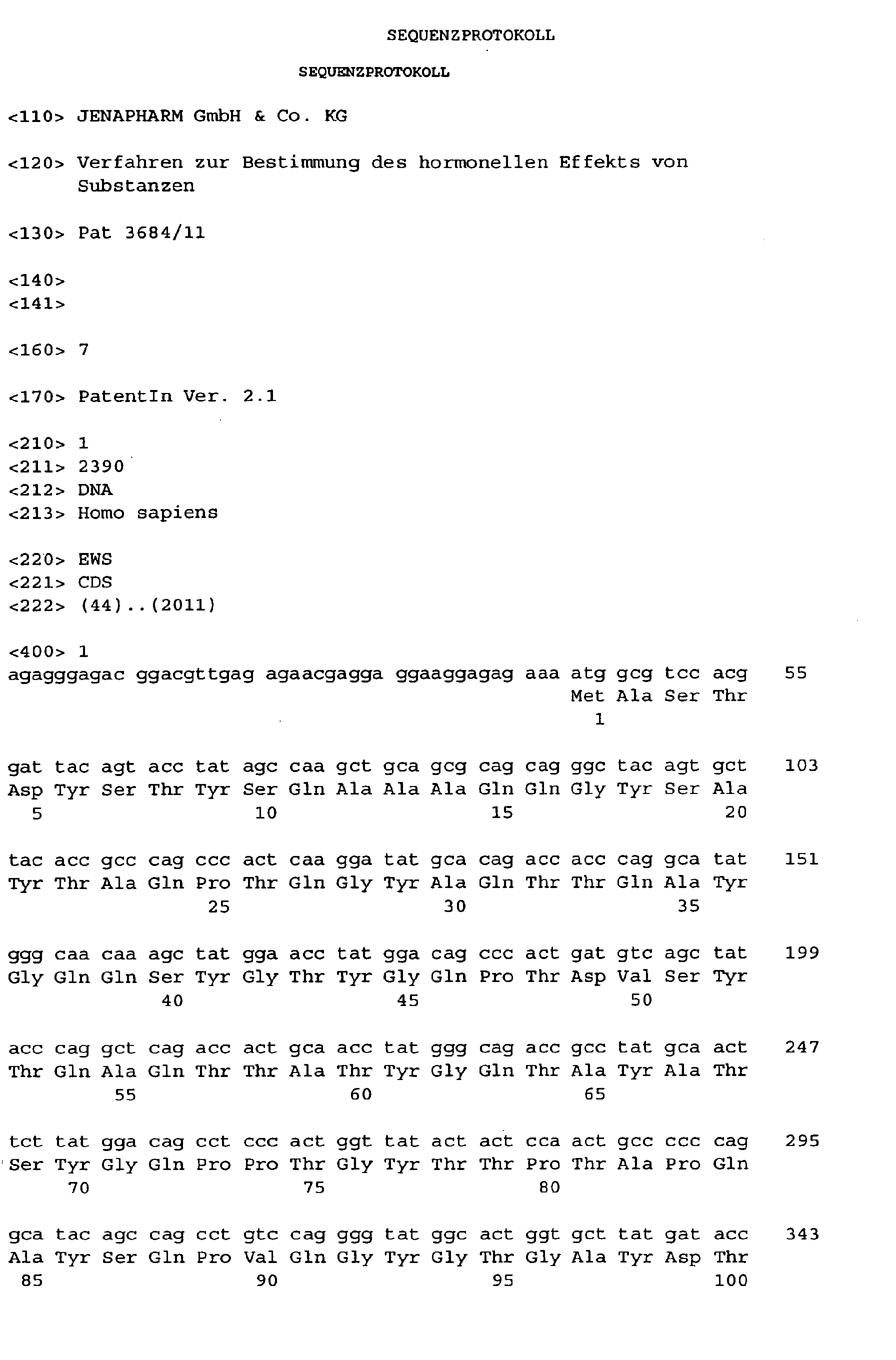
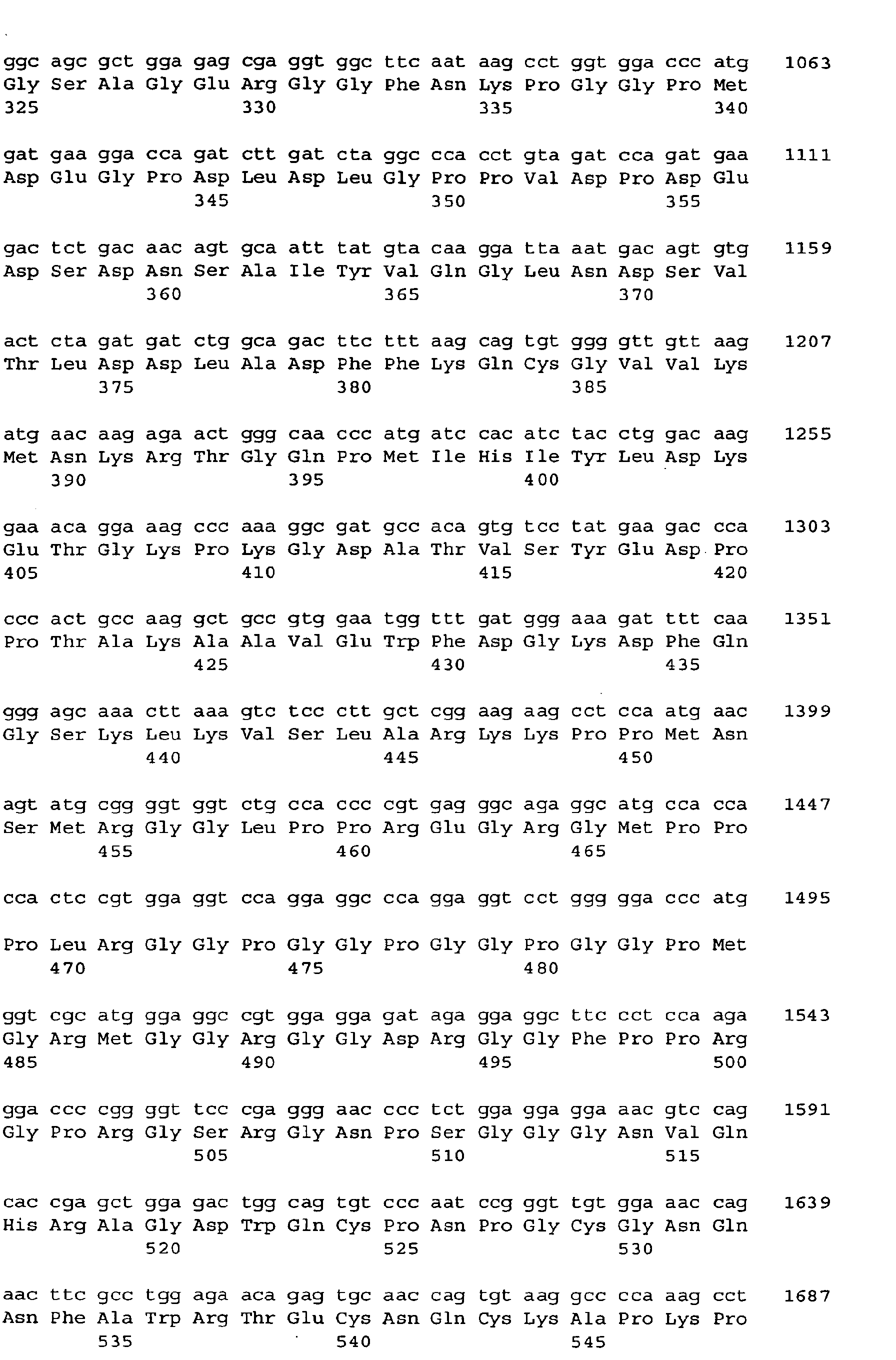
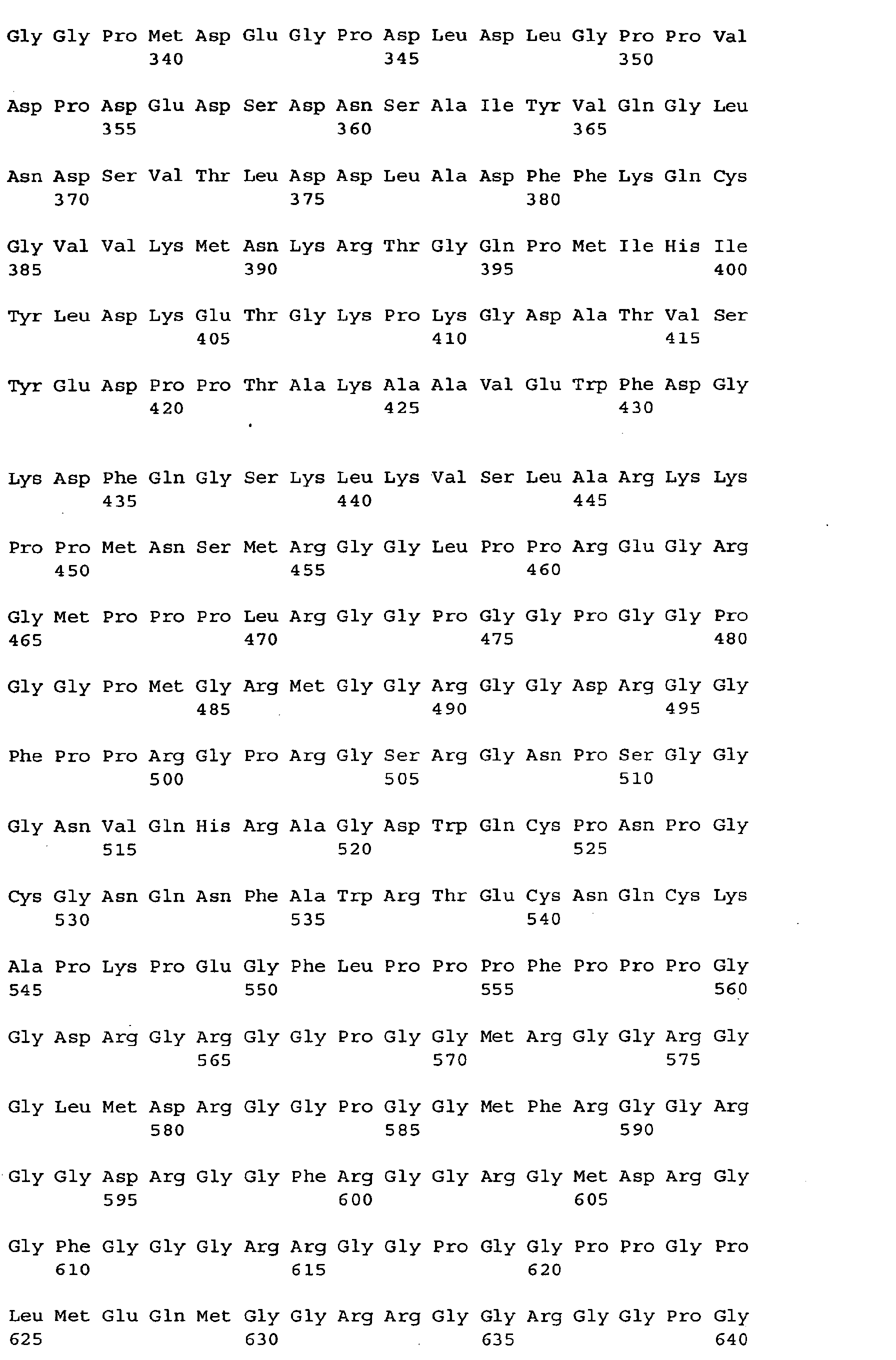
- One of the multiple identified inserts was 1500 bp in length and could by sequencing and sequence comparison with the database NCBJ as for the C-terminal Percentage of human EWS (AS 319-656) can be identified by coding (Overview in Figure 2; amino acid sequence in Figure 3).
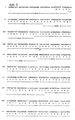
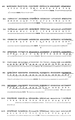
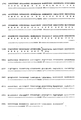
- Figure 3 shows the cDNA sequence of human EWS together with the deduced amino acid sequence. Exons 1 to 17 are shown. The bold letters denote the fragment found in yeast two hybrid systems and on binds the AR section AS 325 to AS 919. Those in the splice variants are underlined ESW1-b (underlined throughout) or EWS1-c (dotted underline) missing sequence areas.
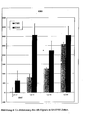
- EWS after transient transfection in SH-SYSY cells is capable of causing a strong co-activation of the AR signaling activity, especially at low androgen concentrations of 10 -12 -10 -10 mol.
- the transfection was carried out using lipofectin from Gibeo BRC according to the manufacturer's instructions. Twenty-four hours after transfection, the cells were incubated with different amounts of androgen overnight.
- the cells were lysed with a conventional lysis buffer and the luciferase activity was measured in the Lumistar luminometer from BMG Lab Technologies.
- the EWS-CMX luciferase activities were compared with the control activities (empty CMX vector).
- the mixture in each well was measured in four wells of a microtiter plate.
- the control values of the substance without DHT were subtracted. The standard deviation is shown in Figure 4 by bars.
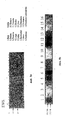
- EWS RNA is predominantly expressed in the testes.
- different amounts of EWS can be detected in most of the organs examined.
- Fig. 5b shows the tissue distribution of human AR in normal human tissue.
- Figure 4 shows the co-activation of the AR signal in SH-SY5Y cells.
- a reaction plate with six reaction wells 1 ⁇ g co-activator, 1.5 ⁇ g per well MMTV luciferase and 0.75 ug pSG5AR plasmid given.
- the six mixes were transferred to four wells of a microtiter plate and measured there. The error deviation is given as SD.
- FIG. 5a shows the tissue distribution of the EWS transcript (Northern Blot MTN from Clontech). According to the manufacturer's instructions (Amersham), the EWS cDNA fragment, which codes for amino acids 244 to 656, was randomly sprayed and labeled with 32 P- ⁇ dATP and the Klenow fragment. The blots were hybridized with the probe, washed, transferred to a film and developed.
Landscapes
- Health & Medical Sciences (AREA)
- Life Sciences & Earth Sciences (AREA)
- Engineering & Computer Science (AREA)
- Molecular Biology (AREA)
- Chemical & Material Sciences (AREA)
- Immunology (AREA)
- Biomedical Technology (AREA)
- Urology & Nephrology (AREA)
- Hematology (AREA)
- General Health & Medical Sciences (AREA)
- Medicinal Chemistry (AREA)
- Microbiology (AREA)
- Cell Biology (AREA)
- Biotechnology (AREA)
- Food Science & Technology (AREA)
- Physics & Mathematics (AREA)
- Analytical Chemistry (AREA)
- Biochemistry (AREA)
- General Physics & Mathematics (AREA)
- Pathology (AREA)
- Endocrinology (AREA)
- Nuclear Medicine, Radiotherapy & Molecular Imaging (AREA)
- Proteomics, Peptides & Aminoacids (AREA)
- General Chemical & Material Sciences (AREA)
- Bioinformatics & Cheminformatics (AREA)
- Organic Chemistry (AREA)
- Pharmacology & Pharmacy (AREA)
- Animal Behavior & Ethology (AREA)
- Public Health (AREA)
- Veterinary Medicine (AREA)
- Chemical Kinetics & Catalysis (AREA)
- Diabetes (AREA)
- Peptides Or Proteins (AREA)
- Micro-Organisms Or Cultivation Processes Thereof (AREA)
- Measuring Or Testing Involving Enzymes Or Micro-Organisms (AREA)
- Medicines That Contain Protein Lipid Enzymes And Other Medicines (AREA)
- Pharmaceuticals Containing Other Organic And Inorganic Compounds (AREA)
- Investigating Or Analysing Biological Materials (AREA)
Abstract
Description
- Es stellen dar:
- Abbildung 1 eine schematische Darstellung des Gens für den
Androgenrezeptor (AR) und das AR2-Fragment,
Abbildung 2 eine schematische Darstellung des Gens für das Ewing-Sarkom-Protein (EWS),
Abbildung 3 die Sequenzen von EWS-Exonen und -Proteinen
Abbildung 4 die Co-Aktivierung des AR-Signals in SH-SYSY-Zellen,
Abbildung 5 zeigt die Gewebsverteilung des EWS-Transkripts (Abb. 5a) und des AR-Transkripts (Abb. 5b).
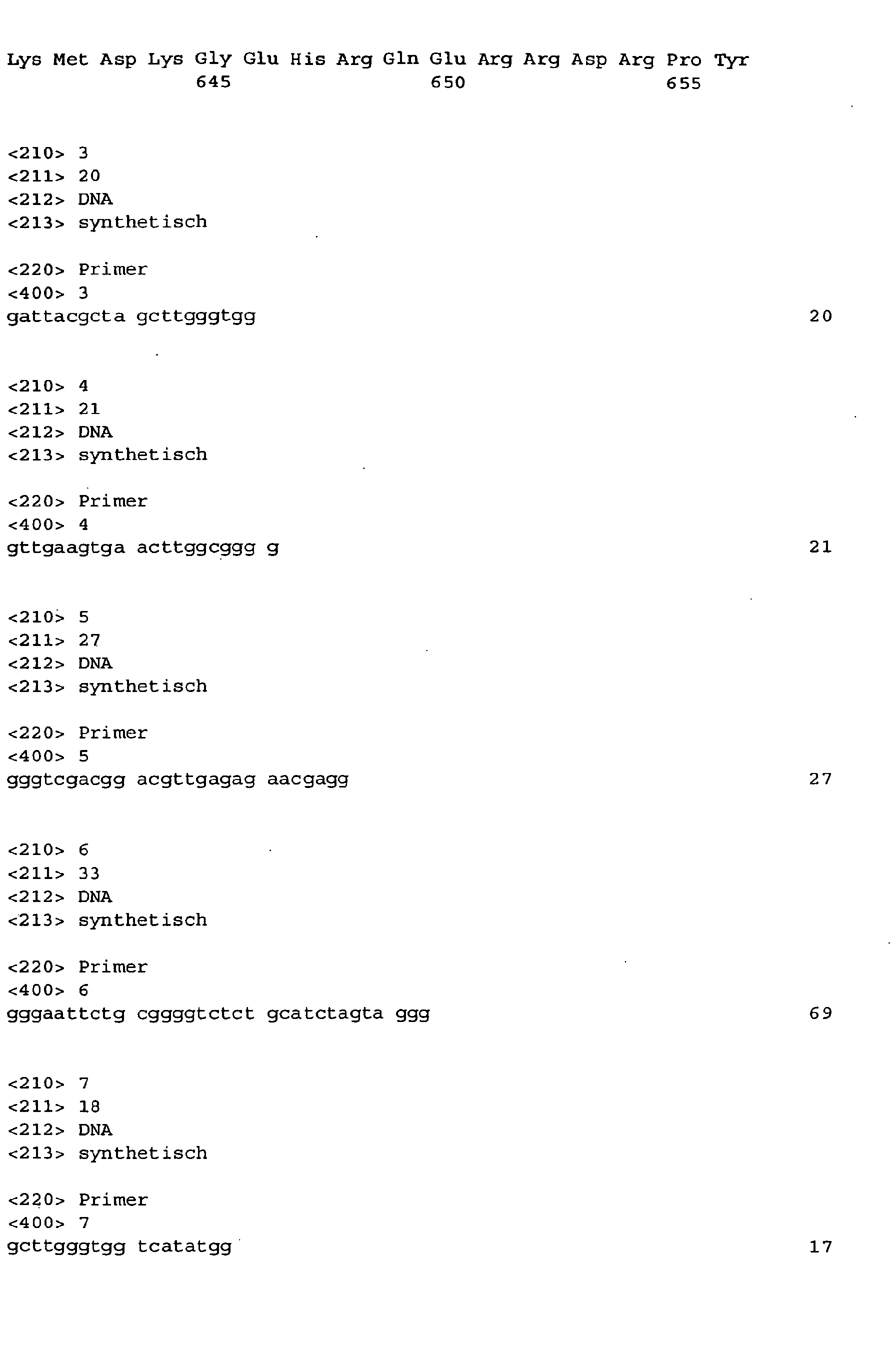
- Primer für die PCR-Amplifikation der Bibliotheks-Inserts:
- Act2c5050Eco: gattacgctagcttgggtgg (SEQ ID Nr. 3)
Act2-4939Xho: gttgaagtgaacttggcgggg (SEQ ID Nr. 4) - Primer für die Amplifikation von EWS-cDNA in voller Länge:
- EWS-8-Sal: gggtcgacggacgttgagagaacgagg (SEQ ID Nr. 5)
cESW-c2032-Eco: gggaattctgcggggtctctgcatctagtaggg (SEQ ID Nr. 6) - Sequenzierungs Primer:
- XII-139a1: gcttgggtggtcatatgg (SEQ ID Nr. 7)
pGBT9-Derivate für die Sonden: pGBT9rev und pGBT(+1)rev (Roder, K. H.; Wolf, S.S.; Schweizer, M., 1996, Analytical Biochemistry 241, 260-62);
pCR2.1Topo-Vektor (Firma Invitrogen) für die Klonierung von PCR-Fragmenten; CMX-Vektor für die Expression in Säugetierzellen;
pAHluc für den Reportergen-Assay (enthält den MMTV-Promoter und ein Luciferase-Reportergen; Firma A. Cato);
pSGSAR (pSG5 mit dem humanen Gen für den Androgenrezeptor; Genbank-Zugangsnummer AAA51775).
- Hefestämme:
- Y187 und PJ69-2A
- E.-coli-Stamm:
- DH5α
- Säugetierzellen:
- SH-SYSY (Deutsche Sammlung von Mikroorganismen und
Zellkulturen GmbH (DSMZ): DSM ACC209);
PC3 (American type Culture Collection (ATCC): CRL-1435);
PC3AR: mit pSGSAR stabil transfizierte PC3 (Firma A. Cato, Karlsruhe, Deutschland).



Claims (15)
- Verfahren zur Bestimmung des hormonellen Effektes von Substanzen mit den Schrittena. Kontaktieren von EWS Protein oder einem Derivat davon mit NR oder einem Derivat davon und einer Testsubstanz, undb. Bestimmung des Einflusses der Testsubstanz auf die Bindung von EWS Protein oder dessen Derivat und NR oder dessen Derivat, oderc. Bestimmung des Einflusses der Testsubstanz auf die Liganden-induzierte Aktivität des nukleären Rezeptors.
- Verfahren gemäß Anspruch 1, dadurch gekennzeichnet, dass mindestens ein Schritt im zellulären System abläuft.
- Verfahren gemäß Anspruch 2 mit den folgenden Schritten:a. Zellen, die EWS Protein oder Derivat davon und NR oder ein Derivat davon exprimieren, werden der zu testenden Substanz ausgesetzt,b. Bestimmung des Einflusses der Substanz auf die Interaktion zwischen dem Rezeptor oder dessen Fragment und EWS Protein oder Derivat durch Messung der Protein-Protein-Interaktion oder der Protein-Protein-DNA Interaktion.
- Verfahren gemäß Anspruch 2 mit den folgenden Schritten:a. Zellen, die EWS Protein oder Derivat davon und NR oder ein Derivat davon exprimieren und mit einem Reportergenkonstrukt transfiziert sind, werden dem Liganden des NR und der zu testenden Substanz ausgesetzt,b. Bestimmung der Transkriptionsaktivität des NR durch Messung der Reportergenaktivität undc. Vergleich mit der Transkriptionsaktivität bei Durchführung der Schritte a und b in Abwesenheit der zu testenden Substanz.
- Verfahren gemäß Anspruch 3 oder 4, dadurch gekennzeichnet, dass die Zellen eukaryontische Zellen, vorzugsweise Prostatazellen, Nervenzellen, Gliazellen, Fibroblasten, Blutzellen, Osteoblasten, Osteoklasten, Hepatozyten, Epithelzellen oder Muskelzellen sind.
- Verwendung von EWS Protein oder einen Derivat davon, das die Funktion aufweist, die Aktivität mindestens eines NR zu modulieren, zur Identifizierung und Charakterisierung von Substanzen, die die Aktivität von NR beeinflussen.
- Verfahren gemäß einem der Ansprüche 1 bis 4 oder Verwendung gemäß Anspruch 6, dadurch gekennzeichnet, dass das EWS-Derivat ein durch Aminosäure-Deletion, Substitution, Insertion, Inversion, Addition oder Austausch entstandes Derivat des von der Nukleinsäurensequenz gemäß Seq. ID No.1 kodierten Polypeptids umfasst.
- Verwendung einer für EWS oder für ein EWS-Derivat kodierenden Nukleinsäure zur Identifizierung und Charakterisierung von Substanzen, die die Aktivität von NR beeinflussen.
- Verwendung gemäß Anspruch 8, dadurch gekennzeichnet, dass die Nukleinsäure mindestens 70% Homologie zu Seq. ID. No. 1 oder zum Sequenzbereich 8 bis 2032 oder dem Sequenzbereich 1000 bis 2011 der Seq. ID. No. 1 aufweist.
- Verwendung gemäß einem der Ansprüche 8 oder 9, dadurch gekennzeichnet, dass die Nukleinsäure in die Expressionskassette eines Expressionsvektors kloniert ist.
- Verfahren gemäß einem der Ansprüche 1 bis 4, oder Verwendung gemäß einem der Ansprüche 6 bis 10, dadurch gekennzeichnet, dass der NR ein Androgenrezeptor, Estrogenrezeptor, Progesteronrezeptor, Glukokortikoidrezeptor, Mineralokortikoidrezeptor, Schilddrüsenhormonrezeptor, Vitamin-D-Rezeptor, Peroxisomproliferator-aktivierter Rezeptor, Retinsäurerezeptor, Retinoid-X-Rezeptor oder ein Orphan-Rezeptor und vorzugsweise ein Androgenrezeptor ist.
- Verwendung einer Nukleinsäure mit mindestens 70% Homologie zu Seq. ID No.1, zum Sequenzbereich 8 bis 2032 oder 1000 bis 2011 der Seq. ID No.1 oder eines Antikörpers, welcher gegen ein durch eine dieser Nukleinsäuren kodiertes Protein gerichtet ist, zur Diagnose von Erkrankungen, welche mit einer Dysfunktion einer NR-Aktivität, vorzugsweise der Androgenrezeptor Aktivität einhergehen.
- Verwendung einer der Nukleinsäuren gemäß Anspruch 12, eines Proteins, welches durch eine solche Nukleinsäure kodiert wird, oder einer gegen eine solche Nukleinsäure gerichtete Antisense-Nukleinsäure zur Therapie von durch die Dysfunktion der NR-Aktivität bedingten Erkrankungen.
- Verfahren zur Bestimmung von Störungen im Co-Modulationsmechanismus zwischen einem Androgenrezeptor und EWS, wobei die zellulären Konzentrationen und/oder Gewebskonzentration von Androgenrezeptor und EWS gemessen werden.
- Verfahren nach Anspruch 14, wobei die Konzentrationsmessung durch Radioimmunassay, ELISA, Immunfärbung, RT-PCR, Westem-Blot oder Northem-Blot erfolgt.
Applications Claiming Priority (4)
| Application Number | Priority Date | Filing Date | Title |
|---|---|---|---|
| DE2003109280 DE10309280A1 (de) | 2003-03-04 | 2003-03-04 | Verfahren zur Bestimmung des hormonellen Effekts von Substanzen |
| DE10309280 | 2003-03-04 | ||
| US46569203P | 2003-04-25 | 2003-04-25 | |
| US465692P | 2003-04-25 |
Publications (2)
| Publication Number | Publication Date |
|---|---|
| EP1455190A1 true EP1455190A1 (de) | 2004-09-08 |
| EP1455190B1 EP1455190B1 (de) | 2006-10-25 |
Family
ID=32826202
Family Applications (1)
| Application Number | Title | Priority Date | Filing Date |
|---|---|---|---|
| EP04003422A Expired - Lifetime EP1455190B1 (de) | 2003-03-04 | 2004-02-16 | Verfahren zur Bestimmung des hormonellen Effekts von Substanzen mittels der Interaktion zwischen dem Androgenrezeptor und Ewing Sarkoma Protein. |
Country Status (8)
| Country | Link |
|---|---|
| US (1) | US7208283B2 (de) |
| EP (1) | EP1455190B1 (de) |
| JP (1) | JP3862703B2 (de) |
| AT (1) | ATE343795T1 (de) |
| DE (1) | DE502004001834D1 (de) |
| DK (1) | DK1455190T3 (de) |
| ES (1) | ES2276179T3 (de) |
| PT (1) | PT1455190E (de) |
Families Citing this family (2)
| Publication number | Priority date | Publication date | Assignee | Title |
|---|---|---|---|---|
| JP2007536904A (ja) * | 2003-11-03 | 2007-12-20 | アカディア ファーマシューティカルズ,インコーポレーテッド | rap−rasキメラタンパク質を用いるGタンパク質共役受容体の高スループット機能アッセイ |
| CA2588646A1 (en) * | 2004-11-19 | 2006-05-26 | Acadia Pharmaceuticals Inc. | Methods to identify ligands of hormone nuclear receptors |
Citations (1)
| Publication number | Priority date | Publication date | Assignee | Title |
|---|---|---|---|---|
| WO2002036621A1 (de) * | 2000-11-03 | 2002-05-10 | Jenapharm Gmbh & Co. Kg | Medizinische und diagnostische verwendung eines spezifischen co-aktivators fürs humane nukleäre rezeptoren |
Family Cites Families (3)
| Publication number | Priority date | Publication date | Assignee | Title |
|---|---|---|---|---|
| US6410245B1 (en) | 1998-04-01 | 2002-06-25 | Affymax, Inc. | Compositions and methods for detecting ligand-dependent nuclear receptor and coactivator interactions |
| DE10121710A1 (de) * | 2001-05-04 | 2002-11-14 | Jenapharm Gmbh | Verfahren zur Testung des hormonellen Effekts von Substanzen |
| US20030082511A1 (en) * | 2001-09-25 | 2003-05-01 | Brown Steven J. | Identification of modulatory molecules using inducible promoters |
-
2004
- 2004-02-16 DE DE502004001834T patent/DE502004001834D1/de not_active Expired - Fee Related
- 2004-02-16 AT AT04003422T patent/ATE343795T1/de not_active IP Right Cessation
- 2004-02-16 EP EP04003422A patent/EP1455190B1/de not_active Expired - Lifetime
- 2004-02-16 ES ES04003422T patent/ES2276179T3/es not_active Expired - Lifetime
- 2004-02-16 PT PT04003422T patent/PT1455190E/pt unknown
- 2004-02-16 DK DK04003422T patent/DK1455190T3/da active
- 2004-02-27 JP JP2004052619A patent/JP3862703B2/ja not_active Expired - Fee Related
- 2004-03-02 US US10/791,017 patent/US7208283B2/en not_active Expired - Fee Related
Patent Citations (1)
| Publication number | Priority date | Publication date | Assignee | Title |
|---|---|---|---|---|
| WO2002036621A1 (de) * | 2000-11-03 | 2002-05-10 | Jenapharm Gmbh & Co. Kg | Medizinische und diagnostische verwendung eines spezifischen co-aktivators fürs humane nukleäre rezeptoren |
Non-Patent Citations (4)
| Title |
|---|
| ARAYA NATSUMI ET AL: "Cooperative interaction of EWS with CREB-binding protein selectively activates hepatocyte nuclear factor 4-mediated transcription", J. BIOL. CHEM.;JOURNAL OF BIOLOGICAL CHEMISTRY FEB 14 2003, vol. 278, no. 7, 14 February 2003 (2003-02-14), pages 5427 - 5432, XP002277045 * |
| FELSCH JASON S ET AL: "Tyrosine kinase Pyk2 mediates G-protein-coupled receptor regulation of the Ewing sarcoma RNA-binding protein EWS", CURRENT BIOLOGY, vol. 9, no. 9, 6 May 1999 (1999-05-06), pages 485 - 488, XP002277046, ISSN: 0960-9822 * |
| MALTAIS ANNIE ET AL: "The AF2 domain of the orphan nuclear receptor TEC is essential for the transcriptional activity of the oncogenic fusion protein EWS/TEC", CANCER LETTERS, vol. 183, no. 1, 8 September 2002 (2002-09-08), pages 87 - 94, XP008029880, ISSN: 0304-3835 * |
| VERMEULEN A ET AL: "Diagnosis of hypogonadism in the aging male", AGING MALE 2002 UNITED KINGDOM, vol. 5, no. 3, 2002, pages 170 - 176, XP008032194, ISSN: 1368-5538 * |
Also Published As
| Publication number | Publication date |
|---|---|
| EP1455190B1 (de) | 2006-10-25 |
| JP3862703B2 (ja) | 2006-12-27 |
| US20040197827A1 (en) | 2004-10-07 |
| ATE343795T1 (de) | 2006-11-15 |
| ES2276179T3 (es) | 2007-06-16 |
| JP2004271524A (ja) | 2004-09-30 |
| DE502004001834D1 (de) | 2006-12-07 |
| DK1455190T3 (da) | 2007-03-12 |
| US7208283B2 (en) | 2007-04-24 |
| PT1455190E (pt) | 2007-02-28 |
Similar Documents
| Publication | Publication Date | Title |
|---|---|---|
| DE69417037T2 (de) | Identifizierung von liganden durch selektive vermehrung von, durch rezeptoren tranzfizierten zellen | |
| Sanyal et al. | Differential regulation of the orphan nuclear receptorsmall heterodimer partner (SHP) gene promoter by orphan nuclear receptor ERR isoforms | |
| DE60013417T2 (de) | Verfahren zum screenen von fxr-rezeptormodulatoren | |
| DE69426033T2 (de) | Für die alpha-1e untereinheit des menschlichen kalziumkanals kodierende dna | |
| DE69835301T2 (de) | Verfahren zum identifizieren oder screenen von agonisten für und antagonisten gegen ppar | |
| EP1255113B1 (de) | Verfahren zur Testung des hormonellen Effekts von Substanzen | |
| DE69634638T2 (de) | Transkriptioneller Korepressor, welcher mit Hormonrezeptoren des Zellkerns wechselwirkt, und dessen Anwendungen | |
| DE10226675B4 (de) | Verfahren zur Testung des hormonellen Effekts von Substanzen | |
| EP1455190B1 (de) | Verfahren zur Bestimmung des hormonellen Effekts von Substanzen mittels der Interaktion zwischen dem Androgenrezeptor und Ewing Sarkoma Protein. | |
| Milhon et al. | Identification of amino acids in the τ2-region of the mouse glucocorticoid receptor that contribute to hormone binding and transcriptional activation | |
| DE10309280A1 (de) | Verfahren zur Bestimmung des hormonellen Effekts von Substanzen | |
| DE10226674B4 (de) | Verfahren zur Testung des hormonellen Effekts von Substanzen | |
| DE69835741T2 (de) | Inhibitoren der wechselwirkung zwischen nukleäre protein und nukleären rezeptoren | |
| DE10054639B4 (de) | Verwendung von RanBPM als Co-Modulator von Steroidhormonrezeptoren | |
| DE60116109T2 (de) | In vitro Screening nach Liganden des Östrogenrezeptors | |
| DE10121710A1 (de) | Verfahren zur Testung des hormonellen Effekts von Substanzen | |
| DE10161325A1 (de) | Verfahren zur Testung des hormonellen Effekts von Substanzen | |
| EP1288227B1 (de) | Coaktivator von nukleären Rezeptoren | |
| US7223548B2 (en) | Method of screening a chemical for binding to a proline-rich nuclear receptor co-regulatory protein/nuclear receptor complex | |
| DE10222714B4 (de) | Kofaktoren, die spezifisch mit dem Glukokortikoidrezeptor interagieren sowie Verfahren zu deren Identifizierung | |
| EP1213300B1 (de) | Neue humane Androgenrezeptor-Varianten | |
| EP1058117B1 (de) | Verwendung von SLIM3 zur Bindung an Moleküle | |
| DE69813677T2 (de) | Humäne Serumglucocorticoidregulierte Kinase, ein Ziel für chronischer Nierenerkrankung und diabetische Nephropathie | |
| DE19855013C2 (de) | Androgen- und Progesteron-Rezeptor bindendes Hormon Response Element | |
| DE10251244A1 (de) | Verfahren zur Auffindung neuer antihyperlipidämischer Wirkstoffe (Lipidsenker) auf der Basis des Nikotinsäure-Rezeptors |
Legal Events
| Date | Code | Title | Description |
|---|---|---|---|
| PUAI | Public reference made under article 153(3) epc to a published international application that has entered the european phase |
Free format text: ORIGINAL CODE: 0009012 |
|
| AK | Designated contracting states |
Kind code of ref document: A1 Designated state(s): AT BE BG CH CY CZ DE DK EE ES FI FR GB GR HU IE IT LI LU MC NL PT RO SE SI SK TR |
|
| AX | Request for extension of the european patent |
Extension state: AL LT LV MK |
|
| 17P | Request for examination filed |
Effective date: 20041004 |
|
| 17Q | First examination report despatched |
Effective date: 20050104 |
|
| AKX | Designation fees paid |
Designated state(s): AT BE BG CH CY CZ DE DK EE ES FI FR GB GR HU IE IT LI LU MC NL PT RO SE SI SK TR |
|
| GRAP | Despatch of communication of intention to grant a patent |
Free format text: ORIGINAL CODE: EPIDOSNIGR1 |
|
| RTI1 | Title (correction) |
Free format text: METHOD FOR DETERMINING THE HORMONAL EFFECT OF SUBSTANCES VIA THE INTERACTION OF THE ANDROGENRECEPTOR WITH EWING SARCOMA PROTEIN. |
|
| GRAS | Grant fee paid |
Free format text: ORIGINAL CODE: EPIDOSNIGR3 |
|
| GRAA | (expected) grant |
Free format text: ORIGINAL CODE: 0009210 |
|
| AK | Designated contracting states |
Kind code of ref document: B1 Designated state(s): AT BE BG CH CY CZ DE DK EE ES FI FR GB GR HU IE IT LI LU MC NL PT RO SE SI SK TR |
|
| PG25 | Lapsed in a contracting state [announced via postgrant information from national office to epo] |
Ref country code: CZ Free format text: LAPSE BECAUSE OF FAILURE TO SUBMIT A TRANSLATION OF THE DESCRIPTION OR TO PAY THE FEE WITHIN THE PRESCRIBED TIME-LIMIT Effective date: 20061025 Ref country code: RO Free format text: LAPSE BECAUSE OF FAILURE TO SUBMIT A TRANSLATION OF THE DESCRIPTION OR TO PAY THE FEE WITHIN THE PRESCRIBED TIME-LIMIT Effective date: 20061025 Ref country code: SI Free format text: LAPSE BECAUSE OF FAILURE TO SUBMIT A TRANSLATION OF THE DESCRIPTION OR TO PAY THE FEE WITHIN THE PRESCRIBED TIME-LIMIT Effective date: 20061025 Ref country code: SK Free format text: LAPSE BECAUSE OF FAILURE TO SUBMIT A TRANSLATION OF THE DESCRIPTION OR TO PAY THE FEE WITHIN THE PRESCRIBED TIME-LIMIT Effective date: 20061025 |
|
| REG | Reference to a national code |
Ref country code: GB Ref legal event code: FG4D Free format text: NOT ENGLISH |
|
| REG | Reference to a national code |
Ref country code: CH Ref legal event code: EP |
|
| REG | Reference to a national code |
Ref country code: IE Ref legal event code: FG4D Free format text: LANGUAGE OF EP DOCUMENT: GERMAN |
|
| REF | Corresponds to: |
Ref document number: 502004001834 Country of ref document: DE Date of ref document: 20061207 Kind code of ref document: P |
|
| PG25 | Lapsed in a contracting state [announced via postgrant information from national office to epo] |
Ref country code: BG Free format text: LAPSE BECAUSE OF FAILURE TO SUBMIT A TRANSLATION OF THE DESCRIPTION OR TO PAY THE FEE WITHIN THE PRESCRIBED TIME-LIMIT Effective date: 20070125 |
|
| REG | Reference to a national code |
Ref country code: SE Ref legal event code: TRGR |
|
| GBT | Gb: translation of ep patent filed (gb section 77(6)(a)/1977) |
Effective date: 20070131 |
|
| PG25 | Lapsed in a contracting state [announced via postgrant information from national office to epo] |
Ref country code: MC Free format text: LAPSE BECAUSE OF NON-PAYMENT OF DUE FEES Effective date: 20070228 |
|
| REG | Reference to a national code |
Ref country code: PT Ref legal event code: SC4A Free format text: AVAILABILITY OF NATIONAL TRANSLATION Effective date: 20070124 |
|
| REG | Reference to a national code |
Ref country code: DK Ref legal event code: T3 |
|
| RAP2 | Party data changed (patent owner data changed or rights of a patent transferred) |
Owner name: BAYER SCHERING PHARMA AG |
|
| RAP2 | Party data changed (patent owner data changed or rights of a patent transferred) |
Owner name: BAYER SCHERING PHARMA AKTIENGESELLSCHAFT |
|
| ET | Fr: translation filed | ||
| NLT2 | Nl: modifications (of names), taken from the european patent patent bulletin |
Owner name: BAYER SCHERING PHARMA AG Effective date: 20070411 |
|
| REG | Reference to a national code |
Ref country code: ES Ref legal event code: FG2A Ref document number: 2276179 Country of ref document: ES Kind code of ref document: T3 |
|
| NLT2 | Nl: modifications (of names), taken from the european patent patent bulletin |
Owner name: BAYER SCHERING PHARMA AKTIENGESELLSCHAFT Effective date: 20070509 |
|
| PLBE | No opposition filed within time limit |
Free format text: ORIGINAL CODE: 0009261 |
|
| STAA | Information on the status of an ep patent application or granted ep patent |
Free format text: STATUS: NO OPPOSITION FILED WITHIN TIME LIMIT |
|
| 26N | No opposition filed |
Effective date: 20070726 |
|
| PG25 | Lapsed in a contracting state [announced via postgrant information from national office to epo] |
Ref country code: GR Free format text: LAPSE BECAUSE OF FAILURE TO SUBMIT A TRANSLATION OF THE DESCRIPTION OR TO PAY THE FEE WITHIN THE PRESCRIBED TIME-LIMIT Effective date: 20070126 |
|
| PGFP | Annual fee paid to national office [announced via postgrant information from national office to epo] |
Ref country code: CH Payment date: 20080118 Year of fee payment: 5 Ref country code: DK Payment date: 20080115 Year of fee payment: 5 Ref country code: ES Payment date: 20080212 Year of fee payment: 5 |
|
| PGFP | Annual fee paid to national office [announced via postgrant information from national office to epo] |
Ref country code: DE Payment date: 20080118 Year of fee payment: 5 Ref country code: FI Payment date: 20080117 Year of fee payment: 5 Ref country code: GB Payment date: 20080118 Year of fee payment: 5 Ref country code: IE Payment date: 20080117 Year of fee payment: 5 Ref country code: IT Payment date: 20080123 Year of fee payment: 5 Ref country code: NL Payment date: 20080118 Year of fee payment: 5 Ref country code: PT Payment date: 20080118 Year of fee payment: 5 Ref country code: SE Payment date: 20080121 Year of fee payment: 5 |
|
| PGFP | Annual fee paid to national office [announced via postgrant information from national office to epo] |
Ref country code: AT Payment date: 20080110 Year of fee payment: 5 |
|
| PGFP | Annual fee paid to national office [announced via postgrant information from national office to epo] |
Ref country code: FR Payment date: 20080114 Year of fee payment: 5 |
|
| PGFP | Annual fee paid to national office [announced via postgrant information from national office to epo] |
Ref country code: BE Payment date: 20080208 Year of fee payment: 5 |
|
| PGFP | Annual fee paid to national office [announced via postgrant information from national office to epo] |
Ref country code: TR Payment date: 20080121 Year of fee payment: 5 |
|
| PG25 | Lapsed in a contracting state [announced via postgrant information from national office to epo] |
Ref country code: EE Free format text: LAPSE BECAUSE OF FAILURE TO SUBMIT A TRANSLATION OF THE DESCRIPTION OR TO PAY THE FEE WITHIN THE PRESCRIBED TIME-LIMIT Effective date: 20061025 |
|
| REG | Reference to a national code |
Ref country code: PT Ref legal event code: MM4A Free format text: LAPSE DUE TO NON-PAYMENT OF FEES Effective date: 20090817 |
|
| BERE | Be: lapsed |
Owner name: SCHERING A.G. Effective date: 20090228 |
|
| PG25 | Lapsed in a contracting state [announced via postgrant information from national office to epo] |
Ref country code: CY Free format text: LAPSE BECAUSE OF FAILURE TO SUBMIT A TRANSLATION OF THE DESCRIPTION OR TO PAY THE FEE WITHIN THE PRESCRIBED TIME-LIMIT Effective date: 20061025 Ref country code: LU Free format text: LAPSE BECAUSE OF NON-PAYMENT OF DUE FEES Effective date: 20070216 |
|
| PG25 | Lapsed in a contracting state [announced via postgrant information from national office to epo] |
Ref country code: HU Free format text: LAPSE BECAUSE OF FAILURE TO SUBMIT A TRANSLATION OF THE DESCRIPTION OR TO PAY THE FEE WITHIN THE PRESCRIBED TIME-LIMIT Effective date: 20070426 |
|
| REG | Reference to a national code |
Ref country code: CH Ref legal event code: PL |
|
| EUG | Se: european patent has lapsed | ||
| REG | Reference to a national code |
Ref country code: DK Ref legal event code: EBP |
|
| GBPC | Gb: european patent ceased through non-payment of renewal fee |
Effective date: 20090216 |
|
| PG25 | Lapsed in a contracting state [announced via postgrant information from national office to epo] |
Ref country code: FI Free format text: LAPSE BECAUSE OF NON-PAYMENT OF DUE FEES Effective date: 20090216 Ref country code: LI Free format text: LAPSE BECAUSE OF NON-PAYMENT OF DUE FEES Effective date: 20090228 Ref country code: CH Free format text: LAPSE BECAUSE OF NON-PAYMENT OF DUE FEES Effective date: 20090228 Ref country code: AT Free format text: LAPSE BECAUSE OF NON-PAYMENT OF DUE FEES Effective date: 20090216 Ref country code: PT Free format text: LAPSE BECAUSE OF NON-PAYMENT OF DUE FEES Effective date: 20090817 |
|
| NLV4 | Nl: lapsed or anulled due to non-payment of the annual fee |
Effective date: 20090901 |
|
| REG | Reference to a national code |
Ref country code: FR Ref legal event code: ST Effective date: 20091030 |
|
| PG25 | Lapsed in a contracting state [announced via postgrant information from national office to epo] |
Ref country code: NL Free format text: LAPSE BECAUSE OF NON-PAYMENT OF DUE FEES Effective date: 20090901 |
|
| PG25 | Lapsed in a contracting state [announced via postgrant information from national office to epo] |
Ref country code: DE Free format text: LAPSE BECAUSE OF NON-PAYMENT OF DUE FEES Effective date: 20090901 Ref country code: IE Free format text: LAPSE BECAUSE OF NON-PAYMENT OF DUE FEES Effective date: 20090216 |
|
| PG25 | Lapsed in a contracting state [announced via postgrant information from national office to epo] |
Ref country code: BE Free format text: LAPSE BECAUSE OF NON-PAYMENT OF DUE FEES Effective date: 20090228 |
|
| REG | Reference to a national code |
Ref country code: ES Ref legal event code: FD2A Effective date: 20090217 |
|
| PG25 | Lapsed in a contracting state [announced via postgrant information from national office to epo] |
Ref country code: FR Free format text: LAPSE BECAUSE OF NON-PAYMENT OF DUE FEES Effective date: 20090302 Ref country code: GB Free format text: LAPSE BECAUSE OF NON-PAYMENT OF DUE FEES Effective date: 20090216 |
|
| PG25 | Lapsed in a contracting state [announced via postgrant information from national office to epo] |
Ref country code: ES Free format text: LAPSE BECAUSE OF NON-PAYMENT OF DUE FEES Effective date: 20090217 Ref country code: DK Free format text: LAPSE BECAUSE OF NON-PAYMENT OF DUE FEES Effective date: 20090831 |
|
| PG25 | Lapsed in a contracting state [announced via postgrant information from national office to epo] |
Ref country code: IT Free format text: LAPSE BECAUSE OF NON-PAYMENT OF DUE FEES Effective date: 20090216 |
|
| PG25 | Lapsed in a contracting state [announced via postgrant information from national office to epo] |
Ref country code: SE Free format text: LAPSE BECAUSE OF NON-PAYMENT OF DUE FEES Effective date: 20090217 |
|
| PG25 | Lapsed in a contracting state [announced via postgrant information from national office to epo] |
Ref country code: TR Free format text: LAPSE BECAUSE OF NON-PAYMENT OF DUE FEES Effective date: 20090216 |