EP1429731B1 - Nanoparticulate insulin formulations - Google Patents
Nanoparticulate insulin formulations Download PDFInfo
- Publication number
- EP1429731B1 EP1429731B1 EP02775863A EP02775863A EP1429731B1 EP 1429731 B1 EP1429731 B1 EP 1429731B1 EP 02775863 A EP02775863 A EP 02775863A EP 02775863 A EP02775863 A EP 02775863A EP 1429731 B1 EP1429731 B1 EP 1429731B1
- Authority
- EP
- European Patent Office
- Prior art keywords
- insulin
- chloride
- ammonium chloride
- bromide
- less
- Prior art date
- Legal status (The legal status is an assumption and is not a legal conclusion. Google has not performed a legal analysis and makes no representation as to the accuracy of the status listed.)
- Expired - Lifetime
Links
Images
Classifications
-
- A—HUMAN NECESSITIES
- A61—MEDICAL OR VETERINARY SCIENCE; HYGIENE
- A61K—PREPARATIONS FOR MEDICAL, DENTAL OR TOILETRY PURPOSES
- A61K9/00—Medicinal preparations characterised by special physical form
- A61K9/14—Particulate form, e.g. powders, Processes for size reducing of pure drugs or the resulting products, Pure drug nanoparticles
- A61K9/141—Intimate drug-carrier mixtures characterised by the carrier, e.g. ordered mixtures, adsorbates, solid solutions, eutectica, co-dried, co-solubilised, co-kneaded, co-milled, co-ground products, co-precipitates, co-evaporates, co-extrudates, co-melts; Drug nanoparticles with adsorbed surface modifiers
- A61K9/146—Intimate drug-carrier mixtures characterised by the carrier, e.g. ordered mixtures, adsorbates, solid solutions, eutectica, co-dried, co-solubilised, co-kneaded, co-milled, co-ground products, co-precipitates, co-evaporates, co-extrudates, co-melts; Drug nanoparticles with adsorbed surface modifiers with organic macromolecular compounds
-
- A—HUMAN NECESSITIES
- A61—MEDICAL OR VETERINARY SCIENCE; HYGIENE
- A61K—PREPARATIONS FOR MEDICAL, DENTAL OR TOILETRY PURPOSES
- A61K38/00—Medicinal preparations containing peptides
- A61K38/16—Peptides having more than 20 amino acids; Gastrins; Somatostatins; Melanotropins; Derivatives thereof
- A61K38/17—Peptides having more than 20 amino acids; Gastrins; Somatostatins; Melanotropins; Derivatives thereof from animals; from humans
- A61K38/22—Hormones
- A61K38/28—Insulins
-
- A—HUMAN NECESSITIES
- A61—MEDICAL OR VETERINARY SCIENCE; HYGIENE
- A61K—PREPARATIONS FOR MEDICAL, DENTAL OR TOILETRY PURPOSES
- A61K9/00—Medicinal preparations characterised by special physical form
- A61K9/14—Particulate form, e.g. powders, Processes for size reducing of pure drugs or the resulting products, Pure drug nanoparticles
- A61K9/141—Intimate drug-carrier mixtures characterised by the carrier, e.g. ordered mixtures, adsorbates, solid solutions, eutectica, co-dried, co-solubilised, co-kneaded, co-milled, co-ground products, co-precipitates, co-evaporates, co-extrudates, co-melts; Drug nanoparticles with adsorbed surface modifiers
- A61K9/145—Intimate drug-carrier mixtures characterised by the carrier, e.g. ordered mixtures, adsorbates, solid solutions, eutectica, co-dried, co-solubilised, co-kneaded, co-milled, co-ground products, co-precipitates, co-evaporates, co-extrudates, co-melts; Drug nanoparticles with adsorbed surface modifiers with organic compounds
-
- A—HUMAN NECESSITIES
- A61—MEDICAL OR VETERINARY SCIENCE; HYGIENE
- A61P—SPECIFIC THERAPEUTIC ACTIVITY OF CHEMICAL COMPOUNDS OR MEDICINAL PREPARATIONS
- A61P3/00—Drugs for disorders of the metabolism
- A61P3/08—Drugs for disorders of the metabolism for glucose homeostasis
- A61P3/10—Drugs for disorders of the metabolism for glucose homeostasis for hyperglycaemia, e.g. antidiabetics
-
- A—HUMAN NECESSITIES
- A61—MEDICAL OR VETERINARY SCIENCE; HYGIENE
- A61P—SPECIFIC THERAPEUTIC ACTIVITY OF CHEMICAL COMPOUNDS OR MEDICINAL PREPARATIONS
- A61P43/00—Drugs for specific purposes, not provided for in groups A61P1/00-A61P41/00
Definitions
- the present invention is directed to nanoparticulate compositions comprising insulin, having adsorbed to the surface of the insulin particles at least one surface stabilizer.
- Nanoparticulate compositions are particles consisting of a poorly soluble active agent having adsorbed onto the surface thereof a non-crosslinked surface stabilizer.
- the '684 patent also describes methods of making such nanoparticulate compositions. Nanoparticulate compositions are desirable because with a decrease in particle size, and a consequent increase in surface area, a composition is rapidly dissolved and absorbed following administration.
- the '684 patent does not teach or suggest nanoparticulate compositions comprising peptides or insulin.
- Nanoparticulate compositions are also described, for example, in U.S. Patent Nos. 5,298,262 for "Use of Ionic Cloud Point Modifiers to Prevent Particle Aggregation During Sterilization;" 5,302,401 for “Method to Reduce Particle Size Growth During Lyophilization;” 5,318,767 for “X-Ray Contrast Compositions Useful in Medical Imaging;” 5,326,552 for “Novel Formulation For Nanoparticulate X-Ray Blood Pool Contrast Agents Using High Molecular Weight Non-ionic Surfactants;” 5,328,404 for “Method of X-Ray Imaging Using Iodinated Aromatic Propanedioates;” 5,336,507 for “Use of Charged Phospholipids to Reduce Nanoparticle Aggregation;” 5,340,564 for “Formulations Comprising Olin 10-G to Prevent Particle Aggregation and Increase Stability;” 5,346,702 for "Use of Non-Ionic Cloud Point Mod
- Nanoparticulate peptides and proteins are referenced in U.S. Patent No. 6,375,986 for "Solid Dose Nanoparticulate Compositions Comprising a Synergistic Combination of a Polymeric Surface Stabilizer and Dioctyl Sodium Sulfosuccinate," U.S. Patent No. 6,428,814 and WO 01/26635 for "Bioadhesive Nanoparticulate Compositions Having Cationic Surface Stabilizers," U.S. Patent Application No. 20020012675 A1 for “Controlled Release Nanoparticulate Compositions," WO 00/51572 for "Use of PEG-Derivatized Lipids as Surface Stabilizers for Nanoparticle.
- Amorphous small particle compositions are described, for example, in U.S. Patent Nos. 4,783,484 for "Particulate Composition and Use Thereof as Antimicrobial Agent;” 4,826,689 for “Method for Making Uniformly Sized Particles from Water-Insoluble Organic Compounds;” 4,997,454 for “Method for Making Uniformly-Sized Particles From Insoluble Compounds;” 5,741,522 for "Ultrasmall, Non-aggregated Porous Particles of Uniform Size for Entrapping Gas Bubbles Within and Methods;” and 5,776,496, for "Ultrasmall Porous Particles for Enhancing Ultrasound Back Scatter.” None of these references relates to a nanoparticulate insulin composition.
- U.S. Patent No. 5,889,110 discloses microparticles comprising a salt formed from a cation derived from a peptide containing one or more basic groups and an anion derived from a carboxy-terminated polyester.
- the composition is prepared from a stoichiometric equivalent of the polyester carboxylic acid end groups relative to the basic peptide groups, obtainable by a complicated and expensive process.
- Such a process comprises: (i) dissolving the basic peptide and carboxy-terminated polyester in a first solvent in which both the peptide and the polyester are soluble to form a first solution; (ii) freezing the first solution at high speed to form a frozen mixture; (iii) freeze-drying the frozen mixture to remove the first solvent to form a freeze-dried product; (iv) dispersing the freeze-dried product into a second solvent which is a solvent for the polyester and a non-solvent for the peptide to form a second solution containing the peptide/polyester salt; and (v) removing the second solvent from the second solution by spray-drying, spray-congealing, evaporation, or phase separation coacervation to form a microparticulate solid product.
- U.S. Patent No. 5,354,562 discloses a process for preparing micronized polypeptide drugs in a powder form suitable for aerosol administration or for use in injectable suspensions by lyophilization followed by jet milling.
- U.S. Patent No. 6,051,694 discloses a method of size reduction of proteins comprising contacting the solid protein with a critical fluid in which the protein is essentially insoluble, followed by depressurization of the protein and critical fluid mixture.
- the present invention is directed to the surprising and unexpected discovery that stable nanoparticulate compositions of insulin can be made.
- the nanoparticulate compositions which comprise insulin and at least one surface stabilizer adsorbed to the surface thereof, are advantageous in comparison to prior art insulin preparations in that they possess both a rapid onset of activity and prolonged activity.
- the invention is further directed to methods of making nanoparticle insulin compositions and pharmaceutical dosage forms containing them.
- the method of preparing the insulin compositions comprises contacting insulin, e.g. insoluble bovine insulin or recombinant insulin, with at least one surface stabilizer for a time and under conditions sufficient to provide a stable nanoparticulate composition.
- the particle size of insulin is reduced by milling or homogenization.
- the one or more surface stabilizers can be contacted with the insulin either before, during, or after size reduction thereof.
- the present invention is further related to preparations to be used in the treatment of conditions requiring insulin therapy.
- the present invention is directed to compositions of nanoparticulate insulin and methods for their preparation and use in insulin therapy.
- crystalline drugs could be formulated into nanoparticulate compositions by the method taught in the '684 patent.
- formulations of nanoparticulate insulin were not contemplated, partly due to the difficulty in retaining the insulin conformational structure upon milling to a particle size in the nanometer region. This is significant, as a change in conformation of insulin can correlate with a loss of activity.
- Nanoparticulate insulin prepared in accordance to the present invention, comprises at least one surface stabilizer that is adsorbed to the insulin particles.
- the surface stabilizer acts as a steric barrier to other insulin particles thereby preventing agglomeration and particle size growth. This results in a stable nanoparticulate composition, in which the particle size of the composition does not significantly increase over time via solubilization and recrystallization or agglomeration.
- Individually adsorbed molecules of the surface stabilizer are essentially free of intermolecular crosslinkages.
- Insulin is a 5.8 kD protein hormone important in regulation of fuel metabolism. Secretion of insulin by the ⁇ cells of the pancreas is stimulated by glucose and the parasympathetic nervous system. Insulin promotes the dephosphorylation of key interconvertible enzymes. One consequence is to stimulate glycogen synthesis in both muscle and liver and to suppress gluconeogenesis by the liver. Insulin also accelerates glycolysis in the liver, which in turn increases the synthesis of fatty acids. The entry of glucose into muscle and adipose cells is promoted by insulin. The abundance of fatty acids and glucose in adipose tissue results in the synthesis and storage of triacylglycerols. The action of insulin also extends to amino acid and protein metabolism. Insulin promotes the uptake of branched-chain amino acids by muscle, which favors a building up of muscle protein. In sum, insulin has a general stimulating effect on protein synthesis.
- compositions of insulin Three different compositions of insulin are available: soluble, insoluble, and a mixture thereof. The difference among these compositions is in the observed bioavailability at physiological conditions.
- Insoluble insulin, and a mixture of soluble and insoluble insulin have a slow onset of activity, about 2 hours, but a prolonged duration that extends for up to about 24 and 13-14 hours, respectively.
- Soluble insulin has a more rapid onset of activity, about 30 minutes, but with only about six hours duration of activity.
- the nanoparticle insulin of the present invention is superior to prior art insulin compositions in that it displays a rapid onset of activity, such as that found with soluble insulin, and it exhibits a prolonged duration of activity, such as that found in insoluble and soluble-insoluble insulin mixtures.
- the insulin composition can be formulated for administration via, for example, oral, pulmonary, nasal, parenteral, rectal, local, buccal, or topical administration.
- the insulin particles can be in the form of crystalline particles, semi-crystalline particles, semi-amorphous particles, amorphous particles, or a mixture thereof.
- the concentration of insulin in the compositions of the invention can vary from about 99.5% to about 0.001%, from about 95% to about 0.1%, or from about 90% to about 0.5%, by weight, based on the total combined dry weight of the insulin and at least one surface stabilizer, not including other excipients.
- Suitable surface stabilizers utilized in preparing the subject nanoparticle insulin are preferably selected from known organic and inorganic pharmaceutical excipients. Two or more surface stabilizers may be used in combination. The surface stabilizers protect insulin from degradation and potential protease cleavage in addition to preventing agglomeration and particle size growth as described above.
- Such organic and inorganic pharmaceutical excipients include various polymers, low molecular weight oligomers, natural products, and surfactants.
- Preferred surface stabilizers include nonionic and ionic surfactants (e.g., cationic and anionic surfactants).
- surface stabilizers include cetyl pyridinium chloride, gelatin, lecithin (phosphatides), dextran, glycerol, cholesterol, tragacanth, stearic acid, its salts and its esters, cetomacrogol emulsifying wax, sorbitan esters, polyoxyethylene alkyl ethers, polyoxyethylene castor oil derivatives, polyoxyethylene sorbitan fatty acid esters, e.g., the commercially available Tweens® such as Tween 80® (ICI Specialty Chemicals); polyethylene glycols, e.g., Carbowaxs 3350® and 1450®, and Carbopol 934® (Union Carbide), dodecyl trimethyl ammonium bromide, polyoxyethylene stearates, colloidal silicon dioxide, sodium dodecylsulfate, carboxymethylcellulose calcium, hydroxypropyl celluloses (e.g., HPC, HPC-SL, and HPC-L)
- cationic surface stabilizers include, but are not limited to, polymers, biopolymers, polysaccharides, cellulosics, alginates, phospholipids, and nonpolymeric compounds, such as zwitterionic stabilizers, poly-n-methylpyridinium, anthryul pyridinium chloride, cationic phospholipids, chitosan, polylysine, polyvinylimidazole, polybrene, polymethylmethacrylate trimethylammoniumbromide bromide (PMMTMABr), hexyldesyltrimethylammonium bromide (HDMAB), and polyvinylpyrrolidone-2-dimethylaminoethyl methacrylate dimethyl sulfate.
- cationic stabilizers include, but are not limited to, cationic lipids, sulfonium, phosphonium, and quarternary ammonium compounds, such as stearyltrimethylammonium chloride, benzyl-di(2-chloroethyl)ethylammonium bromide, coconut trimethyl ammonium chloride or bromide, coconut methyl dihydroxyethyl ammonium chloride or bromide, decyl triethyl ammonium chloride, decyl dimethyl hydroxyethyl ammonium chloride or bromide, C 12-15 dimethyl hydroxyethyl ammonium chloride or bromide, coconut dimethyl hydroxyethyl ammonium chloride or bromide, myristyl trimethyl ammonium methyl sulphate, lauryl dimethyl benzyl ammonium chloride or bromide, lauryl dimethyl (ethenoxy) 4 ammonium chloride or bromide, N-
- Such exemplary cationic surface stabilizers and other useful cationic surface stabilizers are described in J. Cross and E. Singer, Cationic Surfactants: Analytical and Biological Evaluation (Marcel Dekker, 1994); P. and D. Rubingh (Editor), Cationic Surfactants: Physical Chemistry (Marcel Dekker, 1991); and J. Richmond, Cationic Surfactants: Organic Chemistry, (Marcel Dekker, 1990).
- nonpolymeric primary stabilizers are any nonpolymeric compound, such benzalkonium chloride, a carbonium compound, a phosphonium compound, an oxonium compound, a halonium compound, a cationic organometallic compound, a quarternary phosphorous compound, a pyridinium compound, an anilinium compound, an ammonium compound, a hydroxylammonium compound, a primary ammonium compound, a secondary ammonium compound, a tertiary ammonium compound, and quarternary ammonium compounds of the formula NR 1 R 2 R 3 R 4 (+) .
- benzalkonium chloride a carbonium compound, a phosphonium compound, an oxonium compound, a halonium compound, a cationic organometallic compound, a quarternary phosphorous compound, a pyridinium compound, an anilinium compound, an ammonium compound, a hydroxylammonium compound, a primary am
- Such compounds include, but are not limited to, behenalkonium chloride, benzethonium chloride, cetylpyridinium chloride, behentrimonium chloride, lauralkonium chloride, cetalkonium chloride, cetrimonium bromide, cetrimonium chloride, cethylamine hydrofluoride, chlorallylmethenamine chloride (Quaternium-15), distearyldimonium chloride (Quaternium-5), dodecyl dimethyl ethylbenzyl ammonium chloride(Quaternium-14), Quaternium 22, Quaternium-26, Quaternium-18 hectorite, dimethylaminoethylchloride hydrochloride, cysteine hydrochloride, diethanolammonium POE (10) oletyl ether phosphate, diethanolammonium POE (3)oleyl ether phosphate, tallow alkonium chloride, dimethyl dioctadecylammoniumbentonite
- the concentration of the at least one surface stabilizer can vary from about 0.001 to about 99.5%, from about 0.1% to about 95%, and from about 0.5% to about 90%, by weight, based on the total combined dry weight of the insulin and at least one surface stabilizer, not including other excipients.
- the insulin nanoparticles of the invention have an effective average particle size of less than about 5 microns, less than about 4 microns, less than about 3 microns, less than about 2 microns, less than about 1500 nm, less than about 1 micron, less than about 800 nm, less than about 700 nm, less than about 600 nm, less than about 500 nm, less than about 400 nm, less than about 300 nm, less than about 200 nm, less than about 100 nm, less than about 75 nm, or less than about 50 nm, as measured by light-scattering methods or other methods accepted in the art.
- an effective average particle size of less than about 5 microns it is meant that at least about 50% of the insulin particles have a weight average particle size of less than about 5 microns when measured by light scattering or other conventional techniques.
- at least about 70%, about 90%, or about 95% of the insulin particles have an effective average particle size of less than about 5 microns, less than about 4 microns, less than about 3 microns, less than about 2 microns, less than about 1500 nm, less than about 1 micron, less than about 800 nm, less than about 700 nm, less than about 600 nm, less than about 500 nm, less than about 400 nm, less than about 300 nm, less than about 200 nm, less than about 100 nm, less than about 75 nm, or less than about 50 nm.
- Nanoparticulate active agent compositions can be made using, for example, milling, or homogenization techniques. Exemplary methods of making nanoparticulate compositions are described in U.S. Patent No. 5,145,684. Methods of making nanoparticulate compositions are also described in U.S. Patent No. 5,518,187 for "Method of Grinding Pharmaceutical Substances;” U.S. Patent No. 5,718,388 for "Continuous Method of Grinding Pharmaceutical Substances;” U.S. Patent No. 5,862,999 for "Method of Grinding Pharmaceutical Substances;” U.S. Patent No. 5,543,133 for "Process of Preparing X-Ray Contrast Compositions Containing Nanoparticles;" U.S. Patent No.
- the optimal effective average particle size of the invention can be obtained by controlling the process of particle size reduction, such as by controlling the milling time and the amount of surface stabilizer added. Particle size growth and particle aggregation can also be minimized by milling and/or storing the composition under colder temperatures.
- nanoparticulate insulin dispersions made via, for example, milling or homogenization can be utilized in solid, semi-solid, or liquid dosage formulations, such as controlled release formulations, solid dose fast melt formulations, aerosol formulations, lyophilized formulations, tablets, solid lozenge, capsules, powders, liquids for injection, etc.
- Milling insulin to obtain a nanoparticulate composition comprises dispersing insulin particles in a liquid dispersion medium in which insulin is poorly soluble, followed by applying mechanical means in the presence of grinding media to reduce the particle size of the insulin to the desired effective average particle size.
- the dispersion medium can be, for example, water, safflower oil, ethanol, t-butanol, glycerin, polyethylene glycol (PEG), hexane, or glycol.
- the insulin particles can be reduced in size in the presence of at least one surface stabilizer.
- the insulin particles can be contacted with one or more surface stabilizers after attrition. It is preferred, however, to disperse the insulin in the liquid dispersion medium in the presence of the at least one surface stabilizer as an aid in wetting of the insulin particles.
- Other compounds, such as a diluent, can be added to the insulin/surface stabilizer composition during the size reduction process. Dispersions can be manufactured continuously or in a batch mode.
- Such a method comprises dispersing insulin particles in a liquid dispersion medium, followed by subjecting the dispersion to homogenization to reduce the particle size of the insulin to the desired effective average particle size.
- the insulin particles can be reduced in size in the presence of at least one surface stabilizer.
- the insulin particles can be contacted with one or more surface stabilizers either before or after particle size reduction. It is preferred, however, to disperse the insulin in the liquid dispersion medium in the presence of the at least one surface stabilizer as an aid to wetting of the insulin particles.
- Other compounds, such as a diluent can be added to the insulin/surface stabilizer composition either before, during, or after the size reduction process.
- Dispersions can be manufactured continuously or in a batch mode.
- compositions in accordance with the present invention include nanoparticulate insulin compositions formulated together with one or more non-toxic, physiologically acceptable carriers, adjuvants, or vehicles, collectively referred to as carriers.
- Such carriers may comprise physiologically acceptable sterile aqueous or nonaqueous solutions, dispersions, suspensions or emulsions, and sterile powders for reconstitution into such preparations.
- suitable aqueous and nonaqueous carriers, diluents, solvents, or vehicles include water, ethanol, polyols (propyleneglycol, polyethyleneglycol, glycerol, and the like), suitable mixtures thereof, vegetable oils (such as olive oil) and injectable organic esters such as ethyl oleate.
- Proper fluidity can be maintained, for example, by the use of a coating such as lecithin, by the maintenance of the required particle size in the case of dispersions and by the use of surfactants.
- the nanoparticulate compositions may also contain adjuvants such as preserving, wetting, emulsifying, and dispensing agents. Prevention of the growth of microorganisms can be ensured by various antibacterial and antifungal agents, such as potassium sorbate, methylparaben, propylparaben, benzoic acid and its salts, other esters of parahydroxybenzoic acid such as butylparaben, alcohols such as ethyl or benzyl alcohol, phenolic compounds such as phenol, or quarternary compounds such as benzalkonium chloride, parabens, chlorobutanol, phenol, sorbic acid, and the like. It may also be desirable to include isotonic agents, such as sugars, sodium chloride, and the like. Prolonged absorption of the injectable pharmaceutical form can be brought about by the use of agents delaying absorption, such as aluminum monostearate and gelatin.
- the nanoparticulate compositions of the invention are intended for parenteral administration to humans and animals by known routes of parenteral administration, i.e ., intravenous, intramuscular, subcutaneous, or intraperitoneal.
- routes of parenteral administration i.e ., intravenous, intramuscular, subcutaneous, or intraperitoneal.
- Other dosage forms can also be utilized, such as aerosols, tablets, etc.
- nanoparticulate insulin compositions of the invention are given as standardized units of insulin as is the case with conventional insulin preparations and the dosage administered will depend on recognized factors such as the time of administration and the body weight, general health, age, sex, and diet of the patient.
- the purpose of this example was to prepare nanoparticulate insulin formulations using low energy milling techniques.
- Insulin and one or more surface stabilizers in the amounts shown in Table 1, were mixed with water to form a pre-milling slurry.
- This slurry was then added to a sealable vessel and rotated for from 1 to 4 days at a pre-set rotational speed (typically 100-200 rpm) on a roller mill using high wear zirconia grinding media (Tosoh Corporation, Tokyo, Japan) with a diameter of 0.8 mm.
- This low energy milling technique relies upon gravitational grinding mechanisms to break the particle size down, hence the use of heavy ceramic media.
- Particle size distributions of the resultant insulin compositions were determined using a Horiba LA-910 light-scattering particle size analyzer (Horiba Instruments, Irvine, CA). The results shown in Table 1 were determined at 24 hours post milling. It is to be noted that the concentration of insulin in this Example was 5%, but could have been, for example, 1%, 2%, 3%, or 10% or higher.
- the surface stabilizers used include: (1) poly (2-methacryloxyethyl-trimethylammonium bromide) (S1001); (2) poly(N-vinylpyrrolidone/2-dimethyl-aminoethyl methacrylate) dimethylsulphate quarternary (S 1002); (3) poly(2-methylacryloxyamidopropyltrimethylammonium chloride) (S1004); (4) Pluronic® F68; (5) hydroxypropyl cellulose (HPC); (6) sodium deoxycholic acid; (7) vitamin E derivatized with polyethylene glycol (PEG); and (8) Tween® 80.
- S1001 poly (2-methacryloxyethyl-trimethylammonium bromide)
- S 1002 poly(N-vinylpyrrolidone/2-dimethyl-aminoethyl methacrylate) dimethylsulphate quarternary
- S1004 poly(2-methylacryloxyamidopropyltrimethylammonium chlor
- the measurements reported in Table 2 were taken at one week post milling to determine stability for a representative group of the nanoparticulate compositions shown in Table 1.
- the particle size of the composition was smaller after one week than at 24 hours post milling.
- the stabilizer and drug particle may go through a thermodynamic relaxation period.
- Another theory is that in conjunction with relaxation or separately therefrom, there are interactions between the insulin particle and the stabilizer.
- a phenomenon may be occurring at the surface of the insulin particle that is similar to the use of cationic stabilizers to complex and condense DNA in solution, i.e. the stabilizer interaction may cause a slight condensation on the surface of the insulin particle, resulting in the observed reduction in particle size.
- the purpose of this example was to prepare nanoparticulate insulin formulations using high energy milling conditions.
- Samples of insulin were prepared using a high energy attrition media mill, NanoMillTM (Elan Drug Delivery, King of Prussia, PA).
- a high energy mill is designed to apply a much higher rotational velocity to the particulate dispersion (100-6000 rpm, typically 5000 rpm), than that used in low energy milling processes.
- the elevated rotational velocity imparts very high shear conditions within the milling chamber. It is this shear force which causes the particle size reduction.
- the media used in this milling technology is a much lighter, highly crosslinked polystyrene media.
- 500 ⁇ m media was used.
- Other media sizes that could be used range from 50 ⁇ m to 500 ⁇ m.
- the samples were milled from about 30 minutes up to about 3 hours.
- Particle size distributions were determined using a Horiba LA-910 light-scattering particle size analyzer (Horiba Instruments, Irvine, CA). Particle size was determined for all three compositions following milling, for Sample 2 at 24 hours following milling, and for Samples 1 and 2 at 1 week after milling. The results are shown in Table 3. TABLE 3 HIGH ENERGY MILLED NANOPARTICULATE INSULIN FORMULATIONS Exp.
- the purpose of this example is to examine nanoparticle insulin prepared in accordance with the invention and test the stability of the compositions over an extended storage period.
- Nanoparticulate insulin was prepared in accordance with the procedure of Example 2. Milling was carried out until the insulin particles were found to have a mean particle size of 100 nm, with 90% of the particles less than 145 nm..
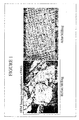
- FIG. 1 shows SEM images of insulin particles before and after milling, clearly demonstrating the effect of the milling and, more importantly, the capacity of the surface stabilizers to prevent agglomeration of the insulin particles. Analysis of a sample of this material stored for six months at 5°C revealed 90% of the insulin particles to be smaller than 145 nm.
- the purpose of this example was to determine the insulin content of a nanoparticulate composition following milling, and to determine if the milling process results in loss of insulin.
- Nanoparticulate insulin was prepared in accordance with the procedure of Example 1 from a slurry of 2% insulin having 1 % Pluronic® F68 and 0.1 % sodium deoxycholic acid as surface stabilizers.
- Reducing gels used in the analysis were prepared as 16% acrylamide gels and comprised 5.33 ml of acrylamide solution, 2.02 ml distilled water, 2.50 ml of 1.5 M TRIS buffer at pH of 8.8, 100 ⁇ m 10% SDS, 50 ⁇ m 10% ammonium persulfate, and 5 ⁇ m of TEMED (N,N,N',N'-tetramethylethylene diamine). Reducing gels are useful for visualizing insulin bands, which appear as a dimer, tetramer, etc., and for identifying degraded insulin fragments.
- the samples and the supernatant were diluted to 1:10 and 1:50, respectively, with sample buffer and then heated to 95°C for 5 mins before loading onto the gel.
- the volume of supernatant loaded was the amount that would be needed to load the required amount of sample, if the insulin were left in suspension.
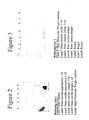
- the gels shown in FIGs 2 and 3 demonstrate that the pellet fraction of the milled insulin formulation contains all of the insulin.
- the lanes loaded with supernatant appear to be free of insulin. This indicates that all of the insulin in the nanoparticulate insulin composition is entrapped within or associated with the nanoparticulate composition, with little or no insulin free in solution. Thus, there is essentially 100% entrapment or association of the insulin within the nanoparticulate composition.
- the purpose of this example was to test the effectiveness of nanoparticulate insulin compositions parenterally administered, and to compare the effectiveness of the formulations with conventional raw insulin compositions.
- Blood glucose values for the rats were measured using an Accutren® alpha glucometer (Boehringer Mannhein) following systemic blood samples that were taken from the tail artery. A baseline blood sample was taken and samples were taken at intervals post injection up to four hours. Anesthesia was maintained throughout the study. A non-formulated insulin solution was utilized as a reference.
- the rat model used is a hypergylcemic model.
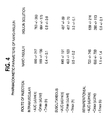
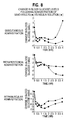
- the pharmacokinetic parameters of the test are given in FIG. 4. It can be seen from the results in FIG. 4 that the insulin compositions of the present invention are biologically active and at least approximately equal to the reference insulin solution.
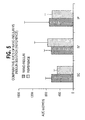
- Fig. 5 illustrates the AUC ( ⁇ U/ml.h) for the sample by the three modes of parenteral administration in comparison to the reference insulin solution. The analysis shown in FIG. 5 likewise establishes the equivalence of the test preparation to the reference insulin solution.
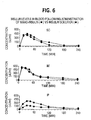
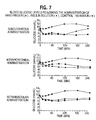
- FIGs 6 and 7 are companion concentration-time profiles in that FIG 6 illustrates mean glucose concentration while FIG. 7 illustrates mean insulin concentration.
- the profiles in FIGs 6 and 7 clearly establish that the nanoparticulate insulin formulations of the invention are biologically active.
- the results reported in the figures demonstrate that the nanoparticulate insulin compositions of the present invention have excellent bioactivity following parenteral administration, which is at least equivalent to the reference insulin solution tested.
- the nanoparticle preparation of the present invention is advantageous over the reference insulin solution in maintaining a lowering of the blood glucose level over the duration of the test.
- a particular advantage can be seen from the comparison via intraperitoneal administration.
Landscapes
- Health & Medical Sciences (AREA)
- Engineering & Computer Science (AREA)
- Bioinformatics & Cheminformatics (AREA)
- Life Sciences & Earth Sciences (AREA)
- Medicinal Chemistry (AREA)
- Veterinary Medicine (AREA)
- Pharmacology & Pharmacy (AREA)
- Chemical & Material Sciences (AREA)
- Animal Behavior & Ethology (AREA)
- General Health & Medical Sciences (AREA)
- Public Health (AREA)
- Epidemiology (AREA)
- Diabetes (AREA)
- Endocrinology (AREA)
- Nuclear Medicine, Radiotherapy & Molecular Imaging (AREA)
- Zoology (AREA)
- General Chemical & Material Sciences (AREA)
- Proteomics, Peptides & Aminoacids (AREA)
- Chemical Kinetics & Catalysis (AREA)
- Immunology (AREA)
- Gastroenterology & Hepatology (AREA)
- Organic Chemistry (AREA)
- Obesity (AREA)
- Hematology (AREA)
- Emergency Medicine (AREA)
- Medicinal Preparation (AREA)
- Medicines That Contain Protein Lipid Enzymes And Other Medicines (AREA)
- Peptides Or Proteins (AREA)
Applications Claiming Priority (3)
| Application Number | Priority Date | Filing Date | Title |
|---|---|---|---|
| US32345901P | 2001-09-19 | 2001-09-19 | |
| US323459P | 2001-09-19 | ||
| PCT/US2002/029679 WO2003024425A1 (en) | 2001-09-19 | 2002-09-19 | Nanoparticulate insulin formulations |
Publications (2)
| Publication Number | Publication Date |
|---|---|
| EP1429731A1 EP1429731A1 (en) | 2004-06-23 |
| EP1429731B1 true EP1429731B1 (en) | 2007-01-03 |
Family
ID=23259284
Family Applications (1)
| Application Number | Title | Priority Date | Filing Date |
|---|---|---|---|
| EP02775863A Expired - Lifetime EP1429731B1 (en) | 2001-09-19 | 2002-09-19 | Nanoparticulate insulin formulations |
Country Status (11)
| Country | Link |
|---|---|
| US (2) | US20030095928A1 (enExample) |
| EP (1) | EP1429731B1 (enExample) |
| JP (2) | JP4464129B2 (enExample) |
| AT (1) | ATE350013T1 (enExample) |
| CA (1) | CA2460867C (enExample) |
| CY (1) | CY1106420T1 (enExample) |
| DE (1) | DE60217367T2 (enExample) |
| DK (1) | DK1429731T3 (enExample) |
| ES (1) | ES2280582T3 (enExample) |
| PT (1) | PT1429731E (enExample) |
| WO (1) | WO2003024425A1 (enExample) |
Families Citing this family (63)
| Publication number | Priority date | Publication date | Assignee | Title |
|---|---|---|---|---|
| CA2348871C (en) * | 1998-11-02 | 2009-04-14 | John G. Devane | Multiparticulate modified release composition |
| US20070160675A1 (en) * | 1998-11-02 | 2007-07-12 | Elan Corporation, Plc | Nanoparticulate and controlled release compositions comprising a cephalosporin |
| US20090297602A1 (en) * | 1998-11-02 | 2009-12-03 | Devane John G | Modified Release Loxoprofen Compositions |
| AU2002309172A1 (en) * | 2001-06-22 | 2003-01-08 | Pfizer Products Inc. | Pharmaceutical compositions containing polymer and drug assemblies |
| DE60332212D1 (de) * | 2002-02-04 | 2010-06-02 | Elan Pharma Int Ltd | Arzneistoffnanopartikel mit lysozym-oberflächenstabilisator |
| AU2003224808A1 (en) * | 2002-03-28 | 2003-10-13 | Imcor Pharmaceutical Company | Compositions and methods for delivering pharmaceutically active agents using nanoparticulates |
| EP1556091A1 (en) * | 2002-10-04 | 2005-07-27 | Elan Pharma International Limited | Gamma irradiation of solid nanoparticulate active agents |
| EP1626742A1 (en) * | 2003-05-22 | 2006-02-22 | Elan Pharma International Limited | Sterilization of dispersions of nanoparticulate active agents with gamma radiation |
| KR100638041B1 (ko) * | 2003-12-24 | 2006-10-23 | 주식회사 삼양사 | 수용성 약물의 경구투여용 나노입자 조성물 및 그의제조방법 |
| WO2005095950A1 (en) * | 2004-03-30 | 2005-10-13 | Pfizer Products Inc. | Method and device for evaluation of pharmaceutical compositions |
| US20070219131A1 (en) * | 2004-04-15 | 2007-09-20 | Ben-Sasson Shmuel A | Compositions capable of facilitating penetration across a biological barrier |
| CA2563533C (en) | 2004-04-15 | 2013-10-01 | Shmuel A. Ben-Sasson | Compositions capable of facilitating penetration across a biological barrier |
| US9895444B2 (en) | 2004-08-25 | 2018-02-20 | Aegis Therapeutics, Llc | Compositions for drug administration |
| US20060046962A1 (en) | 2004-08-25 | 2006-03-02 | Aegis Therapeutics Llc | Absorption enhancers for drug administration |
| US20140162965A1 (en) | 2004-08-25 | 2014-06-12 | Aegis Therapeutics, Inc. | Compositions for oral drug administration |
| US20090155331A1 (en) * | 2005-11-16 | 2009-06-18 | Elan Pharma International Limited | Injectable nanoparticulate olanzapine formulations |
| US20080254114A1 (en) * | 2005-03-03 | 2008-10-16 | Elan Corporation Plc | Controlled Release Compositions Comprising Heterocyclic Amide Derivative Nanoparticles |
| JP2008540546A (ja) * | 2005-05-10 | 2008-11-20 | エラン ファーマ インターナショナル リミテッド | ナノ粒子クロピドグレル製剤 |
| US20110064803A1 (en) * | 2005-05-10 | 2011-03-17 | Elan Pharma International Limited. | Nanoparticulate and controlled release compositions comprising vitamin k2 |
| US20100028439A1 (en) * | 2005-05-23 | 2010-02-04 | Elan Pharma International Limited | Nanoparticulate stabilized anti-hypertensive compositions |
| EP1901728A2 (en) * | 2005-06-03 | 2008-03-26 | Elan Pharma International Limited | Nanoparticulate acetaminophen formulations |
| DE602006012671D1 (de) * | 2005-06-03 | 2010-04-15 | Elan Pharma Int Ltd | Nanoteilchenförmige imatinib-mesylat-formulierungen |
| WO2006133045A1 (en) * | 2005-06-03 | 2006-12-14 | Elan Pharma International, Limited | Nanoparticulate benidipine compositions |
| EP1954253A4 (en) | 2005-06-08 | 2011-07-27 | Elan Pharma Int Ltd | NANOTEILIC AND CONTROLLED RELEASED COMPOSITIONS WITH CEFDITORS |
| ES2335608T3 (es) * | 2005-06-09 | 2010-03-30 | Elan Pharma International Limited | Formulaciones de ebistina nanoparticuladas. |
| AU2006259606A1 (en) * | 2005-06-13 | 2006-12-28 | Elan Pharma International, Limited | Nanoparticulate clopidogrel and aspirin combination formulations |
| EP1931340A2 (en) * | 2005-06-15 | 2008-06-18 | Elan Pharma International Limited | Nanoparticulate azelnidipine formulations |
| CA2614412A1 (en) * | 2005-07-07 | 2007-01-18 | Elan Pharma International, Limited | Nanoparticulate clarithromycin formulations |
| JP2009507925A (ja) * | 2005-09-13 | 2009-02-26 | エラン ファーマ インターナショナル リミテッド | ナノ粒子タダラフィル製剤 |
| EP1933814A2 (en) * | 2005-09-15 | 2008-06-25 | Elan Pharma International Limited | Nanoparticulate aripiprazole formulations |
| SE529040C2 (sv) | 2006-01-18 | 2007-04-17 | Bows Pharmaceuticals Ag | Förfarande för framställning av en dextranmatris för kontrollerad frisättning av insulin |
| MX2008015275A (es) * | 2006-05-30 | 2009-02-06 | Elan Pharma Int Ltd | Formulaciones de posaconazol en nanoparticulas. |
| US8226949B2 (en) | 2006-06-23 | 2012-07-24 | Aegis Therapeutics Llc | Stabilizing alkylglycoside compositions and methods thereof |
| US20080213374A1 (en) * | 2006-07-10 | 2008-09-04 | Elan Pharma International Limited | Nanoparticulate sorafenib formulations |
| EP2066310B1 (de) * | 2006-09-22 | 2012-04-18 | Mivital AG | Emulsionen enthaltend gummi arabicum |
| US20100062073A1 (en) * | 2006-11-29 | 2010-03-11 | Ronald Arthur Beyerinck | Pharmaceutical compositions comprising nanoparticles comprising enteric polymers casein |
| WO2008125940A2 (en) * | 2007-04-17 | 2008-10-23 | Pfizer Products Inc. | Nanoparticles comprising non-crystalline drug |
| US8309129B2 (en) * | 2007-05-03 | 2012-11-13 | Bend Research, Inc. | Nanoparticles comprising a drug, ethylcellulose, and a bile salt |
| US20100080852A1 (en) * | 2007-05-03 | 2010-04-01 | Ronald Arthur Beyerinck | Phamaceutical composition comprising nanoparticles and casein |
| US8703204B2 (en) * | 2007-05-03 | 2014-04-22 | Bend Research, Inc. | Nanoparticles comprising a cholesteryl ester transfer protein inhibitor and anon-ionizable polymer |
| EP2162120B1 (en) * | 2007-06-04 | 2016-05-04 | Bend Research, Inc | Nanoparticles comprising a non-ionizable cellulosic polymer and an amphiphilic non-ionizable block copolymer |
| US9545384B2 (en) | 2007-06-04 | 2017-01-17 | Bend Research, Inc. | Nanoparticles comprising drug, a non-ionizable cellulosic polymer and tocopheryl polyethylene glocol succinate |
| WO2009010842A2 (en) * | 2007-07-13 | 2009-01-22 | Pfizer Products Inc. | Nanoparticles comprising ionizable, poorly water soluble cellulosic polymers |
| US9233078B2 (en) * | 2007-12-06 | 2016-01-12 | Bend Research, Inc. | Nanoparticles comprising a non-ionizable polymer and an Amine-functionalized methacrylate copolymer |
| EP2231169B1 (en) * | 2007-12-06 | 2016-05-04 | Bend Research, Inc. | Pharmaceutical compositions comprising nanoparticles and a resuspending material |
| DE102007060175A1 (de) * | 2007-12-13 | 2009-06-18 | Johannes Gutenberg-Universität Mainz | Quartärnisierung des Zusatzstoffs Aminoalkyl Methacrylat Copolymer E zur Verbesserung der Permeabilität und Löslichkeit von Arzneistoffen |
| US20090238867A1 (en) * | 2007-12-13 | 2009-09-24 | Scott Jenkins | Nanoparticulate Anidulafungin Compositions and Methods for Making the Same |
| KR20110007095A (ko) * | 2008-03-21 | 2011-01-21 | 엘란 파마 인터내셔널 리미티드 | 이마티니브의 부위-특이적 전달을 위한 조성물 및 사용방법 |
| CA2756690C (en) | 2008-03-28 | 2016-08-16 | Hale Biopharma Ventures, Llc | Administration of benzodiazepine compositions |
| WO2010032140A2 (en) | 2008-09-17 | 2010-03-25 | Chiasma Inc. | Pharmaceutical compositions and related methods of delivery |
| CA2763456C (en) | 2009-05-27 | 2017-10-24 | Alkermes Pharma Ireland Limited | Reduction of flake-like aggregation in nanoparticulate active agent compositions |
| CN102770152B (zh) | 2009-11-25 | 2016-07-06 | 阿瑞斯根股份有限公司 | 肽类的粘膜递送 |
| EP2526971A1 (en) | 2011-05-25 | 2012-11-28 | ArisGen SA | Mucosal delivery of drugs |
| EP4085899A1 (en) | 2011-06-14 | 2022-11-09 | Neurelis, Inc. | Administration of benzodiazepine |
| US8859004B2 (en) * | 2011-08-04 | 2014-10-14 | Nano And Advanced Materials Institute Limited | pH-sensitive nanoparticles for oral insulin delivery |
| AU2014226290B2 (en) * | 2013-03-04 | 2018-11-15 | Vtv Therapeutics Llc | Stable glucokinase activator compositions |
| FI3253401T3 (fi) | 2015-02-03 | 2025-07-09 | Amryt Endo Inc | Akromegallian hoitaminen suun kautta annettavalla oktreotidilla |
| US11491114B2 (en) | 2016-10-12 | 2022-11-08 | Curioralrx, Llc | Formulations for enteric delivery of therapeutic agents |
| US11141457B1 (en) | 2020-12-28 | 2021-10-12 | Amryt Endo, Inc. | Oral octreotide therapy and contraceptive methods |
| US20250025535A1 (en) * | 2021-11-19 | 2025-01-23 | Nanoform Finland Oyj | A composition comprising nanosized active pharmaceutical ingredient |
| WO2024153789A1 (en) | 2023-01-20 | 2024-07-25 | Basf Se | Stabilized biopolymer composition, their manufacture and use |
| WO2025245387A1 (en) * | 2024-05-22 | 2025-11-27 | Superior Nano Llc | Oral administration of insulin |
| CN119792245A (zh) * | 2025-01-08 | 2025-04-11 | 中国药科大学 | 一种可注射缓释制剂及其制备方法 |
Family Cites Families (94)
| Publication number | Priority date | Publication date | Assignee | Title |
|---|---|---|---|---|
| US110597A (en) * | 1870-12-27 | Improvement in combined tramways and pavements | ||
| US12675A (en) * | 1855-04-10 | Portable doob-pastewee | ||
| US3661655A (en) * | 1970-11-17 | 1972-05-09 | North American Rockwell | Metallic articles and the manufacture thereof |
| US4474752A (en) * | 1983-05-16 | 1984-10-02 | Merck & Co., Inc. | Drug delivery system utilizing thermosetting gels |
| US4826689A (en) * | 1984-05-21 | 1989-05-02 | University Of Rochester | Method for making uniformly sized particles from water-insoluble organic compounds |
| US4839341A (en) * | 1984-05-29 | 1989-06-13 | Eli Lilly And Company | Stabilized insulin formulations |
| US4783484A (en) * | 1984-10-05 | 1988-11-08 | University Of Rochester | Particulate composition and use thereof as antimicrobial agent |
| US5690954A (en) * | 1987-05-22 | 1997-11-25 | Danbiosyst Uk Limited | Enhanced uptake drug delivery system having microspheres containing an active drug and a bioavailability improving material |
| AU588742B2 (en) * | 1987-09-24 | 1989-09-21 | Mitsubishi Jukogyo Kabushiki Kaisha | Cooling drum for continuous-casting machines for manufacturing thin metallic strip |
| EP0532546B1 (en) * | 1990-05-10 | 1998-03-18 | Bechgaard International Research And Development A/S | A pharmaceutical preparation containing n-glycofurols and n-ethylene glycols |
| US5552160A (en) * | 1991-01-25 | 1996-09-03 | Nanosystems L.L.C. | Surface modified NSAID nanoparticles |
| US5145684A (en) * | 1991-01-25 | 1992-09-08 | Sterling Drug Inc. | Surface modified drug nanoparticles |
| AU642066B2 (en) * | 1991-01-25 | 1993-10-07 | Nanosystems L.L.C. | X-ray contrast compositions useful in medical imaging |
| US5399363A (en) * | 1991-01-25 | 1995-03-21 | Eastman Kodak Company | Surface modified anticancer nanoparticles |
| CA2112905A1 (en) * | 1991-07-05 | 1993-01-21 | Michael R. Violante | Ultrasmall non-aggregated porous particles entrapping gas-bubbles |
| JPH0578798A (ja) * | 1991-09-24 | 1993-03-30 | Mazda Motor Corp | アルミニウム合金製部材の表面改質方法 |
| JPH07503154A (ja) * | 1992-01-21 | 1995-04-06 | エス・アール・アイ・インターナシヨナル | 微細化ポリペプチド薬剤の改良調製方法 |
| IL101007A (en) * | 1992-02-18 | 1997-08-14 | Pharmos Ltd | Dry stable compositions prepared by lyophilization |
| GB9211268D0 (en) * | 1992-05-28 | 1992-07-15 | Ici Plc | Salts of basic peptides with carboxyterminated polyesters |
| NZ248813A (en) * | 1992-11-25 | 1995-06-27 | Eastman Kodak Co | Polymeric grinding media used in grinding pharmaceutical substances |
| US5349957A (en) * | 1992-12-02 | 1994-09-27 | Sterling Winthrop Inc. | Preparation and magnetic properties of very small magnetite-dextran particles |
| US5346702A (en) * | 1992-12-04 | 1994-09-13 | Sterling Winthrop Inc. | Use of non-ionic cloud point modifiers to minimize nanoparticle aggregation during sterilization |
| US5298262A (en) * | 1992-12-04 | 1994-03-29 | Sterling Winthrop Inc. | Use of ionic cloud point modifiers to prevent particle aggregation during sterilization |
| US5302401A (en) * | 1992-12-09 | 1994-04-12 | Sterling Winthrop Inc. | Method to reduce particle size growth during lyophilization |
| US5340564A (en) * | 1992-12-10 | 1994-08-23 | Sterling Winthrop Inc. | Formulations comprising olin 10-G to prevent particle aggregation and increase stability |
| US5336507A (en) * | 1992-12-11 | 1994-08-09 | Sterling Winthrop Inc. | Use of charged phospholipids to reduce nanoparticle aggregation |
| US5429824A (en) * | 1992-12-15 | 1995-07-04 | Eastman Kodak Company | Use of tyloxapole as a nanoparticle stabilizer and dispersant |
| US5352459A (en) * | 1992-12-16 | 1994-10-04 | Sterling Winthrop Inc. | Use of purified surface modifiers to prevent particle aggregation during sterilization |
| US5401492A (en) * | 1992-12-17 | 1995-03-28 | Sterling Winthrop, Inc. | Water insoluble non-magnetic manganese particles as magnetic resonance contract enhancement agents |
| US5326552A (en) * | 1992-12-17 | 1994-07-05 | Sterling Winthrop Inc. | Formulations for nanoparticulate x-ray blood pool contrast agents using high molecular weight nonionic surfactants |
| GB9300875D0 (en) * | 1993-01-18 | 1993-03-10 | Ucb Sa | Nanocapsule containing pharmaceutical compositions |
| US5264610A (en) * | 1993-03-29 | 1993-11-23 | Sterling Winthrop Inc. | Iodinated aromatic propanedioates |
| US5830853A (en) * | 1994-06-23 | 1998-11-03 | Astra Aktiebolag | Systemic administration of a therapeutic preparation |
| CA2183577C (en) * | 1994-03-07 | 2007-10-30 | John S. Patton | Methods and compositions for pulmonary delivery of insulin |
| TW384224B (en) * | 1994-05-25 | 2000-03-11 | Nano Sys Llc | Method of preparing submicron particles of a therapeutic or diagnostic agent |
| US5718388A (en) * | 1994-05-25 | 1998-02-17 | Eastman Kodak | Continuous method of grinding pharmaceutical substances |
| US6165976A (en) * | 1994-06-23 | 2000-12-26 | Astra Aktiebolag | Therapeutic preparation for inhalation |
| US5525328A (en) * | 1994-06-24 | 1996-06-11 | Nanosystems L.L.C. | Nanoparticulate diagnostic diatrizoxy ester X-ray contrast agents for blood pool and lymphatic system imaging |
| US5587143A (en) * | 1994-06-28 | 1996-12-24 | Nanosystems L.L.C. | Butylene oxide-ethylene oxide block copolymer surfactants as stabilizer coatings for nanoparticle compositions |
| US6215097B1 (en) * | 1994-12-22 | 2001-04-10 | General Electric Company | On the fly laser shock peening |
| US5585108A (en) * | 1994-12-30 | 1996-12-17 | Nanosystems L.L.C. | Formulations of oral gastrointestinal therapeutic agents in combination with pharmaceutically acceptable clays |
| US5466440A (en) * | 1994-12-30 | 1995-11-14 | Eastman Kodak Company | Formulations of oral gastrointestinal diagnostic X-ray contrast agents in combination with pharmaceutically acceptable clays |
| US5628981A (en) * | 1994-12-30 | 1997-05-13 | Nano Systems L.L.C. | Formulations of oral gastrointestinal diagnostic x-ray contrast agents and oral gastrointestinal therapeutic agents |
| US5569448A (en) * | 1995-01-24 | 1996-10-29 | Nano Systems L.L.C. | Sulfated nonionic block copolymer surfactants as stabilizer coatings for nanoparticle compositions |
| US5560931A (en) * | 1995-02-14 | 1996-10-01 | Nawosystems L.L.C. | Formulations of compounds as nanoparticulate dispersions in digestible oils or fatty acids |
| US5571536A (en) * | 1995-02-06 | 1996-11-05 | Nano Systems L.L.C. | Formulations of compounds as nanoparticulate dispersions in digestible oils or fatty acids |
| US5593657A (en) * | 1995-02-09 | 1997-01-14 | Nanosystems L.L.C. | Barium salt formulations stabilized by non-ionic and anionic stabilizers |
| US5518738A (en) * | 1995-02-09 | 1996-05-21 | Nanosystem L.L.C. | Nanoparticulate nsaid compositions |
| US5622938A (en) * | 1995-02-09 | 1997-04-22 | Nano Systems L.L.C. | Sugar base surfactant for nanocrystals |
| US5591456A (en) * | 1995-02-10 | 1997-01-07 | Nanosystems L.L.C. | Milled naproxen with hydroxypropyl cellulose as a dispersion stabilizer |
| US5500204A (en) * | 1995-02-10 | 1996-03-19 | Eastman Kodak Company | Nanoparticulate diagnostic dimers as x-ray contrast agents for blood pool and lymphatic system imaging |
| US5573783A (en) * | 1995-02-13 | 1996-11-12 | Nano Systems L.L.C. | Redispersible nanoparticulate film matrices with protective overcoats |
| US5543133A (en) * | 1995-02-14 | 1996-08-06 | Nanosystems L.L.C. | Process of preparing x-ray contrast compositions containing nanoparticles |
| US5510118A (en) * | 1995-02-14 | 1996-04-23 | Nanosystems Llc | Process for preparing therapeutic compositions containing nanoparticles |
| US5580579A (en) * | 1995-02-15 | 1996-12-03 | Nano Systems L.L.C. | Site-specific adhesion within the GI tract using nanoparticles stabilized by high molecular weight, linear poly (ethylene oxide) polymers |
| US5747001A (en) * | 1995-02-24 | 1998-05-05 | Nanosystems, L.L.C. | Aerosols containing beclomethazone nanoparticle dispersions |
| CA2213638C (en) * | 1995-02-24 | 2004-05-04 | Nanosystems L.L.C. | Aerosols containing nanoparticle dispersions |
| US5718919A (en) * | 1995-02-24 | 1998-02-17 | Nanosystems L.L.C. | Nanoparticles containing the R(-)enantiomer of ibuprofen |
| US5565188A (en) * | 1995-02-24 | 1996-10-15 | Nanosystems L.L.C. | Polyalkylene block copolymers as surface modifiers for nanoparticles |
| US5525429A (en) * | 1995-03-06 | 1996-06-11 | General Electric Company | Laser shock peening surface enhancement for gas turbine engine high strength rotor alloy repair |
| US5569018A (en) * | 1995-03-06 | 1996-10-29 | General Electric Company | Technique to prevent or divert cracks |
| US5643552A (en) * | 1995-03-09 | 1997-07-01 | Nanosystems L.L.C. | Nanoparticulate diagnostic mixed carbonic anhydrides as x-ray contrast agents for blood pool and lymphatic system imaging |
| US5472683A (en) * | 1995-03-09 | 1995-12-05 | Eastman Kodak Company | Nanoparticulate diagnostic mixed carbamic anhydrides as X-ray contrast agents for blood pool and lymphatic system imaging |
| US5573749A (en) * | 1995-03-09 | 1996-11-12 | Nano Systems L.L.C. | Nanoparticulate diagnostic mixed carboxylic anhydrides as X-ray contrast agents for blood pool and lymphatic system imaging |
| IE80468B1 (en) * | 1995-04-04 | 1998-07-29 | Elan Corp Plc | Controlled release biodegradable nanoparticles containing insulin |
| US6309671B1 (en) * | 1995-04-14 | 2001-10-30 | Inhale Therapeutic Systems | Stable glassy state powder formulations |
| US5521218A (en) * | 1995-05-15 | 1996-05-28 | Nanosystems L.L.C. | Nanoparticulate iodipamide derivatives for use as x-ray contrast agents |
| US5653987A (en) * | 1995-05-16 | 1997-08-05 | Modi; Pankaj | Liquid formulations for proteinic pharmaceuticals |
| US5573750A (en) * | 1995-05-22 | 1996-11-12 | Nanosystems L.L.C. | Diagnostic imaging x-ray contrast agents |
| US5834025A (en) * | 1995-09-29 | 1998-11-10 | Nanosystems L.L.C. | Reduction of intravenously administered nanoparticulate-formulation-induced adverse physiological reactions |
| US5674328A (en) * | 1996-04-26 | 1997-10-07 | General Electric Company | Dry tape covered laser shock peening |
| US6045829A (en) * | 1997-02-13 | 2000-04-04 | Elan Pharma International Limited | Nanocrystalline formulations of human immunodeficiency virus (HIV) protease inhibitors using cellulosic surface stabilizers |
| WO1998035666A1 (en) * | 1997-02-13 | 1998-08-20 | Nanosystems Llc | Formulations of nanoparticle naproxen tablets |
| GB9706195D0 (en) * | 1997-03-25 | 1997-05-14 | Univ London Pharmacy | Particulate drug carriers |
| US5771729A (en) * | 1997-06-30 | 1998-06-30 | General Electric Company | Precision deep peening with mechanical indicator |
| US6281175B1 (en) * | 1997-09-23 | 2001-08-28 | Scimed Life Systems, Inc. | Medical emulsion for lubrication and delivery of drugs |
| EP1039920A4 (en) * | 1997-10-24 | 2003-05-28 | Lilly Co Eli | INSULIN ANALOGS ACYLATED BY FATTY ACID |
| US6144012A (en) * | 1997-11-05 | 2000-11-07 | Lsp Technologies, Inc. | Efficient laser peening |
| US6153225A (en) * | 1998-08-13 | 2000-11-28 | Elan Pharma International Limited | Injectable formulations of nanoparticulate naproxen |
| US6165506A (en) * | 1998-09-04 | 2000-12-26 | Elan Pharma International Ltd. | Solid dose form of nanoparticulate naproxen |
| US6051694A (en) * | 1998-09-17 | 2000-04-18 | Castor; Trevor Percival | Method for size reduction of proteins |
| US8293277B2 (en) * | 1998-10-01 | 2012-10-23 | Alkermes Pharma Ireland Limited | Controlled-release nanoparticulate compositions |
| US7521068B2 (en) * | 1998-11-12 | 2009-04-21 | Elan Pharma International Ltd. | Dry powder aerosols of nanoparticulate drugs |
| US6428814B1 (en) * | 1999-10-08 | 2002-08-06 | Elan Pharma International Ltd. | Bioadhesive nanoparticulate compositions having cationic surface stabilizers |
| US6375986B1 (en) * | 2000-09-21 | 2002-04-23 | Elan Pharma International Ltd. | Solid dose nanoparticulate compositions comprising a synergistic combination of a polymeric surface stabilizer and dioctyl sodium sulfosuccinate |
| US6270806B1 (en) * | 1999-03-03 | 2001-08-07 | Elan Pharma International Limited | Use of peg-derivatized lipids as surface stabilizers for nanoparticulate compositions |
| US6267989B1 (en) * | 1999-03-08 | 2001-07-31 | Klan Pharma International Ltd. | Methods for preventing crystal growth and particle aggregation in nanoparticulate compositions |
| US6223974B1 (en) * | 1999-10-13 | 2001-05-01 | Madhavji A. Unde | Trailing edge stress relief process (TESR) for welds |
| US6465425B1 (en) * | 2000-02-10 | 2002-10-15 | Alkermes Controlled Therapeutics, Inc. | Microencapsulation and sustained release of biologically active acid-stable or free sulfhydryl-containing proteins |
| GB0009773D0 (en) * | 2000-04-19 | 2000-06-07 | Univ Cardiff | Particulate composition |
| US6316029B1 (en) * | 2000-05-18 | 2001-11-13 | Flak Pharma International, Ltd. | Rapidly disintegrating solid oral dosage form |
| CA2348834A1 (en) * | 2000-05-30 | 2001-11-30 | George I Prokopenko | Device for ultrasonic peening of metals |
| ATE424811T1 (de) * | 2000-08-31 | 2009-03-15 | Jagotec Ag | Gemahlene partikel |
| GB2367028B (en) * | 2000-09-22 | 2004-06-09 | Rolls Royce Plc | Gas turbine engine rotor blades |
-
2002
- 2002-09-19 JP JP2003528522A patent/JP4464129B2/ja not_active Expired - Fee Related
- 2002-09-19 ES ES02775863T patent/ES2280582T3/es not_active Expired - Lifetime
- 2002-09-19 AT AT02775863T patent/ATE350013T1/de active
- 2002-09-19 PT PT02775863T patent/PT1429731E/pt unknown
- 2002-09-19 US US10/246,751 patent/US20030095928A1/en not_active Abandoned
- 2002-09-19 DK DK02775863T patent/DK1429731T3/da active
- 2002-09-19 CA CA2460867A patent/CA2460867C/en not_active Expired - Fee Related
- 2002-09-19 DE DE60217367T patent/DE60217367T2/de not_active Expired - Lifetime
- 2002-09-19 WO PCT/US2002/029679 patent/WO2003024425A1/en not_active Ceased
- 2002-09-19 EP EP02775863A patent/EP1429731B1/en not_active Expired - Lifetime
-
2007
- 2007-01-26 US US11/698,151 patent/US20070122486A1/en not_active Abandoned
- 2007-03-29 CY CY20071100434T patent/CY1106420T1/el unknown
-
2009
- 2009-08-24 JP JP2009193163A patent/JP2010006826A/ja not_active Withdrawn
Also Published As
| Publication number | Publication date |
|---|---|
| PT1429731E (pt) | 2007-04-30 |
| EP1429731A1 (en) | 2004-06-23 |
| CA2460867C (en) | 2011-04-12 |
| JP2010006826A (ja) | 2010-01-14 |
| WO2003024425A1 (en) | 2003-03-27 |
| DE60217367T2 (de) | 2007-10-18 |
| ATE350013T1 (de) | 2007-01-15 |
| CY1106420T1 (el) | 2011-10-12 |
| ES2280582T3 (es) | 2007-09-16 |
| CA2460867A1 (en) | 2003-03-27 |
| US20030095928A1 (en) | 2003-05-22 |
| JP2005511507A (ja) | 2005-04-28 |
| DE60217367D1 (de) | 2007-02-15 |
| US20070122486A1 (en) | 2007-05-31 |
| DK1429731T3 (da) | 2007-05-14 |
| JP4464129B2 (ja) | 2010-05-19 |
Similar Documents
| Publication | Publication Date | Title |
|---|---|---|
| EP1429731B1 (en) | Nanoparticulate insulin formulations | |
| EP1471887B1 (en) | Nanoparticulate compositions having lysozyme as a surface stabilizer | |
| EP1443912B1 (en) | Compositions having a combination of immediate release and controlled release characteristics | |
| JP4776229B2 (ja) | 安定なナノ粒子活性物質の液体投与組成物 | |
| EP1686962B1 (en) | Nanoparticulate compositions having a peptide as a surface stabilizer | |
| EP1895984B1 (en) | Nanoparticulate imatinib mesylate formulations | |
| US7842232B2 (en) | Sterilization of dispersions of nanoparticulate active agents with gamma radiation | |
| US20040105778A1 (en) | Gamma irradiation of solid nanoparticulate active agents | |
| US20040101566A1 (en) | Novel benzoyl peroxide compositions | |
| WO2010138661A1 (en) | Nanoparticulate anticancer compositions and methods for making the same | |
| US20090291142A1 (en) | Nanoparticulate bicalutamide formulations | |
| EP1898882B1 (en) | Nanoparticulate ebastine formulations | |
| CA2612384A1 (en) | Nanoparticulate azelnidipine formulations | |
| HK1118467B (en) | Nanoparticulate imatinib mesylate formulations |
Legal Events
| Date | Code | Title | Description |
|---|---|---|---|
| PUAI | Public reference made under article 153(3) epc to a published international application that has entered the european phase |
Free format text: ORIGINAL CODE: 0009012 |
|
| 17P | Request for examination filed |
Effective date: 20040413 |
|
| AK | Designated contracting states |
Kind code of ref document: A1 Designated state(s): AT BE BG CH CY CZ DE DK EE ES FI FR GB GR IE IT LI LU MC NL PT SE SK TR |
|
| AX | Request for extension of the european patent |
Extension state: AL LT LV MK RO SI |
|
| RIN1 | Information on inventor provided before grant (corrected) |
Inventor name: WEIDERHOLD, AMY Inventor name: RAOOF, ARAZ Inventor name: MCGURK, SIMON, L. Inventor name: MERISKO-LIVERSIDGE, ELAINE Inventor name: O'MAHONEY, DANIEL |
|
| GRAP | Despatch of communication of intention to grant a patent |
Free format text: ORIGINAL CODE: EPIDOSNIGR1 |
|
| GRAS | Grant fee paid |
Free format text: ORIGINAL CODE: EPIDOSNIGR3 |
|
| GRAA | (expected) grant |
Free format text: ORIGINAL CODE: 0009210 |
|
| AK | Designated contracting states |
Kind code of ref document: B1 Designated state(s): AT BE BG CH CY CZ DE DK EE ES FI FR GB GR IE IT LI LU MC NL PT SE SK TR |
|
| REG | Reference to a national code |
Ref country code: GB Ref legal event code: FG4D |
|
| REF | Corresponds to: |
Ref document number: 60217367 Country of ref document: DE Date of ref document: 20070215 Kind code of ref document: P |
|
| REG | Reference to a national code |
Ref country code: IE Ref legal event code: FG4D |
|
| PG25 | Lapsed in a contracting state [announced via postgrant information from national office to epo] |
Ref country code: BG Free format text: LAPSE BECAUSE OF THE APPLICANT RENOUNCES Effective date: 20070404 |
|
| REG | Reference to a national code |
Ref country code: SE Ref legal event code: TRGR |
|
| REG | Reference to a national code |
Ref country code: GR Ref legal event code: EP Ref document number: 20070400953 Country of ref document: GR |
|
| REG | Reference to a national code |
Ref country code: PT Ref legal event code: SC4A Free format text: AVAILABILITY OF NATIONAL TRANSLATION Effective date: 20070327 |
|
| REG | Reference to a national code |
Ref country code: DK Ref legal event code: T3 |
|
| REG | Reference to a national code |
Ref country code: CH Ref legal event code: NV Representative=s name: SCHMAUDER & PARTNER AG PATENTANWALTSBUERO |
|
| ET | Fr: translation filed | ||
| REG | Reference to a national code |
Ref country code: ES Ref legal event code: FG2A Ref document number: 2280582 Country of ref document: ES Kind code of ref document: T3 |
|
| PLBE | No opposition filed within time limit |
Free format text: ORIGINAL CODE: 0009261 |
|
| STAA | Information on the status of an ep patent application or granted ep patent |
Free format text: STATUS: NO OPPOSITION FILED WITHIN TIME LIMIT |
|
| PG25 | Lapsed in a contracting state [announced via postgrant information from national office to epo] |
Ref country code: SK Free format text: LAPSE BECAUSE OF FAILURE TO SUBMIT A TRANSLATION OF THE DESCRIPTION OR TO PAY THE FEE WITHIN THE PRESCRIBED TIME-LIMIT Effective date: 20070103 |
|
| RAP2 | Party data changed (patent owner data changed or rights of a patent transferred) |
Owner name: ELAN PHARMA INTERNATIONAL LIMITED |
|
| 26N | No opposition filed |
Effective date: 20071005 |
|
| PG25 | Lapsed in a contracting state [announced via postgrant information from national office to epo] |
Ref country code: CZ Free format text: LAPSE BECAUSE OF FAILURE TO SUBMIT A TRANSLATION OF THE DESCRIPTION OR TO PAY THE FEE WITHIN THE PRESCRIBED TIME-LIMIT Effective date: 20070103 |
|
| NLT2 | Nl: modifications (of names), taken from the european patent patent bulletin |
Owner name: ELAN PHARMA INTERNATIONAL LIMITED Effective date: 20071128 |
|
| PG25 | Lapsed in a contracting state [announced via postgrant information from national office to epo] |
Ref country code: EE Free format text: LAPSE BECAUSE OF FAILURE TO SUBMIT A TRANSLATION OF THE DESCRIPTION OR TO PAY THE FEE WITHIN THE PRESCRIBED TIME-LIMIT Effective date: 20070103 |
|
| REG | Reference to a national code |
Ref country code: CH Ref legal event code: PCAR Free format text: SCHMAUDER & PARTNER AG PATENT- UND MARKENANWAELTE VSP;ZWAENGIWEG 7;8038 ZUERICH (CH) |
|
| PG25 | Lapsed in a contracting state [announced via postgrant information from national office to epo] |
Ref country code: TR Free format text: LAPSE BECAUSE OF FAILURE TO SUBMIT A TRANSLATION OF THE DESCRIPTION OR TO PAY THE FEE WITHIN THE PRESCRIBED TIME-LIMIT Effective date: 20070103 |
|
| PGFP | Annual fee paid to national office [announced via postgrant information from national office to epo] |
Ref country code: CH Payment date: 20110926 Year of fee payment: 10 |
|
| PGFP | Annual fee paid to national office [announced via postgrant information from national office to epo] |
Ref country code: DK Payment date: 20110927 Year of fee payment: 10 |
|
| PGFP | Annual fee paid to national office [announced via postgrant information from national office to epo] |
Ref country code: MC Payment date: 20120905 Year of fee payment: 11 Ref country code: IE Payment date: 20120925 Year of fee payment: 11 Ref country code: FI Payment date: 20120927 Year of fee payment: 11 Ref country code: GB Payment date: 20120925 Year of fee payment: 11 Ref country code: SE Payment date: 20120927 Year of fee payment: 11 |
|
| PGFP | Annual fee paid to national office [announced via postgrant information from national office to epo] |
Ref country code: LU Payment date: 20121002 Year of fee payment: 11 Ref country code: GR Payment date: 20120927 Year of fee payment: 11 |
|
| PGFP | Annual fee paid to national office [announced via postgrant information from national office to epo] |
Ref country code: FR Payment date: 20121001 Year of fee payment: 11 Ref country code: ES Payment date: 20120926 Year of fee payment: 11 Ref country code: IT Payment date: 20120924 Year of fee payment: 11 |
|
| PGFP | Annual fee paid to national office [announced via postgrant information from national office to epo] |
Ref country code: PT Payment date: 20120320 Year of fee payment: 11 Ref country code: BE Payment date: 20120925 Year of fee payment: 11 Ref country code: CY Payment date: 20120920 Year of fee payment: 11 Ref country code: DE Payment date: 20120927 Year of fee payment: 11 |
|
| PGFP | Annual fee paid to national office [announced via postgrant information from national office to epo] |
Ref country code: NL Payment date: 20120924 Year of fee payment: 11 Ref country code: AT Payment date: 20120904 Year of fee payment: 11 |
|
| REG | Reference to a national code |
Ref country code: PT Ref legal event code: MM4A Free format text: LAPSE DUE TO NON-PAYMENT OF FEES Effective date: 20140319 |
|
| BERE | Be: lapsed |
Owner name: ELAN PHARMA INTERNATIONAL LIMITED Effective date: 20130930 |
|
| REG | Reference to a national code |
Ref country code: NL Ref legal event code: V1 Effective date: 20140401 |
|
| REG | Reference to a national code |
Ref country code: SE Ref legal event code: EUG |
|
| PG25 | Lapsed in a contracting state [announced via postgrant information from national office to epo] |
Ref country code: FI Free format text: LAPSE BECAUSE OF NON-PAYMENT OF DUE FEES Effective date: 20130919 Ref country code: SE Free format text: LAPSE BECAUSE OF NON-PAYMENT OF DUE FEES Effective date: 20130920 Ref country code: MC Free format text: LAPSE BECAUSE OF NON-PAYMENT OF DUE FEES Effective date: 20130930 |
|
| REG | Reference to a national code |
Ref country code: CH Ref legal event code: PL |
|
| REG | Reference to a national code |
Ref country code: DK Ref legal event code: EBP Effective date: 20130930 |
|
| REG | Reference to a national code |
Ref country code: AT Ref legal event code: MM01 Ref document number: 350013 Country of ref document: AT Kind code of ref document: T Effective date: 20130919 |
|
| REG | Reference to a national code |
Ref country code: GR Ref legal event code: ML Ref document number: 20070400953 Country of ref document: GR Effective date: 20140403 |
|
| GBPC | Gb: european patent ceased through non-payment of renewal fee |
Effective date: 20130919 |
|
| PG25 | Lapsed in a contracting state [announced via postgrant information from national office to epo] |
Ref country code: CY Free format text: LAPSE BECAUSE OF NON-PAYMENT OF DUE FEES Effective date: 20130919 |
|
| REG | Reference to a national code |
Ref country code: DE Ref legal event code: R119 Ref document number: 60217367 Country of ref document: DE Effective date: 20140401 |
|
| REG | Reference to a national code |
Ref country code: FR Ref legal event code: ST Effective date: 20140530 |
|
| PG25 | Lapsed in a contracting state [announced via postgrant information from national office to epo] |
Ref country code: PT Free format text: LAPSE BECAUSE OF NON-PAYMENT OF DUE FEES Effective date: 20140319 |
|
| REG | Reference to a national code |
Ref country code: IE Ref legal event code: MM4A |
|
| PG25 | Lapsed in a contracting state [announced via postgrant information from national office to epo] |
Ref country code: BE Free format text: LAPSE BECAUSE OF NON-PAYMENT OF DUE FEES Effective date: 20130930 Ref country code: CH Free format text: LAPSE BECAUSE OF NON-PAYMENT OF DUE FEES Effective date: 20130930 Ref country code: LI Free format text: LAPSE BECAUSE OF NON-PAYMENT OF DUE FEES Effective date: 20130930 Ref country code: IE Free format text: LAPSE BECAUSE OF NON-PAYMENT OF DUE FEES Effective date: 20130919 Ref country code: GB Free format text: LAPSE BECAUSE OF NON-PAYMENT OF DUE FEES Effective date: 20130919 |
|
| PG25 | Lapsed in a contracting state [announced via postgrant information from national office to epo] |
Ref country code: GR Free format text: LAPSE BECAUSE OF NON-PAYMENT OF DUE FEES Effective date: 20140403 Ref country code: FR Free format text: LAPSE BECAUSE OF NON-PAYMENT OF DUE FEES Effective date: 20130930 Ref country code: IT Free format text: LAPSE BECAUSE OF NON-PAYMENT OF DUE FEES Effective date: 20130919 Ref country code: AT Free format text: LAPSE BECAUSE OF NON-PAYMENT OF DUE FEES Effective date: 20130919 Ref country code: DE Free format text: LAPSE BECAUSE OF NON-PAYMENT OF DUE FEES Effective date: 20140401 Ref country code: NL Free format text: LAPSE BECAUSE OF NON-PAYMENT OF DUE FEES Effective date: 20140401 |
|
| PG25 | Lapsed in a contracting state [announced via postgrant information from national office to epo] |
Ref country code: DK Free format text: LAPSE BECAUSE OF NON-PAYMENT OF DUE FEES Effective date: 20130930 |
|
| REG | Reference to a national code |
Ref country code: ES Ref legal event code: FD2A Effective date: 20150505 |
|
| PG25 | Lapsed in a contracting state [announced via postgrant information from national office to epo] |
Ref country code: ES Free format text: LAPSE BECAUSE OF NON-PAYMENT OF DUE FEES Effective date: 20130920 Ref country code: LU Free format text: LAPSE BECAUSE OF NON-PAYMENT OF DUE FEES Effective date: 20130919 |