EP1212309B1 - Caspase inhibitor - Google Patents
Caspase inhibitor Download PDFInfo
- Publication number
- EP1212309B1 EP1212309B1 EP00961242A EP00961242A EP1212309B1 EP 1212309 B1 EP1212309 B1 EP 1212309B1 EP 00961242 A EP00961242 A EP 00961242A EP 00961242 A EP00961242 A EP 00961242A EP 1212309 B1 EP1212309 B1 EP 1212309B1
- Authority
- EP
- European Patent Office
- Prior art keywords
- carbonylamino
- methyl
- propyl
- isoxazole
- dihydro
- Prior art date
- Legal status (The legal status is an assumption and is not a legal conclusion. Google has not performed a legal analysis and makes no representation as to the accuracy of the status listed.)
- Expired - Lifetime
Links
- 0 CC(C)[C@](*(C)C(OCc1ccccc1)=*)C(CC1C(*(C)C(CO)C(COC(c2c(*)cccc2*)=O)=O)=O)*CC1=C Chemical compound CC(C)[C@](*(C)C(OCc1ccccc1)=*)C(CC1C(*(C)C(CO)C(COC(c2c(*)cccc2*)=O)=O)=O)*CC1=C 0.000 description 10
- XDTMQSROBMDMFD-UHFFFAOYSA-N C1CCCCC1 Chemical compound C1CCCCC1 XDTMQSROBMDMFD-UHFFFAOYSA-N 0.000 description 1
- AMYPFDACYDDCLQ-GENHCFSWSA-N CC(C)[C@@H](C(C1)=NOC1(Cc1ccccc1)C(N[C@@H](CC(O)=O)C(CN1CCCCC1)=O)=O)NC(c1cccc2c1cccc2)=O Chemical compound CC(C)[C@@H](C(C1)=NOC1(Cc1ccccc1)C(N[C@@H](CC(O)=O)C(CN1CCCCC1)=O)=O)NC(c1cccc2c1cccc2)=O AMYPFDACYDDCLQ-GENHCFSWSA-N 0.000 description 1
Images








Classifications
-
- C—CHEMISTRY; METALLURGY
- C07—ORGANIC CHEMISTRY
- C07D—HETEROCYCLIC COMPOUNDS
- C07D231/00—Heterocyclic compounds containing 1,2-diazole or hydrogenated 1,2-diazole rings
- C07D231/02—Heterocyclic compounds containing 1,2-diazole or hydrogenated 1,2-diazole rings not condensed with other rings
- C07D231/10—Heterocyclic compounds containing 1,2-diazole or hydrogenated 1,2-diazole rings not condensed with other rings having two or three double bonds between ring members or between ring members and non-ring members
- C07D231/12—Heterocyclic compounds containing 1,2-diazole or hydrogenated 1,2-diazole rings not condensed with other rings having two or three double bonds between ring members or between ring members and non-ring members with only hydrogen atoms, hydrocarbon or substituted hydrocarbon radicals, directly attached to ring carbon atoms
-
- A—HUMAN NECESSITIES
- A61—MEDICAL OR VETERINARY SCIENCE; HYGIENE
- A61P—SPECIFIC THERAPEUTIC ACTIVITY OF CHEMICAL COMPOUNDS OR MEDICINAL PREPARATIONS
- A61P1/00—Drugs for disorders of the alimentary tract or the digestive system
- A61P1/04—Drugs for disorders of the alimentary tract or the digestive system for ulcers, gastritis or reflux esophagitis, e.g. antacids, inhibitors of acid secretion, mucosal protectants
-
- A—HUMAN NECESSITIES
- A61—MEDICAL OR VETERINARY SCIENCE; HYGIENE
- A61P—SPECIFIC THERAPEUTIC ACTIVITY OF CHEMICAL COMPOUNDS OR MEDICINAL PREPARATIONS
- A61P1/00—Drugs for disorders of the alimentary tract or the digestive system
- A61P1/16—Drugs for disorders of the alimentary tract or the digestive system for liver or gallbladder disorders, e.g. hepatoprotective agents, cholagogues, litholytics
-
- A—HUMAN NECESSITIES
- A61—MEDICAL OR VETERINARY SCIENCE; HYGIENE
- A61P—SPECIFIC THERAPEUTIC ACTIVITY OF CHEMICAL COMPOUNDS OR MEDICINAL PREPARATIONS
- A61P19/00—Drugs for skeletal disorders
- A61P19/02—Drugs for skeletal disorders for joint disorders, e.g. arthritis, arthrosis
-
- A—HUMAN NECESSITIES
- A61—MEDICAL OR VETERINARY SCIENCE; HYGIENE
- A61P—SPECIFIC THERAPEUTIC ACTIVITY OF CHEMICAL COMPOUNDS OR MEDICINAL PREPARATIONS
- A61P25/00—Drugs for disorders of the nervous system
- A61P25/28—Drugs for disorders of the nervous system for treating neurodegenerative disorders of the central nervous system, e.g. nootropic agents, cognition enhancers, drugs for treating Alzheimer's disease or other forms of dementia
-
- A—HUMAN NECESSITIES
- A61—MEDICAL OR VETERINARY SCIENCE; HYGIENE
- A61P—SPECIFIC THERAPEUTIC ACTIVITY OF CHEMICAL COMPOUNDS OR MEDICINAL PREPARATIONS
- A61P29/00—Non-central analgesic, antipyretic or antiinflammatory agents, e.g. antirheumatic agents; Non-steroidal antiinflammatory drugs [NSAID]
-
- A—HUMAN NECESSITIES
- A61—MEDICAL OR VETERINARY SCIENCE; HYGIENE
- A61P—SPECIFIC THERAPEUTIC ACTIVITY OF CHEMICAL COMPOUNDS OR MEDICINAL PREPARATIONS
- A61P3/00—Drugs for disorders of the metabolism
- A61P3/08—Drugs for disorders of the metabolism for glucose homeostasis
- A61P3/10—Drugs for disorders of the metabolism for glucose homeostasis for hyperglycaemia, e.g. antidiabetics
-
- A—HUMAN NECESSITIES
- A61—MEDICAL OR VETERINARY SCIENCE; HYGIENE
- A61P—SPECIFIC THERAPEUTIC ACTIVITY OF CHEMICAL COMPOUNDS OR MEDICINAL PREPARATIONS
- A61P31/00—Antiinfectives, i.e. antibiotics, antiseptics, chemotherapeutics
- A61P31/04—Antibacterial agents
-
- A—HUMAN NECESSITIES
- A61—MEDICAL OR VETERINARY SCIENCE; HYGIENE
- A61P—SPECIFIC THERAPEUTIC ACTIVITY OF CHEMICAL COMPOUNDS OR MEDICINAL PREPARATIONS
- A61P31/00—Antiinfectives, i.e. antibiotics, antiseptics, chemotherapeutics
- A61P31/12—Antivirals
-
- A—HUMAN NECESSITIES
- A61—MEDICAL OR VETERINARY SCIENCE; HYGIENE
- A61P—SPECIFIC THERAPEUTIC ACTIVITY OF CHEMICAL COMPOUNDS OR MEDICINAL PREPARATIONS
- A61P31/00—Antiinfectives, i.e. antibiotics, antiseptics, chemotherapeutics
- A61P31/12—Antivirals
- A61P31/14—Antivirals for RNA viruses
- A61P31/18—Antivirals for RNA viruses for HIV
-
- A—HUMAN NECESSITIES
- A61—MEDICAL OR VETERINARY SCIENCE; HYGIENE
- A61P—SPECIFIC THERAPEUTIC ACTIVITY OF CHEMICAL COMPOUNDS OR MEDICINAL PREPARATIONS
- A61P31/00—Antiinfectives, i.e. antibiotics, antiseptics, chemotherapeutics
- A61P31/12—Antivirals
- A61P31/20—Antivirals for DNA viruses
-
- A—HUMAN NECESSITIES
- A61—MEDICAL OR VETERINARY SCIENCE; HYGIENE
- A61P—SPECIFIC THERAPEUTIC ACTIVITY OF CHEMICAL COMPOUNDS OR MEDICINAL PREPARATIONS
- A61P37/00—Drugs for immunological or allergic disorders
-
- A—HUMAN NECESSITIES
- A61—MEDICAL OR VETERINARY SCIENCE; HYGIENE
- A61P—SPECIFIC THERAPEUTIC ACTIVITY OF CHEMICAL COMPOUNDS OR MEDICINAL PREPARATIONS
- A61P37/00—Drugs for immunological or allergic disorders
- A61P37/02—Immunomodulators
-
- A—HUMAN NECESSITIES
- A61—MEDICAL OR VETERINARY SCIENCE; HYGIENE
- A61P—SPECIFIC THERAPEUTIC ACTIVITY OF CHEMICAL COMPOUNDS OR MEDICINAL PREPARATIONS
- A61P43/00—Drugs for specific purposes, not provided for in groups A61P1/00-A61P41/00
-
- A—HUMAN NECESSITIES
- A61—MEDICAL OR VETERINARY SCIENCE; HYGIENE
- A61P—SPECIFIC THERAPEUTIC ACTIVITY OF CHEMICAL COMPOUNDS OR MEDICINAL PREPARATIONS
- A61P9/00—Drugs for disorders of the cardiovascular system
-
- A—HUMAN NECESSITIES
- A61—MEDICAL OR VETERINARY SCIENCE; HYGIENE
- A61P—SPECIFIC THERAPEUTIC ACTIVITY OF CHEMICAL COMPOUNDS OR MEDICINAL PREPARATIONS
- A61P9/00—Drugs for disorders of the cardiovascular system
- A61P9/10—Drugs for disorders of the cardiovascular system for treating ischaemic or atherosclerotic diseases, e.g. antianginal drugs, coronary vasodilators, drugs for myocardial infarction, retinopathy, cerebrovascula insufficiency, renal arteriosclerosis
-
- C—CHEMISTRY; METALLURGY
- C07—ORGANIC CHEMISTRY
- C07D—HETEROCYCLIC COMPOUNDS
- C07D233/00—Heterocyclic compounds containing 1,3-diazole or hydrogenated 1,3-diazole rings, not condensed with other rings
- C07D233/54—Heterocyclic compounds containing 1,3-diazole or hydrogenated 1,3-diazole rings, not condensed with other rings having two double bonds between ring members or between ring members and non-ring members
- C07D233/56—Heterocyclic compounds containing 1,3-diazole or hydrogenated 1,3-diazole rings, not condensed with other rings having two double bonds between ring members or between ring members and non-ring members with only hydrogen atoms or radicals containing only hydrogen and carbon atoms, attached to ring carbon atoms
-
- C—CHEMISTRY; METALLURGY
- C07—ORGANIC CHEMISTRY
- C07D—HETEROCYCLIC COMPOUNDS
- C07D249/00—Heterocyclic compounds containing five-membered rings having three nitrogen atoms as the only ring hetero atoms
- C07D249/02—Heterocyclic compounds containing five-membered rings having three nitrogen atoms as the only ring hetero atoms not condensed with other rings
- C07D249/08—1,2,4-Triazoles; Hydrogenated 1,2,4-triazoles
-
- C—CHEMISTRY; METALLURGY
- C07—ORGANIC CHEMISTRY
- C07D—HETEROCYCLIC COMPOUNDS
- C07D261/00—Heterocyclic compounds containing 1,2-oxazole or hydrogenated 1,2-oxazole rings
- C07D261/02—Heterocyclic compounds containing 1,2-oxazole or hydrogenated 1,2-oxazole rings not condensed with other rings
- C07D261/06—Heterocyclic compounds containing 1,2-oxazole or hydrogenated 1,2-oxazole rings not condensed with other rings having two or more double bonds between ring members or between ring members and non-ring members
- C07D261/10—Heterocyclic compounds containing 1,2-oxazole or hydrogenated 1,2-oxazole rings not condensed with other rings having two or more double bonds between ring members or between ring members and non-ring members with hetero atoms or with carbon atoms having three bonds to hetero atoms with at the most one bond to halogen, e.g. ester or nitrile radicals, directly attached to ring carbon atoms
- C07D261/18—Carbon atoms having three bonds to hetero atoms, with at the most one bond to halogen
-
- C—CHEMISTRY; METALLURGY
- C07—ORGANIC CHEMISTRY
- C07D—HETEROCYCLIC COMPOUNDS
- C07D413/00—Heterocyclic compounds containing two or more hetero rings, at least one ring having nitrogen and oxygen atoms as the only ring hetero atoms
- C07D413/02—Heterocyclic compounds containing two or more hetero rings, at least one ring having nitrogen and oxygen atoms as the only ring hetero atoms containing two hetero rings
- C07D413/12—Heterocyclic compounds containing two or more hetero rings, at least one ring having nitrogen and oxygen atoms as the only ring hetero atoms containing two hetero rings linked by a chain containing hetero atoms as chain links
Definitions
- the present invention relates to a novel isoxazoline derivative, pharmaceutically acceptable salts, esters and stereo chemically isomeric forms thereof which can serve as an inhibitor for protein caspases (cysteinyl-aspartate proteinases), a process for preparing the same and the use of the derivative as an inhibitor for caspases.
- the present invention also relates to a pharmaceutical composition for preventing inflammation and apoptosis which comprises the isoxazoline derivative, pharmaceutically acceptable salts, esters and stereochemically isomeric forms thereof and the process for preparing the same.
- the isoxazoline derivative according to the present invention can effectively be used in treating diseases due to caspases, for example, the disease in which cells are abnormally died, dementia, cerebral stroke, AIDS, diabetes, gastric ulcer, hepatic injure by hepatitis, sepsis, organ transplantation rejection reaction and anti-inflammation.
- the enzymes exist within the cells in the form of proenzyme which has no enzymatic activity and converted into an activated form if the cells are damaged or are exposed to a substance which leads to cellular necrosis.
- An activated enzyme has a heterodimer structure in which two polypeptides, i.e. larger subunits with the molecular weight of about 17-20 kDa, and smaller subunits with the molecular weight of about 10 kDa are bound together.
- caspases are classified into three (3) groups in view of the genetic identification analysis results and the biochemical characteristics: the first group is caspase-1, 4 and 5 which are responsible for the processing of cytokine activation, the second is caspase-3, 6 and 7 which carry out apoptosis and the third is caspase-8, 9 and 10 which are responsible for enzymatic activation in the upstream of signal transport system of apoptosis.
- Caspase-3 group and Caspase-8, 9, 10 etc. were recently reported to be related to apoptosis, and diseases (see, Thomberry N.A. et al., Science , 28, 1312, 1998).
- caspases are commonly activated as apoptosis is initiated, even though there is a minor difference depending upon the tissues and cells.
- the activated caspases then activate intracellular CAD(Caspase-activated DNAse) which finally digests intranuclear DNA to result in cell death (Sakahira H., et al., Nature 1 96, 1998; Enari M et al., Nature 1 43, 1998).
- CAD Cell death
- PARP Poly-ADP ribose polymerase
- Z-VAD-fluoromethyl ketone, and Z-DEVD-fluoromethyl ketone which mimics the above amino acid sequence have already been used in the researches on the inhibitors and were proven to have an inhibitory activity on apoptosis of hepatic cells by an activation of caspases (see, Rodriguez I. Et al., J. Exp. Med ., 184, 2067, 1996; Rouquet N. et al., Curr Biol . 1, 1192, 1996; Kunststoffle G. et al., Immunol. Lett 55, 5, 1997), and on the apoptosis of brain cells by cerebral ischemias. However, since such peptide derivatives are deficient in drug property for clinical application, they cannot be used as therapeutics.
- Fulminant hepatic failure is a clinical syndrome resulting from massive death of liver cells or sudden and severe impairment of liver function (See: Trey, C. et al., 1970, Progress in liver disease , Popper, H. and F. Schaffner, eds. Grune and stratton, New York, pp282-298).
- the causes of FHF are diverse: hepatitis virus infection, drugs and toxins, alcohol, ischemia, metabolic disorder, massive malignant infiltration, chronic autoimmune hepatitis, etc. However, these mechanisms are not completely clear.
- liver transplantation is generally accepted as the only therapeutic option to actually improve the prognosis of this syndrome.
- liver transplantation cannot be the perfect treatment for FHF because of immune complication, viral or bacterial infection, and graft availability.
- a potent therapeutic agent which can protect hepatic cells from massive death during the acute phase is critically desired.
- Apoptosis is a type of cell death characterized by a series of distinct morphological and biochemical changes accomplished by specialized cellular machinery. Apoptosis is an essential process to remove excess, unwanted and harmful cells and maintain homeostasis, but inappropriate apoptosis is implicated in many human diseases such as neurodegenerative diseases, ischaemic damage, autoimmune disorders, several forms of cancer. Recently, it became clear that apoptosis of hepatocytes is a critical cause of hepatic injury in viral hepatitis and alcoholic hepatitis and acute hepatic failure in fulminant hepatitis. Many changes which occur in a cell that received apoptotic signal reflect complex biochemical events carried out by a family of cysteine proteases called caspases.
- Caspases inactivate proteins that protect living cells from apoptosis, such as I CAD /DFF45, an inhibitor of the nuclease responsible for DNA fragmentation, and Bcl-2.
- caspases contribute to apoptosis not only by direct disassembly of cell structures, but also by reorganizing cell structures indirectly by cleaving several proteins involved in cytoskeleton regulation. Since caspase activation is closely related to the initiating, propagating, and terminal event of most forms of apoptosis, this family of enzymes are attractive potential targets for the treatment of disorders resulted from excessive apoptosis or insufficient apoptosis.
- caspase inhibitors have been identified.
- Four distinct classes of viral inhibitors have been described: CrmA, p35, a family of IAP (inhibitors of apoptosis), and the hepatitis B virus-encoded HBx protein (See, Gottlob, K. et al., 1998, J . Biol . Chem . 273: 33347-33353).
- these molecules are not suitable as the therapeutic agent.
- Peptide-based caspase inhibitor such as z-VAD-fmk, z-DEVD-fmk, and Ac-YVAD-cmk has widely been used for research use and this inhibitor showed apoptosis-blocking activity in cellular level (See: Sane, A.
- cyclooxygenase-2 (COX-2) inhibitors are arousing interest as potential therapeutic agents of FHF (See, McCormick, P. A. et al., 1999, Lancet 353: 40-41). However, the efficacy of these materials has not been clinically verified yet.
- Con A-induced hepatitis (See: Tiegs, G. et al., 1992, J. Clin. Invest. 90: 196-203; .Mizuhara, H. et al., 1994, J . Exp. Med . 179: 1529-1537).
- Con A-induced hepatitis model closely mimics human FHF in many respects, especially in the role of Fas in pathogenesis. Fas is abundantly expressed on the hepatocyte and FasL is expressed on activated T cells and functions as an effector of cytotoxic lymphocytes.
- Fas-FasL the activation of Fas-FasL system has been proved to play an important role in the liver cell injury by Con A-induced hepatitis (See: Tagawa, Y. et al., 1998, Eur . J . Immunol . 28: 4105-4113). FasL was induced in the liver shortly after the Con A injection was predominantly expressed on intrahepatic T cells. These results indicate thar Fas-FasL system is a critical element in the development of Con A-induced hepatitis. At the same time, the induction of Con A-hepatitis is associated with the production of various cytokines such as IL-2, TNF ⁇ , IL-6, IL-4, and IL-10.
- cytokines such as IL-2, TNF ⁇ , IL-6, IL-4, and IL-10.
- the present inventors have conducted an extensive research for many years in order to develop new therapeutics suitable for caspase inhibitor which has a unique structure over those known in the art.
- the inventors have surprisingly discovered a novel isoxazoline derivative of formula (1) which has a different structure over the known inhibitors and has an excellent inhibitory activity against various substrates for caspases, and have completed the present invention.
- Another object of the present invention is to provide a process for preparing the compound of formula (I).
- a caspase inhibitor which comprises an isoxazoline derivative of the formula (I), the pharmaceutically acceptable salts, esters and stereochemically isomeric forms thereof.
- Still other object of the present invention is to provide a pharmaceutical composition for inhibiting caspases activity which comprises as the active ingredient a therapeutically effective amount of the isoxazoline derivative of formula (I) and pharmaceutically acceptable carrier.
- Still further object of the present invention is to provide a pharmaceutical composition for preventing inflammation and apoptosis which comprises the isoxazoline derivative, pharmaceutically acceptable salts, esters and stereochemically isomeric forms thereof and the process for preparing the same.
- stereochemically isomeric forms as used in the foregoing and hereinafter defines all the possible isomeric forms which the derivative of formula (1) may possess. Unless otherwise mentioned or indicated, the chemical designation of compounds denotes a mixture of all possible stereo chemically isomeric forms, said mixture containing all diastereomers of the basic molecular structure. Stereochemically isomeric forms of the derivatives of the formula (1) are intended to be embraced within the scope of this invention.
- the pharmaceutically acceptable salts as used in the foregoing and hereinafter comprises the therapeutically active non-toxic salt forms which can form the derivative of formula (1).
- the present invention provides a novel isoxazoline derivative of the formula (I), the pharmaceutically acceptable salts, esters and stereochemically isomeric forms thereof.
- R and R' each independently represents hydrogen, simple alkyl chain (-SAC), simple cycloalkyl (-SCAC), aromatic (-Ar), or simple alkyl chain substituted with aromatic (-SAC-Ar); preferably represents hydrogen.
- R' has the same meaning as R unless specifically defined.
- R 1 represents -SAC, -SCAC, -Ar, or -SAC-Ar, or represents side chain of amino acids, or -(CH 2 ) n COOZ (in which n is 1 or 2, and Z is hydrogen, - SAC, -Ar or -SCAC); preferably represents -CH 2 COOH.
- R 4 represents
- R 1 represents - (CH 2 ) n COOZ (in which n is 1 or 2, and Z is hydrogen, -SAC, -Ar or - SCAC).
- the present invention provides a process for preparing a compound of formula (I).
- amino protected amino acid (II) (commerically available from Novabiochem) is reduced to give N-protected amino alcohol (III) which is then oxidized to give N-protected amino aldehyde (IV).
- N-protected amino aldehyde (IV) is reacted with hydroxylamine-hydrochloride and sodium carbonate in a mixed solution of an alcohol and water to give an oxime (V) (syn- and anti-oxime).
- the resulting oxime derivative (V) is treated with NCS (N-chlorosuccinimide) in an aqueous solution of dimethylformamide to give hydroxamoyl chloride (VI).
- Pi represents Cbz, t-Boc, Fmoc, Teoc(trimethylsilyl-ethyloxycarbonyl), etc.
- R represents H and R 3 represents -CH 2 CH 2 CO 2 Bu(t), -CH 2 CO 2 Me, -CH 2 CO 2 Bu(t), -isopropyl, phenylmethyl, and the like.
- a compound having the protecting group P 1 can be used as the inhibitor (for example, P 1 is a Cbz group)
- the isoxazoline derivative (VIII) is directly reacted with the compound (X) to give a compound of formula (I), and there is need to convert the protecting group P 1 into other substituent, P 1 is removed and R 4 is introduced thereinto.
- the functional group X of compound (X) may be introduced by several unit operations after the reactions involved in the synthesis of the compound (VIII) or (IX), or the compound (VIII) or (IX) already having desired substituent X may be proceed with the subsequent reactions.
- the acrylate derivative (VII) may be synthesized by any one of two processes as depicted in Reaction Scheme 3 below.
- Ester derivative (XI) is reacted with diethyl oxalate to give oxalate derivative (XII) which is then reacted in the presence of a base to give desired acrylate derivative (VII).
- oxalate derivative (XII) which is then reacted in the presence of a base to give desired acrylate derivative (VII).
- it may be synthesized by various processes starting from the known compound (XIII). That is, the known compound (XIIIa) is easily converted into compounds (XIIIb), (VIIe), (VIIf), (VIIg), etc.
- the isoxazoline derivative of formula (I) and the pharmaceutically acceptable salts, esters, and isomers thereof have useful pharmacological properties. For example, they have an inhibitory activity for caspases. Due to their pharmacological activity such as effects on anti-inflammation or inhibition of apoptosis, they can effectively be used as the therapeutics for a number of diseases, for example, the disease in which cells are abnormally died, dementia, cerebral stroke, brain impairment due to AIDS, diabetes, gastric ulcer, cerebral injure by hepatitis, fulminant hepatic failure (FHF), sepsis, organ transplantation rejection reaction, rheumatic arthritis, cardiac cell apoptosis due to ischaemic cardiac diseases and anti-inflammation.
- diseases for example, the disease in which cells are abnormally died, dementia, cerebral stroke, brain impairment due to AIDS, diabetes, gastric ulcer, cerebral injure by hepatitis, fulminant hepatic failure (FHF), sepsis, organ
- composition according to the invention can preferably be used as the therapeutics for fulminant hepatic failure.
- the present inventors examined, using the compound of formula (I), in vitro and in vivo caspase inhibitory activities, the viability ratio of hepatocytes in case where hepatic diseases were induced by ConA or TNF ⁇ /Actinomycin D, therapeutic effect against hepatitis, reduction of hepatocytic apoptosis, and inhibition of PARP cleavage.
- the present inventors have also conducted experiments on the effect of the compound of formula (I) according to the invention on cellular viability in case where apoptosis was induced by IFN ⁇ and anti-Fas antibody, and compared the results thereof with the existing caspase inhibitors, Ac-DEVD-CHO and/or z-DEVD-cmk.
- the new caspase inhibitor of formula (I) to inhibit Con A-induced acute hepatic failure in mice.
- this small-molecule, non-peptide-based inhibitor showed inhibition of not only caspase activities but also apoptotic death of hepatocytes in vitro and in vivo .
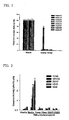
- the compound of the invention is a small-molecule, non-peptide-based caspase inhibitor which has a broad-spectrum activity (see Figures 1 & 2).
- the compound of formula (I) is different from BCNU or COX-2 inhibitor in the fact that it was originally designed as a specific inhibitor of caspase family enzymes. It is noteworthy that apoptotic process is very complicated and caspases are critically involved in several steps of this process. Moreover, relatively little is known about caspase regulation largely because many of the known substrates have been found serendipitously. Thus, to block short-term, massive apoptosis of hepatocytes during acute phase of FHF, a broad-spectrum caspase inhibitor might exert more potent effect than a specific-spectrum caspase inhibitor. In this regard, the compound of formula (I) could be an ideal candidate.
- the present inventors used ConA-induced hepatitis model to test the apoptosis-blocking effect of caspase inhibitor, the compound of formula (I).
- cytokines are involved in Con A-induced hepatitis: IL-2, IFN ⁇ , TNF ⁇ , IL-6, IL-4, and IL-10.
- the present inventors assessed the effect of the compound of formula (I) to serum IL-1 ⁇ , IL-2 IL-4, and IFN ⁇ concentrations elevated by Con A.
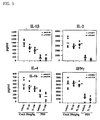
- the compound of formula (I) according to the present invention significantly suppressed IL-1 ⁇ level in a dose-dependent manner (see Figure 5A) due to its caspase-1-inhibiting activity shown in Figures 1 and 2.
- the compound of formula (I) did not significantly affect IL-2, IL-4, and IFN ⁇ levels ( Figure 5B, C, D).
- the compound of formula (I) inhibited PARP cleavage caused by Con A-induced apoptotic death of hepatic cells in a dose-dependent manner (see Figure 7).
- the amount of 85 kDa-cleavage product gradually reduced as dose of compound 33 is increased, but intact 116 kDa PARP appeared relatively constant. It is considered the hepatocytes which virtually underwent apoptosis comprise only a small portion compared with the whole liver mass. This result is consistent with histological examination.
- Con A induced severe morphological and histological changes to hepatocytes and the apoptotic lesions were clearly detectable.
- a large proportion of hepatocytes still remained alive and apoptotic cells comprise a part. This phenomenon explains the appearance of intact 116 kDa PARP even in the liver of ConA/vehicle mice.
- the present inventors induced an artificial apoptosis by treating Fas responsive cell with IFN ⁇ and anti-Fas antibody, and conducted experiments in order to evaluate the inhibitory activity of the compound of formula (I) on the cells against apoptosis.
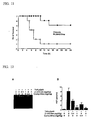
- the compound of formula (I) revealed 2-fold or more superior inhibitory effect over the known Ac-DEVD-CHO or z-DEVD-cmk (At the same concentration, the cell viability was 35.1%(Ac-DEVD-CHO) , 47.3%z-DEVD-cmk, and 100%(Compound 33), see Table 1 and Fig. 8).
- non-peptidic compound of formula (I) has a wide variety of caspase inhibitory activities and thus, anti-inflammation and apoptosis prevention effects, especially can effectively be used as therapeutics for preventing massive apoptosis of hepatocytes in human FHF.
- the compound of formula (I) is a new, non-peptide based caspase inhibitor. Its broad-spectrum activity could be a beneficial property as a therapeutic agent blocking the massive apoptosis of hepatocytes in human FHF.
- the compounds of the present invention may be used as medicines against above-mentioned diseases.
- Said use as a medicine comprises local or systemic administration to patients of an effective amount of the compounds according to the invention for treating the diseases.
- the subject compounds may be formulated into various pharmaceutical forms for administration purposes.
- Said pharmaceutical forms or compositions are deemed to novel and consequently constitute a further aspect of the present invention.
- the preparation of said composition constitutes a further aspect of the present invention.
- an effective amount of the compound, in base or salt form, as the active ingredient is combined in intimate admixture with a pharmaceutically acceptable carrier which may take a wide variety of forms depending on the form of preparation desired for administration.
- a pharmaceutically acceptable carrier which may take a wide variety of forms depending on the form of preparation desired for administration.
- These pharmaceutical compositions are desirably in unitary dosage form suitable, preferably, for administration orally, percutaneously, or by parenteral injection. It is especially advantageous to formulate the above pharmaceutical composition in unit dosage form for ease of administration and uniformity of dosage.
- any of the usual pharmaceutical media may be employed for example, water, glycols, oils, alcohols and the like in the case of oral liquid preparations such as suspensions, syrups, elixirs and solutions: or solid carriers such as starches, sugars, kaolin, lubricants, binders, disintegrating agent and the like in the case of powders, pills, capsules and tablets.
- solid pharmaceutical carriers such as starches, sugars, kaolin, lubricants, binders, disintegrating agent and the like in the case of powders, pills, capsules and tablets.
- tablets and capsules represent the most advantageous oral dosage unit form, in which case solid pharmaceutical carriers are obviously employed. It is preferable that tablets and fills are enteric-coated.
- the carrier will usually include sterile water, at least in large part, though other ingredients, for example, to aid solubility, may be included.
- injectable solutions for example sterilized aqueous injection suspension or oil suspension, may be prepared with suitable dispersing agents, wetting agents or suspending agents.
- Solvents which can be used for this purpose include water, Linger's solution, isotonic NaCl solution, etc.
- Sterilized fixed oils can also be used as a solvent or a suspending medium. Any non-excitatory fixed oils including mono-, diglycerides can be used for this purpose and fatty acids such as oleic acid can be used in the injectable preparation.
- the carrier optionally includes a penetration enhancing agents and/or a suitable wetting agent, optionally combined with suitable additives of any nature in minor proportions, wherein the additives do not give a significant deleterious effect on the skin.
- Said additives may facilitate the administration to the skin and/or may assist preparation of the desired compositions.
- These compositions may be administered in various routes, e.g., as a transdermal patch, as a spot-on or as an ointment.
- Dosage unit as used in the specification and claims herein refers to physically discrete units suitable as unitary dosage, each unit containing a predetermined quantity of active ingredient calculated to produce the desired therapeutic effect in association with the required pharmaceutical carrier.
- dosage unit forms are tablets, capsules, pills, powder packets, wafers, injectable solutions or suspensions, teaspoonfuls, tablespoonfuls and the like, and segregated multiples thereof.
- the present invention provides a use of the isoxazoline derivatives of the invention, their salts, esters and stereoisomers, and of the compositions comprising them, for the manufacture of a medicament for treating patients suffering from the diseases caused by caspase activation, for the local or systemic administration of a pharmaceutically effective amount of the compound of formula (I) or the pharmaceutically acceptable salt, ester or stereochemically isomeric form thereof in admixture with a pharmaceutical carrier.
- an effective amount would range from 0.01 mg/kg to 100 mg/kg body weight a day in a unit dosage or divided dosage.
- an effective amount would range from 0.01 mg/kg to 100 mg/kg body weight a day in a unit dosage or divided dosage.
- the specific dosage level for a specific subject would depend upon the particular compound to be employed, weight of a subject, health conditions, regimen, administration period of the drug, administration route, excretion rate, combination of drug, the severity of diseases, etc.
- reaction solution was treated with diisopropylethylamine (28.8 mL, 3.0 eq) and stirred for about 20 min. at -23 °C then diluted with hexanes (400 mL). The mixture was washed with water(150 mL), 1N-KHSO 4 solution (x 3, total 1 L), dried with anhydrous Na 2 SO 4 , filtered and concentrated. The yellowish liquid obtained was used directly in next step without further purification.
- N-t-butoxy-carbonyl-(S)-valinal oxime (11.34g) in DMF (100 mL) was treated with NCS (7.75g) and stirred in warm water bath ( ⁇ 40 °C) for 1h. After removal of DMF, the residue was extracted with ethyl acetate-hexanes (1:1, 150 mL), washed with water (100 mL x 3), dried (anh. Na 2 SO 4 ), filtered and concentrated to give 13.69g of the title compound.
- EtN(i-Pr) 2 (10.45 mL, 3.0eq) was added thereto and the reaction solution was slowly warmed up to -10 °C with TLC checking (conversion to aldehyde is relatively slow, ⁇ 1h).
- the reaction mixture was diluted with hexanes (300 mL), washed with water(150 mL), with 1N-KHSO 4 (x 3, total 500 mL), dried with anh. Na 2 SO 4 , filtered and concentrated to give the corresponding aldehyde.
- esters and free carboxylic acids were prepared similarly.
- Example 22 Synthesis of (3S)-3- ⁇ 3-[2-methyl-(1S)-1-(naphthalene-2-carbonyl-amino)-propyl]-5-phenylmethyl-4,5-dihydro-isoxazole-5-carbonyl-amin o ⁇ -4-keto-5-(2,6-dichlorobenzoyloxy)-pentanoic acid-t-butyl ester
- the title compound was prepared with conventional EDC coupling of 3-[2-methyl-(1S)-1-(naphthalene-2-car-bonylamino)-propyl]-5-phenoxymethyl-4, 5-dihydro-isoxazole-5-carboxylic acid (1.00g, 2.24 mmol) and (3S)-3-amino- 4-hydroxy-5- phenoxy-pentanoic acid t-butyl ester (630 mg, 1.0 eq), EDC (558 mg, 1.3 eq), HOBt(394 mg, 1.3 eq) and triethylamine (0.94 mL, 3.0 eq) in DMF (5 mL).
- Con A was purchased from Boehringer Mannheim GmbH (Mannheim, Germany).
- Peptide-based substrates of caspases (Ac-YVAD-pNA for caspase-1, Ac-VDVAD for caspase-2, Ac-DEVD-pNA for caspase-3, 7, 8, and 9, Ac-LEVD-pNA for caspase-4, and Ac-VEID-pNA for caspase-6) and peptide-based caspase inhibitors (Ac-DEVD-fmk, z-VAD-CHO) were purchased from Alexis Co. (San Diego, CA).
- Ac-DEVD-CHO and z-DEVD-cmk were purchased from Bachem; Anti Fas antibody was purchased from Oncor (Cat#A8050); WI38 cell was available from ATCC; IFN-gamma was purchased from LG Pharmaceuticals (Korea). All cell culture-media and supplements were purchased from Gibco BRL (Tsuen Wan, Hong Kong) unless mentioned otherwise.
- Recombinant human caspases(1-4, 6-10) were prepared according to the method described in Garcia-Calvo M et al., "Purification and catalytic properties of human caspase family members", Cell Death Differ ., 1999, Apr.; 6(4): 362-9).
- Caspase-3, -6, -7 and -8 are commercially available (Pharmingen, SanDiego, CA, USA, Caspase-3: 66281T, Caspase-6: 66291T, Caspase-7: 66301T, Caspase-8: 66311T).
- Enzymatic activity was measured by a known procedure (Walker N.P.C. et al., Cell 1994, 78 , 343). Briefly, 10 ng of recombinant protein was mixed with 50 mM Tris(pH 7.0), 1mM DTT, 0.5 mM EDTA, 10% Glycerol buffer containing 1 ⁇ 100 ⁇ M of enzyme substrate, Ac-YVAD-AMC or Ac-DEVD-AMC and then the changes by isolated AMC at 37°C were recorded. The inhibitory activity for caspases was calculated from the early enzyme reaction rate by measuring the changes with fluorescence excited at 380 nM and emitted at 460 nm (Range; Ki ⁇ 100nM).
- Inhibitory activity for Caspase-1 was determined by screening the effects of the compounds on the IL-1 ⁇ production in the periphery lymphocytes stimulated with LPS. Briefly, 500,000 cells/ml of human peripheral lymphocytes were treated with the test compounds at various concentrations for 2 hours and then with 10 ng/ml of LPS. After incubating the cells for 12 hours, the supernatant samples from the media were analysed by immunoantibody analysis (Amersham) in which 100 ng/well of human IL-1 ⁇ antibody is coated (Range: CIC 50 : 0.1 ⁇ 10 ⁇ M).
- Rat hepatocytes were isolated, purified, and cultured as described by Stadler et al., Arch. Biochem. Biophys . 302: 4-11).
- Highly purified hepatocytes (>98% purity and >98% viability by trypan blue exclusion) were suspended in Williams medium E containing 10% calf serum supplemented with 15 mM HEPES (pH 7.4), 1 ⁇ M insulin, 2 mM L-glutamine, 100 units/ml penicillin, and 100 ⁇ g/ml streptomycin.
- the cells were plated on collagen-coated plates with a density of 2x 10 5 cells/well in a 12-well plate for cell viability test or 5x10 6 cells/ 100 ml dish for enzyme assay.
- Caspase activity was tested by measuring proteolytic cleavage of peptide-based chromogenic substrate by each enzyme.
- Recombinant human caspase was preincubated with 5 mM DTT in assay buffer (100 mM HEPES, pH 7.4, containing 20% (v/v) glycerol) for 20 minutes at room temperature.
- Aliquots of the enzyme (2 ⁇ l containing catalytic activity of 0.2 absorbance at 405 nm/h) were mixed with 150 ⁇ l of 200 ⁇ M chromogenic substrate in the presence or absence of 100 ⁇ M compound 33 in 96-well plates. The mixture was incubated at 37°C.
- the absorbance of enzymatically released pNA was measured discontinuously at 405 nm in a microplate reader for I hr.
- n represents the number of repeated experiment.
- the compound of the invention almost completely inhibited all tested caspase activity, only except for caspase 2 ( Figure 1). This result indicates that the compound of the invention is a broad-spectrum caspase inhibitor.
- Freshly isolated rat hepatocytes were treated with 2,000 units/ml TNF ⁇ plus 100 ng/ml actinomycin D to induce cellular apoptosis.
- the cells were harvested after 10 hrs.
- Cytosolic solution was obtained by lysing cells with three cycles of freezing and thawing and centrifuging at 12,000 x g for 20 min. at 4 °C. Cytosol ( ⁇ 2 ⁇ g of protein) was mixed with 200 ⁇ M specific chromogenic substrate in 100 mM HEPES buffer (pH 7.4) containing 20% glycerol and 5 mM DTT in presence or absence of 100 ⁇ M compound 33 and incubated 37 °C. The caspase activity was assayed by measuring the increased absorbance at 405 nm.
- the compound of the invention prevented the death of rat hepatocytes (mean ⁇ SE)( Figure3).
- the result of this experiment indicates that the compound of the invention protected hepatocytes from apoptotic death induced by TNF ⁇ plus actinomycin D.
- Step 1 Preparation of blood sample
- mice Female 6-week-old Balb/c mice (Charles River Laboratory, Osaka, Japan) were kept at 22 °C and 55% relative humidity in a 12-h day/night rhythm with free access to food and water.
- Con A was dissolved in pyrogen-free saline to a concentration of 2.5 mg/ml and was injected via the tail vein in an amount of 20mg/kg based on Con A.
- the animals were i.p. injected twice with compound 33 dissolved into a vehicle which consists of olive oil and 10% DMSO, or a vehicle alone, at 1 hr before and 4h after Con A injection. Animals were sacrificed by cervical dislocation at 24 hrs after Con A injection to obtain liver and blood samples.
- Step 2 Assay for plasma aminotransferase activity
- Plasma samples obtained at step 1 were collected at 24h after Con A injection.
- Plasma AST and ALT activity were measured using Autokit (Youngdong Pharmaceutical Co., Seoul, Korea) following manufacturer's instruction.
- cytokine including TNF ⁇ , IL-2, IL-4, and IFN ⁇ by sandwich ELISA were reported to increase in patients with liver disease (See: Chisari, F. V., 1992, Mol. Genet. Med . 2: 67-104; Fukuda, R. et al., Clin. Exp. Immunolol . 100: 446-451; Yoshioka, K. et al., Hepatology 10: 769-773). Therefore, the present inventors assessed the effect of the present compound to serum cytokine concentrations elevated by Con A.
- the present inventors estimated the prevalence of apoptotic cells in the mouse liver to certify the apoptosis-blocking effect of the compound of the present invention specifically in hepatocytes.
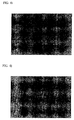
- Mice were treated ConA in the presence or absence of various dosages of compound 33 [A and G: ConA and vehicle treatment, B and H: ConA and compound 33 4mg/kg treatment, C and I: ConA and compound 33 20mg/kg treatment, D and J: ConA and compound 33 100mg/kg treatment] to prepare frozen liver sections.
- mice were treated with PBS and vehicle (E and K), or PBS and compound 33 100mg/kg (F and L) to prepare frozen liver sections.
- Freshly excised mouse liver was immediately immersed in 25 % sucrose solution at 4 °C for overnight, then frozen in liquid nitrogen, and cryosectioned into 4 ⁇ m.
- liver sections were fixed in 1% buffered paraformaldehyde and stained with hematoxilin & eosin (Fig. 6A to F).
- frozen liver was stained using an ApopTag in situ apoptosis peroxidase detection kit (terminal deoxynucleotidyl transferase-mediated dUTP nick end labeling: TUNEL assay) (Oncor, Gaithersburg, MD) and DAKO liquid DAB (DAKO, Carpinteria, CA)(Fig. 6G to L). Staining was conducted according to manufacturer's instruction. After completion of staining, the samples were observed under an optical microscope.
- Freshly harvested livers treated with Con A or PBS together with various doses of compound 33 were rinsed in cold PBS and homogenized into three volumes per weight of cold PBS containing 1% Nonidet P-40, 0.1 % SDS, 1 mM PMSF, and protease inhibitor cocktail tablet CompleteTM (Boehnger Mannheim, used according to manufacturer's instruction). The homogenates were incubated on ice for 30 min. Samples were then centrifuged at 16,000 x g for 30 min at 4°C. Supernatants were transferred to fresh tubes and centrifuged for additional 30 min.
- the compound of the invention inhibited PARP cleavage caused by Con A-induced apoptotic death of hepatic cells ( Figure 7).
- the apoptosis-blocking effect of the compound appeared in a dose-dependent manner.
- WI38 cells human embryonal lung fibroblast
- the cells were grown in a medium containing DMEM-10% FBS within 10cm diameter dishes until reaching at confluency. The cells were seeded into a 24-well plate at day 1 and incubated overnight while the volume of medium was maintained to 400 ⁇ l. Cells were treated with 200 units/ml of IFN ⁇ at day 2 and incubated over 12 hrs or more. At day 3, each 100 ⁇ l of test compound was added to the cells after diluting the 10mM stock compound in DMSO to final concentrations of 50, 10, 2, and 0.4 ⁇ M, respectively.
- the cells were incubated for 2 hrs in order for allowing the compound to enter into the cells and then treated with 40ng/well of anti-Fas antibody(apoptosis was induced 2 hrs after antibody was treated and the incubation was continued overnight).
- the control was not treated with Fas antibody.
- At day 4 after cells were observed with a microscope, 300 ⁇ l of medium per well and then 150 ⁇ l of XTT working solution were added to the medium and cultivation was continued for 2 hrs. After coloring, 100-200 ⁇ l of the supernatant was transferred to a 96-well plate and the absorbance at 490 nm was read with ELISA plate reader. For the blank, XTT solution was added to the well containing the medium only.
- Step A Animal treatment
- mice 8 hrs later, blood and liver tissues were isolated from anesthetized animals. The liver tissues were snap-frozen and stored at -80° C until use. Plasma was isolated from blood by centrifugation at 12,000 x g for 10 min at 4° C and stored at -80° C. In some experiments for animal mortality, mice were i.p. injected with TNF ⁇ /GalN and caspase inhibitor was injected 1 hr before, simultaneously, 2 hrs, or 4 hrs after TNF ⁇ /GalN injection.
- Step B DNA fragmentation
- the pellet was dried and resuspended in 100 ⁇ l of 20 mM Tris-HCl, pH 8.0. After digesting RNA with DNase-free RNase (0.1 mg/ml) at 37 ° C for 1 hr, samples (15 ml) were electrophoresed through a 1.2% agarose gel in 450 mM Tris borate + EDTA (TBE), pH 8.0 buffer. DNA was photographed under visualized with UV light.
- Liver tissues were homogenated in 10 mM HEPES buffer containing protease inhibitors (5 ⁇ g/ml aprotinin, 5 ⁇ g/ml pepstatin A, 10 ⁇ g/ml leupeptin, and 0.5 mM PMSF) and lysed by three freeze/thaw cycles.
- the cytosolic fraction was obtained by centrifugation at 12,000 x g for 20 min. at 4" C. Protein concentration was determined with BCA protein assay reagent (pierce, Rockford, IL).
- Cytosol containing 200 ⁇ g protein was combined in 96-well plate with 200 mM of synthetic substrate Ac-DEVD-pNA in 150 ⁇ l of 100 mM HEPES, pH 7.4, containing the protease inhibitors, and the reaction was conducted for 1 hr at 37° C. Cytosolic caspase-3-like activity was assayed by measuring the increased absorbance at 405 nm. Plasma level of aspartate aminotransferase (AST) was analyzed by spectrophotometry using each enzyme assay kit (Sigma).
- Step D Hepatocyte culture and treatment
- rat hepatocytes were isolated and purified from male Sprague-Dawley rats using a collagenase digestion method. The hepatocytes were purified over 30% Percoll gradient by centrifugation at 1,000 x g for 10 min. at 4° C. Highly purified hepatocytes (>98% purity and >95% viability by trypan blue exclusion) were suspended in Williams medium E supplemented with 10% calf serum, 1 ⁇ M insulin, 2 mM L-glutamine, 15 mM HEPES (pH 7.4), 100 units/ml penicillin, and 100 ⁇ g/ml streptomycin.
- the cells were plated on collagen-coated tissue culture plates at a density of 2 x 10 5 cells/well in 12-well plates for cell viability analysis or 5 x 10 6 cells/100 mm dish for enzyme assays. After 18 hrs preculture, the cells were treated with 2,000 units/ml TNF ⁇ and 0.2 ⁇ g/ml Actinomycin (ActD). Caspase activity and cell viability was determined by colorimetry using a caspase substrate Ac-DEVD-pNA and crystal violet staining method at 8 hrs and 12 hrs, respectively.
- Treatment with compound 33MP was suppressed the liver apoptosis in a dose-dependent manner. The suppression was higher than that of well-known peptide caspase inhibitor Z-VAD-fmk.
- the release of liver enzyme, AST was increased in animal treated with anti-Fas antibody (Fig. 9B). The enzyme release was also significantly suppressed by the injection with compound 33MP.
- TNF ⁇ /ActD proinflammatory cytokines
- Fig. 12A The release of AST following TNF ⁇ /ActD treatment was also suppressed by treatment with compound 33MP (Fig. 12B).
- the protective effect of compound 33MP was higher than that of Z-VAD-fmk.
- TNF ⁇ /ActD-mediated liver toxicity was accompanied by increase in caspase-3-like activity (Fig. 13).
- the inventors prepared the sodium salt form of compound 33 MP to increase its solubility and examined the effect of this compound (Compound 33MP-Na) on caspase activity and cell viability in TNF ⁇ /ActD-treated primary rat hepatocytes.
- Caspase-3-like activity was increased in cultured hepatocytes following treatment with TNF ⁇ /ActD for 8 hrs (Fig. 15A). This increase was suppressed by adding 100 ⁇ M compound 33MP-Na and this inhibition was not different from those of compound 33MP, Ac-DEVD-cho, or Z-VAD-fmk.
- Therapeutic drugs are administrated after diagnosis of disease symptoms.
- Hepatocytes were treated first with TNF ⁇ /ActD and then 100 ⁇ M of compound 33MP-Na was added at different time points. After 12 hrs of TNF ⁇ /ActD treatment, cell viability was determined by crystal violet staining. When added compound 33MP-Na between 0 and 6 hrs after TNF ⁇ /ActD treatment, cell viability was not decreased (Fig. 16). Addition of compound 33MP-Na after 6 hrs of TNF ⁇ /ActD treatment decreased cell viability in a time-dependent manner. No different results were obtained between compound 33MP-Na and Z-VAD-fmk.
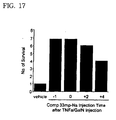
- mice with TNF ⁇ /ActD induced high mortality (95%). This mortality was significantly reduced ( ⁇ 80%) when injected with compound 33MP-Na at 1 hr before, 0 h, or 2 hrs after TNF ⁇ /ActD injection (Fig. 17). When administered 4 hrs after lethal challenge compound 33MP-Na still conferred a partial protection (50%). Moreover, death that occurs within 10-14 hrs in TNF ⁇ /ActD-injected animals was significantly delayed up to 24 hrs for the non-surviving compound 33MP-Na (data not shown).
Landscapes
- Health & Medical Sciences (AREA)
- Organic Chemistry (AREA)
- Chemical & Material Sciences (AREA)
- Life Sciences & Earth Sciences (AREA)
- General Health & Medical Sciences (AREA)
- Animal Behavior & Ethology (AREA)
- Medicinal Chemistry (AREA)
- Nuclear Medicine, Radiotherapy & Molecular Imaging (AREA)
- Chemical Kinetics & Catalysis (AREA)
- Pharmacology & Pharmacy (AREA)
- General Chemical & Material Sciences (AREA)
- Veterinary Medicine (AREA)
- Public Health (AREA)
- Engineering & Computer Science (AREA)
- Bioinformatics & Cheminformatics (AREA)
- Virology (AREA)
- Immunology (AREA)
- Communicable Diseases (AREA)
- Oncology (AREA)
- Diabetes (AREA)
- Rheumatology (AREA)
- Neurology (AREA)
- Neurosurgery (AREA)
- Biomedical Technology (AREA)
- Molecular Biology (AREA)
- Cardiology (AREA)
- Heart & Thoracic Surgery (AREA)
- Vascular Medicine (AREA)
- Biotechnology (AREA)
- Endocrinology (AREA)
- Hematology (AREA)
- Obesity (AREA)
- Urology & Nephrology (AREA)
- Hospice & Palliative Care (AREA)
- Tropical Medicine & Parasitology (AREA)
- AIDS & HIV (AREA)
- Psychiatry (AREA)
- Pain & Pain Management (AREA)
- Emergency Medicine (AREA)
- Gastroenterology & Hepatology (AREA)
Applications Claiming Priority (5)
| Application Number | Priority Date | Filing Date | Title |
|---|---|---|---|
| PCT/KR1999/000561 WO2001021599A1 (en) | 1999-09-17 | 1999-09-17 | Caspase inhibitor |
| WOPCT/KR99/00561 | 1999-09-17 | ||
| KR10-1999-0048608A KR100399361B1 (ko) | 1999-11-04 | 1999-11-04 | 캐스파제 억제제 함유 치료제 조성물 |
| KR9948608 | 1999-11-04 | ||
| PCT/KR2000/001047 WO2001021600A1 (en) | 1999-09-17 | 2000-09-18 | Caspase inhibitor |
Publications (3)
| Publication Number | Publication Date |
|---|---|
| EP1212309A1 EP1212309A1 (en) | 2002-06-12 |
| EP1212309A4 EP1212309A4 (en) | 2002-11-27 |
| EP1212309B1 true EP1212309B1 (en) | 2004-08-18 |
Family
ID=26634563
Family Applications (1)
| Application Number | Title | Priority Date | Filing Date |
|---|---|---|---|
| EP00961242A Expired - Lifetime EP1212309B1 (en) | 1999-09-17 | 2000-09-18 | Caspase inhibitor |
Country Status (8)
| Country | Link |
|---|---|
| EP (1) | EP1212309B1 (https=) |
| JP (1) | JP4195561B2 (https=) |
| CN (1) | CN1137888C (https=) |
| AT (1) | ATE273705T1 (https=) |
| AU (1) | AU7322300A (https=) |
| CA (1) | CA2388564C (https=) |
| DE (1) | DE60013147T2 (https=) |
| WO (1) | WO2001021600A1 (https=) |
Families Citing this family (9)
| Publication number | Priority date | Publication date | Assignee | Title |
|---|---|---|---|---|
| KR100399361B1 (ko) * | 1999-11-04 | 2003-09-26 | 주식회사 엘지생명과학 | 캐스파제 억제제 함유 치료제 조성물 |
| US7026111B2 (en) * | 2001-10-15 | 2006-04-11 | Beckman Coulter, Inc. | Methods and reagents for improved cell-based assays |
| KR100594544B1 (ko) * | 2003-08-27 | 2006-06-30 | 주식회사 엘지생명과학 | 이소옥사졸린 구조를 갖는 캐스파제 저해제 |
| KR100774999B1 (ko) | 2005-02-26 | 2007-11-09 | 주식회사 엘지생명과학 | 이소옥사졸린 유도체 및 그의 제조 방법 |
| EP1746167A1 (en) * | 2005-07-20 | 2007-01-24 | Apoxis SA | Method for the identification of compounds susceptible to inhibit inflammation |
| WO2009013293A1 (en) * | 2007-07-24 | 2009-01-29 | Novartis Ag | Substituted cyclohexanecarboxamides useful as bace inhibitors |
| KR20090099886A (ko) * | 2008-03-18 | 2009-09-23 | 주식회사 엘지생명과학 | 캐스파제 저해제의 프로드럭 |
| WO2019030574A1 (en) | 2017-08-10 | 2019-02-14 | Cerenis Therapeutics Holding | Cargomers |
| TWI906428B (zh) * | 2020-12-10 | 2025-12-01 | 南韓商Lg化學股份有限公司 | 酸(Boronic Acid)化合物 |
Family Cites Families (7)
| Publication number | Priority date | Publication date | Assignee | Title |
|---|---|---|---|---|
| WO1995014680A1 (en) * | 1993-11-26 | 1995-06-01 | Pfizer Inc. | 3-aryl-2-isoxazolines as antiinflammatory agents |
| ATE154932T1 (de) * | 1993-11-26 | 1997-07-15 | Pfizer | Isoxazolinverbindungen als entzündungshemmende mittel |
| ATE169009T1 (de) * | 1994-03-09 | 1998-08-15 | Pfizer | Isoxazoline verbindung zur hemmung tnf-freigabe |
| NZ334906A (en) * | 1996-10-11 | 2000-09-29 | Basf Ag | A sulphonamido pentanoic acid derivative useful as an interleukin-1-beta converting enzyme inhibitor |
| JPH11180891A (ja) * | 1997-12-25 | 1999-07-06 | Dai Ichi Seiyaku Co Ltd | 抗細胞死剤 |
| KR100373375B1 (ko) * | 1998-04-03 | 2003-06-12 | 주식회사 엘지생명과학 | 인터루킨-1b-컨버팅효소및아포파인/cpp-32에대한저해제 |
| WO2001021599A1 (en) * | 1999-09-17 | 2001-03-29 | Lg Chemical Ltd. | Caspase inhibitor |
-
2000
- 2000-09-18 DE DE60013147T patent/DE60013147T2/de not_active Expired - Lifetime
- 2000-09-18 AU AU73223/00A patent/AU7322300A/en not_active Abandoned
- 2000-09-18 CN CNB008137056A patent/CN1137888C/zh not_active Expired - Fee Related
- 2000-09-18 AT AT00961242T patent/ATE273705T1/de not_active IP Right Cessation
- 2000-09-18 CA CA002388564A patent/CA2388564C/en not_active Expired - Fee Related
- 2000-09-18 EP EP00961242A patent/EP1212309B1/en not_active Expired - Lifetime
- 2000-09-18 JP JP2001524979A patent/JP4195561B2/ja not_active Expired - Fee Related
- 2000-09-18 WO PCT/KR2000/001047 patent/WO2001021600A1/en not_active Ceased
Also Published As
| Publication number | Publication date |
|---|---|
| CA2388564A1 (en) | 2001-03-29 |
| EP1212309A4 (en) | 2002-11-27 |
| DE60013147D1 (en) | 2004-09-23 |
| WO2001021600A1 (en) | 2001-03-29 |
| JP2003509502A (ja) | 2003-03-11 |
| AU7322300A (en) | 2001-04-24 |
| EP1212309A1 (en) | 2002-06-12 |
| CA2388564C (en) | 2007-11-06 |
| CN1377344A (zh) | 2002-10-30 |
| CN1137888C (zh) | 2004-02-11 |
| ATE273705T1 (de) | 2004-09-15 |
| DE60013147T2 (de) | 2005-08-11 |
| JP4195561B2 (ja) | 2008-12-10 |
Similar Documents
| Publication | Publication Date | Title |
|---|---|---|
| EP0558258B1 (en) | N-isoxazole-naphthylsulfonamide derivatives and their use as endothelin antagonists | |
| JP3273515B2 (ja) | 抗血栓剤としてのペプチドアルデヒド類 | |
| EP0501892B1 (fr) | Dérivés hétérocycliques diazotés N-substitués par un groupement biphénylméthyle, leur préparation, les compositions pharmaceutiques en contenant | |
| JP2000515165A (ja) | ホスファターゼ阻害剤およびその使用方法 | |
| US20040116425A1 (en) | Prenylation inhibitors and methods of their synthesis and use | |
| HK98197A (en) | N-isoxazole-phenylsulfonamide derivatives and their use as endothelin antagonists | |
| CA2125021A1 (en) | Alpha-heteroaryloxymethyl ketones as interleukin-1 beta converting enzyme inhibitors | |
| MXPA97002380A (es) | Nuevas carboxamidas con actividad antifungica | |
| MC2040A1 (fr) | Derives d'acides amines | |
| HU201963B (en) | Process for producing heterocyclic ketones and pharmaceutical compositions comprising same as active ingredient | |
| HU222277B1 (hu) | Szubsztituált bifenilil-izoxazol-szulfonamidok és ezeket tartalmazó gyógyszerkészítmények | |
| WO1991015487A1 (en) | Novel 4h-3,1-benzoxazin-4-one derivative | |
| EP1212309B1 (en) | Caspase inhibitor | |
| KR100204697B1 (ko) | 트리아졸릴 치환된 3급 아민 화합물 또는 이의 염 | |
| MC1879A1 (fr) | Derives de la pyridazodiazepine | |
| US6747050B1 (en) | Isoxazoline derivative and a process for the preparation thereof | |
| WO2007129019A1 (en) | Sulfonamide compounds useful as edg receptor modulators | |
| US8119673B2 (en) | Compounds 148 | |
| JP2002513766A (ja) | インターロイキン−1β変換酵素のスクシンアミド阻害剤 | |
| US5602161A (en) | Tetrazolylphenyl pivalate derivatives and medicinal composition containing the same as effective component | |
| ZA200202148B (en) | Caspase inhibitor. | |
| MXPA04007552A (es) | Compuestos heterociclicos que tienen actividad inhibidora de elastasa e intermediarios de los mismos. | |
| US6852744B2 (en) | Pyrrolidine derivatives and their use as chymase inhibitor | |
| JP2005537216A (ja) | セリンおよびシステインプロテアーゼの阻害剤としてのプロピルカーバメート誘導体 | |
| WO1998022443A1 (fr) | Derives de n-(imidazolylbutyle) benzenesulfonamide ayant une activite antithrombotique |
Legal Events
| Date | Code | Title | Description |
|---|---|---|---|
| PUAI | Public reference made under article 153(3) epc to a published international application that has entered the european phase |
Free format text: ORIGINAL CODE: 0009012 |
|
| 17P | Request for examination filed |
Effective date: 20020228 |
|
| AK | Designated contracting states |
Kind code of ref document: A1 Designated state(s): AT BE CH CY DE DK ES FI FR GB GR IE IT LI LU MC NL PT SE |
|
| AX | Request for extension of the european patent |
Free format text: AL;LT;LV;MK;RO;SI |
|
| RIC1 | Information provided on ipc code assigned before grant |
Free format text: 7A 61K 31/42 A, 7C 07D 261/04 B, 7C 07D 413/12 B, 7C 07D 413/14 B, 7A 61K 31/4709 B, 7A 61K 31/4725 B |
|
| A4 | Supplementary search report drawn up and despatched |
Effective date: 20021014 |
|
| AK | Designated contracting states |
Kind code of ref document: A4 Designated state(s): AT BE CH CY DE DK ES FI FR GB GR IE IT LI LU MC NL PT SE |
|
| 17Q | First examination report despatched |
Effective date: 20030328 |
|
| GRAP | Despatch of communication of intention to grant a patent |
Free format text: ORIGINAL CODE: EPIDOSNIGR1 |
|
| GRAS | Grant fee paid |
Free format text: ORIGINAL CODE: EPIDOSNIGR3 |
|
| GRAA | (expected) grant |
Free format text: ORIGINAL CODE: 0009210 |
|
| AK | Designated contracting states |
Kind code of ref document: B1 Designated state(s): AT BE CH CY DE DK ES FI FR GB GR IE IT LI LU MC NL PT SE |
|
| PG25 | Lapsed in a contracting state [announced via postgrant information from national office to epo] |
Ref country code: CY Free format text: LAPSE BECAUSE OF FAILURE TO SUBMIT A TRANSLATION OF THE DESCRIPTION OR TO PAY THE FEE WITHIN THE PRESCRIBED TIME-LIMIT Effective date: 20040818 Ref country code: AT Free format text: LAPSE BECAUSE OF FAILURE TO SUBMIT A TRANSLATION OF THE DESCRIPTION OR TO PAY THE FEE WITHIN THE PRESCRIBED TIME-LIMIT Effective date: 20040818 Ref country code: BE Free format text: LAPSE BECAUSE OF FAILURE TO SUBMIT A TRANSLATION OF THE DESCRIPTION OR TO PAY THE FEE WITHIN THE PRESCRIBED TIME-LIMIT Effective date: 20040818 Ref country code: FI Free format text: LAPSE BECAUSE OF FAILURE TO SUBMIT A TRANSLATION OF THE DESCRIPTION OR TO PAY THE FEE WITHIN THE PRESCRIBED TIME-LIMIT Effective date: 20040818 Ref country code: NL Free format text: LAPSE BECAUSE OF FAILURE TO SUBMIT A TRANSLATION OF THE DESCRIPTION OR TO PAY THE FEE WITHIN THE PRESCRIBED TIME-LIMIT Effective date: 20040818 |
|
| REG | Reference to a national code |
Ref country code: GB Ref legal event code: FG4D |
|
| REG | Reference to a national code |
Ref country code: CH Ref legal event code: EP |
|
| PG25 | Lapsed in a contracting state [announced via postgrant information from national office to epo] |
Ref country code: LU Free format text: LAPSE BECAUSE OF NON-PAYMENT OF DUE FEES Effective date: 20040918 |
|
| PG25 | Lapsed in a contracting state [announced via postgrant information from national office to epo] |
Ref country code: IE Free format text: LAPSE BECAUSE OF NON-PAYMENT OF DUE FEES Effective date: 20040920 |
|
| REG | Reference to a national code |
Ref country code: IE Ref legal event code: FG4D |
|
| REF | Corresponds to: |
Ref document number: 60013147 Country of ref document: DE Date of ref document: 20040923 Kind code of ref document: P |
|
| PG25 | Lapsed in a contracting state [announced via postgrant information from national office to epo] |
Ref country code: MC Free format text: LAPSE BECAUSE OF NON-PAYMENT OF DUE FEES Effective date: 20040930 |
|
| REG | Reference to a national code |
Ref country code: SE Ref legal event code: TRGR |
|
| PG25 | Lapsed in a contracting state [announced via postgrant information from national office to epo] |
Ref country code: GR Free format text: LAPSE BECAUSE OF FAILURE TO SUBMIT A TRANSLATION OF THE DESCRIPTION OR TO PAY THE FEE WITHIN THE PRESCRIBED TIME-LIMIT Effective date: 20041118 Ref country code: DK Free format text: LAPSE BECAUSE OF FAILURE TO SUBMIT A TRANSLATION OF THE DESCRIPTION OR TO PAY THE FEE WITHIN THE PRESCRIBED TIME-LIMIT Effective date: 20041118 |
|
| PG25 | Lapsed in a contracting state [announced via postgrant information from national office to epo] |
Ref country code: ES Free format text: LAPSE BECAUSE OF FAILURE TO SUBMIT A TRANSLATION OF THE DESCRIPTION OR TO PAY THE FEE WITHIN THE PRESCRIBED TIME-LIMIT Effective date: 20041129 |
|
| REG | Reference to a national code |
Ref country code: CH Ref legal event code: NV Representative=s name: ISLER & PEDRAZZINI AG |
|
| LTIE | Lt: invalidation of european patent or patent extension |
Effective date: 20040818 |
|
| NLV1 | Nl: lapsed or annulled due to failure to fulfill the requirements of art. 29p and 29m of the patents act | ||
| ET | Fr: translation filed | ||
| PLBE | No opposition filed within time limit |
Free format text: ORIGINAL CODE: 0009261 |
|
| STAA | Information on the status of an ep patent application or granted ep patent |
Free format text: STATUS: NO OPPOSITION FILED WITHIN TIME LIMIT |
|
| REG | Reference to a national code |
Ref country code: IE Ref legal event code: MM4A |
|
| 26N | No opposition filed |
Effective date: 20050519 |
|
| REG | Reference to a national code |
Ref country code: CH Ref legal event code: PCAR Free format text: ISLER & PEDRAZZINI AG;POSTFACH 1772;8027 ZUERICH (CH) |
|
| PG25 | Lapsed in a contracting state [announced via postgrant information from national office to epo] |
Ref country code: PT Free format text: LAPSE BECAUSE OF NON-PAYMENT OF DUE FEES Effective date: 20050118 |
|
| PGFP | Annual fee paid to national office [announced via postgrant information from national office to epo] |
Ref country code: CH Payment date: 20100914 Year of fee payment: 11 |
|
| PGFP | Annual fee paid to national office [announced via postgrant information from national office to epo] |
Ref country code: FR Payment date: 20100921 Year of fee payment: 11 Ref country code: SE Payment date: 20100913 Year of fee payment: 11 Ref country code: IT Payment date: 20100922 Year of fee payment: 11 |
|
| PGFP | Annual fee paid to national office [announced via postgrant information from national office to epo] |
Ref country code: GB Payment date: 20100916 Year of fee payment: 11 |
|
| PGFP | Annual fee paid to national office [announced via postgrant information from national office to epo] |
Ref country code: DE Payment date: 20100915 Year of fee payment: 11 |
|
| REG | Reference to a national code |
Ref country code: CH Ref legal event code: PL |
|
| GBPC | Gb: european patent ceased through non-payment of renewal fee |
Effective date: 20110918 |
|
| PG25 | Lapsed in a contracting state [announced via postgrant information from national office to epo] |
Ref country code: IT Free format text: LAPSE BECAUSE OF NON-PAYMENT OF DUE FEES Effective date: 20110918 |
|
| REG | Reference to a national code |
Ref country code: FR Ref legal event code: ST Effective date: 20120531 |
|
| REG | Reference to a national code |
Ref country code: SE Ref legal event code: EUG |
|
| REG | Reference to a national code |
Ref country code: DE Ref legal event code: R119 Ref document number: 60013147 Country of ref document: DE Effective date: 20120403 |
|
| PG25 | Lapsed in a contracting state [announced via postgrant information from national office to epo] |
Ref country code: CH Free format text: LAPSE BECAUSE OF NON-PAYMENT OF DUE FEES Effective date: 20110930 Ref country code: LI Free format text: LAPSE BECAUSE OF NON-PAYMENT OF DUE FEES Effective date: 20110930 Ref country code: DE Free format text: LAPSE BECAUSE OF NON-PAYMENT OF DUE FEES Effective date: 20120403 |
|
| PG25 | Lapsed in a contracting state [announced via postgrant information from national office to epo] |
Ref country code: FR Free format text: LAPSE BECAUSE OF NON-PAYMENT OF DUE FEES Effective date: 20110930 Ref country code: GB Free format text: LAPSE BECAUSE OF NON-PAYMENT OF DUE FEES Effective date: 20110918 |
|
| PG25 | Lapsed in a contracting state [announced via postgrant information from national office to epo] |
Ref country code: SE Free format text: LAPSE BECAUSE OF NON-PAYMENT OF DUE FEES Effective date: 20110919 |