EP1019082B2 - Use of a colony stimulating factor (csf) for enhancing collateral growth of collateral arteries and/or other arteries from preexisting arteriolar connections - Google Patents
Use of a colony stimulating factor (csf) for enhancing collateral growth of collateral arteries and/or other arteries from preexisting arteriolar connections Download PDFInfo
- Publication number
- EP1019082B2 EP1019082B2 EP98951483A EP98951483A EP1019082B2 EP 1019082 B2 EP1019082 B2 EP 1019082B2 EP 98951483 A EP98951483 A EP 98951483A EP 98951483 A EP98951483 A EP 98951483A EP 1019082 B2 EP1019082 B2 EP 1019082B2
- Authority
- EP
- European Patent Office
- Prior art keywords
- csf
- arteries
- collateral
- growth
- stimulating factor
- Prior art date
- Legal status (The legal status is an assumption and is not a legal conclusion. Google has not performed a legal analysis and makes no representation as to the accuracy of the status listed.)
- Expired - Lifetime
Links
Images



Classifications
-
- A—HUMAN NECESSITIES
- A61—MEDICAL OR VETERINARY SCIENCE; HYGIENE
- A61K—PREPARATIONS FOR MEDICAL, DENTAL OR TOILETRY PURPOSES
- A61K38/00—Medicinal preparations containing peptides
- A61K38/16—Peptides having more than 20 amino acids; Gastrins; Somatostatins; Melanotropins; Derivatives thereof
- A61K38/17—Peptides having more than 20 amino acids; Gastrins; Somatostatins; Melanotropins; Derivatives thereof from animals; from humans
- A61K38/19—Cytokines; Lymphokines; Interferons
- A61K38/193—Colony stimulating factors [CSF]
-
- A—HUMAN NECESSITIES
- A61—MEDICAL OR VETERINARY SCIENCE; HYGIENE
- A61P—SPECIFIC THERAPEUTIC ACTIVITY OF CHEMICAL COMPOUNDS OR MEDICINAL PREPARATIONS
- A61P1/00—Drugs for disorders of the alimentary tract or the digestive system
-
- A—HUMAN NECESSITIES
- A61—MEDICAL OR VETERINARY SCIENCE; HYGIENE
- A61P—SPECIFIC THERAPEUTIC ACTIVITY OF CHEMICAL COMPOUNDS OR MEDICINAL PREPARATIONS
- A61P13/00—Drugs for disorders of the urinary system
- A61P13/12—Drugs for disorders of the urinary system of the kidneys
-
- A—HUMAN NECESSITIES
- A61—MEDICAL OR VETERINARY SCIENCE; HYGIENE
- A61P—SPECIFIC THERAPEUTIC ACTIVITY OF CHEMICAL COMPOUNDS OR MEDICINAL PREPARATIONS
- A61P27/00—Drugs for disorders of the senses
- A61P27/02—Ophthalmic agents
-
- A—HUMAN NECESSITIES
- A61—MEDICAL OR VETERINARY SCIENCE; HYGIENE
- A61P—SPECIFIC THERAPEUTIC ACTIVITY OF CHEMICAL COMPOUNDS OR MEDICINAL PREPARATIONS
- A61P3/00—Drugs for disorders of the metabolism
- A61P3/06—Antihyperlipidemics
-
- A—HUMAN NECESSITIES
- A61—MEDICAL OR VETERINARY SCIENCE; HYGIENE
- A61P—SPECIFIC THERAPEUTIC ACTIVITY OF CHEMICAL COMPOUNDS OR MEDICINAL PREPARATIONS
- A61P35/00—Antineoplastic agents
-
- A—HUMAN NECESSITIES
- A61—MEDICAL OR VETERINARY SCIENCE; HYGIENE
- A61P—SPECIFIC THERAPEUTIC ACTIVITY OF CHEMICAL COMPOUNDS OR MEDICINAL PREPARATIONS
- A61P43/00—Drugs for specific purposes, not provided for in groups A61P1/00-A61P41/00
-
- A—HUMAN NECESSITIES
- A61—MEDICAL OR VETERINARY SCIENCE; HYGIENE
- A61P—SPECIFIC THERAPEUTIC ACTIVITY OF CHEMICAL COMPOUNDS OR MEDICINAL PREPARATIONS
- A61P9/00—Drugs for disorders of the cardiovascular system
-
- A—HUMAN NECESSITIES
- A61—MEDICAL OR VETERINARY SCIENCE; HYGIENE
- A61P—SPECIFIC THERAPEUTIC ACTIVITY OF CHEMICAL COMPOUNDS OR MEDICINAL PREPARATIONS
- A61P9/00—Drugs for disorders of the cardiovascular system
- A61P9/10—Drugs for disorders of the cardiovascular system for treating ischaemic or atherosclerotic diseases, e.g. antianginal drugs, coronary vasodilators, drugs for myocardial infarction, retinopathy, cerebrovascula insufficiency, renal arteriosclerosis
-
- A—HUMAN NECESSITIES
- A61—MEDICAL OR VETERINARY SCIENCE; HYGIENE
- A61K—PREPARATIONS FOR MEDICAL, DENTAL OR TOILETRY PURPOSES
- A61K48/00—Medicinal preparations containing genetic material which is inserted into cells of the living body to treat genetic diseases; Gene therapy
Definitions
- the present invention relates generally to the modulation of neovascularization and/or the growth of collateral arteries or other arteries from preexisting arteriolar connections.
- the present invention provides a method for enhancing neovascularization and/or the growth of collateral arteries and/or other arteries from preexisting arteriolar connections comprising contacting an organ, tissue or cells with a colony stimulating factor (CSF) or a nucleic acid molecule encoding said CSF.
- CSF colony stimulating factor
- the present invention also relates to the use of a CSF or a nucleic acid molecule encoding said CSF for the preparation of pharmaceutical compositions for enhancing neovascularization and/or collateral growth of collateral arteries and/or other arteries from preexisting arteriolar connections.
- VEGF vascular endothelial growth factor
- the technical problem of the present invention is to provide pharmaceutical compositions and methods for the modulation of neovascularization and/or the growth of collateral arteries and/or other arteries from preexisting arteriolar connections.
- the solution to this technical problem is achieved by providing the embodiments characterized in the claims.
- the invention relates to an in vitro method for enhancing the growth of collateral arteries and/or other arteries from pre-existing arteriolar connections comprising contacting organs, tissue or cells with a colony stimulating factor (CSF).
- CSF colony stimulating factor
- the term "'neovascularization" within the meaning of the present invention refers to a review of Sasayama, Circulation Res. 85 (1992), 1197-1204 .
- the growth of arteries from preexisting arteriolar connections is also called "arteriogenesis”.
- arteriogenesis is the in situ growth of arteries by proliferation of endothelial and smooth muscle cells from preexisting arteriolar connections supplying blood to ischemic tissue, tumor or sites of inflammation.
- colony stimulating factor refers to proteins and peptides which can act on macrophages and which are capable of promoting collateral artery growth by direct activation, proliferation and/or potentiation of the effector functions of resident and newly-recruited macrophages.
- CSF colony stimulating factor
- the action of the CSF employed in the present invention may not be limited to the above-described specificity but they may also act on, for example eosinophils, lymphocyte subpopulations and/or stem cells.
- the CSF is antiatherogenic.
- GM-CSF Granulocyte-Macrophage-Colony-Stimulating-Factor
- CSFs that can be employed in accordance with the present invention are particularly suited for the treatment of atheriosclerosis.
- CSFs or nucleic acid molecules encoding CSFs can be used for the activation and proliferation of macrophages which in turn leads to neovascularization and/or the growth of collateral arteries as well as to growth of arteries from preexisting arteriolar connections, which is needed for the cure of several occlusive diseases.
- G-CSF Granulocyte colony stimulating factor
- GM-CSF granulocyte macrophage-colony stimulating factor
- G-CSF Granulocyte colony stimulating factor
- GM-CSF granulocyte macrophage-colony stimulating factor
- GM-CSF is able to directly promote a number of macrophage and granulocyte effector functions including cell survival ( Selgas, Kidney International 50 (1996), 2070-2078 ; Lopez, J. Clin. Invest. 78 (1986), 1220-1228 ; Eischen, J. Immunol. Meth. 147 (1991), 3408-3412 ; Vincent, Exp. Hematol. 20 (1992), 17-23 ; Mangan, J Immunol.
- the CSFs to be employed in the methods and uses of the present invention may be obtained from various sources described in the prior art; see, e.g., Gaertner, Bioconjugate Chemistry 3 (1992), 262-268 ; Dexter, European Journal of Cancer 30A (1994), 15-9 ; Rohde, Developments in Biological Standardization 83 (1994), 121-127 ; Lu, Protein Expression & Purification 4 (1993), 465-472 ; Itoh, Tanpakushitsu Kakusan Koso - Protein, Nucleic Acid, Enzyme 35, 2620-2631 .
- CSF colony stimulating factor
- the functional part of said protein or the functionally equivalent protein may be a derivative of an CSF by way of amino acid deletion(s), substitution(s), insertion(s), addition(s) and/or replacement(s) of the amino acid sequence, for example by means of site directed mutagenesis of the underlying DNA.
- Recombinant DNA technology is well known to those skilled in the art and described, for example, in Sambrook et al. (Molecular cloning; A Laboratory Manual, Second Edition, Cold Spring Harbor Laboratory Press, Cold Spring Harbor NY (1989 )). Modified CSFs are described, e.g., in Yamasaki, Journal of Biochemistry 115 (1994), 814-819 .
- CSFs or functional parts thereof or proteins which are functionally equivalent to CSFs may be produced by known conventional chemical syntheses or recombinant techniques employing the amino acid and DNA sequences described in the prior art; see, e.g., EP-A-0 177 568 ; Han, Source Gene 175 (1996), 101-104 ; Kothari, Blood Cells, Molecules & Diseases 21 (1995), 192-200 ; Holloway, European Journal of Cancer 30A (1994), 2-6 .
- CSFs may be produced by culturing a suitable cell or cell line which has been transformed with a DNA sequence encoding upon expression under the control of regulatory sequences a CSF or a functional part thereof or a protein which is functionally equivalent to CSF.
- Suitable techniques for the production of recombinant proteins are described in, e.g., Sambrook, supra. Methods for constructing CSFs and proteins as described above useful in the methods and uses of the present invention by chemical synthetic means are also known to those of skill in the art.
- the invention relates to the use of a colony stimulating factor (CSF) selected from the group consisting of Granulocyte-Macrophage-Colony-Stimulating Factor (GM-CSF), Granulocyte-Colony-Stimulating Factor (G-CSF), Macrophage-Colony-Stimulating Factor (M-CSF), functionally equivalent substances and functional derivatives thereof for the preparation of a pharmaceutical composition for enhancing collateral growth of collateral arteries and/or other arteries from pre-existing arteriolar connections.
- CSF colony stimulating factor
- GM-CSF Granulocyte-Macrophage-Colony-Stimulating Factor
- G-CSF Granulocyte-Colony-Stimulating Factor
- M-CSF Macrophage-Colony-Stimulating Factor
- the pharmaceutical composition comprises at least one CSF as defined above, and optionally a pharmaceutically acceptable carrier or exipient.
- Suitable pharmaceutical carriers include phosphate buffered saline solutions, water, emulsions, such as oil/water emulsions, various types of wetting agents, sterile solutions etc.
- Compositions comprising such carriers can be formulated by conventional methods.
- the pharmaceutical compositions can be administered to the subject at a suitable dose.
- the dosage regimen may be determined by the attending physician considering the condition of the patient, the severity of the disease and other clinical factors.
- Administration of the suitable compositions may be effected by different ways, e.g. by intravenous, intraperetoneal, subcutaneous, intramuscular, topical or intradermal administration.
- the dosage regimen will be determined by the attending physician and other clinical factors.
- dosages for any one patient depends upon many factors, including the patient's size, body surface area, age, the particular compound to be administered, sex, time and route of administration, general health, and other drugs being administered concurrently.
- the regimen as a regular administration of the pharmaceutical composition should be in the range of 1 ⁇ g to 10 mg units per day. If the regimen is a continuous infusion, it should also be in the range of 1 ⁇ g to 10 mg units per kilogram of body weight per minute, respectively. Progress can be monitored by periodic assessment. Dosages will vary.
- a possible dosage for intravenous administration of DNA is from approximately 10 6 to 10 12 copies of the DNA molecule.
- the compositions of the invention may be administered locally or systemically. Administration will generally be parenterally, e.g., intravenously.
- DNA may also be administered directly to the target site, e.g., by biolistic delivery to an internal or external target site or by catheter to a site in an artery.
- said CSF used in the methods of the invention is selected from the group consisting of Granulocyte-Macrophage-Colony-Stimulating Factor (GM-CSF), Granulocyte-Colony-Stimulating Factor (G-CSF), Macrophage-Colony-Stimulating Factor (M-CSF), Colony-Stimulating Factor (CSF-I), functionally equivalent substances or functional derivatives thereof.
- GM-CSF Granulocyte-Macrophage-Colony-Stimulating Factor
- G-CSF Granulocyte-Colony-Stimulating Factor
- M-CSF Macrophage-Colony-Stimulating Factor
- CSF-I Colony-Stimulating Factor
- the uses of the invention may be employed for diseases caused by a vascular disease or a cardiac infarct or a stroke or for any disease where an increase of blood supply via collaterals, arteries etc. is needed.
- the uses of the invention are designed to be applied to a subject suffering from arteriosclerosis, a coronary artery disease, a cerebral occlusive disease, a peripheral occlusive disease, a visceral occlusive disease, renal occlusive disease, a mesenterial arterial insufficiency or an ophthamic or retenal occlusion or for any disease where atherosclerotic plaques in the vascular wall lead to an obstruction of the vessel diameter.
- the uses of the invention are designed to be applied to a subject during or after exposure to an agent or radiation or surgical treatment which damage or destroy arteries.
- the CSF used in the methods and uses of the invention is a recombinant CSF.
- DNA sequences encoding CSFs which can be used in the methods and uses of the invention are described in the prior art; see, e.g., Holloway, European Journal of Cancer 30A (1994), 2-6 or references cited above.
- DNA and amino acid sequences of CSFs are available in the Gene Bank database.
- methods for the production of recombinant proteins are well-known to the person skilled in the art; see, e.g., Sambrook, supra.
- the method and the use of the present invention is designed to be applied in conjugation with a growth factor, preferably fibroblast growth factor or vascular endothelial growth factor (VEGF).
- a growth factor preferably fibroblast growth factor or vascular endothelial growth factor (VEGF).
- VEGF vascular endothelial growth factor
- This embodiment is particularly suited for enhancing of both sprouting of capillaries (angiogenesis) and in situ enlargement of preexisting arteriolar connections into true collateral arteries.
- Pharmaceutical compositions comprising, for example, CSF such as GM-CSF, and a growth factor such as VEGF may be used for the treatment of peripheral vascular diseases or coronary artery disease.
- the described in vitro method may comprise
- the CSFs are administered either alone or in combination, and optionally together with a pharmaceutically acceptable carrier or exipient.
- Said nucleic acid molecules may be stably integrated into the genome of the cell or may be maintained in a form extrachromosomally, see, e.g., Calos, Trends Genet. 12 (1996), 463-466 .
- viral vectors described in the prior art may be used for transfecting certain cells, tissues or organs.
- a pharmaceutical composition which comprises a nucleic acid molecule encoding a CSF in gene therapy.
- Suitable gene delivery systems may include liposomes, receptor-mediated delivery systems, naked DNA, and viral vectors such as herpes viruses, retroviruses, adenoviruses, and adeno-associated viruses, among others. Delivery of nucleic acid molecules to a specific site in the body for gene therapy may also be accomplished using a biolistic delivery system, such as that described by Williams (Proc. Natl. Acad. Sci. USA 88 (1991), 2726-2729 ). Standard methods for transfecting cells with nucleic acid molecules are well known to those skilled in the art of molecular biology, see, e.g., WO 94/29469 .
- Gene therapy to prevent or decrease the development of diseases described herein may be carried out by directly administering the nucleic acid molecule encoding a CSF to a patient or by transfecting cells with said nucleic acid molecule ex vivo and infusing the transfected cells into the patient. Furthermore, research pertaining to gene transfer into cells of the germ line is one of the fastest growing fields in reproductive biology. Gene therapy, which is based on introducing therapeutic genes into cells by ex-vivo or in-vivo techniques is one of the most important applications of gene transfer.
- Suitable vectors and methods for in-vitro or in-vivo gene therapy are described in the literature and are known to the person skilled in the art; see, e.g., Giordano, Nature Medicine 2 (1996), 534-539 ; Schaper, Circ. Res. 79 (1996), 911-919 ; Anderson, Science 256 (1992), 808-813 ; Isner, Lancet 348 (1996), 370-374 ; Muhlhauser, Circ. Res. 77 (1995), 1077-1086 ; Wang, Nature Medicine 2 (1996), 714-716 ; WO94/29469 ; WO 97/00957 or Schaper, Current Opinion in Biotechnology 7 (1996), 635-640 , and references cited therein.
- the nucleic acid molecules comprised in the pharmaceutical composition may be designed for direct introduction or for introduction via liposomes, or viral vectors (e.g. adenoviral, retroviral) containing said nucleic acid molecule into the cell.
- said cell is a germ line cell, embryonic cell, or egg cell or derived therefrom.
- the introduced nucleic acid molecules encoding the CSF express said CSF after introduction into said cell and preferably remain in this status during the lifetime of said cell.
- cell lines which stably express said CSF may be engineered according to methods well known to those skilled in the art. Rather than using expression vectors which contain viral origins of replication, host cells can be transformed with the recombinant DNA molecule or vector of the invention and a selectable marker, either on the same or separate vectors. Following the introduction of foreign DNA, engineered cells may be allowed to grow for 1-2 days in an enriched media, and then are switched to a selective media.
- the selectable marker in the recombinant plasmid confers resistance to the selection and allows for the selection of cells having stably integrated the plasmid into their chromosomes and grow to form foci which in turn can be cloned and expanded into cell lines.
- This method may advantageously be used to engineer cell lines which express a CSF.
- Such cells may be also be administered in accordance with the pharmaceutical compositions, methods and uses of the invention.
- a number of selection systems may be used, including but not limited to the herpes simplex virus thymidine kinase ( Wigler, Cell 11 (1977), 223 ), hypoxanthine-guanine phosphoribosyltransferase ( Szybalska, Proc. Natl. Acad. Sci.
- neo which confers resistance to the aminoglycoside G-418 ( Colberre-Garapin, J. Mol. Biol. 150 (1981 ), 1 ); hygro, which confers resistance to hygromycin ( Santerre, Gene 30 (1984), 147 ); or puromycin (pat, puromycin N-acetyl transferase).
- trpB which allows cells to utilize indole in place of tryptophan
- hisD which allows cells to utilize histinol in place of histidine ( Hartman, Proc. Natl. Acad. Sci.
- ODC ornithine decarboxylase
- DFMO McConlogue, 1987, In: Current Communications in Molecular Biology, Cold Spring Harbor Laboratory ed .
- the nucleic acid molecule comprised in the above pharmaceutical composition is designed for the expression of the CSF by cells in vivo by, for example, direct introduction of said nucleic acid molecule or introduction of a plasmid, a plasmid in liposomes, or a viral vector (e.g. adenoviral, retroviral) containing said nucleic acid molecule.
- a viral vector e.g. adenoviral, retroviral
- the CSF derivative or functional equivalent substance is an antibody, (poly)peptide, nucleic acid, small organic compound, ligand, hormone, PNA or peptidomimetic.
- the CSFs to be employed according to the present invention may be, e.g., modified by conventional methods known in the art.
- fragments which retain the biological activity of CSFs as described above, namely the capability of promoting collateral artery growth.
- This further allows the construction of chimeric proteins and peptides wherein other functional amino acid sequences may be either physically linked by, e.g., chemical means to the CSF or may be fused by recombinant DNA techniques well known in the art.
- folding simulations and computer redesign of structural motifs of the CSFs or their receptors can be performed using appropriate computer programs ( Olszewski, Proteins 25 (1996), 286-299 ; Hoffman, Comput. Appl.
- incorporation of easily available achiral ⁇ -amino acid residues into a CSF protein or a fragment thereof results in the substitution of amide bonds by polymethylene units of an aliphatic chain, thereby providing a convenient strategy for constructing a peptidomimetic ( Banerjee, Biopolymers 39 (1996), 769-777 ).
- Superactive peptidomimetic analogues of small peptide hormones in other systems are described in the prior art ( Zhang, Biochem. Biophys. Res. Commun. 224 (1996), 327-331 ).
- Appropriate peptidomimetics of CSF may also be identified by the synthesis of peptidomimetic combinatorial libraries through successive amide alkylation and testing the resulting compounds, e.g., according to the methods described in the prior art. Methods for the generation and use of peptidomimetic combinatorial libraries are described in the prior art, for example in Ostresh, Methods in Enzymology 267 (1996), 220-234 and Dorner, Bioorg. Med. Chem. 4 (1996), 709-715 . Furthermore, antibodies or fragments thereof may be employed which, e.g., upon binding to a CSF-receptor mimic the biological activity of a CSF.
- a three-dimensional and/or crystallographic structure of the CSF or of its receptor can be used for the design of peptidomimetic inhibitors of the biological activity of a CSF ( Rose, Biochemistry 35 (1996), 12933-12944 ; Rutenber, Bioorg. Med. Chem. 4 (1996), 1545-1558 ).
- neovascularization and the growth of arteries from preexisting arteriolar connections is essential for the delivery of nutrition to tumors.
- the growth of said vessels to the tumor would be suppressed suppression and/or inhibition of tumor growth is to be expected.
- Tumor Macrophages require specific growth factors, e.g., M-CSF/CSF-1, for their proliferation throughout the G1 phase of the cell cycle.
- M-CSF/CSF-1 growth factors
- M-CSF/CSF-1 growth factors
- cyclin D a cell cyclus regulator, that together with cyclin dependent kinase (cdk 4) promotes entry of the cell into M-phase (Alberts, Biology of the Cell (1989), Second Edition) is induced by M-CSF/CSF-1 stimulation.
- cyclin D The enzymatic activity of cyclin D could be negatively regulated by recently reported inhibitory proteins to determine the timing for entry into S phase in macrophages ( Matsushime, Japanese Journal of Clinical Hematology 36 (1995), 406-409 ). It could be shown that among CSF-dependent macrophages especially monocytes as well as tissue specific macrophages (in the female reproductive tract) seem to be dependent on CSF-1 for their further differentiation ( Maito, Mol. Reprod. Dev. 46 (1997), 85-91 ). Beyond this GM-CSF/M-CSF are essential for the macrophage survival.
- CSFs promote neovascularization and collateral artery growth withdrawal of these factors should result in inhibition or decrease of neovascularization and/or collateral artery growth and, thus, in the suppression of tumor growth.
- Agents which suppress neovascularization and/or the growth of collateral arteries and/or other arteries from preexisting arteriolar connections may be peptides, proteins, nucleic acids, antibodies, small organic compounds, hormones, neural transmitters, peptidomimics, or PNAs ( Milner, Nature Medicine 1 (1995), 879-880 ; Hupp, Cell 83 (1995), 237-245 ; Gibbs, Cell 79 (1994), 193-198 ).
- the person skilled in the art can use the methods known in the art, for example those referred to above.
- the agent used in the methods and uses of the invention as described above inhibits the biological activity of a CSF and/or inhibits an intracellular signal or signal cascade comprising MARK and/or JNK/SAPK triggered in macrophages through the receptor for the CSF.
- Various receptors of CSFs are described in the prior art, for example in Chemokine Receptors.
- said receptor is a CSF receptor. Said receptor or specific domains thereof which a responsible for triggering a signal leading to collateral artery growth may be blocked or modulated by methods described herein.
- the agent used in the methods and uses of the invention is a(n) antibody, (poly)peptide, nucleic acid, small organic compound, ligand, hormone, PNA or peptidomimetic.
- Nucleic acid molecules specifically hybridizing to CSF encoding genes and/or their regulatory sequences may be used for repression of expression of said gene, for example due to an antisense or triple helix effect or they may be used for the construction of appropriate ribozymes (see, e.g., EP-B1 0 291 533 , EP-A1 0 321 201 , EP-A2 0 360 257 ) which specifically cleave the (pre)-mRNA of a gene encoding a CSF.
- nucleic and amino acid sequences encoding CSFs are known in the art and described, for example, in Han, Source Gene 175 (1996), 101-104 ; Kothari, Blood Cells, Molecules & Diseases 21 (1995), 192-200 or in Holloway, European Journal of Cancer 30A (1994), 2-6 . Selection of appropriate target sites and corresponding ribozymes can be done as described for example in Steinecke, Ribozymes. Methods in Cell Biology 50, Galbraith et al. eds Academic Press, Inc. (1995), 449-460 . Nucleic acids comprise DNA or RNA or hybrids thereof.
- nucleic acid may contain, for example, thioester bonds and/or nucleotide analogues, commonly used in oligonucleotide anti-sense approaches. Said modifications may be useful for the stabilization of the nucleic acid molecule against endo- and/or exonucleases in the cell.
- PNA peptide nucleic acid
- the binding of PNAs to complementary as well as various single stranded RNA and DNA nucleic acid molecules can be systematically investigated using, e.g., thermal denaturation and BlAcore surface-interaction techniques ( Jensen, Biochemistry 36 (1997), 5072-5077 ).
- the synthesis of PNAs can be performed according to methods known in the art, for example, as described in Koch, J. Pept. Res. 49 (1997), 80-88 ; Finn, Nucleic Acids Research 24 (1996), 3357-3363 .
- folding simulations and computer redesign of structural motifs of the CSFs and their receptors can be performed as described above to design drugs capable of inhibiting the biological activity of CSFs.
- antibodies may be employed specifically recognizing CSF or their receptors or parts, i.e. specific fragments or epitopes. of such CSFs and receptors thereby inactivating the CSF or the CSF receptor.
- These antibodies can be monoclonal antibodies, polyclonal antibodies or synthetic antibodies as well as fragments of antibodies, such as Fab, Fv or scFv fragments etc.
- Antibodies or fragments thereof can be obtained by using methods which are described, e.g., in Harlow and Lane "Antibodies, A Laboratory Manual", CSH Press, Cold Spring Harbor, 1988 or EP-B1 0 451 216 and references cited therein.
- surface plasmon resonance as employed in the BlAcore system can be used to increase the efficiency of phage antibodies which bind to an epitope of the CSF or its receptor ( Schier, Human Antibodies Hybridomas 7 (1996), 97-105 ; Malmborg, J. Immunol. Methods 183 (1995), 7-13 ).
- Putative inhibitors which can be used in accordance with the present invention including peptides, proteins, nucleic acids, antibodies, small organic compounds, ligands, hormones, peptidomimetics, PNAs and the like capable of inhibiting the biological activity of a CSF or its receptor may be identified according to the methods known in the art, for example as described in EP-A-0 403 506 or in the appended examples.
- the agent which blocks the interaction of the CSF and its receptor is selected from the group consisting of
- the pharmaceutical composition in the use of the invention is designed for administration by catheter intraarterial, intravenous, intraperitoneal or subcutenous routes.
- the CSF protein was administered locally via osmotic minipump.
- the use and methods of the invention can be used for the treatment of all kinds of diseases hitherto unknown as being related to or dependent on the modulation of neovascularization and/or the growth of collateral arteries and/or other arteries from preexisting arteriolar connections.
- the methods and uses of the present invention may be desirably employed in humans, although animal treatment is also encompassed by the methods and uses described herein.
- Example 1 Femoral artery occlusion of animals and local delivery of agents
- ketamine hydrochloride 40 to 80 mg/kg body weight
- xylazine 8 to 9 mg/kg body weight
- Supplementary doses of anesthetic (10% to 20% of the initial dose) were given intravenously as needed.
- the surgical procedure was performed under sterile conditions. Femoral arteries were exposed and cannulated with a sterile polyethylene catheter (inner diameter: 1 mm; outer diameter: 1,5mm) pointing upstream, with the tip of the catheter positioned distal to the branching of the arteria circemflexa femoris.
- the catheter itself was connected to the osmotic minipump (2ML-2, Alza Corp), which was implanted under the skin of the lower right abdomen. After that the animals were outfitted with a specially designed body suit that allowed them to move freely but prevented self-mutilation.
- the rabbits were housed individually with free access to water and chow to secure mobility.
- the body weights and body temperature in rabbits treated with GM-CSF did not significantly differ from those of control rabbits. Serum values of total protein, albumin, glutamic oxaloacetic transaminase, and glutamic pyruvic transaminase were not significantly changed by the GM-CSF treatment.
- the muscle sample were then placed loosely into 12 mm x 75 mm polystyrene tubes (Becton Dickinson & Co, Lincoln Park, NJ) and 3 ml of SDS solution [SDS solution (Boehringer Mannheim Corp.): 1% SDS (Boehringer Mannheim Corp.), 0,5% sodium azide (Sigma Chemical Company, St. Louis, MO), and 0,8% Tween-80 (Fisher Scientific, Fairlawn, NJ) in 50 millimolar pH 8 tris buffer (Sigma Chemical Company, St.
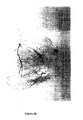
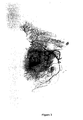
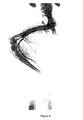
- collateral arteries developing after femoral artery occlusion in typical corkscrew formation supply blood to the distal adductor region and the lower leg.
- the systemic pressure [SP] and peripheral pressure [PP] was measured.
- Venous pressure was equal to atmospheric pressure [AP] (zero in the present case). Since arterial resistances are much lower than collateral and peripheral resistances, they can be neglected.
- SP represent the pressure at the stem region of the collateral arteries.
- PP is the pressure at the reentry region and is identical to the pressure head of the circulation in lower leg;
- AP the pressure at the venous end of the peripheral circulation.
- Collateral flow is equal to the sum of flow to the tissue of the distal adductor plus the flow to the tissue of the lower leg.
- Collateral resistance was defined as pressure difference between SP and PP divided by the flow going to the distal adductor an the lower leg.
- Peripheral resistance was defined as PP divided by flow to the lower leg, and bulk conductance was defined as SP divided by bulk flow recorded with the ultrasonic flow probe. The reciprocal values of these resistances represent collateral, peripheral, and bulk conductance. Because a positive pressure intercept is observed event at maximal vasodilation, all conductances were calculated from the slope of pressure-flow relations. Data are described as mean ⁇ SD. Differences among data were assessed using unpaired Student's t-test for intergroup comparisons and Mann-Whithney rank-sum test for unequal variances. Values of p ⁇ .05 were required for assumption of statistical significance. Collateral conductance was significantly higher after 1 week of occlusion in animals treated with GM-CSF compared with animals without this treatment.
- Postmortem angiograms exhibited corkscrew collaterals mainly in the adductor longus, adducotr magnus, and vasuts intermedius connecting the perusion bed of the arteria femoralis profunda to that of the arteria saphene parva int the adductor muscles and the perfusion bed of the arteria circumflexa femoris lateralis to that of the arteriae genuales in the quadriceps muscle.
- Angiograms taken from hindlimsb of animals treated with GM-CSF show a remarkable increase the diameter and density of these collateral vessels. (Table 2, Figures 1 to 5 )
- the results of the experiments performed in accordance with the present invention indicate that CSFs are capable of mediating neovascularization and/or collateral artery growth and/or growth of arteries from preexisting arteriolar connections due to macrophage recruitment that might be mediated by a direct effect of CSFs on macrophage activation, proliferation, motility, and survival and, secondarily, by chemoattractant molecules released in response to locally administered CSFs.
- the present invention provides for novel means and methods for the treatment of diseases which depend on neovascularization and/or collateral artery growth.
Landscapes
- Health & Medical Sciences (AREA)
- Life Sciences & Earth Sciences (AREA)
- Pharmacology & Pharmacy (AREA)
- Engineering & Computer Science (AREA)
- Bioinformatics & Cheminformatics (AREA)
- Veterinary Medicine (AREA)
- Public Health (AREA)
- General Health & Medical Sciences (AREA)
- Animal Behavior & Ethology (AREA)
- Chemical & Material Sciences (AREA)
- Medicinal Chemistry (AREA)
- Chemical Kinetics & Catalysis (AREA)
- Nuclear Medicine, Radiotherapy & Molecular Imaging (AREA)
- General Chemical & Material Sciences (AREA)
- Organic Chemistry (AREA)
- Zoology (AREA)
- Heart & Thoracic Surgery (AREA)
- Cardiology (AREA)
- Urology & Nephrology (AREA)
- Epidemiology (AREA)
- Proteomics, Peptides & Aminoacids (AREA)
- Immunology (AREA)
- Gastroenterology & Hepatology (AREA)
- Vascular Medicine (AREA)
- Ophthalmology & Optometry (AREA)
- Obesity (AREA)
- Hematology (AREA)
- Diabetes (AREA)
- Medicines That Contain Protein Lipid Enzymes And Other Medicines (AREA)
- Pharmaceuticals Containing Other Organic And Inorganic Compounds (AREA)
- Medicines Containing Antibodies Or Antigens For Use As Internal Diagnostic Agents (AREA)
- Materials For Photolithography (AREA)
- Peptides Or Proteins (AREA)
Priority Applications (2)
| Application Number | Priority Date | Filing Date | Title |
|---|---|---|---|
| EP98951483A EP1019082B2 (en) | 1997-10-02 | 1998-10-01 | Use of a colony stimulating factor (csf) for enhancing collateral growth of collateral arteries and/or other arteries from preexisting arteriolar connections |
| ES98951483T ES2221212T5 (es) | 1997-10-02 | 1998-10-01 | Metodos para la modulacion de la neovascularizacion y/o el crecimiento de arterias colaterales y/o de otras arterias a partir de conexiones arteriolares preexistentes. |
Applications Claiming Priority (4)
| Application Number | Priority Date | Filing Date | Title |
|---|---|---|---|
| EP97117155 | 1997-10-02 | ||
| EP97117155 | 1997-10-02 | ||
| EP98951483A EP1019082B2 (en) | 1997-10-02 | 1998-10-01 | Use of a colony stimulating factor (csf) for enhancing collateral growth of collateral arteries and/or other arteries from preexisting arteriolar connections |
| PCT/EP1998/006233 WO1999017798A1 (en) | 1997-10-02 | 1998-10-01 | Methods for the modulation of neovascularization and/or the growth of collateral arteries and/or other arteries from preexisting arteriolar connections |
Publications (3)
| Publication Number | Publication Date |
|---|---|
| EP1019082A1 EP1019082A1 (en) | 2000-07-19 |
| EP1019082B1 EP1019082B1 (en) | 2004-01-07 |
| EP1019082B2 true EP1019082B2 (en) | 2008-06-04 |
Family
ID=8227431
Family Applications (1)
| Application Number | Title | Priority Date | Filing Date |
|---|---|---|---|
| EP98951483A Expired - Lifetime EP1019082B2 (en) | 1997-10-02 | 1998-10-01 | Use of a colony stimulating factor (csf) for enhancing collateral growth of collateral arteries and/or other arteries from preexisting arteriolar connections |
Country Status (9)
| Country | Link |
|---|---|
| US (4) | US7507705B2 (https=) |
| EP (1) | EP1019082B2 (https=) |
| JP (2) | JP4891477B2 (https=) |
| AT (1) | ATE257392T1 (https=) |
| CA (1) | CA2304354A1 (https=) |
| DE (1) | DE69821011T3 (https=) |
| DK (1) | DK1019082T4 (https=) |
| ES (1) | ES2221212T5 (https=) |
| WO (1) | WO1999017798A1 (https=) |
Families Citing this family (36)
| Publication number | Priority date | Publication date | Assignee | Title |
|---|---|---|---|---|
| US7507705B2 (en) | 1997-10-02 | 2009-03-24 | MAX-PLANCK-Gesellschaft zur Förderung der Wissenschaften e.V. | Methods for the modulation of neovascularization and/or the growth of collateral arteries and/or other arteries from preexisting arteriolar connections |
| AU4544600A (en) * | 1999-04-06 | 2000-10-23 | Max-Planck-Gesellschaft Zur Forderung Der Wissenschaften E.V. | Pharmaceutical compositions comprising circulating blood cells, preferably monocytes and uses thereof |
| US20020034501A1 (en) * | 2000-05-18 | 2002-03-21 | Robert Pawliuk | Methods and compositions for promoting angiogenesis using monocytes |
| MXPA02012067A (es) * | 2000-06-05 | 2004-08-19 | Univ Columbia | Identificacion y uso de celulas endoteliales precursoras derivadas de medula osea par mejorar la funcion del miocardio despues de dano isquemico. |
| DE10033219A1 (de) * | 2000-07-07 | 2002-01-24 | Univ Heidelberg | Neuroprotektive Wirkung von Granulocyten-Colony Stimmulierendem Faktor (G-CSF) |
| WO2002022163A1 (en) | 2000-09-13 | 2002-03-21 | Chugai Seiyaku Kabushiki Kaisha | Remedies for ischemic diseases |
| FR2834898B1 (fr) * | 2002-01-18 | 2005-06-10 | Didier Pourquier | Nouvelle application therapeutique du g-csf, du gm-csf et du scf |
| US20030199464A1 (en) | 2002-04-23 | 2003-10-23 | Silviu Itescu | Regeneration of endogenous myocardial tissue by induction of neovascularization |
| CA2509618A1 (en) * | 2002-12-13 | 2004-07-01 | Hisayoshi Fujiwara | Pharmaceutical compositions for treating non-ischemic heart failure |
| US7695723B2 (en) | 2002-12-31 | 2010-04-13 | Sygnis Bioscience Gmbh & Co. Kg | Methods of treating neurological conditions with hematopoietic growth factors |
| US7785601B2 (en) | 2002-12-31 | 2010-08-31 | Sygnis Bioscience Gmbh & Co. Kg | Methods of treating neurological conditions with hematopoietic growth factors |
| US7166458B2 (en) * | 2003-01-07 | 2007-01-23 | Bio Tex, Inc. | Assay and method for analyte sensing by detecting efficiency of radiation conversion |
| EP1527785A1 (en) * | 2003-10-27 | 2005-05-04 | Ludwig-Maximilians-Universität München | Use of G-CSF for treating ischemia |
| AU2004283609B2 (en) * | 2003-10-27 | 2010-05-20 | Chugai Seiyaku Kabushiki Kaisha | G-CSF-containing substance for fibroblast recruitment and G-CSF-containing therapeutic agent for wound healing |
| GB0325836D0 (en) * | 2003-11-05 | 2003-12-10 | Celltech R&D Ltd | Biological products |
| KR20060124610A (ko) * | 2003-11-06 | 2006-12-05 | 셀진 코포레이션 | 석면-관련된 질환 또는 장애를 치료 및 관리하기 위하여jnk 억제제를 사용하는 방법 및 이 물질을 포함하는조성물 |
| WO2005084702A1 (ja) * | 2004-03-02 | 2005-09-15 | Hokkaido Technology Licensing Office Co., Ltd. | 臓器線維症予防・治療剤 |
| AU2005306894B2 (en) | 2004-11-05 | 2011-11-24 | Northwestern University | Use of SCF and G-CSF in the treatment of cerebral ischemia and neurological disorders |
| WO2006096931A1 (en) * | 2005-03-18 | 2006-09-21 | The University Of Queensland | Renal repair and regeneration |
| CN101534851B (zh) | 2006-09-15 | 2015-03-04 | 肯塔控股有限公司 | 促进器官发育的方法和组合物 |
| PL2188313T3 (pl) | 2007-08-21 | 2018-04-30 | Amgen, Inc. | Białka wiążące ludzki antygen c-fms |
| EP2036571A1 (de) | 2007-09-13 | 2009-03-18 | Sygnis Bioscience GmbH & Co. KG | Verwendung von G-CSF für die Behandlung von Schlaganfall |
| RU2376995C1 (ru) * | 2008-09-26 | 2009-12-27 | Евгений Владимирович Пыхтин | Способ лечения ишемии нижних конечностей |
| ES2722300T3 (es) | 2009-12-10 | 2019-08-09 | Hoffmann La Roche | Anticuerpos que se unen preferentemente al dominio extracelular 4 de CSF1R y su uso |
| US9169323B2 (en) | 2010-03-05 | 2015-10-27 | Hoffmann-La Roche Inc. | Antibodies against human CSF-1R |
| JP5989547B2 (ja) | 2010-03-05 | 2016-09-07 | エフ・ホフマン−ラ・ロシュ・アクチェンゲゼルシャフト | ヒトcsf−1rに対する抗体及びその使用 |
| DK2734547T3 (en) | 2011-07-18 | 2017-04-03 | Univ Melbourne | USE OF C-FMS ANTIBODIES |
| RU2658603C2 (ru) | 2011-12-15 | 2018-06-21 | Ф.Хоффманн-Ля Рош Аг | Антитела против человеческого csf-1r и их применения |
| EA031471B1 (ru) | 2013-04-12 | 2019-01-31 | МорфоСис АГ | Антитела, направленные на m-csf |
| AR095882A1 (es) | 2013-04-22 | 2015-11-18 | Hoffmann La Roche | Terapia de combinación de anticuerpos contra csf-1r humano con un agonista de tlr9 |
| AR097584A1 (es) | 2013-09-12 | 2016-03-23 | Hoffmann La Roche | Terapia de combinación de anticuerpos contra el csf-1r humano y anticuerpos contra el pd-l1 humano |
| CN109790220A (zh) | 2016-08-25 | 2019-05-21 | 豪夫迈·罗氏有限公司 | 与巨噬细胞激活剂组合的抗csf-1r抗体的间歇给药 |
| CN110072553B (zh) | 2016-12-22 | 2023-09-15 | 豪夫迈·罗氏有限公司 | 在抗pd-l1/pd1治疗失败之后抗csf-1r抗体与抗pd-l1抗体组合对肿瘤的治疗 |
| US12290564B2 (en) * | 2017-05-18 | 2025-05-06 | Renovorx, Inc. | Methods and apparatuses for treating tumors |
| US12293315B2 (en) | 2021-10-27 | 2025-05-06 | Express Scripts Strategic Development, Inc. | System and method for load balancing carrier devices among stations in a packing system |
| US12293330B2 (en) | 2021-10-27 | 2025-05-06 | Express Scripts Strategic Development, Inc. | Product packing system and method |
Family Cites Families (42)
| Publication number | Priority date | Publication date | Assignee | Title |
|---|---|---|---|---|
| DE3629640A1 (de) | 1986-08-30 | 1988-03-03 | Behringwerke Ag | Verwendung monoklonaler antikoerper zur therapie von tumoren |
| AU594014B2 (en) | 1984-03-21 | 1990-03-01 | Research Corporation Technologies, Inc. | Recombinant DNA molecules |
| US4810643A (en) | 1985-08-23 | 1989-03-07 | Kirin- Amgen Inc. | Production of pluripotent granulocyte colony-stimulating factor |
| US4987071A (en) | 1986-12-03 | 1991-01-22 | University Patents, Inc. | RNA ribozyme polymerases, dephosphorylases, restriction endoribonucleases and methods |
| US5047504A (en) * | 1987-04-28 | 1991-09-10 | Amgen, Inc. | Method for purifying granulocyte-macrophage colony stimulating factor |
| MC2115A1 (fr) | 1987-12-15 | 1991-07-05 | Gene Shears Pty Ltd | Ribozynes |
| US4980281A (en) | 1988-02-10 | 1990-12-25 | Housey Gerard M | Method of screening for protein inhibitors and activators |
| CA1340323C (en) | 1988-09-20 | 1999-01-19 | Arnold E. Hampel | Rna catalyst for cleaving specific rna sequences |
| IL162181A (en) | 1988-12-28 | 2006-04-10 | Pdl Biopharma Inc | A method of producing humanized immunoglubulin, and polynucleotides encoding the same |
| GB8924581D0 (en) | 1989-11-01 | 1989-12-20 | Pa Consulting Services | Bleaching of hair |
| JPH05506673A (ja) | 1991-02-22 | 1993-09-30 | アムジエン・インコーポレーテツド | 迅速な創傷の治癒を促進するためのgm―csf及びg―csfの使用 |
| US5466781A (en) * | 1991-05-24 | 1995-11-14 | Chiron Therapeutics | Process for purifying bacterially produced M-CSF |
| JP3954005B2 (ja) | 1991-12-26 | 2007-08-08 | 中外製薬株式会社 | 脳機能障害による疾患の予防・治療薬 |
| JP3954004B2 (ja) | 1991-12-26 | 2007-08-08 | 中外製薬株式会社 | 脳機能障害による疾患の予防・治療薬 |
| JP3537151B2 (ja) | 1991-12-26 | 2004-06-14 | 中外製薬株式会社 | 脳機能障害による疾患の予防・治療薬 |
| JP3626187B2 (ja) | 1993-06-07 | 2005-03-02 | バイカル インコーポレイテッド | 遺伝子治療に適するプラスミド |
| JPH07188048A (ja) | 1993-12-27 | 1995-07-25 | Green Cross Corp:The | 血管内膜肥厚改善剤 |
| AUPM375094A0 (en) | 1994-02-08 | 1994-03-03 | Ludwig Institute For Cancer Research | Cytokine receptor interactive molecules and methods for assaying cytokine function |
| US7153827B1 (en) * | 1994-03-08 | 2006-12-26 | Human Genome Sciences, Inc. | Vascular endothelial growth factor 2 and methods of use |
| WO1998033917A1 (en) | 1994-11-14 | 1998-08-06 | The Ludwig Institute For Cancer Research | Vascular endothelial growth factor c (vegf-c) protein and gene, mutants thereof, and uses thereof |
| CA2225460A1 (en) | 1995-06-23 | 1997-01-09 | Winston Campbell Patterson | Transcriptional regulation of genes encoding vascular endothelial growth factor receptors |
| US6121246A (en) | 1995-10-20 | 2000-09-19 | St. Elizabeth's Medical Center Of Boston, Inc. | Method for treating ischemic tissue |
| US5570372A (en) | 1995-11-08 | 1996-10-29 | Siemens Rolm Communications Inc. | Multimedia communications with system-dependent adaptive delays |
| KR100695590B1 (ko) * | 1996-11-01 | 2007-03-14 | 아크 테라퓨틱스 리미티드 | 산화질소 또는 프로스타시클린 생산을 자극하는 약제의 치료학적 용도 및 전달 기구 |
| US5980887A (en) * | 1996-11-08 | 1999-11-09 | St. Elizabeth's Medical Center Of Boston | Methods for enhancing angiogenesis with endothelial progenitor cells |
| WO1998044953A1 (en) | 1997-04-04 | 1998-10-15 | MAX-PLANCK-Gesellschaft zur Förderung der Wissenschaften e.V. | Methods for the modulation of the growth of collateral arteries and/or other arteries from preexisting arteriolar connections |
| US7507705B2 (en) * | 1997-10-02 | 2009-03-24 | MAX-PLANCK-Gesellschaft zur Förderung der Wissenschaften e.V. | Methods for the modulation of neovascularization and/or the growth of collateral arteries and/or other arteries from preexisting arteriolar connections |
| AU4544600A (en) | 1999-04-06 | 2000-10-23 | Max-Planck-Gesellschaft Zur Forderung Der Wissenschaften E.V. | Pharmaceutical compositions comprising circulating blood cells, preferably monocytes and uses thereof |
| DE10033219A1 (de) | 2000-07-07 | 2002-01-24 | Univ Heidelberg | Neuroprotektive Wirkung von Granulocyten-Colony Stimmulierendem Faktor (G-CSF) |
| MXPA03002045A (es) * | 2000-09-08 | 2003-07-24 | Amgen Inc | Composiciones analogas de factor estimulador de colonias de granulocitos y metodos para su elaboracion. |
| WO2002022163A1 (en) | 2000-09-13 | 2002-03-21 | Chugai Seiyaku Kabushiki Kaisha | Remedies for ischemic diseases |
| US6544543B1 (en) * | 2000-12-27 | 2003-04-08 | Advanced Cardiovascular Systems, Inc. | Periodic constriction of vessels to treat ischemic tissue |
| DE60220894T2 (de) | 2001-03-12 | 2008-02-28 | Institute Of Gene And Brain Science | Verwendung von interleukin-12 zur behandlung von nervenschäden |
| US20020131959A1 (en) * | 2001-03-14 | 2002-09-19 | Ivo Buschmann | Means and methods for the modulation of arteriogenesis |
| US20020198150A1 (en) | 2001-06-07 | 2002-12-26 | Ayelet Chajut | Methods of using colony stimulating factors in the treatment of tissue damage and ischemia |
| FR2834898B1 (fr) | 2002-01-18 | 2005-06-10 | Didier Pourquier | Nouvelle application therapeutique du g-csf, du gm-csf et du scf |
| US7785601B2 (en) * | 2002-12-31 | 2010-08-31 | Sygnis Bioscience Gmbh & Co. Kg | Methods of treating neurological conditions with hematopoietic growth factors |
| US7695723B2 (en) | 2002-12-31 | 2010-04-13 | Sygnis Bioscience Gmbh & Co. Kg | Methods of treating neurological conditions with hematopoietic growth factors |
| US20060142102A1 (en) * | 2004-12-23 | 2006-06-29 | Mijo Radocaj | Pulley assembly |
| US7569545B2 (en) * | 2005-05-20 | 2009-08-04 | Academia Sinica | Methods of increasing neurotrophic factor expression |
| US7618938B2 (en) * | 2007-02-07 | 2009-11-17 | Academia Sinica | Treating cerebrovascular diseases with erythropoietin and granulocyte-colony stimulating factor jointly |
| WO2008137571A1 (en) * | 2007-05-01 | 2008-11-13 | Florida Atlantic University | Methods of treating neurodegenerative diseases |
-
1998
- 1998-10-01 US US09/509,764 patent/US7507705B2/en not_active Expired - Fee Related
- 1998-10-01 CA CA002304354A patent/CA2304354A1/en not_active Abandoned
- 1998-10-01 JP JP2000514667A patent/JP4891477B2/ja not_active Expired - Fee Related
- 1998-10-01 DE DE69821011T patent/DE69821011T3/de not_active Expired - Lifetime
- 1998-10-01 WO PCT/EP1998/006233 patent/WO1999017798A1/en not_active Ceased
- 1998-10-01 AT AT98951483T patent/ATE257392T1/de active
- 1998-10-01 ES ES98951483T patent/ES2221212T5/es not_active Expired - Lifetime
- 1998-10-01 DK DK98951483T patent/DK1019082T4/da active
- 1998-10-01 EP EP98951483A patent/EP1019082B2/en not_active Expired - Lifetime
-
2008
- 2008-12-11 US US12/332,926 patent/US20090093413A1/en not_active Abandoned
- 2008-12-11 US US12/332,937 patent/US20090191146A1/en not_active Abandoned
- 2008-12-11 US US12/332,906 patent/US8101188B2/en not_active Expired - Fee Related
-
2009
- 2009-03-25 JP JP2009074353A patent/JP2009132744A/ja active Pending
Also Published As
| Publication number | Publication date |
|---|---|
| US20030147862A1 (en) | 2003-08-07 |
| EP1019082B1 (en) | 2004-01-07 |
| ES2221212T3 (es) | 2004-12-16 |
| DK1019082T4 (da) | 2008-10-27 |
| ATE257392T1 (de) | 2004-01-15 |
| JP2009132744A (ja) | 2009-06-18 |
| DK1019082T3 (da) | 2004-05-10 |
| WO1999017798A1 (en) | 1999-04-15 |
| DE69821011D1 (de) | 2004-02-12 |
| CA2304354A1 (en) | 1999-04-15 |
| DE69821011T2 (de) | 2004-11-18 |
| JP4891477B2 (ja) | 2012-03-07 |
| US7507705B2 (en) | 2009-03-24 |
| ES2221212T5 (es) | 2008-12-01 |
| US20090093413A1 (en) | 2009-04-09 |
| US20090191146A1 (en) | 2009-07-30 |
| JP2001518517A (ja) | 2001-10-16 |
| US8101188B2 (en) | 2012-01-24 |
| US20090093412A1 (en) | 2009-04-09 |
| EP1019082A1 (en) | 2000-07-19 |
| DE69821011T3 (de) | 2009-01-08 |
Similar Documents
| Publication | Publication Date | Title |
|---|---|---|
| EP1019082B2 (en) | Use of a colony stimulating factor (csf) for enhancing collateral growth of collateral arteries and/or other arteries from preexisting arteriolar connections | |
| Swiatek-Machado et al. | STAT signaling in glioma cells | |
| Arras et al. | Monocyte activation in angiogenesis and collateral growth in the rabbit hindlimb. | |
| Wong et al. | Eosinophils from patients with blood eosinophilia express transforming growth factor beta 1 | |
| US11866700B2 (en) | Liposomal spherical nucleic acid (SNA) constructs presenting antisense oligonucleotides (ASO) for specific knockdown of interleukin 17 receptor mRNA | |
| EP0969877B1 (en) | Methods for the modulation of the growth of collateral arteries and/or other arteries from preexisting arteriolar connections | |
| Gupta et al. | A review of the use of infliximab to manage cutaneous dermatoses | |
| US20050112061A1 (en) | Use of a VEGF antagonist in combination with radiation therapy | |
| US20050196340A1 (en) | Use of a VEGF antagonist in combination with radiation therapy | |
| US20050255510A1 (en) | Fra-1 expression in brain cancer | |
| Murovic et al. | Pediatric central nervous system tumors: a cell kinetic study with bromodeoxyuridine | |
| Ganapathi et al. | Resistance to interleukin 6 in human non-small cell lung carcinoma cell lines: role of receptor components | |
| US20020131959A1 (en) | Means and methods for the modulation of arteriogenesis | |
| CN113440511B (zh) | Hotair-prc2阻断剂及其复合制剂在制备治疗子宫内膜癌药物中的用途 | |
| WO1999061039A2 (en) | Novel composition for modulating ischemic cell death | |
| EP1165754A1 (en) | Pharmaceutical compositions comprising circulating blood cells, preferably monocytes and uses thereof | |
| Ciani et al. | DIPG-37. AUGMENTING RADIATION SENSITIVITY IN DMG/DIPG BY TARGETING TP53 DEPENDENCY AND INHIBITING DNA PROTEIN KINASE PATHWAY | |
| Ebhardt et al. | Morphological Findings in Malignant Gliomas Before and After Interferon Therapy | |
| CN121445909A (zh) | 血红蛋白氧载体联合放射性核素药物在治疗前列腺癌中的应用 | |
| Kirsch et al. | Endogenous growth inhibition of glioma | |
| JP2004505023A (ja) | インターフェロン型の抗成長作用を増強するためのインターフェロンレセプター2cポリペプチド鎖の使用 |
Legal Events
| Date | Code | Title | Description |
|---|---|---|---|
| PUAI | Public reference made under article 153(3) epc to a published international application that has entered the european phase |
Free format text: ORIGINAL CODE: 0009012 |
|
| 17P | Request for examination filed |
Effective date: 20000502 |
|
| AK | Designated contracting states |
Kind code of ref document: A1 Designated state(s): AT BE CH CY DE DK ES FI FR GB GR IE IT LI LU MC NL PT SE |
|
| 17Q | First examination report despatched |
Effective date: 20010420 |
|
| GRAH | Despatch of communication of intention to grant a patent |
Free format text: ORIGINAL CODE: EPIDOS IGRA |
|
| RIC1 | Information provided on ipc code assigned before grant |
Ipc: 7A 61P 9/10 B Ipc: 7A 61K 48/00 B Ipc: 7A 61K 38/19 A |
|
| GRAS | Grant fee paid |
Free format text: ORIGINAL CODE: EPIDOSNIGR3 |
|
| GRAA | (expected) grant |
Free format text: ORIGINAL CODE: 0009210 |
|
| AK | Designated contracting states |
Kind code of ref document: B1 Designated state(s): AT BE CH CY DE DK ES FI FR GB GR IE IT LI LU MC NL PT SE |
|
| PG25 | Lapsed in a contracting state [announced via postgrant information from national office to epo] |
Ref country code: CY Free format text: LAPSE BECAUSE OF FAILURE TO SUBMIT A TRANSLATION OF THE DESCRIPTION OR TO PAY THE FEE WITHIN THE PRESCRIBED TIME-LIMIT Effective date: 20040107 |
|
| REG | Reference to a national code |
Ref country code: GB Ref legal event code: FG4D |
|
| REG | Reference to a national code |
Ref country code: CH Ref legal event code: EP |
|
| REG | Reference to a national code |
Ref country code: IE Ref legal event code: FG4D |
|
| REF | Corresponds to: |
Ref document number: 69821011 Country of ref document: DE Date of ref document: 20040212 Kind code of ref document: P |
|
| PG25 | Lapsed in a contracting state [announced via postgrant information from national office to epo] |
Ref country code: GR Free format text: LAPSE BECAUSE OF FAILURE TO SUBMIT A TRANSLATION OF THE DESCRIPTION OR TO PAY THE FEE WITHIN THE PRESCRIBED TIME-LIMIT Effective date: 20040407 |
|
| REG | Reference to a national code |
Ref country code: SE Ref legal event code: TRGR |
|
| REG | Reference to a national code |
Ref country code: CH Ref legal event code: NV Representative=s name: PATENTANWAELTE SCHAAD, BALASS, MENZL & PARTNER AG |
|
| REG | Reference to a national code |
Ref country code: DK Ref legal event code: T3 |
|
| NLR4 | Nl: receipt of corrected translation in the netherlands language at the initiative of the proprietor of the patent | ||
| PG25 | Lapsed in a contracting state [announced via postgrant information from national office to epo] |
Ref country code: LU Free format text: LAPSE BECAUSE OF NON-PAYMENT OF DUE FEES Effective date: 20041001 Ref country code: IE Free format text: LAPSE BECAUSE OF NON-PAYMENT OF DUE FEES Effective date: 20041001 |
|
| PLBQ | Unpublished change to opponent data |
Free format text: ORIGINAL CODE: EPIDOS OPPO |
|
| PLBI | Opposition filed |
Free format text: ORIGINAL CODE: 0009260 |
|
| ET | Fr: translation filed | ||
| PG25 | Lapsed in a contracting state [announced via postgrant information from national office to epo] |
Ref country code: MC Free format text: LAPSE BECAUSE OF NON-PAYMENT OF DUE FEES Effective date: 20041031 |
|
| PLAX | Notice of opposition and request to file observation + time limit sent |
Free format text: ORIGINAL CODE: EPIDOSNOBS2 |
|
| 26 | Opposition filed |
Opponent name: CHUGAI PHARMACEUTICAL CO., LTD.INTELLECTUAL PROPER Effective date: 20041007 |
|
| REG | Reference to a national code |
Ref country code: ES Ref legal event code: FG2A Ref document number: 2221212 Country of ref document: ES Kind code of ref document: T3 |
|
| NLR1 | Nl: opposition has been filed with the epo |
Opponent name: CHUGAI PHARMACEUTICAL CO., LTD. INTELLECTUAL PROPE |
|
| PLAX | Notice of opposition and request to file observation + time limit sent |
Free format text: ORIGINAL CODE: EPIDOSNOBS2 |
|
| PLAX | Notice of opposition and request to file observation + time limit sent |
Free format text: ORIGINAL CODE: EPIDOSNOBS2 |
|
| REG | Reference to a national code |
Ref country code: IE Ref legal event code: MM4A |
|
| PLBB | Reply of patent proprietor to notice(s) of opposition received |
Free format text: ORIGINAL CODE: EPIDOSNOBS3 |
|
| PLBP | Opposition withdrawn |
Free format text: ORIGINAL CODE: 0009264 |
|
| PG25 | Lapsed in a contracting state [announced via postgrant information from national office to epo] |
Ref country code: PT Free format text: LAPSE BECAUSE OF NON-PAYMENT OF DUE FEES Effective date: 20040607 |
|
| RIC2 | Information provided on ipc code assigned after grant |
Ipc: A61P 9/10 20060101ALI20080219BHEP Ipc: A61K 38/19 20060101AFI20080219BHEP |
|
| RTI2 | Title (correction) |
Free format text: USE OF A COLONY STIMULATING FACTOR (CSF) FOR ENHANCING COLLATERAL GROWTH OF COLLATERAL ARTERIES AND/OR OTHER ARTERIES FROM PREEXISTING ARTERIOLAR CONNECTIONS |
|
| PUAH | Patent maintained in amended form |
Free format text: ORIGINAL CODE: 0009272 |
|
| STAA | Information on the status of an ep patent application or granted ep patent |
Free format text: STATUS: PATENT MAINTAINED AS AMENDED |
|
| 27A | Patent maintained in amended form |
Effective date: 20080604 |
|
| AK | Designated contracting states |
Kind code of ref document: B2 Designated state(s): AT BE CH CY DE DK ES FI FR GB GR IE IT LI LU MC NL PT SE |
|
| REG | Reference to a national code |
Ref country code: CH Ref legal event code: AEN Free format text: AUFRECHTERHALTUNG DES PATENTES IN GEAENDERTER FORM |
|
| NLR2 | Nl: decision of opposition |
Effective date: 20080604 |
|
| REG | Reference to a national code |
Ref country code: SE Ref legal event code: RPEO |
|
| NLR3 | Nl: receipt of modified translations in the netherlands language after an opposition procedure | ||
| REG | Reference to a national code |
Ref country code: ES Ref legal event code: DC2A Date of ref document: 20080904 Kind code of ref document: T5 |
|
| PGFP | Annual fee paid to national office [announced via postgrant information from national office to epo] |
Ref country code: AT Payment date: 20101029 Year of fee payment: 13 |
|
| PGFP | Annual fee paid to national office [announced via postgrant information from national office to epo] |
Ref country code: GB Payment date: 20101029 Year of fee payment: 13 Ref country code: IT Payment date: 20101030 Year of fee payment: 13 |
|
| PGFP | Annual fee paid to national office [announced via postgrant information from national office to epo] |
Ref country code: SE Payment date: 20111031 Year of fee payment: 14 Ref country code: CH Payment date: 20111026 Year of fee payment: 14 Ref country code: FR Payment date: 20111115 Year of fee payment: 14 Ref country code: FI Payment date: 20111024 Year of fee payment: 14 Ref country code: ES Payment date: 20111124 Year of fee payment: 14 Ref country code: NL Payment date: 20111027 Year of fee payment: 14 Ref country code: DK Payment date: 20111025 Year of fee payment: 14 |
|
| PGFP | Annual fee paid to national office [announced via postgrant information from national office to epo] |
Ref country code: BE Payment date: 20111124 Year of fee payment: 14 |
|
| PGFP | Annual fee paid to national office [announced via postgrant information from national office to epo] |
Ref country code: DE Payment date: 20120102 Year of fee payment: 14 |
|
| BERE | Be: lapsed |
Owner name: *MAX-PLANCK-GESELLSCHAFT ZUR FORDERUNG DER WISSENS Effective date: 20121031 |
|
| REG | Reference to a national code |
Ref country code: NL Ref legal event code: V1 Effective date: 20130501 |
|
| REG | Reference to a national code |
Ref country code: CH Ref legal event code: PL |
|
| REG | Reference to a national code |
Ref country code: DK Ref legal event code: EBP |
|
| REG | Reference to a national code |
Ref country code: AT Ref legal event code: MM01 Ref document number: 257392 Country of ref document: AT Kind code of ref document: T Effective date: 20121001 |
|
| GBPC | Gb: european patent ceased through non-payment of renewal fee |
Effective date: 20121001 |
|
| REG | Reference to a national code |
Ref country code: FR Ref legal event code: ST Effective date: 20130628 |
|
| PG25 | Lapsed in a contracting state [announced via postgrant information from national office to epo] |
Ref country code: BE Free format text: LAPSE BECAUSE OF NON-PAYMENT OF DUE FEES Effective date: 20121031 Ref country code: AT Free format text: LAPSE BECAUSE OF NON-PAYMENT OF DUE FEES Effective date: 20121001 Ref country code: DE Free format text: LAPSE BECAUSE OF NON-PAYMENT OF DUE FEES Effective date: 20130501 Ref country code: LI Free format text: LAPSE BECAUSE OF NON-PAYMENT OF DUE FEES Effective date: 20121031 Ref country code: CH Free format text: LAPSE BECAUSE OF NON-PAYMENT OF DUE FEES Effective date: 20121031 Ref country code: GB Free format text: LAPSE BECAUSE OF NON-PAYMENT OF DUE FEES Effective date: 20121001 Ref country code: SE Free format text: LAPSE BECAUSE OF NON-PAYMENT OF DUE FEES Effective date: 20121002 |
|
| REG | Reference to a national code |
Ref country code: DE Ref legal event code: R119 Ref document number: 69821011 Country of ref document: DE Effective date: 20130501 |
|
| PG25 | Lapsed in a contracting state [announced via postgrant information from national office to epo] |
Ref country code: FI Free format text: LAPSE BECAUSE OF NON-PAYMENT OF DUE FEES Effective date: 20121001 Ref country code: FR Free format text: LAPSE BECAUSE OF NON-PAYMENT OF DUE FEES Effective date: 20121031 Ref country code: IT Free format text: LAPSE BECAUSE OF NON-PAYMENT OF DUE FEES Effective date: 20121001 Ref country code: NL Free format text: LAPSE BECAUSE OF NON-PAYMENT OF DUE FEES Effective date: 20130501 |
|
| PG25 | Lapsed in a contracting state [announced via postgrant information from national office to epo] |
Ref country code: DK Free format text: LAPSE BECAUSE OF NON-PAYMENT OF DUE FEES Effective date: 20121031 |
|
| REG | Reference to a national code |
Ref country code: ES Ref legal event code: FD2A Effective date: 20140207 |
|
| PG25 | Lapsed in a contracting state [announced via postgrant information from national office to epo] |
Ref country code: ES Free format text: LAPSE BECAUSE OF NON-PAYMENT OF DUE FEES Effective date: 20121002 |