EP0939653B1 - Humanization of an anti-carcinoembryonic antigen anti-idiotype antibody and use as a tumor vaccine and for targeting applications - Google Patents
Humanization of an anti-carcinoembryonic antigen anti-idiotype antibody and use as a tumor vaccine and for targeting applications Download PDFInfo
- Publication number
- EP0939653B1 EP0939653B1 EP97916185A EP97916185A EP0939653B1 EP 0939653 B1 EP0939653 B1 EP 0939653B1 EP 97916185 A EP97916185 A EP 97916185A EP 97916185 A EP97916185 A EP 97916185A EP 0939653 B1 EP0939653 B1 EP 0939653B1
- Authority
- EP
- European Patent Office
- Prior art keywords
- antibody
- idiotype
- sequence
- fragment
- seq
- Prior art date
- Legal status (The legal status is an assumption and is not a legal conclusion. Google has not performed a legal analysis and makes no representation as to the accuracy of the status listed.)
- Expired - Lifetime
Links
Images




Classifications
-
- C—CHEMISTRY; METALLURGY
- C07—ORGANIC CHEMISTRY
- C07K—PEPTIDES
- C07K16/00—Immunoglobulins [IG], e.g. monoclonal or polyclonal antibodies
- C07K16/18—Immunoglobulins [IG], e.g. monoclonal or polyclonal antibodies against material from animals or humans
- C07K16/28—Immunoglobulins [IG], e.g. monoclonal or polyclonal antibodies against material from animals or humans against receptors, cell surface antigens or cell surface determinants
- C07K16/30—Immunoglobulins [IG], e.g. monoclonal or polyclonal antibodies against material from animals or humans against receptors, cell surface antigens or cell surface determinants from tumour cells
- C07K16/3007—Carcino-embryonic Antigens
-
- A—HUMAN NECESSITIES
- A61—MEDICAL OR VETERINARY SCIENCE; HYGIENE
- A61P—SPECIFIC THERAPEUTIC ACTIVITY OF CHEMICAL COMPOUNDS OR MEDICINAL PREPARATIONS
- A61P35/00—Antineoplastic agents
-
- A—HUMAN NECESSITIES
- A61—MEDICAL OR VETERINARY SCIENCE; HYGIENE
- A61P—SPECIFIC THERAPEUTIC ACTIVITY OF CHEMICAL COMPOUNDS OR MEDICINAL PREPARATIONS
- A61P37/00—Drugs for immunological or allergic disorders
-
- A—HUMAN NECESSITIES
- A61—MEDICAL OR VETERINARY SCIENCE; HYGIENE
- A61P—SPECIFIC THERAPEUTIC ACTIVITY OF CHEMICAL COMPOUNDS OR MEDICINAL PREPARATIONS
- A61P37/00—Drugs for immunological or allergic disorders
- A61P37/02—Immunomodulators
- A61P37/04—Immunostimulants
-
- C—CHEMISTRY; METALLURGY
- C07—ORGANIC CHEMISTRY
- C07K—PEPTIDES
- C07K16/00—Immunoglobulins [IG], e.g. monoclonal or polyclonal antibodies
- C07K16/42—Immunoglobulins [IG], e.g. monoclonal or polyclonal antibodies against immunoglobulins
- C07K16/4208—Immunoglobulins [IG], e.g. monoclonal or polyclonal antibodies against immunoglobulins against an idiotypic determinant on Ig
- C07K16/4241—Immunoglobulins [IG], e.g. monoclonal or polyclonal antibodies against immunoglobulins against an idiotypic determinant on Ig against anti-human or anti-animal Ig
- C07K16/4258—Immunoglobulins [IG], e.g. monoclonal or polyclonal antibodies against immunoglobulins against an idiotypic determinant on Ig against anti-human or anti-animal Ig against anti-receptor Ig
- C07K16/4266—Immunoglobulins [IG], e.g. monoclonal or polyclonal antibodies against immunoglobulins against an idiotypic determinant on Ig against anti-human or anti-animal Ig against anti-receptor Ig against anti-tumor receptor Ig
-
- A—HUMAN NECESSITIES
- A61—MEDICAL OR VETERINARY SCIENCE; HYGIENE
- A61K—PREPARATIONS FOR MEDICAL, DENTAL OR TOILETRY PURPOSES
- A61K39/00—Medicinal preparations containing antigens or antibodies
- A61K2039/505—Medicinal preparations containing antigens or antibodies comprising antibodies
-
- A—HUMAN NECESSITIES
- A61—MEDICAL OR VETERINARY SCIENCE; HYGIENE
- A61K—PREPARATIONS FOR MEDICAL, DENTAL OR TOILETRY PURPOSES
- A61K39/00—Medicinal preparations containing antigens or antibodies
-
- C—CHEMISTRY; METALLURGY
- C07—ORGANIC CHEMISTRY
- C07K—PEPTIDES
- C07K2317/00—Immunoglobulins specific features
- C07K2317/20—Immunoglobulins specific features characterized by taxonomic origin
- C07K2317/24—Immunoglobulins specific features characterized by taxonomic origin containing regions, domains or residues from different species, e.g. chimeric, humanized or veneered
-
- C—CHEMISTRY; METALLURGY
- C07—ORGANIC CHEMISTRY
- C07K—PEPTIDES
- C07K2317/00—Immunoglobulins specific features
- C07K2317/50—Immunoglobulins specific features characterized by immunoglobulin fragments
- C07K2317/56—Immunoglobulins specific features characterized by immunoglobulin fragments variable (Fv) region, i.e. VH and/or VL
- C07K2317/565—Complementarity determining region [CDR]
-
- C—CHEMISTRY; METALLURGY
- C07—ORGANIC CHEMISTRY
- C07K—PEPTIDES
- C07K2317/00—Immunoglobulins specific features
- C07K2317/50—Immunoglobulins specific features characterized by immunoglobulin fragments
- C07K2317/56—Immunoglobulins specific features characterized by immunoglobulin fragments variable (Fv) region, i.e. VH and/or VL
- C07K2317/567—Framework region [FR]
-
- C—CHEMISTRY; METALLURGY
- C07—ORGANIC CHEMISTRY
- C07K—PEPTIDES
- C07K2319/00—Fusion polypeptide
Definitions
- the present invention relates to chimeric and humanized anti-idiotype antibodies that specifically bind carcinoembryonic antigen antibodies.
- the invention further relates to the uses of the chimeric and humanized anti-idiotype antibodies as clearing agents in therapeutic methods, as a vaccine, and to detect in biological fluid samples the presence of an antibody or fragment thereof that specifically binds CEA.
- Immunol 155:4996-5002 (1995) discloses the construction and characterization of a murine antibody (M22) that binds to the human high affinity receptor for the Fc portion of the IgG (Fc ⁇ R1).
- M22 recognizes an epitope on Fc ⁇ R1 that is distinct from the natural ligand (Fc) binding site, which allows binding to Fc ⁇ R1 in the presence of saturating levels of IgG found in vivo.
- Fc natural ligand
- Carcinoembryonic antigen is a 180,000-Da glycoprotein expressed in most adenocarcinomas of endodermal-derived digestive-system epithelia and in some other types of cancer such as breast cancer and nonsmall-cell lung cancer.
- AB1 anti-CEAs have been extensively used as radioimmunodetection agents in cancer patients.
- KD 10-M
- 13lI-MN-14 targets CEA-producing tumors effectively, and radiolabeled MN-14-Fab' can detect lesions as small as 2 cm in diameter.
- WO96/11013 discloses humanized and chimeric monoclonal antibodies comprising the complementarity-determining regions of a parental murine Class III, anti-CEA monoclonal antibody, which is less immunogenic than the parental murine monoclonal antibody. Also disclosed are DNA constructs and vectors for producing the monoclonal antibodies, conjugates containing these antibodies and the use of these antibodies in diagnosis and therapy.
- Rat anti-idiotype antibody (rWI2) against an anticarcinoembryonic antigen antibody (MN-14) has been considered as a potential idiotype vaccine, capable of eliciting an Ab3 response in immunized animals. Losman et al ., Int. J. Cancer 56: 580-584 (1994). It has also been shown that WI2 can serve as an effective clearing agent improving tumor/nontumor ratios and reducing myelotoxicity, when used to remove excess radiolabeled MN-14, as shown, for example, in U.S, Patent 4,624,846. However, its use is limited by the short biological half life of the rat Ab, due to rejection by the human host. The cDNA encoding the VH and VK domains of rWI2 are mentioned in Leung et al . Proceedings of AACR Annual Meeting 37, p468, abstract 3191 (1996).
- a chimeric anti-idiotype antibody or fragment thereof which specifically binds to the idiotype region of an anti-CEA monoclonal antibody comprises at least two complementary determining regions (CDRs) of the light chain variable region of the rat anti-idiotype antibody rWI2, wherein the CDRs comprise:
- a humanized anti-idiotype antibody or fragment thereof which specifically binds the idiotype region of an anti-CEA monoclonal antibody comprising rWI2 CDR regions and humanized FR regions.
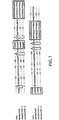
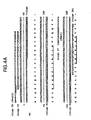
- the heavy chain variable region comprises the KOLWI2VH-1 or the KOLWI2VH-2 sequence shown in Figure 1 and the light chain variable region comprises the REIWI2VK or the REIWI2VKRS sequence shown in Figure 2.
- an isolated polynucleotide encoding the heavy chain or the heavy chain variable region of a chimeric or humanized antibody or antibody fragment which specifically binds the idiotype region of an anti-CEA monoclonal antibody comprising sequences encoding at least two rWI2 heavy chain CDRs, selected from the group of CDRs consisting of:
- an isolated polynucleotide encoding the light chain or the light chain variable region of a chimeric or humanized antibody or antibody fragment which specifically binds the idiotype region of an anti-CEA monoclonal antibody comprising sequences encoding at least two rWI2 CDRs, selected from the group of CDRs consisting of:
- an isolated first expression vector comprising a gene for the chimeric WI2 heavy chain and an isolated second expression vector comprising a gene for the chimeric WI2 light chain are provided.
- an isolated first expression vector comprising a gene for a humanized WI2 heavy chain and an isolated second expression vector comprising a gene for a humanized WI2 light chain are provided.
- a host comprising an isolated first vector comprising a gene for the chimeric WI2 heavy chain and an isolated second expression vector comprising a gene for the chimeric WI2 light chain, or an isolated first expression vector comprising a gene for a humanized WI2 heavy chain and an isolated second expression vector comprising a gene for a humanized WI2 light chain.
- a method of stimulating an immune response in a patient against cancers expressing carcinoembryonic antigen comprises administering to a patient an effective amount of a vaccine comprising a humanized anti-idiotype antibody or fragment which specifically binds the idiotype region of an anti-CEA monoclonal antibody, conjugated to a soluble immunogenic carrier protein, optionally in combination with a pharmaceutically acceptable vaccine adjuvant.
- an antibody or antibody fragment that specifically binds CEA is used as a targeting, pre-targeting or therapy agent, either as such or as a component of a conjugate, the improvement to the method consisting of an anti-idiotype antibody used to clear non-targeted antibody or antibody fragment.
- a method of detecting the presence of an antibody or fragment that specifically binds CEA, in a fluid biological sample comprising contacting the sample with rWI2, or a chimeric anti-idiotype antibody or antibody fragment which specifically binds the idiotype region of an anti-CEA monoclonal antibody, or a humanized anti-idiotype antibody or antibody fragment which specifically binds the idiotype region of an anti-CEA monoclonal antibody, and detecting binding of said anti-idiotype antibody or antibody fragment to an antibody idiotype or antibody idiotype fragment in said sample.
- CDR Complementarity Determining Region
- FR is an abbreviation for Framework Region.
- these are the portions of the variable regions of an antibody which lie adjacent to or flank the CDRs. In general, these regions have more of a structural function that affects the conformation of the variable region and are less directly responsible for the specific binding of antigen to antibody, although, nonetheless, the framework regions can affect the interaction.
- an "antibody-binding region” is that part of an antibody that overall is responsible for maintaining the structure of the antibody that interacts with the antigen. Generally, that is the combined light and heavy variable domains of an antibody.
- Chimeric refers to an antibody in which the variable region is derived from a rat antibody and the constant region is derived from a human antibody.
- Humanized refers to a chimeric antibody as defined above, but in which the FR variable regions are modified to make them more similar in sequence to a human antibody.
- a promoter is a DNA sequence that directs the transcription of a structural gene. Typically, a promoter is located in the 5' region of a gene, proximal to the transcriptional start site of a structural gene. If a promoter is an inducible promoter, then the rate of transcription increases in response to an inducing agent. In contrast, the rate of transcription is not regulated by an inducing agent if the promoter is a constitutive promoter.
- An isolated DNA molecule is a fragment of DNA that is not integrated in the genomic DNA of an organism.
- a cloned T cell receptor gene is a DNA fragment that has been separated from the genomic DNA of a mammalian cell.
- Another example of an isolated DNA molecule is a chemically-synthesized DNA molecule that is not integrated in the genomic DNA of an organism.
- cDNA Complementary DNA
- cDNA is a single-stranded DNA molecule that is formed from an mRNA template by the enzyme reverse transcriptase. Typically, a primer complementary to portions of mRNA is employed for the initiation of reverse transcription.
- cDNA refers to a doublestranded DNA molecule consisting of such a single-stranded DNA molecule and its complementary DNA strand.
- expression refers to the biosynthesis of a gene product.
- expression involves transcription of the structural gene into mRNA and the translation of mRNA into one or more polypeptides.
- a cloning vector is a DNA molecule, such as a plasmid, cosmid, or bacteriophage, that has the capability of replicating autonomously in a host cell.
- Cloning vectors typically contain one or a small number of restriction endonuclease recognition sites at which foreign DNA sequences can be inserted in a determinable fashion without loss of an essential biological function of the vector, as well as a marker gene that is suitable for use in the identification and selection of cells transformed with the cloning vector. Marker genes typically include genes that provide tetracycline resistance or ampicillin resistance.
- An expression vector is a DNA molecule comprising a gene that is expressed in a host cell. Typically, gene expression is placed under the control of certain regulatory elements, including constitutive or inducible promoters, tissue-specific regulatory elements, and enhancers. Such a gene is said to be "operably linked to" the regulatory elements.
- a recombinant host may be any prokaryotic or eukaryotic cell that contains either a cloning vector or expression vector. This term also includes those prokaryotic or eukaryotic cells that have been genetically engineered to contain the cloned gene(s) in the chromosome or genome of the host cell.
- a silent mutation is a change introduced to the coding sequence of an antibody gene, which results in the expression of an antibody altered in its aa sequence, but, which is otherwise substantially similar to the antibody whose sequence was not altered, in respect to immune activity.
- a tumor associated antigen is a protein normally not expressed, or expressed at very low levels, by a normal counterpart.
- tumor associated antigens include ⁇ -fetoprotein and carcinoembryonic antigen (CEA).
- an anti-CEA MAb is a Class III MAb, as described by Primus et al., Cancer Research 43: 686 (1983) and by Primus et al ., U.S. patent No. 4,818,709.
- an Ab1 is an antibody that binds with a tumor associated antigen.
- An anti-idiotype antibody is an antibody that binds with an Ab1. Importantly, an Ab2 binds with the variable region of Ab1 and thus, an Ab2 mimics an epitope of a tumor associated antigen or an epitope of an infectious agent associated antigen.
- an antibody fragment is a portion of an antibody such as F(ab') 2 , F(ab) 2 , Fab', Fab, and the like. Regardless of structure, an antibody fragment binds with the same antigen that is recognized by the intact antibody. For example, an anti-CEA Mab (Ab1) fragment binds with CEA, while an Ab2 fragment binds with the variable region of the Ab1 and mimics an epitope of CEA.
- Ab1 anti-CEA Mab
- antibody fragment also includes any synthetic or genetically engineered protein that acts like an antibody by binding to a specific antigen to form a complex.
- antibody fragments include isolated fragments consisting of the light chain variable region, "Fv” fragments consisting of the variable regions of the heavy and light chains, recombinant single chain polypeptide molecules in which light and heavy variable regions are connected by a peptide linker (“sFv proteins”), and minimal recognition units consisting of the amino acid residues that mimic the hypervariable region.
- antibody component or the term antibody may include both an entire antibody and an antibody fragment.
- Vaccine as used in the present context is an antibody or antibody fragment which is engineered to more effectively stimulate an immune response. Typically, this is achieved by conjugation of the antibody component to a soluble immunogenic carrier protein.
- Rat WI2 is an anti-idiotype monoclonal antibody which binds the CDR of MN-14. See Losman et al ., (1994) supra . It was previously proposed that PCR primer pairs may be designed which might isolate the variable regions of rat antibodies from a RNA substrate. See Kutemeier et al ., Hybridoma , 11: 23-32 (1992). Similar approaches have been employed to isolate the variable regions of mouse antibodies. See Orlandi et al ., Proc. Nat'l Acad. Sci. USA 86 : 3833 (1989). In the present invention, a combination of PCR primers as described by Kutemeier et. al ., and by Orlandi et al ., supra , are required to isolate the rWI2 variable region. These primers could be used to isolate other rat variable regions.
- cDNA for the variable regions of both the light and heavy chains of rWI2 are isolated and the sequence from a number of clones is confirmed.
- the rat variable regions are cloned into plasmid vectors, such that the rat variable K and H regions are attached to respective human IgG constant regions.
- the plasmids are transfected into SP2/O cells, clones comprising both plasmids are selected, and chimeric WI2 (cWI2) antibody is expressed.
- FR rat regions are replaced by the human IgG counterparts.
- the rat CDR regions are preserved, in order to maintain the specificity of the antibody.
- oligonucleotides corresponding to the variable region are engineered to reflect the humanized design.
- the oligonucleotides replace the rat variable region in plasmid constructs designated to produce full length human WI2 (hWI2).
- the effectiveness of cWI2 or hWI2 are compared with that of rWI2 in assays where they compete with CEA for binding to a peroxidase conjugated MN-14.
- the rat and the humanized variable regions are inserted into one or separate plasmid vectors in such a manner as to allow coexpression of full length light and heavy antibody chains.
- the vectors can be transfected into SP2/0 cells. Selection of transfected cells, and eventual amplification of the clones, are based on the expression of the dihydrofolate reductase (DHFR) gene which is located on the same plasmid vector.
- DHFR dihydrofolate reductase
- the functionality of various constructs is determined by binding assays. For example, final hWI2 constructs were compared with both rWI2 and cWI2 in their ability to bind MN-14 -- see Figure 5.
- Rodent monoclonal antibodies to specific antigens may be obtained by methods known to those skilled in the art. See , for example, Kohler and Milstein, Nature 256: 495 (1975), and Coligan et al . (eds.), CURRENT PROTOCOLS IN IMMUNOLOGY, VOL. 1, pages 2.5.1-2.6.7 (John Wiley & Sons 1991) [hereinafter "Coligan"].
- monoclonal antibodies can be obtained by injecting rats with a composition comprising an antigen, verifying the presence of antibody production by removing a serum sample, removing the spleen to obtain B-lymphocytes, fusing the B-lymphocytes with myeloma cells to produce hybridomas, cloning the hybridomas, selecting positive clones which produce antibodies to the antigen, culturing the clones that produce antibodies to the antigen, and isolating the antibodies from the hybridoma cultures.
- These techniques are applicable for production of a monoclonal antibody from other mammals injected with an antigen.
- Polyclonal Ab2 can be prepared by immunizing animals with Ab1 or fragments, using standard techniques. See, for example, Green et al ., "Production of Polyclonal Antisera,” in METHODS IN MOLECULAR BIOLOGY: IMMUNOCHEMICAL PROTOCOLS, Manson (ed.), pages 1-12 (Humana Press 1992). Also, see Coligan at pages 2.4.1-2.4.7. Alternatively, monoclonal Ab2 can be prepared using Ab1 or fragments as immunogen with the techniques described above.
- MAbs can be isolated and purified from hybridoma cultures by a variety of well-established techniques. Such isolation techniques include affinity chromatography with Protein-A Sepharose, size-exclusion chromatography, and ion-exchange chromatography. See, for example, Coligan at pages 2.7.1-2.7.12 and pages 2.9.1-2.9.3. Also, see Baines et al ., "Purification of Immunoglobulin G (IgG)," in METHODS IN MOLECULAR BIOLOGY, VOL. 10, pages 79-104 (The Humana Press, Inc. 1992).
- one antibody of the present invention is a "humanized" monoclonal antibody. That is, rat complementarity determining regions are transferred from heavy and light variable chains of the rat immunoglobulin into a variable region designed to contain a number of aa residues found within the FR region in human IgG. Similar conversion of mouse/human chimeric antibodies to a humanized antibody has been described before. General techniques for cloning murine immunoglobulin variable domains are described, for example, by the publication of Orlandi et al ., Proc. Nat'l Acad. Sci. USA 86: 3833 (1989).
- chimeric and humanized WI2 employs standard molecular biology and cellular biology approaches, for example PCR reactions, sequencing of DNA, synthesis of long oligonucleotides, cloning, site-directed mutagenesis, transfection of vectors into cells, expression of chimeric and humanized antibodies, their purification and so on.
- the techniques employed are standard techniques, well known in the art and well established. A person skilled in the art would have no difficulty carrying out those techniques. All necessary materials are readily available. Reference manuals describing these techniques are widely available. For example, see Sambrook et al., Molecular Cloning: A Laboratory Manual , second ed., Cold Spring Harbor Press, (1989); Co et al., J.
- the PCR primers used in the initial cloning of the rat variable region are designed over regions of the sequence that are expected to be relatively conserved between human antibodies.
- an amino acid (aa) can generally be represented by more than one codon, although the codons often differ only in the third position. Such codons are sometimes referred to as "degenerate.”
- To design the PCR primer one attempts to choose a protein sequence over which degenerate codons are limited in number. The approach is further limited by the need to design over a conserved protein sequence, as discussed above. Therefore, often, the "primer" as designed actually consists of a mix of numerous molecules that differ in sequence at specific positions.
- any one primer molecule which would provide a perfect match for the specific mRNA substrate to be amplified is present as a minuscule fraction of the overall primer mix. To enhance likelihood of success, a few primer pairs, i.e. covering different regions of the mRNA are generally tried.
- a leucine when replaced by an isoleucine would generally not be expected to affect the structure of a protein. All such conserved aa changes, as well as silent changes which do not significantly affect the binding affinity or specificity of the anti-carcinoembryonic antibody, are within the scope of the invention.
- Genes encoding the antibodies of the invention are introduced via expression vectors into a host cell, for expression.
- the genes for both the light and heavy genes are introduced in a single expression vector, which is introduced in a host cell.
- the expression vectors generally contain drug markers for selection of the transformed cell.
- a drug marker can furthermore be used to amplify the copy number of nearby genes, resulting in a clone overexpressing the antibody.
- a vector expressing the light and heavy chains of cWI2 or hWI2 were introduced into SP2/0 cells on vectors containing the DHFR gene. The original clones were amplified after selection by growth on methotrexate (MTX).
- MTX methotrexate
- the antibodies require purification from their expression system and media by methods that are generally similar to methods described above for purification of MAbs from hybridomas.
- MN-14 has been proposed as a therapeutic agent or as a vaccine to stimulate Ab2.
- the dosage of MN-14 conjugated to a drug can be enhanced if removal or clearing of unbound MN-14 is made possible by its binding, and aggregate formation, with hWI2.
- MN-14 can be used as a vaccine, optionally by alternative applications with an anti-idiotype antibody vaccine. Delivery of the Ab2 would be counterproductive in the presence of excess, free-floating MN-14 vaccine.
- hWI2 for example, would clear the MN-14 vaccine, to allow efficient administration of the Ab2 vaccine.
- hWI2 itself can be a vaccine.
- the antibodies and fragments of the present invention can be used as vaccines by conjugating the antibodies or fragments to a soluble immunogenic carrier protein.
- Suitable carrier proteins include keyhole lympet hemocyanin, which is the preferred carrier protein.
- the antibodies and fragments can be conjugated to the carrier protein using standard methods. See, for example, Hancock et al , "Synthesis of Peptides for Use as Immunogen," in METHODS IN MOLECULAR BIOLOGY: IMMUNOCHEMICAL PROTOCOLS, Hanson (ed.), pages 23-32 (Humana Press 1992).
- a preferred vaccine composition comprises an antibody conjugate or fragment conjugate, and an adjuvant.
- suitable adjuvant include aluminum hydroxide and lipid.
- Controlled release preparations can be prepared through the use of polymers to complex or adsorb the antibodies or fragments.
- bio-compatible polymers include matrices of poly(ethylene-co-vinyl acetate) and matrices of a polyanhydride copolymer of a stearic acid dimer and sebacic acid. Sherwood et al., Bio / Technology 10: 1446 (1992). The rate of release of an antibody or antibody fragment from such a matrix depends upon the molecular weight of the antibody or fragment, the amount of antibody or fragment within the matrix, and the size of dispersed particles. Saltzman et al., Biophys. J .
- the anti-idiotype Ab of the invention can be used for the detection of an anti-carcinoembryonic antibody.
- rWI2, cWI2 and hWI2 can be used in vitro to test the blood sample of a patient for the presence of anti-carcinoembryonic antibody. Detection of MN-14 levels, when MN-14 is used as a therapeutic agent or as a vaccine would be important. Presence of MN-14 can be detected by rWI2, cWI2, or hWI2.
- hWI2 can be used in a patient to determine the presence of natural anti-CEA Abs.
- the anti-idiotype Abs can be conjugated to a label. Suitable labels include, e.g., a radiolabel, an enzyme, or a fluorescent label. Such labeling agents and methods of conjugation are well known to one skilled in the art.
- the antibody preparations of the present invention can be formulated according to known methods to prepare pharmaceutically useful compositions, whereby antibodies or antibody fragments are combined in a mixture with a pharmaceutically acceptable carrier.
- a composition is said to be a "pharmaceutically acceptable carrier” if its administration can be tolerated by a recipient mammal.
- Sterile phosphate-buffered saline is one example of a pharmaceutically acceptable carrier.
- Other suitable carriers are well-known to those in the art.
- the antibodies or fragments may be administered to a mammal intravenously or subcutaneously. Moreover, the administration may be by continuous infusion or by single or multiple boluses. Preferably, an antibody vaccine is administered subcutaneously, while an antibody preparation that is not a vaccine is administered intravenously.
- the dosage of administered antibodies or fragments for humans will vary depending upon such factors as the patient's age, weight, height, sex, general medical condition and previous medical history. Typically, it is desirable to provide the recipient with a dosage of antibodies or fragments which is in the range of from about 1 pg/kg to 10 mg/kg (amount of agent/body weight of patient), although a lower or higher dosage also may be administered as circumstances dictate.
- antibodies or fragments are administered to a mammal in a therapeutically effective amount.
- An antibody preparation is said to be administered in a "therapeutically effective amount” if the amount administered is physiologically significant.
- An agent is physiologically significant if its presence results in a detectable change in the physiology of a recipient mammal.
- an antibody preparation of the present invention is physiologically significant if its presence invokes a humoral and/or cellular immune response in the recipient mammal.
- the present invention in addition to the specifically described techniques, cell lines, and vectors, relies on descriptions of said techniques, cell lines, and vectors presented in U.S. Patents # 5,443,953, and 4,624,846 and in WO 96/11013 and WO 96/04925.
- the sequences encoding the WI2 VH and VK domains were obtained by reverse transcriptase followed by PCR reactions (RT-PCR) using RNA prepared from WI2 hybridomas as the templates. Since the WI2 antibody sequences were of rat origin, the Orlandi VH1FOR/BACK and VK1FOR/BACK primers sets might not be useful for their PCR-cloning. See Orlandi et al ., 1989, supra .
- First-strand cDNA was prepared from total RNA isolated from WI2 hybridoma using random hexamers as the annealing primers.
- RCHl which anneals to the rat IgG1 CH1 domain
- RVH-1BACK which anneals to rat 5' VH region
- RCHI primer in conjunction with the Orlandi primer VHIBACK (5'-AGG TSM ARC TGC AGS AGT CWG G-3') (SEQ ID NO: 8) produced a PCR product of the expected size.
- VHpBS heavy chain staging vector
- First-strand cDNA was prepared from total RNA isolated from WI2 hybridoma using random hexamers as the annealing primers.
- the RK1 (which anneals to rat CK domain) in conjunction with RVK-3BACK (which anneal to the 5' VK region), was used to PCR-amplify and isolate the VK region of rW12, employing standard PCR protocols.
- the expected 320 base pairs (bp) product was obtained.
- the PCR product was further analyzed. Other primer pairs were not tested.
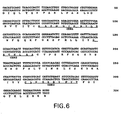
- Figure 6 shows the sequence of the light chain variable region.
- a PvuII compatible end rather than the whole restriction recognition site, was introduced so that the PCR product would have on its 5' end a compatible site for ligation into the corresponding PvuII site within the VKPBR staging vector.
- the PCR product was digested with BglII and subcloned into the PvuII/BcII cloning sites of the VKpBR staging vector. Id .
- the ligation was transformed in E. coli , and plated on selective plates. Miniprep DNA was prepared and analyzed. DNA from positive clones were sequenced to make sure that the joining region, at the PvuII site, was as expected.
- VH and VK sequence for WI2 were excised from their respective staging vector by HindIII/BamHI restriction digestion and the isolated fragments were subcloned into their respective heavy and light chain expression vectors, pG1g and pKh. Id .
- Chimeric WI2 (cWI2) was purified from clones cotransfected with the heavy and light chain expression vectors and the immunoreactivity of cWI2 was compared to that of rat WI2. Results indicated that both antibodies inhibited the binding of MN-14 onto CEA to a similar extent, confirming the functionality of the chimeric antibody, and the authenticity of the VH and VK sequences.
- KOLWI2VH-1 Two versions of the humanized heavy chain designated as KOLWI2VH-1 and KOLWI2VH-2 were designed. See Figure 1. However, only the KOLWI2VH-1 was synthesized and tested. KOLWI2VH-1 differs from KOLWI2VH-2 only by one amino acid at position 5 (Q instead of V). Rat residues that are close to the CDRs, or known from prior experience to be important for interactions with the CDRs, were retained in both humanized sequences. A total of 5 rat residues were retained in the FR region of the humanized WI2 heavy chain sequence KOLW12VH-1. The KOLWI2VH-2 sequence would have retained four rat aa residues.
- REI framework was chosen for grafting the light chain CDRs. Four rat residues were retained in the FR region of the designed light chain. The sequence of the designed light chain, REIWI2VK is shown in Figure 2.
- nucleotide sequences encoding the humanized VH and VK domain of WI2 were assembled as follows.
- the long oligo K (135-mer) was PCR-amplified using the flanking primers oligo 21 (45-mer) and oligo 22 (54-mer).
- the PCR product for oligo K encodes for the N-terminal half of the VH domain.
- the long oligo L (133-mer) was PCR-amplified using the flanking primers oligo 23 (48-mer) and oligo 24 (45-mer).
- the PCR product for oligo L encodes for the C-terminal half of the VH domain.
- the PCR product for oligo K was digested with PstI/AlwNI, whereas the PCR product for oligo L was digested with AlwNI/BstEII.
- the K and L fragments were gel-purified and ligated to the PstI/BstEII site of the staging, vector VHpBR.
- Minipreps were analyzed by restriction analysis as well as by sequencing reaction. MP33#4(1.6.95) was confirmed to have the correct sequence for the hWI2 VH, and was used for subsequent cloning and subcloning.
- the BanHI/HindIII fragment containing the hWI2 VH domain was gel-purified from the DNA after restriction digestion, and was cloned into the corresponding sites of the heavy chain expression vector, pGlg. Leung et al. Hybridoma 13:469 (1994).
- the long oligo M' (129-mer) was PCR-amplified using the flanking primers oligo 25 containing a PvuII site and oligo 26.
- the PCR product for oligo M' encodes for the N-terminal half of the VK domain.
- the long oligo N (127-mer) was PCR-amplified by the flanking primers oligo 27 (44-mer) and oligo 28 (39-mer).
- the PCR product for oligo N encodes for the c-terminal half of the VK domain.
- the sequences of the oligonucleotides used for the PCR-amplification of the humanized WI2 VK domain are summarized in Figure 4.
- the PCR product for oligo M' was digested with PstI and PvuII
- the PCR product for oligo N was digested with PstI/BglII.
- the M and N fragments were gel-purified and ligated to the PvuII/BcII site of the staging vector VKpBR.
- miniprep DNA three clones were identified to be the likely positives for hWI2VKpBR. Hogness stocks for these three minipreps were prepared. The sequence was confirmed from both directions, crossing the PvuII and BglII/BcII junctions. Plasmid DNA was prepared.
- the BamHI/HindIII fragment containing the hWI2 VK domain was gel-purified from the DNA after restriction digestion, and was cloned into the corresponding sites of the light chain expression vector, pKh. Id . Plasmid DNA for both the heavy and light chain vectors expressing hWI2 were prepared and cotransfected into SP2/O myeloma cells by electroporation.
- a total of eight antibody producing colonies were identified using ELISA assays. The three highest producers were maintained and cell aliquots were frozen for storage. The highest producer was expanded and upscaled for subsequent antibody purification and testing.
- the mix-and-match antibody containing the humanized heavy and chimeric light chains of WI2 was purified. Various concentrations of the mix-and-match antibody were used to compete with ELISA-plate coated CEA for binding to the peroxidase-conjugated MN-14 antibody. Chimeric Ab was produced and expressed and shown to have immunogenic reactivity comparable to that of the rat WI2. The immunoreactivity of the mix-and-match WI2 was compared to that of cWI2, which has been confirmed to be identical to that of rat WI2. The humanized heavy chain for WI2 maintained the original immunoreactivity of rat WI2.
- REIWI2VKRS The newly designed light chain, REIWI2VKRS is shown in figure 2.
- Humanized WI2 containing these two mutations was designated as hWI2RS. All mutations and vector constructions were confirmed by sequencing as well as by extensive restriction analysis. Expression vectors for this new version of humanized light chain (hWl2RSpKh) were used for transfection experiments by electroporation.
- Clones 131A9 and 132F7 were identified as positive clones producing about 0.4 and 0.2 mg/liter of hWl2RS antibodies, respectively.
- One liter cultures of clone 131A9 and 132F7 were grown in roller bottles and the antibody was purified by a standard protein purification method.
- Approximately 0.4 and 0.2 mg of hWl2RS was obtained from clone 131A9 and 132F7, respectively.
- the immunoreactivities of 131A9 and 132F7 hWl2RS, as measured by their abilities to block MN-14 binding on CEA, were shown to be similar.
- hWI2 and hWI2RS exhibited very similar, if not identical, immunoreactivity. Since hWI2RS contains two extra rat residues in the light chain FR3 region, and would be potentially more immunogenic the first humanized version of WI2, hWI2, was chosen to be the antibody that was further scaled up for production.
- the VH and VK sequence for hWI2 were excised from the respective staging vectors and ligated to a single amplifiable vector, pdHL2.
- the pdHL2 vector contains sequences for the human CK, IgG1, and an amplifiable DHFR gene, each controlled by separate promoters. See Leung et al., Tumor Targeting 2:184 (#95) (1996) and Losman et al., Tumor Targeting 2:183 (#93) (1996).
- the resultant vector expressing the hWI2 was designated hWI2pdHL2.
- the plasmid DNA for hWI2pdHL2 was linearized and transfected by electroporation into SP2/O cells.
- hWI2 purified from amplified clones exhibited identical immunoreactivity as hWI2 obtained from previous non-amplifiable clones.
Landscapes
- Health & Medical Sciences (AREA)
- Chemical & Material Sciences (AREA)
- Immunology (AREA)
- Organic Chemistry (AREA)
- Life Sciences & Earth Sciences (AREA)
- General Health & Medical Sciences (AREA)
- Medicinal Chemistry (AREA)
- Proteomics, Peptides & Aminoacids (AREA)
- Biophysics (AREA)
- Genetics & Genomics (AREA)
- Biochemistry (AREA)
- Molecular Biology (AREA)
- Animal Behavior & Ethology (AREA)
- Pharmacology & Pharmacy (AREA)
- Veterinary Medicine (AREA)
- Public Health (AREA)
- Chemical Kinetics & Catalysis (AREA)
- General Chemical & Material Sciences (AREA)
- Nuclear Medicine, Radiotherapy & Molecular Imaging (AREA)
- Oncology (AREA)
- Cell Biology (AREA)
- Bioinformatics & Cheminformatics (AREA)
- Engineering & Computer Science (AREA)
- Peptides Or Proteins (AREA)
- Medicines Containing Antibodies Or Antigens For Use As Internal Diagnostic Agents (AREA)
- Micro-Organisms Or Cultivation Processes Thereof (AREA)
Applications Claiming Priority (3)
| Application Number | Priority Date | Filing Date | Title |
|---|---|---|---|
| US1370896P | 1996-03-20 | 1996-03-20 | |
| US13708P | 1996-03-20 | ||
| PCT/US1997/004696 WO1997034636A1 (en) | 1996-03-20 | 1997-03-19 | Humanization of an anti-carcinoembryonic antigen anti-idiotype antibody and use as a tumor vaccine and for targeting applications |
Publications (3)
| Publication Number | Publication Date |
|---|---|
| EP0939653A1 EP0939653A1 (en) | 1999-09-08 |
| EP0939653A4 EP0939653A4 (en) | 2001-02-14 |
| EP0939653B1 true EP0939653B1 (en) | 2005-08-31 |
Family
ID=21761319
Family Applications (1)
| Application Number | Title | Priority Date | Filing Date |
|---|---|---|---|
| EP97916185A Expired - Lifetime EP0939653B1 (en) | 1996-03-20 | 1997-03-19 | Humanization of an anti-carcinoembryonic antigen anti-idiotype antibody and use as a tumor vaccine and for targeting applications |
Country Status (8)
| Country | Link |
|---|---|
| US (3) | US6730300B2 (enExample) |
| EP (1) | EP0939653B1 (enExample) |
| JP (1) | JP2000511403A (enExample) |
| AT (1) | ATE303161T1 (enExample) |
| AU (1) | AU2342897A (enExample) |
| CA (1) | CA2250080C (enExample) |
| DE (1) | DE69734109T2 (enExample) |
| WO (1) | WO1997034636A1 (enExample) |
Families Citing this family (46)
| Publication number | Priority date | Publication date | Assignee | Title |
|---|---|---|---|---|
| SG46445A1 (en) * | 1990-01-26 | 1998-02-20 | Immunomedics Inc | Vaccines against cancer and infectious diseases |
| DE60329461D1 (de) * | 2002-01-17 | 2009-11-12 | Polymun Scient Immunbio Forsch | Antiidiotypische antikörper die hiv-1 neutralisierende antikörper induzieren |
| US7591994B2 (en) | 2002-12-13 | 2009-09-22 | Immunomedics, Inc. | Camptothecin-binding moiety conjugates |
| BR0309134A (pt) * | 2002-04-09 | 2005-02-01 | Merck Patent Gmbh | Moléculas de anticorpos anti-cea antiidiótipos e seu uso como vacina para câncer |
| EP1631315B1 (en) | 2003-09-24 | 2014-07-30 | Millennium Pharmaceuticals, Inc. | Antibodies which bind human cxcr3 |
| US20110020273A1 (en) * | 2005-04-06 | 2011-01-27 | Ibc Pharmaceuticals, Inc. | Bispecific Immunocytokine Dock-and-Lock (DNL) Complexes and Therapeutic Use Thereof |
| US8435539B2 (en) * | 2004-02-13 | 2013-05-07 | Immunomedics, Inc. | Delivery system for cytotoxic drugs by bispecific antibody pretargeting |
| US8652484B2 (en) | 2004-02-13 | 2014-02-18 | Immunomedics, Inc. | Delivery system for cytotoxic drugs by bispecific antibody pretargeting |
| US9481878B2 (en) | 2004-02-13 | 2016-11-01 | Immunomedics, Inc. | Compositions and methods of use of immunotoxins comprising ranpirnase (Rap) show potent cytotoxic activity |
| US8883160B2 (en) * | 2004-02-13 | 2014-11-11 | Ibc Pharmaceuticals, Inc. | Dock-and-lock (DNL) complexes for therapeutic and diagnostic use |
| US8491914B2 (en) * | 2004-02-13 | 2013-07-23 | Ibc Pharmaceuticals, Inc. | Dock-and-lock (DNL) complexes for delivery of interference RNA |
| US20110064754A1 (en) * | 2005-03-03 | 2011-03-17 | Center For Molecular Medicine And Immunology | Immunoconjugates Comprising Poxvirus-Derived Peptides and Antibodies Against Antigen-Presenting Cells for Subunit-Based Poxvirus Vaccines |
| US9550838B2 (en) | 2004-02-13 | 2017-01-24 | Ibc Pharmaceuticals, Inc. | Dock-and-lock (DNL) complexes for therapeutic and diagnostic use |
| US8551480B2 (en) | 2004-02-13 | 2013-10-08 | Immunomedics, Inc. | Compositions and methods of use of immunotoxins comprising ranpirnase (Rap) show potent cytotoxic activity |
| US10058621B2 (en) | 2015-06-25 | 2018-08-28 | Immunomedics, Inc. | Combination therapy with anti-HLA-DR antibodies and kinase inhibitors in hematopoietic cancers |
| US20160355591A1 (en) | 2011-05-02 | 2016-12-08 | Immunomedics, Inc. | Subcutaneous anti-hla-dr monoclonal antibody for treatment of hematologic malignancies |
| JP5214252B2 (ja) | 2005-03-03 | 2013-06-19 | イミューノメディクス、インコーポレイテッド | ヒト化l243抗体 |
| JP4144637B2 (ja) | 2005-12-26 | 2008-09-03 | セイコーエプソン株式会社 | 印刷材収容体、基板、印刷装置および印刷材収容体を準備する方法 |
| JP5769969B2 (ja) * | 2007-11-12 | 2015-08-26 | ユー3・ファーマ・ゲーエムベーハー | Axl抗体 |
| TR201910848T4 (tr) | 2009-02-13 | 2019-08-21 | Immunomedics Inc | İntraselüler olarak ayrilabi̇len bi̇r bağa sahi̇p i̇mmunokonjugatlar |
| EP2270053A1 (en) * | 2009-05-11 | 2011-01-05 | U3 Pharma GmbH | Humanized AXL antibodies |
| TWI526223B (zh) * | 2009-05-11 | 2016-03-21 | U3製藥有限責任公司 | 人化axl抗體類 |
| ES2978177T3 (es) | 2009-12-02 | 2024-09-06 | Immunomedics Inc | Combinación de radio inmunoterapia y conjugados anticuerpo-fármaco para mejorar la terapia contra el cáncer |
| EP2523680A4 (en) * | 2010-01-11 | 2013-06-19 | Ct Molecular Med & Immunology | REINFORCED CYTOTOXICITY OF ANTIBODIES TO CD74 AND HLA-DR WITH INTERFERON GAMMA |
| CA2831572C (en) | 2011-05-02 | 2019-11-26 | Immunomedics, Inc. | Ultrafiltration concentration of allotype selected antibodies for small-volume administration |
| EP3586874A1 (en) | 2012-08-14 | 2020-01-01 | IBC Pharmaceuticals, Inc. | T-cell redirecting bispecific antibodies for treatment of disease |
| SI2766048T1 (sl) | 2012-10-12 | 2015-03-31 | Spirogen Sarl | Pirolobenzodiazepini in njihovi konjugati |
| RU2521193C2 (ru) * | 2012-10-17 | 2014-06-27 | Александр Борисович Полетаев | Способ получения противоопухолевого препарата, предназначенного для лечения солидных опухолей |
| ES2909746T3 (es) | 2012-12-13 | 2022-05-10 | Immunomedics Inc | Dosificaciones de inmunoconjugados de anticuerpos y SN-38 para una eficacia mejorada y una toxicidad disminuida |
| CA2905181C (en) | 2013-03-13 | 2020-06-02 | Medimmune Limited | Pyrrolobenzodiazepines and conjugates thereof for providing targeted therapy |
| ES2978993T3 (es) | 2014-02-21 | 2024-09-23 | Ibc Pharmaceuticals Inc | Terapia de enfermedades mediante la inducción de la respuesta inmunitaria a las células que expresan Trop-2 |
| WO2015130416A1 (en) | 2014-02-25 | 2015-09-03 | Immunomedics, Inc. | Humanized rfb4 anti-cd22 antibody |
| CA2953567C (en) | 2014-06-24 | 2023-09-05 | Immunomedics, Inc. | Anti-histone therapy for vascular necrosis in severe glomerulonephritis |
| WO2016037644A1 (en) | 2014-09-10 | 2016-03-17 | Medimmune Limited | Pyrrolobenzodiazepines and conjugates thereof |
| WO2016057398A1 (en) | 2014-10-07 | 2016-04-14 | Immunomedics, Inc. | Neoadjuvant use of antibody-drug conjugates |
| CA2981543A1 (en) | 2015-04-22 | 2016-10-27 | Immunomedics, Inc. | Isolation, detection, diagnosis and/or characterization of circulating trop-2-positive cancer cells |
| CN107735104B (zh) | 2015-06-25 | 2022-05-03 | 免疫医疗公司 | 组合抗hla-dr抗体或抗trop-2抗体与微管抑制剂、parp抑制剂、布鲁顿激酶抑制剂或磷酸肌醇3-激酶抑制剂使癌症治疗结果显著改善 |
| EP3316885B1 (en) | 2015-07-01 | 2021-06-23 | Immunomedics, Inc. | Antibody-sn-38 immunoconjugates with a cl2a linker |
| JP2019534882A (ja) | 2016-10-11 | 2019-12-05 | メドイミューン・リミテッドMedImmune Limited | 免疫介在性療法薬を有する抗体−薬物コンジュゲート |
| CN110637033A (zh) * | 2017-02-22 | 2019-12-31 | 艾丽塔生物治疗剂公司 | 用于治疗癌症的组合物和方法 |
| CN113286616A (zh) | 2018-05-23 | 2021-08-20 | Adc治疗有限公司 | 分子佐剂 |
| WO2022010797A2 (en) | 2020-07-07 | 2022-01-13 | Bionecure Therapeutics, Inc. | Novel maytansinoids as adc payloads and their use for the treatment of cancer |
| US20230372528A1 (en) | 2020-10-16 | 2023-11-23 | University Of Georgia Research Foundation, Inc. | Glycoconjugates |
| GB202102396D0 (en) | 2021-02-19 | 2021-04-07 | Adc Therapeutics Sa | Molecular adjuvant |
| JPWO2022239720A1 (enExample) | 2021-05-10 | 2022-11-17 | ||
| JP2024541058A (ja) | 2021-11-03 | 2024-11-06 | ハンジョウ ディーエーシー バイオテック シーオー.,エルティディ. | 抗体の特異的共役 |
Family Cites Families (11)
| Publication number | Priority date | Publication date | Assignee | Title |
|---|---|---|---|---|
| US4818709A (en) | 1983-01-21 | 1989-04-04 | Primus Frederick J | CEA-family antigens, Anti-CEA antibodies and CEA immunoassay |
| US4816567A (en) * | 1983-04-08 | 1989-03-28 | Genentech, Inc. | Recombinant immunoglobin preparations |
| US4624846A (en) | 1983-07-29 | 1986-11-25 | Immunomedics, Inc. | Method for enhancing target specificity of antibody localization and clearance of non-target diagnostic and therapeutic principles |
| US5525338A (en) | 1992-08-21 | 1996-06-11 | Immunomedics, Inc. | Detection and therapy of lesions with biotin/avidin conjugates |
| US5618920A (en) * | 1985-11-01 | 1997-04-08 | Xoma Corporation | Modular assembly of antibody genes, antibodies prepared thereby and use |
| US5258498A (en) * | 1987-05-21 | 1993-11-02 | Creative Biomolecules, Inc. | Polypeptide linkers for production of biosynthetic proteins |
| US5530101A (en) * | 1988-12-28 | 1996-06-25 | Protein Design Labs, Inc. | Humanized immunoglobulins |
| SG46445A1 (en) | 1990-01-26 | 1998-02-20 | Immunomedics Inc | Vaccines against cancer and infectious diseases |
| US5443953A (en) | 1993-12-08 | 1995-08-22 | Immunomedics, Inc. | Preparation and use of immunoconjugates |
| US5798100A (en) | 1994-07-06 | 1998-08-25 | Immunomedics, Inc. | Multi-stage cascade boosting vaccine |
| US5874540A (en) | 1994-10-05 | 1999-02-23 | Immunomedics, Inc. | CDR-grafted type III anti-CEA humanized mouse monoclonal antibodies |
-
1997
- 1997-03-19 CA CA2250080A patent/CA2250080C/en not_active Expired - Lifetime
- 1997-03-19 DE DE69734109T patent/DE69734109T2/de not_active Expired - Lifetime
- 1997-03-19 AT AT97916185T patent/ATE303161T1/de not_active IP Right Cessation
- 1997-03-19 JP JP09533776A patent/JP2000511403A/ja active Pending
- 1997-03-19 AU AU23428/97A patent/AU2342897A/en not_active Abandoned
- 1997-03-19 US US09/155,106 patent/US6730300B2/en not_active Expired - Lifetime
- 1997-03-19 WO PCT/US1997/004696 patent/WO1997034636A1/en not_active Ceased
- 1997-03-19 EP EP97916185A patent/EP0939653B1/en not_active Expired - Lifetime
-
2004
- 2004-03-25 US US10/808,538 patent/US7348419B2/en not_active Expired - Fee Related
-
2007
- 2007-07-25 US US11/828,201 patent/US7413736B2/en not_active Expired - Fee Related
Also Published As
| Publication number | Publication date |
|---|---|
| US6730300B2 (en) | 2004-05-04 |
| CA2250080C (en) | 2010-06-15 |
| WO1997034636A1 (en) | 1997-09-25 |
| US7348419B2 (en) | 2008-03-25 |
| EP0939653A4 (en) | 2001-02-14 |
| DE69734109D1 (de) | 2005-10-06 |
| US7413736B2 (en) | 2008-08-19 |
| DE69734109T2 (de) | 2006-06-29 |
| ATE303161T1 (de) | 2005-09-15 |
| US20080069775A1 (en) | 2008-03-20 |
| EP0939653A1 (en) | 1999-09-08 |
| JP2000511403A (ja) | 2000-09-05 |
| US20030054003A1 (en) | 2003-03-20 |
| CA2250080A1 (en) | 1997-09-25 |
| AU2342897A (en) | 1997-10-10 |
| US20050048053A1 (en) | 2005-03-03 |
Similar Documents
| Publication | Publication Date | Title |
|---|---|---|
| US7413736B2 (en) | Humanization of an anti-carcinoembryonic antigen anti-idiotype antibody as a tumor vaccine and for targeting applications | |
| WO1997034636A9 (en) | Humanization of an anti-carcinoembryonic antigen anti-idiotype antibody and use as a tumor vaccine and for targeting applications | |
| JP3238049B2 (ja) | マウス抗体可変部ドメインの免疫原性を減弱させた修飾免疫グロブリンの取得方法およびそれらを含有する組成物 | |
| EP0721470B1 (en) | Monoclonal antibodies for use in diagnosis and treatment of colorectal cancer | |
| US8404817B2 (en) | Humanized anti-prostate stem cell antigen monoclonal antibody | |
| JP3066983B2 (ja) | 膜結合cd30抗原の蛋白質分解性開裂及び遊離を防ぐ抗cd30抗体 | |
| US9056911B2 (en) | Antibody against carcinoembryonic antigen and uses thereof | |
| US8828717B2 (en) | Framework residue substituted humanized COL-1 antibodies and their use | |
| TW202222840A (zh) | Cd73的抗原結合蛋白及其應用 | |
| CA2240834C (en) | Use of immunoconjugates to enhance the efficacy of multi-stage cascade boosting vaccines | |
| CN113045659B (zh) | 抗cd73人源化抗体 | |
| AU719369B2 (en) | Monoclonal antiidiotypic antibodies (AB2) and their uses | |
| EP0618969B1 (en) | Composite antibodies of human subgroup iv light chain capable of binding to tag-72 | |
| EP4299591A1 (en) | Preparation of siglec-15 binding protein and use thereof | |
| CN110563847A (zh) | 用于治疗性用途的免疫检查点抑制剂 | |
| HK1186479B (en) | Antibodies specific for human cd22 and their therapeutic and diagnostic uses | |
| HK1014544A1 (en) | Composite antibodies of human subgroup iv light chain capable of binding to tag-72 | |
| HK1014544B (en) | Composite antibodies of human subgroup iv light chain capable of binding to tag-72 | |
| HK1149483A1 (en) | Recombinant monoclonal antibodies and corresponding antigens for colon and pancreatic cancers |
Legal Events
| Date | Code | Title | Description |
|---|---|---|---|
| PUAI | Public reference made under article 153(3) epc to a published international application that has entered the european phase |
Free format text: ORIGINAL CODE: 0009012 |
|
| 17P | Request for examination filed |
Effective date: 19981020 |
|
| AK | Designated contracting states |
Kind code of ref document: A1 Designated state(s): AT BE CH DE DK ES FI FR GB GR IE IT LI LU MC NL PT SE |
|
| AX | Request for extension of the european patent |
Free format text: AL PAYMENT 19981020;LT PAYMENT 19981020;LV PAYMENT 19981020;RO PAYMENT 19981020;SI PAYMENT 19981020 |
|
| A4 | Supplementary search report drawn up and despatched |
Effective date: 20000104 |
|
| AK | Designated contracting states |
Kind code of ref document: A4 Designated state(s): AT BE CH DE DK ES FI FR GB GR IE IT LI LU MC NL PT SE |
|
| 17Q | First examination report despatched |
Effective date: 20030414 |
|
| GRAP | Despatch of communication of intention to grant a patent |
Free format text: ORIGINAL CODE: EPIDOSNIGR1 |
|
| GRAS | Grant fee paid |
Free format text: ORIGINAL CODE: EPIDOSNIGR3 |
|
| GRAA | (expected) grant |
Free format text: ORIGINAL CODE: 0009210 |
|
| AK | Designated contracting states |
Kind code of ref document: B1 Designated state(s): AT BE CH DE DK ES FI FR GB GR IE IT LI LU MC NL PT SE |
|
| AX | Request for extension of the european patent |
Extension state: AL LT LV RO SI |
|
| PG25 | Lapsed in a contracting state [announced via postgrant information from national office to epo] |
Ref country code: NL Free format text: LAPSE BECAUSE OF FAILURE TO SUBMIT A TRANSLATION OF THE DESCRIPTION OR TO PAY THE FEE WITHIN THE PRESCRIBED TIME-LIMIT Effective date: 20050831 Ref country code: LI Free format text: LAPSE BECAUSE OF FAILURE TO SUBMIT A TRANSLATION OF THE DESCRIPTION OR TO PAY THE FEE WITHIN THE PRESCRIBED TIME-LIMIT Effective date: 20050831 Ref country code: FI Free format text: LAPSE BECAUSE OF FAILURE TO SUBMIT A TRANSLATION OF THE DESCRIPTION OR TO PAY THE FEE WITHIN THE PRESCRIBED TIME-LIMIT Effective date: 20050831 Ref country code: CH Free format text: LAPSE BECAUSE OF FAILURE TO SUBMIT A TRANSLATION OF THE DESCRIPTION OR TO PAY THE FEE WITHIN THE PRESCRIBED TIME-LIMIT Effective date: 20050831 Ref country code: BE Free format text: LAPSE BECAUSE OF FAILURE TO SUBMIT A TRANSLATION OF THE DESCRIPTION OR TO PAY THE FEE WITHIN THE PRESCRIBED TIME-LIMIT Effective date: 20050831 Ref country code: AT Free format text: LAPSE BECAUSE OF FAILURE TO SUBMIT A TRANSLATION OF THE DESCRIPTION OR TO PAY THE FEE WITHIN THE PRESCRIBED TIME-LIMIT Effective date: 20050831 |
|
| REG | Reference to a national code |
Ref country code: GB Ref legal event code: FG4D Ref country code: CH Ref legal event code: EP |
|
| REG | Reference to a national code |
Ref country code: IE Ref legal event code: FG4D |
|
| REF | Corresponds to: |
Ref document number: 69734109 Country of ref document: DE Date of ref document: 20051006 Kind code of ref document: P |
|
| PG25 | Lapsed in a contracting state [announced via postgrant information from national office to epo] |
Ref country code: SE Free format text: LAPSE BECAUSE OF FAILURE TO SUBMIT A TRANSLATION OF THE DESCRIPTION OR TO PAY THE FEE WITHIN THE PRESCRIBED TIME-LIMIT Effective date: 20051130 Ref country code: GR Free format text: LAPSE BECAUSE OF FAILURE TO SUBMIT A TRANSLATION OF THE DESCRIPTION OR TO PAY THE FEE WITHIN THE PRESCRIBED TIME-LIMIT Effective date: 20051130 Ref country code: DK Free format text: LAPSE BECAUSE OF FAILURE TO SUBMIT A TRANSLATION OF THE DESCRIPTION OR TO PAY THE FEE WITHIN THE PRESCRIBED TIME-LIMIT Effective date: 20051130 |
|
| PG25 | Lapsed in a contracting state [announced via postgrant information from national office to epo] |
Ref country code: ES Free format text: LAPSE BECAUSE OF FAILURE TO SUBMIT A TRANSLATION OF THE DESCRIPTION OR TO PAY THE FEE WITHIN THE PRESCRIBED TIME-LIMIT Effective date: 20051212 |
|
| PG25 | Lapsed in a contracting state [announced via postgrant information from national office to epo] |
Ref country code: PT Free format text: LAPSE BECAUSE OF FAILURE TO SUBMIT A TRANSLATION OF THE DESCRIPTION OR TO PAY THE FEE WITHIN THE PRESCRIBED TIME-LIMIT Effective date: 20060222 |
|
| LTIE | Lt: invalidation of european patent or patent extension |
Effective date: 20050831 |
|
| NLV1 | Nl: lapsed or annulled due to failure to fulfill the requirements of art. 29p and 29m of the patents act | ||
| REG | Reference to a national code |
Ref country code: CH Ref legal event code: PL |
|
| PG25 | Lapsed in a contracting state [announced via postgrant information from national office to epo] |
Ref country code: IE Free format text: LAPSE BECAUSE OF NON-PAYMENT OF DUE FEES Effective date: 20060320 |
|
| PG25 | Lapsed in a contracting state [announced via postgrant information from national office to epo] |
Ref country code: MC Free format text: LAPSE BECAUSE OF NON-PAYMENT OF DUE FEES Effective date: 20060331 Ref country code: LU Free format text: LAPSE BECAUSE OF NON-PAYMENT OF DUE FEES Effective date: 20060331 |
|
| ET | Fr: translation filed | ||
| PLBE | No opposition filed within time limit |
Free format text: ORIGINAL CODE: 0009261 |
|
| STAA | Information on the status of an ep patent application or granted ep patent |
Free format text: STATUS: NO OPPOSITION FILED WITHIN TIME LIMIT |
|
| 26N | No opposition filed |
Effective date: 20060601 |
|
| REG | Reference to a national code |
Ref country code: IE Ref legal event code: MM4A |
|
| PGFP | Annual fee paid to national office [announced via postgrant information from national office to epo] |
Ref country code: GB Payment date: 20120322 Year of fee payment: 16 |
|
| GBPC | Gb: european patent ceased through non-payment of renewal fee |
Effective date: 20130319 |
|
| PG25 | Lapsed in a contracting state [announced via postgrant information from national office to epo] |
Ref country code: GB Free format text: LAPSE BECAUSE OF NON-PAYMENT OF DUE FEES Effective date: 20130319 |
|
| REG | Reference to a national code |
Ref country code: FR Ref legal event code: PLFP Year of fee payment: 20 |
|
| PGFP | Annual fee paid to national office [announced via postgrant information from national office to epo] |
Ref country code: FR Payment date: 20160321 Year of fee payment: 20 |
|
| PGFP | Annual fee paid to national office [announced via postgrant information from national office to epo] |
Ref country code: DE Payment date: 20160330 Year of fee payment: 20 |
|
| PGFP | Annual fee paid to national office [announced via postgrant information from national office to epo] |
Ref country code: IT Payment date: 20160324 Year of fee payment: 20 |
|
| REG | Reference to a national code |
Ref country code: DE Ref legal event code: R071 Ref document number: 69734109 Country of ref document: DE |