EP0863768B1 - Covalent heparin-protein conjugates comprising an alpha-carbonyl amine bond and methods of obtaining them - Google Patents
Covalent heparin-protein conjugates comprising an alpha-carbonyl amine bond and methods of obtaining them Download PDFInfo
- Publication number
- EP0863768B1 EP0863768B1 EP96939779A EP96939779A EP0863768B1 EP 0863768 B1 EP0863768 B1 EP 0863768B1 EP 96939779 A EP96939779 A EP 96939779A EP 96939779 A EP96939779 A EP 96939779A EP 0863768 B1 EP0863768 B1 EP 0863768B1
- Authority
- EP
- European Patent Office
- Prior art keywords
- heparin
- ath
- conjugate
- glycosaminoglycan
- protein
- Prior art date
- Legal status (The legal status is an assumption and is not a legal conclusion. Google has not performed a legal analysis and makes no representation as to the accuracy of the status listed.)
- Expired - Lifetime
Links
Images




Classifications
-
- A—HUMAN NECESSITIES
- A61—MEDICAL OR VETERINARY SCIENCE; HYGIENE
- A61L—METHODS OR APPARATUS FOR STERILISING MATERIALS OR OBJECTS IN GENERAL; DISINFECTION, STERILISATION OR DEODORISATION OF AIR; CHEMICAL ASPECTS OF BANDAGES, DRESSINGS, ABSORBENT PADS OR SURGICAL ARTICLES; MATERIALS FOR BANDAGES, DRESSINGS, ABSORBENT PADS OR SURGICAL ARTICLES
- A61L33/00—Antithrombogenic treatment of surgical articles, e.g. sutures, catheters, prostheses, or of articles for the manipulation or conditioning of blood; Materials for such treatment
- A61L33/0005—Use of materials characterised by their function or physical properties
- A61L33/0011—Anticoagulant, e.g. heparin, platelet aggregation inhibitor, fibrinolytic agent, other than enzymes, attached to the substrate
- A61L33/0041—Anticoagulant, e.g. heparin, platelet aggregation inhibitor, fibrinolytic agent, other than enzymes, attached to the substrate characterised by the choice of an antithrombatic agent other than heparin
-
- A—HUMAN NECESSITIES
- A61—MEDICAL OR VETERINARY SCIENCE; HYGIENE
- A61K—PREPARATIONS FOR MEDICAL, DENTAL OR TOILETRY PURPOSES
- A61K47/00—Medicinal preparations characterised by the non-active ingredients used, e.g. carriers or inert additives; Targeting or modifying agents chemically bound to the active ingredient
- A61K47/50—Medicinal preparations characterised by the non-active ingredients used, e.g. carriers or inert additives; Targeting or modifying agents chemically bound to the active ingredient the non-active ingredient being chemically bound to the active ingredient, e.g. polymer-drug conjugates
- A61K47/51—Medicinal preparations characterised by the non-active ingredients used, e.g. carriers or inert additives; Targeting or modifying agents chemically bound to the active ingredient the non-active ingredient being chemically bound to the active ingredient, e.g. polymer-drug conjugates the non-active ingredient being a modifying agent
- A61K47/56—Medicinal preparations characterised by the non-active ingredients used, e.g. carriers or inert additives; Targeting or modifying agents chemically bound to the active ingredient the non-active ingredient being chemically bound to the active ingredient, e.g. polymer-drug conjugates the non-active ingredient being a modifying agent the modifying agent being an organic macromolecular compound, e.g. an oligomeric, polymeric or dendrimeric molecule
- A61K47/61—Medicinal preparations characterised by the non-active ingredients used, e.g. carriers or inert additives; Targeting or modifying agents chemically bound to the active ingredient the non-active ingredient being chemically bound to the active ingredient, e.g. polymer-drug conjugates the non-active ingredient being a modifying agent the modifying agent being an organic macromolecular compound, e.g. an oligomeric, polymeric or dendrimeric molecule the organic macromolecular compound being a polysaccharide or a derivative thereof
-
- A—HUMAN NECESSITIES
- A61—MEDICAL OR VETERINARY SCIENCE; HYGIENE
- A61L—METHODS OR APPARATUS FOR STERILISING MATERIALS OR OBJECTS IN GENERAL; DISINFECTION, STERILISATION OR DEODORISATION OF AIR; CHEMICAL ASPECTS OF BANDAGES, DRESSINGS, ABSORBENT PADS OR SURGICAL ARTICLES; MATERIALS FOR BANDAGES, DRESSINGS, ABSORBENT PADS OR SURGICAL ARTICLES
- A61L27/00—Materials for grafts or prostheses or for coating grafts or prostheses
- A61L27/14—Macromolecular materials
- A61L27/20—Polysaccharides
-
- A—HUMAN NECESSITIES
- A61—MEDICAL OR VETERINARY SCIENCE; HYGIENE
- A61L—METHODS OR APPARATUS FOR STERILISING MATERIALS OR OBJECTS IN GENERAL; DISINFECTION, STERILISATION OR DEODORISATION OF AIR; CHEMICAL ASPECTS OF BANDAGES, DRESSINGS, ABSORBENT PADS OR SURGICAL ARTICLES; MATERIALS FOR BANDAGES, DRESSINGS, ABSORBENT PADS OR SURGICAL ARTICLES
- A61L33/00—Antithrombogenic treatment of surgical articles, e.g. sutures, catheters, prostheses, or of articles for the manipulation or conditioning of blood; Materials for such treatment
- A61L33/0005—Use of materials characterised by their function or physical properties
- A61L33/0011—Anticoagulant, e.g. heparin, platelet aggregation inhibitor, fibrinolytic agent, other than enzymes, attached to the substrate
- A61L33/0029—Anticoagulant, e.g. heparin, platelet aggregation inhibitor, fibrinolytic agent, other than enzymes, attached to the substrate using an intermediate layer of polymer
-
- A—HUMAN NECESSITIES
- A61—MEDICAL OR VETERINARY SCIENCE; HYGIENE
- A61P—SPECIFIC THERAPEUTIC ACTIVITY OF CHEMICAL COMPOUNDS OR MEDICINAL PREPARATIONS
- A61P11/00—Drugs for disorders of the respiratory system
-
- A—HUMAN NECESSITIES
- A61—MEDICAL OR VETERINARY SCIENCE; HYGIENE
- A61P—SPECIFIC THERAPEUTIC ACTIVITY OF CHEMICAL COMPOUNDS OR MEDICINAL PREPARATIONS
- A61P7/00—Drugs for disorders of the blood or the extracellular fluid
-
- A—HUMAN NECESSITIES
- A61—MEDICAL OR VETERINARY SCIENCE; HYGIENE
- A61P—SPECIFIC THERAPEUTIC ACTIVITY OF CHEMICAL COMPOUNDS OR MEDICINAL PREPARATIONS
- A61P7/00—Drugs for disorders of the blood or the extracellular fluid
- A61P7/02—Antithrombotic agents; Anticoagulants; Platelet aggregation inhibitors
Definitions
- This invention relates to new chemical compounds comprising covalent conjugates of glycosaminoglycans, particularly heparins, methods for their preparation, their pharmaceutical compositions and therapeutic uses thereof.
- Heparin is a sulfated polysaccharide which consists largely of an alternating sequence of hexuronic acid and 2-amino-2-deoxy-D-glucose.
- Heparin and a related compound, dermatan sulfate are of great importance as anticoagulants for clinical use in the prevention of thrombosis and related diseases. They are members of the family of glycosaminoglycans, (GAGs), which are linear chains of sulfated repeating disaccharide units containing a hexosamine and a uronic acid.
- GAGs glycosaminoglycans
- Anticoagulation using GAGs proceeds via their catalysis of inhibition of coagulant enzymes (the critical one being thrombin) by serine protease inhibitors (serpins) such as antithrombin III (ATIII) and heparin cofactor II (HCII). Binding of the serpins by the catalysts is critical for their action and occurs through specific sequences along the linear carbohydrate chain of the glycosaminoglycan (GAG). Heparin acts by binding to ATIII via a pentasaccharide sequence, thus potentiating inhibition of a variety of coagulant enzymes (in the case of thrombin, heparin must also bind to the enzyme).
- serpins serine protease inhibitors
- HCIII heparin cofactor II
- Heparin can also potentiate inhibition of thrombin by binding to the serpin HCII. Dermatan sulfate acts by specifically binding to HCII via a hexasaccharide sequence, thus potentiating only the inhibition of thrombin. Since glycosaminoglycans (particularly heparin) can bind to other molecules in vivo or be lost from the site of action due to a variety of mechanisms, it would be advantageous to keep the GAG permanently associated with the serpin by a covalent bond.
- the specific anti-thrombin activity would also be, therefore, 65 % or less since both Xa and thrombin require heparin binding to ATIII.
- the bimolecular rate constant of the product by Collen et al. for inhibition of thrombin was claimed to be comparable to that of noncovalent mixtures of heparin saturated with ATIII ( J. Biol. Chem. 259:5670-5677 (1984)).
- large molar excesses of heparin or covalent complex over thrombin were used to simplify the kinetics, which would mask the effect of any subpopulation of molecules with low activity. Specific antithrombin activities were not given.
- heparin has also been covalently conjugated to other proteins (such as tissue plasminogen activator and erythropoietin) by Halluin (U.S. Patent No. 5,308,617), using a similar method to that of Bjork et al. These conjugates suffered from the same problems associated with loss of heparin activity as with the Bjork conjugates. Coupling of heparin to affinity supports via a hydrazine linkage is reported in WO 95/05400. However, the hydrazine group is not commonly found in proteins and other macromolecules, and its incorporation often results in a decrease in biological activity. U.S. Patent No.
- This invention provides a covalent conjugate comprising a glycosaminoglycan linked to a protein by a covalent linkage wherein the protein comprises at least one primary amino group, wherein the protein is directly covalently linked via its amino group to a terminal aldose residue of the glycosaminoglycan.
- the glycosaminoglycan is preferably heparin.
- the amine containing species is a protein such as antithrombin III or heparin cofactor II.
- the invention also provides novel and mild methods of preparing the above covalent conjugates which result in conjugates with improved pharmacokinetic properties and biological activity.
- the methods comprise incubating the glycosaminoglycans with the amine-containing protein under conditions which allow imine formation between the terminal aldose residue of the glycosaminoglycan and the amine.
- the imine is allowed to rearrange under mild conditions (Amadori rearrangement) to an ⁇ -carbonyl amine.
- the invention further provides pharmaceutical compositions comprising these conjugates and therapeutic uses thereof.
- the invention also provides methods for reducing the thrombogenicity of a material, such as a synthetic polymer, by coating the material with the covalent conjugates of the inventions, especially the heparin-antithrombin III conjugate. Materials treated by this method are useful as medical or prosthetic devices.
- This invention provides novel covalent conjugates of glycosaminoglycans labelled at their terminal aldose residue with primary amine containing molecules.
- this invention provides novel covalent conjugates of heparin (Merck Index, 1980) and fragments thereof with therapeutically significant serine protease inhibitors such as, for example, antithrombin III and heparin cofactor II, therapeutic uses thereof and methods for their preparation.
- the novel heparin conjugates of this invention are prepared under mild conditions, retain maximal anticoagulant activity compared to intact heparin, and have improved pharmacokinetic properties.
- Hexose refers to a carbohydrate (C 6 H 12 O 6 ) with six carbon atoms.
- Hexoses may be aldohexoses such as, for example, glucose, mannose, galactose, idose, gulose, talose, allose and altrose, whose open chain form contains an aldehyde group.
- hexoses may be ketoses such as fructose, sorbose, allulose and tagatose, whose open chain form contains a ketone group.
- uronic acid refers to the carboxylic acid formed by oxidation of the primary hydroxyl group of a carbohydrate and are typically named after the carbohydrate from which they are derived. Therefore, oxidation of the C6 hydroxyl of glucose gives glucuronic acid, oxidation of the C6 hydroxyl of galactose gives galacturonic acid and oxidation of the C6 hydroxyl of idose gives iduronic acid.
- hexosamine refers to a hexose derivative in which at least one hydroxy group, typically the C2 hydroxy group, has been replaced by an amine.
- the amine may be optionally alkylated, acylated (such as with muramic acid), typically by an acetyl group, sulfonated, (O or N-sulfated), sulfonylated, phosphorylated, phosphonylated and the like.
- Representative examples of hexosamines include glucosamine, galactosamine, tagatosamine, fructosamine, their modified analogs and the like.
- glycosaminoglycan refers to linear chains of largely repeating disaccharide units containing a hexosamine and a uronic acid.
- the precise identity of the hexosamine and uronic acid may vary widely and representative examples of each are provided in the definitions above.
- the disaccharide may be optionally modified by alkylation, acylation, sulfonation (O- or N-sulfated), sulfonylation, phosphorylation, phosphonylation and the like.
- the degree of such modification can vary and may be on a hydroxy group or an amino group. Most usually the C6 hydroxyl and the C2 amine are sulfated.
- the length of the chain may vary and the glycosaminoglycan may have a molecular weight of greater than 200,000 daltons, typically up to 100,000 daltons, and more typically less than 50,000 daltons. Glycosaminoglycans are typically found as mucopolysaccharides.
- Representative examples include, heparin, dermatan sulfate, heparan sulfate, chondroitin-6-sulfate, chondroitin-4-sulfate, keratan sulfate, chondroitin, hyaluronic acid, polymers containing N-acetyl monosaccharides (such as N-acetyl neuraminic acid, N-acetyl glucosamine, N-acetyl galactosamine, and N-acetyl muramic acid) and the like and gums such as gum arabic, gum Tragacanth and the like. See Heinegard, D. and Sommarin Y. (1987) Methods in Enzymology 144:319-373.
- directly covalently linked refers to a covalent linkage between two species accomplished without the use of intermediate spacer or linkage units.
- first molecule is referred to as being directly covalently linked to a terminal aldose residue of a glycosaminoglycan via an amino group on the first molecule
- This bond will be a covalent bond and may be a single, double or triple bond. Therefore, one of skill in the art will understand that heparin conjugates linked to another molecule via initial attachment of spacer groups such as polymethylene diamino linkers to the heparin molecule are not contemplated by this invention.
- protein includes, but is not limited to, albumins, globulins (e.g. , immunoglobulins), histones, lectins, protamines, prolamines, glutelins, phospholipases, antibiotic proteins and scleroproteins, as well as conjugated proteins such as phosphoproteins, chromoproteins, lipoproteins, glycoproteins, nucleoproteins.
- serpin refers to a serine protease inhibitor and is exemplified by species such as antithrombin III and heparin cofactor II.
- amine refers to both primary amines, RNH 2 , and secondary amines RNH(R').
- amino refers to the group > NH or -NH 2 .
- treatment or “treating” of a condition and/or a disease in a mammal, means:
- the term "substantially pure” means, an object species is the predominant species present ( i.e. , on a molar basis it is more abundant than any other individual species in the composition), and preferably a substantially purified fraction is a composition wherein the object species comprises at least about 50 percent (on a molar basis) of all macromolecular species present. Generally, a substantially pure composition will comprise more than about 80 to 90 percent of all macromolecular species present in the composition. Most preferably, the object species is purified to essential homogeneity (contaminant species cannot be detected in the composition by conventional detection methods) wherein the composition consists essentially of a single macromolecular species.
- the conditions and diseases treated in the present invention include myocardial infarction and a large array of thrombotic states. These include fibrin deposition found in neonatal respiratory distress syndrome, adult respiratory distress syndrome, primary carcinoma of the lung, non-Hodgkins lymphoma, fibrosing alveolitis, and lung transplants. Also, the present invention can treat either acquired ATIII deficient states such as neonatal respiratory distress syndrome, L-asparaginase induced deficiency, cardiopulmonary bypass induced deficiency and sepsis or congenital ATIII deficient states.
- GAGs covalent coating of GAGs on amine containing surfaces such as central venous lines, cardiac catheterization, cardiopulmonary bypass circuits, dialysis circuits, or other external blood contacting instruments, as well as mechanical valves, stents or any in vivo prosthesis.
- novel compounds of this invention are prepared by a simple one step process, which provides for direct covalent attachment of the amine of an amine containing moiety (such as, but not limited to, amine containing oligo(poly)saccharides, amine containing lipids, proteins, nucleic acids and any amine containing xenobiotics) to a terminal aldose residue of a glycosaminoglycan.
- an amine containing moiety such as, but not limited to, amine containing oligo(poly)saccharides, amine containing lipids, proteins, nucleic acids and any amine containing xenobiotics
- the amine containing moiety is a protein possessing a desirable biological activity.
- the glycosaminoglycan to be conjugated is incubated with the amine-containing species at a pH suitable for imine formation between the amine and the terminal aldose or ketose residue of the glycosaminoglycan.
- Terminal aldose and ketose residues generally exist as an equilibrium between the ring closed cyclic hemiacetal or hemiketal form and the corresponding ring opened aldehyde or ketone equivalents.
- amines are capable of reacting with the ring opened form to produce an imine (Schiff base).
- the aldoses are more reactive because the corresponding aldehydes of the ring open form are more reactive towards amines. Therefore, covalent conjugate formation between amines and terminal aldose residues of glycosaminoglycans provides a preferred method of attaching a species containing an amine to a glycosominoglycan.
- the reaction is typically carried out at a pH of about 4.5 to about 9, preferably at about 5 to about 8 and more preferably about 7 to about 8.
- the reaction is generally done in aqueous media.
- organic media especially polar hydrophilic organic solvents such as alcohols, ethers and formamides and the like may be employed in proportions of up to about 40% to increase solubility of the reactants, if necessary.
- Non-nucleophilic buffers such as phosphate, acetate, bicarbonate and the like may also be employed.
- the imine is incubated for a sufficient period of time, typically about 1 day to 1 month, more typically about 3 days to 2 weeks, to allow Amadori rearrangement of the intermediate imine.
- the terminal aldose residues of the glycosaminoglycans conjugated by the methods provided by this invention frequently possess C2 hydroxy groups on the terminal aldose residue, i.e., a 2-hydroxy carbonyl moiety which is converted to a 2-hydroxy imine by condensation with the amine of the species being conjugated to the glycosaminoglycan.
- the ⁇ -hydroxy imine (imine at C1, hydroxy at C2) formed by the initial condensation may rearrange to form an ⁇ -keto amine by enolization and re-protonation (keto at C2, amine at C1).
- the resulting ⁇ -carbonyl amine is thermodynamically favored over the precursor ⁇ -hydroxy imine, thus providing a stable adduct with minimal disruption of the glycosaminoglycan chain.
- the invention provides a glycosaminoglycan covalently conjugated at the C1 of the terminal aldose residue of the glycosaminoglycan to an amine containing species via an amine linkage.
- the resulting conjugate may be reduced or labelled by reduction of the C2 carbonyl group with a labelling reagent such as a radiolabel (e.g. , NaB 3 H 4 ), see, M.W.C. Hatton, L.R. Berry et al. (1980) Analytical Biochemistry 106:417-426. or conjugated to a second amine containing species, such as a fluorescent label.
- a labelling reagent such as a radiolabel (e.g. , NaB 3 H 4 )
- a second amine containing species such as a fluorescent label.
- glycosaminoglycans A variety of different proteins (antibodies, enzymes, receptors, growth factors and the like) may be conjugated to the glycosaminoglycans by the methods disclosed herein. Therefore, this invention provides covalent conjugates of glycosaminoglycans and a variety of proteins. Generally, when proteins are being conjugated to glycosaminoglycans, linkage will occur through the ⁇ -amino groups of lysine residues. Alternatively, linkage may also be accomplished via the N-terminal amine by using a pH at which the ⁇ -amino groups are protonated.
- the present invention can be applied to a variety of other therapeutically useful proteins where longer half-life and blood coagulation considerations are important. These include blood enzymes, antibodies, hormones and the like as well as related plasminogen activators such as streptokinase and derivatives thereof.
- this invention provides conjugates of heparin or dermatan sulfate with antithrombin, heparin cofactor II or analogs of heparin cofactor II, described in U.S. Patent No. 5,118,793.
- the methods of the present invention provide glycosaminoglycan conjugates with maximal retention of biological activity.
- conjugates of heparin or dermatan sulfate with either ATIII or HCII are provided which possess >60%, typically > 90, more typically > 95%, and most typically ⁇ 98% of intact unconjugated heparin antithrombin activity.
- These conjugates have a bimolecular rate constant for thrombin inhibition of 5 to 100 fold higher, generally 8 to 20 fold higher, and typically almost 10 fold higher than the covalent conjugates reported by Collen.
- the method of the present invention provides intact heparin molecules conjugated to antithrombin III or heparin cofactor II. Thus, loss of biological activity associated with fragmentation or other modification of heparin prior to conjugation is avoided. It will be apparent to one of skill in the art that the heparin conjugates of this invention retain their anticoagulant activity because of their preparation from intact heparin.
- the present invention takes advantage of the fact that native (isolated from intestinal mucosa) heparin, as well as dermatan sulfate, already contains molecules with aldose termini which would exist as an equilibrium between hemiacetal and aldehyde forms, a fact apparently unrecognized and unexploited in the art.
- heparin or dermatan sulfate conjugated heparin or dermatan sulfate to antithrombin serpins by reduction of the single, Schiff base formed spontaneously between the aldose terminus aldehyde on heparin or dermatan sulfate and a lysyl amino on the serpin.
- the heparin or dermatan sulfate is unmodified (unreduced in activities) prior to conjugation and is linked at one specific site at one end of the molecule without any unblocked activation groups or crosslinking of the serpin.
- Heparin has been covalently linked to ATIII or HCII and dermatan sulfate has been covalently linked to HCII.
- Conjugation of other GAGs (such as heparan sulfate) to serpins or other proteins (such as albumin) is possible by this method.
- dermatan sulfate has been conjugated to albumin using the methods disclosed herein.
- this invention provides methods of using the Amadori rearrangement to prepare conjugates of glycosaminoglycans to proteins. This is a particularly mild and simple method of conjugation, hitherto unrecognized in the art for conjugating such molecules, which minimizes the modification of the glycosaminoglycan, thus maximizing the retention of its biological activity.
- Another aspect of this invention provides covalent conjugates of glycosaminoglycans, particularly of heparin, end-labelled with an amine containing protein at the terminal aldose residue of the glycosaminoglycan.
- heparin and ATIII are linked directly together so that the active pentasaccharide sequence for ATIII on the heparin is in close proximity for binding.
- This is one of the fundamental reasons for making a covalent heparin-ATIII complex, as heparin accelerates inhibition through ATIII only if ATIII can bind the active sequence.
- ATH has the unique property that the H in the conjugate stoichiometrically activates the endogenous AT while catalytically activating exogenous AT.
- one amine containing protein will be attached to each glycosaminoglycan.
- the ratio of amine containing species to glycosaminoglycan may be reduced below one by adjusting the molar ratios of the reactants or the time of the reaction.
- Glycosaminoglycans are available in a variety of forms and molecular weights.
- heparin is a mucopolysaccharide, isolated from pig intestine or bovine lung and is heterogenous with respect to molecular size and chemical structure. It consists primarily of (1-4) linked 2-amino-2-deoxy- ⁇ -D-glucopyroanosyl, and ⁇ -L-idopyranosyluronic acid residues with a relatively small amount of ⁇ -D-glucopyranosyluronic acid residues. It contains material with a molecular weight ranging from about 6,000 to about 30,000. The hydroxyl and amine groups are derivatized to varying degrees by sulfation and acetylation.
- Heparin molecules can also be classified on the basis of their pentasaccharide content. About one third of heparin contains chains with one copy of the unique pentasaccharide ( see, Choay, Seminars in Thrombosis and Hemostasis 11:81-85 (1985) which is incorporated herein by reference) with high affinity for AT, whereas a much smaller proportion (estimated at about 1 % of total heparin) consists of chains which contain more than one copy of the high affinity pentasaccharide ( see, Rosenberg et al., Biochem. Biophys. Res. Comm. 86:1319-1324 (1979) which is incorporated herein by reference). The remainder (approx.
- heparin does not contain the pentasaccharide.
- standard heparin constitutes a mixture of the three species
- high affinity heparin is enriched for species containing at least one copy of the pentasaccharide
- very high affinity refers to the approximately 1 % of molecules that contain more than one copy of the pentasaccharide.
- These three species can be separated from each other using routine chromatographic methods, such as chromatography over an anti-thrombin affinity column ( e . g ., Sepharose-AT; see, e.g., Lam et al ., Biochem. Biophys . Res. Comm. 69:570-577 (1976) and Homer Biochem. J. 262:953-958 (1989)).
- One advantage of forming a conjugate between heparin and a species containing at least one primary amino group (e.g. , ATIII) using the slow glycation process disclosed herein, is the apparent selection for heparin chains having two pentasaccharides.
- ATIII primary amino group
- ATH prepared by the method of the invention appears to be enriched for heparin species containing two pentasaccharides.
- heparin containing approximately 1 % of two-pentasaccharide heparin
- usually more than 10% of the resulting ATH comprises two-pentasaccharide heparin, more often more than about 20%, frequently more than 35%, and often more than about 50% of the ATH comprises two-pentasaccharide heparin.
- the ATH of the invention activates the AT to which it is conjugated, in a stoichiometric fashion, but activates exogenous AT in a catalytic fashion.
- the heparin within the ATH complex acts catalytically both when ATH is administered as systemic anticoagulant and when ATH is used to coat surfaces to render them non-thrombogenic.
- the method of the invention produces an ATH complex with very high specific anti-factor IIa activity.
- the second pentasaccharide chain in the ATH complex can react with exogenous AT molecules, thereby allowing the conjugated heparin to have catalytic activity.
- the heparin in the ATH complex can be orientated in such a way that the pentasaccharide is available to bind and activate circulating AT molecules when the ATH complex is bound to the prosthetic surface.
- a heparin conjugate of interest e.g. , ATH
- a species containing at least one primary amino group e.g., ATIII
- purified very high affinity heparin i.e. , containing two pentasaccharide groups
- a fraction enriched for very high affinity heparin e.g., ATH
- glycosaminoglycans may be conjugated by the methods disclosed herein, provided they possess a terminal aldose residue. Conjugates of all such glycosaminoglycans and their preparation by the methods disclosed herein are within the scope of this invention. For example, conjugates of heparin derivatized with phosphates, sulfonates and the like as well as glycosaminoglycans with molecular weights less than 6,000 or greater than 30,000 are within the scope of this invention.
- novel heparin conjugates of the present invention may be used generally in the same manner and in the same form of pharmaceutical preparation as commercially available heparin for clinical use.
- the novel heparin conjugates provided by the present invention may be incorporated into aqueous solutions for injection (intravenous, subcutaneous and the like) or intravenous infusion or into ointment preparations for administration via the skin and mucous membranes.
- aqueous solutions for injection intravenous, subcutaneous and the like
- intravenous infusion or into ointment preparations for administration via the skin and mucous membranes.
- the heparin conjugates of this invention find particular utility in the treatment of neonatal and adult respiratory distress syndrome (RDS).
- RDS neonatal and adult respiratory distress syndrome
- the use of the covalent heparin conjugates of the present invention prevents loss of heparin in the lung space by dissociation from ATIII.
- a solution of covalent complex in a physiologic buffer could be delivered as an atomized spray down the airway into the lung via a catheter or puffer. Due to its large size, ATH will remain in the alveoli for a longer period of time. ATH is also useful for treatment of idiopathic pulmonary fibrosis (more than two days).
- covalent conjugates of this invention may also be used in the treatment of acquired ATIII deficient states characterized by thrombotic complications such as cardiopulmonary bypass, extracorporeal molecular oxygenation, etc. because a longer 1/2 life of the covalent complex would mean fewer treatments and less monitoring. Additionally, this invention provides conjugates for prophylactic treatment of adult patients at risk for deep vein thrombosis.
- the ATH conjugate of this invention has numerous advantages over uncomplexed AT and SH. Since AT is covalently linked to SH, non-specific binding of ATH to plasma proteins will be less than SH, resulting in less inter-individual variation in dose response to ATH than there is to SH. The longer half-life of ATH after intravenous injection in humans means that a sustained anticoagulant effect may be obtained by administering ATH less frequently than is required for uncomplexed AT and SH. ATH is a much more effective inactivator of thrombin and factor Xa than AT, and is expected to be effective when used in much lower concentrations than AT in patients with AT deficiency. In addition, ATH can access and inhibit thrombin bound to fibrin. Finally, when linked ( e . g ., covalently linked) to prosthetic surfaces ( e . g ., endovascular grafts), ATH has shown much greater antithrombotic activity in vivo than covalently linked AT or covalently linked hirudin.
- Premature infants have a high incidence of respiratory distress syndrome (RDS), a severe lung disease requiring treatment with assisted ventilation.
- RDS respiratory distress syndrome
- BPD bronchopulmonary dysplasia
- BPD bronchopulmonary dysplasia
- fibrin The widespread presence of fibrin within the lung tissue and airspaces is consistently observed in infants dying of RDS. This fibrin gel within the airspace impairs fluid transport out of the lung airspaces resulting in persistent and worsening pulmonary edema.
- This invention provides conjugates useful in novel therapies for the treatment of such fibrin-mediated diseases in lung tissue by preventing intra-alveolar fibrin formation by maintaining an "anti-thrombotic environment" and/or enhancing fibrinolysis within lung tissue, thereby decreasing the fibrin load to the air spaces of the lung.
- the heparin conjugates will be delivered directly to the airspaces of the lung via the airway prophylactically (before the baby takes its first breath). This ensures that the antithrombotic agent is available directly at the site of potential fibrin deposition and that the bleeding risk associated with systemic antithrombotic therapies is avoided.
- the antithrombotic agent will already be present in the lung prior to the start of the ventilatory support which is associated with the initial injury, i.e. , unlike systemic antithrombin administration where crossing of the administered drug to the lung airspace does not occur until after lung injury. Since heparin is covalently attached to ATIII it will remain in the lung airspaces. It can also be an adjunctive therapy to the surfactants currently administered to prevent RDS and BPD.
- lung surfactant is meant the soap-like substance normally present in the lung's airspaces whose main role is to prevent collapse of the airspace.
- the conjugates can also be delivered repeatedly via the endotracheal tube or as an inhaled aerosol.
- Adjunctive therapy can also be practiced with asthma medications by inhaler (e.g. , anti-inflammatory steroids such as beclomethasone dipropionate), other anti-asthmatics such as cromolyn sodium (disodium salt of 1,3-bis(2-carboxychromon-5-yloxy)-2-hydroxypropane, INTAL ® ) and bronchodilators such as albuterol sulfate.
- inhaler e.g. , anti-inflammatory steroids such as beclomethasone dipropionate
- other anti-asthmatics such as cromolyn sodium (disodium salt of 1,3-bis(2-carboxychromon-5-yloxy)-2-hydroxypropane, INTAL ®
- a variety of other diseases associated with elevated thrombin activity and/or fibrin deposition can be treated by administration of the conjugates of this invention.
- the inflammatory processes involved in adult respiratory distress syndrome are fundamentally similar to neonatal RDS and can be treated by the antithrombotic therapy described.
- Spontaneous lung fibrosis has also been shown to have activation of the coagulation/fibrinolytic cascades in the lung airspaces.
- Fibrotic disease of the lung is often a side effect associated with cancer chemotherapy and the RDS antithrombotic administration of the covalent heparin conjugates of this invention can be administered prophylactically prior to cancer chemotherapy to prevent lung fibrosis. Administration is repeated after chemotherapy in order to ensure no fibrin formation.
- heparin conjugates of this invention can be used to reduce the mortality associated with septic shock.
- the conjugates of this invention are administered at a therapeutically effective dosage, i.e ., that amount which, when administered to a mammal in need thereof, is sufficient to effect treatment, as described above (for example, to reduce or otherwise treat thrombosis in the mammal, or to inactivate clot-bound thrombin, or to inhibit thrombus accretion).
- Administration of the active compounds and salts described herein can be via any of the accepted modes of administration for agents that serve similar utilities.
- the level of the drug in a formulation can vary within the full range employed by those skilled in the art, e.g. , from about 0.01 percent weight (%w) to about 99.99 % w of the drug based on the total formulation and about .01% w to 99.99 % w excipient.
- the drug is present at a level of about 10%w to about 70%w.
- an acceptable daily dose is of about 0.001 to 50 mg per kilogram body weight of the recipient per day, preferably about 0.05 to 25 mg per kilogram body weight per day, and most preferably about 0.01 to 10 mg per kilogram body weight per day.
- the dosage range would be about 0.07 mg to 3.5 g per day, preferably about 3.5 mg to 1.75 g per day, and most preferably about 0.7 mg to 0.7 g per day depending upon the individuals and disease state being treated.
- Such use optimization is well within the ambit of those of ordinary skill in the art.
- the long half-life allows the compound to be administered less frequently than SH ( e.g. , once or twice weekly).
- Administration can be via any accepted systemic or local route, for example, via parenteral, intravenous, nasal, bronchial inhalation (i.e. , aerosol formulation), transdermal or topical routes, in the form of solid, semi-solid or liquid dosage forms, such as for example, tablets, suppositories, pills, capsules, powders, solutions, suspensions, aerosols, emulsions or the like, preferably in unit dosage forms suitable for simple administration of precise dosages.
- Administration by intravenous or subcutaneous infusion is usually preferred. Most usually, aqueous formulations will be used.
- the conjugate is formulated in a non-toxic, inert, pharmaceutically acceptable carrier medium, preferably at a pH of about 3-8, more preferably at a pH of about 6-8.
- aqueous formulation will be compatible with the culture or perfusion medium.
- the compositions will include a conventional pharmaceutical carrier or excipient and a conjugate of the glycosaminoglycan, and in addition, may include other medicinal agents, pharmaceutical agents, carriers, adjuvants, etc.
- Carriers can be selected from the various oils, including those of petroleum, animal, vegetable or synthetic origin, for example, peanut oil, soybean oil, mineral oil, sesame oil, and the like.
- Suitable liquid carriers include starch, cellulose, talc, glucose, lactose, sucrose, gelatin, malt, rice, flour, chalk, silica gel, magnesium stearate, sodium stearate, glycerol monostearate, sodium chloride, dried skim milk, glycerol, propylene glycol, water, ethanol, and the like.
- Other suitable pharmaceutical carriers and their formulations are described in Remington's Pharmaceutical Sciences by E. W. Martin (1985).
- the pharmaceutical composition to be administered may also contain minor amounts of non-toxic auxiliary substances such as wetting or emulsifying agents, pH buffering agents and the like, such as for example, sodium acetate, sorbitan monolaurate, triethanolamine oleate, etc.
- non-toxic auxiliary substances such as wetting or emulsifying agents, pH buffering agents and the like, such as for example, sodium acetate, sorbitan monolaurate, triethanolamine oleate, etc.
- the compounds of this invention are generally administered as a pharmaceutical composition which comprises a pharmaceutical excipient in combination with a conjugate of the glycosaminoglycan.
- the level of the conjugate in a formulation can vary within the full range employed by those skilled in the art, e.g. , from about .01 percent weight (%w) to about 99.99%w of the drug based on the total formulation and about .01 %w to 99.99%w excipient.
- the formulation will be about 3.5 to 60% by weight of the pharmaceutically active compound, with the rest being suitable pharmaceutical excipients.
- the compounds of the invention can be used to reduce the thrombogenicity of internal and extracorporal devices that contact blood, and find special use for coating thrombogenic prosthetic surfaces and medical devices.
- prosthetic devices and “medical devices” refers to any natural or synthetic material that is implanted into a patient or otherwise comes into contact with blood and for which it would be desirable to reduce blood coagulation.
- these terms encompass endovascular tubing, arterial and central venous lines, cardiac catheters, cardiopulmonary bypass circuits, dialysis circuits, or other external blood contacting instruments, as well as pacemaker leads, arterial and venous catheters for cannulation of large vessels thrombectomy catheters, sutures, blood filters, intravenous lines, mechanical valves, stents, artificial kidneys, lungs, hearts, and livers or any in vivo prosthesis, especially those made from a natural or synthetic polymer or polymers.
- Materials used in prosthetic devices include Ioplex materials and other hydrogels such as those based on 2-hydroxyethyl methacrylate or acrylamide, and poly ether polyurethane ureas (PEUU) including Biomer (Ethicon Corp.) and Avcothane (Avco-Everrett Laboratories).
- PEUU poly ether polyurethane ureas
- the materials used most frequently for tubular applications are polyethylene, polypropylene, polytetrafluoroethylene (Gore-Tex), poly(vinylchloride), polydimethylsiloxane, an ethylene-acrylic acid copolymer, knitted or woven Dacron, polyester-polyurethane, polyurethane, polycarbonate-polyurethane (Coretbane TM ), polyamide (Nylon) and polystyrene. Additional compounds used in prosthetics and biomedical devices which come into blood contact are described in Kirk-Othmer Encyclopedia of Chemical Technology, 3rd Edition 1982 (Vol. 19, pp. 275-313, and Vol. 18, pp. 219-2220) and van der Giessen et al., Circulation 94:1690-1997 (1996).
- composition of the invention e.g. , ATH
- ATH will be covalently attached to the polymer of the device.
- Methods for covalent attachment are well known and will vary depending on the nature of the polymeric material. In general, see Hermanson, Mallia and Smith, Immobilized Affinity Ligand Techniques, Academic Press (1992). It will be appreciated that other polymers and materials, possibly including some not yet discovered, will be suitable for linkage to ATH or other conjugates of the invention.
- a polyurethane-polycarbonate material is coated with ATH.
- This coating is carried out in three steps.
- the polymer is activated. Activation can be accomplished by treatment with an oxidant (e.g. , sodium hypochlorite, NaOCl) or a reductant (e.g. , Lithium Aluminum Hydride).
- an oxidant e.g. , sodium hypochlorite, NaOCl
- a reductant e.g. , Lithium Aluminum Hydride
- a monomer allyl glycidyl ether
- an initiator Na 2 S 2 O 4
- a monomer e.g.
- the compound to be linked (e.g. , ATH or other anticoagulants that have groups, such as, an amino group, that can react with the functional group of the monomer) is linked to the monomer.
- the conjugates of the invention are also useful as molecular weight standards for analysis of unknown samples.
- Standard heparin refers to heparin from commercial sources.
- High affinity heparin is a heparin fraction in which all of the molecules bind to ATIII.
- Heparin was from porcine intestinal mucosa (Sigma Chem Co U.S.A.). Dermatan sulfate was from porcine intestinal mucosa (Mediolanum farmaceutici S.p.A., Italy). ATIII was from human plasma (Bayer Inc.) HCII was from human plasma (Affinity Biologicals).
- GAG glycosaminoglycan
- serpin for example ATIII or HCII
- Reactions to form covalent complexes between the glycosaminoglycan (GAG) and serpin, for example ATIII or HCII involved incubation of GAG (5mg-70mg) with the serpin (0.5mg-3mg) in 1mL of sterile filtered buffer (0.3M phosphate 1M NaCl, pH 8.0 or 0.02M phosphate 0.15M NaCl, pH 7.3) containing 0.05M sodium cyanoborohydride at 35°C to 45°C, preferably 40°C, in a sealed plastic tube (polycarbonate, polypropylene, etc).
- This fraction was further purified by electrophoresis on a 7.5 % polyacrylamide gel at pH 8.8 using nondenaturing conditions (no sodium dodecyl sulfate), cutting out the section of gel containing only complex and elution of the product from the cut up section of gel by incubation in buffer (3.0g/L tris (hydroxymethyl) aminomethane 14.4g/L glycine pH8.8) at 23 degrees C.
- the antithrombin-heparin conjugate was also purified in one step from the reaction mixture by hydrophobic chromatography on butyl-agarose (Sigma Chemical Company, Milwaukee, WI). In 2.5M ammonium sulfate, ATH and ATIII bound to butyl-agarose beads while heparin did not. Adjusting the ammonium sulfate concentration from 2.5M to 1.8M allowed pure ATH to be eluted from the beads while ATIII remained bound.
- ATH and ATIII bound to butyl-agarose could be eluted together by adjusting the ammonium sulfate concentration to less than 1.5M followed by separation of the ATH from ATIII on DEAE Sepharose Fast Flow beads (Pharmacia Biotech, Uppsala Sweden).
- ATH and ATIII eluted from butyl-agarose were dialyzed versus 0.01M Tris-HCl pH 8.0 buffer prior to binding to the DEAE beads and the bound ATIII eluted with 0.2M NaCl in buffer while ATH was eluted by NaCl concentrations of 0.4M to 2.0M. In this way, ATH of different molecular weights and charges could be isolated, depending on the NaCl concentration used. Concentration of the purified ATH was done at 4°C by dialysis in tubing, with a 12000-14000 molar mass cut off, under nitrogen pressure (1 atmosphere).
- ATH produced in 0.02M phosphate, 0.15M NaCl, 0.05M sodium cyanoborohydride pH 7.3 and purified using elution of the complex from a cut out section of gel following nondenaturing electrophoresis, yielded material in which the molar ratio of ATIII:H in the complex was 1:1.1 and > 99 % was active.
- Anti-Xa activity measured by Collen et al. and Bjork et al. for their respective ATH preparations was carried out by (pre)incubation of the ATH with Xa followed by determination of residual activity of Xa with S-2222 (N-benzoyl-isoleucyl-glutamyl-glycyl-arginyl-paranitroanilide (from Chromogenix, Sweden)). The percent of ATH molecules with activity (as determined by amount of Xa inhibited) is reported in Table I. Anti-IIa activity was measured for our ATH by titration with different amounts of IIa (thrombin).
- the amount of IIa inhibited by a given mass concentration of ATH was determined by measuring residual activity against S-2238 (D-phenylalanyl-pipecolyl-arginyl-paranitroanilide (from Chromogenix, Sweden)).
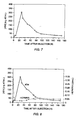
- the inhibition of the reaction of bovine thrombin with the chromogenic substrate S-2238 was studied. All operations were carried out at 23°C. Thrombin was added, with mixing, to a solution containing the material to be tested and S-2238 dissolved in 0.036M sodium acetate 0.036M sodium barbital, 0.145M NaCl pH 7.4 buffer in an eppendorf tube (the final thrombin concentration was 0.045 I.U./ml and the final S-2238 concentration was 28.3 ⁇ g/ml). The resultant solution was transferred to a quartz cuvette and absorbance readings at 405 nm taken over time (zero time being 30 sec after addition of the thrombin).
- the reaction concentration of the ATIII in either the ATH, ATIII or ATIII+H (heparin) reactions was 8.8 nM.
- the [ATIII] in the 0.3 x ATH and 3 x AT + H reactions was 2.7 nM and 27 nM, respectively.
- the results are shown in Figure 1 and show that the ATH conjugates of the present invention are more effective than free ATIII and heparin.
- Thrombin was from Parke-Davis.
- S-2238 was from Chromogenix (Sweden). Standard Heparin (Leo Laboratories) was used.
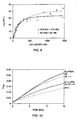
- bovine thrombin to clot human fibrinogen was inhibited by various ATIII containing mixtures as follows. An ATIII containing sample was mixed with fibrinogen in 0.15M NaCl in a plastic tube at 37°C. After 1 min, thrombin was added (the final fibrinogen concentration was 0.2 mg/ml and the final thrombin concentration was 1 I.U./ml) and a clock was started. The time was recorded for the first appearance of a clot on the end of a nichrome wire loop used for agitation. The results are shown in Figure 2 and show that the ATH conjugates are more effective at preventing clotting. The following abbreviations are used.
- Thrombin was from Parke-Davis; Fibrinogen was from Connaught Laboratories.
- ATIII was purified from human plasma. In ATIII + heparin mixtures, the protein and GAG content were equivalent on a mass basis (only 1 in 3 standard heparin molecules bind ATIII).
- the ability of standard heparin to affect the inhibition of the human thrombin by ATH was tested.
- the buffer used was 0.1M Tris-HCl, 0.15M NaCl, 1.5 ⁇ M bovine albumin pH 7.6.
- ATH and varying amounts of heparin in buffer were placed in a 8 mm diameter, flat bottomed, polycarbonate, plastic tube equipped with a stirring bar rotating at 500-1000 rpm, all in a 37°C water bath. Human thrombin was added immediately as a clock was started. After a time ranging from 0.5 to 5 sec, thrombin inhibition was stopped by addition of a solution of excess polybrene and S-2238.
- Residual thrombin activity for S-2238 was measured in a quartz cuvette at 37°C. The results are shown in Figure 3.
- a semi-log plot of residual thrombin activity (Log (A 405 x10 4 /min)) versus time (sec) was constructed for each heparin concentration used.
- the apparent rate constant (k app (S -1 )) was calculated as ln 2 divided by the time at which 1 ⁇ 2 of the starting thrombin activity was inhibited. The k app for each heparin concentration is plotted.
- Bovine albumin was from Sigma Chemical Company, Human thrombin was from Enzyme Research Laboratories (U.S.A.), S-2238 was from Chromogenix (Sweden) and heparin was from Leo Laboratories, Canada. All concentrations quoted on Figure 3 are reaction concentrations just prior to polybrene-S-2388 addition.
- FPR-thrombin is thrombin inhibited by phenylalanyl-prolyl-arginyl peptide covalently bonded to its active serine. FPR-thrombin can competitively inhibit the reaction of thrombin with ATH by binding to the heparin chain although it cannot react with the ATIII portion.
- the experimental procedure and calculation of k app was the same as for the experiments for Figure 3 except that varying amounts of FPR-thrombin were tested instead of heparin (no exogenous heparin added). The constant k o was the k app value with no FPR-Thrombin added. Results are shown in Figure 5.
- the bimolecular rate constant was calculated as k 2 /K i and the average of 3 experiments is reported.
- the averages, for the three k 2 and K i values measured were used to calculate the second order rate constant for each k -1 value, given the following formula.
- ATH and standard heparin were injected into the ear vein of separate rabbits. Equivalent amounts (by mass of heparin) were injected. At various times, blood samples were withdrawn from the ear artery of each rabbit into sodium citrate (9 parts blood to 1 part 3.8% (m/v) trisodium citrate). Each sample was centrifuged at 3000g and the resultant plasma supernatants analyzed for anti-Xa activity using an ACL300 machine (Coulter U.S.A.) for automation. The procedure employed a Stachrom Heparin kit (Diagnostica Stago, France).
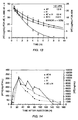
- each sample of plasma to be tested was mixed with buffer containing bovine ATIII and incubated with bovine factor X a at 37°C for 30 sec followed by a 30 sec incubation with the chromogenic substrate CBS 31.39 (N-(methylsulfone)-D-leucyl-glycyl-arginyl-paranitroanilide (from Diagnostica Stago, France)), after which reaction was stopped by addition of acetic acid. The absorbance at 405 nm was then measured. A standard curve, generated using standard heparin, was used to determine the anti-X a activity in the plasma samples in terms of I.U./ml of heparin. Results are shown in Figure 6. The ATH half life was observed to be 53 minutes and the free heparin half life was observed to be 17 minutes.
- ATH was detected using an ELISA kit for ATIII from Affinity Biologicals (Hamilton, Canada). Briefly, ATH from sample plasmas was captured on plastic wells coated with sheep anti-human ATIII polyclonal antibodies. Peroxidase conjugated affinity purified anti-human ATIII antibodies (polyclonal) were applied to the wells and, after rinsing, color developed with H 2 O 2 /O-phenylenediamine substrate for 10 min. After terminating substrate reaction with H 2 SO 4 , the absorbance at 490 nm was measured.
- the procedure to determine the molar ratio of Hep:AT in the heparin-antithrombin conjugates (ATH) was by densitometry of SDS gels (standard procedures) stained for either heparin (alcian blue/silver) or ATIII (Coomassie blue) compared with the corresponding standards.
- the activating groups per GAG molecule is by definition 1 (one aldose terminus per GAG chain).
- the molecular weight range was determined from comparison of stained ATH, HCH, HCD with prestained standards on SDS polyacrylamide gels.
- the pentasaccharide could then bind an exogenous AT causing it to undergo a conformational change. This would be associated with a reciprocal increase in fluorescence intensity back to the starting value. The net effect of this process would be no change in fluorescence intensity, contrary to what is observed in this experiment.
- Human AT (Bayer Inc.) and SH (Sigma Chem. Co. U.S.A.) were initially dialysed to ensure purity of the reagents.
- Human AT and SH were incubated together in a 40°C water bath for 10-14 days. This incubation allowed the conjugation of heparin to AT by Schiff base formation between the aldose terminus aldehyde on heparin and a lysyl amino on the AT, followed by an Amadori rearrangement or reduction by sodium cyanoborohydride (final concentration 0.05M) for 5 h after the initial reaction.
- the sodium cyanoborohydride was added to the mixture after the incubation period. This production process is simple and does not require any structural changes to either compound.
- ATH was purified using two chromatographic steps.
- the first step involves adding the reaction mixture to a hydrophobic-containing matrix, butyl-agarose, in 2.5 M ammonium sulphate. Under these conditions, free AT and ATH bind to butyl-agarose beads while heparin does not. AT and ATH are than eluted off the beads by adjusting the ammonium sulphate concentration to less than 1.5 M. The ATH and AT that are eluted off the butyl-agarose matrix are then dialysed against 0.01 M Tris-HCl pH 8.0 buffer.
- the second step involves applying the eluted ATH and AT onto DEAE Sepharose Fast Flow Beads in 0.2 M NaCl. Under these conditions, free AT does not bind to the DEAE Sepharose Beads.
- ATH is then eluted off the DEAE beads by adjusting the NaCl concentration to 2 M.
- the purified ATH is then concentrated by pressure dialysis at 4°C under 1 atmosphere of nitrogen pressure in tubing with a 12000-14000 molar mass cut-off.
- ATH was stored at 4°C and anti-factor Xa activity assays were performed on the compound on a regular basis over 3 months. Two anti-factor Xa activity assays were used. The first had no exogenous AT added while, in the second, exogenous AT was added. Table 3 shows that the ATH lost activity after about three months.
- ATH has also been stored at -70°C, with no loss of activity after six months. ATH has also been lyophylized and reconstituted with water. Prior to freeze drying, ATH was dialysed against 0.1 M Alanine and 0.15 M NaCl pH 7.0. Reconstituted ATH was active, as assayed by anti-factor Xa activity, for at least 6 months.
- ATH has direct non-catalytic antithrombin activity as well as anti-factor Xa activity.
- ATH has a specific activity of 48 U/mg heparin.
- Inhibition of thrombin was studied by measuring the residual activity of thrombin using the chromogenic substrate S2238 ( Thrombosis Res. 13:285-288 (1978)) after the enzyme had been reacted with ATH.
- the activity of ATH was compared to AT or AT+SH.
- the amounts of AT and or heparin used were equivalent by weight to the amounts of each used in the ATH.
- Figure 10 shows that when the AT and heparin components are present in an equal mass, ATH is much more active than AT+SH in inhibiting thrombin.
- the anti-factor Xa activity of ATH without exogenous AT added to the assay system was 48 u/mg. For an equivalent amount of AT, there was no measurable activity.
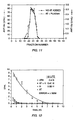
- the antifactor Xa activity of ATH with exogenous AT added to the assay system was 731 u/mg heparin, indicating that there was catalytic activity in the ATH. Since AT is covalently linked to H in the complex, the observation that the H in ATH could catalyze AT mediated inactivation of Xa is unexpected. To rule out the possibility that the observed catalytic effect of the ATH is due to contamination of ATH with free H, ATH was subjected to gel filtration over a G-200 column.
- fraction 22 A fraction was selected (fraction 22) which contained 0.100818 mg H/ml as ATH and 0.498200 ⁇ g H /ml as free heparin and was assayed for anti-factor Xa activity.
- the specific anti-factor Xa activity of this fraction was 83.25 U/ml. If this was accounted for only by the amount of ATH present in the fraction it would be equivalent to a specific activity of 825 U/mg. If the anti-factor Xa activity in the fraction was accounted for only by the free heparin in the fraction it would require the heparin to have a specific activity of 167101 U/mg.
- anti-factor Xa assays were performed in the presence of exogenous AT using heparin (high affinity) in concentration of 0.5 (the amount of free heparin in the fraction) and 5 ⁇ g/ml. In both cases, there was no measurable anti-factor Xa activity.
- ATH can bind to AT and acts as a catalyst through the second pentasaccharide site.
- protamine sulphate and of human platelet factor 4 (PF4) to inactivate the anticoagulant activity of ATH was determined. About 80% of the anti-factor Xa activity is inactivated by either protamine sulphate or PF4. Thus, ATH activity can be neutralized during use, if necessary.
- Thrombin bound to fibrin remains catalytically active, dissociates very slowly from fibrin, and is protected from inactivation by AT and by AT and SH.
- the effect of ATH on fibrin bound thrombin was evaluated and the apparent k1 of the rate of thrombin inhibition by ATH in the presence of different concentrations of fibrin monomer determined by measurement of residual thrombin at various times during the reaction. Inhibition of thrombin is stopped at various times by addition of polybrene and the thrombin activity remaining is determined using the chromogenic substrate S-2238. The results are presented in Table 6. The rate of thrombin inhibition by ATH was unaffected by fibrin monomer.
- Fibrin-bound thrombin is resistant to inactivation by SH because the heparin binding site (exosite 2) on thrombin is masked when the enzyme is bound to fibrin. Since ATH can inactivate fibrin bound thrombin, experiments were preformed to determine whether exosite 2 is critical for inactivation of thrombin by ATH. These experiments were carried out using R93-thrombin, a recombinant thrombin with an inactive mutant exosite 2 ( J. Biol . Chem . 269:17965-17970 (1994)). As shown in Table 7, ATH inactivates R93-thrombin at the same apparent rate as alpha thrombin.
- ATH The pharmacokinetics of ATH was studied in rabbits using anti-factor Xa assays and ELISAs for human AT. Pharmacokinetics of human AT+SH, SH alone and human AT alone in rabbits were studied for comparison with ATH.
- the half lives of SH after intravenous injection and AT in humans are reported to be about 60 minutes and 66 hours respectively, which is approximately 2 times the half life of SH and 5 times the half life of AT in rabbits. Based on these observations, the half life of ATH in humans is expected to be 2-5 times that in the rabbit, which is about 5 hours to 12 hours. This long half life of ATH will be a distinct advantage for use in prophylaxis, as it can be administered infrequently.
- the maximal anti-factor Xa activities for ATH and SH were 8.4 u/ml and 1.17 u/ml respectively.
- the amounts of compound administered subcutaneously to the rabbits were as follows: AT Given Heparin Given Anti-Factor Xa Activity Given 1. ATH 4.6 mg/kg 1.2 mg/kg 936 u/kg 5.4 mg/kg 1.7 mg/kg 1325 u/kg 2. AT + SH 4.6 mg/kg 1.2 mg/kg 216 u/kg 5.4 mg/kg 1.7 mg/kg 306 ug/kg 3. SH 1.2 mg/kg 216 u/kg 1.7 mg/kg 306 u/kg 4. AT 4.6 mg/kg 5.4 mg/kg
- ATH One potential use for ATH is to treat respiratory distress syndrome. Therefore, the effect of ATH after tracheal instillation was investigated.
- ATH and saline were administered intratracheally through an endotracheal tube to anaesthetized pathogen free NZW rabbits.
- the amount of ATH administered was 100 anti-factor Xa u/kg.
- Four rabbits were used for ATH and two rabbits used for saline.
- bronchoalveolar lavage BAL was done immediately after the instillation to assess whether it is possible to remove the compound after administration.
- BAL were collected on all animals at 48 hours. Citrated blood samples were taken at multiple time points up to 48 hours.
- Anti-factor Xa assays were done on both BAL and blood samples. There was essentially no anti-factor Xa activity in the blood samples.
- the doses given were equivalent by weight. Five rabbits were studied in each group.
- rabbits were anaesthetized and test compounds were given as an intravenous bolus. Five minutes after the compounds were injected, one ear of the rabbit was punctured by a #11 surgical blade five times in a random fashion avoiding areas with visible vessels. The ear was then placed in a 37°C water bath (total volume of 1 litre) that was stirred continuously. Ten ml aqueous samples from the water bath were taken at 5 minutes, 10 minutes, 20 minutes and 30 minutes from the time of the ear being punctured. Citrated blood samples were also taken at the same time points. Samples were centrifuged immediately at 1,700 g, platelet-poor plasma obtained and frozen at -70°C until assays were performed.
- Anti-factor Xa assays were done on the plasma samples. Absorbance of the water samples were measured at a wavelength of 540 nm and results were compared to a standard curve of known amounts of blood in water and the accumulative blood loss over time was calculated.
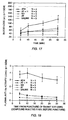
- Figure 16 shows the cumulative blood loss over time. Bleeding was highest in the ATH group. One animal in the ATH group had significantly more bleeding than the rest of the animals in the same group.
- Figure 17 shows the cumulative blood loss over time when this outlier was taken out of the analysis. The bleeding from the animals in the ATH group was well below the accepted amount of 200 pi blood loss over 30 minutes. Moreover, the cumulative blood loss in the first five minutes was essentially the same for all treatment groups that had anticoagulant. The increased cumulative blood loss in the ATH group is then likely due to its prolonged anti-factor Xa activity. The increased bleeding from ATH may also reflect the fact that anti-factor Xa activities were four times greater than those in the group that received AT+SH.
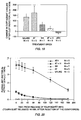
- Figure 18 shows the plasma anti-factor Xa activity over time and demonstrates that anti-factor Xa activities of ATH last longer compared to the group that received AT+SH.
- ATH was compared to AT+SH, SH alone, AT alone and saline.
- the doses used were the same as those used for the rabbit bleeding ear model.
- the rabbits were anaesthetized.
- the jugular vein was isolated and the side branches over 2 cm of the jugular vein ligated.
- the jugular vein segment was isolated with 2 tourniquets and a fogartry catheter inserted into the segment of vein.
- the endothelium was denuded by 15 passes of the inflated catheter and then 500 u of thrombin was injected into the segment.
- 0.2 ml of the rabbit's blood was injected into the segment to create a thrombus.
- 0.2 ml of the blood was placed into each of the two test tubes, acting as a control for the weight of the clot.
- the tourniquets were released and the blood clot was exposed to systemic circulation.
- the compounds tested were injected into the animals followed immediately by an injection of 125 I-human fibrinogen.
- a 2 ml citrated blood sample and 1 ml clotted blood sample were taken at 10, 20, 30, 60, 120 and 180 minutes after the tourniquets were released.
- the citrated blood samples were centrifuged to obtain platelet poor plasma and then stored at -70°C. These samples were subsequently assayed for anti-factor Xa activity.
- the animals were euthanised and thrombi recovered. The weight and radioactivity of the thrombi were compared with the control thrombi from the same animal.
- the model is designed to test the ability of an anticoagulant to prevent thrombus growth.
- the results shown in Figure 19 indicate that ATH, AT+SH and SH were more effective than the saline control and AT control in preventing thrombus growth.
- ATH was the most effective treatment and was associated with an 18 % reduction in thrombus size.
- the decrease in clot size was similar to results when agents that have activity towards fibrin bound thrombin were used.
- Figure 20 shows that rabbits which received ATH had a higher anti-factor Xa activity compared to other groups. Therefore, it remains to be tested whether the more efficacious effect of ATH is due to a higher anti-factor Xa activity or to an accelerated activity of ATH itself.
- ATH was used as a local anticoagulant to coat thrombogenic prosthetic surfaces.
- a polyurethane-polycarbonate endovascular tubing from Corvita was coated with ATH by covalent linkage of the urethane groups to ATH by an intermediate monomer linker.
- the thrombogenecity of the coated tubing was tested in a Rabbit Jugular Vein Model (rabbit perfusion model), and compared to hirudin coated tubing, AT coated tubing and non-treated tubing.
- ATH Three steps are involved in the chemistry for coating ATH onto polyurethane-polycarbonate.
- the polymer of polyurethane-polycarbonate is activated with NaOCl.
- NaOCl reacts with urethane to make this relatively inert material chemically reactive.
- a linking monomer (allyl glycidyl ether) is grafted onto the surface by reacting the activated tubing with an indicator (Na 2 S 2 O 4 ) and a monomer that can further react with other compounds such as ATH.
- ATH or other anticoagulants that have groups, such as, an amino group, that can react with the functional group of the monomer is linked to the monomer.
- Hirudin was linked to polyurethane-polycarbonate tubing using the same method as that used for linkage of ATH.
- New Zealand White male rabbits were anaesthetized.
- the femoral artery and vein were cannulated with a cannula used for fluid administration and blood collection.
- the external jugular vein was exposed and a small segment of the facial vein partially occluded.
- a modified 14 gauge Angiocath (5 cm long) was inserted into the jugular vein.
- a 2 cm segment of the endovascular tubing was weighed and inserted into a modified 14 gauge Angiocath (5 cm long) catheter.
- the modification of the Angiocath consisted of cutting the tip off its stylet.
- the catheter was inserted 5 cm into the jugular vein via the partially occluded facial vein and the tubing then deployed. Thereafter, the catheter was withdrawn and the facial vein segment ligated. The tubing location can be seen through the jugular vein wall.
- 1 ml of blood was collected into citrate-PPACK as well as into citrate-THAT-M for thrombin-antithrombin complex (TAT) and fibrinopeptide A (FPA) analysis.
- TAT thrombin-antithrombin complex
- FPA fibrinopeptide A
- the tubing was cut longitudinally into two halves, blotted slightly on gauze and weighed. Blood samples were centrifuged immediately at 1,700 g, platelet-poor plasma obtained and frozen at -70°C until assays were performed. The tubing were stored in 10% formalin for histopathology.
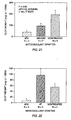
- Figure 21 shows the weight of clots formed inside the tubing after they were inserted into rabbits for three hours. As shown in the graph, the weight of clots formed within the ATH coated tubing was statistically and strikingly less than that in the hirudin coated tubing, demonstrating that ATH coated tubing is more effective than Hirudin coated tubing
- Figure 22 shows the weight of clots that were formed inside tubing after the insertion into rabbits for three hours.
- ATH coated tubing induced smaller clots than AT coated tubing and non-treated tubing.
- the AT coated tubing was significantly more thrombogenic than ATH coated tubing.
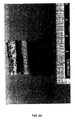
- Figure 23 shows the luminal surface of an ATH coated tubing and a non-treated tubing after exposed to blood in a rabbit for three hours.
- the ATH coated tubing had minimal amount of blood clot on the surface but the non-treated tubing had clearly induced more clot.
Landscapes
- Health & Medical Sciences (AREA)
- General Health & Medical Sciences (AREA)
- Veterinary Medicine (AREA)
- Chemical & Material Sciences (AREA)
- Public Health (AREA)
- Animal Behavior & Ethology (AREA)
- Life Sciences & Earth Sciences (AREA)
- Engineering & Computer Science (AREA)
- Epidemiology (AREA)
- Medicinal Chemistry (AREA)
- Hematology (AREA)
- Bioinformatics & Cheminformatics (AREA)
- Pharmacology & Pharmacy (AREA)
- Surgery (AREA)
- Materials Engineering (AREA)
- Nuclear Medicine, Radiotherapy & Molecular Imaging (AREA)
- Organic Chemistry (AREA)
- General Chemical & Material Sciences (AREA)
- Chemical Kinetics & Catalysis (AREA)
- Oral & Maxillofacial Surgery (AREA)
- Dermatology (AREA)
- Transplantation (AREA)
- Diabetes (AREA)
- Pulmonology (AREA)
- Pharmaceuticals Containing Other Organic And Inorganic Compounds (AREA)
- Polysaccharides And Polysaccharide Derivatives (AREA)
- Medicines That Contain Protein Lipid Enzymes And Other Medicines (AREA)
- Peptides Or Proteins (AREA)
- Medicinal Preparation (AREA)
- Prostheses (AREA)
- Medicines Containing Material From Animals Or Micro-Organisms (AREA)
Applications Claiming Priority (3)
| Application Number | Priority Date | Filing Date | Title |
|---|---|---|---|
| US564976 | 1995-11-30 | ||
| US08/564,976 US6562781B1 (en) | 1995-11-30 | 1995-11-30 | Glycosaminoglycan-antithrombin III/heparin cofactor II conjugates |
| PCT/CA1996/000799 WO1997019701A2 (en) | 1995-11-30 | 1996-11-29 | Glycosaminoglycan-antithrombin iii/heparin cofactor ii conjugates |
Publications (2)
| Publication Number | Publication Date |
|---|---|
| EP0863768A2 EP0863768A2 (en) | 1998-09-16 |
| EP0863768B1 true EP0863768B1 (en) | 2007-01-03 |
Family
ID=24256690
Family Applications (1)
| Application Number | Title | Priority Date | Filing Date |
|---|---|---|---|
| EP96939779A Expired - Lifetime EP0863768B1 (en) | 1995-11-30 | 1996-11-29 | Covalent heparin-protein conjugates comprising an alpha-carbonyl amine bond and methods of obtaining them |
Country Status (8)
| Country | Link |
|---|---|
| US (2) | US6562781B1 (enExample) |
| EP (1) | EP0863768B1 (enExample) |
| JP (1) | JP4166275B2 (enExample) |
| AT (1) | ATE350066T1 (enExample) |
| AU (1) | AU7688396A (enExample) |
| CA (1) | CA2237159C (enExample) |
| DE (1) | DE69636813T2 (enExample) |
| WO (1) | WO1997019701A2 (enExample) |
Families Citing this family (38)
| Publication number | Priority date | Publication date | Assignee | Title |
|---|---|---|---|---|
| AT405905B (de) * | 1997-03-25 | 1999-12-27 | Immuno Ag | Neue verwendung von antithrombin iii |
| FI974321A0 (fi) | 1997-11-25 | 1997-11-25 | Jenny Ja Antti Wihurin Rahasto | Multipel heparinglykosaminoglykan och en proteoglykan innehaollande dessa |
| WO2000001406A1 (fr) * | 1998-07-07 | 2000-01-13 | Welfide Corporation | Utilisation medicinale du cofacteur ii de l'heparine |
| AU6357900A (en) * | 1999-07-20 | 2001-02-05 | Amgen, Inc. | Hyaluronic acid-protein conjugates, pharmaceutical compositions and related methods |
| DE10132307A1 (de) * | 2001-07-06 | 2003-01-30 | Aventis Behring Gmbh | Arzneizubereitung zur Inhalation von Antithrombin bei entzündlichen Lungenerkrankungen und ARDS |
| CA2480790A1 (en) * | 2002-04-01 | 2003-10-16 | Kazunori Murakami | Use of antithrombin iii in treating acute lung injury |
| CA2556785A1 (en) * | 2003-02-20 | 2004-09-02 | Hamilton Civic Hospitals Research Development Inc. | Coating composition for polymeric surfaces comprising serpin or serpin derivatives |
| EP1663299A4 (en) * | 2003-08-12 | 2009-09-16 | Hamilton Civic Hospitals Res | PROCESS FOR PREVENTING NEUROLOGICAL EVENTS |
| US7146034B2 (en) * | 2003-12-09 | 2006-12-05 | Superpower, Inc. | Tape manufacturing system |
| US7563780B1 (en) * | 2004-06-18 | 2009-07-21 | Advanced Cardiovascular Systems, Inc. | Heparin prodrugs and drug delivery stents formed therefrom |
| AU2005322067B8 (en) * | 2004-12-27 | 2012-07-26 | Takeda Pharmaceutical Company Limited | Polymer-von Willebrand factor-conjugates |
| JP2008526868A (ja) * | 2005-01-06 | 2008-07-24 | ディスカバリー ラボラトリーズ,インコーポレイテッド | 表面活性剤処置療法 |
| WO2007126808A1 (en) | 2006-03-31 | 2007-11-08 | Baxter International Inc | Pegylated factor viii |
| US7645860B2 (en) | 2006-03-31 | 2010-01-12 | Baxter Healthcare S.A. | Factor VIII polymer conjugates |
| US11229746B2 (en) | 2006-06-22 | 2022-01-25 | Excelsior Medical Corporation | Antiseptic cap |
| US9687559B2 (en) | 2008-03-19 | 2017-06-27 | The Board Of Regents Of The University Of Oklahoma | Heparosan polymers and methods of making and using same for the enhancement of therapeutics |
| US9925209B2 (en) | 2008-03-19 | 2018-03-27 | The Board Of Regents Of The University Of Oklahoma | Heparosan-polypeptide and heparosan-polynucleotide drug conjugates and methods of making and using same |
| WO2010030342A2 (en) * | 2008-09-09 | 2010-03-18 | The Board Of Regents Of The University Of Oklahoma | Heparosan polymers and methods of making and using same for the enhancement of therapeutics |
| US9078992B2 (en) | 2008-10-27 | 2015-07-14 | Pursuit Vascular, Inc. | Medical device for applying antimicrobial to proximal end of catheter |
| US10166381B2 (en) | 2011-05-23 | 2019-01-01 | Excelsior Medical Corporation | Antiseptic cap |
| CA2841832C (en) | 2011-07-12 | 2019-06-04 | Icu Medical, Inc. | Device for delivery of antimicrobial agent into a trans-dermal catheter |
| WO2015005459A1 (ja) * | 2013-07-10 | 2015-01-15 | 生化学工業株式会社 | 呼吸器投与用の医薬組成物 |
| JP6478115B2 (ja) | 2013-09-30 | 2019-03-06 | 生化学工業株式会社 | タンパク質の血中滞留性の増強方法 |
| AU2015252808B2 (en) | 2014-05-02 | 2019-02-21 | Excelsior Medical Corporation | Strip package for antiseptic cap |
| GB201415062D0 (en) | 2014-08-26 | 2014-10-08 | Aplagon Oy | Therapeutic |
| EA035414B1 (ru) * | 2014-09-18 | 2020-06-10 | Шондронест Са | Комбинация, содержащая гликозаминогликаны и белки |
| US10350236B2 (en) * | 2015-01-09 | 2019-07-16 | Seikagaku Corporation | Chondroitin sulfate derivative and agent for treating bladder diseases |
| AU2016262400B2 (en) | 2015-05-08 | 2021-01-21 | Icu Medical, Inc. | Medical connectors configured to receive emitters of therapeutic agents |
| CA3040277C (en) | 2016-10-14 | 2025-08-12 | Icu Medical, Inc. | DISINFECTANT CAPS FOR MEDICAL FITTINGS |
| WO2018204206A2 (en) | 2017-05-01 | 2018-11-08 | Icu Medical, Inc. | Medical fluid connectors and methods for providing additives in medical fluid lines |
| EP3765123B1 (en) | 2018-03-16 | 2026-07-15 | ICU Medical, Inc. | Sanitizing caps for medical connectors |
| US11400195B2 (en) | 2018-11-07 | 2022-08-02 | Icu Medical, Inc. | Peritoneal dialysis transfer set with antimicrobial properties |
| US11534595B2 (en) | 2018-11-07 | 2022-12-27 | Icu Medical, Inc. | Device for delivering an antimicrobial composition into an infusion device |
| US11541220B2 (en) | 2018-11-07 | 2023-01-03 | Icu Medical, Inc. | Needleless connector with antimicrobial properties |
| US11541221B2 (en) | 2018-11-07 | 2023-01-03 | Icu Medical, Inc. | Tubing set with antimicrobial properties |
| US11517732B2 (en) | 2018-11-07 | 2022-12-06 | Icu Medical, Inc. | Syringe with antimicrobial properties |
| EP3883638A1 (en) | 2018-11-21 | 2021-09-29 | ICU Medical, Inc. | Antimicrobial device comprising a cap with ring and insert |
| JP7888563B2 (ja) | 2020-12-07 | 2026-07-13 | アイシーユー・メディカル・インコーポレーテッド | 医療用コネクタのためのキャップシステム、キャップと共に使用されるベース要素、及びベース要素上にキャップを保持するための方法 |
Family Cites Families (76)
| Publication number | Priority date | Publication date | Assignee | Title |
|---|---|---|---|---|
| US2824092A (en) | 1955-01-04 | 1958-02-18 | Robert E Thompson | Process of preparation of a gelatincarboxymethyl cellulose complex |
| US3616935A (en) | 1970-02-05 | 1971-11-02 | Dow Chemical Co | Preparation of antithrombogenic surfaces |
| US3673612A (en) | 1970-08-28 | 1972-07-04 | Massachusetts Inst Technology | Non-thrombogenic materials and methods for their preparation |
| SE392038B (sv) | 1971-09-08 | 1977-03-14 | Kabi Ab | Forfarande for isolering av antitrombin ur blod eller blodprodukter |
| GB1479268A (en) | 1973-07-05 | 1977-07-13 | Beecham Group Ltd | Pharmaceutical compositions |
| US4301153A (en) | 1977-03-21 | 1981-11-17 | Riker Laboratories, Inc. | Heparin preparation |
| JPS6040859B2 (ja) | 1977-07-27 | 1985-09-12 | 喜温 三浦 | 抗血栓性人工医療材料 |
| JPS597693B2 (ja) | 1978-01-07 | 1984-02-20 | 株式会社ミドリ十字 | 抗トロンビン製剤及びその製法 |
| FR2472390A1 (fr) | 1979-05-04 | 1981-07-03 | Merieux Inst | Procede de preparation de concentres de complexe prothrombinique hautement purifies, et concentres obtenus |
| CA1171375A (en) | 1980-09-15 | 1984-07-24 | Ulf P.F. Lindahl | Oligosaccharides having selective anticoagulation activity |
| US4446126A (en) | 1980-09-30 | 1984-05-01 | Cutter Laboratories, Inc. | Antithrombin-heparin complex and method for its production |
| US4604762A (en) | 1981-02-13 | 1986-08-12 | Thoratec Laboratories Corporation | Arterial graft prosthesis |
| US4356170A (en) | 1981-05-27 | 1982-10-26 | Canadian Patents & Development Ltd. | Immunogenic polysaccharide-protein conjugates |
| US4526714A (en) | 1982-12-13 | 1985-07-02 | Cordis Europa N.V. | Conjugates of anticoagulant and protein |
| US4678671A (en) * | 1981-12-15 | 1987-07-07 | Cordis Europa N.V. | Conjugates of anticoagulant and protein |
| NL188622C (nl) | 1981-12-15 | 1992-08-17 | Cordis Europ | Werkwijze ter verbetering van de bloedcompatibiliteit van een materiaaloppervlak door bekleding daarvan met een heparine of heparine-analoga en een eiwit houdende film, alsmede voorwerp, omvattende een oppervlak met verbeterde bloedcompatibiliteit verkregen onder toepassing van een op het oppervlak aangebrachte heparine of heparine-analoga en een eiwit houdende film. |
| SE8200751L (sv) | 1982-02-09 | 1983-08-10 | Olle Larm | Forfarande for kovalent koppling for framstellning av konjugat och hervid erhallna produkter |
| DE3366933D1 (en) | 1982-06-10 | 1986-11-20 | Kabivitrum Ab | Antithrombin-heparin complex |
| US5002582A (en) | 1982-09-29 | 1991-03-26 | Bio-Metric Systems, Inc. | Preparation of polymeric surfaces via covalently attaching polymers |
| AT379310B (de) | 1983-05-20 | 1985-12-27 | Immuno Ag | Verfahren zur herstellung eines antithrombin iii-heparin- bzw. antithrombin iii-heparinoidkonzentrates |
| DE3331009A1 (de) | 1983-08-27 | 1985-03-14 | Basf Ag, 6700 Ludwigshafen | Verfahren zur erhoehung der enteralen resorbierbarkeit von heparin bzw. heparinoiden sowie das so erhaeltliche heparin- bzw. heparinoidpraeparat |
| US4448718A (en) * | 1983-09-13 | 1984-05-15 | Massachusetts Institute Of Technology | Method for the preparation of collagen-glycosaminoglycan composite materials |
| US4689323A (en) | 1983-09-26 | 1987-08-25 | Miles Laboratories, Inc. | Covalently bound heparin--antithrombin-III complex |
| US4585754A (en) | 1984-01-09 | 1986-04-29 | Valcor Scientific, Ltd. | Stabilization of proteins and peptides by chemical binding with chondroitin |
| DE3422494A1 (de) | 1984-06-16 | 1985-12-19 | B. Braun Melsungen Ag, 3508 Melsungen | Verfahren und vorrichtung zur spezifischen adsorption von heparin |
| US4863907A (en) | 1984-06-29 | 1989-09-05 | Seikagaku Kogyo Co., Ltd. | Crosslinked glycosaminoglycans and their use |
| CH665954A5 (fr) | 1985-07-08 | 1988-06-30 | Battelle Memorial Institute | Substrat dont la surface presente une activite antithrombogenique. |
| US4745180A (en) * | 1986-06-27 | 1988-05-17 | Cetus Corporation | Solubilization of proteins for pharmaceutical compositions using heparin fragments |
| DE3636590A1 (de) | 1986-10-28 | 1988-05-26 | Braun Melsungen Ag | Blutersatzmittel |
| DE3639561A1 (de) | 1986-11-20 | 1988-06-01 | Baumann Hanno | Verfahren zur herstellung von nicht-thrombogenen substraten |
| FR2614026B1 (fr) * | 1987-04-16 | 1992-04-17 | Sanofi Sa | Heparines de bas poids moleculaire, a structure reguliere, leur preparation et leurs applications biologiques |
| NL8701337A (nl) | 1987-06-09 | 1989-01-02 | Sentron V O F | Substraat voorzien van een bloedcompatibel oppervlak, verkregen door koppeling aan het oppervlak van een fysiologisch aktieve stof met remmende invloed op de vorming van bloedstolsels en/of in staat om gevormde bloedstolsels af te breken, alsmede werkwijze ter vervaardiging van het substraat. |
| JP2739050B2 (ja) | 1988-01-28 | 1998-04-08 | ヘキスト薬品工業株式会社 | 抗血液凝固剤 |
| DE3806562A1 (de) | 1988-03-01 | 1989-09-14 | Alpha Therapeutic Gmbh | Zweikammerspritze mit einer fuellung aus aktivitaetsempfindlichem humanen protein als wirkstoff |
| FR2631970B1 (fr) | 1988-05-24 | 1993-12-24 | Sanofi | N-polyosyl-polypeptides |
| DE3819079A1 (de) | 1988-06-04 | 1989-12-07 | Hoechst Ag | Hirudin-derivate mit verzoegerter wirkung |
| US5182317A (en) | 1988-06-08 | 1993-01-26 | Cardiopulmonics, Inc. | Multifunctional thrombo-resistant coatings and methods of manufacture |
| US5338770A (en) | 1988-06-08 | 1994-08-16 | Cardiopulmonics, Inc. | Gas permeable thrombo-resistant coatings and methods of manufacture |
| US5262451A (en) | 1988-06-08 | 1993-11-16 | Cardiopulmonics, Inc. | Multifunctional thrombo-resistant coatings and methods of manufacture |
| CA1336396C (en) | 1988-07-25 | 1995-07-25 | Kiyoshi Kita | Intraocular anticoagulant including antithrombin iii and method of administration |
| FR2635019B1 (fr) | 1988-08-02 | 1992-06-12 | Centre Nat Rech Scient | Materiau capable de fixer les substances biologiques, et ses applications notamment comme support de chromatographie d'affinite |
| US5308617A (en) * | 1988-08-10 | 1994-05-03 | Halzyme Ltd. | Protein heparin conjugates |
| US5023078A (en) * | 1988-08-10 | 1991-06-11 | Albert P. Halluin | Plasminogen activator-heparin conjugates |
| US5270046A (en) | 1988-09-27 | 1993-12-14 | Ube Industries, Ltd. | Heparin bound anti-thrombotic material |
| US5510418A (en) * | 1988-11-21 | 1996-04-23 | Collagen Corporation | Glycosaminoglycan-synthetic polymer conjugates |
| NL194941C (nl) | 1990-02-15 | 2003-08-04 | Cordis Corp | Werkwijze voor het aanbrengen van een fysiologisch actieve verbinding op een substraatoppervlak. |
| US5171264A (en) | 1990-02-28 | 1992-12-15 | Massachusetts Institute Of Technology | Immobilized polyethylene oxide star molecules for bioapplications |
| US5275838A (en) | 1990-02-28 | 1994-01-04 | Massachusetts Institute Of Technology | Immobilized polyethylene oxide star molecules for bioapplications |
| JP2975632B2 (ja) | 1990-03-30 | 1999-11-10 | 生化学工業株式会社 | グリコサミノグリカン修飾プロテイン |
| US5455040A (en) | 1990-07-26 | 1995-10-03 | Case Western Reserve University | Anticoagulant plasma polymer-modified substrate |
| US5222971A (en) | 1990-10-09 | 1993-06-29 | Scimed Life Systems, Inc. | Temporary stent and methods for use and manufacture |
| US5280016A (en) * | 1991-03-29 | 1994-01-18 | Glycomed Incorporated | Non-anticoagulant heparin derivatives |
| US5159050A (en) | 1991-05-09 | 1992-10-27 | Becton, Dickinson And Company | Polyurethane and medical article therefrom |
| AT395596B (de) | 1991-06-20 | 1993-01-25 | Immuno Ag | Verfahren zur herstellung von aktiviertem protein c |
| DK0601055T3 (da) | 1991-08-16 | 2000-10-02 | Joseph C Salamone | Medikamentovertrukket brydende okulært forkammerimplantat |
| SE470006B (sv) | 1991-09-26 | 1993-10-25 | Corline Systems Ab | Nytt konjugat, dess framställning och användning samt substrat preparerat med konjugatet |
| CH683673A5 (de) | 1991-10-01 | 1994-04-29 | Otsuka Pharma Co Ltd | Antithromboseharz, Antithromboseröhrchen, Antithrombosefilm und Antithromboseüberzug. |
| US5319072A (en) | 1992-01-10 | 1994-06-07 | Alpha Therapeutic Corporation | Human antithrombin-III preparation |
| US5436291A (en) | 1992-07-09 | 1995-07-25 | University Of Michigan, The Board Of . . . | Calcification-resistant synthetic biomaterials |
| EP0623150A4 (en) | 1992-11-19 | 1999-08-25 | Univ Case Western Reserve | Nonthrombogenic implant surfaces. |
| JP3711561B2 (ja) | 1993-04-05 | 2005-11-02 | 三菱ウェルファーマ株式会社 | アンチトロンビン−▲iii▼液状製剤およびその安定化方法 |
| JPH09501719A (ja) * | 1993-08-19 | 1997-02-18 | ミネソタ マイニング アンド マニュファクチャリング カンパニー | ヘパリン官能アフィニティー支持体 |
| IL110367A (en) | 1994-07-19 | 2007-05-15 | Colbar Lifescience Ltd | Collagen-based matrix |
| US5607475A (en) | 1995-08-22 | 1997-03-04 | Medtronic, Inc. | Biocompatible medical article and method |
| US5876433A (en) | 1996-05-29 | 1999-03-02 | Ethicon, Inc. | Stent and method of varying amounts of heparin coated thereon to control treatment |
| US5811151A (en) | 1996-05-31 | 1998-09-22 | Medtronic, Inc. | Method of modifying the surface of a medical device |
| US5851229A (en) | 1996-09-13 | 1998-12-22 | Meadox Medicals, Inc. | Bioresorbable sealants for porous vascular grafts |
| US5855618A (en) | 1996-09-13 | 1999-01-05 | Meadox Medicals, Inc. | Polyurethanes grafted with polyethylene oxide chains containing covalently bonded heparin |
| US5741881A (en) | 1996-11-25 | 1998-04-21 | Meadox Medicals, Inc. | Process for preparing covalently bound-heparin containing polyurethane-peo-heparin coating compositions |
| US5843172A (en) | 1997-04-15 | 1998-12-01 | Advanced Cardiovascular Systems, Inc. | Porous medicated stent |
| US5891196A (en) | 1997-04-16 | 1999-04-06 | Baxter International Inc. | Method for actively binding heparin to crosslinked biological tissues |
| US5879697A (en) | 1997-04-30 | 1999-03-09 | Schneider Usa Inc | Drug-releasing coatings for medical devices |
| US20010007063A1 (en) | 1997-06-18 | 2001-07-05 | Yoshihiro Oyama | Antithrombotic medical material |
| US5945457A (en) | 1997-10-01 | 1999-08-31 | A.V. Topchiev Institute Of Petrochemical Synthesis, Russian Academy Of Science | Process for preparing biologically compatible polymers and their use in medical devices |
| US6024918A (en) | 1998-03-13 | 2000-02-15 | Medtronic, Inc. | Method for attachment of biomolecules to surfaces of medical devices |
| US6248127B1 (en) | 1998-08-21 | 2001-06-19 | Medtronic Ave, Inc. | Thromboresistant coated medical device |
-
1995
- 1995-11-30 US US08/564,976 patent/US6562781B1/en not_active Expired - Fee Related
-
1996
- 1996-11-29 DE DE69636813T patent/DE69636813T2/de not_active Expired - Lifetime
- 1996-11-29 AT AT96939779T patent/ATE350066T1/de not_active IP Right Cessation
- 1996-11-29 EP EP96939779A patent/EP0863768B1/en not_active Expired - Lifetime
- 1996-11-29 WO PCT/CA1996/000799 patent/WO1997019701A2/en not_active Ceased
- 1996-11-29 JP JP52003397A patent/JP4166275B2/ja not_active Expired - Fee Related
- 1996-11-29 CA CA2237159A patent/CA2237159C/en not_active Expired - Lifetime
- 1996-11-29 AU AU76883/96A patent/AU7688396A/en not_active Abandoned
-
2002
- 2002-10-11 US US10/268,965 patent/US20030100487A1/en not_active Abandoned
Also Published As
| Publication number | Publication date |
|---|---|
| ATE350066T1 (de) | 2007-01-15 |
| WO1997019701A2 (en) | 1997-06-05 |
| US20030100487A1 (en) | 2003-05-29 |
| DE69636813T2 (de) | 2007-10-04 |
| JP2000501082A (ja) | 2000-02-02 |
| DE69636813D1 (de) | 2007-02-15 |
| CA2237159A1 (en) | 1997-06-05 |
| US6562781B1 (en) | 2003-05-13 |
| JP4166275B2 (ja) | 2008-10-15 |
| AU7688396A (en) | 1997-06-19 |
| WO1997019701A3 (en) | 1997-08-28 |
| CA2237159C (en) | 2010-11-16 |
| EP0863768A2 (en) | 1998-09-16 |
Similar Documents
| Publication | Publication Date | Title |
|---|---|---|
| US6491965B1 (en) | Medical device comprising glycosaminoglycan-antithrombin III/heparin cofactor II conjugates | |
| CA2237159C (en) | Glycosaminoglycan-antithrombin iii/heparin cofactor ii conjugates | |
| US7045585B2 (en) | Methods of coating a device using anti-thrombin heparin | |
| US20190030066A1 (en) | Antithrombin-heparin compositions and methods | |
| US5280016A (en) | Non-anticoagulant heparin derivatives | |
| US5250519A (en) | Non-anticoagulant heparin derivatives | |
| ES2242980T3 (es) | Dermatan disulfato, un inhibidor de la generacion de trombina y de la activacion del complemento. | |
| JPH0370722B2 (enExample) | ||
| US6001820A (en) | Compositions and methods for inhibiting thrombogenesis | |
| US5801162A (en) | Dermatan sulfate compositions and antithrombotic compositions containing same | |
| WO1992018545A1 (en) | Novel heparin derivatives and process for the preparation thereof | |
| AU2016274868B2 (en) | Medical devices, systems, and methods utilizing antithrombin-heparin compositions | |
| WO1994008595A1 (en) | Use of non-anticoagulant heparin for treating ischemia/reperfusion injury | |
| Patel et al. | Covalent antithrombin–heparin complexes | |
| CA2378225A1 (en) | Glycosaminoglycan-antithrombin iii/heparin cofactor ii conjugates | |
| Klauser et al. | Antithrombotic and anticoagulant properties of synthetic polyanions: sulfated bis-aldonic acid amides. | |
| Mattsson et al. | Antithrombotic properties in rabbits of heparin and heparin fragments covalently coupled to human antithrombin III. | |
| Berry et al. | Review on patents for potent anticoagulant antithrombin-heparin covalent complexes that control thrombosis in vivo |
Legal Events
| Date | Code | Title | Description |
|---|---|---|---|
| PUAI | Public reference made under article 153(3) epc to a published international application that has entered the european phase |
Free format text: ORIGINAL CODE: 0009012 |
|
| 17P | Request for examination filed |
Effective date: 19980630 |
|
| AK | Designated contracting states |
Kind code of ref document: A2 Designated state(s): AT BE CH DE DK ES FI FR GB GR IE IT LI LU MC NL PT SE |
|
| 17Q | First examination report despatched |
Effective date: 20020226 |
|
| RIC1 | Information provided on ipc code assigned before grant |
Ipc: A61L 27/34 20060101ALI20060523BHEP Ipc: A61P 7/02 20060101ALI20060523BHEP Ipc: A61P 11/00 20060101ALI20060523BHEP Ipc: A61K 47/48 20060101AFI20060523BHEP |
|
| RTI1 | Title (correction) |
Free format text: COVALENT HEPARIN-PROTEIN CONJUGATES COMPRISING AN ALPHA-CARBONYL AMINE BOND AND METHODS OF OBTAINING THEM |
|
| GRAP | Despatch of communication of intention to grant a patent |
Free format text: ORIGINAL CODE: EPIDOSNIGR1 |
|
| GRAS | Grant fee paid |
Free format text: ORIGINAL CODE: EPIDOSNIGR3 |
|
| GRAA | (expected) grant |
Free format text: ORIGINAL CODE: 0009210 |
|
| AK | Designated contracting states |
Kind code of ref document: B1 Designated state(s): AT BE CH DE DK ES FI FR GB GR IE IT LI LU MC NL PT SE |
|
| PG25 | Lapsed in a contracting state [announced via postgrant information from national office to epo] |
Ref country code: NL Free format text: LAPSE BECAUSE OF FAILURE TO SUBMIT A TRANSLATION OF THE DESCRIPTION OR TO PAY THE FEE WITHIN THE PRESCRIBED TIME-LIMIT Effective date: 20070103 Ref country code: FI Free format text: LAPSE BECAUSE OF FAILURE TO SUBMIT A TRANSLATION OF THE DESCRIPTION OR TO PAY THE FEE WITHIN THE PRESCRIBED TIME-LIMIT Effective date: 20070103 Ref country code: DK Free format text: LAPSE BECAUSE OF FAILURE TO SUBMIT A TRANSLATION OF THE DESCRIPTION OR TO PAY THE FEE WITHIN THE PRESCRIBED TIME-LIMIT Effective date: 20070103 Ref country code: AT Free format text: LAPSE BECAUSE OF FAILURE TO SUBMIT A TRANSLATION OF THE DESCRIPTION OR TO PAY THE FEE WITHIN THE PRESCRIBED TIME-LIMIT Effective date: 20070103 |
|
| RAP1 | Party data changed (applicant data changed or rights of an application transferred) |
Owner name: HAMILTON HEALTH SCIENCES CORPORATION Owner name: MCMASTER UNIVERSITY |
|
| REG | Reference to a national code |
Ref country code: GB Ref legal event code: FG4D |
|
| RAP2 | Party data changed (patent owner data changed or rights of a patent transferred) |
Owner name: MCMASTER UNIVERSITY |
|
| RAP2 | Party data changed (patent owner data changed or rights of a patent transferred) |
Owner name: MCMASTER UNIVERSITY |
|
| REF | Corresponds to: |
Ref document number: 69636813 Country of ref document: DE Date of ref document: 20070215 Kind code of ref document: P |
|
| NLT2 | Nl: modifications (of names), taken from the european patent patent bulletin |
Owner name: MCMASTER UNIVERSITY Effective date: 20070110 |
|
| PG25 | Lapsed in a contracting state [announced via postgrant information from national office to epo] |
Ref country code: SE Free format text: LAPSE BECAUSE OF FAILURE TO SUBMIT A TRANSLATION OF THE DESCRIPTION OR TO PAY THE FEE WITHIN THE PRESCRIBED TIME-LIMIT Effective date: 20070403 |
|
| PG25 | Lapsed in a contracting state [announced via postgrant information from national office to epo] |
Ref country code: ES Free format text: LAPSE BECAUSE OF FAILURE TO SUBMIT A TRANSLATION OF THE DESCRIPTION OR TO PAY THE FEE WITHIN THE PRESCRIBED TIME-LIMIT Effective date: 20070414 |
|
| PG25 | Lapsed in a contracting state [announced via postgrant information from national office to epo] |
Ref country code: PT Free format text: LAPSE BECAUSE OF FAILURE TO SUBMIT A TRANSLATION OF THE DESCRIPTION OR TO PAY THE FEE WITHIN THE PRESCRIBED TIME-LIMIT Effective date: 20070604 |
|
| NLV1 | Nl: lapsed or annulled due to failure to fulfill the requirements of art. 29p and 29m of the patents act | ||
| ET | Fr: translation filed | ||
| REG | Reference to a national code |
Ref country code: CH Ref legal event code: NV Representative=s name: MICHELI & CIE SA |
|
| PLBE | No opposition filed within time limit |
Free format text: ORIGINAL CODE: 0009261 |
|
| STAA | Information on the status of an ep patent application or granted ep patent |
Free format text: STATUS: NO OPPOSITION FILED WITHIN TIME LIMIT |
|
| 26N | No opposition filed |
Effective date: 20071005 |
|
| PG25 | Lapsed in a contracting state [announced via postgrant information from national office to epo] |
Ref country code: BE Free format text: LAPSE BECAUSE OF FAILURE TO SUBMIT A TRANSLATION OF THE DESCRIPTION OR TO PAY THE FEE WITHIN THE PRESCRIBED TIME-LIMIT Effective date: 20070103 |
|
| REG | Reference to a national code |
Ref country code: GB Ref legal event code: 732E |
|
| PG25 | Lapsed in a contracting state [announced via postgrant information from national office to epo] |
Ref country code: IT Free format text: LAPSE BECAUSE OF FAILURE TO SUBMIT A TRANSLATION OF THE DESCRIPTION OR TO PAY THE FEE WITHIN THE PRESCRIBED TIME-LIMIT Effective date: 20070103 Ref country code: GR Free format text: LAPSE BECAUSE OF FAILURE TO SUBMIT A TRANSLATION OF THE DESCRIPTION OR TO PAY THE FEE WITHIN THE PRESCRIBED TIME-LIMIT Effective date: 20070404 |
|
| PG25 | Lapsed in a contracting state [announced via postgrant information from national office to epo] |
Ref country code: MC Free format text: LAPSE BECAUSE OF NON-PAYMENT OF DUE FEES Effective date: 20071130 |
|
| PGFP | Annual fee paid to national office [announced via postgrant information from national office to epo] |
Ref country code: IE Payment date: 20081104 Year of fee payment: 13 Ref country code: CH Payment date: 20081118 Year of fee payment: 13 |
|
| PGFP | Annual fee paid to national office [announced via postgrant information from national office to epo] |
Ref country code: FR Payment date: 20081107 Year of fee payment: 13 |
|
| PG25 | Lapsed in a contracting state [announced via postgrant information from national office to epo] |
Ref country code: LU Free format text: LAPSE BECAUSE OF NON-PAYMENT OF DUE FEES Effective date: 20071129 |
|
| REG | Reference to a national code |
Ref country code: CH Ref legal event code: PL |
|
| REG | Reference to a national code |
Ref country code: FR Ref legal event code: ST Effective date: 20100730 |
|
| PG25 | Lapsed in a contracting state [announced via postgrant information from national office to epo] |
Ref country code: LI Free format text: LAPSE BECAUSE OF NON-PAYMENT OF DUE FEES Effective date: 20091130 Ref country code: IE Free format text: LAPSE BECAUSE OF NON-PAYMENT OF DUE FEES Effective date: 20091130 Ref country code: FR Free format text: LAPSE BECAUSE OF NON-PAYMENT OF DUE FEES Effective date: 20091130 Ref country code: CH Free format text: LAPSE BECAUSE OF NON-PAYMENT OF DUE FEES Effective date: 20091130 |
|
| PGFP | Annual fee paid to national office [announced via postgrant information from national office to epo] |
Ref country code: GB Payment date: 20141118 Year of fee payment: 19 Ref country code: DE Payment date: 20141125 Year of fee payment: 19 |
|
| REG | Reference to a national code |
Ref country code: DE Ref legal event code: R119 Ref document number: 69636813 Country of ref document: DE |
|
| GBPC | Gb: european patent ceased through non-payment of renewal fee |
Effective date: 20151129 |
|
| PG25 | Lapsed in a contracting state [announced via postgrant information from national office to epo] |
Ref country code: DE Free format text: LAPSE BECAUSE OF NON-PAYMENT OF DUE FEES Effective date: 20160601 Ref country code: GB Free format text: LAPSE BECAUSE OF NON-PAYMENT OF DUE FEES Effective date: 20151129 |