EP0837927B1 - Anti-cd80 antibodies - Google Patents
Anti-cd80 antibodies Download PDFInfo
- Publication number
- EP0837927B1 EP0837927B1 EP96922439A EP96922439A EP0837927B1 EP 0837927 B1 EP0837927 B1 EP 0837927B1 EP 96922439 A EP96922439 A EP 96922439A EP 96922439 A EP96922439 A EP 96922439A EP 0837927 B1 EP0837927 B1 EP 0837927B1
- Authority
- EP
- European Patent Office
- Prior art keywords
- antibody
- seq
- human
- antigen
- heavy chain
- Prior art date
- Legal status (The legal status is an assumption and is not a legal conclusion. Google has not performed a legal analysis and makes no representation as to the accuracy of the status listed.)
- Expired - Lifetime
Links
Images





Classifications
-
- C—CHEMISTRY; METALLURGY
- C12—BIOCHEMISTRY; BEER; SPIRITS; WINE; VINEGAR; MICROBIOLOGY; ENZYMOLOGY; MUTATION OR GENETIC ENGINEERING
- C12N—MICROORGANISMS OR ENZYMES; COMPOSITIONS THEREOF; PROPAGATING, PRESERVING, OR MAINTAINING MICROORGANISMS; MUTATION OR GENETIC ENGINEERING; CULTURE MEDIA
- C12N5/00—Undifferentiated human, animal or plant cells, e.g. cell lines; Tissues; Cultivation or maintenance thereof; Culture media therefor
- C12N5/10—Cells modified by introduction of foreign genetic material
- C12N5/12—Fused cells, e.g. hybridomas
-
- C—CHEMISTRY; METALLURGY
- C07—ORGANIC CHEMISTRY
- C07K—PEPTIDES
- C07K14/00—Peptides having more than 20 amino acids; Gastrins; Somatostatins; Melanotropins; Derivatives thereof
- C07K14/435—Peptides having more than 20 amino acids; Gastrins; Somatostatins; Melanotropins; Derivatives thereof from animals; from humans
- C07K14/705—Receptors; Cell surface antigens; Cell surface determinants
- C07K14/70503—Immunoglobulin superfamily
- C07K14/70532—B7 molecules, e.g. CD80, CD86
-
- A—HUMAN NECESSITIES
- A61—MEDICAL OR VETERINARY SCIENCE; HYGIENE
- A61K—PREPARATIONS FOR MEDICAL, DENTAL OR TOILETRY PURPOSES
- A61K39/00—Medicinal preparations containing antigens or antibodies
- A61K39/395—Antibodies; Immunoglobulins; Immune serum, e.g. antilymphocytic serum
-
- A—HUMAN NECESSITIES
- A61—MEDICAL OR VETERINARY SCIENCE; HYGIENE
- A61P—SPECIFIC THERAPEUTIC ACTIVITY OF CHEMICAL COMPOUNDS OR MEDICINAL PREPARATIONS
- A61P17/00—Drugs for dermatological disorders
-
- A—HUMAN NECESSITIES
- A61—MEDICAL OR VETERINARY SCIENCE; HYGIENE
- A61P—SPECIFIC THERAPEUTIC ACTIVITY OF CHEMICAL COMPOUNDS OR MEDICINAL PREPARATIONS
- A61P29/00—Non-central analgesic, antipyretic or antiinflammatory agents, e.g. antirheumatic agents; Non-steroidal antiinflammatory drugs [NSAID]
-
- A—HUMAN NECESSITIES
- A61—MEDICAL OR VETERINARY SCIENCE; HYGIENE
- A61P—SPECIFIC THERAPEUTIC ACTIVITY OF CHEMICAL COMPOUNDS OR MEDICINAL PREPARATIONS
- A61P35/00—Antineoplastic agents
-
- A—HUMAN NECESSITIES
- A61—MEDICAL OR VETERINARY SCIENCE; HYGIENE
- A61P—SPECIFIC THERAPEUTIC ACTIVITY OF CHEMICAL COMPOUNDS OR MEDICINAL PREPARATIONS
- A61P37/00—Drugs for immunological or allergic disorders
-
- A—HUMAN NECESSITIES
- A61—MEDICAL OR VETERINARY SCIENCE; HYGIENE
- A61P—SPECIFIC THERAPEUTIC ACTIVITY OF CHEMICAL COMPOUNDS OR MEDICINAL PREPARATIONS
- A61P37/00—Drugs for immunological or allergic disorders
- A61P37/02—Immunomodulators
- A61P37/06—Immunosuppressants, e.g. drugs for graft rejection
-
- C—CHEMISTRY; METALLURGY
- C07—ORGANIC CHEMISTRY
- C07K—PEPTIDES
- C07K16/00—Immunoglobulins [IG], e.g. monoclonal or polyclonal antibodies
-
- C—CHEMISTRY; METALLURGY
- C07—ORGANIC CHEMISTRY
- C07K—PEPTIDES
- C07K16/00—Immunoglobulins [IG], e.g. monoclonal or polyclonal antibodies
- C07K16/18—Immunoglobulins [IG], e.g. monoclonal or polyclonal antibodies against material from animals or humans
- C07K16/28—Immunoglobulins [IG], e.g. monoclonal or polyclonal antibodies against material from animals or humans against receptors, cell surface antigens or cell surface determinants
- C07K16/2803—Immunoglobulins [IG], e.g. monoclonal or polyclonal antibodies against material from animals or humans against receptors, cell surface antigens or cell surface determinants against the immunoglobulin superfamily
- C07K16/2827—Immunoglobulins [IG], e.g. monoclonal or polyclonal antibodies against material from animals or humans against receptors, cell surface antigens or cell surface determinants against the immunoglobulin superfamily against B7 molecules, e.g. CD80, CD86
-
- A—HUMAN NECESSITIES
- A61—MEDICAL OR VETERINARY SCIENCE; HYGIENE
- A61K—PREPARATIONS FOR MEDICAL, DENTAL OR TOILETRY PURPOSES
- A61K38/00—Medicinal preparations containing peptides
Definitions
- the present invention relates to the manufacture and identification of novel monoclonal antibodies to human B7, i.e., human B7.1 and human B7.2 and primatized forms thereof. More specifically, the present invention relates to the production and identification of macaque antibodies to human B7, i.e., human B7.1 and human B7.2 produced by screening of phage display libraries and monkey heterohybridomas using B lymphocytes obtained from B7 immunized monkeys.
- the invention further relates to specific primatized antibodies which bind to human B7, i.e., human B7.1 and B7.2 as well as their corresponding amino acid and nucleic acid sequences.
- the present invention relates to pharmaceutical compositions containing monkey monoclonal or primatized antibodies specific to human B7.1 and/or human B7.2 and their use as immunosuppressants by modulating the B7:CD28 pathway, e.g., for the treatment of autoimmune disorders, and the prevention of organ rejection.
- antigens represent both lineage-restricted and more widely distributed molecules involved in a variety of processes, including cellular recognition, adhesion, induction and maintenance of proliferation, cytokine secretion, effector function, and even cell death. Recognition of the functional attributes of these molecules has fostered novel attempts to manipulate the immune response. Although molecules involved in cellular adhesion and antigen-specific recognition have previously been evaluated as targets of therapeutic immunologic intervention, recent attention has focused on a subgroup of cell surface molecules termed co-stimulatory molecules ( Bretscher P: "The two-signal model of lymphocyte activation twenty-one years later.” Immunol.
- Co-stimulatory molecules do not initiate but rather enable the generation and amplification of antigen-specific T-cell responses and effector function ( Bretscher P: "The two-signal model of lymphocyte activation twenty-one years later.” Immunol. Today 13:73, (1992 ); Jenkins MK, Johnson JG: “Molecules involved in T-cell co-stimulation.” Curr Opin Immunol 5:351, (1993 ); Geppert T, Davis L. Gur H. Wacholtz M.
- B7:CD28 has been studied by different research groups because of its significant role in B and T cell activation ( June CH, Bluestone JA, Linsley PS, Thompson CD: "Role of the CD28 receptor in T-cell activation.” Immunol Today 15:321, (1994 ); June CH, Ledbetter JA: "The role of the CD28 receptor during T-cell responses to antigen.” Annu Rev Immunol 11:191, (1993 ) ; Schwartz RH: "Co-stimulation of T lymphocytes: The role of CD28, CTLA-4, and B7/BB1 in interleukin-2 production and immunotherapy.” Cell 71:1065, (1992 )).
- human B7 antigens i.e., human B7.1 and B7.2
- human B7.1 and B7.2 have been reported to play a co-stimulatory role in T-cell activation.
- the elaboration of a successful immune response depends on a series of specific interactions between a T cell and an antigen presenting cell. Although the essential first step in this process depends upon the binding of antigen to the T cell receptor, in the context of the MHC class II molecule ( Lane, P.J.L., F.M. McConnell, G.L. Schieven, E.A. Clark, and J.A. Ledbetter, (1990), "The Role of Class II Molecules in Human B Cell Activation.” The Journal of Immunology, 144:3684-3692 ), this interaction alone is not sufficient to induce all the events necessary for a sustained response to a given antigen ( Schwartz, R.H.
- the molecules B7.1 and B7.2 can bind to either CD28 or CTLA-4, although B7.1 binds to CD28 with a Kd of 200 Nm and to CTLA-4 with a 20-fold higher affinity ( Linsley, P.S., E.A. Clark, and J.A. Ledbetter, (1990), "T-Cell Antigen CD28 Mediates Adhesion with B Cells by Interacting with Activation Antigen B7/BB-1.” Proc. Natl. Acad. Sci., 87:5031-5035 ; Linsley et al, (1993), "The Role of the CD28 receptor during T cell responses to antigen," Annu. Rev.
- B7.2 is expressed on activated B cells and interferon induced monocytes, but not resting B cells ( Freeman, G.J., G.S. Gray, C.D. Gimmi, D.B. Lomarrd, L-J. Zhou, M. White, J.D. Fingeroth, J.G. Gribben, and LM. Nadler, (1991).
- B7.2 Structure, Expression and T Cell Costimulatory Activity of the Murine Homologue of the Human B Lymphocyte Activation Antigen B7
- J. Exp. Med., 174:625-631 B7.2, on the other hand, is constitutively expressed at very low levels on resting monocytes, dendritic cells and B cells, and its expression is enhanced on activated T cells, NK cells and B lymphocytes ( Azuma, M. D. Ito, H. Yagita, K. Okumura, J.H. Phillips, L.L. Lanier, and C. Somoza, "1993", "B70 Antigen is a Second Ligand for CTLA-4 and CD28," Nature, 366:76-79 ).
- B7.1 and B7.2 can be expressed on the same cell type, their expression on B cells occurs with different kinetics ( Lenschow, D.J., G.H. Su, L.A. Zuckerman, N. Nabavi, C.L. Jellis, G.S. Gray, J. Miller, and J.A. Bluestone, (1993), "Expression and Functional Significance of an Additional Ligand for CTLA-4," Proc. Natl. Acad. Sci., USA, 90:11054-11058 ; Boussiotis, V.A., G.J. Freeman, J.G. Gribben, J. Daley, G. Gray, and L.M.
- CTLA-4/CD28 counter receptors may be expressed at various times after B Cell activation.
- both B7.1 and B7.2 contain extracellular immunoglobulin superfamily V and C-like domains, a hydrophobic transmembrane region and a cytoplasmic tail ( Freeman, G.J., J.G. Gribben, V.A. Boussiotis, J.W. Ng, V. Restivo, Jr., L.A. Lombard, G.S. Gray, and L.M. Nadler, (1993), "Cloning of B7-2: A CTLA-4 counter-receptor that Co-stimulates Human T Cell Proliferation," Science, 262:909 ). Both B7.1 and B7.2 are heavily-glycosylated.
- B7.1 is a 44-54kD glycoprotein comprised of a 223 amino acid extracellular domain, a 23 amino acid transmembrane domain, and a 61 amino acid cytoplasmic tail.
- B7.1 contains 3 potential protein kinase phosphorylation sites. ( Azuma, M., H. Yssel, J.H. Phillips, H. Spits, and L.L. Lanier, (1993), "Functional Expression of B7/BB1 on Activated T Lymphocytes," J. Exp. Med., 177:845-850 ).
- B7.2 is a 306 amino acid membrane glycoprotein.
- B7.1 and B7.2 genes are localized in the same chromosomal region ( Freeman, G.J., D.B. Lombard, C.D. Gimmi, S.A. Brod, L Lee, J.C.
- Antibodies raised against these epitopes could potentially inhibit the interaction of B7 with its counter-receptor on the T cell. Furthermore, antibodies that cross-reacted with this region on both B7.1 and B7.2 molecules would potentially have practical advantages over antibodies directed against B7.1 or B7.2 separately.
- Blocking of the B7/CD28 interaction offers the possibility of inducing specific immunosuppression, with potential for generating long lasting antigen-specific therapeutic effects.
- Antibodies to either B7.1 or B7.2 have been shown to block T cell activation, as measured by the inhibition of IL-2 production in vitro ( DeBoer, M., P. Parren, J. Dove, F. Ossendorp, G. van der Horst, and J. Reeder, (1992), "Functional Characterization of a Novel Anti-B7 Monoclonal Antibody," Eur. Journal of Immunology, 22:3071-3075 ; Azuma, M., H. Yssel, J.H. Phillips, H. Spits, and L.L.
- CTLA-4/Ig was able to prevent pancreatic islet cell rejection in mice by directly inhibiting the interaction of T cells and B7.1/B7.2 antigen presenting cells ( Lenschow, D.J., G.H. Su, L.A. Zuckerman, N. Nabavi, C.L. Jellis, G.S.
- Phage display technology is beginning to replace traditional methods for isolating antibodies generated during the immune response, because a much greater percentage of the immune repertoire can be assessed than is possible using traditional methods. This is in part due to PEG fusion inefficiency, chromosomal instability, and the large amount of tissue culture and screening associated with heterohybridoma production. Phage display technology, by contrast, relies on molecular techniques for potentially capturing the entire repertoire of immunoglobulin genes associated with the response to a given antigen.
- immunoglobulin heavy chain genes are PCR amplified and cloned into a vector containing the gene encoding the minor coat protein of the filamentous phage M13 in such a way that a heavy chain fusion protein is created.
- the heavy chain fusion protein is incorporated into the M13 phage particle together with the light chain genes as it assembles.
- Each recombinant phage contains, within its genome, the genes for a different antibody Fab molecule which it displays on its surface. Within these libraries, in excess of 10 6 different antibodies can be cloned and displayed.
- the phage library is panned on antigen coated microliter wells, non-specific phage are washed off, and antigen binding phage are eluted.
- the genome from the antigen-specific clones is isolated and the gene III is excised, so that antibody can be expressed in soluble Fab form for further characterization. Once a single Fab is selected as a potential therapeutic candidate, it may easily be converted to a whole antibody.
- a previously described expression system for converting Fab sequences to whole antibodies is IDEC's mammalian expression vector NEOSPLA. This vector contains either human gamma 1 or gamma 4 constant region genes. CHO cells are transfected with the NEOSPLA vectors and after amplification this vector system has been reported to provide very high expression levels (> 30 pg/cell/day) can be achieved.
- This technique modifies antibodies such that they are not antigenically rejected upon administration in humans.
- This technique relies on immunization of cynomolgus monkeys with human antigens or receptors. This technique was developed to create high affinity monoclonal antibodies directed to human cell surface antigens.
- Antibodies generated in this manner have previously been reported to display human effector function, have reduced immunogenicity, and long serum half-life.
- the technology relies on the fact that despite the fact that cynomolgus monkeys are phylogenetically similar to humans, they still recognize many human proteins as foreign and therefore mount an immune response.
- the antibodies generated in these monkeys have been discovered to have a high degree of amino acid homology to those produced in humans. Indeed, after sequencing macaque immunoglobulin light and heavy chain variable region genes, it was found that the sequence of each gene family was 85-98% homologous to its human counterpart (Newman et al, (1992), Id .).
- the first antibody generated in this way, an anti-CD4 antibody was 91-92% homologous to the consensus sequence of human immunoglobulin framework regions. Newman et al, Biotechnology, 10:1458-1460, (1992) .
- Monoclonal antibodies specific to the human B7 antigen have been previously described in the literature. For example, Weyl et al, Hum. Immunol., 31(4), 271-276, (1991) describe epitope mapping of human monoclonal antibodies against HLA-B-27 using natural and mutated antigenic variants. Also, Toubert et al, Clin. Exp. Immunol., 82(1), 16-20, (1990) describe epitope mapping of an HLA-B27 monoclonal antibody that also reacts with a 35-KD bacterial outer membrane protein.
- Valle et al, Immunol., 69(4), 531-535, (1990) describe a monoclonal antibody of the IgG1 subclass which recognizes the B7 antigen expressed in activated B cells and HTLV-1-transformed T cells. Further, Toubert et al, J. Immunol., 141(7), 2503-9, (1988) describe epitope mapping of HLA-B27 and HLA-B7 antigens using intradomain recombinants constructed by making hybrid genes between these two alleles in E . coli.
- B7 antigen expression has been correlated to autoimmune diseases by some researchers. For example, Ionesco-Tirgoviste et al, Med. Interre, 24(1), 11-17, (1986) report increased B7 antigen expression in type 1 insulin-dependent diabetes. Also, the involvement of B7 antigen expression on dermal dendritic cells obtained from psoriasis patients has been reported. ( Nestle et al, J. Clin. Invest., 94(1), 202-209, (1994) ).
- An object of the invention is to produce and identify novel macaque antibodies to human B7 antigen, more specifically to human B7.1 antigen and/or human B7.2 antigen.
- human B7 antigen i.e., human B7.1 and human B7.2 antigen
- screening of phage display libraries and/or monkey heterohybridomas using B lymphocytes obtained from human B7 antigen, i.e., human B7.1 or B7.2 antigen immunized monkeys i.e., human B7.1 or B7.2 antigen immunized monkeys.
- monkey monoclonal antibodies specific to human B7.1 and human B7.2 antigen and primatized forms thereof having advantageous properties, i.e., affinity, immunosuppressive activity, which are useful as therapeutics. More specifically, these monkey antibodies and primatized forms thereof are to be used, e.g., as immunosuppressants, i.e., to block antigen driven immune responses, to treat autoimmune diseases such as psoriasis, rheumatoid arthritis, systemic erythematosus (SLE), type 1 diabetes mellitus, idiopathic thrombocytopenia purpura (ITP), and to prevent organ rejection.
- immunosuppressants i.e., to block antigen driven immune responses
- SLE systemic erythematosus
- type 1 diabetes mellitus idiopathic thrombocytopenia purpura
- ITP idiopathic thrombocytopenia purpura
- compositions containing one or more monkey monoclonal antibodies specific to human B7 antigen, i.e., human B7.1 and/or human B7.2 antigen, or primatized forms thereof, and a pharmaceutically acceptable carrier or excipient.
- These compositions will be used, e.g., as immunosuppressants to treat autoimmune diseases, e.g., idiopathic thrombocytopenia purpura (ITP) and systemic lupus erythematosus (SLE), to block antigen driven immune responses, and to prevent organ rejection in transplant recipients.
- autoimmune diseases e.g., idiopathic thrombocytopenia purpura (ITP) and systemic lupus erythematosus (SLE)
- ITP idiopathic thrombocytopenia purpura
- SLE systemic lupus erythematosus
- the invention is useful in novel methods of therapy by administration of therapeutically effective amounts of one or more monkey or primatized monoclonal antibodies which specifically bind to B7 antigen, i.e., human B7.1 and/or B7.2 antigens.
- B7 antigen i.e., human B7.1 and/or B7.2 antigens.
- Such therapeutic methods are useful for treatment of diseases treatable by inhibition of the B7:CD28 pathway e.g., autoimmune diseases such as idiopathic thrombocytopenia purpura (ITP), systemic lupus erythematosus (SLE), type 1 diabetes mellitus, psoriasis, rheumatoid arthritis, multiple sclerosis, aplastic anemia, as well as for preventing rejection in transplantation subjects.
- ITP idiopathic thrombocytopenia purpura
- SLE systemic lupus erythematosus
- type 1 diabetes mellitus psoriasis
- transfectants e.g., CHO cells, which express at least the variable heavy and light domains of monkey monoclonal antibodies specific to the human B7.1 and/or B7.2 antigen.
- Non-depleting antibody - an antibody which kills activated B cells or other antigen presenting cells.
- Non-depleting antibody - an antibody which blocks the co-stimulatory action of B7 and T cell activating ligands CD28 and CTLA-4. Thus, it anergizes but does not eliminate the antigen presenting cell.
- Primatized antibody - a recombinant antibody which has been engineered to contain the variable heavy and light domains of a monkey antibody, in particular, a cynomolgus monkey antibody, and which contains human constant domain sequences, preferably the human immunoglobulin gamma 1 or gamma 4 constant domain (or PE variant).
- B7 antigens - B7 antigens in this application include, e.g., human B7, B7.1 and B7.2 antigens. These antigens bind to CD28 and/or CTLA-4.
- Anti-B7 antibodies - Antibodies preferably monkey monoclonal antibodies or primatized forms thereof, which specifically bind human B7 antigens, e.g., human B7.1 and/or B7.2 antigen with a sufficient affinity to block the B7:CD28 interaction and thereby induce immunosuppression.
- the present invention relates to the manufacture of novel monkey monoclonal antibodies which specifically bind human B7.1 and/or human B7.2 antigen, as well as primatized antibodies derived therefrom. These antibodies possess high affinity to human B7.1 and/or B7.2 and therefore may be used as immunosuppressants which inhibit the B7:CD86 pathway.
- Preparation of monkey monoclonal antibodies will preferably be effected by screening of phage display libraries or by preparation of monkey heterohybridomas using B lymphocytes obtained from B7 (e.g., human B7.1 and/or B7.2) immunized monkeys.
- B7 e.g., human B7.1 and/or B7.2
- the first method for generating anti-B7 antibodies involves recombinant phage display technology. This technique is generally described supra.
- this will comprise synthesis of recombinant immunoglobulin libraries against B7 antigen displayed on the surface of filamentous phage and selection of phage which secrete antibodies having high affinity to B7.1 and/or B7.2 antigen.
- phage which secrete antibodies having high affinity to B7.1 and/or B7.2 antigen.
- antibodies will be selected which bind to both human B7.1 and B7.2.
- the present inventors have created a unique library for monkey libraries which reduces the possibility of recombination and improves stability.
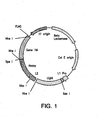
- This vector, pMS is described in detail infra , and is shown in Figure 1.
- this vector contains specific primers for PCR amplifying monkey immunoglobulin genes. These primers are based on macaque sequences obtained while developing the primatized technology and databases containing human sequences.
- Suitable primers are disclosed in commonly assigned 08/379,072.
- the second method involves the immunization of monkeys, i.e., macaques, against human B7 antigen, preferably against human B7.1 and B7.2 antigen.
- monkeys i.e., macaques
- human B7 antigen preferably against human B7.1 and B7.2 antigen.
- the inherent advantage of macaques for generation of monoclonal antibodies is discussed supra .
- monkeys i.e., cynomolgus monkeys
- the resultant antibodies may be used to make primatized antibodies according to the methodology of Newman et al, Biotechnology, 10, 1455-1460, (1992) , and Newman et al, commonly assigned U.S. Serial No. 08/379,072, filed January 25, 1995 .
- antibodies obtained from cynomolgus monkeys are that these monkeys recognize many human proteins as foreign and thereby provide for the formation of antibodies, some with high affinity to desired human antigens, e.g., human surface proteins and cell receptors. Moreover, because they are phylogenetically close to humans, the resultant antibodies exhibit a high degree of amino acid homology to those produced in humans. As noted above, after sequencing macaque immunoglobulin light and heavy variable region genes, it was found that the sequence of each gene family was 85-8.8% homologous to its human counterpart (Newman et al, (1992), Id. ).
- cynomolgus macaque monkeys are administered human B7 antigen, e.g., human B7.1 and/or human B7.2 antigen, B cells are isolated therefrom, e.g., lymph node biopsies are taken from the animals, and B lymphocytes are then fused with KH6/B5 (mouse x human) heteromyeloma cells using polyethylene glycol (PEG). Heterohybridomas secreting antibodies which bind human B7 antigen, e.g., human B7.1 and/or human B7.2 antigen, are then identified.
- human B7 antigen e.g., human B7.1 and/or human B7.2 antigen
- Antibodies which bind to both B7.1 and B7.2 are desirable because such antibodies potentially may be used to inhibit the interaction of B7.1 and B7.2, as well as B7 with their counter-receptors, i.e., human CTLA-4 and CD28. Antibodies against these epitopes may inhibit the interaction of both human B7.1 and human B7.2 with their counter receptors on the T cell. This may potentially provide synergistic effects.
- antibodies which bind to only one of human B7 antigen, B7.1 antigen or B7.2 antigen are also highly desirable because of the co-involvement of these molecules in T cell activation, clonal expansion lymphokine (IL-2) secretion, and responsiveness to antigen.
- IL-2 clonal expansion lymphokine
- both human B7.1 and B7.2 bind to human CTLA-4 and CD28, it is probable that there is at least one common or homologous region (perhaps a shared conformational epitope or epitopes) to which macaque antibodies may potentially be raised.
- the present inventors elected to immunize macaques against human B7.1 antigen using recombinant soluble B7.1 antigen produced in CHO cells and purified by affinity chromatography using a L307.4-sepharose affinity column.
- human B7 antigen, human B7.1 antigen or human B7.2 antigen is not critical, provided that it is of sufficient purity to result in a specific antibody response to the particular administered B7 antigen and potentially to other B7 antigens.
- human B7 antigen, human B7.1 antigen (also called CD80) and human B7.2 antigen (also called CD86) genes have been cloned, and sequenced, and therefore may readily be manufactured by recombinant methods.
- the administered human B7 antigen, human B7.1 antigen and/or human B7.2 antigen will be administered in soluble form, e.g., by expression of a B7, B7.1 or B7.2 gene which has its transmembrane and cytoplasmic domains removed, thereby leaving only the extracellular portion, i.e., the extracellular superfamily V and C-like domains.
- a B7, B7.1 or B7.2 gene which has its transmembrane and cytoplasmic domains removed, thereby leaving only the extracellular portion, i.e., the extracellular superfamily V and C-like domains.
- the macaques will be immunized with the B7, B7.1 and/or B7.2 antigen, preferably a soluble form thereof, under conditions which result in the production of antibodies specific thereto.
- the soluble human B7, B7.1 or B7.2 antigen will be administered in combination with an adjuvant, e.g., Complete Freund's Adjuvant (CFA), Alum, Saponin, or other known adjuvants, as well as combinations thereof.
- an adjuvant e.g., Complete Freund's Adjuvant (CFA), Alum, Saponin, or other known adjuvants, as well as combinations thereof.
- CFA Complete Freund's Adjuvant
- Alum Alum
- Saponin Saponin
- this will require repeated immunization, e.g., by repeated injection, over several months.
- administration of soluble B7.1 antigen was effected in adjuvant, with booster immunizations, over a 3 to 4 month period, with resultant production of serum containing antibodies which bound human
- B cells are collected, e.g., by lymph node biopsies taken from the immunized animals and B lymphocytes fused with KH6/B5 (mouse x human) heteromyeloma cells using polyethylene glycol. Methods for preparation of such heteromyelomas are known and may be found in U.S. Serial No. 08/379,072 by Newman et al, filed on January 25, 1995 .
- Heterohybridomas which secrete antibodies which bind human B7, B7.1 and/or B7.2 are then identified. This may be effected by known techniques. For example, this may be determined by ELISA or radioimmunoassay using enzyme or radionuclide labelled human B7, B7.1 and/or B7.2 antigen.
- the inventors screened purified antibodies for their ability to bind to soluble B7.1 antigen coated plates in an ELISA assay, antigen positive B cells, and CHO transfectomas which express human B7.1 antigen on their cell surface.
- the antibodies were screened for their ability to block B cell/T cell interactions as measured by IL-2 production and tritiated thymidine uptake in a mixed lymphocyte reaction (MLR), with B7 binding being detected using 125 I-radiolabeled soluble B7.1 (SB7.1).
- MLR mixed lymphocyte reaction
- binding of antibodies to B7.2 antigen may be confirmed using soluble B7.2-Ig reagents. As discussed in the examples, this may be effected by producing and purifying B7.2-Ig from CHO transfectomas in sufficient quantities to prepare a B7.2-Ig-sepharose affinity column. Those antibodies which cross-react with B7.2 will bind the B7.2-Ig-sepharose column.
- the cloned monkey variable genes are then inserted into an expression vector which contains human heavy and light chain constant region genes.
- this is effected using a proprietary expression vector of IDEC, Inc., referred to as NEOSPLA.
- This vector is shown in Figure 2 and contains the cytomegalovirus promoter/enhancer, the mouse beta globin major promoter, the SV40 origin of replication, the bovine growth hormone polyadenylation sequence, neomycin phosphotransferase exon 1 and exon 2, human immunoglobulin kappa or lambda constant region, the dihydrofolate reductase gene, the human immunoglobulin gamma 1 or gamma 4 PE constant region and leader sequence.
- This vector has been found to result in very high level expression of primatized antibodies upon incorporation of monkey variable region genes, transfection in CHO cells, followed by selection in G418 containing medium and methotrexate amplification.
- this expression system has been previously disclosed to result in primatized antibodies having high avidity (Kd ⁇ 10 -10 M) against CD4 and other human cell surface receptors. Moreover, the antibodies have been found to exhibit the same affinity, specificity and functional activity as the original monkey antibody.
- This vector system is substantially disclosed in commonly assigned U.S. Serial No. 379,072 , as well as U.S. Serial No. 08/149,099, filed on November 3, 1993 . This system provides for high expression levels, i.e., > 30 pg/cell/day.
- monkey monoclonal antibodies which specifically bind the B7.1 antigen, and which may also bind the B7.2 antigen. These monkey monoclonal antibodies are referred to herein as 7B6, 16C10, 7C10 and 20C9.
- these antibodies were evaluated for their ability to block B cell/T cell interactions as measured by IL-2 production and tritiated thymidine uptake in a mixed lymphocyte reaction for T cell binding experiments for T cell binding, human body coat peripheral blood lymphocytes were cultured for 3-6 days in the presence of PHA stimulator. B7 binding was radioassayed using 125 -radiolabeled soluble B7.1. The observed results indicate that all of these antibodies bind B7.1 antigen with high affinity and effectively block B cell/T cell interactions as evidenced by reduced IL-2 production and reduced proliferation of mixed lymphocyte cultures.
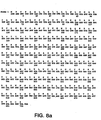
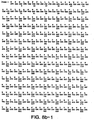
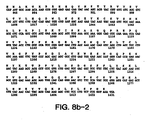
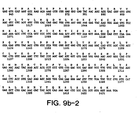
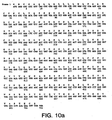
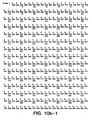
- variable domains of 7C10, 7B6 and 16C10 have cloned the variable domains of 7C10, 7B6 and 16C10, and provide the amino acid and nucleic acid sequences of primatized forms of the 7C10 light chain, 7C10 heavy chain, 7B6 light chain, 7B6 heavy chain, 16C10 light chain and 16C10 heavy chain.
- amino acid and nucleic acid sequences may be found in Figures 8a and 8b, 9a and 9b, and 10a and 10b.
- the DNA and amino acid sequence for the human gamma 1 constant domain may be found in 08/379,072.
- these primatized antibodies are preferably expressed using the NEOSPLA expression vector shown in Figure 2 which is substantially described in commonly assigned 08/379,072 and 08/149,099.
- the subject primatized antibodies will preferably contain either the human immunoglobulin gamma 1 or gamma 4 constant region, with gamma 4 preferably mutated at two positions to create gamma 4 PE.
- the gamma 4 PE mutant contains two mutations, a glutamic acid in the CH2 region introduced to eliminate residual FCR binding, and a proline substitution in the hinge region, intended to enhance the stability of the heavy chain disulfide bond interaction. ( See , Alegre et al, J. Immunol., 148, 3461-3468, (1992) ; and Angel et al, Mol. Immunol., 30, 105-158, (1993) .
- the subject primatized antibodies contain the gamma 1, gamma 4 or gamma 4 PE constant region largely depends on the particular disease target.
- depleting and non-depleting primatized IgG1 and IgG4 antibodies are created and tested against specific disease targets.
- these anti-B7.1 monoclonal antibodies and primatized forms thereof should be well suited as therapeutic agents for blocking the B7:CD28 interaction thereby porviding for immunosuppression.
- these monkey monoclonal antibodies and primatized forms thereof should function as effective immunosuppressants which modulate the B7:CD28 pathway.
- the subject antibodies will be useful in treating any disease wherein suppression of the B7:CD28. pathway is therapeutically desirable.
- autoimmune diseases such as idiopathic thrombocytopenia purpura (ITP), systemic lupus erythematosus (SLE), type 1 diabetes mellitus, multiple sclerosis, aplastic anemia, psoriasis and rheumatoid arthritis.
- ITP idiopathic thrombocytopenia purpura
- SLE systemic lupus erythematosus
- type 1 diabetes mellitus such as multiple sclerosis, aplastic anemia, psoriasis and rheumatoid arthritis.
- Another significant therapeutic indication of the subject anti-B7.1 antibodies is for prevention of graft-versus-host-disease (GVHD) during organ transplant and bone marrow transplant (BMT).
- the subject antibodies may be used to induce host tolerance to donor-specific alloantigens and thereby facilitate engraftment and reduce the incidence of graft rejection. It has been shown in a murine model of allogeneic cardiac transplantation that intravenous administration of CTLA4-Ig can result in immunosuppression or even induction of tolerance to alloantigen. ( Lin et al, J. Exp. Med. 178:1801, 1993 ; Torka et al, Proc. Natl. Acad. Sci.. USA, 89:11102, 1992 ). It is expected that the subject primatized anti-B7.1 antibodies will exhibit similar or greater activity.
- Antibodies produced in the manner described above, or by equivalent techniques can be purified by a combination of affinity and size exclusion chromatography for characterization in functional biological assays. These assays include determination of specificity and binding affinity as well as effector function associated with the expressed isotype, e.g., ADCC, or complement fixation.
- Such antibodies may be used as passive or active therapeutic agents against a number of human diseases, including B cell lymphoma, infectious diseases including AIDS, autoimmune and inflammatory diseases, and transplantation.
- the antibodies can be used either in their native form, or as part of an antibody/chelate, antibody/drug or antibody/toxin complex. Additionally, whole antibodies or antibody fragments (Fab 2 , Fab, Fv) may be used as imaging reagents or as potential vaccines or immunogens in active immunotherapy for the generation of anti-idiotypic responses.
- the amount of antibody useful to produce a therapeutic effect can be determined by standard techniques well known to those of ordinary skill in the art.
- the antibodies will generally be provided by standard technique within a pharmaceutically acceptable buffer, and may be administered by any desired route. Because of the efficacy of the presently claimed antibodies and their tolerance by humans it is possible to administer these antibodies repetitively in order to combat various diseases or disease states within a human.
- the anti-B7.1 antibodies (or fragments thereof) of this invention are useful for inducing immunosuppression, i.e., inducing a suppression of a human's or animal's immune system.
- This invention therefore relates to a method of prophylactically or therapeutically inducing immunosuppression in a human or other animal in need thereof by administering an effective, non-toxic amount of such an antibody of this invention to such human or other animal.
- the ability of the compounds of this invention to induce immunosuppression has been demonstrated in standard tests used for this purpose, for example, a mixed lymphocyte reaction test or a test measuring inhibition of T-cell proliferation measured by thymidine uptake.
- the antibodies of this invention have utility in inducing immunosuppression indicates that they should be useful in the treatment or prevention of resistance to or rejection of transplanted organs or tissues (e.g., kidney, heart, lung, bone marrow, skin, cornea, etc.); the treatment or prevention of autoimmune, inflammatory, proliferative and hyperproliferative diseases, and of cutaneous manifestations of immunologically medicated diseases (e.g., rheumatoid arthritis, lupus erythematosus, systemic lupus erythematosus, Hashimotos thyroiditis, multiple sclerosis, myasthenia gravis, type 1 diabetes, uveitis, nephrotic syndrome, psoriasis, atopical dermatitis, contact dermatitis and further eczematous dermatitides, seborrheic dermatitis, Lichen planus, Pemplugus, bullous pemphigus, Epidermolysis bullosa,
- an effective dosage will be in the range of about 0.05 to 100 milligrams per kilogram body weight per day.
- the antibodies (or fragments thereof) of this invention should also be useful for treating tumors in a mammal. More specifically, they should be useful for reducing tumor size, inhibiting tumor growth and/or prolonging the survival time of tumor-bearing animals. Accordingly, this invention also relates to a method of treating tumors in a human or other animal by administering to such human or animal an effective, non-toxic amount of an antibody.
- an effective dosage is expected to be in the range of about 0.05 to 100 milligrams per kilogram body weight per day.
- the antibodies of the invention may be administered to a human or other animal in accordance with the aforementioned methods of treatment in an amount sufficient to produce such effect to a therapeutic or prophylactic degree.
- Such antibodies of the invention can be administered to such human or other animal in a conventional dosage form prepared by combining the antibody of the invention with a conventional pharmaceutically acceptable carrier or diluent according to known techniques. It will be recognized by one of skill in the art that the form and character of the pharmaceutically acceptable carrier or diluent is dictated by the amount of active ingredient with which it is to be combined, the route of administration and other well-known variables.
- the route of administration of the antibody (or fragment thereof) of the invention may be oral, parenteral, by inhalation or topical.
- parenteral as used herein includes intravenous, intraperitoneal, intramuscular, subcutaneous, rectal or vaginal administration. The subcutaneous and intramuscular forms of parenteral administration are generally preferred.
- the daily parenteral and oral dosage regimens for employing compounds of the invention to prophylactically or therapeutically induce immunosuppression, or to therapeutically treat carcinogenic tumors will generally be in the range of about 0.05 to 100, but preferably about 0.5 to 10, milligrams per kilogram body weight per day.
- the antibodies of the invention may also be administered by inhalation.
- inhalation is meant intranasal and oral inhalation administration.
- Appropriate dosage forms for such administration such as an aerosol formulation or a metered dose inhaler, may be prepared by conventional techniques.
- the preferred dosage amount of a compound of the invention to be employed is generally within the range of about 10 to 100 milligrams.
- the antibodies of the invention may also be administered topically.
- topical administration is meant non-systemic administration and includes the application of an antibody (or fragment thereof) compound of the invention externally to the epidermis, to the buccal cavity and instillation of such an antibody into the ear, eye and nose, and where it does not significantly enter the blood stream.
- systemic administration is meant oral, intravenous, intraperitoneal and intramuscular administration.
- the amount of an antibody required for therapeutic or prophylactic effect will, of course, vary with the antibody chosen, the nature and severity of the condition being treated and the animal undergoing treatment, and is ultimately at the discretion of the physician.
- a suitable topical dose of an antibody of the invention will generally be within the range of about 1 to 100 milligrams per kilogram body weight daily.
- the active ingredient may comprise, for topical administration, from 0.001% to 10% w/w, e.g., from 1% to 2% by weight of the formulation, although it may comprise as much as 10% w/w but preferably not in excess of 5% w/w and more preferably from 0.1% to 1% w/w of the formulation.
- the topical formulations of the present invention comprise an active ingredient together with one or more acceptable carrier(s) therefor and optionally any other therapeutic ingredients(s).
- the carrier(s) must be "acceptable” in the sense of being compatible with the other ingredients of the formulation and not deleterious to the recipient thereof.
- Formulations suitable for topical administration include liquid or semi-liquid preparations suitable for penetration through the skin to the site of where treatment is required, such as liniments, lotions, creams, ointments or pastes, and drops suitable for administration to the eye, ear or nose.
- Drops according to the present invention may comprise sterile aqueous or oily solutions or suspensions and may be prepared by dissolving the active ingredient in a suitable aqueous solution of a bactericidal and/or fungicidal agent and/or any other suitable preservative, and preferably including a surface active agent.
- the resulting solution may then be clarified by filtration, transferred to a suitable container which is then sealed and sterilized by autoclaving or maintaining at 90°-100°C for half an hour.
- the solution may be sterilized by filtration and transferred to the container by an aseptic technique.
- bactericidal and fungicidal agents suitable for inclusion in the drops are phenylmercuric nitrate or acetate (0.002%), benzalkonium chloride (0.01%) and chlorhexidine acetate (0.01%).
- Suitable solvents for the preparation of an oily solution include glycerol, diluted alcohol and propylene glycol.
- Lotions according to the present invention include those suitable for application to the skin or eye.
- An eye lotion may comprise a sterile aqueous solution optionally containing a bactericide and may be prepared by methods similar to those for the preparation of drops.
- Lotions or liniments for application to the skin may also include an agent to hasten drying and to cool the skin, such as an alcohol or acetone, and/or a moisturizer such as glycerol or an oil such as castor oil or arachis oil.
- Creams, ointments or pastes according to the present invention are semi-solid formulations of the active ingredient for external application. They may be made by mixing the active ingredient in finely-divided or powdered form, alone or in solution or suspension in an aqueous or non-aqueous fluid, with the aid of suitable machinery, with a greasy or non-greasy basis.
- the basis may comprise hydrocarbons such as hard, soft or liquid paraffin, glycerol, beeswax, a metallic soap; a mucilage; an oil of natural origin such as almond, corn, arachis, castor or olive oil; wool fat or its derivatives, or a fatty acid such as stearic or oleic acid together with an alcohol such as propylene glycol or macrogols.
- the formulation may incorporate any suitable surface active agent such as an anionic, cationic or non-ionic surface active such as sorbitan esters or polyoxyethylene derivatives thereof.
- Suspending agents such as natural gums, cellulose derivatives or inorganic materials such as silicaceous silicas, and other ingredients such as lanolin, may also be included.
- the subject anti-B7.1 antibodies or fragments thereof may also be administered in combination with other moieties which modulate the B7:CD28 pathway.
- moieties include, by way of example, cytokines such as IL-7 and IL-10, CTLA4-Ig, soluble CTLA-4 and anti-CD28 antibodies and fragments thereof.
- the optimal quantity and spacing of individual dosages of an antibody or fragment thereof of the invention will be determined by the nature and extent of the condition being treated, the form, route and site of administration, and the particular animal being treated, and that such optimums can be determined by conventional techniques. It will also be appreciated by one of skill in the art that the optimal course of treatment, i;e., the number of doses of an antibody or fragment thereof of the invention given per day for a defined number of days, can be ascertained by those skilled in the art using conventional course of treatment determination tests.
- a pharmaceutical composition of this invention in the form of a capsule is prepared by filling a standard two-piece hard gelatin capsule with 50 mg. of an antibody or fragment thereof of the invention, in powdered form, 100 mg. of lactose, 32 mg. of talc and 8 mg. of magnesium stearate.
- a pharmaceutical composition of this invention in a form suitable for administration by injection is prepared by stirring 1.5% by weight of an antibody or fragment thereof of the invention in 10% by volume propylene glycol and water. The solution is sterilized by filtration.
- Antibody or fragment thereof of the invention 1.0 g.
- the antibody or fragment thereof of the invention is dispersed in a small volume of the vehicle to produce a smooth, homogeneous product. Collapsible metal tubes are then filled with the dispersion.
- Antibody or fragment thereof of the invention 1.0 g.
- the polawax, beeswax and lanolin are heated together at 60°C.
- a solution of methyl hydroxybenzoate is added and homogenization is achieved using high speed stirring.
- the temperature is then allowed to fall to 50°C.
- the antibody or fragment thereof of the invention is then added and dispersed throughout, and the composition is allowed to cool with slow speed stirring.
- Antibody or fragment thereof of the invention 1.0 g.
- the methyl hydroxybenzoate and glycerin are dissolved in 70 ml. of the water at 75°C.
- the sorbitan monolaurate, polysorbate 20 and cetostearyl alcohol are melted together at 75°C and added to the aqueous solution.
- the resulting emulsion is homogenized, allowed to cool with continuous stirring and the antibody or fragment thereof of the invention is added as a suspension in the remaining water. The whole suspension is stirred until homogenized.
- Antibody or fragment thereof of the invention 0.5 g.
- methyl and propyl hydroxybenzoates are dissolved in 70 ml. purified water at 75°C and the resulting solution is allowed to cool.
- the antibody or fragment thereof of the invention is then added, and the solution is sterilized by filtration through a membrane filter (0.022 ⁇ m pore size), and packed aseptically into suitable sterile containers.
- composition for Administration by Inhalation Composition for Administration by Inhalation
- an aerosol container with a capacity of 15-20 ml mix 10 mg. of an antibody or fragment thereof of the invention with 0.2-0.5% of a lubricating agent, such as polysorbate 85 or oleic acid, and disperse such mixture in a propellant, such as freon, preferably in a combination of (1,2 dichlorotetrafluoroethane) and difluorochloro-methane and put into an appropriate aerosol container adapted for either intranasal or oral inhalation administration.
- a lubricating agent such as polysorbate 85 or oleic acid
- a propellant such as freon
- composition for Administration by Inhalation Composition for Administration by Inhalation
- an aerosol container with a capacity of 15-20 ml dissolve 10 mg. of an antibody or fragment thereof of the invention in ethanol (6-8 ml.), add 0.1-0.2% of a lubricating agent, such as polysorbate 85 or oleic acid; and disperse such in a propellant, such as freon, preferably in combination of (1.2 dichlorotetrafluoroethane) and difluorochloromethane, and put into an appropriate aerosol container adapted for either intranasal or oral inhalation administration.
- a lubricating agent such as polysorbate 85 or oleic acid
- disperse such in a propellant, such as freon, preferably in combination of (1.2 dichlorotetrafluoroethane) and difluorochloromethane
- compositions for parenteral administration are particularly useful for parenteral administration, i.e., subcutaneously, intramuscularly or intravenously.
- the compositions for parenteral administration will commonly comprise a solution of an antibody or fragment thereof of the invention or a cocktail thereof dissolved in an acceptable carrier, preferably an aqueous carrier.
- an acceptable carrier preferably an aqueous carrier.
- aqueous carriers may be employed, e.g., water, buffered water, 0.4% saline, 0.3% glycine, and the like. These solutions are sterile and generally free of particulate matter. These solutions may be sterilized by conventional, well-known sterilization techniques.
- the compositions may contain pharmaceutically acceptable auxiliary substances as required to approximate physiological conditions such as Ph adjusting and buffering agents, etc.
- the concentration of the antibody or fragment thereof of the invention in such pharmaceutical formulation can vary widely, i.e., from less than about 0.5%, usually at or at least about 1% to as much as is or 20% by weight, and will be selected primarily based on fluid volumes, viscosities, etc., according to the particular mode of administration selected.
- a pharmaceutical composition of the invention for intramuscular injection could be prepared to contain 1 M1 sterile buffered water, and 50 mg. of an antibody or fragment thereof of the invention.
- a pharmaceutical composition of the invention for intravenous infusion could be made up to contain 250 ml. of sterile Ringer's solution, and 150 mg. of an antibody or fragment thereof of the invention.
- Actual methods for preparing parenterally administrable compositions are well known or will be apparent to those skilled in the art, and are described in more detail in, for example, Remington's Pharmaceutical Science, 15th ed., Mack Publishing Company, Easton, Pennsylvania .
- the antibodies (or fragments thereof) of the invention can be lyophilized for storage and reconstituted in a suitable carrier prior to use. This technique has been shown to be effective with conventional immune globulins and art-known lyophilization and reconstitution techniques can be employed.
- compositions of the invention can be administered for prophylactic and/or therapeutic treatments.
- compositions are administered to a patient already suffering from a disease, in an amount sufficient to cure or at least partially arrest the disease and its complications.
- compositions containing the present antibodies or a cocktail thereof are administered to a patient not already in a disease state to enhance the patient's resistance.
- Single or multiple administrations of the pharmaceutical compositions can be carried out with dose levels and pattern being selected by the treating physician.
- the pharmaceutical composition of the invention should provide a quantity of the altered antibodies (or fragments thereof) of the invention sufficient to effectively treat the patient.
- antibodies of this invention may be used for the design and synthesis of either peptide or non-peptide compounds (mimetics) which would be useful in the same therapy as the antibody. See , e.g., Saragovi et al., Science, 253, 792-795 (1991 ).
- This vector, pMS, Figure 1 contains a single lac promoter/operator for efficient transcription and translation of polycistronic heavy and light chain monkey DNA.
- This vector contains two different leader sequences, the omp A ( Movva et al, J. Biol. Chem., 255: 27-29, (1980) , for the light chain and the pel B ( Lei, J. Bact., 4379-109:4383 (1987 ) for the heavy chain Fd. Both leader sequences are translated into hydrophobic signal peptides that direct the secretion of the heavy and light chain cloned products into the periplasmic space. In the oxidative environment of the periplasm, the two chains fold and disulfide bonds form to create stable Fab fragments.
- helper phage The replication and assembly of pMS DNA strands into phage particles requires viral proteins that must be provided by a helper phage.
- helper phage VCSM13 which is particularly suited for this, since it also contains a gene coding for kanamycin resistance.
- Bacteria infected with VCSM13 and pMS can be selected by adding both kanamycin and carbenicillin to the growth medium. The bacteria will ultimately produce filamentous phage particles containing either pMS or VCSM13 genomes.
- Packaging of the helper phage is less efficient than that of pMS, resulting in a mixed phage population that contains predominately recombinant pMS phages.
- the ends of the phage pick up minor coat proteins specific to each end.
- the gene III product which is present in three to five copies at one end of the phage.
- the gene III product is 406 amino acid residues and is required for phage infection of E. coli via the F pili.
- the first two domains of the heavy chain, the variable and the CH1 domain, are fused to the carboxy-terminal half of the gene III protein.
- This recombinant pili protein, directed by the pel B leader, is secreted to the peroplasm where it accumulates and forms disulfide bonds with the light chain before it is incorporated in the coat of the phage.
- another vector contains a FLAG sequence engineered downstream of the gene III.
- the FLAG is an 8 amino acid peptide expressed at the carboxy terminal of the Fd protein.
- Non-adherent phage were washed off and the adherent phage were eluted with acid. The eluted phage were used to infect a fresh aliquot of XL1-Blue bacteria and helper phage was added. After overnight amplification, phage were prepared and again panned on antigen coated plates. After three rounds of panning, we were able to show that we had successfully enriched for the anti-tetanus toxoid phage. The success of this technology also depends on the ability to prepare soluble Fabs for characterization of the final panned product. This was achieved by excising gene III from the pMS DNA using the restriction enzyme Nhe I followed by re-ligation.
- Fab was no longer displayed on the phage surface but accumulated in the piroplasmic space. Lysates were prepared from bacteria expressing soluble Fab and tested for antigen specificity using an ELISA. High levels of soluble Fab were detected.
- the first set of primers was designed for amplification of the heavy chain VH and CH1 (Fd) domains. It consisted of a 3' CH1 domain primer and six 5' VH family specific primers that bind in the framework 1 region.
- Our second set of primers for amplifying the whole lambda chain, covers the many lambda chain subgroups. It consists of a 3' primer and three 5' degenerate primers that bind in the VL framework 1 region.
- Our third set of primers was designed for amplification of the kappa chain subgroups. It consists of one 3' primer and five VK framework 1 primers.
- PCR parameters were optimized to obtain strong enough signals from each primer pair so that ample material was available for cloning of the library.
- Bone marrow biopsies were taken from CD4 immune monkeys as the source of immunoglobulin RNA. The libraries contained approximately 10 6 members and are currently being panned for specific binders on antigen coated wells.
- the B7.1 fusion protein was generated similarly, except that the PCR amplified B7.1 gene was cloned into a NEOSPLA cassette vector containing the human CH2 and CH3 immunoglobulin genes. CHO cells were transformed with the B7.1/Ig NEOSPLA DNA and stable clones secreting B7.1/Ig fusion protein were amplified.
- the B7.2 and CTLA4 reagents were generated in the same manner, except that for B7.2 the RNA was isolated from human spleen cells that had been stimulated 24 hours with anti-Ig and IL-4, and for the CTLA4 constructs the gene source was PHA activated human T cells.
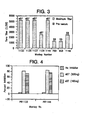
- the results summarized in Figure 3 showed that four out of five monkeys immunized with affinity-purified SB7.1 produced antibody titers in excess of 1:5000.
- Data are mean values of duplicate assays and represent cpm SB7-I 125 bound.
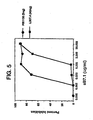
- Affinity-purified radiolabeled monkey anti-B7.1 antibodies from monkey PRI135 were compared with radiolabeled L307.4 MAb for direct binding to B7 positive human SB cells.
- unlabeled SB7.1 (0.002 - 20 ⁇ g/ml) was added to compete with both radiolabeled antibodies.
- monkey antibodies can bind cell associated B7.1 and are inhibited with SB7.1, as shown in Figure 5. Inhibition as high as 90% was observed with SB7.1.
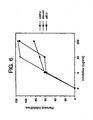
- the murine MAb L307.4 was inhibitory at concentrations of 10 ⁇ g/ml. Other monkey sera tested at these concentrations were negative (data not shown). These results demonstrate that at least three of the monkeys immunized with both soluble and membrane associated forms of the B7 antigen are producing B7-blocking antibodies with immunosuppressive potential.
- Antibodies raised against B7.1 are to be tested for cross-reactivity to B7.2. Preliminary results using B7.1 affinity-purified antibodies from B7.1 immune sera provided suggestive evidence of binding to B7.2 transfected CHO cells (not shown). These data should be confirmed by using soluble B7.2Ig reagents.
- We will select from the B7.1 specific antibody population those antibodies which cross-react with B7.2 by binding to the B7.2Ig-sepharose column. Any cross-reactive antibodies identified will be further characterized by direct binding to both B7.1 and B7.2 transfected CHO cells and inhibition of binding to B7.2 transfected cells by B7.1Ig.
- RNA is isolated from the lymphocytes using the method described by Chomczynski Anal. Biochem., 162(1), 156-159, (1987) .
- RNA is converted to cDNA using an oligo dT primer and reverse transcriptase.
- the first strand cDNA is divided into aliquots and PCR amplified using the sets of kappa, lambda, and heavy chain Fd region primers described earlier and either Pfu polymerase (Stratagene, San Diego) or Taq polymerase (Promega, Madison).
- the heavy chain PCR amplified products are pooled, cut with Xho VSpe I restriction enzymes and cloned into the vector pMS. Subsequently, the light chain PCR products are pooled, cut with Sac I/Xba I restriction enzymes, and cloned to create the recombinant library.
- XLI-Blue E . coli is transformed with the library DNA and super-infected with VCSM13 to produce the phage displaying antibodies.
- the library is panned four rounds on polystyrene wells coated with B7.1 or B7.2 antigen. Individual phage clones from each round of panning are analyzed.
- the pMS vector DNA is isolated and the gene III excised. Soluble Fab fragments are generated and tested in ELISA for binding to B7.1 and B7.2.
- the monkey phage Fab fragments are characterized for their specificity and the ability to block B7.1-Ig and B7.2-Ig binding to CTLA-4-Ig or CTLA-4 transfected cells. Phage fragments are also characterized for cross-reactivity after first panning for 4 rounds on the B7 species used for immunization in order to select for high affinity fragments. Fab fragments identified from four rounds of panning either on B7.1 or B7.2 antigen coated surfaces are scaled up by infection and grown in 24 hour fermentation cultures of E coli. Fragments are purified by Kodak FLAG binding to a anti-FLAG affinity column. Purified phage Fabs are tested for affinity by an ELISA based direct binding modified Scatchard analysis ( Katoh et al, J.
- Fab fragments most effectively blocking the binding of B7-Ig at the lowest concentrations are selected as lead candidates. Selections are made by competing off 125 I-B7-Ig binding to CTLA-4-Ig or CTLA-4 transfected cells. Additional selection criteria include, blocking of mixed lymphocyte reaction (MLR), as measured by inhibiting 3H-thymidine uptake in responder cells ( Azuma et al, J. Exp. Med., 177:845-850 ; Azuma et al, Nature, 301:76-79, (1993) ) and direct analysis of IL-2 production using IL-2 assay kits. The three or four candidates which are most effective in inhibiting of MLR and CTLA-4 binding assays are chosen for cloning into the above-described mammalian expression vector for transfection into CHO cells and expression of chimeric monkey/human antibodies.
- MLR mixed lymphocyte reaction
- Monkey heterohybridomas secreting monoclonal antibodies are generated from existing immunized animals whose sera tested positive for B7.1 and/or B7.2. Lymph node biopsies are taken from animals positive to either, or both, antigens. The method of hybridoma production is similar to the established method used for the generation of monkey anti-CD4 antibodies (Newman, 1992(Id.)). Monkeys with high serum titers will have sections of inguinal lymph nodes removed under anesthesia. Lymphocytes are washed from the tissue and fused with KH6/B5 heteromyeloma cells ( Carrol et al, J. Immunol. Meth., 89:61-72, (1986) ) using polyethylene glycol (PEG). Hybridomas are selected on H.A.T. media and stabilized by repeated subcloning in 96 well plates.
- Monkey monoclonal antibodies specific for B7.1 antigen are screened for cross-reactivity to B7.2.
- Monkey anti-B7 antibodies will be characterized for blocking of B7/CTLA-4 binding using the 125 I-B7-Ig binding assay. Inhibition of MLR by 3H-Thymidine uptake and direct measurement of IL-2 production is used to select three candidates. Two candidates will be brought forward in Phase II studies and expressed in CHO cells while repeating all functional studies.
- anti-B7 antibodies will be tested on cells of several animal species. The establishment of an animal model will allow preclinical studies to be carried out for the selected clinical indication.
- primatized 16C10 exhibits human Cl 9 binding, whereas 16C10 does not.
Landscapes
- Health & Medical Sciences (AREA)
- Chemical & Material Sciences (AREA)
- Immunology (AREA)
- Life Sciences & Earth Sciences (AREA)
- Organic Chemistry (AREA)
- Medicinal Chemistry (AREA)
- General Health & Medical Sciences (AREA)
- Engineering & Computer Science (AREA)
- Genetics & Genomics (AREA)
- Bioinformatics & Cheminformatics (AREA)
- Veterinary Medicine (AREA)
- Pharmacology & Pharmacy (AREA)
- Animal Behavior & Ethology (AREA)
- Public Health (AREA)
- Biochemistry (AREA)
- Nuclear Medicine, Radiotherapy & Molecular Imaging (AREA)
- Proteomics, Peptides & Aminoacids (AREA)
- Molecular Biology (AREA)
- General Chemical & Material Sciences (AREA)
- Chemical Kinetics & Catalysis (AREA)
- Biophysics (AREA)
- Zoology (AREA)
- Cell Biology (AREA)
- Toxicology (AREA)
- Microbiology (AREA)
- Wood Science & Technology (AREA)
- Biotechnology (AREA)
- Biomedical Technology (AREA)
- Gastroenterology & Hepatology (AREA)
- Dermatology (AREA)
- Mycology (AREA)
- Epidemiology (AREA)
- Transplantation (AREA)
- Pain & Pain Management (AREA)
- Rheumatology (AREA)
- General Engineering & Computer Science (AREA)
- Medicines Containing Antibodies Or Antigens For Use As Internal Diagnostic Agents (AREA)
- Peptides Or Proteins (AREA)
- Medicines That Contain Protein Lipid Enzymes And Other Medicines (AREA)
- Preparation Of Compounds By Using Micro-Organisms (AREA)
Priority Applications (1)
| Application Number | Priority Date | Filing Date | Title |
|---|---|---|---|
| EP07124180A EP1914301A1 (en) | 1995-06-07 | 1996-06-06 | Anti-CD80 antibodies |
Applications Claiming Priority (3)
| Application Number | Priority Date | Filing Date | Title |
|---|---|---|---|
| US08/487,550 US6113898A (en) | 1995-06-07 | 1995-06-07 | Human B7.1-specific primatized antibodies and transfectomas expressing said antibodies |
| US487550 | 1995-06-07 | ||
| PCT/US1996/010053 WO1996040878A1 (en) | 1995-06-07 | 1996-06-06 | Monkey monoclonal antibodies specific to human b7.1 and/or b7.2 primatized forms, pharmaceutical compositions |
Related Child Applications (1)
| Application Number | Title | Priority Date | Filing Date |
|---|---|---|---|
| EP07124180A Division EP1914301A1 (en) | 1995-06-07 | 1996-06-06 | Anti-CD80 antibodies |
Publications (3)
| Publication Number | Publication Date |
|---|---|
| EP0837927A1 EP0837927A1 (en) | 1998-04-29 |
| EP0837927A4 EP0837927A4 (en) | 2000-01-05 |
| EP0837927B1 true EP0837927B1 (en) | 2008-01-16 |
Family
ID=23936199
Family Applications (2)
| Application Number | Title | Priority Date | Filing Date |
|---|---|---|---|
| EP96922439A Expired - Lifetime EP0837927B1 (en) | 1995-06-07 | 1996-06-06 | Anti-cd80 antibodies |
| EP07124180A Withdrawn EP1914301A1 (en) | 1995-06-07 | 1996-06-06 | Anti-CD80 antibodies |
Family Applications After (1)
| Application Number | Title | Priority Date | Filing Date |
|---|---|---|---|
| EP07124180A Withdrawn EP1914301A1 (en) | 1995-06-07 | 1996-06-06 | Anti-CD80 antibodies |
Country Status (24)
| Country | Link |
|---|---|
| US (4) | US6113898A (enExample) |
| EP (2) | EP0837927B1 (enExample) |
| JP (1) | JP4242451B2 (enExample) |
| KR (1) | KR100496307B1 (enExample) |
| CN (2) | CN100379855C (enExample) |
| AR (2) | AR001288A1 (enExample) |
| AT (1) | ATE384125T1 (enExample) |
| AU (1) | AU707023B2 (enExample) |
| BR (1) | BR9609035A (enExample) |
| CA (1) | CA2223532C (enExample) |
| CO (1) | CO4480111A1 (enExample) |
| DE (1) | DE69637408T2 (enExample) |
| DK (1) | DK0837927T3 (enExample) |
| ES (1) | ES2301169T3 (enExample) |
| IL (1) | IL122370A (enExample) |
| MY (1) | MY136224A (enExample) |
| NO (1) | NO328554B1 (enExample) |
| NZ (1) | NZ311904A (enExample) |
| PT (1) | PT837927E (enExample) |
| SA (1) | SA96170473B1 (enExample) |
| UY (1) | UY24256A1 (enExample) |
| WO (1) | WO1996040878A1 (enExample) |
| YU (1) | YU35996A (enExample) |
| ZA (1) | ZA964547B (enExample) |
Families Citing this family (118)
| Publication number | Priority date | Publication date | Assignee | Title |
|---|---|---|---|---|
| US7175847B1 (en) * | 1995-06-07 | 2007-02-13 | Biogen Idec Inc. | Treating intestinal inflammation with anti-CD80 antibodies that do not inhibit CD80 binding to CTLA-4 |
| US6113898A (en) * | 1995-06-07 | 2000-09-05 | Idec Pharmaceuticals Corporation | Human B7.1-specific primatized antibodies and transfectomas expressing said antibodies |
| US20030180290A1 (en) * | 1995-06-07 | 2003-09-25 | Idec Pharmaceuticals Corporation | Anti-CD80 antibody having ADCC activity for ADCC mediated killing of B cell lymphoma cells alone or in combination with other therapies |
| US7153508B2 (en) * | 1995-06-07 | 2006-12-26 | Biogen Idec Inc. | Treatment of B cell lymphoma using anti-CD80 antibodies that do not inhibit the binding of CD80 to CTLA-4 |
| US6090382A (en) * | 1996-02-09 | 2000-07-18 | Basf Aktiengesellschaft | Human antibodies that bind human TNFα |
| ATE239041T1 (de) | 1996-02-09 | 2003-05-15 | Basf Ag | Humane antikörper welche an humanen tnfalpha binden |
| ATE219376T1 (de) * | 1996-03-20 | 2002-07-15 | Bristol Myers Squibb Co | Verfahren zur inhibierung der immunreaktion durch blockierung der gp39/cd40 und ctla4/cd28/b7 routen und zusammensetzung zu deren verwendung |
| BR9713498A (pt) * | 1996-11-08 | 2000-02-29 | Idec Pharma Corp | Identificação de interações de ligação singulares entre alguns anticorpos e os antìgenos co-estimulatórios b7.1 e b7.2 humanos |
| EP0988321A2 (en) * | 1997-06-20 | 2000-03-29 | Innogenetics N.V. | B7-binding molecules for treating immune diseases |
| IT1293795B1 (it) * | 1997-07-28 | 1999-03-10 | Angelini Ricerche Spa | Farmaco attivo nel ridurre la produzione di proteina mcp-1 |
| IL146005A0 (en) | 1999-05-07 | 2002-07-25 | Genentech Inc | Treatment of autoimmune diseases with antagonists which bind to b cell surface markers |
| EP1216056A1 (en) * | 1999-07-12 | 2002-06-26 | Genentech Inc. | Blocking immune response to a foreign antigen using an antagonist which binds to cd20 |
| US6451284B1 (en) * | 1999-08-11 | 2002-09-17 | Idec Pharmaceuticals Corporation | Clinical parameters for determining hematologic toxicity prior to radioimmunotheraphy |
| SE9903895D0 (sv) * | 1999-10-28 | 1999-10-28 | Active Biotech Ab | Novel compounds |
| US20020028178A1 (en) * | 2000-07-12 | 2002-03-07 | Nabil Hanna | Treatment of B cell malignancies using combination of B cell depleting antibody and immune modulating antibody related applications |
| US20010055593A1 (en) * | 2000-03-14 | 2001-12-27 | Joseph Sypek | Use of rapamycin and agents that inhibit B7 activity in immunomodulation |
| EP1283722A1 (en) * | 2000-03-31 | 2003-02-19 | Idec Pharmaceuticals Corporation | Combined use of anti-cytokine antibodies or antagonists and anti-cd20 for the treatment of b cell lymphoma |
| US6379900B1 (en) | 2000-05-09 | 2002-04-30 | Conceptual Mindworks, Inc. | Compositions and methods of use of 8-nitroguanine |
| MXPA02012157A (es) * | 2000-06-09 | 2003-06-06 | Bristol Myers Squibb Co | Metodos para regular una respuesta inmune mediada por celulas al bloquear se°ales linfociticas y al bloquear la adhesion mediada por el antigeno 1 asociado con la funcion de linfocitos. |
| AU6836301A (en) * | 2000-06-20 | 2002-01-02 | Idec Pharma Corp | Treatment of b-cell associated diseases such as malignancies and autoimmune diseases using a cold anti-cd20 antibody/radiolabeled anti-cd22 antibody combination |
| CA2630062C (en) | 2000-07-03 | 2014-10-14 | Bristol-Myers Squibb Company | Methods for treating graft versus host disease and immune disorders associated with rejection using a soluble ctla4 molecule |
| US20040022787A1 (en) | 2000-07-03 | 2004-02-05 | Robert Cohen | Methods for treating an autoimmune disease using a soluble CTLA4 molecule and a DMARD or NSAID |
| US8568766B2 (en) | 2000-08-24 | 2013-10-29 | Gattadahalli M. Anantharamaiah | Peptides and peptide mimetics to treat pathologies associated with eye disease |
| WO2002022212A2 (en) * | 2000-09-18 | 2002-03-21 | Idec Pharmaceuticals Corporation | Combination therapy for treatment of autoimmune diseases using b cell depleting/immunoregulatory antibody combination |
| MXPA03006699A (es) * | 2001-01-26 | 2004-05-31 | Univ Emory | Metodos de induccion de tolerancia al trasplante de organos y correccion de hemoglobinopatias. |
| US20070065436A1 (en) * | 2001-01-31 | 2007-03-22 | Biogen Idec Inc. | Anti-cd80 antibody having adcc activity for adcc mediated killing of b cell lymphoma cells alone or in combination with other therapies |
| US20030103971A1 (en) * | 2001-11-09 | 2003-06-05 | Kandasamy Hariharan | Immunoregulatory antibodies and uses thereof |
| US20020159996A1 (en) * | 2001-01-31 | 2002-10-31 | Kandasamy Hariharan | Use of CD23 antagonists for the treatment of neoplastic disorders |
| US20030211107A1 (en) * | 2002-01-31 | 2003-11-13 | Kandasamy Hariharan | Use of CD23 antagonists for the treatment of neoplastic disorders |
| WO2002102303A2 (en) * | 2001-05-01 | 2002-12-27 | Medimmune, Inc. | Crystals and structure of synagis fab |
| ATE390931T1 (de) * | 2001-05-23 | 2008-04-15 | Bristol Myers Squibb Co | Verfahren zum schützen eines allogenen inseltransplantats mit löslichen ctla4- mutationsmolekülen |
| ATE420964T1 (de) | 2001-11-16 | 2009-01-15 | Biogen Idec Inc | Polycistronische expression von antikörpern in cho zellen |
| KR20040105740A (ko) | 2002-02-25 | 2004-12-16 | 엘란 파마슈티칼스, 인크. | 염증 치료제의 투여 방법 |
| US20030180292A1 (en) * | 2002-03-14 | 2003-09-25 | Idec Pharmaceuticals | Treatment of B cell malignancies using anti-CD40L antibodies in combination with anti-CD20 antibodies and/or chemotherapeutics and radiotherapy |
| EP3254673A1 (en) | 2002-11-13 | 2017-12-13 | The UAB Research Foundation | Synthetic single domain polypeptides mimicking apolipoprotein e and methods of use |
| NZ545314A (en) * | 2003-08-04 | 2009-03-31 | Bristol Myers Squibb Co | Methods for treating cardiovascular disease using a soluble CTLA4 molecule |
| CA2541523A1 (en) * | 2003-10-21 | 2005-05-06 | Applied Research Systems Ars Holding N.V. | Minimal dna sequence acting as a chromatin insulator and its use in protein expression |
| JP2007534305A (ja) * | 2003-11-07 | 2007-11-29 | アムジェン インコーポレイテッド | サル免疫グロブリン配列 |
| US8029783B2 (en) * | 2005-02-02 | 2011-10-04 | Genentech, Inc. | DR5 antibodies and articles of manufacture containing same |
| CN100369931C (zh) * | 2005-04-07 | 2008-02-20 | 苏州大学 | 抗人b7-1分子单克隆抗体及其应用 |
| WO2008118324A2 (en) | 2007-03-26 | 2008-10-02 | Macrogenics, Inc. | Composition and method of treating cancer with an anti-uroplakin ib antibody |
| AU2008296487A1 (en) | 2007-08-28 | 2009-03-12 | The Uab Research Foundation | Synthetic apolipoprotein E mimicking polypeptides and methods of use |
| JP2010538005A (ja) | 2007-08-28 | 2010-12-09 | ユーエービー リサーチ ファウンデーション | 合成アポリポ蛋白質e模倣ポリペプチドおよび使用方法 |
| SI2769729T1 (sl) | 2007-09-04 | 2019-06-28 | Compugen Ltd. | Polipeptidin in polinukleotidi in njihove uporabe kot tarča zdravila za izdelavo zdravil in bioloških zdravil |
| EP3062106B1 (en) | 2008-04-16 | 2020-11-11 | The Johns Hopkins University | Method for determining androgen receptor variants in prostate cancer |
| EP2483304B1 (en) | 2009-09-29 | 2016-05-04 | F.Hoffmann-La Roche Ag | Pre-filtration adjustment of buffer solutes for high concentration immunoglobulin preparation |
| US9540426B2 (en) | 2009-10-06 | 2017-01-10 | Bristol-Myers Squibb Company | Mammalian cell culture processes for protein production |
| EP2322149A1 (en) | 2009-11-03 | 2011-05-18 | Universidad del Pais Vasco | Methods and compositions for the treatment of ischemia |
| EP2338492A1 (en) | 2009-12-24 | 2011-06-29 | Universidad del Pais Vasco | Methods and compositions for the treatment of alzheimer |
| WO2011103389A1 (en) | 2010-02-19 | 2011-08-25 | Cornell University | Method to treat autoimmune demyelinating diseases and other autoimmune or inflammatory diseases |
| DK2542256T3 (da) | 2010-03-04 | 2019-08-26 | Macrogenics Inc | Antistoffer reagerende med b7-h3, immunologisk aktive fragmenter deraf og anvendelser deraf |
| PH12012501751A1 (en) | 2010-03-04 | 2012-11-12 | Macrogenics Inc | Antibodies reactive with b7-h3, immunologically active fragments thereof and uses thereof |
| MX380504B (es) | 2010-06-03 | 2025-03-12 | Pharmacyclics Llc | El uso de inhibidores de la tirosina quinasa de bruton (btk). |
| CN103201290B (zh) | 2010-06-14 | 2016-09-28 | 莱克拉生物医学股份公司 | S100a4抗体及其治疗用途 |
| JP5972871B2 (ja) | 2010-07-20 | 2016-08-17 | テバ・ファーマシューティカルズ・オーストラリア・ピーティワイ・リミテッド | 抗il−23ヘテロ二量体特異的抗体 |
| EP3722808B1 (en) | 2010-10-25 | 2024-09-11 | Biogen MA Inc. | Methods for determining differences in alpha-4 integrin activity by correlating differences in svcam and/or smadcam levels |
| EP2638060A2 (en) | 2010-11-10 | 2013-09-18 | Laboratorios Del Dr. Esteve, S.A. | Highly immunogenic hiv p24 sequences |
| EP2665746B1 (en) | 2011-01-17 | 2020-10-28 | Lykera Biomed S.A. | Antibodies against the s100p protein for the treatment and diagnosis of cancer |
| WO2012100835A1 (en) | 2011-01-28 | 2012-08-02 | Laboratorios Del Dr. Esteve, S.A. | Methods and compositions for the treatment of aids |
| WO2012149197A2 (en) | 2011-04-27 | 2012-11-01 | Abbott Laboratories | Methods for controlling the galactosylation profile of recombinantly-expressed proteins |
| WO2012170071A1 (en) | 2011-06-06 | 2012-12-13 | Elan Pharmaceuticas, Inc | Mcam antagonists and methods of treatment |
| EP2726503B1 (en) | 2011-06-30 | 2019-09-04 | Compugen Ltd. | Polypeptides and uses thereof for treatment of autoimmune disorders and infection |
| EP3495389A1 (en) | 2011-09-30 | 2019-06-12 | Teva Pharmaceuticals Australia Pty Ltd | Antibodies against tl1a and uses thereof |
| JP2015504413A (ja) | 2011-10-28 | 2015-02-12 | パトリス リミテッド | Pat−lm1エピトープおよびそれを使用するための方法 |
| AU2013216320A1 (en) | 2012-02-01 | 2014-04-03 | Compugen Ltd. | C10RF32 antibodies, and uses thereof for treatment of cancer |
| US9067990B2 (en) | 2013-03-14 | 2015-06-30 | Abbvie, Inc. | Protein purification using displacement chromatography |
| US9150645B2 (en) | 2012-04-20 | 2015-10-06 | Abbvie, Inc. | Cell culture methods to reduce acidic species |
| US9181572B2 (en) | 2012-04-20 | 2015-11-10 | Abbvie, Inc. | Methods to modulate lysine variant distribution |
| US9249182B2 (en) | 2012-05-24 | 2016-02-02 | Abbvie, Inc. | Purification of antibodies using hydrophobic interaction chromatography |
| HK1206073A1 (en) | 2012-07-24 | 2015-12-31 | 药品循环有限责任公司 | Mutations associated with resistance to inhibitors of bruton's tyrosine kinase (btk) |
| HK1211981A1 (en) | 2012-09-02 | 2016-06-03 | Abbvie Inc. | Methods to control protein heterogeneity |
| US9512214B2 (en) | 2012-09-02 | 2016-12-06 | Abbvie, Inc. | Methods to control protein heterogeneity |
| TWI595007B (zh) | 2012-09-10 | 2017-08-11 | Neotope Biosciences Ltd | 抗mcam抗體及相關使用方法 |
| AU2014213009B2 (en) | 2013-02-01 | 2019-01-03 | Kira Biotech Pty Limited | Anti-CD83 antibodies and use thereof |
| PT2953971T (pt) | 2013-02-07 | 2023-05-02 | Csl Ltd | Proteínas de ligação à il-11r e suas utilizações |
| US9487587B2 (en) | 2013-03-05 | 2016-11-08 | Macrogenics, Inc. | Bispecific molecules that are immunoreactive with immune effector cells of a companion animal that express an activating receptor and cells that express B7-H3 and uses thereof |
| SG11201507230PA (en) | 2013-03-12 | 2015-10-29 | Abbvie Inc | Human antibodies that bind human tnf-alpha and methods of preparing the same |
| US9017687B1 (en) | 2013-10-18 | 2015-04-28 | Abbvie, Inc. | Low acidic species compositions and methods for producing and using the same using displacement chromatography |
| CA2904170A1 (en) | 2013-03-14 | 2014-09-25 | University Of Maryland, Baltimore | Androgen receptor down-regulating agents and uses thereof |
| WO2014151878A2 (en) | 2013-03-14 | 2014-09-25 | Abbvie Inc. | Methods for modulating protein glycosylation profiles of recombinant protein therapeutics using monosaccharides and oligosacharides |
| WO2014159579A1 (en) | 2013-03-14 | 2014-10-02 | Abbvie Inc. | MUTATED ANTI-TNFα ANTIBODIES AND METHODS OF THEIR USE |
| ES2639227T3 (es) | 2013-04-09 | 2017-10-25 | Lykera Biomed S.A. | Anticuerpos anti S100A7 para el tratamiento y diagnóstico de cáncer |
| KR20160058774A (ko) | 2013-08-12 | 2016-05-25 | 토카이 파마슈티컬, 아이엔씨. | 안드로겐-표적 치료제를 이용하는 종양 질환 치료를 위한 바이오마커 |
| US9598667B2 (en) | 2013-10-04 | 2017-03-21 | Abbvie Inc. | Use of metal ions for modulation of protein glycosylation profiles of recombinant proteins |
| US9085618B2 (en) | 2013-10-18 | 2015-07-21 | Abbvie, Inc. | Low acidic species compositions and methods for producing and using the same |
| US8946395B1 (en) | 2013-10-18 | 2015-02-03 | Abbvie Inc. | Purification of proteins using hydrophobic interaction chromatography |
| US9181337B2 (en) | 2013-10-18 | 2015-11-10 | Abbvie, Inc. | Modulated lysine variant species compositions and methods for producing and using the same |
| US20150139988A1 (en) | 2013-11-15 | 2015-05-21 | Abbvie, Inc. | Glycoengineered binding protein compositions |
| EP2876114A1 (en) | 2013-11-25 | 2015-05-27 | Consejo Superior De Investigaciones Científicas | Antibodies against CCR9 and applications thereof |
| TR201900665T4 (tr) | 2013-11-28 | 2019-02-21 | B Creative Sweden Ab | Diyabetik nefropatinin tedavi yöntemi. |
| EP2883883A1 (en) | 2013-12-16 | 2015-06-17 | Cardio3 Biosciences S.A. | Therapeutic targets and agents useful in treating ischemia reperfusion injury |
| CN105979965B (zh) | 2013-12-18 | 2021-07-09 | 杰特有限公司 | 治疗伤口的方法 |
| US9885086B2 (en) | 2014-03-20 | 2018-02-06 | Pharmacyclics Llc | Phospholipase C gamma 2 and resistance associated mutations |
| WO2015179404A1 (en) | 2014-05-19 | 2015-11-26 | The Johns Hopkins University | Methods for identifying androgen receptor splice variants in subjects having castration resistant prostate cancer |
| JP7081923B2 (ja) | 2014-07-31 | 2022-06-07 | ユーエイビー リサーチ ファンデーション | アポe模倣ペプチド及び血漿コレステロールを取り除くためのより高い効果 |
| MX2017001656A (es) * | 2014-08-08 | 2017-07-24 | Pharmacyclics Llc | Combinaciones de inhibidor de tirosina cinasa de bruton y usos de estas. |
| WO2016033114A1 (en) | 2014-08-25 | 2016-03-03 | The Johns Hopkins University | Methods and compositions related to prostate cancer therapeutics |
| AU2015336931B2 (en) | 2014-10-23 | 2021-04-29 | Kira Biotech Pty Limited | CD83 binding proteins and uses thereof |
| EP3233120A4 (en) | 2014-12-19 | 2018-05-30 | Monash University | Il-21 antibodies |
| AU2016361462B2 (en) | 2015-11-27 | 2023-09-21 | Csl Limited | CD131 binding proteins and uses thereof |
| CN105628935A (zh) * | 2016-03-01 | 2016-06-01 | 广东医学院附属医院 | 一种检测人尿中cd80的试剂盒 |
| CN109069633A (zh) | 2016-04-15 | 2018-12-21 | 宏观基因有限公司 | 新颖的b7-h3-结合分子、其抗体药物缀合物及其使用方法 |
| CA3034105A1 (en) | 2016-09-23 | 2018-03-29 | Csl Limited | Coagulation factor binding proteins and uses thereof |
| KR101926834B1 (ko) | 2017-03-21 | 2018-12-07 | 동아에스티 주식회사 | 항-dr5 항체 및 그의 용도 |
| CA3058290A1 (en) | 2017-04-18 | 2018-10-25 | Universite Libre De Bruxelles | Biomarkers and targets for proliferative diseases |
| KR102755742B1 (ko) | 2017-09-11 | 2025-01-15 | 모나쉬 유니버시티 | 인간 트롬빈 수용체 par4 결합 단백질 |
| KR102715492B1 (ko) | 2017-10-18 | 2024-10-11 | 씨에스엘 리미티드 | 인간 혈청 알부민 변이체 및 이의 용도 |
| JP7390729B2 (ja) | 2018-03-23 | 2023-12-04 | ユニヴェルシテ リブル ドゥ ブリュッセル | Wntシグナル伝達アゴニスト分子 |
| CN112118859A (zh) | 2018-05-16 | 2020-12-22 | 杰特有限公司 | 1型可溶性补体受体变体及其用途 |
| US12139537B2 (en) * | 2018-06-22 | 2024-11-12 | Junten Bio Co., Ltd. | Antibody inducing immune tolerance, induced lymphocyte, and cell therapy agent therapeutic method using induced lymphocyte |
| EP3892299A4 (en) * | 2018-12-07 | 2022-11-30 | ONO Pharmaceutical Co., Ltd. | IMMUNOSUPPRESSANT |
| JP7807372B2 (ja) | 2019-12-20 | 2026-01-27 | ハドソン インスティチュート オブ メディカル リサーチ | Cxcl10結合タンパク質及びその使用 |
| WO2022013613A2 (en) | 2020-07-17 | 2022-01-20 | Onena Medicines S.L. | Antibodies against lefty proteins |
| EP4433084A1 (en) | 2021-11-19 | 2024-09-25 | Lykera Biomed, S.A. | Treatment and diagnosis of diseases associated to pathogenic fibrosis |
| WO2025149667A1 (en) | 2024-01-12 | 2025-07-17 | Pheon Therapeutics Ltd | Antibody drug conjugates and uses thereof |
| WO2025171411A1 (en) | 2024-02-09 | 2025-08-14 | Herophilus, Inc. | Compositions and methods related to modulating macrophage migration inhibitory factor (mif)-cd74 signaling and related treatments for neuroinflammatory conditions |
| EP4703381A1 (en) | 2024-09-03 | 2026-03-04 | Institució Catalana de Recerca i Estudis Avançats | Antibodies against icam-1 and applications thereof |
| WO2026068859A1 (en) | 2024-09-30 | 2026-04-02 | Université Libre de Bruxelles | Wnt signaling agonist molecules in the treatment of a bone-related disease or disorder |
Family Cites Families (28)
| Publication number | Priority date | Publication date | Assignee | Title |
|---|---|---|---|---|
| GB8308235D0 (en) | 1983-03-25 | 1983-05-05 | Celltech Ltd | Polypeptides |
| US4816567A (en) | 1983-04-08 | 1989-03-28 | Genentech, Inc. | Recombinant immunoglobin preparations |
| US4777245A (en) * | 1984-01-06 | 1988-10-11 | Genelabs Incorporated | Non-human primate monoclonal antibodies and methods |
| JPS6147500A (ja) | 1984-08-15 | 1986-03-07 | Res Dev Corp Of Japan | キメラモノクロ−ナル抗体及びその製造法 |
| EP0173494A3 (en) | 1984-08-27 | 1987-11-25 | The Board Of Trustees Of The Leland Stanford Junior University | Chimeric receptors by dna splicing and expression |
| GB8422238D0 (en) | 1984-09-03 | 1984-10-10 | Neuberger M S | Chimeric proteins |
| GB8607679D0 (en) | 1986-03-27 | 1986-04-30 | Winter G P | Recombinant dna product |
| US5045469A (en) * | 1988-10-27 | 1991-09-03 | Mycogen Corporation | Novel bacillus thuringiensis isolate denoted B. T. PS81F, active against lepidopteran pests, and a gene encoding a lepidopteran-active toxin |
| IL162181A (en) * | 1988-12-28 | 2006-04-10 | Pdl Biopharma Inc | A method of producing humanized immunoglubulin, and polynucleotides encoding the same |
| US5116964A (en) | 1989-02-23 | 1992-05-26 | Genentech, Inc. | Hybrid immunoglobulins |
| US5304635A (en) * | 1990-03-12 | 1994-04-19 | University Of Southern California | Antigen specifically expressed on the surface of B cells and Hodgkin's cells |
| US6641809B1 (en) * | 1990-03-26 | 2003-11-04 | Bristol-Myers Squibb Company | Method of regulating cellular processes mediated by B7 and CD28 |
| GB9021679D0 (en) | 1990-10-05 | 1990-11-21 | Gorman Scott David | Antibody preparation |
| US5851795A (en) * | 1991-06-27 | 1998-12-22 | Bristol-Myers Squibb Company | Soluble CTLA4 molecules and uses thereof |
| DE69226871T3 (de) * | 1991-06-27 | 2009-09-24 | Bristol-Myers Squibb Co. | CTL4A-Rezeptor, ihn enthaltenden Fusionsproteine und deren Verwendung |
| US5844095A (en) | 1991-06-27 | 1998-12-01 | Bristol-Myers Squibb Company | CTLA4 Ig fusion proteins |
| IE922437A1 (en) | 1991-07-25 | 1993-01-27 | Idec Pharma Corp | Recombinant antibodies for human therapy |
| NZ243706A (en) | 1991-07-25 | 1994-08-26 | Idec Pharma Corp | Recombinant monkey antibodies, pharmaceutical compositions |
| US6162432A (en) * | 1991-10-07 | 2000-12-19 | Biogen, Inc. | Method of prophylaxis or treatment of antigen presenting cell driven skin conditions using inhibitors of the CD2/LFA-3 interaction |
| US5474771A (en) | 1991-11-15 | 1995-12-12 | The Trustees Of Columbia University In The City Of New York | Murine monoclonal antibody (5c8) recognizes a human glycoprotein on the surface of T-lymphocytes, compositions containing same |
| CA2089229C (en) | 1992-02-14 | 2010-04-13 | Alejandro A. Aruffo | Cd40cr receptor and ligands therefor |
| US5747034A (en) * | 1992-07-09 | 1998-05-05 | Chiron Corporation | Methods and materials for the induction of T cell anergy |
| AU7107794A (en) | 1993-06-10 | 1995-01-03 | Regents Of The University Of Michigan, The | Cd28 pathway immunosuppression |
| CN1127351C (zh) | 1993-09-02 | 2003-11-12 | 达特茅斯学院理事 | 诱导抗原特异性t细胞耐受的方法 |
| US6113898A (en) * | 1995-06-07 | 2000-09-05 | Idec Pharmaceuticals Corporation | Human B7.1-specific primatized antibodies and transfectomas expressing said antibodies |
| US7175847B1 (en) * | 1995-06-07 | 2007-02-13 | Biogen Idec Inc. | Treating intestinal inflammation with anti-CD80 antibodies that do not inhibit CD80 binding to CTLA-4 |
| BR9713498A (pt) | 1996-11-08 | 2000-02-29 | Idec Pharma Corp | Identificação de interações de ligação singulares entre alguns anticorpos e os antìgenos co-estimulatórios b7.1 e b7.2 humanos |
| US6051228A (en) | 1998-02-19 | 2000-04-18 | Bristol-Myers Squibb Co. | Antibodies against human CD40 |
-
1995
- 1995-06-07 US US08/487,550 patent/US6113898A/en not_active Expired - Lifetime
-
1996
- 1996-05-30 MY MYPI96002100A patent/MY136224A/en unknown
- 1996-05-31 AR AR33676296A patent/AR001288A1/es active IP Right Grant
- 1996-06-03 ZA ZA964547A patent/ZA964547B/xx unknown
- 1996-06-05 CO CO96029039A patent/CO4480111A1/es unknown
- 1996-06-06 CN CNB961961457A patent/CN100379855C/zh not_active Expired - Fee Related
- 1996-06-06 CA CA2223532A patent/CA2223532C/en not_active Expired - Fee Related
- 1996-06-06 ES ES96922439T patent/ES2301169T3/es not_active Expired - Lifetime
- 1996-06-06 AU AU63312/96A patent/AU707023B2/en not_active Ceased
- 1996-06-06 KR KR1019970709225A patent/KR100496307B1/ko not_active Expired - Fee Related
- 1996-06-06 PT PT96922439T patent/PT837927E/pt unknown
- 1996-06-06 WO PCT/US1996/010053 patent/WO1996040878A1/en not_active Ceased
- 1996-06-06 DE DE69637408T patent/DE69637408T2/de not_active Expired - Lifetime
- 1996-06-06 EP EP96922439A patent/EP0837927B1/en not_active Expired - Lifetime
- 1996-06-06 EP EP07124180A patent/EP1914301A1/en not_active Withdrawn
- 1996-06-06 AT AT96922439T patent/ATE384125T1/de active
- 1996-06-06 CN CNA2008100058558A patent/CN101367877A/zh active Pending
- 1996-06-06 BR BR9609035A patent/BR9609035A/pt not_active IP Right Cessation
- 1996-06-06 DK DK96922439T patent/DK0837927T3/da active
- 1996-06-06 IL IL12237096A patent/IL122370A/xx not_active IP Right Cessation
- 1996-06-06 NZ NZ311904A patent/NZ311904A/en not_active IP Right Cessation
- 1996-06-06 JP JP50217997A patent/JP4242451B2/ja not_active Expired - Fee Related
- 1996-06-07 YU YU35996A patent/YU35996A/sh unknown
- 1996-06-07 UY UY24256A patent/UY24256A1/es unknown
- 1996-12-07 SA SA96170473A patent/SA96170473B1/ar unknown
-
1997
- 1997-12-03 NO NO19975598A patent/NO328554B1/no not_active IP Right Cessation
-
1999
- 1999-08-26 US US09/383,916 patent/US6709654B1/en not_active Expired - Lifetime
-
2001
- 2001-01-12 US US09/758,173 patent/US6893638B2/en not_active Expired - Fee Related
-
2004
- 2004-11-15 US US10/986,780 patent/US7323170B2/en not_active Expired - Fee Related
-
2006
- 2006-02-21 AR ARP060100631A patent/AR053814A2/es active IP Right Grant
Non-Patent Citations (4)
| Title |
|---|
| KUCHROO V. K. ET AL.: "B7-1 and B7-2 costimulatory molecules activate differentially the Th1/Th2 developmental pathways: application to autoimmune disease therapy.", CELL, vol. 80, 10 March 1995 (1995-03-10), pages 707 - 718 * |
| LENSCHOW D.J. ET AL.: "Differential Effects of anti-B7-1 and anti-B7-2 monoclonal antibody treatment on the development of diabetes in the Nonobese Diabetic Mouse", J. EXP. MED., vol. 181, March 1995 (1995-03-01), pages 1145 - 1155 * |
| VANGOOL S.W. WT AL.: "Synergy between Cyclosporin A and a monoclonal antibody to B7 in blocking alloantigen-induced T-cell activation", BLOOD, vol. 83, no. 1, 1 January 1994 (1994-01-01), pages 176 - 183 * |
| WETTENDORFF M. ET AL.: "Generation of humanized Fab fragments of B7-24 mAb, an antibody with potential use in prevention of graft rejection and development of graft-versus-host -disease.", MED. FAC. LANDBOUWW. UNIV. GENT, vol. 60, no. 4, 1995, pages 2057 - 2063 * |
Also Published As
Similar Documents
| Publication | Publication Date | Title |
|---|---|---|
| US6893638B2 (en) | Methods for treating b cell lymphoma using CD80-specific antibodies | |
| EP1007090B1 (en) | Identification of unique binding interactions between certain antibodies and the human b7.1 (cd80) and b7.2 (cd28) co-stimulatory antigens | |
| US7501264B2 (en) | Methods of producing 7C10 and 16C10 CD80-specific antibodies | |
| US7153508B2 (en) | Treatment of B cell lymphoma using anti-CD80 antibodies that do not inhibit the binding of CD80 to CTLA-4 | |
| MXPA99004296A (en) | Identification of unique binding interactions between certain antibodies and the human b7.1 and b7.2 co-stimulatory antigens | |
| HK1015413B (en) | Monkey monoclonal antibodies specific to human b7.1 and/or b7.2 primatized forms, pharmaceutical compositions |
Legal Events
| Date | Code | Title | Description |
|---|---|---|---|
| PUAI | Public reference made under article 153(3) epc to a published international application that has entered the european phase |
Free format text: ORIGINAL CODE: 0009012 |
|
| 17P | Request for examination filed |
Effective date: 19971230 |
|
| AK | Designated contracting states |
Kind code of ref document: A1 Designated state(s): AT BE CH DE DK ES FI FR GB GR IE IT LI LU MC NL PT SE |
|
| A4 | Supplementary search report drawn up and despatched |
Effective date: 19991122 |
|
| AK | Designated contracting states |
Kind code of ref document: A4 Designated state(s): AT BE CH DE DK ES FI FR GB GR IE IT LI LU MC NL PT SE |
|
| 17Q | First examination report despatched |
Effective date: 20020528 |
|
| RAP1 | Party data changed (applicant data changed or rights of an application transferred) |
Owner name: BIOGEN IDEC INC. |
|
| 17Q | First examination report despatched |
Effective date: 20020528 |
|
| GRAP | Despatch of communication of intention to grant a patent |
Free format text: ORIGINAL CODE: EPIDOSNIGR1 |
|
| GRAS | Grant fee paid |
Free format text: ORIGINAL CODE: EPIDOSNIGR3 |
|
| GRAA | (expected) grant |
Free format text: ORIGINAL CODE: 0009210 |
|
| RTI1 | Title (correction) |
Free format text: ANTI-CD80 ANTIBODIES |
|
| AK | Designated contracting states |
Kind code of ref document: B1 Designated state(s): AT BE CH DE DK ES FI FR GB GR IE IT LI LU MC NL PT SE |
|
| REG | Reference to a national code |
Ref country code: GB Ref legal event code: FG4D |
|
| REG | Reference to a national code |
Ref country code: CH Ref legal event code: EP |
|
| REG | Reference to a national code |
Ref country code: IE Ref legal event code: FG4D |
|
| REF | Corresponds to: |
Ref document number: 69637408 Country of ref document: DE Date of ref document: 20080306 Kind code of ref document: P |
|
| REG | Reference to a national code |
Ref country code: SE Ref legal event code: TRGR |
|
| REG | Reference to a national code |
Ref country code: PT Ref legal event code: SC4A Free format text: AVAILABILITY OF NATIONAL TRANSLATION Effective date: 20080415 |
|
| REG | Reference to a national code |
Ref country code: DK Ref legal event code: T3 |
|
| RAP2 | Party data changed (patent owner data changed or rights of a patent transferred) |
Owner name: BIOGEN IDEC INC. |
|
| REG | Reference to a national code |
Ref country code: ES Ref legal event code: FG2A Ref document number: 2301169 Country of ref document: ES Kind code of ref document: T3 |
|
| REG | Reference to a national code |
Ref country code: CH Ref legal event code: PFA Owner name: BIOGEN IDEC INC. Free format text: BIOGEN IDEC INC.#5200 RESEARCH PLACE#SAN DIEGO, CA 92122 (US) -TRANSFER TO- BIOGEN IDEC INC.#14 CAMBRIDGE CENTER#CAMBRIDGE MA 02142 (US) Ref country code: CH Ref legal event code: NV Representative=s name: ISLER & PEDRAZZINI AG |
|
| REG | Reference to a national code |
Ref country code: GR Ref legal event code: EP Ref document number: 20080401032 Country of ref document: GR |
|
| NLT2 | Nl: modifications (of names), taken from the european patent patent bulletin |
Owner name: BIOGEN IDEC INC. Effective date: 20080611 |
|
| ET | Fr: translation filed | ||
| PLBE | No opposition filed within time limit |
Free format text: ORIGINAL CODE: 0009261 |
|
| STAA | Information on the status of an ep patent application or granted ep patent |
Free format text: STATUS: NO OPPOSITION FILED WITHIN TIME LIMIT |
|
| 26N | No opposition filed |
Effective date: 20081017 |
|
| PGFP | Annual fee paid to national office [announced via postgrant information from national office to epo] |
Ref country code: CH Payment date: 20110627 Year of fee payment: 16 Ref country code: SE Payment date: 20110629 Year of fee payment: 16 Ref country code: MC Payment date: 20110518 Year of fee payment: 16 Ref country code: GR Payment date: 20110629 Year of fee payment: 16 Ref country code: PT Payment date: 20110519 Year of fee payment: 16 Ref country code: IE Payment date: 20110627 Year of fee payment: 16 Ref country code: FR Payment date: 20110629 Year of fee payment: 16 Ref country code: ES Payment date: 20110628 Year of fee payment: 16 |
|
| PGFP | Annual fee paid to national office [announced via postgrant information from national office to epo] |
Ref country code: LU Payment date: 20110706 Year of fee payment: 16 Ref country code: NL Payment date: 20110630 Year of fee payment: 16 Ref country code: DK Payment date: 20110627 Year of fee payment: 16 Ref country code: GB Payment date: 20110628 Year of fee payment: 16 Ref country code: FI Payment date: 20110629 Year of fee payment: 16 Ref country code: AT Payment date: 20110519 Year of fee payment: 16 |
|
| PGFP | Annual fee paid to national office [announced via postgrant information from national office to epo] |
Ref country code: BE Payment date: 20110627 Year of fee payment: 16 |
|
| PGFP | Annual fee paid to national office [announced via postgrant information from national office to epo] |
Ref country code: DE Payment date: 20110629 Year of fee payment: 16 |
|
| PGFP | Annual fee paid to national office [announced via postgrant information from national office to epo] |
Ref country code: IT Payment date: 20110628 Year of fee payment: 16 |
|
| REG | Reference to a national code |
Ref country code: PT Ref legal event code: MM4A Free format text: LAPSE DUE TO NON-PAYMENT OF FEES Effective date: 20121206 |
|
| BERE | Be: lapsed |
Owner name: BIOGEN IDEC INC. Effective date: 20120630 |
|
| REG | Reference to a national code |
Ref country code: NL Ref legal event code: V1 Effective date: 20130101 |
|
| REG | Reference to a national code |
Ref country code: DK Ref legal event code: EBP |
|
| REG | Reference to a national code |
Ref country code: SE Ref legal event code: EUG |
|
| PG25 | Lapsed in a contracting state [announced via postgrant information from national office to epo] |
Ref country code: FI Free format text: LAPSE BECAUSE OF NON-PAYMENT OF DUE FEES Effective date: 20120606 Ref country code: MC Free format text: LAPSE BECAUSE OF NON-PAYMENT OF DUE FEES Effective date: 20120630 |
|
| REG | Reference to a national code |
Ref country code: CH Ref legal event code: PL |
|
| REG | Reference to a national code |
Ref country code: CH Ref legal event code: PL Ref country code: AT Ref legal event code: MM01 Ref document number: 384125 Country of ref document: AT Kind code of ref document: T Effective date: 20120606 |
|
| GBPC | Gb: european patent ceased through non-payment of renewal fee |
Effective date: 20120606 |
|
| PG25 | Lapsed in a contracting state [announced via postgrant information from national office to epo] |
Ref country code: SE Free format text: LAPSE BECAUSE OF NON-PAYMENT OF DUE FEES Effective date: 20120607 Ref country code: IT Free format text: LAPSE BECAUSE OF NON-PAYMENT OF DUE FEES Effective date: 20120606 Ref country code: PT Free format text: LAPSE BECAUSE OF NON-PAYMENT OF DUE FEES Effective date: 20121206 |
|
| REG | Reference to a national code |
Ref country code: GR Ref legal event code: ML Ref document number: 20080401032 Country of ref document: GR Effective date: 20130104 |
|
| REG | Reference to a national code |
Ref country code: IE Ref legal event code: MM4A |
|
| REG | Reference to a national code |
Ref country code: FR Ref legal event code: ST Effective date: 20130228 |
|
| REG | Reference to a national code |
Ref country code: DE Ref legal event code: R119 Ref document number: 69637408 Country of ref document: DE Effective date: 20130101 |
|
| PG25 | Lapsed in a contracting state [announced via postgrant information from national office to epo] |
Ref country code: FR Free format text: LAPSE BECAUSE OF NON-PAYMENT OF DUE FEES Effective date: 20120702 Ref country code: BE Free format text: LAPSE BECAUSE OF NON-PAYMENT OF DUE FEES Effective date: 20120630 Ref country code: LI Free format text: LAPSE BECAUSE OF NON-PAYMENT OF DUE FEES Effective date: 20120630 Ref country code: NL Free format text: LAPSE BECAUSE OF NON-PAYMENT OF DUE FEES Effective date: 20130101 Ref country code: DE Free format text: LAPSE BECAUSE OF NON-PAYMENT OF DUE FEES Effective date: 20130101 Ref country code: CH Free format text: LAPSE BECAUSE OF NON-PAYMENT OF DUE FEES Effective date: 20120630 Ref country code: GB Free format text: LAPSE BECAUSE OF NON-PAYMENT OF DUE FEES Effective date: 20120606 Ref country code: IE Free format text: LAPSE BECAUSE OF NON-PAYMENT OF DUE FEES Effective date: 20120606 |
|
| PG25 | Lapsed in a contracting state [announced via postgrant information from national office to epo] |
Ref country code: GR Free format text: LAPSE BECAUSE OF NON-PAYMENT OF DUE FEES Effective date: 20130104 |
|
| PG25 | Lapsed in a contracting state [announced via postgrant information from national office to epo] |
Ref country code: AT Free format text: LAPSE BECAUSE OF NON-PAYMENT OF DUE FEES Effective date: 20120606 |
|
| PG25 | Lapsed in a contracting state [announced via postgrant information from national office to epo] |
Ref country code: DK Free format text: LAPSE BECAUSE OF NON-PAYMENT OF DUE FEES Effective date: 20120702 |
|
| REG | Reference to a national code |
Ref country code: ES Ref legal event code: FD2A Effective date: 20131021 |
|
| PG25 | Lapsed in a contracting state [announced via postgrant information from national office to epo] |
Ref country code: ES Free format text: LAPSE BECAUSE OF NON-PAYMENT OF DUE FEES Effective date: 20120607 |
|
| PG25 | Lapsed in a contracting state [announced via postgrant information from national office to epo] |
Ref country code: LU Free format text: LAPSE BECAUSE OF NON-PAYMENT OF DUE FEES Effective date: 20120606 |