EP0827509B1 - Modulation of cholesteryl ester transfer protein (cetp) activity - Google Patents
Modulation of cholesteryl ester transfer protein (cetp) activityInfo
- Publication number
- EP0827509B1 EP0827509B1 EP96913320A EP96913320A EP0827509B1 EP 0827509 B1 EP0827509 B1 EP 0827509B1 EP 96913320 A EP96913320 A EP 96913320A EP 96913320 A EP96913320 A EP 96913320A EP 0827509 B1 EP0827509 B1 EP 0827509B1
- Authority
- EP
- European Patent Office
- Prior art keywords
- cetp
- cell epitope
- peptide
- vaccine
- helper
- Prior art date
- Legal status (The legal status is an assumption and is not a legal conclusion. Google has not performed a legal analysis and makes no representation as to the accuracy of the status listed.)
- Expired - Lifetime
Links
- 102000012336 Cholesterol Ester Transfer Proteins Human genes 0.000 title claims abstract description 227
- 108010061846 Cholesterol Ester Transfer Proteins Proteins 0.000 title claims abstract description 227
- 230000000694 effects Effects 0.000 title claims abstract description 56
- 108090000765 processed proteins & peptides Proteins 0.000 claims abstract description 254
- 210000003719 b-lymphocyte Anatomy 0.000 claims abstract description 107
- 102000004196 processed proteins & peptides Human genes 0.000 claims abstract description 101
- 210000002443 helper t lymphocyte Anatomy 0.000 claims abstract description 88
- 201000001320 Atherosclerosis Diseases 0.000 claims abstract description 27
- 229960005486 vaccine Drugs 0.000 claims description 170
- HVYWMOMLDIMFJA-DPAQBDIFSA-N cholesterol Chemical compound C1C=C2C[C@@H](O)CC[C@]2(C)[C@@H]2[C@@H]1[C@@H]1CC[C@H]([C@H](C)CCCC(C)C)[C@@]1(C)CC2 HVYWMOMLDIMFJA-DPAQBDIFSA-N 0.000 claims description 125
- 235000001014 amino acid Nutrition 0.000 claims description 72
- 125000003275 alpha amino acid group Chemical group 0.000 claims description 70
- 150000001413 amino acids Chemical class 0.000 claims description 63
- 235000012000 cholesterol Nutrition 0.000 claims description 53
- 108010010234 HDL Lipoproteins Proteins 0.000 claims description 46
- 101000880514 Homo sapiens Cholesteryl ester transfer protein Proteins 0.000 claims description 42
- 102000052454 human CETP Human genes 0.000 claims description 42
- 150000002632 lipids Chemical class 0.000 claims description 33
- 230000000890 antigenic effect Effects 0.000 claims description 29
- 241001465754 Metazoa Species 0.000 claims description 27
- 125000003178 carboxy group Chemical group [H]OC(*)=O 0.000 claims description 26
- 230000007935 neutral effect Effects 0.000 claims description 26
- 238000012546 transfer Methods 0.000 claims description 25
- 108010023302 HDL Cholesterol Proteins 0.000 claims description 24
- 239000002671 adjuvant Substances 0.000 claims description 24
- 210000001744 T-lymphocyte Anatomy 0.000 claims description 21
- 238000004519 manufacturing process Methods 0.000 claims description 20
- 230000003902 lesion Effects 0.000 claims description 19
- 238000000034 method Methods 0.000 claims description 19
- 239000004971 Cross linker Substances 0.000 claims description 16
- 230000004576 lipid-binding Effects 0.000 claims description 16
- 125000002924 primary amino group Chemical group [H]N([H])* 0.000 claims description 16
- 230000003247 decreasing effect Effects 0.000 claims description 13
- 230000003143 atherosclerotic effect Effects 0.000 claims description 12
- 108010045069 keyhole-limpet hemocyanin Proteins 0.000 claims description 12
- 229960000814 tetanus toxoid Drugs 0.000 claims description 12
- 230000007423 decrease Effects 0.000 claims description 10
- 238000011161 development Methods 0.000 claims description 9
- 125000000151 cysteine group Chemical group N[C@@H](CS)C(=O)* 0.000 claims description 8
- 239000003814 drug Substances 0.000 claims description 8
- 238000001727 in vivo Methods 0.000 claims description 5
- 101100125027 Dictyostelium discoideum mhsp70 gene Proteins 0.000 claims description 4
- 101150031823 HSP70 gene Proteins 0.000 claims description 4
- 238000007792 addition Methods 0.000 claims description 4
- 101150052825 dnaK gene Proteins 0.000 claims description 4
- 229940066827 pertussis vaccine Drugs 0.000 claims description 4
- 229960003131 rubella vaccine Drugs 0.000 claims description 4
- 238000006467 substitution reaction Methods 0.000 claims description 4
- 102000000989 Complement System Proteins Human genes 0.000 claims description 3
- 108010069112 Complement System Proteins Proteins 0.000 claims description 3
- 102000043129 MHC class I family Human genes 0.000 claims description 3
- 108091054437 MHC class I family Proteins 0.000 claims description 3
- 125000000837 carbohydrate group Chemical group 0.000 claims description 3
- 238000012217 deletion Methods 0.000 claims description 3
- 230000037430 deletion Effects 0.000 claims description 3
- 229940041323 measles vaccine Drugs 0.000 claims description 3
- 229940095293 mumps vaccine Drugs 0.000 claims description 3
- 229960001539 poliomyelitis vaccine Drugs 0.000 claims description 3
- 230000015556 catabolic process Effects 0.000 claims description 2
- 239000003937 drug carrier Substances 0.000 claims description 2
- 108010055044 Tetanus Toxin Proteins 0.000 claims 2
- 230000003028 elevating effect Effects 0.000 claims 2
- 229960003983 diphtheria toxoid Drugs 0.000 claims 1
- 229940070741 purified protein derivative of tuberculin Drugs 0.000 claims 1
- 230000028993 immune response Effects 0.000 abstract description 14
- 208000024172 Cardiovascular disease Diseases 0.000 abstract description 13
- 241000283973 Oryctolagus cuniculus Species 0.000 description 101
- 210000002381 plasma Anatomy 0.000 description 64
- 102000015779 HDL Lipoproteins Human genes 0.000 description 43
- 238000002965 ELISA Methods 0.000 description 28
- LOKCTEFSRHRXRJ-UHFFFAOYSA-I dipotassium trisodium dihydrogen phosphate hydrogen phosphate dichloride Chemical compound P(=O)(O)(O)[O-].[K+].P(=O)(O)([O-])[O-].[Na+].[Na+].[Cl-].[K+].[Cl-].[Na+] LOKCTEFSRHRXRJ-UHFFFAOYSA-I 0.000 description 25
- 239000002953 phosphate buffered saline Substances 0.000 description 25
- 108010001336 Horseradish Peroxidase Proteins 0.000 description 21
- 235000005911 diet Nutrition 0.000 description 21
- 230000037213 diet Effects 0.000 description 20
- 230000002163 immunogen Effects 0.000 description 20
- 108090000623 proteins and genes Proteins 0.000 description 19
- 102000004895 Lipoproteins Human genes 0.000 description 18
- 108090001030 Lipoproteins Proteins 0.000 description 18
- 102100037624 Nuclear transition protein 2 Human genes 0.000 description 18
- 235000018102 proteins Nutrition 0.000 description 18
- 102000004169 proteins and genes Human genes 0.000 description 18
- 238000003556 assay Methods 0.000 description 17
- 238000002255 vaccination Methods 0.000 description 17
- -1 Apo-IV Proteins 0.000 description 16
- 108010062497 VLDL Lipoproteins Proteins 0.000 description 16
- 108010007622 LDL Lipoproteins Proteins 0.000 description 15
- 102000007330 LDL Lipoproteins Human genes 0.000 description 15
- 230000027455 binding Effects 0.000 description 15
- 239000000203 mixture Substances 0.000 description 14
- 238000010790 dilution Methods 0.000 description 13
- 239000012895 dilution Substances 0.000 description 13
- 239000011534 wash buffer Substances 0.000 description 13
- 241000699670 Mus sp. Species 0.000 description 12
- 108091003079 Bovine Serum Albumin Proteins 0.000 description 10
- 230000015572 biosynthetic process Effects 0.000 description 10
- 229940098773 bovine serum albumin Drugs 0.000 description 10
- 210000004027 cell Anatomy 0.000 description 10
- 230000002596 correlated effect Effects 0.000 description 10
- 241000282412 Homo Species 0.000 description 9
- 230000000692 anti-sense effect Effects 0.000 description 9
- 239000000243 solution Substances 0.000 description 9
- 239000000758 substrate Substances 0.000 description 9
- 238000012360 testing method Methods 0.000 description 9
- 238000013461 design Methods 0.000 description 8
- 230000018109 developmental process Effects 0.000 description 8
- 230000014509 gene expression Effects 0.000 description 8
- 230000005764 inhibitory process Effects 0.000 description 8
- 150000007523 nucleic acids Chemical class 0.000 description 8
- 230000003287 optical effect Effects 0.000 description 8
- 229920000136 polysorbate Polymers 0.000 description 8
- 210000000709 aorta Anatomy 0.000 description 7
- 230000001588 bifunctional effect Effects 0.000 description 7
- 150000001875 compounds Chemical class 0.000 description 7
- 230000005847 immunogenicity Effects 0.000 description 7
- 108020004707 nucleic acids Proteins 0.000 description 7
- 102000039446 nucleic acids Human genes 0.000 description 7
- 102000013415 peroxidase activity proteins Human genes 0.000 description 7
- 108040007629 peroxidase activity proteins Proteins 0.000 description 7
- 210000001519 tissue Anatomy 0.000 description 7
- 108020004414 DNA Proteins 0.000 description 6
- 238000004458 analytical method Methods 0.000 description 6
- 210000004369 blood Anatomy 0.000 description 6
- 239000008280 blood Substances 0.000 description 6
- 238000010367 cloning Methods 0.000 description 6
- 239000002299 complementary DNA Substances 0.000 description 6
- 238000004132 cross linking Methods 0.000 description 6
- 239000013024 dilution buffer Substances 0.000 description 6
- 239000013604 expression vector Substances 0.000 description 6
- 210000000987 immune system Anatomy 0.000 description 6
- 210000004185 liver Anatomy 0.000 description 6
- 230000001737 promoting effect Effects 0.000 description 6
- 230000001225 therapeutic effect Effects 0.000 description 6
- 150000003626 triacylglycerols Chemical class 0.000 description 6
- 108091028043 Nucleic acid sequence Proteins 0.000 description 5
- 238000013459 approach Methods 0.000 description 5
- 230000008859 change Effects 0.000 description 5
- 238000009826 distribution Methods 0.000 description 5
- 238000005516 engineering process Methods 0.000 description 5
- 238000002347 injection Methods 0.000 description 5
- 239000007924 injection Substances 0.000 description 5
- 229940023041 peptide vaccine Drugs 0.000 description 5
- 210000002966 serum Anatomy 0.000 description 5
- 230000009261 transgenic effect Effects 0.000 description 5
- 238000011830 transgenic mouse model Methods 0.000 description 5
- 108010028554 LDL Cholesterol Proteins 0.000 description 4
- 241000699666 Mus <mouse, genus> Species 0.000 description 4
- 241000699660 Mus musculus Species 0.000 description 4
- 206010043376 Tetanus Diseases 0.000 description 4
- 230000005875 antibody response Effects 0.000 description 4
- 239000000427 antigen Substances 0.000 description 4
- 108091007433 antigens Proteins 0.000 description 4
- 102000036639 antigens Human genes 0.000 description 4
- 238000000429 assembly Methods 0.000 description 4
- 230000000712 assembly Effects 0.000 description 4
- 239000003354 cholesterol ester transfer protein inhibitor Substances 0.000 description 4
- 230000000875 corresponding effect Effects 0.000 description 4
- 208000037265 diseases, disorders, signs and symptoms Diseases 0.000 description 4
- 239000012634 fragment Substances 0.000 description 4
- 230000006870 function Effects 0.000 description 4
- 229940084986 human chorionic gonadotropin Drugs 0.000 description 4
- 125000003588 lysine group Chemical group [H]N([H])C([H])([H])C([H])([H])C([H])([H])C([H])([H])C([H])(N([H])[H])C(*)=O 0.000 description 4
- 229940031348 multivalent vaccine Drugs 0.000 description 4
- 235000020030 perry Nutrition 0.000 description 4
- 150000003904 phospholipids Chemical class 0.000 description 4
- 239000013612 plasmid Substances 0.000 description 4
- 239000000523 sample Substances 0.000 description 4
- 239000000126 substance Substances 0.000 description 4
- 101150069040 CETP gene Proteins 0.000 description 3
- 102000011022 Chorionic Gonadotropin Human genes 0.000 description 3
- 108010062540 Chorionic Gonadotropin Proteins 0.000 description 3
- SXRSQZLOMIGNAQ-UHFFFAOYSA-N Glutaraldehyde Chemical compound O=CCCCC=O SXRSQZLOMIGNAQ-UHFFFAOYSA-N 0.000 description 3
- 208000035150 Hypercholesterolemia Diseases 0.000 description 3
- 206010020751 Hypersensitivity Diseases 0.000 description 3
- 241000124008 Mammalia Species 0.000 description 3
- 108010071390 Serum Albumin Proteins 0.000 description 3
- 102000007562 Serum Albumin Human genes 0.000 description 3
- 229940037003 alum Drugs 0.000 description 3
- 230000000489 anti-atherogenic effect Effects 0.000 description 3
- 239000011324 bead Substances 0.000 description 3
- 210000004978 chinese hamster ovary cell Anatomy 0.000 description 3
- 229940125881 cholesteryl ester transfer protein inhibitor Drugs 0.000 description 3
- 230000002860 competitive effect Effects 0.000 description 3
- 230000021615 conjugation Effects 0.000 description 3
- 235000020940 control diet Nutrition 0.000 description 3
- 235000018417 cysteine Nutrition 0.000 description 3
- XUJNEKJLAYXESH-UHFFFAOYSA-N cysteine Natural products SCC(N)C(O)=O XUJNEKJLAYXESH-UHFFFAOYSA-N 0.000 description 3
- 201000010099 disease Diseases 0.000 description 3
- 239000003623 enhancer Substances 0.000 description 3
- 230000003053 immunization Effects 0.000 description 3
- 238000002649 immunization Methods 0.000 description 3
- 238000000338 in vitro Methods 0.000 description 3
- 108010022197 lipoprotein cholesterol Proteins 0.000 description 3
- 230000007246 mechanism Effects 0.000 description 3
- 230000001404 mediated effect Effects 0.000 description 3
- 238000011587 new zealand white rabbit Methods 0.000 description 3
- 230000009871 nonspecific binding Effects 0.000 description 3
- 238000010647 peptide synthesis reaction Methods 0.000 description 3
- 238000009021 pre-vaccination Methods 0.000 description 3
- 238000000746 purification Methods 0.000 description 3
- 238000011160 research Methods 0.000 description 3
- 229920005989 resin Polymers 0.000 description 3
- 239000011347 resin Substances 0.000 description 3
- 238000012163 sequencing technique Methods 0.000 description 3
- 239000007787 solid Substances 0.000 description 3
- 238000003786 synthesis reaction Methods 0.000 description 3
- 229940126577 synthetic vaccine Drugs 0.000 description 3
- UFTFJSFQGQCHQW-UHFFFAOYSA-N triformin Chemical compound O=COCC(OC=O)COC=O UFTFJSFQGQCHQW-UHFFFAOYSA-N 0.000 description 3
- YBJHBAHKTGYVGT-ZKWXMUAHSA-N (+)-Biotin Chemical compound N1C(=O)N[C@@H]2[C@H](CCCCC(=O)O)SC[C@@H]21 YBJHBAHKTGYVGT-ZKWXMUAHSA-N 0.000 description 2
- 102000005666 Apolipoprotein A-I Human genes 0.000 description 2
- 108010059886 Apolipoprotein A-I Proteins 0.000 description 2
- 108010008150 Apolipoprotein B-100 Proteins 0.000 description 2
- 102000006991 Apolipoprotein B-100 Human genes 0.000 description 2
- 108010076807 Apolipoprotein C-I Proteins 0.000 description 2
- 102000011772 Apolipoprotein C-I Human genes 0.000 description 2
- 108010056301 Apolipoprotein C-III Proteins 0.000 description 2
- 102000030169 Apolipoprotein C-III Human genes 0.000 description 2
- 102000007592 Apolipoproteins Human genes 0.000 description 2
- 108010071619 Apolipoproteins Proteins 0.000 description 2
- 208000037260 Atherosclerotic Plaque Diseases 0.000 description 2
- 241000283707 Capra Species 0.000 description 2
- 108091026890 Coding region Proteins 0.000 description 2
- 241000699800 Cricetinae Species 0.000 description 2
- 102000053602 DNA Human genes 0.000 description 2
- 102000004190 Enzymes Human genes 0.000 description 2
- 108090000790 Enzymes Proteins 0.000 description 2
- 102000004457 Granulocyte-Macrophage Colony-Stimulating Factor Human genes 0.000 description 2
- 108010017213 Granulocyte-Macrophage Colony-Stimulating Factor Proteins 0.000 description 2
- 108060003951 Immunoglobulin Proteins 0.000 description 2
- 206010067125 Liver injury Diseases 0.000 description 2
- 108700018351 Major Histocompatibility Complex Proteins 0.000 description 2
- 201000005505 Measles Diseases 0.000 description 2
- 102000003867 Phospholipid Transfer Proteins Human genes 0.000 description 2
- 108090000216 Phospholipid Transfer Proteins Proteins 0.000 description 2
- 229920001213 Polysorbate 20 Polymers 0.000 description 2
- CDBYLPFSWZWCQE-UHFFFAOYSA-L Sodium Carbonate Chemical compound [Na+].[Na+].[O-]C([O-])=O CDBYLPFSWZWCQE-UHFFFAOYSA-L 0.000 description 2
- DBMJMQXJHONAFJ-UHFFFAOYSA-M Sodium laurylsulphate Chemical compound [Na+].CCCCCCCCCCCCOS([O-])(=O)=O DBMJMQXJHONAFJ-UHFFFAOYSA-M 0.000 description 2
- 108010090804 Streptavidin Proteins 0.000 description 2
- 239000008351 acetate buffer Substances 0.000 description 2
- 125000000539 amino acid group Chemical group 0.000 description 2
- 230000000923 atherogenic effect Effects 0.000 description 2
- 230000001580 bacterial effect Effects 0.000 description 2
- 230000009286 beneficial effect Effects 0.000 description 2
- 238000006664 bond formation reaction Methods 0.000 description 2
- 239000000872 buffer Substances 0.000 description 2
- 230000001413 cellular effect Effects 0.000 description 2
- 238000005119 centrifugation Methods 0.000 description 2
- 210000001151 cytotoxic T lymphocyte Anatomy 0.000 description 2
- 239000010432 diamond Substances 0.000 description 2
- 239000012470 diluted sample Substances 0.000 description 2
- 239000000539 dimer Substances 0.000 description 2
- 206010013023 diphtheria Diseases 0.000 description 2
- 125000000524 functional group Chemical group 0.000 description 2
- 239000000499 gel Substances 0.000 description 2
- 238000007429 general method Methods 0.000 description 2
- 125000000291 glutamic acid group Chemical group N[C@@H](CCC(O)=O)C(=O)* 0.000 description 2
- 239000000710 homodimer Substances 0.000 description 2
- 238000003384 imaging method Methods 0.000 description 2
- 102000018358 immunoglobulin Human genes 0.000 description 2
- 238000001802 infusion Methods 0.000 description 2
- 239000003112 inhibitor Substances 0.000 description 2
- 230000002401 inhibitory effect Effects 0.000 description 2
- 238000007918 intramuscular administration Methods 0.000 description 2
- 235000018977 lysine Nutrition 0.000 description 2
- 108020004999 messenger RNA Proteins 0.000 description 2
- 229930182817 methionine Natural products 0.000 description 2
- 125000001360 methionine group Chemical group N[C@@H](CCSC)C(=O)* 0.000 description 2
- 239000004005 microsphere Substances 0.000 description 2
- 238000010369 molecular cloning Methods 0.000 description 2
- 230000035772 mutation Effects 0.000 description 2
- 235000021590 normal diet Nutrition 0.000 description 2
- 239000002773 nucleotide Substances 0.000 description 2
- 125000003729 nucleotide group Chemical group 0.000 description 2
- 230000002093 peripheral effect Effects 0.000 description 2
- 230000004962 physiological condition Effects 0.000 description 2
- 238000003752 polymerase chain reaction Methods 0.000 description 2
- 235000010486 polyoxyethylene sorbitan monolaurate Nutrition 0.000 description 2
- 239000000256 polyoxyethylene sorbitan monolaurate Substances 0.000 description 2
- 230000000069 prophylactic effect Effects 0.000 description 2
- 230000004044 response Effects 0.000 description 2
- 238000013207 serial dilution Methods 0.000 description 2
- JQWHASGSAFIOCM-UHFFFAOYSA-M sodium periodate Chemical compound [Na+].[O-]I(=O)(=O)=O JQWHASGSAFIOCM-UHFFFAOYSA-M 0.000 description 2
- 238000010561 standard procedure Methods 0.000 description 2
- 230000020382 suppression by virus of host antigen processing and presentation of peptide antigen via MHC class I Effects 0.000 description 2
- 230000002194 synthesizing effect Effects 0.000 description 2
- 230000007704 transition Effects 0.000 description 2
- 230000032258 transport Effects 0.000 description 2
- 238000011282 treatment Methods 0.000 description 2
- 229960001005 tuberculin Drugs 0.000 description 2
- 230000002792 vascular Effects 0.000 description 2
- LLXVXPPXELIDGQ-UHFFFAOYSA-N (2,5-dioxopyrrolidin-1-yl) 3-(2,5-dioxopyrrol-1-yl)benzoate Chemical compound C=1C=CC(N2C(C=CC2=O)=O)=CC=1C(=O)ON1C(=O)CCC1=O LLXVXPPXELIDGQ-UHFFFAOYSA-N 0.000 description 1
- JWDFQMWEFLOOED-UHFFFAOYSA-N (2,5-dioxopyrrolidin-1-yl) 3-(pyridin-2-yldisulfanyl)propanoate Chemical compound O=C1CCC(=O)N1OC(=O)CCSSC1=CC=CC=N1 JWDFQMWEFLOOED-UHFFFAOYSA-N 0.000 description 1
- FXYPGCIGRDZWNR-UHFFFAOYSA-N (2,5-dioxopyrrolidin-1-yl) 3-[[3-(2,5-dioxopyrrolidin-1-yl)oxy-3-oxopropyl]disulfanyl]propanoate Chemical compound O=C1CCC(=O)N1OC(=O)CCSSCCC(=O)ON1C(=O)CCC1=O FXYPGCIGRDZWNR-UHFFFAOYSA-N 0.000 description 1
- RAMIPDZHGYITPX-WZDKYTMSSA-N (2r)-2-[1-adamantyl-[(2s)-2-aminopropanoyl]amino]-5-amino-5-oxopentanoic acid Chemical compound C1C(C2)CC3CC2CC1(N([C@H](CCC(N)=O)C(O)=O)C(=O)[C@@H](N)C)C3 RAMIPDZHGYITPX-WZDKYTMSSA-N 0.000 description 1
- PZFZLRNAOHUQPH-GOOVXGPGSA-N (2r)-3-[2,3-di(hexadecanoyloxy)propylsulfanyl]-2-(hexadecanoylamino)propanoic acid Chemical compound CCCCCCCCCCCCCCCC(=O)N[C@H](C(O)=O)CSCC(OC(=O)CCCCCCCCCCCCCCC)COC(=O)CCCCCCCCCCCCCCC PZFZLRNAOHUQPH-GOOVXGPGSA-N 0.000 description 1
- RDEIXVOBVLKYNT-VQBXQJRRSA-N (2r,3r,4r,5r)-2-[(1s,2s,3r,4s,6r)-4,6-diamino-3-[(2r,3r,6s)-3-amino-6-(1-aminoethyl)oxan-2-yl]oxy-2-hydroxycyclohexyl]oxy-5-methyl-4-(methylamino)oxane-3,5-diol;(2r,3r,4r,5r)-2-[(1s,2s,3r,4s,6r)-4,6-diamino-3-[(2r,3r,6s)-3-amino-6-(aminomethyl)oxan-2-yl]o Chemical compound OS(O)(=O)=O.O1C[C@@](O)(C)[C@H](NC)[C@@H](O)[C@H]1O[C@@H]1[C@@H](O)[C@H](O[C@@H]2[C@@H](CC[C@@H](CN)O2)N)[C@@H](N)C[C@H]1N.O1C[C@@](O)(C)[C@H](NC)[C@@H](O)[C@H]1O[C@@H]1[C@@H](O)[C@H](O[C@@H]2[C@@H](CC[C@H](O2)C(C)N)N)[C@@H](N)C[C@H]1N.O1[C@H](C(C)NC)CC[C@@H](N)[C@H]1O[C@H]1[C@H](O)[C@@H](O[C@@H]2[C@@H]([C@@H](NC)[C@@](C)(O)CO2)O)[C@H](N)C[C@@H]1N RDEIXVOBVLKYNT-VQBXQJRRSA-N 0.000 description 1
- JVDIPOZNAGPYRK-IMNUORRESA-N (4R)-5-amino-4-[[(2R)-2-[(3S,4R,5S,6R)-3-amino-4-[(1R)-1-carboxyethoxy]-5-hydroxy-6-(hydroxymethyl)oxan-2-yl]-3-[(3R,4R,5S,6R)-3-amino-4,5-dihydroxy-6-(hydroxymethyl)oxan-2-yl]-2-(diacetylamino)propanoyl]amino]-5-oxopentanoic acid Chemical compound C(C)(=O)N([C@@](CC1[C@H](N)[C@@H](O)[C@H](O)[C@H](O1)CO)(C(=O)N[C@H](CCC(=O)O)C(N)=O)C1[C@H](N)[C@@H](O[C@@H](C(=O)O)C)[C@H](O)[C@H](O1)CO)C(C)=O JVDIPOZNAGPYRK-IMNUORRESA-N 0.000 description 1
- YPFDHNVEDLHUCE-UHFFFAOYSA-N 1,3-propanediol Substances OCCCO YPFDHNVEDLHUCE-UHFFFAOYSA-N 0.000 description 1
- VLWQPMPFPUXBLV-UHFFFAOYSA-N 4-(2,5-dioxopyrrol-1-yl)butanoic acid;1-hydroxypyrrolidine-2,5-dione Chemical compound ON1C(=O)CCC1=O.OC(=O)CCCN1C(=O)C=CC1=O VLWQPMPFPUXBLV-UHFFFAOYSA-N 0.000 description 1
- FWMNVWWHGCHHJJ-SKKKGAJSSA-N 4-amino-1-[(2r)-6-amino-2-[[(2r)-2-[[(2r)-2-[[(2r)-2-amino-3-phenylpropanoyl]amino]-3-phenylpropanoyl]amino]-4-methylpentanoyl]amino]hexanoyl]piperidine-4-carboxylic acid Chemical compound C([C@H](C(=O)N[C@H](CC(C)C)C(=O)N[C@H](CCCCN)C(=O)N1CCC(N)(CC1)C(O)=O)NC(=O)[C@H](N)CC=1C=CC=CC=1)C1=CC=CC=C1 FWMNVWWHGCHHJJ-SKKKGAJSSA-N 0.000 description 1
- 240000005020 Acaciella glauca Species 0.000 description 1
- 108010042708 Acetylmuramyl-Alanyl-Isoglutamine Proteins 0.000 description 1
- 108700028369 Alleles Proteins 0.000 description 1
- 102000009081 Apolipoprotein A-II Human genes 0.000 description 1
- 108010087614 Apolipoprotein A-II Proteins 0.000 description 1
- 101800001976 Apolipoprotein B-48 Proteins 0.000 description 1
- 102400000352 Apolipoprotein B-48 Human genes 0.000 description 1
- 108010024284 Apolipoprotein C-II Proteins 0.000 description 1
- 206010003210 Arteriosclerosis Diseases 0.000 description 1
- 206010004542 Bezoar Diseases 0.000 description 1
- 102000014914 Carrier Proteins Human genes 0.000 description 1
- 108010078791 Carrier Proteins Proteins 0.000 description 1
- 241001227713 Chiron Species 0.000 description 1
- 108700012841 Cholesteryl Ester Transfer Protein Deficiency Proteins 0.000 description 1
- 241000557626 Corvus corax Species 0.000 description 1
- 241000699802 Cricetulus griseus Species 0.000 description 1
- 238000012286 ELISA Assay Methods 0.000 description 1
- 206010015150 Erythema Diseases 0.000 description 1
- 108010010803 Gelatin Proteins 0.000 description 1
- WHUUTDBJXJRKMK-UHFFFAOYSA-N Glutamic acid Natural products OC(=O)C(N)CCC(O)=O WHUUTDBJXJRKMK-UHFFFAOYSA-N 0.000 description 1
- DHMQDGOQFOQNFH-UHFFFAOYSA-N Glycine Natural products NCC(O)=O DHMQDGOQFOQNFH-UHFFFAOYSA-N 0.000 description 1
- 239000004471 Glycine Substances 0.000 description 1
- 108010015899 Glycopeptides Proteins 0.000 description 1
- 102000002068 Glycopeptides Human genes 0.000 description 1
- 102000003886 Glycoproteins Human genes 0.000 description 1
- 108090000288 Glycoproteins Proteins 0.000 description 1
- 108010080123 HDL-triglyceride Proteins 0.000 description 1
- 241000700721 Hepatitis B virus Species 0.000 description 1
- 208000028782 Hereditary disease Diseases 0.000 description 1
- 101000889990 Homo sapiens Apolipoprotein(a) Proteins 0.000 description 1
- 206010060708 Induration Diseases 0.000 description 1
- 241000274177 Juniperus sabina Species 0.000 description 1
- 108010028921 Lipopeptides Proteins 0.000 description 1
- 102000009151 Luteinizing Hormone Human genes 0.000 description 1
- 108010073521 Luteinizing Hormone Proteins 0.000 description 1
- KDXKERNSBIXSRK-UHFFFAOYSA-N Lysine Natural products NCCCCC(N)C(O)=O KDXKERNSBIXSRK-UHFFFAOYSA-N 0.000 description 1
- 239000004472 Lysine Substances 0.000 description 1
- 102000043131 MHC class II family Human genes 0.000 description 1
- 108091054438 MHC class II family Proteins 0.000 description 1
- PEEHTFAAVSWFBL-UHFFFAOYSA-N Maleimide Chemical compound O=C1NC(=O)C=C1 PEEHTFAAVSWFBL-UHFFFAOYSA-N 0.000 description 1
- 208000024556 Mendelian disease Diseases 0.000 description 1
- 208000005647 Mumps Diseases 0.000 description 1
- 241000187479 Mycobacterium tuberculosis Species 0.000 description 1
- 108700009457 Mycobacterium tuberculosis HSP70 Proteins 0.000 description 1
- PIJXCSUPSNFXNE-QRZOAFCBSA-N N-acetyl-4-(N-acetylglucosaminyl)muramoyl-L-alanyl-D-isoglutamine Chemical compound OC(=O)CC[C@H](C(N)=O)NC(=O)[C@H](C)NC(=O)[C@@H](C)O[C@@H]1[C@@H](NC(C)=O)[C@H](O)O[C@H](CO)[C@H]1O[C@H]1[C@H](NC(C)=O)[C@@H](O)[C@H](O)[C@@H](CO)O1 PIJXCSUPSNFXNE-QRZOAFCBSA-N 0.000 description 1
- 238000011887 Necropsy Methods 0.000 description 1
- 101100006310 Neurospora crassa (strain ATCC 24698 / 74-OR23-1A / CBS 708.71 / DSM 1257 / FGSC 987) chol-1 gene Proteins 0.000 description 1
- 101100297828 Neurospora crassa (strain ATCC 24698 / 74-OR23-1A / CBS 708.71 / DSM 1257 / FGSC 987) chol-2 gene Proteins 0.000 description 1
- NPGIHFRTRXVWOY-UHFFFAOYSA-N Oil red O Chemical compound Cc1ccc(C)c(c1)N=Nc1cc(C)c(cc1C)N=Nc1c(O)ccc2ccccc12 NPGIHFRTRXVWOY-UHFFFAOYSA-N 0.000 description 1
- 241000282520 Papio Species 0.000 description 1
- 208000000474 Poliomyelitis Diseases 0.000 description 1
- 239000004952 Polyamide Substances 0.000 description 1
- 241000700159 Rattus Species 0.000 description 1
- 102000007056 Recombinant Fusion Proteins Human genes 0.000 description 1
- 108010008281 Recombinant Fusion Proteins Proteins 0.000 description 1
- 229930006000 Sucrose Natural products 0.000 description 1
- CZMRCDWAGMRECN-UGDNZRGBSA-N Sucrose Chemical compound O[C@H]1[C@H](O)[C@@H](CO)O[C@@]1(CO)O[C@@H]1[C@H](O)[C@@H](O)[C@H](O)[C@@H](CO)O1 CZMRCDWAGMRECN-UGDNZRGBSA-N 0.000 description 1
- 230000006052 T cell proliferation Effects 0.000 description 1
- 230000005867 T cell response Effects 0.000 description 1
- 206010053614 Type III immune complex mediated reaction Diseases 0.000 description 1
- 210000001015 abdomen Anatomy 0.000 description 1
- 230000004913 activation Effects 0.000 description 1
- 238000001042 affinity chromatography Methods 0.000 description 1
- 230000004075 alteration Effects 0.000 description 1
- 238000010171 animal model Methods 0.000 description 1
- 230000000844 anti-bacterial effect Effects 0.000 description 1
- 230000000078 anti-malarial effect Effects 0.000 description 1
- 230000000259 anti-tumor effect Effects 0.000 description 1
- 239000003430 antimalarial agent Substances 0.000 description 1
- 210000002376 aorta thoracic Anatomy 0.000 description 1
- 208000011775 arteriosclerosis disease Diseases 0.000 description 1
- 208000037741 atherosclerosis susceptibility Diseases 0.000 description 1
- 230000001363 autoimmune Effects 0.000 description 1
- 230000008901 benefit Effects 0.000 description 1
- 229960002685 biotin Drugs 0.000 description 1
- 235000020958 biotin Nutrition 0.000 description 1
- 239000011616 biotin Substances 0.000 description 1
- 230000003197 catalytic effect Effects 0.000 description 1
- 230000024245 cell differentiation Effects 0.000 description 1
- 230000010261 cell growth Effects 0.000 description 1
- 238000001516 cell proliferation assay Methods 0.000 description 1
- 238000012512 characterization method Methods 0.000 description 1
- 238000006243 chemical reaction Methods 0.000 description 1
- 239000003795 chemical substances by application Substances 0.000 description 1
- 230000000295 complement effect Effects 0.000 description 1
- 238000004590 computer program Methods 0.000 description 1
- 230000008878 coupling Effects 0.000 description 1
- 238000010168 coupling process Methods 0.000 description 1
- 238000005859 coupling reaction Methods 0.000 description 1
- 239000003431 cross linking reagent Substances 0.000 description 1
- 230000034994 death Effects 0.000 description 1
- 230000002950 deficient Effects 0.000 description 1
- 239000002274 desiccant Substances 0.000 description 1
- 229910003460 diamond Inorganic materials 0.000 description 1
- 230000000378 dietary effect Effects 0.000 description 1
- 229960005097 diphtheria vaccines Drugs 0.000 description 1
- 208000035475 disorder Diseases 0.000 description 1
- ZWIBGKZDAWNIFC-UHFFFAOYSA-N disuccinimidyl suberate Chemical compound O=C1CCC(=O)N1OC(=O)CCCCCCC(=O)ON1C(=O)CCC1=O ZWIBGKZDAWNIFC-UHFFFAOYSA-N 0.000 description 1
- 229940079593 drug Drugs 0.000 description 1
- 230000002526 effect on cardiovascular system Effects 0.000 description 1
- 239000002158 endotoxin Substances 0.000 description 1
- 231100000321 erythema Toxicity 0.000 description 1
- 210000003527 eukaryotic cell Anatomy 0.000 description 1
- 238000013401 experimental design Methods 0.000 description 1
- 238000002825 functional assay Methods 0.000 description 1
- 239000008273 gelatin Substances 0.000 description 1
- 229920000159 gelatin Polymers 0.000 description 1
- 235000019322 gelatine Nutrition 0.000 description 1
- 235000011852 gelatine desserts Nutrition 0.000 description 1
- 230000002068 genetic effect Effects 0.000 description 1
- 238000010353 genetic engineering Methods 0.000 description 1
- 102000054766 genetic haplotypes Human genes 0.000 description 1
- 235000013922 glutamic acid Nutrition 0.000 description 1
- 239000004220 glutamic acid Substances 0.000 description 1
- 125000003630 glycyl group Chemical group [H]N([H])C([H])([H])C(*)=O 0.000 description 1
- 230000036541 health Effects 0.000 description 1
- 231100000234 hepatic damage Toxicity 0.000 description 1
- 208000002672 hepatitis B Diseases 0.000 description 1
- SPSXSWRZQFPVTJ-ZQQKUFEYSA-N hepatitis b vaccine Chemical compound C([C@H](NC(=O)[C@H]([C@@H](C)O)NC(=O)[C@H]([C@@H](C)O)NC(=O)[C@H](CO)NC(=O)[C@H](CC(N)=O)NC(=O)[C@H](CC=1C2=CC=CC=C2NC=1)NC(=O)[C@H](CCC(N)=O)NC(=O)[C@@H](N)CCSC)C(=O)N[C@@H](CC1N=CN=C1)C(=O)N[C@@H](CCC(N)=O)C(=O)N[C@@H]([C@@H](C)O)C(=O)N[C@@H](CC(C)C)C(=O)N[C@@H](CCC(N)=O)C(=O)N[C@@H](CC(O)=O)C(=O)N1[C@@H](CCC1)C(=O)N[C@@H](CCCNC(N)=N)C(=O)N[C@@H](C(C)C)C(=O)OC(=O)CNC(=O)CNC(=O)[C@H](C)NC(=O)[C@H]1N(CCC1)C(=O)[C@H](CC=1C=CC=CC=1)NC(=O)[C@H](CC=1C=CC(O)=CC=1)NC(=O)[C@H](CC(C)C)NC(=O)CNC(=O)[C@@H](N)CCCNC(N)=N)C1=CC=CC=C1 SPSXSWRZQFPVTJ-ZQQKUFEYSA-N 0.000 description 1
- 229940124736 hepatitis-B vaccine Drugs 0.000 description 1
- 210000003494 hepatocyte Anatomy 0.000 description 1
- 239000000833 heterodimer Substances 0.000 description 1
- 102000045903 human LPA Human genes 0.000 description 1
- 230000002209 hydrophobic effect Effects 0.000 description 1
- 230000000260 hypercholesteremic effect Effects 0.000 description 1
- 230000016178 immune complex formation Effects 0.000 description 1
- 230000008105 immune reaction Effects 0.000 description 1
- 238000001114 immunoprecipitation Methods 0.000 description 1
- 238000011065 in-situ storage Methods 0.000 description 1
- 230000003993 interaction Effects 0.000 description 1
- 230000002452 interceptive effect Effects 0.000 description 1
- 238000001990 intravenous administration Methods 0.000 description 1
- 125000001909 leucine group Chemical group [H]N(*)C(C(*)=O)C([H])([H])C(C([H])([H])[H])C([H])([H])[H] 0.000 description 1
- 230000000670 limiting effect Effects 0.000 description 1
- 230000037356 lipid metabolism Effects 0.000 description 1
- 229920006008 lipopolysaccharide Polymers 0.000 description 1
- 230000008818 liver damage Effects 0.000 description 1
- 210000005228 liver tissue Anatomy 0.000 description 1
- 229940040129 luteinizing hormone Drugs 0.000 description 1
- 238000005259 measurement Methods 0.000 description 1
- 230000002503 metabolic effect Effects 0.000 description 1
- 230000004060 metabolic process Effects 0.000 description 1
- 239000004530 micro-emulsion Substances 0.000 description 1
- 238000012544 monitoring process Methods 0.000 description 1
- 208000010805 mumps infectious disease Diseases 0.000 description 1
- 210000000440 neutrophil Anatomy 0.000 description 1
- 239000008008 oral excipient Substances 0.000 description 1
- 229940127241 oral polio vaccine Drugs 0.000 description 1
- 229960005030 other vaccine in atc Drugs 0.000 description 1
- 210000001672 ovary Anatomy 0.000 description 1
- 238000007911 parenteral administration Methods 0.000 description 1
- 239000002245 particle Substances 0.000 description 1
- 230000000144 pharmacologic effect Effects 0.000 description 1
- 229920002401 polyacrylamide Polymers 0.000 description 1
- 229920002647 polyamide Polymers 0.000 description 1
- 108010094020 polyglycine Proteins 0.000 description 1
- 229920000232 polyglycine polymer Polymers 0.000 description 1
- 229920000642 polymer Polymers 0.000 description 1
- 102000054765 polymorphisms of proteins Human genes 0.000 description 1
- 229920001184 polypeptide Polymers 0.000 description 1
- 229920000166 polytrimethylene carbonate Polymers 0.000 description 1
- 230000003389 potentiating effect Effects 0.000 description 1
- 238000002360 preparation method Methods 0.000 description 1
- 238000011555 rabbit model Methods 0.000 description 1
- 230000009467 reduction Effects 0.000 description 1
- 230000002829 reductive effect Effects 0.000 description 1
- 235000003499 redwood Nutrition 0.000 description 1
- 230000001177 retroviral effect Effects 0.000 description 1
- 230000002441 reversible effect Effects 0.000 description 1
- 150000003839 salts Chemical class 0.000 description 1
- 239000011734 sodium Substances 0.000 description 1
- 229910052708 sodium Inorganic materials 0.000 description 1
- 239000007974 sodium acetate buffer Substances 0.000 description 1
- 229910000033 sodium borohydride Inorganic materials 0.000 description 1
- 239000012279 sodium borohydride Substances 0.000 description 1
- 229910000029 sodium carbonate Inorganic materials 0.000 description 1
- 238000007920 subcutaneous administration Methods 0.000 description 1
- 239000005720 sucrose Substances 0.000 description 1
- 239000006228 supernatant Substances 0.000 description 1
- 239000013589 supplement Substances 0.000 description 1
- 229960002766 tetanus vaccines Drugs 0.000 description 1
- 238000002560 therapeutic procedure Methods 0.000 description 1
- RTKIYNMVFMVABJ-UHFFFAOYSA-L thimerosal Chemical compound [Na+].CC[Hg]SC1=CC=CC=C1C([O-])=O RTKIYNMVFMVABJ-UHFFFAOYSA-L 0.000 description 1
- 229940033663 thimerosal Drugs 0.000 description 1
- 231100000331 toxic Toxicity 0.000 description 1
- 230000002588 toxic effect Effects 0.000 description 1
- 238000013518 transcription Methods 0.000 description 1
- 230000035897 transcription Effects 0.000 description 1
- 241000701447 unidentified baculovirus Species 0.000 description 1
- 241001515965 unidentified phage Species 0.000 description 1
Images





Classifications
-
- A—HUMAN NECESSITIES
- A61—MEDICAL OR VETERINARY SCIENCE; HYGIENE
- A61K—PREPARATIONS FOR MEDICAL, DENTAL OR TOILETRY PURPOSES
- A61K39/00—Medicinal preparations containing antigens or antibodies
- A61K39/0005—Vertebrate antigens
- A61K39/0012—Lipids; Lipoproteins
-
- A—HUMAN NECESSITIES
- A61—MEDICAL OR VETERINARY SCIENCE; HYGIENE
- A61P—SPECIFIC THERAPEUTIC ACTIVITY OF CHEMICAL COMPOUNDS OR MEDICINAL PREPARATIONS
- A61P3/00—Drugs for disorders of the metabolism
- A61P3/06—Antihyperlipidemics
-
- A—HUMAN NECESSITIES
- A61—MEDICAL OR VETERINARY SCIENCE; HYGIENE
- A61P—SPECIFIC THERAPEUTIC ACTIVITY OF CHEMICAL COMPOUNDS OR MEDICINAL PREPARATIONS
- A61P37/00—Drugs for immunological or allergic disorders
- A61P37/02—Immunomodulators
- A61P37/04—Immunostimulants
-
- A—HUMAN NECESSITIES
- A61—MEDICAL OR VETERINARY SCIENCE; HYGIENE
- A61P—SPECIFIC THERAPEUTIC ACTIVITY OF CHEMICAL COMPOUNDS OR MEDICINAL PREPARATIONS
- A61P9/00—Drugs for disorders of the cardiovascular system
- A61P9/10—Drugs for disorders of the cardiovascular system for treating ischaemic or atherosclerotic diseases, e.g. antianginal drugs, coronary vasodilators, drugs for myocardial infarction, retinopathy, cerebrovascula insufficiency, renal arteriosclerosis
-
- C—CHEMISTRY; METALLURGY
- C07—ORGANIC CHEMISTRY
- C07K—PEPTIDES
- C07K14/00—Peptides having more than 20 amino acids; Gastrins; Somatostatins; Melanotropins; Derivatives thereof
- C07K14/435—Peptides having more than 20 amino acids; Gastrins; Somatostatins; Melanotropins; Derivatives thereof from animals; from humans
- C07K14/46—Peptides having more than 20 amino acids; Gastrins; Somatostatins; Melanotropins; Derivatives thereof from animals; from humans from vertebrates
- C07K14/47—Peptides having more than 20 amino acids; Gastrins; Somatostatins; Melanotropins; Derivatives thereof from animals; from humans from vertebrates from mammals
-
- A—HUMAN NECESSITIES
- A61—MEDICAL OR VETERINARY SCIENCE; HYGIENE
- A61K—PREPARATIONS FOR MEDICAL, DENTAL OR TOILETRY PURPOSES
- A61K39/00—Medicinal preparations containing antigens or antibodies
- A61K2039/555—Medicinal preparations containing antigens or antibodies characterised by a specific combination antigen/adjuvant
- A61K2039/55511—Organic adjuvants
- A61K2039/55572—Lipopolysaccharides; Lipid A; Monophosphoryl lipid A
-
- A—HUMAN NECESSITIES
- A61—MEDICAL OR VETERINARY SCIENCE; HYGIENE
- A61K—PREPARATIONS FOR MEDICAL, DENTAL OR TOILETRY PURPOSES
- A61K39/00—Medicinal preparations containing antigens or antibodies
- A61K2039/60—Medicinal preparations containing antigens or antibodies characteristics by the carrier linked to the antigen
- A61K2039/6031—Proteins
- A61K2039/6037—Bacterial toxins, e.g. diphteria toxoid [DT], tetanus toxoid [TT]
-
- A—HUMAN NECESSITIES
- A61—MEDICAL OR VETERINARY SCIENCE; HYGIENE
- A61K—PREPARATIONS FOR MEDICAL, DENTAL OR TOILETRY PURPOSES
- A61K38/00—Medicinal preparations containing peptides
-
- Y—GENERAL TAGGING OF NEW TECHNOLOGICAL DEVELOPMENTS; GENERAL TAGGING OF CROSS-SECTIONAL TECHNOLOGIES SPANNING OVER SEVERAL SECTIONS OF THE IPC; TECHNICAL SUBJECTS COVERED BY FORMER USPC CROSS-REFERENCE ART COLLECTIONS [XRACs] AND DIGESTS
- Y02—TECHNOLOGIES OR APPLICATIONS FOR MITIGATION OR ADAPTATION AGAINST CLIMATE CHANGE
- Y02A—TECHNOLOGIES FOR ADAPTATION TO CLIMATE CHANGE
- Y02A50/00—TECHNOLOGIES FOR ADAPTATION TO CLIMATE CHANGE in human health protection, e.g. against extreme weather
- Y02A50/30—Against vector-borne diseases, e.g. mosquito-borne, fly-borne, tick-borne or waterborne diseases whose impact is exacerbated by climate change
Definitions
- This invention is generally in the field of peptide-based vaccines to control; treat, or reduce the risk of atherogenic activity in the circulatory system ofhumans and other animals.
- this invention provides compositions and methods for providing means to inhibit the activity of endogenous cholesteryl ester transfer protein (CETP) to treat cardiovascular disease prophylactically or therapeutically or to modulate the relative levels of lipoproteins to produce a condition correlated with a reduced risk of cardiovascular disease, such as atherosclerosis.
- CETP endogenous cholesteryl ester transfer protein
- Lipoproteins which are composed of a protein portion, called apolipoproteins (Apo) and various lipids, including phospholipids, triglycerides, cholesterol and cholesteryl esters.
- Apo apolipoproteins
- Apo B-48 Apo B-100
- Apo C-I Apo C-II
- Apo C-III Apo D
- Apo E Apo E
- HDL high density lipoproteins
- one function of which is to mediate transport of cholesterol from peripheral tissues to the liver have a density usually in the range of approximately 1.063-1.21 g/mL HDL contain various amounts of Apo A-I, Apo A-n, Apo C-I, Apo C-n, Apo C-III, Apo D, Apo E, as well as various amounts of lipids, such as cholesterol, cholesteryl esters, phospholipids, and triglycerides.
- LDL low density lipoproteins
- lipids, cholesterol, and cholesteryl esters are considerably higher in LDL than in HDL, when measured as a percentage of dry mass. LDL are particularly important in delivering cholesterol to peripheral tissues.
- VLDL Very low density lipoproteins
- VLDL Very low density lipoproteins
- HDL or LDL Low density lipoproteins
- triglycerides generally have a much higher amount of triglycerides than do HDL or LDL and are particularly important in delivering endogenously synthesized triglycerides from liver to adipose and other tissues.
- the features and functions of various lipoproteins have been reviewed (see, for example, Mathews, C.K and van Holde, K.E., Biochemistry , pp.
- Decreased susceptibility to cardiovascular disease is generally correlated with increased absolute levels of circulating HDL and also increased levels of HDL relative to circulating levels of lower density lipoproteins such as VLDL and LDL (see, e.g., Gordon, D.J., et al., N. Engl. J. Med, 321: 1311-1316 (1989); Castelli, W.P., et al., J. Am. Med. Assoc., 256: 2835-2838 (1986); Miller, N.E., et al., Am. Heart J., 113: 589-597 (1987); Tall, A.R, J. Clin. Invest., 89: 379-384 (1990); Tall, A.R., J. Internal Med., 237: 5-12 (1995)).
- Cholesteryl ester transport protein mediates the transfer of cholesteryl esters from HDL to TO-rich lipoproteins such as VLDL and LDL, and also the reciprocal exchange ofTG from VLDL to HDL (Tall, A.R ., J Internal Med, 237: 5-12 (1995); Tall, A.R., J. Lipid Res., 34: 1255-1274 (1993); Hesler, C.B., et al., J. Biol. Chem., 262: 2275-2282 (1987); Quig, D.W. et al., Ann. Rev. Nutr., 10: 169-193 (1990)).
- CETP may play a role in modulating the levels of cholesteryl esters and triglyceride associated with various classes of lipoproteins.
- a high CETP cholesteryl ester transfer activity has been correlated with increased levels ofLDL-associated cholesterol and VLDL-associated cholesterol, which in turn are correlated with increased risk of cardiovascular disease (see, e.g., Tato, F., et al., Arterioscler. Thromb. Vascular Biol., 15: 112-120 (1995)).
- LDL-C will be used to refer to total cholesterol, including cholesteryl esters and/or unesterified cholesterol, associated with low density lipoprotein.
- VLDL-C will be used to refer to total cholesterol, including cholesteryl esters and/or unesterified cholesterol, associated with very low density lipoprotein.
- HDL-C will be used to refer to total cholesterol, including cholesteryl esters and/or unesterified cholesterol, associated with high density lipoprotein.
- CETP isolated from human plasma is a hydrophobic glycoprotein having 476 amino acids and a molecular weight of approximately 66,000 to 74,000 daltons on sodium dodecyl sulfate (SDS)-polyacrylamide gels (Albers, J.J., et al., Arteriosclerosis, 4: 49-58 (1984); Hesler, C.B., et al., J. Biol. Chem., 262: 2275-2282 (1987); Jarnagin, S. S., et al., Proc. Natl. Acad. Sci. USA, 84: 1854-1857 (1987)).
- SDS sodium dodecyl sulfate
- CETP has been cloned and sequenced (Drayna, D., et al., Nature, 327: 632-634 (1987)). Polymorphism in human CETP has recently been reported and may be associated with disease in lipid metabolism (Fumeron et al., J. Clin. Invest., 96: 1664 - 1671 (1995); Juvonen et al., J. Lipid Res., 36: 804 - 812 (1995)). CETP has been shown to bind CE, TG, phospholipids (Barter, P.J. et al., J.
- TP2 (formerly designated 5C7 in the literature), has been produced which inhibits completely the cholesteryl ester and triglyceride transfer activity of CETP, and to a lesser extent the phospholipid transfer activity (Hesler, C.B., et al., J. Biol. Chem., 263: 5020-5023 (1988)).
- the epitope of TP2 was localized to the carboxyl terminal 26 amino acids, i.e., the amino acids from arginine-451 to serine-476, of the 74,000 dalton human CETP molecule (see, Hesler, C.B., et al., (1988)).
- TP2 was reported to inhibit both human and rabbit CETP activity in vitro and rabbit CETP in vivo (Yen, F.T., et al., J. Clin. Invest., 83: 2018-2024 (1989) (TP2 reacting with human CETP); Whitlock et al., J. Clin. Invest., 84: 129 - 137 (1989) (TP2 reacting with rabbit CETP)). Further analysis of the region of CETP bound by TP2 revealed that amino acids between phenylalanine-463 and leucine-475 are necessary for TP2 binding and for neutral lipid (e.g., cholesteryl ester) transfer activity (see, Wang, S., et al., 1992).
- neutral lipid e.g., cholesteryl ester
- CETP activity can affect the level of circulating cholesterol-containing HDL.
- Increased CETP cholesteryl ester transfer activity can produce a decrease in HDL-C levels relative to LDL-C and/or VLDL-C levels which in turn is correlated with an increased susceptibility to atherosclerosis.
- Injection of partially purified human CETP into rats (which normally lack CETP activity) resulted in a shift of cholesteryl ester from HDL to VLDL, consistent with CETP-promoted transfer of cholesteryl ester from HDL to VLDL (Ha, Y.C., et al., Biochim. Biophys.
- Transgenic mice expressing human CETP were reported to exhibit a significant decrease in the level of cholesterol associated with HDL (see, e.g., Hayek, T., et al. J Clin Invest., 90: 505-510 (1992); Breslow, J.L., et at, Proc. Natl Acad Sci. USA, 90: 8314-8318 (1993)).
- transgenic mice expressing a simian CETP were reported to have an altered distribution of cholesterol associated with lipoproteins, namely, elevated levels of LDL-C and VLDL-C and decreased levels of HDL-C (Marotti, K.R., et al, Nature, 364: 73-75 (1993)).
- Transgenic mice expressing simian CETP also were more susceptible to dietary-induced severe atherosclerosis compared to non-expressing control mice and developed atherosclerotic lesions in their aortas significantly larger in area than those found in the control animals and having a large, focal appearance more typical of those found in atherosclerotic lesions in humans (Marotti et al., id ) .
- CETP deficiency has also been studied in humans. For example, in certain familial studies in Japan, siblings that were homozygous for non-functional alleles of the CETP gene had no detectable CETP activity. Virtually no atherosclerotic plaques were exhibited by these individuals, who also showed a trend toward longevity in their families (see, e.g., Brown, M.L., et al., Nature, 342 : 448-451 (1989); Inazu, A., et at, N. Engl. J. Med, 323: 1234-1238 (1990); Bisgaier, C.L., et al. , J. Lipid Res., 32: 21-23 (1991)).
- Such homozygous CETP-deficient individuals also were shown to have an anti-atherogenic lipoprotein profile as evidenced by elevated levels of circulating HDL rich in cholesteryl ester, as well as overall elevated levels of HDL, and exceptionally large HDL, i.e., up to four to six times the size of normal HDL (Brown, M.L., et al., 1989, p. 451).
- the frequency of this mutation in Japan is relatively high, and may account for an elevated level of HDL in a significant fraction of the Japanese population.
- CETP plays a major role in transferring cholesteryl ester from HDL to VLDL and LDL, and thereby in altering the relative profile of circulating lipoproteins to one which is associated with an increased risk of cardiovascular disease (e.g., decreased levels of HDL-C and increased levels of VLDL-C and LDL-C).
- Marotti et al. (above) interpreted their data as indicating that a CETP-induced alteration in cholesterol distribution was the principal reason that arterial lesions developed more rapidly in transgenic, CETP-expressing mice than in non-transgenic control mice when both groups were fed an atherogenic diet.
- the current evidence suggests that increased levels of CETP activity may be predictive of increased risk of cardiovascular disease. Modulation or inhibition of endogenous CETP activity is thus an attractive therapeutic method for modulating the relative levels of lipoproteins to reduce or prevent the progression of, or to induce regression of, cardiovascular diseases, such as atherosclerosis.
- This invention provides compounds and methods useful for the modulation or inhibition of cholesteryl ester transfer protein (CETP) activity.
- vaccine peptides are described which, when administered to a mammal, raise an antibody response against the mammal's own endogenous CETP thereby promoting a prophylactic or therapeutic effect against cardiovascular disease, such as atherosclerosis.
- Such vaccine peptides comprise a helper T cell epitope portion comprising a "universal” or “broad range” immunogenic helper T cell epitope, linked, preferably covalently, to a B cell epitope portion comprising one or more B cell epitopes from CETP, such as found in the carboxyl terminal portion of human CETP protein that is involved in a neutral lipid binding or a transfer activity of CETP.
- B cell epitopes from CETP may also be used.
- the B cell epitopes from CETP used in the B cell epitope portion of the vaccine peptides of this invention induce antibodies to endogenous CETP (sutoreactive antibodies) which either block CETP function or lead to clearance of circulating CETP in the blood.
- the B cell epitopes used in the vaccine peptides of this invention preferably do not also comprise a T cell epitope of CETP so that the possibility ofT cell-mediated autoimmune liver damage is avoided.
- the vaccine peptides of this invention include various "multivalent" embodiments.
- multivalent peptides present the immune system with more than a single universal or broad range helper T cell or B cell epitope.
- Such multivalent vaccine peptides include those which have multiple (two or more) copies of the same or different universal or broad range immunogenic helper T cell epitope and/or multiple copies ofthe same or different B cell epitope from the CETP protein.
- Those peptides having more than one unique B cell epitope to which different antibodies can bind may promote the formation of immune complexes to effectively clear CETP from the circulatory system.
- the helper T cell epitope portion of a vaccine peptide of this invention is derived from an amino acid sequence of a universally (broad range) immunogenic helper T cell epitope, such as those found in tetanus and diptheria toxoids, or in antigenic peptides known from pertussis vaccine, Bacile Calmette-Guerin (BCG), polio vaccine, measles vaccine, mumps vaccine, rubella vaccine, purified protein derivative (PPD) of tuberculin, Mycobacterium tuberculosis hsp-70, and keyhole limpet hemocyanin.
- BCG Bacile Calmette-Guerin
- PPD purified protein derivative
- various universal (or broad range) antigenic helper T cell epitopes may be linked to one another to form multiple (i.e., multivalent) universal antigenic helper T cell epitope portions of the vaccine peptides of this invention.
- an amino terminal cysteine residue is covalently linked to an amino acid sequence of a broad range or universal antigenic helper T cell epitope of tetanus toxoid forming the sequence CQY IKANSKFIGITE (amino acids 1 to 15 of SEQ ID NO:2), which is covalently linked to a B cell epitope portion of a vaccine peptide having the carboxyl terminal CETP amino acid sequence FGFPEHLLVDFLQSLS (amino acids 16 to 3lof SEQ ID NO:2).
- a multivalent vaccine peptide comprises an amino acid sequence of a broad range or universal antigenic helper T cell epitope of tetanus toxoid, which in turn is covalently linked to a B cell epitope portion consisting of two B cell epitopes of CETP.
- the multivalent vaccine peptide has the amino acid sequence of SEQ ID NO:8: CQYIKA NSKFIGITELFPRPDQQHSVAYTFEEDIFGFPEHLLVDFLQ S L S in which an amino terminal cysteine is linked to a T cell epitope from tetanus toxoid (amino acids 2 to 15 of SEQ ID NO:8) linked to an amino acid sequence containing two B cell epitopes of human CETP, ie., amino acids 349 to 367 and amino acids 461 to 476 of the amino acid sequence for mature human CETP (SEQ ID NO:4).
- a multivalent vaccine peptide of this invention contains B cell epitopes from the homologous regions of the rabbit CETP (i.e., amino acids 350 to 368 and 481 to 496 of SEQ ID NO:6) and has the amino acid sequence of SEQ ID NO:9:MQYIKANSKFIGITERFPRPDGREAVAYRFEED IFGFPKHLLVDFLQSLS, in which an amino terminal methionine is linked to a T cell epitope from tetanus toxoid (amino acids 2 to 15 of SEQ ID NO: 8) which is linked to an amino acid sequence containing the two B cell epitopes from rabbit CETP.
- the peptides ofthis invention may also be linked to one another via a bifunctional linker molecule or a peptide linker molecule having minimal or no immunogenicity.
- the peptides may be linked to a common molecule to form peptide assemblies in which multiple copies of the peptides are arranged close to one another.
- Such multicopy (multivalent) peptide assemblies may be more immunogenic, that is, produce a more effective immune response to endogenous CETP than vaccines comprising unassociated individual peptides.
- the vaccine compounds of this invention also may be used in combination with a pharmaceutically acceptable adjuvant.
- the immunogenic vaccine peptides of this invention elicit the production of antibodies that are reactive with or recognize endogenous CETP.
- Administration of vaccine peptides to test animals resulted in a decline in the relative levels of total cholesterol and HDL-C and resulted in a decrease in the development of atherosclerotic lesions.
- the elicited endogenous anti-CETP antibodies thus promote a physiological condition correlated with decreased risk of cardiovascular disease, and they appear to have a direct effect on preventing or decreasing the formation of atherosclerosis plaques.
- CETP is a relatively precise target in humans and other animals for altering the relative levels of LDL, VLDL and HDL in the circulatory system (see, e.g., Tato, F., et al., Arteriosclero. Thromb.
- This invention is directed to the control of endogenous CETP activity by providing CETP vaccine peptides useful for promoting an immune response in individuals against their endogenous CETP, thereby promoting a physiological condition, e.g., increased level of HDL or decreased level of LDL, correlated with a decreased risk of atherosclerosis.
- promoting an immune response against endogenous CETP using the vaccine peptides of this invention can provide, prevent, or inhibit the progression of lesions in tissue susceptible to atherosclerosis.
- a CETP vaccine peptide is a peptide comprising a helper T cell epitope portion comprising an amino acid sequence of a universal (i.e., broad range) antigenic helper T cell epitope and a B cell epitope portion comprising an amino acid sequence of a B cell epitope of CETP, such as the carboxyl terminal region of CETP involved in neutral lipid binding and/or neutral lipid transfer activity.
- Such CETP vaccine peptides are antigenic, that is, they elicit production of specific antibodies for that peptide which bind endogenous CETP.
- the CETP vaccine peptides of this invention are immunogenic moieties that have the capacity to stimulate the formation of antibodies which specifically bind endogenous CETP and inhibit endogenous CETP activity.
- helper T cell epitope portion and a B cell epitope portion.
- the helper T cell epitope portion (or simply, "T cell epitope portion") has an amino acid sequence derived from at least one universal antigenic (or universal immunogenic or broad range) helper T cell epitope (also called an immunogenic carrier peptide), which is defined as a peptide, or derivative thereof, which can be presented by multiple major histocompatibility complex (MHC) haplotypes and thereby activate helper T cells, which in turn, stimulate B cell growth and differentiation.
- MHC major histocompatibility complex
- the B cell epitope portion (also called a CETP-related peptide portion) of the vaccine peptides described herein has an amino acid sequence comprising a B cell epitope of the CETP protein, such as a portion of the carboxyl terminal region of the enzyme CETP that is involved in neutral lipid binding and/or neutral lipid transfer.
- helper T cell epitope sequences useful in this invention include those derived from antigenic peptides known from pertussis vaccine, Bacile Calmette-Guerin (BCG), polio vaccine, measles vaccine, mumps vaccine, rubella vaccine, and purified protein derivative (PPD) of tuberculin (see, e.g., Etlinger, H., Immunol. Today,13: 52-55 (1992)); incorporated herein by reference).
- BCG Bacile Calmette-Guerin
- PPD purified protein derivative
- two or more copies of the same or various different universal antigenic helper T cell epitopes may be linked to one another to form multiple or multivalent helper T cell epitope portions of the vaccine peptides of this invention.
- a vaccine peptide of this invention can be synthesized containing a multiple or multivalent helper T cell epitope portion comprising an amino acid sequence of a tt helper T cell epitope and a dt helper T cell epitope.
- immunogenicity of a vaccine peptide of this invention may be further enhanced by linking the helper T cell epitope portion to a peptide sequence of a xenogeneic CETP or a related protein homologous to CETP.
- a human vaccine to human chorionic gonadotropin see, Talwar, G.P., et al., Proc. Natl. Acad Sci. USA., 91: 8532-8536 (1994)
- heterospecies dimer formed between an amino acid sequence from ⁇ subunit of human chorionic gonadotropin and an amino acid sequence of a subunit of ovine luteinizing hormone see, Talwar, G.P., et al., Proc. Natl. Acad Sci. USA., 91: 8532-8536 (1994)
- heterospecies dimer formed between an amino acid sequence from ⁇ subunit of human chorionic gonadotropin and an amino acid sequence of a subunit of ovine luteinizing hormone see, Talwar
- proteins related to CETP include, for example, phospholipid transfer protein and neutrophil bactericidal protein (see, Day, J.R., et al., J. Biol. Chem. , 269: 9388-91 (1994); Gray, P.W., et al., J. Biol. Chem., 264: 9505-9509 (1989)).
- KLH keyhole limpet hemocyanin
- KLH contains multiple lysine residues in its amino acid sequence. Each of these lysines is a potential site at which a vaccine peptide described herein could be linked (for example, maleimide-activated KLH, Catalog No. 77106, Pierce, Rockford, IL).
- Such an arrangement is a vaccine peptide assembly that is extensively multivalent for both helper T cell epitopes (i.e., those helper T cell epitopes of the KLH amino acid sequence in combination with those helper T cell epitopes of the multiple copies of the attached vaccine peptides) and B cell epitopes of CETP (i.e., those B cell epitopes of CETP in the multiple copies of the vaccine peptides attached to the KLH amino acid sequence).
- helper T cell epitopes i.e., those helper T cell epitopes of the KLH amino acid sequence in combination with those helper T cell epitopes of the multiple copies of the attached vaccine peptides
- B cell epitopes of CETP i.e., those B cell epitopes of CETP in the multiple copies of the vaccine peptides attached to the KLH amino acid sequence
- hsp70 from Mycobacterium tuberculosis
- the hsp70 protein can be linked by standard cross-linking agents to vaccine peptides of this invention to enhance immunogenicity.
- nucleic acid molecules coding for vaccine peptides of this invention can be inserted into an expression vector which permits the expression of a recombinant protein consisting of the vaccine peptide fused to the amino terminus of hsp70.
- the helper T cell epitope portion of the vaccine peptides of this invention comprises a universal antigenic tt or dt helper T cell epitope.
- the peptides of this application use universal antigenic tt helper T cell epitopes having amino acid sequences QYIKANSKFIGITE (amino acids 2 to 15 of SEQ ID NO:2) and FNNFTVSFWLRVPKVSASHLE (SEQ ID NO:3).
- the peptides of this invention use the universal antigenic tt helper T cell epitope having the amino acid sequence QYIKANSKFIGITE (amino acids 2 to 15 of SEQ ID NO:2).
- helper T cell epitopes whether another peptide or protein is useful as a helper T cell epitope for the T cell epitope portion ofthe vaccine peptides of this invention can be determined using a standard proliferation assay for class II (helper) T cell epitopes (see, for example, pages 3.12.9 - 3.12.14, In Current Protocols in Immunology. Vol. I (Coligan et al., eds.) (John Wiley & Sons, Inc., New York, New York, 1994)).
- the B cell epitope portion of the vaccine peptides described herein comprise one or more B cell epitopes of the CETP protein endogenous to the vaccinated mammal, or one or more B cell epitopes of a CETP different from the endogenous CETP but which is immunologically (antibody) cross reactive with the endogenous CETP.
- the B cell epitope portion of the vaccine peptides of this invention may comprise one or more B cell epitopes of the endogenous CETP of the individual to be vaccinated for raising antibodies that inhibit the endogenous CETP activity.
- the B cell epitope portion of the vaccine peptides of this invention comprise B cell epitopes of CETP molecules that are similar, but not identical, to the endogenous CETP of the individual to be vaccinated.
- Certain B cell epitopes of such similar, but non-identical, CETP proteins may contain epitopes which enhance the immune response in the vaccinated individual.
- CETP molecules which have amino acid sequences that are at least approximately 80 percent homologous to the endogenous CETP may be used as a source ofB cell epitopes in the B cell epitope portion of the vaccine peptides of this invention.
- the rabbit and human CETP proteins have an amino acid sequence homology of approximately 80 percent.
- the mature rabbit CETP has the amino acid sequence of SEQ ID NO:6 and the mature human CETP from liver has the amino acid sequence of SEQ ID NO:4.
- the B cell epitope portion comprises one or more B cell epitopes of a rabbit and/or a human CETP, and such a vaccine peptide may be used in either rabbits or humans to inhibit the endogenous CETP activity.
- the B cell epitope portion of the vaccine peptides of this invention comprises a portion of the amino acid sequence of the mature CETP protein (SEQ ID NO: 4) consisting of at least 6 amino acid sequences in length and which does not significantly, if at all, stimulate T cell proliferation in vitro.
- the vaccine peptides of this invention have multivalent B cell epitope portions of vaccine peptides of this invention which comprise two or more different B cell epitopes of CETP.
- Such multivalent helper T cell epitope portions are especially preferred because they present multiple target sites at which elicited antibodies can bind to the endogenous CETP thereby promoting more extensive immune complex formation and/or the likelihood of inhibiting CETP cholesteryl transfer activity.
- a B cell epitope portion of the vaccine peptides should not comprise a B cell epitope which also comprises a T cell epitope that can be presented by endogenous MHC class I molecules.
- T cell epitopes of CETP could be presented on the surface of hepatocytes in the context of MHC class I and elicit a cytotoxic T cell response and thereby damage liver tissue.
- Whether a particular CETP B cell epitope comprises a class I T cell epitope can be determined using a standard cytotoxic T cell assay (see, for example, pages 3.11.4 - 3.11.7, In Current Protocols in Immunology. Vol. 1 (John Wiley & Sons, Inc., New York; New York, 1994)).
- the B cell epitope portion of the vaccine peptides of this invention comprises the carboxyl terminal 26 amino acids of human CETP (see SEQ ID NO:1) or fragments thereof that retain a conformation or an activity of the carboxyl terminal 26 amino acid region of CETP, e.g., fragments of the CETP carboxyl terminus which are at least six consecutive amino acids in length and which are involved in specific neutral lipid binding and/or specific neutral lipid transfer activity of CETP.
- the B cell epitope (or CETP-related) portion of the vaccine peptides of this invention comprises any fragment of the carboxyl terminal region of CETP which is at least eleven consecutive amino acids in length, which retains the conformation of the carboxyl terminal 26 amino acid region of CETP, which is involved in the neutral lipid binding and/or transfer activity of CETP, and which is accessible to antibody binding (see, e.g., Wang, S., et al ., J. Biol. Chem., 267: 17487-17490 (1992); Wang, S., et al, J. Biol. Chem., 268: 1955-1959 (1993)).
- the B cell epitope portion comprises a derivative of the carboxyl terminal 26 amino acid region of CETP containing amino acid changes (deletions, additions or substitutions) that do not significantly alter or destroy the neutral lipid binding or transfer activity of CETP (see, Wang et al., id , (1992); Wang et al., id ., (1993)).
- changes in the amino acid sequence of a targeted endogenous CETP include, but are not limited to, what are generally known as conservative amino acid substitutions, such as substituting an amino acid of the CETP sequence with another of similar structure, charge, or hydrophobicity.
- CETP sequence that maintains neutral lipid binding and/or transfer activity, but improves stability in vivo or in situ, improves purification, or provides cross-linking sites (e.g., via cysteine-cysteine disulfide bond formation) is also useful in the design of a vaccine peptide of this invention.
- CETP-mediated transfer of neutral lipids necessarily requires binding of the neutral lipid (e.g., triglycerides, cholesteryl ester)
- portions ofthe amino acid sequence of CETP that are involved in neutral lipid binding are also useful in designing the vaccine peptides of this invention.
- Some portions of the amino acid sequence of CETP used to design the vaccine peptides of this invention may be involved in both neutral lipid binding as well as the actual catalytic neutral lipid transfer site of CETP.
- CETP contains separate binding sites for cholesteryl ester and triglycerides (Melchior, G.W., et al., J. Biol. Chem., 270: 21068-21074 (1995)).
- incorporating the amino acid sequence for a specific lipid binding site into a vaccine peptide may provide a means to modulate CETP interactions with that specific lipid thereby promoting an anti-atherogenic profile even though the elicited antibodies to CETP do not promote clearance (reduce serum half-fife) of circulating CETP.
- a B cell epitope derived from the trigylceride binding region of CETP could be incorporated into the B cell epitope portion of a vaccine peptide of this invention.
- a B cell epitope derived from the cholesteryl ester binding region of CETP could be incorporated into the design of a vaccine peptide of this invention.
- Such vaccine peptides are thus designed to elicit antibodies which block specific lipid binding sites on CETP and thereby influence the specific lipid transferred between HDL and CETP.
- amino acid sequences of CETP that are at least six consecutive amino acids in length, a minimal size of an epitope in a protein (see, e.g., Watson et al., Molecular Biology of the Gene, 4th edition, page 836 (The Benjamin/Cummings Publishing Co., Inc., Menlo Park, CA, 1987), and more preferably, that are at least eleven consecutive amino acids in length of the carboxyl terminal 26 amino acid region of CETP encoded by any naturally occurring polymorphisms of the CETP gene.
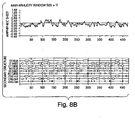
- CETP molecules of known amino acid sequence can be analyzed for the location ofpotential B cell epitopes using algorithms which can identify potential antigenic motifs in the amino acid sequence. For example, by combining analyses of plots of hydrophilicity, surface probability, amphilic helix, amphiphilic sheets and secondary structure ( Figures 8A and 8B), an Antigenic Index (see Figure 8A) of the entire protein's amino acid sequence can be derived leading to identification ofB cell epitopes potentially useful in the vaccine peptides of this invention.
- the B cell epitope portion of the CETP vaccine peptides of this invention comprises the amino acid sequence the amino acid sequence LFPRPDQQ HSVAYTFEEDI (amino acids 16 to 34 of SEQ ID NO:8) and/or the amino acid sequence FGFPEHLLVDFLQSLS (amino acids 35 to 50 of SEQ ID NO:8).
- helper T cell epitope and the B cell epitope (CETP-related) portions of the CETP vaccine peptides of this invention are linked together to form immunogenic moieties.
- the helper T cell epitope and B cell epitope portions may be covalently linked, directly (e.g., via a peptide bond) or via a cross-linking molecule. Where cross-linking molecules are used, they must join the helper T cell epitope and B cell epitope portions of the vaccine peptide together without making the peptide toxic or significantly interfering with or reducing the overall immunogenicity of the vaccine peptide.
- Suitable cross-linking molecules include amino acids, for example, using one or more glycine residues to form a "glycine bridge" between the helper T cell epitope and B cell epitope portions of the vaccine peptides of this invention. Also contemplated are the formation of disulfide bonds between cysteine residues that have been added to the helper T cell epitope and B cell epitope portions, or the use of cross-linking molecules such as glutaraldehyde (Korn, A.H., et al., J. Mol.
- bifunctional cross-linker molecules to link a helper T cell epitope portion to a B cell epitope portion.
- Bifunctional cross-linker molecules possess two distinct reactive sites; one of the reactive sites can be reacted with a functional group on the helper T cell epitope portion to form a covalent linkage and the other reactive site can be reacted with a functional group on a B cell epitope portion to form another covalent linkage, uniting the two portions.
- General methods for cross-linking molecules are reviewed by Means and Feeney (Bioconjugate Chem., .1: 2-12 (1990)).
- Homobifunctional cross-linker molecules have two reactive sites which are chemically the same.
- Examples of homobifunctional cross-linker molecules include glutaraldehyde; N,N'-bis(3-maleimido-propionyl ⁇ -2-hydroxy-1,3-propanediol (a sulmydryl-specmc homobifunctional cross-linker); certain N-succinimide esters, such as disuccinimidyl suberate and dithio-bis-(succinimidyl propionate) and their soluble bis-sulfonic acids and salts (e.g., as available from Pierce Chemicals, Rockford, Illnnois; Sigma Chemical Co., St. Louis, Missouri).
- the relative concentrations of helper T cell epitope and B cell epitope portions should be adjusted to maximize the number ofhelper T cell epitope and B cell epitope portions that are linked together and to minimize the linking of identical epitope portions to each other (i.e., to avoid, for example, helper T cell epitope-helper T cell epitope or B cell epitope-B cell epitope homodimer formation).
- the bifunctional cross-linker molecule is a heterobifunctional linker molecule, meaning that the linker molecule has at least two reactive sites that can be separately covalently attached to a T cell epitope and a B cell epitope.
- Use of such heterobifunctional linker molecules permits chemically separate and stepwise addition (vectorial conjugation) of each of the reactive sites of the linker molecule to the helper T cell and B cell epitope portions of the vaccine peptide.
- Heterobifunctional cross-linker molecules that may be used to link helper T cell epitope and B cell epitope portions together other include m-maleimidobenzoyl-N-hydroxysuccinimide ester (see, Green, N., et al., Cell, 28: 477-487 (1982); Palker et al., Proc. Natl. Acad Sci.
- helper T cell epitope and B cell epitope portions may be linked to a common carrier molecule, such as serum albumin or a resin or polymeric bead.
- Linking helper T cell epitope and B cell epitope portions to a common carrier may be accomplished using a cross-linker molecule such as glutaraldehyde or other bifunctional cross-linker molecule (see above).
- the relative concentrations of helper T cell epitope portion, B cell epitope portion and the common carrier molecule should be adjusted to maximize the number of helper T cell epitope and B cell epitope portions that are linked to the common carrier and to minimize both the linking of identical molecules to each other (i.e., homodimer formation) and the linking of helper T cell epitope and B cell epitope portions to one another (i.e., heterodimer formation).
- helper T cell epitope and B cell epitope portions Linking the helper T cell epitope and B cell epitope portions to another molecule or surface (e.g., the surface of a resin or polymer bead) should not significantly disrupt or reduce the immunogenic characteristics of the universal antigenic helper T cell epitope portion or of the B cell epitope (CETP-related) portion sequences.
- the net effect of using such bifunctional cross-linker molecules is that multiple copies of helper T cell epitope and B cell epitope portions of a vaccine peptide are bound to a common carrier which may enhance an immune response and the production of antibodies that bind to endogenous CETP.
- MAP multiple antigenic peptide
- helper T cell epitope and B cell epitope portions of the vaccine peptides of this invention are covalently linked end-to-end to form a continuous peptide.
- a selected universal antigenic helper T cell epitope portion forms the amino terminal portion ofthe vaccine peptide with its carboxyl terminal amino acid residue covalently linked in a peptide bond to the amino terminal amino acid of a selected CETP-related amino acid sequence (B cell epitope portion) of the vaccine peptide.
- the CETP-related amino acid sequence (B cell epitope portion) of the vaccine peptides of this invention may be positioned to form the amino terminal region of a vaccine peptide and a universal antigenic helper T cell epitope or immunogenic carrier amino acid sequence may comprise the carboxyl terminal portion of the vaccine peptide.
- the vaccine peptides of this invention can be made more immunogenic by covalently linking them to multiple copies of the complement protein C3d (Dempsey et al, Science, 271: 348 - 350 (1996)).
- the vaccine peptides can be derivatized with carbohydrate structures which activate complement and become covalently linked with C3d (Fearon et al, Science, 272: 50-54 (1996)).
- proteins expressed in certain mutant Chinese hamster ovary host cells can be glycosylated with specific carbohydrate structures (Stanley, Mol. Cell. Biol., 9 :377-383 (1989)).
- C3d promotes the recognition of antigens by the acquired immune system eliciting vigorous immune response (Dempsey et al., 1996).
- the peptides of this invention can be produced by any of the available methods known in the art to produce peptides of defined amino acid sequence.
- automated peptide synthesis is available to those skilled in the art by using automated peptide synthesizers (e.g., Synergy TM Peptide Synthesizer by Applied Biosystems; AMS 422 by Abimed, Langenfeld, Germany). Synthesis of such peptides to order is performed as a commercial service by many commercial peptide synthesizing service companies, e.g., Quality Controlled Biochemicals, Inc., Hopkinton, Massachusetts); Chiron Mimotopes Peptide Systems (San Diego, California); Bachem Bioscience, Inc. (Philadelphia, Pennsylvania); Severn Biotech Ltd. (Kiddeminster, England).
- the peptides of this invention may be produced using synthetic and recombinant nucleic acid technology.
- one of ordinary skill in the art can design from the known genetic code a 5' to 3' nucleic acid sequence encoding a peptide of this invention.
- the amino acid sequence for a mature CETP from human liver is known (SEQ ID NO:4), as is its corresponding DNA sequence (SEQ ID NO:5) (see, Drayna et al., Nature, 327: 632 - 634 (1987)).
- the amino acid sequences for a variety of broad range or "universal" T cell epitopes are known (see, for example, Panina-Bordignon et al., Eur. J. Immunol., 19: 2232 - 2242 (1989), Etlinger et al. (1990), Pillai et al., Infect. Immun., 63: 1535 - 1540 (1995)).
- a DNA molecule containing the coding sequences of a helper T cell epitope and one or more selected B cell epitope portions (and any linking peptide, such as polyglycine, or other additional residue(s), such as an amino and/or carboxyl terminal cysteine, if so desired) can readily be synthesized either using an automated DNA synthesizer (e.g., Oligo 1000 DNA Synthesizer, Beckman Corp.) or by contracting with a commercial DNA synthesizing service (e.g., Genset Corp., La Jolla, California).
- an automated DNA synthesizer e.g., Oligo 1000 DNA Synthesizer, Beckman Corp.
- a commercial DNA synthesizing service e.g., Genset Corp., La Jolla, California.
- the synthesized DNA molecule can then be inserted into any of a variety of available gene expression systems (e.g., bacterial plasmids; bacteriophage expression vectors, retroviral expression vectors, baculoviral expression vectors), using standard methods available in the art (e.g., Sambrook et al., Molecular Cloning: A Laboratory Manual Vols.
- gene expression systems e.g., bacterial plasmids; bacteriophage expression vectors, retroviral expression vectors, baculoviral expression vectors
- peptides of this invention are then isolated from the expression system using standard methods to purify peptides. Purification of the peptides of this invention may be expedited by employing affinity chromatography or immunoprecipitation based on using antibodies to the particular helper T cell epitope or B cell epitope (CETP-related portion) amino acid sequence of a vaccine peptide of this invention.
- the Mab TP2 binds to the carboxyl terminal 26 amino acids of human CETP, and could be useful in one or more immunoaffinity steps in a purification scheme (Hesler, C.B., et al., J. Biol.
- DNA molecules are available encoding each of the T cell and B cell epitopes for a particular vaccine peptide
- standard recombinant nucleic acid methodologies including polymerase chain reaction (PCR)
- PCR polymerase chain reaction
- Such recombinant nucleic acid molecules can be inserted into any of a variety of expression vectors which can be transfected or transformed into appropriate host cells to express the vaccine peptide in culture (see, e.g., Sambrook et al., Molecular Cloning: A Laboratory Manual, Vols. 1-3 (Cold Spring Harbor Laboratory, Cold Spring Harbor, New York, 1989)).
- the DNA sequence encoding the mature human CETP from liver has the nucleotide sequence of SEQ ID NO: 5 and the DNA sequence encoding the mature rabbit CETP has the nucleotide sequence of SEQ ID N0:7.
- Particular sequences encoding various B cell epitopes of each of these CETP proteins can be recombined with nucleotide sequences encoding selected T cell epitope(s) and inserted into an expression vector for expression in an appropriate host cell
- plasmid pCMV-CETP/TT in which the CMV promoter directs transcription of a sequence encoding a vaccine peptide having the amino acid sequence of SEQ ID NO:9: MQYIKANSKFIGITERFPRPDGREAVAYRFEEDIFGFPKH LLVDFLQSLS, wherein an amino terminal methionine is linked to a tetanus toxoid T cell epitope (amino acids 2 to 15 of SEQ ID NO:2) -and two B cell epitopes from rabbit CETP (amino acids 350 to 368 and 481 to 496 of SEQ ID NO:6).
- Plasmid pCMV-CETP/TT has been deposited with the American Type Culture Collection (ATCC, Rockville, MD) and assigned Accession No. 98038.
- a peptide of this invention also contains an amino terminal cysteine residue, or other residue, covalently linked to the amino terminal amino acid of the helper T cell epitope portion of the vaccine peptide of this invention for use in tethering or coupling the peptide to itself to form dimers of vaccine peptides or to other molecules, such as carrier or cross-linker molecules.
- the vaccine peptide of this invention has the amino acid sequence CQYIKANSKFIGITEFGFPE HLLVDFLQSLS (SEQ ID NO:2).
- a vaccine peptide of this invention having at least two B cell epitopes of CETP.
- An example of such a vaccine peptide has the sequence CQYIKANSKFIGITELFPRPDQQHSVAYT FEEDIFGFPEHLLVDFLQSLS (SEQ ID NO:8).
- the peptides of this invention are used to make vaccines that elicit production of endogenous antibodies which specifically bind to CETP and modulate (i.e., decrease or inhibit) endogenous CETP activity.
- the anti-CETP vaccines of this invention may contain one or several different peptides of this invention.
- peptides having different helper T cell epitope portions e.g., different universal helper T cell epitopes
- different B cell epitope portions e.g., different CETP-related portions of the carboxyl terminal 26 amino acids of CETP
- compositions of this invention may be mixed with vaccine peptides described herein to produce vaccines of this invention.
- Alum is the single adjuvant currently approved for use in administering vaccines to humans (see, Eldrige, J.H., et al., In Immunobiology of Proteins and Peptides V: Vaccines; Mechanisms, Design, and Applications, Atassi, M.Z., ed. (Plenum Press, New York, 1989), page 192).
- alum was used in combination with a sodium phthalyl derivative of lipopolysaccharide to administer a vaccine shown to be effective against human chorionic gonadotropin to humans (see, Talwar, G.P., et al., Proc. Natl. Acad Sci. USA, 91: 8532-8536 (1994)).
- biodegradable microspheres comprised of poly (DL-lactide-co-glycolide) have been studied as adjuvants for oral or parenteral administration of vaccines (Eldridge, J.H., et al., In Immunobiology of Proteins and Peptides V: Vaccines; Mechanisms. Design, and Applications , Atassi, M.Z., ed. (Plenum Press, New York, 1989), pp. 191-202).
- adjuvants have been used for administering vaccines to non-human mammals.
- Freund's Complete Adjuvant (Sigma Chemical Co., St. Louis, Missouri)
- Freund's Incomplete Adjuvant (Sigma Chemical Co., St. Louis, Missouri)
- the RIBI TM Adjuvant System (RAS; RIBI ImmunoChem Research, Inc., Hamilton, Montana) are well known adjuvants routinely used to administer antigens to animals other than humans.
- adjuvant structures may also be mixed with or, preferably, covalently incorporated into peptides of this invention, for example at the amino or carboxyl terminal amino acid residue of the peptides.
- Such incorporated adjuvants include lipophilic N-palmitoyl-S-[2,3-bis(palmitoyloxy)-propyl)]-cysteine ("Pam 3 -Cys-OH”) at the amino terminus of the peptides of this invention; amphiphilic, water-soluble lipopeptides such as Pam 3 -Cys-Ser-Lys 4 and Pam 3 -Cys-Ser-Glu 4 ; glycopeptides such as N-acetyl-glucosaminyl-N-acetylmuramyl-alanyl-D-isoglutamine (“GMDP”), muramyl dipeptides, and alanyl-N-adamantyl-D-glutamine; and polyamide gel-based adjuvants which can easily be attached to peptides during their in vitro chemical synthesis (see, Synthetic Vaccines, Nicholson, B.H., ed. (Blackwell Scientific Publications, Cambridge,
- the vaccine peptides of this invention may be linked to other molecules that may enhance the immunogenicity of the peptides.
- linking peptides of this invention to a surface of a larger molecule, such as serum albumin may enhance immunogenicity because the epitopes of the vaccine peptides are presented to the immune system of an individual as adjacent multiple repeated copies (see, e.g., Tam, J.P., Proc. Natl. Acad Sci. USA, 85: 5409-5413 (1988); Wang, C.Y., et al., Science, 254: 285-288 (1991); Marguerite, M., et al., Mol. Immunol., 29: 793-800 (1992)).
- Such “multiple” or “multivalent” arrangements of the vaccine peptides of this invention can be created using cross-linker molecules (see above).
- cross-linker molecules see above.
- bifunctional cross-linker molecules possess two reactive sites, one ofthe sites can attach the linker to a vaccine peptide of this invention and the other site is available to react with a different molecule, e.g., a larger protein like serum albumin or a resin or polymeric bead.
- covalent cross-linker molecules may be used to link vaccine peptides to other proteins or substrates to form multicopy arrangements of the peptides (multicopy peptide assemblies).
- Linking vaccine peptides of this invention to another molecule or surface should be carried out in a manner that does not significantly disrupt or reduce the immunogenic characteristics of the linked helper T cell epitope and B cell epitope (CETP-related) portions of the vaccine peptides.
- the use of such linker molecules enhances the immunogenicity of the vaccine peptides of this invention as evidenced, for example, by a more rapid rise in anti-CETP antibody titer and/or production of higher affinity anti-CETP antibodies than when individuals are administered vaccine peptides that are not linked.
- Such cross-linker molecules may also be used to attach a peptide of this invention to an "immunogenic enhancer" molecule such as granulocyte-macrophage colony-stimulating factor (GM-CSF), which was been shown to serve as an effective immunogenic enhancer in generating the production of specific anti-tumor antibodies (e.g., Tao, M.H., et al., Nature, 362: 755-758 (1993)).
- Another such immunogenic enhancer is keyhole limpet hemocyanin (KLH) (see, Ada, G.L., In Fundamental Immunology, third edition, W.E. Paul, ed. (Raven Press Ltd., New York, 1993), pp. 1309-1352).
- KLH keyhole limpet hemocyanin
- the peptides of this invention are specifically designed to be administered, either alone or in association with one or more pharmaceutically acceptable carriers or adjuvants, as a vaccine which will elicit an antibody response against endogenous CETP of the vaccine recipient.
- the vaccine peptides may also be combined and administered with vaccines for other diseases or disorders.
- the immune response to endogenous CETP should significantly inhibit CETP activity, alter the serum half-life of CETP, cause clearance CETP through formation of immune complexes, alter the trafficking of HDL-cholesterol, shift the equilibrium of cholesterol content of lipoproteins, aher cholesterol catabolism, and/or reduce development of atherosclerotic lesions.
- Control of LDL, VLDL and/or HDL levels is an accepted indicator or endpoint in treatment of cardiovascular disease as these levels are correlated with a decreased risk of cardiovascular disease or further progression of such disease (Mader, S.S., In Human Biology. 4th ed., pp. 83, 102 (Wm. C. Brown Publishers, Dubuque, Iowa, 1995)).
- the desired prophylactic or therapeutic effect according to this invention is evidenced by eliciting antibodies in an individual that bind to CETP and/or inhibit CETP activity, or by a relative decrease in LDL and/or VLDL levels compared to HDL levels as the titer of antibody directed against the endogenous CETP rises, or by an elevation of absolute levels of circulating HDL with the production of anti-CETP antibodies, or by an inhibition or decrease in development of atherosclerotic lesions in cardiovascular tissue.
- Such endogenously produced antibodies against an individual's own CETP is advantageous over other possible therapeutic approaches.
- use of polypeptide inhibitors of CETP such as one recently isolated from baboons (see, e.g., WO 93/11782; Kushwaha, R.S., et al., J. Lipid Res., 34: 1285-1297 (1993); Genetic Engineering News, 14: 44 (1994); Science, 262: 1974-1975 (1993)), or infusion of exogenously produced (foreign) anti-CETP-antibodies which inhibit CETP activity, are both likely to elicit an immune reaction directed against such foreign CETP inhibitory molecules. Such an immune response could rapidly inactivate and/or clear from the body the exogenously supplied CETP inhibitor.
- Such an immune response against the exogenously supplied CETP inhibitor could be overcome by administering increasing doses of the inhibitor.
- multiple administrations of doses of a foreign CETP inhibitor particularly multiple doses of ever-increasing amounts of such foreign molecules, presents the possibility of a hypersensitivity reaction, endangering the health of the individual being treated.
- Such problems associated with using exogenously produced CETP inhibitors are avoided by using the peptide-based vaccines of this invention, which recruit an individual's own immune system antibodies to specifically inhibit endogenous CETP. Repeated dosing, graduated dosing, and undesirable side-effects (such as a human anti-mouse antibody (HAMA) response) are avoided by employing the anti-CETP vaccine approach described herein.
- HAMA human anti-mouse antibody
- the CETP vaccine peptide compositions of this invention may be administered by any route used for vaccination, including: parenterally such as intraperitoneally, interperitoneally, intradermally (subcutaneously), intramuscularly, intravenously or orally.
- parenterally such as intraperitoneally, interperitoneally, intradermally (subcutaneously), intramuscularly, intravenously or orally.
- the vaccines of this invention are administered parenterally, e.g., intraperitoneally, interperitoneally, intradermally, intramuscularly, or intravenously.
- any pharmaceutically acceptable oral excipient may be mixed with the vaccine peptides of this invention, for example, such as solutions approved for use in the Sabin oral polio vaccine.
- an occasional booster administration of the CETP vaccine peptide compositions may be necessary to maintain a desired level of modulation or inhibition of endogenous CETP.
- biodegradable microspheres such as those comprised of poly (DL-actide-co-glycolide), have been shown to be useful for effective vaccine delivery and immunization via oral or parenteral routes (Eldridge, J.H., et al., In Immunobiology of Protems and Peptides V: Vaccines: Mechanisms, Design, and Applications, Atassi, M.Z., ed. (Plenum Press, New York, 1989), pp. 191-202).
- potential contraindications such as hypersensitivity reaction, erythema, induration, tendemess
- pp. 1628, 2371 referring to hepatitis B vaccine
- pp. 1501, 1573, 1575 referring to measles, mumps, and/or rubella vaccines
- a common and traditional approach for vaccinating humans is to administer an initial dose of a particular vaccine to sensitize the immune system and then follow up by one or more "booster" doses of the vaccine to elicit an anamnestic response by the immune system that was sensitized by the initial administration of the vaccine (vaccination).
- booster administration procedure
- Such a primary and booster" administration procedure has been well known and commonly used in the art, as for example, in developing and using measles, polio, tetanus, diphtheria, and hepatitis B vaccines.
- the amount of a vaccine peptide administered to an individual may be that required to elicit an antibody response effective to neutralize the approximate level of endogenous CETP activity present in the individual prior to vaccination, as can be determined by measuring GETP activity in serum or plasma samples from the individual, for example as determined using a commercially available CETP assay (e.g., Diagnescent Technologies, Inc., Yonkers, New York). Plasma or serum samples from a vaccinated individual can also be monitored to determine whether a measurable increase in the levels of total HDL or HDL-C is seen after administration of the vaccine peptide using commercially available assays (e.g., available from Wako Chemicals USA, Inc., Richmond, Virginia).
- commercially available assays e.g., available from Wako Chemicals USA, Inc., Richmond, Virginia.
- a rise in the concentration (titer) of circulating anti-CETP antibodies can be measured in plasma or serum samples, for example using an ELISA assay (see, e.g., Example 3).
- an ELISA assay see, e.g., Example 3
- Three-dimensional arterial imaging methods are currently available which can be used to identify arterial lesions and monitor their development or regression in an individual (see, for example, McPherson, Scientific American Science & Medicine, pages 22-31, (March/April, 1996)). Thus such imaging methods can be used to monitor the effectiveness of vaccination with a peptide of this invention.
- a peptide was prepared having a helper T cell epitope portion comprising a universal tetanus toxoid helper T cell epitope and a B cell epitope portion comprising a carboxyl terminal region of human CETP.
- a 31-amino acid peptide was designed having the amino acid sequence CQYIKANSKFIGITEFGFPEHLLVDFLQS LS (SEQ ID NO:2), in which QYIKANSKFIGITE (amino acids 2 to 15 of SEQ ID NO:2) is the same amino acid sequence as amino acids 830 to 843 of the tetanus toxoid protein, FGFPEHLLVDFLQSLS (amino acids 16 to 31 of SEQ ID NO:2) is the same amino acid sequence as amino acids 461 to 476 SEQ ID NO:4 containing the neutral lipid transfer domain of human CETP and known to be recognized by anti-human CETP Mab TP2 (Wang, S., et al., J. Biol.
- CETP-related portion of this synthetic peptide differs from the corresponding portion of rabbit CETP amino acid sequence only at the glutamic acid (E) residue (see, Nagashima, M., et al., J. Lipid Res., 29: 1643-6149 (1988) (cloning of rabbit CETP gene)).
- the synthetic vaccine peptide (SEQ ID NO:2) of Example 1 above was injected into New Zealand White Rabbits to test the ability of the vaccine peptide to elicit an immune response against endogenous rabbit CETP.
- Group I contained three rabbits (rb#1 - #3), each of which was subjected to a protocol for administration of the vaccine peptide.
- Group II contained one rabbit (rb#4) as a control that was not treated.
- peptide 100 ⁇ g was suspended in the RIBI TM adjuvant system (RIBI ImmunoChem Research, Inc., Hamilton, Montana) according to manufacturer's instructions to a final volume of 1000 ⁇ l, and each rabbit of Group I was injected at two intramuscular sites (250 ⁇ l per site), subcutaneously at two sites (100 ⁇ l per site), and six intradermal sites (50 ⁇ l per site).
- RIBI TM adjuvant system RIBI ImmunoChem Research, Inc., Hamilton, Montana
- each rabbit of Group I was injected at two intramuscular sites (250 ⁇ l per site), subcutaneously at two sites (100 ⁇ l per site), and six intradermal sites (50 ⁇ l per site).
- a boost 100 ⁇ g of peptide in RIBI TM adjuvant system
- another boost 100 ⁇ g of peptide in RIBI TM adjuvant system
- Plasma samples (approximately 1-5 ml) were withdrawn from the ear of each rabbit prior to each initial injection ("prebleed') and on Days 42 , 70, and 108, except that there was no pre-bleed for control rabbit rb#4. Blood plasma samples were prepared by standard centrifugation methods to separate cellular components from the plasma. Plasma samples were stored at -70° C. Plasma samples ofboth Groups I and II were analyzed for presence of and increase in titer of anti-CETP antibodies and for total plasma cholesterol and plasma HDL-C levels.
- a sandwich enzyme-linked immunosorbent assay was used to titer plasma samples containing anti-CETP antibody.
- recombinant human CETP human rCETP, obtained from recombinant CHO cell line CHO(AT) licensed from The Trustees of Columbia University, New York, New York
- recombinant human CETP human rCETP, obtained from recombinant CHO cell line CHO(AT) licensed from The Trustees of Columbia University, New York, New York
- various dilutions of rabbit plasma from the rabbits of Groups I and II were added to each well.
- Each well of a NUNC Maxisorb 96-well plate was coated by overnight exposure at 4° C to 100 ⁇ l of a 1 ⁇ g/ml solution ofhuman rCETP in PBS.
- Non-specific binding was blocked by adding a 1% solution of BSA in PBS and 0.05% Tween to each well and incubating for 2 hours at room temperature (20°-22° C) on a rotating shaker at 150 rpm. The wells were then washed four times with ELISA wash buffer (PBS + 0.05% Tween). Plasma samples were then diluted 1:10 in dilution buffer (1% HSA in PBS), followed by 6 two-fold serial dilutions in the same buffer. Diluted samples (100 ⁇ l) were added to the wells, incubated for 2 hours at room temperature on a rotating shaker at 150 rpm, and then washed 4 times with ELISA wash buffer (PBS + 0.05% Tween).
- HRP horseradish peroxidase
- This assay was designed to determine if the vaccinated rabbits had generated antibodies that bind to the same epitope as the anti-CETP Mab TP2 (licensed from The Trustees of Columbia University, New York, New York).
- a standard competitive ELISA was adapted to detect the presence of anti-CETP antibodies in rabbit plasma.
- horseradish peroxidase (HRP) was conjugated to the anti-CETP Mab TP2 which specifically binds to the 26 amino acid carboxyl terminal fragment of human CETP (Wang et al, J. Biol. Chem., 267: 17487-17490 (1992); Wang et al., J. Biol. Chem., 268: 1955-1959 (1993)).
- the following method was used to conjugate HRP to antibody.
- Antibody was dialyzed against Na 2 CO 3 (50 mM, pH 9.5). The dialyzed antibody was at a concentration of 2 to 5 mg/ml.
- HRP Boehringer-Manaheim
- HRP was dissolved in sodium acetate buffer (1.0 mM, pH 4.4) to a concentration of 6 mg/ml.
- the HRP was then activated by adding 0.2 ml of sodium periodate (21.4 mg/ml acetate buffer, made immediately before use) to every 1 ml of HRP solution, and the activation mixture was incubated at room temperature on a rocker for 20 minutes.
- the activated HRP was then passed over a G25 column equilibrated with acetate buffer to desalt the activated HRP.
- An optical density (O.D.) at 403 nm corresponds to approximately 1 mg HRP/mL
- the desalted, activated HRP was then added to the dialyzed antibody at an amount equal to one half the amount of antibody (by weight, for example, for every 1 mg of IgG, add 0.5 mg activated HRP), and the mixture was incubated for 2 hours at room temperature on a rocker to allow the HRP to conjugate to the antibody molecules.
- the conjugation reaction was stopped by adding 20 ⁇ l of sodium borohydride (10 mg/ml) for every 1 ml of the HRP-antibody conjugation mixture, and the mixture was then incubated on ice for 30 minutes.
- the HRP-conjugated antibody mixture was dialyzed overnight against phosphate buffered saline (PBS) and then centrifuged (Airfuge) for 15 minutes at 30 psi. Thimerosal was added to the supernatant (HRP-conjugated antibody) to 0.5 %, and bovine serum albumin was added to 1 %.
- the BRP-conjugated antibody preparation was stored at 4° C and protected from light.
- Wells of 96-well microtiter plate were coated with CETP by incubating in each well 100 ⁇ l of a 300 ng/ml solution of recombinant human CETP (obtained from the recombinant CHO cell line CHO(AT), licensed from The Trustees of Columbia University, New York, New York) in phosphate buffered saline (PBS).
- PBS phosphate buffered saline
- the wells were drained and the wells were filled with a 1 % (wt/wt) solution of bovine serum albumin (BSA) in PBS and 0.05 % (vol./vol.) Tween (Sigma Chemical Co., St.
- the plates were incubated for 1 hour at room temperature on a rotating shaker as above, then washed four times with ELISA wash buffer.
- the horseradish peroxidase substrate e.g., TMB peroxidase substrate, Kirkegaard & Perry Laboratories, Inc., Gaithersburg, Maryland
- the horseradish peroxidase substrate was added to each well and a change in optical density (O.D.) at 450 nm was monitored spectrophotometrically using an ELISA reader (e.g., E-max, Molecular Devices Corp., Menlo Park, California).
- the plasma samples of two rabbits (rb#2 and rb#3) that had the highest anti-CETP antibody titers showed a 2 to 5-fold increase in HDL-C concentrations at Day 70 compared to prebleed plasma samples.
- Rabbits #2 and #3 also showed increasing plasma HDL concentrations over time compared to the control rabbit (rb#4) and the lowest antibody titer rabbit (rb#1) both of which exhibited decreasing HDL concentrations over time (Figure 5).
- Figure 6 shows the ratio of Non-HDL cholesterol (Non-HDL) to HDL-cholesterol (HDL) on Day 70 post-vaccination.
- the data show a trend toward an anti-atherogenic profile in the vaccinated rabbit group (hatched) compared to the non-vaccinated (solid) rabbit. Although no significant difference in total cholesterol in plasma samples was observed, the ratio of Non-HDL/HDL generally declined with a rise in anti-CETP antibody levels in the vaccinated rabbits of Group L
- mice that expresses human CETP have recently become commercially available (Biodigm TM -CETP mice; Pharmakon USA, Waverly, Pennsylvania). Such mice express human CETP in their livers and are reported to have approximately 50 percent lower levels of HDL-associated cholesterol than non-transgenic litter mates when fed a normal chow diet. Such transgenic animals serve as an additional experimental model to further test vaccine peptides of this invention.
- mice Two groups consisting of six transgenic CETP-expressing mice were used to test the same vaccine peptide used in Examples 1 to 4 above.
- Each mouse of Group I received primary injections of the vaccine peptide dissolved in phosphate buffered saline (PBS) and emulsified with complete Freund's adjuvant (1:1) to yield a final concentration of 100 ⁇ g/100 ⁇ l.
- PBS phosphate buffered saline
- Complete Freund's adjuvant (1:1)
- Each mouse was administered the vaccine peptide mixture in a 50 ⁇ l dose (50 ⁇ g) at each of two subcutaneous sites.
- the animals were similarly administered boosts ofthe peptide vaccine (100 ⁇ g) in PBS, except the vaccine peptide was emulsified with Incomplete Freund's adjuvant.
- mice of control Group II received primary and boost injections of PBS emulsified with adjuvant, but without vaccine peptide, in the same manner as the Group I mice. Plasma samples were prepared as described above for the rabbit plasma samples.
- mice had significant titers of anti-CETP antibody as measured in a wide range of plasma dilutions (1:10 to 1:1,000,000) by direct ELISA as described above (see Figure 7). Furthermore, three of the six mice from Group I were also shown to have anti-CETP antibody that competed with Mab TP2 for binding to recombinant human CETP (as was found for rabbits rb#2 and rb#3 in Example 3, above).
- the synthetic vaccine peptide (SEQ ID NO:2) of Example 1 above was injected into New Zealand White Rabbits to test the ability of the vaccine peptide to elicit an immune response against endogenous rabbit CETP and to protect or reduce development of atherosclerosis.
- Group I contained six rabbits (rb#1 #6), each of which was subjected to a protocol for administration of the vaccine peptide.
- Control Group II contained six rabbits (rb#7 -12) that were vaccinated but not fed a high cholesterol diet.
- Control Group III contained six rabbits (rb#13 - 18) that were not vaccinated and not fed a high cholesterol diet.
- Control Group IV contained six rabbits (rb#19 - 24) that were not vaccinated but fed a high cholesterol diet.
- the high cholesterol diet was administered starting four weeks after a final boost with the vaccine and continued for a total of 17 weeks.
- peptide 100 ⁇ g was suspended in the RIBITM adjuvant system (RIBI ImmunoChem Research, Inc., Hamilton, Montana) according to manufacturer's instructions to a final volume of 1000 ⁇ l, and each rabbit of Group I and II were injected at two intramuscular sites (250 ⁇ l per site), subcutaneously at two sites (100 ⁇ l per site), and six intradermal sites (50 ⁇ l per site).
- RIBI TM adjuvant system RIBI ImmunoChem Research, Inc., Hamilton, Montana
- Plasma samples (approximately 1-5 ml) were withdrawn from the ear of each rabbit prior to each initial injection ("prebleed") and routinely at approximately every two weeks thereafter. Blood plasma samples were prepared by standard centrifugation methods to separate cellular components from the plasma. Plasma samples were stored at -70° C. Plasma samples of all Groups were analyzed for presence of and increase in titer of anti-CETP antibodies and for total plasma cholesterol and plasma HDL-C levels.
- a sandwich enzyme-linked immunosorbent assay was used to titer plasma samples containing anti-CETP antibody.
- recombinant human CETP human rCETP, obtained from recombinant CHO cell line CHO(AT) licensed from The Trustees of Columbia University, New York, New York
- recombinant human CETP human rCETP, obtained from recombinant CHO cell line CHO(AT) licensed from The Trustees of Columbia University, New York, New York
- various dilutions of rabbit plasma from the rabbits of Groups I - IV were added to each well.
- Each well of a NUNC Maxisorb 96-well plate was coated by overnight exposure at 4° C to 100 ⁇ l of a 1 ⁇ g/ml solution of human rCETP in PBS.
- Non-specific binding was blocked by adding a 1% solution ofBSA in PBS and 0.05% Tween to each well and incubating for 2 hours at room temperature (20°-22° C) on a rotating shaker at 150 rpm The wells were then washed four times with ELISA wash buffer (PBS + 0.05% Tween). Plasma samples were then diluted 1:10 in dilution buffer (1% BSA in PBS), followed by 6 two-fold serial dilutions in the same buffer. Diluted samples (100 ⁇ l) were added to the wells, incubated for 2 hours at room temperature on a rotating shaker at 150 rpm, and then washed 4 times with ELISA wash buffer (PBS + 0.05% Tween).
- HRP horseradish peroxidase
- a peptide (rabbit peptide) containing an amino acid sequence of the endogenous rabbit CETP was synthesized to order using standard peptide synthesis methods by Quality Controlled Biochemicals, Inc. (Hopkinton, Massachusetts) having the sequence of SEQ ID NO:7: LQMDFGFPKHLLVDFLQSLS, which corresponding to amino acids 457 to 476 of the carboxyl terminal region of the human CETP sequence shown in SEQ ID NO:4.
- This portion of the rabbit CETP amino acid sequence differs from the human CETP sequence in that the glutamic acid residue at position 465 of the human sequence (SEQ ID NO:4) is replaced with a lysine residue (see amino acid 9 in SEQ ID NO:7).
- the rabbit peptide was purchased as a biotinylated derivative (biotin covalently atttached to the amino terminal leucine residue).
- Preblocked streptavidin-coated microtiter plates were prepared as follows. One hundred ⁇ l of 5 ⁇ g/ml streptavidin (catalog #43-4302, Zymed Laboratories, Inc., S. San Francisco, CA) in PBS was dispensed into each well of 96-well microplates with removable strips (catalog #950-2950-00P, LabSystems, Needham, MA), sealed and incubated at room temperature overnight. Following aspiration of the contents of each well, the plates were washed and then blocked with 300 ⁇ l ofPBS containing 1% BSA, 5% sucrose, 0.05% Tween 20 and 0.1% gentamicin sulfate, overnight at room temperature.
- Rabbit plasma samples were diluted (initially 1:40, then serially by half thereafter) in PBS supplemented with 5% BSA and 1% gelatin and 100 ⁇ l of each dilution were incubated for 90 minutes at room temperature with shaking at 150 rpm. Plates were then washed three times with Wash Buffer. Goat-anti-rabbit IgG labelled with horseradish peroxidase (Southern Biotechnology Associates, Inc., Birmingham, AL) was diluted 1:5000 in Wash Buffer and 100 ul added to each well which were then incubated for 90 minutes at room temperature with shaking at 150 rpm.
- the plates were washed three times with Wash Buffer and then incubated with peroxidase substrate TMB (TMB peroxidase substrate, Kirkegaard & Perry Laboratories, Inc., Gaithersburg, Maryland) added, and the plates were incubated 30 minutes at room temperature. Change in optical density was monitored spectrophotometrically at 450 nm using an ELISA reader (e.g., E-max, Molecular Device Corp., Menlo Park, California). In this assay, the O.D. was directly proportional to the amount of anti-rabbit CETP antibodies present in the plasma samples.
- TMB peroxidase substrate
- the plasma samples taken from rabbits of Groups in Example 6 at various times (days) in the vaccination protocol were also assayed for the concentration of total cholesterol (Figure 11) and HDL-C ( Figure 12).
- Total plasma cholesterol and HDL-C levels were determined using standard commercial assays (Wako Chemicals USA, Inc., Richmond, Virginia).
- Groups I and IV fed the cholesterol supplemented diet showed an increase in HDL-C ( Figure 12).
- Preliminary analysis of the data for Group II indicated that the three animals with the highest anti-CETP antibody titers also showed an increase in their levels of HDL-C compared to pre-vaccination levels.
- the preliminary analysis also indicated that in three of the five animals in Group III, no significant change in the levels of HDL-C were observed compared to pre-vaccination levels.
- EXAMPLE 10 Measurement of Aortic Atherosclerotic Lesions in Rabbits in a Cholesterol-Fed Model of Atherosclerosis
- Aortas were removed from all surviving rabbits (four in Groups I and IV, five in Group II, six in Group III) after 17 weeks (Day 196 from primary vaccination) on cholesterol supplemented diet in Groups I and IV and control diet (no cholesterol supplement) in Groups II and III. Death of the non-surviving rabbits was shown by necropsy to be due to hair balls and not, therefore, experimental design.
- Each aorta was opened for an enface view to examine for atherosclerotic lesions. The full length of the aorta, i.e., from the aortic arch in the heart to the bifurcation in the lower abdomen, was stained with Oil Red O to detect lesions. The lesions were measured and the data quantitated using a computer program (The Morphometer, Woods Hole Educational Associated, Woods Hole, MA).
Landscapes
- Health & Medical Sciences (AREA)
- Life Sciences & Earth Sciences (AREA)
- Chemical & Material Sciences (AREA)
- Organic Chemistry (AREA)
- General Health & Medical Sciences (AREA)
- Medicinal Chemistry (AREA)
- Public Health (AREA)
- Veterinary Medicine (AREA)
- Animal Behavior & Ethology (AREA)
- Immunology (AREA)
- Pharmacology & Pharmacy (AREA)
- Molecular Biology (AREA)
- Biophysics (AREA)
- Bioinformatics & Cheminformatics (AREA)
- Engineering & Computer Science (AREA)
- Nuclear Medicine, Radiotherapy & Molecular Imaging (AREA)
- General Chemical & Material Sciences (AREA)
- Chemical Kinetics & Catalysis (AREA)
- Gastroenterology & Hepatology (AREA)
- Epidemiology (AREA)
- Proteomics, Peptides & Aminoacids (AREA)
- Genetics & Genomics (AREA)
- Biochemistry (AREA)
- Zoology (AREA)
- Toxicology (AREA)
- Microbiology (AREA)
- Mycology (AREA)
- Vascular Medicine (AREA)
- Cardiology (AREA)
- Urology & Nephrology (AREA)
- Obesity (AREA)
- Hematology (AREA)
- Diabetes (AREA)
- Heart & Thoracic Surgery (AREA)
- Peptides Or Proteins (AREA)
- Medicines That Contain Protein Lipid Enzymes And Other Medicines (AREA)
- Medicines Containing Antibodies Or Antigens For Use As Internal Diagnostic Agents (AREA)
- Preparation Of Compounds By Using Micro-Organisms (AREA)
- Measuring Or Testing Involving Enzymes Or Micro-Organisms (AREA)
- Pharmaceuticals Containing Other Organic And Inorganic Compounds (AREA)
Applications Claiming Priority (3)
| Application Number | Priority Date | Filing Date | Title |
|---|---|---|---|
| US432483 | 1995-05-01 | ||
| US08/432,483 US6410022B1 (en) | 1995-05-01 | 1995-05-01 | Modulation of cholesteryl ester transfer protein (CETP) activity |
| PCT/US1996/006147 WO1996034888A1 (en) | 1995-05-01 | 1996-05-01 | Modulation of cholesteryl ester transfer protein (cetp) activity |
Publications (2)
| Publication Number | Publication Date |
|---|---|
| EP0827509A1 EP0827509A1 (en) | 1998-03-11 |
| EP0827509B1 true EP0827509B1 (en) | 2006-08-16 |
Family
ID=23716356
Family Applications (1)
| Application Number | Title | Priority Date | Filing Date |
|---|---|---|---|
| EP96913320A Expired - Lifetime EP0827509B1 (en) | 1995-05-01 | 1996-05-01 | Modulation of cholesteryl ester transfer protein (cetp) activity |
Country Status (10)
| Country | Link |
|---|---|
| US (5) | US6410022B1 (enExample) |
| EP (1) | EP0827509B1 (enExample) |
| JP (1) | JP3839483B2 (enExample) |
| AT (1) | ATE336510T1 (enExample) |
| CA (1) | CA2219795C (enExample) |
| DE (1) | DE69636453T2 (enExample) |
| DK (1) | DK0827509T3 (enExample) |
| ES (1) | ES2271952T3 (enExample) |
| PT (1) | PT827509E (enExample) |
| WO (1) | WO1996034888A1 (enExample) |
Families Citing this family (30)
| Publication number | Priority date | Publication date | Assignee | Title |
|---|---|---|---|---|
| US6410022B1 (en) * | 1995-05-01 | 2002-06-25 | Avant Immunotherapeutics, Inc. | Modulation of cholesteryl ester transfer protein (CETP) activity |
| ES2190470T3 (es) | 1995-06-06 | 2003-08-01 | Avant Immunotherapeutics Inc | Cetp para incrementar el nivel de colesterol de las hdl. |
| ES2262179T3 (es) * | 1996-05-01 | 2006-11-16 | Avant Immunotherapeutics, Inc. | Vacuna basada en un plasmido para el tratamiento de la aterosclerosis. |
| US20030100520A1 (en) * | 1997-01-21 | 2003-05-29 | Philip Needleman | Immunological process and constructs for increasing the hdl cholesterol concentration by dna vaccination |
| US20030026808A1 (en) * | 1997-01-21 | 2003-02-06 | Philip Needleman | An IMMUNOLOGICAL PROCESS FOR INCREASING THE HDL CHOLESTROL CONCENTRATION |
| CA2302778A1 (en) * | 1997-09-19 | 1999-04-01 | Monsanto Company | Dna vaccination against cholesterol ester transfer protein in the treatment of atherosclerosis |
| JP2001520204A (ja) * | 1997-10-20 | 2001-10-30 | アヴァント イムノセラピューティクス,インコーポレーテッド | コレステリルエステル運搬タンパク質(cetp)活性を調節するための異種cetp |
| US7060284B1 (en) | 1999-08-03 | 2006-06-13 | The Ohio State University | Polypeptides and polynucleotides for enhancing immune reactivity to HER-2 protein |
| US6875904B2 (en) | 2000-09-20 | 2005-04-05 | The Ohio State University Research Foundation | Animal model for identifying agents that inhibit or enhance CTLA4 signaling |
| DE10121982B4 (de) * | 2001-05-05 | 2008-01-24 | Lts Lohmann Therapie-Systeme Ag | Nanopartikel aus Protein mit gekoppeltem Apolipoprotein E zur Überwindung der Blut-Hirn-Schranke und Verfahren zu ihrer Herstellung |
| AU2002325827A1 (en) * | 2001-06-07 | 2002-12-16 | Genfit | Compositions and methods for detecting or regulating cholesteryl ester transfer protein |
| US20060013822A1 (en) * | 2002-03-22 | 2006-01-19 | Tittle Thomas V | Utilization of mhc class II binding motifs in immunization to produce immune, serum, monoclonal antibodies and vaccines |
| EP1641813B1 (en) * | 2003-07-03 | 2011-11-09 | Avatar Biotechnologies, Inc. | Methods for obtaining molecules with reduced immunogenicity |
| AT500835B1 (de) * | 2004-09-13 | 2007-12-15 | Affiris Forschungs & Entwicklungs Gmbh | Cholinestertransport-protein-mimotop als atherosklerose-medikament |
| US7737155B2 (en) | 2005-05-17 | 2010-06-15 | Schering Corporation | Nitrogen-containing heterocyclic compounds and methods of use thereof |
| US20060276400A1 (en) | 2005-06-06 | 2006-12-07 | Hedy Adari | Modulation of cholesteryl ester transfer protein (CETP) activity |
| EP1912680B1 (en) | 2005-06-15 | 2014-11-26 | The Ohio State University Research Foundation | Her-2 peptides |
| WO2008057529A2 (en) * | 2006-11-06 | 2008-05-15 | Coley Pharmaceutical Group, Inc. | Peptide-based vaccine compositions to endogenous cholesteryl ester transfer protein (cetp) |
| AT505574B1 (de) * | 2007-08-10 | 2009-09-15 | Affiris Forschungs & Entwicklungs Gmbh | Mimotope zur behandlung von atherosklerose |
| US20110245209A1 (en) | 2008-12-16 | 2011-10-06 | Schering Corporation | Pyridopyrimidine derivatives and methods of use thereof |
| WO2010075069A1 (en) | 2008-12-16 | 2010-07-01 | Schering Corporation | Bicyclic pyranone derivatives as nicotinic acid receptor agonists |
| US20100234283A1 (en) | 2009-02-04 | 2010-09-16 | The Ohio State University Research Foundation | Immunogenic epitopes, peptidomimetics, and anti-peptide antibodies, and methods of their use |
| EP2590673B1 (en) | 2010-07-08 | 2025-05-21 | United Biomedical, Inc. | Designer peptide-based pcv2 vaccine |
| EP2532359A1 (en) | 2011-06-10 | 2012-12-12 | Affiris AG | CETP fragments |
| WO2013083254A1 (en) | 2011-12-09 | 2013-06-13 | Bavarian Nordic A/S | Poxvirus vector for the expression of bacterial antigens linked to tetanus toxin fragment c |
| MX347400B (es) | 2012-06-29 | 2017-04-18 | Univ Nac Autónoma De México | Vacuna de aplicacion nasal contra el desarrollo de la enfermedad aterosclerotica y el higado graso. |
| WO2014157704A1 (ja) | 2013-03-29 | 2014-10-02 | 大日本住友製薬株式会社 | Erap1によるトリミング機能をきっかけとしたコンジュゲートワクチン |
| CN105308063B (zh) * | 2013-03-29 | 2019-11-08 | 大日本住友制药株式会社 | Wt1抗原肽缀合物疫苗 |
| CN105859837B (zh) * | 2014-10-22 | 2020-11-20 | 台北医学大学 | 胆固醇酯转运蛋白抗原肽和融合蛋白以及其组合物和应用 |
| WO2018101309A1 (ja) | 2016-11-30 | 2018-06-07 | 大日本住友製薬株式会社 | Wt1ヘルパーペプチド及びこれと癌抗原ペプチドコンジュゲート体との組合せ |
Family Cites Families (18)
| Publication number | Priority date | Publication date | Assignee | Title |
|---|---|---|---|---|
| US6143305A (en) * | 1973-05-07 | 2000-11-07 | The Ohio State University | Antigenically modified polypeptides composition |
| US5126399A (en) | 1986-04-30 | 1992-06-30 | Board Of Regents, The University Of Texas System | Methods and compositions for the preparation and use of site-directed immunologic reagents |
| US5338829A (en) | 1988-04-20 | 1994-08-16 | Trustees Of The University Of Pennsylvania | Peptides derived from human immunodeficiency virus-1 GP160 |
| GB8812214D0 (en) | 1988-05-24 | 1988-06-29 | Hoffmann La Roche | Use of peptide from circumsporozoite protein of p falciparum as universally recognized t-cell epitope |
| US5242687A (en) | 1989-03-15 | 1993-09-07 | Tkb Associates Limited Partnership | Method of reducing cellular immune response involving T-cells using CD8-bearing antigen presenting cells |
| EP0562020A4 (en) | 1990-12-10 | 1993-11-18 | Alving, Carl L. | A vaccine against cholesterol to prevent hypercholesterolemia and atherosclerosis |
| EP0618803A4 (en) | 1991-12-19 | 1995-03-22 | Southwest Found Biomed Res | POLYPEPTIDE INHIBITING PROTEIN TRANSFER TO CHOLESTERYL ESTERS, ANTIBODIES AGAINST SYNTHETIC POLYPEPTIDE AND ANTI-ATHEROSCLEROSIS PROPHYLACTIC AND THERAPEUTIC TREATMENTS. |
| AU4377793A (en) | 1992-05-20 | 1993-12-13 | Johns Hopkins University, The | Alternative receptor therapy |
| US5662907A (en) * | 1992-08-07 | 1997-09-02 | Cytel Corporation | Induction of anti-tumor cytotoxic T lymphocytes in humans using synthetic peptide epitopes |
| US5618683A (en) | 1993-04-13 | 1997-04-08 | Brocia; Robert W. | Diagnostic kit for cholesteryl ester transfer protein (CETP) activity measurement and a new synthetic particle used therein |
| US5759551A (en) * | 1993-04-27 | 1998-06-02 | United Biomedical, Inc. | Immunogenic LHRH peptide constructs and synthetic universal immune stimulators for vaccines |
| DE69431114T2 (de) | 1993-04-27 | 2003-03-13 | United Biomedical, Inc. | Immunogene lhrh peptidkonstrukion und synthetische, universale immunstimulatoren als impfstoffe |
| DK96493D0 (da) | 1993-08-26 | 1993-08-26 | Mouritsen Og Elsner Aps | Fremgangsmaade til at inducere antistofresponser mod selvproteiner og autovaccine fremstillet ved fremgangsmaaden |
| US5705388A (en) | 1994-12-23 | 1998-01-06 | Ribozyme Pharmaceuticals, Inc. | CETP Ribozymes |
| US6410022B1 (en) * | 1995-05-01 | 2002-06-25 | Avant Immunotherapeutics, Inc. | Modulation of cholesteryl ester transfer protein (CETP) activity |
| ES2190470T3 (es) | 1995-06-06 | 2003-08-01 | Avant Immunotherapeutics Inc | Cetp para incrementar el nivel de colesterol de las hdl. |
| US5869057A (en) * | 1995-06-07 | 1999-02-09 | Rock; Edwin P. | Recombinant vaccines to break self-tolerance |
| US5807552A (en) * | 1995-08-04 | 1998-09-15 | Board Of Regents, The University Of Texas System | Compositions for conferring immunogenicity to a substance and uses thereof |
-
1995
- 1995-05-01 US US08/432,483 patent/US6410022B1/en not_active Expired - Fee Related
-
1996
- 1996-05-01 EP EP96913320A patent/EP0827509B1/en not_active Expired - Lifetime
- 1996-05-01 WO PCT/US1996/006147 patent/WO1996034888A1/en not_active Ceased
- 1996-05-01 AT AT96913320T patent/ATE336510T1/de not_active IP Right Cessation
- 1996-05-01 US US08/945,289 patent/US6555113B1/en not_active Expired - Fee Related
- 1996-05-01 JP JP53348796A patent/JP3839483B2/ja not_active Expired - Fee Related
- 1996-05-01 DK DK96913320T patent/DK0827509T3/da active
- 1996-05-01 DE DE69636453T patent/DE69636453T2/de not_active Expired - Fee Related
- 1996-05-01 ES ES96913320T patent/ES2271952T3/es not_active Expired - Lifetime
- 1996-05-01 CA CA002219795A patent/CA2219795C/en not_active Expired - Fee Related
- 1996-05-01 PT PT96913320T patent/PT827509E/pt unknown
-
2001
- 2001-08-30 US US09/943,334 patent/US7078036B2/en not_active Expired - Fee Related
- 2001-08-30 US US09/943,548 patent/US20020042364A1/en not_active Abandoned
-
2003
- 2003-01-08 US US10/339,522 patent/US20030108559A1/en not_active Abandoned
Also Published As
| Publication number | Publication date |
|---|---|
| PT827509E (pt) | 2007-01-31 |
| US20020042364A1 (en) | 2002-04-11 |
| AU5636096A (en) | 1996-11-21 |
| JPH11504635A (ja) | 1999-04-27 |
| DK0827509T3 (da) | 2006-12-27 |
| JP3839483B2 (ja) | 2006-11-01 |
| US7078036B2 (en) | 2006-07-18 |
| CA2219795A1 (en) | 1996-11-07 |
| US6410022B1 (en) | 2002-06-25 |
| CA2219795C (en) | 2000-08-08 |
| AU707752B2 (en) | 1999-07-22 |
| ES2271952T3 (es) | 2007-04-16 |
| US20030108559A1 (en) | 2003-06-12 |
| ATE336510T1 (de) | 2006-09-15 |
| DE69636453D1 (de) | 2006-09-28 |
| DE69636453T2 (de) | 2007-03-29 |
| EP0827509A1 (en) | 1998-03-11 |
| US20040087481A1 (en) | 2004-05-06 |
| WO1996034888A1 (en) | 1996-11-07 |
| US6555113B1 (en) | 2003-04-29 |
Similar Documents
| Publication | Publication Date | Title |
|---|---|---|
| US6555113B1 (en) | Modulation of cholesteryl ester transfer protein (CETP) activity | |
| KR20050118669A (ko) | 가용성 a-베타에 대한 항체를 생성하기 위한 능동 면역화 | |
| JP2003525883A (ja) | ワクチン | |
| JPH11515005A (ja) | 抗原提示細胞により仲介される免疫応答を高めるための組成物および方法 | |
| US20040253240A1 (en) | Vaccine | |
| EP2190451B1 (en) | Treatment of atherosclerosis | |
| JP2001508760A (ja) | アテローム性動脈硬化症治療用のプラスミド型ワクチン | |
| JP3910635B2 (ja) | Hdlコレステロールレベルを増大する方法 | |
| AU707752C (en) | Modulation of cholesteryl ester transfer protein (CETP) activity | |
| AU747709B2 (en) | Xenogeneic cholesteryl ester transfer protein (CETP) for modulation of CETP activity | |
| WO2004080375A2 (en) | Vaccine therapy of atherosclerosis | |
| WO2004081045A2 (en) | Vaccine related to modified apolipoprotein c-iii | |
| US20030021804A1 (en) | Immunological process for increasing the hdl cholestrol concentration | |
| JP2002516656A (ja) | アテローム性動脈硬化症の治療におけるコレステロール・エステル転移タンパク質に対するdnaワクチン接種 | |
| JP2002517240A (ja) | TGFβRIIレセプターの核酸配列、コードされたペプチドおよび使用 | |
| US20030026808A1 (en) | An IMMUNOLOGICAL PROCESS FOR INCREASING THE HDL CHOLESTROL CONCENTRATION | |
| TW201420112A (zh) | 胜肽、醫藥化合物及該醫藥化合物之使用 | |
| HK1145634B (en) | Treatment of atherosclerosis |
Legal Events
| Date | Code | Title | Description |
|---|---|---|---|
| PUAI | Public reference made under article 153(3) epc to a published international application that has entered the european phase |
Free format text: ORIGINAL CODE: 0009012 |
|
| 17P | Request for examination filed |
Effective date: 19971120 |
|
| AK | Designated contracting states |
Kind code of ref document: A1 Designated state(s): AT BE CH DE DK ES FI FR GB GR IE IT LI LU MC NL PT SE |
|
| RAP1 | Party data changed (applicant data changed or rights of an application transferred) |
Owner name: AVANT IMMUNOTHERAPEUTICS, INC. |
|
| 17Q | First examination report despatched |
Effective date: 20020409 |
|
| GRAP | Despatch of communication of intention to grant a patent |
Free format text: ORIGINAL CODE: EPIDOSNIGR1 |
|
| GRAS | Grant fee paid |
Free format text: ORIGINAL CODE: EPIDOSNIGR3 |
|
| GRAA | (expected) grant |
Free format text: ORIGINAL CODE: 0009210 |
|
| AK | Designated contracting states |
Kind code of ref document: B1 Designated state(s): AT BE CH DE DK ES FI FR GB GR IE IT LI LU MC NL PT SE |
|
| PG25 | Lapsed in a contracting state [announced via postgrant information from national office to epo] |
Ref country code: IT Free format text: LAPSE BECAUSE OF FAILURE TO SUBMIT A TRANSLATION OF THE DESCRIPTION OR TO PAY THE FEE WITHIN THE PRESCRIBED TIME-LIMIT;WARNING: LAPSES OF ITALIAN PATENTS WITH EFFECTIVE DATE BEFORE 2007 MAY HAVE OCCURRED AT ANY TIME BEFORE 2007. THE CORRECT EFFECTIVE DATE MAY BE DIFFERENT FROM THE ONE RECORDED. Effective date: 20060816 |
|
| REG | Reference to a national code |
Ref country code: GB Ref legal event code: FG4D |
|
| REG | Reference to a national code |
Ref country code: CH Ref legal event code: EP |
|
| REG | Reference to a national code |
Ref country code: IE Ref legal event code: FG4D |
|
| REF | Corresponds to: |
Ref document number: 69636453 Country of ref document: DE Date of ref document: 20060928 Kind code of ref document: P |
|
| REG | Reference to a national code |
Ref country code: CH Ref legal event code: NV Representative=s name: SCHMAUDER & PARTNER AG PATENTANWALTSBUERO |
|
| REG | Reference to a national code |
Ref country code: SE Ref legal event code: TRGR |
|
| REG | Reference to a national code |
Ref country code: GR Ref legal event code: EP Ref document number: 20060404050 Country of ref document: GR |
|
| REG | Reference to a national code |
Ref country code: DK Ref legal event code: T3 |
|
| REG | Reference to a national code |
Ref country code: PT Ref legal event code: SC4A Free format text: AVAILABILITY OF NATIONAL TRANSLATION Effective date: 20061115 |
|
| ET | Fr: translation filed | ||
| REG | Reference to a national code |
Ref country code: ES Ref legal event code: FG2A Ref document number: 2271952 Country of ref document: ES Kind code of ref document: T3 |
|
| PLBE | No opposition filed within time limit |
Free format text: ORIGINAL CODE: 0009261 |
|
| STAA | Information on the status of an ep patent application or granted ep patent |
Free format text: STATUS: NO OPPOSITION FILED WITHIN TIME LIMIT |
|
| 26N | No opposition filed |
Effective date: 20070518 |
|
| PGFP | Annual fee paid to national office [announced via postgrant information from national office to epo] |
Ref country code: LU Payment date: 20080513 Year of fee payment: 13 Ref country code: DK Payment date: 20080515 Year of fee payment: 13 |
|
| PGFP | Annual fee paid to national office [announced via postgrant information from national office to epo] |
Ref country code: AT Payment date: 20080514 Year of fee payment: 13 |
|
| PGFP | Annual fee paid to national office [announced via postgrant information from national office to epo] |
Ref country code: MC Payment date: 20080429 Year of fee payment: 13 Ref country code: FI Payment date: 20080515 Year of fee payment: 13 Ref country code: PT Payment date: 20080416 Year of fee payment: 13 |
|
| PGFP | Annual fee paid to national office [announced via postgrant information from national office to epo] |
Ref country code: SE Payment date: 20080509 Year of fee payment: 13 Ref country code: NL Payment date: 20080501 Year of fee payment: 13 Ref country code: IE Payment date: 20080515 Year of fee payment: 13 |
|
| PGFP | Annual fee paid to national office [announced via postgrant information from national office to epo] |
Ref country code: BE Payment date: 20081128 Year of fee payment: 13 |
|
| PGFP | Annual fee paid to national office [announced via postgrant information from national office to epo] |
Ref country code: GR Payment date: 20080410 Year of fee payment: 13 |
|
| REG | Reference to a national code |
Ref country code: CH Ref legal event code: PFA Owner name: CELLDEX THERAPEUTICS, INC. Free format text: AVANT IMMUNOTHERAPEUTICS, INC.#119 FOURTH AVENUE#NEEDHAM, MASSACHUSETTS 02194 (US) -TRANSFER TO- CELLDEX THERAPEUTICS, INC.#119 FOURTH AVENUE#NEEDHAM, MA 02494 (US) |
|
| PGFP | Annual fee paid to national office [announced via postgrant information from national office to epo] |
Ref country code: ES Payment date: 20090605 Year of fee payment: 14 |
|
| REG | Reference to a national code |
Ref country code: CH Ref legal event code: PCAR Free format text: SCHMAUDER & PARTNER AG PATENT- UND MARKENANWAELTE VSP;ZWAENGIWEG 7;8038 ZUERICH (CH) |
|
| NLT1 | Nl: modifications of names registered in virtue of documents presented to the patent office pursuant to art. 16 a, paragraph 1 |
Owner name: CELLDEX THERAPEUTICS, INC. |
|
| PGFP | Annual fee paid to national office [announced via postgrant information from national office to epo] |
Ref country code: IT Payment date: 20090516 Year of fee payment: 14 Ref country code: FR Payment date: 20090515 Year of fee payment: 14 Ref country code: DE Payment date: 20090428 Year of fee payment: 14 |
|
| REG | Reference to a national code |
Ref country code: GB Ref legal event code: S117 Free format text: REQUEST FILED; REQUEST FOR CORRECTION UNDER SECTION 117 FILED ON 1 MAY 2009 |
|
| PGFP | Annual fee paid to national office [announced via postgrant information from national office to epo] |
Ref country code: CH Payment date: 20090513 Year of fee payment: 14 |
|
| REG | Reference to a national code |
Ref country code: PT Ref legal event code: MM4A Free format text: LAPSE DUE TO NON-PAYMENT OF FEES Effective date: 20091102 |
|
| REG | Reference to a national code |
Ref country code: FR Ref legal event code: CD Ref country code: FR Ref legal event code: CA |
|
| BERE | Be: lapsed |
Owner name: *AVANT IMMUNOTHERAPEUTICS INC. Effective date: 20090531 |
|
| PGFP | Annual fee paid to national office [announced via postgrant information from national office to epo] |
Ref country code: GB Payment date: 20090429 Year of fee payment: 14 |
|
| REG | Reference to a national code |
Ref country code: GB Ref legal event code: S117 Free format text: CORRECTIONS ALLOWED; REQUEST FOR CORRECTION UNDER SECTION 117 FILED ON 1 MAY 2009 ALLOWED ON 16 SEPTEMBER 2009 |
|
| PG25 | Lapsed in a contracting state [announced via postgrant information from national office to epo] |
Ref country code: MC Free format text: LAPSE BECAUSE OF NON-PAYMENT OF DUE FEES Effective date: 20090531 |
|
| REG | Reference to a national code |
Ref country code: DK Ref legal event code: EBP |
|
| PG25 | Lapsed in a contracting state [announced via postgrant information from national office to epo] |
Ref country code: FI Free format text: LAPSE BECAUSE OF NON-PAYMENT OF DUE FEES Effective date: 20090501 Ref country code: AT Free format text: LAPSE BECAUSE OF NON-PAYMENT OF DUE FEES Effective date: 20090501 |
|
| NLV4 | Nl: lapsed or anulled due to non-payment of the annual fee |
Effective date: 20091201 |
|
| PG25 | Lapsed in a contracting state [announced via postgrant information from national office to epo] |
Ref country code: NL Free format text: LAPSE BECAUSE OF NON-PAYMENT OF DUE FEES Effective date: 20091201 |
|
| REG | Reference to a national code |
Ref country code: ES Ref legal event code: PC2A |
|
| PG25 | Lapsed in a contracting state [announced via postgrant information from national office to epo] |
Ref country code: PT Free format text: LAPSE BECAUSE OF NON-PAYMENT OF DUE FEES Effective date: 20091102 |
|
| PG25 | Lapsed in a contracting state [announced via postgrant information from national office to epo] |
Ref country code: IE Free format text: LAPSE BECAUSE OF NON-PAYMENT OF DUE FEES Effective date: 20090501 Ref country code: DK Free format text: LAPSE BECAUSE OF NON-PAYMENT OF DUE FEES Effective date: 20090531 |
|
| PG25 | Lapsed in a contracting state [announced via postgrant information from national office to epo] |
Ref country code: GR Free format text: LAPSE BECAUSE OF NON-PAYMENT OF DUE FEES Effective date: 20091202 Ref country code: BE Free format text: LAPSE BECAUSE OF NON-PAYMENT OF DUE FEES Effective date: 20090531 |
|
| REG | Reference to a national code |
Ref country code: CH Ref legal event code: PL |
|
| GBPC | Gb: european patent ceased through non-payment of renewal fee |
Effective date: 20100501 |
|
| REG | Reference to a national code |
Ref country code: FR Ref legal event code: ST Effective date: 20110131 |
|
| PG25 | Lapsed in a contracting state [announced via postgrant information from national office to epo] |
Ref country code: LI Free format text: LAPSE BECAUSE OF NON-PAYMENT OF DUE FEES Effective date: 20100531 Ref country code: CH Free format text: LAPSE BECAUSE OF NON-PAYMENT OF DUE FEES Effective date: 20100531 |
|
| PG25 | Lapsed in a contracting state [announced via postgrant information from national office to epo] |
Ref country code: IT Free format text: LAPSE BECAUSE OF NON-PAYMENT OF DUE FEES Effective date: 20100501 |
|
| PG25 | Lapsed in a contracting state [announced via postgrant information from national office to epo] |
Ref country code: DE Free format text: LAPSE BECAUSE OF NON-PAYMENT OF DUE FEES Effective date: 20101201 Ref country code: LU Free format text: LAPSE BECAUSE OF NON-PAYMENT OF DUE FEES Effective date: 20090501 |
|
| PG25 | Lapsed in a contracting state [announced via postgrant information from national office to epo] |
Ref country code: FR Free format text: LAPSE BECAUSE OF NON-PAYMENT OF DUE FEES Effective date: 20100531 Ref country code: SE Free format text: LAPSE BECAUSE OF NON-PAYMENT OF DUE FEES Effective date: 20090502 |
|
| REG | Reference to a national code |
Ref country code: ES Ref legal event code: FD2A Effective date: 20110708 |
|
| PG25 | Lapsed in a contracting state [announced via postgrant information from national office to epo] |
Ref country code: ES Free format text: LAPSE BECAUSE OF NON-PAYMENT OF DUE FEES Effective date: 20110628 Ref country code: GB Free format text: LAPSE BECAUSE OF NON-PAYMENT OF DUE FEES Effective date: 20100501 |
|
| PG25 | Lapsed in a contracting state [announced via postgrant information from national office to epo] |
Ref country code: ES Free format text: LAPSE BECAUSE OF NON-PAYMENT OF DUE FEES Effective date: 20100502 |