EP0804228B1 - Medikament welches Protein C aktivierendes Peptid enthält - Google Patents
Medikament welches Protein C aktivierendes Peptid enthält Download PDFInfo
- Publication number
- EP0804228B1 EP0804228B1 EP96901265A EP96901265A EP0804228B1 EP 0804228 B1 EP0804228 B1 EP 0804228B1 EP 96901265 A EP96901265 A EP 96901265A EP 96901265 A EP96901265 A EP 96901265A EP 0804228 B1 EP0804228 B1 EP 0804228B1
- Authority
- EP
- European Patent Office
- Prior art keywords
- protein
- peptide
- activation
- activation peptide
- effect
- Prior art date
- Legal status (The legal status is an assumption and is not a legal conclusion. Google has not performed a legal analysis and makes no representation as to the accuracy of the status listed.)
- Expired - Lifetime
Links
Images



Classifications
-
- C—CHEMISTRY; METALLURGY
- C07—ORGANIC CHEMISTRY
- C07K—PEPTIDES
- C07K16/00—Immunoglobulins [IG], e.g. monoclonal or polyclonal antibodies
- C07K16/40—Immunoglobulins [IG], e.g. monoclonal or polyclonal antibodies against enzymes
-
- A—HUMAN NECESSITIES
- A61—MEDICAL OR VETERINARY SCIENCE; HYGIENE
- A61K—PREPARATIONS FOR MEDICAL, DENTAL OR TOILETRY PURPOSES
- A61K38/00—Medicinal preparations containing peptides
- A61K38/16—Peptides having more than 20 amino acids; Gastrins; Somatostatins; Melanotropins; Derivatives thereof
- A61K38/17—Peptides having more than 20 amino acids; Gastrins; Somatostatins; Melanotropins; Derivatives thereof from animals; from humans
- A61K38/33—Peptides having more than 20 amino acids; Gastrins; Somatostatins; Melanotropins; Derivatives thereof from animals; from humans derived from pro-opiomelanocortin, pro-enkephalin or pro-dynorphin
-
- A—HUMAN NECESSITIES
- A61—MEDICAL OR VETERINARY SCIENCE; HYGIENE
- A61P—SPECIFIC THERAPEUTIC ACTIVITY OF CHEMICAL COMPOUNDS OR MEDICINAL PREPARATIONS
- A61P25/00—Drugs for disorders of the nervous system
- A61P25/04—Centrally acting analgesics, e.g. opioids
-
- A—HUMAN NECESSITIES
- A61—MEDICAL OR VETERINARY SCIENCE; HYGIENE
- A61P—SPECIFIC THERAPEUTIC ACTIVITY OF CHEMICAL COMPOUNDS OR MEDICINAL PREPARATIONS
- A61P29/00—Non-central analgesic, antipyretic or antiinflammatory agents, e.g. antirheumatic agents; Non-steroidal antiinflammatory drugs [NSAID]
-
- C—CHEMISTRY; METALLURGY
- C12—BIOCHEMISTRY; BEER; SPIRITS; WINE; VINEGAR; MICROBIOLOGY; ENZYMOLOGY; MUTATION OR GENETIC ENGINEERING
- C12N—MICROORGANISMS OR ENZYMES; COMPOSITIONS THEREOF; PROPAGATING, PRESERVING, OR MAINTAINING MICROORGANISMS; MUTATION OR GENETIC ENGINEERING; CULTURE MEDIA
- C12N9/00—Enzymes; Proenzymes; Compositions thereof; Processes for preparing, activating, inhibiting, separating or purifying enzymes
- C12N9/14—Hydrolases (3)
- C12N9/48—Hydrolases (3) acting on peptide bonds (3.4)
- C12N9/50—Proteinases, e.g. Endopeptidases (3.4.21-3.4.25)
- C12N9/64—Proteinases, e.g. Endopeptidases (3.4.21-3.4.25) derived from animal tissue
- C12N9/6421—Proteinases, e.g. Endopeptidases (3.4.21-3.4.25) derived from animal tissue from mammals
- C12N9/6424—Serine endopeptidases (3.4.21)
- C12N9/6464—Protein C (3.4.21.69)
-
- C—CHEMISTRY; METALLURGY
- C12—BIOCHEMISTRY; BEER; SPIRITS; WINE; VINEGAR; MICROBIOLOGY; ENZYMOLOGY; MUTATION OR GENETIC ENGINEERING
- C12Y—ENZYMES
- C12Y304/00—Hydrolases acting on peptide bonds, i.e. peptidases (3.4)
- C12Y304/21—Serine endopeptidases (3.4.21)
- C12Y304/21069—Protein C activated (3.4.21.69)
-
- A—HUMAN NECESSITIES
- A61—MEDICAL OR VETERINARY SCIENCE; HYGIENE
- A61K—PREPARATIONS FOR MEDICAL, DENTAL OR TOILETRY PURPOSES
- A61K38/00—Medicinal preparations containing peptides
-
- C—CHEMISTRY; METALLURGY
- C07—ORGANIC CHEMISTRY
- C07K—PEPTIDES
- C07K2319/00—Fusion polypeptide
Definitions
- the invention relates to new pharmaceutical preparations containing the activation peptide of protein C, optionally admixed with protein C or activated protein C.
- Protein C is a vitamin K-dependent glycoprotein that is synthesized in the liver and circulates in plasma as an inactive zymogen at a concentration of about 4 ⁇ g/ml. It is converted into an active serine protease, activated protein C, by the thrombin-thrombomodulin complex on the surface of the vessel wall (endothelium). It is known that activated protein C has profibrinolytic properties. It also has an anticoagulant effect, since it proteolytically degrades both Factor Va, the cofactor for Factor Xa-induced prothrombim activation (thrombin formation), and Factor VIIIa, the cofactor for Factor IXa-induced Factor X activation.
- the protein C zymogen circulates in the plasma primarily in a two-chain form containing a heavy and light chain that are disulfide bonded to one another.
- Activation of protein C involves the cleavage of the NH 2 - terminal 12 amino acids of the heavy chain of the molecule. Cleavage occurs between Arg 12 - Lys 13 of the heavy chain to release the activation peptide of protein C, which has the following amino acid sequence (designated as SEQ. ID. NO. 1):
- Activated protein C has anticoagulant properties and has been shown to protect animals against the coagulopathic and lethal effects of endotoxin shock. Taylor, et al., J. Clin. Invst. 79:918-925 (1987).
- activated protein C that can inhibit arterial thrombolytic occlusion or thromboembolism.
- the non-activated zymogen does not have this effect.
- the in vivo antithrombotic properties of activated human protein C were studied in a baboon model of thrombus formation on prosthetic vascular grafts. Thrombotic occlusion was prevented in animals infused with activated protein C, but was not in those (control) animals administered protein C or saline.
- HPC-4 a Ca 2+ dependent monoclonal antibody, HPC-4, that specifically recognizes an epitope in the activation region of protein C. See, e.g. , U.S. Patent No. 5,202,253 of Esmon et al.
- This antibody which recognizes an epitope spanning residues 6-17 at the NH 2 terminus of the heavy chain of protein C, i.e. , the activation region, binds to protein C, but not to activated protein C.
- the amino acid sequence (SEQ. ID. NO. 2) of the peptide specifically recognized by the HPC-4 antibody is:
- HPC-4 administered to animals in vivo has been shown to block the activation of protein C and may be useful in stemming blood loss during surgical or other procedures. See, e.g. , WO 94/02172.
- the objection of this invention is to establish the therapeutic field of the activation peptide of protein C, especially by using the activation peptide of protein C in the production of a pharmaceutical preparation that has an anti-nociceptive effect.
- Nociceptive may be defined as receiving injury as by a receptive neuron for painful sensations.
- Nociceptors are receptors which are stimulated by injury, e.g., a receptor for pain.
- anti-nociceptive is meant an agent that reduces or eliminates a pain reaction resulting from an injury or tissue damage, e.g., inflammation.
- the invention is based on the novel and unexpected finding that the increased sensitivity to pain induced by inflammatory processes can be reduced by the activation peptide of protein C.
- the activation peptide of protein C which is cleaved from the NH 2 terminus of the heavy chain when protein C is activated by thrombin-thrombomodulin, plays a central role in the aforementioned anti-nociceptive effects of protein C.
- the pain threshold is significantly decreased upon administration of an antibody that is specific for the activation peptide, i.e., one that can prevent activation of protein C, and has no reactivity to activated protein C, e.g. , antibody HPC-4.
- an antibody that is specific for the activation peptide i.e., one that can prevent activation of protein C, and has no reactivity to activated protein C, e.g. , antibody HPC-4.
- the activation peptide of protein C is specifically involved in mediating the novel antinociceptive and anti-inflammatory effects of protein C.
- the unexpected anti-nociceptive effect of the activation peptide of protein C may be enhanced by administration in admixture with peptides of the endogenous ⁇ -endorphine type.
- fusion peptides comprising the sequence of both the activation peptide of protein C and a peptide of the endogenous ⁇ -endorphine type may be administered in order to provide an enhanced antinociceptive effect.
- the individual peptides and/or fusion peptides are prepared preferably via chemical synthetic techniques known in the peptide synthesis arts.
- the peptides may be understood to contain exactly the amino acid sequence described or analogues and derivates thereof, as long as their efficacy is proven in an animal model of hyperalgesia.
- peptides administered intravenously often have a relatively short biological half-life.
- the half-life may be improved by entrapping the peptides into liposomes for administration.
- An additional effect of administering the peptides in liposomal microcapsules provides a significantly increased affinity to neuronal receptors and passage through the blood brain barrier into the brain (and its pain receptors). This is a direct result of the entrapment of generally hydrophilic peptides in a lipophilic carrier (liposome). Both effects - the reduced proteolytic degradation and the increased lipophilicity - prolong and further enhance the anti-nociceptive effect of the peptides, the peptide mixtures and fused peptides.
- the ratio of peptide to lipid in such a liposome preparation is in the range of about 1:100 to 1:1 (w/w), with the preferred ratio being in the range of about 1:100 to 1:5 (w/w).
- microencapsulation of the peptides and/or of protein C and/or of activated protein C also enables the formulation of a preparation which may also be administered by the oral route.
- the invention also includes the use of the activation peptide of protein C in preparing a pharmaceutical composition, especially for the treatment of pain caused by acute or chronic inflammatory processes.
- pain may be the consequence of such inflammatory processes resulting from posttraumatic or postoperative conditions or caused by primary or secondary malignant diseases.
- the activation peptide of protein C may be used, in particular, to obtain a preparation for use in treating pain induced by rheumatoid arthritis, myositis, gastritis, colitis or inflammations of the urogenital tract, or which is associated with acute or chronic graft rejections.
- the activation peptide of protein C may be capable of preventing the adhesion of leukocytes to the vessel walls and inhibiting the migration of leukocytes through permeabilized vessel walls.
- the activation peptide of protein C appear to attenuate the activation of the leukocytes and prevent complement activation.
- the invention also relates to the use of the activation peptide of protein C in the production of a pharmaceutical composition for the treatment of acute or chronic inflammatory diseases.
- inflammatory diseases may occur posttraumatically, postoperatively, or in the course of primary or secondary malignant diseases.
- a pharmaceutical preparation containing a therapeutically effective amount of the activation peptide of protein C is particularly suitable for the treatment of inflammatory diseases such as rheumatoid arthritis, myositis, gastritis or colitis, for the treatment of inflammations of the urogenital tract, as well as for the treatment of inflammatory processes associated with acute or chronic graft rejections.
- the pharmaceutical preparation according to the invention preferably contains the activation peptide of protein C, which may be purified from a biological source, such as plasma or a plasma fraction or from a culture medium of cells that naturally produce protein C or produce it as a result of recombinant DNA techniques. Such preparations are treated to inactivate any virus which is potentially present in the biological source. Heat treatment is preferred as a means of virus inactivation, e.g. , by use of the method according to EP-B-0 159 311 or EP-A-0 519 901, which describes a combination of heat treatment and treatment with a tenside to inactivate any viruses.
- All these preparations may - of course - also contain other ingredients such as protein C or activated protein C, other blood proteins or pharmaceutically active substances, as well as pharmaceutically suitable carrier, diluent or buffer substances.
- the activation peptide of protein C for use in the present invention may be obtained by cleavage of protein C purified from a biological source, as above, or chemically synthesized. Activation of protein C can be accomplished in vitro using an activator, e.g. , immobilized thrombin.
- the activation peptide of protein C may be separated from the mixture of activated protein C and the activation peptide of protein C resulting from activation and formulated into a pharmaceutically acceptable preparation or formulated as a mixture of the activated protein C and the activation peptide.
- the invention also contemplates the use of the activation peptide of protein C for the production of a combined pharmaceutical preparation, including at least one antiphlogistic and/or at least one analgesic.
- the activation peptide of protein C can be used in preparing a pharmaceutical composition that also contains a ⁇ -endorphintype peptide, e.g., Met-enkephalin or Leu-enkephalin. It has been shown that such combined pharmaceutical preparations exhibit synergistic effects; i.e. , an increased anti-nociceptive effect.
- the invention further relates to the use of the activation peptide of protein C in obtaining preparations for normalizing increased vascular permeability, for preventing defects of permeability of the vessel wall and for stimulating ⁇ -adrenoceptors.
- Fig. 1 is a graph depicting pain threshold in the rat paw model measured without administration of carrageenan (line a); following administration of carrageenan (line b); following administration of carrageenan and different doses of protein C (line c).
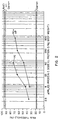
- Fig. 2 is a graph depicting the anti-nociceptive effect in the rat paw model in a dose responsive manner to protein C and a reduced dose response in the presence of antibody HPC-4.
- Fig. 3 is a graph depicting the anti-nociceptive effect in the rat paw model in a dose responsive fashion to the activation peptide of protein C and a reduced dose response in the presence of antibody HPC-4.
- Fig. 4 is a graph depicting the effect of protein C on histamine-induced enhanced vascular permeability in guinea pigs.
- Fig. 5 is a graph depicting the effect of protein C on thrombin-induced enhanced vascular perineability in guinea pigs.
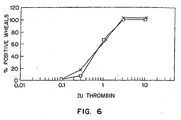
- Fig. 6 is a graph depicting the effects of formulation buffer on thrombin-induced enhanced vascular permeability in guinea pigs.
- Highly purified protein C was prepared from a crude protein C fraction obtained from commercially available prothrombin complex concentrate. The purification process was carried out using monoclonal antibody affinity chromatography. Monoclonal anti-protein C antibodies were produced in the following manner:
- mice were immunized with 100 ⁇ g human protein C by intraperitoneal injection at two-week intervals. After six weeks, another 50 ⁇ g of human protein C were injected and fusion was carried out three days later.
- the myeloma cell line (P3-X-63-AG8-653, 1.5 x 10 7 cells) was mixed with 1.7 x 10 8 mouse spleen cells and fused according to the modified method of Köhler & Milstein by using PG 1500 (Köhler G., Milstein C., Nature 256 (1975), 495-497).
- the immunoglobulin was purified from ascites by means of ammonia sulfate precipitation, subsequent chromatography on QAE-Sephadex and final chromatography on Sephadex G200. To reduce the risk of transmission of murine viruses, the antibody was subjected to a further virus inactivation step prior to immobilization, e.g., as disclosed in EP-B-0 159 311 or EP-A-0 519 901.
- the monoclonal antibodies thus obtained were coupled to CNBr-Sepharose 4B (Pharmacia).
- the following buffers were used for the purification of protein C by means of affinity chromatography:
- Absorption buffer 20 mmol Tris, 2 mmol EDTA, 0.25 mmol NaCl and 5 mmol benzamidine; Washing buffer: 20 mmol Iris, 1 mol NaCl, 2 mmol benzamidine, 2 mmol EDTA, pH 7.4; Elution buffer: 3 mol NaSCN, 20 mmol Tris, 1 mol NaCl, 0.5 mmol benzamidine, 2 mmol EDTA.
- the prothrombin complex concentrate was dissolved in the absorption buffer of Example 1, with about 10 g of the prothrombin complex concentrate being employed for a 20 ml monoclonal antibody column. Subsequently, the dissolved prothrombin complex concentrate was filtered, centrifuged at 20,000 r.p.m. for 15 min. and sterilely filtered through a 0.8 ⁇ m filter. The sterilely filtered and dissolved prothrombin complex concentrate was applied to the column at a flow rate of 10 ml/h.
- the column was washed free of protein with the washing buffer of Example 1, the bound protein C was eluted by means of the elution buffer of Example 1 at a flow rate of 5 ml/h and the fractions containing eluted protein C were collected and pooled.
- the eluted protein C was dialyzed against a buffer (0.2 mol/l Tris, 0.15 mol glycine and 1 mmol EDTA, pH 8.3). Protein C antigen concentration was determined using the method described by Laurell, and protein C activity was determined using Protac activation.
- the eluate was first subjected to ultrafiltration and diafiltration steps. Diafiltration was carried out with a buffer containing 150 mmol NaCl and 15 mmol trisodium citrate.2H 2 O per liter, at a pH of 7.4. The filtrate was then freeze-dried and virus inactivated by a one-hour vapor treatment at 80° ⁇ 5°C and at 1375 ⁇ 35 mbar.
- the lyophilized, virus inactivated material was then dissolved in a sterile isotonic NaCl solution and any antibodies or serum amyloid P potentially present in the preparation were eliminated by means of ion exchange chromatography on a Q-Sepharose column.
- the purified solution was concentrated by means of an additional ultrafiltration and diafiltration step. After this step, 10 g albumin, 150 mmol NaCl and 15 mmol trisodium citrate per liter were added to the solution obtained.
- the pH of the solution was 7.5. Neither murine immunoglobulin nor Factors II, VII, IX and X could be detected. Subsequently, the solution was sterilely filtered, filled in containers and lyophilized.
- the specific activity was 14 units protein C per mg.
- One unit of protein C activity is defined by the protein C activity in 1 ml normal plasma and is calibrated against the first international standard of protein C.
- An aminolytic assay was used as the activity test after activation of protein C by means of the snake venom Protac (purchased from Pentapharm).
- Activation of the purified protein C was effected by coupling 70 ml thrombin (500 NIH units/ml corresponding to approximately 2000 NIH units/mg protein) to CNBr-Sepharose 4B (Pharmacia), whereupon protein C was mixed with the thrombin gel at a ratio of about 6 units protein C to 1 unit thrombin at 37°C and allowed to react for 3 hours under continuous shaking.
- the protein C activity was then determined by means of chromogenic substrate (S 2366).
- the activated protein C subsequently was sterilely filtered and finished to a pharmaceutical preparation by filling into containers and lyophilization.
- the anti-nociceptive action was demonstrated using the inflamed rat paw model by determining the pain threshold induced by local carrageenan administration into the rat paw with and without the administration of protein C.
- the rat paw is a recognized model of the inflammatory process and may be utilized for studying the nociceptive effects attendant thereto. Id .
- the rat paw provides a recognized model for evaluating the anti-nociceptive effects of protein C and/or the activation peptide of protein C according to the present invention.
- the pain threshold was measured in a manner analogous to the method described by Randall and Selitto (Randall LO and Selitto JJ: A method for measurement of analgesic activity on inflamed tissue, Arch. Int. Pharmacodyn . 111, 409-419, 1957).
- a mercury manometer was connected to a 10 ml syringe whose plunger was equipped with a short bullet-shaped peg. Increasing pressure was applied to the rat's paw through this syringe (20 mmHg/s).
- the pain threshold was defined as the pressure in mmHg required to induce a flight (spitgle) reaction.
- the pain threshold was measured before (control value) and every hour up to six hours after the injection of carrageenan.
- the pain threshold measured after carrageenan injection was expressed in percent of the control value.
- protein C was intravenously injected into a vein of the tail immediately upon the carrageenan injection.
- the injection volume was 2 ml/kg.
- the results are schematically represented in Figure 1.
- the pain threshold (expressed in percent of the control value) is shown on the ordinate and the dose of protein C (in units per kg) is shown on a logarithmic scale on the abscissa.
- Lines (a) and (b) correspond to the pain thresholds that have been measured without and with the influence of carrageenan, respectively.
- Curve (c) shows that the pain threshold, which was reduced under the influence of carrageenan, is raised by the administration of protein C (anti-nociceptive effect). From curve (c), which covers the dose range from 8 U/kg (10 animals), 25 U/kg (15 animals), 80 U/kg (20 animals), 250 U/kg (20 animals) to 800 U/kg, it can be seen that protein C has a significant, dosedependent anti-nociceptive effect (p ⁇ 0.01 for 80 units/kg; p ⁇ 0.001 for 250 and 800 units/kg).
- This anti-nociceptive effect of protein C is also detectable with subcutaneous administration. Furthermore, it could be demonstrated that a preparation containing activated protein C and the activation peptide of protein C also exhibits a dosedependent anti-nociceptive effect.
- This antagonism is not limited to propranolol, however.
- other ⁇ -blocking agents antagonize the effect of protein C in a dosedependent manner as well. Effect of pindolol on protein C-induced anti-nociception Pain threshold n Carrageenan alone 22 ⁇ 1.3 % 10 Carrageenan + protein C (800 U/kg) 65 ⁇ 2.0 % 10 Carrageenan + protein C + pindolol (0.3 mg/kg) 24 ⁇ 2.0 % 5
- protein C After elimination of the sympathetic nervous tone by means of chemical sympathectomy with reserpine (7.5 mg/kg i.p., 18 to 24 hrs) and alpha-methyl-p-tyrosine (250 mg/kg i.p., 5 hrs), protein C still acts as a highly effective anti-nociceptive. But even in these sympathectomized animals, pindolol completely antagonizes the effect of protein C (Table 3). Thus, participation of the presynaptic sympathetic nervous system in the action of protein C may be excluded. Consequently, the action of protein C is due to a direct effect at postsynaptic ⁇ -adrenoceptors.
- protein C may be mimicked by ⁇ -sympathomimetic agents.
- fenoterol injected i.v., either 5 mg/kg at the beginning of the assay or 3 mg/kg at the 3 hr time point, results in a marked antinociceptive effect. It can thus be concluded that the stimulation of postsynaptic ⁇ -adrenoceptors produces an anti-nociceptive effect.
- cAMP activates protein phosphokinases, which, in turn, transform inactive enzymes into active ones by means of phosphorylation.
- lipolysis and glycogenolysis are augmented by ⁇ -sympathomimetic stimulation.
- protein C may be employed in the prevention of the formation of thrombocyte dependent blood clots, in particular in the arterial vascular system, by binding to platelet ⁇ -adrenoceptors.
- the ⁇ -adrenoceptor-stimulating effect of protein C results in a positive inotropic effect on the heart and in a relaxing effect on the smooth muscles (e.g., on the bronchioles).
- protein C may be used to treat peripheral vascular disease.
- Intracoronary administration of activated protein C in dogs has been shown to lead to an increase in coronary blood flow which is due to its vasodilating action. This vasodilating action of protein C may be useful in the treatment of hypertension.
- Anti-inflammatory properties may also be attributable to the ⁇ -sympathomimetic effect of protein C.
- the ⁇ -sympathomimetic action of protein C induces the inhibition of histamine release in the lungs. Due to the ⁇ -sympathomimetic effect of protein C, protein C may be used as a tocolytic agent.
- HPC-4 is a calcium dependent monoclonal antibody which specifically recognizes a dodeca-peptide sequence found in the activation region of protein C: NH 2 -Glu-Asp-Gln-Val-Asp-Pro-Arg-Leu-Ile-Asp-Gly-Lys-COOH (SEQ. ID. NO. 2).
- the antibody was deposited by its inventors with the American Type Culture Collection as accession No. HB-9892 on November 2, 1988 and it is available from ATCC. This antibody binds to the activation peptide of protein C (SEQ. ID. NO.
- HPC-4 does not bind to activated protein C and can prevent the activation of protein C by thrombin-thrombomodulin.
- an in vivo therapeutic use for HPC-4 has been disclosed in WO 94/02172, which provides that the antibody administered in vivo can block the activation of protein C.
- the results of the antagonistic effect of HPC-4 on the anti-nociceptive effect of protein C in experiments utilizing the rat paw model are shown in Figure 2.
- the administered dose of protein C in I.U. per kg body weight is plotted on the X-axis.
- the Y-axis gives pain threshold in (as above).
- the dose of protein C is given as a dot ( ⁇ ); the dose of protein C + HPC-4 is given as a rhombus ( ⁇ ).
- Each point represents the average of five carrageenan-treated animals.
- Sodium chloride controls no administered carrageenan
- the dose response curve of protein C is shifted to the right by a factor of about 9 when HPC-4 is administered with the protein C.
- HPC-4 prevents the anti-nociceptive effect only when free activation peptide (SEQ. ID. NO. 1) is added together with activated protein C.
- the bars at the bottom of the graph represent animals treated with carrageenan in the absence of protein C.
- the activation peptide of protein C having the amino acid sequence, NH 2 -Asp-Thr-Glu-Asp-Gln-Glu-Asp-Gln-Val-Asp-Pro-Arg-COOH was synthesized by solid phase synthesis according to the method of L.A. Carpino, J. Org. Chem. 37:3404 (1972), using the FMOC technique with 9-fluoren-methyloxy-carbonyl (FMOC) - groups and activation with benzotriazol-1-yl-oxy-tris-pyrrolidin-phosphonium hexafluorophosphate (according to J. Martinez et al., J. Med. Chem.
- the peptide chain was synthesized in a step by step fashion by means of a Milligen 9050 Pep-Synthesizer. Afterwards, the peptide was cleaved to remove the FMOC group and purified using reversed phase chromatography on Nukleosil 115 C18 (5 ⁇ ) and eluted with an acetonitrile/water gradient from 0 to 70% acetonitrile, in 30 minutes. The eluent contained 0.1 % trifluoroacetic acid; the flow rate amounted to 1.5 ml per min. The fractions containing the activation peptide were pooled and dried.
- Peptides having the amino acid sequence of ⁇ -endorphin (NH 2 -Tyr-Gly-Gly-Phe-Met-Thr-Ser-Glu-Lys-Ser-Gln-Thr-Pro-Leu-Val-Thr-Leu-Phe-Lys-Asn-Ala-Ile-Ile-Lys-Asn-Ala-Tyr-Lys-Lys-Gly-Glu-COOH) (SEQ. ID. NO. 3), Met-enkephalin (NH 2 -Tyr-Gly-Gly-Phe-Met-COOH) (SEQ. ID. NO.
- a mixture of 50 mol% 1,2-di-palmitoyl-sn-glycero-3-phosphocholin, 20 mol% 1,2-di-palmitoyl-sn-glycero-3-phosphoglycerol, and 30 mol% cholesterol was dissolved in chloroform.
- the lipid concentration amounted to 10 mg/ml.
- the solvent was removed by means of rotary evaporation under reduced pressure at a temperature of 30°C. Following the complete removal of the solvent, the vacuum was held for 30 minutes at 30 mbar, and further 6 hours at 0.1 mbar.
- the resulting phospholipid film was hydratized at room temperature by addition of buffer (20 mM Tris, 150 mM NaCl, pH 7.4).
- the phospholipid suspension thus obtained was combined with a peptide (e.g. , SEQ. ID. NO. 1 or SEQ. ID. NO. 1 admixed with or fused to SEQ. ID. NOS. 3-5) to prepare a mixture containing 0.1 mg peptide and 1.0 mg lipid.
- the mixture was lyophilized.
- the lyophilisate was again suspended in water in order to form a dispersion of multilamellar vesicles. This dispersion was extruded through two overlayed 100 nm polycarbonate filters by means of a 10 ml-Thermo Barrel Extruder, Lipex Biomembranes Inc., Vancouver, Canada.
- the extruded solution contained liposomes including peptide, and free peptide.
- Free peptide was removed by chromatography on Superose® 6 HR 10/30 (Pharmacia), using a buffer containing 20 mM Tris-HCl, 150 mM NaCl, pH 7.4.
- the fractions obtained in the void volume contained the peptide containing liposomes, and were pooled and lyophilized.
- a microencapsulated peptide preparation for in vivo use was dispersed in 0.9% (w/v) NaCl solution.
- Such a preparation contains about 1-1000 ⁇ g phospholipid and about 1-1000 ⁇ g peptide.
- Preferably microencapsulated peptide preparations for in vivo application contain about 10-1000 ⁇ g phospholipids together with about 1-100 ⁇ g peptide.
- the ratio of peptide to lipid ranges from about 1:100 to 1:1 (w/w), with the preferred ratio being in the range of about 1:100 to 1:5 (w/w).
- the anti-nociceptive effects of the activation peptide of protein C (SEQ. ID. NO. 1) prepared as described in Example 7 were determined essentially as described in Examples 4 and 6.
- the peptide was administered i.v. to rats in a concentration of between 3.125 ⁇ g/kg and 50 ⁇ g/kg, each, in a constant injection volume of 2 ml/kg, simultaneously with intraplantar (i.pl.) administration of carrageenan into the rat's paw to induce an inflammatory response and pain.
- antibody HPC-4 (1 mg/kg) was administered i.v. immediately following i.v. administration of the peptide (SEQ. ID. NO. 1).
- the anti-nociceptive effects of the peptide (SEQ. ID. NO. 1) administration and antagonism thereof by antibody HPC-4 as measured 6 hours later are shown in Figure 3.
- the animals receiving only the peptide are represented by ( ⁇ ) and those receiving the peptide (SEQ. ID. NO. 1) and HPC-4 are represented by ( ⁇ ).
- the X-axis provides the amount of the peptide (SEQ. ID. NO. 1) administered in ⁇ g/kg.
- the Y-axis provides the pain threshold in %.
- test groups were as follows:
- activation peptide of protein C (SEQ. ID. NO. 1) has an antinociceptive effect, which is antagonized by antibody HPC-4.
- Examples 4 and 5 show that the pain threshold of the rat was raised when protein C was administered to the animal intravenously, indicating that the animals became less susceptible to pain induced by intraplantar injection of carrageenan. Moreover, when protein C was administered to the animals, signs of inflammation, such as oedema, were reduced.
- Examples 5 showed that the antinociceptive and anti-inflammatory effects of protein C are nearly eliminated by antagonists, such as pindolol or propanolol, which are both ⁇ -adrenoceptor blocking drugs.
- antagonists such as pindolol or propanolol
- the effects of protein C were mimicked by the ⁇ -sympathomimetic agent Fenoterol.
- protein C appears to mediate stimulation of ⁇ -adrenoceptors in vivo, indicating another use as an antihypertensive therapy by inducing peripheral vasal dilatation or therapy of asthma by dilatation of smooth muscles of the bronchi.
- protein C may be useful in inducing positive inotropic and chronotropic effects on the heart.
- anesthetized guinea pigs received either a protein C concentrate or a formulation buffer. Thereafter, the test animals were treated with histamine or thrombin intracutaneously to induce enhanced vessel permeability, or with saline as a control. The animals were then examined visually for the occurrence of discoloration of the resulting wheals. The results are depicted in Figure 4 (histamine treatment, protein C or saline), Figure 5 (thrombin treatment, protein C or saline) and Figure 6 (thrombin treatment, buffer or saline).
Landscapes
- Health & Medical Sciences (AREA)
- Chemical & Material Sciences (AREA)
- Life Sciences & Earth Sciences (AREA)
- Organic Chemistry (AREA)
- Engineering & Computer Science (AREA)
- General Health & Medical Sciences (AREA)
- Bioinformatics & Cheminformatics (AREA)
- Genetics & Genomics (AREA)
- Zoology (AREA)
- Medicinal Chemistry (AREA)
- Biochemistry (AREA)
- Wood Science & Technology (AREA)
- Biomedical Technology (AREA)
- Pharmacology & Pharmacy (AREA)
- Proteomics, Peptides & Aminoacids (AREA)
- Molecular Biology (AREA)
- General Engineering & Computer Science (AREA)
- Immunology (AREA)
- Veterinary Medicine (AREA)
- Animal Behavior & Ethology (AREA)
- Public Health (AREA)
- General Chemical & Material Sciences (AREA)
- Biotechnology (AREA)
- Nuclear Medicine, Radiotherapy & Molecular Imaging (AREA)
- Chemical Kinetics & Catalysis (AREA)
- Epidemiology (AREA)
- Biophysics (AREA)
- Gastroenterology & Hepatology (AREA)
- Microbiology (AREA)
- Pain & Pain Management (AREA)
- Neurology (AREA)
- Neurosurgery (AREA)
- Rheumatology (AREA)
- Medicines That Contain Protein Lipid Enzymes And Other Medicines (AREA)
- Peptides Or Proteins (AREA)
- Medicinal Preparation (AREA)
Claims (14)
- Verwendung des Aktivierungs-Peptids von Protein C zur Herstellung einer Zusammensetzung zur Behandlung und Prophylaxe von Schmerzen.
- Verwendung nach Anspruch 1, wobei der Schmerz das Ergebnis einer entzündlichen Reaktion ist.
- Verwendung des Aktivierungs-Peptids von Protein C zur Herstellung einer Zusammensetzung zur Behandlung und Prophylaxe einer Entzündung.
- Zusammensetzung zur Behandlung und Prophylaxe von Schmerzen, die das Ergebnis einer entzündlichen Reaktion sind, welche Zusammensetzung das Aktivierungs-Peptid von Protein C in Mischung mit einem physiologisch akzeptablen Träger umfasst.
- Zusammensetzung zur Behandlung und Prophylaxe eines endzündlichen Prozesses, welche das Aktivierungs-Peptid von Protein C umfasst.
- Zusammensetzung nach Anspruch 4 oder 5, welche weiters mindestens eines von Protein C oder aktiviertem Protein C umfasst.
- zusammensetzung nach einem der Ansprüche 4 bis 6, welche weiters mindestens ein Antiphlogistikum und/oder Analgetikum umfasst.
- Zusammensetzung nach einem der Ansprüche 4 bis 7, wobei das Aktivierungs-Peptid in einem Liposom eingekapselt ist.
- Zusammensetzung nach Anspruch 8, wobei das Verhältnis von Peptid zu Lipid im Bereich von 1:100 bis 1:1 (Gew./Gew.), vorzugswesie im Bereich von 1:100 bis 1:5 (Gew./Gew.), liegt.
- Zusammensetzung nach einem der Ansprüche 4 bis 9, welche weiters ein Peptid vom β-Endorphin-Typ aufweist.
- Zusammensetzung nach Anspruch 10, welche Met-Enkephalin enthält.
- Zusammensetzung nach Anspruch 10, welche Leu-Enkephalin enthält.
- Pharmazeutische Zusammensetzung, welche das Aktivierungs-Peptid von Protein C umfasst.
- Aktivierungs-Peptid von Protein C als Medikament.
Applications Claiming Priority (3)
| Application Number | Priority Date | Filing Date | Title |
|---|---|---|---|
| US375777 | 1995-01-20 | ||
| US08/375,777 US5571786A (en) | 1990-08-16 | 1995-01-20 | Use of protein C or the activation peptide of protein C for preparing a pharmaceutical preparation |
| PCT/EP1996/000126 WO1996022108A1 (en) | 1995-01-20 | 1996-01-12 | The use of activated protein c for preparing a pharmaceutical preparation |
Publications (2)
| Publication Number | Publication Date |
|---|---|
| EP0804228A1 EP0804228A1 (de) | 1997-11-05 |
| EP0804228B1 true EP0804228B1 (de) | 2002-06-05 |
Family
ID=23482293
Family Applications (1)
| Application Number | Title | Priority Date | Filing Date |
|---|---|---|---|
| EP96901265A Expired - Lifetime EP0804228B1 (de) | 1995-01-20 | 1996-01-12 | Medikament welches Protein C aktivierendes Peptid enthält |
Country Status (9)
| Country | Link |
|---|---|
| US (1) | US5571786A (de) |
| EP (1) | EP0804228B1 (de) |
| JP (1) | JP3330953B2 (de) |
| AT (2) | AT409822B (de) |
| CA (1) | CA2209931A1 (de) |
| DE (1) | DE69621591T2 (de) |
| DK (1) | DK0804228T3 (de) |
| ES (1) | ES2177755T3 (de) |
| WO (1) | WO1996022108A1 (de) |
Cited By (1)
| Publication number | Priority date | Publication date | Assignee | Title |
|---|---|---|---|---|
| US8507651B2 (en) | 2002-11-27 | 2013-08-13 | Dmi Acquisition Corp. | Treatment of diseases and conditions mediated by increased phosphorylation |
Families Citing this family (11)
| Publication number | Priority date | Publication date | Assignee | Title |
|---|---|---|---|---|
| JP2001526533A (ja) | 1997-04-23 | 2001-12-18 | フラームス・インテルウニフェルシタイル・インスティチュート・フォール・ビオテヒノロヒー | λ様プロモーターを有する遺伝子の誘導性発現のための調節系 |
| US6953568B1 (en) * | 1998-08-25 | 2005-10-11 | Oklahoma Medical Research Foundation | Targeting of molecules to large vessel endothelium using EPCR |
| CA2358492A1 (en) * | 1998-12-21 | 2000-06-29 | Eli Lilly And Company | Combination therapy for the treatment of sepsis |
| EP1353702A2 (de) * | 2000-05-22 | 2003-10-22 | The Johns Hopkins University | Genmanipulation der gefässtransplantat zur resistenz gegen erkrankungen |
| ATE550073T1 (de) * | 2001-06-13 | 2012-04-15 | Univ Sydney | Protein c für die wundheilung |
| EP1417055A4 (de) * | 2001-07-19 | 2007-09-26 | Dmi Biosciences Inc | Verwendung von kupferchelatoren zur verhinderung der inaktivierung von protein c |
| DK2857037T3 (da) | 2012-05-31 | 2019-07-22 | Univ Kinki | Middel til forebyggelse og/eller behandling af perifere neuropatiske smerter forårsaget af anticancerlægemiddel |
| JP6273272B2 (ja) | 2012-07-04 | 2018-01-31 | ジージー バイオテック エルエルシー | 炎症性皮膚障害の治療 |
| ES2890623T3 (es) | 2014-04-16 | 2022-01-20 | Zz Biotech Llc | Uso del análogo de APC para curar heridas |
| DK3137102T3 (da) | 2014-04-16 | 2021-10-11 | Zz Biotech Llc | Apc til anvendelse til behandling af unormal kutan ardannelse |
| CA3112679A1 (en) | 2018-09-28 | 2020-04-02 | Asahi Kasei Pharma Corporation | Medicament for mitigating conditions and/or suppressing onset of peripheral neuropathy induced by anti-malignant tumor agent |
Family Cites Families (14)
| Publication number | Priority date | Publication date | Assignee | Title |
|---|---|---|---|---|
| HU185926B (en) * | 1979-09-27 | 1985-04-28 | Agostne Kahan | Process for preparing water soluble derivatives of non-steroid antiinflammatory compositions and pharmaceutical compositins containing such derivatives |
| GB8319538D0 (en) * | 1983-07-20 | 1983-08-24 | Beecham Group Plc | Compounds |
| US4658830A (en) * | 1984-08-08 | 1987-04-21 | Survival Technology, Inc. | Method and apparatus for initiating reperfusion treatment by an unattended individual undergoing heart attack symptoms |
| US4902614A (en) * | 1984-12-03 | 1990-02-20 | Teijin Limited | Monoclonal antibody to human protein C |
| US4775624A (en) * | 1985-02-08 | 1988-10-04 | Eli Lilly And Company | Vectors and compounds for expression of human protein C |
| US4849403A (en) * | 1985-05-29 | 1989-07-18 | Pentapharm Ag | Protein C activator, methods of preparation and use thereof |
| US4908314A (en) * | 1987-07-02 | 1990-03-13 | American National Red Cross | Protein C activator |
| US5084274A (en) * | 1987-11-17 | 1992-01-28 | Scripps Clinic And Research Foundation | Inhibition of arterial thrombotic occlusion or thromboembolism |
| US5009889A (en) * | 1987-12-31 | 1991-04-23 | Oklahoma Medical Research Foundation | Treatment of dysfunctional vascular endothelium using activated protein C |
| JP2739050B2 (ja) * | 1988-01-28 | 1998-04-08 | ヘキスト薬品工業株式会社 | 抗血液凝固剤 |
| DE3804600A1 (de) * | 1988-02-13 | 1989-08-24 | Basf Ag | Mischung aus einer thrombolytisch wirkenden und einer antithrombotischen substanz |
| US5093117A (en) * | 1989-01-24 | 1992-03-03 | Baxter International Inc. | Compositions and method for the treatment or prophylaxis of sepsis or septic shock |
| JP2774156B2 (ja) * | 1989-09-05 | 1998-07-09 | 帝人株式会社 | ヒトプロテインcおよび/または活性化ヒトプロテインc様活性を有する蛋白 |
| AT402260B (de) * | 1990-08-16 | 1997-03-25 | Immuno Ag | Protein c-hältige pharmazeutische präparation |
-
1995
- 1995-01-20 US US08/375,777 patent/US5571786A/en not_active Expired - Fee Related
-
1996
- 1996-01-12 EP EP96901265A patent/EP0804228B1/de not_active Expired - Lifetime
- 1996-01-12 WO PCT/EP1996/000126 patent/WO1996022108A1/en not_active Ceased
- 1996-01-12 CA CA002209931A patent/CA2209931A1/en not_active Abandoned
- 1996-01-12 DK DK96901265T patent/DK0804228T3/da active
- 1996-01-12 DE DE69621591T patent/DE69621591T2/de not_active Expired - Fee Related
- 1996-01-12 AT AT0901196A patent/AT409822B/de not_active IP Right Cessation
- 1996-01-12 JP JP52188996A patent/JP3330953B2/ja not_active Expired - Fee Related
- 1996-01-12 AT AT96901265T patent/ATE218368T1/de not_active IP Right Cessation
- 1996-01-12 ES ES96901265T patent/ES2177755T3/es not_active Expired - Lifetime
Cited By (1)
| Publication number | Priority date | Publication date | Assignee | Title |
|---|---|---|---|---|
| US8507651B2 (en) | 2002-11-27 | 2013-08-13 | Dmi Acquisition Corp. | Treatment of diseases and conditions mediated by increased phosphorylation |
Also Published As
| Publication number | Publication date |
|---|---|
| ATE218368T1 (de) | 2002-06-15 |
| WO1996022108A1 (en) | 1996-07-25 |
| ES2177755T3 (es) | 2002-12-16 |
| EP0804228A1 (de) | 1997-11-05 |
| JP3330953B2 (ja) | 2002-10-07 |
| DE69621591D1 (de) | 2002-07-11 |
| DE69621591T2 (de) | 2003-01-16 |
| JPH11502508A (ja) | 1999-03-02 |
| AT409822B (de) | 2002-11-25 |
| US5571786A (en) | 1996-11-05 |
| ATA901196A (de) | 2002-04-15 |
| DK0804228T3 (da) | 2002-09-23 |
| CA2209931A1 (en) | 1996-07-25 |
Similar Documents
| Publication | Publication Date | Title |
|---|---|---|
| AU763466B2 (en) | A pharmaceutical preparation for treating blood coagulation disorders | |
| AU630477B2 (en) | Factor xa based anticoagulant compositions | |
| US5571786A (en) | Use of protein C or the activation peptide of protein C for preparing a pharmaceutical preparation | |
| US5164196A (en) | Crotoxin complex as cytotoxic agent | |
| EP0317053B1 (de) | Trigramin, ein Polypeptid, das die Aggregation der Blutplättchen hemmt | |
| JPH06503474A (ja) | トロンビンおよび血小板活性化の二機能性阻害剤 | |
| JP4986618B2 (ja) | 通常の細胞保護活性を有するが抗凝固活性が低下した活性化プロテインc変異体 | |
| JP2764264B2 (ja) | 線溶活性増強剤 | |
| US7605226B2 (en) | Meltrins | |
| US5262178A (en) | Therapeutic use of enkephalinase | |
| US5814609A (en) | Compositions containing a disintegrin and methods for its use in preventing metastasis and other conditions | |
| WO1993003748A1 (en) | Modulation of blood pressure and inhibition of platelet activation with kininogen fragment | |
| JP2530770B2 (ja) | プロテインcおよび活性化プロテインcの新規用途 | |
| CA1317878C (en) | Method and therapeutic compositions for the treatment of bleeding disorders | |
| US20100247511A1 (en) | Methods and compositions for activated protein c with reduced anticoagulant properties | |
| TW200529870A (en) | Therapeutic use of factor XI | |
| US5403585A (en) | Therapeutic use of enkephalinase | |
| US7223730B2 (en) | Antithrombosis enzyme from the snake venom of agkistrodon acutus | |
| EP0272929B1 (de) | Enkephalinase für therapeutische Verwendung | |
| JPH09104637A (ja) | 過凝固または低線溶状態およびその類縁疾患の予防治療剤 | |
| EP0281579A1 (de) | Co-faktor für prourokinase | |
| PT788546E (pt) | Inibidores de serina-proteases e proteínas anti-coagulantes extraídos de nemátodos |
Legal Events
| Date | Code | Title | Description |
|---|---|---|---|
| PUAI | Public reference made under article 153(3) epc to a published international application that has entered the european phase |
Free format text: ORIGINAL CODE: 0009012 |
|
| 17P | Request for examination filed |
Effective date: 19970717 |
|
| AK | Designated contracting states |
Kind code of ref document: A1 Designated state(s): AT BE CH DE DK ES FR GB IT LI NL SE |
|
| RAP1 | Party data changed (applicant data changed or rights of an application transferred) |
Owner name: BAXTER AKTIENGESELLSCHAFT |
|
| RAP1 | Party data changed (applicant data changed or rights of an application transferred) |
Owner name: BAXTER AKTIENGESELLSCHAFT |
|
| RIC1 | Information provided on ipc code assigned before grant |
Free format text: 7A 61K 38/48 A, 7A 61P 29/00 B |
|
| RTI1 | Title (correction) |
Free format text: MEDICAMENT CONTAINING PROTEIN C ACTIVATION PEPTIDE |
|
| GRAG | Despatch of communication of intention to grant |
Free format text: ORIGINAL CODE: EPIDOS AGRA |
|
| RIC1 | Information provided on ipc code assigned before grant |
Free format text: 7A 61K 38/48 A, 7A 61P 29/00 B |
|
| RTI1 | Title (correction) |
Free format text: MEDICAMENT CONTAINING PROTEIN C ACTIVATION PEPTIDE |
|
| 17Q | First examination report despatched |
Effective date: 20010828 |
|
| GRAG | Despatch of communication of intention to grant |
Free format text: ORIGINAL CODE: EPIDOS AGRA |
|
| GRAH | Despatch of communication of intention to grant a patent |
Free format text: ORIGINAL CODE: EPIDOS IGRA |
|
| GRAH | Despatch of communication of intention to grant a patent |
Free format text: ORIGINAL CODE: EPIDOS IGRA |
|
| GRAA | (expected) grant |
Free format text: ORIGINAL CODE: 0009210 |
|
| AK | Designated contracting states |
Kind code of ref document: B1 Designated state(s): AT BE CH DE DK ES FR GB IT LI NL SE |
|
| REF | Corresponds to: |
Ref document number: 218368 Country of ref document: AT Date of ref document: 20020615 Kind code of ref document: T |
|
| REG | Reference to a national code |
Ref country code: GB Ref legal event code: FG4D |
|
| REG | Reference to a national code |
Ref country code: CH Ref legal event code: EP |
|
| REF | Corresponds to: |
Ref document number: 69621591 Country of ref document: DE Date of ref document: 20020711 |
|
| REG | Reference to a national code |
Ref country code: CH Ref legal event code: NV Representative=s name: KIRKER & CIE SA |
|
| REG | Reference to a national code |
Ref country code: DK Ref legal event code: T3 |
|
| ET | Fr: translation filed | ||
| REG | Reference to a national code |
Ref country code: ES Ref legal event code: FG2A Ref document number: 2177755 Country of ref document: ES Kind code of ref document: T3 |
|
| PLBE | No opposition filed within time limit |
Free format text: ORIGINAL CODE: 0009261 |
|
| STAA | Information on the status of an ep patent application or granted ep patent |
Free format text: STATUS: NO OPPOSITION FILED WITHIN TIME LIMIT |
|
| 26N | No opposition filed |
Effective date: 20030306 |
|
| PGFP | Annual fee paid to national office [announced via postgrant information from national office to epo] |
Ref country code: NL Payment date: 20031229 Year of fee payment: 9 |
|
| PGFP | Annual fee paid to national office [announced via postgrant information from national office to epo] |
Ref country code: AT Payment date: 20040102 Year of fee payment: 9 |
|
| PGFP | Annual fee paid to national office [announced via postgrant information from national office to epo] |
Ref country code: GB Payment date: 20040107 Year of fee payment: 9 |
|
| PGFP | Annual fee paid to national office [announced via postgrant information from national office to epo] |
Ref country code: SE Payment date: 20040122 Year of fee payment: 9 Ref country code: FR Payment date: 20040122 Year of fee payment: 9 |
|
| PGFP | Annual fee paid to national office [announced via postgrant information from national office to epo] |
Ref country code: CH Payment date: 20040126 Year of fee payment: 9 |
|
| PGFP | Annual fee paid to national office [announced via postgrant information from national office to epo] |
Ref country code: DK Payment date: 20040131 Year of fee payment: 9 |
|
| PGFP | Annual fee paid to national office [announced via postgrant information from national office to epo] |
Ref country code: ES Payment date: 20040212 Year of fee payment: 9 |
|
| PGFP | Annual fee paid to national office [announced via postgrant information from national office to epo] |
Ref country code: BE Payment date: 20040216 Year of fee payment: 9 |
|
| PGFP | Annual fee paid to national office [announced via postgrant information from national office to epo] |
Ref country code: DE Payment date: 20040301 Year of fee payment: 9 |
|
| PG25 | Lapsed in a contracting state [announced via postgrant information from national office to epo] |
Ref country code: IT Free format text: LAPSE BECAUSE OF NON-PAYMENT OF DUE FEES;WARNING: LAPSES OF ITALIAN PATENTS WITH EFFECTIVE DATE BEFORE 2007 MAY HAVE OCCURRED AT ANY TIME BEFORE 2007. THE CORRECT EFFECTIVE DATE MAY BE DIFFERENT FROM THE ONE RECORDED. Effective date: 20050112 Ref country code: GB Free format text: LAPSE BECAUSE OF NON-PAYMENT OF DUE FEES Effective date: 20050112 Ref country code: AT Free format text: LAPSE BECAUSE OF NON-PAYMENT OF DUE FEES Effective date: 20050112 |
|
| PG25 | Lapsed in a contracting state [announced via postgrant information from national office to epo] |
Ref country code: SE Free format text: LAPSE BECAUSE OF NON-PAYMENT OF DUE FEES Effective date: 20050113 Ref country code: ES Free format text: LAPSE BECAUSE OF NON-PAYMENT OF DUE FEES Effective date: 20050113 |
|
| PG25 | Lapsed in a contracting state [announced via postgrant information from national office to epo] |
Ref country code: LI Free format text: LAPSE BECAUSE OF NON-PAYMENT OF DUE FEES Effective date: 20050131 Ref country code: DK Free format text: LAPSE BECAUSE OF NON-PAYMENT OF DUE FEES Effective date: 20050131 Ref country code: CH Free format text: LAPSE BECAUSE OF NON-PAYMENT OF DUE FEES Effective date: 20050131 Ref country code: BE Free format text: LAPSE BECAUSE OF NON-PAYMENT OF DUE FEES Effective date: 20050131 |
|
| BERE | Be: lapsed |
Owner name: *BAXTER A.G. Effective date: 20050131 |
|
| PG25 | Lapsed in a contracting state [announced via postgrant information from national office to epo] |
Ref country code: NL Free format text: LAPSE BECAUSE OF NON-PAYMENT OF DUE FEES Effective date: 20050801 |
|
| PG25 | Lapsed in a contracting state [announced via postgrant information from national office to epo] |
Ref country code: DE Free format text: LAPSE BECAUSE OF NON-PAYMENT OF DUE FEES Effective date: 20050802 |
|
| EUG | Se: european patent has lapsed | ||
| GBPC | Gb: european patent ceased through non-payment of renewal fee |
Effective date: 20050112 |
|
| REG | Reference to a national code |
Ref country code: DK Ref legal event code: EBP |
|
| REG | Reference to a national code |
Ref country code: CH Ref legal event code: PL |
|
| PG25 | Lapsed in a contracting state [announced via postgrant information from national office to epo] |
Ref country code: FR Free format text: LAPSE BECAUSE OF NON-PAYMENT OF DUE FEES Effective date: 20050930 |
|
| NLV4 | Nl: lapsed or anulled due to non-payment of the annual fee |
Effective date: 20050801 |
|
| REG | Reference to a national code |
Ref country code: FR Ref legal event code: ST |
|
| REG | Reference to a national code |
Ref country code: ES Ref legal event code: FD2A Effective date: 20050113 |
|
| BERE | Be: lapsed |
Owner name: *BAXTER A.G. Effective date: 20050131 |