EP0708651B1 - Therapeutic agent - Google Patents
Therapeutic agent Download PDFInfo
- Publication number
- EP0708651B1 EP0708651B1 EP94918690A EP94918690A EP0708651B1 EP 0708651 B1 EP0708651 B1 EP 0708651B1 EP 94918690 A EP94918690 A EP 94918690A EP 94918690 A EP94918690 A EP 94918690A EP 0708651 B1 EP0708651 B1 EP 0708651B1
- Authority
- EP
- European Patent Office
- Prior art keywords
- pain
- extract
- weeks
- peak
- seed
- Prior art date
- Legal status (The legal status is an assumption and is not a legal conclusion. Google has not performed a legal analysis and makes no representation as to the accuracy of the status listed.)
- Expired - Lifetime
Links
Images
















Classifications
-
- A—HUMAN NECESSITIES
- A61—MEDICAL OR VETERINARY SCIENCE; HYGIENE
- A61K—PREPARATIONS FOR MEDICAL, DENTAL OR TOILETRY PURPOSES
- A61K36/00—Medicinal preparations of undetermined constitution containing material from algae, lichens, fungi or plants, or derivatives thereof, e.g. traditional herbal medicines
- A61K36/18—Magnoliophyta (angiosperms)
- A61K36/185—Magnoliopsida (dicotyledons)
- A61K36/23—Apiaceae or Umbelliferae (Carrot family), e.g. dill, chervil, coriander or cumin
-
- A—HUMAN NECESSITIES
- A61—MEDICAL OR VETERINARY SCIENCE; HYGIENE
- A61K—PREPARATIONS FOR MEDICAL, DENTAL OR TOILETRY PURPOSES
- A61K31/00—Medicinal preparations containing organic active ingredients
- A61K31/12—Ketones
-
- A—HUMAN NECESSITIES
- A61—MEDICAL OR VETERINARY SCIENCE; HYGIENE
- A61K—PREPARATIONS FOR MEDICAL, DENTAL OR TOILETRY PURPOSES
- A61K31/00—Medicinal preparations containing organic active ingredients
- A61K31/33—Heterocyclic compounds
- A61K31/335—Heterocyclic compounds having oxygen as the only ring hetero atom, e.g. fungichromin
- A61K31/34—Heterocyclic compounds having oxygen as the only ring hetero atom, e.g. fungichromin having five-membered rings with one oxygen as the only ring hetero atom, e.g. isosorbide
-
- A—HUMAN NECESSITIES
- A61—MEDICAL OR VETERINARY SCIENCE; HYGIENE
- A61K—PREPARATIONS FOR MEDICAL, DENTAL OR TOILETRY PURPOSES
- A61K31/00—Medicinal preparations containing organic active ingredients
- A61K31/33—Heterocyclic compounds
- A61K31/335—Heterocyclic compounds having oxygen as the only ring hetero atom, e.g. fungichromin
- A61K31/365—Lactones
-
- A—HUMAN NECESSITIES
- A61—MEDICAL OR VETERINARY SCIENCE; HYGIENE
- A61K—PREPARATIONS FOR MEDICAL, DENTAL OR TOILETRY PURPOSES
- A61K31/00—Medicinal preparations containing organic active ingredients
- A61K31/33—Heterocyclic compounds
- A61K31/395—Heterocyclic compounds having nitrogen as a ring hetero atom, e.g. guanethidine or rifamycins
- A61K31/40—Heterocyclic compounds having nitrogen as a ring hetero atom, e.g. guanethidine or rifamycins having five-membered rings with one nitrogen as the only ring hetero atom, e.g. sulpiride, succinimide, tolmetin, buflomedil
-
- A—HUMAN NECESSITIES
- A61—MEDICAL OR VETERINARY SCIENCE; HYGIENE
- A61P—SPECIFIC THERAPEUTIC ACTIVITY OF CHEMICAL COMPOUNDS OR MEDICINAL PREPARATIONS
- A61P29/00—Non-central analgesic, antipyretic or antiinflammatory agents, e.g. antirheumatic agents; Non-steroidal antiinflammatory drugs [NSAID]
Definitions
- THIS INVENTION relates to a therapeutic agent which may be used for the treatment of inflammatory complaints such as arthritis.
- Arthritis means joint inflammation and really refers to more than 100 rheumatic diseases in which one or more joints are inflamed.
- Rheumatic illnesses include not only arthritis, but illnesses in which there are aches and pains of the musculoskeletal system, joints, muscles, ligaments, tendons and bursae.
- Rheumatic syndromes can be classified as inflammatory or degenerative, but this is sometimes less distinct than the nomenclature implies. That is, a joint damaged by inflammatory disease is more vulnerable to degenerative factors, thus syndromes that appear to be degenerative may be associated with inflammation.
- rheumatic syndromes can virtually present manifestations of numerous types of illnesses.
- rheumatic illnesses can be associated with other diseases. This complexity therefore makes diagnosis difficult and its classification tentative (discussed in reference (1) of list of references attached hereto).
- Arthritis can be associated with infectious agents such as bacteria, fungi and viruses. Thus there is gonococcal arthritis, tuberculous arthritis, syphilitic arthritis, mycotic arthritis and viral arthritis. There is also polyarthritis and viral arthritis. There is also polyarthritis of unknown etiology in which there is prominent involvement of spinal articulations, sacroiliac joints and paravertebral soft tissues. There is neuropathic joint disease which is a progressive degenerative arthropathy classified under miscellaneous forms of arthritis which also includes chondrocalcinosis. Chondrocalcinosis is defined as the presence of calcium containing salts in cartilaginous structures of one or more joints. Because calcium salt crystals are found in joint fluid with attendant chronic synovitis, it has been referred to as pseudogout (1).
- Rheumatoid arthritis is a systemic disease of unknown cause, although it does lead to autoimmune expression.
- the clinical and pathologic findings and resultant disability are the result of chronic inflammation of synovial membranes.
- the inflamed and hyperplastic synovium contributes to cartilage destruction. It appears that the resident macrophage and fibroblast type cells in the synovium become activated and release mediators of an inflammatory response.
- rheumatoid arthritis appears to be exacerbated by an immunological stimulated influx of monocytes/macrophages and leucocytes into the synovial fluid.
- Osteoarthritis a degenerative joint disease of articular cartilage, probably begins in the second decade of life. It may be considered as a response to aging but can be accelerated by unknown causes. Whereas rheumatoid arthritis is initiated by an inflammatory response which can lead to the destruction of articular cartilage, osteoarthritis is initiated by the destruction of or lack of repair of articular cartilage. This can lead to an inflammatory joint response, but rarely do the pathologic features of inflammation mimic those of rheumatoid arthritis. In addition, subsequent to ulceration of cartilage, new bone formation occurs at the margin of articular cartilage. These marginal osteophytes are the characteristic boney "spars". Osseous changes also include cysts Of varying sizes beneath the joint and remodelling of subchondral bone (1).
- osteoarthritis syndrome such as calcific tendonitis and bursitis which results in the most common cause from calcium deposits in the rotor tendons and inflammation of the bursae which are closed synovial sacs located at sites of friction between skin, ligaments, tendons, muscles and bones.
- bursae closed synovial sacs located at sites of friction between skin, ligaments, tendons, muscles and bones.
- Gout represents a group of genetic diseases and acquired disorders of purine metabolism or excretion that may be identified by hyperuricemia (increase in blood uric acid). Therefore gout is an heterogenous collection of disorders, and different disease states leads to the common feature of persistent hyperuricemia. Also, hyperuricemia may occur following chemotherapy for malignancy disorders due to the destruction of tissue resulting in uric acid overload due to an increase in purines (1).
- Uric acid is not toxic in its soluble form, but causes problems when precipitated as sodium urate at pH 7.4 or as uric acid in acidic urine.
- the precipitation of uric acid as sodium urate may occur in any tissue and results in tophi with tissue disruption and destruction. Its precipitation in the kidney can result in varying degrees of renal impairment. Its precipitation as microcrystals in synovial tissues and spaces leads to acute inflammatory arthritis also known as gouty arthritis (1).
- Gout is therefore an inflammatory arthritis induced by urate crystals (monosodium urate crystals).
- MSUC monosodium urate crystals
- eicosanoids have been implicated which are important mediators of inflammatory responses, and are produced in response to MSUC (6).
- Elevated concentrations of eicosanoids are found in gouty synovial fluid (7, 8), prostaglandin (PGE2) which stimulates bone reabsorption (9) and hydroxyeicosatetrenoic acids are produced by synovial cells exposed to MSUC (10-14).
- PGE2 prostaglandin
- hydroxyeicosatetrenoic acids are produced by synovial cells exposed to MSUC (10-14).
- leukotriene B4 is present which stimulates neutrophil infiltration (15).
- references (19), (16), (24), (18), (25), (26), (17), (27), (4) and (5) which also discuss this subject.
- gout may also be problematic.
- the use of the anti-inflammatory agents, phenylbutazone or indomethacin can result in headaches and gastrointestinal symptoms (nausea, vomiting, abdominal pain and diarrhoea), but less than that experienced with colchicine which may also induce leucopoenia.
- Glucocorticoid or ACTH give variable responses and there is a high incidence of rebound effects (1).
- French patent No. 2611502 refers to an extract of roots from the plant family Umbelliferae which has diuretic, cardiovascular, analgesic and anti-inflammatory activity.
- the roots are extracted with an alcoholic solvent and dried to a powder or used as a preservative.
- German patent No. 3638484 refers to a plant extract from parsley in an aqueous or alcoholic medium for use as a medicinal anti-lice shampoo.
- Japanese patent JP1257155 refers to anti-oxidant food containing a powdered extract of a plant belonging to the Umbelliferae family.
- Japanese patents JP57056416 and 587058327 refer to mouthwash compositions containing an alcoholic extract of celery.
- Russian patent SU639552 refers to an alcoholic extract of parsley juice as an obstetric composition.
- Japanese patent specifications 63-90505 and 63-90506 which relate to a novel polysaccharide derived from rhizome of Bupleurum falcatum belonging to the Umbelliferae plant family and effective as a therapeutic agent in relation to autoimmune diseases such as arthrorheumatism, thyroiditis and chronic nephritis.
- Extracts from the seeds of the celery plant Apium graveolens have been asserted to have pharmacological properties. These range from carminative, diuretic, emmenagogic (an agent that facilitates menstrual discharge) and antiseptic effects. In addition such extracts have also been asserted to be useful in the treatment of bronchitis, asthma, liver and spleen disorders, inflammation, rheumatism, arthritis and gout (28, 29, 30). These therapeutic properties of the celery seed extracts are generally attributed to the essential oils in the extracts. These essential oils are in fact the volatile oils that constitute 1% - 2% vol/weight of seed, which can be obtained by steam distillation (31).
- the composition of the essential oils has been established by gas chromatography as described in McLeod et al (32) and Salzer (33).
- the main constituents of the oil are the terpene hydrocarbons limonene and ⁇ -selinene which together constitute about 80% of the total oil.
- the remainder is made up of other terpenes and compounds which give the characteristic odour of celery oil e.g. the butyl phthalides (31).
- Scientific data has demonstrated that both aqueous and 80% ethanol extracts of the celery stalk have anti-inflammatory properties as described in Lewis et al (34) and Al-Hindawi et al . (35).
- one method is to extract celery seed with 95% ethanol until all ethanol soluble celery components have been extracted. After filtration to remove particulate material, the soluble components are then used as the therapeutic agent based on the content of volatile oils.
- FR2611502 refers to a crude extract prepared from celery roots which comprises a powder mixed with a preservative such as starch or acacia gum having anti-inflammatory activity.
- celery oil includes other constituents such as dextrolimonene and sesquiterpenes as well as other components and it is not always possible to calculate a specific dosage response for patients to which celery oil has been administered as a therapeutic agent. Also, it is not possible to monitor the concentrations of individual components of celery oil when used as a therapeutic agent. The use of celery oil as a therapeutic agent also may cause undesirable side effects and is not always effective in use.
- An object of the invention is therefore to provide therapeutic agent(s) for the treatment of inflammatory diseases as well as diseases, illnesses or complaints caused by uric acid accumulation in the body which are effective in use.
- the therapeutic agent(s) of the invention may also be used for treatment of endometriosis, which refers to the growth of cells in the lining of the womb in the body cavity which causes an inflammatory response.
- the therapeutic agent of the invention is in the form of a celery seed concentrate which, upon HPLC analysis, has peaks A, B and C described herein in relation to Examples I-VI wherein peak A represents sedanolide, peak B represents butylphthalide and peak C represents sedanenolide.
- the composition contains no alcohol or water.
- component D there also may be present in the composition a fourth component which is referred to as component D in FIG. 3 herein.
- the celery seed concentrate of the invention may be prepared by a process which includes the steps of:
- the invention also includes within its scope celery seed extracts prepared in accordance with the abovementioned process.
- the varieties of suitable celery seed includes the French, Chinese and Indian species.
- the Indian variety of celery seed however is preferred.
- the celery seed is preferably crushed to a powder. This can be achieved by any one of a number of methods. For a relatively low mass of celery seed, a mortar and pestle is suitable for crushing.
- the plant material may be crushed or ground in a ball mill, plate mill or other suitable means for comminuting the plant material.
- the celery seed which may have an average dimension of 1.5 x 1.55 mm and a thickness of 0.5 mm may be comminuted to provide finely divided particles of an average diameter of 0.1 - 0.2 mm.
- the crushed seed may be suspended in a suitable solvent selected from a group comprising alcohol, acetone, methylene chloride, benzene, chloroform, glycols including propylene glycol, ether and appropriate organic oils.
- a suitable solvent selected from a group comprising alcohol, acetone, methylene chloride, benzene, chloroform, glycols including propylene glycol, ether and appropriate organic oils.
- the solvent is an alcohol.
- a preferable alcohol is ethanol.
- a suitable concentration of ethanol is 95% - 98% (v/v).
- the preferred ratio of seed to ethanol is 1 kg of seed in 16 litres of ethanol but the ratio may be as high as 1 kg of seed in 5 litres of ethanol.
- alcohol of 95 - 98% concentration it is more effective in the process of this invention to use absolute alcohol or alcohol redistilled from 95 - 98% concentration.
- the alcohol may have a preferred concentration of 99.99%.
- the suspension can be subjected to slow agitation until the extractable components in the celery seed have been fully extracted with the chosen solvent.
- the temperature of incubation may vary but the preferred temperature is room temperature. Higher incubation temperatures may be used.
- the incubation may occur in a closed system such as tanks of varying capacities.
- the incubation time may vary depending upon the celery seed condition but a preferable time may be up to eight days.
- Particulate plant material is subsequently removed.
- the particulate plant material is removed by filtration and/or sedimentation although centrifugation may also be used.
- the extract is filtered with filters of a pore size that have a range of from 0.2 to 10 microns and more suitably 4-5 microns. Two or more filters maybe used in series. The filtering process may be assisted by the application of positive pressure or the use of a vacuum.
- the extract with the particulate plant material removed may then be concentrated to remove solvent and water if present, leaving a residue of non-volatiles.
- Solvent may be distilled from the extract with the use of heat, vacuum and/or pressure. Where the solvent is ethanol, the temperature of distillation is variable but preferably 50 - 60°C.
- an initial extract may be prepared which is an alcoholic extract which is a 1 in 10 concentrate (e.g. 1 kg of alcoholic extract is prepared from 10 kg of seed).
- the alcoholic extract may be further concentrated under vacuum so that there is a 50% weight loss due to the removal of ethanol and water to provide a viscous liquid or concentrate.
- 10 kg of seed provides 0.5 kg of concentrate or a 1 in 20 concentrate.
- butylphthalide, sedanenolide and sedanolide in both cis and trans forms otherwise known as essential oils which are mainly derived from plants
- Such fatty acids comprise the n-6 series derived from linoleic acid and the n-3 series derived from ⁇ -linolenic acid as discussed in Horrobin and Manku pages 22 - 24 entitled "Clinical Biochemistry of EFA” located in Essential Fatty Acids Pathophysiology and Roles in Clinical Medicine (36).
- the ingestion or injection of the abovementioned compounds result in an elevation of the same or similar fatty acids in the blood resulting in a reduction of traumatic pain.
- Essential fatty acids are involved in the regulation of all body functions.
- the plant extract of the invention will suitably be marketed in the form of a powder which may be dried under vacuum and which may also contain dicalcium phosphate or other suitable fillers.
- a suitable composition for use in the invention may include 5 - 95% by weight of filler. More preferably the filler is included in said composition on a basis of at least 50% by weight and most preferably the filler is included in said composition of at least 75% by weight.
- such fillers may include silica, dextrans, glucose or other suitable carbohydrate.
- dicalcium phosphate may be preferred.
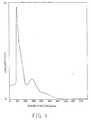
- Essential oils are soluble in alcohol and absorb in the U.V. region of 190 - 214 nm (37). Therefore in order to demonstrate the presence of essential oils in the alcohol extract U.V. spectrophotometry was carried out.
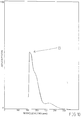
- Example I demonstrates that the maximum absorption of the extract in 80% alcohol (i.e. ethanol) is at 200 nm when diluted 25,000.
- Example II demonstrates the presence of three (3) major peaks of essential oils in the extract and their associated profile. The peaks are A, B and C.
- Example III describes preparative HPLC conditions for the isolation and purification of the essential oil peaks A, B and C.
- MS Mass Spectrophotometry
- NMR Nuclear Magnetic Resonance
- IR Infrared Spectrophotometry
- Example III from a known concentration of peak C (peaks A, B and C are similar) the concentration of the fatty acids/oils A, B and C and region D were calculated using the peak heights shown in Example VI.
- A 0.5 mg/ml
- B 7.5 mg/ml
- C 20.5 mg/ml 28.5 mg/ml
- the ratio of A, B, C, D is - 1:15:41:11
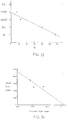
- FIG. 33 shows the extrapolation of the graph in terms of extract to be consumed to achieve zero pain.
- Extract was 34 mg/ml in 80% ethanol, 2 ml/day
- the minimum dose is that used in this study which is 68 mg/day of a 1 in 20 concentrate of a celery seed extract.
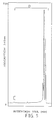
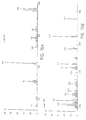
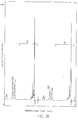
- H.P.L.C. was carried out in relation to the ethanol extract using a Waterman single pump and a C 18 analytical column.
- the buffer was 48% acetonitrile, 52% water, pH 7.0, flow rate 0.5 ml/min, chart speed 5mm/min, absorption 203 nm and a scale of 0.01 full deflection.
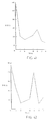
- FIG. 2 refers to 1 ⁇ l of the ethanol extract at a 1 in 10 dilution.
- the essential oil peaks of interest are A, B and C.
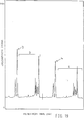
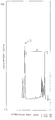
- FIGS. 3 - 5 We also attach FIGS. 3 - 5 to demonstrate the absorption range of the essential oils A, B and C.
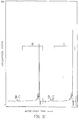
- FIG. 3 refers to 1 in 200 dilution of the ethanol extract showing a loss of peak A at 252 nm and a reduction in the size of peak B.
- FIG. 4 refers to a 1 in 50 dilution of the ethanol extract showing a loss of peak A and a reduction in peak B and C at 280 nm.
- FIG. 5 refers to a 1 in 50 dilution of the ethanol extract showing the loss of peaks A and B and almost the complete loss of peak C at 340 nm.
- the extract was diluted 1 in 10 with 48% acetonitrile and 52% water pH 7.0.
- the resultant black precipitate was then extracted 1 in 20 with hexane.
- the hexane was removed under vacuum in a rotary evaporator. This gives a green oil.
- This was then applied to a C 18 preparative HPLC column using 48% acetonitrile 52% water as buffer. Flow rate 5 ml/min Scale 0.4 full deflection Chart speed 5 mm/min Absorption 203 nm
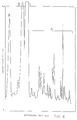
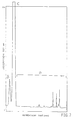
- FIG. 6 shows the first isolation of the 3 peaks A, B, C
- FIG. 7 shows the rechromatographed peak C
- FIG. 8 shows rechromatographed peak B.
- the three peaks (ABC) have been purified.
- the solutions of peaks A, B and C were then concentrated under reduced pressure in a rotary evaporator to dryness and weighed and redissolved in 80% ethanol for analytical HPLC as previously described in Example II.
- Example V relates to further molecular characterization of the peaks A, B and C previously described. This is shown in FIGS. 12 - 17. More particularly, FIGS. 12 - 17 represent the simultaneous characterization of a sample of peak A, peak B and peak C using Mass Spectrophotometry (MS). Nuclear Magnetic Resonance (NMR) and Infrared Spectrophotometry (IS).
- MS Mass Spectrophotometry
- NMR Nuclear Magnetic Resonance
- IS Infrared Spectrophotometry
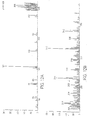
- FIG. 12 is a MS analysis of peak C. The butylphthalide structure is evident.
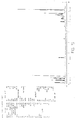
- FIG. 13 illustrates NMR of the same peak C, confirming the conclusions drawn from MS. This shows that approximately 70% sedanenolide and 30% n-butylphthalide are present.
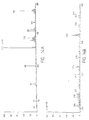
- FIG. 14 is a MS analysis of peak B. Again, the butylphthalide structure is evident. This is confirmed in FIG. 15, by the NMR of the same peak B, that shows n-butylphthalide is present.
- FIG. 16 is a MS analysis of peak A. This Shows that sedanolide is present. Further structural analysis using Infrared Spectrophotometry as shown in FIG. 17 confirms the conclusions derived from the MS.
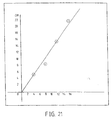
- FIGS. 18 - 21 demonstrate the linear relationship of the peak heights to volume of sample used.
- the sample was the ethanol extract diluted to give 34 mg/ml which was diluted 1 in 10 for HPLC analysis.
- peak 1 corresponds to 2 ⁇ l of the sample
- peak 2 corresponds to 1 ⁇ l of the sample
- peak 3 corresponds to 4 ⁇ l of the sample
- peak 4 corresponds to 3 ⁇ l of the sample
- peak 5 corresponds to 5 ⁇ l of the sample.
- Blood samples were taken at zero time and at various time intervals thereafter following the ingestion of the extract. Blood samples of 5.0 ml were taken by venipuncture into EDTA-coated tubes and centrifuged to obtain the plasma.
- the plasma was then diluted 1 in 2 with 80% ethanol to precipitate proteins and leave fatty acids in solution.
- a 0.1 ml aliquot of plasma was made up to 0.5 ml with 80% ethanol.
- 0.5 ml of 48% acetonitrile was added, giving a total dilution factor for the plasma of 20.
- 1.0 ⁇ l was taken for analysis.
- FIG. 22 Subject to zero time showing the presence of the three naturally occurring peaks in the plasma (A,B,C). After taking the ethanol extract (340 mg) the C peak was off scale, hence a 20 fold dilution had to be used.
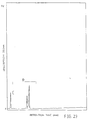
- FIG. 23 Subject 1 zero time 20 fold dilution of plasma. Peak C remains but peaks A and B are not detectable at this dilution.
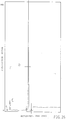
- FIG. 24 Subject 1 20 min after ingestion of the extract shows an 108% increase in peak C.
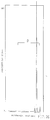
- FIG. 25 Subject 1 70 min after ingestion of the extract shows a 33% reduction in peak C.
- FIG. 26 Subject 1 3 hours after ingestion of extract shows the absence of peak C.
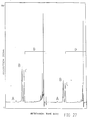
- FIG. 27 Subject 2 zero time and 35 min after ingestion of 136 mg of extract. Peak A has increased 50%, Peak B has increased 60% and Peak C has increased 62%.
- FIG. 28 Subject 3 zero time and 1.0 hours after ingestion of 136 mg of extract. Peak A has increased 50%, Peak B has increased 68% and Peak C has increased 85%.
- FIG. 29 Subject 4 zero time and 85 min after ingestion of extract. Only Peaks B and C are present which became reduced by 50%.
- FIG. 30 Subject 5 zero time and 3 hours after ingestion of the extract. Only peaks B and C are present which become reduced by 40%.
- the plasma peaks A, B and C are similar if not identical to those in the extract in terms of retention time on a C 18 column. Also the pure compounds in the extract and plasma FIG. 31, co-chromatographic FIG. 32.
- Rheumatism represents over 100 types of rheumatic illnesses and the syndromes can present manifestations of and/or be associated with other diseases. This complexity therefore makes the classification of rheumatic illness, its treatment and diagnosis difficult. Thus diagnosis has been considered as a variable, which has been controlled/allowed for by accepting volunteers into the study diagnosed by individual medical specialists and general medical practitioners and self diagnosis where proof was evident.
- the major common factor with rheumatic illness is pain from affected body areas. Therefore the standard McGill Pain Questionnaire was used, which is designed to provide quantitative measures of clinical pain, the pain rating index, that can be assessed statistically and for individual comparisons. In addition, the questionnaire was structured such that the same questions were asked in different ways in order to cross-check responses by statistical analysis.
- Efficacy is in essence a measure of a product's performance claims. Thus products may have a low to high efficacy. This means that for low efficacious products, where few subjects respond to treatment, large numbers of subjects are required for the study to define those who will receive the most benefit. With high efficacious products, few subjects are required to demonstrate efficacy.
- the volunteers were assessed as previously described and the procedure was repeated for another 3 weeks (total 6 weeks).
- the volunteers were then given a 6-week supply of the extract and a follow-up assessment was conducted at the end of this 6 weeks (total 12 weeks).
- the volunteers then stopped taking the ethanol extract, and if they wished to return to the study, they notified the field officer and the first part of the study (2x3 weeks) was repeated.
- the cohort is composed of 15 volunteers that in the majority of cases (93%) have been medically diagnosed as having arthritic or rheumatic pain, including osteoarthritis, osteoporosis or gout.
- the pain has been present for approximately 10 years in a remittent or continual form, and the majority (73%) of the volunteers have attempted to use various methods to achieve pain relief.
- the pain and lack of joint mobility has prevented the carrying out of household duties, hobbies and activities involved in employment.
- the general perception of pain by the volunteers is similar to that experienced with rheumatic/arthritic pain. This indicates that these volunteers have had experience of pain over a long duration.
- the current medication, if applicable, for each of the volunteers is shown in Table 1.
- the statistical analysis is biased against the efficacy of the ethanol extract in that volunteers without pain have not been considered.
- the ratio is 0.5. That is, the volunteers tolerate pain for an equal amount of time that it took to develop the pain. The lower the percentage of the present pain, relative to that of the original pain at the start-of the study, then the time delay in re-entering the study is greater than the time taken to develop that pain level.
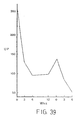
- FIG. 39 and Table 12 there is shown a graphical representation of usual pain of the eight volunteers from the first part of the study (0, 3, 6 and 12 weeks) and re-entry into the study (0, 3 and 6 weeks). This represents the statistical analysis of the McGill Pain Rating Index for usual pain.
- FIG. 40 and Table 13 there is shown a graphical representation of present pain of the eight volunteers from the first part of the study (0, 3, 6 and 12 weeks) and re-entry into the study (0, 3 and 6 weeks). This represents the statistical analysis of the McGill Pain Rating Index for present pain.
- FIG. 41 and Table 14 there is shown a graphical representation of usual body areas experiencing pain of the eight volunteers from the first part of the study (0, 3, 6 and 12 weeks) and re-entry into the study (0, 3 and 6 weeks). This represents the statistical analysis of the McGill Pain Rating Index for usual body areas experiencing pain.
- FIG. 42 and Table 15 there is shown a graphical representation of present body areas experiencing pain of the eight volunteers from the first part of the study (0, 3, 6 and 12 weeks) and re-entry into the study (0, 3 and 6 weeks). This represents the statistical analysis of the McGill Pain Rating Index for present body areas experiencing pain.
- the ethanol extract reduces pain on average between 45% - 68% within a range of 10% - 100%.
- the results demonstrate that the ethanol extract gives sustained pain relief since there was no breakthrough pain while taking the ethanol extract. This is further demonstrable by the return of pain on cessation of use of the extract and reduction of pain on return to use of the extract.
- the pattern of response and the correlation analysis demonstrates that further pain relief would be obtained, for those volunteers with residual pain, if they continue to take the ethanol extract after 12 weeks. Extrapolation indicates a total duration of 22 - 24 weeks would be required.
- the ethanol extract does not appear to have any affect on renal and hepatic functions or general blood biochemistry. Similarly there is no effect of the ethanol extract on haematological parameters.
Landscapes
- Health & Medical Sciences (AREA)
- Life Sciences & Earth Sciences (AREA)
- Pharmacology & Pharmacy (AREA)
- Chemical & Material Sciences (AREA)
- Veterinary Medicine (AREA)
- Public Health (AREA)
- General Health & Medical Sciences (AREA)
- Animal Behavior & Ethology (AREA)
- Medicinal Chemistry (AREA)
- Epidemiology (AREA)
- Natural Medicines & Medicinal Plants (AREA)
- Botany (AREA)
- Chemical Kinetics & Catalysis (AREA)
- Microbiology (AREA)
- Medical Informatics (AREA)
- Biotechnology (AREA)
- Alternative & Traditional Medicine (AREA)
- Engineering & Computer Science (AREA)
- Pain & Pain Management (AREA)
- Rheumatology (AREA)
- Mycology (AREA)
- General Chemical & Material Sciences (AREA)
- Nuclear Medicine, Radiotherapy & Molecular Imaging (AREA)
- Organic Chemistry (AREA)
- Pharmaceuticals Containing Other Organic And Inorganic Compounds (AREA)
- Medicines Containing Plant Substances (AREA)
- Acyclic And Carbocyclic Compounds In Medicinal Compositions (AREA)
- Organic Low-Molecular-Weight Compounds And Preparation Thereof (AREA)
- Compounds Of Unknown Constitution (AREA)
- Indole Compounds (AREA)
Applications Claiming Priority (4)
| Application Number | Priority Date | Filing Date | Title |
|---|---|---|---|
| AUPL9605/93 | 1993-06-25 | ||
| AUPL960593 | 1993-06-25 | ||
| AUPL960593 | 1993-06-25 | ||
| PCT/AU1994/000342 WO1995000157A1 (en) | 1993-06-25 | 1994-06-24 | Therapeutic agent |
Publications (3)
| Publication Number | Publication Date |
|---|---|
| EP0708651A1 EP0708651A1 (en) | 1996-05-01 |
| EP0708651A4 EP0708651A4 (en) | 1998-03-04 |
| EP0708651B1 true EP0708651B1 (en) | 1999-10-20 |
Family
ID=3777003
Family Applications (1)
| Application Number | Title | Priority Date | Filing Date |
|---|---|---|---|
| EP94918690A Expired - Lifetime EP0708651B1 (en) | 1993-06-25 | 1994-06-24 | Therapeutic agent |
Country Status (12)
| Country | Link |
|---|---|
| EP (1) | EP0708651B1 (it) |
| JP (1) | JPH09505024A (it) |
| CN (1) | CN1129908A (it) |
| AT (1) | ATE185698T1 (it) |
| CA (1) | CA2165794A1 (it) |
| DE (1) | DE69421280T2 (it) |
| ES (1) | ES2140541T3 (it) |
| IN (1) | IN178310B (it) |
| NZ (1) | NZ267567A (it) |
| PL (1) | PL176595B1 (it) |
| WO (1) | WO1995000157A1 (it) |
| ZA (1) | ZA944568B (it) |
Cited By (1)
| Publication number | Priority date | Publication date | Assignee | Title |
|---|---|---|---|---|
| CN102697772A (zh) * | 2012-05-08 | 2012-10-03 | 中国人民解放军第二军医大学 | 一种治疗痛风的药物组合物及其应用 |
Families Citing this family (17)
| Publication number | Priority date | Publication date | Assignee | Title |
|---|---|---|---|---|
| GB9821670D0 (en) * | 1998-10-05 | 1998-12-02 | Muhlbauer Roman C | Plant extracts for the treatment of increased bone resorption |
| AUPP797598A0 (en) * | 1998-12-30 | 1999-01-28 | Butters, Desley | Therapeutic agent |
| US6352728B1 (en) * | 1999-11-02 | 2002-03-05 | International Celery Development Alliance Pty. Ltd. | Extracts of celery seed for the prevention and treatment of pain, inflammation and gastrointestinal irritation |
| GB0211943D0 (en) * | 2002-05-23 | 2002-07-03 | Univ Sheffield | Anti-helicobacter activity of celery seed components |
| JP4804353B2 (ja) * | 2003-05-14 | 2011-11-02 | ディーエスエム アイピー アセッツ ビー.ブイ. | 糖尿病の治療及び予防のためのフタリド誘導体の使用 |
| EP1662906A1 (en) | 2003-09-23 | 2006-06-07 | DSM IP Assets B.V. | Compositions for the treatment and prevention of diabetes mellitus |
| CN1257711C (zh) | 2003-12-05 | 2006-05-31 | 石药集团中奇制药技术(石家庄)有限公司 | 丁苯酞软胶囊及其制备工艺 |
| ES2375302T3 (es) * | 2005-05-24 | 2012-02-28 | Dsm Ip Assets B.V. | Derivados de ligustilida para el tratamiento de trastornos inflamatorios. |
| KR20090078777A (ko) * | 2006-08-11 | 2009-07-20 | 디에스엠 아이피 어셋츠 비.브이. | 중추 신경계 질환의 치료를 위한 리구스틸라이드 유도체 |
| CN100569241C (zh) * | 2007-01-17 | 2009-12-16 | 北京天川军威医药技术开发有限公司 | 芹菜籽乙酸乙酯萃取物及其用途 |
| US8722338B2 (en) | 2009-03-11 | 2014-05-13 | The Johns Hopkins University | Modulation of ABCG2-mediated urate transport to treat hyperuricemia and gout |
| AU2010329604B2 (en) * | 2009-11-23 | 2016-05-19 | Bagi Research Limited | Novel therapeutic methods for treating inflammation and immune system disorders |
| JP5581120B2 (ja) * | 2010-06-07 | 2014-08-27 | 花王株式会社 | 電位依存性カチオンチャネル抑制剤 |
| CN103183654B (zh) * | 2013-01-30 | 2014-11-05 | 泰山医学院 | 芹菜籽活性单体的分离纯化制备工艺 |
| CN105535116A (zh) * | 2015-12-23 | 2016-05-04 | 辽宁科技学院 | 一种天然药物提取物及其制备方法 |
| CN110582480B (zh) | 2017-04-21 | 2023-11-10 | 塔斯马尼亚大学 | 治疗化合物和方法 |
| KR20210133463A (ko) * | 2020-04-29 | 2021-11-08 | 한국 한의학 연구원 | 시라 추출물을 유효성분으로 함유하는 골질환의 예방, 개선 또는 치료용 조성물 |
Family Cites Families (11)
| Publication number | Priority date | Publication date | Assignee | Title |
|---|---|---|---|---|
| FR2334368A1 (fr) * | 1975-12-10 | 1977-07-08 | Unilever Nv | Procede d'isolation, a partir des pepins de raisin, d'une substance a activite anti-inflammatoire, et composition pour la peau, contenant une telle substance |
| DE3040246C2 (de) * | 1979-10-29 | 1985-01-10 | Osaka Chemical Laboratory Co., Ltd., Osaka | Sojasaponine A↓1↓ und A↓2↓ und ihre Verwendung |
| DE3347658A1 (de) * | 1983-12-31 | 1985-07-11 | Troponwerke GmbH & Co KG, 5000 Köln | 1.4-naphthochinonderivate mit entzuendungshemmender wirkung |
| JPS61257155A (ja) * | 1985-05-10 | 1986-11-14 | Horiuchi:Kk | 抗酸化食品 |
| JPS63501288A (ja) * | 1985-09-20 | 1988-05-19 | ジ・アップジョン・カンパニ− | 1,4−ナフタレンジオ−ルおよび1,4−ヒドロキノン誘導体 |
| US4753935A (en) * | 1987-01-30 | 1988-06-28 | Syntex (U.S.A.) Inc. | Morpholinoethylesters of mycophenolic acid and pharmaceutical compositions |
| FR2611502B1 (fr) * | 1987-02-24 | 1990-03-09 | Natura Medica Laboratoires | Extrait de racines d'ombellifere obtenu par extraction hydroalcoolique, procede de preparation d'un tel extrait; et composition therapeutique, notamment a activite diuretique, cardiovasculaire, antalgique ou anti-inflammatoire comprenant un tel extrait |
| JPH02196767A (ja) * | 1988-10-11 | 1990-08-03 | Kyowa Hakko Kogyo Co Ltd | ヒドロキサム酸誘導体 |
| US5102883A (en) * | 1989-10-31 | 1992-04-07 | Du Pont Merck Pharmaceutical Company | Pyrimidine biosynthesis inhibitors useful as immunosuppressive agents |
| IT1242020B (it) * | 1990-11-20 | 1994-02-02 | Sigma Tau Ind Farmaceuti | Ftalidilidene derivati della carnitina e di alcanoil carnitine e composizioni farmaceutiche che li contengono. |
| AU653024B2 (en) * | 1991-05-30 | 1994-09-15 | Novartis Ag | Substituted diaminophthalimides and analogues |
-
1994
- 1994-06-24 IN IN492CA1994 patent/IN178310B/en unknown
- 1994-06-24 WO PCT/AU1994/000342 patent/WO1995000157A1/en not_active Ceased
- 1994-06-24 PL PL94312714A patent/PL176595B1/pl unknown
- 1994-06-24 CA CA002165794A patent/CA2165794A1/en not_active Abandoned
- 1994-06-24 EP EP94918690A patent/EP0708651B1/en not_active Expired - Lifetime
- 1994-06-24 ZA ZA944568A patent/ZA944568B/xx unknown
- 1994-06-24 JP JP6522513A patent/JPH09505024A/ja active Pending
- 1994-06-24 ES ES94918690T patent/ES2140541T3/es not_active Expired - Lifetime
- 1994-06-24 NZ NZ267567A patent/NZ267567A/en unknown
- 1994-06-24 DE DE69421280T patent/DE69421280T2/de not_active Expired - Fee Related
- 1994-06-24 CN CN94193176A patent/CN1129908A/zh active Pending
- 1994-06-24 AT AT94918690T patent/ATE185698T1/de not_active IP Right Cessation
Cited By (1)
| Publication number | Priority date | Publication date | Assignee | Title |
|---|---|---|---|---|
| CN102697772A (zh) * | 2012-05-08 | 2012-10-03 | 中国人民解放军第二军医大学 | 一种治疗痛风的药物组合物及其应用 |
Also Published As
| Publication number | Publication date |
|---|---|
| ZA944568B (en) | 1995-03-20 |
| JPH09505024A (ja) | 1997-05-20 |
| DE69421280T2 (de) | 2000-07-13 |
| IN178310B (it) | 1997-03-22 |
| PL312714A1 (en) | 1996-05-13 |
| PL176595B1 (pl) | 1999-06-30 |
| EP0708651A1 (en) | 1996-05-01 |
| ATE185698T1 (de) | 1999-11-15 |
| NZ267567A (en) | 1997-10-24 |
| CN1129908A (zh) | 1996-08-28 |
| DE69421280D1 (de) | 1999-11-25 |
| EP0708651A4 (en) | 1998-03-04 |
| WO1995000157A1 (en) | 1995-01-05 |
| CA2165794A1 (en) | 1995-01-05 |
| ES2140541T3 (es) | 2000-03-01 |
Similar Documents
| Publication | Publication Date | Title |
|---|---|---|
| EP0708651B1 (en) | Therapeutic agent | |
| Gupta et al. | Evaluation of anti-inflammatory effect of Withania somnifera root on collagen-induced arthritis in rats | |
| Ammon | Boswellic acids in chronic inflammatory diseases | |
| US5494668A (en) | Method of treating musculoskeletal disease and a novel composition therefor | |
| Nguyen et al. | Anti-hyperuricemic, anti-inflammatory and analgesic effects of Siegesbeckia orientalis L. resulting from the fraction with high phenolic content | |
| Kharazmi et al. | Rose hip inhibits chemotaxis and chemiluminescence of human peripheral blood neutrophils in vitro and reduces certain inflammatory parameters in vivo | |
| US8329748B2 (en) | Biologically active oils | |
| Kaur et al. | Pathophysiology, diagnosis, and herbal medicine-based therapeutic implication of rheumatoid arthritis: an overview | |
| CN116270623A (zh) | 一种预防和/或治疗高尿酸血症、痛风症的组合物及其应用 | |
| Kayani et al. | Medicinal plants and nonsteroidal anti-inflammatory drugs (NSAIDs) in treatment of arthritis: a literature review | |
| JP2011516457A (ja) | 疾患とその症状をcox−2阻害によって治療するためのマスリン酸の使用 | |
| Allen et al. | Hypolipidemic effects of modified psyllium preparations | |
| AU691815B2 (en) | Therapeutic agent | |
| Sanogo et al. | Antihepatotoxic properties of Entada africana (Mimosaceae) | |
| WO2012084978A1 (en) | (r)-2-(3-fluoro-4-phenylphenyl)propionic acid for use in the treatment of skin diseases | |
| Sheneni et al. | Anti-hyperlipidemic effect of Vitex doniana ethanol extract in poloxamer induced hyperlipidemia | |
| Fatima | Determination of pharmacological screening for anti-arthritic potential of Moringa oleifera in rats challenged with formalin | |
| EP3888669A1 (en) | Composition for preventing or treating metabolic bone diseases or menopausal symptoms | |
| US20090012014A1 (en) | Compound, Composition and a Process Thereof | |
| US20090304822A1 (en) | Extract of Polygonum multiflorum Thunb. ex Murray var. hypoleucum and compositions for improving metabolic syndrome | |
| JP4980626B2 (ja) | プラスミノーゲンアクチベーターインヒビターi阻害剤及びそれを配合してなる食品組成物 | |
| US20110207807A1 (en) | New use for homoisoflavone or a salt thereof | |
| Nasution et al. | Antihyperuricemia Effectiveness Test of Ethanol Extract of Kedondong Pagar Leaves (Lannea coromandelica (Houtt.) Merr.) Against Male White Rats (Ratus norvegicus) | |
| CN110063972A (zh) | 麝香保心丸或麝香保心丸提取物在制备治疗神经退行性疾病中的应用 | |
| Janvier et al. | The potential effect of aqueous extract of detarium microcarpum bark on certain metabolic disorders associated with an atherogenic diet in rats |
Legal Events
| Date | Code | Title | Description |
|---|---|---|---|
| PUAI | Public reference made under article 153(3) epc to a published international application that has entered the european phase |
Free format text: ORIGINAL CODE: 0009012 |
|
| 17P | Request for examination filed |
Effective date: 19951222 |
|
| AK | Designated contracting states |
Kind code of ref document: A1 Designated state(s): AT BE CH DE DK ES FR GB GR IT LI NL SE |
|
| A4 | Supplementary search report drawn up and despatched |
Effective date: 19980119 |
|
| AK | Designated contracting states |
Kind code of ref document: A4 Designated state(s): AT BE CH DE DK ES FR GB GR IT LI NL SE |
|
| 17Q | First examination report despatched |
Effective date: 19980303 |
|
| GRAG | Despatch of communication of intention to grant |
Free format text: ORIGINAL CODE: EPIDOS AGRA |
|
| GRAG | Despatch of communication of intention to grant |
Free format text: ORIGINAL CODE: EPIDOS AGRA |
|
| GRAH | Despatch of communication of intention to grant a patent |
Free format text: ORIGINAL CODE: EPIDOS IGRA |
|
| GRAH | Despatch of communication of intention to grant a patent |
Free format text: ORIGINAL CODE: EPIDOS IGRA |
|
| GRAA | (expected) grant |
Free format text: ORIGINAL CODE: 0009210 |
|
| AK | Designated contracting states |
Kind code of ref document: B1 Designated state(s): AT BE CH DE DK ES FR GB GR IT LI NL SE |
|
| PG25 | Lapsed in a contracting state [announced via postgrant information from national office to epo] |
Ref country code: SE Free format text: THE PATENT HAS BEEN ANNULLED BY A DECISION OF A NATIONAL AUTHORITY Effective date: 19991020 Ref country code: LI Free format text: LAPSE BECAUSE OF FAILURE TO SUBMIT A TRANSLATION OF THE DESCRIPTION OR TO PAY THE FEE WITHIN THE PRESCRIBED TIME-LIMIT Effective date: 19991020 Ref country code: GR Free format text: LAPSE BECAUSE OF NON-PAYMENT OF DUE FEES Effective date: 19991020 Ref country code: CH Free format text: LAPSE BECAUSE OF FAILURE TO SUBMIT A TRANSLATION OF THE DESCRIPTION OR TO PAY THE FEE WITHIN THE PRESCRIBED TIME-LIMIT Effective date: 19991020 Ref country code: BE Free format text: LAPSE BECAUSE OF FAILURE TO SUBMIT A TRANSLATION OF THE DESCRIPTION OR TO PAY THE FEE WITHIN THE PRESCRIBED TIME-LIMIT Effective date: 19991020 Ref country code: AT Free format text: LAPSE BECAUSE OF FAILURE TO SUBMIT A TRANSLATION OF THE DESCRIPTION OR TO PAY THE FEE WITHIN THE PRESCRIBED TIME-LIMIT Effective date: 19991020 |
|
| REF | Corresponds to: |
Ref document number: 185698 Country of ref document: AT Date of ref document: 19991115 Kind code of ref document: T |
|
| REG | Reference to a national code |
Ref country code: CH Ref legal event code: EP |
|
| REF | Corresponds to: |
Ref document number: 69421280 Country of ref document: DE Date of ref document: 19991125 |
|
| ITF | It: translation for a ep patent filed | ||
| PG25 | Lapsed in a contracting state [announced via postgrant information from national office to epo] |
Ref country code: DK Free format text: LAPSE BECAUSE OF FAILURE TO SUBMIT A TRANSLATION OF THE DESCRIPTION OR TO PAY THE FEE WITHIN THE PRESCRIBED TIME-LIMIT Effective date: 20000120 |
|
| ET | Fr: translation filed | ||
| REG | Reference to a national code |
Ref country code: ES Ref legal event code: FG2A Ref document number: 2140541 Country of ref document: ES Kind code of ref document: T3 |
|
| REG | Reference to a national code |
Ref country code: CH Ref legal event code: PL |
|
| PG25 | Lapsed in a contracting state [announced via postgrant information from national office to epo] |
Ref country code: GB Free format text: LAPSE BECAUSE OF NON-PAYMENT OF DUE FEES Effective date: 20000624 |
|
| PG25 | Lapsed in a contracting state [announced via postgrant information from national office to epo] |
Ref country code: ES Free format text: LAPSE BECAUSE OF NON-PAYMENT OF DUE FEES Effective date: 20000625 |
|
| PLBE | No opposition filed within time limit |
Free format text: ORIGINAL CODE: 0009261 |
|
| STAA | Information on the status of an ep patent application or granted ep patent |
Free format text: STATUS: NO OPPOSITION FILED WITHIN TIME LIMIT |
|
| 26N | No opposition filed | ||
| PG25 | Lapsed in a contracting state [announced via postgrant information from national office to epo] |
Ref country code: NL Free format text: LAPSE BECAUSE OF NON-PAYMENT OF DUE FEES Effective date: 20010101 |
|
| GBPC | Gb: european patent ceased through non-payment of renewal fee |
Effective date: 20000624 |
|
| NLV4 | Nl: lapsed or anulled due to non-payment of the annual fee |
Effective date: 20010101 |
|
| PG25 | Lapsed in a contracting state [announced via postgrant information from national office to epo] |
Ref country code: DE Free format text: LAPSE BECAUSE OF NON-PAYMENT OF DUE FEES Effective date: 20010403 |
|
| PG25 | Lapsed in a contracting state [announced via postgrant information from national office to epo] |
Ref country code: FR Free format text: LAPSE BECAUSE OF NON-PAYMENT OF DUE FEES Effective date: 20010831 |
|
| REG | Reference to a national code |
Ref country code: FR Ref legal event code: ST |
|
| PG25 | Lapsed in a contracting state [announced via postgrant information from national office to epo] |
Ref country code: IT Free format text: LAPSE BECAUSE OF NON-PAYMENT OF DUE FEES;WARNING: LAPSES OF ITALIAN PATENTS WITH EFFECTIVE DATE BEFORE 2007 MAY HAVE OCCURRED AT ANY TIME BEFORE 2007. THE CORRECT EFFECTIVE DATE MAY BE DIFFERENT FROM THE ONE RECORDED. Effective date: 20050624 |
|
| PG25 | Lapsed in a contracting state [announced via postgrant information from national office to epo] |
Ref country code: FR Free format text: LAPSE BECAUSE OF NON-PAYMENT OF DUE FEES Effective date: 20000630 |