EP0656789B1 - Method for treating a lfa-1-mediated disorder - Google Patents
Method for treating a lfa-1-mediated disorder Download PDFInfo
- Publication number
- EP0656789B1 EP0656789B1 EP93920241A EP93920241A EP0656789B1 EP 0656789 B1 EP0656789 B1 EP 0656789B1 EP 93920241 A EP93920241 A EP 93920241A EP 93920241 A EP93920241 A EP 93920241A EP 0656789 B1 EP0656789 B1 EP 0656789B1
- Authority
- EP
- European Patent Office
- Prior art keywords
- use according
- dosing
- antibody
- antagonist
- lfa
- Prior art date
- Legal status (The legal status is an assumption and is not a legal conclusion. Google has not performed a legal analysis and makes no representation as to the accuracy of the status listed.)
- Expired - Lifetime
Links
Images




Classifications
-
- C—CHEMISTRY; METALLURGY
- C07—ORGANIC CHEMISTRY
- C07K—PEPTIDES
- C07K16/00—Immunoglobulins [IG], e.g. monoclonal or polyclonal antibodies
- C07K16/18—Immunoglobulins [IG], e.g. monoclonal or polyclonal antibodies against material from animals or humans
- C07K16/28—Immunoglobulins [IG], e.g. monoclonal or polyclonal antibodies against material from animals or humans against receptors, cell surface antigens or cell surface determinants
- C07K16/2839—Immunoglobulins [IG], e.g. monoclonal or polyclonal antibodies against material from animals or humans against receptors, cell surface antigens or cell surface determinants against the integrin superfamily
- C07K16/2845—Immunoglobulins [IG], e.g. monoclonal or polyclonal antibodies against material from animals or humans against receptors, cell surface antigens or cell surface determinants against the integrin superfamily against integrin beta2-subunit-containing molecules, e.g. CD11, CD18
-
- A—HUMAN NECESSITIES
- A61—MEDICAL OR VETERINARY SCIENCE; HYGIENE
- A61K—PREPARATIONS FOR MEDICAL, DENTAL OR TOILETRY PURPOSES
- A61K39/00—Medicinal preparations containing antigens or antibodies
- A61K39/395—Antibodies; Immunoglobulins; Immune serum, e.g. antilymphocytic serum
-
- A—HUMAN NECESSITIES
- A61—MEDICAL OR VETERINARY SCIENCE; HYGIENE
- A61P—SPECIFIC THERAPEUTIC ACTIVITY OF CHEMICAL COMPOUNDS OR MEDICINAL PREPARATIONS
- A61P37/00—Drugs for immunological or allergic disorders
-
- A—HUMAN NECESSITIES
- A61—MEDICAL OR VETERINARY SCIENCE; HYGIENE
- A61P—SPECIFIC THERAPEUTIC ACTIVITY OF CHEMICAL COMPOUNDS OR MEDICINAL PREPARATIONS
- A61P37/00—Drugs for immunological or allergic disorders
- A61P37/02—Immunomodulators
- A61P37/06—Immunosuppressants, e.g. drugs for graft rejection
-
- A—HUMAN NECESSITIES
- A61—MEDICAL OR VETERINARY SCIENCE; HYGIENE
- A61K—PREPARATIONS FOR MEDICAL, DENTAL OR TOILETRY PURPOSES
- A61K38/00—Medicinal preparations containing peptides
Definitions
- This invention relates to a method for preparing a medicament for treating mammals, preferably humans, who suffer from unwanted immune responses.
- it relates to medicaments for ameliorating LFA-1-mediated disorders, such as those caused by transplanted grafts and immune diseases.
- RA Rheumatoid arthritis
- Current therapy for RA includes bed rest, application of heat, and drugs.
- Salicylate is the currently preferred drug, particularly as other alternatives such as immunosuppressive agents and adrenocorticosteroids can cause greater morbidity than the underlying disease itself.
- Nonsteroidal anti-inflammatory drugs are available, and many of them have effective analgesic, anti-pyretic and anti-inflammatory activity in RA patients.
- phenylbutazone phenylacetic acid derivatives such as ibuprofen and fenoprofen, naphthalene acetic acids (naproxen), pyrrolealkanoic acid (tometin), indoleacetic acids (sulindac), halogenated anthranilic acid (meclofenamate sodium), piroxicam, and diflunisal.
- Other drugs for use in RA include anti-malarials such as chloroquine, gold salts and penicillamine. These alternatives frequently produce severe side effects, including retinal lesions and kidney and bone marrow toxicity.
- Immunosuppressive agents such as methotrexate have been used only in the treatment of severe and unremitting RA because of their toxicity. Corticosteroids also are responsible for undesirable side effects (e.g., cataracts, osteoporosis, and Cushing's disease syndrome) and are not well tolerated in many RA patients.
- T lymphocytes Another disorder mediated by T lymphocytes is rejection of host or grafts after transplantation. Attempts to prolong the survival of transplanted allografts and xenografts, or to prevent graft versus host rejection, both in experimental models and in medical practice, have centered mainly on the suppression of the immune apparatus of the recipient.
- This treatment has as its aim preventive immunosuppression and/or treatment of graft rejection.
- agents used for preventive immunosuppression include cytotoxic drugs, anti-metabolites, corticosteroids, and anti-lymphocytic serum.
- Nonspecific immunosuppressive agents found particularly effective in preventive immunosuppression have significantly improved the clinical success of transplantation.
- the nephrotoxicity of cyclosporin A after renal transplantation has been reduced by co-administration of steroids such as prednisolone, or prednisolone in conjunction with azathioprine.
- kidneys have been grafted successfully using anti-lymphocyte globulin followed by cyclosporin A.
- Another protocol being evaluated is total lymphoid irradiation of the recipient prior to transplantation followed by minimal immunosuppression after transplantation.
- Treatment of rejection has involved use of steroids, 2-amino-6-aryl-5-substituted pyrimidines, heterologous anti-lymphocyte globulin, and monoclonal antibodies to various leukocyte populations, including OKT-3. See generally J. Pediatrics , 111 : 1004-1007 (1987), and specifically U.S. Pat. No. 4,665,077.
- immunosuppressive drugs The principal complication of immunosuppressive drugs is infections. Additionally, systemic immunosuppression is accompanied by undesirable toxic effects (e.g., nephrotoxicity when cyclosporin A is used after renal transplantation) and reduction in the level of the hematopoietic stem cells. Immunosuppressive drugs may also lead to obesity, poor wound healing, steroid hyperglycemia, steroid psychosis, leukopenia, gastrointestinal bleeding, lymphoma, and hypertension.
- transplantation immunologists have sought methods for suppressing immune responsiveness in an antigen-specific manner (so that only the response to the donor alloantigen would be lost).
- physicians specializing in autoimmune disease strive for methods to suppress autoimmune responsiveness so that only the response to the self-antigen is lost.
- Such specific immunosuppression generally has been achieved by modifying either the antigenicity of the tissue to be grafted or the specific cells capable of mediating rejection.
- whether immunity or tolerance will be induced depends on the manner in which the antigen is presented to the immune system. Pretreating the allograft tissues by growth in tissue culture before transplantation has been found in two murine model systems to lead to permanent acceptance across MHC barriers.
- the transplantation response may also be modified by antibodies directed at immune receptors for MHC antigens. Bluestone et al ., Immunol. Rev. 90 : 5-27 (1986). Further, graft survival can be prolonged in the presence of antigraft antibodies, which lead to a host reaction that in turn produces specific immunosuppression. Lancaster et al ., Nature , 315 : 336-337 (1985).
- the immune response of the host to MHC antigens may be modified specifically by using bone marrow transplantation as a preparative procedure for organ grafting. Thus, anti-T-cell monoclonal antibodies are used to deplete mature T cells from the donor marrow inoculum to allow bone marrow transplantation without incurring graft-versus-host disease.
- Lymphocyte adherence to endothelium is a key event in the process of inflammation.
- T cell immune recognition requires the contribution of the T cell receptor as well as adhesion receptors, which promote attachment of T cells to antigen-presenting cells and transduce regulatory signals for T cell activation.
- the lymphocyte function associated (LFA) antigen-1 (LFA-1, CD11a, ⁇ -chain/CD18, ⁇ -chain) has been identified as the major integrin receptor on lymphocytes involved in these cell adherence interactions leading to several pathological states.
- ICAM-1 the endothelial cell immunoglobulin-like adhesion molecule, is a known ligand for LFA-1 and is implicated directly in graft rejection, psoriasis, and arthritis.
- LFA-1 is required for a range of leukocyte functions, including lymphokine production of helper T cells in response to antigen-presenting cells, killer T cell-mediated target cell lysis, and immunoglobulin production through T cell-B cell interactions. Activation of antigen receptors on T cells and B cells allows LFA-1 to bind its ligand with higher affinity.
- LFA-1 Monoclonal antibodies directed against LFA-1 led to the initial identification and investigation of the function of LFA-1. Davumble et al ., J. Immunol. , 127 : 590 (1981). LFA-1 is present only on leukocytes [Krenskey et al ., J. Immunol. , 131 : 611 (1983)], and ICAM-1 is distributed on activated leukocytes, dermal fibroblasts, and endothelium. Dustin et al ., J. Immunol. , 137 : 245 (1986).
- anti-CD11a MAbs inhibit T-cell activation [Kuypers et al ., Res. Immunol. , 140 : 461 (1989)], T-cell-dependent B-cell proliferation and differentiation [Davignon et al ., supra ; Fischer et al ., J. Immunol. , 136 : 3198 (1986)], target cell lysis by cytotoxic T lymphocytes [Krensky et al ., supra], formation of immune conjugates [Sanders et al ., J. Immunol.
- an LFA-1 antagonist in the preparation of a medicament for treating a LFA-1-mediated disorder in a mammal comprising administering to the mammal an initial dosing of a therapeutically effective amount of an LFA-1 antagonist, followed by a subsequent intermittent dosing of a therapeutically effective amount of an LFA-1 antagonist that is less than 100%, calculated on a daily basis, of the initial dosing of LFA-1 antagonist, wherein the antagonist is administered to the mammal not more than once per week during the intermittent dosing whereby the mammal might have selective tolerance of the disorder.
- the LFA-1 antagonist is an anti-LFA-1 antibody, in particular anti-CD11a.
- transplantation method herein is applicable to both allografts and xenografts, and the use of xenografts overcomes the difficulties encountered by the limited supply of tissue from humans.
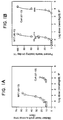
- Figures 1A and 1B illustrate the comparative efficacies and potencies, respectively, of treatment with M17 (anti-CD11a MAb, stars) and cyclosporin A (CsA, circles) days 1-13 for the prolongation of heterotopic (ear-pinnae), nonprimarily vascularized BALB/c heart graft survival in C3H mouse recipients.
- M17 anti-CD11a MAb, stars
- CsA cyclosporin A
- the Mann-Whitney U test was used to determine levels of statistical significance (corrected for small sample sizes) for the differences in survival times between groups. p>0.05 was considered not significant (NS).
- the open circles are 2 mg/kg of rat IgG2a isotype control 0-13 days daily
- the solid squares are 2 mg/kg of M17 0-13 days daily
- the solid circles are 2 mg/kg of M17 0-13 days every third day
- the triangles are 2mg/kg of M17 0-20 days daily, then weekly until day 98
- the stars are 8 mg/kg of M17 0-14 days daily, then 2 mg/kg biweekly until day 99.
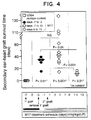
- Figure 4 shows the effect of different M17 treatment schedules on BALB/c ear-heart allograft survival in C3H recipient mice presensitized to BALB/c alloantigens.
- the squares are rat IgG2a isotype control, and the circles are M17, where solid is days -7 to -3, shaded is days -7 to 13, and open is days 0 to 13.
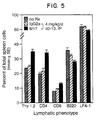
- Figure 5 shows the effect of treatment with M17 on relative proportions of spleen lymphocyte populations determined by flow cytometry.
- the open bars are no treatment, the shaded bars are treatment with rat IgG2a isotype control, and the solid bars are treatment with M17, where the treatment is 4 mg/kg/day from day 0 to day 13, i.p.
- Figure 6 shows the effect of in vivo treatment with M17 on the in vitro proliferative response of C3H spleen cells to ConA.
- the shaded portion of the graph of mean percent change in 3 H-TdR incorporation versus ConA concentration represents inhibition, while the unshaded portion represents activation.
- the p values are versus the control.
- Figure 7 shows the effect of treatment with M17 on the host versus graft popliteal lymph node (PLN) hyperplasia assay. The p values are versus the control.
- PPN graft popliteal lymph node
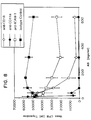
- Figure 8 shows the inhibitory effects of anti-CD18 (open circles), anti-CD11a (solid circles), anti-ICAM (open squares), and the isotype control (solid squares) on the human mixed lymphocyte response.
- Figure 9 shows the effect of control antibodies (solid bars), H52 (solid slashed bars), anti-CD11b (medium shaded bars), anti-CD11a (open slashed bars), anti-CD18 (open bars), and anti-gp120 (dark shaded bars) on cytotoxic T lymphocyte target cell killing.
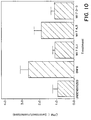
- Figure 10 shows the effect of M17 on contact sensitivity of mice to an immunogen, dinitrofluorobenzene.
- LFA-1-mediated disorders refers to pathological states caused by cell adherence interactions involving the LFA-1 receptor on lymphocytes.
- T cell inflammatory responses such as inflammatory skin diseases including psoriasis; responses associated with inflammatory bowel disease (such as Crohn's disease and ulcerative colitis); adult respiratory distress syndrome; dermatitis; meningitis; encephalitis; uveitic; allergic conditions such as eczema and asthma and other conditions involving infiltration of T cells and chronic inflammatory responses; skin hypersensitivity reactions (including poison ivy and poison oak); atherosclerosis; leukocyte adhesion deficiency; autoimmune diseases such as rheumatoid arthritis, systemic lupus erythematosus (SLE), diabetes mellitus, multiple sclerosis, Reynaud's syndrome, autoimmune thyroiditis, experimental autoimmune encephalomyelitis, Sjorgen's syndrome, juvenile onset diabetes, and immune responses associated with delayed hypersensitivity
- Treating such diseases includes therapy, prophylactic treatment, prevention of rejection of grafts, and induction of tolerance of grafts on a long-term basis.
- “Initial” dosing means dosing that is not the last dosing administered in the treatment and means dosing administered before and/or at the time that the disorder is first incurred (or first apparent or first diagnosed), e.g., the day when transplantation of a graft occurs, preferably at least at the time when the disorder is first incurred, apparent, or diagnosed.
- the initial dosing need not be a single dose, but it is not the last dose.
- “Subsequent” dosing is dosing that follows the initial dosing and includes the last dose administered for the treatment. This latter dosing is a maintenance dose ordinarily not sufficient alone to tolerate a second graft.
- graft refers to biological material derived from a donor for transplantation into a recipient. Grafts include such diverse material as, for example, isolated cells such as islet cells, tissue such as the amniotic membrane of a newborn, bone marrow, hematopoietic precursor cells, and organs such as skin, heart, liver, spleen, pancreas, thyroid lobe, lung, kidney, tubular organs (e.g., intestine, blood vessels, or esophagus), etc. The tubular organs can be used to replace damaged portions of esophagus, blood vessels, or bile duct.
- isolated cells such as islet cells
- tissue such as the amniotic membrane of a newborn, bone marrow
- hematopoietic precursor cells hematopoietic precursor cells
- organs such as skin, heart, liver, spleen, pancreas, thyroid lobe, lung, kidney, tubular organs (e.g., intestine, blood vessels
- the skin grafts can be used not only for burns, but also as a dressing to damaged intestine or to close certain defects such as diaphragmatic hernia.
- the graft is derived from any mammalian source, including human, whether from cadavers or living donors.
- the graft is bone marrow or an organ such as heart and the donor of the graft and the host are matched for HLA class II antigens.
- mammal refers to any animal classified as a mammal, including humans, domestic and farm animals, and zoo, sports, or pet animals, such as dogs, horses, cats, cows, etc.
- mammal herein is human.
- mammalian host refers to any compatible transplant recipient.
- compatible is meant a mammalian host that will accept the donated graft.
- the host is human. If both the donor of the graft and the host are human, they are preferably matched for HLA class II antigens so as to improve histocompatibility.
- donor refers to the mammalian species, dead or alive, from which the graft is derived.
- the donor is human.
- Human donors are preferably volunteer blood-related donors that are normal on physical examination and of the same major ABO blood group, because crossing major blood group barriers possibly prejudices survival of the allograft. It is, however, possible to transplant, for example, a kidney of a type O donor into an A, B or AB recipient.
- transplant refers to the insertion of a graft into a host, whether the transplantation is syngeneic (where the donor and recipient are genetically identical), allogeneic (where the donor and recipient are of different genetic origins but of the same species), or xenogeneic (where the donor and recipient are from different species).
- the host is human and the graft is an isograft, derived from a human of the same or different genetic origins.
- the graft is derived from a species different from that into which it is transplanted, such as a baboon heart transplanted into a human recipient host, and including animals from phylogenically widely separated species, for example, a pig heart valve, or animal beta islet cells or neuronal cells transplanted into a human host.
- a species different from that into which it is transplanted such as a baboon heart transplanted into a human recipient host, and including animals from phylogenically widely separated species, for example, a pig heart valve, or animal beta islet cells or neuronal cells transplanted into a human host.
- LFA-1 antagonist generally refers to an antibody directed against either CD11a or CD18 or both, but also includes ICAM-1, soluble forms of ICAM-1 (e.g., the ICAM-1 extracellular domain, alone or fused to an immunoglobulin sequence), antibodies to ICAM-1, and fragments thereof, or other molecules capable of inhibiting the interaction of LFA-1 and ICAM-1.
- anti-LFA-1 antibody or "anti-LFA-1 MAb” refers to an antibody directed against either CD11a or CD18 or both.
- the anti-CD11a antibodies include, e.g., MHM24 [Hildreth et al ., Eur. J. Immunol. , 13 : 202-208 (1983)], R3.1 (IgG1) [R. Rothlein, Boehringer Ingelheim Pharmaceuticals, Inc., Ridgefield, CT], 25-3 (or 25.3), an IgG1 available from Immunotech, France [Olive et al ., in Feldmann, ed., Human T cell Clones. A new Approach to Immune Regulation , Clifton, NJ, Humana, 1986 p.
- anti-CD18 antibodies examples include MHM23 [Hildreth et al ., supra], M18/2 (IgG2a) [Sanches-Madrid et al ., J. Exp. Med. , 158 : 586 (1983)], H52 [Fekete et al ., J. Clin. Lab Immunol. , 31 : 145-149 (1990)], Mas191c [Vermot Desroches et al ., supra ], IOT18 [Vermot Desroches et al ., supra], 60.3 [Taylor et al ., Clin. Exp. Immunol. , 71 : 324-328 (1988)], and 60.1 [Campana et al ., Eur. J. Immunol. , 16 : 537-542 (1986)].
- LFA-1 antagonists including antibodies
- WO 91/18011 published 11/28/91
- WO 91/16928 published 11/14/91
- WO 91/16927 published 11/14/91
- Can. Pat. Appln. 2,008,368 published 6/13/91
- WO 90/15076 published 12/13/90
- WO 90/10652 published 9/20/90
- EP 387,668 published 9/19/90
- EP 379,904 published 8/1/90
- EP 346,078 published 12/13/89
- the antibody is appropriately from any source, including chicken and mammalian such as rodent, goat, primate, and human.
- the antibody is from the same species as the species to be treated, and more preferably the antibody is humanized (i.e., has all human components) and the host is human.
- the antibody can be a polyclonal or monoclonal antibody, preferably it is a monoclonal antibody, which can be prepared by conventional technology.
- the antibody is an IgG-1, -2, -3, or -4, IgE, IgA, IgM, IgD, or an intraclass chimera in which Fv or a CDR from one class is substituted into another class.
- the antibody may have an Fc domain capable of an effector function or may not be capable of binding complement or participating in ADCC.
- immunosuppressive agent refers to substances that act to suppress or mask the immune system of the host into which the graft is being transplanted. This would include substances that suppress cytokine production, downregulate or suppress self-antigen expression, or mask the MHC antigens. Examples of such agents include 2-amino-6-aryl-5-substituted pyrimidines (see U.S. Pat. No. 4,665,077, supra ), azathioprine (or cyclophosphamide, if there is an adverse reaction to azathioprine); bromocryptine; glutaraldehyde (which masks the MHC antigens, as described in U.S. Pat. No.
- anti-idiotypic antibodies for MHC antigens and MHC fragments include cyclosporin A; steroids such as glucocorticosteroids, e.g., prednisone, methylprednisolone, and dexamethasone; cytokine or cytokine receptor antagonists including anti-interferon- ⁇ , - ⁇ , or - ⁇ antibodies; anti-tumor necrosis factor- ⁇ antibodies; anti-tumor necrosis factor- ⁇ antibodies; anti-interleukin-2 antibodies and anti-IL-2 receptor antibodies; anti-L3T4 antibodies; heterologous anti-lymphocyte globulin; pan-T antibodies, preferably anti-CD3 or anti-CD4/CD4a antibodies; soluble peptide containing a LFA-3 binding domain (WO 90/08187 published 7/26/90), streptokinase; TGF- ⁇ ; streptodornase; RNA or DNA from the host; FK506; RS-6
- T-cell receptor fragments [Offner et al ., Science , 251 : 430-432 (1991)]; Howell, WO 90/11294; Ianeway, Nature , 341 : 482 (1989); and Vandenbark, WO 91/01133]; and T cell receptor antibodies (EP 340,109) such as T10B9.
- T10B9 T cell receptor antibodies
- adjunct immunosuppressive agent will depend on many factors, including the type of disorder being treated including the type of transplantation being performed, as well as the patient's history, but a general overall preference is that the agent be selected from cyclosporin A, a glucocorticosteroid (most preferably prednisone or methylprednisolone), OKT-3 monoclonal antibody, azathioprine, bromocryptine, heterologous anti-lymphocyte globulin, or a mixture thereof.
- Increasing tolerance of a transplanted graft by a host refers to prolonging the survival of a graft in a host in which it is transplanted, i.e., suppressing the immune system of the host so that it will better tolerate a foreign transplant.
- Intermittent or “periodic” dosing is a dosing that is continuous for a certain period of time and is at regular intervals that are preferably separated by more than one day.
- “Selective tolerance” of the disorder refers to a tolerance by the host's immune system for the specific agent causing the disorder, but retaining the ability of the host to reject a second allogeneic or xenogeneic graft.
- the tolerance is such that the immune system is left otherwise intact.
- Superior immunosuppressive efficacy is seen with a treatment regimen that uses early induction with a high dose of LFA-1 antagonist followed by extended treatment with a lower dose of antagonist.
- LFA-1 or either of its ⁇ or ⁇ chains or any other appropriate immunogen may be used to induce the formation of anti-LFA-1 or anti-ICAM antibodies, which are identified by routine screening.
- Such antibodies may either be polyclonal or monoclonal antibodies, or antigen binding fragments of such antibodies (such as, for example, F(ab) or F(ab) 2 fragments).
- the antibodies are monovalent or polyvalent for LFA-1 or ICAM-1, and are monospecific for LFA-1 or ICAM-1 or are polyspecific for LFA-1 or ICAM-1 and a predetermined antigen.
- An LFA-1 antagonist is used in a single course of therapy, different antagonists are used at different stages in therapy (e.g., the initial or sustaining dose), or mixtures thereof are employed (e.g., antibodies to ICAM-1 and to LFA-1).
- Polyclonal antibodies to LFA-1 or ICAM-1 generally are raised in animals by multiple subcutaneous (s.c.) or intraperitoneal (i.p.) injections of the CD11a or CD18 polypeptide or dimer thereof or ICAM-1, together with an adjuvant.
- LFA-1 or ICAM-1 antigen polypeptide including its chains and fragments containing the target amino acid sequence
- a protein that is immunogenic in the species to be immunized e.g ., keyhole limpet hemocyanin, serum albumin, bovine thyroglobulin, or soybean trypsin inhibitor
- mice are frequently employed as the test model, it is contemplated that any mammalian subject including human subjects or antibody-producing cells obtained therefrom can be manipulated according to the processes of this invention to serve as the basis for production of mammalian, including human, hybrid cell lines.
- Animals are typically immunized against the immunogenic conjugates or derivatives by combining 1 mg or 1 ⁇ g of conjugate (for rabbits or mice, respectively) with 3 volumes of Freund's complete adjuvant and injecting the solution intradermally at multiple sites.
- the animals are boosted with 1/5 to 1/10 the original amount of conjugate in Freund's incomplete adjuvant (or other suitable adjuvant) by subcutaneous injection at multiple sites.
- Seven to 14 days later animals are bled and the serum is assayed for antibody titer. Animals are boosted until the titer plateaus.
- the animal is boosted with the conjugate of the same LFA-1 or ICAM polypeptide, but conjugated to a different protein and/or through a different cross-linking agent.
- Conjugates also can be made in recombinant cell culture as protein fusions. Also, aggregating agents such as alum are used to enhance the immune response.
- Monoclonal antibodies are prepared by recovering immune cells--typically spleen cells or lymphocytes from lymph node tissue--from immunized animals and immortalizing the cells in conventional fashion, e.g ., by fusion with myeloma cells or by Epstein-Barr (EB)-virus transformation and screening for clones expressing the desired antibody.
- EB Epstein-Barr
- the hybridoma technique described originally by Kohler and Milstein, Eur. J. Immunol. , 6 : 511 (1976) and also described by Hammerling et al ., In: Monoclonal Antibodies and T-Cell Hybridomas , Elsevier, N.Y., pp. 563-681 (1981) has been widely applied to produce hybrid cell lines that secrete high levels of monoclonal antibodies against many specific antigens.
- the source of the immunized antibody-producing cells and the myeloma be from the same species.
- the hybrid cell lines can be maintained in culture in vitro in cell culture media.
- the cell lines producing the antibodies can be selected and/or maintained in a composition comprising the continuous cell line in hypoxanthine-aminopterin thymidine (HAT) medium.
- HAT hypoxanthine-aminopterin thymidine
- the hybrid cell lines can be stored and preserved in any number of conventional ways, including freezing and storage under liquid nitrogen. Frozen cell lines can be revived and cultured indefinitely with resumed synthesis and secretion of monoclonal antibody.
- the secreted antibody is recovered from tissue culture supernatant by conventional methods such as precipitation, ion exchange chromatography, affinity chromatography, or the like.
- the antibodies described herein are also recovered from hybridoma cell cultures by conventional methods for purification of IgG or IgM, as the case may be, that heretofore have been used to purify these immunoglobulins from pooled plasma, e.g ., ethanol or polyethylene glycol precipitation procedures.
- the purified antibodies are sterile filtered.
- mouse monoclonal antibodies While routinely mouse monoclonal antibodies are used, the invention is not so limited; in fact, human antibodies may be used and may prove to be preferable. Such antibodies can be obtained by using human hybridomas (Cote et al ., Monoclonal Antibodies and Cancer Therapy , Alan R. Liss, p. 77 [1985]). In fact, according to the invention, techniques developed for the production of chimeric antibodies (Morrison et al ., Proc. Natl. Acad. Sci.
- Fab fragments Techniques for creating recombinant DNA versions of the antigen-binding regions of antibody molecules (known as Fab fragments), which bypass the generation of monoclonal antibodies, are encompassed within the practice of this invention.
- cDNA complementary DNA
- One example of such a technique suitable for the practice of this invention was developed by researchers at Scripps/Stratagene, and incorporates a proprietary bacteriophage lambda vector system that contains a leader sequence that causes the expressed Fab protein to migrate to the periplasmic space (between the bacterial cell membrane and the cell wall) or to be secreted.
- LFA-1- or ICAM-binding molecules Fab fragments with specificity for the LFA-1 or ICAM polypeptide are specifically encompassed within the term "antibody” as it is defined, discussed, and claimed herein.
- the LFA-1 antagonist used in the method of this invention is formulated by mixing it at ambient temperature at the appropriate pH, and at the desired degree of purity, with physiologically acceptable carriers, i.e., carriers that are non-toxic to recipients at the dosages and concentrations employed.
- physiologically acceptable carriers i.e., carriers that are non-toxic to recipients at the dosages and concentrations employed.
- the pH of the formulation depends mainly on the particular use and the concentration of antagonist, but preferably ranges anywhere from about 3 to about 8.
- Formulation in an acetate buffer at pH 5 is a suitable embodiment.
- the LFA-1 antagonist for use herein is preferably sterile. Sterility is readily accomplished by sterile filtration through (0.2 micron) membranes. LFA-1 antagonist ordinarily will be stored as an aqueous solution, although lyophilized formulations for reconstitution are acceptable.
- the antagonist composition will be formulated, dosed, and administered in a fashion consistent with good medical practice.
- Factors for consideration in this context include the particular disorder being treated, the particular mammal being treated, the clinical condition of the individual patient, the cause of the disorder, the site of delivery of the agent, the method of administration, the scheduling of administration, and other factors known to medical practitioners.
- the "therapeutically effective amount" of LFA-1 antagonist to be administered will be governed by such considerations, and is the minimum amount necessary to prevent, ameliorate, or treat the LFA-1-mediated disorder, including treating rheumatoid arthritis, reducing inflamatory responses, inducing tolerance of immunostimulants, preventing an immune response that would result in rejection of a graft by a host or vice-versa, or prolonging survival of a transplanted graft.
- Such amount is preferably below the amount that is toxic to the host or renders the host significantly more susceptible to infections.
- the initial pharmaceutically effective amount of the LFA-1 antagonist administered parenterally per dose will be in the range of about 0.1 to 20 mg/kg of patient body weight per day, with the typical initial range of LFA-1 antagonist used being 0.3 to 15 mg/kg/day.
- the subsequent dosing is less than 100% of initial dosing, it is calculated on the basis of daily dosing.
- the subsequent dosing is less than about 50%, more preferably, less than about 25%, more preferably, less than about 10%, still more preferably, less than about 5%, and most preferably, less than about 2% of the initial dosing of LFA-1 antagonist.
- the initial dosing is given as close to the first sign, diagnosis, appearance, or occurrence of the disorder as possible or during remissions of autoimmune disorders.
- the initial dosing begins before exposure to antigen, as in the case with transplanted grafts.
- the subsequent dosing is carried out for a longer period of time than the initial dosing, particularly for transplants, and that it be a continuous intermittent maintenance dose that need not be continuous for the life of the patient.
- the preferred scheduling is that the initial dosing (i.e., administered before or at the time of the undesired immune response at a dose administered no less frequently than daily up to and including continuously by infusion) and the subsequent dosing is a dose administered periodically no more than about once a week. More preferably, depending on the specific disorder, and particularly for transplantation, the initial daily dosing is administered for at least about one week, preferably at least about 2 weeks, after the exposure to antigen, e.g., graft, or initiation of an acute immune response (as in autoimmune disorders), and the subsequent dosing is administered no more than once biweekly (preferably once biweekly) for at least about 5 weeks, preferably for at least about 10 weeks, after the initial dosing is terminated.
- the initial daily dosing is administered for at least about one week, preferably at least about 2 weeks, after the exposure to antigen, e.g., graft, or initiation of an acute immune response (as in autoimmune disorders)
- initial dosing terminates from about 1 day to 4 weeks after transplantation has occurred, more preferably from about 1 week to 3 weeks, more preferably from about 2 weeks to 3 weeks, and commences from about 1 week before transplantation occurs up to about simultaneously with the transplantation.
- the LFA-1 antagonist is administered by any suitable means, including parenteral, subcutaneous, intraperitoneal, intrapulmonary, and intranasal, and, if desired for local immunosuppressive treatment, intralesional administration (including perfusing or otherwise contacting the graft with the antagonist before transplantation).
- Parenteral infusions include intramuscular, intravenous, intraarterial, intraperitoneal, or subcutaneous administration.
- the LFA-1 antagonist is suitably administered by pulse infusion, particularly with declining doses of the LFA-1 antagonist.
- the dosing is given by injections, most preferably intravenous or subcutaneous injections, depending in part on whether the administration is brief or chronic.
- the LFA-1 antagonist need not be, but is optionally formulated with one or more agents currently used to prevent or treat the disorder in question.
- the antibody may be given in conjunction with a glucocorticosteroid.
- T cell receptor peptide therapy is suitably an adjunct therapy to prevent clinical signs of autoimmune encephalomyelitis. Offner et al ., supra .
- the antibody may be administered concurrently with or separate from an immunosuppressive agent as defined above, e.g., cyclosporin A, to modulate the immunosuppressant effect.
- an immunosuppressive agent as defined above, e.g., cyclosporin A
- the effective amount of such other agents depends on the amount of LFA-1 antagonist present in the formulation, the type of disorder or treatment, and other factors discussed above. These are generally used in the same dosages and with administration routes as used hereinbefore or about from 1 to 99% of the heretofore employed dosages.
- autoimmune disorders are treated with LFA-1 antagonists in such a fashion as to induce immune tolerance to the self antigen under attack as a result of the disorder.
- autoimmune disorders resemble host versus graft rejection and are treated with LFA-1 antagonists in analogous fashion.
- the patient is already mounting an immune response to the target antigen, unlike the case with transplants prior to grafting.
- cyclosporin A or other conventional immunosuppressive agents or to monitor the patient until the occurrence of a period of remission (an absence or substantial lessening of pathological or functional indicia of the autoimmune response).
- transient immunosuppression is induced by T cell depletion using conventional therapy, e.g. as described further in Example 1.
- conventional therapy e.g. as described further in Example 1.
- the administration of the LFA-1 antagonist in order to prevent rebound when the immunosuppressive inducing agent is withdrawn or when remission otherwise would abrogate.
- the remission patient's condition is closely monitored for signs of flare, and immediately upon the initial functional or biochemical appearance of flare the initial dosing regimen is started and continued until the flare subsides.
- the LFA-1 administration during this period constitutes the initial dose described elsewhere herein.
- the initial dose will extend about from 1 week to 16 weeks. Thereafter, the lower dose maintenance regimen of LFA-1 antagonist is administered in substantially the same fashion as set forth herein for the amelioration of graft or host rejection, although in some instances it is desirable to extend the subsequent or sustaining dose for lengthier periods than with grafts.
- the antigen is administered to the patient (optionally with IL-1 and/or gamma interferon) after the initial LFA-1 antagonist dose and the antagonist dose maintained thereafter in order to suppress the regeneration of an autoimmune response against the antigen while minimally immunosuppressing the patient's response to other antigens.
- the patient optimally will be isolated, preferably in an aseptic environment such as is currently used in transplant practice, at the time of initial treatment with LFA-1 antagonist.
- the patient should be free of any infection. It is not necessary to sustain these conditions during the maintenance dose, and in fact this is one of the advantages of this invention, i.e., that the patient is able to mount a substantially normal immune response to ambient antigens (other than the graft or self antigen) while being treated with the maintenance dosing.
- the invention herein is particularly amenable to prolonging survival and increasing tolerance of transplanted grafts.
- the transplants are optionally functionally monitored systematically during the critical postoperative period (the first three months) using any suitable procedure.
- One such procedure is radionuclide intravenous angiography using 99Tcm-pertechnetate, as described by Thomsen et al ., Acta Radiol. , 29 : 138-140 (1988).
- the method herein is amenable to simultaneous, multiple organ perfusion and transplantation (Toledo-Pereyra and MacKenzie, Am. Surg. , 46 : 161-164 (1980).
- the surface of the graft so as to provide positively or negatively charged groups, as by using a suitable amino acid or polymer or by attaching a physiologically acceptable source of charged functional groups.
- a negatively charged surface is appropriate for blood vessels to diminish blood clotting.
- An immunosuppressive agent particularly effective for these surface modifications is glutaraldehyde.
- the graft is optionally contacted with a TGF- ⁇ composition as described in U.S. Pat. No. 5,135,915.
- the contact suitably involves incubating or perfusing the graft with the composition or applying the composition to one or more surfaces of the graft.
- the treatment generally takes place for at least one minute, and preferably from 1 minute to 72 hours, and more preferably from 2 minutes to 24 hours, depending on such factors as the concentration of TGF- ⁇ in the formulation, the graft to be treated, and the particular type of formulation.
- the graft is simultaneously or separately perfused with LFA-1 antagonist.
- Perfusion is accomplished by any suitable procedure.
- an organ can be perfused via a device that provides a constant pressure of perfusion having a pressure regulator and overflow situated between a pump and the organ, as described by DD 213,134 published Sept. 5, 1984.
- the organ is placed in a hyperbaric chamber via a sealing door and perfusate is delivered to the chamber by a pump that draws the fluid from the reservoir while spent perfusate is returned to the reservoir by a valve, as described in EP 125,847 published Nov. 21, 1984.
- the graft After the graft is treated, it is suitably stored for prolonged periods of time or is used immediately in the transplant procedure. Storage life can be enhanced as described above by using a blood substitute in the formulation (e.g., perfluorochemical emulsion), or by perfusing the graft with a formulation of a TGF- ⁇ containing chilled isotonic agent and anticoagulant followed by glycerol to allow for freezing of removed organs with no destruction of the cells, as described in JP 60061501 published April 9, 1985.
- a blood substitute in the formulation e.g., perfluorochemical emulsion
- perfusing the graft with a formulation of a TGF- ⁇ containing chilled isotonic agent and anticoagulant followed by glycerol to allow for freezing of removed organs with no destruction of the cells, as described in JP 60061501 published April 9, 1985.
- the organs can be preserved with known perfusion fluids (containing TGF- ⁇ and/or LFA-1 antagonist as noted) while the organs are cooled to freezing temperatures, to preserve the organ semi-permanently without cell necrocytosis, as described by U.S. Pat. Nos. 4,462,215 and 4,494,385.
- the graft Before transplantation, the graft is preferably washed free of the TGF- ⁇ composition, as by soaking it in a physiological saline solution or by other means appropriate for this purpose. It is not desirable to remove the LFA-1 antagonist prior to transplantation.
- the host prior to transplantation, is optionally given one or more donor-specific blood transfusions to aid in graft survival.
- An alternative procedure is to subject the host to total lymphoid irradiation prior to or after the transplantation operation. Any other pre-transplant procedures that would be beneficial to the particular transplant recipient can be performed as part of the method of this invention.
- Neonatal BALB/c (H-2 d ) hearts were transplanted into the dorsal ear pinnae of male adult (8 to 10 weeks old) C3H (H-2 k ) mice as described in Babany et al ., J. Pharmacol. Exp. Ther. , 244 : 259 (1988). All mice were raised under specific pathogen-free conditions and were obtained from the Department of Comparative Medicine, Stanford University Medical Center.
- the reagents employed were M17 (clone M17/4.411.9, rat IgG2a anti-murine CD11a MAb purified from ascites, obtainable from the American Type Culture Collection, Rockville, MD (ATCC Accession No.
- TIB 217) cyclosporin A (CsA; i.v. formulation, Sandoz, East Hanover, NJ), or IgG2a (rat isotype control, Zymed. S. San Francisco, CA).
- CsA cyclosporin A
- IgG2a rat isotype control, Zymed. S. San Francisco, CA.
- the results are shown in Figures 1A and 1B, representing efficacy and potency, respectively.
- MST median graft survival time
- M17 prolonged graft survival much more effectively and potently.
- the MST of mice treated with 4 mg/kg/day M17 was extended to 58 days, whereas the MST was only 24 days in mice treated with a maximally tolerated dose (25 mg/kg/day) of CsA (Fig. 1A).
- 2 mg/kg/day M17 prolonged graft survival significantly more than 25 mg/kg/day CsA (p ⁇ 0.05).
- the highest M17 dose (4 mg/kg/day) administered produced no observable toxicity.
- mice treated with 0.25 mg/kg/day of M17 produced an anti-rat immunoglobulin response by day 15, but mice treated for the same time with 4 mg/kg/day of M17 did not respond to rat immunoglobulin.
- mice (n 5-10/group) were presensitized with temporary BALB/c heterotopic (ear-pinnae), nonvascularized heart grafts from days -7 to -3 at which time the ears bearing these primary grafts were removed.
- the individual survival times and the MSTs were determined and are shown in Figure 4 for each treatment group. Levels of statistical significance between graft survival times in the different treatment groups and the control group were computed using the Mann-Whitney U test (corrected for small sample sizes). p>0.05 was considered not significant (NS).
- M17 may cause immunosuppression by functional inactivation of T cells.
- the function of immune cells from mice treated daily for two weeks with 4 mg/kg/day of M17 was assessed by determining the proliferative response of spleen cells to ConA in vitro . After 14 days of daily i.p.
- dpm mean disintegrations/min
- Figure 6 shows that at low ConA concentrations, the proliferative response of spleen cells from mice treated with M17 was activated 150-200% more than the response of spleen cells from IgG2a-treated control mice.
- the host versus graft popliteal lymph node (PLN) hyperplasia assay was used to investigate the mechanisms by which M17 suppresses the response to alloantigens in vivo .
- PLL graft popliteal lymph node
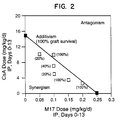
- treatment with M17 is much more effective, far more potent, and has a greater therapeutic index than CsA.
- EAE Experimental autoimmune encephalomyelitis
- EAE is induced in Lewis rats by subcutaneous injection of 50 ⁇ g guinea-pig basic protein (GPBP) [Vandenbark et al ., Nature , 341 : 541 (1989)] + 400 ⁇ g Mycobacteria in complete Freund's adjuvant (CFA).
- GPBP guinea-pig basic protein
- CFA complete Freund's adjuvant
- One group of rats is untreated and one group of rats is injected subcutaneously with 1-10 mg/kg/day daily of M17 mixed with CFA and 100 ⁇ g Mycobacteria at either day -4, day -3, day -2, day -1, day 0, day 1, day 2, day 3, day 4, day 5, day 6, day 7, day 8, day 9, day 10, day 11, day 12, or day 13, with day 0 being the day when the GPBP is given. This administration is continued up to day 21.
- GPBP guinea-pig basic protein
- CFA complete Freund's adjuvant
- each rat is injected subcutaneously with 0.25-2.5 mg/kg/day of M17 mixed with CFA and 100 ⁇ g Mycobacteria .
- the average onset of EAE in this model is 14 days and average length of paralysis is 6 days.
- the severity of EAE in the experimental rat model is reduced by administration of the anti-LFA-1 antibody, M17.
- mice are challenged subcutaneously at the base of the tail with 120 ⁇ g of the encephalitogenic MBP 1-9NAc peptide [Urban et al ., Cell , 54 : 577-592 (1988)] in CFA.
- MBP 1-9NAc peptide Urban et al ., Cell , 54 : 577-592 (1988)
- the mice are injected with 6 x 10 9 heat-killed Bordetella pertussis intravenously according to Zamvil et al ., Nature , 324 : 258-260 (1986).
- mice One group of mice is untreated and one group of mice is injected subcutaneously with 1.5-13 mg/kg/day daily of M17 in normal saline at either day -4, day -3, day -2, day -1, day 0, day 1, day 2, day 3, day 4, day 5, day 6, day 7, day 8, day 9, day 10, day 11, day 12, or day 13, with day 0 being the day when MBP peptide is given.
- This administration is continued up to day 21.
- each mouse is injected subcutaneously with 0.3-4 mg/kg/day of M17.
- the mice are observed daily for clinical signs of EAE.
- the average day of onset for the untreated mice developing EAE in this model is 8-12 days.
- the severity of EAE in the experimental mouse model is reduced by administration of the anti-LFA-1 antibody, M17.
- This mixed lymphocyte culture model which is an in vitro model of transplantation [A. J. Cunningham, "Understanding Immunology,” Transplantation Immunology , p. 157-159 (1978)], examines the effects of various ⁇ -ICAM, ⁇ -LFA-1 antibodies, and soluble ICAM in both the proliferative and effector arms of the human mixed lymphocyte response.
- CTL Cytotoxic T lymphocyte
- the contact sensitivity model described below is a model for treating psoriasis.
- mice 4-6 weeks old obtained from Charles River were divided into four treatment gruops containing 6-8 mice per group.
- the mice were anesthetized i.p. with Ketamine/Xylazene/Acepromazine.
- a patch approximately 3x3 cm 2 was shaved on the abdomen of all the mice.
- a total of 50 ⁇ l of 10 mg/ml dinitrofluorobenzene (DNFB) was applied topically to the hair-free abdomen of the mice in groups 2-14.
- DNFB dinitrofluorobenzene
- a total of 20 ⁇ g of the M17 antibody was injected i.p. on the days designated as follows: Group 1 - days 0 and 1; Group 2 - days 4 and 5; Group 3 - days 0-5; and Group 4 - rat IgG2a isotype control.
- mice were anesthetized with Metaphane.
- 5 ⁇ l of of DNFB was applied topically to each side of the left pinnae of the mice in groups 2-14 (5 ⁇ l/side).
- the wide end of the pipet tip was used to spread the DNFB over the ear.
- To each side of the right pinnae of the mice in groups 2-14 was applied topically 5 ⁇ l of the diluent of DNFB.
- mice were sacrificed with CO 2 . Both pinnae were cut off at the hairline of all mice. Left and right pinnae were put in separate tubes. Each pinnae was placed into appropriately labeled 12x75 polystyrene snap cap tubes. The pinnae were stored at -20°C.
- mice treated with M17 all exhibited a decreased sensitivity to DNFB as compared to the control.
- Those mice treated at days 0 and 1 and at days 0-5 exhibited the greatest decrease in sensitivity.
- mice It would be expected that a decreased maintenance dose less than the 20 ⁇ g used in this experiment given intermittently after the initial dose would further decrease the sensitivity of the mice to the immunogen. Further, it would be reasonably expected that the in vivo mice data described above may be extrapolated to horses, cows, and other mammals, correcting for the body weight of the mammal in accordance with recognized veterinary and clinical procedures. Humans are believed to respond in this manner as well. Thus, it would be reasonably expected that in man the dosing regimen herein would have a beneficial restorative effect on immune function mediated by LFA-1 in all patients.
- the treatment herein is expected to provide a higher therapeutic index than conventional and current therapy by minimizing toxicity to various parts of the body, including the kidneys (especially in the first few weeks after transplantation when the kidneys are most susceptible), the liver, the pancreas, the bones, the bone marrow, and the central nervous and immune systems. It is also expected to lessen the occurrence of both acute and chronic rejection. Further, the drug is expected to be useful in patients at high risk who are receiving regrafts and have a low one-year graft survival rate. Finally, the drug is expected to decrease morbidity in the patients, thus reducing the overall cost of transplantation.
Landscapes
- Health & Medical Sciences (AREA)
- Chemical & Material Sciences (AREA)
- Immunology (AREA)
- Medicinal Chemistry (AREA)
- Life Sciences & Earth Sciences (AREA)
- General Health & Medical Sciences (AREA)
- Organic Chemistry (AREA)
- Bioinformatics & Cheminformatics (AREA)
- Engineering & Computer Science (AREA)
- Public Health (AREA)
- Pharmacology & Pharmacy (AREA)
- Veterinary Medicine (AREA)
- Animal Behavior & Ethology (AREA)
- Microbiology (AREA)
- Genetics & Genomics (AREA)
- Chemical Kinetics & Catalysis (AREA)
- General Chemical & Material Sciences (AREA)
- Nuclear Medicine, Radiotherapy & Molecular Imaging (AREA)
- Mycology (AREA)
- Proteomics, Peptides & Aminoacids (AREA)
- Biochemistry (AREA)
- Biophysics (AREA)
- Epidemiology (AREA)
- Molecular Biology (AREA)
- Transplantation (AREA)
- Medicines That Contain Protein Lipid Enzymes And Other Medicines (AREA)
- Medicines Containing Antibodies Or Antigens For Use As Internal Diagnostic Agents (AREA)
- Pharmaceuticals Containing Other Organic And Inorganic Compounds (AREA)
- Processing Of Solid Wastes (AREA)
- Acyclic And Carbocyclic Compounds In Medicinal Compositions (AREA)
- Medicines Containing Plant Substances (AREA)
Applications Claiming Priority (3)
| Application Number | Priority Date | Filing Date | Title |
|---|---|---|---|
| US93326992A | 1992-08-21 | 1992-08-21 | |
| US933269 | 1992-08-21 | ||
| PCT/US1993/007845 WO1994004188A1 (en) | 1992-08-21 | 1993-08-20 | Method for treating an lfa-1-mediated disorder |
Publications (2)
| Publication Number | Publication Date |
|---|---|
| EP0656789A1 EP0656789A1 (en) | 1995-06-14 |
| EP0656789B1 true EP0656789B1 (en) | 1997-12-17 |
Family
ID=25463656
Family Applications (1)
| Application Number | Title | Priority Date | Filing Date |
|---|---|---|---|
| EP93920241A Expired - Lifetime EP0656789B1 (en) | 1992-08-21 | 1993-08-20 | Method for treating a lfa-1-mediated disorder |
Country Status (14)
| Country | Link |
|---|---|
| US (4) | US5622700A (enExample) |
| EP (1) | EP0656789B1 (enExample) |
| JP (1) | JPH08500826A (enExample) |
| AT (1) | ATE161192T1 (enExample) |
| AU (1) | AU687755B2 (enExample) |
| CA (1) | CA2140933A1 (enExample) |
| DE (1) | DE69315847T2 (enExample) |
| DK (1) | DK0656789T3 (enExample) |
| ES (1) | ES2112431T3 (enExample) |
| GR (1) | GR3026344T3 (enExample) |
| IL (1) | IL106756A (enExample) |
| MX (1) | MX9305070A (enExample) |
| WO (1) | WO1994004188A1 (enExample) |
| ZA (1) | ZA936128B (enExample) |
Cited By (6)
| Publication number | Priority date | Publication date | Assignee | Title |
|---|---|---|---|---|
| US7745460B2 (en) | 2003-11-05 | 2010-06-29 | Sarcode Corporation | Modulators of cellular adhesion |
| US8080562B2 (en) | 2008-04-15 | 2011-12-20 | Sarcode Bioscience Inc. | Crystalline pharmaceutical and methods of preparation and use thereof |
| US8084047B2 (en) | 2005-05-17 | 2011-12-27 | Sarcode Bioscience Inc. | Compositions and methods for treatment of eye disorders |
| US8378105B2 (en) | 2009-10-21 | 2013-02-19 | Sarcode Bioscience Inc. | Crystalline pharmaceutical and methods of preparation and use thereof |
| US9085553B2 (en) | 2012-07-25 | 2015-07-21 | SARcode Bioscience, Inc. | LFA-1 inhibitor and methods of preparation and polymorph thereof |
| US10960087B2 (en) | 2007-10-19 | 2021-03-30 | Novartis Ag | Compositions and methods for treatment of diabetic retinopathy |
Families Citing this family (122)
| Publication number | Priority date | Publication date | Assignee | Title |
|---|---|---|---|---|
| ES2112431T3 (es) * | 1992-08-21 | 1998-04-01 | Genentech Inc | Procedimiento para el tratamiento de un trastorno mediado por lfa-1. |
| FR2700471B1 (fr) * | 1993-01-21 | 1995-04-07 | Pasteur Merieux Serums Vacc | Utilisation d'anticorps monoclonaux anti-LFA-1 pour la préparation d'un médicament destiné à prévenir le rejet des greffes d'organes solides et médicaments obtenus. |
| US5681699A (en) * | 1994-02-11 | 1997-10-28 | Cedars-Sinai Medical Center | Methods of diagnosing ulcerative colitis and Crohn's disease |
| US6884590B1 (en) | 1994-02-11 | 2005-04-26 | Cedars-Sinai Medical Center | Methods of screening for ulcerative colitis and crohn's disease |
| US6576236B1 (en) * | 1994-07-01 | 2003-06-10 | Dana Farber Cancer Institute | Methods for stimulating T cell responses by manipulating a common cytokine receptor γ chain |
| US20020127201A1 (en) * | 1994-07-01 | 2002-09-12 | Dana-Farber Cancer Institute. | Methods for inhibiting T cell responses by manipulating a common cytokine receptor gamma-chain |
| AU6256796A (en) * | 1995-06-06 | 1996-12-24 | D. Allen Allen | Method for treating molluscum contagiosum resulting from hiv infection |
| US20040197326A1 (en) * | 1995-07-27 | 2004-10-07 | Genentech, Inc. | Method for treatment of allergic asthma |
| US5914112A (en) * | 1996-01-23 | 1999-06-22 | Genentech, Inc. | Anti-CD18 antibodies in stroke |
| WO1997036602A1 (en) * | 1996-03-29 | 1997-10-09 | Universite Laval | Method of restoring a functional protein in a tissue by cell transplantation |
| US6037454A (en) * | 1996-11-27 | 2000-03-14 | Genentech, Inc. | Humanized anti-CD11a antibodies |
| US7122636B1 (en) * | 1997-02-21 | 2006-10-17 | Genentech, Inc. | Antibody fragment-polymer conjugates and uses of same |
| FR2763072B1 (fr) * | 1997-05-12 | 1999-11-05 | Pasteur Merieux Serums Vacc | Utilisation d'un anticorps monoclonal anti-lfa1 en transplantation renale |
| CN1202864C (zh) * | 1997-05-17 | 2005-05-25 | 拜奥根有限公司 | Cd40:cd154结合阻断物在制备预防逆适应性免疫应答,特别是移植物排斥反应的药物中的用途 |
| US6172213B1 (en) * | 1997-07-02 | 2001-01-09 | Genentech, Inc. | Anti-IgE antibodies and method of improving polypeptides |
| WO2000029431A1 (en) * | 1998-11-17 | 2000-05-25 | Tanox, Inc. | Bispecific molecules cross-linking itim and itam for therapy |
| US6867203B2 (en) | 1998-12-29 | 2005-03-15 | Abbott Laboratories | Cell adhesion-inhibiting antiinflammatory and immune-suppressive compounds |
| US6582698B1 (en) * | 1999-03-19 | 2003-06-24 | Genentech, Inc. | Treatment method |
| US6652855B1 (en) | 1999-03-19 | 2003-11-25 | Genentech, Inc. | Treatment of LFA-1 associated disorders with increasing doses of LFA-1 antagonist |
| CA2394862C (en) * | 1999-12-14 | 2011-10-11 | Genentech, Inc. | Tnf-alpha antagonist and lfa-1 antagonist for treating lfa-1 or tnf-alpha mediated disorder |
| AU2001230920A1 (en) * | 2000-01-14 | 2001-07-24 | Genentech Inc. | Diagnosis and treatment of hepatic inflammatory disorders by inhibiting the binding of lfa-1 to icam-1 |
| EP1267926A2 (en) | 2000-03-17 | 2003-01-02 | Millennium Pharmaceuticals, Inc. | Method of inhibiting stenosis and restenosis with a mixture of antibodies anti cd18 and anti ccr2 |
| CA2417432C (en) | 2000-09-01 | 2010-11-02 | The Center For Blood Research, Inc. | Modified polypeptides stabilized in a desired conformation and methods for producing same |
| AU2002322388A1 (en) | 2001-06-22 | 2003-01-08 | E.I. Du Pont De Nemours And Company | Defensin polynucleotides and methods of use |
| DE60325334D1 (de) | 2002-02-05 | 2009-01-29 | Genentech Inc | Proteinaufreinigung |
| AU2003265235A1 (en) | 2002-04-26 | 2003-12-19 | Genetech, Inc. | Non-affinity purification of proteins |
| DK2407485T3 (en) | 2003-02-01 | 2016-03-21 | Tanox Inc | Anti-human IgE antibodies with high affinity |
| US7834147B2 (en) | 2003-04-28 | 2010-11-16 | Childrens Hospital Medical Center | Saposin C-DOPS: a novel anti-tumor agent |
| PL3095793T3 (pl) * | 2003-07-28 | 2020-09-07 | Genentech, Inc. | Redukcja wycieku białka A w trakcie chromatografii powinowactwa z białkiem A |
| US20050106667A1 (en) | 2003-08-01 | 2005-05-19 | Genentech, Inc | Binding polypeptides with restricted diversity sequences |
| US7754500B2 (en) | 2003-11-21 | 2010-07-13 | Anp Technologies, Inc. | Asymmetrically branched polymer conjugates and microarray assays |
| CN101005854A (zh) * | 2004-04-16 | 2007-07-25 | 健泰科生物技术公司 | 用于增进b细胞消除的方法 |
| JP2008507592A (ja) * | 2004-06-09 | 2008-03-13 | ジェネンテック・インコーポレーテッド | 環状肉芽腫又はサルコイドの治療法 |
| US7655229B2 (en) * | 2004-09-02 | 2010-02-02 | Chan Andrew C | Anti-FC-gamma RIIB receptor antibody and uses therefor |
| WO2006028956A2 (en) * | 2004-09-02 | 2006-03-16 | Genentech, Inc. | Anti-fc-gamma riib receptor antibody and uses therefor |
| US7662926B2 (en) * | 2004-09-02 | 2010-02-16 | Genentech, Inc. | Anti-Fc-gamma receptor antibodies, bispecific variants and uses therefor |
| JO3000B1 (ar) | 2004-10-20 | 2016-09-05 | Genentech Inc | مركبات أجسام مضادة . |
| DE102004059357B8 (de) * | 2004-12-03 | 2009-12-03 | Universität Leipzig | Antikörper, welcher die Interaktion von humanem Thy-1 und dessen Liganden blockiert, sowie dessen Verwendung |
| ATE496297T1 (de) | 2005-05-02 | 2011-02-15 | Anp Technologies Inc | Polymerkonjugat-verbesserte bioassays |
| CA2645322A1 (en) * | 2006-03-16 | 2007-09-27 | Genentech, Inc. | Methods of treating lupus using cd4 antibodies |
| US20080279848A1 (en) * | 2006-03-16 | 2008-11-13 | Genentech, Inc. | Methods of treating lupus using CD4 antibodies |
| FR2902799B1 (fr) | 2006-06-27 | 2012-10-26 | Millipore Corp | Procede et unite de preparation d'un echantillon pour l'analyse microbiologique d'un liquide |
| ES2612383T3 (es) | 2006-07-19 | 2017-05-16 | The Trustees Of The University Of Pennsylvania | WSX-1/IL-27 como una diana para respuestas antiinflamatorias |
| TWI391401B (zh) | 2006-11-02 | 2013-04-01 | Genentech Inc | 人類化之抗-因子d抗體及其用途 |
| US8362217B2 (en) | 2006-12-21 | 2013-01-29 | Emd Millipore Corporation | Purification of proteins |
| US8569464B2 (en) | 2006-12-21 | 2013-10-29 | Emd Millipore Corporation | Purification of proteins |
| WO2008079302A2 (en) | 2006-12-21 | 2008-07-03 | Millipore Corporation | Purification of proteins |
| CA2673851C (en) | 2007-01-22 | 2016-05-03 | Genentech, Inc. | Polyelectrolyte precipitation and purification of proteins |
| EP1995309A1 (en) * | 2007-05-21 | 2008-11-26 | Vivalis | Recombinant protein production in avian EBx® cells |
| DK3597659T5 (da) | 2007-07-09 | 2024-09-02 | Genentech Inc | Forhindring af disulfidbindingsreduktion under rekombinant produktion af polypeptider |
| ES2666170T3 (es) | 2007-10-30 | 2018-05-03 | Genentech, Inc. | Purificación de anticuerpos mediante cromatografía de intercambio catiónico |
| EP2276508A4 (en) * | 2008-04-15 | 2011-12-28 | Sarcode Bioscience Inc | ADMINISTRATION OF LFA-1 ANTAGONISTS TO THE GASTROINTESTINAL SYSTEM |
| EP2265124A4 (en) * | 2008-04-15 | 2011-12-28 | Sarcode Bioscience Inc | AEROSOLISED LFA-1 ANTAGONISTS FOR THE USE IN THE LOCAL TREATMENT OF IMMUNE DISEASES |
| WO2009128934A1 (en) | 2008-04-15 | 2009-10-22 | Sarcode Corporation | Topical lfa-1 antagonists for use in localized treatment of immune related disorders |
| CR20170001A (es) | 2008-04-28 | 2017-08-10 | Genentech Inc | Anticuerpos anti factor d humanizados |
| WO2009151514A1 (en) * | 2008-06-11 | 2009-12-17 | Millipore Corporation | Stirred tank bioreactor |
| WO2010009129A2 (en) * | 2008-07-15 | 2010-01-21 | Genentech, Inc. | Methods of treating autoimmune diseases using cd4 antibodies |
| HRP20240472T1 (hr) | 2008-08-14 | 2024-06-21 | Genentech, Inc. | Postupci za eliminaciju kontaminanta uporabom kromatografije membranske ionske izmjene s premještanjem urođenog proteina |
| US20100068210A1 (en) | 2008-09-10 | 2010-03-18 | Ji Junyan A | Compositions and methods for the prevention of oxidative degradation of proteins |
| US20110229471A1 (en) | 2008-11-26 | 2011-09-22 | Cedars-Sinai Medical Center | Methods of determining responsiveness to anti-tnf alpha therapy in inflammatory bowel disease |
| WO2010074702A1 (en) | 2008-12-16 | 2010-07-01 | Millipore Corporation | Purification of proteins |
| WO2010074953A1 (en) | 2008-12-16 | 2010-07-01 | Millipore Corporation | Stirred tank reactor and method |
| WO2010075579A2 (en) | 2008-12-24 | 2010-07-01 | Cedars-Sinai Medical Center | Methods of predicting medically refractive ulcerative colitis (mr-uc) requiring colectomy |
| WO2010099273A1 (en) | 2009-02-27 | 2010-09-02 | Genentech, Inc. | Methods and compositions for protein labelling |
| LT2464725T (lt) | 2009-08-11 | 2020-06-10 | F. Hoffmann-La Roche Ag | Baltymų gamyba ląstelių mitybinėje terpėje, kurioje nėra glutamino |
| WO2011028753A1 (en) | 2009-09-01 | 2011-03-10 | Genentech, Inc. | Enhanced protein purification through a modified protein a elution |
| US20120309056A1 (en) | 2010-02-04 | 2012-12-06 | Leon Arnaud | Fed-batch process using concentrated cell culture medium for the efficient production of biologics in eb66 cells |
| CA3027749A1 (en) | 2010-03-22 | 2011-09-29 | Junyan Ji | Compositions and methods useful for stabilizing protein-containing formulations |
| HUE038788T2 (hu) | 2010-03-31 | 2018-11-28 | Boehringer Ingelheim Int | Anti-CD40 antitestek |
| EP2552967A4 (en) | 2010-04-02 | 2014-10-08 | Amunix Operating Inc | BINDING FUSION PROTEINS, BINDING FUSION PROTEIN MEDICINAL CONJUGATES, XTEN MEDICAMENT CONJUGATES, AND METHOD FOR THEIR PREPARATION AND USE |
| EP2566510A1 (en) | 2010-05-03 | 2013-03-13 | F. Hoffmann-La Roche AG | Compositions and methods useful for reducing the viscosity of protein-containing formulations |
| KR101551295B1 (ko) | 2010-05-17 | 2015-09-08 | 이엠디 밀리포어 코포레이션 | 생체분자 정제용 자극 반응성 중합체 |
| KR20190067277A (ko) | 2010-05-28 | 2019-06-14 | 제넨테크, 인크. | 락테이트 데히드로게나제 및 피루베이트 데히드로게나제 키나제의 발현의 하향조절에 의한 락테이트 수준의 감소 및 폴리펩티드 생산의 증가 |
| PL3586826T3 (pl) | 2010-06-24 | 2021-10-25 | F. Hoffmann-La Roche Ag | Kompozycje i sposoby stabilizowania preparatów zawierających białka |
| RU2013110844A (ru) | 2010-08-13 | 2014-09-20 | Дженентек, Инк. | АНТИТЕЛА ПРОТИВ IL-1β И IL-18, ИСПОЛЬЗУЕМЫЕ ДЛЯ ЛЕЧЕНИЯ ЗАБОЛЕВАНИЙ |
| BR112013003223A2 (pt) | 2010-08-23 | 2016-06-07 | Pioneer Hi Bred Int | "polinucleotídeo isolado, cassete de expressão, célula hospedeira, micro-organismo, planta ou parte de planta, método de obtenção de uma planta transformada, composição antipatogênica, método para proteger uma planta contra um patógeno ou uso de um polinucleotídeo isolado" |
| WO2012030512A1 (en) | 2010-09-03 | 2012-03-08 | Percivia Llc. | Flow-through protein purification process |
| BR112013011065B1 (pt) | 2010-11-04 | 2022-03-15 | Boehringer Ingelheim International Gmbh | Anticorpo anti-il-23p19 humanizado ou seu fragmento de ligação ao antígeno, seu uso e composição farmacêutica |
| US20140314664A1 (en) | 2011-01-09 | 2014-10-23 | Anp Technologies, Inc. | Hydrophobic Molecule-Induced Branched Polymer Aggregates And Their Use |
| WO2012095514A1 (en) | 2011-01-14 | 2012-07-19 | Vivalis | Recombinant protein production system |
| US9587021B2 (en) | 2011-05-21 | 2017-03-07 | Macrogenics, Inc. | CD3-binding molecules capable of binding to human and non-human CD3 |
| KR20140004231A (ko) | 2011-07-08 | 2014-01-10 | 이엠디 밀리포어 코포레이션 | 일회용 생명공학적 공정용의 개선된 심층 필터 |
| CN107007833B (zh) | 2011-11-16 | 2020-12-11 | 勃林格殷格翰国际有限公司 | 抗il-36r抗体 |
| ES2697676T3 (es) | 2011-12-22 | 2019-01-25 | Hoffmann La Roche | Cromatografía de membrana de intercambio iónico |
| US20140080180A1 (en) | 2012-03-27 | 2014-03-20 | Genentech, Inc. | Harvest operations for recombinant proteins |
| KR102124758B1 (ko) | 2012-05-03 | 2020-06-19 | 베링거 인겔하임 인터내셔날 게엠베하 | 항-il-23p19 항체 |
| SG11201407512VA (en) | 2012-05-18 | 2014-12-30 | Genentech Inc | High-concentration monoclonal antibody formulations |
| WO2014078522A1 (en) | 2012-11-14 | 2014-05-22 | Ohio State Innovation Foundation | Materials and methods useful for treating glioblastoma |
| WO2014100095A1 (en) | 2012-12-19 | 2014-06-26 | Genentech, Inc. | Methods and compositions for radiohalogen protein labeling |
| US20150366818A1 (en) | 2013-02-05 | 2015-12-24 | Anp Technologies, Inc. | Nanoparticles containing a Taxane and their Use |
| JO3529B1 (ar) | 2013-02-08 | 2020-07-05 | Amgen Res Munich Gmbh | مضاد التصاق خلايا الدم البيض من أجل التخفيف من الاثار السلبية الممكنة الناتجة عن مجالات ارتباط cd3- المحدد |
| CN112870368A (zh) | 2013-03-27 | 2021-06-01 | 西达-赛奈医疗中心 | 通过抑制tl1a的功能和相关信号传导途径来减轻并逆转纤维化和炎症 |
| EP4105236A1 (en) | 2013-07-19 | 2022-12-21 | Cedars-Sinai Medical Center | Anti-tl1a (tnfsf15) antibody for treatment of inflammatory bowel disease |
| JP6463359B2 (ja) | 2013-08-12 | 2019-01-30 | ジェネンテック, インコーポレイテッド | 補体関連病態を治療するための組成物及び方法 |
| MX367661B (es) | 2014-01-31 | 2019-08-30 | Boehringer Ingelheim Int | Anticuerpos anti-baff novedosos. |
| KR20160147855A (ko) | 2014-05-01 | 2016-12-23 | 제넨테크, 인크. | 항-인자 d 항체 변이체 및 이의 용도 |
| HRP20201663T1 (hr) | 2014-07-09 | 2020-12-25 | F. Hoffmann - La Roche Ag | PRILAGOĐAVANJE pH VRIJEDNOSTI RADI POBOLJŠANJA OPORAVKA BANAKA STANICA USLIJED ODMRZAVANJA |
| US10507241B2 (en) | 2014-07-24 | 2019-12-17 | Boehringer Ingelheim International Gmbh | Biomarkers useful in the treatment of IL-23A related diseases |
| SG11201705728RA (en) | 2015-02-04 | 2017-08-30 | Boehringer Ingelheim Int | Methods of treating inflammatory diseases |
| WO2017040566A1 (en) | 2015-09-01 | 2017-03-09 | Boehringer Ingelheim International Gmbh | Use of anti-cd40 antibodies for treatment of lupus nephritis |
| AU2016315873B2 (en) | 2015-09-04 | 2022-08-18 | Primatope Therapeutics Inc. | Humanized anti-CD40 antibodies and uses thereof |
| US10407510B2 (en) | 2015-10-30 | 2019-09-10 | Genentech, Inc. | Anti-factor D antibodies and conjugates |
| EP3368090A1 (en) | 2015-10-30 | 2018-09-05 | H. Hoffnabb-La Roche Ag | Anti-factor d antibody variant conjugates and uses thereof |
| CN109462996A (zh) | 2016-03-17 | 2019-03-12 | 西达-赛奈医疗中心 | 通过rnaset2诊断炎性肠病的方法 |
| BR112018070139A2 (pt) | 2016-03-29 | 2019-02-05 | Geltor Inc | expressão de proteínas em bactérias gram-negativas em que a razão entre o volume periplasmático e o volume citoplasmático é entre 0,5:1 e 10:1 |
| AU2017382281B2 (en) | 2016-12-22 | 2024-07-11 | Genentech, Inc. | Methods and formulations for reducing reconstitution time of lyophilized polypeptides |
| CN110461877A (zh) | 2017-03-27 | 2019-11-15 | 勃林格殷格翰国际有限公司 | 抗il-36r抗体联合治疗 |
| US11180541B2 (en) | 2017-09-28 | 2021-11-23 | Geltor, Inc. | Recombinant collagen and elastin molecules and uses thereof |
| KR20210027436A (ko) | 2018-06-29 | 2021-03-10 | 베링거 인겔하임 인터내셔날 게엠베하 | 자가면역 질환을 치료하는데 사용하기 위한 항-cd40 항체 |
| DK3818078T3 (da) | 2018-07-03 | 2024-05-21 | Bristol Myers Squibb Co | Fremgangsmåder til fremstilling af rekombinante proteiner |
| WO2020076776A1 (en) | 2018-10-10 | 2020-04-16 | Boehringer Ingelheim International Gmbh | Method for membrane gas transfer in high density bioreactor culture |
| PH12021552150A1 (en) | 2019-03-08 | 2022-08-15 | Boehringer Ingelheim Int | Anti-il36r antibody formulations |
| AU2020254582B2 (en) | 2019-04-01 | 2025-12-18 | Genentech, Inc. | Compositions and methods for stabilizing protein-containing formulations |
| EP3953380A4 (en) | 2019-04-12 | 2023-01-25 | Geltor, Inc. | RECOMBINANT ELASTIN AND MANUFACTURE THEREOF |
| US20220315887A1 (en) | 2019-08-01 | 2022-10-06 | Bristol-Myers Squibb Company | Methods of improving protein productivity in fed-batch cell cultures |
| TW202123965A (zh) | 2019-09-09 | 2021-07-01 | 德商百靈佳殷格翰國際股份有限公司 | 抗-il-23p19抗體調配物 |
| CR20220489A (es) | 2020-03-24 | 2022-10-31 | Genentech Inc | Agentes de fijación a tie2 y métodos de uso. |
| JP2023542678A (ja) | 2020-09-21 | 2023-10-11 | ベーリンガー インゲルハイム インターナショナル ゲゼルシャフト ミット ベシュレンクテル ハフツング | 炎症状態の処置のための抗cd40抗体の使用。 |
| US12486525B2 (en) | 2020-09-22 | 2025-12-02 | Bristol-Myers Squibb Company | Methods for increasing productivity of therapeutic proteins |
| US20240317868A1 (en) | 2021-02-05 | 2024-09-26 | Boehringer Ingelheim International Gmbh | Anti-il1rap antibodies |
| US20250115666A1 (en) | 2021-08-05 | 2025-04-10 | Bristol-Myers Squibb Company | Cell culture methods for producing therapeutic proteins |
| WO2023049687A1 (en) | 2021-09-21 | 2023-03-30 | Bristol-Myers Squibb Company | Methods of controlling the level of dissolved oxygen (do) in a solution comprising a recombinant protein in a storage container |
Family Cites Families (32)
| Publication number | Priority date | Publication date | Assignee | Title |
|---|---|---|---|---|
| US5292636A (en) * | 1986-03-31 | 1994-03-08 | T Cell Diagnostics, Inc. | Therapeutic and diagnostic methods using soluble T cell surface molecules |
| US5762933A (en) * | 1987-01-05 | 1998-06-09 | Institut National De La Sante Et De La Recherche Medicale | Method for preventing and treating graft failure in a human patient using a monoclonal antibody specific for leucocyte functional antigen LFA-1 |
| EP0303692A4 (en) * | 1987-02-26 | 1990-12-05 | Dana Farber Cancer Institute | Cloning of lfa-1 |
| US5284931A (en) * | 1987-05-04 | 1994-02-08 | Dana Farber Cancer Institute | Intercellular adhesion molecules, and their binding ligands |
| DE3854536T2 (de) * | 1987-05-04 | 1996-03-07 | Dana Farber Cancer Inst Inc | Interzellulare Adhäsions-Moleküle und deren Bindungsliganden. |
| US5403919A (en) * | 1987-08-11 | 1995-04-04 | Board Of Trustees Of The Leland Stanford Junior University Stanford University | Method to control leukocyte extravasation |
| US5538724A (en) * | 1987-08-11 | 1996-07-23 | The Board Of Trustees For The Leland Stanford Junior Univ. | Method of control leukocyte extravasation |
| US4797277A (en) * | 1987-09-22 | 1989-01-10 | Pharmacia Ab | Method for reperfusion therapy |
| ATE114972T1 (de) * | 1987-11-02 | 1994-12-15 | Baylor College Medicine | Verwendung von icam-1 oder ihre funktionelle derivate zur behandlung unspezifischer entzündungen. |
| US5002869A (en) * | 1987-11-02 | 1991-03-26 | Dana-Farber Cancer Institute | Monoclonal antibody specific to a novel epitope of the LFA-1 antigen of human T lymphocytes |
| US5395929A (en) * | 1987-12-15 | 1995-03-07 | Dana Farber Cancer Institute | Isolated nucleic acid encoding the alpha subunit of the human leukocyte adhesion receptor |
| US5071964A (en) * | 1988-05-04 | 1991-12-10 | Dana-Farber Cancer Institute, Inc. | Protein micelles |
| US5147637A (en) * | 1988-06-07 | 1992-09-15 | The Rockefeller University | Method of inhibiting the influx of leukocytes into organs during sepsis or other trauma |
| WO1990008187A1 (en) * | 1989-01-19 | 1990-07-26 | Dana Farber Cancer Institute | Soluble two domain cd2 protein |
| US5235049A (en) * | 1989-01-24 | 1993-08-10 | Molecular Therapeutics, Inc. | Nucleic acid sequences encoding a soluble molecule (SICAM-1) related to but distinct from ICAM-1 |
| CA2008368C (en) * | 1989-01-24 | 2003-04-08 | Jeffrey Greve | Soluble molecule related to but distinct from icam-1 |
| NO900155L (no) * | 1989-01-24 | 1990-07-25 | Molecular Therapeutics Inc | Et opploeselig molekyl som er relatert til, men forskjellig fra icam-1. |
| EP0387668B1 (en) * | 1989-03-09 | 1996-12-11 | Center For Blood Research, Inc. | Intercellular adhesion molecule - 2 and its binding ligands |
| EP0462184A4 (en) * | 1989-03-09 | 1992-01-08 | Dana Farber Cancer Institute | Method of treating viral infections using lfa-1 |
| GB8912497D0 (en) * | 1989-05-31 | 1989-07-19 | Cobbold Stephen P | Monoclonal antibodies |
| US5690933A (en) * | 1989-05-31 | 1997-11-25 | Glaxo Wellcome Inc. | Monoclonal antibodies for inducing tolerance |
| DK0432249T3 (da) * | 1989-06-02 | 1997-02-17 | Univ Johns Hopkins Med | Monoklonale antistoffer over for beta-kæden i leukocytadhæsionsreceptoren, fremgangsmåder til fremstilling af disse antistoffer og anvendelse heraf |
| GB9009548D0 (en) * | 1990-04-27 | 1990-06-20 | Celltech Ltd | Chimeric antibody and method |
| GB9009549D0 (en) * | 1990-04-27 | 1990-06-20 | Celltech Ltd | Recombinant antibody and method |
| WO1991018011A1 (en) * | 1990-05-15 | 1991-11-28 | Swinburne Limited | Inhibition of cell adhesion using intercellular adhesion molecule-1-like peptides and/or analogues thereof |
| AU8631991A (en) * | 1990-08-27 | 1992-03-17 | Cetus Corporation | Cd18 peptide medicaments for the treatment of disease |
| AU645348B2 (en) * | 1990-08-31 | 1994-01-13 | Boehringer Ingelheim Pharmaceuticals, Inc. | Method for treating endotoxin shock using anti-adhesion antibodies |
| WO1992022653A1 (en) * | 1991-06-14 | 1992-12-23 | Genentech, Inc. | Method for making humanized antibodies |
| CA2120500A1 (en) * | 1991-10-01 | 1993-04-15 | Mitsuaki Isobe | Preventing allograft rejection with antibodies to adhesion molecules |
| US5854070A (en) * | 1992-07-16 | 1998-12-29 | Icos Corporation | Murine and humanizer 23F2G antibodies and cell lines expressing said antibodies |
| JPH06511156A (ja) * | 1992-07-16 | 1994-12-15 | イコス コーポレイション | 炎症性疾患状態に関連する症状の緩和 |
| ES2112431T3 (es) * | 1992-08-21 | 1998-04-01 | Genentech Inc | Procedimiento para el tratamiento de un trastorno mediado por lfa-1. |
-
1993
- 1993-08-20 ES ES93920241T patent/ES2112431T3/es not_active Expired - Lifetime
- 1993-08-20 AU AU50836/93A patent/AU687755B2/en not_active Ceased
- 1993-08-20 JP JP6506552A patent/JPH08500826A/ja not_active Expired - Lifetime
- 1993-08-20 CA CA002140933A patent/CA2140933A1/en not_active Abandoned
- 1993-08-20 DE DE69315847T patent/DE69315847T2/de not_active Expired - Fee Related
- 1993-08-20 WO PCT/US1993/007845 patent/WO1994004188A1/en not_active Ceased
- 1993-08-20 EP EP93920241A patent/EP0656789B1/en not_active Expired - Lifetime
- 1993-08-20 ZA ZA936128A patent/ZA936128B/xx unknown
- 1993-08-20 DK DK93920241T patent/DK0656789T3/da active
- 1993-08-20 AT AT93920241T patent/ATE161192T1/de not_active IP Right Cessation
- 1993-08-20 MX MX9305070A patent/MX9305070A/es not_active IP Right Cessation
- 1993-08-22 IL IL106756A patent/IL106756A/en not_active IP Right Cessation
-
1995
- 1995-05-02 US US08/432,543 patent/US5622700A/en not_active Expired - Lifetime
-
1998
- 1998-03-13 GR GR980400529T patent/GR3026344T3/el unknown
-
2002
- 2002-07-29 US US10/208,112 patent/US20020197248A1/en not_active Abandoned
-
2003
- 2003-12-02 US US10/727,383 patent/US20040120960A1/en not_active Abandoned
-
2005
- 2005-07-26 US US11/190,410 patent/US20050281817A1/en not_active Abandoned
Non-Patent Citations (1)
| Title |
|---|
| DRUG TOPICS, June 21, 1993 "Psoriasis the hidden anguish" * |
Cited By (26)
| Publication number | Priority date | Publication date | Assignee | Title |
|---|---|---|---|---|
| US7745460B2 (en) | 2003-11-05 | 2010-06-29 | Sarcode Corporation | Modulators of cellular adhesion |
| US7790743B2 (en) | 2003-11-05 | 2010-09-07 | Sarcode Corporation | Modulators of cellular adhesion |
| US7928122B2 (en) | 2003-11-05 | 2011-04-19 | Sarcode Corporation | Modulators of cellular adhesion |
| US7989626B2 (en) | 2003-11-05 | 2011-08-02 | SAR code Corporation | Modulators of cellular adhesion |
| US8071617B2 (en) | 2003-11-05 | 2011-12-06 | Sarcode Bioscience Inc. | Modulators of cellular adhesion |
| US9248126B2 (en) | 2003-11-05 | 2016-02-02 | Sarcode Bioscience Inc. | Modulators of cellular adhesion |
| US9216174B2 (en) | 2003-11-05 | 2015-12-22 | Sarcode Bioscience Inc. | Modulators of cellular adhesion |
| US8771715B2 (en) | 2005-05-17 | 2014-07-08 | Sarcode Bioscience Inc. | Compositions and methods for treatment |
| US9045458B2 (en) | 2005-05-17 | 2015-06-02 | Sarcode Bioscience Inc. | Compositions and methods for treatment |
| US10188641B2 (en) | 2005-05-17 | 2019-01-29 | Sarcode Bioscience Inc. | Compositions and methods for treatment |
| US8592450B2 (en) | 2005-05-17 | 2013-11-26 | Sarcode Bioscience Inc. | Compositions and methods for treatment of eye disorders |
| US8758776B2 (en) | 2005-05-17 | 2014-06-24 | Sarcode Bioscience Inc. | Compositions and methods for treatment |
| US8168655B2 (en) | 2005-05-17 | 2012-05-01 | Sarcode Bioscience Inc. | Compositions and methods for treatment of eye disorders |
| US8084047B2 (en) | 2005-05-17 | 2011-12-27 | Sarcode Bioscience Inc. | Compositions and methods for treatment of eye disorders |
| US9051297B2 (en) | 2005-05-17 | 2015-06-09 | Sarcode Bioscience Inc. | Compositions and methods for treatment |
| US9045457B2 (en) | 2005-05-17 | 2015-06-02 | Sarcode Bioscience Inc. | Compositions and methods for treatment |
| US10960087B2 (en) | 2007-10-19 | 2021-03-30 | Novartis Ag | Compositions and methods for treatment of diabetic retinopathy |
| US8367701B2 (en) | 2008-04-15 | 2013-02-05 | Sarcode Bioscience Inc. | Crystalline pharmaceutical and methods of preparation and use thereof |
| US8871935B2 (en) | 2008-04-15 | 2014-10-28 | Sarcode Bioscience Inc. | Crystalline pharmaceutical and methods of preparation and use thereof |
| US8080562B2 (en) | 2008-04-15 | 2011-12-20 | Sarcode Bioscience Inc. | Crystalline pharmaceutical and methods of preparation and use thereof |
| US11028077B2 (en) | 2008-04-15 | 2021-06-08 | Novartis Pharmaceuticals Corporation | Crystalline pharmaceutical and methods of preparation and use thereof |
| US8927574B2 (en) | 2009-10-21 | 2015-01-06 | Sarcode Bioscience Inc. | Crystalline pharmaceutical and methods of preparation and use thereof |
| US8378105B2 (en) | 2009-10-21 | 2013-02-19 | Sarcode Bioscience Inc. | Crystalline pharmaceutical and methods of preparation and use thereof |
| US9085553B2 (en) | 2012-07-25 | 2015-07-21 | SARcode Bioscience, Inc. | LFA-1 inhibitor and methods of preparation and polymorph thereof |
| US10214517B2 (en) | 2012-07-25 | 2019-02-26 | Sarcode Bioscience Inc. | LFA-1 inhibitor and methods of preparation and polymorph thereof |
| US10906892B2 (en) | 2012-07-25 | 2021-02-02 | Novartis Pharmaceuticals Corporation | LFA-1 inhibitor and methods of preparation and polymorph thereof |
Also Published As
| Publication number | Publication date |
|---|---|
| GR3026344T3 (en) | 1998-06-30 |
| AU5083693A (en) | 1994-03-15 |
| DK0656789T3 (da) | 1998-08-24 |
| IL106756A (en) | 2006-07-05 |
| ZA936128B (en) | 1995-02-20 |
| US5622700A (en) | 1997-04-22 |
| US20040120960A1 (en) | 2004-06-24 |
| US20050281817A1 (en) | 2005-12-22 |
| IL106756A0 (en) | 1993-12-08 |
| ES2112431T3 (es) | 1998-04-01 |
| DE69315847D1 (de) | 1998-01-29 |
| US20020197248A1 (en) | 2002-12-26 |
| MX9305070A (es) | 1994-04-29 |
| DE69315847T2 (de) | 1998-06-25 |
| CA2140933A1 (en) | 1994-02-22 |
| ATE161192T1 (de) | 1998-01-15 |
| JPH08500826A (ja) | 1996-01-30 |
| AU687755B2 (en) | 1998-03-05 |
| EP0656789A1 (en) | 1995-06-14 |
| WO1994004188A1 (en) | 1994-03-03 |
Similar Documents
| Publication | Publication Date | Title |
|---|---|---|
| AU687755B2 (en) | Method for treating an LFA-1-mediated disorder | |
| Vella et al. | CELLULAR AND HUMORAL MECHANISMS OF VASCULARIZED ALLOGRAFT REJECTION INDUCED BY INDIRECT RECOGNITION OF DONOR MHC ALLOPEPTIDES1 | |
| Casadei et al. | A randomized and prospective study comparing treatment with high-dose intravenous immunoglobulin with monoclonal antibodies for rescue of kidney grafts with steroid-resistant rejection | |
| Kahan | Individuality: the barrier to optimal immunosuppression | |
| US6491916B1 (en) | Methods and materials for modulation of the immunosuppresive activity and toxicity of monoclonal antibodies | |
| EP0700402B1 (en) | Methods and materials for modulation of the immunosuppressive activity and toxicity of monoclonal antibodies | |
| US6514513B1 (en) | Costimulatory blockade and mixed chimerism in transplantation | |
| US6719972B1 (en) | Methods of inhibiting T cell proliferation or IL-2 accumulation with CTLA4- specific antibodies | |
| US20030108548A1 (en) | Methods and materials for modulation of the immunosuppressive activity and toxicity of monoclonal antibodies | |
| Yamada et al. | Use of CTLA4Ig for induction of mixed chimerism and renal allograft tolerance in nonhuman primates | |
| US20070244053A1 (en) | Use of a CD40:CD154 binding interruptor to prevent counter-adaptive immune responses, particularly graft rejection | |
| US20120269806A1 (en) | Methods of inducing tolerance | |
| JP2763197B2 (ja) | トレランスを誘導するためのモノクローナル抗体 | |
| CA2154278A1 (fr) | Utilisation d'anticorps monoclonaux anti-lfa-1 pour la preparation d'un medicament destine a prevenir le rejet des greffes d'organes solides et medicaments obtenus | |
| O’Doherty et al. | Tolerizing mice to human leukocytes: a step toward the production of monoclonal antibodies specific for human dendritic cells | |
| CA2188812A1 (en) | New methods and compounds for the selective modulation of antigen-specific t-cell responsiveness | |
| US6541611B1 (en) | LO-CD2b antibody | |
| OSORIO et al. | PROLONGATION OF IN VIVO MOUSE ISLET ALLOGRAFT SURVIVAL BY MODULATION OF MHC CLASS I ANTIGENs | |
| Seiter et al. | DOWN-MODULATION OF HOST REACTIVITY BY ANTI-CD44 IN SKIN TRANSPLANTATION1 | |
| Krensky et al. | Transplantation immunology | |
| Pilat et al. | Blockade of adhesion molecule lymphocyte function–associated antigen-1 improves long-term heart allograft survival in mixed chimeras | |
| Dehoux et al. | EFFECTS ON HUMAN AND NONHUMAN PRIMATE IMMUNE RESPONSE OF A NEW RAT ANTI-CD2 MONOCLONAL ANTIBODY1 | |
| Pietra | Transplantation immunology 2003: simplified approach | |
| EP1163003B1 (en) | Treatment of lfa-1 associated disorders with increasing doses of lfa-1 antagonist | |
| ALFREY et al. | Tolerance induced by direct inoculation of donor antigen into the thymus in low and high responder rodents |
Legal Events
| Date | Code | Title | Description |
|---|---|---|---|
| PUAI | Public reference made under article 153(3) epc to a published international application that has entered the european phase |
Free format text: ORIGINAL CODE: 0009012 |
|
| 17P | Request for examination filed |
Effective date: 19950310 |
|
| AK | Designated contracting states |
Kind code of ref document: A1 Designated state(s): AT BE CH DE DK ES FR GB GR IE IT LI LU MC NL PT SE |
|
| 17Q | First examination report despatched |
Effective date: 19950802 |
|
| GRAG | Despatch of communication of intention to grant |
Free format text: ORIGINAL CODE: EPIDOS AGRA |
|
| GRAG | Despatch of communication of intention to grant |
Free format text: ORIGINAL CODE: EPIDOS AGRA |
|
| GRAH | Despatch of communication of intention to grant a patent |
Free format text: ORIGINAL CODE: EPIDOS IGRA |
|
| GRAH | Despatch of communication of intention to grant a patent |
Free format text: ORIGINAL CODE: EPIDOS IGRA |
|
| GRAA | (expected) grant |
Free format text: ORIGINAL CODE: 0009210 |
|
| AK | Designated contracting states |
Kind code of ref document: B1 Designated state(s): AT BE CH DE DK ES FR GB GR IE IT LI LU MC NL PT SE |
|
| REF | Corresponds to: |
Ref document number: 161192 Country of ref document: AT Date of ref document: 19980115 Kind code of ref document: T |
|
| REG | Reference to a national code |
Ref country code: CH Ref legal event code: EP |
|
| REF | Corresponds to: |
Ref document number: 69315847 Country of ref document: DE Date of ref document: 19980129 |
|
| ET | Fr: translation filed | ||
| ITF | It: translation for a ep patent filed | ||
| REG | Reference to a national code |
Ref country code: ES Ref legal event code: FG2A Ref document number: 2112431 Country of ref document: ES Kind code of ref document: T3 |
|
| REG | Reference to a national code |
Ref country code: IE Ref legal event code: FG4D Free format text: 77951 |
|
| REG | Reference to a national code |
Ref country code: PT Ref legal event code: SC4A Free format text: AVAILABILITY OF NATIONAL TRANSLATION Effective date: 19980218 |
|
| REG | Reference to a national code |
Ref country code: DK Ref legal event code: T3 |
|
| NLR4 | Nl: receipt of corrected translation in the netherlands language at the initiative of the proprietor of the patent | ||
| PLBE | No opposition filed within time limit |
Free format text: ORIGINAL CODE: 0009261 |
|
| STAA | Information on the status of an ep patent application or granted ep patent |
Free format text: STATUS: NO OPPOSITION FILED WITHIN TIME LIMIT |
|
| 26N | No opposition filed | ||
| REG | Reference to a national code |
Ref country code: GB Ref legal event code: IF02 |
|
| PGFP | Annual fee paid to national office [announced via postgrant information from national office to epo] |
Ref country code: PT Payment date: 20070629 Year of fee payment: 15 |
|
| PGFP | Annual fee paid to national office [announced via postgrant information from national office to epo] |
Ref country code: MC Payment date: 20070726 Year of fee payment: 15 |
|
| PGFP | Annual fee paid to national office [announced via postgrant information from national office to epo] |
Ref country code: IE Payment date: 20070813 Year of fee payment: 15 |
|
| PGFP | Annual fee paid to national office [announced via postgrant information from national office to epo] |
Ref country code: DK Payment date: 20070815 Year of fee payment: 15 |
|
| PGFP | Annual fee paid to national office [announced via postgrant information from national office to epo] |
Ref country code: DE Payment date: 20070816 Year of fee payment: 15 |
|
| PGFP | Annual fee paid to national office [announced via postgrant information from national office to epo] |
Ref country code: ES Payment date: 20070823 Year of fee payment: 15 |
|
| PGFP | Annual fee paid to national office [announced via postgrant information from national office to epo] |
Ref country code: LU Payment date: 20070827 Year of fee payment: 15 |
|
| PGFP | Annual fee paid to national office [announced via postgrant information from national office to epo] |
Ref country code: CH Payment date: 20070815 Year of fee payment: 15 Ref country code: AT Payment date: 20070813 Year of fee payment: 15 |
|
| PGFP | Annual fee paid to national office [announced via postgrant information from national office to epo] |
Ref country code: GB Payment date: 20070815 Year of fee payment: 15 |
|
| PGFP | Annual fee paid to national office [announced via postgrant information from national office to epo] |
Ref country code: SE Payment date: 20070807 Year of fee payment: 15 Ref country code: NL Payment date: 20070805 Year of fee payment: 15 Ref country code: IT Payment date: 20070828 Year of fee payment: 15 |
|
| PGFP | Annual fee paid to national office [announced via postgrant information from national office to epo] |
Ref country code: BE Payment date: 20071018 Year of fee payment: 15 |
|
| PGFP | Annual fee paid to national office [announced via postgrant information from national office to epo] |
Ref country code: FR Payment date: 20070808 Year of fee payment: 15 |
|
| PGFP | Annual fee paid to national office [announced via postgrant information from national office to epo] |
Ref country code: GR Payment date: 20070717 Year of fee payment: 15 |
|
| REG | Reference to a national code |
Ref country code: PT Ref legal event code: MM4A Free format text: LAPSE DUE TO NON-PAYMENT OF FEES Effective date: 20090220 |
|
| REG | Reference to a national code |
Ref country code: DK Ref legal event code: EBP |
|
| PG25 | Lapsed in a contracting state [announced via postgrant information from national office to epo] |
Ref country code: MC Free format text: LAPSE BECAUSE OF NON-PAYMENT OF DUE FEES Effective date: 20080831 |
|
| REG | Reference to a national code |
Ref country code: CH Ref legal event code: PL |
|
| EUG | Se: european patent has lapsed | ||
| GBPC | Gb: european patent ceased through non-payment of renewal fee |
Effective date: 20080820 |
|
| PG25 | Lapsed in a contracting state [announced via postgrant information from national office to epo] |
Ref country code: AT Free format text: LAPSE BECAUSE OF NON-PAYMENT OF DUE FEES Effective date: 20080820 |
|
| NLV4 | Nl: lapsed or anulled due to non-payment of the annual fee |
Effective date: 20090301 |
|
| REG | Reference to a national code |
Ref country code: IE Ref legal event code: MM4A |
|
| PG25 | Lapsed in a contracting state [announced via postgrant information from national office to epo] |
Ref country code: PT Free format text: LAPSE BECAUSE OF NON-PAYMENT OF DUE FEES Effective date: 20090220 Ref country code: NL Free format text: LAPSE BECAUSE OF NON-PAYMENT OF DUE FEES Effective date: 20090301 |
|
| REG | Reference to a national code |
Ref country code: FR Ref legal event code: ST Effective date: 20090430 |
|
| PG25 | Lapsed in a contracting state [announced via postgrant information from national office to epo] |
Ref country code: LI Free format text: LAPSE BECAUSE OF NON-PAYMENT OF DUE FEES Effective date: 20080831 Ref country code: GR Free format text: LAPSE BECAUSE OF NON-PAYMENT OF DUE FEES Effective date: 20090304 Ref country code: CH Free format text: LAPSE BECAUSE OF NON-PAYMENT OF DUE FEES Effective date: 20080831 |
|
| PG25 | Lapsed in a contracting state [announced via postgrant information from national office to epo] |
Ref country code: IE Free format text: LAPSE BECAUSE OF NON-PAYMENT OF DUE FEES Effective date: 20080820 Ref country code: DK Free format text: LAPSE BECAUSE OF NON-PAYMENT OF DUE FEES Effective date: 20080831 Ref country code: BE Free format text: LAPSE BECAUSE OF NON-PAYMENT OF DUE FEES Effective date: 20080831 |
|
| PG25 | Lapsed in a contracting state [announced via postgrant information from national office to epo] |
Ref country code: IT Free format text: LAPSE BECAUSE OF NON-PAYMENT OF DUE FEES Effective date: 20080820 Ref country code: FR Free format text: LAPSE BECAUSE OF NON-PAYMENT OF DUE FEES Effective date: 20080901 Ref country code: DE Free format text: LAPSE BECAUSE OF NON-PAYMENT OF DUE FEES Effective date: 20090303 |
|
| REG | Reference to a national code |
Ref country code: ES Ref legal event code: FD2A Effective date: 20080821 |
|
| PG25 | Lapsed in a contracting state [announced via postgrant information from national office to epo] |
Ref country code: GB Free format text: LAPSE BECAUSE OF NON-PAYMENT OF DUE FEES Effective date: 20080820 |
|
| PG25 | Lapsed in a contracting state [announced via postgrant information from national office to epo] |
Ref country code: ES Free format text: LAPSE BECAUSE OF NON-PAYMENT OF DUE FEES Effective date: 20080821 |
|
| PG25 | Lapsed in a contracting state [announced via postgrant information from national office to epo] |
Ref country code: LU Free format text: LAPSE BECAUSE OF NON-PAYMENT OF DUE FEES Effective date: 20080820 |
|
| PG25 | Lapsed in a contracting state [announced via postgrant information from national office to epo] |
Ref country code: SE Free format text: LAPSE BECAUSE OF NON-PAYMENT OF DUE FEES Effective date: 20080821 |