EP0645962B1 - Methods and Compositions for Enhancing Carbon Fixation in Plants - Google Patents
Methods and Compositions for Enhancing Carbon Fixation in Plants Download PDFInfo
- Publication number
- EP0645962B1 EP0645962B1 EP93915342A EP93915342A EP0645962B1 EP 0645962 B1 EP0645962 B1 EP 0645962B1 EP 93915342 A EP93915342 A EP 93915342A EP 93915342 A EP93915342 A EP 93915342A EP 0645962 B1 EP0645962 B1 EP 0645962B1
- Authority
- EP
- European Patent Office
- Prior art keywords
- methanol
- plants
- plant
- treated
- glycine
- Prior art date
- Legal status (The legal status is an assumption and is not a legal conclusion. Google has not performed a legal analysis and makes no representation as to the accuracy of the status listed.)
- Expired - Lifetime
Links
- 239000000203 mixture Substances 0.000 title claims abstract description 75
- 238000000034 method Methods 0.000 title claims description 25
- OKTJSMMVPCPJKN-UHFFFAOYSA-N Carbon Chemical compound [C] OKTJSMMVPCPJKN-UHFFFAOYSA-N 0.000 title claims description 23
- 229910052799 carbon Inorganic materials 0.000 title claims description 23
- 230000002708 enhancing effect Effects 0.000 title claims description 6
- OKKJLVBELUTLKV-UHFFFAOYSA-N Methanol Chemical compound OC OKKJLVBELUTLKV-UHFFFAOYSA-N 0.000 claims abstract description 490
- DHMQDGOQFOQNFH-UHFFFAOYSA-N Glycine Chemical compound NCC(O)=O DHMQDGOQFOQNFH-UHFFFAOYSA-N 0.000 claims abstract description 94
- 239000004471 Glycine Substances 0.000 claims abstract description 47
- 230000012010 growth Effects 0.000 claims abstract description 38
- 150000001413 amino acids Chemical class 0.000 claims abstract description 31
- 235000015097 nutrients Nutrition 0.000 claims abstract description 26
- 230000008635 plant growth Effects 0.000 claims abstract description 23
- 239000007864 aqueous solution Substances 0.000 claims abstract description 7
- XEEYBQQBJWHFJM-UHFFFAOYSA-N Iron Chemical compound [Fe] XEEYBQQBJWHFJM-UHFFFAOYSA-N 0.000 claims description 31
- AWUCVROLDVIAJX-GSVOUGTGSA-N sn-glycerol 3-phosphate Chemical compound OC[C@@H](O)COP(O)(O)=O AWUCVROLDVIAJX-GSVOUGTGSA-N 0.000 claims description 23
- AWUCVROLDVIAJX-UHFFFAOYSA-N alpha-glycerophosphate Natural products OCC(O)COP(O)(O)=O AWUCVROLDVIAJX-UHFFFAOYSA-N 0.000 claims description 22
- 230000001737 promoting effect Effects 0.000 claims description 21
- XSQUKJJJFZCRTK-UHFFFAOYSA-N Urea Chemical compound NC(N)=O XSQUKJJJFZCRTK-UHFFFAOYSA-N 0.000 claims description 20
- 239000007921 spray Substances 0.000 claims description 19
- 239000004094 surface-active agent Substances 0.000 claims description 18
- 229910052742 iron Inorganic materials 0.000 claims description 16
- 230000001965 increasing effect Effects 0.000 claims description 15
- IJGRMHOSHXDMSA-UHFFFAOYSA-N Atomic nitrogen Chemical compound N#N IJGRMHOSHXDMSA-UHFFFAOYSA-N 0.000 claims description 14
- 239000002207 metabolite Substances 0.000 claims description 13
- 229910019142 PO4 Inorganic materials 0.000 claims description 11
- 239000004202 carbamide Substances 0.000 claims description 11
- 229910052757 nitrogen Inorganic materials 0.000 claims description 10
- 230000035515 penetration Effects 0.000 claims description 7
- NBIIXXVUZAFLBC-UHFFFAOYSA-N Phosphoric acid Chemical compound OP(O)(O)=O NBIIXXVUZAFLBC-UHFFFAOYSA-N 0.000 claims description 6
- ZCCIPPOKBCJFDN-UHFFFAOYSA-N calcium nitrate Chemical compound [Ca+2].[O-][N+]([O-])=O.[O-][N+]([O-])=O ZCCIPPOKBCJFDN-UHFFFAOYSA-N 0.000 claims description 6
- 150000003013 phosphoric acid derivatives Chemical class 0.000 claims description 4
- WVLBCYQITXONBZ-UHFFFAOYSA-N trimethyl phosphate Chemical compound COP(=O)(OC)OC WVLBCYQITXONBZ-UHFFFAOYSA-N 0.000 claims description 4
- 238000009736 wetting Methods 0.000 claims description 4
- DZHMRSPXDUUJER-UHFFFAOYSA-N [amino(hydroxy)methylidene]azanium;dihydrogen phosphate Chemical compound NC(N)=O.OP(O)(O)=O DZHMRSPXDUUJER-UHFFFAOYSA-N 0.000 claims description 3
- 235000011180 diphosphates Nutrition 0.000 claims description 3
- BHEPBYXIRTUNPN-UHFFFAOYSA-N hydridophosphorus(.) (triplet) Chemical compound [PH] BHEPBYXIRTUNPN-UHFFFAOYSA-N 0.000 claims description 3
- VWDWKYIASSYTQR-UHFFFAOYSA-N sodium nitrate Chemical compound [Na+].[O-][N+]([O-])=O VWDWKYIASSYTQR-UHFFFAOYSA-N 0.000 claims description 3
- 229920000388 Polyphosphate Polymers 0.000 claims description 2
- YYRMJZQKEFZXMX-UHFFFAOYSA-N calcium;phosphoric acid Chemical class [Ca+2].OP(O)(O)=O.OP(O)(O)=O YYRMJZQKEFZXMX-UHFFFAOYSA-N 0.000 claims description 2
- 150000001720 carbohydrates Chemical class 0.000 claims description 2
- 150000003014 phosphoric acid esters Chemical class 0.000 claims description 2
- 239000001205 polyphosphate Substances 0.000 claims description 2
- 235000011176 polyphosphates Nutrition 0.000 claims description 2
- 239000002426 superphosphate Substances 0.000 claims description 2
- URDCARMUOSMFFI-UHFFFAOYSA-N 2-[2-[bis(carboxymethyl)amino]ethyl-(2-hydroxyethyl)amino]acetic acid Chemical compound OCCN(CC(O)=O)CCN(CC(O)=O)CC(O)=O URDCARMUOSMFFI-UHFFFAOYSA-N 0.000 claims 1
- BPBWQJOFULENOZ-UHFFFAOYSA-N 2-methylpropylideneurea Chemical compound CC(C)C=NC(N)=O BPBWQJOFULENOZ-UHFFFAOYSA-N 0.000 claims 1
- 229910021578 Iron(III) chloride Inorganic materials 0.000 claims 1
- QPCDCPDFJACHGM-UHFFFAOYSA-N N,N-bis{2-[bis(carboxymethyl)amino]ethyl}glycine Chemical compound OC(=O)CN(CC(O)=O)CCN(CC(=O)O)CCN(CC(O)=O)CC(O)=O QPCDCPDFJACHGM-UHFFFAOYSA-N 0.000 claims 1
- 229920001807 Urea-formaldehyde Polymers 0.000 claims 1
- 150000003863 ammonium salts Chemical class 0.000 claims 1
- YYRMJZQKEFZXMX-UHFFFAOYSA-L calcium bis(dihydrogenphosphate) Chemical compound [Ca+2].OP(O)([O-])=O.OP(O)([O-])=O YYRMJZQKEFZXMX-UHFFFAOYSA-L 0.000 claims 1
- 239000001506 calcium phosphate Substances 0.000 claims 1
- VEPSWGHMGZQCIN-UHFFFAOYSA-H ferric oxalate Chemical compound [Fe+3].[Fe+3].[O-]C(=O)C([O-])=O.[O-]C(=O)C([O-])=O.[O-]C(=O)C([O-])=O VEPSWGHMGZQCIN-UHFFFAOYSA-H 0.000 claims 1
- 229910000358 iron sulfate Inorganic materials 0.000 claims 1
- RBTARNINKXHZNM-UHFFFAOYSA-K iron trichloride Chemical compound Cl[Fe](Cl)Cl RBTARNINKXHZNM-UHFFFAOYSA-K 0.000 claims 1
- BAUYGSIQEAFULO-UHFFFAOYSA-L iron(2+) sulfate (anhydrous) Chemical compound [Fe+2].[O-]S([O-])(=O)=O BAUYGSIQEAFULO-UHFFFAOYSA-L 0.000 claims 1
- 229910000150 monocalcium phosphate Inorganic materials 0.000 claims 1
- 235000019691 monocalcium phosphate Nutrition 0.000 claims 1
- 150000002823 nitrates Chemical class 0.000 claims 1
- 235000021317 phosphate Nutrition 0.000 claims 1
- 235000011007 phosphoric acid Nutrition 0.000 claims 1
- ODGAOXROABLFNM-UHFFFAOYSA-N polynoxylin Chemical compound O=C.NC(N)=O ODGAOXROABLFNM-UHFFFAOYSA-N 0.000 claims 1
- CURLTUGMZLYLDI-UHFFFAOYSA-N Carbon dioxide Chemical compound O=C=O CURLTUGMZLYLDI-UHFFFAOYSA-N 0.000 abstract description 48
- 229940024606 amino acid Drugs 0.000 abstract description 32
- 238000011282 treatment Methods 0.000 abstract description 30
- 239000001569 carbon dioxide Substances 0.000 abstract description 24
- 229910002092 carbon dioxide Inorganic materials 0.000 abstract description 24
- 238000005286 illumination Methods 0.000 abstract description 18
- 150000001875 compounds Chemical class 0.000 abstract description 15
- 230000037361 pathway Effects 0.000 abstract description 15
- 230000005097 photorespiration Effects 0.000 abstract description 12
- WHUUTDBJXJRKMK-VKHMYHEASA-N L-glutamic acid Chemical compound OC(=O)[C@@H](N)CCC(O)=O WHUUTDBJXJRKMK-VKHMYHEASA-N 0.000 abstract description 10
- 229930195712 glutamate Natural products 0.000 abstract description 10
- 230000000243 photosynthetic effect Effects 0.000 abstract description 10
- LFQSCWFLJHTTHZ-UHFFFAOYSA-N Ethanol Chemical compound CCO LFQSCWFLJHTTHZ-UHFFFAOYSA-N 0.000 abstract description 8
- 230000003834 intracellular effect Effects 0.000 abstract description 7
- CKLJMWTZIZZHCS-REOHCLBHSA-N L-aspartic acid Chemical compound OC(=O)[C@@H](N)CC(O)=O CKLJMWTZIZZHCS-REOHCLBHSA-N 0.000 abstract description 6
- 229940009098 aspartate Drugs 0.000 abstract description 6
- 238000005507 spraying Methods 0.000 abstract description 5
- 150000001298 alcohols Chemical class 0.000 abstract description 4
- LRHPLDYGYMQRHN-UHFFFAOYSA-N N-Butanol Chemical compound CCCCO LRHPLDYGYMQRHN-UHFFFAOYSA-N 0.000 abstract 2
- 230000005764 inhibitory process Effects 0.000 abstract 1
- BDERNNFJNOPAEC-UHFFFAOYSA-N propan-1-ol Chemical compound CCCO BDERNNFJNOPAEC-UHFFFAOYSA-N 0.000 abstract 1
- 239000000021 stimulant Substances 0.000 abstract 1
- 230000000638 stimulation Effects 0.000 abstract 1
- 241000196324 Embryophyta Species 0.000 description 146
- 235000001014 amino acid Nutrition 0.000 description 29
- XLYOFNOQVPJJNP-UHFFFAOYSA-N water Substances O XLYOFNOQVPJJNP-UHFFFAOYSA-N 0.000 description 28
- 239000000243 solution Substances 0.000 description 25
- 238000009472 formulation Methods 0.000 description 23
- 239000003337 fertilizer Substances 0.000 description 22
- 229920000742 Cotton Polymers 0.000 description 20
- 241000219146 Gossypium Species 0.000 description 20
- 238000012360 testing method Methods 0.000 description 18
- 240000005979 Hordeum vulgare Species 0.000 description 17
- 241001332183 Brassica oleracea var. sabauda Species 0.000 description 16
- 240000003768 Solanum lycopersicum Species 0.000 description 15
- 240000007124 Brassica oleracea Species 0.000 description 14
- 241000220317 Rosa Species 0.000 description 14
- 235000004214 Brassica oleracea var. sabauda Nutrition 0.000 description 13
- WSFSSNUMVMOOMR-UHFFFAOYSA-N Formaldehyde Chemical compound O=C WSFSSNUMVMOOMR-UHFFFAOYSA-N 0.000 description 12
- 235000007340 Hordeum vulgare Nutrition 0.000 description 12
- 238000003973 irrigation Methods 0.000 description 12
- 230000002262 irrigation Effects 0.000 description 12
- 235000003899 Brassica oleracea var acephala Nutrition 0.000 description 11
- 239000000470 constituent Substances 0.000 description 11
- 230000006378 damage Effects 0.000 description 11
- 235000011301 Brassica oleracea var capitata Nutrition 0.000 description 10
- 235000001169 Brassica oleracea var oleracea Nutrition 0.000 description 10
- 239000010452 phosphate Substances 0.000 description 10
- 240000000560 Citrus x paradisi Species 0.000 description 9
- 235000007688 Lycopersicon esculentum Nutrition 0.000 description 9
- 230000006872 improvement Effects 0.000 description 9
- 241000209140 Triticum Species 0.000 description 8
- 235000021307 Triticum Nutrition 0.000 description 8
- -1 pentose phosphate Chemical class 0.000 description 8
- 230000029553 photosynthesis Effects 0.000 description 8
- 238000010672 photosynthesis Methods 0.000 description 8
- 231100000419 toxicity Toxicity 0.000 description 8
- 230000001988 toxicity Effects 0.000 description 8
- UKHBMLYYHZJJLS-UHFFFAOYSA-N 2-aminoacetic acid;methanol Chemical compound OC.NCC(O)=O UKHBMLYYHZJJLS-UHFFFAOYSA-N 0.000 description 7
- 235000004341 Gossypium herbaceum Nutrition 0.000 description 7
- 240000002024 Gossypium herbaceum Species 0.000 description 7
- 238000004519 manufacturing process Methods 0.000 description 7
- 230000004044 response Effects 0.000 description 7
- 244000061182 Coleus blumei Species 0.000 description 6
- 208000005156 Dehydration Diseases 0.000 description 6
- MTCFGRXMJLQNBG-UHFFFAOYSA-N Serine Natural products OCC(N)C(O)=O MTCFGRXMJLQNBG-UHFFFAOYSA-N 0.000 description 6
- 235000002597 Solanum melongena Nutrition 0.000 description 6
- 244000061458 Solanum melongena Species 0.000 description 6
- 239000013504 Triton X-100 Substances 0.000 description 6
- 229920004890 Triton X-100 Polymers 0.000 description 6
- 230000035800 maturation Effects 0.000 description 6
- 229930006000 Sucrose Natural products 0.000 description 5
- CZMRCDWAGMRECN-UGDNZRGBSA-N Sucrose Chemical compound O[C@H]1[C@H](O)[C@@H](CO)O[C@@]1(CO)O[C@@H]1[C@H](O)[C@@H](O)[C@H](O)[C@@H](CO)O1 CZMRCDWAGMRECN-UGDNZRGBSA-N 0.000 description 5
- 240000008042 Zea mays Species 0.000 description 5
- 235000013399 edible fruits Nutrition 0.000 description 5
- 238000010348 incorporation Methods 0.000 description 5
- 230000004060 metabolic process Effects 0.000 description 5
- 239000011785 micronutrient Substances 0.000 description 5
- 235000013369 micronutrients Nutrition 0.000 description 5
- 239000003595 mist Substances 0.000 description 5
- NBIIXXVUZAFLBC-UHFFFAOYSA-K phosphate Chemical compound [O-]P([O-])([O-])=O NBIIXXVUZAFLBC-UHFFFAOYSA-K 0.000 description 5
- 229910052698 phosphorus Inorganic materials 0.000 description 5
- 239000005720 sucrose Substances 0.000 description 5
- 229910052717 sulfur Inorganic materials 0.000 description 5
- 208000024891 symptom Diseases 0.000 description 5
- 244000183685 Citrus aurantium Species 0.000 description 4
- 235000007716 Citrus aurantium Nutrition 0.000 description 4
- 235000005979 Citrus limon Nutrition 0.000 description 4
- 244000131522 Citrus pyriformis Species 0.000 description 4
- 235000016623 Fragaria vesca Nutrition 0.000 description 4
- 235000011363 Fragaria x ananassa Nutrition 0.000 description 4
- OAICVXFJPJFONN-UHFFFAOYSA-N Phosphorus Chemical compound [P] OAICVXFJPJFONN-UHFFFAOYSA-N 0.000 description 4
- 235000007264 Triticum durum Nutrition 0.000 description 4
- 235000005824 Zea mays ssp. parviglumis Nutrition 0.000 description 4
- 235000002017 Zea mays subsp mays Nutrition 0.000 description 4
- 230000003796 beauty Effects 0.000 description 4
- 230000015572 biosynthetic process Effects 0.000 description 4
- 210000004027 cell Anatomy 0.000 description 4
- 238000006243 chemical reaction Methods 0.000 description 4
- 239000012141 concentrate Substances 0.000 description 4
- 235000008504 concentrate Nutrition 0.000 description 4
- 239000010949 copper Substances 0.000 description 4
- 235000005822 corn Nutrition 0.000 description 4
- 230000002950 deficient Effects 0.000 description 4
- 230000000694 effects Effects 0.000 description 4
- 230000007613 environmental effect Effects 0.000 description 4
- 238000003306 harvesting Methods 0.000 description 4
- 239000007788 liquid Substances 0.000 description 4
- 239000011777 magnesium Substances 0.000 description 4
- 235000018343 nutrient deficiency Nutrition 0.000 description 4
- 239000008363 phosphate buffer Substances 0.000 description 4
- 239000011574 phosphorus Substances 0.000 description 4
- 229920003023 plastic Polymers 0.000 description 4
- 239000004033 plastic Substances 0.000 description 4
- 230000008569 process Effects 0.000 description 4
- 230000003442 weekly effect Effects 0.000 description 4
- 235000014748 Amaranthus tricolor Nutrition 0.000 description 3
- 240000005250 Chrysanthemum indicum Species 0.000 description 3
- 241000207199 Citrus Species 0.000 description 3
- 235000000882 Citrus x paradisi Nutrition 0.000 description 3
- 244000052363 Cynodon dactylon Species 0.000 description 3
- ZAQJHHRNXZUBTE-NQXXGFSBSA-N D-ribulose Chemical compound OC[C@@H](O)[C@@H](O)C(=O)CO ZAQJHHRNXZUBTE-NQXXGFSBSA-N 0.000 description 3
- ZAQJHHRNXZUBTE-UHFFFAOYSA-N D-threo-2-Pentulose Natural products OCC(O)C(O)C(=O)CO ZAQJHHRNXZUBTE-UHFFFAOYSA-N 0.000 description 3
- 235000000066 Eilar pine Nutrition 0.000 description 3
- 244000068988 Glycine max Species 0.000 description 3
- 235000010469 Glycine max Nutrition 0.000 description 3
- QNAYBMKLOCPYGJ-REOHCLBHSA-N L-alanine Chemical compound C[C@H](N)C(O)=O QNAYBMKLOCPYGJ-REOHCLBHSA-N 0.000 description 3
- ZDXPYRJPNDTMRX-VKHMYHEASA-N L-glutamine Chemical compound OC(=O)[C@@H](N)CCC(N)=O ZDXPYRJPNDTMRX-VKHMYHEASA-N 0.000 description 3
- 240000007817 Olea europaea Species 0.000 description 3
- 231100000674 Phytotoxicity Toxicity 0.000 description 3
- 235000008331 Pinus X rigitaeda Nutrition 0.000 description 3
- 235000011613 Pinus brutia Nutrition 0.000 description 3
- 241000018646 Pinus brutia Species 0.000 description 3
- 241001206823 Pinus brutia var. eldarica Species 0.000 description 3
- 235000004789 Rosa xanthina Nutrition 0.000 description 3
- 241000109329 Rosa xanthina Species 0.000 description 3
- 240000006394 Sorghum bicolor Species 0.000 description 3
- 240000002439 Sorghum halepense Species 0.000 description 3
- 235000011684 Sorghum saccharatum Nutrition 0.000 description 3
- 241000209143 Triticum turgidum subsp. durum Species 0.000 description 3
- 241000229223 Washingtonia robusta Species 0.000 description 3
- 208000027418 Wounds and injury Diseases 0.000 description 3
- 235000004279 alanine Nutrition 0.000 description 3
- OHJMTUPIZMNBFR-UHFFFAOYSA-N biuret Chemical compound NC(=O)NC(N)=O OHJMTUPIZMNBFR-UHFFFAOYSA-N 0.000 description 3
- 239000011575 calcium Substances 0.000 description 3
- 235000020971 citrus fruits Nutrition 0.000 description 3
- 244000038559 crop plants Species 0.000 description 3
- ZDXPYRJPNDTMRX-UHFFFAOYSA-N glutamine Natural products OC(=O)C(N)CCC(N)=O ZDXPYRJPNDTMRX-UHFFFAOYSA-N 0.000 description 3
- 239000002917 insecticide Substances 0.000 description 3
- 229910052700 potassium Inorganic materials 0.000 description 3
- 230000002829 reductive effect Effects 0.000 description 3
- RYCLIXPGLDDLTM-UHFFFAOYSA-J tetrapotassium;phosphonato phosphate Chemical compound [K+].[K+].[K+].[K+].[O-]P([O-])(=O)OP([O-])([O-])=O RYCLIXPGLDDLTM-UHFFFAOYSA-J 0.000 description 3
- 230000005074 turgor pressure Effects 0.000 description 3
- 239000011701 zinc Substances 0.000 description 3
- MTCFGRXMJLQNBG-REOHCLBHSA-N (2S)-2-Amino-3-hydroxypropansäure Chemical compound OC[C@H](N)C(O)=O MTCFGRXMJLQNBG-REOHCLBHSA-N 0.000 description 2
- GHCZTIFQWKKGSB-UHFFFAOYSA-N 2-hydroxypropane-1,2,3-tricarboxylic acid;phosphoric acid Chemical compound OP(O)(O)=O.OC(=O)CC(O)(C(O)=O)CC(O)=O GHCZTIFQWKKGSB-UHFFFAOYSA-N 0.000 description 2
- QTBSBXVTEAMEQO-UHFFFAOYSA-N Acetic acid Chemical compound CC(O)=O QTBSBXVTEAMEQO-UHFFFAOYSA-N 0.000 description 2
- QGZKDVFQNNGYKY-UHFFFAOYSA-N Ammonia Chemical compound N QGZKDVFQNNGYKY-UHFFFAOYSA-N 0.000 description 2
- 235000011303 Brassica alboglabra Nutrition 0.000 description 2
- 235000011302 Brassica oleracea Nutrition 0.000 description 2
- 235000011299 Brassica oleracea var botrytis Nutrition 0.000 description 2
- 240000003259 Brassica oleracea var. botrytis Species 0.000 description 2
- OYPRJOBELJOOCE-UHFFFAOYSA-N Calcium Chemical compound [Ca] OYPRJOBELJOOCE-UHFFFAOYSA-N 0.000 description 2
- 241001249699 Capitata Species 0.000 description 2
- 235000018959 Chrysanthemum indicum Nutrition 0.000 description 2
- 235000000228 Citrus myrtifolia Nutrition 0.000 description 2
- 235000009088 Citrus pyriformis Nutrition 0.000 description 2
- 235000016646 Citrus taiwanica Nutrition 0.000 description 2
- 235000002659 Coleus scutellarioides Nutrition 0.000 description 2
- GSXOAOHZAIYLCY-UHFFFAOYSA-N D-F6P Natural products OCC(=O)C(O)C(O)C(O)COP(O)(O)=O GSXOAOHZAIYLCY-UHFFFAOYSA-N 0.000 description 2
- 241000143234 Dieffenbachia Species 0.000 description 2
- 244000252337 Epipremnum pinnatum Species 0.000 description 2
- 244000166124 Eucalyptus globulus Species 0.000 description 2
- 244000004281 Eucalyptus maculata Species 0.000 description 2
- 244000286663 Ficus elastica Species 0.000 description 2
- 244000307700 Fragaria vesca Species 0.000 description 2
- 240000009088 Fragaria x ananassa Species 0.000 description 2
- 244000299507 Gossypium hirsutum Species 0.000 description 2
- 235000009432 Gossypium hirsutum Nutrition 0.000 description 2
- KFZMGEQAYNKOFK-UHFFFAOYSA-N Isopropanol Chemical compound CC(C)O KFZMGEQAYNKOFK-UHFFFAOYSA-N 0.000 description 2
- FYYHWMGAXLPEAU-UHFFFAOYSA-N Magnesium Chemical compound [Mg] FYYHWMGAXLPEAU-UHFFFAOYSA-N 0.000 description 2
- 235000002725 Olea europaea Nutrition 0.000 description 2
- 235000015867 Phoenix canariensis Nutrition 0.000 description 2
- 244000297511 Phoenix canariensis Species 0.000 description 2
- 241001236235 Pinus halepensis Species 0.000 description 2
- 235000005016 Pinus halepensis Nutrition 0.000 description 2
- ZLMJMSJWJFRBEC-UHFFFAOYSA-N Potassium Chemical compound [K] ZLMJMSJWJFRBEC-UHFFFAOYSA-N 0.000 description 2
- WCUXLLCKKVVCTQ-UHFFFAOYSA-M Potassium chloride Chemical compound [Cl-].[K+] WCUXLLCKKVVCTQ-UHFFFAOYSA-M 0.000 description 2
- 235000011449 Rosa Nutrition 0.000 description 2
- 235000010295 Rosa x kordesii Nutrition 0.000 description 2
- NINIDFKCEFEMDL-UHFFFAOYSA-N Sulfur Chemical compound [S] NINIDFKCEFEMDL-UHFFFAOYSA-N 0.000 description 2
- 241000111436 Syngonium podophyllum Species 0.000 description 2
- 230000004075 alteration Effects 0.000 description 2
- 239000004469 amino acid formulation Substances 0.000 description 2
- 238000004458 analytical method Methods 0.000 description 2
- BGWGXPAPYGQALX-ARQDHWQXSA-N beta-D-fructofuranose 6-phosphate Chemical compound OC[C@@]1(O)O[C@H](COP(O)(O)=O)[C@@H](O)[C@@H]1O BGWGXPAPYGQALX-ARQDHWQXSA-N 0.000 description 2
- 229910052791 calcium Inorganic materials 0.000 description 2
- 230000021523 carboxylation Effects 0.000 description 2
- 238000006473 carboxylation reaction Methods 0.000 description 2
- 238000011161 development Methods 0.000 description 2
- 230000018109 developmental process Effects 0.000 description 2
- 239000012895 dilution Substances 0.000 description 2
- 238000010790 dilution Methods 0.000 description 2
- 239000001177 diphosphate Substances 0.000 description 2
- XPPKVPWEQAFLFU-UHFFFAOYSA-J diphosphate(4-) Chemical compound [O-]P([O-])(=O)OP([O-])([O-])=O XPPKVPWEQAFLFU-UHFFFAOYSA-J 0.000 description 2
- 239000003623 enhancer Substances 0.000 description 2
- 244000037666 field crops Species 0.000 description 2
- 208000006278 hypochromic anemia Diseases 0.000 description 2
- 239000004615 ingredient Substances 0.000 description 2
- 208000014674 injury Diseases 0.000 description 2
- 230000001788 irregular Effects 0.000 description 2
- JVTAAEKCZFNVCJ-UHFFFAOYSA-N lactic acid Chemical compound CC(O)C(O)=O JVTAAEKCZFNVCJ-UHFFFAOYSA-N 0.000 description 2
- 239000004310 lactic acid Substances 0.000 description 2
- 230000007774 longterm Effects 0.000 description 2
- 229910052749 magnesium Inorganic materials 0.000 description 2
- 239000011572 manganese Substances 0.000 description 2
- 238000005259 measurement Methods 0.000 description 2
- 230000002503 metabolic effect Effects 0.000 description 2
- 230000037353 metabolic pathway Effects 0.000 description 2
- BDAGIHXWWSANSR-UHFFFAOYSA-N methanoic acid Natural products OC=O BDAGIHXWWSANSR-UHFFFAOYSA-N 0.000 description 2
- TZIHFWKZFHZASV-UHFFFAOYSA-N methyl formate Chemical compound COC=O TZIHFWKZFHZASV-UHFFFAOYSA-N 0.000 description 2
- 239000011591 potassium Substances 0.000 description 2
- SCVFZCLFOSHCOH-UHFFFAOYSA-M potassium acetate Chemical compound [K+].CC([O-])=O SCVFZCLFOSHCOH-UHFFFAOYSA-M 0.000 description 2
- FGIUAXJPYTZDNR-UHFFFAOYSA-N potassium nitrate Chemical compound [K+].[O-][N+]([O-])=O FGIUAXJPYTZDNR-UHFFFAOYSA-N 0.000 description 2
- 238000004382 potting Methods 0.000 description 2
- 238000001556 precipitation Methods 0.000 description 2
- 239000002243 precursor Substances 0.000 description 2
- 238000002203 pretreatment Methods 0.000 description 2
- 102000004196 processed proteins & peptides Human genes 0.000 description 2
- 108090000765 processed proteins & peptides Proteins 0.000 description 2
- 239000002728 pyrethroid Substances 0.000 description 2
- 150000003839 salts Chemical class 0.000 description 2
- 239000004576 sand Substances 0.000 description 2
- 239000011734 sodium Substances 0.000 description 2
- AVPCPPOOQICIRJ-UHFFFAOYSA-L sodium glycerol 2-phosphate Chemical compound [Na+].[Na+].OCC(CO)OP([O-])([O-])=O AVPCPPOOQICIRJ-UHFFFAOYSA-L 0.000 description 2
- 238000007619 statistical method Methods 0.000 description 2
- 238000003756 stirring Methods 0.000 description 2
- 239000011593 sulfur Substances 0.000 description 2
- 230000009469 supplementation Effects 0.000 description 2
- 238000003786 synthesis reaction Methods 0.000 description 2
- BSYVTEYKTMYBMK-UHFFFAOYSA-N tetrahydrofurfuryl alcohol Chemical compound OCC1CCCO1 BSYVTEYKTMYBMK-UHFFFAOYSA-N 0.000 description 2
- 230000009105 vegetative growth Effects 0.000 description 2
- TZBGSHAFWLGWBO-ABLWVSNPSA-N (2s)-2-[[4-[(2-amino-4-oxo-5,6,7,8-tetrahydro-1h-pteridin-6-yl)methylamino]benzoyl]amino]-5-methoxy-5-oxopentanoic acid Chemical compound C1=CC(C(=O)N[C@@H](CCC(=O)OC)C(O)=O)=CC=C1NCC1NC(C(=O)NC(N)=N2)=C2NC1 TZBGSHAFWLGWBO-ABLWVSNPSA-N 0.000 description 1
- TUBQDCKAWGHZPF-UHFFFAOYSA-N 1,3-benzothiazol-2-ylsulfanylmethyl thiocyanate Chemical compound C1=CC=C2SC(SCSC#N)=NC2=C1 TUBQDCKAWGHZPF-UHFFFAOYSA-N 0.000 description 1
- CFJZQNZZGQDONE-UHFFFAOYSA-N 2-amino-2-(hydroxymethyl)propane-1,3-diol;butanedioic acid Chemical compound OCC(N)(CO)CO.OCC(N)(CO)CO.OC(=O)CCC(O)=O CFJZQNZZGQDONE-UHFFFAOYSA-N 0.000 description 1
- OSWFIVFLDKOXQC-UHFFFAOYSA-N 4-(3-methoxyphenyl)aniline Chemical compound COC1=CC=CC(C=2C=CC(N)=CC=2)=C1 OSWFIVFLDKOXQC-UHFFFAOYSA-N 0.000 description 1
- 240000005020 Acaciella glauca Species 0.000 description 1
- 244000144730 Amygdalus persica Species 0.000 description 1
- 241001124076 Aphididae Species 0.000 description 1
- 244000105624 Arachis hypogaea Species 0.000 description 1
- 235000007319 Avena orientalis Nutrition 0.000 description 1
- 244000075850 Avena orientalis Species 0.000 description 1
- 238000012935 Averaging Methods 0.000 description 1
- 241000894006 Bacteria Species 0.000 description 1
- 241000219310 Beta vulgaris subsp. vulgaris Species 0.000 description 1
- 235000018185 Betula X alpestris Nutrition 0.000 description 1
- 235000018212 Betula X uliginosa Nutrition 0.000 description 1
- ZOXJGFHDIHLPTG-UHFFFAOYSA-N Boron Chemical compound [B] ZOXJGFHDIHLPTG-UHFFFAOYSA-N 0.000 description 1
- 241000219475 Bougainvillea Species 0.000 description 1
- 241000167854 Bourreria succulenta Species 0.000 description 1
- 240000002791 Brassica napus Species 0.000 description 1
- 235000011293 Brassica napus Nutrition 0.000 description 1
- 235000017647 Brassica oleracea var italica Nutrition 0.000 description 1
- 235000012905 Brassica oleracea var viridis Nutrition 0.000 description 1
- 235000000540 Brassica rapa subsp rapa Nutrition 0.000 description 1
- 244000003240 Caesalpinia gilliesii Species 0.000 description 1
- 235000014161 Caesalpinia gilliesii Nutrition 0.000 description 1
- 239000001736 Calcium glycerylphosphate Substances 0.000 description 1
- 235000005881 Calendula officinalis Nutrition 0.000 description 1
- 240000001548 Camellia japonica Species 0.000 description 1
- 235000021538 Chard Nutrition 0.000 description 1
- 241000195649 Chlorella <Chlorellales> Species 0.000 description 1
- 241000723353 Chrysanthemum Species 0.000 description 1
- 235000007516 Chrysanthemum Nutrition 0.000 description 1
- 235000005633 Chrysanthemum balsamita Nutrition 0.000 description 1
- 235000021508 Coleus Nutrition 0.000 description 1
- RYGMFSIKBFXOCR-UHFFFAOYSA-N Copper Chemical compound [Cu] RYGMFSIKBFXOCR-UHFFFAOYSA-N 0.000 description 1
- 240000008067 Cucumis sativus Species 0.000 description 1
- 235000010799 Cucumis sativus var sativus Nutrition 0.000 description 1
- 235000009854 Cucurbita moschata Nutrition 0.000 description 1
- 240000001980 Cucurbita pepo Species 0.000 description 1
- 235000009852 Cucurbita pepo Nutrition 0.000 description 1
- 241000219130 Cucurbita pepo subsp. pepo Species 0.000 description 1
- 235000003954 Cucurbita pepo var melopepo Nutrition 0.000 description 1
- 244000301850 Cupressus sempervirens Species 0.000 description 1
- 241000612153 Cyclamen Species 0.000 description 1
- RBNPOMFGQQGHHO-UWTATZPHSA-N D-glyceric acid Chemical compound OC[C@@H](O)C(O)=O RBNPOMFGQQGHHO-UWTATZPHSA-N 0.000 description 1
- 235000009355 Dianthus caryophyllus Nutrition 0.000 description 1
- 240000006497 Dianthus caryophyllus Species 0.000 description 1
- 241000612151 Dodecatheon Species 0.000 description 1
- 235000008166 Dodecatheon meadia Nutrition 0.000 description 1
- 241001057636 Dracaena deremensis Species 0.000 description 1
- 102000004190 Enzymes Human genes 0.000 description 1
- 108090000790 Enzymes Proteins 0.000 description 1
- 241000233866 Fungi Species 0.000 description 1
- 240000001972 Gardenia jasminoides Species 0.000 description 1
- 241000735332 Gerbera Species 0.000 description 1
- AEMRFAOFKBGASW-UHFFFAOYSA-M Glycolate Chemical compound OCC([O-])=O AEMRFAOFKBGASW-UHFFFAOYSA-M 0.000 description 1
- 235000005206 Hibiscus Nutrition 0.000 description 1
- 235000007185 Hibiscus lunariifolius Nutrition 0.000 description 1
- 244000284380 Hibiscus rosa sinensis Species 0.000 description 1
- 241000862979 Hyphomicrobium sp. Species 0.000 description 1
- DGAQECJNVWCQMB-PUAWFVPOSA-M Ilexoside XXIX Chemical compound C[C@@H]1CC[C@@]2(CC[C@@]3(C(=CC[C@H]4[C@]3(CC[C@@H]5[C@@]4(CC[C@@H](C5(C)C)OS(=O)(=O)[O-])C)C)[C@@H]2[C@]1(C)O)C)C(=O)O[C@H]6[C@@H]([C@H]([C@@H]([C@H](O6)CO)O)O)O.[Na+] DGAQECJNVWCQMB-PUAWFVPOSA-M 0.000 description 1
- 206010061217 Infestation Diseases 0.000 description 1
- 235000010254 Jasminum officinale Nutrition 0.000 description 1
- 240000005385 Jasminum sambac Species 0.000 description 1
- 241000721662 Juniperus Species 0.000 description 1
- FFEARJCKVFRZRR-BYPYZUCNSA-N L-methionine Chemical compound CSCC[C@H](N)C(O)=O FFEARJCKVFRZRR-BYPYZUCNSA-N 0.000 description 1
- 235000003228 Lactuca sativa Nutrition 0.000 description 1
- 240000008415 Lactuca sativa Species 0.000 description 1
- 241000218922 Magnoliophyta Species 0.000 description 1
- 240000004658 Medicago sativa Species 0.000 description 1
- 235000017587 Medicago sativa ssp. sativa Nutrition 0.000 description 1
- 235000006679 Mentha X verticillata Nutrition 0.000 description 1
- 235000002899 Mentha suaveolens Nutrition 0.000 description 1
- 235000001636 Mentha x rotundifolia Nutrition 0.000 description 1
- ZOKXTWBITQBERF-UHFFFAOYSA-N Molybdenum Chemical compound [Mo] ZOKXTWBITQBERF-UHFFFAOYSA-N 0.000 description 1
- 240000001307 Myosotis scorpioides Species 0.000 description 1
- 244000187664 Nerium oleander Species 0.000 description 1
- 235000002637 Nicotiana tabacum Nutrition 0.000 description 1
- 244000061176 Nicotiana tabacum Species 0.000 description 1
- GRYLNZFGIOXLOG-UHFFFAOYSA-N Nitric acid Chemical compound O[N+]([O-])=O GRYLNZFGIOXLOG-UHFFFAOYSA-N 0.000 description 1
- 102000015636 Oligopeptides Human genes 0.000 description 1
- 108010038807 Oligopeptides Proteins 0.000 description 1
- 240000007594 Oryza sativa Species 0.000 description 1
- 235000007164 Oryza sativa Nutrition 0.000 description 1
- MUBZPKHOEPUJKR-UHFFFAOYSA-N Oxalic acid Chemical compound OC(=O)C(O)=O MUBZPKHOEPUJKR-UHFFFAOYSA-N 0.000 description 1
- YIKSCQDJHCMVMK-UHFFFAOYSA-N Oxamide Chemical compound NC(=O)C(N)=O YIKSCQDJHCMVMK-UHFFFAOYSA-N 0.000 description 1
- 235000006484 Paeonia officinalis Nutrition 0.000 description 1
- 244000170916 Paeonia officinalis Species 0.000 description 1
- 235000008753 Papaver somniferum Nutrition 0.000 description 1
- 240000001090 Papaver somniferum Species 0.000 description 1
- 240000004370 Pastinaca sativa Species 0.000 description 1
- 235000017769 Pastinaca sativa subsp sativa Nutrition 0.000 description 1
- 241000206766 Pavlova Species 0.000 description 1
- 244000062780 Petroselinum sativum Species 0.000 description 1
- 235000010627 Phaseolus vulgaris Nutrition 0.000 description 1
- 244000046052 Phaseolus vulgaris Species 0.000 description 1
- 229920003171 Poly (ethylene oxide) Polymers 0.000 description 1
- ONIBWKKTOPOVIA-UHFFFAOYSA-N Proline Natural products OC(=O)C1CCCN1 ONIBWKKTOPOVIA-UHFFFAOYSA-N 0.000 description 1
- 235000006040 Prunus persica var persica Nutrition 0.000 description 1
- 244000088415 Raphanus sativus Species 0.000 description 1
- 235000006140 Raphanus sativus var sativus Nutrition 0.000 description 1
- 240000004808 Saccharomyces cerevisiae Species 0.000 description 1
- 244000070968 Saintpaulia ionantha Species 0.000 description 1
- 241000195663 Scenedesmus Species 0.000 description 1
- 241001138418 Sequoia sempervirens Species 0.000 description 1
- 235000002595 Solanum tuberosum Nutrition 0.000 description 1
- 244000061456 Solanum tuberosum Species 0.000 description 1
- 235000009337 Spinacia oleracea Nutrition 0.000 description 1
- 244000300264 Spinacia oleracea Species 0.000 description 1
- 241000427033 Stomolophus meleagris Species 0.000 description 1
- 235000021536 Sugar beet Nutrition 0.000 description 1
- 240000000785 Tagetes erecta Species 0.000 description 1
- 244000098345 Triticum durum Species 0.000 description 1
- 241001106462 Ulmus Species 0.000 description 1
- 241000863480 Vinca Species 0.000 description 1
- 241001464837 Viridiplantae Species 0.000 description 1
- 241000219094 Vitaceae Species 0.000 description 1
- 206010052428 Wound Diseases 0.000 description 1
- 235000007244 Zea mays Nutrition 0.000 description 1
- HCHKCACWOHOZIP-UHFFFAOYSA-N Zinc Chemical compound [Zn] HCHKCACWOHOZIP-UHFFFAOYSA-N 0.000 description 1
- 238000009825 accumulation Methods 0.000 description 1
- 238000010306 acid treatment Methods 0.000 description 1
- 230000004913 activation Effects 0.000 description 1
- 238000013019 agitation Methods 0.000 description 1
- 229910000147 aluminium phosphate Inorganic materials 0.000 description 1
- 229910021529 ammonia Inorganic materials 0.000 description 1
- 125000000129 anionic group Chemical group 0.000 description 1
- 239000003242 anti bacterial agent Substances 0.000 description 1
- 229940088710 antibiotic agent Drugs 0.000 description 1
- 238000003556 assay Methods 0.000 description 1
- 230000008901 benefit Effects 0.000 description 1
- 230000008238 biochemical pathway Effects 0.000 description 1
- KGBXLFKZBHKPEV-UHFFFAOYSA-N boric acid Chemical compound OB(O)O KGBXLFKZBHKPEV-UHFFFAOYSA-N 0.000 description 1
- 229910052796 boron Inorganic materials 0.000 description 1
- UHHRFSOMMCWGSO-UHFFFAOYSA-L calcium glycerophosphate Chemical compound [Ca+2].OCC(CO)OP([O-])([O-])=O UHHRFSOMMCWGSO-UHFFFAOYSA-L 0.000 description 1
- 229940095618 calcium glycerophosphate Drugs 0.000 description 1
- 235000019299 calcium glycerylphosphate Nutrition 0.000 description 1
- 159000000007 calcium salts Chemical class 0.000 description 1
- 238000009924 canning Methods 0.000 description 1
- 235000014633 carbohydrates Nutrition 0.000 description 1
- 230000006652 catabolic pathway Effects 0.000 description 1
- 210000000170 cell membrane Anatomy 0.000 description 1
- 210000002421 cell wall Anatomy 0.000 description 1
- 230000001413 cellular effect Effects 0.000 description 1
- 235000019693 cherries Nutrition 0.000 description 1
- 239000010941 cobalt Substances 0.000 description 1
- 229910017052 cobalt Inorganic materials 0.000 description 1
- GUTLYIVDDKVIGB-UHFFFAOYSA-N cobalt atom Chemical compound [Co] GUTLYIVDDKVIGB-UHFFFAOYSA-N 0.000 description 1
- 235000018597 common camellia Nutrition 0.000 description 1
- 238000012790 confirmation Methods 0.000 description 1
- 229910052802 copper Inorganic materials 0.000 description 1
- 238000012937 correction Methods 0.000 description 1
- 238000005520 cutting process Methods 0.000 description 1
- 229930186364 cyclamen Natural products 0.000 description 1
- 238000006114 decarboxylation reaction Methods 0.000 description 1
- 230000007812 deficiency Effects 0.000 description 1
- 239000003599 detergent Substances 0.000 description 1
- 235000015872 dietary supplement Nutrition 0.000 description 1
- 231100000673 dose–response relationship Toxicity 0.000 description 1
- 230000008030 elimination Effects 0.000 description 1
- 238000003379 elimination reaction Methods 0.000 description 1
- 230000002255 enzymatic effect Effects 0.000 description 1
- 238000002474 experimental method Methods 0.000 description 1
- 230000004720 fertilization Effects 0.000 description 1
- 239000012530 fluid Substances 0.000 description 1
- 229940014144 folate Drugs 0.000 description 1
- OVBPIULPVIDEAO-LBPRGKRZSA-N folic acid Chemical compound C=1N=C2NC(N)=NC(=O)C2=NC=1CNC1=CC=C(C(=O)N[C@@H](CCC(O)=O)C(O)=O)C=C1 OVBPIULPVIDEAO-LBPRGKRZSA-N 0.000 description 1
- 235000019152 folic acid Nutrition 0.000 description 1
- 239000011724 folic acid Substances 0.000 description 1
- 235000013305 food Nutrition 0.000 description 1
- 235000019253 formic acid Nutrition 0.000 description 1
- 239000000417 fungicide Substances 0.000 description 1
- 150000002315 glycerophosphates Chemical class 0.000 description 1
- 125000003630 glycyl group Chemical group [H]N([H])C([H])([H])C(*)=O 0.000 description 1
- HHLFWLYXYJOTON-UHFFFAOYSA-N glyoxylic acid Chemical compound OC(=O)C=O HHLFWLYXYJOTON-UHFFFAOYSA-N 0.000 description 1
- 235000021021 grapes Nutrition 0.000 description 1
- 208000037824 growth disorder Diseases 0.000 description 1
- 239000003630 growth substance Substances 0.000 description 1
- XLYOFNOQVPJJNP-ZSJDYOACSA-N heavy water Substances [2H]O[2H] XLYOFNOQVPJJNP-ZSJDYOACSA-N 0.000 description 1
- 239000004009 herbicide Substances 0.000 description 1
- 150000002402 hexoses Chemical class 0.000 description 1
- 238000003898 horticulture Methods 0.000 description 1
- 238000007373 indentation Methods 0.000 description 1
- 238000011221 initial treatment Methods 0.000 description 1
- 229910052500 inorganic mineral Inorganic materials 0.000 description 1
- 230000000366 juvenile effect Effects 0.000 description 1
- 238000009533 lab test Methods 0.000 description 1
- 235000014655 lactic acid Nutrition 0.000 description 1
- 235000021073 macronutrients Nutrition 0.000 description 1
- WPBNNNQJVZRUHP-UHFFFAOYSA-L manganese(2+);methyl n-[[2-(methoxycarbonylcarbamothioylamino)phenyl]carbamothioyl]carbamate;n-[2-(sulfidocarbothioylamino)ethyl]carbamodithioate Chemical compound [Mn+2].[S-]C(=S)NCCNC([S-])=S.COC(=O)NC(=S)NC1=CC=CC=C1NC(=S)NC(=O)OC WPBNNNQJVZRUHP-UHFFFAOYSA-L 0.000 description 1
- 239000000463 material Substances 0.000 description 1
- 239000012528 membrane Substances 0.000 description 1
- VUZPPFZMUPKLLV-UHFFFAOYSA-N methane;hydrate Chemical compound C.O VUZPPFZMUPKLLV-UHFFFAOYSA-N 0.000 description 1
- WSFSSNUMVMOOMR-NJFSPNSNSA-N methanone Chemical compound O=[14CH2] WSFSSNUMVMOOMR-NJFSPNSNSA-N 0.000 description 1
- 229930182817 methionine Natural products 0.000 description 1
- 230000000813 microbial effect Effects 0.000 description 1
- 244000005700 microbiome Species 0.000 description 1
- 239000011707 mineral Substances 0.000 description 1
- 235000010755 mineral Nutrition 0.000 description 1
- 229910052750 molybdenum Inorganic materials 0.000 description 1
- 239000011733 molybdenum Substances 0.000 description 1
- LPUQAYUQRXPFSQ-DFWYDOINSA-M monosodium L-glutamate Chemical compound [Na+].[O-]C(=O)[C@@H](N)CCC(O)=O LPUQAYUQRXPFSQ-DFWYDOINSA-M 0.000 description 1
- 239000005645 nematicide Substances 0.000 description 1
- 230000007935 neutral effect Effects 0.000 description 1
- 229910017604 nitric acid Inorganic materials 0.000 description 1
- 150000002829 nitrogen Chemical class 0.000 description 1
- 102000039446 nucleic acids Human genes 0.000 description 1
- 108020004707 nucleic acids Proteins 0.000 description 1
- 150000007523 nucleic acids Chemical class 0.000 description 1
- 230000003647 oxidation Effects 0.000 description 1
- 238000007254 oxidation reaction Methods 0.000 description 1
- 238000010831 paired-sample T-test Methods 0.000 description 1
- 235000015927 pasta Nutrition 0.000 description 1
- 235000012162 pavlova Nutrition 0.000 description 1
- 235000020232 peanut Nutrition 0.000 description 1
- 235000011197 perejil Nutrition 0.000 description 1
- RLLPVAHGXHCWKJ-UHFFFAOYSA-N permethrin Chemical compound CC1(C)C(C=C(Cl)Cl)C1C(=O)OCC1=CC=CC(OC=2C=CC=CC=2)=C1 RLLPVAHGXHCWKJ-UHFFFAOYSA-N 0.000 description 1
- 150000002978 peroxides Chemical class 0.000 description 1
- 230000002085 persistent effect Effects 0.000 description 1
- 150000003904 phospholipids Chemical class 0.000 description 1
- 230000003567 photophosphorylation Effects 0.000 description 1
- 231100000208 phytotoxic Toxicity 0.000 description 1
- 230000000885 phytotoxic effect Effects 0.000 description 1
- 238000011020 pilot scale process Methods 0.000 description 1
- 239000005648 plant growth regulator Substances 0.000 description 1
- 239000002985 plastic film Substances 0.000 description 1
- 229920001184 polypeptide Polymers 0.000 description 1
- 229920000136 polysorbate Polymers 0.000 description 1
- 230000017363 positive regulation of growth Effects 0.000 description 1
- 235000011056 potassium acetate Nutrition 0.000 description 1
- 239000001103 potassium chloride Substances 0.000 description 1
- 235000011164 potassium chloride Nutrition 0.000 description 1
- 239000004323 potassium nitrate Substances 0.000 description 1
- 235000010333 potassium nitrate Nutrition 0.000 description 1
- OTYBMLCTZGSZBG-UHFFFAOYSA-L potassium sulfate Chemical compound [K+].[K+].[O-]S([O-])(=O)=O OTYBMLCTZGSZBG-UHFFFAOYSA-L 0.000 description 1
- 229910052939 potassium sulfate Inorganic materials 0.000 description 1
- 235000011151 potassium sulphates Nutrition 0.000 description 1
- 235000018102 proteins Nutrition 0.000 description 1
- 102000004169 proteins and genes Human genes 0.000 description 1
- 108090000623 proteins and genes Proteins 0.000 description 1
- 239000000700 radioactive tracer Substances 0.000 description 1
- 235000003499 redwood Nutrition 0.000 description 1
- 230000000717 retained effect Effects 0.000 description 1
- 235000009566 rice Nutrition 0.000 description 1
- 230000000630 rising effect Effects 0.000 description 1
- 239000002453 shampoo Substances 0.000 description 1
- 231100000161 signs of toxicity Toxicity 0.000 description 1
- AWUCVROLDVIAJX-VKHMYHEASA-N sn-glycerol 1-phosphate Chemical compound OC[C@H](O)COP(O)(O)=O AWUCVROLDVIAJX-VKHMYHEASA-N 0.000 description 1
- 229910052708 sodium Inorganic materials 0.000 description 1
- 239000004317 sodium nitrate Substances 0.000 description 1
- 235000010344 sodium nitrate Nutrition 0.000 description 1
- 239000002689 soil Substances 0.000 description 1
- 239000002364 soil amendment Substances 0.000 description 1
- 238000005063 solubilization Methods 0.000 description 1
- 230000007928 solubilization Effects 0.000 description 1
- 235000020354 squash Nutrition 0.000 description 1
- 239000012086 standard solution Substances 0.000 description 1
- 230000004936 stimulating effect Effects 0.000 description 1
- 230000036435 stunted growth Effects 0.000 description 1
- 239000000758 substrate Substances 0.000 description 1
- 239000012085 test solution Substances 0.000 description 1
- 231100000827 tissue damage Toxicity 0.000 description 1
- 230000000451 tissue damage Effects 0.000 description 1
- 230000005945 translocation Effects 0.000 description 1
- PIEPQKCYPFFYMG-UHFFFAOYSA-N tris acetate Chemical compound CC(O)=O.OCC(N)(CO)CO PIEPQKCYPFFYMG-UHFFFAOYSA-N 0.000 description 1
- 238000011144 upstream manufacturing Methods 0.000 description 1
- 235000013311 vegetables Nutrition 0.000 description 1
- 210000003462 vein Anatomy 0.000 description 1
- 235000013343 vitamin Nutrition 0.000 description 1
- 239000011782 vitamin Substances 0.000 description 1
- 229940088594 vitamin Drugs 0.000 description 1
- 229930003231 vitamin Natural products 0.000 description 1
- 238000005303 weighing Methods 0.000 description 1
- 229910052725 zinc Inorganic materials 0.000 description 1
Images
Classifications
-
- A—HUMAN NECESSITIES
- A01—AGRICULTURE; FORESTRY; ANIMAL HUSBANDRY; HUNTING; TRAPPING; FISHING
- A01N—PRESERVATION OF BODIES OF HUMANS OR ANIMALS OR PLANTS OR PARTS THEREOF; BIOCIDES, e.g. AS DISINFECTANTS, AS PESTICIDES OR AS HERBICIDES; PEST REPELLANTS OR ATTRACTANTS; PLANT GROWTH REGULATORS
- A01N31/00—Biocides, pest repellants or attractants, or plant growth regulators containing organic oxygen or sulfur compounds
- A01N31/02—Acyclic compounds
-
- A—HUMAN NECESSITIES
- A01—AGRICULTURE; FORESTRY; ANIMAL HUSBANDRY; HUNTING; TRAPPING; FISHING
- A01N—PRESERVATION OF BODIES OF HUMANS OR ANIMALS OR PLANTS OR PARTS THEREOF; BIOCIDES, e.g. AS DISINFECTANTS, AS PESTICIDES OR AS HERBICIDES; PEST REPELLANTS OR ATTRACTANTS; PLANT GROWTH REGULATORS
- A01N37/00—Biocides, pest repellants or attractants, or plant growth regulators containing organic compounds containing a carbon atom having three bonds to hetero atoms with at the most two bonds to halogen, e.g. carboxylic acids
- A01N37/44—Biocides, pest repellants or attractants, or plant growth regulators containing organic compounds containing a carbon atom having three bonds to hetero atoms with at the most two bonds to halogen, e.g. carboxylic acids containing at least one carboxylic group or a thio analogue, or a derivative thereof, and a nitrogen atom attached to the same carbon skeleton by a single or double bond, this nitrogen atom not being a member of a derivative or of a thio analogue of a carboxylic group, e.g. amino-carboxylic acids
-
- C—CHEMISTRY; METALLURGY
- C05—FERTILISERS; MANUFACTURE THEREOF
- C05F—ORGANIC FERTILISERS NOT COVERED BY SUBCLASSES C05B, C05C, e.g. FERTILISERS FROM WASTE OR REFUSE
- C05F11/00—Other organic fertilisers
- C05F11/10—Fertilisers containing plant vitamins or hormones
-
- C—CHEMISTRY; METALLURGY
- C05—FERTILISERS; MANUFACTURE THEREOF
- C05G—MIXTURES OF FERTILISERS COVERED INDIVIDUALLY BY DIFFERENT SUBCLASSES OF CLASS C05; MIXTURES OF ONE OR MORE FERTILISERS WITH MATERIALS NOT HAVING A SPECIFIC FERTILISING ACTIVITY, e.g. PESTICIDES, SOIL-CONDITIONERS, WETTING AGENTS; FERTILISERS CHARACTERISED BY THEIR FORM
- C05G5/00—Fertilisers characterised by their form
- C05G5/20—Liquid fertilisers
- C05G5/23—Solutions
-
- Y—GENERAL TAGGING OF NEW TECHNOLOGICAL DEVELOPMENTS; GENERAL TAGGING OF CROSS-SECTIONAL TECHNOLOGIES SPANNING OVER SEVERAL SECTIONS OF THE IPC; TECHNICAL SUBJECTS COVERED BY FORMER USPC CROSS-REFERENCE ART COLLECTIONS [XRACs] AND DIGESTS
- Y02—TECHNOLOGIES OR APPLICATIONS FOR MITIGATION OR ADAPTATION AGAINST CLIMATE CHANGE
- Y02E—REDUCTION OF GREENHOUSE GAS [GHG] EMISSIONS, RELATED TO ENERGY GENERATION, TRANSMISSION OR DISTRIBUTION
- Y02E50/00—Technologies for the production of fuel of non-fossil origin
- Y02E50/30—Fuel from waste, e.g. synthetic alcohol or diesel
-
- Y—GENERAL TAGGING OF NEW TECHNOLOGICAL DEVELOPMENTS; GENERAL TAGGING OF CROSS-SECTIONAL TECHNOLOGIES SPANNING OVER SEVERAL SECTIONS OF THE IPC; TECHNICAL SUBJECTS COVERED BY FORMER USPC CROSS-REFERENCE ART COLLECTIONS [XRACs] AND DIGESTS
- Y02—TECHNOLOGIES OR APPLICATIONS FOR MITIGATION OR ADAPTATION AGAINST CLIMATE CHANGE
- Y02P—CLIMATE CHANGE MITIGATION TECHNOLOGIES IN THE PRODUCTION OR PROCESSING OF GOODS
- Y02P60/00—Technologies relating to agriculture, livestock or agroalimentary industries
- Y02P60/20—Reduction of greenhouse gas [GHG] emissions in agriculture, e.g. CO2
-
- Y—GENERAL TAGGING OF NEW TECHNOLOGICAL DEVELOPMENTS; GENERAL TAGGING OF CROSS-SECTIONAL TECHNOLOGIES SPANNING OVER SEVERAL SECTIONS OF THE IPC; TECHNICAL SUBJECTS COVERED BY FORMER USPC CROSS-REFERENCE ART COLLECTIONS [XRACs] AND DIGESTS
- Y02—TECHNOLOGIES OR APPLICATIONS FOR MITIGATION OR ADAPTATION AGAINST CLIMATE CHANGE
- Y02W—CLIMATE CHANGE MITIGATION TECHNOLOGIES RELATED TO WASTEWATER TREATMENT OR WASTE MANAGEMENT
- Y02W30/00—Technologies for solid waste management
- Y02W30/40—Bio-organic fraction processing; Production of fertilisers from the organic fraction of waste or refuse
Definitions
- the present invention relates generally to methods and compositions for stimulating and maintaining enhanced growth in plants. More particularly, the present invention relates to plant growth formulations which contain methanol, methanol metabolites and/or amino acids, which compositions are able to increase turgor pressure and enhance carbon fixation in plants.
- Photosynthesis is the process by which photosynthetic plants utilize solar energy to build carbohydrates and other organic molecules from carbon dioxide and water.
- the conversion of carbon dioxide to such organic molecules is generally referred to as carbon fixation and, in most plants, occurs by the reductive pentose phosphate cycle, usually referred to as the C 3 cycle.
- the C 3 cycle involves the carboxylation of ribulose diphosphate (RuDP) with carbon dioxide to produce hexoses and other organic molecules.
- RuDP ribulose diphosphate
- Fertilizers for higher plants generally include nitrogen, phosphorus, and potassium, which are referred to as primary nutrients or macronutrients. Fertilizers often further include certain secondary nutrients, such as iron, sulfur, calcium, and magnesium, as well as various minerals and micronutrients. Heretofore, little attention has been paid to providing fertilizers which act directly to enhance carbon fixation in higher plants. Conventional fertilizer formulations have generally been directed at the delivery of the recognized primary, secondary, and micronutrients, but have usually not included a carbon source and in particular have not included a carbon source intended to enhance carbon fixation by the C 3 cycle or otherwise.
- the present invention should further provide convenient methods for applying the compositions, such as applying the compositions as a foliar spray, and should preferably result in increased plant turgidity. Additionally, it would be desirable if the methods and compositions of the present invention could promote rapid growth and maturing of the treated plant, increase sugar content in the plant, reduce the watering requirement of the plant, and enhance environmental tolerance of the plant.
- U.S. Patent No. 3,918,952 discloses the incorporation of 1-15 parts by volume lower alcohol in clear liquid fertilizers as stability enhancers.
- U.S. Patent No. 4,033,745 discloses the incorporation of 0.05% to 1% alcohol in liquid fertilizers as a stability enhancer.
- U.S. Patent Nos. 4,409,015 and 4,576,626 describe the addition of alcohols to fertilizers to enhance solubilization of phospholipids. See also Hungarian patent abstract T45468 and USSR patent abstract 84-3794472, which describes the incorporation of methanol into fertilizers at unspecified concentrations.
- British patent application 2 185 472 A describes foliar plant feeding compositions which comprise from 2% to 4% by weight of protein hydrosylate including amino acids, polypeptides, and oligopeptides. Particular amino acids are not identified.
- oxamide H 2 N-CO-CO-NH 2
- the foliar application of radiolabelled proline to wheat is described in Pavlova and Kudrev (1986) Dolk. Bolg. Akad. Nauk. 39:101-103. Barel and Black (1979) Agron. J.
- a method for promoting the growth of plants, particularly green plants and other photosynthetic organisms comprises foliar or other application to the plant of a compound selected to increase intracellular carbon dioxide levels in amounts sufficient to inhibit photorespiration, particularly while the plant is exposed to conditions which otherwise induce photorespiration, such as high light intensity, heat, water stress, nutrient stress, and the like.
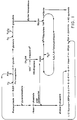
- Compounds which produce such levels of intracellular carbon dioxide may be selected based on the metabolic pathway set forth in Figure 1, and include lower alcohols, particularly including methanol, but also including ethanol, as well as amino acids, particularly including glycine, glutamate, glutamine, alanine and aspartate.
- Such intracellular carbon dioxide enhancing compounds will typically be applied to the plants in the presence of a phosphate compound, and optionally other known plant nutrients, and may have other growth promoting activities in addition to carbon dioxide enhancement. Frequently, it will be desirable to also include a surfactant in the compositions in order to enhance leaf wetting and penetration of the compound and other components.
- the compound will be applied as a foliar spray while the plant is exposed to a relatively high light intensity, typically a least about 1000 ⁇ EIN/m 2 /sec.
- growth of plants is promoted by applying a growth promoting composition
- a growth promoting composition comprising an amount of a lower alcohol, particularly methanol or methanol plant metabolite, sufficient to increase plant turgidity (turgor pressure) and enhance carbon fixation within the plant.
- the composition comprises an aqueous solution of the methanol or methanol plant metabolite, usually being methanol at 5% to 50% by volume.
- the plant growth promoting compositions optionally include a number of other components and nutrients, such as glycine, and glycerophosphate (which enhance carbon dioxide fixation under low light conditions), a nitrogen source, a phosphorus source, secondary nutrients, micronutrients, and the like.
- the composition will generally also include a surfactant to facilitate wetting and penetration of the methanol, methanol metabolite, and other components, into the plant tissue.
- compositions of the present invention are usually applied to a plant as a foliar spray, with direct application to portions of the plant exposed to sunlight being preferred.
- the methods of the present invention are most effective with plants which fix carbon via the C 3 pathway, and best results are obtained exposing the plant to sunlight or other illumination (typically having an intensity of at least 1000 ⁇ Ein/m 2 /sec.) for a period of time sufficient for photosynthetic metabolism of the methanol or methanol plant metabolite to take place, usually continuing such illumination for at least 2 hours, and preferably 4 hours after the initial composition application. In this way, photosynthetic (metabolic) conversion of the methanol and consequent alteration of the photosynthetic apparatus can be efficiently achieved.
- glycine and/or glycine and glycerophosphate in the plant growth promotant formulation will enhance photosynthesis and passage of the methanol and its metabolites through biochemical pathways with efficiency and safe uptake under lower illumination conditions, such as with plants located indoors.
- Plant growth promoting compositions of the present invention will also comprise an aqueous solution of an amino acid, a phosphate compound, and a surfactant, where the amino acid is selected to increase intracellular carbon dioxide levels when applied foliarly to the plant.
- the amino acid compound will be present in the composition in a concentration effective to inhibit photorespiration and enhance plant growth.
- the phosphate will be provided in order to provide sufficient phosphorous to support energy reactions required for such plant growth.
- the surfactant is present in an amount sufficient to enhance penetration of the remaining components of the composition into plant cells, particularly when the compositions are applied to plants having waxy leaves which otherwise might inhibit penetration.
- Preferred amino acids include glycine, glutamate, glutamine, alanine and aspartate, which are present in the compositions at concentrations from 0.1% to 10% by weight.
- the plant growth promotant compositions of the present invention can result in increased growth in treated plants by from 20% to 100%, or more, when compared to the use of similar fertilizer formulations without the methanol or methanol metabolite component.
- the fertilizers and methods of the present invention will often increase plant turgidity and sugar content, provide for more rapid plant maturation, reduce water requirements, and enhance tolerance to other environmental conditions by the treated plants. It is believed that the methanol and/or amino acid component itself contributes only minor amounts of carbon to the plant and that the compound acts primarily to alter and promote the plant's photosynthesis to provide a great increase in carbon fixation and growth.
- the present invention provides novel and effective compositions and methods for promoting the growth of green and other photosynthetic plants, particularly higher plants.
- the method relies on applying compounds such as methanol, methanol metabolites and amino acids (as defined hereinafter) as a foliar spray to the plant and its leaves, where the compound is selected to increase intracellular carbon dioxide levels in an amount sufficient to inhibit photo respiration within the plant cells and thus enhance plant growth.
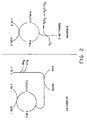
- the compounds having this capability may be identified by reference to a previously unrecognized pathway as set forth in Fig. 1.
- useful compounds can be identified by reference to the decarboxylation pathways set forth in Fig. 2. The pathway of Fig.
- sucrose synthesis pathway 1 appears to involve the photosynthetic apparatus in the sense that sunlight or other strong illumination is required for efficient utilization of the methanol, methanol plant metabolites and amino acids in the enhanced production of sucrose and structural components from carbon dioxide. It is presently believed that the essential aspects of the sucrose synthesis pathway are as illustrated in Fig. 1, although it is to be understood that the effectiveness of the present invention does not depend on the accuracy or completeness of the particular representation. The representation is useful, however, in that it helps to provide an understanding of the variations of the procedures of the present invention and the parameters of light, humidity, and temperature which affect how it can be practiced.
- the methods and compositions of the present invention are effective with virtually all photosynthetic plant species having leaves or other surfaces capable of receiving foliar sprays, particularly higher plants which fix carbon dioxide via the C 3 pathway, and may also find more limited use with plants which fix carbon via the C 4 and CAM pathways.
- "Higher” plants include all plant species having true stems, roots, and leaves, thus excluding lower plants, e.g. yeasts and molds.
- Suitable C 3 plants which may benefit from fertilization according to the present invention include crop plants, such as rice, peanuts, barley, broccoli, cauliflower, mint, grapes, potato, eggplant, zucchini, squash, cucumber, bean, lettuce, chard, sugar beet, radish, kale, tobacco, alfalfa, oats, soybean, turnip, parsnip, spinach, parsley, and the like; flowering plants, such as rose, coleus, chrysanthemum, poppy, African violets, bougainvillea, oleander, hibiscus, gardenia, jasmine, camellia, marigold, daisy, stock, vinca, gerbera, carnation, cyclamen, peony, shooting star, bird-of-paradise, forget-me-not, and the like; fruit trees, such as apple, plum, peach, cherry, citrus, and the like; and forest trees, such as pine, redwood, cypress, juniper, el
- the methods and compositions of the present invention may be used to promote growth in tissues of either juvenile or mature plants. Generally, however, it is desirable that the plants include at least two true leaves beyond the cotyledon or cotyledon pair (i.e. the "seed leaves"). Improved growth occurs as a result of several pathways for the metabolism of methanol in which oxidation immediately generates carbon dioxide which will reduce photorespiration.
- Turgor the distension of the plant cell wall and membranes by increase of cellular fluid content, is increased with synthesis of sugar.
- Turgidity being the opposite of wilt, is a positive symptom of plant vigor.
- High levels of turgor pressure distend guard cells, thereby increasing the stomatal opening and allowing improved assimilation of carbon dioxide.
- Enhanced turgidity therefore translates to improved photosynthesis in the presence of light.
- Such enhanced turgidity generally results in a lessened water requirement and appears to also increase tolerance of the treated plants to environmental extremes, i.e. heat, cold, drought water stress, low humidity, high light intensity and the like.
- the plant growth promoting compositions of the present invention will comprise an aqueous solution of methanol, a methanol plant metabolite and/or amino acid(s) present in an amount sufficient to increase intracellular carbon dioxide levels, inhibit photorespiration, and enhance carbon fixation and turgidity in a treated plant.
- the optimum amounts or concentrations of the active compound metabolite will vary depending on the plant species or variety being treated, the time of day, environmental factor(s), and the like.
- methanol For methanol, the concentration will generally be from 5% to 100%, usually being from 5% to 50% by volume, and more usually being from 10% to 30% by volume.
- Suitable methanol metabolites include those products of methanol which are apparent from the pathway of Fig. 1, particularly including formaldehyde and formic acid (and neutral analogs such as methyl formate). Such volume percentages are based on the total volume of the growth promotant composition.
- amino acids the concentration will generally be from 0.1% to 10% by weight, usually being from 1% to 5% by weight.
- Suitable amino acids include all or most natural amino acids, and will particularly include those amino acids which readily penetrate into plant cells upon foliar application and which provide the desired carbon dioxide production.
- Preferred amino acids include glycine, glutamate, glutamine, alanine and aspartate, with glycine being particularly preferred as a precursor for methyl tetrahydrofolate (C 1 THFA), a formaldehyde donor.
- the growth promotant compositions of the present invention may consist essentially of the aqueous solutions of methanol, methanol plant metabolite and/or amino acids, as described above, they will usually contain other ingredients and components which improve performance in various ways.
- the compositions will usually contain a surfactant present in an amount sufficient to promote leaf wetting and penetration of the methanol, methanol metabolite, and optionally other components, when the composition is applied to the plant as a foliar spray.
- Suitable surfactants include anionic and zwitterionic detergents, such as TeepolTM HB7, TweenTM, nonylphenoxyhydroxy polyoxyethylene and isopropanol, Johnson's baby shampoo, and the like.
- Compositions comprising methanol according to the present invention will preferably also contain components which enhance the production of sucrose via the alternate carbon fixation pathway of Fig. 1.
- Such components include the photorespiratory metabolites illustrated in Fig. 1, including glycolate, glyoxylate, glycine, serine, folate, peroxides, and the like.
- Other components which enhance such production include soluble salts of glycerophosphoric acid, such as disodium glycerophosphate, calcium glycerophosphate, L-glycerol 3-phosphate, phosphate esters of photosynthates, and the like.
- compositions comprising amino acids will also preferably contain a phosphate source, preferably a glycerophosphate or trimethyl phosphate present at from 0.1 weight percent to 5 weight percent, more preferably from 0.2 weight percent to 2 weight percent, in order to provide sufficient phosphorus to support the energy requirements of the enhanced growth provided by the composition of the present invention.
- a phosphate source preferably a glycerophosphate or trimethyl phosphate present at from 0.1 weight percent to 5 weight percent, more preferably from 0.2 weight percent to 2 weight percent, in order to provide sufficient phosphorus to support the energy requirements of the enhanced growth provided by the composition of the present invention.
- both the methanol and the amino acid compositions of the present invention will often include one or more conventional fertilizer constituents, such as a nitrogen source, for example low biuret (LB) urea, nitric acid, sodium nitrate, or other nitrogen salts; a phosphorus source, such as phosphate salts, trimethylphosphate, phosphoric acid, organophosphates superphosphate, potassium pyrophosphate and the like; and a potassium source, such as potassium chloride, potassium sulfate, potassium nitrate, potassium acetate and the like.
- a nitrogen source for example low biuret (LB) urea, nitric acid, sodium nitrate, or other nitrogen salts
- a phosphorus source such as phosphate salts, trimethylphosphate, phosphoric acid, organophosphates superphosphate, potassium pyrophosphate and the like
- a potassium source such as potassium chloride, potassium sulfate, potassium nitrate, potassium acetate and the like
- Compositions may further comprise secondary nutrients, such as sources of sulfur, calcium, and magnesium, as well as micronutrients, such as iron, boron, cobalt, copper, manganese, molybdenum, zinc, and the like. Incorporation of such primary, secondary, and micronutrients into liquid fertilizer formulations, is well described in the patent and technical literature.
- Other conventional fertilizer constituents which may be added to the compositions of the present invention include amino acids, peptides, vitamins, other biological metabolites of photosynthesis and photorespiration, insecticides, herbicides, fungicides, nematicides, antibiotics, plant growth regulators, nucleic acids, and the like.
- Exemplary methanol plant growth promoting formulations according to the present invention for field (outdoor) use with very high light intensities and indoor (low light intensity) use are as follows.
- Concentration Methanol 10% to 20% 10% Glycine 1 g/l to 3 g/l 1 g/l Urea 1 g/l to 6 g/l 2 g/l Urea phosphate 0.1 g/l to 1 g/l 1 g/l FeEDTA 0.01 g/l to 0.05 g/l 0.01 g/l Disodium glycerophosphate 1 g/l to 10 g/l 3 g/l TritonTM X-100 0.1 ml/l to 1 ml/l 0.5 ml/l Water QID 1 liter QID 1 liter
- glycerophosphate and glycine under low light conditions prevents foliar damage.
- Low light intensity is 100-150 ⁇ Ein/m 2 /sec.
- direct sunlight is necessary for complete effectiveness of methanol and its metabolites for enhancing growth with the Exemplary Field Formulation
- glycerophosphate and glycine prevent damage from methanol or its metabolites in treated plants exposed to obstructed sunlight or artificial light.
- the difference between field and indoor formulations is also based on the high temperatures caused by high light intensity.
- the lower indoor light intensities reduce the ability of the plant for photophosphorylation as well as its activation of its carbon dioxide fixation enzyme system, consequently, any additional phosphate and ATP provide useful assistance to the metabolic effort of the plant.
- the methanol plant growth promoting compositions of the present invention may be prepared by obtaining a methanol in water solution having the appropriate concentration of methanol. The remaining ingredients are dissolved in the water, either before or after methanol addition, usually with stirring and optionally with heat addition. Care should be taken to store the formulations under conditions which do not result in precipitation of the constituents.
- Exemplary amino acid formulations according to the present invention comprising glycine, glutamate, and aspartate, are as follows.
- TRIZMA succinate or oxalate pH 6.5 - 7 pH 7
- Glycerophosphate 1 g to 20 g 1 g Tetrapotassium pyrophosphate 0 g to 2 g 1 g Triton X-100 0.1 ml/1 to 1 ml/1 0.5 ml/1 Water QID 1 liter QID 1 liter Concentration Ranges Constituent Broad Preferred Aspartate 1 g to 100 g 50 g Phosphate Buffer (e.g.
- the amino acid plant growth promoting compositions of the present invention may be prepared by obtaining the amino acid, in liquid or dry form.
- glycine may be obtained from W.R. Grace Company, Lexington, Massachusetts, in bulk quantities, and may be dissolved in water to the appropriate concentration. The remaining constituents can then be added to the water solution, usually with stirring and optionally with heat addition. Care should be taken to store the formulations under conditions which do not result in precipitation of the constituents.
- the plant growth promoting compositions of the present application are preferably applied as a foliar mist or spray.
- the fertilizer compositions will be sprayed from the top of the plant so that the aqueous solutions will land on the portions of the plant which are directly exposed to sunlight or other illumination source.
- Conventional spraying equipment can be used.
- agricultural sprayers will be used.
- hand-held sprayers may be used.
- a sufficient spray will be applied so that the leaf and other plant surfaces will be wet.
- the usage will generally be in the range from five gallons to 100 gallons per acre, usually being about 20 gallons per acre, with the 20% formulation.
- spraying with the fertilizer will be performed at a time between plant watering or irrigation.
- the plant growth promoting compositions while the plants are exposed to direct sunlight or other suitable illumination.
- the plants should remain exposed to the sunlight or illumination for a period of time sufficient to permit plant turgidity to develop and allow for fixation of the applied carbon.
- the plants should remain exposed to sunlight or other illumination for at least two hours following fertilizer application, preferably for a period of at least four hours.
- Plant illumination either sunlight or artificial, should have an intensity sufficient to induce photorespiration and permit carbon fixation according to the pathway of Fig. 1.
- a minimum suitable illumination intensity is 100 ⁇ Ein/m 2 /sec, with direct sunlight normally providing much higher illumination,
- the inclusion of glycine with the glycerophosphate salt in the indoor formulations will enhance carbon fixation under low illumination intensity conditions, i.e. at or below 100 ⁇ Ein/m 2 /sec. It is preferable, however, that the plant be exposed to at least two and preferably four hours of intense illumination following application of even the indoor formulations.
- a minimal enhancement methanol medium was formulated containing (gm/L methanol): NH 2 CONH 2 (15), FeHEEDTA (0.08) and Triton X-100 (2.5); added to water pH 6.5-7.0 to appropriate dilution.
- a concentration gradient of methanol in 5% increments was applied to crop plants to establish maximum dose response.
- methanol concentrations approximately 10% below the established toxicity level elicited a desired growth response.
- a toxicity curve for methanol was established for cotton ranging from 1 percent to 50 percent methanol in pure water. At concentrations above 40 percent methanol, brown areas and leaf wilt were observed within 10 days.
- a concentration of 30 percent methanol in water did not damage cotton leaves; although, indentations in some cotton leaves retained 30% methanol for 24 hours or more and these areas became discolored and brittle.
- Treatment of cotton fields with 30% minimal enhancement methanol medium was repeated at weekly intervals in two passes. On the final application, 30 percent methanol without urea source was applied to stimulate maturation of cotton boils.
- tractors equipped as follows: a tractor was mounted with jet stream-agitated saddle tanks, hydraulic vane pump, and six-row spray-boom with Tee Jet 8004 flat spray nozzle tips. Height and spacing of nozzles were set to spray directly over the tops of plants at the center of each row. Pressure and tractor speed was maintained to achieve a rate of application of 186 L/Hectare.
- a methanol solution for spraying cotton fields from a tractor follows: in 500 liter capacity tanks, 150 liters methanol with 0.25 liter of nonylphenoxyhydroxypoly (oxyethylene) isopropanol and 1 gm FeHEEDTA was added to 350 liters pH 6.5 water containing 1.5 kg low biuret (LB) urea and 0.25 kg calcium nitrate with continuous agitation and the solution was pumped through the tractor mounted spray device for foliar coverage. Treatment of crops with the methanol solution was repeated between irrigation sets as necessary. Methanol-treated plants were otherwise treated the same as the remainder of the crop until maturation.
- LB low biuret
- Plantable and cotton crops were planted in irrigated rows as outdoor commercial crops in Maricopa County, Arizona during 1991. Cotton population was approximately 100,000 plants per hectare. Seed for field crops were from the following sources:
- Treated plants were in one entire greenhouse. Controls were in identically constructed neighboring greenhouses. Controls were given water through the mist irrigation system when treated plants were given 10% minimal enhancement methanol medium supplemented with 1 part per thousand Pounce 3.2 EC (FMC Corp., Chicago, Illinois) pyrethroid insecticide to prevent aphid infestation.
- Trees were treated by spraying stems or foliage with methanol. Included were lemon ( Citrus limon ), sour orange ( Citrus aurantium ), grapefruit ( Citrus paradisi ), Eucalyptus microfica, Olea europaea, Phoenix canariensis, Washingtonia robusta, Pinus eldarica and Pinus halepensis .
- lemon Citrus limon
- sour orange Citrus aurantium
- grapefruit Citrus paradisi
- Eucalyptus microfica Olea europaea
- Phoenix canariensis Washingtonia robusta
- Pinus eldarica and Pinus halepensis a hepta
- Five grapefruit trees were left in nutrient deficient states from the previous year. These grapefruit trees were N, S and Fe deficient, showing symptoms of reduced fruit yield, discolored foliage and chlorosis.
- Three of these nutrient deficient grapefruit trees were treated with N, S and Fe supplemented methanol
- Container seed starts of wheat, barley and tomato were germinated in 72-well plastic tree flats with 90% bark, 5% river sand, 5% topsoil and fertilizer. Wheat was subject to direct sunlight and water stress by eliminating two consecutive irrigation cycles and then resuming normal irrigation cycles. Wheat was treated with 20% methanol soluble major and minor nutrients two days prior to water stress. At maturity, 50 seed heads including the rachis, seed and chaff were weighed and seeds per head counted each for control and treated plants.
- Barley Hordeum vulgare was tested for effects of low light intensity by shading with 85% blockage mesh or exposure to direct sunlight. Barley plants were selected for similarity and were juxtaposed in order to replicate conditions for treated plants and their controls. Barley was cultured in 8 liter plastic containers, each plant spaced 5 cm (diam etc.) from the nearest plant to prevent self-shading. Six sets of barley were prepared: two for direct sunlight, two for shade, and two for shade with glutamic acid, sodium salt (1 g/L in minimal enhancement methanol medium). Half of the sets were left untreated as the control and the other sets were treated with test solutions.
- glycine (2 g/L) was substituted for glutamate. Barley plants were given three spray treatments with methanol solutions during the two week test period. Increased turgidity was determined by measuring the angles of pre-treatment and post-treatment positions of barley leaves with a protractor. The 0-180 degree baseline was aligned vertically with the main axis of the central stalk.
- plants were treated with 20% minimal enhancement methanol medium supplemented with 2 g/L glycine during the cool late winter from 1 March to 1 April. Test plants were treated three times under cloudy weather conditions. The following cultivars were treated: "Ichiban” eggplant, “Genoa” tomato and “Sequoia” strawberry. Plants were 5-10 cm tall at the start of weekly treatments. Harvest was undertaken by cutting the entire shoot at the base. Live weights of the shoots and individual leaves were recorded for controls and methanol-glycine treated plants.
- Plants showed rapid responses to methanol just below toxicity levels. Toxicity levels of methanol varied according to anatomical location of application and variety of plant. Generally, stems withstood the highest concentrations; 80-100% methanol was applied directly to trunk sections of pine ( Pinus eldarica and Pinus halepensis ), palm ( Phoenix canariensis and Washingtonia robusta ), eucalyptus ( Eucalyptus microfica ), lemon ( Citrus limon ), sour orange ( Citrus aurantium ), grapefruit ( Citrus paradisi ) and olive ( Olea europaea ) trees with no observable damage.
- Foliar requirements for methanol differed widely, for example, 50% methanol was applied to palm and eucalyptus leaves, but eggplant was treated with 10% methanol. Significant differences in optimal methanol concentrations for foliage were observed at the varietal level, exemplified by savoy cabbage at 20% methanol and green cabbage at 50% methanol concentration in water. Foliar applications far below established toxicity levels necessitated repeated applications to elicit rapid growth responses similar to applications made near the toxicity levels. For example, at 20% methanol concentration, green cabbage required 3-6 repeated applications to show response similar to a single 50% methanol application.
- Untreated control cabbages were similar in size to cabbages treated with one application of 20% methanol, but cabbages treated repeatedly with 20% methanol or one time with 50% methanol grew to approximately twice the size of controls in four weeks.
- foliar treatment under direct noon sunlight, increased turgidity was observed within two hours of treatment with methanol. Increased turgidity in treated plants was particularly evident between irrigation cycles and in the afternoon when control plants wilted under direct sunlight. Treated plants stood erect and vigorous during periods that controls were water stressed.
- Under high noon direct sunlight for example, foliar application of 30% methanol on cotton resulted in increased leaf turgidity within 4 hours and approximately 15% increased growth in height over untreated controls within two weeks.
- Savoy cabbages were treated under direct sunlight with 20% methanol. During a week when temperature maxima were above 40° C, treated savoy cabbages remained turgid while controls wilted. During the fall, savoy cabbages treated with a single application of methanol showed approximately 50% increase in vegetative growth over controls after 2 weeks with larger, thicker and more numerous leaves. Savoy cabbages treated with multiple applications of methanol showed chlorosis and stunted growth after the fifth application, therefore, nutrient supplemented solutions containing urea and chelated iron were utilized to sustain growth. Four weeks after three treatments with 20% minimal enhancement methanol medium, treated cabbages were as much as twice the size of controls.
- Durum wheat Triticum durum
- Durum wheat Triticum durum
- controls wilted for approximately two hours each afternoon, but methanol treated plants stood erect and turgid.
- Treated wheat foliage averaged more than 50% greater in length and 35% greater in width than blades of untreated controls 45 days after planting.
- treated wheat averaged 18 plump seeds per culm and controls averaged 12 small seeds per culm.
- Individual dry seed heads averaged 0.36 gm from treated plants and 0.16 gm from controls.
- Methanol was applied to short staple cotton ( Gossypium hirsutum ) planted out-of-doors in irrigated rows from June through August.
- cotton plants showed greater turgidity and had larger leaves than controls.
- Treatment with methanol stimulated production of cotton leaves to 20-100% greater surface area and approximately 25-50% greater thickness over controls in two to three weeks. Greatest leaf increase was observed in the upper canopy and least improvement was observed in lowest leaves.
- Individual cotton plants received approximately 0.5 ml methanol per plant by tractor spray apparatus. Treated cotton plants required irrigation repetitions 9 days apart when control plants required 7 day irrigation cycles during a 20-30 day period following methanol application.
- barley treated with minimal enhancement methanol medium showed approximately 50% increase in vegetative growth over controls. Under subdued light, controls were slightly etiolated and averaged 10.5 cm in height. Barley treated with minimal enhancement methanol medium under low light averaged 6.3 cm in height and had wilted brown leaf tips. With the addition of glutamate to minimal enhancement methanol medium, barley plants averaged 12.3 cm height under low light conditions. In the repeat of the test with glycine substituted for glutamate, barley plants showed similar improvement of growth in the shade. Barley plants that were treated with glycine and methanol showed turgidity increases within 30 minutes under direct sunlight and after several hours in the shade. Wilted blades of treated plants rose 25 degrees in angle above their pre-treatment position when under direct sunlight.
- Amino acid treatment is best undertaken in combination with a low concentration (1-10 mN) of an available source of phosphate such as glycerophosphate, trimethyl phosphate, etc.
- Optimal dosages place 0.01-0.1 gm amino acid per square foot of leaf surface area during lengthy periods of photorespiratory stress.
- cotton was treated with a Growth Improvement Glycerophosphate-Amino acid (GIGA) solution containing: 0.5% glycine; 0.2% glycerophosphate, calcium salt; 0.02% Triton X-100; and water. The solution was adjusted to pH 6.5 with citrate-phosphate buffer.
- GIGA Growth Improvement Glycerophosphate-Amino acid
- the foliage of each plant was treated by backpack sprayer with 5 ml of the solution per plant once per week for three weeks.
- Six controls were tested including: untreated water, surfactant, glycine and surfactant, glycerophosphate and surfactant, and 20% methanol+surfactant.
- Cotton plants were cultured in plastic containers under greenhouse conditions similar to those previously described for rose studies. The highest afternoon light intensity reached approximately 800-1000 ⁇ Ein/m 2 /sec and untreated control plants normally wilted 4 to 6 hours per day as temperatures rose above 100°F.
- the surface area of three leaves per plant were measured 30 days after the initial treatment and the dry weights of the leaves were determined.
- the very low value for probability of sameness between the GIGA and Water treated groups indicates significant difference in populations.
- Inferential analysis clearly indicates that of all the groups studied, GIGA treatments showed greatest growth of foliage.
Landscapes
- Life Sciences & Earth Sciences (AREA)
- Pest Control & Pesticides (AREA)
- Wood Science & Technology (AREA)
- Zoology (AREA)
- Health & Medical Sciences (AREA)
- Engineering & Computer Science (AREA)
- Dentistry (AREA)
- General Health & Medical Sciences (AREA)
- Agronomy & Crop Science (AREA)
- Plant Pathology (AREA)
- Environmental Sciences (AREA)
- Organic Chemistry (AREA)
- Chemical & Material Sciences (AREA)
- Botany (AREA)
- Agricultural Chemicals And Associated Chemicals (AREA)
- Fertilizers (AREA)
- Cultivation Of Plants (AREA)
Applications Claiming Priority (3)
| Application Number | Priority Date | Filing Date | Title |
|---|---|---|---|
| US90136692A | 1992-06-19 | 1992-06-19 | |
| US901366 | 1992-06-19 | ||
| PCT/US1993/005676 WO1994000009A1 (en) | 1992-06-19 | 1993-06-14 | Methods and compositions for enhancing carbon fixation in plants |
Publications (3)
| Publication Number | Publication Date |
|---|---|
| EP0645962A1 EP0645962A1 (en) | 1995-04-05 |
| EP0645962A4 EP0645962A4 (en) | 1995-07-05 |
| EP0645962B1 true EP0645962B1 (en) | 2000-01-05 |
Family
ID=25414034
Family Applications (1)
| Application Number | Title | Priority Date | Filing Date |
|---|---|---|---|
| EP93915342A Expired - Lifetime EP0645962B1 (en) | 1992-06-19 | 1993-06-14 | Methods and Compositions for Enhancing Carbon Fixation in Plants |
Country Status (17)
| Country | Link |
|---|---|
| US (1) | US5597400A (enExample) |
| EP (1) | EP0645962B1 (enExample) |
| JP (1) | JPH07508978A (enExample) |
| CN (1) | CN1043832C (enExample) |
| AU (1) | AU676178B2 (enExample) |
| BR (1) | BR9306568A (enExample) |
| CA (1) | CA2137376A1 (enExample) |
| DE (1) | DE69327532T2 (enExample) |
| ES (1) | ES2141767T3 (enExample) |
| GR (1) | GR3032318T3 (enExample) |
| IL (1) | IL106063A (enExample) |
| MX (1) | MX9303677A (enExample) |
| PT (1) | PT645962E (enExample) |
| RU (1) | RU2125796C1 (enExample) |
| UA (1) | UA41324C2 (enExample) |
| WO (1) | WO1994000009A1 (enExample) |
| ZA (1) | ZA934341B (enExample) |
Cited By (1)
| Publication number | Priority date | Publication date | Assignee | Title |
|---|---|---|---|---|
| EP2368433A1 (en) | 2010-03-24 | 2011-09-28 | Cognis IP Management GmbH | Biocide compositions comprising glycerol(ether)phosphates |
Families Citing this family (73)
| Publication number | Priority date | Publication date | Assignee | Title |
|---|---|---|---|---|
| US6020288A (en) * | 1992-06-19 | 2000-02-01 | Nonomura; Arthur M. | Methods and compositions for enhancing cytochrome P450 in plants |
| US5846908A (en) * | 1992-06-19 | 1998-12-08 | Nonomura; Arthur M. | Methods and compositions for enhancing plant growth with p-amino- or p-nitro-benzoic acids |
| US5981441A (en) * | 1994-01-26 | 1999-11-09 | Rodder; Jerome A. | Use of methanol for improving plant growth |
| US6534446B1 (en) | 1994-02-23 | 2003-03-18 | Emerald Bioagriculture Corporation | Method to mitigate plant stress |
| US5840656A (en) * | 1994-02-23 | 1998-11-24 | Auxein Corporation | Method for increasing fertilizer efficiency |
| ES2097084B1 (es) * | 1994-06-14 | 1997-12-16 | Alvarez Cuevas Figuerola Narci | Utilizacion de sustancias solidas y/o liquidas con propiedades lubricantes para la fabricacion de granulados de alta concentracion por extrusion. |
| JPH11501608A (ja) * | 1995-03-06 | 1999-02-09 | ノノムラ,アーサー,エム | 植物におけるホルミルテトラヒドロプテロイルポリグルタメートを増強するための方法と組成物 |
| US5961687A (en) * | 1996-07-26 | 1999-10-05 | University Of Maryland Eastern Shore | Method for treating plants |
| EP0967853A4 (en) * | 1996-12-19 | 2001-03-21 | Jerome A Rodder | METHOD FOR IMPROVING THE GROWTH CHARACTERISTICS OF PLANTS OF THE ORCHIDACEEN FAMILY |
| US5908708A (en) * | 1997-03-05 | 1999-06-01 | Engelhard Corporation | Aqueous dispersion of a particulate solid having a hydrophobic outer surface and films produced thereby |
| DE19722869C2 (de) * | 1997-05-31 | 1999-04-15 | Heiner Rogmann | Verfahren zum Düngen eines Rasens |
| US5958104A (en) * | 1997-09-11 | 1999-09-28 | Nonomura; Arthur M. | Methods and compositions for enhancing plant growth |
| US6071304A (en) | 1998-04-06 | 2000-06-06 | Augustine Medical, Inc. | Wound treatment apparatus with a heater adhesively joined to a bandage |
| FR2779911B1 (fr) * | 1998-06-17 | 2003-10-03 | Jean Morelle | Compositions destinees a la protection des vegetaux contre le stress oxydatif |
| US6124241A (en) * | 1998-10-29 | 2000-09-26 | Auxien Corporation | Method for increasing plant productivity using glutamic acid and glycolic acid |
| US6331505B1 (en) | 1998-10-29 | 2001-12-18 | Emerald Bioagriculture Corporation | Method for increasing plant productivity using glutamic acid and glycolic acid |
| AU3101100A (en) | 1998-11-17 | 2000-06-05 | Regents Of The University Of California, The | Novel enhancers of plant growth |
| US6365406B1 (en) | 1998-11-17 | 2002-04-02 | The Regents Of The University Of California | Enhancers of net photosynthesis and methods of enhancing net photosynthesis |
| US6329320B1 (en) | 1999-02-26 | 2001-12-11 | University Of Maryland Eastern Shore | Method for treating plants |
| JP3448609B2 (ja) * | 1999-03-04 | 2003-09-22 | 奈良先端科学技術大学院大学長 | 植物の光酸化障害を回避させる方法 |
| US6241795B1 (en) * | 1999-04-16 | 2001-06-05 | Miller Chemical And Fertilizer Corporation | Soluble fertilizer formulation |
| NO310641B1 (no) * | 1999-12-30 | 2001-08-06 | Norsk Hydro As | Vekstfremmende sammensetning for planter og fremgangsmåte for dens anvendelse |
| JP2001288011A (ja) * | 2000-04-10 | 2001-10-16 | Kao Corp | 植物活力剤 |
| JP3805599B2 (ja) * | 2000-04-10 | 2006-08-02 | 花王株式会社 | 植物活力剤 |
| JP2001316204A (ja) * | 2000-04-28 | 2001-11-13 | Kao Corp | 植物活力剤 |
| JP4502098B2 (ja) | 2000-11-27 | 2010-07-14 | 味の素株式会社 | 植物用分けつ促進剤および植物の分けつ促進方法 |
| SE521121C2 (sv) * | 2001-03-19 | 2003-09-30 | Norogard Ab | Komposition för resorption av mikronäringsämnen i växter samt förfarande för dess framställning och användning |
| DK1406567T3 (da) | 2001-07-12 | 2010-05-31 | Kci Medical Resources | Styring af vakuumændringshastigheden |
| US6475257B1 (en) * | 2001-09-18 | 2002-11-05 | James N. Baptist | Method of improving plant growth |
| AU2002346787A1 (en) * | 2002-12-05 | 2004-06-23 | Kemira Agro Oy | Nutrient composition comprising an iron chelate |
| FI115820B (fi) | 2003-06-10 | 2005-07-29 | Hantula Markku | Nestemäinen lehtilannoitekoostumus |
| RU2257059C1 (ru) * | 2004-02-04 | 2005-07-27 | Некоммерческое научно-производственное партнерство (ННПП) "НЭСТ М" | Рострегулирующий комплекс, способ его получения, препарат на его основе и применение в сельскохозяйственной практике |
| RU2257712C1 (ru) * | 2004-03-22 | 2005-08-10 | Федеральное государственное образовательное учреждение высшего профессионального образования Ставропольский государственный аграрный университет | Способ получения регулятора роста растений |
| WO2006065397A2 (en) * | 2004-12-14 | 2006-06-22 | Chamblee Robert K | Plant growth stimulant with nutritive supplement |
| US7534280B2 (en) * | 2005-04-25 | 2009-05-19 | The Davey Tree Expert Company | Fertilizers containing polyamino acid |
| US20060236734A1 (en) * | 2005-04-25 | 2006-10-26 | The Davey Tree Expert Company | Fertilizers containing polyamino acid |
| US8637091B2 (en) * | 2005-05-03 | 2014-01-28 | Tessenderlokerley Inc | Compositions comprising particles resulting from processing in a slurry mix |
| RU2297132C1 (ru) * | 2005-09-13 | 2007-04-20 | Государственное научное учреждение Всероссийский научно-исследовательский институт орошаемого земледелия РАСХН | Способ хранения семенного картофеля |
| RU2438312C2 (ru) * | 2007-04-02 | 2012-01-10 | Эмиль Голаб | Способ и вещество для стимуляции роста растений |
| US8476059B2 (en) | 2007-06-01 | 2013-07-02 | Solazyme, Inc. | Sucrose feedstock utilization for oil-based fuel manufacturing |
| US20090156404A1 (en) * | 2007-12-18 | 2009-06-18 | Crop Microclimate Management, Inc. | Methods and Compositions for Reducing Stress in Plants |
| KR101058535B1 (ko) * | 2008-05-22 | 2011-08-23 | 인하대학교 산학협력단 | 고효율 이산화탄소 제거능을 갖는 미세조류 및 이의 용도 |
| JP2011530467A (ja) * | 2008-07-11 | 2011-12-22 | エフビーサイエンシズ・ホールディングス,インコーポレイテッド | 葉に施用可能なケイ素栄養組成物および方法 |
| SG171428A1 (en) | 2008-11-28 | 2011-07-28 | Solazyme Inc | Manufacturing of tailored oils in recombinant heterotrophic microorganisms |
| US8025709B2 (en) * | 2009-01-09 | 2011-09-27 | Specialty Feritlizer Products, LLC | Quick drying polymeric coating |
| RU2409028C1 (ru) * | 2009-06-09 | 2011-01-20 | Государственное Научное Учреждение Сибирский Научно-Исследовательский Институт Сельского Хозяйства И Торфа Сибирского Отделения Россельхозакадемии (Гну Сибниисхит Со Россельхозакадемии) | Способ регулирования роста пшеницы |
| CA2772937C (en) | 2009-09-03 | 2018-07-17 | Fbsciences Holdings, Inc. | Seed treatment compositions & methods |
| SG181805A1 (en) * | 2009-12-18 | 2012-07-30 | Boehringer Ingelheim Int | Method for optimizing a biopharmaceutical production process |
| AU2011220319B2 (en) * | 2010-02-23 | 2014-03-27 | Innovative Chemical Services Pty Ltd | Emulsion adjuvant for herbicides |
| EP2575486B1 (en) | 2010-05-28 | 2021-09-01 | Corbion Biotech, Inc. | Food compositions comprising tailored oils |
| CA3024641A1 (en) | 2010-11-03 | 2012-05-10 | Corbion Biotech, Inc. | Microbial oils with lowered pour points, dielectric fluids produced therefrom, and related methods |
| JP6071904B2 (ja) | 2011-02-02 | 2017-02-01 | テラヴィア ホールディングス, インコーポレイテッド | 組み換え油産生微生物から生成される用途に応じた油 |
| RU2462035C1 (ru) * | 2011-08-12 | 2012-09-27 | Михаил Аркадьевич Ершов | Способ получения стимулятора зерновых культур |
| AU2013207818B2 (en) | 2012-01-12 | 2017-02-02 | Fbsciences Holdings, Inc. | Modulation of plant biology |
| RU2485764C1 (ru) * | 2012-01-12 | 2013-06-27 | Сергей Викторович Мурашев | Способ обработки плодово-ягодных культур (варианты) |
| RU2479978C1 (ru) * | 2012-01-31 | 2013-04-27 | Евгений Александрович Оленев | Способ подкормки растений |
| AU2013249172C1 (en) | 2012-04-18 | 2017-08-10 | Corbion Biotech, Inc. | Tailored oils |
| US9961922B2 (en) | 2012-10-15 | 2018-05-08 | Verdesian Life Sciences, Llc | Animal feed and/or water amendments for lowering ammonia concentrations in animal excrement |
| US20140223981A1 (en) * | 2013-02-14 | 2014-08-14 | Old Dominion University Research Foundation | Fertilizers for carbon sequestration and enhanced nutrient efficiency |
| US11254620B2 (en) | 2013-08-05 | 2022-02-22 | Verdesian Life Sciences U.S., Llc | Micronutrient-enhanced polymeric seed coatings |
| CN103435412B (zh) * | 2013-08-16 | 2014-11-05 | 中国农业科学院油料作物研究所 | 一种提高芝麻耐湿能力的复合诱抗剂 |
| TW201522390A (zh) | 2013-08-27 | 2015-06-16 | 特級肥料產品公司 | 聚陰離子聚合物 |
| WO2015035031A1 (en) | 2013-09-05 | 2015-03-12 | Verdesian Life Sciences, Llc | Polymer-boric acid compositions |
| WO2015051319A2 (en) | 2013-10-04 | 2015-04-09 | Solazyme, Inc. | Tailored oils |
| RU2546910C1 (ru) * | 2013-11-13 | 2015-04-10 | Дмитрий Игнатьевич Дорофеев | Способ подкормки фруктовых деревьев |
| WO2015179687A1 (en) | 2014-05-21 | 2015-11-26 | Verdesian Life Sciences, Llc | Polymer soil treatment compositions including humic acids |
| US10822487B2 (en) | 2014-05-22 | 2020-11-03 | Verdesian Life Sciences Llc | Polymeric compositions |
| US9969990B2 (en) | 2014-07-10 | 2018-05-15 | Corbion Biotech, Inc. | Ketoacyl ACP synthase genes and uses thereof |
| RU2603920C1 (ru) * | 2015-07-20 | 2016-12-10 | Федеральное государственное бюджетное образовательное учреждение высшего образования "Тверская государственная сельскохозяйственная академия" (ФГБОУ ВО Тверская ГСХА) | Способ подкормки растений овса |
| US10676404B2 (en) * | 2015-09-04 | 2020-06-09 | Shell Oil Company | Urea-ammonium nitrate fertiliser |
| RU2619384C1 (ru) * | 2015-12-17 | 2017-05-15 | Федеральное государственное бюджетное учреждение науки институт биоорганической химии им. академиков М.М. Шемякина и Ю.А. Овчинникова Российской академии наук (ИБХ РАН) | Способ получения тетраплоидных форм осины |
| WO2018123651A1 (ja) * | 2016-12-27 | 2018-07-05 | 国立研究開発法人理化学研究所 | 植物の環境ストレス耐性向上剤 |
| CA3054360A1 (en) | 2017-02-22 | 2018-08-30 | Lucas TYREE | Foliar feeding formulation and methods of use |
Family Cites Families (19)
| Publication number | Priority date | Publication date | Assignee | Title |
|---|---|---|---|---|
| US3472647A (en) * | 1966-12-01 | 1969-10-14 | Hooker Chemical Corp | Method of increasing the amount of fruit |
| US3764294A (en) * | 1966-12-01 | 1973-10-09 | Hooker Chemical Corp | Method for stimulating plant growth |
| US3915686A (en) * | 1969-10-03 | 1975-10-28 | Hooker Chemicals Plastics Corp | Method and composition for stimulating plant growth |
| FR2064679A5 (en) * | 1969-10-13 | 1971-07-23 | Hooker Chemical Corp | Regulation of plant growth and fruiting with lower alk - anols |
| YU32749B (en) * | 1970-05-26 | 1975-06-30 | Inst Za Bioloska Istrazivanja | Postupak za stimulizaciju rasta i razvica biljaka alantoinske vrste |
| US3918952A (en) * | 1974-03-15 | 1975-11-11 | I C Johnson & Son Inc | High analysis clear lawn fertilizer solution |
| US4033745A (en) * | 1976-06-03 | 1977-07-05 | Slo Release, Inc. | Non-burning storable liquid fertilizer |
| US4190428A (en) * | 1977-05-04 | 1980-02-26 | General Foods Corporation | Plant treating composition |
| US4099957A (en) * | 1977-05-25 | 1978-07-11 | W. R. Grace & Co. | Ripening of sugarcane by use of alcohols |
| US4274861A (en) * | 1978-06-27 | 1981-06-23 | Inter Chem, Ltd. | Plant growth stimulant |
| SU816437A1 (ru) * | 1979-07-23 | 1981-03-30 | Украинская Ордена Трудового Красногознамени Сельскохозяйственная Академия | Способ стимулировани роста расте-Ний ОгуРцОВ B ВОдНОй КульТуРЕ |
| JPS5632961A (en) * | 1979-08-25 | 1981-04-02 | Minamoto:Kk | Oshizushi (pressed vinegared fish and rice) of yellowtail and its preparation |
| US4409015A (en) * | 1982-02-11 | 1983-10-11 | Borden, Inc. | Flowable liquid fertilizer containing suspended water insoluble nitrogen |
| DE3218028A1 (de) * | 1982-05-13 | 1983-11-17 | A. Nattermann & Cie GmbH, 5000 Köln | Blattduengemittel |
| US4863506A (en) * | 1983-07-06 | 1989-09-05 | Union Oil Company Of California | Methods for regulating the growth of plants and growth regulant compositions |
| BG44893A1 (enExample) * | 1986-01-20 | 1989-03-15 | Kostadin K Kostadinov | |
| JPS62215503A (ja) * | 1986-03-18 | 1987-09-22 | Kyowa Hakko Kogyo Co Ltd | ブドウの品質改良方法 |
| US5071466A (en) * | 1987-09-18 | 1991-12-10 | Teijin Limited | Method of decreasing physiological drop from fruit trees using brassinolide |
| CN1046886A (zh) * | 1990-01-09 | 1990-11-14 | 孙圣格 | 植物叶肥及其制备方法 |
-
1993
- 1993-06-14 RU RU94046349/04A patent/RU2125796C1/ru not_active IP Right Cessation
- 1993-06-14 AU AU45361/93A patent/AU676178B2/en not_active Ceased
- 1993-06-14 CA CA002137376A patent/CA2137376A1/en not_active Abandoned
- 1993-06-14 PT PT93915342T patent/PT645962E/pt unknown
- 1993-06-14 WO PCT/US1993/005676 patent/WO1994000009A1/en not_active Ceased
- 1993-06-14 EP EP93915342A patent/EP0645962B1/en not_active Expired - Lifetime
- 1993-06-14 BR BR9306568A patent/BR9306568A/pt not_active IP Right Cessation
- 1993-06-14 ES ES93915342T patent/ES2141767T3/es not_active Expired - Lifetime
- 1993-06-14 US US08/351,348 patent/US5597400A/en not_active Expired - Fee Related
- 1993-06-14 JP JP6502416A patent/JPH07508978A/ja active Pending
- 1993-06-14 DE DE69327532T patent/DE69327532T2/de not_active Expired - Fee Related
- 1993-06-14 UA UA94129183A patent/UA41324C2/uk unknown
- 1993-06-17 ZA ZA934341A patent/ZA934341B/xx unknown
- 1993-06-18 IL IL106063A patent/IL106063A/xx not_active IP Right Cessation
- 1993-06-18 MX MX9303677A patent/MX9303677A/es not_active IP Right Cessation
- 1993-06-19 CN CN93107238A patent/CN1043832C/zh not_active Expired - Fee Related
-
2000
- 2000-01-07 GR GR990403357T patent/GR3032318T3/el unknown
Cited By (2)
| Publication number | Priority date | Publication date | Assignee | Title |
|---|---|---|---|---|
| EP2368433A1 (en) | 2010-03-24 | 2011-09-28 | Cognis IP Management GmbH | Biocide compositions comprising glycerol(ether)phosphates |
| WO2011116891A1 (en) | 2010-03-24 | 2011-09-29 | Cognis Ip Management Gmbh | Biocide compositions comprising glycerol(ether)phosphates |
Also Published As
| Publication number | Publication date |
|---|---|
| WO1994000009A1 (en) | 1994-01-06 |
| DE69327532D1 (de) | 2000-02-10 |
| DE69327532T2 (de) | 2000-10-12 |
| MX9303677A (es) | 1994-02-28 |
| PT645962E (pt) | 2000-05-31 |
| GR3032318T3 (en) | 2000-04-27 |
| AU676178B2 (en) | 1997-03-06 |
| IL106063A (en) | 1997-08-14 |
| BR9306568A (pt) | 1998-12-08 |
| ES2141767T3 (es) | 2000-04-01 |
| CN1043832C (zh) | 1999-06-30 |
| UA41324C2 (uk) | 2001-09-17 |
| CN1111932A (zh) | 1995-11-22 |
| ZA934341B (en) | 1994-01-13 |
| JPH07508978A (ja) | 1995-10-05 |
| AU4536193A (en) | 1994-01-24 |
| EP0645962A4 (en) | 1995-07-05 |
| US5597400A (en) | 1997-01-28 |
| RU94046349A (ru) | 1996-10-27 |
| EP0645962A1 (en) | 1995-04-05 |
| CA2137376A1 (en) | 1994-01-06 |
| RU2125796C1 (ru) | 1999-02-10 |
| IL106063A0 (en) | 1993-10-20 |
Similar Documents
| Publication | Publication Date | Title |
|---|---|---|
| US5597400A (en) | Methods and compositions for enhancing carbon fixation in plants | |
| Nonomura et al. | The path of carbon in photosynthesis: improved crop yields with methanol. | |
| US6874277B2 (en) | Method and composition for promoting and controlling growth of plants | |
| Mady | Effect of foliar application with yeast extract and zinc on fruit setting and yield of faba bean (Vicia faba L.) | |
| US5797976A (en) | Method and composition for promoting and controlling growth of plants | |
| US5549729A (en) | Method and composition for promoting and controlling growth of plants | |
| US5840656A (en) | Method for increasing fertilizer efficiency | |
| Hanafy Ahmed et al. | Nitrate accumulation, growth, yield and chemical composition of Rocket (Eruca vesicaria subsp. sativa) plant as affected by NPK fertilization, kinetin and salicylic acid | |
| CN108863536A (zh) | 一种植物生根营养源促进剂及其制备方法 | |
| Glinicki et al. | The effect of plant stimulant/fertilizer" resistim" on growth and development of strawberry plants. | |
| AU2020339071B2 (en) | Biostimulant agent for treating plants and/or plant seed | |
| Tan et al. | Absorption, translocation, and assimilation of foliar-applied urea compared with nitrate and ammonium in tomato plants | |
| Elsharkawy | Growth, yield and chemical composition of peas (Pisum sativum) as affected by potassium levels and different methods of yeast application | |
| Nasir et al. | Significance of plant growth regulators (PGR’s) on the growth and yield of wheat crop | |
| Abd El-Aal et al. | The effect of foliar application of GA3 and soil dressing of NPK at different levels on the plant productivity of potatoes (Solanum tuberosum L.) | |
| Abdel-Aziz et al. | Effect of some foliar applications of nutrients on fruit set and yield of valencia orange trees in newly grown orchards | |
| Chitu et al. | Effects of foliar ecological products application on apple growth, yield and quality | |
| Jain | Shubham Jain, Swati Shukla, Dupati Ashok Kumar, Priya Pandey, Yogesh Achyutrao Shaniware, Alemla Imchen, Shalini Singh and Saransh Saxena | |
| CHOUHAN | Effect of Soil and Foliar Application of Nutrients on Cowpea [Vigna unguiculata (L.) Walp] | |
| BG5648U1 (bg) | Течен органо-минерален тор | |
| CN122004101A (zh) | 一种提高生姜产量和品质的方法 | |
| El-Yazal | Physiological studies on the effect of citrine on growth, yield and some chemical constituents of maize (zea mays l.) plants | |
| PATIL | EFFECT OF NPK, ZnS04 AND MgS04 ON GROWTH, SEED YIELD AND QUALITY OF GARDENPEA [Hsum sativum (L.) J Cv. BONNEVILLE | |
| KUCHAY | Master of Science in Horticulture | |
| Kargbo | FOLIAR FERTILIZATION OF CORN DURING THE GRAIN-FILLING PERIOD. |
Legal Events
| Date | Code | Title | Description |
|---|---|---|---|
| PUAI | Public reference made under article 153(3) epc to a published international application that has entered the european phase |
Free format text: ORIGINAL CODE: 0009012 |
|
| 17P | Request for examination filed |
Effective date: 19950112 |
|
| AK | Designated contracting states |
Kind code of ref document: A1 Designated state(s): DE ES FR GB GR IT NL PT |
|
| A4 | Supplementary search report drawn up and despatched | ||
| AK | Designated contracting states |
Kind code of ref document: A4 Designated state(s): DE ES FR GB GR IT NL PT |
|
| 17Q | First examination report despatched |
Effective date: 19970314 |
|
| GRAG | Despatch of communication of intention to grant |
Free format text: ORIGINAL CODE: EPIDOS AGRA |
|
| GRAG | Despatch of communication of intention to grant |
Free format text: ORIGINAL CODE: EPIDOS AGRA |
|
| GRAH | Despatch of communication of intention to grant a patent |
Free format text: ORIGINAL CODE: EPIDOS IGRA |
|
| GRAH | Despatch of communication of intention to grant a patent |
Free format text: ORIGINAL CODE: EPIDOS IGRA |
|
| RTI1 | Title (correction) |
Free format text: METHODS AND COMPOSITIONS FOR ENHANCING CARBON FIXATION IN PLANTS |
|
| GRAA | (expected) grant |
Free format text: ORIGINAL CODE: 0009210 |
|
| ITF | It: translation for a ep patent filed | ||
| AK | Designated contracting states |
Kind code of ref document: B1 Designated state(s): DE ES FR GB GR IT NL PT |
|
| REF | Corresponds to: |
Ref document number: 69327532 Country of ref document: DE Date of ref document: 20000210 |
|
| ET | Fr: translation filed | ||
| REG | Reference to a national code |
Ref country code: ES Ref legal event code: FG2A Ref document number: 2141767 Country of ref document: ES Kind code of ref document: T3 |
|
| REG | Reference to a national code |
Ref country code: PT Ref legal event code: SC4A Free format text: AVAILABILITY OF NATIONAL TRANSLATION Effective date: 20000214 |
|
| PLBE | No opposition filed within time limit |
Free format text: ORIGINAL CODE: 0009261 |
|
| STAA | Information on the status of an ep patent application or granted ep patent |
Free format text: STATUS: NO OPPOSITION FILED WITHIN TIME LIMIT |
|
| 26N | No opposition filed | ||
| REG | Reference to a national code |
Ref country code: GB Ref legal event code: IF02 |
|
| PGFP | Annual fee paid to national office [announced via postgrant information from national office to epo] |
Ref country code: FR Payment date: 20020517 Year of fee payment: 10 |
|
| PGFP | Annual fee paid to national office [announced via postgrant information from national office to epo] |
Ref country code: NL Payment date: 20020522 Year of fee payment: 10 |
|
| PGFP | Annual fee paid to national office [announced via postgrant information from national office to epo] |
Ref country code: GR Payment date: 20020531 Year of fee payment: 10 |
|
| PGFP | Annual fee paid to national office [announced via postgrant information from national office to epo] |
Ref country code: PT Payment date: 20020604 Year of fee payment: 10 |
|
| PGFP | Annual fee paid to national office [announced via postgrant information from national office to epo] |
Ref country code: GB Payment date: 20020605 Year of fee payment: 10 |
|
| PGFP | Annual fee paid to national office [announced via postgrant information from national office to epo] |
Ref country code: DE Payment date: 20020620 Year of fee payment: 10 |
|
| PGFP | Annual fee paid to national office [announced via postgrant information from national office to epo] |
Ref country code: ES Payment date: 20020710 Year of fee payment: 10 |
|
| PG25 | Lapsed in a contracting state [announced via postgrant information from national office to epo] |
Ref country code: GB Free format text: LAPSE BECAUSE OF NON-PAYMENT OF DUE FEES Effective date: 20030614 |
|
| PG25 | Lapsed in a contracting state [announced via postgrant information from national office to epo] |
Ref country code: ES Free format text: LAPSE BECAUSE OF NON-PAYMENT OF DUE FEES Effective date: 20030616 |
|
| PG25 | Lapsed in a contracting state [announced via postgrant information from national office to epo] |
Ref country code: PT Free format text: LAPSE BECAUSE OF NON-PAYMENT OF DUE FEES Effective date: 20031231 |
|
| PG25 | Lapsed in a contracting state [announced via postgrant information from national office to epo] |
Ref country code: NL Free format text: LAPSE BECAUSE OF NON-PAYMENT OF DUE FEES Effective date: 20040101 Ref country code: DE Free format text: LAPSE BECAUSE OF NON-PAYMENT OF DUE FEES Effective date: 20040101 |
|
| PG25 | Lapsed in a contracting state [announced via postgrant information from national office to epo] |
Ref country code: GR Free format text: LAPSE BECAUSE OF NON-PAYMENT OF DUE FEES Effective date: 20040107 |
|
| GBPC | Gb: european patent ceased through non-payment of renewal fee |
Effective date: 20030614 |
|
| PG25 | Lapsed in a contracting state [announced via postgrant information from national office to epo] |
Ref country code: FR Free format text: LAPSE BECAUSE OF NON-PAYMENT OF DUE FEES Effective date: 20040227 |
|
| NLV4 | Nl: lapsed or anulled due to non-payment of the annual fee |
Effective date: 20040101 |
|
| REG | Reference to a national code |
Ref country code: PT Ref legal event code: MM4A Free format text: LAPSE DUE TO NON-PAYMENT OF FEES Effective date: 20031231 |
|
| REG | Reference to a national code |
Ref country code: FR Ref legal event code: ST |
|
| REG | Reference to a national code |
Ref country code: ES Ref legal event code: FD2A Effective date: 20030616 |
|
| PG25 | Lapsed in a contracting state [announced via postgrant information from national office to epo] |
Ref country code: IT Free format text: LAPSE BECAUSE OF NON-PAYMENT OF DUE FEES Effective date: 20050614 |