EP0332819A1 - Immunoassayverfahren von Dioxinen und Dibenzofuranen - Google Patents
Immunoassayverfahren von Dioxinen und Dibenzofuranen Download PDFInfo
- Publication number
- EP0332819A1 EP0332819A1 EP89101218A EP89101218A EP0332819A1 EP 0332819 A1 EP0332819 A1 EP 0332819A1 EP 89101218 A EP89101218 A EP 89101218A EP 89101218 A EP89101218 A EP 89101218A EP 0332819 A1 EP0332819 A1 EP 0332819A1
- Authority
- EP
- European Patent Office
- Prior art keywords
- dioxin
- samples
- dioxins
- fraction
- sample
- Prior art date
- Legal status (The legal status is an assumption and is not a legal conclusion. Google has not performed a legal analysis and makes no representation as to the accuracy of the status listed.)
- Granted
Links
Images

Classifications
-
- G—PHYSICS
- G01—MEASURING; TESTING
- G01N—INVESTIGATING OR ANALYSING MATERIALS BY DETERMINING THEIR CHEMICAL OR PHYSICAL PROPERTIES
- G01N33/00—Investigating or analysing materials by specific methods not covered by groups G01N1/00 - G01N31/00
- G01N33/48—Biological material, e.g. blood, urine; Haemocytometers
- G01N33/50—Chemical analysis of biological material, e.g. blood, urine; Testing involving biospecific ligand binding methods; Immunological testing
- G01N33/53—Immunoassay; Biospecific binding assay; Materials therefor
- G01N33/5308—Immunoassay; Biospecific binding assay; Materials therefor for analytes not provided for elsewhere, e.g. nucleic acids, uric acid, worms, mites
Definitions
- This invention relates to an improved method for the detection of dioxins and dibenzofurans, using monoclonal antibodies and a method of sample preparation to optimize detection of dioxins by immunoassay in heavily contaminated samples.
- PCDD Polychlorinated dibenzodioxins
- PCDF dibenzofurans
- PCB Polychlorinated biphenyls
- An important aspect of a desirable test procedure relates to specificity.
- PCDDs and PCDFs which vary in toxicity from very highly toxic to lesser toxicities, but which are also chemically similar to other, relatively harmless compounds.
- a second aspect of the problem is that the most toxic isomer of these compounds in the environment, i.e., 2,3,7,8-tetrachlorodibenzo-p-dioxin, is harmful in very small amounts, and is capable of being concentrated as it moves through food chains.
- a desirable test must be capable of detecting the presence of these harmful substances in very low concentrations in industrial process samples, environmental samples, human or animal tissues and foodstuffs.
- the present invention relates to a method of preparation of samples containing dioxins and related compounds such that they are suitable for assay by immunodiagnostic methods and a test kit which is useful for this procedure.
- Important members of the class of polyhalogenated polycyclic aromatics with a planar structure cited are dibenzodioxins, dibenzofurans and several polyhalogenated biphenyls.
- dioxins or dioxin when used as an adjective, as in dioxin fraction, in the following description.
- an immunoassay procedure offers a method which is as sensitive as gas chromatography and/or mass spectrometry, while being more rapid and less expensive.
- Hybridomas produced by spleen cells of animals immunized to this compound and fused to myeloma cells will secrete antibodies which have inadequate selectivity for nonprotein conjugated 2,3,7,8,tetrachlorodibenzo-p-dioxin in solution, the most toxic of the dioxin isomers, and other dioxin isomers, while they do react with compounds which are not toxic dioxins.
- the test also uses a radioimmunoassay procedure with its attendant disadvantages.
- a major object of this invention is to prepare samples from industrial or chemical processes for immunoassay of dioxins, such that the assay will have the necessary selectivity and sensitivity to conclusively indicate the presence of dioxins in concentrations of a few parts per billion (nanograms per sample).
- Another objective is to provide a simplified extraction and detection test for dioxins which can be carried out rapidly in the field environment.
- Yet another object is to provide an immunoassay capable of conclusively distinguishing the most toxic of the dioxins.
- Another object is to define a procedure whereby sensitivity of dioxin detection can be raised to achieve detection at a few parts per trillion level.
- Another object is to provide qualitative and quantitative determination of polyhalogenated polycyclic aromatics with planar structure, which are referred to as dioxins, in crude industrial and environmental samples, including soils.
- the present invention is a method for preparation of samples for determination of the presence of polychlorinated dioxins and particularly 2,3,7,8-tetrachlorodibenzo-p-dioxin (TCDD), using monoclonal antibodies which are obtained from hybridoma cell lines.
- TCDD 2,3,7,8-tetrachlorodibenzo-p-dioxin
- the production of the cell lines and characterization of the antibodies derived therefrom has been described in greater detail in EPO Application Publication No. 251635 by Vanderlaan et al. These antibodies are characterized by high affinity and selectivity toward TCDD.
- Their use with an improved ELISA test protocol Enzyme-linked-Immunosorbent-Assay permits the determination of the presence of dioxins in test samples at levels of a few parts per billion and less.
- Antibody tests for TCDD can be conducted in aqueous media with solubilization of the organic test compounds increased by detergents and/or sonication.
- the sensitivity of the immunoassay procedure can be raised through solubilization of the sample material by addition of detergents at a concentration on the order of about 0.01-2.0% by weight.
- Use of limited concentration of coating antigen and amplification of the peroxidase emzyme endpoint with a avidin/biotin amplification system makes it possible to detect TCDD concentrations in the range of a few parts per trillion.
- Other antibody preparations obtained using desired dioxins as immunogens can also be used.
- the sample preparation procedures described herein enable analysis of industrial samples, which may include reaction mixtures, distillation residues, chemicals, fly ash, filter dust, transformer fluid (PCB oil) or motor oil, by detection methods with greater sensitivity. Additionally, the procedure may be employed for examination of samples of other origins, including environmental air, water and soil samples, human and animal tissues, and foodstuffs.
- the sample preparation procedure includes preliminary extraction and separation of the fraction containing the dioxin compounds of interest and subsequent solubilization of that fraction with detergents to expose the dioxin compounds to the aqueous immunoassay reactants. Selection of an appropriate antigen coating concentration of the reaction vessel and selection of an enzymatic amplification system for the ELISA will further increase the sensitivity of the assay.
- the method is particularly suited for analytical determination of polychlorinated dibenzodioxins and dibenzofurans, and specific detection is effected into the range of a few parts per trillion.
- the present method of sample preparation will produce samples which can be effectively analyzed for dioxins with monoclonal antibodies which are specific for polychlorinated dibenzodioxins (PCDD) and dibenzofurans PCDF). Antibodies which were raised to discriminate the functional groups of dioxin molecules will have adequate specificity in the assay described herein.
- PCDD polychlorinated dibenzodioxins
- PCDF dibenzofurans
- Hybridomas which produce polyhalogenated planar polycyclic aromatic-specific antibodies are used.
- Illustrative are the named hybridomas, DD-1, DD-3, DD-4, DD-5, and DD-6, described by Vanderlaan, et al in USSN 877,909. These hybridomas are publicly available in the depository of the American Type Culture Collection (ATCC), Rockville, Maryland, and are identified with the following accession numbers: DD-1, (HB 9741); DD-3, (HB 9742); DD-4, (HB 9743); DD-5, (HB 9744); and DD-6, (HB 9745).
- These cells were produced by fusion of myeloma cells with spleenocytes obtained from a mouse immunized with the TCDD analog, 1-amino-3,7,8,-trichlorodibenzo-p-dioxin (A-triCDD).
- A-triCDD 1-amino-3,7,8,-trichlorodibenzo-p-dioxin
- This compound was synthesized and then conjugated to thyroglobulin carrier protein.
- the immunoreactive spleen cells were collected and fused with myeloma cells, and the resulting hybridomas were screened for those with the ability to recognize TCDD, which was bound to protein and to free suspended TCDD.
- the analytical procedure suitable for industrial and environmental samples was developed to overcome problems of real world sample analysis by initiation of a partial purification and extraction of the toxic dioxins prior to their solubilization into aqueous solutions for immunoassay.
- the sample preparation procedure enables qualitative and quantitative determination of dioxin compounds in industrial samples of reaction mixtures, distillation residues and other heavily contaminated samples.
- Monoclonal antibodies specifically reactive with dioxins were described above (Stanker, et al (1987) J. Toxicol. , 45 : 229-243). As individual antibodies may react with certain compounds or groups of compounds, the results of several preparative schemes are best compared by relating to a standard compound of known concentration in a standard sample.
- inorganic samples such as fly ash, filter dust and inorganic chemicals.
- Various acids are suited to this end, in particular concentrated HCl and H2SO4 being preferred.
- the mixture is then extracted with an organic solvent or a mixture of solvents.
- organic solvents are suited to this end.
- the preferred solvents include CCl4, CHCl3, CH2Cl2, benzene, toluene, chlorobenzene, chlorotoluene, hexane, cyclohexane, chlorocyclohexanes, methanol and ethanol.
- CH2Cl2 and cyclohexane are especially preferred, mixtures of these two solvents.
- Slightly soluble samples which are primarily organic in nature, such as reaction and distillation residues, are preferably prepared by suspending them in an acid, preferably concentrated H2SO4 saturated with SO3, and then mixing them with a solid (e.g. silica gel), preferably until the mixture becomes flowable.
- This mixture may subsequently be extracted at boiling heat in a suitable apparatus, preferably with one of the solvents cited above or with a corresponding mixture.
- Readily soluble samples which are primarily organic in nature, such as motor oil, PCB oil and organic chemicals, are advisedly extracted, without previous acid treatment, with one or more of the solvents mentioned above.
- Preferred here is extraction in the boiling heat of the solvent in question (e.g., using a Soxhlet extractor).
- the dioxin fraction may be separated in various ways from the extract obtained.
- separation by means of a chromatographic procedure similar to that described by the Environmental Protection Agency in "Polyhalogenated Dibenzo-p-Dioxins/Dibenzofurans; Testing and Reporting Requirements. Federal Register, 52: 108, June 5, 1987, pp. 21412-21452, 40CFR parts 707 and 766.
- separation by means of solid-liquid chromatography, for example with a solid phase consisting of glass fiber homogeneously mixed with active carbon.
- the glass fibers and the active carbon are advisedly blended (e.g., with a device having counter-rotating blades or with a mill) if necessary following the addition of a solvent.
- the content of active carbon measures about 5 to 15% by weight, with a preferred content of about 8-12%, especially about 10%, being preferred in particular.
- the dioxin fraction is best separated with the latter method in a column procedure.
- the dioxin extract is applied to the column provided with a solid phase of glass fibers coated with active carbon.
- the column is washed following the application of the dioxin extract, if necessary, preferably with a mixture consisting of CH2Cl2 and hexane, with a mixture ratio of about 0.8 to 1.2 : 0.8 to 1.2 being especially preferred.
- Another washing procedure with other solvents may follow, with a mixture consisting of dichloromethane, methanol and toluene being preferred, especially in a mixture ratio of about 65 to 85 : 15 to 25 : 0 to 10.
- Many other solvents and mixtures thereof are also suited for the washing procedures described.
- Preferred solvents are those which were already cited in connection with manufacture of the extracts.
- the optimum composition of the washing liquids may have to be determined empirically for special extract compositions.
- the dioxin fraction is preferably eluted after inverting the column 180 degrees and various solvents or mixtures thereof may be employed for this process.
- Preferred here is the application of toluene, benzene, xylenes and their chlorinated derivatives. Toluene is particularly preferred.
- the determination of suitable compositions for the washing and elution liquid may be simplified via experiments in which a marker dye is added to the dioxin extract.
- the marker dye e.g., fat blue B (p-anthraquinone derivative manufactured by Hoechst AG, Frankfurt/Main)
- Marker dyes such as these are also suitable for monitoring the efficacy of individual washing steps of the elution process.
- An additional cleansing operation may be used in exceptional cases where the dioxin fraction still contains interfering components after a single chromatographic wash.
- This may be another solid-liquid chromatographic extraction, for example. Chromatography using a column with acid-impregnated silica gel as the solid phase has been shown to be especially well suited. This column may be made by addition of about one part of SO3-saturated H2SO4 to approximately 8 to 12 parts of oleum-saturated silica gel and heating this mixture for about 10 to 20 minutes to about 70-90 °C. The still impure dioxin fraction is added to one part of the activated silica gel, and this mixture is poured into a column as the uppermost layer.
- Additional layers consisting of about 5 to 15% AgNO3 silica gel (obtained by mixing an aqueous AgNO3 solution with silica gel and subsequently evaporating the water) and of oleum silica gel may be poured in.
- the layers should be separated from one another by silica gel or activated silica gel.
- the dioxin may be obtained from a column manufactured in the manner described via elution with a non-polar organic solvent such as hexane, cyclohexane, benzene and toluene, preferably hexane.
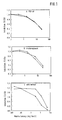
- the ELISA assay data of Figure 1 illustrate that a second extraction with the oleum-silica column did not alter the immunoassay analysis results following a single carbon column extraction for dioxin congeners in PCB transformer oil (panel A) or in trichlorophenol (panel B), but did remove non-dioxin, immunochemically cross-reactive material from the distillation residue of still bottom sample # 1 (panel C).
- the dioxin fraction obtained as per the method described is then assayed for the detection of dioxins by reaction with monoclonal or polyclonal antibodies.
- the immunoassay may be applied in various ways, for example as described in P. Tijssen, " Practice and Theory of Enzyme Immunoassays" (R.H. Burdon and P.H. Van Knippenberg, eds.) Elsevier, Amsterdam (1985).
- the immunoassay is preferably applied as a competitive assay.
- the concentrated dioxin fraction is best dissolved in an organic solvent or mixture of solvents, with non-polar organic solvents such as hexane and cyclohexane being particularly suited for these purposes.
- an alcohol solution of detergents preferably one or more nonionic surfactants such as "Cutscum”TM (isooctylphenoxy-polyethoxyethanol, Fischer Scientific Company, Raleigh, NC, USA), polyoxyethylene ethers such as polyoxyethylene stearyl ether or polyoxyethylene lauryl ether, N-octanoyl-glucopyranosides, N-heptylglucopyranosides, nonanoyl-N-methylglucamide, heptanoyl-N-methyl glucamide, polyoxyethylene sorbitan monolaurate, octylphenol ethoxylate, 3-(3-cholamidopropyl)-dimethylammonio-2-hydroxy-1-propane sulfonate, 3-(3-cholamidopropyl)-dimethylammonio-1-propane sulfonate or octanoyl
- nonionic surfactants such as "Cu
- the detergents mentioned are preferably employed in a concentration of about 0.01 to about 2 percent by weight, with a preferred concentration of less than 1 percent by weight, especially of about 0.1 to 0.4 percent by weight , being preferred in particular.
- the effect of detergent concentration on immunoassay sensitivity is demonstrated in Figure 2. The maximum effectiveness occured when the detergent concentration is at about 0.1 to 0.4 percent by weight.
- This aqueous solution of detergents may also contain a portion of organic solvent such as acetone or methanol to ease pipetting.
- the combined solutions are advisedly dried, for example, via a stream of nitrogen or warm air.
- the monoclonal antibody which may be dissolved in an aqueous buffer solution, is subsequently added.
- the aqueous buffer solution for suspension of the dioxin fraction is comprised of various substances. It preferably comprises the following: about 0.05 to 0.15 moles per liter of a compound or mixture of compounds buffering in a pH range of 7 to 8, with buffers based on tris(hydroxymethyl)-aminomethane or phosphate buffers being preferred in particular; about 0.1 to 5% by weight of a protein, especially about 0.2 to 1%, of a protein, preferably egg albumin, rabbit serum albumin or bovine serum albumin, with bovine serum albumin, especially preferred; about 0.1 to 0.3 moles per liter of an alkali halide, preferably NaCl; about 0.005 to 0.5 % by volume of detergents, especially preferred 0.008 to 0.012 percent by volume of detergents, preferably one of the detergents mentioned above, in particular polyoxyethylene sorbitan monolaurate.
- the preferred vessel for execution of the competitive immunoassay is an antigen-coated test tube, preferably consisting of polystyrene, preferably in the form of a microtiter plate.
- the coating antigen may be applied in various ways, for example as described in the aforementioned monograph of R. Tijssen.
- Preferably employed is a solution of dioxin-protein conjugate consisting of polyhalogenated polycyclic aromatics having a planar structure, preferably dibenzodioxin or dibenzofuran, reacted with mammalian serum albumin, preferably rabbit or bovine serum albumin, with which the reaction vessel is treated.
- the unbound material may be rinsed out and the bound antibody material detected in a known manner, for example by measurement of the labeling of the antibody.
- a radioactive isotope or compounds which may participate in a chemiluminescence or fluorescence emission in an enzyme-catalyzed reaction may be used for labeling.
- a preferred method for execution of the competitive immunoassay includes coating the immunoreactive wells with a limited amount of antigen, as less analyete is required to draw the antibody from the bound hapten.
- Optimal sensitivity of the detection system is obtained when the preferred concentration of the plating antigen is reduced from 100 ng to about 0.5 ng of coating antigen per well, a concentration of between about 0.2 ng to 1.0 ng being especially preferred.
- the signal must be additionally amplified.
- a preferred method of amplification of the enzyme-catalyzed optically-detected signal is with an avidin-peroxidase/biotin-anti-mouse immunoglobulin system which improves the sensitivity of the immunoassay when run with low background levels of plated antigen.
- the avidin-peroxidase/biotin-anti-mouse immunoglobulin system may be used to improve the efficacy of enzyme-linked immunoassay as the biotin can be easily coupled to antibodies or enzymes without loss of activity.
- the exceptionally high binding affinity of avidin ( 1015 /M) for biotin results in the formation of bridging complexes between biotinylated molecules.
- biotin Both the specific-binding monoclonal antibody and the peroxidase-enzyme indicator system are bound to biotin. Linkage of the biotin molecules with avidin results in complexing of the indicator molecules and increases the sensitivity of the spectrally detectable signal.
- Dioxin specific antibodies may be conjugated to biotin by the method described in Chapter 3 of the aforementioned P. Tijssen monograph.
- Biotinyl-N-hydroxysuccinimide (BNHS) ester can be reacted with the dioxin specific antibodies to make the biotinylated immunoreactants.
- the dioxin-specific antibody can be identified by the binding of a biotinylated anti-mouse IgG immunoglobulin to the antibody.
- Biotinylated peroxidase, Vectastain Vector Laboratories, Burlingame, CA
- a statement of the dioxin contamination of a sample may be made with a single analysis using the procedure described in this invention. In order to ensure a higher level of certainty of quantitative statements, however, it is best to measure a dilution series of the sample under examination, preferably with contemporaneous standard samples of known dioxin content. Radiolabeled dioxin was used to determine the efficacy of the various methods used to suspend dioxin in the aqueous assay solutions. Sample recovery efficiencies were typically about 90%, with not less than 70% recovery.
- test kit can be assembled for execution of the reaction as per the invention which contains all necessary chemicals, such as chromatography material solvents and eluents, test tubes, detergents, antibodies and chemicals for the detection reaction.
- Such a test kit should preferably be based on endpoint determination by fluorescence reaction or an enzyme-catalyzed reaction, because the outlay of equipment for the test reaction kit would then be economical and conveniently available for use in almost any laboratory.
- Dioxin content of a distillation residue of chlorinated aromatics may be examined with specific monoclonal antibodies following extraction and fractionation.
- a 5 g sample of distillation residue is suspended in 20 ml of H2SO4 saturated with SO3 and mixed with silica gel until a flowable mixture is obtained.
- the mixture is extracted in a Soxhlet extractor with approximately 200 ml of boiling toluene.
- the rotary evaporator extract and 1 mg of fat blue B are dissolved in 50 ml of dichloromethane/cyclohexane (50:50) and loaded into a column filled with 1 g of active carbon (10%) on glass fibers (63-200 uM size), which have been activated by drying at 130°C for several hours.
- the column is washed with 50 ml of dichloromethane/cyclohexane (50:50) and 75 ml of dichloromethane/methanol/toluene (75:20:5).
- the column is subsequently inverted and eluted in the opposite direction with 50 ml of toluene.
- the toluene eluate contains the "dioxin fraction" and is dyed blue.
- the toluene is removed by rotary evaporation and the residue is dissolved in 1 ml of n-hexane.
- the hexane solution is loaded on 2 g of oleum/silica gel (1:10), which has also been activated by previous heating to 130 °C, and mixed in the rotary evaporator for 15 minutes at 80°C.
- the sample which has adsorbed on the silica gel is loaded into a column already filled with 1 g of oleum/silica gel (1:10), 1 g of silver nitrate/silica gel (1:10) and 0.5 g of silica gel between each layer.
- the column is eluted with 50 ml of n-hexane.
- the eluate containing the "dioxin fraction" is evaporated in the rotary evaporator, the residue dissolved in 500 ul of n-hexane and examined for dioxin content in the competitive immunoassay.
- the sample evaluated had a content of 2,3,7,8-TCDD equivalents measuring 25 ppb.
- the sample solution is removed, and the plate is rewashed and incubated with an enzyme-tagged identification molecule.
- Development of the enzyme-antibody conjugate with appropriate substrate permits visualization of the monoclonal antibody which has bound to the tri-CDD-albumin (antigen) that is fixed to the plate.
- the results are then expressed as a fraction of the response in wells with no competitor. From such data, one can determine the concentration required to inhibit antibody binding by 50% (I50).
- the "dioxin fraction” is divided into five equal parts of 100 ul. Two parts remain unchanged, while one part is diluted six times at a ratio of 1:2, and two parts are spiked with 1 or 10 ng of 2,3,7,8-TCDD standard.
- Detergent solution 40 ul of 0.5% CutscumTM in acetone, is added to each sample, and the solvents are removed under a stream of nitrogen.
- the residues are resuspended in the tris-hydroxymethyl (aminomethane) buffer with 100 ul of the dioxin specific antibodies (100 ng/ml) and applied to a polystyrene microliter plate coated with trichlorodibenzodioxin(tri-CDD)-rabbit serum albumin conjugate.
- the retained antibodies are quantitatively determined with sheep anti-mouse IgG peroxidase and o-phenylene diamine(OPD) substrate in a dye reaction, with light absorption measured at 492 nm.
- a preferred method for the immunoassay includes amplification of the peroxidase enzyme endpoint by coupling to a avidin-peroxidase/biotin-anti-mouse immunoglobulin complex.
- Optimal enzyme sensitivity occurs when a minimal amount of coating antigen (tri-CDD-BSA) is used.
- the total protein binding capacity of the plate is large so the extra unconjugated carrier protein does not degrade binding.
- microtiter plates are coated with a tri-CDD-BSDA solution by addition of about 0.2 - 1.0 ng of tri-CDD-BSA/well, more preferably, 0.5 ng/well. The coated plates may be dried and stored until needed.
- Sample extractants are transferred from vials with hexane to antigen-coated microtiter wells, where they are solublized with 40 ul of 0.5% CutscumTM detergent/acetone. Samples are dried overnight at room temperature or with a stream of blown hot air at 45° C. The immunoassay is run by incubation of samples with dioxin-specific antibody at a concentration of 100 ng/ml in assay buffer for 1 hr at 37 °C. The microtiter plates are washed (2X) with a 0.5% detergent (polyoxyethylene sorbitan monolaurate) wash solution.
- the antibody which has partitioned between the bound dioxin antigen at the plate wall and the unbound dioxin of the extracted sample is visualized when bound to the plate-wall antigen by binding with biotinylated anti-mouse IgG immunoglobulin (approximately 1.5 ug/well After a 45 minute incubation, avidin-peroxidase complex and biotinylated anti-mouse immunoglobulin are added and reacted for another 30 minutes.
- Sample values are compared to a standard curve run on each microtiter plate.
- the standard curve shows a 50% inhibition value between 0.1 and 0.3 ng of TCDD. Normalized data is reported as a function of gram-equivalents of starting material per well.
- a serial 1:2 dilution of a 2,3,7,8-TCDD standard, in the 0.1 to 500 ppb range, is carried out at the same time on each microliter plate.
- a sample concentration may be reported in TCDD equivalents based on the standard curve made by serial dilution of the 2,3,7,8-TCDD standard.
- the doubled value of the undiluted sample should correspond to the values in the series subjected to dilution.
- An interference caused by matrix components which may not have been removed is indicated by discrepancies in the spiked samples.
- a sample measurement is invalidated if the concentration ascertained in the spiked samples does not correspond to the sample plus the added 1 or 10 ppb of the spiked sample.
- ELISA analyses of chemical process samples required different amounts of assay material.
- the amount of starting material needed for determination of the 50% inhibition point of the ELISA was 1 mg for still bottom sample #1, 10 mg each for samples of PCB and TCP, and 0.4g for the fly ash sample.
- These samples demonstrated a contamination level of 5,000, 500, 500, and 25 ppb levels, respectively, when expressed as equivalents of TCCD. Identical estimates of TCCD contamination were made when these samples were reanalyzed by immunoassay on a subsequent day.
- the solvent was removed under a dry nitrogen gas stream and the residue was resuspended in 1 ml of 1:1 dichlorohexane:cyclohexane and spiked with fat blue B.
- the sample was applied to a column of activated carbon/glass fibers (1:9), the column was washed with dichloromethane/methanol/toluene (15:4:1) and the dioxins were recovered by reverse elution with toluene.
- the PCDD's polychlorinated dibenzodioxins
- PCFD's polychlorinated dibenzofurans
- the sample was then applied to a column of fuming sulfuric acid impregnated silica gel/silver nitrate impregnated silica gel, eluted with hexane, and evaporated.
- the sample was solubilized as described previously and analyzed by the immunoassay.
- Residual matrix materials of various soils may interfere with the assay. Even after extraction, some aspect of some soils continued to sequester the dioxin, making it unavailable to the dioxin-specific antibodies. Some soils have large quantities of hexane soluble organic material to which dioxin binds instead of partitioning into the solvent used in the immunoassay. With some samples, preliminary alumina or silica column chromatography did not improve the sensitivity of the assay. The total organic content of the soil or the physical properties of soil were not,alone, good indicators of whether the soil could be suitably analyzed for dioxin by immunochemical means.
- Type Size a (g/assay) GC/MS b Immunoassay All tetra and penta chloro congeners Most toxic congeners TetraCDD equivalents 1. Still Bottom 0.005 18.000 1725 5.000 2. Still Bottom 0.100 550 260 125 3. Still Bottom 5.000 1.1 0 0.6 4. Still Bottom 0.100 50 e 0.3 250 5. TCP 0.025 2.600 125 500 6. nitrodiphenylether 0.100 21 f 0 500 7. PCB oil c 0.025 1.700 g 290 500 8. Fly ash 2.000 272 14 25 9. 3.4-dCNBz 0.050 ⁇ 1 ⁇ 1 ⁇ 20 10. 3.4-dCNB 0.050 ⁇ 1 ⁇ 1 ⁇ 20 11.
Landscapes
- Health & Medical Sciences (AREA)
- Life Sciences & Earth Sciences (AREA)
- Engineering & Computer Science (AREA)
- Molecular Biology (AREA)
- Immunology (AREA)
- Chemical & Material Sciences (AREA)
- Hematology (AREA)
- Biomedical Technology (AREA)
- Urology & Nephrology (AREA)
- Medicinal Chemistry (AREA)
- Analytical Chemistry (AREA)
- Cell Biology (AREA)
- Tropical Medicine & Parasitology (AREA)
- Food Science & Technology (AREA)
- Biotechnology (AREA)
- Physics & Mathematics (AREA)
- Microbiology (AREA)
- Biochemistry (AREA)
- General Health & Medical Sciences (AREA)
- General Physics & Mathematics (AREA)
- Pathology (AREA)
- Preparation Of Compounds By Using Micro-Organisms (AREA)
- Peptides Or Proteins (AREA)
- Investigating Or Analyzing Non-Biological Materials By The Use Of Chemical Means (AREA)
Priority Applications (1)
| Application Number | Priority Date | Filing Date | Title |
|---|---|---|---|
| AT89101218T ATE98021T1 (de) | 1988-01-26 | 1989-01-25 | Immunoassayverfahren von dioxinen und dibenzofuranen. |
Applications Claiming Priority (4)
| Application Number | Priority Date | Filing Date | Title |
|---|---|---|---|
| DE19883802157 DE3802157A1 (de) | 1988-01-26 | 1988-01-26 | Verfahren zur bestimmung von polyhalogenierten polycyclischen aromaten mit planarer struktur und test-kit zu dessen durchfuehrung |
| DE3802157 | 1988-01-26 | ||
| US23719288A | 1988-08-29 | 1988-08-29 | |
| US237192 | 1988-08-29 |
Publications (2)
| Publication Number | Publication Date |
|---|---|
| EP0332819A1 true EP0332819A1 (de) | 1989-09-20 |
| EP0332819B1 EP0332819B1 (de) | 1993-12-01 |
Family
ID=25864259
Family Applications (1)
| Application Number | Title | Priority Date | Filing Date |
|---|---|---|---|
| EP89101218A Revoked EP0332819B1 (de) | 1988-01-26 | 1989-01-25 | Immunoassayverfahren von Dioxinen und Dibenzofuranen |
Country Status (6)
| Country | Link |
|---|---|
| EP (1) | EP0332819B1 (de) |
| JP (1) | JPH01288766A (de) |
| DE (1) | DE68911002T2 (de) |
| DK (1) | DK32189A (de) |
| FI (1) | FI890341A7 (de) |
| NO (1) | NO890310L (de) |
Cited By (6)
| Publication number | Priority date | Publication date | Assignee | Title |
|---|---|---|---|---|
| US5541333A (en) * | 1991-12-17 | 1996-07-30 | Abbott Laboratories | Carbazole derivatives |
| EP0634016A4 (de) * | 1992-03-27 | 1997-06-04 | Abbott Lab | Qualitätskontrolle für analytische verfahren. |
| US5674697A (en) * | 1995-03-16 | 1997-10-07 | Ecochem Research, Inc. | High sensitivity immunoassay for polychlorinated dibenzo-p-dioxins and polychlorinated dibenzofurans |
| EP1616885B1 (de) * | 2003-03-28 | 2012-10-10 | Kyoto Electronics Manufacturing Co., Ltd. | Rekombinanter antikörper, der dioxin erkennt und gen, das für diesen antikörper codiert |
| NL2020667B1 (en) * | 2018-03-26 | 2019-10-02 | Nofalab B V | Method for improved detection of dioxins |
| CN117347619A (zh) * | 2023-10-24 | 2024-01-05 | 中南大学 | 一种用于二噁英检测的传感器及其制备方法 |
Families Citing this family (3)
| Publication number | Priority date | Publication date | Assignee | Title |
|---|---|---|---|---|
| JP4632813B2 (ja) * | 2005-03-04 | 2011-02-16 | 株式会社住化分析センター | ポリ塩化ビフェニル類の定量方法 |
| JP4535925B2 (ja) * | 2005-04-14 | 2010-09-01 | 株式会社住化分析センター | ポリ塩化ビフェニル類の分析方法 |
| JP5442925B2 (ja) * | 2006-04-28 | 2014-03-19 | 一般財団法人電力中央研究所 | ポリ塩化ビフェニル類の分析方法 |
Citations (3)
| Publication number | Priority date | Publication date | Assignee | Title |
|---|---|---|---|---|
| US4238472A (en) * | 1978-11-27 | 1980-12-09 | United States Of America | Radioimmunoassay for chlorinated dibenzo-p-dioxins |
| EP0242589A2 (de) * | 1986-03-18 | 1987-10-28 | Research Corporation | Nachweis von Haptenen in Immunotestverfahren |
| EP0251635A2 (de) * | 1986-06-24 | 1988-01-07 | The Regents Of The University Of California | Monoklonale Antikörper und Verfahren zum Nachweis von Dioxinen und Dibenzofuranen |
Family Cites Families (5)
| Publication number | Priority date | Publication date | Assignee | Title |
|---|---|---|---|---|
| JPS60190863A (ja) * | 1981-09-14 | 1985-09-28 | Tadao Hoshino | アンジオテンシンの定量方法 |
| JPS607362A (ja) * | 1983-06-27 | 1985-01-16 | Fujirebio Inc | 酵素を用いた抗原決定基具有物質の測定法 |
| US4654311A (en) * | 1984-06-15 | 1987-03-31 | Syntex (U.S.A.) Inc. | Serum pretreatment for digoxin assay |
| EP0184701B1 (de) * | 1984-12-03 | 1994-06-08 | Hoechst Celanese Corporation | Verfahren zur Bestimmung eines Liganden |
| JPH0750084B2 (ja) * | 1986-03-17 | 1995-05-31 | 和光純薬工業株式会社 | 活性炭埋蔵シリカゲルをクリンアップカラムの充填剤として用いる分析法 |
-
1989
- 1989-01-24 FI FI890341A patent/FI890341A7/fi not_active Application Discontinuation
- 1989-01-25 DK DK032189A patent/DK32189A/da not_active Application Discontinuation
- 1989-01-25 NO NO89890310A patent/NO890310L/no unknown
- 1989-01-25 EP EP89101218A patent/EP0332819B1/de not_active Revoked
- 1989-01-25 DE DE89101218T patent/DE68911002T2/de not_active Revoked
- 1989-01-26 JP JP1019355A patent/JPH01288766A/ja active Pending
Patent Citations (3)
| Publication number | Priority date | Publication date | Assignee | Title |
|---|---|---|---|---|
| US4238472A (en) * | 1978-11-27 | 1980-12-09 | United States Of America | Radioimmunoassay for chlorinated dibenzo-p-dioxins |
| EP0242589A2 (de) * | 1986-03-18 | 1987-10-28 | Research Corporation | Nachweis von Haptenen in Immunotestverfahren |
| EP0251635A2 (de) * | 1986-06-24 | 1988-01-07 | The Regents Of The University Of California | Monoklonale Antikörper und Verfahren zum Nachweis von Dioxinen und Dibenzofuranen |
Cited By (6)
| Publication number | Priority date | Publication date | Assignee | Title |
|---|---|---|---|---|
| US5541333A (en) * | 1991-12-17 | 1996-07-30 | Abbott Laboratories | Carbazole derivatives |
| EP0634016A4 (de) * | 1992-03-27 | 1997-06-04 | Abbott Lab | Qualitätskontrolle für analytische verfahren. |
| US5674697A (en) * | 1995-03-16 | 1997-10-07 | Ecochem Research, Inc. | High sensitivity immunoassay for polychlorinated dibenzo-p-dioxins and polychlorinated dibenzofurans |
| EP1616885B1 (de) * | 2003-03-28 | 2012-10-10 | Kyoto Electronics Manufacturing Co., Ltd. | Rekombinanter antikörper, der dioxin erkennt und gen, das für diesen antikörper codiert |
| NL2020667B1 (en) * | 2018-03-26 | 2019-10-02 | Nofalab B V | Method for improved detection of dioxins |
| CN117347619A (zh) * | 2023-10-24 | 2024-01-05 | 中南大学 | 一种用于二噁英检测的传感器及其制备方法 |
Also Published As
| Publication number | Publication date |
|---|---|
| EP0332819B1 (de) | 1993-12-01 |
| FI890341L (fi) | 1989-07-27 |
| JPH01288766A (ja) | 1989-11-21 |
| DK32189A (da) | 1989-07-27 |
| DK32189D0 (da) | 1989-01-25 |
| NO890310D0 (no) | 1989-01-25 |
| DE68911002D1 (de) | 1994-01-13 |
| FI890341A0 (fi) | 1989-01-24 |
| NO890310L (no) | 1989-07-27 |
| FI890341A7 (fi) | 1989-07-27 |
| DE68911002T2 (de) | 1994-03-31 |
Similar Documents
| Publication | Publication Date | Title |
|---|---|---|
| US5429925A (en) | Method for immunodiagnostic detection of dioxins at low concentrations | |
| US4798807A (en) | Monoclonal antibodies and method for detecting dioxins and dibenzofurans | |
| US5529899A (en) | Immunoassay for AH receptor transformed by dioxin-like compounds | |
| Stanker et al. | Monoclonal antibodies for dioxin: antibody characterization and assay development | |
| Harrison et al. | Immunochemical analysis for dioxins—progress and prospects | |
| US4238472A (en) | Radioimmunoassay for chlorinated dibenzo-p-dioxins | |
| La Rocca et al. | PAH content and mutagenicity of marine sediments from the Venice Lagoon | |
| Vanderlaan et al. | Improvement and application of an immunoassay for screening environmental samples for dioxin contamination | |
| EP0332819B1 (de) | Immunoassayverfahren von Dioxinen und Dibenzofuranen | |
| Watanabe et al. | Development of a class-specific immunoassay for the type I pyrethroid insecticides | |
| Gruessner et al. | Comparison of an enzyme immunoassay and gas chromatography/mass spectrometry for the detection of atrazine in surface waters | |
| Pestka et al. | Enzyme-linked immunosorbent assay for T-2 toxin | |
| Voogt et al. | Biological activity, determination and occurrence of planar, mono-and di-ortho PCBs | |
| Shelver et al. | Use of an immunoaffinity column for tetrachlorodibenzo-p-dioxin serum sample cleanup | |
| Albro et al. | A radioimmunoassay for chlorinated dibenzo-p-dioxins | |
| JP3144689B2 (ja) | 変形されたAh受容体/ARNT複合体の検出によるダイオキシン様化合物の検出 | |
| Watkins et al. | An immunoassay for chlorinated dioxins in soils | |
| HU199191B (en) | Immunological method for indicating herbicides | |
| Stanker et al. | Development of an immunoassay for chlorinated dioxins based on a monoclonal antibody and an enzyme linked immunosorbent assay (ELISA) | |
| Huwe et al. | On the isolation of polychlorinated dibenzo-p-dioxins and furans from serum samples using immunoaffinity chromatography prior to high-resolution gas chromatography–mass spectrometry | |
| US5994145A (en) | Reagents, methods and kits for detecting trichloroethylene and perchloroethylene | |
| Sánchez-Martínez et al. | Determination of linear alkylbenzenesulfonates in water samples by immunoaffinity chromatography with fluorescence detection | |
| Roy et al. | Comparison of dioxin and furan TEQ determination in contaminated soil using chemical, micro-EROD, and immunoassay analysis | |
| JP4476122B2 (ja) | ダイオキシン類の免疫測定用標準品及びダイオキシン類の免疫測定法 | |
| Altstein et al. | Development of an immunoassay and a sol–gel-based immunoaffinity cleanup method for coplanar polychlorinated biphenyls from soil and sediment samples |
Legal Events
| Date | Code | Title | Description |
|---|---|---|---|
| PUAI | Public reference made under article 153(3) epc to a published international application that has entered the european phase |
Free format text: ORIGINAL CODE: 0009012 |
|
| AK | Designated contracting states |
Kind code of ref document: A1 Designated state(s): AT BE CH DE ES FR GB GR IT LI LU NL SE |
|
| 17P | Request for examination filed |
Effective date: 19900317 |
|
| 17Q | First examination report despatched |
Effective date: 19911024 |
|
| RAP1 | Party data changed (applicant data changed or rights of an application transferred) |
Owner name: UNITED STATES DEPARTMENT OF ENERGY Owner name: THE REGENTS OF THE UNIVERSITY OF CALIFORNIA |
|
| RAP1 | Party data changed (applicant data changed or rights of an application transferred) |
Owner name: THE REGENTS OF THE UNIVERSITY OF CALIFORNIA |
|
| GRAA | (expected) grant |
Free format text: ORIGINAL CODE: 0009210 |
|
| AK | Designated contracting states |
Kind code of ref document: B1 Designated state(s): AT BE CH DE ES FR GB GR IT LI LU NL SE |
|
| REF | Corresponds to: |
Ref document number: 98021 Country of ref document: AT Date of ref document: 19931215 Kind code of ref document: T |
|
| ET | Fr: translation filed | ||
| REF | Corresponds to: |
Ref document number: 68911002 Country of ref document: DE Date of ref document: 19940113 |
|
| ITF | It: translation for a ep patent filed | ||
| PG25 | Lapsed in a contracting state [announced via postgrant information from national office to epo] |
Ref country code: ES Free format text: LAPSE BECAUSE OF FAILURE TO SUBMIT A TRANSLATION OF THE DESCRIPTION OR TO PAY THE FEE WITHIN THE PRESCRIBED TIME-LIMIT Effective date: 19940302 |
|
| PG25 | Lapsed in a contracting state [announced via postgrant information from national office to epo] |
Ref country code: GR Free format text: LAPSE BECAUSE OF FAILURE TO SUBMIT A TRANSLATION OF THE DESCRIPTION OR TO PAY THE FEE WITHIN THE PRESCRIBED TIME-LIMIT Effective date: 19940304 |
|
| PLBI | Opposition filed |
Free format text: ORIGINAL CODE: 0009260 |
|
| 26 | Opposition filed |
Opponent name: BOEHRINGER MANNHEIM GMBH PATENTABTEILUNG Effective date: 19940810 |
|
| NLR1 | Nl: opposition has been filed with the epo |
Opponent name: BOEHRINGER MANNHEIM GMBH PATENTABTEILUNG |
|
| PGFP | Annual fee paid to national office [announced via postgrant information from national office to epo] |
Ref country code: LU Payment date: 19941201 Year of fee payment: 7 |
|
| PGFP | Annual fee paid to national office [announced via postgrant information from national office to epo] |
Ref country code: FR Payment date: 19941214 Year of fee payment: 7 |
|
| PGFP | Annual fee paid to national office [announced via postgrant information from national office to epo] |
Ref country code: CH Payment date: 19941215 Year of fee payment: 7 |
|
| PGFP | Annual fee paid to national office [announced via postgrant information from national office to epo] |
Ref country code: AT Payment date: 19941216 Year of fee payment: 7 |
|
| PGFP | Annual fee paid to national office [announced via postgrant information from national office to epo] |
Ref country code: SE Payment date: 19941221 Year of fee payment: 7 |
|
| PGFP | Annual fee paid to national office [announced via postgrant information from national office to epo] |
Ref country code: BE Payment date: 19941222 Year of fee payment: 7 |
|
| PGFP | Annual fee paid to national office [announced via postgrant information from national office to epo] |
Ref country code: DE Payment date: 19941227 Year of fee payment: 7 |
|
| PGFP | Annual fee paid to national office [announced via postgrant information from national office to epo] |
Ref country code: GB Payment date: 19941228 Year of fee payment: 7 |
|
| EAL | Se: european patent in force in sweden |
Ref document number: 89101218.9 |
|
| PGFP | Annual fee paid to national office [announced via postgrant information from national office to epo] |
Ref country code: NL Payment date: 19950131 Year of fee payment: 7 |
|
| RDAG | Patent revoked |
Free format text: ORIGINAL CODE: 0009271 |
|
| STAA | Information on the status of an ep patent application or granted ep patent |
Free format text: STATUS: PATENT REVOKED |
|
| 27W | Patent revoked |
Effective date: 19950702 |
|
| GBPR | Gb: patent revoked under art. 102 of the ep convention designating the uk as contracting state |
Free format text: 950702 |
|
| NLR2 | Nl: decision of opposition | ||
| REG | Reference to a national code |
Ref country code: CH Ref legal event code: PL |