EP0316319B1 - Production and use of non-glycosylated IL-6 - Google Patents
Production and use of non-glycosylated IL-6 Download PDFInfo
- Publication number
- EP0316319B1 EP0316319B1 EP87904625A EP87904625A EP0316319B1 EP 0316319 B1 EP0316319 B1 EP 0316319B1 EP 87904625 A EP87904625 A EP 87904625A EP 87904625 A EP87904625 A EP 87904625A EP 0316319 B1 EP0316319 B1 EP 0316319B1
- Authority
- EP
- European Patent Office
- Prior art keywords
- polypeptide
- sequence
- expression
- dna sequence
- activity
- Prior art date
- Legal status (The legal status is an assumption and is not a legal conclusion. Google has not performed a legal analysis and makes no representation as to the accuracy of the status listed.)
- Revoked
Links
- 108090001005 Interleukin-6 Proteins 0.000 title claims abstract description 106
- 238000004519 manufacturing process Methods 0.000 title description 12
- 108090000765 processed proteins & peptides Proteins 0.000 claims abstract description 26
- 238000000034 method Methods 0.000 claims abstract description 24
- 238000011282 treatment Methods 0.000 claims abstract description 17
- 102000004889 Interleukin-6 Human genes 0.000 claims description 101
- 210000004027 cell Anatomy 0.000 claims description 47
- 230000001580 bacterial effect Effects 0.000 claims description 37
- 108090000623 proteins and genes Proteins 0.000 claims description 34
- 108091028043 Nucleic acid sequence Proteins 0.000 claims description 24
- 102000004169 proteins and genes Human genes 0.000 claims description 24
- 239000013598 vector Substances 0.000 claims description 24
- 230000000694 effects Effects 0.000 claims description 22
- 229920001184 polypeptide Polymers 0.000 claims description 17
- 102000004196 processed proteins & peptides Human genes 0.000 claims description 17
- 238000003556 assay Methods 0.000 claims description 15
- 210000001185 bone marrow Anatomy 0.000 claims description 13
- 108010002350 Interleukin-2 Proteins 0.000 claims description 11
- 108010002386 Interleukin-3 Proteins 0.000 claims description 9
- 230000028327 secretion Effects 0.000 claims description 8
- 230000004048 modification Effects 0.000 claims description 7
- 238000012986 modification Methods 0.000 claims description 7
- 230000003248 secreting effect Effects 0.000 claims description 7
- 239000008194 pharmaceutical composition Substances 0.000 claims description 6
- 230000008569 process Effects 0.000 claims description 6
- 102000008070 Interferon-gamma Human genes 0.000 claims description 5
- 108010074328 Interferon-gamma Proteins 0.000 claims description 5
- 238000012258 culturing Methods 0.000 claims description 5
- 229940044627 gamma-interferon Drugs 0.000 claims description 5
- 239000003102 growth factor Substances 0.000 claims description 5
- 239000001963 growth medium Substances 0.000 claims description 5
- 241001529936 Murinae Species 0.000 claims description 4
- 210000004698 lymphocyte Anatomy 0.000 claims description 4
- 210000001322 periplasm Anatomy 0.000 claims description 4
- 102000015696 Interleukins Human genes 0.000 claims description 3
- 108010063738 Interleukins Proteins 0.000 claims description 3
- 206010028980 Neoplasm Diseases 0.000 claims description 3
- 239000003795 chemical substances by application Substances 0.000 claims description 3
- 208000036142 Viral infection Diseases 0.000 claims description 2
- 201000011510 cancer Diseases 0.000 claims description 2
- 239000003937 drug carrier Substances 0.000 claims description 2
- 230000002068 genetic effect Effects 0.000 claims description 2
- 230000035772 mutation Effects 0.000 claims description 2
- 210000000066 myeloid cell Anatomy 0.000 claims description 2
- 230000009385 viral infection Effects 0.000 claims description 2
- 125000003275 alpha amino acid group Chemical group 0.000 claims 1
- 102000012428 Hematopoietic Cell Growth Factors Human genes 0.000 abstract description 10
- 108010022580 Hematopoietic Cell Growth Factors Proteins 0.000 abstract description 10
- 210000003958 hematopoietic stem cell Anatomy 0.000 abstract description 5
- 208000037265 diseases, disorders, signs and symptoms Diseases 0.000 abstract description 4
- 230000007812 deficiency Effects 0.000 abstract description 2
- 238000011275 oncology therapy Methods 0.000 abstract description 2
- 108020004511 Recombinant DNA Proteins 0.000 abstract 1
- 208000035475 disorder Diseases 0.000 abstract 1
- 239000013612 plasmid Substances 0.000 description 28
- 235000018102 proteins Nutrition 0.000 description 23
- 102000004594 DNA Polymerase I Human genes 0.000 description 13
- 108010017826 DNA Polymerase I Proteins 0.000 description 13
- 125000003729 nucleotide group Chemical group 0.000 description 12
- 150000001413 amino acids Chemical group 0.000 description 11
- 239000012634 fragment Substances 0.000 description 11
- 239000002773 nucleotide Substances 0.000 description 11
- 235000001014 amino acid Nutrition 0.000 description 10
- 239000000203 mixture Substances 0.000 description 10
- 108091026890 Coding region Proteins 0.000 description 9
- 241000588724 Escherichia coli Species 0.000 description 9
- 102000000588 Interleukin-2 Human genes 0.000 description 9
- 229940024606 amino acid Drugs 0.000 description 9
- 239000002299 complementary DNA Substances 0.000 description 9
- 108020004414 DNA Proteins 0.000 description 8
- 102000000646 Interleukin-3 Human genes 0.000 description 8
- 230000001225 therapeutic effect Effects 0.000 description 8
- 241000699666 Mus <mouse, genus> Species 0.000 description 7
- 108700028369 Alleles Proteins 0.000 description 5
- 102000016928 DNA-directed DNA polymerase Human genes 0.000 description 5
- 108010014303 DNA-directed DNA polymerase Proteins 0.000 description 5
- 230000015572 biosynthetic process Effects 0.000 description 5
- 238000010276 construction Methods 0.000 description 5
- 230000029087 digestion Effects 0.000 description 5
- 239000013604 expression vector Substances 0.000 description 5
- 238000000338 in vitro Methods 0.000 description 5
- 101150066555 lacZ gene Proteins 0.000 description 5
- 108020004705 Codon Proteins 0.000 description 4
- 102000007644 Colony-Stimulating Factors Human genes 0.000 description 4
- 108010071942 Colony-Stimulating Factors Proteins 0.000 description 4
- 108090000144 Human Proteins Proteins 0.000 description 4
- 102000003839 Human Proteins Human genes 0.000 description 4
- 108010046938 Macrophage Colony-Stimulating Factor Proteins 0.000 description 4
- 102000007651 Macrophage Colony-Stimulating Factor Human genes 0.000 description 4
- 235000004279 alanine Nutrition 0.000 description 4
- 238000011260 co-administration Methods 0.000 description 4
- 229940047120 colony stimulating factors Drugs 0.000 description 4
- 239000003636 conditioned culture medium Substances 0.000 description 4
- 238000007796 conventional method Methods 0.000 description 4
- 238000012217 deletion Methods 0.000 description 4
- 230000037430 deletion Effects 0.000 description 4
- 239000003814 drug Substances 0.000 description 4
- 101100245267 Caenorhabditis elegans pas-1 gene Proteins 0.000 description 3
- 241000701959 Escherichia virus Lambda Species 0.000 description 3
- 101001076408 Homo sapiens Interleukin-6 Proteins 0.000 description 3
- 101710163270 Nuclease Proteins 0.000 description 3
- 230000009471 action Effects 0.000 description 3
- 210000003719 b-lymphocyte Anatomy 0.000 description 3
- 201000010099 disease Diseases 0.000 description 3
- 238000010353 genetic engineering Methods 0.000 description 3
- 230000013595 glycosylation Effects 0.000 description 3
- 238000006206 glycosylation reaction Methods 0.000 description 3
- 238000003780 insertion Methods 0.000 description 3
- 230000037431 insertion Effects 0.000 description 3
- 238000002360 preparation method Methods 0.000 description 3
- 230000001105 regulatory effect Effects 0.000 description 3
- 238000003786 synthesis reaction Methods 0.000 description 3
- 238000002560 therapeutic procedure Methods 0.000 description 3
- 230000009466 transformation Effects 0.000 description 3
- DCXYFEDJOCDNAF-UHFFFAOYSA-N Asparagine Natural products OC(=O)C(N)CC(N)=O DCXYFEDJOCDNAF-UHFFFAOYSA-N 0.000 description 2
- 241000894006 Bacteria Species 0.000 description 2
- 101100353517 Caenorhabditis elegans pas-2 gene Proteins 0.000 description 2
- 108010054576 Deoxyribonuclease EcoRI Proteins 0.000 description 2
- 102000003951 Erythropoietin Human genes 0.000 description 2
- 108090000394 Erythropoietin Proteins 0.000 description 2
- 241001646716 Escherichia coli K-12 Species 0.000 description 2
- 108010017080 Granulocyte Colony-Stimulating Factor Proteins 0.000 description 2
- 102000004269 Granulocyte Colony-Stimulating Factor Human genes 0.000 description 2
- 108010017213 Granulocyte-Macrophage Colony-Stimulating Factor Proteins 0.000 description 2
- 102000004457 Granulocyte-Macrophage Colony-Stimulating Factor Human genes 0.000 description 2
- 206010061598 Immunodeficiency Diseases 0.000 description 2
- 208000029462 Immunodeficiency disease Diseases 0.000 description 2
- 102000004125 Interleukin-1alpha Human genes 0.000 description 2
- 108010082786 Interleukin-1alpha Proteins 0.000 description 2
- QNAYBMKLOCPYGJ-REOHCLBHSA-N L-alanine Chemical compound C[C@H](N)C(O)=O QNAYBMKLOCPYGJ-REOHCLBHSA-N 0.000 description 2
- DCXYFEDJOCDNAF-REOHCLBHSA-N L-asparagine Chemical compound OC(=O)[C@@H](N)CC(N)=O DCXYFEDJOCDNAF-REOHCLBHSA-N 0.000 description 2
- 108091034117 Oligonucleotide Proteins 0.000 description 2
- ONIBWKKTOPOVIA-UHFFFAOYSA-N Proline Natural products OC(=O)C1CCCN1 ONIBWKKTOPOVIA-UHFFFAOYSA-N 0.000 description 2
- 210000001744 T-lymphocyte Anatomy 0.000 description 2
- 125000003295 alanine group Chemical group N[C@@H](C)C(=O)* 0.000 description 2
- 235000009582 asparagine Nutrition 0.000 description 2
- 229960001230 asparagine Drugs 0.000 description 2
- 210000004369 blood Anatomy 0.000 description 2
- 239000008280 blood Substances 0.000 description 2
- 230000037396 body weight Effects 0.000 description 2
- 210000002798 bone marrow cell Anatomy 0.000 description 2
- 125000000151 cysteine group Chemical group N[C@@H](CS)C(=O)* 0.000 description 2
- 239000012895 dilution Substances 0.000 description 2
- 238000010790 dilution Methods 0.000 description 2
- 229940079593 drug Drugs 0.000 description 2
- 229940105423 erythropoietin Drugs 0.000 description 2
- 239000013613 expression plasmid Substances 0.000 description 2
- 230000006870 function Effects 0.000 description 2
- 102000035122 glycosylated proteins Human genes 0.000 description 2
- 108091005608 glycosylated proteins Proteins 0.000 description 2
- 230000012010 growth Effects 0.000 description 2
- UYTPUPDQBNUYGX-UHFFFAOYSA-N guanine Chemical compound O=C1NC(N)=NC2=C1N=CN2 UYTPUPDQBNUYGX-UHFFFAOYSA-N 0.000 description 2
- 102000052611 human IL6 Human genes 0.000 description 2
- 210000000987 immune system Anatomy 0.000 description 2
- 230000007813 immunodeficiency Effects 0.000 description 2
- 230000003834 intracellular effect Effects 0.000 description 2
- 201000002364 leukopenia Diseases 0.000 description 2
- 231100001022 leukopenia Toxicity 0.000 description 2
- OXCMYAYHXIHQOA-UHFFFAOYSA-N potassium;[2-butyl-5-chloro-3-[[4-[2-(1,2,4-triaza-3-azanidacyclopenta-1,4-dien-5-yl)phenyl]phenyl]methyl]imidazol-4-yl]methanol Chemical compound [K+].CCCCC1=NC(Cl)=C(CO)N1CC1=CC=C(C=2C(=CC=CC=2)C2=N[N-]N=N2)C=C1 OXCMYAYHXIHQOA-UHFFFAOYSA-N 0.000 description 2
- 230000035755 proliferation Effects 0.000 description 2
- 238000000746 purification Methods 0.000 description 2
- 230000004044 response Effects 0.000 description 2
- 210000000130 stem cell Anatomy 0.000 description 2
- 230000004936 stimulating effect Effects 0.000 description 2
- 238000006467 substitution reaction Methods 0.000 description 2
- 229940124597 therapeutic agent Drugs 0.000 description 2
- 108091032973 (ribonucleotides)n+m Proteins 0.000 description 1
- 108020005065 3' Flanking Region Proteins 0.000 description 1
- 108020005029 5' Flanking Region Proteins 0.000 description 1
- 235000014469 Bacillus subtilis Nutrition 0.000 description 1
- 108091033380 Coding strand Proteins 0.000 description 1
- 102000012410 DNA Ligases Human genes 0.000 description 1
- 108010061982 DNA Ligases Proteins 0.000 description 1
- 102100024746 Dihydrofolate reductase Human genes 0.000 description 1
- 102000004190 Enzymes Human genes 0.000 description 1
- 108090000790 Enzymes Proteins 0.000 description 1
- 241001288713 Escherichia coli MC1061 Species 0.000 description 1
- 206010073306 Exposure to radiation Diseases 0.000 description 1
- GHASVSINZRGABV-UHFFFAOYSA-N Fluorouracil Chemical compound FC1=CNC(=O)NC1=O GHASVSINZRGABV-UHFFFAOYSA-N 0.000 description 1
- DHMQDGOQFOQNFH-UHFFFAOYSA-N Glycine Natural products NCC(O)=O DHMQDGOQFOQNFH-UHFFFAOYSA-N 0.000 description 1
- 239000004471 Glycine Substances 0.000 description 1
- 241000598436 Human T-cell lymphotropic virus Species 0.000 description 1
- 102000014150 Interferons Human genes 0.000 description 1
- 108010050904 Interferons Proteins 0.000 description 1
- 102000000589 Interleukin-1 Human genes 0.000 description 1
- 108010002352 Interleukin-1 Proteins 0.000 description 1
- 108010002616 Interleukin-5 Proteins 0.000 description 1
- 102000000743 Interleukin-5 Human genes 0.000 description 1
- 102100026019 Interleukin-6 Human genes 0.000 description 1
- 101001033276 Mus musculus Interleukin-3 Proteins 0.000 description 1
- 241000699670 Mus sp. Species 0.000 description 1
- 125000001429 N-terminal alpha-amino-acid group Chemical group 0.000 description 1
- 108700026244 Open Reading Frames Proteins 0.000 description 1
- 241000589516 Pseudomonas Species 0.000 description 1
- MTCFGRXMJLQNBG-UHFFFAOYSA-N Serine Natural products OCC(N)C(O)=O MTCFGRXMJLQNBG-UHFFFAOYSA-N 0.000 description 1
- 108091081024 Start codon Proteins 0.000 description 1
- 230000024932 T cell mediated immunity Effects 0.000 description 1
- 108091036066 Three prime untranslated region Proteins 0.000 description 1
- 239000004480 active ingredient Substances 0.000 description 1
- 230000003321 amplification Effects 0.000 description 1
- 230000001093 anti-cancer Effects 0.000 description 1
- 230000000840 anti-viral effect Effects 0.000 description 1
- 239000000427 antigen Substances 0.000 description 1
- 108091007433 antigens Proteins 0.000 description 1
- 102000036639 antigens Human genes 0.000 description 1
- 239000007864 aqueous solution Substances 0.000 description 1
- 244000052616 bacterial pathogen Species 0.000 description 1
- 230000008901 benefit Effects 0.000 description 1
- 238000004166 bioassay Methods 0.000 description 1
- 230000004071 biological effect Effects 0.000 description 1
- 210000003969 blast cell Anatomy 0.000 description 1
- 230000001413 cellular effect Effects 0.000 description 1
- 230000008859 change Effects 0.000 description 1
- 238000012512 characterization method Methods 0.000 description 1
- 238000002512 chemotherapy Methods 0.000 description 1
- 230000001276 controlling effect Effects 0.000 description 1
- 235000018417 cysteine Nutrition 0.000 description 1
- 210000001151 cytotoxic T lymphocyte Anatomy 0.000 description 1
- 230000003247 decreasing effect Effects 0.000 description 1
- 230000037213 diet Effects 0.000 description 1
- 235000005911 diet Nutrition 0.000 description 1
- 230000004069 differentiation Effects 0.000 description 1
- 108020001096 dihydrofolate reductase Proteins 0.000 description 1
- 239000003623 enhancer Substances 0.000 description 1
- 238000001400 expression cloning Methods 0.000 description 1
- 230000001605 fetal effect Effects 0.000 description 1
- 210000002950 fibroblast Anatomy 0.000 description 1
- 229960002949 fluorouracil Drugs 0.000 description 1
- 238000001502 gel electrophoresis Methods 0.000 description 1
- 125000003630 glycyl group Chemical group [H]N([H])C([H])([H])C(*)=O 0.000 description 1
- 230000003394 haemopoietic effect Effects 0.000 description 1
- 230000036541 health Effects 0.000 description 1
- 230000002489 hematologic effect Effects 0.000 description 1
- 210000000777 hematopoietic system Anatomy 0.000 description 1
- 230000002607 hemopoietic effect Effects 0.000 description 1
- 238000002744 homologous recombination Methods 0.000 description 1
- 230000006801 homologous recombination Effects 0.000 description 1
- 230000028996 humoral immune response Effects 0.000 description 1
- 210000004408 hybridoma Anatomy 0.000 description 1
- 230000003832 immune regulation Effects 0.000 description 1
- 208000026278 immune system disease Diseases 0.000 description 1
- 238000001727 in vivo Methods 0.000 description 1
- 230000001939 inductive effect Effects 0.000 description 1
- 208000015181 infectious disease Diseases 0.000 description 1
- 229940079322 interferon Drugs 0.000 description 1
- 229940047122 interleukins Drugs 0.000 description 1
- 210000000265 leukocyte Anatomy 0.000 description 1
- 210000004185 liver Anatomy 0.000 description 1
- 239000000463 material Substances 0.000 description 1
- 108020004999 messenger RNA Proteins 0.000 description 1
- 208000037819 metastatic cancer Diseases 0.000 description 1
- 208000011575 metastatic malignant neoplasm Diseases 0.000 description 1
- MYWUZJCMWCOHBA-VIFPVBQESA-N methamphetamine Chemical compound CN[C@@H](C)CC1=CC=CC=C1 MYWUZJCMWCOHBA-VIFPVBQESA-N 0.000 description 1
- 244000005700 microbiome Species 0.000 description 1
- 238000010369 molecular cloning Methods 0.000 description 1
- 210000001616 monocyte Anatomy 0.000 description 1
- 238000002703 mutagenesis Methods 0.000 description 1
- 231100000350 mutagenesis Toxicity 0.000 description 1
- 231100000219 mutagenic Toxicity 0.000 description 1
- 230000003505 mutagenic effect Effects 0.000 description 1
- 239000005445 natural material Substances 0.000 description 1
- 238000003199 nucleic acid amplification method Methods 0.000 description 1
- 210000000056 organ Anatomy 0.000 description 1
- 229940075461 other therapeutic product in atc Drugs 0.000 description 1
- 230000000737 periodic effect Effects 0.000 description 1
- 210000005259 peripheral blood Anatomy 0.000 description 1
- 239000011886 peripheral blood Substances 0.000 description 1
- 229920002401 polyacrylamide Polymers 0.000 description 1
- 238000012545 processing Methods 0.000 description 1
- 239000012460 protein solution Substances 0.000 description 1
- 230000009467 reduction Effects 0.000 description 1
- 230000010076 replication Effects 0.000 description 1
- 108091008146 restriction endonucleases Proteins 0.000 description 1
- 206010039073 rheumatoid arthritis Diseases 0.000 description 1
- 238000012216 screening Methods 0.000 description 1
- 241000894007 species Species 0.000 description 1
- 230000000638 stimulation Effects 0.000 description 1
- 230000004083 survival effect Effects 0.000 description 1
- 230000008685 targeting Effects 0.000 description 1
- 239000003053 toxin Substances 0.000 description 1
- 231100000765 toxin Toxicity 0.000 description 1
- 238000013518 transcription Methods 0.000 description 1
- 230000035897 transcription Effects 0.000 description 1
- 230000002103 transcriptional effect Effects 0.000 description 1
- 230000001131 transforming effect Effects 0.000 description 1
- 230000007704 transition Effects 0.000 description 1
- 239000001226 triphosphate Substances 0.000 description 1
- 235000011178 triphosphate Nutrition 0.000 description 1
- 125000002264 triphosphate group Chemical class [H]OP(=O)(O[H])OP(=O)(O[H])OP(=O)(O[H])O* 0.000 description 1
- 229940038237 tumor antigen vaccine Drugs 0.000 description 1
- 241000701161 unidentified adenovirus Species 0.000 description 1
- 210000000689 upper leg Anatomy 0.000 description 1
- 210000002700 urine Anatomy 0.000 description 1
- 229960005486 vaccine Drugs 0.000 description 1
- 230000003612 virological effect Effects 0.000 description 1
Images




Classifications
-
- C—CHEMISTRY; METALLURGY
- C07—ORGANIC CHEMISTRY
- C07K—PEPTIDES
- C07K14/00—Peptides having more than 20 amino acids; Gastrins; Somatostatins; Melanotropins; Derivatives thereof
- C07K14/435—Peptides having more than 20 amino acids; Gastrins; Somatostatins; Melanotropins; Derivatives thereof from animals; from humans
- C07K14/52—Cytokines; Lymphokines; Interferons
- C07K14/54—Interleukins [IL]
-
- C—CHEMISTRY; METALLURGY
- C07—ORGANIC CHEMISTRY
- C07K—PEPTIDES
- C07K14/00—Peptides having more than 20 amino acids; Gastrins; Somatostatins; Melanotropins; Derivatives thereof
- C07K14/435—Peptides having more than 20 amino acids; Gastrins; Somatostatins; Melanotropins; Derivatives thereof from animals; from humans
- C07K14/52—Cytokines; Lymphokines; Interferons
- C07K14/54—Interleukins [IL]
- C07K14/5412—IL-6
-
- A—HUMAN NECESSITIES
- A61—MEDICAL OR VETERINARY SCIENCE; HYGIENE
- A61K—PREPARATIONS FOR MEDICAL, DENTAL OR TOILETRY PURPOSES
- A61K38/00—Medicinal preparations containing peptides
- A61K38/16—Peptides having more than 20 amino acids; Gastrins; Somatostatins; Melanotropins; Derivatives thereof
- A61K38/17—Peptides having more than 20 amino acids; Gastrins; Somatostatins; Melanotropins; Derivatives thereof from animals; from humans
- A61K38/19—Cytokines; Lymphokines; Interferons
- A61K38/20—Interleukins [IL]
- A61K38/2013—IL-2
-
- A—HUMAN NECESSITIES
- A61—MEDICAL OR VETERINARY SCIENCE; HYGIENE
- A61K—PREPARATIONS FOR MEDICAL, DENTAL OR TOILETRY PURPOSES
- A61K38/00—Medicinal preparations containing peptides
- A61K38/16—Peptides having more than 20 amino acids; Gastrins; Somatostatins; Melanotropins; Derivatives thereof
- A61K38/17—Peptides having more than 20 amino acids; Gastrins; Somatostatins; Melanotropins; Derivatives thereof from animals; from humans
- A61K38/19—Cytokines; Lymphokines; Interferons
- A61K38/20—Interleukins [IL]
- A61K38/204—IL-6
-
- A—HUMAN NECESSITIES
- A61—MEDICAL OR VETERINARY SCIENCE; HYGIENE
- A61K—PREPARATIONS FOR MEDICAL, DENTAL OR TOILETRY PURPOSES
- A61K38/00—Medicinal preparations containing peptides
- A61K38/16—Peptides having more than 20 amino acids; Gastrins; Somatostatins; Melanotropins; Derivatives thereof
- A61K38/17—Peptides having more than 20 amino acids; Gastrins; Somatostatins; Melanotropins; Derivatives thereof from animals; from humans
- A61K38/19—Cytokines; Lymphokines; Interferons
- A61K38/21—Interferons [IFN]
- A61K38/217—IFN-gamma
-
- A—HUMAN NECESSITIES
- A61—MEDICAL OR VETERINARY SCIENCE; HYGIENE
- A61K—PREPARATIONS FOR MEDICAL, DENTAL OR TOILETRY PURPOSES
- A61K39/00—Medicinal preparations containing antigens or antibodies
- A61K39/395—Antibodies; Immunoglobulins; Immune serum, e.g. antilymphocytic serum
-
- A—HUMAN NECESSITIES
- A61—MEDICAL OR VETERINARY SCIENCE; HYGIENE
- A61P—SPECIFIC THERAPEUTIC ACTIVITY OF CHEMICAL COMPOUNDS OR MEDICINAL PREPARATIONS
- A61P35/00—Antineoplastic agents
-
- A—HUMAN NECESSITIES
- A61—MEDICAL OR VETERINARY SCIENCE; HYGIENE
- A61P—SPECIFIC THERAPEUTIC ACTIVITY OF CHEMICAL COMPOUNDS OR MEDICINAL PREPARATIONS
- A61P37/00—Drugs for immunological or allergic disorders
-
- A—HUMAN NECESSITIES
- A61—MEDICAL OR VETERINARY SCIENCE; HYGIENE
- A61P—SPECIFIC THERAPEUTIC ACTIVITY OF CHEMICAL COMPOUNDS OR MEDICINAL PREPARATIONS
- A61P7/00—Drugs for disorders of the blood or the extracellular fluid
Definitions
- the present invention relates to the production of a recombinant IL-6 protein and novel methods for the use of this human protein which participates in immune regulation.
- Hematopoietins or hematopoietic growth factors are proteins that promote the survival, growth and differentiation of hematopoietic cells.
- the biochemical and biological identification and characterization of certain hematopoietins has been hampered by the small quantities of the factors available from natural sources, e.g., blood and urine. With recombinant genetic engineering techniques, however, some of these hematopoietins have been molecularly cloned, heterologously expressed and purified to homogeneity.
- CSFs colony stimulating factors
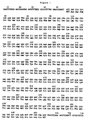
- Fig. 1 illustrates the full cDNA and amino acid sequence of IL-6.
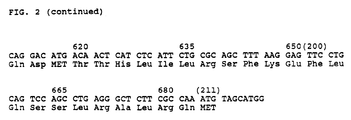
- Fig. 2 illustrates a modified cDNA sequence particularly suitable for bacterial expression of IL-6.
- Fig. 3 illustrates the construction of plasmid pAL-Sec-IL6-181.
- Fig. 4 illustrate the CI allele for the hyper-secreting bacterial expression system.
- a process for producing non-glycoslyated IL-6 includes culturing a suitable bacterial cell transformed with a cDNA sequence encoding a protein characterized by containing a peptide sequence comprising substantially the same sequence as that of amino acid #28 through amino acid #211 of Fig. 2.
- the cDNA sequence employed in this process is also in operative association with a suitable expression control sequence.
- the invention provides transformation vectors useful in the processes of the invention. These vectors contain DNA sequences the same or substantially the same as those of Fig. 2 under the control of suitable expression control sequences.
- the invention includes the human protein IL-6 substantially free from association with other proteins.
- IL-6 may be produced by the above-described process, and thus is a non-glycosylated protein.
- a pharmaceutical composition comprising an effective amount of IL-6 according to the invention.
- the composition may further include an effective amount of at least one hematopoietin, interleukin, growth factor or antibody, most desirably either of the proteins IL-3 or IL-2.
- the therapeutic composition containing IL-6, particularly in combination with IL-2 and further in combination with gamma interferon, may be useful for the treatment of cancer.
- the therapeutic compositions of the invention may be employed in treating human patients with diseases characterized by damaged immune system functions by administering to a patient an effective amount of the IL-6 peptide.
- This therapeutic method may further entail co-administering to a patient an effective amount of IL-2 or IL-3.
- the therapeutic method may further involve co-administering an effective amount of gamma interferon with IL-6 and IL-2.
- Other hematopoietins, growth factors or antibodies, as well as other conventional therapeutic agents may also be combined with IL-6.
- the present invention provides a method for producing human IL-6 substantially free from association with other human proteins.
- the preparative method of the invention involves culturing a host cell transformed with a DNA sequence encoding for the IL-6 protein, which is under the control of suitable expression control sequences.
- the approximately 1.1 kb DNA sequence of Fig 1 is harbored in plasmid pCSF309 in E. coli MC1061, which was deposited in the American Type Culture Collection,12301 Parklawn Dr., Rockville, MD on July 11, 1986 and given accession number ATCC 67153.
- a preferred embodiment of a DNA sequence encoding IL-6 for use in this method is the sequence of Fig. 2, which has been deliberately designed for expression in bacterial cells.
- Allelic variants i.e., naturally occurring base changes in the sequence which occur within a species which may or may not alter the amino acid sequence
- variations in the nucleotide sequence resulting from the degeneracy of the genetic code are also encompassed for use in the invention where they encode a polypeptide having IL-6 activity.
- Variations in the 1.1 kb sequence of Fig. 1 which are caused by point mutations or by induced modifications to enhance the activity or production of the protein should not change the functional protein for which the sequence codes on expression. Therefore, such variations in sequence are encompassed in the invention.
- the modified sequence of Fig. 2 is presently preferred for expression in bacterial host cells.
- Such nucleotide modifications deliberately engineered into the DNA sequence or engineered into a sequence produced synthetically by known methods can be made by one skilled in the art using known techniques.
- Such modification can cause the deletion, insertion or substitution of amino acids in the peptide sequence of IL-6.
- the replacement of one or more of the cysteine residues in the coding sequence can eliminate a corresponding disulfide bridge.
- substitution, insertion or deletion of an amino acid at one or more of the tripeptite asparagine-linked glycosyla-tion recognition sites can result in non-glycosylation at that site. Mutagenic techniques for such replacement or deletion are well known to one skilled in the art. [See, United States patent 4,518,584].
- the method of the invention involves culturing a suitable cell or cell line which has been transformed with a cDNA sequence which encodes for IL-6, including modified sequences as described above and as represented in Fig. 2.
- the DNA sequence encoding IL-6 in the transformed cell is in operative association with a suitable expression control sequence.
- Bacterial cells are the presently preferred embodiment for host cells in the preparative method of producing IL-6. Bacterial production results in large quantities of active non-glycosylated IL-6.
- the presently preferred IL-6 sequence for bacterial expression of the protein is the modified sequence of Fig. 2.
- IL-6 When IL-6 is expressed in bacterial cells, it may be expressed intracellularly and refolded into active form or it may be secreted from bacterial cells in active form.
- Various strains of E . coli well-known as host cells in the field of biotechnology [e.g., strain MC1061 and strains described in the examples] are desirably used as host cells which enable the production of biologically active IL-6.
- a non-exclusive list of various bacterial strains suitable for IL-6 expression include B . subtilis , various strains of Pseudomonas , other bacilli and the like.
- the present invention also provides vectors and DNA sequences for use in the method of expression of IL-6 protein.
- the vectors contain the same, or substantially the same, nucleotide sequences as recited above.
- the vectors contain the full DNA sequence recited in Fig. 2.
- the vectors also contain appropriate expression control sequences permitting expression of the IL-6 DNA sequence.
- vectors incorporating modified or naturally occurring allelic sequences as described herein are also embodiments of the present invention and useful in the production of IL-6.
- the vector may be employed in the method of transforming cell lines and may contain selected regulatory sequences in operative association with the above-described IL-6 DNA coding sequences which are capable of directing the replication and expression thereof in selected host cells. Useful regulatory sequences for such vectors are known to one of skill in the art and may be selected depending upon the selected host cells. Such selection is routine and not considered part of the present invention.
- Preferred vectors are bacterial vectors.
- the protein IL-6 is itself another aspect of the invention.
- the protein IL-6 is provided substantially free from association with other human proteins due to the provision of its peptide and nucleotide sequences, which enable the synthesis of the peptide by conventional genetic engineering means or the production thereof in recombinant microorganisms.
- a desirable embodiment of the protein IL-6 is non-glycosylated IL-6, which may be produced by bacterial expression of the gene.
- IL-6 is characterized by a peptide sequence containing the same or substantially the same peptide sequence as amino acid #28 through amino acid #212, depicted in Fig. 1.
- IL-6 as produced by the method of the present invention is characterized by an apparent molecular weight of approximately 20 to 35kd when analyzed by polyacrylamide SDS gel electrophoresis under nonreducing conditions.
- the protein causes the formation of small granulocytic-type colonies in in vitro mouse bone marrow assays at 10 to 100 picomolar concentrations.
- Fig. 1 depicts the complete 1.1 kb DNA sequence which encodes for the IL-6 protein and enables expression in appropriate host cells.
- This sequence contains a long open translational reading frame of 636 nucleotides, encoding a 212 amino acid polypeptide, including an approximately 50 nucleotide conventional leader secretory sequence.
- the protein coding region of the 1.1 kb sequence extends from nucleotide #132 (the guanine in the alanine codon, amino acid position #28) to nucleotide #686 which is followed by a TAG stop codon.
- Asn-X-Ser There are two potential asparagine-linked glycosylation sites illustrated by the characteristic sequence, Asn-X-Ser, which may be glycosylated upon expression of the gene in mammalian expression systems.
- the coding region also contains four cysteines, suggesting two disulfide bonds.
- the remaining 453 nucleotides of the 3' non-coding sequence of the 1.1 kb region may have a regulatory role in transcription in the natural host.
- the 3' end of the sequence also contains an AT-rich segment including several repeats of the sequence ATTTA, which is believed to be related to the RNA message stability [See, G. Shaw and R. Kamen, Cell , 46 (5):659-677 (1986)].
- the preferred sequence for bacterial expression shown in Fig 2 has the same peptide sequence of Fig. 1, but has a selectively modified nucleotide sequence to enhance the production of IL-6 in bacterial expression systems. Additionally, this preferred sequence has deleted much of the leader sequence and 3' non-coding sequence present in Fig. 1.
- One preferred embodiment of the present invention is bacterially produced non-glycosylated IL-6.
- the alanine at position 28 of the protein coding sequence is generally clipped off by bacterial enzymes. Therefore approximately 80% of the bacterially produced IL-6 protein has proline, position 29, as its 5' initial amino acid.
- Bacterially produced IL-6 is non-glycosylated and consequently, has a more homogenous apparent molecular weight than IL-6 produced in other expression systems.
- bacterially produced IL-6 is produced in high yields.
- Methods and therapeutic compositions may employ IL-6 as at least one active ingredient.
- IL-6 may be used, alone or in co-administration with other therapeutic products, in the treatment of diseases characterized by a decreased level of either myeloid or lymphoid cells of the hematopoietic system or combinations thereof.
- This protein may also be capable of stimulating accessory and mature cells, e.g. monocytes, to produce other hematopoietic-like factors which, in turn, stimulate the formation of colonies of other hematopoietic cells, as well as other hematopoietic-like activities.
- IL-6 may enhance the activity of other hematopoietins.
- IL-6 has demonstrated the ability in a 5-fluorouracil-treated mouse bone marrow assay to enhance the ability of other hematopoietins, namely IL-3 and CSF-1, to stimulate the proliferation of hematopoietic cells more primitive than those induced by CSF-1 or IL-3 alone.
- This characteristic has previously been attributed to a protein called IL-1-alpha or Hematopoietin 1, which may induce expression of IL-6.
- IL-6 and IL-3 in combination caused the proliferation of early human stem cell colonies.
- IL-6 has potential pharmaceutical use in combination with IL-3 in the treatment of many disease states which involve immune system deficiencies, for example, in treating persons suffering from over-exposure to radioactivity or chemotherapy.
- Immunodeficiencies e.g., in T and/or B lymphocytes, or immune disorders, e.g., rheumatoid arthritis, may also be beneficially effected by treatment with IL-6.
- Immunodeficiencies such as leukopenia, a reduction in the number of circulating leukocytes in the peripheral blood, may be the result of viral infections, e.g., HTLVI, HTLVII, HIV, severe exposure to radiation, ode effects of cancer therapy or the result of other medical treatment.
- Therapeutic treatment of leukopenia with IL-6 compositions may avoid undesirable side effects caused by treatment with presently available drugs.
- Other conditions susceptible for IL-6 treatment include patients recovering from bone marrow transplants.
- compositions for use in treating the above-described conditions comprise a therapeutically effective amount of IL-6 in admixture with a pharmaceutically acceptable carrier.
- This composition can be systematically administered either parenterally, intravenously or subcutaneously.
- the therapeutic composition for use in this invention is, of course, in the form of a pyrogen-free, parenterally acceptable aqueous solution.
- the preparation of such a parenterally acceptable protein solution having due regard to pH, isotonicity, stability and the like, is within the skill of the art.
- the dosage regimen involved in a method for treating the above-described conditions will be determined by the attending physician considering various factors which modify the action of drugs, e.g. the condition, body weight, sex and diet of the patient, the severity of any infection, time of administration and other clinical factors.
- the daily regimen should be in the range of 200-1000 micrograms of polypeptide or 50 to 5000 units (ie, a unit being the concentration of polypeptide which leads to half maximal stimulation in a standard murine bone marrow assay) of polypeptide per kilogram of body weight.
- IL-6 is employed in combination with other agents, to activate mature lymphoid cells. Specifically, it has been found that IL-6 has CDF activity in a published assay [Y. Takai et al, J. Immunol ., 137 (11):3494-3500 (1986)]. Thus, IL-6 in combination with IL-2 alone and in combination with IL-2 and gamma interferon activates mature lymphoid cells. This particular combination may be used in anti-cancer and anti-viral therapeutic treatments. [See also, Takai et al., Science (1986) in press]. This utility is attributed in part to the cytolytic T cell activity demonstrated by IL-6.
- IL-6 may be employed in combination with IL-2 for LAK therapy.
- a non-exclusive list of other appropriate hematopoietins, CSFs and interleukins for simultaneous or serial co-administration with IL-6 includes GM-CSF, CSF-1, G-CSF, Meg-CSF, erythropoietin (EPO), IL-1, IL-3, B-cell growth factor and eosinophil differentiation factor. Such combinations may enhance the activity or effect of treatment with the other hematopoietins alone.
- IL-6 may also augment the humoral or cellular immune response in vivo in co-administration with other therapeutic agents.
- IL-6 may enhance the efficacy of viral antigen vaccines, such as HIV and the like, or tumor antigen vaccines.
- the dosage of IL-6 in these co-administration regimes would be adjusted from the dosages recited for administration of IL-6 alone to compensate for the additional components, e.g. IL-2, in the therapeutic composition.
- Progress of the treated patient can be monitored by periodic assessment of the hematological profile, e.g., white cell count and the like.
- IL-6 may also bed employed in well-known procedures to generate polyclonal and monoclonal antibodies, both human and murine, for diagnostic and therapeutic use. Such monoclonal or polyclonal antibodies may be used therapeutically by attachment to targeting or toxin agents, labels and the like. IL-6 also functions as a hybridoma growth factor in the culture medium for hybridoma cell lines to increase the yields thereof.
- Fig. 1 The complete DNA sequence of Fig. 1 was isolated from poly A+ mRNA library of the HTLV I transformed human T-cell line Cl0MJ2 [National Institute of Health; S., K. Arya et al, Science , 223 :1086 (1984)] employing the expression cloning technique described in U. S. Patent 4,675,285.
- Fig. 1 contained in pCSF309 (ATCC 67153) as an Eco RI insert [see Example III], may be excised therefrom by digestion with EcoRI and inserted into a suitable bacterial vector and host for the production of IL-6.
- a preferred bacterial expression system for IL-6 which provides for higher yields of the protein by altering the 5' coding sequence of IL-6 employs the sequence of Fig. 2.
- This preferred sequence was used to construct bacterial expression plasmid pAL309C-781 as follows:
- cDNA clone of IL-6 [Fig. 1], carried on an EcoRI fragment, was transferred into M13mp19 [See, S. Messing, Methods in Enzymology , 101 :20-78 (1983); J. Norrander et al., Gene , 26 :101-106 (1983)] in such an orientation that the noncoding strand was packaged into phage.
- Single-stranded phage DNA was prepared and annealed with the oligonucleotide d(GCCCCAGTACCCCCAGGAGAAG). The oligonucleotide was extended with Klenow fragment of DNA polymerase I of E. coli ; and the residual single-stranded region was digested with S1 nuclease.
- the resultant plasmid pAL309-181 was modified first by removing the base sequence fragment between bp #149 of 169 of Fig. 1 by in vitro site-directed loop-out mutagenesis. [See, Morinaga, et al., Biotechnology 2 :636-639 (1984)]. This deletion created a unique Nar I site in the IL-6 sequence.
- This plasmid was digested with Nar I. The single-stranded ends were filled in with Klenow fragment of DNA polymerase I; and then digested with Hind III. The fragment from this digest carrying the 3'-end of the IL-6 gene was isolated.
- This fragment was mixed with a 42bp synthetic duplex of DNA which was made to be blunt on one end and carry a 5'-single-stranded TA sequence on the other.
- the mixture was ligated with pAL181 cut with Nde I and Hind III. This three-way ligation produced the modified IL-6 gene sequence shown in Fig. 2 and an expression plasmid called pAL309B-181.
- Plasmid pAL309B-181 was cut with Ban I and the single-stranded end filled in using Klenow fragment of DNA polymerase I. The plasmid was then cut with Nde I and the IL-6 clone isolated. This DNA fragment was inserted between the Nde I and a filled in Xba I site of a pAL-181 vector into which a synthesis DNA sequence carrying the putative transcriptional termination sequence found 3' to the end of the E. col i aspA coding sequence had been cloned previously.
- This new plasmid called pAL309C-781, can be transformed by conventional techniques into a suitable bacterial host cell which contains means for controlling the PL promoter ⁇ see, e.g. Example V ⁇ for expression of the IL-6 protein.
- modified IL-6 coding sequence could be removed from pAL309C-781 by excision with Nde I and Hind III or from pCSF309 by excision with Eco RI and inserted into any desired bacterial vector using procedures and vectors such as described in T. Maniatis et al, Molecular Cloning A Laboratory Manual , Cold Spring Harbor Laboratory (1982). These exemplary bacterial vectors could then be transformed into bacterial host cells and IL-6 expressed thereby.
- IL-6 can be produced by secretion of the protein into the periplasm of E . coli . This produces a fully oxidized, non-glycosylated protein having a high specific activity in in vitro bioassays. Two exemplary vectors for production of IL-6 by secretion from bacteria are described.
- p91023B contains the SV40 enhancer, major adenovirus late promoter, DHFR coding sequence, SV40 late message poly-A addition site and VaI gene.
- the plasmid resulting from the EcoRI digestion of p91023B and the insertion of the DNA sequence of Fig. 1 encoding for IL-6 was designated pCSF309.
- pCSF309 (ATCC #67153) can be transformed by conventional techniques into a suitable mammalian host cell for expression of IL-6.
- Fig 1 can be cut from the plasmid with EcoRI and well-known recombinant genetic engineering techniques employed to modify the sequence and to insert it into other known vectors, such as pCD [Okayama et al., Mol. Cell Biol .
- Plasmid pAL309C-781 from Example I was transformed into an E. coli K12 strain GI455, a derivative of strain W3110 in which the C I and Rex regions of bacteriophage lambda carrying the C I 857 allele have been inserted into the Cla I site of the lac Z gene of the bacterial genome.
- This insert consists of all of the DNA sequences between nucleotides 35711 and 38104 of the phage genome [See, F. Sanger et al. J. Mol. Biol. 162 :729 (1982)].
- IL-6 When GI455 transformed with pAL309C-781 is grown at 30 o C to high cell density and then heated to 40 o C, IL-6 is produced rapidly and accumulates over the next two or three hours to reach greater than 10 percent of the total cellular protein. This protein is produced in an insoluble form which must be solubilized and refolded by conventional methods. [See, e.g., T. E. Creighton, Prog. Biophys. Molec. Biol. , 33 :231-297 (1978)]. This bacterially produced IL-6 is predicted to have a specific activity in the murine bone marrow assay of between approximately 106 to 2X10⁷ units per mg protein.
- Plasmid pAL-Sec-IL6-181 from Example II was transformed into E . coli K-12 strain GI400.
- This strain is a derivative of W3110 [Bachmann, Bacterial. Rev. 36 525(1972)] in which the C I , Rex and N regions of bacteriophage lambda (nucleotides 33498 to 38214 of the phage genome) [Sanger et al., J. Mol. Biol. 162 :729(1982)] has been inserted into the Cla I site of the lacZ gene of the bacterium.
- the C I gene on this insert is the temperature-sensitive C I 857 allele.
- pAL-Sec-IL6-181 was transformed into GI400, the cells could be grown at 30 o C to a desirable cell density and the temperature increased to 40 o C to initiate secretion of IL-6.
- the product isolated from the periplasm of these cells was homogeneous in molecular weight.
- the processing event removes the leader sequence.
- the N-terminal alanine was also removed from the secreted protein, producing a product with proline as its N-terminal amino acid in the majority of cases.
- the material has a high specific activity on a bone marrow colony assay showing from 1-20 x 106 units/mg protein.
- Bone marrow was obtained from the femurs of 6 - 25 week old female Balb/c mice (Jackson). Using WEHI 3 conditioned medium [J. C. Lee et al., J. Immunol. , 128 : 2393-2398 (1982)] which contains mouse interleukin-3 as a standard control, one dilution unit of activity was defined as that concentration of protein which results in a maximal response in this bone marrow assay, i.e. approximately 25 to 35 colonies per 2 x 10⁴ mouse bone marrow cells.
- Conditioned medium from COS cells containing pCSF309 was found to be active to at least 10 ⁇ 4 dilution in a mouse bone marrow assay and produced small granulocytic type colonies. The number and type of cells in a maximal response will vary with the strain and age of the mouse donors.
- Conditioned medium from E. coli cells containing pAL309C-781 may have a specific activity at least 106 to 2X10⁷ units per mg protein in this assay. Bacterially produced IL-6 also produced granulocytic colonies.
Landscapes
- Health & Medical Sciences (AREA)
- Life Sciences & Earth Sciences (AREA)
- Chemical & Material Sciences (AREA)
- Medicinal Chemistry (AREA)
- General Health & Medical Sciences (AREA)
- Animal Behavior & Ethology (AREA)
- Organic Chemistry (AREA)
- Pharmacology & Pharmacy (AREA)
- Public Health (AREA)
- Veterinary Medicine (AREA)
- Bioinformatics & Cheminformatics (AREA)
- Engineering & Computer Science (AREA)
- Gastroenterology & Hepatology (AREA)
- Zoology (AREA)
- Immunology (AREA)
- Proteomics, Peptides & Aminoacids (AREA)
- Epidemiology (AREA)
- Nuclear Medicine, Radiotherapy & Molecular Imaging (AREA)
- General Chemical & Material Sciences (AREA)
- Chemical Kinetics & Catalysis (AREA)
- Molecular Biology (AREA)
- Toxicology (AREA)
- Biochemistry (AREA)
- Biophysics (AREA)
- Genetics & Genomics (AREA)
- Diabetes (AREA)
- Hematology (AREA)
- Microbiology (AREA)
- Mycology (AREA)
- Preparation Of Compounds By Using Micro-Organisms (AREA)
- Peptides Or Proteins (AREA)
- Micro-Organisms Or Cultivation Processes Thereof (AREA)
- Medicines That Contain Protein Lipid Enzymes And Other Medicines (AREA)
- Transition And Organic Metals Composition Catalysts For Addition Polymerization (AREA)
- Saccharide Compounds (AREA)
- Steroid Compounds (AREA)
- Materials For Medical Uses (AREA)
Priority Applications (1)
| Application Number | Priority Date | Filing Date | Title |
|---|---|---|---|
| EP93110770A EP0574955B1 (en) | 1986-07-08 | 1987-07-07 | Production and use of IL-6 |
Applications Claiming Priority (7)
| Application Number | Priority Date | Filing Date | Title |
|---|---|---|---|
| US88320786A | 1986-07-08 | 1986-07-08 | |
| US883207 | 1986-07-08 | ||
| US88590586A | 1986-07-15 | 1986-07-15 | |
| US885905 | 1986-07-15 | ||
| US4795787A | 1987-05-08 | 1987-05-08 | |
| US47957 | 1987-05-08 | ||
| PCT/US1987/001611 WO1988000206A1 (en) | 1986-07-08 | 1987-07-07 | Production and use of il-6 |
Related Child Applications (1)
| Application Number | Title | Priority Date | Filing Date |
|---|---|---|---|
| EP93110770.0 Division-Into | 1993-07-06 |
Publications (3)
| Publication Number | Publication Date |
|---|---|
| EP0316319A1 EP0316319A1 (en) | 1989-05-24 |
| EP0316319A4 EP0316319A4 (en) | 1989-08-09 |
| EP0316319B1 true EP0316319B1 (en) | 1995-07-12 |
Family
ID=27367237
Family Applications (2)
| Application Number | Title | Priority Date | Filing Date |
|---|---|---|---|
| EP87904625A Revoked EP0316319B1 (en) | 1986-07-08 | 1987-07-07 | Production and use of non-glycosylated IL-6 |
| EP93110770A Expired - Lifetime EP0574955B1 (en) | 1986-07-08 | 1987-07-07 | Production and use of IL-6 |
Family Applications After (1)
| Application Number | Title | Priority Date | Filing Date |
|---|---|---|---|
| EP93110770A Expired - Lifetime EP0574955B1 (en) | 1986-07-08 | 1987-07-07 | Production and use of IL-6 |
Country Status (18)
| Country | Link |
|---|---|
| EP (2) | EP0316319B1 (pl) |
| JP (1) | JP2664698B2 (pl) |
| KR (1) | KR960013601B1 (pl) |
| AT (2) | ATE143811T1 (pl) |
| AU (1) | AU615630B2 (pl) |
| CA (1) | CA1341355C (pl) |
| DE (2) | DE3751406T2 (pl) |
| DK (1) | DK173279B1 (pl) |
| ES (1) | ES2006776A6 (pl) |
| GR (1) | GR871027B (pl) |
| IE (1) | IE67035B1 (pl) |
| IL (1) | IL83137A (pl) |
| MY (1) | MY102865A (pl) |
| NO (1) | NO176665C (pl) |
| PL (1) | PL159182B1 (pl) |
| PT (1) | PT85285B (pl) |
| SK (1) | SK279144B6 (pl) |
| WO (1) | WO1988000206A1 (pl) |
Families Citing this family (39)
| Publication number | Priority date | Publication date | Assignee | Title |
|---|---|---|---|---|
| US5554513A (en) * | 1979-11-21 | 1996-09-10 | Yeda Research & Development Co. Ltd. | Production of recombinant human interferon-beta2 |
| US5510472A (en) * | 1979-11-21 | 1996-04-23 | Yeda Research And Development Co. Ltd. | Production of recombinant human interferon-beta2 |
| EP0536520B1 (en) * | 1985-10-14 | 1999-03-03 | Yeda Research And Development Co. Ltd. | Use of Human Interferon-Beta 2A for the preparation of medicaments |
| JP2648860B2 (ja) * | 1986-05-08 | 1997-09-03 | イエダ リサーチ アンド デベロップメント コンパニー リミテッド | ヒトインターフエロン−β2A及びヒトインターフエロン−β2B、該インターフエロンをコードする遺伝子を含むベクター、該インターフエロンを産生するセルライン及び該インターフエロンの医薬品としての用途 |
| EP0585957A1 (en) * | 1986-08-06 | 1994-03-09 | Ajinomoto Co., Inc. | Recombinant B-cell differentiation factor |
| JP2676336B2 (ja) * | 1986-08-06 | 1997-11-12 | 忠三 岸本 | ヒトb細胞分化因子の遺伝子 |
| JPS6356291A (ja) * | 1986-08-27 | 1988-03-10 | Chuzo Kishimoto | リコンビナントbcdf |
| NZ226799A (en) * | 1987-11-06 | 1991-08-27 | Oncogen | Breast cancer inhibitory factor and method for inhibiting proliferation of neoplastic cells and compositions therefor |
| CA1341588C (en) * | 1988-01-26 | 2009-01-06 | Michel Revel | Human ifn-beta2/i1-6, its purification and use |
| IL85204A0 (en) * | 1988-01-26 | 1988-07-31 | Yeda Res & Dev | Recombinant human interferon beta2,its preparation and pharmaceutical compositions comprising it |
| HUT52962A (en) * | 1988-03-04 | 1990-09-28 | Sandoz Ag | Process for production of medical compositions eliminating bone-absorption and promoting forming of bones |
| JPH022353A (ja) * | 1988-03-10 | 1990-01-08 | Tosoh Corp | ヒトb細胞分化因子の製造法 |
| JPH022354A (ja) * | 1988-03-31 | 1990-01-08 | Tosoh Corp | ヒトb細胞分化因子の製造法 |
| GB2217327B (en) * | 1988-04-12 | 1992-01-29 | British Bio Technology | Synthetic interleukin-6 gene |
| US5646015A (en) * | 1988-08-31 | 1997-07-08 | Astra Ab | Excretion of heterologous proteins from E. coli |
| US5223407A (en) * | 1988-08-31 | 1993-06-29 | Allelix Inc. | Excretion of heterologous proteins from e. coli |
| US5271931A (en) * | 1988-09-14 | 1993-12-21 | The Scripps Research Institute | Methods for increasing C1 inhibitor concentrations using interferon-gamma and/or interleukin-6 |
| JPH0372429A (ja) * | 1988-10-07 | 1991-03-27 | Chugai Pharmaceut Co Ltd | 血小板減少症の治療剤 |
| US5811523A (en) | 1988-11-10 | 1998-09-22 | Trinchieri; Giorgio | Antibodies to natural killer stimulatory factor |
| JP2805224B2 (ja) * | 1989-01-13 | 1998-09-30 | 味の素株式会社 | 血小板減少症治療剤 |
| JPH0331215A (ja) * | 1989-06-27 | 1991-02-12 | Ajinomoto Co Inc | 制癌療法支持剤 |
| DE3939706C1 (pl) * | 1989-12-01 | 1991-03-21 | Centre Regional De Transfusion Sanguine, Besancon, Fr | |
| JPH04218000A (ja) * | 1990-02-13 | 1992-08-07 | Kirin Amgen Inc | 修飾ポリペプチド |
| DE69122764T2 (de) * | 1990-08-31 | 1997-03-20 | Teruo Nishida | Arznei gegen hornhautbeschädigungen |
| US5641868A (en) * | 1991-04-18 | 1997-06-24 | Toray Industries, Inc. | Interlekin-6 compositions, and a production process thereof |
| CA2085744A1 (en) * | 1991-04-18 | 1992-10-19 | Shingou Sakurai | Interleukin-6 compositions, and a production process thereof |
| ZA924674B (en) * | 1991-07-02 | 1993-04-28 | Imclone Systems Inc | Cysteine depleted il-6 mutein |
| US5338833A (en) * | 1992-07-23 | 1994-08-16 | The University Of North Carolina At Chapel Hill | Carboxy terminal IL-6 muteins |
| US5338834A (en) * | 1993-01-26 | 1994-08-16 | Allelix Biopharmaceuticals Inc. | Ultrapure human interleukin-6 |
| WO1994028919A1 (fr) * | 1993-06-08 | 1994-12-22 | Ajinomoto Co., Inc. | Accelerateur de la proliferation des cellules hematopietiques |
| US5578301A (en) * | 1993-12-14 | 1996-11-26 | Sandoz Ltd. | Method for using GM-CSF to reduce the acute phase response in a patient being administered IL-6 therapy |
| US5599536A (en) * | 1993-12-13 | 1997-02-04 | Sandoz Ltd. | Method for suppressing the acute phase response in a patient receiving IL-6 therapy |
| US5641657A (en) * | 1994-05-19 | 1997-06-24 | Human Genome Sciences, Inc. | DNA encoding an interleukin-6 splice variant |
| EP0721780A3 (en) * | 1994-12-16 | 1997-12-17 | Kabushiki Kaisha Hayashibara Seibutsu Kagaku Kenkyujo | Agent for promoting platelet and/or leukocyte production |
| EP0912742A1 (en) * | 1996-07-19 | 1999-05-06 | Dade Behring Marburg GmbH | Viral interleukin-6 |
| SE9702401D0 (sv) | 1997-06-19 | 1997-06-19 | Astra Ab | Pharmaceutical use |
| US7479540B1 (en) | 2003-12-22 | 2009-01-20 | Chandan Prasad | Adipomodulin and related molecules and methods |
| EP1856147A4 (en) * | 2005-02-15 | 2008-07-02 | Apollo Life Sciences Ltd | MOLECULE AND CHIMESE MOLECULES THEREOF |
| ES2302402B1 (es) * | 2005-06-16 | 2009-05-08 | Proyecto De Biomedicina Cima, S.L. | Uso de una citoquina de la familia de interleuquina-6 en la preparacion de una composicion para administracion combinada con interferon-alfa. |
Family Cites Families (4)
| Publication number | Priority date | Publication date | Assignee | Title |
|---|---|---|---|---|
| IL58765A (en) * | 1979-11-21 | 1986-09-30 | Yeda Res & Dev | Process for the production of essentially pure messenger rna of human fibroblast interferon and process for the production of interferon beta |
| US4675285A (en) * | 1984-09-19 | 1987-06-23 | Genetics Institute, Inc. | Method for identification and isolation of DNA encoding a desired protein |
| EP0536520B1 (en) * | 1985-10-14 | 1999-03-03 | Yeda Research And Development Co. Ltd. | Use of Human Interferon-Beta 2A for the preparation of medicaments |
| EP0585957A1 (en) * | 1986-08-06 | 1994-03-09 | Ajinomoto Co., Inc. | Recombinant B-cell differentiation factor |
-
1987
- 1987-06-26 IE IE172687A patent/IE67035B1/en not_active IP Right Cessation
- 1987-06-30 GR GR871027A patent/GR871027B/el unknown
- 1987-07-03 CA CA000541216A patent/CA1341355C/en not_active Expired - Fee Related
- 1987-07-07 ES ES8701985A patent/ES2006776A6/es not_active Expired
- 1987-07-07 MY MYPI87000953A patent/MY102865A/en unknown
- 1987-07-07 EP EP87904625A patent/EP0316319B1/en not_active Revoked
- 1987-07-07 JP JP62504291A patent/JP2664698B2/ja not_active Expired - Fee Related
- 1987-07-07 KR KR1019880700256A patent/KR960013601B1/ko not_active Expired - Fee Related
- 1987-07-07 SK SK5150-87A patent/SK279144B6/sk unknown
- 1987-07-07 WO PCT/US1987/001611 patent/WO1988000206A1/en not_active Ceased
- 1987-07-07 DE DE3751406T patent/DE3751406T2/de not_active Revoked
- 1987-07-07 PL PL1987266680A patent/PL159182B1/pl unknown
- 1987-07-07 AT AT93110770T patent/ATE143811T1/de not_active IP Right Cessation
- 1987-07-07 AT AT87904625T patent/ATE124959T1/de not_active IP Right Cessation
- 1987-07-07 AU AU76962/87A patent/AU615630B2/en not_active Ceased
- 1987-07-07 DE DE3751922T patent/DE3751922T2/de not_active Expired - Fee Related
- 1987-07-07 EP EP93110770A patent/EP0574955B1/en not_active Expired - Lifetime
- 1987-07-08 PT PT85285A patent/PT85285B/pt active IP Right Revival
- 1987-07-09 IL IL8313787A patent/IL83137A/en not_active IP Right Cessation
-
1988
- 1988-03-02 NO NO880929A patent/NO176665C/no unknown
- 1988-03-07 DK DK198801217A patent/DK173279B1/da not_active IP Right Cessation
Also Published As
Similar Documents
| Publication | Publication Date | Title |
|---|---|---|
| EP0316319B1 (en) | Production and use of non-glycosylated IL-6 | |
| US5573763A (en) | Family of CSF-l proteins | |
| US4868119A (en) | Hematopoietic growth factors | |
| US5580753A (en) | DNA encoding the human cytokine, interleukin-9 | |
| US6066317A (en) | Method of using IL-11 for treating deficiencies in hematopoietic progenitor or stem cells | |
| US5883230A (en) | Multidomain hematopoiesis stimulators | |
| US4879227A (en) | Production of a recombinant human colony stimulating factor | |
| HU212518B (en) | Method for producing primate il-3-like hematopoietic growth factors, the cells expressing thereof, and the pharmaceutical compositions containing thereof | |
| US6348191B1 (en) | Production and use of IL-6 | |
| US6284237B1 (en) | Methods of treatment using IL-6 | |
| IE70605B1 (en) | A novel family of primate hematopoietic growth factors |
Legal Events
| Date | Code | Title | Description |
|---|---|---|---|
| PUAI | Public reference made under article 153(3) epc to a published international application that has entered the european phase |
Free format text: ORIGINAL CODE: 0009012 |
|
| 17P | Request for examination filed |
Effective date: 19881229 |
|
| AK | Designated contracting states |
Kind code of ref document: A1 Designated state(s): AT BE CH DE FR GB IT LI LU NL SE |
|
| A4 | Supplementary search report drawn up and despatched |
Effective date: 19890809 |
|
| 17Q | First examination report despatched |
Effective date: 19920304 |
|
| GRAA | (expected) grant |
Free format text: ORIGINAL CODE: 0009210 |
|
| AK | Designated contracting states |
Kind code of ref document: B1 Designated state(s): AT BE CH DE FR GB IT LI LU NL SE |
|
| REF | Corresponds to: |
Ref document number: 124959 Country of ref document: AT Date of ref document: 19950715 Kind code of ref document: T |
|
| XX | Miscellaneous (additional remarks) |
Free format text: TEILANMELDUNG 93110770.0 EINGEREICHT AM 07/07/87. |
|
| ITF | It: translation for a ep patent filed | ||
| REF | Corresponds to: |
Ref document number: 3751406 Country of ref document: DE Date of ref document: 19950817 |
|
| ET | Fr: translation filed | ||
| PLBQ | Unpublished change to opponent data |
Free format text: ORIGINAL CODE: EPIDOS OPPO |
|
| PLBI | Opposition filed |
Free format text: ORIGINAL CODE: 0009260 |
|
| 26 | Opposition filed |
Opponent name: APPLIED RESEARCH SYSTEMS ARS HOLDING NV Effective date: 19960412 |
|
| PLBF | Reply of patent proprietor to notice(s) of opposition |
Free format text: ORIGINAL CODE: EPIDOS OBSO |
|
| NLR1 | Nl: opposition has been filed with the epo |
Opponent name: APPLIED RESEARCH SYSTEMS ARS HOLDING NV |
|
| PLBF | Reply of patent proprietor to notice(s) of opposition |
Free format text: ORIGINAL CODE: EPIDOS OBSO |
|
| PLBF | Reply of patent proprietor to notice(s) of opposition |
Free format text: ORIGINAL CODE: EPIDOS OBSO |
|
| PLBF | Reply of patent proprietor to notice(s) of opposition |
Free format text: ORIGINAL CODE: EPIDOS OBSO |
|
| RDAH | Patent revoked |
Free format text: ORIGINAL CODE: EPIDOS REVO |
|
| APAC | Appeal dossier modified |
Free format text: ORIGINAL CODE: EPIDOS NOAPO |
|
| APAE | Appeal reference modified |
Free format text: ORIGINAL CODE: EPIDOS REFNO |
|
| REG | Reference to a national code |
Ref country code: GB Ref legal event code: IF02 |
|
| NLS | Nl: assignments of ep-patents |
Owner name: GENETICS INSTITUTE, LLC |
|
| REG | Reference to a national code |
Ref country code: CH Ref legal event code: PFA Free format text: GENETICS INSTITUTE, INC. TRANSFER- GENETICS INSTITUTE, LLC |
|
| REG | Reference to a national code |
Ref country code: FR Ref legal event code: CD |
|
| PGFP | Annual fee paid to national office [announced via postgrant information from national office to epo] |
Ref country code: GB Payment date: 20030612 Year of fee payment: 17 |
|
| PGFP | Annual fee paid to national office [announced via postgrant information from national office to epo] |
Ref country code: AT Payment date: 20030613 Year of fee payment: 17 |
|
| PGFP | Annual fee paid to national office [announced via postgrant information from national office to epo] |
Ref country code: NL Payment date: 20030619 Year of fee payment: 17 |
|
| PGFP | Annual fee paid to national office [announced via postgrant information from national office to epo] |
Ref country code: LU Payment date: 20030701 Year of fee payment: 17 |
|
| PGFP | Annual fee paid to national office [announced via postgrant information from national office to epo] |
Ref country code: FR Payment date: 20030702 Year of fee payment: 17 |
|
| PGFP | Annual fee paid to national office [announced via postgrant information from national office to epo] |
Ref country code: SE Payment date: 20030703 Year of fee payment: 17 |
|
| PGFP | Annual fee paid to national office [announced via postgrant information from national office to epo] |
Ref country code: DE Payment date: 20030731 Year of fee payment: 17 |
|
| PGFP | Annual fee paid to national office [announced via postgrant information from national office to epo] |
Ref country code: BE Payment date: 20030811 Year of fee payment: 17 |
|
| APBQ | Date of receipt of statement of grounds of appeal recorded |
Free format text: ORIGINAL CODE: EPIDOSNNOA3O |
|
| APBU | Appeal procedure closed |
Free format text: ORIGINAL CODE: EPIDOSNNOA9O |
|
| RDAG | Patent revoked |
Free format text: ORIGINAL CODE: 0009271 |
|
| STAA | Information on the status of an ep patent application or granted ep patent |
Free format text: STATUS: PATENT REVOKED |
|
| PGFP | Annual fee paid to national office [announced via postgrant information from national office to epo] |
Ref country code: CH Payment date: 20031006 Year of fee payment: 17 |
|
| REG | Reference to a national code |
Ref country code: CH Ref legal event code: PL |
|
| 27W | Patent revoked |
Effective date: 20030915 |
|
| GBPR | Gb: patent revoked under art. 102 of the ep convention designating the uk as contracting state |
Free format text: 20030915 |
|
| NLR2 | Nl: decision of opposition |
Effective date: 20030915 |
|
| REG | Reference to a national code |
Ref country code: SE Ref legal event code: ECNC |
|
| APAH | Appeal reference modified |
Free format text: ORIGINAL CODE: EPIDOSCREFNO |