EP0247573A2 - Aminosäure-Benzotriazinylester, Verfahren zu deren Herstellung und deren Verwendung - Google Patents
Aminosäure-Benzotriazinylester, Verfahren zu deren Herstellung und deren Verwendung Download PDFInfo
- Publication number
- EP0247573A2 EP0247573A2 EP87107634A EP87107634A EP0247573A2 EP 0247573 A2 EP0247573 A2 EP 0247573A2 EP 87107634 A EP87107634 A EP 87107634A EP 87107634 A EP87107634 A EP 87107634A EP 0247573 A2 EP0247573 A2 EP 0247573A2
- Authority
- EP
- European Patent Office
- Prior art keywords
- oobt
- amino acid
- peptide
- fmoc
- esters
- Prior art date
- Legal status (The legal status is an assumption and is not a legal conclusion. Google has not performed a legal analysis and makes no representation as to the accuracy of the status listed.)
- Withdrawn
Links
- -1 Amino acid benzotriazinyl esters Chemical class 0.000 title claims abstract description 11
- 238000000034 method Methods 0.000 title claims description 13
- 238000002360 preparation method Methods 0.000 title claims description 5
- 150000003862 amino acid derivatives Chemical class 0.000 claims abstract description 13
- JOYRKODLDBILNP-UHFFFAOYSA-N urethane group Chemical group NC(=O)OCC JOYRKODLDBILNP-UHFFFAOYSA-N 0.000 claims abstract description 4
- 108090000765 processed proteins & peptides Proteins 0.000 claims description 29
- 230000015572 biosynthetic process Effects 0.000 claims description 16
- 238000003786 synthesis reaction Methods 0.000 claims description 16
- HJBLUNHMOKFZQX-UHFFFAOYSA-N 3-hydroxy-1,2,3-benzotriazin-4-one Chemical compound C1=CC=C2C(=O)N(O)N=NC2=C1 HJBLUNHMOKFZQX-UHFFFAOYSA-N 0.000 claims description 14
- 238000005859 coupling reaction Methods 0.000 claims description 14
- 230000008878 coupling Effects 0.000 claims description 11
- 238000010168 coupling process Methods 0.000 claims description 11
- 150000001875 compounds Chemical class 0.000 claims description 8
- 239000012634 fragment Substances 0.000 claims description 8
- 125000004213 tert-butoxy group Chemical group [H]C([H])([H])C(O*)(C([H])([H])[H])C([H])([H])[H] 0.000 claims description 8
- 150000001718 carbodiimides Chemical class 0.000 claims description 4
- VVQIIIAZJXTLRE-QMMMGPOBSA-N (2s)-2-amino-6-[(2-methylpropan-2-yl)oxycarbonylamino]hexanoic acid Chemical compound CC(C)(C)OC(=O)NCCCC[C@H](N)C(O)=O VVQIIIAZJXTLRE-QMMMGPOBSA-N 0.000 claims description 3
- 238000004519 manufacturing process Methods 0.000 claims description 2
- 239000007787 solid Substances 0.000 claims 1
- 150000008575 L-amino acids Chemical class 0.000 abstract 1
- ZMXDDKWLCZADIW-UHFFFAOYSA-N N,N-Dimethylformamide Chemical compound CN(C)C=O ZMXDDKWLCZADIW-UHFFFAOYSA-N 0.000 description 48
- 239000011347 resin Substances 0.000 description 22
- 229920005989 resin Polymers 0.000 description 22
- YMWUJEATGCHHMB-UHFFFAOYSA-N Dichloromethane Chemical compound ClCCl YMWUJEATGCHHMB-UHFFFAOYSA-N 0.000 description 18
- DTQVDTLACAAQTR-UHFFFAOYSA-N Trifluoroacetic acid Chemical compound OC(=O)C(F)(F)F DTQVDTLACAAQTR-UHFFFAOYSA-N 0.000 description 14
- 229940024606 amino acid Drugs 0.000 description 11
- 150000001413 amino acids Chemical class 0.000 description 11
- 125000006239 protecting group Chemical group 0.000 description 11
- RTZKZFJDLAIYFH-UHFFFAOYSA-N Diethyl ether Chemical compound CCOCC RTZKZFJDLAIYFH-UHFFFAOYSA-N 0.000 description 10
- 235000001014 amino acid Nutrition 0.000 description 10
- 150000002148 esters Chemical class 0.000 description 8
- 238000010532 solid phase synthesis reaction Methods 0.000 description 8
- 239000000203 mixture Substances 0.000 description 7
- 102000004196 processed proteins & peptides Human genes 0.000 description 7
- 239000002904 solvent Substances 0.000 description 7
- 125000000999 tert-butyl group Chemical group [H]C([H])([H])C(*)(C([H])([H])[H])C([H])([H])[H] 0.000 description 7
- 125000003088 (fluoren-9-ylmethoxy)carbonyl group Chemical group 0.000 description 6
- WEVYAHXRMPXWCK-UHFFFAOYSA-N Acetonitrile Chemical compound CC#N WEVYAHXRMPXWCK-UHFFFAOYSA-N 0.000 description 6
- XEKOWRVHYACXOJ-UHFFFAOYSA-N Ethyl acetate Chemical compound CCOC(C)=O XEKOWRVHYACXOJ-UHFFFAOYSA-N 0.000 description 6
- KFZMGEQAYNKOFK-UHFFFAOYSA-N Isopropanol Chemical compound CC(C)O KFZMGEQAYNKOFK-UHFFFAOYSA-N 0.000 description 6
- 238000006243 chemical reaction Methods 0.000 description 6
- DHMQDGOQFOQNFH-UHFFFAOYSA-N Glycine Chemical compound NCC(O)=O DHMQDGOQFOQNFH-UHFFFAOYSA-N 0.000 description 5
- 239000003153 chemical reaction reagent Substances 0.000 description 5
- 238000011065 in-situ storage Methods 0.000 description 5
- ZAFNJMIOTHYJRJ-UHFFFAOYSA-N Diisopropyl ether Chemical compound CC(C)OC(C)C ZAFNJMIOTHYJRJ-UHFFFAOYSA-N 0.000 description 4
- NQRYJNQNLNOLGT-UHFFFAOYSA-N Piperidine Chemical compound C1CCNCC1 NQRYJNQNLNOLGT-UHFFFAOYSA-N 0.000 description 4
- WYURNTSHIVDZCO-UHFFFAOYSA-N Tetrahydrofuran Chemical compound C1CCOC1 WYURNTSHIVDZCO-UHFFFAOYSA-N 0.000 description 4
- 239000007825 activation reagent Substances 0.000 description 4
- 238000000354 decomposition reaction Methods 0.000 description 4
- XLYOFNOQVPJJNP-UHFFFAOYSA-N water Chemical compound O XLYOFNOQVPJJNP-UHFFFAOYSA-N 0.000 description 4
- QTBSBXVTEAMEQO-UHFFFAOYSA-N Acetic acid Chemical compound CC(O)=O QTBSBXVTEAMEQO-UHFFFAOYSA-N 0.000 description 3
- QMMFVYPAHWMCMS-UHFFFAOYSA-N Dimethyl sulfide Chemical compound CSC QMMFVYPAHWMCMS-UHFFFAOYSA-N 0.000 description 3
- KRHYYFGTRYWZRS-UHFFFAOYSA-N Fluorane Chemical compound F KRHYYFGTRYWZRS-UHFFFAOYSA-N 0.000 description 3
- OKKJLVBELUTLKV-UHFFFAOYSA-N Methanol Chemical compound OC OKKJLVBELUTLKV-UHFFFAOYSA-N 0.000 description 3
- 125000001797 benzyl group Chemical group [H]C1=C([H])C([H])=C(C([H])=C1[H])C([H])([H])* 0.000 description 3
- 210000004899 c-terminal region Anatomy 0.000 description 3
- 238000003776 cleavage reaction Methods 0.000 description 3
- 229910000040 hydrogen fluoride Inorganic materials 0.000 description 3
- NPZTUJOABDZTLV-UHFFFAOYSA-N hydroxybenzotriazole Substances O=C1C=CC=C2NNN=C12 NPZTUJOABDZTLV-UHFFFAOYSA-N 0.000 description 3
- 230000000717 retained effect Effects 0.000 description 3
- 230000007017 scission Effects 0.000 description 3
- JAUKCFULLJFBFN-VWLOTQADSA-N (2s)-2-(9h-fluoren-9-ylmethoxycarbonylamino)-3-[4-[(2-methylpropan-2-yl)oxy]phenyl]propanoic acid Chemical compound C1=CC(OC(C)(C)C)=CC=C1C[C@@H](C(O)=O)NC(=O)OCC1C2=CC=CC=C2C2=CC=CC=C21 JAUKCFULLJFBFN-VWLOTQADSA-N 0.000 description 2
- KSDTXRUIZMTBNV-INIZCTEOSA-N (2s)-2-(9h-fluoren-9-ylmethoxycarbonylamino)butanedioic acid Chemical compound C1=CC=C2C(COC(=O)N[C@@H](CC(=O)O)C(O)=O)C3=CC=CC=C3C2=C1 KSDTXRUIZMTBNV-INIZCTEOSA-N 0.000 description 2
- ASOKPJOREAFHNY-UHFFFAOYSA-N 1-Hydroxybenzotriazole Chemical compound C1=CC=C2N(O)N=NC2=C1 ASOKPJOREAFHNY-UHFFFAOYSA-N 0.000 description 2
- 239000004475 Arginine Substances 0.000 description 2
- DCXYFEDJOCDNAF-UHFFFAOYSA-N Asparagine Natural products OC(=O)C(N)CC(N)=O DCXYFEDJOCDNAF-UHFFFAOYSA-N 0.000 description 2
- HEDRZPFGACZZDS-UHFFFAOYSA-N Chloroform Chemical compound ClC(Cl)Cl HEDRZPFGACZZDS-UHFFFAOYSA-N 0.000 description 2
- QOSSAOTZNIDXMA-UHFFFAOYSA-N Dicylcohexylcarbodiimide Chemical compound C1CCCCC1N=C=NC1CCCCC1 QOSSAOTZNIDXMA-UHFFFAOYSA-N 0.000 description 2
- QUSNBJAOOMFDIB-UHFFFAOYSA-N Ethylamine Chemical compound CCN QUSNBJAOOMFDIB-UHFFFAOYSA-N 0.000 description 2
- DCXYFEDJOCDNAF-REOHCLBHSA-N L-asparagine Chemical compound OC(=O)[C@@H](N)CC(N)=O DCXYFEDJOCDNAF-REOHCLBHSA-N 0.000 description 2
- ZDXPYRJPNDTMRX-VKHMYHEASA-N L-glutamine Chemical compound OC(=O)[C@@H](N)CCC(N)=O ZDXPYRJPNDTMRX-VKHMYHEASA-N 0.000 description 2
- FXHOOIRPVKKKFG-UHFFFAOYSA-N N,N-Dimethylacetamide Chemical compound CN(C)C(C)=O FXHOOIRPVKKKFG-UHFFFAOYSA-N 0.000 description 2
- NQTADLQHYWFPDB-UHFFFAOYSA-N N-Hydroxysuccinimide Chemical compound ON1C(=O)CCC1=O NQTADLQHYWFPDB-UHFFFAOYSA-N 0.000 description 2
- SECXISVLQFMRJM-UHFFFAOYSA-N N-Methylpyrrolidone Chemical compound CN1CCCC1=O SECXISVLQFMRJM-UHFFFAOYSA-N 0.000 description 2
- ISWSIDIOOBJBQZ-UHFFFAOYSA-N Phenol Chemical compound OC1=CC=CC=C1 ISWSIDIOOBJBQZ-UHFFFAOYSA-N 0.000 description 2
- XSQUKJJJFZCRTK-UHFFFAOYSA-N Urea Chemical compound NC(N)=O XSQUKJJJFZCRTK-UHFFFAOYSA-N 0.000 description 2
- 230000004913 activation Effects 0.000 description 2
- 125000003368 amide group Chemical group 0.000 description 2
- 150000001412 amines Chemical class 0.000 description 2
- 150000008064 anhydrides Chemical class 0.000 description 2
- ODKSFYDXXFIFQN-UHFFFAOYSA-N arginine Natural products OC(=O)C(N)CCCNC(N)=N ODKSFYDXXFIFQN-UHFFFAOYSA-N 0.000 description 2
- 235000009697 arginine Nutrition 0.000 description 2
- 229960001230 asparagine Drugs 0.000 description 2
- 235000009582 asparagine Nutrition 0.000 description 2
- 150000001768 cations Chemical class 0.000 description 2
- 125000004218 chloromethyl group Chemical group [H]C([H])(Cl)* 0.000 description 2
- 239000003480 eluent Substances 0.000 description 2
- ZDXPYRJPNDTMRX-UHFFFAOYSA-N glutamine Natural products OC(=O)C(N)CCC(N)=O ZDXPYRJPNDTMRX-UHFFFAOYSA-N 0.000 description 2
- 238000004128 high performance liquid chromatography Methods 0.000 description 2
- 125000004029 hydroxymethyl group Chemical group [H]OC([H])([H])* 0.000 description 2
- 239000012442 inert solvent Substances 0.000 description 2
- RLSSMJSEOOYNOY-UHFFFAOYSA-N m-cresol Chemical compound CC1=CC=CC(O)=C1 RLSSMJSEOOYNOY-UHFFFAOYSA-N 0.000 description 2
- 125000006501 nitrophenyl group Chemical group 0.000 description 2
- 238000010647 peptide synthesis reaction Methods 0.000 description 2
- VLTRZXGMWDSKGL-UHFFFAOYSA-N perchloric acid Chemical class OCl(=O)(=O)=O VLTRZXGMWDSKGL-UHFFFAOYSA-N 0.000 description 2
- JLKXXDAJGKKSNK-UHFFFAOYSA-N perchloric acid;pyridine Chemical compound OCl(=O)(=O)=O.C1=CC=NC=C1 JLKXXDAJGKKSNK-UHFFFAOYSA-N 0.000 description 2
- 239000003208 petroleum Substances 0.000 description 2
- HNKJADCVZUBCPG-UHFFFAOYSA-N thioanisole Chemical compound CSC1=CC=CC=C1 HNKJADCVZUBCPG-UHFFFAOYSA-N 0.000 description 2
- UMRUUWFGLGNQLI-QFIPXVFZSA-N (2s)-2-(9h-fluoren-9-ylmethoxycarbonylamino)-6-[(2-methylpropan-2-yl)oxycarbonylamino]hexanoic acid Chemical compound C1=CC=C2C(COC(=O)N[C@@H](CCCCNC(=O)OC(C)(C)C)C(O)=O)C3=CC=CC=C3C2=C1 UMRUUWFGLGNQLI-QFIPXVFZSA-N 0.000 description 1
- OIOAKXPMBIZAHL-LURJTMIESA-N (2s)-2-azaniumyl-5-[(2-methylpropan-2-yl)oxy]-5-oxopentanoate Chemical compound CC(C)(C)OC(=O)CC[C@H](N)C(O)=O OIOAKXPMBIZAHL-LURJTMIESA-N 0.000 description 1
- CKGCFBNYQJDIGS-LBPRGKRZSA-N (2s)-2-azaniumyl-6-(phenylmethoxycarbonylamino)hexanoate Chemical compound [O-]C(=O)[C@@H]([NH3+])CCCCNC(=O)OCC1=CC=CC=C1 CKGCFBNYQJDIGS-LBPRGKRZSA-N 0.000 description 1
- YUGBZNJSGOBFOV-INIZCTEOSA-N (2s)-4-amino-2-(9h-fluoren-9-ylmethoxycarbonylamino)-4-oxobutanoic acid Chemical compound C1=CC=C2C(COC(=O)N[C@@H](CC(=O)N)C(O)=O)C3=CC=CC=C3C2=C1 YUGBZNJSGOBFOV-INIZCTEOSA-N 0.000 description 1
- IZKGGDFLLNVXNZ-KRWDZBQOSA-N (2s)-5-amino-2-(9h-fluoren-9-ylmethoxycarbonylamino)-5-oxopentanoic acid Chemical compound C1=CC=C2C(COC(=O)N[C@@H](CCC(=O)N)C(O)=O)C3=CC=CC=C3C2=C1 IZKGGDFLLNVXNZ-KRWDZBQOSA-N 0.000 description 1
- QXVFEIPAZSXRGM-DJJJIMSYSA-N (2s,3s)-2-(9h-fluoren-9-ylmethoxycarbonylamino)-3-methylpentanoic acid Chemical compound C1=CC=C2C(COC(=O)N[C@@H]([C@@H](C)CC)C(O)=O)C3=CC=CC=C3C2=C1 QXVFEIPAZSXRGM-DJJJIMSYSA-N 0.000 description 1
- OBUGXZVDQXDGTF-VEJNRXSDSA-N (3s)-3-[[(2s,3s)-2-[[(2s)-2-[[(2s)-2-[[(2s)-5-amino-2-[[(2s)-2-amino-3-methylbutanoyl]amino]-5-oxopentanoyl]amino]propanoyl]amino]propanoyl]amino]-3-methylpentanoyl]amino]-4-[[(2s)-1-[[(2s,3s)-1-[[(2s)-4-amino-1-(carboxymethylamino)-1,4-dioxobutan-2-yl]am Chemical compound CC(C)[C@H](N)C(=O)N[C@@H](CCC(N)=O)C(=O)N[C@@H](C)C(=O)N[C@@H](C)C(=O)N[C@@H]([C@@H](C)CC)C(=O)N[C@@H](CC(O)=O)C(=O)N[C@H](C(=O)N[C@@H]([C@@H](C)CC)C(=O)N[C@@H](CC(N)=O)C(=O)NCC(O)=O)CC1=CC=C(O)C=C1 OBUGXZVDQXDGTF-VEJNRXSDSA-N 0.000 description 1
- ADFXKUOMJKEIND-UHFFFAOYSA-N 1,3-dicyclohexylurea Chemical compound C1CCCCC1NC(=O)NC1CCCCC1 ADFXKUOMJKEIND-UHFFFAOYSA-N 0.000 description 1
- BDNKZNFMNDZQMI-UHFFFAOYSA-N 1,3-diisopropylcarbodiimide Chemical compound CC(C)N=C=NC(C)C BDNKZNFMNDZQMI-UHFFFAOYSA-N 0.000 description 1
- LMDZBCPBFSXMTL-UHFFFAOYSA-N 1-ethyl-3-(3-dimethylaminopropyl)carbodiimide Chemical compound CCN=C=NCCCN(C)C LMDZBCPBFSXMTL-UHFFFAOYSA-N 0.000 description 1
- HGUFODBRKLSHSI-UHFFFAOYSA-N 2,3,7,8-tetrachloro-dibenzo-p-dioxin Chemical compound O1C2=CC(Cl)=C(Cl)C=C2OC2=C1C=C(Cl)C(Cl)=C2 HGUFODBRKLSHSI-UHFFFAOYSA-N 0.000 description 1
- LXUNZSDDXMPKLP-UHFFFAOYSA-N 2-Methylbenzenethiol Chemical compound CC1=CC=CC=C1S LXUNZSDDXMPKLP-UHFFFAOYSA-N 0.000 description 1
- YEDUAINPPJYDJZ-UHFFFAOYSA-N 2-hydroxybenzothiazole Chemical compound C1=CC=C2SC(O)=NC2=C1 YEDUAINPPJYDJZ-UHFFFAOYSA-N 0.000 description 1
- QTWJRLJHJPIABL-UHFFFAOYSA-N 2-methylphenol;3-methylphenol;4-methylphenol Chemical compound CC1=CC=C(O)C=C1.CC1=CC=CC(O)=C1.CC1=CC=CC=C1O QTWJRLJHJPIABL-UHFFFAOYSA-N 0.000 description 1
- JLLYLQLDYORLBB-UHFFFAOYSA-N 5-bromo-n-methylthiophene-2-sulfonamide Chemical compound CNS(=O)(=O)C1=CC=C(Br)S1 JLLYLQLDYORLBB-UHFFFAOYSA-N 0.000 description 1
- QGZKDVFQNNGYKY-UHFFFAOYSA-N Ammonia Chemical compound N QGZKDVFQNNGYKY-UHFFFAOYSA-N 0.000 description 1
- 239000004471 Glycine Substances 0.000 description 1
- DGAQECJNVWCQMB-PUAWFVPOSA-M Ilexoside XXIX Chemical compound C[C@@H]1CC[C@@]2(CC[C@@]3(C(=CC[C@H]4[C@]3(CC[C@@H]5[C@@]4(CC[C@@H](C5(C)C)OS(=O)(=O)[O-])C)C)[C@@H]2[C@]1(C)O)C)C(=O)O[C@H]6[C@@H]([C@H]([C@@H]([C@H](O6)CO)O)O)O.[Na+] DGAQECJNVWCQMB-PUAWFVPOSA-M 0.000 description 1
- ODKSFYDXXFIFQN-BYPYZUCNSA-N L-arginine Chemical compound OC(=O)[C@@H](N)CCCN=C(N)N ODKSFYDXXFIFQN-BYPYZUCNSA-N 0.000 description 1
- 229930064664 L-arginine Natural products 0.000 description 1
- 235000014852 L-arginine Nutrition 0.000 description 1
- QPFYXYFORQJZEC-FOCLMDBBSA-N Phenazopyridine Chemical compound NC1=NC(N)=CC=C1\N=N\C1=CC=CC=C1 QPFYXYFORQJZEC-FOCLMDBBSA-N 0.000 description 1
- 239000004793 Polystyrene Substances 0.000 description 1
- 229920005654 Sephadex Polymers 0.000 description 1
- 239000012507 Sephadex™ Substances 0.000 description 1
- 239000002253 acid Substances 0.000 description 1
- 239000000654 additive Substances 0.000 description 1
- 230000000996 additive effect Effects 0.000 description 1
- 150000001408 amides Chemical class 0.000 description 1
- 125000003277 amino group Chemical group 0.000 description 1
- 230000000903 blocking effect Effects 0.000 description 1
- 239000004202 carbamide Substances 0.000 description 1
- 239000012876 carrier material Substances 0.000 description 1
- 230000003197 catalytic effect Effects 0.000 description 1
- 229930003836 cresol Natural products 0.000 description 1
- BGRWYRAHAFMIBJ-UHFFFAOYSA-N diisopropylcarbodiimide Natural products CC(C)NC(=O)NC(C)C BGRWYRAHAFMIBJ-UHFFFAOYSA-N 0.000 description 1
- 230000002349 favourable effect Effects 0.000 description 1
- 125000000524 functional group Chemical group 0.000 description 1
- 125000002795 guanidino group Chemical group C(N)(=N)N* 0.000 description 1
- 239000007788 liquid Substances 0.000 description 1
- IOPLHGOSNCJOOO-UHFFFAOYSA-N methyl 3,4-diaminobenzoate Chemical compound COC(=O)C1=CC=C(N)C(N)=C1 IOPLHGOSNCJOOO-UHFFFAOYSA-N 0.000 description 1
- FEMOMIGRRWSMCU-UHFFFAOYSA-N ninhydrin Chemical compound C1=CC=C2C(=O)C(O)(O)C(=O)C2=C1 FEMOMIGRRWSMCU-UHFFFAOYSA-N 0.000 description 1
- 125000000538 pentafluorophenyl group Chemical group FC1=C(F)C(F)=C(*)C(F)=C1F 0.000 description 1
- VLTRZXGMWDSKGL-UHFFFAOYSA-M perchlorate Inorganic materials [O-]Cl(=O)(=O)=O VLTRZXGMWDSKGL-UHFFFAOYSA-M 0.000 description 1
- 229920002401 polyacrylamide Polymers 0.000 description 1
- 229920002223 polystyrene Polymers 0.000 description 1
- 239000002244 precipitate Substances 0.000 description 1
- 125000002924 primary amino group Chemical group [H]N([H])* 0.000 description 1
- 239000000047 product Substances 0.000 description 1
- 230000005588 protonation Effects 0.000 description 1
- 229940070891 pyridium Drugs 0.000 description 1
- 230000006340 racemization Effects 0.000 description 1
- 239000012429 reaction media Substances 0.000 description 1
- 239000011541 reaction mixture Substances 0.000 description 1
- 125000003156 secondary amide group Chemical group 0.000 description 1
- 229910052708 sodium Inorganic materials 0.000 description 1
- 239000011734 sodium Substances 0.000 description 1
- 239000007858 starting material Substances 0.000 description 1
- 238000003860 storage Methods 0.000 description 1
- 239000000126 substance Substances 0.000 description 1
- ZERULLAPCVRMCO-UHFFFAOYSA-N sulfure de di n-propyle Natural products CCCSCCC ZERULLAPCVRMCO-UHFFFAOYSA-N 0.000 description 1
- 238000009901 transfer hydrogenation reaction Methods 0.000 description 1
- ITMCEJHCFYSIIV-UHFFFAOYSA-N triflic acid Chemical compound OS(=O)(=O)C(F)(F)F ITMCEJHCFYSIIV-UHFFFAOYSA-N 0.000 description 1
Classifications
-
- C—CHEMISTRY; METALLURGY
- C07—ORGANIC CHEMISTRY
- C07D—HETEROCYCLIC COMPOUNDS
- C07D253/00—Heterocyclic compounds containing six-membered rings having three nitrogen atoms as the only ring hetero atoms, not provided for by group C07D251/00
- C07D253/08—Heterocyclic compounds containing six-membered rings having three nitrogen atoms as the only ring hetero atoms, not provided for by group C07D251/00 condensed with carbocyclic rings or ring systems
-
- C—CHEMISTRY; METALLURGY
- C07—ORGANIC CHEMISTRY
- C07K—PEPTIDES
- C07K1/00—General methods for the preparation of peptides, i.e. processes for the organic chemical preparation of peptides or proteins of any length
- C07K1/06—General methods for the preparation of peptides, i.e. processes for the organic chemical preparation of peptides or proteins of any length using protecting groups or activating agents
- C07K1/061—General methods for the preparation of peptides, i.e. processes for the organic chemical preparation of peptides or proteins of any length using protecting groups or activating agents using protecting groups
- C07K1/063—General methods for the preparation of peptides, i.e. processes for the organic chemical preparation of peptides or proteins of any length using protecting groups or activating agents using protecting groups for alpha-amino functions
-
- Y—GENERAL TAGGING OF NEW TECHNOLOGICAL DEVELOPMENTS; GENERAL TAGGING OF CROSS-SECTIONAL TECHNOLOGIES SPANNING OVER SEVERAL SECTIONS OF THE IPC; TECHNICAL SUBJECTS COVERED BY FORMER USPC CROSS-REFERENCE ART COLLECTIONS [XRACs] AND DIGESTS
- Y02—TECHNOLOGIES OR APPLICATIONS FOR MITIGATION OR ADAPTATION AGAINST CLIMATE CHANGE
- Y02P—CLIMATE CHANGE MITIGATION TECHNOLOGIES IN THE PRODUCTION OR PROCESSING OF GOODS
- Y02P20/00—Technologies relating to chemical industry
- Y02P20/50—Improvements relating to the production of bulk chemicals
- Y02P20/55—Design of synthesis routes, e.g. reducing the use of auxiliary or protecting groups
Definitions
- hydroxysuccinimide esters are not reactive enough for solid phase synthesis, which leads to very long cycle times, the trichlorophenyl esters are controversial because of the dioxin prolem, and the nitrophenyl esters are often not easy to isolate and are racemization-proof.
- New HOObt esters have been found which are outstandingly suitable for peptide synthesis by fragment coupling, in particular using the solid phase method.
- esters described here have the advantage that they can be obtained very pure and are stable in storage. Due to its color, the HOObt released during the reaction can also be used as an indicator of the progress of the reaction. Furthermore, the esters described here are readily soluble in the solvents used for solid-phase synthesis (dimethylformamide (DMF), dimethylacetamide (DMA), N-methylpyrrolidone (NMP)) in contrast to the free Fmoc-amino acids, which advantageously enables their use in automated peptide synthesizers.
- DMF dimethylformamide
- DMA dimethylacetamide
- NMP N-methylpyrrolidone
- Suitable urethane protection groups are described in Hubbuch, contacts Merck 1979 No. 3, page 11 ff. Fmoc and Boc are preferred, but in particular Fmoc.
- the invention also relates to a process for the preparation of compounds of the formula XA-OObt, which is characterized in that compounds of the formula XA-OH, in which X and A are as defined above, with 3-hydroxy-4-oxo-3, 4-dihydro-1,2,3-benzotriazine (HOObt) in the presence of a carbodiimide.
- Inert solvents such as THF, DMF, chloroform, methylene chloride, acetonitrile or mixtures thereof are suitable as the reaction medium; ether such as THF is preferred.
- the reaction is carried out at -20 to + 50 ° C, preferably at -10 ° C to about room temperature.
- the invention further relates to the use of the new amino acid derivatives of the formula X-A-OObt in the production of peptides by means of fragment coupling, in particular in solid-state synthesis.
- an optionally protected fragment is reacted in the presence of HOObt with a compound of the formula X-A-OObt in a suitable inert solvent at -20 to + 50 ° C, preferably at 0 ° C to room temperature.
- a suitable inert solvent at -20 to + 50 ° C, preferably at 0 ° C to room temperature.
- the solvents mentioned above, preferably DMF are suitable.
- Arginine-containing fragments can be used in the form of their more soluble perchlorates, which are expediently prepared in situ by adding pyridium perchlorate to the reaction mixture.
- Solid phase synthesis begins at the C-terminal end of the peptide with the coupling of a protected amino acid to a corresponding resin.
- Such starting materials can be obtained by linking a protected amino acid with a polystyrene or polyacrylamide resin modified with a chloromethyl, hydroxymethyl, benzhydrylamino (BHA), methylbenzhydrylamino (MBHA) group via an ester or. Amide bond can be obtained.
- the resins used as the carrier material are commercially available. BHA and MBHA resins are commonly used det if the synthesized peptide at the C-terminus should contain a free amide group. If the peptide is to contain a secondary amide group at the C-terminal end, a chloromethyl or.
- Hydroxymethyl resin is used and the cleavage is carried out with the corresponding amine.
- the synthesis with the Fmoc protective group is used for the temporary blocking of the a-amino group of the amino acid using the methods described, for example, by RC Sheppard, J.Chem.Soc. , Chem.Comm. 1982, 587 described method, wherein the guanidino function of arginine is preferably protected by protonation with pyridinium perchlorate and the protection of the other amino acids functionalized in the side chain with by catalytic transfer hydrogenation (A. Felix et al. J. Org. Chem. 13, 4194 (1978) or with sodium in liquid ammonia (W.Roberts, J.Am.Chem.Soc. 76, 6203 (1954)) which can be split off benzyl protective groups.
- the amino acids which are subsequently protected become successively in in the desired order.
- a suitable reagent such as trifluoroacetic acid in methylene chloride in the case of the Boc protective group or a 20% solution of piperidine in dimethylformamide in the case of the Fmoc protective group.
- the coupling or activation of the amino acid derivatives with one of the above-mentioned activation reagents can be carried out in the above-mentioned solvents, preferably in dimethylformamide or methylene chloride or a mixture of both.
- the temperature is -20 ° to + 50 ° C, preferably 0 ° C to about room temperature.
- the activated amino acid derivative is usually used in a 1.5 to 4-fold excess.
- the coupling reaction is repeated without first carrying out the deblocking of the a-amino group of the peptide resin which is necessary for the coupling of the next amino acid
- the successful course of the coupling reaction can be done, for example, by means of the ninhydrin reaction, as described, for example, by E.
- the synthesis can also be carried out automatically, for example using a model 430A peptide synthesizer from Applied Biosystems, it being possible to use either the synthesis programs provided by the device manufacturer or else those created by the user himself. The latter are used in particular when using amino acid derivatives protected with the Fmoc group.
- the peptide can be removed from the resin with reagents such as e.g. liquid hydrogen fluoride (preferably in the case of the peptides prepared by the Boc method) or trifluoroacetic acid (preferably in the case of the peptides synthesized by the Fmoc method) are eliminated.
- reagents such as e.g. liquid hydrogen fluoride (preferably in the case of the peptides prepared by the Boc method) or trifluoroacetic acid (preferably in the case of the peptides synthesized by the Fmoc method) are eliminated.
- reagents not only cleave the peptide from the resin but also the other side chain protective groups of the amino acid derivatives. In this way, in addition to the use of BHA and MBHA resins, the peptide is obtained in the form of the free acid. With the BHA or. MBHA resins give the peptide as acid amide when cleaved with hydrogen fluoride.
- the peptide can be cleaved from the resin with ethylamine, the cleavage of the side chain protecting groups subsequently by other suitable reagents, such as e.g. the above is done.
- trifluoroacetic acid When cleaved with hydrogen fluoride and trifluoroacetic acid, substances such as phenol, cresol, thiocresol, thioanisole, dimethyl sulfide, ethyl methyl sulfide or a mixture of two or more of these auxiliaries are usually added as cation scavengers.
- the trifluoroacetic acid can also be used diluted by suitable solvents, such as methylene chloride.
- the peptide synthesized on a specially modified carrier resin is cleaved with 1% trifluoroacetic acid in methylene chloride, as described, for example, by RC Sheppard J. Chem. Soc., Chem. Comm. 1982, 587. Should be one If no tert-butyl or benzyl side chain protective groups are retained, a suitable combination of the synthesis and cleavage methods is used.
- the modified carrier resin described by Sheppard is also used for the synthesis of peptides with a C-terminal amide group or an ⁇ -amino or ⁇ -guanidinoalkyl group. After the synthesis, the peptide which is fully protected in the side chain is cleaved from the resin and then reacted in a classical solution synthesis with the corresponding amine or ⁇ -aminoalkylamine or ⁇ -guanidinoalkylamine, any further functional groups which may be present can be temporarily protected in a known manner.
- Fmoc-Leu-OObt 5 g are added at room temperature in a mixture of 1.74 g of L-arginine, 1.63 g of HOObt and 1.79 g of pyridinium perchlorate in 50 ml of dimethylformamide. The mixture is stirred for 3 hours at room temperature and left to stand at room temperature overnight. The clear solution is concentrated and water is added to the residue. A pH of 7 is adjusted with aqueous NaHCO 3 solution. The precipitate is filtered off, washed with water and dried.
- the above decapeptide (ACP 65-74) was synthesized on a Pam resin from Applied Biosystems loaded with glycine using the HOObt esters according to the invention.
- the synthesis was carried out using an Applied Biosystems Model 430A automatic peptide synthesizer. For this purpose, 1 mmol of Fmoc-Val-OObt, Fmoc-Ala-OObt, Fmoc-Ile-OObt, Fmoc-Asp (OtBu) -OObt and Fmoc-Tyr (tBu) -OObt were weighed into the cartridges supplied by the manufacturer.
- Fmoc-Gln-OH and Fmoc-Asn-OH were weighed into these cartridges together with 1.5 mmol HOBT.
- These amino acids were preactivated directly in the cartridges by dissolving in 4 ml of DMF and adding 2 ml of a 0.55 M solution of diisopropylcarbodiimide in DMF.
- the HOObt esters were dissolved in 6 ml of DMF and then, like the in situ preactivated amino acids glutamine and asparagine, pumped onto the resin previously unblocked with 20% piperidine in DMF.
- 0.5 mmol of Gly resin was used for the synthesis and glutamine and asparagine were coupled twice.
- the peptide was cleaved from the resin with a 10: 1 mixture of trifluoroacetic acid and trifluoromethanesulfonic acid with the addition of m-cresol and thioanisole as cation scavengers and the crude peptide was desalted on (R) Sephadex G25 using 10% acetic acid as the eluent.
- the peptide-containing fractions were pooled and the purity and identity of the product checked by HPLC.
Landscapes
- Chemical & Material Sciences (AREA)
- Organic Chemistry (AREA)
- Biophysics (AREA)
- Health & Medical Sciences (AREA)
- Life Sciences & Earth Sciences (AREA)
- Biochemistry (AREA)
- Analytical Chemistry (AREA)
- General Health & Medical Sciences (AREA)
- Genetics & Genomics (AREA)
- Medicinal Chemistry (AREA)
- Molecular Biology (AREA)
- Proteomics, Peptides & Aminoacids (AREA)
- Peptides Or Proteins (AREA)
- Heterocyclic Carbon Compounds Containing A Hetero Ring Having Nitrogen And Oxygen As The Only Ring Hetero Atoms (AREA)
- Medicines That Contain Protein Lipid Enzymes And Other Medicines (AREA)
Abstract
X-A-OObt
in welcher X eine Urethanschutzgruppe, A einen gegebenenfalls geschützten Rest einer D-oder L-Aminosäure und OObt 4-Oxo-3,4-dihydro-1,2,3-benzotriazin-3-yloxy bedeuten, Verfahren zu deren Herstellung und deren Verwendung.
Description
- Für die Synthese von Peptiden nach der klassischen Lösungsmittelmethodik insbesondere aber nach der Festphasenmethode (B. Merrifield, Adv. Enzymol. 32[1969] 221-296) ist es günstig bei der Kupplungsreaktion statt der in situ Aktivierung mit einem Aktivierungsreagenz, wie z.B. Carbodiimiden, schon eine aktivierte Spezies wie symetrische Anhydride oder Aktivester einzusetzen. Dadurch wird insbesondere bei der Festphasensynthese der Kontakt der reaktiven Aminogruppe der an das Trägerharz gebundenen Aminosäure mit dem Aktivierungsreagenz vermieden. Die Verwendung der symmetrischen Anhydride hat jedoch den Nachteil, daß diese in vielen Fällen nicht isolierbar sind und man zum anderen von vornherein die doppelte Menge an Aminosäurederivat einsetzen muß. Lange bekannt ist die Verwendung von N-Hydroxysuccinimid-, Trichlorphenyl-oder Nitrophenylestem.
- Die Hydroxysuccinimidester sind für die Festphasensynthese nicht reaktiv genug, was zu sehr langen Cycluszeiten führt, die Trichlorphenylester sind wegen des Dioxinprolems umstritten und die Nitrophenylester sind häufig nicht gut isolierbar und racemisierungssicher.
- In neuerer Zeit wurden auch häufig die Pentafluorphenylester eingesetzt, diese sind jedoch zum Teil schlecht zugänglich oder schwierig zu reinigen. Bei der Anwendung in der Festphasensynthese ist außerdem zum Erreichen einer schnellen Reaktion der Zusatz von HOBt unerläßlich.
- Es wurden neue HOObt-Ester gefunden, die sich ausgezeichnet zur Peptidsynthese durch Fragmentkupplung insbesondere mittels der Festphasenmethode eignen.
- Die Erfindung betrifft daher Aminosäurederivate der Formel
- X-A-OObt
- in welcher
- X eine Urethanschutzgruppe,
- A Gly, Ala, Val, Leu, lle, Cys(tBu), Cys(Acm), Met, Pro, Lys(Boc), Asp(OtBu), Glu(OtBu), Phe, Tyr-(tBu), Trp, Lys(Z), Lys(Bzi) oder Cys (4-MeOBzI), jeweils in ihrer L-oder ihrer D-Form und
- OObt 4-Oxo-3,4-dihydro-1,2,3-benzotriazin-3-yloxy bedeuten.
- Bevorzugt ist die reine Form dieser Ester. Die hier beschriebenen neuen HOObt-Ester bieten den Vorteil, daß sie sehr rein zu erhalten und gut lagerstabil sind. Das bei der Reaktion freigesetzte HOObt kann aufgrund seiner Farbe zudem als Indikator für das Fortschreiten der Reaktion herangezogen werden. Weiterhin sind die hier beschriebenen Ester in den für die Festphasensynthese herangezogenen Lösungsmitteln (Dimethylformamid (DMF), Dimethylacetamid (DMA), N-Methylpyrrolidon (NMP)) gut löslich im Gegensatz zu den freien Fmoc-Aminosäuren, was vorteilhaft ihre Verwendung in Peptidsyntheseautomaten ermöglicht.
- Geeignete Urethanschutzgruppen sind bei Hubbuch, Kontakte Merck 1979 Nr. 3, Seite 11 ff. beschrieben. Bevorzugt sind Fmoc und Boc, insbesondere aber Fmoc.
- Die Erfindung betrifft auch ein Verfahren zur Herstellung von Verbindungen der Formel X-A-OObt, das dadurch gekennzeichnet ist, daß man Verbindungen der Formel X-A-OH, worin X und A wie oben definiert sind, mit 3-Hydroxy-4-oxo-3,4-dihydro-1,2,3-benzotriazin (HOObt) in Gegenwart eines Carbodiimids umsetzt. Als Reaktionsmedium sind inerte Lösungsmittel, wie THF, DMF, Chloroform, Methylenchlorid, Acetonitril oder deren Gemische geeignet; bevorzugt ist Ether wie THF. Man führt die Umsetzung bei -20 bis +50°C, vorzugsweise bei -10°C bis etwa Raumtemperatur durch.
- Die Erfindung betrifft weiterhin die Verwendung der neuen Aminosäurederivate der Formel X-A-OObt bei der Herstellung von Peptiden mittels Fragmentkupplung, insbesondere bei der Festkörpersynthese.
- Bei der Fragmentkupplung in Lösung wird ein gegebenenfalls geschütztes Fragment in Gegenwart von HOObt mit einer Verbindung der Formel X-A-OObt in einem geeigneten inerten Lösungsmittel bei -20 bix +50°C, vorzugsweise bei 0°C bis Raumtemperatur umgesetzt. Geeignet sind beispielsweise die oben genannten Lösungsmittel, vorzugsweise DMF. Argininhaltige Fragmente können in Form ihrer besser löslichen Perchlorate eingesetzt werden, die zweckmäßig durch Zugabe von Pyridiumperchlorat zum Reaktionsgemisch in situ hergestellt werden.
- Nach beendeter Reaktion werden gewünschtenfalls temporär eingeführte Schutzgruppen in an sich bekannter Weise abgespalten.
- Die Festphasensynthese beginnt am C-terminalen Ende des Peptids mit der Kupplung einer geschützten Aminosäure an ein entsprechendes Harz. Derartige Ausgangsmaterialien können durch Verknüpfung einer geschützten Aminosäure mit einem mit einer Chlormethyl-, Hydroxymethyl-, Benzhydrylamino(BHA)-, Methylbenzhydrylamino-(MBHA)-Gruppe modifiziertem Polystyrol-oder Polyacrylamid-Harz über eine Ester-bzw. Amidbindung erhalten werden. Die als Trägermaterial verwendeten Harze sind kommerziell erhältlich. BHA-und MBHA-Harze werden für gewöhnlich verwendet, wenn das synthetisierte Peptid am C-Terminus eine freie Amidgruppe enthalten soll. Falls das Peptid eine sekundäre Amidgruppe am C-terminalen Ende enthalten soll wird ein Chlormethyl-bzw. Hydroxymethyl-Harz verwendet und die Abspaltung mit den entsprechenden Amin durchgeführt. Sollen im Peptid die tert.-Butyl-Schutzgruppen der Aminosäure Seitenkette erhalten bleiben, so wird die Synthese mit der Fmoc-Schutzgruppe zur temporären Blockierung der a-Amino-Gruppe der Aminosäure unter Verwendung der z.B. bei R.C. Sheppard, J.Chem.Soc., Chem.Comm. 1982, 587 beschriebenen Methodik durchgeführt, wobei die Guanidino-Funktion des Arginins vorzugsweise durch Protonierung mit Pyridinium-Perchlorat geschützt wird und der Schutz der anderen in der Seitenkette funktionalisierten Aminosäuren mit durch katalytische Transferhydrierung (A. Felix et al. J. Org. Chem. 13,4194 (1978) oder mit Natrium in flüssigem Ammoniak ( W.Roberts, J.Am.Chem.Soc. 76, 6203 (1954) abspaltbaren Benzylschutzgruppen erfolgt.
- Nach Abspaltung der Aminoschutzgruppen der an das Harz gekuppelten Aminosäure mit einem geeigneten Reagenz, wie z.B. Trifluoressigsäure in Methylenchlorid im Falle der Boc-Schutzgruppe oder einer 20 %igen Lösung von Piperidin in Dimethylformamid im Falle der Fmoc-Schutzgruppe, werden die nachfolgend geschützten Aminosäuren nacheinander in der gewünschten Reihenfolge aufgekuppelt.
Die intermediär entstehenden N-terminal geschützten Peptidharze werden vor der Verknüpfung mit dem nachfolgenden Aminosäurederivat durch die vorbeschriebenen Reagenzien entblockiert. - Zur Voraktivierung von Aminosäurederivaten in situ können alle möglichen in der Peptidsynthese verwendeten Aktivierungs-Reagenzien, siehe z.B. Houben-Weyl, Methoden der organischen Chemie, Band 15/2, verwendet werden, insbesondere aber Carbodiimide wie z.B. N,N'-Dicyclohexylcarbodi imid, N,N-Diisopropylcarbodlimid oder N-Ethyl-N'-(3-dimethylaminopropyl)carbodiimid. Die Kupplung kann dabei direkt durch Addition von einem Aminosäurederivat der Formel X-A-OObt oder eines in situ voraktivierten Aminosäurederivats und gegebenenfalls eines die Racemisierung unterdrückenden Zusatzes wie z.B. 1-Hydroxybenzotriazol (HOBt) (W. König, R. Geiger, Chem. Ber. 103, 708 (1970) oder 3-Hydroxy-4oxo-3.4-dihydrobenzotriazin (HOObt) (W. König, R. Geiger, Chem. Ber. 103, 2054 (1970) zum Harz durchgeführt werden.
- Die Kupplung bzw. Aktivierung der Aminosäurederivate mit einem der oben genannten Aktivierungsreagenzien kann in den oben genannten Lösungsmitteln vorzugsweise in Dimethylformamid oder Methylenchlorid oder einer Mischung aus beiden durchgeführt werden. Die Temperatur beträgt -20° bis +50°C, vorzugsweise 0°C bis etwa Raumtemperatur. Das aktivierte Aminosäurederivat wird üblicherweise in einem 1,5 bis 4 fachen Überschuß eingesetzt. In Fällen, in denen eine unvollständige Kupplung eintritt, wird die Kupplungsreaktion wiederholt, ohne vorher die für die Kupplung der nächstfolgenden Aminosäure nötige Entblockierung der a-Aminogruppe des Peptidharzes durchzuführen
Der erfolgreiche Ablauf der Kupplungsreaktion kann beispielsweise mittels der Ninhydrin-Reaktion, wie z.B. von E. Kaiser et al. Anal. Biochem. 34 595 (1970) beschrieben, überprüft werden. Die Synthese kann auch automatisiert z.B. mit einem Peptid-Synthesizer Modell 430A der Fa. Applied Biosystems durchgeführt werden, wobei entweder die vom Gerätehersteller vorgesehenen Syntheseprogramme oder aber auch vom Benutzer selbst erstellte verwendet werden können. Letztere werden insbesondere bei der Verwendung von mit der Fmoc-Gruppe geschützten Aminosäurederivaten eingesetzt. - Nach Synthese der Peptide in der vorgehend beschriebenen Weise kann das Peptid vom Harz mit Reagenzien, wie z.B. flüssigem Fluorwasserstoff (bevorzugt bei den nach der Boc-Methode hergestellten Peptiden) oder Trifluoressigsäure (bevorzugt bei den nach der Fmoc-Methode synthetisierten Peptiden) abgespalten werden. Diese Reagenzien spalten nicht nur das Peptid vom Harz sondern auch die weiteren Seitenketten-schutzgruppen der Aminosäurederivate. Auf diese Weise erhält man außer bei der Verwendung von BHA-und MBHA-Harzen das Peptid in Form der freien Säure. Bei den BHA-bzw. MBHA-Harzen erhält man bei der Spaltung mit Fluorwasserstoff das Peptid als Säureamid. Will man z.B. das Ethylamid erhalten, kann das Peptid mit Ethylamin vom Harz abgespalten werden, wobei die Abspaltung der Seitenketten-Schutzgruppen nachfolgend durch andere geeignete Reagenzien, wie z.B. die oben genannten erfolgt.
- Bei der Abspaltung mit Fluorwasserstoff und Trifluoressigsäure werden als Kationenfänger üblicherweise Substanzen, wie Phenol, Kresol, Thiokresol, Thioanisol, Dimethylsulfid, Ethylmethylsulfid oder eine Mischung von zwei oder mehr dieser Hilfsmittel zugesetzt. Die Trifluoressigsäure kann dabei auch durch geeignete Lösungsmittel, wie z.B. Methylenchlorid verdünnt angewendet werden. Falls die tert.-Butyl bzw. Benzylseitenketten-Schutzgruppen der Peptide erhalten bleiben sollen, wird die Abspaltung des an einem besonders modifizierten Trägerharz synthetisierten Peptides mit 1 % Trifluoressigsäure in Methylenchlorid durchgeführt, wie z.B. bei R.C. Sheppard J.Chem.Soc., Chem.Comm. 1982 , 587 beschrieben. Sollen einzeine tert.-Butyl bzw. Benzylseitenketten-Schutzgruppen erhalten bleiben, so verwendet man eine geeignete Kombination der Synthese-und Abspaltmethoden.
- Für die Synthese von Peptiden mit einer C-terminalen Amidgruppierung oder einer ω-Amino- bzw. ω-Guanidinoalkylgrup pierung wird ebenfalls das von Sheppard beschriebene modifizierte Trägerharz verwendet. Nach der Synthese wird das in der Seitenkette voll geschützte Peptid vom Harz abgespalten und anschließend in klassischer Lösungssynthese mit dem entsprechenden Amin bzw. ω-Aminoalkylamin oder ω-Guanidinoalkylamin umgesetzt, wobei gegebenenfalls vorhandene weitere funktionelle Gruppen in bekannter Weise temporär geschützt werden können.
- Die folgenden Beispiele dienen zur Erläuterung der Erfindung, ohne daß diese darauf beschränkt wäre.
- 50 mMol Fmoc-Ile-OH werden zusammen mit 50 mMol HOObt in 100 ml trockenem THF gelöst oder suspendiert und bei 0°C 55 mMol Dicyclohexylcarbodiimid eingetragen. Man läßt über Nacht reagieren, saugt dann vom ausgefallenen Dicyclohexylharnstoff ab und entfernt das Lösungsmittel im Vakuum. Der Rückstand wird in Methylenchlorid gelöst und im Eisbad abgekühlt. Dabei fällt noch weiterer Harnstoff aus. Man filtriert erneut und entfemt das Lösungsmittel zuletzt im Hochvakuum. Der Rückstand wird mit Petrolether verrieben, abgesaugt und im Hochvakuum getrocknet.
- Der erhaltene Aktivester wird mittels DC (Keseigel mit Essigester als Laufmittel) und HPLC ((R)Vydak C18-Säule mit einem Gradienten von 40 % A [80 % Acetonitril/Wasser mit 0,1 % Trifluoressigsäure ] auf 90 % A in 0,1 % wäßriger Trifluoressigsäure innerhalb 30 Minuten) auf ihre Reinheit überprüft.
Ausbeute: 15,5 g,
- In analoger Weise wurden folgende Aktivester erhalten:
-

-

- Fp. 159-161 °C (aus Diisopropylether und wenig Isopropanol)

- Fp. ab 95°C (Zersetzung; umkristallisiert aus Isopropanol)

- Fp. 149-151 °C (aus Diisopropylether und wenig Isopropanol)
- Fp. 152-154°C, [α]20 = D -158° (c = 1, DMF)
- Fp. ab 98° (Zersetzung, umkristallisiert aus CH2Cl2/Ether/Diisopropylether

- Fp. 114-116°C, [α]20 = -136,9° (c = 1, DMF)
- Fp. ab 150°C, Zersetzung (aus Essigester/Diisopropylether)

- Fp. 187-189°C (aus CH2Cl2/Ether),

-

- Fp. 98-101 °C (aus CH2Cl2/Petrolether),
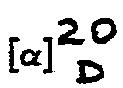
- In einer Mischung aus 1,74 g L-Arginin, 1,63 g HOObt und 1,79 g Pyridiniumperchlorat in 50 ml Dimethylformamid gibt man bei Raumtemperatur 5 g Fmoc-Leu-OObt. Man rührt 3 Stunden bei Raumtemperatur und läßt über Nacht bei Raumtemperatur stehen. Die klare Lösung wird eingeengt und der Rückstand mit Wasser versetzt. Mit wäßriger NaHCO3-Lösung wird ein pH von 7 eingestellt. Der Niederschlag wird abgesaugt, mit Wasser gewaschen und getrocknet.
- Ausbeute: 4,7 g, Fp. 145-155°C (unter Zersetzung),

- Die Synthese des obigen Decapeptids (ACP 65-74) erfolgte an einem mit Glycin beladenen Pam-Harz der Fa. Applied Biosystems unter Verwendung der erfindungsgemäßen HOObt-Ester. Die Synthese wurde mit einem automatischen Peptid-Synthesizer Modell 430A der Fa. Applied Biosystems durchgeführt. Dazu wurde jeweils 1 mMol Fmoc-Val-OObt, Fmoc-Ala-OObt, Fmoc-Ile-OObt, Fmoc-Asp(OtBu)-OObt und Fmoc-Tyr(tBu)-OObt in die vom Hersteller gelieferten Cartridges eingewogen. Fmoc-Gln-OH und Fmoc-Asn-OH wurden zusammen mit 1,5 mMol HOBT in diese Cartridges eingewogen. Die Voraktivierung dieser Aminosäuren erfolgte direkt in den Cartridges durch lösen in 4 ml DMF und Zugabe von 2 ml einer 0,55 M Lösung von Diisopropylcarbodiimid in DMF. Die HOObt-Ester wurden in 6 ml DMF gelöst und dann ebenso wie die in situ voraktivierten Aminosäuren Glutamin und Asparagin auf das vorher mit 20 % Piperidin in DMF entblockierte Harz gepumpt. Zur Synthese wurde 0,5 mMol Gly-Harz eingesetzt und Glutamin und Asparagin doppelt gekuppelt. Nach beendeter Synthese wurde das Peptid mit einer 10 : 1 Mischung von Trifluoressigsäure und Trifluormethansulfonsäure unter Zusatz von m-Kresol und Thioanisol als Kationenfänger vom Harz abgespalten und das Rohpeptid an (R)Sephadex G25 mit 10 %iger Essigsäure als Elutionsmittel entsalzt. Die peptidhaitigen Fraktionen wurden vereinigt und die Reinheit und Identität des Produktes mittels HPLC überprüft.
Claims (5)
Applications Claiming Priority (2)
| Application Number | Priority Date | Filing Date | Title |
|---|---|---|---|
| DE19863618218 DE3618218A1 (de) | 1986-05-30 | 1986-05-30 | Aminosaeure-oobt-ester, verfahren zu deren herstellung und deren verwendung |
| DE3618218 | 1986-05-30 |
Publications (2)
| Publication Number | Publication Date |
|---|---|
| EP0247573A2 true EP0247573A2 (de) | 1987-12-02 |
| EP0247573A3 EP0247573A3 (de) | 1988-09-21 |
Family
ID=6301947
Family Applications (1)
| Application Number | Title | Priority Date | Filing Date |
|---|---|---|---|
| EP87107634A Withdrawn EP0247573A3 (de) | 1986-05-30 | 1987-05-26 | Aminosäure-Benzotriazinylester, Verfahren zu deren Herstellung und deren Verwendung |
Country Status (5)
| Country | Link |
|---|---|
| EP (1) | EP0247573A3 (de) |
| JP (1) | JPS62286978A (de) |
| DE (1) | DE3618218A1 (de) |
| DK (1) | DK274887A (de) |
| PT (1) | PT84969B (de) |
Cited By (2)
| Publication number | Priority date | Publication date | Assignee | Title |
|---|---|---|---|---|
| LT3868B (en) | 1989-08-14 | 1996-04-25 | Hoechst Ag | Process for the preparation of peptide, use them and process for the preparation of pharmaceutical composition |
| CN119038719A (zh) * | 2024-10-29 | 2024-11-29 | 山东鲁宁药业有限公司 | 一种含聚丙烯酰胺的絮凝剂及其制备方法 |
Family Cites Families (3)
| Publication number | Priority date | Publication date | Assignee | Title |
|---|---|---|---|---|
| BE754343A (fr) * | 1969-08-01 | 1971-02-03 | Hoechst Ag | Procede de preparation de peptides |
| DE3421303A1 (de) * | 1984-06-08 | 1985-12-12 | Hoechst Ag, 6230 Frankfurt | Salze aus 3-hydroxy-4-oxo-3,4-dihydro-1,2,3-benzotriazin und amino-verbindungen |
| GB2187461A (en) * | 1986-02-03 | 1987-09-09 | Medical Res Council | Monitoring method for the synthesis of a linear of amino acid residues |
-
1986
- 1986-05-30 DE DE19863618218 patent/DE3618218A1/de not_active Withdrawn
-
1987
- 1987-05-26 EP EP87107634A patent/EP0247573A3/de not_active Withdrawn
- 1987-05-29 DK DK274887A patent/DK274887A/da not_active Application Discontinuation
- 1987-05-29 JP JP62131928A patent/JPS62286978A/ja active Pending
- 1987-05-29 PT PT84969A patent/PT84969B/pt not_active IP Right Cessation
Cited By (3)
| Publication number | Priority date | Publication date | Assignee | Title |
|---|---|---|---|---|
| LT3868B (en) | 1989-08-14 | 1996-04-25 | Hoechst Ag | Process for the preparation of peptide, use them and process for the preparation of pharmaceutical composition |
| CN119038719A (zh) * | 2024-10-29 | 2024-11-29 | 山东鲁宁药业有限公司 | 一种含聚丙烯酰胺的絮凝剂及其制备方法 |
| CN119038719B (zh) * | 2024-10-29 | 2024-12-27 | 山东鲁宁药业有限公司 | 一种含聚丙烯酰胺的絮凝剂及其制备方法 |
Also Published As
| Publication number | Publication date |
|---|---|
| PT84969B (pt) | 1990-02-08 |
| DE3618218A1 (de) | 1987-12-03 |
| JPS62286978A (ja) | 1987-12-12 |
| PT84969A (de) | 1987-06-01 |
| DK274887D0 (da) | 1987-05-29 |
| DK274887A (da) | 1987-12-01 |
| EP0247573A3 (de) | 1988-09-21 |
Similar Documents
| Publication | Publication Date | Title |
|---|---|---|
| DE69222091T2 (de) | Peptid-Synthese an fester Phase | |
| DE3788910T2 (de) | Methode für die Synthese eines Peptides, das eine nicht peptidartige Bindung enthält. | |
| DE68926178T2 (de) | Festphase-Verfahren zur Gewinnung von Thymosin-alpha-1 | |
| DE3782010T2 (de) | Vom calcitonin-gen abgeleitete peptidderivate. | |
| EP0355572B1 (de) | Peptidderivate, Verfahren zu ihrer Herstellung und ihre Verwendung | |
| CH639361A5 (de) | Peptide, verfahren zu deren herstellung und pharmazeutische praeparate, welche diese als wirkstoff enthalten. | |
| DE69228277T2 (de) | PACAP-Derivate mit c-AMP-produzierenden Eigenschaften | |
| DE69516169T2 (de) | Aminosäuren zur herstellung von betiden und verfahren zum aufspüren und herstellen von betrol - bibliotheken | |
| DE3177306T2 (de) | Verfahren und Verbindungen zur Herstellung von H-ARG-X-Z-Y-TYR-R. | |
| DE69219672T2 (de) | Peptid-Synthese an fester Phase | |
| DE2705514A1 (de) | Mittel zur verringerung der groesse von mammatumoren | |
| EP0014911B1 (de) | Dipeptid (pyro)Glu-His(Dnp)-OH und Verfahren zur Herstellung von LH-RH und LH-RH-Analoga unter Verwendung dieses Dipeptids | |
| DE3939797A1 (de) | Neue vom neuropeptid y abgeleitete peptide | |
| DE69325987T2 (de) | Verfahren zur Herstellung von Lachs-Calcitonin | |
| EP0292729B1 (de) | Neue Festphasen-Peptidsynthesemethoden | |
| DE2528935C2 (de) | Verfahren zur Herstellung Arginylreste enthaltender Peptide und hierbei eingesetzte Zwischenprodukte | |
| DE69218193T2 (de) | Verfahren zur Synthese von Peptiden, Derivate von Aminosäuren zur Verwendung bei dem obengenannten Verfahren und Methoden zu deren Herstellung. | |
| DE2463205C2 (de) | Octapeptid und Verfahren zu dessen Herstellung | |
| DE69604759T2 (de) | N alpha-2-(4-nitrophenylsulfonyl)ethoxycarbonyl-aminosäuren | |
| EP0589927A1 (de) | Geschützter aminosäurebaustein, herstellung und verwendung | |
| DE69110519T2 (de) | Somatostatinanaloge. | |
| EP0460446A1 (de) | Ein neues Kupplungsreagenz für die Peptidsynthese | |
| EP0475184B1 (de) | Verfahren zur Herstellung von Peptiden mittels Festphasensynthese | |
| DE69315730T2 (de) | Verfahren zur Herstellung von Peptiden und neue Zwischenverbindungen dazu | |
| EP0320785A2 (de) | Peptide mit beeinflussender Wirkung auf die Hypophyse von Säugern |
Legal Events
| Date | Code | Title | Description |
|---|---|---|---|
| PUAI | Public reference made under article 153(3) epc to a published international application that has entered the european phase |
Free format text: ORIGINAL CODE: 0009012 |
|
| AK | Designated contracting states |
Kind code of ref document: A2 Designated state(s): AT BE CH DE ES FR GB GR IT LI LU NL SE |
|
| PUAL | Search report despatched |
Free format text: ORIGINAL CODE: 0009013 |
|
| AK | Designated contracting states |
Kind code of ref document: A3 Designated state(s): AT BE CH DE ES FR GB GR IT LI LU NL SE |
|
| 17P | Request for examination filed |
Effective date: 19881124 |
|
| 17Q | First examination report despatched |
Effective date: 19910307 |
|
| STAA | Information on the status of an ep patent application or granted ep patent |
Free format text: STATUS: THE APPLICATION HAS BEEN WITHDRAWN |
|
| 18W | Application withdrawn |
Withdrawal date: 19920619 |
|
| R18W | Application withdrawn (corrected) |
Effective date: 19920619 |
|
| RIN1 | Information on inventor provided before grant (corrected) |
Inventor name: KNOLLE, JOCHEN, DR. Inventor name: BREIPOHL, GERHARD, DR. Inventor name: KOENIG, WOLFGANG, DR. |