EP0243333A2 - Herstellung von Fusionsproteinen, Antikörper und Verfahren dazu - Google Patents
Herstellung von Fusionsproteinen, Antikörper und Verfahren dazu Download PDFInfo
- Publication number
- EP0243333A2 EP0243333A2 EP87850125A EP87850125A EP0243333A2 EP 0243333 A2 EP0243333 A2 EP 0243333A2 EP 87850125 A EP87850125 A EP 87850125A EP 87850125 A EP87850125 A EP 87850125A EP 0243333 A2 EP0243333 A2 EP 0243333A2
- Authority
- EP
- European Patent Office
- Prior art keywords
- protein
- fused
- process according
- igf
- plasmid
- Prior art date
- Legal status (The legal status is an assumption and is not a legal conclusion. Google has not performed a legal analysis and makes no representation as to the accuracy of the status listed.)
- Ceased
Links
Images

Classifications
-
- C—CHEMISTRY; METALLURGY
- C12—BIOCHEMISTRY; BEER; SPIRITS; WINE; VINEGAR; MICROBIOLOGY; ENZYMOLOGY; MUTATION OR GENETIC ENGINEERING
- C12N—MICROORGANISMS OR ENZYMES; COMPOSITIONS THEREOF; PROPAGATING, PRESERVING, OR MAINTAINING MICROORGANISMS; MUTATION OR GENETIC ENGINEERING; CULTURE MEDIA
- C12N15/00—Mutation or genetic engineering; DNA or RNA concerning genetic engineering, vectors, e.g. plasmids, or their isolation, preparation or purification; Use of hosts therefor
-
- A—HUMAN NECESSITIES
- A61—MEDICAL OR VETERINARY SCIENCE; HYGIENE
- A61K—PREPARATIONS FOR MEDICAL, DENTAL OR TOILETRY PURPOSES
- A61K39/00—Medicinal preparations containing antigens or antibodies
-
- A—HUMAN NECESSITIES
- A61—MEDICAL OR VETERINARY SCIENCE; HYGIENE
- A61K—PREPARATIONS FOR MEDICAL, DENTAL OR TOILETRY PURPOSES
- A61K39/00—Medicinal preparations containing antigens or antibodies
- A61K39/0005—Vertebrate antigens
-
- C—CHEMISTRY; METALLURGY
- C07—ORGANIC CHEMISTRY
- C07K—PEPTIDES
- C07K14/00—Peptides having more than 20 amino acids; Gastrins; Somatostatins; Melanotropins; Derivatives thereof
- C07K14/195—Peptides having more than 20 amino acids; Gastrins; Somatostatins; Melanotropins; Derivatives thereof from bacteria
- C07K14/305—Peptides having more than 20 amino acids; Gastrins; Somatostatins; Melanotropins; Derivatives thereof from bacteria from Micrococcaceae (F)
- C07K14/31—Peptides having more than 20 amino acids; Gastrins; Somatostatins; Melanotropins; Derivatives thereof from bacteria from Micrococcaceae (F) from Staphylococcus (G)
-
- C—CHEMISTRY; METALLURGY
- C07—ORGANIC CHEMISTRY
- C07K—PEPTIDES
- C07K14/00—Peptides having more than 20 amino acids; Gastrins; Somatostatins; Melanotropins; Derivatives thereof
- C07K14/435—Peptides having more than 20 amino acids; Gastrins; Somatostatins; Melanotropins; Derivatives thereof from animals; from humans
- C07K14/575—Hormones
- C07K14/65—Insulin-like growth factors, i.e. somatomedins, e.g. IGF-1, IGF-2
-
- C—CHEMISTRY; METALLURGY
- C07—ORGANIC CHEMISTRY
- C07K—PEPTIDES
- C07K16/00—Immunoglobulins [IG], e.g. monoclonal or polyclonal antibodies
- C07K16/44—Immunoglobulins [IG], e.g. monoclonal or polyclonal antibodies against material not provided for elsewhere, e.g. haptens, metals, DNA, RNA, amino acids
-
- C—CHEMISTRY; METALLURGY
- C12—BIOCHEMISTRY; BEER; SPIRITS; WINE; VINEGAR; MICROBIOLOGY; ENZYMOLOGY; MUTATION OR GENETIC ENGINEERING
- C12N—MICROORGANISMS OR ENZYMES; COMPOSITIONS THEREOF; PROPAGATING, PRESERVING, OR MAINTAINING MICROORGANISMS; MUTATION OR GENETIC ENGINEERING; CULTURE MEDIA
- C12N1/00—Microorganisms; Compositions thereof; Processes of propagating, maintaining or preserving microorganisms or compositions thereof; Processes of preparing or isolating a composition containing a microorganism; Culture media therefor
-
- A—HUMAN NECESSITIES
- A61—MEDICAL OR VETERINARY SCIENCE; HYGIENE
- A61K—PREPARATIONS FOR MEDICAL, DENTAL OR TOILETRY PURPOSES
- A61K39/00—Medicinal preparations containing antigens or antibodies
- A61K2039/60—Medicinal preparations containing antigens or antibodies characteristics by the carrier linked to the antigen
- A61K2039/6031—Proteins
- A61K2039/6068—Other bacterial proteins, e.g. OMP
Definitions
- the present invention relates to a process for preparing a fused protein comprising an amino acid sequence fused to an immunogenic carrier protein.
- the invention also covers a process for the preparation of polyclonal antibodies using the fused protein thus prepared, as well as the use of the fused protein as a vaccin.
- a gene encoding a desired amino acid sequence is isolated, synthesized or otherwise obtained.
- the so obtained DNA fragment is inserted into a bacterial expression vector in such a way that it becomes joined in phase to a DNA part encoding the carrier protein sequence as well as other regulatory sequences needed for high level expression in a host cell.
- the DNA segment encoding the functional protein parts are ideally digested with an appropriate restriction enzyme or are otherwise manipulated to generate cohesive or blunt termini to facilitate ligation with each other and with a plasmid or other type of cloning vector.
- cloning-and expression vectors may be utilized.
- the vector may be of bacteriophage or cos- mid origin, when used in bacteria. If cloning takes place in a mammalian or plant cell a virus derivative can be used as a vector. If a plasmid is employed, it may be obtained from a natural source or artificially synthesized. The particular plasmid chosen should be compatible with the particular cell serving as a host.
- the present invention sets out to provide a process whereby specific antibodies can be made against any given amino acid sequence fused to an immunogenic carrier protein after expression in a transformed host cell. More specifically the present invention deals with the production of antibodies against the desired amino acid sequence be it a protein, a peptide or a short stretch of amino acids. Antibodies may be generated by immunizing mice, rabbits or other appropriate animals with the fusion protein. The carrier molecule provides facilitated recognition of the desired peptide by the immune system of the inoculated animals. Using a carrier molecule with polyclonal B-cell stimulatory effect may further enhance the immune response in the immunized hosts.
- One equally important aspect of the present invention concerns the generation of vaccines for human or animal use by expression of cloned or synthesized DNA segments encoding protein parts fused to the carrier protein, that may confer neutralizing activity against viral, bacterial or other infectious agents after inoculation.
- a synthetic oligonucleotide encoding an atigenic determinant portion of a natural protein is fused to the gene encoding the carrier protein.
- the method of manufacturing vaccines comprises the steps of determining from the protein or DNA sequence (cDNA sequence if one host genome is RNA) of the organism in question the amino acid sequence of an antigenic determinant portion of a protein antigen. Synthesizing a oligonucleotide segment encoding a peptide which antigenically is the duplicate or substantial duplicate of the determinant portion of the protein. Introducing-the DNA segment encoding the antigenic peptide portion into an expression vector expressing a hybrid protein consisting of a carrier conjugated to the antigenic peptide.
- the hybrid protein constitutes a carrier and the desired protein.
- the carrier is preferably an IgG binding protein, hereafter referred to as immunoglobulin binding protein (IGB) such as Staphylococcus aureus protein A, a protein A related protein such as Z-protein as defined in Swedish Patent Appln. 8505922-8 or Streptococcal protein G.
- IGB immunoglobulin binding protein
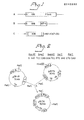
- the desired protein can be purified as a fusion protein to the carrier (IGB) (Fig.1) and can thus be purified in a single step using IgG affinity chromatography (Fig.8).
- the desired protein can be part of or the whole polypeptide (such as a hormon) or combinations of different polypeptides. Both the amino terminal end and/or the carboxyl-terminal end of the desired protein can be fused to the carrier.
- any polypeptide can be produced.
- the methods used routinely in molecular biology for fusing genes together can be applied for combining the gene encoding the desired protein to the gene encoding the carrier protein.
- the gene for the desired protein can be chemically synthesized and then fused to the carrier gene. This latter aspect is exemplified in Example 2 and 3 with insulin-like growth factor I (IGF-I) and part of IGF-I (IGF-57-70) which is a synthetically made gene coding for the 14 C-terminal amino acids of IGF-I.
- IGF-I insulin-like growth factor I
- IGF-57-70 insulin-like growth factor-I
- genes for novel proteins can be produced such as Z-protein.
- the concept of this invention is based on the in vivo conjugation of a peptide antigen to an immunogenic carrier.
- the carrier is preferentially an IgG binding protein which may further enhance the immune response by its B-cell mitogenic activity (Sjödal et.al., Scand. J. Immunol. 10, 593, (1979)), its repetetive structure (Uhlén et.al., J.Biol.Chem. 259, 1695-1702 (1984)) and its ability to form complexes with immunoglobulins.
- the antigenic part contained within the hybrid protein is encoded by a cloned structural gene, parts thereof or synthetic oligonucleotides.
- the invention provides means by which antibodies (polyclonal, monoclonal) can be generated against any defined aminoacid sequence.
- Another aspect of this invention concerns the use of the hybrid polypeptide as a vaccine, by designing a synthetic DNA segment encoding an antigenic region of natural protein from an infectious agent.
- the fusion protein containing the carrier protein fused to the desired amino acid sequence defined by a cloned or synthetic DNA segment is used to generate polyclonal antibodies in animals for instance rabbits, by standard wellknown techniques.
- young rabbits are immunized subcutaneously and intramuscularly in the back with the fusion protein.
- the immunization is conducted periodically, and in various amounts to induce in vivo generation of an antibody directed against the desired peptide.
- the immunizations are conducted weekly with the initial immunization in 100-500 microgram doses and the remaining immunizations in 100 microgram doses.
- it may be mixed with complete or incomplete Freund's adjuvant.
- complete Freund's adjuvant is used in the initial immunization while the fusion peptide is emulsified in incomplete Freund's adjuvant for the remaining immunizations.
- the rabbits are bled and serum samples tested for anti--peptide responses in an Electroblot assay.
- the rabbit serum titer is high, the rabbits are bled and then the serum prepared, after allowing the blood to clot by high speed centrifugation.
- the immunoglobin G (IgG) fraction from the serum is then purified by standard techniques, such as by Protein A affinity chromatography or by use of ammoniumsulphate precipitation followed by DEAE-chromatograph.
- the purified IgG fraction can be used as one source of antibody for affinity purification of the hybrid protein molecules.
- the fusion protein may also be employed to generate monoclonal anti-peptide antibodies.
- the preferred procedure for generating the monoclonal anti- peptide antibodies is essentially as disclosed in U.S. Patent 4,411,993, incorporated herein by reference.
- BALB/c mice are immunized with the purified fusion protein on several occasions at intervals of from 7 to 14 days.
- Various amounts of identification peptide are employed in each injection, ideally from 10 to 100 micrograms.
- the peptide ideally is emulsified with complete Freund's adjuvant and in the subsequent inoculations, the peptide is emulsified in incomplete Freund's adjuvant.
- multiple injections are placed about the body of the mice, for instance, in the hind legs.
- mice During the course of immunization, serum samples from the mice are tested by a RIA assay for an anti-peptide response. Once an antibody titer is detected, the animals are given an intraveneous injection of the identification peptide mixed with saline. Several days later the animals are sacri- fied and their spleens harvested. Single cell suspensions from the splenocytes are cultured in tissue culture medium supplemented with various additives to expand the number of antibody producing cells. The antibody producing cells are isolated from the culture and purified by standard techniques for subsequent fusion with myeloma cells.
- the purified antibody producing spleen cells are mixed with murine Muridae-myeloma cells and then the mixture pelleted. Thereafter, a fusing agent is added to the cell pellet to facilitate fusion of the two different types of cells by centrifugation.
- Fusing agents may include various types of condensation polymers of ethylene oxide and water, such as polyethylene glycol thereinafter "PEG") 1500.
- Other possible fusing agents include DNA transforming viruses, such as Sendai virus or the fusion protein obtained therefrom.
- the quantity and concentration of the fusing agent must be controlled. For instance, if PEG 1500 is used, this fusing agent should comprise about 40X (weight/volume). However, the volume PEG 1500 may range from 0.5 to 3 milliliters (ml) and the concentration of PEG 1500 may vary from 35% to 60X weight/volume of culture medium.
- the cells are then resuspended in a tissue culture medium supplemented with various additives, and selected suppressing agents to preclude the growth of unfused myeloma cells, double myeloma hybrids, unfused spleen cells and double spleen cell hybrids thereby liberating the anti-peptide antibody producing monoclonal cells.
- growth inhibitors or suppressants may include hypoxanthine, aminopterin and thymidine (hereinafter collectively referred to as "HAT").
- Filler cells are also added to the tissue culture medium to induce proliferation of the hybrid antibody producing cells. Although not yet definitely confirmed, it is considered that the filler cells function to provide optimum cell density to allow small numbers of hybrid cells to multiply more readily. Also, it is thought that the filler cells may provide the hybrid cells with nutrients required for their proliferation.
- Various types of filler cells may be employed, including thymocytes from the BALC/c mouse. Other types of filler cells include murine spleen cells, irradiated murine peritoneal exudate cells and murine macrophages.
- the filler cells should be added to the HAT containing cultures in concentrations ranging from 0.5 to 5 x 10 6 cells per ml with an optimum density of about 3 x 10 6 cells per ml.
- the resuspended cells together with the growth medium, filler cells and selected suppressing agents are plated in multipe microtiter plates. After several days of culture, the hybridoma cells which are generated by this procedure are screened by RIA assay for anti-peptide antibody responses.
- hybrid cells which give positive results are harvested and cloned by a limiting dilution technique, as detailed in U.S. Patent 4,411,993.
- anti-peptide antibody producing hybrid cells are individually cultured in vitro in medium containing filler cells and selected suppressing agents which prevent the growth of unfused spleen and myeloma cells.
- the cloning cultures which give rise to hybrid cell growth are screened by RIA assay for reactivity against the desired peptide.
- the cloned hybridomas which produce antibody containing supernates reactive with the fusion peptide are harvested and the cultured in vitro larger volumes for bulk production.
- the anti-peptide antibody may be expanded in vivo by injecting the cloned hybridoma cells into the peritoneal cavity of mice and thereafter collecting the interperi- toneal ascites which contain high concentrations of anti--peptide antibody.
- the ascites fluid collected contains monoclonal anti-antibody at concentrations in excess of 3 mg per ml.
- the antibodies contained in the ascites fluid can be isolated and concentrated by established techniques, such as by differentiation ammonium sulfateprecipitation followed by gel column chromatography.
- the antibody can be further purified by ion exchange chromatography and/or affinity chromatography based on the ability of the antibody to bind to protein A from Sta p hy- lococcus aureus.
- the polyclonal antibody, hybridoma supernates and monoclonal antibodies were tested for anti-peptide response in a Electroblot assay or in an immune radiometric assay (IRMA).
- AMP is the gene coding for beta-lactamase
- S is the signal sequence
- A-E are the IgG binding domains of protein A
- ori is the origin of replication
- Z is the synthetic fragment
- IGF-I is the gene for IGF-I
- Fl is the origin of replication from phage fl
- lacZ is the gene for beta-galactosidase.
- Cloning vehicles The cloning vehicles used in the Examples were pBR322 (Bolival, F. et.al., Gene 2, 93-113 (1977), pEMBL8 (Dente et.al., Nucl.Acids Res. 11, 1645 (1983), pRIT5, pRIT6 and pCH40 (Nilsson, B., et.al., EMBO J. 4 1075 (1985), pHL33, pEX4-IGF-I, pUC8-ZZ and pZZ-IGF-I (KabiGen Patent appln. 8505922-8 priority date 85.12.17),
- Coating buffer 1.59 g Na 2 C0 3 , 2.93 g NaHC0 3 and 0.2 g NaN 3 , made up to 1 litre with distilled H 2 0.
- PBS 8.0 g NaCl, 0.2 g KH 2 P0 4 , 2.9 g Na 2 HP0 4 x12H 2 0, 0.2 g KCl made up to 1 litre with distilled H 2 0 (pH 7.4).
- PBST 8.0 g NaCl, 0.2 g KH 2 P0 4 , 2.9 g Na 2 HP0 4 , x 12H 2 0, 0.2 g KC1,0.2 ml Tween 20 and 0.2 g NaN 3 made up to 1 litre with distilled H 2 0 (pH 7.4).
- TSB 30 g Tryptic Soy Broth, made up to 1 litre and autoclaved.
- TBAB 30 g Tryptic Blood Agar Base, made up to 1 litre and autoclaved.
- Transformations Transformation of E.coli K12 with plasmid DNA was performed exactly as described (Morrison, D.A., Methods in Enzymology, Academic Press 68, 326-331 (1979). The transformants were selected in a conventional manner on plates (TBAB) containing 70 ml/1 ampicillin.
- Plasmid DNA was isolated as described by Birnboim, H.C. et.al. Nucl.Acids Res. 7, 1513 (1979). Small scale preparations to screen a large number of transformants were made exactly as described by Kieser, T. Plasmid 12, 19-36 (1984).
- Ligation directly in agarose gel was performed by running the electrophoresis in a Low Gel Temperature Agarose gel and after cutting out the band the gel piece was melted by heating to 65°C. After a 10 times dilution using Tris buffer (10 mM pH 7.4) ligation could be performed.
- ELISA test Enzyme linked immunosorbent assay
- the test makes use of a special microtiter plate (Titertek, Amstelstad, Netherlands) having no net charge.
- the wells are coated with human IgG (Kabi AB, Sweden) in a coating buffer.
- Test samples are added and protein A is bound to the Fc portions of the IgG adsorbed in the well. Protein A is then assayed by an anti-protein A (from rabbit) conjugated to - beta-galactosidase (from Pharmacia AB, Uppsala, Sweden).
- the wells of a microtiterplate are filled with 75 ⁇ l of a solution of human IgG at 16 ng/ml in Coating Buffer and the plate is incubated at room temperature for at least 1 hour.
- the wells are washed three times with 100 ⁇ l PBST and 50 ⁇ l of sample is added to each well. For quantitative determination 2-fold dilutions are made. After incubation for 1 hour the wells are washed 3 times with 100 ⁇ l PBST followed by addition of 50 ⁇ l anti-protein A beta-galactosidase (the amount of protein A binding capacity added to each well corresponds to the molar amount of IgG added to each well as detected by titration with protein A in excess).
- SDS-PAGE SDS-polyacrylamide gel electrophoresis was performed exactly as described by Laemmli, O.K. Nature (London), 227, 680-685 (1970) using a 10-20X step gradient gel.
- a purified preparation of the desired peptide was electrophoresed in a 10-20% polyacrylamide slab gel under reducing conditions using the discontinuous SDS buffer system as described by Laemmli, U.K. in Nature (London) 227, 680-685 (1970). The electrophoresis was run for three hours at 20 mA. After completion of electrophoresis the desired peptide was transferred to nitrocellulose USA 76, 4350-4354 (1979). The electrophoretic blot was incubated with 3.5 X human IgG in phosphate buffered saline (PBS) at +37 0 C for 1 hour in order to block remaining free protein binding sites. This is required for the specific immundetection employed.
- PBS phosphate buffered saline
- samples-to be tested (animal serum containing polyclonal antibodies, monoclonal antibodies or hybridoma supernates) are diluted (ideally 1/50-1/1000) in phosphate buffered saline 0.01 % NP40, 3.5 % human IgG and incubated overnight at +4°C with the electrophoretic blot. After rinsing the nitrocellulose blot in 3 changes of PBS, the detection of bound antibody is performed using the peroxidase anti peroxidase (PAP) system.
- PAP peroxidase anti peroxidase
- Rabbit anti mouse IgG or porcine anti rabbit IgG diluted 1:400 in PBS 0.01 X NP40, 3.5 % human IgG were incubated for 1 hour at 37°C with the nitrocellulose blots.
- the papers were rinsed in PBS, followed by incubation for 1 hour at 37 0 C with a soluble complex of mouse PAP or rabbit PAP at a dilution of 1:1600.
- the blots were finally rinsed in three changes of PBS and stained for peroxidase activity in 50 mM Tris-HC1 pH 7.6 containing 0.1 mg/ml 3'3'-diaminobenzidine (Sigma) and 0,01 % H 2 0 2 . Colour development was stopped by transferring the nitrocellulose blots to a bath with deionized water.
- Purified desired peptide is diluted to a concentration of approximately 25-50 ⁇ g/ml in 0.1 M carbonate buffer pH 9.4. Approximately 75 ⁇ l was used to coat flexible PVC microtiter plates (Cooke Engineering). If the assay is being employed to detect reactivity against IGF-I a dilution of 50 lg/ml is used. After overnight incubation at +4°C, the wells were washed with PBS containing 0.5 X BSA and 0.1 X NP40 or with PBS containing 0.25 % gelatin and 0.1 X NP40.
- PBS containing either 0.5 % BSA or 0.25 % Gelatin is added to each well and then the microtiter plate is incubated at 37°C for an additional 2 hour period to block all of the remaining sites in the well that have not already bound the desired peptide. The PBS thereby prevents nonspecific adherence of the antibody of interest to the wells. After this additional incubation, the PBS solution is decanted.
- samples to be tessted (animal serum containing polyclonal antibodies, nomoclonal antibodies or hybridoma supernates) are added to the wells and incubated for approximately 120 minutes at +37 0 C. After incubation, the antibody solutions are removed and each well repeatedly washed with PBS. Thereafter, approximately 50 ⁇ l of an iodine 125- labeled anti-immunoglobulin antibody is added to each well.
- the 125 I-labeled reagent is a rabbit anti-mouse antibody (Dakopatts A/S) at a specific activity of between 1-5 ⁇ Ci/pg approximately 3x10 5 cpm added/well.
- the 125 Ilabeled reagent is a swine anti-rabbit IgG antibody (Dakopatts A/S) labeled to the same specific activity as above. Approximately 3x10 5 cmp is added to each well. The incubation is generally done overnight at +4 0 C. After repetetive washing with PBS, the microtiter wells are measured for their content of bound radioactivity in a gamma counter. The amount of bound radioactivity in the well is directly proportional to the quantity of antipeptide antibody in the well sample.
- pRIT5 The alkaline phosphatase gene from E.coli without its signal sequence was inserted into pRIT5 (Fig. 2) as described by Nilsson, B. et.al. in Embo, J. 4, 1075-1080 (1985) incorporated herein by reference.
- This resulting plasmid pRIT6 (Fig. 2) encodes a fusion protein consisting of the Nterminal 271 amino acid residues of the nature protein A, a linker region of 11 residues and the C-terminal portion of the alkaline phosphates, starting at residue 13. Plasmid pRIT6 was used to transform E.coli.
- the protein A alkaline phosphatase fusion protein encoded by pRIT6 contains the protein A signal sequence and the hybrid should therefore be translocated through the cytoplasmic membrane of the transformed host cell. Measurements both on the protein A content (as described under routine method) and the alkaline phosphatase activity confirm that the fusion protein is found in the periplasm, establishing that a staphylococcal signal sequence can direct export of an enzyme in E. coli. Alkaline phosphatase activity was assayed by a colorimetric procedure using p-nitrophenyl phosphate (Sigma product No 104-0) in accordance with the supplier's recommendations).
- glycine buffer 0.1 M pH 3.0
- the gene is contained on a 240 base pair EcoRI/Hind III fragment with the start codon (ATG) a few base pairs downstream from the EcoRI site and a (TAG) stop codon a few base pairs up stream of the Hind III site.
- the plasmid pUC8 with the IGF-I gene inserted in the EcoRI/Hind III sites was used to construct a shuttle vector (Nilsson, B., et.al . ., Nucl., Acids Res. 13 1151-1162 (1985)) allowing transfer between E. coli, B.subtilis and several staphylococcal species.
- the plasmid pC194 (Horinouchi, S., and Weisblum, B., J.
- Bacteriol 150 815-825 (1982)) containing a functional chloramphenicol resistance gene was cleaved with Hind III and inserted into the unique Hind III site of the pUC8/IGF-I plasmid.
- the 1.1 kb EcoRI fragment from pSPA16 (Uhlén, M., Guss, B., Nilsson, B., G6tz, F., and Lindberg, M., J. Bacteriol 159, 713-719 (1984)) containing the promoter, the signal sequence and the IgG binding regions of Staphylococcal protein A, was inserted in the unique EcoRI site of pUC8/IGF-I giving the plasmid PUN201.
- the plasmid pUN201 has a truncated Staphylococcal protein A gene fused to the IGF-I gene.
- the fusion protein has a predicted molecular weight of 38.73.
- the plasmid was introduced into S. aureus SA113 by standard protoplast transformation.
- the hybrid protein was efficiently expressed and secreted out into the medium of S. aureus.
- the extra cellular hybrid protein was chilled on ice and passed through an IgG-Sepharose-column.
- the bound material was eluted with 0.1 M glycine buffer pH 3.0 dialayzed against water and lyophilized.
- Polyclonal antibodies against IGF-I were prepared by immunization of New Zealand white rabbits with 200 pg of hybrid protein emulsified in Freund's complete adjuvant. The injections were given at multiple sites preferably intra--muscularly in the hind legs and subcutaneously between the shoulder blades. Two booster injections with 100-200 ⁇ g hybrid protein were emulsified in Freund's incomplete adjuvant and injected three and six weeks after the initial immunization. Blood was collected after the last booster injection by heart puncture serum was prepared by allowing the blood to clot overnight and then centrifuged 10 minutes at 3000 rpm, subsequently the serum was tested for reactivity against IGF-I by use of an IRMA assay as detailed earlier.
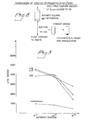
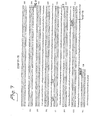
- Rabbit K37 in Fig. 3 represents on rabbit immunized with the hybrid protein protein A-IGF-I assayed for antibody against native IGF-I protein in a comparison with two other polyclonal antibodies reactive with native IGF-I.
- the two oligomers in combination compose a termination codon (TAA) and compose a stretch of codons for the aminoacid sequence as indicated below the DNA sequence in Table 1.
- TAA termination codon
- This amino acid sequence constitutes the antigenic portion of the desired peptide (IGF 57-70). As shown in Table 1 where the two oligomers are combined, they define a terminus compatible with a EcoRI restriction endonuclease cleavage site and on the other end a terminus compatible with the restriction endonuclease cleavage site Bam HI.
- the two oligomers were phosphorylated using the enzyme T4 DNA polynucleotide kinase and ATP as indicated in routine methods. 25 pmol of each of the oligomers were combined and hybridized in the kinase buffer by incubating the mixture at 75 0 C and slowly during a period of approximately 1 hour lowering the temperature to ambient temperature.
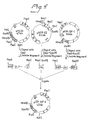
- the cloning vector for the combined oligomers was pZZ-IGF-I described in Fig. 4.
- the construction of pZZ-IGF-I was made in the following way (Fig. 4).
- pUC8-ZZ (KabiGen Patent Appln.
- Transformant selection was conducted using a LB agar medium containing 70 pl/ml of ampicillin. Isolation of the plasmid DNA and analysis with restriction enzyjmes confirmed that the transformants carried the plasmid pZZ-IGF-I.
- the plasmid pZZ-IGF-I was digested with Eco RI and Bam HI and purified on low gel temperature (LGT) agarose. A portion of the purified plasmid fragment from pZZ-IGF-I and (0.0 pmol) and 6 pmol of the hybridized oligomers were mixed and ligated in 50 ⁇ l. The mixture was used for transforming competent cells of E. coli. Transformant selection was conducted on TBAB plates containing 50 pg/ml of ampicillin.
- LGT low gel temperature
- the colonies obtained were further analyzed by immunoblot analaysis using K18 rabbit serum (for reference on K18 see Fig. 3) for the detection of IGF-I antigen and nonimmune serum for detection of the ZZ protein. Two of the positive colonies identified by the immunoblot technique were further analaysed by restriction mapping. The cells containing the plasmid were grown in 500 ml scale and the ZZ57-70 hybrid protein was purified using affinity gel chromatography (IgG--Sepharose).
- the protein was analysed using SDS-gelelectrophoresis and western blot analysis. Plasmid DNA from these two positive strains were purified using standard procedures.
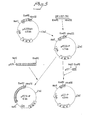
- the plasmid DNA was digested with Eco RI and Hind III, cleaving out the whole of the IGF-57-70 insert together with part of the pUC8 cassette Bam HI to Hind III. This Eco RI, Hind III fragment was transferred to the vector pEZZ-IGF-I as described below (Fig. 5).
- the plasmid vector pZZ-IGF-I was the starting material for the construction.
- the gene fragment spanning the promoter, signal sequence, the two Z regions and the IGF-I gene was cleaved out using the restriction endonucleases Not I and Hind III.
- the fragment was cloned in pEMBL8 (Dente et.al., Nucl. Acids. Res., II. 1645 (1983)), where the Eco RI restriction site previously has been linked to a Not I site, in Not I/Hind III.
- pEZZ-IGF-I The resulting plasmid, designated pEZZ-IGF-I, is directing high extracellular expression of the ZZ-IGF-I polypeptide when introduced in E. coli.
- the synthetic linker encoding the immunogenic peptide (P) was cloned into pEZZ-IGF-I by replacing the IGF-I gene with the synthetic linker fragment Eco RI to Hind III as described above.
- the resulting plasmid vector was designated pEZZ-P and encodes two Z regions fused to the peptide 57 to 70 of IGF-I (hereinafter called Peptide) (Fig. 5).
- the Z region was to be polymerized at gene level. This can be achieved by a cleavage with Acc I and a religation. In this way the Z fragment is cleaved out getting different sticky end sequences in the "head" and "tail” end of the Z gene respectively. This ensures a head-to-tail ligation of the Z fragments.
- the plasmid vector pEZZ-IGF-I was cleaved with Ace I and the Z fragment and the vector fragment were recovered from an agarose gel. The purified Z fragment was ligated for 20 minutes prior to the addition of the vector fragment allowing for polymerization. After transformation selection for halos on agar plates containing dog serum was made. To get precipitation halos around the colonies on dog serum plates two or more Z fragments are needed. By isolating plasmid DNA from clones giving halos followed by restriction analaysis, clones from two up to ten Z fragments could be isolated.
- pEZX-P The Not I/EcoRi restriction fragment spanning the promoter and the ten Z fragments was cloned into the pEZZ-P (Not I/EcoRI) replacing the ZZ fragment.
- the resulting plasmid vector, designated pEZX-P codes for ten Z regions fused to the peptide.
- the plasmid vector pEZZ-P was cleaved with Not I/Eco Ri and a Z fragment from the plasmid vector pASZ2 (KabiGen Patent Appln. 8505922--8 Priority date 85.12.17) was ligated to this construction giving the vector pEZ-P.
- the antigens Z-P, ZZ-P and ZX-P (where P stands for the Peptide) were all prepared in the same way.
- New Zealand white rabbit were initially immunized with 200 ⁇ g of the ZZ-IGF-57-70 fusion protein emulsified with Freund's complete adjuvant by intramuscular and subcutaneous injections at multiple sites preferably in the hind legs and between the shoulderblades.
- Serum was tested for the presence of antibody reactive against IGF-I by use of an IRMA assay as detailed previously.
- Rabbit K52 in Fig. 3 represents one rabbit immunized with the hybrid protein ZZ-IGF-I-57-70 assayed for the presence of antibodies reactive with the native IGF-I protein in a comparison with two other polyclonal antibodies reactive with native IGF-I. The result demonstrate that the specific antibodies obtained against the hybrid protein recognize native IGF-I.
Landscapes
- Health & Medical Sciences (AREA)
- Chemical & Material Sciences (AREA)
- Life Sciences & Earth Sciences (AREA)
- Organic Chemistry (AREA)
- General Health & Medical Sciences (AREA)
- Medicinal Chemistry (AREA)
- Genetics & Genomics (AREA)
- Biochemistry (AREA)
- Biophysics (AREA)
- Molecular Biology (AREA)
- Immunology (AREA)
- Microbiology (AREA)
- Proteomics, Peptides & Aminoacids (AREA)
- Engineering & Computer Science (AREA)
- Zoology (AREA)
- Public Health (AREA)
- Animal Behavior & Ethology (AREA)
- Pharmacology & Pharmacy (AREA)
- Veterinary Medicine (AREA)
- Epidemiology (AREA)
- Mycology (AREA)
- Bioinformatics & Cheminformatics (AREA)
- Wood Science & Technology (AREA)
- Gastroenterology & Hepatology (AREA)
- Biotechnology (AREA)
- General Engineering & Computer Science (AREA)
- Biomedical Technology (AREA)
- Endocrinology (AREA)
- Toxicology (AREA)
- Diabetes (AREA)
- Virology (AREA)
- Tropical Medicine & Parasitology (AREA)
- Physics & Mathematics (AREA)
- Plant Pathology (AREA)
- Peptides Or Proteins (AREA)
- Preparation Of Compounds By Using Micro-Organisms (AREA)
Applications Claiming Priority (2)
| Application Number | Priority Date | Filing Date | Title |
|---|---|---|---|
| SE8601940A SE8601940D0 (sv) | 1986-04-25 | 1986-04-25 | Preparation of fused proteins, antibodies and processes therefor |
| SE8601940 | 1986-04-25 |
Publications (2)
| Publication Number | Publication Date |
|---|---|
| EP0243333A2 true EP0243333A2 (de) | 1987-10-28 |
| EP0243333A3 EP0243333A3 (de) | 1988-06-15 |
Family
ID=20364358
Family Applications (1)
| Application Number | Title | Priority Date | Filing Date |
|---|---|---|---|
| EP87850125A Ceased EP0243333A3 (de) | 1986-04-25 | 1987-04-15 | Herstellung von Fusionsproteinen, Antikörper und Verfahren dazu |
Country Status (6)
| Country | Link |
|---|---|
| US (1) | US5411732A (de) |
| EP (1) | EP0243333A3 (de) |
| JP (1) | JPS62272989A (de) |
| KR (1) | KR870010192A (de) |
| DK (1) | DK203087A (de) |
| SE (1) | SE8601940D0 (de) |
Cited By (5)
| Publication number | Priority date | Publication date | Assignee | Title |
|---|---|---|---|---|
| EP0267204A4 (de) * | 1986-04-21 | 1989-03-22 | Bioentpr Pty Ltd | Immunverstärkung. |
| WO1991000912A1 (en) * | 1989-07-07 | 1991-01-24 | Massachusetts Institute Of Technology | Production and use of hybrid protease inhibitors |
| US5976839A (en) * | 1987-03-13 | 1999-11-02 | Bioenterprises Pty Limited | Immunopotentiation through covalent linkage between immunogen and immunopotentiating molecules |
| US6610838B1 (en) | 1997-09-10 | 2003-08-26 | Symbicom Aktiebolag | P13 antigens from Borrelia |
| WO2008086813A3 (en) * | 2007-01-19 | 2008-12-04 | Uinv Kobenhavns | Peptides derived from proteins of the insulin super-family |
Families Citing this family (5)
| Publication number | Priority date | Publication date | Assignee | Title |
|---|---|---|---|---|
| WO1992017604A1 (fr) * | 1991-03-26 | 1992-10-15 | Otsuka Pharmaceutical Factory, Inc. | Anticorps monoclonal anti-eda |
| JPH05339295A (ja) * | 1991-12-05 | 1993-12-21 | Agency Of Ind Science & Technol | 抗体の作成方法 |
| JP2007110968A (ja) * | 2005-10-20 | 2007-05-10 | Matsumoto Sogo Kikaku Kk | 微生物活性剤、環境浄化方法、および、環境浄化システム |
| JP5557254B2 (ja) * | 2009-02-10 | 2014-07-23 | 国立大学法人 琉球大学 | 薬物運搬体並びにこれを利用したアジュバントおよびワクチン |
| US20110136169A1 (en) * | 2009-11-20 | 2011-06-09 | Rutgers, The State University Of New Jersey | Expression system compositions and methods |
Family Cites Families (9)
| Publication number | Priority date | Publication date | Assignee | Title |
|---|---|---|---|---|
| SE8300693L (sv) * | 1983-02-09 | 1984-08-10 | Sven Lofdahl | Sett att framstella och isolera proteiner och polypeptider samt en hybridvektor for detta |
| GB8314362D0 (en) * | 1983-05-24 | 1983-06-29 | Celltech Ltd | Polypeptide and protein products |
| US4703004A (en) * | 1984-01-24 | 1987-10-27 | Immunex Corporation | Synthesis of protein with an identification peptide |
| US4707358A (en) * | 1984-01-30 | 1987-11-17 | The University Of Chicago | Vaccine against Epstein-Barr Virus |
| DK219084D0 (da) * | 1984-05-02 | 1984-05-02 | Frederik Carl Peter Lindberg | Antigen |
| WO1985004654A1 (en) * | 1984-04-06 | 1985-10-24 | Scripps Clinic And Research Foundation | A peptide vaccine or diagnostic, and a polypeptide useful therefor |
| IL78775A (en) * | 1985-05-15 | 1992-06-21 | Biotech Australia Pty Ltd | Oral vaccines |
| SE8505921D0 (sv) * | 1985-12-13 | 1985-12-13 | Kabigen Ab | A method to export gene products to the growth medium of gram negative bacteria |
| SE8505922D0 (sv) * | 1985-12-13 | 1985-12-13 | Kabigen Ab | Construction of an igg binding protein to facilitate downstream processing using protein engineering |
-
1986
- 1986-04-25 SE SE8601940A patent/SE8601940D0/xx unknown
-
1987
- 1987-04-15 EP EP87850125A patent/EP0243333A3/de not_active Ceased
- 1987-04-21 DK DK203087A patent/DK203087A/da not_active Application Discontinuation
- 1987-04-23 JP JP62101103A patent/JPS62272989A/ja active Pending
- 1987-04-25 KR KR870003986A patent/KR870010192A/ko not_active Ceased
-
1993
- 1993-10-01 US US08/130,430 patent/US5411732A/en not_active Expired - Fee Related
Cited By (6)
| Publication number | Priority date | Publication date | Assignee | Title |
|---|---|---|---|---|
| EP0267204A4 (de) * | 1986-04-21 | 1989-03-22 | Bioentpr Pty Ltd | Immunverstärkung. |
| US5874083A (en) * | 1986-04-21 | 1999-02-23 | Bioenterprises Pty Limited | Immunopotentiating complexes comprising TraT proteins |
| US5976839A (en) * | 1987-03-13 | 1999-11-02 | Bioenterprises Pty Limited | Immunopotentiation through covalent linkage between immunogen and immunopotentiating molecules |
| WO1991000912A1 (en) * | 1989-07-07 | 1991-01-24 | Massachusetts Institute Of Technology | Production and use of hybrid protease inhibitors |
| US6610838B1 (en) | 1997-09-10 | 2003-08-26 | Symbicom Aktiebolag | P13 antigens from Borrelia |
| WO2008086813A3 (en) * | 2007-01-19 | 2008-12-04 | Uinv Kobenhavns | Peptides derived from proteins of the insulin super-family |
Also Published As
| Publication number | Publication date |
|---|---|
| DK203087D0 (da) | 1987-04-21 |
| US5411732A (en) | 1995-05-02 |
| JPS62272989A (ja) | 1987-11-27 |
| AU630070B2 (en) | 1992-10-22 |
| EP0243333A3 (de) | 1988-06-15 |
| AU7156887A (en) | 1987-10-29 |
| KR870010192A (ko) | 1987-11-30 |
| SE8601940D0 (sv) | 1986-04-25 |
| DK203087A (da) | 1987-10-26 |
Similar Documents
| Publication | Publication Date | Title |
|---|---|---|
| Chang et al. | Cloning and characterization of a hemolysin gene from Actinobacillus (Haemophilus) pleuropneumoniae | |
| EP0262192B1 (de) | Verfahren und mittel zur herstellung eines proteins mit der gleichen igg-spezifizität wie protein g | |
| Strathdee et al. | Cloning, nucleotide sequence, and characterization of genes encoding the secretion function of the Pasteurella haemolytica leukotoxin determinant | |
| Dudler et al. | A mycoplasma high‐affinity transport system and the in vitro invasiveness of mouse sarcoma cells. | |
| EP0584167B1 (de) | Für ein signalpeptid, ein selektiv wechselwirkendes polypeptid und eine membranankersequenz kodierende rekombinante dns | |
| Löwenadler et al. | A gene fusion system for generating antibodies against short peptides | |
| EP0640135B1 (de) | Von L Protein abgeleitete Immunoglobulin-bindende Proteine und deren anwendungen | |
| Germino et al. | The replication initiator protein of plasmid R6K tagged with β-galactosidase shows sequence-specific DNA-binding | |
| CA1311430C (en) | Construction of an igg binding protein to facilitate downstream processing using protein engineering | |
| JPH02501112A (ja) | 免疫親和性による精製方法 | |
| US5411732A (en) | Preparation of fused proteins, antibodies and processes therefore | |
| US5804190A (en) | Recombinant vaccine for porcine pleuropneumonia | |
| Gallagher et al. | Identification and localization of the membrane‐associated, ATP‐binding subunit of the oligopeptide permease of Salmonella typhimurium | |
| Larsson et al. | A general bacterial expression system for functional analysis of cDNA-encoded proteins | |
| US5047333A (en) | Method for the preparation of natural human growth hormone in pure form | |
| EP0293079A2 (de) | Chlamydia-Vakzin | |
| KR940001712B1 (ko) | 알파 1-미소글로불린에 대해 특이적인 항원 결정소를 갖는 펩타이드 | |
| Hass et al. | Preparation of synthetic polypeptide domains of carcinoembryonic antigen and their use in epitope mapping | |
| JPH08103279A (ja) | 組換え人ミオグロビンの製造方法 | |
| Sjolander et al. | Bacterial Expression Systems Based on a Protein A and Protein G Designed for the Production of Immunogens: Applications to Plasmodium falciparum Malaria Antigens | |
| EP0327522A2 (de) | Herstellung von Fusionsproteinen oder -polypeptiden | |
| CN118879753A (zh) | 一种在毕赤酵母中表达人源igf-1与igfbp3的igf-1结合区段复合物的方法 | |
| Robben et al. | An Escherichia coli plasmid vector system for high-level production and purification of heterologous peptides fused to active chloramphenicol acetyltransferase | |
| JPH06311884A (ja) | プラスミド及びそれで形質転換されたエ シェリチア・コリ | |
| AU4270193A (en) | Protein l and process for its preparation by recombinant dna technology |
Legal Events
| Date | Code | Title | Description |
|---|---|---|---|
| PUAI | Public reference made under article 153(3) epc to a published international application that has entered the european phase |
Free format text: ORIGINAL CODE: 0009012 |
|
| AK | Designated contracting states |
Kind code of ref document: A2 Designated state(s): AT BE CH DE ES FR GB GR IT LI LU NL SE |
|
| PUAL | Search report despatched |
Free format text: ORIGINAL CODE: 0009013 |
|
| AK | Designated contracting states |
Kind code of ref document: A3 Designated state(s): AT BE CH DE ES FR GB GR IT LI LU NL SE |
|
| 17P | Request for examination filed |
Effective date: 19881205 |
|
| 17Q | First examination report despatched |
Effective date: 19910627 |
|
| RAP1 | Party data changed (applicant data changed or rights of an application transferred) |
Owner name: KABI PHARMACIA AB |
|
| RAP1 | Party data changed (applicant data changed or rights of an application transferred) |
Owner name: PHARMACIA AB (REG.NUMBER 556131-9608) |
|
| APAB | Appeal dossier modified |
Free format text: ORIGINAL CODE: EPIDOS NOAPE |
|
| APAA | Appeal reference recorded |
Free format text: ORIGINAL CODE: EPIDOS REFN |
|
| APAB | Appeal dossier modified |
Free format text: ORIGINAL CODE: EPIDOS NOAPE |
|
| STAA | Information on the status of an ep patent application or granted ep patent |
Free format text: STATUS: THE APPLICATION HAS BEEN REFUSED |
|
| 18R | Application refused |
Effective date: 19951102 |
|
| APAF | Appeal reference modified |
Free format text: ORIGINAL CODE: EPIDOSCREFNE |
|
| RIN1 | Information on inventor provided before grant (corrected) |
Inventor name: UHLEN, MATHIAS Inventor name: NILSSON, BJOERN Inventor name: LOEWENADLER, BJOERN Inventor name: HOLMGREN, ERIK |